Digital Awards Display Blog
- Home /
- Digital Awards Display Blog

Athletic Awards Database Prepared Transaction Audit Before Season Imports
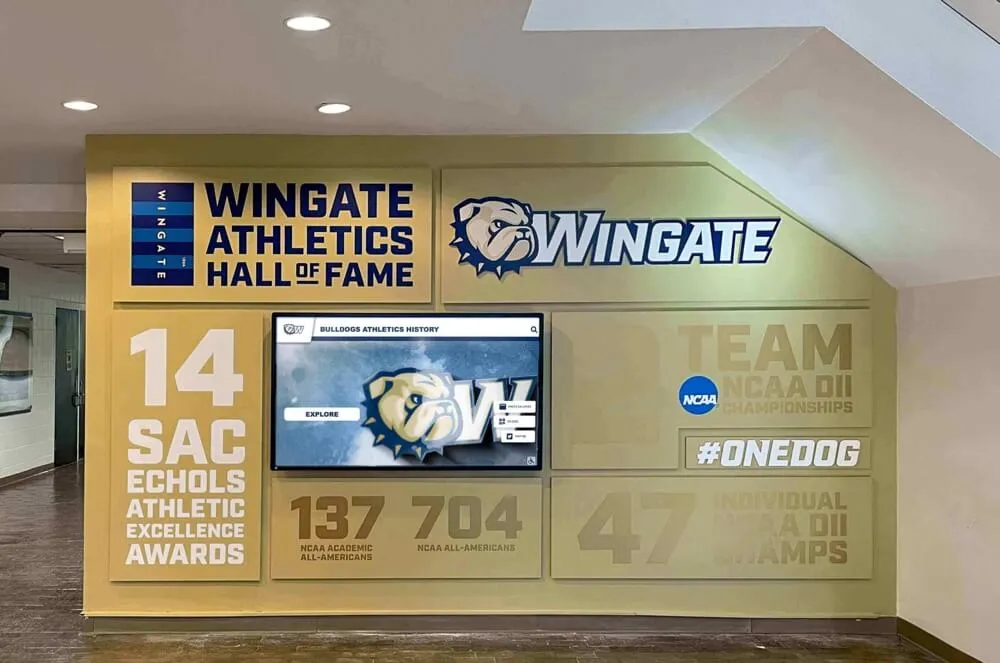
An athletic awards database prepared transaction audit is the step of checking PostgreSQL’s pg_prepared_xacts system view — and its equivalents in other databases — before running a new season import, to confirm that no in-doubt two-phase commit transactions are holding locks or blocking storage reclamation against the recognition tables. A prepared transaction is a transaction that has been written to disk and detached from its session, waiting for an external transaction coordinator to issue the final commit or rollback signal. Finding one in an awards database before a season import does not mean something has gone wrong, but it does mean the import team needs to understand who owns that transaction and whether it is safe to proceed.
Read More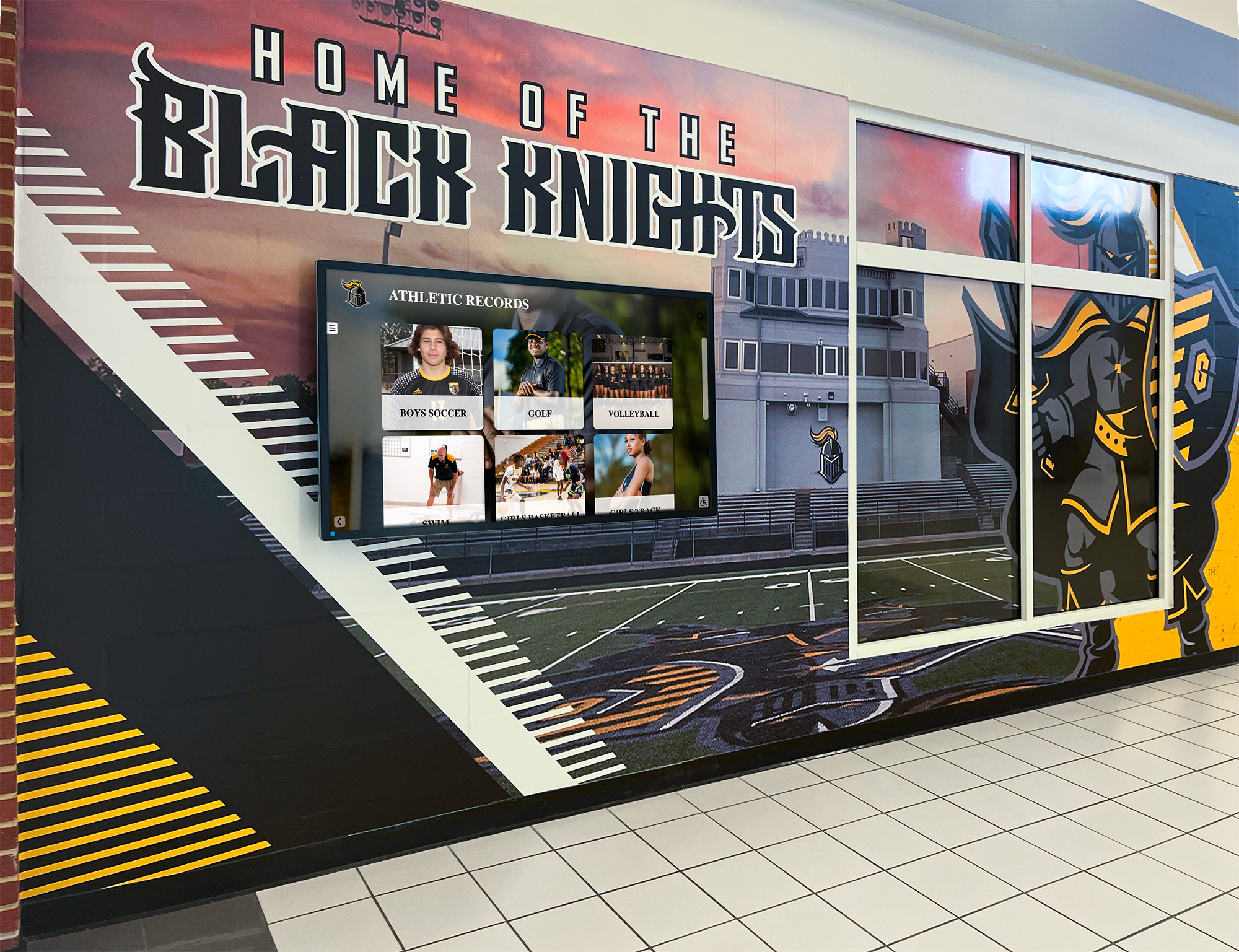
Athletic Awards Database Large-Object Cleanup Policy: Preserve Referenced Photos Before Removing Orphans
An athletic awards database large object cleanup policy defines the sequence for safely identifying and removing PostgreSQL OID-backed large objects that no longer have any referencing row — while guaranteeing that photos still tied to active hall-of-fame inductee profiles, championship displays, and historical team collections are never deleted. Schools and athletic departments that maintain athlete recognition databases over many years accumulate silent orphans from routine record deletions, season migrations, and data corrections. A written policy brings that accumulation under controlled governance before it becomes a disk-space or data-integrity problem.
Read More
Athletic Awards Database Transition Tables: Review Batch Changes Before Updating Displays
An athletic awards database transition table trigger audit gives school recognition staff a way to see every award record changed during a batch operation — as a complete set, before the transaction commits — and decide whether to proceed, log the evidence, or roll back. PostgreSQL’s statement-level triggers with REFERENCING OLD TABLE and NEW TABLE clauses expose the entire before-and-after snapshot of a batch change as queryable relations, letting a trigger function audit the full set, update derived recognition counts, and preserve rollback evidence rather than inspecting one row at a time.
Read MoreAthletic Awards Database COPY Import Error Isolation Workflow
An athletic awards database COPY import error isolation workflow gives schools a controlled method for loading award records from CSV files, spreadsheets, or legacy system exports — without allowing a single malformed row to abort the entire import and leave recognition displays incomplete. A well-designed isolation workflow separates bad rows from clean ones before they reach the production table, quarantines them for staff review, and verifies the accepted set is complete before any record is published to a display channel.
Read More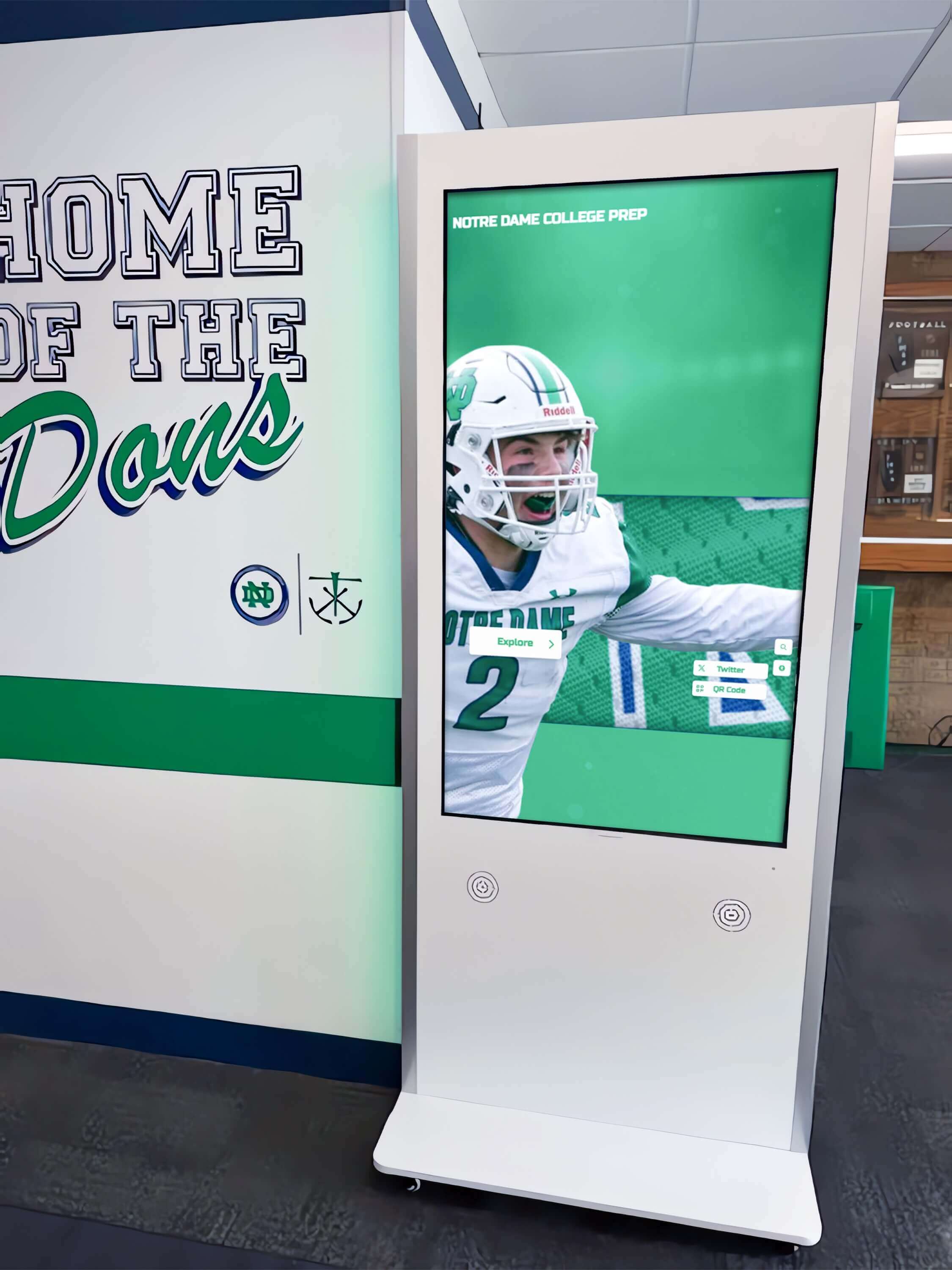
Athletic Awards Database Postgres Plan Cache: Generic vs Custom Plan Check
Intent: research — An athletic awards database Postgres plan cache diagnostic is a structured procedure for identifying whether PostgreSQL is executing parameterized award-search queries using a generic, parameter-agnostic plan or a custom plan tailored to each specific parameter combination — and for determining when the generic plan choice silently slows multi-season athletic award lookups on digital display systems. PostgreSQL’s query planner caches execution plans for prepared statements as a performance optimization; the cached plan may be generic (estimated for any input value) or custom (estimated for the specific parameter values in each call). When award data distributions are uneven across sports or seasons, a generic plan calibrated for an average parameter value can choose a full table scan where a targeted index access would serve the actual query far faster. This guide is written for school IT administrators, database administrators, athletic directors, and recognition-platform data stewards responsible for PostgreSQL-backed award archives that power lobby touchscreens, digital hall of fame displays, and end-of-season search tools.
Read More
Athletic Awards Database Postgres Index-Only Scan Diagnostics for Award Search
Intent: research — An athletic awards database Postgres index-only scan diagnostic is a structured procedure for confirming that a covering index on your recognition database is actually eliminating heap access for award-search queries — and for finding exactly why it is not when EXPLAIN ANALYZE still reports heap fetches. Designing a covering index and verifying that the query planner uses it as an index-only scan are two different tasks: an index can exist, be chosen by the planner, and still read from the heap on every row if the table’s visibility map has not been updated by VACUUM. This guide is written for school IT administrators, athletic directors, database administrators, and recognition-platform data stewards responsible for PostgreSQL-backed award archives that power lobby touchscreens, digital hall of fame displays, and end-of-season search tools.
Read More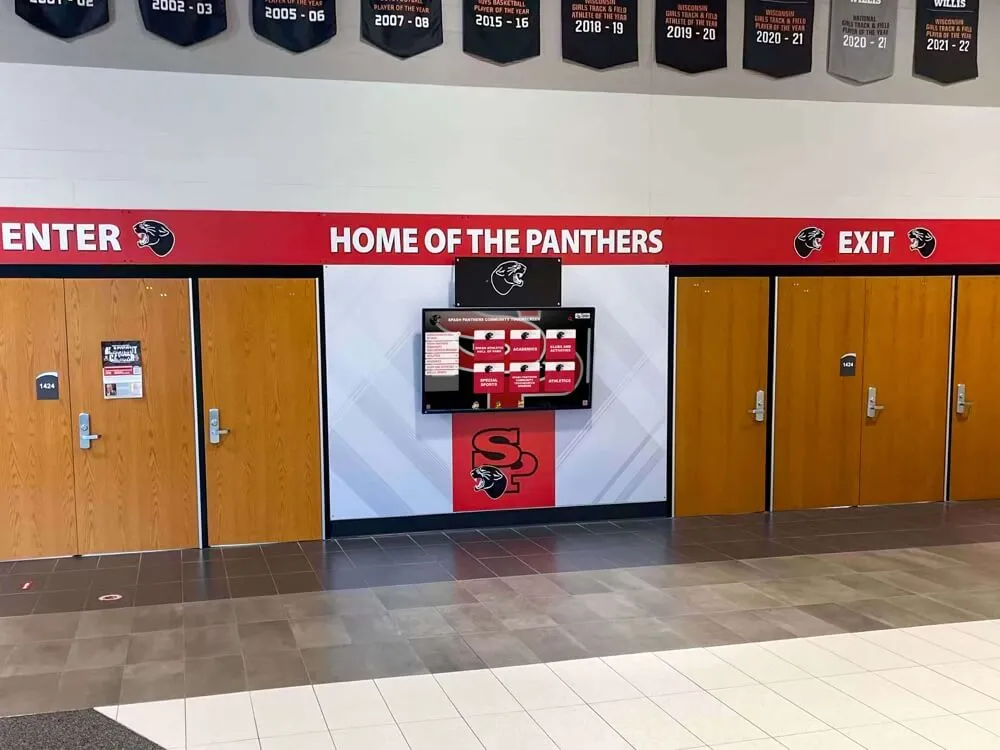
Athletic Awards Database Postgres Extended Statistics for Multi-Field Reports
Intent: research — an athletic awards database postgres extended statistics policy defines which multi-column combinations on recognition tables require a CREATE STATISTICS object, which statistic type (ndistinct, dependencies, or MCV) fits each combination, and how to verify that the query planner’s row count estimates improve for reports filtered by season, sport, and award category simultaneously. PostgreSQL collects single-column statistics automatically with ANALYZE and AUTOVACUUM, but when a report’s WHERE clause combines two or three columns that are correlated in the data — award categories that exist only within specific sports, team names that map exclusively to one sport — the planner multiplies each column’s individual selectivity and arrives at a row estimate that can be an order of magnitude too low. Extended statistics capture those multi-column co-occurrence frequencies and give the planner accurate row counts for the combined filter, enabling it to choose the correct join strategy and access method for multi-field recognition reports.
Read MoreAthletic Awards Database work_mem Policy for Fast Leaderboard Sorts
Intent: research — an athletic awards database postgres work_mem policy defines how much memory the database allocates per sort or hash operation when executing leaderboard ranking queries, and documents which sessions, roles, and query types are authorized to raise that limit above the system default. PostgreSQL’s work_mem parameter controls the size of the in-memory buffer available to each sort node and hash node in a query plan. When a leaderboard sort — ranking athletes by season points, career statistics, or multi-sport honors — produces more data than work_mem allows, PostgreSQL spills the sort to temporary disk files and query response time increases proportionally. A written policy governs when work_mem can be raised, by how much, at which scope (session, role, or transaction), and how the outcome is verified.
Read More
Athletic Awards Database Transaction Isolation Policy for Concurrent Imports
Intent: research — an athletic awards database transaction isolation policy defines which isolation level governs each type of concurrent import operation so that when two or more staff members — or two scheduled batch processes — write to the same recognition database at the same time, the result is a consistent, complete record set rather than a mix of partial writes and phantom values. Without a documented isolation policy, end-of-season award imports, roster corrections, and historical data loads can interfere with each other in ways that are invisible in the moment and difficult to diagnose after the fact.
Read More
Athletic Awards Database pg_restore Drill for Verified Award Records
An athletic awards database pg_restore drill is a controlled, pre-season exercise in which a school’s database administrator or IT team restores a recent backup of the recognition database to an isolated environment, runs a structured verification checklist against the restored data, confirms record counts and field completeness, and documents the outcome — before that backup is ever needed in an emergency. A restore drill is categorically different from a backup policy: a backup policy governs how backups are created, scheduled, and retained; an athletic awards database pg_restore test proves that those backups can actually produce a working, complete recognition database when restored.
Read MoreAthletic Awards Database REINDEX CONCURRENTLY Policy for Zero-Downtime Maintenance
Intent: research — An athletic awards database REINDEX CONCURRENTLY policy defines the conditions under which a school’s recognition database administrators should rebuild degraded indexes using PostgreSQL’s concurrent reindex mode — rebuilding index structures without holding the access-exclusive lock that blocks reads and writes throughout the operation. Standard REINDEX acquires an exclusive lock on the indexed table for the full duration of the rebuild, halting every query against the recognition database while the operation runs. In a school environment where lobby kiosks, web archives, and digital hall of fame displays query the awards database continuously, that lock translates directly into visitor-facing outages during maintenance windows that are rarely long enough to be invisible. REINDEX CONCURRENTLY eliminates that outage by building a new index structure alongside the live table, swapping it in atomically, and dropping the old index — without blocking any ongoing reads or writes.
Read MoreAthletic Awards Database Generated-Column Policy for Consistent Derived Fields
An athletic awards database generated column policy defines which derived fields in a school’s recognition database should be computed automatically from base column values — and what rules govern how those fields behave during imports, corrections, and display rendering. A generated column is a field whose value the database computes from one or more other columns in the same row, using a formula defined in the schema. Because the database owns the computation, the derived value is always consistent with the base fields: a display name assembled from first name, last name, and graduation year can never be out of sync with those components, because it is recalculated every time any component changes. The policy specifies which derived fields qualify for this treatment, which belong in application logic instead, and what import-side validation procedures must account for fields the database computes rather than accepts from an incoming file.
Read More
Athletic Awards Database GIN Index Policy for Searchable Profiles
Intent: research — An athletic awards database GIN index policy defines which PostgreSQL Generalized Inverted Indexes should be created for full-text profile search, JSONB metadata containment queries, and array-based tag lookups across athlete records — and specifies the write-overhead tradeoffs, fastupdate settings, and pending-list limits that keep those indexes from becoming a maintenance liability as award archives grow. GIN indexes invert a column’s content: instead of mapping a row to its column value, they map each searchable token, tag, or JSON key to the set of rows that contain it. That inversion is what makes a full-text search across thousands of athlete biographies fast — and it is also what makes GIN’s write path more expensive than a B-tree index’s, which is why a written policy matters more than a best-guess index list.
Read MoreAthletic Awards Database TOAST Table Monitoring for Long Bios and Media Metadata
Intent: research — Athletic awards database TOAST table monitoring is the practice of tracking how PostgreSQL’s Oversized-Attribute Storage Technique (TOAST) handles large column values — athlete biographies, award citations, and media metadata — and alerting administrators before that out-of-row storage grows unchecked and slows the recognition display queries that athletes and families depend on. When a column value in a PostgreSQL row exceeds approximately 2 KB, the database engine automatically moves the oversize value into a linked TOAST table and stores a pointer in the main row. The process is transparent to applications but invisible to staff — and that invisibility is exactly why monitoring matters.
Read MoreCovering Index Policy for Fast Athletic Awards Search Results
Intent: research — An athletic awards database covering index policy defines rules for identifying which PostgreSQL indexes should include every column a query needs — filter columns, sort columns, and returned display columns — so that common award lookups can be satisfied entirely from the index without reading the underlying table. When an index covers a query completely, the PostgreSQL query planner executes an index-only scan: no heap fetch, no second trip to the main table, and no per-row latency penalty that compounds as award archives grow across decades of seasonal records.
Read MoreAthletic Awards Database pg_stat_statements Review Workflow
Intent: research — An athletic awards database pg_stat_statements review is the practice of querying PostgreSQL’s pg_stat_statements extension to surface which SQL statements consume the most time, I/O, and memory across all queries running against a school’s athletic recognition database — identifying the specific hall of fame lookups, records board aggregations, and inductee search queries that slow down kiosk and display performance before they become noticeable to coaches, families, and student-athletes at recognition events.
Read MoreAthletic Awards Database Fillfactor Tuning for Frequently Updated Records
Intent: research — Athletic awards database fillfactor tuning is the practice of configuring PostgreSQL’s per-table and per-index fillfactor storage parameter to reserve free space on data pages so that in-place row updates — Heap Only Tuple (HOT) updates — remain possible after a record’s initial write. For an athletic award archive where records are routinely corrected across multiple seasons (misspelled athlete names, adjusted award dates, reclassified sport categories), a mismatched fillfactor eliminates the free space those corrections require for HOT updates, forcing PostgreSQL into slower update-plus-dead-tuple cycles that bloat tables and degrade display query performance.
Read MoreAthletic Awards Database BRIN Index Policy for Time-Ordered Recognition Records
Intent: research — an athletic awards database BRIN index policy defines the criteria for deciding when a Block Range INdex is the correct choice for a time-ordered recognition table, how to verify that the table’s physical layout supports BRIN’s assumptions, and when to fall back to a B-tree index despite BRIN’s compact footprint. BRIN indexes store range summaries for consecutive disk pages rather than individual row pointers, making them orders of magnitude smaller than B-tree indexes on the same column — but only effective when the indexed column’s values align with the physical order in which rows were written to disk.
Read More
Athletic Awards Database Hot-Standby Conflict Policy for Fresh Recognition Data
An athletic awards database hot-standby conflict policy defines the delay thresholds, feedback settings, and escalation procedures that govern how a school’s read-only standby server handles the conflict between active display queries and the incoming stream of primary-database changes. A hot standby is a replica that simultaneously applies updates from the primary and serves read queries — display requests, report exports, and kiosk lookups — from its own copy of the data. A conflict occurs when a query running on the standby holds access to a page that the WAL application process needs to modify or reclaim: the standby must choose whether to wait for the query to finish or cancel it so replication can proceed. Without a documented policy, that choice is made by default configuration, which is rarely calibrated to the specific operational patterns of a school recognition program — seasonal import bursts, ceremony-day verification traffic, and long-running coach report exports that land precisely when new award data is flowing in.
Read MoreAthletic Awards Database WAL Checkpoint Policy for Reliable Recognition Updates
Intent: research — an athletic awards database WAL checkpoint policy defines the configuration rules, frequency thresholds, and monitoring procedures that govern how a school’s recognition database flushes write-ahead log data to its permanent data files, ensuring that every approved award record survives a power failure, crash, or unplanned restart without requiring manual recovery. WAL (Write-Ahead Logging) is the durability mechanism that all major relational databases use to guarantee that committed transactions are not lost: every change to an award record is written to the WAL before it touches the data files. A checkpoint is the coordinated process that catches the data files up to the WAL, creating a recovery point from which the database can restart cleanly. Without a documented checkpoint policy, a school’s recognition database may run checkpoints too infrequently — extending crash recovery time to the point where a display goes dark mid-ceremony — or too aggressively, generating I/O spikes that slow the award-display queries families see in real time.
Read MoreCategories
- Academic Excellence ( 15 )
- Alumni Recognition ( 2 )
- Athletic Administration ( 63 )
- Athletic Recognition ( 91 )
- Athletic Training ( 1 )
- Career Development ( 1 )
- Community Building ( 1 )
- Digital Archives ( 1 )
- Digital Displays ( 1 )
- Digital Recognition ( 8 )
- Donor Relations ( 1 )
- Employee Recognition ( 1 )
- Event Planning ( 5 )
- Hall of Fame ( 3 )
- HowTo ( 4 )
- Leadership Appreciation ( 1 )
- Risk Management ( 1 )
- School Administration ( 1 )
- School Advancement ( 1 )
- School Athletics ( 1 )
- School Communications ( 1 )
- School Culture ( 20 )
- School Events ( 1 )
- School Fundraising ( 2 )
- School History ( 1 )
- School Recognition ( 2 )
- School Spirit ( 1 )
- School Technology ( 5 )
- Sports Programs ( 1 )
- Staff Recognition ( 1 )
- Student Achievement ( 2 )
- Student Engagement ( 1 )
- Student Recognition ( 40 )
- Team Recognition ( 1 )
- Technology ( 5 )
Tags
- 10 Year High School Reunion
- Academic All State
- Academic Awards
- Academic Competition
- Academic Decathlon
- Academic Excellence
- Academic Honors
- Academic Recognition
- Achievement Celebration
- ADA Compliance
- Administrator Appreciation
- AI Graphics
- AI Procurement
- AI Tools
- Algorithmic Bias
- All Conference Award
- Alumni Engagement Software
- Alumni Recognition
- Alumni Relations
- Aquatics
- Archival Preservation
- Assistant Principal Appreciation
- Athlete Name Pronunciation
- Athletic Administration
- Athletic Award Appeals
- Athletic Awards
- Athletic Banquet
- Athletic Code of Conduct
- Athletic Communications
- Athletic Development
- Athletic Director
- Athletic Events
- Athletic Facilities
- Athletic Fundraiser
- Athletic Locker Room Signage
- Athletic Recognition
- Athletic Recognition Program
- Athletic Records
- Athletic Recruiting
- Athletic Training
- Auxiliary Programs
- Award Ceremonies
- Award Ceremony
- Award Display Case
- Award Ideas
- Award Policy
- Award Presentation
- Award Records
- Award Review Process
- Award Tracking
- Award Wall
- Award Wall Ideas
- Awards
- Awards Ceremony
- Awards Display
- Awards Eligibility
- Awards Policy
- Band Programs
- Banquet
- Baseball
- Baseball Drills
- Basketball
- Basketball Drills
- Best Touchscreen Recognition Software
- Booster Club
- Booster Clubs
- Bulletin Boards
- Cadet Awards
- Canonical Record
- CAP
- Career Path
- Certificates
- Character Education
- Character Recognition
- Class Reunion Awards
- Classroom Displays
- Club Volleyball
- Coaches Award
- Coaches Recognition
- Coaching
- Coaching Resources
- College Commitment
- College Softball
- College Sports
- College Volleyball
- Color Guard
- Community Building
- Community Recognition
- Competition Format
- Concert Programs
- Concurrent Editing
- Concurrent Imports
- Conference Honors
- Content Creation
- Content Management
- Data Governance
- Data Integrity
- Data Privacy
- Data Quality
- Data Stewardship
- Data Validation
- Data Versioning
- Database Management
- Development Office
- Digital Archive
- Digital Archives
- Digital Asset Management
- Digital Awards Display
- Digital Display
- Digital Displays
- Digital Graphics
- Digital Hall of Fame
- Digital Recognition
- Digital Signage
- Digital Trophy Case
- Digitization
- Document Scanning
- Donor Recognition
- Donor Relations
- Donor Stewardship
- Education Requirements
- Educational Excellence
- Educational Leadership
- Employee Appreciation
- Employee of the Month
- Employee Recognition
- End of Season
- Event Planning
- FERPA
- Fine Arts
- Forensics
- Forensics Champions
- Free Tools
- Fundraising
- Gift Management
- Graduation
- Graduation Traditions
- Group Achievement
- Hall of Fame
- Hall of Fame Selection
- High School Athletics
- High School Recognition
- High School Reunion Ideas
- High School Sports
- HOF Ballot
- Honor Roll
- Honor Society
- Honors Cords
- Inclusive Recognition
- Induction Ceremony
- Interactive Display
- Interactive Signage
- Interactive Touchscreen
- JROTC
- K-12 Awards
- Kiosk Vendor
- Leaderboard
- Leadership Programs
- Leadership Skills
- Legacy Planning
- Legal Compliance
- Letter Winner
- Marching Band
- MDM
- Medal Display
- Memorial Gardens
- Memorial Recognition
- Military Display
- Military Recognition
- Mock Trial
- Motivational Displays
- Music Programs
- National Honor Society
- National Signing Day
- NCAA Softball
- NHS Planning
- NJROTC
- NSDA
- Online Store
- Orchestra
- Pacific Northwest Athletics
- Parent Volunteers
- Photo Management
- Photos
- Platform Comparison
- Player Development
- Policy
- Principal Retirement
- Recognition Ceremonies
- Recognition Displays
- Recognition Gifts
- Recognition Program
- Recognition Programs
- Recognition Wall
- Record Boards
- Record Keeping
- Reference Data
- Retirement Gifts
- Risk Management
- Rocket Alumni Solutions
- Salutatorian
- Scholar Athletes
- School Athletics
- School Awards Night
- School Calendar
- School Communication
- School Community
- School Culture
- School Design
- School Displays
- School Events
- School Fundraising
- School Graphics
- School Hall of Fame
- School Hall of Fame Software
- School History
- School Identity
- School Leadership
- School Marketing
- School Media
- School Memorials
- School Pride
- School Programs
- School Recognition
- School Recognition Days
- School Revenue
- School Spirit
- School Technology
- School Traditions
- Season Imports
- Seattle Schools
- Senior Pages
- Senior Recognition
- Senior Superlatives
- Service Awards
- Service Learning
- Shadow Box
- Skill Development
- Social Media
- Softball Scholarships
- Speech and Debate
- Speech Writing
- Spirit Wear
- Spirit Week
- Sponsor Recognition
- Sponsorship Thank You Letter
- Sports Administration
- Sports Awards
- Sports Awards Database
- Sports Banquet
- Sports Banquet Decorations
- Sports Decor
- Sports Drills
- Sports Programs
- Sports Recognition
- Sports Safety
- Sports Skills
- Sports Trophies
- Sportsmanship Award
- Staff Recognition
- Student Achievement
- Student Activities
- Student Athletes
- Student Awards
- Student Honors
- Student of the Month
- Student Publications
- Student Recognition
- Student Success
- Swim Meets
- Swimming
- Swimming Competition
- Teacher Appreciation
- Team Awards
- Team Culture
- Team Honors
- Team Identity
- Team Recognition
- Teamwork
- Tennis
- Tennis Drills
- Touch Screen Display
- Touchscreen Display
- Touchscreen Kiosk
- Touchscreen Recognition Software
- Tribute Spaces
- Tribute Walls
- Trophy Case
- Trophy Display Cabinet
- Uniform Design
- Valedictorian
- Varsity Letter
- Vendor Evaluation
- Vendor Selection
- Veterans Recognition
- Video Archives
- Visual Identity
- Volleyball
- Volunteer Recognition
- Voting Process
- Wall of Fame
- Workplace Recognition
- Year-Round Displays
- Year-Round Recognition
- Yearbook
- Yearbook Design
- Yearbook Scanning
- Years of Service
- Youth Sports