



The 10-year high school reunion hits a sweet spot that no other class gathering can replicate. You are old enough to have genuine stories — careers launched, families started, paths that nobody predicted back in the hallways — but still young enough that nearly everyone remembers nearly everyone. That combination makes the 10-year mark the most-attended milestone in the class reunion cycle, and it sets a high bar for what the night should actually deliver.
A great reunion does more than rent a ballroom and let people mill around with name tags. The events that people still talk about a decade later have one thing in common: structured recognition built into the program. When classmates feel genuinely seen — through an awards ceremony, a memory display, or a moment that acknowledges who they have become — the night transforms from an awkward obligation into something worth attending again at 20 years.
This guide covers venue and theme selection, programming ideas, award categories that recognize every kind of journey, and the digital display options that are turning ordinary reunions into genuinely memorable experiences.

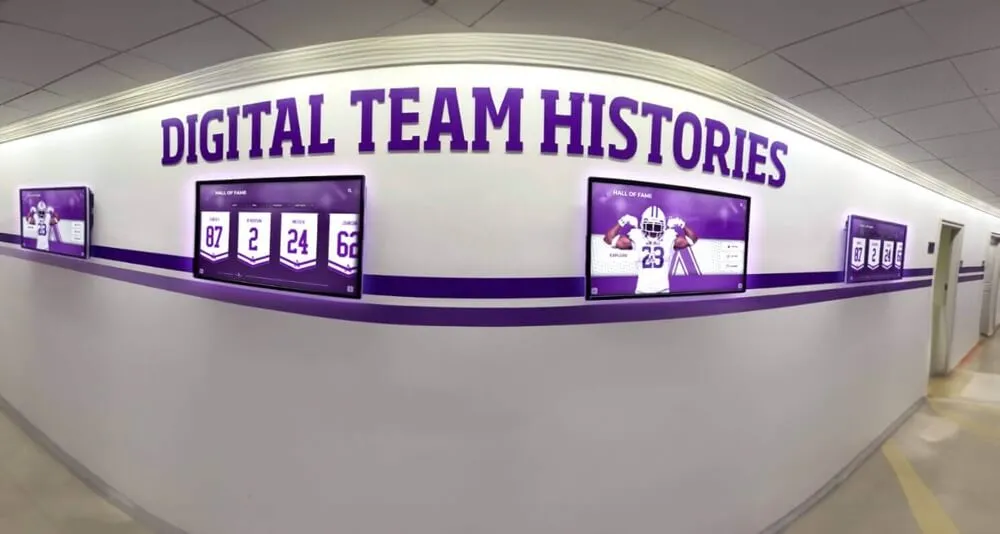
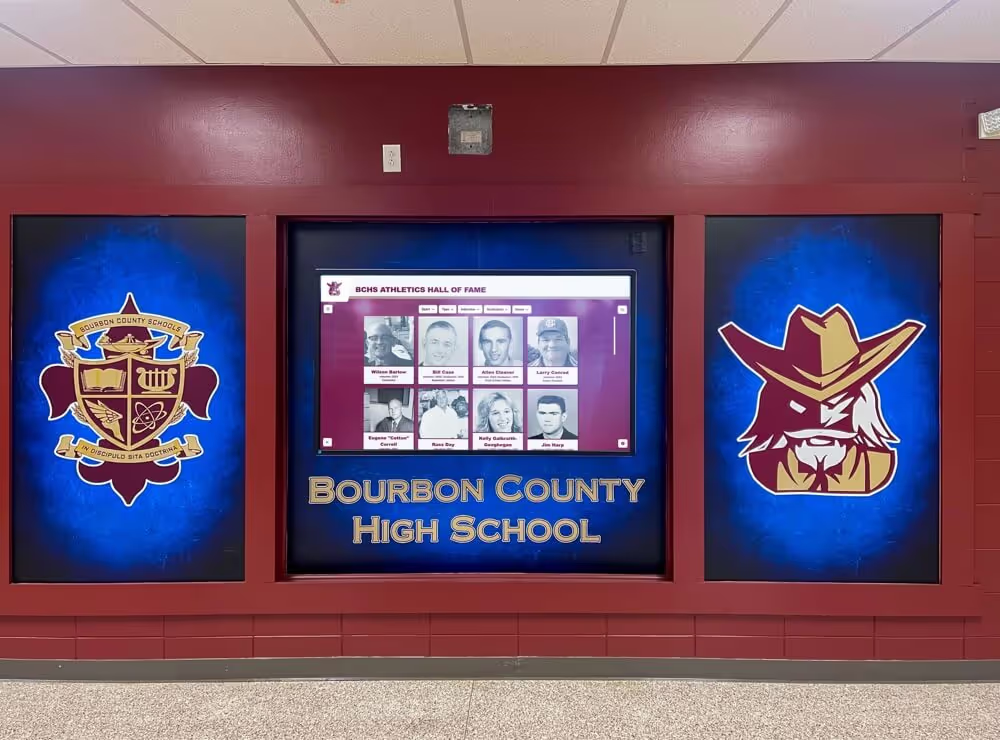
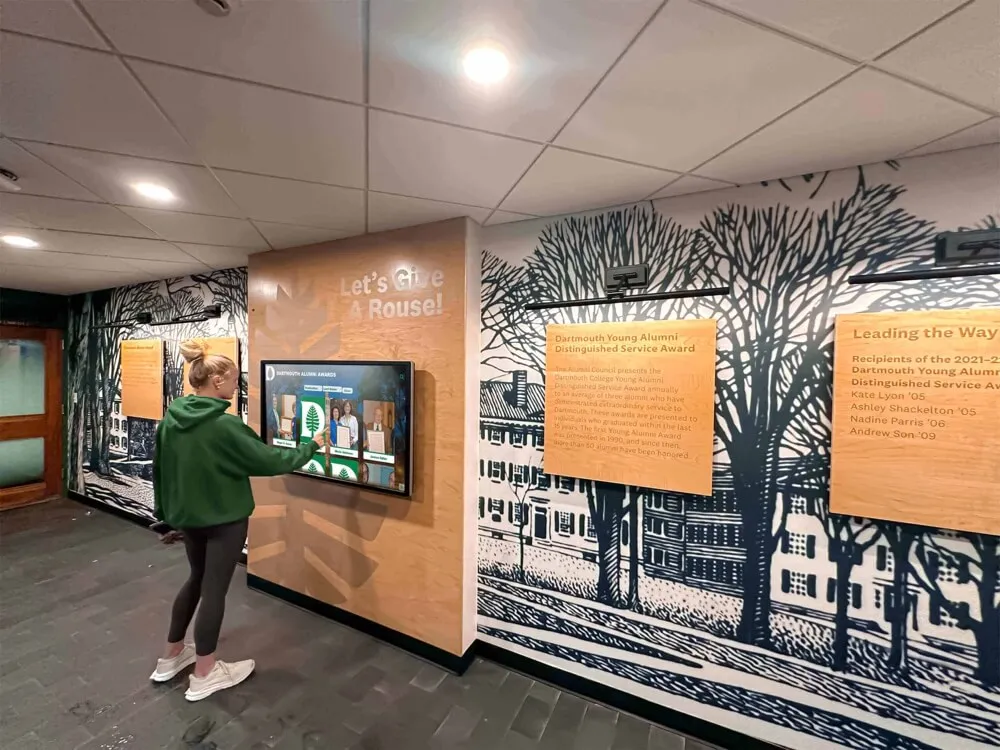
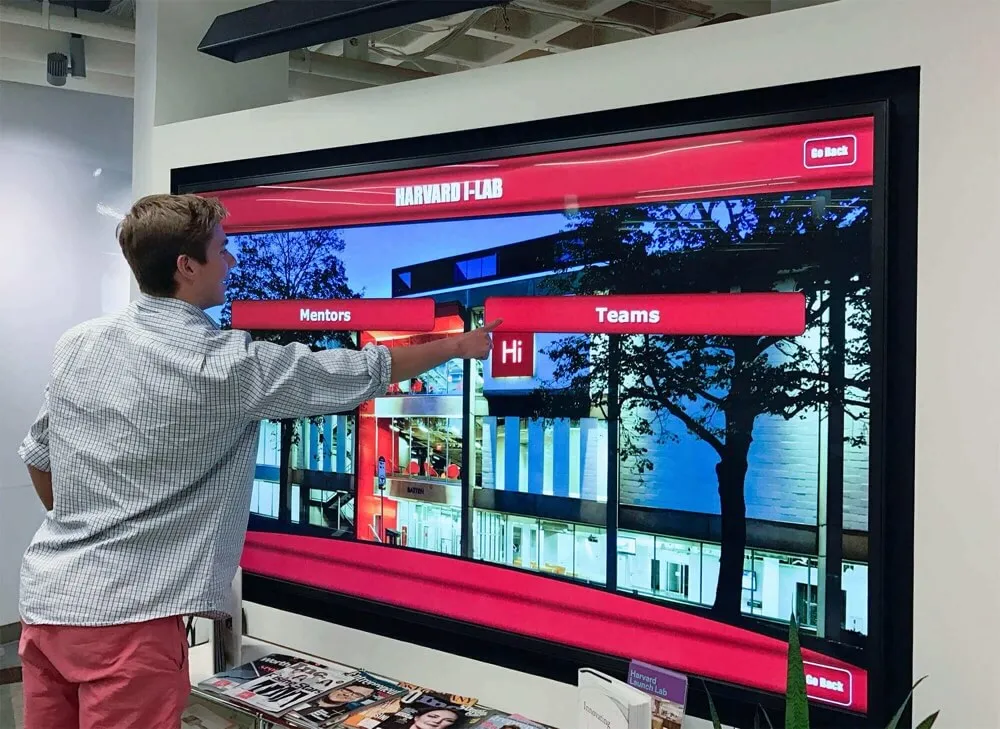
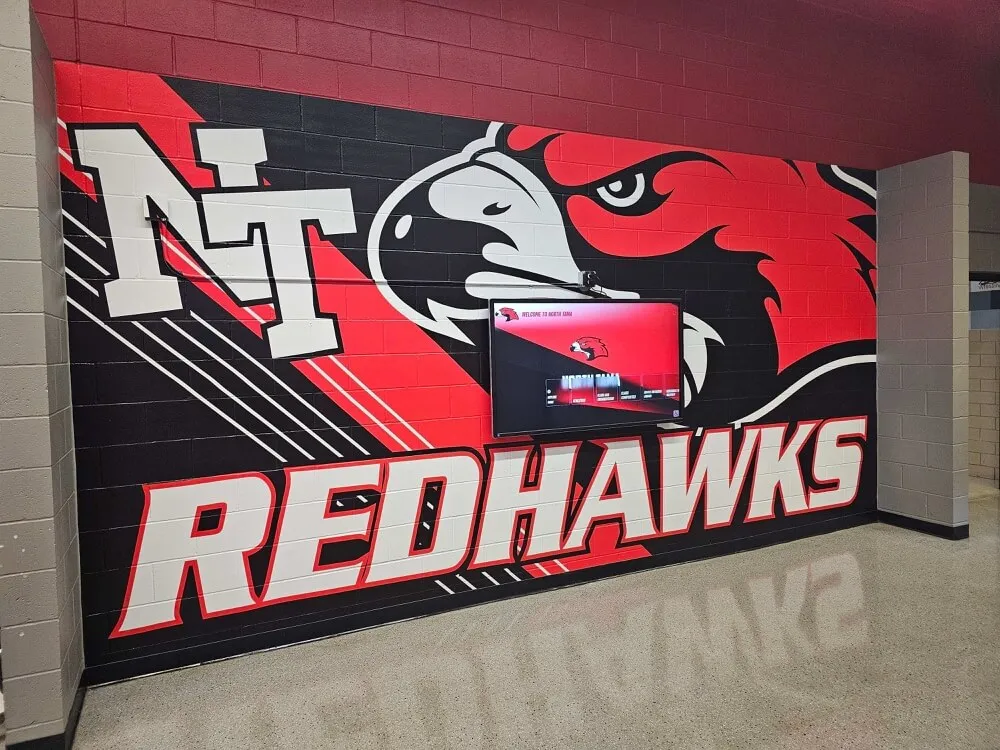
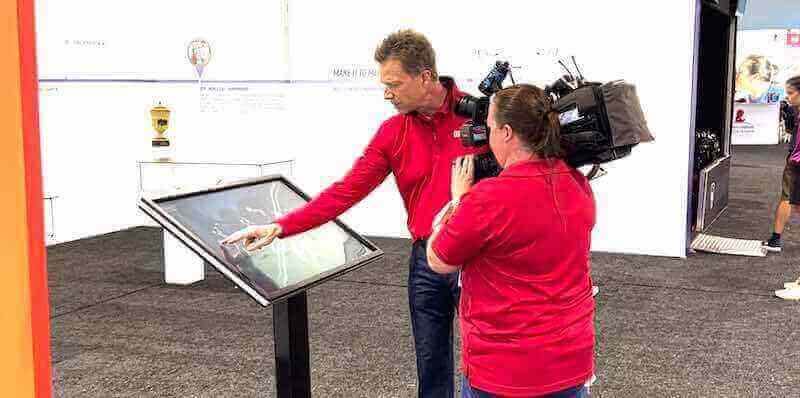
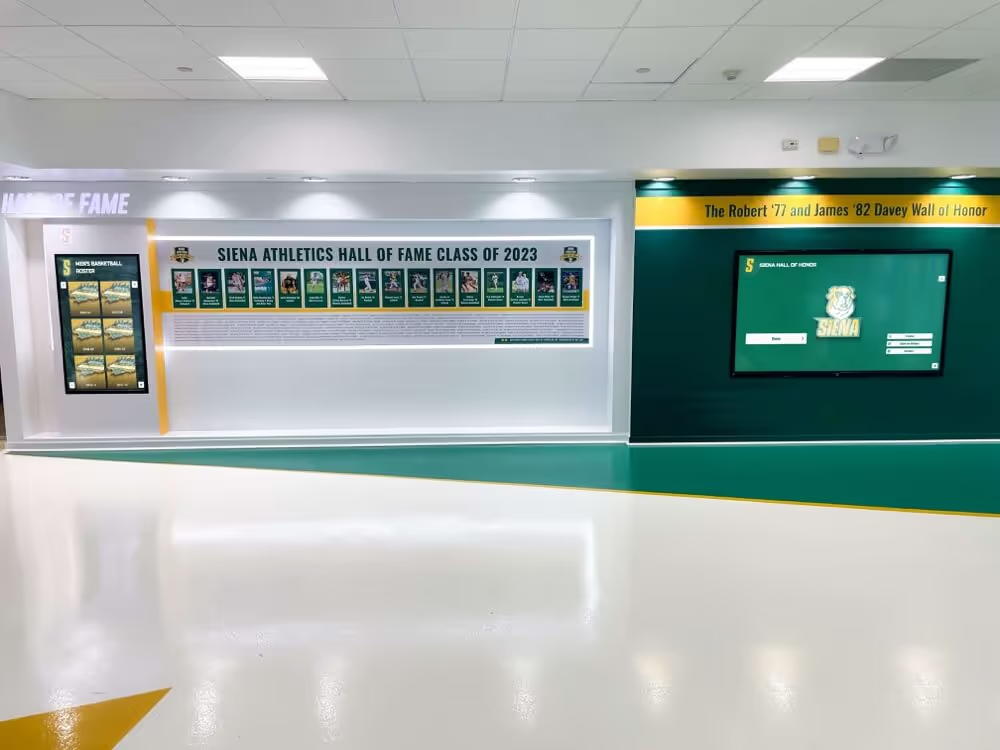
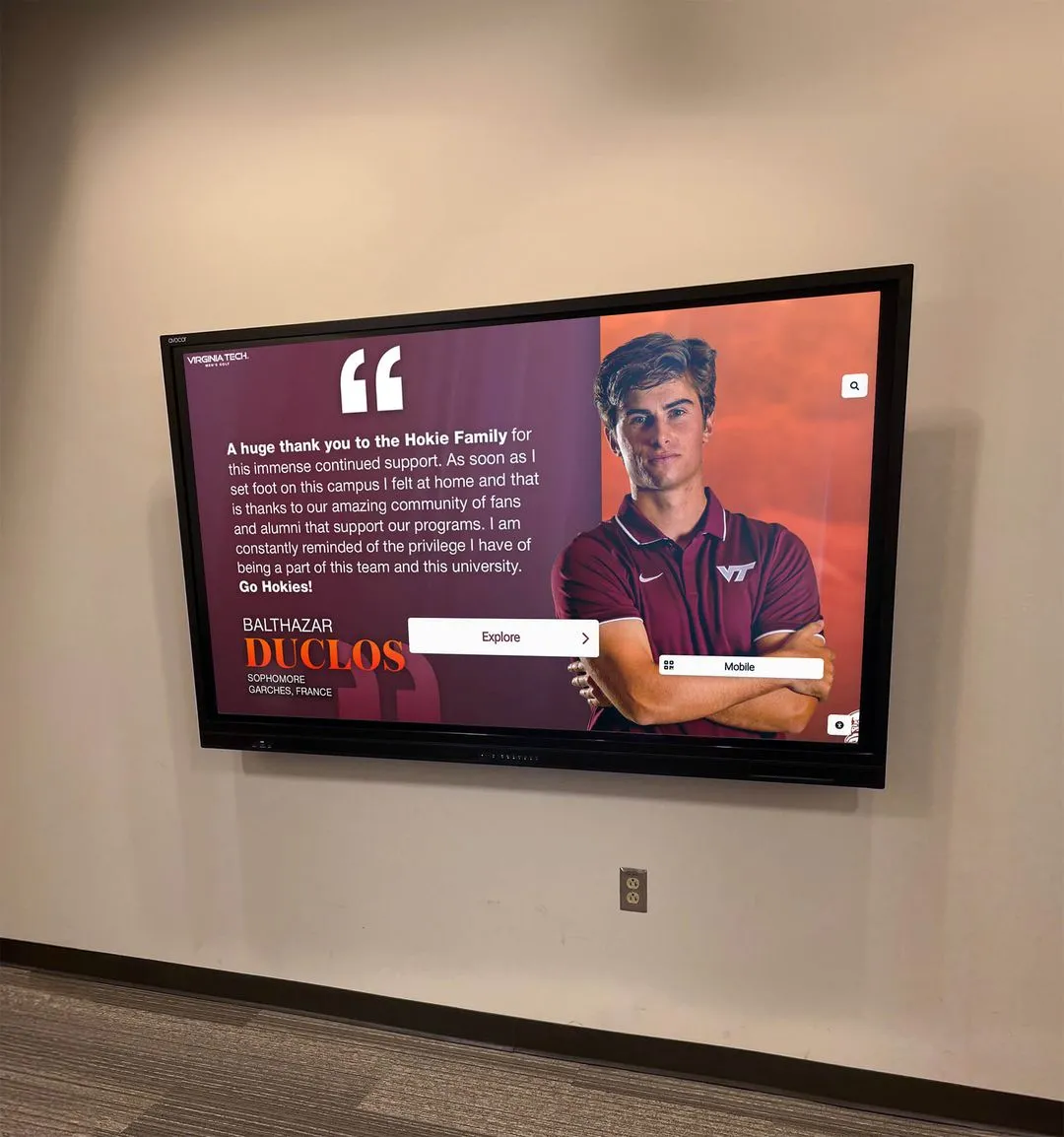
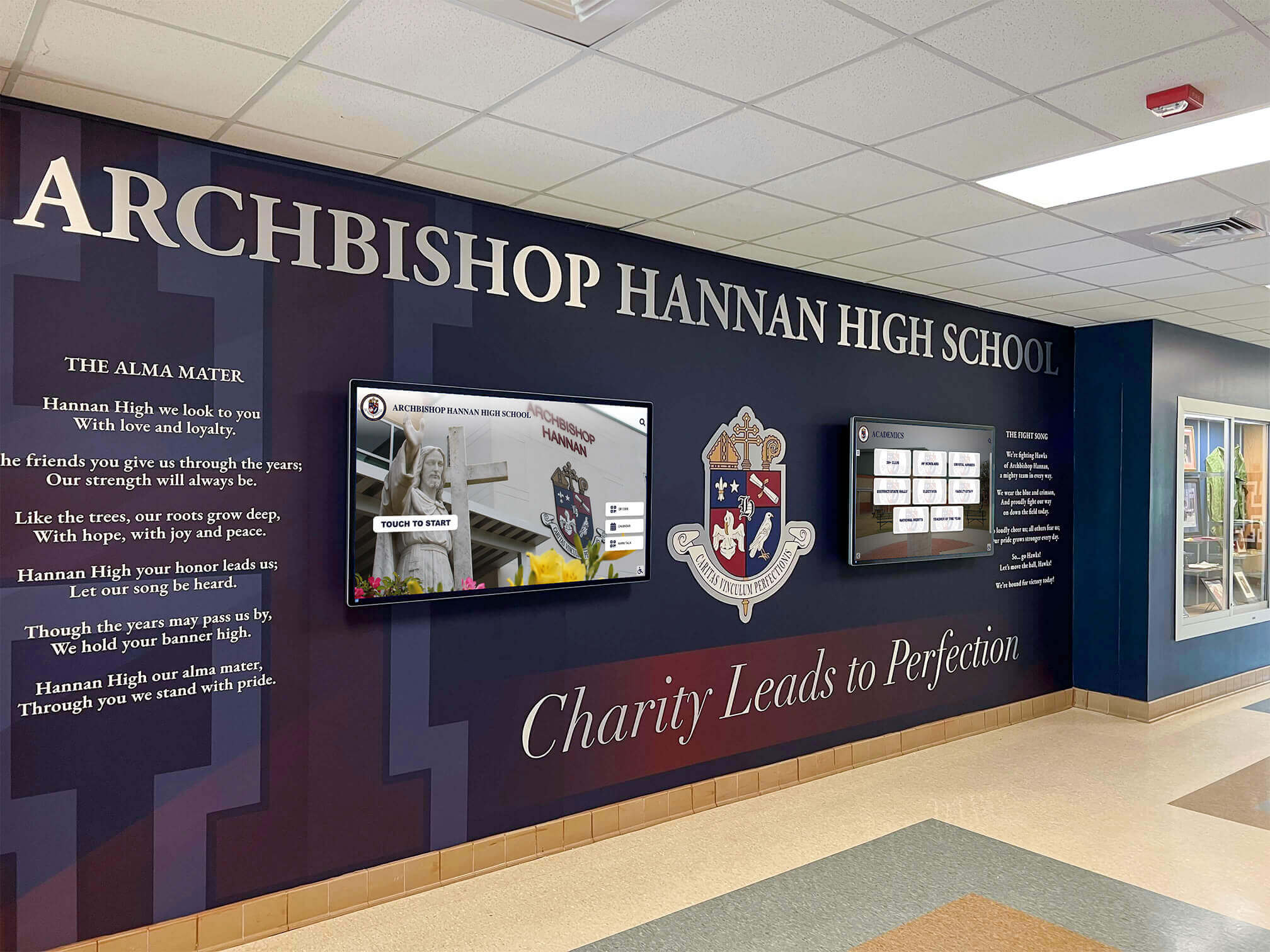
A well-designed alumni display anchors a reunion venue and gives attendees a focal point for shared memories — the kind of setup that sparks real conversations before the formal program begins.
Why the 10-Year Reunion Deserves Serious Planning
Ten years is enough time for real divergence. The student body president may now be teaching kindergarten. The quiet kid who sat in the back row might have founded a company. Reunions that ignore this transformation — that simply try to recreate the social dynamics of senior year — feel hollow. Reunions that celebrate the transformation feel meaningful.
According to data from Classmates.com, roughly 52 percent of adults report interest in attending a high school reunion, with the 10-year mark drawing the highest attendance of any milestone gathering. That means your reunion committee has one genuine opportunity to build a tradition. Get the format right, and the 20-year nearly plans itself.
The Right Tone: Nostalgia Meets Aspiration
The programming should honor who people were while celebrating who they have become. That balance shapes every decision: the venue, the awards, the way photos are displayed, and how the evening is sequenced. Think less “time capsule” and more “living history.”
Venue and Theme Ideas for a 10 Year High School Reunion
Your venue choice signals the tone before guests walk through the door.
The Hometown Venue — The school gym, a local rooftop, or a community hall in the same city creates an immediate emotional anchor. Familiar architecture triggers memory more reliably than any slide deck.
The Elevated Night Out — A rooftop restaurant, hotel event space, or converted venue signals that the class has grown up. This approach works especially well when attendees are traveling in from other cities and need a reason to make the trip feel worth it.
The Hybrid Campus Experience — Some schools welcome alumni back for reunion events. A tour of an updated campus followed by a reception in a renovated space creates a natural “then and now” narrative arc that ties the evening together.
On themes: Rather than assigning a formal costume or color theme, build the decor around a timeline. A horizontal display running from your graduation year to the present — weaving together world events, pop culture touchstones, and class milestones — gives people something to look at and talk about all night without requiring anyone to show up in a costume.
Programming That Keeps Every Guest Engaged
An open bar and a DJ will fill three hours. They will not create the moments people describe to friends who did not attend. Structured programming breaks the reunion into phases that build energy progressively.
Opening Reception: The Memory Wall
During the cocktail hour, give guests something purposeful to do. A memory wall — physical or digital — where classmates have submitted a one-sentence update creates low-stakes conversation openers: “Still in Chicago, just had our second kid, really into distance running now.” Digital versions allow photo and caption uploads in advance so the wall is already populated when guests arrive.
Class Trivia and Shared History
A 15-minute trivia round anchored in the graduation year — songs on the radio, movies in theaters, notable headlines — gets the whole room laughing together before the formal program begins. Keep questions broad enough that every friend group can participate, not just the students who shared the same lunch table.
The Awards Ceremony
This is the structural anchor of a successful 10-year reunion. A well-run awards ceremony creates the night’s peak emotional moment. See the full section below for category ideas.
Photo Station and Yearbook Corner
A staffed photo booth with graduation-year props produces content that guests will share online for days after the event. Pairing it with a browsable version of the original yearbook — digital on a tablet or physical on a display table — is consistently one of the most visited corners of a reunion space.
Closing Toast and Class Directory Update
End the formal program with a brief toast that acknowledges the past decade and looks forward to the next one. Collect updated contact information for a class directory — the reunion is your best opportunity to rebuild the list before the 20-year event.
Class Reunion Awards: Recognizing Every Kind of Journey
The awards ceremony is where a 10-year reunion either lands or falls flat. The core principle: recognize breadth, not just the most conventionally impressive accomplishments. The goal is to make as many people as possible feel seen.
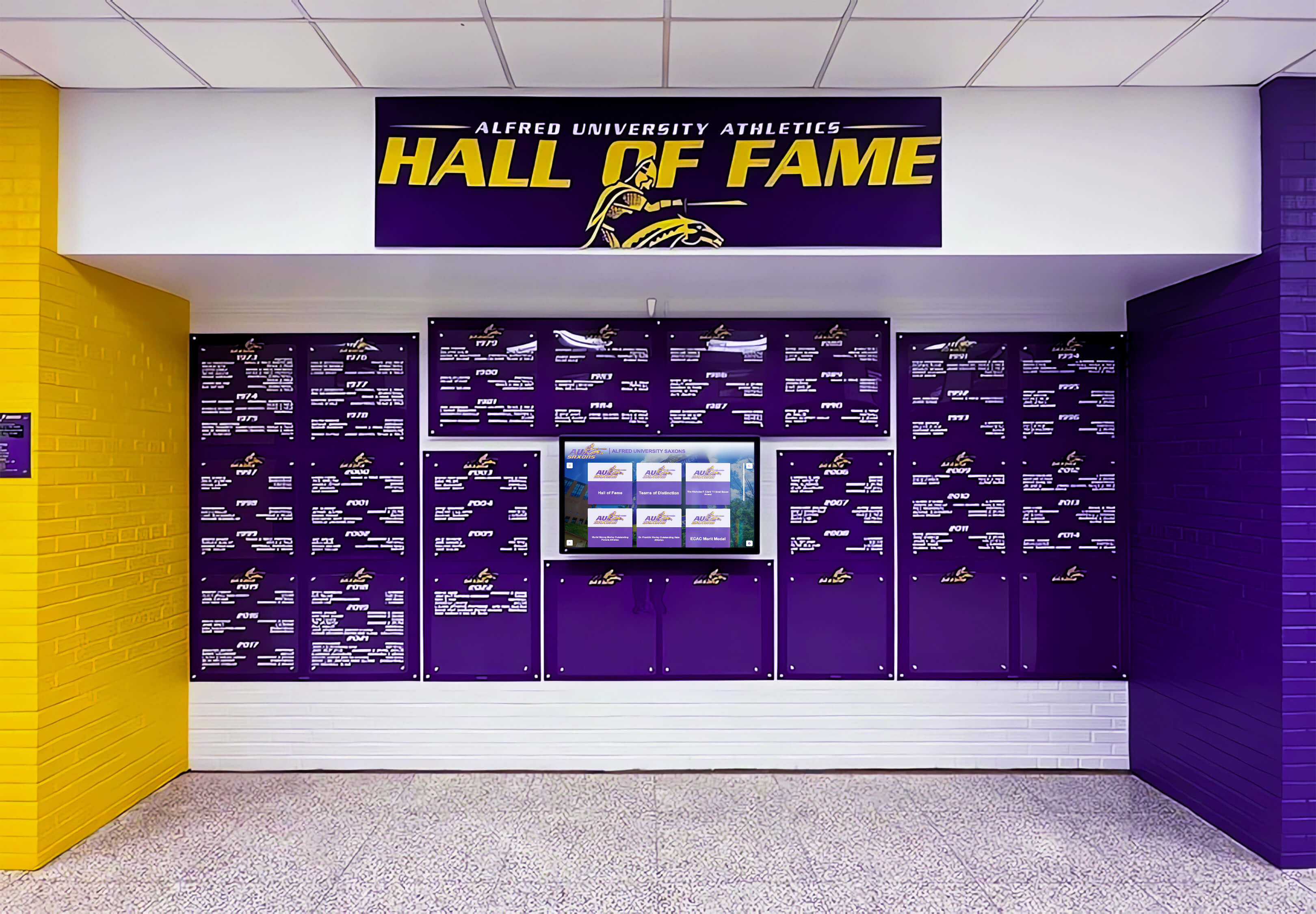
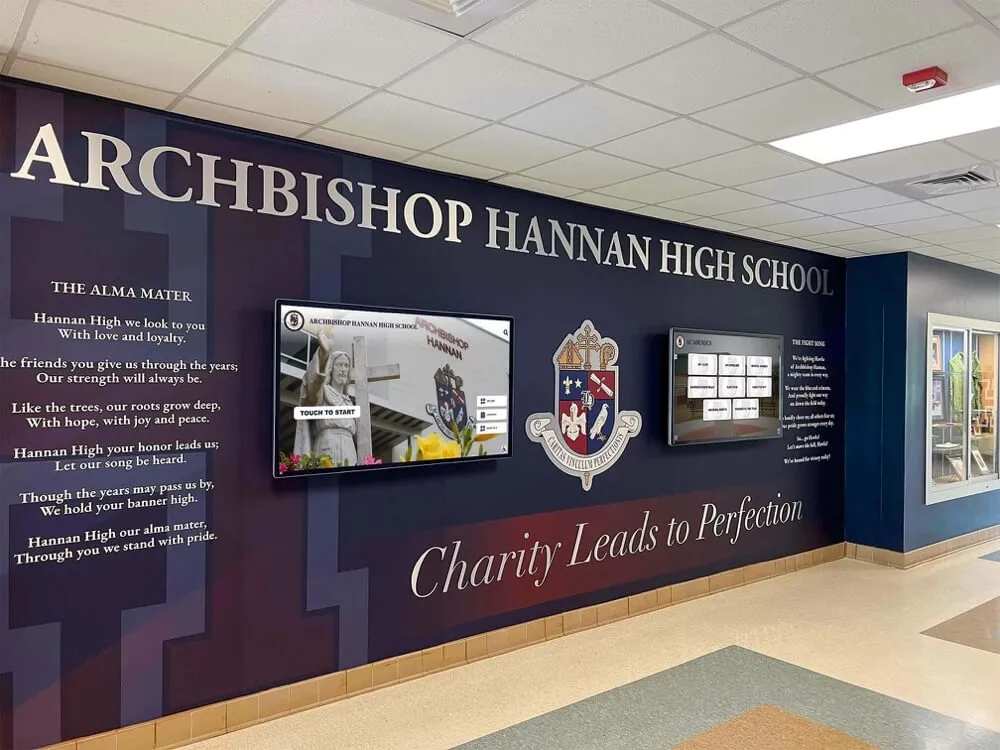
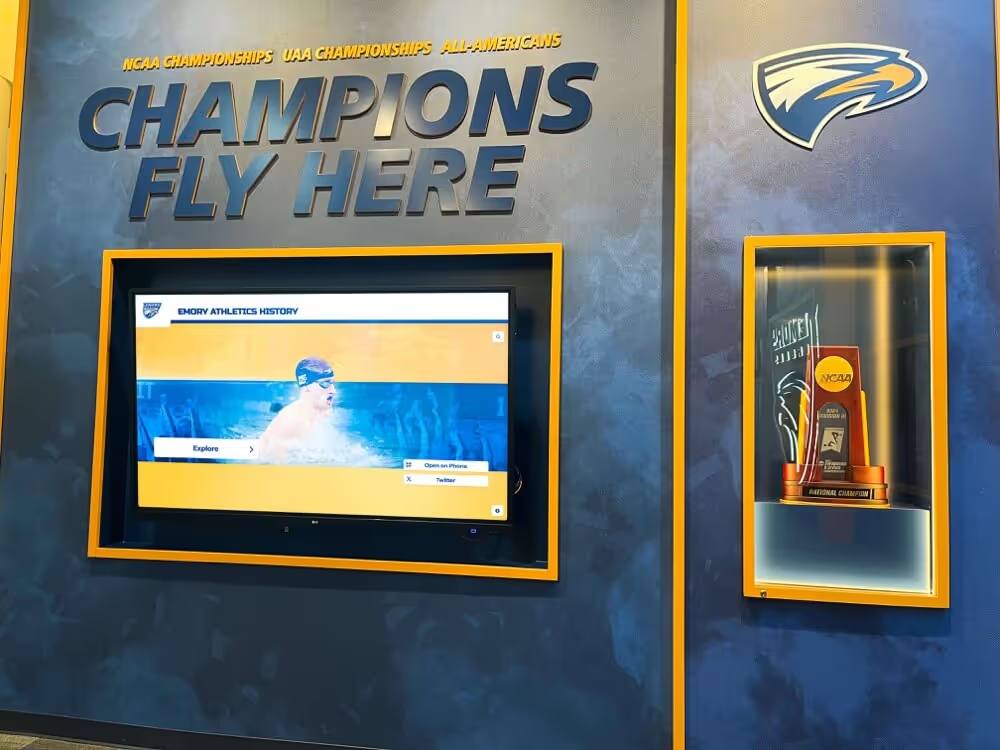
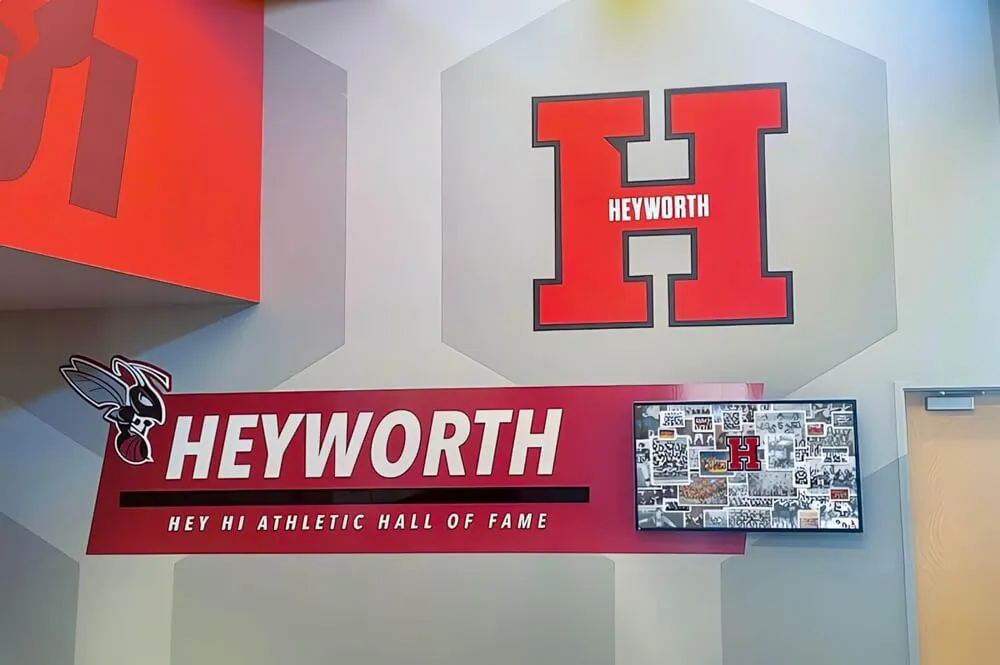
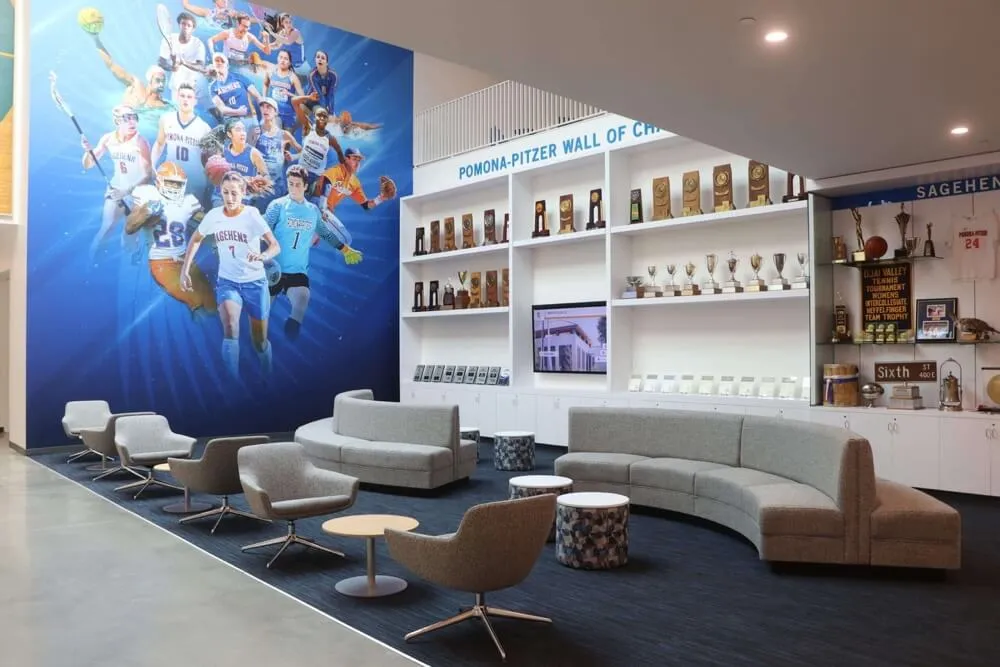
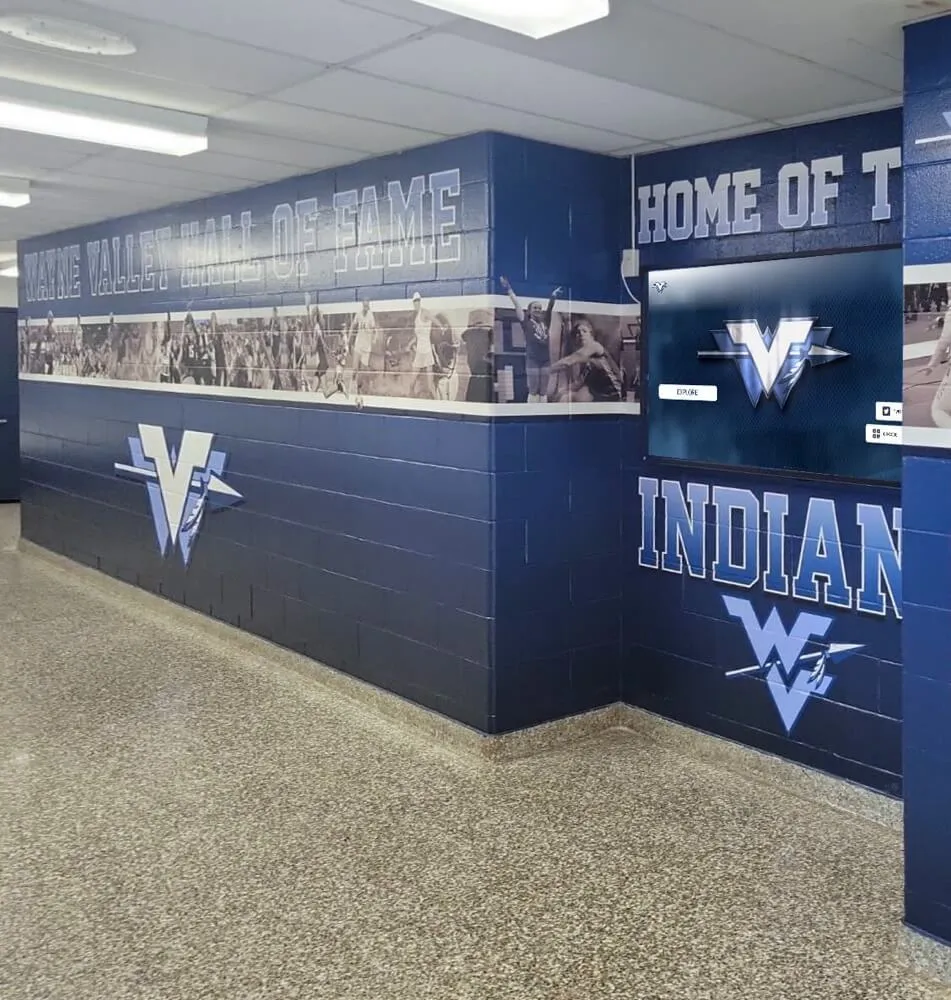
Purpose-built recognition displays communicate that achievements are worth preserving, not just acknowledging in the moment — a standard worth bringing to reunion programming.
Revisiting Class Superlatives
Your senior yearbook almost certainly included superlatives: “Most Likely to Succeed,” “Best Smile,” “Class Clown.” Revisiting those categories at the 10-year mark creates a natural before-and-after narrative that the room is already primed to appreciate. Were the predictions accurate? Who surprised everyone?
Present updated superlatives with humor and warmth. The “Most Likely to Succeed” winner who is now a teacher — a profession routinely underpaid and underrecognized — deserves the same energy as the classmate who launched a startup.
New Award Categories Built for the 10-Year Mark
Beyond the yearbook superlatives, create categories specific to what ten years of adult life actually looks like:
- Biggest Plot Twist — for the classmate whose career or life path nobody predicted
- Community Anchor Award — for the classmate who stayed local and became a pillar of the area
- Globe Trotter — for the classmate who has lived in the most cities or countries
- Most Consistent — for the classmate who is exactly who they said they would be
- Comeback Story — for someone who faced genuine adversity and came back stronger
- First-Generation Pioneer — recognizes classmates who were the first in their family to achieve a major milestone
- Hidden Talent Revealed — for the classmate who turned an unexpected hobby into a career or major accomplishment
Open these categories to a class-wide vote via a simple Google Form three to four weeks before the event. Crowdsourced awards feel more legitimate and generate meaningful pre-event engagement.
Athletic Legacy Recognition
For classes with former athletes who went on to compete at the college level, a brief legacy recognition segment during the program honors achievements that reflect on the school as a whole. The path from high school competition to college athletics is genuinely difficult — understanding how the college sports recruitment process actually unfolds makes clear why those who navigated it successfully deserve specific acknowledgment. For guidance on how schools create permanent displays around athletic alumni, the resource on athletic alumni recognition wall ideas covers approaches that translate effectively into reunion programming as well.
Honoring Teachers and Coaches
Consider inviting one or two beloved teachers or coaches to the reunion. A brief tribute — framed around impact rather than nostalgia — is consistently among the most emotionally resonant moments of any reunion program. If a mentor has recently retired, a recognition moment during the ceremony is especially powerful. The framework for honoring a legendary coach or mentor at a career milestone adapts naturally to the reunion format with only minor adjustments.
Digital Displays That Transform the Reunion Experience
This is the area where the 10-year reunion has changed most visibly in recent years. A printed poster board with yearbook photos is no longer the ceiling. Digital display technology has made it practical to create genuinely impressive, interactive alumni experiences that anchor a reunion venue and give guests something to return to throughout the night.
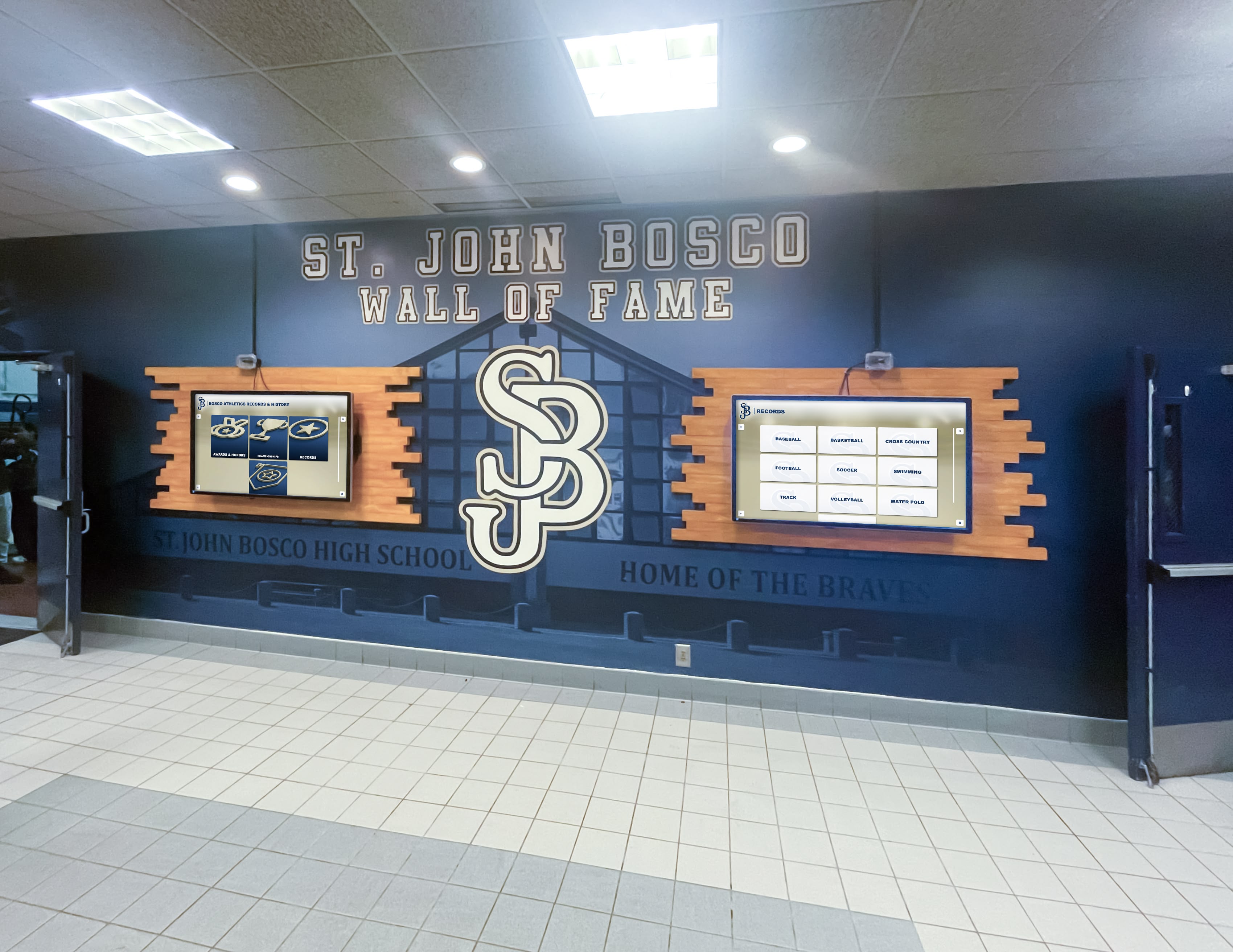
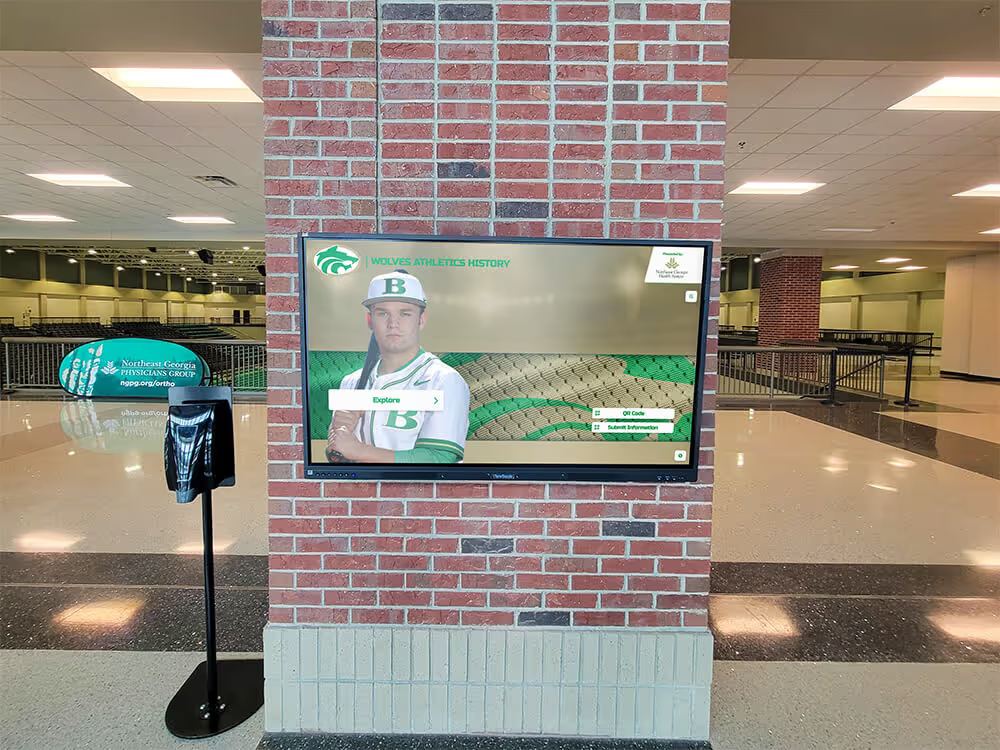
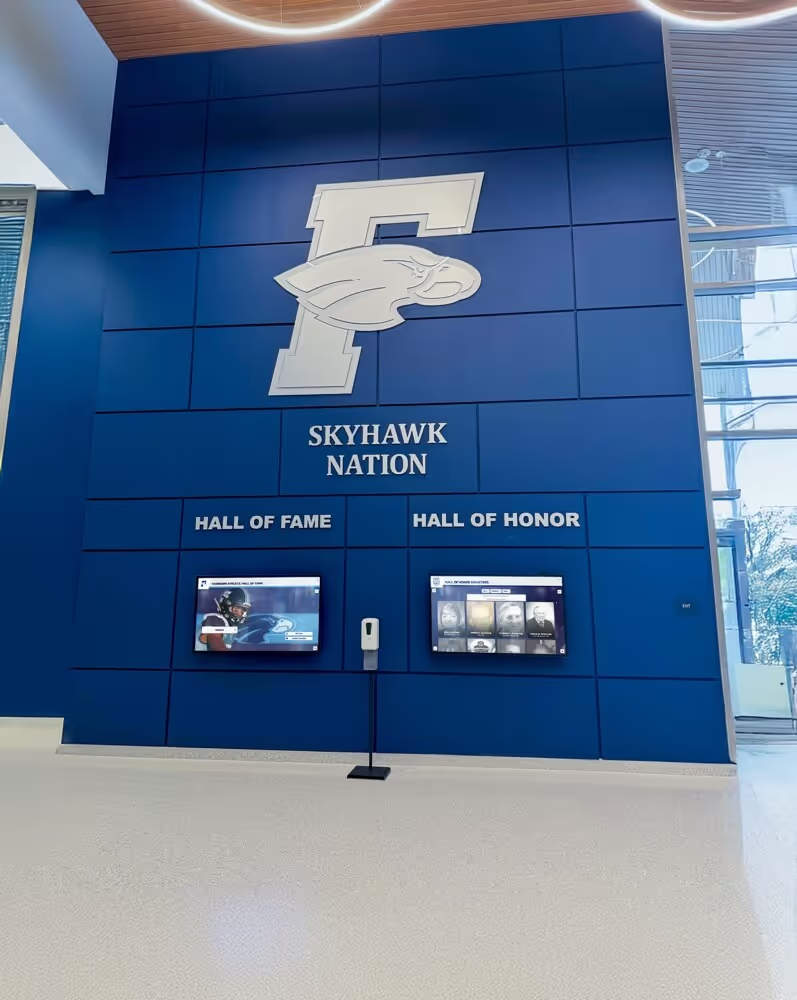
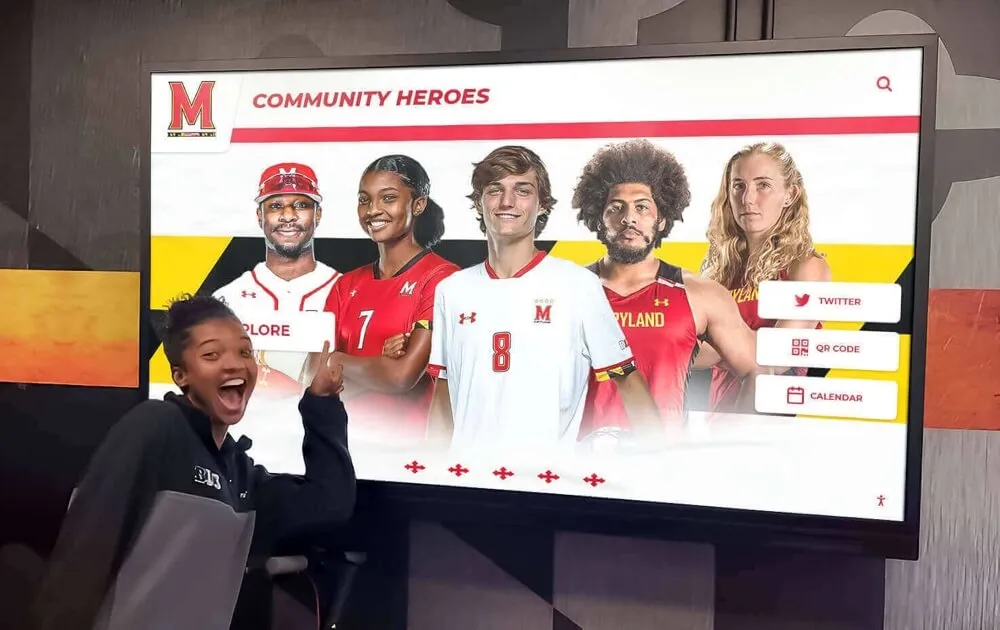
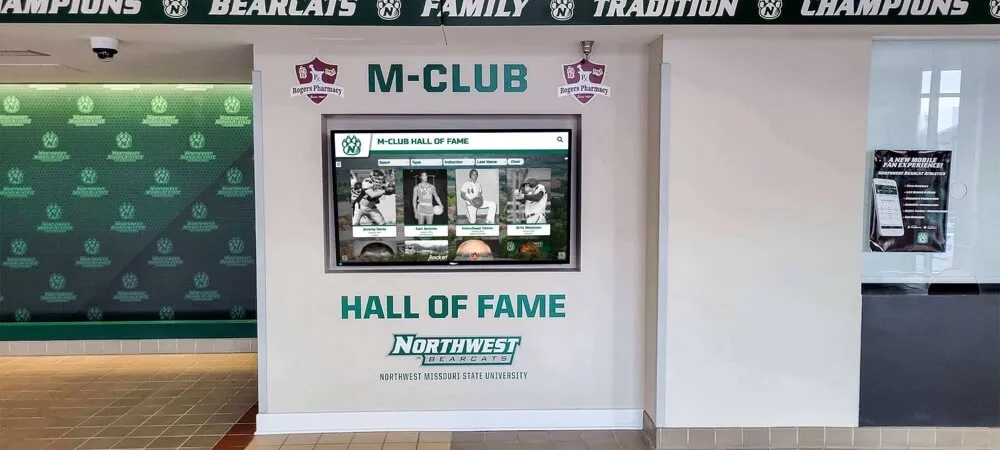
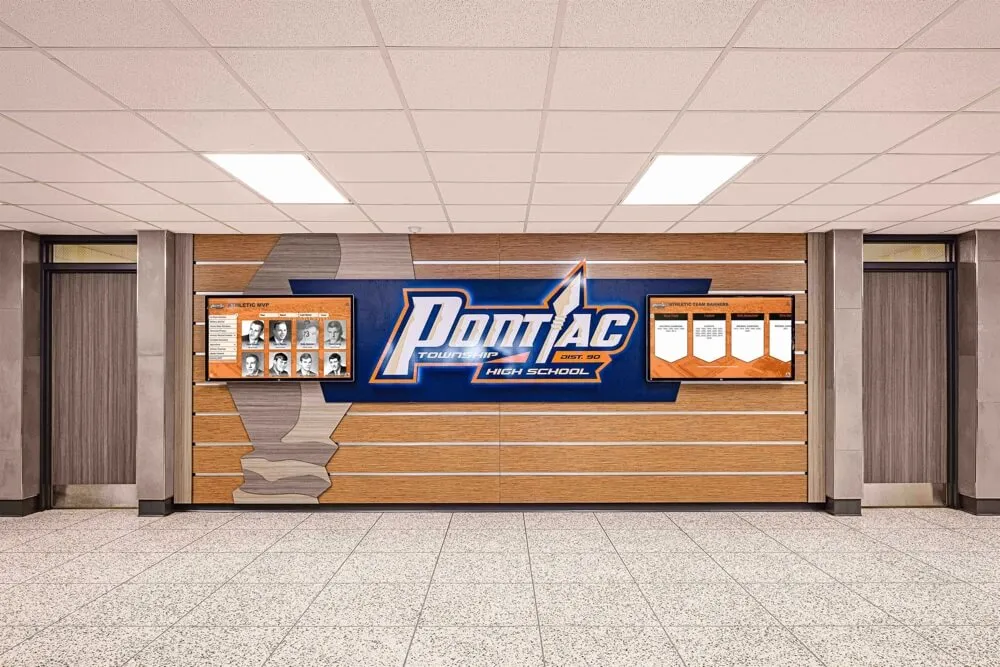
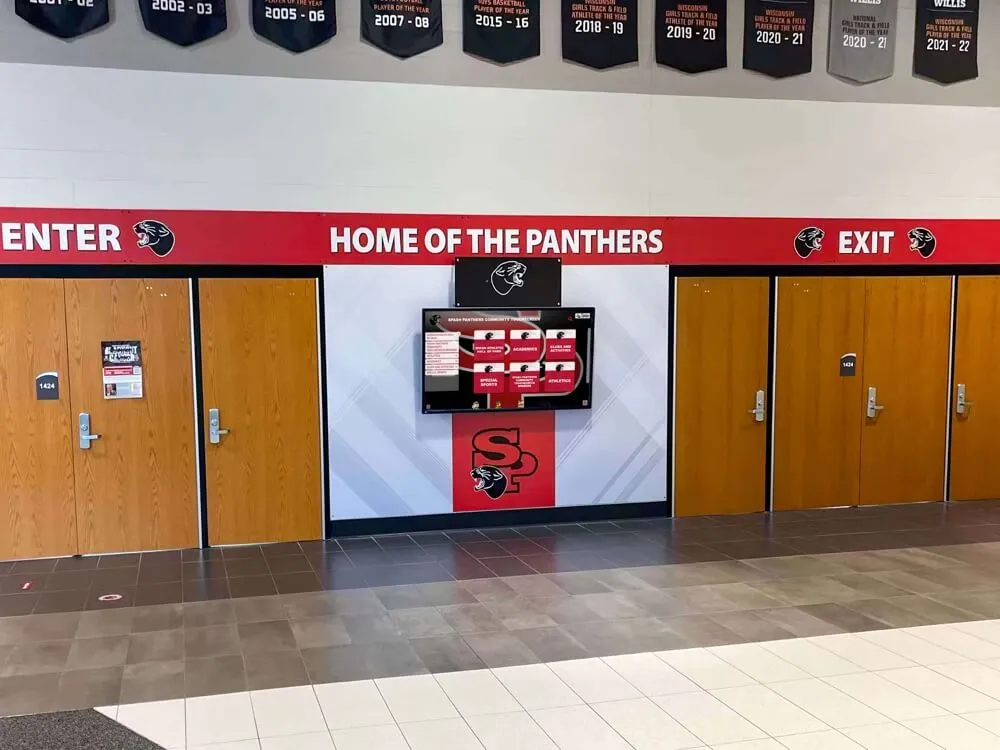
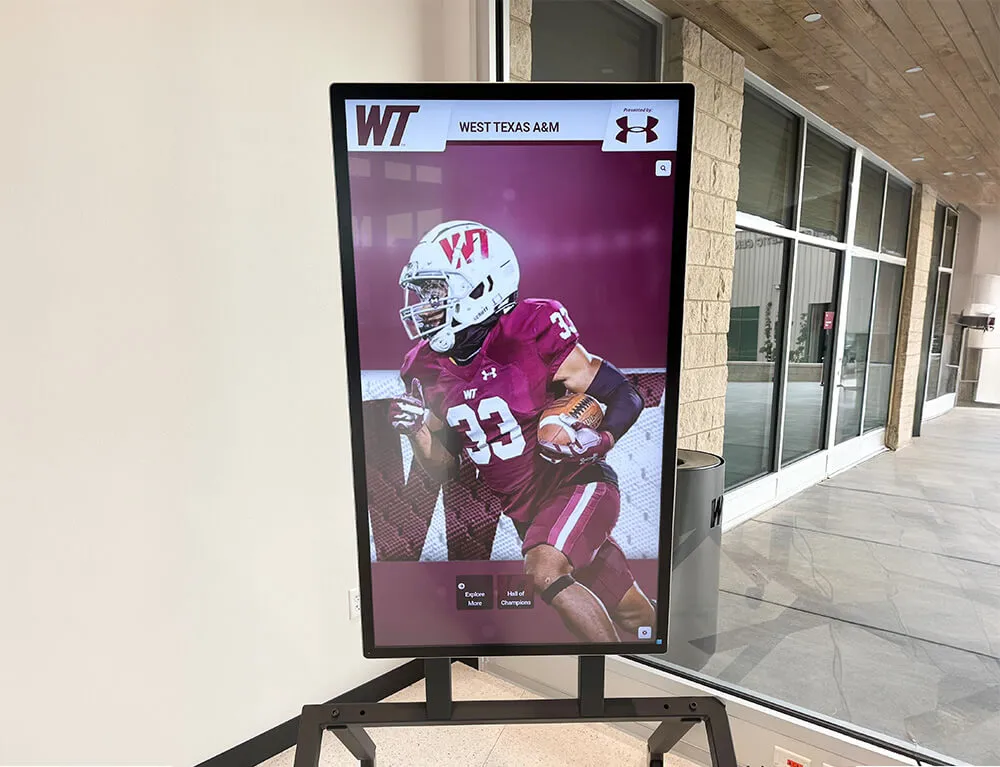
Dual-screen recognition installations allow a reunion display to cycle through class photos, award categories, and memory timelines simultaneously — giving guests multiple touchpoints across the evening.
Digital Photo Slideshows and Memory Timelines
The most accessible starting point: a curated photo slideshow running on a large display throughout the event. Collect photos from classmates in advance, organize them by theme (graduation day, homecoming, sports seasons, clubs, prom), and let the slideshow cycle continuously on a screen visible from the main gathering space.
Pairing the slideshow with a decade timeline — “Ten Years: 2015–2025” — gives the visual narrative a spine. Software for building this ranges from straightforward (Google Slides, iMovie, Canva) to more sophisticated event-display platforms depending on your budget.
Interactive Touchscreen Alumni Displays
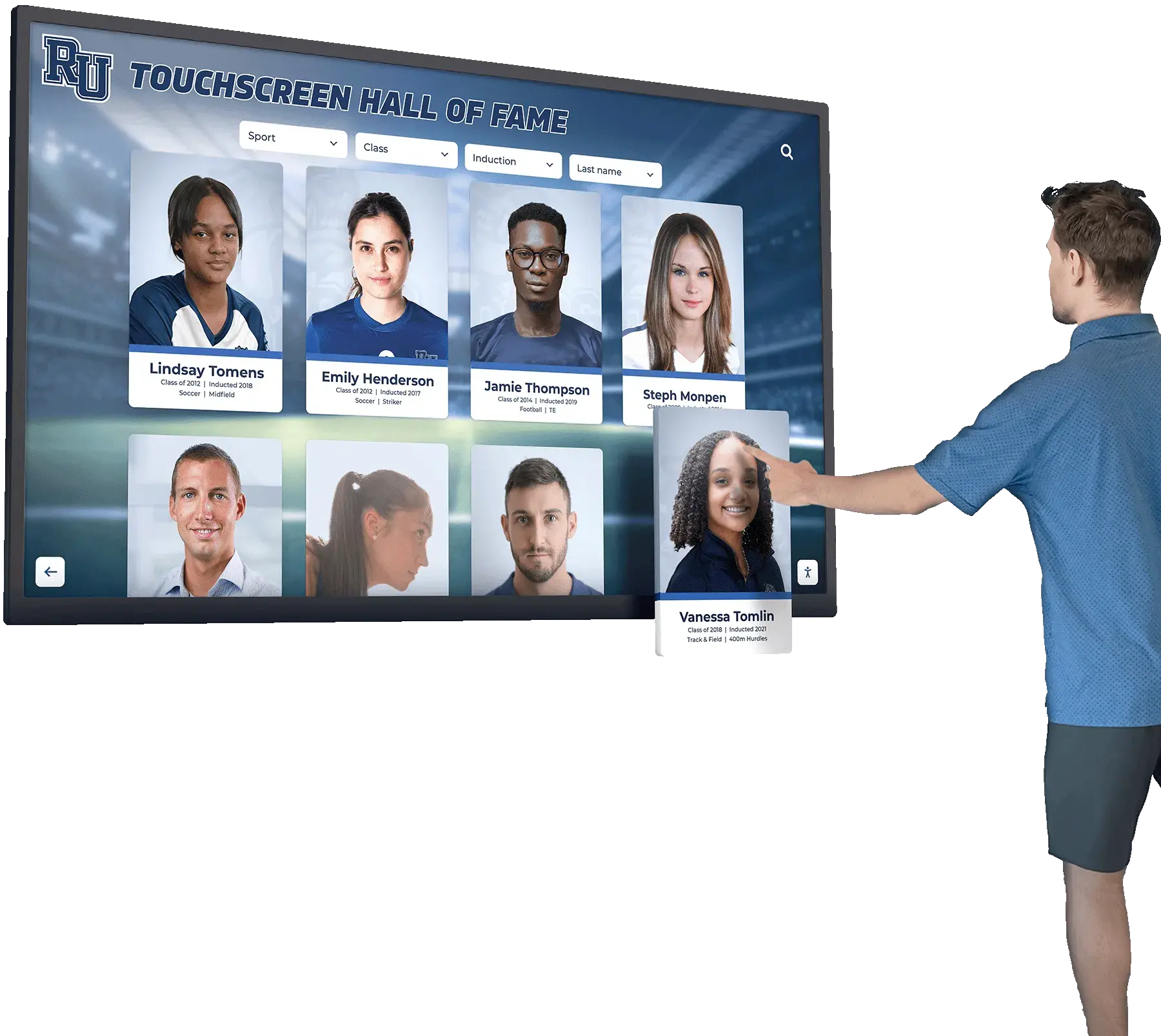
More ambitious reunion committees are now partnering with vendors who offer touchscreen display systems originally developed for school hall of fame and alumni recognition installations. In a reunion configuration, these systems allow guests to:
- Browse individual classmate profiles with name, photo, and brief bio
- Explore class history organized by year or category
- View award announcements in an interactive, self-paced format
- See where classmates are now living and working on a digital map
The technology that powers digital hall of fame programs at schools and universities can be configured for single-event use cases. Vendors familiar with school recognition programs are often the most practical partners for this kind of setup.
Academic Recognition Displays
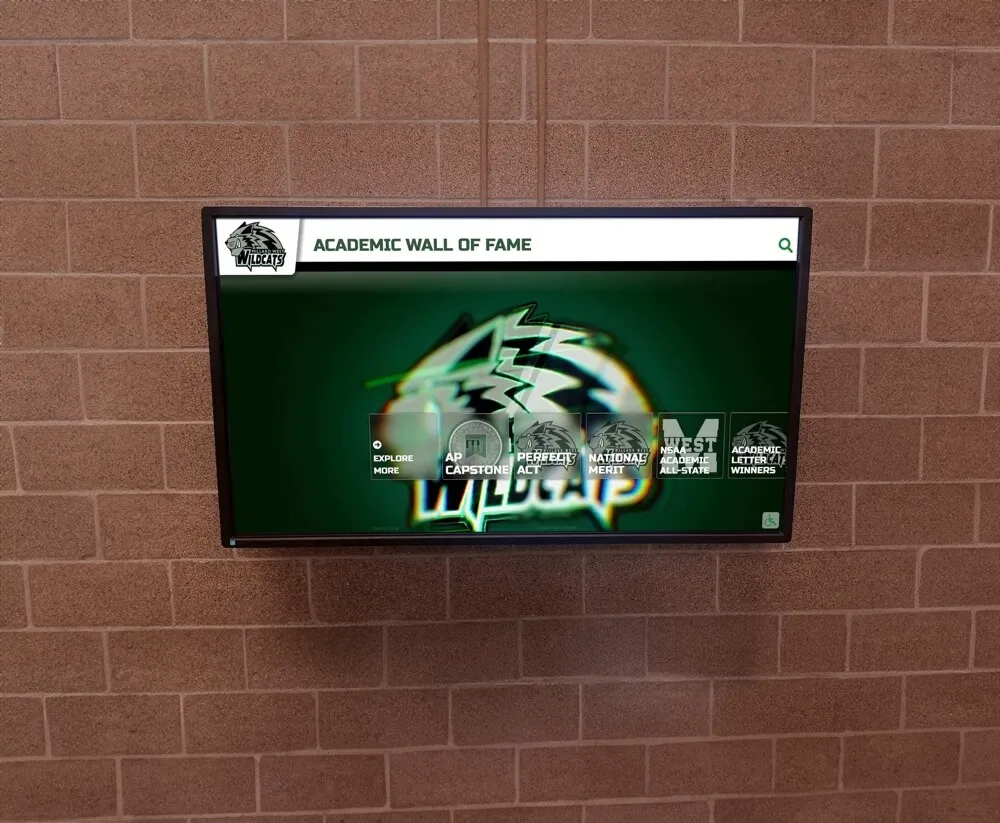
Reunions often do better at celebrating athletic achievement than academic accomplishment — partly because athletics produce visible, tangible records. A digital display dedicated to academic recognition corrects that imbalance. NHS inductees, scholarship recipients, valedictorians, and academic competition winners can all be featured in the same visual format used for athletes. Resources on digital recognition displays for academic honor programs show how schools are already implementing this approach permanently — the same logic applies to a well-built reunion display.
Making Recognition Permanent: A Proposal Worth Raising
The 10-year reunion is a natural inflection point for schools and alumni associations considering permanent recognition programs. Rather than honoring achievements only at reunion events, a permanent wall of fame or digital honor display — installed in the school lobby or a main hallway — gives graduates year-round visibility on campus.
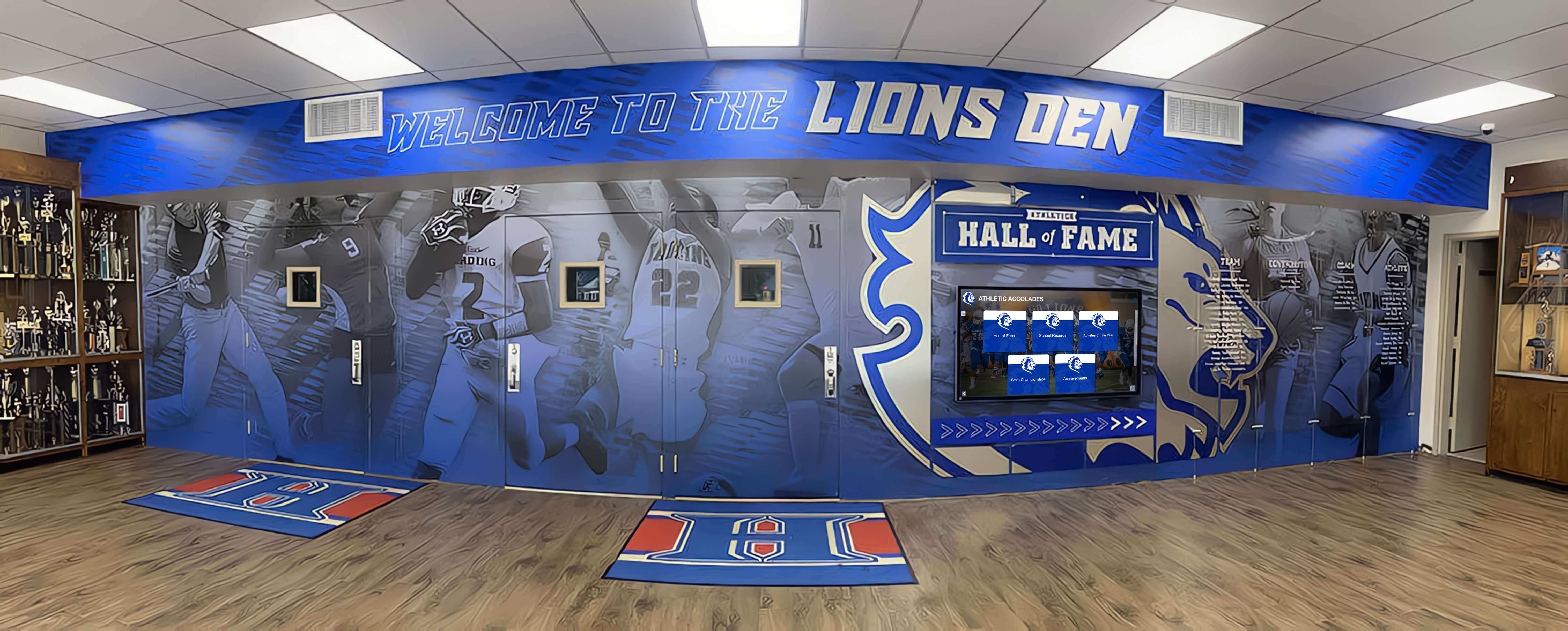
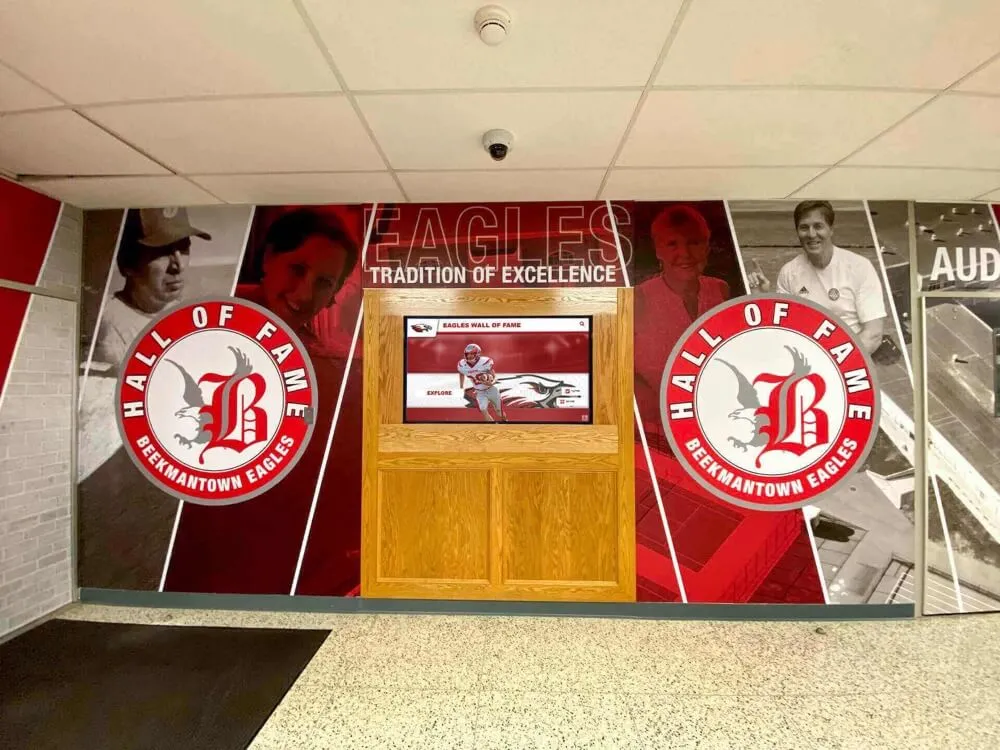
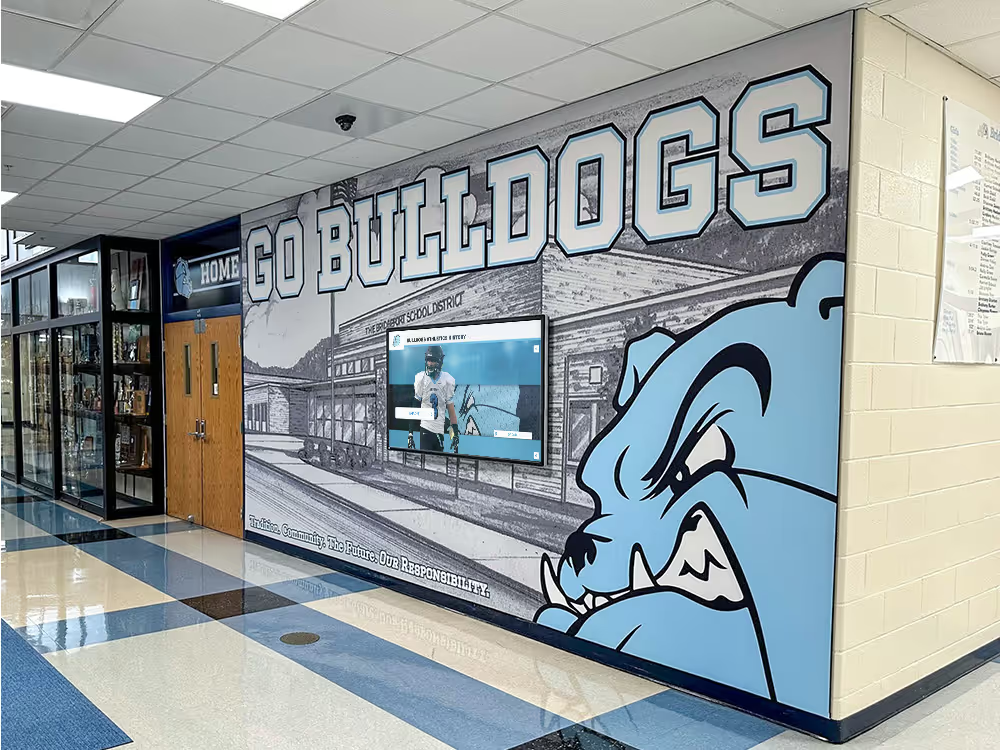
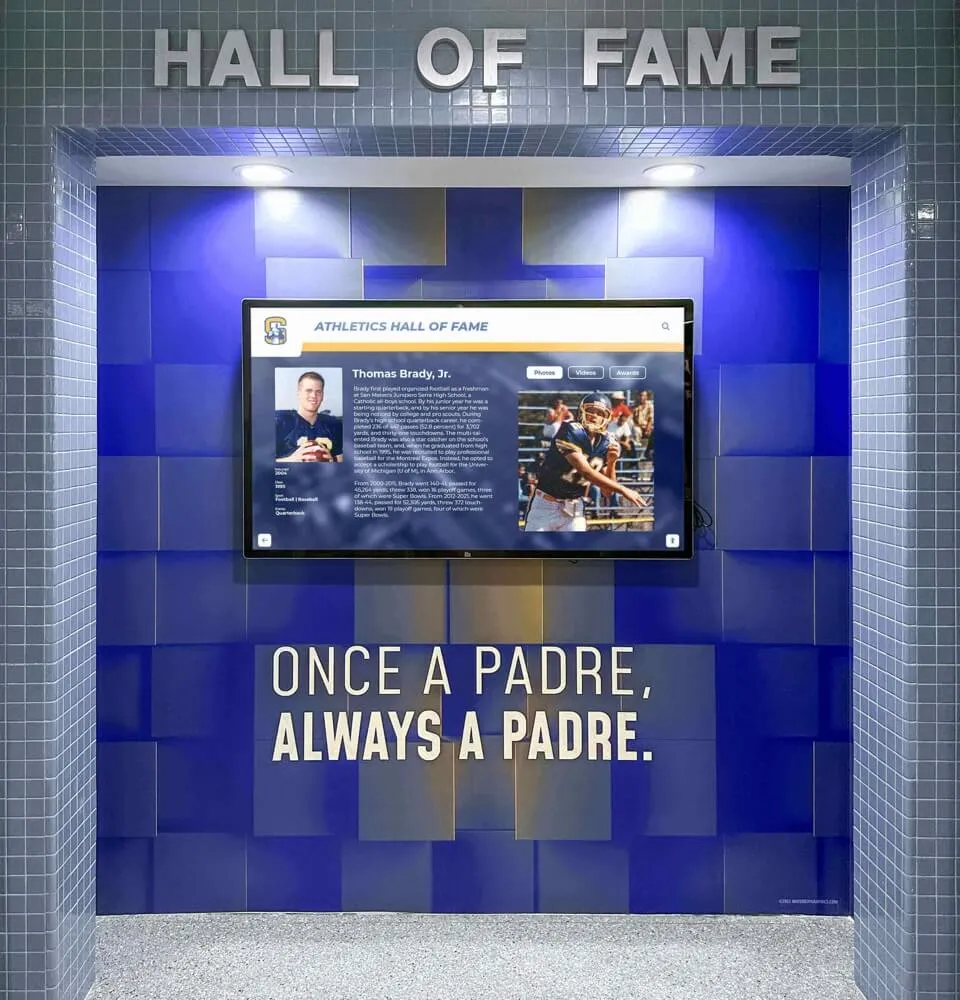
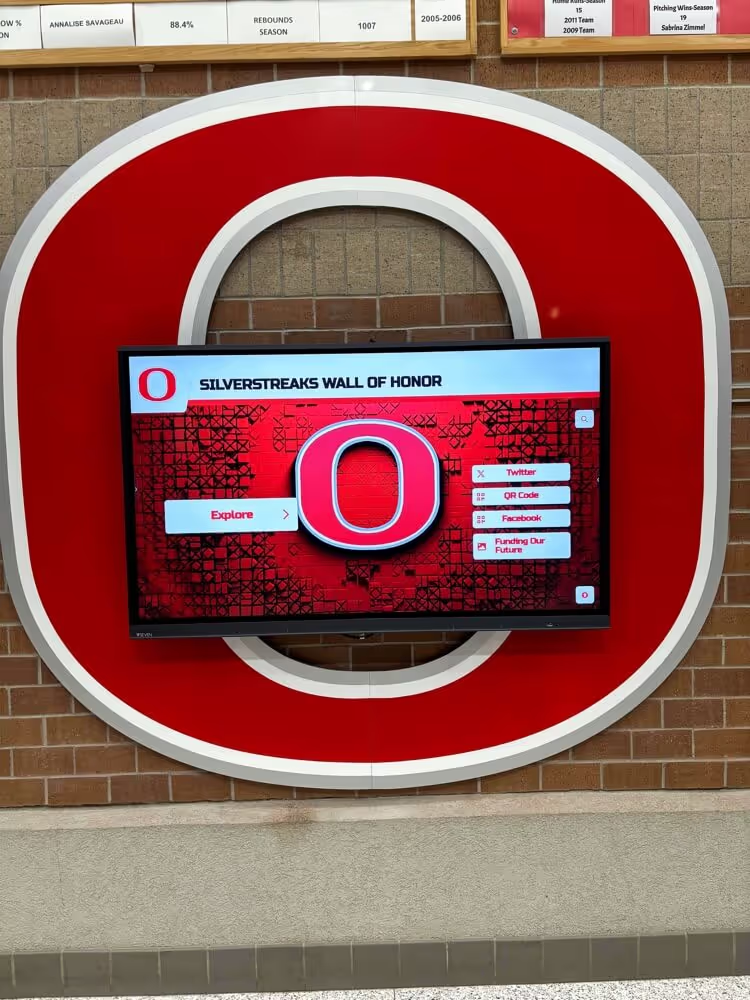
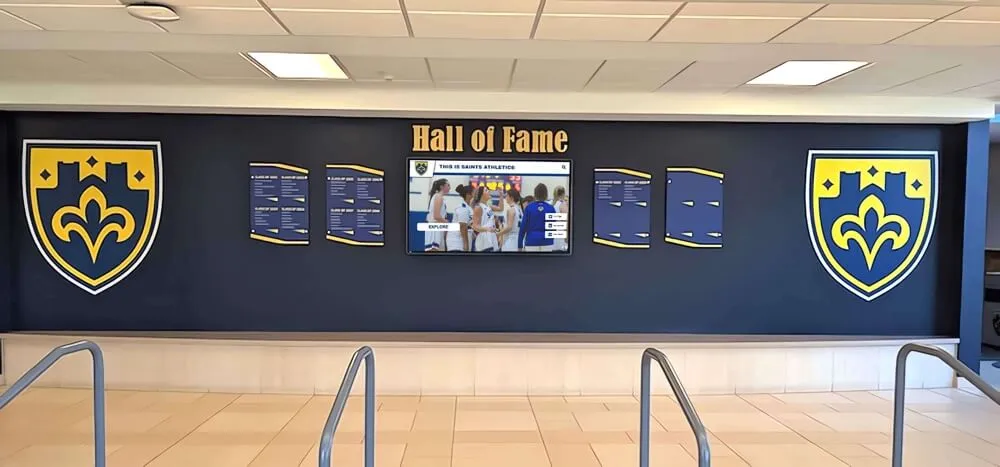
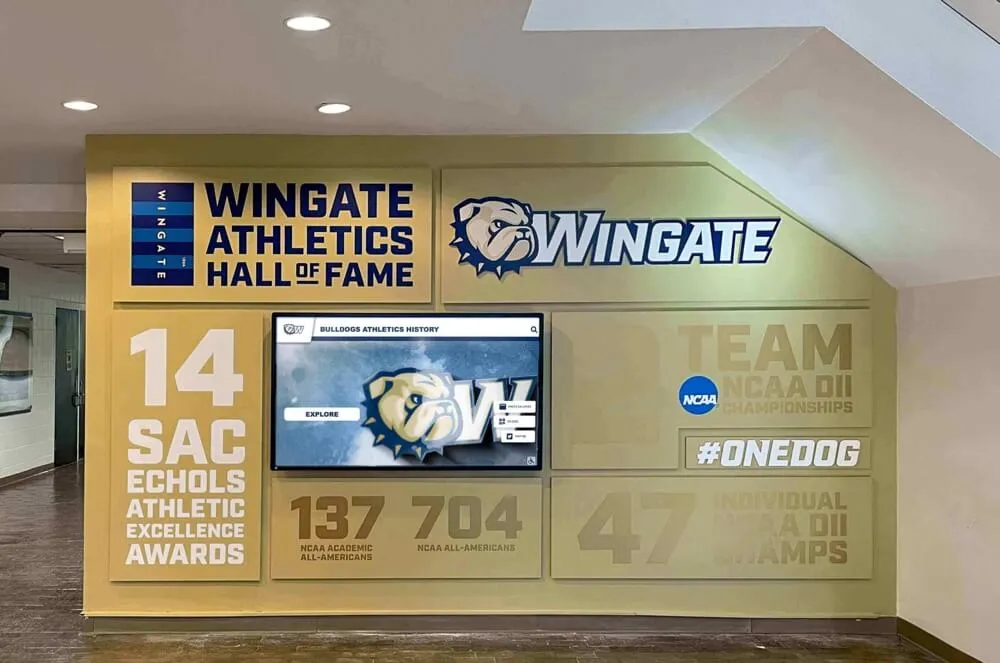
Permanent hall of fame installations give alumni a reason to return to campus and give current students concrete examples of what commitment and achievement can lead to.
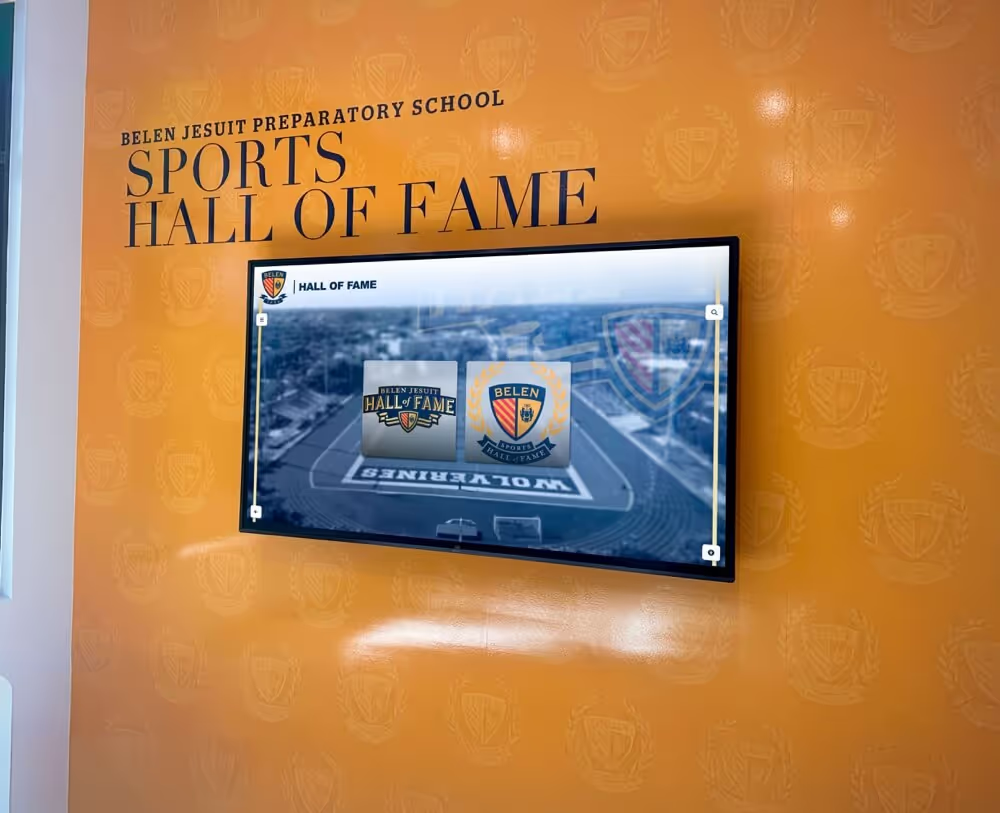
Schools with interactive touchscreen alumni walls report that alumni engagement increases substantially when recognition is visible year-round rather than limited to reunion events. The touchscreen format allows the display to grow continuously — new graduating classes, updated bios, and additional photos added without physical renovation.
If your reunion committee has a relationship with the school administration, the energy generated by a successful 10-year event creates a natural opening for that conversation. For a sense of what large-scale permanent recognition installations look like in practice, the case study on Rocket Alumni Solutions’ work at SAP Center in San Jose illustrates the possibilities at the high end of the spectrum.
Planning Timeline and Budget Considerations
12 Months Before
- Form a committee of five to eight classmates representing different social circles from school
- Identify a venue, confirm availability, and secure the date
- Create or update a class contact database using Facebook groups, LinkedIn, or Classmates.com
- Establish a base budget and decide on ticket pricing tiers
6 Months Before
- Launch a class survey to collect current information and gauge programming preferences
- Begin collecting yearbook photos and memory submissions for displays
- Finalize award categories and open voting to the full class
- Issue RFPs to vendors for photography, catering, AV, and any display technology
3 Months Before
- Finalize the guest list and send formal invitations (email and physical)
- Confirm award results from the class vote
- Assemble display content — slideshows, bios, timeline graphics
- Map the program timeline minute by minute
1 Month Before
- Send reminders and collect final headcount for catering
- Run through the full program with all presenters
- Test all AV equipment and display technology in the actual venue space
- Prepare name tags, printed programs, and any seating arrangements
Budgeting Framework
Typical 10-year reunion budgets range from $50 to $150 per person depending on venue and programming scope. Common allocations:
- 40–50%: Venue and catering
- 20–25%: AV, displays, and photography
- 15–20%: Invitations, marketing, and communications
- 10–15%: Decorations, printing, and contingency
Committees that want to add a fundraising dimension — to offset ticket costs or establish a class scholarship fund — will find that a reunion operates on many of the same principles as a gala fundraiser. The guide on gala fundraiser and donor recognition planning provides a framework that adapts naturally to the reunion context.
Making the Recognition Last Beyond Reunion Night
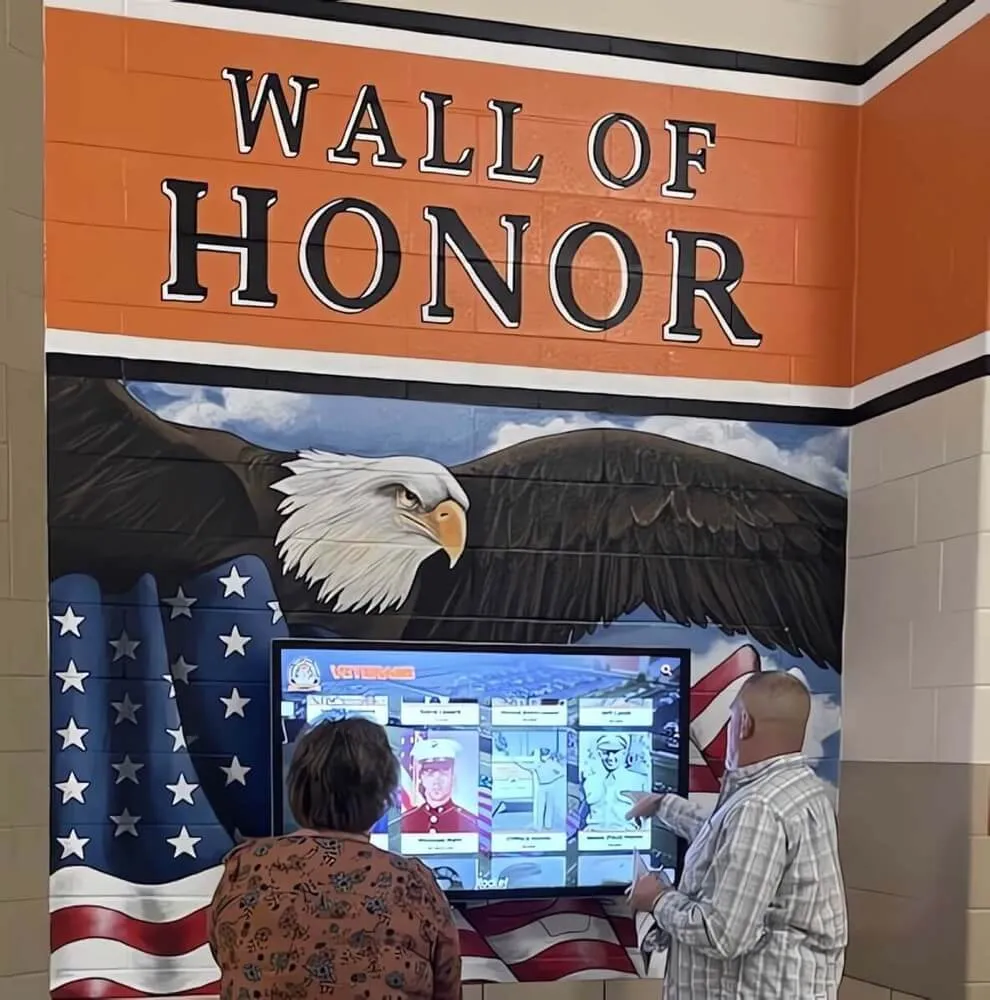
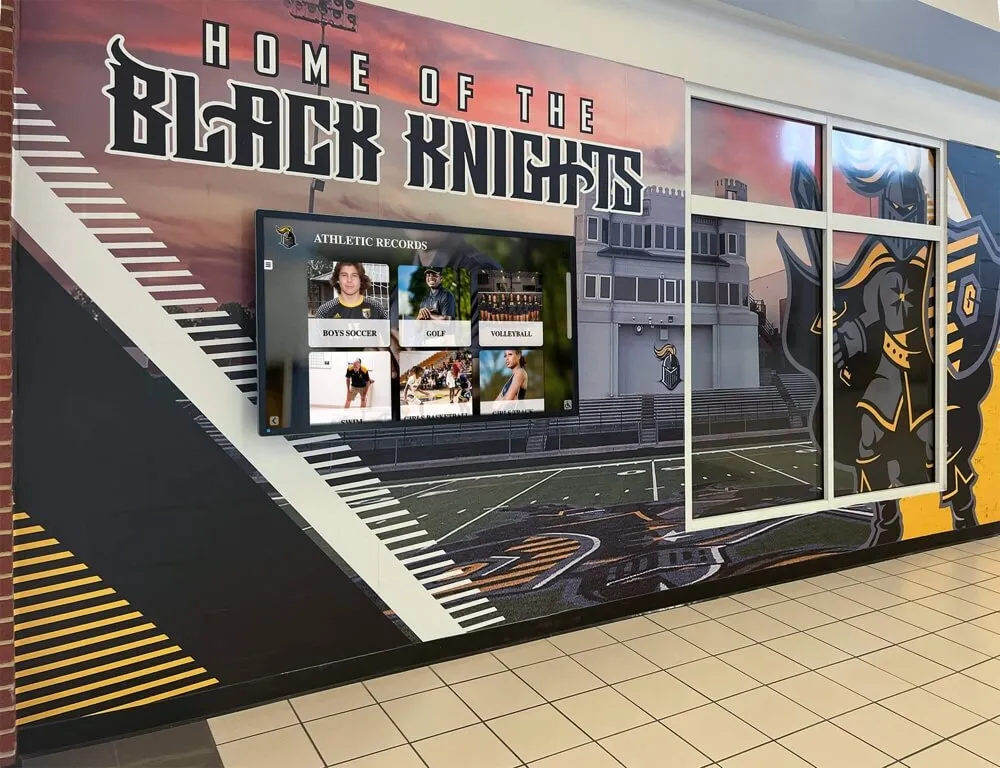
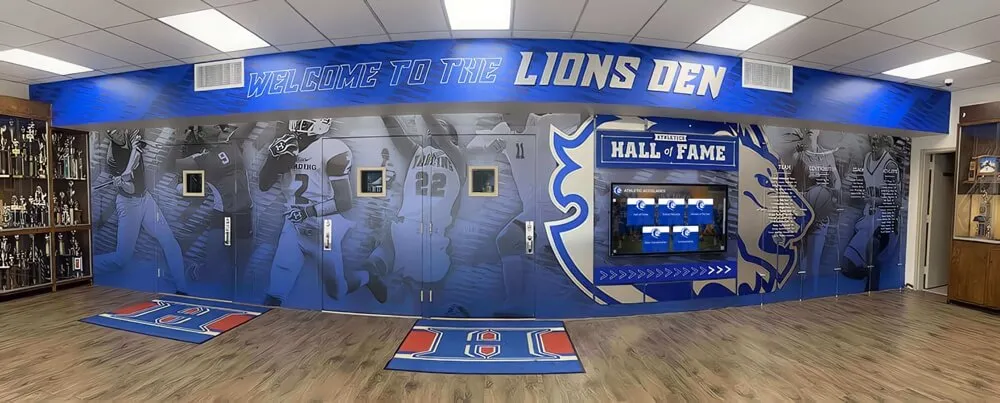
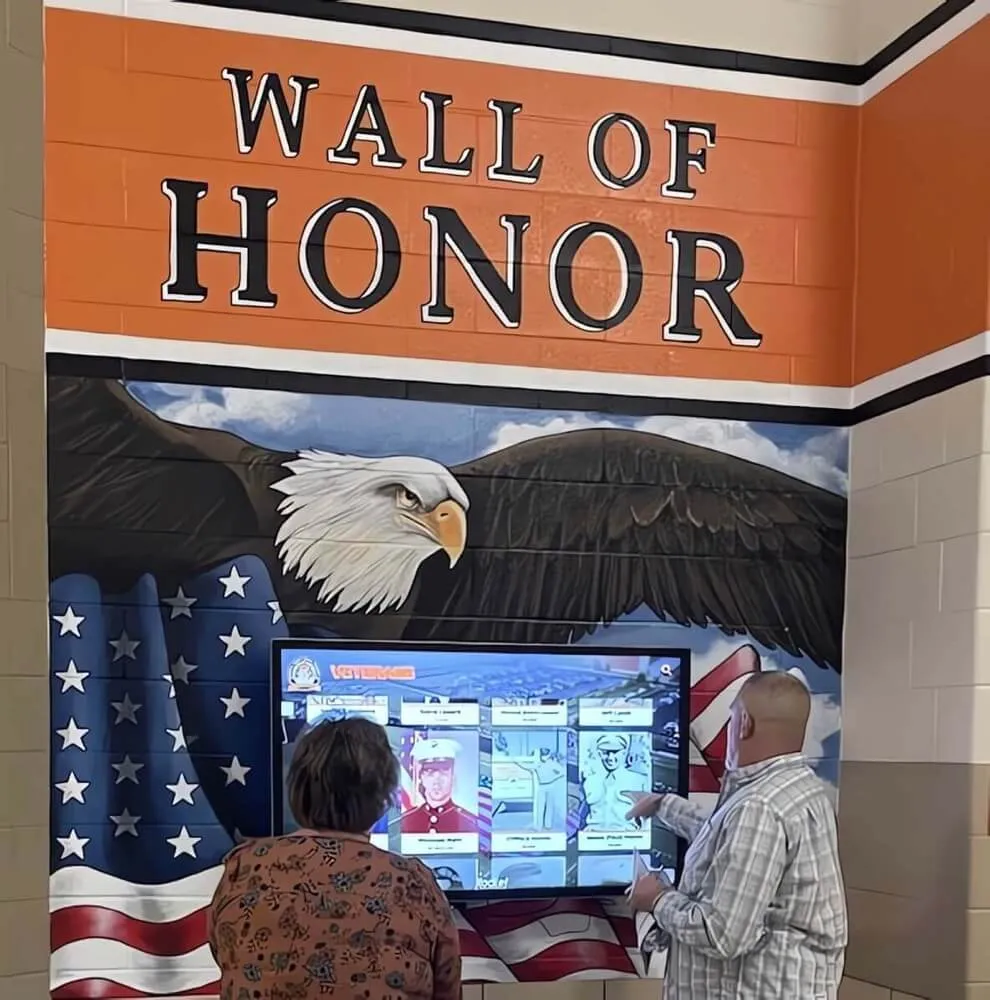
Interactive recognition displays extend the life of a reunion far beyond the event itself — giving alumni a reason to return and a permanent record of what the class accomplished.
The most forward-thinking reunion committees treat the event as a community-building and data-collection exercise, not simply a one-night party. A few approaches that extend the impact:
Document everything. A professional photographer and a dedicated videographer for the awards ceremony are worth the investment. This content feeds the class’s social channels for weeks after the event and provides source material for the 20-year reunion committee.
Create a class archive. A shared digital folder collecting photos, updated bios, and award outcomes from the reunion becomes a living record. Tagging and organizing this material now dramatically reduces the effort required for future events.
Build a class alumni directory. A password-protected digital directory — updated with current contact information collected at the reunion — keeps the community connected between milestone events. Even a simple shared spreadsheet is more functional than a scattered Facebook group.
Start a class tradition. The most successful reunion committees establish a rhythm: a smaller informal gathering at five years, a major milestone event at ten, and so on. A tradition signals that this community intends to stay connected, which raises attendance at every subsequent event.
Frequently Asked Questions
How far in advance should we start planning a 10-year high school reunion?
Twelve months is the standard starting point for most reunion committees. This allows adequate time for venue research, contact database rebuilding, and vendor coordination. Six months is the minimum viable timeline if you are planning a straightforward venue-and-dinner format without elaborate programming.
How do we find contact information for classmates we have lost touch with?
LinkedIn is the most reliable tool for locating classmates professionally. Facebook groups specific to the graduating class are useful for reaching people who do not maintain a professional online presence. Classmates.com and alumni association databases through the school itself are additional resources worth contacting.
What is a realistic ticket price for a 10-year reunion?
Most 10-year reunions price tickets between $60 and $120 per person for a venue with catering. Events at upscale venues or those including elaborate programming will run higher. Offering an early-bird discount of $15–$20 incentivizes advance registration and gives the committee accurate headcount data earlier.
Should we invite teachers and administrators to the reunion?
Inviting one or two especially memorable teachers or coaches as guests — not ticket purchasers — is often a highlight of the program. Keep the invite list small and focused on individuals who had genuine impact on a broad cross-section of the class. A brief recognition moment for invited faculty is always well-received.
How do digital displays add value compared to a standard slideshow?
A standard slideshow is passive — guests watch it. Interactive digital displays are participatory — guests browse, search, and engage at their own pace. The distinction matters for reunion programming because interactive formats generate far more conversation. Guests who find their own photo or profile on a display tend to spend extended time in that area of the venue, which creates natural gathering points throughout the night.
Conclusion
A 10 year high school reunion works best when recognition is built into the structure of the event rather than treated as an afterthought. Thoughtfully designed award categories, digital displays that surface shared memories, and a program that gives every type of achievement a moment in the spotlight — these are the elements that transform a class gathering into a genuine milestone.
The technology and planning frameworks that schools use for permanent alumni recognition programs translate directly into the reunion context. Whether your committee’s goal is a single memorable night or the beginning of a longer alumni engagement tradition, the investment in structured recognition pays consistent returns.
Ready to Make Your Reunion Unforgettable?
Rocket Alumni Solutions builds interactive digital recognition displays for schools, universities, and alumni organizations — from touchscreen walls of fame to event-ready digital tribute systems. Whether you are planning a single reunion event or proposing a permanent alumni recognition program to your school, our team can help you design a display that honors your class the right way.
Explore Digital Recognition SolutionsThe 10-year reunion is a rare window when your entire class is still young enough to show up, old enough to appreciate it, and far enough removed from high school to see each other clearly. Build a program that honors that moment, and you will be setting the table for every reunion that follows.