



Academic awards in high school are formal recognitions granted to students who demonstrate exceptional scholarly performance, intellectual achievement, or sustained academic excellence across courses, programs, and competitions. They range from classroom-level honor roll distinctions to nationally competitive scholarship designations, and the decisions schools make about how to define, present, and preserve these honors shape institutional culture, student motivation, and the lasting record of achievement that follows graduates long after commencement.
Schools across the country approach academic recognition differently. Some rely on GPA thresholds alone; others weigh course rigor, national program membership, or faculty nomination. What unites effective academic award programs is a clear definition of qualifying criteria, a consistent selection and announcement process, and a purposeful plan for making recognition visible and permanent — at the ceremony, in school hallways, and in searchable archives that endure for decades.
This guide is written for school administrators, counselors, registrars, and communications teams who want to build or strengthen academic recognition programs. It covers how to define award criteria equitably, choose effective display formats, and create preservation systems that honor student achievement beyond the ceremony.
A well-structured system of academic awards in high school communicates institutional values with precision. It tells current students what excellence looks like and how the school responds to it. It gives graduates documented proof of achievement for college applications and scholarship submissions. And it creates an institutional memory that connects each graduating class to the long line of academic achievers who preceded them. Schools that invest in all three components — definition, display, and preservation — build recognition cultures that motivate current students and honor alumni for generations.

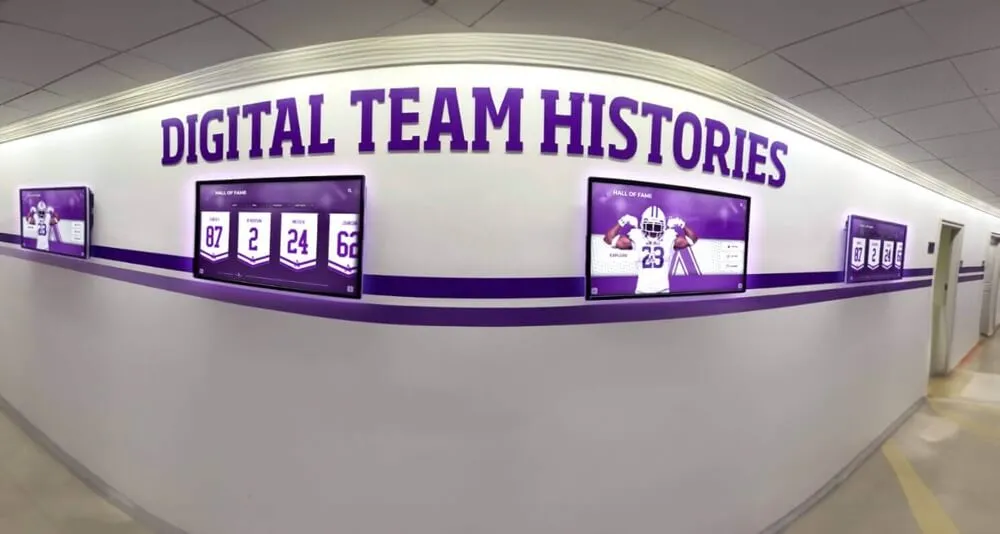
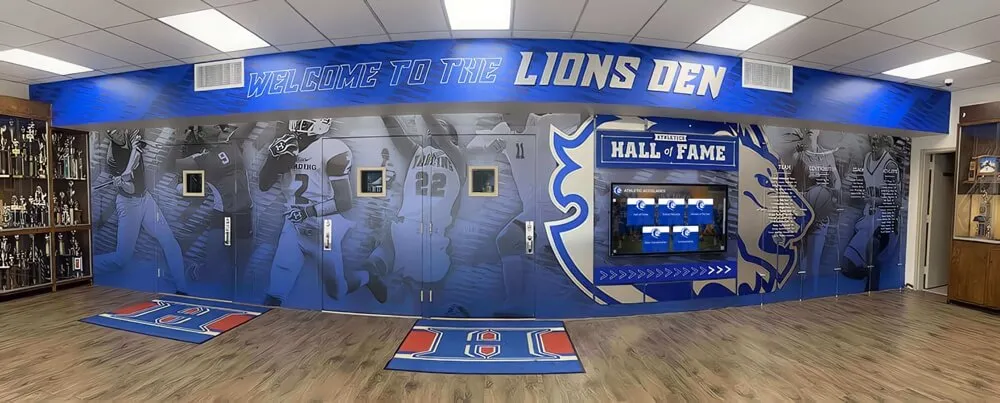
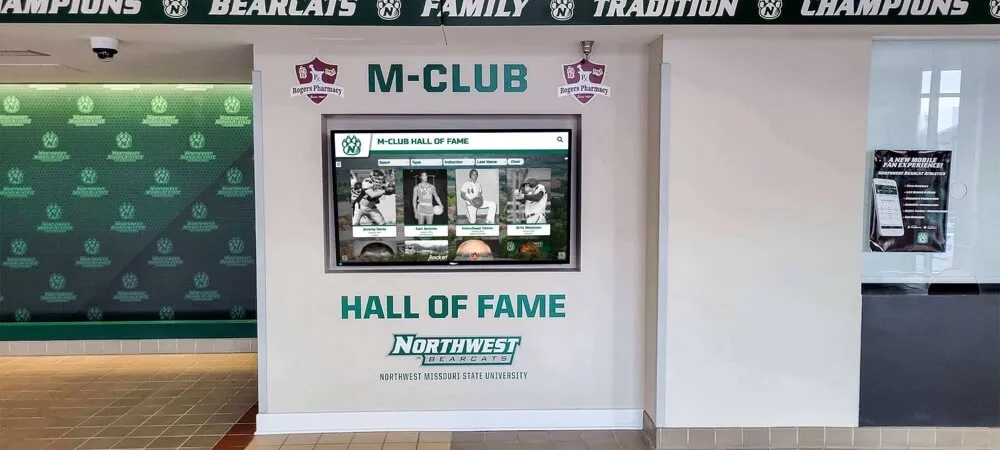
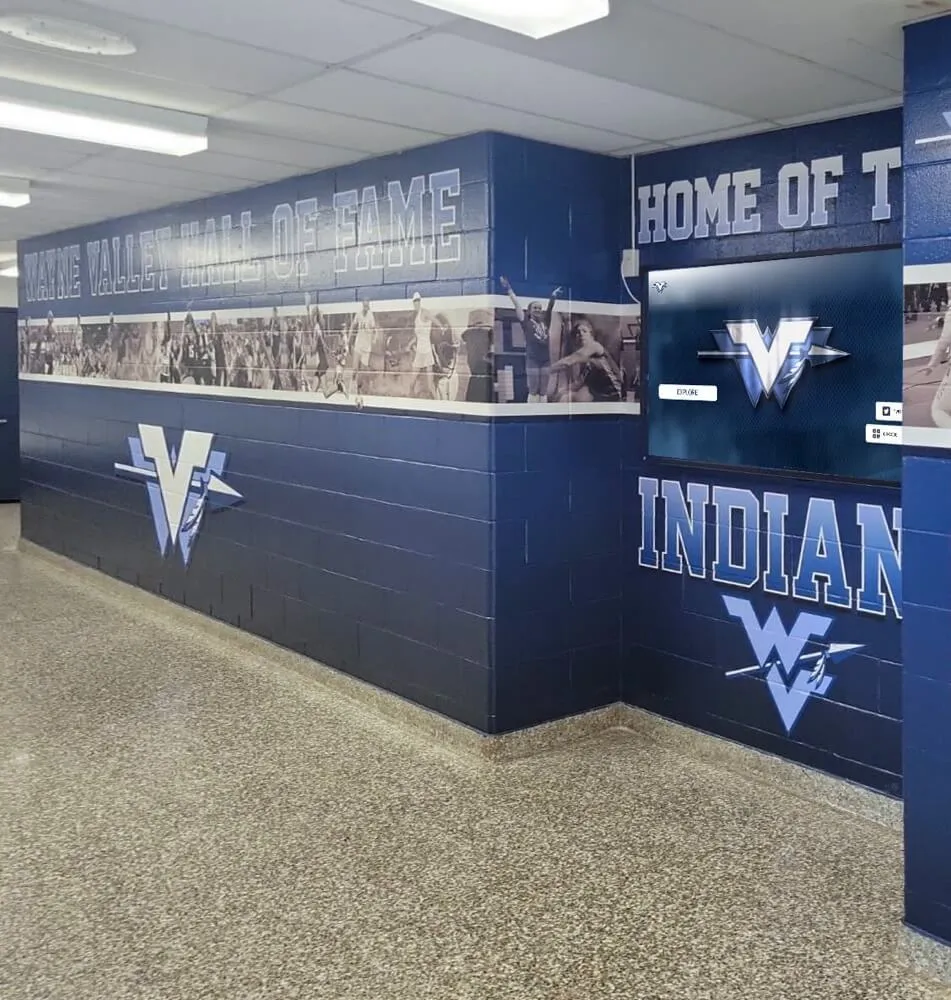
Schools increasingly use permanent digital displays to keep academic honors visible throughout the year — not just at annual award ceremonies
What Are Academic Awards in High School?
Academic awards in high school are structured recognitions attached to defined criteria, awarded through established institutional processes, and recorded in permanent school records. Unlike informal classroom praise, formal academic awards carry documented eligibility requirements, consistent selection methods, and official presentation moments that communicate the distinction publicly and durably.
The most common types include periodic honor roll designations, graduation-level class rank honors like valedictorian and salutatorian, subject-specific departmental excellence awards, national program recognitions such as the National Honor Society or AP Scholar distinctions, and competitive scholarship identifications. Each type serves a distinct purpose within a school’s broader recognition ecosystem — and the strongest programs use multiple types together to honor achievement at every level.
Why Clear Definitions Matter for Academic Recognition
How a school defines an academic award shapes who receives recognition and how recipients perceive the honor’s meaning. Schools that define criteria clearly and apply them consistently build programs students and families trust. Schools that apply criteria inconsistently — or change standards without advance communication — risk undermining the credibility of every honor they grant.
Core questions schools should answer explicitly in their award definitions:
- What performance threshold qualifies a student (GPA cutoff, rank, exam score)?
- Does the award recognize a single grading period, a full year, or cumulative performance?
- Are weighted and unweighted GPAs treated differently for eligibility?
- Does course rigor factor into selection, and if so, how is it weighted?
- Is the award restricted to specific grade levels or open to all?
- What documentation is required and maintained for each recipient?
Answering these questions in writing — and publishing the answers in student handbooks, parent communications, and counselor guides — prevents disputes and establishes the program’s integrity across leadership transitions.
Common Types of Academic Awards in High School
High schools award academic honors across three broad categories: school-defined periodic recognition, national organization memberships and distinctions, and competitive scholarship identifications. Understanding the differences helps schools build complementary systems that recognize achievement at multiple levels and through multiple pathways.
School-Defined Academic Recognition Programs
Honor Roll is the most widely used school-defined academic award. Most schools set honor roll thresholds at a B average (3.0 GPA) or above, with many distinguishing between tiers — “Honor Roll” for 3.0–3.49, “High Honor Roll” or “Principal’s List” for 3.5 and above. Honor roll recognition is typically awarded each semester or quarter and published through official school communications, creating a recurring recognition cycle that motivates students throughout the academic year.
Valedictorian and Salutatorian represent the highest GPA-based distinctions a school confers internally. These graduation-level honors recognize the students with the highest and second-highest cumulative GPAs across their full high school career. For a comprehensive examination of how schools define, calculate, and celebrate these designations, see the guide to highest academic awards in high school.
Departmental Awards recognize excellence within a specific subject area — the outstanding mathematics student, the top English scholar, the science program’s exemplary researcher. These awards allow schools to honor students whose strengths may not surface at the top of overall GPA rankings but who demonstrate exceptional talent in a discipline. Departmental recognition also signals that the school values depth of expertise alongside breadth of academic performance.
Academic Letters and Pins are awarded by some schools to recognize sustained academic achievement over multiple terms — an academic equivalent of the varsity athletic letter. Visible on graduation regalia, in school hallways, and in yearbook portraits, these markers give academic achievers a public, wearable distinction that reinforces school identity around intellectual excellence.
National Academic Recognition Programs
National programs provide external validation that extends academic recognition beyond a school’s internal GPA system and carries weight in college admissions, scholarship competitions, and permanent records.
National Honor Society (NHS) is the most broadly established academic recognition program in American secondary education. According to the National Honor Society, more than one million students are honored annually through chapters in over 23,000 schools nationwide. NHS chapters evaluate students on four pillars — scholarship (typically a minimum 3.0 GPA), leadership, service, and character — making NHS membership a holistic distinction that signals more than grades alone. For schools, NHS chapter management creates a structured annual recognition cycle with defined induction ceremonies and permanent membership records.
AP Scholar Awards recognize students who demonstrate college-level mastery through Advanced Placement coursework. The College Board confers AP Scholar distinctions to students scoring 3 or higher on three or more AP Exams, with higher designations — AP Scholar with Honor and AP Scholar with Distinction — for students achieving elevated average scores across a broader course load. According to College Board data, more than 1.3 million students take AP Exams annually, and AP Scholar recognition represents a meaningful competitive marker for college-bound seniors who complete rigorous coursework and testing.
National Merit Scholarship Program operates through the PSAT/NMSQT, with approximately 1.5 million students entering the qualifying process each year. Roughly 50,000 students advance to Commended Student or Semifinalist status — distinctions that carry lasting weight on transcripts, college applications, and school recognition displays. National Merit recognition is frequently featured in school news releases, alumni communications, and permanent hallway displays as evidence of sustained academic excellence.
Learn more about structuring comprehensive academic recognition programs in academic recognition program design guides that help schools build layered honors systems.
Academic Competition Awards
Many high schools recognize students through organized competitions carrying their own award structures. Academic Decathlon, Science Olympiad, math leagues, speech and debate tournaments, and regional academic bowl competitions each offer medal, trophy, certificate, and banner recognition. Schools that display competition results alongside traditional honor roll and NHS recognition create more complete, accurate pictures of student academic achievement — particularly for students whose strengths are competitive rather than grade-based.
For event-specific recognition planning, the guide to academic decathlon awards ceremony planning covers how coaches structure meaningful recognition for their most dedicated competitors.

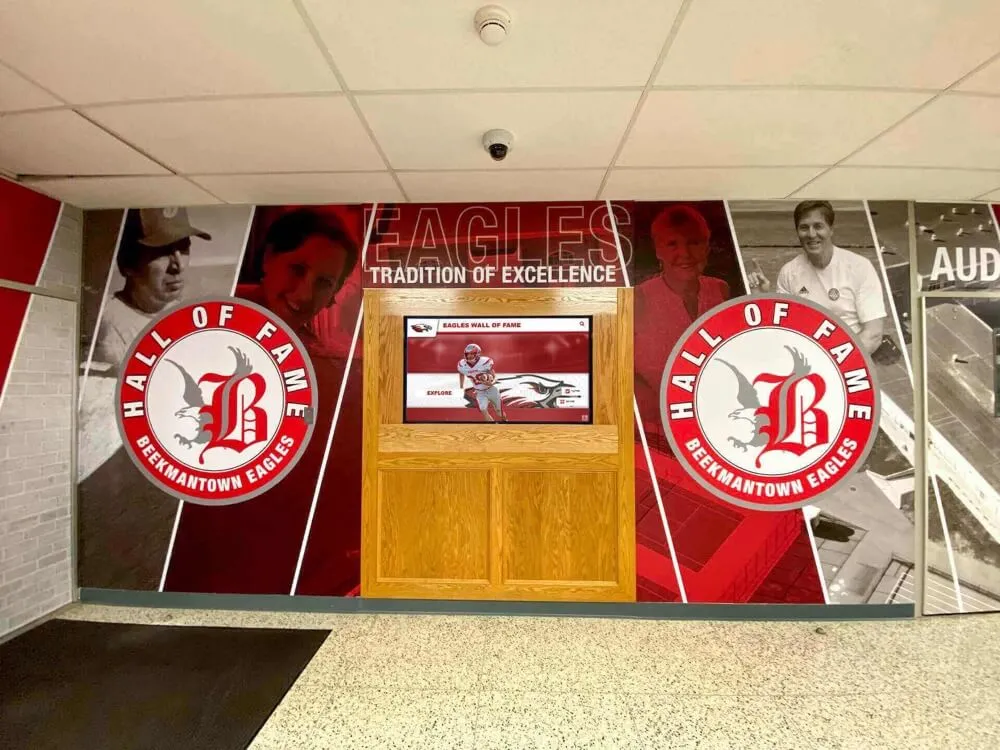
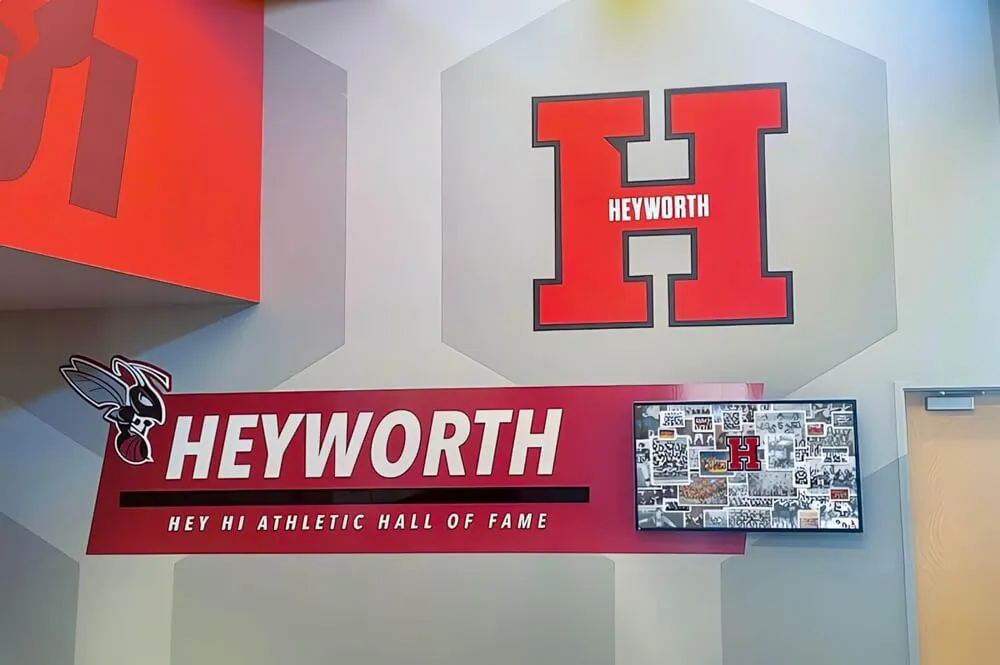
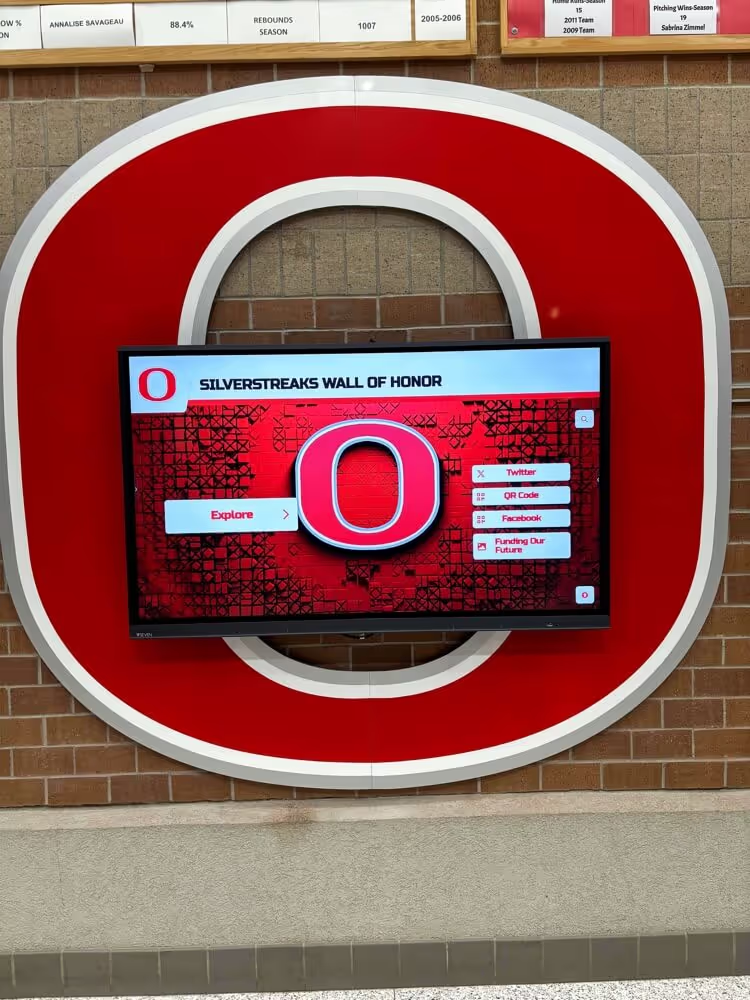
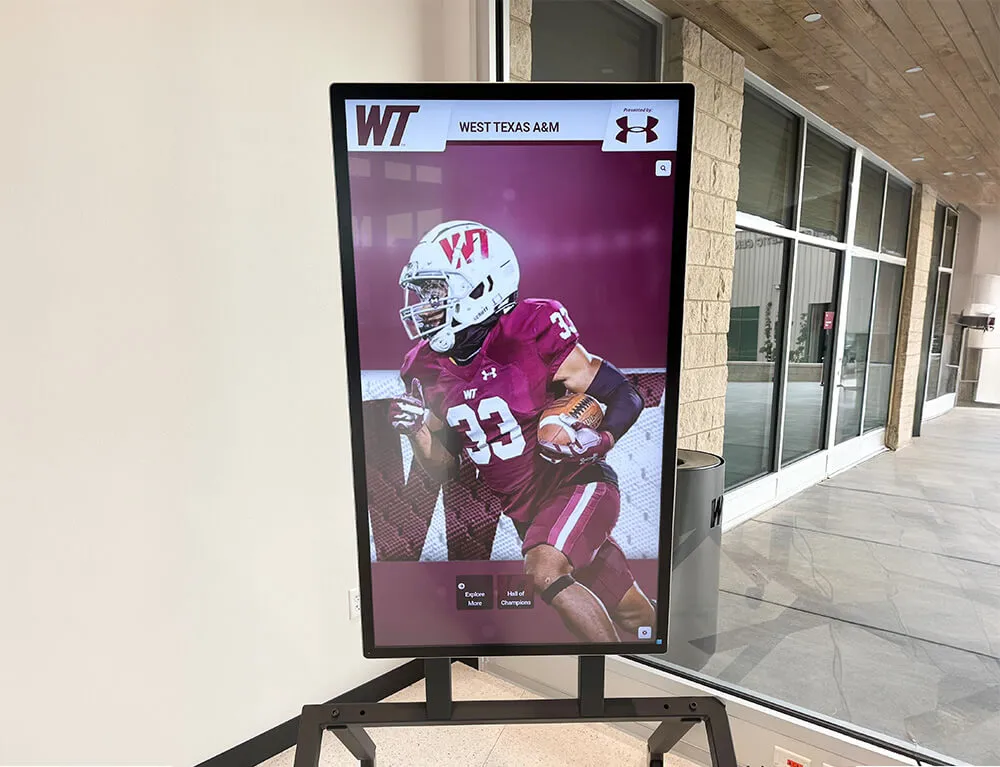
Portrait-based honor roll displays give academic achievers the same visible, lasting recognition traditionally associated with athletic letter winners and varsity teams
How Schools Define Academic Award Criteria
Defining award criteria is the foundational work that makes recognition credible, equitable, and defensible. Schools that approach this work systematically produce programs that serve students fairly and withstand scrutiny from parents, board members, and accreditation reviewers.
GPA-Based Criteria: Weighted vs. Unweighted
The most common award trigger in high schools is GPA — but GPA calculations vary significantly between institutions, creating complexity in how recognition thresholds are set and communicated.
Unweighted GPA treats all courses equally on a 4.0 scale regardless of difficulty level. An A in an AP course and an A in a standard-track course both contribute equally to a student’s 4.0. This approach is simpler to communicate but may not reward students who choose the most rigorous coursework available.
Weighted GPA assigns higher point values to honors, AP, and IB courses — typically 5.0 for an A in an AP or IB class versus 4.0 for the same grade in a standard course. This approach rewards course rigor but produces GPA values above 4.0 that can create confusion in recognition materials and communications with families unfamiliar with the scale.
Schools should explicitly state which GPA scale governs each award category, communicate that choice clearly to students and families, and apply the standard consistently from year to year. Changes to GPA calculation methods should be communicated at least one academic year in advance to give current students adequate planning information.
Holistic Criteria and Character-Based Selection
Some academic awards blend quantitative performance with holistic criteria that cannot be reduced to a single number. The National Honor Society requires demonstrated leadership and service alongside academic record. Many departmental awards incorporate faculty nomination alongside GPA review, recognizing that a teacher’s sustained observation of a student’s intellectual engagement carries information a GPA cannot capture.
When schools blend quantitative and qualitative criteria, the selection process should be documented in writing, the composition of selection committees should be disclosed, and the basis for individual decisions should be communicable to students and families who inquire about eligibility. Holistic processes that lack documentation create fairness disputes that damage program credibility.
Reviewing and Updating Award Thresholds
Award thresholds should be reviewed periodically against changes in grading policies, course offerings, and grade distribution data. A 3.5 GPA threshold set a decade ago may produce a substantially different pool of honorees today if grading practices or curriculum offerings have shifted the overall GPA distribution across the school. Schools that review thresholds annually — and communicate adjustments to students and families in advance — maintain program integrity through policy changes and demographic shifts.
How Schools Display Academic Awards
How schools display academic awards determines whether those honors inspire current students, engage families, and preserve institutional history — or disappear into filing cabinets after the ceremony. Effective display programs connect recognition to visible, permanent school identity.
Printed Programs and Ceremony Materials
Award ceremonies remain the traditional centerpiece of academic recognition presentation. A printed program listing honorees by name and award category provides a tangible keepsake that families preserve for years. Schools with strong ceremony practices pair printed programs with thoughtful staging — individual acknowledgment at the podium, photography opportunities, and specific scripted recognition for each award’s significance — creating documented ceremonial records that complement the archive.
For event-level planning covering venue logistics, program templates, and presentation frameworks, the school awards night planning guide covers the full process from planning committee formation through post-event follow-up.
Physical Recognition Walls and Trophy Cases
Static trophy cases and engraved wall plaques have anchored school recognition for generations. These physical displays require no technology budget and project a sense of institutional permanence that digital formats are still developing the cultural authority to match. Their limitation is update cost — physical displays require engraving or sign fabrication that is expensive, slow, and often falls behind the recognition calendar. Many schools maintain physical displays that are years out of date simply because the update process is too cumbersome to complete annually.
Schools maintaining physical recognition walls should establish a defined annual update schedule and assign ownership of that process to a specific staff role. Without a named owner and budget line, physical displays drift into obsolescence and communicate institutional neglect rather than institutional pride.
Digital Displays and Interactive Academic Recognition Screens
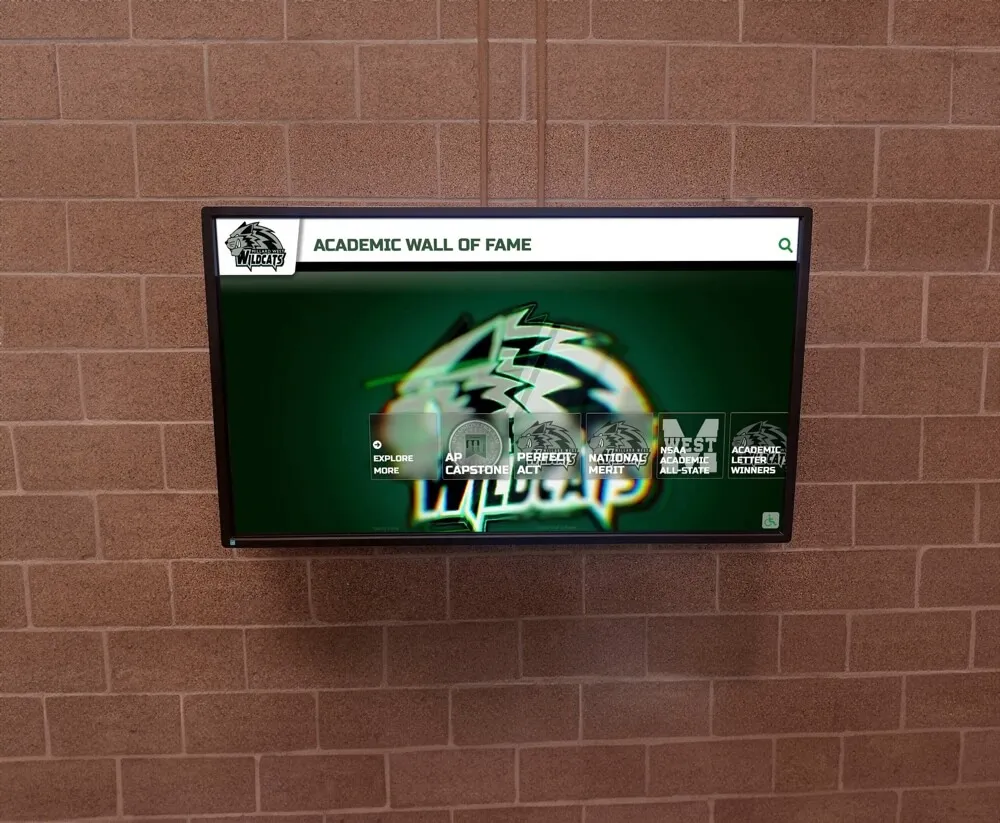
Digital recognition systems have transformed what schools can accomplish with academic awards display. A digital academic wall of fame can present full-class honor roll lists with portrait photography, feature rotating profiles of current and historical honorees, integrate searchable archives by year or award category, and update in real time as new recipients are selected — all without the cost and production lag of engraved physical updates.
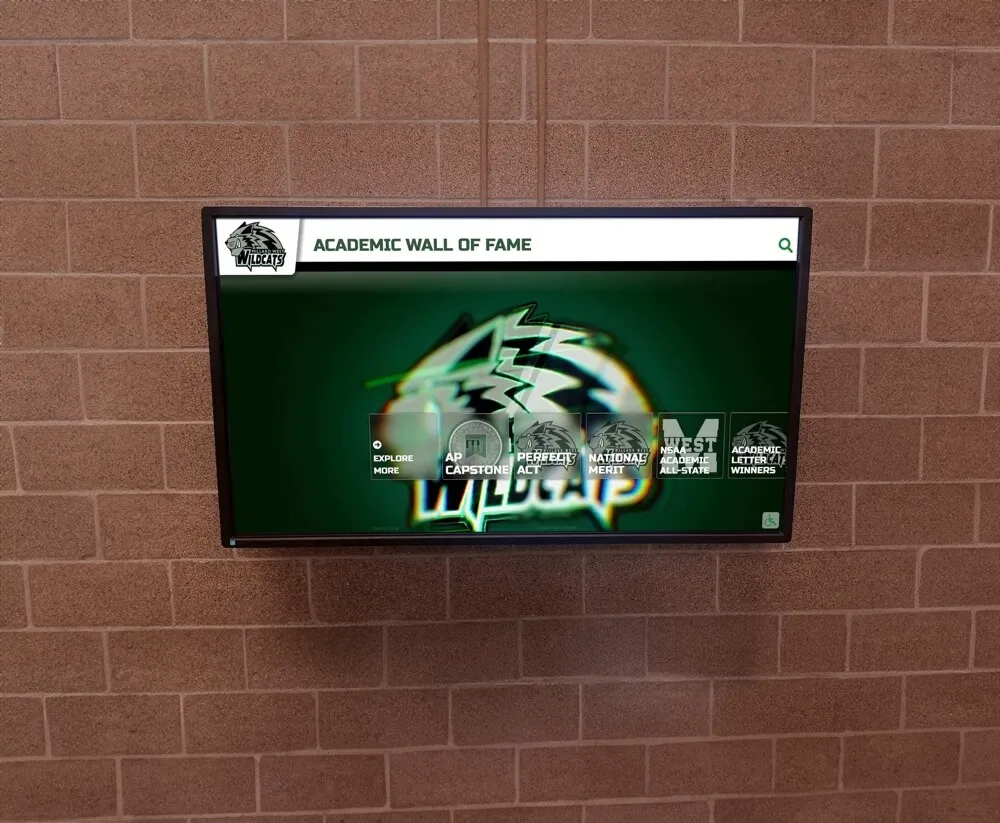
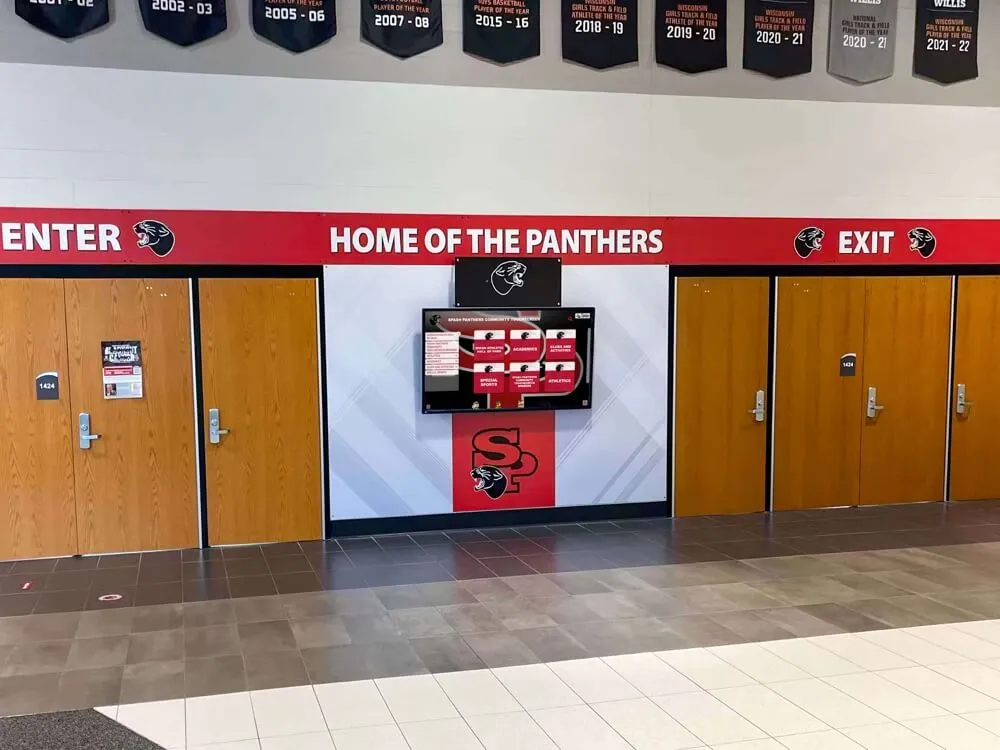
Interactive touchscreen platforms go further, allowing visitors to explore a school’s complete academic recognition history by searching honoree names, award types, graduating classes, or subject areas. This searchability transforms a display from a passive acknowledgment into an active record — one that alumni can interact with during visits, families can share through social media, and counselors can reference when documenting achievement for college applications.
Solutions like those offered by Rocket Alumni Solutions enable schools to build digital recognition environments that honor academic achievers as prominently and permanently as athletic and performing arts programs. Explore display formats at halloffamewall.com for a closer look at how schools across the country are integrating academic recognition into permanent hallway and lobby installations.
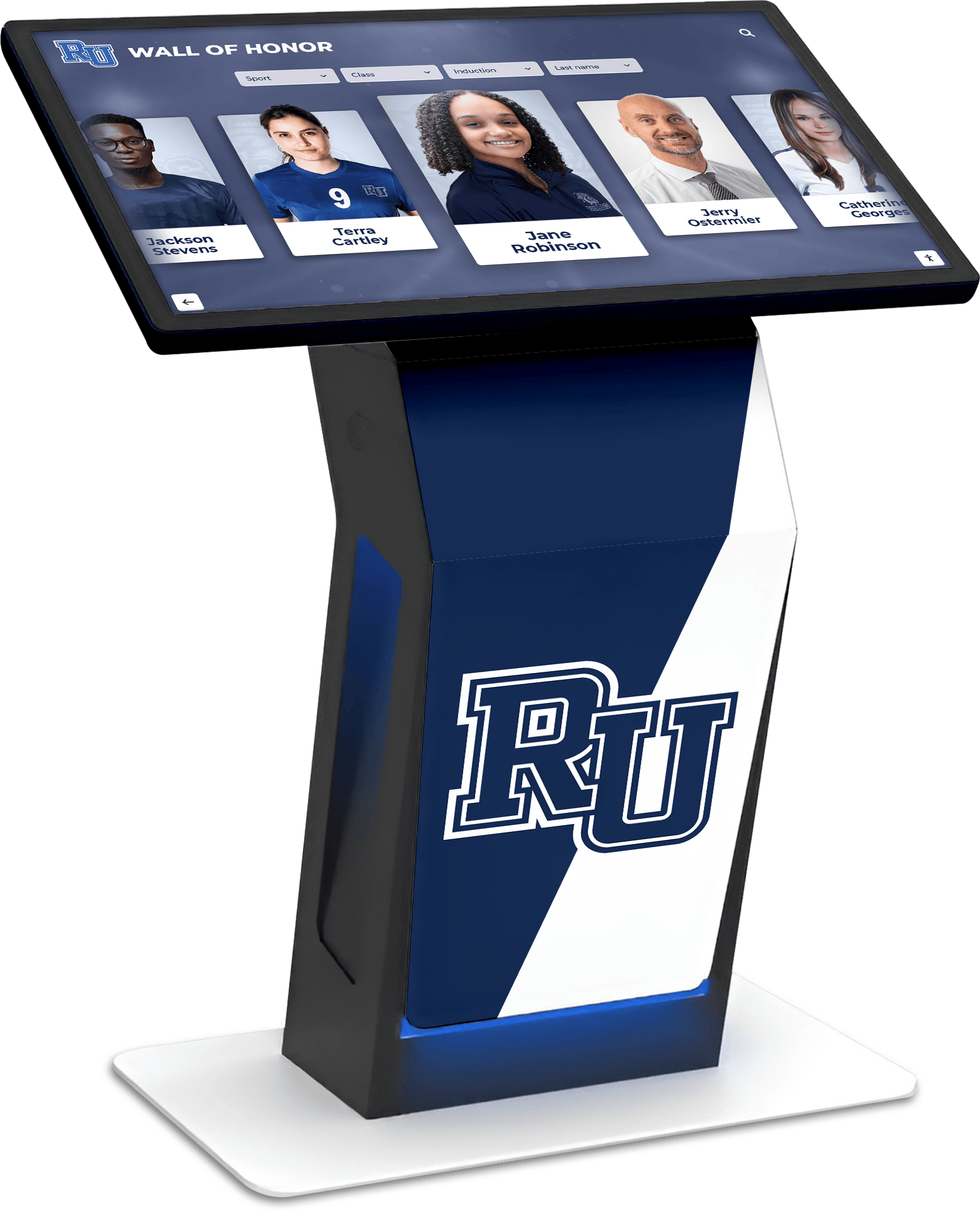
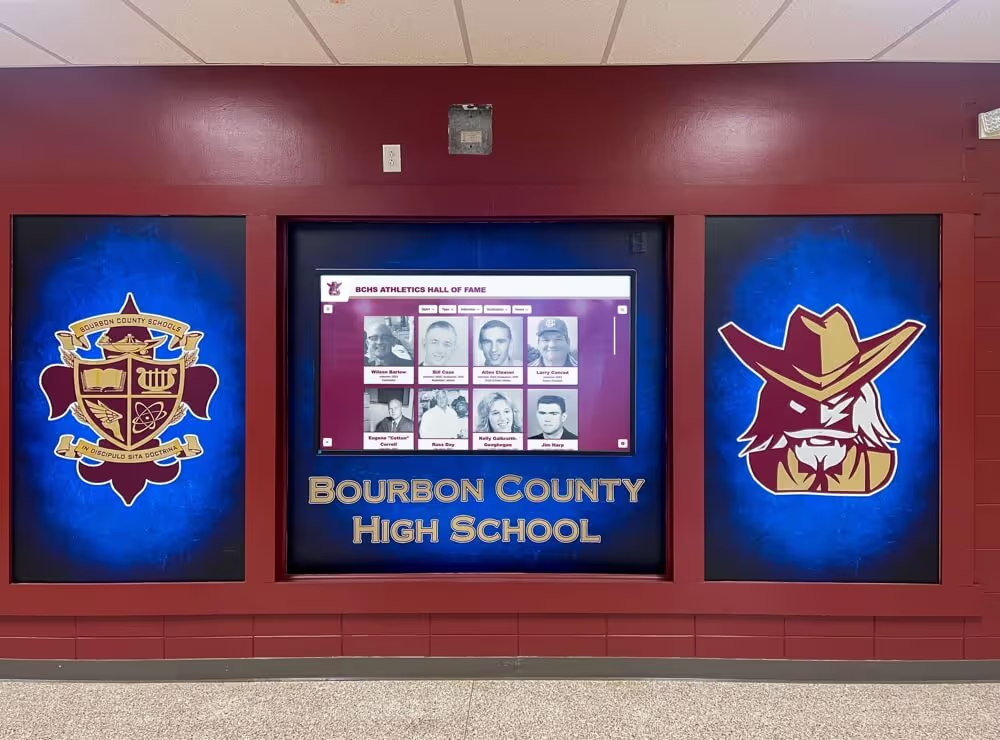
Interactive touchscreen recognition kiosks let students, families, and alumni explore academic honors by year, award type, or name — creating searchable institutional memory
Preserving Academic Awards: Keeping Student Honors Alive Beyond Graduation
Academic awards earned in high school often disappear from institutional visibility within months of the ceremony. Students move on, yearbooks go to press, and recognition that carried deep meaning at graduation fades from school hallways. Schools that take preservation seriously create lasting connections between current students and their predecessors — and between alumni and the institution that honored them.
Digital Archives and Searchable Records
The most effective preservation strategy is a searchable digital archive linked to visible in-school displays. When academic award records are entered into a structured database — indexed by student name, award type, graduating year, and category — they remain findable and shareable indefinitely. This benefits alumni who want to reference their achievements, advancement teams building donor outreach narratives, and historians documenting institutional excellence across decades.
Schools that maintain digital award archives also gain a durable communication asset. Annual honor roll data, NHS induction lists, and scholarship recipient names can be published on school websites, pushed through social media channels, and integrated into alumni and parent newsletters — extending the reach of recognition well beyond any single ceremony or printed program.
For schools managing alumni engagement programs, displays that integrate academic honors alongside athletic and performing arts recognition connect current programs to long-term institutional history. The guide to 10-year high school reunion programming and awards displays covers how digital recognition assets support alumni engagement events long after graduation.
Physical Archiving and Yearbook Integration
Printed yearbooks remain a durable preservation medium with proven longevity. Schools that structure yearbook sections to explicitly document academic honorees — including award name, category, and relevant performance data alongside photographs — create records that are valued and searchable by alumni decades later.
Supporting physical archiving with systematic digital photography of award ceremonies, honor roll lists, and recognition displays creates a backup layer that protects institutional memory against physical damage or loss over time.
Notifying Families and Updating Permanent Records
Academic award recognition should flow automatically into permanent student records. Counselors should verify that NHS membership, National Merit recognition, AP Scholar distinctions, and departmental honors appear on official transcripts and in cumulative student files. Awards that are not documented in permanent records lose much of their practical value for students applying to colleges or merit scholarships.
Many schools benefit from systematic family notification — formal certificates or letters confirming award receipt — which gives families documentation they can reference and preserve long after the ceremony has passed. These communications also serve as touchpoints for school-family relationships and advancement cultivation.

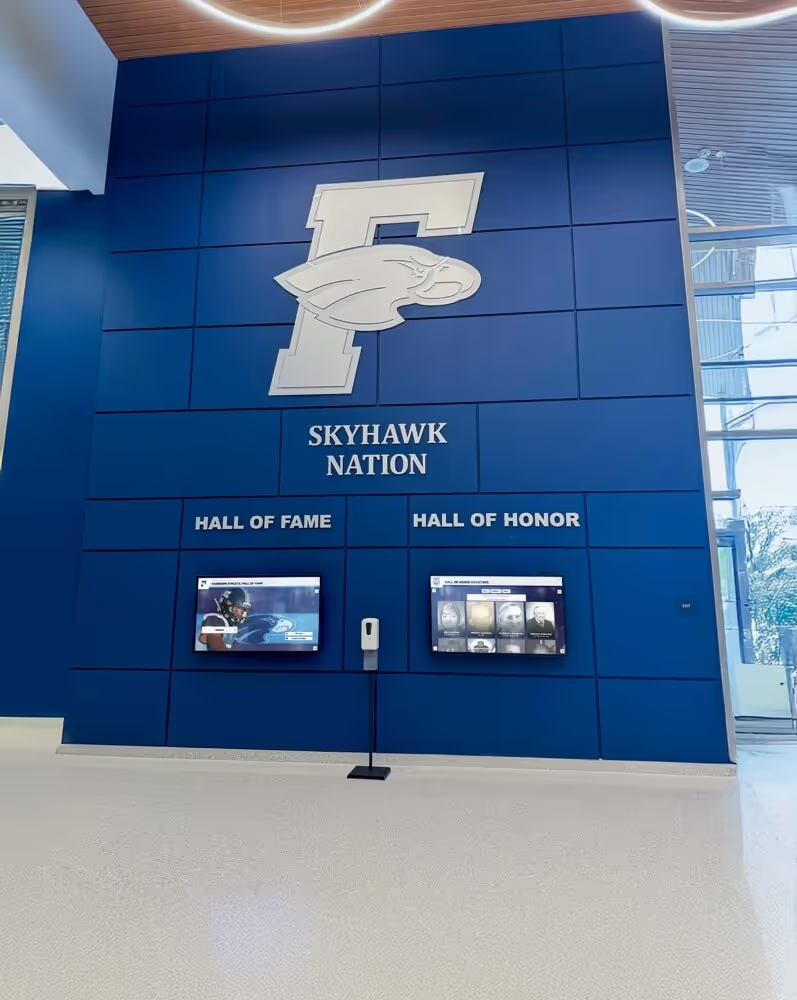
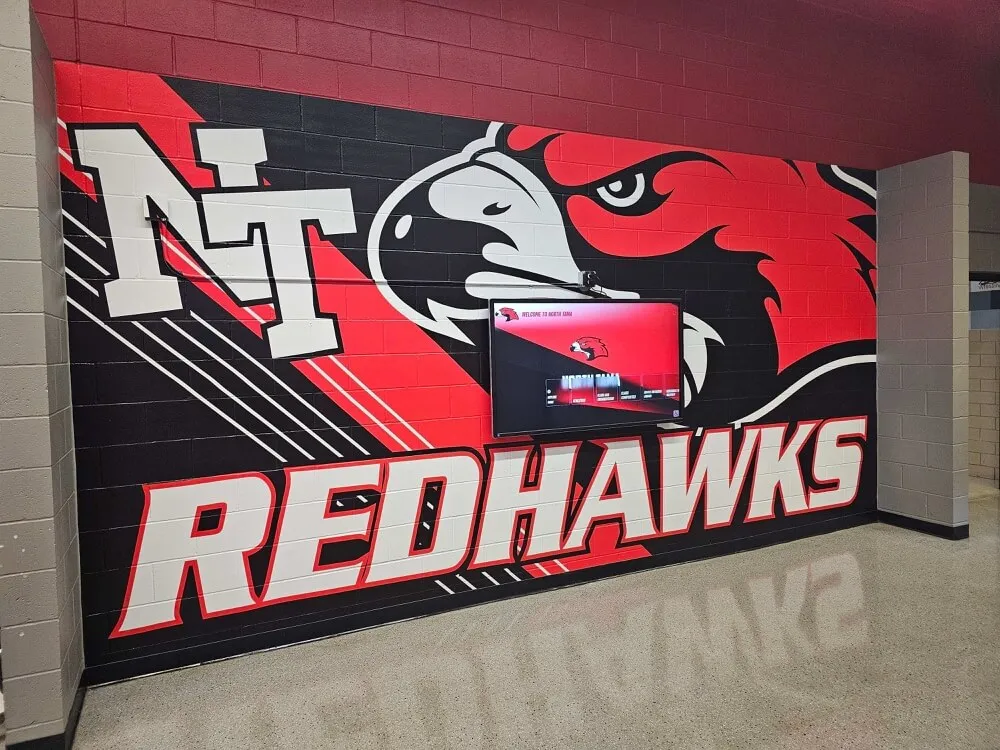
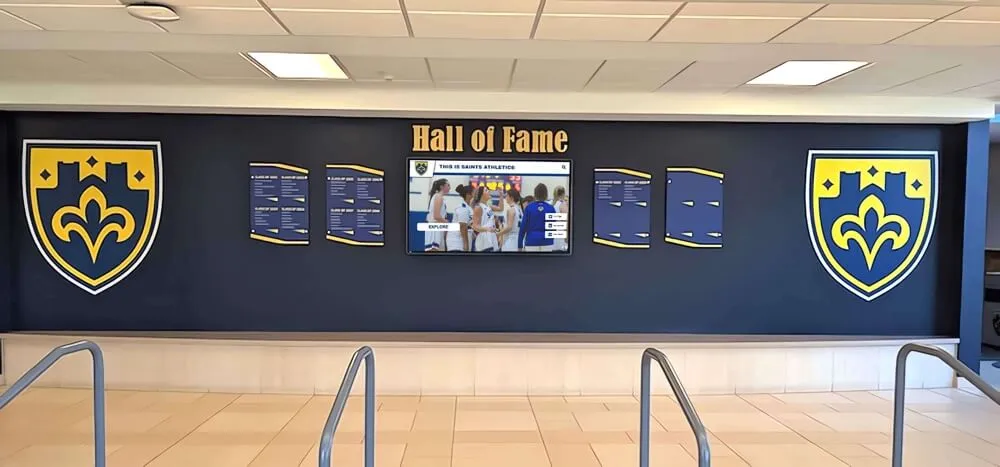
Schools that archive academic awards in permanent portrait-format displays create lasting records that connect current students to the institution's full history of excellence
Building a Year-Round Academic Recognition System
The strongest academic recognition programs treat awards not as isolated annual events but as continuous recognition systems operating across the full school year. Year-round systems keep academic achievement visible even when no ceremony is scheduled — creating cultural momentum that normalizes excellence and sustains motivation from September through June.
Recognition Touchpoints Beyond the Annual Ceremony
Quarterly or Semester Announcements: Publishing honor roll lists each grading period in school newsletters, on the website, and through building-wide announcements keeps recognition timely and connected to recent performance. Students and families experience recognition as a living, recurring acknowledgment rather than a single annual event.
Hallway and Digital Rotation Features: Schools with digital display systems can rotate featured student profiles throughout the academic year — highlighting this semester’s honor roll recipients, recent NHS inductees, competition award winners, and scholarship recipients alongside the permanent historical archive. This keeps the recognition environment dynamic and relevant to current students rather than frozen in a single past moment.
Social Media and Website Recognition: Posting honor roll lists, NHS induction announcements, AP Scholar notifications, and scholarship news on school social media channels extends recognition reach to families and community members who cannot attend ceremonies. Structured hashtags and tagging practices build searchable digital records alongside the physical and institutional archive.
Counselor and Parent Notification: Proactive letters or emails from counselors to award recipients and families serve a dual function — recognizing the achievement immediately and creating family-held documentation that students can reference for years.
Connecting Academic Recognition to School Identity
Academic recognition programs that integrate visually into school identity — using school colors, mascot imagery, and brand-consistent design — communicate that intellectual achievement is as central to school culture as athletic performance or performing arts excellence. Schools that pair academic recognition displays with athletic and arts recognition create unified identity environments where every form of student contribution is equally visible, equally honored, and equally permanent.
For schools planning broader recognition and spirit programming, the high school spirit week planning guide provides frameworks for integrating academic recognition into school-wide celebration events throughout the year.
Frequently Asked Questions About Academic Awards in High School
What academic awards are most commonly given in high school?
The most common academic awards in high school are honor roll recognition (typically for students with a 3.0–3.5 GPA or above), valedictorian and salutatorian distinctions for top-ranked graduating seniors, National Honor Society membership, AP Scholar awards from the College Board, and departmental excellence recognitions selected by faculty. Many schools also recognize winners of academic competitions including Science Olympiad, Academic Decathlon, math leagues, and speech and debate tournaments.
How do schools determine who qualifies for academic awards?
Schools typically use GPA thresholds — either weighted or unweighted — as the primary qualifying criterion for most academic awards, setting minimum averages for each recognition tier. Some awards, including NHS, also evaluate leadership, service, and character alongside academic record. Departmental awards often combine faculty nomination with GPA review. Schools should document specific criteria in student handbooks and counselor guides to ensure consistent, equitable application from year to year.
How should academic awards be displayed in a school?
Academic awards should appear in multiple visible formats: printed programs distributed at ceremonies, permanent physical displays or trophy cases updated annually, and digital recognition systems in school hallways and lobbies that allow year-round visibility. Interactive touchscreen platforms extend display effectiveness by letting students, families, and alumni search award records by year, category, or name — transforming a static display into a searchable institutional archive.
How long should schools keep academic award records?
Academic award records should be maintained permanently. Physical displays require annual updates and a named staff owner responsible for additions. Digital archives should be maintained without expiration, giving alumni long-term access to their recognition. Schools should also ensure all academic honors are documented on official student transcripts and cumulative records so achievements follow students beyond their time at the school.
What is the difference between honor roll and National Honor Society membership?
Honor roll recognizes students who meet a GPA threshold during a specific grading period — typically each semester or quarter — based on recent performance alone. National Honor Society is a selective ongoing membership organization that requires students to demonstrate a minimum GPA (usually 3.0), documented leadership and service experience, and faculty recommendation. NHS membership is cumulative and maintained throughout a student’s enrollment; honor roll is periodic and based on each term’s performance independently.
Conclusion: Academic Award Systems That Define, Display, and Endure
Strong academic award programs in high school require three aligned components working together: clearly documented criteria that define what qualifies for recognition; consistent, equitable selection and presentation processes that give every eligible student a genuine path to honors; and permanent display and preservation systems that make those honors visible and searchable long after graduation. Schools that invest in all three build recognition cultures that motivate current students and honor alumni for decades.
Whether your school relies on traditional trophy cases, printed ceremony programs, or modern digital recognition platforms, the goal is the same — ensuring that every student who earns academic recognition sees that honor treated as visible, meaningful, and permanent. Digital display platforms like those offered by Rocket Alumni Solutions help schools build searchable, updateable recognition systems that grow with the institution and keep academic achievement at the center of school identity.
Make Academic Achievement Permanently Visible
Discover how modern digital recognition solutions help schools define, display, and preserve academic awards — creating year-round visibility that motivates students and honors alumni long after graduation.
Explore Recognition SolutionsFor a deeper dive into the highest academic distinction your school confers, the guide to highest academic awards in high school covers how schools calculate, present, and celebrate their top GPA-based honors. For comprehensive event planning, the school awards night planning guide provides a full framework from venue selection through post-ceremony recognition follow-through.
Academic recognition programs reflect institutional values in concrete form. Schools that design these systems thoughtfully — with clear definitions, visible displays, and permanent archives — communicate that intellectual achievement matters, is celebrated seriously, and is remembered permanently.