



Schools, universities, and athletic programs seeking recognition solutions increasingly turn to acrylic awards for their versatility, affordability, and professional appearance. These transparent or colored awards combine the elegance of glass with the durability and safety of plastic, making them ideal for everything from academic achievement recognition to athletic championships and staff appreciation programs.
Yet choosing the right acrylic awards involves understanding material quality differences, engraving technique options, design considerations, and practical durability factors that separate premium recognition pieces from generic trophies gathering dust in storage rooms. The proliferation of online award vendors has made purchasing easier but also more confusing, with vastly different quality levels and pricing structures hiding behind similar product descriptions.
This comprehensive guide explores everything schools need to know about acrylic awards—material composition and quality grades, engraving methods and their visual impact, design customization possibilities, practical durability considerations, cost factors, and creative ways educational institutions use these versatile recognition tools to celebrate student achievement, athletic excellence, and staff contributions.
Acrylic awards have become foundational elements of school recognition programs because they offer unique advantages balancing professional appearance with budget-conscious pricing, while providing creative flexibility that traditional materials like crystal or metal cannot match. Understanding what makes quality acrylic awards effective helps schools maximize recognition impact.

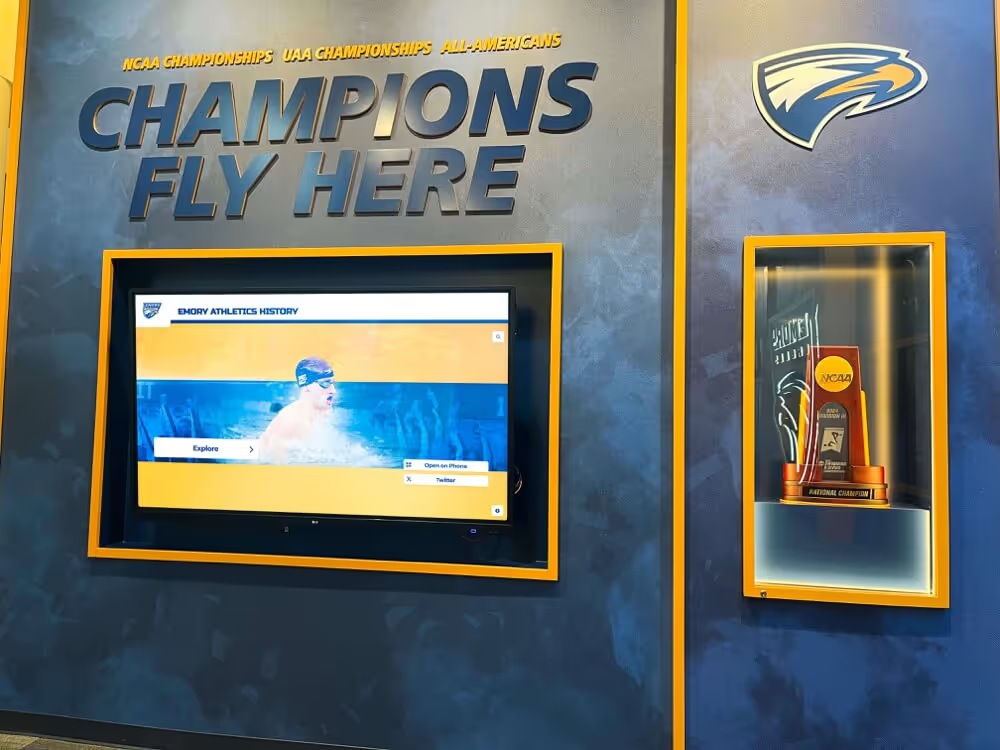
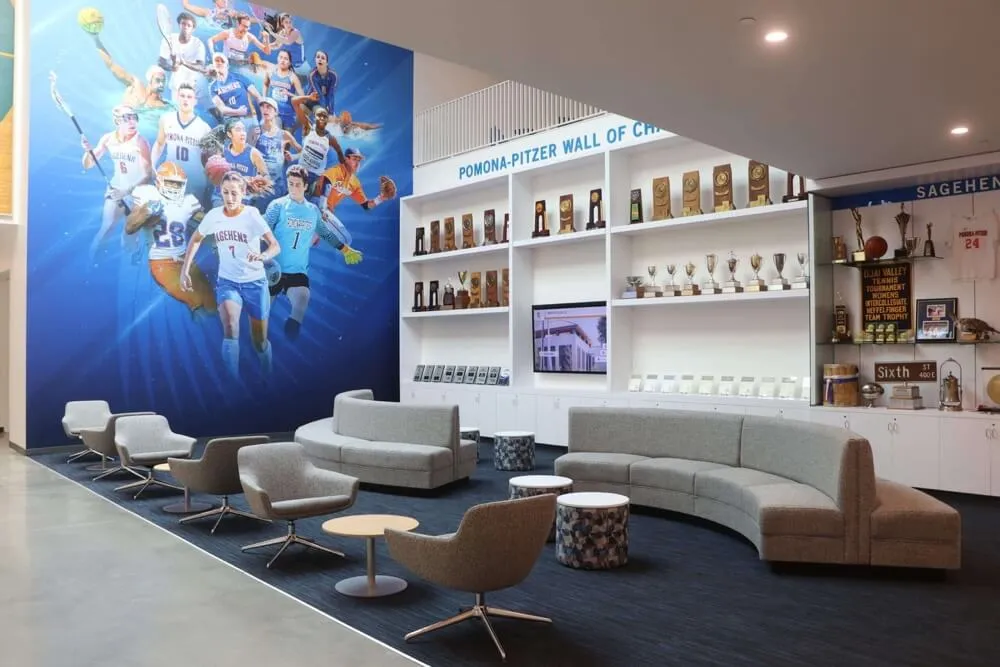
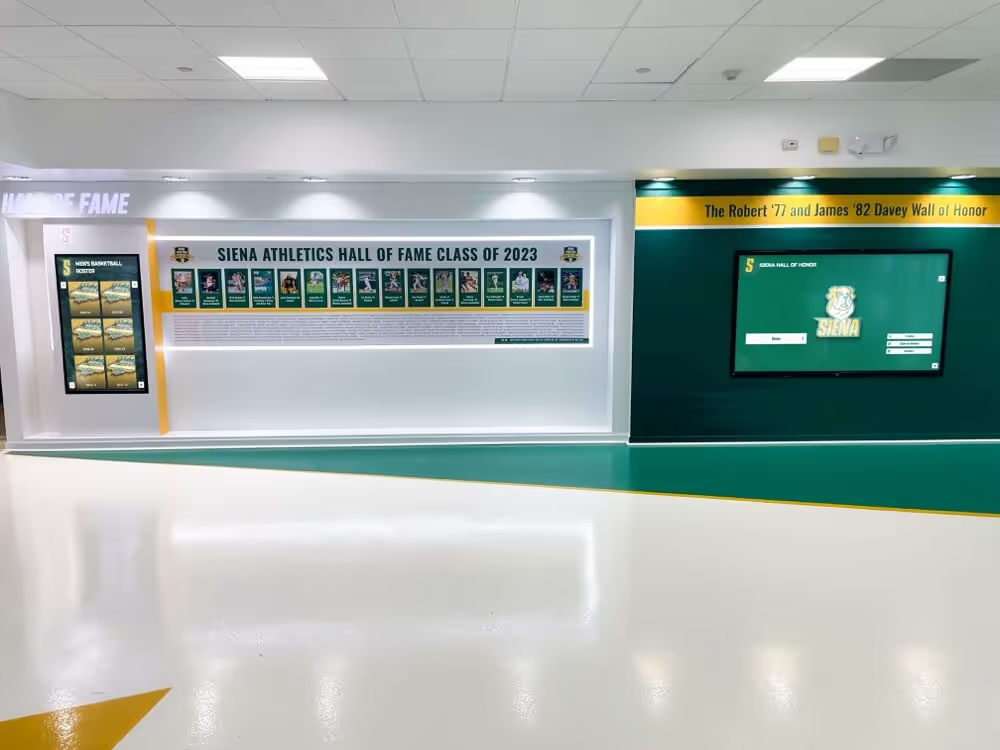
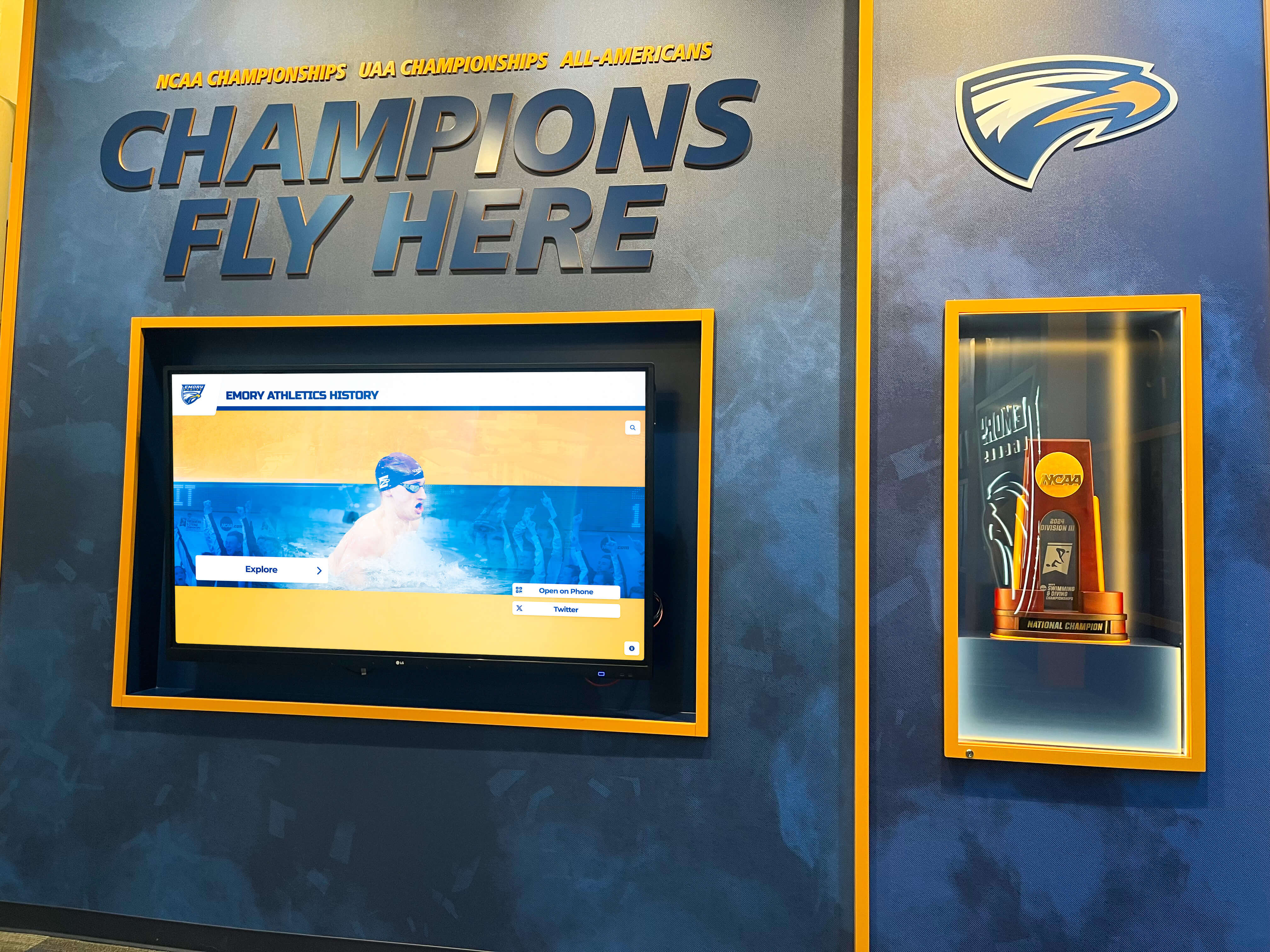
Quality trophy displays combine traditional awards with modern recognition systems celebrating diverse achievements
Understanding Acrylic Award Materials
Not all acrylic is created equal, and material quality significantly impacts award appearance and longevity.
What Is Acrylic? Material Composition Explained
Acrylic—technically polymethyl methacrylate (PMMA)—offers specific properties making it ideal for recognition awards:
Material Characteristics
- Transparent thermoplastic with exceptional optical clarity
- Approximately half the weight of glass with similar appearance
- Impact resistance 10-20 times greater than glass
- Excellent light transmission (92-93% for clear acrylic)
- Can be manufactured in unlimited colors and finishes
- Accepts various engraving and printing techniques
- Fully recyclable and environmentally responsible
Comparison to Alternative Materials
- Glass/Crystal: More prestigious appearance but fragile and expensive
- Resin: Lower cost but inferior clarity and professional appearance
- Wood: Traditional aesthetic but limited design options
- Metal: Durable but significantly heavier and more expensive
Acrylic bridges the gap between premium crystal awards and budget-friendly alternatives, providing professional appearance without fragility concerns particularly important when recognizing students.
Acrylic Quality Grades and Thickness Standards
Award manufacturers use different acrylic grades affecting appearance and durability:
Cast Acrylic vs. Extruded Acrylic
Cast Acrylic (Premium quality):
- Superior optical clarity with minimal distortion
- Better surface hardness resisting scratches
- Accepts detailed engraving with crisp edges
- More consistent thickness throughout piece
- Higher manufacturing cost reflected in price
- Recommended for prestigious recognition awards
Extruded Acrylic (Economy grade):
- Slightly reduced optical clarity
- More susceptible to surface scratching
- Adequate for basic recognition needs
- Lower cost making it budget-friendly
- Appropriate for high-volume award programs
- Best for temporary or short-term recognition
Thickness Considerations
Award thickness dramatically impacts perceived quality:
- 1/8 inch (3mm): Economy awards, budget programs, high-volume recognition
- 1/4 inch (6mm): Standard awards offering good quality-to-price balance
- 3/8 inch (9mm): Premium awards with substantial feel
- 1/2 inch (12mm): Prestige awards for significant achievements
- Custom thickness: Available for specialized recognition needs
Thicker acrylic creates visual impact through weight, light refraction, and perceived substance, with 3/8" to 1/2" thickness appropriate for major achievements like valedictorian recognition or athletic championships.
Learn about comprehensive athletic recognition in trophy display ideas that showcase achievements effectively.
Color Options and Optical Effects
Acrylic’s manufacturing flexibility enables diverse visual presentations:
Color Categories
Clear/Transparent:
- Classic professional appearance
- Maximum light transmission
- Shows engraved details clearly
- Versatile across all recognition types
- Most popular option for formal awards
Colored Transparent:
- School colors integration (blue, red, green, purple)
- Brand alignment through color matching
- Maintains transparency with color accent
- Creates visual interest and differentiation
- Popular for department-specific recognition
Opaque/Solid Colors:
- Bold visual impact
- Strong brand color representation
- Can include white, black, metallics
- Often combined with clear acrylic layers
- Effective for contemporary designs
Special Effect Finishes:
- Frosted/matte finishes providing texture contrast
- Metallic finishes (gold, silver, bronze) mimicking metal
- Marble or wood-grain patterns
- Gradient color transitions
- Textured surfaces for unique tactile experience
Schools often leverage color to distinguish recognition categories—clear for academic excellence, blue for athletics, green for community service—creating visual recognition systems instantly communicating achievement types.
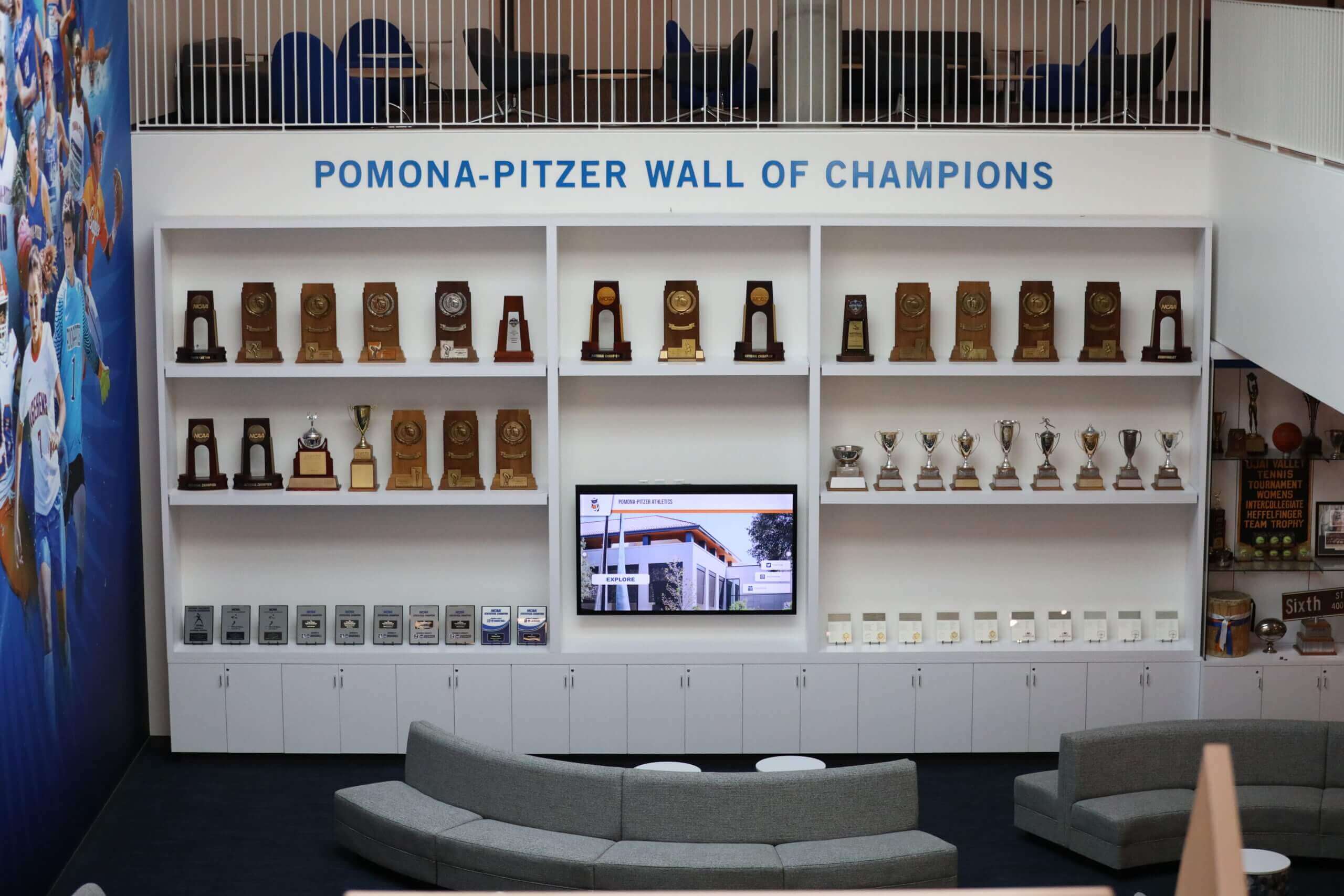
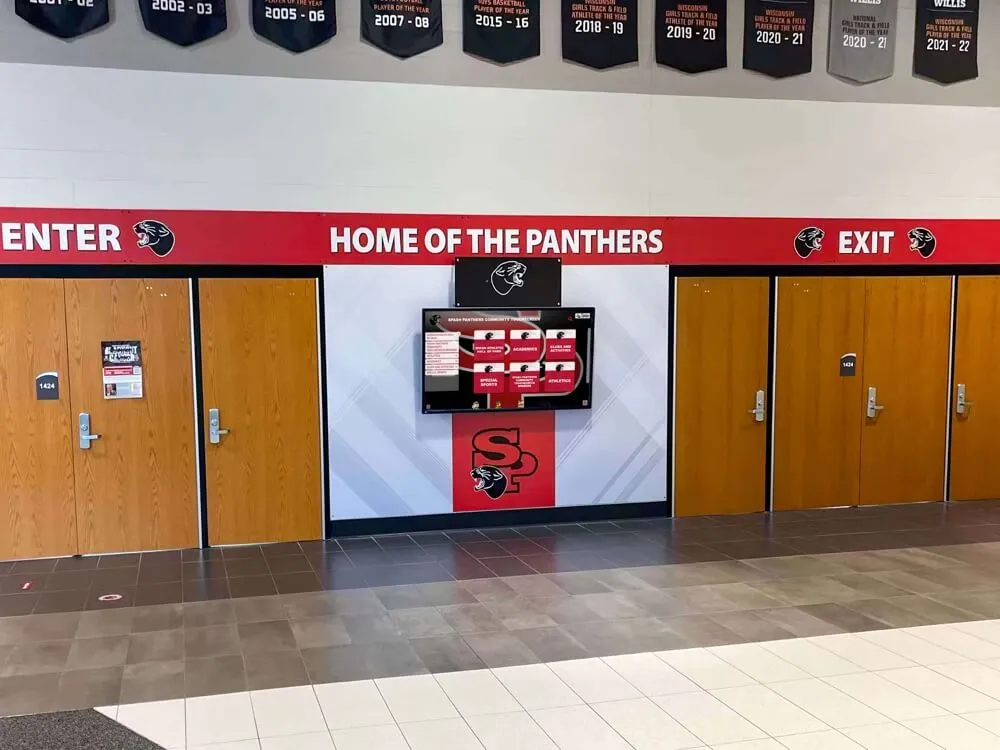
Strategic display of physical awards creates inspiring environments celebrating achievement history
Engraving Methods for Acrylic Awards
How information is added to acrylic dramatically affects appearance, durability, and cost.
Laser Engraving Techniques
Laser engraving represents the most popular acrylic customization method:
How Laser Engraving Works
- Concentrated laser beam removes thin acrylic layer
- Creates frosted white appearance against clear background
- Permanent marking that won’t fade or wear off
- Capable of extremely fine detail and complex graphics
- Computer-controlled for perfect consistency
- Fast production suitable for high-volume orders
Laser Engraving Advantages
- Exceptional detail capability including logos and signatures
- Deep, permanent engraving lasting decades
- No setup fees for design changes
- Quick turnaround for rush orders
- Cost-effective for single or multiple awards
- Can engrave photographs with proper preparation
Laser Engraving Limitations
- Creates white/frosted effect (not colored engraving)
- Works best on clear or light-colored acrylic
- Limited effectiveness on dark or opaque colors
- Surface engraving only (not through full thickness)
- May show fingerprints around engraved areas
Best Applications
- Detailed logos and school crests
- Personalized text with names and dates
- Achievement descriptions and accomplishments
- Photographic images of recipients
- QR codes linking to digital profiles
Color Fill and UV Printing
Adding color to acrylic awards creates additional visual impact:
Color Fill Engraving
- Laser engraves design, then fills grooves with paint
- Available in gold, silver, or custom colors
- Creates elegant contrast and improved readability
- Adds minimal cost to laser engraving
- More durable than surface printing
- Ideal for formal recognition and major awards
UV Direct Printing
- Full-color printing directly onto acrylic surface
- Capable of photographic quality images
- Unlimited color options including gradients
- Perfect for school logos with multiple colors
- Can print across entire award surface
- Fast production and cost-effective pricing
Sublimation Printing
- Heat-transfers designs into specially-coated acrylic
- Vibrant, permanent colors resistant to fading
- Full-color capabilities including photos
- Smooth finish without texture
- Requires specialized coated acrylic
- Popular for photo awards and certificates
Schools frequently combine techniques—laser engraving for recipient information with UV printing for colored school logos—creating professional multi-dimensional appearance.
Explore recognition display strategies in gym banner ideas that celebrate athletic achievements.
Sandblasting and Rotary Engraving
Alternative engraving methods offer specific advantages:
Sandblasting
- Abrasive material blasted against masked acrylic
- Creates deep, frosted etched appearance
- Excellent for large text and bold designs
- Produces elegant, traditional look
- Higher setup costs limiting cost-effectiveness for small orders
- Ideal for perpetual awards updated annually
Rotary Engraving
- Mechanical bit physically cuts into acrylic
- Creates V-shaped grooves
- Can be color-filled for enhanced visibility
- Limited to single-line fonts and simple graphics
- Lower cost for text-only awards
- Suitable for basic name plates and simple recognition
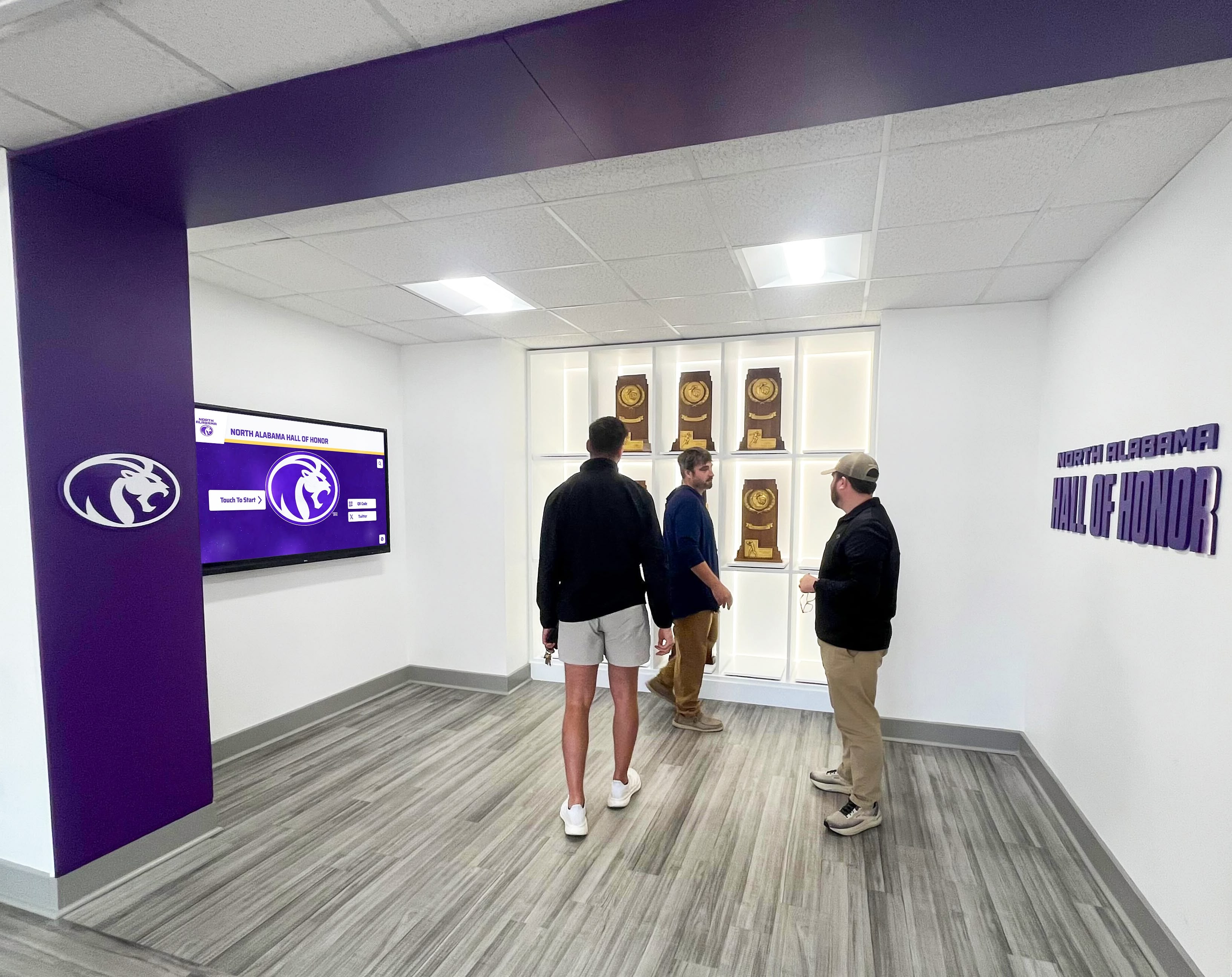
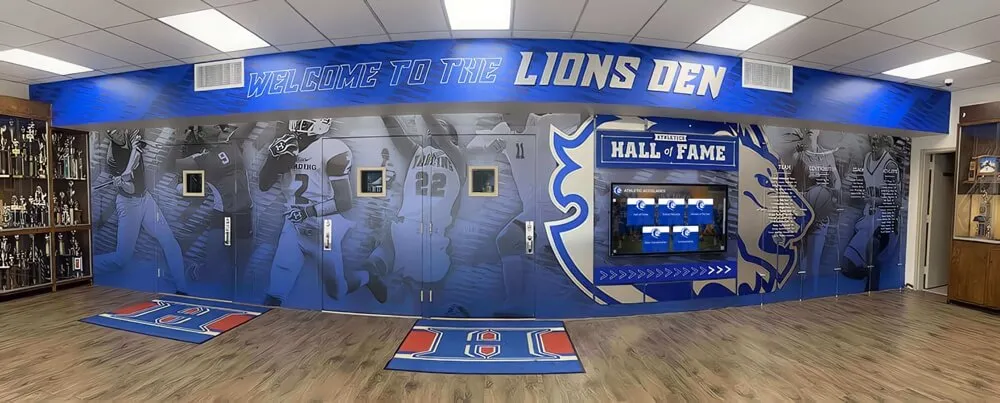
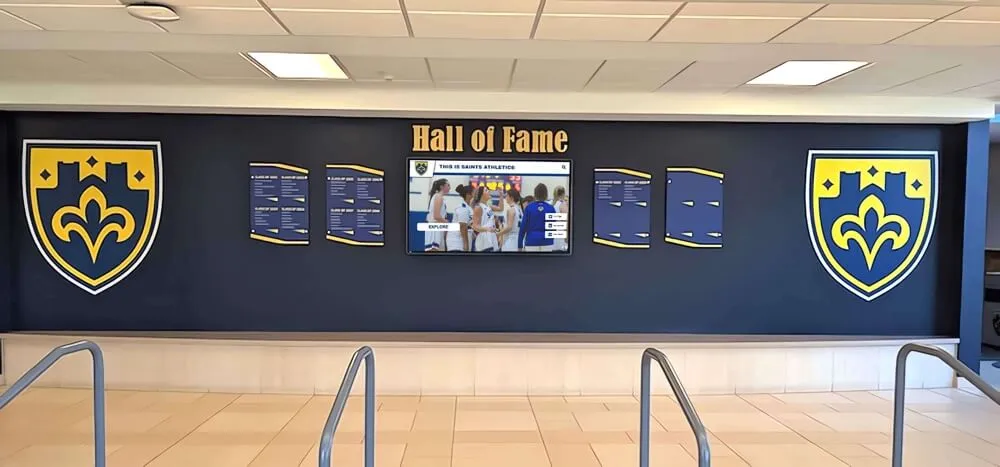
Physical trophy displays create interactive experiences connecting current students with achievement traditions
Design Considerations for School Acrylic Awards
Effective award design balances aesthetic appeal with practical recognition needs.
Shape and Style Options
Acrylic’s versatility enables virtually unlimited shapes:
Classic Shapes
- Rectangles and squares: Traditional, professional appearance
- Obelisks/towers: Vertical emphasis suggesting achievement height
- Flames: Dynamic energy appropriate for athletic recognition
- Stars: Academic excellence and special achievement
- Diamonds: Premium recognition and leadership awards
Custom Shapes
- School mascot silhouettes
- State or region outlines
- Sport-specific shapes (basketballs, graduation caps, books)
- Abstract designs reflecting institutional values
- Combination shapes layering multiple acrylic pieces
Dimensional Designs
Flat Awards:
- Single thickness acrylic piece
- Most cost-effective option
- Suitable for wall mounting or desk display
- Popular for certificate-style recognition
- Easy storage and distribution
Multi-Layer Awards:
- Stacked acrylic pieces creating depth
- Color combinations through layering
- Floating appearance with standoffs
- Dramatic visual impact
- Premium positioning for major achievements
Sculptural Awards:
- Three-dimensional forms
- Curved or bent acrylic components
- Artistic interpretation of achievement
- Unique designs memorable to recipients
- Higher cost appropriate for top-level recognition
Base and Display Options
How awards stand significantly impacts presentation:
Base Materials
- Wood bases: Traditional elegance, warmth
- Acrylic bases: Color-matched modern aesthetic
- Metal bases: Contemporary industrial style
- Marble/stone bases: Premium substantial feel
- Piano-finish bases: High-gloss formal appearance
Mounting Methods
- Adhesive attachment for permanent bonding
- Pins/posts allowing replacement or updates
- Magnetic systems for interchangeable pieces
- Wall-mounting hardware for permanent display
- Desk stands with weighted bases
Personalization Areas
- Award face: Primary engraving location
- Base: Additional information, dates, sponsors
- Back: Extended achievement descriptions
- Edges: Subtle accent engraving
- Multiple sides: Comprehensive recognition
Learn about award display in basketball hall of fame displays for high schools.
Incorporating School Branding
Effective awards reinforce institutional identity:
Logo Integration
- Full-color UV printing for complex multi-color logos
- Laser engraving for single-color crests
- Metallic color-fill for traditional emblems
- Size balancing with recipient information
- Placement ensuring professional hierarchy
Color Coordination
- School colors in acrylic selection
- Branded bases in institutional colors
- Colored engraving fill matching school palette
- Layered designs combining school colors
- Consistent color system across award types
Typography Considerations
- Fonts matching school branding guidelines
- Hierarchy emphasizing most important information
- Readability in engraved format
- Consistency across recognition programs
- Professional appearance avoiding excessive fonts

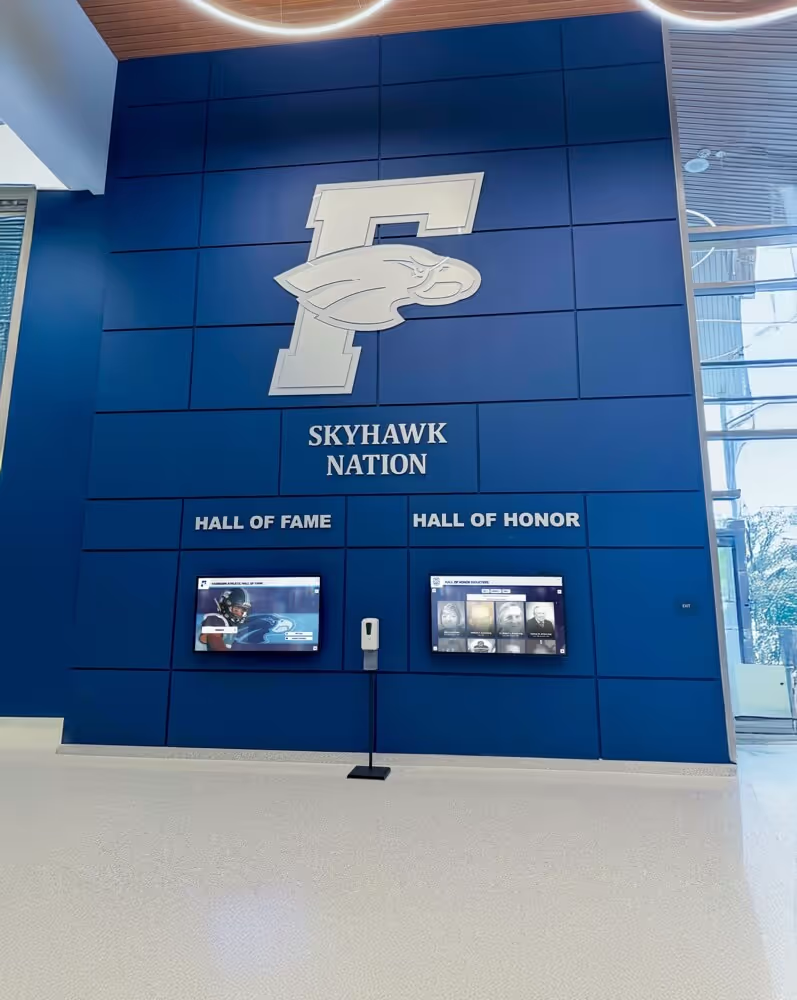
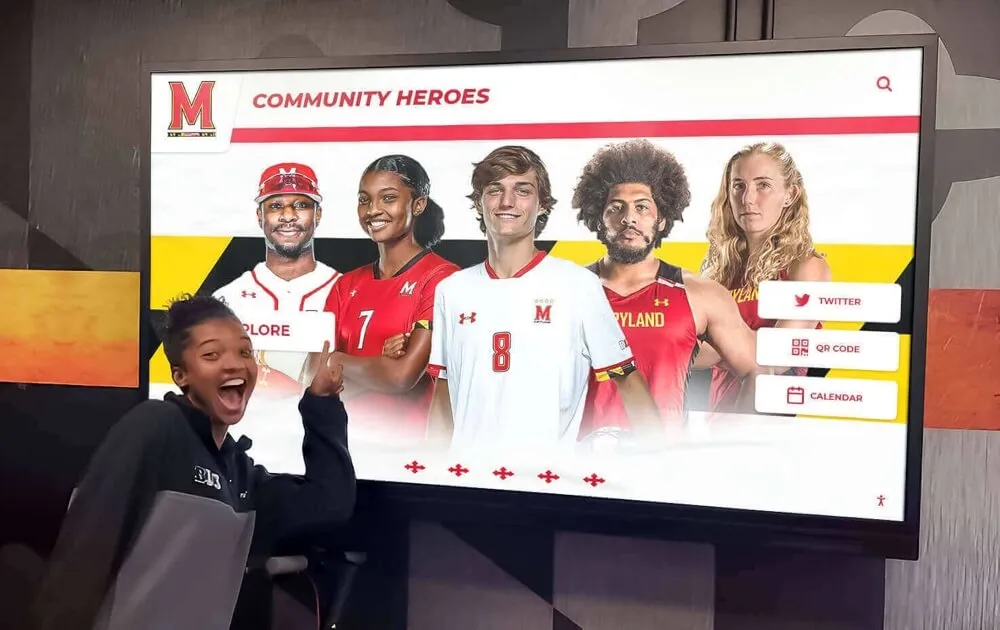
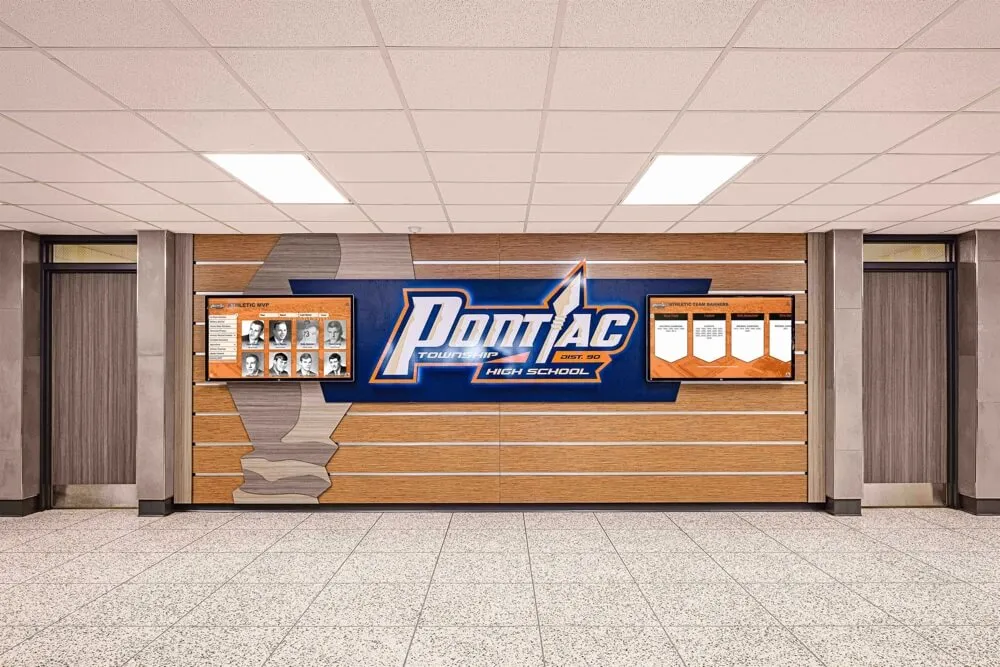
Modern recognition systems complement physical awards by providing detailed achievement documentation
How Schools Use Acrylic Awards for Recognition
Educational institutions leverage acrylic awards across diverse recognition needs.
Academic Achievement Recognition
Celebrating educational excellence through varied award programs:
Honor Roll and GPA Awards
- Quarterly or semester recognition
- Tiered levels (honor roll, high honor roll, principal’s list)
- Individual student names and achievement level
- Cumulative GPA milestones (3.5, 3.75, 4.0)
- Subject-specific excellence awards
Subject-Specific Excellence
- Department awards (math, science, English, arts)
- Outstanding student in subject area
- Improvement awards for growth
- Project-based achievement recognition
- Advanced Placement and honors course completion
Graduation Honors
- Valedictorian and salutatorian awards
- Class ranking recognition
- Perfect attendance across high school career
- Special program completion (IB, dual enrollment)
- Scholarship recipient acknowledgment
Academic Competition Achievement
- Debate tournament winners
- Science fair recognition
- Math competition accomplishments
- Academic decathlon participation
- Quiz bowl championships
Schools often create award series with consistent design across achievement levels—varying only in size, color, or engraved distinction—building cohesive recognition program identity.
Explore academic recognition approaches in academic recognition programs for schools.
Athletic Awards and Sports Recognition
Sports programs rely heavily on acrylic awards for team and individual recognition:
Team Awards
- Championship trophies for winning seasons
- Tournament placement recognition
- League championship awards
- Conference titles and divisional wins
- Team milestone achievements
Individual Athletic Excellence
- Most Valuable Player awards
- Offensive and defensive player of year
- Most improved player recognition
- Sportsmanship and character awards
- Career statistical milestone achievements
- Senior recognition for multi-year athletes
Specialized Athletic Categories
- All-conference and all-state selections
- Record-breaking performance recognition
- Leadership captain awards
- Newcomer and rookie excellence
- Unsung hero and hustle awards
Coaching and Support Recognition
- Coach of the year awards
- Assistant coach appreciation
- Athletic trainer recognition
- Team parent and volunteer acknowledgment
- Booster club contributor appreciation
Acrylic’s durability advantage becomes particularly important for athletic awards, where handling, transport, and display in gymnasium cases require impact resistance.
Learn about athletic recognition in high school athletic awards ceremony planning.
Staff and Faculty Appreciation
Recognizing educators and support personnel:
Teaching Excellence
- Teacher of the year recognition
- Department chair appreciation
- Innovative teaching practice awards
- Student impact recognition
- Tenure milestone acknowledgment
- Professional development achievement
Support Staff Recognition
- Administrative professional excellence
- Custodial and maintenance appreciation
- Food service recognition
- Security and safety personnel
- Library and media specialist honors
- Technology support acknowledgment
Service Milestones
- Years of service anniversaries (5, 10, 15, 20+ years)
- Retirement recognition
- Career achievement awards
- Loyalty and dedication acknowledgment
- Going above-and-beyond recognition
Leadership Positions
- Principal and assistant principal recognition
- Department head acknowledgment
- Committee chair appreciation
- Mentor teacher awards
- Student organization advisor recognition
Schools benefit from acrylic’s cost-effectiveness when recognizing entire staff categories, making comprehensive appreciation programs financially feasible.
Student Leadership and Character Awards
Celebrating non-academic achievements and personal qualities:
Leadership Recognition
- Student government officers
- Class representatives
- Club presidents and officers
- Peer mentors and tutors
- Student ambassadors
Character and Values
- Citizenship awards
- Integrity and honesty recognition
- Kindness and compassion honors
- Perseverance through challenges
- Positive attitude and enthusiasm
- Anti-bullying advocacy
Service and Community Involvement
- Volunteer hour milestones
- Community service project leadership
- School service contributions
- Charitable initiative participation
- Environmental stewardship
Specialized Program Recognition
- National Honor Society induction
- Key Club and service organization membership
- Peer mediation program participation
- Student wellness advocate recognition
- Diversity and inclusion leadership
Character-based awards often use distinctive shapes or colors—like heart shapes for kindness or hands for service—creating memorable association between award appearance and recognized quality.
Explore student recognition in National Honor Society recognition approaches.
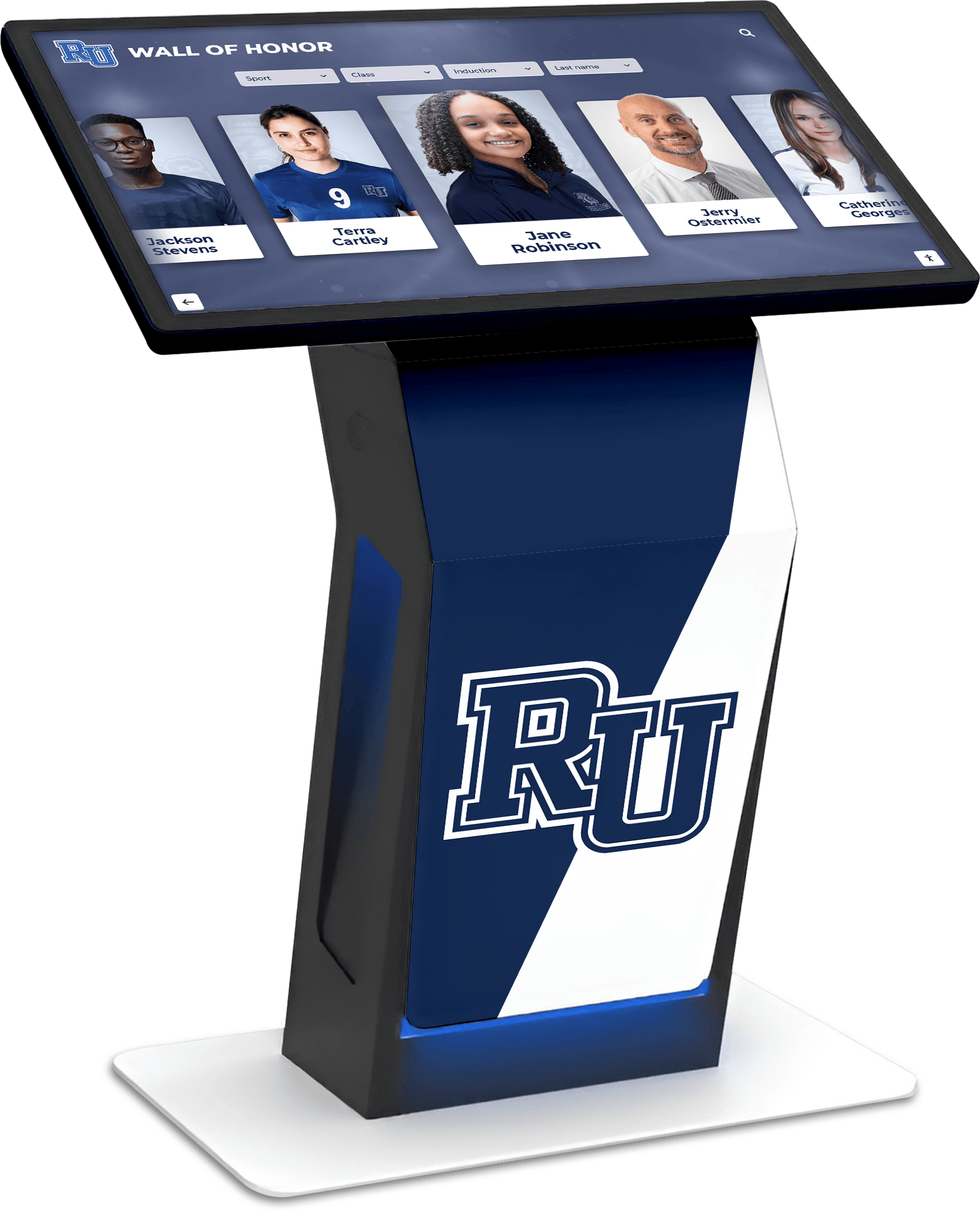
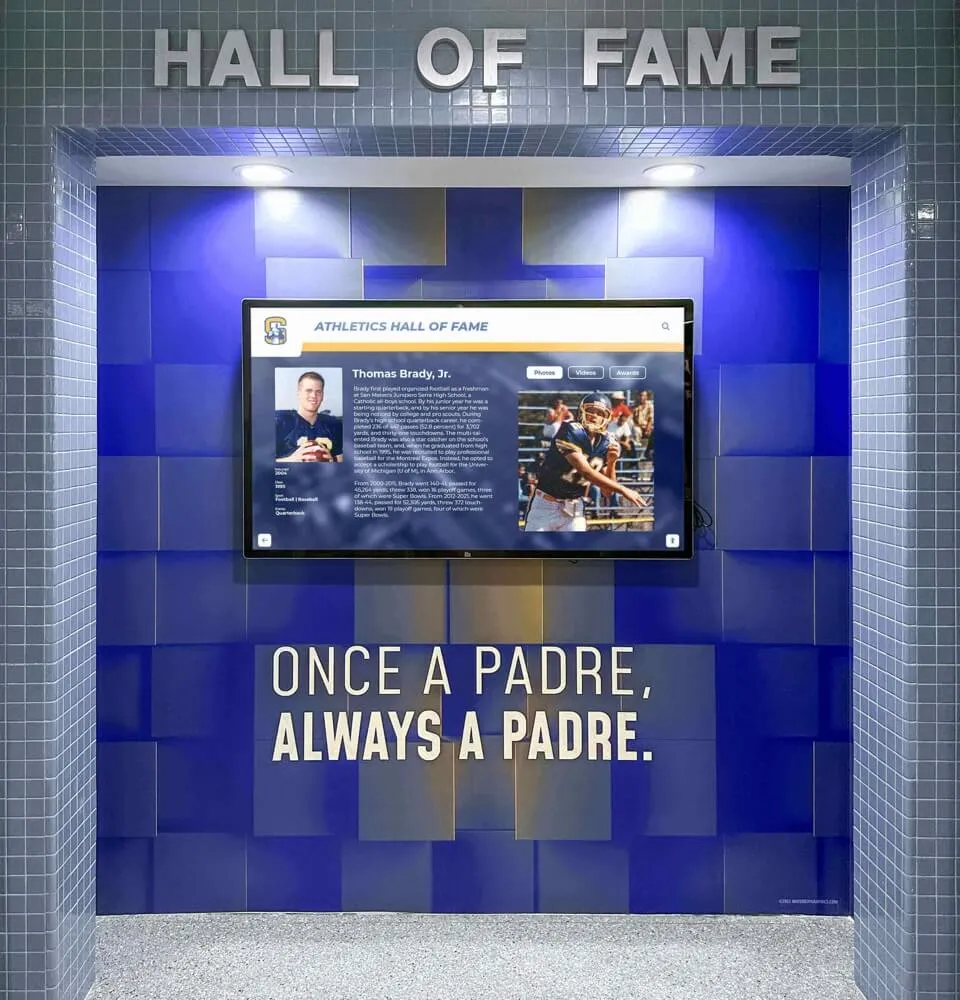
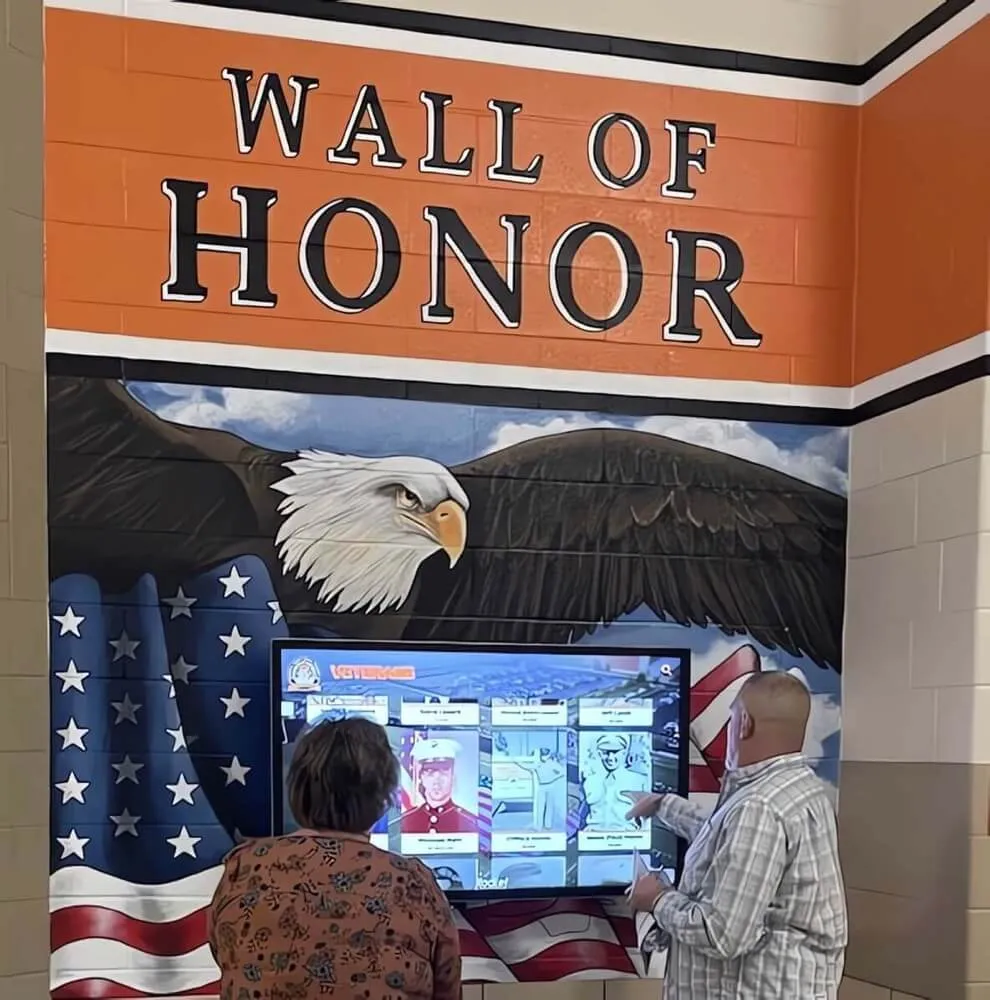
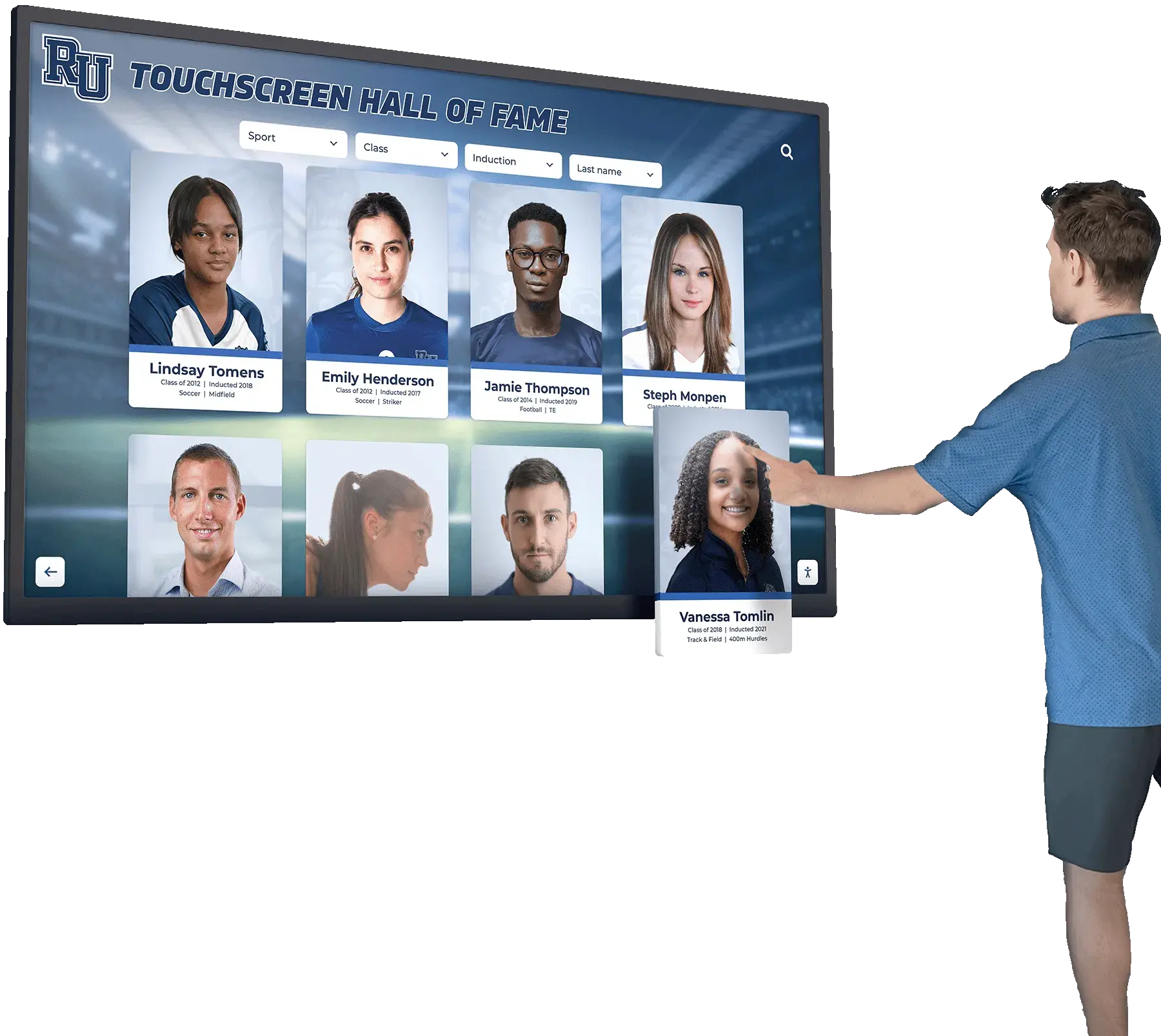
Digital recognition kiosks provide unlimited capacity for celebrating achievements beyond physical award limitations
Durability and Maintenance Considerations
Understanding acrylic longevity helps schools maximize recognition investment.
Scratch Resistance and Surface Care
Acrylic awards require appropriate handling to maintain appearance:
Scratch Prevention
- Store awards in individual boxes or bags
- Avoid stacking without protective layers
- Handle with clean, lint-free cloths
- Keep display cases clean preventing abrasive dust
- Consider scratch-resistant coating for high-touch awards
Cleaning and Maintenance
- Clean with soft microfiber cloths
- Use mild soap and water solution
- Avoid ammonia-based cleaners (cause crazing)
- Never use paper towels (create fine scratches)
- Buff gently to restore shine
Minor Scratch Repair
- Very fine scratches often buff out with acrylic polish
- Automotive plastic polish works effectively
- Professional refinishing available for severe damage
- Prevention more effective than repair
- Consider replacement for extensively damaged awards
UV Resistance and Discoloration
Acrylic’s reaction to sunlight affects long-term appearance:
UV Stability
- High-quality cast acrylic resists yellowing
- Economy extruded acrylic may discolor over time
- Direct sunlight exposure accelerates yellowing
- UV-resistant coatings available for outdoor displays
- Indoor display preferred for longevity
Display Location Considerations
- Avoid direct sunlight through windows
- Trophy cases with UV-filtering glass protect awards
- LED display lighting generates minimal UV
- Rotation schedules preserve displayed awards
- Climate-controlled storage for archived awards
Safety Advantages Over Glass
Acrylic’s shatter resistance makes it ideal for school environments:
Safety Benefits
- No sharp edges if broken
- Impact resistance preventing breakage
- Safe for student handling during ceremonies
- Reduced liability in high-traffic display areas
- Appropriate for elementary and middle school recognition
Transportation Durability
- Survives shipping without extensive packaging
- Students can carry awards home safely
- Travel to away competitions without breakage risk
- Reduced replacement costs from damage
- Appropriate for outdoor ceremony settings
Cost Factors and Budget Considerations
Understanding acrylic award pricing helps schools plan recognition budgets effectively.
Price Determinants
Multiple factors influence final award costs:
Material Quality and Thickness
- Cast acrylic costs more than extruded
- Thicker awards increase material costs
- Colored acrylic may cost more than clear
- Special finishes add to base price
- Custom shapes increase manufacturing complexity
Customization and Engraving
- Basic text engraving (name, date) most economical
- Logo engraving adds cost
- Color-fill increases price moderately
- Full-color printing costs more than engraving
- Complex multi-layer designs significantly increase price
Quantity Discounts
- Per-unit costs decrease with larger orders
- Setup fees amortized across quantity
- Bulk pricing for standardized awards
- Series ordering (multiple years) reduces costs
- Volume commitments earn better pricing
Base and Hardware
- Plain acrylic bases most economical
- Wood bases add moderate cost
- Metal and stone bases increase price
- Wall-mounting hardware varies by complexity
- Premium piano-finish bases cost more
Typical Price Ranges
Budget awards: $10-25 per unit (simple designs, economy materials, basic engraving) Standard awards: $25-60 per unit (quality materials, custom engraving, standard bases) Premium awards: $60-150+ per unit (thick cast acrylic, complex designs, luxury bases) Custom sculptural: $150-500+ per unit (unique designs, multi-component construction)
Budget-Friendly Strategies
Schools can maximize recognition while managing costs:
Standardized Award Series
- Create award template used across programs
- Order multiple years simultaneously
- Volume pricing reduces per-unit costs
- Consistent design simplifies reordering
- Simplified inventory management
Tiered Recognition Systems
- Premium awards for highest achievements
- Standard awards for regular recognition
- Economy awards for high-volume programs
- Design continuity across tiers
- Appropriate value matching achievement significance
Alternative Recognition Supplements
- Certificates for individual recognition
- Physical awards for major achievements only
- Digital recognition supplementing physical awards
- Rotating trophy systems for annual awards
- Smaller acrylic pieces (key tags, magnets) for participation
Vendor Relationship Development
- Establish preferred vendor relationships
- Multi-year commitments earn better pricing
- Consolidated purchasing across departments
- Payment term negotiations
- Value-added services (storage, rush capability)
Learn about comprehensive recognition approaches in touchscreen displays for showcasing achievements.
Creative Acrylic Award Ideas for Schools
Innovative applications of acrylic awards create memorable recognition experiences.
Perpetual Awards and Traveling Trophies
Multi-year awards building tradition:
Perpetual Plaques
- Large acrylic backboard with space for annual winners
- Individual name plates added each year
- Multi-decade capacity (20+ years)
- Creates achievement legacy and tradition
- Cost-effective recognizing recurring awards
Traveling Trophies
- Championship awards passed between winners
- Engraved with all previous recipients
- Builds competitive tradition
- Visible history of excellence
- Reduces annual award costs while maintaining prestige
Photo Awards and Visual Recognition
Incorporating imagery creates personal connection:
Photo Engraving
- Laser-etched student/athlete photographs
- Memorable personal recognition
- Combination of image and achievement text
- Popular for senior recognition
- Creates keepsake quality awards
Full-Color Printed Awards
- UV printing enables photographic quality
- Team photos on awards
- Action shots from competitions
- Event photography integration
- Unlimited color design possibilities
Interactive and Multi-Purpose Awards
Functional recognition serving additional purposes:
Achievement Displays Doubling as Functional Items
- Desk organizers with achievement engraving
- Phone stands commemorating accomplishments
- Bookends for scholar recognition
- Calendar holders with achievement acknowledgment
- USB drives in acrylic awards
Modular Award Systems
- Base award with interchangeable components
- Add achievement elements over time
- Building visual achievement history
- Cost-effective multi-year recognition
- Encourages continued excellence pursuit
Department and Team Award Collections
Cohesive series building program identity:
Unified Design Across Award Types
- Consistent shape varied by size/color
- Series approach to department awards
- Team sets maintaining visual continuity
- Brand identity reinforcement
- Professional systematic appearance
Custom Mascot Integration
- School mascot silhouettes as award shapes
- Layered designs incorporating mascot elements
- Colored acrylic matching school identity
- Unique designs preventing generic appearance
- Pride-building institutional recognition
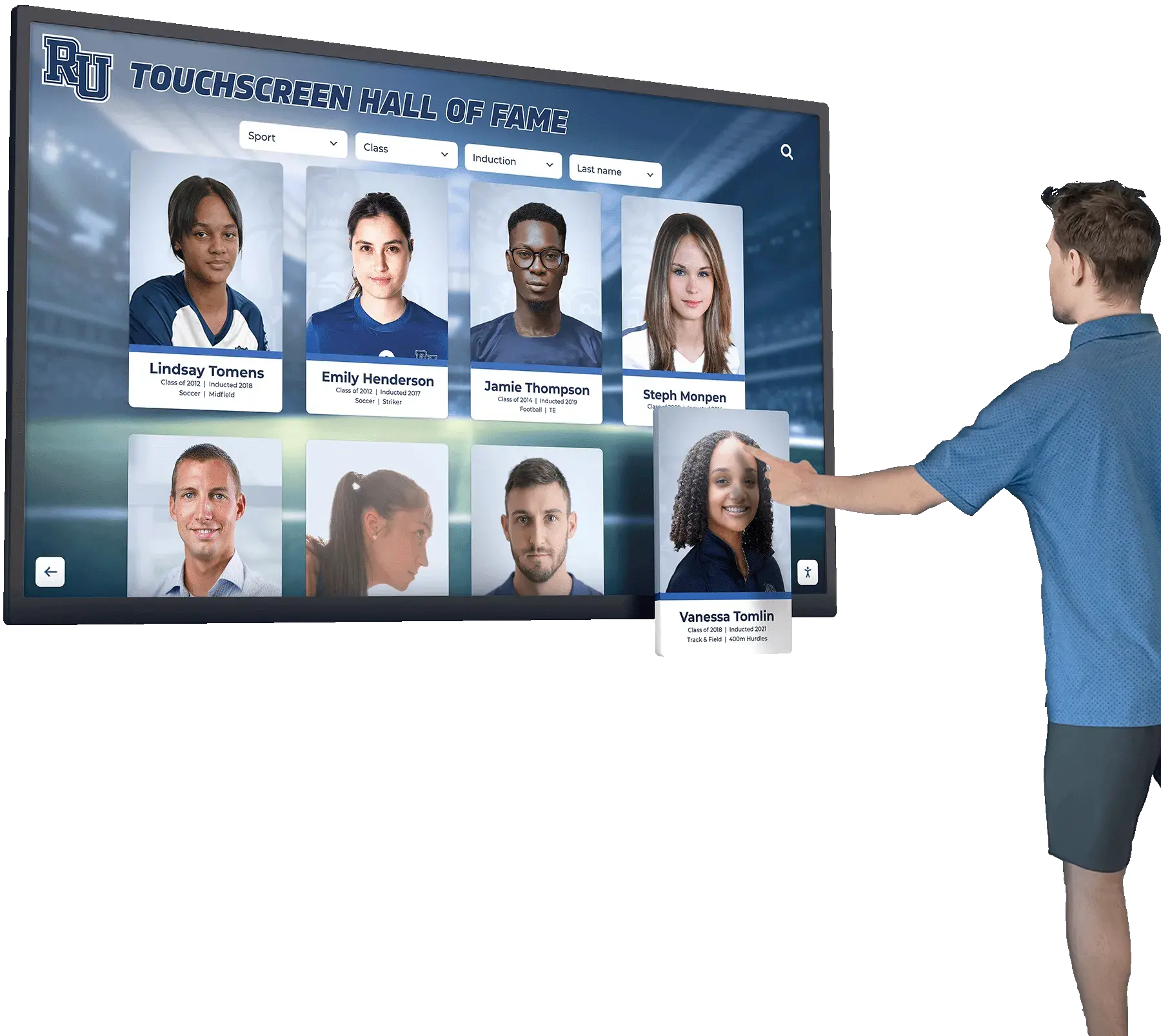
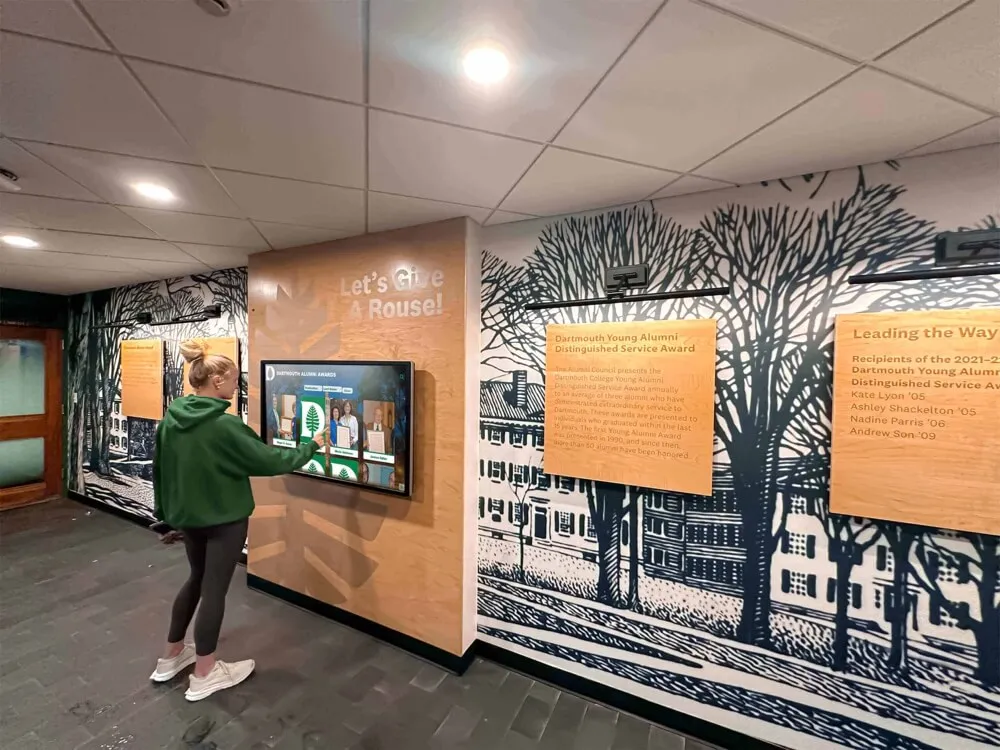
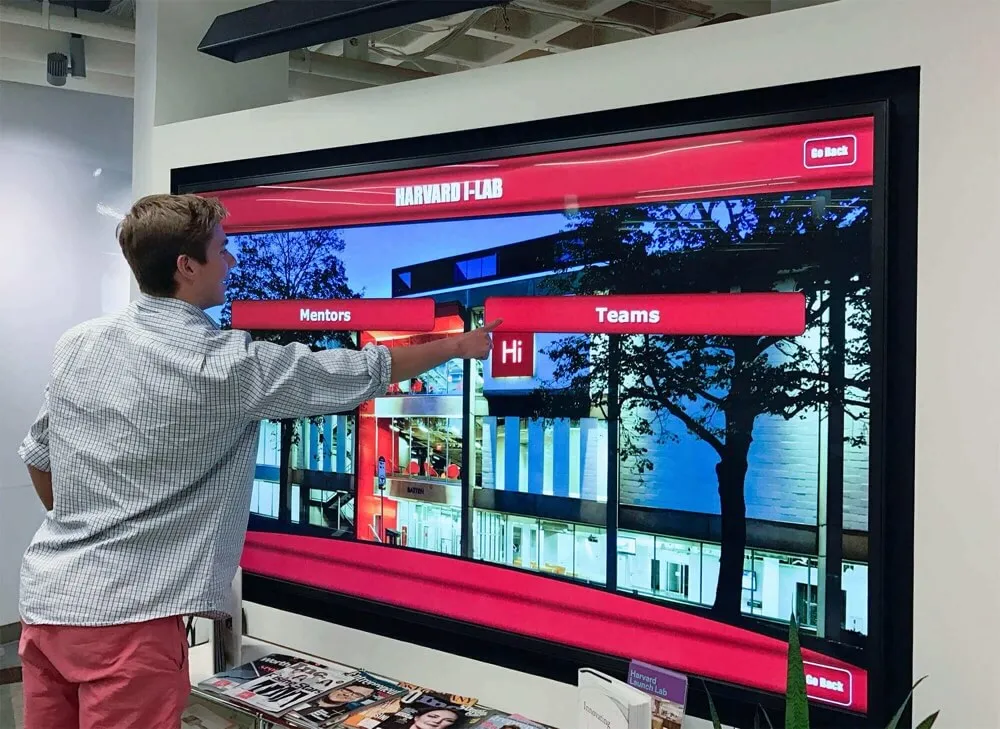
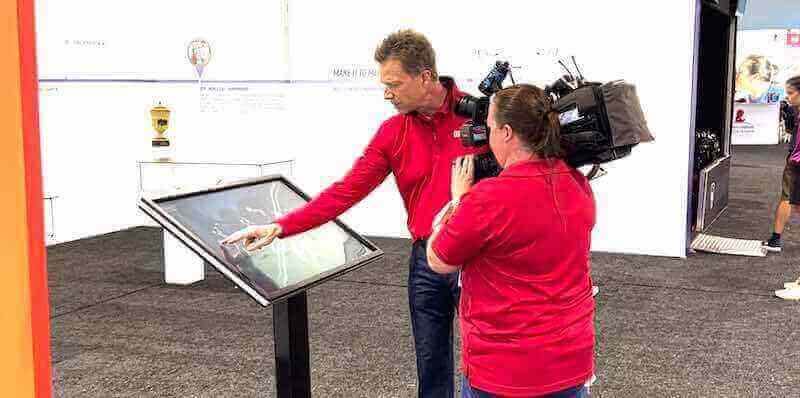
Touchscreen recognition systems provide storytelling capabilities physical awards cannot match
Integrating Physical Awards with Digital Recognition
Modern recognition programs combine traditional awards with technology platforms.
Limitations of Physical Awards Alone
Traditional trophies and plaques face inherent constraints:
Space Limitations
- Trophy cases fill quickly with accumulated awards
- Storage challenges for older awards
- Display rotation required limiting visibility
- Difficult honoring all deserving recipients physically
- Maintenance and dusting labor-intensive
Information Constraints
- Limited surface area for achievement details
- No context beyond name and category
- Cannot include photos, videos, or extended stories
- Difficult updating or correcting information
- Generic appearance without personalization depth
Access and Engagement
- Static displays lack interactivity
- Limited viewing angles and accessibility
- No search or filter capabilities
- Difficult connecting current students with historical achievements
- No sharing or digital integration
Complementary Digital Display Solutions
Technology platforms extend recognition beyond physical constraints:
Unlimited Recognition Capacity
- No physical space limitations
- Recognize unlimited individuals and achievements
- Comprehensive documentation of all awards
- Historical archives spanning decades
- Never retiring or storing deserving recognition
Rich Multimedia Presentation
- Photos, videos, and detailed achievement stories
- Award ceremony highlights and acceptance speeches
- Career statistics and accomplishments
- Personal statements and aspirations
- Contextual information physical awards cannot convey
Interactive Exploration
- Search by name, year, sport, achievement type
- Filter displays by multiple criteria
- Related content connecting teammates and peers
- QR codes on physical awards linking to digital profiles
- Family and community engagement through exploration
Update Flexibility
- Correct errors without replacement costs
- Add information as achievements continue
- Recognition evolution as stories develop
- Alumni updates and career achievements
- Living recognition growing with individuals
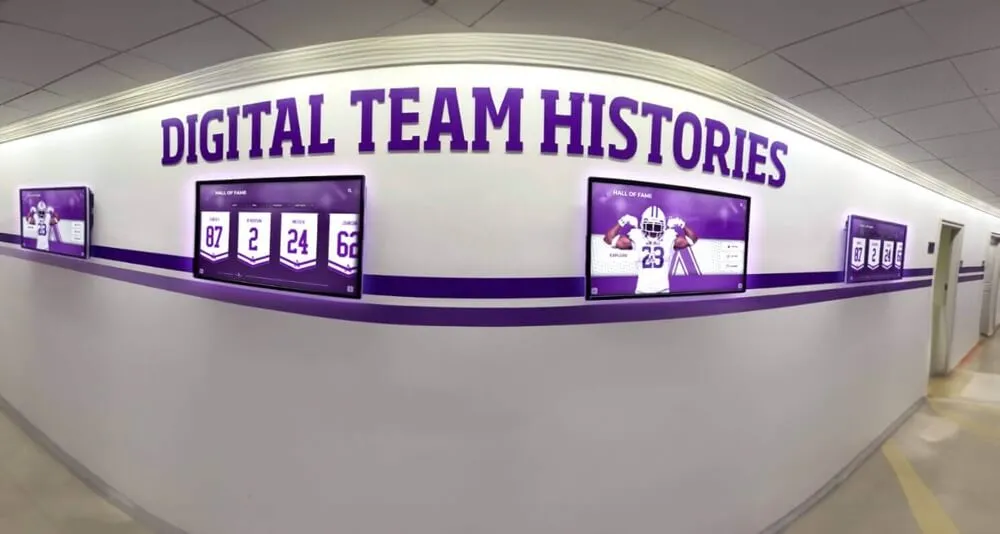
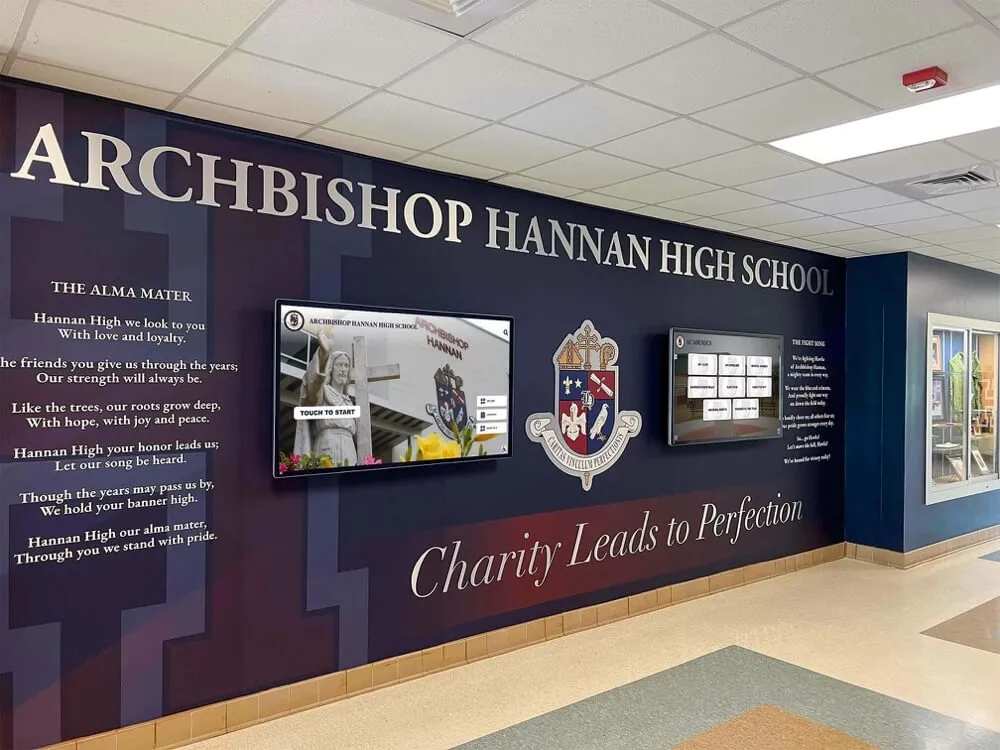
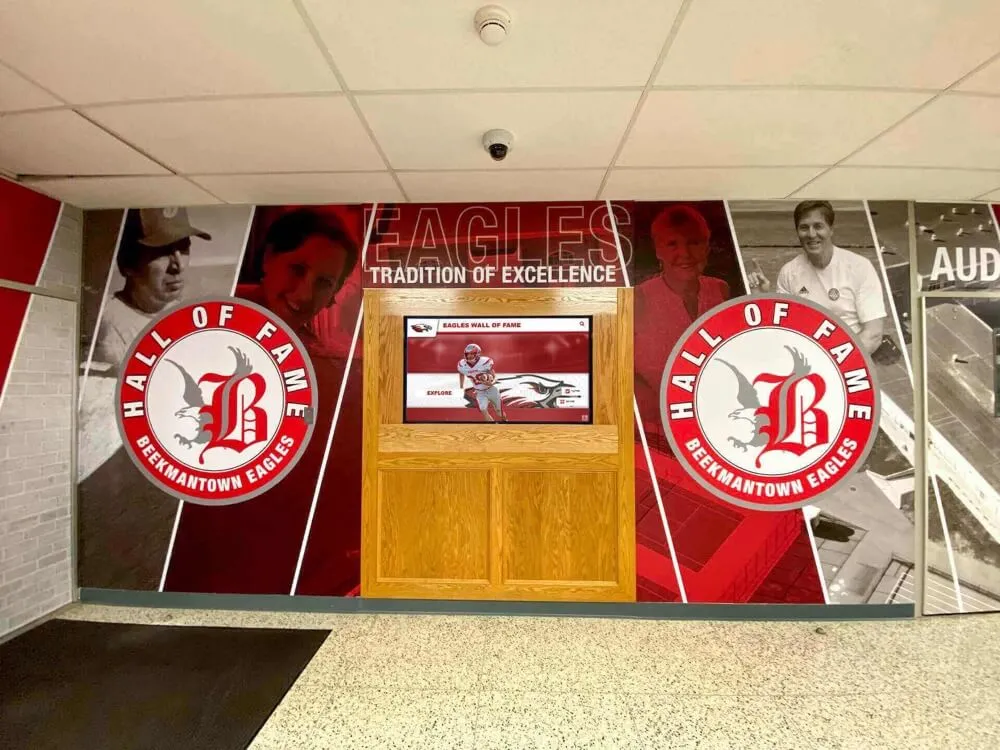
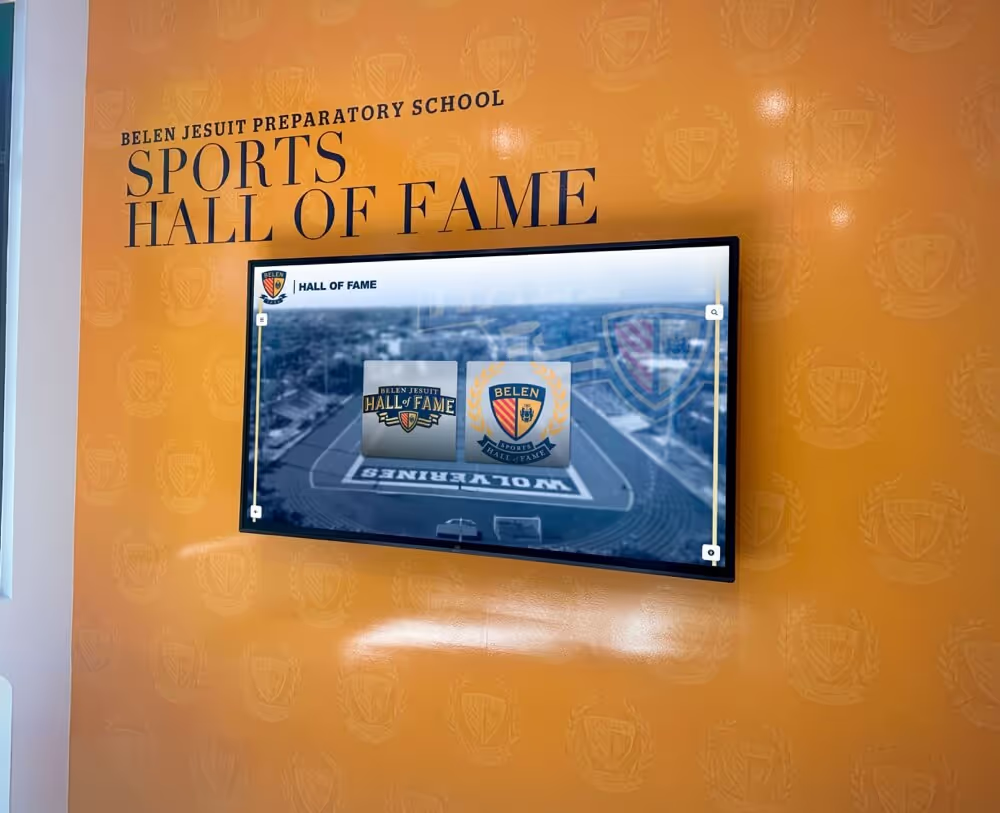
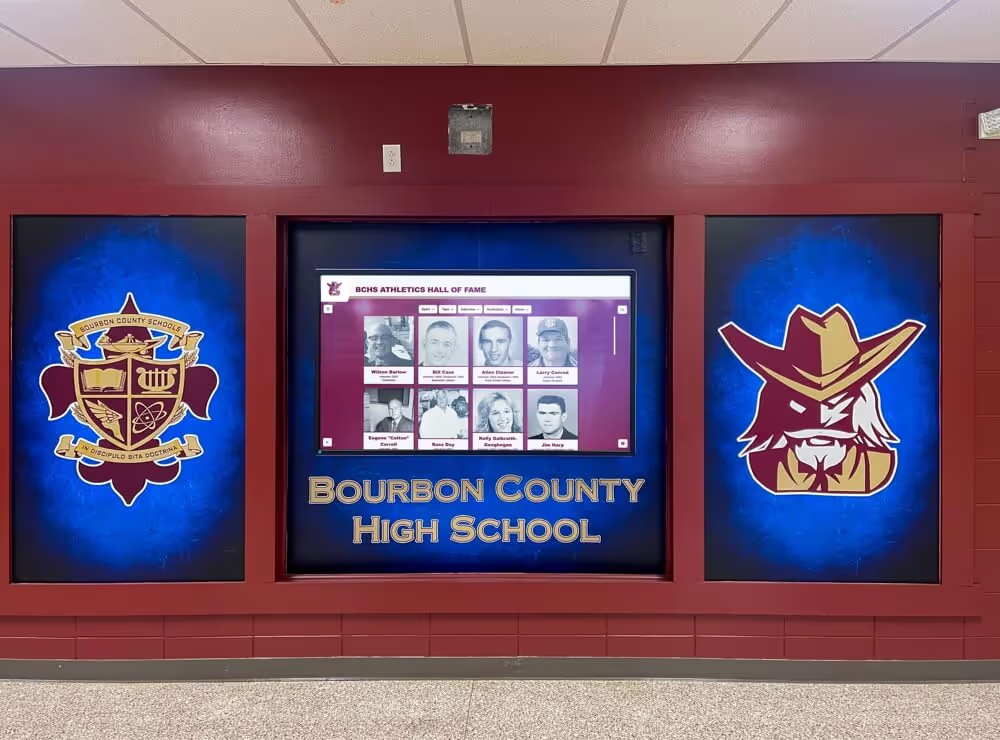
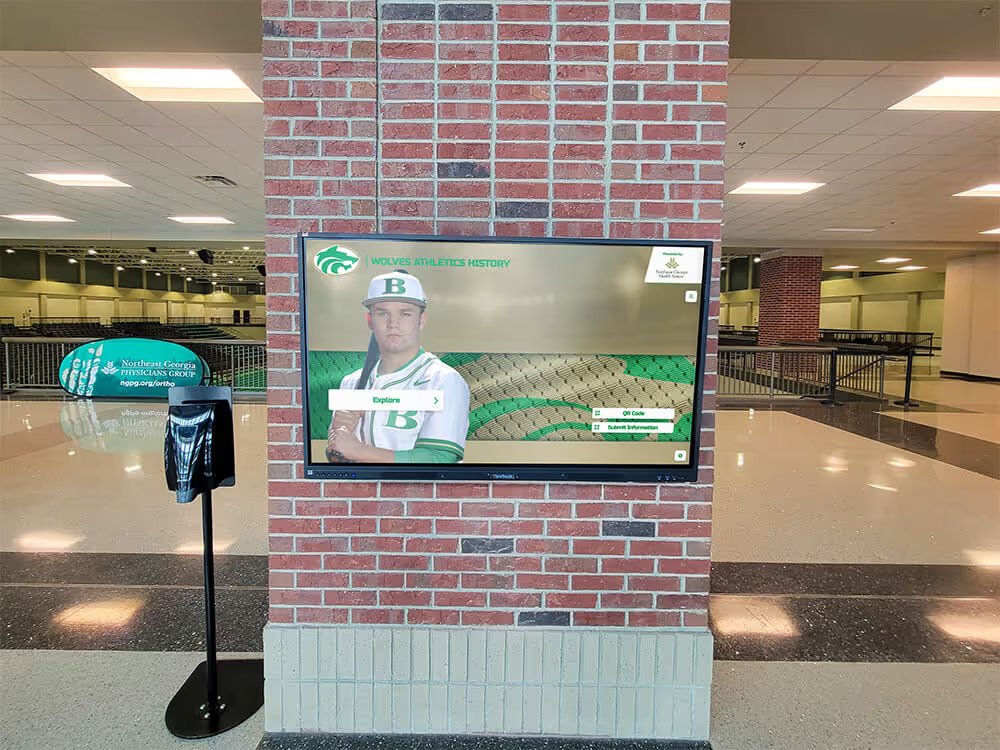
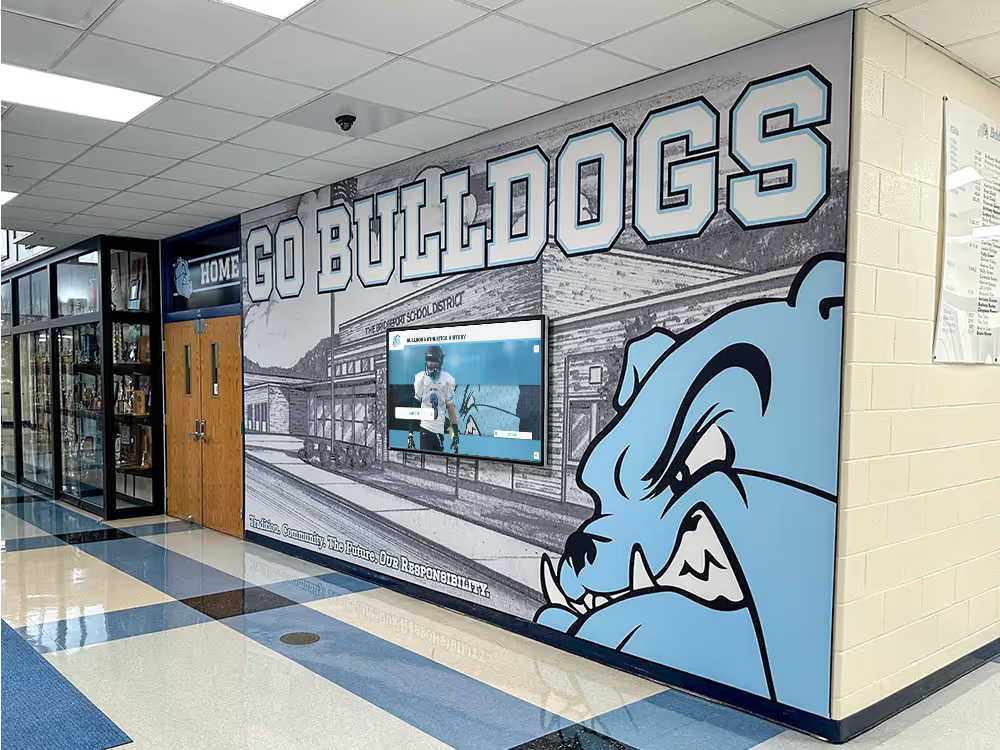
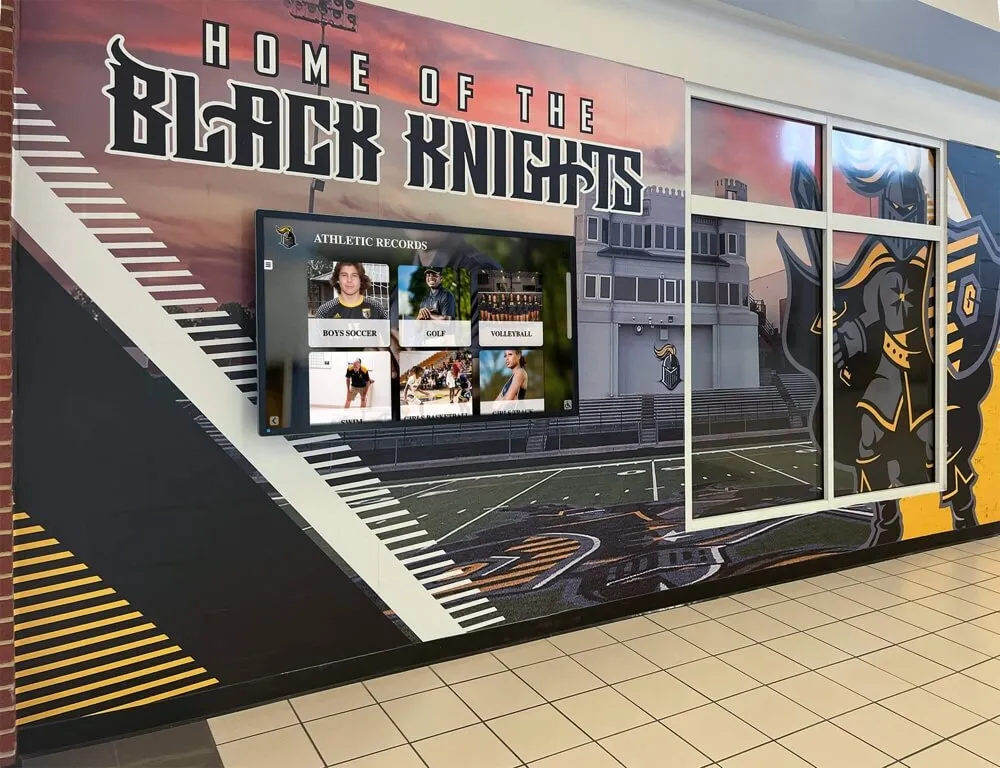
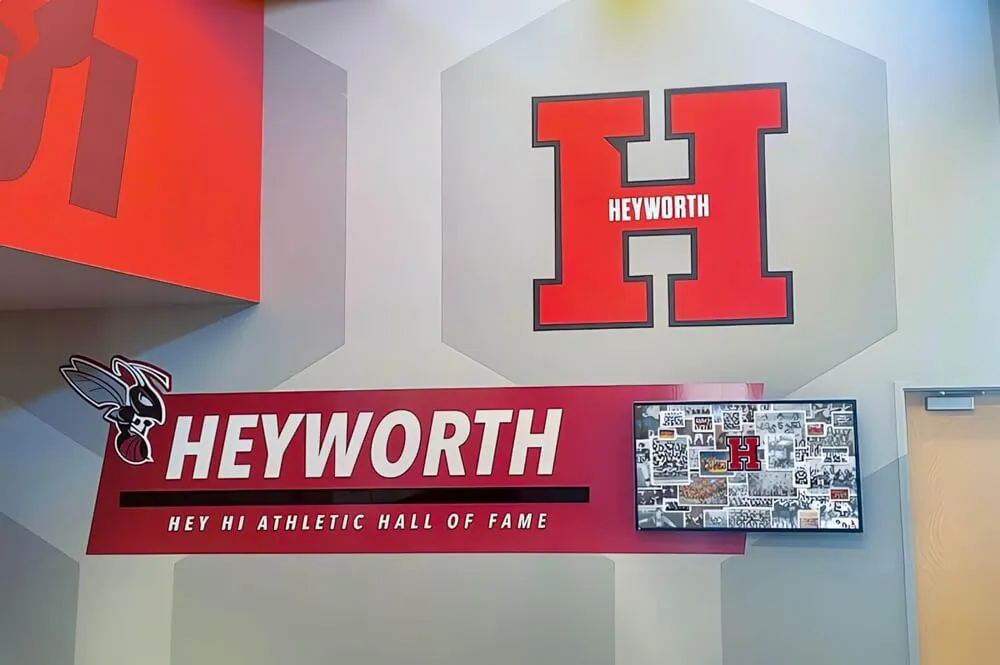
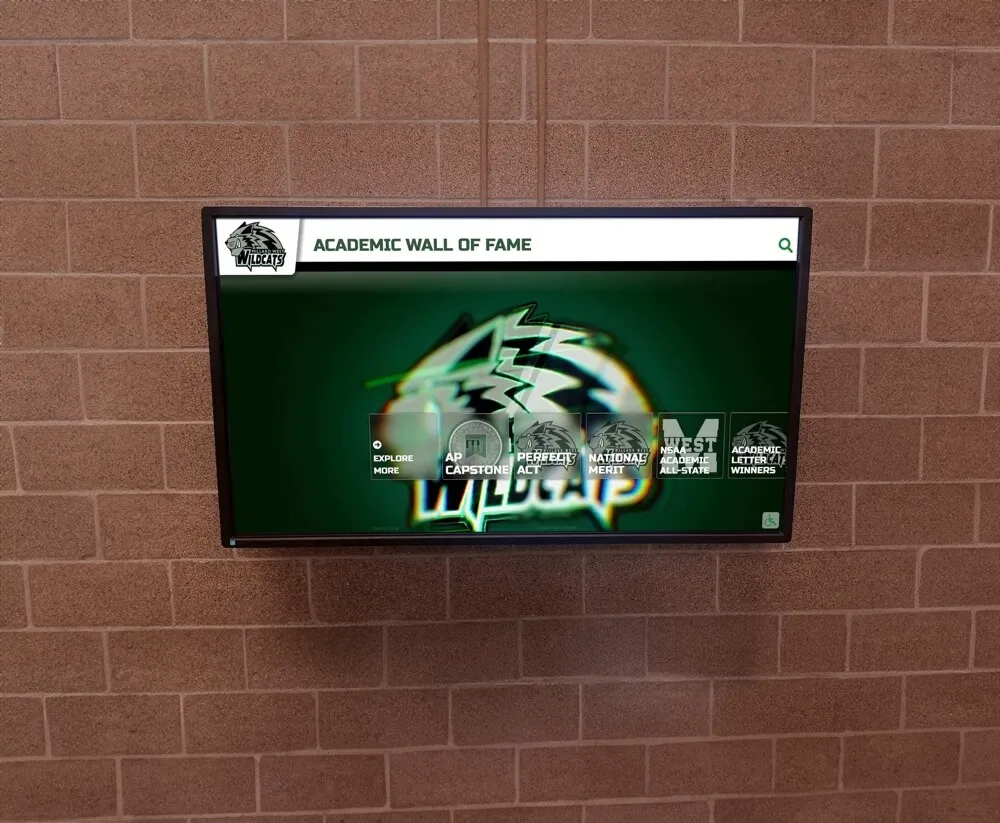
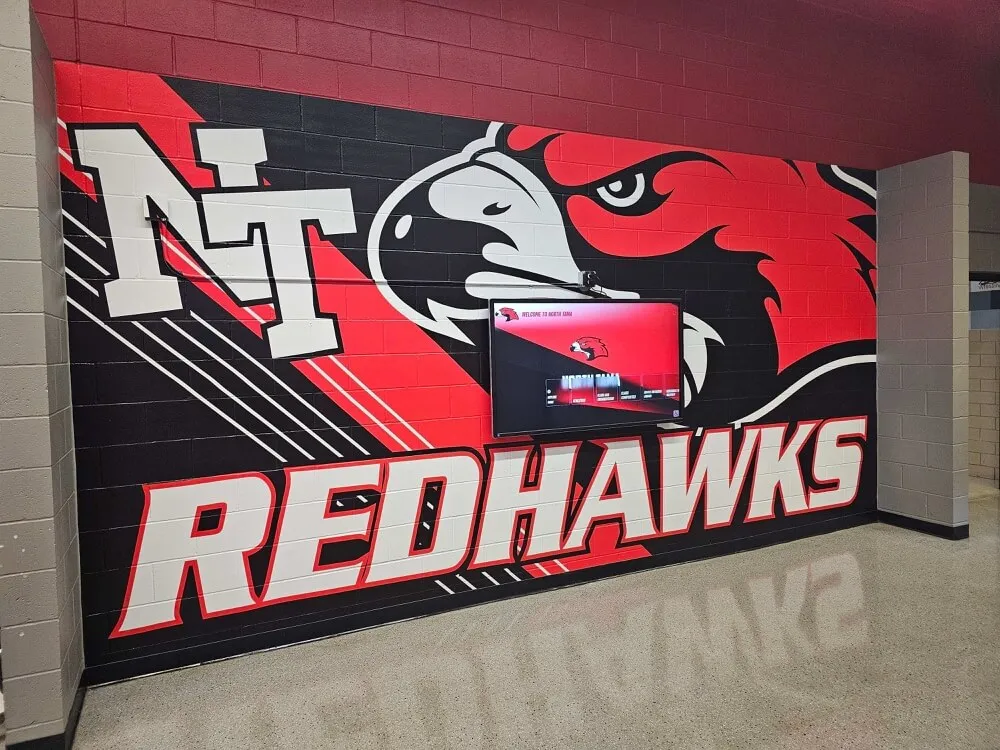
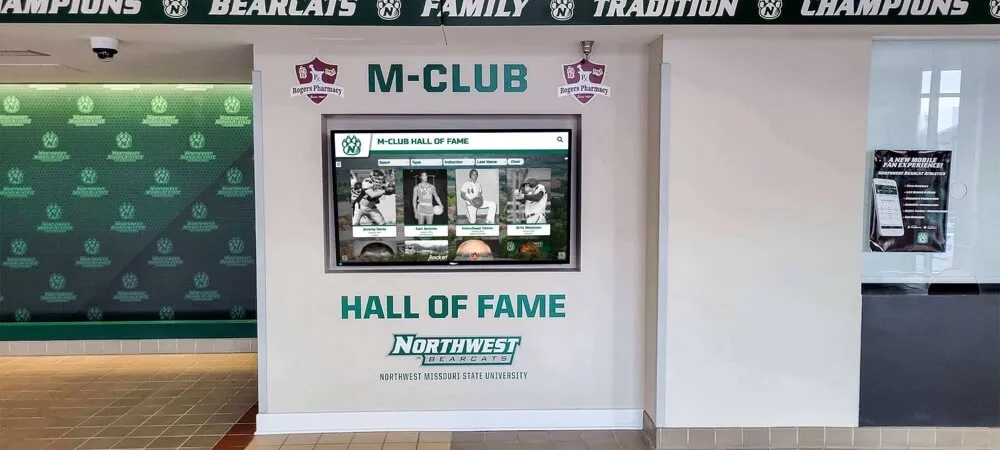
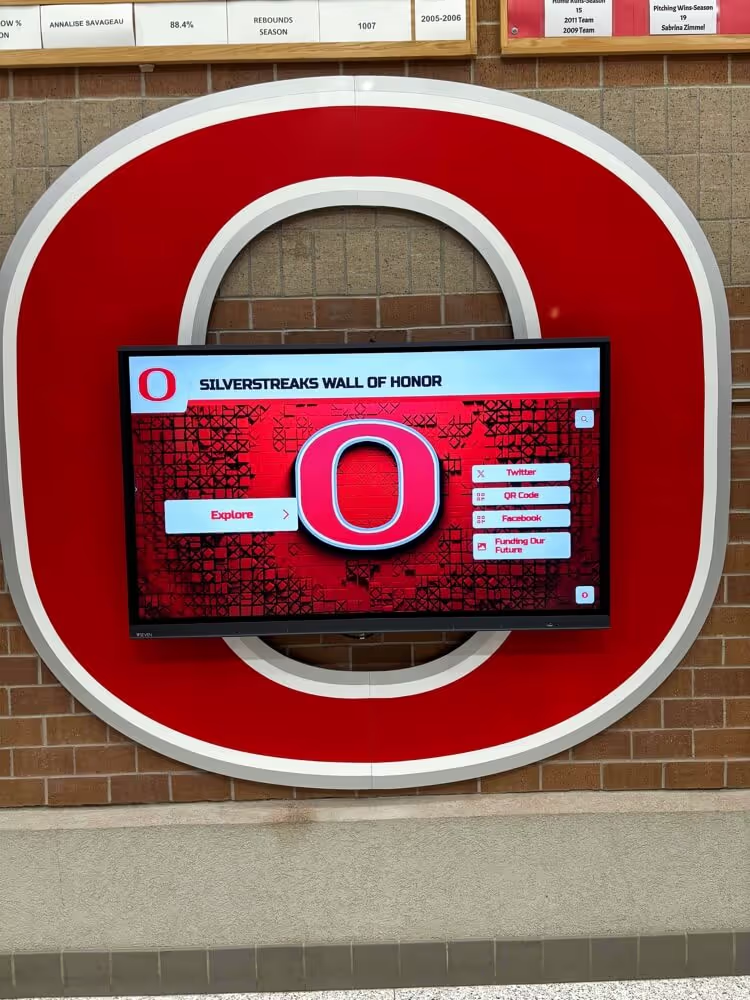
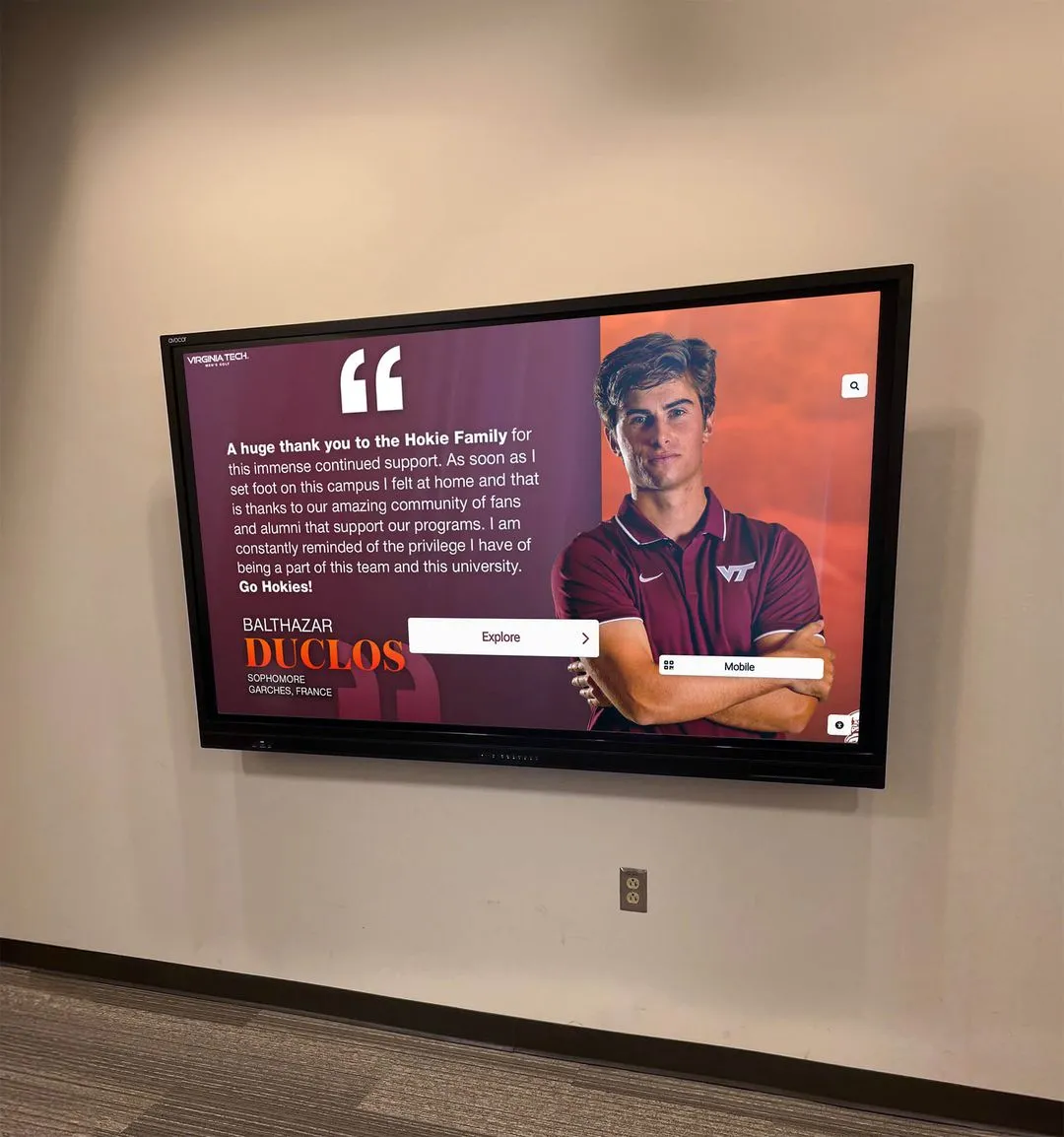
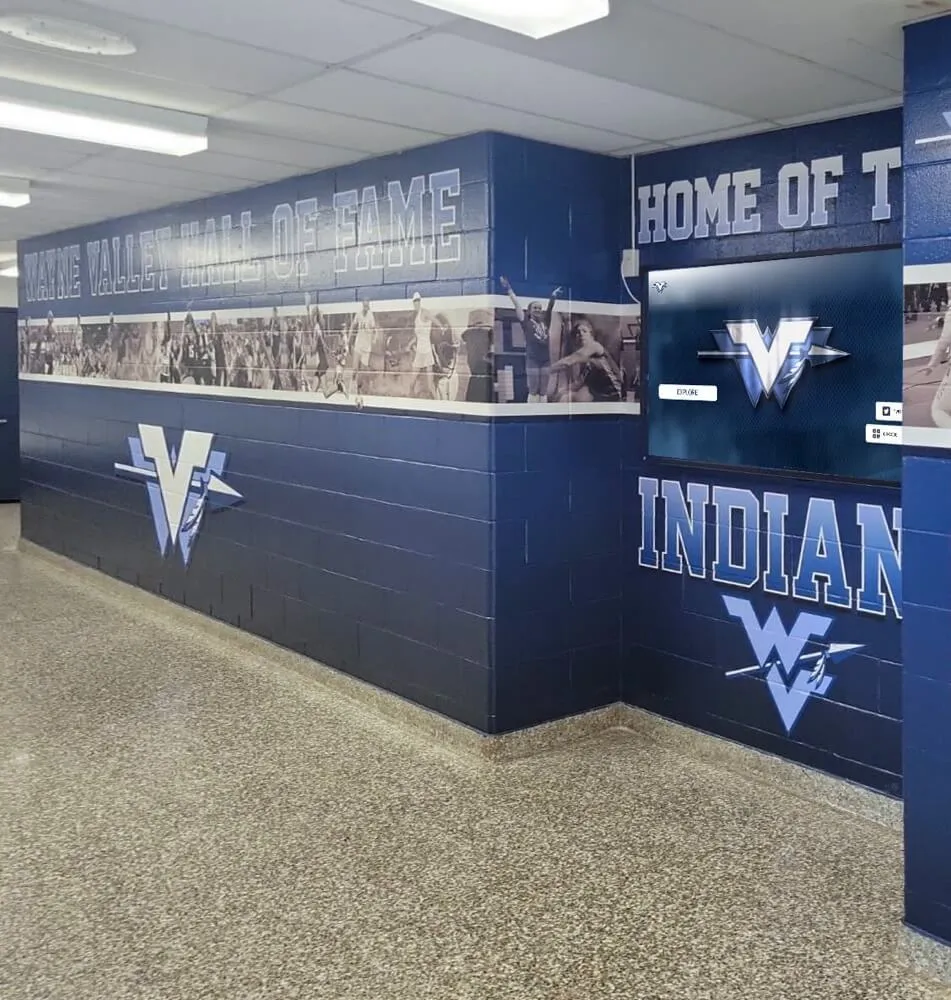
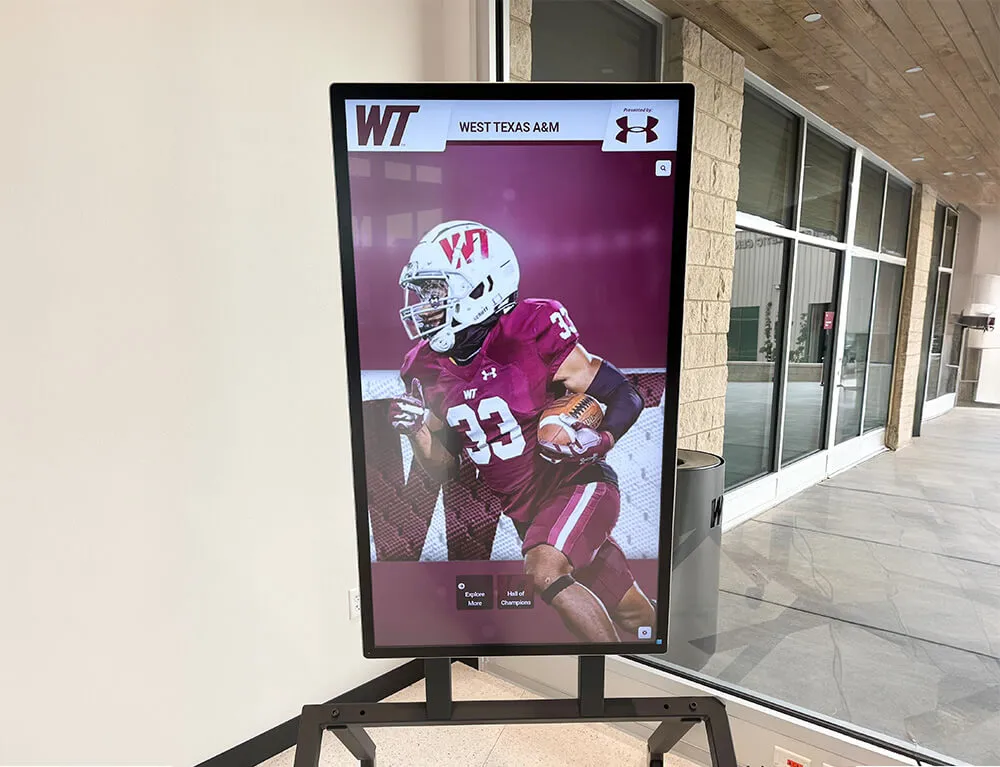
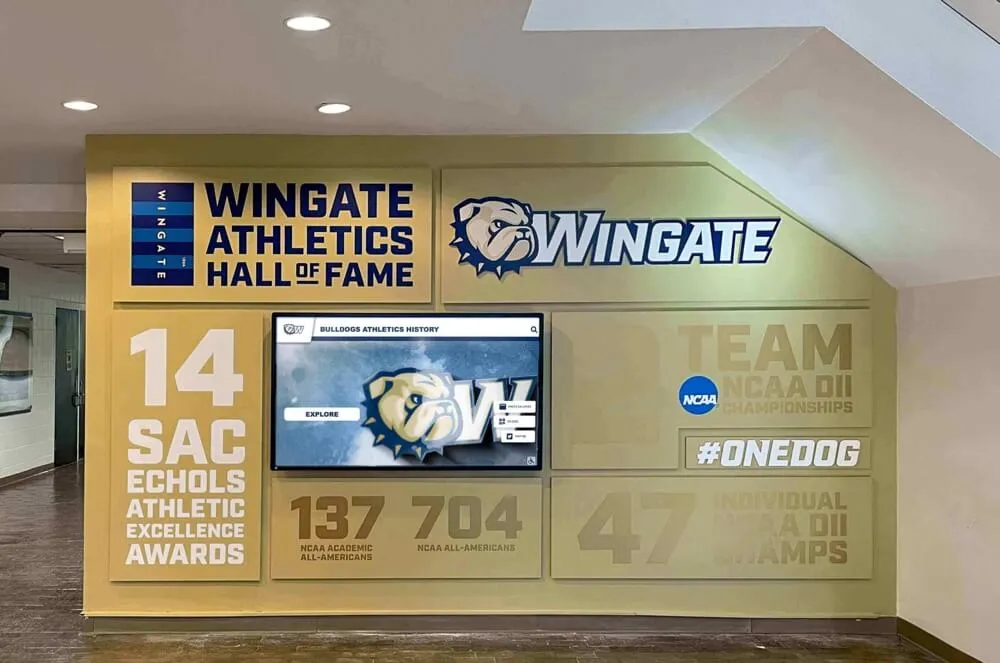
Rocket Alumni Solutions provides schools with touchscreen recognition systems that complement physical awards by providing unlimited digital recognition capacity. These displays integrate with existing trophy cases and recognition spaces, creating comprehensive systems where physical awards provide tangible ceremonial recognition while digital platforms enable unlimited recognition depth, searchable archives, and ongoing engagement.
Schools using integrated approaches report physical acrylic awards maintaining ceremonial significance and personal keepsake value, while digital displays ensure every deserving individual receives appropriate visibility regardless of trophy case space limitations. The combination honors tradition while embracing technology’s ability to democratize recognition.
Explore digital recognition in senior living recognition programs using touchscreens.
Vendor Selection and Ordering Considerations
Choosing the right supplier ensures quality results and positive experiences.
Evaluating Award Vendors
Key factors when selecting acrylic award suppliers:
Quality Assessment
- Request sample awards before large orders
- Evaluate engraving clarity and precision
- Assess material quality and optical clarity
- Check base construction and stability
- Review finish quality and attention to detail
Customization Capabilities
- Logo reproduction quality
- Custom shape availability
- Multi-color printing options
- Design assistance provided
- Artwork file requirements and support
Service and Communication
- Responsiveness to inquiries
- Proactive communication about orders
- Problem resolution approach
- Rush order capabilities
- Proof review process
Pricing Transparency
- Clear itemized quotes
- No hidden setup or shipping fees
- Volume discount structures
- Payment terms and options
- Price consistency and reliability
Timeline and Rush Order Planning
Proper planning ensures timely recognition:
Standard Production Timelines
- Simple engraved awards: 5-10 business days
- Custom designed awards: 2-3 weeks
- Complex multi-component awards: 3-4 weeks
- Large quantity orders: Add 1-2 weeks
- Peak season delays (May-June graduation)
Rush Order Considerations
- Express fees vary significantly
- Rushed orders risk quality compromises
- Limited customization in rush scenarios
- Communication clarity critical
- Plan ahead when possible
Advance Planning Benefits
- Better pricing without rush charges
- Time for proof review and revisions
- Volume ordering across departments
- Flexibility in delivery scheduling
- Reduced stress and quality assurance
Proof Review and Quality Control
Verification prevents costly mistakes:
Proof Approval Process
- Review digital proofs carefully before production
- Verify spelling of all names and achievements
- Check logo orientation and clarity
- Confirm dates and details
- Get stakeholder review for major awards
Common Issues to Catch
- Name spelling errors
- Incorrect achievement descriptions
- Date mistakes or wrong years
- Logo reproduction problems
- Design alignment issues
- Font inconsistencies
Post-Delivery Inspection
- Inspect awards immediately upon receipt
- Verify against original specifications
- Document any issues with photos
- Contact vendor promptly about problems
- Understand replacement/correction policies
Frequently Asked Questions About Acrylic Awards
What is the difference between acrylic and crystal awards?
Acrylic awards and crystal awards differ primarily in material composition, appearance, durability, and price. Crystal awards feature glass material with lead content creating exceptional clarity, brilliance, and weight, commanding premium prices typically 3-5 times higher than comparable acrylic awards while requiring careful handling due to fragility. Acrylic awards use transparent plastic offering 90%+ of crystal’s visual appeal at fraction of the cost, with dramatically better impact resistance making them ideal for school environments where safety matters. Crystal suits executive recognition and major institutional awards where budget allows, while acrylic provides professional appearance for broader recognition programs requiring affordability and durability.
How long do acrylic awards last?
Quality acrylic awards properly cared for can last decades while maintaining appearance and engraved information clarity. Cast acrylic exhibits excellent UV resistance preventing yellowing common in economy materials, with laser engraving creating permanent marks that won’t fade, peel, or wear off over time. Main longevity factors include avoiding direct sunlight exposure that accelerates yellowing, preventing surface scratches through proper storage and handling, and cleaning with appropriate materials avoiding ammonia-based products causing crazing. Schools display acrylic awards from 20-30+ years ago still looking professional, though display case conditions significantly impact longevity. Proper care ensures acrylic awards become permanent keepsakes celebrating achievements.
Can you engrave photos on acrylic awards?
Yes, laser engraving can reproduce photographs on acrylic awards, though results appear as frosted grayscale images rather than full-color photos. The laser engraving process creates varying depths of white frosting corresponding to photo tonal values, producing recognizable likenesses ideal for individual recognition. For full-color photographic reproduction, UV direct printing provides superior results with true color, photographic clarity, and gradient capabilities impossible with laser engraving. Schools commonly use photo engraving for senior recognition awards, memorial tributes, and special individual achievements. Best photographic results require high-resolution images with good contrast, and professional award vendors typically provide artwork preparation ensuring optimal engraving quality.
What is the best thickness for school acrylic awards?
Optimal acrylic award thickness depends on achievement significance, budget constraints, and intended use. For standard recognition programs balancing quality and cost-effectiveness, 1/4 inch (6mm) thickness provides substantial feel and professional appearance at reasonable price points suitable for athletic awards, honor roll recognition, and general achievement programs. Premium recognition like valedictorian awards, championship trophies, and major milestones benefit from 3/8 inch to 1/2 inch (9mm-12mm) thickness creating impressive weight and visual impact justifying higher cost. Budget-conscious high-volume programs can use 1/8 inch (3mm) for participation awards and certificates, though thinner acrylic feels less substantial. Thicker awards communicate greater achievement significance through physical presence.
How much do custom acrylic awards cost for schools?
School acrylic award costs vary widely based on size, thickness, customization complexity, and order quantity, with typical pricing ranging from $15-75 per award for most educational recognition programs. Basic 1/4 inch clear acrylic awards with simple text engraving cost $15-30 per unit in moderate quantities (25+ pieces), while premium 1/2 inch custom-shaped awards with color printing and wood bases range $50-100+ per unit. Volume discounts significantly reduce per-unit costs—ordering 100 identical awards costs 30-50% less per piece than ordering 10. Schools reduce costs through standardized award designs used across programs, multi-year commitments, and vendor relationships. Budget allocation should consider achievement significance, with premium awards for major accomplishments and economy options for high-volume recognition.
Are acrylic awards environmentally friendly?
Acrylic awards offer reasonable environmental profile as fully recyclable materials, though manufacturing and disposal create environmental considerations. Acrylic (PMMA) is technically recyclable through specialized recycling streams, and some award manufacturers use recycled acrylic content reducing environmental impact. However, practical recycling depends on local facility capabilities, as standard municipal recycling often doesn’t accept acrylic requiring specialized processing. Environmental benefits include exceptional longevity reducing replacement frequency, lightweight construction reducing transportation emissions compared to glass or metal alternatives, and durability preventing breakage waste. Schools prioritizing sustainability should inquire about recycled content options, ask vendors about take-back programs, and emphasize award longevity through quality selection ensuring decades of use rather than disposal.
Conclusion: Maximizing Recognition Impact with Acrylic Awards
Acrylic awards provide schools, universities, and athletic programs with versatile, professional, and cost-effective recognition tools celebrating achievement across academic, athletic, leadership, and character dimensions. When educational institutions understand material quality differences, leverage appropriate engraving methods, create thoughtful designs, and integrate physical awards with modern digital recognition platforms, they build comprehensive celebration systems ensuring deserving individuals receive meaningful acknowledgment.
The strategies explored in this guide provide frameworks for selecting quality acrylic materials, choosing effective engraving techniques, designing memorable awards, and implementing recognition programs that honor diverse achievements while managing budget constraints. From academic excellence and athletic championships to staff appreciation and student leadership, acrylic awards offer flexible solutions appropriate for any recognition need.
Yet the most effective schools recognize that physical awards represent just one element of comprehensive recognition systems. While acrylic trophies and plaques provide tangible ceremonial recognition and personal keepsakes, modern digital displays ensure every deserving individual receives appropriate visibility regardless of trophy case space limitations, while providing detailed achievement documentation and searchable archives that physical awards alone cannot deliver.
Transform Your School Recognition Program
Discover how modern digital recognition solutions complement traditional acrylic awards by providing unlimited recognition capacity, multimedia storytelling, and engaging displays that celebrate every achievement while preserving your institution's recognition legacy.
Explore Recognition SolutionsStart by evaluating your current acrylic award programs—reviewing vendor relationships, standardizing designs for cost efficiency, and ensuring recognition criteria align with institutional values. Then consider how permanent digital displays can extend physical award traditions, creating comprehensive systems where tangible trophies maintain ceremonial significance while technology platforms democratize recognition ensuring every deserving individual receives celebration equal to their achievements.
Your students, athletes, faculty, and staff deserve recognition equal to the dedication they invest in excellence. Thoughtful acrylic award programs combined with modern digital recognition platforms create the meaningful, comprehensive celebration systems your community has earned.