An adapted bowling program’s state meet is about belonging to something that tests you — a real competitive field, a genuine championship stage, a result that lasts in the record. Athletes who train across a full season, travel to the state tournament, and earn a placement in Boys Singles, Girls Singles, Doubles, or Team deserve to see that recognition on a display that speaks to exactly what they accomplished. This guide helps athletic directors and recognition editors build an adapted bowling awards display that is faithful to the source: the right competitor credited, the right competition labeled, and the right division identified — so the display holds up for the families, alumni, and recruits who encounter it for years to come.
This is a recognition content guide. It covers display organization, labeling, and editorial planning — not eligibility criteria, sport-specific scoring rules, or coaching guidance.
The adapted bowling state tournament produces a fuller paper trail than a simple list of champions. When you open the governing body’s results hub after the meet, you do not find a single combined document. You find distinct competitions — each producing its own results, crediting a different recipient unit, and requiring a different kind of entry on a lasting display.
For a recognition editor, understanding that structure is the first step toward building a display that every visitor — family member, recruit, alumni — can trust.
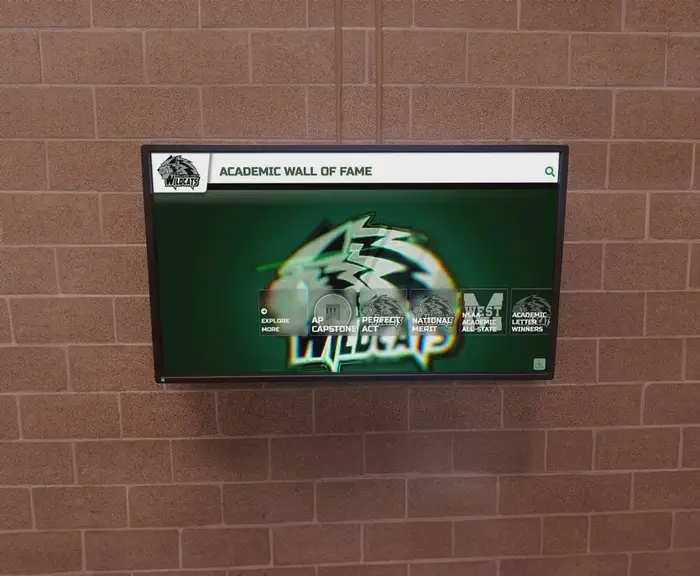
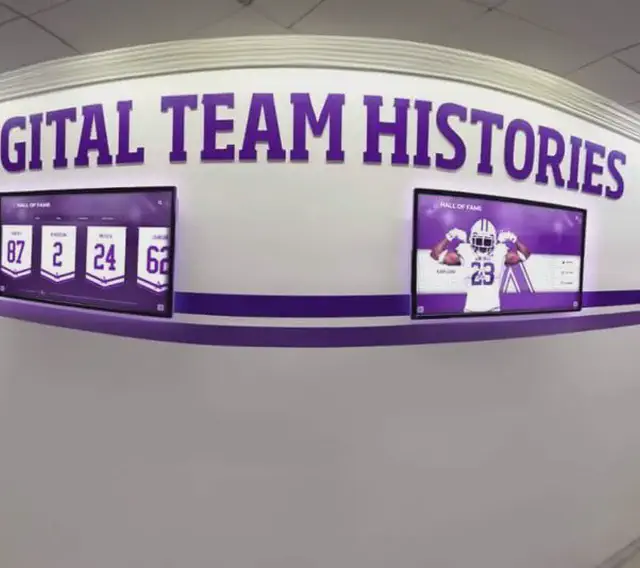
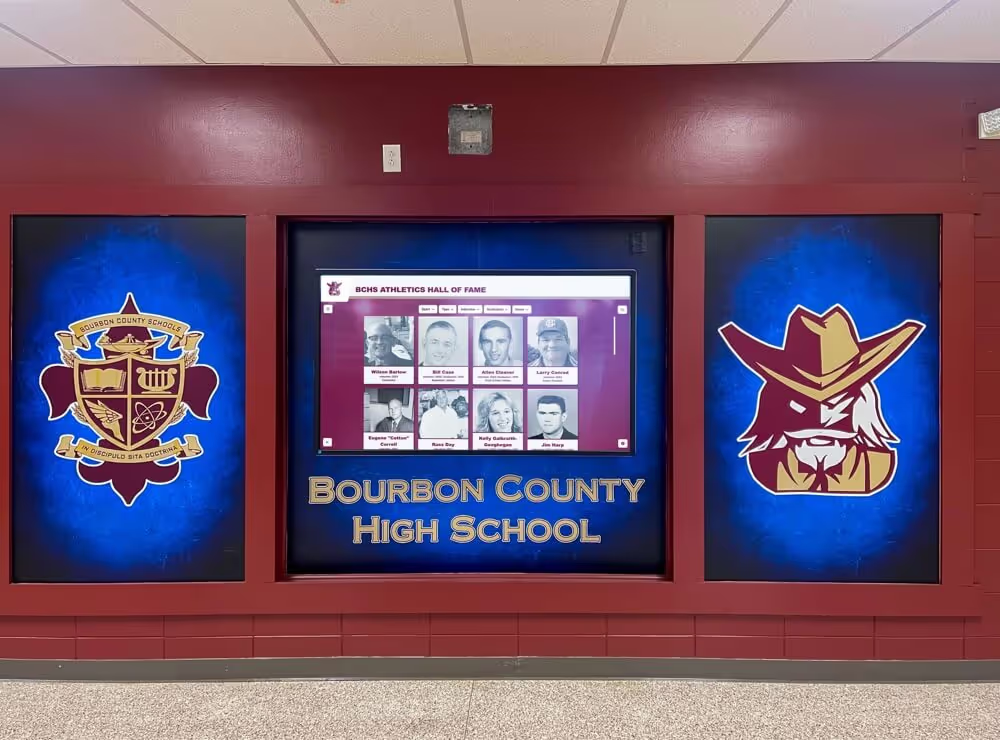
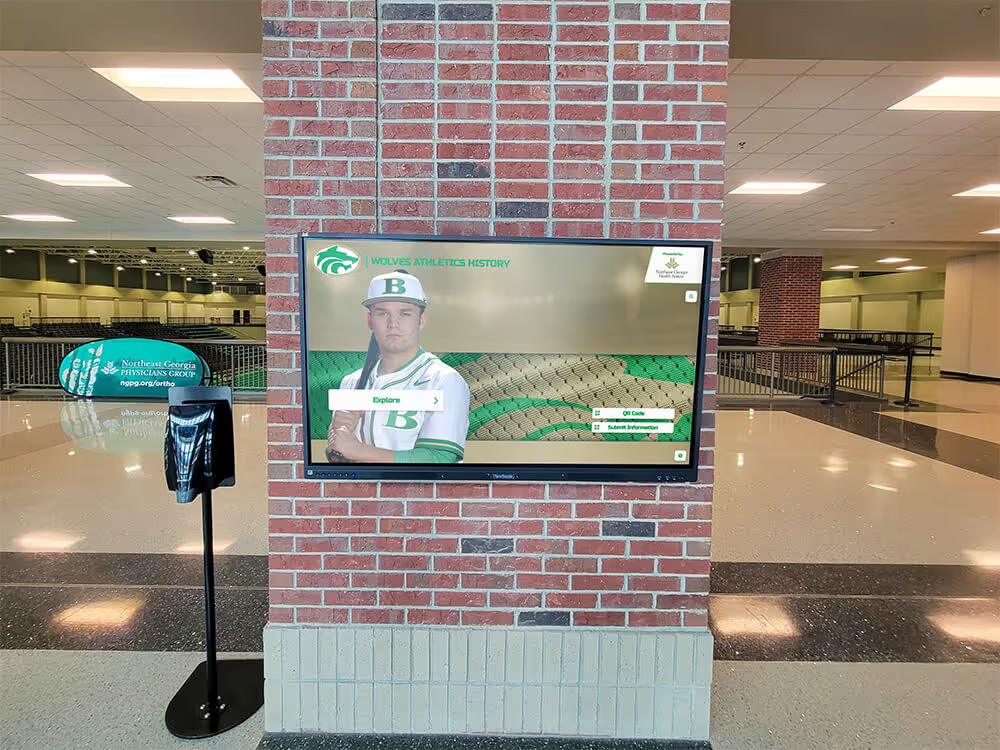
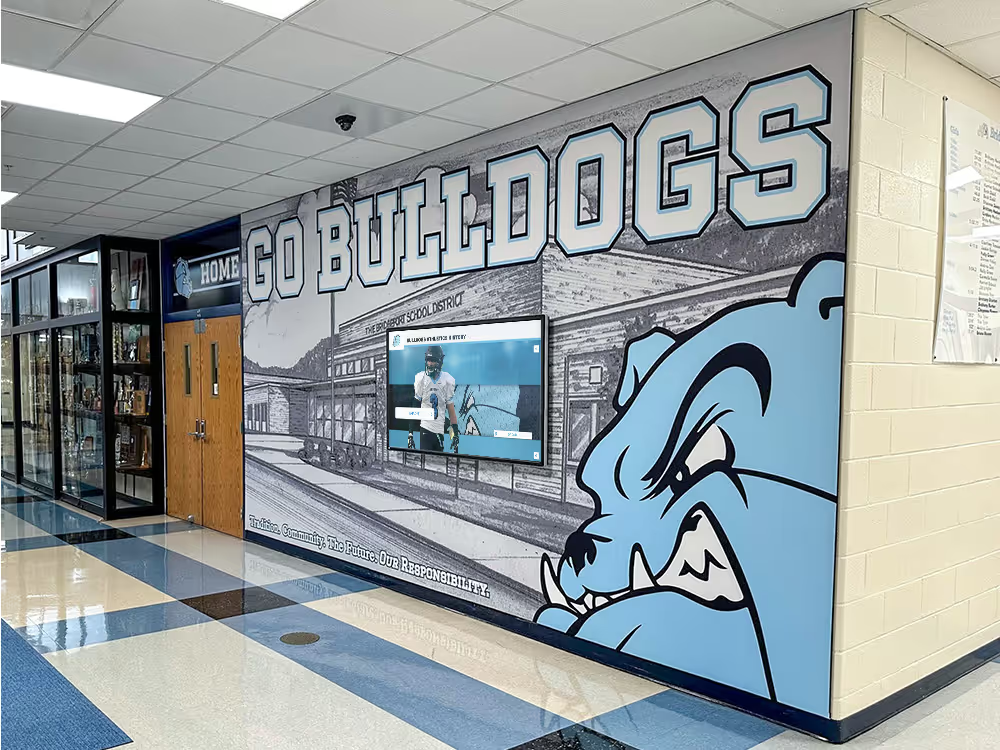
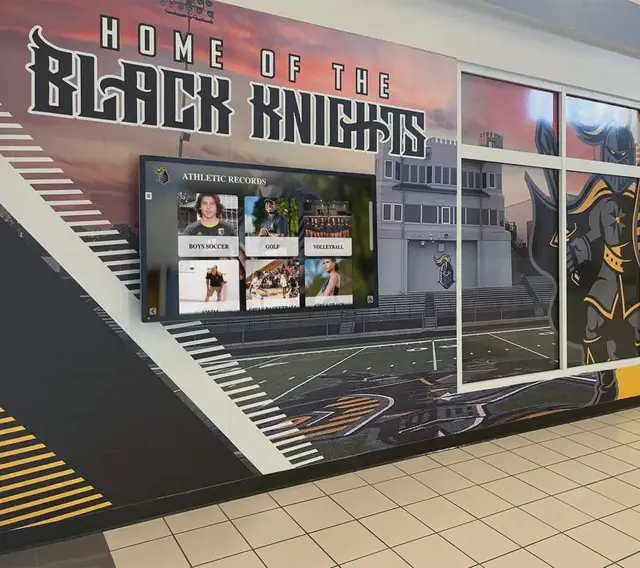
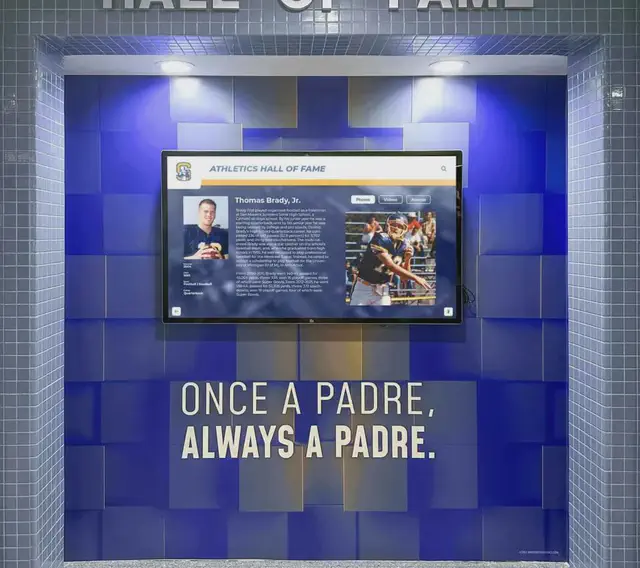
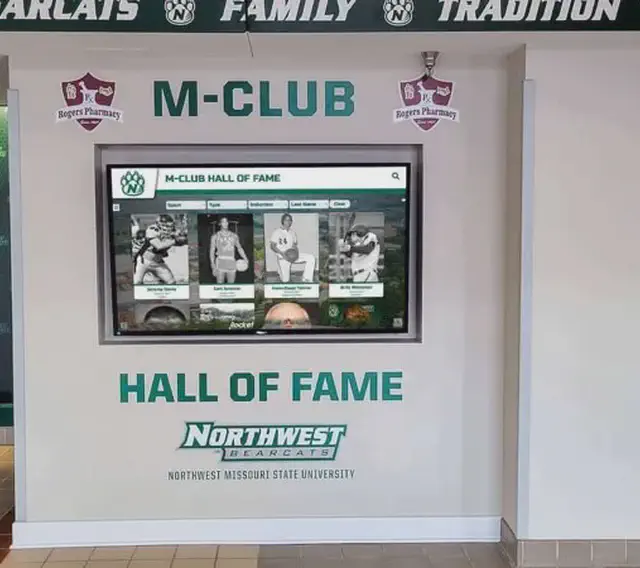
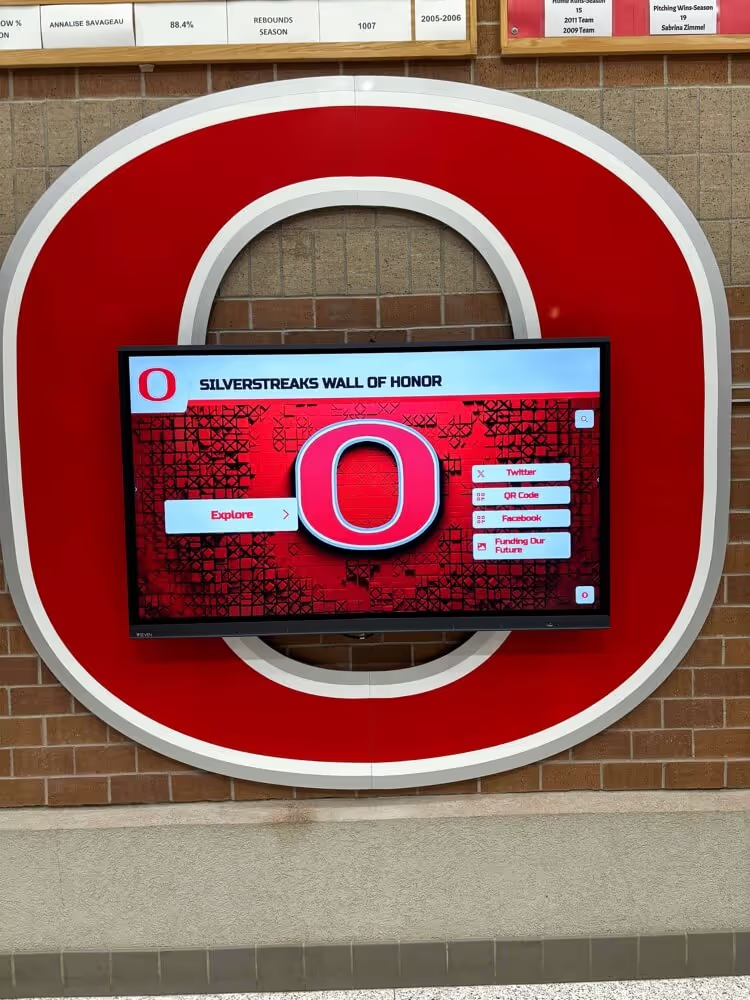
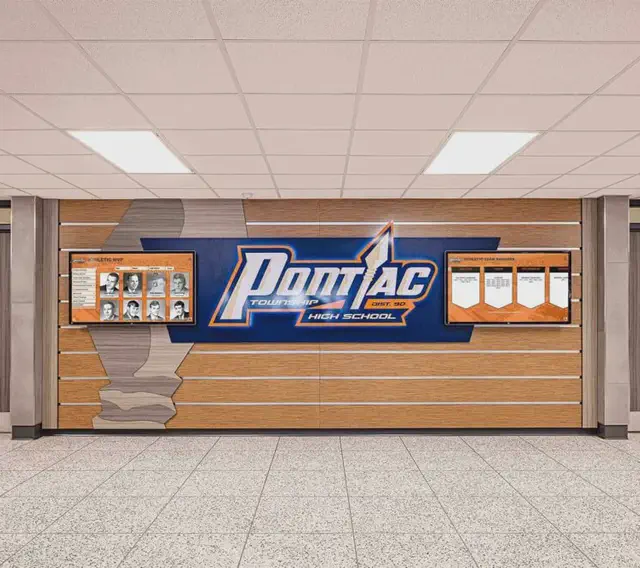
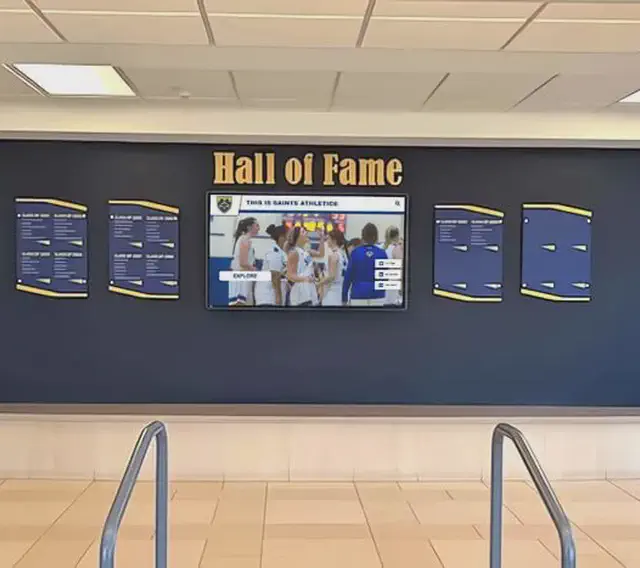
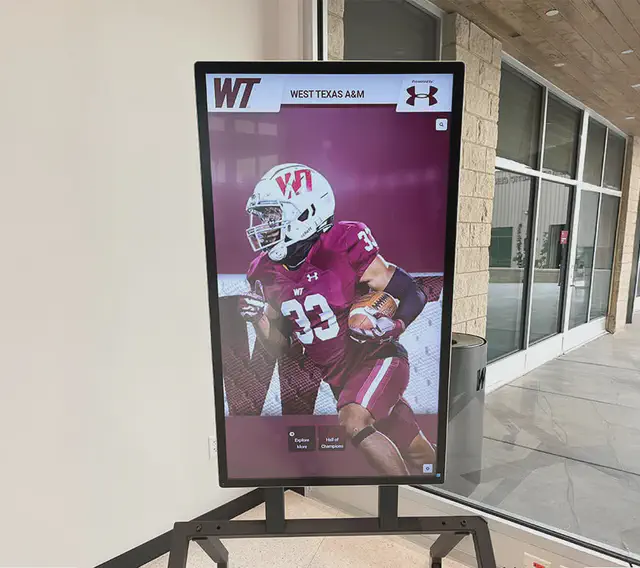
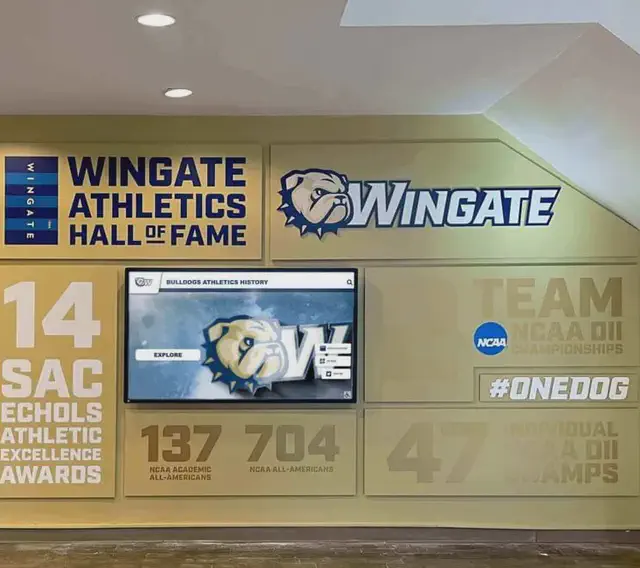
A digital display organized by competition category lets visitors navigate directly to the result they are searching for, whether that is a Singles entry, a Doubles pair, or a Team result from a specific division and year.
Four Competitions Within Each Division
The Minnesota State High School League’s 2026 Adapted Bowling Results hub illustrates the structural reality that recognition editors encounter with an adapted bowling state meet: the competition is organized into divisions, and within each division, four separate championship competitions take place.
MSHSL conducts Adapted Bowling across three divisions — the ASD division, the CI division, and the PI division. Within each of those three divisions, the meet includes:
- Boys Singles — an individual competition recognizing one male bowler
- Girls Singles — a separate individual competition recognizing one female bowler
- Doubles — a competition recognizing both members of a competing pair
- Team — a competition recognizing the competing team as a unit
The recap published by MSHSL following the 2026 tournament reflects this structure: champions were crowned across singles, doubles, and team competitions in each division. The hub groups navigation by Singles, Doubles, and Team — but because Boys Singles and Girls Singles are separate competitions with separate champions, there are four distinct championship competitions per division, not three.
For a recognition editor, this distinction matters from the moment you open the results hub. Each competition credits a different recipient unit, produces a different kind of display entry, and belongs in a clearly labeled section on your display.
Why the Four Competitions Are Not Interchangeable
A Boys Singles champion is one bowler. A Doubles pair is two athletes who competed together. A Team result credits the competing team. A Girls Singles champion is a different individual competition with its own champion. These four things are not equivalent or comparable on a display — merging them under a generic “state champion” label erases the specific nature of what each athlete or team earned.
If your school’s display lists “2026 Adapted Bowling State Champions” as a single entry covering the meet, it misrepresents every result it contains: the individual bowler’s singles achievement is collapsed into a team category, the doubles pair is not credited as a pair, and visitors cannot determine who earned what. Source-faithful entries prevent that outcome.
Boys Singles: One Bowler, One Display Entry
The Boys Singles competition in each MSHSL Adapted Bowling division credits one individual male bowler. When you build a display entry for a Boys Singles result, the credited recipient is that bowler alone — not the team, not a pair, not the program.
For recognition purposes:
- Each Boys Singles entry is a separate item on your display — one athlete, one result, one division
- Label the event exactly: Boys Singles, with the division (ASD, CI, or PI) and the meet year
- Use the athlete’s name and school affiliation as published in the official results document
- If your school fields multiple Boys Singles entrants in the same meet, each individual placement is its own distinct entry — do not merge them
A team’s overall success at the state meet does not transfer to the Boys Singles entry. An athlete who contributes to a team result and also competes in Singles has earned two separate honors. Those are two separate display entries, each with its own label, source citation, and credited recipient. Presenting them as one entry changes both the team credit and the individual credit.
Girls Singles: A Separate Honor, A Distinct Display Entry
Girls Singles is a separate competition from Boys Singles. It is not merely a subdivided version of a single “Singles” category — it is an independent championship competition with its own entrants and its own champion, run within the same division.
That separation has a direct consequence for a recognition display. A school that earns both a Boys Singles and a Girls Singles result in the same division has two individual championship results to display, not one. The two entries share a division label and a year, but they credit different athletes in different competitions, and they need separate display entries with separate labels.
For recognition purposes:
- Label the event exactly: Girls Singles, with the division and meet year
- Do not combine Girls Singles and Boys Singles results under a single “Singles” entry
- Use the athlete’s name and school affiliation as published in the official results document
- Preserve the division label (ASD, CI, or PI) in every entry — a Girls Singles result in one division is not the same as a Girls Singles result in another
The same athlete who earns a Girls Singles placement may also earn a Doubles or Team honor in the same meet. These are separate entries that credit separate achievements — one athlete appearing in multiple entries is a correct reflection of multiple earned honors, not a duplication error.
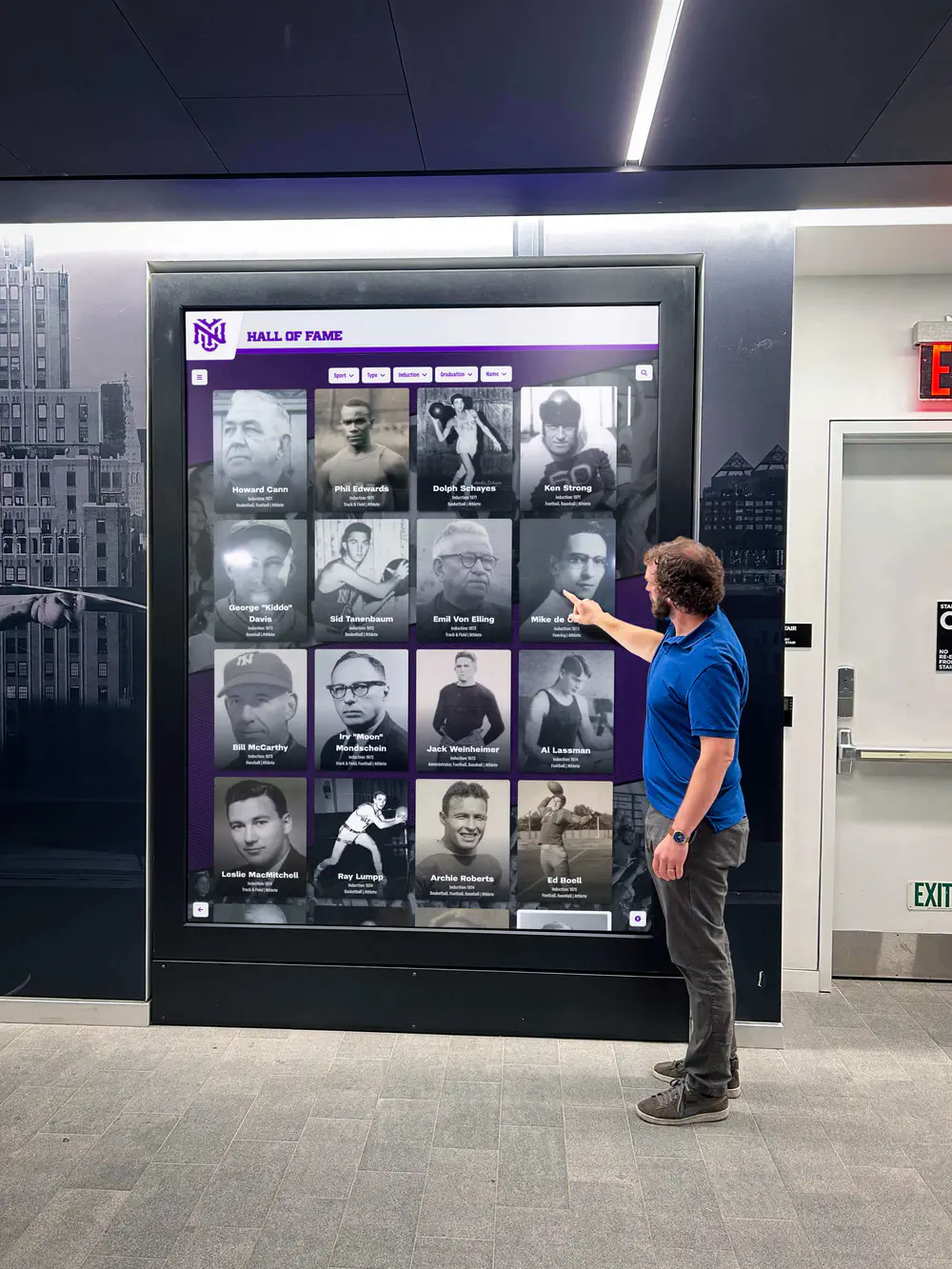
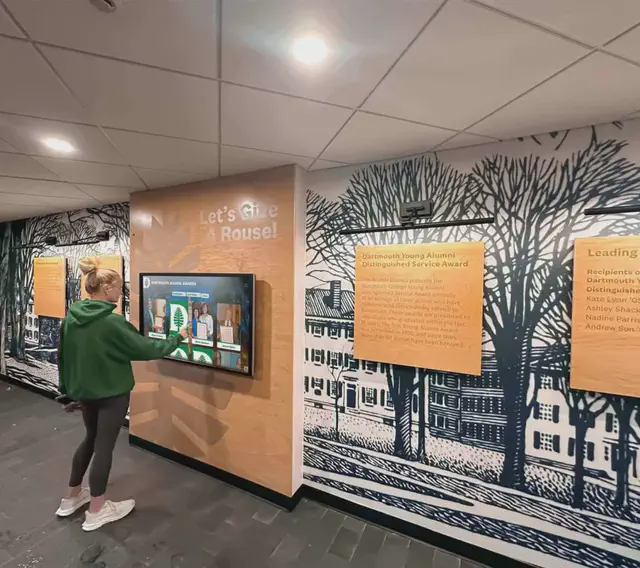
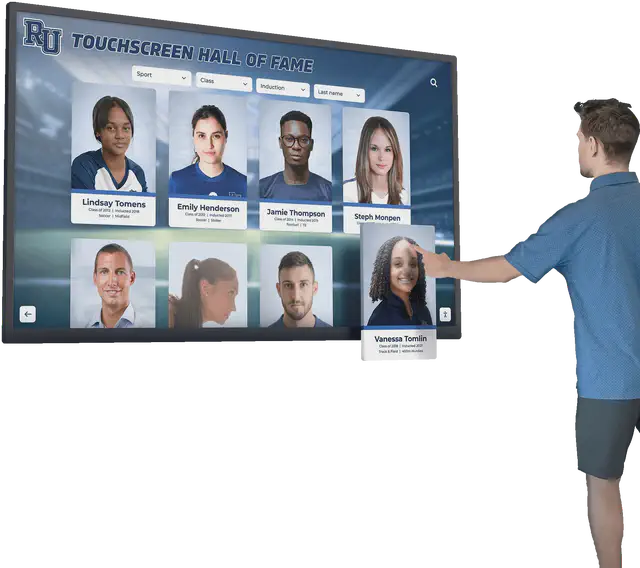
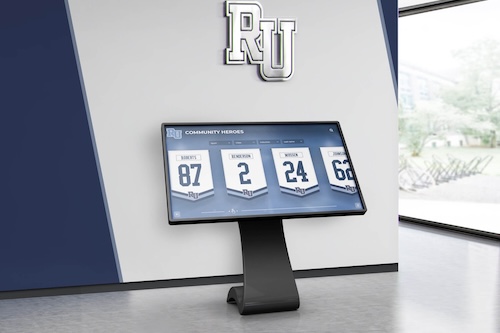
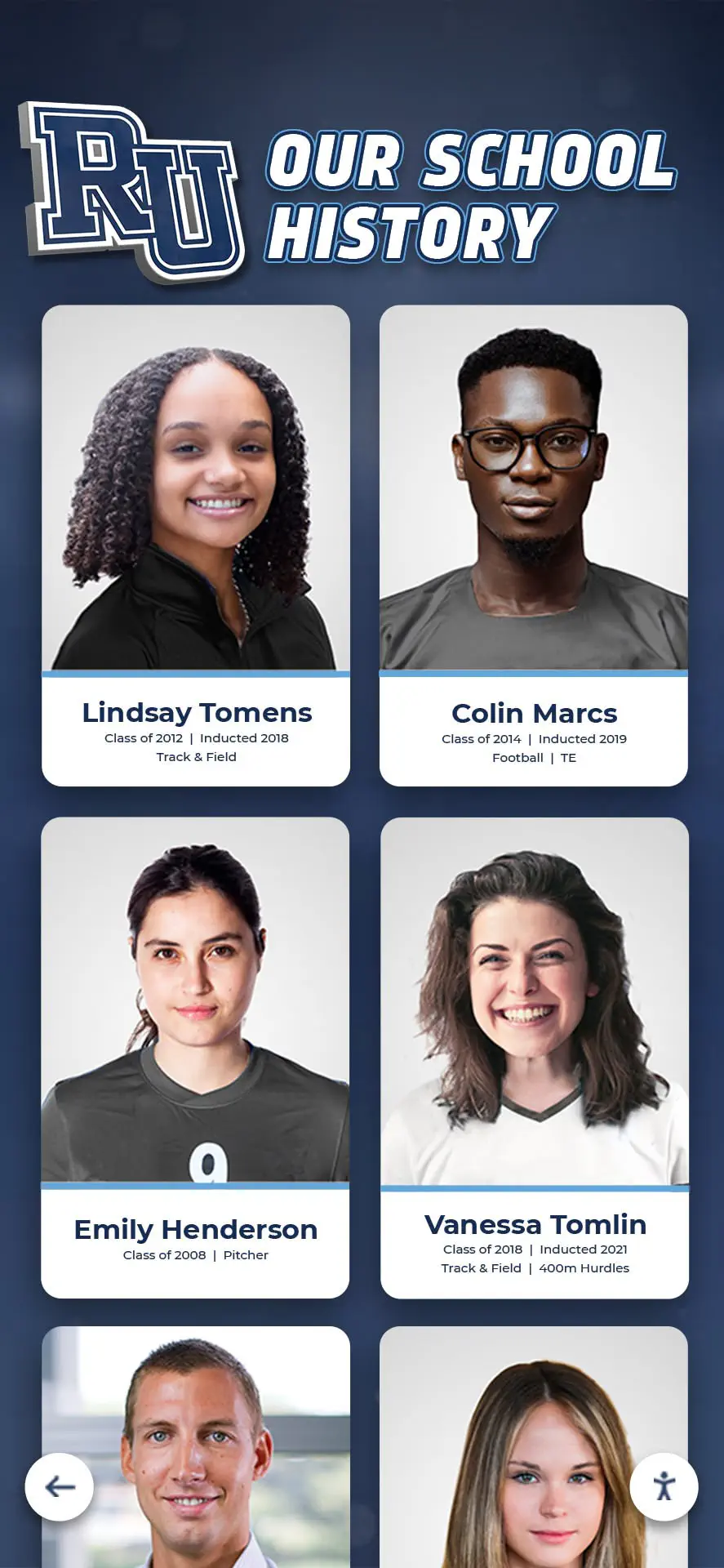
A display that presents individual achievements as separate, clearly labeled profile entries makes it easy for a family member or alumni to find a specific athlete's singles recognition without it being mixed with team or doubles results.
Doubles: Preserving the Partnership on Display
The Doubles competition credits both members of a competing pair. When you build a display entry for a Doubles result, the credited recipients are both athletes — not the team, not either athlete alone.
That pairing structure has a direct consequence for display entries. A Doubles result that lists only one athlete’s name omits half the credited unit. A Doubles result that lists only the team name instead of the pair misidentifies the recipient. The entry needs both names, in the form they appear in the official results document.
For recognition purposes:
- Preserve the exact pairing as it appears in the official results document
- Label the event exactly: Doubles, with the division (ASD, CI, or PI) and the meet year
- Do not substitute a team name for the pair, or list only one partner’s name
- If a school fields more than one Doubles pair in the same meet, each pair’s result is its own entry
A Doubles result also does not transfer to either partner’s individual Singles record. If one or both members of a Doubles pair also compete in Singles, their Singles placements are separate entries credited to them individually — the Doubles pairing does not carry over to those entries. The entry for a Doubles result names the pair; the entry for a Singles result names the individual.
Team: Crediting the Competing Unit
The Team competition credits the competing team as a unit. The result belongs to the school’s team — not to any individual bowler’s singles record, and not to any pair from that team’s Doubles entries.
For recognition purposes:
- Label the event exactly: Team, with the division (ASD, CI, or PI) and the meet year
- Credit the competing team as listed in the official results document, using the school or co-op name as published
- Do not substitute any individual bowler’s name for the team, even if one athlete’s scores were the largest contributor to the team total
- A team placement is a separate display entry from any Singles or Doubles entries earned by members of that team
The relationship between individual performance and team outcomes is real — individual scores contribute to a team’s standing. But that relationship does not make a team result into a personal record for any individual, and it does not make an individual’s singles placement into a team achievement. These are distinct things, and a display that conflates them misrepresents every entry it contains.
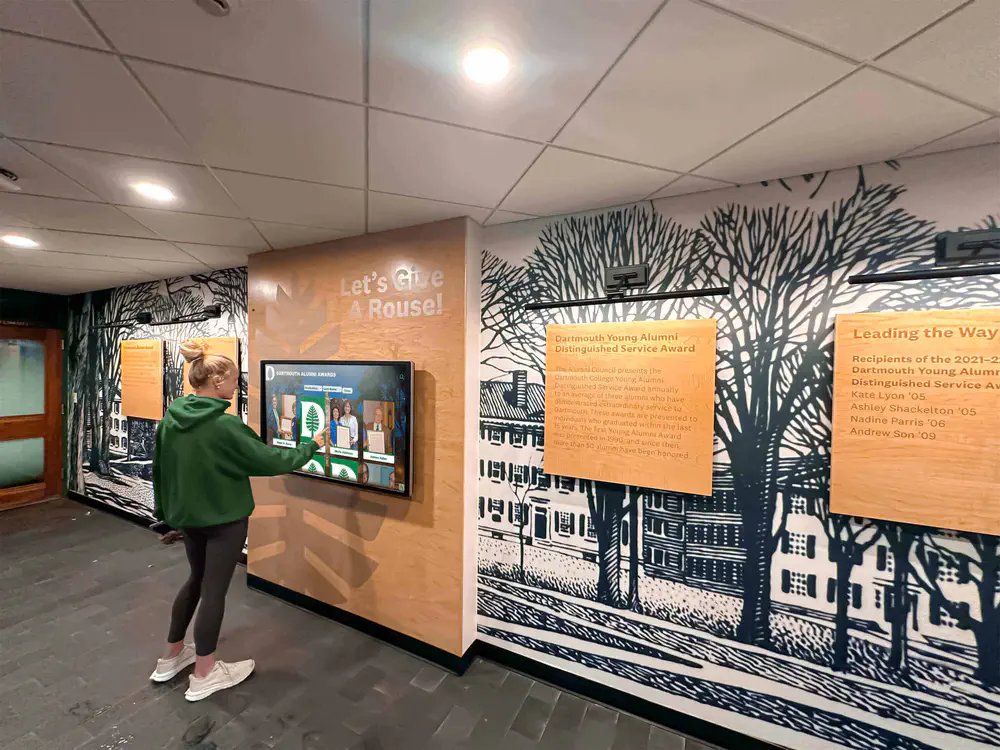
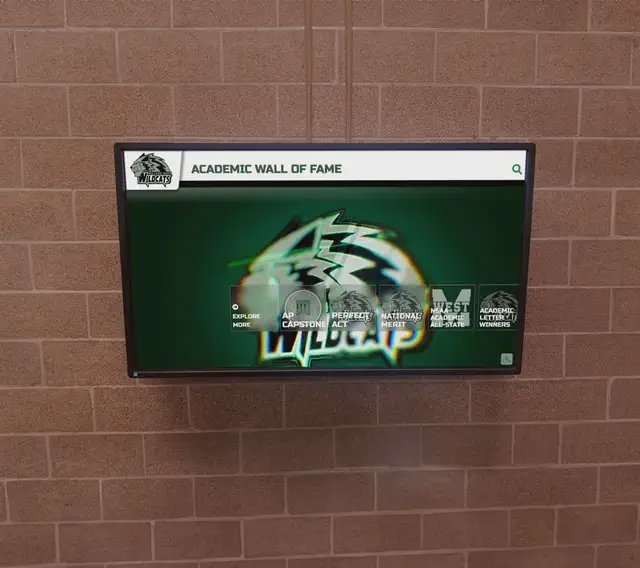
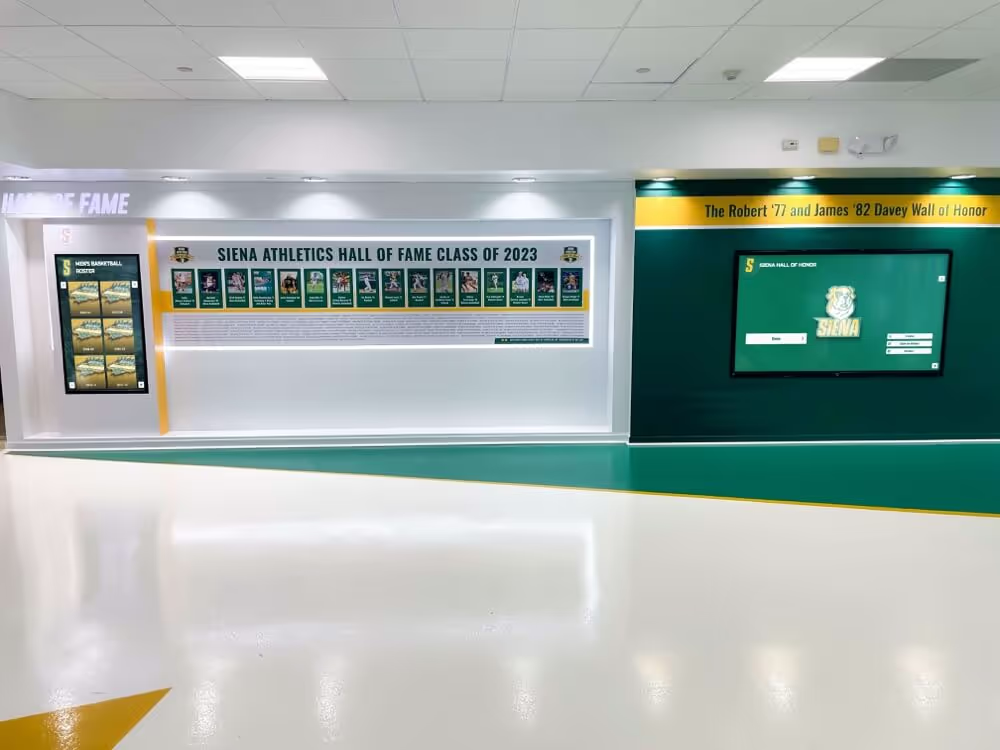
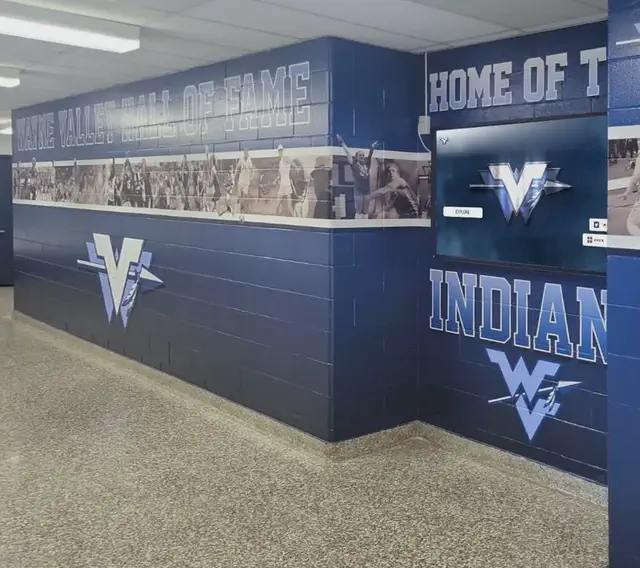
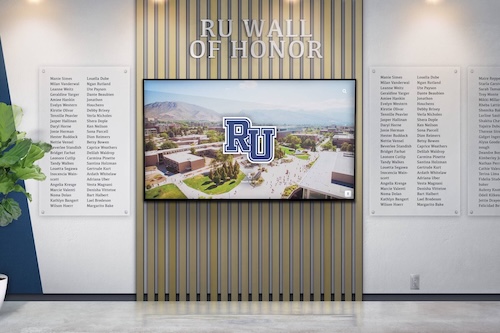
Clear category organization — by competition type and division — means a visitor looking for a team result lands in the right section, not in a combined list that merges singles, doubles, and team entries into a single unlabeled group.
Division Labels Are Not Interchangeable
The ASD, CI, and PI divisions are separate competition groupings within MSHSL Adapted Bowling. A result earned in one division is not the same as a result in another division — they represent different competitions with different participants.
For recognition purposes:
- Include the division label (ASD, CI, or PI) in every display entry
- Do not omit the division label and present results as generic “Adapted Bowling State” honors
- Do not apply a result from one division to another
- If your school competes across multiple divisions in the same year, each division’s results produce separate display entries, each labeled with the correct division
The division label is part of the accuracy of the entry. A Boys Singles champion in the CI division earned a CI division Boys Singles championship — not an undifferentiated state title that could apply across any division.
Same Athlete, Multiple Honors — Separate Display Entries
An athlete in an adapted bowling state meet may earn honors in more than one competition. A bowler who competes in Boys Singles and also contributes to their team’s Team result has earned two distinct recognitions. A bowler who competes in both Doubles and Boys Singles has earned results in two separate competitions.
Each of those honors deserves its own display entry. An athlete appearing in multiple entries is a correct representation of multiple earned achievements — it is not redundant, and it is not an error to list the same athlete’s name in a Singles entry and also in a Doubles entry or Team entry.
The reverse is equally important: a team result does not automatically become a personal record for every contributing bowler. A score’s contribution to a team total does not make that score a singles achievement for the bowler who posted it, nor does it establish a school record. No universal scoring formula or ranking system automatically converts a team performance into an individual award or a personal best — those determinations require the school’s own records and awards process, independent of what the official results document says about the team.
For broader context on how schools structure recognition programs that include multiple honor categories, the broader school Unified Sports recognition ideas resource at AwardsDisplay.com covers recognition frameworks for school programs involving multiple competition formats. Note that Unified Sports is a distinct program from MSHSL Adapted Bowling: Unified Sports pairs students with and without disabilities as teammates within unified competitions, while MSHSL Adapted Bowling is an adapted competition program with its own eligibility structure and divisions. The recognition ideas in that resource apply to general multi-category school award programs; the specific rules and eligibility criteria for each program come from the respective governing body, not from general recognition guides.
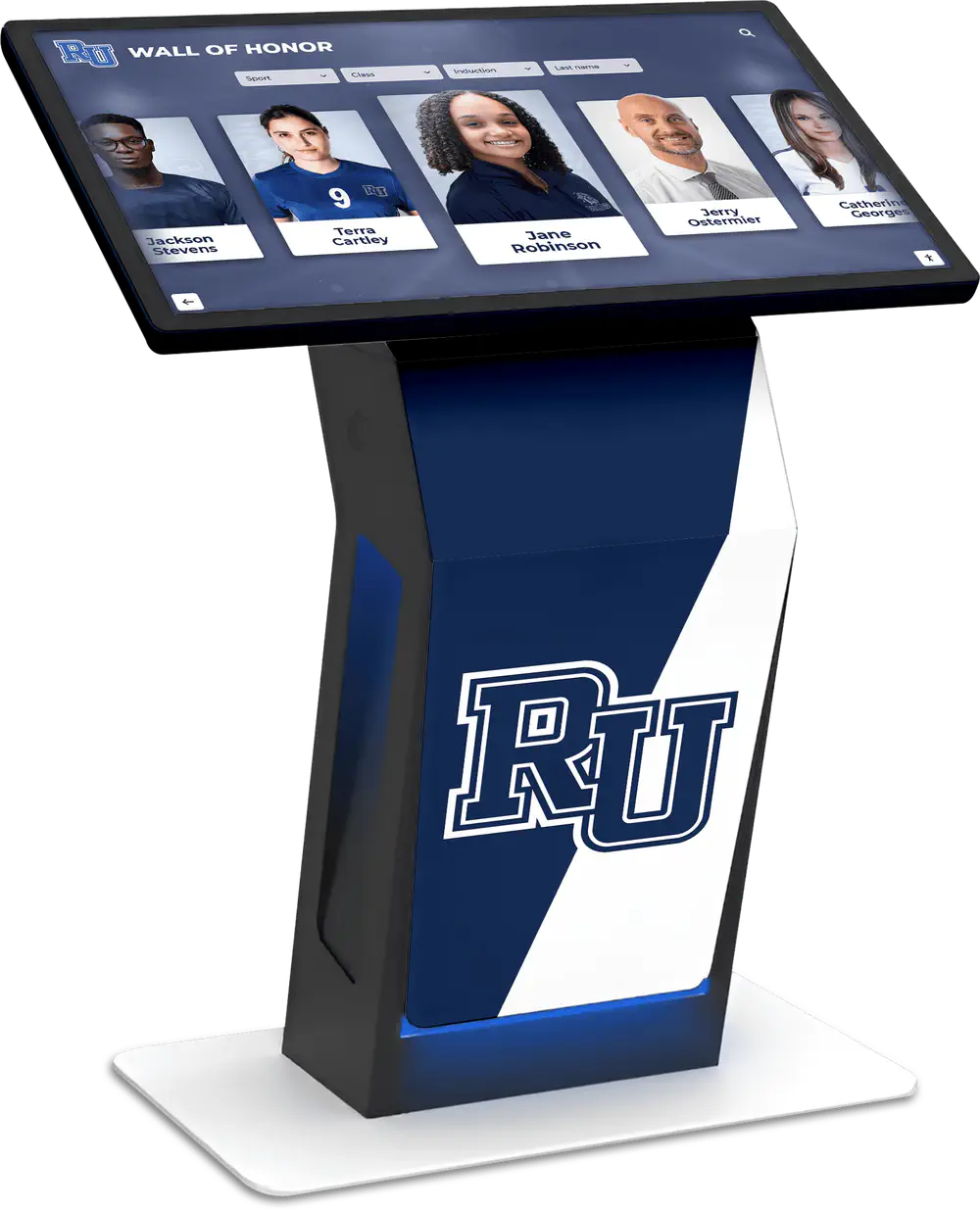
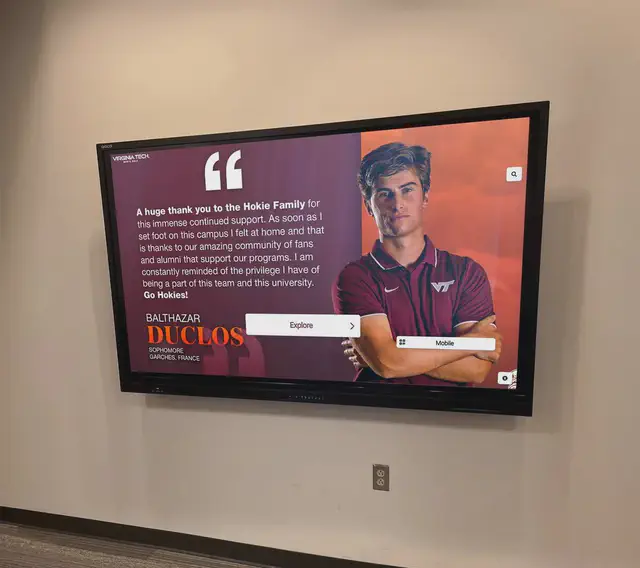
A digital display that separates recognition categories gives each entry — Singles, Doubles, Team, by division and year — the specific label it needs to remain accurate for families and alumni who encounter it years later.
Content Planning for an Adapted Bowling Awards Display
The tables below are blank editorial planning aids for bringing adapted bowling results onto a digital display. These fields are suggestions for your staff’s internal review — not a required national schema, not a native software field, and not a prerequisite before you can publish any verified entry. Use only approved public information.
For a Boys Singles or Girls Singles entry:
| Suggested Field | Notes |
|---|---|
| Athlete’s approved public name | |
| School name (exactly as published) | |
| Division | ASD, CI, or PI |
| Exact event label | “Boys Singles” or “Girls Singles” |
| Placement | From official results document |
| Meet name, governing body, year | |
| Source document or hub URL | |
| Reviewer and approval date | |
| Approved public caption |
For a Doubles entry:
| Suggested Field | Notes |
|---|---|
| Both athletes’ approved public names | List exactly as paired in source |
| School name (exactly as published) | |
| Division | ASD, CI, or PI |
| Exact event label | “Doubles” |
| Placement | From official results document |
| Meet name, governing body, year | |
| Source document or hub URL | |
| Reviewer and approval date | |
| Approved public caption |
For a Team entry:
| Suggested Field | Notes |
|---|---|
| School or co-op name (exactly as published) | |
| Division | ASD, CI, or PI |
| Exact event label | “Team” |
| Placement | From official results document |
| Meet name, governing body, year | |
| Source document or hub URL | |
| Reviewer and approval date | |
| Approved public caption |
Blank Caption Examples
The following are blank templates for drafting public captions. Fill in only information verified from the official results document. Do not add record claims, eligibility labels, or roster inferences that are not stated in the source.
Boys Singles or Girls Singles entry:
[Athlete name], [School name] — [Boys/Girls] Singles, [Division] division, [Rank] place — 2026 MSHSL Adapted Bowling State Tournament.
Doubles entry:
[Athlete name] | [Athlete name], [School name] — Doubles, [Division] division, [Rank] place — 2026 MSHSL Adapted Bowling State Tournament.
Team entry:
[School name] — Team, [Division] division, [Rank] place — 2026 MSHSL Adapted Bowling State Tournament.
Each template leaves room to add only what has been verified. If a school has separately confirmed a program record, that information can be added after verification — do not transfer a state-meet placement directly to a “school record” claim without the school’s own records process confirming it.
A Review Sequence for Each Entry
Bringing an adapted bowling result onto a digital display is a human editorial task. The source document confirms what the association published; your staff confirms what belongs on your display, in what form, and with what label.
Verify
Pull the source document for the specific competition, division, and season from the governing body’s results hub. The MSHSL 2026 Adapted Bowling Results hub and the 2026 championship recap are the authoritative starting points. Confirm the school name, the competition label (Boys Singles, Girls Singles, Doubles, or Team), the division, and the placement as published. Note exactly how the credited recipient — individual, pair, or team — is identified in the source.
Label
Apply the competition name and division label exactly as published. Write Boys Singles and Girls Singles as separate entries with separate labels. Write Doubles with both athletes’ names as listed in the source. Write Team with the school or co-op name as it appears in the results. Include the governing body, division, and year in every entry.
Preview
Confirm that Singles entries appear in a Singles section, Doubles entries in a Doubles section, and Team entries in a Team section. Confirm that no entry appears in a list that merges the four competition types as equivalent or comparable. Share proposed captions with athletes and families for review of approved public wording and image use, following your school’s publication permissions process.
Publish
Activate the entry after the above checks are complete. Record the reviewer name and approval date in your internal planning table. Keep the planning table and source documentation in your school archive — these are not deleted when the display goes live. Keep a correction contact visible so families or alumni who spot a discrepancy have a way to reach someone.
When every adapted bowling entry is sourced, labeled by competition and division, and placed in the right section, the display gives each athlete — and each pair, and each team — the accurate, lasting recognition their achievement earned.
Frequently Asked Questions
What is the difference between Singles, Doubles, and Team competitions in MSHSL Adapted Bowling?
Singles competitions — Boys Singles and Girls Singles, run as separate events — credit individual bowlers. The Doubles competition credits both members of a competing pair. The Team competition credits the competing team as a unit. All four competitions take place within each division (ASD, CI, and PI), producing separate champions and separate display entries. These competitions are distinct and are not interchangeable on a recognition display.
Are the ASD, CI, and PI divisions in MSHSL Adapted Bowling the same competition?
No. The ASD, CI, and PI divisions are separate competition groupings within MSHSL Adapted Bowling. A result earned in one division belongs to that division’s competition and should carry the correct division label on any display entry. Results from different divisions are not equivalent and should not be combined into a single unlabeled “Adapted Bowling State” entry. Each division produces its own champions across each of the four competitions.
Can the same athlete appear in multiple entries on an adapted bowling awards display?
Yes. An athlete who competes in Boys Singles and also contributes to a Team result — or who competes in both Doubles and Singles — may appear in multiple entries, each reflecting a separate earned honor. This is correct representation, not duplication. Each entry credits a distinct competition, and each credit belongs to the athlete who earned it in that specific competition.
Does a bowler’s contribution to a team result automatically create a personal singles record or school record?
No. A team result credits the competing team. An individual score’s contribution to a team total does not make that score a singles award, a school record, or a personal achievement — those determinations require the school’s own records and awards process. Display entries for team results should credit the team, not any individual member; display entries for individual results should come from the Singles competition results, not from inferences about individual scores within team totals.
How should a co-op team name appear on an adapted bowling awards display?
Use the co-op name exactly as it appears in the official results document — including any conjunction, punctuation, or partner school designation that is part of the official name. Altering, abbreviating, or replacing a co-op name with a single-school name changes what is credited and may misrepresent which organization’s athletes earned the result. The official result belongs to the co-op as named in the source.
Rocket Alumni Solutions helps schools build digital recognition displays that can hold Boys Singles, Girls Singles, Doubles, and Team entries as separate, accurately labeled sections — giving every adapted bowling achievement the lasting home it earned. Request a demo to see how a digital display can present your program’s full range of results to families, recruits, and alumni.