



An all-conference award in high school is an honor voted by coaches across a league that designates the top-performing athletes at each position or sport within a specific athletic conference. Unlike school-level MVP awards, all-conference recognition is peer-evaluated—head coaches who competed against a nominee throughout the season cast the votes, making the designation a widely respected external validation of athletic excellence.
For athletic directors and recognition program administrators, all-conference honors represent more than a season highlight. They are durable records that belong in permanent institutional archives, digital hall-of-fame displays, and official athletic histories. This guide explains selection criteria, the full announcement workflow from voting to publication, and how schools can build lasting digital recognition systems around conference honors.
Understanding the distinction between in-school awards and conference-level honors helps administrators communicate the significance of the all-conference award correctly to athletes, families, and the broader school community.

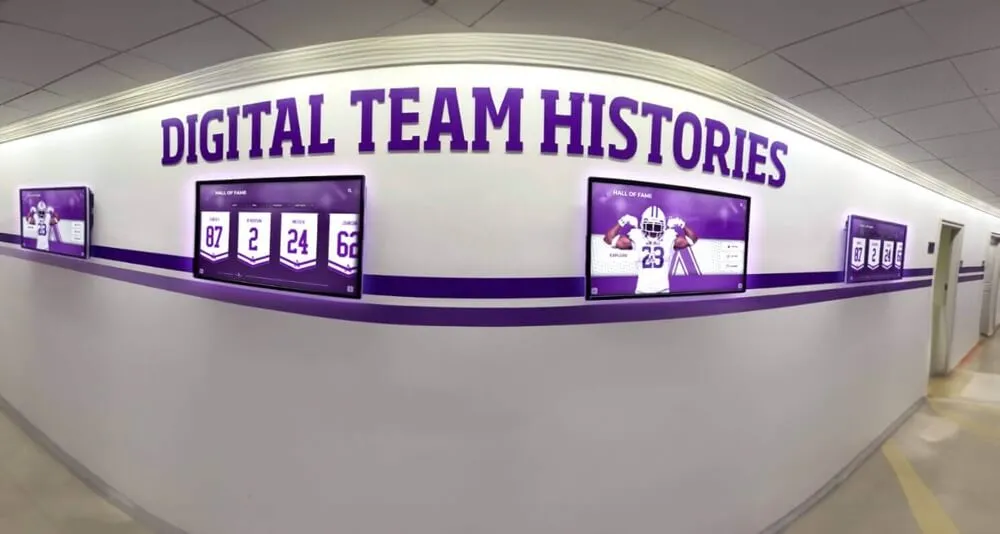
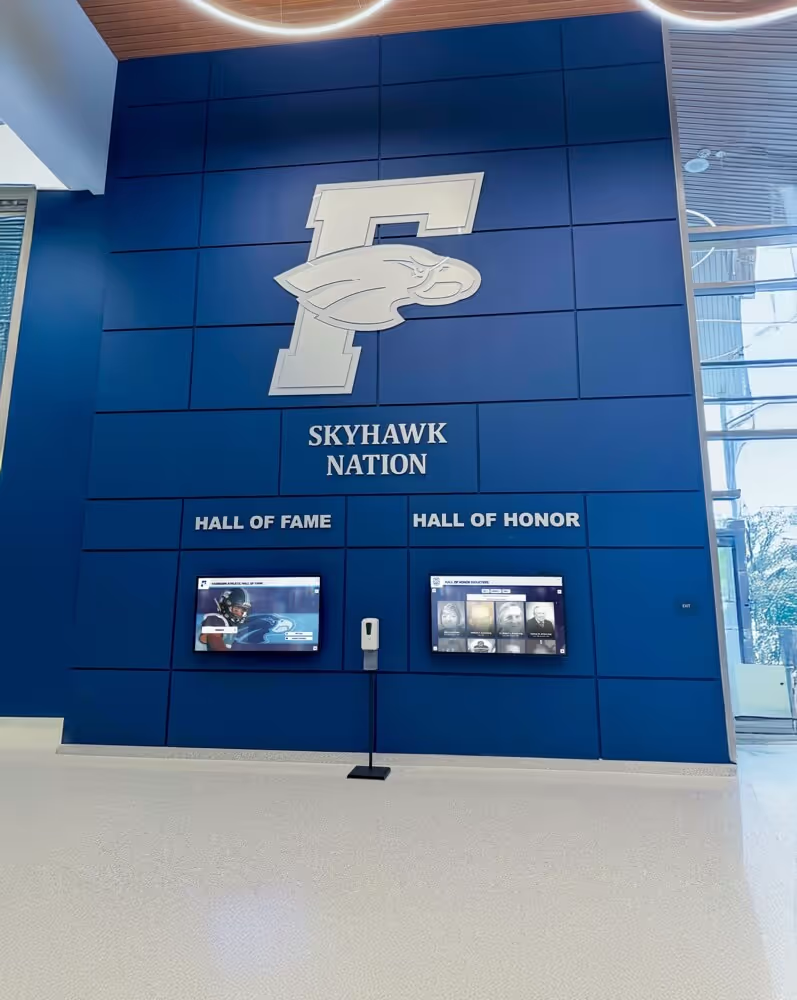
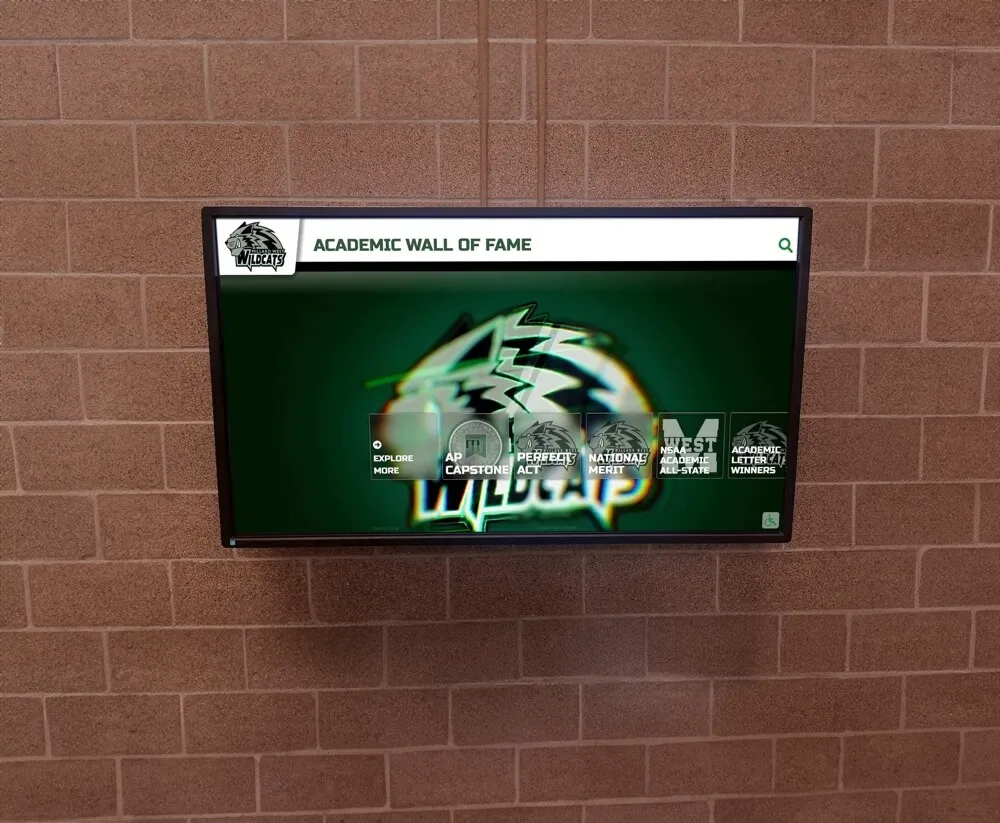
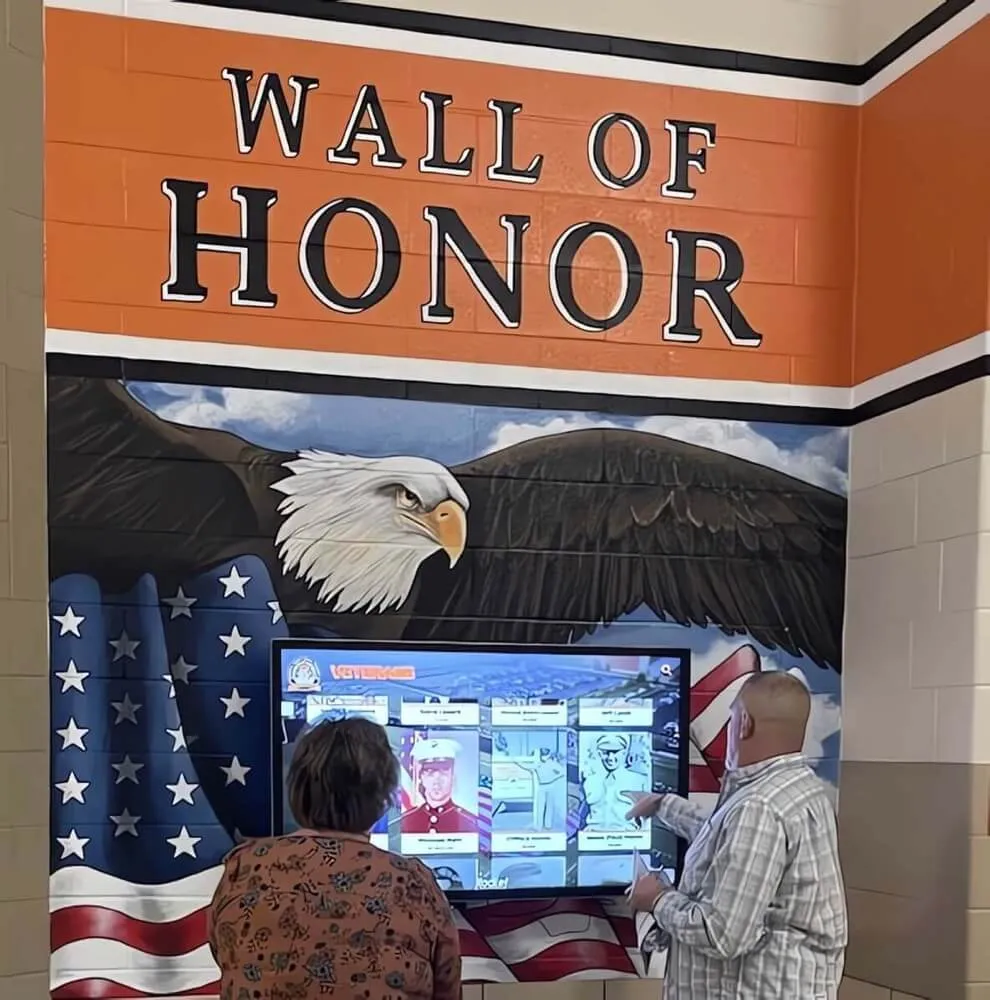
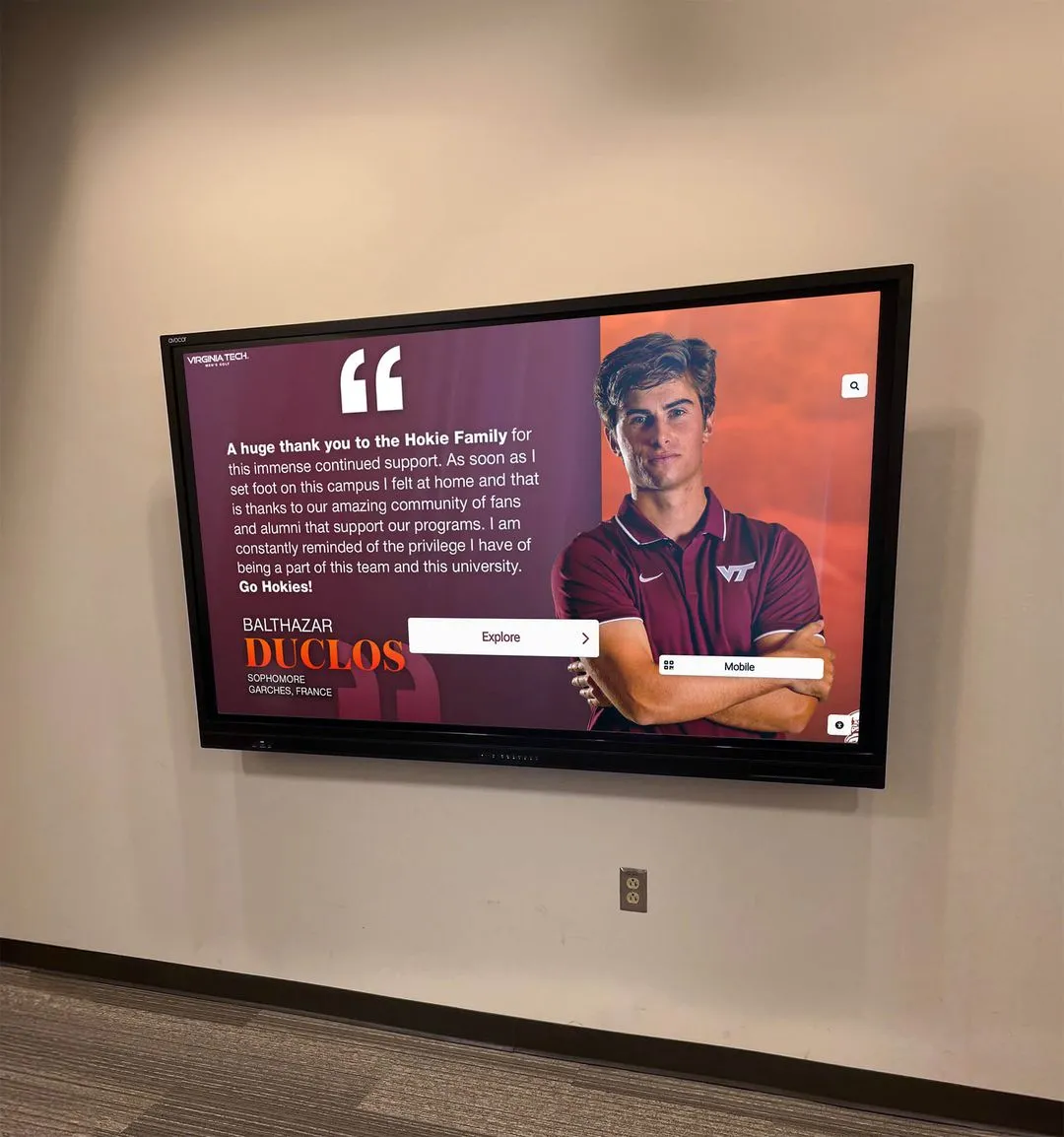
Digital displays in trophy areas give all-conference honorees the visibility their cross-conference recognition deserves
What Is the All-Conference Award in High School?
An all-conference award in high school is a conference-level distinction earned when coaches from across a league select an athlete as one of the top performers at a given position or in a given event during the season. Selection is typically tiered—First Team All-Conference, Second Team All-Conference, and Honorable Mention—with First Team representing the highest level of recognition.
Because the votes come from opposing coaches who observed the athlete in competitive game situations rather than only practice environments, the honor carries authority that most internal awards cannot replicate. It signals that an athlete’s performance was objectively noticed and valued by professionals throughout the entire league.
How All-Conference Differs from Other High School Athletic Honors
| Award Type | Selected By | Scope | Prestige Level |
|---|---|---|---|
| All-Conference | Opposing coaches (conference-wide vote) | All schools in the conference | High — external peer validation |
| All-State | State association / media panel | All schools statewide | Highest at state level |
| Team MVP | Own coaching staff | Single school | High — internal recognition |
| All-League | Similar to all-conference (same concept, different naming) | League-member schools | High — external peer validation |
| Academic All-Conference | Conference or coaches’ committee | All schools in conference | High — combined athletic/academic |
Most conferences use the terms “all-conference” and “all-league” interchangeably. The specific name depends on whether the group of schools calls itself a conference or a league.
What Is All-Conference in High School Sports?
All-conference recognition exists across virtually every high school sport governed by a regional or statewide athletic association—football, basketball, baseball, softball, soccer, volleyball, swimming, track and field, wrestling, lacrosse, and more. In individual sports like swimming and track, coaches typically vote for athletes based on times, marks, or season performances rather than by position, but the tiered recognition structure (First Team, Second Team, Honorable Mention) is nearly universal.
According to the National Federation of State High School Associations (NFHS), more than 7.7 million students participated in high school sports during the 2022–23 school year, making conference-level recognition one of the most meaningful performance validations available at the secondary level.
Criteria Used to Select All-Conference Athletes
Coaches do not use a single national rubric—conferences set their own standards. However, the following criteria appear consistently across conferences nationwide.
Core Selection Criteria
1. Season Performance Statistics The most common baseline for First Team consideration is sustained statistical excellence across the full season—not just a few standout games. Coaches weigh cumulative stats (points per game, batting average, goals scored, time drops) against overall schedule difficulty.
2. Head-to-Head Competitive Results Because voting coaches watched the nominee in direct competition, performance in conference matchups often carries more weight than non-conference results. An athlete who consistently performed well against conference opponents stands out regardless of overall team record.
3. Position-Specific Impact Coaches vote by position (or event in individual sports), not just by overall athletic talent. A standout offensive lineman competes for a different slot than a skill-position player. This position-specific structure ensures recognition reaches athletes in every role.
4. Sportsmanship and Conduct Many conferences include an eligibility filter: any player under formal discipline, ineligible, or suspended during the season may be excluded from consideration. Sportsmanship is not a scored criterion but can be a disqualifying one.
5. Coaching Staff Nomination In most conferences, a school’s head coach must first nominate athletes before the cross-conference vote occurs. Athletes who are not nominated by their own program cannot receive votes. This step keeps nominations authentic and tied to the coach’s direct knowledge of each player.
Typical Conference Voting Rules
- Each head coach submits their ballot ranking candidates at each position
- Coaches usually cannot vote for their own athletes (to prevent inflation)
- Ballots are submitted to the conference athletic director or an association representative
- Ties are broken by re-vote or by the conference athletic director’s tiebreaker policy
- Results are typically embargoed until the official announcement date
For a deeper look at how athletic honor structures translate into permanent displays, the athletics wall of honor planning guide covers how schools organize tiered awards into cohesive recognition systems.
Step-by-Step Announcement Workflow
Moving from the raw vote results to a published, archived, and publicly shared announcement requires a deliberate workflow. The following eight-step process is used by many well-run high school athletic departments.
Step 1: Compile and Verify Results
Once the voting deadline closes, the conference administrator tallies the ballots. Before any announcement is made, the results are cross-checked for:
- Correct position assignments
- Athlete eligibility (academic standing, conduct eligibility)
- Accurate school affiliations
- Proper spelling of every athlete’s name, grade level, and sport
Errors at this stage are far easier to correct than after publication.
Step 2: Notify Athletic Directors First
Conference policy in most states requires that each school’s athletic director receive the results privately before any public release. This window—often 24–48 hours—allows ADs to:
- Notify their head coaches
- Prepare internal celebration plans
- Correct any errors before public announcement
- Alert athletes and families privately (a meaningful courtesy)
Step 3: Notify Coaches and Athletes
Coaches typically tell athletes personally before any social media or press announcement goes out. This moment matters. Being told privately that you were voted First Team All-Conference by opposing coaches—before seeing it on the internet—is the kind of recognition athletes remember for a lifetime.
Step 4: Prepare Official Press Materials
Athletic departments should prepare a brief press release for local media that includes:
- Full list of honorees by tier (First Team, Second Team, Honorable Mention)
- Each athlete’s name, grade, position, and school
- Brief summary of the selection process
- Quote from the athletic director or head coach (optional but adds credibility)
Keep the press release factual and complete. Avoid adjective-heavy promotional language that sounds inauthentic.
Step 5: Publish to Official School Channels
Announce through every official channel your school uses:
- School athletic department website
- Athletic director’s social media accounts
- School-wide email or newsletter
- Morning announcements
- Team-specific social media handles
Consistency across channels ensures no honoree is overlooked and that the record exists in multiple verifiable locations.
Step 6: Submit to State and Regional Media
Most states have prep sports websites, newspaper covering preps, or regional sports networks that compile all-conference lists. Submitting your honorees to these outlets extends reach and creates external records that outlast local social media posts.
Step 7: Archive in the Athletic Department’s Official Records
This step is where many schools fall short. A social media post is not a permanent record. Official athletic records should be maintained in:
- A dedicated section of the school’s athletic website
- Physical and/or digital trophy cases
- Year-end athletic reports filed with the district
- A cloud-based recognition platform accessible to future administrators
Well-organized digital hall of fame platforms allow schools to build searchable archives of all-conference honorees across decades rather than relying on boxes of old programs.
Step 8: Update Digital Recognition Displays
Physical hallways with static plaques face a permanent storage problem: wall space runs out. A touchscreen recognition system removes that constraint. Schools using cloud-based digital displays can add all-conference honorees immediately after the announcement, include photos, position, sport, and conference tier, and make the record searchable by year or sport.

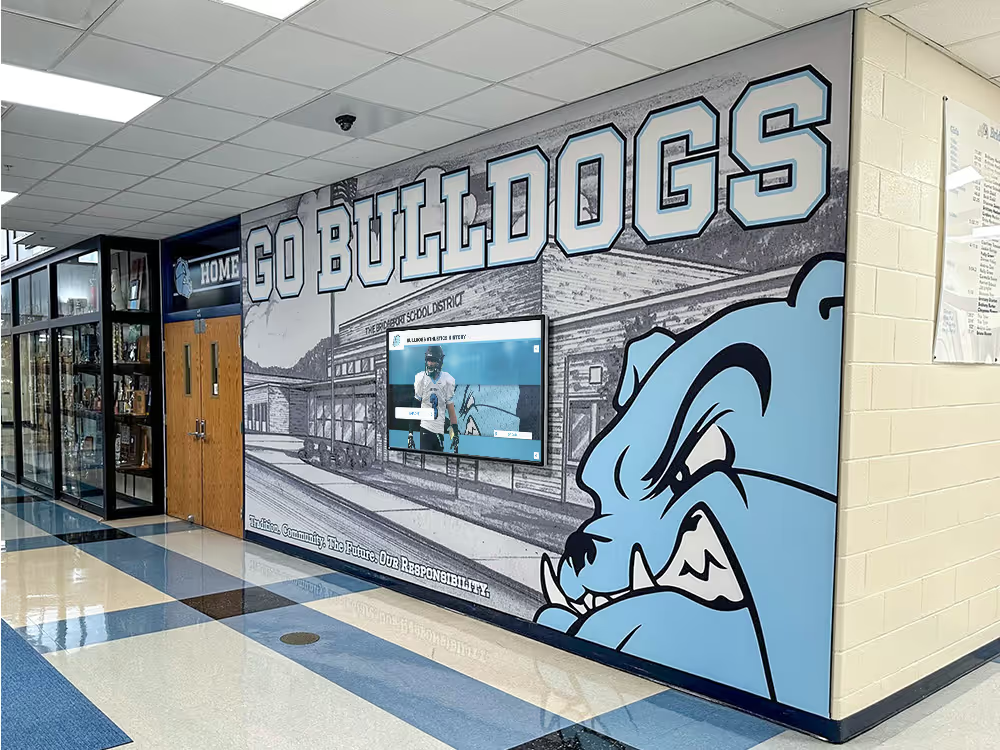
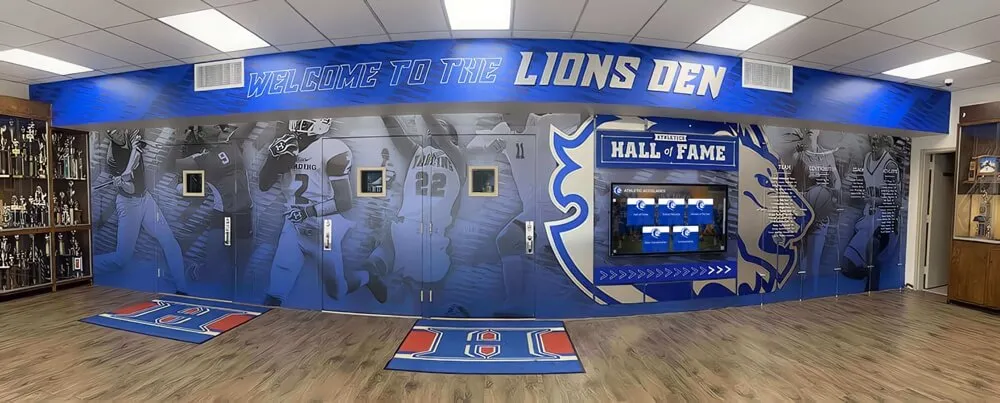
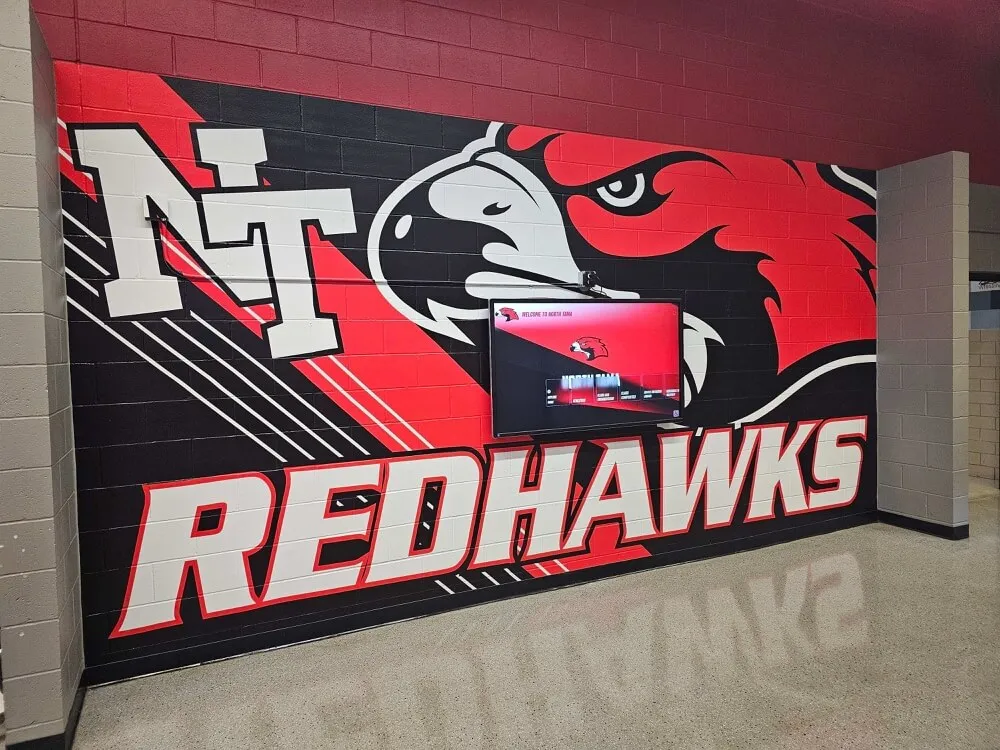
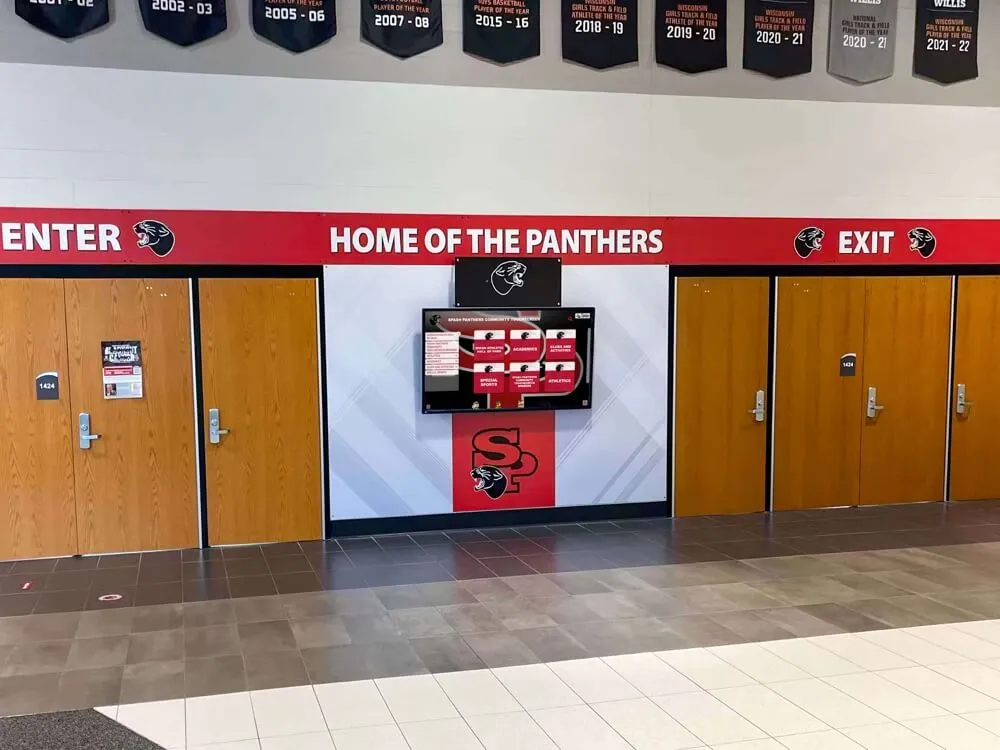
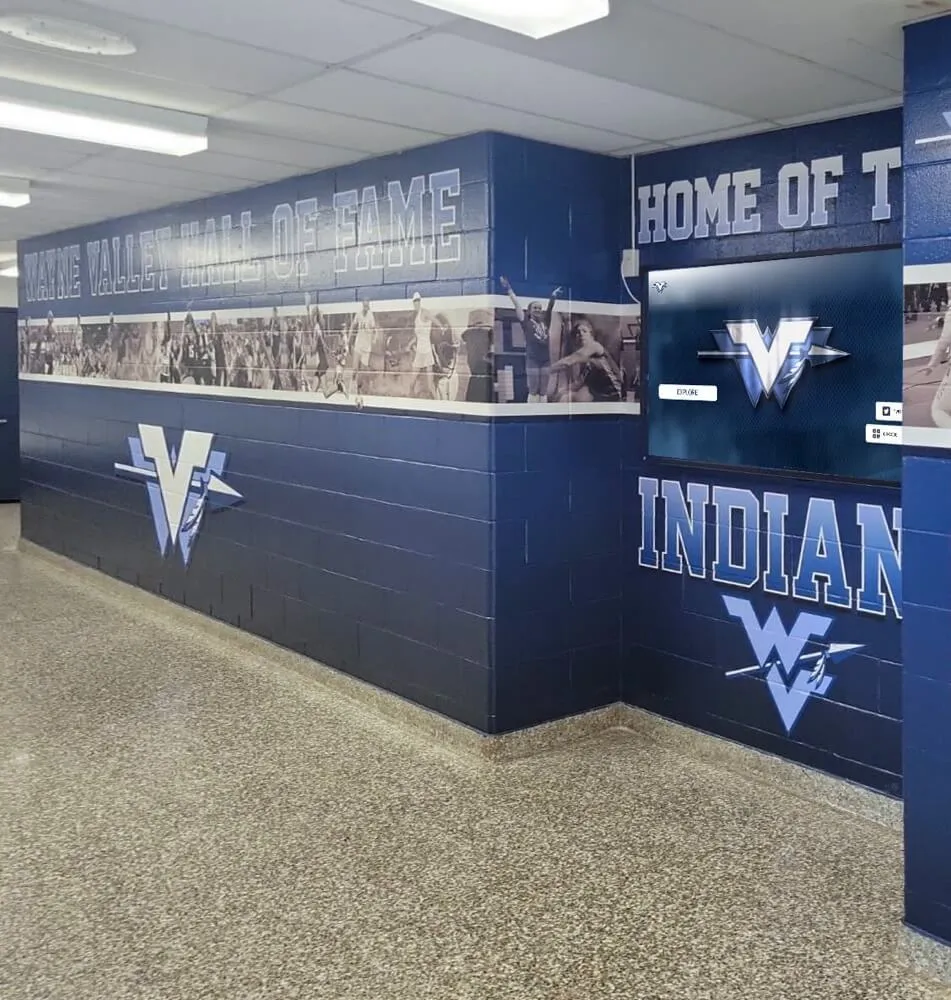
Digital record boards in school hallways display all-conference honorees alongside other athletic milestones without the space constraints of physical plaques
How to Preserve All-Conference Records Digitally
All-conference records are institutional assets. A student who earned First Team All-Conference honors in 2009 deserves to have that record as accessible as one from last season. Schools that treat recognition as a living archive—not just an annual announcement—build stronger alumni connections and more compelling athletic identities.
Why Physical Records Alone Are Not Enough
- Plaques and trophy cases require expensive physical space
- Static displays cannot be searched or filtered by year, sport, or tier
- Physical records are vulnerable to damage, relocation, or replacement during facility renovations
- They offer no pathway for alumni or families to access the record remotely
Building a Digital All-Conference Archive
A robust digital archive of all-conference honors should include:
- Athlete profile — name, graduation year, sport, position, and conference
- Recognition tier — First Team, Second Team, or Honorable Mention clearly labeled
- Photo — a team or individual photo from the season when possible
- Season context — brief note on the season record or team achievement (optional)
- Year index — ability to browse all honorees from a given season
Platforms built specifically for athletic recognition—like Rocket Alumni Solutions—allow administrators to update and publish all-conference records from any internet-connected device. The display updates instantly without requiring a vendor visit, a print shop order, or a facilities work order.
For inspiration on how schools structure recognition walls that include conference honors alongside other athletic records, the recognition wall ideas guide covers planning, layout, and content approaches in detail.
Connecting All-Conference Honors to Your Athletic Hall of Fame
Many schools use all-conference recognition as a qualifying criterion for hall of fame consideration. A defined pathway strengthens the integrity of both programs:
- First Team All-Conference (multiple seasons) → eligible for Hall of Fame nomination
- All-State selection → automatic Hall of Fame nomination consideration
- Academic All-Conference → eligible for Academic Hall of Honor recognition
This tiered structure gives athletes meaningful milestones to pursue and gives administrators a defensible, criteria-based induction system. The new hall of honor recognition guide walks through how to structure nomination criteria and induction tiers from scratch.
Communicating All-Conference Honors to the Community
The announcement workflow described above handles internal and media channels, but community-facing communication requires additional consideration. Alumni, local businesses, and prospective student-athletes all benefit from clear, accessible recognition of conference-level honors.
Strategies for broader reach:
- Post each honoree’s profile on the school’s public-facing athletics page with a dedicated all-conference section
- Use QR codes on physical displays that link to the full digital archive—athletes and families can scan and share instantly
- Include all-conference honorees in the athletic department’s end-of-year digital report
- Feature all-conference athletes in alumni newsletters to reinforce the school’s athletic tradition

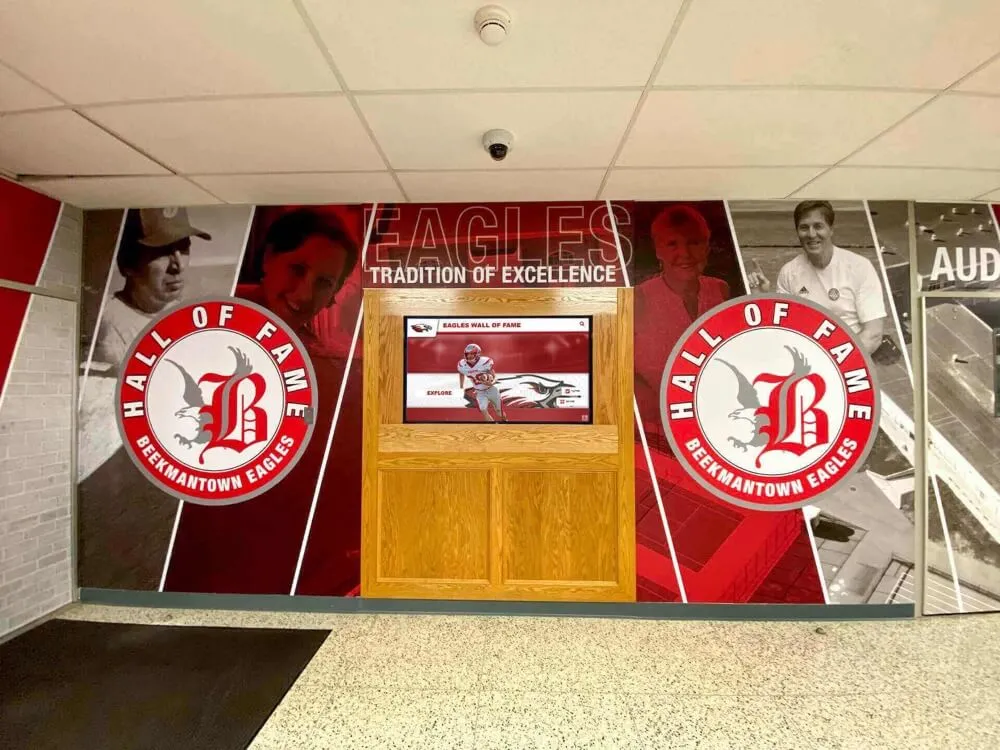
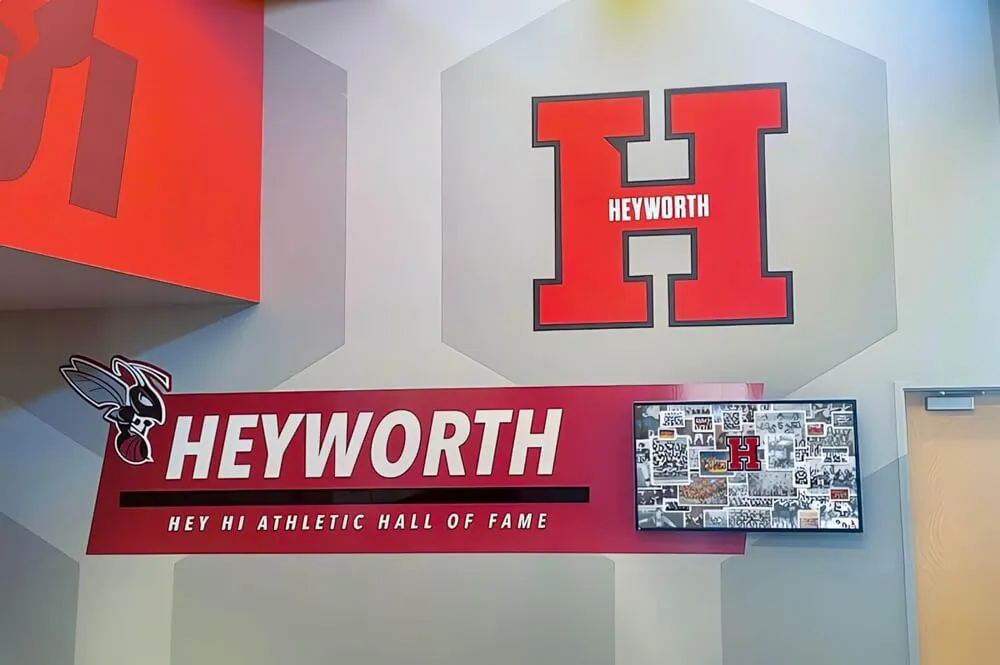
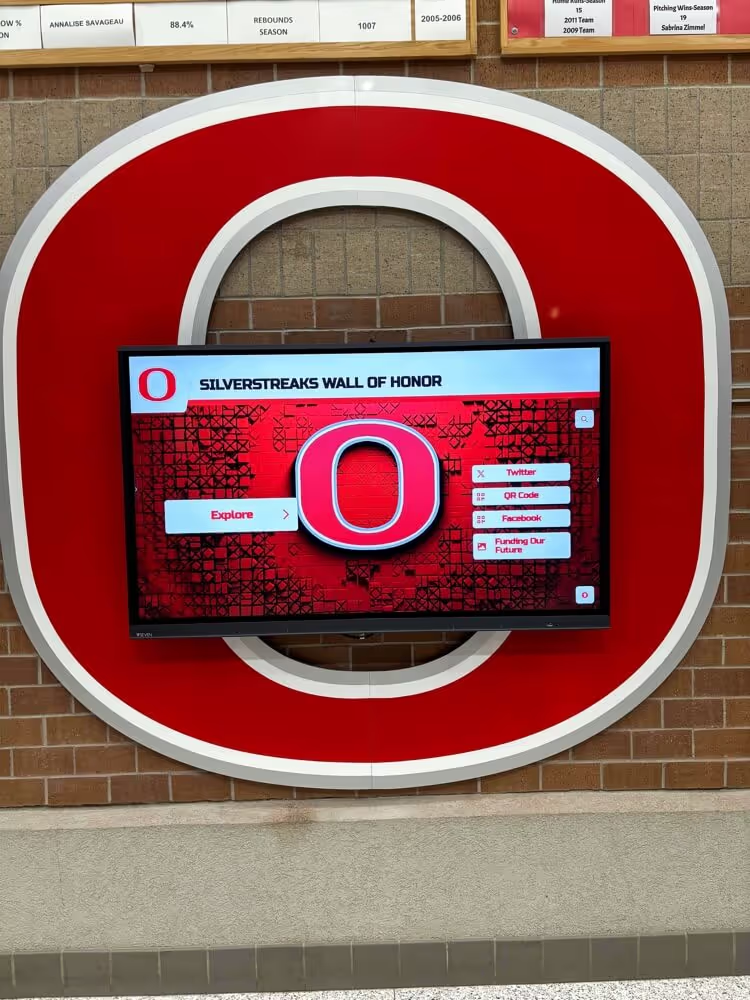
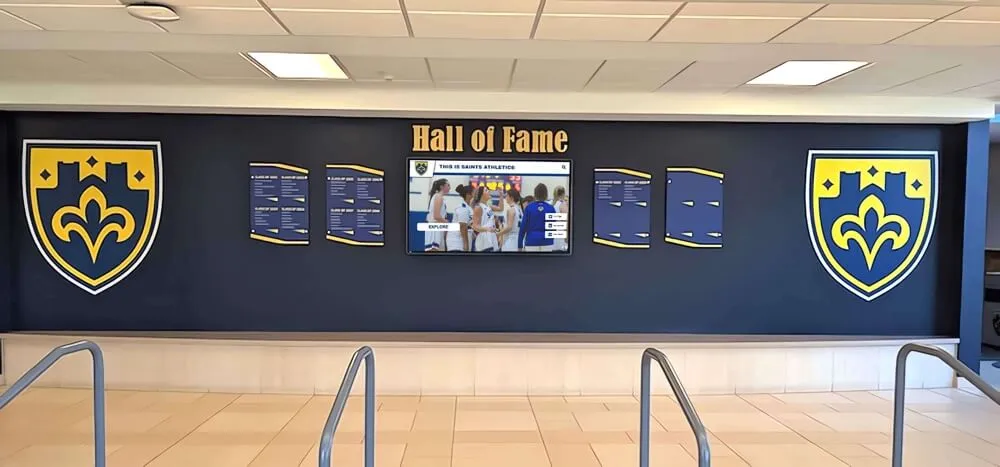
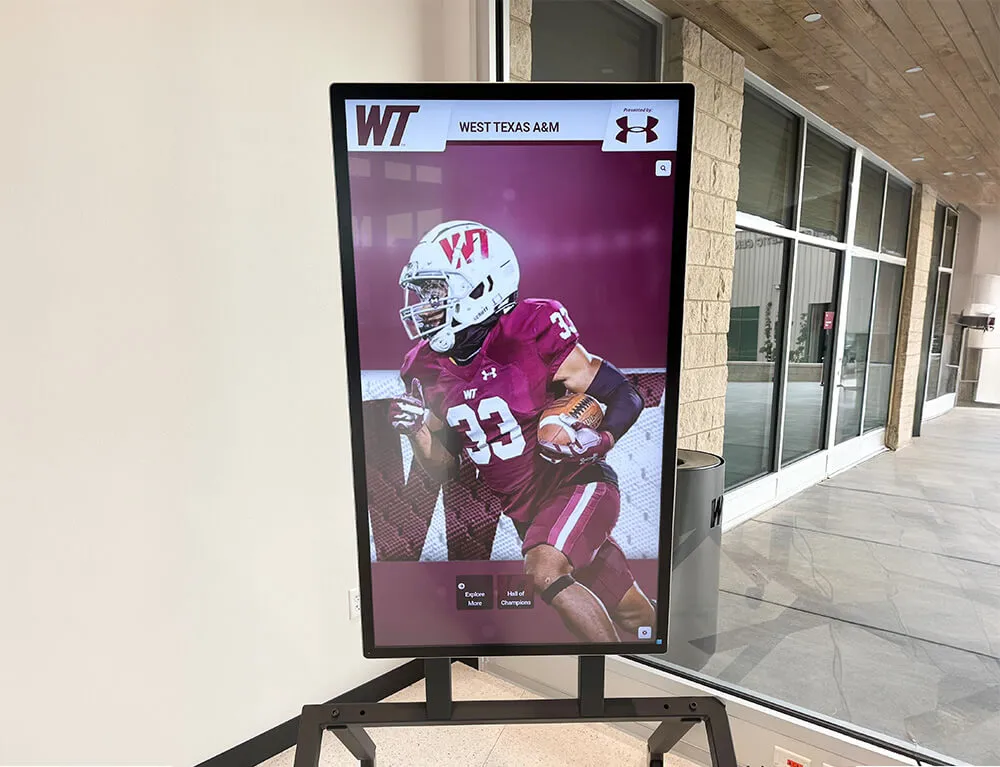
Athletic honor walls that integrate digital components allow schools to feature all-conference honorees without running out of physical space
The teacher recognition programs complete guide offers parallel insights into building multi-channel recognition communications for school communities—applicable principles transfer directly to athletic recognition programs.
Academic All-Conference Recognition
Most conferences now offer a parallel academic all-conference designation for athletes who maintain a qualifying GPA while earning all-conference athletic honors. This dual recognition is increasingly valued by college coaches and scholarship committees.
Typical Academic All-Conference Criteria
| Criterion | Common Threshold |
|---|---|
| Minimum GPA | 3.0–3.5 on a 4.0 scale (varies by conference) |
| Grade level | Sophomore, junior, or senior status (some exclude freshmen) |
| Athletic eligibility | Must also qualify for all-conference athletic consideration |
| Conduct | No formal disciplinary actions during the season |
Schools should actively track academic all-conference criteria and ensure eligible athletes are aware of the honor so they can be nominated appropriately. Athletic directors who coordinate with guidance counselors at the start of each season are better positioned to identify candidates before voting windows open.
The academic dimension of conference recognition connects naturally to broader student achievement programs. For a framework on structuring these parallel recognition tracks, the employee recognition wall ideas resource outlines how organizations build multi-category recognition systems—a model schools can adapt for combined athletic and academic honors.
The Role of All-Conference Recognition in Alumni Engagement
All-conference athletes represent a school’s most visible competitive ambassadors. Decades after graduation, many alumni still identify with the recognition they received during their athletic careers. Schools that preserve and surface these records build stronger alumni relationships.
How Recognition Archives Support Alumni Engagement
- Alumni who can find their own all-conference records online share those pages with their networks, extending reach at no cost
- Searchable digital archives allow former athletes to revisit their records and introduce them to their own children
- Reconnecting alumni with their recognition histories strengthens the case for alumni giving programs and booster club participation
The digital hall of fame model demonstrates how permanent, searchable recognition archives transform one-time honor announcements into ongoing engagement tools. When a 1998 First Team All-Conference linebacker can pull up his profile on a touchscreen in the school lobby or on a mobile device from across the country, the recognition lives beyond the banquet.
For athletic programs evaluating how touchscreen recognition systems work in practice during live events, the basketball game touchscreen recognition guide provides a concrete example of interactive recognition in action.

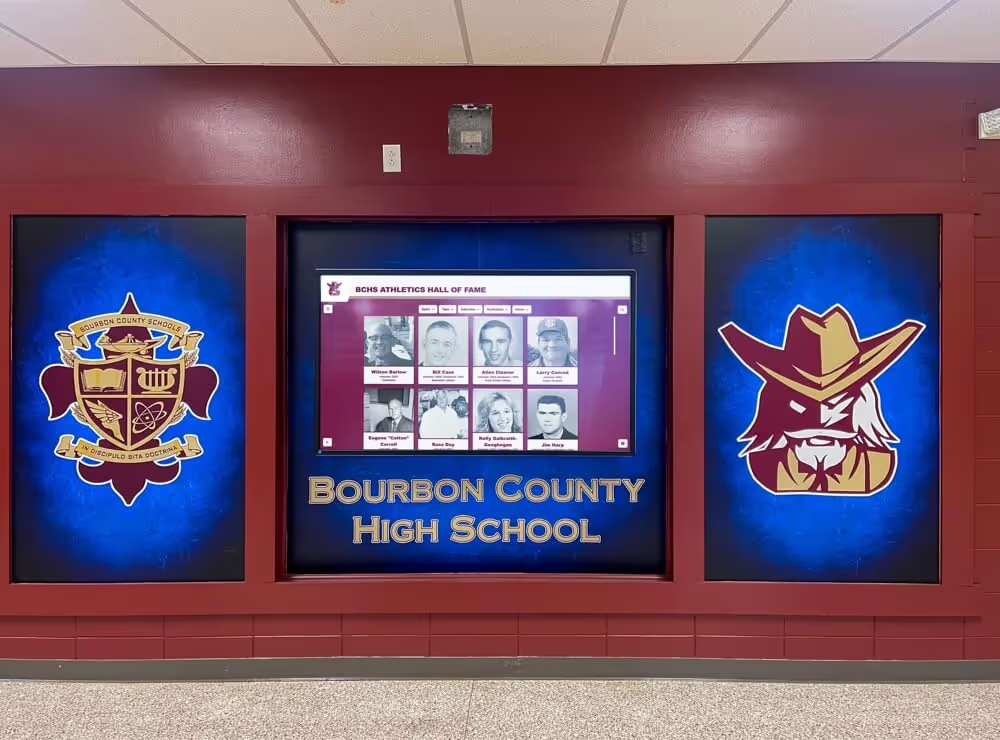
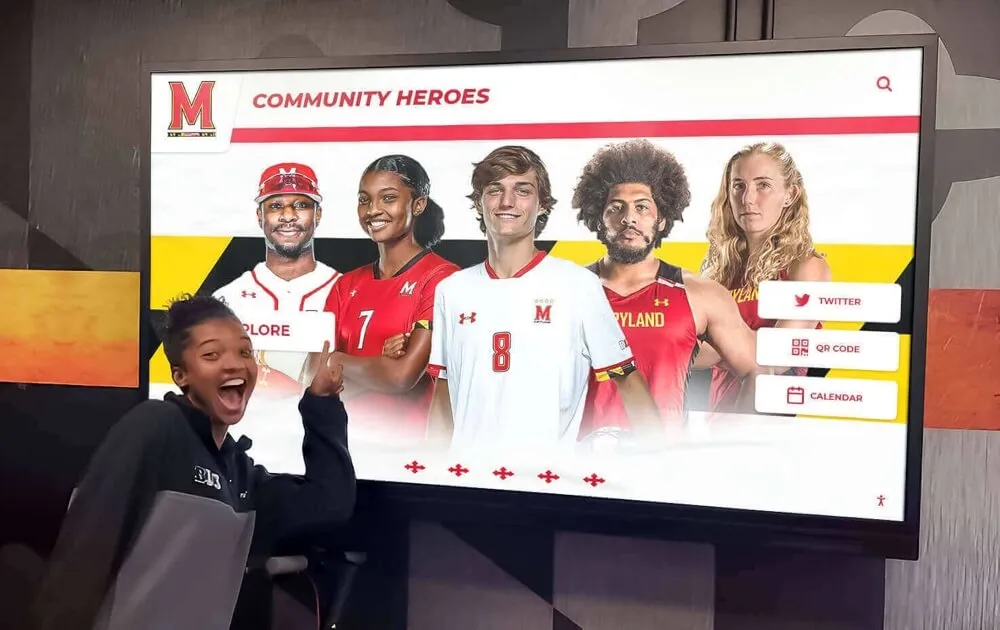
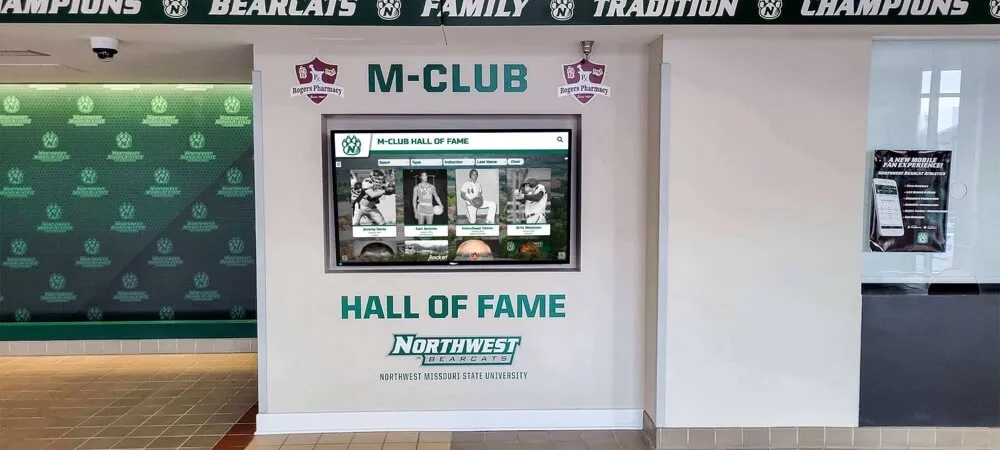
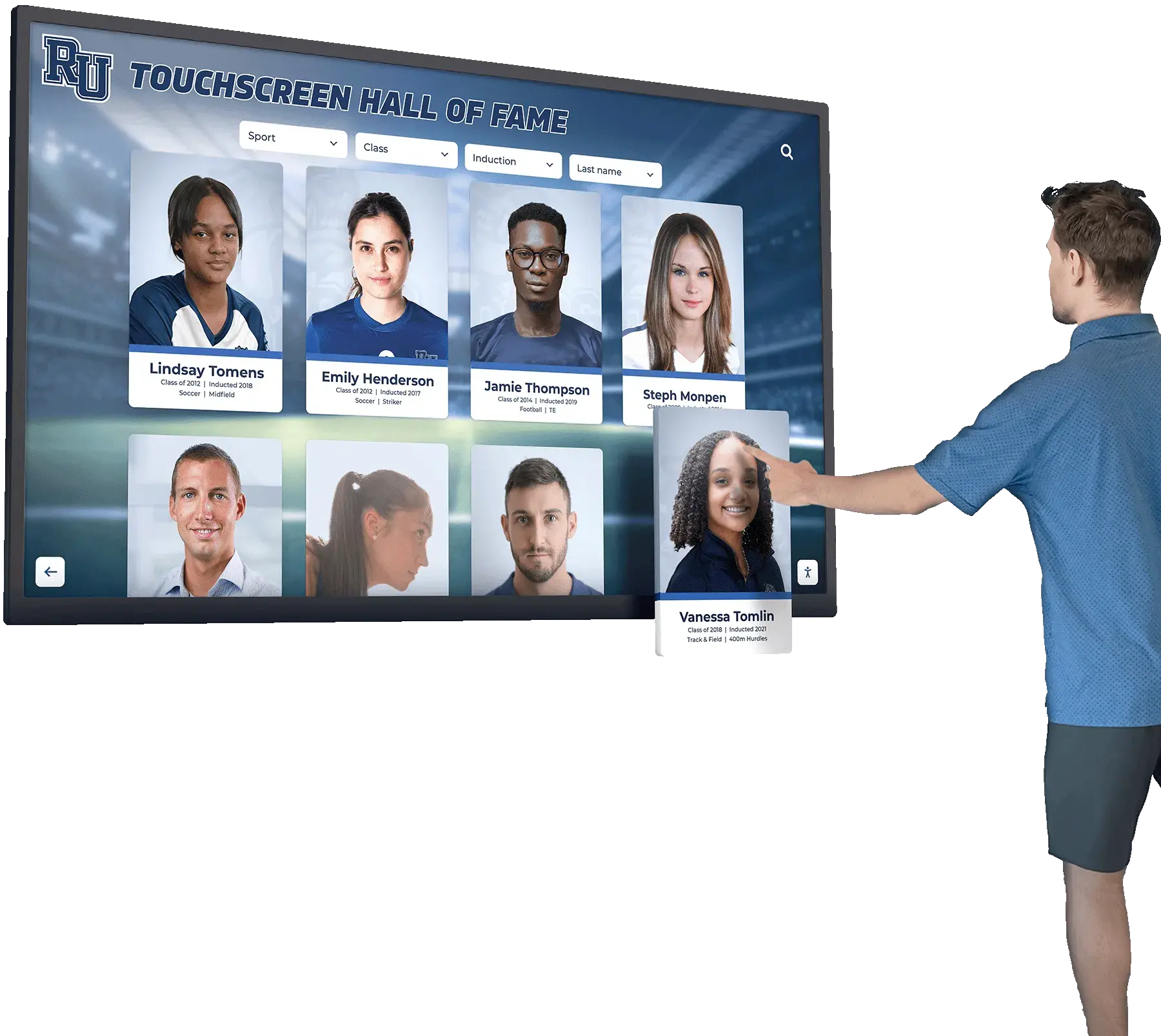
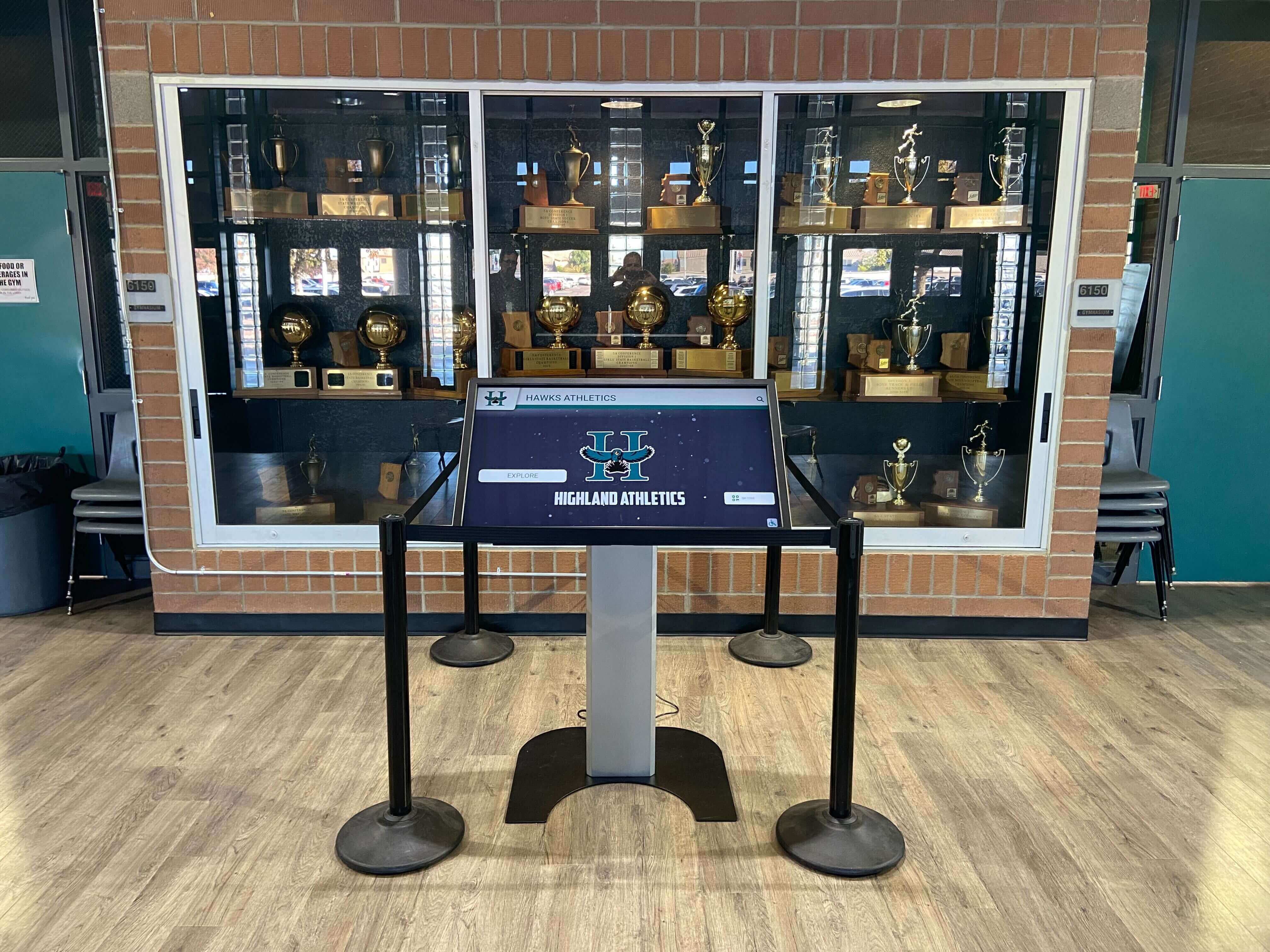
Searchable touchscreen archives allow alumni and current students to explore all-conference honorees by year, sport, and recognition tier
Frequently Asked Questions
What does all-conference mean in high school sports?
All-conference in high school sports means an athlete was voted by coaches across their athletic conference as one of the best performers at their position or event during the season. It is an external, peer-evaluated honor distinct from team-level awards like MVP, which are selected by a player's own coaching staff.
How are all-conference athletes selected in high school?
Head coaches from every school in the conference submit ballots listing their top candidates at each position. Coaches typically cannot vote for their own athletes. The conference athletic director or a designated administrator tallies the votes and determines First Team, Second Team, and Honorable Mention honorees based on point totals or ranking systems defined by the conference.
Can a freshman earn an all-conference award in high school?
Yes, freshmen are eligible in most conferences as long as they meet standard athletic and academic eligibility requirements. Some conferences restrict Academic All-Conference eligibility to upperclassmen, but athletic all-conference honors typically have no grade-level minimum beyond standard eligibility rules.
How should schools preserve all-conference records long-term?
Schools should maintain all-conference records in a dedicated section of their athletic website, include them in digital recognition displays or touchscreen hall-of-fame systems, and keep year-by-year archives that are searchable by sport and season. Cloud-based athletic recognition platforms allow records to be updated immediately after announcements and accessed remotely by alumni, families, and administrators.
What is the difference between all-conference, all-district, and all-state?
All-conference refers to the top athletes within a specific athletic conference (a group of schools that share a schedule and competitive structure). All-district is used in some states to describe a regional grouping that may span multiple conferences. All-state is the highest level, representing the top athletes across an entire state and is typically selected by a state athletic association or statewide media panel.
Conclusion: From Announcement to Archive
An all-conference award in high school is more than a season highlight—it is a verified, peer-evaluated record of athletic excellence that deserves permanent visibility. From the moment voting closes to the decade-later alumni reunion, the workflows and digital systems a school puts in place determine whether that recognition remains meaningful or fades into a dusty trophy case.
Athletic directors who build systematic announcement workflows—verifying results before release, notifying athletes personally, publishing across all channels, and archiving in searchable digital platforms—honor conference recipients with the institutional seriousness the recognition deserves. When those records are preserved in a cloud-managed touchscreen display, the all-conference honor becomes a living part of the school’s athletic identity rather than a one-week social media moment.
Schools looking to modernize how they recognize and preserve athletic honors at every level—all-conference, all-state, hall of fame—can see a live example of what a digital recognition platform looks like by scheduling a custom demo.
Preserve Every All-Conference Honor Digitally
See how Rocket Alumni Solutions helps schools build searchable, touchscreen-ready archives of all-conference honorees, hall of fame inductees, and athletic records that last for decades.
Request a Demo