



The relationship between educational institutions and their graduates shouldn’t end at commencement—yet many schools, universities, and organizations struggle to maintain meaningful connections with alumni beyond the occasional fundraising campaign or reunion event. While generic alumni engagement software platforms promise improved communication and event management, the most successful alumni programs recognize a fundamental truth: genuine engagement flows from recognition, not just outreach.
Alumni who feel valued, celebrated, and connected to their institution’s ongoing story become passionate advocates, generous donors, active mentors, and engaged community members. They attend events, hire fellow graduates, support fundraising campaigns, and create networks that benefit current students for decades. Conversely, alumni who feel like afterthoughts—receiving only donation requests rather than meaningful recognition—gradually disengage from institutions that shaped their formative years.
This comprehensive guide explores the eight essential features that differentiate transformational alumni engagement software from basic communication tools, focusing specifically on recognition-driven capabilities that build authentic, lifelong connections between institutions and the communities they serve.
Modern alumni engagement extends far beyond maintaining contact databases and sending newsletters. The most effective platforms create systematic recognition, celebrate achievements across alumni communities, facilitate meaningful interactions, and make every graduate feel like a valued member of an ongoing institutional story.

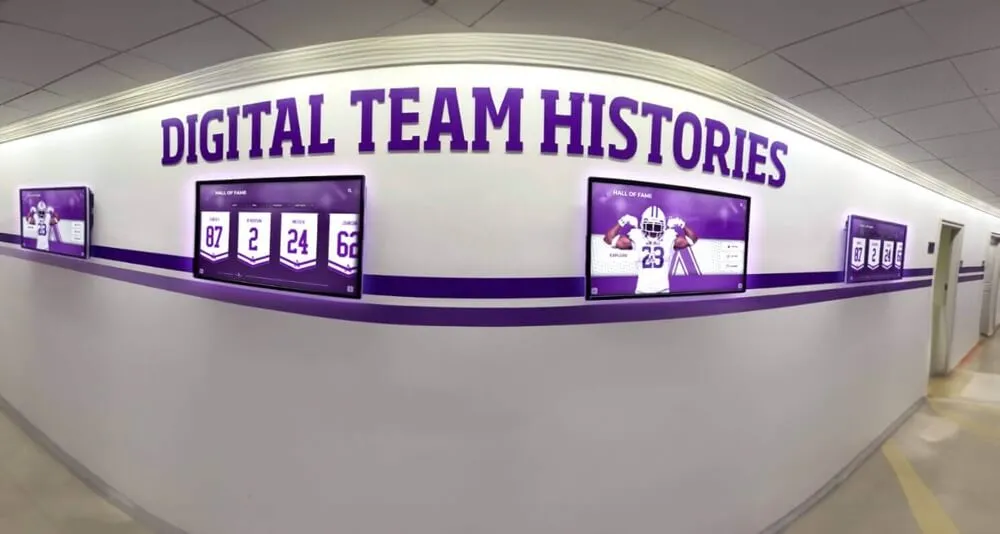
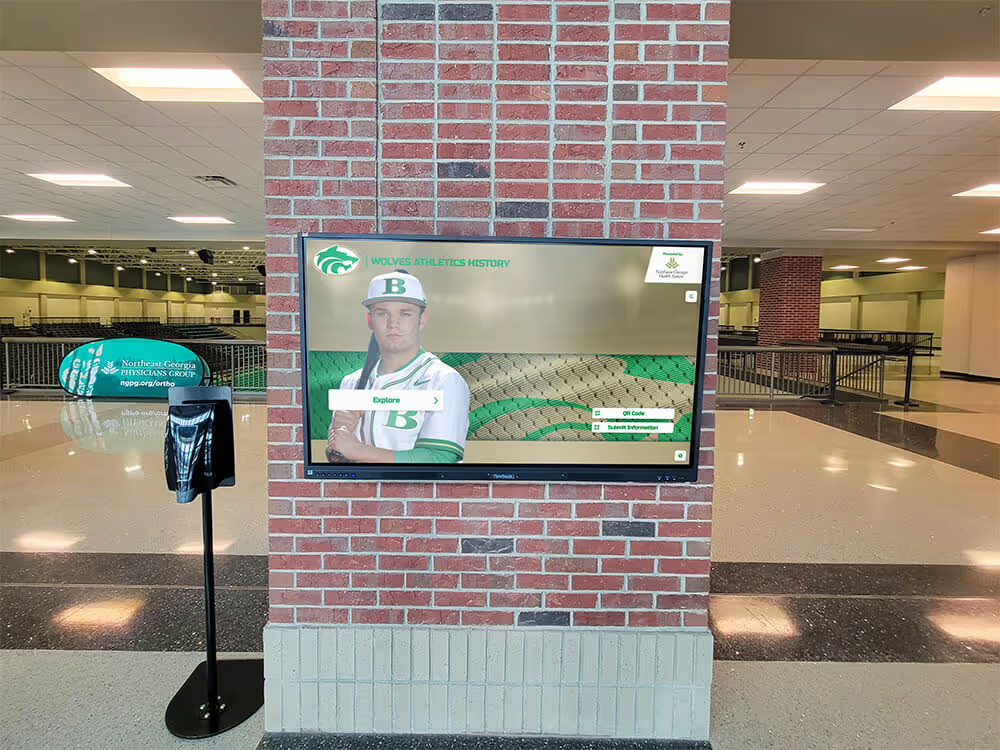
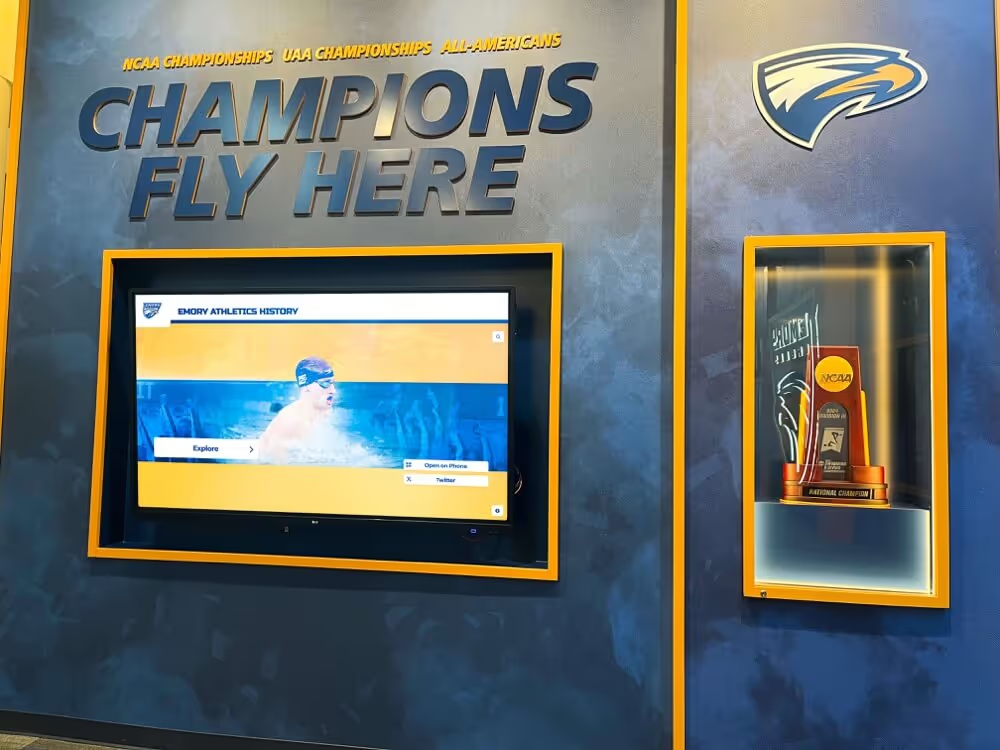
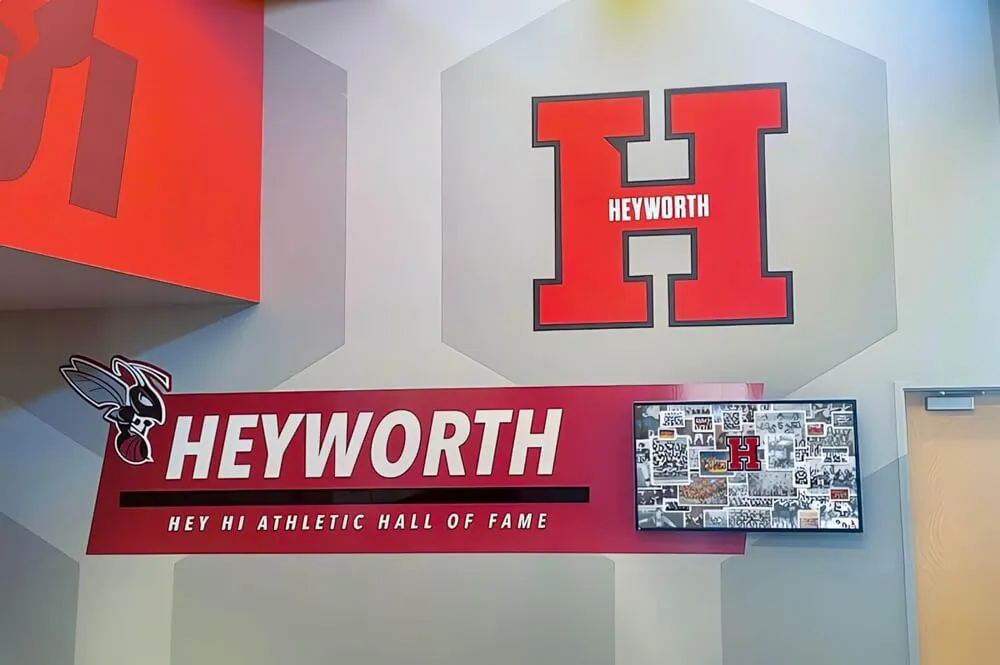
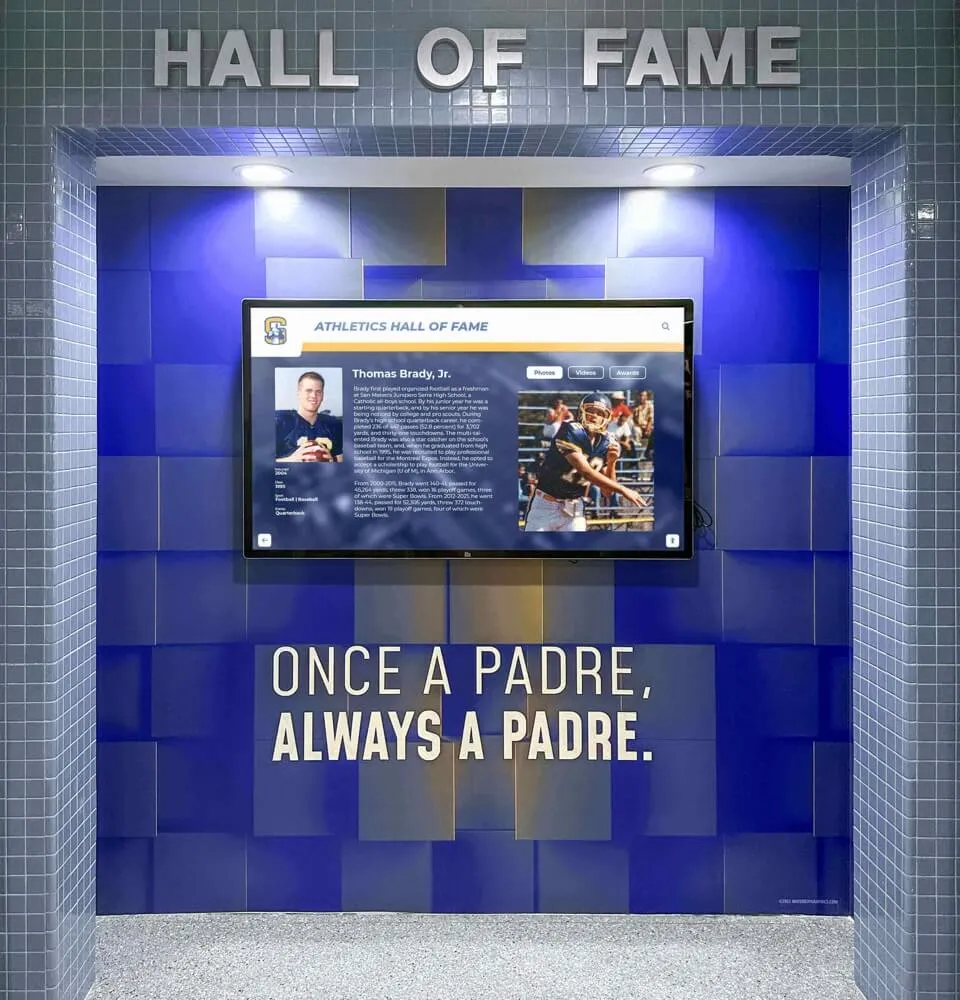
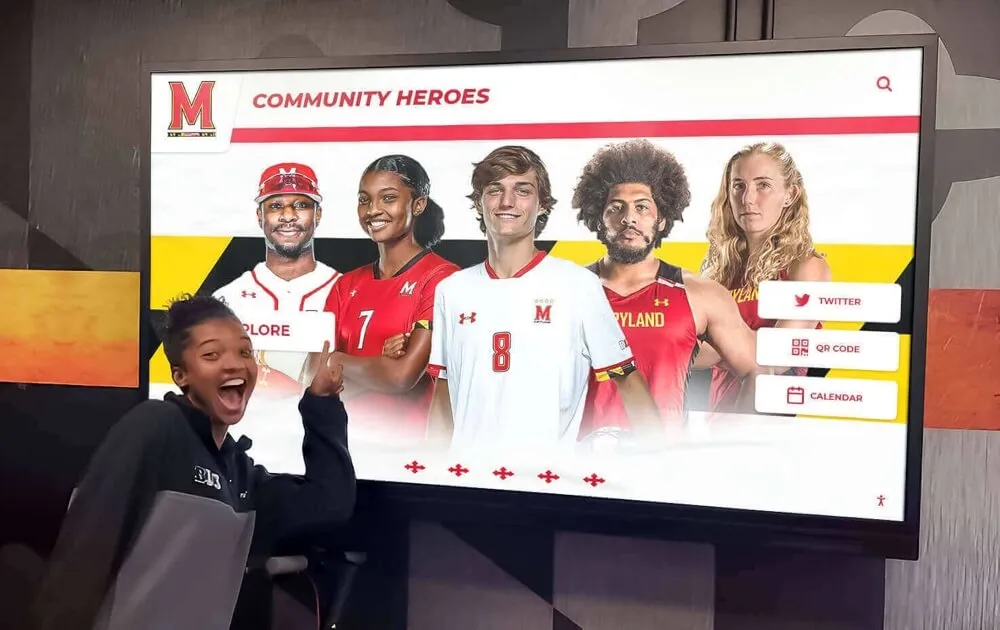
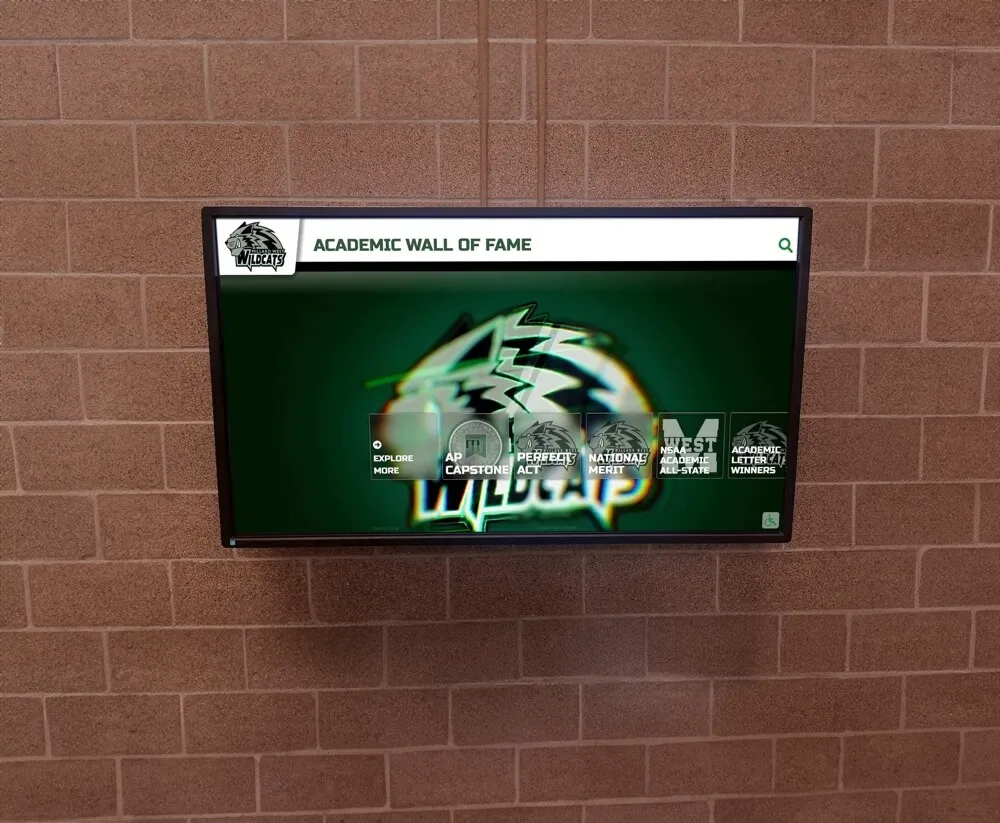
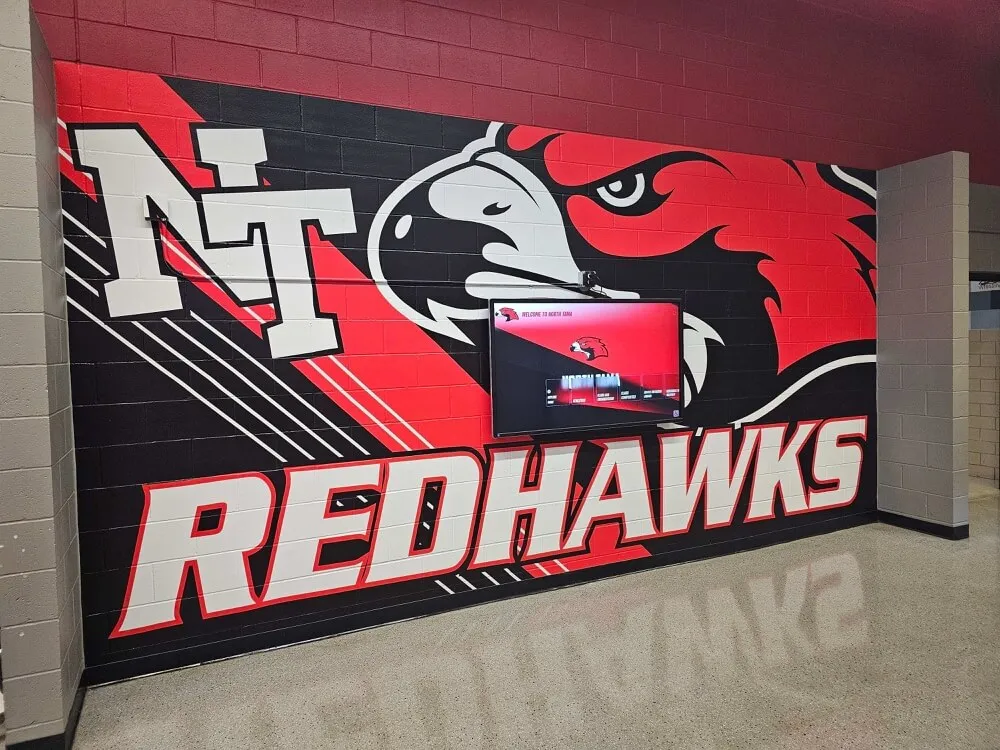
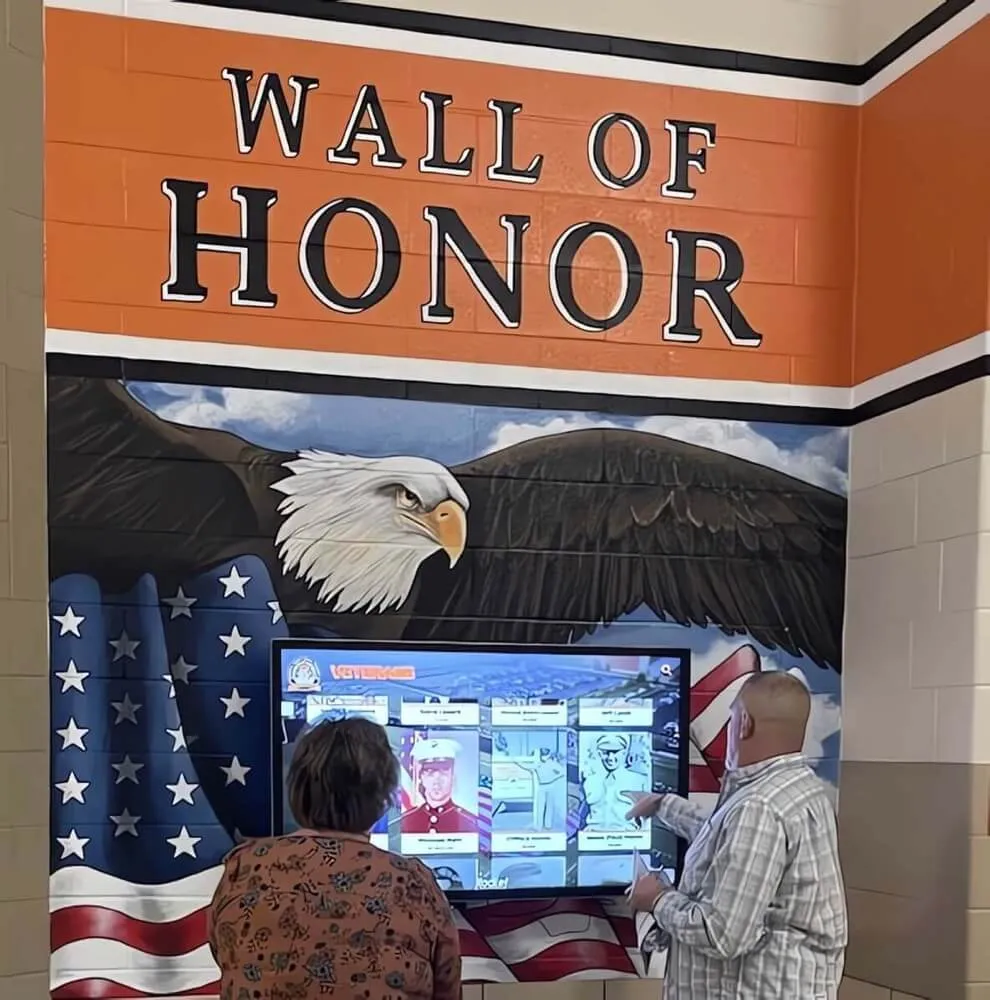
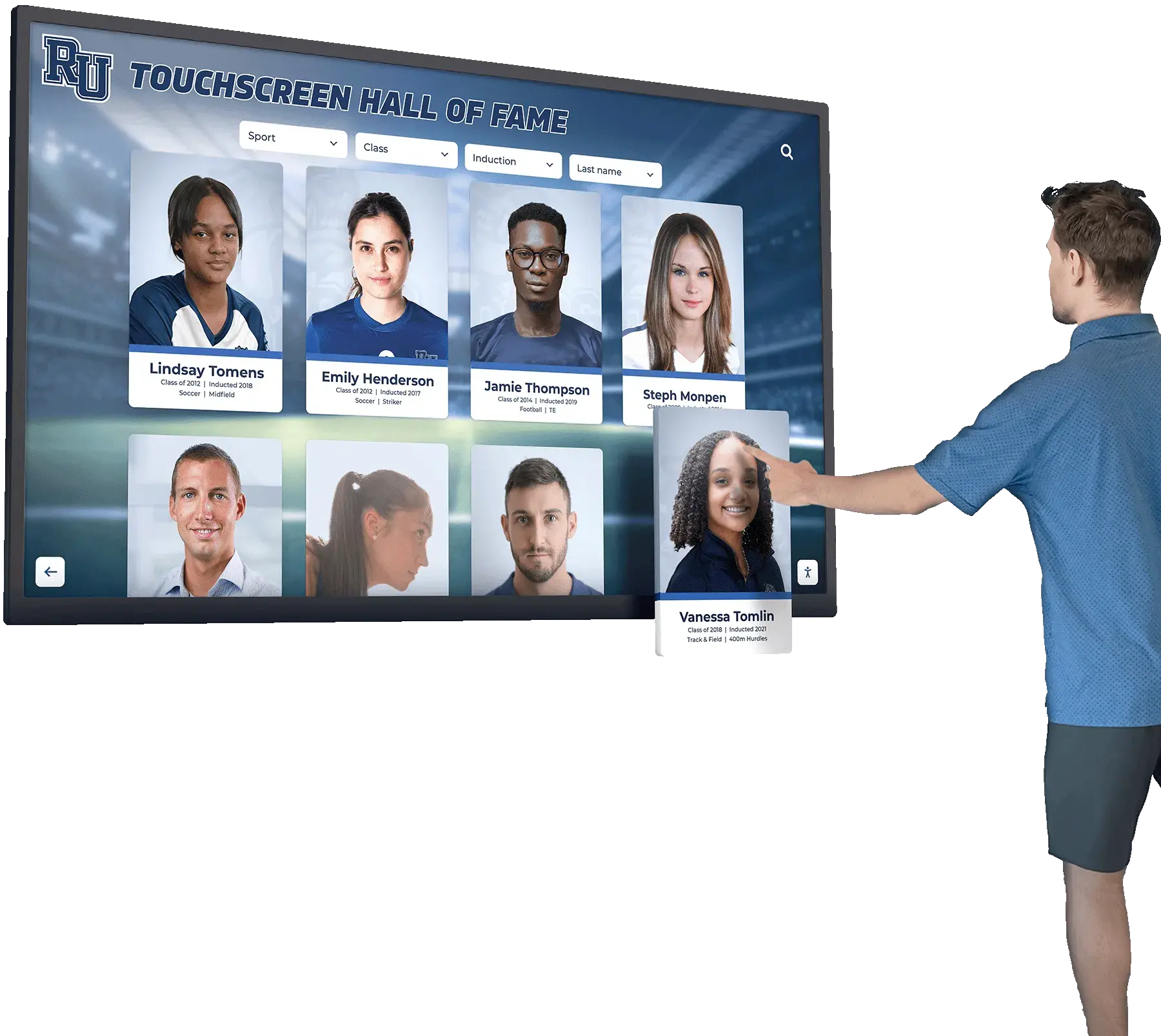
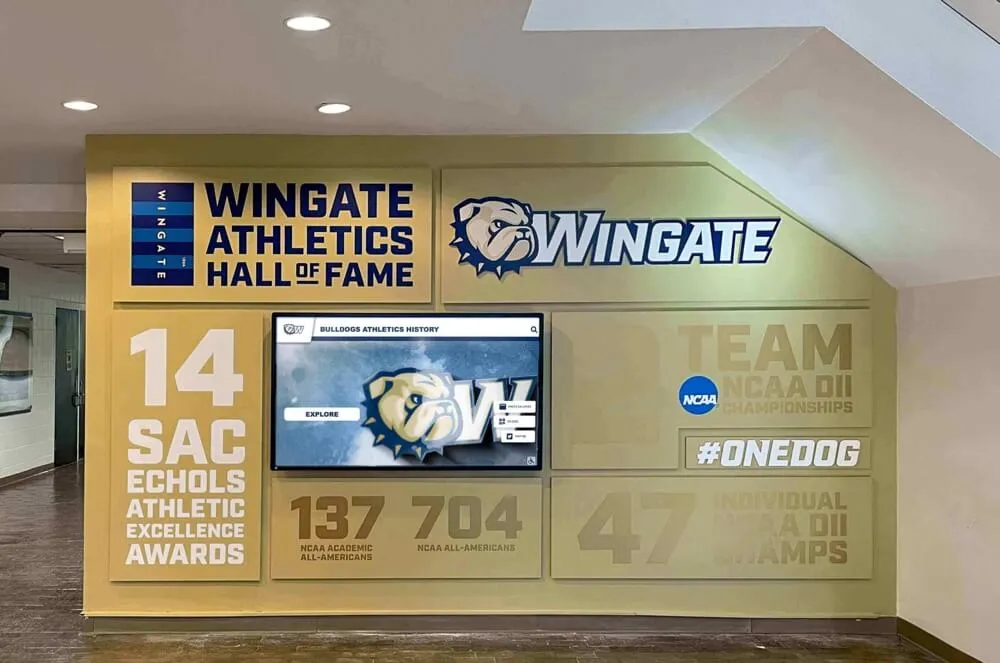
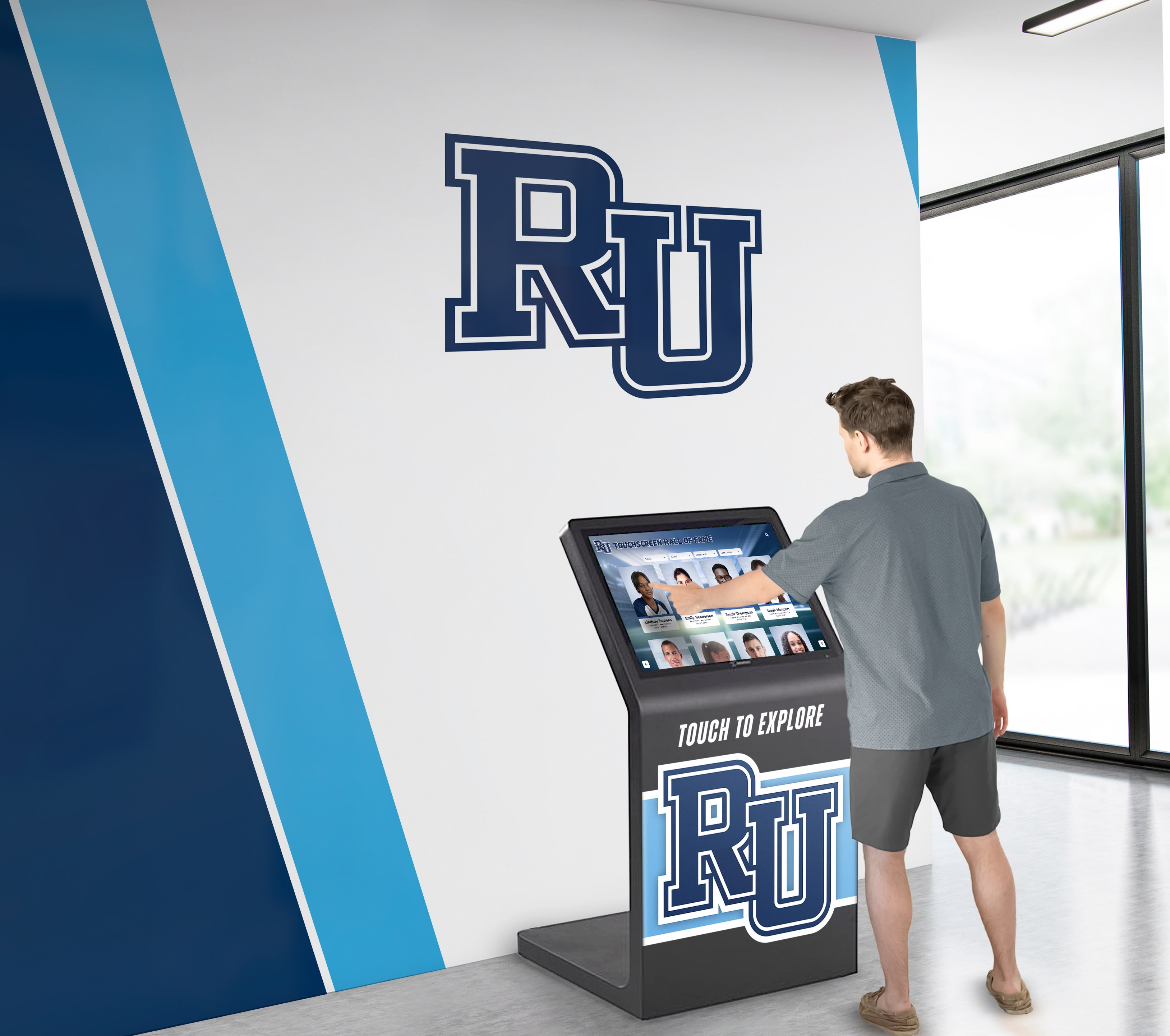
Effective alumni engagement software bridges digital communication with physical recognition experiences
Feature 1: Interactive Alumni Profiles & Digital Storytelling
The foundation of recognition-driven engagement is giving every alumnus a platform to share their ongoing story while celebrating achievements beyond graduation.
Comprehensive Profile Management
Alumni engagement software should enable rich, multimedia profiles that evolve throughout graduates’ lives:
Core Profile Elements
- Graduation year, program, and degree information
- Current career details and professional accomplishments
- Personal milestones and life achievements
- Photos spanning student years through present day
- Contact information with privacy controls
- Geographic location for regional connections
- Volunteer interests and mentorship availability
Dynamic Profile Updates
- Self-service profile editing empowering alumni ownership
- Periodic prompts encouraging profile updates during life transitions
- Social media integration pulling current professional information
- Achievement submission forms for promotion, award, and milestone recognition
- Photo galleries documenting alumni journeys over decades
- Video interview capabilities capturing alumni stories authentically
Research from alumni relations professionals shows that alumni who maintain active, current profiles demonstrate 3-4 times higher engagement rates across all activities compared to those with static or minimal profile information. The act of updating profiles itself drives engagement while providing institutions valuable data about their alumni communities.
Learn about recognition approaches that complement digital profiles through alumni recognition event strategies.
Alumni Achievement Recognition Systems
Beyond basic profiles, effective platforms systematically celebrate ongoing alumni accomplishments:
Achievement Categories
- Career promotions and professional milestones
- Academic achievements (advanced degrees, certifications, publications)
- Awards and honors received
- Community service and volunteer leadership
- Entrepreneurial ventures and business launches
- Media features and public recognition
- Alumni serving as mentors, speakers, or volunteers
Recognition Workflows
- Nomination processes allowing peer recognition of alumni achievements
- Administrative approval workflows for featured achievements
- Automated congratulations and acknowledgment when achievements are added
- Integration with digital displays showcasing recent alumni accomplishments
- Social sharing capabilities amplifying recognition across networks
- Anniversary recognition marking years since graduation or previous milestones
Schools implementing systematic alumni achievement recognition report 65% increases in alumni engagement within the first year, as graduates feel seen, valued, and connected to communities celebrating their ongoing success.
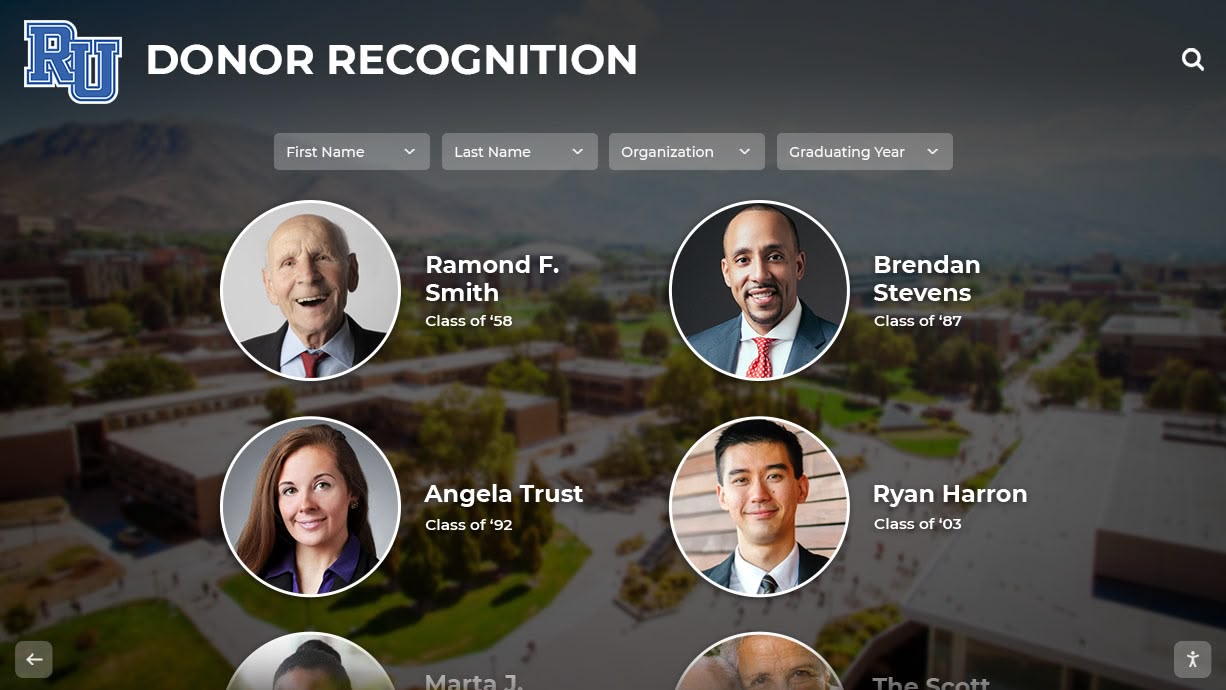
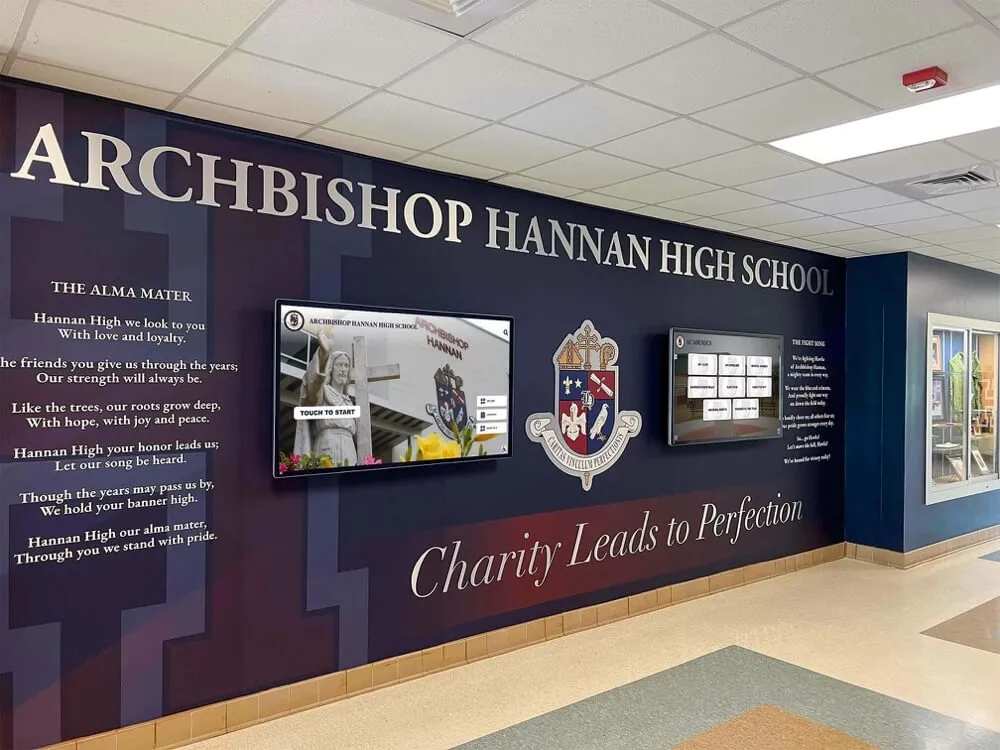
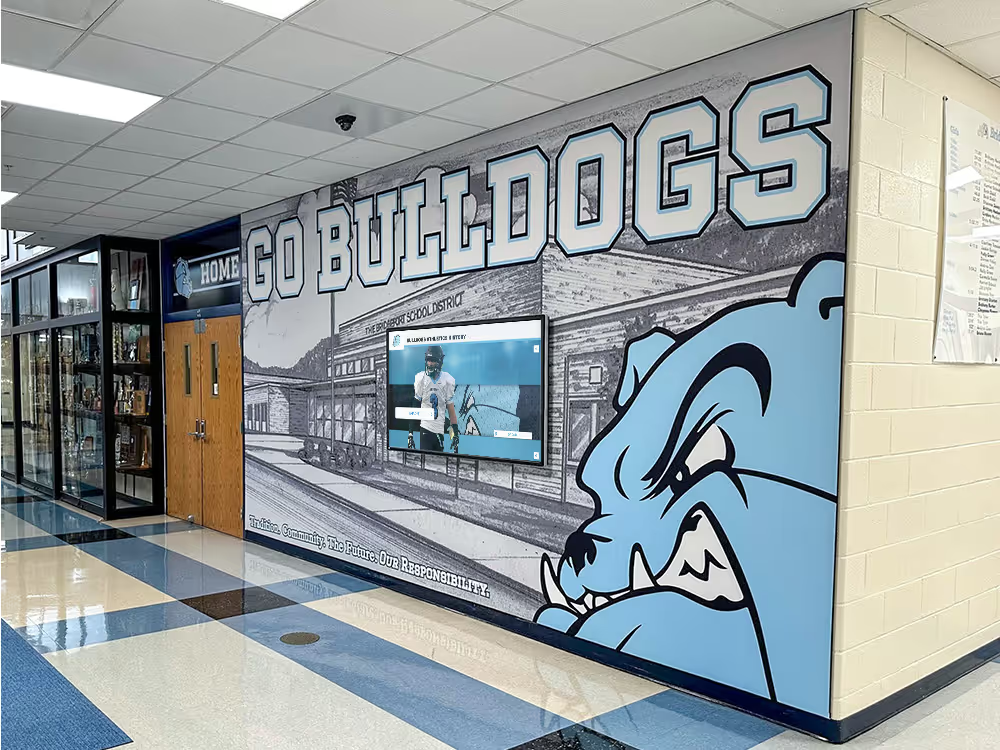
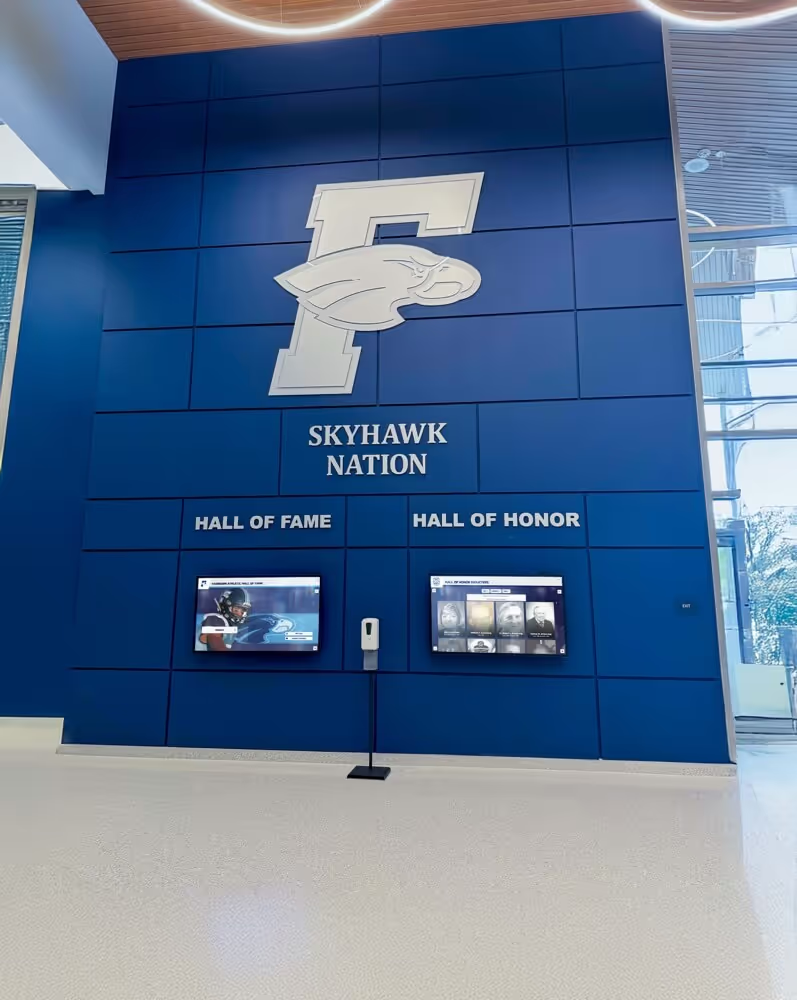
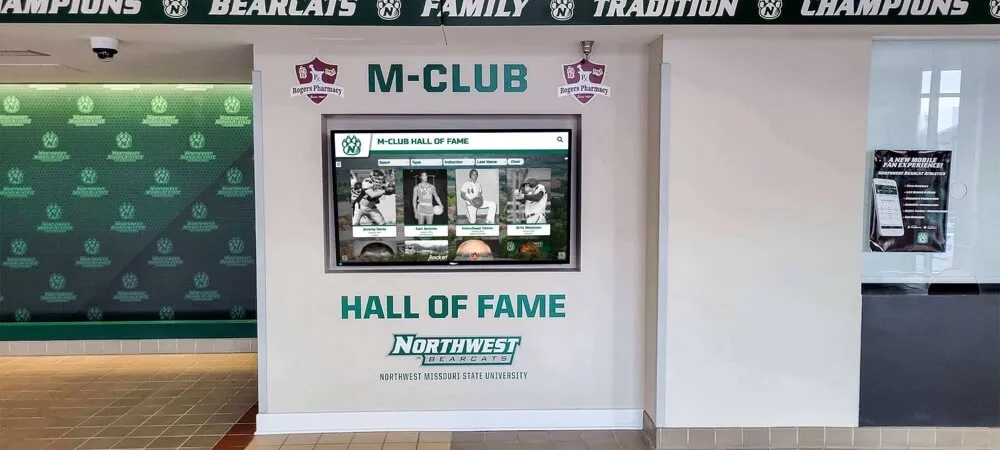
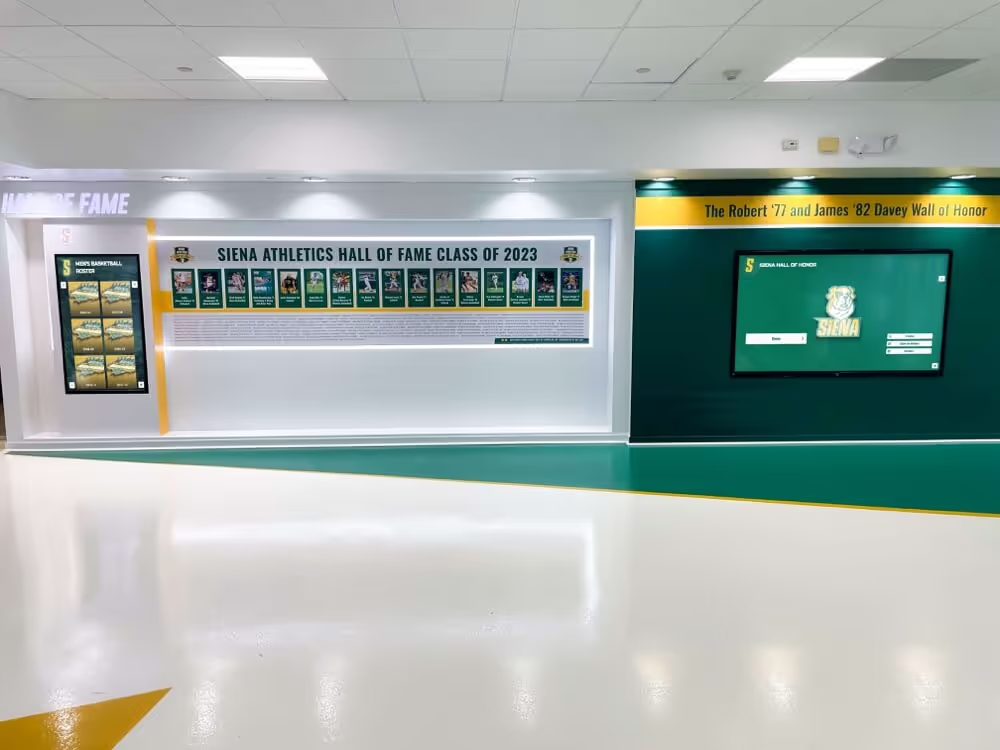
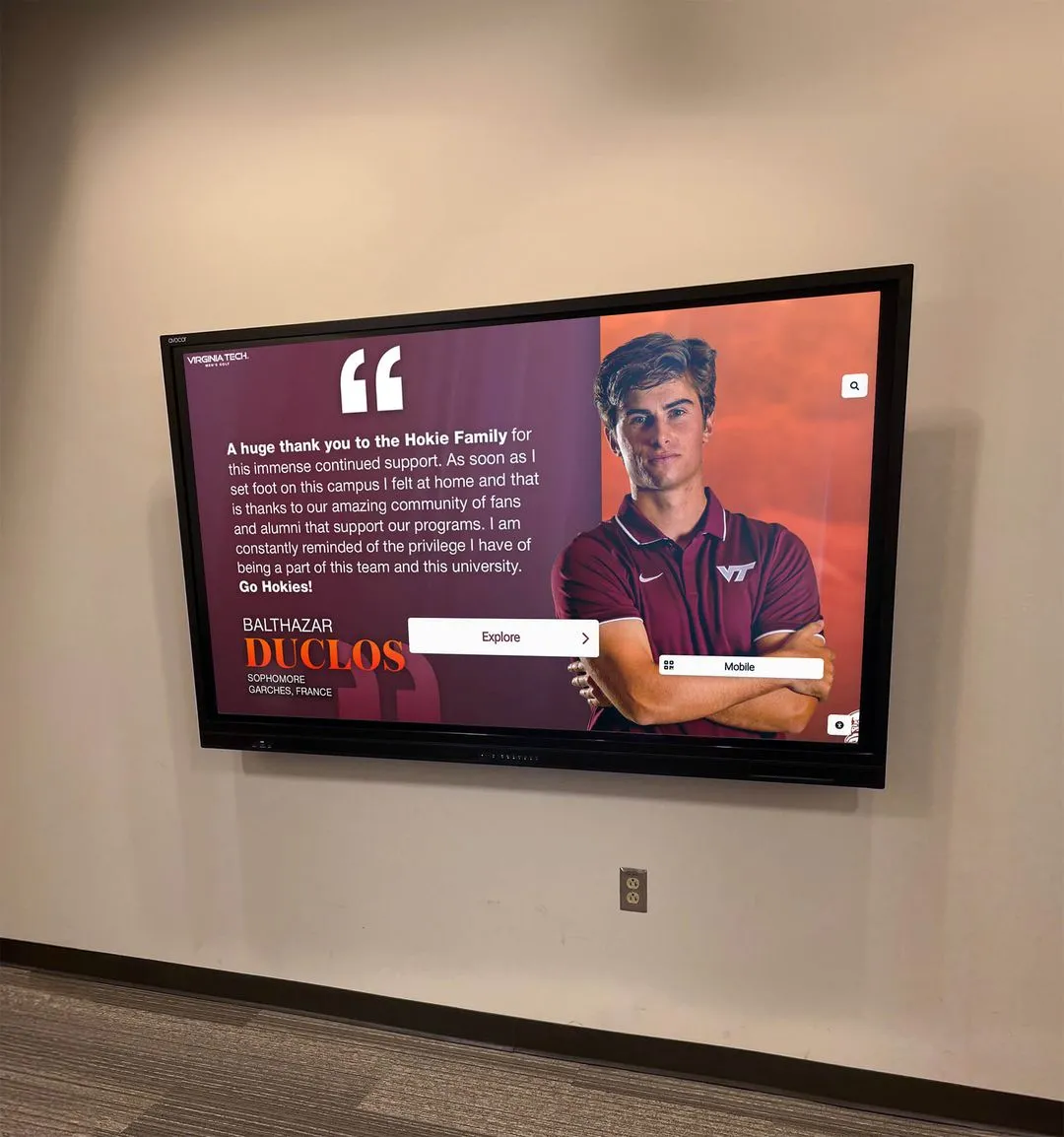
Digital alumni recognition creates visible celebration of graduate achievements
Feature 2: Recognition & Award Management Capabilities
Formal recognition programs create structured opportunities to celebrate exceptional alumni contributions while motivating continued engagement.
Digital Award Program Administration
Alumni engagement software should streamline the entire award lifecycle:
Award Program Management
- Multiple award category creation (Distinguished Alumni, Young Alumni Achievement, Service Awards, etc.)
- Nomination form creation and submission tracking
- Selection committee collaboration tools
- Voting mechanisms for awards with community input
- Winner notification and communication workflows
- Award recipient profile enhancement and badging
Nomination and Selection Processes
- Online nomination forms with structured criteria
- Supporting documentation upload capabilities
- Blind review options ensuring fair evaluation
- Scoring rubrics and evaluation frameworks
- Committee discussion and deliberation tools
- Historical tracking of nominees and recipients
Recognition Event Integration
- Award ceremony registration and attendance tracking
- Digital program creation featuring recipient profiles
- Live recognition during virtual or hybrid events
- Post-event photo galleries and video archives
- Social media amplification of award announcements
- Press release generation and media outreach
Universities with formal alumni award programs integrated into their engagement platforms see 40% higher alumni event attendance and 50% more mentorship volunteer sign-ups compared to institutions without systematic recognition programs.
Milestone and Anniversary Recognition
Automated celebration of graduation anniversaries and life milestones maintains continuous connection:
Automated Milestone Tracking
- Graduation anniversary recognition (5, 10, 25, 50+ year reunions)
- Birthday and personal milestone acknowledgment
- Consecutive years of giving recognition
- Volunteer hour milestone celebration
- Career anniversary recognition (promotions, retirements, etc.)
- Geographic relocation welcome messages for alumni moving to new regions
Personalized Recognition Campaigns
- Customized messaging based on graduation cohort
- Reunion class year communication series
- Milestone-specific event invitations
- Recognition gift offerings for significant anniversaries
- Peer connection facilitation among milestone cohorts
- Legacy recognition connecting multi-generational alumni families
Discover comprehensive milestone recognition through digital hall of fame displays celebrating alumni achievements.
Feature 3: Event Management & Engagement Tools
While recognition drives connection, events provide opportunities for alumni to experience community in person and virtually.
Comprehensive Event Planning Capabilities
Robust event management transforms alumni gatherings from logistical challenges to engagement opportunities:
Event Creation and Management
- Unlimited event types (reunions, networking, professional development, social)
- Virtual, in-person, and hybrid event support
- Event website creation with custom branding
- Registration forms with custom questions and attendee data collection
- Payment processing for ticketed events
- Capacity management and waitlist functionality
- Guest registration allowing alumni to bring companions
Communication and Promotion
- Targeted invitation campaigns based on graduation year, location, or interests
- Multi-channel promotion (email, social, mobile app notifications)
- RSVP tracking and automated confirmation messages
- Reminder sequences preventing no-shows
- Last-minute attendance drives for undersold events
- Post-event follow-up and feedback collection
Attendee Experience Enhancement
- Event apps with schedules, speaker information, and networking features
- Name badge generation with QR codes for check-in
- Photo sharing capabilities creating event memory galleries
- Live polling and Q&A during sessions
- Networking matchmaking connecting alumni with shared interests
- Post-event content delivery (recordings, presentations, photos)
Alumni relations professionals report that institutions using integrated event management within their engagement platforms reduce administrative time by 60-70% while seeing 25% higher event attendance through targeted, timely communications.
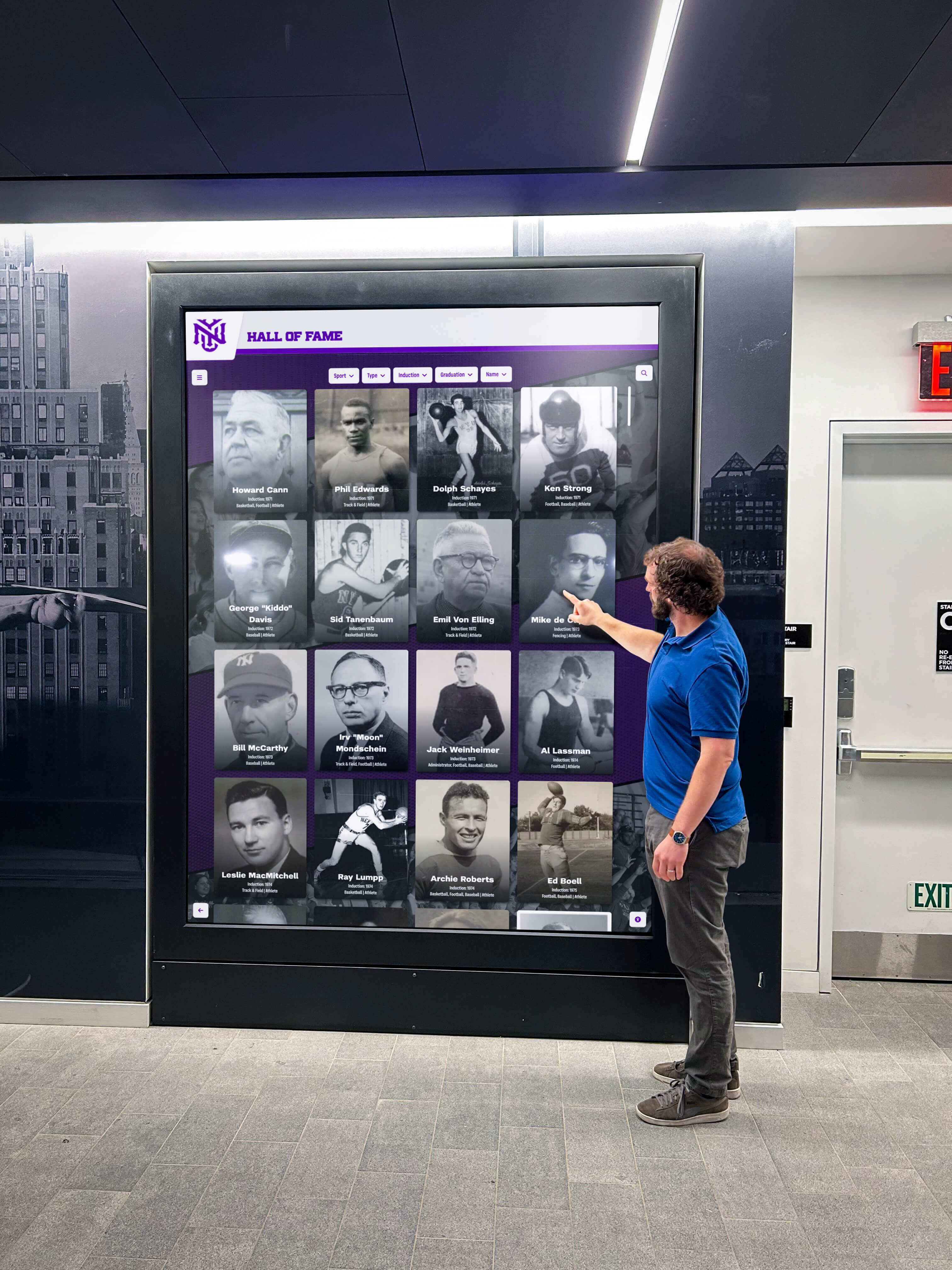
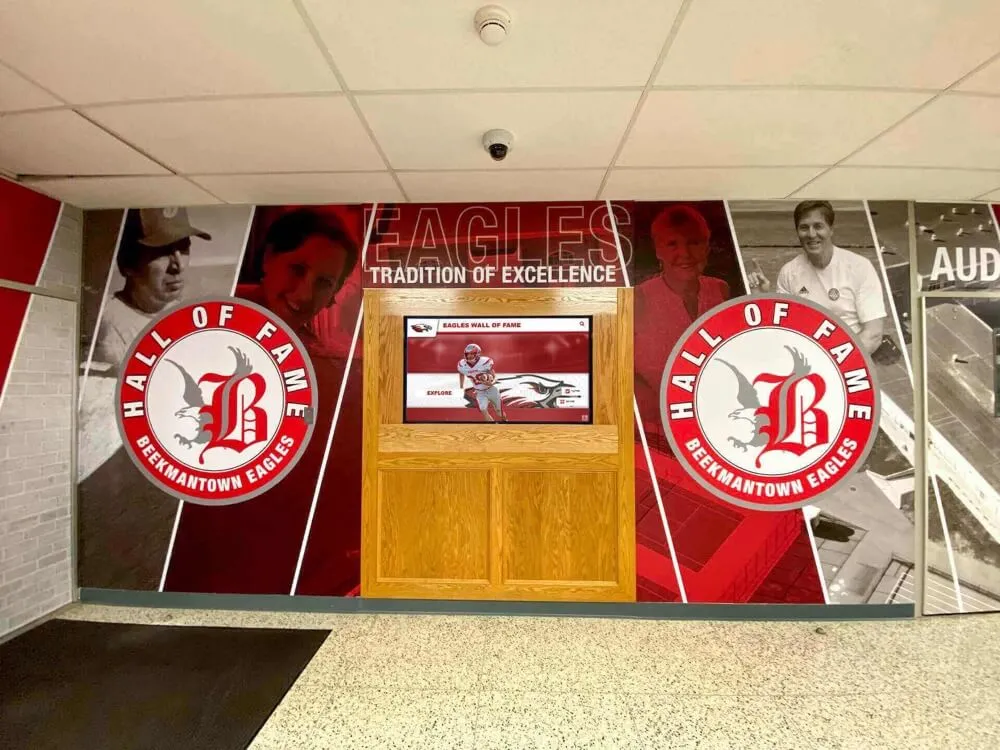
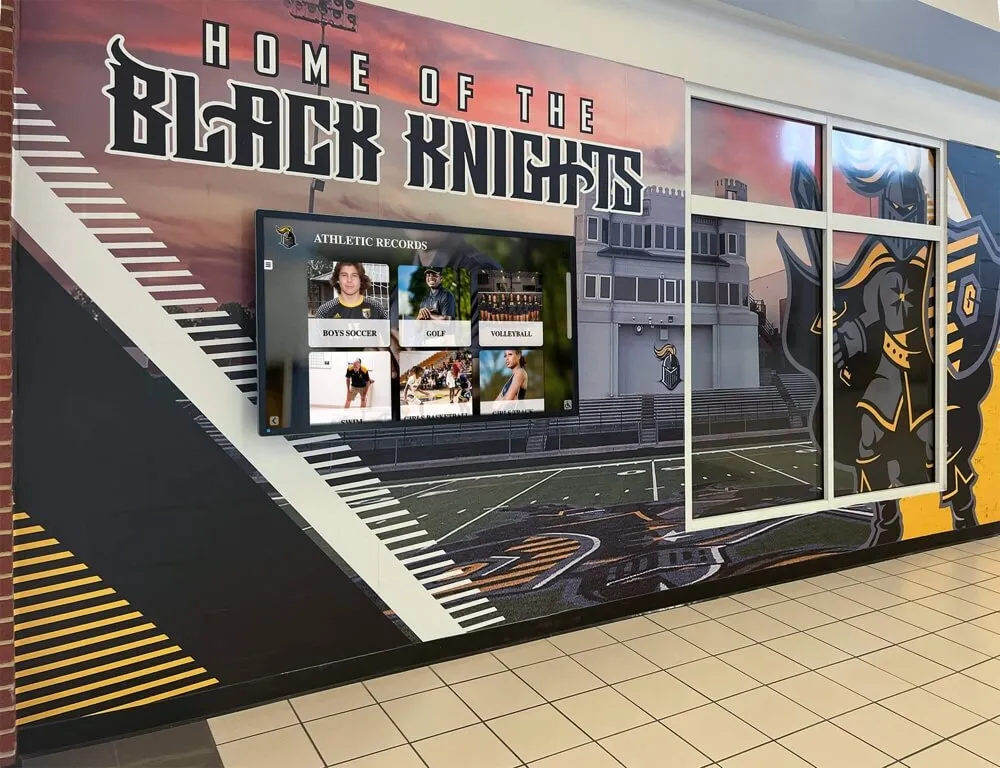
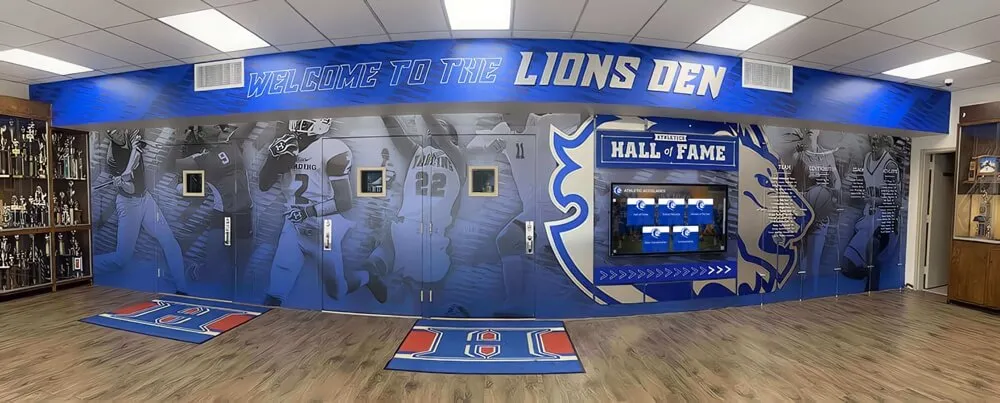
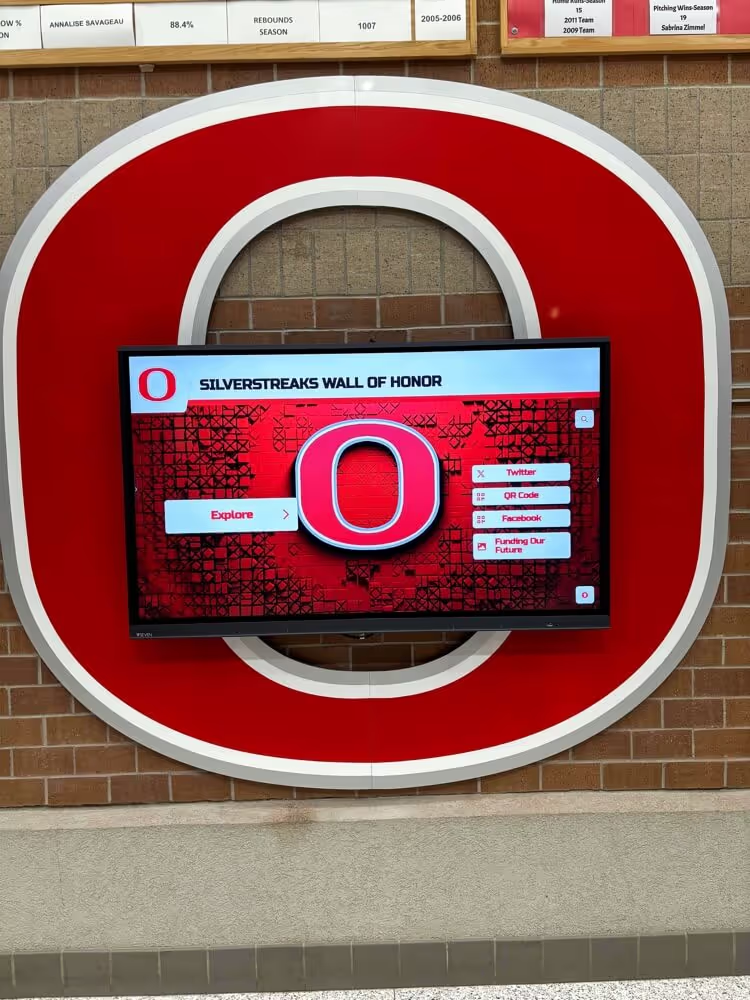
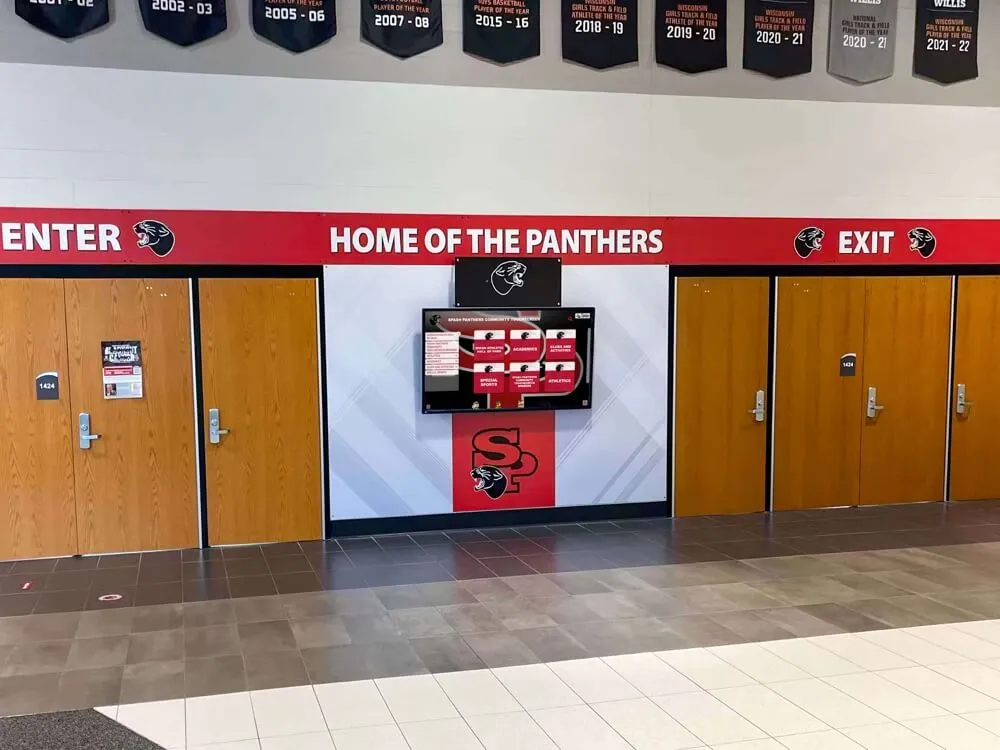
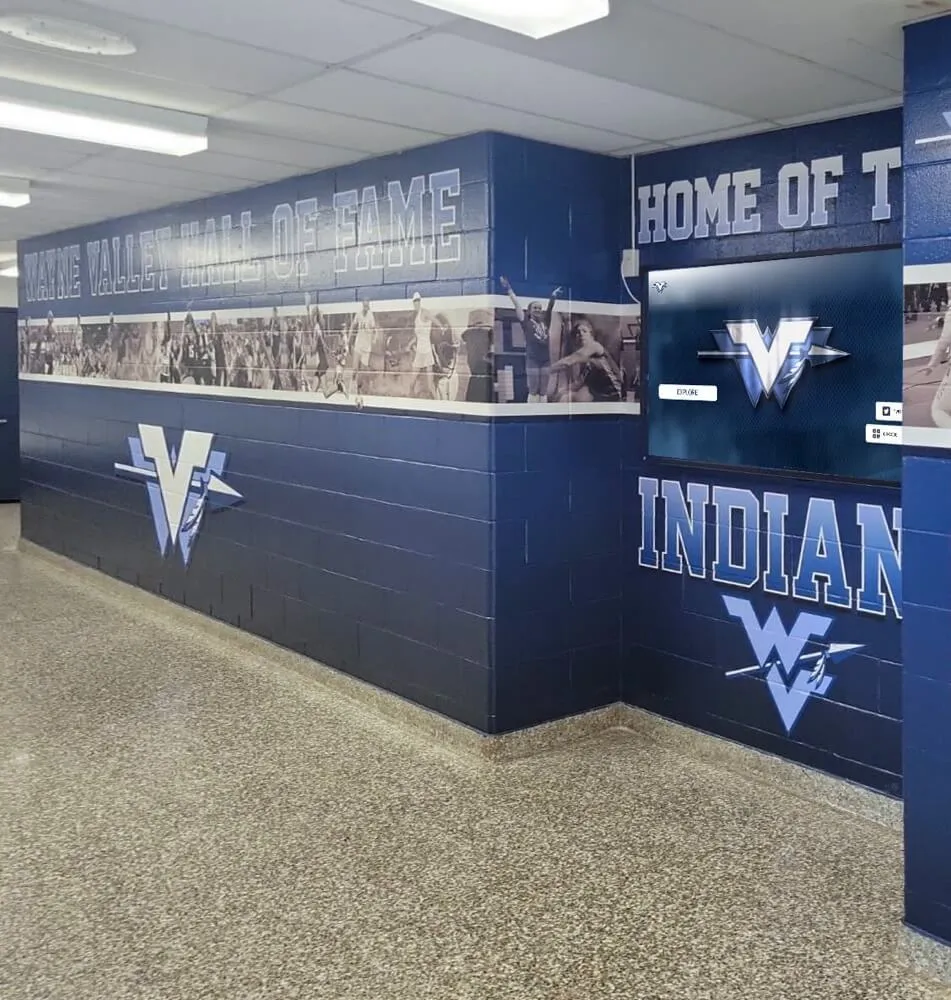
Event experiences extend through permanent recognition displays alumni encounter on campus
Virtual and Hybrid Engagement Features
Post-pandemic alumni engagement requires flexible participation options:
Virtual Event Capabilities
- Video conferencing integration (Zoom, Microsoft Teams, etc.)
- Webinar hosting with registration management
- Breakout room coordination for networking
- Chat and interaction features during virtual sessions
- Recording and on-demand content libraries
- Global time zone accommodation
Hybrid Event Management
- Simultaneous in-person and virtual attendance tracking
- Equitable participation for remote attendees
- Virtual networking rooms during in-person events
- Content delivery across both formats
- Unified attendee experience regardless of participation method
- Analytics tracking engagement across formats
Schools embracing hybrid alumni events report 300-400% increases in participation compared to in-person-only events, as geographic barriers disappear while preserving valuable in-person connection options for local alumni.
Feature 4: Communication & Outreach Capabilities
Systematic communication maintains ongoing connection between formal events and recognition moments.
Segmented Communication Tools
Effective alumni engagement software enables precise targeting based on alumni characteristics and interests:
Segmentation Capabilities
- Graduation year and cohort filtering
- Geographic location targeting for regional events
- Academic program and major segmentation
- Career industry and professional interest grouping
- Engagement level segmentation (active vs. dormant alumni)
- Giving history and donor status filtering
- Activity participation history
Multi-Channel Communication
- Email campaign creation and automation
- SMS text messaging for time-sensitive communications
- Mobile app push notifications
- Social media integration and cross-posting
- Direct mail integration for major campaigns
- Personalized communication based on alumni data
Content Management and Distribution
- Newsletter creation with drag-and-drop builders
- Content libraries organizing stories, photos, and videos
- Automated content delivery based on alumni interests
- RSS feed integration sharing institutional news
- Blog platforms for alumni storytelling
- Video content hosting and distribution
Learn about communication integration through digital donor recognition displays that complement outreach.
Personalization and Engagement Analytics
Moving beyond mass communications requires understanding individual alumni interests and behaviors:
Behavioral Tracking
- Email open and click-through rate monitoring
- Website and platform engagement tracking
- Event attendance history analysis
- Content consumption patterns
- Donation and giving behavior tracking
- Volunteer participation monitoring
Personalization Engines
- Automated content recommendations based on interests
- Dynamic email content adapting to recipient profiles
- Triggered communications based on behaviors or milestones
- AI-powered subject line and send-time optimization
- Predictive analytics identifying engagement opportunities
- Lapsed donor and dormant alumni re-engagement workflows
Institutions implementing personalized communication strategies report 45% higher email open rates and 80% improvements in event registrations compared to generic mass communications.
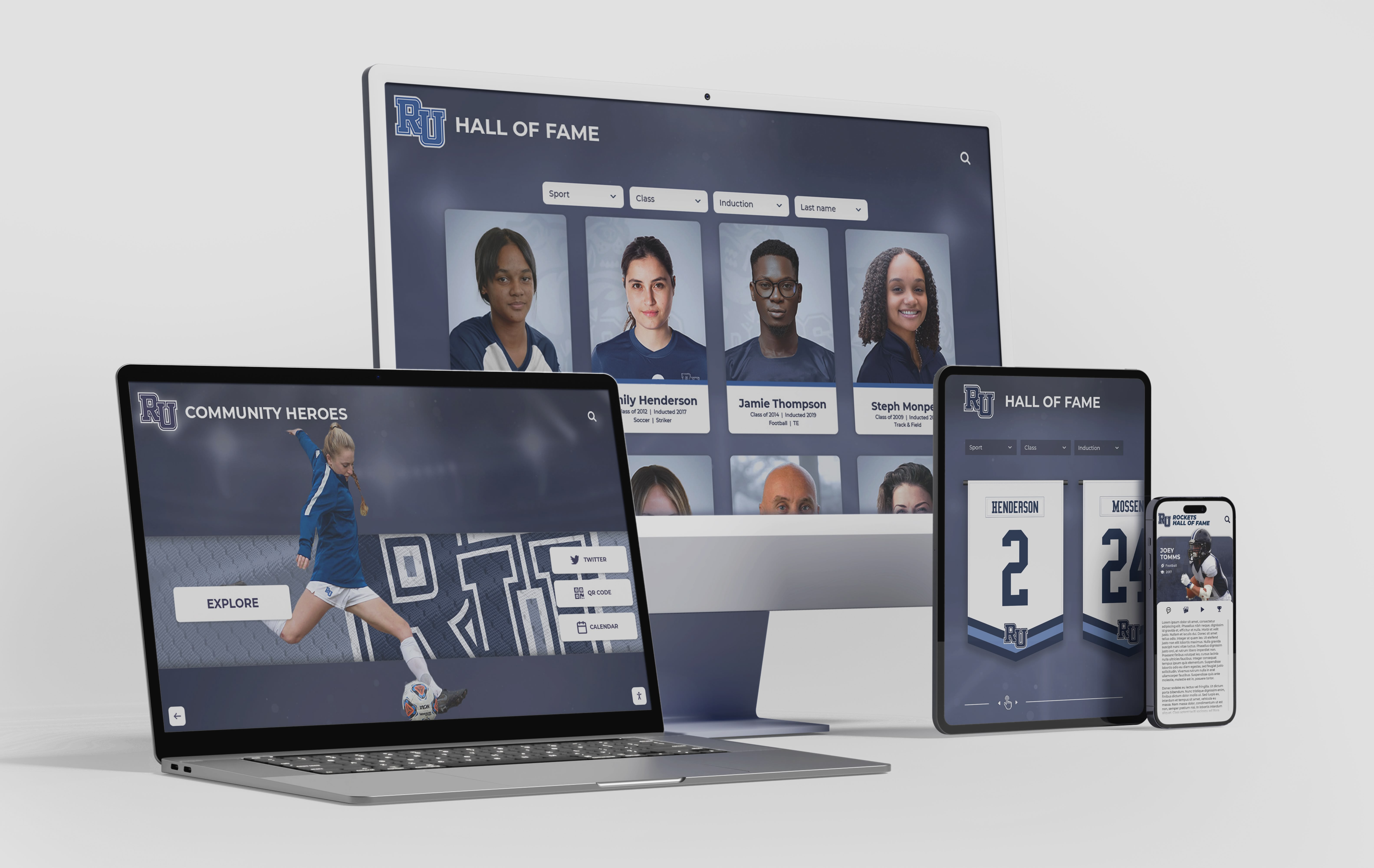
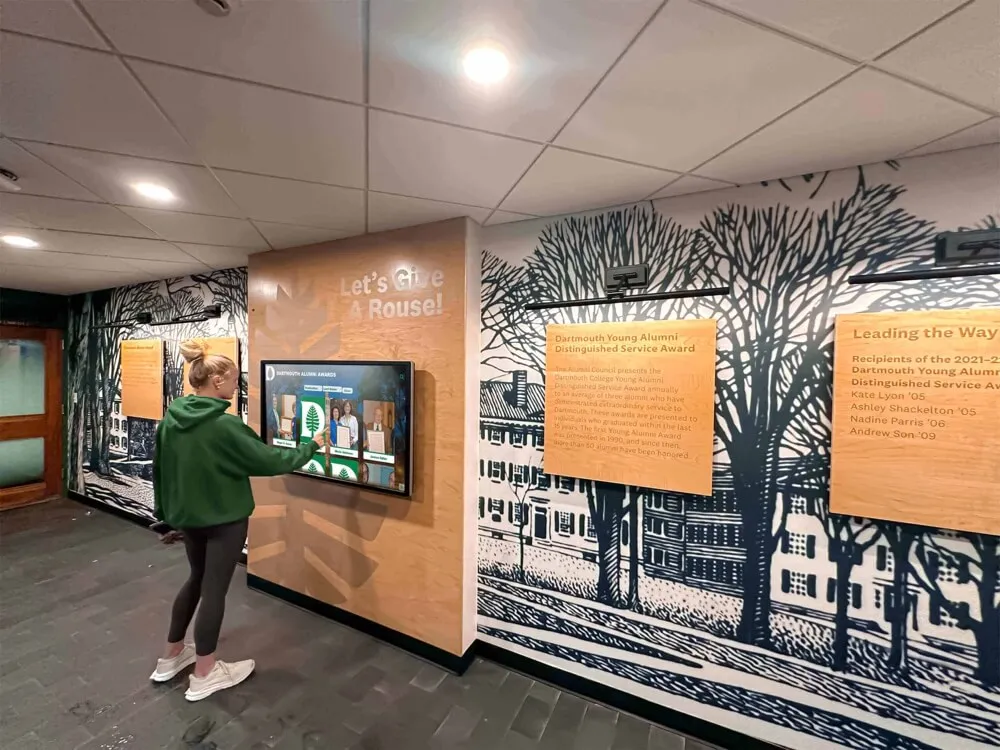
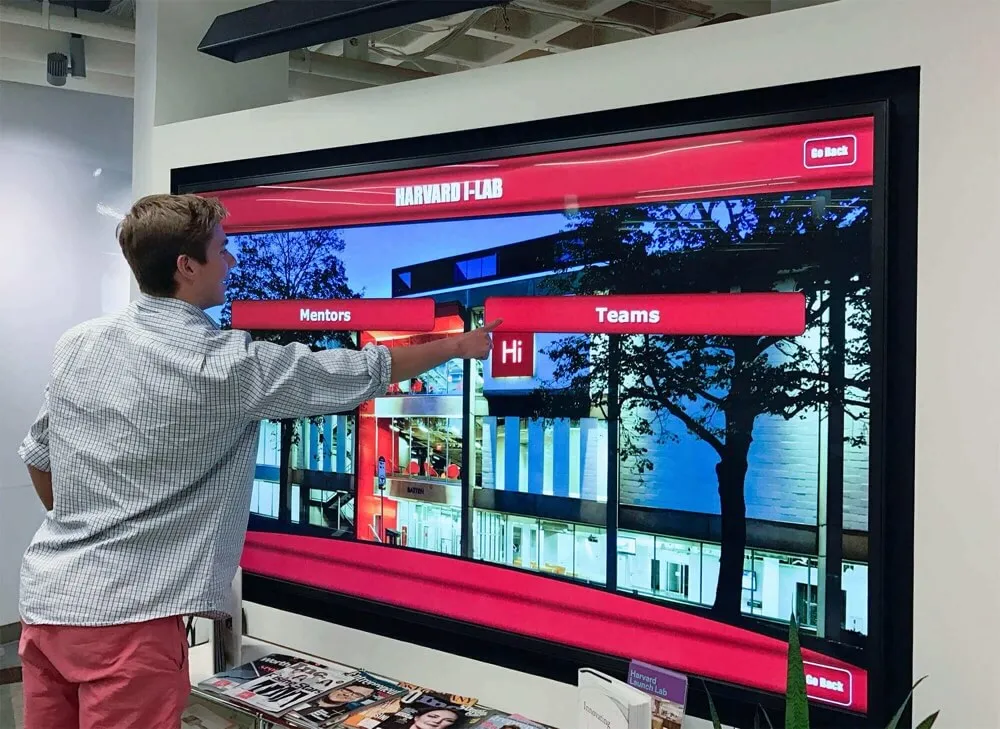
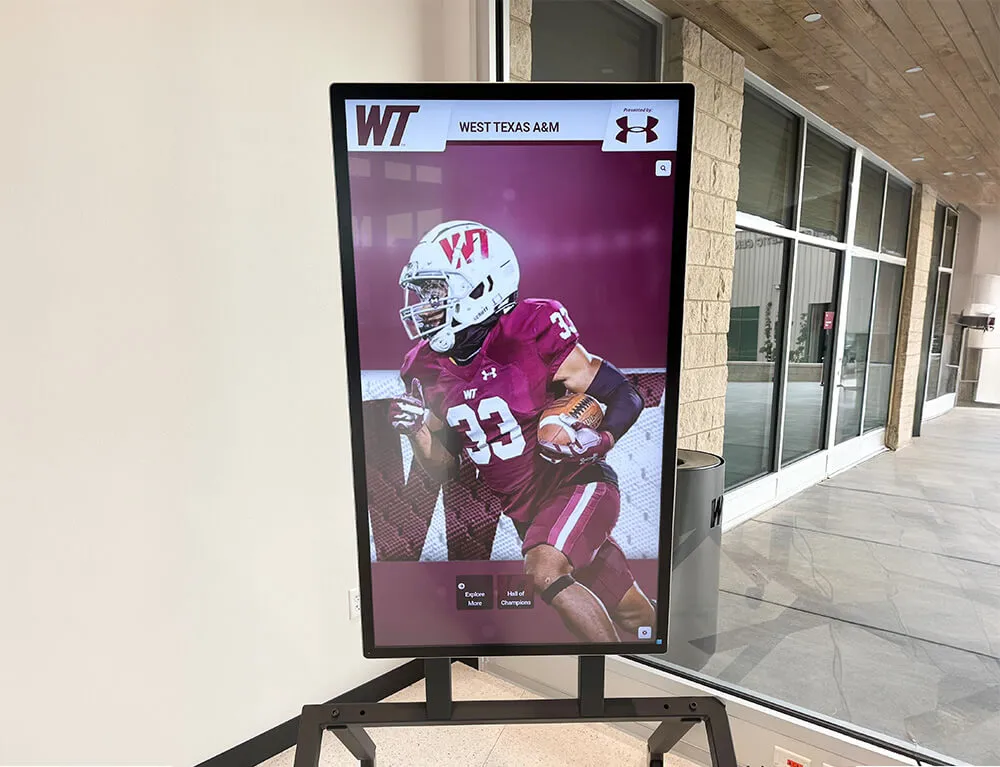
Modern engagement platforms deliver personalized experiences across all devices
Feature 5: Fundraising & Donation Integration
While recognition drives engagement, integrated fundraising capabilities convert gratitude into philanthropic support.
Comprehensive Donation Management
Alumni engagement software should seamlessly integrate giving with the broader relationship:
Online Giving Capabilities
- Secure donation processing with PCI compliance
- Recurring gift setup and management
- Designation options allowing donors to specify fund allocation
- Memorial and tribute gift capabilities
- Employer matching gift integration
- Cryptocurrency and stock donation acceptance
- Mobile-optimized giving forms
Peer-to-Peer Fundraising
- Alumni fundraising campaign creation
- Personal fundraising page generation
- Social sharing and network solicitation tools
- Team fundraising competitions
- Progress tracking and leaderboards
- Automated thank-you and milestone communications
- Fundraiser support resources and best practices
Campaign Management
- Multi-fund campaign coordination
- Matching gift challenges and promotions
- Giving day event management
- Class reunion fundraising integration
- Anniversary campaign administration
- Capital campaign progress tracking
- Impact reporting connecting donations to outcomes
Research shows that alumni who receive meaningful recognition before being asked for donations give at rates 3-4 times higher than those who only receive solicitation communications, validating the recognition-first engagement model.
Donor Recognition and Stewardship
Integrated platforms connect gifts to ongoing recognition strengthening donor relationships:
Donor Recognition Features
- Cumulative giving tracking across lifetime
- Giving level badging and society membership
- Donor wall digital display integration
- Recognition name listing with visibility controls
- Impact reports showing donation outcomes
- Personalized thank-you workflows
- Anniversary recognition of first gift dates
Stewardship Communication
- Automated acknowledgment upon donation
- Impact storytelling sharing how gifts create change
- Scholarship recipient connection to donors
- Progress updates on funded initiatives
- Exclusive donor content and behind-the-scenes access
- Invitation to donor-exclusive events
- Multi-year engagement planning beyond the transaction
Explore donor recognition integration through digital donor wall solutions connecting giving to visibility.
Feature 6: Mentorship & Career Services Integration
Alumni-to-student and peer-to-peer mentorship creates tangible value driving sustained engagement.
Alumni Mentorship Program Management
Structured mentorship programs give alumni meaningful ways to contribute beyond financial donations:
Mentorship Matching Systems
- Mentor profile creation with expertise and availability
- Mentee needs assessment and goal documentation
- Algorithmic or manual matching based on compatible criteria
- Program guidelines and expectation setting
- Communication facilitation between mentors and mentees
- Meeting tracking and relationship progress monitoring
- Feedback collection and program improvement
Career Services Integration
- Job posting boards exclusively for alumni networks
- Resume review and career coaching volunteer opportunities
- Informational interview facilitation
- Industry-specific networking groups
- Career transition support programs
- Alumni employer hiring preferences and recruitment
- Student-alumni shadowing and internship coordination
Professional Development Programming
- Alumni speaker series and career panels
- Industry expert webinars hosted by alumni
- Professional skill workshops taught by alumni volunteers
- Certification and continuing education offerings
- Leadership development programs
- Entrepreneurship support and startup advising
- Cross-industry networking opportunities
Universities with active alumni mentorship programs integrated into engagement platforms see 90% higher volunteer participation rates and dramatically improved student satisfaction with career preparation.
Integrated platforms connect current students with alumni mentors and career resources
Alumni Directory and Networking Tools
Facilitating peer connections creates value independent of institutional programming:
Searchable Alumni Directories
- Advanced search by location, industry, employer, or interests
- Privacy controls allowing alumni to manage visibility
- Connection request and messaging capabilities
- LinkedIn profile integration
- Professional expertise and consultation offering listings
- Affinity group formation around shared interests
- Regional chapter and geographic network coordination
Community Building Features
- Discussion forums organized by topics or affinity groups
- Alumni social media groups integrated with platform
- Business and professional networking events
- Alumni-to-alumni referral and recommendation systems
- Collaborative projects and volunteer initiatives
- Knowledge sharing and advice forums
- Alumni-only content and exclusive resources
Feature 7: Digital Display & Physical Recognition Integration
While digital platforms enable communication, physical recognition displays create tangible campus presence connecting alumni to institutional legacy.
Touchscreen Display Content Management
Leading alumni engagement software integrates with digital recognition displays creating seamless experiences:
Display Content Synchronization
- Automatic profile updates syncing to campus displays
- Achievement publication to digital donor walls and halls of fame
- Event promotion on lobby and common area screens
- Photo galleries from alumni events displayed on campus
- Honor roll and giving society recognition
- Historical archives showcasing decades of alumni achievements
- Searchable interfaces allowing campus visitors to explore alumni stories
Interactive Recognition Experiences
- Touchscreen kiosks enabling profile browsing
- Search functionality finding specific alumni or graduation years
- Filter options exploring alumni by achievement, location, or career
- Photo galleries documenting institutional history
- Video content featuring alumni testimonials and stories
- QR code generation linking physical displays to online profiles
- Analytics tracking which alumni profiles receive most interest
Schools implementing integrated digital recognition displays report that alumni visiting campus spend an average of 8-12 minutes exploring alumni content, creating emotional reconnection that drives subsequent engagement and philanthropy.
Discover physical recognition integration through interactive kiosk solutions connecting digital platforms to campus displays.
Multi-Location Display Management
Comprehensive platforms manage recognition across multiple campus locations and remote alumni centers:
Centralized Display Administration
- Content management across unlimited display locations
- Location-specific content customization
- Scheduled content rotation and updates
- Real-time content publishing for timely recognition
- Display health monitoring and uptime tracking
- User role permissions for distributed content management
- Template-based design ensuring brand consistency
Recognition Display Types
- Main lobby touchscreen kiosks for comprehensive exploration
- Hallway displays showcasing rotating alumni achievements
- Donor wall integrations recognizing philanthropic support
- Athletic facility displays honoring alumni athletes
- Academic building displays celebrating department-specific alumni
- Event space displays contextual to programming
- Alumni center displays focusing on regional or chapter communities
Learn more about display implementation through digital recognition display buyer’s guides.
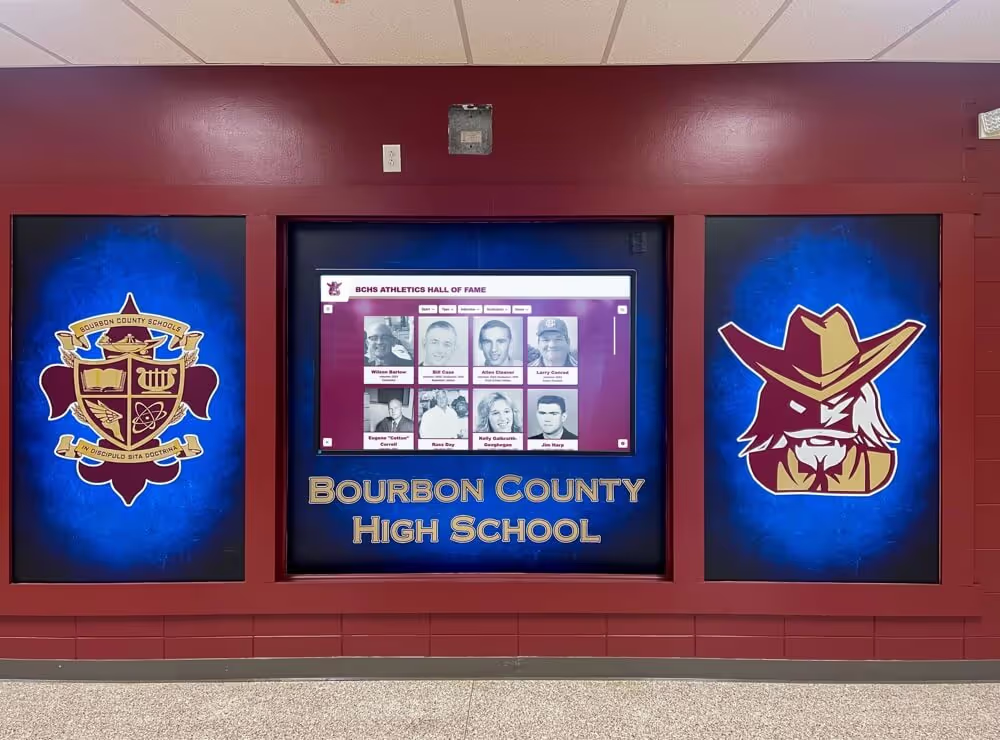
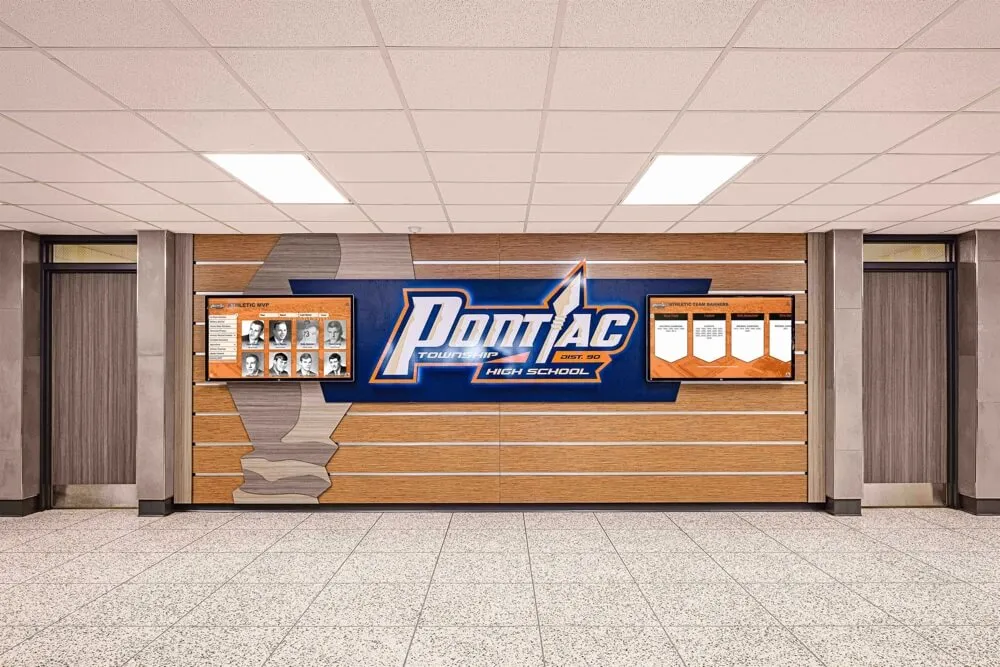
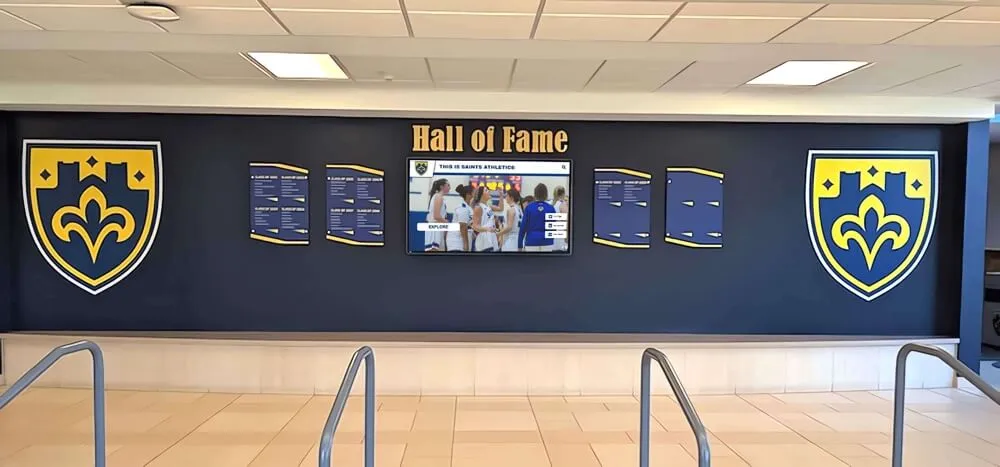
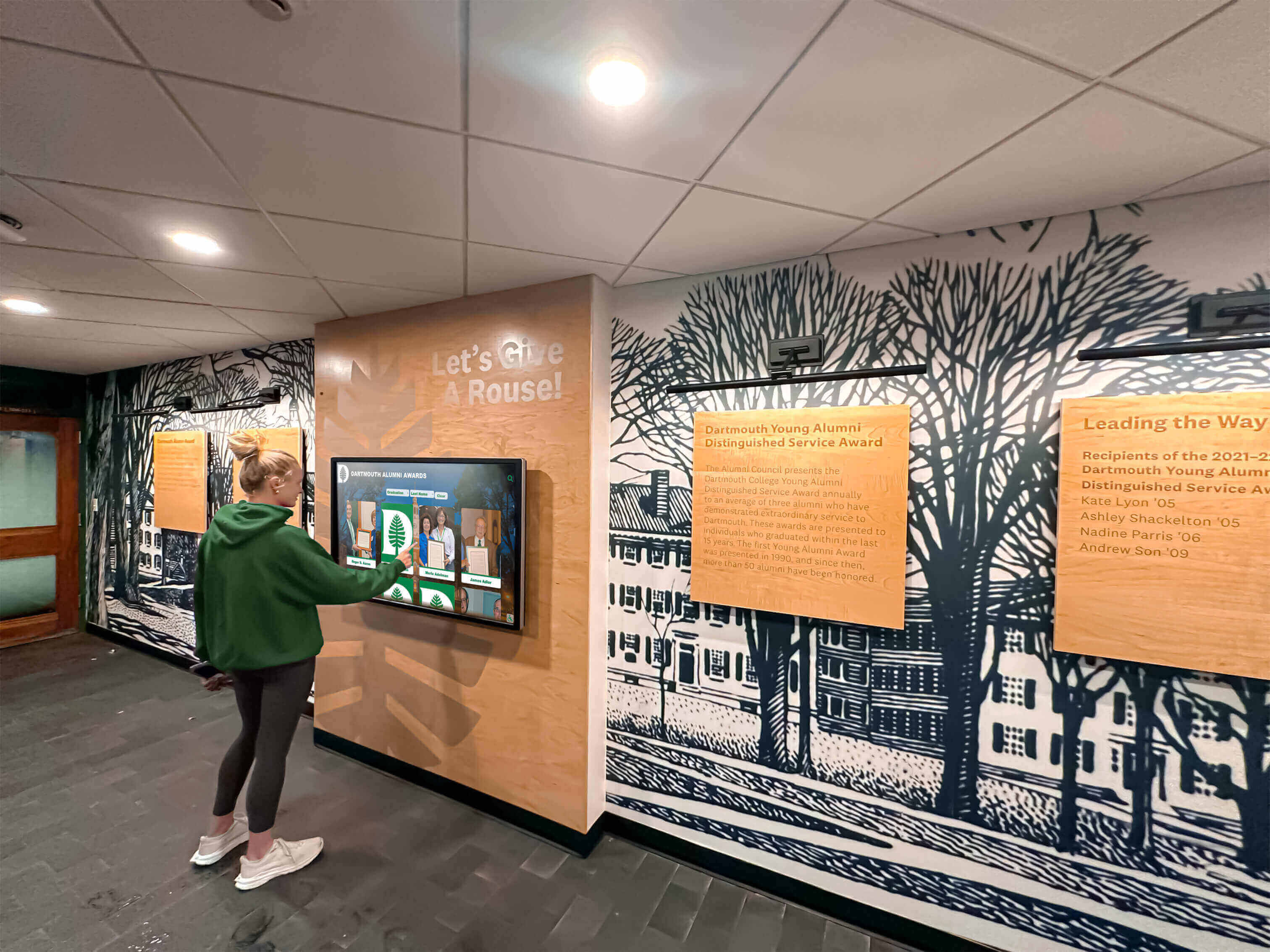
Physical recognition displays extend digital engagement platforms into campus environments
Feature 8: Analytics & Engagement Measurement
Data-driven insights enable continuous improvement and demonstrate alumni relations program value to institutional leadership.
Comprehensive Engagement Analytics
Effective platforms measure both activity and relationship depth:
Individual Engagement Scoring
- Multi-dimensional scoring combining communications, events, giving, and volunteering
- Engagement trend analysis showing increasing or declining connection
- Segmentation by engagement level (highly engaged, moderately engaged, dormant, disengaged)
- Predictive analytics identifying alumni at risk of disengagement
- Lifetime engagement value calculation
- Comparative analysis against cohort averages
- Early warning systems for major donor disengagement
Program Performance Metrics
- Event attendance rates and trends over time
- Communication open rates, click-through rates, and conversions
- Giving participation rates by segment
- Volunteer program participation and hours contributed
- Mentorship program enrollment and completion
- Website and platform usage patterns
- Social media engagement and reach
ROI and Value Demonstration
- Alumni relations budget allocation analysis
- Cost per engagement by program type
- Donor acquisition cost calculations
- Lifetime value projections for engagement cohorts
- Comparative benchmarking against peer institutions
- Impact metrics connecting engagement to institutional goals
- Executive dashboard reporting for leadership visibility
Universities implementing data-driven alumni engagement strategies report 35-50% improvements in resource allocation efficiency while demonstrating clear ROI to skeptical administrators questioning alumni relations budgets.
Predictive Engagement and Retention
Advanced platforms use historical data to anticipate future behavior:
Predictive Modeling Capabilities
- Propensity to give scoring identifying likely donors before solicitation
- Disengagement risk identification allowing intervention
- Event attendance likelihood predicting turnout
- Volunteer interest matching alumni to appropriate opportunities
- Major gift prospect identification through engagement patterns
- Lapsed donor reactivation probability
- Career networking interest prediction
Automated Intervention Workflows
- Triggered outreach when engagement scores decline
- Re-engagement campaigns for dormant alumni segments
- Personalized content delivery based on predicted interests
- Optimal contact timing using historical response patterns
- Multi-touch attribution understanding which interactions drive engagement
- A/B testing optimization for continuous improvement
- Machine learning model refinement over time
Explore analytics integration through alumni database software selection approaches.
Selecting Alumni Engagement Software: Key Considerations
With numerous platforms available, choosing software aligned with institutional goals and capacity requires careful evaluation.
Essential Selection Criteria
Integration Capabilities
- Compatibility with existing advancement databases (Raiser’s Edge, Salesforce, etc.)
- Learning management system connections for continuing education
- Event management platform integration
- Email marketing tool connections
- Social media platform synchronization
- Payment processing integration
- Single sign-on and authentication systems
Usability and Adoption
- Intuitive interfaces requiring minimal training
- Mobile responsiveness and dedicated apps
- Self-service capabilities empowering alumni ownership
- Administrative efficiency and time savings
- Customization flexibility matching institutional branding
- Accessibility compliance (WCAG 2.2 AA standards)
- Multi-language support for international alumni
Scalability and Support
- Platform capacity for institutional alumni population size
- Performance with large event registrations or campaigns
- Data storage and historical archive capabilities
- Vendor support quality and responsiveness
- Implementation assistance and training
- Ongoing platform development and feature additions
- User community and resource libraries
Learn about platform selection through digital signage software considerations.
Avoiding Common Implementation Pitfalls
Data Migration Planning
- Complete historical data audit before migration
- Data cleaning and deduplication strategies
- Phased migration approaches reducing risk
- Parallel system operation during transition
- Comprehensive testing before go-live
- Staff training on new platform capabilities
- Alumni communication about platform changes
Change Management
- Stakeholder buy-in from advancement, alumni relations, and IT
- Clear ownership and accountability structures
- Resource allocation for implementation and ongoing management
- Process documentation and standard operating procedures
- Continuous improvement planning
- Regular user feedback collection
- Success metrics definition and tracking
Frequently Asked Questions
What is alumni engagement software and why do schools need it?
Alumni engagement software is a specialized platform designed to maintain and strengthen relationships between educational institutions and their graduates. These systems combine profile management, communication tools, event coordination, fundraising capabilities, mentorship facilitation, and recognition features in integrated platforms. Schools need dedicated alumni engagement software because generic communication tools lack the specialized features—like giving integration, reunion management, and multi-generational relationship tracking—required for effective, lifelong alumni relationship management that drives engagement, philanthropy, and institutional advocacy.
What’s the most important feature in alumni engagement software?
While comprehensive platforms include many features, recognition capabilities prove most transformational for driving genuine engagement. Alumni who feel celebrated and valued—through achievement recognition, milestone acknowledgment, and systematic appreciation—demonstrate dramatically higher participation in events, giving, volunteering, and mentorship compared to those receiving only solicitation communications. The most effective alumni engagement software makes recognition systematic rather than sporadic, creating cultures where graduates feel connected to institutions celebrating their ongoing success rather than contacted only when donations are needed.
How does alumni engagement software integrate with digital recognition displays?
Leading alumni engagement platforms synchronize content with physical touchscreen displays and digital walls installed in campus locations. When alumni update profiles, submit achievements, or receive awards within the software platform, this information automatically publishes to digital recognition displays in lobbies, athletic facilities, and common areas. This integration creates seamless experiences where online engagement extends into physical spaces, allowing campus visitors—including current students, prospective families, and returning alumni—to explore graduate achievements through interactive touchscreen interfaces while building emotional connection to institutional legacy.
Can alumni engagement software help with fundraising?
Yes—integrated fundraising capabilities within alumni engagement platforms prove significantly more effective than standalone donation systems because they connect giving to the broader relationship. Platforms with donation processing, peer-to-peer campaign tools, donor recognition features, and stewardship workflows enable institutions to solicit gifts within contexts of ongoing engagement rather than isolated asks. Research consistently shows that alumni receiving meaningful recognition and engagement before fundraising solicitations give at rates 3-4 times higher than those contacted only for donations, validating the recognition-first approach enabled by comprehensive engagement platforms.
How much does alumni engagement software typically cost?
Alumni engagement software pricing varies widely based on alumni population size, feature sets, and implementation approaches. Basic platforms may start around $3,000-$5,000 annually for small schools with limited alumni populations, while comprehensive enterprise solutions for large universities can exceed $50,000-$100,000 annually. Most vendors use tiered pricing based on the number of alumni records, active users, or feature access. Implementation costs, data migration, training, and ongoing support add to total cost of ownership. When evaluating options, institutions should calculate ROI by measuring increased giving, event attendance, and volunteer participation against platform costs rather than viewing alumni engagement software as pure expense.
Conclusion: Building Lifelong Connections Through Recognition
Effective alumni engagement software transforms transactional relationships into lifelong connections by systematically celebrating graduates, facilitating meaningful interactions, and making every alumnus feel valued beyond their donation capacity. The eight features explored in this guide—interactive profiles, recognition management, event tools, communication capabilities, fundraising integration, mentorship facilitation, digital display synchronization, and engagement analytics—work together creating comprehensive platforms that strengthen institutional-alumni bonds while driving measurable outcomes.
The most successful alumni programs recognize that engagement flows from appreciation, not solicitation. When institutions invest in platforms that systematically celebrate alumni achievements, facilitate peer connections, enable meaningful contribution through mentorship and volunteering, and maintain consistent communication rooted in recognition rather than requests, they build passionate alumni communities that support institutional missions for generations.
Transform Alumni Engagement Through Recognition
Discover how digital recognition displays integrate with your alumni engagement strategy, creating powerful touchpoints that celebrate graduates while strengthening institutional connections. From interactive touchscreen walls showcasing alumni achievements to donor recognition systems that honor philanthropic support, modern display technology brings your alumni community to life.
Explore Recognition Display SolutionsWhether you’re evaluating comprehensive alumni engagement platforms or enhancing existing systems with recognition capabilities, prioritizing features that celebrate achievements, facilitate connections, and make alumni feel valued creates foundations for sustained engagement extending across decades. Digital communication tools enable outreach, but recognition creates the emotional connections that transform graduates into lifelong institutional champions.
When alumni walk through campus and see their achievements celebrated on digital displays, receive personalized recognition for milestones and contributions, connect with peers through facilitated networking, and experience institutions that value them beyond fundraising asks, they become the engaged, supportive communities every school aspires to build.