



Athletic award data stewardship roles define who is responsible for every decision affecting a school’s recognition records — from the athlete’s name as first entered, to the season result as published on a display, to the correction applied three years later. Without assigned ownership, award data drifts: the scorebook says one thing, the certificate says another, and the digital display shows a third. Coaches, historians, IT staff, and athletic directors each handle pieces of the same record without any one person responsible for the whole.
This guide is written for school administrators, athletic directors, advancement staff, facilities teams, and IT and content owners who share responsibility for recognition data. It provides a practical responsibility matrix defining the four core stewardship roles — owner, steward, custodian, and approver — and maps each role to the record types, systems, and update events where that accountability belongs.
Schools that issue athletic awards create records. Those records travel: from a coach’s nomination form to a ceremony program, from an administrative database to an engraved plaque, from a physical trophy case to a touchscreen display visible in the school lobby for decades. Every point where a record moves between people, systems, or formats is a point where it can change — a name can drift, a result can be transposed, a season year can be misattributed. Athletic award data stewardship is the practice of assigning clear, named ownership at each of those transition points so drift is prevented, not just noticed after the fact.

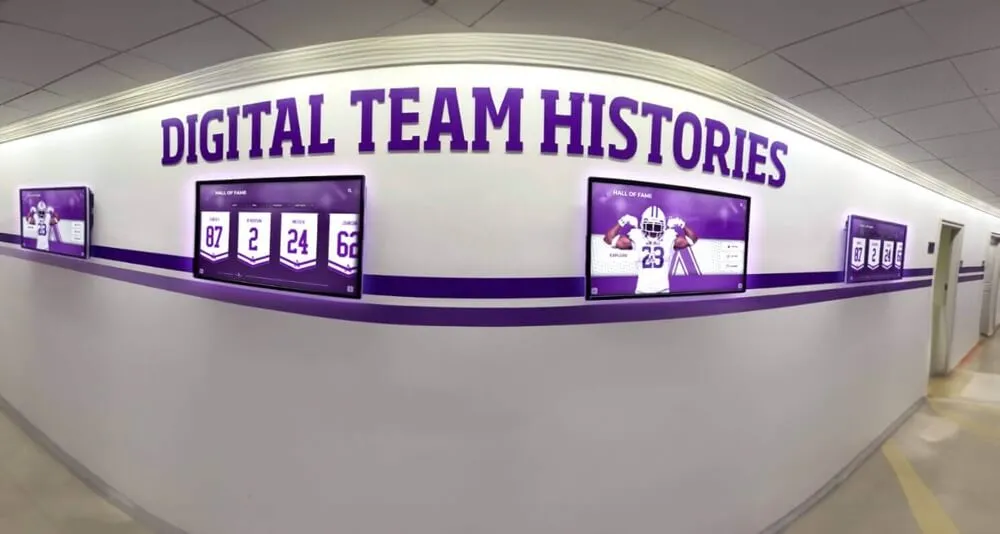
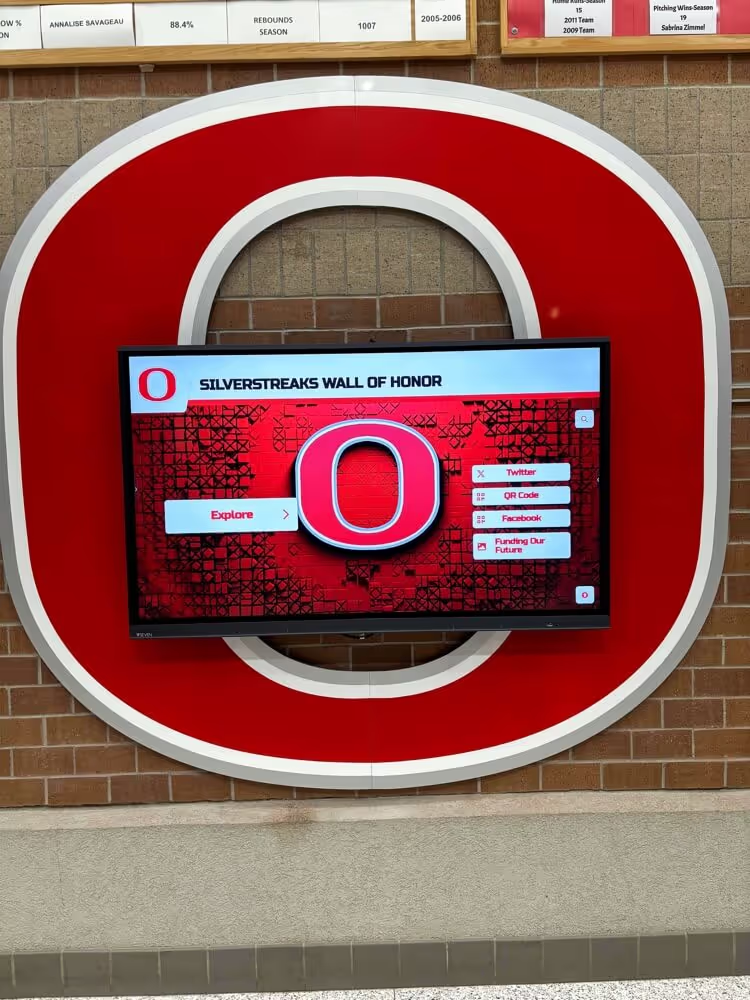
A recognition display is the public face of data that passed through multiple hands — assigning stewardship roles at each handoff keeps names, results, and display updates accurate at every stage
What Is Athletic Award Data Stewardship?
Athletic award data stewardship is the ongoing responsibility for the quality, accuracy, and authorized management of award records throughout their entire life cycle — from creation to correction to archival. It differs from data entry (a one-time act) and from data governance policy (a set of rules) in that stewardship is about accountability: who is answerable when a record is wrong, and who has the authority to make it right.
A stewardship framework answers four practical questions for every record type in a school’s recognition program:
- Who created this record, and who bears ultimate ownership of its accuracy?
- Who manages day-to-day updates, corrections, and completeness checks?
- Who physically or digitally holds the record and controls access to it?
- Who must approve changes before they are applied or published?
These four questions correspond to four roles — owner, steward, custodian, and approver — that any well-structured recognition program can assign, document, and maintain without creating new staff positions or bureaucratic overhead.
Why Defined Roles Prevent Record Drift
Record drift — the gradual accumulation of inconsistencies across sources — is the most common data quality problem in school athletic recognition. It is almost never caused by negligence in isolation. It is caused by shared but undefined responsibility: when everyone assumes someone else is tracking the authoritative version, no one is.
Three patterns that cause record drift without defined stewardship roles:
The multi-editor problem. Four staff members have editing access to the recognition database. Any of them can update a record. None of them knows what the others have changed or why. A name correction made by one editor is overwritten two weeks later by another working from an older export. No one is wrong individually — but the record is wrong.
The format-translation gap. A result is verified by the coach, typed into a ceremony program by an administrative assistant, and then re-keyed into the database from the printed program rather than from the coach’s original form. Each translation step introduces an opportunity for error. Without a steward whose job is to verify the database entry against the governing source — not the intermediate document — an error introduced during re-keying may persist for years.
The silent update. A facilities staff member updates a physical display plaque without notifying the database administrator. The plaque now reflects a corrected spelling, but the database still holds the old version. The next time the digital platform is refreshed from the database, the correction is reversed. No one did anything wrong — but the correction is lost because no one owned the update workflow end-to-end.
For programs building structured archives alongside their display records, the intake and organization practices described in sports memorabilia and artifact intake guides for schools illustrate how similar ownership gaps create problems in physical archive management when donation intake is not assigned to a named role.
The Responsibility Matrix: Owner, Steward, Custodian, Approver
The four stewardship roles can be mapped into a responsibility matrix that assigns each role to specific record types and update events. Before assigning who fills each role, it helps to understand what each role means in practice.
Data Owner
The data owner holds ultimate accountability for a data domain — not necessarily the person who manages it day-to-day, but the person who answers for its quality, completeness, and alignment with institutional standards. In a school athletic context, the data owner is typically the athletic director for athletic recognition records.
Data owner responsibilities:
- Approves the record types and fields tracked in the recognition system
- Sets data quality standards and correction policies that govern the program
- Accepts accountability for the accuracy of records published to public-facing displays and institutional archives
- Authorizes the creation of new award categories and the retirement of discontinued ones
The data owner does not enter individual records. The owner defines the standards by which others enter and manage them.
Data Steward
The data steward is the hands-on manager of data quality for a specific record domain — the person who performs day-to-day checks, processes correction requests, resolves exceptions, and confirms completeness before records are published. In most school athletic departments, the steward role is filled by the athletic director’s administrative designee, a records coordinator, or an advancement staff member with primary responsibility for recognition accuracy.
Data steward responsibilities:
- Verifies new records against governing source documents before they are entered
- Monitors for discrepancies across sources (database, displays, ceremony programs, certificates)
- Processes correction requests using the program’s documented exception workflow
- Maintains the correction log that traces every change applied to a record
- Confirms field completeness before records are published to any channel
Data Custodian
The data custodian holds and controls access to the data, but does not bear primary responsibility for its accuracy. Custodians are system administrators, IT staff, facilities teams, and archives staff who control where data lives and who can access it — without necessarily being accountable for whether it is correct.
Data custodian responsibilities:
- Manages access permissions to the recognition database and digital platform
- Maintains the physical or digital storage systems where source documents are filed
- Implements system backups and retention period controls
- Executes physical display updates (installing plaques, updating engraved panels) when authorized by the approver
- Manages the school’s historical archives, including physical and digitized records that support lineage verification
Facilities staff who manage athletic spaces often serve as custodians for physical recognition artifacts. Their role encompasses the physical upkeep of honor walls, trophy cases, and recognition signage — responsibilities that intersect closely with the data updates that the steward manages in the digital record.
Data Approver
The data approver is the person who must authorize a record change before it is applied, or a record before it is published. The approver role creates the authorization checkpoint that prevents unauthorized edits from reaching permanent displays. In most school programs, the approver is the athletic director for standard updates, with additional approval required from school administration for corrections to historical records or hall of fame inductions.
Data approver responsibilities:
- Reviews and approves correction requests submitted by the data steward
- Authorizes new records for publication to each display channel
- Signs off on any update to a physical display before the custodian executes the change
- Maintains a log of approvals that can be referenced during audits or discrepancy investigations
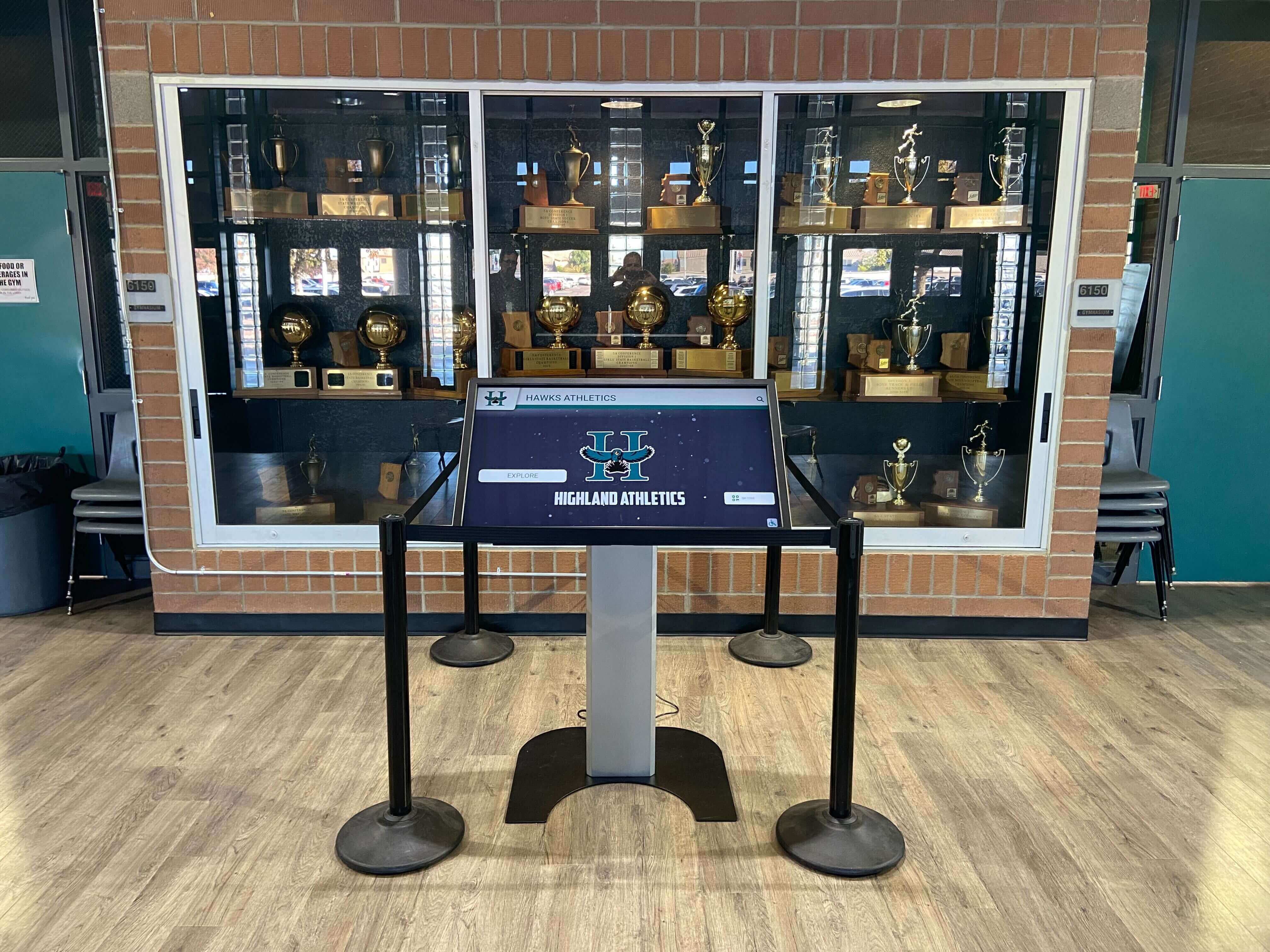
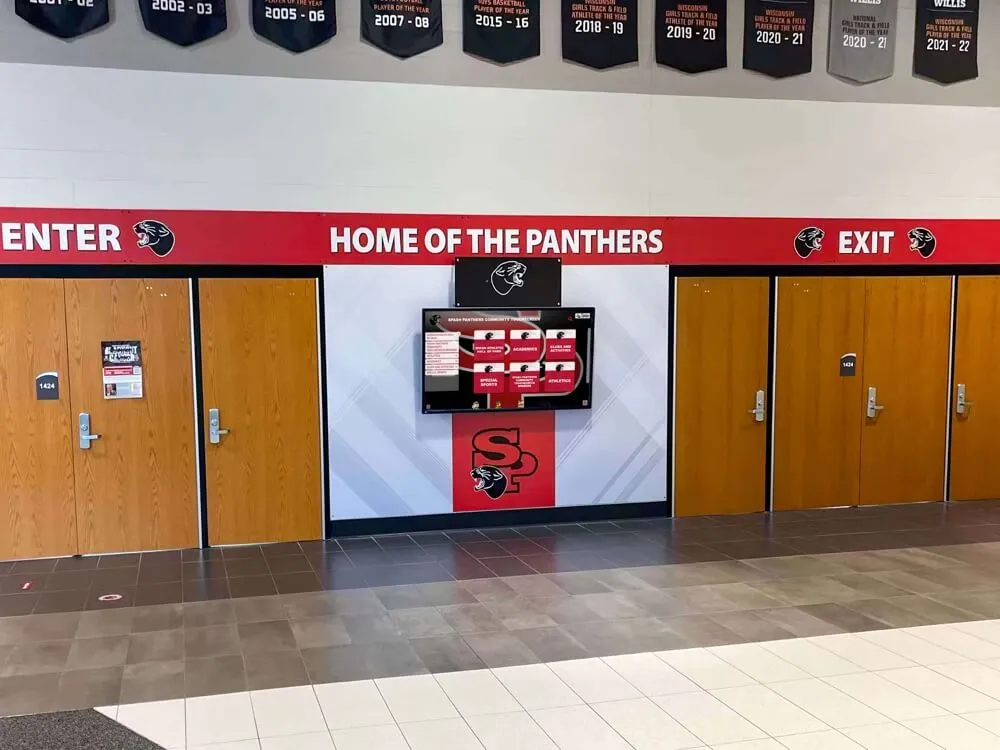
When approvals are documented before records go live, the trophy case and digital kiosk reflect the same verified data — not competing versions of the same decision
Role Assignments by Record Type
The responsibility matrix becomes actionable when it assigns specific roles to specific record types. The following table maps each of the four stewardship roles to the three primary record domains in a school athletic recognition program: athlete names, season results, and display updates.
| Record Type | Data Owner | Data Steward | Data Custodian | Data Approver |
|---|---|---|---|---|
| Athlete names (spelling, preferred name, name change) | Athletic Director | Records coordinator or admin designee | IT / Platform administrator | Athletic Director |
| Season results (awards, designations, statistics) | Athletic Director | Records coordinator or coach liaison | Coach (for team-level records); IT for system | Athletic Director (final); Coach (nomination) |
| Conference and external designations | Athletic Director | Records coordinator | IT / Platform administrator | Athletic Director |
| Hall of fame inductions | Athletic Director | Advancement staff / Records coordinator | IT; Archives staff | Athletic Director + Selection committee chair |
| Physical display updates (plaques, walls, trophy cases) | Athletic Director | Records coordinator / Facilities liaison | Facilities team | Athletic Director |
| Digital display updates (kiosk, lobby screen, web) | Athletic Director | Platform administrator or IT lead | IT / Platform vendor | Athletic Director |
| Historical and archived records | Athletic Director | Archives staff or school historian | School archives; Records storage | Athletic Director + School administration |
| Ceremony and program records | Athletic Director | Administrative assistant / Program coordinator | School archives | Athletic Director |
This matrix is a starting point, not a mandate. Smaller programs may consolidate the steward and approver roles — meaning the athletic director both manages corrections and authorizes them — while larger programs with dedicated records staff may separate them further. The key principle is that each cell has a named, documented owner, not just a role title.
Stewardship Roles for Athlete Names
Athlete name records are the most commonly drifted field in school recognition systems — not because they are complex, but because they are handled by many different people across many different documents over a long period of time.
The primary stewardship challenge for names: The athlete’s legal or registered name at the time of the award should be the baseline. Preferred name variations, phonetic guidance, and post-award name changes each require a documented decision — not a quiet edit. The steward is responsible for collecting and filing that documentation before any change is applied.
Key stewardship events for athlete names:
Initial entry. The steward verifies the name against the school’s enrollment records or the athlete’s identity documentation before creating the record. The custodian confirms entry is complete in the system.
Pronunciation intake. Schools that collect name pronunciation forms for ceremonies should route the completed form to the steward for filing alongside the master record. This connects the ceremony workflow to the data workflow without requiring separate tracking systems.
Preferred name request. If an athlete requests a different display name, the steward collects written confirmation (from the athlete or guardian), routes it to the approver for authorization, and documents the change in the correction log before applying it to any channel.
Post-award name change. When an athlete legally changes their name after receiving an award, the steward routes the request to the approver and to school administration, as policies on updating historical records vary by institution. The school’s own records management guidelines should govern this determination — this is a policy decision, not purely a data one.
Stewardship Roles for Season Results
Season results — awards, designations, record board entries, and statistical achievements — originate with coaches and external governing bodies, then travel through the stewardship chain before appearing on a recognition display. The primary stewardship challenge here is the handoff: results are generated outside the recognition system, then entered into it, creating a gap where errors can enter undetected.
The coach as originating authority. Coaches are not typically data stewards in the formal sense — but they are the originating authority for most team-level award results. A coach’s signed selection form or documented award nomination is the governing source that every downstream record should trace back to. Coaches who consistently produce dated, signed nomination documents make the steward’s verification job substantially more reliable than coaches who communicate decisions verbally or via informal messages.
For coaching staff building structured program documentation alongside their athletic development work, baseball coaching fundamentals and program-building approaches for high school athletics illustrates how structured coaching methodology creates the kind of documented program records that flow cleanly into award stewardship workflows.
Conference and external result stewardship. For all-conference, all-district, or all-state designations, the governing source is the official result from the external body. The steward’s responsibility is to obtain a copy of that official communication, file it as the governing source, and enter the record from that document — not from a certificate, a social media announcement, or a third-party athletics website that may contain errors or become unavailable in the future.
Record board stewardship. Athletic records boards require continuous stewardship because the underlying data changes with each competitive season. The steward should review the record board at the end of each season against verified results for that season, confirm any qualifying new records with the coach and governing source documentation, and route record board updates through the full approver chain before any physical or digital display is changed.
For programs where award result data must appear accurately in printed ceremony materials — where errors in the recognition database directly produce errors in graduation and banquet programs — graduation ceremony program design and planning guides illustrate how printed recognition materials become a downstream output of the stewardship chain, making accuracy upstream critically important.

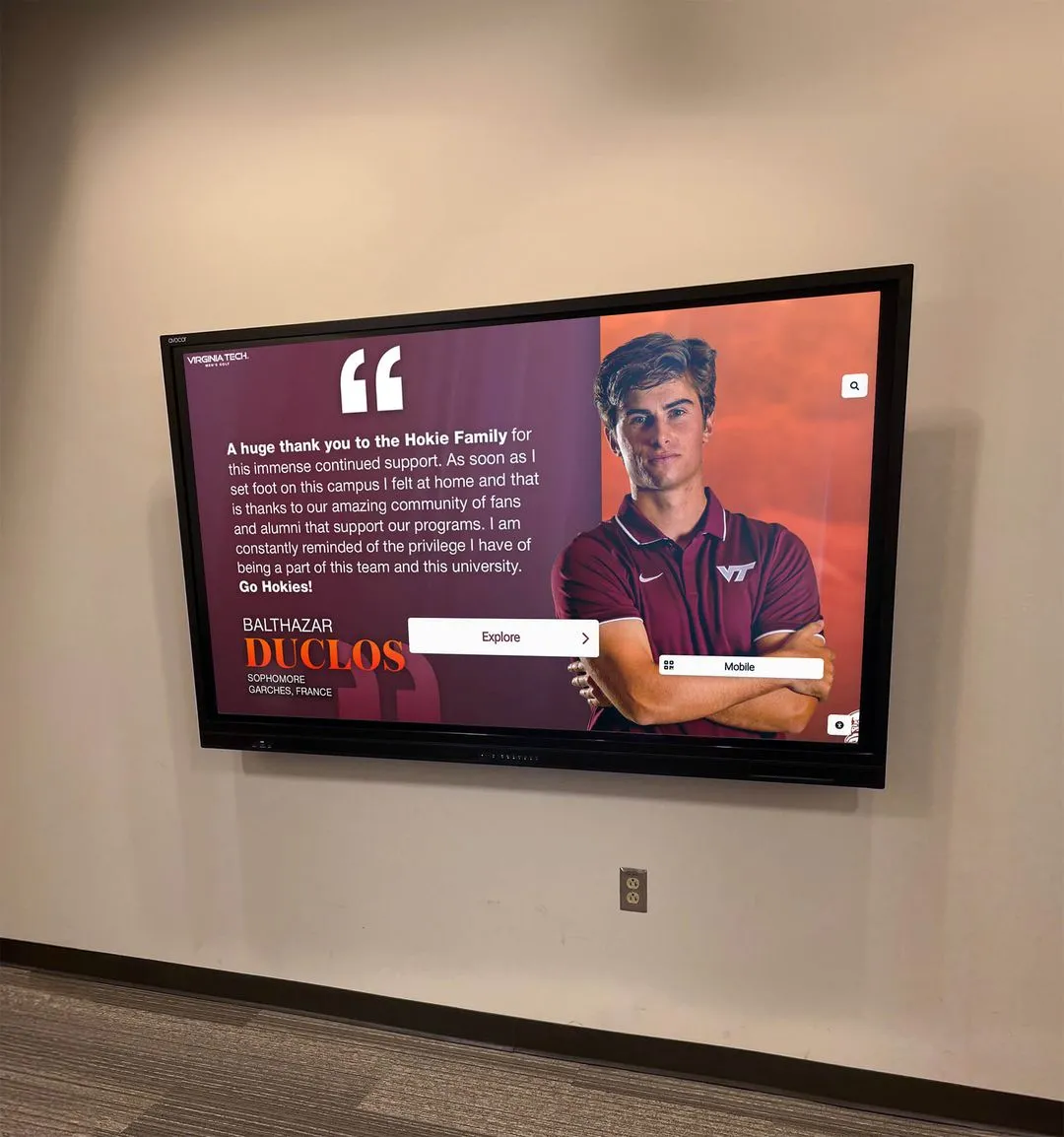
Season results displayed on interactive kiosks trace back to governing sources created by coaches and external bodies — clear stewardship roles ensure that handoff is documented and verified before any record goes live
Stewardship Roles for Display Updates
Display updates are the terminal event in the stewardship chain — the moment a record becomes visible to athletes, families, and the public. But they are also a recurring event: displays require ongoing updates as new records are added, corrections are applied, and historical entries are archived. Without clear stewardship, the display becomes a divergent record — reflecting what someone decided to publish, not what the authoritative record says.
Physical display custodianship. Facilities teams are typically the custodians for physical recognition artifacts: trophy cases, engraved plaques, honor walls, and record boards. Their role as custodian means they execute authorized updates — they do not independently decide what the display should say. The stewardship model requires that every physical update is authorized by the approver before facilities staff make any change to an installed display.
Facilities staff at many schools manage the full range of athletic space infrastructure, from recognition displays to general athletic facility signage. Gym and athletic facility signage management practices reflect a similar authorization model — with facilities staff executing decisions made upstream by administrators, not originating display content independently.
Digital display stewardship. Digital recognition platforms introduce both a simplification and a complexity for display stewardship. The simplification: a single approved update in the platform propagates to all connected display instances simultaneously, eliminating the need to separately manage kiosk content, lobby screen content, and web archive content as independent channels. The complexity: digital platforms often extend editing access to multiple staff members, making the approver’s role more important — not less — as a final check before records are published.
For programs managing physical recognition artifacts alongside digital records — medals, plaques, trophies, and certificates that may eventually be transferred to school archives or donated collections — best practices for displaying and managing medals and physical recognition artifacts covers the physical custodian dimension of recognition management that digital platform stewardship must account for in parallel.
Archival and historical display stewardship. Records that move from active display to archived status — inductees from earlier decades, discontinued award categories, athletes no longer affiliated with the school — require a defined stewardship event. The steward documents the archival action, the approver authorizes it, and the custodian moves the record to archived status in both the digital system and any physical storage. Crucially, archival does not mean deletion: the record should remain retrievable, with its full correction log intact, for lineage verification.
For programs whose historical archives include digitized photographs, press clippings, and physical artifacts that support award record verification, digitizing school photo archives and historical records for institutional preservation outlines how custodian roles extend to digital archive management — and how stewardship practices for physical records translate directly to digital preservation workflows.
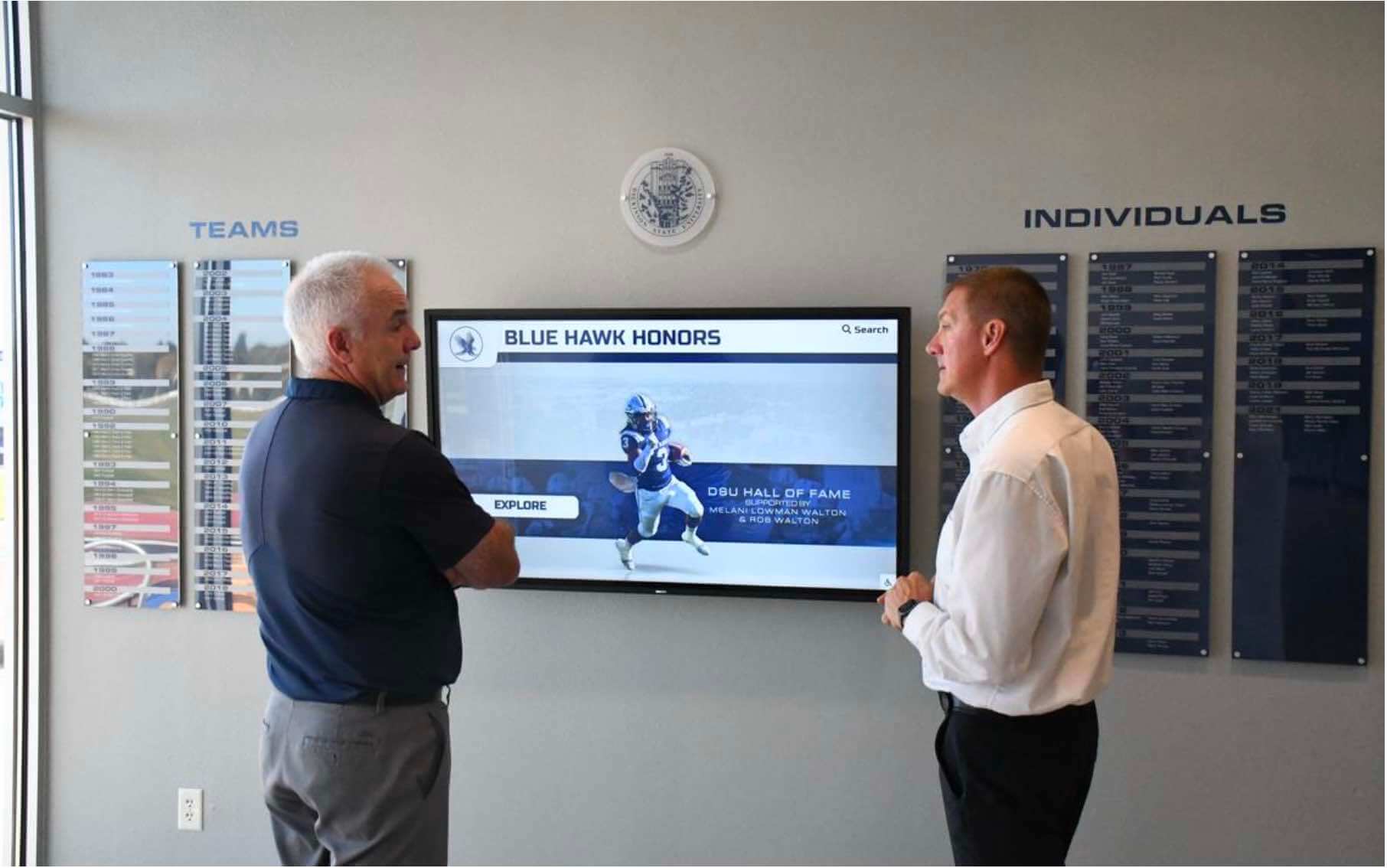
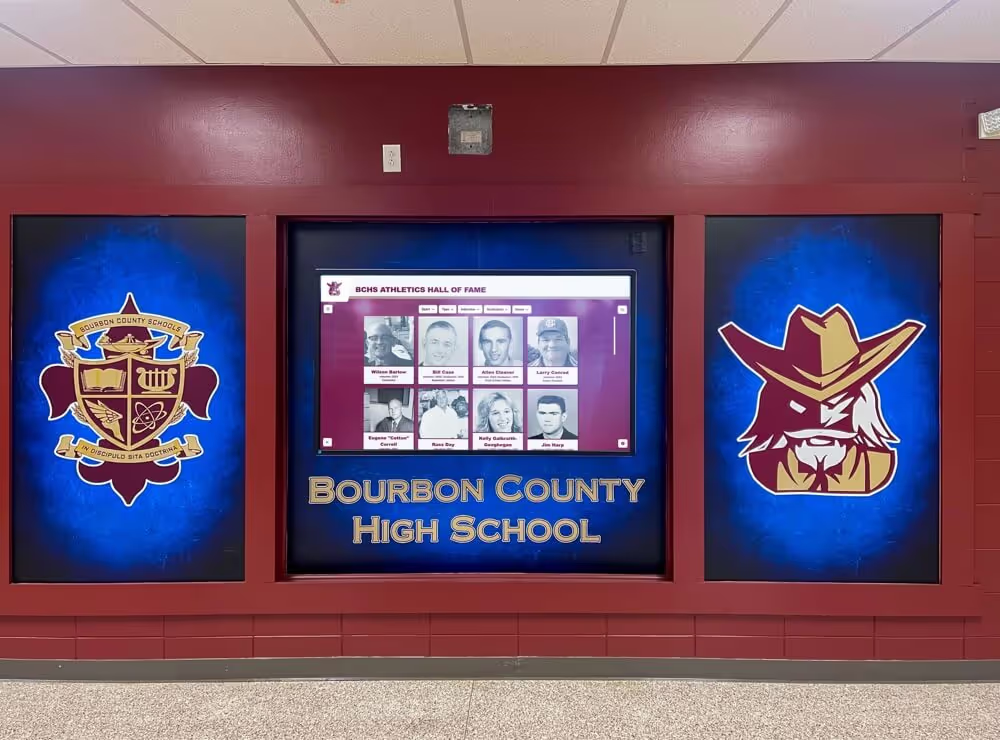
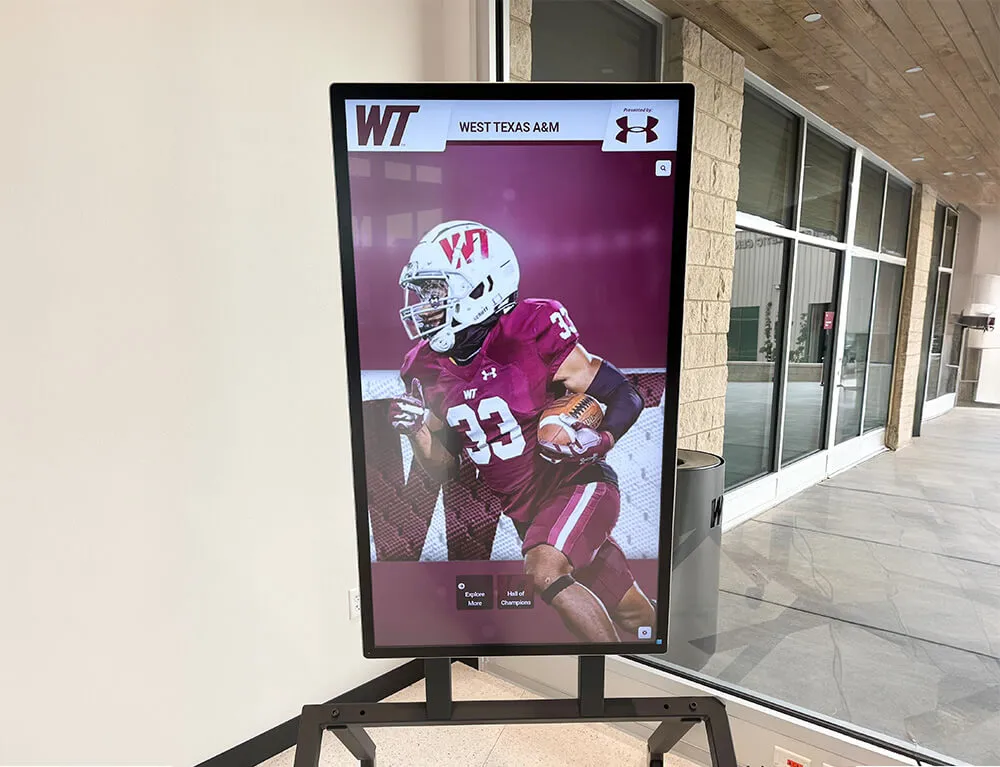
Every profile visible to visitors on a hall of fame display reflects the full stewardship chain — the data owner authorized the standards, the steward verified the record, the custodian published it, and the approver signed off
Practical Implementation: Building Stewardship Into Existing Workflows
Most athletic departments do not need new staff or new systems to implement stewardship roles. They need to make existing workflows explicit — assigning named ownership to steps that were already happening, but without formal accountability.
Start with a stewardship map. Before assigning roles, document the workflows that currently govern award data: who nominates, who enters, who reviews, who publishes, who updates. A simple table showing each workflow step, who currently performs it, and who currently authorizes it is enough. The gaps in that table are where stewardship roles are missing.
Name the roles, not just the titles. A stewardship assignment should name a specific person, not just a job title. “Athletic director” is a role; a named athletic director with a start date is a stewardship assignment. When staff turn over, the named assignment makes transitions explicit and triggers a formal re-assignment, rather than leaving the role vacant and undocumented until a problem surfaces.
Document the approval chain in the database. Many recognition platforms support custom fields and status workflows. Use them: add a steward review status that precedes approved for publication, and configure the system so that only the named approver can advance a record from reviewed to published. The platform then enforces the stewardship chain automatically, not by policy alone.
Integrate stewardship into the end-of-season workflow. The most effective time to implement stewardship checkpoints is when the workflow already requires staff involvement — the end of each competitive season. Adding a stewardship verification step to the post-season awards workflow (coach submits nomination form, steward verifies and enters, approver authorizes, custodian publishes) costs a small amount of additional time and prevents a large amount of future correction work.
See How a Digital Platform Enforces Stewardship Roles
Rocket Alumni Solutions gives athletic directors a cloud-based recognition platform with built-in approval workflows, field-level change logging, and role-based access controls — so stewardship checkpoints are enforced automatically, not just documented in a policy.
Request a DemoHow a Digital Platform Supports Stewardship Roles
A purpose-built digital recognition platform does not just display award data — it creates the technical infrastructure that makes stewardship roles enforceable rather than aspirational. Role-based access controls, approval workflows, field-level change logging, and multi-channel publication management are the platform features that correspond directly to the four stewardship roles.
Role-based access controls (custodian enforcement). A platform that assigns editing access by named user — rather than by shared credentials — enforces the custodian boundary automatically. IT administrators control who can access what, and the system logs every action to a named user. No one can make an unauthorized change without it being attributable and traceable.
Approval workflows (approver enforcement). Platforms that require a designated approver to advance a record to published status prevent any single editor from unilaterally publishing a change. The steward submits the record; the approver reviews and authorizes; the platform enforces the sequence. If the approver has not signed off, the record does not go live — regardless of who else touched it.
Field-level change logging (steward support). A change log that captures every field-level edit — the previous value, the new value, who made the change, and when — is the steward’s most valuable operational tool. It transforms the correction process from a question into a lookup, and it creates the audit trail that makes annual data quality reviews substantially faster.
Multi-channel publication management (owner oversight). When a single platform serves multiple display channels — lobby kiosks, hallway screens, web archives, mobile access, and donor recognition walls — the data owner can confirm that every approved record is published consistently across all channels from a single administrative view. The owner does not need to audit each channel separately; the platform surfaces any channel where a record is in an inconsistent state.
Stewardship, Donors, and Institutional Trust
Data stewardship in athletic recognition is not only an administrative concern — it has direct implications for donor and sponsor relationships. Donors who fund named scholarships, endowed awards, or dedicated recognition spaces have an institutional stake in the accuracy of records that carry their names or the names of their honorees.
A scholarship donor who funds a named athletic award expects that the award will appear accurately in ceremony programs, on digital displays, and in school archives for as long as the scholarship is active. When the award title drifts across platforms — one form in the database, a shortened form on the plaque, and a third variant on the school website — donor trust erodes. Stewardship roles ensure that a named donor award has a designated steward who maintains its accuracy across every channel, and a designated approver who authorizes any change to how it is presented.
Advancement staff who manage donor-named awards alongside athletic recognition often coordinate with the athletic department’s primary steward to prevent format drift across the different systems advancement uses — CRM records, giving platforms, event programs — and the systems athletics uses: recognition databases, digital displays, ceremony management tools. That coordination is most effective when each system has a named custodian and a shared approver who can confirm consistency before any donor-facing communication is finalized.
For programs where recognition of athletic leadership connects to broader institutional donor and alumni engagement — particularly for awards that honor student-athlete leadership qualities valued by donors over time — team captain awards and how schools recognize athletic leadership covers how schools structure and communicate these awards in ways that reinforce long-term donor and alumni relationships.
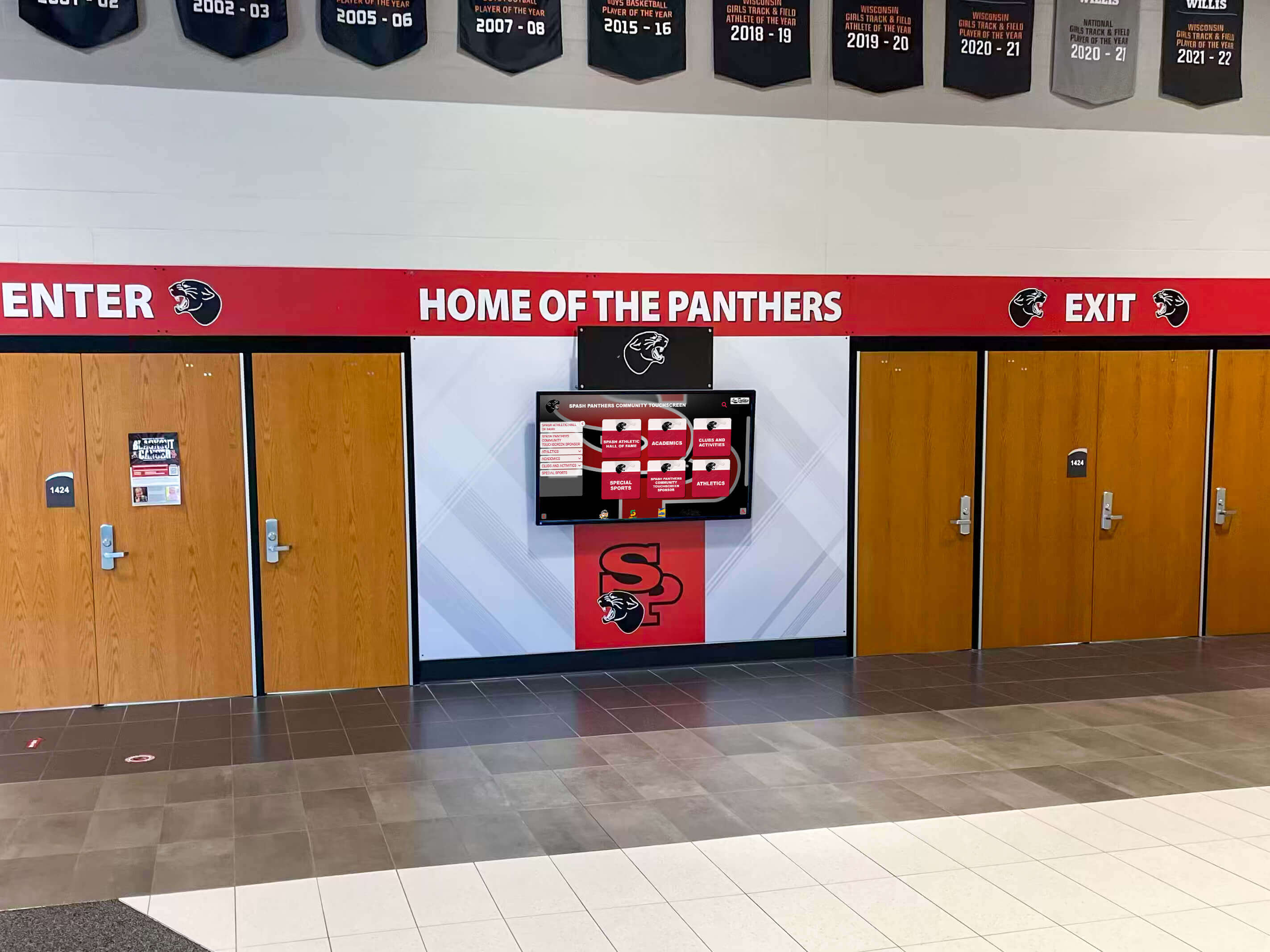
Donor-named awards visible in school lobbies and on digital displays reflect stewardship decisions made upstream — naming a steward for each donor-facing record type prevents the format drift that erodes institutional trust
Frequently Asked Questions
What are athletic award data stewardship roles?
Athletic award data stewardship roles are assigned accountabilities for the quality, accuracy, and authorized management of award records throughout their life cycle. The four core roles are: the data owner, who holds ultimate accountability for a record domain and sets quality standards; the data steward, who manages day-to-day verification, corrections, and completeness checks; the data custodian, who controls access to systems and physical storage without bearing primary accountability for accuracy; and the data approver, who must authorize changes before they are applied or records before they are published. Assigning these roles prevents record drift by ensuring that every change to an award record has a named person responsible for it.
What is the difference between a data owner and a data steward in athletic award records?
The data owner holds ultimate accountability for a record domain and sets the policies that govern it — but does not necessarily perform day-to-day data management. In a school athletic program, the athletic director typically serves as the data owner for recognition records. The data steward performs the hands-on work: verifying records against governing sources, processing corrections, monitoring for discrepancies across platforms, and maintaining the correction log. The steward reports exceptions to the owner and routes approvals through the approver. The owner defines the standards; the steward enforces them operationally.
Who should serve as the data custodian for athletic recognition records?
Data custodians for athletic recognition records are typically IT administrators, facilities staff, and archives staff — each managing a different type of storage system. IT controls access to the digital recognition platform and database. Facilities staff manage physical display installations, trophy cases, and engraved panels. Archives staff maintain historical documents, source records, and physical artifacts that support lineage verification. The custodian's role is to hold and control access to data — not to determine what data is correct. That accountability belongs to the steward and owner.
How do stewardship roles prevent record drift across multiple display channels?
Record drift occurs when the same award data is updated in one channel but not in others — the database is corrected, but the physical display still shows the old value, or the digital kiosk is updated while the website archive is not. Stewardship roles prevent drift by establishing that the data steward is responsible for monitoring consistency across all channels, and that no channel-specific custodian (facilities, IT, web administrator) can make an update without an authorization from the approver that explicitly covers that channel. A digital platform that propagates approved updates to all connected channels simultaneously eliminates most of the manual synchronization work that drift depends on.
How should stewardship roles be reassigned when staff turn over?
Stewardship role assignments should be documented by name and role title, with the document stored in the recognition program's administrative records — not in informal email chains. When a staff member in a stewardship role leaves, the outgoing person's assignment should be formally reassigned to the incoming person as part of the transition process, with the reassignment dated and documented. Access permissions in the digital platform should be updated by the custodian (IT administrator) immediately upon the transition, removing the departing person's access and granting the incoming person's access. Leaving role assignments undocumented during transitions is one of the most common sources of gap-period record drift.
Conclusion: Ownership Is the Foundation of Accurate Recognition
Athletic award data stewardship roles are the governance structure that keeps recognition records accurate across every system where they live — scorebooks, certificates, databases, physical displays, and digital recognition platforms. The responsibility matrix — owner, steward, custodian, approver — creates named accountability at every point in the award life cycle, preventing the shared-but-undefined responsibility that allows names to drift, results to be transposed, and display updates to be made without authorization.
Programs that document their stewardship assignments, review them annually, and enforce them through platform access controls and approval workflows build recognition archives that athletes, families, donors, and alumni can trust. The accuracy of a name on a touchscreen or a plaque on a wall is not a technical outcome — it is a governance outcome. And governance begins with ownership.
Build a Recognition System With Built-In Stewardship Controls
Rocket Alumni Solutions gives athletic directors a cloud-based platform with role-based access, approval workflows, and field-level change logging — the technical infrastructure that makes stewardship roles enforceable from day one. Schedule a demo to see how stewardship controls work in practice.
Request a Demo