



Athletic award referential integrity checks verify that every reference in an award record — the athlete identifier, team program, season label, and award title — resolves to a real, existing parent record in the database. When those links break, award records become orphaned: an honor assigned to an athlete ID that no longer exists, a team program retired three seasons ago, a season label that matches nothing in the academic calendar, an award title renamed without updating the historical entries that reference it. Schools that run these checks regularly prevent broken references from reaching the recognition displays, kiosks, and published archives where athletes, families, and visitors encounter them.
This guide is written for athletic directors, IT and data administrators, facilities coordinators, and records staff responsible for the accuracy and consistency of school athletic recognition. It provides a step-by-step referential integrity audit process, a reference table of the four core relationships every award record must maintain, a severity-ranked violation log, and a practical framework for resolving violations before they reach public displays.
A well-maintained athletic recognition database is not simply a collection of names and honors — it is a network of linked records. Every award connects an athlete to a team, places that athlete in a season, and assigns them an honor from an official catalog. When any link in that network breaks — because a registry was updated without propagating the change, because records were migrated from one system to another without consistent identifiers, or because data was entered without reference to approved controlled vocabularies — the award record loses its context. On a touchscreen kiosk or a hallway display, a broken reference can produce a blank profile, a mismatched entry, or a silent omission. Athletic award referential integrity checks are the audit process that finds and repairs those broken links before they reach the public-facing display.

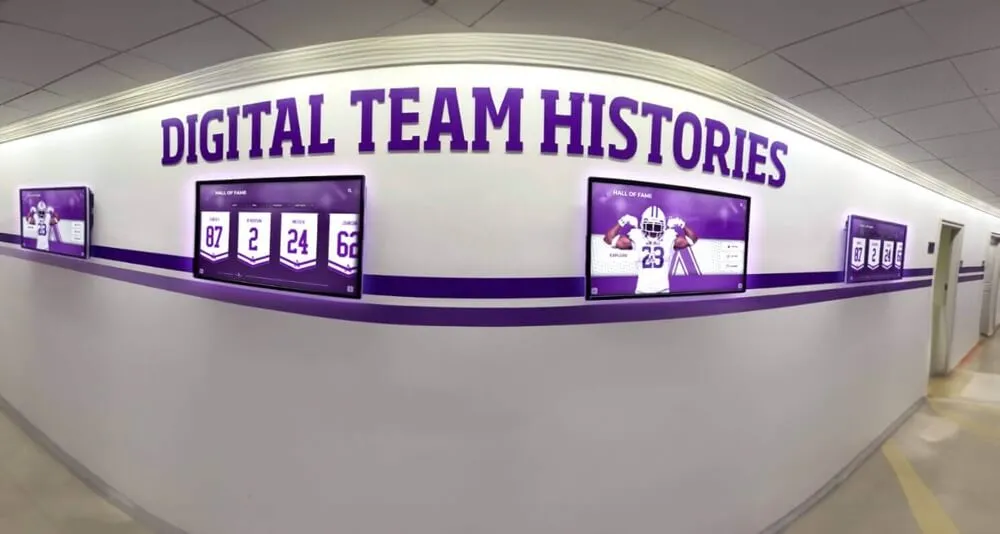
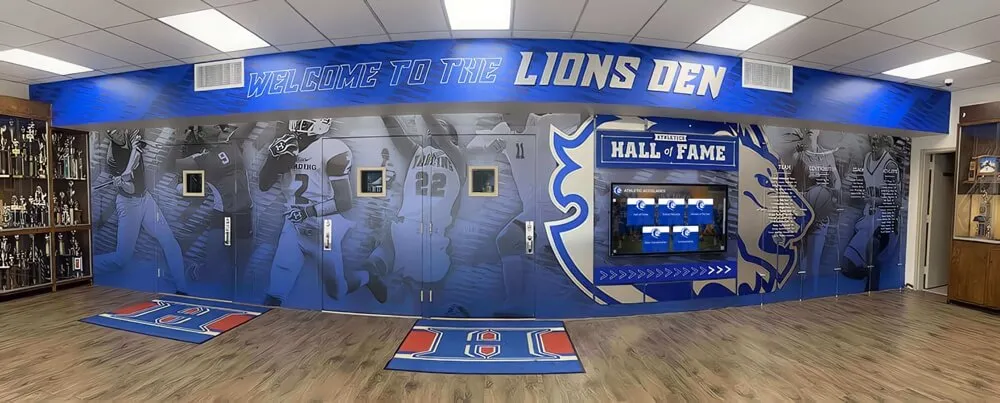
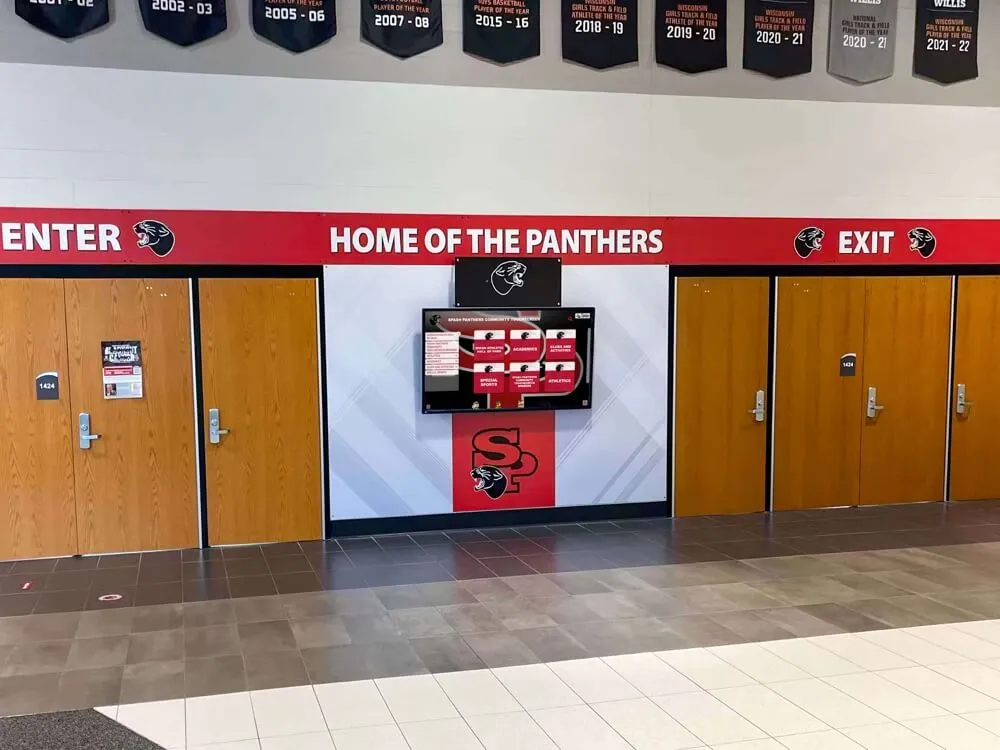
Every award record visible on a recognition kiosk depends on four linked references — athlete, team, season, and honor — that must all resolve to active parent records for the display to show accurate, complete information
What Is Referential Integrity in Athletic Award Databases?
Referential integrity is a concept from relational database design: every value in a child record that references a parent record must correspond to an existing row in that parent table. If an award record contains an athlete identifier, a matching record must exist in the athlete registry. If it contains a team program code, that code must be present and active in the approved program list. When the parent records are deleted, renamed, or never created in the first place, the child record holds a broken reference — it points to something that does not exist.
Most school athletic programs do not manage recognition data in a formal relational database with enforced foreign key constraints. Records may be spread across spreadsheets, a cloud recognition platform, a physical award archive, and a digital display system. The principle of referential integrity applies regardless: every reference in an award record must resolve. Without a database engine enforcing these constraints automatically, the school must run referential integrity checks as an explicit audit step.
The four core references in every athletic award record are:
| Reference Type | What It Links | Parent Registry |
|---|---|---|
| Athlete reference | Award record → Athlete master record | Athlete registry |
| Team program reference | Award record → Team program record | Approved program list |
| Season reference | Award record → Academic year / season record | Season calendar |
| Award title reference | Award record → Award catalog entry | Official award catalog |
Two secondary cross-references add completeness for programs that maintain roster records:
| Secondary Reference | What It Verifies | Why It Matters |
|---|---|---|
| Athlete–team–season cross-reference | Athlete was enrolled on the referenced team during the referenced season | Prevents awards from being assigned to athletes who were never on that team |
| Award frequency cross-reference | Single-recipient honors are not assigned to multiple athletes in the same season | Catches duplicate import errors and shared-award data entry gaps |
A complete referential integrity check verifies all six relationships. Secondary violations — an athlete awarded by a team they were never on — are as visible and damaging on a published display as primary violations, and often harder to explain to the athlete or family who finds the error.
Why Referential Integrity Breaks in Athletic Recognition Programs
Referential integrity violations accumulate for predictable reasons. Understanding the causes helps programs target their checks at the highest-risk entry points.
System migrations. When records move from an older platform to a new one, the identifiers that link records together are often inconsistent between systems. An athlete whose identifier was “Johnson_M_2018” in the old system may become a numeric ID in the new system — and award records not updated during the migration still reference the old string. The athlete record exists; the reference in the award record no longer resolves.
Program restructuring. Teams rename, fold into co-op arrangements, change competition levels, or split into separate programs. When the girls’ varsity volleyball team temporarily joins a co-op arrangement during the 2021–22 season, awards from that year assigned to the original standalone program name carry a broken reference — the program they reference existed before and after that season but not in the form used during it.
Free-text entry inconsistency. When team names, season labels, and award titles are entered as free text rather than selected from an approved list, variant forms proliferate. “Boys Varsity Soccer,” “BV Soccer,” “Varsity Boys Soccer,” and “Men’s Soccer” all describe the same program but resolve to different strings. Each variant is a potential integrity violation when validated against a registry that contains only one approved form.
Staff turnover. Practical knowledge of which identifiers are in active use transfers imperfectly when personnel changes. New staff creating records without access to the reference registries will produce new forms of program names, season labels, and award titles — each a potential broken reference against the controlled vocabularies that prior staff were following.
Retroactive corrections. When the athlete master registry is corrected — a name spelling fixed, an enrollment year updated, a duplicate record merged — the award records that reference the original values are not automatically updated. The athlete record now contains correct information; the award records still reference the old values.
Alumni and long-tenure recognition programs face a compounded version of this problem, because records span multiple systems, staff generations, and naming conventions across decades. Alumni recognition programs built to maintain multi-decade record integrity address the same structural referential integrity challenge that athletic recognition databases face within a shorter timeframe but with the same pattern of accumulating inconsistencies.
The Step-by-Step Referential Integrity Audit
Step 1: Compile the Four Reference Registries
Before any integrity check can run, the four reference registries must exist and be current. These are the parent records against which all award references will be validated.
Athlete master registry. Every current and historical athlete, with a unique identifier, legal name, preferred display name if different, enrollment dates, and the sport programs they participated in by season. If this registry does not exist as a standalone document, build it from enrollment records, historical award files, and ceremony programs before proceeding.
Approved program list. Every team program with its full official name, component parts (gender prefix, competition level, sport), and any name changes documented with effective season dates. If a program changed names in 2019–20, both the pre-change and post-change names must be in the list, each with the seasons for which it was the valid form.
Season calendar. Every academic year and competitive season the school has operated, in the single approved format (e.g., YYYY–YY for academic years, “Fall 2024” for competitive seasons). The calendar must cover the full span of historical records, not just current and recent seasons.
Official award catalog. Every award title the school has issued, with the sport(s) it applies to, the seasons it was active, and its current status. For renamed awards, the catalog must contain both the old and new titles with their respective effective season ranges.
Building a structured award winner database provides guidance on the organizational framework that makes compiling and maintaining these four reference registries practical at the school level.
Step 2: Run the Athlete Reference Check
For every award record in the database, verify that the athlete identifier resolves to an existing row in the athlete master registry.
What to look for:
- Awards where the athlete identifier is not found in the registry (orphaned athlete reference)
- Awards where the athlete name does not match the name associated with the athlete identifier — indicating a name correction made in the registry that was not propagated to the award record
- Awards where the athlete identifier field is blank or null
Resolution paths:
- If the athlete exists in the registry but the identifier changed after a system migration, update the award record with the current identifier and document the correction
- If the athlete’s name was corrected in the registry, update the award record to match
- If no matching athlete can be found, flag the record as “Athlete reference unresolved” and initiate manual investigation using secondary sources (ceremony programs, yearbooks, coaching records) before allowing publication
Step 3: Run the Team Program Reference Check
For every award record, verify that the team program identifier resolves to an entry in the approved program list, and that the award’s season falls within the date range when that program name was active.
What to look for:
- Awards where the team program identifier is not found in the approved list at all
- Awards where the identifier is found but was not active during the award’s season (a program retired in 2018–19 assigned to a 2022–23 award)
- Awards where the identifier uses a variant form not in the approved list
Resolution paths:
- If a variant name clearly maps to an approved program (e.g., “BV Soccer” → “Boys Varsity Soccer”), update the award record with the approved form and document the correction
- If a program underwent a name change, verify the award falls in the correct season range and assign the name that was valid for that period
- If the program cannot be matched, flag for manual investigation
Team identity and naming history are more complex at the record level than they appear from the outside. How high school athletic teams develop and maintain program identity over time provides context for the program-naming decisions that, when not documented in a registry with effective dates, produce the variant forms that this step is designed to catch.
Step 4: Run the Season Reference Check
For every award record, verify that the season identifier resolves to an entry in the season calendar and that the academic year and competitive season fields are internally consistent.
What to look for:
- Awards whose season label does not match any entry in the calendar
- Awards where the academic year and competitive season are inconsistent (e.g., a “Fall 2025” competitive season labeled under the 2024–25 academic year, when the school’s convention places Fall 2025 in 2025–26)
- Awards with empty or null season fields
Resolution paths:
- For format mismatches that clearly represent the same season (e.g., “2024-25” vs. the approved “2024–25”), run a batch standardization to the approved format
- For genuine season placement inconsistencies, resolve based on the school’s documented convention for which academic year each competitive season belongs to, and record the resolution in the correction log
Step 5: Run the Award Title Catalog Check
For every award record, verify that the award title resolves to an active entry in the official award catalog for the sport and season assigned to the record.
What to look for:
- Awards whose title is not found in the catalog
- Awards whose title is found in the catalog but was not active during the award’s season (retired or renamed titles assigned to a season that postdates the retirement)
- Awards whose title is valid but restricted to specific sports, assigned to a sport not covered by the title
Resolution paths:
- For retired titles, determine whether a replacement title exists in the catalog for the same type of honor, and update the award record with the active equivalent (documenting the change)
- For informal titles that clearly describe a cataloged award, match them to the correct catalog entry and update
- For titles that cannot be matched, flag for manual investigation and senior authorization before the record can proceed to publication
The full scope of honors available to high school student-athletes — including conference-level recognitions, multi-sport scholar-athlete awards, and long-service distinctions — is broader than any single season’s records reveal. The range of awards available to high school student-athletes across academic and athletic categories illustrates the catalog breadth that referential integrity checks must cover.
For programs that administer structured, multi-tier award hierarchies with explicit eligibility rules — common in programs with formal rank structures — tiered award hierarchy structures with formal tier and eligibility relationships illustrates how a formal catalog with explicit tier-applicability rules prevents the cross-level assignment errors this step is designed to catch.

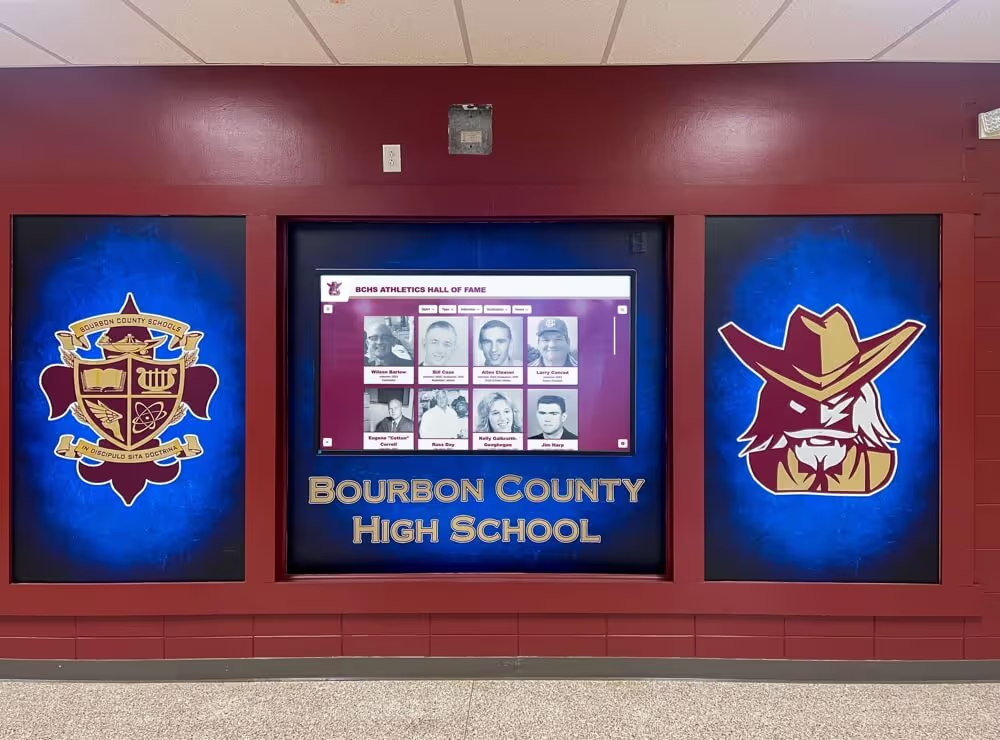
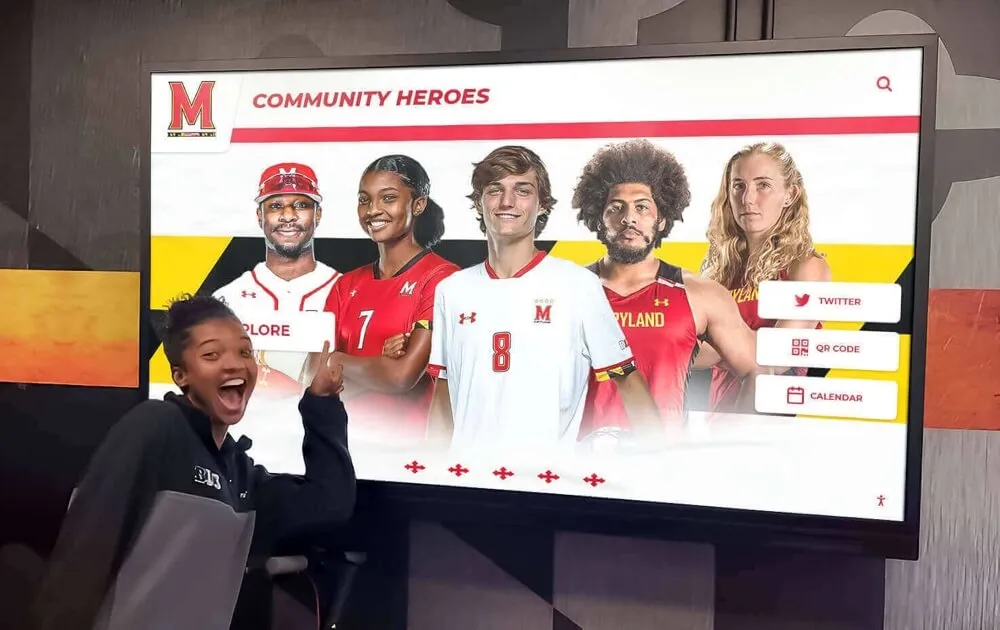
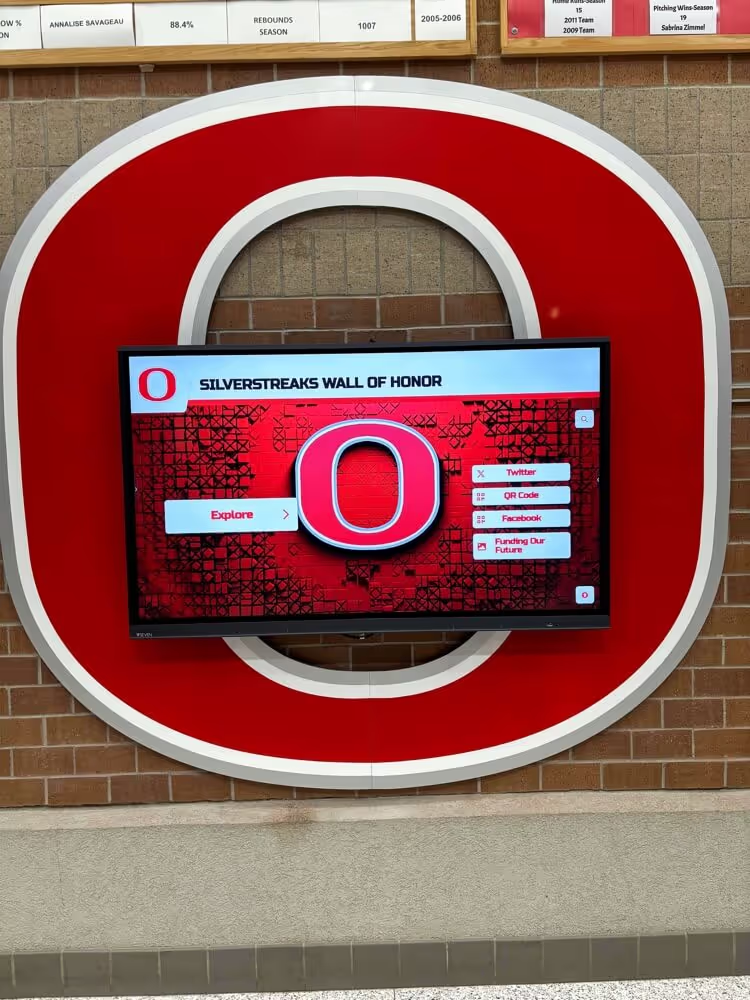
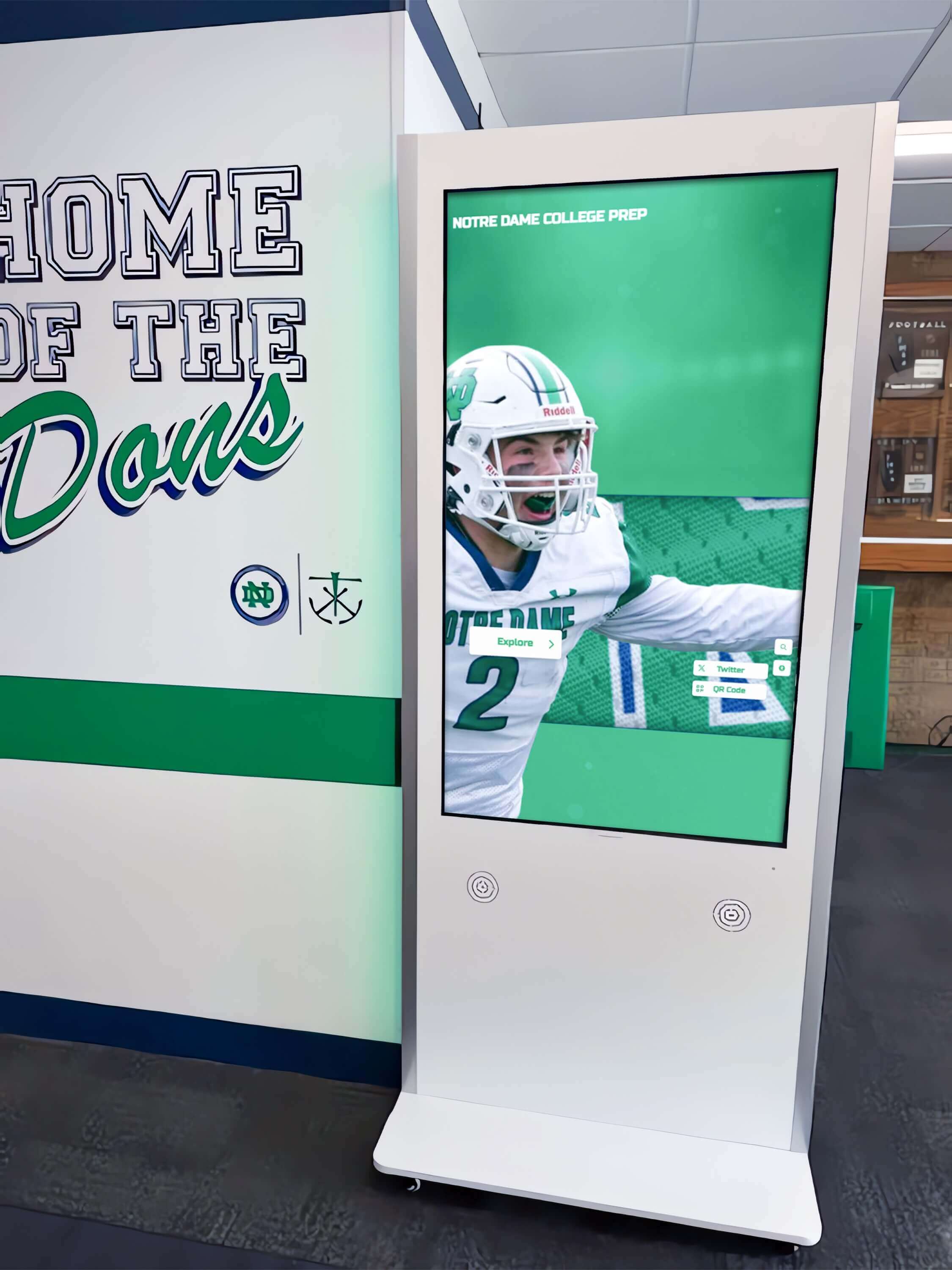
Hall of fame touchscreen profiles that pull from a referentially consistent award database show complete and accurate recognition histories — broken references produce visible gaps, empty fields, or mismatched data that undermine the display's credibility
Step 6: Run Cross-Reference Checks
After the four primary checks, run two cross-reference checks that verify consistency between multiple references within the same award record.
Athlete–team–season cross-reference. For every award record, confirm that the referenced athlete was enrolled on the referenced team during the referenced season. An award assigned to an athlete for a sport they did not participate in during that season is a cross-reference violation even if all four primary references individually resolve. This check requires enrollment or roster data to be available alongside the award records.
Award frequency cross-reference. For every award record, verify that the award title has not been assigned to more athletes in the same team and season than the award’s catalog entry permits. An MVP award assigned to three athletes in the same sport in the same season likely reflects a data entry error or a duplicate import step. Two athletes legitimately sharing an MVP requires documented authorization before the record can proceed to publication.
Schools that recognize athletes across multiple award programs — including events and community-service recognition that generate their own records alongside athletic honors — face cross-reference complexity that extends beyond athletic rosters alone. School event recognition programs where multiple award types are issued for a single event describes recognition workflows where cross-reference checks between participant lists and award assignments are equally important to referential integrity.
Step 7: Prioritize and Resolve Violations
After all six checks, produce a consolidated violation list ranked by severity. Critical violations must be resolved before any affected records are published. High-severity violations should be resolved before the next recognition display cycle. Medium and low violations should be documented with target resolution dates and addressed in the next scheduled audit.
| Severity | Violation Type | Resolution Priority |
|---|---|---|
| Critical | Orphaned athlete reference — athlete ID does not resolve to any registry record | Resolve before publication |
| Critical | Null award title — award title field is blank or entirely unresolvable | Resolve before publication |
| High | Retired program reference — team name was retired before the award’s season | Resolve before next display cycle |
| High | Retired award title — title was not active during the award’s season | Resolve before next display cycle |
| High | Award title–sport mismatch — title not valid for the assigned sport | Resolve before next display cycle |
| Medium | Season format mismatch — label does not match any calendar entry due to format difference | Resolve in next audit cycle |
| Medium | Athlete–team–season inconsistency — athlete was not on the team’s roster for that season | Investigate; resolve or document with authorization |
| Low | Award frequency violation — single-recipient award assigned to multiple athletes | Investigate; confirm shared award or correct the duplicate |
For programs managing displays across multiple institutional contexts — athletic halls of fame, historical exhibits, and community recognition walls — how institutional recognition displays surface historical records to a general public audience illustrates the display-quality stakes that make pre-publication referential integrity checks a practical necessity rather than an administrative formality.
Common Violations and Resolution Paths
The table below summarizes the most common referential integrity violations by category, typical cause, and recommended resolution path.
| Violation | Typical Cause | Resolution Path |
|---|---|---|
| Award references deleted athlete ID | Athlete registry cleanup without propagating the change to award records | Locate athlete via secondary source; update award record with current ID |
| Award references non-existent team program | Free-text entry; program name not in approved list | Map to approved program name; document in correction log |
| Award references retired program name | Program name not updated after retirement effective date | Confirm the correct program; update to approved name or flag as historical exception |
| Season label not in calendar | Format inconsistency (hyphen vs. en dash, different separator) | Batch standardize to the approved format |
| Academic year and competitive season inconsistent | Different staff applying different convention for which year a season belongs to | Resolve per documented school convention; update to consistent form |
| Award title not in catalog | Informal or invented title; catalog gap | Match to catalog entry if possible; initiate catalog addition request if genuinely new |
| Award title not active in award season | Retired or renamed title not updated in historical records | Determine equivalent active title; update with correction log entry |
| Award title not valid for assigned sport | Cross-sport entry error | Verify correct sport and title; correct the sport assignment or the title |
| Athlete–team–season mismatch | Data entry error; incorrect athlete identified | Verify against roster records; correct athlete reference or document as authorized exception |
| Duplicate for single-recipient honor | Import error; dual entry | Verify whether award was shared; remove duplicate or document authorized shared award |
How Digital Platforms Enforce Referential Integrity Automatically
Manual referential integrity checks are essential, but purpose-built digital recognition platforms reduce the frequency of violations by enforcing reference constraints at the point of entry — before broken references can be saved at all.
Controlled vocabulary fields. Platforms that replace free-text entry for team names, season labels, and award titles with dropdown selection from an approved list implement referential integrity for those fields at the interaction level. A staff member cannot enter “BV Soccer” if the only selectable option is “Boys Varsity Soccer.” The broken reference cannot be created.
Athlete registry integration. Platforms that maintain an athlete registry and require award records to link to an existing athlete profile before saving enforce the athlete reference check at entry. If the athlete does not exist in the registry, the system prompts creation of an athlete profile first, rather than allowing an award with a null or unresolvable athlete reference.
Season calendar binding. Platforms that bind season entry to a managed calendar — where seasons are created as administrative records before they can be assigned to award entries — enforce the season reference check structurally. A record cannot reference a season that does not exist in the calendar because there is no free-text path to that reference.
Award catalog enforcement. Platforms with a managed award catalog that assigns each title to specific sports and season ranges enforce award title referential integrity through eligibility logic: if the selected award title is not valid for the selected sport or season, the system rejects the combination and presents the correct options.
Cross-reference validation. Advanced recognition platforms can run athlete-team-season cross-reference validation at entry by checking the entering athlete against the roster data for the selected team and season. This is the most complex check to automate but provides the most complete protection against cross-reference violations at the moment of data entry.
For programs evaluating how digital recognition infrastructure scales to support the data governance requirements of long-term institutional recognition programs, enterprise-level considerations for institutional recognition data management provides context for the platform capability levels that make automated referential integrity enforcement feasible.
Rocket Alumni Solutions’ cloud-based recognition platform maintains controlled vocabulary registries for team programs, season labels, and award titles, with mandatory athlete profile linking before award records can be published. Auto-ranking record boards surface verified, referentially consistent results — athletes, seasons, and honors all linked to their correct parent records — accessible and updatable remotely from any device.

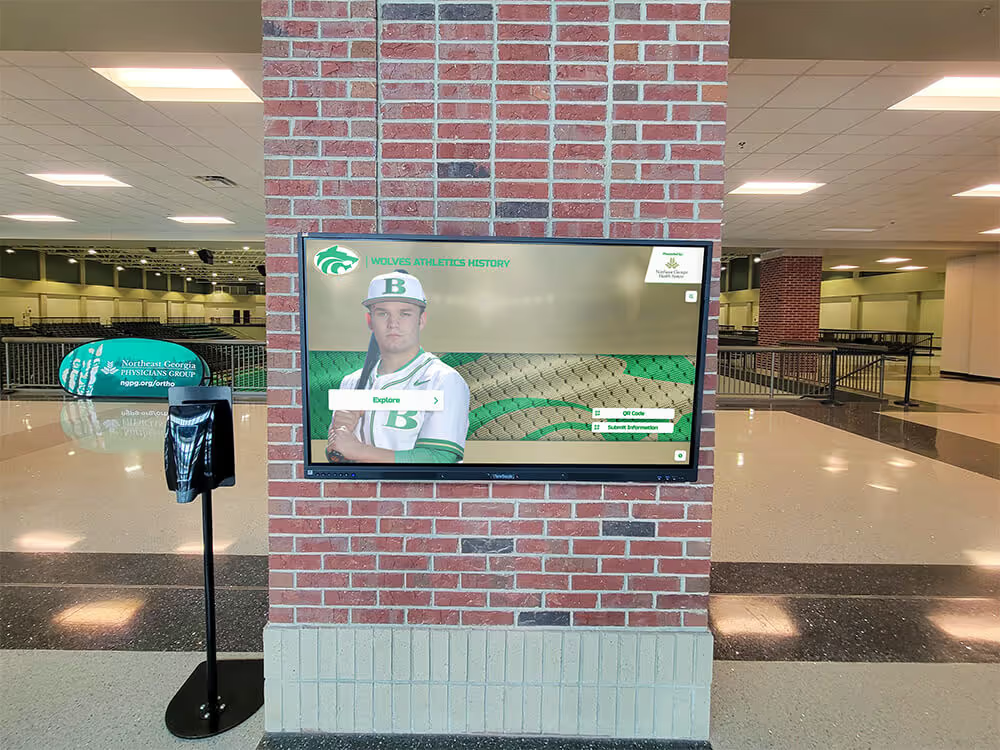
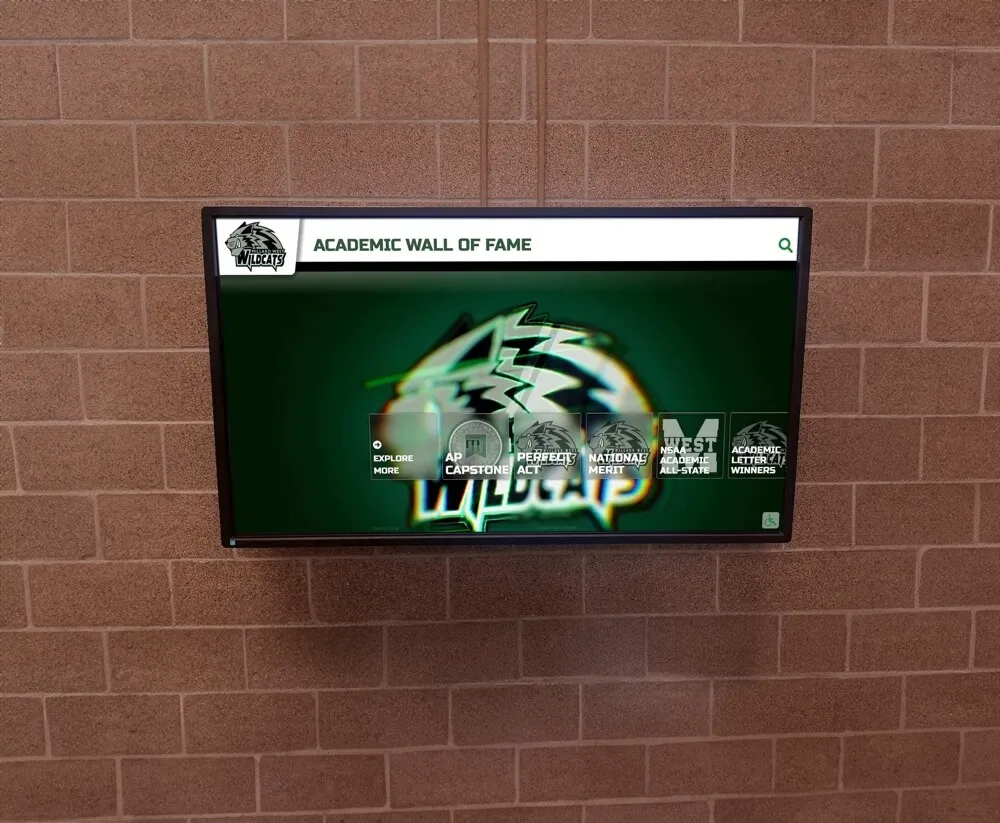
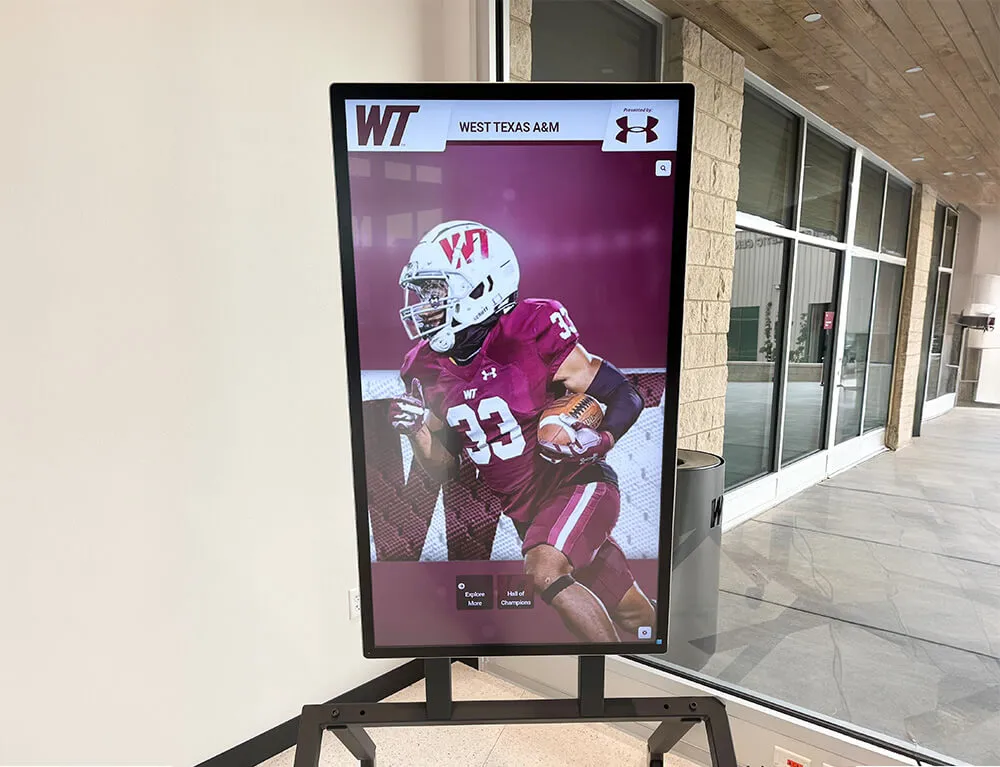
Every profile on a touchscreen hall of fame display depends on all four core references resolving correctly — a platform that enforces referential integrity at entry prevents the broken links that produce display errors and incomplete records
Integrating Referential Integrity Checks Into Existing Workflows
A referential integrity check does not require a dedicated IT team or a formal database system. The steps in this guide can be executed with spreadsheet-based registries and manual comparison, provided the registries are current and the check is run consistently at the right moments in the award record lifecycle.
Before each major import. Any time historical records are migrated from an older system, digitized from a paper archive, or loaded from an external source (conference results, state association data), run all six referential integrity checks against the incoming records before loading them into the master database. Batch imports are the highest single-event risk for large-scale referential integrity violations — one incorrectly formatted column can introduce hundreds of broken season references in a single operation.
Before each display publication cycle. Before any new or updated award records are pushed to display channels — touchscreen kiosks, honor walls, web archives, or program publications — run at minimum the four primary reference checks on the records being published. Records that fail any check should not go live until the violation is resolved or formally documented with authorization.
Annually, at the close of each academic year. Conduct a full six-check referential integrity audit of the entire award database at the close of each academic year. This annual pass surfaces the accumulated violations from the preceding year’s entries and provides a clean baseline for the following year.
When registries change. Any time a reference registry is updated — a program name changed, an athlete record merged or corrected, an award title retired or renamed — run a targeted referential integrity check on all award records that reference the changed entry, to identify any that now carry broken references as a result of the update. Registry changes that are not followed by this targeted check will silently break the records that reference the changed values.
Frequently Asked Questions
What are athletic award referential integrity checks?
Athletic award referential integrity checks are a structured audit process that verifies every reference in an award record resolves to an existing parent record. Specifically, they confirm that the athlete identifier links to a real athlete in the master registry, that the team program identifier links to an active program in the approved program list, that the season label matches an entry in the academic calendar, and that the award title exists in the official award catalog for the sport and season assigned. Secondary cross-reference checks verify that the athlete was enrolled on the referenced team during the referenced season, and that single-recipient honors have not been assigned to multiple athletes in the same season. Schools run these checks to catch broken references before they appear on recognition displays, hallway kiosks, or published recognition archives.
What causes referential integrity violations in athletic award databases?
The most common causes of referential integrity violations in athletic award databases are system migrations that do not propagate identifier changes to linked award records, team program restructuring that introduces new program names without updating historical records referencing the old names, free-text data entry that produces variant forms of team names, season labels, and award titles that do not match the approved controlled vocabulary, staff turnover that introduces new identifier forms without reference to existing registries, and retroactive corrections to the athlete registry that are not propagated to the award records referencing the corrected values. Batch imports from external sources — conference results, state association data, archived spreadsheets — are the highest single-event risk for large-scale referential integrity violations because one inconsistent column can produce hundreds of broken references in a single operation.
How often should schools run referential integrity checks on athletic award records?
Schools should run referential integrity checks at four trigger points: before any major batch import of historical or external records, before each recognition display publication cycle, annually at the close of each academic year, and whenever a reference registry is updated — a program renamed, an athlete record corrected, an award title retired or renamed. The annual full-database check provides a clean baseline and surfaces accumulated violations from the preceding year. The pre-publication check prevents broken references from reaching public displays. The pre-import check prevents large-scale violations from entering the database in bulk. The registry-update check prevents retroactive corrections to parent records from silently breaking the award records that link to them.
What is an orphaned award record?
An orphaned award record is an award entry whose athlete reference does not resolve to any existing record in the athlete master registry. The award exists in the database, but the athlete it was assigned to cannot be identified because the identifier is outdated (changed after a system migration), incorrect (entered with a typo), or points to a record that was deleted without updating the award records referencing it. On a recognition display, an orphaned award either produces a blank athlete profile, displays a system error, or silently omits the honor because the display system cannot render a record with an unresolved athlete reference. Resolving orphaned records requires tracing the award to secondary sources — ceremony programs, yearbooks, coaching records — to identify the athlete and update the reference.
How do digital recognition platforms help maintain referential integrity?
Digital recognition platforms enforce referential integrity primarily through controlled vocabulary fields, athlete registry integration, and award catalog binding. Controlled vocabulary fields replace free-text entry for team names, season labels, and award titles with selections from an approved list, preventing the variant forms that break referential checks. Athlete registry integration requires award records to be linked to an existing athlete profile before they can be saved, preventing null and unresolvable athlete references at entry. Award catalog binding restricts award title entry to catalog entries active for the selected sport and season, preventing retired title references and invalid sport-award assignments. Together, these mechanisms reduce the frequency of referential integrity violations by making valid entries straightforward and invalid entries structurally impossible through the normal data entry flow.
What is the difference between referential integrity and data quality in athletic award records?
Referential integrity and data quality are related but distinct concepts. Referential integrity is structural: it verifies that every reference in a record resolves to a real parent record — that the athlete ID exists, the team program exists, the season exists, and the award title exists. A record can pass all referential integrity checks and still have a data quality problem: the athlete's name may be misspelled in the registry, the season may be assigned to the wrong academic year, or the award title may be correct in the catalog but assigned to the wrong athlete. Data quality checks compare field values against authoritative sources to verify accuracy. Referential integrity checks verify that the links between records are intact. Programs that run both practices — referential integrity checks to verify structure, data quality audits to verify accuracy — build recognition archives that are both internally consistent and factually correct.
Conclusion: Linked Records, Trustworthy Displays
Athletic award referential integrity checks are the audit step that confirms a school’s recognition database is not simply a collection of award entries but a properly linked network where every reference resolves. Athletes are tied to real records in the registry. Teams resolve to approved programs. Seasons match the academic calendar. Honors exist in the official catalog for the sport and period assigned.
Running these checks consistently — before every import, before every publication cycle, and annually as a full-database pass — prevents the broken reference accumulation that turns individually accurate entries into a display system full of orphaned records, mismatched contexts, and missing data. The six checks in this guide — athlete reference, team program reference, season reference, award title reference, athlete-team-season cross-reference, and award frequency cross-reference — provide systematic coverage of every point where a reference can break.
Programs that maintain referentially consistent award databases maintain something more durable than accurate records: they maintain the credibility of every display, kiosk, and published archive where those records appear. An athlete whose award resolves correctly — to their verified record, their confirmed team, their documented season, and their officially cataloged honor — can trust that what appears on the wall or screen is exactly what was earned.
See How a Recognition Platform Keeps Award Records Properly Linked
Rocket Alumni Solutions gives athletic programs a cloud-based platform with controlled vocabulary registries, athlete profile linking, approval workflows, and auto-ranking record boards that enforce referential integrity at every entry point — so broken references are prevented before they can reach a display.
Request a Demo