



An athletic awards database connection pooling policy — Intent: research — defines how many simultaneous database connections a school’s recognition system may hold open, how long each connection may remain idle before being released, and how the system must respond when connection demand during seasonal peaks exceeds the pool’s configured capacity. Without a documented policy, recognition systems that operate without issue for most of the academic year stall under the concentrated write load of season-end ceremonies, records-board updates, and multi-sport award batches — the exact windows when accurate, timely display updates matter most to athletes and families.
This guide is written for school administrators, athletic directors, IT staff, facilities coordinators, and recognition-program owners who manage award imports, database-backed recognition displays, and seasonal data update cycles. It covers connection pooling fundamentals, capacity sizing calculations, a complete capacity and timeout policy table, mandatory fallback behavior, seasonal peak planning, and monitoring requirements for keeping award imports and recognition updates responsive throughout the year.
Seasonal peaks in athletic recognition follow a predictable calendar. End-of-year ceremonies, fall and spring season closings, hall of fame induction cycles, and academic-athletic honor announcements create concentrated bursts of database write activity. A recognition system’s connection pool — the fixed set of database connections shared across all active processes — absorbs that burst load. When the pool is undersized or its timeout rules are left undefined, imports queue, time out, or fail silently, leaving recognition displays out of sync at precisely the moments athletes and families are most likely to check them.

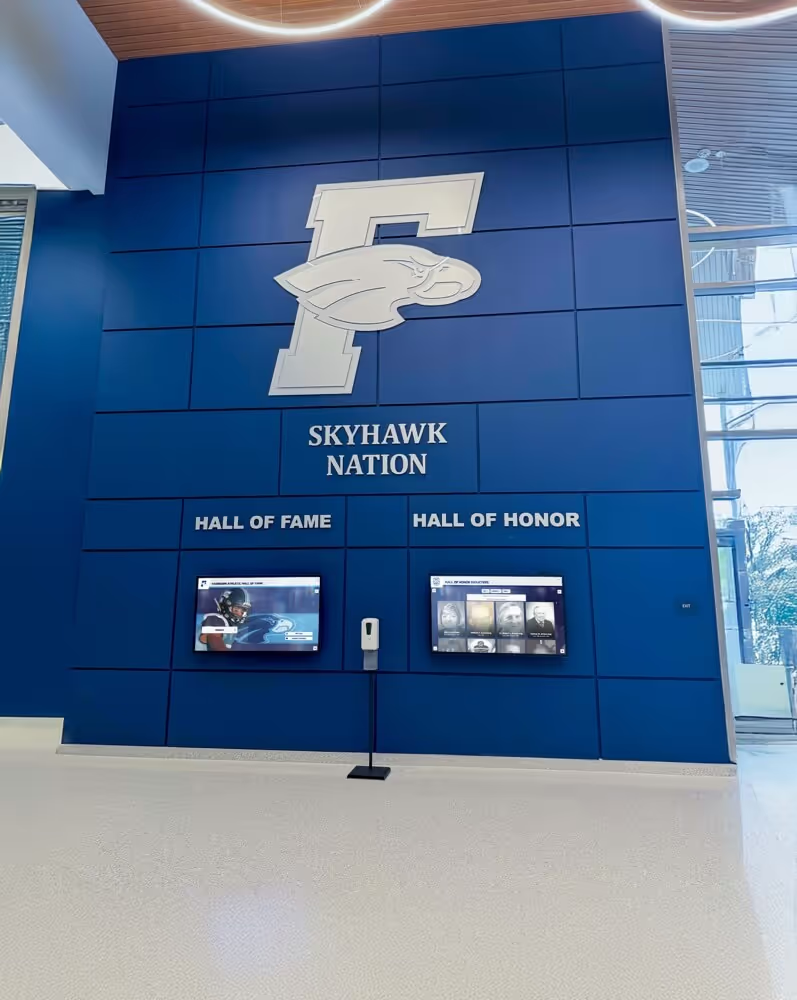
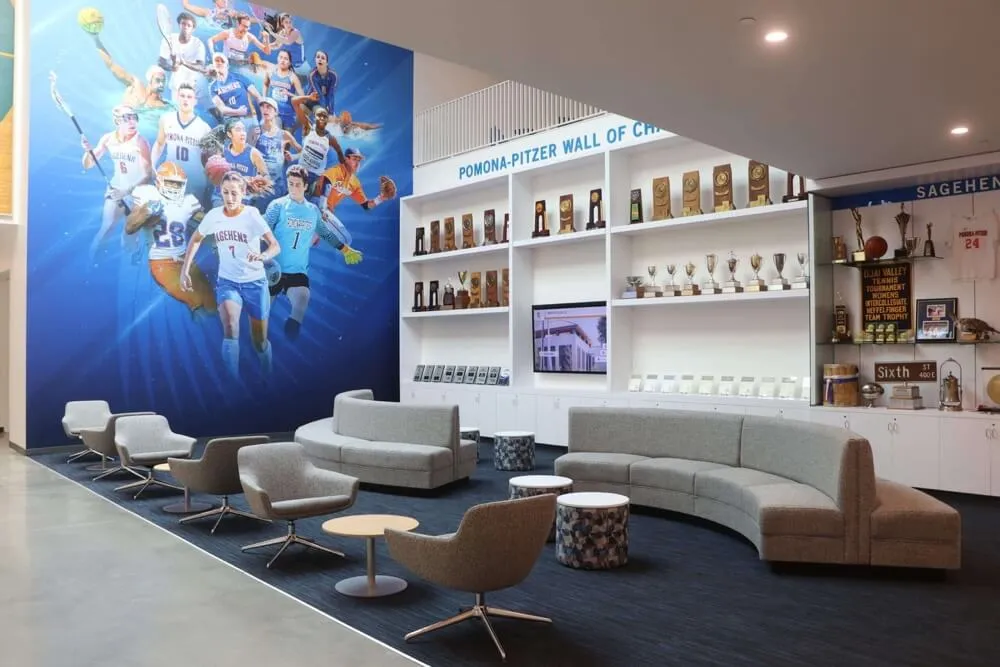
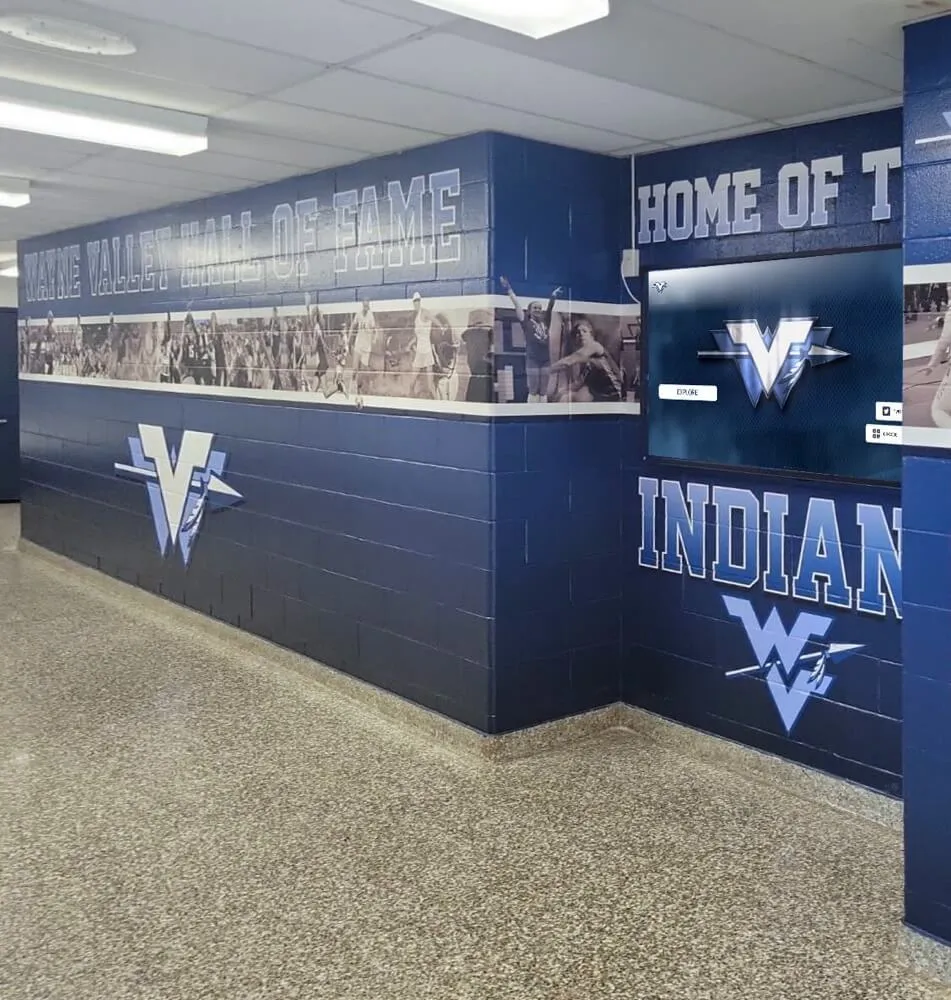
Every record visible on a hallway recognition display is served by database connections — an athletic awards database connection pooling policy defines how those connections are allocated, recycled, and protected during peak update periods
What Is Database Connection Pooling?
Database connection pooling is a technique that maintains a pre-established set of reusable database connections so that application processes can borrow a connection from the pool, execute a query or transaction, and return the connection for reuse — rather than opening and closing a dedicated connection for every individual database operation.
Opening a new database connection carries real overhead. Network handshaking, authentication, and session initialization typically require between 20 and 200 milliseconds depending on database server load and network latency. In a recognition system processing several hundred award records during an end-of-season import, the cumulative cost of opening one connection per record — rather than reusing pooled connections — can extend a batch that should complete in seconds into a process that stalls for minutes.
A connection pool defines five governing parameters:
- Pool size — the minimum and maximum number of connections held open simultaneously
- Acquisition timeout — how long a process waits for an available connection before failing with an error
- Idle timeout — how long a connection may sit unused before it is released and replaced on demand
- Lifetime limit — the maximum duration any single connection remains open before being recycled, regardless of use frequency
- Overflow policy — the system’s documented response when all connections are in use and new demand continues to arrive
An athletic awards database connection pooling policy documents each of these parameters, establishes who may modify them and under what circumstances, and defines the monitoring thresholds that trigger a review of pool configuration when traffic patterns shift.
Why Athletic Recognition Systems Need a Formal Pooling Policy
Most school recognition databases perform reliably under normal operating conditions. Award records are entered individually or in small batches, display queries run at low frequency, and the connection pool handles demand comfortably. The challenge is not average load — it is peak load, and the peaks in athletic recognition arrive on a schedule that is entirely predictable.
End-of-year award ceremonies drive the largest concurrent update bursts. Roster records need closing, season statistics need verification, award assignments need import, and ceremony programs need data confirmation — often all within the same 48-to-72-hour window. A recognition system that requires five simultaneous database connections on a typical day may suddenly require 20 or 30 during that window, as batch imports, display refresh queries, and multiple staff members reviewing records compete for the same pool.
Three failure patterns emerge when a formal pooling policy is absent:
Silent queue exhaustion. The pool fills to its default maximum and new requests queue silently. Imports appear to be running — no immediate error is thrown — but records are never written because the connection was never acquired before the operation’s timeout expired. The display shows outdated data until someone notices manually.
Cascading failure during peak events. A slow award-assignment import holds a connection for longer than expected due to a lock wait. That connection is unavailable to the display refresh process serving a public-facing screen. Staff, noticing the stale display, trigger manual re-runs — each requesting another connection from an already-exhausted pool, compounding the original problem.
Undetected growth over time. As a recognition program expands — adding sports, award categories, archive import cycles, or additional display channels — baseline connection demand increases gradually. A pool configuration set three years ago may now be systematically undersized without ever generating a clear failure signal.
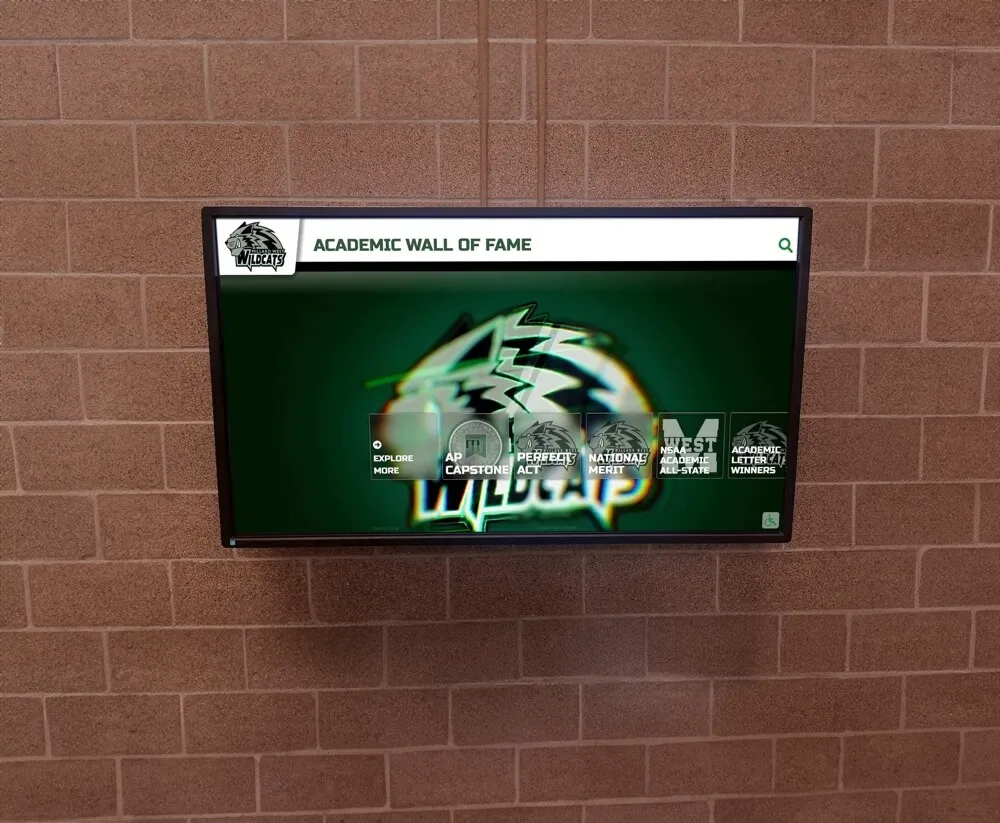
Schools operating interactive digital recognition displays for school lobbies and hallways face a dual demand profile that a pooling policy must address explicitly: write-heavy import processes pushing new award data into the database, and read-heavy display queries serving current data to public-facing screens. A policy that treats these two profiles identically underserves both.
Peak Load Events and Connection Demand Planning
The following events create the largest connection demand spikes in school athletic recognition databases. IT teams should use this schedule as a planning baseline when setting seasonal pool size targets and pre-event configuration adjustments.
| Event | Typical Timing | Connection Demand Driver | Risk Without a Policy |
|---|---|---|---|
| End-of-season award batch import | May–June (spring), November–December (fall) | Simultaneous imports for multiple sports | Pool exhaustion, partial imports, stale displays |
| Hall of fame induction processing | Annual (varies by school) | Induction record creation combined with media attachment writes | Long-held write connections block display read queries |
| Records board bulk update | Following championship events | High-volume record entry from multiple staff workstations | Concurrent write contention on records table |
| Academic-athletic honor import | End of academic year | Cross-system export/import from academic database to athletic recognition system | Import transaction holds connections during cross-system transfer delays |
| Season configuration update | Prior to each new season | Configuration row updates block award-entry reads while in progress | New-season award entry stalls until configuration writes commit |
| Display refresh spike after ceremony | Ceremony night and following morning | Read queries spike as athletes and families access recognition displays remotely | Read queries queue behind write connections held during post-ceremony import |
The most reliable way to avoid peak-event pool exhaustion is to increase pool capacity before the event rather than diagnosing failures during it. A formal policy creates the structure to make that increase a scheduled step, not an emergency response.
Connection Pool Capacity Policy
The capacity policy establishes the minimum and maximum pool size for each operating phase: normal operations, planned seasonal peaks, and emergency fallback.
Capacity Sizing Methodology
Pool size should be derived from two inputs: the maximum number of concurrent processes that will request database connections simultaneously, and the average connection hold time for each process type.
A practical concurrent process inventory for a mid-size school athletic recognition program:
- Batch import workers — one connection per active import job (typically 1–5 during peak season processing)
- Display refresh processes — one per display channel actively serving data to public-facing screens
- Administrative sessions — one per staff member actively using the recognition management interface
- Monitoring and health-check processes — typically one or two low-frequency background processes
Sizing formula:
Minimum pool size = (peak import workers) + (display channels) + (admin sessions) + (monitoring)
Maximum pool size = minimum × 1.5, rounded up to the nearest 5
For a school running 3 simultaneous sport-season imports, serving 4 display channels, supporting 5 administrative sessions, and running 2 monitoring processes:
Minimum = 3 + 4 + 5 + 2 = 14
Maximum = 14 × 1.5 = 21, rounded up to 25
Capacity Policy Table
| Operating Phase | Minimum Pool Size | Maximum Pool Size | Configuration Review Trigger |
|---|---|---|---|
| Normal operations (off-peak) | 10 | 20 | Monthly — if peak utilization exceeds 80% of maximum for 3 or more consecutive days |
| Planned seasonal peak (pre-ceremony) | 20 | 40 | After each peak event — compare actual peak connection count to configured maximum |
| Multi-sport season close | 25 | 50 | After event — log actual peak count for next year’s capacity planning |
| Emergency fallback (degraded mode) | 5 | 10 | Immediately — trigger administrator alert if system falls into degraded mode |
The maximum pool size is a hard ceiling, not a performance target. Configuring a maximum that the system routinely approaches during normal operations leaves no headroom for unexpected demand. The operational ceiling — the point at which a capacity review should be scheduled — is 80% of the configured maximum. Consistent utilization above that threshold is the signal to increase the maximum before, not after, the next peak event.
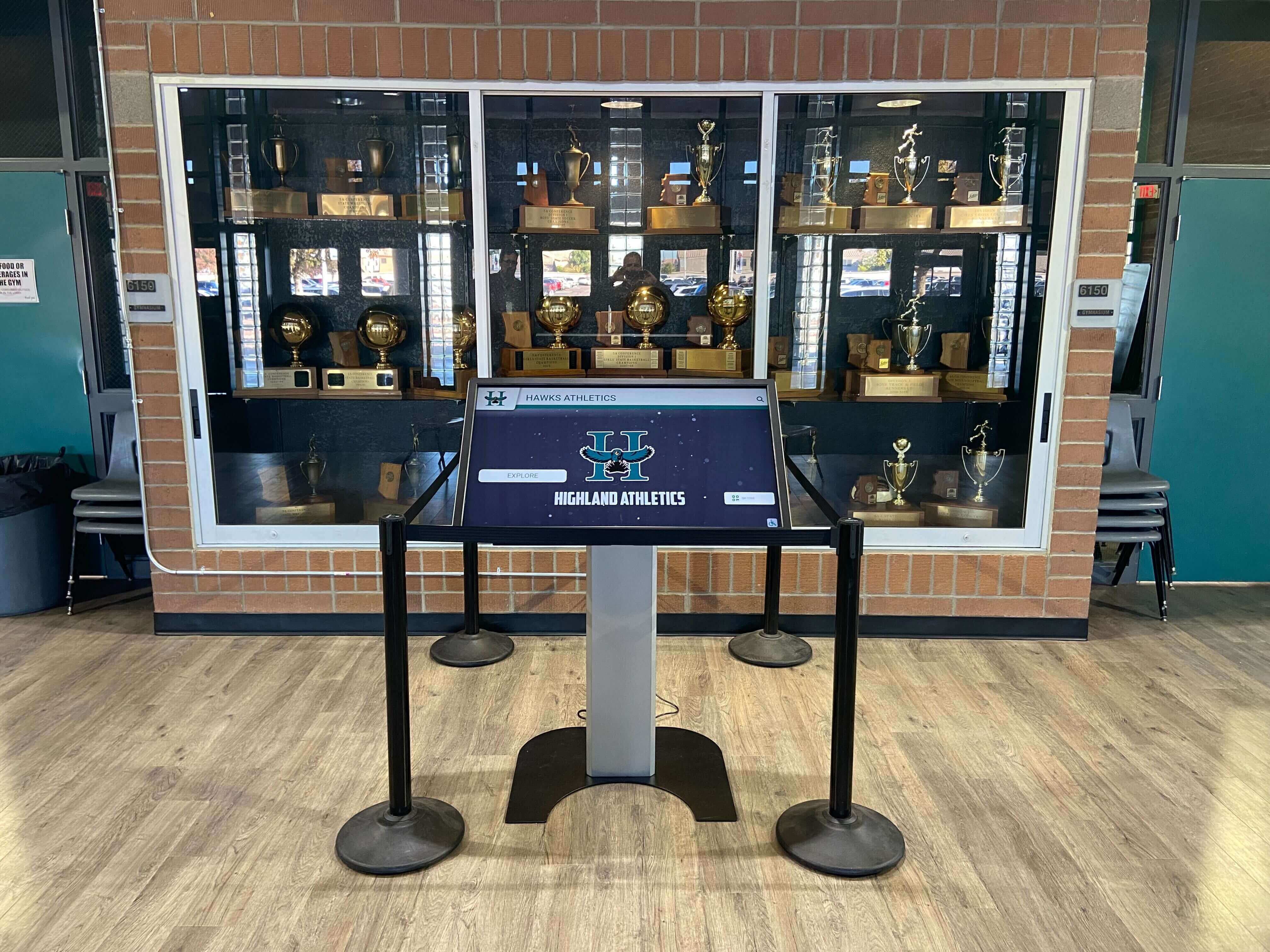
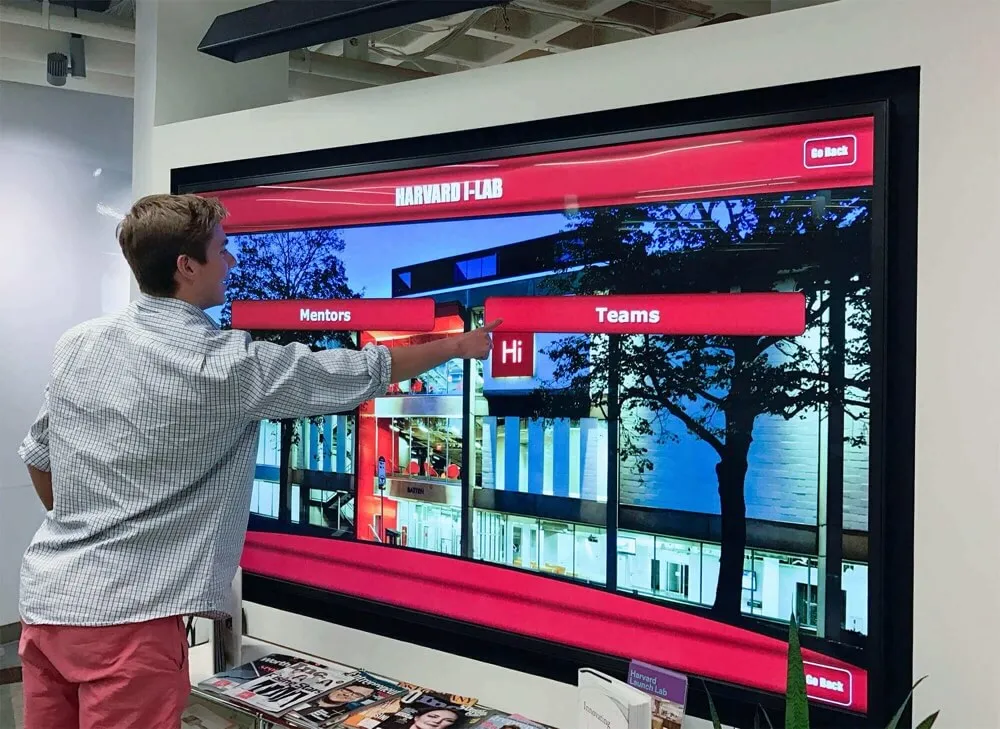
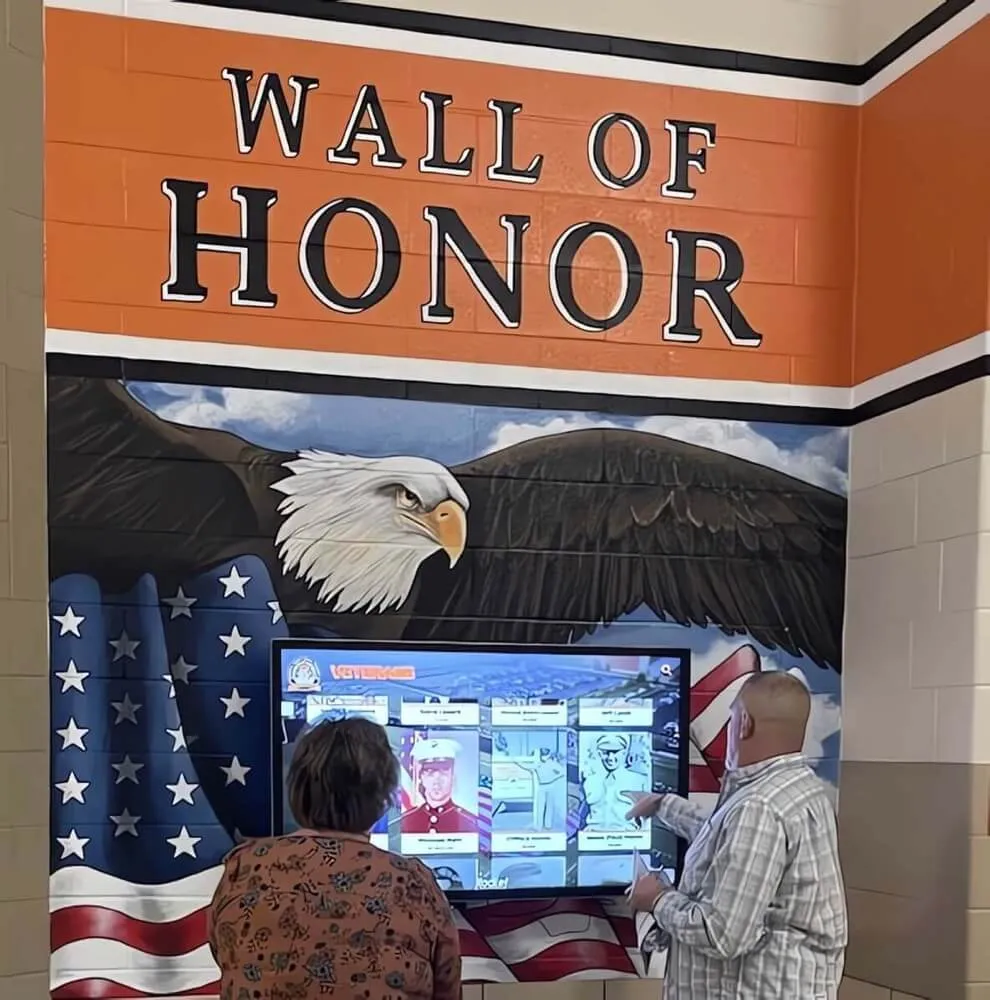
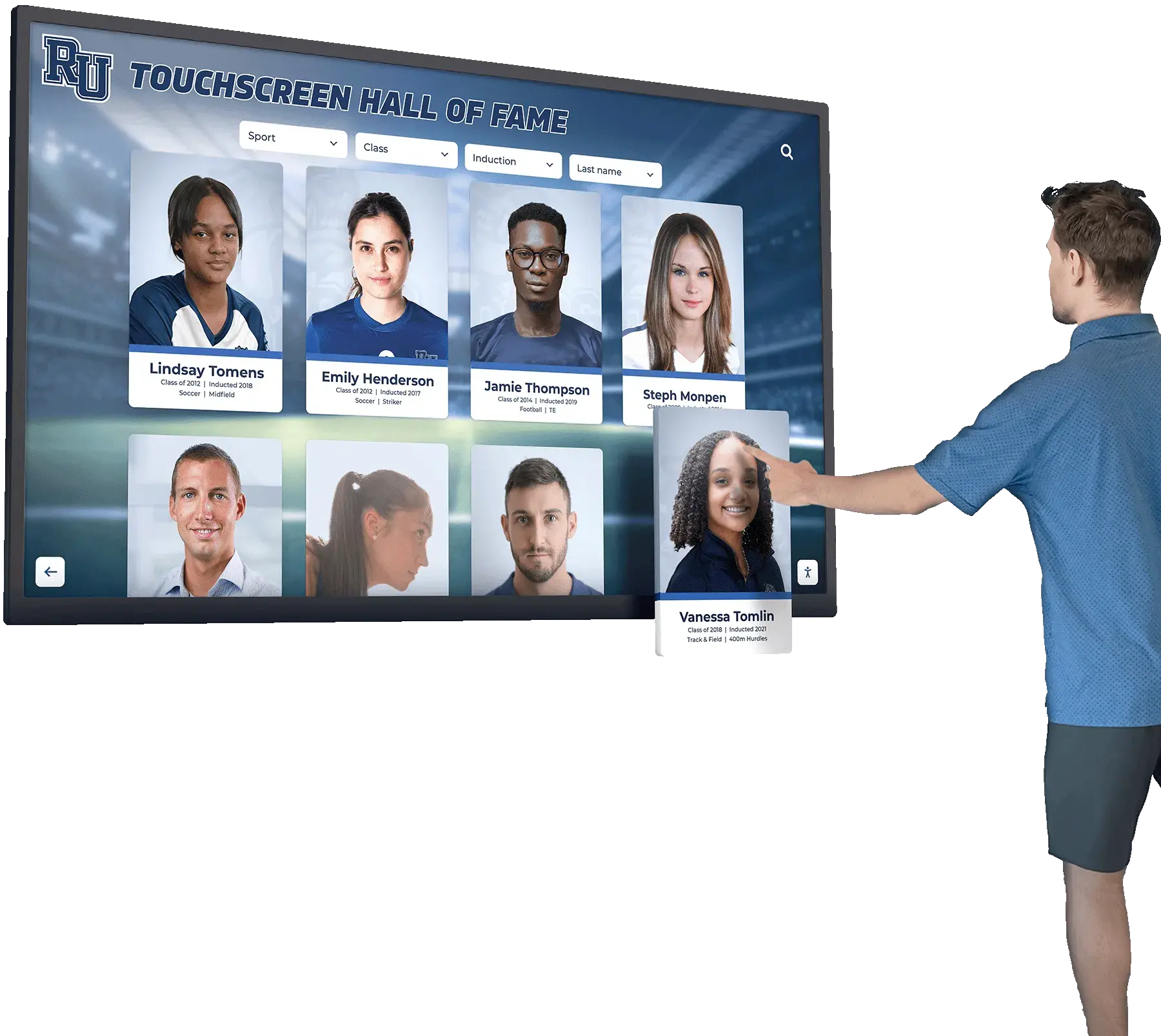
A touchscreen recognition kiosk reads from the same database connection pool that import processes write to — a capacity policy that accounts for both keeps the display responsive even during heavy ceremony-night update cycles
Connection Timeout Policy
Timeout parameters determine how long a process waits for an available connection, how long a connection may sit idle before being released, and how long any single connection may exist before being recycled. Undefined timeouts are operationally as dangerous as an undersized pool. A process waiting indefinitely for a connection holds system threads open, prevents failure reporting, and makes pool exhaustion invisible to monitoring systems until something larger breaks.
Timeout Policy Table
| Parameter | Recommended Value | Operational Rationale | Override Condition |
|---|---|---|---|
| Acquisition timeout | 10 seconds | A process unable to acquire a connection within 10 seconds signals pool exhaustion — fail immediately and log rather than hold threads open | Extend to 30 seconds during documented multi-sport batch windows; record the extension in the batch run log |
| Idle timeout | 300 seconds (5 minutes) | Idle connections held beyond 5 minutes consume database server resources unnecessarily; release and reacquire on demand | Reduce to 120 seconds during emergency fallback mode to free connections more rapidly |
| Connection lifetime | 1,800 seconds (30 minutes) | Long-lived connections accumulate server-side session state; recycling at 30 minutes prevents state drift without disrupting active operations | No exceptions — enforce the lifetime limit across all operating phases; the driver handles graceful connection handoff |
| Query timeout | 60 seconds | A query running longer than 60 seconds within an award import indicates a structural problem (lock wait, missing index, runaway join) — fail and log rather than allow open-ended resource consumption | Batch operations involving media attachment writes may extend to 120 seconds; flag for review if regularly required |
| Pool validation interval | 30 seconds | Periodic validation confirms idle connections in the pool are still reachable; stale connections returned to callers fail silently without this check | No change recommended — validation frequency should remain constant across all operating phases |
The acquisition timeout is the most operationally significant parameter in the table. It controls how quickly the system surfaces a pool exhaustion failure rather than allowing operations to queue without evidence. Programs where staff expect immediate confirmation of import success should set this value as low as practical without generating false failures from normal processing variance.
For programs currently weighing a transition from physical plaques to cloud-managed recognition infrastructure, understanding how digital award walls compare to traditional physical displays provides context for the database infrastructure demands that come with live, remotely-updated recognition systems — infrastructure that a formal pooling policy protects from peak-period failures.
Fallback Behavior When the Pool Is Exhausted
When the connection pool reaches its configured maximum and a new request arrives, the system must have a documented fallback response. This behavior should be defined at the policy level — not left to default database driver behavior, which varies across drivers and may produce outcomes that do not match school operational requirements.
Four mandatory fallback requirements:
1. Fail with a logged error, not a silent queue. When the acquisition timeout expires without a connection becoming available, the failed operation must log: timestamp, process type, requested connection count, current pool utilization, and the operation identifier (batch ID, import job name, or session ID). Silent failures — operations that terminate without producing a log entry — create stale displays with no alert and no evidence for the post-event review.
2. Separate display-refresh connections from import connections. Display-refresh queries — the read operations that serve data to public-facing recognition screens — should draw from a dedicated connection subset or a protected lower-priority queue that cannot be starved entirely by write-heavy import operations. During peak import windows, import processes should not be permitted to hold all available connections while display queries queue indefinitely.
3. Notify the responsible administrator. Pool exhaustion requires a human decision: wait for active operations to complete, scale the pool temporarily, or defer the import to a lower-demand window. The logging system must push a notification — email, dashboard alert, or monitoring platform event — rather than requiring staff to discover the failure by checking display accuracy after the fact.
4. Log every retry wait explicitly. If the system implements automatic retry on pool exhaustion, each retry attempt must be logged with its wait duration. Silent retry loops that eventually succeed are indistinguishable in logs from normal operations — which means pool exhaustion events that resolved by luck leave no record for future capacity planning.
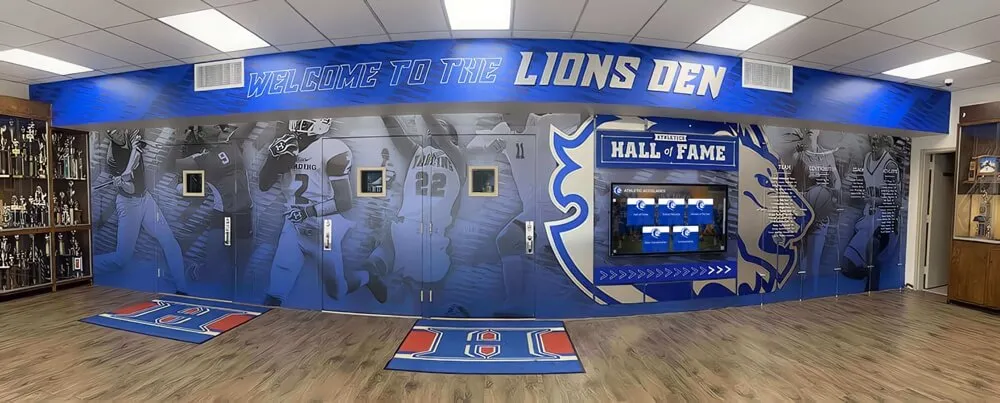
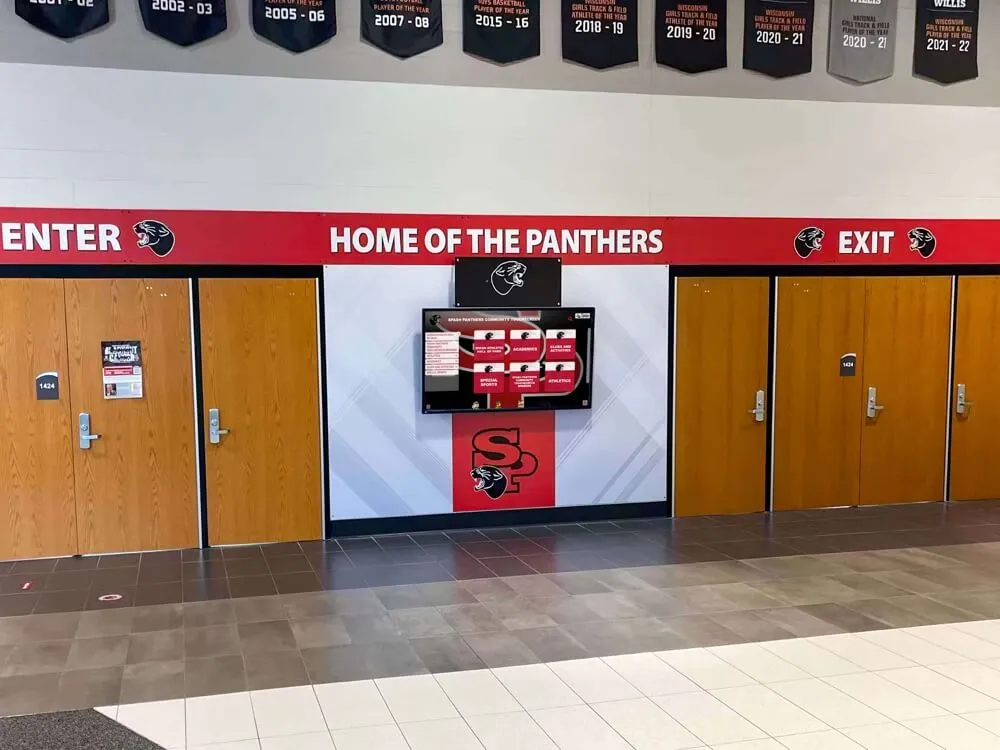
Schools operating digital displays in school lobbies and entry hallways should treat pool exhaustion as a priority incident rather than a background task. Recognition displays in high-traffic public areas lose credibility with athletes and visitors when they show outdated award data — and that credibility is harder to restore than the original configuration would have been to maintain.
Managing connection pool configuration and seasonal scaling in-house is a significant operational commitment.
See How Rocket Alumni Solutions Handles This for You — cloud-managed recognition infrastructure with built-in pool management, monitoring, and seasonal capacity planning.
Monitoring Requirements
A connection pooling policy without continuous monitoring is an untested assumption. Three metrics should be tracked in real time and reviewed after each peak event:
Pool utilization percentage. At any given moment, what percentage of the configured maximum pool size is in active use? Sustained utilization above 80% is the early-warning threshold. Utilization above 95% is the immediate action threshold.
Acquisition wait time. How long are processes waiting for an available connection? Average wait times above 500 milliseconds during off-peak periods indicate the pool is systematically undersized. Rising wait times in the days before a known peak event are advance warnings that pool capacity should be increased before the event begins.
Connection error rate. How frequently are acquisition timeouts resulting in a logged failure? A non-zero error rate during off-peak periods signals a misconfiguration that should be corrected before seasonal demand arrives. Error rates above 1% during planned peak events indicate the peak capacity plan is insufficient for actual demand.
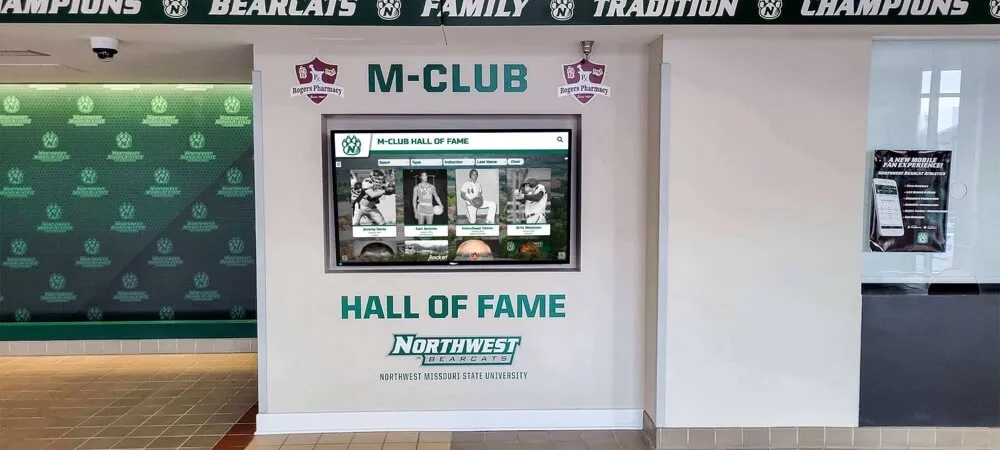
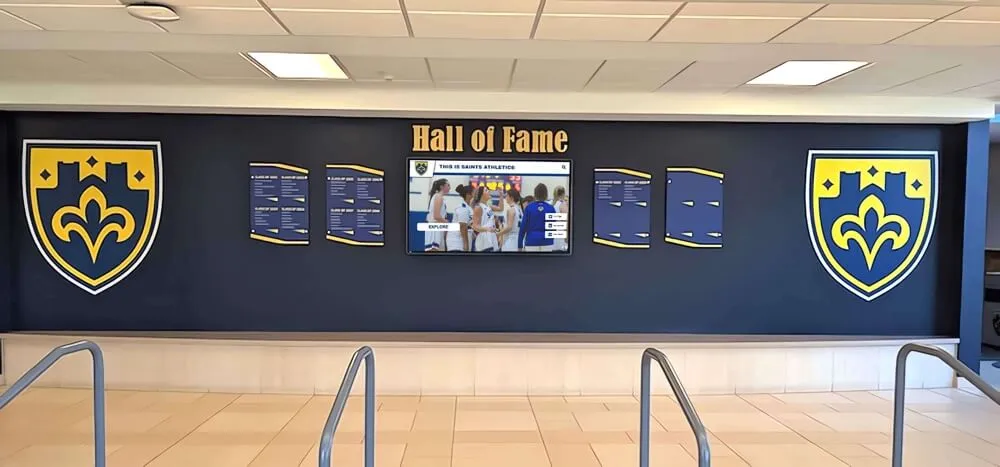
Schools operating hall of fame touchscreen displays that must remain accurate and responsive during high-visibility events — induction ceremonies, championship celebrations, family nights — should have monitoring active and a designated staff member receiving alerts before the event begins, not during it.
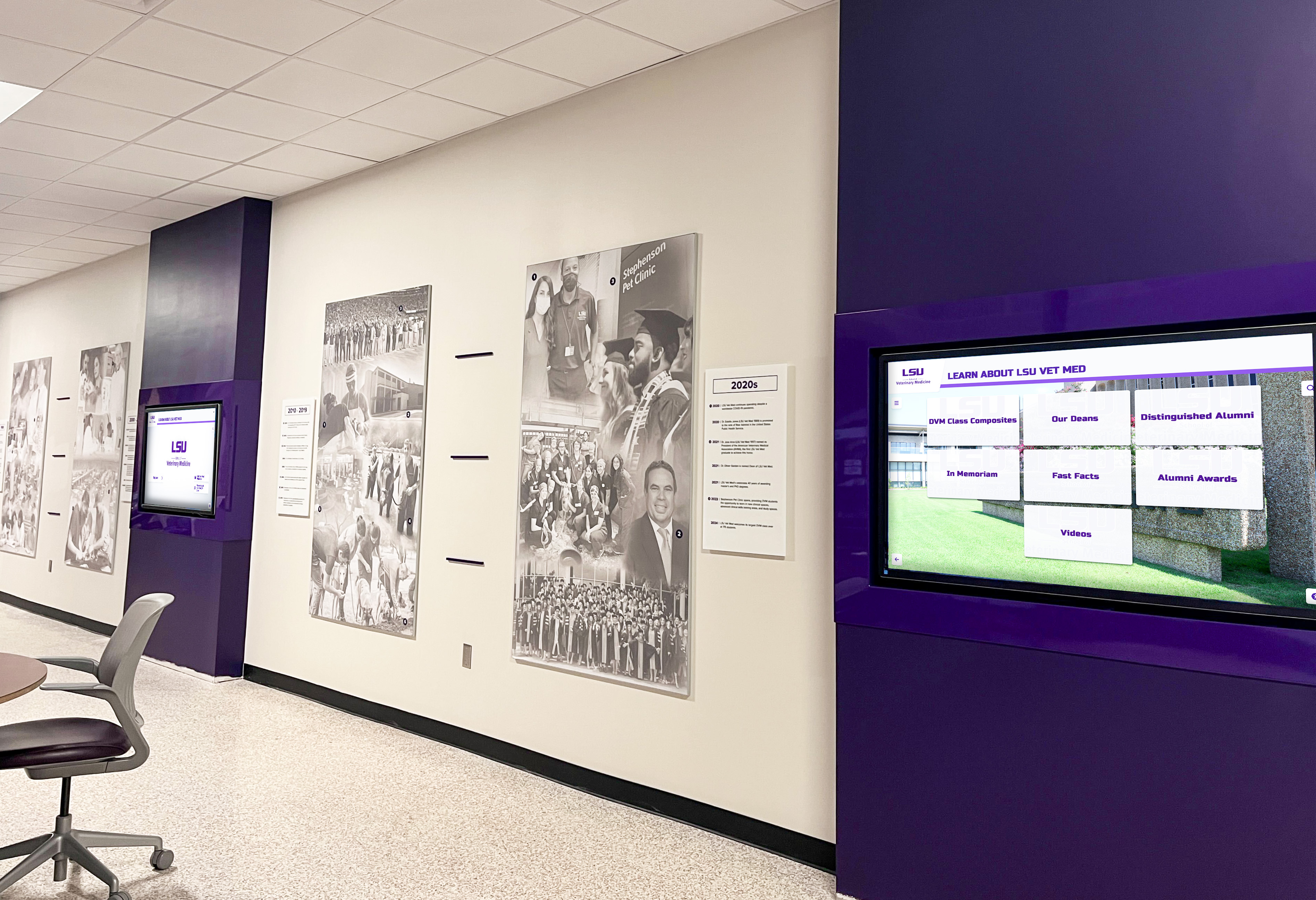
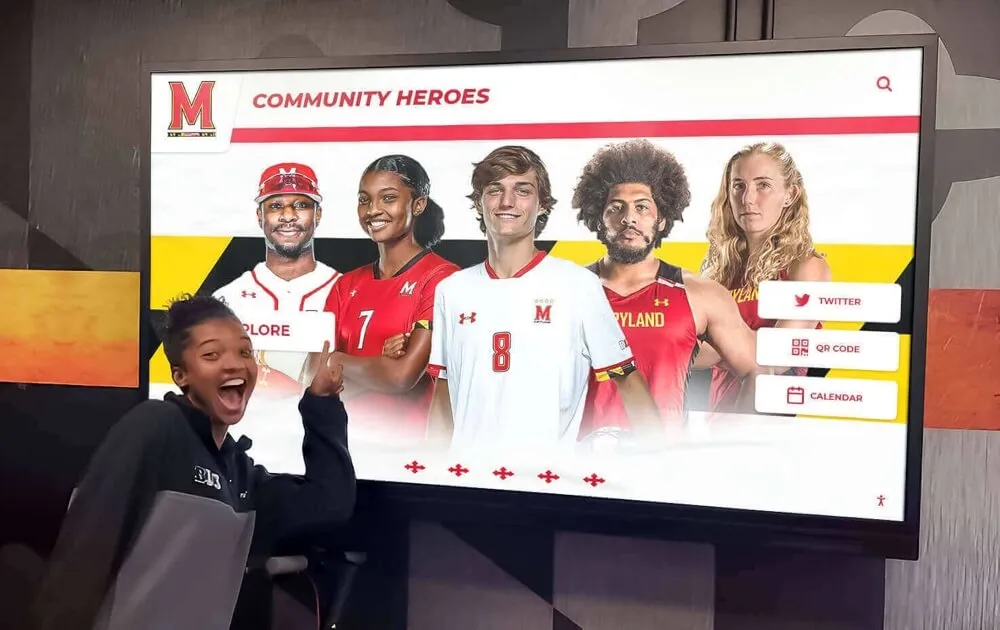
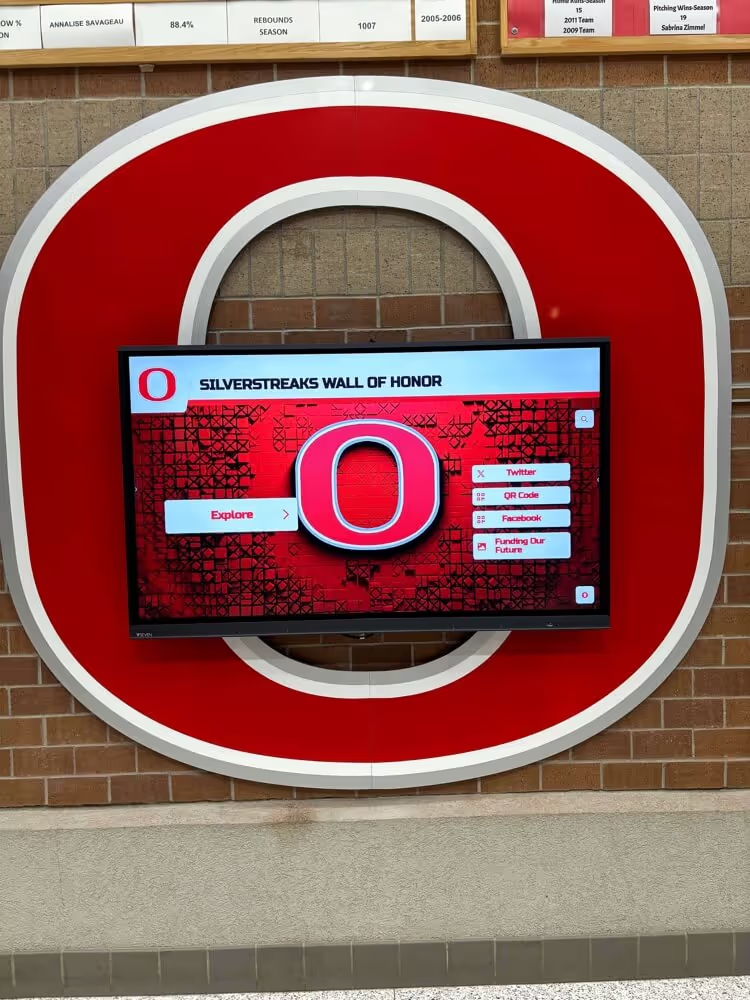
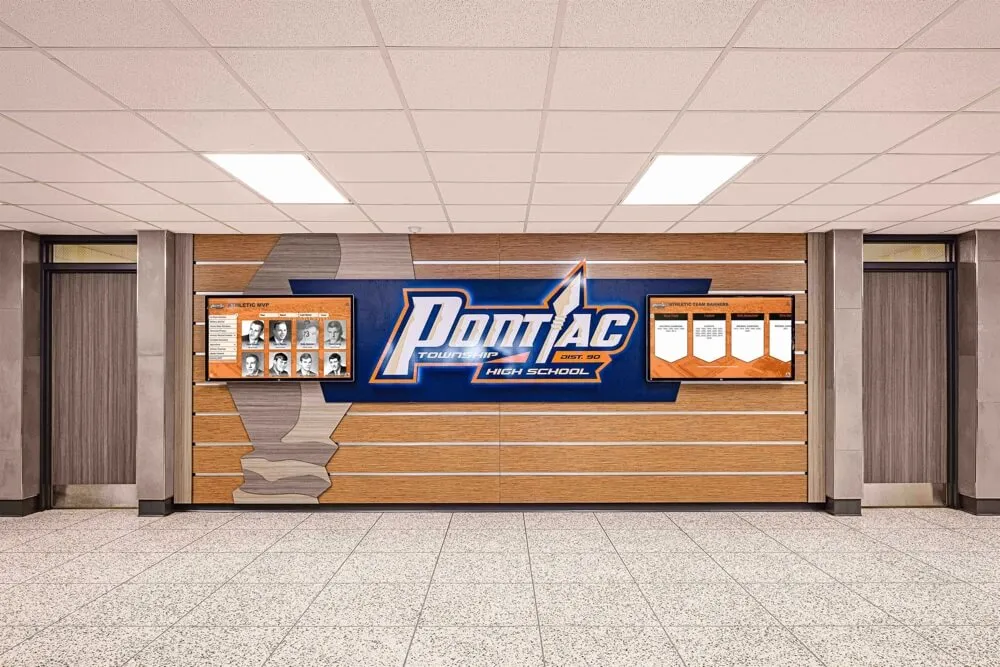
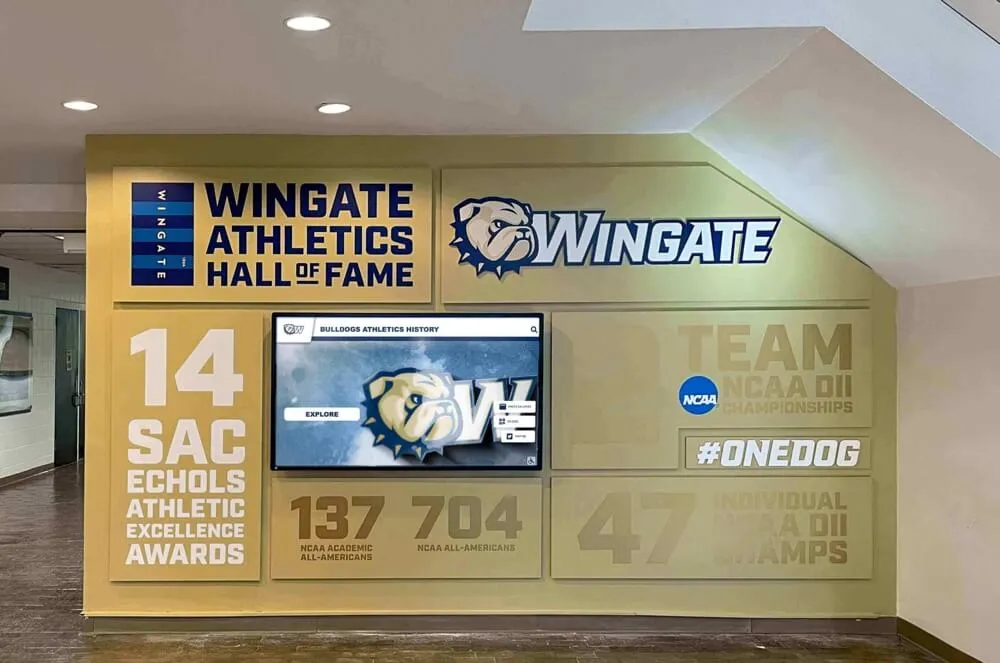
Institutions running multiple simultaneous display screens in high-traffic hallways draw concurrent read connections from the same pool that import processes use — monitoring pool utilization across all screens is essential during peak update windows
Annual Capacity Review
The connection pooling policy should include a scheduled annual review at the start of each academic year, before the first major peak period. The review process should address four areas:
Compare last year’s peak connection counts to this year’s configured maximum. If last year’s peak utilization reached 90% of the configured maximum, this year’s maximum should be increased before the same seasonal peak arrives.
Account for program expansion. New sports programs, new award categories, additional display channels, and new staff with system access all increase baseline connection demand. Estimate the additional connection demand from each expansion and add it to the off-peak baseline before setting the new year’s pool configuration.
Evaluate timeout parameters against observed behavior. If acquisition timeout alerts fired frequently at the current threshold, the timeout is either too short (generating false positives from normal processing variance) or the pool is consistently undersized (correctly detecting real exhaustion that requires a capacity increase). Determine which is true before adjusting either parameter.
Document the review. The annual review is an accountability record. Document the findings, decisions, and resulting configuration changes with a date and the name of the reviewing administrator. When pool problems occur the following year, the review document establishes what was known at configuration time — critical context for both troubleshooting and policy revision.
Schools that have expanded from single-sport recognition to comprehensive multi-display award wall platforms should expect annual capacity reviews to show consistent growth in baseline connection demand. Programs planning significant award program expansions should model the additional demand before implementation rather than discovering it post-launch.
How Cloud-Based Recognition Platforms Simplify Pool Management
Schools managing recognition systems in-house bear the full responsibility for connection pool configuration, monitoring, capacity planning, and annual review. Cloud-based recognition platforms that manage database infrastructure on the school’s behalf remove most of that operational burden — but the accountability does not disappear. Schools using cloud-hosted recognition platforms should request documentation from their provider covering:
- The connection pool architecture used by the platform
- How the platform isolates each school’s data from concurrent write operations by other customers on shared infrastructure
- The provider’s seasonal peak capacity planning process and how it handles unusual demand spikes
- The monitoring dashboards or alerts the school can access to verify import responsiveness independently
A well-supported cloud recognition platform eliminates the need for internal database configuration expertise while maintaining the operational transparency that administrators and IT teams need to trust the system during high-stakes events.
Rocket Alumni Solutions provides cloud-managed recognition infrastructure to schools, athletic programs, and institutions operating interactive digital awards displays, halls of fame, and records boards across the country. The platform handles connection pool management, seasonal scaling, and real-time infrastructure monitoring so that athletic directors and IT teams can focus on recognition accuracy and content — not the transaction-layer mechanics underneath the display.
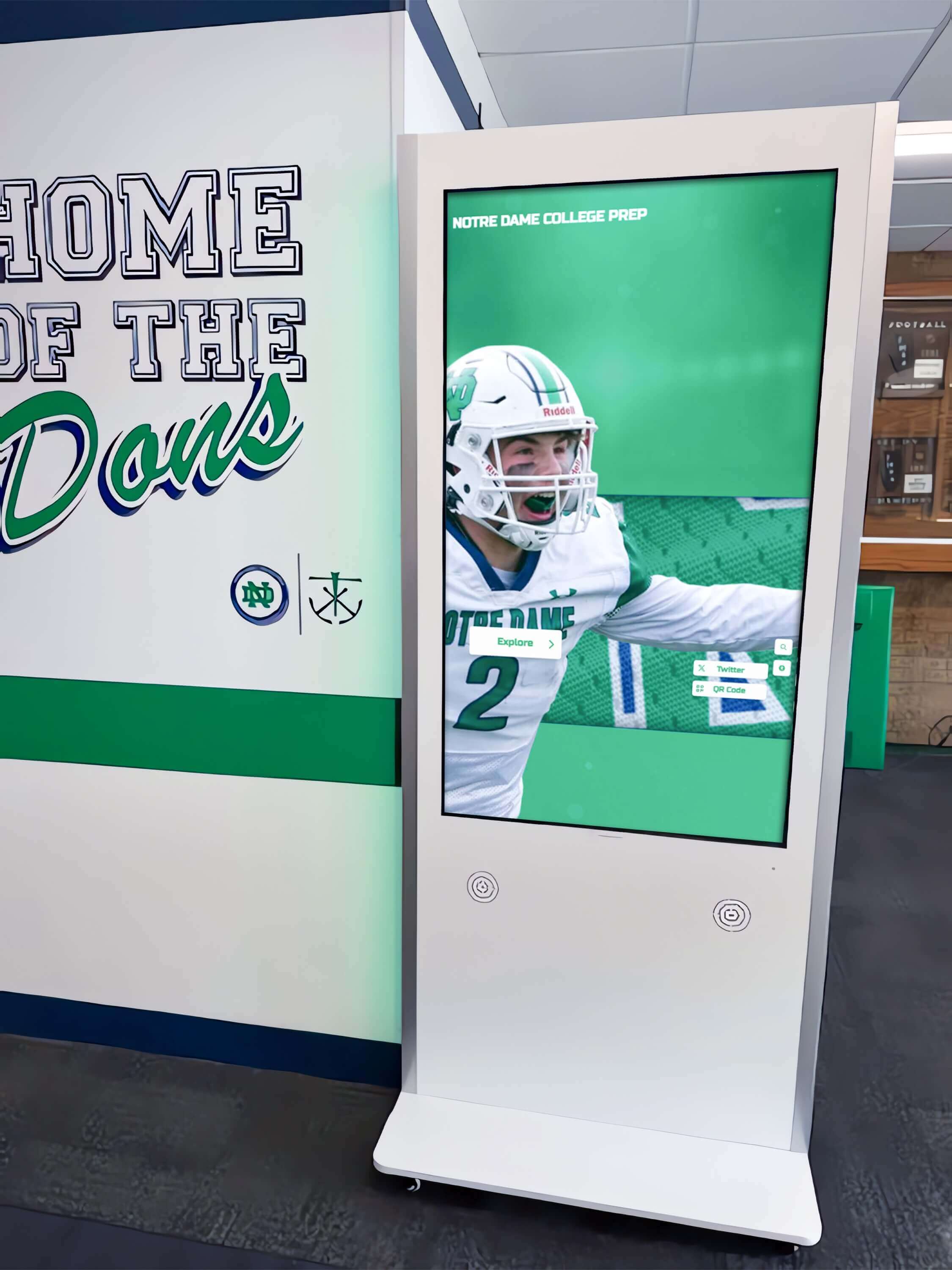
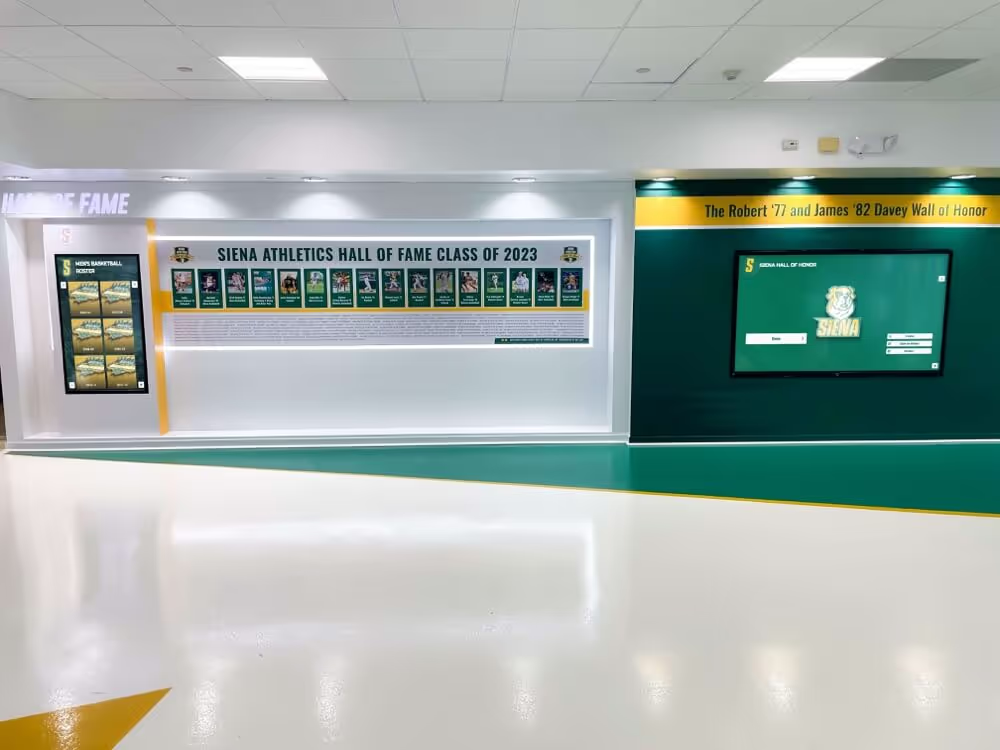
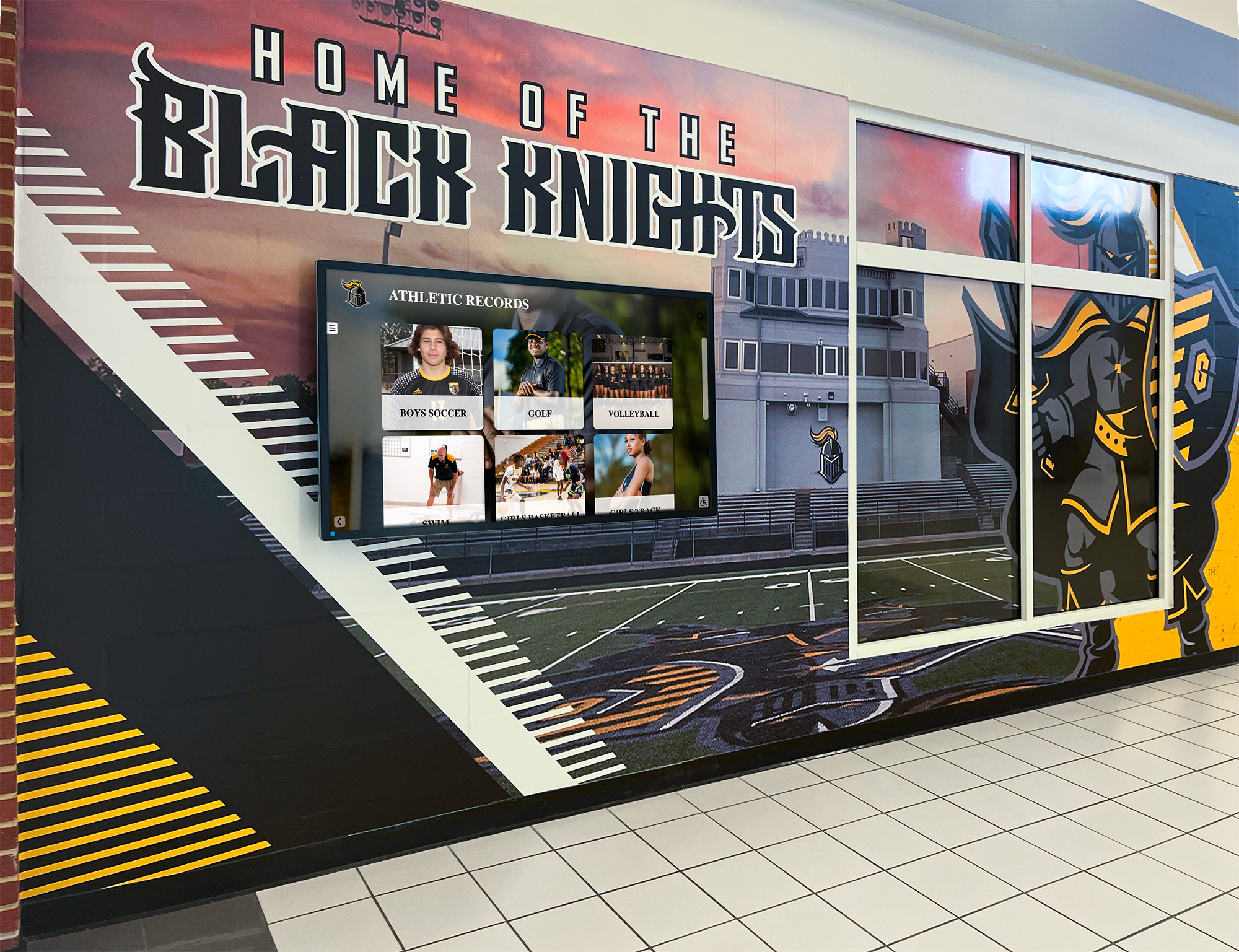
Cloud-managed recognition platforms like Rocket Alumni Solutions remove the burden of connection pool configuration from school IT teams while maintaining the infrastructure reliability that high-visibility displays require
Institutions that previously compared digital award wall platforms against traditional physical plaques and trophy cases often find that the infrastructure management overhead is a deciding factor — particularly for smaller schools with limited IT capacity. A platform that manages connection pooling, scaling, and monitoring as part of its service removes a category of risk that many schools are not positioned to manage independently.
Frequently Asked Questions
What is an athletic awards database connection pooling policy?
An athletic awards database connection pooling policy is a documented set of rules that defines how many database connections a school’s recognition system holds open simultaneously, how long connections remain idle before being released, what the system does when demand exceeds the pool’s maximum capacity, and who is authorized to modify pool configuration. The policy covers minimum and maximum pool size, acquisition timeout, idle timeout, connection lifetime, overflow behavior, monitoring thresholds, and the schedule for annual capacity review.
How do I calculate the right pool size for a school athletic recognition system?
Start by counting the maximum number of processes that will request database connections simultaneously at your busiest peak: batch import workers (one per active import job), display refresh processes (one per active display channel), active administrative sessions, and background monitoring processes. Add those numbers together for your minimum pool size. Multiply by 1.5 and round up to the nearest 5 for your maximum. Treat 80% of the maximum as your operational ceiling — consistent utilization above that level is the trigger for a capacity increase before the next peak event.
What happens when the connection pool is exhausted during an award import?
Without a documented fallback policy, the import queues silently until connections become available or the acquisition timeout expires — often leaving records partially written and recognition displays out of sync, with no alert generated. A proper fallback policy requires the system to fail with a logged error after the acquisition timeout expires, push a notification to the responsible administrator, and protect display-refresh queries from being starved entirely by write-heavy import operations so the public-facing display remains readable even when imports are queued.
How often should a school review its connection pool configuration?
Review the pool configuration annually at the start of each academic year, before the first major peak period, and after each significant peak event. The annual review should compare last year’s peak connection counts to the current configured maximum, account for any new sports, award categories, display channels, or staff since the last review, and evaluate timeout parameters against observed failure and alert behavior. Document the findings and any resulting configuration changes with a date and the name of the reviewing administrator.
Does a cloud-based recognition platform eliminate the need for a connection pooling policy?
A cloud-based platform removes the need for schools to configure and maintain the pool directly, but the policy accountability remains. Schools should request documentation from their platform provider covering the connection pool architecture, how school data is isolated from concurrent operations by other customers, the provider’s seasonal peak capacity planning process, and what monitoring or alerting visibility the school has access to. A platform that cannot answer these questions is not managing pool infrastructure transparently.
An athletic awards database connection pooling policy is the operational foundation that keeps recognition imports reliable and display updates responsive across every seasonal peak in the athletic calendar. Schools that document pool capacity, define timeout behavior, establish fallback requirements, and schedule annual reviews protect their recognition programs from the class of silent infrastructure failures that are hardest to diagnose and most damaging to athlete and family trust.
Ready to see a recognition platform where pool management, seasonal scaling, and infrastructure monitoring are built in?
Request a Demo of Rocket Alumni Solutions and see how the platform handles award data management — from seasonal batch imports to public display — without requiring your team to configure or maintain database connection infrastructure independently.