



Intent: research — An athletic awards database covering index policy defines rules for identifying which PostgreSQL indexes should include every column a query needs — filter columns, sort columns, and returned display columns — so that common award lookups can be satisfied entirely from the index without reading the underlying table. When an index covers a query completely, the PostgreSQL query planner executes an index-only scan: no heap fetch, no second trip to the main table, and no per-row latency penalty that compounds as award archives grow across decades of seasonal records.
This guide is written for school administrators, athletic directors, facilities and IT teams, and recognition-program owners responsible for PostgreSQL-backed databases that power digital hall of fame displays, championship records boards, and lobby touchscreen kiosks. It covers what a covering index is, why heap fetches slow down award searches, a direct answer on which query patterns benefit most, a decision table by query characteristic, the six components of a written covering index policy, implementation steps, and a Q&A section on write overhead and storage tradeoffs.
Every time a student-athlete’s family uses a lobby kiosk to search for a graduation-year record, or a coach pulls up the top performers in a given sport before a banquet, the database executes a query. With a conventional B-tree index on the filter column alone, PostgreSQL finds the matching row identifiers in the index — and then must make a second trip to the main table to retrieve the display columns that were not stored in the index. That second trip is called a heap fetch. One heap fetch is fast. Hundreds or thousands of them, running concurrently during a recognition event, accumulate into the kind of latency that makes a kiosk feel sluggish exactly when it matters most. An athletic awards database covering index policy addresses this problem by specifying, in advance and in writing, which indexes should carry all the columns a query needs so that heap fetches never happen for the queries your program runs most often.

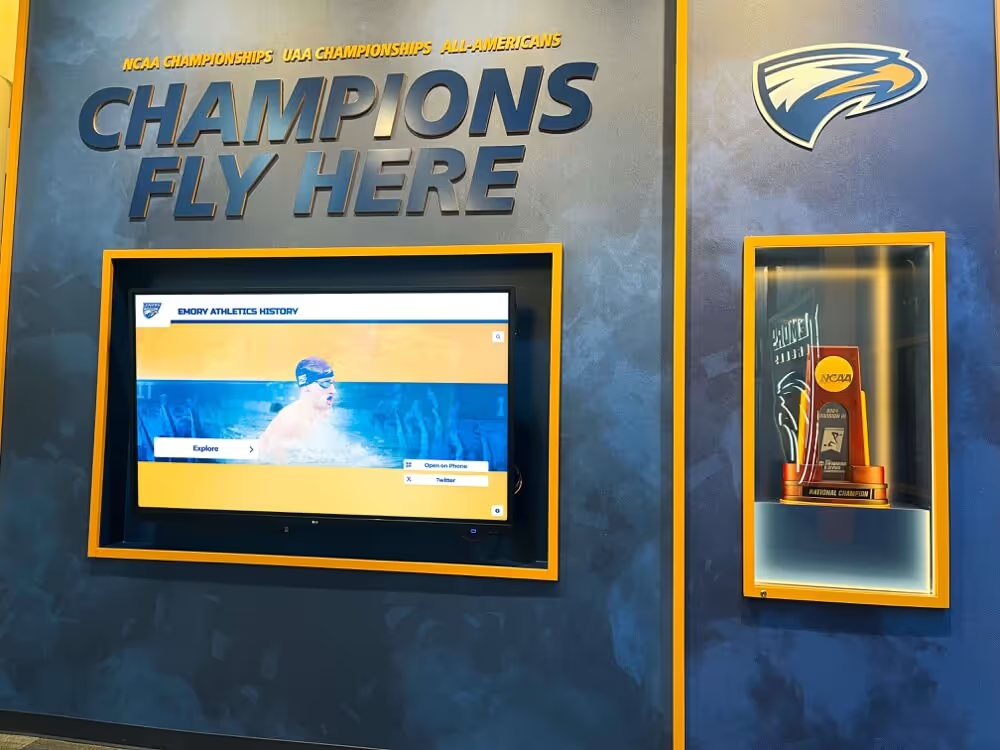
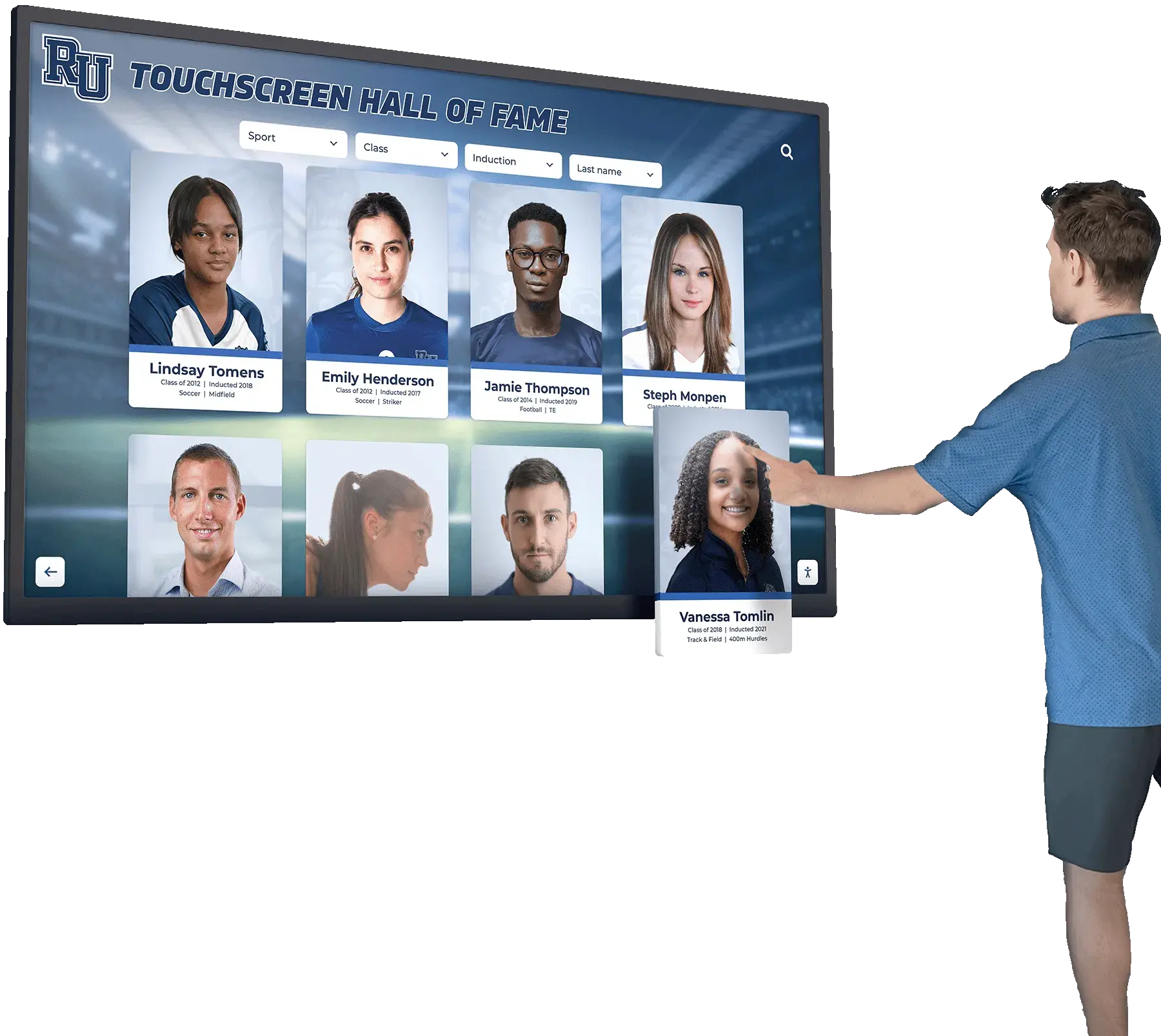
Each athlete search on a lobby kiosk triggers a database query — a covering index policy identifies which of those queries should have all necessary columns built into the index so results return without a second table access
What Is a Covering Index in an Athletic Awards Database?
A covering index is an index that includes every column a specific query needs: the columns in the WHERE clause (used for filtering and lookup), the columns in the ORDER BY clause (used for sorting), and the columns in the SELECT list (returned to the application as display values). When all three sets are present in the index, the query planner can return a complete result without ever reading the main table — a mode called an index-only scan.
In PostgreSQL, covering indexes are created using the INCLUDE clause introduced in version 11. The INCLUDE clause adds columns to the index leaf pages without placing them in the index B-tree sort key, which means they are available for retrieval but do not affect the index’s sort order or storage footprint as dramatically as adding them to the key columns would.
Illustrative covering index for an inductee name search:
-- Without covering index: index scan + heap fetch per row
CREATE INDEX idx_inductees_name ON inductees (last_name, first_name);

-- With covering index: index-only scan, no heap fetch
CREATE INDEX idx_inductees_name_covering
  ON inductees (last_name, first_name)
  INCLUDE (sport, induction_year, award_title, display_status);
With the second index, a query that filters by last_name and returns sport, induction_year, award_title, and display_status resolves entirely from the index. The main inductees table is not accessed. The improvement is most pronounced when the table is large, the query is called frequently, or concurrent sessions are running during a recognition event.
Why Heap Fetches Slow Down Award Searches
A heap fetch is a random I/O operation: the database reads a row identifier from the index and then jumps to the corresponding physical location in the main table to retrieve additional columns. Each jump can land on a different disk page. When the athletic award table is large — a multi-decade archive with inductees, award categories, season records, and correction history — those random jumps hit different pages with little cache reuse, and each uncached page read incurs a full disk I/O.
Where heap fetches accumulate in athletic award databases:
- High-cardinality name searches. A search for all athletes with a given surname that returns sport, year, and award title visits one index entry per row but fetches each row’s non-indexed columns from the table separately.
- Records-board aggregations. A query that groups by sport and award category to produce a top-performers list reads potentially thousands of rows from the index but must heap-fetch display columns for each one.
- Season-filtered inductee lists. Filtering inductees by induction year and returning a full display card — name, sport, year, photo URL, award title — requires a heap fetch unless all returned columns are in the index.
- Concurrent event load. During a banquet or induction ceremony, multiple sessions query the same tables simultaneously. Each session’s heap fetches compete for I/O bandwidth and buffer pool space, compounding the latency of individual queries into visible display lag.
For programs that run sports banquets and recognition events where kiosk performance is visible to families, understanding the query load context is important. The planning scope for basketball banquet ideas and award recognition logistics illustrates the kind of event where database response time directly affects the experience of everyone searching the kiosk.
Common Query Patterns on Athletic Recognition Databases
A covering index policy begins with identifying which queries run most frequently and which columns they return. Athletic award databases tend toward a predictable set of lookup patterns, each with its own covering index candidate profile.

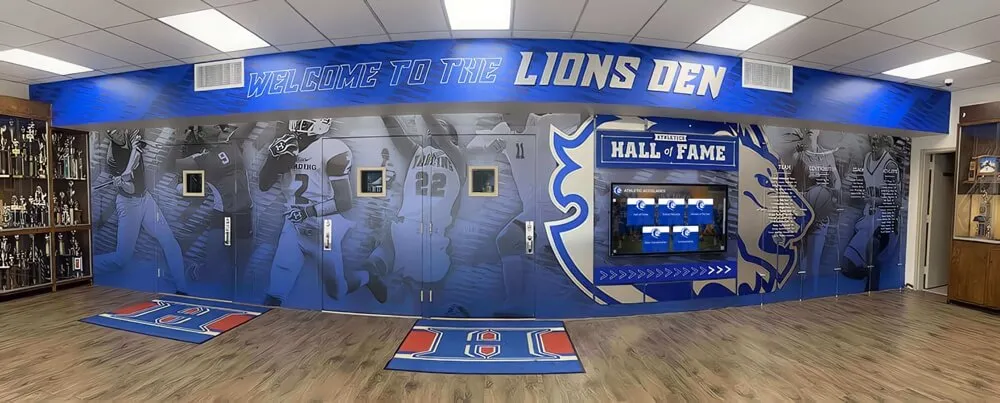
Each touchscreen interaction drives a query pattern — identifying the most frequent patterns and their returned columns is the first step in writing a covering index policy
Five high-frequency query patterns in athletic award databases:
| Query Pattern | Filter Columns | Returned Columns | Covering Index Benefit |
|---|---|---|---|
| Inductee name search | last_name, first_name | sport, induction_year, award_title, display_status | High — eliminates heap fetch per row on a wide table |
| Sport-and-season filter | sport_id, season_year | athlete_name, award_category, record_value, rank | High — records-board queries return fixed column sets |
| Award category listing | award_category_id, active | athlete_name, sport, season_year, display_order | High — category pages return the same columns on every load |
| Induction-year cohort | induction_year | athlete_name, sport, award_title, photo_url | Medium — if cohort table is small, sequential scan wins |
| Athlete ID profile | athlete_id | full_name, sport, awards[], biography_text | Low — biography and array columns exceed index storage efficiency |
The last row is important: biography text, JSON arrays, and large variable-length fields are poor candidates for INCLUDE columns because they inflate index size without proportionate benefit. A covering index policy should specify a maximum estimated column byte width for included columns — a practical threshold of 100–200 bytes per included column keeps index size manageable.
Sport-specific query patterns — filtering by player position, event type, or relay leg — often appear in athletic databases that store more granular performance data. For context on the athletic data dimensions that can drive filter column selection, baseball positions and how they are tracked in team records illustrates how position data shapes the lookup patterns common to sport-specific award archives.
Decision Table: Covering Index Fit by Query Characteristic
The following table provides direct fit determinations for the covering index decision. Apply it query by query, checking the actual query text and EXPLAIN output rather than assumed behavior.
| Query Characteristic | Covering Index Fit? | Reason |
|---|---|---|
| Identical column set returned on every execution | Yes | Fixed SELECT list makes included columns stable and predictable |
| Filter columns already indexed; returned columns not in index | Yes | INCLUDE adds non-key columns to existing index with minimal key overhead |
| High call frequency (hundreds of calls per hour) | Yes | Eliminating heap fetch per call produces measurable aggregate savings |
| Query returns only columns already in the index key | Already covered | Standard index-only scan possible without INCLUDE |
Returned columns include text fields over 256 bytes | No | Large columns inflate index size without proportionate heap-fetch reduction |
| Query returns a different column set depending on parameters | No | No single covering index can cover a variable SELECT list |
| Table has fewer than 10,000 rows | No | Sequential scan outperforms index scan at small scale; benefit negligible |
| Query uses aggregate functions on returned columns | Partial | Index-only aggregation is possible but requires careful column ordering |
| Covering index would duplicate an existing partial index | Review | Check whether the partial index already covers the common query path |
| Write frequency on the covered table exceeds 5,000 inserts/hour | Review | Each write must update the covering index; high insert rates increase write overhead |
Table is rebuilt with CLUSTER on a different column | Review | Physical layout change may make existing covering index less selective |
| Query is called only during batch export, not display rendering | No | Batch queries tolerate more latency; covering index write cost is not justified |
Six Components of a Covering Index Policy
A written athletic awards database covering index policy should address six components. Each component should be specific enough that a database administrator who was not present when the policy was written can implement identical practices without ambiguity.
1. Candidate Identification Method
Define how candidate queries are identified. The recommended method is a structured query against pg_stat_statements filtered for index scans with high mean execution time or high total execution time, combined with EXPLAIN (ANALYZE, BUFFERS) output confirming that heap fetches are occurring.
Policy language: “Covering index candidates are identified through a quarterly pg_stat_statements review. Any index scan query with a mean execution time above 10 ms and a confirmed heap fetch in EXPLAIN (ANALYZE, BUFFERS) output is a mandatory candidate for covering index evaluation.”
2. Column Selection Rule
Define which columns may be added to an index using INCLUDE and which may not. The policy should set a maximum byte width per included column and prohibit including columns that change frequently.
Policy language: “Columns added via INCLUDE must be (a) part of the SELECT list for the identified candidate query, (b) static or infrequently updated, and (c) estimated at fewer than 200 bytes of average width per column as reported by pg_stats.avg_width.”
3. Write Overhead Threshold
Define the table insert and update rate above which the expected heap-fetch savings must be weighed against the write amplification cost of maintaining an additional index. Every write to a covered table must update all indexes on that table, including covering indexes with INCLUDE columns.
Policy language: “For tables with a write rate above 2,000 inserts or updates per hour, the DBA must produce an estimated cost-benefit comparison before approving a new covering index. The comparison must document expected query time savings against estimated write overhead using pg_stat_user_tables.n_tup_ins and n_tup_upd rate measurements.”
4. Naming Convention
Covering indexes should be named consistently so that any administrator can identify them in pg_indexes without reading the index definition. A common pattern appends _covering or _cov to the base index name.
Policy language: “All covering indexes created under this policy are named using the pattern idx_[table]_[key_columns]_cov. Indexes that cover a specific query are also documented in the index registry with the query name and the date of the last review.”
5. Redundancy and Overlap Review
Define the process for checking whether a proposed covering index overlaps an existing index. A new INCLUDE clause can often be added to an existing index rather than creating a second index on the same key columns.
Policy language: “Before creating any covering index, the DBA reviews pg_indexes for existing indexes on the same key columns. If an existing index uses identical key columns, the preferred approach is to add the needed INCLUDE columns to the existing index using CREATE INDEX ... CONCURRENTLY rather than creating a second index.”
6. Review and Retirement Cadence
Define how often covering indexes are reviewed for continued effectiveness and the criteria for retiring an index that no longer justifies its write overhead.
Policy language: “Covering indexes are reviewed at the end of each recognition season (June and December). An index is flagged for retirement if pg_stat_user_indexes.idx_scan has not increased by at least 1,000 scans since the previous review, or if the query it was created to cover is no longer present in pg_stat_statements.”
Identifying Candidates: pg_stat_statements and EXPLAIN
The candidate identification step is the foundation of the policy. The following query against pg_stat_statements surfaces high-frequency index scans that are most likely to benefit from covering index treatment:
SELECT
  queryid,
  calls,
  mean_exec_time,
  total_exec_time,
  rows,
  shared_blks_read,
  left(query, 120) AS query_preview
FROM pg_stat_statements
WHERE
  calls > 500
  AND mean_exec_time > 5
  AND shared_blks_read > calls * 2   -- more than 2 block reads per call suggests heap fetches
ORDER BY total_exec_time DESC
LIMIT 25;
The shared_blks_read > calls * 2 filter identifies queries that are reading significantly more blocks than a pure index-only scan would require — a signal that heap fetches are occurring. Confirm with EXPLAIN (ANALYZE, BUFFERS, FORMAT TEXT) on the specific query:
EXPLAIN (ANALYZE, BUFFERS, FORMAT TEXT)
SELECT last_name, first_name, sport, induction_year, award_title
FROM inductees
WHERE last_name = 'Rivera'
  AND display_status = 'active';
In the output, look for Heap Fetches: N in the index scan node. Any value above zero confirms that the index does not currently cover the query. The Buffers section shows how many pages were read from shared memory versus disk — a high read value relative to hit indicates cache pressure from heap fetches.
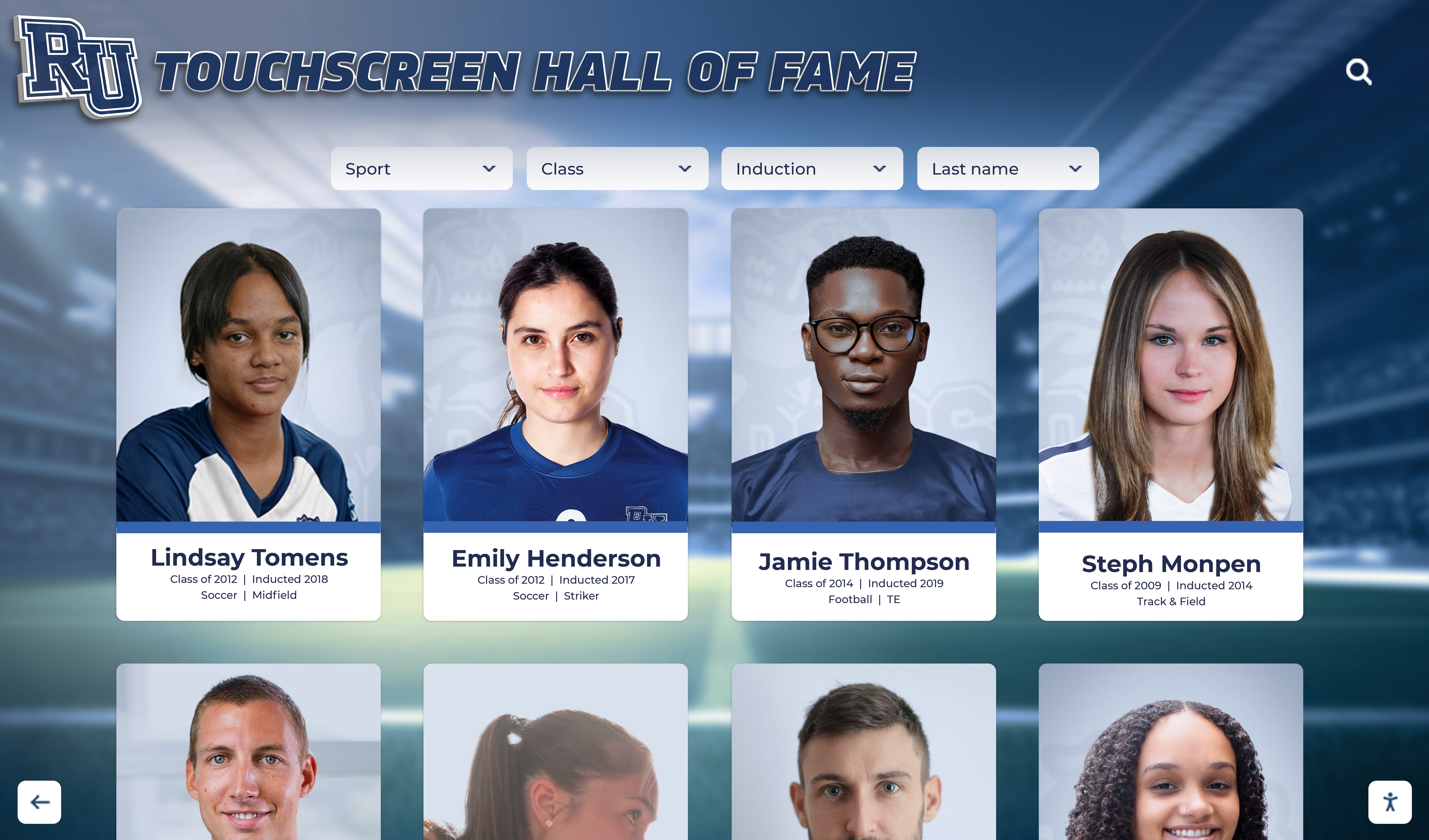
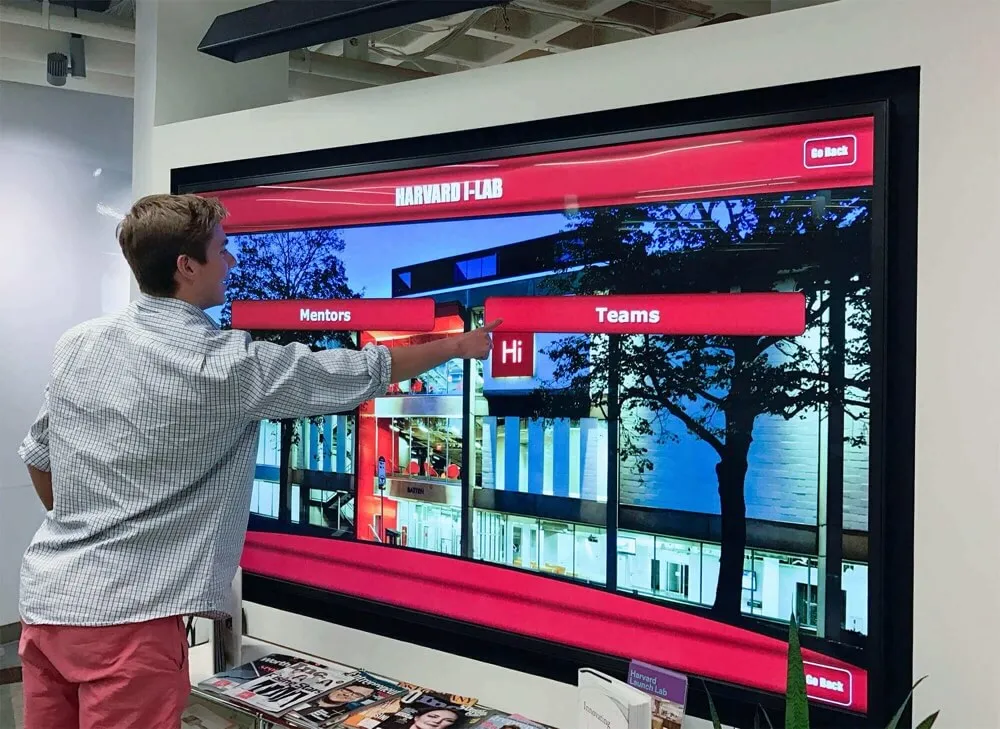
EXPLAIN ANALYZE output confirms whether the query serving each athlete card is performing heap fetches — this confirmation step is required before adding INCLUDE columns to an existing index
For programs that have digitized historical athletic archives and game film alongside their awards databases, archive retrieval patterns can drive covering index candidates in media reference tables. The retrieval challenges described in preserving and accessing historic athletic game film archives share the same “retrieve a fixed column set for a known filter” pattern that makes covering indexes effective for text-record lookups.
Write Overhead and Storage Tradeoffs
Every index on a table has a write cost: each insert, update, and delete on the covered table must update all its indexes. Covering indexes with INCLUDE columns increase this cost relative to a conventional index on the same key columns, because the leaf pages must store the additional included column values.
The write overhead consideration is most relevant for two table types in athletic award databases:
Award entry tables with frequent seasonal imports. At the close of each season, batch imports load hundreds or thousands of award records into the database simultaneously. A covering index with wide INCLUDE columns adds per-row write cost during this import. For most programs, this cost is negligible — a batch import of 500 records runs in seconds even with additional index overhead. For programs with imports of tens of thousands of records per season, the policy’s write-overhead threshold (Component 3) triggers a cost-benefit review before the covering index is approved.
Correction tables with frequent updates. Award records that receive frequent corrections — name spelling updates, year adjustments, display status changes — update the main table row and every index row that covers an affected column. If an INCLUDE column is updated frequently, the covering index experiences write amplification proportional to update frequency. The column selection rule (Component 2) addresses this by restricting INCLUDE columns to static or infrequently updated fields.
Index size estimation before deployment:
-- Estimate size increase from adding INCLUDE columns
SELECT
  pg_size_pretty(pg_relation_size('idx_inductees_name')) AS current_size,
  pg_size_pretty(
    pg_relation_size('idx_inductees_name') *
    (1 + (
      SELECT SUM(avg_width) FROM pg_stats
      WHERE tablename = 'inductees'
        AND attname IN ('sport', 'induction_year', 'award_title', 'display_status')
    )::numeric / (
      SELECT SUM(avg_width) FROM pg_stats
      WHERE tablename = 'inductees'
        AND attname IN ('last_name', 'first_name')
    )::numeric)
  ) AS estimated_covering_size;
This estimation is approximate — actual size depends on value distribution and page fill — but gives a useful first-order check before deploying the index in a production environment.
For schools that use digital signage alongside their recognition databases — where the same database may power both award kiosk displays and broader campus announcement systems — the performance characteristics of both query workloads affect the covering index decision. The capabilities of digital signage and touchscreen kiosk systems for school environments illustrate the range of display contexts that can draw from a shared recognition data source, each with its own query pattern and covering index candidate profile.
See How a Cloud-Based Recognition Platform Handles Award Search Performance
Rocket Alumni Solutions manages the database infrastructure behind athletic hall of fame displays, records boards, and lobby kiosks — so athletic directors and IT teams don't need to write index policies manually. Request a demo to see how the platform keeps searches fast across full athletic archives.
Request a DemoImplementation Procedure
The following numbered procedure applies the covering index policy to a specific candidate query identified through the pg_stat_statements review.
Run the pg_stat_statements candidate query to identify high-frequency, high-latency index scans with elevated
shared_blks_readvalues. Document the queryid and a representative query text for each candidate.Confirm heap fetches with EXPLAIN (ANALYZE, BUFFERS) on each candidate query. Record the
Heap Fetchescount and theBuffersread/hit breakdown. Queries with zero heap fetches are already covered or returning no rows; deprioritize them.Identify all SELECT-list columns for the confirmed candidate query. Cross-reference with
pg_statsto confirm each column’savg_width. Exclude columns wider than the policy threshold (Component 2). Exclude columns with a high update frequency confirmed frompg_stat_user_tables.Check pg_indexes for existing indexes on the same key columns. If an existing index uses identical key columns, modify it with
DROP INDEX CONCURRENTLY/CREATE INDEX CONCURRENTLYrather than creating a second index. If no matching key-column index exists, proceed to index creation.Create the covering index using CREATE INDEX CONCURRENTLY to avoid a table lock on the production database:
CREATE INDEX CONCURRENTLY idx_inductees_name_cov
  ON inductees (last_name, first_name)
  INCLUDE (sport, induction_year, award_title, display_status);
Run EXPLAIN (ANALYZE, BUFFERS) again on the candidate query after index creation. Confirm that the plan now shows
Index Only Scanand thatHeap Fetchesis zero or near zero. Document before/after mean execution times.Record the index in the index registry with the query name, queryid, creation date, included columns, and the expected review date (end of the next recognition season).
Monitor index usage at the end of each recognition season using
pg_stat_user_indexes.idx_scan. If the covering index has not accumulated the minimum scan count specified in Component 6, flag it for retirement review.

After a covering index is applied to the search query, each athlete card selection resolves entirely from the index — EXPLAIN ANALYZE confirms the absence of heap fetches and the before/after mean execution time improvement
For recognition programs that use digital announcement boards to display daily award highlights and event schedules alongside the kiosk search interface, the query patterns serving announcement content often differ from inductee search patterns but may share the same underlying tables. The display update workflows described in digital announcement boards for school recognition events and daily updates illustrate how real-time display content generation creates its own set of query patterns worth evaluating for covering index treatment.
For athletic programs where award displays are surrounded by broader visual branding — team mascots, school colors, and program identity graphics — those identifiers often appear as filter columns in database queries. The brand identity elements described in mascot logo design for high school athletic teams map directly to the team_id, school_id, and mascot_identifier columns that frequently appear in the WHERE clauses of award database queries.
Covering Indexes and Physical Recognition Display Context
An athletic awards database covering index policy exists to serve the athletes, families, and administrators who use recognition displays — not as an abstract technical exercise. The queries a covering index speeds up are the same queries that power the touchscreen profile that appears when a parent searches for their child’s name on an induction night, the records board that renders during a championship celebration, and the award history card that coaches reference at a sports banquet.
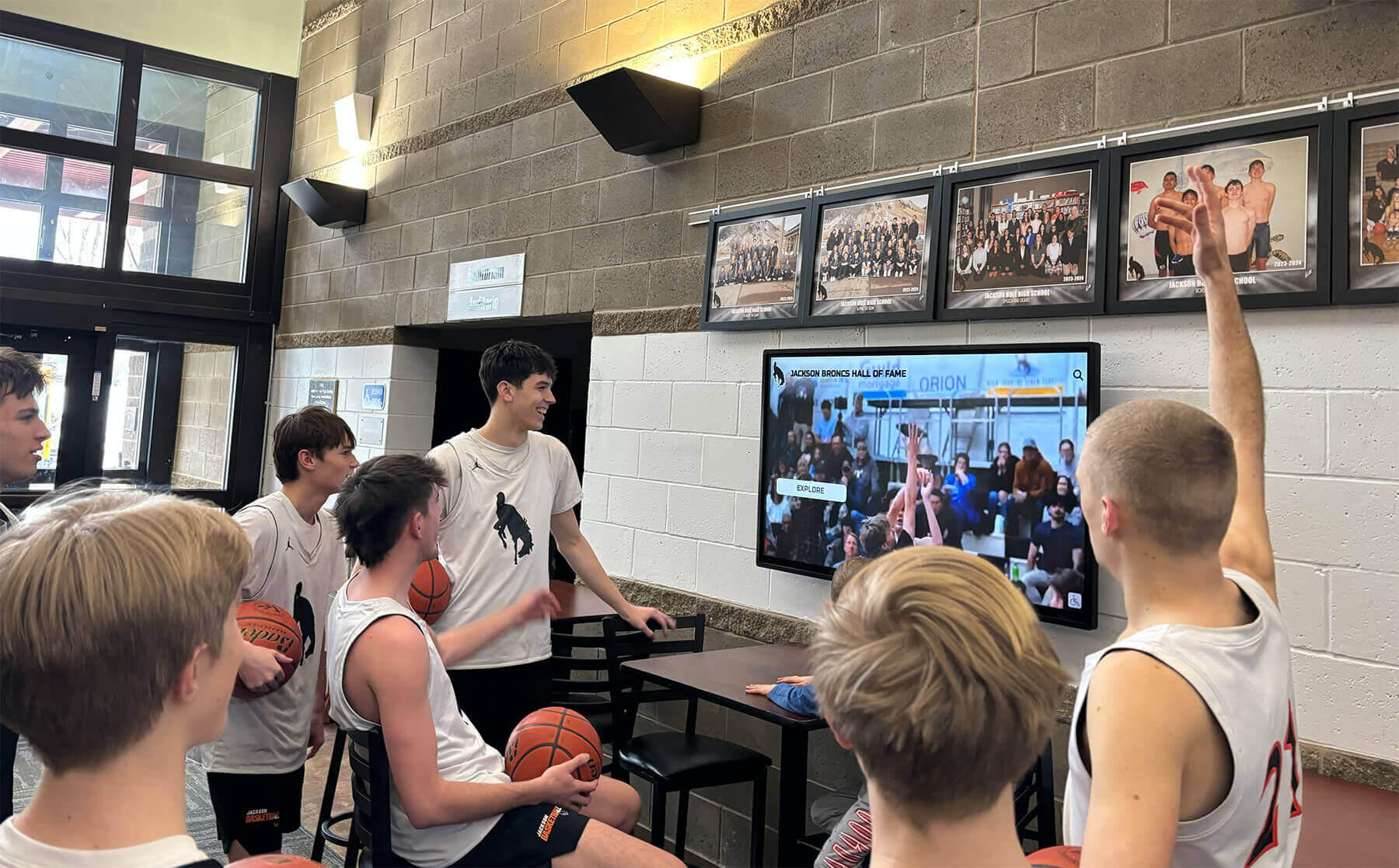
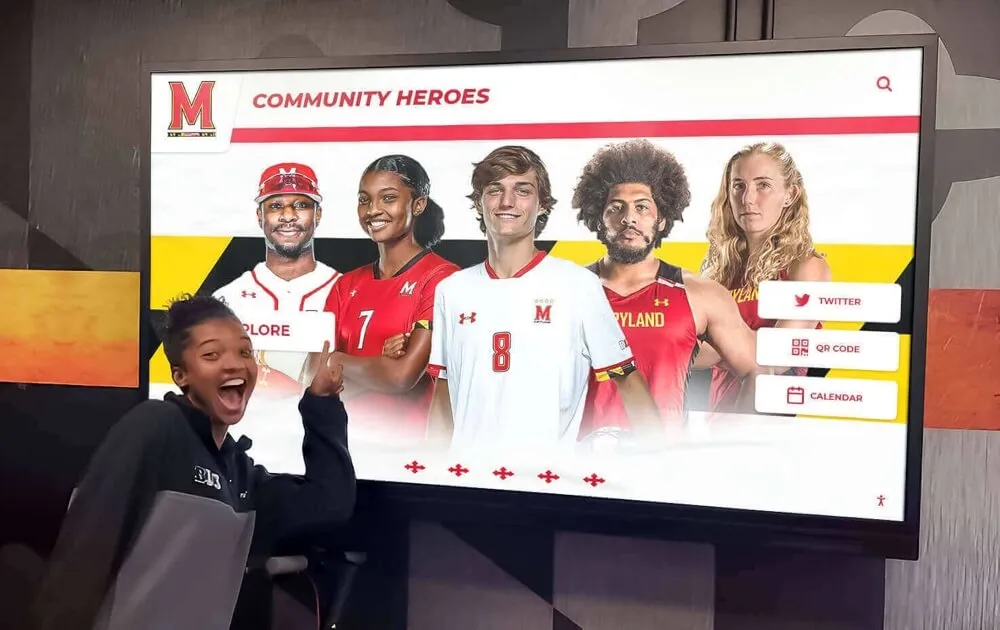
Lobby displays serving multiple concurrent users during recognition events place the highest real-world load on the award database — covering indexes reduce per-query heap fetches so total I/O scales with user count rather than compounding it
For programs that display physical awards — trophies, plaques, and display cases — alongside digital recognition platforms, the physical and digital recognition systems often draw from the same underlying award records. Schools evaluating how to expand physical displays with digital search capability will find context in glass trophy awards display and selection considerations for schools, which covers the display infrastructure context alongside which a covering-index-optimized search kiosk typically operates.
Sports banquet award presentations are one of the highest-load moments for athletic award databases, as coaches, administrators, and families search for specific records in real time. The event planning context in sports banquet centerpieces and recognition event setup covers the occasion where database search performance is most directly visible to everyone in the room.
For school IT teams evaluating how digital kiosk platforms present award content to visitors, student-facing digital recognition kiosk features describes the display layer that a well-indexed awards database should be able to serve with sub-100ms query response times for common lookups.
Frequently Asked Questions
What is a covering index in a PostgreSQL athletic awards database?
A covering index is an index that includes every column a specific query needs — the filter columns in the WHERE clause, sort columns in ORDER BY, and display columns in the SELECT list — so that the PostgreSQL query planner can return a complete result without reading the underlying table. When all needed columns are in the index, PostgreSQL executes an index-only scan with zero heap fetches, eliminating the per-row table access that adds latency to high-frequency award lookups such as inductee name searches, sport-and-season filters, and award category listings on recognition kiosks.
How do I confirm that a query is performing heap fetches before creating a covering index?
Run EXPLAIN (ANALYZE, BUFFERS, FORMAT TEXT) on the specific query in a development or staging environment. In the output, find the index scan node and look for the "Heap Fetches" line. Any value above zero confirms that the index does not currently cover the query and that a heap access is occurring for each result row. The Buffers section shows shared_blks_read versus shared_blks_hit — a high read count relative to hit indicates that heap fetches are landing on uncached pages, which is where the latency cost is most significant. After creating the covering index, rerun EXPLAIN ANALYZE to confirm that the plan shows "Index Only Scan" and that "Heap Fetches" is zero or near zero.
Do covering indexes slow down inserts and updates on award tables?
Yes, every index on a table adds write overhead: each insert, update, and delete must update all indexes on that table. Covering indexes with INCLUDE columns add more leaf-page data per index entry than a conventional index on the same key columns, so write overhead is modestly higher. For athletic award databases with typical seasonal import volumes — hundreds to a few thousand records per season — this overhead is negligible. The policy write-overhead threshold (a configurable insert/update rate per hour) triggers a cost-benefit review before a covering index is approved on high-frequency write tables such as correction logs or live event result tables.
Should I create a new index or add INCLUDE columns to an existing index?
If an existing index already uses the same key columns as the proposed covering index, the preferred approach is to add the needed INCLUDE columns to the existing index rather than creating a second index. Adding columns to an existing index requires dropping and recreating it — use CREATE INDEX CONCURRENTLY to avoid a table lock on the production database. Creating a second index with the same key columns and different INCLUDE columns is valid but results in two index entries per row on every write, doubling the write overhead for that key-column combination. Check pg_indexes for existing key-column matches before deciding.
How often should covering indexes in an athletic awards database be reviewed?
The policy's review cadence should align with the recognition program's seasonal schedule — typically at the end of each major award season (fall and spring). At each review, check pg_stat_user_indexes.idx_scan for each registered covering index. If an index has not accumulated the minimum scan count defined in the policy since the previous review, it is a candidate for retirement: the query it was created to cover may no longer run at the frequency that justified the write overhead. Queries that disappear from pg_stat_statements entirely — because the application changed or the data pattern shifted — trigger immediate retirement review regardless of the seasonal schedule.
Which column types should not be included in a covering index?
Columns that are wide (biography text, JSON arrays, large varchar fields), frequently updated, or returned only by rare queries are poor candidates for INCLUDE columns. Wide columns increase index leaf-page size and may force more page reads to satisfy the index scan than the heap fetch they were meant to avoid. Frequently updated columns cause write amplification proportional to their update rate, because every update to an included column must update all covering indexes that carry it. The policy column selection rule should set a maximum average byte width per included column — a practical threshold is 100 to 200 bytes — and require a frequency check from pg_stat_user_tables before any INCLUDE column is approved.
Conclusion
An athletic awards database covering index policy translates a well-understood PostgreSQL optimization — the index-only scan — into a repeatable, governed practice that athletic IT teams can apply consistently across seasonal review cycles. The policy’s six components address candidate identification, column selection, write overhead limits, naming conventions, redundancy review, and retirement cadence. Together, they prevent both under-indexing (heap fetches on high-frequency search queries) and over-indexing (covering indexes that add write overhead without enough read benefit to justify it).
For school recognition programs, the practical outcome of this policy is search results that return quickly regardless of archive size — inductee name lookups, records-board queries, and award category filters that serve kiosk users in the lobby without the per-row latency that compounds under recognition-event load. The policy does not require a dedicated DBA or a specialized infrastructure team; it requires a written set of rules, a quarterly pg_stat_statements review aligned to the award season calendar, and the discipline to retire indexes that no longer earn their write cost.

A well-applied covering index policy keeps search response times fast as the award archive grows — the student browsing the kiosk experiences the same sub-second result regardless of whether the archive holds five years of records or thirty
See Athletic Award Searches That Are Fast by Default
Rocket Alumni Solutions provides a cloud-based recognition platform where database performance — including index strategy for hall of fame searches, records boards, and inductee lookups — is managed at the platform level. Athletic directors and IT teams get fast, reliable kiosk searches without writing index policies manually. Request a demo to see the platform in action.
Request a Demo