



An athletic awards database hot-standby conflict policy defines the delay thresholds, feedback settings, and escalation procedures that govern how a school’s read-only standby server handles the conflict between active display queries and the incoming stream of primary-database changes. A hot standby is a replica that simultaneously applies updates from the primary and serves read queries — display requests, report exports, and kiosk lookups — from its own copy of the data. A conflict occurs when a query running on the standby holds access to a page that the WAL application process needs to modify or reclaim: the standby must choose whether to wait for the query to finish or cancel it so replication can proceed. Without a documented policy, that choice is made by default configuration, which is rarely calibrated to the specific operational patterns of a school recognition program — seasonal import bursts, ceremony-day verification traffic, and long-running coach report exports that land precisely when new award data is flowing in.
This guide is written for school IT administrators, athletic directors, data stewards, and recognition-program owners who manage database-backed award archives and digital recognition displays. It covers what hot-standby conflicts are, why the default conflict response fails recognition programs, a five-component policy framework, a conflict-delay threshold table by import event type, and how cloud-based recognition platforms absorb conflict management at the platform level.
When an athletic director approves a batch of end-of-season honors on the primary database while a coach is simultaneously running a season-summary export from the same standby that feeds the lobby display, the standby has a problem: the WAL stream arriving from the primary describes changes to pages that the coach’s report is still reading. The standby’s database engine will wait — for a configured number of seconds — before deciding whether to cancel the coach’s query or pause WAL application. An athletic awards database hot-standby conflict policy makes that decision deliberately, in advance, based on the school’s priorities rather than leaving it to a default setting that was written for generic web applications, not for programs where a stale or interrupted recognition display is visible to every family walking past the trophy case.

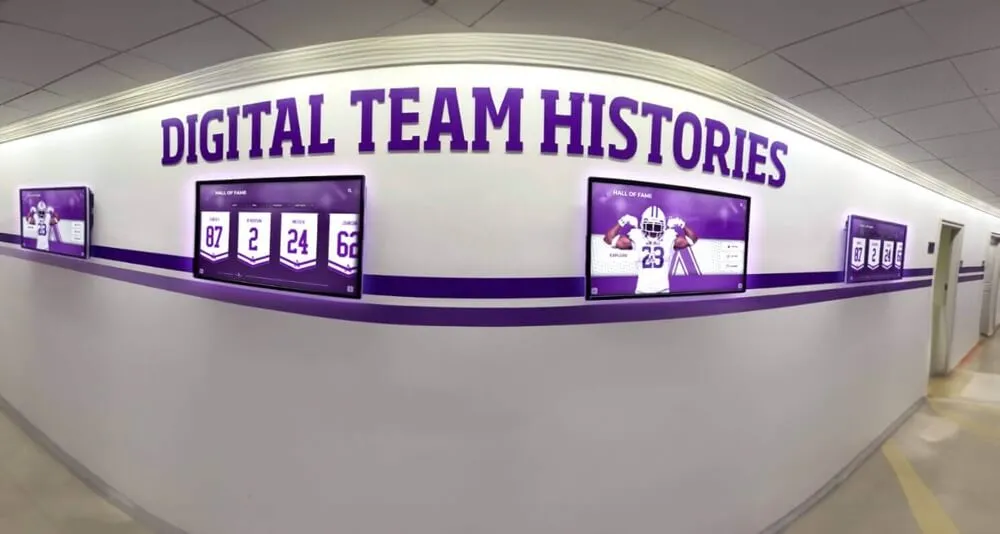
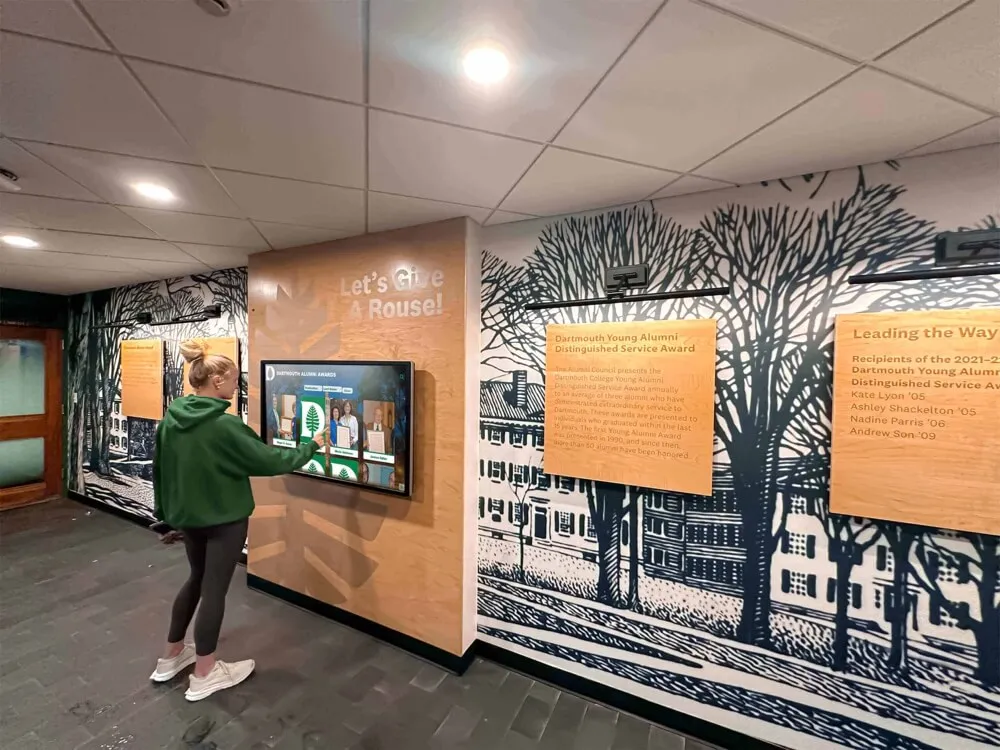
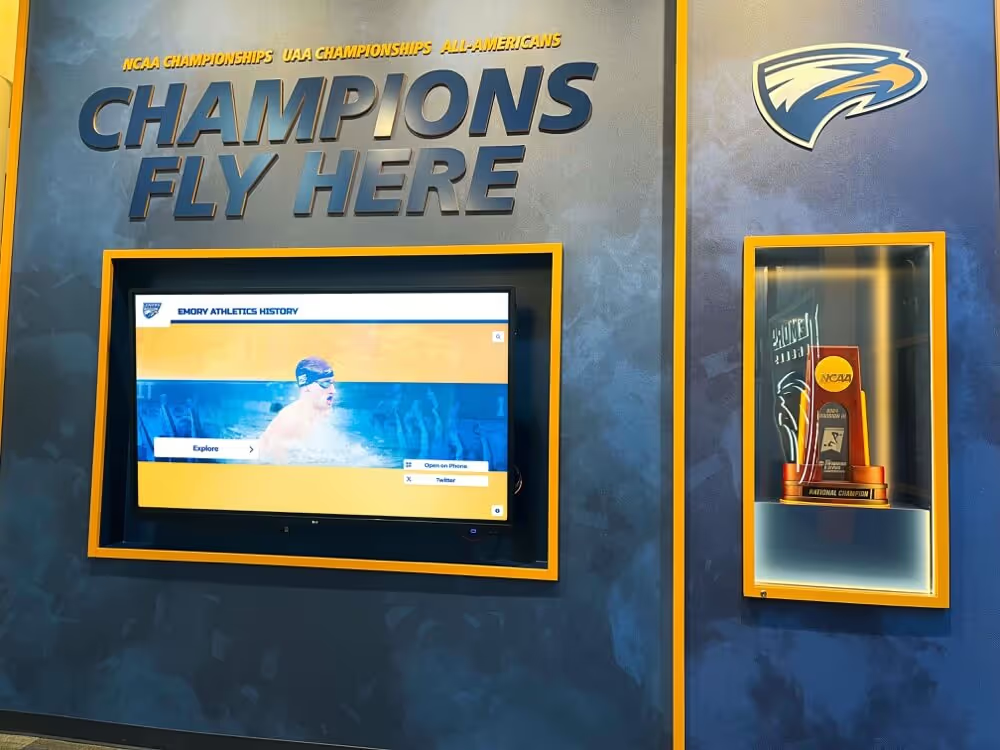
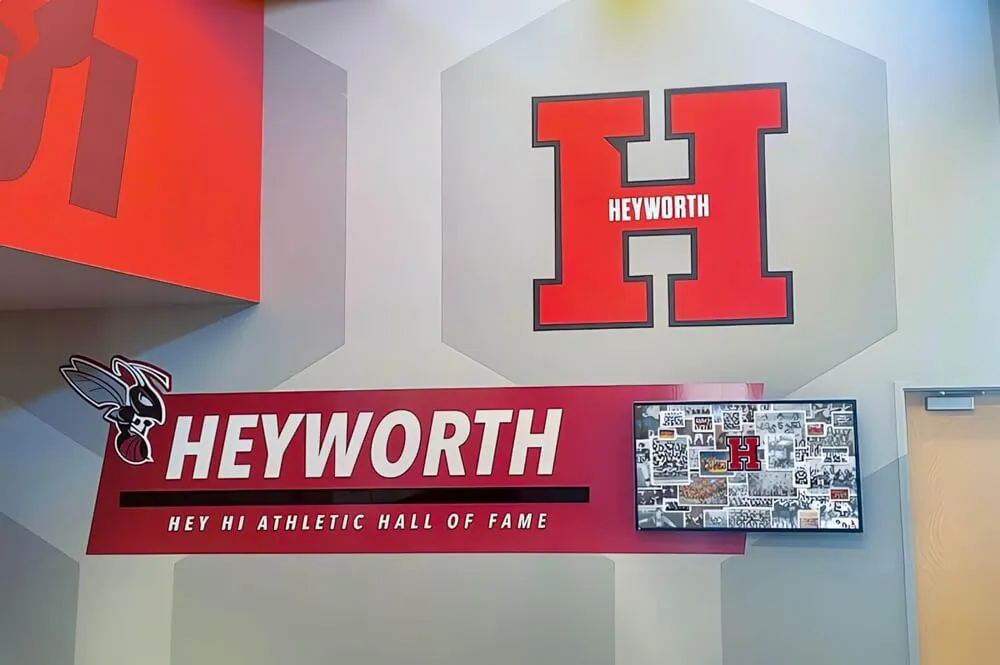
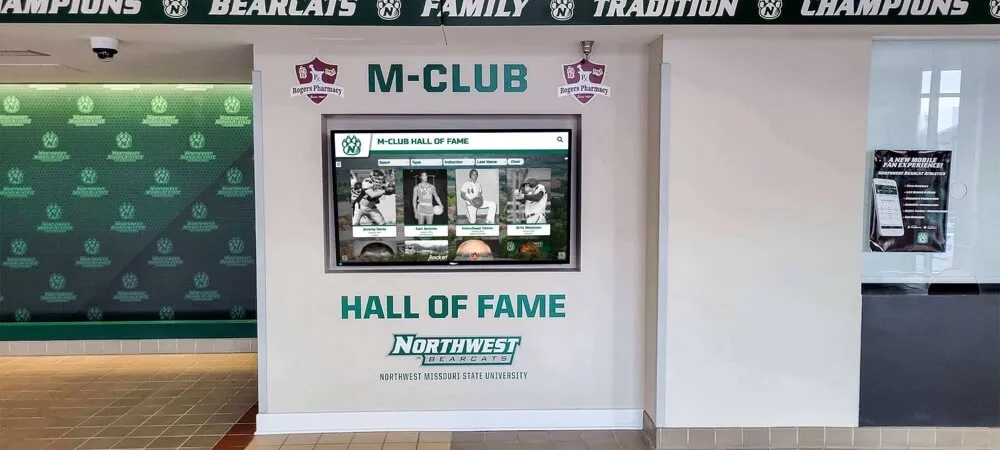
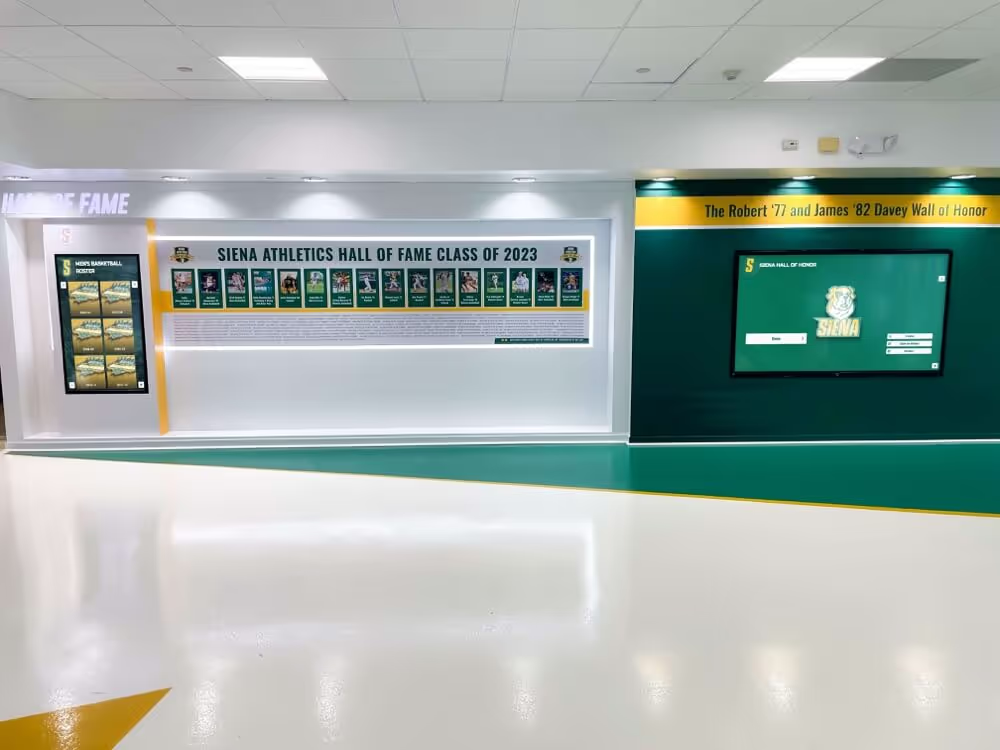
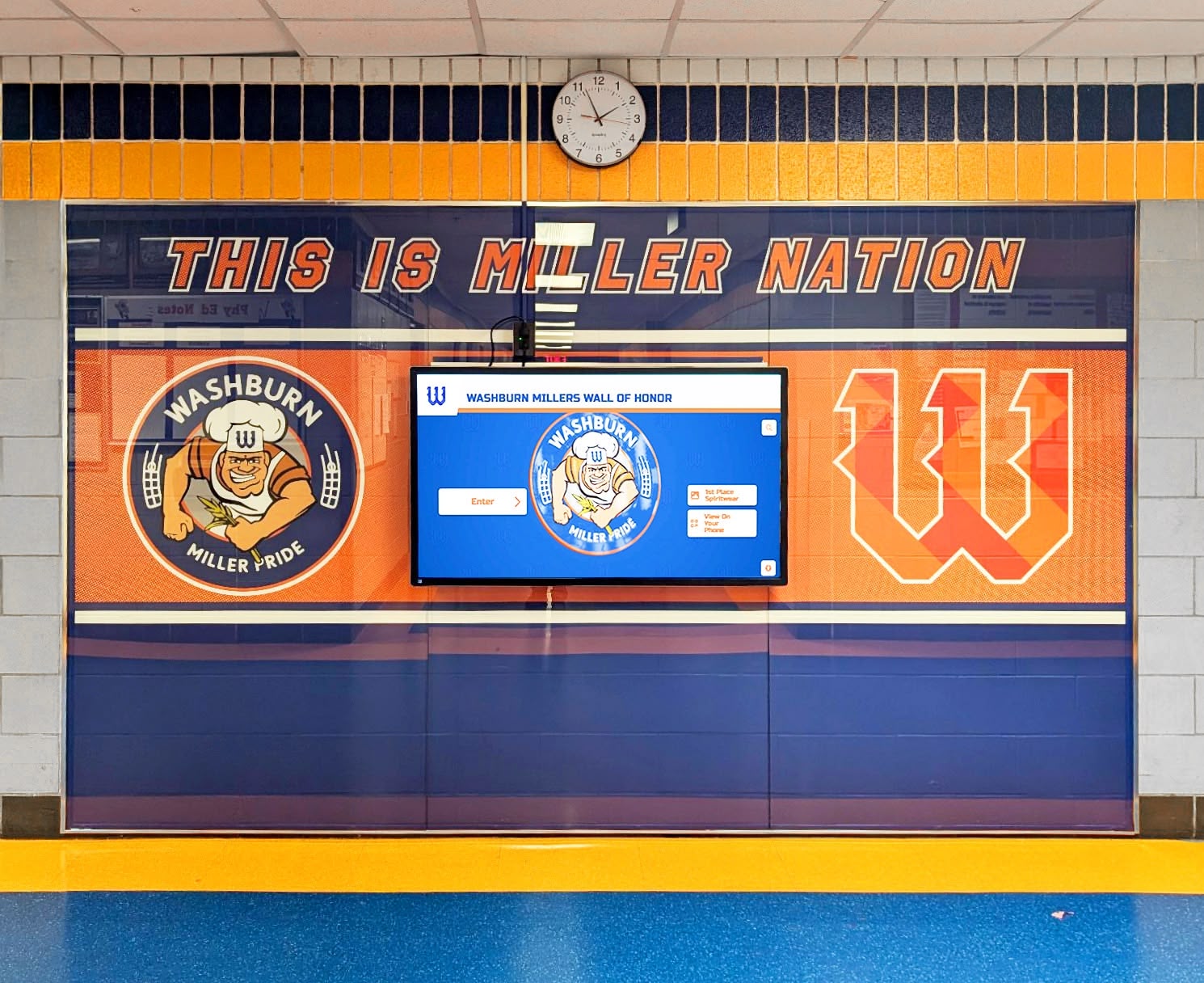
A wall of honor display in a school hallway reads from a database standby that is simultaneously receiving updates from the primary — a hot-standby conflict policy determines how that server balances query continuity against replication freshness during award import windows
What Is a Hot-Standby Conflict in an Athletic Awards Database?
A hot standby is a database replica configured to accept read queries while it continuously receives and applies WAL (Write-Ahead Log) records from the primary server. Unlike a cold standby — which only activates for failover — a hot standby serves live traffic at the same time it is catching up with the primary. This dual role creates the possibility of conflict: a query on the standby may be reading a data page at the same moment the WAL application process needs to modify that page to reflect a change that was committed on the primary.
PostgreSQL, the most common database engine for institutional recognition systems, recognizes five types of hot-standby conflict:
1. Access-exclusive lock conflicts. Some DDL operations on the primary — table alterations, index builds, constraint additions — generate WAL records that require an access-exclusive lock on the affected relation when applied on the standby. Any query reading that relation at the moment the lock is requested creates a conflict.
2. Row removal conflicts (dead row cleanup). When the primary runs VACUUM and removes dead row versions, the corresponding WAL records instruct the standby to reclaim those pages. If a standby query still holds a snapshot that could see those rows — because the query started before the vacuum began — the WAL application process cannot safely reclaim the page without potentially corrupting the query’s result.
3. Relation drop conflicts. When the primary drops a table or index, the WAL record instructs the standby to remove the corresponding storage. A query scanning that relation on the standby creates a conflict.
4. Tablespace drop conflicts. Similar to relation drops, tablespace removal on the primary conflicts with any query on the standby accessing objects in that tablespace.
5. Deadlock-resolution conflicts. When WAL application on the standby cannot proceed due to an existing lock held by a query, and waiting would cause a deadlock in the WAL application process itself, the standby’s conflict resolution machinery cancels the offending query immediately.
The policy-relevant parameters in PostgreSQL are max_standby_streaming_delay and max_standby_archive_delay, which define how long (in milliseconds) the standby will wait before canceling a conflicting query to allow WAL application to proceed. The default value for both is 30 seconds — long enough for most short interactive queries but too short for the multi-minute report exports that athletic recognition programs generate during end-of-season processing. An additional parameter, hot_standby_feedback, controls whether the standby reports its active transaction IDs back to the primary so the primary can delay the VACUUM cycles most likely to generate conflicts before they start.
Why Default Conflict Settings Fail School Recognition Programs
The default max_standby_streaming_delay of 30 seconds was chosen for general-purpose OLTP workloads where most read queries complete in milliseconds. A typical web application query — returning a single athlete profile or a filtered list of award records — completes well within 30 seconds, so the default rarely triggers a cancellation. School athletic recognition programs generate a distinct category of query that breaks this assumption:
End-of-season report exports. Coaches and athletic directors generate comprehensive season summaries — all awards across all sports for an entire academic year — as PDF or spreadsheet exports immediately after the season closes. These queries may join dozens of tables, scan multiple seasons of records, and run for several minutes on a moderately sized award database. They land at the same moment as end-of-season import batches on the primary, which generate heavy VACUUM activity cleaning up the previous season’s draft and staging records. The combination — a long-running standby query plus an aggressive VACUUM on the primary — is the most common trigger for hot-standby conflict cancellations in school recognition databases.
Ceremony-day verification queries. On the day of a recognition ceremony or hall of fame induction, staff members often run comprehensive verification exports — confirming every inductee’s record is complete and correctly categorized — while the primary is still receiving last-minute approvals and corrections. These verification queries can run for several minutes and frequently overlap with WAL streams carrying the final approval records.
Recognition display aggregation queries. Touchscreen displays that show season leaders, all-time records boards, or sport-filtered honor walls generate periodic aggregation queries that scan large portions of the award table. If the display refreshes on a fixed interval (every 60 to 300 seconds) and the refresh query runs during a WAL application burst, a conflict cancellation terminates the query mid-execution and the display may show an error state or stale data until the next refresh cycle.
When the standby cancels a report query after 30 seconds to allow WAL application, the impact is immediate and visible: the coach’s export fails with a database error, the ceremony-day verification must be restarted from the primary (if primary read access is configured), and the display refresh cycle produces an error that persists until the next scheduled attempt. Schools relying on the default settings discover this pattern the hard way — during an end-of-season import window when query cancellations cascade.
For context on how school athletic recognition programs structure the award archiving that generates the report queries most likely to trigger conflicts, athletic trainer appreciation and recognition program administration illustrates how multi-sport, multi-category recognition programs accumulate the query complexity that makes conflict policy calibration necessary.
A Five-Component Hot-Standby Conflict Policy
A complete athletic awards database hot-standby conflict policy addresses five operational dimensions: how long the standby waits before canceling conflicting queries, whether the standby sends feedback to the primary to reduce conflict frequency, how long-running queries are classified and routed, how conflict events are monitored and alerted, and which staff members are responsible for responding to repeated conflict failures.
Component 1: Conflict Delay Configuration
The core policy decision is how long the standby will tolerate a blocked WAL application before canceling the conflicting query. The policy must specify values for both max_standby_streaming_delay (for active streaming replication from the primary) and max_standby_archive_delay (for recovery from WAL archive files, typically relevant during maintenance windows or failover recovery).
Policy principle: Set the delay long enough to allow routine display queries to complete without cancellation, but short enough that WAL application lag during an import window remains within the freshness threshold documented in the program’s read-replica lag policy.
A value of -1 (no timeout — always wait) protects all queries from cancellation but allows WAL application to fall arbitrarily far behind. This trades replica freshness for query continuity, which is acceptable only if the program has a separate mechanism for detecting and alerting on excessive replication lag. A value of 0 (cancel immediately) protects replication freshness at the cost of any query that conflicts even briefly — acceptable only for display environments where queries are fast and the program prioritizes recognition data currency above all else.
For most school athletic recognition programs, a delay between 2 and 10 minutes balances query continuity for report exports against replication freshness for display accuracy. The specific value should be calibrated against the longest report export the program regularly runs, measured on the standby under production load.
Component 2: Hot Standby Feedback Configuration
The hot_standby_feedback parameter, when enabled on the standby, causes the standby to send its oldest active transaction ID to the primary at regular intervals. The primary uses this information to defer VACUUM cycles that would remove row versions the standby’s active queries might still need. This is the most effective mechanism for reducing the frequency of row-removal conflicts without increasing the conflict delay timeout.
Policy principle: Enable hot_standby_feedback during end-of-season import windows and ceremony-day processing. Disable it during low-traffic periods to allow the primary to run undeferred VACUUM cycles, which keeps the primary’s table bloat and query performance healthy.
The tradeoff of enabling hot_standby_feedback permanently is that the primary’s VACUUM scheduler is continuously constrained by the standby’s oldest snapshot. On a school athletic recognition database where import batches generate significant row churn — draft records created and deleted during the approval workflow, staging records cleaned up after bulk imports — permanently deferring VACUUM can cause the primary’s tables to accumulate dead row bloat, degrading primary query performance over time. A policy that enables feedback selectively, triggered by import event types rather than applied universally, captures the benefit without the chronic bloat risk.
For recognition programs that use physical commemorative displays alongside their digital systems — where the design and production pipeline generates its own database queries during proof-and-approval windows — commemorative plaque design, materials, and ordering guidance for school programs describes the production workflow that may overlap with digital database import windows and compound conflict frequency.
Component 3: Long-Running Query Classification and Routing
Not all long-running queries should be permitted to run on the hot standby during high-conflict-risk windows. A classification policy identifies which query categories are conflict-safe during import windows and which should be rerouted to the primary (or deferred) during those periods.
| Query Category | Typical Duration | Conflict Risk During Import | Recommended Routing |
|---|---|---|---|
| Display aggregation refresh (kiosk, honor wall) | 1–5 seconds | Low | Standby — increase conflict delay |
| Single-record profile lookup | <1 second | Minimal | Standby always |
| Season-summary export (coach report) | 2–8 minutes | High | Primary during import window |
| All-sport historical export (admin report) | 5–20 minutes | Critical | Primary or deferred to off-peak |
| Ceremony verification export | 3–10 minutes | High | Primary on ceremony day |
| Replication health monitoring queries | <1 second | None | Standby (read-only metadata) |
The policy should name the import windows during which high-conflict-risk queries are rerouted. For most school athletic programs, these windows coincide with seasonal calendar events: end-of-fall-season import (November–December), end-of-winter-season import (February–March), end-of-spring-season import (May–June), and pre-ceremony processing windows for annual induction events. Explicitly naming these windows allows the platform configuration and staff routing habits to anticipate them rather than discover the conflict pattern under pressure.
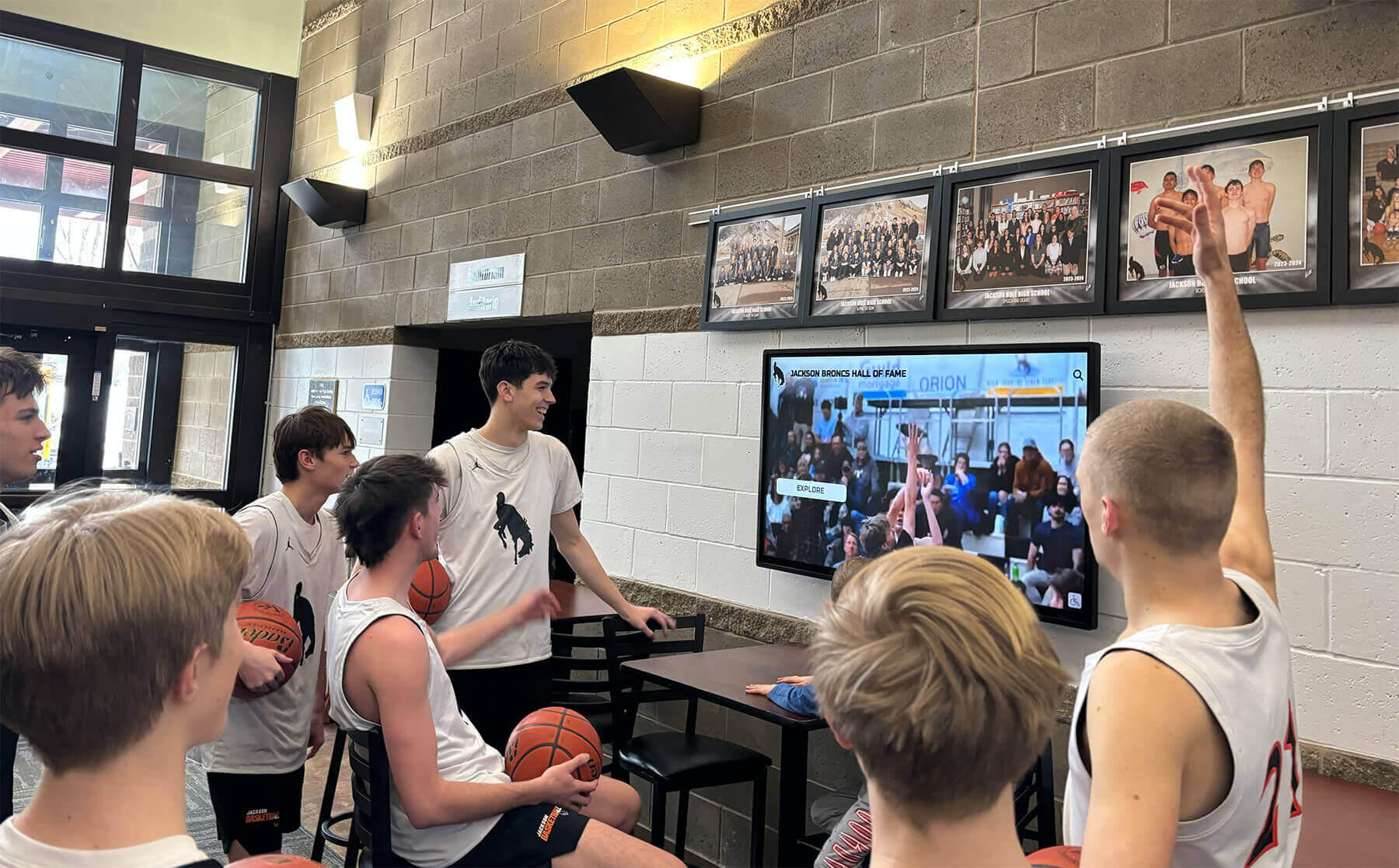
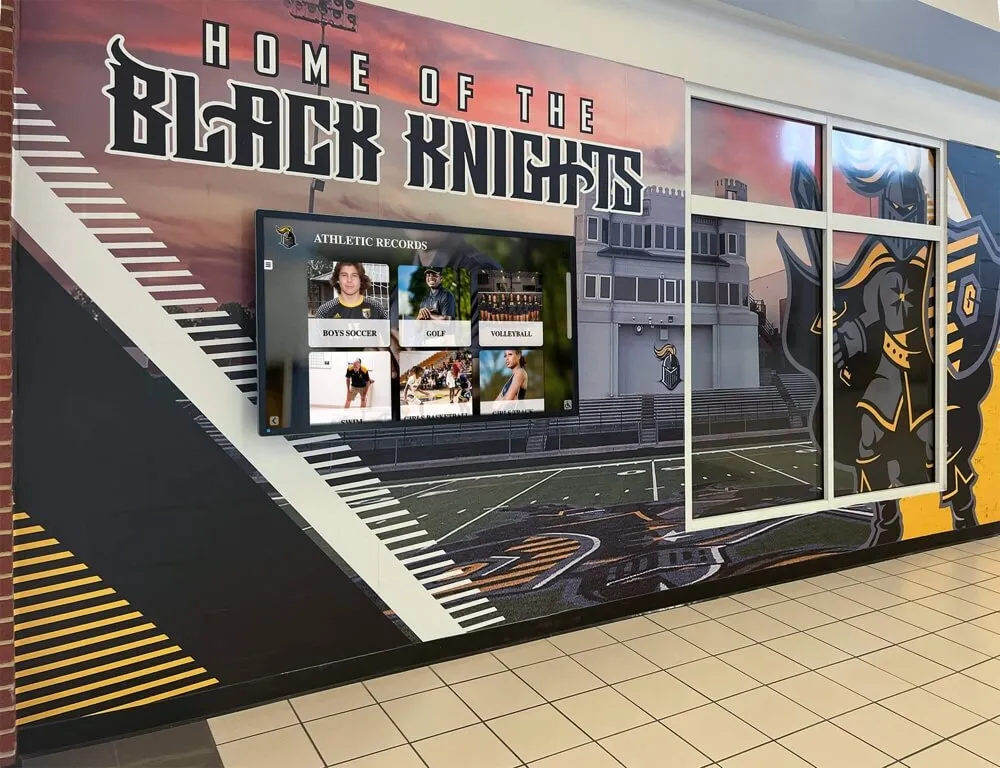
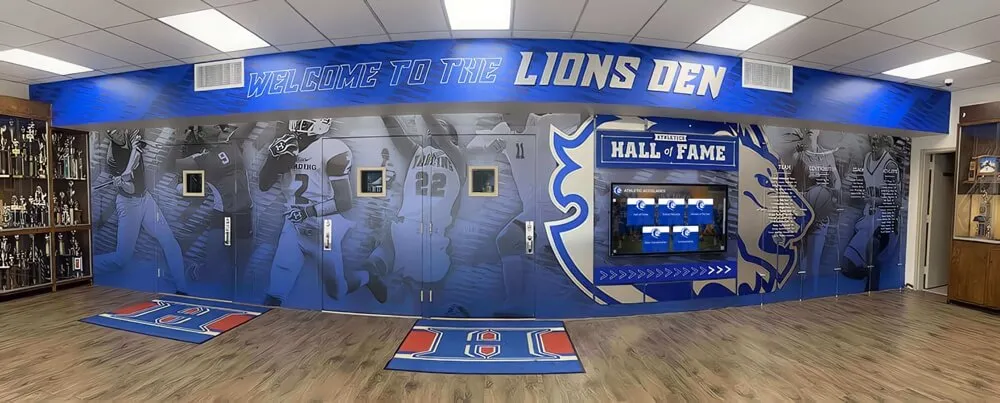
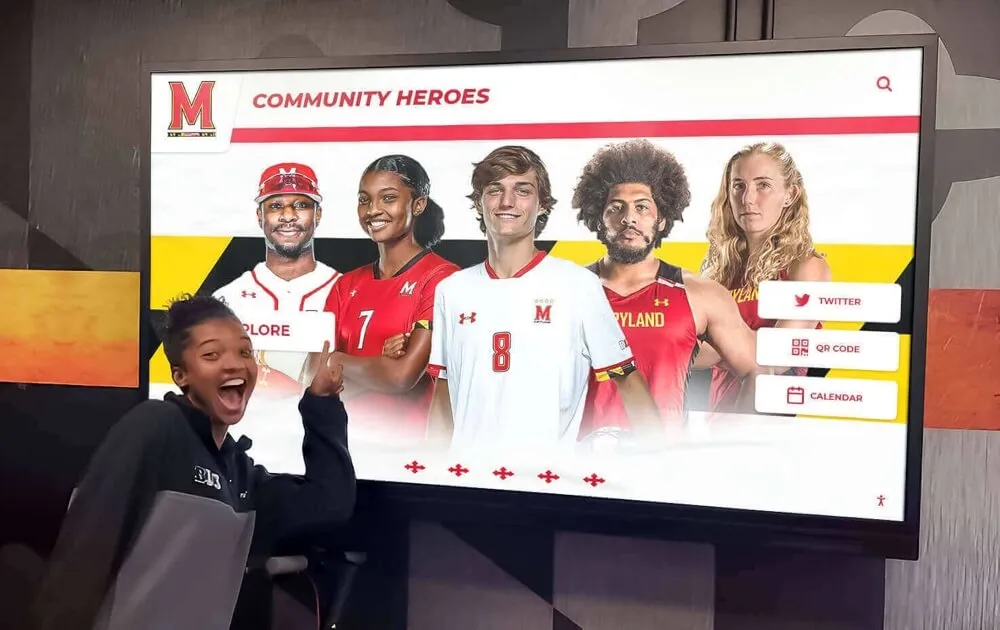
Athletes and families using a lobby recognition screen during or after an event expect current data — the conflict policy's query routing rules determine whether the standby's display queries complete successfully when import traffic is simultaneously flowing from the primary
Component 4: Monitoring and Alert Thresholds
A conflict policy is only enforceable if conflict events are visible. The monitoring component defines how conflict cancellations are detected, logged, and surfaced to the staff members responsible for responding to them.
PostgreSQL logs conflict cancellations in the database server log with the message class ERROR: canceling statement due to conflict with recovery. The policy should specify:
- Log retention period. Conflict log entries should be retained for a minimum of 30 days so that post-season import reviews can identify patterns.
- Alert threshold. A single conflict cancellation during an off-peak window is a non-event. A sustained rate of more than five conflict cancellations per hour during an import window indicates that the delay configuration is insufficient for the current import volume and query mix — and should trigger an alert to the database administrator.
- Replication lag correlation. Conflict events should be correlated with the replication lag metric. If conflict cancellations are not causing replication lag to decrease, the cancellation is not helping replication — the bottleneck is elsewhere, and canceling display queries is incurring user-visible harm without a corresponding benefit.
For recognition programs that also maintain donor recognition archives alongside athletic awards — where long-running reports on gift histories and stewardship records create similar conflict risk — donor stewardship matrix and gift-level recognition program management describes the administrative workflows that generate comparable standby query patterns in a shared database environment.
Component 5: Escalation and Recovery Procedures
When conflict cancellations begin causing user-visible failures — report exports terminating mid-run, display refresh errors persisting across multiple cycles, ceremony verification queries failing — the escalation procedure defines who acts and how quickly.
| Conflict Rate | Threshold | Responsible Party | Response |
|---|---|---|---|
| Occasional | 1–4 per hour | IT / database administrator | Log and monitor; no immediate action |
| Elevated | 5–15 per hour | Athletic director notified | Reroute long-running reports to primary |
| Sustained | 15+ per hour | Athletics and IT leadership | Increase max_standby_streaming_delay temporarily; assess import throttle |
| Replication stopped | WAL application paused | All parties | Emergency escalation; switch display reads to primary; resolve conflict root cause |
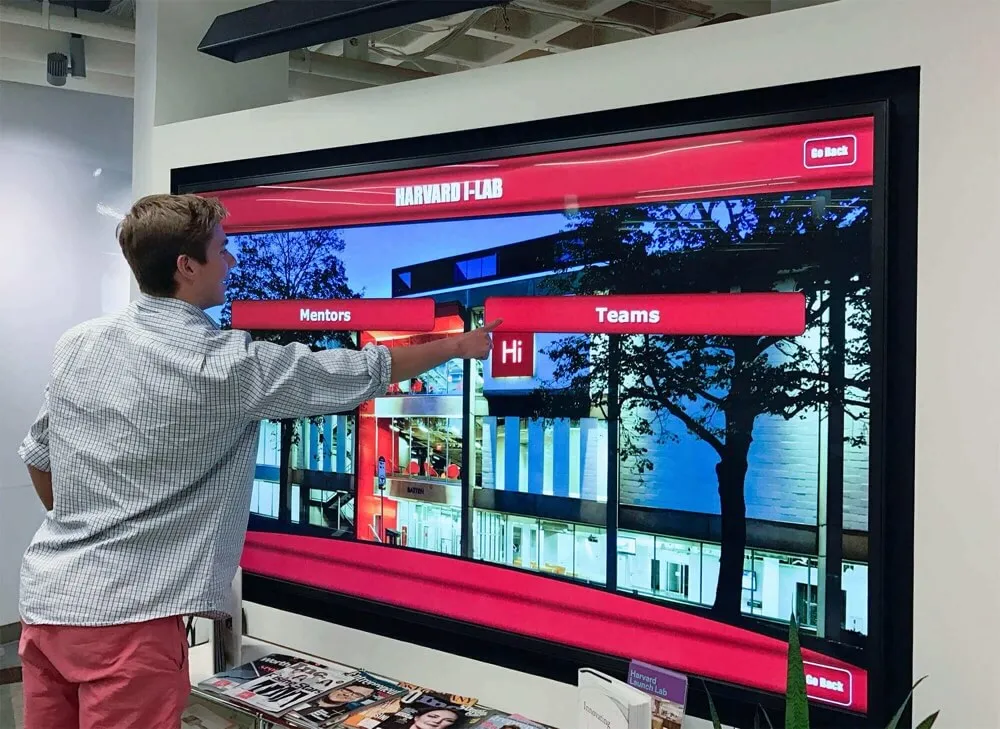
For interactive recognition display environments — including touchscreen systems where visitor experience depends on query responsiveness — understanding how the physical display layer interacts with database-level performance constraints helps frame what “user-visible failure” means in practice. How interactive touch-screen digital signage works and what schools need to deploy it covers the full hardware and software stack in which database conflicts produce visible display interruptions.
Conflict Delay Thresholds by Import Event Type
The appropriate max_standby_streaming_delay value is not a single setting — it varies by operational season. A policy should document recommended values for each import event type and the rationale for each:
| Import Event | Import Duration | Recommended Delay | Rationale |
|---|---|---|---|
| Regular-season weekly update | 5–15 minutes | 120 seconds (2 minutes) | Short import; minimal VACUUM activity; low conflict risk |
| End-of-season batch (single sport) | 30–90 minutes | 300 seconds (5 minutes) | Moderate VACUUM; coach report exports likely concurrent |
| End-of-season batch (all sports) | 2–6 hours | 600 seconds (10 minutes) | Heavy VACUUM; maximum export concurrency; ceremony proximity |
| Hall of fame import (annual induction) | 1–3 hours | 480 seconds (8 minutes) | Verification exports critical; ceremony-day timing requires freshness |
| Historical records migration | 4–24 hours | 60 seconds (1 minute) | Long migration tolerates cancelled exports; freshness priority |
| Off-peak correction batch | 15–30 minutes | 120 seconds (2 minutes) | Low concurrent query load; standard delay sufficient |
These thresholds should be applied through the database configuration management system as scheduled configuration changes tied to the athletic calendar — not applied manually by a staff member during an already-stressful import window. Automating the threshold adjustment to the import schedule prevents the common failure pattern where a conflict configuration is set for an off-peak period and never updated when a high-volume import window arrives.
For school programs that also use digital wall-mount displays to recognize non-athletic community contributions — where the same database infrastructure serves multiple recognition channels — digital wall-mount display pricing and configuration guidance for local programs describes multi-channel display environments where the query routing implications of a conflict policy affect more than the athletic archive alone.
How Cloud-Based Recognition Platforms Reduce Conflict Risk
Purpose-built digital recognition platforms for schools abstract the hot-standby conflict problem away from the IT administrator entirely. In a cloud-based architecture, the recognition platform manages:
Import scheduling away from peak query windows. Cloud platforms schedule batch imports during low-traffic hours — overnight or early morning — when display query volume is minimal. The overlap between heavy VACUUM activity (triggered by import cleanup) and long-running report exports (submitted by coaches during business hours) is structurally separated by the platform’s scheduling layer rather than managed by per-database configuration.
Replica read isolation for display queries. Display-serving replicas in cloud recognition platforms are architecturally separate from the replicas that serve administrative report exports. A coach’s season summary export runs against a replica pool configured for long-running read workloads with generous conflict delay settings. The lobby kiosk display reads from a separate replica pool configured for fresh, short-latency queries. Conflict policy settings are applied at the pool level — not as a single global value that must serve both workload types simultaneously.
Conflict event visibility. Cloud platforms surface replication health — including conflict cancellation rates — in administrative dashboards accessible to athletic directors without database administrator credentials. A spike in conflict cancellations during an import window appears as an alert in the recognition platform’s administrative interface, not only in a server log that requires direct database access to read.
For recognition programs evaluating how a campus-wide directory display system — serving multiple departments from a shared database — handles the concurrent query patterns that generate hot-standby conflicts, campus directory touchscreen display configuration and management covers the multi-tenant display infrastructure where conflict policy decisions ripple across more than a single recognition program.
See Award Data That Stays Fresh Without Conflict-Driven Display Gaps
Rocket Alumni Solutions provides athletic directors with a cloud-based recognition platform where import scheduling, replica management, and conflict isolation are handled at the platform level — so recognition displays stay current during end-of-season award imports without requiring per-database configuration tuning. Request a demo to see how it works in practice.
Request a DemoConnecting Conflict Policy to Broader Data Governance
A hot-standby conflict policy does not operate in isolation. It is the concurrency layer within a broader data governance framework that includes a read-replica lag policy (governing how stale display data is allowed to become), a WAL checkpoint policy (governing how durably import data is written to disk), and a query plan regression checklist (governing when a new index or schema change might alter conflict patterns by changing how long queries run). Each layer assumes that the others are configured deliberately — a conflict policy tuned for 5-minute report exports will fail if a schema change causes those exports to run for 20 minutes, because the delay threshold that protected them is no longer sufficient.
The practical governance sequence for programs building this layer:
Step 1 — Measure current conflict frequency. Query the database server log for canceling statement due to conflict with recovery events over the past 90 days. Identify whether conflict cancellations are concentrated in specific calendar periods, which confirms the seasonal import pattern hypothesis.
Step 2 — Profile the longest-running standby queries. Use pg_stat_activity on the standby to identify the query categories that run longest. These are the queries most likely to trigger conflict cancellations during import windows, and the ones whose duration should drive the delay threshold calculation.
Step 3 — Map queries to the import calendar. Overlay the long-running query schedule against the athletic calendar’s import windows. Any overlap is a candidate conflict window that the policy must address — either by increasing the delay threshold, enabling hot standby feedback, or rerouting the query to the primary during that window.
Step 4 — Document and automate threshold changes. Write the conflict delay thresholds into the policy document and implement them as automated configuration changes tied to the import calendar. Manual configuration changes during active import windows are error-prone — automation ensures the correct threshold is in effect before the import begins.
Step 5 — Review after each major import season. Conflict patterns shift as the award database grows, as new report types are added, and as import batch sizes increase with each graduating class of inductees. A post-season conflict review — comparing conflict rates, replication lag, and display query failure rates against the prior season — keeps the policy calibrated to the program’s actual operational scale.
For recognition programs that manage achievement recognition for academic teams alongside athletic awards — where the same database infrastructure supports debate team achievement boards, academic all-conference designations, and similar non-athletic honors — debate team achievement board administration and digital recognition display management illustrates the multi-program query concurrency that makes a well-calibrated conflict policy essential across all recognition categories, not only athletic records.
For programs that use interactive hall of fame displays with focus-trap navigation for accessibility — where display availability is a compliance requirement in addition to a stakeholder expectation — digital hall of fame focus trap testing and accessibility verification addresses the display-layer requirements that depend on consistent, uninterrupted data delivery from the underlying standby database.
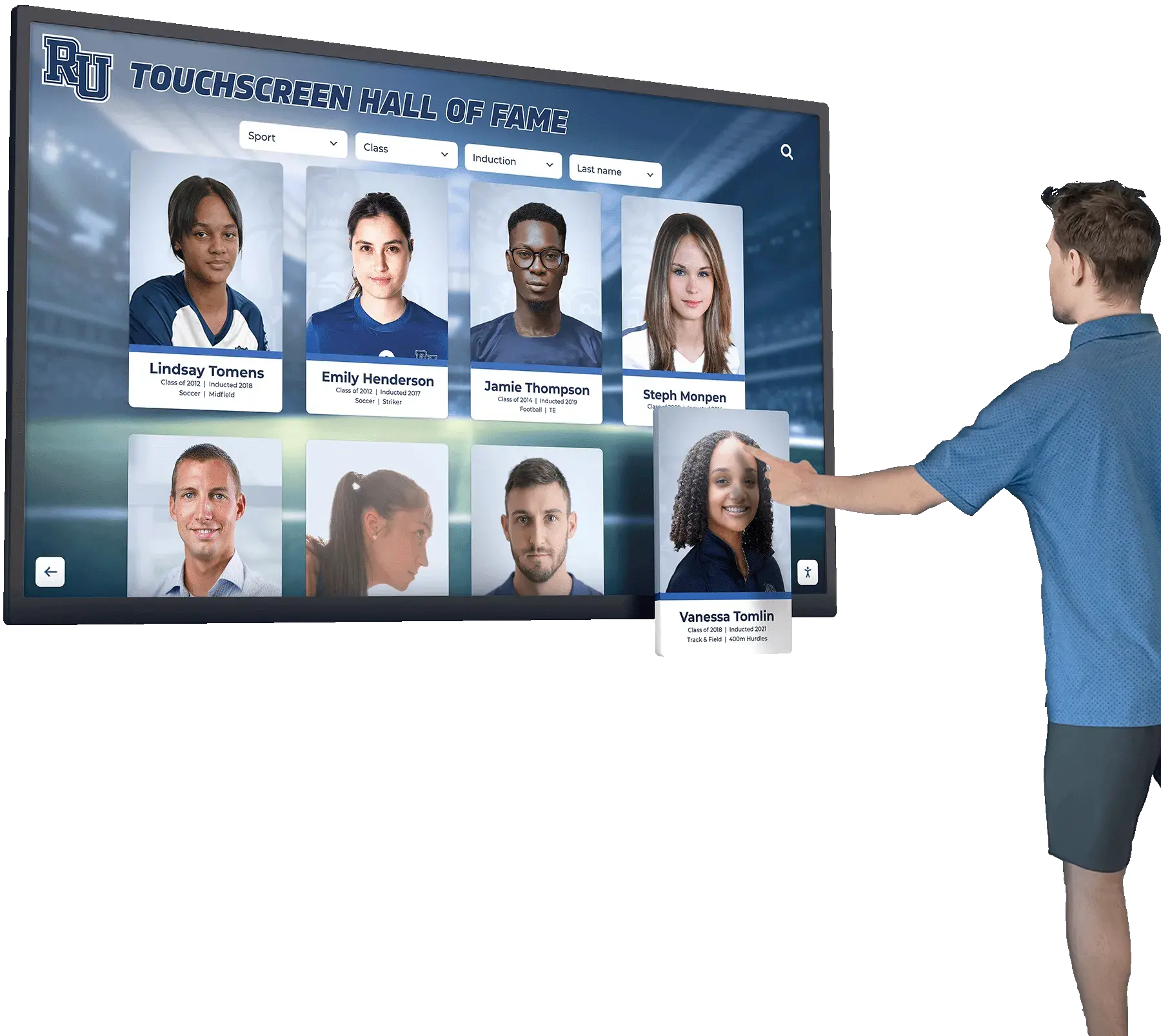
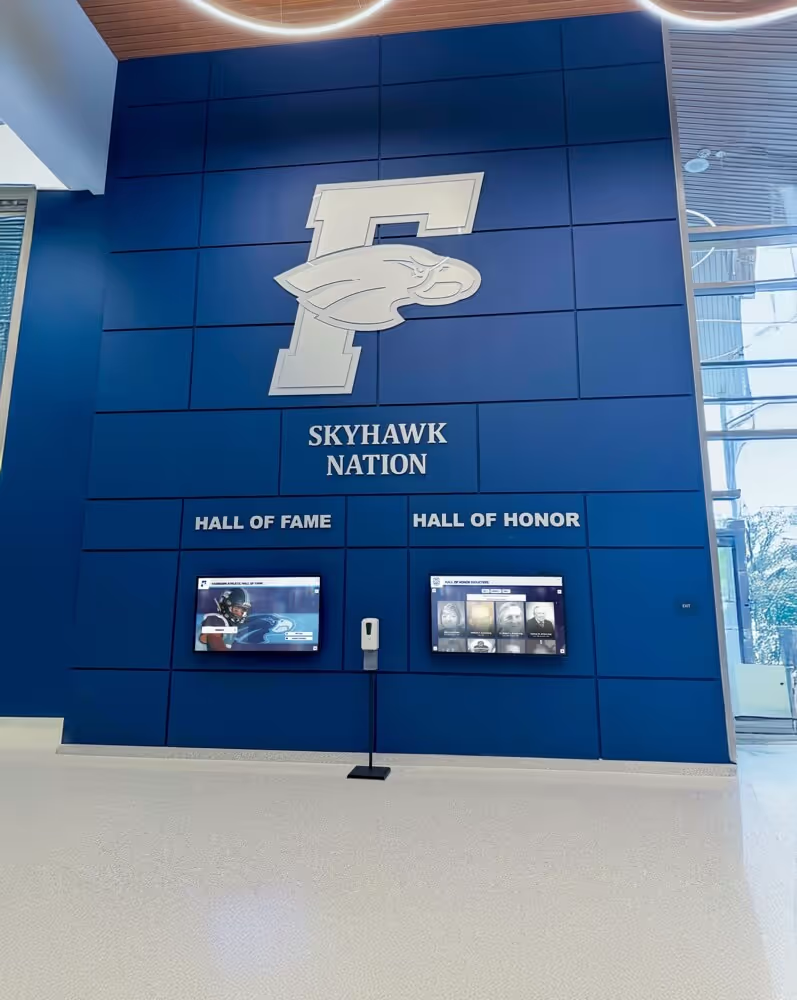
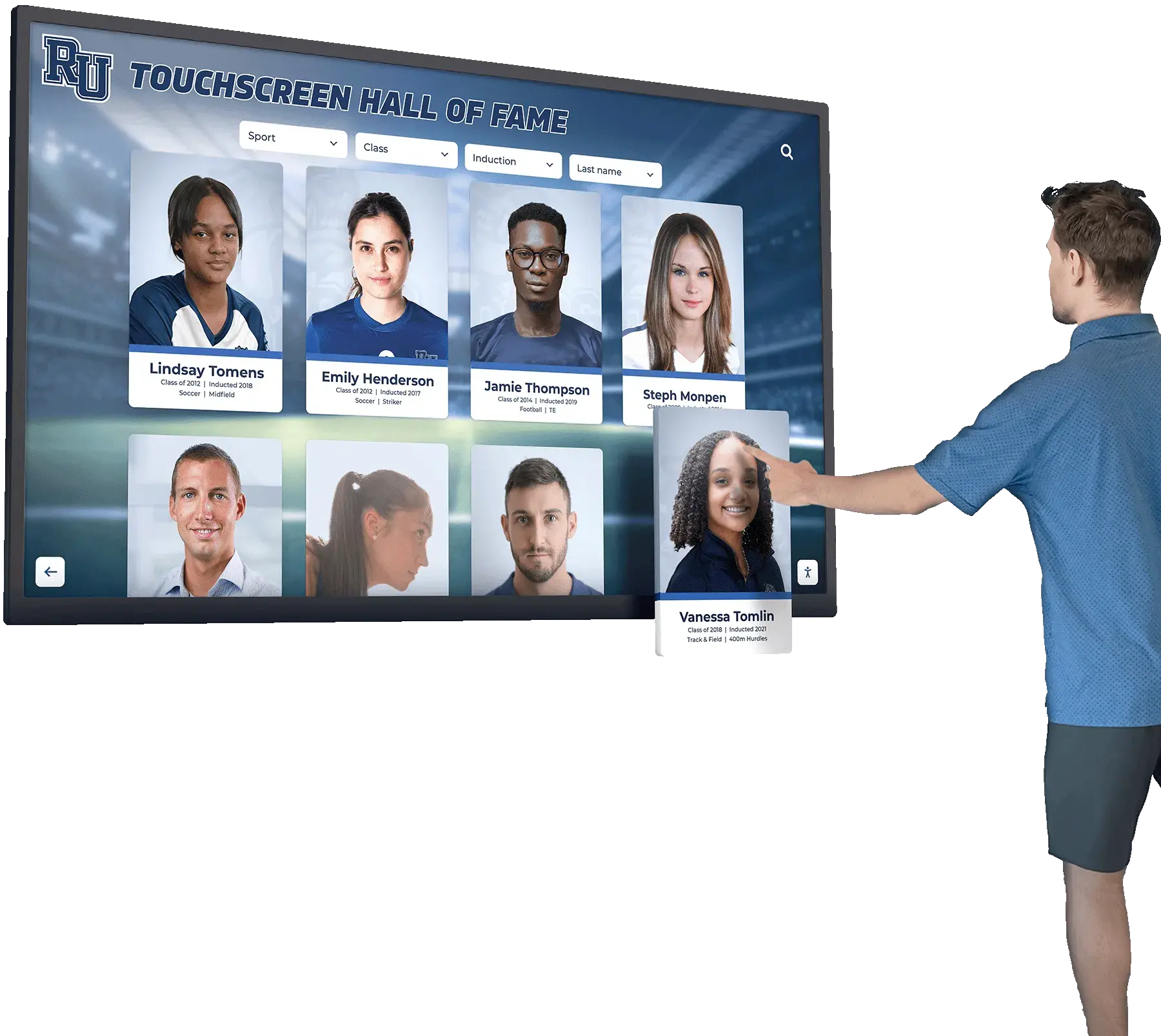
Every profile card retrieved by a hall of fame touchscreen represents a standby query that must complete within the conflict delay window — a calibrated policy ensures those queries succeed during end-of-season import periods without requiring administrative intervention
Frequently Asked Questions
What is a hot-standby conflict in an athletic awards database?
A hot-standby conflict occurs when a read query running on a database replica — serving display requests, report exports, or kiosk lookups — is accessing a data page that the WAL application process simultaneously needs to modify or reclaim to apply changes from the primary database. The standby must choose between waiting for the query to finish (preserving the query at the cost of slowing replication) or canceling the query (keeping replication current at the cost of a failed query). An athletic awards database hot-standby conflict policy governs which choice is made under which conditions, preventing the default behavior from silently failing display queries or stalling award data updates during critical import windows.
What does max_standby_streaming_delay control for school recognition displays?
The `max_standby_streaming_delay` parameter specifies how long the standby database server will pause WAL application — waiting for a conflicting query to complete — before canceling the query and proceeding with replication. For school recognition displays, setting this value too low (the default is 30 seconds) causes long-running report exports to be cancelled during end-of-season import windows. Setting it too high (or to -1, which means never cancel) allows display and report queries to complete but can cause the standby's data to fall significantly behind the primary, making newly approved award records invisible on the lobby display for an extended period. The policy should set this value based on the typical duration of the longest report exports the program runs during import windows.
Should hot_standby_feedback be enabled for athletic award databases?
Enabling `hot_standby_feedback` causes the standby to report its active transaction IDs to the primary, which delays VACUUM cycles that would otherwise generate row-removal conflicts on the standby. This is the most effective way to reduce conflict frequency during end-of-season import windows, when the primary runs heavy VACUUM to clean up staging and draft records. The tradeoff is that permanently enabling this setting constrains the primary's VACUUM scheduler and can cause table bloat to accumulate over time. For most school athletic recognition programs, a selective approach — enabling `hot_standby_feedback` during named import windows and disabling it between seasons — captures the benefit without the chronic performance cost on the primary.
How do hot-standby conflicts affect recognition display accuracy during ceremony events?
On ceremony day, two high-risk patterns converge: staff members run comprehensive verification exports (which are long-running standby queries), and the primary database receives final approval corrections up to the last moment (which generate a dense WAL stream and VACUUM activity). If conflict cancellations terminate the verification export partway through, staff must either restart it from the primary — if primary read access is configured — or accept that the verification is incomplete. If conflict cancellations interrupt the display aggregation queries that refresh the lobby kiosk, the display may show an error state or stale data at precisely the moment families are interacting with it. A conflict policy that classifies ceremony-day queries as primary-routed eliminates this risk by removing those queries from the standby conflict exposure entirely on the day it matters most.
How does a hot-standby conflict policy relate to a read-replica lag policy?
A hot-standby conflict policy and a read-replica lag policy govern different sides of the same trade-off. The lag policy defines how far behind the standby is allowed to fall before the display is considered stale and an alert is triggered. The conflict policy governs how the standby manages the queries that, if left uncanceled, would cause replication to fall further behind the primary. Together, they form a closed loop: the conflict policy's delay threshold must be calibrated so that resolving conflicts (by waiting for queries to complete) does not regularly cause the replication lag to breach the lag policy's alert threshold. Programs that have a lag policy without a conflict policy are monitoring a symptom without controlling its primary cause. Programs that have a conflict policy without a lag policy are managing a mechanism without a target outcome. Both are needed for a coherent governance framework.
Conclusion: A Conflict Policy Built for Athletic Award Import Seasons
An athletic awards database hot-standby conflict policy is the concurrency governance layer that prevents end-of-season award imports from silently degrading the recognition displays and report exports that depend on the same standby database. The default 30-second conflict delay was written for generic web applications — not for the multi-minute coach report exports and ceremony verification queries that school athletic programs generate at the exact moment import batches are flowing in from the primary. A documented policy calibrates delay thresholds to the program’s actual import calendar, enables hot standby feedback selectively during high-risk windows, routes long-running administrative queries to the primary on ceremony day, and monitors conflict rates so that escalating patterns are visible before they produce user-facing failures.
Schools that invest in this governance layer do not eliminate hot-standby conflicts — they are an inherent property of a database architecture that serves both replication and reads simultaneously. What they eliminate is the surprise: the coach’s export that fails mid-ceremony, the lobby kiosk that shows an error state while families are watching, the verification report that cannot confirm an inductee’s record is complete because replication conflict cancelled it halfway through.
See How Fresh Recognition Data Reaches Your Displays During Every Import Season
Rocket Alumni Solutions provides athletic directors and school IT teams with a cloud-based recognition platform that handles replica management, import scheduling, and conflict isolation at the platform level — so newly approved awards appear on lobby displays without requiring per-database conflict tuning. Request a demo to see how the platform keeps recognition data current through every end-of-season import window.
Request a Demo