



Intent: research — an athletic awards database phantom-read prevention policy defines which transaction isolation levels, range-locking rules, and report-execution procedures a school’s recognition system must apply so that award-report totals and eligibility query results remain consistent while concurrent imports are writing new records to the same database. A phantom read is a specific class of concurrency anomaly: a query run twice inside the same transaction returns different row counts between the first and second reads because another transaction inserted or deleted matching rows in the interval between them. For athletic award databases, that interval can be occupied by a season-end batch import, a multi-sport ceremony update, or a nomination-count write — making phantom reads a practical, not hypothetical, concern during the exact operational windows when report accuracy matters most.
This guide is written for athletic directors, school IT administrators, data stewards, and recognition-program owners who manage database-backed award archives, digital recognition displays, and seasonal import cycles. It covers phantom-read mechanics, which report types are most exposed, a five-component policy framework, an isolation-level selection table, implementation requirements, and a monitoring checklist for verifying that the policy is enforced in production.
Athletic award databases serve two distinct traffic profiles at the same time: import processes writing new records during season-closing and ceremony periods, and query processes reading those records to generate eligibility reports, award totals, and display content for public-facing screens. When both profiles operate simultaneously without explicit concurrency controls, the conditions for phantom reads exist. A report that counts MVP recipients for a given season may return 14 on a first pass and 15 on a second pass within the same report execution — not because data was corrected, but because a concurrent import committed a new record between the two reads.

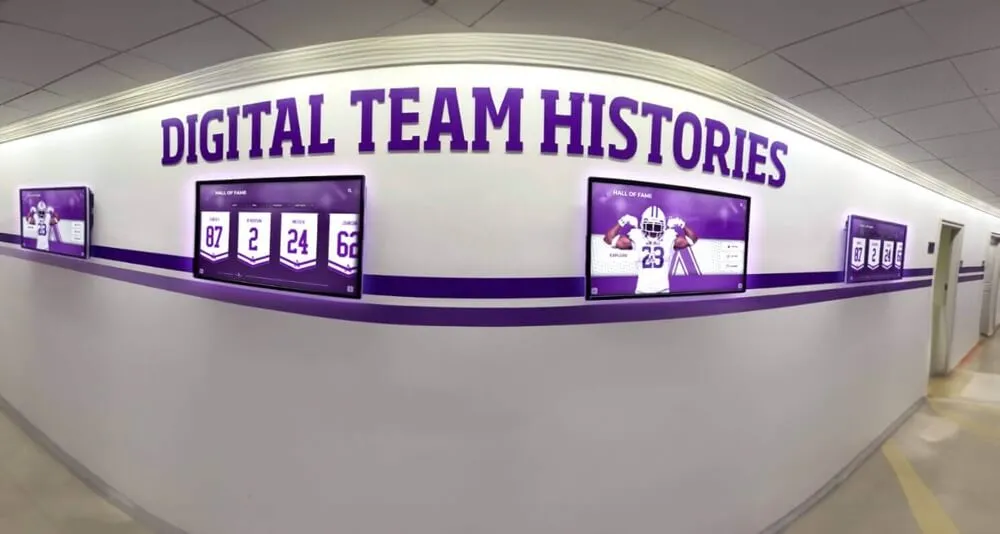
Recognition displays depend on report queries that produce consistent totals — an athletic awards database phantom-read prevention policy defines the isolation rules that protect those queries during concurrent imports
What Is a Phantom Read in an Athletic Awards Database?
A phantom read occurs when a database transaction executes the same predicate-based query more than once and receives a different result set between executions because a concurrent transaction inserted or deleted rows that match the predicate during the interval.
The term “phantom” refers to the rows that appear or disappear between reads: they were not present when the first read executed, so the first result set did not include them. When the second read executes, those rows exist and the result set changes — as if phantom data materialized during the transaction.
In an athletic recognition database, the predicate-based queries that generate phantom reads typically take this form:
- Award count queries:
SELECT COUNT(*) FROM awards WHERE season = '2025-26' AND award_type = 'MVP' - Eligibility queries:
SELECT athlete_id FROM awards WHERE athlete_id = 4182 AND award_category = 'Scholar-Athlete' - Records board queries:
SELECT TOP 10 ... FROM performance_records WHERE sport = 'Track' ORDER BY mark DESC - Induction ballot queries:
SELECT COUNT(*) FROM nominations WHERE candidate_id = 99 AND nomination_cycle = '2026'
Each query matches a set of rows by condition. If a concurrent import inserts a new row that satisfies the same condition before the transaction that issued the query completes its full report, the second read within that transaction will find the new row — a phantom.
Why Phantom Reads Matter for Athletic Recognition Reports
Most database concurrency discussions focus on dirty reads and non-repeatable reads. Phantom reads are distinct because they involve new rows, not changes to existing rows. A lower-than-serializable isolation level may prevent a value in an existing record from changing mid-transaction while still allowing new qualifying records to appear — which is precisely why eligibility and count-based athletic award reports require explicit policy attention.
Three operational scenarios where phantom reads corrupt athletic award reports:
1. Season-end award batch imports running alongside eligibility verification. When an athletic department closes out a season’s award records, staff frequently run eligibility summaries — checking which athletes have reached multi-year award thresholds, confirming award category counts, or verifying that induction criteria are met — at the same time that batch import jobs are writing the final award assignments. An eligibility query that begins before the last import record is committed may be re-evaluated during the same transaction after that record commits, changing the qualifying athlete count and the report output.
2. Multi-sport ceremony updates coinciding with recognition display queries. End-of-year recognition ceremonies for schools that host athletic banquets and multi-sport award nights generate concentrated write activity across multiple sports simultaneously. When display refresh processes query the same tables during that write window, phantom reads can produce display totals that reflect partial imports — a football MVP count that changes between the query that populated the lobby screen and the query that generated the printable ceremony program.
3. Hall of fame nomination counts read during an open nomination window. Nomination ballot counts are inherently predicate-based: the query counts all nomination records for a given candidate and cycle. If nominations are submitted through a web form that writes to the same database, a count read at 9:57 a.m. and a count read at 9:59 a.m. within the same nomination-summary report may differ — not because a nomination was retracted, but because two nominations arrived between the reads.
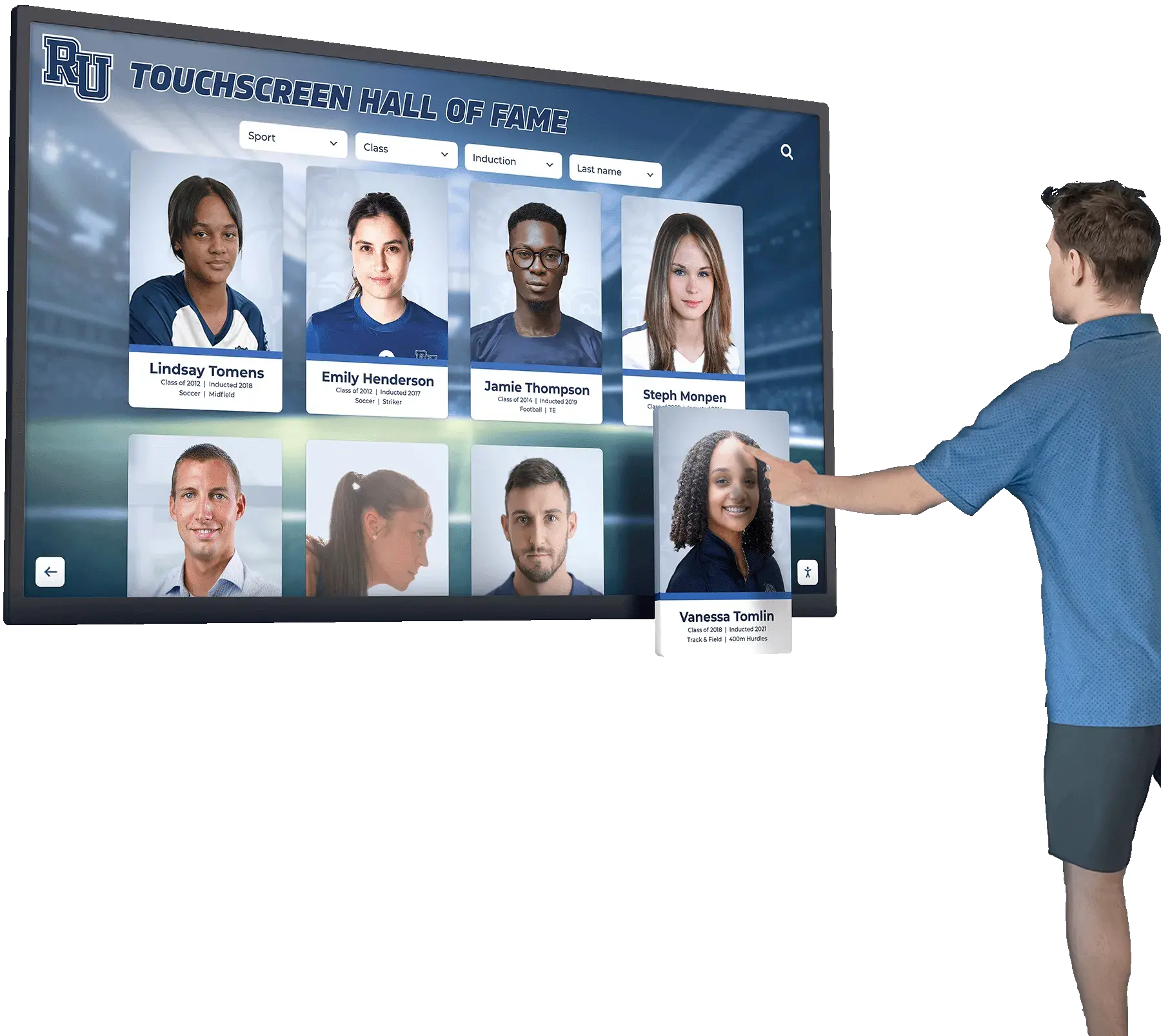
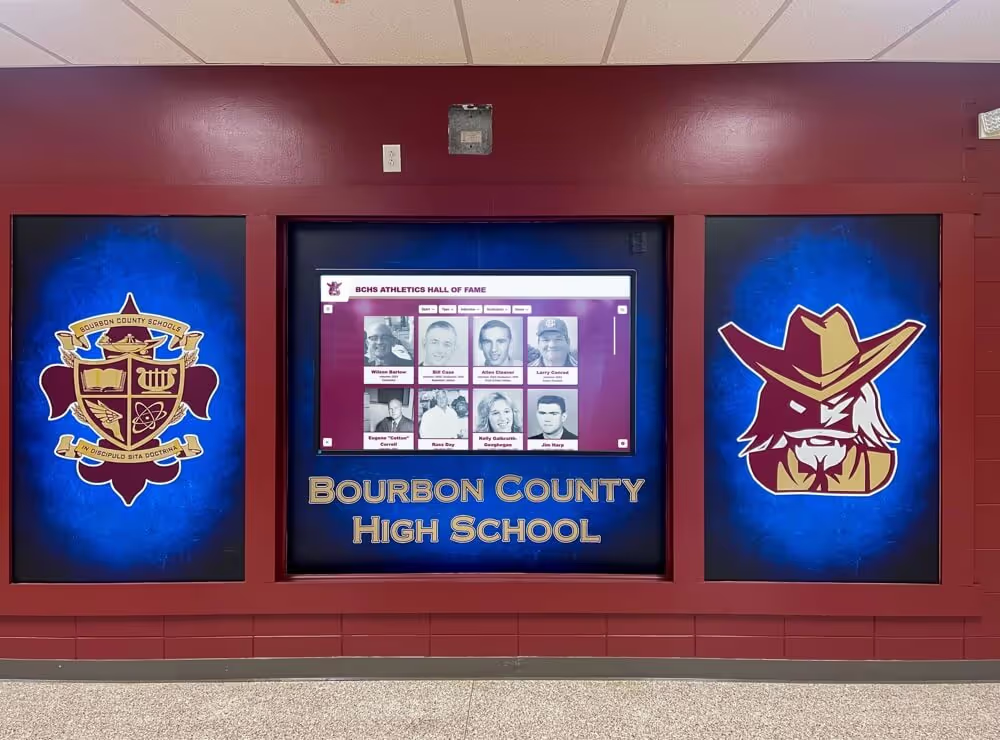
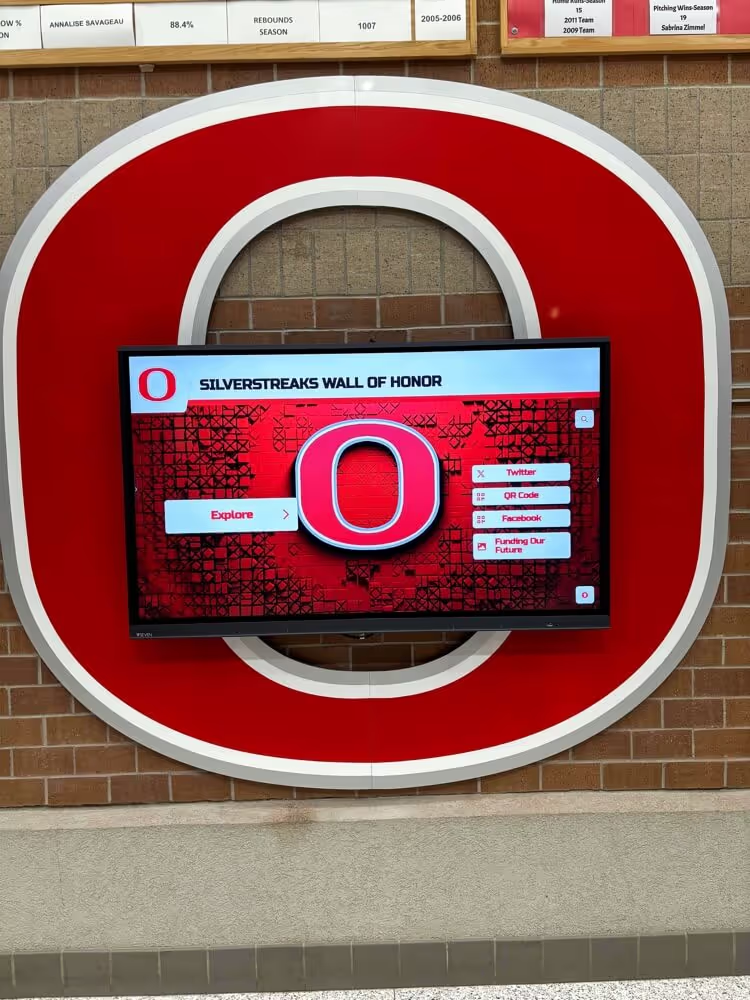
Eligibility summaries and nomination counts rendered on touchscreen recognition displays require phantom-read protection to avoid displaying totals that shift between query executions within the same report
The Five-Component Phantom-Read Prevention Policy
A complete athletic awards database phantom-read prevention policy addresses five components. Together they specify which transactions require protection, what isolation mechanism applies, how the mechanism is configured, how compliance is verified, and what procedures govern exceptions.
Component 1: Protected Query Classification
The policy must define which query types require phantom-read protection. Not all queries carry the same risk — single-row lookups by primary key cannot produce phantom reads, because a new row cannot match a specific existing key. Phantom-read risk is confined to range and predicate-based queries.
Protected query classes for athletic award databases:
| Query Class | Example Predicate | Phantom-Read Risk |
|---|---|---|
| Award count by season and type | WHERE season = X AND award_type = Y | High — new awards may be imported mid-count |
| Eligibility thresholds | WHERE athlete_id = X AND award_category = Y | High — new qualifying records may appear mid-check |
| Records board rankings | WHERE sport = X ORDER BY mark LIMIT N | High — new performance records may shift rankings |
| Nomination ballot counts | WHERE candidate_id = X AND cycle = Y | High — new nominations may arrive during count |
| All-season roster summaries | WHERE season = X AND team = Y | Moderate — roster additions during late-entry windows |
| Single-athlete award lookup by ID | WHERE award_id = 4182 | None — primary key lookup, no range |
| Category list queries (dropdown population) | SELECT DISTINCT award_type | Low — new categories are infrequent |
The policy should document this classification explicitly so that database developers and recognition-system administrators know which transaction types require elevated isolation and which do not.
Component 2: Isolation Level Assignment
SQL databases offer four standard transaction isolation levels, each offering different protection guarantees against concurrency anomalies. Phantom-read prevention requires either Serializable isolation or an equivalent mechanism.
| Isolation Level | Dirty Read Protection | Non-Repeatable Read Protection | Phantom-Read Protection |
|---|---|---|---|
| Read Uncommitted | No | No | No |
| Read Committed | Yes | No | No |
| Repeatable Read | Yes | Yes | Partial (row-level only) |
| Serializable | Yes | Yes | Yes |
| Snapshot Isolation (MVCC) | Yes | Yes | Yes (for reads; write conflicts may require retry) |
Policy assignment for athletic award databases:
- Serializable: Required for all eligibility verification queries, nomination count reports, and records-board ranking queries that execute in a multi-step report transaction. Serializable isolation places predicate locks that block concurrent inserts of qualifying rows for the duration of the transaction.
- Snapshot Isolation: Acceptable for report-generation queries where the database engine provides MVCC-based snapshot semantics. The query reads a consistent point-in-time snapshot established at transaction start; concurrent inserts are not visible within the snapshot.
- Read Committed: Acceptable only for single-step informational queries — display population queries that execute as a single SELECT, complete, and commit without re-reading the same predicate.
- Read Uncommitted: Not permitted for any query on award, eligibility, nomination, or records tables.
The policy must specify the default isolation level for each connection type used by the recognition system — administrative interface connections, batch import connections, display refresh connections, and report generation connections — separately.
For programs that manage both academic and athletic recognition in parallel — such as scholar-athlete eligibility that depends on academic standing records — eligibility queries that reference academic honor classifications like Latin honors designations carry the same phantom-read risk when both academic and athletic records tables are queried within the same transaction.
Component 3: Predicate-Lock and Range-Lock Requirements
Serializable isolation prevents phantom reads through predicate locking or range locking at the database engine level. The policy should document the locking behavior expected from the database engine and require that the recognition system’s query patterns are compatible with that behavior.
Predicate locking locks the condition itself rather than a specific row. When a transaction queries WHERE season = '2025-26' AND award_type = 'MVP', the predicate lock blocks any concurrent insert that would produce a row matching that predicate — preventing the phantom even before any row exists to lock.
Gap locks (used in MySQL InnoDB under Serializable) lock the gap between existing index values to prevent inserts that would fall within the range the transaction is reading. For an award records table indexed on (season, award_type), a gap lock on the range covering ('2025-26', 'MVP') blocks concurrent inserts at that position.
Policy requirement: The recognition database’s critical report tables — award records, nomination records, performance records — must be indexed on the predicate columns most commonly used in protected queries. Predicate locks on non-indexed columns degrade to full-table locks that block all concurrent writes, unnecessarily extending import transaction times.
Recommended indexes for athletic award database phantom-read protection:
awards table:        INDEX (season, award_type, athlete_id)
nominations table:   INDEX (nomination_cycle, candidate_id)
performance_records: INDEX (sport, season, performance_date)
eligibility_flags:   INDEX (athlete_id, category, effective_season)
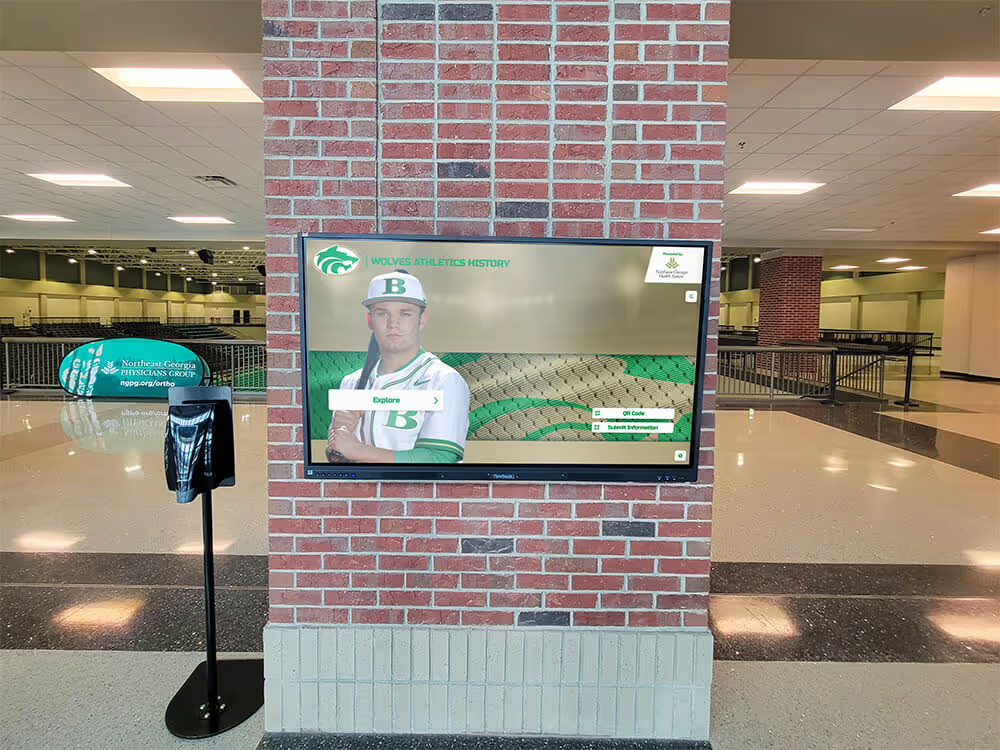
Interactive display kiosks query award records using predicate-based conditions — the indexes that support those conditions must align with the predicate-lock ranges defined in the phantom-read prevention policy
Component 4: Concurrent Import Coordination Rules
Phantom-read protection at the isolation level prevents reads from seeing new rows mid-transaction. It does not reduce the frequency of concurrent write activity that generates the risk in the first place. Component 4 of the policy addresses import scheduling and coordination to reduce the windows during which protected queries and active imports overlap.
Import coordination requirements:
Scheduled import windows for high-volume loads. Season-end batch imports that write more than 200 award records should be scheduled during low-traffic periods — before 7:00 a.m. or after 9:00 p.m. on ceremony evenings — to reduce overlap with administrative report generation and display refresh cycles.
Import-lock flags for critical report transactions. The recognition system should support an application-level import-lock flag that defers non-urgent import jobs when an eligibility verification report or nomination-count report transaction is in progress. The lock is advisory, not enforced at the database level, but it prevents avoidable contention during the most sensitive report windows.
Import batch sizing limits. Single import batches should not exceed the timeout threshold defined in the phantom-read prevention policy. A 30-second Serializable transaction timeout — sufficient for most eligibility reports — defines the maximum duration an import batch may hold its write transaction without committing, since overlapping Serializable read transactions will either wait or fail during that window.
For sports programs that manage multi-event record structures — such as youth swim programs with multiple events per athlete per meet — batch imports from meet management systems can generate dozens of qualifying rows for a single predicate in a single import cycle, making per-sport phantom-read exposure substantially higher than single-event-per-athlete record structures.
Component 5: Exception and Override Documentation
Some recognition system operations legitimately require accepting a lower isolation level for performance reasons. The policy must define the exception process and documentation requirements.
Permissible exceptions:
- Display refresh queries for non-critical informational content (photo carousels, historical records more than five years old) may use Read Committed when Serializable isolation would produce unacceptable display latency
- Category enumeration queries used to populate administrative interface dropdowns may use Read Committed since phantom categories are unlikely and non-critical
- Background analytics queries that aggregate historical data for dashboards not visible to the public may use Snapshot Isolation when the database engine’s snapshot semantics are documented and understood
Exception documentation requirements:
- The specific query or transaction type
- The isolation level applied and the justification
- The approval date and approving administrator
- The review schedule (exceptions reviewed annually at minimum)
Implementation Checklist
Before considering the policy operational, IT staff responsible for the athletic recognition database should verify all of the following:
- Protected query classes documented and reviewed by athletic director and IT lead
- Default isolation level configured at the connection level for each connection type (import, admin, display, report)
- Critical report tables indexed on predicate columns used by protected queries
- Serializable isolation confirmed functional in test: concurrent insert blocked during active Serializable read transaction
- Import scheduling windows documented in the recognition system’s operational calendar
- Import-lock flag implemented and tested against concurrent report execution
- Exception register created and populated with any currently approved lower-isolation queries
- Transaction timeout values set and documented for each connection type
For programs that recognize youth athletes across multiple nomination categories — such as youth athlete of the year nominations that span school-year and calendar-year cycles — the eligibility query that checks whether a nominee has previously received the same award requires Serializable isolation because duplicate-nomination detection is predicate-based and a concurrent nomination write during that check is precisely the phantom-read scenario the policy is designed to prevent.
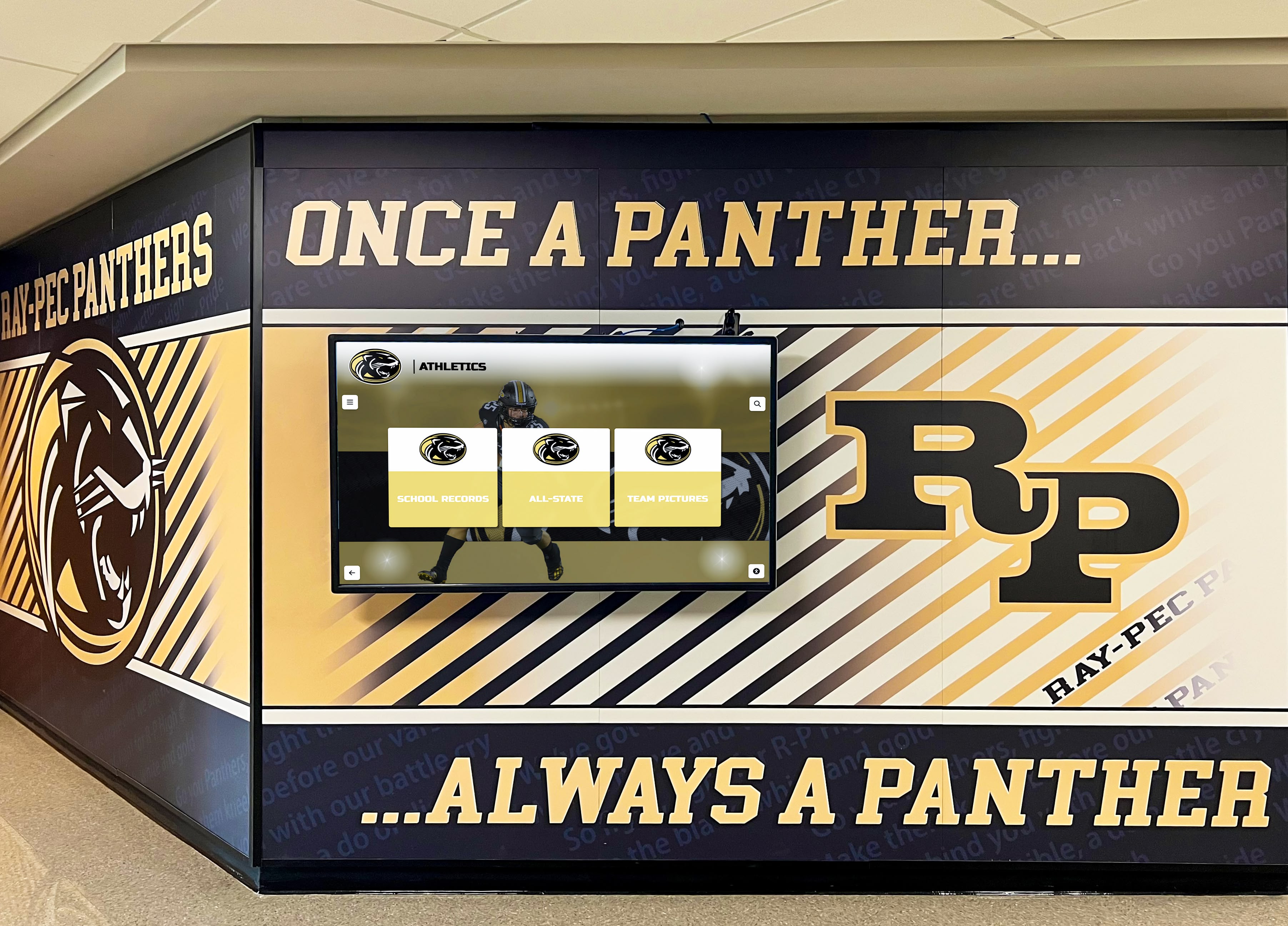
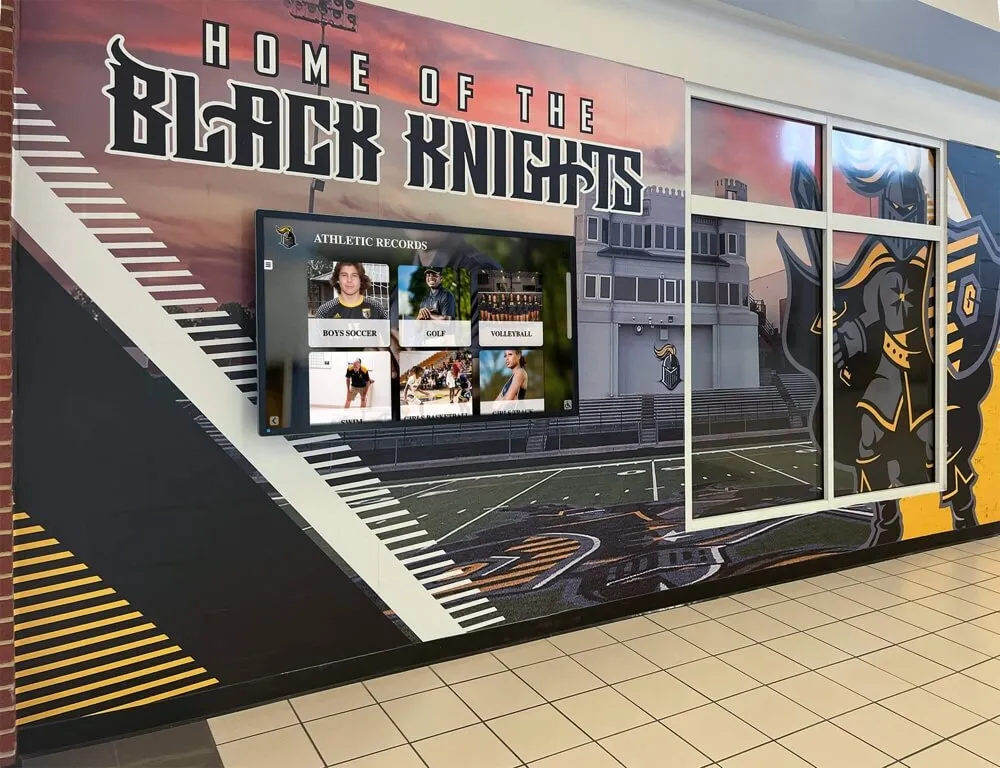
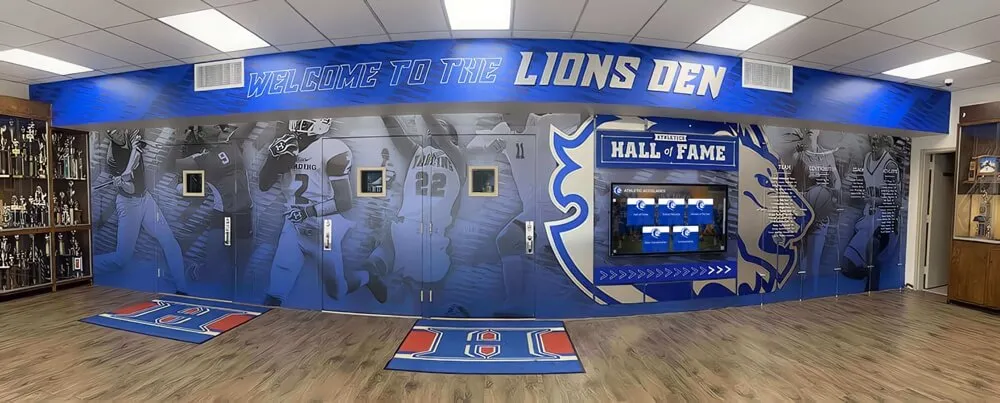
Year-end award totals displayed in school hallways are the output of predicate-based report queries — implementing the correct isolation level for those queries prevents phantom rows from corrupting the totals before they reach the display
Monitoring and Compliance Verification
A written policy has no operational effect unless the isolation levels it specifies are actually applied at runtime. Monitoring requirements for the policy include:
Transaction isolation sampling. The database’s session and transaction monitoring views should be queried weekly during peak import seasons to confirm that protected report transactions are executing at the isolation level the policy requires. Any session observed running an eligibility or count report at Read Committed should trigger an immediate review.
Lock contention logging. Long-wait events on predicate and range locks indicate that the policy’s import scheduling rules are not being followed — concurrent imports are overlapping with protected read transactions. Lock wait time exceeding the policy’s defined threshold (typically 5 seconds for eligibility reports) should generate an alert.
Report-result consistency verification. During testing before each seasonal peak, execute the same eligibility report twice within a single Serializable transaction with a simulated concurrent insert between the executions. Confirm that the second read returns the same count as the first. This test validates that predicate locking is functioning as expected for the specific database engine version, driver version, and connection configuration in use.
For programs that publish year-end award summaries — including the senior recognition categories and superlative-style honors that many schools announce alongside athletic awards — the eligibility counts and recipient totals behind senior award programs carry the same phantom-read exposure when eligibility queries and ceremony-period imports run concurrently, making consistent monitoring across all award table types a requirement rather than an option.
FAQ: Athletic Awards Database Phantom-Read Prevention Policy
Does Rocket Alumni Solutions’ platform enforce transaction isolation automatically? Cloud-based recognition platforms — including systems like Rocket Alumni Solutions’ touchscreen hall of fame platform, which serves 600+ institutions — manage database transaction semantics at the platform layer. Schools using Rocket’s cloud CMS do not configure isolation levels directly; the platform applies appropriate isolation for its internal report and display queries as part of its data architecture. The policy framework in this guide applies primarily to schools that operate their own on-premises or self-hosted recognition databases, or that integrate award records from external systems through direct database access.
What is the difference between a phantom read and a non-repeatable read? A non-repeatable read occurs when an existing row’s value changes between two reads in the same transaction. A phantom read occurs when the count or set of rows matching a predicate changes between two reads — because new rows were inserted or existing rows were deleted, not because an existing row was updated. Repeatable Read isolation prevents non-repeatable reads but does not prevent phantom reads from new row insertions, which is why eligibility and count queries require Serializable or Snapshot Isolation rather than Repeatable Read.
Is Snapshot Isolation the same as Serializable? No. Snapshot Isolation (used in PostgreSQL, SQL Server, Oracle, and other MVCC databases) prevents phantom reads for read-only transactions by reading from a consistent point-in-time snapshot. However, it allows write-write conflicts that Serializable isolation does not — two concurrent transactions that both read the same snapshot and then both write based on that read can each commit successfully even if the combined effect would not have been allowed under true Serializable semantics. For read-only report transactions, Snapshot Isolation provides equivalent protection to Serializable. For read-then-write transactions (reading nomination counts, then inserting a record based on that count), Serializable provides stronger guarantees.
How does phantom-read prevention interact with the connection pooling policy? The connection pooling policy and the phantom-read prevention policy govern different layers of the same database. The pooling policy controls how many connections are available and how long they may be held. The phantom-read prevention policy controls what isolation level applies to each connection type. Both policies must be consistent: a Serializable import-coordination rule that holds report transactions open for up to 30 seconds must be reflected in the pooling policy’s acquisition timeout and connection lifetime parameters. A pooling policy that recycles connections before a Serializable report transaction completes may silently downgrade the transaction’s isolation level depending on the database driver’s session state reset behavior.
What records should the exception register contain? Each entry in the exception register should identify: the query or transaction type, the isolation level approved for that query, the technical justification, the risk assessment (what phantom-read scenario is accepted and why it is tolerable for that specific query), the approving administrator, the approval date, and the next scheduled review date. The exception register is a governance document, not just a configuration note — it must be retrievable during audits and updated whenever a query’s operational context changes.
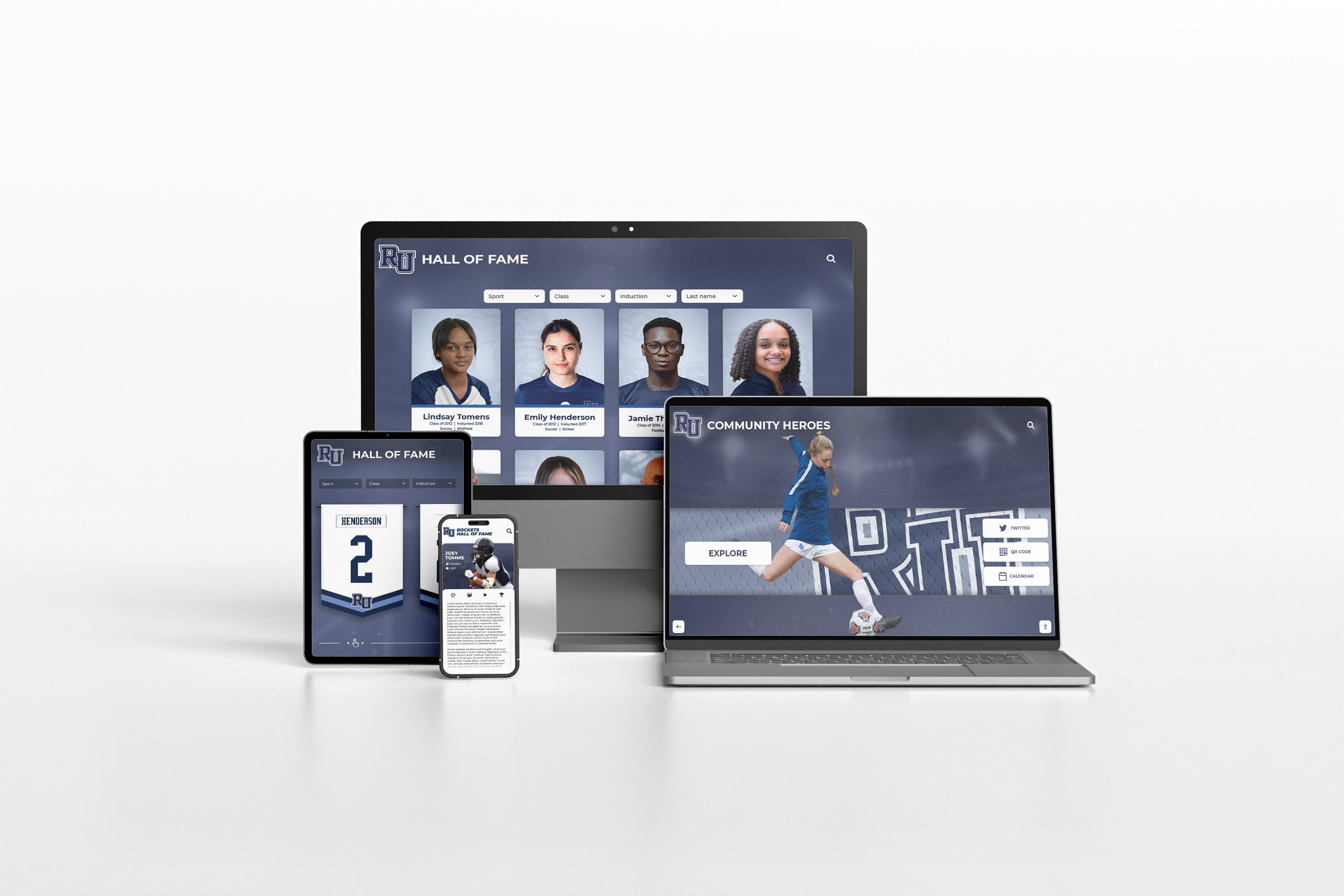
Recognition data displayed consistently across devices requires that the underlying report queries execute under phantom-read-safe isolation — inconsistent totals are often a symptom of unprotected concurrent reads rather than a data entry error
Connecting Phantom-Read Prevention to the Broader Data Governance Framework
A phantom-read prevention policy operates at one layer of a complete athletic award data governance program. Its upstream dependency is the data quality and validation layer — phantom reads in eligibility queries are most consequential when the underlying award records have been correctly entered and validated, because an eligibility report that already contains entry errors is not improved by transaction isolation. Its downstream dependency is the display publication layer — a report that correctly counts eligible athletes under Serializable isolation is only as useful as the process that publishes that count to the recognition display within an appropriate time window after the report runs.
Schools that treat phantom-read prevention as a standalone database configuration task rather than as one component in a layered governance framework often find that the policy is technically implemented but operationally ineffective: isolation levels are set correctly for report connections but not for the administrative interface connections through which staff run ad hoc queries; import windows are scheduled but not enforced; the exception register is created but never reviewed.
The value of the policy is realized when it is embedded in the operational calendar, reviewed annually alongside the connection pooling and data validation policies, and tested in a realistic concurrent-load scenario before each seasonal peak.
Schools evaluating cloud-based athletic recognition platforms that handle transaction isolation, concurrent import scheduling, and phantom-read prevention at the platform layer — rather than requiring per-installation database configuration — can schedule a custom demo with Rocket Alumni Solutions to see how the platform manages data consistency across its 600+ institutional installations.
See Consistent Award Data on Every Screen
Rocket Alumni Solutions manages transaction isolation, import scheduling, and report consistency at the platform layer — so athletic directors and IT staff spend their time on recognition programs, not database configuration. Serving 600+ institutions with cloud-based touchscreen displays, unlimited award records, and remote CMS access from anywhere.