



Intent: research — An athletic awards database Postgres index-only scan diagnostic is a structured procedure for confirming that a covering index on your recognition database is actually eliminating heap access for award-search queries — and for finding exactly why it is not when EXPLAIN ANALYZE still reports heap fetches. Designing a covering index and verifying that the query planner uses it as an index-only scan are two different tasks: an index can exist, be chosen by the planner, and still read from the heap on every row if the table’s visibility map has not been updated by VACUUM. This guide is written for school IT administrators, athletic directors, database administrators, and recognition-platform data stewards responsible for PostgreSQL-backed award archives that power lobby touchscreens, digital hall of fame displays, and end-of-season search tools.
When a visitor at a school’s hall of fame kiosk types a sport or season into the search bar, the query behind that lookup ideally satisfies itself entirely from an index — reading index pages alone, fetching the award name, athlete name, and season label from the index leaf nodes without touching the main table at all. That path is a PostgreSQL index-only scan, and it is measurably faster than an index scan that also reads heap pages: fewer I/O operations, less buffer pool pressure, and lower latency for every search interaction on a display that visitors expect to respond in under two seconds. An athletic awards database Postgres index-only scan diagnostic answers the specific question: is this query actually taking that path, or is it paying heap-access cost despite a covering index being in place?

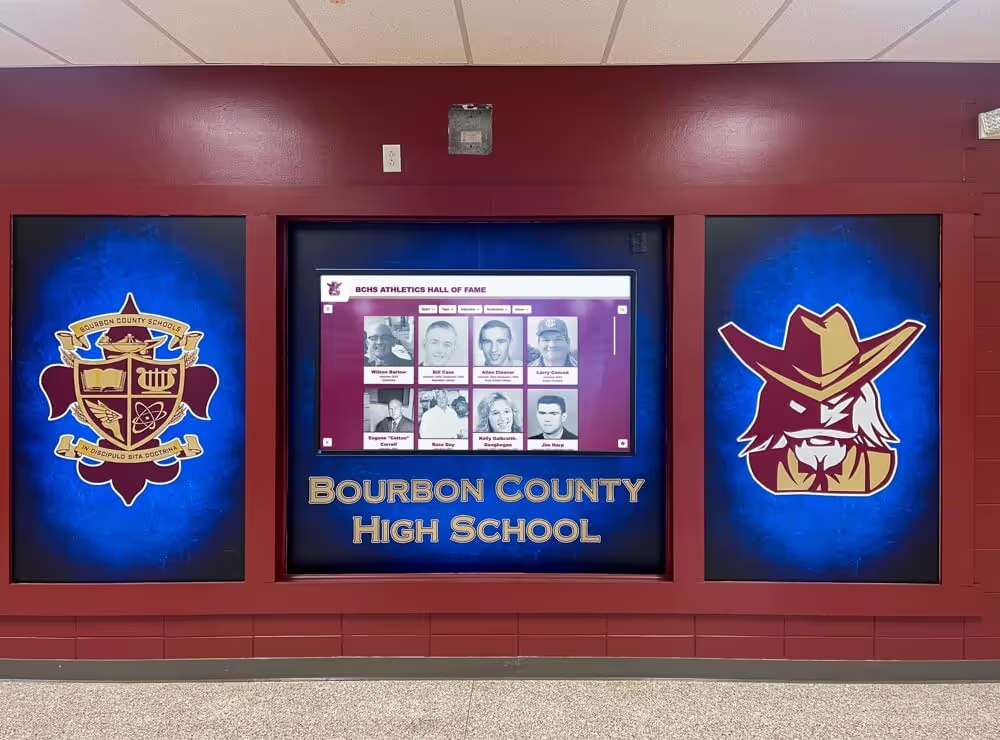
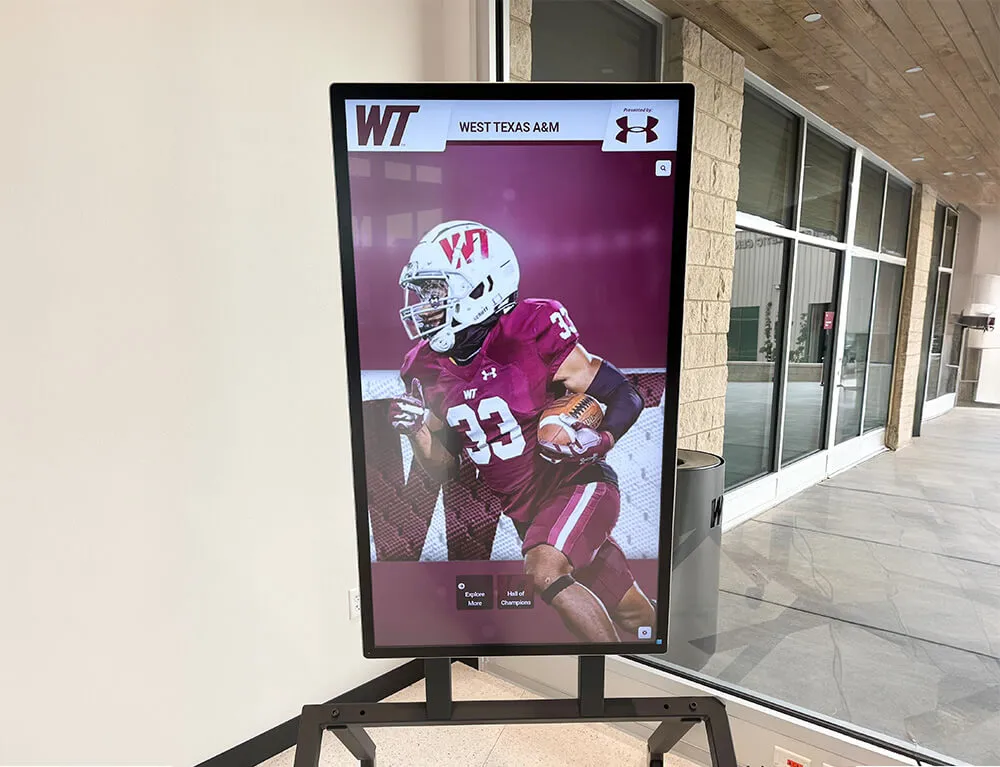
Award search queries on hall of fame touchscreens depend on the database layer responding quickly — index-only scan diagnostics confirm whether the covering index designed for that speed is actually eliminating heap access or still fetching from the main table
What Is a Postgres Index-Only Scan and Why Does It Matter for Athletic Award Databases?
A Postgres index-only scan is an execution plan node where the database engine retrieves all required column values directly from the index structure, without accessing the main table (the heap). For a query that filters on sport and returns athlete_name, award_category, and season_year, an index-only scan is possible only when all four of those columns — the filter column and all returned columns — are stored in the index. An index on just (sport) forces a heap lookup for the return columns. An index on (sport, athlete_name, award_category, season_year) — a covering index — makes an index-only scan possible.
Possible does not mean guaranteed. PostgreSQL adds one additional gate: the visibility map. Each heap page has a bit in the visibility map that PostgreSQL sets when all rows on that page are known to be visible to all current and future transactions. Only when that bit is set can the query planner skip the heap read for rows on that page. If VACUUM or autovacuum has not run since rows were inserted or updated, that bit may be unset, and the planner must fetch each qualifying row’s heap page to verify visibility — a “heap fetch” that appears in EXPLAIN ANALYZE output even when a covering index is in use.
In an athletic awards database, this matters because:
- Hall of fame inductee searches join athlete profiles, award categories, and seasons — queries that cross multiple columns and are ideal candidates for index-only access
- Records-board lookups filter by sport and event, returning display columns that can be covered entirely in an index
- End-of-season award search filters by season label and award category — a two-column filter that can be fully satisfied from an index if VACUUM has run recently enough
- Lobby kiosk responsiveness depends on sub-second query times; reducing heap I/O is one of the most direct paths to achieving that threshold on large multi-decade archives
According to the PostgreSQL documentation on index-only scans, the heap-fetch rate for a query using an index-only scan depends directly on the fraction of heap pages that are marked all-visible in the visibility map. A freshly loaded table with no VACUUM run will report zero all-visible pages and force a heap fetch for every qualifying row — negating the performance benefit of the covering index entirely until VACUUM runs.
Step-by-Step Index-Only Scan Diagnostic Procedure
Use this numbered procedure when you suspect that a covering index exists but award-search queries are still reading from the heap — or as a post-implementation check after adding a new covering index to your recognition database.
Step 1 — Run EXPLAIN ANALYZE on the target award-search query.
Capture the full output, not just the estimated plan. Use the BUFFERS option to see cache hit versus disk read activity:
EXPLAIN (ANALYZE, BUFFERS, FORMAT TEXT)
SELECT athlete_name, award_category, season_year
FROM athletic_awards
WHERE sport = 'Basketball'
  AND season_year = '2025-2026';
Look for the plan node label. If the plan shows Index Only Scan, the planner chose the path. If it shows Index Scan or Seq Scan, the covering index is either absent, not selected, or the planner estimated a full scan as cheaper.
Step 2 — Check the Heap Fetches line in the Index Only Scan node.
When the plan does show Index Only Scan, locate the Heap Fetches value in the same node:
Index Only Scan using idx_awards_sport_season_covering on athletic_awards
  (cost=0.43..18.21 rows=47 width=68) (actual time=0.082..1.204 rows=47 loops=1)
  Index Cond: ((sport = 'Basketball') AND (season_year = '2025-2026'))
  Heap Fetches: 47
A Heap Fetches value greater than zero means the planner fell back to heap access for those rows — defeating the purpose of the index-only path. A value of zero confirms that the visibility map allowed the planner to skip heap access entirely.
Step 3 — Check the visibility map status for the target table.
Query pg_stat_user_tables to see how many heap pages are marked all-visible and when VACUUM last ran:
SELECT
  relname,
  n_live_tup,
  n_dead_tup,
  last_vacuum,
  last_autovacuum,
  n_mod_since_analyze
FROM pg_stat_user_tables
WHERE relname = 'athletic_awards';
If last_vacuum and last_autovacuum are both NULL or very old relative to your most recent bulk import or end-of-season data load, the visibility map is likely incomplete, and heap fetches will persist until VACUUM runs.
Step 4 — Check the all-visible page fraction using pg_relation_size and pg_visibility.
If the pg_visibility extension is available in your database, query it directly for a precise count of all-visible pages:
-- Requires pg_visibility extension
SELECT
  count(*) FILTER (WHERE all_visible) AS all_visible_pages,
  count(*) AS total_pages,
  round(
    100.0 * count(*) FILTER (WHERE all_visible) / nullif(count(*), 0),
    1
  ) AS pct_all_visible
FROM pg_visibility('athletic_awards');
When pct_all_visible is significantly below 100%, index-only scans on that table will produce heap fetches for the non-visible pages. A targeted VACUUM athletic_awards; run will update the visibility map and allow re-running Step 1 to confirm the heap-fetch count drops.
Step 5 — Confirm the index covers every column the query needs.
Even a query that appears simple may request more columns than the covering index stores. Use pg_index and pg_attribute to verify that the index includes every column referenced in SELECT, WHERE, ORDER BY, and GROUP BY:
SELECT
  i.relname AS index_name,
  array_agg(a.attname ORDER BY ix.indkey_subscript) AS index_columns
FROM pg_index ix
JOIN pg_class i ON i.oid = ix.indexrelid
JOIN pg_class t ON t.oid = ix.indrelid
JOIN LATERAL unnest(ix.indkey) WITH ORDINALITY AS ik(attnum, indkey_subscript) ON true
JOIN pg_attribute a ON a.attrelid = t.oid AND a.attnum = ik.attnum
WHERE t.relname = 'athletic_awards'
  AND i.relname = 'idx_awards_sport_season_covering'
GROUP BY i.relname;
If a column referenced in the query is missing from the index definition, add it using INCLUDE (column_name) in PostgreSQL 11 and later — INCLUDE columns are stored in the index leaf nodes without participating in the sort order, which is the correct approach for return-only columns that are not filter or sort columns.

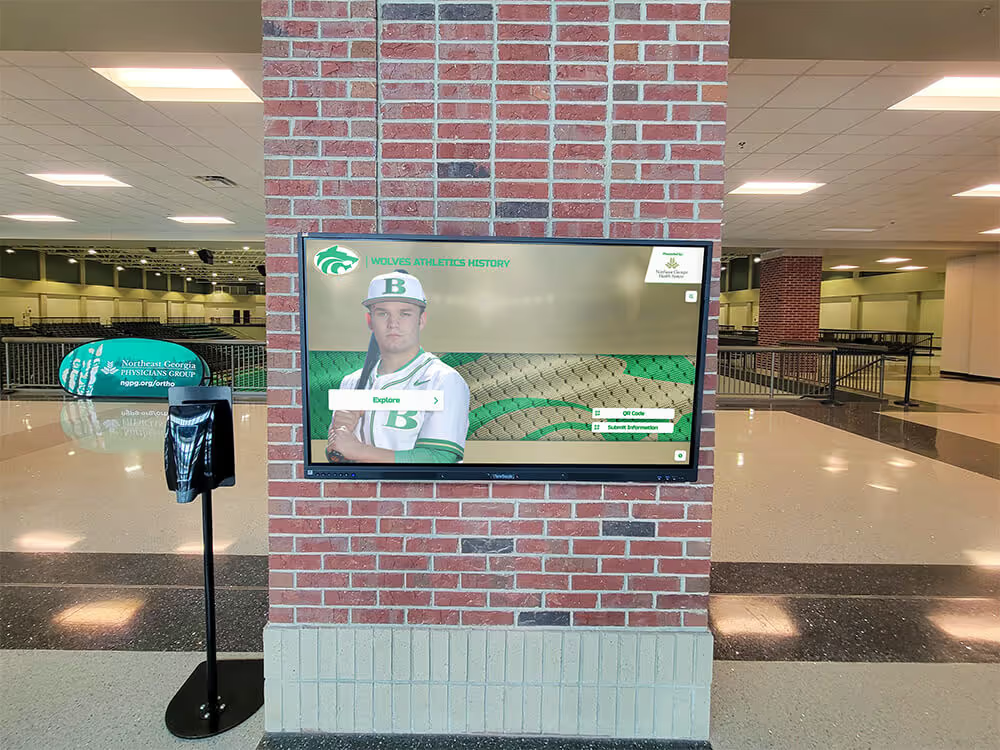
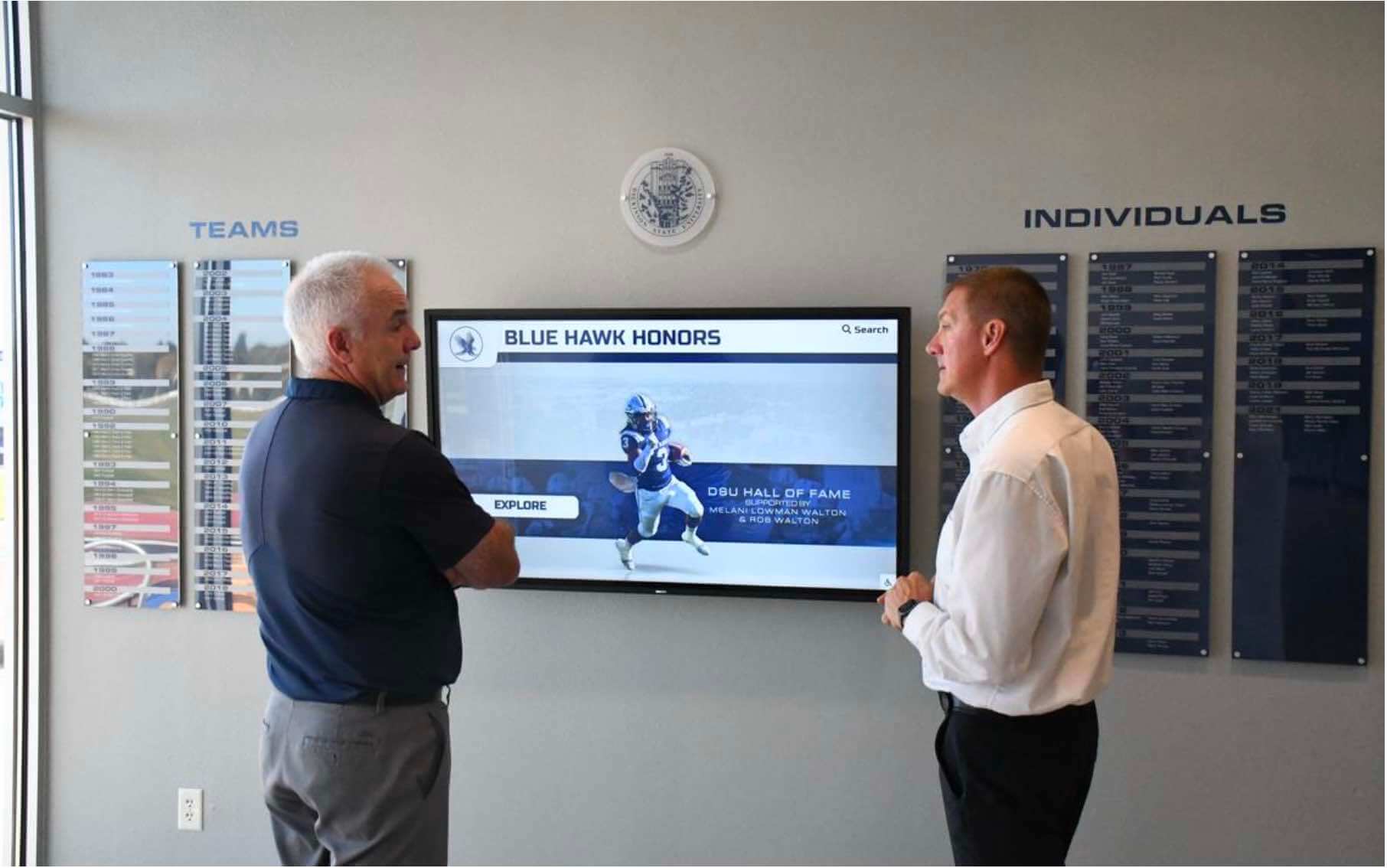
Athletic records boards displayed in school hallways depend on fast database reads — index-only scan diagnostics confirm whether those queries are taking the fully index-resident path or still fetching from the heap
Step 6 — Run VACUUM and re-run the diagnostic.
After confirming that the visibility map is incomplete, run a manual VACUUM on the target table and repeat Steps 1 and 2:
VACUUM athletic_awards;
Then re-run the EXPLAIN ANALYZE query from Step 1. The Heap Fetches value should drop toward zero. If it drops significantly but not to zero, the table has a mix of all-visible and non-all-visible pages — typically the result of recently inserted rows that autovacuum has not yet processed. In that scenario, the covering index is working correctly for the older portion of the archive; only the most recent data additions are still forcing heap access.
Visibility Map Maintenance for Award Databases With Seasonal Bulk Loads
The visibility map is the hidden variable in most failed index-only scan diagnostics. Schools that import an entire season’s worth of award records in a single bulk operation — uploading nominations, inductee selections, and records-board results at the end of a school year — will see the visibility map fall sharply out of date after that load. Every newly inserted row marks its heap page as not-all-visible, because the inserting transaction has not yet committed in a way that allows the visibility map bit to be set. VACUUM must run after the commit to set those bits.
For athletic award databases with seasonal bulk loads, two configuration approaches reduce the window during which index-only scans degrade to heap-fetch paths:
Run a manual VACUUM immediately after each bulk import. Schedule this as the final step of every end-of-season data load script, before the data becomes visible to lobby displays and kiosks. A table VACUUM run on the award archive immediately after import sets visibility map bits for all newly inserted rows and restores index-only scan eligibility within minutes.
Tune autovacuum thresholds for the athletic awards table. Default autovacuum triggers are based on percentage changes in row count — a small table with infrequent updates may not trigger autovacuum for days after a bulk load. Use storage parameters to lower the trigger threshold for recognition tables that receive periodic bulk inserts:
ALTER TABLE athletic_awards SET (
  autovacuum_vacuum_scale_factor = 0.01,
  autovacuum_analyze_scale_factor = 0.005
);
This tells autovacuum to trigger after a 1% change in row count rather than the default 20%, keeping the visibility map current through the post-import period when hall of fame displays and search tools are most actively queried.
For programs managing index health more broadly — including identifying bloated indexes that may cause the planner to avoid index-only paths entirely — the athletic awards database index bloat maintenance checklist describes the broader index-health context in which visibility map maintenance sits.
Diagnostic Decision Table: Index-Only Scan Outcome and Next Action
| EXPLAIN ANALYZE Plan Node | Heap Fetches | Visibility Map Status | Next Action |
|---|---|---|---|
Index Only Scan | 0 | All-visible pages ≥ 95% | No action needed — index-only scan is fully effective |
Index Only Scan | > 0 (high) | All-visible pages < 50% | Run VACUUM athletic_awards immediately; recheck after |
Index Only Scan | > 0 (low) | All-visible pages 85–95% | Tune autovacuum thresholds; review bulk-load schedule |
Index Scan (not index-only) | N/A | Any | Index does not cover all queried columns; add INCLUDE columns |
Seq Scan | N/A | Any | Planner prefers full scan; check statistics freshness with ANALYZE |
Bitmap Index Scan | N/A | Any | Query returns many rows; index-only scan unlikely to be chosen |
Monitoring Index-Only Scan Health Over Time
Establish an ongoing monitoring query using pg_stat_user_indexes to track whether index-only scan usage is stable across the athletic season:
SELECT
  schemaname,
  tablename,
  indexname,
  idx_scan        AS total_index_scans,
  idx_tup_read    AS tuples_read_from_index,
  idx_tup_fetch   AS tuples_fetched_from_heap
FROM pg_stat_user_indexes
WHERE tablename = 'athletic_awards'
ORDER BY idx_scan DESC;
The ratio of idx_tup_fetch (heap fetches) to idx_tup_read (index reads) is the heap-fetch rate. A ratio near zero confirms that the covering index is eliminating heap access for the vast majority of search queries. A ratio that climbs after a bulk data load confirms that the visibility map needs a VACUUM run before the next peak query period — typically the week before an awards ceremony or hall of fame induction event.

Hall of fame search interactions depend on sub-second query responses — monitoring the heap-fetch ratio on the covering index confirms whether the database is maintaining index-only scan eligibility through the active query season
How Schools Manage Award-Search Performance Alongside Digital Display Systems
Understanding Postgres index-only scan behavior is one layer of a broader recognition-data management picture. Schools that surface award records on touchscreen displays, digital hall of fame walls, and lobby kiosks face the same data-quality and search-performance challenges that any large archive creates — with the added constraint that the display must respond quickly in front of visitors and students who expect instant results.
Rocket Alumni Solutions — alongside other platforms including traditional database-backed display systems and custom-built school archives — builds athletic record databases optimized for multi-column filters on sport, season, and award category that return display-ready athlete data with minimal latency. Request a demo to see how Rocket’s managed platform keeps award-search performance reliable without requiring school IT staff to monitor covering index eligibility or schedule VACUUM after every seasonal import. Touchscreen digital hall of fame interactive awards from platforms in this space illustrate the performance expectations that database administrators need to engineer toward. Understanding the query paths those displays depend on — and using the diagnostic steps above to verify index-only scan eligibility — is part of maintaining a reliable recognition infrastructure.
For schools that track former athletes across seasons and programs, the query patterns that benefit most from index-only scans are the same ones described in how schools track former athletes for recognition outreach — multi-field lookups that combine athlete identity, sport, and award history in a single read path.
For programs that also use expression-based indexes to handle normalized or transformed search values — lowercased names, computed season labels — PostgreSQL expression indexes for award search covers the design considerations that interact with index-only scan eligibility: expression indexes can be covering indexes, but their INCLUDE columns and visibility map behavior follow the same rules as standard B-tree covering indexes.
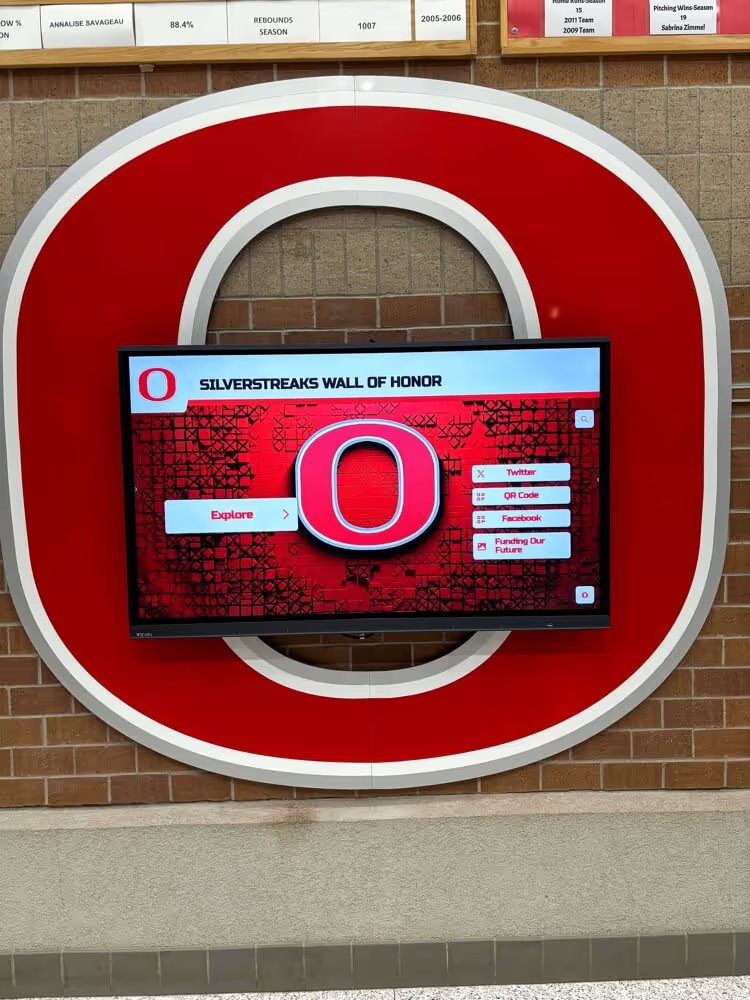
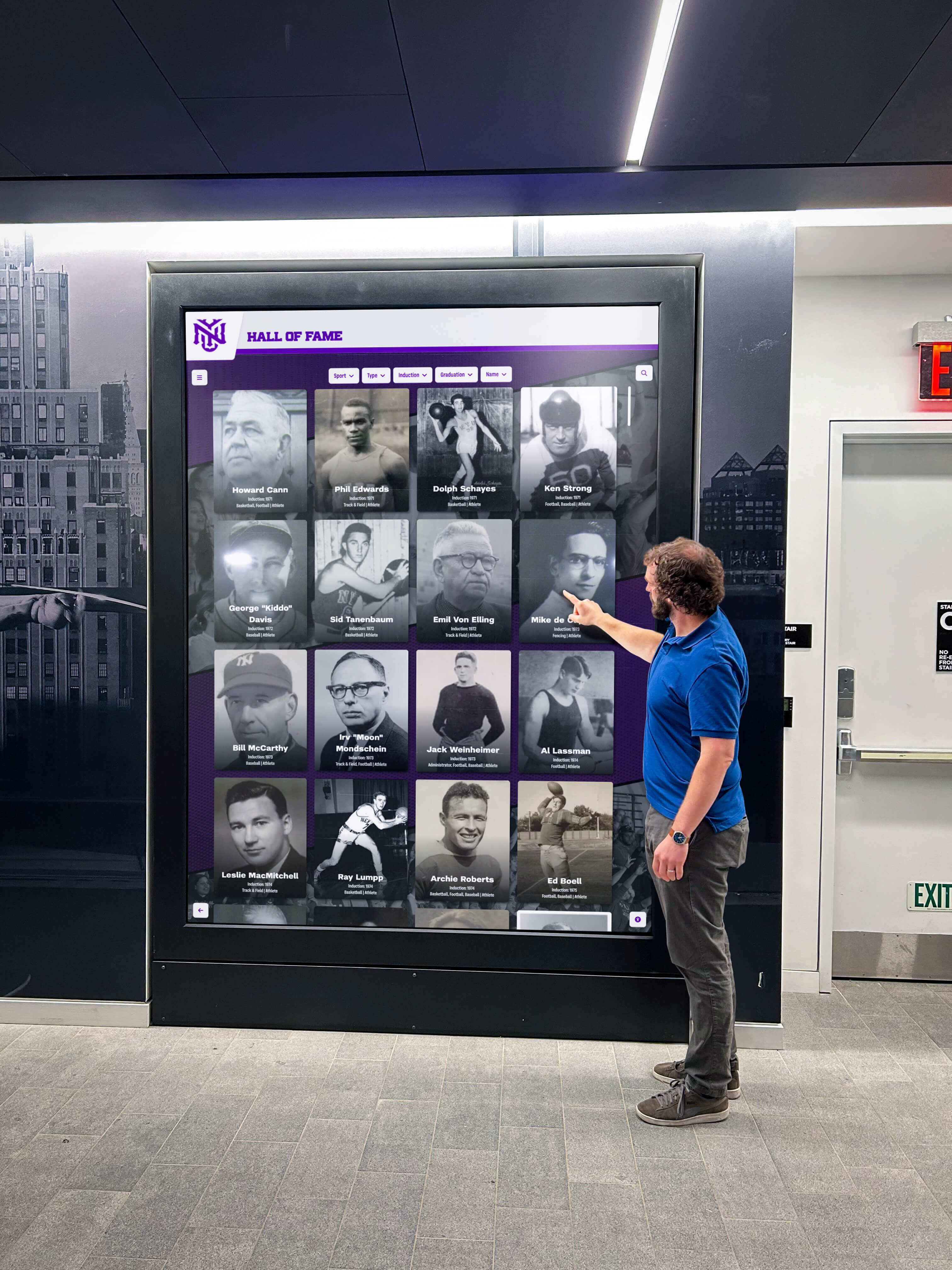
Administrators reviewing inductee data on a digital hall of fame display expect fast load times — index-only scan diagnostics identify whether the database is consistently serving those profile queries from the index alone or paying heap-access cost on every interaction
Standardizing Award Data Structure to Support Index-Only Scan Eligibility
Index-only scan eligibility is also a function of how award data is structured at ingestion. Schools that use inconsistent column naming, duplicate award fields across multiple tables, or store award category identifiers as free-text strings without normalization create queries that must join across tables or apply functions to filter columns — patterns that disqualify index-only scan access even when covering indexes exist.
The sports roster template standards for school team data approach — establishing consistent column names, data types, and value formats for athletic records before they enter the database — directly supports index-only scan eligibility by ensuring that the most common filter columns (sport, season, award category) are stored as normalized, indexable values rather than computed or joined expressions. The touch board athletic records complete guide similarly describes the record-type taxonomy that determines which columns appear in the most frequent award-search queries — and therefore which columns belong in a covering index designed to support index-only scans.
Frequently Asked Questions
What is an index-only scan in PostgreSQL? An index-only scan is a query execution path where PostgreSQL retrieves all required column values directly from the index leaf nodes without accessing the main table (heap). It requires that every column referenced in the query — filter columns, return columns, and sort columns — be stored in the index, and that the table’s visibility map marks the relevant heap pages as all-visible. When both conditions are met, the planner skips the heap entirely, reducing I/O and query latency.
Why does my covering index still show heap fetches in EXPLAIN ANALYZE?
Heap fetches in an Index Only Scan node mean the visibility map does not mark those rows’ heap pages as all-visible. This happens when VACUUM or autovacuum has not run since rows were inserted or updated. Run VACUUM athletic_awards; after any bulk data import and recheck with EXPLAIN (ANALYZE, BUFFERS) — the heap-fetch count should drop significantly once the visibility map is updated.
How often should I run VACUUM on athletic award tables?
For tables that receive periodic bulk loads — end-of-season imports, hall of fame induction uploads — run a manual VACUUM immediately after each bulk load completes, before the data is queried by displays or reports. For tables with continuous small-batch inserts, tune autovacuum with lower autovacuum_vacuum_scale_factor values (0.01–0.05) so autovacuum triggers sooner after incremental changes and keeps the visibility map current.
Can I add a column to an existing index to make it covering without rebuilding from scratch?
In PostgreSQL 11 and later, you can drop the existing index and recreate it with INCLUDE (additional_column) — the INCLUDE clause adds columns to the index leaf nodes without adding them to the sort key. This is the correct approach for return-only columns. The rebuild does require a full index creation pass, but it can be done concurrently using CREATE INDEX CONCURRENTLY to avoid locking reads and writes during the operation.
How does an index-only scan interact with MVCC in PostgreSQL? PostgreSQL’s MVCC (Multi-Version Concurrency Control) model requires that each row access confirm row visibility for the current transaction snapshot. For heap pages, this is done by reading the row’s transaction ID and comparing it to the current snapshot. For index-only scans, the visibility map acts as a precomputed answer: if the page is marked all-visible, PostgreSQL knows that all rows on it are visible to all transactions and skips the individual tuple-visibility check. This is why the visibility map is the gate that controls index-only scan effectiveness — without it, even a perfectly covering index must access the heap to perform the visibility check.
Every lobby kiosk interaction is a database query — index-only scan diagnostics confirm that the covering indexes designed to make those queries fast are actually taking the fully index-resident path rather than falling back to heap access after bulk data loads
Conclusion: Verify, Don’t Assume
An athletic awards database Postgres index-only scan diagnostic is the step that bridges index design and confirmed query behavior. Creating a covering index is necessary; verifying that the planner uses it as an index-only scan with zero heap fetches — and that the visibility map is current enough to allow it — is what delivers the performance benefit to every hall of fame search, records-board lookup, and end-of-season award query that runs against the database. The six-step procedure above gives database administrators and school IT teams the specific queries and EXPLAIN ANALYZE output patterns needed to confirm that eligibility, identify the visibility map as the most common obstacle, and schedule VACUUM at the right points in the seasonal data-management calendar to keep index-only scans effective year-round.
For schools evaluating cloud-based recognition platforms that handle database management, search optimization, and display performance as part of a managed service — rather than maintaining Postgres performance tuning internally — Rocket Alumni Solutions provides a touchscreen digital awards platform built for exactly this workload.
See Award Search Without the Database Diagnostics
Rocket Alumni Solutions provides school athletic directors with a cloud-based recognition platform where award search, hall of fame lookups, and records-board queries are served from a managed environment — no covering index configuration, no visibility map monitoring, and no EXPLAIN ANALYZE tuning required from school IT staff. Request a demo to see fast athletic award search in action.
Request a Demo