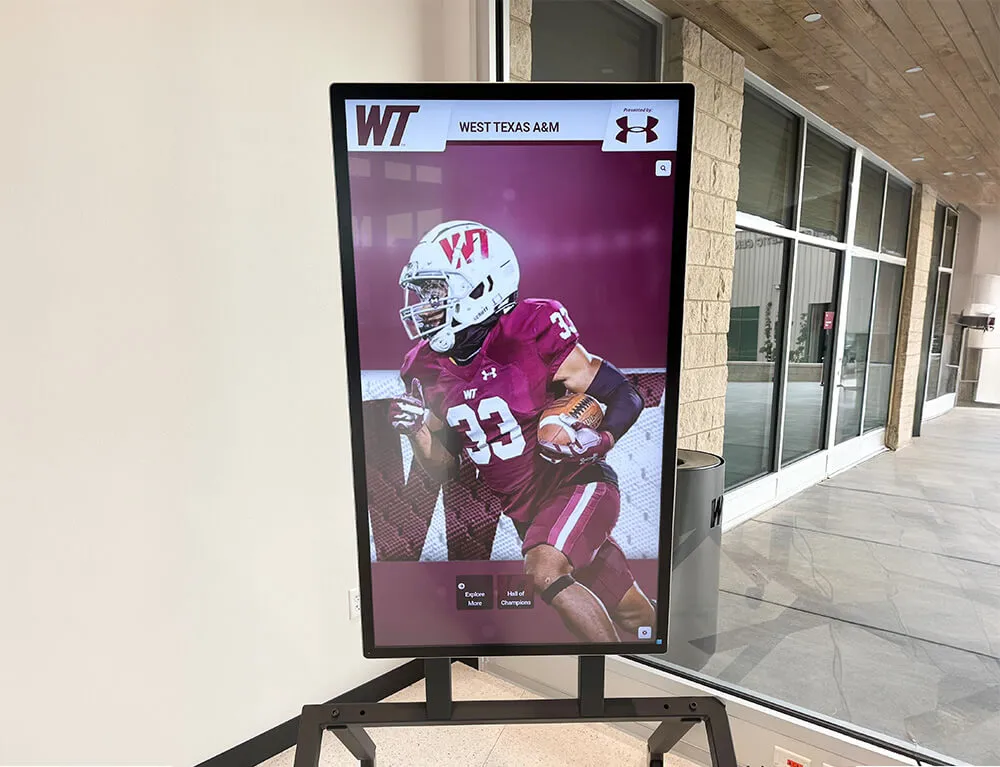




Championship baseball programs understand a fundamental truth: games are won and lost on defense. While powerful hitting creates highlights and excitement, baseball fielding drills executed consistently in practice build the defensive reliability that determines season outcomes. The difference between making routine plays and allowing momentum-shifting errors often comes down to the quality and consistency of defensive practice routines.
Too many coaches approach fielding practice through repetitive ground ball lines that fail to replicate game situations, creating players who field smoothly during warm-ups but struggle when baserunners create pressure or game context demands split-second decisions. Meanwhile, outfielders stand idle in the grass during infield work, missing opportunities to develop the communication, footwork, and reaction skills essential to championship-caliber defense.
This comprehensive guide presents 16 proven baseball fielding drills—8 for infield development and 8 for outfield excellence—that build game-ready defensive skills through systematic, progressive practice routines coaches at all levels can implement immediately to elevate defensive performance.
Effective defensive practice extends beyond fielding repetitions—it requires intentional drill design replicating game pressures, building muscle memory for proper mechanics, developing communication systems, and creating athletes who make the routine play consistently while possessing skills to execute the exceptional when crucial moments demand it.

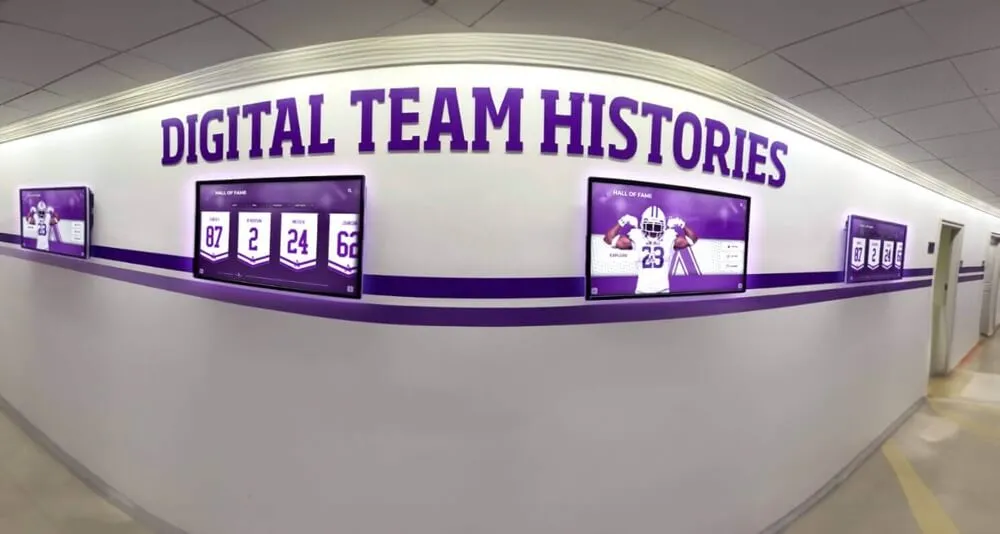
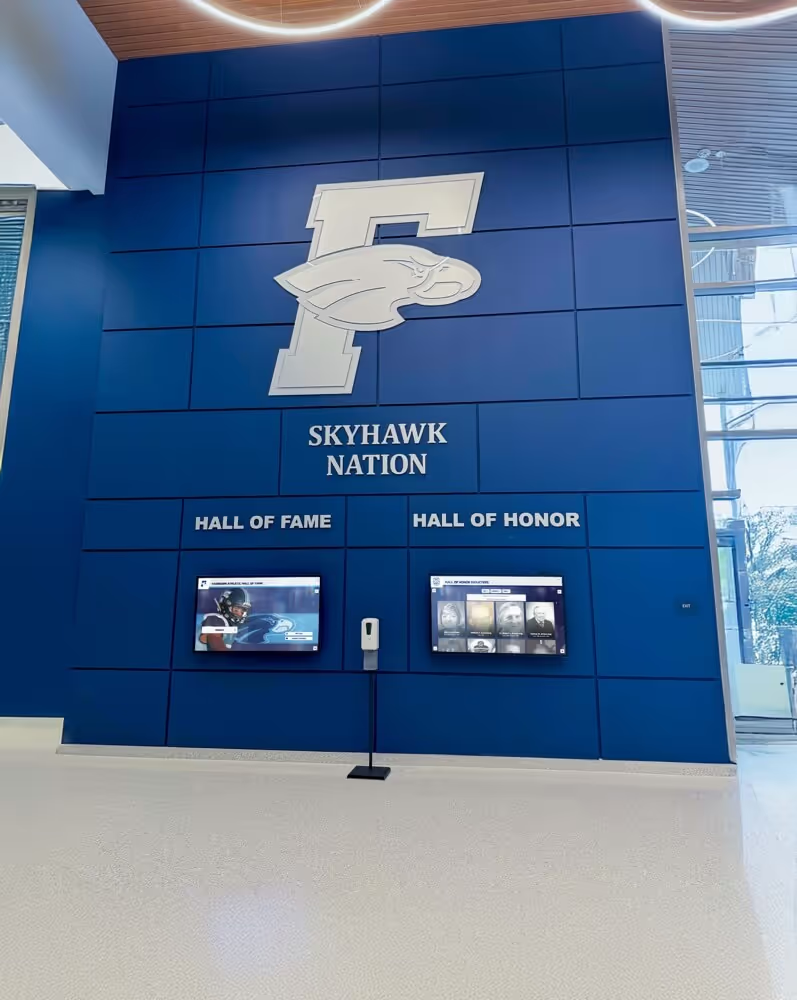
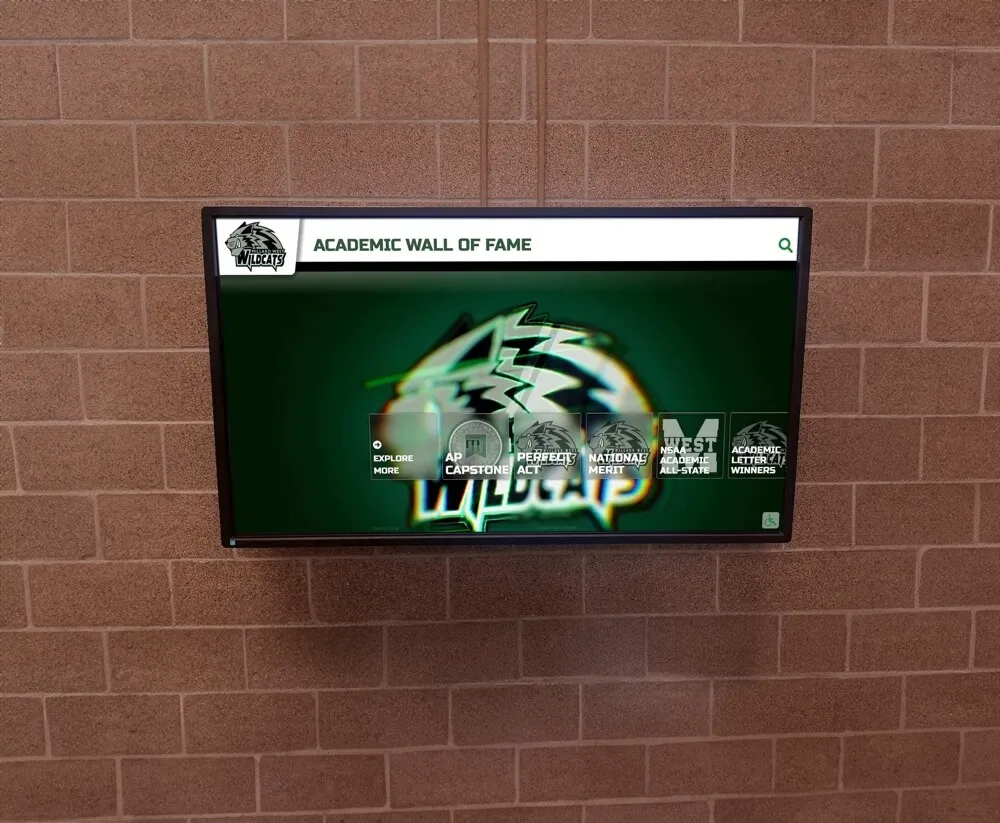
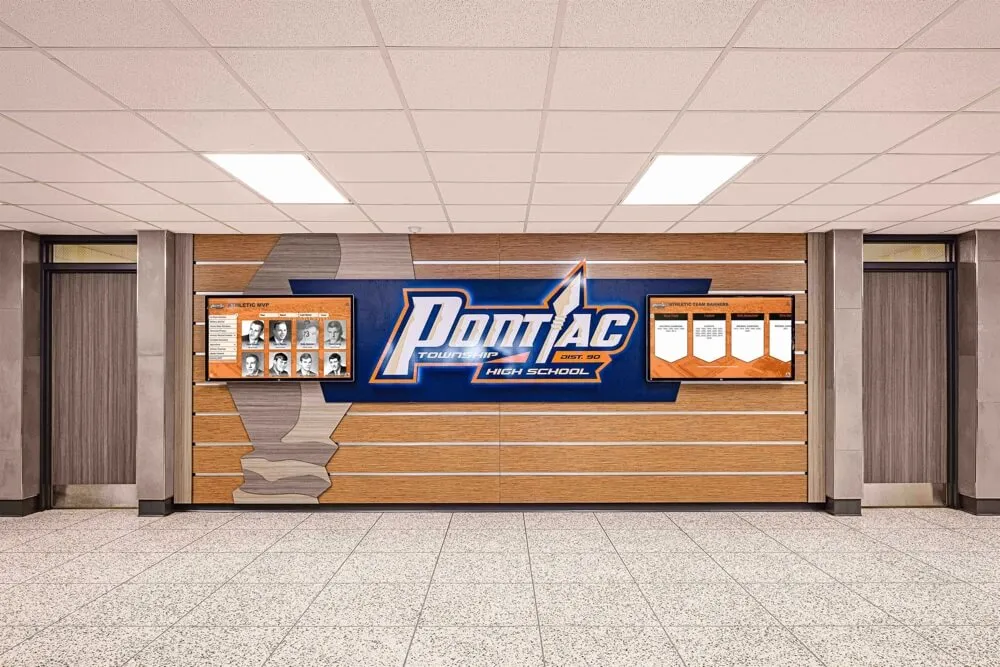
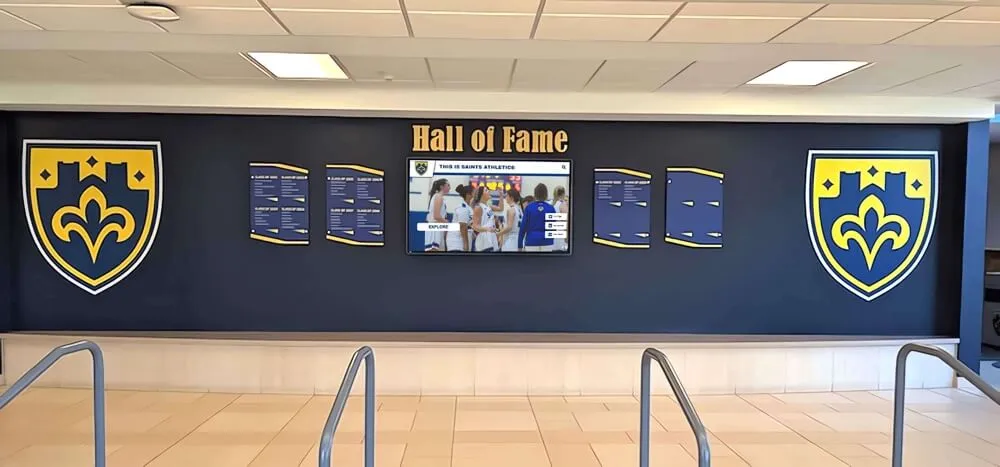
Championship baseball programs celebrate defensive excellence alongside offensive achievements through comprehensive recognition systems
Why Systematic Fielding Practice Matters for Baseball Success
Understanding the connection between structured fielding drills and game performance helps coaches design practice sessions maximizing defensive improvement.
The Defensive Foundation of Winning Baseball
Statistical analysis of championship baseball programs reveals defensive reliability as a consistent predictor of postseason success:
Games Won Through Defense
- Teams ranking in the top 25% defensively win 65% more one-run games than bottom-quartile defensive teams
- Fielding percentage directly correlates with reduced opponent scoring and increased win probability
- Defensive consistency provides pitching staffs confidence to attack the strike zone
- Reliable defense extends pitcher effectiveness by reducing pitch counts
- Championship teams consistently rank higher in defensive metrics than offensive statistics
Player Development Through Fundamentals
- Systematic fielding practice builds confidence translating to all game aspects
- Repetition creates muscle memory enabling instinctive reactions under pressure
- Progressive drill complexity develops decision-making alongside mechanical skills
- Consistent defensive practice improves game awareness and situational understanding
- Defensive excellence provides playing time opportunities for developing offensive skills
According to research on youth baseball development, players receiving systematic fielding instruction demonstrate significantly higher retention rates, improved overall baseball skills, and greater long-term enjoyment compared to players in programs emphasizing hitting over defensive fundamentals.
Explore comprehensive athletic development in high school athletic program strategies.
Building Team Chemistry Through Defensive Drills
Quality fielding practice creates opportunities for connection and communication beyond individual skill development:
Communication System Development
- Infield drills build verbal and non-verbal communication essential for game execution
- Outfield priority drills establish hierarchy preventing costly collisions
- Double play practice creates timing and trust between middle infielders
- Relay drills develop multi-player coordination under game-speed pressure
- Consistent communication practice transfers to all defensive situations
Competitive Culture Creation
- Drill competition builds intensity and accountability
- Team-based fielding challenges create collective investment in excellence
- Public recognition of defensive achievement reinforces its value
- Progressive difficulty encourages continuous improvement mindset
- Failure acceptance in practice builds resilience for game pressure
Learn about celebrating defensive excellence in athletic recognition approaches.
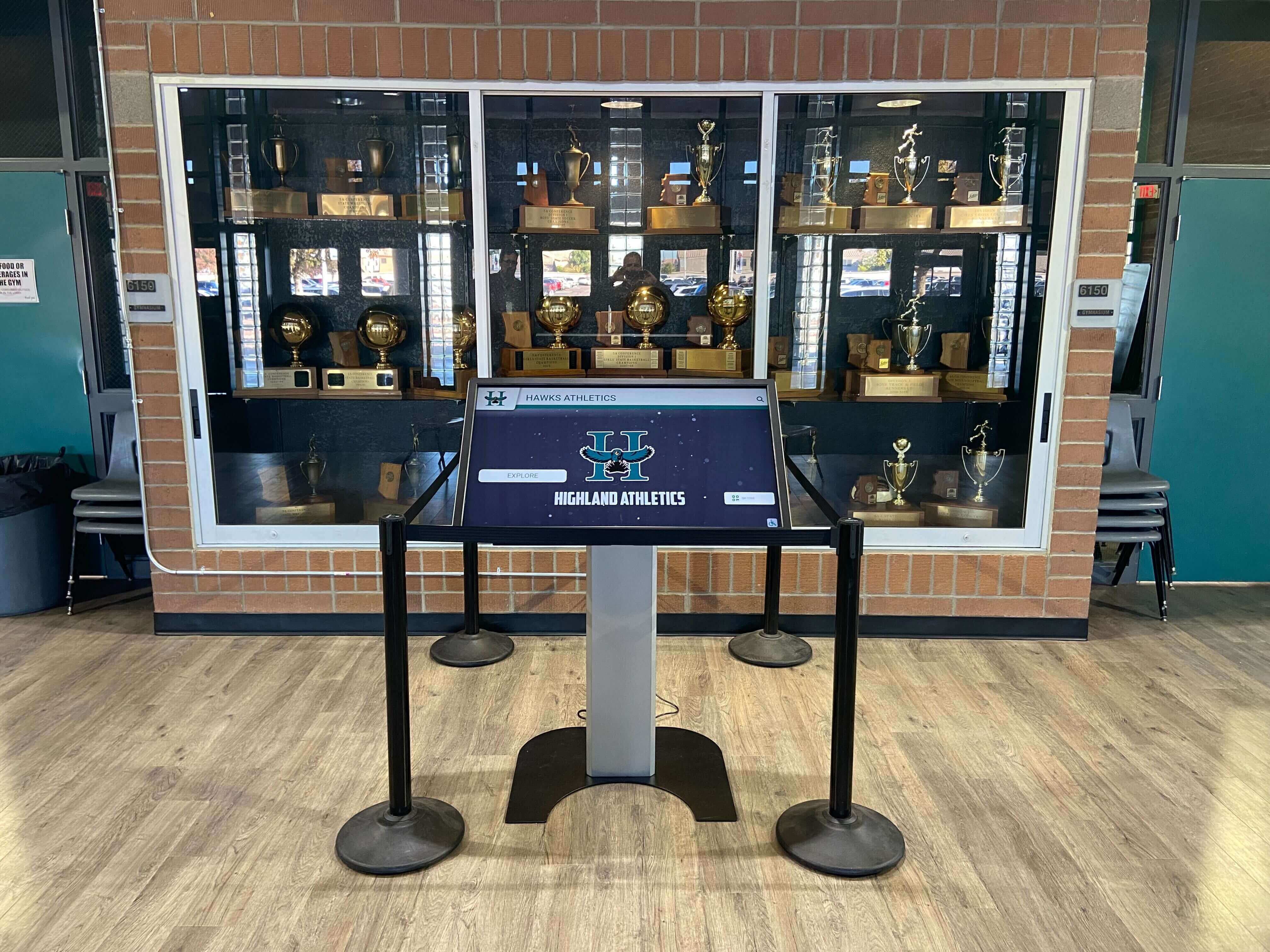
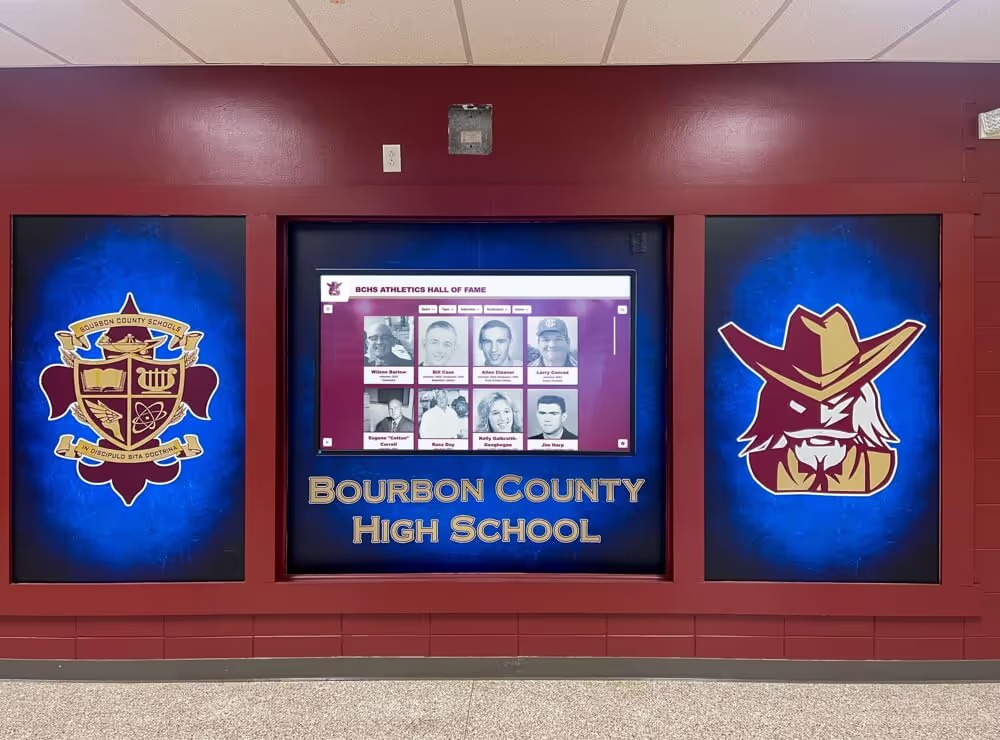
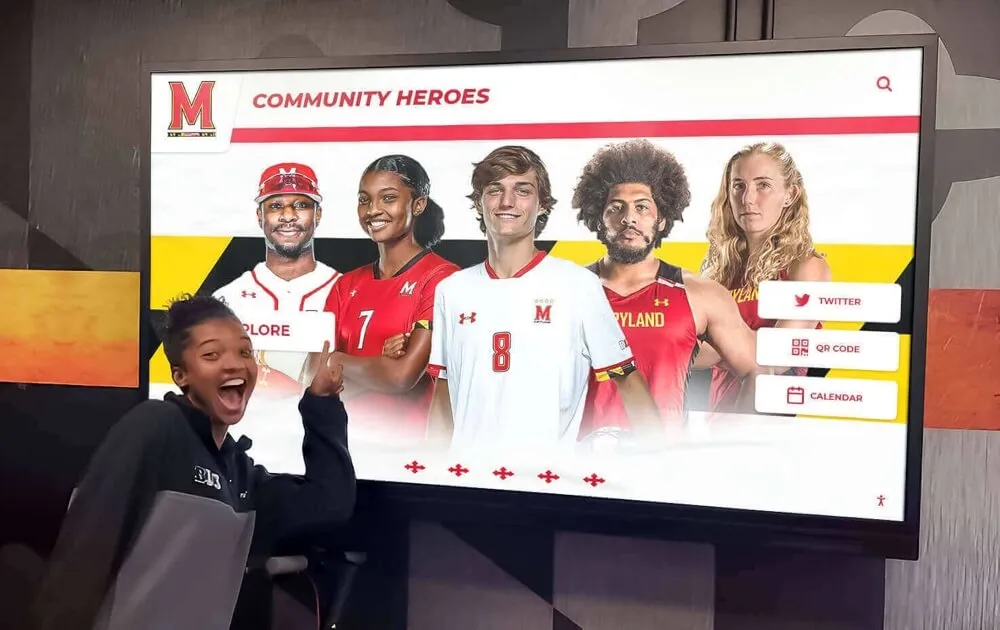
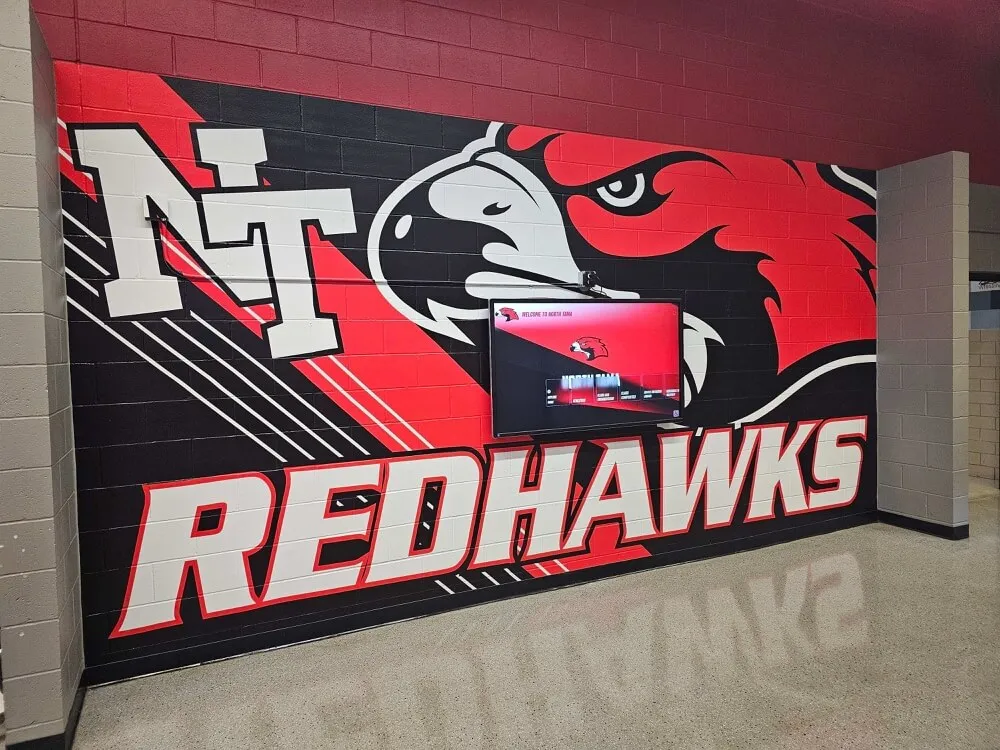
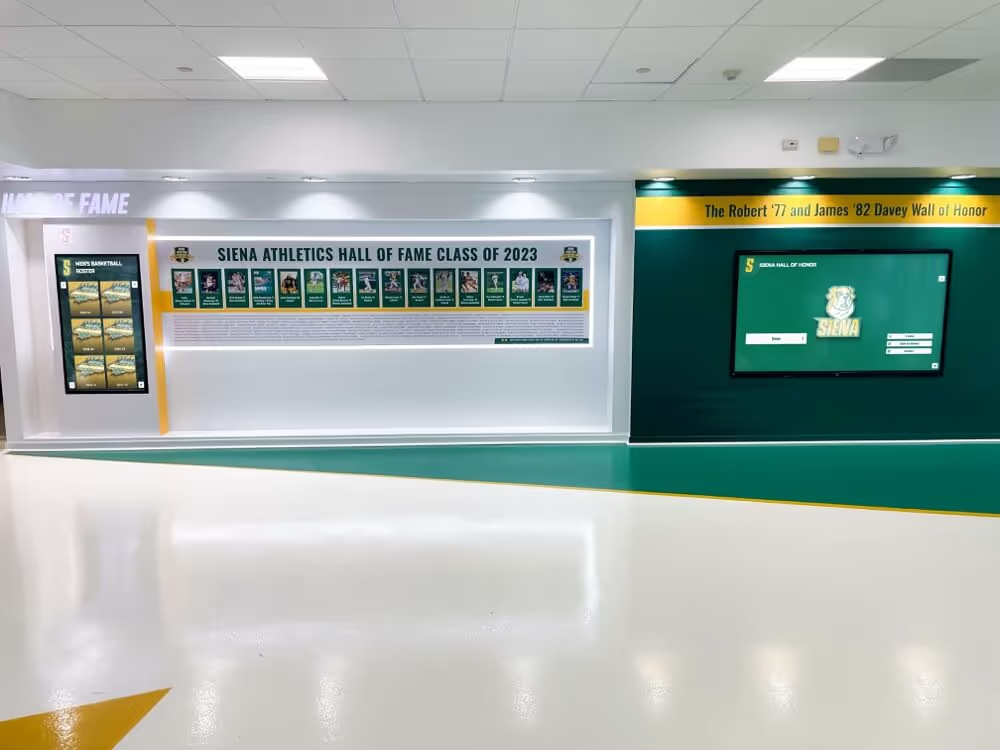
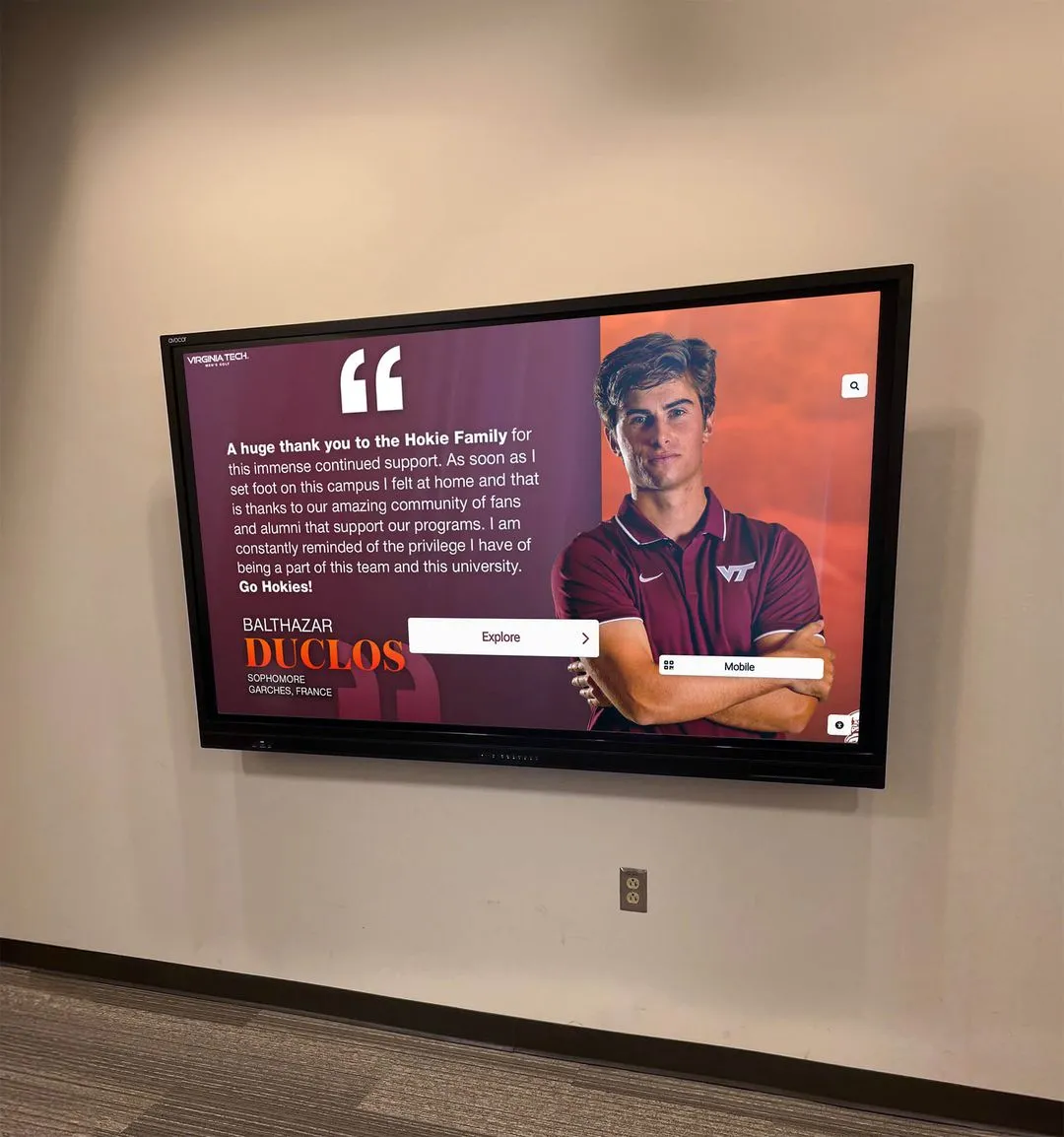
Modern programs recognize defensive specialists and Gold Glove award winners alongside offensive leaders through digital recognition systems
Essential Infield Baseball Fielding Drills
These eight proven infield drills build the fundamental skills, footwork patterns, and game situation responses creating elite infield defense.
1. Four-Corner Drill: Developing Quick Hands and Footwork
This high-intensity drill builds quick transfers and accurate throws while simulating game-speed fielding.
Setup and Execution
- Position four players at each infield position (first, second, short, third)
- Coach or feeder stands at home plate with bucket of baseballs
- Drill flows: ground ball to third → throw to first → ground ball to first → throw to second → ground ball to second → throw to third → ground ball to short → throw to first
- Continuous rotation maintains intensity and repetition
- Players focus on clean fielding, quick transfers, and accurate throws
Coaching Points
- Emphasize getting into ready position immediately after each throw
- Demand accurate throws to target chest-height
- Encourage communication calling each throw
- Progress to rapid-fire pace once mechanics solidify
- Track completion time creating competitive benchmarks
This drill builds the quick hands and consistent throwing mechanics essential for turning routine ground balls into outs.
2. Double Play Pivot Drill: Middle Infield Synchronization
Championship middle infields turn double plays through countless repetitions building timing and trust.
Setup and Execution
- Second baseman and shortstop work together at their positions
- Coach hits or throws ground balls from multiple angles
- Drill emphasizes feed timing, footwork at the bag, and relay accuracy
- Alternate between second baseman and shortstop initiating the turn
- Include feeds from different approach angles replicating game variations
- Progress to game-speed with runners creating realistic pressure
Coaching Points for Second Basemen
- Approach second base under control with shoulders square to first
- Receive feed across body stepping toward first base
- Quick release prioritizing accuracy over arm strength
- Tag bag with either foot depending on feed location
- Clear the base path immediately after release avoiding runner collision
Coaching Points for Shortstops
- Give clear early target for second baseman’s feed
- Touch bag and immediately step toward first base
- Develop multiple pivot variations for different feed angles
- Maintain balance through the turn enabling accurate throws
- Communicate with second baseman establishing comfort and timing
Learn about building team coordination in athletic booster club programs.
3. Slow Roller Drill: Developing Aggressive Infield Play
Slow rollers separate elite infielders from average defenders through aggressive approach and charging technique.
Setup and Execution
- Coach rolls or hits slow ground balls to infielders
- Players charge aggressively using proper footwork approaching ball
- Emphasize bare-hand pickup versus glove depending on situation
- Practice multiple release positions (overhand, three-quarter, sidearm)
- Include throws to first base under game-speed pressure
- Progress to competition format with fastest clean plays winning
Technical Fundamentals
- Charge under control maintaining balance throughout
- Break down footwork arriving with momentum toward first base
- Field ball on glove side when possible for stronger throwing position
- Bare-hand pickup requires confidence developed through repetition
- Quick transfer and release matter more than arm strength
- Accuracy takes priority over velocity on off-balance throws
Game Situation Applications
- Runners on base requiring quick plays
- Speedy hitters requiring maximum urgency
- Wet field conditions affecting ball roll
- Late-inning defensive situations demanding outs
- Championship game pressure requiring confidence in technique
4. First-and-Third Rundown Drill: Situation Execution
Rundown situations require coordination and communication often neglected in practice.
Setup and Execution
- Create first-and-third situation with runners and full infield
- Practice various rundown scenarios: caught stealing, pickoffs, base running errors
- Emphasize communication, throwing accuracy, and tag application
- Limit throws before tag (maximum 2-3 throws prevents additional advancement)
- Include baserunning pressure creating realistic difficulty
- Rotate positions ensuring all infielders practice each role
Execution Principles
- Player with ball runs directly at trapped runner forcing commitment
- Receive throw running under control ready for immediate tag
- Throws should be chest-high leading receiver toward base
- Minimize fake throws conserving time
- Stay out of basepath until receiving ball for tag
- Immediate communication after tag confirming outs and runner positions
This drill builds confidence executing high-pressure situations that appear chaotic without systematic practice.
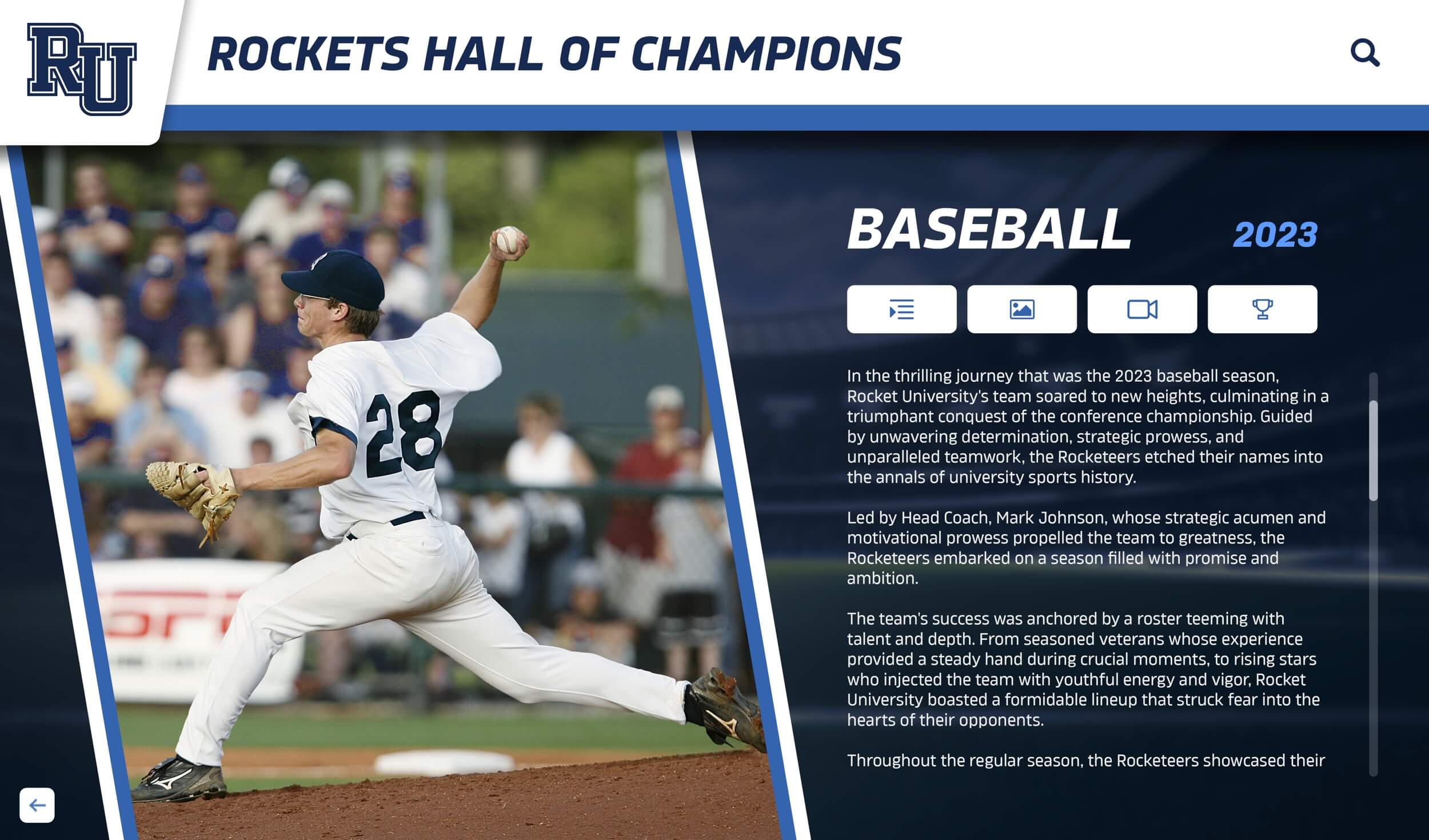
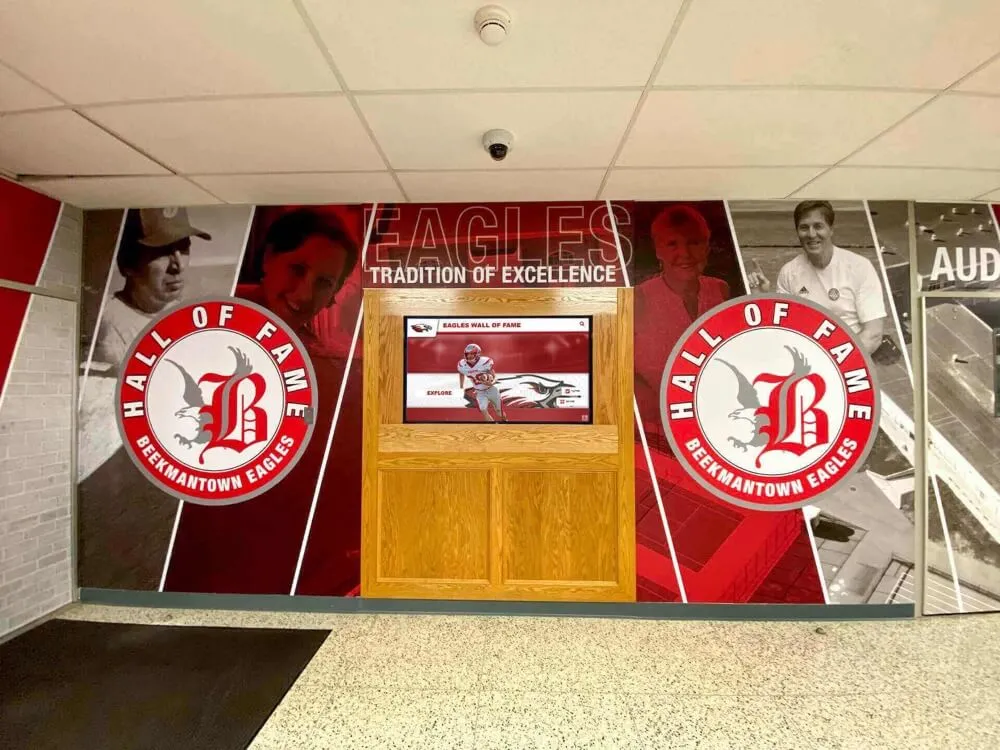
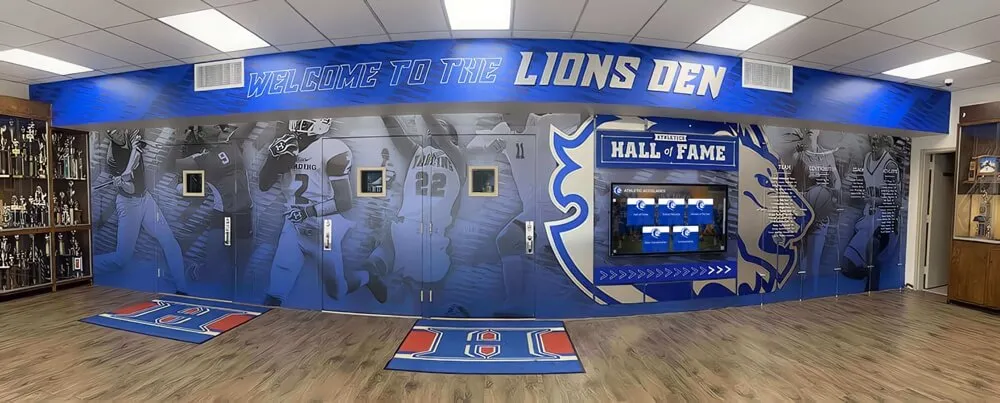
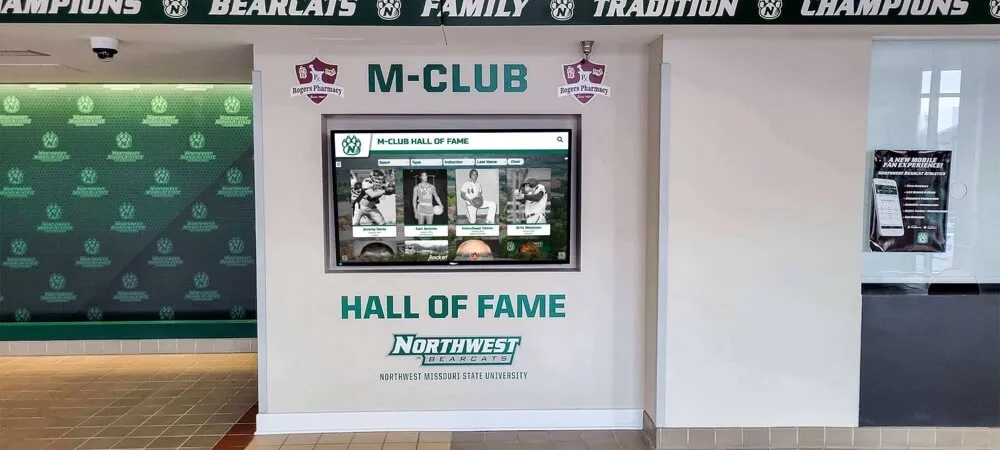
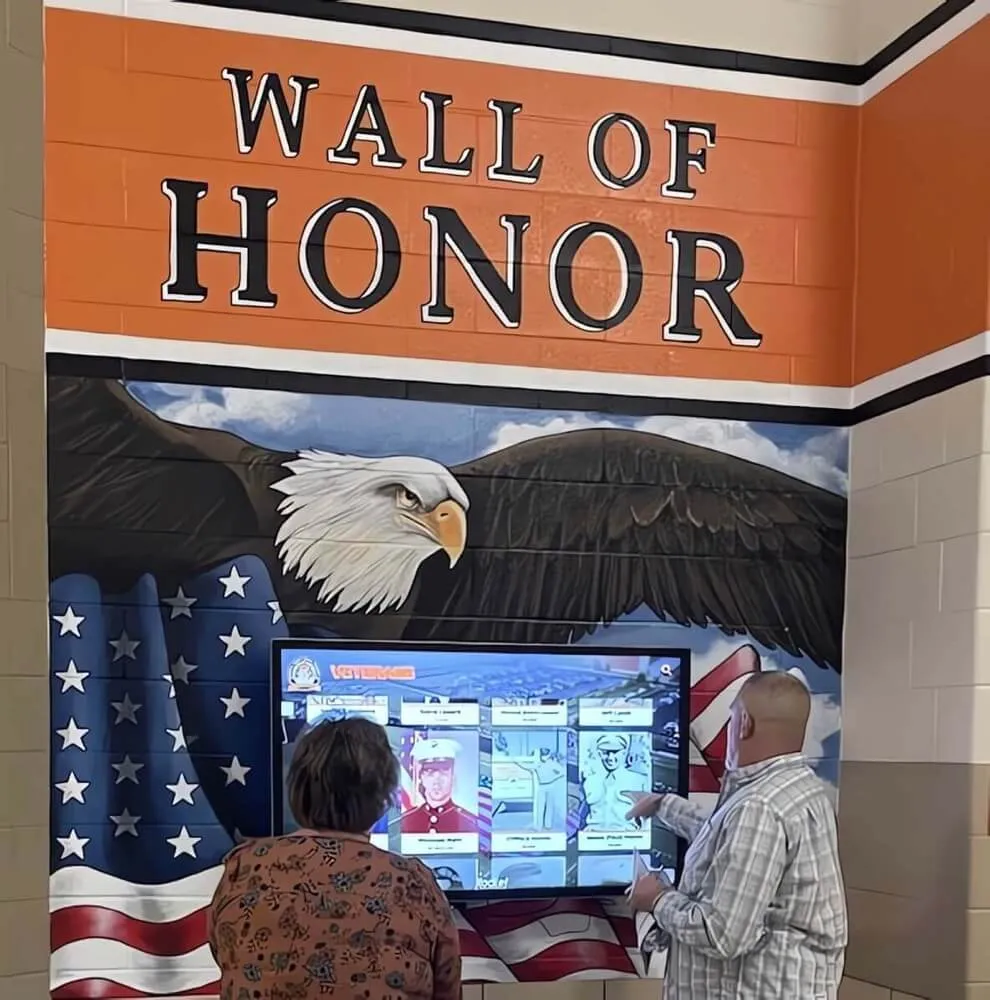
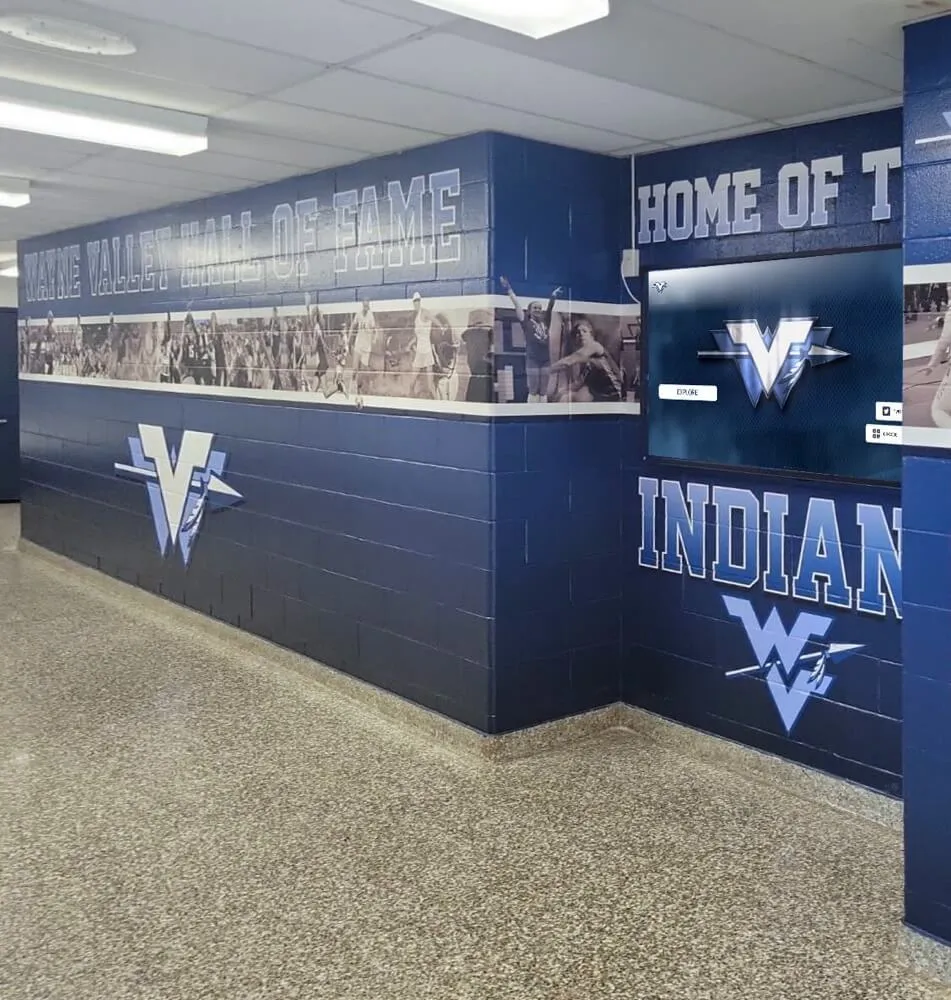
Championship baseball programs preserve defensive achievements alongside pitching and hitting accomplishments through permanent recognition displays
5. Backhand Drill: Expanding Defensive Range
Backhand plays separate good fielders from great ones through expanded range and difficult play execution.
Setup and Execution
- Coach hits balls to backhand side requiring maximum range
- Start with stationary balls building confidence in technique
- Progress to movement requiring crossover steps and athletic positioning
- Practice both backhand glove positions and throwing mechanics
- Include variety of angles and speeds replicating game situations
- Emphasize getting body behind ball when time permits versus emergency backhands
Backhand Fundamentals
- Open hips early getting body moving toward ball’s path
- Use crossover step generating momentum toward target
- Keep glove low working ground-up rather than stabbing downward
- Funnel ball to throwing hand using two hands when possible
- Plant back foot creating throwing foundation from athletic position
- Alternative arm angles when body position prevents traditional delivery
6. Communication Drill: Eliminating Confusion on Pop Flies
Short pop flies create confusion without clear communication systems practiced systematically.
Setup and Execution
- Coach hits pop flies to areas between infielders
- Players call balls clearly and early using consistent terminology
- Emphasize priority rules: outfielders over infielders, middle infielders over corners
- Practice deference when teammate has better angle or calls loudly
- Include competitive element rewarding decisive communication
- Progress to game-speed with baserunners and in-game audio distractions
Communication Standards
- Loud, clear, early calls using “I got it” or “Mine”
- Repeat calls multiple times throughout ball’s flight
- Wave off teammates clearly when taking charge
- Defer immediately when higher-priority defender calls ball
- Assume catch responsibility until hearing teammate’s call
- Never allow pop flies to drop without decisive communication
Explore team communication development in high school athletics program building.
7. Around the Horn Drill: Building Infield Rhythm
This classic drill builds throwing accuracy, quick transitions, and infield chemistry through repetition.
Setup and Execution
- Full infield rotates ball following specific patterns
- Start slowly ensuring accurate throws to proper targets
- Progress to game speed with countdown timers creating urgency
- Vary patterns: 3B-2B-1B-Home, 3B-SS-2B-1B-Home, etc.
- Include dropped ball scenarios requiring backup coverage
- Track completion times building competitive standards
Throwing Fundamentals
- Chest-high throws to target hands
- Quick catch-and-release without patting glove
- Proper footwork directing momentum toward target
- Verbal communication calling each throw
- Immediate ready position after release
- Celebrate clean rotations building positive culture
8. Bunt Defense Drill: Situation-Specific Execution
Effective bunt defense requires coordination across pitcher, corners, and middle infielders rarely achieved without dedicated practice.
Setup and Execution
- Practice multiple bunt defense alignments based on situations
- Include sacrifice bunt, squeeze play, and bunt-for-hit scenarios
- Rotate players through all positions understanding complete responsibilities
- Practice with live runners creating realistic timing pressures
- Emphasize communication identifying coverage responsibilities pre-pitch
- Include various bunt qualities from perfect to poorly executed
Situational Variations
- Man on first: wheel play versus first/third coverage
- Man on second: third baseman crash versus holding position
- Bases loaded squeeze: crash all corners or pitcher-only responsibility
- Bunt for hit: corners play back, middle infielders cover
- Two-strike bunts: corners play normal depth, quick reaction required
Essential Outfield Baseball Fielding Drills
These eight outfield drills build the catching skills, route efficiency, throwing accuracy, and communication systems creating elite outfield defense.
9. Drop Step Drill: Mastering Back-Tracking Technique
Balls hit over the head separate elite outfielders from average defenders through proper drop step mechanics.
Setup and Execution
- Coach stands in front of outfielder pointing direction for drop step
- Outfielder executes quick drop step opening toward indicated direction
- Progress to coach throwing ball over head requiring full sprint tracking
- Emphasize looking over proper shoulder maintaining ball vision
- Practice from various starting positions and angles
- Include catches at full sprint building confidence in technique
Drop Step Fundamentals
- Open hips immediately toward ball’s projected path
- Drop back foot creating 45-degree angle toward path
- Turn head looking over shoulder maintaining ball vision
- Full sprint immediately after drop step, no delay
- Track ball over proper shoulder (right for balls over left shoulder, vice versa)
- Adjust route continuously while maintaining maximum speed
This technique prevents the fatal mistake of backpedaling, which limits speed and often results in balls dropping behind defenders.
10. Do-or-Die Drill: Aggressive Throwing Fundamentals
Late-game situations require aggressive charging and quick-release throwing practiced systematically.
Setup and Execution
- Coach hits or throws balls to outfield requiring charge and quick throw
- Simulate situations: runner tagging from third, runner trying to advance
- Emphasize aggressive approach, fielding through the ball, and quick release
- Target practice at bases and cutoff positions under time pressure
- Include various ball flights and angles replicating game complexity
- Progress to live baserunning creating realistic pressure
Aggressive Fielding Technique
- Charge ball under control maintaining balance
- Field ball on throwing-side foot creating immediate throwing position
- Crow hop generating momentum toward target
- Quick transfer and release prioritizing accuracy
- Follow-through toward target ensuring proper trajectory
- Communication calling throw destination

Championship programs celebrate complete athletic excellence including defensive specialists through comprehensive recognition displays
11. Triangle Drill: Building Route Efficiency
Efficient routes to fly balls require footwork patterns and angle judgment developed through repetition.
Setup and Execution
- Set three cones forming triangle approximately 30 feet apart
- Coach calls direction and player sprints to designated cone
- Progress to coach throwing ball to cone locations
- Emphasize reading ball flight early and taking efficient angles
- Practice from various starting positions relative to cones
- Include competitive element timing routes and catches
Route Running Principles
- Read ball flight immediately off bat
- Take angle intersecting ball’s landing point rather than following arc
- Maintain maximum speed throughout route
- Adjust path continuously as ball flight becomes clear
- Prepare for catch early extending glove in final steps
- Quick glove-to-throwing-hand transfer after catch
12. Fence Drill: Eliminating Fear and Building Awareness
Tracking balls to the fence requires confidence developed only through practice.
Setup and Execution
- Outfielders start facing fence approximately 10 feet away
- Coach throws or hits balls over head requiring tracking to fence
- Emphasize proper drop step and fence awareness using glove hand
- Practice catch timing at full extension at fence
- Progress to full sprint approaches with late ball location
- Include catches jumping at fence building game-situation confidence
Fence Play Fundamentals
- Use glove hand feeling for fence location during sprint
- Look over shoulder tracking ball, not watching fence approach
- Time jump at fence for maximum elevation at ball arrival
- Catch ball with two hands when possible ensuring security
- Immediate body positioning after catch preparing for potential throw
- Communication calling “at the wall” warning infielders
Learn about facility safety in outdoor sports equipment storage for athletic facilities.
13. Relay and Cutoff Drill: Multi-Player Coordination
Extra-base hits require coordinated relay systems practiced with entire defense.
Setup and Execution
- Position full outfield and infield in game alignment
- Coach hits balls to gaps requiring relay throws
- Outfielders practice hitting relay men accurately
- Middle infielders work as cutoff men in proper positions
- Practice both cutting throws and letting them through based on situation
- Include various baserunner scenarios affecting target base
- Emphasize communication throughout relay sequence
Relay System Fundamentals
- Outfielder throws to relay man, not all the way to base
- Relay man positions between outfielder and target base
- Infielders communicate: “cut” or “let it go” based on runner position
- Throws should be chest-high on one hop when possible
- Quick catch and release from relay man
- All players back up their positions
14. Priority Drill: Preventing Outfield Collisions
Fly balls between outfielders require clear priority systems preventing dangerous collisions.
Setup and Execution
- Coach hits fly balls to areas between outfielders
- Emphasize priority rule: center fielder over corners, all outfielders over infielders
- Practice loud, clear, early communication
- Include deference when higher-priority player calls ball
- Vary ball locations from directly between to slightly favoring one position
- Progress to game speed with sun and wind factors
Communication and Priority Standards
- Center fielder has priority over both corner outfielders on all fly balls
- Outfielder calling “I got it” or “Mine” takes ball unless higher-priority player calls
- Wave off lower-priority players clearly
- Defer immediately when higher-priority player calls ball
- Repeat calls throughout ball’s flight
- Back up all plays when not making catch
15. Sun Ball Drill: Handling Difficult Conditions
Tracking balls in bright sun requires technique and confidence built through practice.
Setup and Execution
- Practice during bright sunlight conditions
- Coach hits high fly balls requiring tracking into sun
- Outfielders practice using glove as shield while maintaining ball vision
- Emphasize sunglasses positioning and flip-up technique
- Include catches both shielding with glove and using sunglasses
- Build confidence through successful repetition in difficult conditions
Sun Ball Technique
- Use glove creating shade while maintaining ball vision through gap
- Position sunglasses optimally before ball enters sun area
- Flip sunglasses down at appropriate moment
- Track ball continuously rather than losing it then relocating
- Adjust position early if sun creates impossible sight line
- Communication calling “lost in sun” immediately if necessary
16. Ground Ball Drill for Outfielders: Building Comprehensive Skills
Outfielders must field ground balls cleanly preventing extra bases.
Setup and Execution
- Coach hits or rolls ground balls to outfielders
- Emphasize charging aggressively and fielding through the ball
- Practice both do-or-die charging and conservative blocking approaches
- Include various bounces and speeds replicating game situations
- Emphasize quick transfer and accurate throws to bases
- Progress to situation-specific scenarios: runner on second, bases loaded, etc.
Ground Ball Fundamentals for Outfielders
- Aggressive approach with controlled breakdown
- Field ball on glove side creating throwing position
- Two-hand catch ensuring security when situation permits
- One-knee block technique when preventing extra bases matters most
- Immediate crow hop and throw when play exists
- Communication calling ball and throw destination
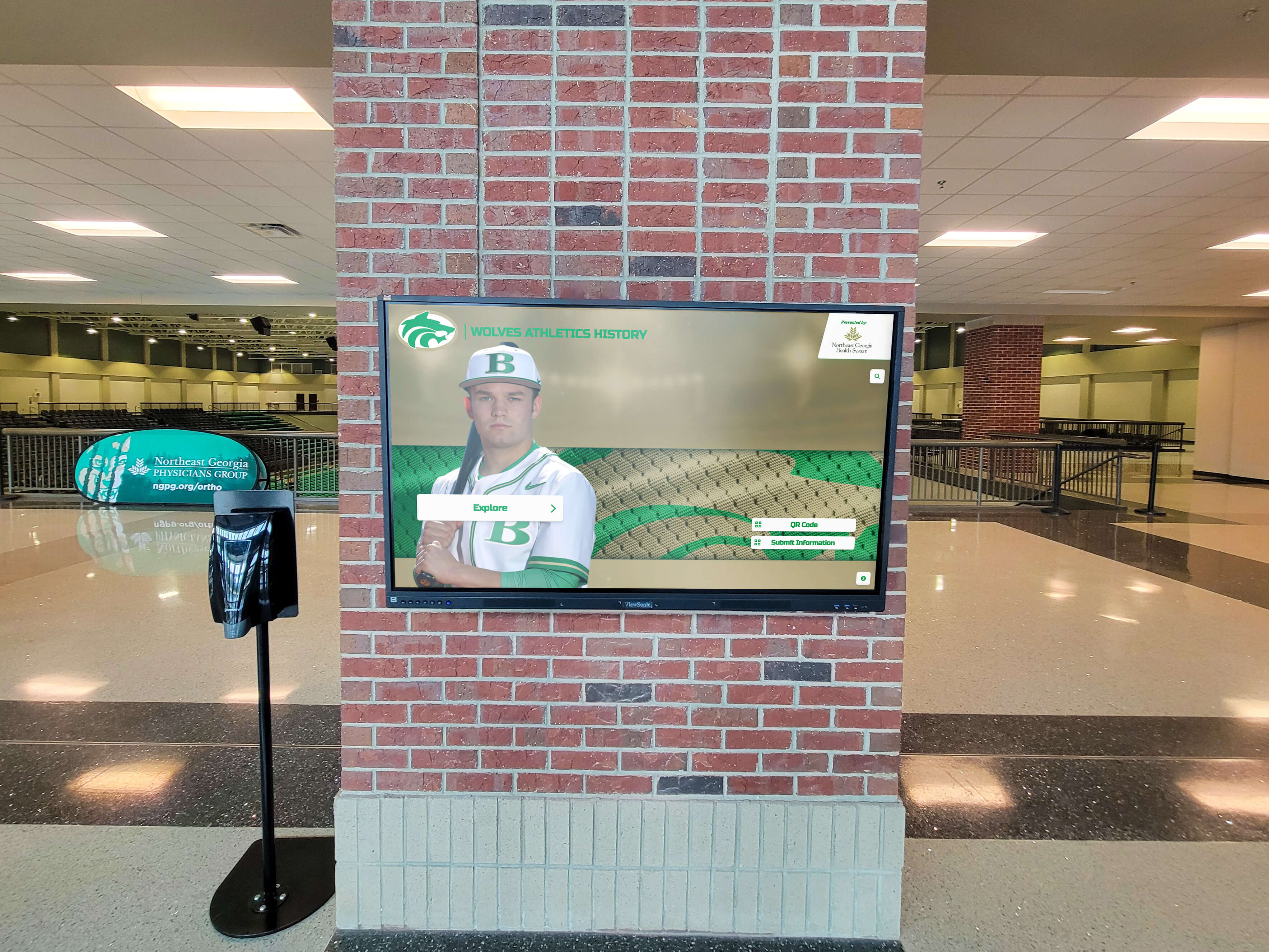
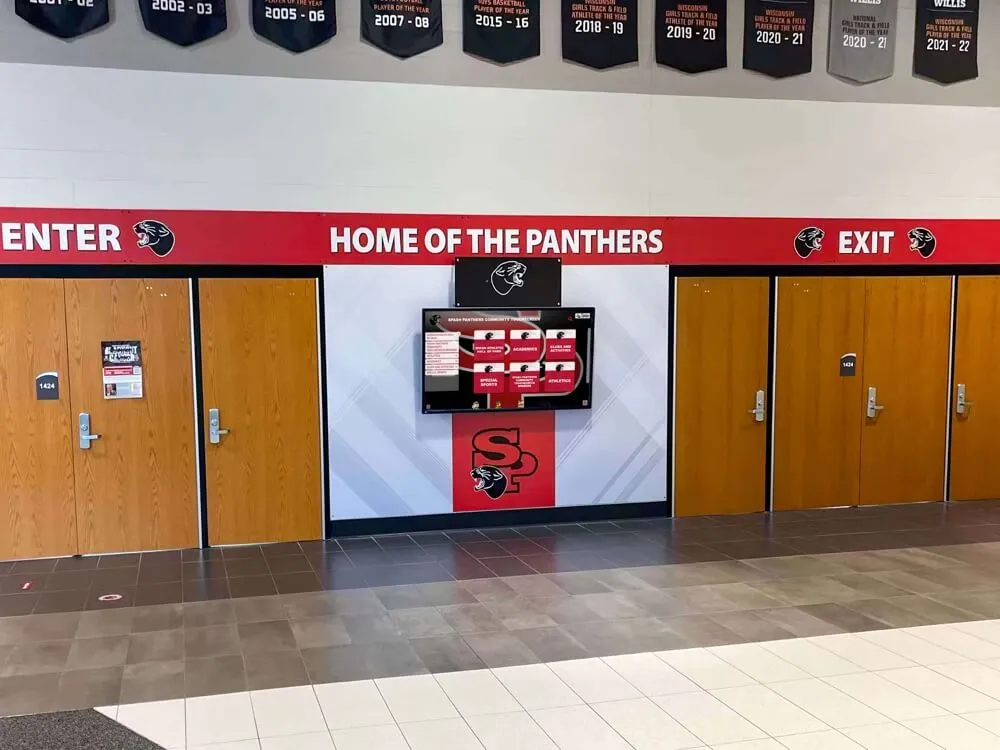
Modern athletic facilities integrate digital recognition celebrating defensive excellence alongside traditional offensive statistics
Designing Effective Fielding Practice Sessions
Maximizing improvement requires thoughtful practice design integrating drills systematically.
Progressive Skill Development Structure
Effective coaches sequence fielding drills building from fundamental to complex:
Practice Session Structure
- Warm-up: light throwing and movement preparation (10 minutes)
- Fundamental drills: individual skill development without game pressure (15 minutes)
- Situation drills: game-specific scenarios at moderate intensity (15 minutes)
- Competition drills: high-intensity competitive situations (10 minutes)
- Cool-down and review: celebration of quality execution, teaching moments (5 minutes)
Drill Progression Principles
- Master mechanics before adding speed or complexity
- Build confidence through early success before difficulty increase
- Layer game situations gradually rather than overwhelming players
- Integrate position-specific and team-wide drills balancing individual and collective development
- Vary drills maintaining engagement while systematically developing complete skills
Maximizing Repetition Quality
Quantity matters less than quality when building defensive excellence:
Quality Over Quantity
- 20 focused repetitions exceed 100 mindless ground balls
- Correct poor mechanics immediately before they become habits
- Demand game-speed intensity in all drills
- Celebrate quality execution building positive associations
- Reset mentally after errors rather than rushing to next repetition
Mental Engagement Strategies
- Explain the “why” behind each drill connecting to game situations
- Create competition within drills increasing intensity
- Track metrics building measurable progress
- Assign leadership roles rotating drill coordination responsibility
- Film practices allowing self-evaluation and improvement identification
Learn about building championship programs in athletic hall of fame programs for schools.
Recognizing Defensive Excellence in Baseball Programs
Championship baseball programs celebrate defensive achievement with the same enthusiasm as offensive accomplishments.
Creating Comprehensive Defensive Recognition
Modern programs recognize defensive specialists through systematic approaches:
Defensive Award Categories
- Gold Glove Award for position-specific defensive excellence
- Highest fielding percentage by position
- Most difficult plays successfully executed
- Defensive player of the year based on coach evaluation and statistics
- Iron glove award for most improved defender
- Pitcher’s best friend award voted by pitching staff
Defensive Statistics Tracking
- Fielding percentage by position
- Range factor and zone rating when available
- Errors by type (throwing, fielding, mental)
- Double plays turned for middle infielders
- Outfield assists and baserunner advancement prevention
- Advanced metrics when systems allow
Public Recognition Strategies
- Dedicated defensive highlight reels at banquets and recognition events
- Social media celebration of spectacular defensive plays
- Weekly defensive player recognition programs
- Integration of defensive achievements with offensive stats in programs
- Season-ending awards celebrating defensive excellence equally with hitting
Explore modern recognition approaches in digital athletic recognition display solutions.

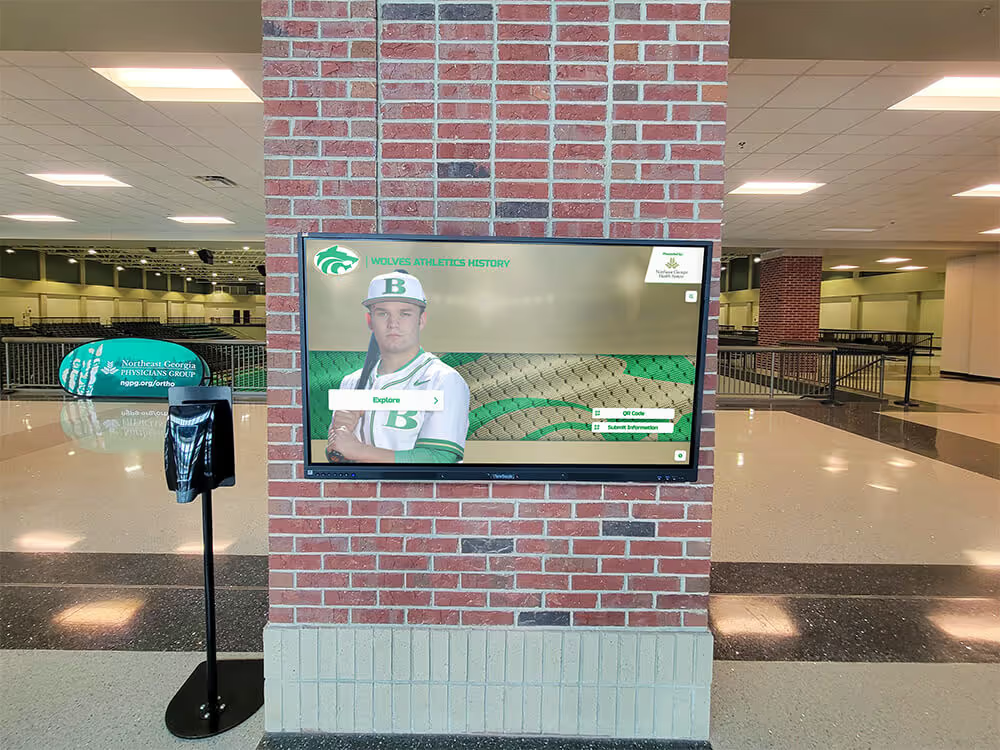
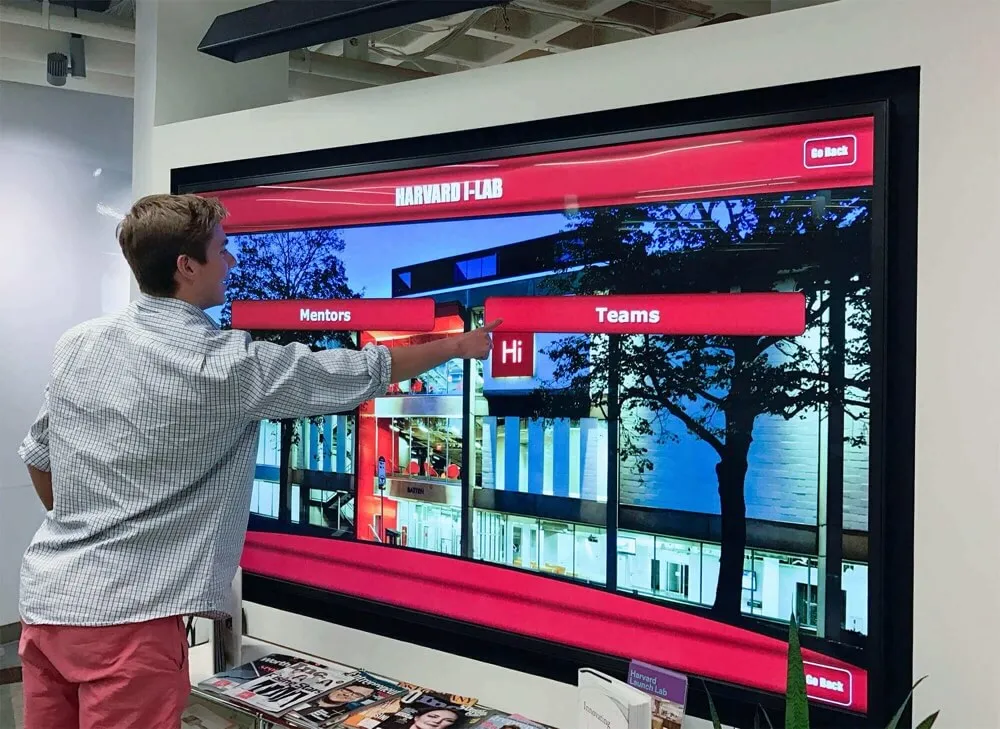
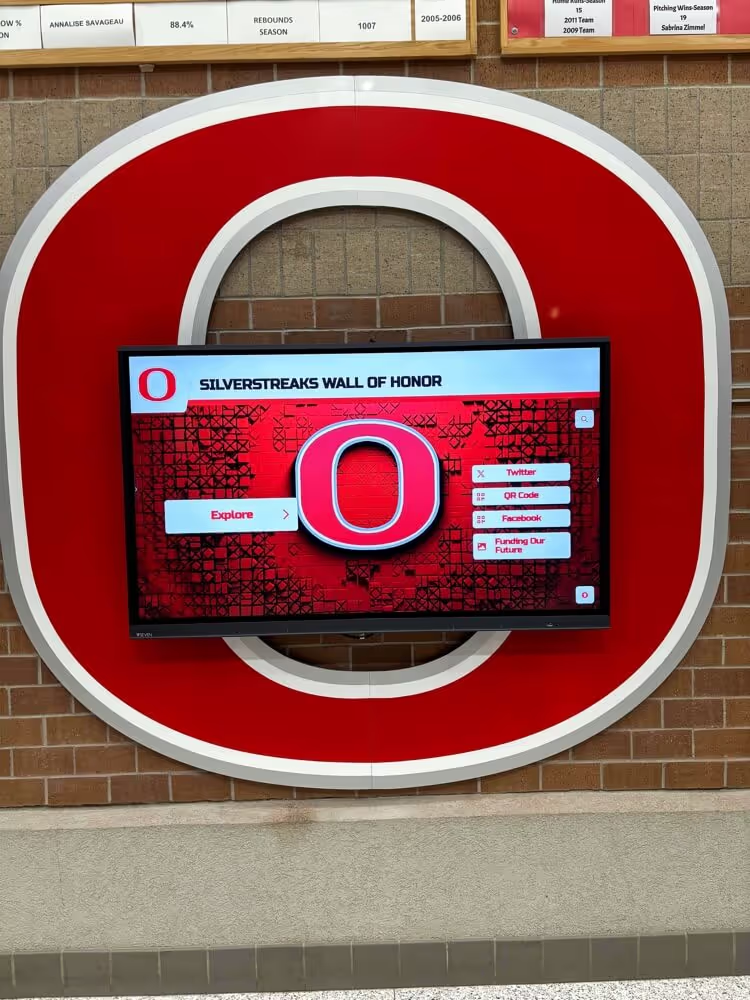
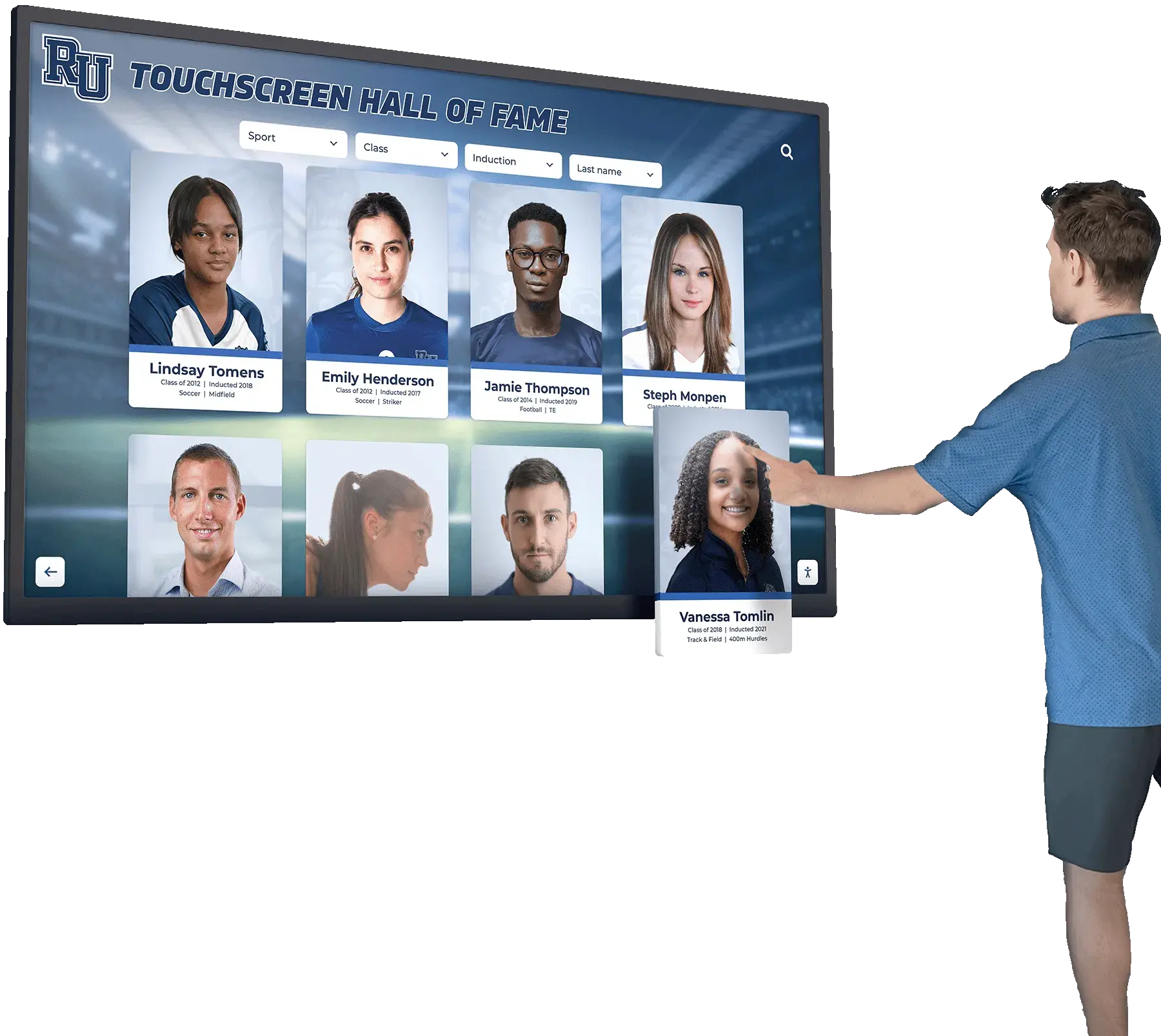
Interactive touchscreen systems enable exploration of individual defensive achievements and career statistics creating comprehensive athletic legacy preservation
Digital Recognition Platforms for Baseball Achievement
Modern athletic programs increasingly adopt digital recognition solutions celebrating complete player contributions:
Benefits of Digital Baseball Recognition
- Unlimited space showcasing defensive specialists alongside offensive leaders
- Integration of video highlights showing spectacular defensive plays
- Statistical depth including advanced defensive metrics
- Historical preservation of program defensive excellence across decades
- Interactive exploration enabling players and families to discover complete achievement records
- Simple content updates ensuring current season recognition alongside program history
Baseball-Specific Recognition Content
- Position-specific defensive statistics and accomplishments
- Gold Glove and defensive award recognition
- Career defensive highlights and game-saving plays
- Defensive lineup recognition for championship seasons
- Individual defensive milestones and program records
- Multi-year defensive excellence tracking across player careers
Digital platforms enable baseball programs to celebrate defensive excellence with the depth and visibility traditionally reserved for hitting accomplishments, creating comprehensive recognition honoring complete players and championship-caliber teams.
Frequently Asked Questions
What are the most important baseball fielding drills for youth players?
Essential baseball fielding drills for youth players should emphasize fundamental mechanics and confidence building rather than complexity. Prioritize: basic ground ball fielding using proper footwork and glove positioning, pop fly tracking building drop step mechanics and communication, throwing accuracy drills to bases and cutoffs, and simple double play footwork for middle infielders. The four-corner drill, around the horn, and basic outfield fly ball tracking build foundational skills. Start with stationary balls ensuring proper technique before progressing to moving balls and game situations. Quality repetitions with immediate feedback matter more than quantity or difficulty at youth levels.
How often should baseball teams practice fielding drills?
Championship baseball programs integrate fielding practice into every practice session, typically dedicating 30-40 minutes of 2-hour practices to defensive work. Position-specific drills should occur 3-4 times weekly, while team defensive situations (relay systems, bunt defense, first-and-third situations) require practice 2-3 times weekly. Pre-game infield and outfield routines maintain sharpness on game days. Consistency matters more than duration—brief, focused daily fielding work exceeds occasional marathon sessions. Off-season programs should maintain fielding work preventing skill degradation even when hitting receives primary emphasis. Elite programs practice defense with the same systematic intensity as hitting and pitching.
What baseball fielding drills improve infield reaction time?
Reaction time improvement requires drills creating rapid decision-making under pressure: short-hop drill using tennis balls from close range building quick hands, reaction ball drills with irregular bounces forcing athletic adjustments, rapid-fire ground balls allowing minimal time between repetitions, bare-hand fielding drills eliminating glove dependency, and the four-corner drill at increasing speeds. Include competitive elements like countdown timers or scoring systems increasing pressure. Video analysis helps players recognize their reaction delays and mechanical inefficiencies. Consistent repetition at game-speed or faster creates muscle memory enabling instinctive reactions replacing conscious thought during competition.
How can outfielders improve route efficiency to fly balls?
Route efficiency develops through systematic practice emphasizing early reads and proper angles: the triangle drill building directional changes and angle taking, drop step repetitions creating quick opening mechanics, fly ball tracking with various trajectories understanding flight patterns, and competitive route races timing different approach angles. Film study showing route inefficiencies compared to optimal paths accelerates learning. Emphasize reading ball flight immediately off the bat rather than waiting for trajectory certainty. Practice from various starting positions and depths understanding how positioning affects route requirements. Include environmental factors like sun, wind, and field dimensions affecting route decisions. Quality routes require hundreds of repetitions building instinctive angle judgment.
What is the proper technique for infield double plays?
Proper double play technique requires position-specific mechanics practiced through countless repetitions: middle infielders must approach second base under control with shoulders square to first base, receive feeds across the body stepping toward first, maintain balance through the pivot enabling accurate throws, and clear the base path immediately after release. Feed technique varies by position—second basemen typically use underhand or sidearm feeds, shortstops often throw overhand across the diamond. Timing develops through paired practice building comfort between specific partners. Emphasize quick transfers and accurate feeds over arm strength. Practice multiple pivot variations handling different feed angles and qualities. Include live runners creating realistic collision avoidance pressure building game-ready execution.
Conclusion: Building Championship Defense Through Systematic Practice
Effective baseball fielding drills represent the foundation of championship-caliber defense, transforming individual athletes into cohesive defensive units capable of executing routine plays consistently while possessing skills to make spectacular plays when crucial moments demand them. The 16 practice routines explored in this guide provide comprehensive frameworks for developing infield and outfield excellence through progressive skill building, game situation replication, and systematic repetition coaches at all levels can implement immediately.
From four-corner drills building infield rhythm to drop step practice creating elite outfield tracking, from double play synchronization to relay coordination, these proven drills develop the complete defensive capabilities separating winning programs from mediocre ones. When coaches commit to systematic defensive practice with the same intensity devoted to hitting and pitching development, they create teams capable of winning close games through defensive reliability while building player confidence extending across all game aspects.
Celebrate Your Program's Defensive Excellence
Discover how modern digital recognition solutions help baseball programs honor defensive specialists alongside offensive leaders, preserve championship seasons, and build cultures celebrating complete players through comprehensive achievement displays.
Explore Recognition SolutionsChampionship baseball programs understand that defensive excellence requires intentional development through structured practice emphasizing fundamentals, game situations, and consistent repetition. By implementing these 16 fielding drills systematically while celebrating defensive achievements publicly, coaches build complete programs where players understand that defense wins championships and their contributions matter profoundly—creating cultures of excellence extending far beyond offensive statistics to honor the complete game excellence championship baseball demands.