



Championship baseball programs share one fundamental characteristic: exceptional defensive execution that prevents runs, creates momentum shifts, and gives pitchers the confidence to attack hitters knowing their defense will make plays behind them. While hitting generates highlight reels and offensive statistics capture attention, elite defense wins close games, championships, and creates the foundation for sustained program success. Yet many teams dedicate minimal practice time to systematic baseball fielding drills, instead hoping repetition alone will develop the instincts, footwork, and technique required for defensive excellence.
Teams neglecting structured fielding development struggle with routine plays becoming uncertain outcomes, defensive breakdowns extending opponent innings, and preventable errors costing crucial games. Meanwhile, programs implementing progressive baseball fielding drills build defenders who react instinctively to batted balls, execute proper footwork mechanics, make routine plays consistently, and develop the confidence to attempt spectacular defensive plays that define championship moments.
This comprehensive guide explores 16 proven baseball fielding drills—eight for infield development and eight for outfield excellence—that systematically build the defensive skills, reaction timing, and game-ready habits transforming average defenders into elite playmakers at every level of competition.
Effective fielding combines multiple dimensions: reading ball trajectory off the bat, efficient footwork getting to optimal fielding position, proper glove technique securing possession, accurate throwing mechanics completing plays, and mental preparation anticipating game situations. Championship defenders develop all these capabilities through consistent, progressive practice implementing drills that build muscle memory and competitive instincts.

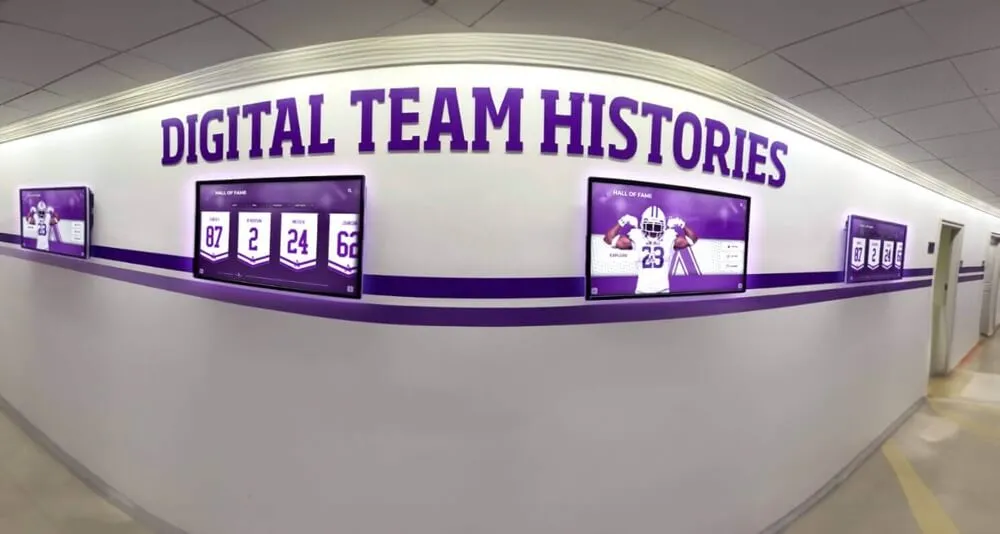
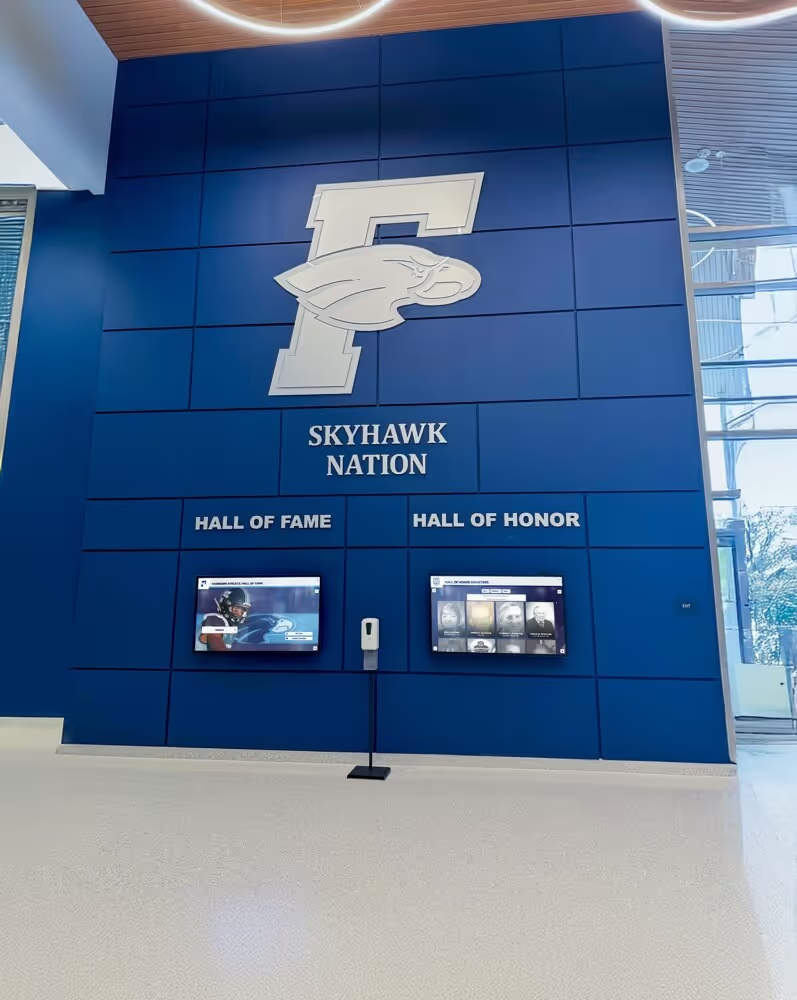
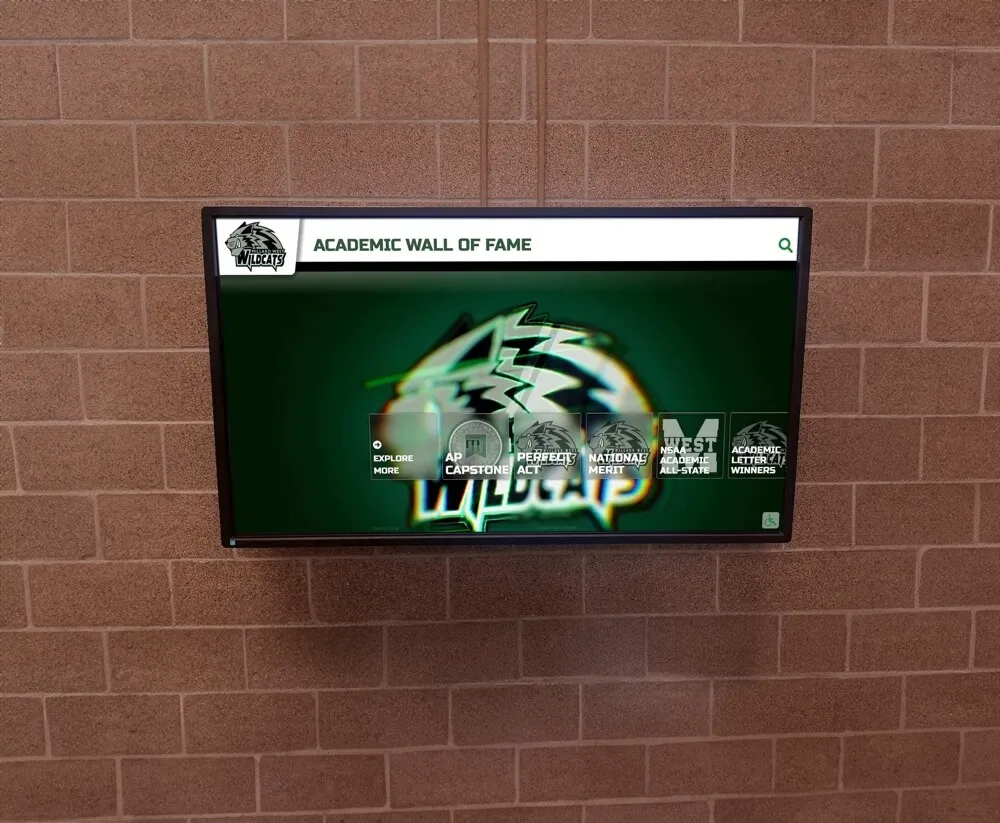
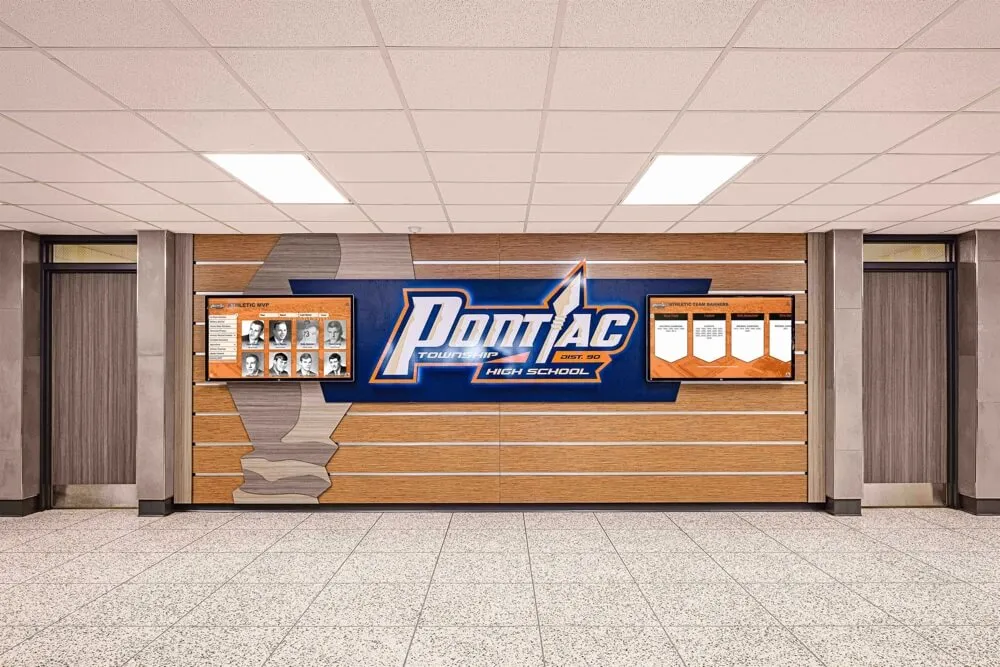
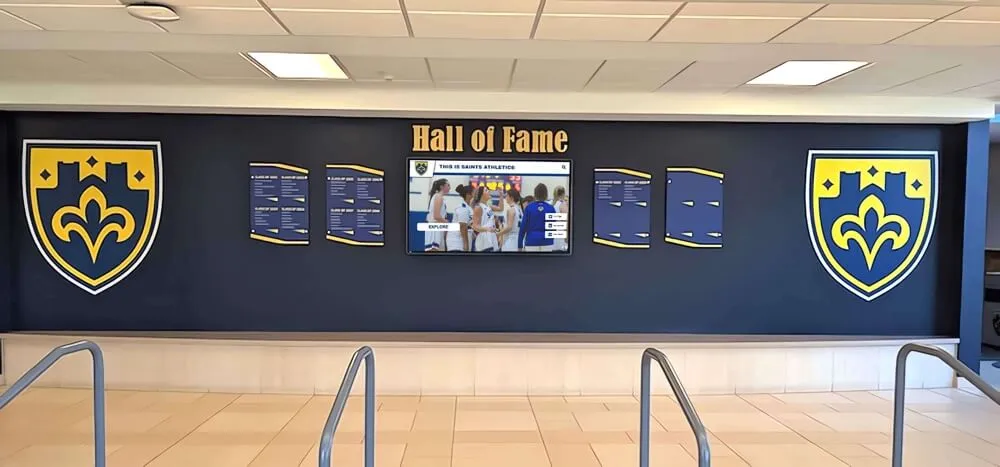
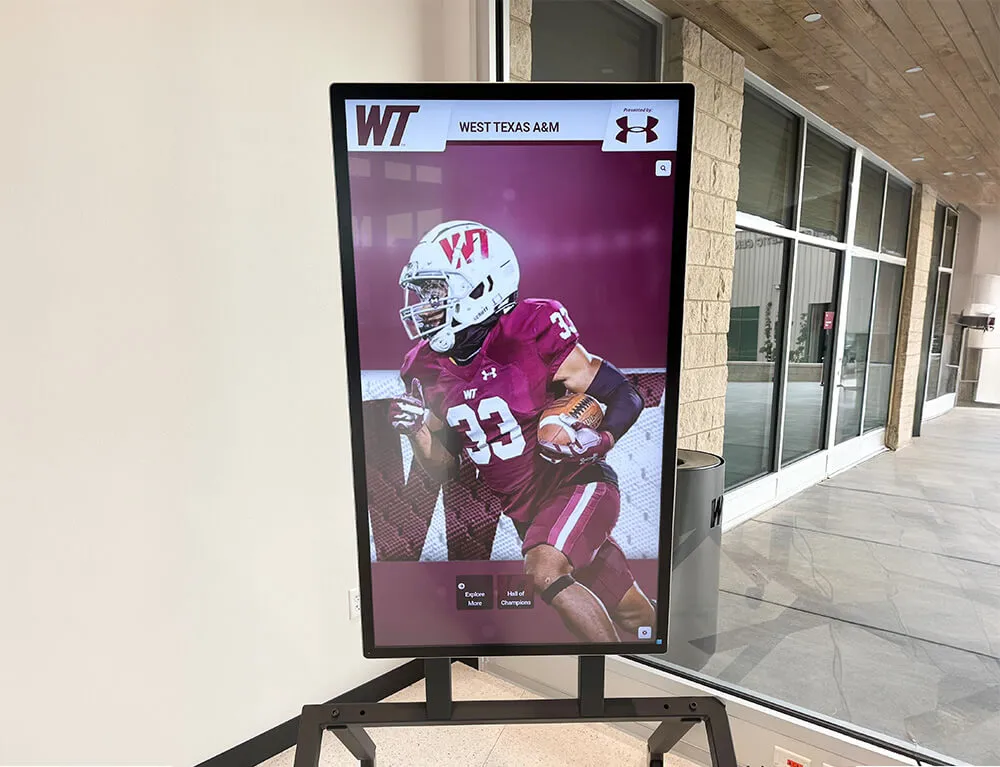
Modern recognition systems celebrate defensive excellence and fielding achievements alongside offensive statistics
Why Baseball Fielding Drills Matter for Defensive Excellence
Statistical analysis and championship team evaluation consistently demonstrate that defensive execution creates measurable competitive advantages determining season outcomes.
The Impact of Defense on Winning Baseball
Research on baseball analytics reveals that defensive excellence correlates strongly with winning percentage and postseason success:
Run Prevention and Game Control
- Teams ranking in top quartile for defensive efficiency win approximately 58% of games versus 42% for bottom quartile
- Each additional error per game correlates with .15 decrease in winning percentage
- Superior defensive teams allow fewer baserunners, creating favorable pitch counts and reducing pitcher stress
- Quality defense shortens innings, preserving bullpen arms for crucial situations
- Defensive plays with runners in scoring position create momentum shifts affecting team confidence
Pitcher Performance and Development
- Pitchers backed by elite defense throw with greater confidence and aggressiveness
- Reduced error rates allow pitchers to work deeper into games
- Defensive excellence enables pitchers to challenge hitters rather than pitching cautiously
- Young pitchers develop faster when defense executes plays behind them
- Quality defense compensates for command issues during pitcher development
According to research from baseball analytics experts, the difference between elite and average defensive teams amounts to approximately 75-100 runs saved per 162-game season—equivalent to 7-10 additional wins purely from defensive execution improvement.
Learn more about recognizing athletic excellence in digital trophy display solutions for baseball programs.
Fielding as a Rapidly Developable Skill
Unlike hitting mechanics requiring thousands of repetitions to ingrain, fielding skills improve dramatically through focused practice:
Technique Over Pure Athleticism
- Proper footwork compensates for speed limitations in getting to balls
- Correct glove positioning creates larger effective catching radius
- Anticipation and pitch recognition enable quicker reactions
- Throwing mechanics represent learnable technique rather than innate ability
- Defensive positioning knowledge reduces ground required to cover
Measurable Short-Term Improvement
- Players demonstrate visible fielding percentage improvement within 2-3 weeks of focused practice
- Footwork drills create habit formation faster than hitting or pitching mechanics
- Glove work skills develop through deliberate repetition and immediate feedback
- Throwing accuracy improves rapidly through proper mechanical instruction
- Defensive confidence builds quickly as consistent execution becomes routine
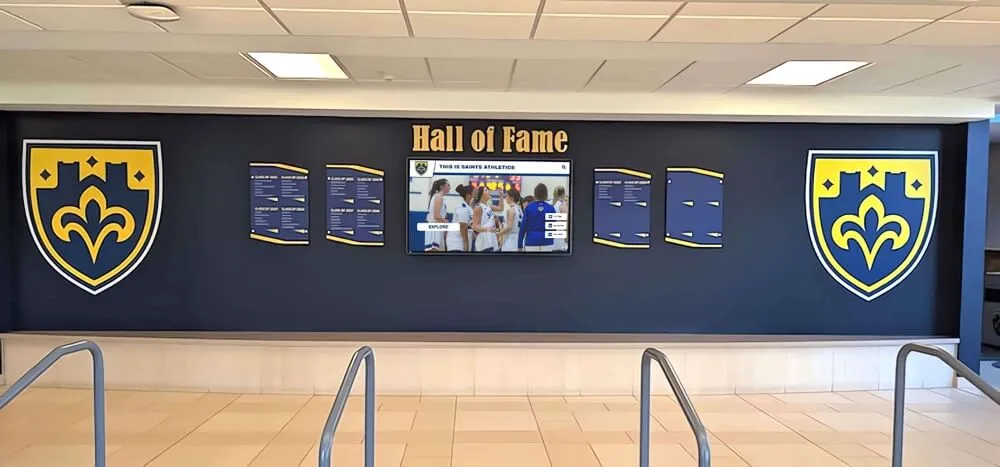
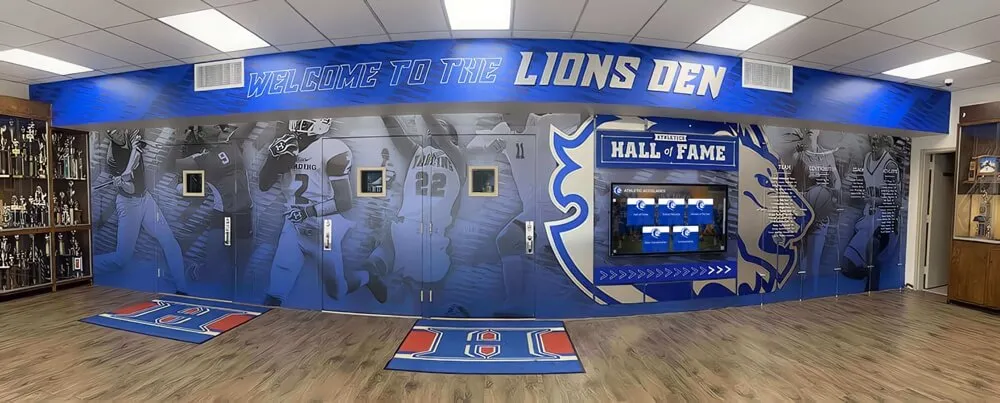
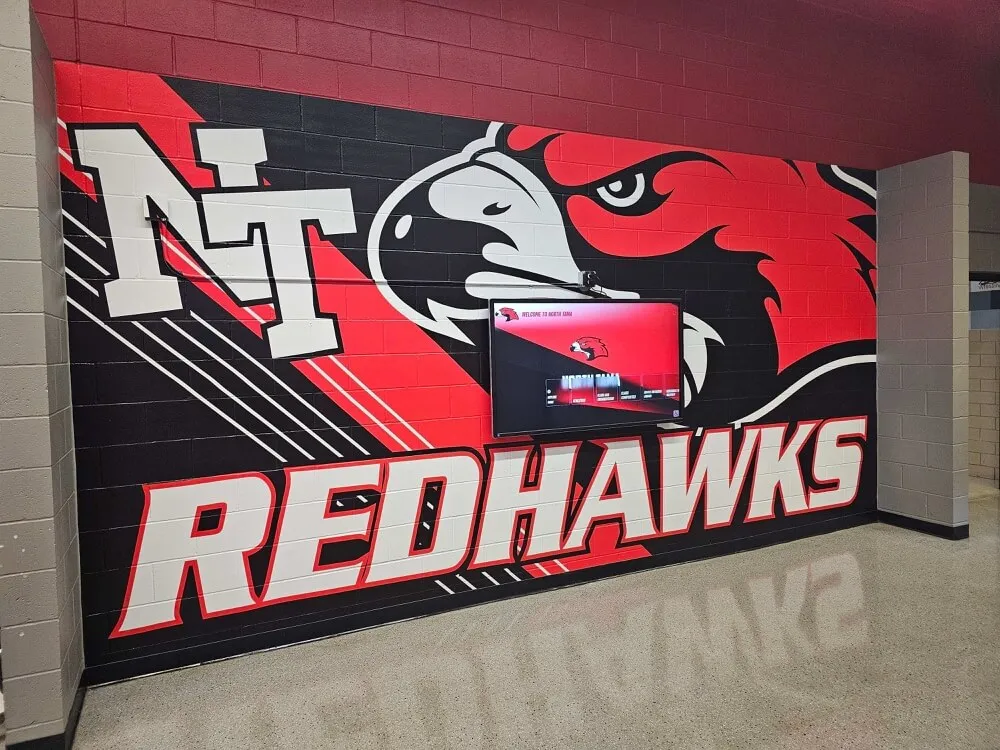
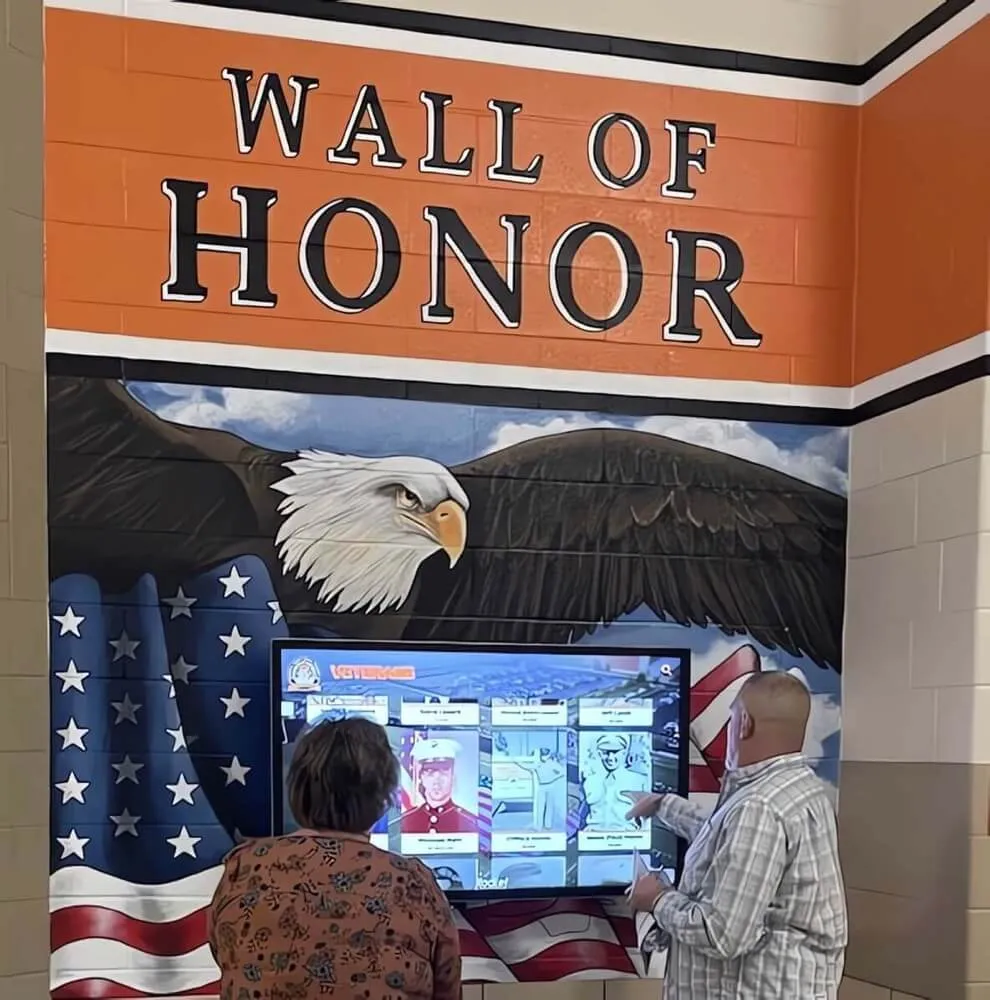
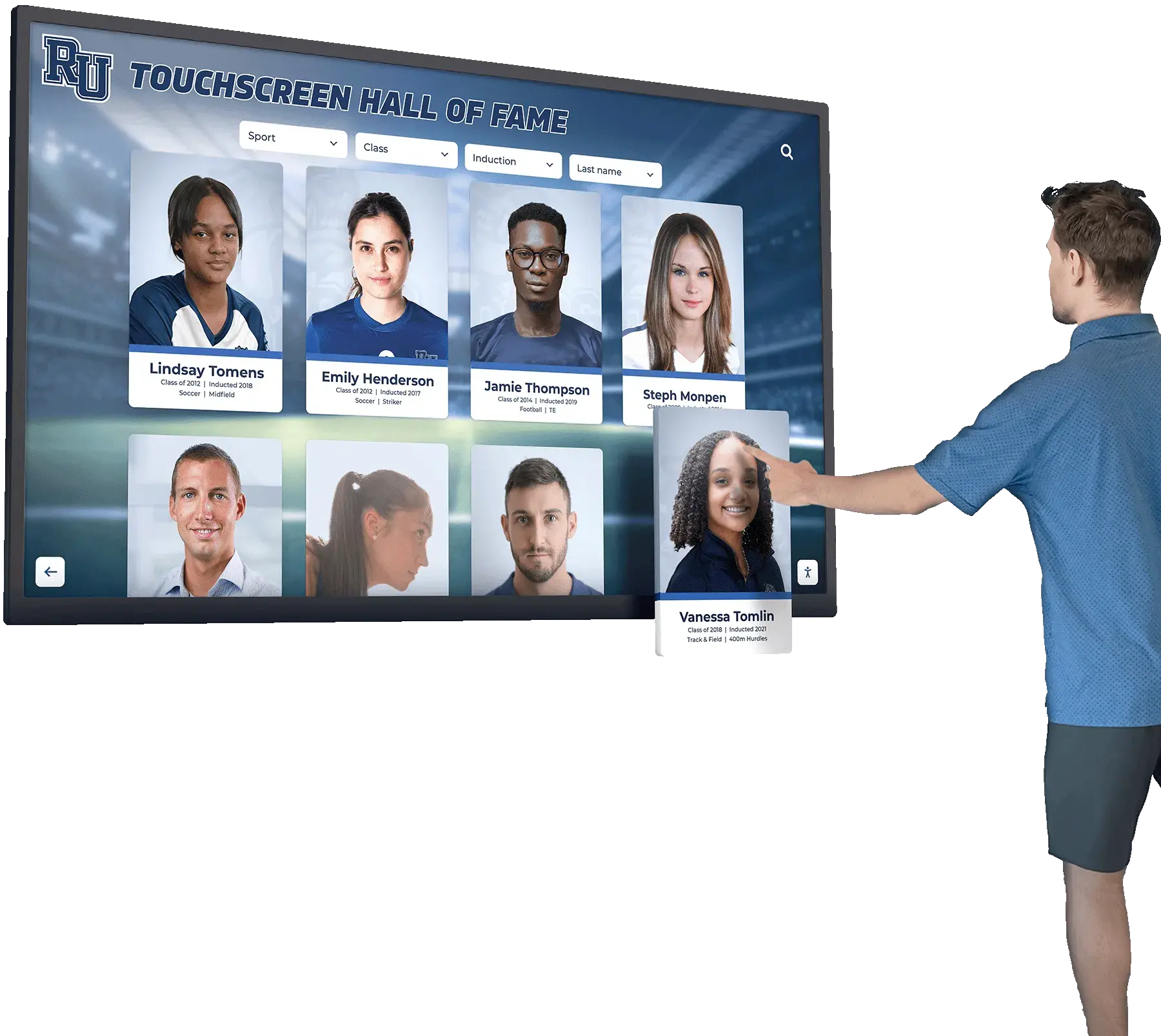
Comprehensive recognition displays celebrate defensive excellence including fielding percentage, assists, and gold glove achievements
Fundamental Fielding Principles for All Positions
Before implementing position-specific drills, players must understand core fielding mechanics applicable across all defensive positions.
Ready Position and Initial Movement
Establishing proper ready position enables quick reactions to batted balls:
Athletic Stance Fundamentals
- Feet shoulder-width apart with weight on balls of feet
- Knees bent creating low center of gravity and explosive movement potential
- Glove positioned at chest height with pocket open facing hitter
- Eyes focused on contact point tracking ball off bat
- Slight forward lean on pitcher’s release creating movement readiness
First-Step Efficiency
- Reading swing plane and contact point predicting ball direction
- Explosive first step toward anticipated ball location
- Maintaining low center of gravity throughout initial movement
- Using crossover step for balls requiring lateral range
- Quick transition from ready position to full sprint for balls hit in gaps
Glove Work and Ball Reception
Proper glove technique creates consistency in securing batted balls:
Two-Hand Fielding When Possible
- Catching ball with glove while covering with throwing hand
- Securing possession preventing ball from jarring loose on contact
- Facilitating quick transfer to throwing hand
- Providing backup if ball deflects off glove
- Creating proper grip for accurate throw
Soft Hands and Ball Tracking
- Watching ball into glove rather than looking away early
- Giving slightly with ball contact absorbing impact
- Fielding ball out in front of body when possible
- Adjusting glove angle matching ball trajectory
- Maintaining relaxed hands preventing tension affecting reception
Throwing Fundamentals
Accurate, strong throws complete defensive plays:
Proper Throwing Mechanics
- Grip across four-seam rotation for accurate carry
- Crow hop or shuffle creating momentum toward target
- High three-quarter arm slot for optimal velocity and accuracy
- Follow-through directed toward target
- Quick release appropriate to game situation
Explore comprehensive athletic achievement recognition in spring sports recognition programs celebrating baseball excellence.
Eight Essential Infield Fielding Drills
These progressive drills develop the specific skills infielders require for defensive excellence.
1. Triangle Drill for Groundball Fundamentals
Building proper fielding approach and footwork:
Drill Structure
- Position three cones forming triangle 10-15 feet apart
- Fielder starts at apex cone
- Coach hits or rolls groundballs to left base cone, then right base cone, then straight ahead
- Fielder executes proper approach, fields cleanly, simulates throw to first
- Repeat pattern for 2-3 minute intervals
Coaching Points
- Proper approach angle creating optimal fielding position
- Feet moving through ball rather than stopping
- Glove positioned out front with throwing hand ready
- Smooth transition from fielding to throwing position
- Consistent footwork pattern on each repetition
Progression Variations
- Increase ground ball speed requiring faster reactions
- Add actual throws to target after fielding
- Incorporate backhands and forehands requiring different approaches
- Add second fielder creating competitive element
- Randomize ball direction rather than predictable pattern
2. Slow Roller Attack Drill
Developing aggressive approach to slow rollers and bunts:
Drill Design
- Coach rolls slow grounders simulating bunts or slow rollers
- Infielder must charge aggressively, field cleanly, and make accurate throw
- Emphasizes bare-hand technique when appropriate
- Practices both glove and bare-hand fielding depending on ball speed
- Focuses on quick release and accurate throws to first
Key Focus Areas
- Aggressive charge with body control
- Decision-making between glove and bare-hand fielding
- Quick transfer and release
- Accurate throws from various arm angles
- Maintaining balance through fielding and throwing motion
Advanced Variations
- Add baserunner creating realistic game pressure
- Vary starting positions simulating different defensive positions
- Include throws to bases other than first
- Add fielding errors requiring recovery and backup throws
- Time drill creating urgency matching game situations
3. Double Play Pivot Drill (Middle Infielders)
Building smooth double play execution for second basemen and shortstops:
Drill Organization
- Position players at shortstop and second base
- Coach or player hits or throws grounders to shortstop
- Shortstop fields and feeds second baseman
- Second baseman executes pivot and throw to first
- Rotate positions allowing practice from both sides
Technical Emphasis
- Quality feed with appropriate trajectory and location
- Footwork on pivot avoiding baserunner while accessing throwing lane
- Quick transfer and release on relay throw
- Communication between middle infielders
- Various pivot techniques based on feed location
Progression Additions
- Add baserunner creating realistic slide and interference scenarios
- Vary feed locations requiring adjustment
- Include difficult feeds testing pivot skills
- Add first baseman completing full double play
- Time entire sequence building game-speed execution
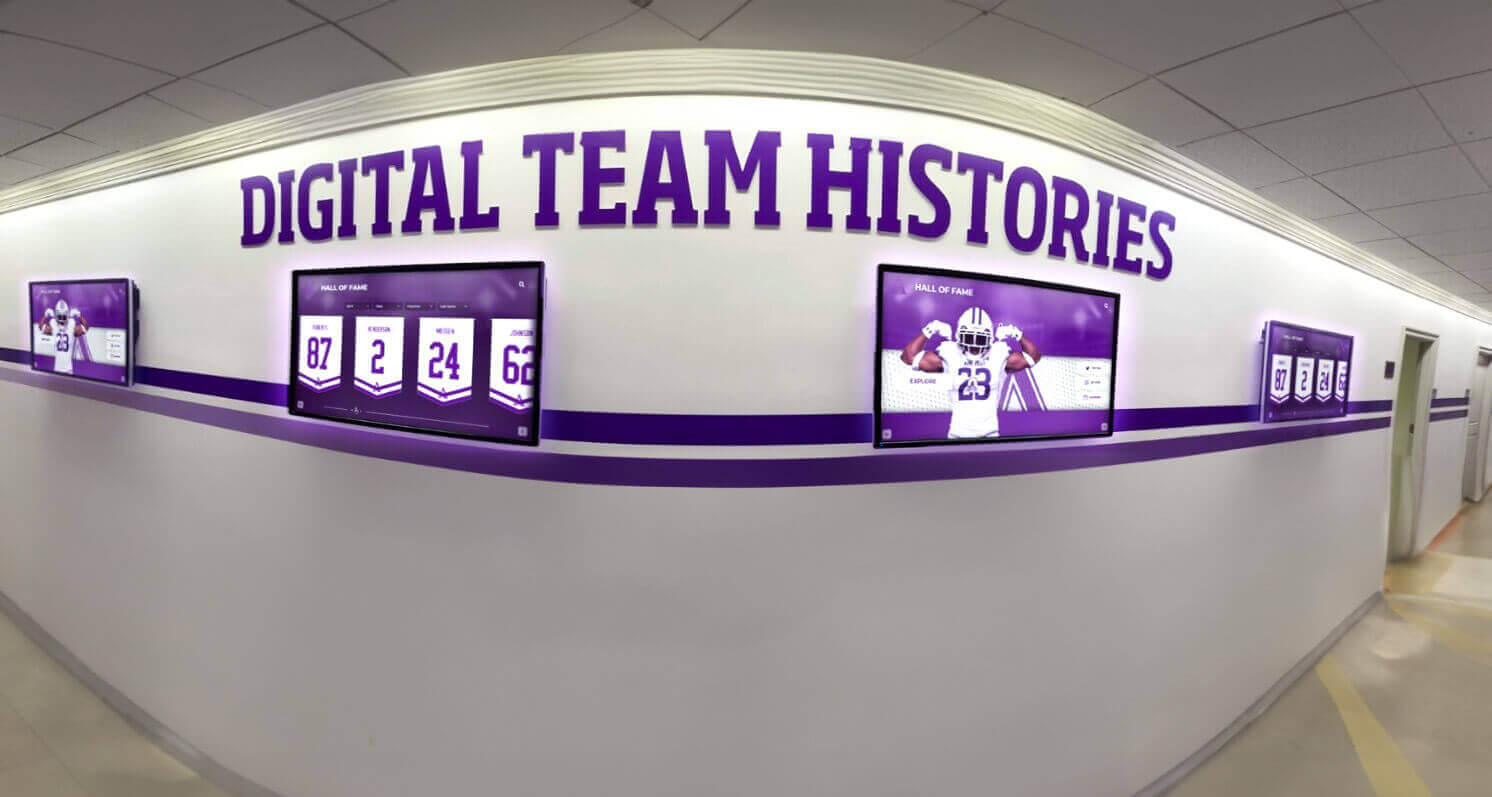
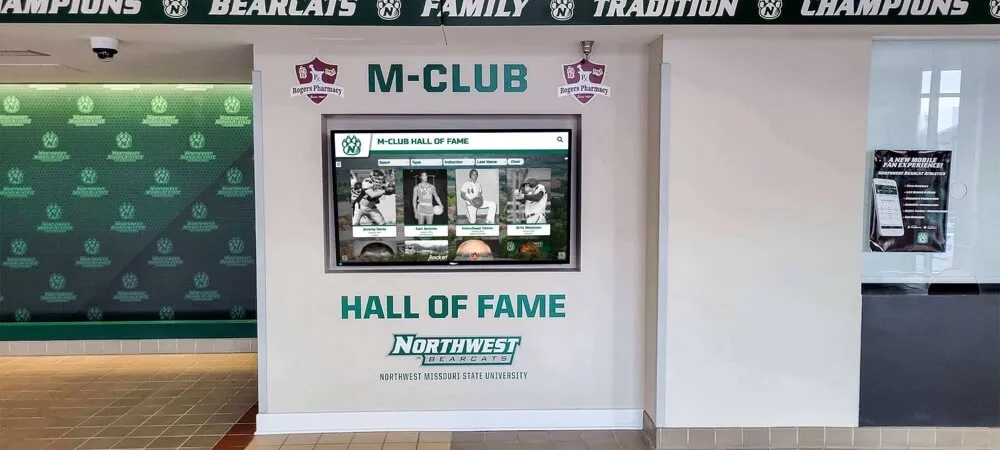
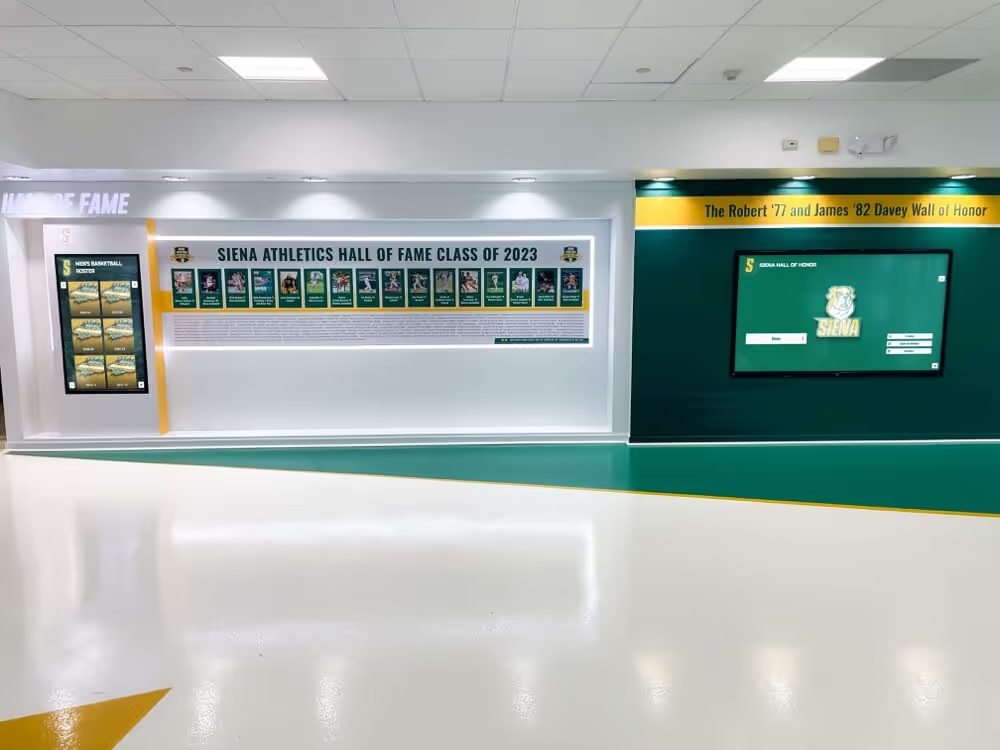
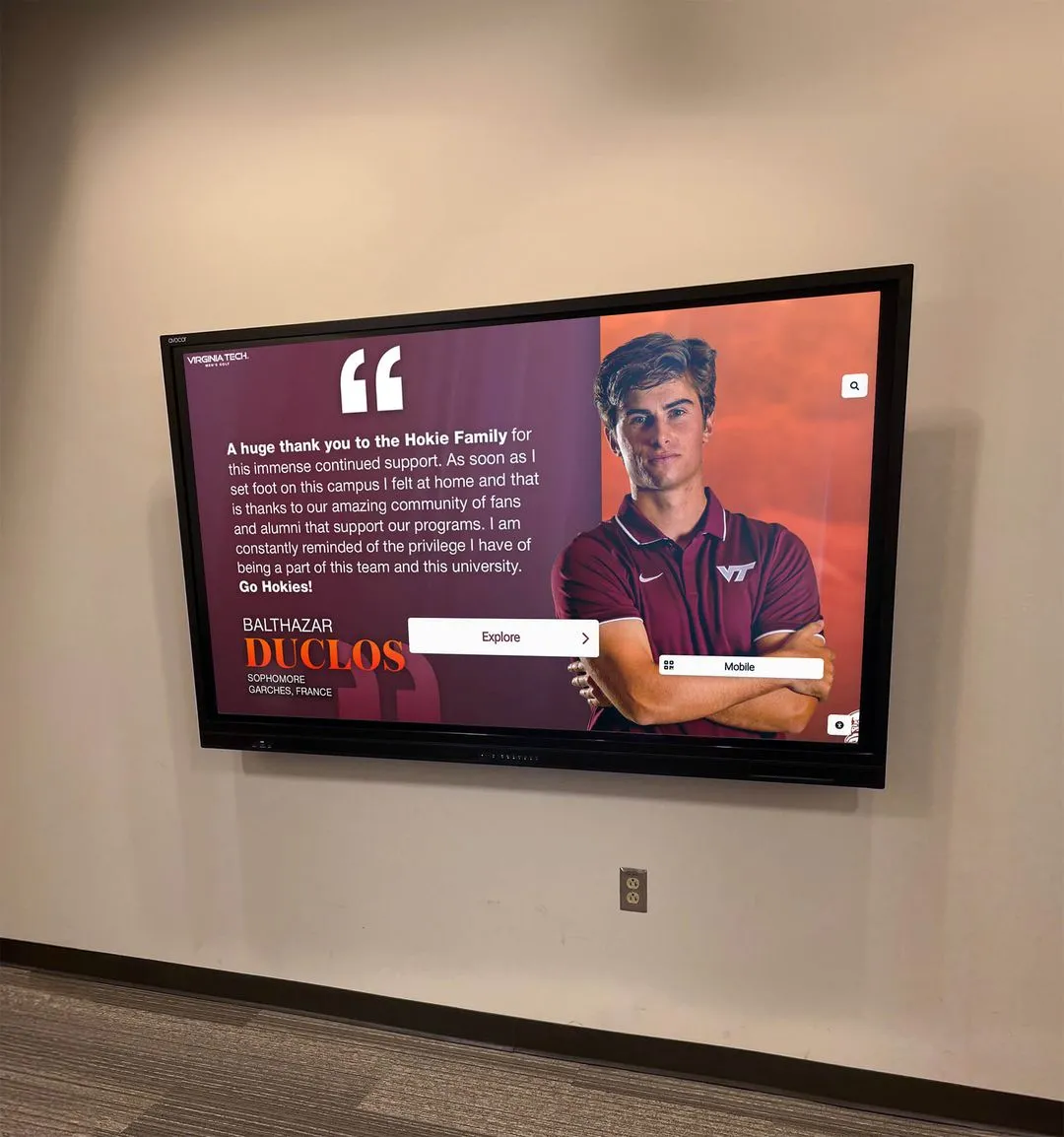
Modern display systems showcase season statistics including fielding percentage, double plays turned, and defensive metrics
4. Backhand Drill for Extended Range
Developing backhand technique for balls requiring maximum lateral range:
Drill Structure
- Infielder starts at normal defensive position
- Coach hits balls to backhand side requiring full extension
- Player executes crossover step, backhand fielding, and strong throw
- Emphasizes proper footwork creating throwing position
- Focuses on maintaining balance through difficult play
Coaching Focus
- Quick crossover step gaining ground toward ball
- Fielding ball out front when possible
- Glove positioned properly for backhand reception
- Redirecting momentum toward throwing target
- Arm strength and accuracy from difficult fielding position
Drill Variations
- Progress from stationary rolls to hit balls increasing difficulty
- Add second fielder creating competition
- Require throws to various bases
- Include diving plays for balls further from starting position
- Add game situations affecting throw decisions
5. Short Hop Drill
Building confidence fielding difficult short hops:
Drill Design
- Coach throws or hits balls creating short hops in front of fielder
- Player practices reading hop timing and adjusting glove position
- Emphasizes soft hands and proper hop selection
- Builds confidence fielding challenging grounders
- Develops blocking technique when clean catch impossible
Key Development Areas
- Reading ball spin and trajectory predicting hop
- Deciding whether to field on short hop or let ball come up
- Glove positioning and hand softness on difficult hops
- Blocking technique keeping balls in front
- Mental toughness and confidence on difficult plays
6. Around the Horn Drill
Building team coordination and throwing accuracy:
Drill Organization
- Position infielders at each base and pitcher on mound
- Ball starts with catcher or pitcher
- Infielders execute crisp throws around the infield
- Rotate direction (third-short-second-first and reverse)
- Emphasize game-speed throws and quick transfers
Team Benefits
- Warming up throwing arms with game-appropriate throws
- Building communication and team coordination
- Creating throwing rhythm and timing
- Developing quick transfer habits
- Building confidence in teammates’ abilities
Competitive Variations
- Time complete circuit encouraging quickness
- Award points for clean catches and accurate throws
- Penalize drops or wild throws
- Add pressure situations (runners advancing, tie game scenarios)
- Include first-and-third situations requiring awareness
7. Bounder Drill for Bad Hop Reactions
Developing ability to handle unpredictable hops:
Drill Structure
- Create uneven surface or use balls with irregular bounce
- Coach hits grounders creating unpredictable hops
- Fielder must adjust to bad hops and make plays
- Emphasizes athletic reaction and recovery
- Builds mental preparation for field condition challenges
Skill Development Focus
- Staying down through ball approach
- Quick glove adjustment to hop changes
- Blocking mentality keeping balls in front
- Athletic recovery when clean catch not possible
- Maintaining composure on difficult plays
8. Situational Infield Drill
Integrating fielding with game awareness:
Drill Design
- Coach calls out game situation (runners on base, outs, score)
- Hits ball to infielder who must execute appropriate play
- Fielders make correct decisions on where to throw
- Includes cutoffs, relays, and communication elements
- Simulates game pressure and decision-making
Game Preparation Elements
- Reading situations and making correct throw decisions
- Communication between infielders
- Backing up bases and cutoff positions
- Executing plays matching game situations
- Building baseball IQ alongside physical skills
Discover recognition solutions in basketball hall of fame programs applicable to baseball achievement celebration.
Eight Essential Outfield Fielding Drills
Outfielders require specialized skills for tracking fly balls, fielding grounders, and executing accurate throws.
9. Drop Step and Fly Ball Tracking
Mastering initial break on balls over head:
Drill Structure
- Outfielder starts in ready position
- Coach points or calls direction (left, right, straight back)
- Player executes drop step and runs to spot
- Coach throws or hits fly ball to location
- Fielder tracks ball and makes catch
- Emphasizes proper initial break mechanics
Technical Coaching Points
- Quick drop step with outside foot in direction of ball
- Opening hips fully toward ball trajectory
- Maintaining eye contact with ball while running
- Running on balls of feet enabling adjustment
- Catching ball at highest comfortable point
Progression Variations
- Progress from pointed direction to reading ball off bat
- Vary ball depth requiring distance judgment
- Add line drives requiring different approach
- Include balls requiring adjustment mid-route
- Add throws to bases after catch
10. Tennis Ball Reaction Drill
Building hand-eye coordination and reaction time:
Drill Design
- Use tennis balls for enhanced difficulty
- Coach throws or hits tennis balls from various angles
- Smaller ball size demands precise tracking and glove work
- Builds confidence that regulation baseballs feel easier
- Develops soft hands and quick reactions
Skill Development
- Enhanced visual tracking of ball flight
- Precise glove positioning for smaller target
- Hand-eye coordination improvement
- Confidence building through difficulty progression
- Quick reaction time to ball changes

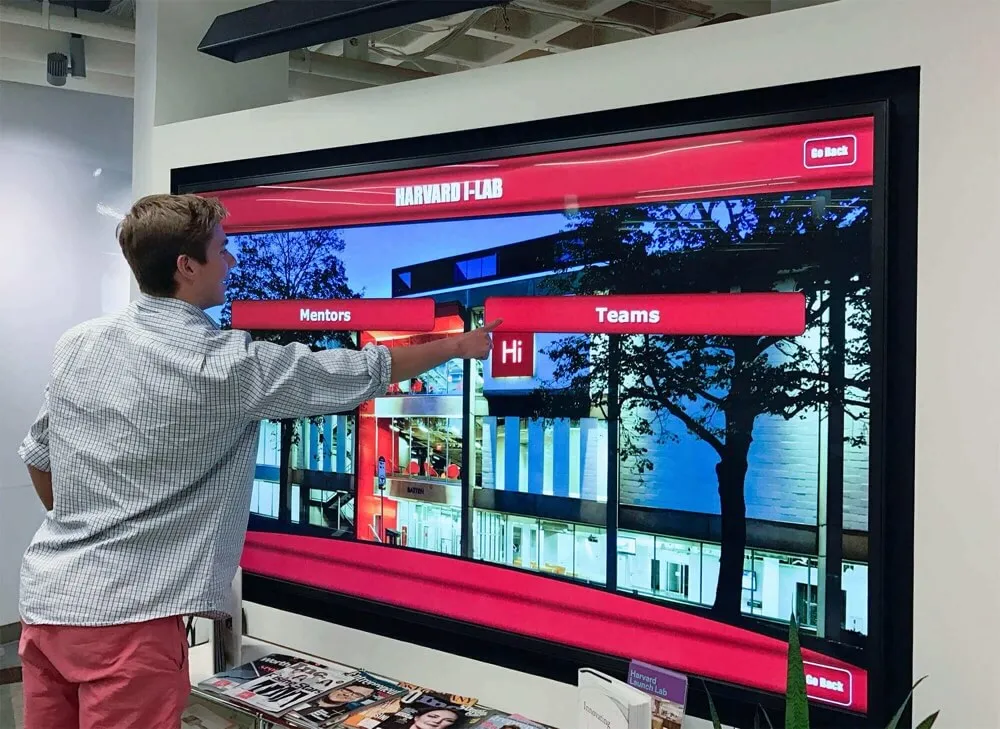
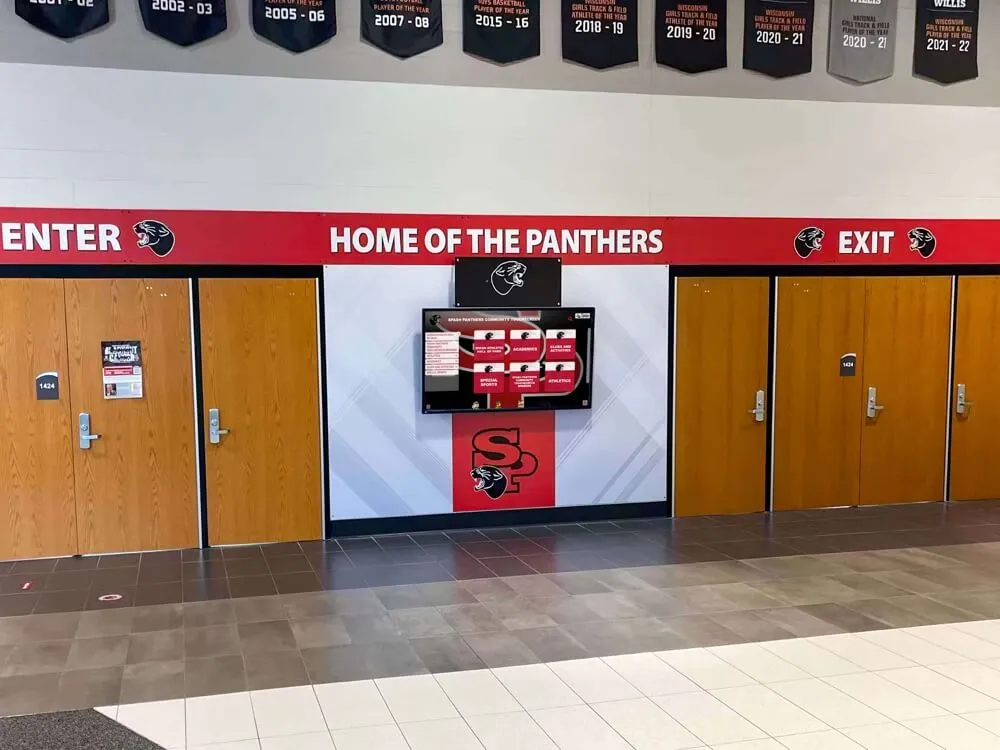
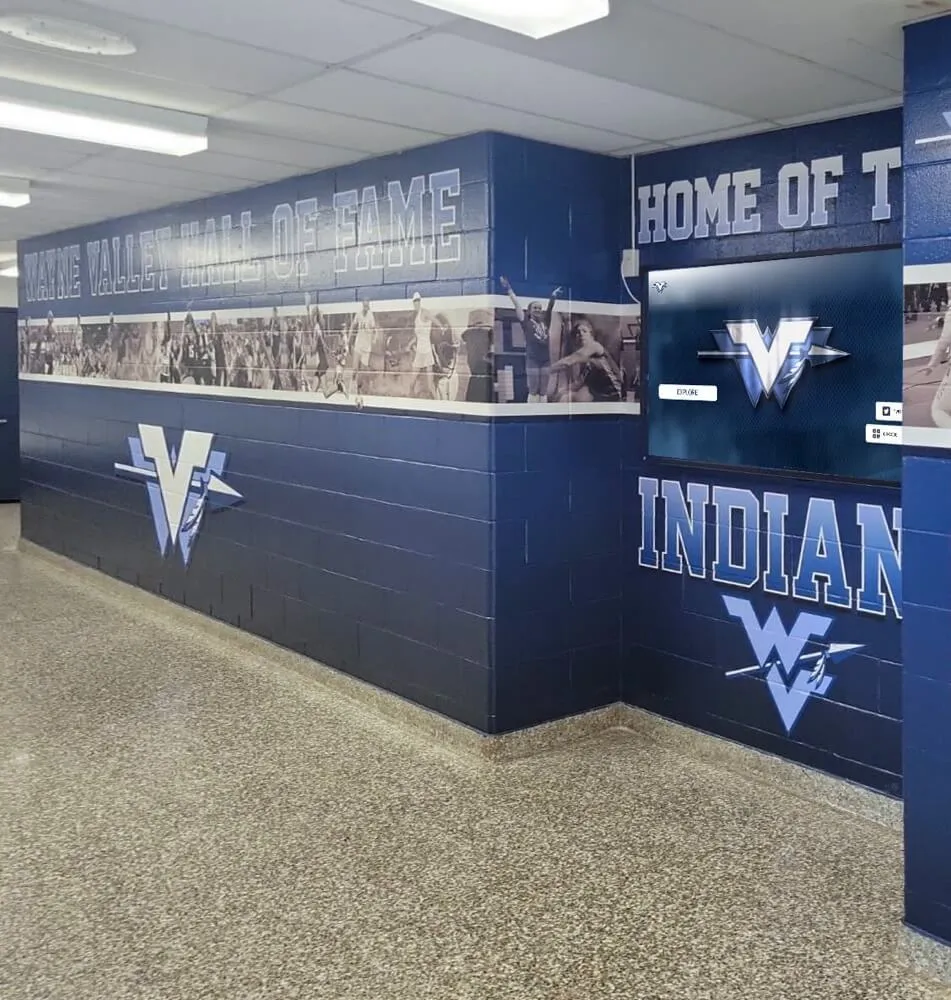
Interactive displays allow players and families to explore comprehensive statistics including outfield assists and defensive highlights
11. Communication and Priority Drill
Developing proper communication preventing collisions:
Drill Organization
- Position multiple outfielders with overlapping responsibilities
- Coach hits balls between fielders requiring communication
- Fielders must call ball loudly establishing priority
- Practices both routine and difficult communication situations
- Emphasizes safety alongside proper technique
Communication Elements
- Loud, clear verbal calls establishing ball ownership
- Priority rules (center fielder over corners, deeper fielder over shallow)
- Repeated calls maintaining communication throughout play
- Backing up fielder on all fly balls
- Team coordination and trust
Safety and Technique Integration
- Running with glove up maintaining visual contact
- Awareness of teammates while tracking ball
- Avoiding dangerous collisions through clear communication
- Backing up plays even when not making catch
- Building team trust through reliable communication
12. Fence Drill for Warning Track Awareness
Building comfort playing balls near outfield fence:
Drill Structure
- Outfielders practice approaching fence while tracking fly balls
- Emphasizes glove hand or foot touching fence establishing location
- Practices timing jumps at fence for home run robbery attempts
- Develops spatial awareness preventing injuries
- Builds confidence playing difficult fence balls
Key Focus Areas
- Tracking ball while approaching fence safely
- Using hand or foot locating fence without looking
- Timing jumps for balls at or over fence
- Body positioning protecting against fence contact injuries
- Mental confidence playing difficult fence situations
13. Do-or-Die Drill for Aggressive Charging
Developing aggressive approach to grounders requiring quick throws:
Drill Design
- Simulate situations requiring aggressive charge (runner on third, less than two outs)
- Coach hits grounders to outfielders
- Fielders must charge aggressively, field cleanly, and make accurate throw home
- Emphasizes proper technique on short hops and quick release
- Builds game-ready decision-making and execution
Technical Emphasis
- Aggressive approach with body control
- Fielding ball off throwing-side foot creating momentum
- Quick transfer and release
- Accurate throws from various fielding positions
- Mental preparation for high-pressure situations
14. Crow Hop Mechanics Drill
Perfecting throwing mechanics for strong, accurate outfield throws:
Drill Structure
- Outfielders practice proper crow hop footwork
- Emphasizes direction toward target and momentum generation
- Focuses on high release point and follow-through
- Builds arm strength through proper mechanics
- Creates consistent throwing habits
Mechanical Coaching Points
- Fielding ball off throwing-side foot
- Replacing feet creating momentum toward target
- High three-quarter arm slot maximizing velocity and accuracy
- Following through toward target
- Consistent mechanics from various fielding positions
Learn about comprehensive achievement recognition in team celebration ideas for athletic programs celebrating defensive excellence.
15. Sun and Sky Ball Drill
Preparing for difficult visibility conditions:
Drill Organization
- Practice during sunny conditions requiring sun ball techniques
- Use high pop-ups simulating difficult sky backgrounds
- Teaches proper shading and sunglasses technique
- Develops mental preparation for challenging visibility
- Builds confidence in difficult conditions
Technique Development
- Using glove to shade sun while tracking ball
- Proper sunglasses positioning and utilization
- Communication when losing ball in sun
- Adjustment techniques regaining ball tracking
- Backup positioning from teammates
16. Relay and Cutoff Drill
Executing accurate relay throws preventing extra bases:
Drill Design
- Simulate extra-base hits requiring relay throws
- Outfielders field balls in gaps or off wall
- Execute accurate relay throws to cutoff man
- Middle infielders practice cutoff positioning and relay to bases
- Complete sequence including tags or force plays
Team Coordination Elements
- Proper cutoff positioning creating straight throwing line
- Communication between outfielders and infielders
- Accurate relay throws hitting cutoff chest-high
- Decision-making on whether to cut or let throw through
- Complete execution from batted ball to base play
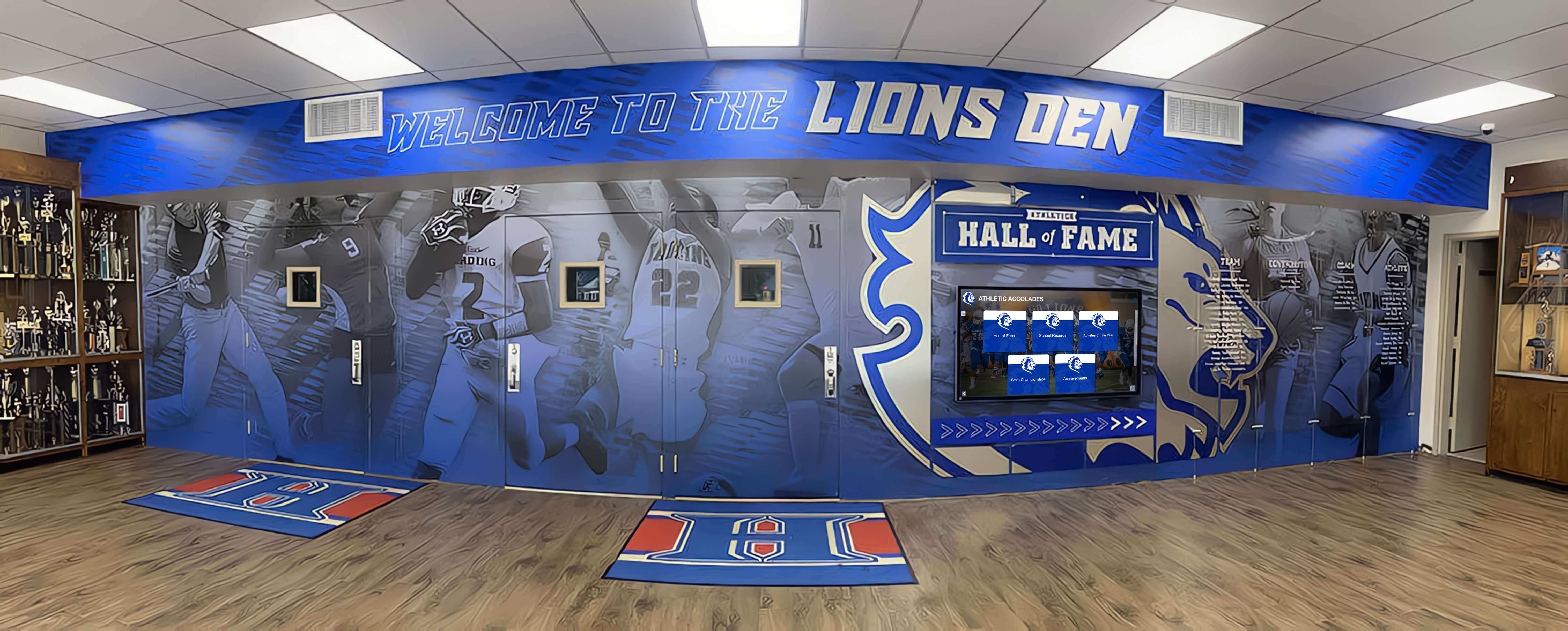
Recognition displays preserve defensive achievements including gold glove awards and fielding excellence milestones
Common Fielding Mistakes and Corrections
Identifying and correcting frequent errors accelerates defensive development across all positions.
Technical Errors
Standing Upright Through Fielding Motion
- Problem: High center of gravity creates fielding inconsistency and reduces range
- Correction: Emphasis on staying low through entire fielding process
- Drill Focus: Triangle drill and groundball fundamentals maintaining low posture
- Coaching Cue: “Field the ball with your legs, not just your glove”
Watching Ball Into Glove Then Looking Away Early
- Problem: Premature head movement causes missed catches and errors
- Correction: Watch ball completely into glove before beginning throw
- Drill Focus: Soft hands drills emphasizing ball tracking
- Coaching Cue: “See it into the glove, then secure before throwing”
Poor Footwork Creating Difficult Throws
- Problem: Fielding ball without momentum toward throwing target
- Correction: Footwork drills creating proper angle and momentum
- Drill Focus: Do-or-die drill and crow hop mechanics
- Coaching Cue: “Field the ball moving toward your target”
One-Hand Fielding When Two Hands Possible
- Problem: Reduced securing reliability and slower transfer
- Correction: Two-hand emphasis on all routine plays
- Drill Focus: Fundamentals drills requiring two-hand technique
- Coaching Cue: “Two hands on anything you can reach comfortably”
Mental and Awareness Errors
Lacking Pre-Pitch Preparation
- Problem: Slow reactions from unprepared mental state
- Correction: Pre-pitch routine establishing readiness
- Accountability: Coaching emphasis on ready position before every pitch
- Mental Training: Visualizing potential batted balls before pitch
Hesitating on Decision-Making
- Problem: Delayed throws allowing runners to advance
- Correction: Situation practice building automatic responses
- Drill Focus: Situational infield drill requiring quick decisions
- Game Preparation: Pre-game discussion of situational priorities
Poor Communication on Fly Balls
- Problem: Collisions or dropped balls from unclear ownership
- Correction: Loud, clear communication standards
- Drill Focus: Priority drill requiring verbal calls
- Team Culture: Non-negotiable communication expectations
Measuring Fielding Improvement and Recognition
Systematic tracking creates accountability and celebrates defensive excellence often undervalued compared to offensive statistics.
Statistical Tracking for Fielding
Individual Defensive Metrics
- Fielding percentage by position
- Range factor (putouts plus assists per game)
- Error totals and error types (throwing, fielding, mental)
- Assists and defensive highlights
- Position-specific statistics (double plays for middle infielders, outfield assists)
Advanced Defensive Analysis
- Defensive runs saved estimates
- Balls in zone conversion rates
- Situational execution (scoring position, late innings)
- Comparison to position averages
- Improvement tracking across season
Team Defensive Statistics
- Team fielding percentage
- Errors per game
- Opponent batting average on balls in play
- Double plays turned
- Defensive efficiency rating
Explore comprehensive recognition solutions in retired jersey ceremony ideas celebrating defensive legends.
Modern Recognition Display Systems
Championship programs celebrate defensive excellence through visible recognition:
Digital Display Integration
- Season defensive leaders showcased on lobby displays
- Career fielding statistics for program legends
- Defensive highlights and gold glove award winners
- Interactive exploration of defensive metrics
- Comparison to program historical standards
Recognition Benefits
- Validates defense as program priority equal to offense
- Creates competitive motivation for defensive improvement
- Preserves defensive excellence as program tradition
- Engages community through accessible statistics
- Demonstrates commitment to complete player development
Modern digital recognition platforms enable programs to showcase defensive achievements alongside offensive records, creating comprehensive athletic celebration. Interactive displays allow exploration of individual fielding statistics, defensive highlights, and position-specific excellence—communicating that elite defense receives recognition equal to offensive production.

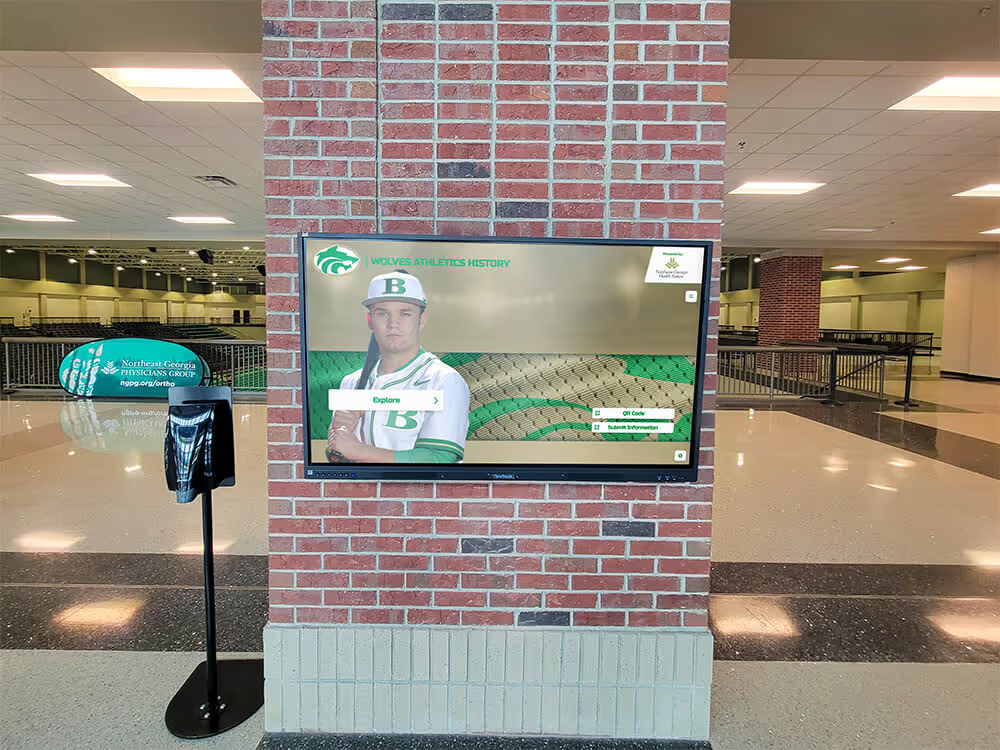
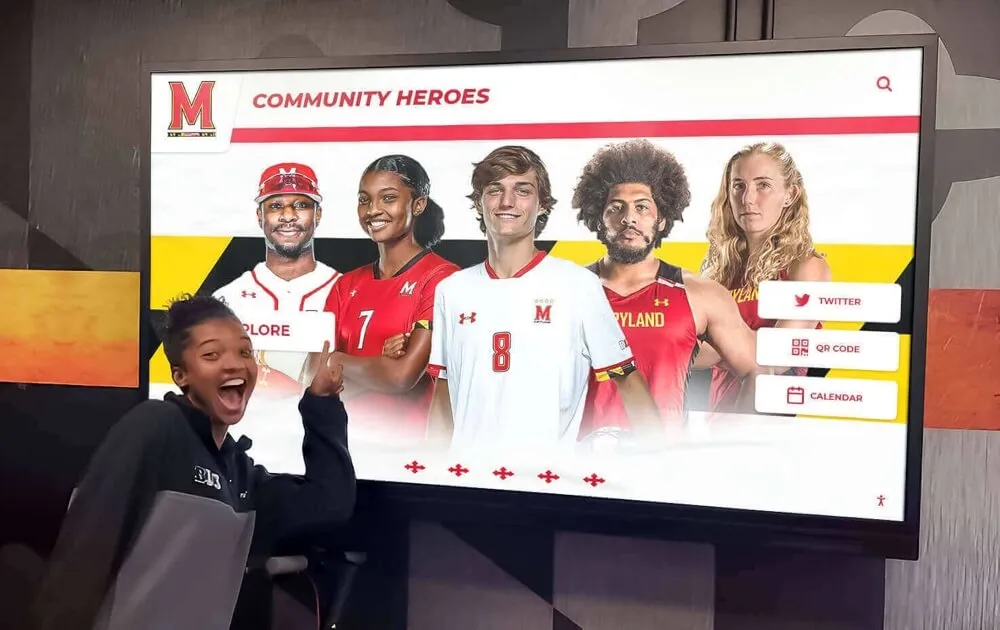
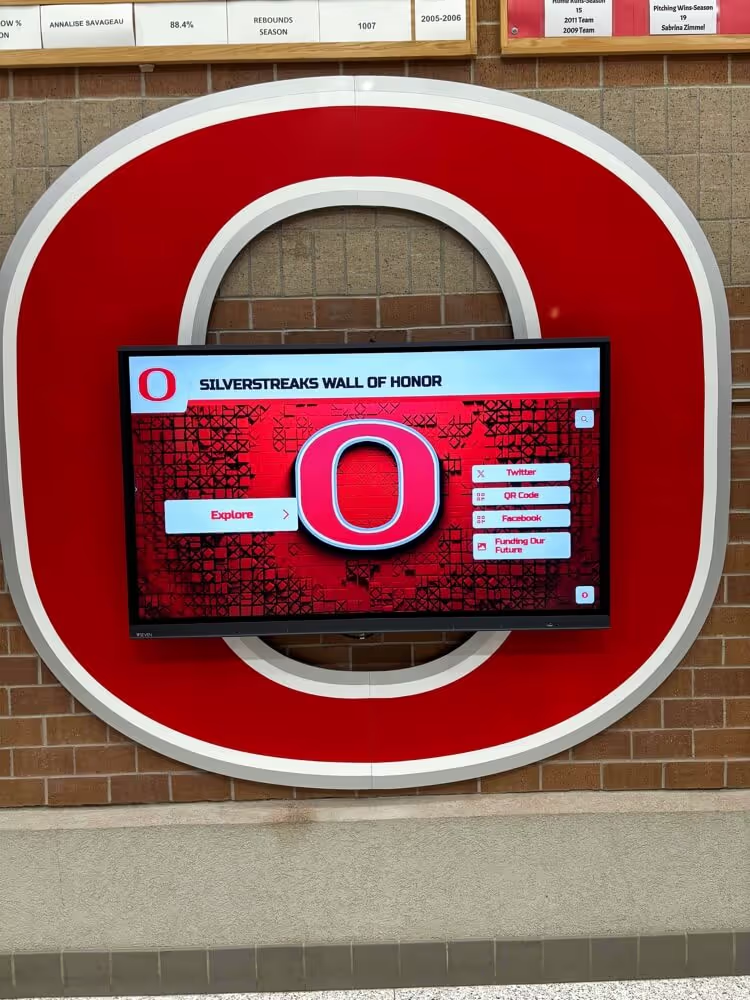
Digital platforms enable comprehensive player profiles featuring defensive statistics, highlights, and gold glove recognition
Integrating Fielding Drills Into Practice Planning
Effective implementation requires systematic practice integration and season-long progression.
Practice Structure and Time Allocation
Daily Defensive Emphasis
- Minimum 15-20 minutes dedicated fielding work per practice
- Position-specific skill development early when players fresh
- Team defensive coordination drills mid-practice
- Live scrimmage application reinforcing skills
- Consistent emphasis communicating defensive importance
Seasonal Progression
- Preseason: Fundamental technique and individual skill development
- Early Season: Position-specific skills and team coordination
- Mid-Season: Maintenance work and situational emphasis
- Late Season: Game-speed execution and mental preparation
- Playoffs: Confidence building and situation-specific practice
Creating Defensive Excellence Culture
Communication and Standards
- Clear defensive expectations established early
- Statistical goals and benchmarks communicated
- Celebration of defensive excellence equal to offensive achievement
- Film review emphasis on defensive execution
- Individual accountability through tracking and recognition
Recognition and Reinforcement
- Defensive player of game awards
- Statistical leader acknowledgment
- Highlight video compilation celebrating defensive plays
- Connection between defense and winning
- Public recognition validating defensive priority
Discover celebration approaches in championship celebration ideas for athletic programs honoring complete team contributions.
Frequently Asked Questions
What are the most important baseball fielding drills for beginners?
The most important baseball fielding drills for beginners include the triangle drill developing proper groundball approach and footwork, drop step fly ball tracking for outfielders, around the horn for throwing accuracy and team coordination, and ready position practice establishing athletic stance and first-step quickness. These fundamental drills build proper mechanics, create muscle memory for correct technique, and establish fielding habits applicable across all skill levels. Beginners benefit most from high-repetition fundamental work rather than complex situation drills, ensuring proper technique foundation before advancing to game-speed applications.
How often should teams practice fielding drills?
Championship-level teams incorporate 15-20 minutes of focused fielding drills into every practice, ensuring consistent technique reinforcement, habit formation, and cultural emphasis that defense represents a program priority. This daily work should include individual skill development (groundball fundamentals, fly ball tracking), position-specific technique (double play pivots, outfield throws), and team coordination drills (cutoffs, relays, communication). Additional fielding practice occurs naturally within team defense, scrimmages, and batting practice. Programs treating fielding as occasional focus rather than daily fundamental typically struggle defensively regardless of athletic talent.
What’s the difference between infield and outfield fielding drills?
Infield fielding drills emphasize quick reactions to groundballs, precise footwork for throwing accuracy, rapid transfer and release, double play coordination, and short-distance throwing precision under time pressure. Outfield drills focus on fly ball tracking and route efficiency, long-distance throwing mechanics, communication and priority on fly balls, playing balls off fences, and relay throwing accuracy. While both require proper ready position, first-step quickness, and soft hands, infielders prioritize quick reactions and release while outfielders emphasize ball tracking, route running, and strong accurate throws over distance. Position-specific drills address these distinct skill requirements.
How can players improve their fielding at home?
Players can improve fielding at home through wall ball drills (throwing against wall and fielding rebounds building quick hands), tennis ball reaction drills with partners, footwork shadow drills practicing proper approach patterns without balls, visualization exercises mentally rehearsing fielding sequences, and soft toss grounders with family members building repetition volume. Additionally, watching professional defenders and studying proper technique, strengthening core and legs supporting athletic movement, improving flexibility for extended range, and practicing quick transfer drills all contribute to fielding development outside formal team practice. Consistency in home practice accelerates improvement complementing team instruction.
How do you measure fielding improvement?
Measure fielding improvement through statistical tracking including fielding percentage (total chances minus errors divided by total chances), range factor (putouts plus assists per game), error reduction tracking, and position-specific metrics (double plays turned, outfield assists). Film review assessment evaluates technique quality, footwork consistency, first-step quickness, and decision-making improvement beyond statistics. Physical testing including reaction time drills, lateral movement agility, and throwing velocity/accuracy provides objective benchmarks. Game performance analysis examines execution in crucial situations, performance against quality opponents, and playoff defensive statistics. Effective measurement combines objective statistics with qualitative technique assessment, establishing baselines, setting progressive improvement goals, and celebrating defensive excellence milestones.
Conclusion: Building Championship Defense Through Systematic Development
Effective baseball fielding drills represent systematic approaches to developing the technique, footwork, reaction time, and game awareness separating championship-caliber teams from programs leaving defensive execution to chance. Teams dedicating consistent practice time to fundamental skill development, position-specific technique work, and coordinated team defensive systems create measurable advantages in the dimension most directly controllable—preventing opponent runs through exceptional defensive execution.
The 16 drills explored in this comprehensive guide provide progressive frameworks for building complete defensive excellence—from infield triangle drills developing groundball fundamentals to outfield relay drills building accurate long throws under pressure. From middle infielder double play pivots to outfielder fence awareness, these exercises address position-specific needs while establishing universal fundamentals applicable across all defensive positions and skill levels.
Celebrate Your Baseball Program's Defensive Excellence
Discover how modern digital recognition solutions showcase fielding statistics, gold glove awards, and complete player profiles—creating visible celebration of the defensive skills building championship baseball programs.
Explore Recognition SolutionsCreating dominant defense requires more than hoping athletic players will naturally make plays—it demands intentional skill development through proven drills building technique, competitive toughness, and team coordination. Programs implementing the exercises in this guide while tracking improvement and celebrating defensive excellence through visible recognition transform fielding from inconsistent execution into reliable competitive advantage determining championship outcomes.
When coaches emphasize fielding fundamentals through daily practice, measure development through systematic tracking, and recognize defensive excellence alongside offensive achievements, they build cultures valuing complete baseball and diverse contributions required for sustained success. Modern digital recognition platforms enable programs to showcase defensive leaders with the same prominence as batting champions—communicating that championships are built on preventing runs and that elite defenders deserve celebration equal to their offensive counterparts.