



Every basketball coach understands that championships are won on the boards. While scoring ability draws attention, consistent rebounding creates the second-chance opportunities, defensive stops, and possession advantages that separate winning programs from the rest. Yet many teams dedicate minimal practice time to systematic basketball rebounding drills, instead hoping athletic ability and hustle alone will secure crucial rebounds during competition.
Teams neglecting dedicated rebounding development leave critical possessions to chance, surrendering offensive boards that extend opponent scoring opportunities and failing to secure defensive rebounds that protect hard-earned stops. Meanwhile, programs implementing structured rebounding drills build players who instinctively position themselves correctly, time their jumps precisely, and pursue every missed shot with championship-level intensity.
This comprehensive guide explores proven basketball rebounding drills developing the positioning, timing, physicality, and relentless pursuit required to dominate the glass at every level of competition. From fundamental box-out techniques to advanced team rebounding systems, these exercises transform rebounding from hope-based hustle into systematic skill execution.
Effective rebounding combines multiple dimensions: anticipating shot trajectories, establishing physical position, timing vertical explosiveness, and maintaining relentless pursuit regardless of initial position. Championship-caliber rebounders develop all these capabilities through consistent, progressive practice that builds muscle memory and competitive instincts. The drills explored in this guide provide systematic approaches to developing complete rebounding excellence.

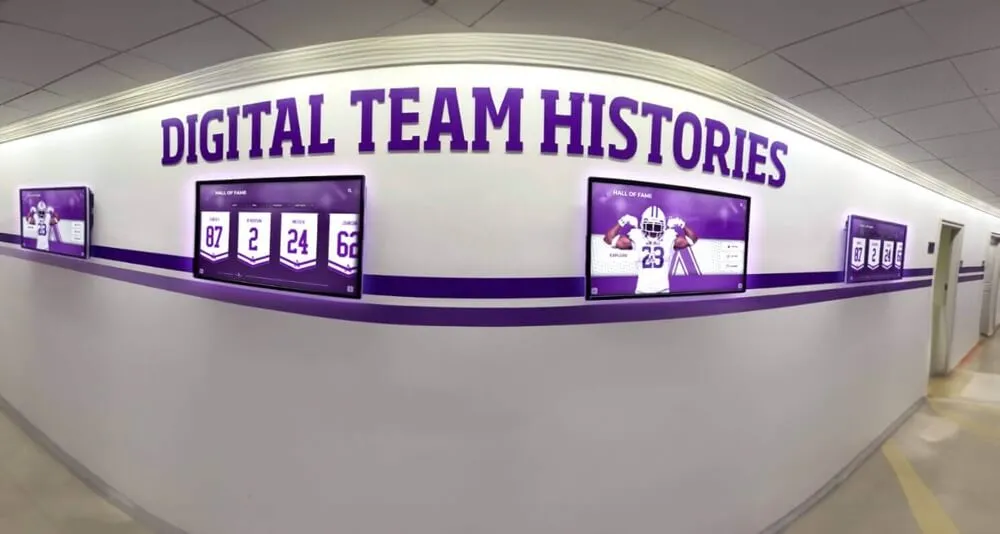
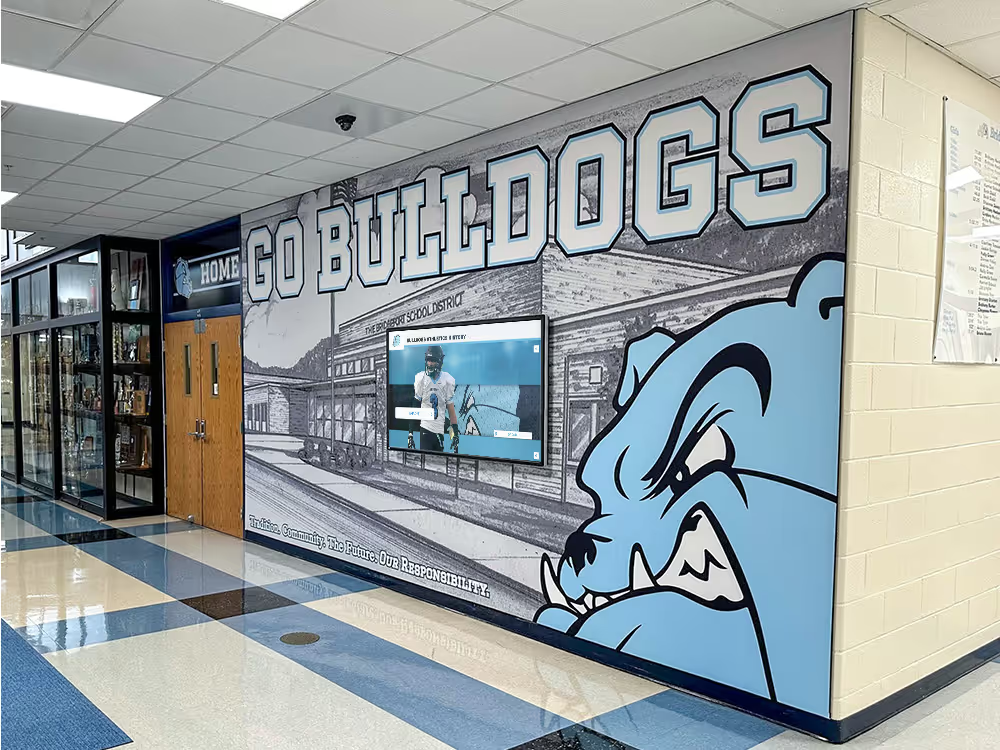
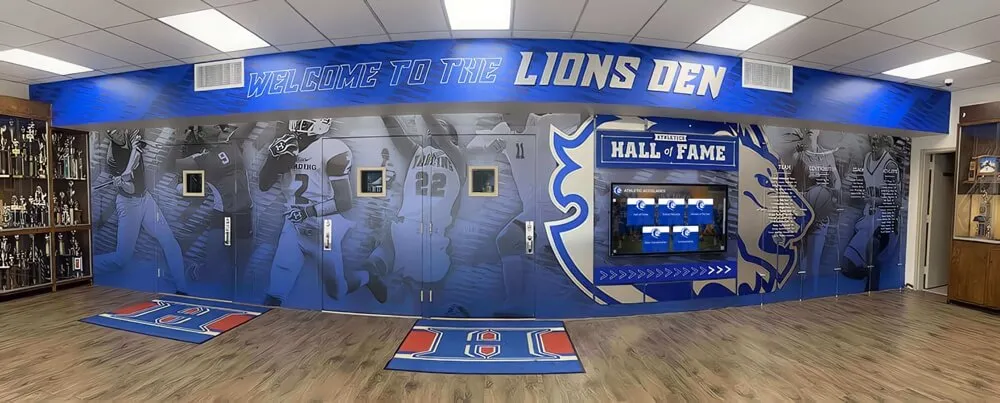
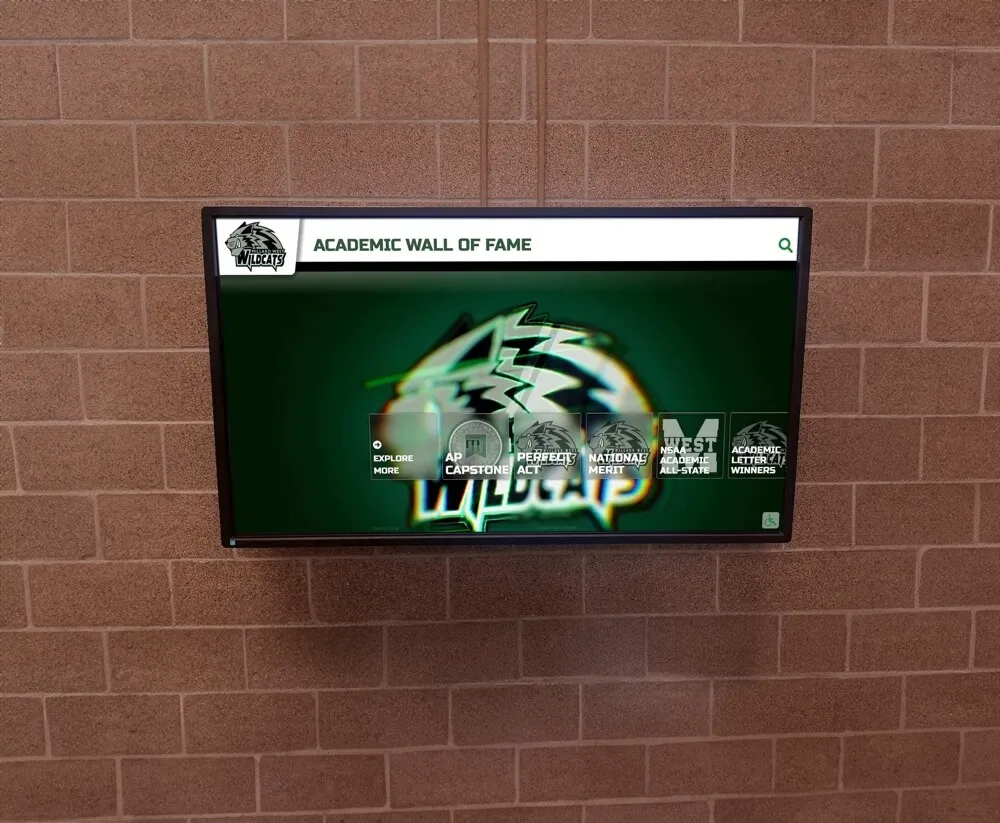
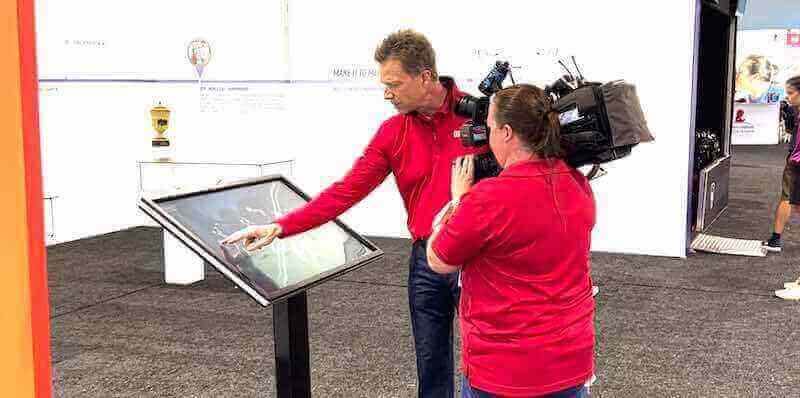
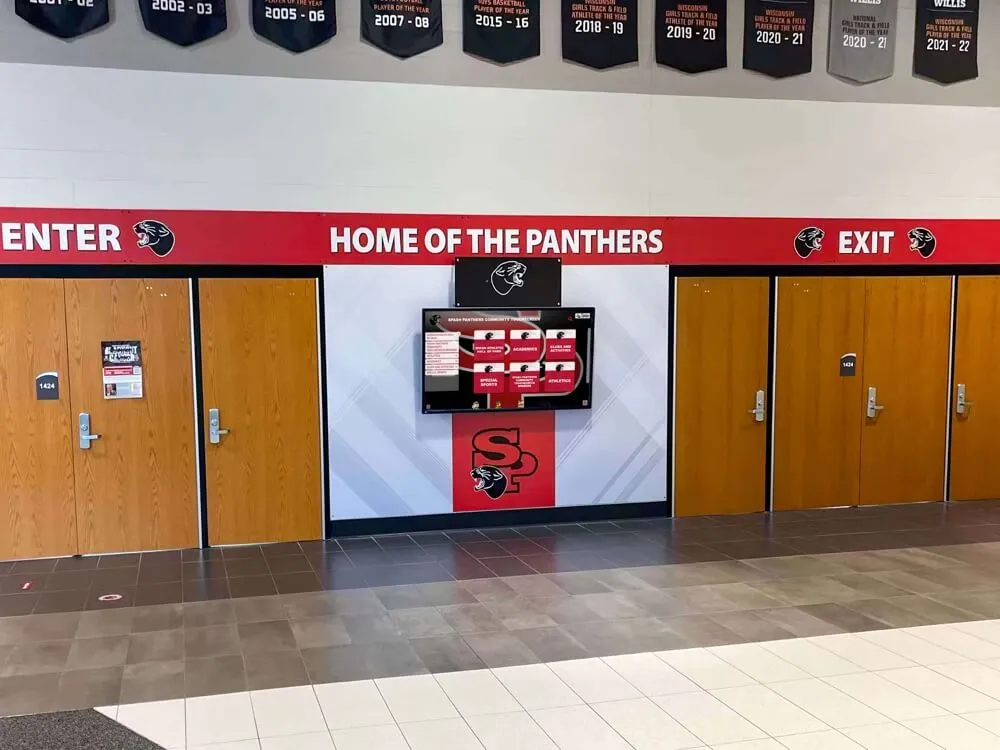
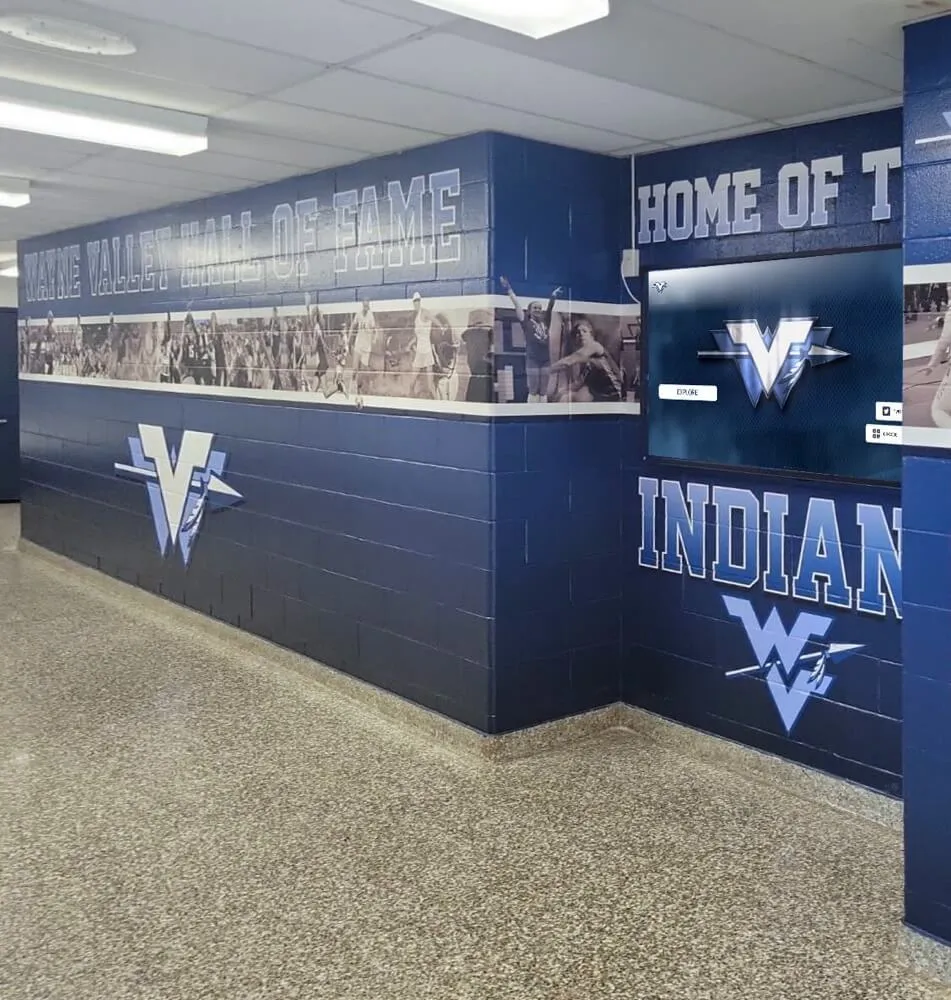
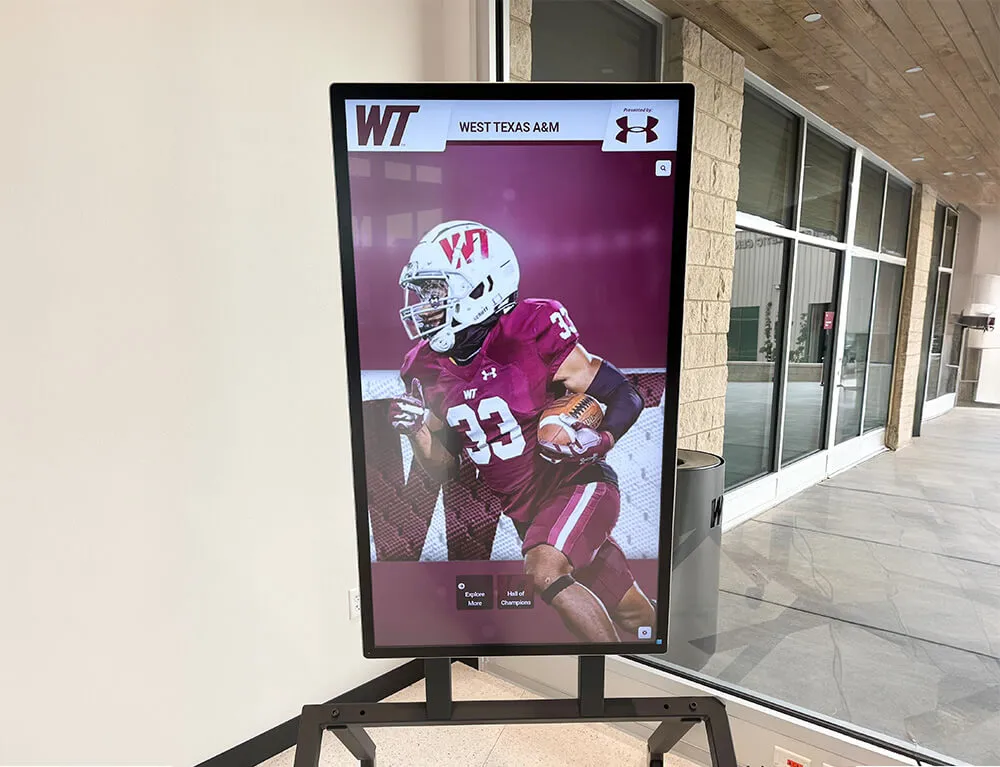
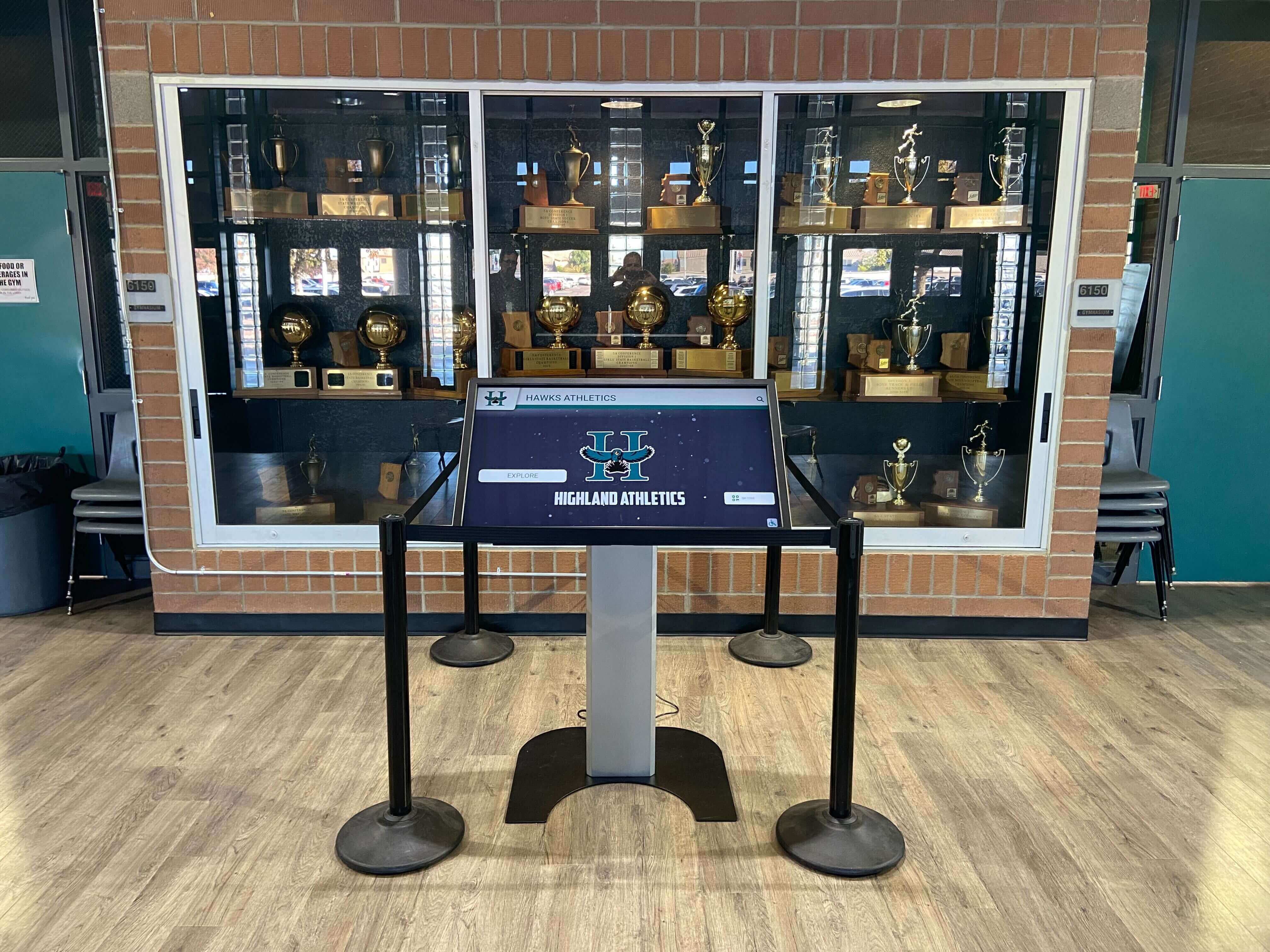
Digital recognition systems celebrate rebounding excellence and statistical achievements preserving player accomplishments
Why Rebounding Drills Matter for Basketball Success
Statistical analysis and coaching experience consistently demonstrate that rebounding creates measurable competitive advantages determining game outcomes.
The Impact of Rebounding on Game Results
Championship programs recognize rebounding as a controllable variable significantly influencing winning percentage:
Possession and Scoring Opportunity Creation
- Offensive rebounds generate second-chance points averaging 1.1 points per possession
- Defensive rebounds secure stops preventing opponent scoring opportunities
- Teams winning rebounding battle by +5 or greater win approximately 70% of games
- Transition opportunities increase dramatically following defensive rebounds
- Rebounding differential correlates more strongly with winning than field goal percentage
Psychological and Momentum Impact
- Securing offensive rebounds following missed shots demoralizes defensive efforts
- Consecutive defensive rebounds build team confidence and momentum
- Physical rebounding establishes competitive toughness and intensity standards
- Rebounding success creates energy affecting team performance across all dimensions
- Opponent frustration increases when teams consistently secure second-chance opportunities
According to research on basketball analytics, teams ranking in the top quartile for rebounding percentage win championships at rates 3x higher than teams with average rebounding performance, demonstrating that consistent board dominance represents a reliable pathway to sustained competitive success.
Learn more about recognizing athletic excellence in digital display solutions for athletic facilities.
Rebounding as a Coachable, Controllable Skill
Unlike pure athleticism or shooting touch requiring years to develop, rebounding improves rapidly through dedicated practice:
Technique Over Pure Athleticism
- Proper positioning compensates for height and jumping disadvantages
- Anticipation and timing matter more than vertical leap in most rebounding situations
- Box-out fundamentals enable smaller players to secure rebounds against taller opponents
- Pursuit angles and effort level represent coachable elements under player control
- Championship rebounders combine technique with intensity rather than relying on athleticism alone
Rapid Skill Development Potential
- Players demonstrate measurable rebounding improvement within 2-3 weeks of focused practice
- Habit formation occurs faster in rebounding compared to shooting or ball-handling
- Competitive drills build mental toughness alongside technical fundamentals
- Team rebounding systems create collective improvement exceeding individual development
- Rebounding success builds player confidence applicable across all performance dimensions
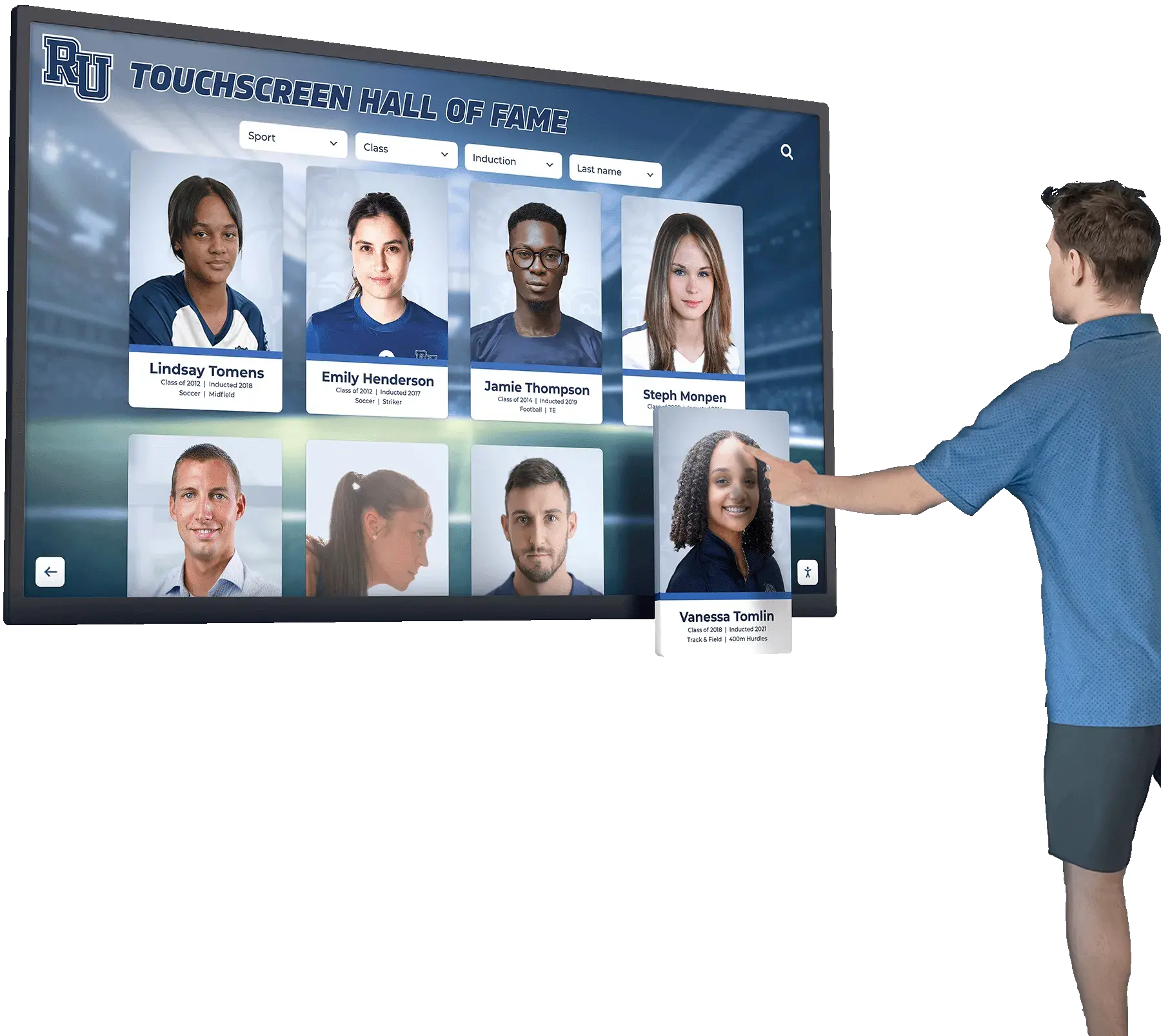
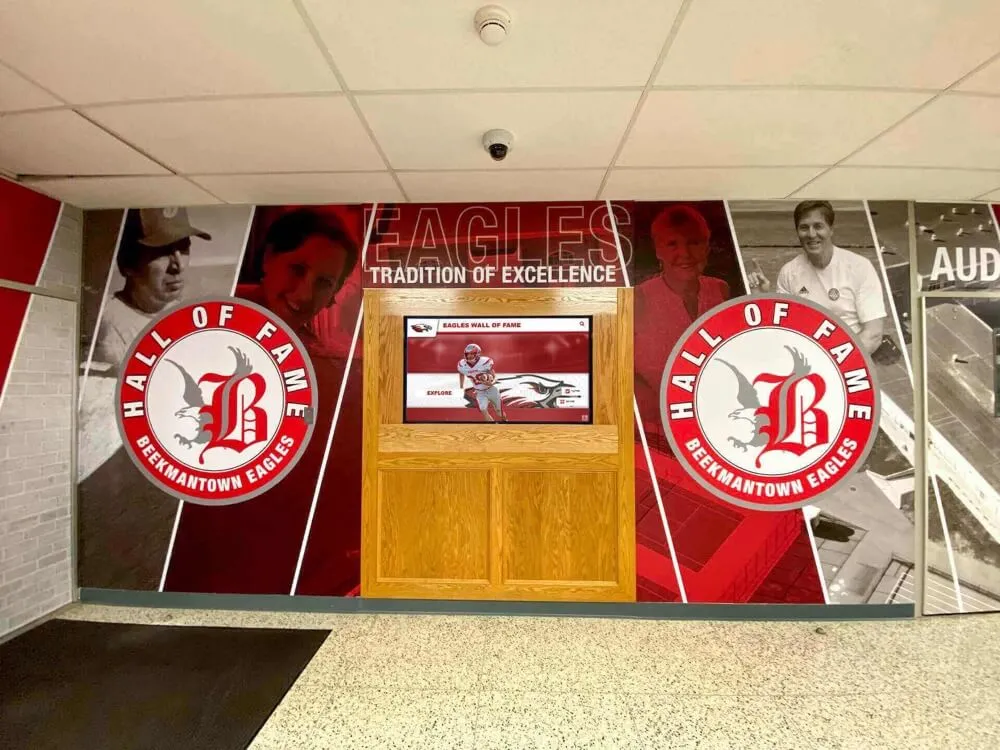
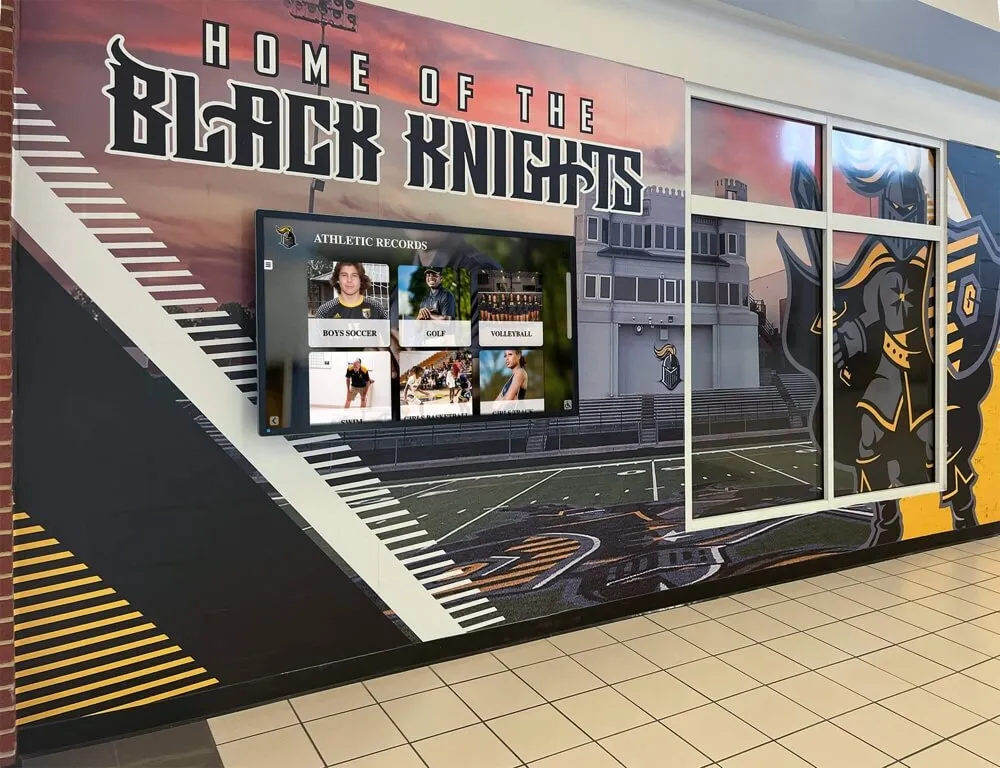
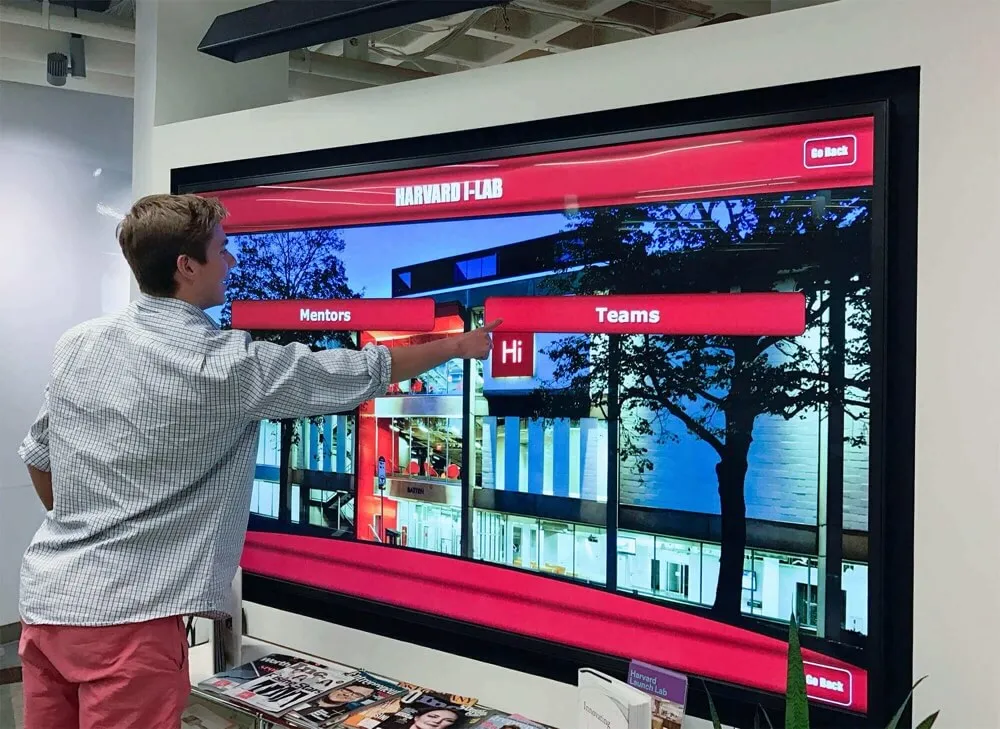
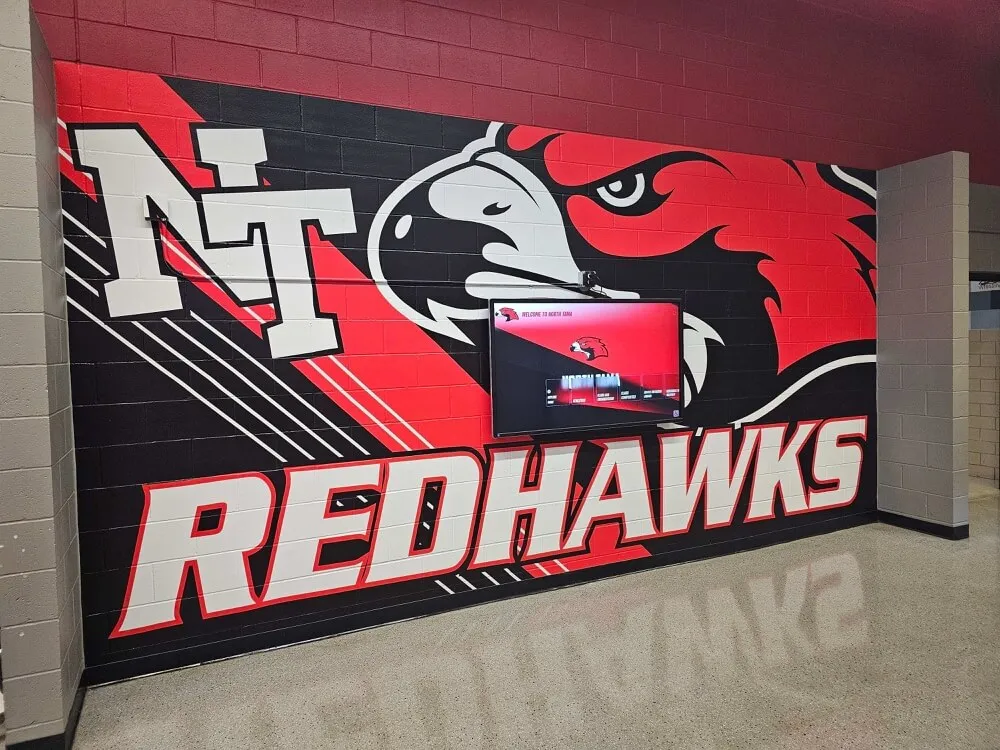
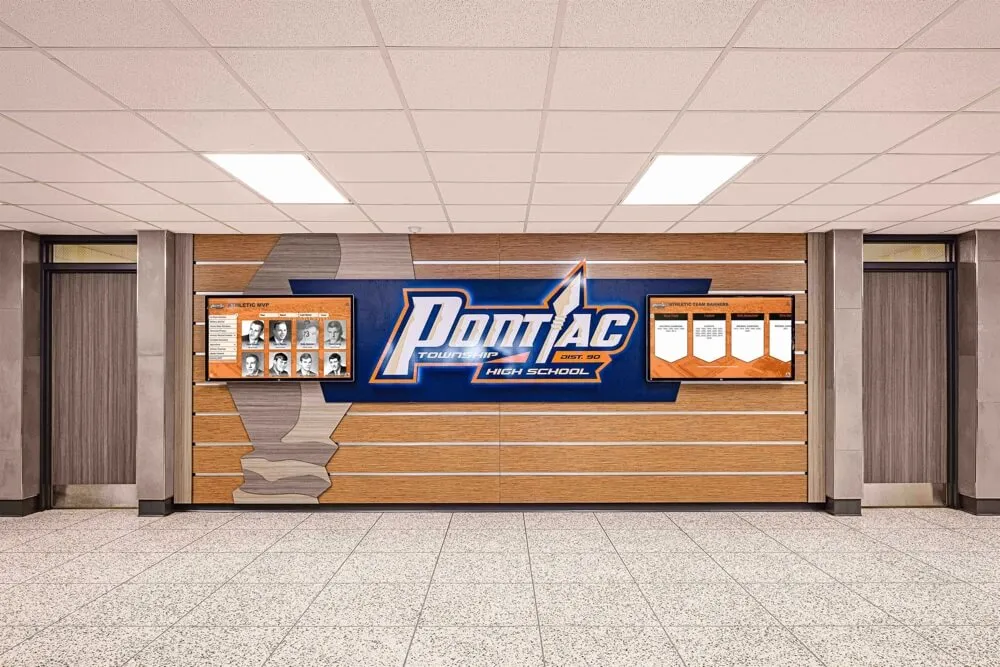
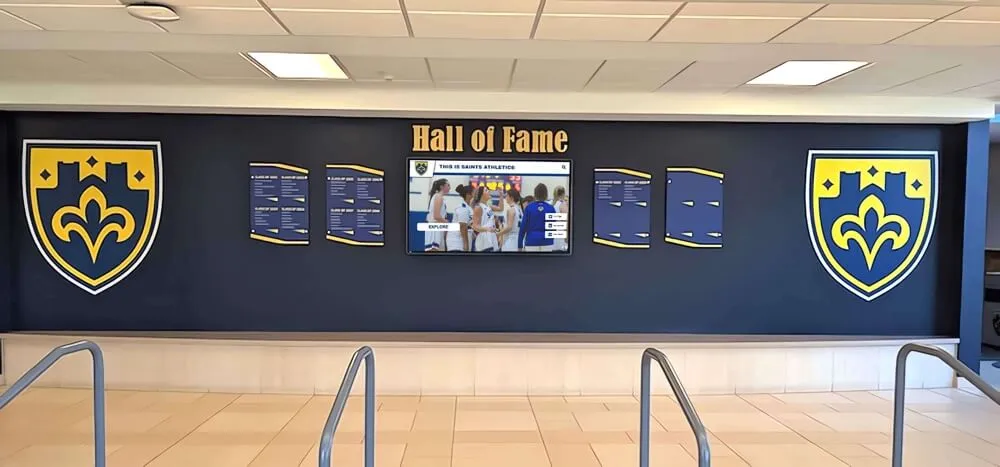
Modern recognition platforms showcase individual rebounding records and career statistics celebrating player achievements
Fundamental Rebounding Technique Principles
Before implementing specific drills, players must understand core rebounding technique elements forming the foundation for all exercises.
Box-Out Fundamentals
Establishing and maintaining rebounding position represents the most critical rebounding skill:
Proper Box-Out Positioning
- Wide base with feet shoulder-width apart creating stable foundation
- Low center of gravity with knees bent and hips back
- Contact initiated with forearm and backside against opponent
- Head and eyes tracking the ball while maintaining physical position
- Sustained contact through opponent’s jumping motion preventing second efforts
Timing and Anticipation
- Shot recognition triggering immediate box-out motion
- Reading shooter release and shot arc predicting rebound location
- Positioning relative to likely rebound trajectory rather than current opponent position
- Early initiation of box-out creating positional advantage before opponent reacts
- Maintaining box-out until securing possession rather than releasing prematurely
Physical Engagement and Contact
- Initiating contact within legal parameters establishing rebounding position
- Sustained physical pressure preventing opponent advancement
- Using body width and positioning rather than pushing or excessive contact
- Balance maintenance enabling quick adjustment to rebound trajectory variations
- Legal screening techniques applicable to rebounding situations
Explore comprehensive athletic achievement recognition in football records and recognition programs.
Securing and Protecting Rebounds
Gaining possession represents only half the rebounding process—securing the ball against physical pressure completes the skill:
Two-Handed Rebounding
- Both hands attacking the ball at highest reachable point
- Fingers spread wide creating maximum catching surface
- Aggressive grab motion securing possession immediately upon contact
- Chin the ball bringing it to protective position
- Elbows out creating space and protecting possession
Post-Rebound Protection
- Landing with wide base maintaining balance against contact
- Ball positioned at chin or forehead level with elbows protecting
- Pivoting away from nearest defender
- Quick outlet pass or dribble initiation preventing tie-ups
- Awareness of teammate positioning for immediate outlet opportunities
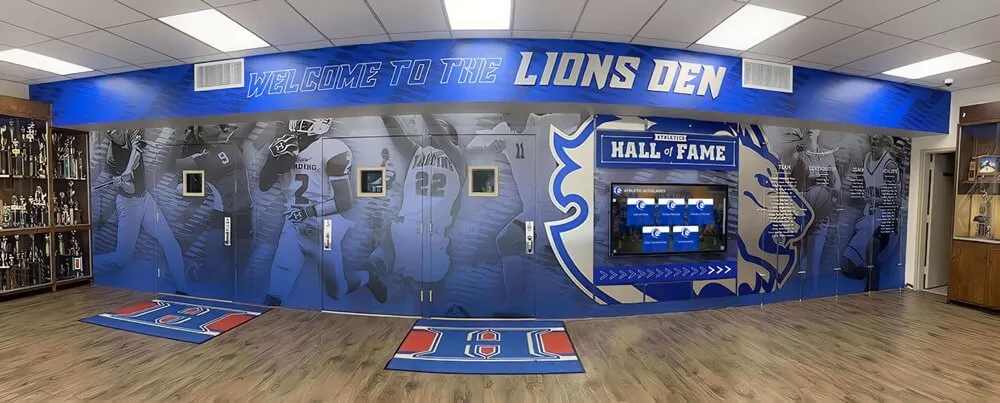
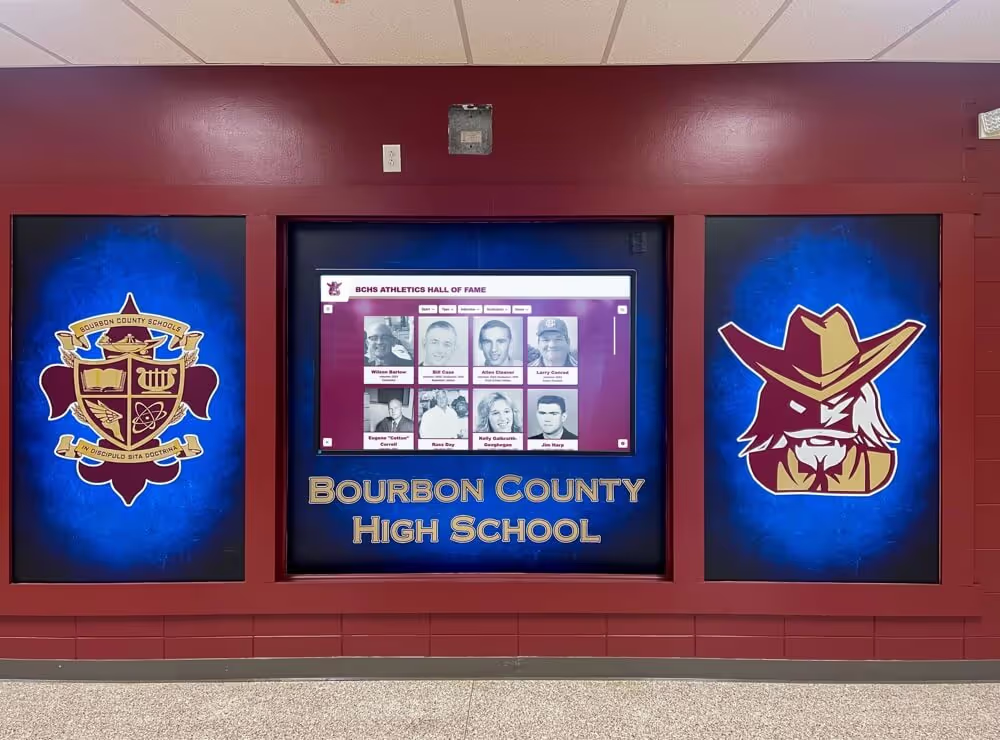
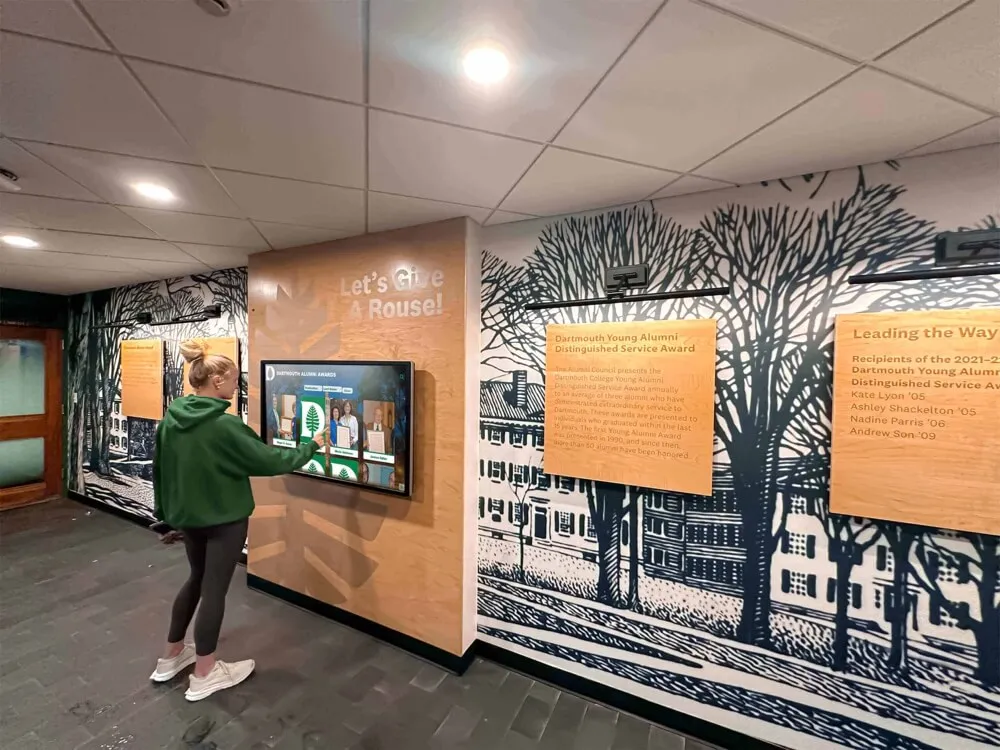
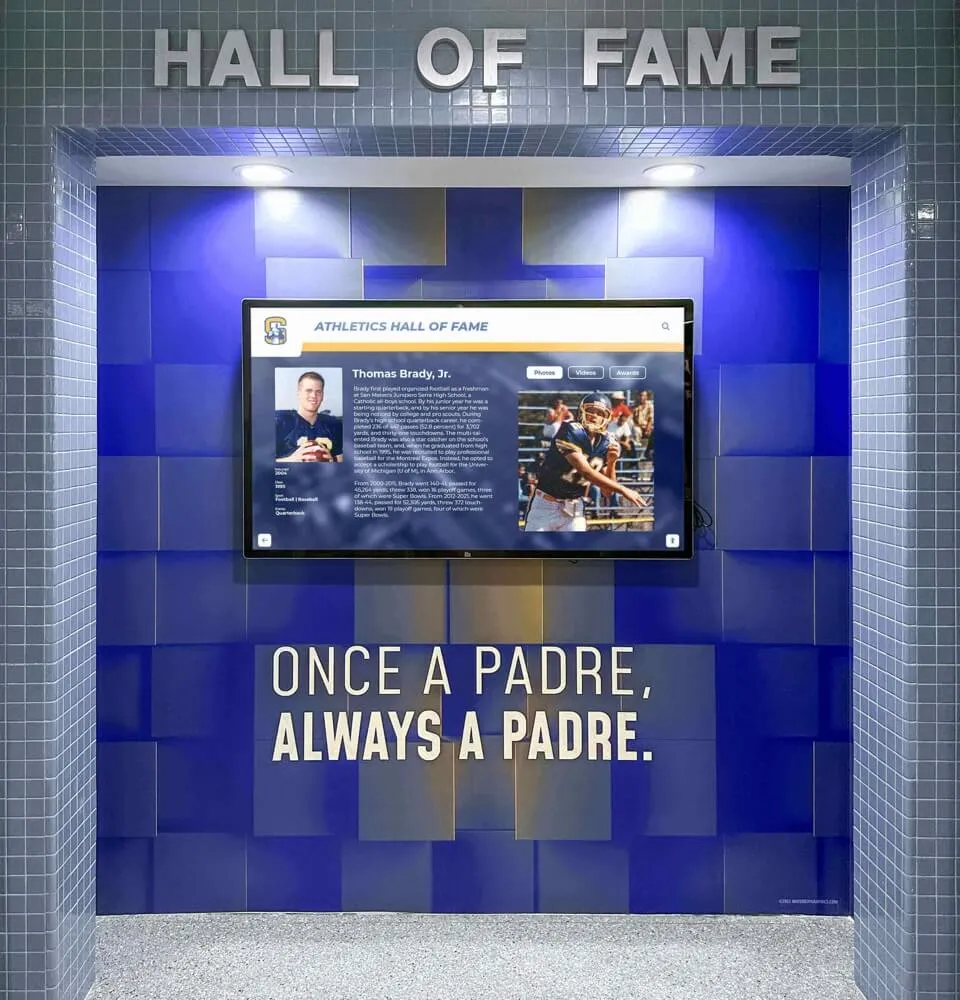
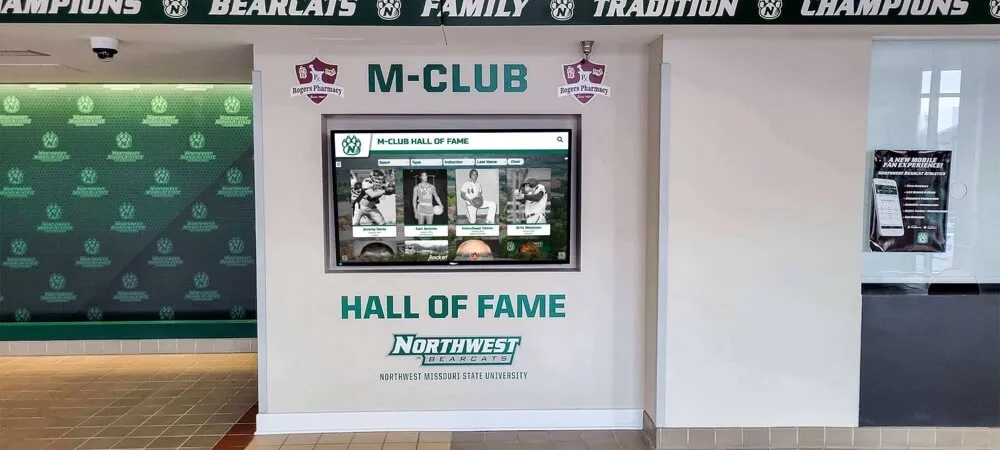
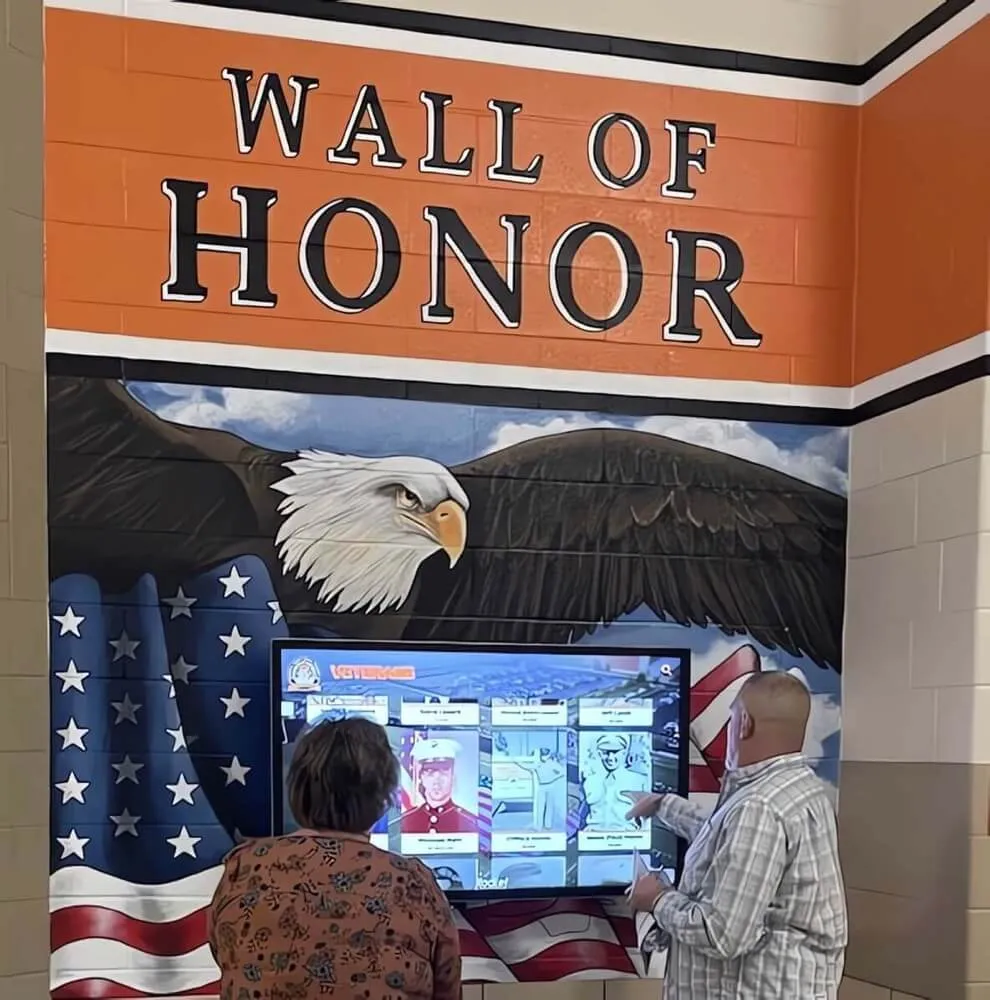
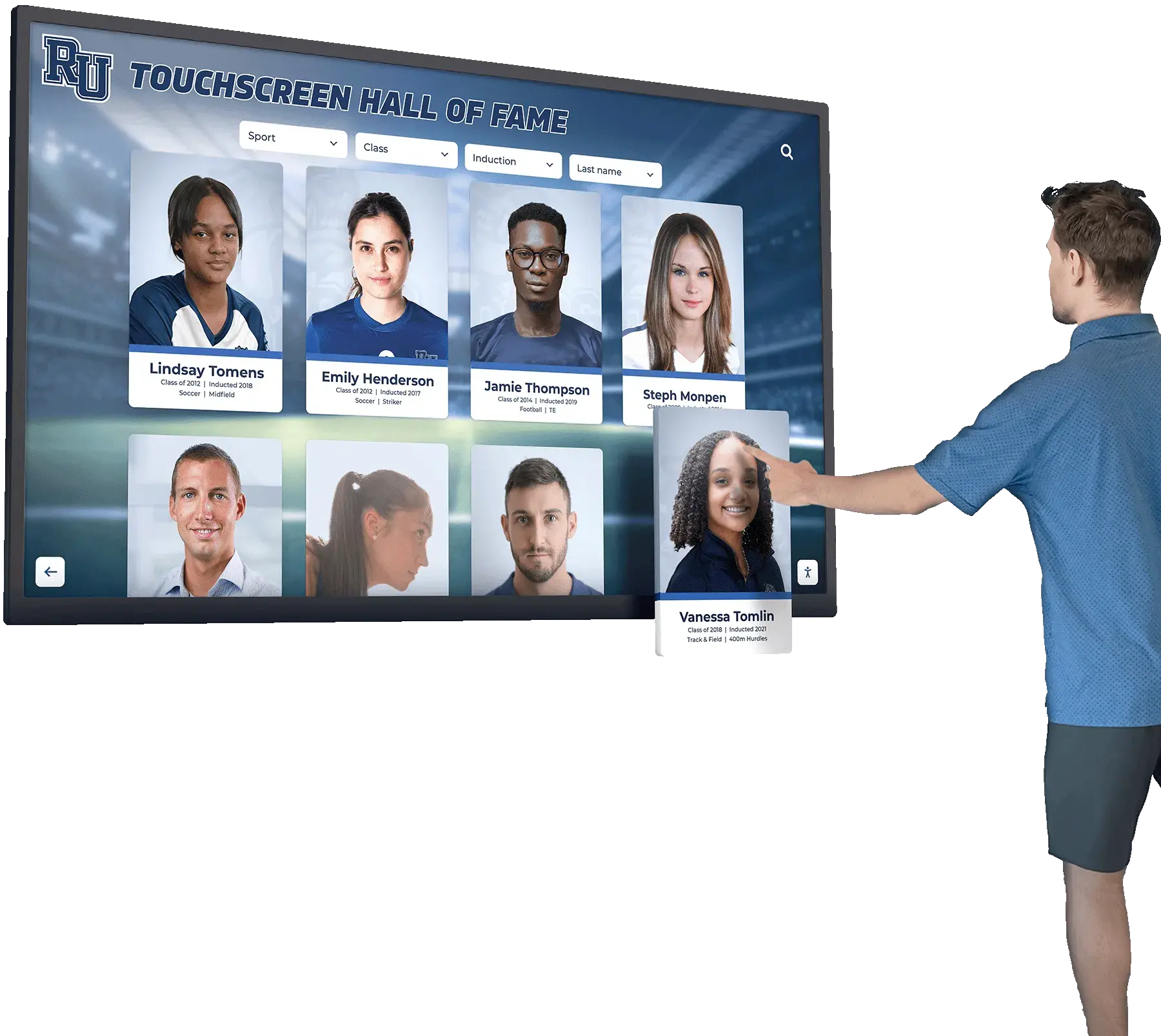
Comprehensive recognition displays celebrate rebounding leaders and statistical achievements across program history
Essential Individual Rebounding Drills
These fundamental exercises develop core rebounding skills through repetition and progressive difficulty.
Superman Rebounding Drill
Building explosive vertical timing and two-handed securing technique:
Drill Structure
- Player starts under basket facing baseline
- Coach or partner tosses ball off backboard
- Player jumps, secures rebound at highest point, lands with ball protected
- Immediately outlets to coach and repeats
- Continue for 30-60 seconds per set
Coaching Points
- Two hands attacking ball aggressively
- Maximum vertical jump on every repetition
- Land with ball chinned and elbows out
- Quick recovery and repetition
- Maintain intensity throughout duration
Progression Variations
- Add defensive pressure with passive resistance
- Vary starting position (facing basket, back to basket, side positions)
- Require specific number of secured rebounds in time period
- Add outlet pass requirement to specific target
- Increase repetition duration building conditioning
This drill builds the explosive repetitive jumping and ball security fundamental to rebounding success while developing conditioning for sustained effort throughout games.
Mikan Rebounding Series
Combining the classic Mikan drill with rebounding emphasis:
Drill Structure
- Player starts under basket with ball
- Shoots soft layup off glass intentionally missing
- Secures own rebound before ball hits floor
- Powers back up for layup on opposite side
- Continues alternating sides for specified repetitions or duration
Key Focus Areas
- Aggressive two-handed rebounding after each shot
- Quick recovery and power move to basket
- Maintaining possession through contact and body control
- Finishing through contact on layup attempts
- Conditioning through continuous movement
Advanced Variations
- Add defender providing physical resistance
- Require specific number of makes in time limit
- Start from mid-range rather than under basket
- Add pivot or ball fake before each finish
- Combine with outlet pass before continuing sequence
Toss-Back Rebounding Drill
Developing anticipation and positioning adjustment:
Drill Setup
- Player positioned 10-12 feet from basket
- Coach shoots from various positions
- Player must read shot, establish position, and secure rebound
- Return ball to coach and repeat
- Focus on positioning relative to shot location
Technical Emphasis
- Shot recognition and trajectory anticipation
- Quick movement to proper rebounding position
- Box-out fundamentals even without defender
- Two-handed secure at highest point
- Outlet pass fundamentals
Progression Additions
- Add passive then active defensive pressure
- Vary shot locations requiring different positioning
- Add communication requirement calling “shot” or “rebound”
- Require specific number of consecutive secured rebounds
- Combine with transition movement after securing board
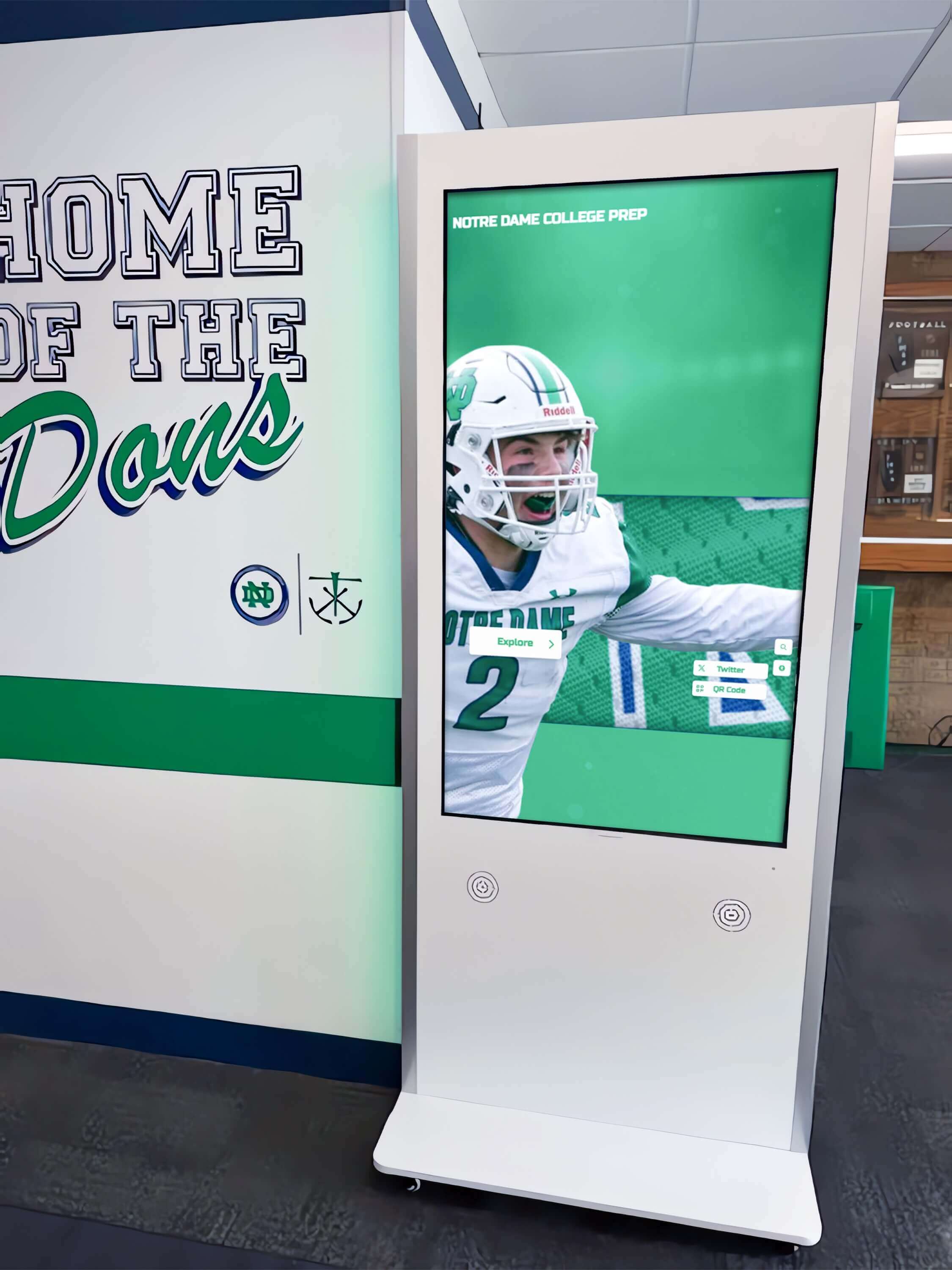
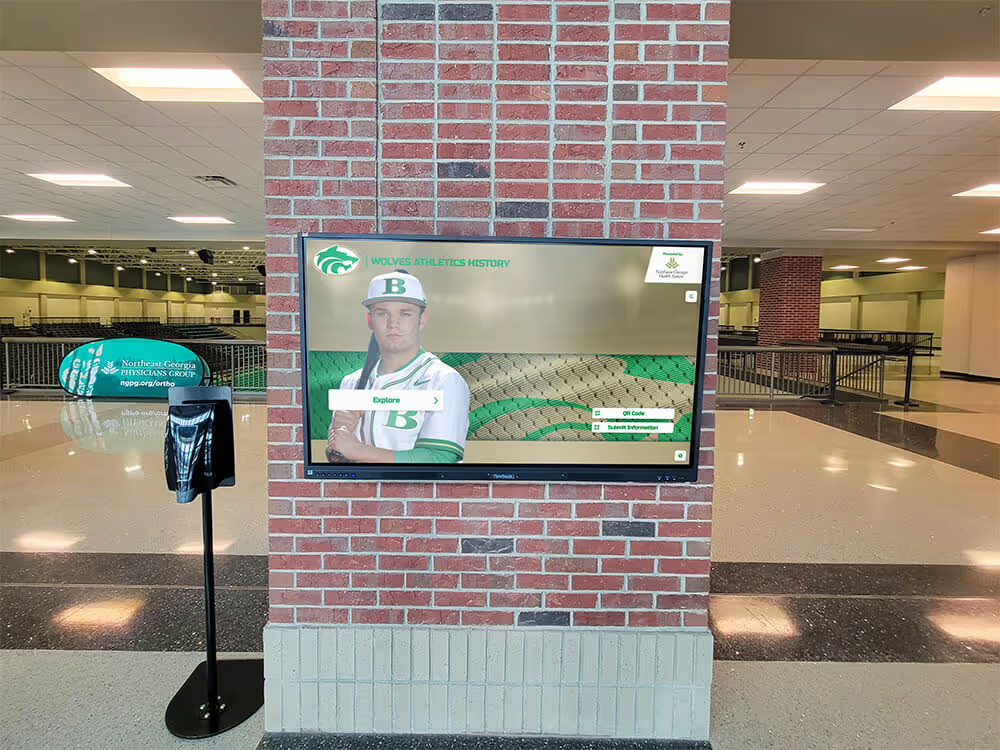
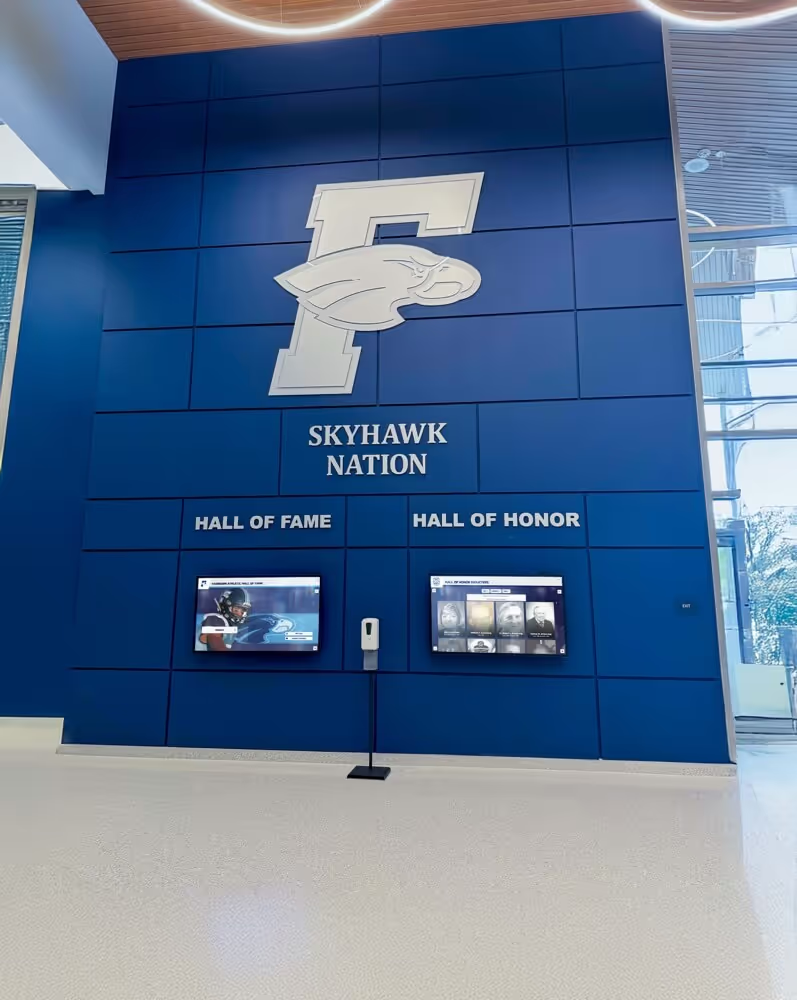
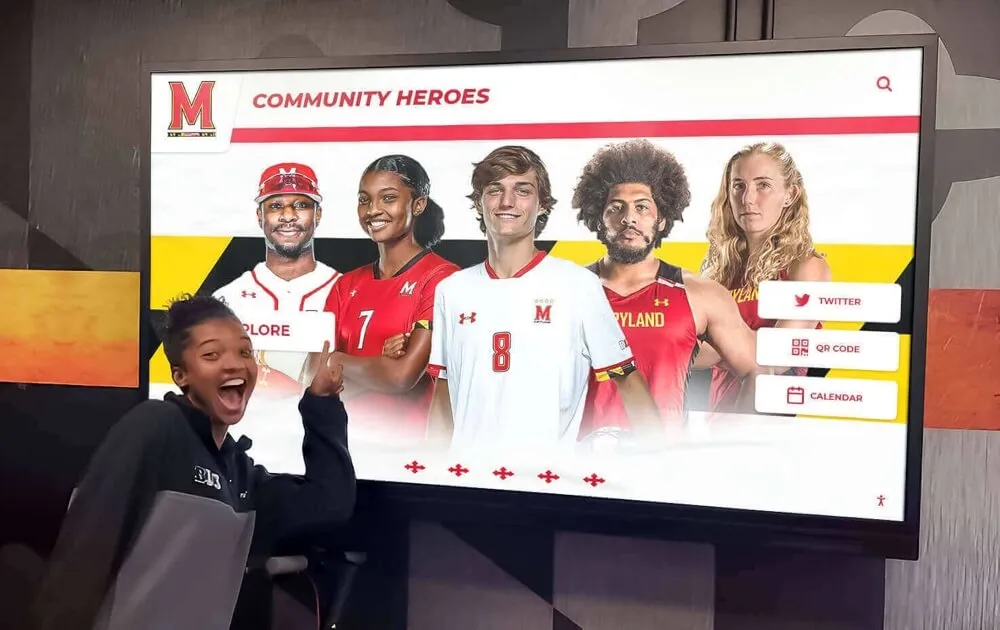
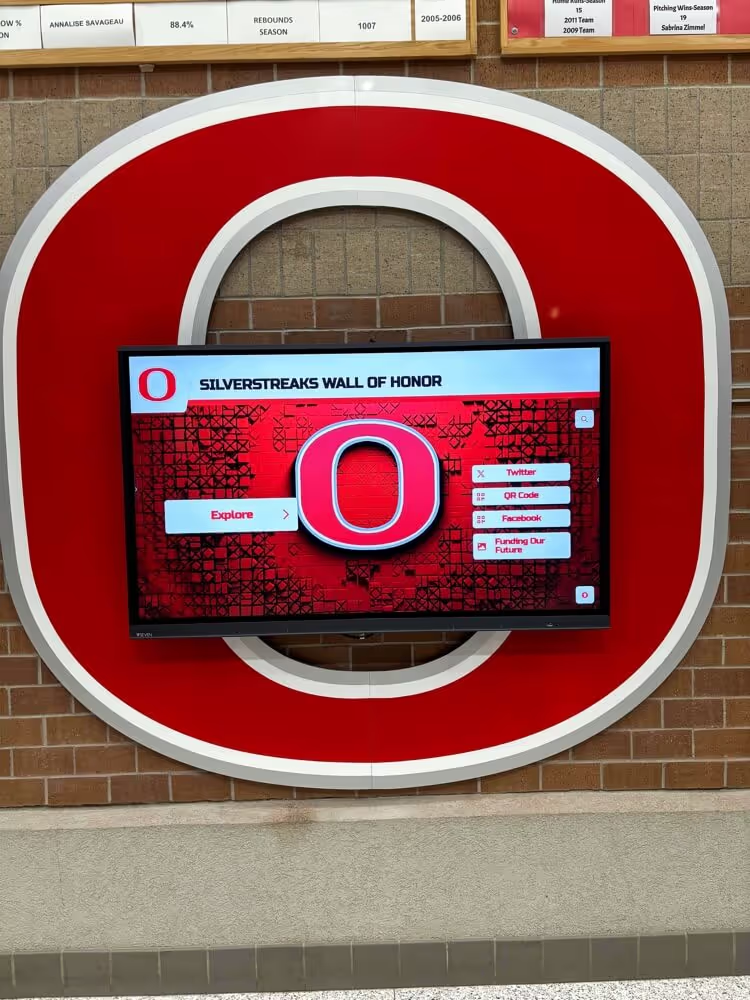
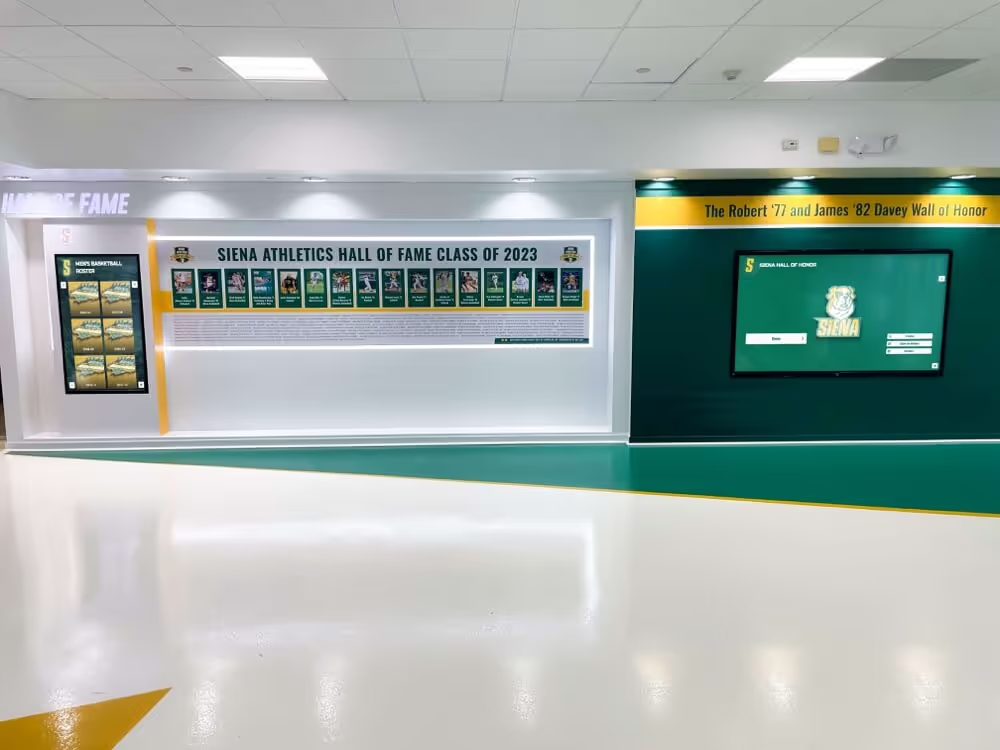
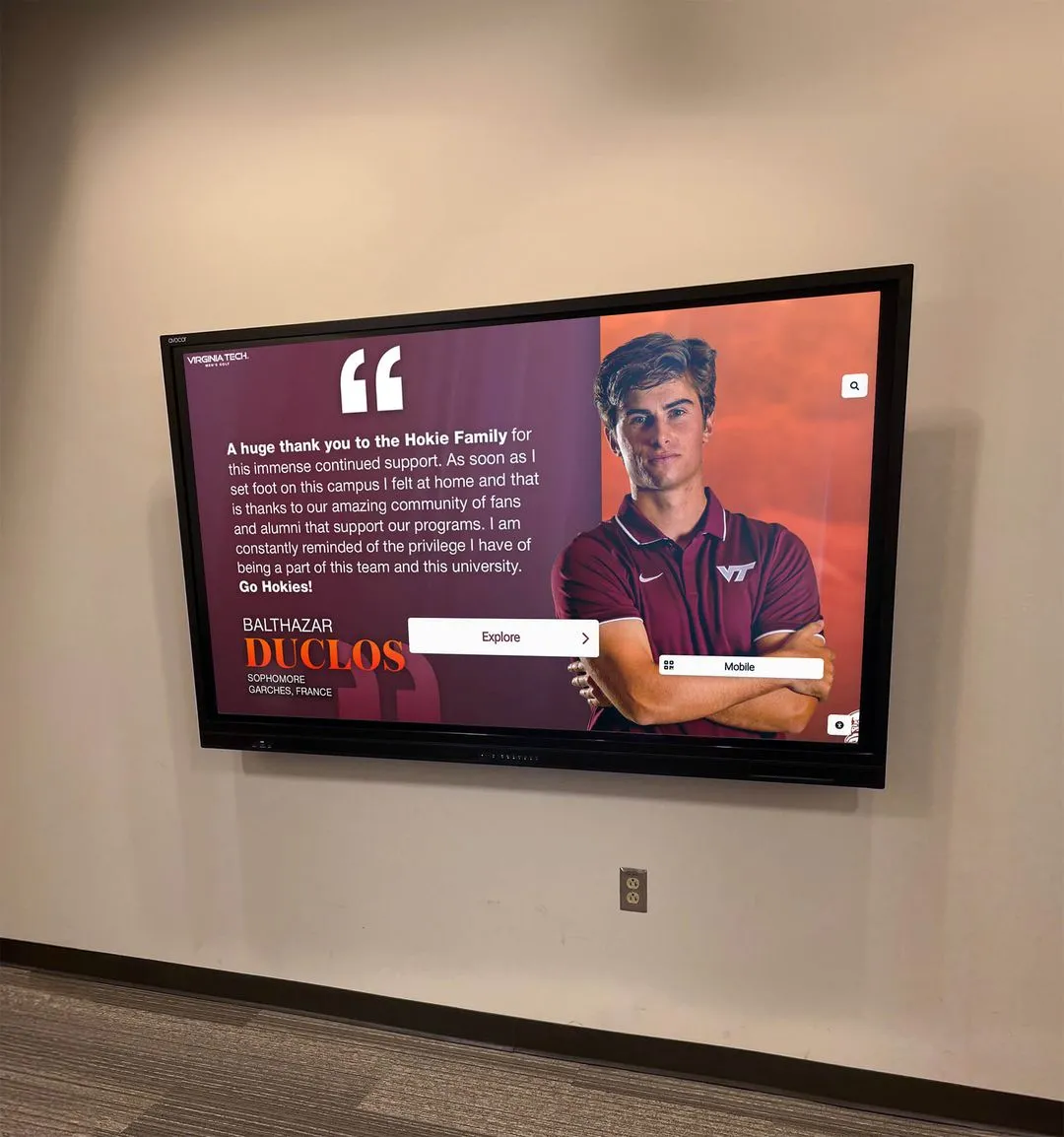
Strategic display placement ensures rebounding records and achievements receive prominent visibility celebrating player excellence
Competitive Two-Player Rebounding Drills
Adding competitive elements builds intensity and game-realistic physicality.
One-on-One Box-Out Battle
Pure positioning competition developing physical engagement:
Drill Structure
- Offensive and defensive player start at free throw line
- Coach shoots from wing or top of key
- Defensive player must establish box-out
- Offensive player works to secure rebound
- Winner of possession becomes defender for next repetition
Competitive Elements
- Track individual rebound totals creating competition
- First player to 5 or 7 rebounds wins
- Loser performs conditioning consequence
- Rotate partners maintaining fresh competition
- Emphasize legal physical play within rules
Coaching Focus
- Defensive player: immediate box-out on shot, sustained contact, positioning
- Offensive player: active pursuit, legal contact, offensive rebounding technique
- Both players: aggressive ball pursuit and two-handed securing
- Conditioning through maximum effort repetitions
- Physical toughness and competitive mindset
War Drill
High-intensity rebounding battle building mental and physical toughness:
Drill Design
- Two players start under basket
- Coach shoots from various positions
- Players battle for rebound with maximum physicality
- Rebounder must score before drill resets
- Continue for specified time or score target
Intensity and Competition
- Extremely physical drill requiring proper supervision
- Emphasizes finishing through contact
- Develops mental toughness and competitive fire
- Builds confidence in physical rebounding situations
- Creates game-realistic contact and intensity
Safety and Coaching Considerations
- Ensure proper technique preventing dangerous play
- Monitor for illegal contact and dangerous actions
- Match players by size and physicality when appropriate
- Use as reward drill for players who embrace physicality
- Emphasize controlled aggression within basketball rules
Circle Box-Out Drill
Multi-player positioning drill developing awareness and technique:
Drill Organization
- 4-6 players arranged in circle around paint
- Half offensive rebounders, half defensive
- Coach shoots, defensive players must box-out and secure
- Rotate roles after each repetition
- Track successful defensive rebounds
Skill Development Focus
- Finding and establishing contact with assigned player
- Maintaining box-out while tracking ball flight
- Communication among defensive rebounders
- Offensive rebounding pursuit and positioning
- Transition from box-out to rebound pursuit
Discover recognition solutions in touchscreen hall of fame displays for athletic programs.
Team Rebounding System Drills
Effective rebounding requires coordinated team effort and systematic approaches.
Five-Player Defensive Rebounding Shell
Building complete team rebounding fundamentals:
Drill Structure
- Five offensive players positioned around perimeter
- Five defensive players in help defensive positions
- Ball swung around perimeter
- On coach’s signal, offense shoots, defense must box-out and secure
- Successful defensive rebound requires all five defenders boxing out
Team Emphasis
- Every defender responsible for finding and boxing opponent
- Communication calling out assignments
- Collective rebounding responsibility
- Immediate outlet after securing possession
- Transition readiness following defensive rebound
Progression Variations
- Add live offense attempting to crash boards
- Require specific number of consecutive team rebounds
- Add transition break after defensive rebound
- Penalize individual breakdowns affecting entire team
- Combine with defensive shell rotations before shot
Outlet and Break Drill
Connecting rebounding to transition offense:
Drill Design
- Defense positioned in rebounding formation
- Coach shoots creating rebound opportunity
- Defender secures rebound and makes outlet pass to guard
- Team executes numbered fast break
- Emphasizes rebounding as first step of transition offense
Technical Components
- Quick outlet pass to predetermined location
- Guard release timing to receive outlet
- Transition from rebounding to break execution
- Communication throughout sequence
- Conditioning through continuous repetition
Three-Player Offensive Rebounding Drill
Developing aggressive offensive board pursuit:
Drill Organization
- Three offensive players positioned around paint
- One defensive rebounder
- Coach shoots from various positions
- Offensive players crash boards attempting to secure
- Defensive player must box-out all three and secure possession
Offensive Rebounding Skills
- Aggressive pursuit from various starting positions
- Reading shot trajectory and pursuing likely rebound location
- Legal contact while pursuing offensive boards
- Tip-outs when clean catch impossible
- Second and third effort following initial miss
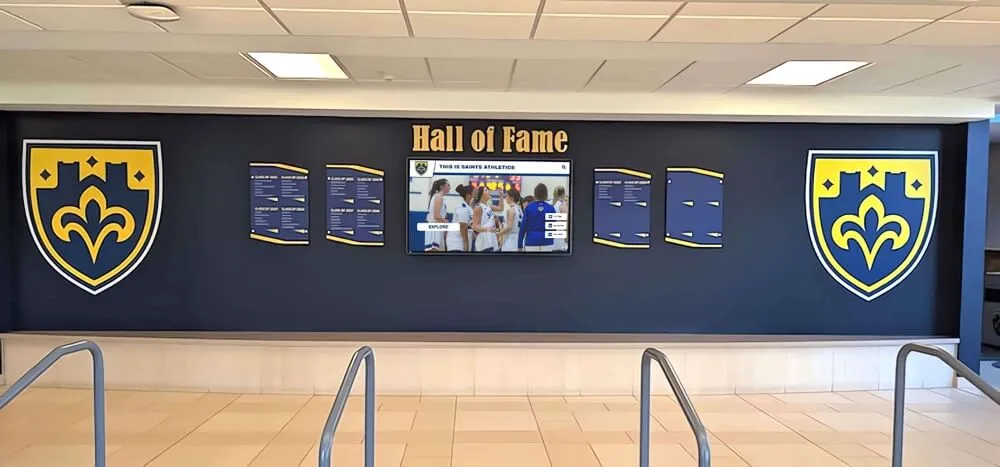
Permanent recognition displays preserve rebounding records and statistical achievements celebrating program excellence
Position-Specific Rebounding Development
Different positions require specialized rebounding approaches and techniques.
Post Player Rebounding Drills
Interior players require specialized skills for physical rebounding battles:
Power Rebounding Series
- Start with back to basket, ball tossed off glass
- Power through simulated contact securing rebound
- Finish with power move to basket
- Emphasizes physicality and finishing through contact
- Develops strength and mental toughness
Weakside Rebounding Drill
- Post player starts helpside
- Must sprint across paint, establish position, secure rebound
- Develops cross-court rebounding pursuit
- Emphasizes reading shot trajectory from helpside
- Builds conditioning for repeated cross-court pursuit
Guard Rebounding Development
Perimeter players need rebounding skills despite size disadvantages:
Long Rebound Pursuit
- Guards positioned around three-point arc
- Coach shoots from various perimeter positions
- Guards must pursue long rebounds
- Emphasizes anticipation and positioning over pure size
- Develops transition opportunities following long rebounds
Sneaky Offensive Rebounding
- Guards work on slipping behind taller defenders
- Timing entry for offensive rebounds
- Tip-outs to perimeter for reset
- Legal positioning techniques
- Reading when to crash versus transition back
Wing Player Balance
Wings must balance offensive crashing with transition defense:
Crash or Trail Decision Drill
- Wing players positioned on perimeter
- Must read shot and make instant decision
- Crash weak side or get back in transition
- Develops basketball IQ and decision-making
- Emphasizes situational awareness
Learn about comprehensive achievement recognition in employee recognition approaches celebrating excellence.
Measuring and Tracking Rebounding Improvement
Systematic measurement creates accountability and demonstrates development over time.
Statistical Tracking and Goal Setting
Individual Rebounding Metrics
- Total rebounds per game and per 40 minutes
- Offensive rebound percentage and defensive rebound percentage
- Rebounding rate relative to position and playing time
- Box-out completion percentage in film review
- Second-chance points created through offensive rebounds
Team Rebounding Statistics
- Team rebounding differential per game
- Opponent offensive rebounding percentage allowed
- Team offensive rebounding percentage
- Rebounds in winning versus losing efforts
- Rebounding performance in crucial game situations
Progressive Goal Setting
- Baseline measurements establishing starting performance
- Incremental improvement targets (improve by 1 rebound per game)
- Position-specific benchmarks and expectations
- Team rebounding differential goals
- Recognition for achievement of rebounding milestones
Film Review and Technical Assessment
Individual Film Study Focus Areas
- Box-out initiation timing and positioning
- Pursuit angles and effort level
- Two-handed securing technique
- Post-rebound protection and outlet execution
- Positioning relative to shot location
Team Film Review Emphasis
- Collective box-out execution
- Communication and assignment clarity
- Transition timing following defensive rebounds
- Offensive rebounding strategic approach
- Learning from successful and unsuccessful rebounding possessions
Modern Recognition and Display Systems
Championship programs celebrate rebounding excellence through visible recognition:
Digital Display Integration
- Real-time rebounding statistics on lobby displays
- Career rebounding leaders across program history
- Season-by-season rebounding records
- Individual player rebounding milestones and achievements
- Team rebounding performance tracking
Recognition Benefits
- Validates rebounding as program priority through public recognition
- Creates competitive motivation to achieve statistical milestones
- Preserves rebounding excellence as part of program tradition
- Engages community and families through accessible statistics
- Demonstrates commitment to complete player development
Modern digital recognition platforms enable programs to showcase rebounding statistics alongside scoring records, creating comprehensive athletic achievement celebration. Interactive displays allow exploration of individual player profiles featuring career rebounding totals, single-game records, and position-specific excellence—validating that rebounding receives equal recognition to more glamorous statistical categories.
Explore comprehensive recognition solutions in trophy display options for athletic achievements.
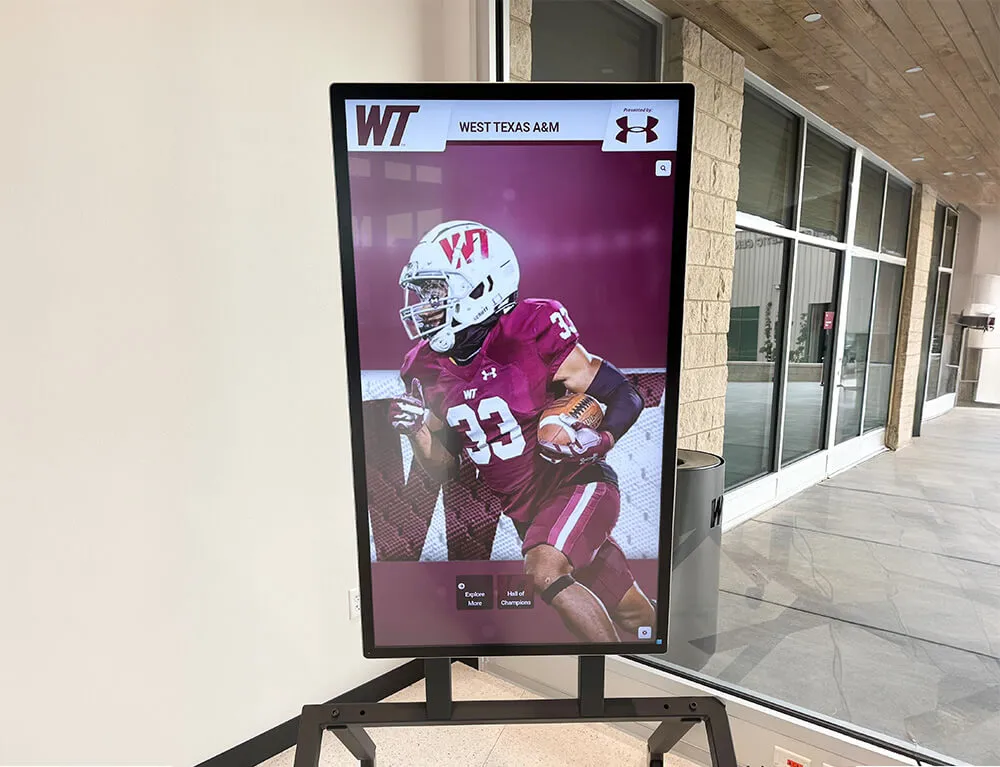
Prominent lobby displays ensure rebounding excellence receives high-visibility recognition celebrating statistical achievements
Common Rebounding Mistakes and Corrections
Identifying and correcting frequent errors accelerates rebounding development.
Technical Mistakes
Standing Straight Up on Box-Outs
- Problem: High center of gravity easily displaced by physical contact
- Correction: Emphasis on low, wide base with bent knees and hips back
- Drill Focus: Static box-out position holds building muscle memory
- Coaching Cue: “Sit down and get wide” before contact initiated
One-Handed Rebounding Attempts
- Problem: Reduced control and increased deflection likelihood
- Correction: Constant emphasis on two hands attacking ball
- Drill Focus: Superman drill requiring two-handed catches
- Coaching Cue: “Two hands, strong hands” repeated constantly
Releasing Box-Out Too Early
- Problem: Opponent gets second effort resulting in offensive rebound
- Correction: Sustained contact through opponent’s jump and descent
- Drill Focus: Box-out to securing drill emphasizing complete sequence
- Coaching Cue: “Box-out to possession, not box-out to jump”
Watching Ball Instead of Finding Man
- Problem: Opponent gets inside position while defender ball-watches
- Correction: Shot recognition triggers finding man before locating ball
- Drill Focus: Circle box-out drill requiring find-man-first
- Coaching Cue: “Find your man on the shot, then find the ball”
Effort and Mental Mistakes
Inconsistent Effort and Intensity
- Problem: Rebounding effort varies based on score, fatigue, or situation
- Correction: Non-negotiable rebounding standards regardless of circumstances
- Accountability: Statistical tracking and film review highlighting effort lapses
- Culture Building: Recognition that rebounding effort reflects team commitment
Assuming Teammates Will Rebound
- Problem: Collective responsibility becomes individual abdication
- Correction: Every player responsible for boxing out and pursuing
- Drill Focus: Five-player shell requiring all five to execute
- Team Standard: “Five box-outs, five rebounds” as baseline expectation
Offensive Players Not Crashing Boards
- Problem: Accepting single scoring attempt without pursuing second chances
- Correction: Strategic offensive rebounding assignments and expectations
- Statistical Emphasis: Tracking and celebrating offensive rebounds
- Culture Shift: Offensive rebounds as program identity and competitive advantage
Conditioning and Physical Development for Rebounding
Rebounding success requires specific physical capabilities developed through targeted training.
Strength Training for Rebounding
Lower Body Power Development
- Squats and deadlifts building leg strength for box-out base
- Box jumps and plyometrics developing explosive vertical power
- Single-leg exercises building balance and stability
- Core strength enabling body control during contact
- Functional strength applicable to rebounding situations
Upper Body and Core Strength
- Pull-ups and rows developing ball-securing strength
- Core exercises enabling balance during physical contact
- Grip strength for securing rebounds through contact
- Shoulder stability preventing injury during rebounding battles
- Functional training mimicking rebounding movements
Vertical Jump and Explosiveness
Jump Training Programs
- Progressive plyometric training building explosive power
- Repetitive jumping drills developing quick second jumps
- Landing mechanics reducing injury risk
- Vertical jump measurement and goal setting
- Sport-specific jump training applicable to rebounding timing
Rebounding-Specific Conditioning
Repeated Effort Conditioning
- Superman drill extended duration building rebound-specific endurance
- Continuous rebounding drills simulating game demands
- Recovery between maximum efforts
- Mental toughness development through fatigue
- Game-realistic conditioning preparing for fourth-quarter rebounding

Interactive displays enable detailed exploration of individual rebounding statistics and career achievements
Integrating Rebounding Drills into Practice
Effective implementation requires systematic practice integration and consistent emphasis.
Practice Structure and Time Allocation
Daily Rebounding Emphasis
- Minimum 10-15 minutes dedicated rebounding work per practice
- Integration with other skill development (rebounding to transition)
- Competitive drills maintaining intensity and engagement
- Progressive difficulty matching season timeline
- Consistent emphasis communicating rebounding importance
Seasonal Progression
- Preseason: Fundamental technique and individual skill development
- Early Season: Team rebounding systems and coordination
- Mid-Season: Maintenance work and situational emphasis
- Late Season: Conditioning and competitive intensity drills
- Playoffs: Mental toughness and game-specific preparation
Creating Rebounding Culture
Communication and Standards
- Clear rebounding expectations established early
- Statistical goals and benchmarks communicated
- Celebration of rebounding excellence equal to scoring
- Film review emphasis on rebounding execution
- Individual accountability through tracking and recognition
Recognition and Reinforcement
- Rebounding awards alongside traditional recognition
- Statistical leader acknowledgment and celebration
- Film clip compilation celebrating rebounding excellence
- Connection between rebounding and program success
- Public recognition validating rebounding as program priority
Discover celebration approaches in preserving athletic achievements and school history.
Frequently Asked Questions
What are the best basketball rebounding drills for beginners?
The best basketball rebounding drills for beginners include the Superman drill (tossing ball off backboard and securing with two hands for 30-60 seconds), basic box-out positioning practice against passive resistance, Mikan rebounding series (shooting and rebounding own misses alternating sides), and partner toss-back drills developing positioning and anticipation. These fundamental exercises build proper two-handed securing technique, establish box-out muscle memory, develop vertical timing, and create rebounding habit formation without overwhelming new players with complex systems or excessive physicality.
How can shorter players improve their rebounding?
Shorter players improve rebounding through superior positioning, anticipation, and technique compensating for height disadvantages. Focus on early box-out initiation before taller opponents establish position, reading shot trajectories to position where the ball will arrive rather than where it’s currently located, utilizing wide base and low center of gravity preventing displacement, pursuing long rebounds where height matters less, and developing exceptional timing maximizing vertical leap effectiveness. Many of basketball’s best rebounders succeeded despite height limitations through relentless effort, superior positioning, and advanced anticipation skills that technique-focused drills develop rapidly.
How often should teams practice rebounding drills?
Championship-level teams dedicate 10-15 minutes to focused rebounding drills in every practice, ensuring consistent technique reinforcement, habit formation, and cultural emphasis that rebounding represents a program priority. This daily work should include individual skill development early in practice when players are fresh, competitive drills building intensity and toughness, and team system work integrating rebounding with defensive schemes and transition offense. Additional rebounding emphasis appears naturally within scrimmages, shell drills, and other practice segments. Programs treating rebounding as occasional focus rather than daily fundamental typically struggle on the boards regardless of athletic advantages.
What is the difference between offensive and defensive rebounding drills?
Defensive rebounding drills emphasize box-out fundamentals, establishing physical position, sustaining contact through opponent’s jumping motion, securing possession, and executing outlet passes initiating transition offense. Offensive rebounding drills focus on aggressive pursuit despite defensive positioning, reading shot trajectories, timing entry to rebounding zones, tip-outs when clean catches aren’t possible, and finishing second-chance opportunities through contact. While both require anticipation and two-handed securing, defensive rebounding prioritizes positioning and box-out technique while offensive rebounding emphasizes pursuit, timing, and strategic crashing versus transition balance decisions.
How do you measure rebounding improvement?
Measure rebounding improvement through statistical tracking (total rebounds, offensive/defensive rebound percentages, rebounds per 40 minutes, rebounding differential), film review assessment (box-out technique execution, positioning quality, effort consistency, two-handed securing), physical testing (vertical jump improvement, strength gains, conditioning capacity), and game performance analysis (rebounding in crucial situations, performance against quality opponents, playoff rebounding statistics). Effective measurement combines objective statistics with qualitative technique assessment, establishing baseline performance, setting progressive improvement goals, and creating accountability through consistent tracking and public recognition of rebounding excellence milestones.
Conclusion: Building Championship Rebounding Through Systematic Development
Effective basketball rebounding drills represent systematic approaches to developing the positioning, timing, physicality, and relentless pursuit separating championship-caliber teams from programs leaving crucial possessions to chance. Teams dedicating consistent practice time to fundamental technique work, competitive intensity drills, and coordinated team rebounding systems create measurable advantages in the statistic most correlated with winning—rebounding differential.
The drills explored in this comprehensive guide provide progressive frameworks for building complete rebounding excellence—from individual Superman repetitions developing explosive two-handed securing to coordinated five-player defensive shells building systematic team approaches. From post player power rebounding to guard long-board pursuit, these exercises address position-specific needs while establishing universal fundamentals applicable across all levels and playing styles.
Celebrate Your Basketball Program's Excellence
Discover how modern digital recognition solutions showcase rebounding records, statistical achievements, and complete player profiles—creating visible celebration of the diverse skills building championship basketball programs.
Explore Recognition SolutionsCreating dominant rebounding requires more than hoping athletic players will naturally crash the boards—it demands intentional skill development through proven drills building technique, competitive toughness, and team coordination. Programs implementing the exercises in this guide while tracking improvement and celebrating rebounding excellence through visible recognition transform rebounding from inconsistent hustle into reliable competitive advantage.
When coaches emphasize rebounding fundamentals through daily practice, measure development through systematic tracking, and recognize rebounding excellence alongside scoring achievements, they build cultures valuing the complete game and diverse contributions required for sustained success. Modern digital recognition platforms enable programs to showcase rebounding leaders with the same prominence as scoring champions—communicating that championships are built on the boards and the players dominating the glass deserve celebration equal to their offensive counterparts.