



Coaching philosophy examples from successful programs reveal a fundamental truth: the most transformative coaches possess clearly defined core beliefs that guide every decision, interaction, and teaching moment. These philosophies transcend win-loss records, creating cultures where student-athletes develop character, resilience, and skills extending far beyond their playing careers.
Yet many coaches struggle to articulate their philosophy beyond vague concepts like “hard work” or “teamwork.” Without clarity about what they truly believe and value, coaches make inconsistent decisions, send mixed messages to athletes, and struggle to build cohesive program cultures. Student-athletes recognize this uncertainty, leading to confusion about expectations and diminished trust in leadership.
This comprehensive guide explores proven coaching philosophy examples from legendary coaches across sports, provides frameworks for developing your own authentic philosophy, and demonstrates how modern programs effectively share their coaching vision with athletes, families, and communities.
A coaching philosophy represents more than motivational slogans or aspirational statements—it creates a systematic framework guiding athlete development, team culture, competitive approach, and program identity. Coaches who invest time defining and communicating their philosophy build programs where every stakeholder understands what matters, why it matters, and how daily actions align with broader mission.

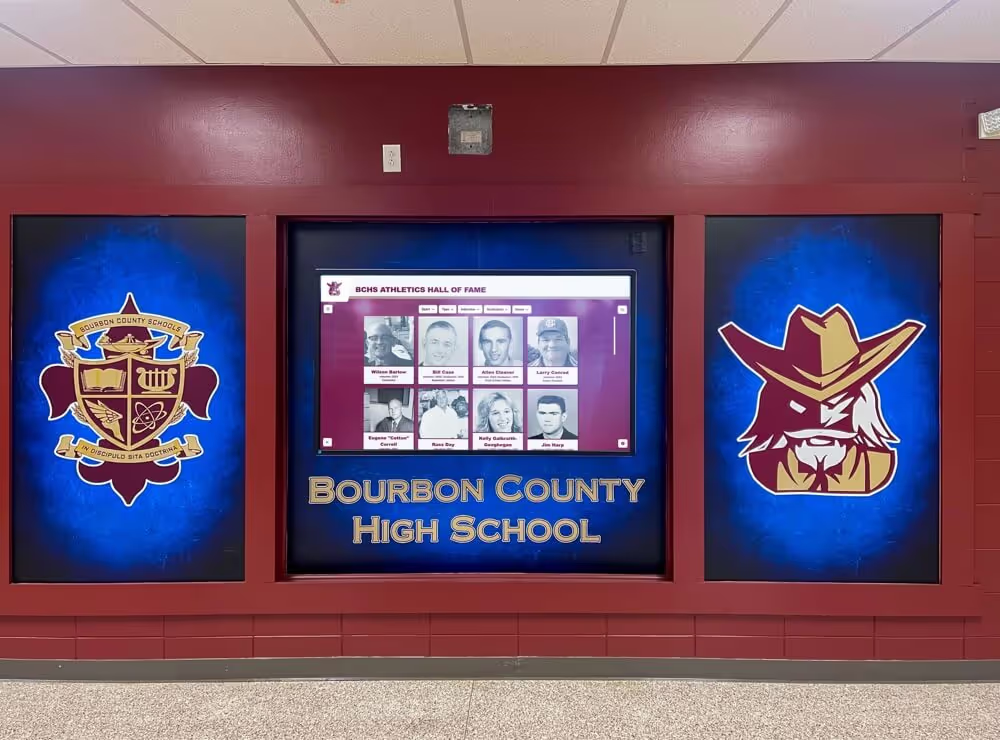
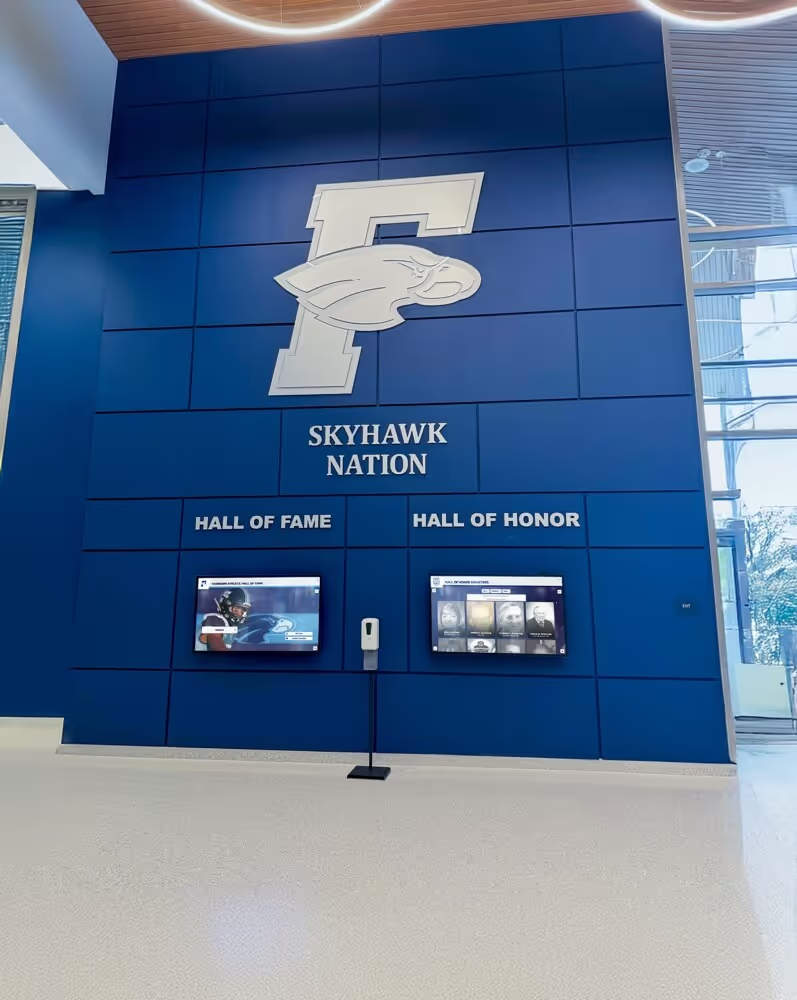
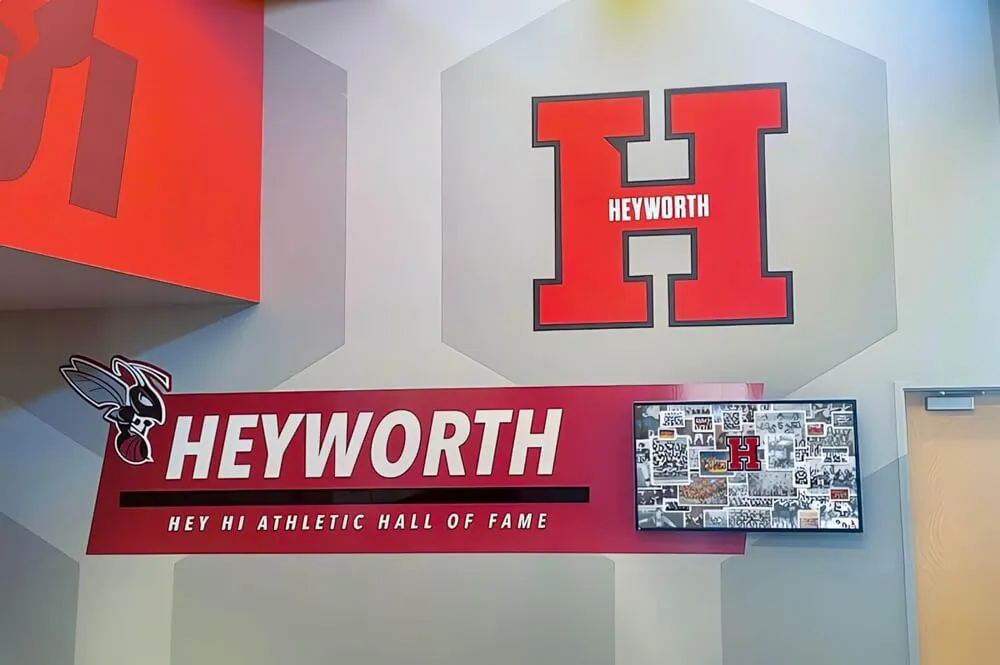
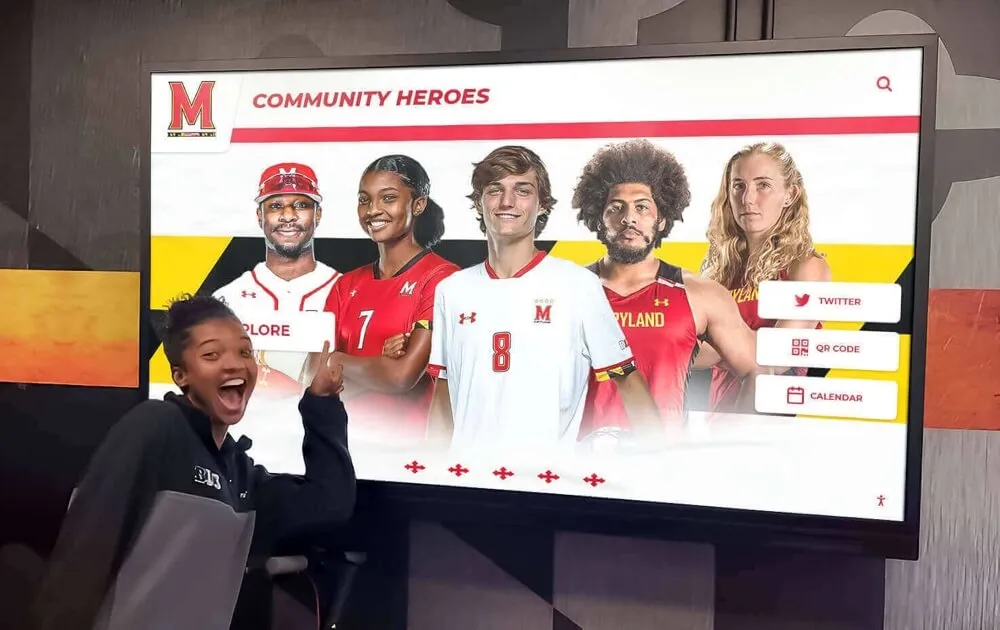
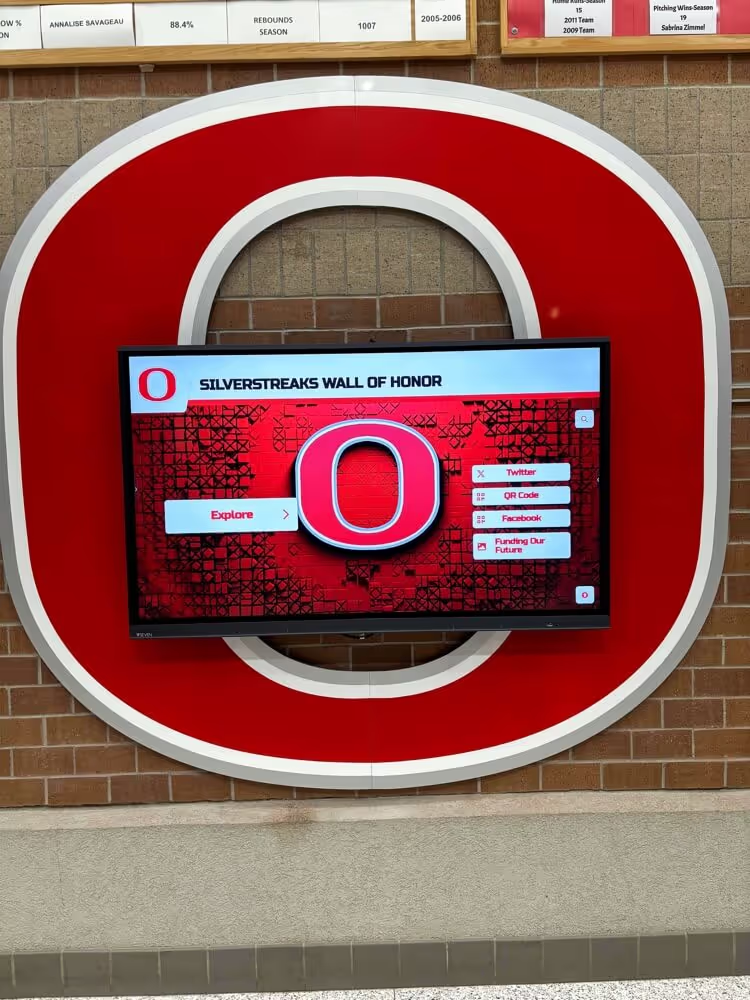
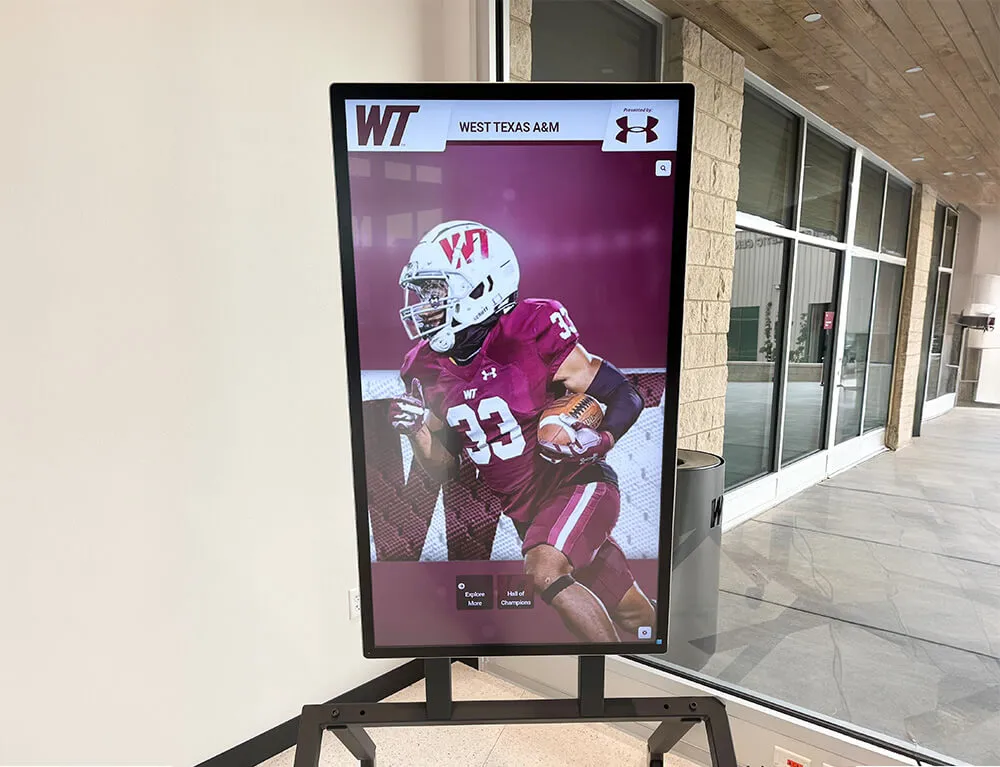
Modern programs use digital displays to communicate coaching philosophy and program values throughout athletic facilities
Understanding Coaching Philosophy: Definition and Importance
Before exploring specific examples, establishing what constitutes an effective coaching philosophy helps coaches develop their own authentic approach.
What Is a Coaching Philosophy?
A coaching philosophy encompasses the core beliefs, values, and principles guiding your approach to athlete development and team leadership:
Core Components
- Beliefs about athlete development: How young people learn, grow, and reach potential
- Values defining success: What truly matters beyond wins and championships
- Teaching methodology: How you structure practices, deliver feedback, and develop skills
- Competitive approach: Your perspective on competition, winning, and losing
- Character development focus: Which personal qualities you prioritize cultivating
- Program culture expectations: Behavioral standards and cultural norms you establish
Philosophy Versus Strategy Your coaching philosophy differs fundamentally from strategy or tactics. While strategies change based on opponents, personnel, and situations, your philosophy remains constant—the unwavering foundation guiding all decisions. As defining your coaching approach reveals, this distinction separates reactive coaches from transformational leaders.
Why Coaching Philosophy Matters
Research consistently demonstrates that coaches with clearly defined philosophies create more successful programs across multiple dimensions:
Athlete Development Benefits
- Student-athletes under coaches with clear philosophies show 23-31% higher retention rates through program completion
- Consistent philosophical messaging accelerates skill acquisition and performance development
- Clear expectations reduce anxiety and improve athlete focus during competition
- Philosophical alignment between coaching staff creates cohesive development approaches
Program Culture Impact
- Defined philosophies establish behavioral expectations reducing disciplinary issues
- Shared values create team cohesion and collective identity
- Philosophical clarity helps recruit athletes and families aligned with program values
- Consistent decision-making builds trust between coaches and athletes
Career Longevity and Satisfaction
Coaches with articulated philosophies report significantly higher career satisfaction:
Professional Benefits
- Clear philosophy provides decision-making framework reducing stress
- Philosophical alignment with institution improves job security
- Defined values help navigate difficult situations and conflicts
- Philosophy creates coaching identity separate from win-loss record
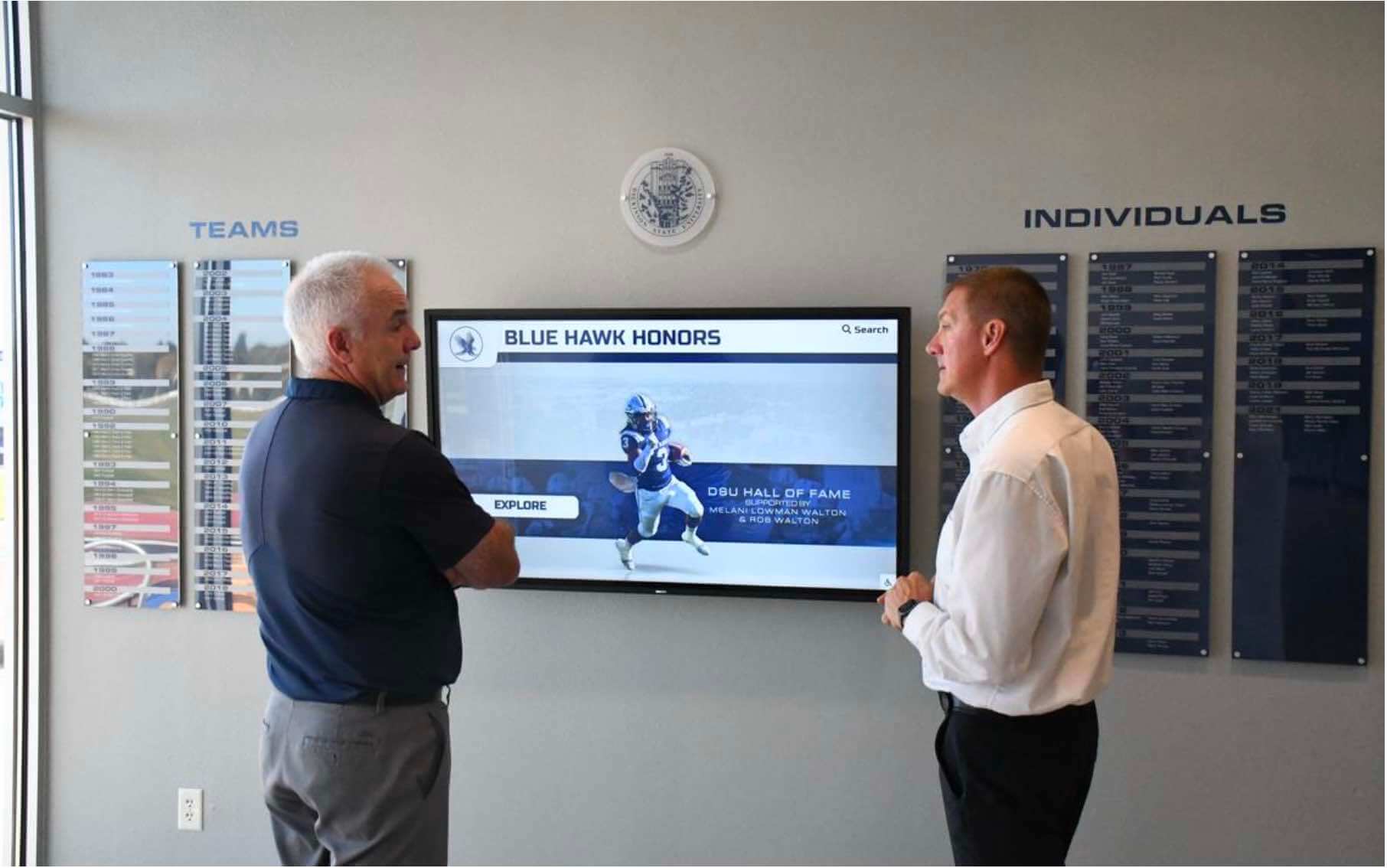
Understanding program history and coaching legacy helps coaches develop philosophies aligned with institutional values
Family and Community Engagement Parents and community members invest more deeply when they understand coaching philosophy:
- Clear philosophy helps families evaluate program fit for their student-athletes
- Articulated values reduce parent-coach conflicts over playing time and roles
- Philosophical transparency builds community support for program approaches
- Shared vision creates partnership between coaches, families, and administration
Legendary Coaching Philosophy Examples Across Sports
Examining philosophies from successful coaches across sports reveals patterns, approaches, and principles worth emulating.
John Wooden: Pyramid of Success
Perhaps the most famous coaching philosophy in history, John Wooden’s “Pyramid of Success” provided systematic framework for athlete development:
Core Philosophical Principles
- Character before skill: Personal qualities like industriousness, enthusiasm, and self-control form the foundation
- Success defined internally: “Peace of mind attained only through self-satisfaction in knowing you made the effort to do the best of which you’re capable”
- Process over outcome: Focus on preparation and effort, letting results take care of themselves
- Teaching methodology: Detailed planning with specific teaching points for every practice element
Practical Application Wooden’s philosophy manifested in meticulously planned practices, consistent behavioral expectations, and refusal to discuss winning. His UCLA teams won 10 NCAA championships in 12 years while developing student-athletes who became successful across diverse careers.
Lessons for Modern Coaches
- Systematic frameworks help athletes understand how daily actions connect to larger goals
- Defining success beyond wins reduces performance anxiety and enhances enjoyment
- Detailed preparation demonstrates care and professionalism athletes respect
Pat Summitt: Definite Dozen
University of Tennessee women’s basketball coach Pat Summitt built her program around 12 non-negotiable principles:
The Definite Dozen
- Respect yourself and others
- Take full responsibility
- Develop and demonstrate loyalty
- Learn to be a great communicator
- Discipline yourself so no one else has to
- Make hard work your passion
- Don’t just work hard, work smart
- Put the team before yourself
- Make winning attitude a habit
- Be a competitor
- Change is a must
- Handle success like you handle failure
Philosophical Impact This clear framework created consistency across 38 seasons, eight national championships, and development of dozens of successful coaches who learned under Summitt’s system. Her philosophy emphasized accountability, communication, and team-first mentality.
Application for Your Program
- Numbered principles create memorable framework athletes can internalize
- Non-negotiable standards establish clear boundaries and expectations
- Comprehensive philosophy addresses athletics, academics, and personal development
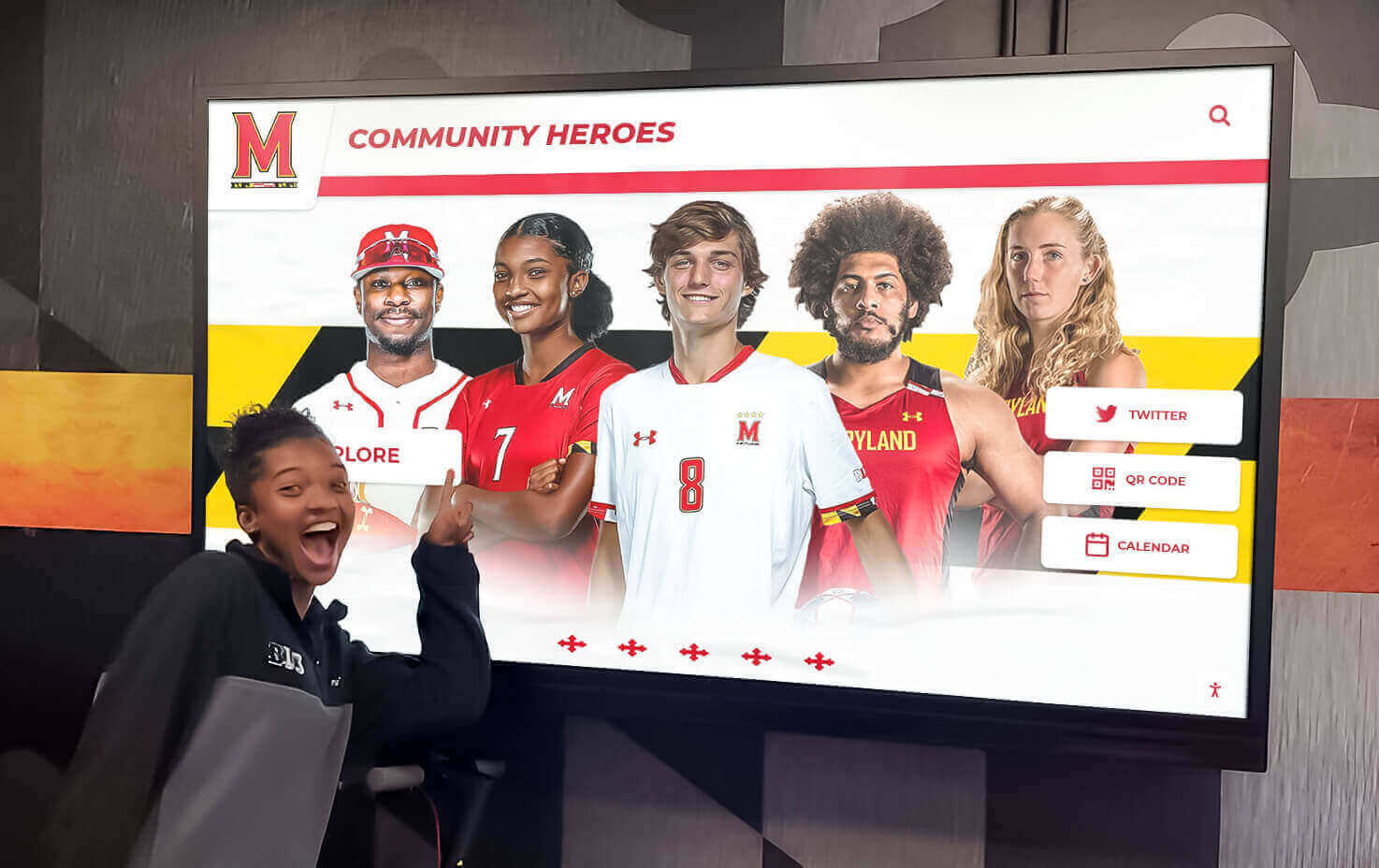
Recognition displays help reinforce coaching philosophy by highlighting athletes who exemplify program values
Joe Ehrmann: Building Men, Not Just Players
Former NFL player turned high school coach Joe Ehrmann developed philosophy prioritizing masculinity redefined through service and relationships:
Core Philosophical Tenets
- Love and relationships: Measuring manhood by capacity to love and be loved
- Empathy development: Teaching athletes to understand and feel others’ experiences
- Strategic masculinity: Helping young men define success beyond traditional masculine stereotypes
- Cause-based coaching: Transforming lives matters more than transforming win-loss records
Program Implementation Ehrmann’s teams at Gilman School in Baltimore created cultures where athletes supported each other emotionally, served their community, and developed authentic relationships. His philosophy influenced thousands of coaches through the InSideOut Coaching movement.
Relevance for Contemporary Programs
- Addressing emotional development and mental health reduces crisis situations
- Redefining success helps athletes develop healthy self-concepts
- Community service components teach lessons sports alone cannot convey
Anson Dorrance: Competitive Cauldron
University of North Carolina women’s soccer coach Anson Dorrance built dynasty programs around competitive culture measured systematically:
Philosophical Framework
- Competition drives excellence: Creating competitive training environments where players push each other daily
- Measurement and accountability: Tracking performance across multiple dimensions with posted rankings
- Self-discipline emphasis: “The vision of a champion is someone who is bent over, drenched in sweat, at the point of exhaustion when no one else is watching”
- Standards-based culture: Clearly defined expectations for effort, preparation, and performance
Results and Impact Dorrance’s philosophy produced 21 national championships while developing professional players and coaches. His “competitive cauldron” approach influenced coaching across sports emphasizing training intensity.
Considerations for Adoption
- Competitive environments work when coupled with supportive team culture
- Public measurement requires careful implementation to avoid destructive comparison
- High-intensity approaches need age-appropriate adaptation for youth athletes
Mike Krzyzewski: Five Fundamental Values
Coach K built Duke basketball dynasty around five core values guiding all program decisions:
The Five Pillars
- Communication: Honest, direct dialogue between all program members
- Trust: Earned through consistent actions matching words
- Collective responsibility: Everyone accountable for team success
- Caring: Genuine concern for each individual’s wellbeing
- Pride: Taking ownership of program standards and tradition

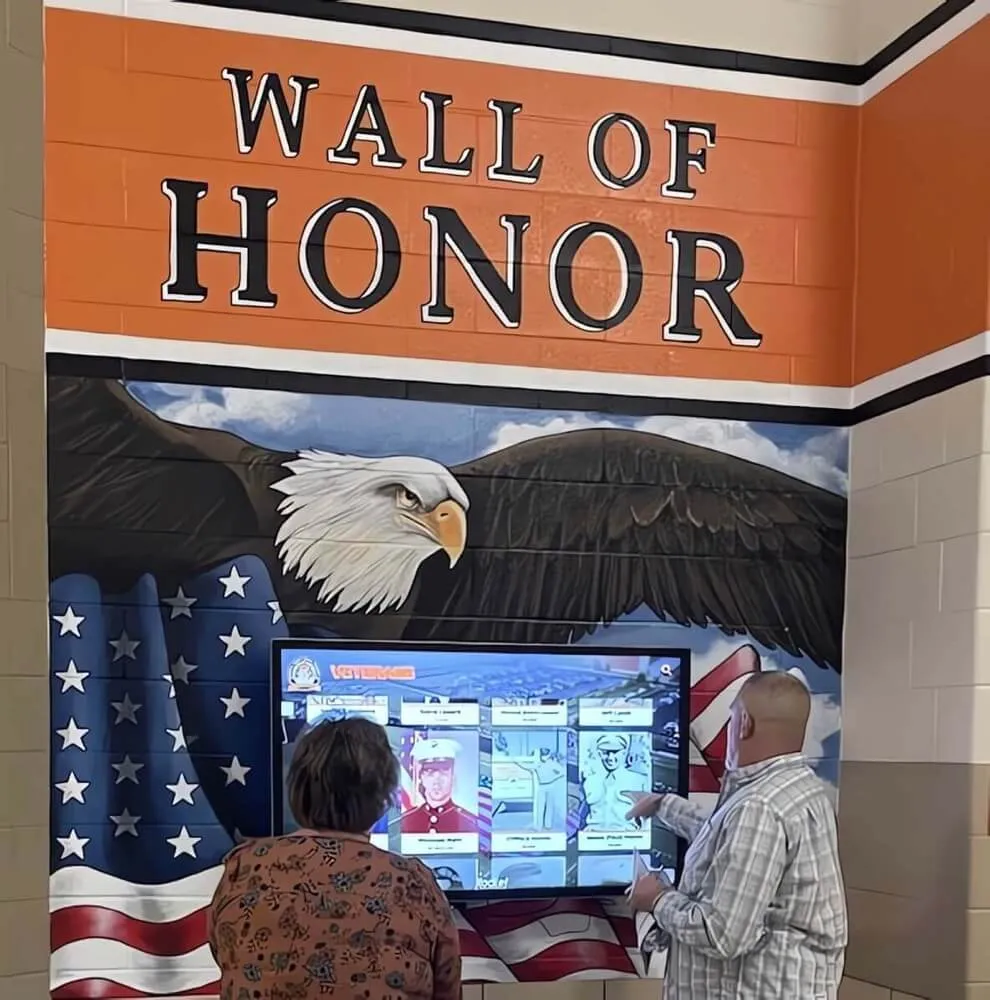
Digital recognition systems help coaches share program philosophy and celebrate athletes embodying core values
Philosophical Application Coach K’s philosophy created environment where NBA-bound players and role players felt equally valued. His emphasis on communication and trust enabled adaptation while maintaining consistent culture through personnel changes.
Implementation Insights
- Limited number of core values creates clarity and memorability
- Values-based framework guides decision-making in complex situations
- Consistent reinforcement makes philosophy living reality, not empty words
Learn how successful programs integrate coaching philosophy into student engagement strategies building school-wide culture.
Developing Your Own Authentic Coaching Philosophy
Creating coaching philosophy requires honest self-reflection, experience synthesis, and clarity about what you truly believe.
Self-Assessment Questions
Begin philosophy development by honestly answering fundamental questions:
Personal Values Exploration
- What experiences most shaped your worldview and approach to leadership?
- Which personal qualities do you most admire in others?
- What do you want said about you when your coaching career ends?
- Which life lessons do you hope athletes carry forward decades later?
- What makes you angriest or most disappointed in athlete behavior?
Athlete Development Beliefs
- How do you believe young people learn most effectively?
- What balance do you strike between challenging athletes and supporting them?
- How do you define success for individual athletes beyond statistics?
- What role should athletics play in overall adolescent development?
- How do you approach athletes with different motivations and goals?
Competitive Philosophy
- What does winning mean to you, and how important is it?
- How do you want your teams to be remembered by opponents?
- What competitive standards are non-negotiable regardless of opponent or situation?
- How do you handle defeat, and what do you want athletes to learn from losses?
- What competitive behaviors do you celebrate versus discourage?
Program Culture Questions
- What behavioral standards matter most in your program?
- How do you want team members to treat each other?
- What role do captains and senior leaders play in your culture?
- How do you balance individual achievement with team success?
- What makes you proudest about teams you’ve coached?
Synthesizing Your Core Beliefs
After reflection, organize thoughts into coherent philosophical framework:
Identify Non-Negotiable Principles Extract 3-7 core values or beliefs absolutely essential to your coaching identity:
- Which principles guide your toughest decisions?
- What values would you refuse to compromise even under pressure?
- Which beliefs differentiate your approach from other coaches?
- What do you consistently emphasize regardless of team composition?
Create Philosophical Statement Draft 2-4 sentences capturing your coaching philosophy essence:
- Begin with what you believe about athlete development
- Include how you define success beyond winning
- Articulate the culture you’re committed to creating
- Explain what you hope athletes gain from your program
Example Philosophical Statements
Youth Development Focus: “I believe athletic participation provides unparalleled opportunities for young people to develop resilience, leadership, and self-knowledge. My programs prioritize creating challenging environments where athletes discover capabilities they didn’t know they possessed, learn to overcome adversity, and develop confidence serving them throughout life. While we compete to win, success means every athlete leaves our program more prepared for life’s challenges than when they arrived.”
Excellence-Driven Approach: “My coaching philosophy centers on the belief that pursuing excellence in preparation and performance teaches life lessons achievable no other way. I create cultures demanding commitment, discipline, and accountability while providing support enabling athletes to reach potential they might not achieve independently. We measure success by whether we’ve extracted every athlete’s best effort and helped them become more capable than they believed possible.”

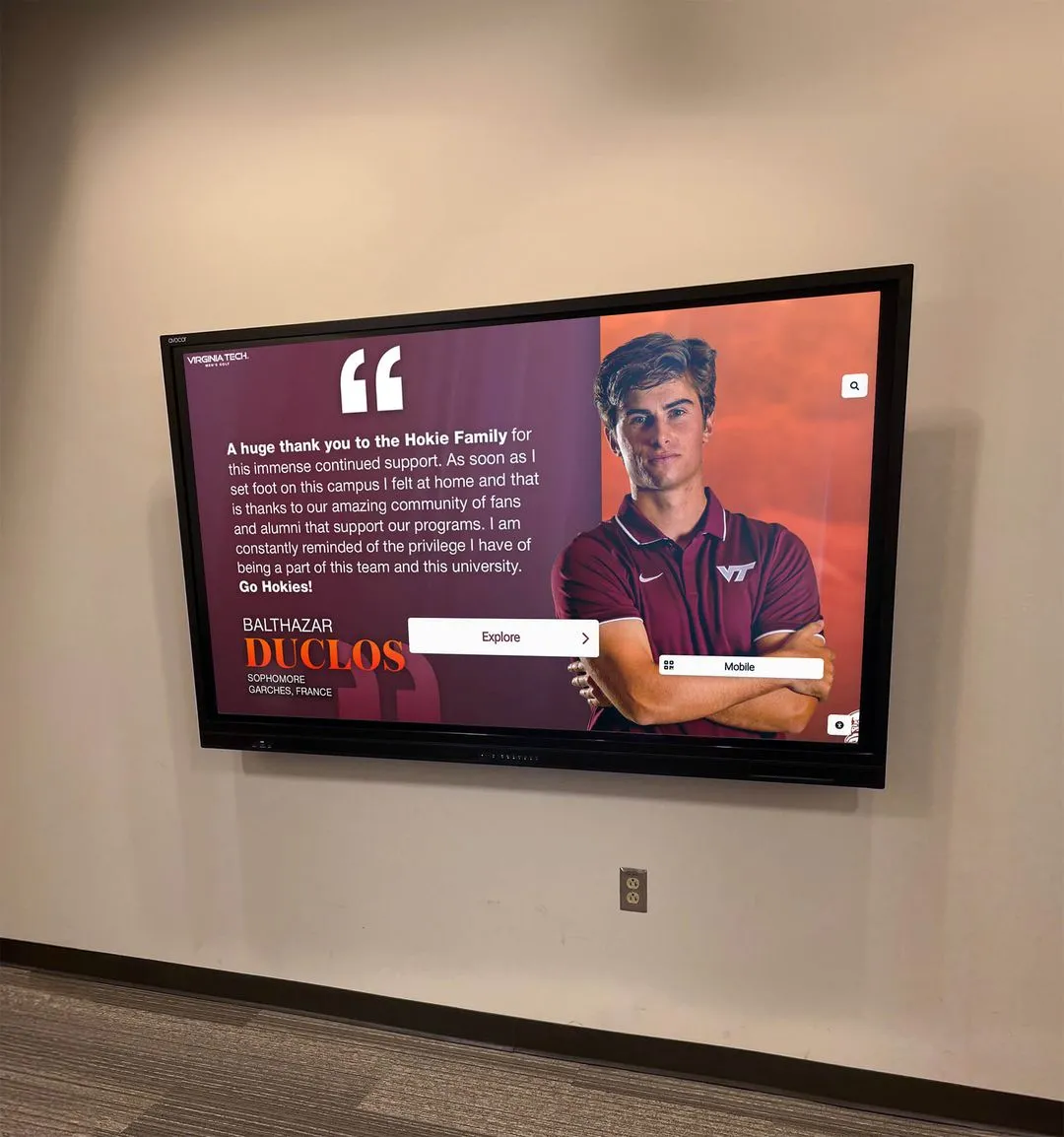
Modern technology enables coaches to share philosophy with recruits, families, and alumni anytime, anywhere
Testing Your Philosophy
Before finalizing, ensure your philosophy meets essential criteria:
Authenticity Assessment
- Does this philosophy genuinely reflect your beliefs, or what you think you should believe?
- Can you identify specific past decisions demonstrating these principles?
- Would athletes who’ve played for you recognize this philosophy in your actions?
- Are you prepared to make difficult decisions consistent with these values?
Clarity Evaluation
- Could a high school athlete understand and explain your philosophy?
- Does it provide clear guidance for everyday situations and tough decisions?
- Can you articulate how your philosophy manifests in practice planning and competition?
- Would parents understand what your program offers beyond athletic skill development?
Completeness Check
- Does it address athlete development, competitive approach, and program culture?
- Does it acknowledge both winning and broader development goals?
- Does it establish behavioral expectations and character standards?
- Does it provide framework for handling adversity and setbacks?
Consider how your philosophy aligns with broader institutional values explored in Division III athletics recognition systems emphasizing education and development.
Communicating Your Coaching Philosophy Effectively
A well-crafted philosophy creates no impact if stakeholders don’t understand it. Strategic communication ensures everyone grasps your approach and expectations.
Initial Communication with Athletes
The first team meeting sets philosophical foundation for the season:
Season-Opening Philosophy Presentation
- Dedicate 20-30 minutes explicitly teaching your coaching philosophy
- Provide written philosophy statement athletes can keep and reference
- Explain how philosophy guides decisions about playing time, roles, and team rules
- Share stories illustrating how philosophy manifested in past teams or your experience
- Answer questions ensuring understanding before discussing logistics or tactics
Ongoing Philosophical Reinforcement Philosophy becomes real through consistent reference and application:
- Connect practice activities to philosophical principles during explanations
- Reference philosophy when recognizing positive behaviors or addressing problems
- Use philosophical language creating shared vocabulary for program culture
- Revisit philosophy during pivotal moments like playoffs or adversity
- Ask athletes to reflect on how they’re living program values
Family Communication Strategies
Parents need to understand philosophy to support program goals and reduce conflicts:
Pre-Season Parent Meeting Philosophy Component
- Present coaching philosophy before discussing schedules, expectations, or logistics
- Explain how philosophy influences decisions parents question most (playing time, positions)
- Provide examples of how philosophy benefited past athletes beyond athletic achievement
- Address how family support for philosophical principles enhances athlete development
- Invite questions helping parents understand approach
Ongoing Family Engagement
- Include philosophical references in regular communications with families
- Share stories of athletes exemplifying program values in newsletters or emails
- Recognize athletes living program philosophy in visible ways families see
- Use philosophy to frame discussions when addressing individual situations
- Invite families to share observations of growth aligned with philosophical goals
Discover how championship recognition can reinforce coaching philosophy by celebrating teams embodying program values.
Administrative and Institutional Alignment
Ensuring coaching philosophy aligns with institutional values prevents conflicts and builds administrative support:
Athletic Director Philosophical Discussion
- Share philosophy during hiring process or annual evaluations
- Identify alignment between your philosophy and department/institutional values
- Discuss how philosophy guides difficult decisions administrators might need to support
- Clarify which philosophical elements are non-negotiable versus adaptable
- Establish shared understanding of how to measure program success philosophically
Institutional Integration Programs achieve greatest impact when coaching philosophy connects to broader institutional mission:
- Articulate how your philosophy advances school’s educational mission
- Identify overlaps between program values and institutional character education goals
- Collaborate with academic departments on complementary development initiatives
- Participate in school-wide culture conversations bringing athletic perspective
- Demonstrate how athletic programs contribute to comprehensive student development
Community and Alumni Engagement
Sharing philosophy with broader community builds support and creates lasting legacy:
Community Presentation Opportunities
- Present philosophy at booster club meetings and community events
- Write about philosophical approach in local media features
- Share philosophy during athletic facility dedication events
- Include philosophical messaging in program materials and fundraising communications

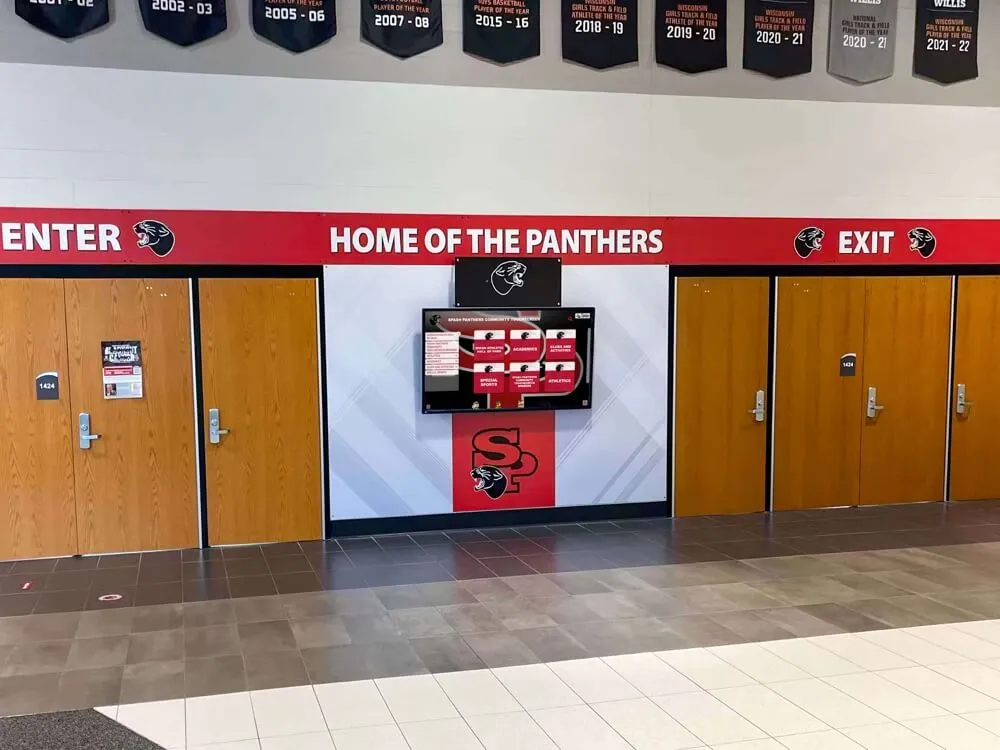
Permanent displays in athletic facilities communicate coaching philosophy and program values to everyone entering the space
Alumni Connection Former athletes provide powerful validation of philosophical impact:
- Invite alumni to share how program philosophy influenced their lives
- Document alumni stories demonstrating long-term philosophical impact
- Create alumni networks organized around program values and principles
- Engage successful alumni as mentors reinforcing philosophical teachings
- Recognize alumni exemplifying program philosophy in their careers and communities
Learn about creating lasting team celebration moments aligned with coaching philosophy and program values.
Making Philosophy Visible Through Modern Recognition
Traditional approaches to sharing coaching philosophy—printed handouts filed away, words painted on locker room walls that become invisible—struggle to maintain ongoing awareness and cultural impact.
Digital Display Solutions for Philosophical Messaging
Modern recognition technology enables programs to communicate philosophy dynamically throughout athletic facilities:
Philosophy Display Integration Digital platforms allow philosophy to remain constantly visible and engaging:
- Rotate philosophical quotes and principles throughout content displays
- Showcase athletes exemplifying specific philosophical values
- Display program values alongside championship recognition
- Create philosophical timelines showing evolution of program culture
- Feature coach reflections connecting philosophy to specific seasons or moments
Interactive Philosophy Exploration Touchscreen systems enable deeper philosophical engagement:
- Athletes can explore how past teams embodied program principles
- Interactive timelines connect philosophy to program achievements
- Search features help athletes find examples of values in action
- Profile pages highlight how individual athletes lived program philosophy
- Multimedia content brings philosophical teaching to life
Solutions like digital record boards for campus engagement create opportunities for coaches to share their vision beyond team meetings.
Recognition Aligned with Philosophical Values
Strategic recognition reinforces coaching philosophy by celebrating athletes embodying core values:
Values-Based Recognition Programs Create award categories directly reflecting philosophical priorities:
- Most Improved Awards for philosophies emphasizing growth mindset
- Teammate of the Year for philosophies prioritizing relationships and support
- Competitive Excellence for philosophies valuing preparation and intensity
- Character Awards for philosophies emphasizing integrity and citizenship
- Leadership Recognition for philosophies building player-led cultures
Philosophical Storytelling Recognition provides opportunities to illustrate philosophy through real examples:
- Award presentations that explain how recipients embodied program values
- Season-ending recognition connecting achievements to philosophical principles
- Digital displays featuring stories of athletes living program philosophy
- Newsletter and social media content highlighting philosophical examples
- Alumni recognition demonstrating long-term philosophical impact
Explore how athletic awards can reinforce coaching philosophy and program culture.
Creating Philosophical Legacy
Programs benefit when coaching philosophy transcends individual coaches, becoming institutional identity:
Succession Planning Strong philosophical foundations enable smooth coaching transitions:
- Document philosophy clearly for future coaches to understand and build upon
- Identify which philosophical elements define program identity versus individual preference
- Involve stakeholders in discussions about preserving philosophical continuity
- Create systems ensuring philosophy remains visible through transitions
- Establish alumni and community expectations around philosophical consistency
Historical Documentation Preserving philosophical evolution creates powerful program narrative:
- Document coaching philosophy from each era in program history
- Create philosophical timelines showing values evolution
- Interview former coaches about their philosophical approaches
- Connect current philosophy to program traditions and heritage
- Use recognition systems to tell comprehensive philosophical story
Modern trophy display solutions enable programs to showcase philosophy alongside championship achievements.
Philosophy in Action: Practical Application
Authentic philosophy manifests in daily decisions, not just inspirational speeches.
Practice Planning Philosophical Alignment
Every practice should reflect and reinforce coaching philosophy:
Philosophy-Driven Practice Structure
- If philosophy emphasizes competition, structure competitive small-sided games
- If philosophy prioritizes relationships, build partner and small group activities
- If philosophy stresses fundamentals, dedicate specific time to detailed skill work
- If philosophy emphasizes joy, incorporate varied activities preventing monotony
- If philosophy values toughness, design physically and mentally challenging situations
Teaching Moment Integration Use practice situations to explicitly connect philosophy to action:
- Stop practice to highlight athlete exemplifying philosophical principle
- Reference philosophy when explaining why activities matter
- Connect skill development to broader philosophical lessons
- Ask athletes to identify how activities relate to program values
- Debrief challenging moments through philosophical framework
Game Management Consistency
Competitive decisions provide most visible philosophical demonstrations:
Playing Time Decisions How you distribute playing time reveals what you truly value:
- If philosophy emphasizes meritocracy, playing time strictly reflects performance
- If philosophy prioritizes development, playing time includes growth opportunities for all
- If philosophy values seniority and loyalty, returning athletes receive preference
- If philosophy stresses academics, playing time connects to academic standing
- Whatever approach you choose, ensure consistency with stated philosophy
In-Game Coaching Behavior Sideline conduct communicates philosophy more powerfully than any speech:
- Emotional control demonstrates discipline you expect from athletes
- Official interactions model respectful disagreement approach
- Halftime messaging reflects philosophical priorities over tactical adjustment
- Timeout content reveals whether you emphasize process or outcome
- Post-game behavior shows how you handle victory and defeat philosophically
Explore how programs create lasting impact through championship recognition aligned with coaching values.
Adversity and Crisis Response
How you handle challenges reveals philosophical authenticity:
Losing Streak Management Philosophy guides response to extended adversity:
- Process-focused philosophies emphasize effort and improvement over results
- Competitive philosophies may increase intensity and accountability
- Development philosophies maintain focus on growth regardless of outcomes
- Culture-focused philosophies double down on relationships and support
- Respond consistent with stated philosophy, not reactive panic
Individual Athlete Challenges Supporting struggling athletes demonstrates philosophical commitment:
- Academic difficulties provide opportunities to demonstrate developmental priority
- Behavioral issues test whether you truly value growth and second chances
- Performance slumps reveal if you measure athletes beyond statistics
- Personal crises show whether relationships truly matter in your program
- Mental health challenges demonstrate whether you see athletes as whole people
Philosophy Evolution: Adapting While Maintaining Core
Effective coaches refine philosophy throughout careers without abandoning core principles.
Learning from Experience
Experience should deepen philosophy, not change it fundamentally:
Reflective Practice
- After each season, assess which philosophical elements worked well
- Identify situations where philosophical guidance proved insufficient
- Consider whether discomfort reflects philosophy inadequacy or implementation challenges
- Seek feedback from athletes, colleagues, and mentors about philosophical consistency
- Read widely about coaching philosophy from diverse perspectives
Incremental Refinement
- Add specificity to vague philosophical elements based on concrete situations faced
- Incorporate new language making philosophy clearer and more actionable
- Expand philosophy to address dimensions previously unconsidered
- Eliminate elements proving unimportant or inconsistent with deeper beliefs
- Document changes explaining reasoning for future reference
Generational Adaptation
Core philosophy remains constant while communication and application evolve:
Contextual Responsiveness Modern coaching requires philosophical consistency with contemporary relevance:
- Use current examples and language resonating with today’s athletes
- Address contemporary challenges like social media and mental health within philosophical framework
- Adapt teaching methods while maintaining philosophical principles
- Incorporate technology serving philosophical goals
- Recognize generational differences in how athletes perceive authority and motivation
Cultural Competency Philosophy should transcend cultural specifics while respecting diversity:
- Ensure philosophical language is culturally inclusive and accessible
- Recognize how different cultures experience concepts like competition, individualism, and authority
- Adapt philosophical application to diverse athlete backgrounds
- Seek input from athletes about how philosophy translates to their experiences
- Remain open to learning how your philosophy might unconsciously reflect specific cultural assumptions
Philosophy for Different Coaching Contexts
Coaching level and sport influence philosophical emphasis while maintaining core authenticity.
Youth and Developmental Program Philosophy
Coaching younger athletes requires philosophical adaptations:
Appropriate Emphasis
- Prioritize fun, exploration, and skill development over competitive outcomes
- Emphasize growth mindset and effort over ability and results
- Focus on broad athletic development rather than sport-specific specialization
- Build positive relationships with sports and physical activity
- Develop character through sports rather than character for sports success
Parent Partnership Youth coaching philosophy must explicitly address family involvement:
- Clarify parent role supporting rather than coaching from sidelines
- Establish how you’ll communicate about individual athlete development
- Define success in ways helping families maintain healthy perspective
- Model respectful competition and good sportsmanship for families
- Partner with families around consistent character development messages
High School Coaching Philosophy
Secondary school coaching balances development and competition:
Dual Mission Recognition
- Acknowledge legitimate importance of winning without making it sole focus
- Integrate athletic participation with academic success and college preparation
- Develop leadership applicable beyond athletics
- Create inclusive culture welcoming athletes with varied goals
- Prepare athletes for potential college athletics while serving those who won’t continue
Educational Context Philosophy should connect to broader educational mission:
- Articulate how athletic participation advances educational goals
- Collaborate with faculty and administrators around comprehensive student development
- Demonstrate how athletic lessons transfer to academic and career success
- Model learning and growth consistent with academic values
- Recognize athletes’ identity extends far beyond athletic participation
College Coaching Philosophy
Collegiate coaching often emphasizes competitive excellence while maintaining development focus:
Performance Standards
- Higher performance expectations reflect athlete commitment and ability level
- Competitive excellence serves developmental goals rather than replacing them
- Championship pursuit provides framework for teaching life lessons
- Recruiting athletes aligned philosophically ensures cultural fit
- Balance pressure to win with athlete wellbeing and development
Life Preparation College athletics should prepare athletes for post-sport life:
- Career preparation integration and networking opportunities
- Leadership development preparing athletes for professional world
- Time management and discipline translating to career success
- Resilience and adversity navigation serving lifelong
- Alumni network providing ongoing support and connection
Conclusion: Your Coaching Philosophy as Living Legacy
Your coaching philosophy represents more than framework for team management—it creates your coaching identity, defines your program culture, and shapes the lives of every athlete passing through your program. Long after athletes forget specific plays, strategies, or game results, they’ll carry forward the lessons embedded in your coaching philosophy.
The coaching philosophy examples explored throughout this guide—from John Wooden’s Pyramid of Success to Pat Summitt’s Definite Dozen, from Joe Ehrmann’s relational focus to Anson Dorrance’s competitive cauldron—demonstrate that successful philosophies vary dramatically while sharing essential characteristics: authenticity, clarity, consistency, and genuine commitment to athlete development beyond athletic achievement.
Developing your coaching philosophy requires honest self-reflection, synthesis of your deepest beliefs about competition and development, and courage to articulate what truly matters regardless of whether it matches popular approaches or conventional wisdom. Your philosophy should reflect who you genuinely are, not who you think coaches should be.
Communicating philosophy effectively transforms abstract principles into daily reality. Through initial presentations, consistent reinforcement, values-based recognition, and visible displays throughout athletic facilities, you create cultures where everyone understands what your program represents and why it matters. Modern digital recognition solutions enable coaches to share their vision with current athletes, families, alumni, and future recruits in engaging, dynamic ways impossible with traditional static displays.
Share Your Coaching Philosophy Throughout Your Athletic Program
Discover how modern digital recognition solutions help coaches communicate their vision, celebrate program values, and build lasting athletic legacies that inspire current and future student-athletes.
Explore Recognition SolutionsMost importantly, your philosophy must manifest in action. The daily decisions you make, the behaviors you model, the athletes you recognize, the adversity you navigate—these reveal your true philosophy far more powerfully than any written statement or locker room speech. Authentic coaching philosophy creates the foundation for transformational programs where athletes develop not just as competitors but as leaders, learners, and contributing community members.
Begin where you are. Reflect honestly on what you believe, articulate those beliefs clearly, communicate them consistently, and demonstrate them through every decision. Your coaching philosophy, lived authentically day after day, creates ripples extending far beyond playing fields and gymnasiums, shaping lives and communities for generations.
The athletes you coach today will carry forward the lessons embedded in your philosophy for decades. What do you want them to remember? What values do you hope they’ll pass on to their own children? What impact do you want your coaching to have on the world? Answer these questions honestly, and you’ll discover your coaching philosophy—the foundation for meaningful, lasting impact extending far beyond any championship or individual season.