



Color guard members spend hundreds of hours in rehearsal — learning choreography, mastering equipment technique, performing at competitions, and representing their school at every halftime show and parade. Yet in many districts, those same students walk past the trophy case and see nothing that acknowledges their commitment. Awarding the color guard varsity letter is one of the most powerful steps a school can take to formally validate auxiliary performance as the varsity-level activity it has always been.
As winter guard and marching band auxiliary programs have grown in prestige — with organizations like Winter Guard International (WGI) drawing thousands of competitive programs — more schools are formalizing the letter process for color guard, drum major, and other auxiliary members. Establishing clear criteria, designing the right hardware, building a letter winner display, and integrating color guard into school-wide recognition culture all require deliberate planning. This guide walks through every step.
The shift toward recognizing color guard as a varsity activity is not cosmetic — it reflects a genuine understanding that the skills, time demands, and competitive stakes of auxiliary performance equal those of any sport on campus. Athletic directors, band directors, and school administrators who formalize the varsity letter process for color guard members send a clear message: every student who earns a letter through excellence and commitment will be recognized the same way.

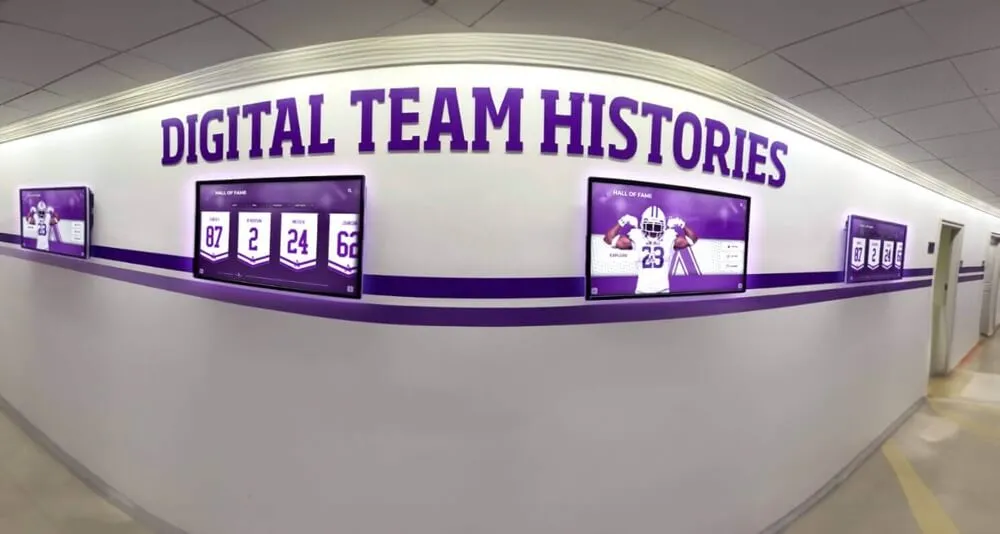
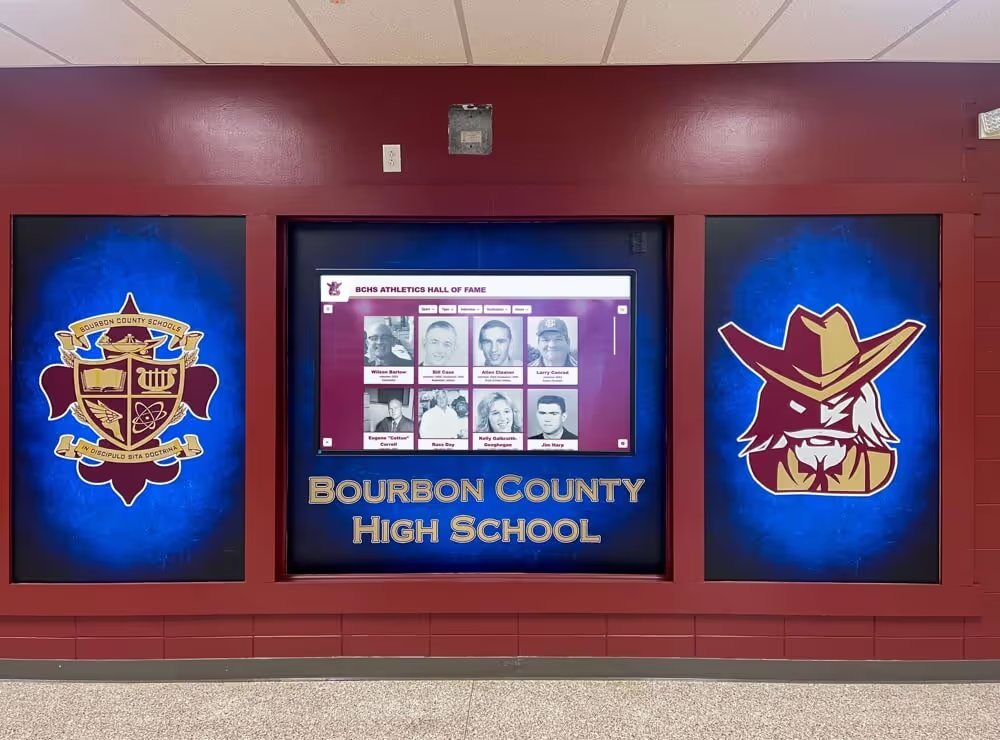
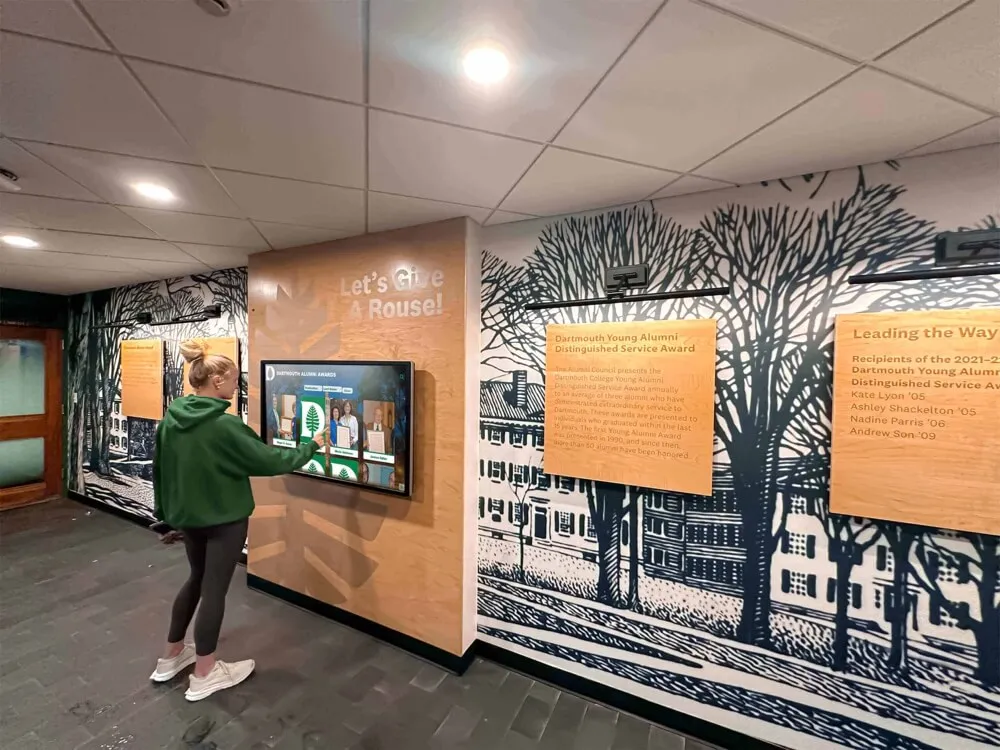
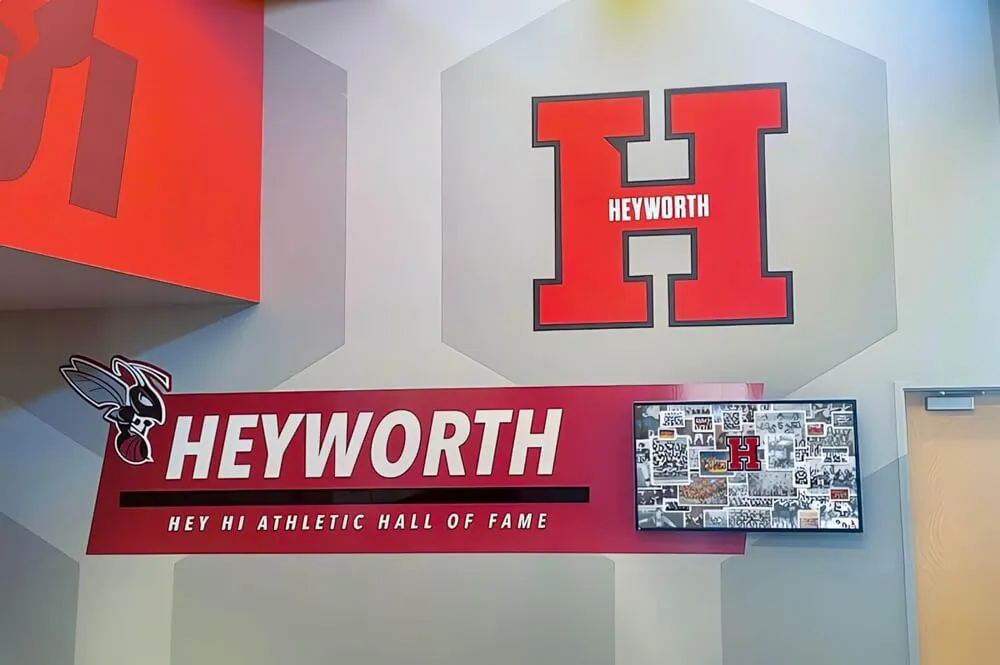
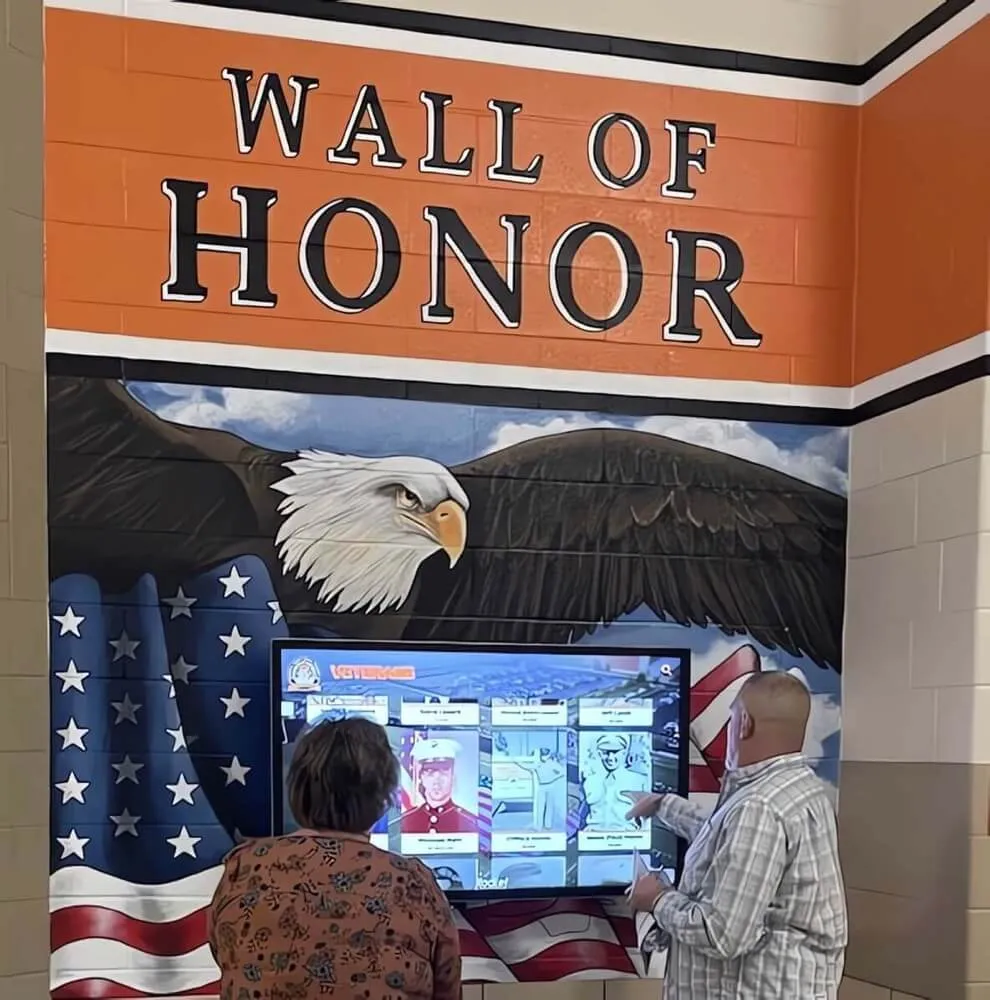
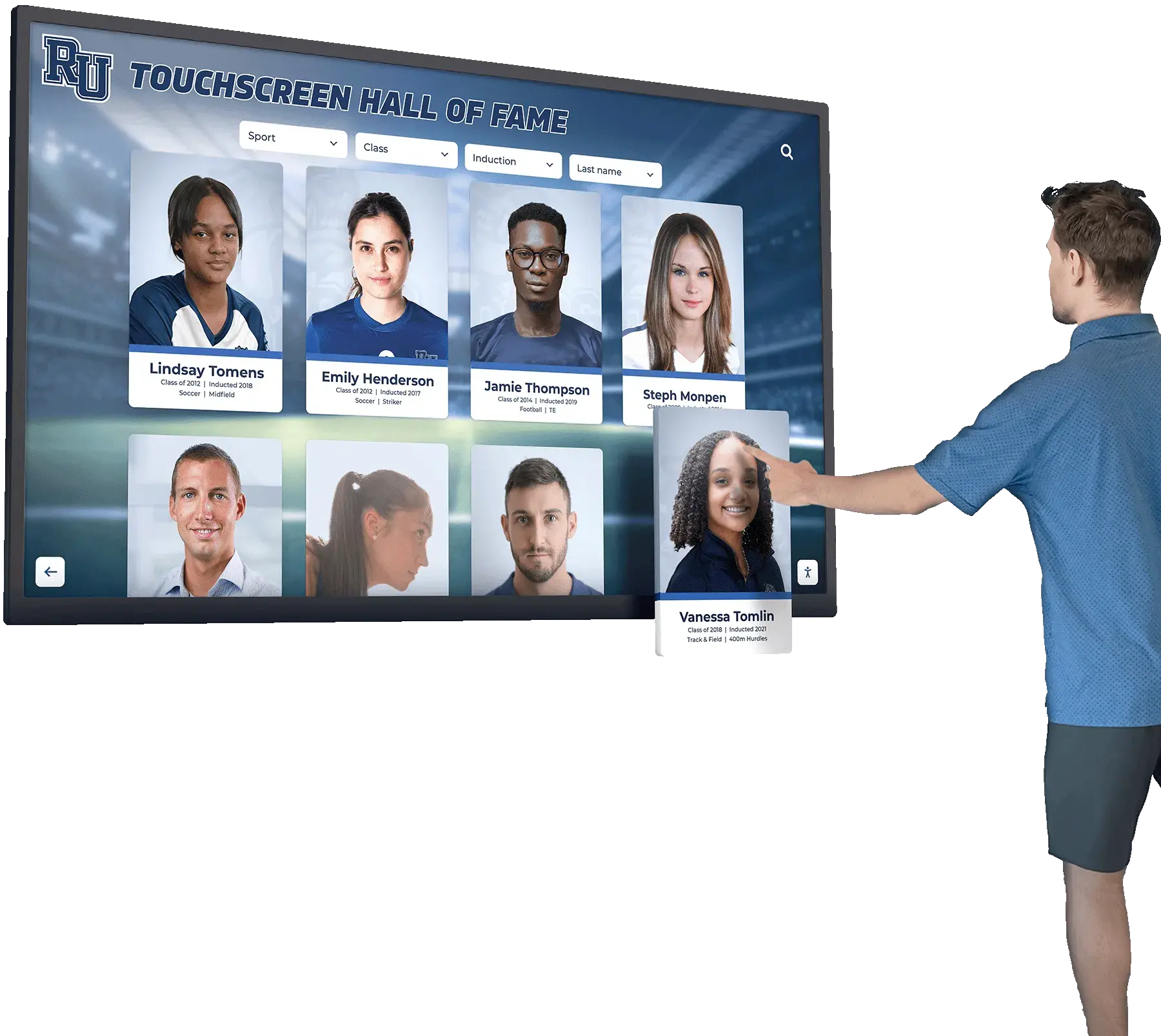
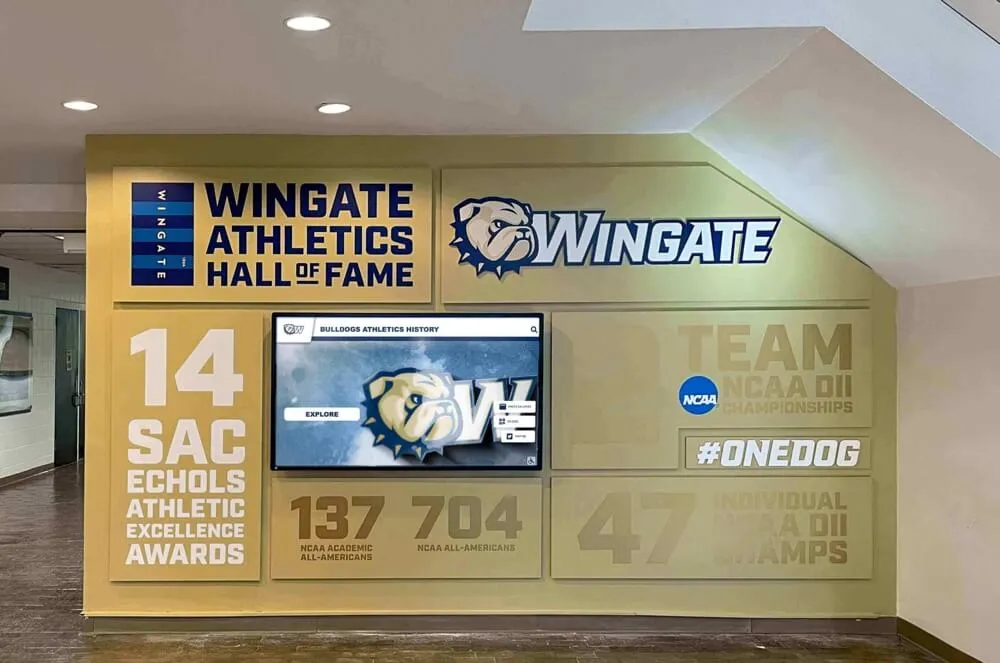
Modern letterwinners displays recognize achievement across all varsity activities — including auxiliary and performing arts programs
Why Color Guard Deserves Varsity Letter Recognition
The Competitive Landscape Has Changed
High school color guard — whether as part of a marching band auxiliary or as a standalone indoor winter guard program — now operates within a sophisticated competitive framework. The National Federation of State High School Associations (NFHS) has long classified marching band activities under fine arts or athletics depending on the state, and many state associations formally recognize auxiliary members as varsity participants eligible for letter awards.
WGI and Bands of America regional circuits bring color guard units into head-to-head scored competition with judging criteria covering equipment proficiency, choreographic design, visual effect, and overall performance quality. Students preparing for these circuits train with the same frequency and intensity as athletes in season — and in many programs, more.
Explore how schools design recognition systems that span activities in this guide to digital arts and music showcase recognition.
The Equity Argument
Schools that letter athletes in football, swimming, and tennis while leaving color guard members without formal recognition create a two-tier system that is difficult to defend. Color guard students often participate for three or four years, travel to competitions, and invest significant personal resources in equipment and uniforms. Withholding the varsity letter while granting it to athletes with comparable time commitments signals that performing arts and auxiliary activities are somehow less serious — a message few schools intend to send.
Formalizing the color guard varsity letter process closes that equity gap and aligns recognition with actual student investment.
Building School Community and Pride
When letter winners from every program — football, band, color guard, academic teams — display their achievement on a shared recognition wall, the school community gains a more complete picture of student excellence. Parents, alumni, and prospective students all benefit from seeing the full breadth of varsity-level participation. For outstanding student honor wall design ideas that incorporate auxiliary programs, many schools find inclusive displays generate significantly more community engagement.
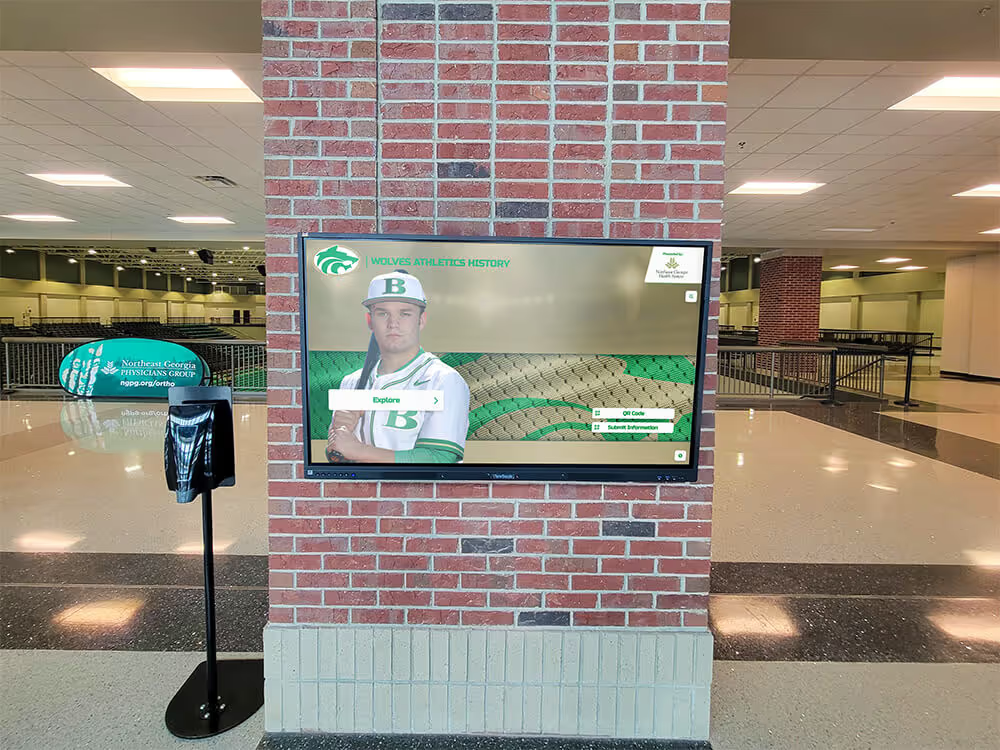
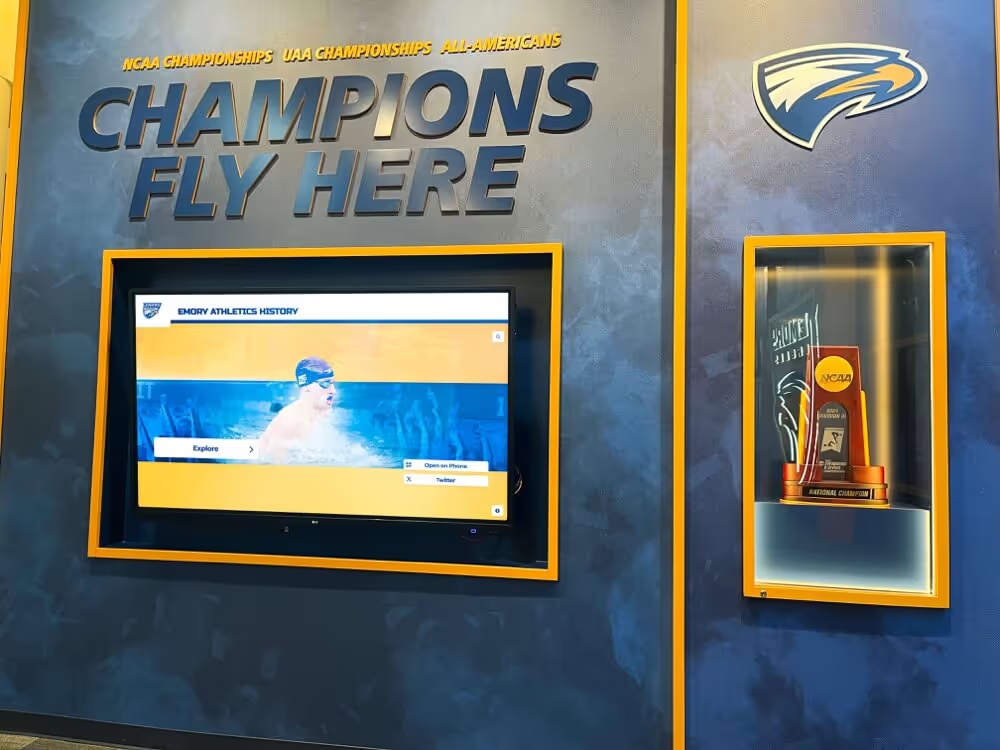
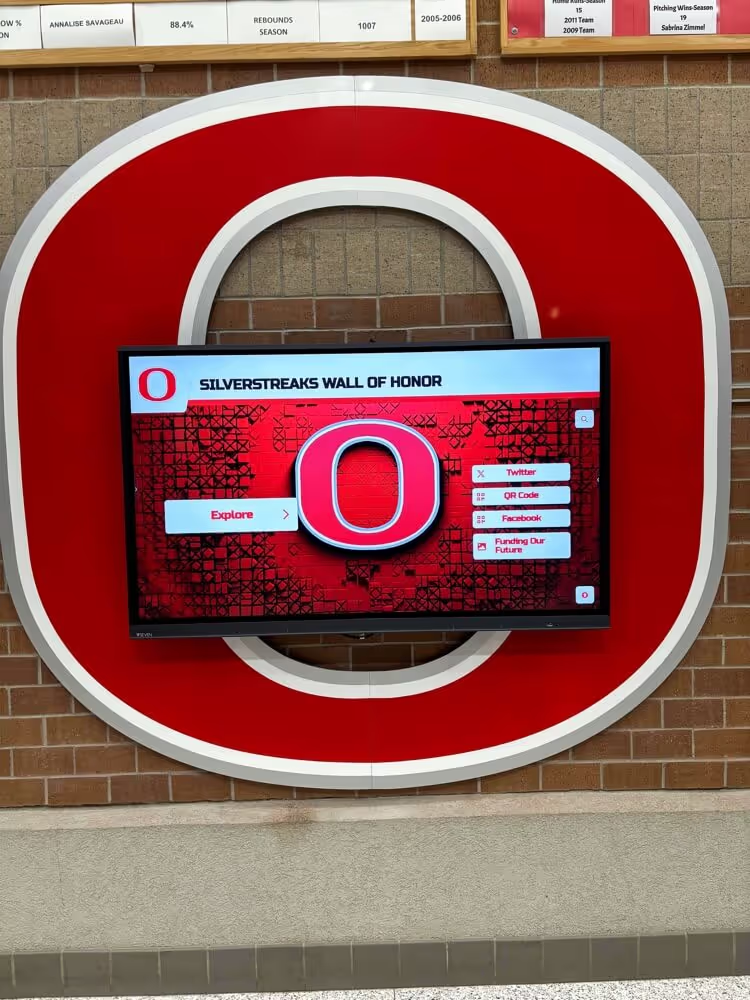
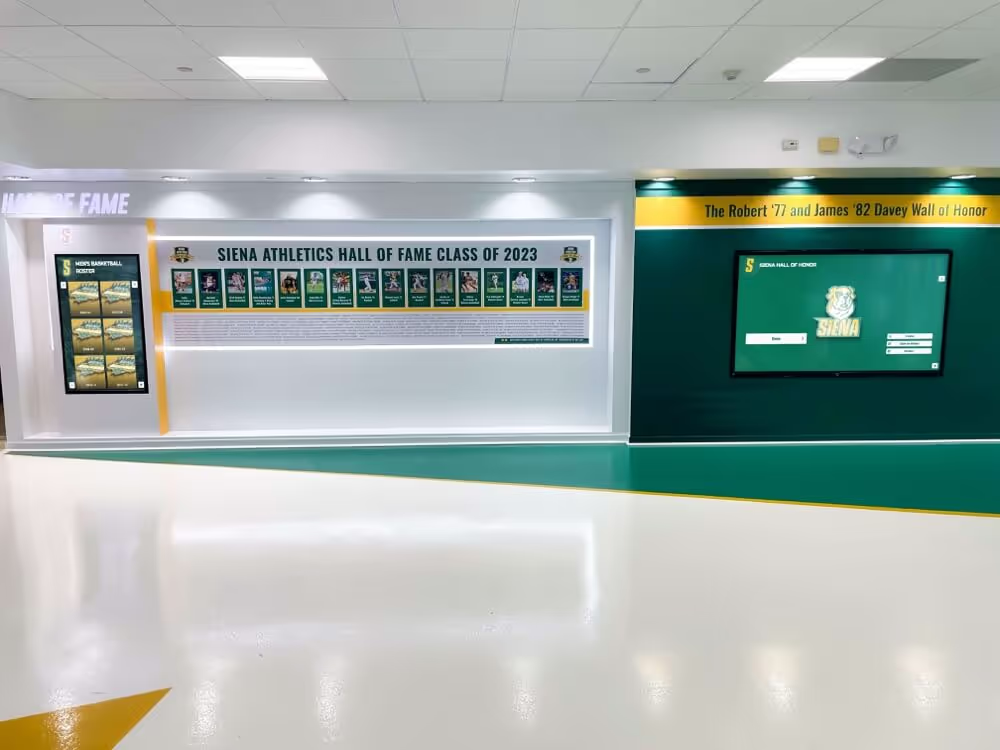
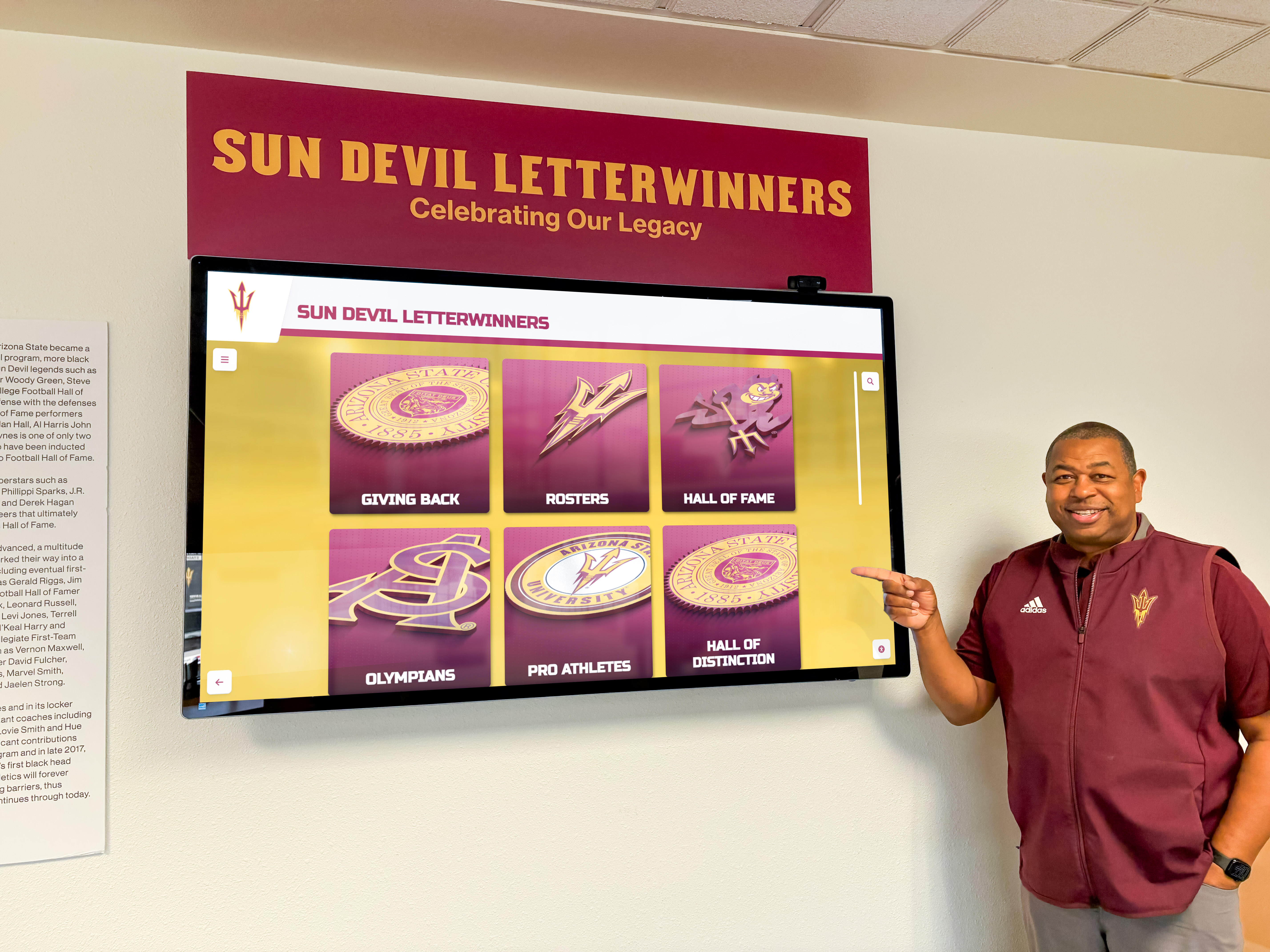
Hallway displays that include all varsity activities — including color guard — reflect the full scope of student achievement
How to Establish a Color Guard Varsity Letter Program
Designating Varsity Status
Before awarding any letters, the school must formally designate color guard as a varsity activity within its activities policy. The process typically involves:
- Administrative approval: The principal, athletic director, and activities director agree on classification
- Board of education adoption: Most districts require board-level approval to add an activity to the letter program
- Activities handbook update: The school’s student activities or athletic handbook should include color guard alongside other lettered activities
- Coordination with the band director: The band director (or color guard director, if the program is independent) becomes the primary advocate and record-keeper for letter criteria
Some schools house color guard letters under the fine arts or performing arts letter program; others include color guard in the athletic department’s letter program. Either path works — what matters is that the designation is formal, documented, and consistently applied.
Setting Letter Criteria for Color Guard Members
Criteria for earning a color guard varsity letter should parallel the standards used for athletic letter awards in your school, adapted to the specific demands of the activity. Common criteria elements include:
Participation Requirements
- Completing the full marching band season (typically August through November) and/or the full winter guard season
- Meeting a minimum percentage of required rehearsals and performances — most programs use 80–90% attendance as the floor
- Participating in the required number of competitions or performances
- Returning for the following season (some programs require a second year before the first letter is awarded)
Performance and Skill Standards
- Demonstrating proficiency with assigned equipment (flag, rifle, saber, or combination)
- Meeting choreographic and staging expectations set by the director
- Receiving a satisfactory performance evaluation at mid-season and end-of-season reviews
- Contributing positively to the ensemble environment (sportsmanship equivalent)
Academic and Conduct Standards
- Maintaining minimum GPA requirements consistent with other letter programs at the school
- No significant conduct violations during the award period
- Compliance with program policies on travel, uniform, and equipment care
Publish these criteria in the student activities handbook and distribute them at the start of the season so every member understands the path to earning a letter from day one.
Learn about building comprehensive recognition criteria in this guide to hall of fame induction criteria and digital display systems.
Color Guard Varsity Letter Design Considerations
The Base Letter
The chenille varsity letter itself typically follows the school’s standard letter design — size, color, and font consistent with what athletes receive. This uniformity matters: a color guard member wearing the same school letter as the football captain communicates equal varsity status.
Where color guard letters can express program identity is through activity pins and attachments:
Common color guard activity pins:
- A crossed flag and saber
- A single spinning rifle silhouette
- A stylized flag arc
- A banner with the program name (“Guard” or “Color Guard”)
- A competitive placement bar (e.g., “State Finalist” or “WGI Regional Champion”)
Most letter jacket companies and school awards suppliers offer custom die-cast pins that can be designed to reflect your specific program identity. Work with your school’s awards vendor to develop a pin that distinguishes color guard letters from band letters while keeping the base letter consistent.
Bars and Service Chevrons
Beyond the first letter, additional seasons of participation are recognized through bars or chevrons attached to the letter or letter jacket:
- Gold bars: Each additional year of varsity participation (common in athletic programs)
- Hash marks or chevrons: Worn on the jacket sleeve, one per additional letter-earning season
- Star pins: Some programs award a star for each year beyond the first
- Captain/drum major bars: Special designation for members who serve in leadership roles
Establish these additional-year recognition elements at the same time you create the base letter criteria, and document them clearly so multi-year members know exactly what their commitment earns.
Letter Jacket vs. Award Certificate
Schools using letter jackets should decide whether color guard members receive the same style jacket as athletes or a variation. Many schools use the same jacket base with activity-specific embroidery on the back — “Color Guard” beneath or around the school mascot, for example.
For programs that do not use letter jackets, framed certificates of letter award paired with the physical chenille letter serve as an equally meaningful alternative. Include the award year, program name, director’s name, and the student’s years of participation on the certificate.
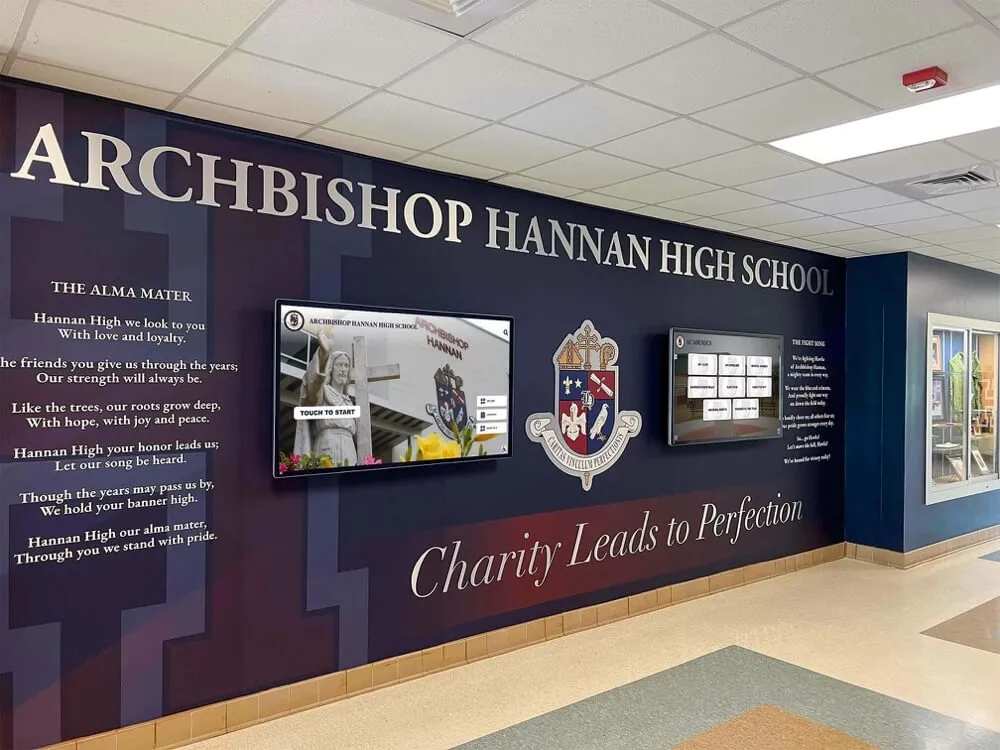
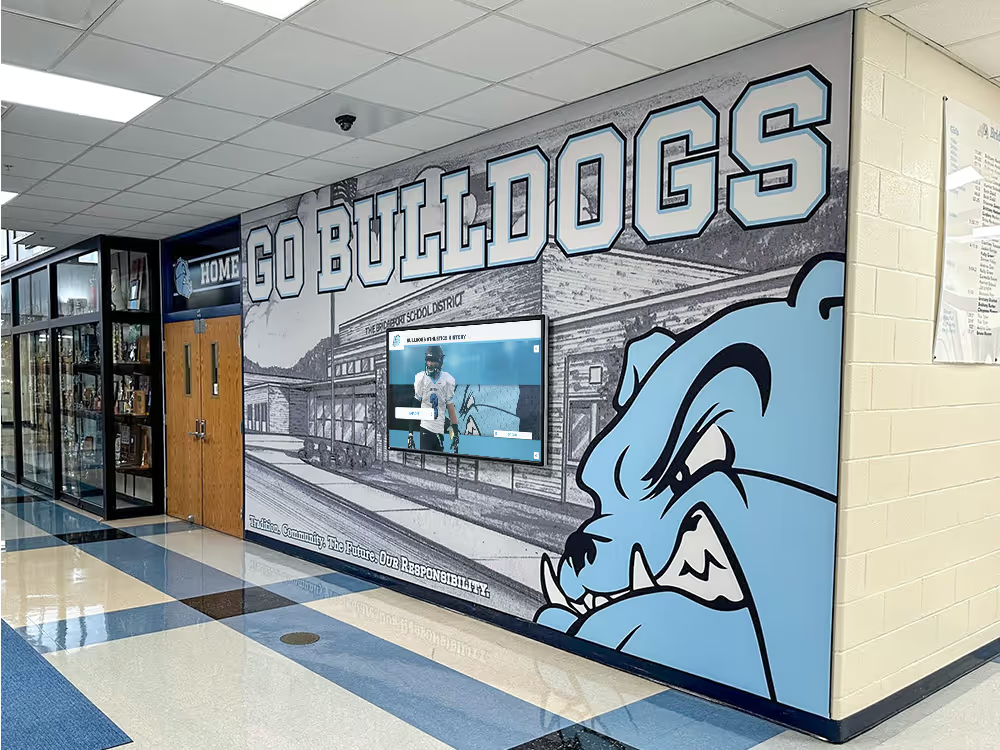
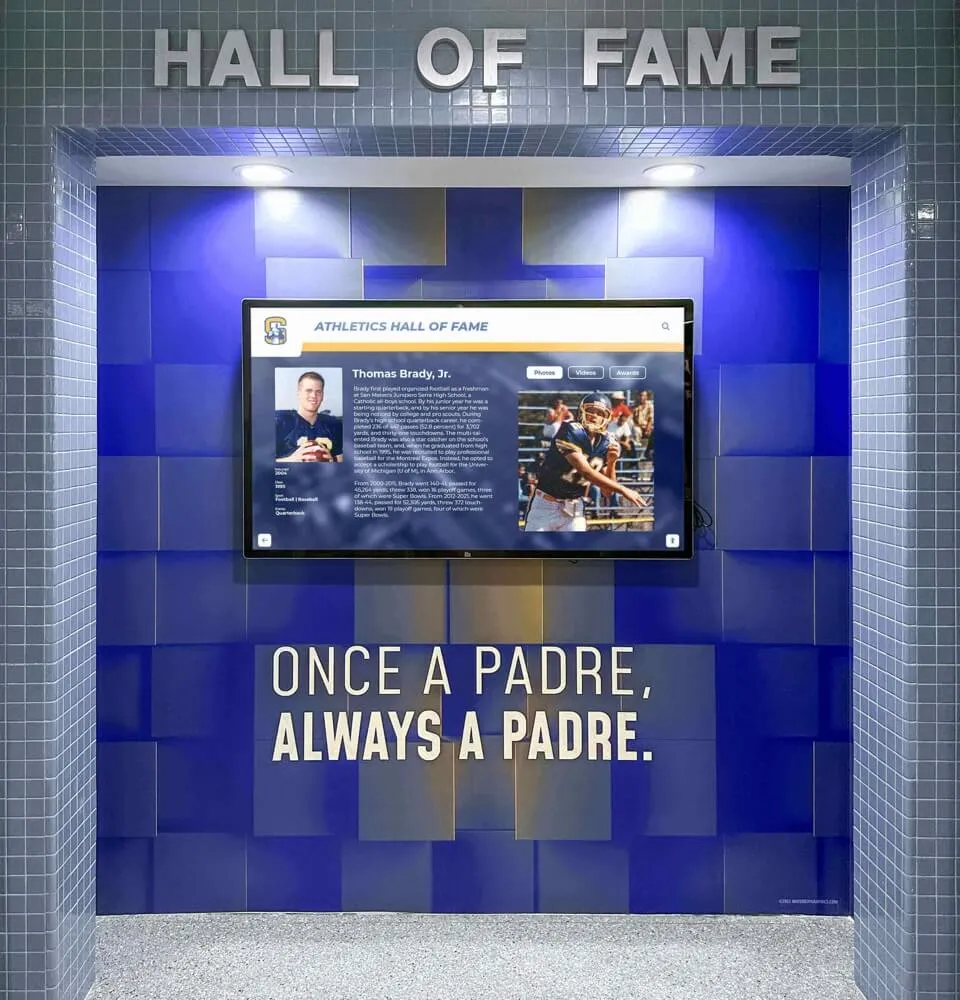
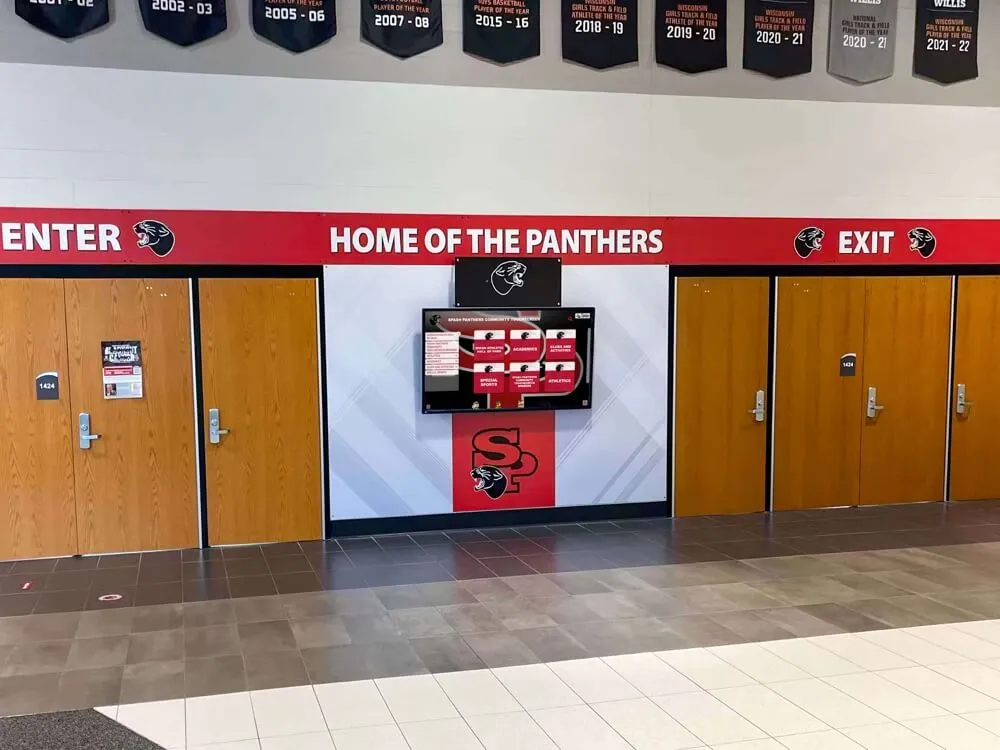
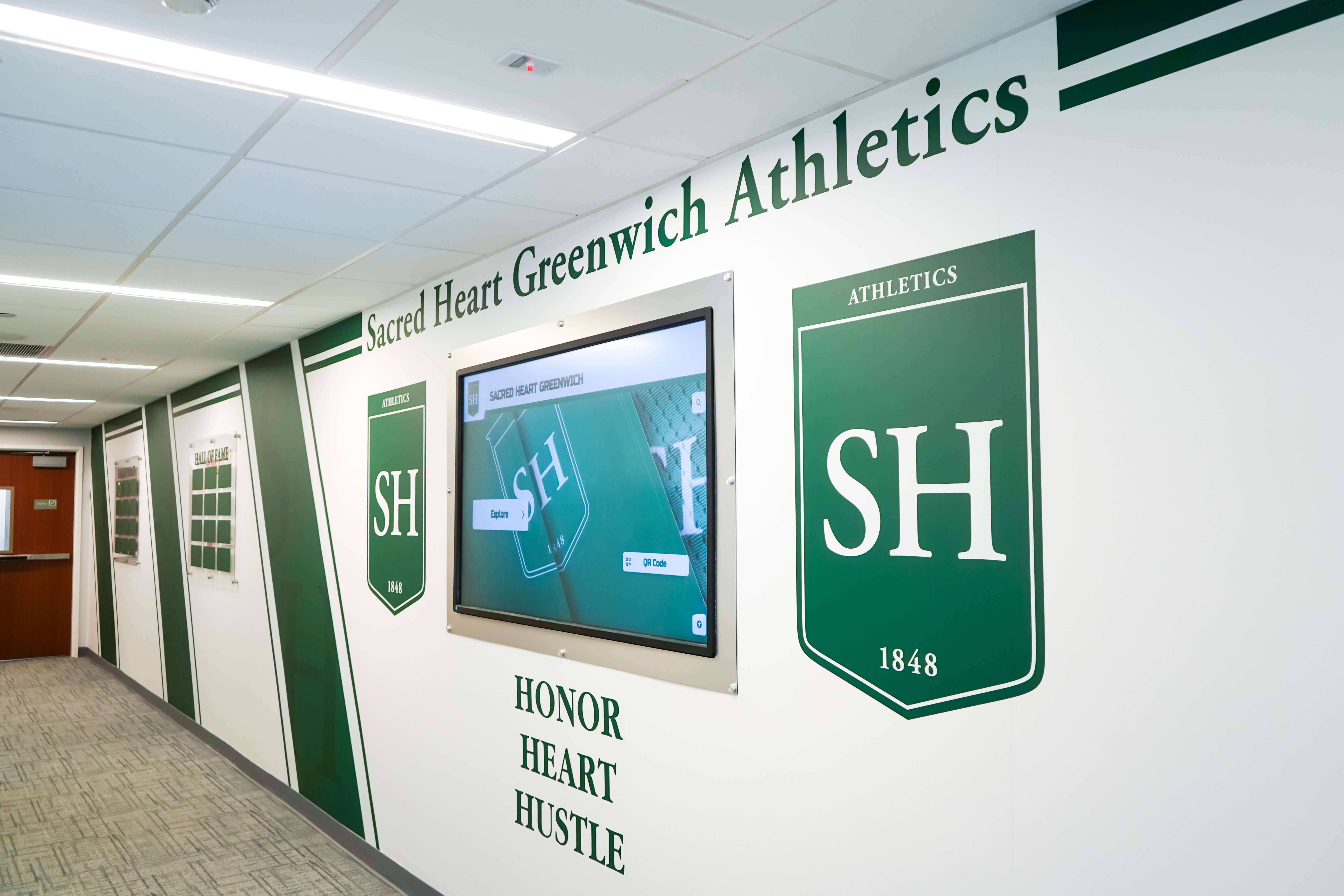
Dedicated hall of fame walls for letter winners can incorporate color guard alongside traditional athletic programs
Building a Color Guard Letter Winner Recognition Display
Why a Physical Display Matters
Awarding the letter is step one. Displaying letter winners publicly transforms individual achievement into program legacy. When color guard members can point to a hallway wall and say “I’m up there,” the letter carries weight beyond the fabric.
Physical recognition displays for letter winners typically take several forms:
Plaque-based letter boards: Individual plaques listing letter winners by year and activity, mounted in the main hallway, gymnasium lobby, or performing arts wing. Each plaque can include the student’s name, year, and a brief notation of competitive achievement.
Shield or medallion systems: Schools using shield-shaped plaques per activity year can incorporate a color guard shield alongside athletic shields. This approach works well in existing hall of fame or recognition corridors.
Dedicated color guard recognition walls: Programs with large rosters and multi-year histories may benefit from a standalone color guard display wall in the band hallway or performing arts center.
See how schools design recognition spaces in the high school graduate display guide which covers similar recognition wall considerations.
Integrating Color Guard Into the Main Athletic Display
Including color guard on the school’s primary letter winner or hall of fame display signals the clearest possible institutional commitment to auxiliary recognition. Rather than a separate display tucked in a back hallway, color guard letter winners appear on the same wall, in the same format, as every other varsity program.
Practically, this means:
- Adding a “Color Guard” section to an existing multi-sport display
- Including color guard years in the activity dropdown on digital recognition systems
- Ensuring color guard photos and competition results appear in seasonal updates
For ideas on designing recognition boards that accommodate diverse program types, see this guide to recognition boards for school achievement programs.
Digital Recognition Walls for Color Guard Letter Winners
Traditional plaque systems have a significant limitation: fixed space. A school with a 40-year color guard program history accumulates hundreds of letter winners, and physical displays quickly run out of room. Digital recognition walls solve this problem while adding engagement features physical displays cannot offer.
Benefits of digital displays for color guard letter recognition:
- Unlimited capacity: Every letter winner since the program began can have a profile, regardless of display size
- Rich media profiles: Photos from competitions, performance video clips, competitive placements, and personal bios alongside the letter-earning information
- Searchable history: Students, parents, and alumni can search by year, by name, or by competitive season to find specific letter winners
- Annual updates: Adding new letter winners each season takes minutes in a cloud-based system, with no physical fabrication required
- Equitable visibility: Color guard profiles appear with the same visual weight and display quality as football or basketball letter winners
See How Schools Display Letter Winners Digitally
Rocket Alumni Solutions builds touchscreen walls of fame that include every letter winner — athletes, color guard, performing arts, and academic programs — on a single searchable display.
Explore Digital Recognition Displays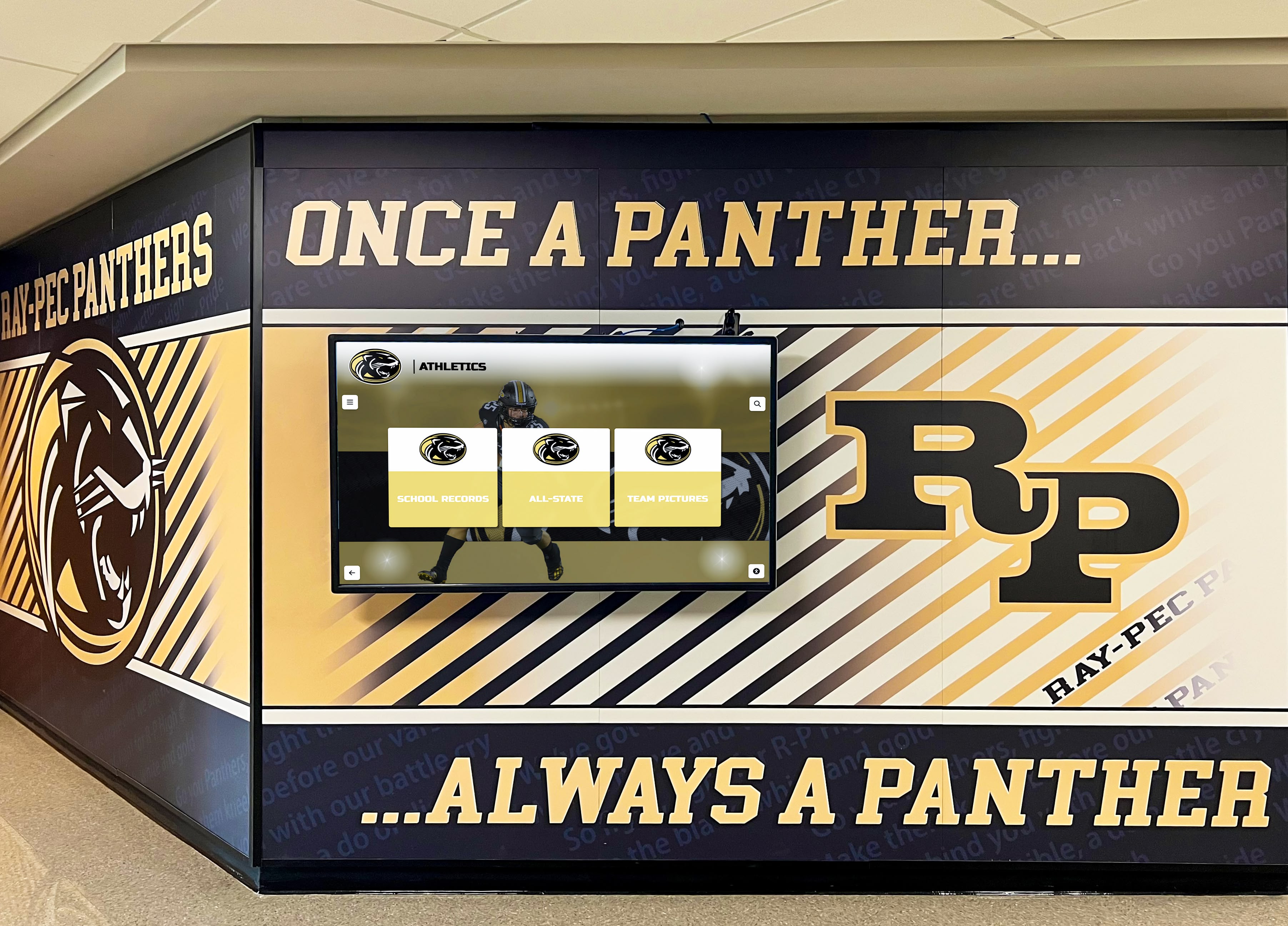
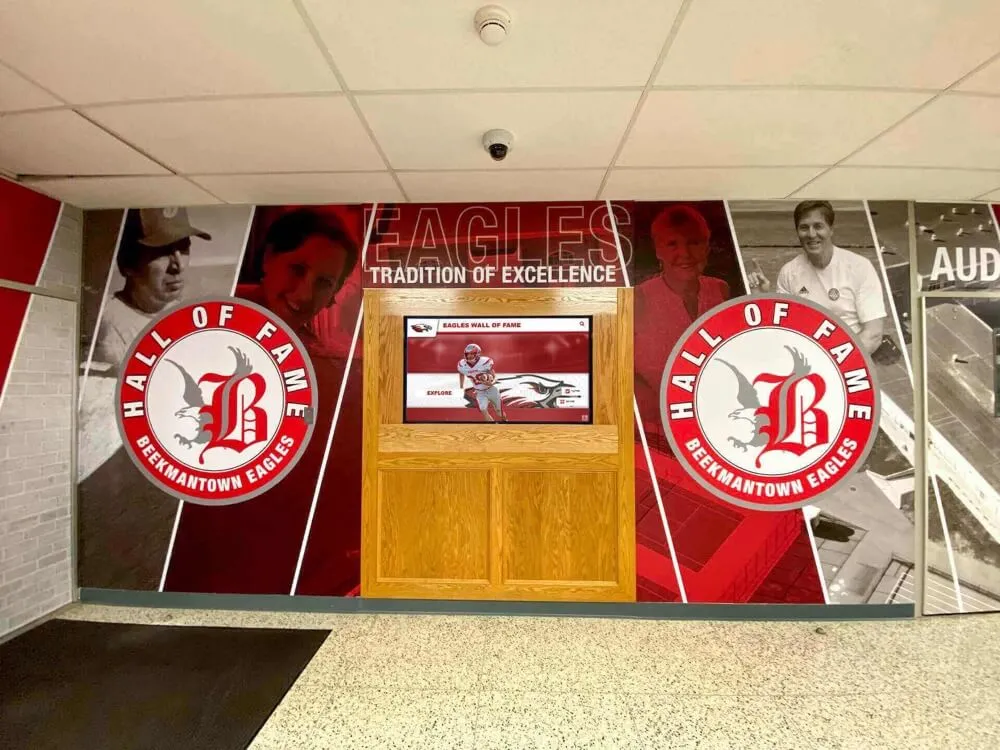
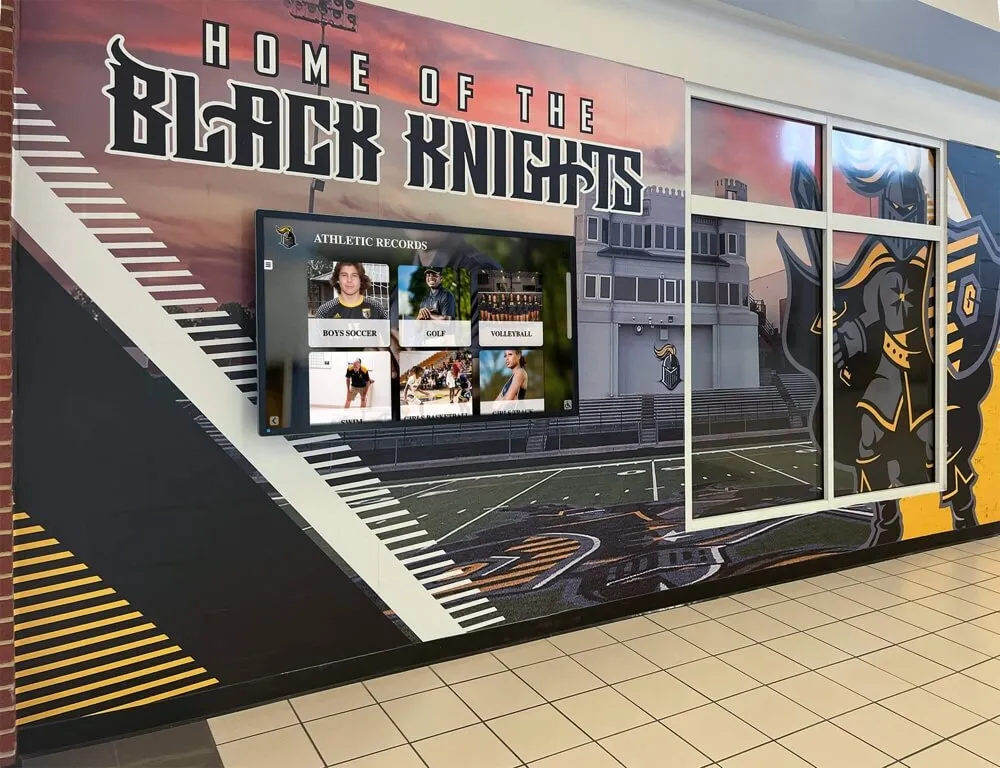
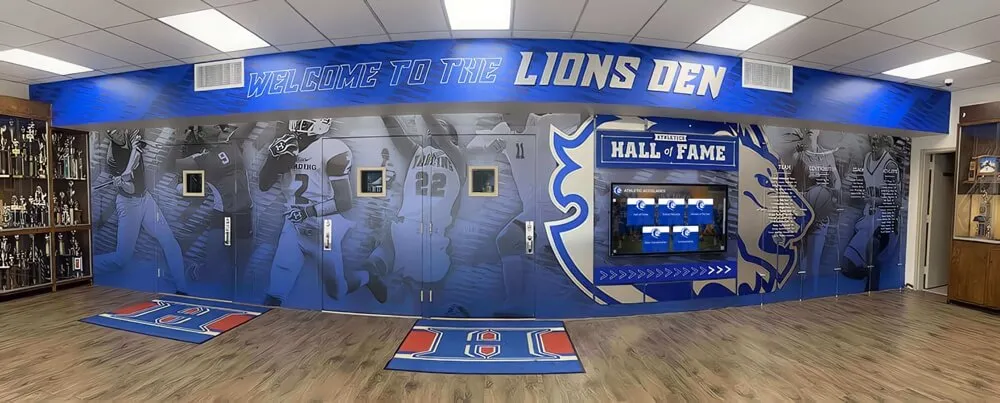
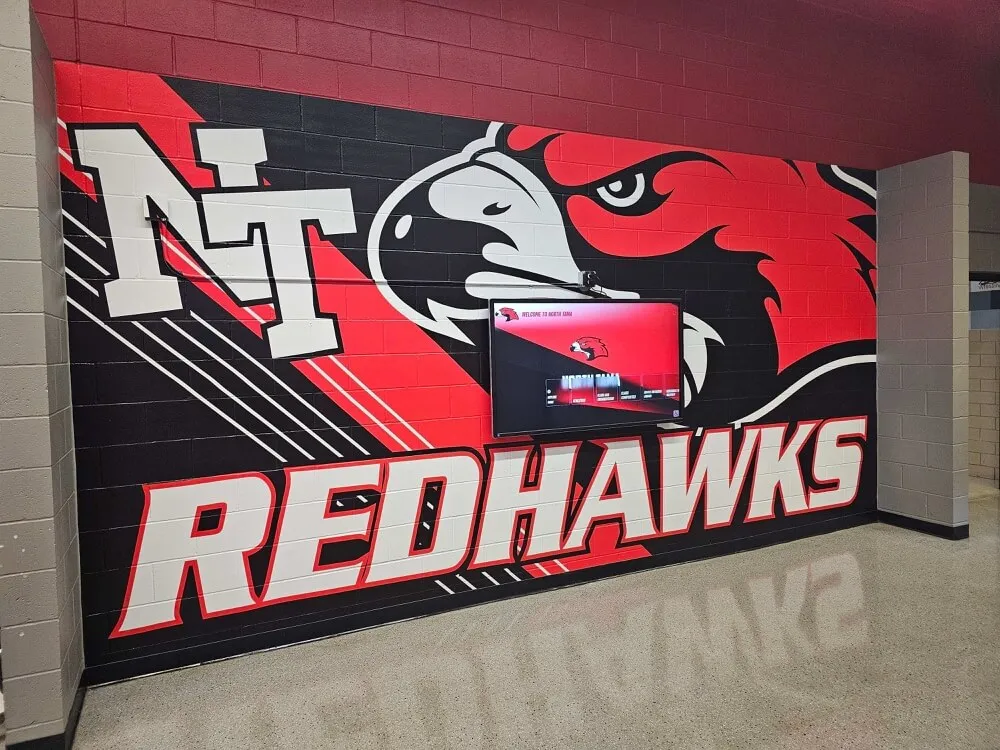
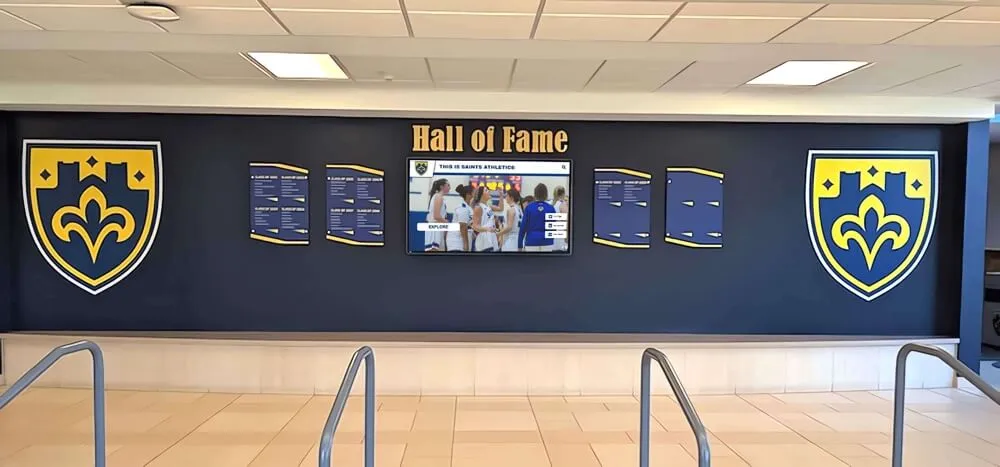
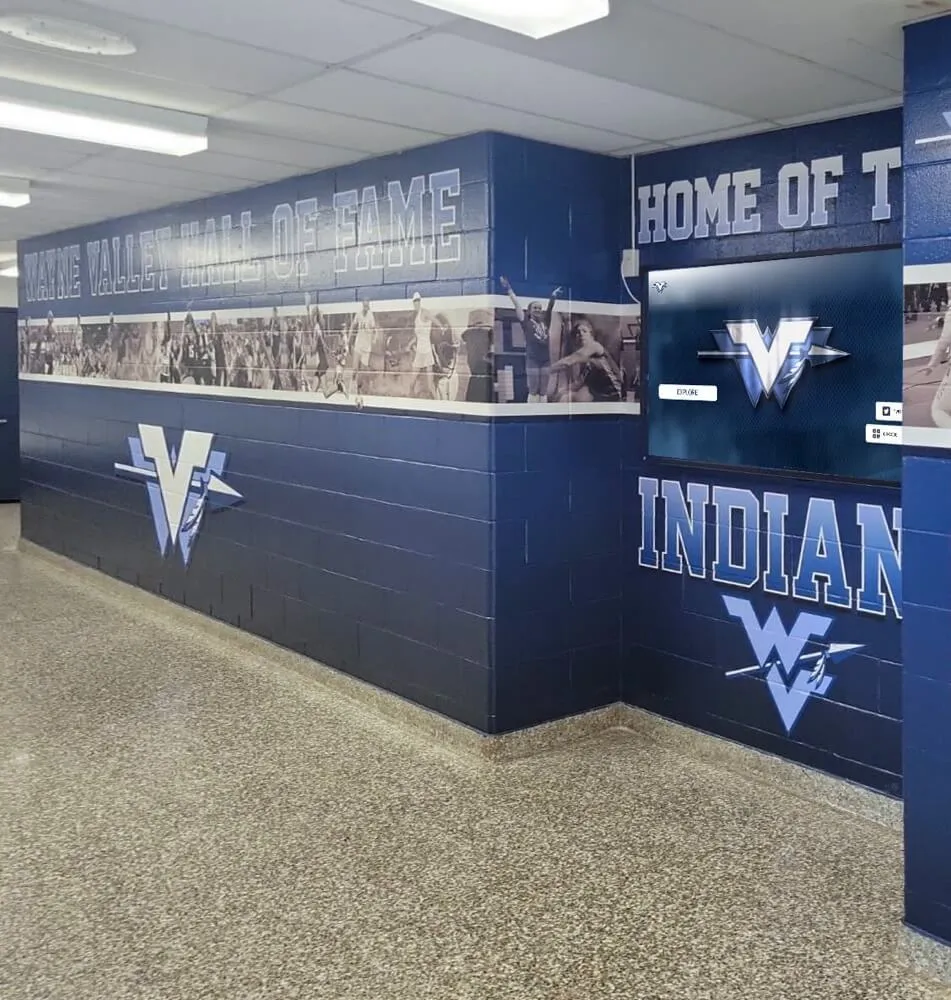
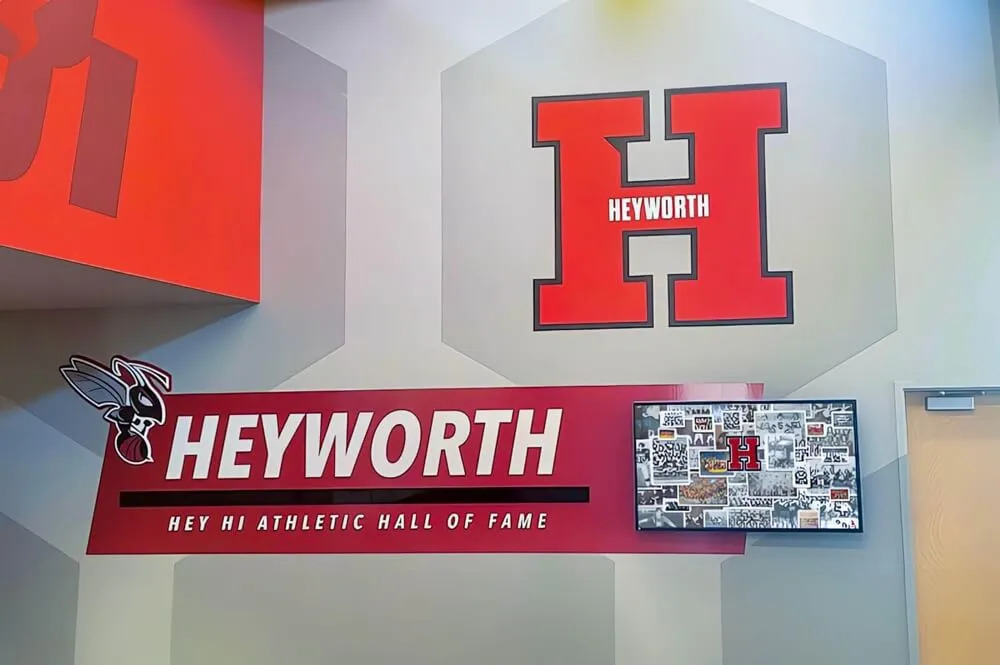
Combining murals with digital screens allows schools to celebrate color guard letter winners alongside athletic programs in a single cohesive display
Integrating Color Guard Into Your School’s Athletic Recognition Culture
Including Color Guard in Athletic Awards Ceremonies
Color guard letter winners should be recognized in the same ceremony and with the same formality as athletes receiving varsity letters. If your school holds a letter awards night, spring athletic banquet, or end-of-year academic and athletic recognition event, color guard members belong on that stage.
Best practices for ceremony integration:
- Present color guard letters in the same format as athletic letters — public announcement, applause, photo opportunity
- Invite the band or color guard director to speak to the program’s achievements during the presentation
- Include competitive highlights from the season (scores, placements, WGI rankings if applicable) in the ceremony program
- Recognize multi-year letter winners with explicit acknowledgment of their accumulated service bars or additional years
For ideas on creating recognition events that serve auxiliary and performing arts programs alongside traditional athletics, see this resource on athletic decor and recognition space design to understand how space and ceremony work together.
Coordinating With Cheerleading and Other Auxiliary Programs
Color guard is rarely the only auxiliary program navigating the letter recognition question. Cheerleading, drill team, drum major, flag corps, and step team often face the same institutional ambiguity around varsity status.
Schools that formalize the process for color guard often find it practical to develop a parallel framework for other auxiliary programs at the same time. Shared administrative infrastructure — common criteria structure, same awards vendor, shared recognition display space — reduces the coordination burden while extending recognition equity across all auxiliary activities.
For comparison, cheerleading tryout and recognition approaches are covered in detail at cheerleading program planning guides which school leaders often find useful context when developing auxiliary criteria.
Booster Support and Funding the Letter Program
Many color guard programs operate through the school band booster organization or a standalone color guard parents’ association. These groups can play a key role in funding the letter program:
- Letter and pin costs: Chenille letters, activity pins, bars, and certificates all have per-unit costs. Boosters can fund or subsidize these expenses
- Display fabrication: Physical recognition walls require materials and often professional installation. Booster fundraising commonly covers this
- Jacket subsidies: Families who cannot afford letter jacket costs benefit from booster subsidy programs
When presenting the letter program to boosters, emphasize that physical and digital recognition infrastructure is a one-time investment that benefits every future class of letter winners — not just the current seniors. For ideas on building support for recognition programs that benefit multiple student generations, see student recognition program structures.
Year-End Recognition Best Practices
Beyond the formal letter ceremony, color guard programs can build a culture of recognition throughout the season:
Pre-season: Distribute the criteria document at the first rehearsal. Make sure every member and their family knows exactly what earns a letter and when results will be evaluated.
Mid-season checkpoint: A brief written or verbal evaluation at the season midpoint helps members understand where they stand — and allows directors to identify students who need support to meet the criteria.
End-of-season evaluation: Complete the formal evaluation using the published criteria. Document decisions in writing so letter award records are available for future reference and for updating recognition displays.
Senior recognition: Graduating seniors earning their final letter (or second, third, or fourth) deserve special acknowledgment. Many programs present senior letters at a banquet or recognition night separate from underclassmen, with alumni invited to participate.
For ideas on celebrating senior letter winners and creating meaningful end-of-year recognition moments, see this guide to senior athlete recognition and gifts.
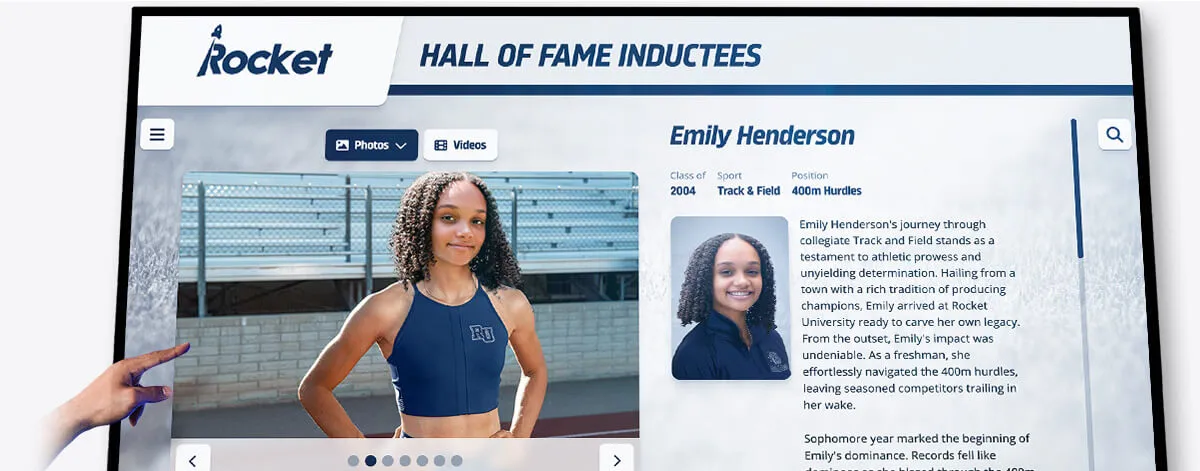
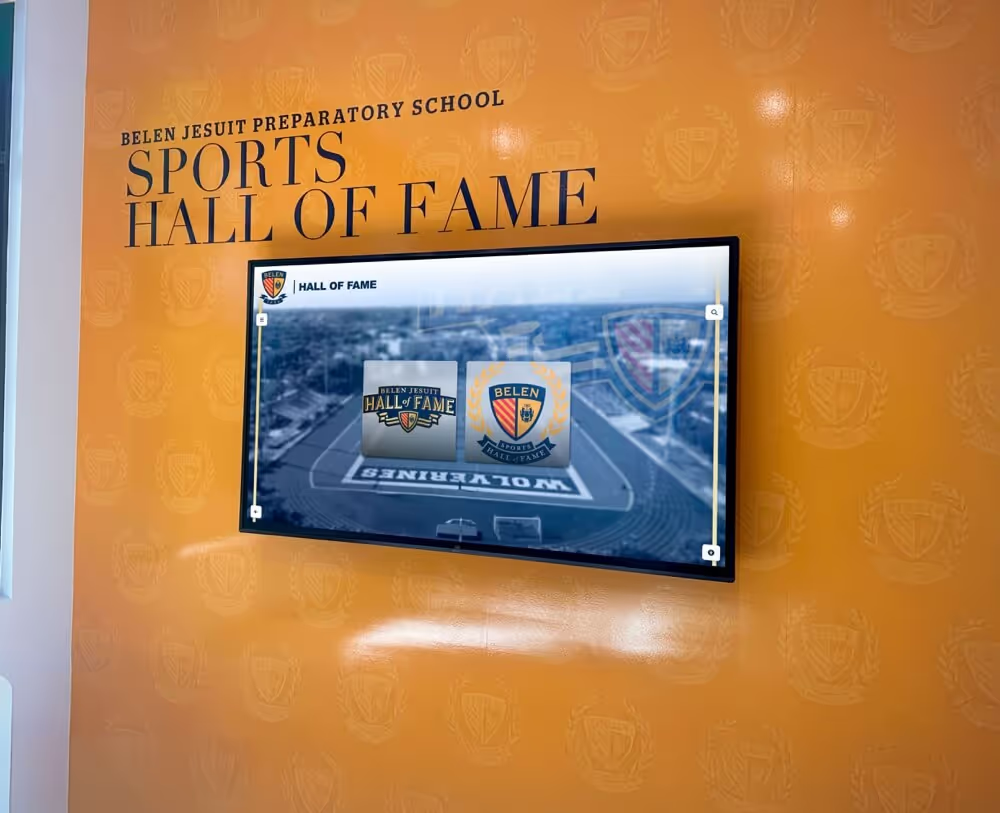
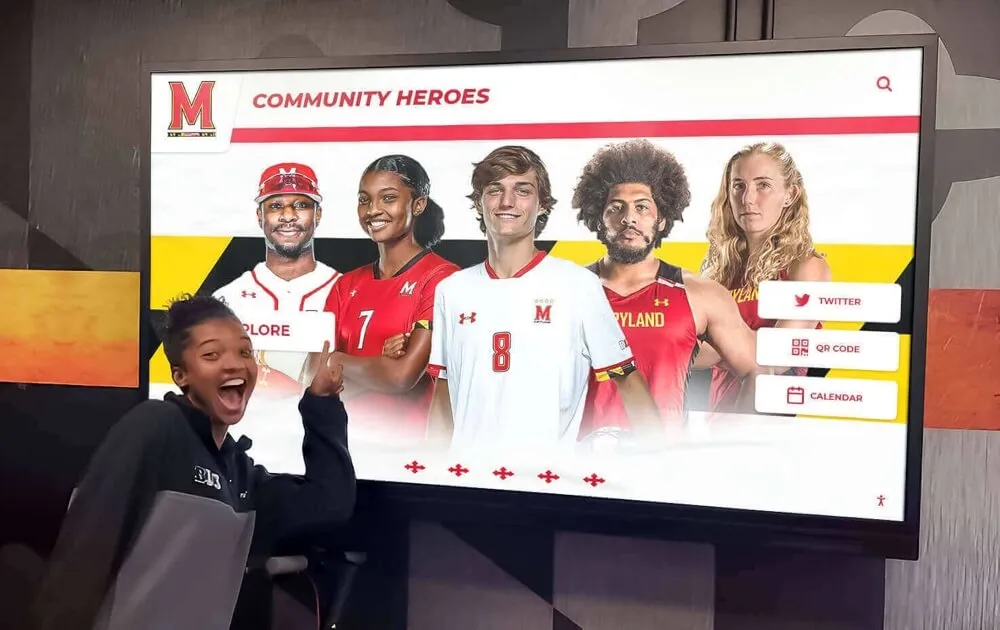
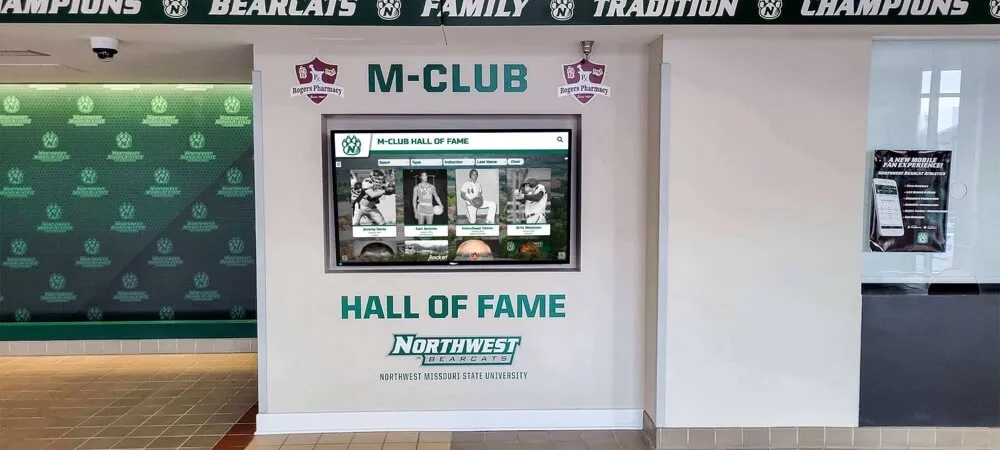
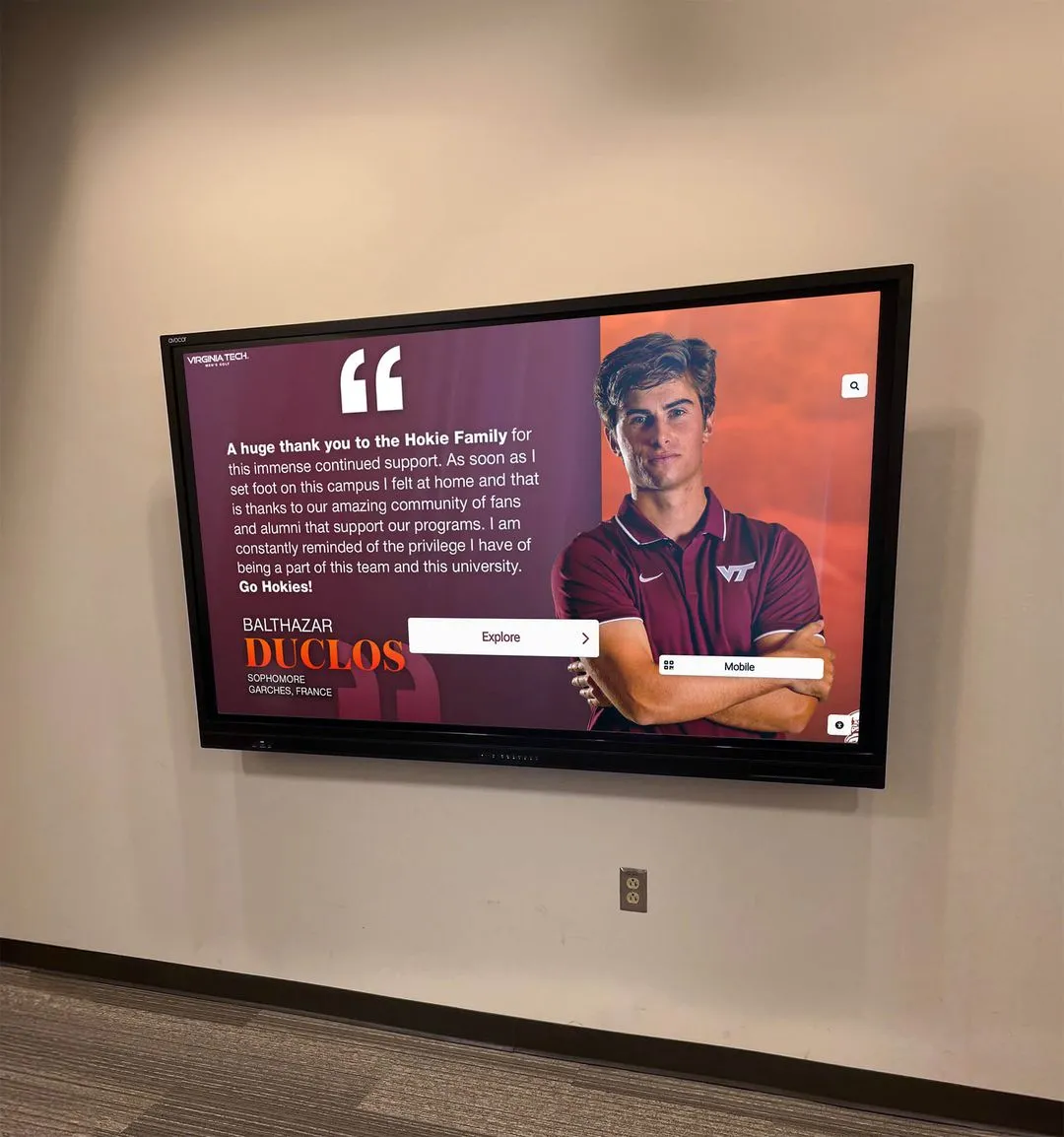
Individual achievement profiles on touchscreen displays celebrate each letter winner's full story — ideal for color guard members whose accomplishments deserve detailed recognition
Maintaining and Updating the Letter Winner Record
Documentation and Records Management
The letter award record is a permanent institutional record. Schools should maintain:
- Annual roster of letter winners by activity and year, stored in the activities office
- Criteria met for each recipient (attendance percentage, competitive season completion, etc.)
- Bar and pin designations for multi-year letter winners
- Director signature on each season’s letter award certification
This documentation becomes the source material for updating physical and digital recognition displays, and it protects against future disputes about who received letters in a given year.
Annual Display Updates
Physical plaque systems require periodic updates — adding new plaques, ensuring old ones remain legible, and integrating new letter winners into existing display layouts.
Digital systems simplify this dramatically. Most cloud-based recognition platforms allow the band director or activities administrator to add new letter winner profiles directly, without coordinating with a fabrication vendor. Profiles can be published the same week letters are awarded, so recognition is immediate and visible.
Archiving Historical Letter Winners
Many schools discover that their color guard program has awarded letters informally for years — or even decades — without a formal display. Bringing historical letter winners onto a recognition wall is both meaningful and feasible:
- Reach out to former directors for historical records and rosters
- Contact alumni color guard associations for year-by-year member lists
- Use yearbooks to identify color guard members from past seasons
- Create retroactive display profiles for historical letter winners with the same visual treatment as current students
This archival work transforms a new letter program into an instant institutional tradition — connecting current members to the generations who came before them.
For best practices on archiving school history and building recognition displays from historical records, see this guide to academic history archiving for schools.
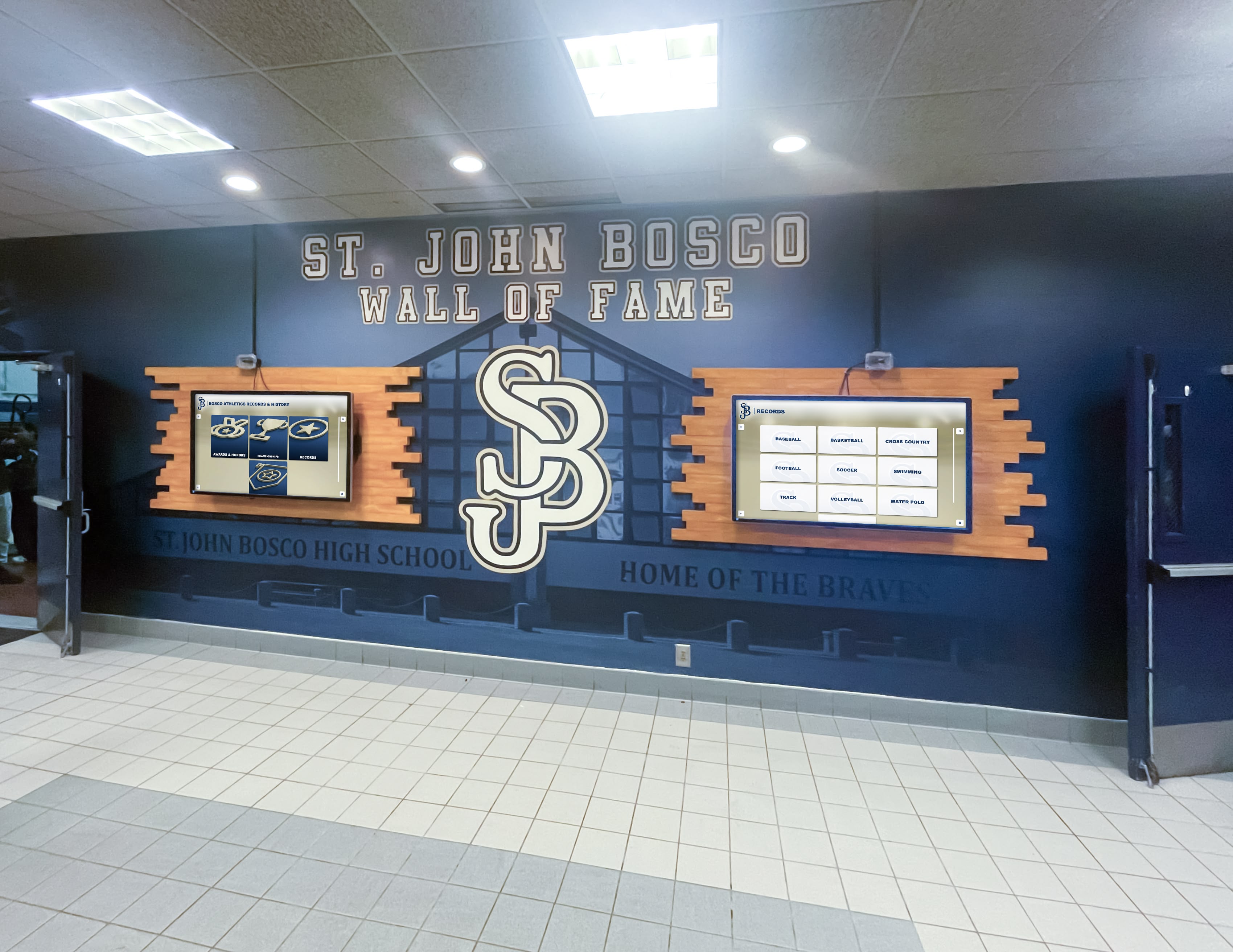
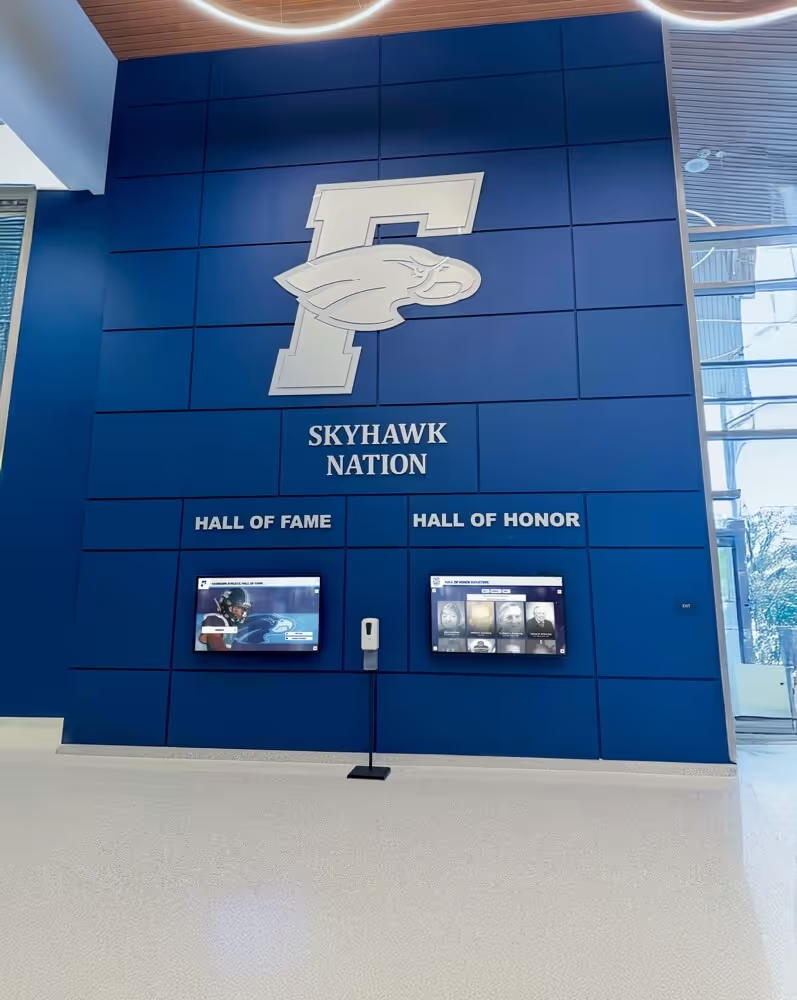
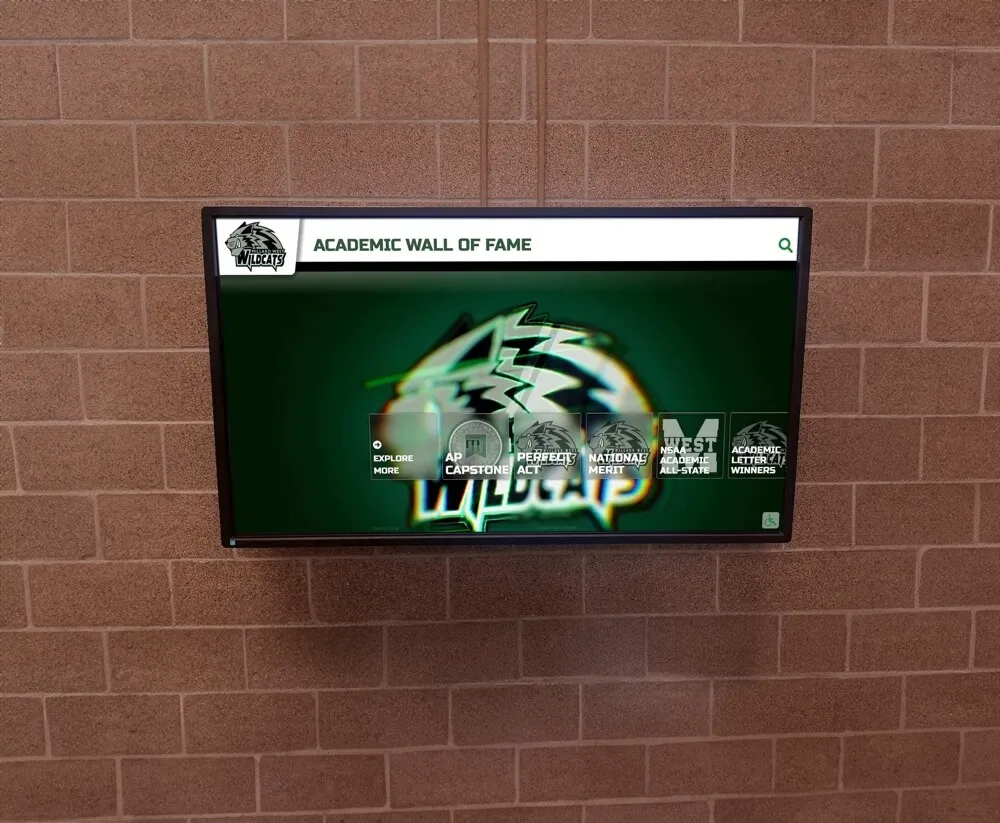
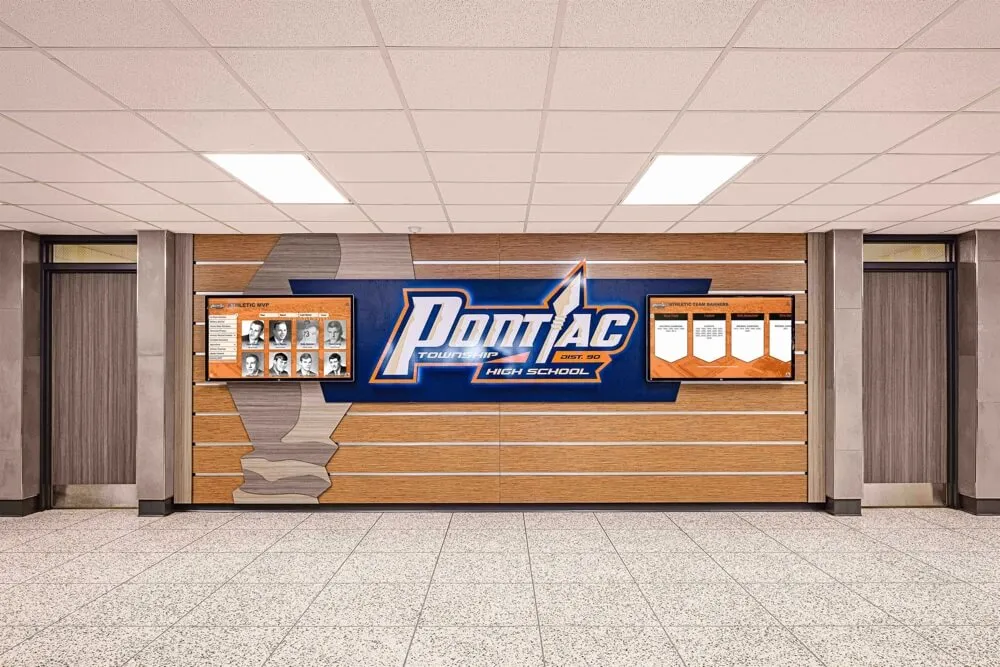
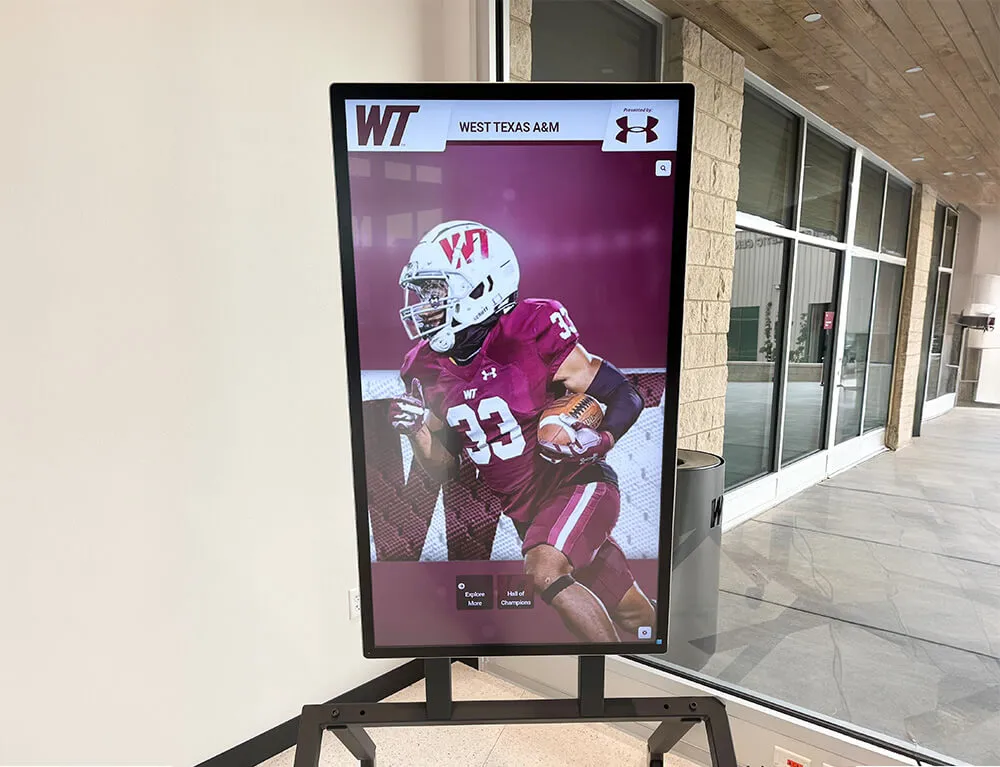
Multi-screen recognition displays scale to accommodate letter winners from all varsity activities, including color guard programs with decades of history
Frequently Asked Questions
Can color guard earn a varsity letter?
Yes — many schools formally recognize color guard as a varsity activity, making members eligible for the same chenille letter awarded to athletes. Eligibility typically requires completing the full competitive season, meeting attendance and performance standards set by the director, and maintaining academic eligibility. The specific requirements vary by school and state association policy. Schools that have not yet formalized the process can do so through their activities office and school board.
What criteria are typically required to earn a color guard varsity letter?
Most programs require completing the full marching band or winter guard season, meeting a minimum attendance threshold (commonly 80–90% of required rehearsals and performances), demonstrating proficiency with assigned equipment, and maintaining the school’s academic eligibility standards. Some schools also require a second year of participation before a student earns their first letter. Criteria should be published in the activities handbook and distributed at the start of each season.
What does a color guard varsity letter look like?
The base chenille letter matches the school’s standard varsity letter in size, color, and font. Color guard identity is typically expressed through activity pins — small metal pins in the shape of a flag, rifle, saber, or other equipment worn on the letter. Additional years of participation earn service bars or chevrons attached to the letter or worn on the jacket sleeve. Some programs have custom color guard pins designed by their awards vendor.
How should schools display color guard letter winners?
Color guard letter winners can be recognized on the school’s main athletic or activities display wall using the same plaque or shield format as other varsity programs, on a dedicated color guard recognition wall in the performing arts wing, or through a digital touchscreen display that includes all letter winners across every varsity activity. Digital systems are particularly effective for programs with long histories, as they accommodate unlimited letter winners with individual profiles, photos, and competitive history.
Where should color guard be recognized at awards ceremonies?
Color guard letters should be presented at the same letter awards night or athletic recognition ceremony as other varsity letters, with the same formality — public announcement, applause, and photo opportunity. Including the color guard director to acknowledge the program’s competitive achievements during the presentation reinforces that the letter carries equal weight to athletic letters.
Conclusion: Formalizing the Color Guard Varsity Letter
The color guard varsity letter is not simply a piece of fabric — it is institutional recognition that a student’s commitment, skill, and competitive performance meet the standard the school has set for varsity excellence. When schools establish clear criteria, design meaningful letter hardware, and build lasting recognition displays that include color guard alongside athletes, they close a recognition gap that too many programs have allowed to persist.
The practical steps are straightforward: get administrative and board approval, publish criteria, work with your awards vendor to design activity-specific pins, present letters in the main awards ceremony, and build — or upgrade — a recognition display that includes every letter winner in your program’s history.
For schools ready to create a recognition wall that honors color guard letter winners with the same permanence and visibility as athletic hall of fame inductees, digital display technology makes it possible at scale — with individual profiles, searchable archives, and a presentation quality that honors the effort every letter winner invested.
Honor Every Letter Winner — Including Color Guard
Rocket Alumni Solutions designs touchscreen walls of fame that recognize letter winners across all varsity activities. Give your color guard members the same permanent, visible recognition as every athlete on campus.
Explore Digital Letter Winner Displays