



Digital asset management for schools has become mission-critical as educational institutions accumulate massive libraries of photos, videos, documents, and multimedia content spanning decades. Schools managing yearbook archives, athletic photography, recognition programs, event documentation, and communications materials face mounting challenges organizing, preserving, and accessing these valuable digital assets without comprehensive management systems.
Traditional approaches—scattered hard drives, disconnected photo libraries, static yearbooks gathering dust, inaccessible historical archives—create frustration for administrators seeking specific content, missed opportunities for celebrating student achievement, and risks of permanent asset loss when storage media fails or staff transitions occur. Meanwhile, families want access to memories, alumni seek historical connections, and communication teams need readily available visual content.
This comprehensive guide explores how schools can implement effective digital asset management systems, what capabilities educational DAM platforms should provide, and how modern solutions address the unique needs of K-12 schools, universities, and educational organizations managing diverse digital content portfolios.
Educational institutions generate more digital content than ever before—student photos, athletic videos, performance recordings, yearbook layouts, recognition materials, facility documentation, and historical archives. Schools that implement systematic digital asset management create accessible repositories serving current needs while preserving institutional memory for future generations.

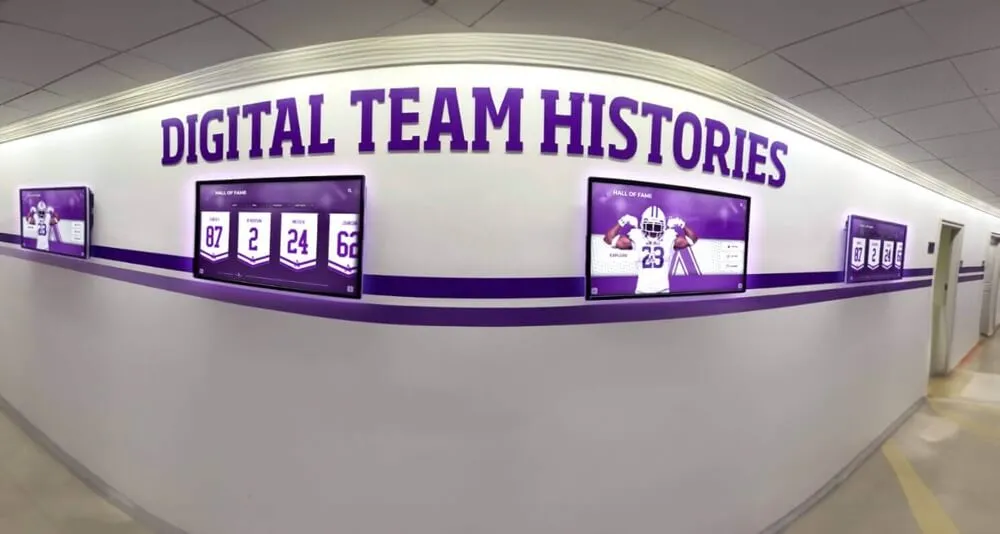
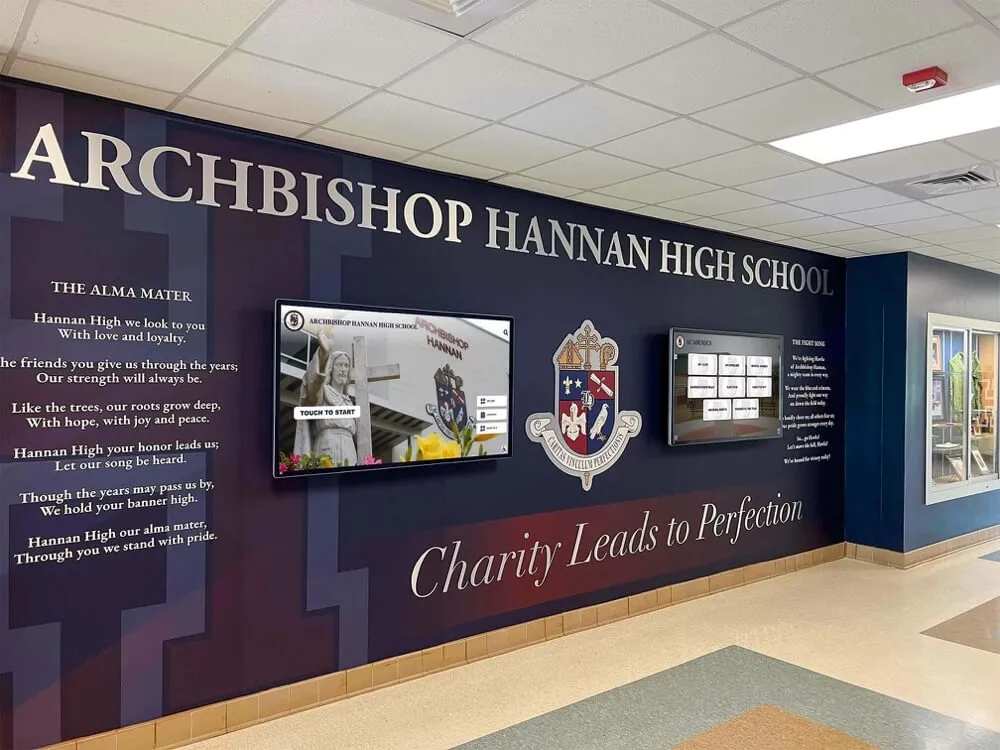
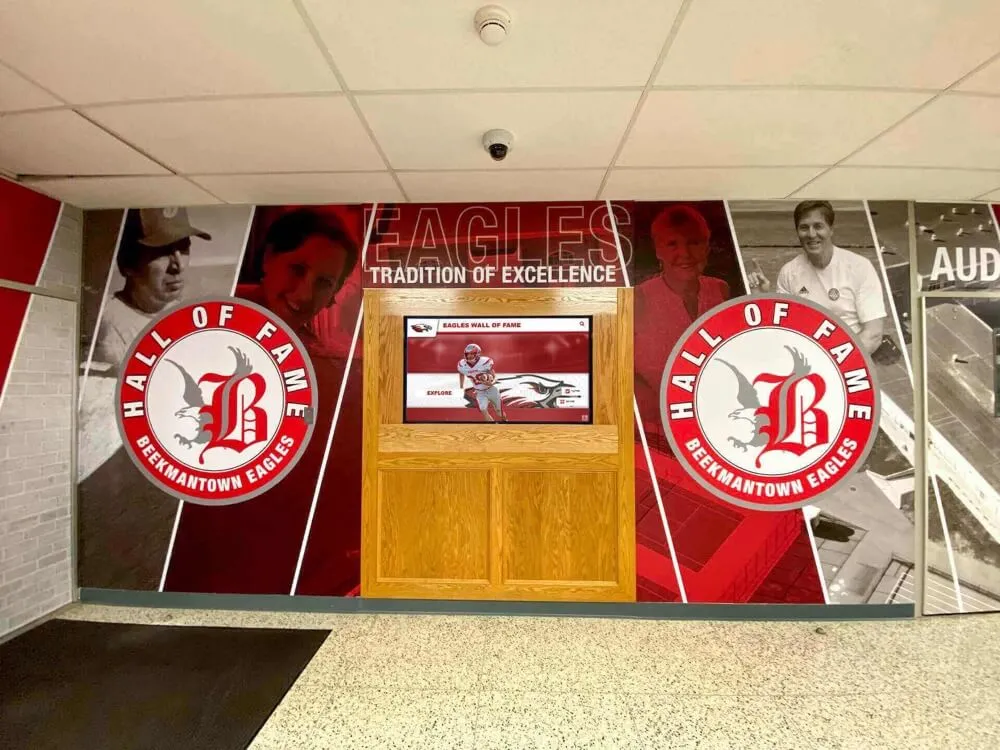
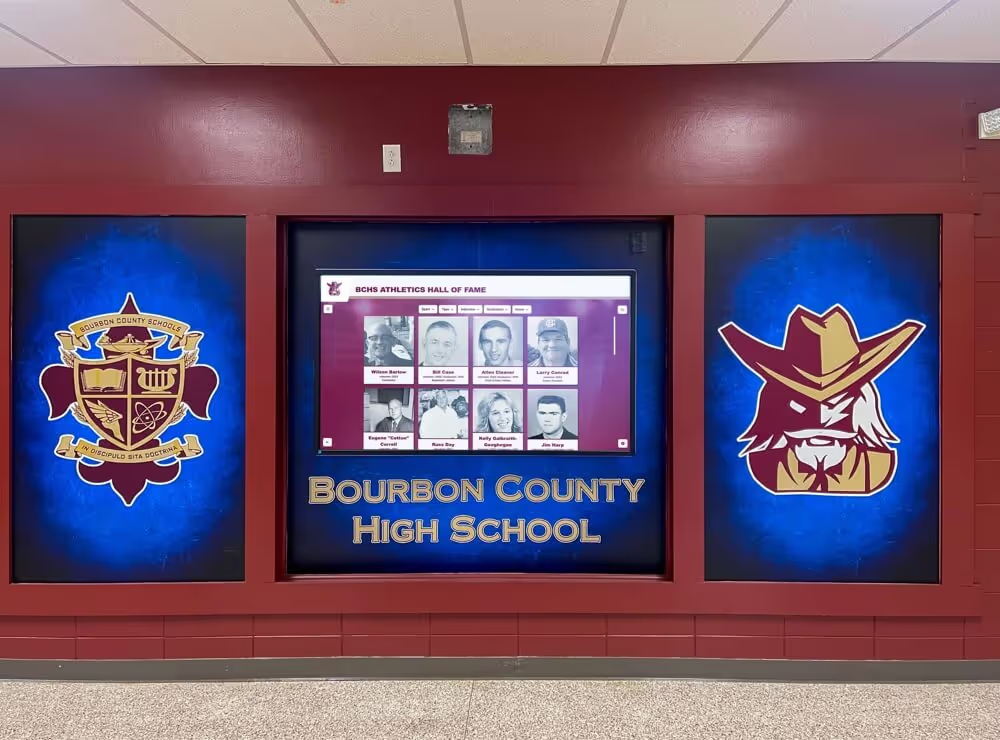
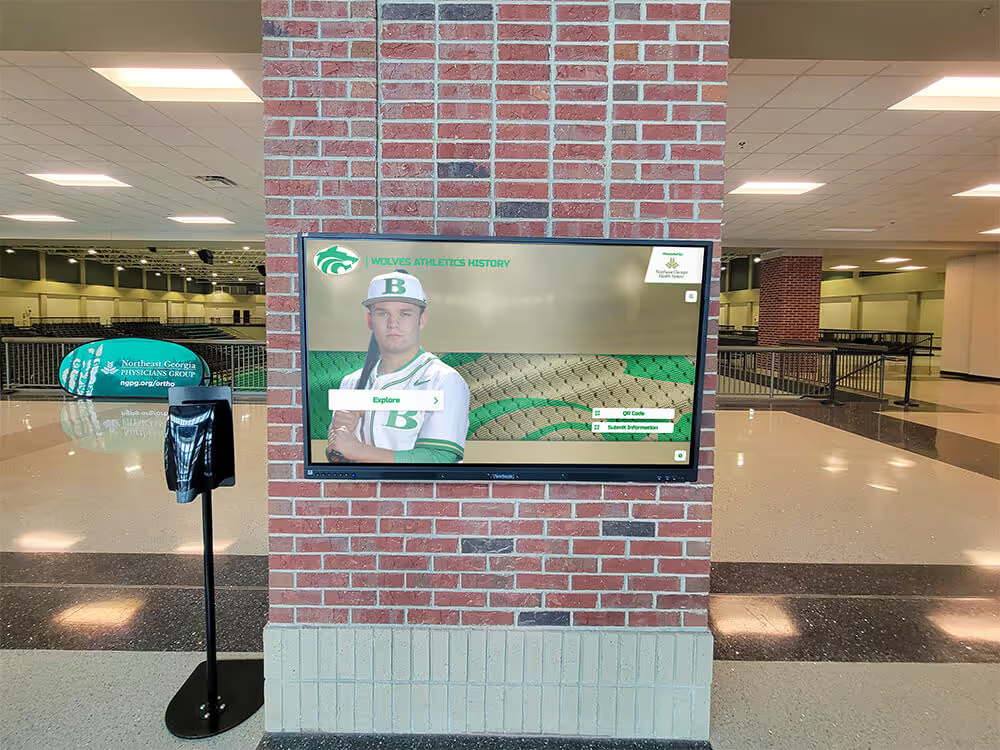
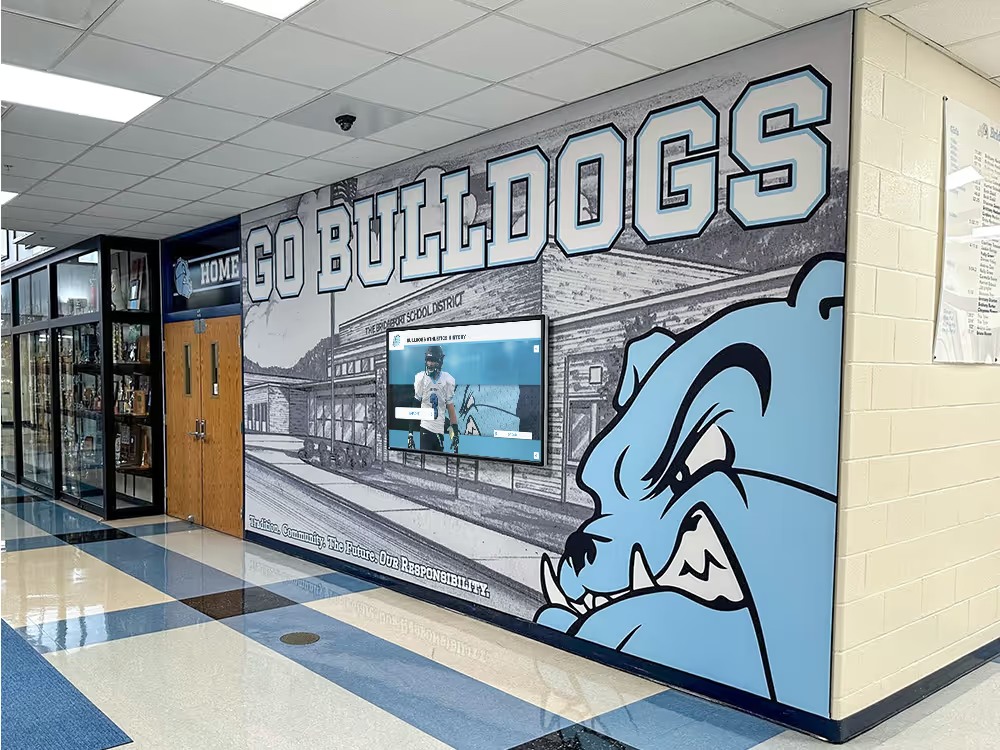
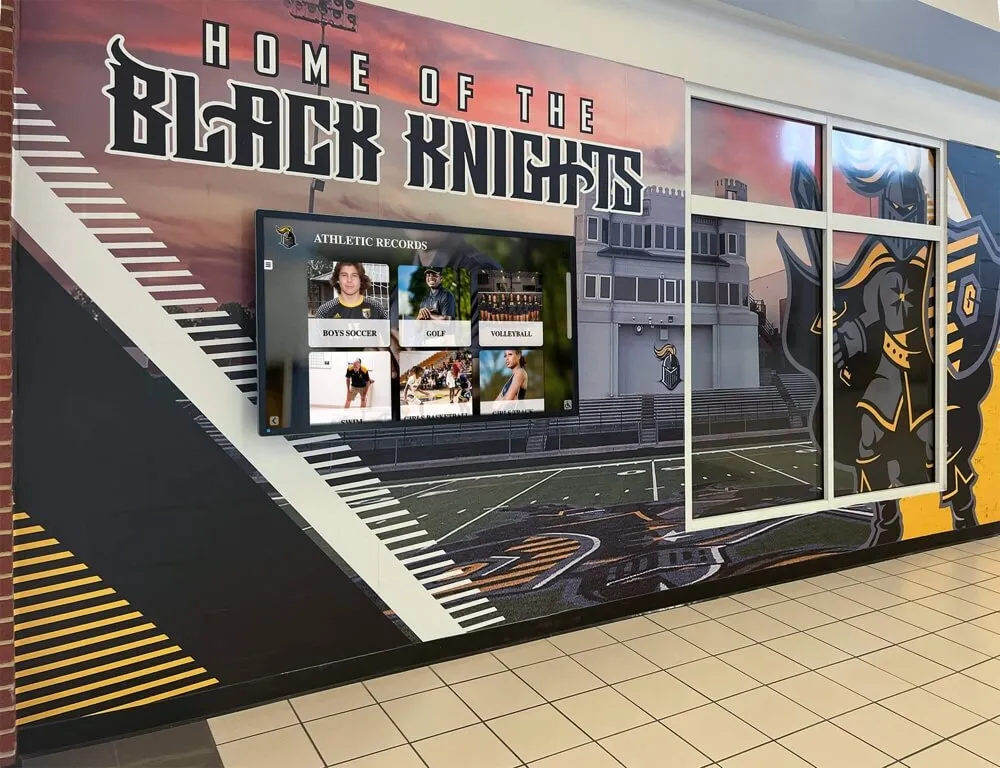
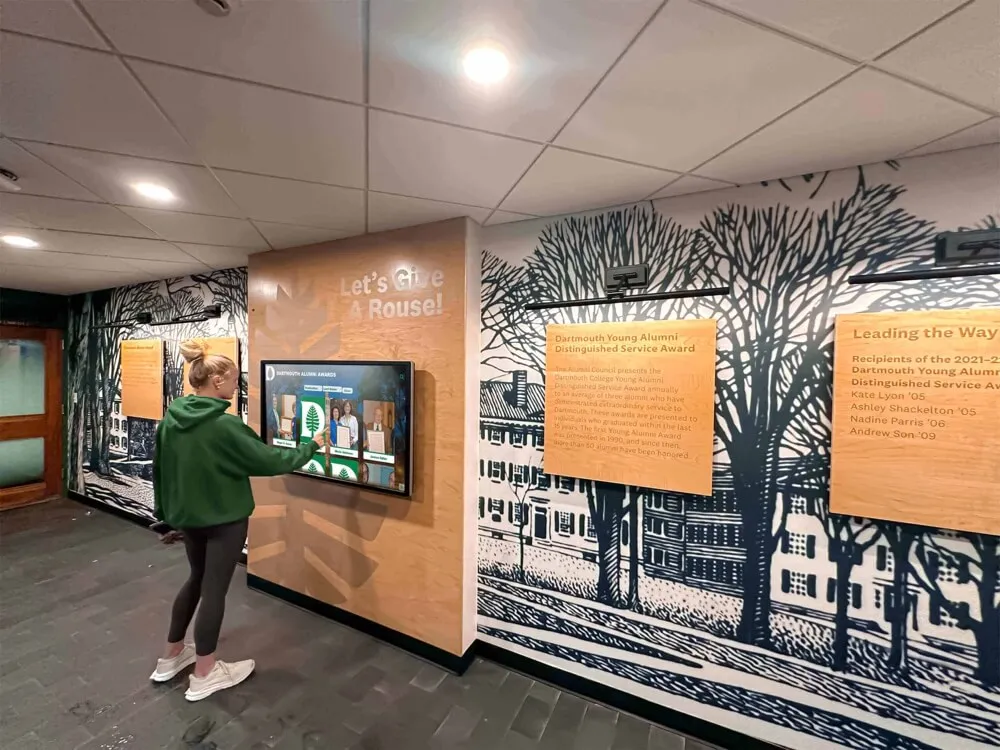
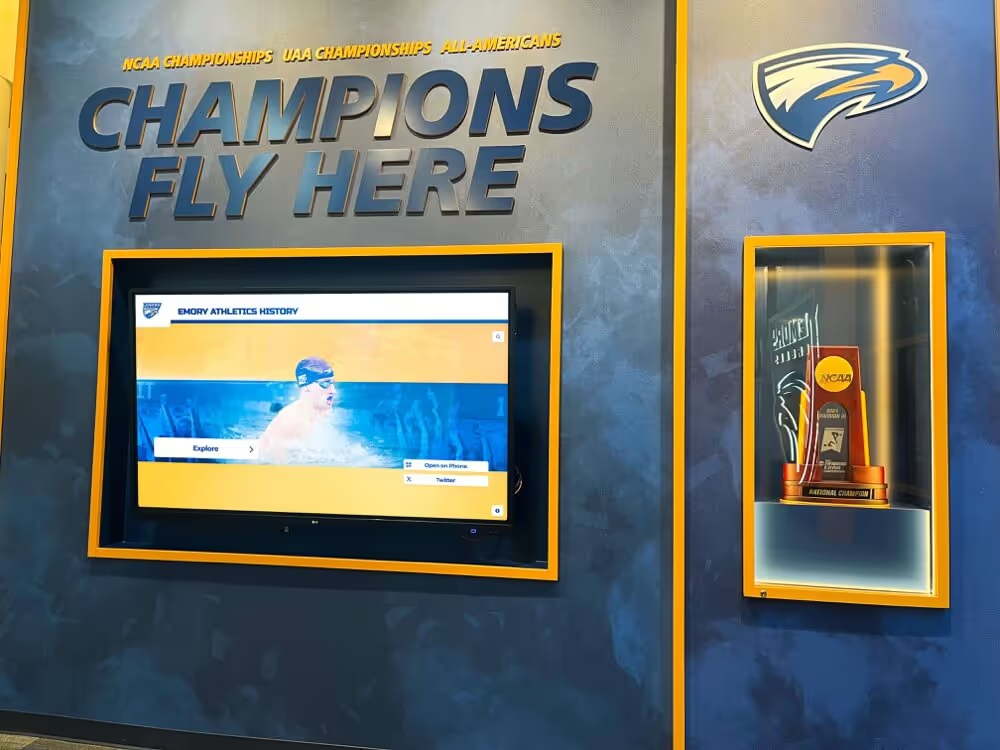
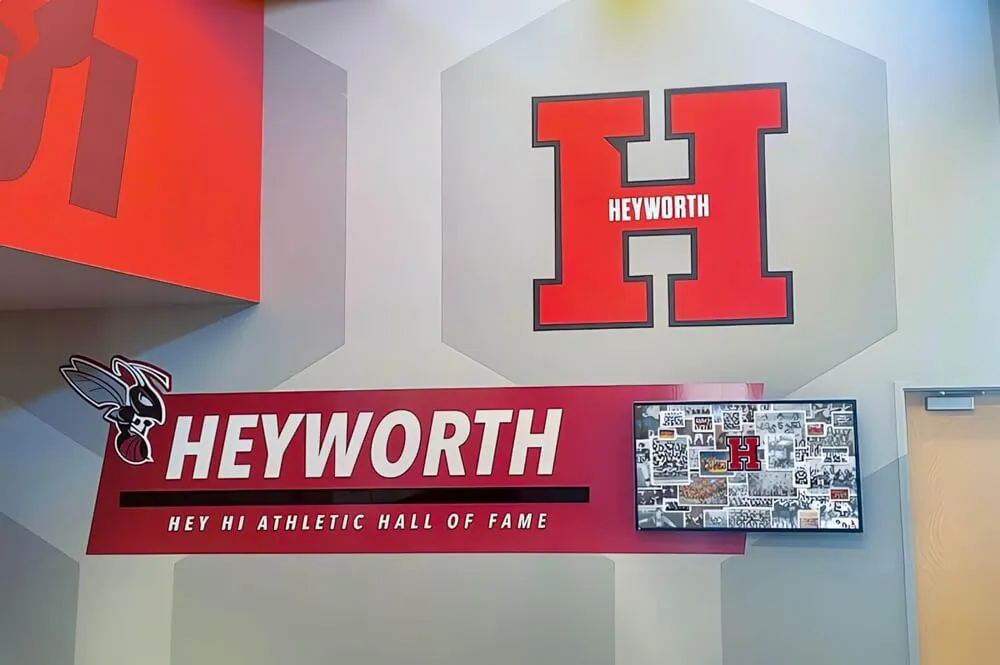
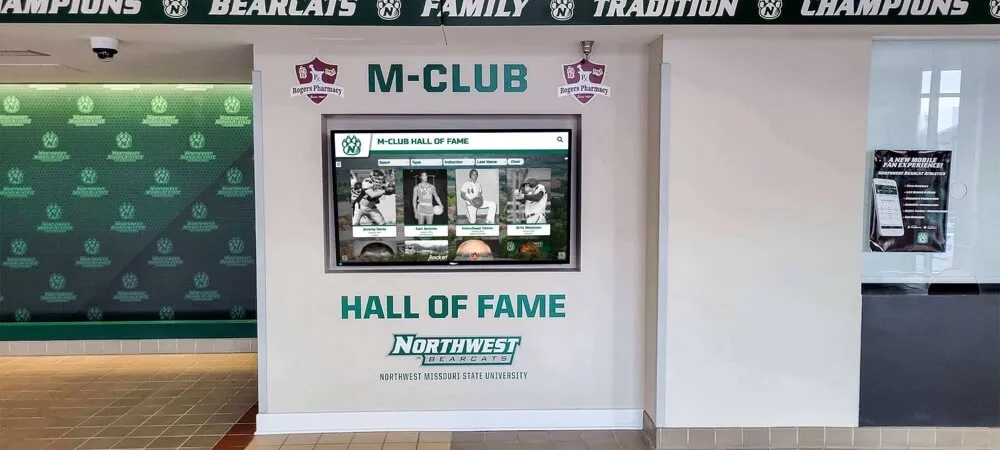
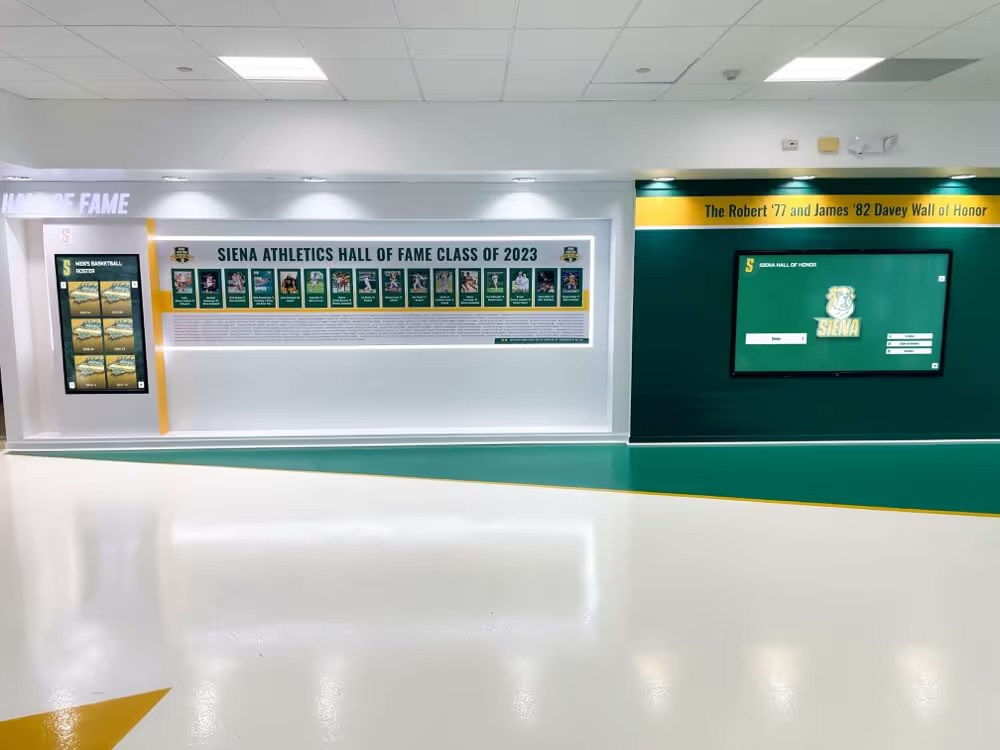
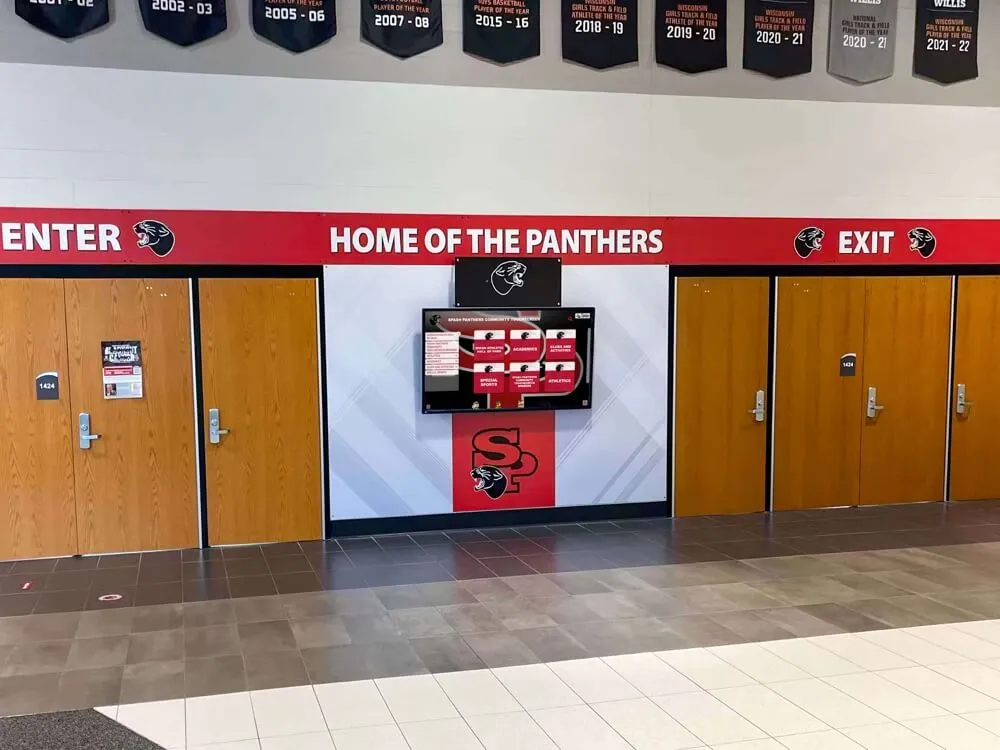
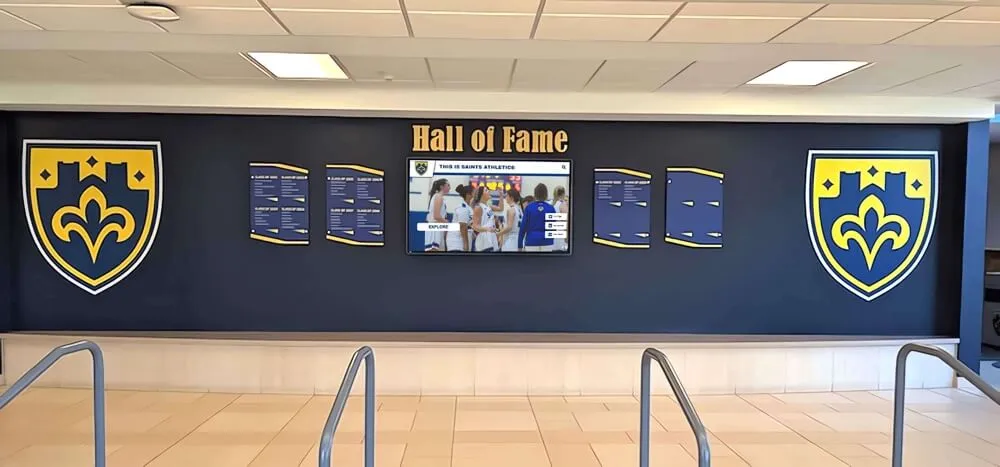
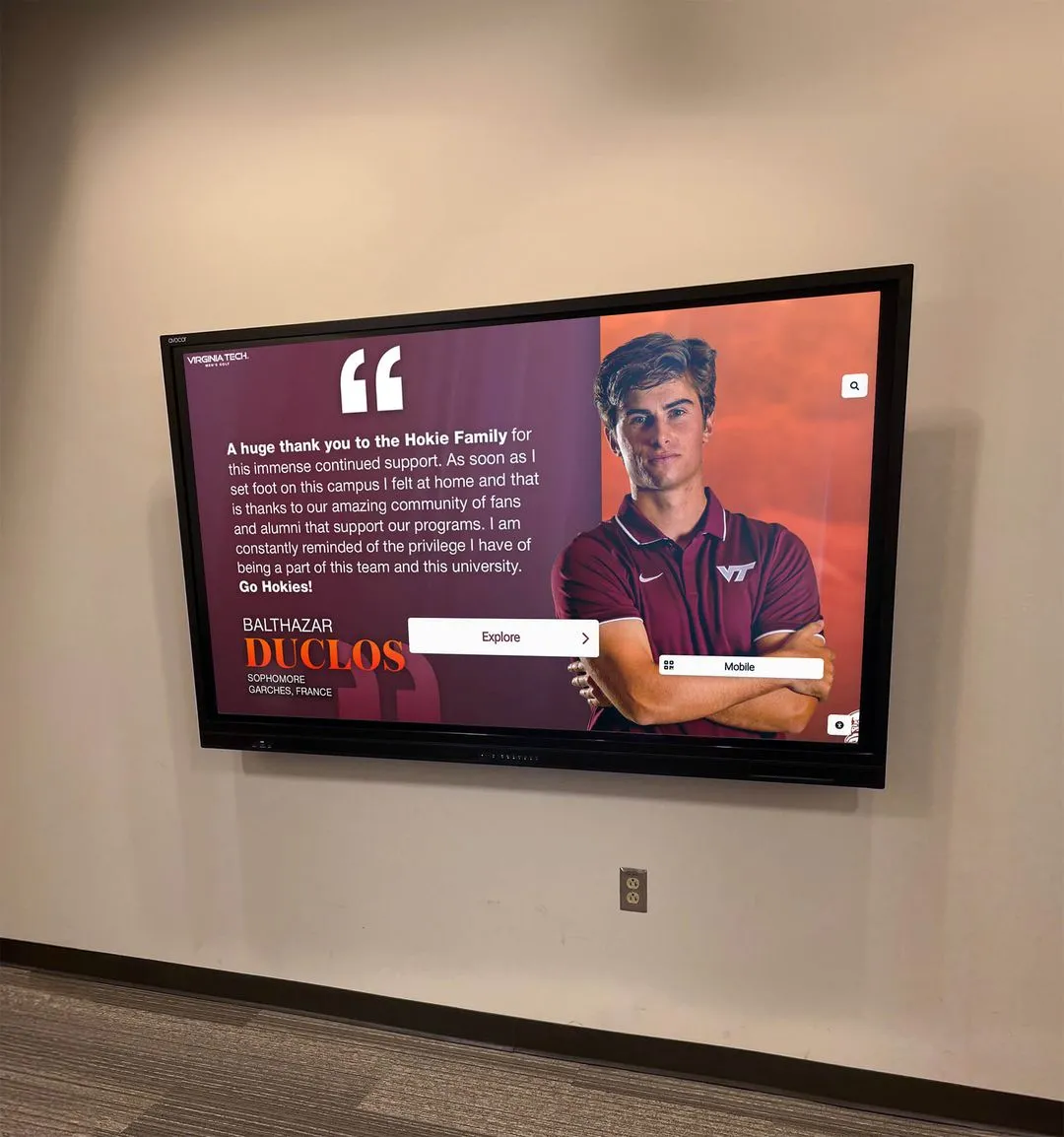
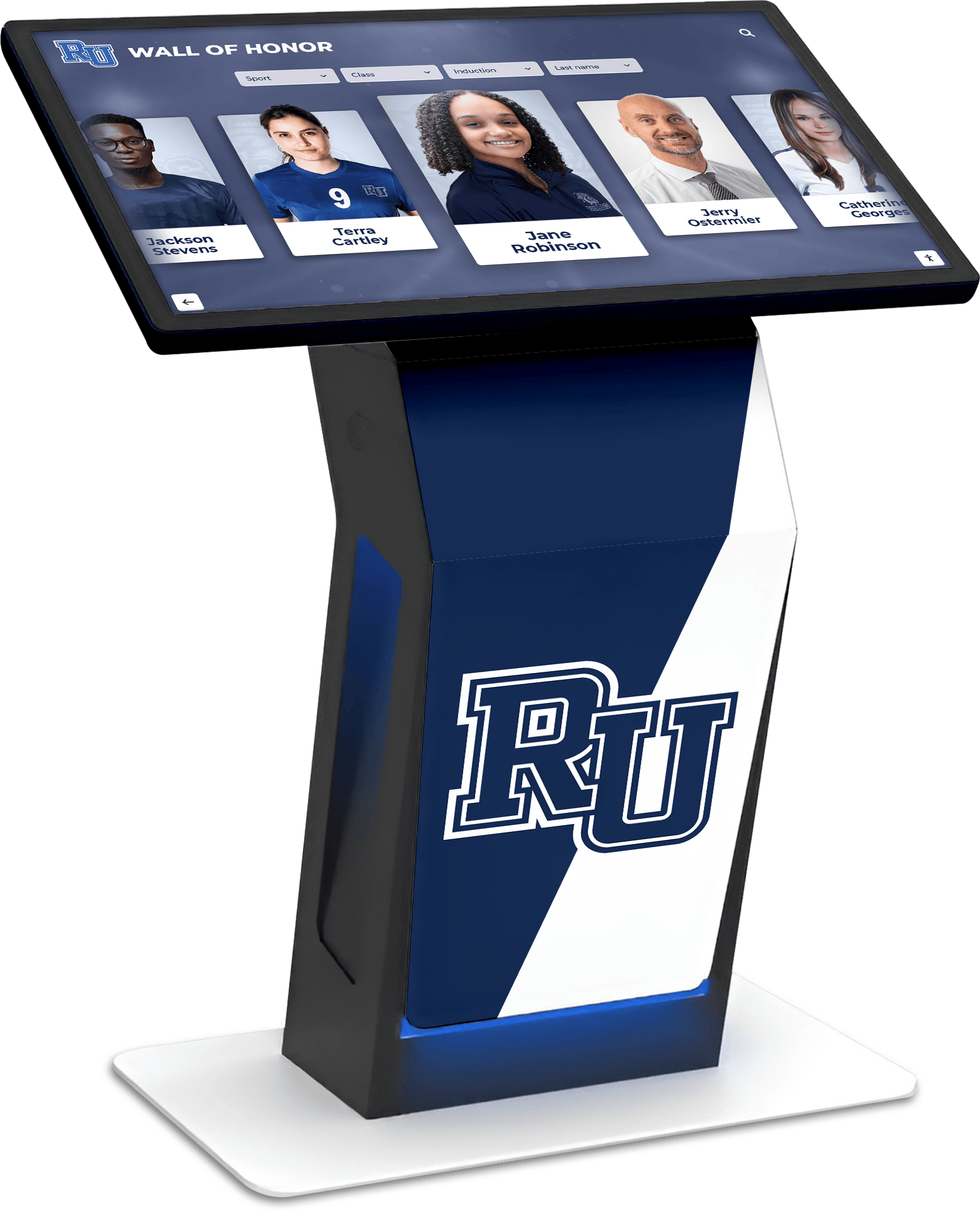
Modern digital asset management systems enable schools to organize, access, and display unlimited photos and videos
What is Digital Asset Management for Schools?
Digital asset management (DAM) refers to systems and processes for storing, organizing, managing, retrieving, and distributing digital files. For educational institutions, DAM encompasses the complete lifecycle of digital content from creation through long-term preservation.
Core Components of Educational DAM
Centralized Digital Repository
- Single source of truth for all school digital content
- Organized storage eliminating scattered files across multiple locations
- Secure cloud-based or hybrid storage infrastructure
- Unlimited capacity accommodating growing content libraries
- Version control tracking asset iterations and updates
Metadata and Organization Systems
- Tagging and categorization enabling efficient search and retrieval
- Automatic metadata extraction from uploaded files
- Custom taxonomy reflecting school organizational structure
- Batch editing capabilities for efficient content management
- Hierarchical folder structures and flexible organization options
Access and Permissions Management
- Role-based access controlling who can view, edit, or share assets
- Public-facing displays for community engagement
- Secure administrative interfaces for content management
- Student privacy protections and compliance features
- Family access for personal content viewing and downloading
Learn about comprehensive digital organization in school history software that preserves institutional legacy.
Why Schools Need Digital Asset Management Systems
Educational institutions face unique content management challenges that purpose-built DAM systems solve comprehensively.
Volume and Diversity of Educational Digital Assets
Schools accumulate massive quantities of varied content types:
Student Photography and Portraits
- Annual school photos for every student across all grades
- Sports team photos and individual athlete portraits
- Club and organization group photos
- Candid event photography from hundreds of activities
- Graduation photos and senior portraits
- Historical yearbook photography dating back decades
According to research from the Consortium for School Networking (CoSN), the average K-12 school district generates over 100,000 new digital images annually across all schools and activities, creating significant management challenges without systematic organization.
Video Content Libraries
- Athletic game footage and highlight reels
- Performing arts productions and concerts
- Graduation ceremonies and special events
- Instructional videos and recorded lectures
- Student project documentation and presentations
- Promotional and recruitment videos
Recognition and Achievement Documentation
- Academic achievement records and honor roll data
- Athletic accomplishments and record boards
- Arts awards and competition results
- Service recognition and character awards
- Historical inductee information for halls of fame
- Scholarship and distinction announcements
Explore comprehensive recognition documentation in digital hall of fame displays that celebrate achievement.
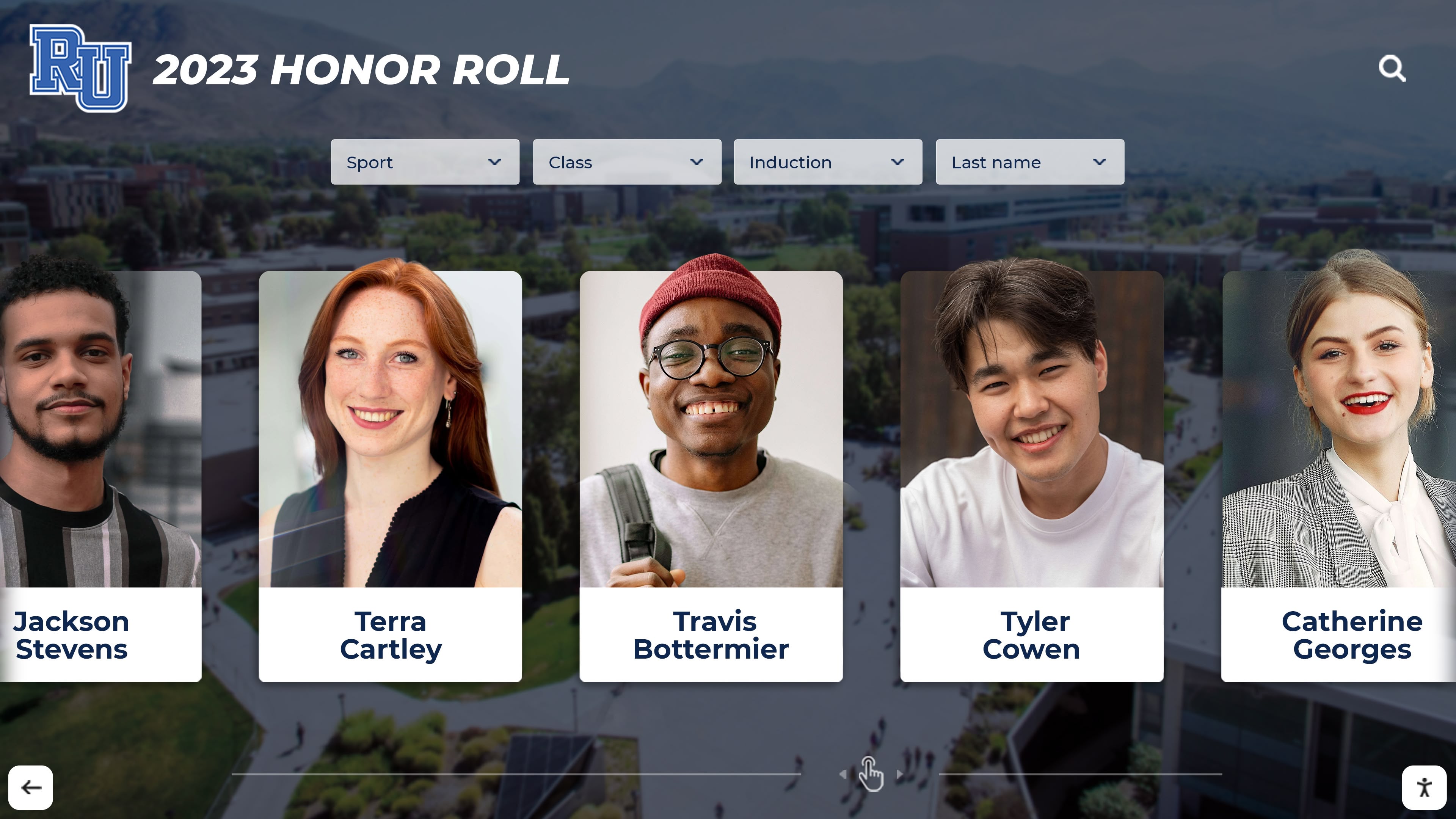
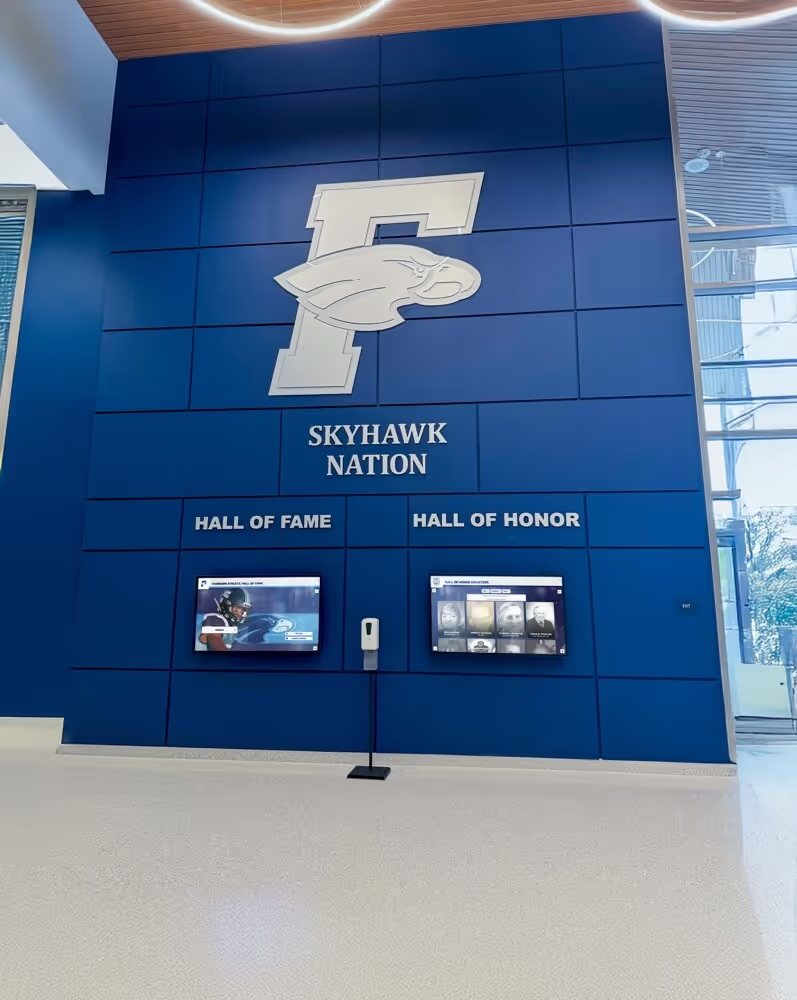
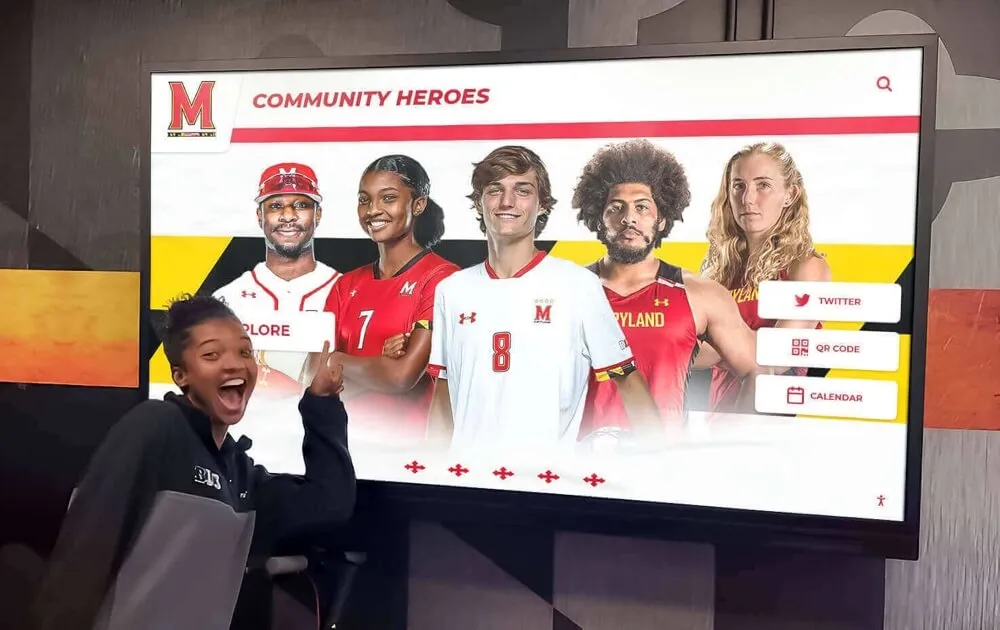
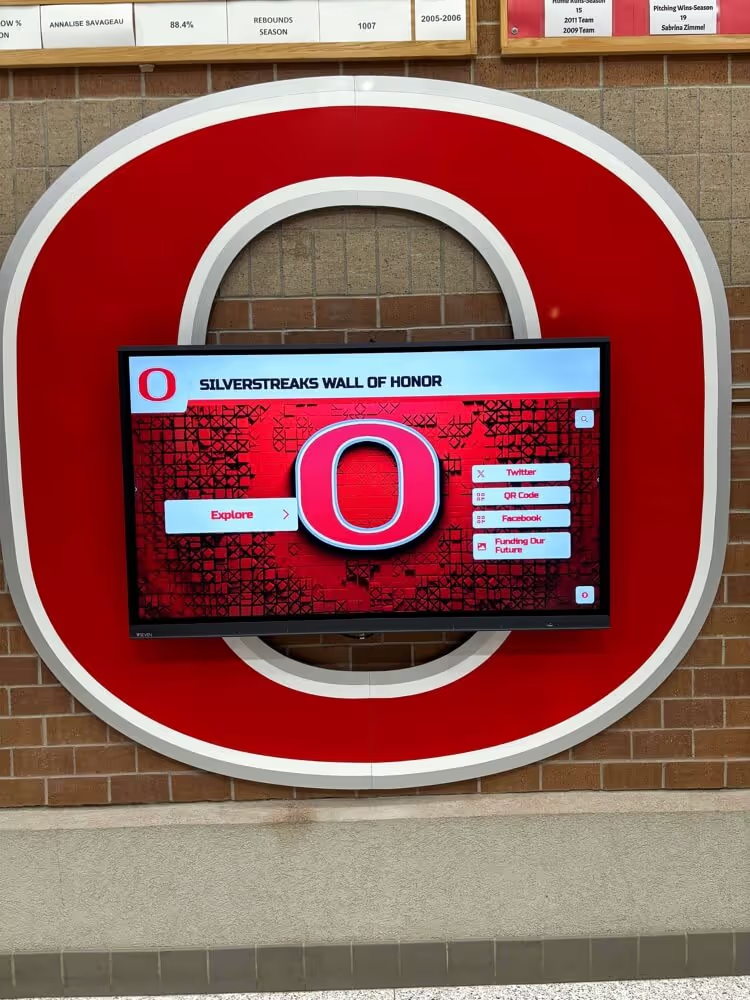
Comprehensive student profiles combine photos, achievements, and multimedia content in organized digital portfolios
Institutional Memory Preservation
Schools serve as community anchors preserving decades or centuries of local history:
Historical Archive Protection
- Digitized yearbooks preserving printed materials deteriorating over time
- Vintage photographs documenting institutional evolution
- Historical documents and records requiring long-term preservation
- Alumni achievement records connecting past to present
- Facility and campus evolution documentation
Disaster Recovery and Asset Protection Physical storage faces risks from fire, flooding, deterioration, and loss. Digital asset management with cloud backup ensures permanent preservation of irreplaceable content documenting institutional history.
Accessibility and Discoverability Challenges
Content stored haphazardly across hard drives, personal devices, and disconnected systems becomes effectively lost:
Common Access Problems Schools Face
- Communications staff unable to locate photos from specific events
- Athletic directors searching for historical performance records
- Alumni relations teams lacking access to vintage yearbook content
- Development offices needing donor recognition materials
- Administrators seeking facility documentation for planning projects
Learn about accessible digital content in digitizing old yearbooks for permanent preservation.
Types of Digital Assets Schools Manage
Comprehensive DAM systems must accommodate diverse content types serving different institutional needs.
Student Recognition and Achievement Assets
Modern schools celebrate accomplishments across multiple dimensions requiring organized documentation:
Academic Excellence Documentation
- Honor roll photos and achievement rosters
- Subject-specific award recipient information
- Academic competition results and team photos
- Advanced Placement and honors program recognition
- Scholarship recipient documentation
Athletic Achievement Records
- Individual athlete photos and profiles
- Team photos across all sports and seasons
- Game action photography and video highlights
- Record holder documentation with statistics
- Championship banners and trophy documentation
- Historical athletic hall of fame inductees
Arts and Activities Recognition
- Performing arts production photos and videos
- Music ensemble photos and concert recordings
- Visual arts portfolio documentation
- Drama production archives
- Student leadership and service recognition
Solutions like Rocket Alumni Solutions function as comprehensive digital asset management platforms specifically designed for student recognition content, providing unlimited storage for photos, videos, achievements, and biographical information accessible through interactive displays and web platforms.
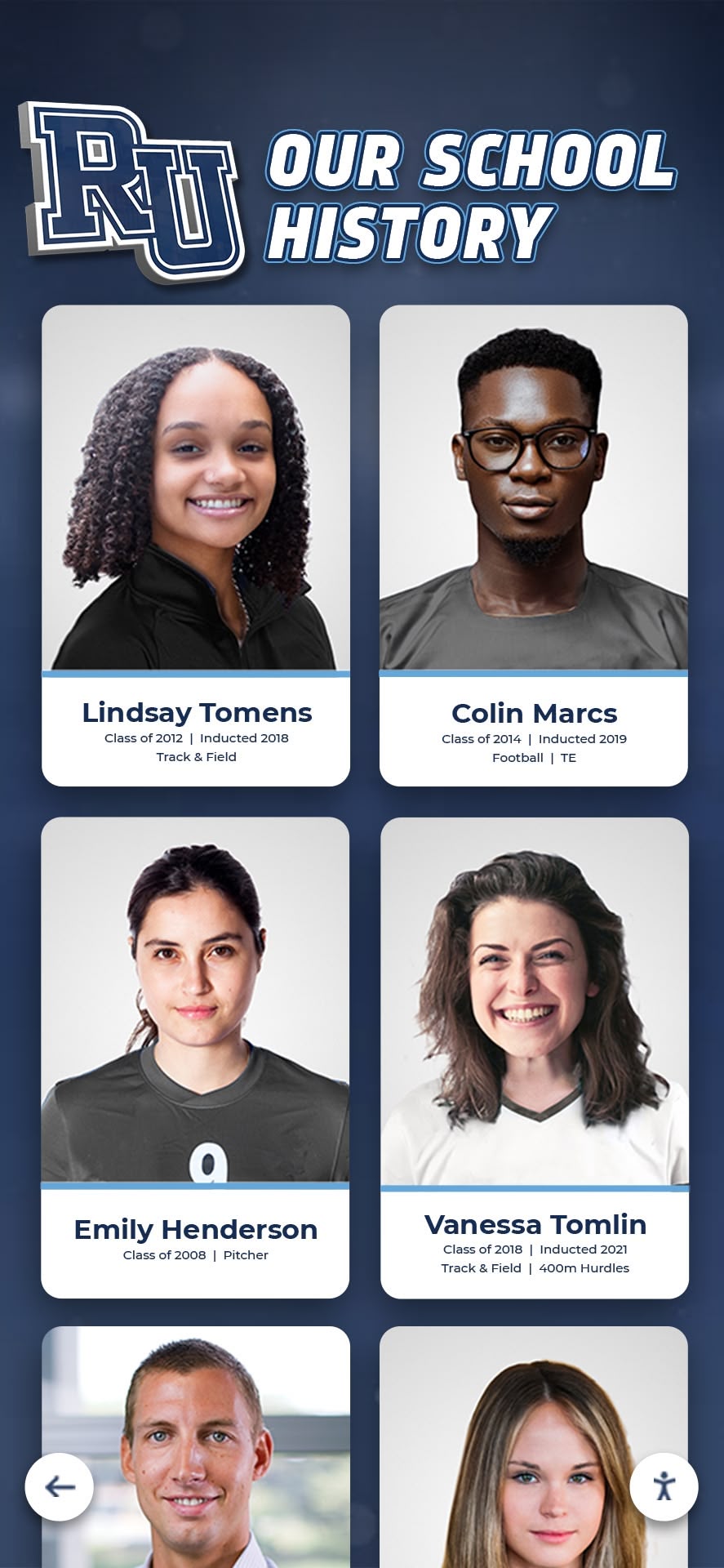
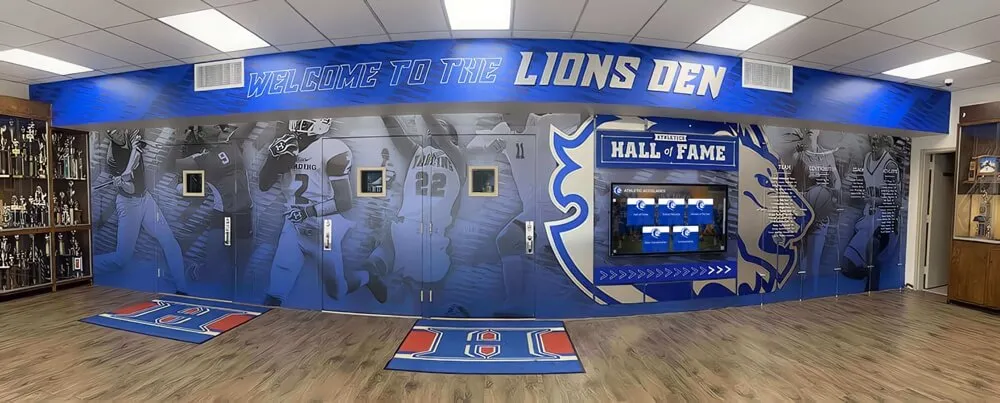
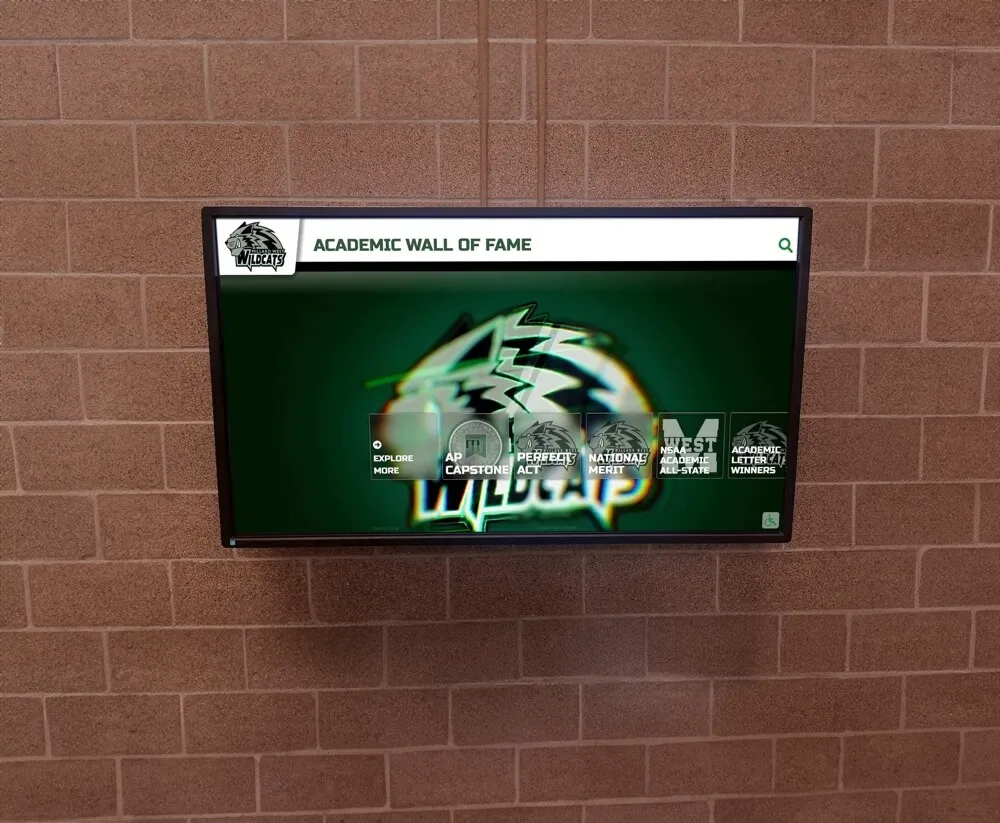
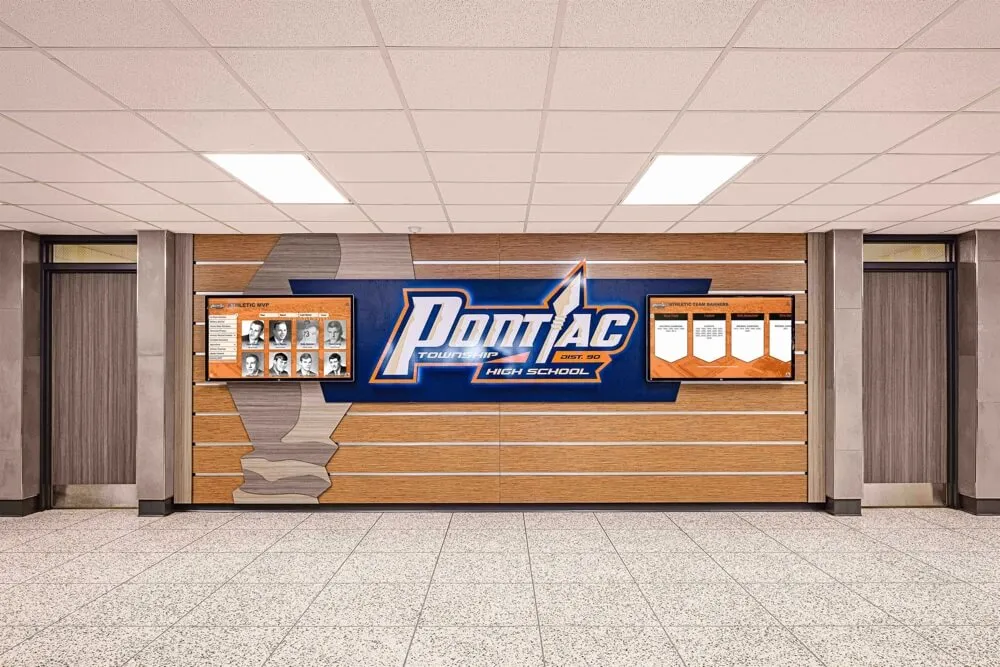
Digital archives preserve decades of student portraits and achievement documentation in searchable databases
Communications and Marketing Assets
Schools require readily accessible visual content for ongoing communications:
Website and Social Media Content
- Event photography for news and announcements
- Facility photos showcasing campus and classrooms
- Student life images representing diverse activities
- Staff headshots and biographical information
- Recruitment materials highlighting school culture
Publications and Print Materials
- Yearbook layouts and individual page archives
- Newsletter photography and graphics
- Brochure and promotional material templates
- Annual report content and infographics
- Program covers and event materials
Historical and Archival Content
Long-term institutional memory requires permanent preservation systems:
Vintage Materials Digitization
- Scanned historical yearbooks from founding through present
- Vintage photographs documenting school evolution
- Historical documents and newspaper clippings
- Architectural drawings and facility plans
- Founding documents and historical records
Alumni Connection Materials
- Graduated class photos and yearbook pages
- Reunion event documentation
- Distinguished alumni achievement records
- Historical athletics and activities documentation
- Generational family connections and legacy students
Explore yearbook digitization in comprehensive guides to preserving school archives.
Challenges of Traditional Digital Asset Management
Schools without systematic DAM solutions face recurring frustrations and limitations.
Scattered Storage and Lost Content
Disconnected Systems Create Silos
- Athletic department photos stored separately from main school libraries
- Communications team using different platforms than yearbook staff
- Individual teachers maintaining personal collections not shared institutionally
- Retired staff taking institutional knowledge and photo access with them
- Hard drives with unique content lost during technology transitions
Search and Discovery Impossibility Without metadata, tagging, and centralized search, finding specific photos becomes enormously time-consuming. Communications directors describe spending hours searching multiple locations for photos from events just months prior.
Physical Storage Limitations and Costs
Space Constraints in Traditional Systems
- Physical trophy cases limited to displaying small percentages of achievements
- Yearbook storage requiring dedicated archive rooms
- Photo print collections deteriorating and requiring climate control
- Limited capacity forcing removal of older recognition to accommodate new
Maintenance and Preservation Costs Physical recognition displays require ongoing maintenance, trophy replacement, plaque updates, and facility space—all creating recurring expenses. Traditional storage also faces deterioration risks requiring climate control and preservation investments.
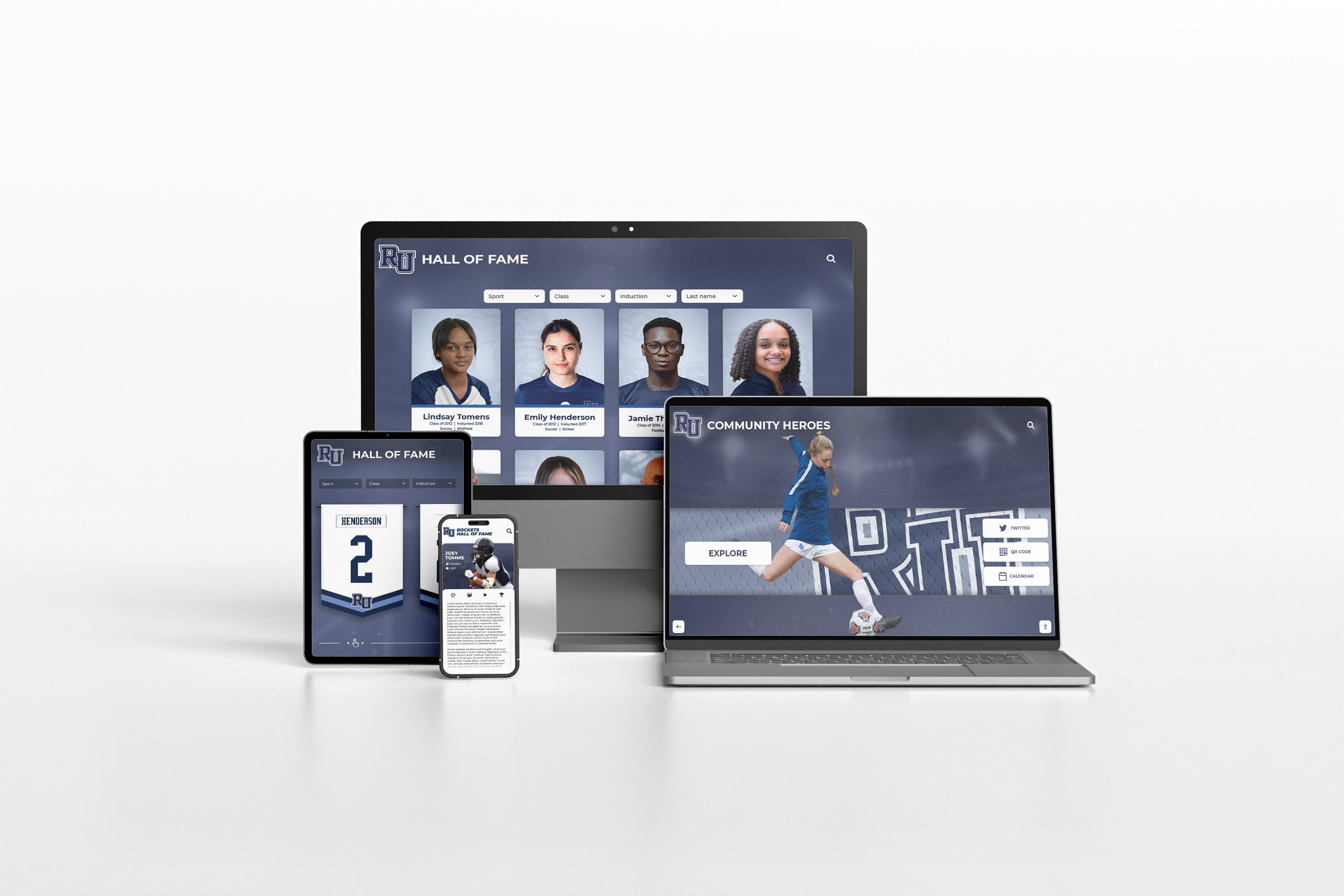
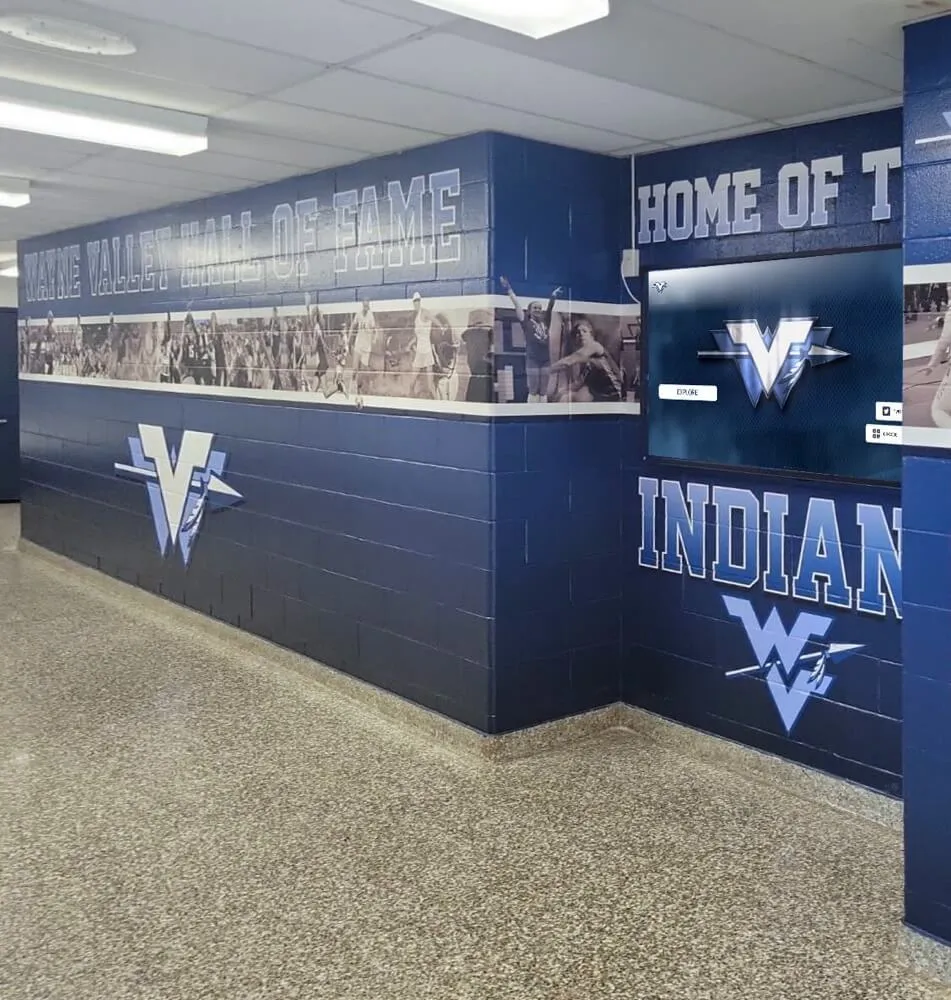
Cloud-based digital asset management enables access from any device, anywhere, anytime
Privacy Compliance and Access Control
Student Privacy Protection Requirements Schools must balance celebrating student achievement with protecting student privacy under FERPA and state regulations. Traditional systems struggle to provide:
- Granular access controls limiting who can view specific content
- Family permission tracking for public photo use
- Automatic removal of content when students transfer or opt-out
- Audit trails documenting who accessed student information
Content Update and Maintenance Burden
Static Systems Become Outdated Immediately
- Printed yearbooks cannot incorporate content from later in the school year
- Physical plaques require ordering, engraving, and installation for updates
- Trophy cases display outdated information when records break
- Historical displays frozen at installation point with no updates
Staff describe frustration maintaining recognition displays manually—printing updated lists, creating new plaques, rearranging physical installations—tasks consuming hours better spent on educational mission.
Key Features Schools Need in Digital Asset Management
Effective educational DAM platforms must address schools’ specific requirements beyond generic file storage.
Unlimited Storage and Scalability
Schools accumulate content indefinitely and cannot work with capacity limits:
No Artificial Storage Caps
- Unlimited photo uploads without per-file or total storage limits
- Unrestricted video hosting without duration or size restrictions
- Capacity for complete historical archives dating back decades
- Room for indefinite growth as content libraries expand annually
Flexible Media Format Support
- Standard photo formats (JPEG, PNG, TIFF, RAW)
- Video formats including MP4, MOV, and streaming platform embeds
- Document formats (PDF, Word, Excel, PowerPoint)
- Specialized formats like yearbook design files and graphics
Powerful Search and Filter Capabilities
Content becomes valuable when easily discoverable:
Multi-Criteria Search Functions
- Keyword search across all metadata fields
- Filter by date ranges, school years, or specific dates
- Category and tag-based organization
- Student name search across all associated content
- Achievement type, sport, activity, or department filtering
Automatic Content Recommendations
- “Related students” connections showing teammates, classmates
- “Similar achievements” grouping related accomplishments
- Timeline views showing student progression across years
- Collection creation grouping assets by theme or event
Learn about searchable recognition in interactive hall of fame systems with advanced filtering.
Remote Content Management
Modern DAM requires cloud-based administration accessible anywhere:
Web-Based Management Interfaces
- Update content from any internet-connected device
- No software installation or technical requirements
- Collaborative access for multiple authorized administrators
- Scheduled publishing for future-dated content
- Bulk import tools for efficient historical content migration
Mobile-Friendly Administration
- Tablet and smartphone access for on-the-go updates
- Photo uploads directly from mobile devices
- Quick edits and content approval workflows
- Real-time updates visible immediately across all displays
Public Access and Family Engagement
DAM systems should enable appropriate community access:
Interactive Public Displays Touchscreen kiosks in school lobbies and hallways create engaging experiences:
- Students exploring their own profiles and achievements
- Families discovering their student’s recognition during campus visits
- Alumni browsing their own historical content and classmates
- Visitors experiencing school culture and excellence
- Self-service exploration without staff assistance needed
Web-Based Access Extensions Mobile-responsive websites extend access beyond physical campus:
- Families viewing student profiles from home
- Distant relatives celebrating student achievements
- Alumni accessing their own historical records and classmates
- Social sharing enabling students to celebrate accomplishments
- College recruiters and scholarship committees reviewing profiles
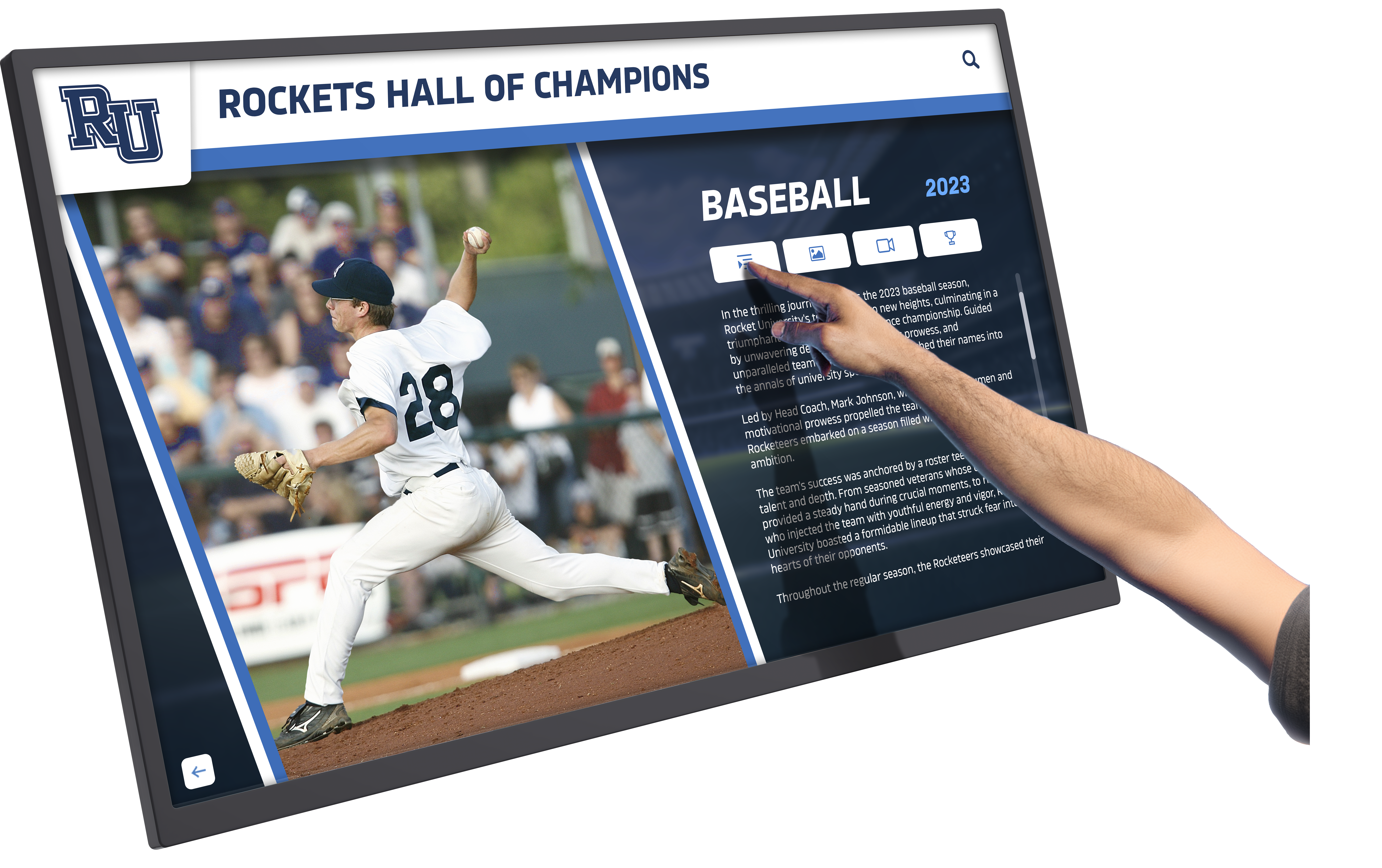
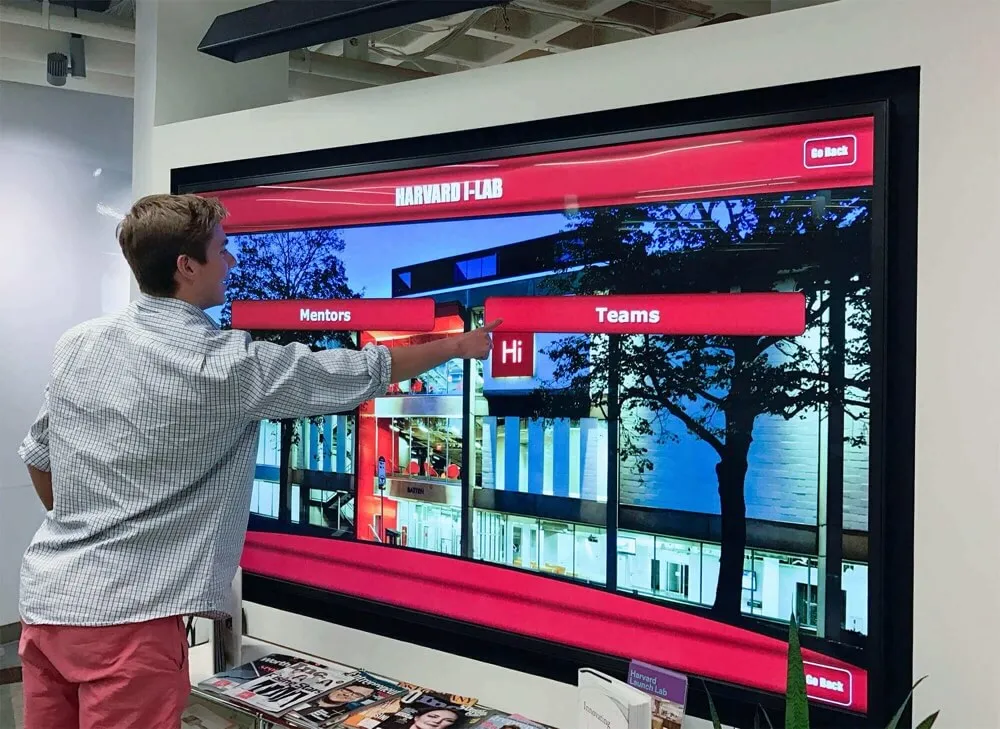
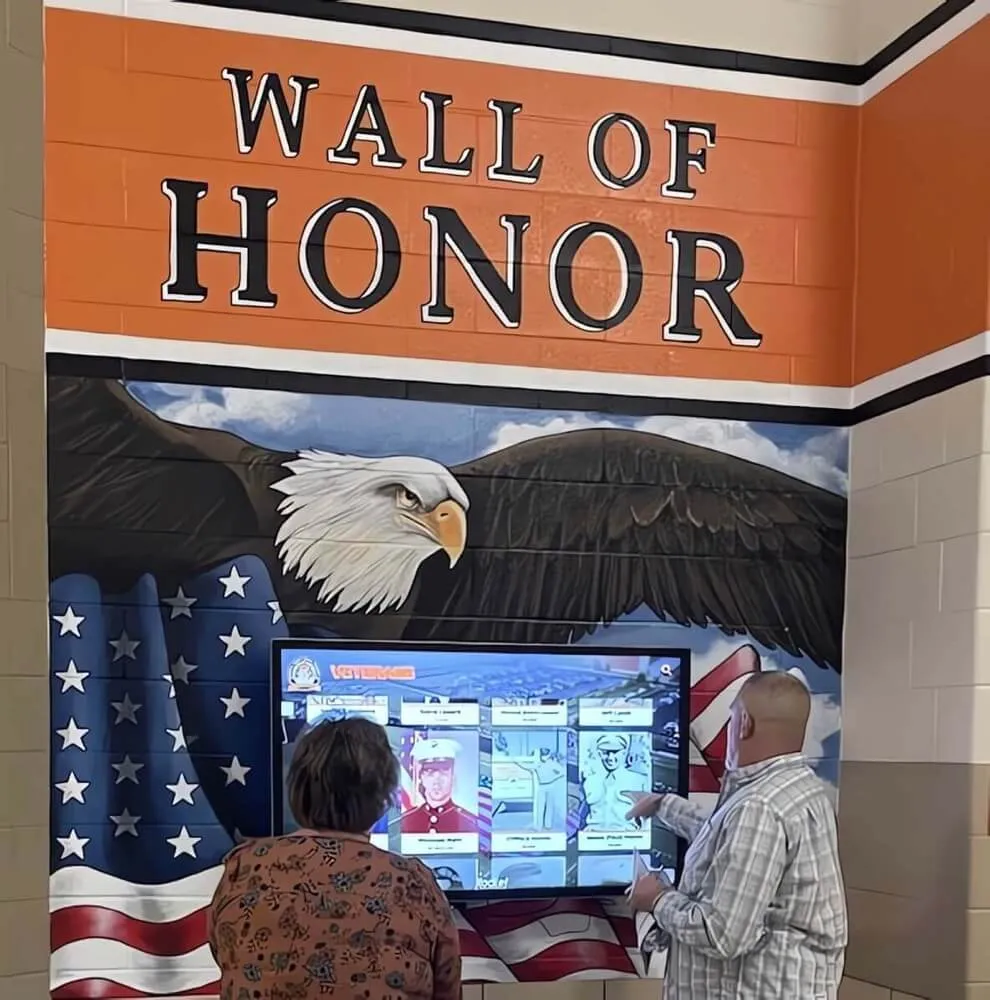
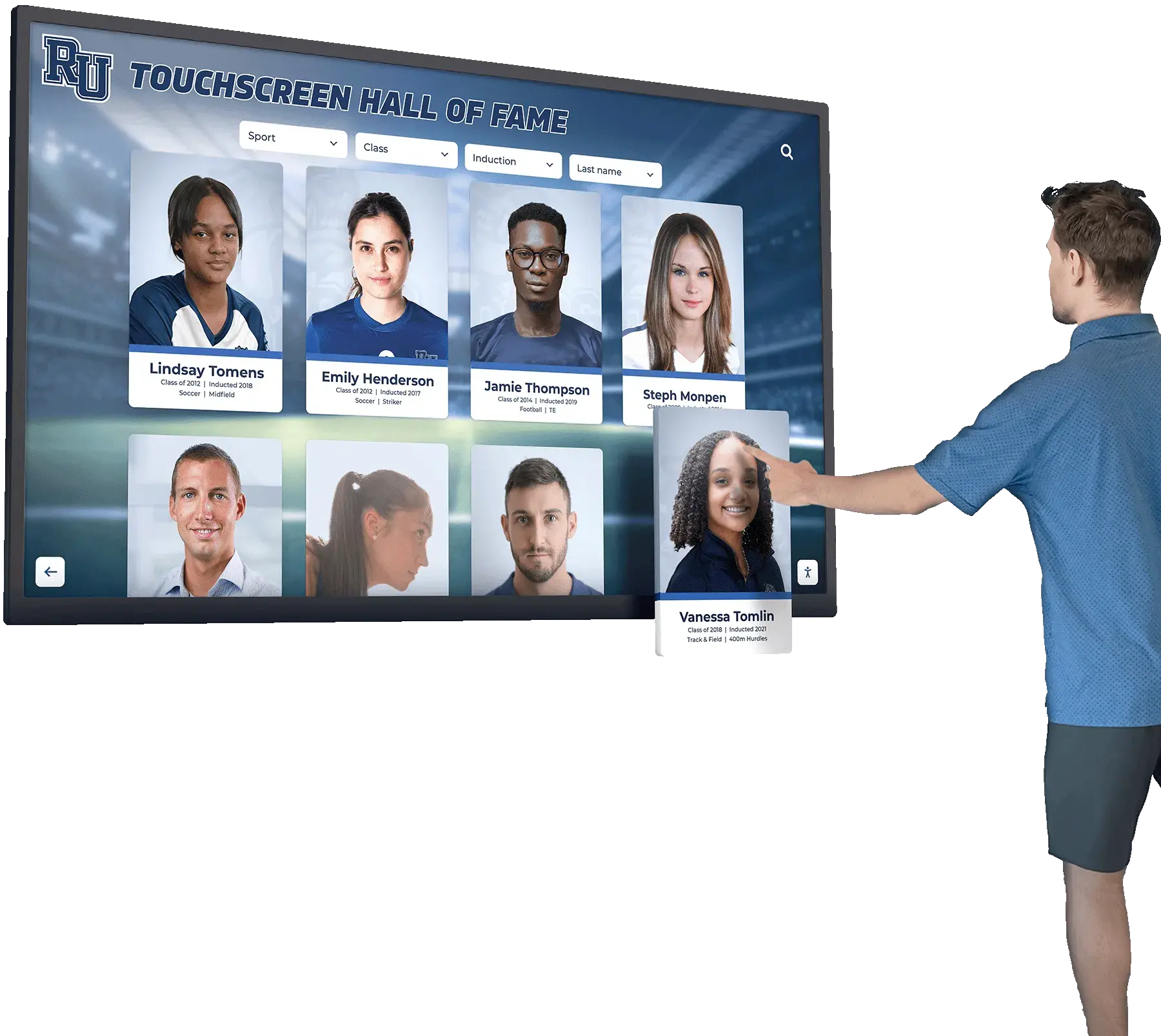
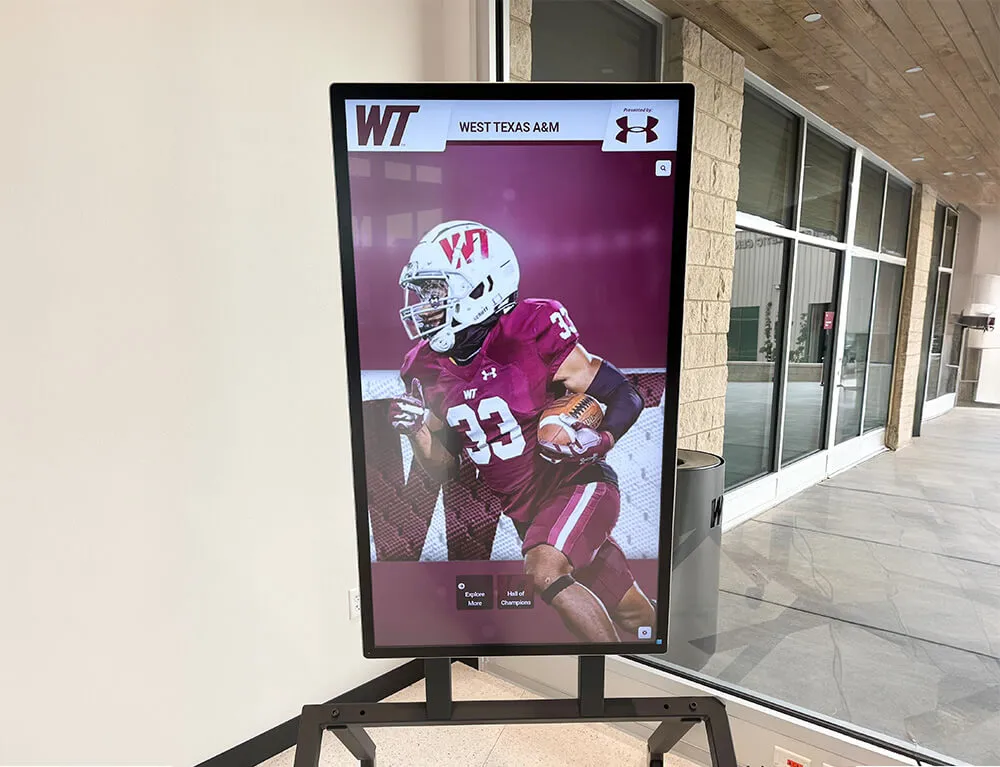
Interactive touchscreen interfaces make exploring comprehensive digital asset libraries intuitive and engaging
Recognition-Specific Features
Schools celebrating student achievement need specialized DAM capabilities:
Automated Record Tracking
- Automatic ranking of athletic performances and statistics
- Dynamic leaderboards updating when new records set
- Comparison views showing historical progression
- All-time versus single-season versus career statistics
- Automatic “record holder” designation and updates
Achievement Milestone Automation
- Automatic calculations of honor roll qualification
- GPA tracking and academic distinction designation
- Attendance milestone recognition
- Service hour accumulation and recognition thresholds
- Multi-year achievement tracking showing student growth
Award and Recognition Documentation
- Complete award recipient histories across all categories
- Ceremony photo galleries and event documentation
- Award criteria and selection process information
- Historical recipient archives preserving institutional traditions
- Searchable databases enabling research and comparison
Explore comprehensive recognition features in digital donor walls that document giving.
Rocket Alumni Solutions as Comprehensive Digital Asset Management
Rocket Alumni Solutions provides purpose-built digital asset management specifically designed for educational recognition and celebration.
Unlimited Digital Asset Storage
The platform functions as complete DAM infrastructure for schools:
No Storage Restrictions
- Upload unlimited photos across all students, events, and activities
- Host unlimited videos without duration or file size limits
- Preserve complete institutional history dating back decades
- Archive every yearbook page as searchable digital content
- Document all achievements without selection or limitation
Comprehensive Student Profiles Each student receives a complete digital portfolio:
- Biographical information and photos across all school years
- Complete achievement documentation across academic, athletic, and activity dimensions
- Photo galleries showing progression and participation
- Video highlights and performance documentation
- Historical connections showing siblings, relatives, and legacy students
Interactive Access and Engagement
The platform transforms static digital assets into engaging interactive experiences:
Touchscreen Display Installations Physical kiosks in high-traffic school locations:
- Lobby installations welcoming visitors with school excellence
- Athletic facility displays celebrating sports achievements
- Library and commons area recognition encouraging exploration
- Performing arts venue displays honoring creative excellence
- Administrative area installations for family engagement during visits
Web-Based Access Extensions Mobile-responsive platforms accessible worldwide:
- Families viewing student profiles from home or anywhere
- Alumni exploring their own records and reconnecting with classmates
- Community members appreciating school excellence
- Social sharing amplifying recognition reach and impact
- QR code unlocks connecting physical displays to mobile devices
Learn about comprehensive platforms in touchscreen software for interactive displays.
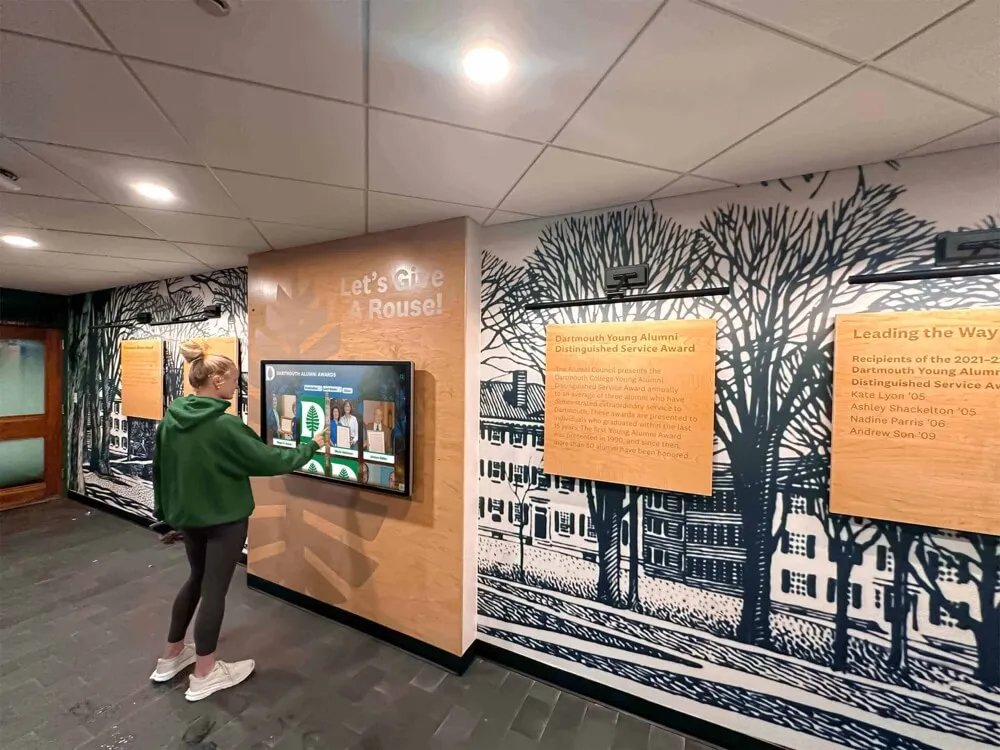
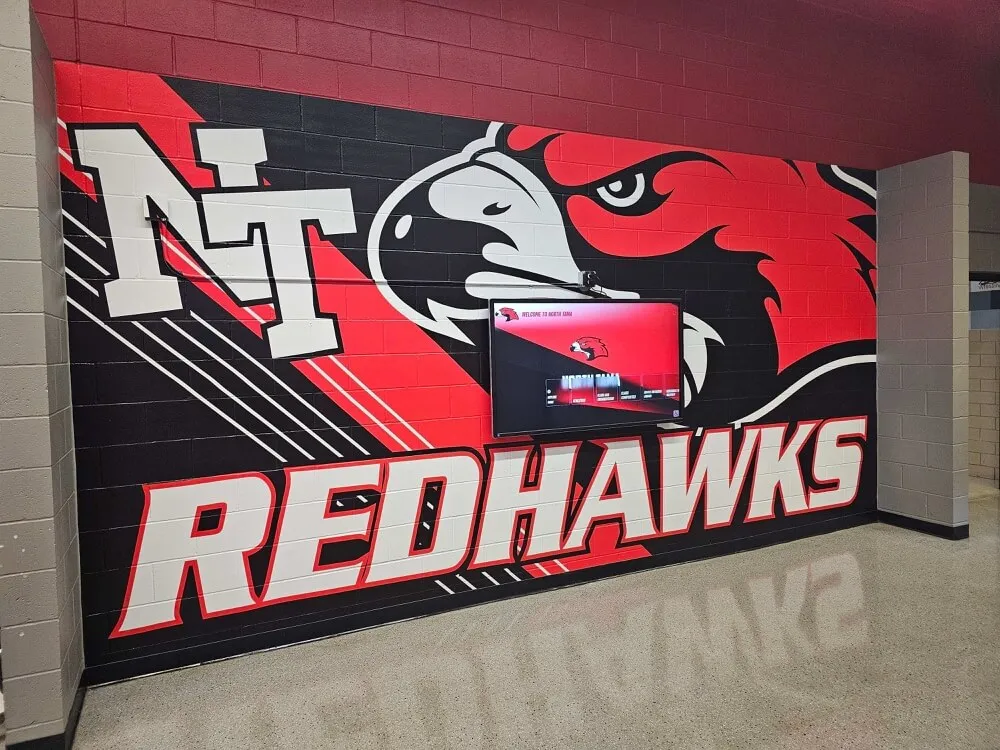
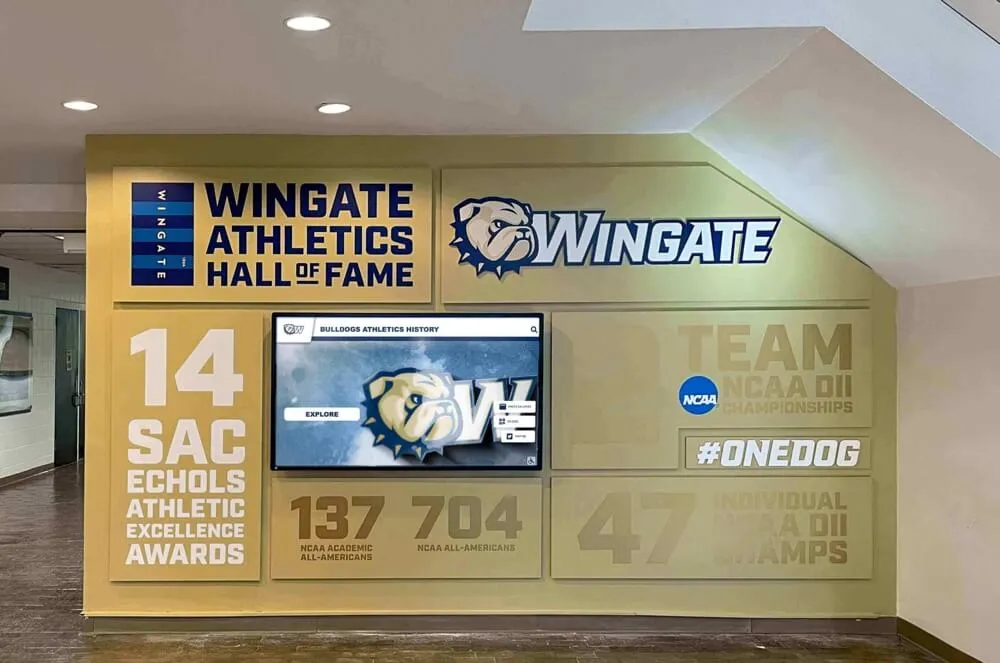
Strategic campus placement ensures digital asset libraries receive regular engagement from students, families, and visitors
Cloud-Based Content Management
Remote administration makes content management efficient:
Intuitive Management Interface
- Web-based dashboard accessible from any device
- Drag-and-drop content uploads requiring no technical expertise
- Bulk import tools for historical content migration
- Scheduled publishing automating future content releases
- Role-based permissions for appropriate administrative access
Simple Content Updates
- Update displays instantly from anywhere with internet access
- Add new achievements and photos throughout the year
- Correct errors or update information immediately
- Reorganize content and create new categories easily
- Track analytics showing engagement and popular content
Minimal Administrative Burden Schools report 80-90% reduction in time spent maintaining recognition displays after implementing the platform compared to traditional physical systems requiring manual updates, plaque ordering, and installation coordination.
Recognition and Celebration Features
Purpose-built tools address educational recognition specifically:
Automated Athletic Record Boards
- Automatic ranking of performances across all sports
- Dynamic leaderboards updating when new records set
- All-time versus season versus career statistics
- Historical comparison views and progression tracking
- Automatic record holder designation
Academic Achievement Tracking
- Honor roll rosters organized by tier and semester
- GPA tracking and distinction calculations
- Subject-specific excellence recognition
- Multi-year cumulative achievement documentation
- Academic competition results and rankings
Comprehensive Award Documentation
- Complete recipient histories across all award categories
- Searchable databases of all recognized students
- Award criteria and selection information
- Historical preservation of institutional traditions
- Photo galleries from recognition ceremonies
Implementation and Migration Best Practices
Schools transitioning to comprehensive DAM systems should follow systematic approaches ensuring successful adoption.
Planning and Assessment Phase
Content Audit and Organization Before implementation, schools should:
- Inventory existing digital content across all locations and departments
- Identify historical materials requiring digitization
- Determine priority content for initial platform population
- Establish organizational taxonomy and metadata schema
- Define access levels and permission requirements
Stakeholder Engagement Successful implementations involve key constituencies:
- Administrative leadership providing vision and resources
- Athletic directors contributing sports content and requirements
- Communications staff sharing marketing and media needs
- Yearbook advisors preserving historical archives
- IT departments ensuring technical integration
- Family representatives providing community perspective
Historical Content Migration
Digitization of Physical Archives Converting analog materials into digital assets:
- Yearbook scanning preserving complete historical archives
- Photo scanning from print collections and albums
- Trophy and award documentation through photography
- Historical document preservation and organization
- Metadata creation enabling search and discovery
Digital Content Consolidation Gathering scattered digital files:
- Hard drive content from retired staff and historical sources
- Department-specific collections brought into central repository
- Personal collections contributed by long-term faculty
- Alumni-contributed historical materials and memories
- Third-party photographer and vendor content
Explore digitization approaches in professional yearbook digitization services.
Ongoing Content Strategy
Sustainable Management Processes
- Assign clear responsibilities for content uploads and updates
- Establish workflows for new content creation and approval
- Create schedules for regular content reviews and updates
- Train multiple staff ensuring continuity during transitions
- Budget for ongoing content development and enhancement
Quality Standards and Guidelines
- Photo resolution and format requirements
- Metadata and tagging conventions
- Biographical information completeness standards
- Copyright and permission documentation
- Student privacy compliance verification
Return on Investment and Measurable Benefits
Digital asset management delivers quantifiable value beyond soft benefits.
Administrative Efficiency Gains
Time Savings from Streamlined Management Schools report dramatic reductions in recognition program administration:
- 85% less time updating recognition displays versus traditional systems
- Near-elimination of physical plaque ordering and installation coordination
- Instant content updates versus weeks for traditional display changes
- Bulk import capabilities versus manual individual entry
- Automated calculations eliminating manual record-keeping
Cost Reductions from Digital Infrastructure
- Elimination of recurring physical plaque and trophy purchases
- Reduced facility space dedicated to physical storage
- Lower preservation costs without climate-controlled archive requirements
- Decreased printing costs for recognition programs and materials
- Reduced vandalism and damage replacement expenses
Enhanced Recognition Impact
Increased Visibility and Engagement Digital systems amplify recognition reach:
- Unlimited recognition capacity versus physical space constraints
- Accessible exploration versus static passive displays
- Mobile and web access extending recognition beyond campus
- Social sharing capabilities multiplying recognition impact
- Analytics tracking engagement and program effectiveness
Improved Student and Family Satisfaction Comprehensive recognition creates positive experiences:
- Students feeling valued when achievements receive permanent documentation
- Families appreciating accessible records of student accomplishments
- Alumni maintaining connections through historical content access
- Community pride in visible celebration of excellence
- Recruiting advantages from comprehensive achievement showcases
Institutional Memory Preservation
Permanent Historical Protection Cloud-based systems ensure perpetual preservation:
- Redundant backup protecting against physical disaster
- Format migration preventing obsolescence and inaccessibility
- Searchable archives enabling historical research and connection
- Perpetual capacity accommodating unlimited temporal scope
- Institutional knowledge preservation surviving staff transitions
Frequently Asked Questions
What is digital asset management for schools?
Digital asset management (DAM) for schools refers to systems and processes for organizing, storing, managing, and distributing digital content including photos, videos, documents, and multimedia materials. Educational DAM platforms provide centralized repositories where schools can upload unlimited content, apply metadata and tagging for organization, control access through permission systems, and enable discovery through search and filtering. Purpose-built educational DAM like Rocket Alumni Solutions focuses specifically on student recognition content including achievement documentation, yearbook archives, athletic photography, and historical preservation.
Why do schools need digital asset management systems?
Schools accumulate massive quantities of digital content—student photos, athletic videos, yearbook materials, recognition documentation, and historical archives—that becomes effectively lost without systematic organization. Traditional approaches using scattered hard drives, disconnected photo libraries, and inaccessible physical archives create frustration when staff need specific content, missed opportunities for celebrating achievement, and risks of permanent loss when storage media fails. Digital asset management provides centralized, searchable, permanently preserved repositories serving current needs while protecting institutional memory for future generations.
How much digital storage do schools typically need?
The average K-12 school generates over 100,000 new digital images annually across all activities according to educational technology research, plus thousands of videos, documents, and other digital files. Accumulated over decades, comprehensive school digital asset libraries can encompass millions of photos, thousands of videos, and complete yearbook archives spanning a century or more. Schools should implement DAM systems offering unlimited storage capacity rather than platforms with restrictive caps requiring difficult content selection decisions or recurring capacity upgrade costs.
What features should schools look for in DAM platforms?
Educational digital asset management platforms should provide unlimited storage capacity for photos, videos, and documents; powerful search and filtering enabling easy content discovery; cloud-based remote management accessible from any device; role-based permissions controlling access appropriately; metadata and tagging for organization; interactive public displays for community engagement; web-based access extending reach beyond campus; bulk import tools for historical content; recognition-specific features like automated record boards; and long-term preservation ensuring perpetual accessibility. Solutions like Rocket Alumni Solutions provide comprehensive feature sets specifically designed for educational recognition and celebration.
How do digital asset management systems protect student privacy?
Professional educational DAM platforms incorporate comprehensive privacy protections including role-based access controls limiting who can view specific content, permission tracking documenting family photo release authorizations, automatic content removal when students transfer or opt-out, audit trails showing who accessed student information, compliance with FERPA and state privacy regulations, secure authentication preventing unauthorized access, and granular content visibility controls. Schools should verify that DAM vendors understand educational privacy requirements and build appropriate protections into platform architecture rather than treating privacy as an afterthought.
Can schools migrate historical content into digital asset management systems?
Comprehensive DAM implementation includes historical content migration through yearbook scanning converting print materials into searchable digital archives, photo digitization from print collections and albums, document preservation scanning, trophy and physical award documentation through photography, and consolidation of scattered digital files from retired staff and departmental collections. Professional DAM vendors often provide migration assistance, bulk import tools enabling efficient historical content population, and metadata creation services organizing content for searchability. Complete historical migration transforms DAM systems into comprehensive institutional memory repositories preserving decades or centuries of school history.
Conclusion: Transform Your School’s Digital Asset Management
Digital asset management for schools represents far more than simple file storage—it creates comprehensive systems for organizing, preserving, celebrating, and sharing the photos, videos, achievements, and memories that document educational experiences and build institutional legacy. Schools implementing purpose-built DAM platforms transform scattered, inaccessible content into engaging interactive resources serving students, families, alumni, and communities while protecting institutional memory for future generations.
The comprehensive strategies explored in this guide—from understanding DAM fundamentals to evaluating platform features, from migration best practices to measuring return on investment—provide educational leaders with frameworks for selecting and implementing systems matching their institution’s unique needs. Whether managing yearbook archives, athletic photography, recognition programs, or complete historical collections, modern DAM solutions eliminate the limitations of traditional approaches while creating new opportunities for celebration and engagement.
Rocket Alumni Solutions provides comprehensive digital asset management specifically designed for educational recognition and celebration, combining unlimited storage capacity with interactive touchscreen displays, cloud-based management, and purpose-built features for documenting student achievement across all dimensions. The platform functions as complete DAM infrastructure supporting recognition programs, historical preservation, family engagement, and institutional legacy building.
Transform Your School's Digital Asset Management
Discover how comprehensive digital asset management can help you organize unlimited photos, videos, and achievements while creating engaging recognition experiences that celebrate every student's excellence.
Explore Recognition SolutionsBuilding effective digital asset management requires moving beyond limiting assumptions about storage capacity, update difficulty, and recognition visibility. Cloud-based platforms make unlimited content management achievable while interactive displays and web access create engaging experiences impossible with traditional approaches. Purpose-built educational DAM transforms recognition from logistical burden into celebration opportunity.
Start where you are with content you have, then systematically expand to create comprehensive digital repositories your institution deserves. Every photo, video, and achievement document preserved in accessible digital asset management systems honors student accomplishments, strengthens institutional memory, and builds the positive culture where all students thrive.
Your students’ achievements, your school’s history, and your community’s memories deserve comprehensive digital asset management. With thoughtful planning, appropriate technology like Rocket Alumni Solutions, and consistent implementation, you can create systems that preserve every moment while celebrating excellence in ways that engage, inspire, and endure for generations.