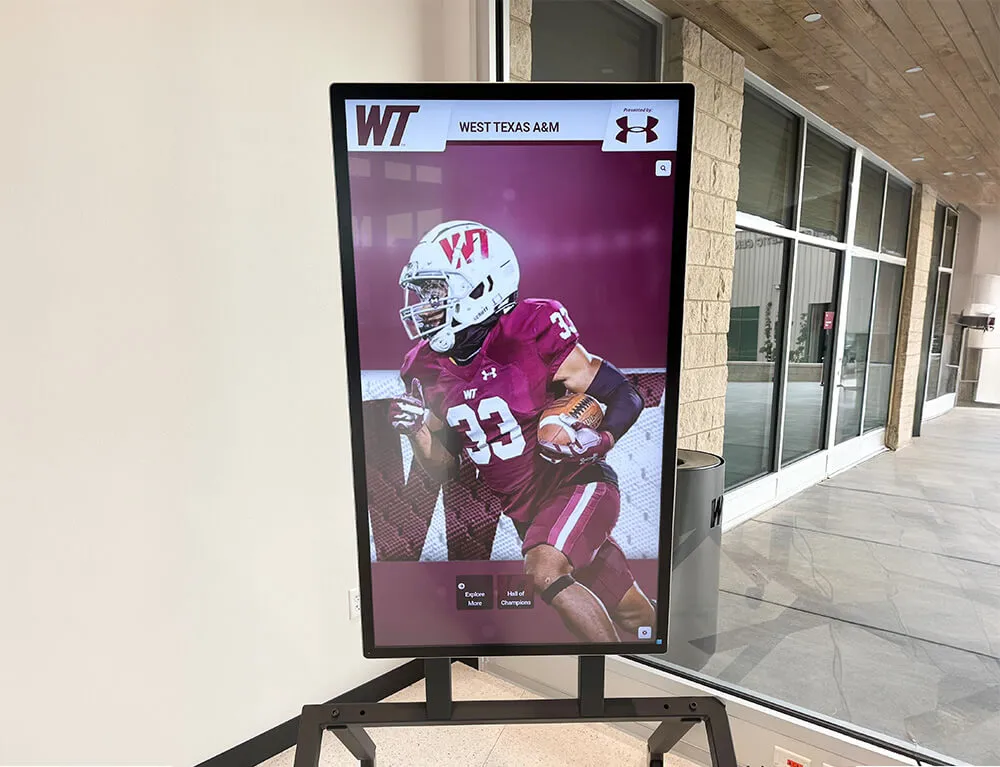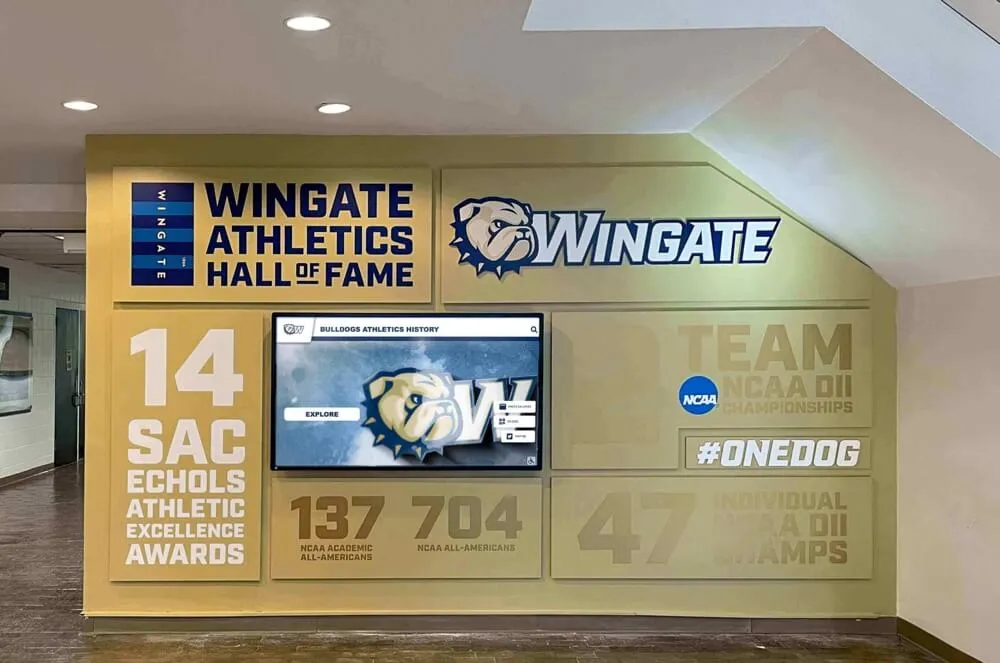




Physical trophy cases are overflowing. Award plaques cover every inch of hallway wall space. And somewhere in a storage closet, there are boxes of certificates nobody has looked at in years. Schools everywhere face the same challenge: how do you give every student, athlete, and program the recognition they deserve when physical space runs out? Digital awards display ideas offer a modern solution—replacing static plaques and overcrowded cases with dynamic, interactive systems that celebrate achievement at scale while creating lasting impressions on students, families, and visitors.
This guide covers nine practical digital awards display ideas schools can implement right now, from simple rotating slideshow screens to fully interactive touchscreen walls of fame. Whether your budget is modest or comprehensive, you’ll find options that fit your facility, your program, and your recognition goals.
Choosing the right digital recognition approach takes more than picking a screen size. The best implementations match the physical environment, the volume of achievements being recognized, and the staff capacity available to maintain the system. Schools that think through these dimensions before purchasing typically see far greater long-term value—and far more student engagement—than those that treat digital displays as a one-time hardware purchase.

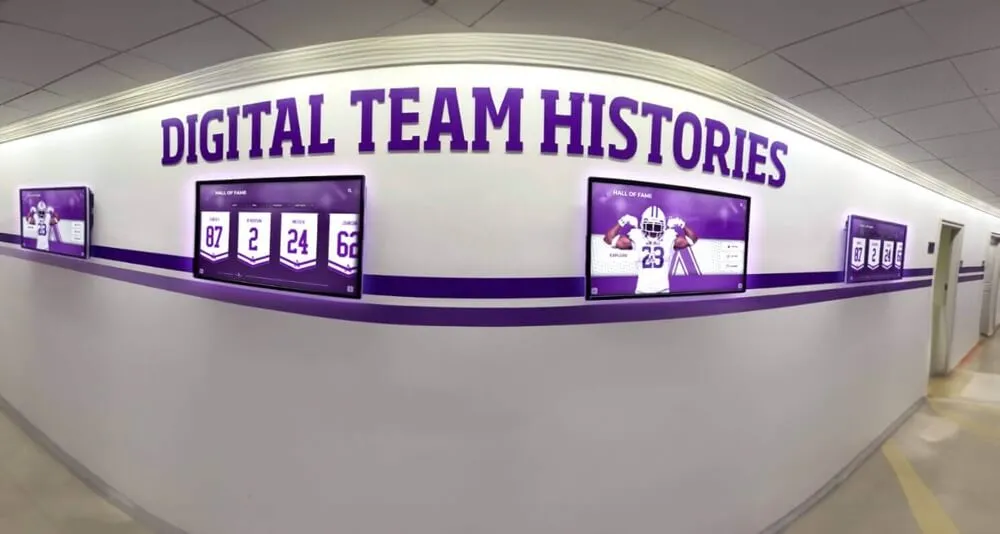
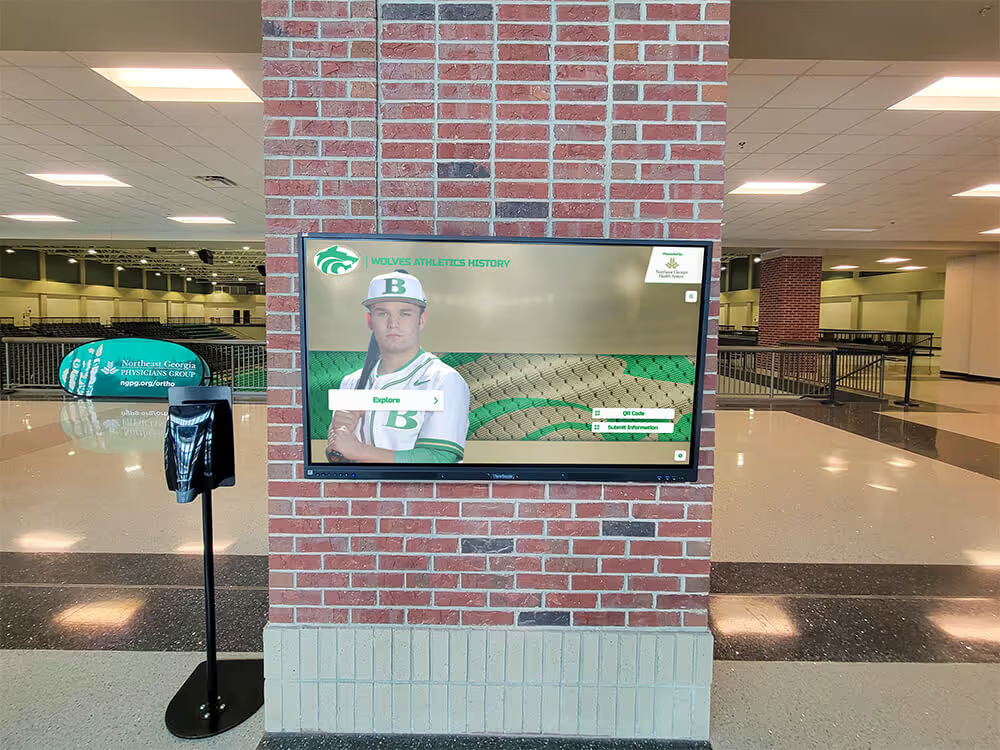
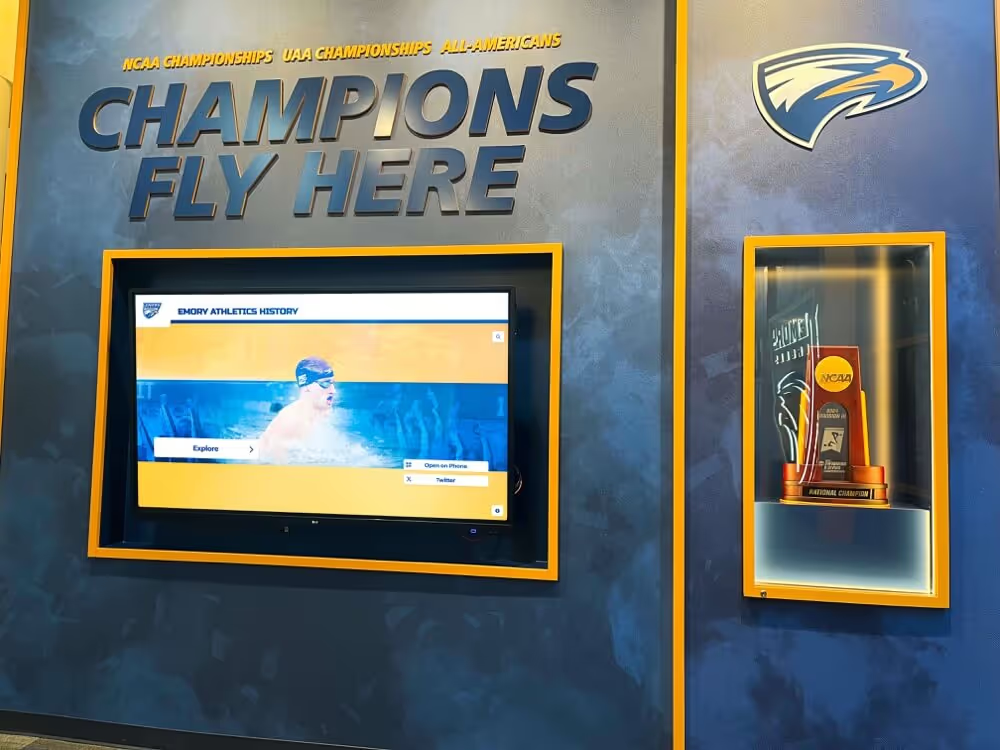
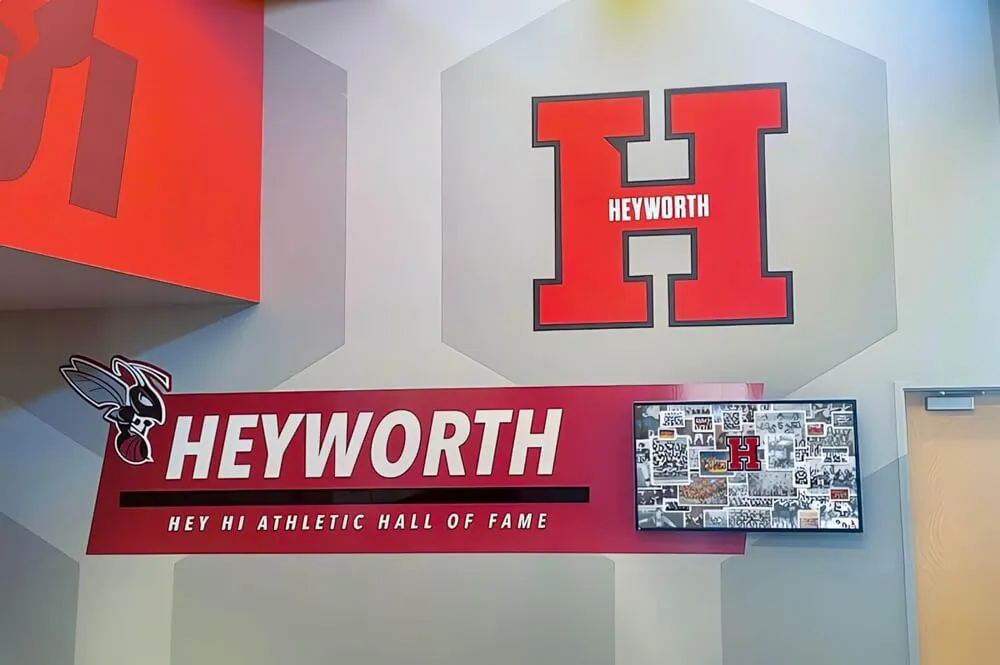
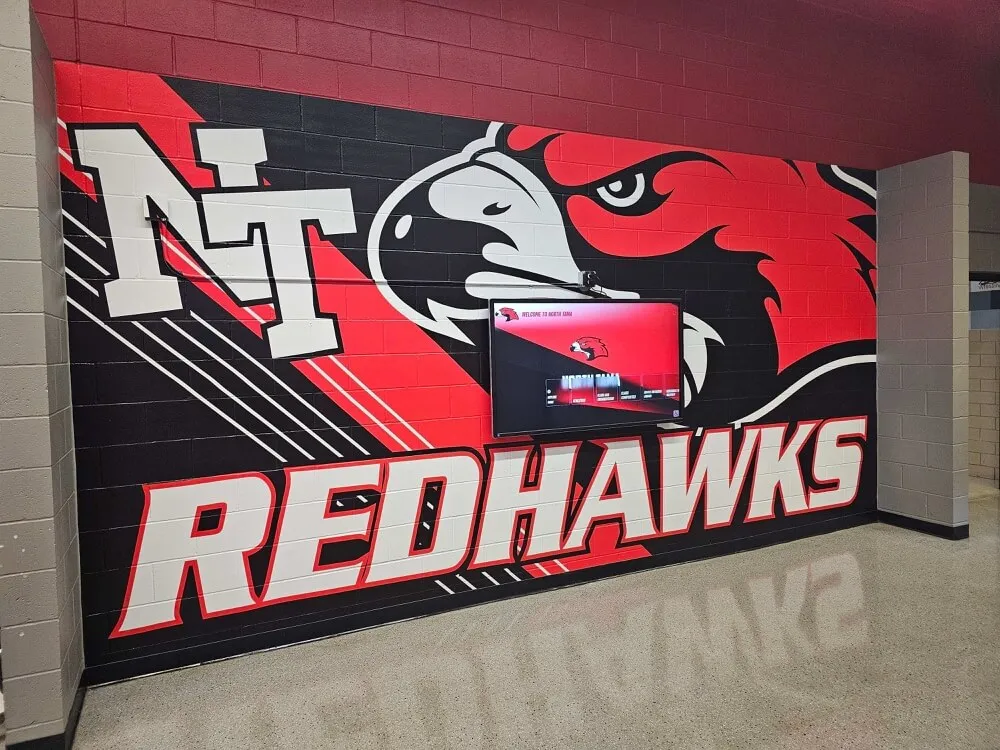
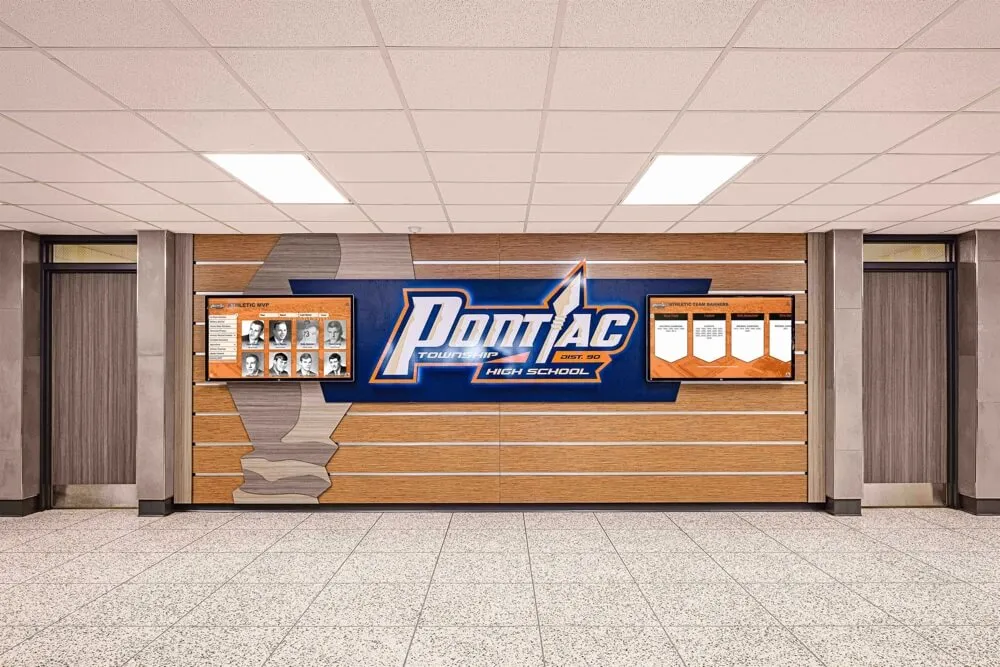
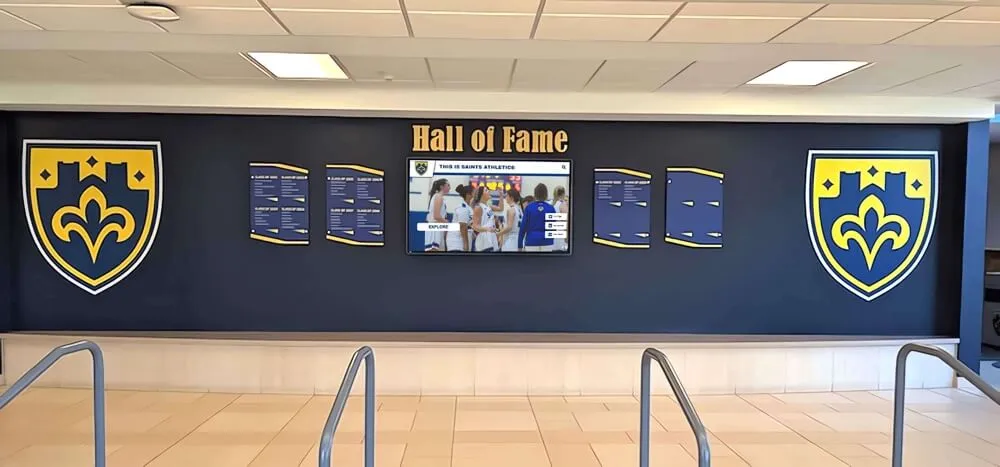
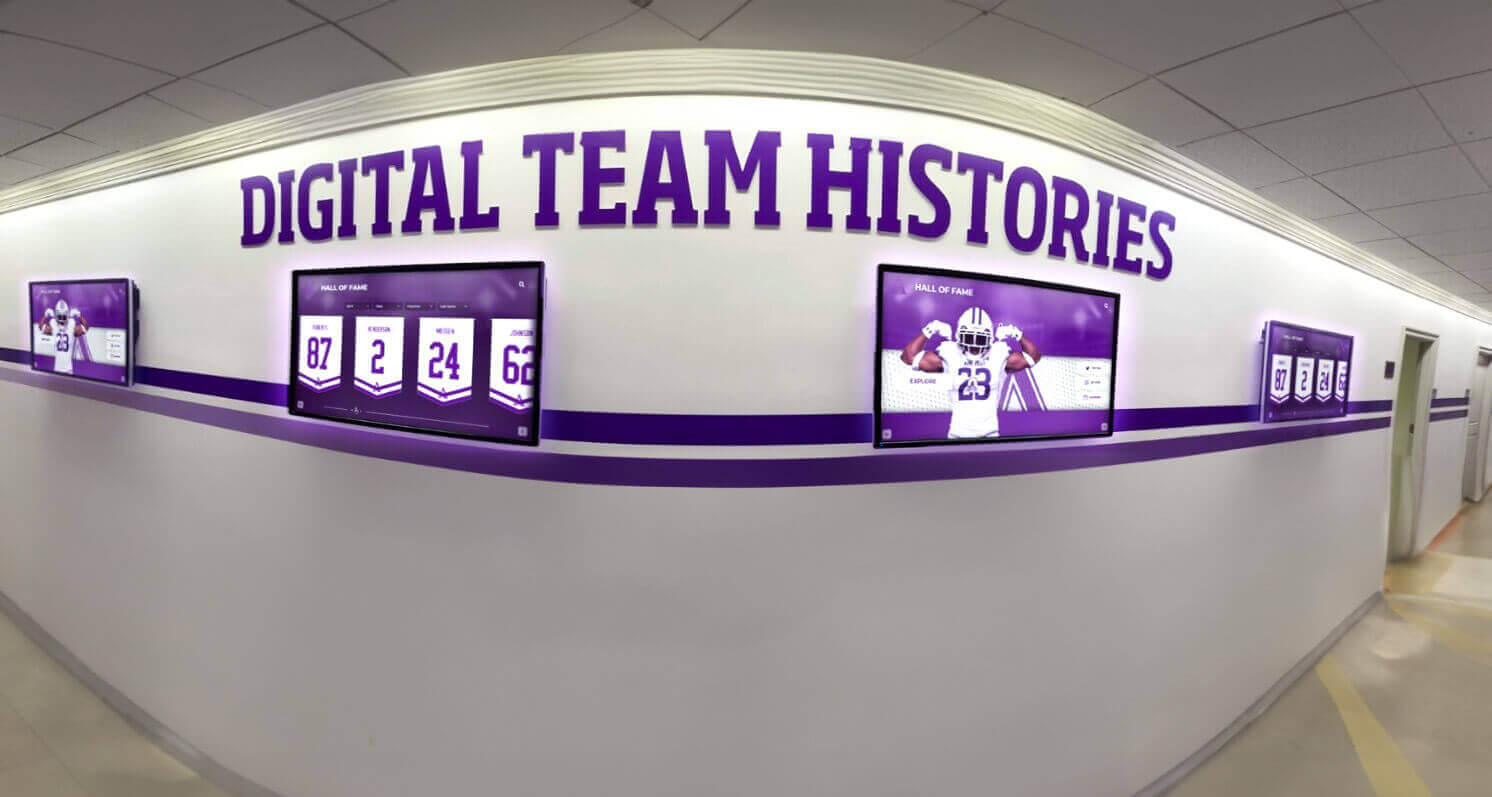
Coordinated digital screens transform athletic hallways into immersive recognition environments that celebrate program history year-round
Why Traditional Award Displays Fall Short
Traditional recognition systems were designed for a different era. A glass trophy case holds maybe 30 to 50 items. A plaque wall runs out of space within a decade. Printed certificates fade, get lost, or end up in a filing cabinet. These systems share three critical limitations that digital awards displays directly solve.
Finite physical capacity. Every new award added means something else gets removed or pushed to storage. Graduating classes from the 1990s gradually disappear from hallway displays to make room for today’s students—erasing program history in the process. A school with 40 years of athletic tradition simply cannot honor that tradition adequately in a 10-foot trophy case.
No interactivity or depth. A plaque shows a name and a year. A digital system can show the full athlete profile, team photos, game highlights, season statistics, and the story behind the achievement. The difference in engagement and emotional impact is substantial.
High maintenance burden. Adding a new name to a physical display means ordering engraved hardware, coordinating installation, and often hiring a contractor. Cloud-based digital systems update in minutes from any web browser—no vendor lead times required.
According to the National School Boards Association, schools that actively and visibly celebrate student achievement report stronger school culture, higher student motivation, and more positive relationships between students and staff. Yet many schools still rely on static displays that limit both the quantity and quality of recognition they can provide. Digital awards displays close that gap.
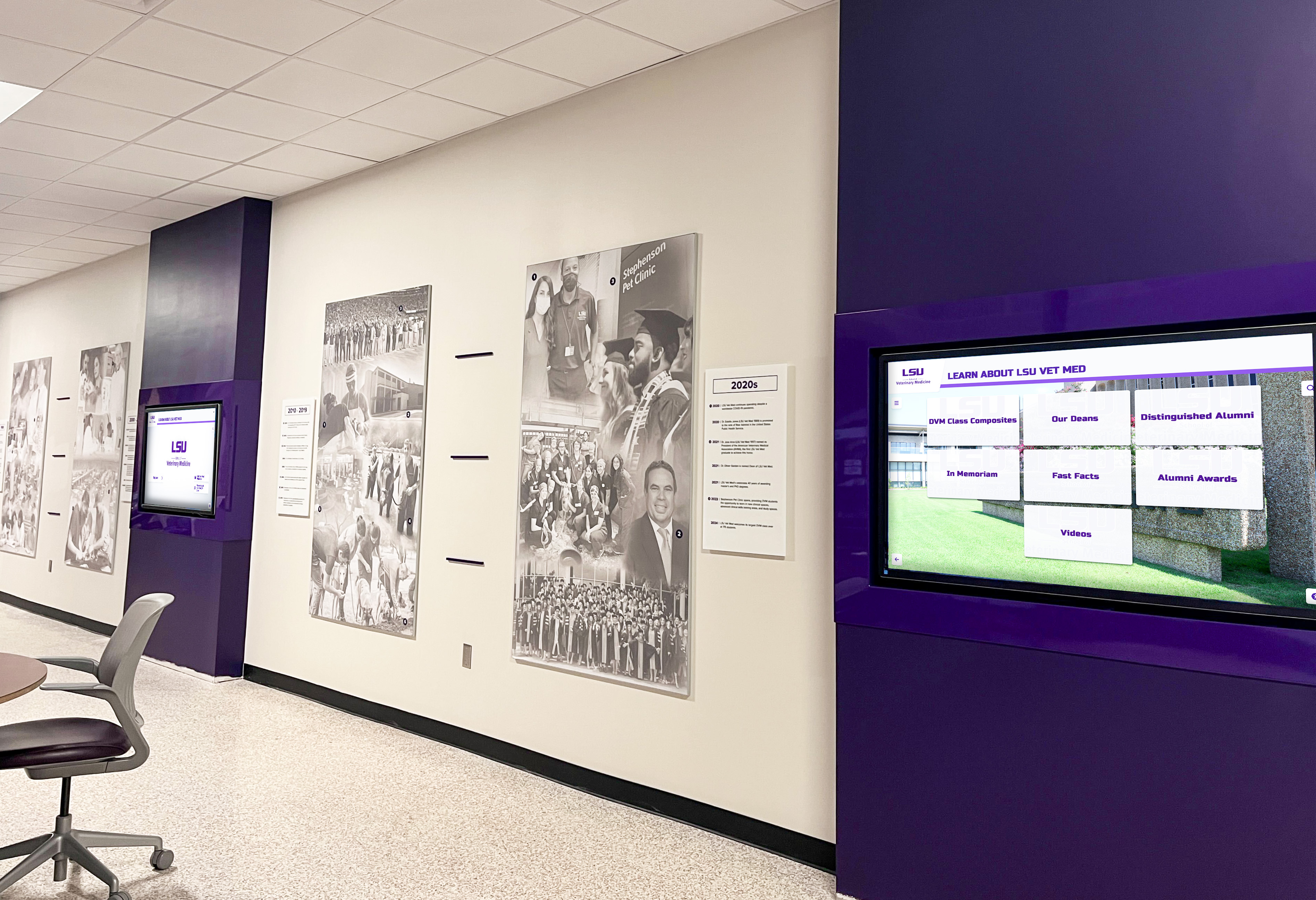
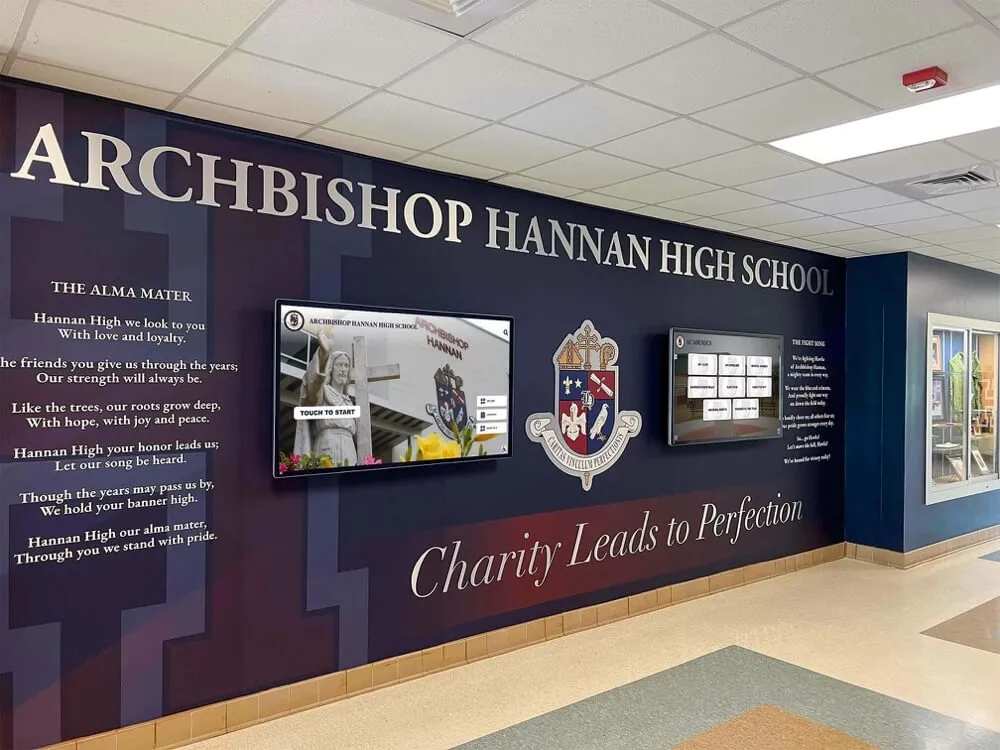
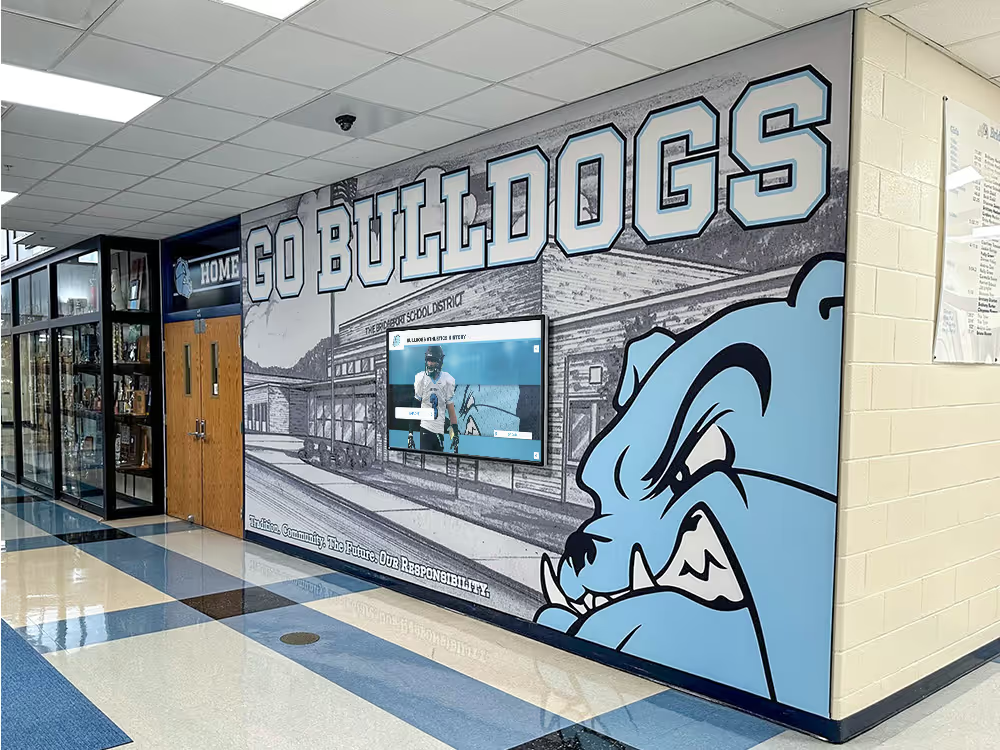
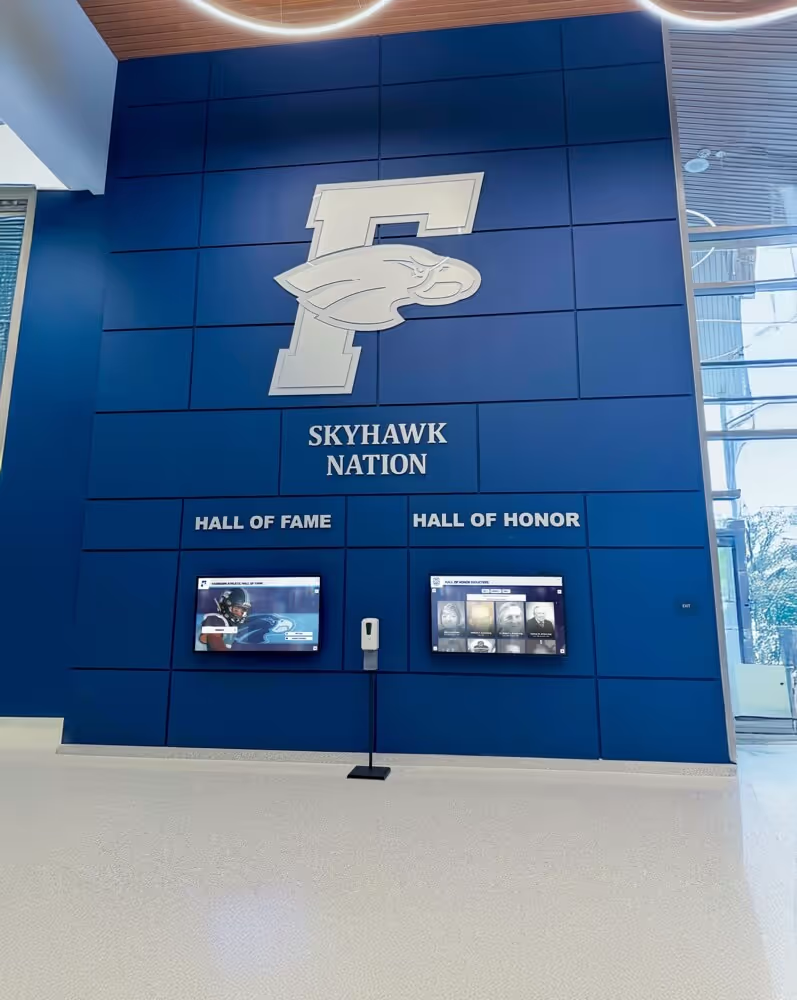
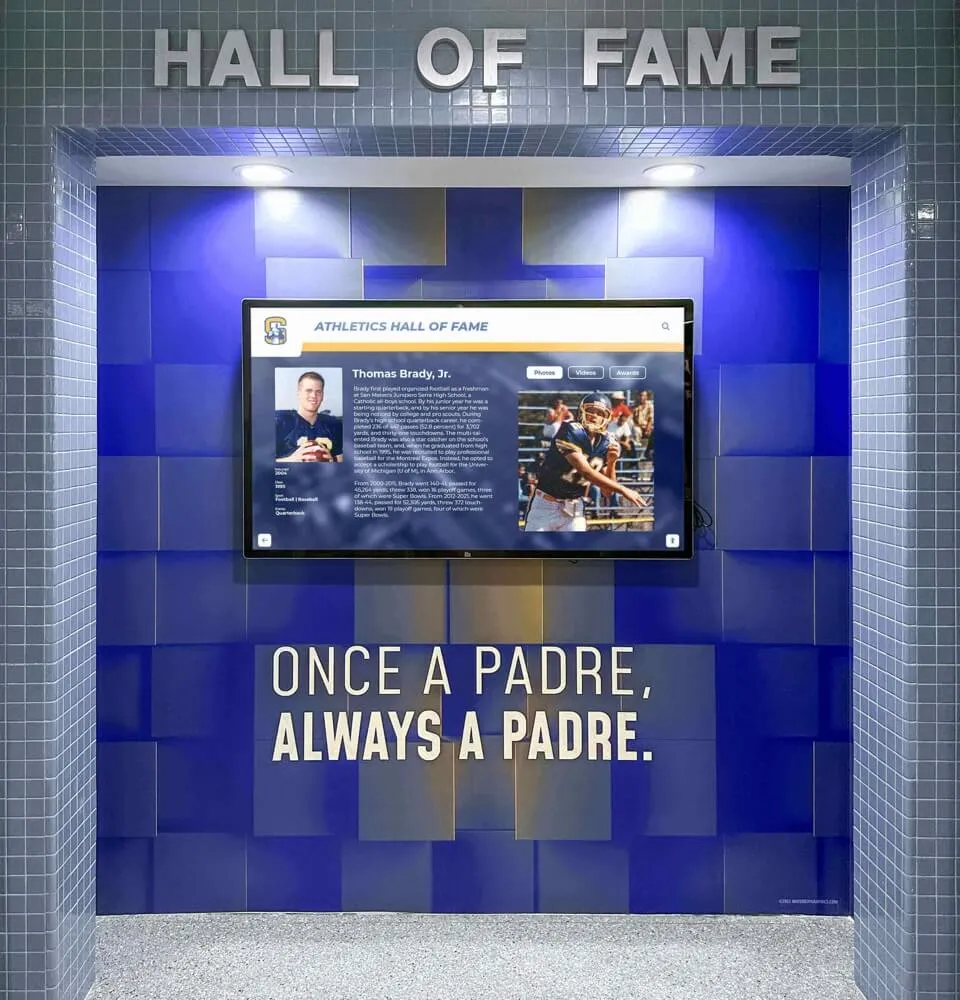
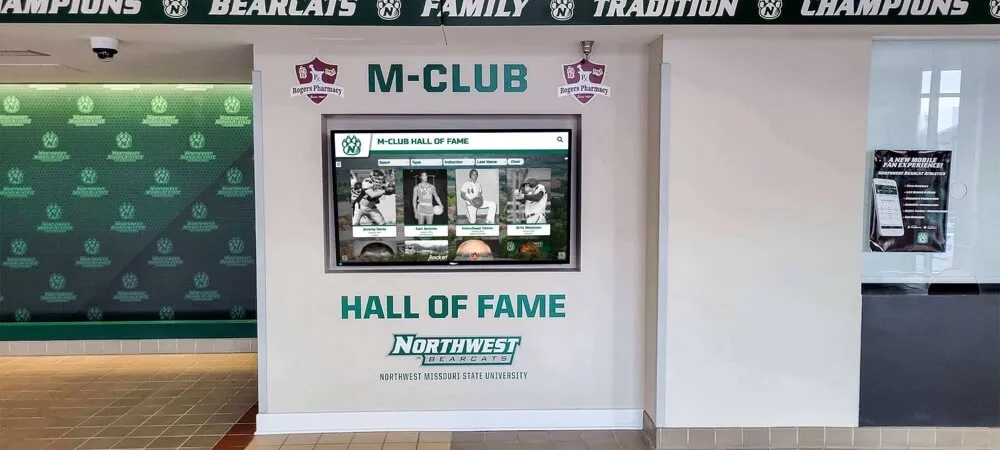
Multi-screen hallway installations create a comprehensive recognition environment visible to everyone who passes through the building
9 Digital Awards Display Ideas for Schools
1. Interactive Touchscreen Wall of Fame
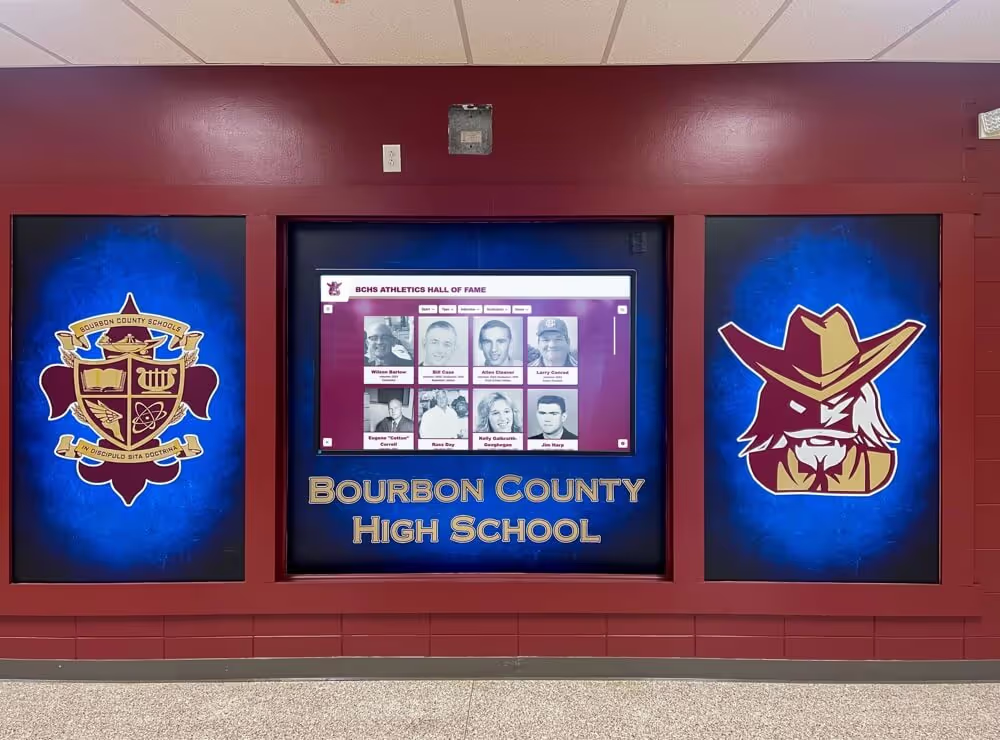
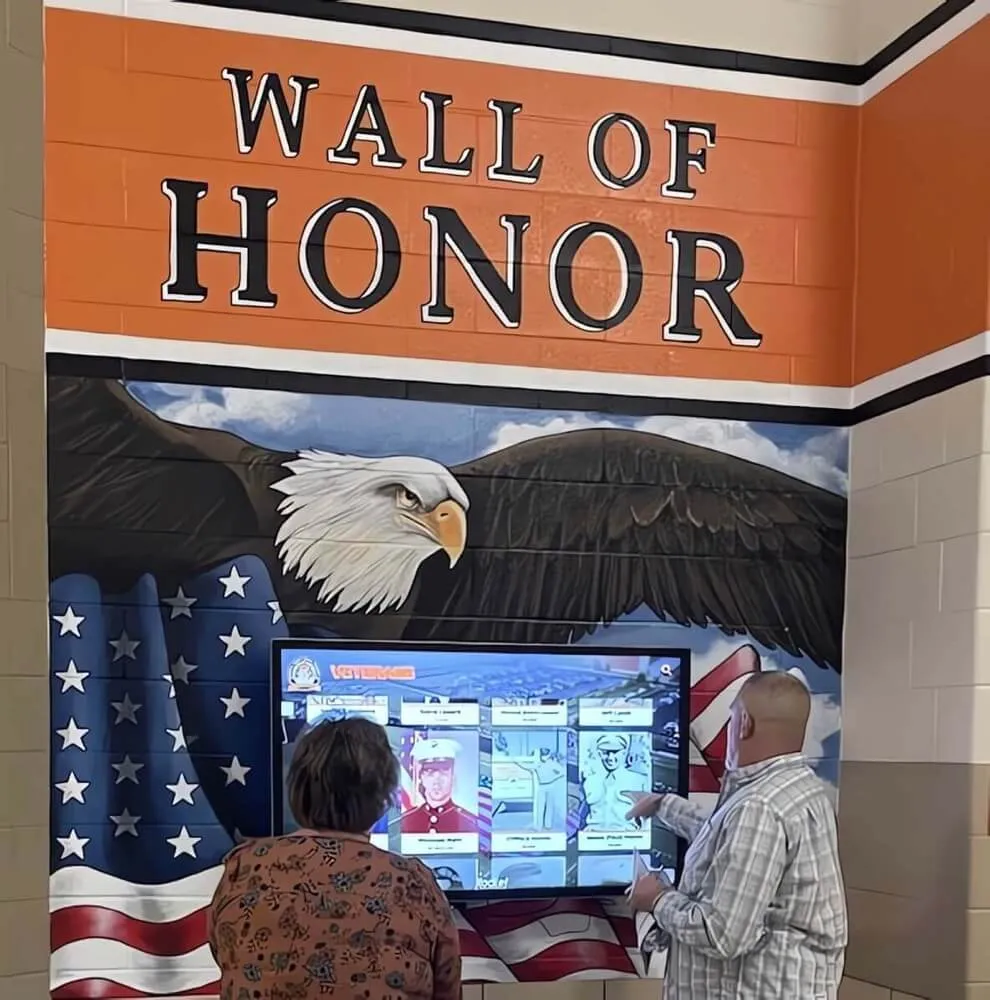
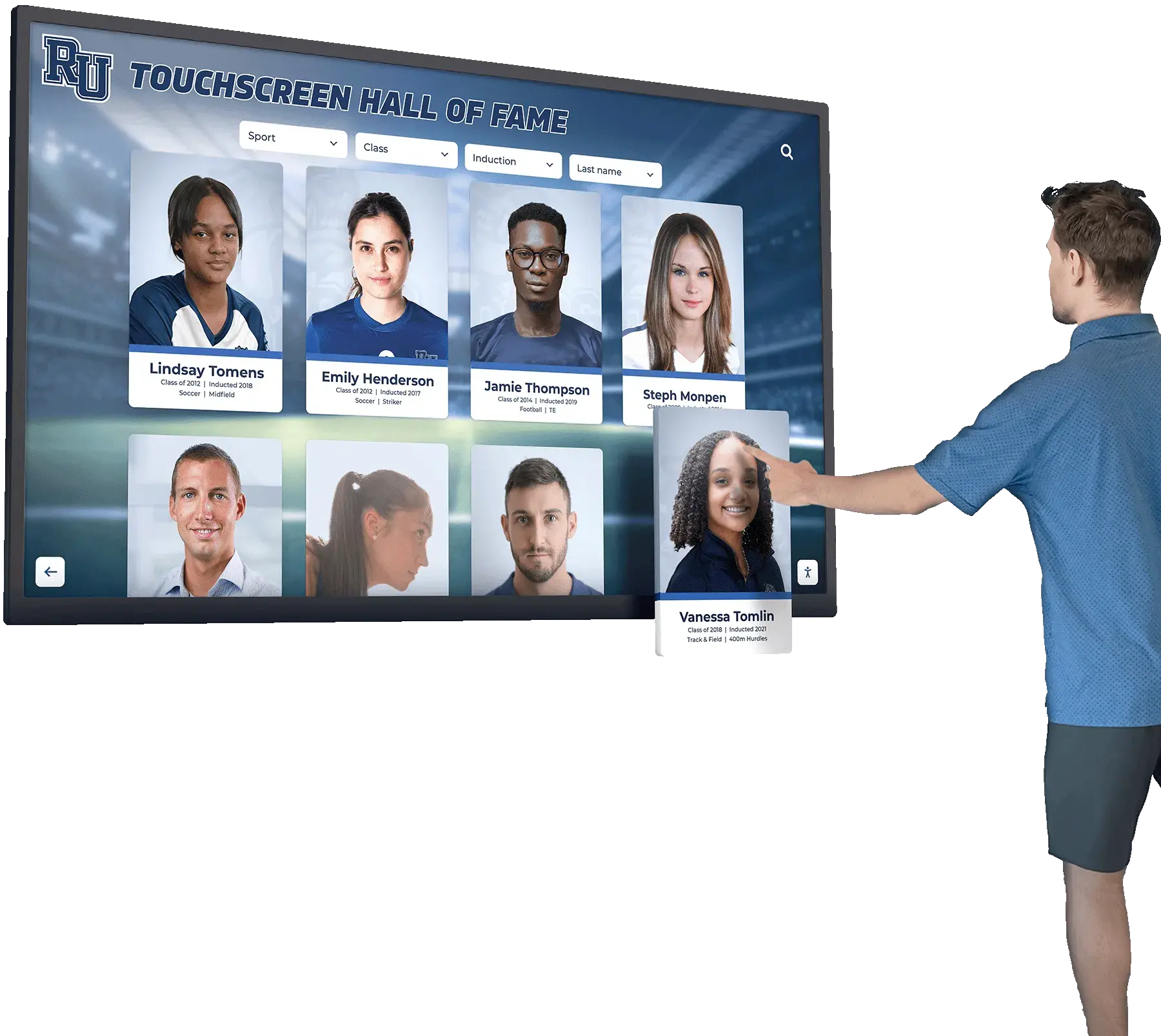
The centerpiece of any modern recognition program, a touchscreen wall of fame transforms a hallway or lobby wall into an interactive experience. Visitors browse athlete profiles, filter by sport or graduation year, watch highlight videos, and explore decades of school history—all from a single installation.
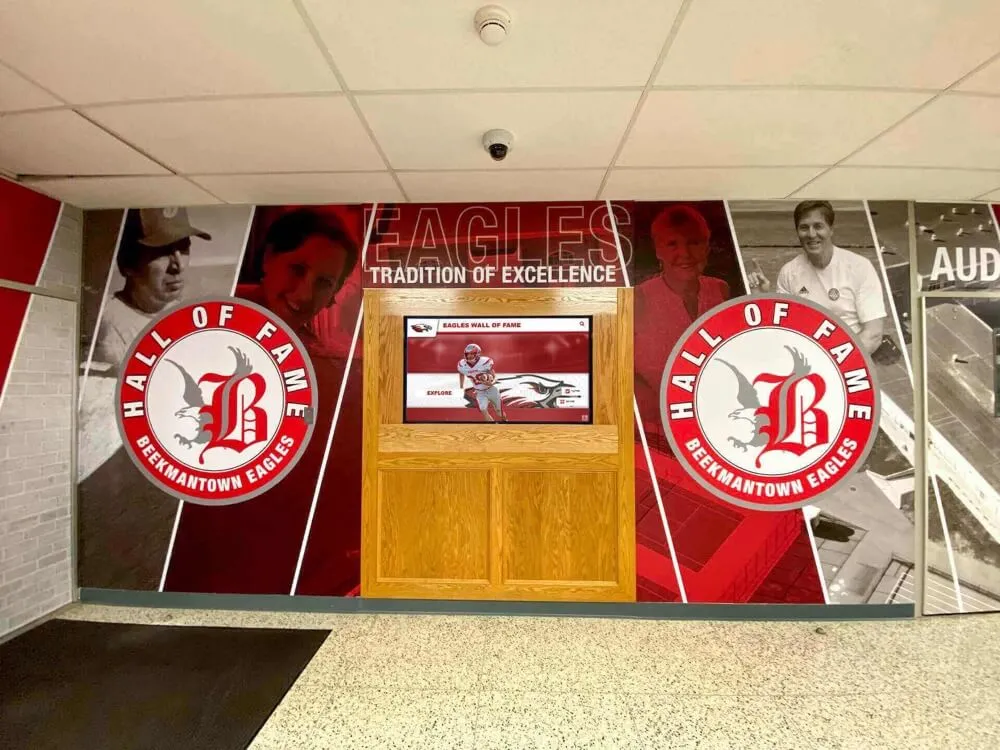
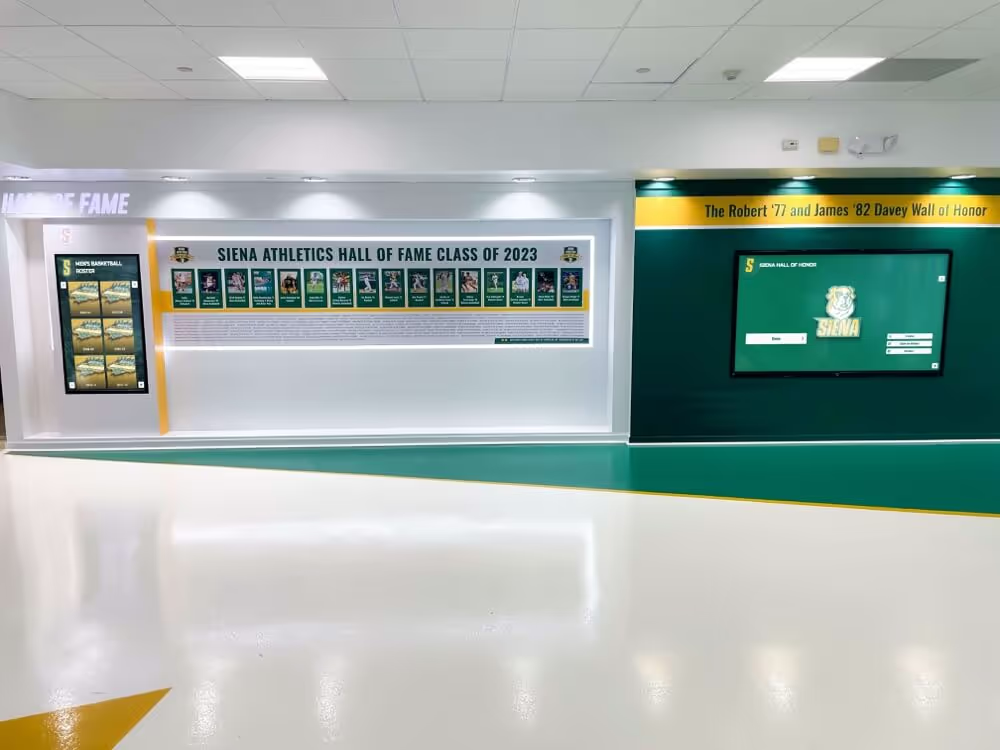
These systems are ideal for athletic halls of fame, academic honor walls, and multi-sport recognition corridors. The unlimited capacity means no inductee ever gets removed to make room for someone new. A school with a 50-year athletic history can honor hundreds of alumni alongside current students on the same screen.
Rocket Alumni Solutions builds ADA WCAG 2.1 AA compliant touchscreen systems with cloud-based content management, auto-ranking record boards, QR code mobile access, and support for video from YouTube, Vimeo, and Hudl. Staff can update recognition content from any device without touching the physical screen.
For sport-specific applications, see how schools have built wrestling halls of fame with touchscreen displays featuring full career statistics and match highlights alongside visual program history.
2. Interactive Digital Trophy Case
A digital trophy case replaces or supplements a traditional glass case with a screen-based display showing championship hardware, awards, and trophies in high resolution. Physical trophies that would otherwise sit in storage can be photographed and catalogued in the digital case, giving them permanent visibility without demanding shelf space.
This approach works especially well for schools with deep trophy collections that exceed storage capacity. Championship rings, state plaques, and regional awards accumulated since the 1970s can all be displayed with full context—including the season record, team roster, game photos, and a narrative of that championship run.
For ideas on how to present championship hardware digitally, explore championship ring display ideas that showcase athletic achievement and what schools need to know about championship ring design, cost, and display options.
3. Multi-Screen Athletic Corridor Display
A series of coordinated screens along an athletic hallway creates an immersive recognition environment. Each screen can highlight a different sport, team era, or award category. Coordinated content management means all screens update simultaneously when new records are set or new teams are inducted.
Multi-screen corridors are particularly effective for schools with large athletic programs spanning many sports. One screen might feature football championships, another highlights swimming records, a third displays cross-country alumni. Together, they create a recognition environment athletes walk through every day on their way to practice.
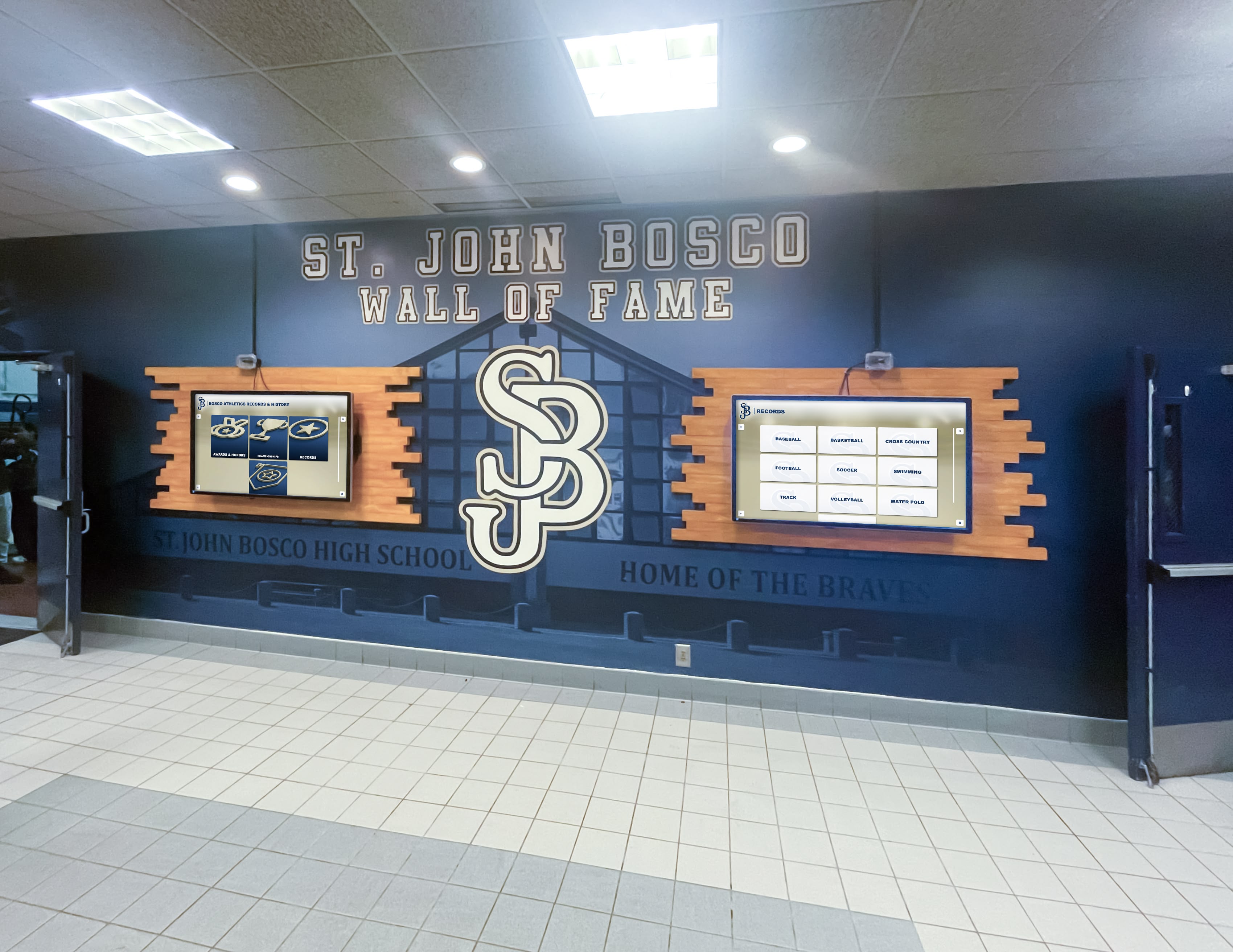
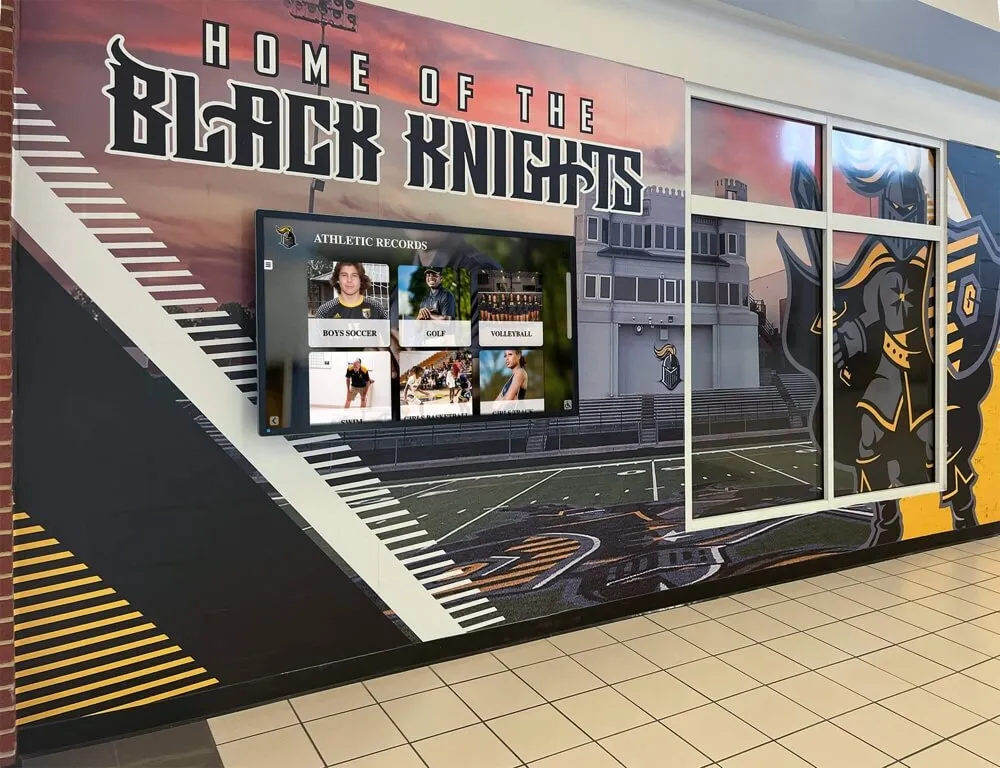
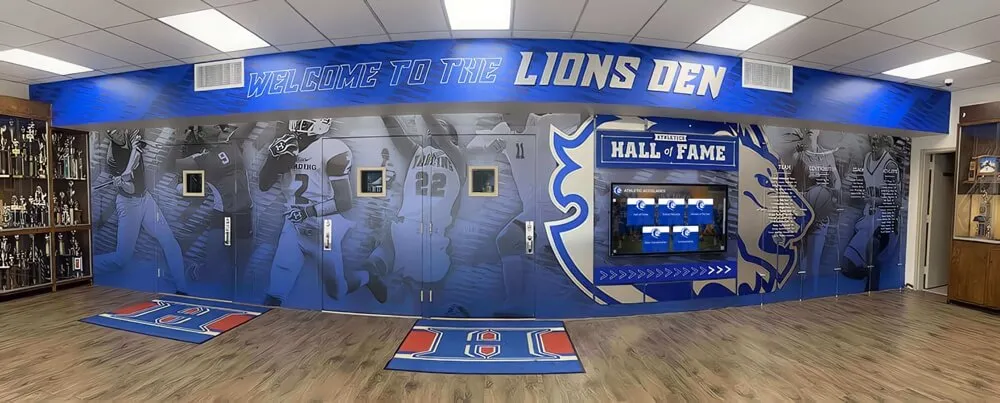
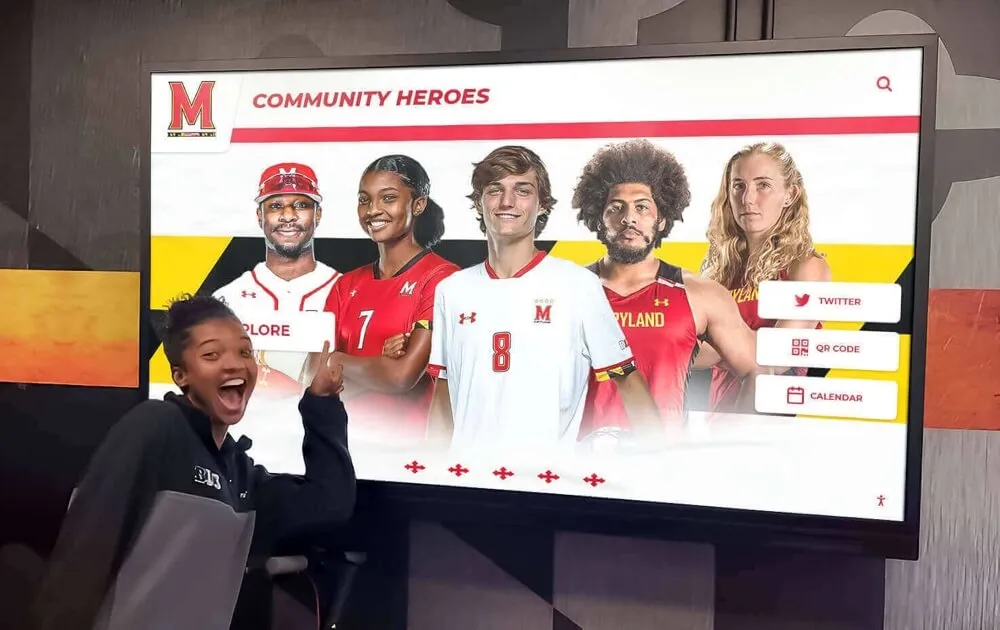
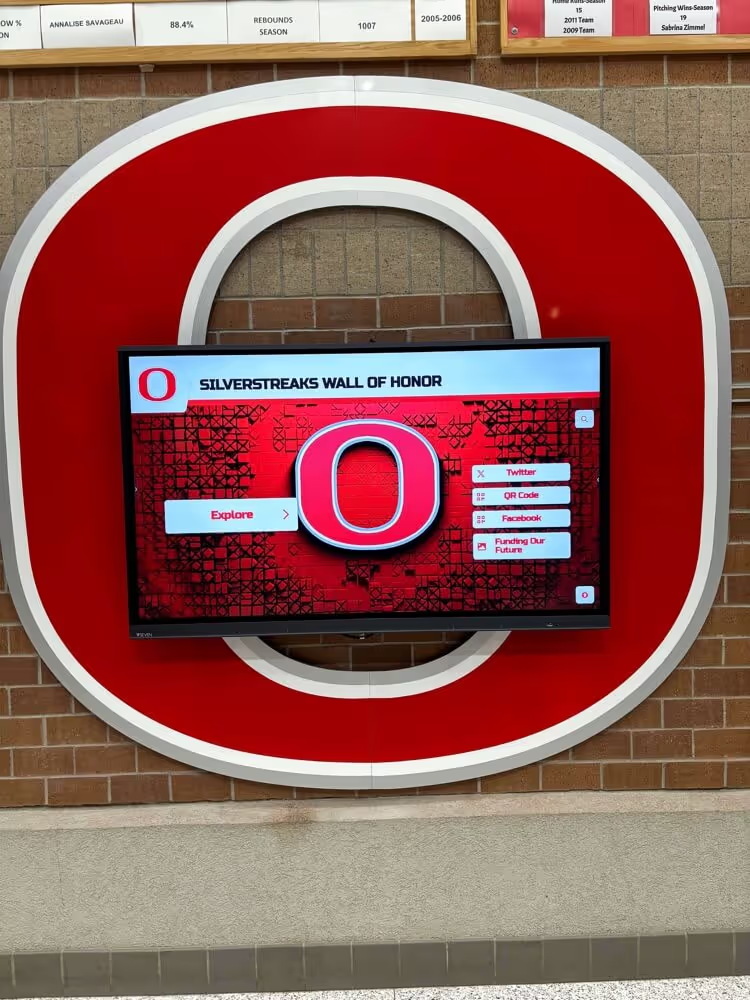
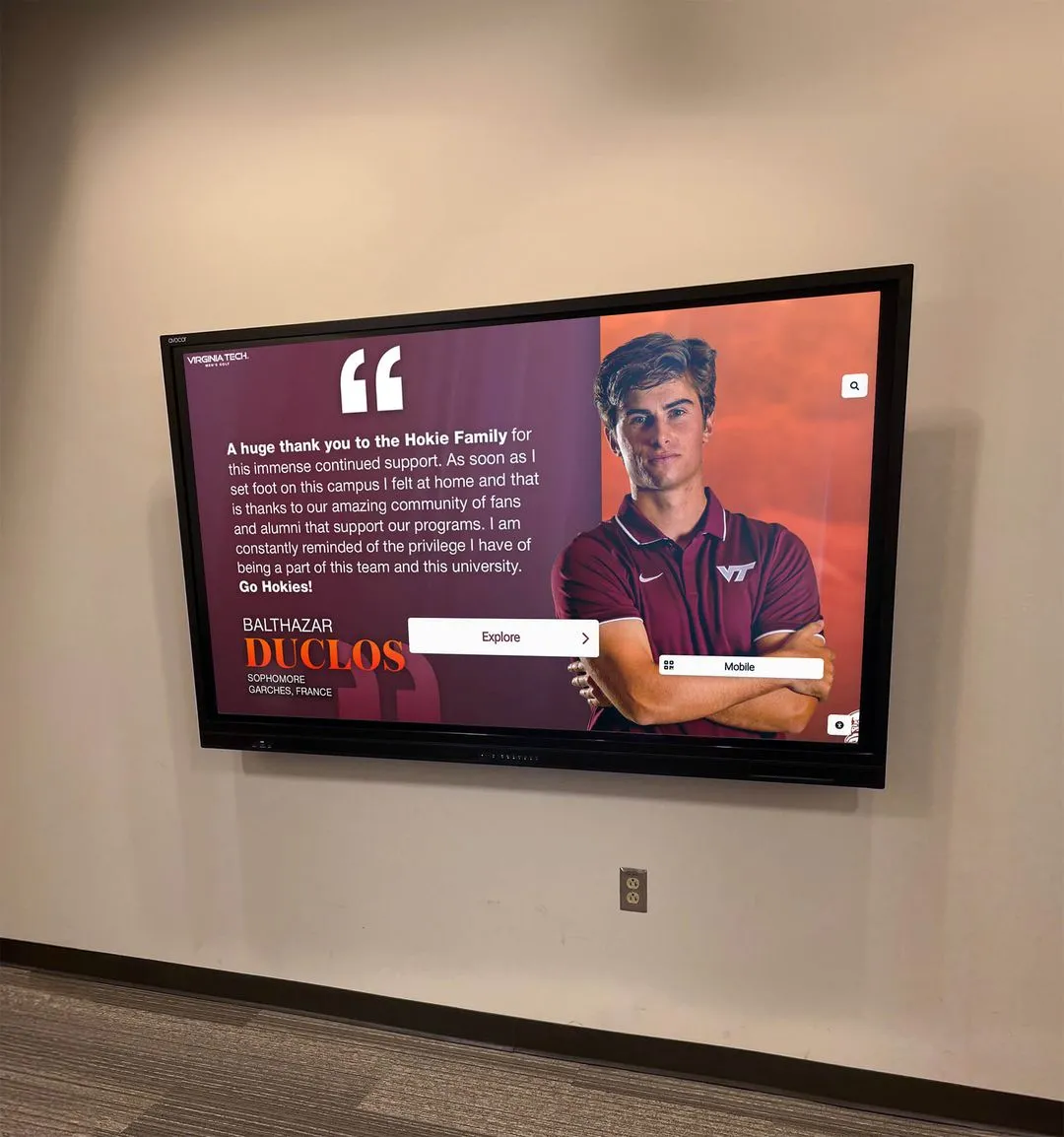
Side-by-side digital screens create a compelling recognition focal point that draws students and visitors into the building's history
Multi-screen setups also support digital signage mode—showing game schedules, live score updates, and event countdown timers when not displaying recognition content. Schools can use the same infrastructure for both daily communication and permanent recognition without additional hardware. For context on how digital display systems serve multiple functions in athletic facilities, see how basketball scoreboard features compare for school facilities.
4. Academic Achievement Digital Wall
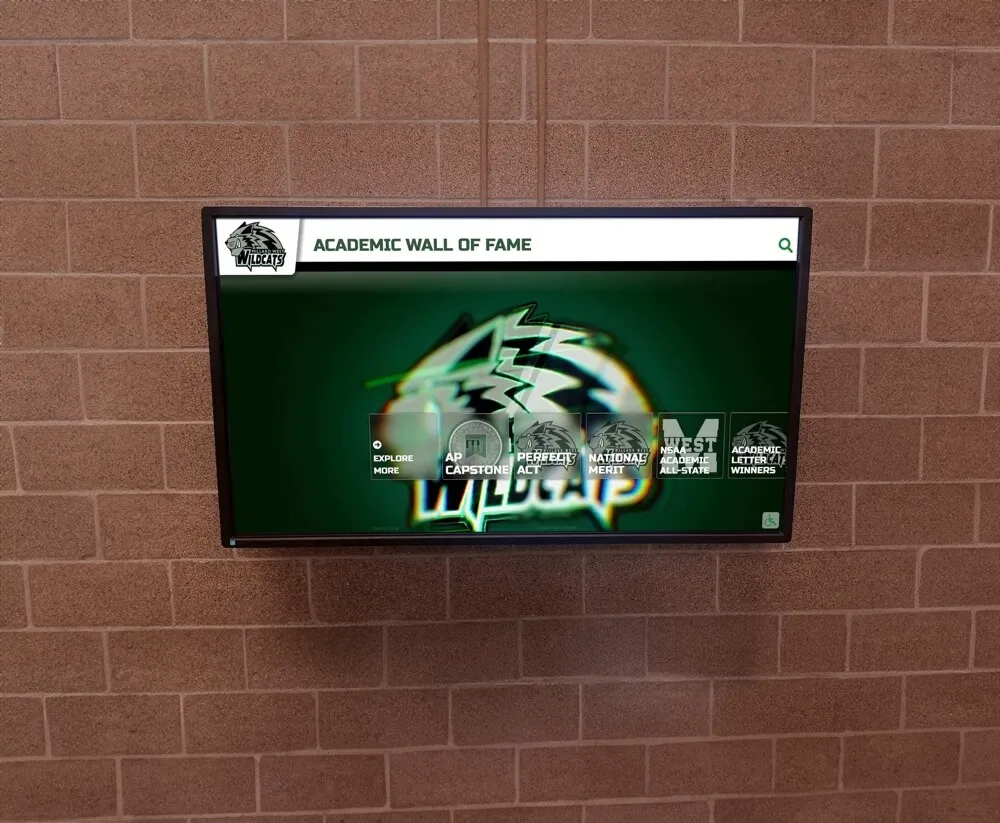
Athletic recognition often dominates school hallways, but academic achievement deserves equal visibility. A dedicated academic achievement digital wall can display honor roll lists, academic award winners, National Merit Scholars, AP exam standouts, science fair winners, and debate champions in a format that updates every semester.
This type of display works especially well in main academic hallways, near counseling offices, or in the school’s entrance lobby where visitors form first impressions. Rotating content can highlight current honor roll recipients alongside historical academic standouts, creating a sense of tradition and aspiration that no printed bulletin board achieves.
Schools can go further by including student profiles with photos, GPA information, college acceptance announcements, and short biographical notes—creating a richer recognition experience than a name-and-date plaque. Digital academic walls also signal to prospective families that the school takes intellectual achievement as seriously as athletic performance.
5. Band and Fine Arts Recognition Display
Many schools invest heavily in athletic recognition while the band room, theater, and art hallways remain bare. Digital displays for fine arts programs create dedicated recognition spaces for musical achievement, theater performance, visual arts awards, and speech and debate honors—giving these programs the same permanent visibility as athletics.
A digital band recognition display might feature All-State musicians, regional competition results, marching band performance history, and awards from festival competitions throughout the decades. The display can embed audio clips and performance video—something no physical plaque can replicate. For ideas on what to recognize, see band awards ideas for honoring musical excellence and how band banquets can weave recognition into end-of-season celebrations.
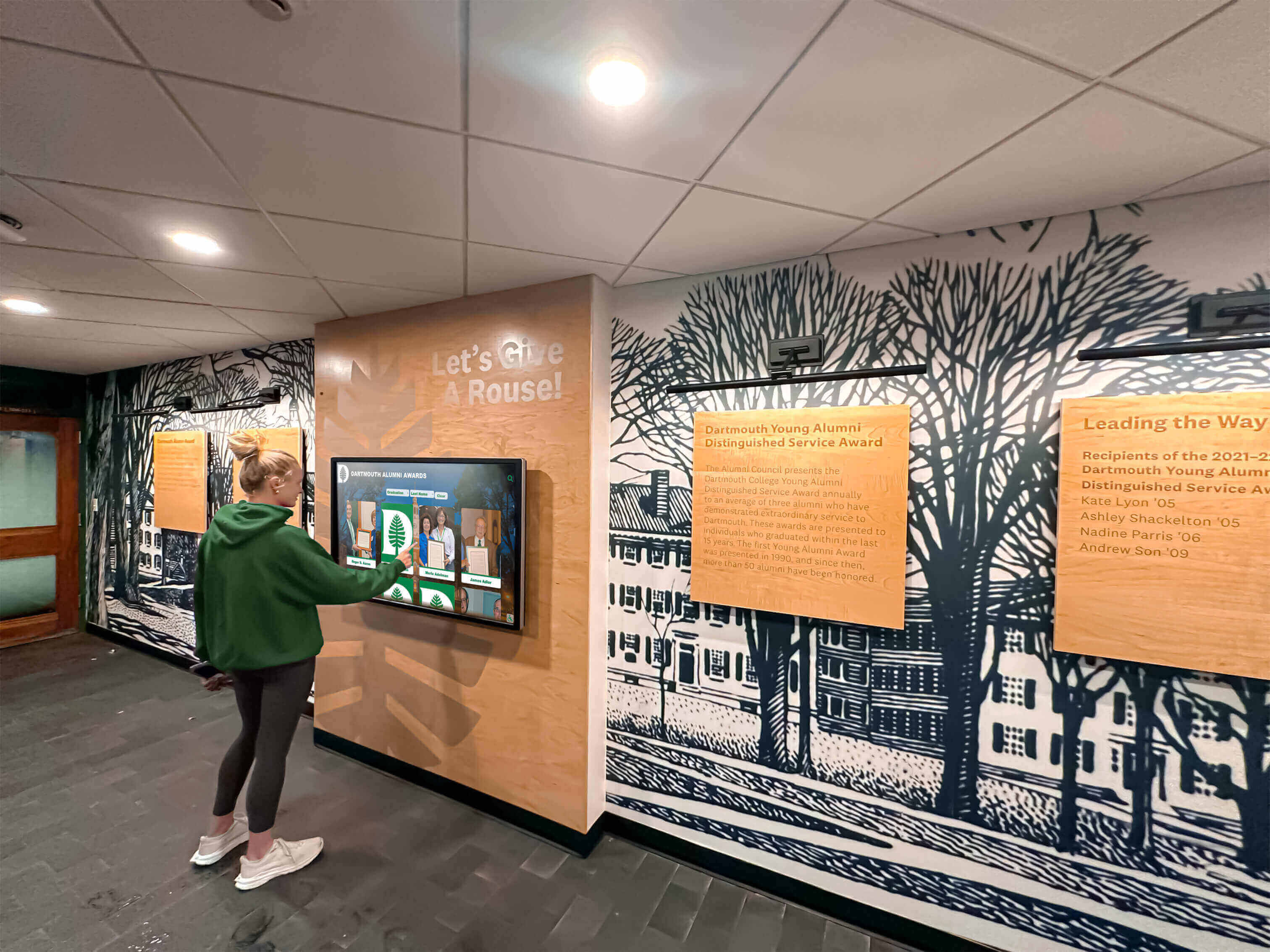
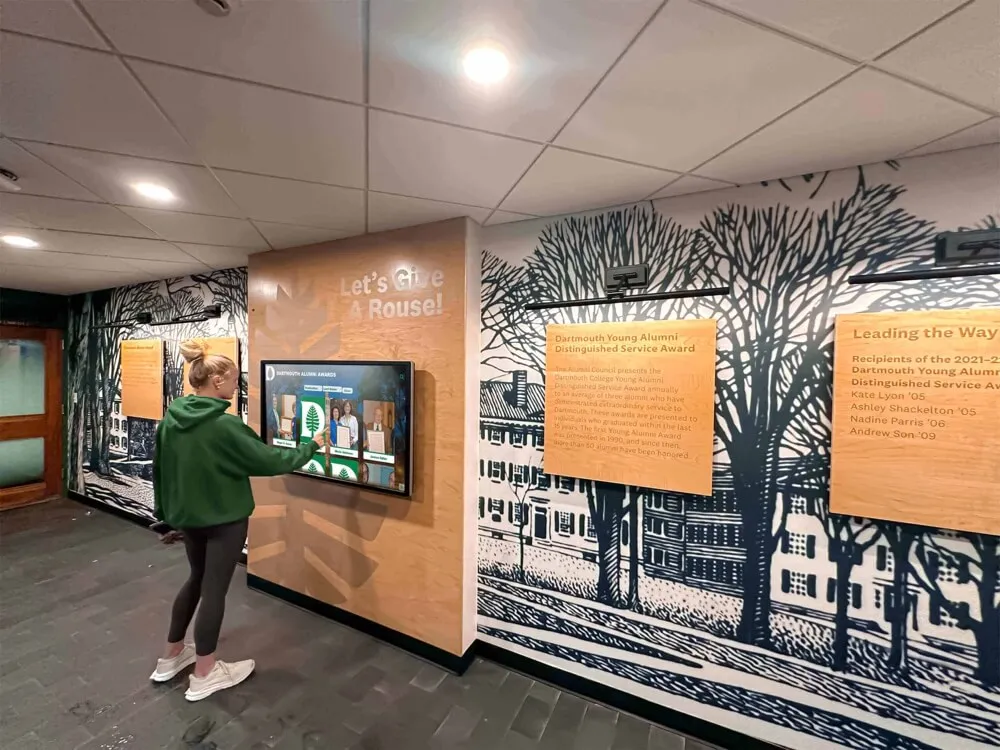
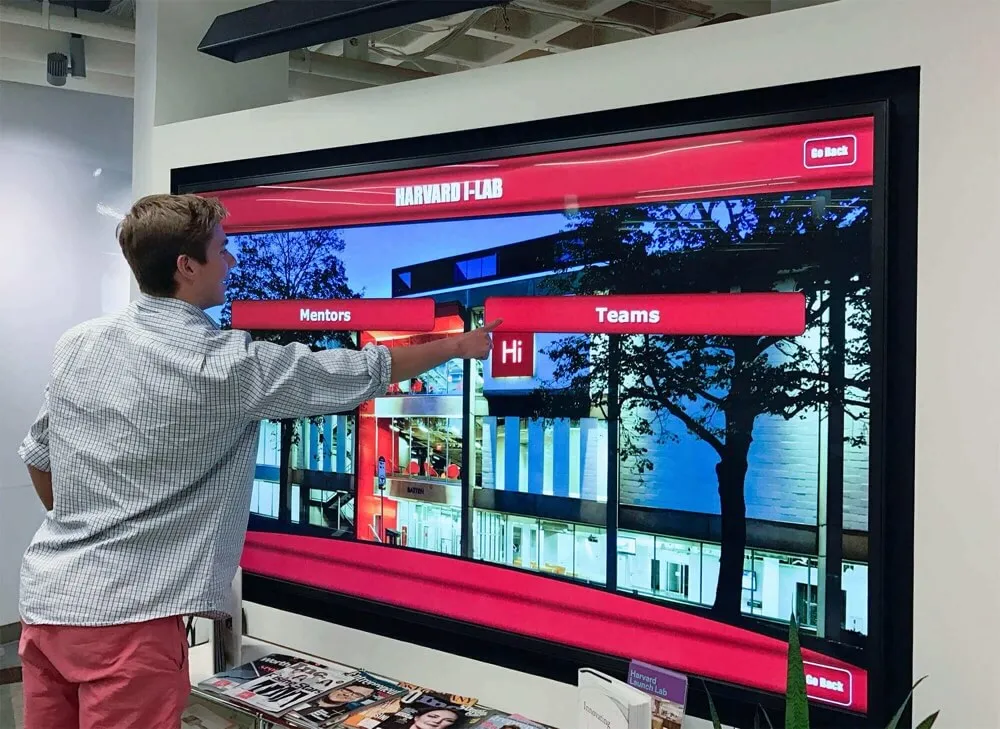
Interactive touchscreen systems invite students to explore their school's history and discover alumni who came before them—building community and pride in the process
6. Coach and Staff Recognition Display
Coaches and teachers who build championship programs and lasting academic culture deserve permanent recognition alongside their students. A dedicated digital display for coaches and staff can showcase career milestones, win-loss records, coaching awards, and the programs they built over decades.
When a beloved coach retires after 30 years, a digital system can compile their entire career record, highlight their most memorable seasons, and include tributes from former athletes—creating a living legacy display that a single retirement plaque cannot match. This kind of recognition also reinforces school culture by demonstrating that the institution values its educators long-term, not just in a single ceremony.
For inspiration on recognizing the coaches who shape programs, see thoughtful ways to honor a baseball coach’s contributions and creative ideas for recognizing a basketball coach at season’s end.
7. Historical Archives and Alumni Gallery
Schools with decades of history face a quiet recognition problem: what do you do with 50 years of award recipients, class photos, and composite portraits? A digital archives display brings this history to life, allowing visitors to browse graduating classes, explore program records from any era, and search for specific alumni by name or year.
This approach delivers particular value for schools planning reunions, milestone anniversaries, or alumni engagement campaigns. An archives display in the school lobby creates an immediate connection between visiting alumni and their institution’s history—something a hallway of 1990s-era trophies cannot replicate for a visitor who graduated in 1985.
Digitizing class composite photos is a foundational step for schools building a historical archives display. Combined with class reunion planning strategies, a digital archives display becomes a powerful tool for strengthening alumni relationships and annual giving programs.
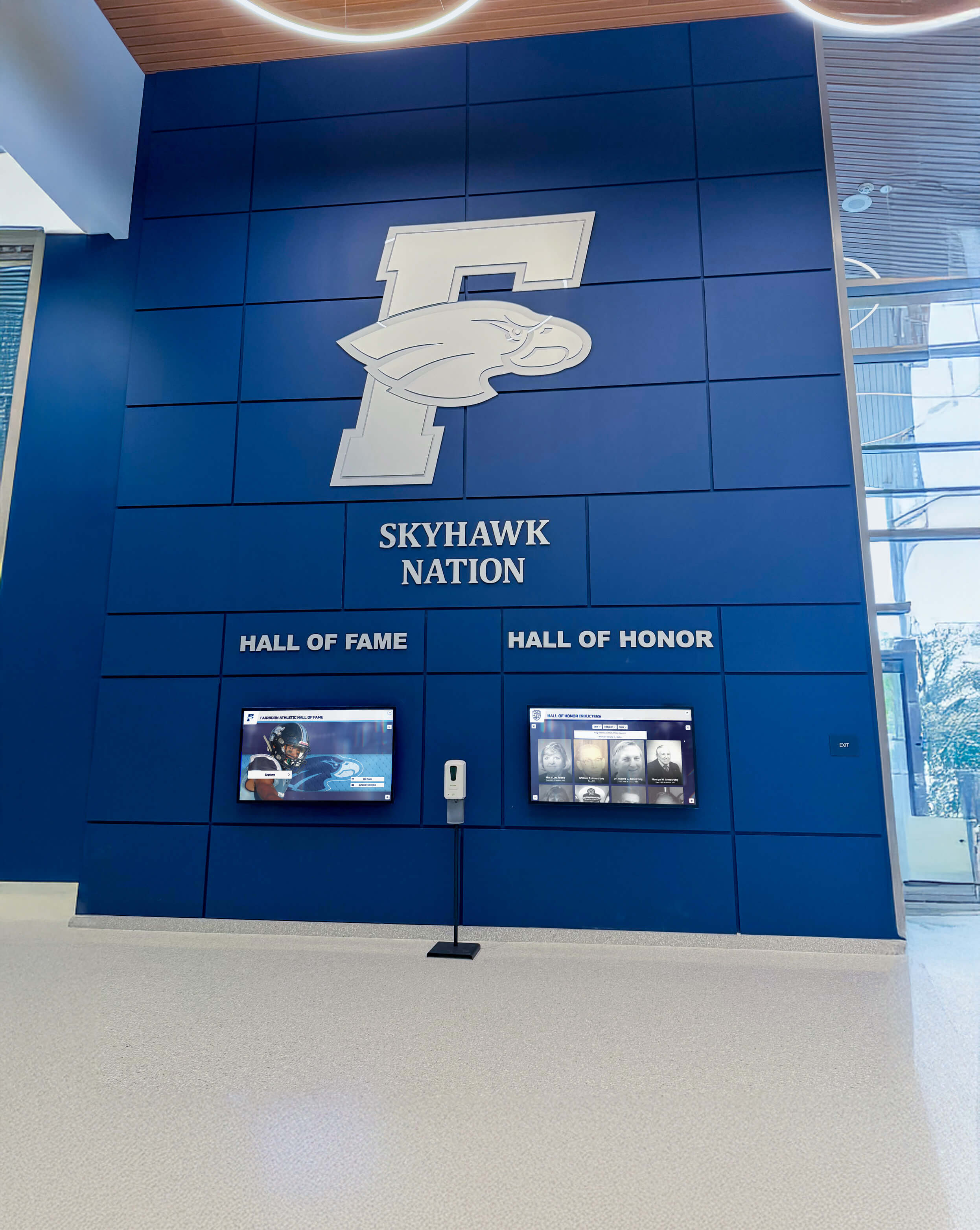
Lobby-integrated digital recognition displays create a powerful first impression for visiting families, prospective students, and returning alumni
8. Rotating Slideshow Screens
The most cost-accessible digital awards display idea is a rotating slideshow screen—a commercial display cycling through award announcements, student spotlights, honor roll listings, and achievement highlights throughout the school day. These systems can run on commercial televisions with basic media player hardware, making them achievable even on modest budgets.
Rotating slideshow screens work best in high-dwell locations: the school office waiting area, library entrance, cafeteria, and main hallway intersections. Their power comes from consistency and visibility—the same students who are recognized in a newsletter or morning announcement also appear on a screen where hundreds of their peers see it daily.
While slideshow screens offer less interactivity than touchscreen systems, they provide an excellent entry point for schools new to digital recognition and can be upgraded to interactive systems as budgets allow. Many schools start with slideshow screens in one location and expand to interactive installations after seeing the engagement and community response.
9. QR-Code Enhanced Physical Awards
Not every digital awards display idea requires replacing physical hardware entirely. QR codes bridge traditional and digital recognition by adding a scannable code to existing trophies, plaques, and award cases. Scanning the code opens a rich digital profile with photos, videos, statistics, and the full story behind the award—while the physical artifact remains on display.
This hybrid approach respects the tradition and tactile value of physical awards while dramatically expanding the depth of information available. A championship trophy from 2003 can link to a full season recap, team roster, game highlights, and alumni updates—turning a static display into an interactive story accessible from any smartphone.
QR-enhanced displays are particularly effective during school events and open houses, when visitors are most likely to engage with their phones while exploring campus. They also provide a low-cost pilot for digital recognition before committing to full interactive installations.
Choosing the Right Digital Display Setup for Your School
With nine options available, the right choice depends on three factors working together.
Budget range. Rotating slideshow screens can launch for a few hundred dollars in hardware. Interactive touchscreen wall of fame systems from full-service providers range from mid-five to six figures depending on screen size, software platform, content migration, and installation complexity. QR-code enhancements are the most affordable hybrid path.
Recognition scope. Schools honoring a single sport or department can often make do with a dedicated monitor. Schools wanting to centralize all athletic, academic, and alumni recognition benefit from larger multi-screen systems or touchscreen platforms with robust content management systems that support multiple categories and user roles.
Audience and traffic patterns. A touchscreen wall of fame in a rarely visited hallway delivers less impact than a simple rotating screen in the main entrance lobby. High-traffic, high-dwell areas maximize the return on every recognition dollar. Map your foot traffic patterns before committing to a placement.
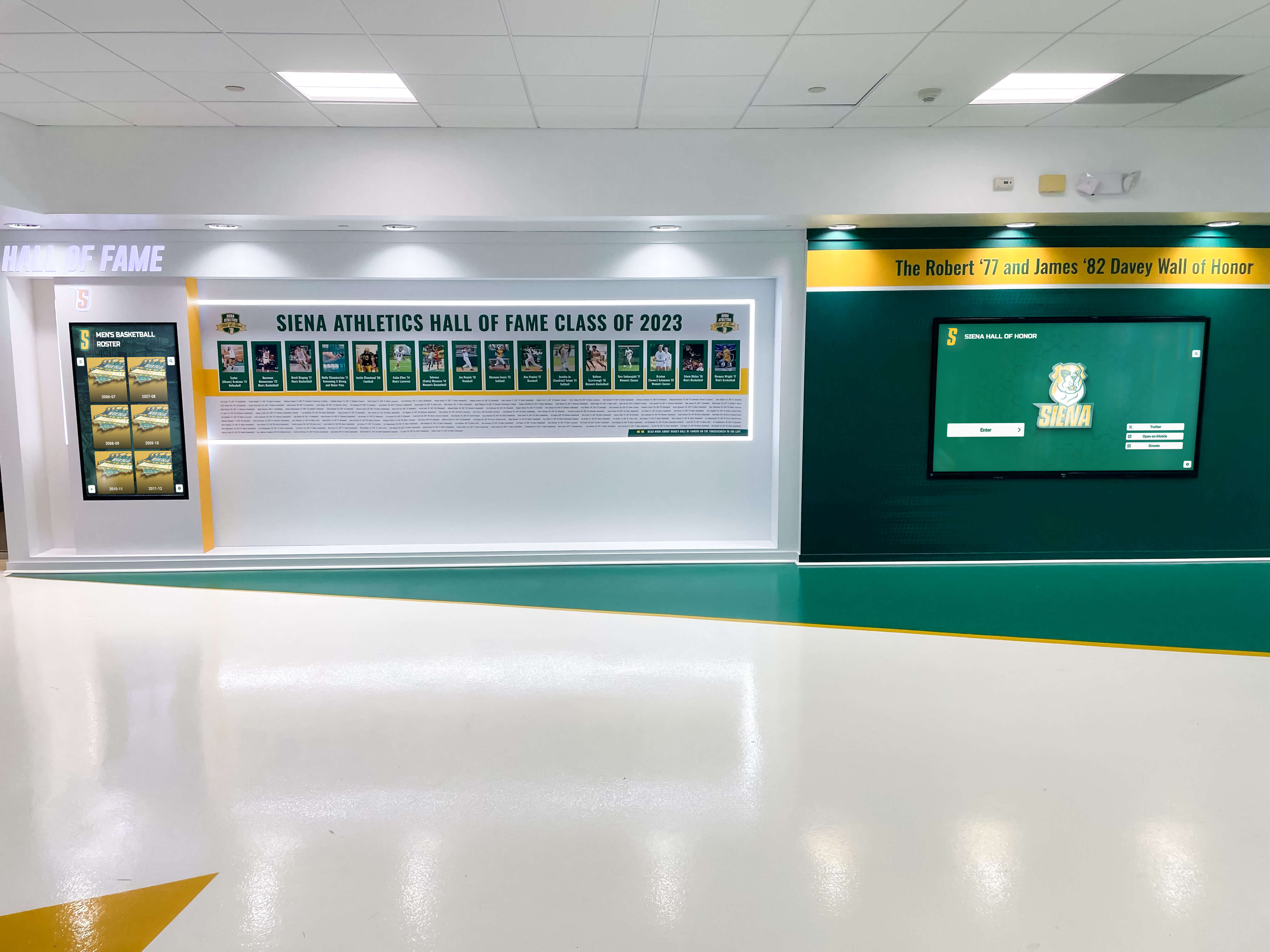
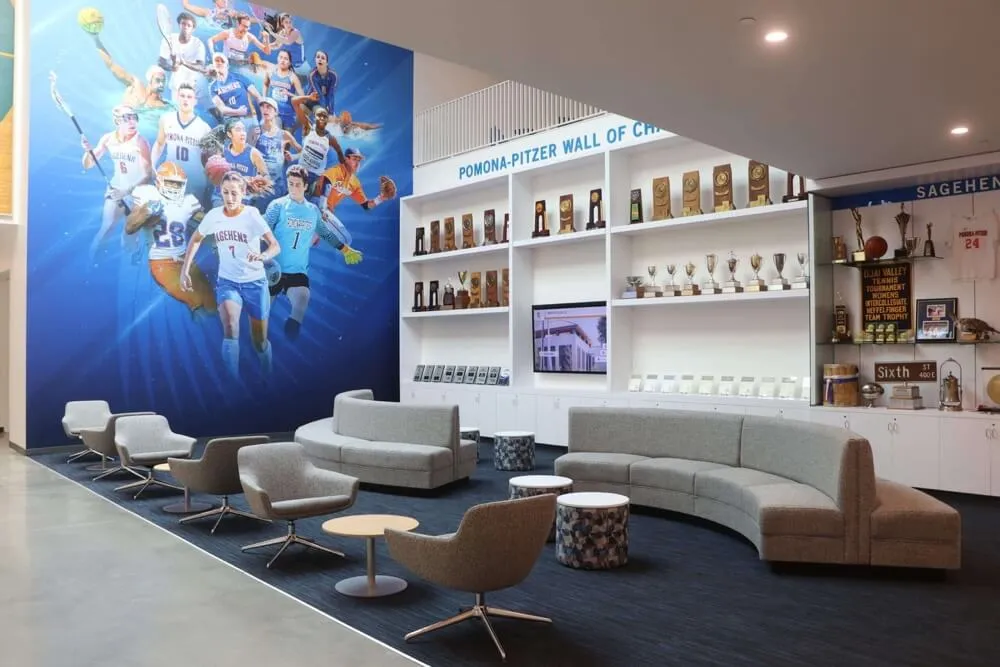
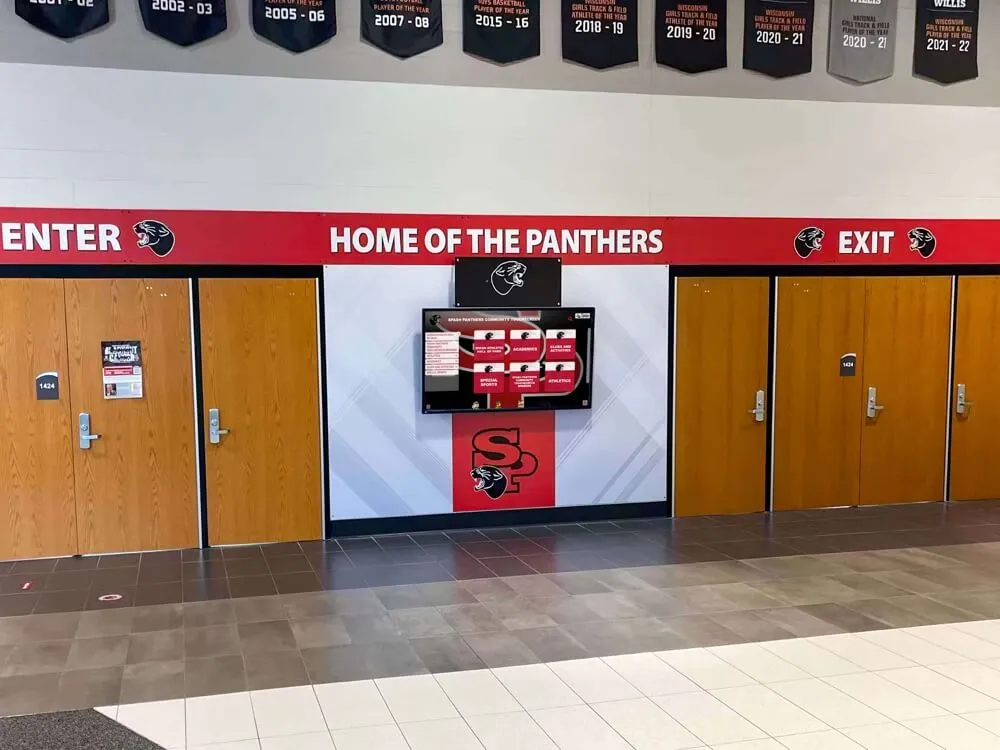
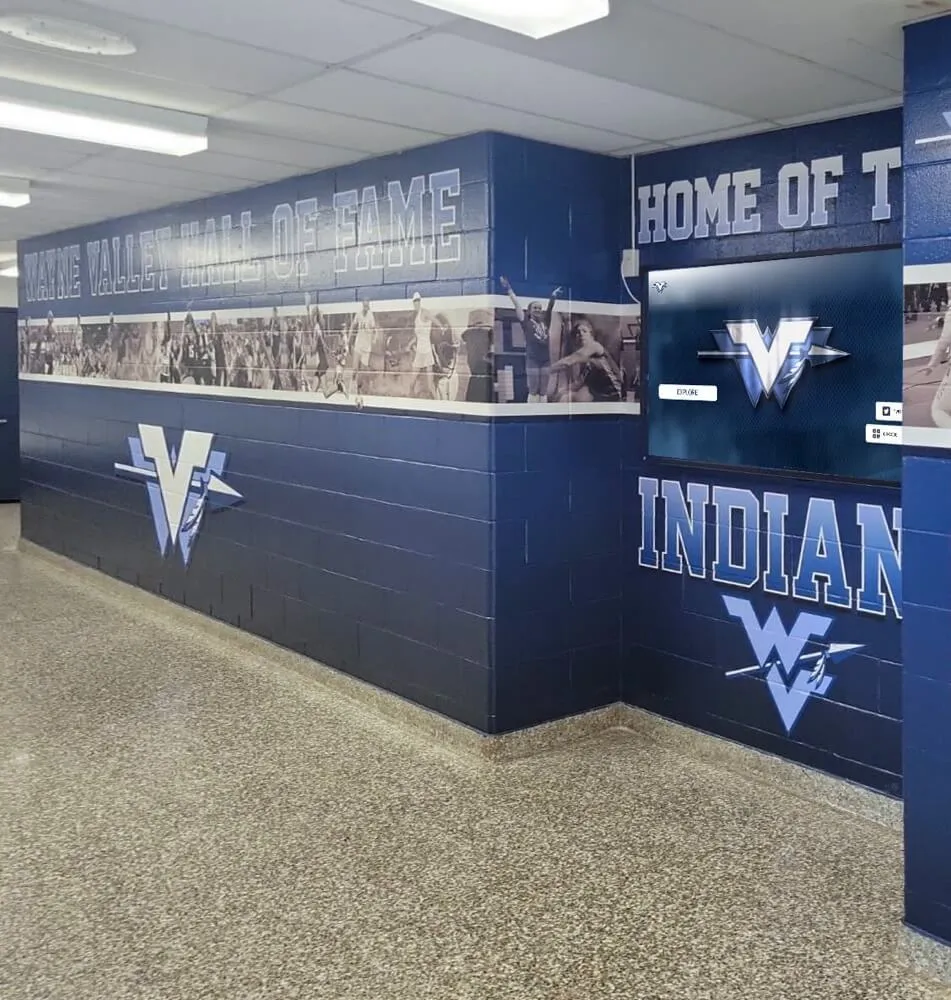
The most effective digital recognition installations integrate into the building's architectural design rather than appearing as an afterthought
Placement and Installation Tips
Location determines visibility. Follow these principles when planning where to install digital awards displays.
Main lobbies and entrance corridors maximize exposure to students, parents, and visitors from the first moment they enter the building. Recognition placed here signals institutional values before a single classroom is visited.
Athletic corridors between locker rooms and gymnasiums capture daily athlete traffic, giving current players regular exposure to the program history they are building toward. The motivational effect of seeing predecessors’ achievements on the way to practice is significant.
Outside the library or main office puts recognition in front of administrative staff, who then share it with visiting parents and community members. These locations also tend to have reliable power and network access for installation.
Near the gym entrance on game days creates energy for home crowds and provides a visible showcase for visiting teams and families discovering your program for the first time.
For multi-screen installations, coordinate with your facilities team early to plan power, network cabling, and wall mounting requirements. Cloud-based systems need only a stable network connection after installation—no local server hardware or dedicated IT infrastructure required.
Keeping Digital Displays Current
The most common failure mode for digital recognition displays is stale content. A screen showing the same honor roll from two semesters ago signals that nobody is maintaining the system—undermining the recognition message entirely and eroding confidence in the program.
Effective content management requires assigning a named staff owner with update responsibility (typically the athletic director, registrar, or technology coordinator), scheduling quarterly content reviews at minimum, using batch upload tools when adding seasonal award recipients, and enabling role-based access so individual coaches can update their own sport sections without system-wide permissions.
The content management system matters as much as the hardware. Schools that struggle with ongoing digital display maintenance almost always cite complex update processes—not hardware failures—as the root cause. Evaluating how easy it is to make a content change before purchasing any system is as important as evaluating the screen quality.
Frequently Asked Questions
What is a digital awards display for schools?
A digital awards display for schools is an electronic screen or interactive system used to recognize student, athletic, and program achievements. Formats range from simple rotating slideshow monitors to fully interactive touchscreen walls of fame that allow visitors to browse athlete profiles, watch highlight videos, and explore decades of school history from a single installation.
How much does a digital awards display cost for a school?
Costs vary significantly by system type. Rotating slideshow screens with media player hardware can launch for a few hundred dollars. Interactive touchscreen wall of fame systems from full-service providers typically range from mid-five to six figures, including hardware, software, content migration, and installation. Many schools fund digital displays through booster clubs, capital improvement budgets, or naming sponsorship programs built directly into the recognition platform.
Can digital awards displays be updated remotely?
Yes. Cloud-based digital recognition platforms allow authorized staff to update content from any internet-connected device—adding new award recipients, updating records, and refreshing photos without visiting or touching the physical display. This is one of the primary advantages over traditional engraved hardware, which requires vendor lead times and installation visits for every update.
What content should a school digital awards display include?
Effective school digital award displays typically include athletic hall of fame inductees and team history, academic honor roll and award recipients, coach milestones and career records, championship hardware and school records, senior class composites and alumni profiles, and upcoming schedules or school news in digital signage mode. The best systems let schools tailor content categories to match their specific recognition priorities.
Are digital awards displays ADA compliant?
Compliance depends on the platform. Web-based touchscreen systems built to WCAG 2.1 AA standards provide screen reader support, sufficient color contrast, keyboard navigation, and adjustable text sizing. Schools subject to ADA requirements should confirm accessibility compliance with any vendor before purchasing—and request documentation of specific WCAG 2.1 AA certification rather than a general claim of “accessibility.”
The Bottom Line: Digital Recognition Scales Where Physical Displays Cannot
Physical trophy cases and plaque walls served schools well for generations—but they are fundamentally limited tools for the recognition needs of modern educational programs. Award shelves overflow, storage closets fill with historical hardware, and graduating classes from past decades quietly disappear from hallway displays to make room for today’s students.
The best digital awards display ideas for schools solve all three problems simultaneously: unlimited capacity means no achievement ever gets removed, interactive depth means every recognition tells a complete story, and cloud-based management means displays stay current without contractor visits or engraving orders. Whether you start with a simple rotating screen in the main lobby or invest in a full interactive wall of fame, the goal is the same—create a recognition environment where every student, athlete, coach, and program knows their contributions are seen, celebrated, and preserved for the generations that follow.
See What a Digital Awards Display Could Look Like at Your School
Rocket Alumni Solutions builds custom interactive recognition systems for schools—touchscreen walls of fame, digital trophy cases, and cloud-managed award displays with unlimited capacity and ADA-compliant design. Request a free custom mock-up for your facility.
Request a Free Demo