



Effective donor stewardship best practices separate institutions that cultivate lifelong philanthropic partnerships from those constantly struggling to replace lapsed donors. Development offices at schools, universities, and educational institutions face a fundamental challenge: transforming one-time gift transactions into sustained donor relationships that generate increasing support over decades while building emotional connections that extend far beyond annual fund appeals.
Yet many development teams treat stewardship as an afterthought—a perfunctory thank-you letter following a gift, perhaps an annual report listing donor names, and little substantive engagement until the next solicitation cycle. This transactional approach leaves donors feeling undervalued, uncertain about gift impact, and disconnected from institutional mission. Research consistently shows that donor retention rates average only 43-45% across educational institutions, meaning more than half of donors who give one year fail to renew support the following year—a costly pattern requiring constant new donor acquisition to maintain funding levels.
This comprehensive guide explores proven donor stewardship best practices that transform gift acknowledgment into year-round relationship building, creating systematic touchpoint strategies that increase donor retention, deepen engagement, maximize lifetime giving, and build lasting philanthropic partnerships supporting your institution’s mission for generations.
Strategic donor stewardship recognizes that the period between solicitations matters as much as the ask itself. Schools that excel at donor relations create intentional, personalized stewardship experiences demonstrating genuine appreciation, communicating tangible impact, involving donors meaningfully in institutional life, and building emotional connections that inspire continued—and often increasing—philanthropic support.

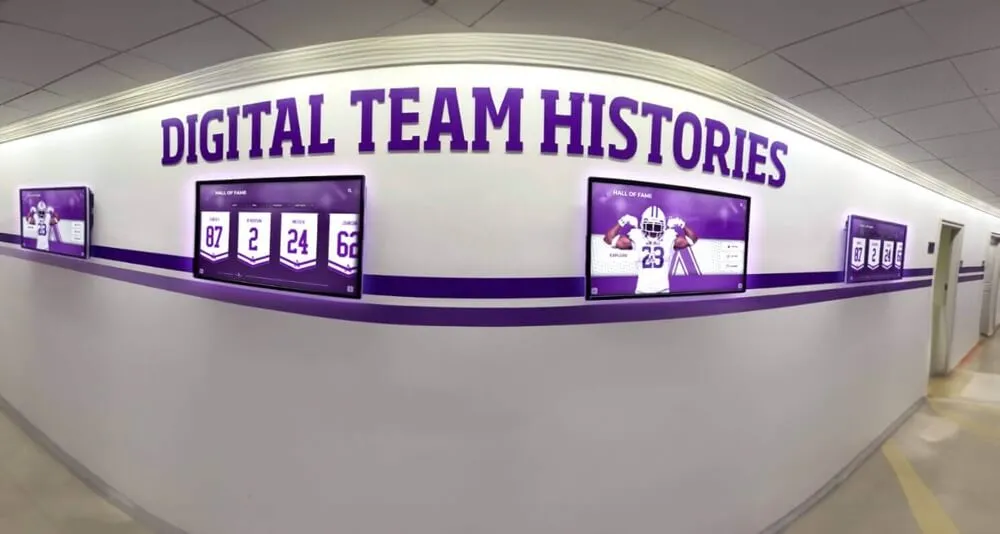
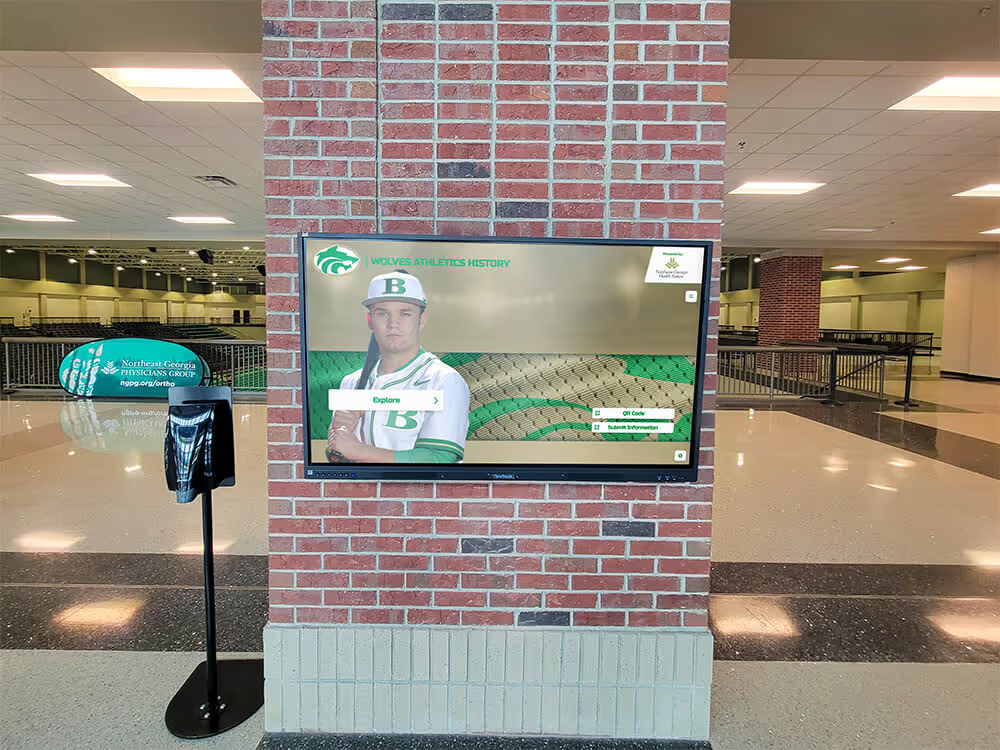
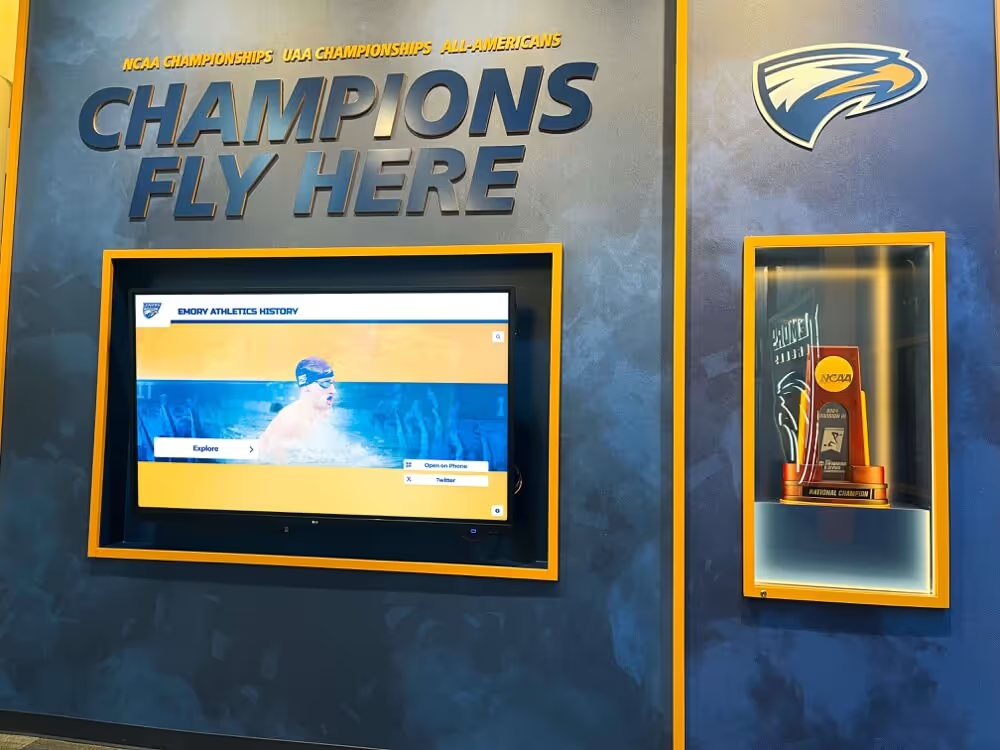
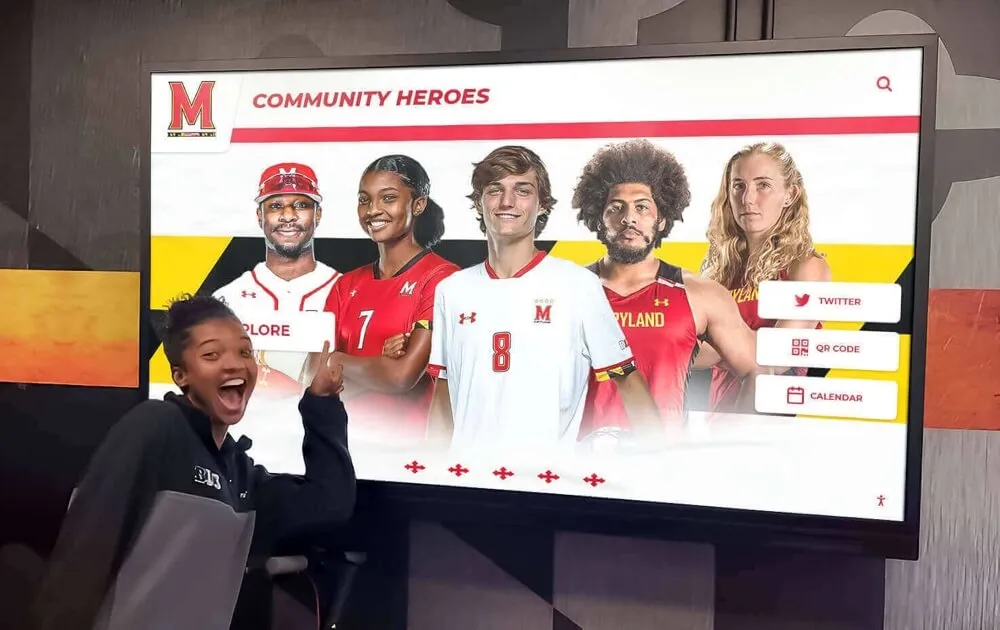
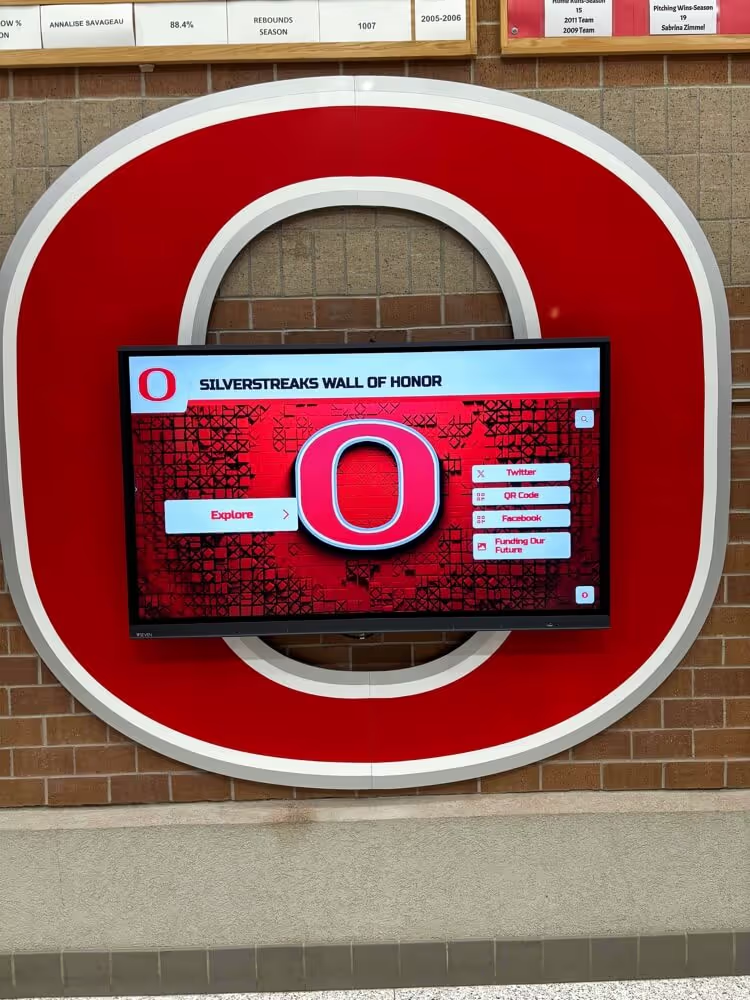
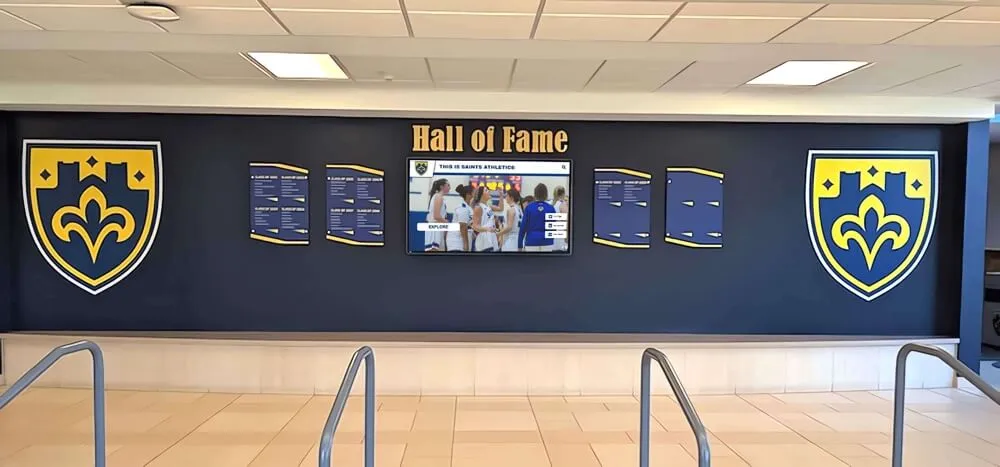
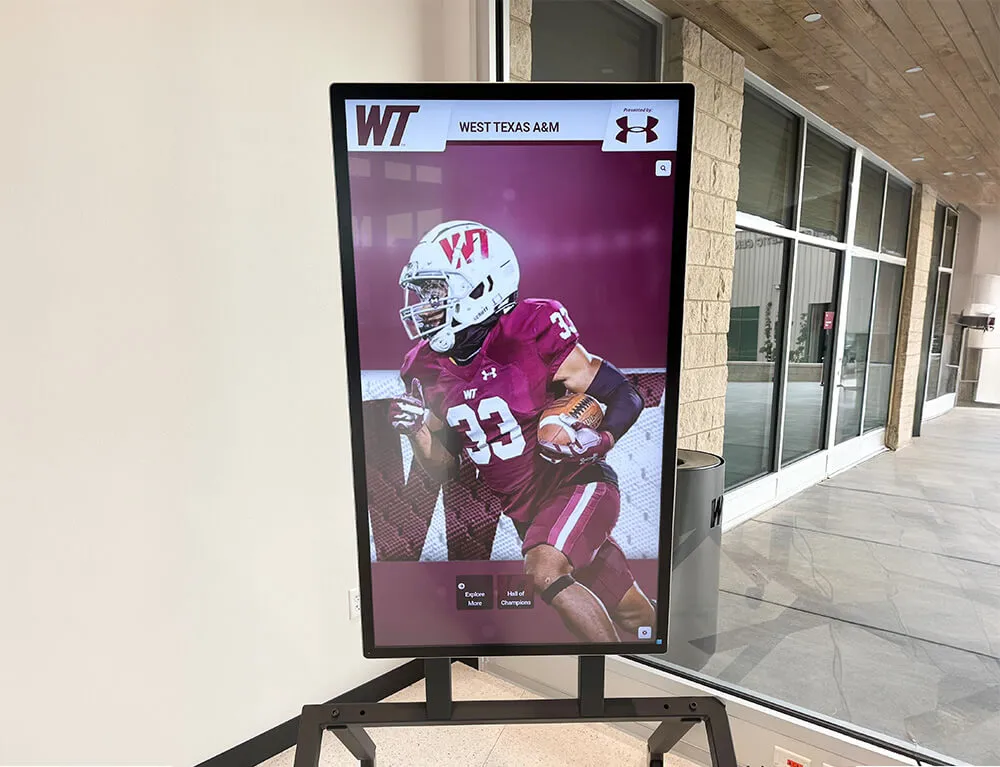
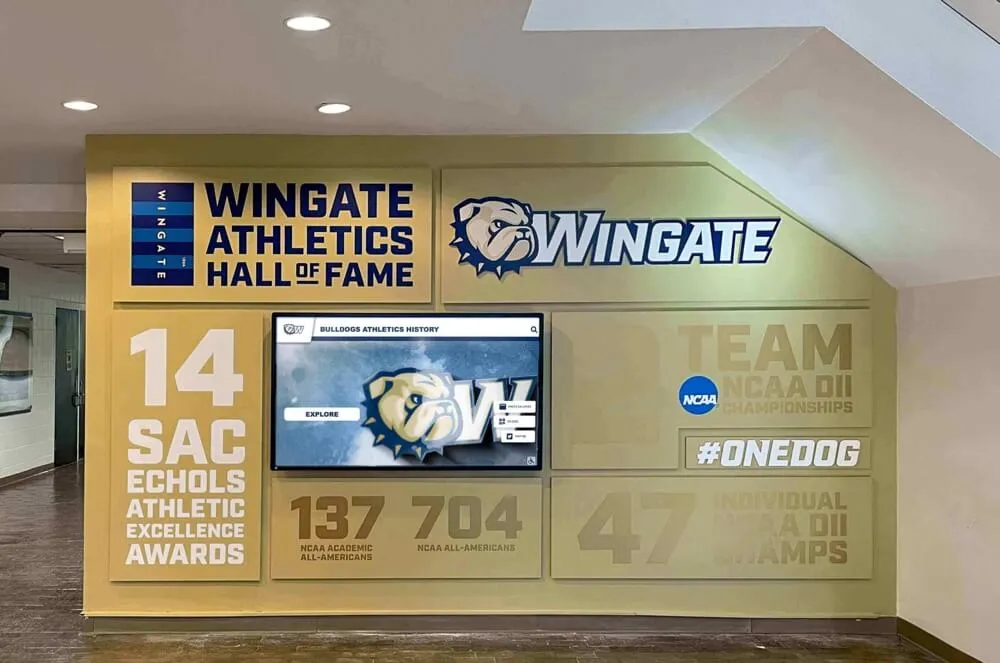
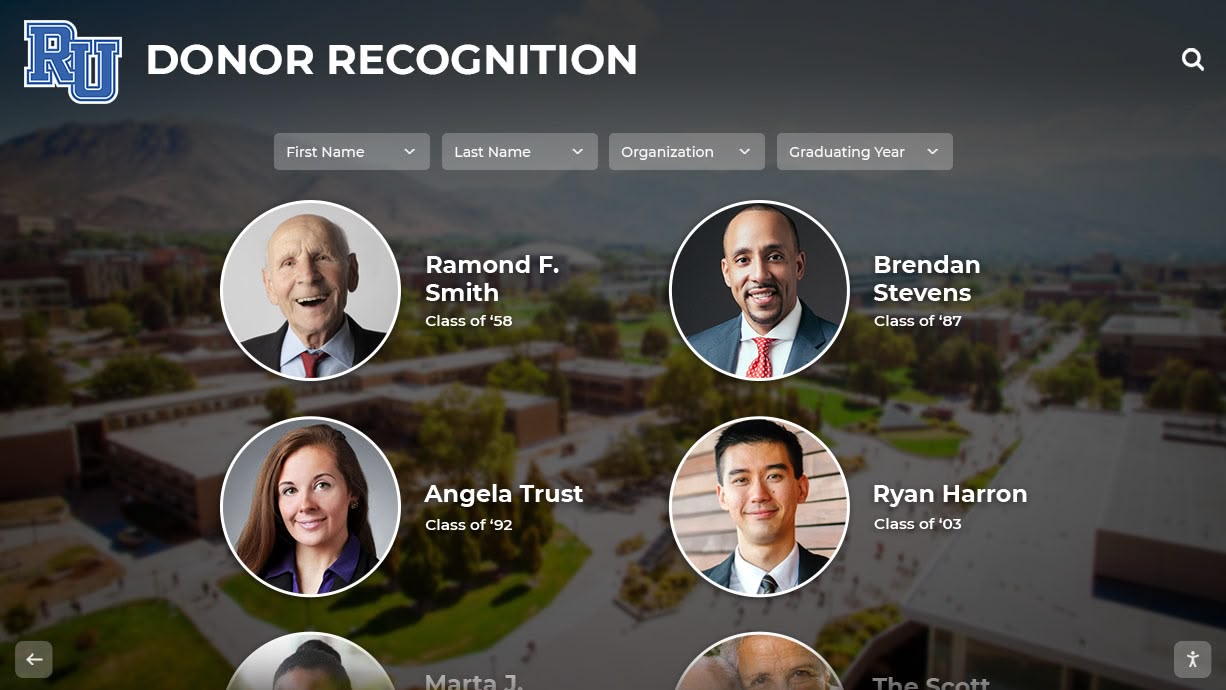
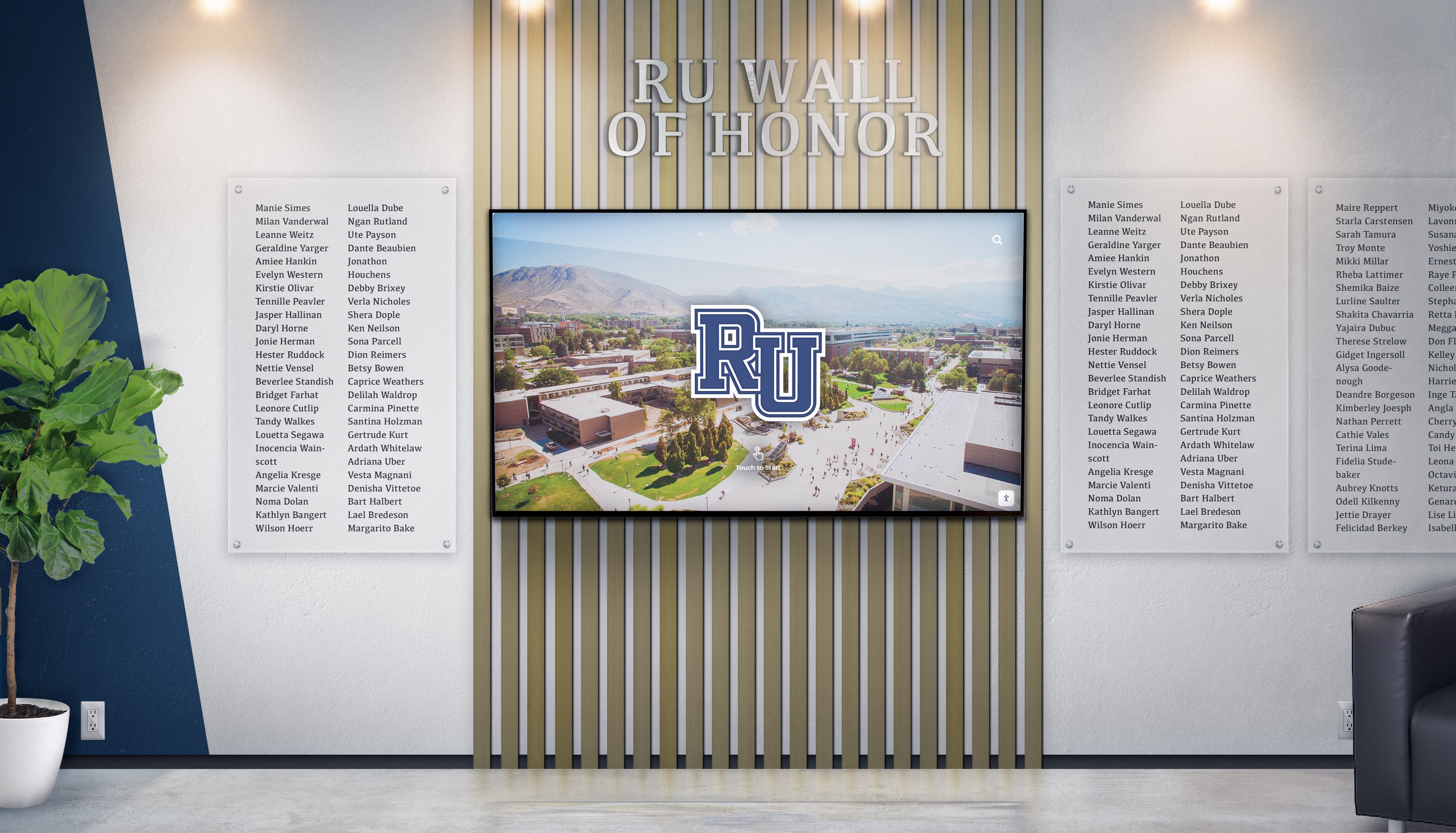
Prominent donor recognition demonstrates institutional gratitude while inspiring continued philanthropic engagement
Understanding Strategic Donor Stewardship
Before exploring specific practices, understanding stewardship’s role within the broader development cycle helps schools approach donor relations more strategically.
What Donor Stewardship Actually Means
Donor stewardship encompasses all relationship-building activities occurring after gift receipt and before the next solicitation:
Core Stewardship Components
- Genuine appreciation expressed through meaningful acknowledgment
- Clear communication about how gifts create impact
- Regular updates connecting donors to programs they support
- Opportunities for deeper institutional involvement and connection
- Recognition appropriate to giving level and donor preferences
- Relationship building creating emotional investment in mission
Effective stewardship transforms donors from financial transactions into engaged community members who view themselves as partners in institutional success rather than simply sources of funding.
Stewardship vs. Cultivation The development cycle distinguishes between cultivation (activities leading to solicitation) and stewardship (relationship building following gifts):
- Cultivation: Identifying prospects, building interest, demonstrating case for support, moving toward asks
- Stewardship: Thanking donors, demonstrating impact, maintaining engagement, building loyalty before next solicitation
- Integration: The best programs blur these lines—stewardship activities naturally cultivate future gifts through ongoing engagement
Strategic stewardship recognizes that today’s $100 annual fund donor may become tomorrow’s major gift prospect when properly cultivated through consistent, meaningful engagement over time.
The Business Case for Strategic Stewardship
Investment in systematic stewardship generates measurable returns justifying resource allocation:
Donor Retention Economics
- Acquiring new donors costs 5-7 times more than retaining existing supporters
- A 10% improvement in donor retention can increase lifetime donor value by 200%
- Retained donors give 42% more in year two compared to first-time donors
- Multi-year donors show exponentially higher likelihood of major gift consideration
- Planned giving prospects almost exclusively come from long-term sustained donors
Retention Rate Impact Educational institutions report dramatic differences in fundraising effectiveness based on stewardship quality:
- Schools with systematic stewardship programs achieve 60-75% donor retention vs. 43% sector average
- Comprehensive stewardship increases average gift size by 30-50% over three years
- Donors receiving personalized impact reports give 35% more on subsequent gifts
- Recognition program participants renew at rates 22% higher than non-recognized donors
- Multi-channel stewardship touchpoints correlate with 2.4x higher lifetime giving
According to the Association of Donor Relations Professionals, every dollar invested in comprehensive stewardship generates $7-12 in increased donor lifetime value through improved retention and gift growth.
Learn more about creating systematic donor recognition through digital donor recognition displays that celebrate supporters year-round.
Key Stewardship Principles
Effective donor relations programs share common foundational principles:
Prompt Acknowledgment
- Thank donors immediately—ideally within 48 hours of gift receipt
- Separate acknowledgment from tax receipts when possible
- Personalize appreciation based on giving history and donor preferences
- Express genuine gratitude rather than perfunctory form letters
- Acknowledge the donor’s values and motivations, not just the gift amount
Impact Communication
- Show donors concrete outcomes their gifts enabled
- Connect gifts to specific programs, students, or initiatives
- Use stories and examples rather than abstract institutional benefits
- Provide updates at appropriate intervals showing progress over time
- Make impact tangible and emotionally resonant
Donor Preferences and Personalization
- Respect communication frequency preferences
- Honor recognition preferences (public, private, anonymous)
- Adapt stewardship approaches based on donor interests and engagement style
- Track interaction history informing future touchpoints
- Treat donors as individuals rather than database segments
Consistent, Year-Round Engagement
- Create systematic touchpoint calendars ensuring regular contact
- Vary communication types and content avoiding repetitive appeals
- Maintain relationships during non-solicitation periods
- Build engagement gradually rather than episodic intense contact
- Create stewardship rhythms appropriate to giving levels
These principles guide all specific stewardship tactics ensuring donor-centered approaches that build authentic relationships.
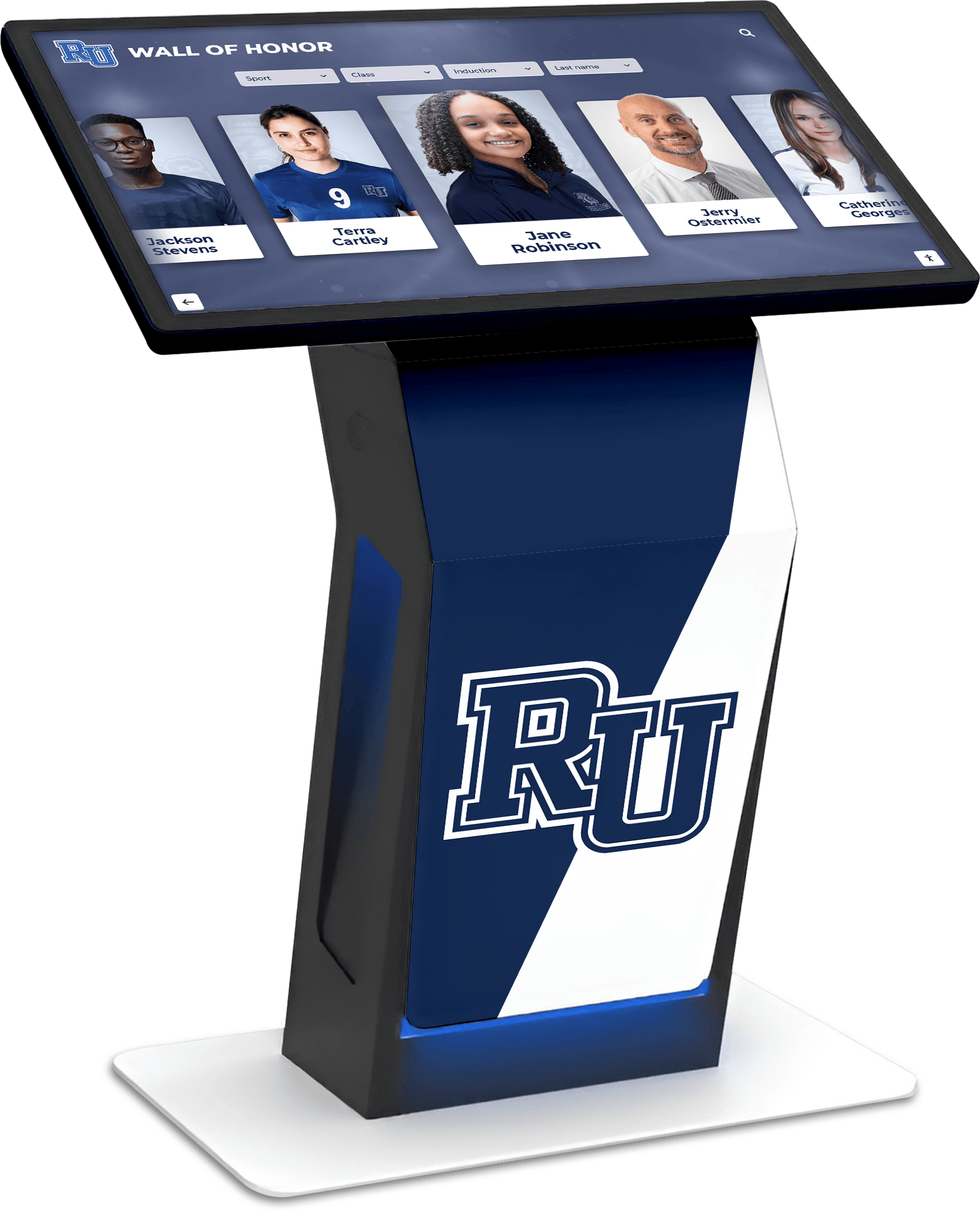
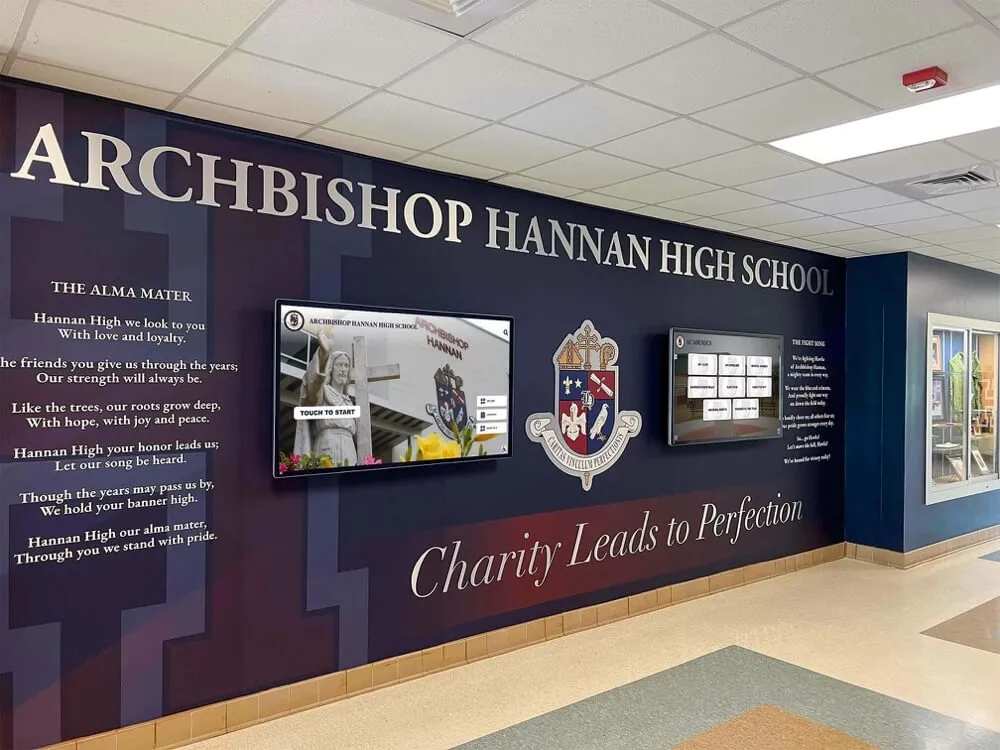
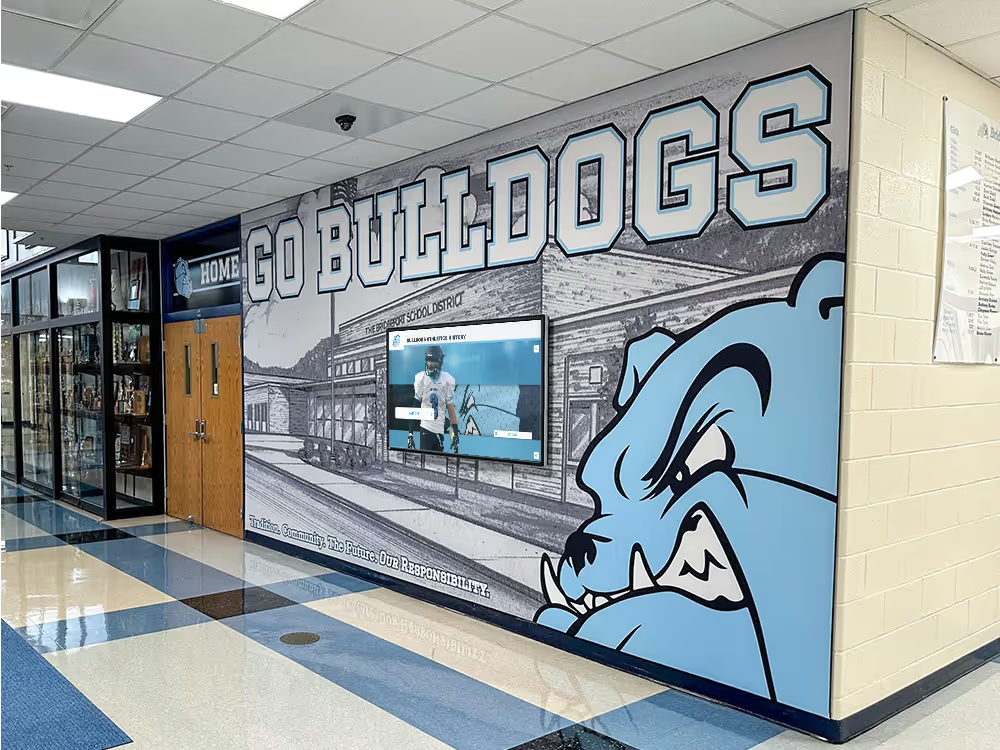
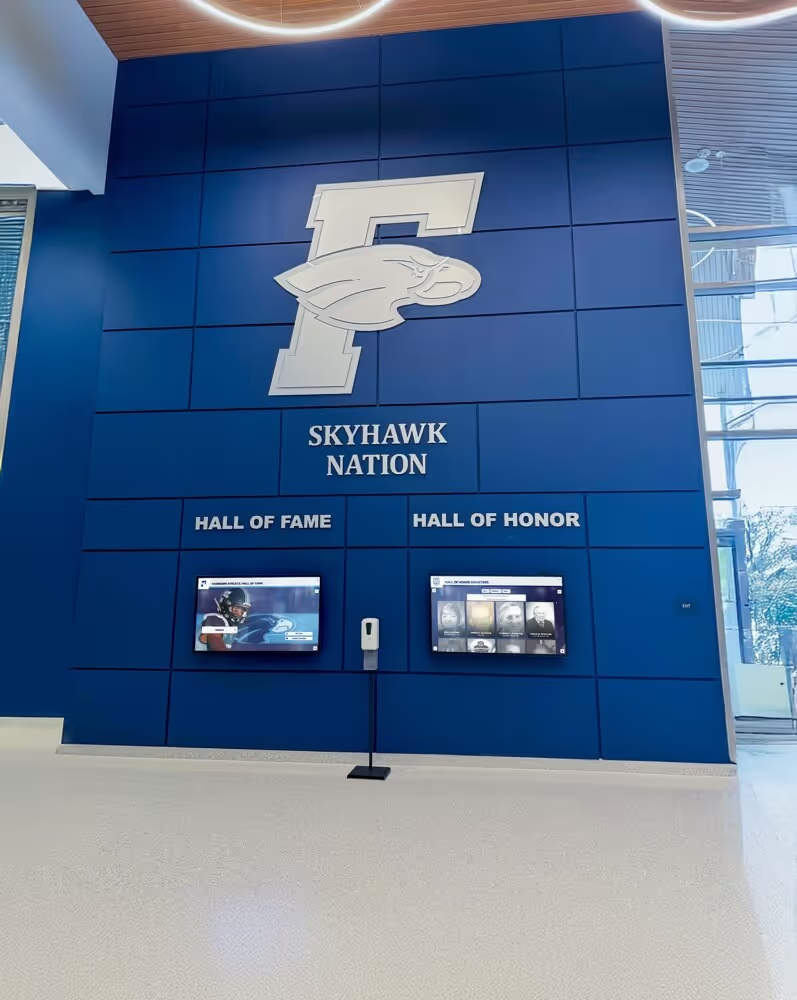
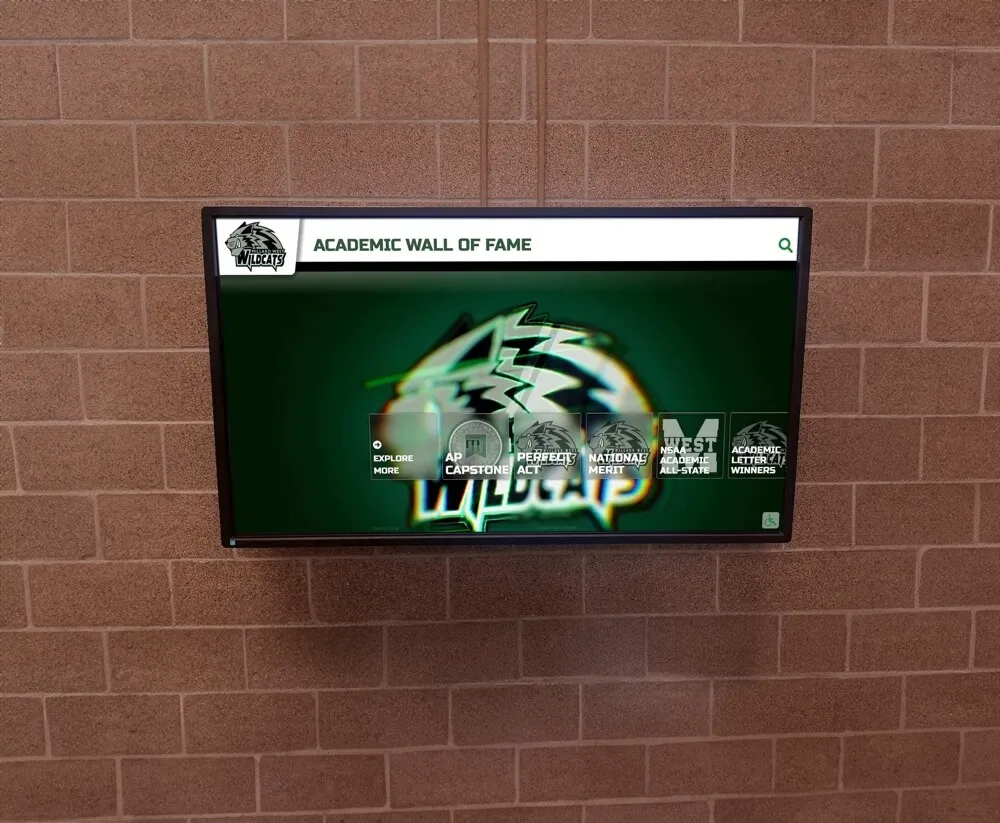
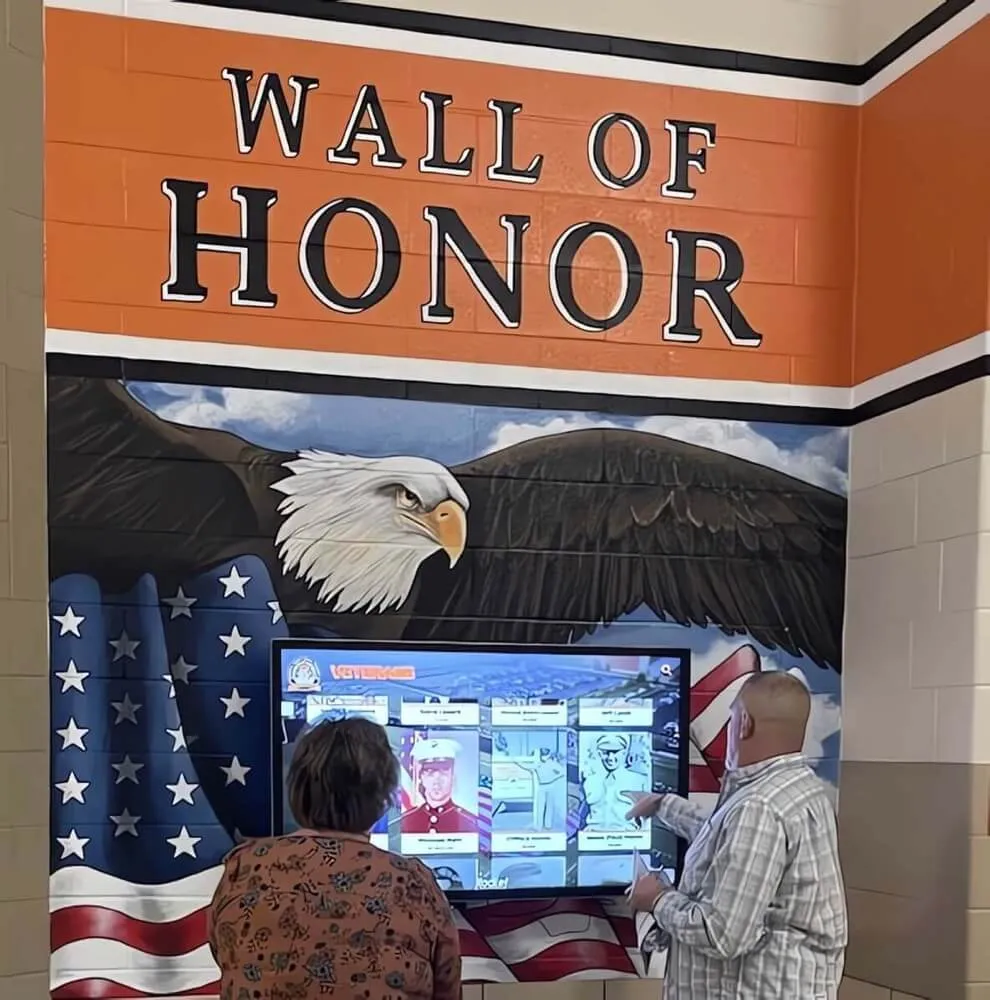
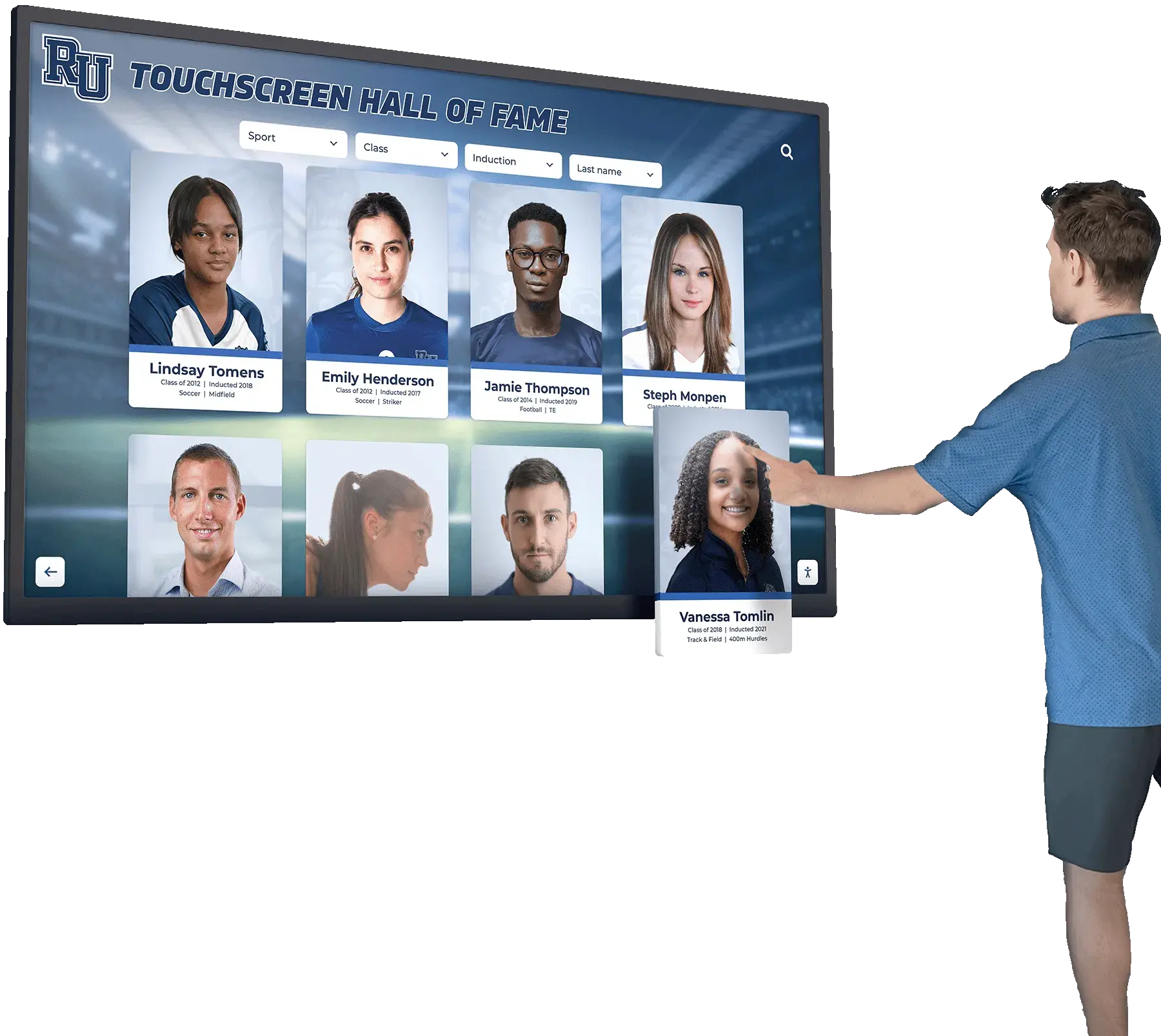
Modern recognition technology enables engaging donor stewardship experiences
Essential Donor Stewardship Best Practices
Systematic implementation of these core practices forms the foundation of effective stewardship programs.
Immediate Gift Acknowledgment
The stewardship relationship begins the moment a gift arrives—prompt, thoughtful acknowledgment sets the tone for all future engagement.
The 48-Hour Thank-You Standard Development best practices call for donor acknowledgment within 48 hours of gift receipt:
- Immediate email confirmation upon online gift processing
- Formal acknowledgment letter within two business days
- Phone calls for major gifts ($1,000+) within 24 hours
- Personal notes from leadership for significant contributions
- Student thank-yous for scholarship gifts within two weeks
Research shows donors receiving acknowledgment within 48 hours demonstrate 31% higher renewal rates than those waiting a week or more for recognition—prompt response signals that gifts matter and donors are valued.
Multi-Tier Acknowledgment Approach Different giving levels merit appropriately scaled recognition:
Annual Fund Gifts ($1-$999)
- Automated email receipt upon transaction
- Personalized acknowledgment letter within 48 hours
- Inclusion in annual donor honor roll
- Quarterly impact newsletter
- Year-end tax summary
Leadership Gifts ($1,000-$9,999)
- Immediate email confirmation
- Personal phone call from development officer
- Handwritten note from president or dean
- Invitation to donor appreciation event
- Detailed impact report on supported program
- Premium recognition level designation
Major Gifts ($10,000+)
- Immediate personal contact from development leadership
- In-person visit or call from president/head of school
- Comprehensive written proposal showing gift impact
- Personalized stewardship plan with multiple touchpoints
- Naming opportunities or premium recognition consideration
- Invitation to exclusive donor briefings and events
This tiered approach ensures stewardship investment aligns with gift significance while making all donors feel appropriately valued.
Acknowledgment Letter Best Practices Effective thank-you letters share common elements:
- Donor name spelled correctly with proper title
- Specific gift amount and designation mentioned
- Genuine expression of gratitude (not template language)
- Impact statement describing what the gift enables
- Personal signature from appropriate institutional leader
- No additional solicitation language in acknowledgment
- Warm, conversational tone rather than formal bureaucratic voice
The acknowledgment letter is not a receipt—it’s the first stewardship touchpoint building donor relationship. Tax documentation can be included but shouldn’t overshadow genuine appreciation.
Personalized Impact Reporting
Donors want to know their gifts create meaningful change—systematic impact communication transforms abstract support into tangible outcomes.
Gift Impact Statements Connect specific gifts to concrete results:
Scholarship Gifts
- Student stories (with permission) describing educational access enabled
- Academic achievements and career outcomes
- Demographic data showing students served
- Thank-you letters from scholarship recipients
- Photos and personal narratives creating emotional connection
Program Support
- Specific initiatives funded by donor contributions
- Quantitative outcomes (students served, programs delivered, facilities enhanced)
- Faculty and staff perspectives on program impact
- Student testimonials about program benefits
- Before-and-after comparisons showing improvement
Capital Projects
- Construction progress updates with photos
- Dedication ceremony invitations and recognition
- Usage data showing facility impact on programs
- Student and faculty appreciation for enhanced spaces
- Long-term outcomes enabled by improved infrastructure
Effective impact reporting shows cause and effect—“Your gift did this specific thing, creating these specific outcomes for these specific people.” Vague institutional benefits lack the emotional resonance of concrete, personal impact stories.
Discover comprehensive approaches to donor engagement through gala fundraiser donor recognition strategies that extend beyond events.
Annual Impact Reports Comprehensive reports provide detailed stewardship for significant donors:
- Personalized overview letter addressing donor by name
- Gift history summary showing cumulative impact
- Specific programs and initiatives supported by donor’s gifts
- Financial stewardship data demonstrating responsible fund management
- Future goals and opportunities for continued partnership
- Professional design and production showing respect for donor
Major gift donors ($25,000+) merit fully customized impact reports; leadership annual fund donors can receive semi-customized versions with personalized elements within templated designs.
Multi-Year Impact Tracking Stewardship extends beyond single-year reporting:
- Endowment performance reporting for endowed gifts
- Multi-year program outcomes for sustained donors
- Alumni career tracking for scholarship supporters
- Facility naming dedication updates and usage data
- Legacy impact for long-term institutional supporters
This longitudinal approach demonstrates that gifts create lasting value extending far beyond initial contribution.
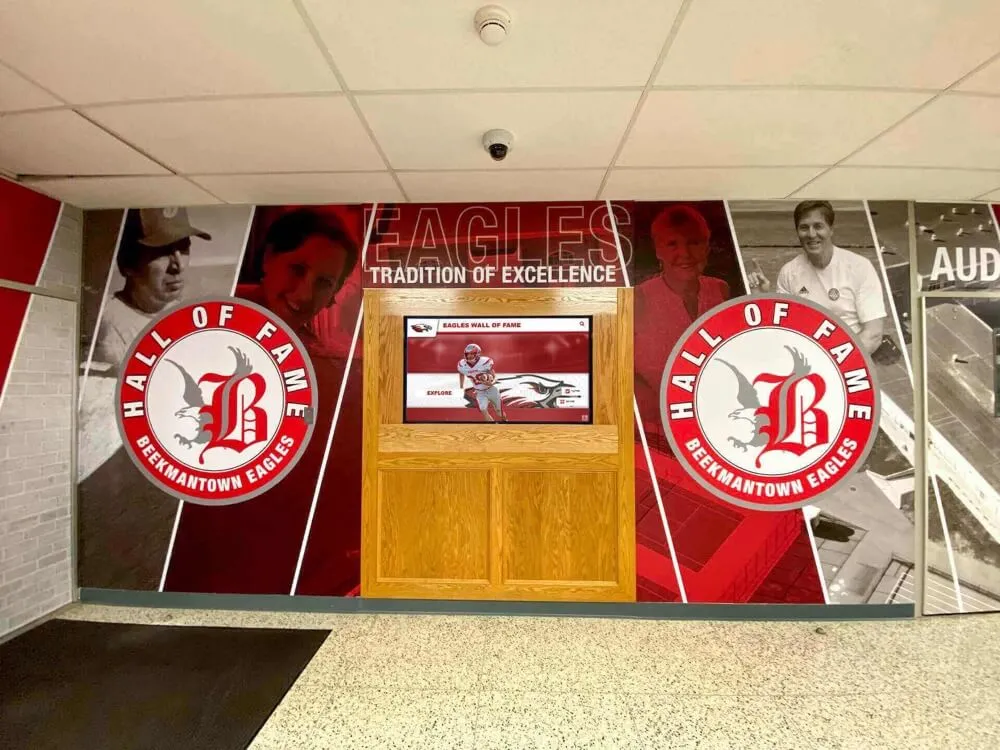
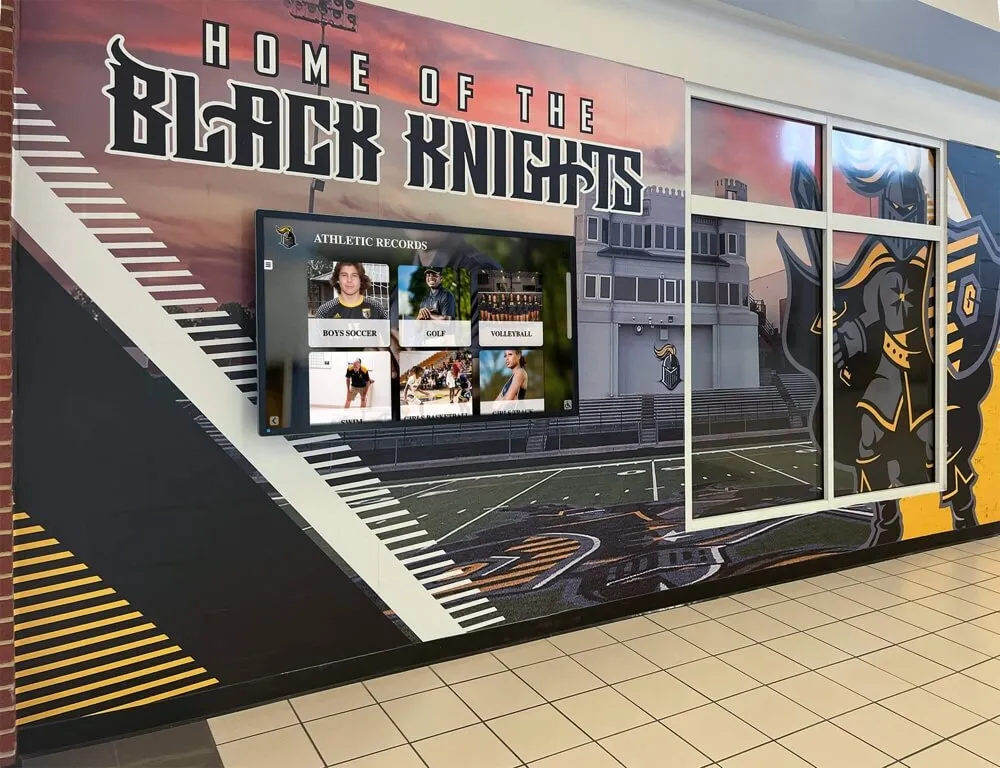
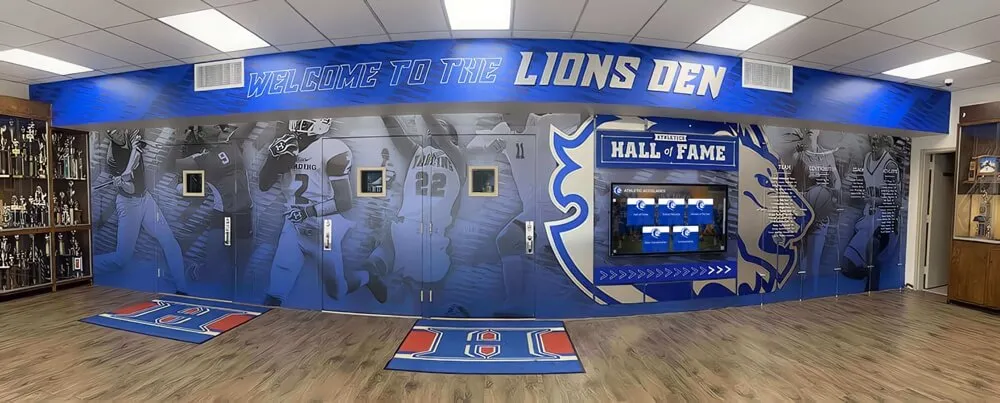
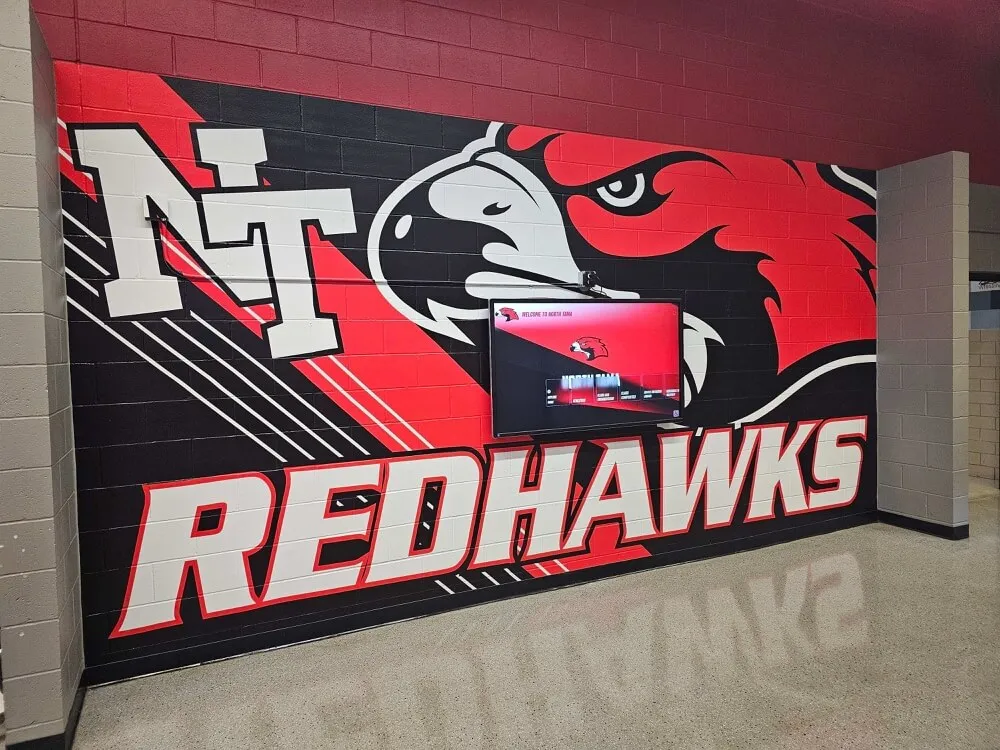
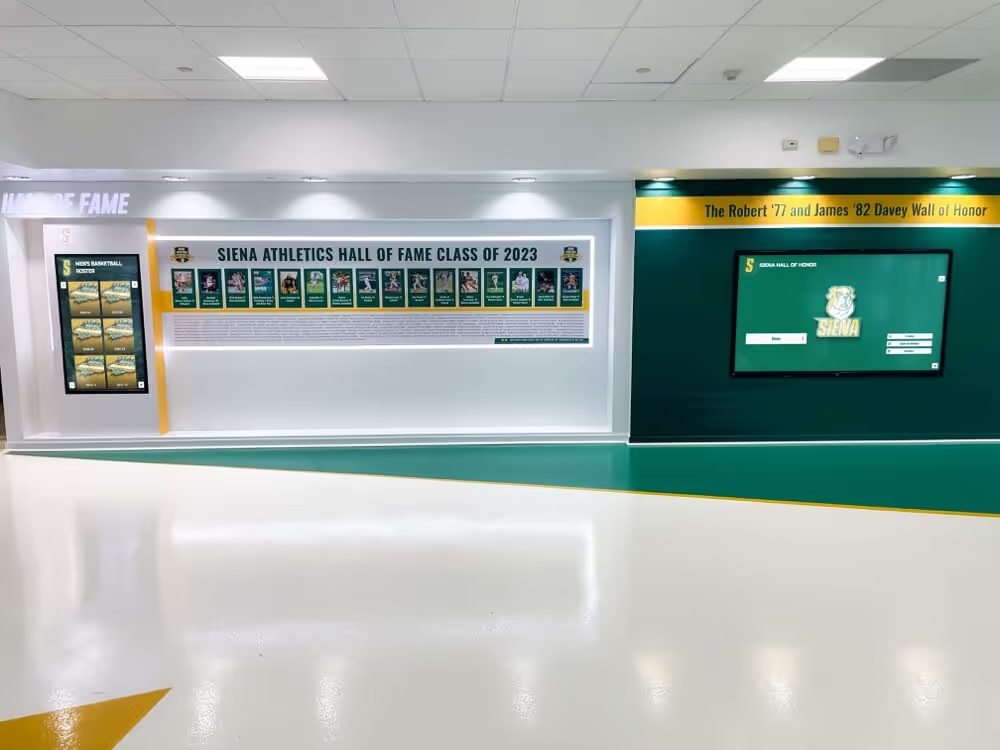
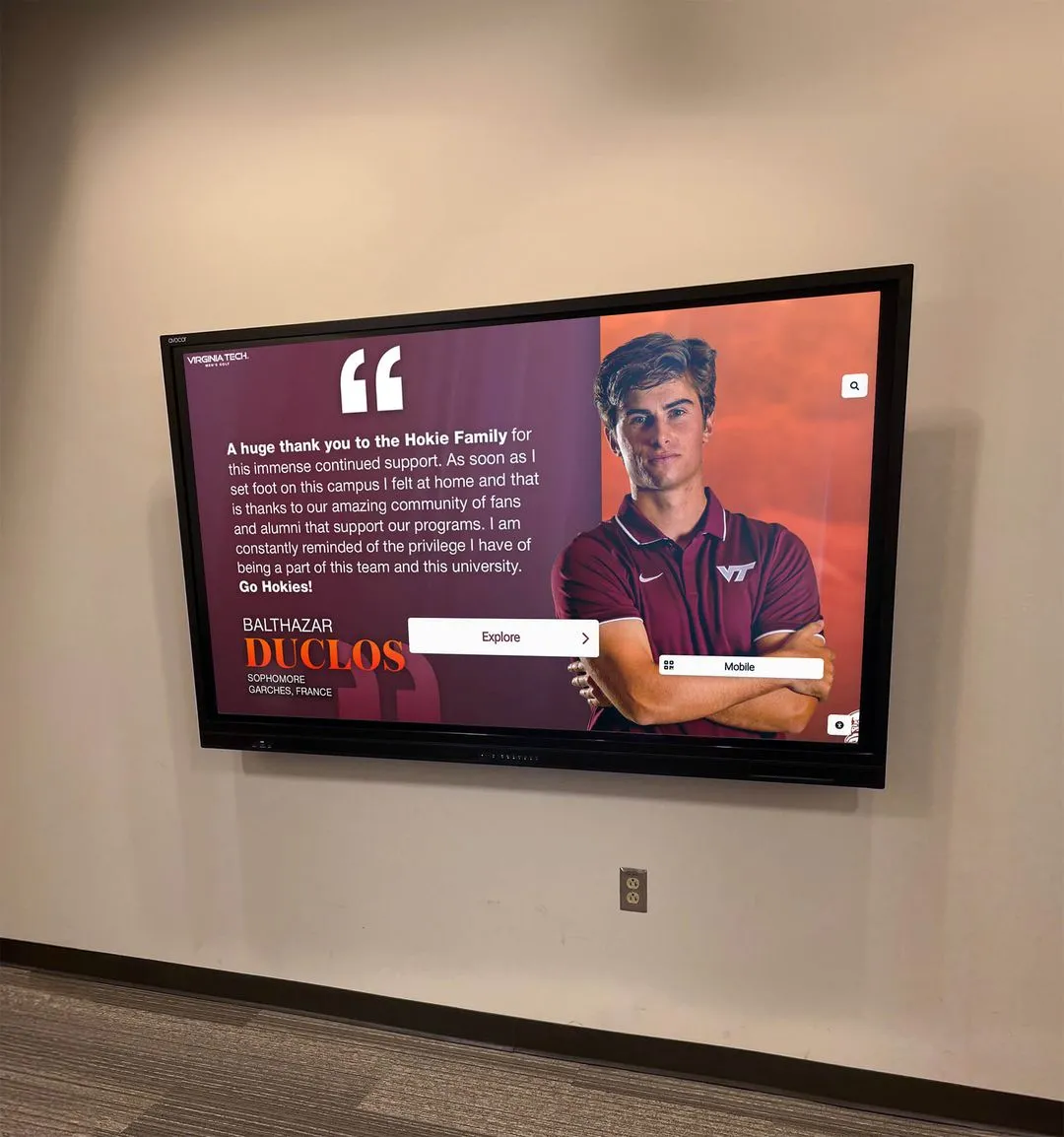
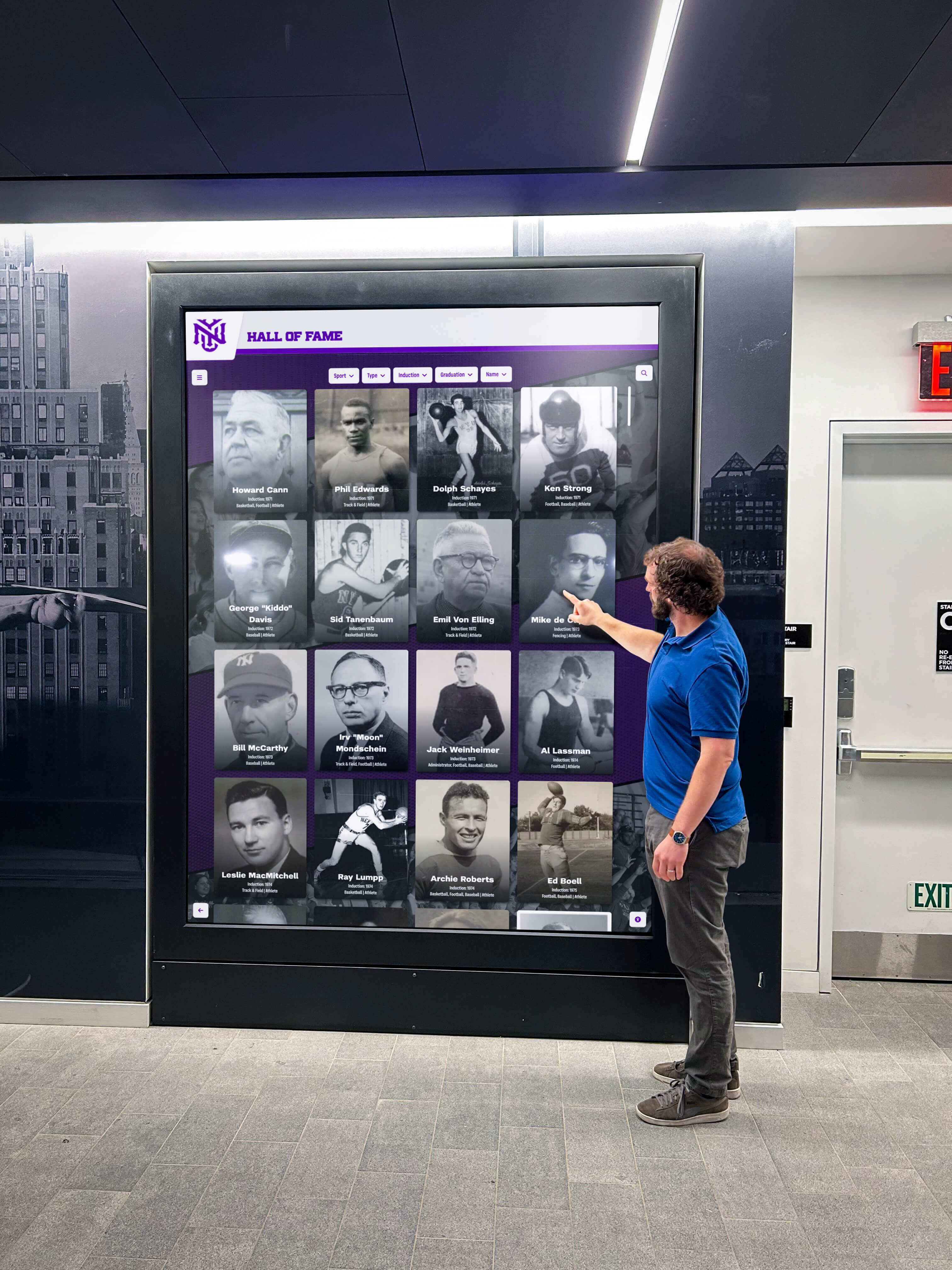
Permanent recognition displays provide ongoing stewardship touchpoints for donors and campus visitors
Meaningful Donor Recognition
Strategic recognition honors donors appropriately while inspiring continued support and encouraging others to give.
Recognition Level Structure Create clear giving societies with defined benefits:
Annual Giving Societies
- Donor ($1-$499): Honor roll listing, impact newsletter
- Supporter ($500-$999): Above benefits plus event invitations
- Patron ($1,000-$2,499): Above plus president’s annual report
- Benefactor ($2,500-$4,999): Above plus recognition wall listing
- Leadership Circle ($5,000-$9,999): Above plus exclusive briefings
Lifetime Giving Societies
- Heritage Society ($25,000-$99,999 cumulative)
- Legacy Society ($100,000-$499,999 cumulative)
- Founder’s Circle ($500,000-$999,999 cumulative)
- Distinguished Benefactor ($1,000,000+ cumulative)
Clear tiers create aspiration while ensuring appropriate recognition at all levels.
Physical Recognition Displays Permanent donor recognition serves ongoing stewardship:
Traditional Recognition Walls
- Engraved plaques in high-traffic campus locations
- Building dedication signage for capital campaign donors
- Named space recognition (classrooms, labs, facilities)
- Garden and outdoor recognition installations
- Donor honor rolls in annual publications
Digital Recognition Solutions Modern technology enhances recognition capacity and engagement:
- Interactive touchscreen donor walls in main lobbies
- Searchable donor databases showcasing all contributors
- Digital displays with rotating donor spotlights
- Mobile-accessible recognition extending beyond campus
- Cloud-based content management enabling real-time updates
Schools implementing digital donor recognition report 40% increases in donor engagement metrics and 28% higher renewal rates among recognized donors compared to static wall plaques alone.
Explore innovative recognition approaches through unique donor wall ideas that create meaningful acknowledgment.
Recognition Event Programming Events provide community stewardship experiences:
- Annual donor appreciation receptions by giving level
- Scholarship luncheons connecting donors with recipients
- Building dedication ceremonies for capital donors
- Exclusive briefings with institutional leadership
- Behind-the-scenes campus tours for major donors
- Society induction ceremonies celebrating giving milestones
Recognition events create peer affirmation—donors see others making similar commitments, normalizing philanthropic culture.
Respecting Donor Preferences Not all donors want public recognition:
- Offer anonymous giving options
- Provide choice between public and private acknowledgment
- Create tiered recognition with opt-in for visibility
- Honor “in honor of” or “in memory of” designations
- Respect specific recognition requests in donor agreements
Donor-centered recognition respects individual preferences while maintaining appropriate acknowledgment systems.
Regular Communication and Updates
Consistent touchpoints maintain donor engagement during periods between solicitations.
Communication Calendar Development Systematic scheduling ensures regular contact:
Quarterly Touchpoints
- Impact newsletter showing gift outcomes
- Program updates highlighting supported initiatives
- Financial stewardship reports demonstrating responsible management
- Student achievement highlights and stories
- Institutional accomplishment announcements
Annual Communications
- Comprehensive annual report
- Year-end tax summaries and giving statements
- Holiday greetings and institutional updates
- Fiscal year-end impact summaries
- Strategic plan progress reports
Event-Driven Communications
- Campaign milestone announcements
- Facility opening and dedication invitations
- Major institutional achievement news
- Crisis response and resilience communications
- Leadership transition introductions
This calendar approach prevents communication gaps while avoiding donor fatigue from excessive contact.
Multi-Channel Stewardship Strategy Diverse communication methods reach different donor preferences:
Written Communications
- Formal letters for significant updates
- Personalized notes for relationship building
- Email newsletters for regular program updates
- Annual reports showcasing comprehensive impact
- Impact statements for specific gifts
Digital Engagement
- Email campaigns with segmented content
- Social media recognition and storytelling
- Video updates from leadership and beneficiaries
- Virtual campus tours and program showcases
- Donor portals providing personalized information access
Personal Interaction
- Phone calls for relationship deepening
- Campus visits and facility tours
- Coffee meetings with development officers
- Attendance at donor events and programs
- Volunteer opportunity invitations
Effective stewardship blends channels creating rich, varied engagement appropriate to donor preferences and giving levels.
Learn about creating recognition programs through donor appreciation ideas that show genuine gratitude.
Donor Engagement Opportunities
Moving donors from passive supporters to active participants deepens emotional investment.
Advisory and Leadership Roles Meaningful involvement opportunities:
- Campaign cabinet and volunteer leadership positions
- Program advisory boards providing expertise
- Scholarship selection committees
- Facility planning input for major capital donors
- Strategic planning participation
- Alumni association leadership roles
Donors contributing time and expertise alongside financial resources develop deeper institutional connections increasing likelihood of continued and enhanced support.
Campus Connection Programs Creating ongoing institutional relationships:
Academic Engagement
- Guest lecture invitations sharing professional expertise
- Student mentorship programs
- Career networking events
- Class reunions and homecoming participation
- Academic symposium attendance
Student Interaction
- Scholarship recipient introduction events
- Student performance and competition attendance
- Research presentation showcases
- Student-donor correspondence programs
- Campus tour hosting for prospective families
Behind-the-Scenes Access
- Exclusive previews of new facilities and programs
- President’s briefing sessions
- Faculty research presentations
- Athletic team practices and pre-game events
- Facility and lab tours showing donor impact
These engagement opportunities create emotional connections transcending transactional giving relationships.
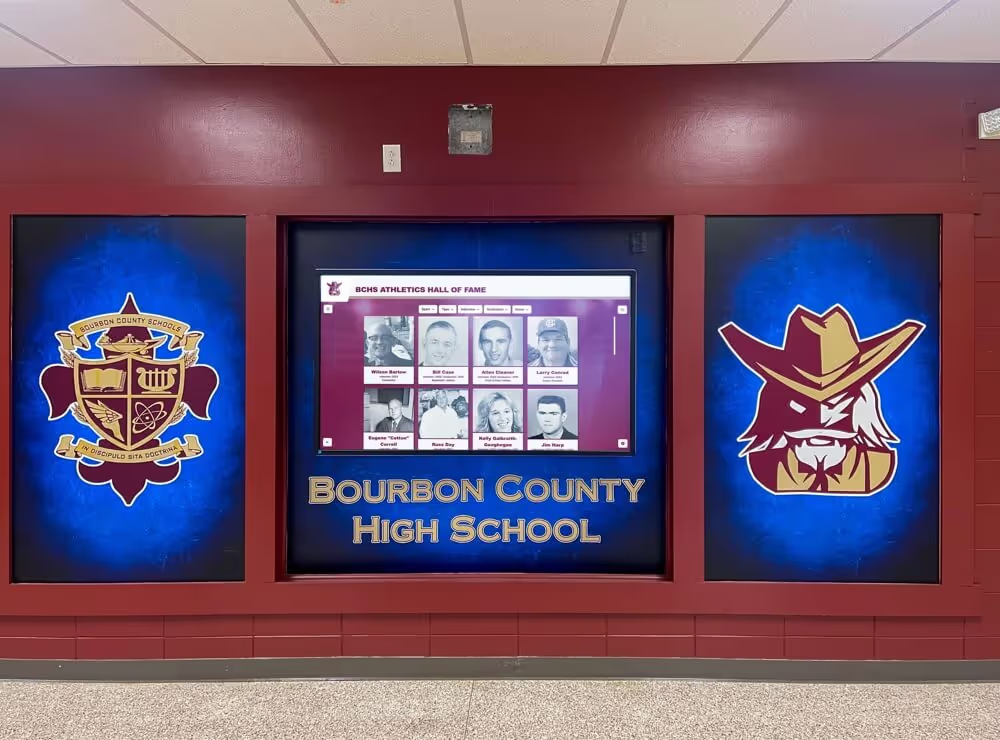
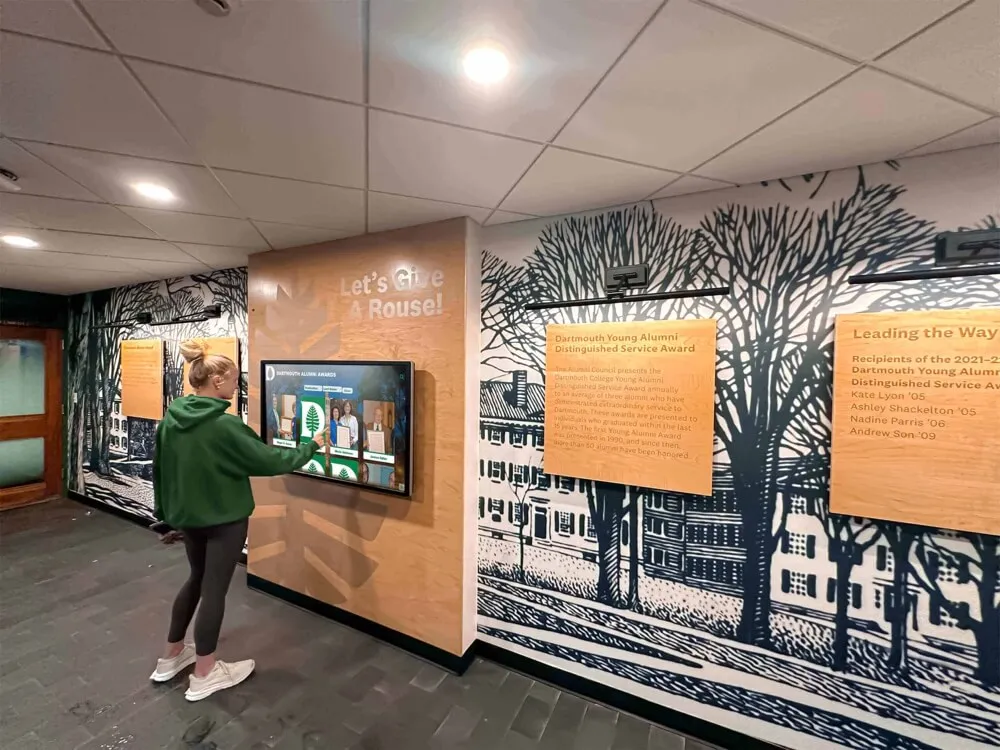
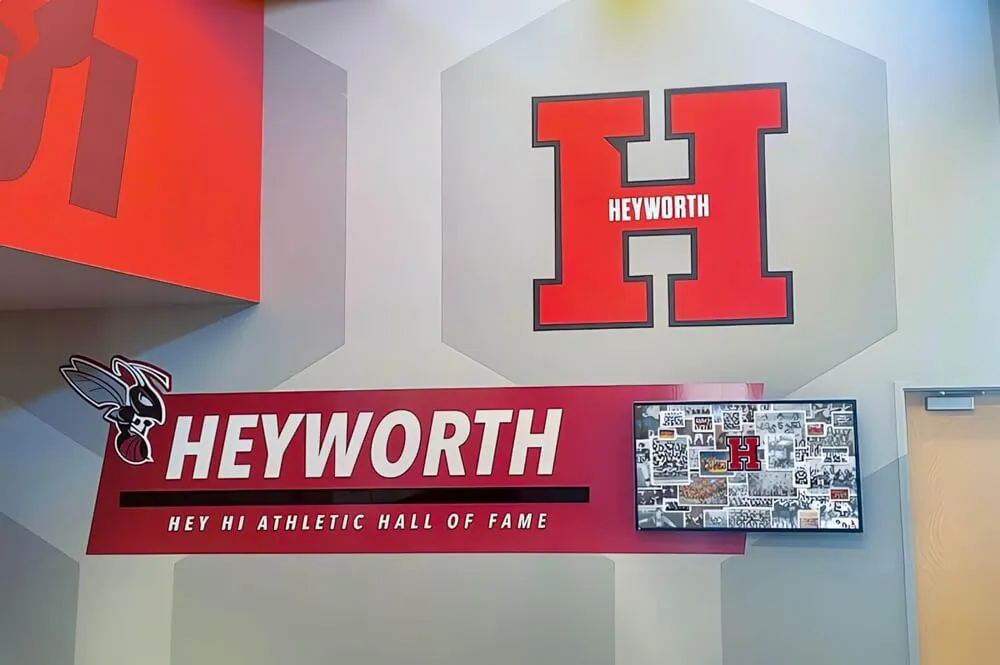
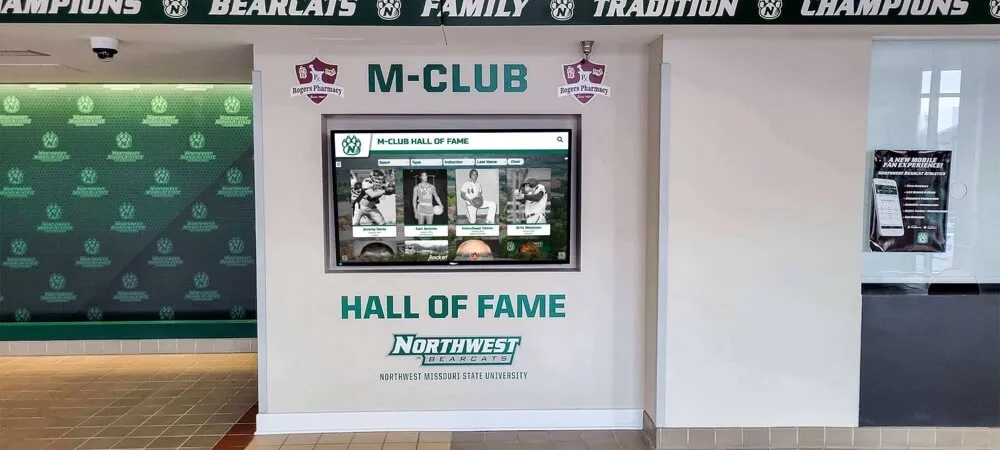
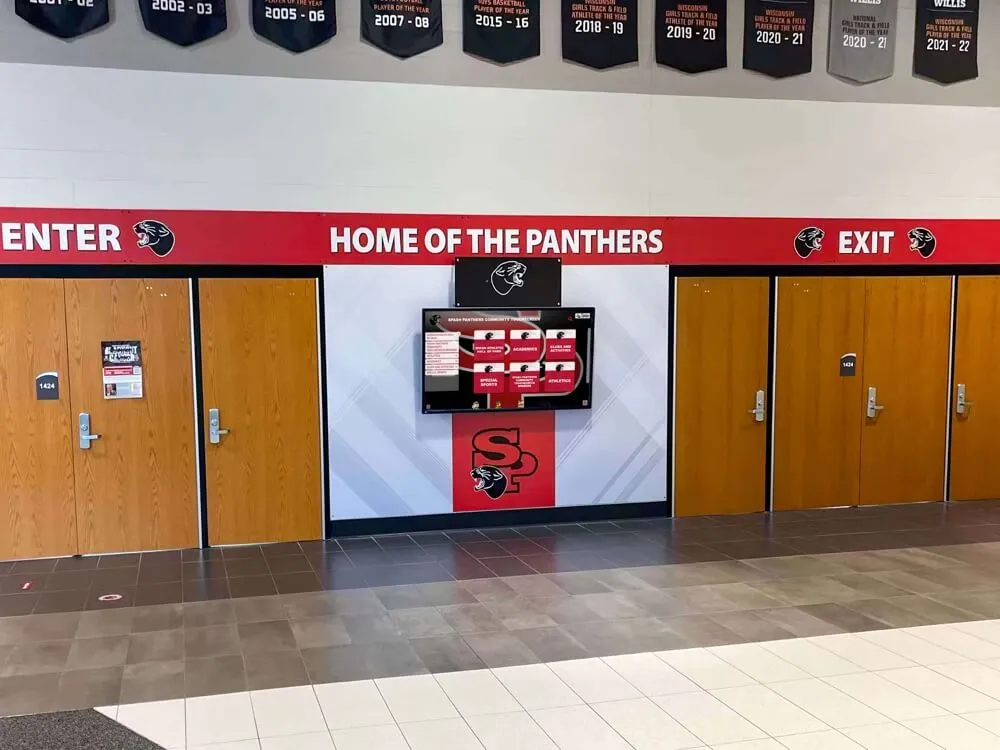
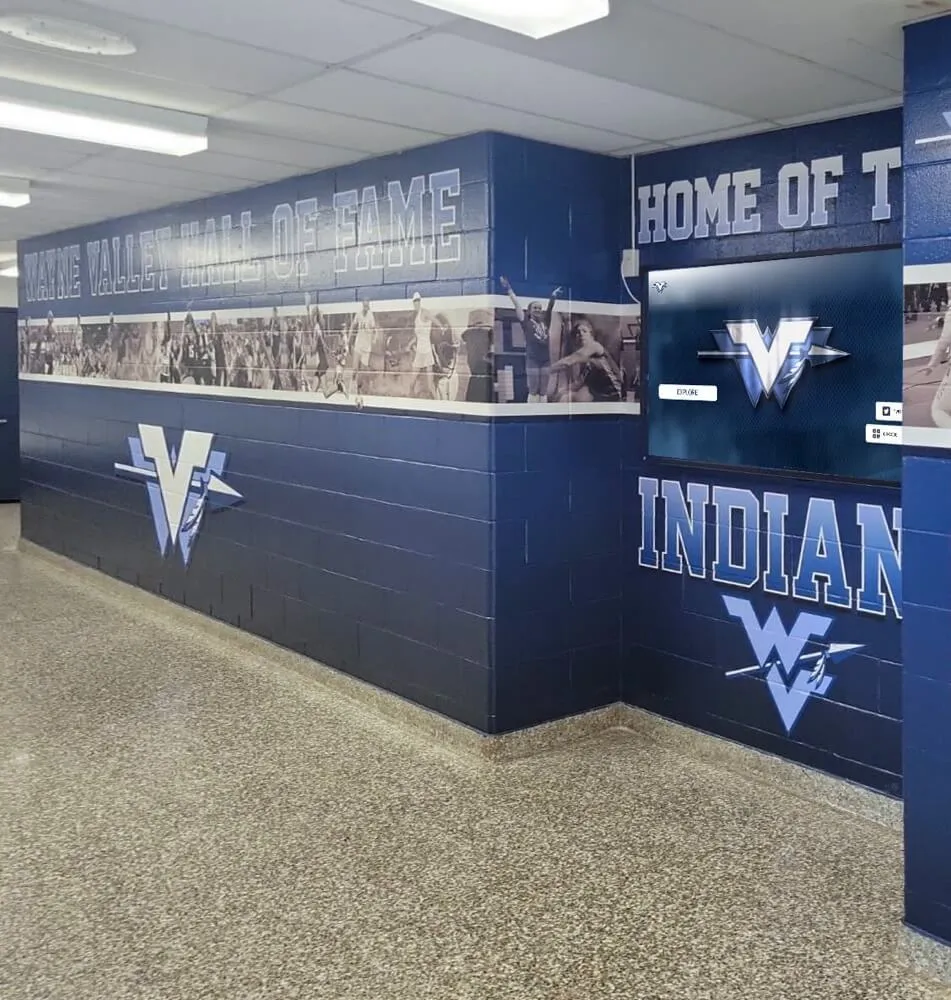
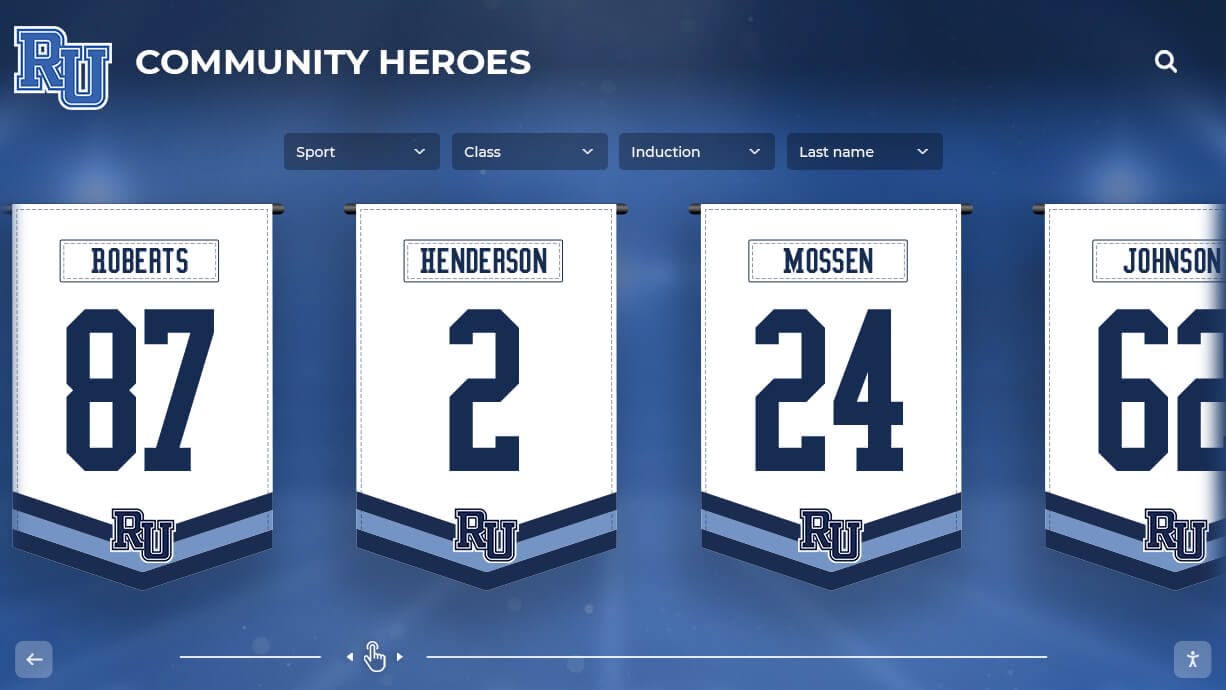
Interactive donor recognition creates engaging stewardship experiences for supporters and visitors
Building a Year-Round Stewardship Calendar
Strategic timing of touchpoints creates consistent engagement without overwhelming donors.
Sample Annual Stewardship Timeline
A comprehensive 12-month donor engagement plan:
January
- New year greeting from institutional leadership
- Previous calendar year giving summary
- Tax documentation distribution
- Spring event save-the-date announcements
- Scholarship application season updates for education donors
February
- Mid-year program update highlighting donor-funded initiatives
- Valentine’s Day “we love our donors” social media campaign
- Leadership society member phone calls
- Planned giving education webinar
March
- Fiscal year-end campaign kickoff for June 30 year-end institutions
- Spring newsletter featuring student success stories
- Scholarship award announcement for donor-funded scholarships
- Campus beautification updates for facilities donors
April
- Donor appreciation month special recognition
- Spring donor event programming
- End-of-academic-year program impact reports
- Scholarship luncheon connecting donors with recipients
- Commencement invitation for major donors
May
- Graduation celebration and achievement highlights
- Senior class giving campaign acknowledgment
- Summer program preview for relevant donors
- Memorial recognition updates for tribute gifts
- Fiscal year-end solicitation intensification
June
- Fiscal year-end thank-you campaign (for June 30 institutions)
- Alumni reunion weekend donor recognition
- Summer greeting and program updates
- Annual fund campaign conclusion celebration
- Major gift proposal presentations
July
- New fiscal year kickoff communications
- Summer campus improvement updates
- Relaxed touchpoint month (lower communication volume)
- Planned giving estate planning education content
- Leadership transition announcements if applicable
August
- Back-to-school excitement communications
- Fall semester preview for academic program donors
- Athletic season ticket holder stewardship for sports donors
- Enrollment data sharing showing institutional health
- Fall event calendar distribution
September
- New academic year celebration
- Fall solicitation campaign launch
- Homecoming and family weekend invitations
- Quarterly impact newsletter
- Student achievement early semester highlights
October
- Homecoming weekend donor recognition activities
- Alumni engagement month programming
- Mid-semester program updates
- Scholarship recipient mid-year reports
- Planned giving legacy society recognition event
November
- Gratitude month donor appreciation focus
- Thanksgiving institutional thanksgiving message
- Year-end giving campaign launch
- Matching gift deadline reminders
- Student success story features
December
- Holiday greetings from leadership
- Year-end tax planning gift reminders
- Calendar year impact summary
- Student holiday performance invitations
- Annual report distribution for major donors
This calendar provides approximately 12-15 touchpoints annually for engaged donors while maintaining manageable stewardship workload.
Segmented Stewardship Approaches
Different donor populations merit tailored engagement strategies:
First-Time Donor Stewardship New donors require special attention establishing positive patterns:
- Welcome series introducing donor to institutional culture
- Enhanced acknowledgment showing excitement about new partnership
- Entry-level engagement invitations (open events, general programs)
- Impact communication demonstrating how gifts make difference
- Renewal campaign targeting with upgraded gift messaging
Research shows first-year donor retention rates of 19-27% sector-wide, but institutions with systematic first-time donor stewardship achieve 45-55% second-year renewal.
Multi-Year Sustained Donors Loyal donors deserve recognition of ongoing commitment:
- Consecutive giving milestone recognition (5, 10, 15+ years)
- Enhanced communication frequency and depth
- Premium recognition level acknowledgment
- Exclusive event access
- Major gift cultivation pathway development
LYBUNT and SYBUNT Recovery Special stewardship for lapsed donors:
- LYBUNT (Last Year But Unfortunately Not This): Recent lapsers requiring immediate reengagement
- SYBUNT (Some Years But Unfortunately Not This): Longer-term lapsed donors
Recovery strategies:
- “We miss you” personal outreach from development officers
- Reengagement surveys understanding lapse reasons
- Special returning donor recognition incentives
- Impact reports showing how support mattered
- Barrier reduction for re-entry gifts
Legacy Society Members Planned giving donors merit specialized stewardship:
- Annual legacy society recognition events
- Estate planning education programming
- Bequest intention documentation and stewardship
- Exclusive recognition and communication
- Multi-generational donor family engagement
Explore recognition program development through memorial plaque ideas that honor lasting tributes.
Gift-Level Stewardship Differentiation
Tiered approaches ensure stewardship investment aligns with gift significance:
Annual Fund Donors ($1-$999) Efficiency-scaled stewardship:
- Automated acknowledgment systems
- Quarterly email communications
- Annual honor roll recognition
- Open invitation event access
- 2-3 personalized touchpoints annually
Leadership Annual Fund ($1,000-$9,999) Enhanced personal attention:
- Personal phone acknowledgment
- Handwritten notes from leadership
- Detailed impact reporting
- Exclusive event invitations
- 5-7 personalized touchpoints annually
- Development officer relationship assignment
Major Donors ($10,000-$99,999) Comprehensive relationship management:
- Dedicated development officer stewardship
- In-person visits and relationship building
- Customized impact reports
- Exclusive briefings and access
- Naming and premium recognition opportunities
- 8-12+ personalized touchpoints annually
- Multi-year pledge stewardship plans
Principal Donors ($100,000+) White-glove stewardship:
- Senior development leadership relationship management
- Presidential/head of school personal engagement
- Fully customized stewardship plans
- Comprehensive impact reporting and site visits
- Board and leadership involvement opportunities
- Continuous touchpoint schedule
- Family engagement and multi-generational cultivation
This differentiation ensures sustainable stewardship resource allocation while providing appropriate attention across all giving levels.
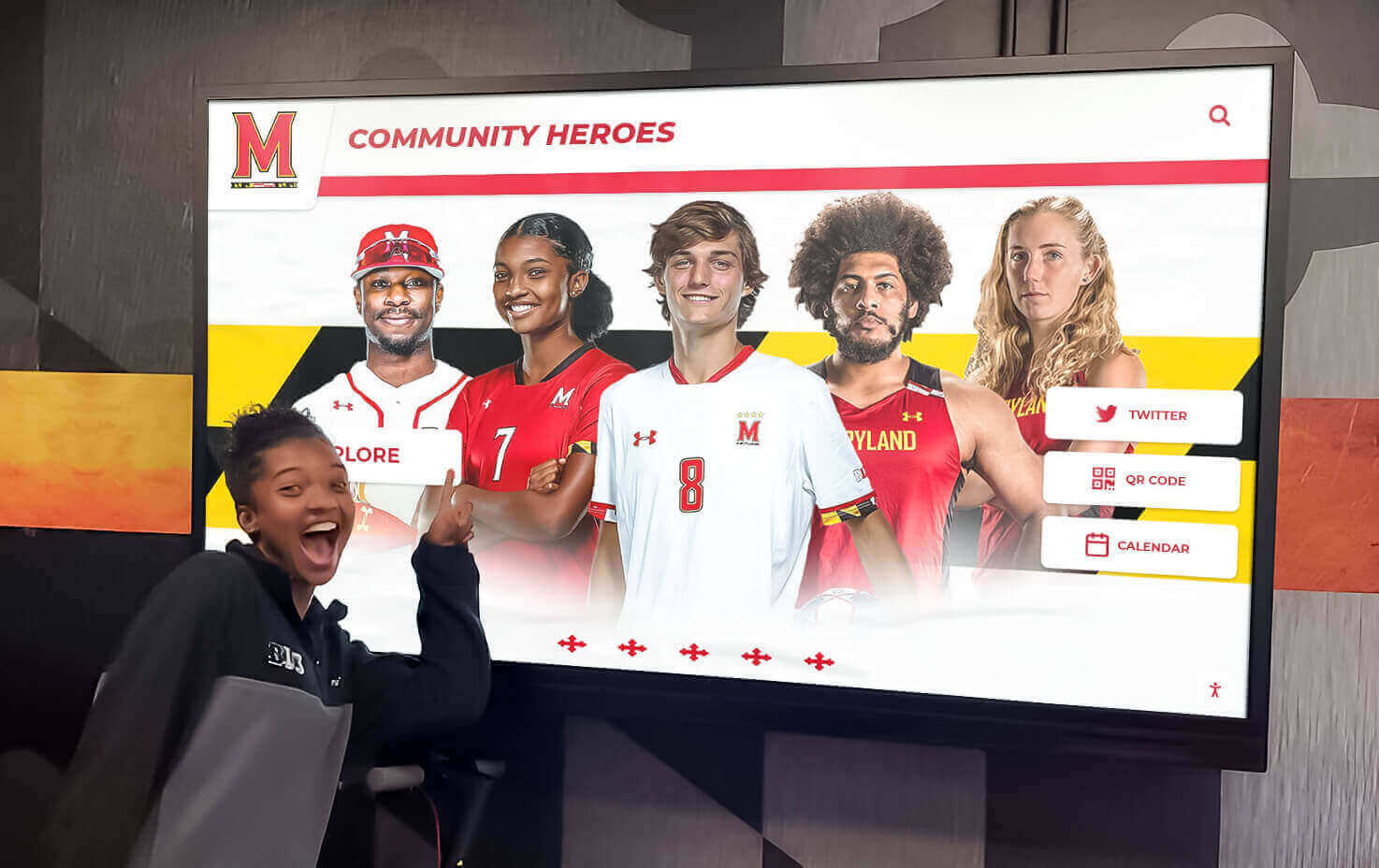
Creative recognition approaches celebrate diverse supporter contributions throughout campus
Technology and Systems for Effective Stewardship
Modern donor relations require robust technology infrastructure supporting personalized, efficient engagement.
Donor Database and CRM Systems
Comprehensive constituent relationship management platforms enable systematic stewardship:
Essential CRM Functionality
- Complete giving history and relationship tracking
- Communication logging and touchpoint documentation
- Automated acknowledgment generation and scheduling
- Segmentation tools for targeted communications
- Event registration and attendance tracking
- Volunteer activity and engagement recording
- Wealth screening and capacity analysis integration
Leading educational advancement platforms include Raiser’s Edge NXT, Blackbaud, Salesforce Nonprofit Cloud, and specialized systems like Advance by Anthology.
Data Hygiene and Management Effective stewardship requires accurate, current information:
- Regular address and contact information updates
- Email deliverability monitoring and list hygiene
- Deceased donor flagging and memorial gift tracking
- Duplicate record identification and merging
- Data quality audits and correction protocols
- NCOA (National Change of Address) batch processing
Poor data quality undermines stewardship effectiveness—returned mail and bounced emails signal organizational dysfunction to donors.
Stewardship Workflow Automation Technology enables consistent execution:
- Automated acknowledgment letter generation with merge personalization
- Scheduled communication triggers based on giving dates
- Task assignment for development officer follow-up
- Birthday and anniversary recognition automation
- Giving milestone alert generation
- Lapsed donor identification and recovery campaign triggers
Automation ensures no donor falls through cracks while freeing development staff for high-touch relationship building.
Digital Recognition and Engagement Platforms
Modern recognition technology enhances stewardship capacity:
Interactive Donor Recognition Displays Digital walls provide dynamic, engaging recognition:
- Unlimited recognition capacity unconstrained by physical plaque space
- Rich multimedia profiles with photos, stories, and impact descriptions
- Searchable databases enabling donor self-discovery
- Content management systems allowing real-time recognition updates
- Analytics tracking engagement and visitor interaction
- Integration with campus wayfinding and information systems
Schools report digital recognition displays receive 5-10x more visitor engagement than static plaques while reducing long-term recognition maintenance costs by 60-70%.
Online Donor Communities Web-based platforms extend stewardship reach:
- Personalized donor portals showing giving history and impact
- Virtual event access and recording libraries
- Discussion forums connecting donors with shared interests
- Resource libraries with institutional reports and updates
- Volunteer opportunity listings and sign-up tools
- Peer-to-peer fundraising campaign participation
Social Media Recognition Public appreciation through digital channels:
- Donor spotlight features with permission and photos
- Impact story sharing highlighting donor-funded outcomes
- Event coverage and recognition
- Milestone celebration announcements
- User-generated content campaigns encouraging donor sharing
- Consistent hashtags creating searchable recognition archives
Social recognition requires explicit donor permission and sensitivity to privacy preferences—not all donors want public visibility.
Learn about systematic recognition through employee recognition ideas applicable to donor stewardship.
Analytics and Metrics for Stewardship Optimization
Data-driven approaches improve stewardship effectiveness:
Key Performance Indicators Track metrics demonstrating stewardship impact:
- Overall donor retention rate (% of prior-year donors renewing)
- Retention by giving level and donor segment
- Average gift size year-over-year growth
- Donor lifetime value trends
- Upgrade rate (donors increasing gift amounts)
- Multi-year consecutive giving rates
- Event attendance and engagement participation
- Communication open and click-through rates
Benchmarking and Goal Setting Compare performance and establish improvement targets:
- Industry benchmarks from AFP, CASE, and sector reports
- Peer institution comparison when data available
- Historical trend analysis showing improvement over time
- Segment-specific goals (first-time donor retention, major donor engagement)
- Stewardship ROI calculation measuring investment vs. retention gains
A/B Testing and Experimentation Continuous improvement through testing:
- Acknowledgment letter variations testing language and format
- Communication timing optimization
- Event invitation and format testing
- Recognition preference surveys
- Channel effectiveness comparison (email vs. mail vs. phone)
Systematic testing reveals donor preferences enabling evidence-based stewardship refinement.
Special Stewardship Scenarios
Certain donor situations require adapted stewardship approaches.
Scholarship Donor Stewardship
Donors funding student financial aid deserve specialized engagement:
Student-Donor Connection Programs Creating meaningful relationships:
- Scholarship recipient selection involvement when appropriate
- Introduction events connecting donors with students
- Student thank-you letter programs with writing support
- Academic progress updates throughout student tenure
- Graduation recognition connecting donors to student success
- Alumni career outcome reporting showing long-term impact
Multi-Year Scholarship Stewardship Sustained engagement for endowed and renewable scholarships:
- Annual recipient introduction and updates
- Scholarship performance reporting (utilization, student outcomes)
- Endowment growth and investment reporting
- Recognition at graduation and achievement milestones
- Alumni scholar network development
- Multi-generational impact tracking
Scholarship donors often describe recipient relationships as most meaningful aspect of giving—facilitating these connections creates powerful stewardship.
Capital Campaign Donor Stewardship
Major gift and campaign donors require comprehensive engagement:
Construction and Progress Updates For facility and building donors:
- Regular photo documentation of construction progress
- Site visit invitations at key milestones
- Behind-the-scenes access during construction
- Dedication ceremony planning and participation
- Naming recognition installation and unveiling
- Post-completion usage data and impact reporting
Multi-Year Pledge Stewardship Managing long-term commitments:
- Payment reminder coordination with gift processing
- Annual impact updates showing cumulative gift progress
- Campaign milestone celebration invitations
- Recognition installation before full payment completion
- Pledge completion celebration and final recognition
- Potential upgrade conversations as pledge nears completion
Campaign donors require sustained engagement across pledge periods—often 3-5 years—maintaining relationship momentum through fulfillment.
Planned Giving and Legacy Donor Stewardship
Bequest and planned gift donors merit specialized recognition:
Legacy Society Programming Creating community among planned gift donors:
- Annual recognition events celebrating bequest intentions
- Estate planning education workshops and resources
- Legacy society exclusive communications
- Heritage recognition in donor publications
- Campus legacy grove or memorial garden recognition
- Invitation to inform family members about planned gifts
Bequest Realization Stewardship When planned gifts mature:
- Family contact and condolence following donor passing
- Memorial recognition and celebration of donor life
- Bequest utilization according to donor intent
- Family updates showing gift impact over time
- Named endowment reporting to donor families
- Legacy documentation preserving donor memory
Planned giving stewardship extends beyond donor lifetime, honoring memory while building relationships with donor families who may become future supporters.
Recognition displays create lasting touchpoints celebrating donor impact for current and future students
Overcoming Common Stewardship Challenges
Development offices face predictable obstacles implementing comprehensive donor relations programs.
Limited Staff and Resource Constraints
Most schools operate with lean development teams requiring strategic resource allocation:
Stewardship Efficiency Strategies
- Technology automation handling routine touchpoints
- Tiered stewardship allocating personal attention by gift level
- Volunteer involvement leveraging board and committee members
- Student participation in thank-you and recognition programs
- Batch processing for acknowledgments and communications
- Template customization rather than fully bespoke content
Portfolio Management Approaches Strategic assignment of donor relationships:
- Major gift officers managing 100-150 prospects/donors
- Annual fund officers managing larger portfolios with less intensive contact
- Shared stewardship responsibilities across development team
- President/head of school engagement reserved for top prospects
- Board member peer-to-peer stewardship for select donors
Prioritization Frameworks Focus limited resources on highest-impact activities:
- Relationship scoring identifying donors meriting intensive stewardship
- Capacity and inclination analysis for cultivation priority
- Giving trajectory tracking highlighting emerging major gift prospects
- Engagement metrics revealing donor interest levels
- Strategic touchpoint selection maximizing impact per contact
Even small development shops can implement effective stewardship through systematic approaches and smart technology leverage.
Measuring Stewardship ROI
Justifying stewardship investment requires demonstrating tangible returns:
Retention Rate Improvement Before-and-after comparison showing stewardship impact:
- Baseline retention measurement pre-stewardship program
- Year-over-year retention tracking showing improvement
- Segment analysis revealing which stewardship tactics work best
- Financial impact calculation of improved retention (saved acquisition costs)
Donor Lifetime Value Growth Longitudinal analysis tracking individual donor giving patterns:
- Average years of consecutive giving before and after stewardship enhancement
- Gift size progression for retained donors
- Cumulative lifetime giving comparison across cohorts
- Major gift conversion rates from sustained annual fund donors
Cost-Benefit Analysis Direct stewardship expense vs. revenue impact:
- Acknowledgment production and mailing costs
- Event expenses per attendee
- Staff time allocation to stewardship activities
- Technology platform subscription costs
- Recognition display investment and maintenance
Compare these costs to increased revenue from improved retention, gift growth, and major gift conversion rates.
Balancing Stewardship and Solicitation
Avoiding donor fatigue while maintaining fundraising productivity:
Communication Ratio Guidelines Industry best practice suggests 3:1 or 4:1 stewardship-to-solicitation communication ratio—for every direct ask, donors should receive 3-4 non-solicitation touchpoints demonstrating appreciation and impact.
Integrated Messaging Stewardship communications can advance cultivation without explicit asks:
- Impact reports naturally lead to “imagine what additional support could accomplish”
- Recognition events create peer modeling encouraging increased giving
- Program updates reveal emerging needs suggesting giving opportunities
- Student success stories inspire continued scholarship support
The line between stewardship and cultivation blurs in sophisticated programs where every touchpoint strengthens relationships and incrementally advances donors toward next gifts.
Solicitation Timing Strategy Strategic ask scheduling:
- Annual fund renewal timing based on previous gift dates
- Major gift proposals following cultivation period appropriate to gift size
- Campaign quiet phase relationship building before public solicitation
- Post-acknowledgment waiting period before next ask (typically 90-120 days)
Premature solicitation undermines stewardship investment—patience and strategic timing optimize both donor satisfaction and fundraising outcomes.
Building Institutional Stewardship Culture
Sustainable donor relations requires organization-wide commitment extending beyond development office.
Cross-Functional Stewardship Integration
Effective stewardship involves entire institution:
Leadership Engagement President, head of school, and senior administrators as stewardship partners:
- Personal thank-you calls to major donors
- Handwritten notes to leadership annual fund donors
- Event attendance and donor relationship building
- Facility tour hosting for capital donors
- Regular development briefings ensuring donor awareness
Faculty and Staff Participation Program leaders connecting with donors supporting their work:
- Thank-you notes from scholarship recipients’ teachers
- Research updates from faculty whose work donors fund
- Coach outreach to athletic program donors
- Program director reports to initiative supporters
- Student services staff recognition of student support donors
Student Involvement Beneficiary participation in stewardship:
- Scholarship recipient thank-you letter programs
- Student performance invitations for arts donors
- Athletic event recognition of booster supporters
- Student ambassador programs for campus tours
- Class agent programs connecting student fundraising with stewardship
Explore comprehensive recognition through birthday recognition programs applicable to donor milestone celebration.
Stewardship Training and Development
Building institutional capacity:
Staff Skill Development Training development team in stewardship best practices:
- Donor-centered communication techniques
- Impact storytelling and narrative development
- Relationship management strategies
- Technology platform utilization
- Event planning and execution
- Recognition etiquette and donor preferences
Broader Community Education Extending stewardship awareness:
- Board training on donor appreciation
- Faculty understanding of donor relationship building
- Student education about gratitude and recognition
- Administrative staff awareness of donor touchpoint opportunities
- Volunteer development for stewardship committee members
Professional Development Resources Connecting staff to advancement field expertise:
- AFP (Association of Fundraising Professionals) membership and training
- CASE (Council for Advancement and Support of Education) conferences
- ADRP (Association of Donor Relations Professionals) specialization
- Sector webinars and online education
- Peer institution networking and best practice sharing
Policy and Procedure Documentation
Systematizing stewardship ensures consistency:
Gift Acceptance and Acknowledgment Policies Clear guidelines for handling all gifts:
- Acknowledgment timelines and responsibilities
- Letter signatory authority by gift level
- Tax documentation requirements
- Gift crediting rules and recognition criteria
- Anonymous gift handling procedures
- In-kind contribution valuation and recognition
Naming Opportunity Guidelines Transparent policies for facility and program naming:
- Minimum gift levels for various naming opportunities
- Naming duration and renewal terms
- Approval processes and committee review
- Naming rights documentation
- Recognition signage standards
- Family legacy naming considerations
Stewardship Activity Standards Documented expectations ensuring execution:
- Touchpoint frequency by donor segment
- Event attendance targets and formats
- Communication review and approval workflows
- Budget allocation by stewardship category
- Performance evaluation metrics
- Technology platform usage standards
Written policies create accountability while ensuring institutional memory transcends individual staff turnover.
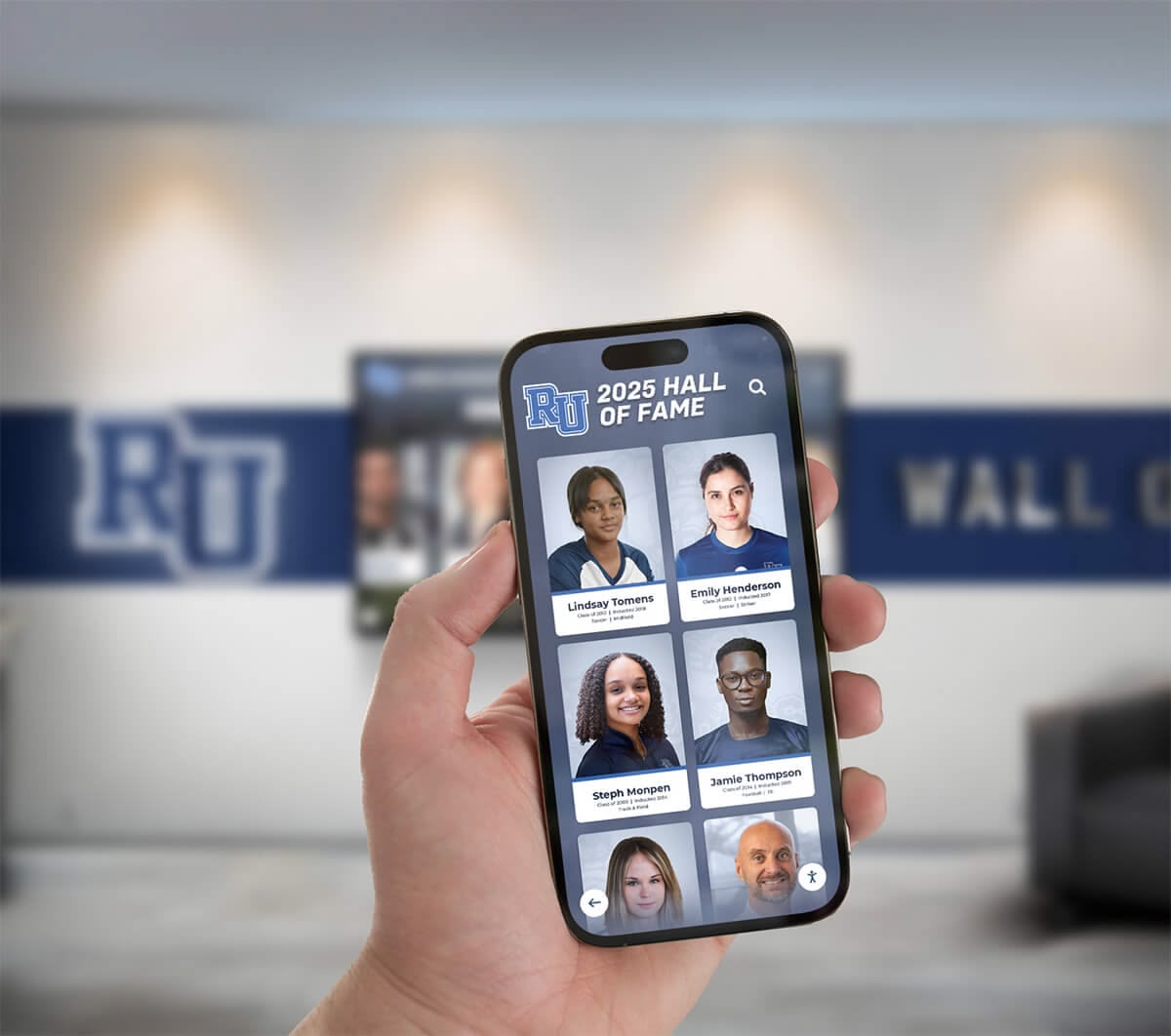
Modern recognition systems integrate mobile technology extending donor engagement beyond campus
Future Trends in Donor Stewardship
Emerging approaches reshaping donor relations:
Personalization Through Data Analytics
Advanced segmentation and customization:
- Predictive analytics identifying optimal stewardship timing and channels
- AI-powered content personalization at scale
- Behavioral tracking informing communication preferences
- Wealth and capacity data integration
- Multi-generational family relationship mapping
Digital-First Stewardship Models
Technology-enabled engagement:
- Virtual reality campus tours for distant donors
- Live-streaming event access for remote participation
- Podcast and video content libraries
- Interactive impact dashboards showing real-time gift utilization
- Blockchain-verified gift tracking and impact documentation
Constituent-Generated Content
Empowering donors, students, and beneficiaries:
- Student video thank-you campaigns
- Donor testimonial programs
- Social media advocacy and peer influence
- Crowdsourced impact storytelling
- Alumni ambassador networks
Sustainability and Social Responsibility Stewardship
Values-aligned donor engagement:
- ESG (Environmental, Social, Governance) reporting for socially conscious donors
- Impact investing and program-related investment stewardship
- Carbon footprint reduction communications
- Diversity, equity, and inclusion outcome reporting
- Community impact measurement and sharing
These evolving approaches reflect changing donor expectations and technological capabilities reshaping advancement practice.
Implementing Your Stewardship Plan
Moving from principles to practice requires systematic planning and execution.
Stewardship Audit and Assessment
Understanding current state:
Program Evaluation
- Current donor retention rates by segment
- Existing touchpoint inventory and frequency
- Communication channel utilization and effectiveness
- Event programming and attendance analysis
- Recognition system assessment
- Technology platform capability review
Gap Analysis Comparing current practice to best practice:
- Stewardship activity benchmarking
- Resource allocation evaluation
- Policy and procedure documentation review
- Staff capacity and skill assessment
- Donor feedback and satisfaction measurement
Strategic Plan Development
Creating comprehensive stewardship roadmap:
Goal Setting Establishing measurable objectives:
- Overall retention rate improvement targets
- Segment-specific retention goals
- Communication frequency standards
- Event attendance and engagement metrics
- Recognition program participation
- Technology implementation milestones
Timeline and Phasing Realistic implementation scheduling:
- Year one: Foundation building (policies, database hygiene, basic automation)
- Year two: Program expansion (enhanced touchpoints, event programming, recognition upgrades)
- Year three: Optimization (analytics integration, advanced personalization, comprehensive execution)
Resource Allocation Budgeting for stewardship success:
- Staff time and portfolio adjustments
- Technology platform investment
- Event programming budgets
- Recognition display upgrades
- Communication production costs
- Professional development and training
Pilot Testing and Refinement
Starting small and scaling systematically:
Pilot Program Selection Test approaches with manageable cohorts:
- First-time donor welcome series pilot
- Major donor enhanced stewardship trial
- Recognition event format testing
- New communication channel experimentation
- Technology platform limited rollout
Measurement and Learning Data collection informing broader implementation:
- Retention rate comparison vs. control groups
- Satisfaction survey feedback
- Cost-per-touchpoint analysis
- Staff workflow assessment
- Donor qualitative feedback
Scaling and Expansion Extending successful approaches:
- Broader population implementation
- Additional segment adaptation
- Process documentation and systematization
- Staff training and capability building
- Continuous improvement protocols
Conclusion: Transforming Donors into Lifelong Partners
Effective donor stewardship best practices recognize that philanthropic relationships represent long-term partnerships requiring consistent attention, genuine appreciation, meaningful engagement, and transparent impact communication. Schools that treat stewardship as strategic investment rather than perfunctory acknowledgment build donor retention rates 30-40% above sector averages, cultivate major gift pipelines from sustained annual fund supporters, and create cultures of philanthropy where giving becomes deeply embedded in institutional identity.
The strategies explored in this guide provide comprehensive frameworks for building year-round stewardship programs appropriate to institutions of all sizes and resource levels—from immediate acknowledgment systems ensuring every donor feels valued to sophisticated technology platforms enabling personalized engagement at scale. Whether you’re launching formal stewardship efforts or refining existing programs, these donor-centered approaches transform transactional giving into lasting relationships supporting your mission for generations.
Modern donor stewardship requires moving beyond static plaques and annual report listings to create dynamic, engaging recognition experiences that celebrate supporters while inspiring continued partnership. Digital recognition technology eliminates traditional space constraints, enables rich multimedia storytelling, and provides year-round touchpoints demonstrating institutional gratitude to donors, students, and visitors alike.
Ready to transform your donor recognition and stewardship approach? Rocket Alumni Solutions specializes in interactive digital recognition displays designed specifically for educational institutions—touchscreen walls that showcase donor stories, communicate gift impact, and create engaging stewardship experiences that strengthen donor relationships while inspiring future philanthropy. Discover how digital recognition displays become permanent stewardship tools working 24/7 to honor supporters and build lasting culture of gratitude and generosity.