



When planning end of season athletic awards, coaches and athletic directors face a critical opportunity to reinforce team values, acknowledge diverse contributions, and ensure every athlete feels valued for their role in the season’s success. While traditional recognition rightfully celebrates statistical leaders and Most Valuable Players, the most impactful award programs extend recognition to athletes who demonstrate leadership, improvement, dedication, and character—contributions that often prove equally essential to team achievement.
Teams that limit end-of-season recognition to a handful of top performers inadvertently communicate that only statistical excellence matters, overlooking players whose work ethic, positive attitude, defensive commitment, and teammate support create the culture where winning becomes possible. Meanwhile, bench players, role specialists, and athletes who excel in less visible ways leave award ceremonies feeling their contributions went unnoticed despite sacrificing time, energy, and commitment throughout the season.
This comprehensive guide explores evidence-based strategies for designing end of season athletic awards that honor every player’s unique contributions—creating recognition systems that celebrate on-field achievement alongside character, leadership, improvement, and the countless intangible qualities that build championship-caliber programs and positive team cultures.
The most successful athletic programs recognize that team success depends on contributions extending far beyond statistics and starting lineups. Leadership during adversity, consistent practice effort, positive influence on teammates, and unwavering commitment to team success prove equally essential to program excellence. End of season awards provide powerful opportunities to systematically celebrate these dimensions while demonstrating that your program values the complete athlete and every role on the team.

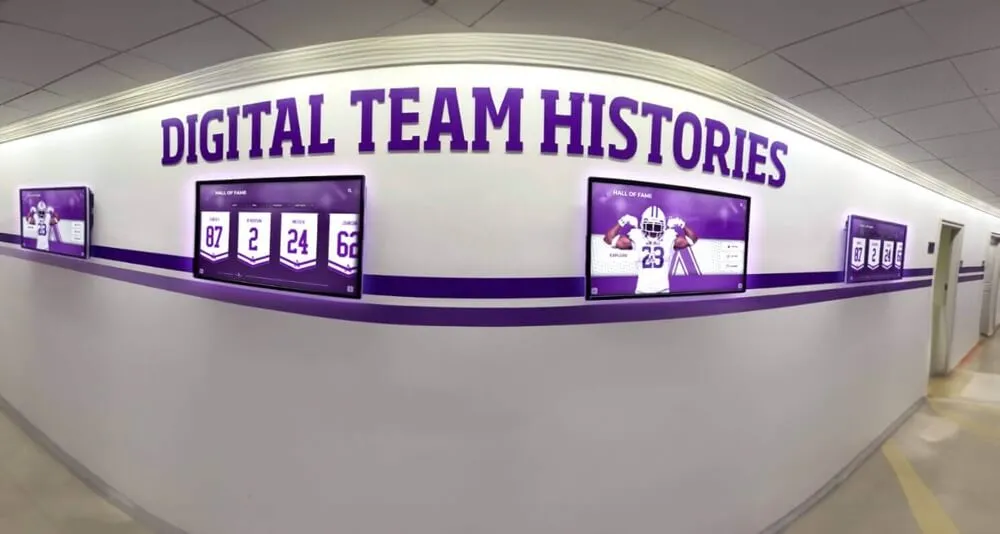
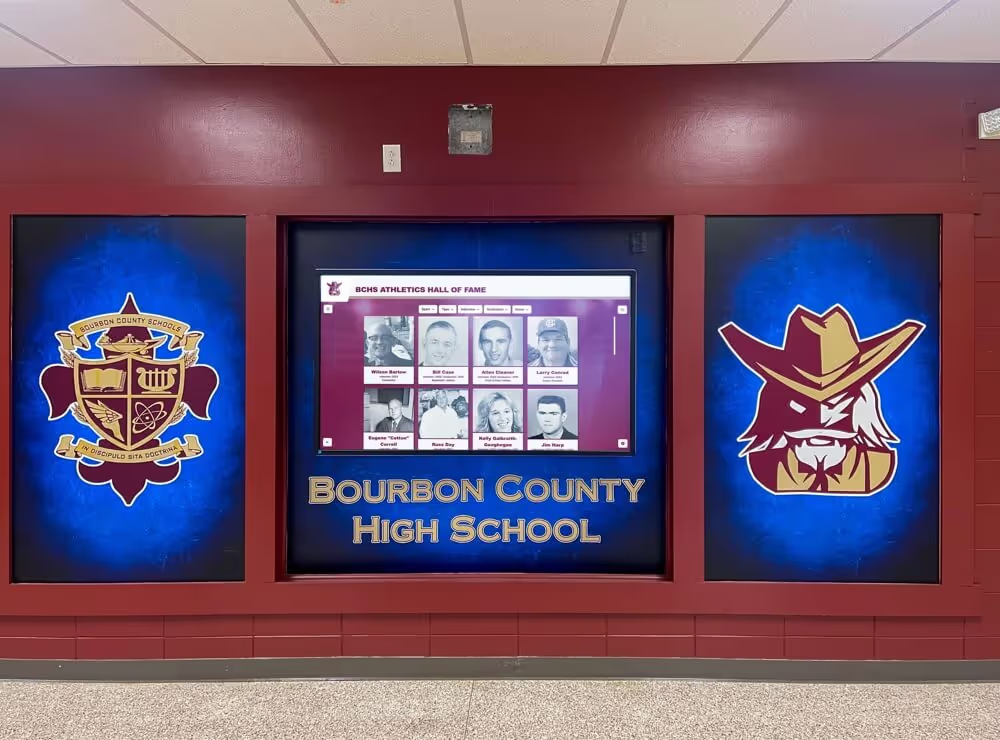
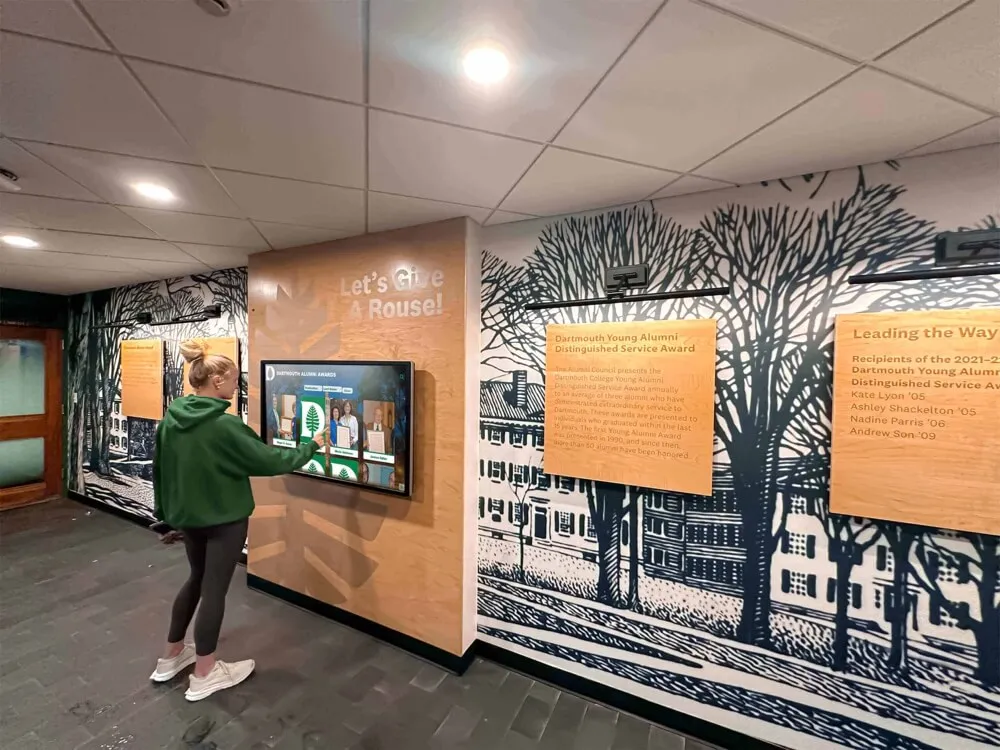
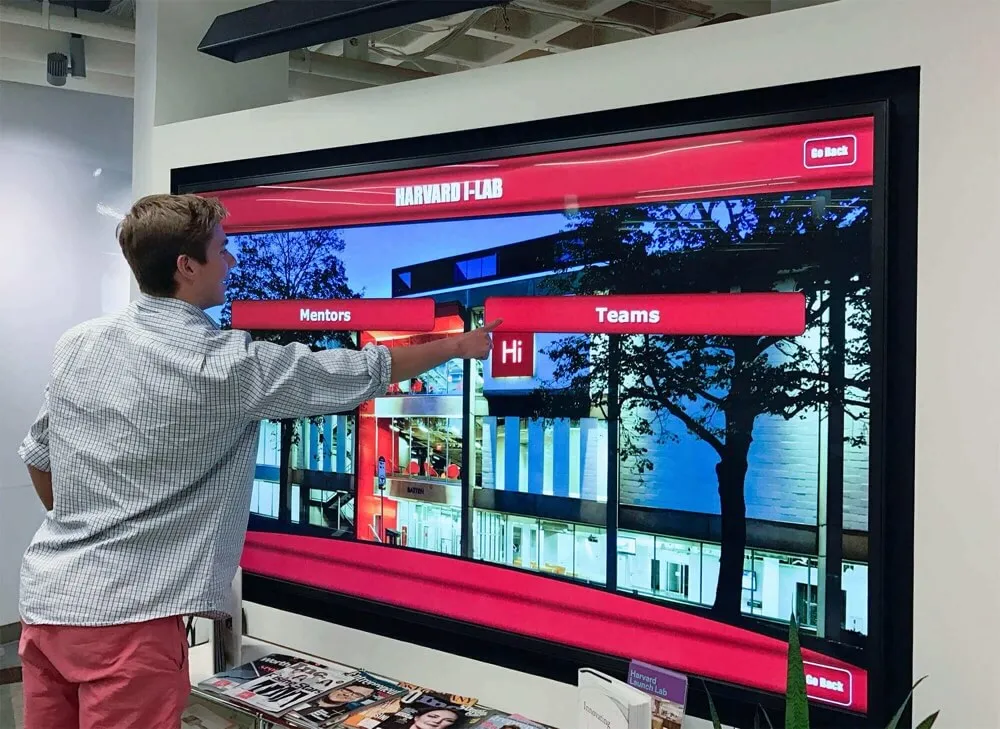
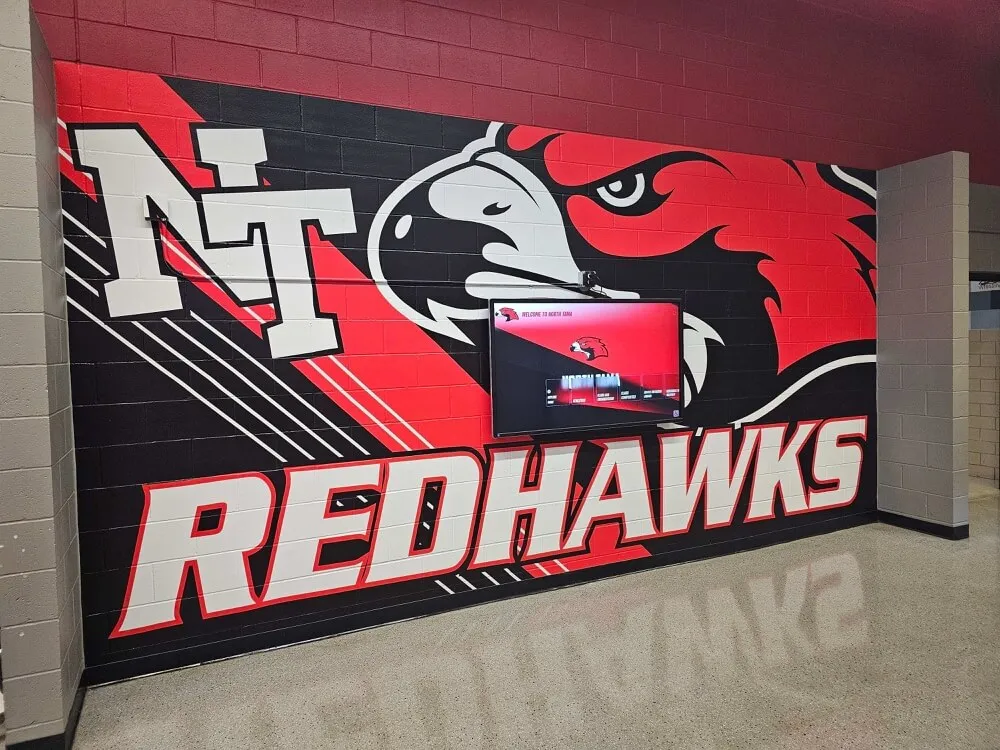
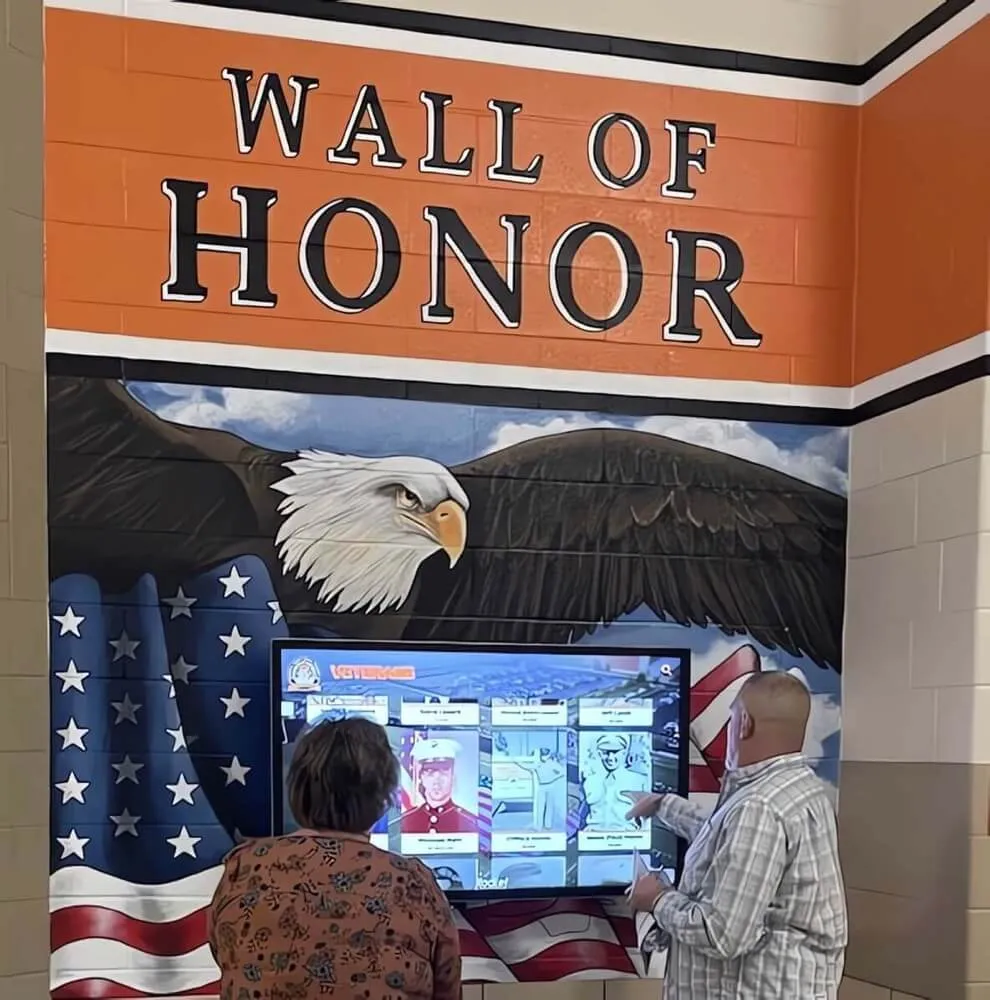
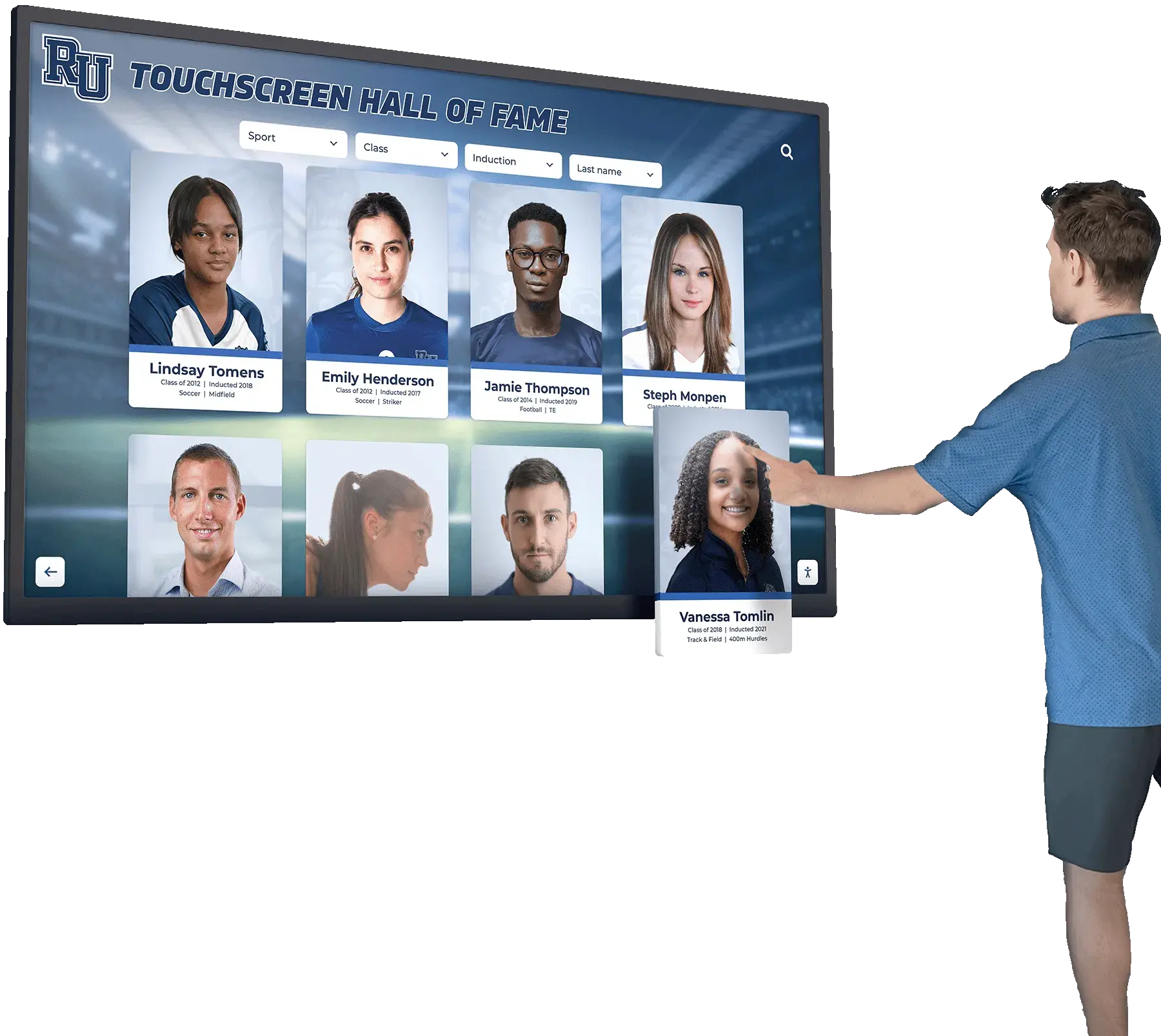
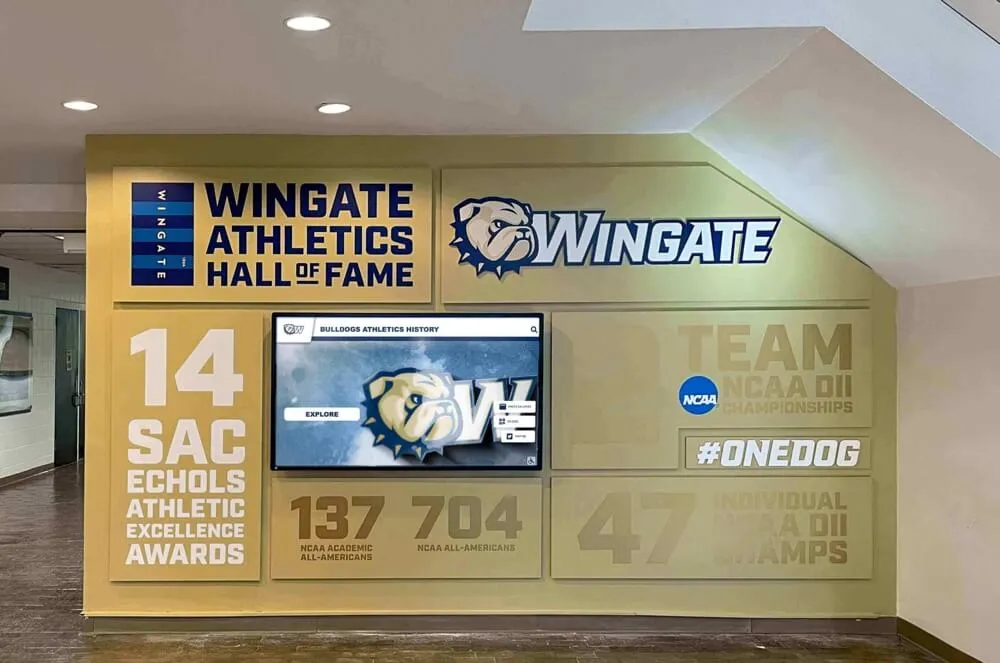
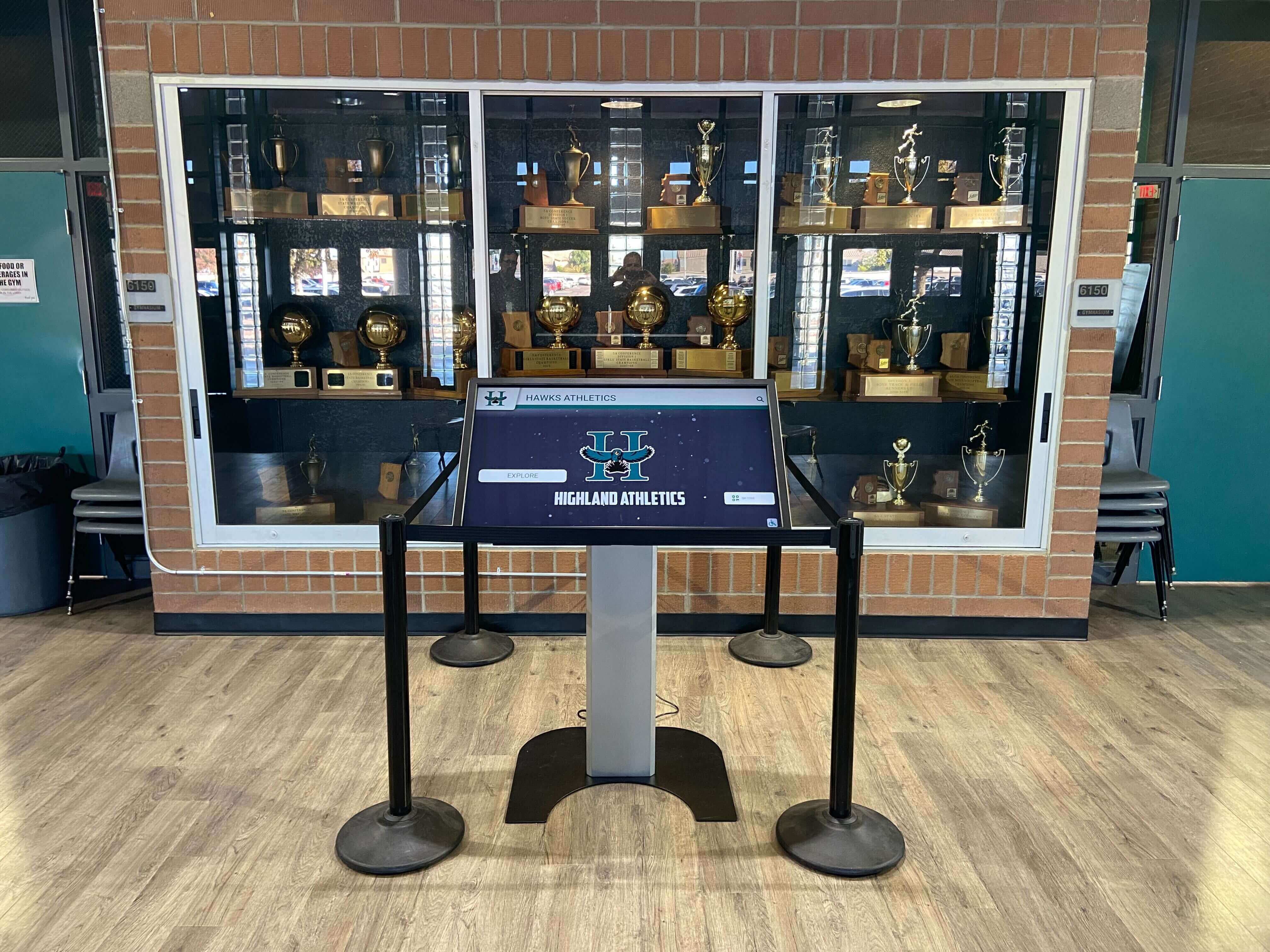
Contemporary recognition systems honor diverse athletic contributions creating comprehensive celebration of team excellence
Why Comprehensive Athletic Recognition Matters
Research and coaching experience consistently demonstrate that inclusive recognition creates measurable impacts on athlete development, team culture, and program sustainability.
Building Positive Team Culture Through Recognition
Athletic programs with comprehensive recognition systems develop stronger team cultures:
Team Cohesion and Unity
- Recognition of diverse contributions validates all roles on the team
- Athletes who feel valued demonstrate stronger commitment to collective success
- Inclusive awards reduce status hierarchies that can fragment teams
- Celebrating varied contributions models the interdependence required for team success
- Recognition beyond statistics reinforces that winning requires complete roster contributions
Motivation and Engagement Enhancement
- Athletes competing for diverse award categories maintain effort throughout the season
- Recognition opportunities at all skill levels prevent mid-season disengagement
- End of season acknowledgment provides closure and validation for season-long commitment
- Multi-category awards ensure athletes can excel in areas matching their strengths
- Recognition creates positive associations encouraging continued athletic participation
According to the Positive Coaching Alliance, teams that systematically recognize diverse contributions show measurably higher athlete retention rates, improved team chemistry, and stronger program culture compared to teams limiting recognition to traditional performance-based awards alone. These programs create cultural shifts where every player understands their value to team success.
Long-Term Impact on Athletic Development
The benefits of comprehensive athletic recognition extend beyond individual seasons:
Continued Athletic Participation
- Athletes receiving meaningful recognition demonstrate higher rates of multi-year sport participation
- Recognition for improvement and effort encourages skill development commitment
- Feeling valued increases likelihood of trying additional sports and activities
- Positive recognition experiences reduce early sport specialization burnout
- Award acknowledgment creates identity as an athlete worthy of continued investment
Character and Life Skill Development
- Recognition for sportsmanship reinforces ethical behavior and fair play values
- Leadership awards validate emerging capabilities athletes carry beyond athletics
- Teamwork recognition emphasizes collaboration skills transferable to all contexts
- Perseverance acknowledgment builds resilience applicable throughout life
- Character-based awards signal that how you compete matters as much as winning
Learn more about creating comprehensive recognition in youth athlete recognition and celebration approaches.
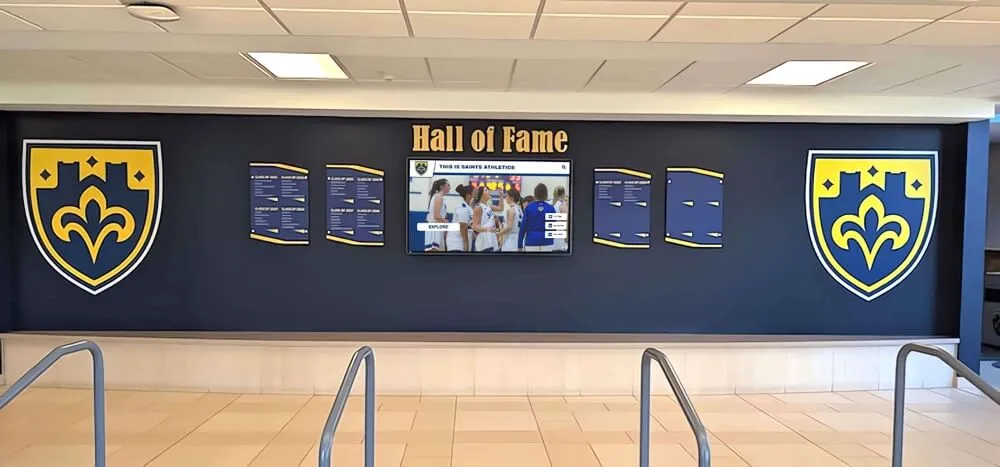
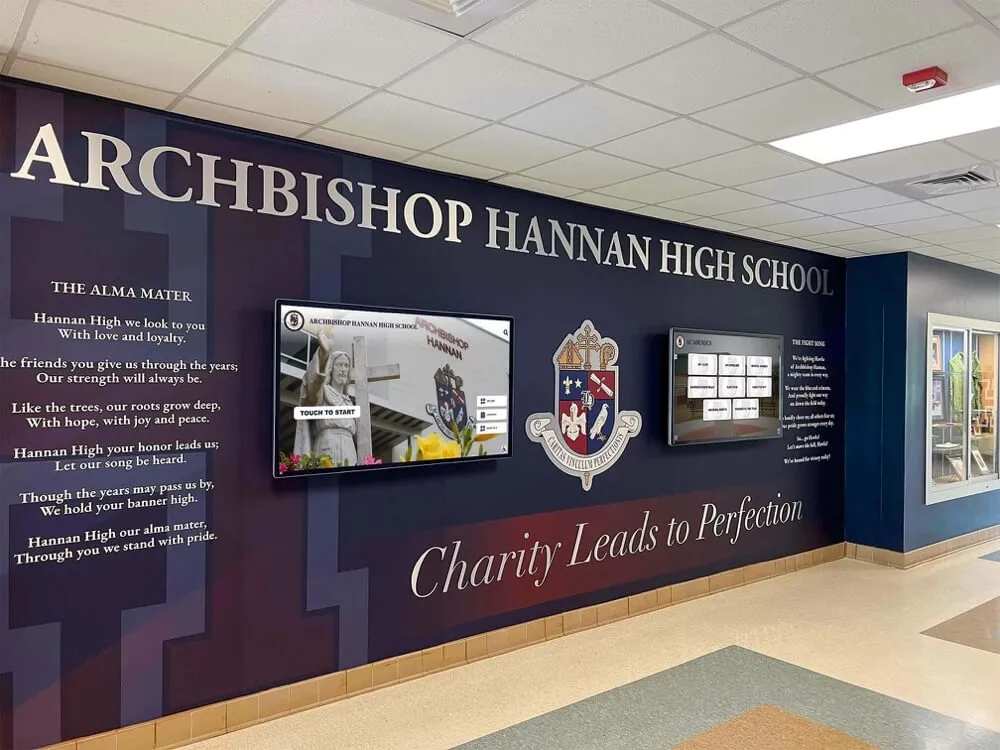
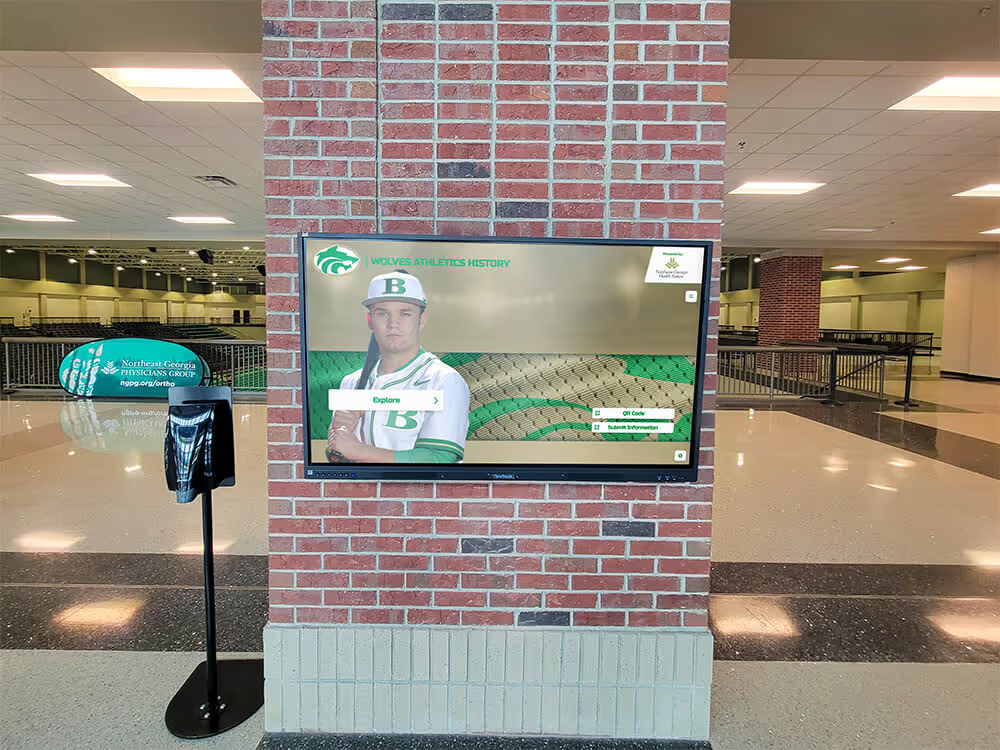
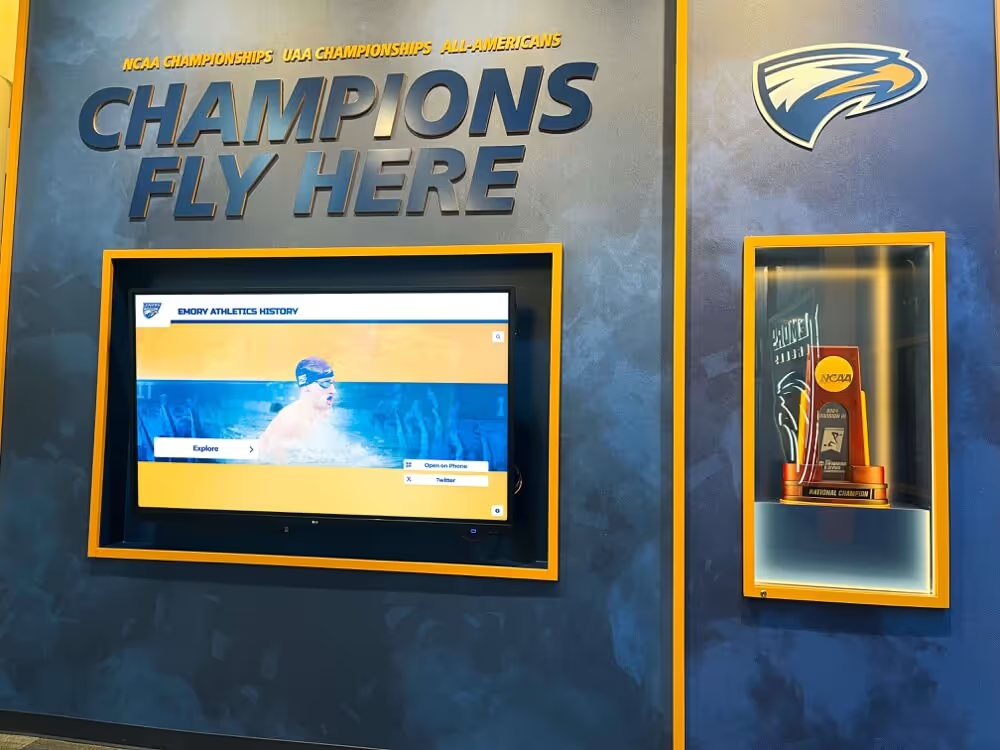
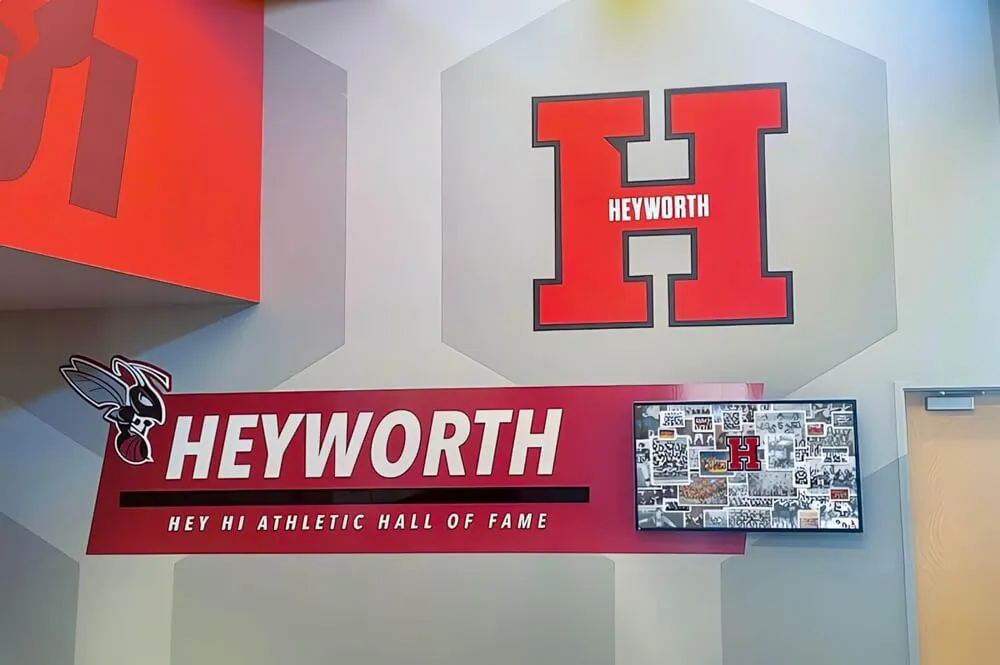
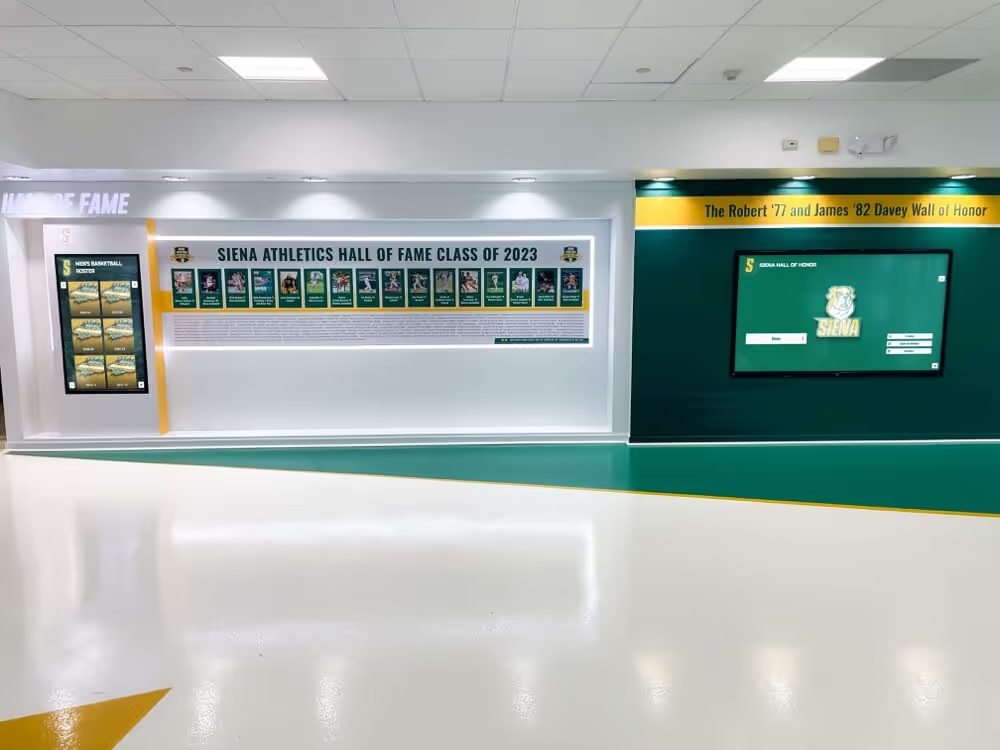
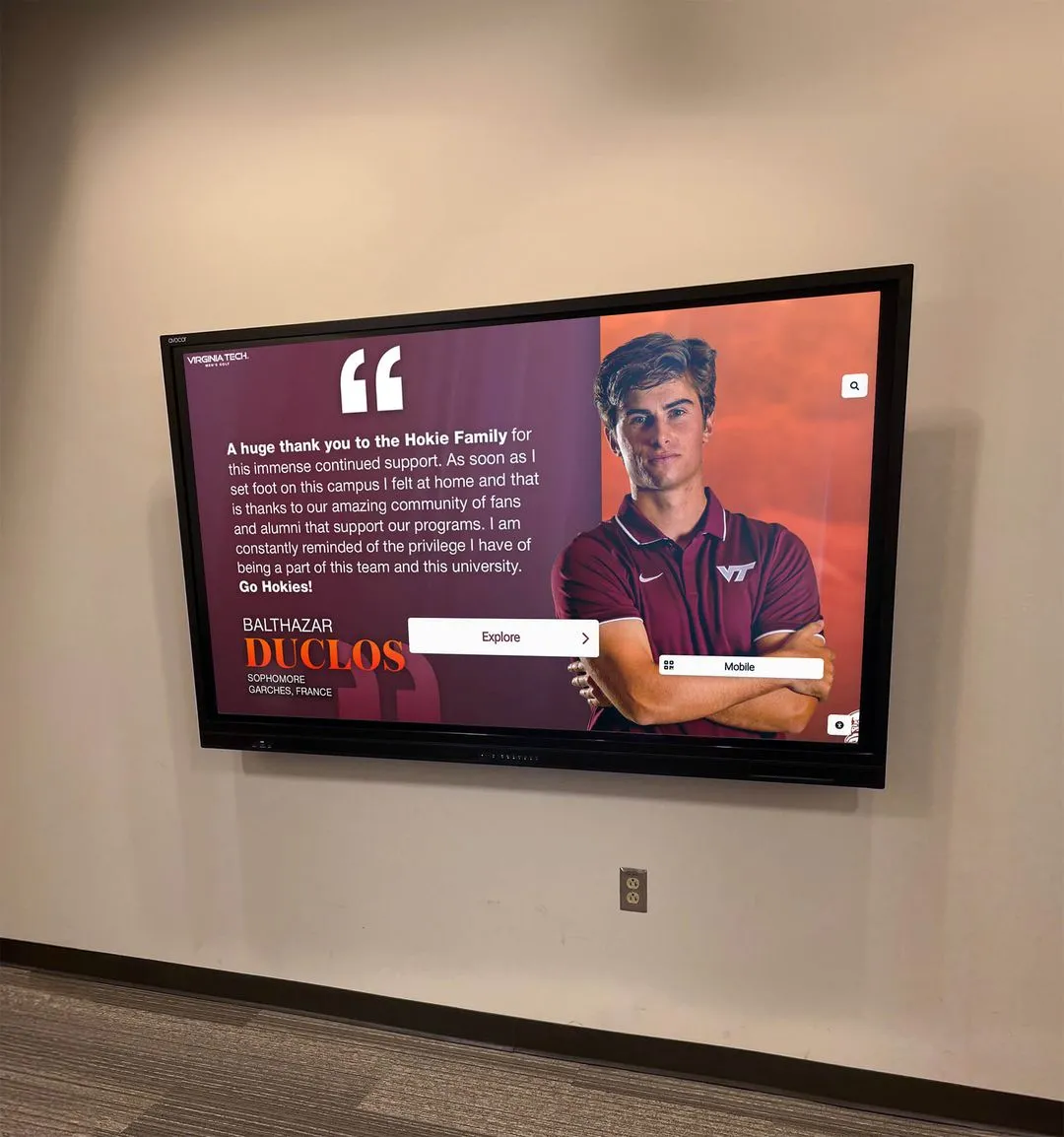
Permanent recognition displays preserve team achievements and individual contributions for future generations
Essential End of Season Award Categories
Effective athletic recognition should celebrate both performance excellence and the character qualities that define outstanding teammates and program builders.
Traditional Performance-Based Awards
While expanding recognition categories, programs should maintain prestigious awards for statistical and competitive excellence:
Most Valuable Player (MVP) Recognition for the athlete whose overall contribution most significantly impacted team success:
- Combination of statistical performance and leadership influence
- Consideration of performance in crucial competitive moments
- Impact on team culture and teammate performance
- Consistency across the entire season
- Embodiment of program values alongside achievement
Offensive and Defensive Player Awards Position or role-specific recognition acknowledging specialized excellence:
- Leading scorer, striker, or offensive contributor recognition
- Defensive specialist awards for goalkeepers, defensive backs, or defensive anchors
- Statistical leaders in sport-specific performance categories
- Position-specific excellence in specialized roles
- Recognition ensuring all aspects of the game receive acknowledgment
Most Improved Player Celebrating athletes demonstrating significant skill development:
- Measurable improvement in specific technical or physical capabilities
- Increased playing time or role expansion based on development
- Transformation from baseline to end-of-season performance
- Recognition motivating continued skill development commitment
- Acknowledgment that growth mindset and development deserve celebration
Explore creative award categories in softball awards ideas and recognition approaches.
Character and Leadership Recognition
The most impactful programs systematically celebrate qualities building championship culture:
Team Captain or Leadership Award Honoring athletes who demonstrate exceptional leadership:
- Formal team captain recognition for elected or appointed leaders
- Leadership demonstrated through example, encouragement, and accountability
- Bridge-building between coaching staff and team members
- Conflict resolution and team unity fostering
- Leadership extending beyond personal performance to elevate all teammates
Coaches Award Special recognition at coach’s discretion for exceptional contributions:
- Athletes embodying program values and team-first mentality
- Recognition for contributions that statistics don’t measure
- Acknowledgment of sacrifice, commitment, and selfless contribution
- Validation of qualities coaches most value in program culture
- Flexible category allowing personalized recognition of unique contributions
Sportsmanship and Character Award Celebrating ethical competition and positive representation:
- Consistent demonstration of respect for opponents, officials, and game integrity
- Positive sideline presence supporting teammates regardless of playing time
- Gracious behavior in both victory and defeat
- Representation of program values in all competitive contexts
- Recognition reinforcing that character matters as much as achievement
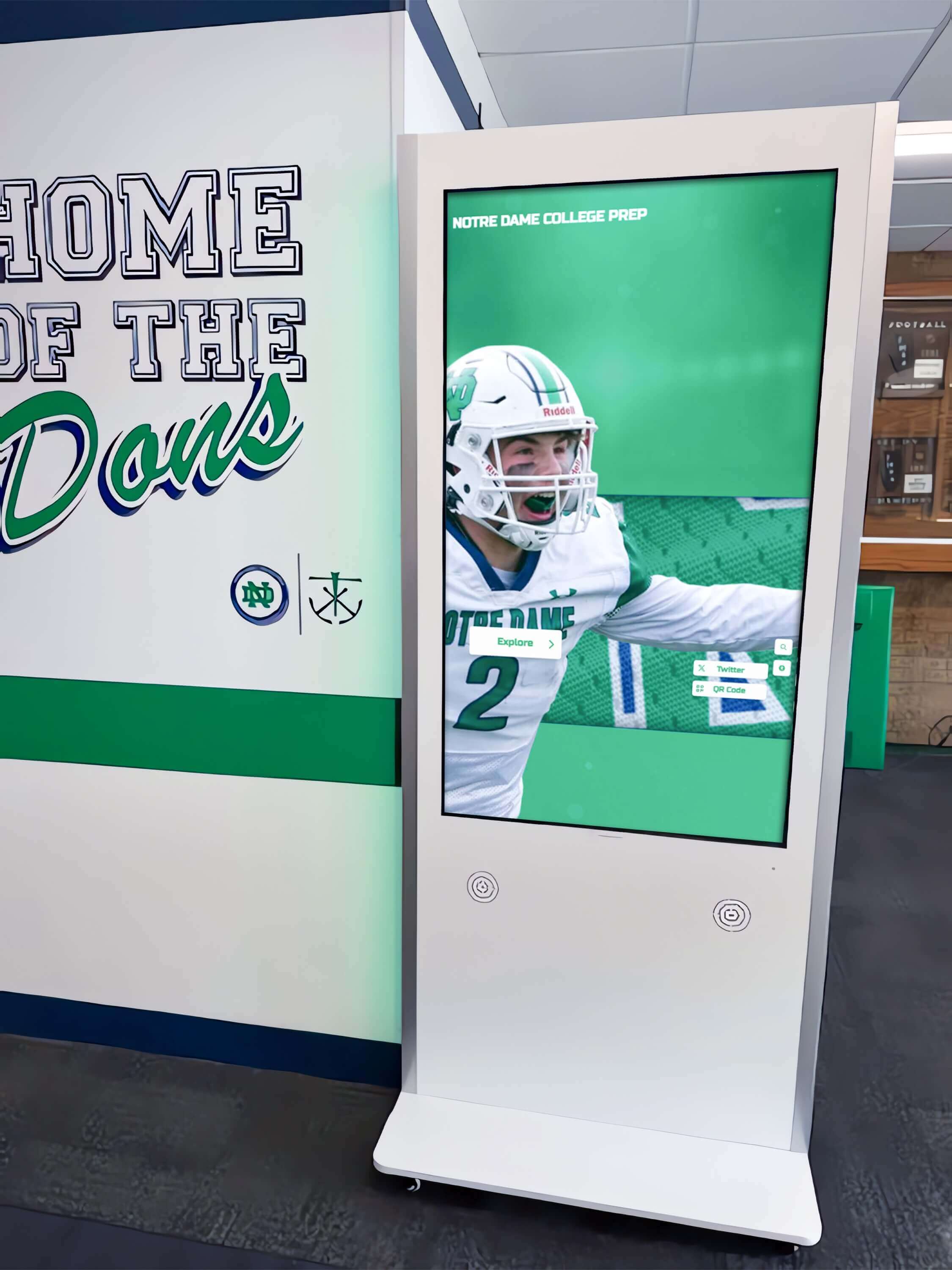
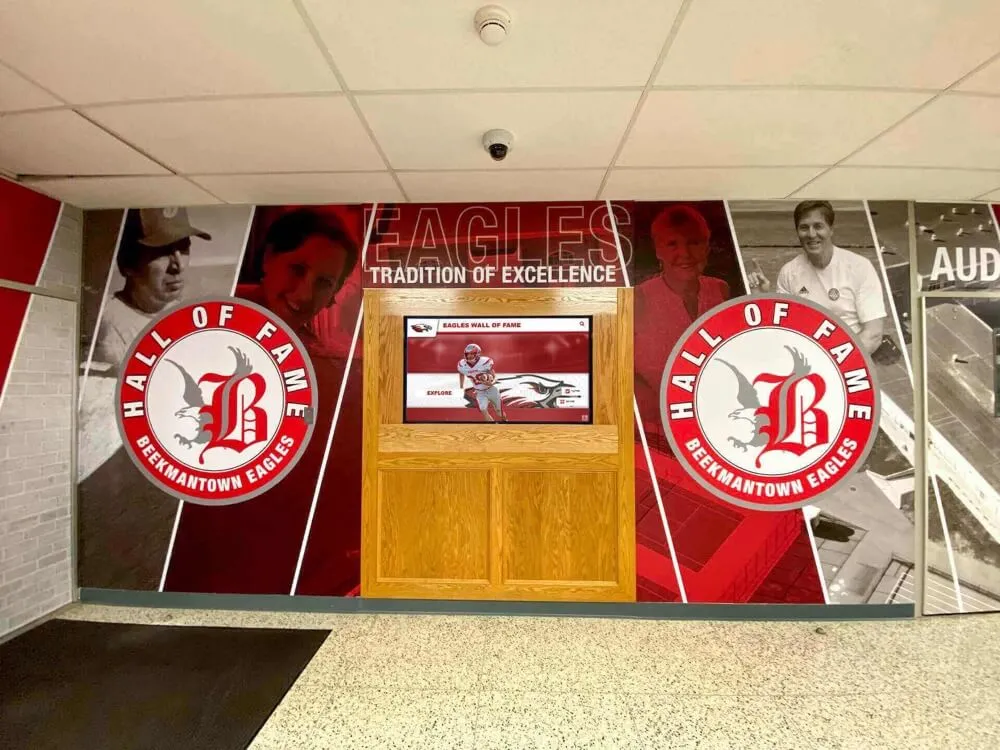
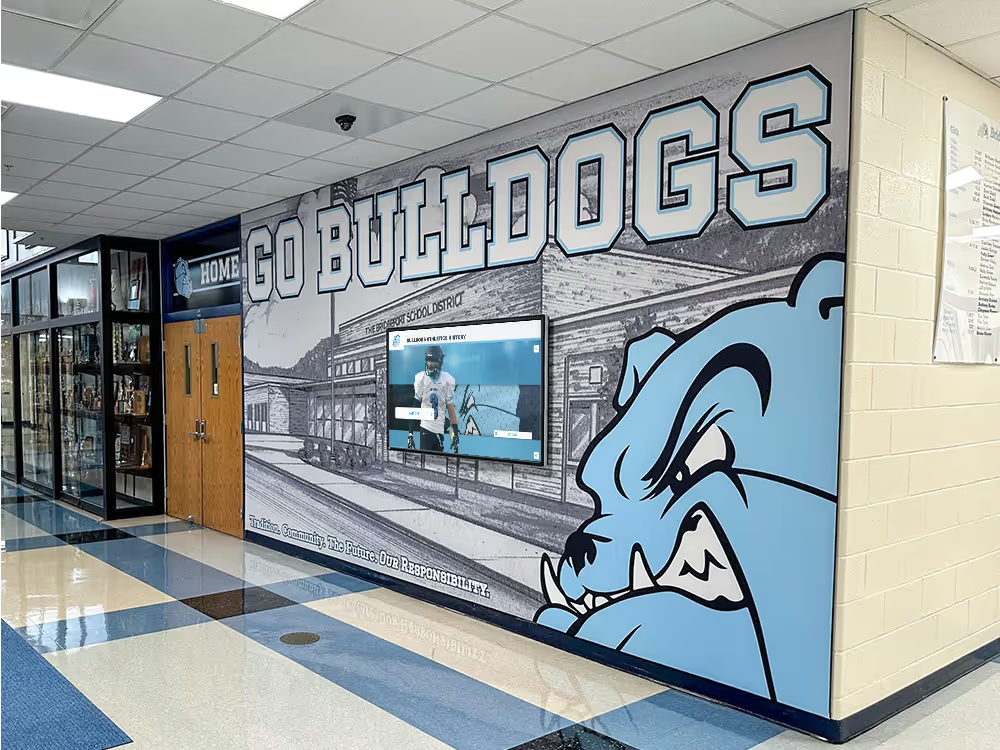
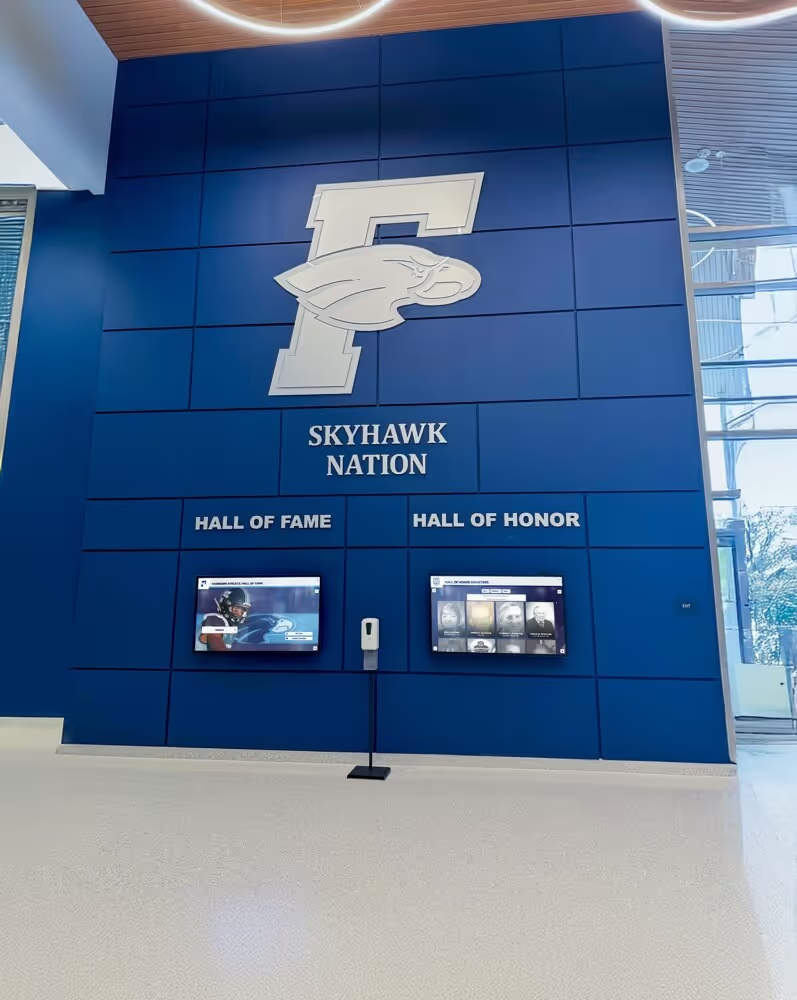
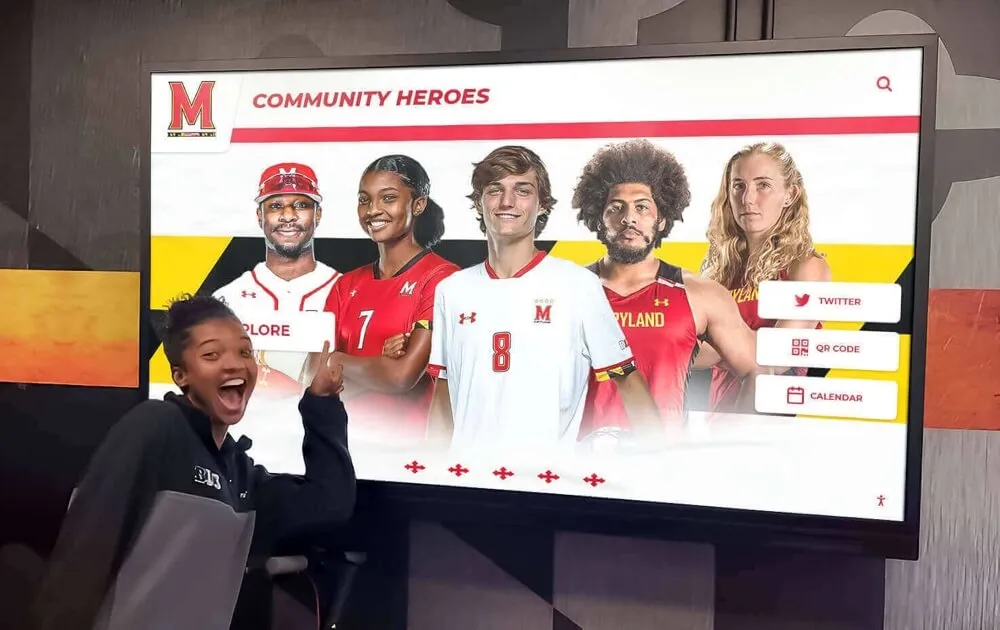
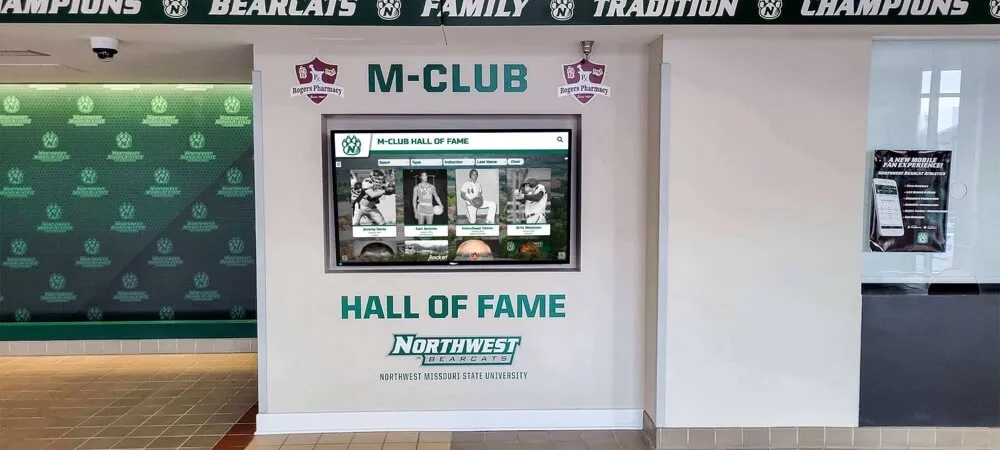
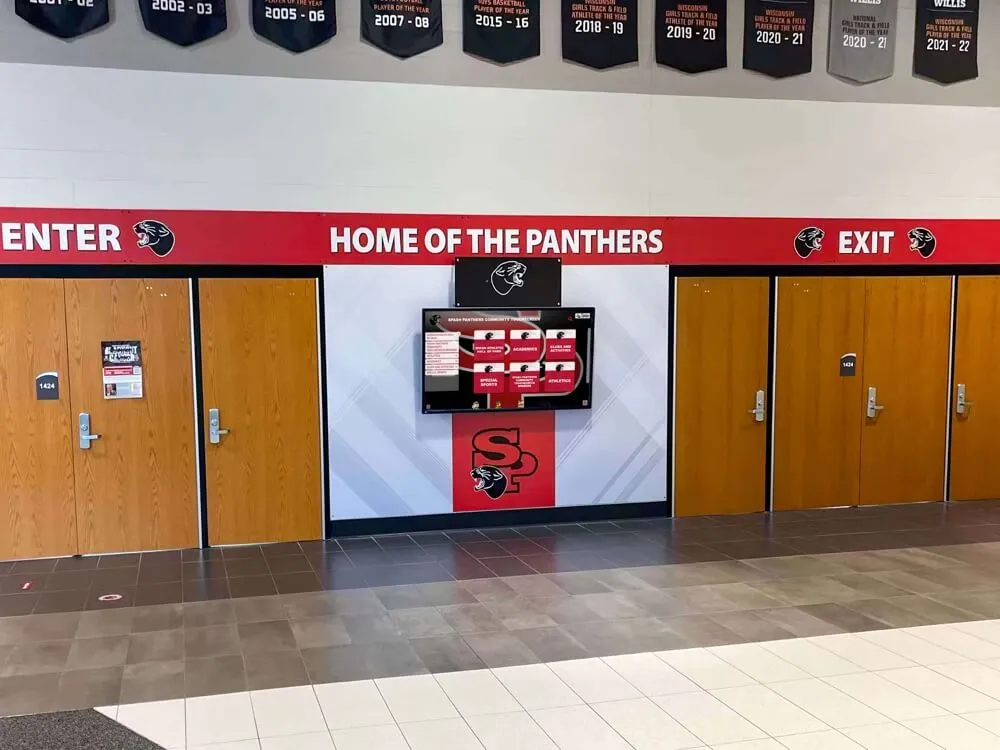
Digital recognition platforms enable storytelling that celebrates complete athletic contributions beyond statistics
Hustle and Heart Award Acknowledging maximum effort and unwavering commitment:
- Consistent demonstration of full effort regardless of score or circumstance
- First to practice, last to leave mentality
- Diving for loose balls, taking charges, making effort plays
- Energy and enthusiasm that elevates team performance
- Recognition that maximum effort deserves acknowledgment independent of skill level
Team Player Award Celebrating athletes who consistently prioritize team success:
- Willingness to accept any role that helps the team
- Supporting teammates’ success without jealousy or resentment
- Positive attitude regardless of playing time or role
- Celebration of teammate achievements as enthusiastically as personal success
- Recognition that selfless team-first attitudes build winning cultures
Learn about comprehensive team recognition in creative student awards that celebrate diverse contributions.
Specialized Contribution Recognition
Comprehensive award programs acknowledge specific contributions essential to team functioning:
Best Defensive Player For athletes excelling in less glamorous defensive responsibilities:
- Shot-blocking, rebounding, or defensive positioning excellence
- Defensive assignments against opponents’ best players
- Sacrifice statistics like charges taken or tackles made
- Preventing scoring opportunities through positioning and awareness
- Recognition ensuring defensive excellence receives equal visibility to offensive achievement
Sixth Player or Role Player Award Honoring athletes maximizing impact in specific roles:
- Outstanding performance in specialized or situational roles
- Consistent readiness and effectiveness when called upon
- Accepting reduced minutes while maintaining preparation and positive attitude
- Impact that exceeds playing time or statistical appearance
- Recognition valuing quality over quantity of contribution
Unsung Hero Award Celebrating behind-the-scenes contributions others might overlook:
- Equipment management, team coordination, or logistical support
- Consistent positive presence at every practice and game
- Supporting roles that enable team success but don’t appear in box scores
- Recognition of the countless small actions that aggregate into team excellence
- Acknowledgment that team success requires contributions beyond the spotlight
Mental Toughness Award Recognizing athletes who demonstrate exceptional resilience:
- Maintaining performance under pressure in crucial moments
- Recovering quickly from mistakes or setbacks during competition
- Persisting through injury, adversity, or challenging circumstances
- Providing stability and confidence when team faces difficulties
- Recognition that psychological strength proves as important as physical capability
Academic and Multi-Dimensional Excellence
Outstanding athletic programs recognize that athletes are students first:
Scholar-Athlete Award Celebrating excellence in both athletic and academic arenas:
- Minimum GPA thresholds demonstrating academic commitment
- Balance of athletic dedication with academic responsibility
- Recognition modeling that athletics and academics enhance rather than compete
- Acknowledgment that complete student-athletes excel in classroom and competition
- Celebration of athletes representing program values across all school dimensions
All-Around Athlete Award For multi-sport athletes or those demonstrating diverse capabilities:
- Participation and excellence across multiple sports or activities
- Versatility within a sport playing multiple positions effectively
- Recognition encouraging athletic diversity and reducing early specialization
- Acknowledgment that well-rounded athletic development serves long-term athlete health
- Celebration of athletes contributing to multiple programs
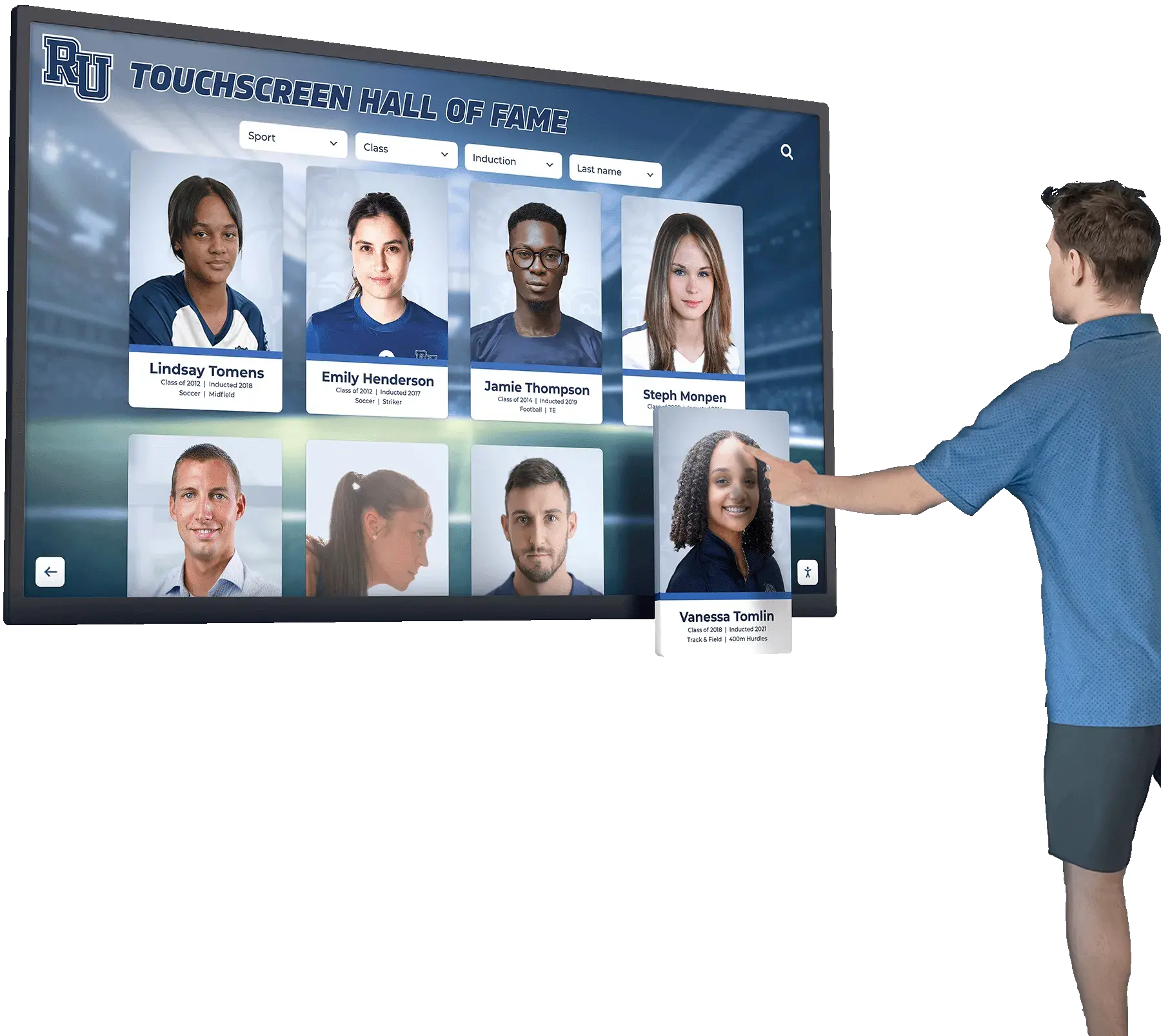
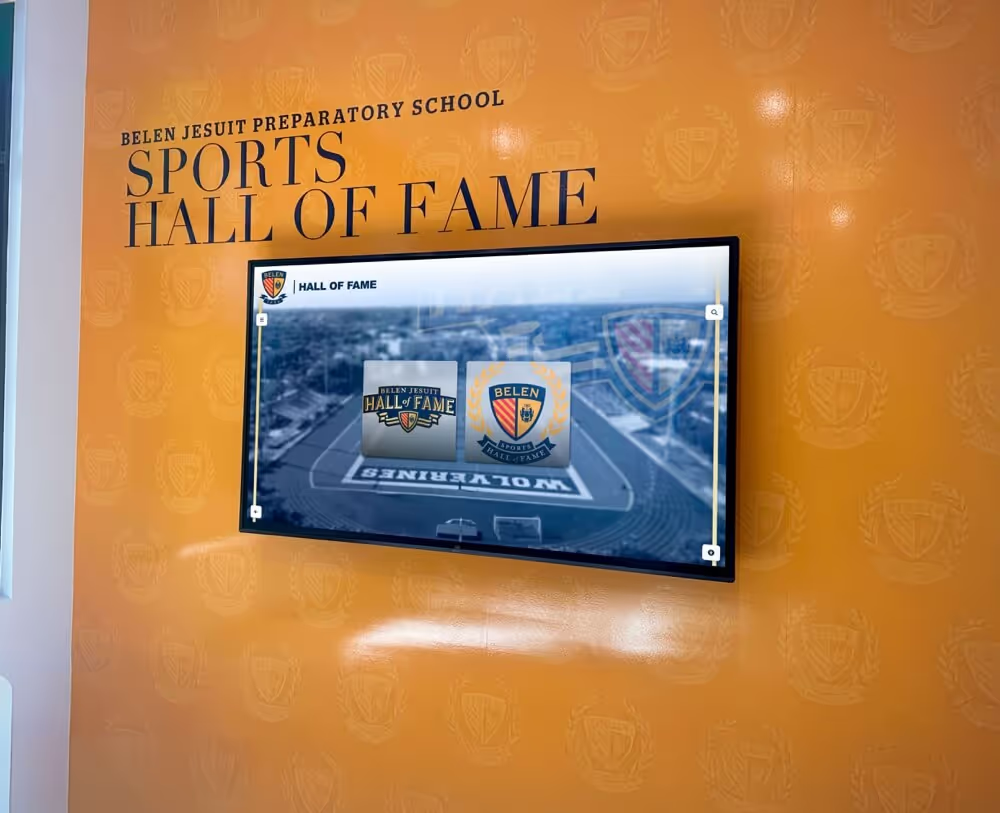
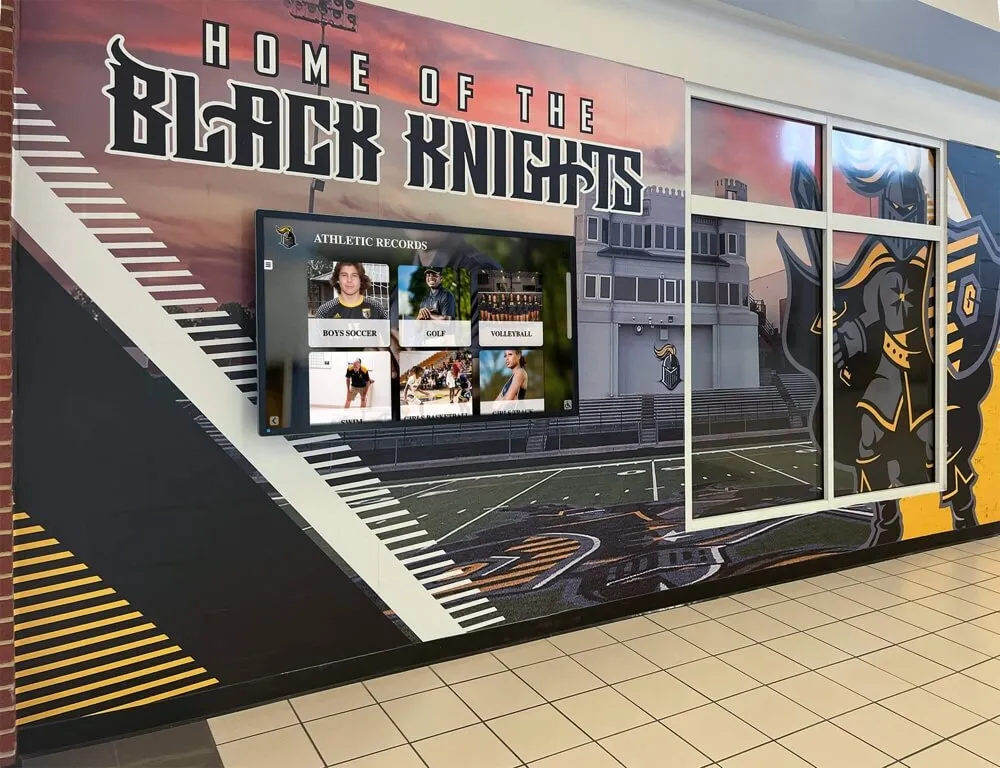
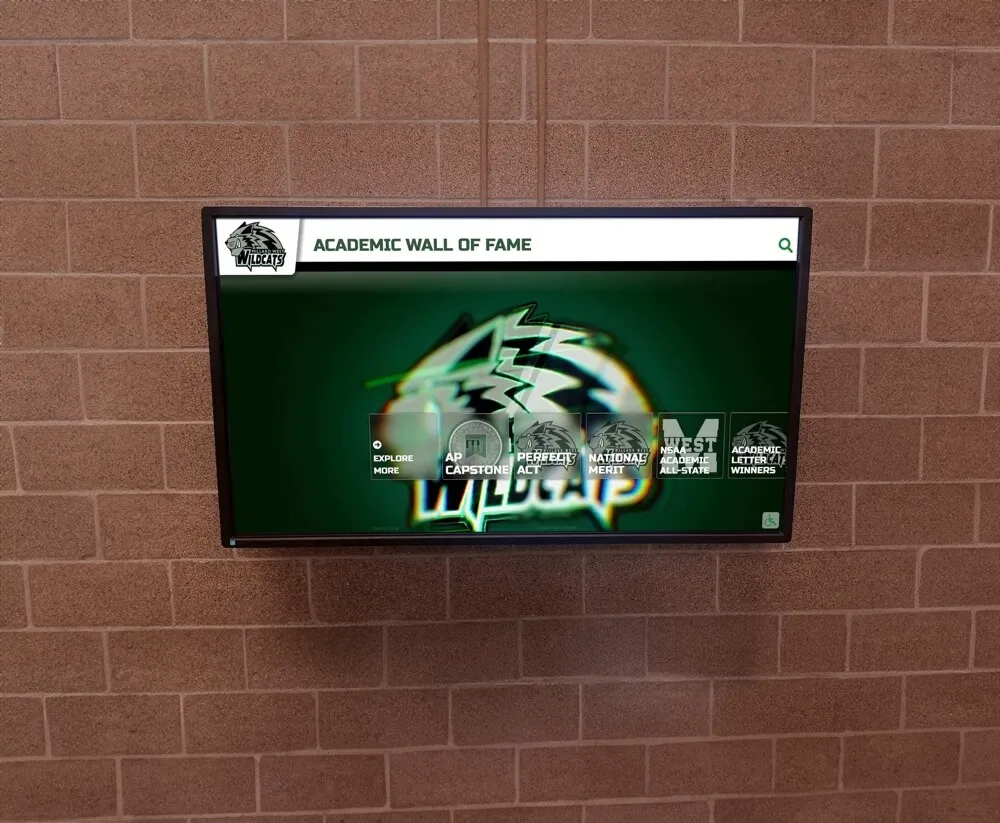
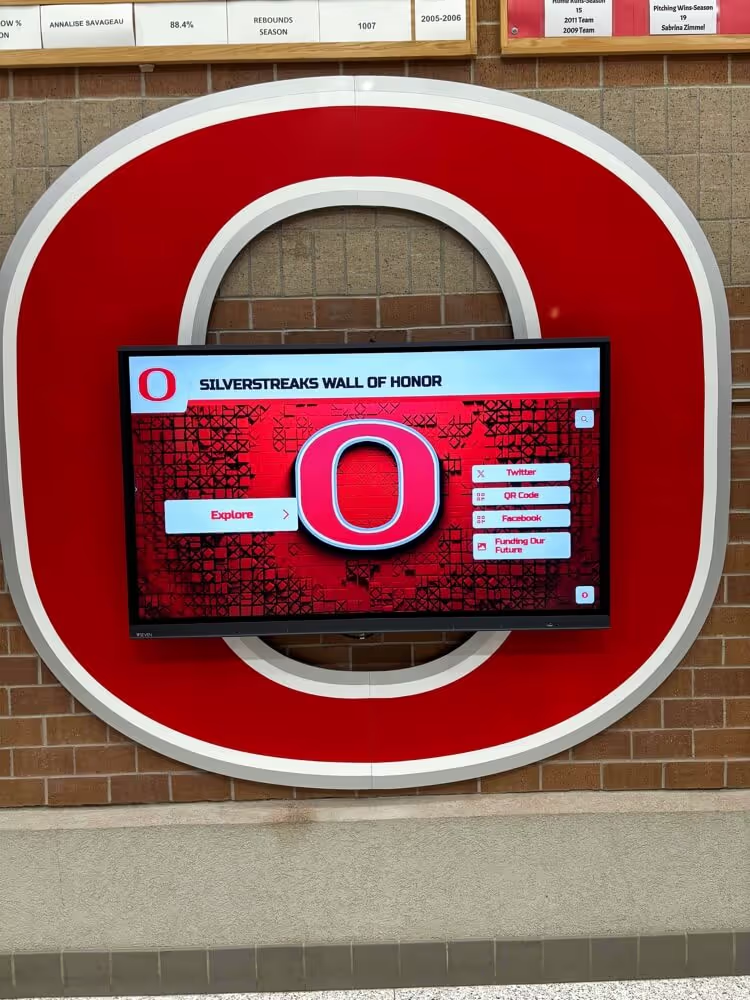
Modern recognition platforms provide detailed athlete profiles celebrating complete contributions beyond traditional statistics
Implementing Effective End of Season Recognition Programs
Creating meaningful athletic recognition requires thoughtful planning, clear criteria, and sustainable systems ensuring consistent implementation.
Establishing Clear Award Criteria
Subjective athletic recognition risks inconsistency and perceived favoritism without systematic criteria:
Objective Measurement Definition Each award category needs concrete, measurable criteria:
- Statistical thresholds or performance benchmarks where applicable
- Observable behaviors and contributions for character-based recognition
- Peer feedback or teammate voting mechanisms
- Coaching staff evaluation rubrics
- Clear distinction between award categories avoiding overlap
Selection Process Transparency Fair processes ensure credibility and acceptance:
- Clearly communicated criteria at season start so athletes understand recognition opportunities
- Defined selection processes (coach selection, team voting, statistical designation)
- Multiple input sources for subjective categories
- Documentation supporting selection decisions
- Explanation of why each recipient exemplifies the award when presented
Inclusive Award Structure Recognition programs must ensure opportunities across all roster levels:
- Award categories accessible regardless of playing time or skill level
- Multiple recipients in larger categories ensuring diverse athlete recognition
- Specialized categories celebrating different contribution types
- Attention to recognition distribution ensuring all athletes receive acknowledgment
- Balance between prestigious singular awards and inclusive multiple-recipient categories
Learn about implementing comprehensive recognition in trophy display options for athletic programs.
Award Ceremony and Celebration Design
How teams present recognition significantly impacts meaning and athlete motivation:
Ceremony Structure and Format Effective recognition events create memorable experiences:
- Appropriate formality matching program culture and tradition
- Individual recognition moments for each award recipient
- Context provided explaining what each award represents
- Specific examples of why each recipient exemplifies their award
- Family inclusion creating shared celebration opportunities
Season Highlight Integration Awards gain meaning when connected to season journey:
- Video or photo montages celebrating season achievements
- Highlight presentations showcasing individual and team accomplishments
- Senior recognition honoring multi-year contributors
- Team awards and records alongside individual recognition
- Season statistics and achievement summaries providing context
Physical Recognition Elements Tangible awards create lasting impact:
- Trophies, plaques, or medals appropriate to award significance
- Certificates documenting specific achievements
- Team photos with award recipients
- Award winner documentation for athletic records
- Integration with permanent recognition displays
Explore modern recognition approaches in digital recognition displays for athletic facilities.
Timing and Multi-Event Recognition Strategy
Athletic recognition can occur across multiple occasions throughout and after the season:
End of Season Team Celebrations Traditional team banquets or award ceremonies:
- Formal conclusion to the competitive season
- Family and community attendance creating broader celebration
- Coach reflections on season accomplishments and growth
- Senior recognition and legacy acknowledgment
- Team bonding experience before off-season transition
Post-Season Recognition Integration Awards presented during other school events:
- Athletic assembly or school-wide celebration
- Spring or fall athletic recognition nights covering all sports
- Integration with academic awards or honors programs
- Community recognition events or booster club gatherings
- Media recognition through local coverage and school communications
In-Season Acknowledgment Recognition provided throughout the season maintains motivation:
- Weekly awards for practice performance or game contributions
- Player of the game or player of the week designations
- Public acknowledgment during team meetings
- Social media highlights celebrating individual contributions
- Progressive recognition building toward end of season awards
This multi-event approach ensures recognition reaches appropriate audiences while maintaining seasonal momentum.
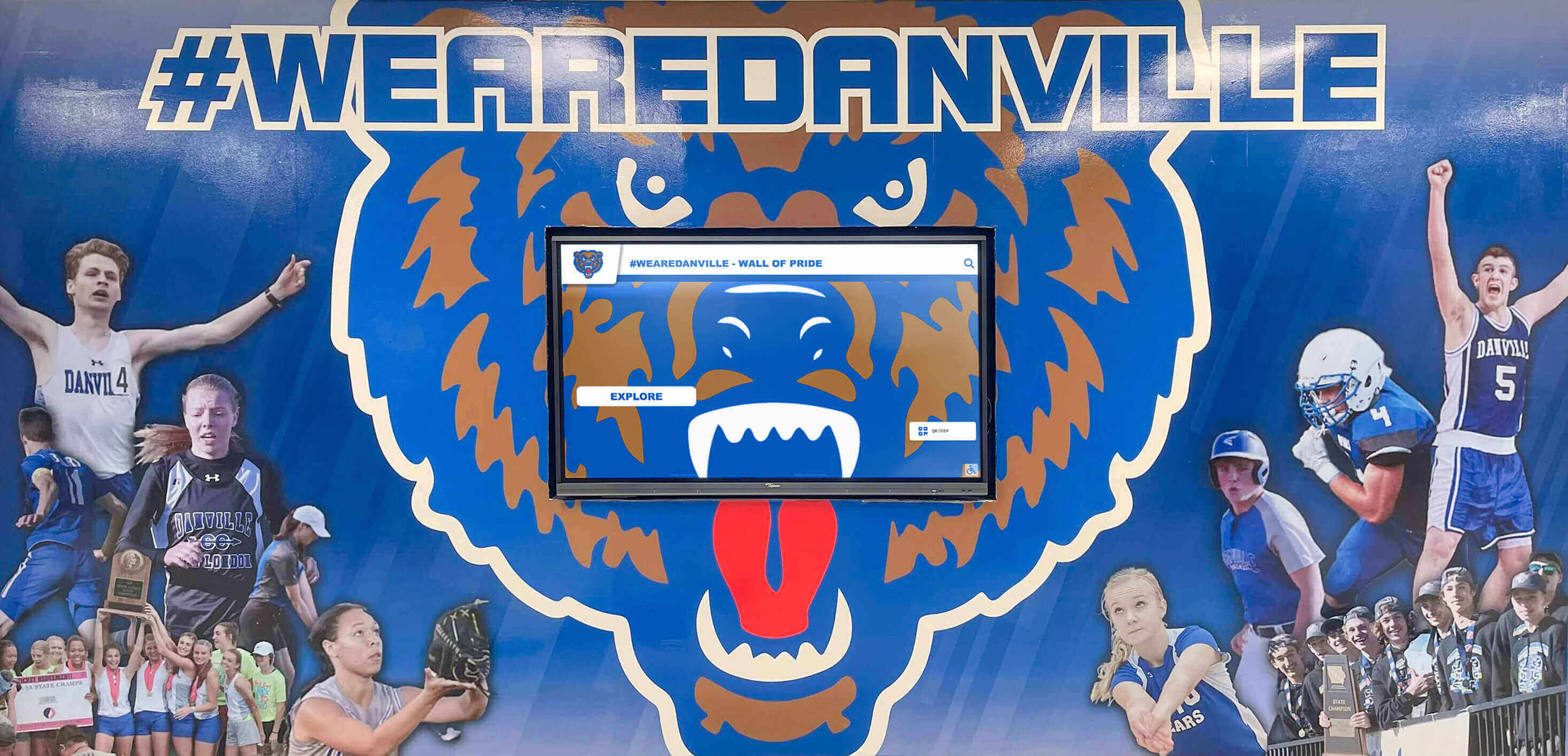
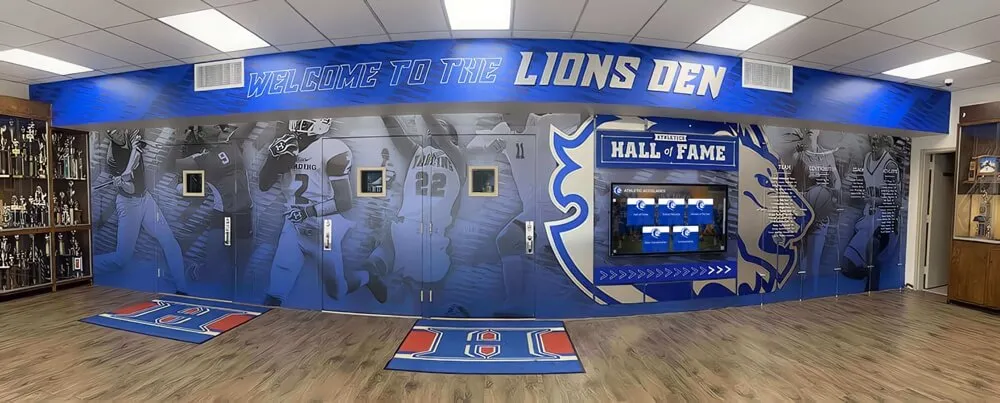
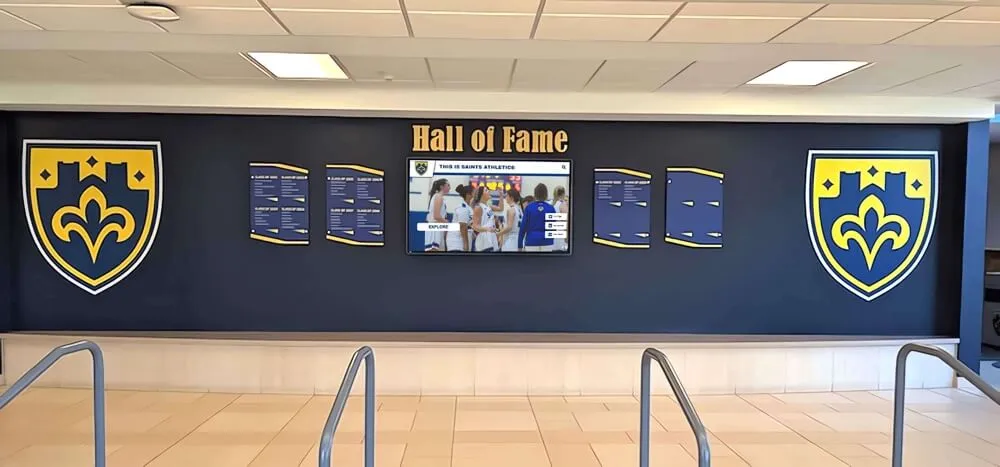
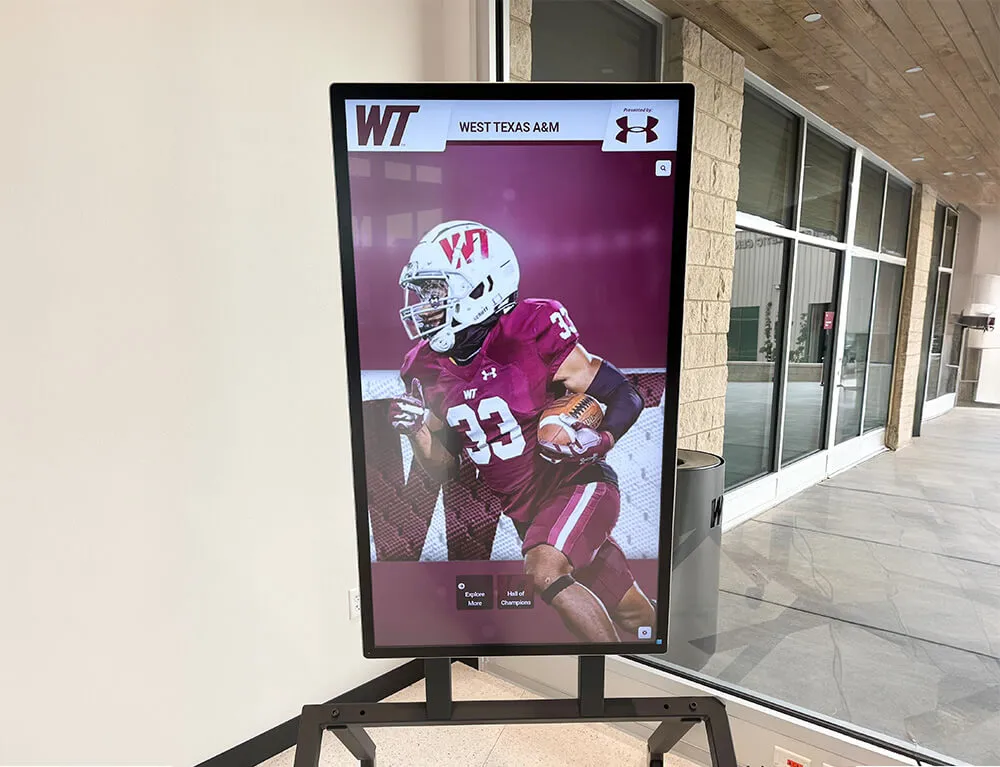
Integrated recognition systems combine traditional design elements with modern digital capabilities for comprehensive athletic celebration
Modern Athletic Recognition Display Solutions
Traditional recognition approaches—photos in hallways, names on plaques, or mentions in programs—create limited visibility and engagement compared to interactive digital solutions.
Digital Recognition Display Benefits
Modern display technology transforms athletic recognition:
Comprehensive Recognition Capacity Digital displays eliminate space constraints limiting traditional recognition:
- Single display showcases unlimited athletes across all sports and years
- Equal visibility for all award categories and recipients
- Multimedia presentation including photos, videos, and achievement details
- Historical archives preserving program tradition across decades
- Search and filter functionality enabling exploration of complete athletic history
Interactive Engagement Features Touchscreen systems create meaningful interaction with recognition content:
- Athletes and families can search for specific individuals and teams
- Detailed profile pages tell complete stories of athletic contributions
- Season statistics, awards, and highlight videos in single interface
- Filtering by sport, year, award category, and other dimensions
- Related content connections linking teammates and multi-sport athletes
Simple Content Management Cloud-based platforms enable easy recognition updates:
- Remote content updates from any internet-connected device
- Bulk import tools for season-end award recipient lists
- Template-based profiles ensuring consistency across athletes
- Scheduled publishing automation
- Role-based permissions allowing coaches to update their sport sections
Athletic programs report 80-90% reduction in administrative time maintaining recognition displays after implementing digital systems while dramatically expanding the number of athletes receiving permanent acknowledgment.
Learn about digital recognition platforms in hall of fame installation and display approaches.
Strategic Display Placement and Visibility
Recognition impact depends on strategic placement ensuring regular athlete and visitor exposure:
High-Traffic Athletic Facility Locations
- Main gymnasium or field house entrances and lobbies
- Athletic hallway connecting locker rooms to competition spaces
- Weight room and training facility areas
- Concession stand or gathering areas during events
- School main lobby ensuring community and visitor exposure
Multiple Display Integration Comprehensive recognition systems may include:
- Main athletic lobby displays showcasing all sports and awards
- Sport-specific displays in relevant facilities (pool deck, wrestling room, etc.)
- Academic building displays connecting athletics to broader school community
- Web-based platforms extending reach beyond physical campus
- Mobile app integration enabling anywhere access
Seasonal Content Updates Digital platforms enable dynamic recognition aligned with athletic calendar:
- Highlighted current season teams and schedules
- Real-time game scores and season statistics
- Countdown features building excitement for upcoming events
- Senior spotlights and college commitment announcements
- Rotating historical content celebrating program tradition
This strategic approach ensures athletic recognition remains visible, relevant, and engaging throughout the school year.
Specific Award Examples and Implementation Details
Concrete examples help coaches design meaningful recognition categories with clear selection approaches.
Performance Award Examples
The Iron Player Award Recognizing the athlete demonstrating maximum durability and availability
Criteria:
- Perfect or near-perfect practice attendance throughout the season
- Consistent availability despite minor injuries or physical demands
- Maximum minutes played or innings pitched within safe parameters
- Reliability as someone coaching staff could always count on
- Embodiment of “the best ability is availability” mentality
Selection: Objective attendance and participation tracking combined with coaching staff evaluation of commitment despite challenges.
The Clutch Performance Award Celebrating athletes who excel in high-pressure competitive moments
Criteria:
- Statistical performance in close games or crucial situations
- Game-winning plays or championship-level performance
- Elevated play during playoffs or most important contests
- Mental toughness maintaining performance under pressure
- Teammates’ confidence in crucial moment performance
Selection: Coaching staff evaluation of performance data in identified high-pressure situations, supplemented by peer recognition of clutch reliability.
Character Award Examples
The Energy Award Honoring the athlete whose enthusiasm and positive energy elevate the team
Criteria:
- Consistently positive attitude regardless of circumstances
- Vocal encouragement and sideline support
- Infectious enthusiasm that spreads to teammates
- First to celebrate teammate success
- Ability to maintain team morale during adversity
Selection: Team voting or peer recognition combined with coaching staff observation of consistent energy contribution.
The Warrior Award Recognizing athletes who compete through adversity and challenge
Criteria:
- Playing through injury within medically appropriate parameters
- Overcoming personal challenges while maintaining commitment
- Perseverance despite setbacks or limited playing time
- Mental toughness and resilience demonstrated throughout season
- Fighting spirit that inspires teammates
Selection: Coaching staff recognition of specific examples of perseverance and overcoming adversity documented throughout the season.
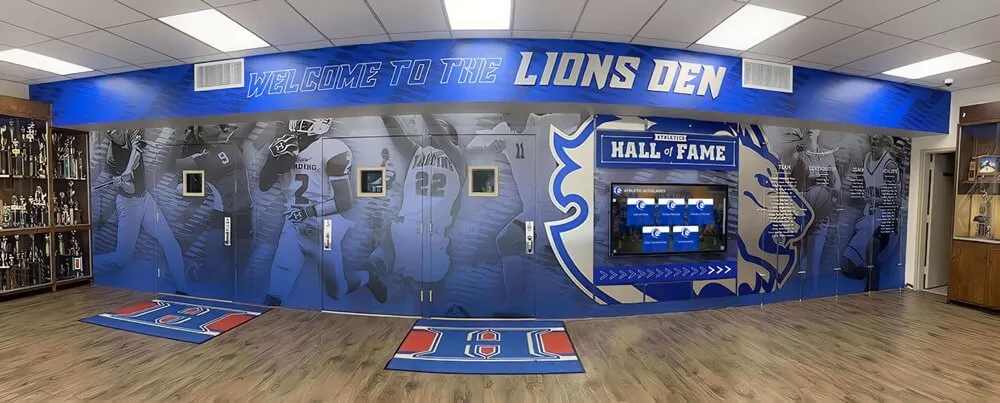
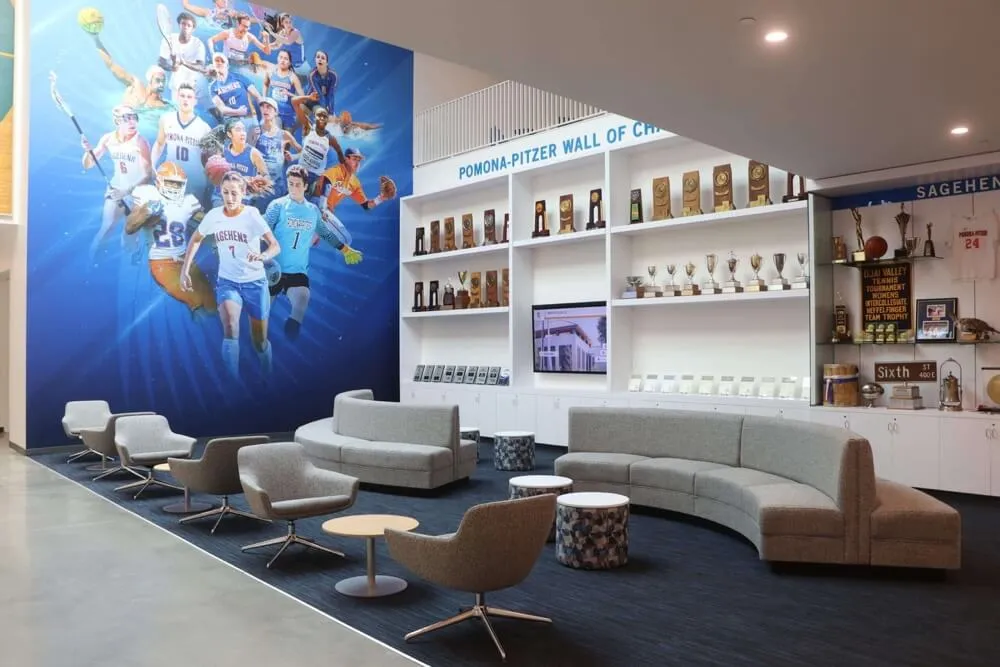
Complete recognition systems integrate trophies, digital displays, and permanent installations celebrating all dimensions of athletic excellence
Team Culture Award Examples
The Glue Guy/Gal Award Celebrating the athlete who holds the team together
Criteria:
- Bridge-building between different team factions or personalities
- Conflict resolution and tension diffusion
- Consistent positive presence in locker room and team settings
- Support for struggling teammates
- Embodiment of team-first mentality in all contexts
Selection: Anonymous peer voting asking “Who holds this team together?” combined with coaching staff evaluation.
The Lead by Example Award Recognizing athletes whose actions speak louder than words
Criteria:
- Consistent demonstration of program values through behavior
- Maximum effort in practice regardless of visibility
- Preparation, punctuality, and professionalism
- Quiet leadership through work ethic and standards
- Inspiration others find in watching their approach
Selection: Coaching staff observation of consistent behavior combined with teammate recognition of inspiring examples.
Communication and Visibility Strategies
Recognition impact depends on systematic communication ensuring program-wide and community awareness.
Multi-Channel Recognition Communication
Internal Program Communication
- Team social media posts celebrating award recipients
- Email announcements to families with award details
- Athletic department newsletter features
- Morning announcements highlighting awards
- Athletic bulletin board displays showcasing recipients
School and Community Engagement
- School website athletic recognition pages
- Local media announcements and features
- Booster club meeting presentations
- Community partner recognition integration
- Alumni engagement sharing current recognition with program alumni
Learn about recognition communication in digital yearbook approaches celebrating athletic achievements.
Social Media Storytelling Modern communication channels amplify recognition reach:
- Individual athlete spotlights with award explanations
- Behind-the-scenes content from award ceremonies
- Video presentations from recognition events
- Photo galleries of celebration moments
- Countdown posts building excitement for upcoming ceremonies
Creating Recognition Narratives
Moving beyond simple award announcement to tell complete stories:
Individual Achievement Profiles Comprehensive profiles create meaningful recognition:
- Photos of award recipients with their awards
- Specific examples of contributions earning recognition
- Quotes from recipients about their season experience
- Coach commentary on what made this athlete special
- Season statistics and achievement summaries
Award Category Explanations Each award category deserves context:
- Description of what the award represents and values celebrated
- Historical context and previous notable recipients
- Criteria and selection process transparency
- Connection to program values and culture
- Stories of how previous recipients exemplified the award
This narrative approach ensures recognition communicates more than names, instead telling stories that inspire current and future athletes.
Integrating End of Season Recognition with Program Culture
Year-end awards prove most effective when connected to systematic values reinforcement and culture development throughout the season.
Season-Long Recognition Systems
Progressive Recognition Programs End of season awards gain meaning when connected to ongoing acknowledgment:
- Weekly team awards building toward season-end recognition
- Practice player recognition maintaining non-starter engagement
- Milestone celebrations throughout the season
- Mid-season awards ceremonies maintaining motivation
- Consistent reinforcement of values receiving year-end acknowledgment
Criteria Transparency from Season Start Athletes perform toward clear expectations:
- Award categories and criteria communicated at season’s beginning
- Regular reminders of what characteristics receive recognition
- Public acknowledgment of behaviors aligned with award values
- Coaching feedback connecting daily performance to award criteria
- Athlete understanding that recognition opportunities exist for all contribution types
Values-Based Culture Development
Explicit Program Values Articulation Recognition reinforces clearly defined program culture:
- Written program values and standards shared with all athletes
- Regular discussion of how values appear in competition and practice
- Examples highlighting when athletes demonstrate core values
- Connection between awards and program pillars
- Integration of values into practice planning and season structure
Team Building Through Recognition Awards that strengthen rather than fragment team bonds:
- Peer recognition components building appreciation for diverse contributions
- Team awards celebrating collective achievement
- Recognition formats that celebrate interdependence
- Award categories acknowledging support roles enabling star performance
- Balance ensuring recognition strengthens rather than divides team culture
Learn about building comprehensive recognition cultures in Big Brother Big Sister alumni recognition approaches.
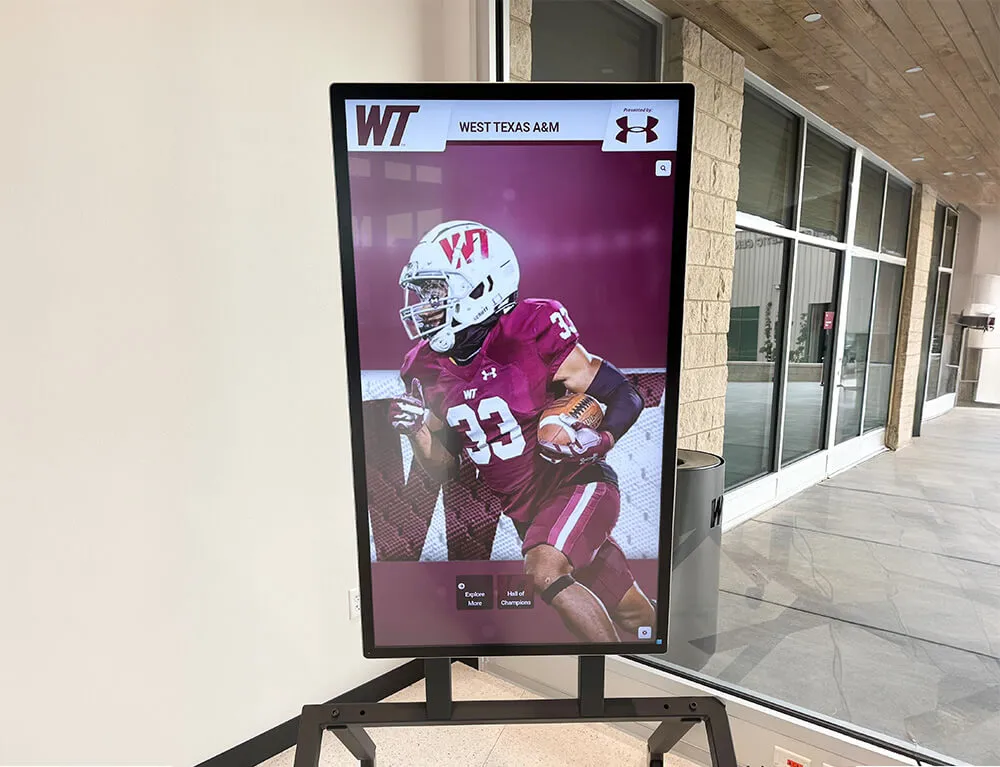
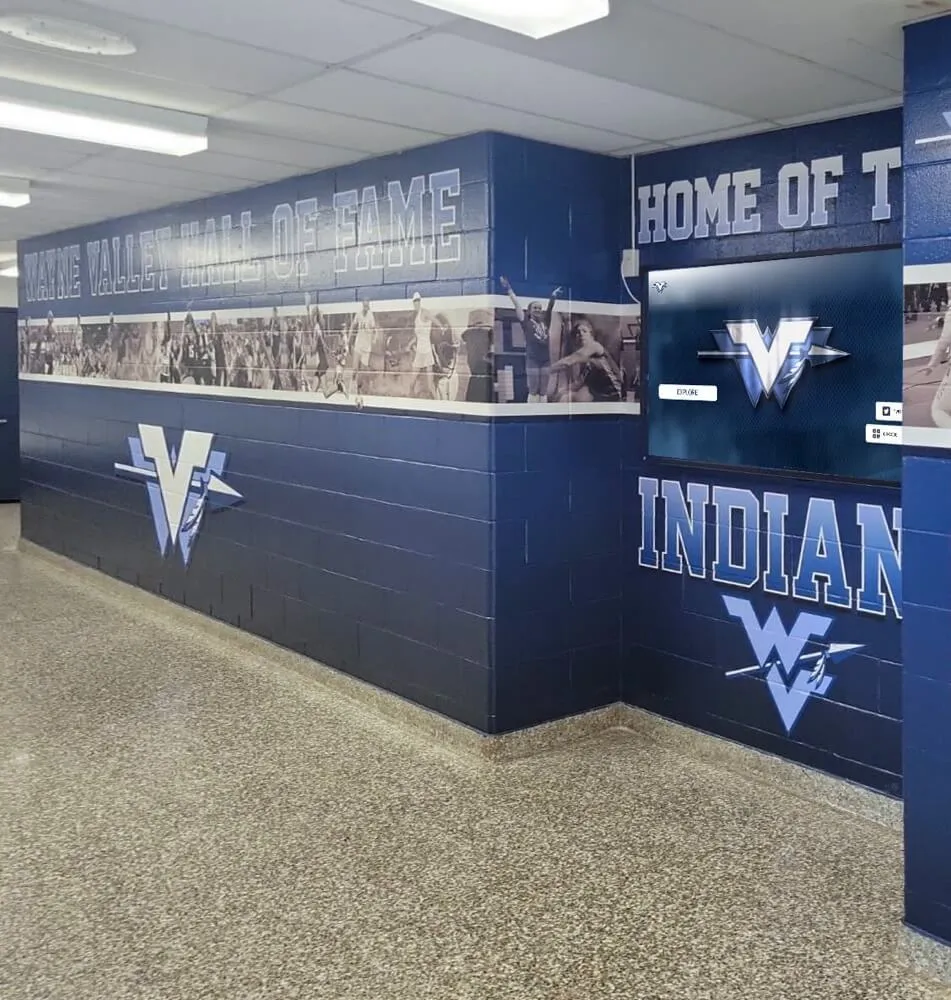
Prominent recognition displays in main lobbies ensure athletic excellence receives high-visibility celebration
Special Considerations for Different Sports and Levels
Athletic recognition approaches should adapt to sport-specific contexts and competitive levels.
Team vs. Individual Sport Recognition
Team Sport Considerations
- Balance individual recognition with team achievement celebration
- Position-specific awards ensuring all roles receive acknowledgment
- Offensive and defensive designations in applicable sports
- Special teams or specialized role recognition
- Team chemistry and cohesion awards unique to collaborative sports
Individual Sport Adaptations
- Weight class or event-specific recognition in wrestling, track, swimming
- All-around excellence awards for multi-event competitors
- Personal record and improvement emphasis
- Tournament or meet performance recognition
- Team scoring contribution despite individual competition format
Competitive Level Adjustments
Youth and Developmental Programs
- Emphasis on participation, effort, and improvement over results
- Recognition ensuring all participants receive acknowledgment
- Character and sportsmanship prioritization
- Frequent recognition maintaining engagement
- Fun, age-appropriate ceremony formats
High School Varsity Programs
- Balance between achievement and character recognition
- Integration with conference, district, and state honors
- Senior legacy and multi-year contribution acknowledgment
- College recruitment relevant recognition
- Connection to school and community tradition
Elite and Club Programs
- Performance-based recognition aligned with competitive goals
- National ranking and championship achievement celebration
- Recruitment and scholarship success acknowledgment
- Player development and improvement tracking
- Integration with organizational or club-wide recognition systems
Frequently Asked Questions
What end of season athletic awards should every team give?
Every team should include MVP or outstanding player recognition, most improved player awards, coaches awards for exceptional contribution, character or sportsmanship recognition, and team player acknowledgment at minimum. The most effective programs expand beyond these basics to include 8-12 award categories ensuring recognition opportunities for athletes demonstrating diverse contributions including leadership, hustle, defensive excellence, academic achievement, and specialized roles. Clear criteria for each category and transparent selection processes ensure fair, meaningful recognition.
How do you choose end of season athletic award winners fairly?
Fair athletic award selection requires establishing clear, specific criteria for each award category before the season, using multiple input sources (coaching staff evaluation, peer voting, statistical data), documenting examples supporting selection decisions, ensuring diverse athletes receive recognition across categories, and communicating selection processes transparently. For subjective awards, blind voting or multiple evaluator consensus prevents bias. Statistical awards rely on objective performance data. Character awards benefit from peer input since teammates often best observe daily contributions that coaches might miss.
Should all athletes receive end of season recognition?
While not every athlete needs to win a formal award, comprehensive programs ensure all athletes receive meaningful acknowledgment of their contributions through some combination of awards, certificates of participation, individual coach recognition, team photos, role-specific acknowledgment, or inclusion in season highlight presentations. Programs with 8-12 diverse award categories typically recognize 30-50% of athletes through formal awards while ensuring remaining athletes receive personal acknowledgment during ceremonies and team celebrations.
How do end of season awards improve team culture?
End of season awards that celebrate diverse contributions validate all team roles, motivate athletes across skill levels by providing recognition opportunities beyond statistics, reinforce program values by acknowledging behaviors you want to cultivate, create positive associations encouraging continued participation, and demonstrate that coaches notice and appreciate contributions that don’t appear in box scores. Teams with inclusive recognition systems show higher retention rates, stronger team chemistry, improved culture, and more positive athlete experiences compared to programs limiting recognition to top statistical performers.
What are creative athletic awards for end of season recognition?
Creative athletic awards beyond traditional MVP recognition include the Iron Player Award (perfect attendance and availability), Energy Award (positive enthusiasm elevating the team), Glue Award (team cohesion and unity), Warrior Award (competing through adversity), Clutch Performance Award (excellence under pressure), Unsung Hero Award (behind-the-scenes contributions), Mental Toughness Award (resilience and psychological strength), and Lead by Example Award (quiet leadership through actions). Sport-specific creative awards might include best defensive player, sixth player impact, role player excellence, or specialized position recognition ensuring all contribution types receive appropriate acknowledgment.
Conclusion: Creating Complete Athletic Recognition Systems
Effective end of season athletic awards represent strategic investments in athlete development, team culture, and program sustainability. Teams that systematically celebrate diverse contributions alongside traditional achievement create environments where every athlete feels valued for their unique role in team success while understanding that excellence takes many forms beyond statistics and starting positions.
The strategies explored in this guide provide comprehensive frameworks for building recognition systems that honor complete athletic contributions—from measurable performance to the character qualities and intangible contributions that separate good teams from great ones. From clear award criteria ensuring fair selection to modern digital displays providing unlimited recognition capacity, these approaches transform end of season awards from top-performer-only celebrations to holistic acknowledgment of everything successful programs require.
Elevate Your Athletic Recognition Program
Discover how modern digital recognition solutions can help you celebrate every athlete's contribution while building championship-caliber team culture and preserving your program's tradition for generations.
Explore Recognition SolutionsCreating meaningful athletic recognition beyond traditional MVP awards requires intentional planning, clear criteria, and commitment to celebrating diverse contributions essential to team success. Digital recognition platforms make comprehensive awards achievable across unlimited categories and athletes, while systematic approaches ensure consistent implementation honoring all deserving team members.
When coaches design end of season awards celebrating performance alongside character, leadership, improvement, and the countless intangible qualities that build winning programs, they communicate powerful messages about what truly matters while motivating athletes across all skill levels to invest fully in team success. These complete recognition systems honor who athletes are becoming, not just what they achieve statistically—building cultures where every contribution receives appropriate celebration and every team member understands their value to collective excellence.