



When planning end of year student awards beyond academics, schools face a critical opportunity to define and reinforce institutional values. While traditional recognition rightfully celebrates GPAs, test scores, and honor roll achievements, the most impactful award programs extend recognition to students who demonstrate exceptional character, provide selfless service, and exhibit emerging leadership—qualities that often predict long-term success more reliably than academic metrics alone.
Schools that limit year-end recognition to academic achievement inadvertently communicate that only scholarly accomplishments matter, overlooking students whose contributions to school culture, peer support, community service, and ethical leadership create the environments where everyone thrives. Meanwhile, character-based recognition remains inconsistent, subjective, or relegated to token “citizenship awards” that lack the prestige and visibility of academic honors.
This comprehensive guide explores evidence-based strategies for designing end of year student awards beyond academics—creating recognition systems that honor character, leadership, and service with equal intentionality, clear criteria, and meaningful celebration that reinforces your school’s core values while motivating students across all achievement dimensions.
The most effective schools recognize that academic excellence represents just one dimension of student development. Character formation, leadership capability, and service commitment prove equally essential to preparing students for meaningful lives and positive community contributions. Year-end awards provide powerful opportunities to systematically celebrate these dimensions while demonstrating that your institution values the complete student.

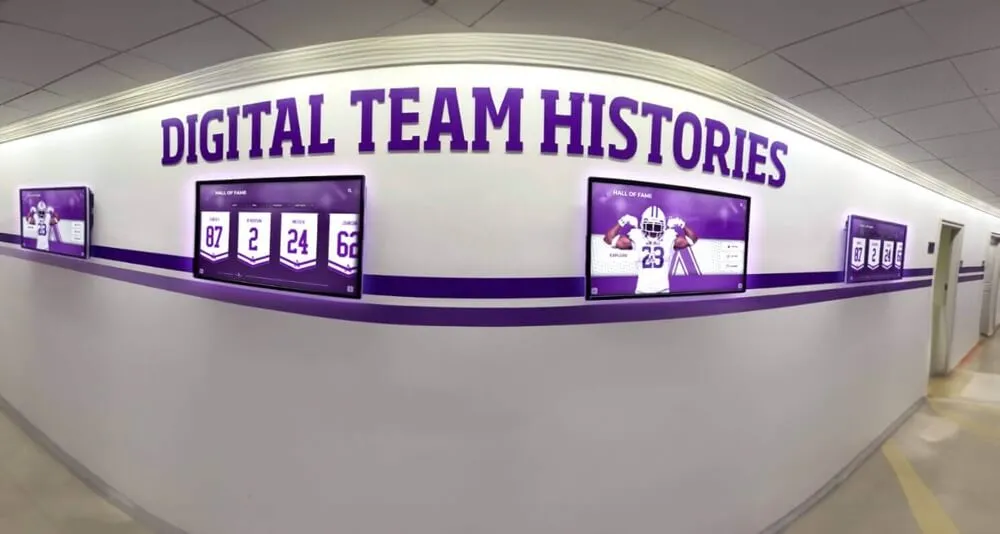
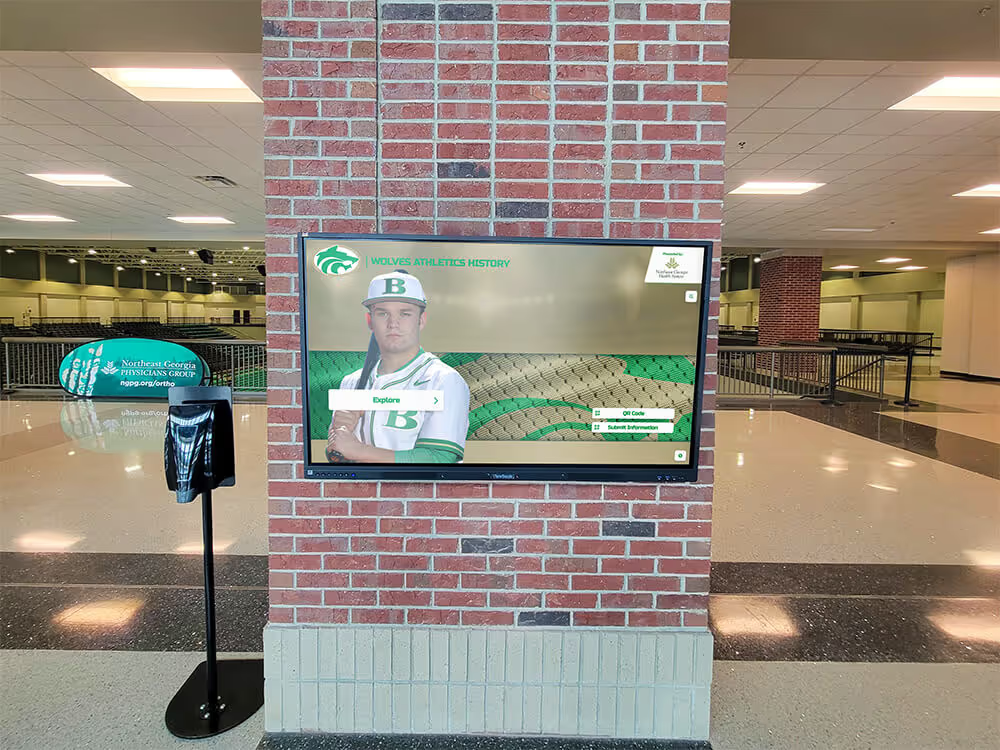
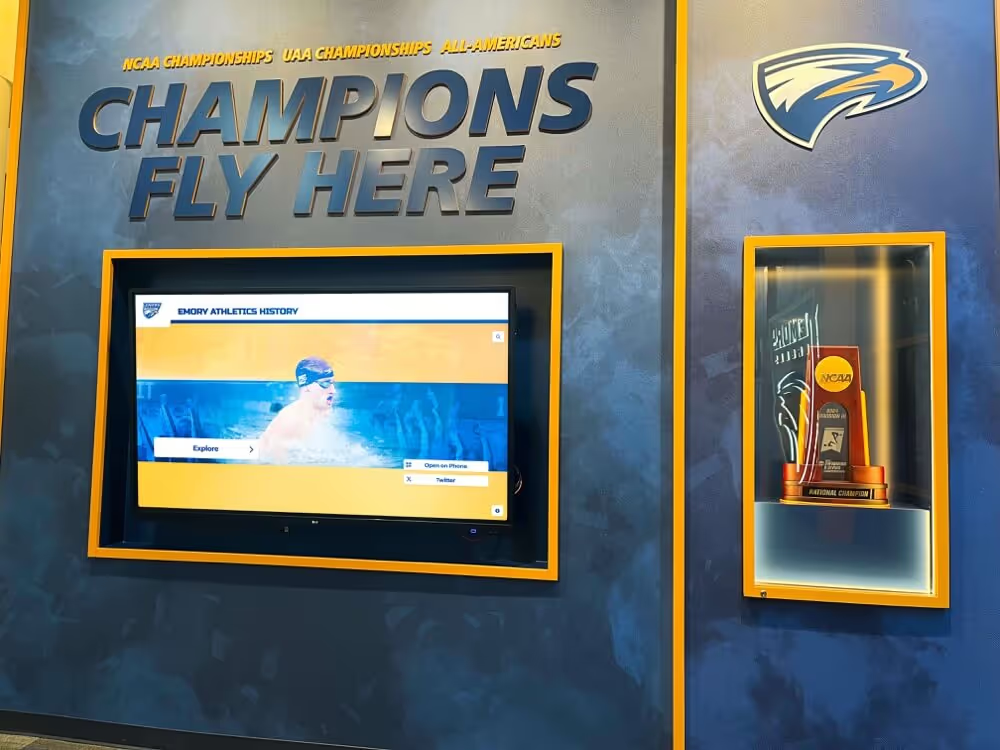
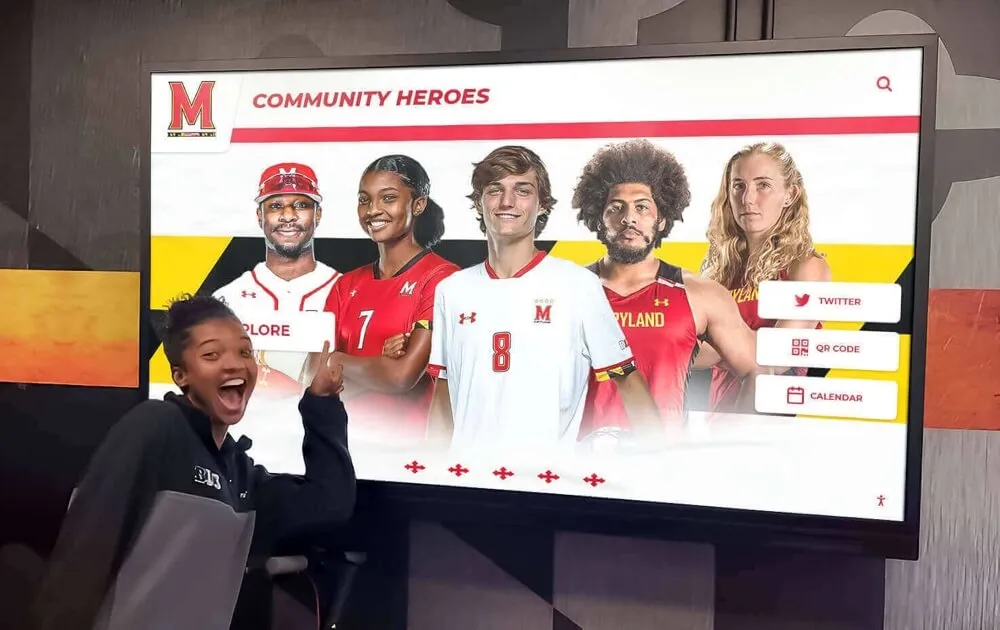
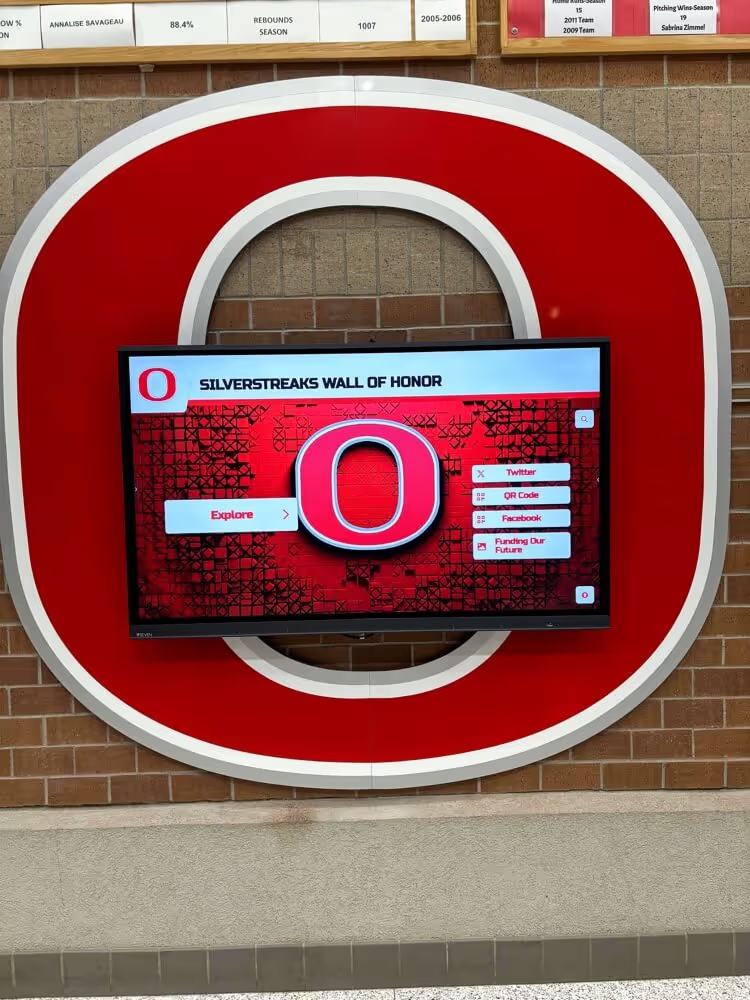
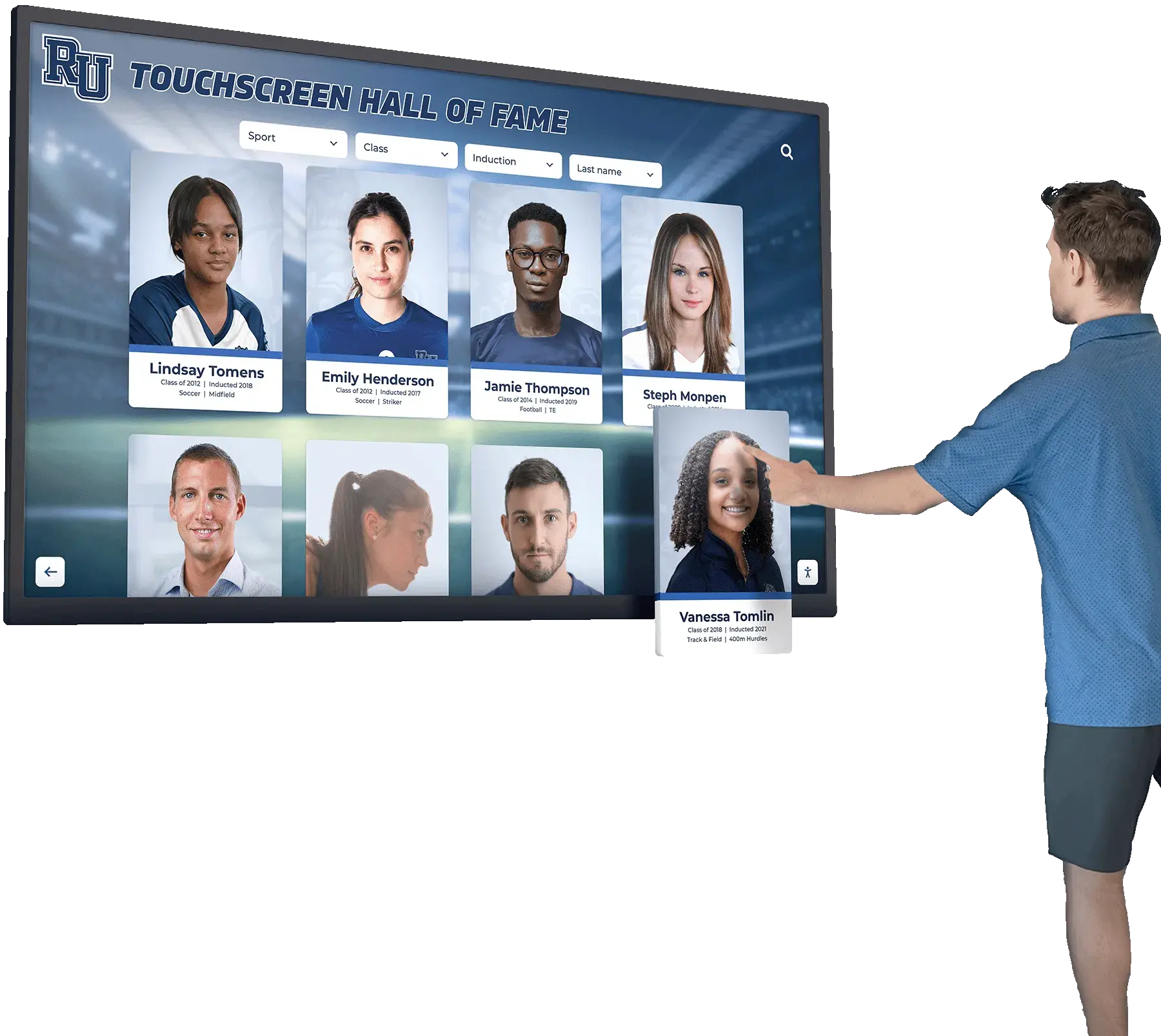
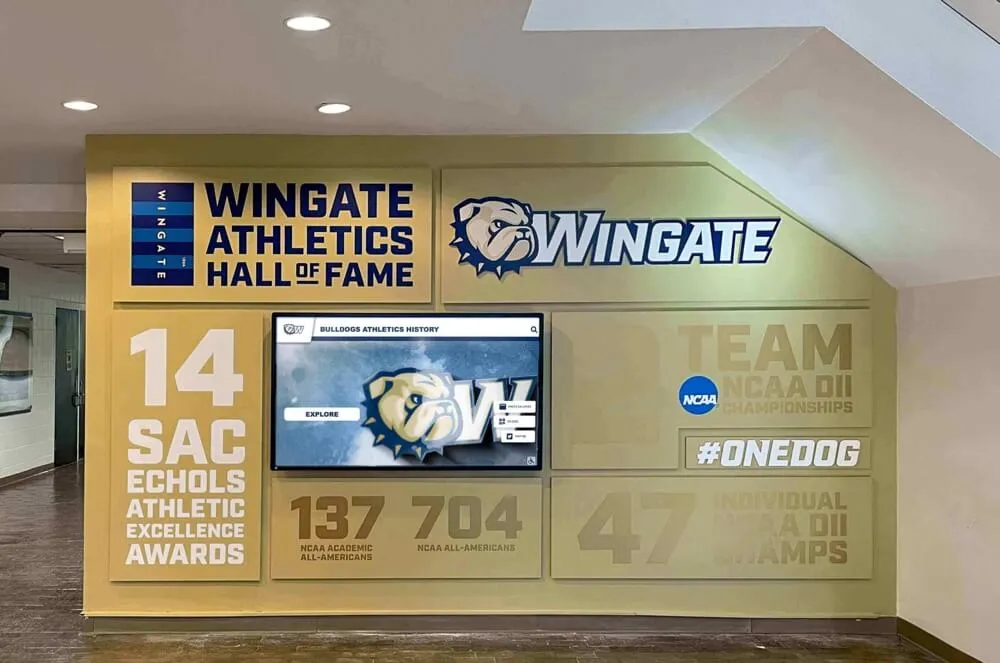
Modern recognition systems highlight character, leadership, and service alongside traditional academic achievements
Why Character, Leadership, and Service Recognition Matters
Research consistently demonstrates that non-academic recognition creates measurable impacts on student development, school culture, and long-term outcomes.
Research-Based Benefits of Holistic Student Recognition
Educational research reveals powerful effects of comprehensive recognition programs:
Character Development Reinforcement
- Students receiving character recognition demonstrate 22% higher ethical decision-making scores in subsequent assessments
- Public acknowledgment of character strengths normalizes prosocial behavior and creates positive peer modeling
- Recognition reinforces specific character traits schools want to cultivate systematically
- Character awards signal that ethical behavior receives institutional validation equal to academic achievement
Leadership Skill Development
- Leadership recognition motivates continued skill development and responsibility-seeking behavior
- Students acknowledged for leadership qualities show higher rates of continued leadership role pursuit
- Recognition provides validation encouraging students to see themselves as leaders
- Public leadership acknowledgment creates aspirational models for younger students
According to the Character Education Partnership, schools with systematic character recognition programs show measurably improved school climate, reduced disciplinary incidents, and higher student engagement across all achievement levels. These programs create cultural shifts extending far beyond individual recipients.
Long-Term Impact of Non-Academic Recognition
The benefits of character, leadership, and service recognition extend beyond K-12 education:
College and Career Success Indicators
- Students with documented service and leadership experience demonstrate higher college completion rates
- Character-based recognition enhances college applications and scholarship opportunities
- Leadership recognition correlates with higher rates of post-graduation civic engagement
- Service recognition predicts continued volunteer involvement and community contribution
Personal Development Outcomes
- Character recognition reinforces identity formation around positive values
- Leadership acknowledgment builds self-efficacy and willingness to take on responsibility
- Service recognition creates lasting commitment to community contribution
- Holistic recognition improves student sense of belonging and institutional connection
Schools that systematically recognize character, leadership, and service create measurable impacts extending throughout students’ lives while building positive institutional cultures where diverse contributions receive appropriate celebration.
Learn more about comprehensive approaches in academic recognition programs that celebrate diverse achievements.
Essential Character Recognition Award Categories
Character recognition should celebrate specific virtues and behaviors with clear criteria ensuring fair, meaningful acknowledgment.
Core Character Trait Awards
Effective character recognition identifies and celebrates specific virtues:
Integrity and Honesty Awards
- Students demonstrating consistent ethical behavior across situations
- Academic integrity exemplars who maintain honesty even when challenging
- Peer relationships characterized by truthfulness and reliability
- Recognition for students who report wrongdoing or stand up for ethical standards
- Acknowledgment of students who admit mistakes and take responsibility
Compassion and Kindness Recognition
- Students showing exceptional empathy and care for peers
- Consistent support provided to students facing challenges
- Inclusive behavior welcoming all students regardless of differences
- Small acts of kindness performed consistently throughout the year
- Emotional support provided to classmates during difficult times
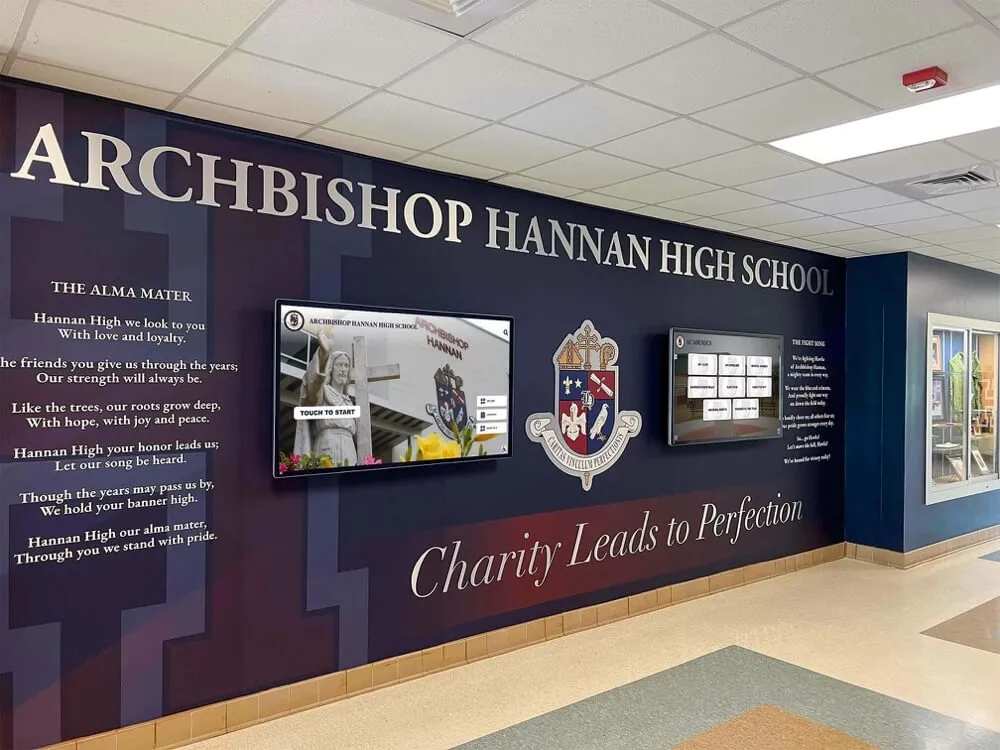
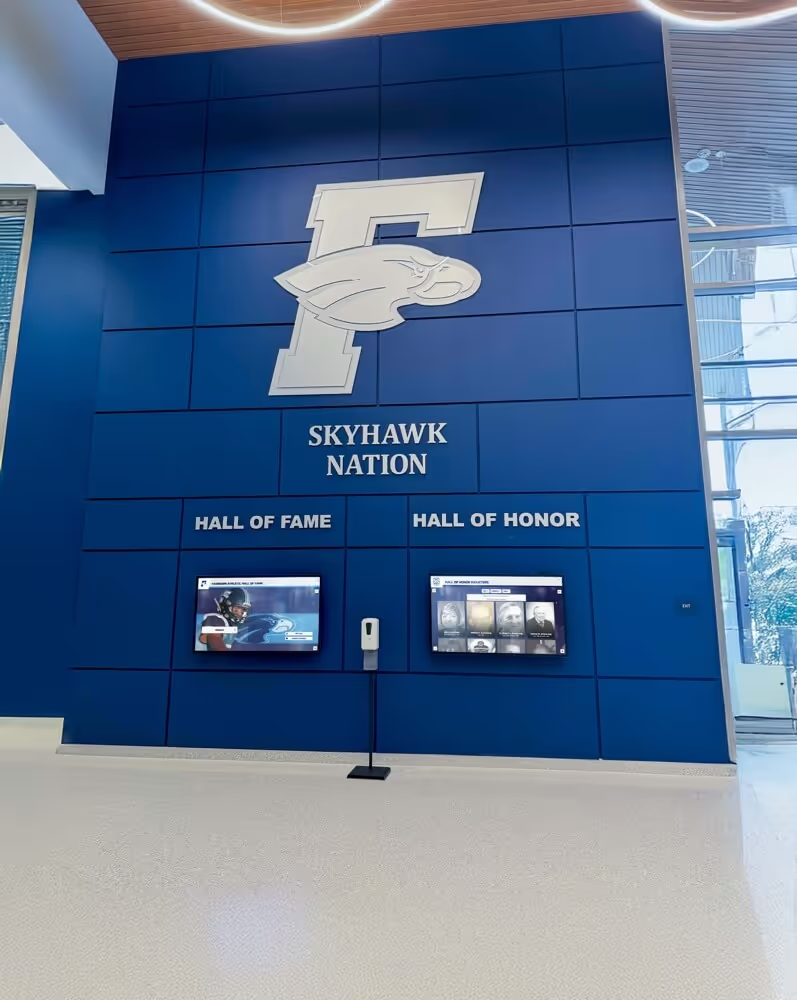
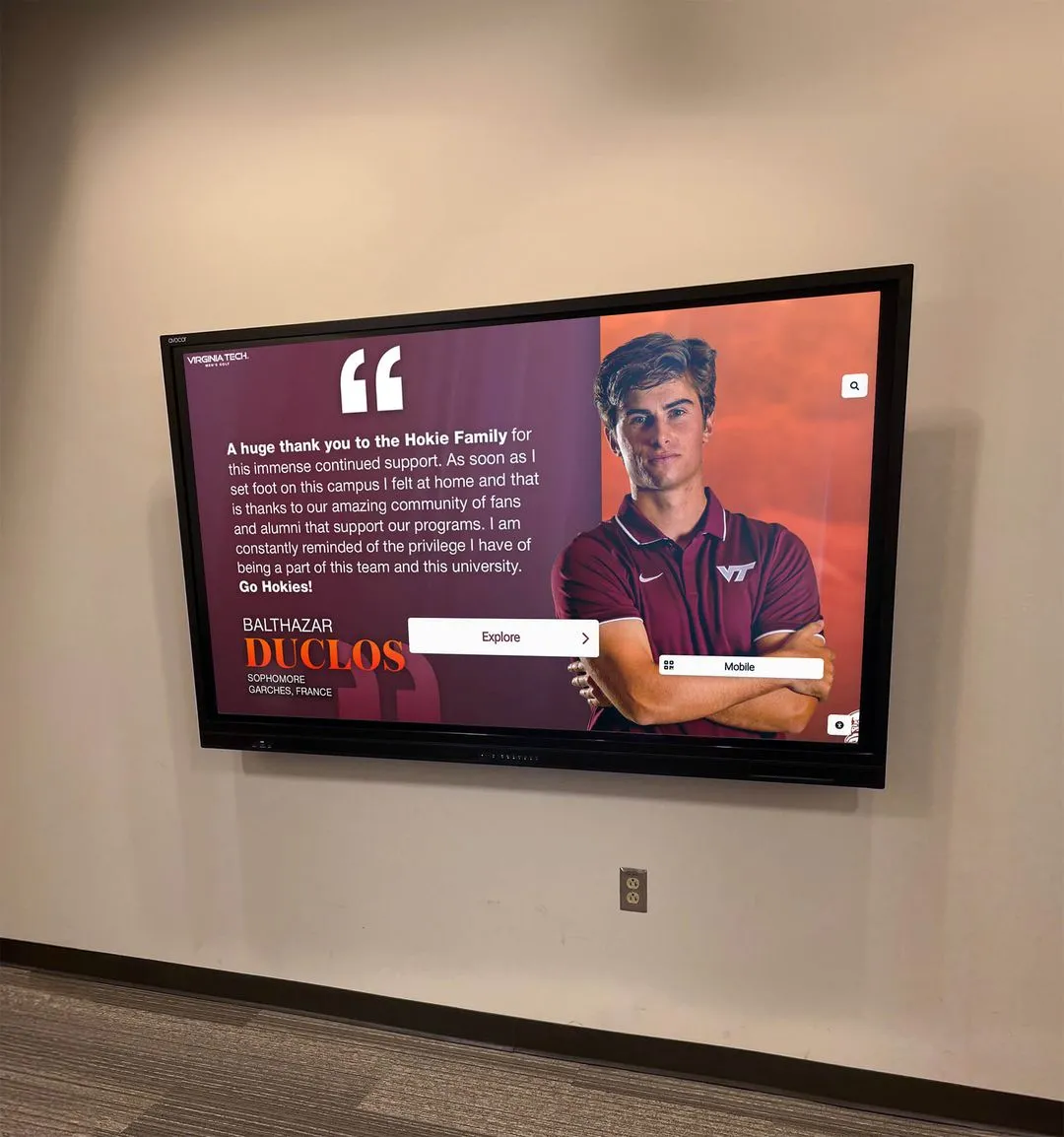
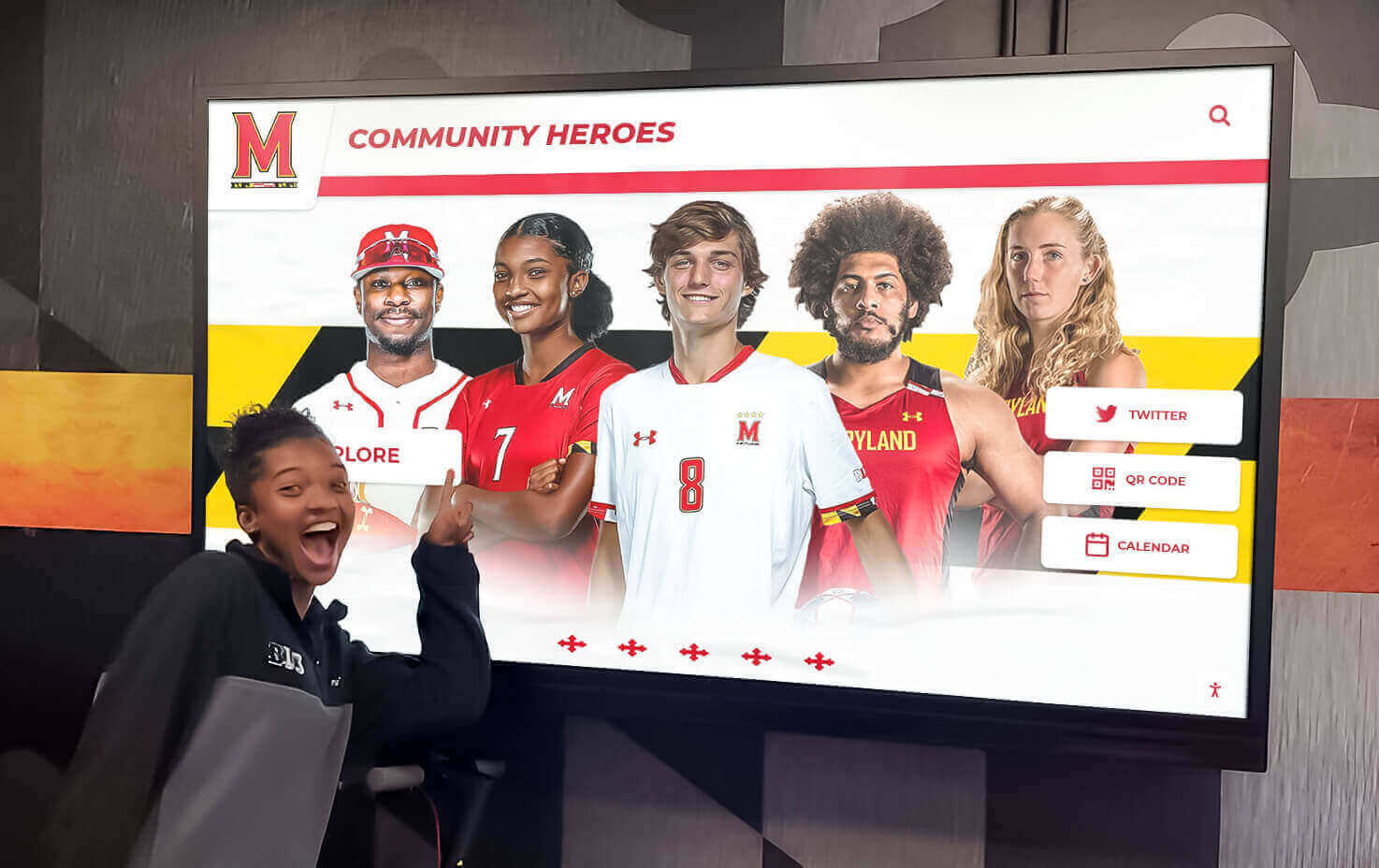
Character-based recognition programs elevate students who exemplify core institutional values
Perseverance and Resilience Awards
- Students overcoming significant obstacles to achieve goals
- Persistence demonstrated through challenging circumstances
- Recovery from setbacks with determination and positive attitude
- Continued effort despite difficulties or initial failures
- Growth mindset exemplars who view challenges as opportunities
Respect and Citizenship Recognition
- Students showing consistent respect for peers, staff, and property
- Positive contribution to classroom and school community culture
- Following school rules and norms while encouraging peers to do the same
- Respectful disagreement and constructive conflict resolution
- Contributing to inclusive, welcoming school environment
Social-Emotional Excellence Recognition
Modern character education emphasizes social-emotional competencies deserving systematic recognition:
Emotional Intelligence Awards
- Self-awareness and appropriate emotional expression
- Empathy demonstrated through understanding others’ perspectives
- Emotional regulation during challenging situations
- Social awareness and sensitivity to group dynamics
- Relationship management skills fostering positive peer connections
Collaboration and Teamwork Recognition
- Exceptional contribution to group projects and team efforts
- Facilitation of productive peer collaboration
- Conflict resolution and consensus-building skills
- Inclusive team participation ensuring all voices are heard
- Supporting team success over individual recognition
Explore comprehensive student recognition in storytelling through digital recognition approaches.
Growth Mindset Recognition
- Students viewing challenges as learning opportunities
- Seeking feedback and using it for improvement
- Celebrating learning process over fixed achievement
- Supporting peers in developing growth-oriented thinking
- Demonstrating belief in capacity for development and change
These specific character categories ensure recognition extends beyond vague “good citizenship” to celebrate concrete virtues and behaviors schools want to cultivate.
Leadership Recognition Award Categories
Effective leadership recognition acknowledges both formal leadership roles and informal leadership demonstrated through influence, example, and initiative.
Formal Leadership Role Recognition
Students in official leadership positions deserve acknowledgment for their service and effectiveness:
Student Government Leadership
- Student council officers and representatives
- Class officers and grade-level leadership
- Effectiveness in representing student interests
- Initiative in creating positive change
- Collaboration with administration and staff
Activity and Club Leadership
- Club presidents, officers, and organizers
- Students founding new clubs or initiatives
- Effective management of club activities and events
- Growth and engagement achieved under student leadership
- Mentorship provided to younger or newer club members
Athletic Leadership Recognition
- Team captains and leadership committee members
- Leadership demonstrated through example and encouragement
- Supporting team culture and positive athletic values
- Mentoring younger athletes and new team members
- Representation of athletic values beyond the playing field
Learn more about athletic leadership recognition in athletics wall of honor approaches.
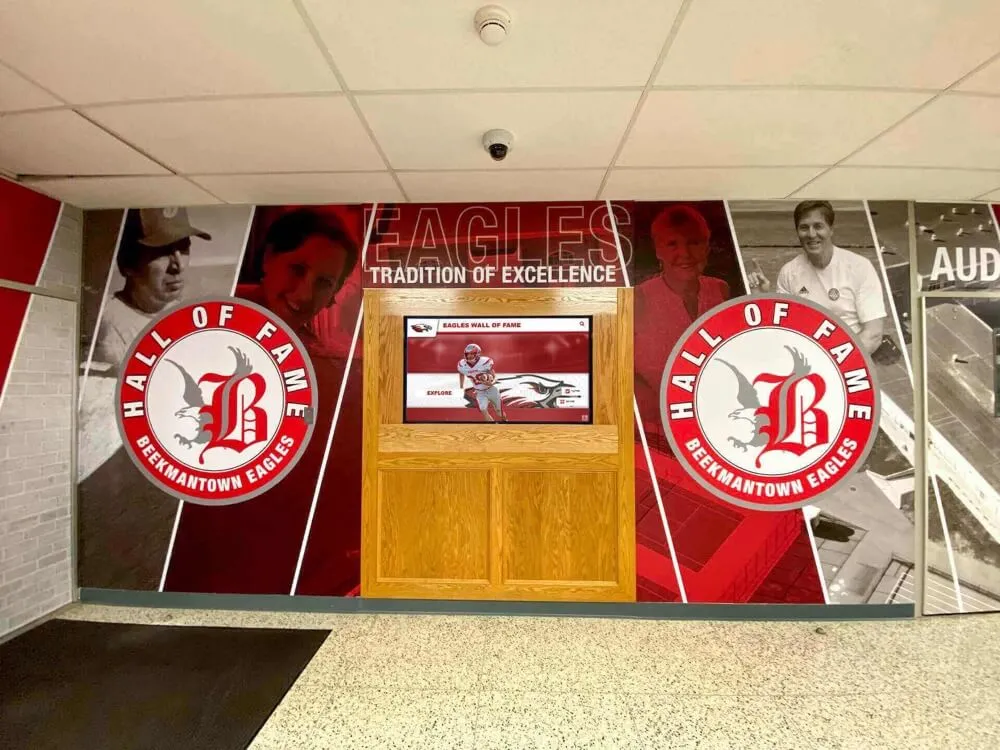
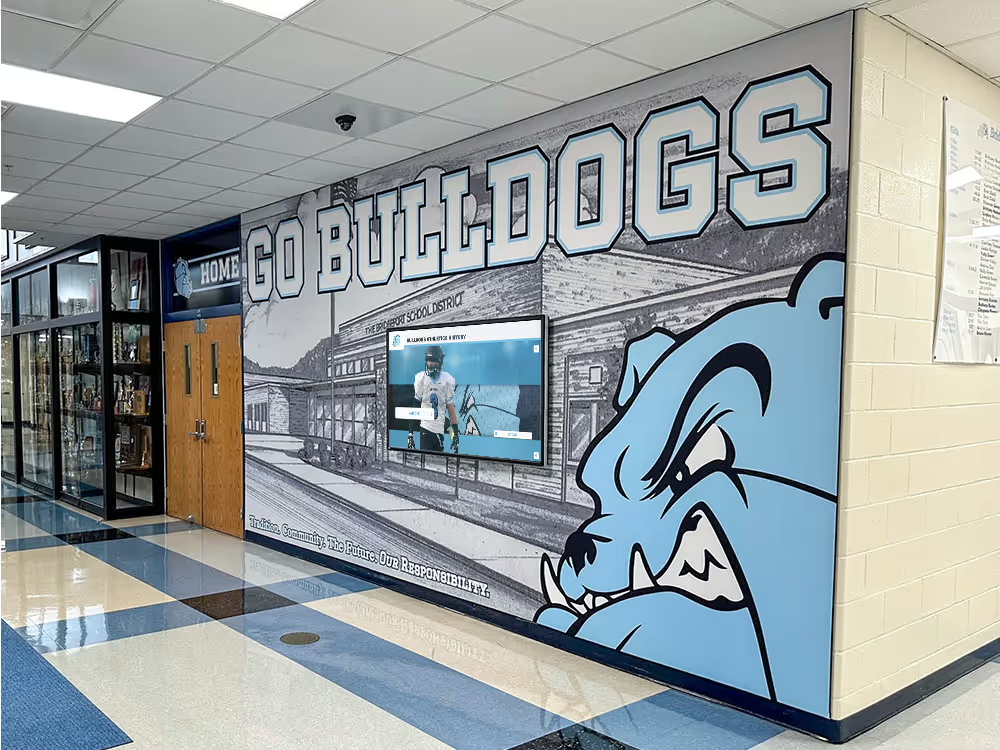
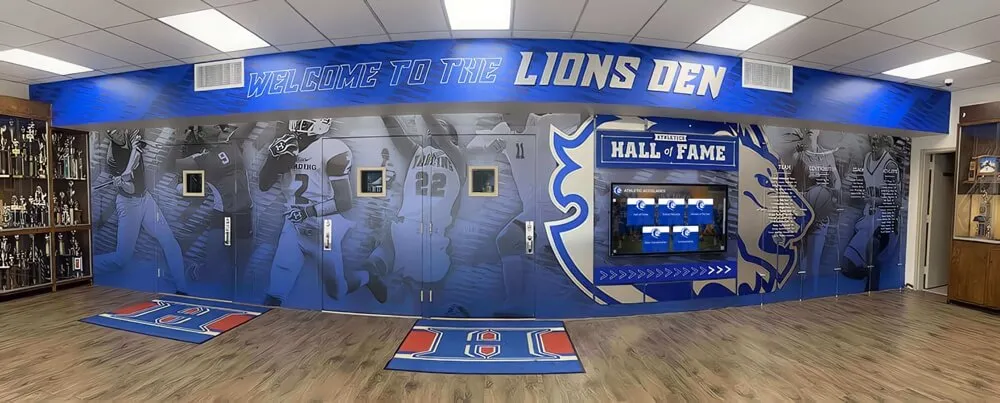
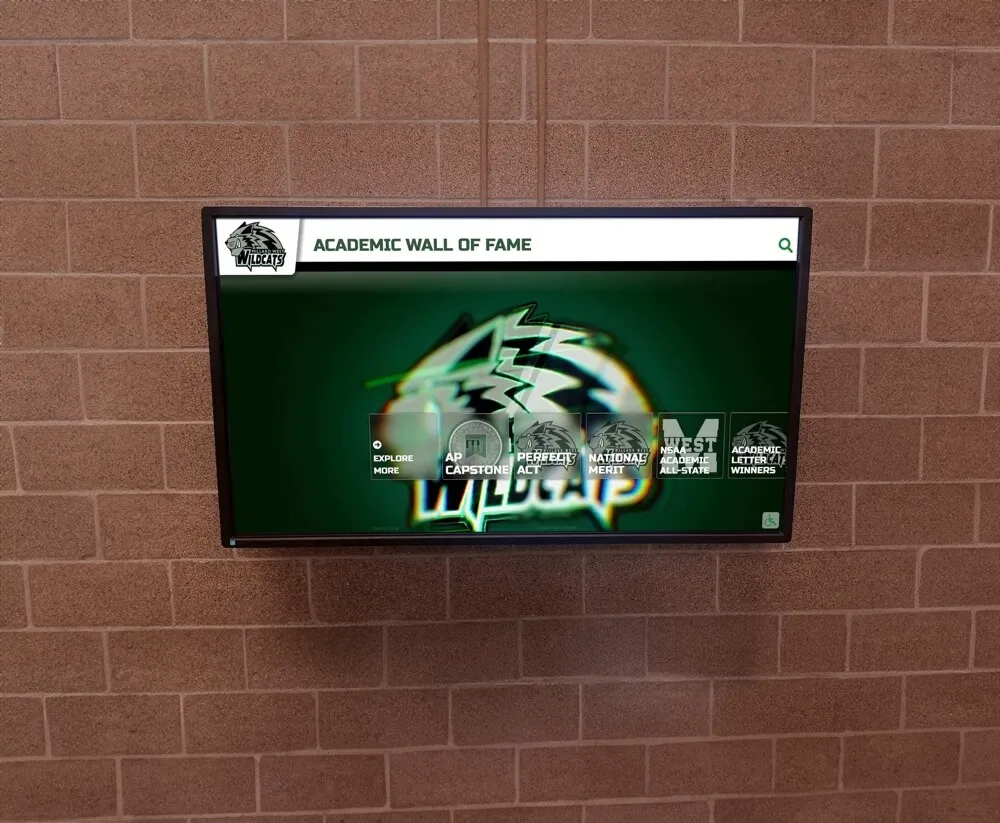
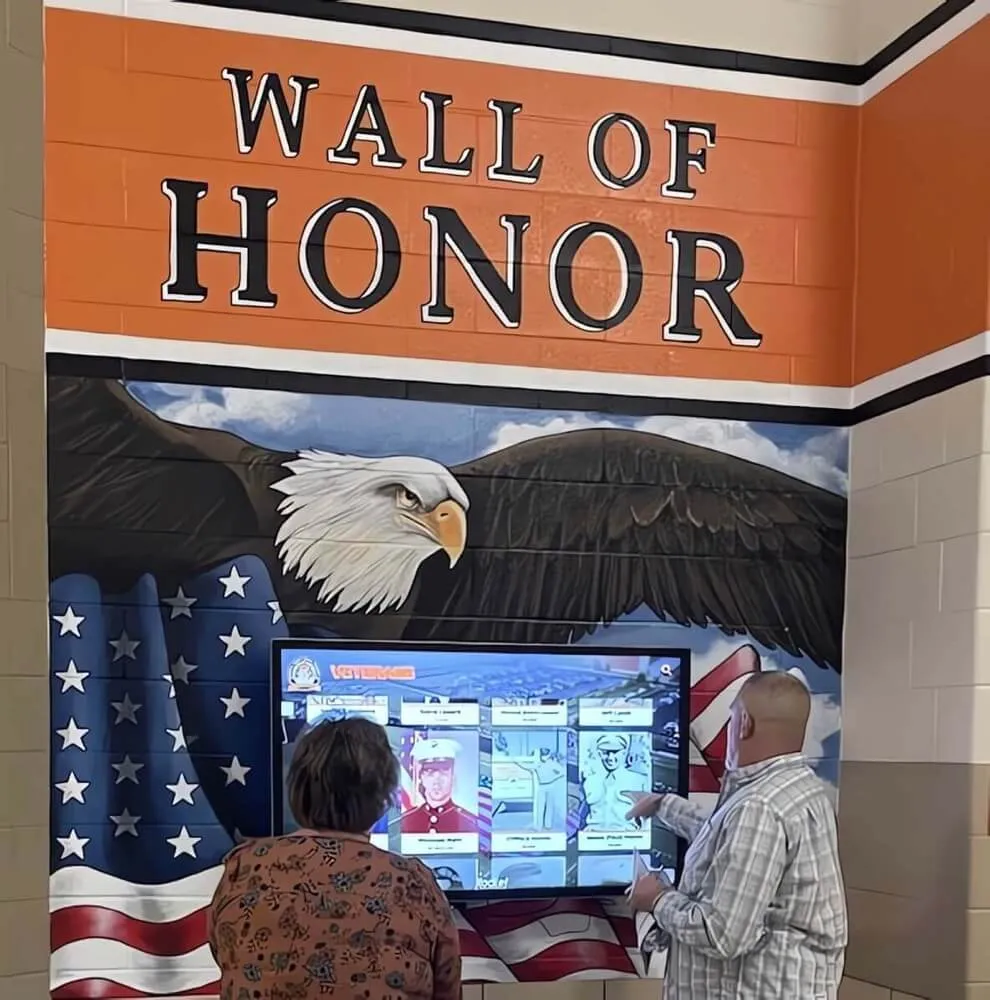
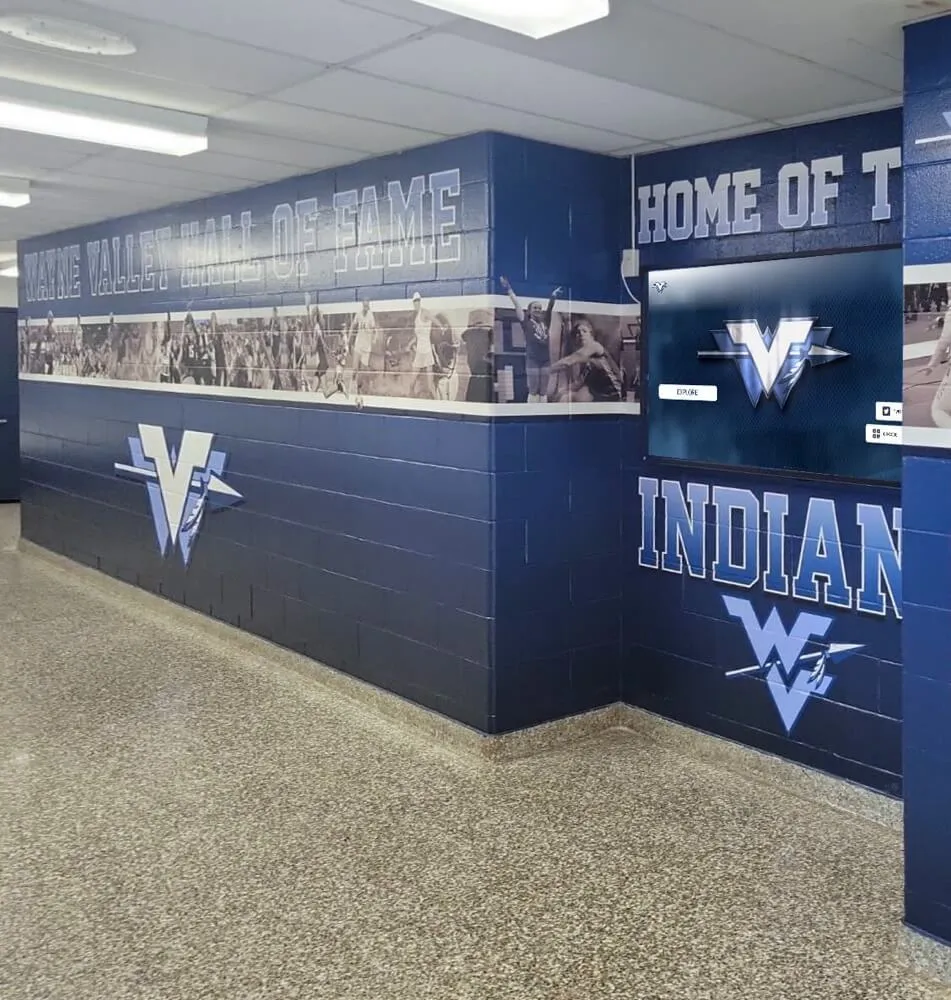
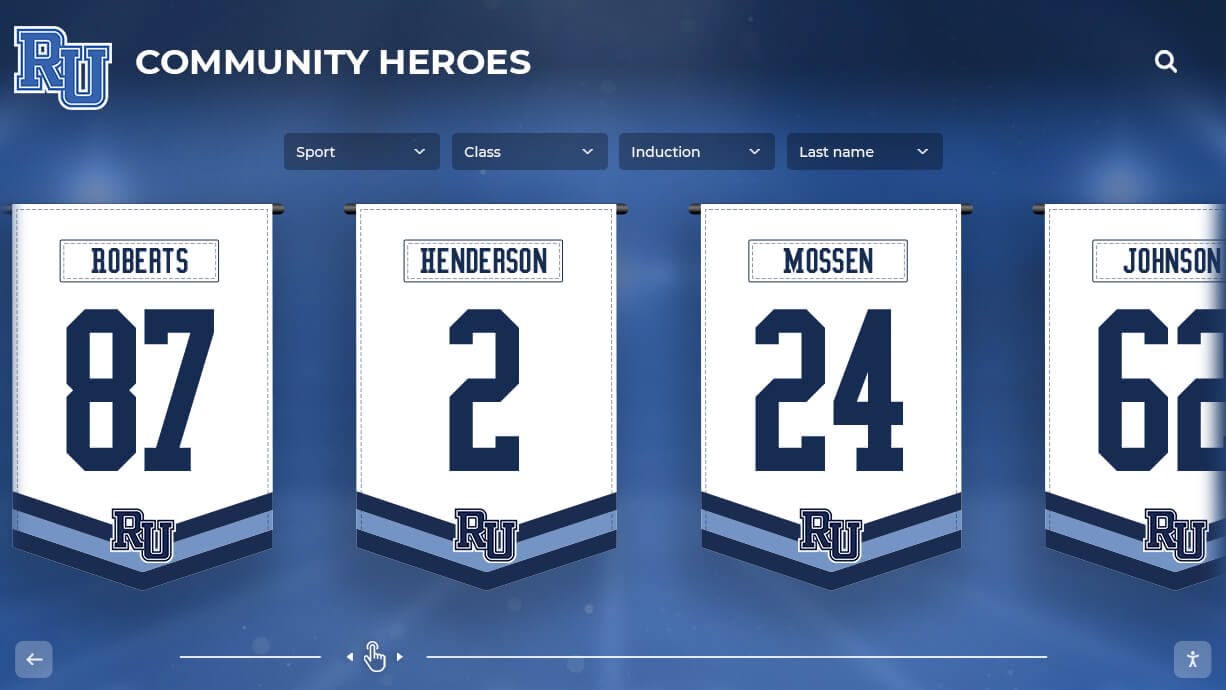
Prominent recognition displays celebrate leadership across academic, athletic, and service dimensions
Emerging and Informal Leadership Recognition
Some of the most impactful leadership happens outside formal roles and deserves systematic acknowledgment:
Peer Leadership and Influence Awards
- Students who positive influence peers through example
- Informal mentorship provided to classmates
- Positive peer pressure encouraging responsible choices
- Standing up against negative behaviors or bullying
- Creating inclusive environments through personal action
Initiative and Innovation Recognition
- Students identifying problems and creating solutions
- Entrepreneurial thinking and creative approaches
- Starting new initiatives benefiting the school community
- Risk-taking in pursuit of positive change
- Inspiring others to participate in improvement efforts
Servant Leadership Awards
- Leadership demonstrated through service to others
- Putting community needs before personal recognition
- Leading by example rather than authority
- Empowering others rather than seeking control
- Humble leadership focusing on collective success
Crisis and Challenge Leadership
- Students stepping up during difficult situations
- Providing stability and support during uncertainty
- Organizing responses to community challenges
- Demonstrating courage in standing for what’s right
- Leading peers through transitions or changes
This comprehensive approach ensures leadership recognition extends to students demonstrating influence and initiative regardless of formal title or position.
Service and Community Contribution Recognition
Service recognition should celebrate both volunteer hours and the quality, impact, and commitment students demonstrate through community contribution.
Volunteer Service Hour Recognition
Systematic acknowledgment of volunteer service encourages continued community engagement:
Tiered Service Hour Milestones
- Bronze level: 25-49 volunteer hours annually
- Silver level: 50-99 volunteer hours annually
- Gold level: 100-199 volunteer hours annually
- Platinum level: 200+ volunteer hours annually
- Multi-year cumulative service milestone recognition
Service Learning Integration Recognition
- Academic coursework integrated with community service
- Reflection and learning demonstrated through service experience
- Application of classroom knowledge to community challenges
- Service projects addressing real community needs
- Long-term engagement rather than one-time events
Learn about community engagement recognition in retirement party ideas celebrating dedicated service.
Service Impact and Quality Recognition
Beyond counting hours, effective service recognition acknowledges meaningful community contribution:
Community Impact Awards
- Service projects creating measurable positive change
- Sustained engagement with specific community partners
- Leadership in organizing and executing service initiatives
- Innovation in addressing community needs
- Mobilizing peers to participate in service opportunities
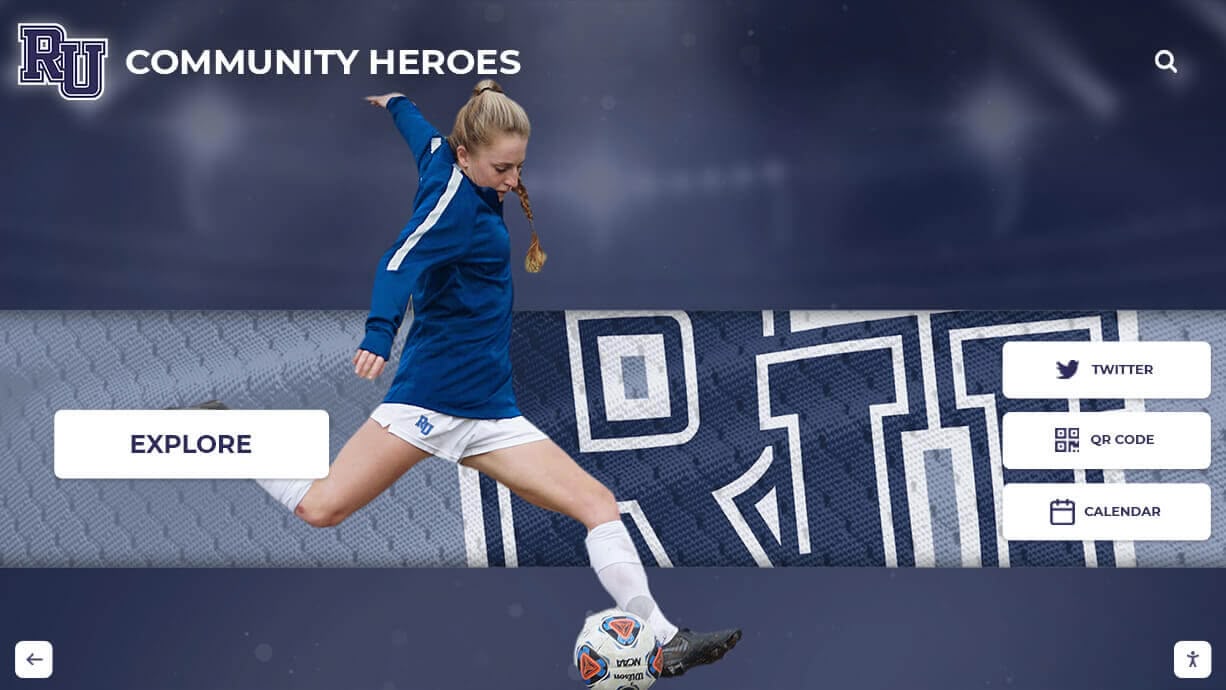
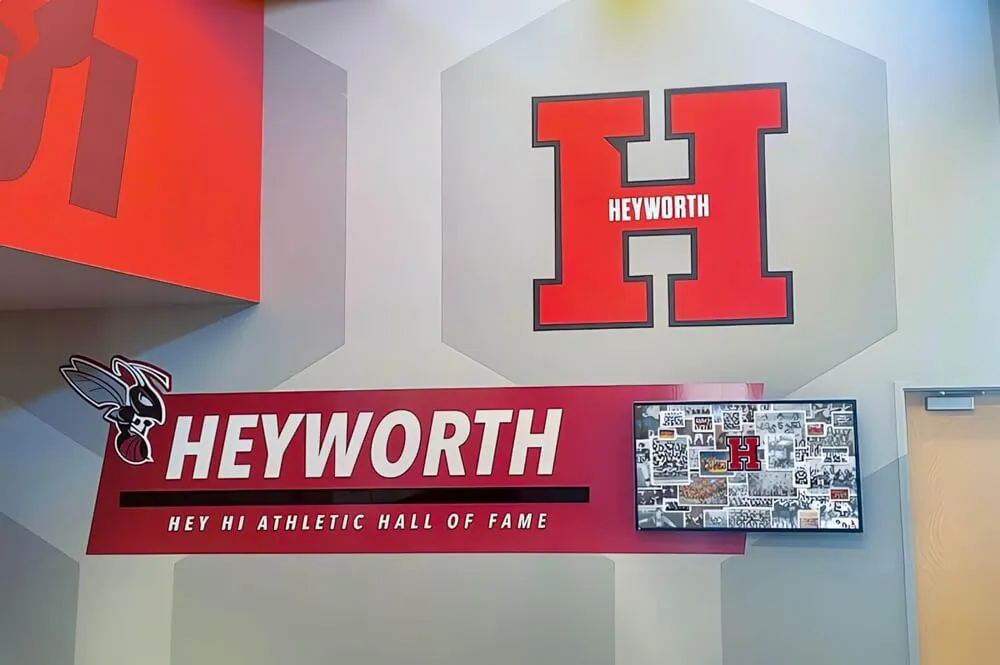
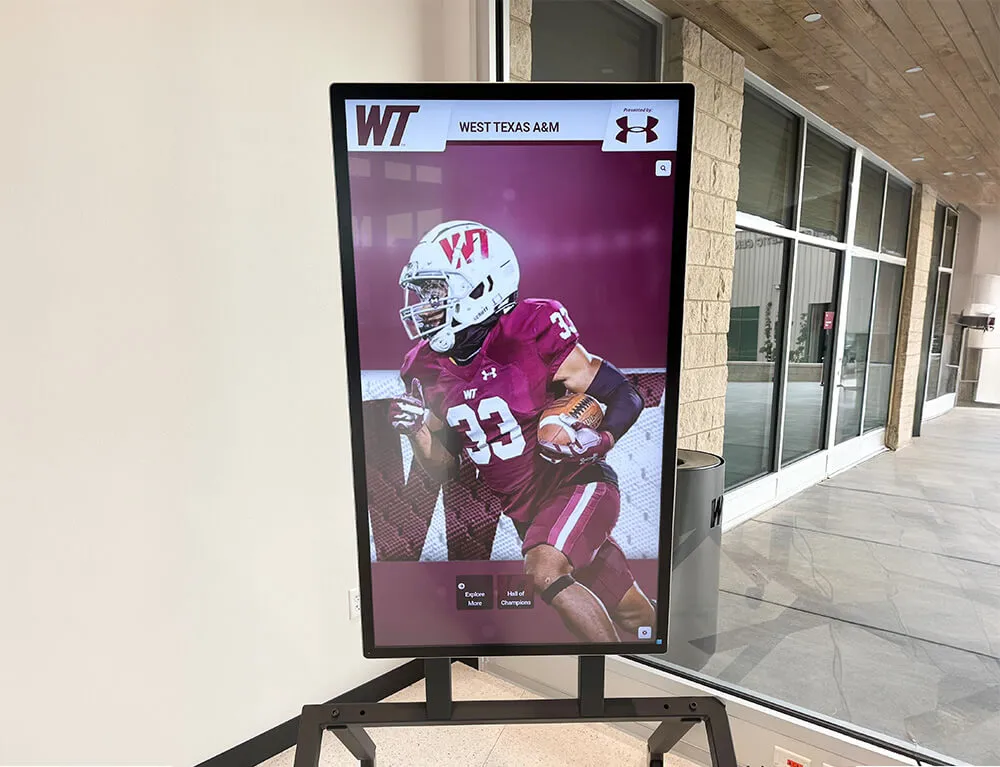
Service recognition programs celebrate students making meaningful community contributions
Specialized Service Recognition Categories
- Environmental stewardship and sustainability initiatives
- Support for younger students through tutoring and mentoring
- Service to elderly community members
- Support for vulnerable populations and charitable organizations
- Animal welfare and rescue service contributions
Service Organization Leadership
- Leadership in service clubs and organizations
- Key Club, Interact, and similar organization excellence
- National Honor Society service project leadership
- Religious youth group service contributions
- Community organization youth board participation
Global and Cultural Service Recognition
- International service trip participation and leadership
- Cultural exchange and understanding initiatives
- Supporting refugee and immigrant community integration
- Global awareness and advocacy efforts
- Cross-cultural service and relationship-building
This multidimensional approach ensures service recognition celebrates both quantity and quality of community contribution while encouraging diverse service engagement.
Implementing Effective End-of-Year Recognition Programs
Creating meaningful recognition programs requires thoughtful planning, clear criteria, and sustainable systems ensuring consistent implementation.
Establishing Clear Award Criteria
Subjective character and leadership recognition risks inconsistency and perceived favoritism without systematic criteria:
Observable Behavior Definition Each award category needs concrete, observable criteria:
- Specific behaviors exemplifying the recognized trait or contribution
- Evidence requirements supporting nominations and selection
- Clear distinction between award levels and categories
- Examples helping nominators understand award intent
- Rubrics or scoring guides for selection committees
Nomination and Selection Process Transparent processes ensure fairness and credibility:
- Multiple nomination sources including staff, peers, and self-nomination
- Selection committees representing diverse perspectives
- Blind review processes when appropriate
- Documentation requirements supporting nominations
- Clear timelines and deadlines for submissions
Learn about recognition program implementation in digital hall of fame displays and recognition systems.
Equity and Inclusivity Considerations Recognition programs must ensure opportunity across all student populations:
- Award categories accessible to students regardless of background or resources
- Recognition for contributions at all scales from classroom to community
- Multiple award recipients ensuring diverse students receive acknowledgment
- Attention to recognition distribution across demographic groups
- Service and leadership opportunities provided to all students
Award Ceremony and Celebration Design
How schools present recognition significantly impacts meaning and student motivation:
Ceremony Structure and Format Effective recognition events create memorable, meaningful experiences:
- Appropriate formality matching your institutional culture
- Time allocation allowing individual recognition moments
- Context provided explaining why each recipient exemplifies the award
- Family inclusion creating shared celebration
- Student voice through speakers or presenters
Visual and Physical Recognition Elements Tangible recognition creates lasting impact and visibility:
- Certificates with specific achievement documentation
- Physical awards such as medals, plaques, or trophies
- Recognition photos for display and archival purposes
- Special recognition apparel or accessories
- Award recipient name recording for institutional records
Explore recognition display approaches in digital signage solutions for schools.
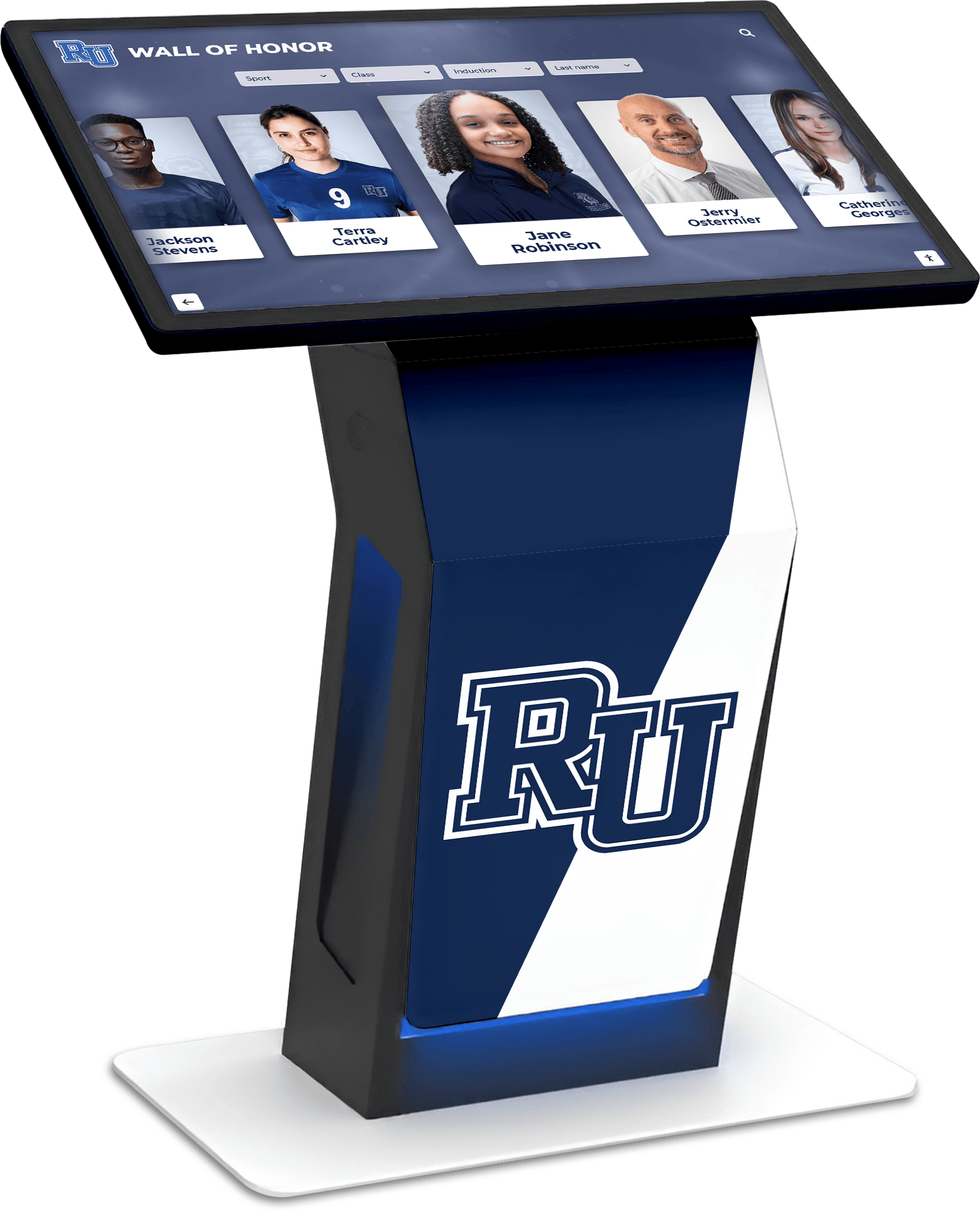
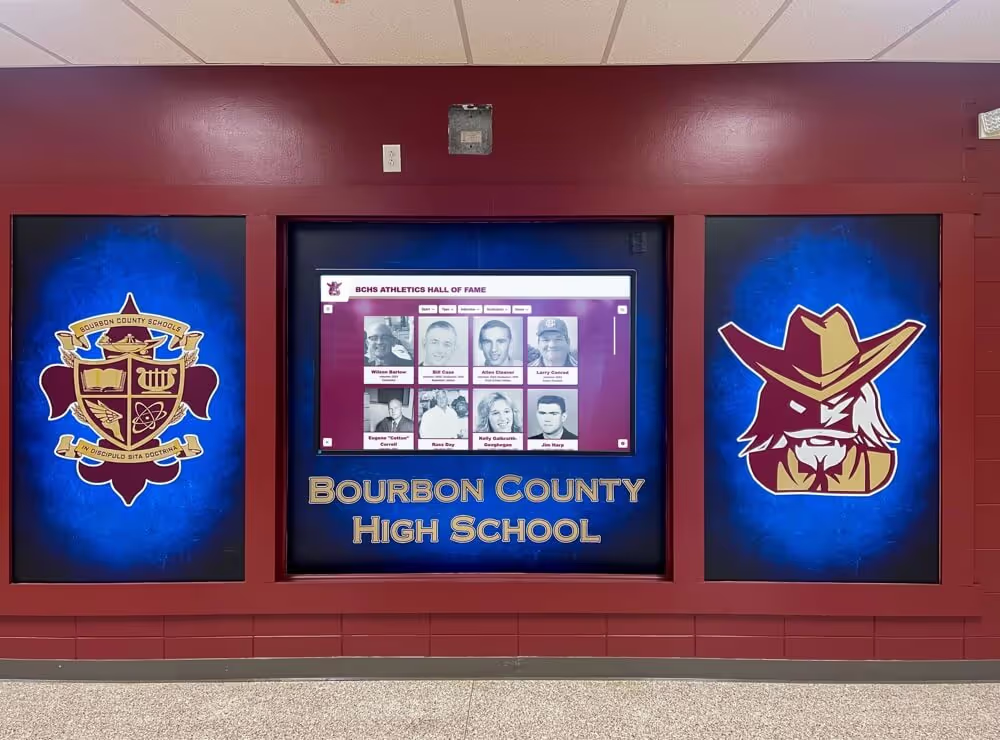
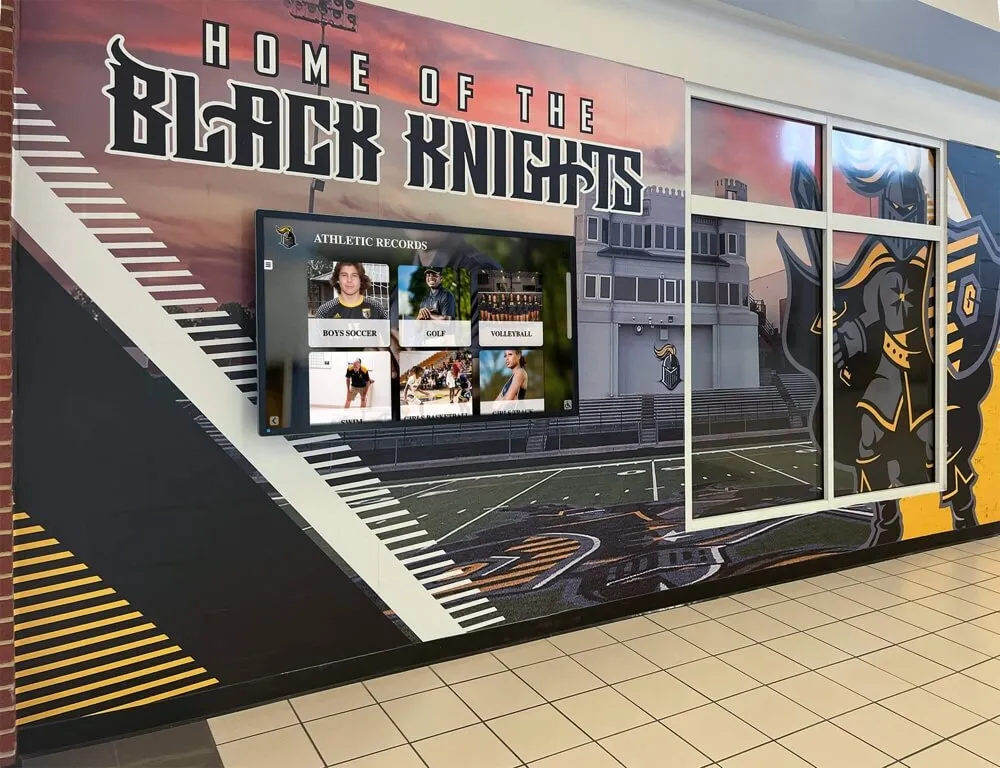
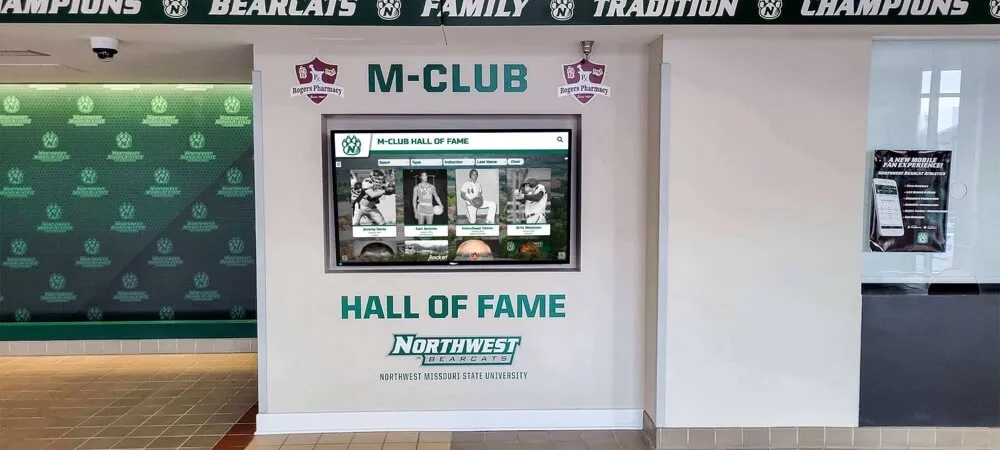
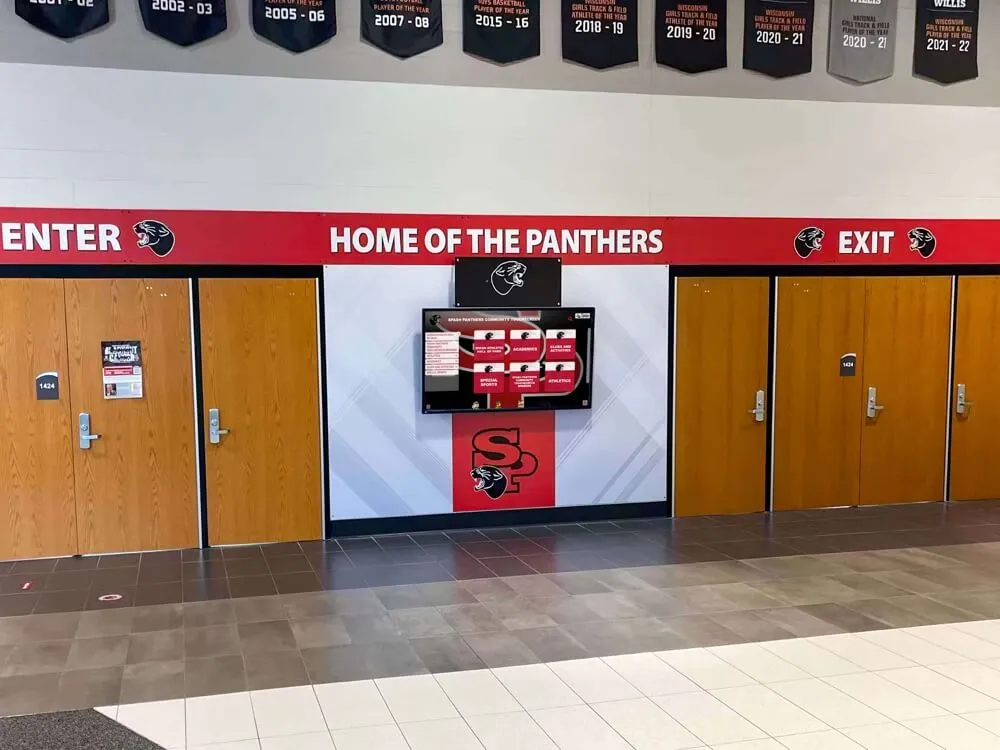
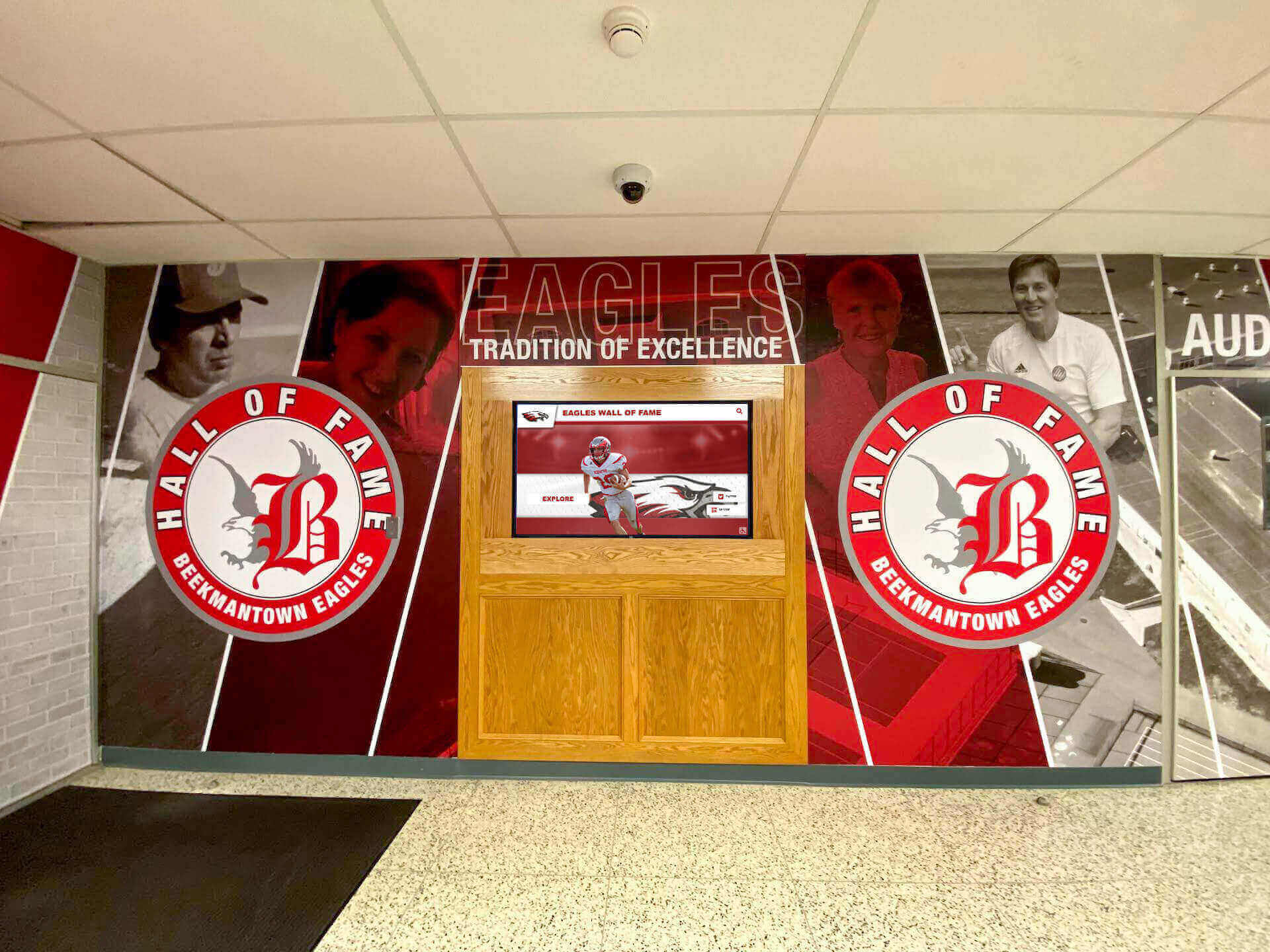
Digital recognition systems provide permanent, accessible celebration of character, leadership, and service
Multi-Event Recognition Strategy Year-end recognition can occur across multiple occasions:
- Academic awards ceremonies focusing on scholarly achievement
- Character and service awards programs highlighting values-based recognition
- Department or grade-level specific recognition events
- All-school assemblies celebrating comprehensive achievements
- Senior recognition events honoring accumulated accomplishments
This separation allows appropriate focus and time for meaningful recognition across all dimensions.
Modern Recognition Display Solutions
Traditional recognition approaches—names listed in programs, plaques on walls, or mentions in assemblies—create limited visibility and engagement compared to interactive digital solutions.
Digital Recognition Display Benefits
Modern display technology transforms character, leadership, and service recognition:
Comprehensive Recognition Capacity Digital displays eliminate physical space constraints limiting traditional recognition:
- Single display showcases unlimited award recipients across all categories
- Equal visibility for academic, character, leadership, and service recognition
- Multimedia presentation including photos, descriptions, and achievement details
- Historical archives preserving recognition across multiple years
- Search and filter functionality enabling exploration of all honorees
Interactive Engagement Features Touchscreen systems create meaningful interaction with recognition content:
- Students can search for peers and explore their achievements
- Detailed profile pages tell complete stories of recognized contributions
- Photo galleries and achievement documentation
- Filtering by award category, year, grade level, and other dimensions
- “Related students” features connecting similar achievements
Learn about digital recognition platforms in nonprofit digital wall mount display solutions.
Simple Content Management Cloud-based platforms enable easy recognition updates:
- Remote content updates from any internet-connected device
- Bulk import tools for year-end award recipient lists
- Scheduled publishing automation
- Template-based profiles ensuring consistency
- Role-based permissions for appropriate staff access
Schools report 85-90% reduction in administrative time maintaining recognition displays after implementing digital systems.
Strategic Display Placement and Visibility
Recognition impact depends on strategic placement ensuring regular student and visitor exposure:
High-Traffic Location Selection
- Main entrance and lobby areas welcoming visitors
- Cafeteria and common gathering spaces
- Athletic facility entrances and lobbies
- Performing arts venue locations
- Library and academic building hallways
Multiple Display Integration Comprehensive recognition systems may include:
- Main lobby displays showcasing all recognition categories
- Subject-specific displays in relevant buildings or departments
- Athletic recognition in sports facilities
- Service recognition near community engagement spaces
- Web-based platforms extending reach beyond physical campus
Explore comprehensive recognition approaches in principal appreciation and school leadership recognition.
Integrating Character, Leadership, and Service Across School Culture
Year-end recognition proves most effective when connected to systematic character development, leadership cultivation, and service programming throughout the year.
Character Education Program Integration
Recognition should celebrate outcomes of comprehensive character development:
Explicit Character Education
- School-wide character themes and focus areas
- Classroom integration of character development
- Advisory or homeroom character curriculum
- Character development assemblies and programs
- Age-appropriate character education at each grade level
Character-Building Opportunities Students need opportunities to develop traits receiving recognition:
- Service-learning projects integrated with academic coursework
- Peer mentoring and buddy programs
- Conflict resolution and restorative justice participation
- Student-led initiatives addressing school challenges
- Community problem-solving opportunities
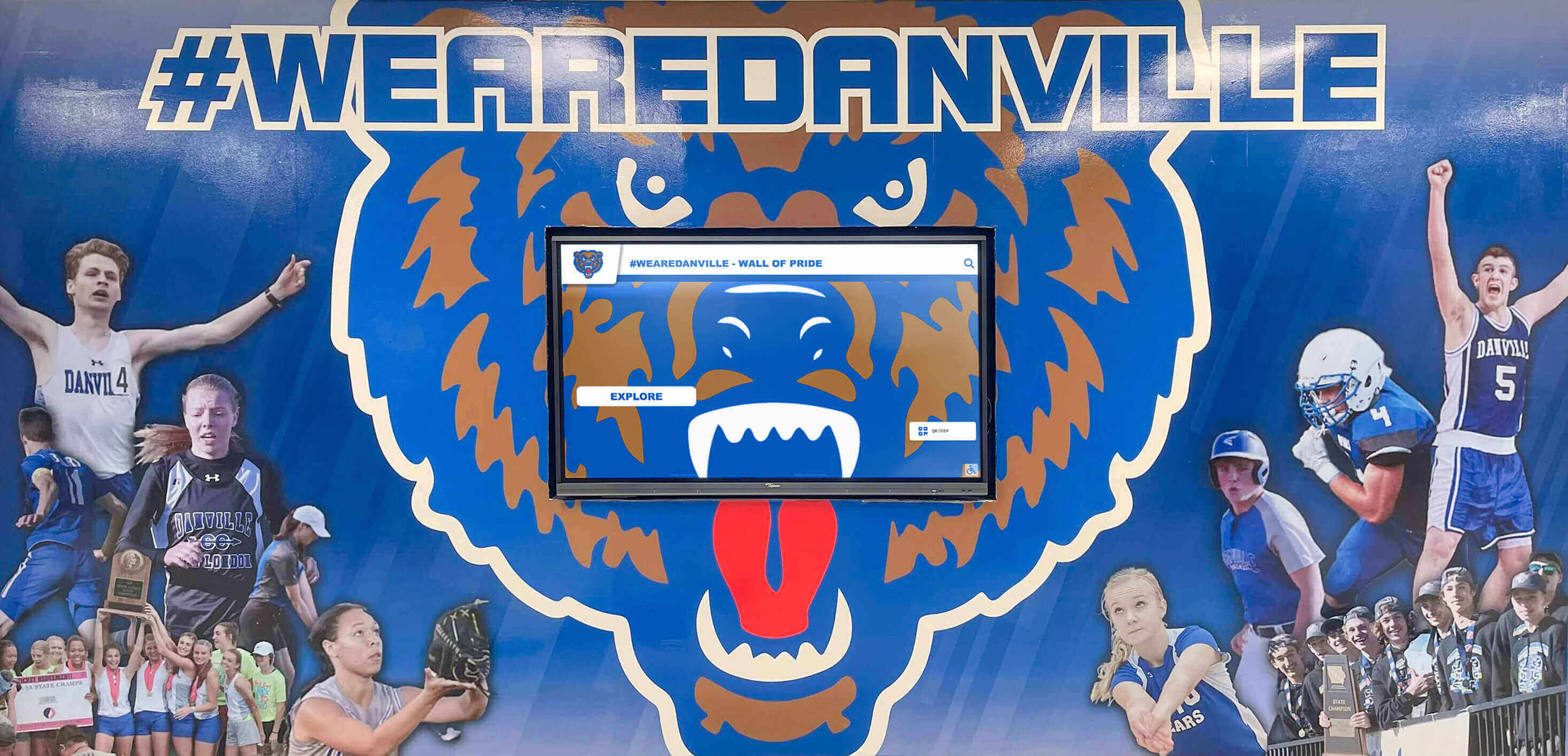
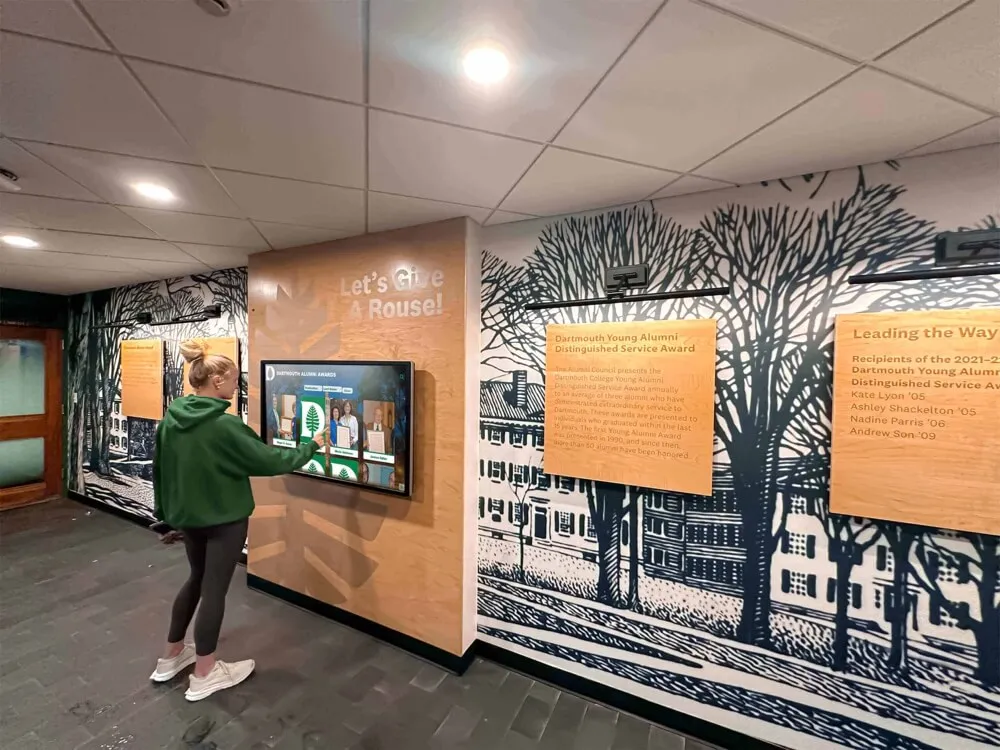
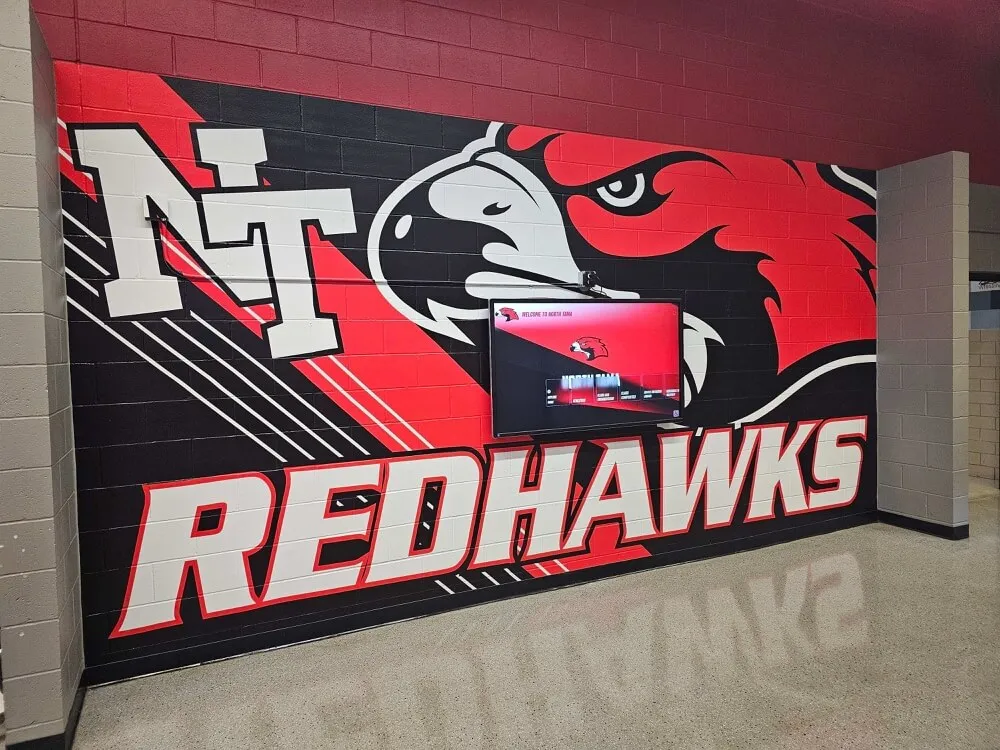
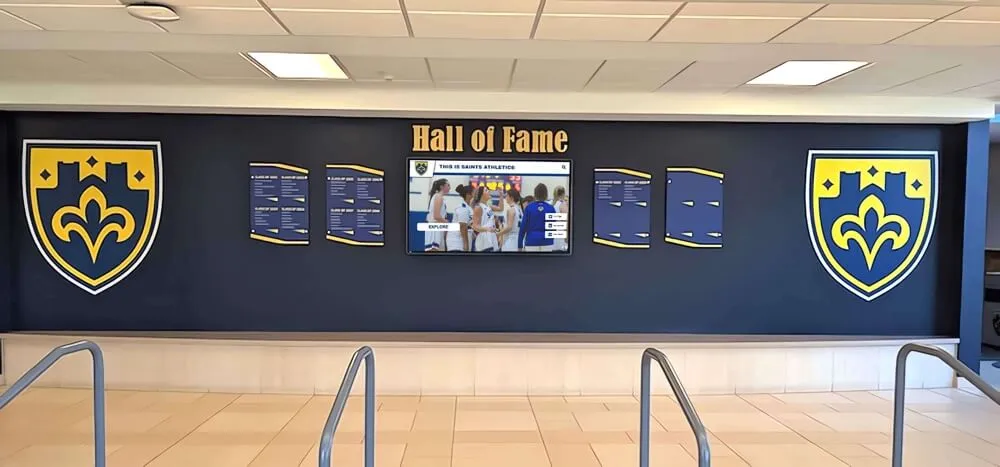
Integrated recognition systems combine traditional design elements with modern digital capabilities
Leadership Development Programming
Formal leadership recognition should acknowledge participation in systematic skill development:
Leadership Curriculum and Training
- Student leadership conferences and workshops
- In-school leadership development programs
- Mentorship programs pairing student leaders with adult and peer mentors
- Leadership skill-building through student government and clubs
- Community leadership program participation
Leadership Opportunity Creation Schools must provide diverse leadership pathways:
- Formal leadership roles in government, clubs, and activities
- Project-based leadership through initiatives and campaigns
- Peer leadership roles in tutoring, mentoring, and support
- Grade-level and classroom leadership responsibilities
- Specialized leadership in arts, athletics, service, and academics
Service Culture Development
Service recognition gains meaning when connected to institutional service commitment:
Service Hour Expectations and Support
- Clearly communicated service expectations or requirements
- Service opportunity databases and coordination
- Transportation and logistical support for service participation
- School-organized service events and initiatives
- Community partner relationships providing student service opportunities
Service Reflection and Integration Moving beyond hour-counting requires intentional reflection:
- Service reflection assignments and discussions
- Integration with academic learning objectives
- Analysis of community needs and service impact
- Connection between service experience and career interests
- Development of long-term service commitment
Learn about creating comprehensive school culture in student council poster ideas and school engagement.
Specific Award Category Examples and Criteria
Concrete examples help schools design meaningful recognition categories with clear selection criteria.
Character Award Examples
The Integrity Award Honoring students demonstrating exceptional honesty and ethical behavior
Criteria:
- Consistent truthfulness even when difficult or costly
- Academic integrity exemplar never engaging in cheating or plagiarism
- Admits mistakes and takes responsibility for actions
- Encourages peers to make ethical choices
- Stands up for what’s right even under peer pressure
Evidence may include: Teacher observations, peer nominations describing specific incidents, administrative recognition of ethical behavior, classroom participation demonstrating integrity
The Compassion Award Recognizing students showing exceptional empathy and care for others
Criteria:
- Notices and responds to peers experiencing difficulty
- Consistent kindness demonstrated through daily interactions
- Inclusive behavior welcoming all students
- Emotional support provided to classmates
- Actions motivated by genuine care rather than recognition
Evidence may include: Multiple peer and staff nominations with specific examples, documentation of support provided to individuals or groups, observed behavior patterns across settings
Leadership Award Examples
The Servant Leadership Award Celebrating leadership demonstrated through service to others
Criteria:
- Leadership roles approached with service mentality
- Empowers and supports others rather than seeking control
- Puts team or community success ahead of personal recognition
- Leads through example and encouragement
- Creates opportunities for others to contribute and lead
Evidence may include: Peer and adviser evaluations, outcomes achieved through leadership approach, feedback from those served or led, demonstration of leadership principles
The Initiative Award Recognizing students who identify needs and create solutions
Criteria:
- Identifies problems or opportunities requiring attention
- Takes action to create positive change rather than waiting for others
- Organizes peers to participate in improvement efforts
- Demonstrates creativity and innovation in approaches
- Follows through on initiatives with persistence
Evidence may include: Documentation of initiated projects or programs, outcomes achieved, peer participation mobilized, sustained effort over time
Service Award Examples
The Community Impact Award Honoring service creating measurable positive change
Criteria:
- Service addresses genuine community needs
- Measurable positive outcomes resulting from service
- Sustained engagement rather than one-time participation
- Leadership in organizing or executing service initiatives
- Reflection and learning demonstrated through service
Evidence may include: Community partner feedback, documentation of hours and activities, demonstrated outcomes, service reflection papers or presentations
The Global Citizenship Award Recognizing students contributing to understanding and service beyond local community
Criteria:
- International service or cultural exchange participation
- Efforts to build cross-cultural understanding
- Advocacy for global issues affecting vulnerable populations
- Service supporting refugee, immigrant, or international communities
- Demonstrated global awareness and perspective
Evidence may include: Program participation documentation, service hour verification, reflection on global learning, initiatives organized or led
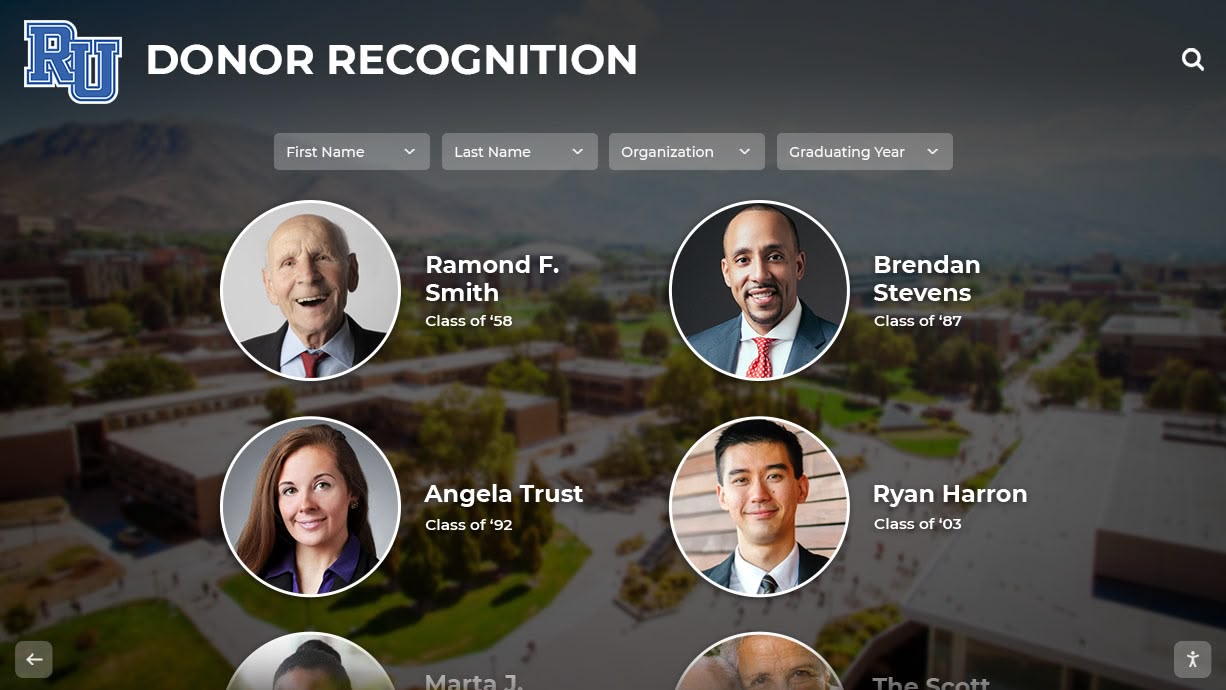
Comprehensive recognition systems honor diverse contributions creating lasting institutional legacy
Communication and Visibility Strategies
Recognition impact depends on systematic communication ensuring school-wide awareness and engagement.
Multi-Channel Recognition Communication
Internal Communication Approaches
- Morning announcements highlighting award recipients and achievements
- Newsletter features profiling recognized students
- Social media posts celebrating character, leadership, and service
- Hallway and classroom displays showcasing award winners
- Recognition during school assemblies and events
Family and Community Engagement
- Personal letters to families of award recipients
- Award ceremony invitations and programs
- Community media announcements and features
- School website recognition pages and profiles
- Email campaigns sharing recognition stories
Learn about comprehensive communication in alumni event ideas and engagement.
Social Media and Digital Storytelling Modern communication channels amplify recognition reach:
- Instagram posts featuring award recipient profiles
- Facebook live streaming of award ceremonies
- Twitter highlights celebrating achievements
- YouTube videos profiling service projects or leadership initiatives
- School app notifications announcing award recipients
Creating Recognition Narratives
Moving beyond name lists to tell complete recognition stories:
Individual Achievement Profiles Comprehensive profiles create meaningful recognition:
- Photos of award recipients
- Descriptions of specific achievements and contributions
- Quotes from recipients about their experience
- Impact statements describing difference made
- Future goals and plans connecting to recognized achievements
Category-Specific Storytelling Each award category deserves context and explanation:
- Description of what the award represents and values celebrated
- Criteria and selection process explanation
- Historical context of the award
- Previous notable recipients creating tradition
- Connection to institutional mission and values
This narrative approach ensures recognition communicates more than names, instead telling stories that inspire and motivate future students.
Frequently Asked Questions
What are good end of year student awards beyond academics?
Effective end of year student awards beyond academics include character recognition (integrity, compassion, perseverance, respect), leadership acknowledgment (student government excellence, peer influence, servant leadership, initiative), and service celebration (community impact, volunteer hours, service learning, specialized service contributions). The most meaningful programs establish clear criteria for each award category, use transparent nomination processes, and celebrate recipients with equal visibility and prestige as academic awards.
How do you measure character and leadership for student awards?
Character and leadership measurement requires defining specific, observable behaviors for each award category, establishing evidence requirements (teacher observations, peer nominations, documented examples), using selection committees for review, and creating rubrics distinguishing award levels. Effective systems combine quantitative data (service hours, leadership role tenure) with qualitative assessment (peer feedback, impact descriptions, reflection quality) to ensure fair, meaningful recognition based on concrete contributions rather than subjective popularity.
Should service awards recognize hours or impact?
The most effective service recognition programs acknowledge both quantity (volunteer hours with tiered milestones) and quality (community impact, sustained engagement, leadership). Hour-based recognition encourages participation and sustained commitment, while impact-focused awards celebrate meaningful contribution regardless of time invested. Comprehensive programs include multiple service award categories recognizing hours, specific service areas, service learning integration, and demonstrated community impact to honor diverse service approaches.
How can schools ensure character awards are fair and not popularity contests?
Fair character recognition requires clear, specific criteria defining observable behaviors for each award, multiple nomination sources (staff, peers, self-nomination), diverse selection committees, blind review processes when appropriate, and required evidence supporting nominations. Schools should track award distribution across demographic groups, establish award quantity ensuring diverse students receive recognition, and create categories celebrating different character dimensions so multiple students can be honored for distinct virtues and contributions.
How do digital displays improve character and service recognition?
Digital recognition displays eliminate space constraints limiting traditional plaques, enabling comprehensive character, leadership, and service recognition alongside academic awards. Interactive touchscreens allow students to explore all award recipients, search by category or year, view detailed achievement profiles with photos and descriptions, and engage with recognition content regularly. Cloud-based management enables simple updates, scheduled publishing for year-end awards, and historical archives preserving institutional recognition traditions while reducing administrative burden by 85-90% compared to static displays.
Conclusion: Building Complete Recognition Systems
Effective end of year student awards beyond academics represent strategic investments in values communication, student motivation, and institutional culture development. Schools that systematically celebrate character, leadership, and service alongside academic achievement create environments where complete student development receives validation and diverse contributions are honored appropriately.
The strategies explored in this guide provide comprehensive frameworks for building recognition systems that extend beyond traditional academic metrics to acknowledge the virtues, capabilities, and contributions that define positive institutional culture and prepare students for meaningful lives. From clear award criteria ensuring fair selection to modern digital displays providing unlimited recognition capacity, these approaches transform year-end awards from academic-only celebrations to holistic acknowledgment of everything schools value.
Elevate Your Student Recognition Program
Discover how modern digital recognition solutions can help you celebrate character, leadership, service, and academic achievements equally while building a comprehensive culture of excellence.
Explore Recognition SolutionsCreating meaningful recognition beyond academics requires intentional planning, clear criteria, and commitment to celebrating diverse student contributions. Digital recognition platforms make comprehensive awards achievable across unlimited categories and recipients, while systematic approaches ensure consistent implementation honoring all deserving students.
When schools design end of year awards celebrating character, leadership, and service with equal intentionality as academic recognition, they communicate powerful messages about institutional values while motivating students to develop capabilities extending far beyond test scores and transcripts. These complete recognition systems honor who students are becoming, not just what they’re achieving academically—building cultures where every dimension of student excellence receives appropriate celebration.