
A high school badminton awards display that conflates a team championship with an individual singles or doubles title misleads every reader who encounters it. The fix is specific: each recognition entry needs its organizing body, year, event type (team contest or individual tournament), the exact honor earned, and — for individual events — the precise recipient or pair. A team championship belongs to the entire program as a collective. An individual singles title belongs to one athlete. An individual doubles title belongs to both athletes in the pair. Write those facts clearly on separate entries, and no visitor will confuse the two.
This guide helps athletic directors and school recognition editors build clearly scoped entries for a high school badminton awards display. It is an editorial content guide, not an eligibility manual, coaching guide, or tournament procedure document.
Badminton at the high school level often involves two parallel event structures: a team competition in which individual match results combine to decide a team score, and a separate individual tournament in which athletes compete for standalone singles and doubles titles. Those two events can produce different champions at the same venue in the same week. A display that handles them precisely lets the community understand both.
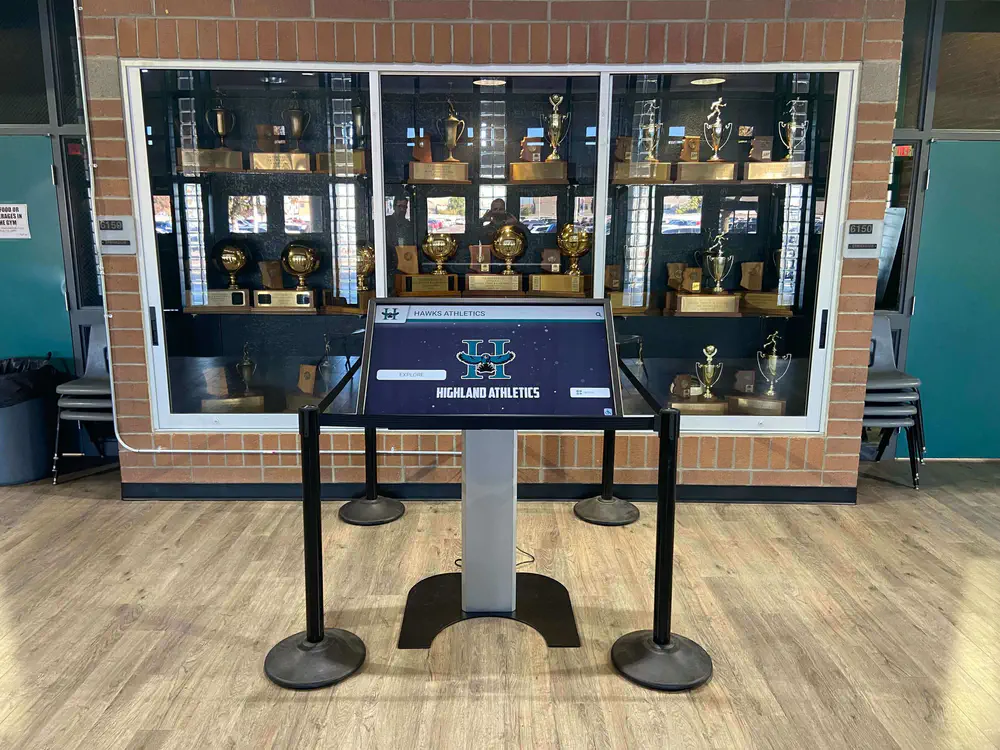
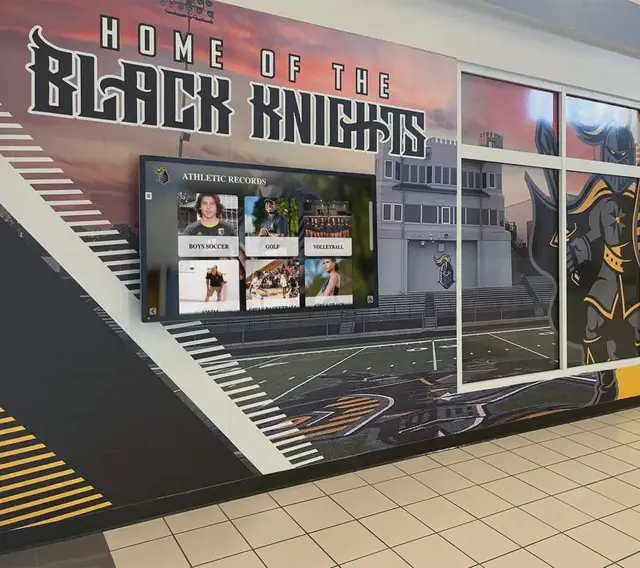
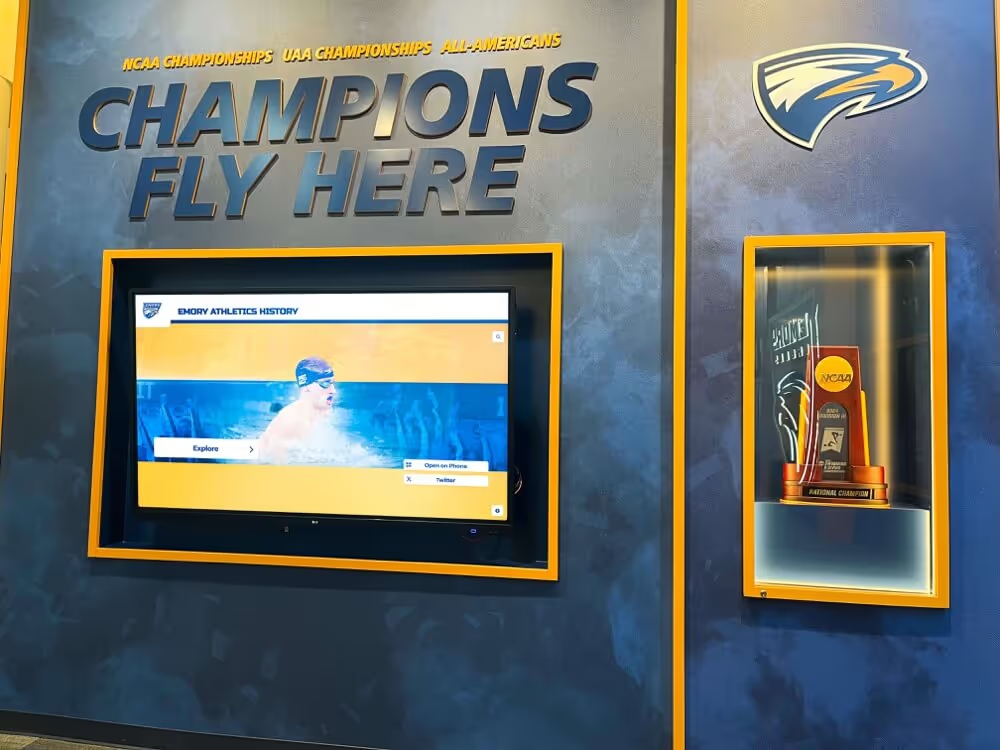
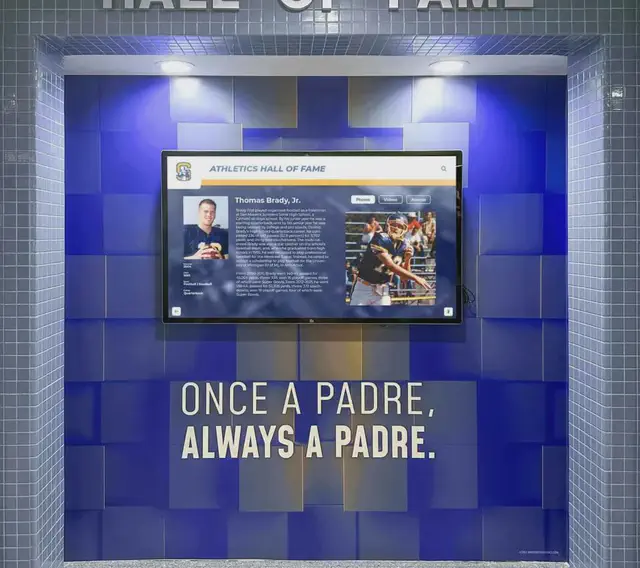
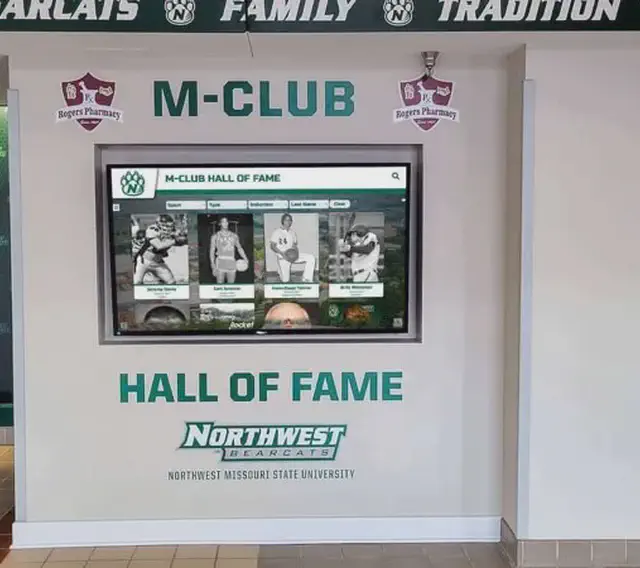
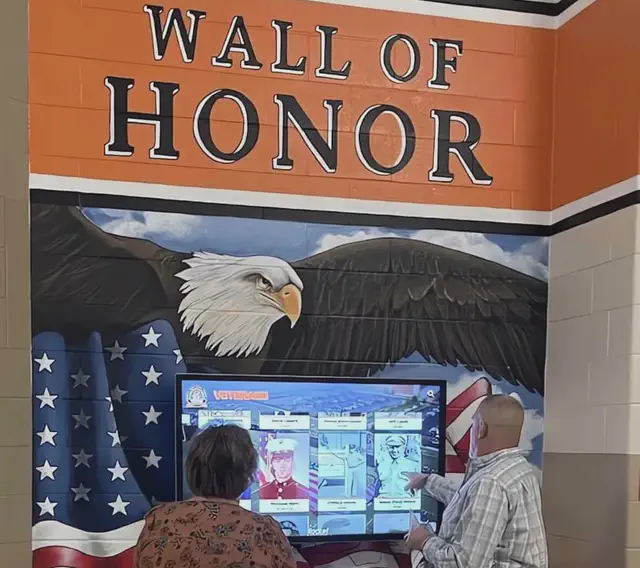
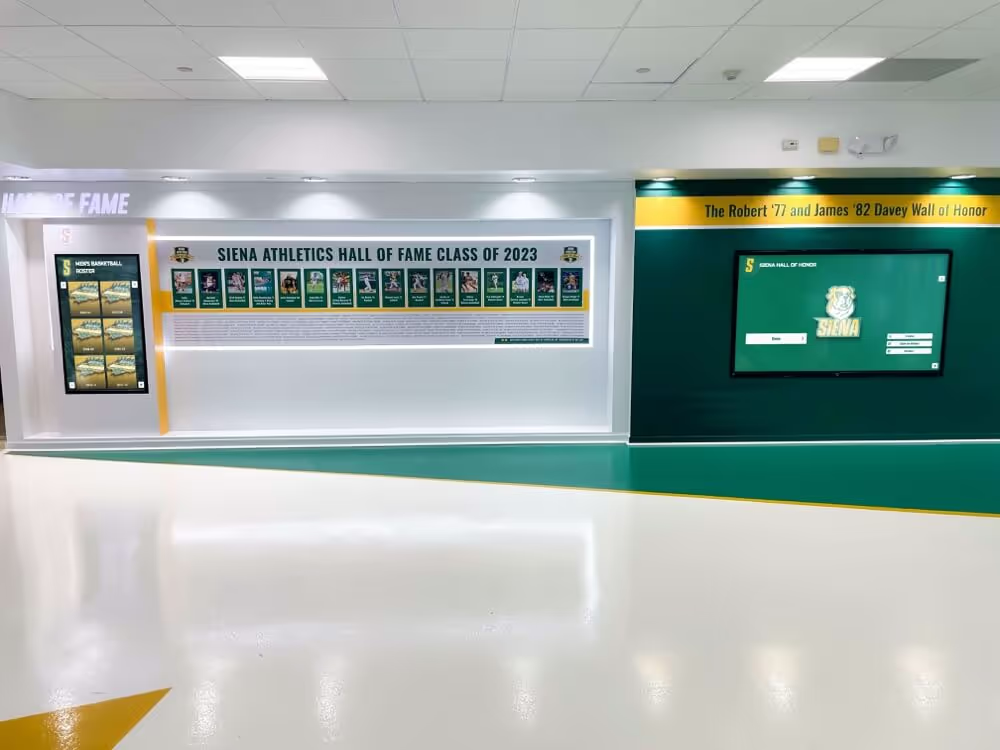
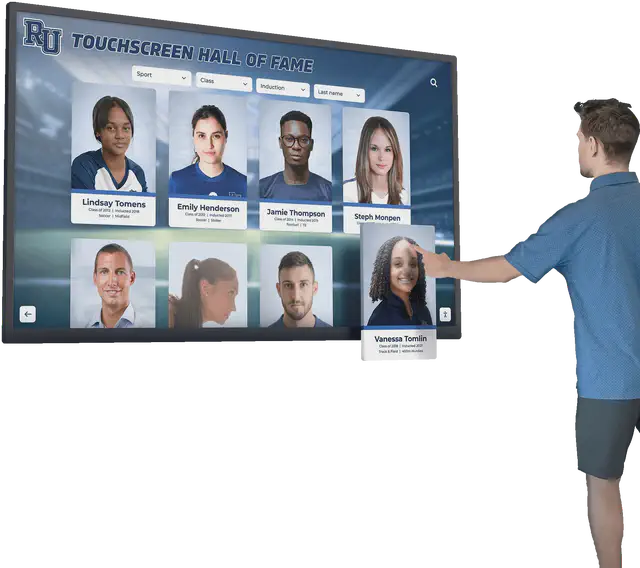
A digital kiosk alongside physical trophies carries the detail those objects cannot: the exact event, award type, and recipient for every honor in the program's history.
Minnesota 2026: Two Separate Events, Two Different Sets of Champions
The Minnesota State High School League (MSHSL) structured its 2026 Girls Badminton State Tournament across two consecutive days and produced two distinct sets of champions — a useful, source-linked illustration of why separate display entries matter.
Day 1 — Team Championship, May 13, 2026. The MSHSL report on the 2026 team final describes a seven-match format: four singles positions (No. 1 through No. 4) and three doubles positions (No. 1 through No. 3). Each individual match produces one point for the winning school. The school that accumulates four or more points wins the team championship. Edina won its team championship 4–3 over St. Paul Johnson, with match-by-match results recorded for all seven positions.
Day 2 — Individual Tournament, May 14, 2026. A separate individual tournament followed the next day at the same venue. The MSHSL report on the individual results covers this as an independent competition with its own singles champion and its own doubles champion pair. St. Paul Johnson athletes won both individual titles — despite having been the team-championship runner-up the day before.
A display editor who reads only one of these two reports is working from an incomplete picture. Each event requires its own sourcing before an entry goes live.
The Core Trap: Lineup Position vs. Individual Title
“No. 1 singles” identifies a lineup slot, not a title. A school editor who reads “No. 1 singles” in the team-final scoreline and translates that into “individual singles champion” on the display has combined two different things — a match position in a team contest with a standalone individual championship.
The 2026 MSHSL team final illustrates this precisely. St. Paul Johnson’s No. 1 singles player won her match in the team final, contributing one of St. Paul Johnson’s three points in a 4–3 team loss. The same athlete competed in the individual tournament the following day and won the individual singles championship outright, per the MSHSL individual-tournament report.
These are two separate honors requiring two separate entries:
- A match win at the No. 1 singles position in the team final — one point toward the team score; belongs to the team-match record
- The individual singles state title — a separate event the next day, a separate result, a separate entry
A display that labels the team-final match result as “individual singles champion” is incorrect. So is a display that attributes the individual title to the entire team. Each honor needs its own correctly scoped entry.
The same principle applies to the clinching point in Edina’s team championship. Per the MSHSL account, an Edina player won at No. 4 singles to give Edina its decisive fourth point in the team final. That is a meaningful contribution to the team title and deserves recognition in the team’s display — as a match result that contributed to the team championship, not as an individual singles title.
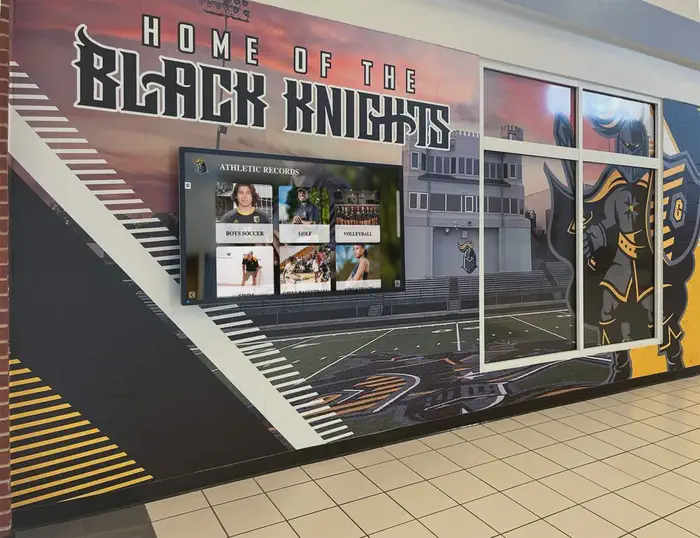
Athletic records displays organized by event type let community members find the honor they are searching for — team title or individual championship — without staff explanation.
Doubles Recognition: Both Athletes, Correct Event
A doubles title introduces two additional requirements: both athletes in the pair must be credited, and the entry must specify whether the honor came from the team contest or the individual tournament.
The MSHSL report on the 2026 individual tournament names Gaonou Vang and Angelina Thao (St. Paul Johnson) as the individual doubles champions, with both athletes listed explicitly in the article and photo caption. A display entry that credits only one member of the pair omits a recognized champion. An entry that credits the pair but labels the event as the team championship mislabels the source.
The 2026 results offer a useful illustration of why the event distinction matters for doubles. In the team final, the No. 1 doubles match was won by an Edina pair. In the individual tournament the following day, the same two schools’ No. 1 doubles pairs met again — and the result reversed, with Vang and Thao winning the individual doubles title over the same Edina pair that had defeated them in the team final. Those are two separate match results from two separate events. Each belongs in its own entry, with the correct recipient(s) and the correct event identified.
An Edina pair that won the No. 1 doubles position in the team final contributed to the team championship. They are not the individual doubles champions; that title belongs to Vang and Thao from the individual tournament. Both honoring the team championship correctly and honoring the individual doubles title correctly requires treating them as separate records.
Three Entry Types a Display Needs to Distinguish
Based on the structure Minnesota used in 2026, a school with an active badminton program may need to maintain at least three distinct entry types. Each stands on its own sourcing and attributes the honor to the correct recipient.
Entry Type 1 — Team Championship
The team championship belongs to the school as a program. The entry names the school, the organizing body, the season, and identifies the honor explicitly as a team championship rather than an individual title. Individual match results that contributed to the team total do not belong inside the team championship entry.
Placeholder caption (replace all bracketed fields with verified source information before publishing):
[School Name] — [Organizing Body] Girls Badminton State Team Championship — [Season]
Entry Type 2 — Individual Singles Championship
The individual singles title belongs to one athlete. The entry names that athlete, their school, the organizing body, the season, and identifies the event as the individual tournament — not the team final.
Placeholder caption:
[Athlete Name], [School Name] — [Organizing Body] Girls Badminton Individual Singles Champion — [Season]
Entry Type 3 — Individual Doubles Championship
The individual doubles title belongs to both athletes in the pair. Neither name may be omitted. If the source names both athletes, both names appear in the display entry.
Placeholder caption:
[Athlete Name] and [Athlete Name], [School Name] — [Organizing Body] Girls Badminton Individual Doubles Champions — [Season]
These examples are scoped to the structure Minnesota’s 2026 tournament used. Other state associations may organize their events differently; verify the structure of your specific organizing body before writing entries.
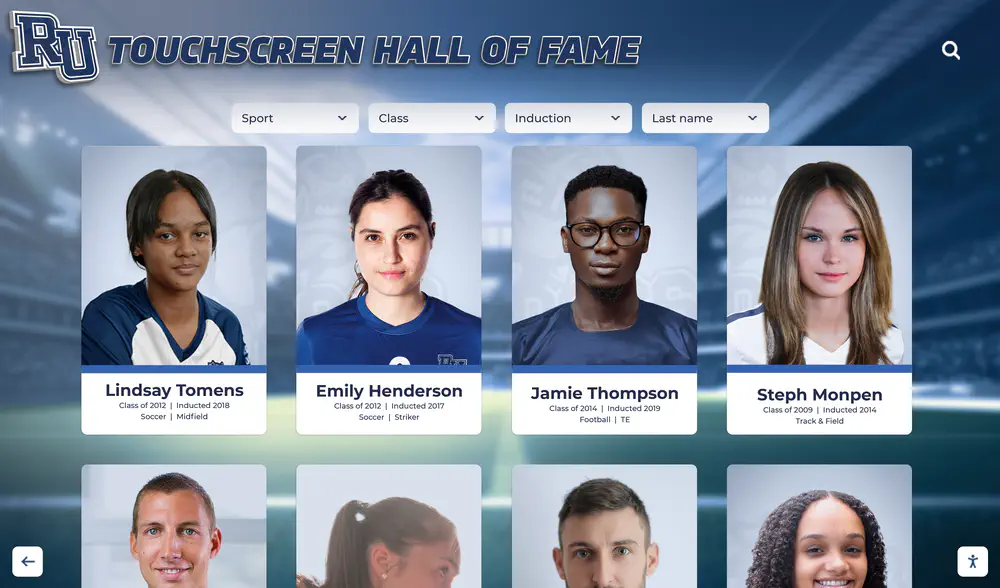
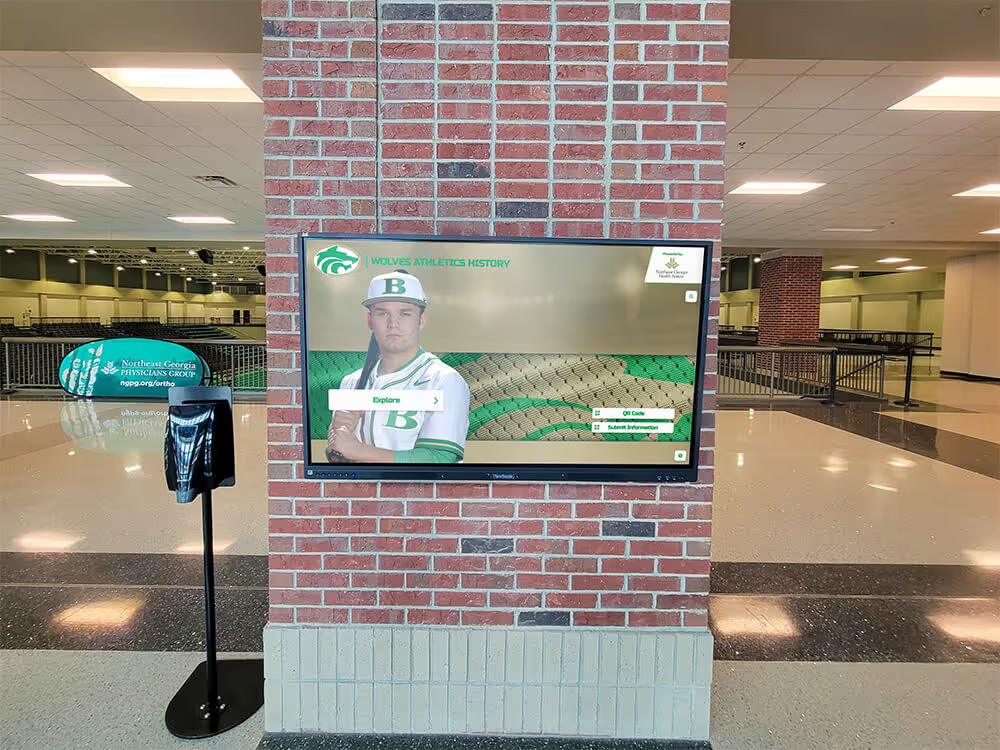
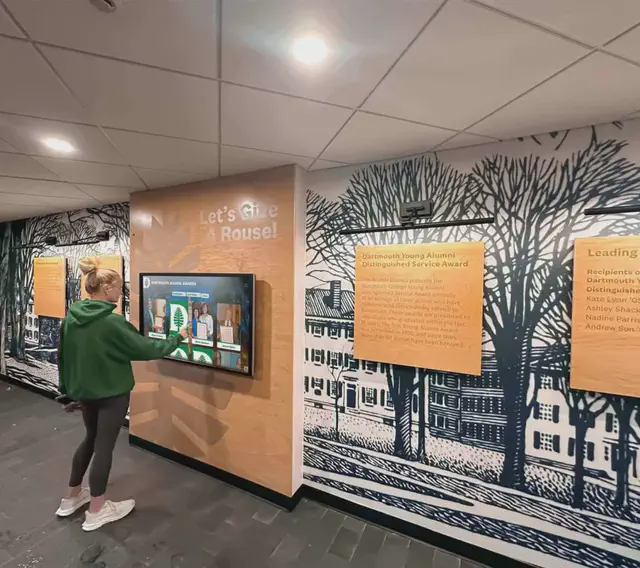
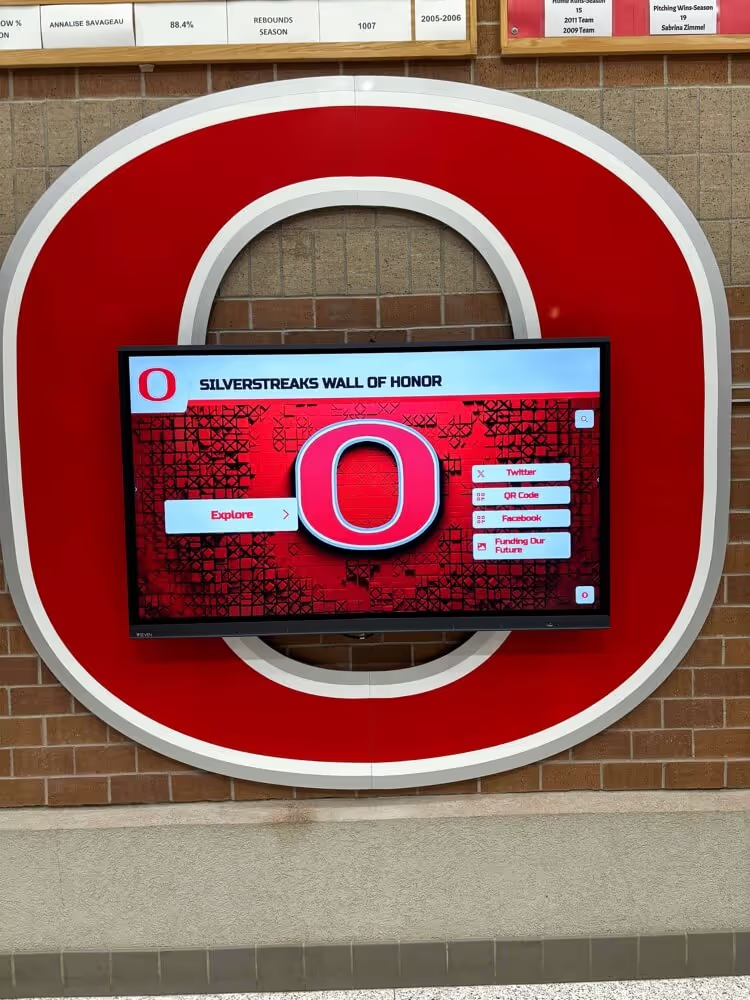
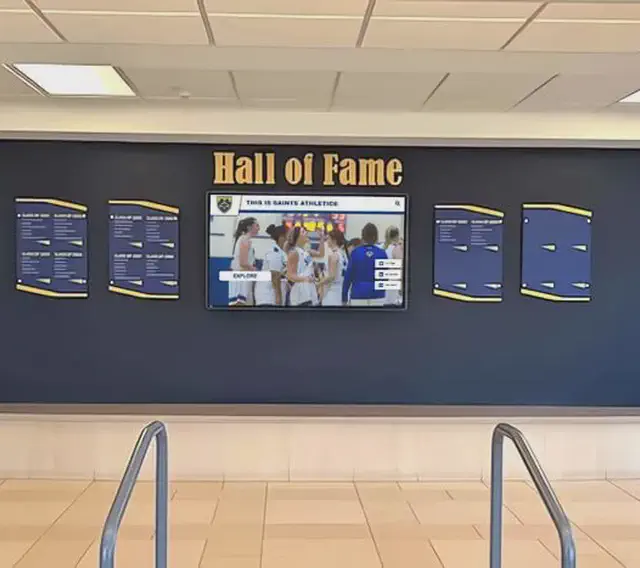
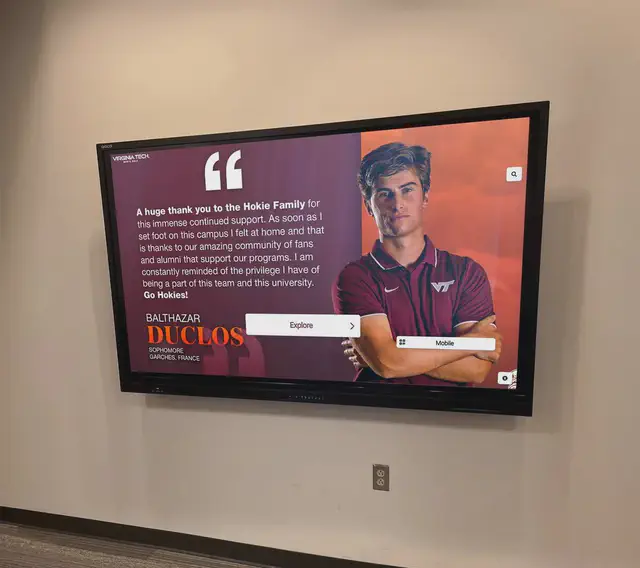
Individual portrait entries on a digital display can carry event type, exact title, and recipient for every honor — giving each athlete credit for precisely what they earned.
Editorial Worksheet
The blank worksheet below is a staff planning aid for use before any badminton honor goes live on a display. It is not a software schema, automated import format, or eligibility checklist. Fill in one row per honor. Leave cells blank rather than guessing, and record the source URL for every entry so a future administrator can re-verify the record.
| Organizer / year / event | Team contest or individual tournament | Singles / doubles / team | Exact title or match result | Recipient(s) | School | Source |
|---|---|---|---|---|---|---|
Instructions for completing the worksheet:
- Organizer / year / event: Write the organizing body and event name as it appears in the official source — for example, “MSHSL Girls Badminton State Team Championship, 2026” or “MSHSL Girls Badminton Individual Tournament, 2026.” Do not abbreviate or paraphrase the event name in ways that obscure whether it was a team contest or individual tournament.
- Team contest or individual tournament: State clearly which type of event produced this honor. Use the organizing body’s language from the official results page or report.
- Singles / doubles / team: Enter the category of the honor. A doubles entry requires two recipients — note this in advance so the row is not completed with only one name.
- Exact title or match result: Write what the source actually records. “Team Champion,” “Individual Singles Champion,” and “No. 4 singles match win contributing to team score” are three different things. Do not upgrade a match result to a championship label.
- Recipient(s): For team honors, write the school name. For individual singles, write one athlete name. For individual doubles, write both athlete names. Do not omit a doubles partner or substitute a different athlete based on memory or a roster that postdates the event.
- School: The school the recipient(s) represent at the time of the honor.
- Source: The URL or document section used to verify the entry. Official league reports and association tournament-results pages are appropriate sources.
A discrepancy in one row — wrong event type, one missing doubles partner, or a team-championship label applied to an individual result — affects that entry. Correct the affected row and re-verify the source. There is no reason to hold unaffected entries that have clean, independent sourcing.
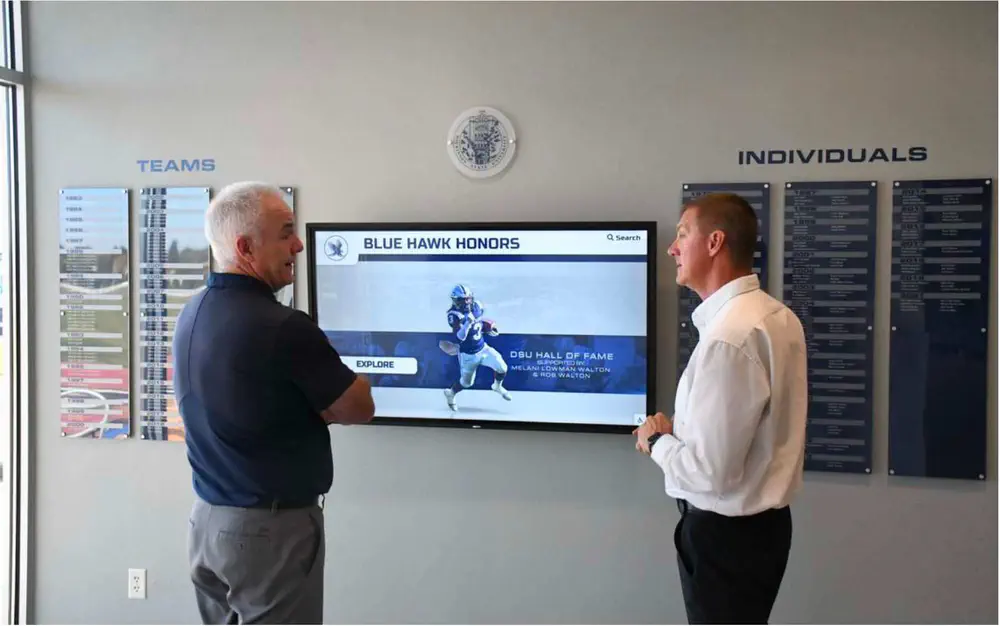
Visitors looking for a team title and visitors looking for an individual champion search differently. Separate, clearly labeled entries let both searches succeed.
Carrying Badminton Honors into a Permanent Digital Display
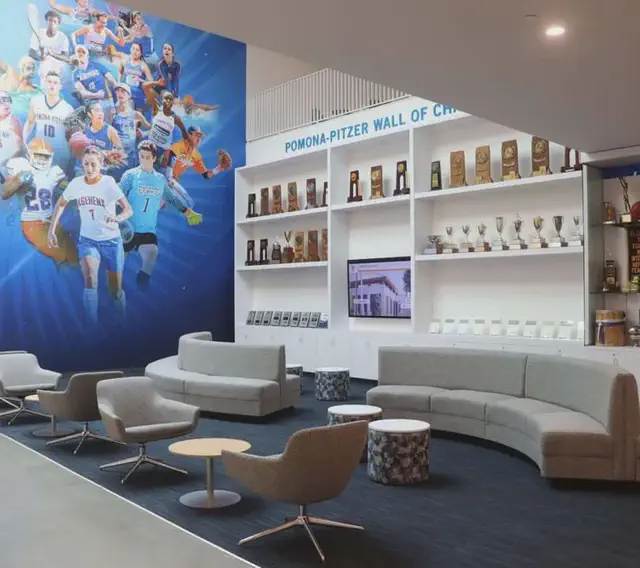
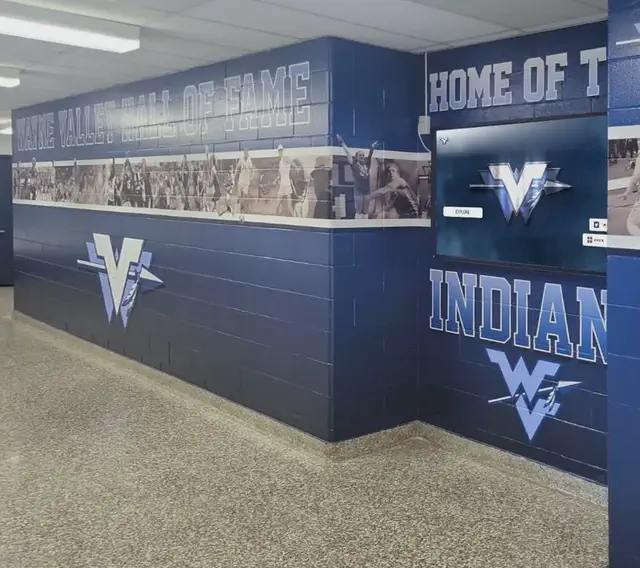
Physical trophies and plaques already hold a meaningful place in many school hallways, and there is nothing wrong with that. A digital high school badminton awards display adds the detail those objects cannot communicate on their own: the exact event, the award category, the organizing body, and the precise set of recipients — all of which help visitors understand what was actually earned, not just that the program won something in a given year.
A school that separates team championship entries from individual title entries in its digital recognition system gives every visitor — alumni, prospective student-athletes, parents — an accurate picture of the program’s history across seasons. A sports record board that carries both types of honors, each correctly labeled, is more useful than one that blends them: the visitor searching for the team champion finds it, and the visitor looking for the individual singles or doubles champion finds that too.
Staff who complete the editorial worksheet before each entry goes live build an internal record of verified, sourced, accurately labeled honors that any future administrator can audit. That record is the foundation of a badminton recognition wall that remains trustworthy across coaching changes, facility renovations, and staff transitions.
A display does not need every entry finalized before any honor can be celebrated. Each verified entry can go live when it is ready. A team championship entry can appear while the individual tournament results are still awaiting confirmation from the official source, as long as each entry stands accurately on its own.
For guidance on a parallel editorial challenge in another racket sport, the high school fencing awards display guide covers how to separate team titles from individual weapon medals using the same source-verification approach.
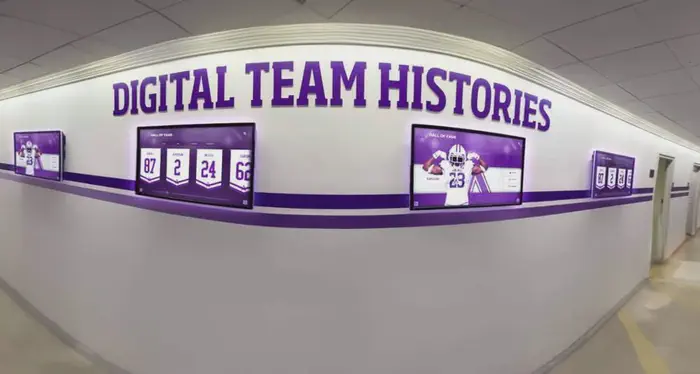
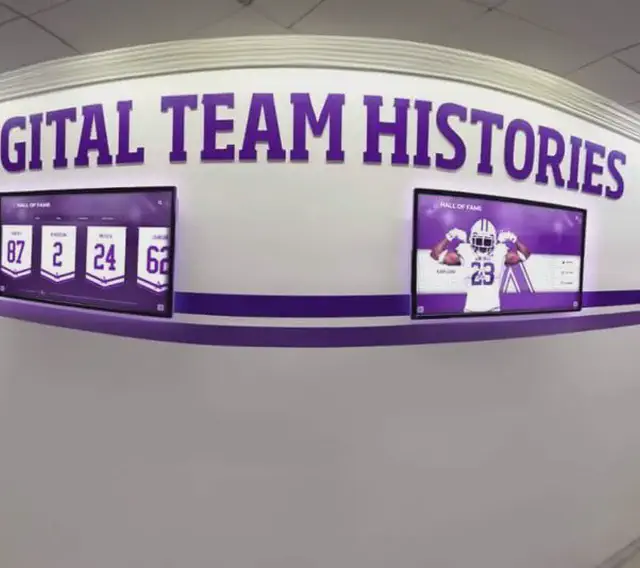
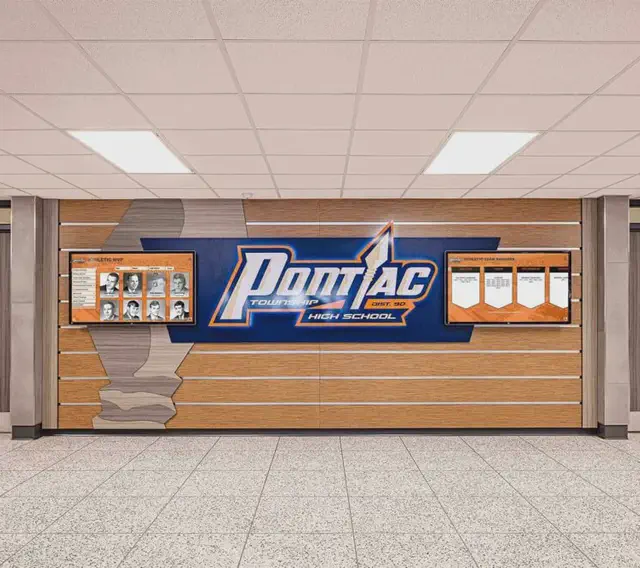
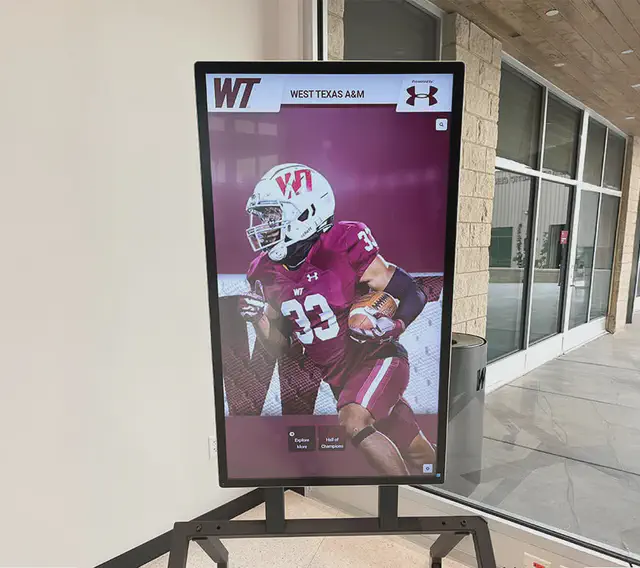
Digital team history screens organized by season let the community browse both team championships and individual titles without conflating the two.
Related Resources
For guidance on cross-checking recognition records against source documentation before entries go live, see: Athletic Award Data Reconciliation Report.
Frequently Asked Questions
How should a high school badminton awards display distinguish a team championship from individual titles?
Create a separate display entry for each type of honor. The team championship entry identifies the school as the recipient and names the team-championship event as the source. Individual singles and doubles entries name the specific athlete or pair, identify the individual tournament as the source, and do not inherit or repeat the team-championship record. Each entry cites the official report or results page used to verify it.
Does winning the No. 1 singles match in a high school badminton team final make an athlete the individual state singles champion?
No. In a team-format badminton contest, "No. 1 singles" identifies which player a school fields at the top of its lineup for that match. A win at that position earns one point toward the team score. The individual singles state title is determined by a separate individual tournament, typically held on a different day. An athlete can win the No. 1 singles match in the team final without winning the individual title, and an athlete can win the individual title without having competed at the No. 1 position in the team final.
How should a doubles title appear on a school recognition display?
The entry should name both athletes in the pair, the school they represent, the organizing body, and the season — and identify the honor as the individual doubles championship rather than a match result from the team contest. Omitting one doubles partner is an error; a doubles title is a shared honor that belongs equally to both athletes. The event type (individual tournament vs. team final) must also be clear, because a doubles match win in the team final and the individual doubles title are separate recognitions from separate events.
Can the same athlete appear in both a team championship entry and an individual title entry?
Yes. If a school earned the team championship and one of its athletes also won an individual title, those are two distinct honors and each deserves its own entry. The team championship entry credits the school as a whole. The individual title entry credits the specific athlete by name. Neither entry implies or certifies the other, and neither should reference the other's result as proof of the honor being displayed.
What should a school do when it is uncertain whether a reported result came from the team contest or the individual tournament?
Leave the event-type field blank or mark it "Awaiting verification" rather than guessing. Return to the organizing body's official results or tournament-news page for the specific season and confirm which event produced the result before publishing the entry. Official league reports typically identify the event and date clearly. A blank field is accurate; an incorrectly labeled event type may require a public correction later and can misrepresent what an athlete or team actually achieved.
A Display That Earns Its Own Trust
A high school badminton awards display that records each honor precisely — team title in its own entry, individual singles title attributed to the right athlete, individual doubles title crediting both partners from the right event — builds the kind of credibility that physical trophies alone cannot provide. The detail is there for every athlete who earned it and every visitor who wants to understand what the program has accomplished, event by event, season by season.