
When a school’s squash team earns a title at the U.S. High School Team Squash Championships, the recognition editor’s first obligation is a simple one: get the label right. That means keeping the year, the full tournament name, the boys or girls competition label, and the specific division number together every time the title appears — on a hallway display, a digital entry, or a printed program. This guide is for athletic directors, school communications staff, and recognition editors who want to present a high school squash championship display accurately, so the people who earned those titles are honored with the precision their achievement deserves.
This is a recognition editing guide. It addresses display labeling, caption accuracy, and planning practices — not coaching methods, eligibility procedures, or legal advice.
A squash team wins a division title. The school wants to display that achievement. Between those two moments is a set of editorial decisions that can either preserve what was earned or quietly misrepresent it. The most common errors are not invented — they are omissions: dropping the division number, applying the wrong trophy name, or folding a team result into an individual honor. Each of those problems has a straightforward fix, and this guide walks through each one in turn.
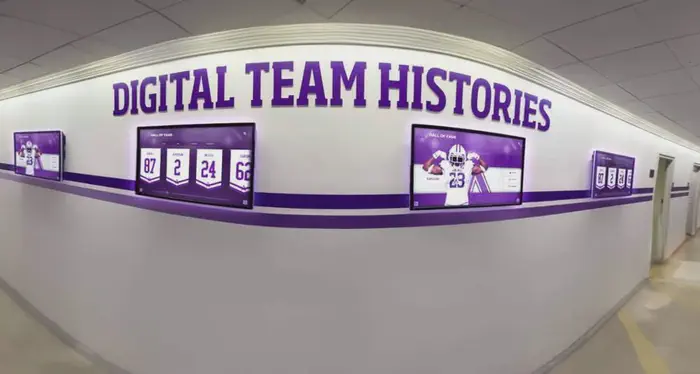
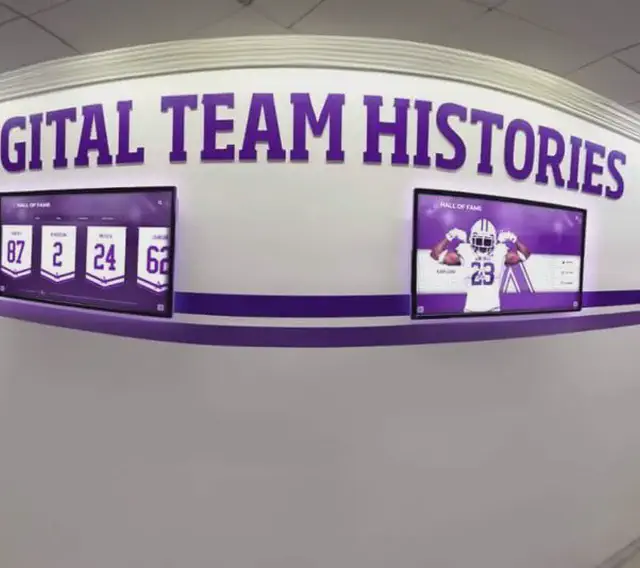
Digital team history displays organized by competition, division, and year give visitors an accurate record of what each team competed for and what it won — without requiring prior knowledge of the tournament structure.
The Division Label Is Part of the Championship Title
The U.S. High School Team Squash Championships fields multiple divisions for boys and girls. According to a National Capital Squash district report published March 4, 2026, the 2026 tournament drew more than 1,700 players on 210 teams across fourteen divisions — eight for boys and six for girls — competing on sixty-eight courts at eight venues in the greater Philadelphia area. The US Squash tournament page describes the event as the national scholastic team competition, noting that participation has grown from 16 teams in a single division for boys at the first championships in 2005 to more than 160 teams in several divisions for boys and girls.
Each division produces its own champion. A school that wins Division VI does not win Division I, II, III, IV, or V. The recognition entry for a Division VI title must carry the division label — not because the achievement is diminished by specificity, but because the specificity is what the entry describes. Without it, a visitor who knows the tournament cannot place the result, and a visitor who does not know the tournament cannot learn from it.
The four pieces that belong in every championship display entry are:
- Tournament name — U.S. High School Team Squash Championships
- Year — the season in which the title was won
- Competition label — Boys or Girls
- Division — the exact division number as used in official tournament results
A title entry that reads “National Squash Champions” with no further detail is not a complete record. A title entry that reads “2026 U.S. High School Team Squash Championships — Boys Division VI Champions” is.
The National Capital Squash district report from March 4, 2026 documents two specific examples from the 2026 tournament: Landon School won the Boys Division VI title in the school’s debut appearance at the Championships, defeating the top-seeded opponent 4-3 in the final; Potomac School won the Girls Division V title, entering as the top seed and winning the final by a 5-2 margin. Both results deserve their full labels on any display — including the division number that defines what was won. Dropping that number would leave the entry incomplete, and completing it accurately honors the teams without overstating or understating what they achieved.

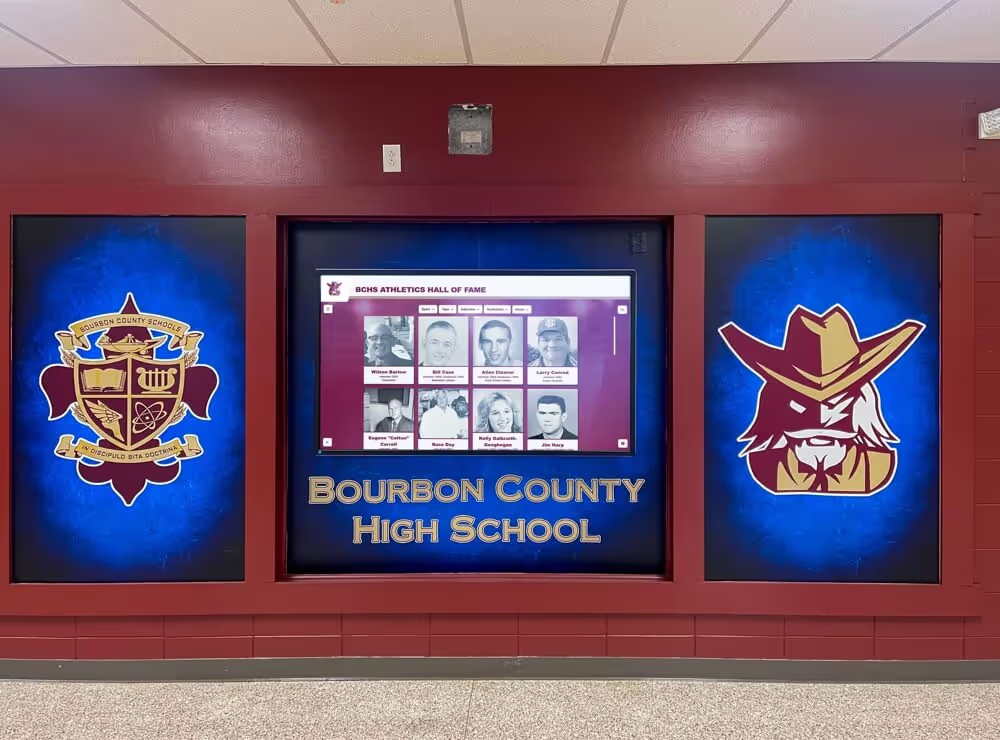
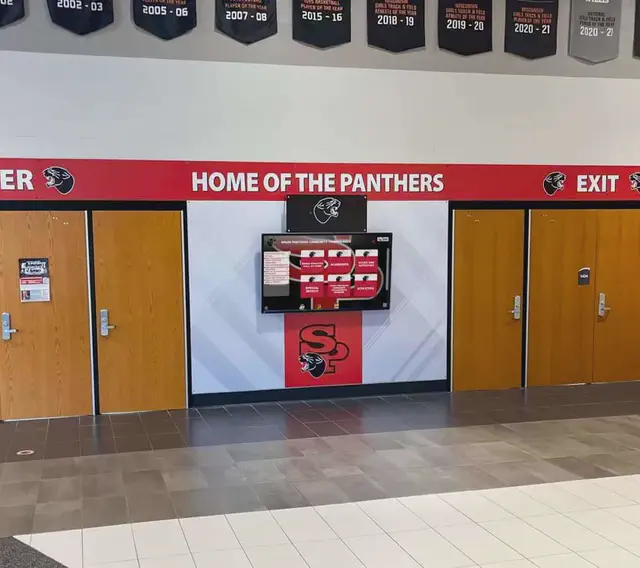
Championship shields on a recognition wall carry their actual labels — year, competition, and division — so that every visitor reads an accurate record of what each team won and in what context they won it.
Justi Cup and Patterson Cup: What These Trophy Names Mean
The U.S. High School Team Squash Championships awards two named trophies at the top of the divisional structure. The ussquash.org tournament page describes them as follows: “The Justi Cup is the top boys’ division trophy, named in honor of Melinda Justi of Philadelphia, PA who started the event. The Patterson Cup is the top girls’ division trophy, in honor of Bryan Patterson, a longtime advocate of girls junior squash.”
Those sentences define the scope of both names precisely. The Justi Cup belongs to the top boys’ division champion; the Patterson Cup belongs to the top girls’ division champion. Neither name applies to every division, and neither name is a generic label for any team that wins at nationals.
For recognition editors, this creates a specific captioning obligation. A school that wins a lower division title has earned a genuine championship — but the Justi Cup or Patterson Cup is not the name of their trophy, and assigning those names to their display entry is not an elevation of the school’s achievement; it is a mislabel. The correct entry describes what the team actually received. If the awarding body’s materials name a specific trophy for the division won, use that name. If no specific trophy name is documented for a given division, the entry states what can be verified: the school, the full tournament name, the year, the competition label, and the division.
This is not a question of how much a division title is worth. A lower-division championship is a real championship — the product of a full season of competition and a bracket of matches earned by the people who won them. That achievement deserves an accurate display entry, not one that borrows a name that belongs to another division’s winner and not one that leaves the division out altogether.
When reviewing any recognition entry that includes a trophy name, ask one question: does the awarding body’s own documentation assign that trophy name to this division? If yes, include it. If no, omit the trophy name and let the division title stand on its own accurate terms.

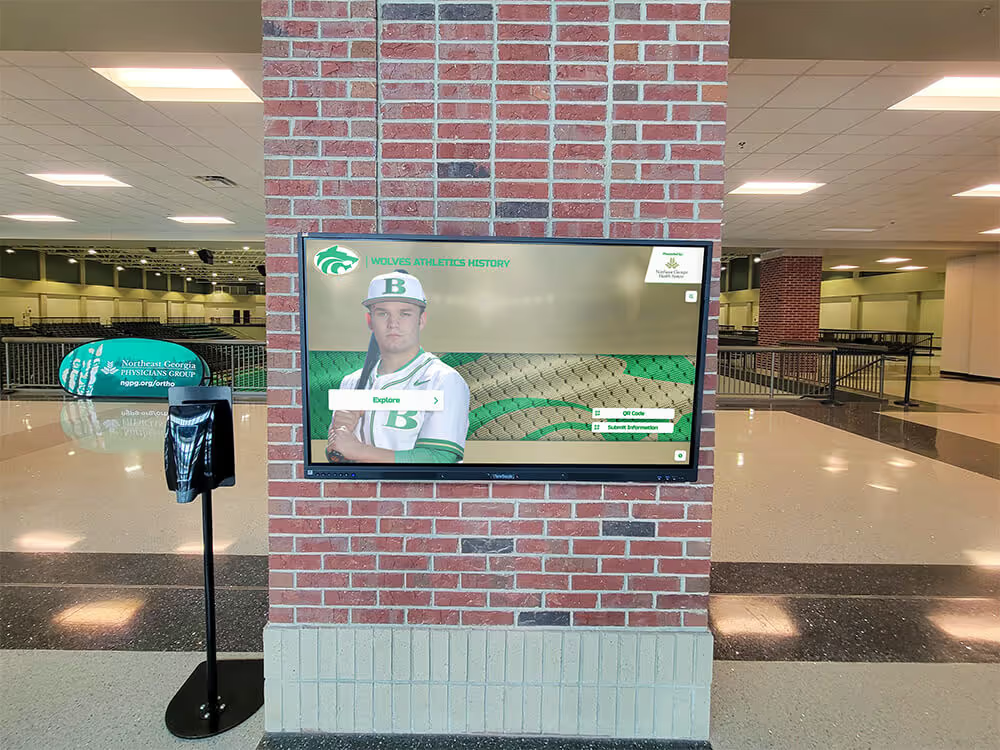
A hallway recognition display that labels each entry precisely — competition, division, and year — gives families and alumni an accurate program history without requiring them to know the tournament structure in advance.
Team Ladder Results and Individual Recognition Are Separate
At the U.S. High School Team Squash Championships, matches are played on a ladder format: each player on a team competes against the corresponding player on the opposing team, and the aggregate results decide the team match. A player who wins their position on the ladder contributes to the team’s result.
That contribution is worth honoring on the team’s championship display entry. It is not, by itself, an individual national championship, and it is not an All-American designation.
The US Squash tournament page states that each team must have a minimum of seven players on their roster to compete, and that matches are played with seven players from each roster. Teams may roster up to ten players, meaning up to three alternates may be listed and may compete in a tournament match. The roster is broader than any single match’s starting lineup.
For a recognition editor, the distinction matters across two types of display entries:
- A team championship display entry credits the school’s achievement and may list the verified championship roster — including players who competed across the tournament, not only those who appeared in the final.
- An individual achievement entry requires separate verification of a recognized individual award or distinction. Winning a ladder match, or even winning every individual match throughout a tournament, does not automatically produce a named individual honor.
Do not list a player as an “individual national champion” because their team won a division title. Do not omit an alternate from the championship roster because they did not appear in the final match. The championship roster, the match-day lineup, and the individual award recipient list are three different documents, each serving a different recognition purpose.
The US Squash All-American Program: A Separate Recognition
The US Squash All-American program is a distinct recognition, administered separately from the team championship. According to the ussquash.org/awards/all-american/ page, US Squash began recognizing All-American junior squash athletes in the 2013–2014 season. There are two paths to earn the designation:
High school league path: A player must play on a high school varsity team participating in the Scholastic Squash Program. The number of nominations a league may submit depends on the size of the league measured by its varsity teams: leagues with nine or fewer varsity teams may nominate one player from the top division; leagues with ten to eighteen teams may nominate two; leagues with nineteen or more teams may nominate three. The league — not the national championship bracket result — determines who is nominated through its own process.
Tournament ranking path: Players must maintain a ranking in the Under 17 or Under 19 division of either the Boys’ or Girls’ junior national rankings. Rankings used for eligibility are calculated immediately following the U.S. Junior Squash Championships. The top four ranked players in the Under 17 divisions and the top eight ranked players in the Under 19 divisions qualify through this path.
Both paths require current enrollment in high school and good standing with US Squash. All final decisions on All-American recognition rest with US Squash.
A player who holds both a team championship title and an All-American designation holds two distinct honors, each with its own verifiable basis. Neither is diminished by the other, and neither should be substituted for the other in a display entry. If a player appears on the US Squash All-American recipient list for a given school year, that is a verifiable fact that belongs in an individual honor entry alongside its own sourcing. If their name is not on that list, do not include the designation — point to the awarding body’s published list to confirm any individual’s status before creating an entry.
| Recognition Type | Awarded By | Basis | Display Entry Type |
|---|---|---|---|
| Team division title | US Squash (tournament result) | Tournament bracket results | Team championship entry |
| Justi Cup / Patterson Cup | US Squash (tournament result) | Top division win specifically | Team entry — top division only |
| All-American designation | US Squash (annual program) | League nomination or ranking | Individual honor entry |
Table illustrates distinctions between recognition types. These are separate programs with separate sourcing. Confirm individual honors from US Squash’s published All-American recipient list before creating display entries.
Roster, Lineup, and Award List: Three Different Evidence Sources
One of the more common errors in scholastic recognition editing comes from treating these three as interchangeable:
- Championship roster — the full list of players officially rostered for the tournament by the school
- Match lineup — the players who appeared in a specific match on a given day
- Individual award recipient list — the players named in a recognized individual award program, such as the US Squash All-American list published at ussquash.org/awards/all-american/
Each is a separate document with separate content. Using one as a substitute for another produces recognition entries that are either over-claimed or incomplete.
A championship roster includes all rostered players, including alternates who did not appear in every match. The US Squash tournament page notes that teams may roster between seven and ten players, with the possibility of alternates playing in tournament matches beyond the final. If your school’s official rostered list includes ten names, all ten belong on the championship recognition entry — not only the seven who played the last match. Omitting alternates from a championship roster display misrepresents who was part of the program’s title year.
A match lineup is a subset of the roster. It tells you who played in a specific round or match and is useful contextual information — particularly for noting a player’s specific contribution in a key match. But a match lineup from the final is not the roster, and it should not be presented as one.
An individual award list is an external document, issued by the awarding body after their own process. The US Squash All-American recipient list is the authoritative source for All-American status. A roster appearance or a strong tournament performance is not evidence of All-American status. That list is published by US Squash and should be checked directly for each season.
When building a recognition display entry, use the appropriate source for each piece of information:
- Use official tournament results for the team championship label and division
- Use the school’s verified tournament roster for the team member list, including alternates
- Use the awarding body’s published recipient list for any individual designation, by season
Combining or substituting these sources produces entries that honor the wrong achievement or leave out people who belong in the record. For schools building a multi-season team history archive, resources on organizing season rosters and team photos and collecting alumni memories for a team-history archive provide practical frameworks for keeping source documentation organized across seasons.
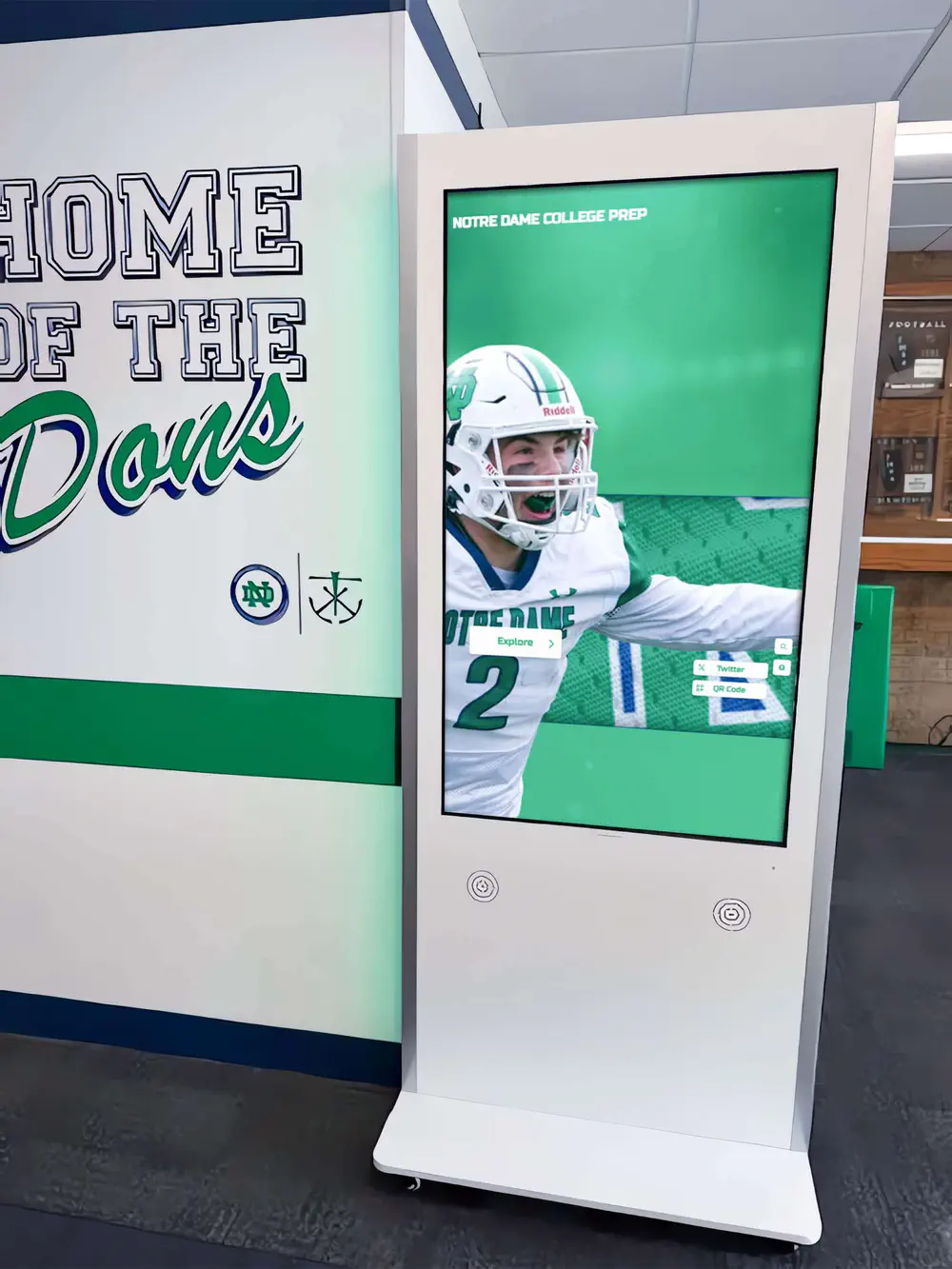
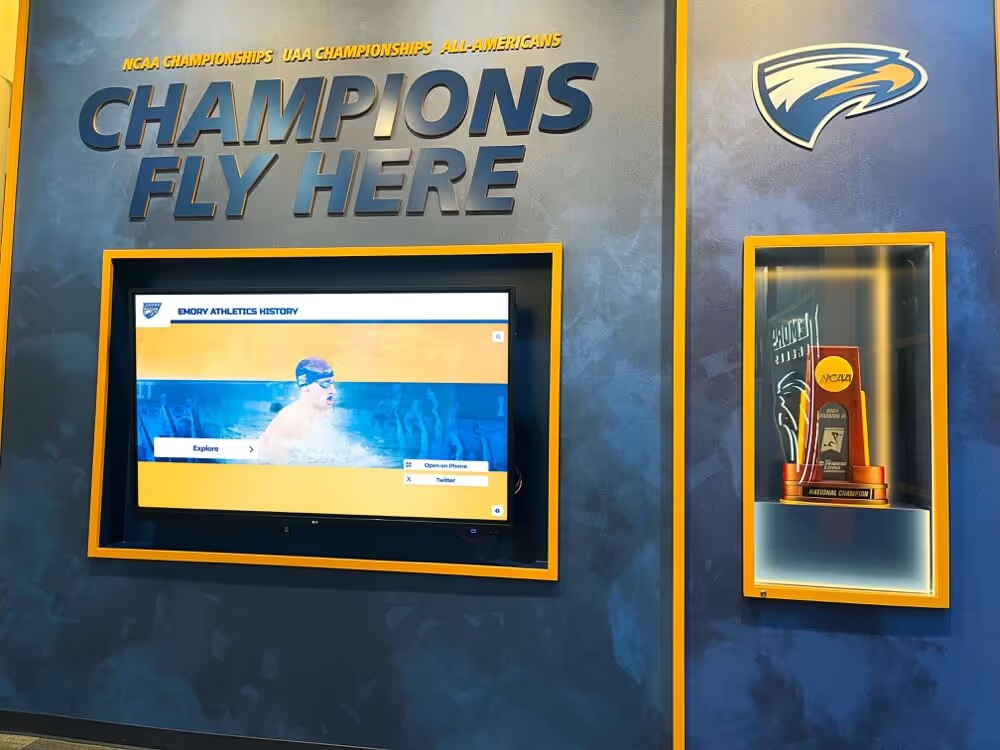
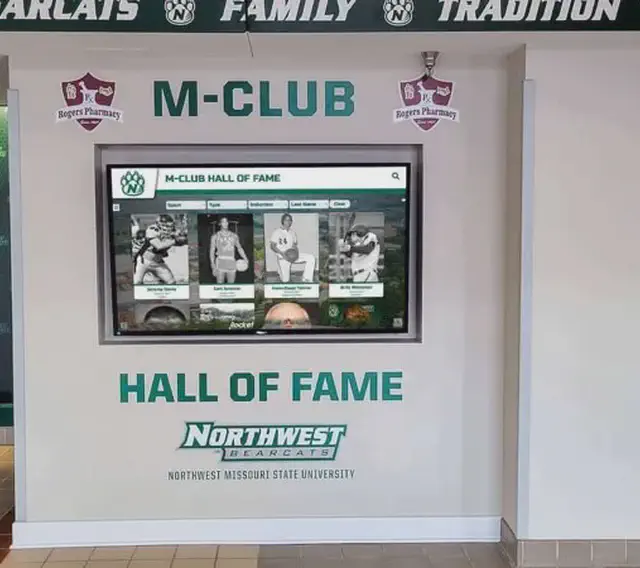
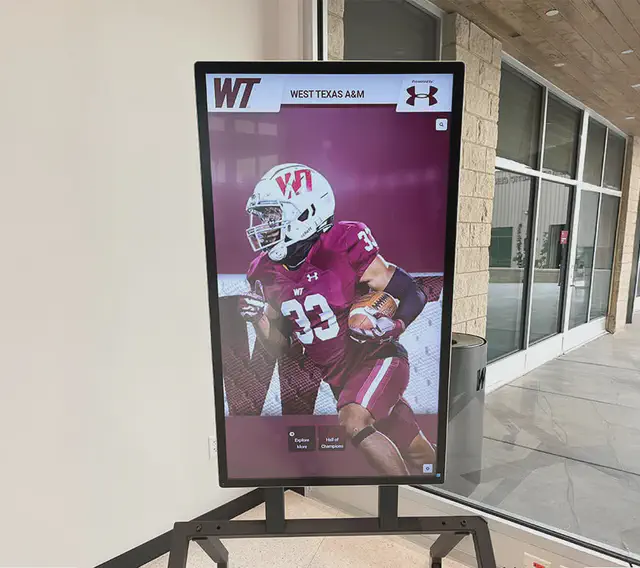
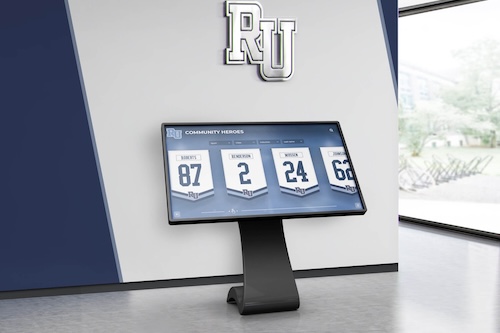
An interactive recognition display that separates team championship entries from individual honors lets visitors navigate directly to the type of achievement they are looking for — and read accurate labels for each one.
Display Planning Table for Squash Championship Entries
The table below is a blank editorial planning aid for recognition staff preparing a squash championship display entry. These are suggested fields for internal use during the review process — they are not built-in import fields in any particular platform, mandatory schema requirements, or eligibility criteria. Fill in only approved, verified public information.
| Field | Notes |
|---|---|
| Tournament name (exact) | |
| Season and year | |
| Competition label (Boys / Girls) | |
| Division number | |
| Final result | |
| Trophy name (if documented by awarding body for this division) | |
| Verified championship roster | |
| Source document or URL | |
| Individual honor (if separately verified from awarding body list) | |
| Reviewer name and date | |
| Approved public caption |
Tournament name: Copy the name from the official results or the awarding body’s website. For the U.S. High School Team Squash Championships, use the name in full.
Competition label: Boys or Girls, exactly as it appears in the official results.
Division number: Use the exact division designation from the official tournament materials. Do not approximate, combine, or omit.
Trophy name: Include only if the awarding body’s materials name a specific trophy for the division won. Do not assign the Justi Cup or Patterson Cup to any division other than the top boys’ or top girls’ division respectively, as defined by US Squash.
Verified championship roster: List the names from your school’s official roster as submitted to and confirmed by the tournament organizer. Include alternates; do not limit to match-day starters.
Individual honor: Complete this field only if the player appears on the awarding body’s published recipient list for the named program for the relevant season.
Blank Caption Patterns
The following are blank caption patterns for a recognition editor drafting a display entry. Fill in only information verified from authoritative sources. Items in brackets indicate fields to complete; fixed label text appears without brackets. These patterns are editorial aids — not mandatory form fields, software import templates, or eligibility documentation.
Division team title entry:
[School Name] — [Boys / Girls] Division [Number] Champions, U.S. High School Team Squash Championships, [Year].
With roster note:
[School Name] — [Boys / Girls] Division [Number] Champions, U.S. High School Team Squash Championships, [Year]. Championship roster: [Verified names from official tournament roster, including alternates].
Separately confirmed individual honor (All-American):
[Athlete’s approved public name], [School Name] — US Squash All-American, [Program Year]. (Verified from US Squash All-American recipient list.)
A player may appear in both a team championship entry and an individual honor entry when both are verified. The entries remain separate, with separate sourcing. A team entry that also notes an individual honor should make clear that the individual designation comes from a separate program with separate verification — not from the team result itself. If only the team result is verified, publish the team entry and leave the individual honor field blank until the awarding body’s list can be confirmed.
Do not create an individual honor entry for a player who is not on the awarding body’s published recipient list, even if the player competed in the final or performed exceptionally well. Strong competition performance belongs in the team entry and in a contextual note; it does not substitute for a named individual award.
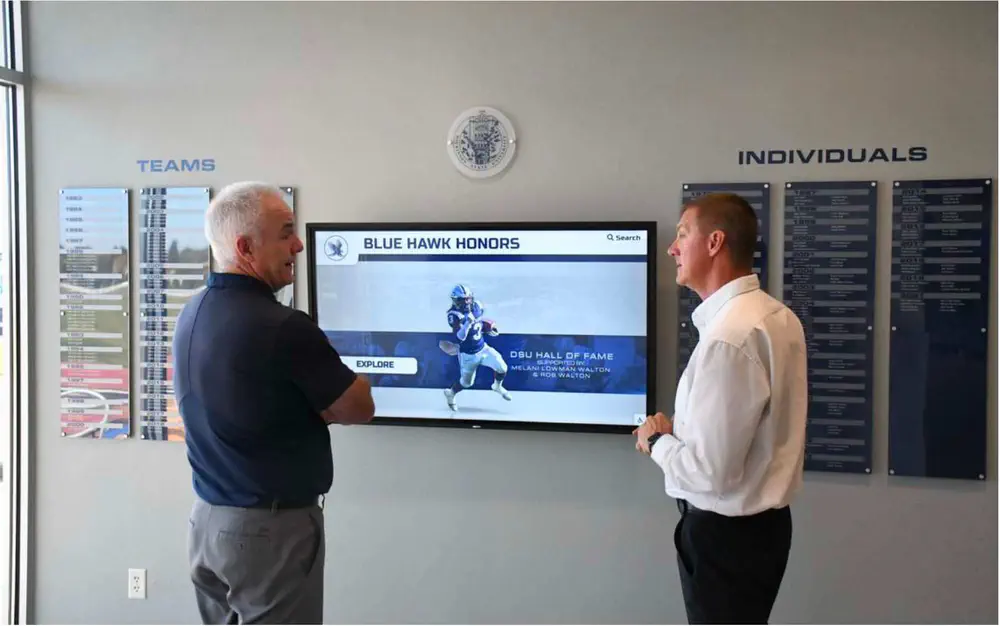
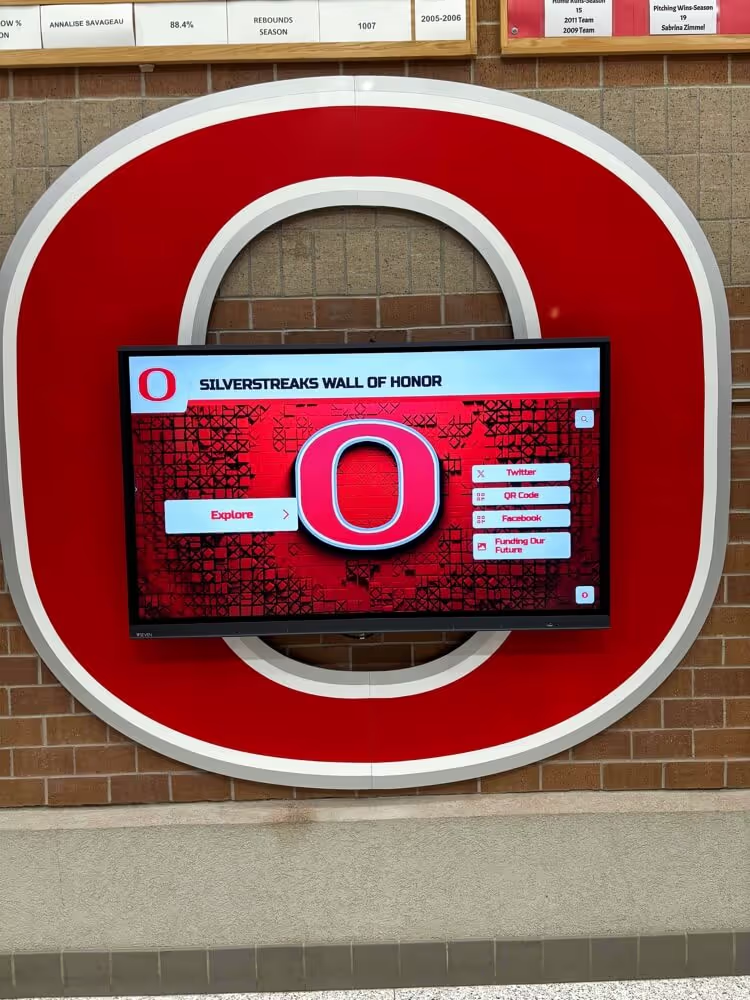
Recognition staff reviewing a digital display before publication can confirm that every entry carries its correct label — tournament, division, year, competition label — before the entry reaches families and alumni.
Frequently Asked Questions
What is the full official name of the national scholastic squash team championship?
The tournament is called the U.S. High School Team Squash Championships, organized by US Squash. It is the national scholastic team competition for high school squash teams. The ussquash.org tournament page describes it as a competition played in February each year. For the 2026 tournament, a National Capital Squash district report published March 4, 2026 noted more than 1,700 players competing on 210 teams across fourteen divisions for boys and girls at venues in the greater Philadelphia area. Use the full tournament name in every recognition entry to ensure the record is unambiguous.
When does the Justi Cup or Patterson Cup name apply to a team championship display entry?
The Justi Cup applies only to the top boys’ division champion; the Patterson Cup applies only to the top girls’ division champion. These trophy names are assigned to those specific divisions by US Squash, as described on the ussquash.org tournament page. A school winning any other division title should not use either trophy name in its recognition entry — the entry should describe what the team actually won: its specific division, the tournament name, and the year. That is a complete and accurate record.
Does winning a ladder match at the Championships make a player an individual national champion or qualify them for All-American recognition?
No. A player who wins their position on the ladder contributes to the team’s result — a team achievement that belongs in the team’s championship record. The US Squash All-American program is a separate recognition administered by US Squash, with its own eligibility criteria and two distinct paths: a high school league nomination path and a tournament ranking path. US Squash has published All-American recipient lists going back to the 2013–2014 season at ussquash.org/awards/all-american/. Players are confirmed All-Americans only through that program. To verify a player’s status, check the recipient list for the relevant season directly with US Squash.
Who belongs on a championship roster display entry — only the players from the final match, or the full tournament roster?
The championship roster entry should reflect the school’s verified tournament roster, not only the final match lineup. The US Squash tournament page states that teams may roster between seven and ten players, with up to three alternates who may compete during the tournament. Alternates who did not appear in the final are still part of the championship program and belong in the roster record. Use the school’s official rostered list as submitted to the tournament organizer, confirmed against available official documentation, as the basis for the roster display entry.
How should a recognition editor verify whether a player holds an All-American designation for a given season?
US Squash publishes the All-American recipient list by school year at ussquash.org/awards/all-american/, with accordions organized by season going back to 2013–2014. Check the list for the relevant season before adding an All-American designation to any display entry. Do not infer designation from tournament performance, roster appearance, or media coverage. If a player’s name appears on the published list for the relevant season, that is the verifiable basis for an individual honor entry. If not, omit the designation and direct the athlete or family to US Squash directly to confirm current status.
Related Resources
Organizing season rosters and team photos — a practical guide to archiving team rosters, competition photos, and season records to support accurate multi-year recognition entries.
Collecting alumni memories for a team-history archive — a framework for gathering verified athlete recollections and historical materials to support long-term recognition displays.