



Every fall, spring, and winter, high school athletic departments hand out thousands of varsity letters to student-athletes across the country. Yet the question of what exactly earns that letter — the participation threshold, the academic standard, the conduct requirement — varies from school to school and sport to sport. Athletic directors who establish clear, documented high school varsity letter requirements give athletes a defined target to pursue, coaches consistent standards to apply, and the institution a defensible record of who earned what and when.
This guide covers the full letter-award process: how to define eligibility criteria for different sports, how to structure certificate and hardware programs, and how to build recognition displays that honor letter winners long after graduation.
The varsity letter has marked athletic achievement in American high schools for over a century. Its meaning depends entirely on whether the school has defined what earning one actually requires. Without written criteria, letter awards become inconsistent, disputes are harder to resolve, and the recognition itself loses credibility over time.

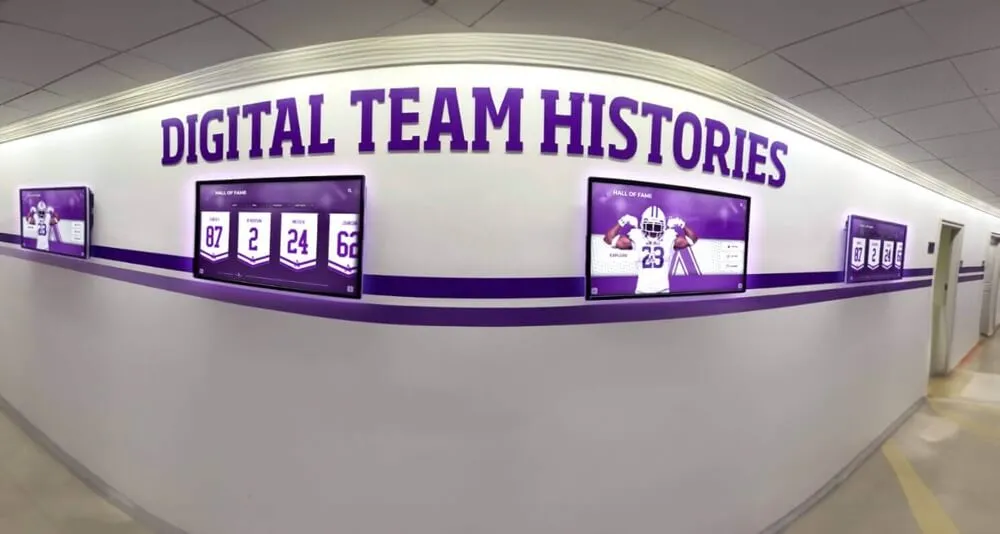
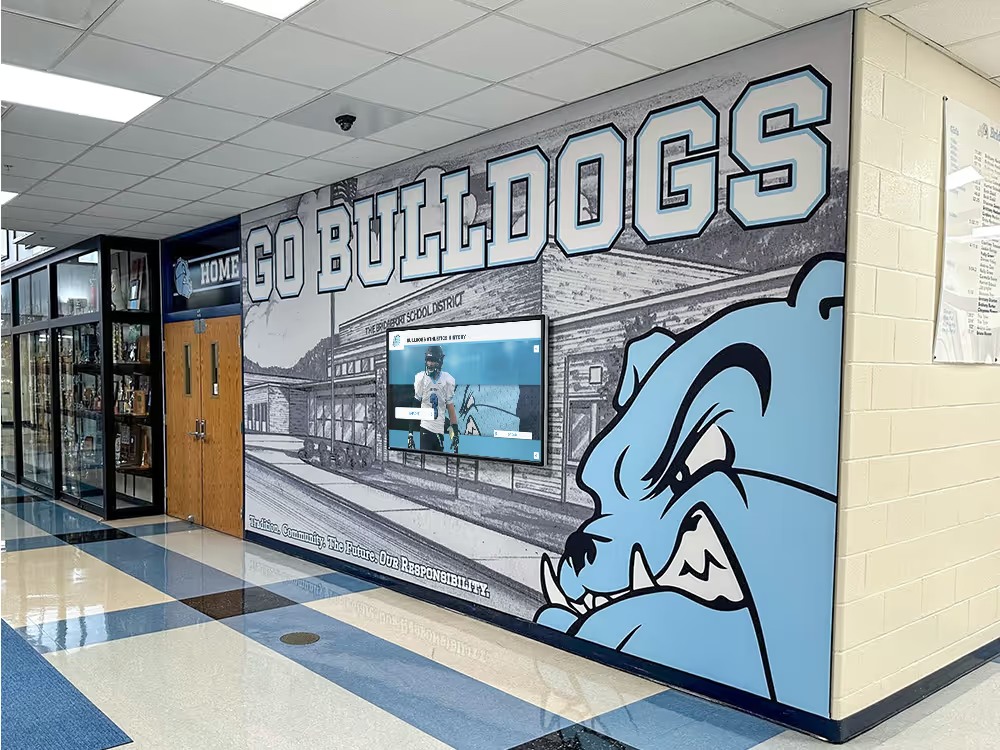
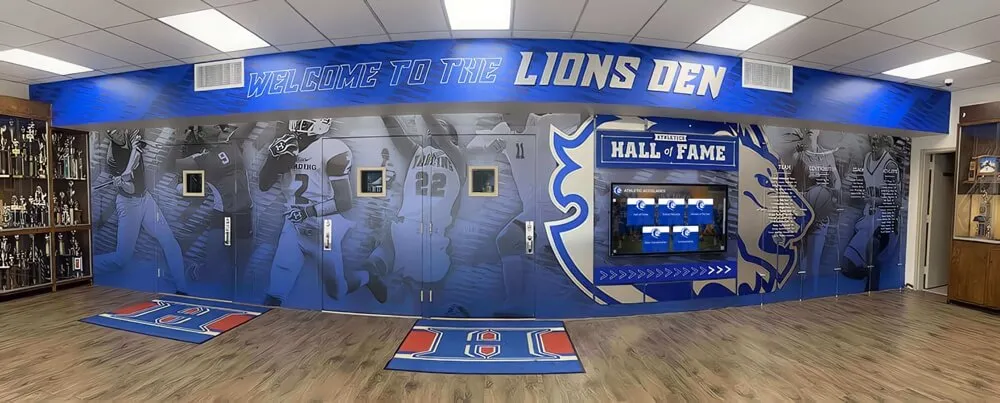
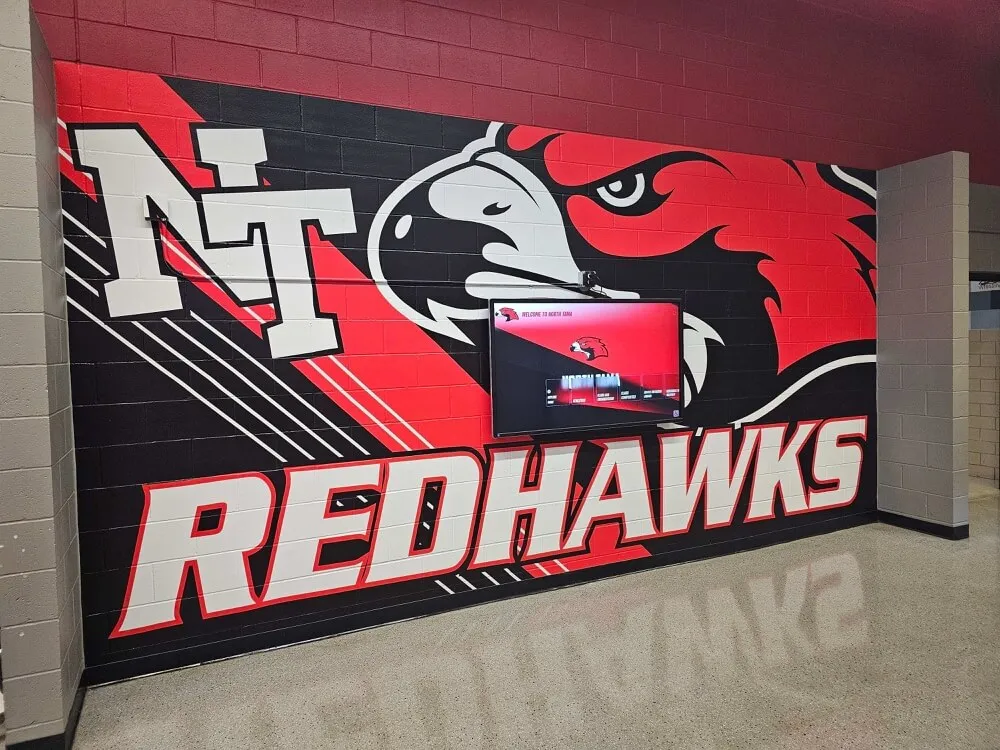
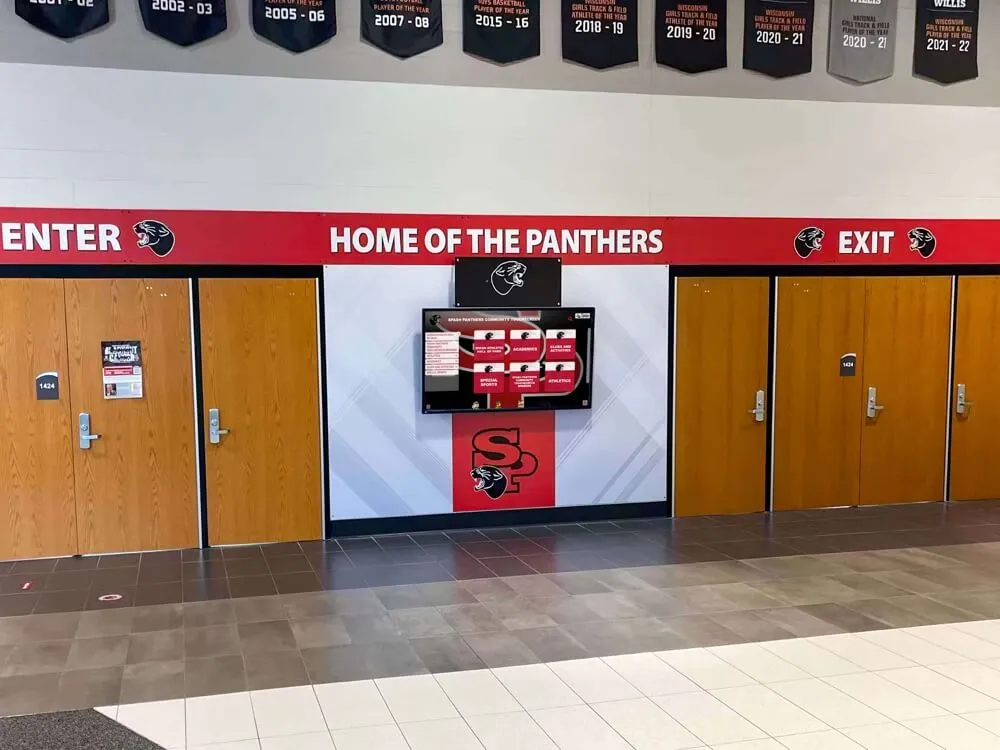
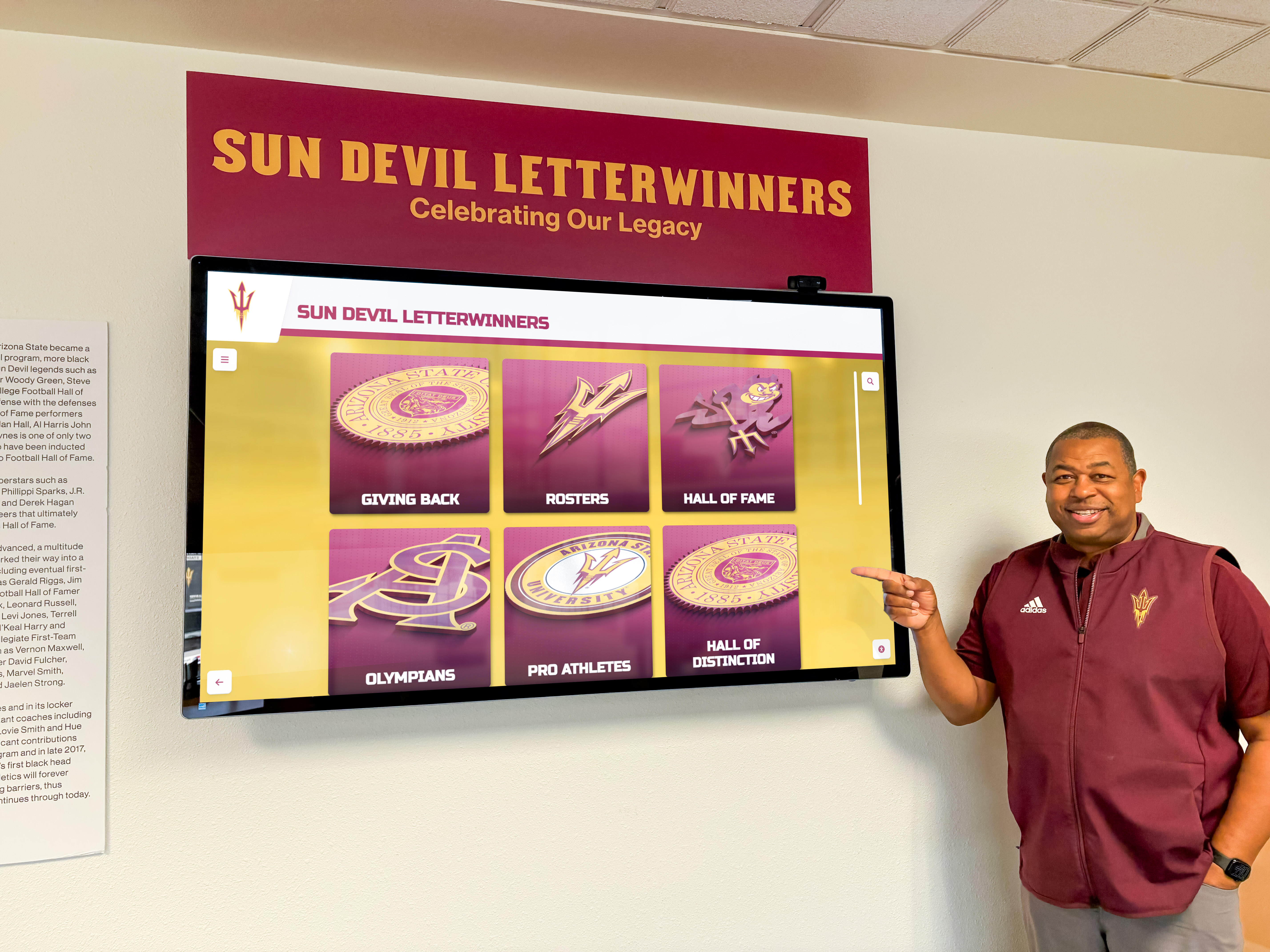
Public letterwinners displays transform individual award decisions into visible program history — every name earned its place through documented criteria
What Is a Varsity Letter and Why Do Requirements Matter?
A varsity letter — traditionally a chenille fabric letter in the school’s colors — is the formal symbol that a student-athlete competed at the varsity level and met the standards the school established for that honor. For a complete background on the letter’s history and significance, this overview of what a varsity letter is in high school covers the cultural and institutional context.
The letter itself is only as meaningful as the requirements behind it. Schools with well-defined requirements gain:
- Coaching consistency — every coach applies the same documented standard, reducing year-to-year variation
- Family clarity — athletes and parents know the specific threshold from day one of the season
- Administrative defensibility — when a letter is awarded or withheld, the written policy explains the decision
- Historical integrity — a letterwinners record built on documented criteria is a reliable institutional archive
For schools evaluating or updating their requirements, the varsity letter requirements guide for high school sports provides a useful reference point for how programs across different states and conference levels approach the question.
Core Categories of Varsity Letter Eligibility
Most high school letter programs define eligibility across three broad categories: participation, performance, and standing. The specific thresholds vary by sport, but the category structure is consistent.
1. Participation Requirements
Participation requirements establish a minimum level of actual competition — games played, meets entered, or matches completed — that qualifies an athlete for letter consideration. These typically include:
Games / Contests Played The most common metric. A minimum number of varsity-level contests must be completed during the season, not just dressed for or practiced through. Example thresholds range from roughly one-third to one-half of the total schedule depending on sport and school policy.
Percentage of Practices and Events Some programs combine a participation-in-competition requirement with a minimum practice attendance percentage — typically 75–90% of required sessions. This prevents situations where an athlete participates in a few late-season games after missing most of the preparation.
Completion of the Season Many schools require an athlete to be in good standing at the end of the season, meaning they were not dismissed, did not voluntarily quit, and were available for postseason participation if the team advanced.
2. Performance Requirements
Not all letter programs include explicit performance thresholds — many rely solely on participation — but some sports lend themselves to merit-based criteria:
- Starters or significant contributors: Coaches may define “significant playing time” as a threshold (e.g., appearing in a minimum percentage of total game minutes for basketball, or completing a defined innings count for baseball/softball)
- Statistical milestones: A limited number of programs set sport-specific benchmarks — a wrestler who earns a set number of wins, a swimmer who achieves a qualifying time standard
- Coach’s award: The final decision in many programs rests with the head coach’s written recommendation, giving coaches flexibility for athletes whose contribution was significant but fell short of a statistical threshold
3. Academic and Conduct Standing
Academic eligibility and conduct standing are conditions that must remain in good standing throughout the season for letter consideration:
Academic Eligibility Most districts require student-athletes to maintain passing grades in all courses (or a minimum GPA) throughout the season. Athletes who became academically ineligible at any point during the season typically remain ineligible for letter honors unless the policy includes a reinstatement path.
Conduct Standing Athletes who were suspended from the team, removed for code-of-conduct violations, or dismissed before season’s end are generally ineligible for season letter awards. Schools that tie recognition eligibility directly to their conduct standards have an explicit policy structure to reference — see how athletic conduct codes connect to awards eligibility in this detailed athletic code of conduct and recognition eligibility guide.
Varsity Letter Requirements by Sport: A Reference Table
The following table reflects common threshold ranges in high school athletic programs. These are illustrative benchmarks — actual requirements must be set by each school’s athletic department and approved through the appropriate administrative process.
| Sport | Typical Participation Threshold | Notes |
|---|---|---|
| Football | 20–25% of varsity quarters played, or 50% of games dressed | Injury exceptions common for multi-sport athletes |
| Basketball | 20–25% of total game minutes, or minimum games suited | Coach discretion for significant contributors |
| Baseball / Softball | Minimum innings pitched/played, or games active | Pitchers and position players may have separate criteria |
| Soccer | Minimum games played (often 1/3 of schedule) | Starting vs. substitution often not distinguished |
| Track & Field | Minimum number of meets entered, or qualifying performance | Individual event participation tracked per athlete |
| Swimming / Diving | Minimum meets entered, or achieving a qualifying standard | Event and relay participation count separately at many schools |
| Wrestling | Minimum number of bouts wrestled | Win/loss record occasionally a factor at some schools |
| Cross Country | Minimum meets completed | Most schools use participation only, no time standard |
| Volleyball | Minimum sets or matches played | Libero role and serving specialist roles may have adjusted criteria |
| Golf | Minimum matches played, or qualifying for varsity lineup | Small-team sports often use coach judgment more heavily |
| Tennis | Minimum matches, or earning a spot in the varsity lineup | Singles vs. doubles distinctions sometimes applied |
| Lacrosse | Minimum games played (often 1/3 of schedule) | Consistent with other team sports |
For a deeper look at how different programs set and communicate their standards, the varsity letter requirements for high school athletes guide covers both the policy structure and how coaches typically present criteria to their teams.

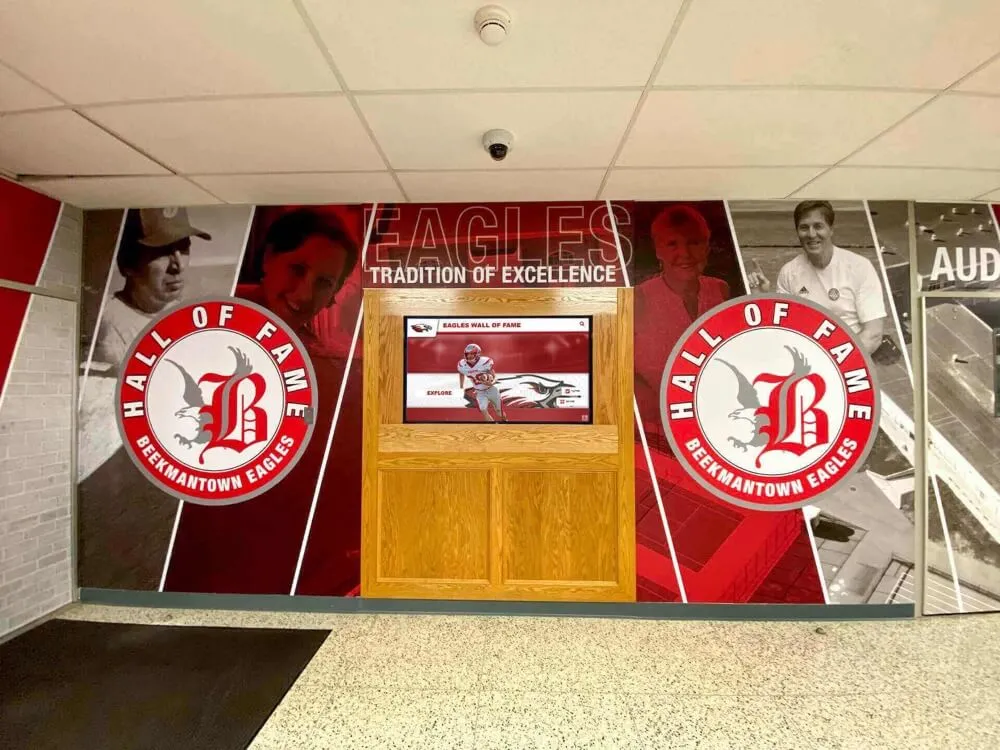
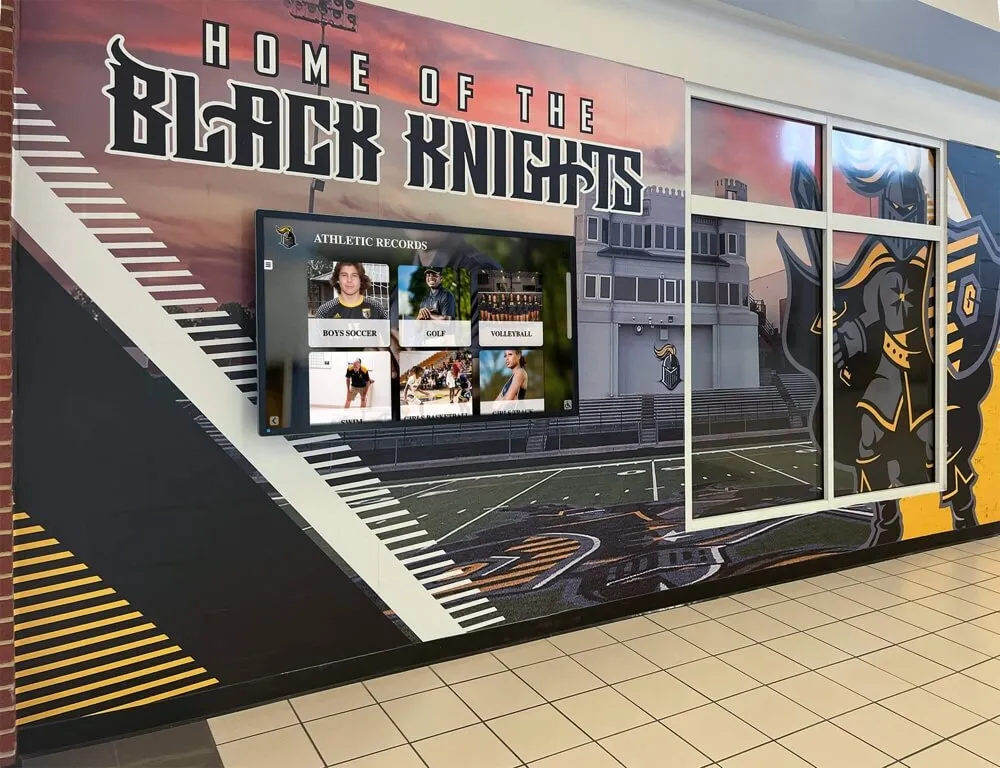
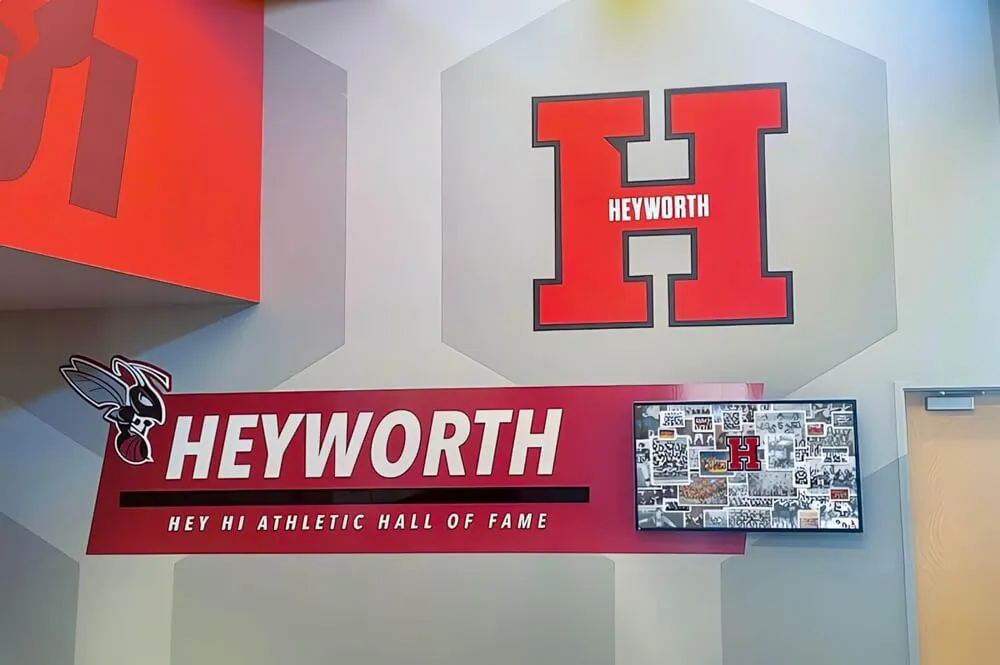
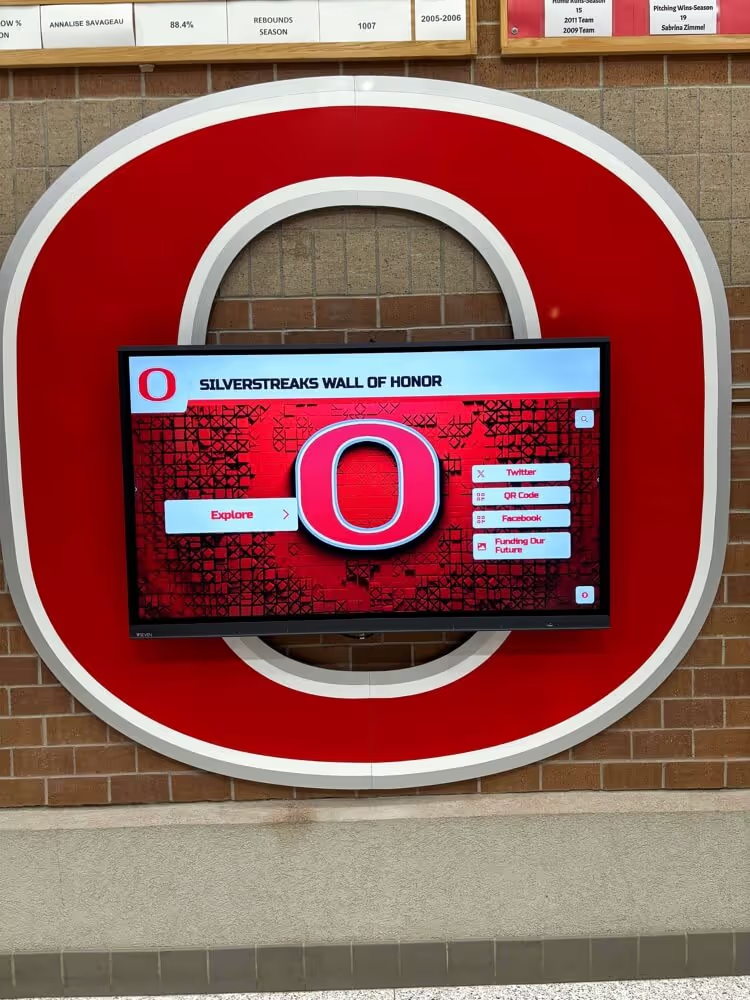
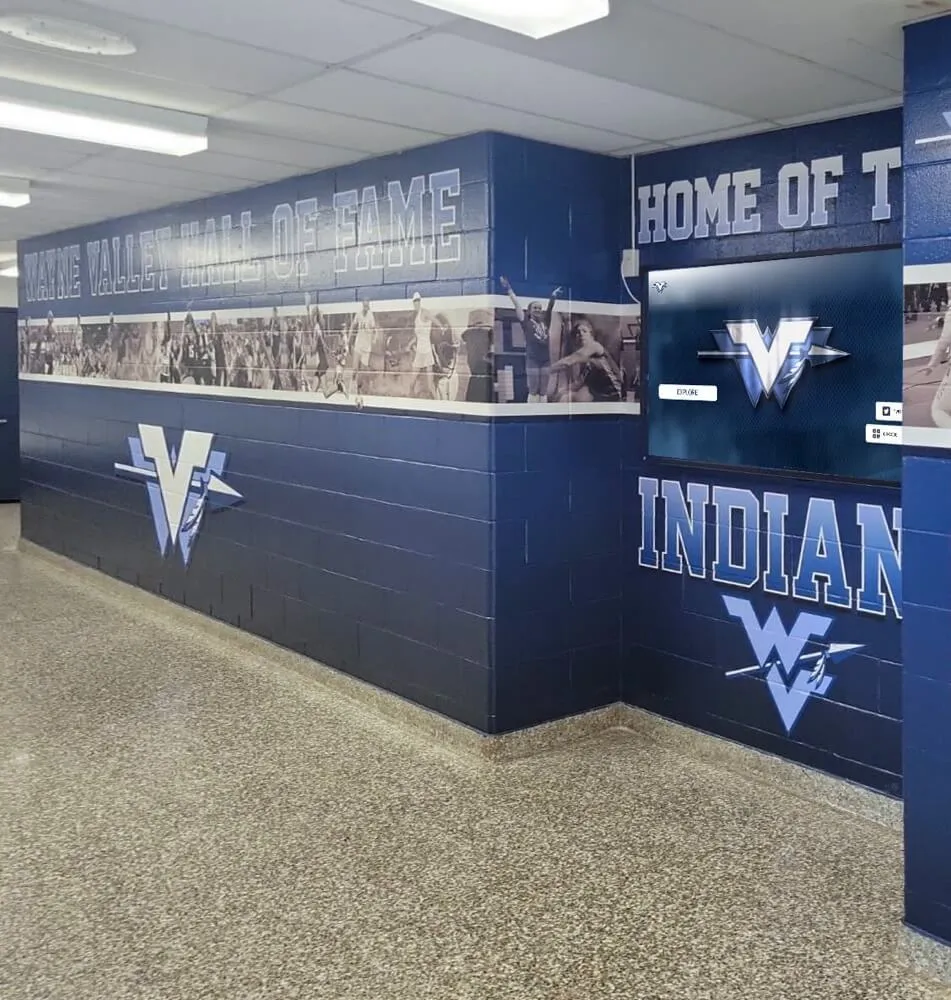
Permanent hallway honor walls catalog letter winners across decades — clear eligibility criteria make every name on the wall defensible
Special Circumstances and Exception Policies
Every letter program needs written guidance for situations that fall outside the normal participation thresholds.
Season-Ending Injuries
An athlete who is injured during the season and cannot meet the participation threshold through no fault of their own presents the most common exception case. Most athletic departments allow the head coach — with athletic director approval — to award a letter to an injured athlete who was on track to meet criteria before the injury and who remained actively involved in a team role (on the bench, in practice where possible, contributing to team culture) through the rest of the season.
Exception decisions should be documented in writing and filed with the activities office alongside the standard letter roster.
Transfer Athletes
Athletes who transfer mid-season face additional complexity. NFHS and state association transfer eligibility rules govern competition, but letter eligibility is a separate school policy decision. Most programs use one of two approaches: the transfer must complete the full remaining schedule after becoming eligible, or the transfer must meet a prorated participation threshold based on the contests available to them after enrollment.
Multi-Sport Athletes
Athletes participating in overlapping sports, or who transition between a primary and secondary sport mid-season, may need prorated criteria applied for each program. Athletic directors coordinating between coaching staffs on overlapping season athletes often benefit from a written multi-sport exception policy that heads coaches can reference consistently.
Varsity Letter Hardware: Letters, Pins, Bars, and Certificates
The physical components of the varsity letter award vary by school, but most programs include some combination of the following.
The Chenille Letter
The base varsity letter is a chenille (woven felt-style) patch in the school’s colors, typically 4–6 inches tall, cut in the school’s primary letter or a standardized block font. The letter is the universal constant — athletes from different sports receive the same base letter, with activity-specific elements attached.
Activity Pins and Sport Designators
Activity pins — small metal pins cast in the shape of a ball, bat, track shoe, or other sport-specific emblem — attach to the letter to identify the sport. Most school awards vendors offer a standard catalog of sport pins; custom pins are available for activities not covered by standard sets.
Pin selection matters for multi-sport athletes, who may accumulate several activity pins on a single letter over multiple seasons.
Service Bars and Multi-Year Recognition
Athletes who earn letters in multiple seasons receive service bars — small chevrons or horizontal bars attached below the letter — to denote each additional letter-earning year beyond the first. Common systems:
- Gold bars: One per additional year of varsity lettering in any sport
- Sport-specific bars: Separate bar tracking per individual sport
- Star pins: Awarded for captaincy or exceptional service in addition to standard years
For a comprehensive look at how the letter and its components communicate a student-athlete’s full career, this resource on how high school athletes earn varsity letters covers hardware options in detail.
Letter Award Certificates
Alongside the physical letter, most schools present a certificate at the letter awards ceremony. A well-designed certificate should include:
- Student-athlete’s full name and graduation year
- Sport(s) lettered
- Season year
- Head coach’s name and signature
- Athletic director’s signature
- School name and logo
- Any special designations (captain, all-conference, academic letter)
Certificates serve as an archival document separate from the physical letter — framed certificates displayed at home, included in scrapbooks, or used as supporting documentation for college applications outlive the physical letter’s visibility in most cases.
Letter Jackets
Letter jackets remain the most visible daily symbol of varsity letter status for many student-athletes. Jacket policies vary: some schools operate school-subsidized jacket programs, most require families to purchase through an approved vendor, and some leave jacket purchase entirely optional.
Athletic directors coordinating jacket programs should maintain a list of approved vendors and confirm that jacket designs meet school brand standards before distributing vendor information to families.
Communicating Varsity Letter Requirements to Athletes and Families
The best-written letter policy is only effective if athletes and families know it exists before the season begins.
Pre-Season Distribution Distribute the written letter criteria at the first team meeting of each season. Have athletes (and in the case of minors, parents) sign an acknowledgment that they have received and reviewed the criteria. File signed acknowledgments with the activities office.
Handbook Inclusion Letter requirements should appear in the school’s student-athletic handbook — the same document that covers eligibility, code of conduct, and participation policies. This gives athletes and families a single reference document for all athletic participation standards.
Mid-Season Status Check Some programs offer a mid-season eligibility check — a brief note from the coach or athletic office indicating whether the athlete is currently on track to meet letter criteria. This is especially useful for athletes near the participation threshold after early-season injury or scheduling changes.
End-of-Season Notification Athletes who do not receive a letter should be notified privately and in writing, with the specific criteria shortfall identified. This documentation protects the school if the decision is later questioned and gives the athlete clarity about what they would need to accomplish in a future season.
For schools looking at how these standards translate into broader recognition structures, the complete overview at donorswall.com on varsity letter requirements and earning this honor is a useful companion resource.
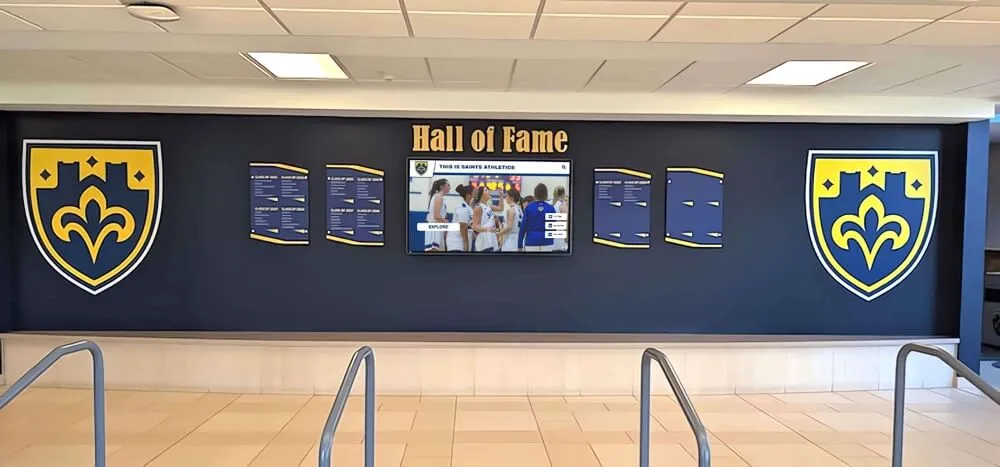
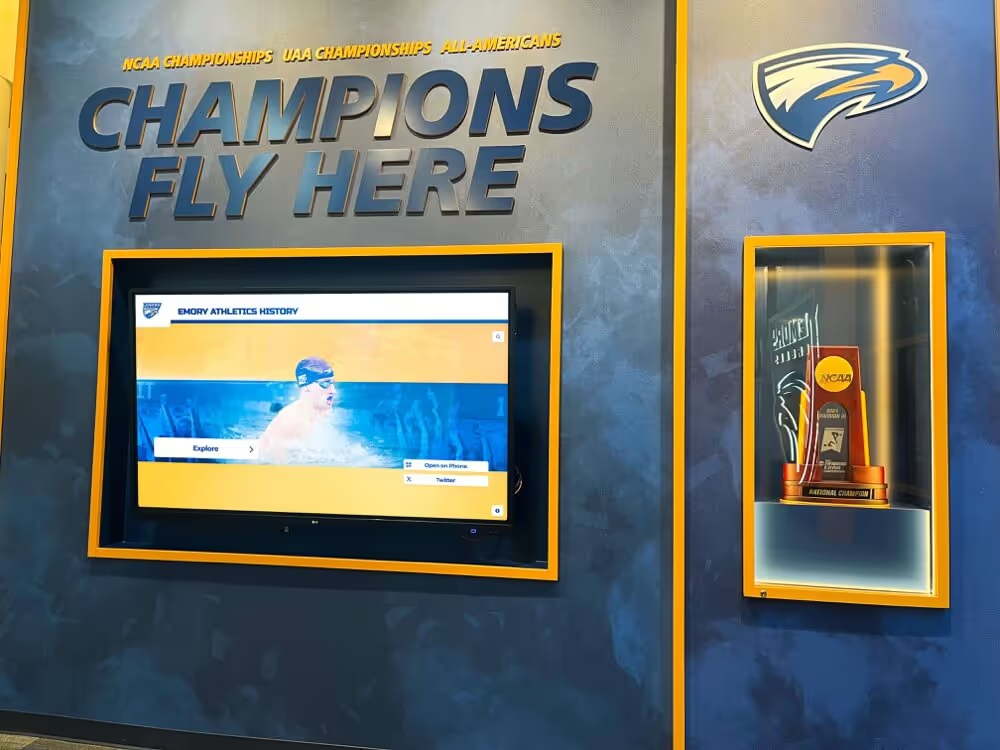
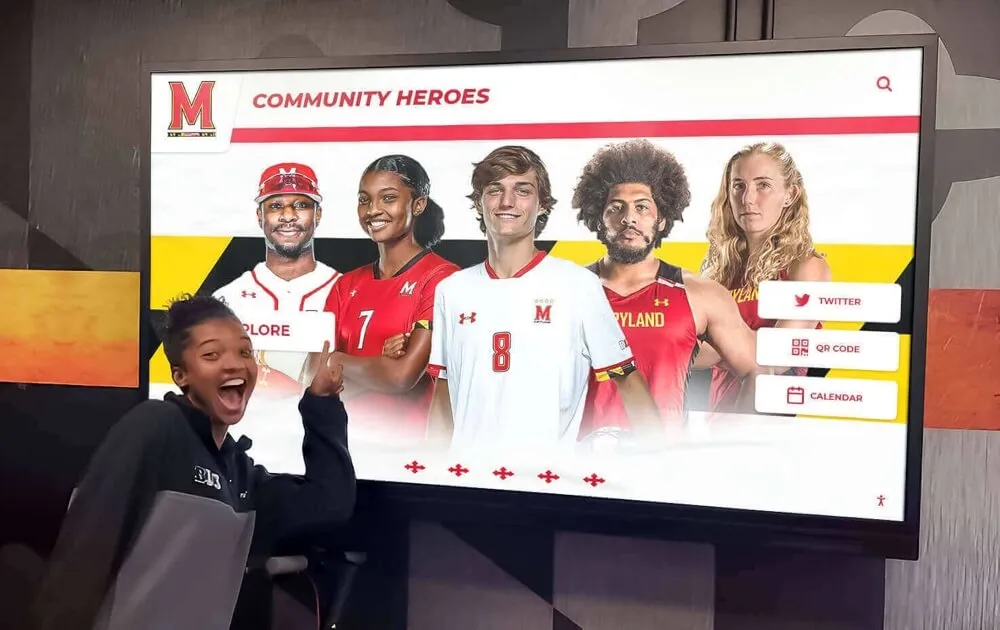
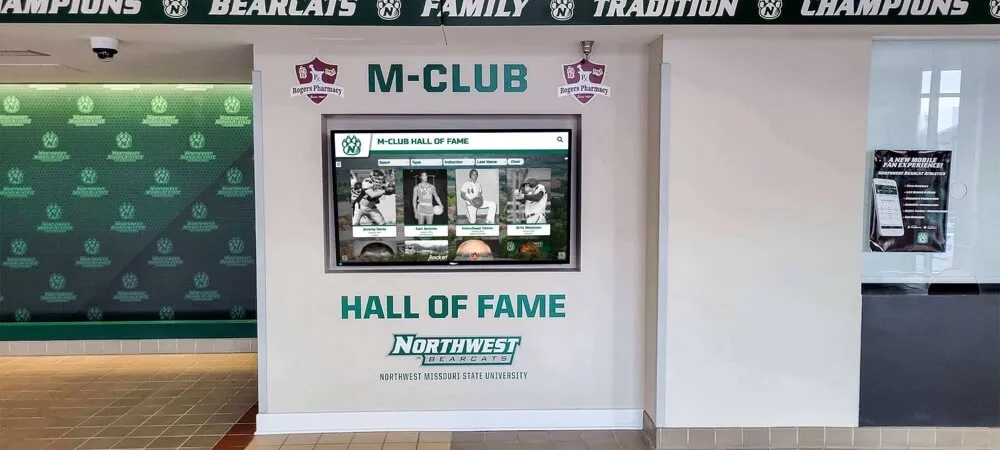
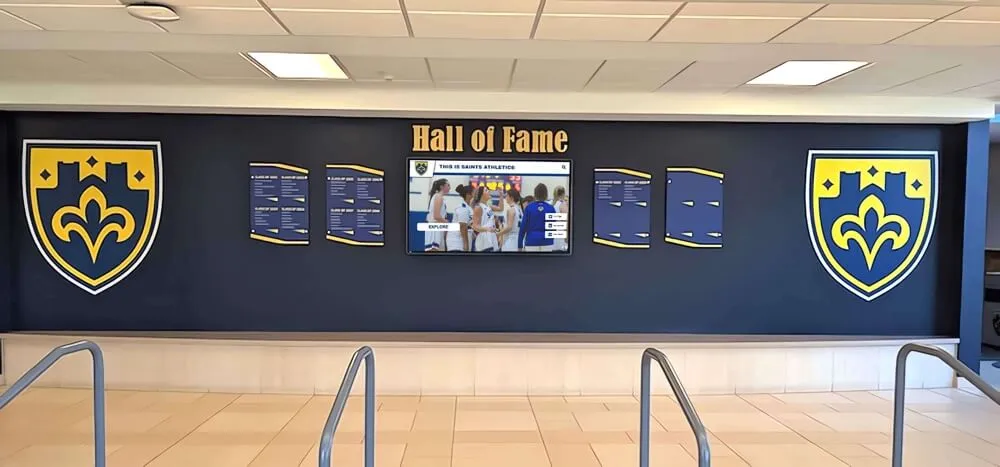
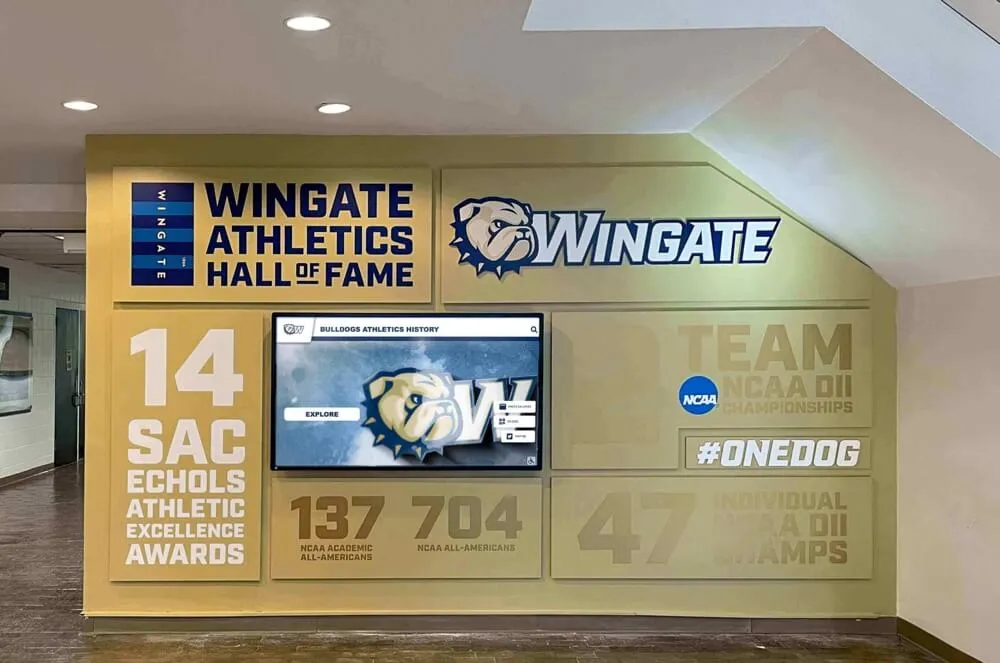
Shield-style hall of fame displays allow schools to recognize letter winners alongside all-time program records and award history
Building a Letter Winner Recognition Display
Awarding the letter is step one. Building a lasting recognition display transforms the letter into permanent program history visible to current students, alumni, and visitors.
Physical Display Options
Letter Board Plaques: Wall-mounted plaques listing letter winners by sport and year, typically installed in the gymnasium lobby, main hallway, or athletic wing. Plaques can be engraved aluminum or printed on acrylic, updated annually as new letter classes are recognized.
Shield Systems: Athletic programs using shield-shaped annual plaques — one per sport per season — can build letter winner corridors that grow visually as program history accumulates. Each shield carries the year, sport, and letter winners for that season.
Hall of Fame Integration: Schools that operate an athletic hall of fame sometimes integrate letter winner records into the same display system, distinguishing between general letter winners and hall of fame inductees.
For schools planning athletic awards nights and display infrastructure together, this guide to recognition awards categories, selection criteria, and display ideas covers the full planning cycle.
Digital Recognition Displays for Letter Winners
Physical plaque systems have a finite capacity. A school with a 40-year football program history and consistent letter classes of 20–30 athletes per year accumulates hundreds of names — far more than most plaque corridors can accommodate without crowding or becoming unreadable.
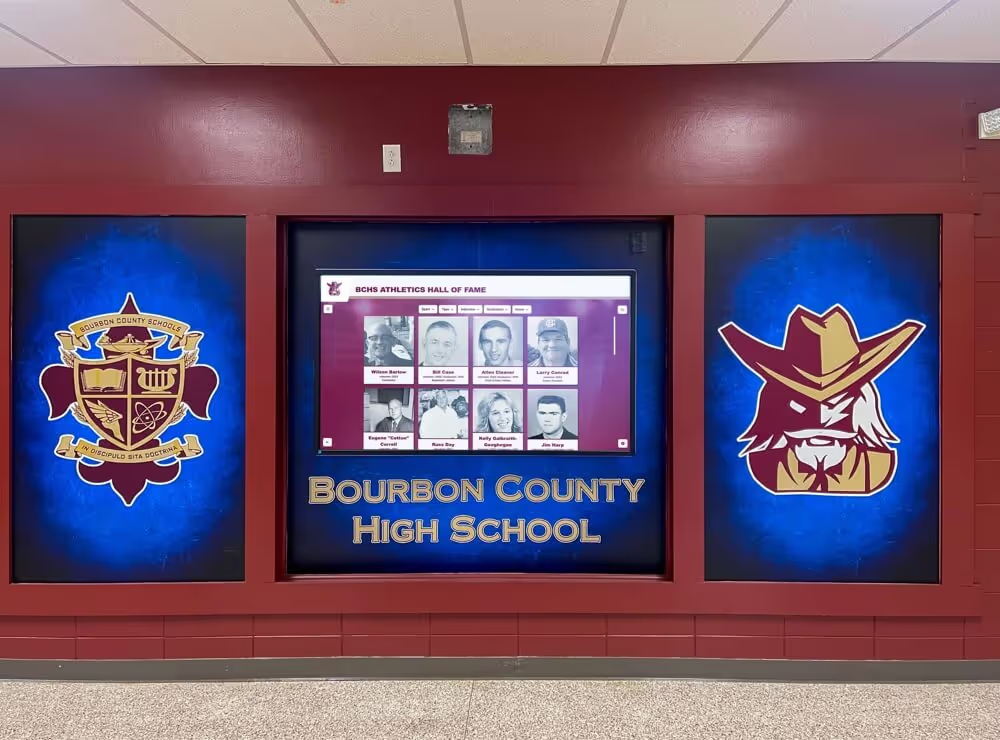
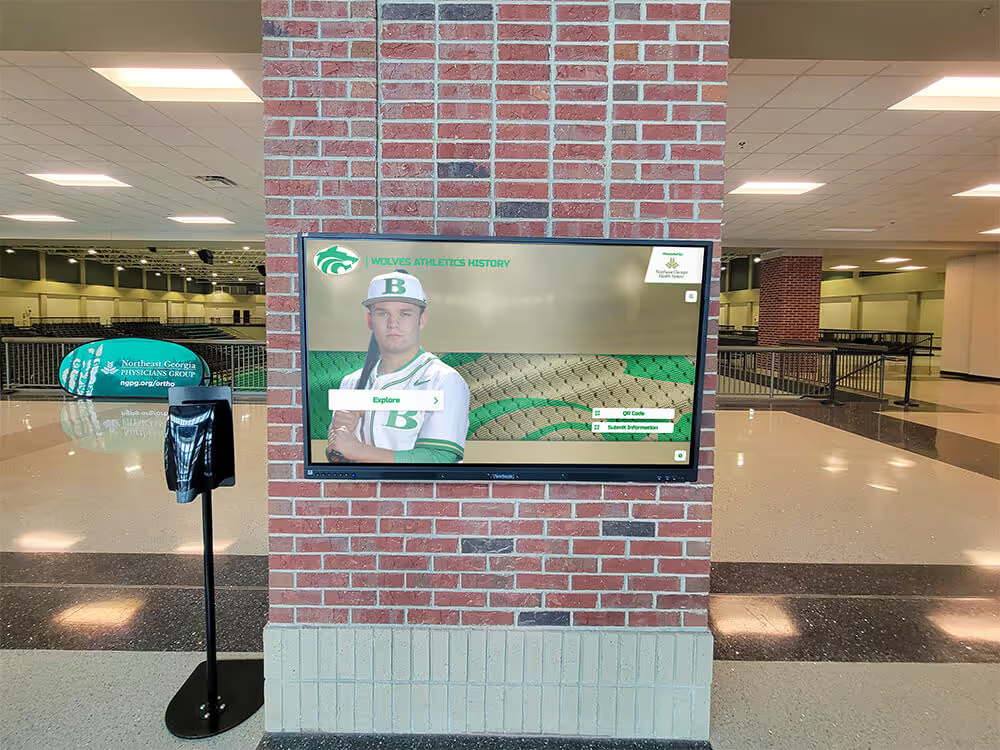
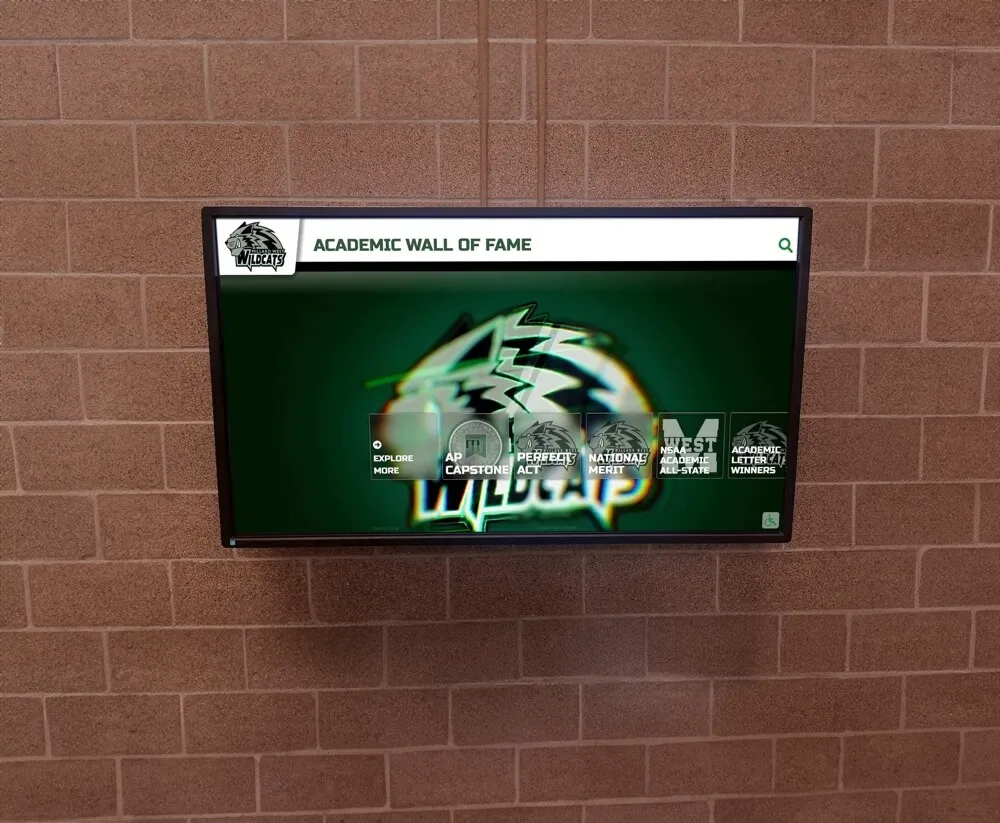
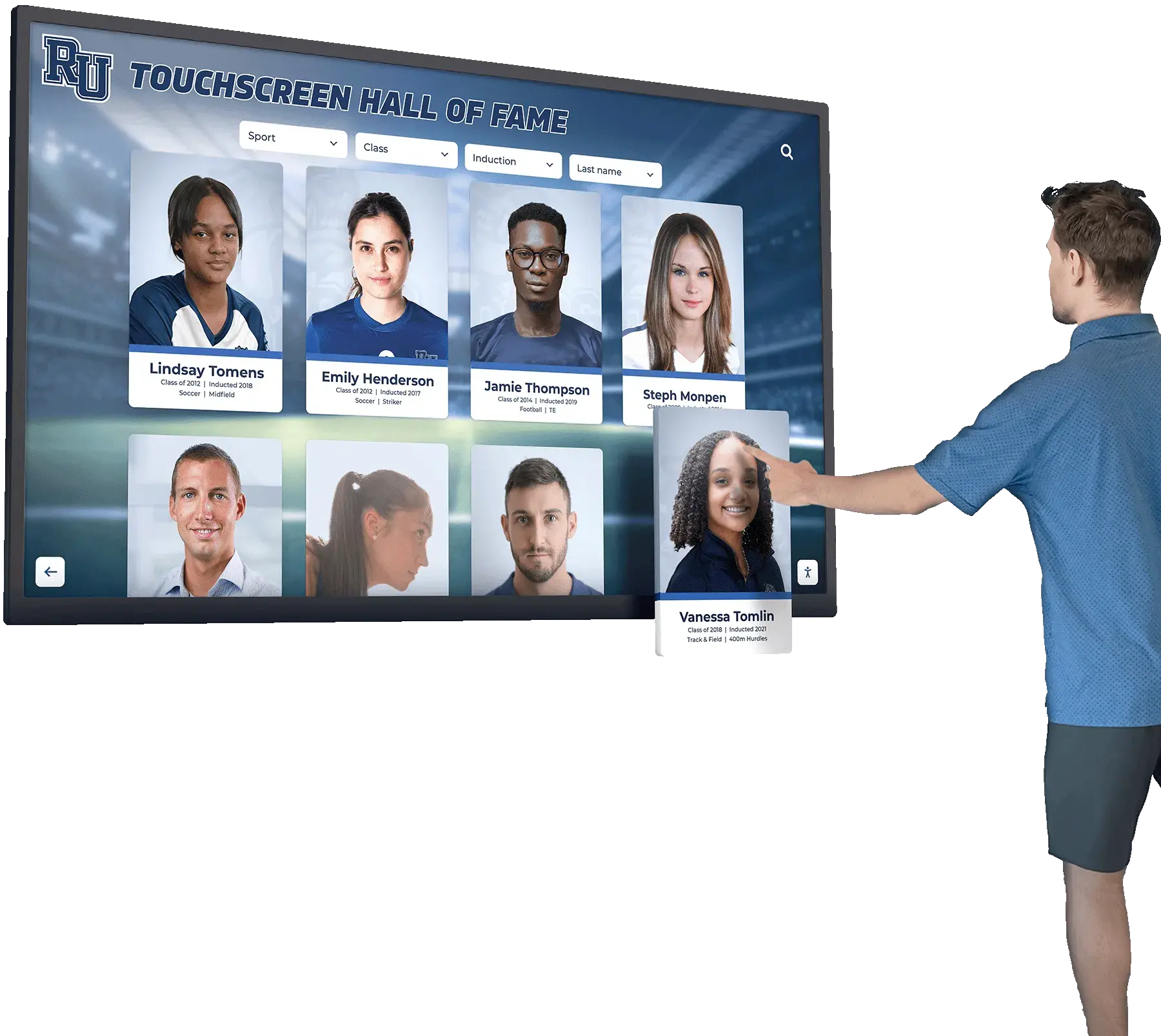
Digital recognition walls solve this capacity problem while adding engagement capabilities physical systems cannot offer:
- Unlimited letter winner profiles — every athlete since the program began, with individual pages rather than just a name on a plaque
- Sport-specific browsing — visitors can filter by sport, year, or name to find specific letter winners across decades
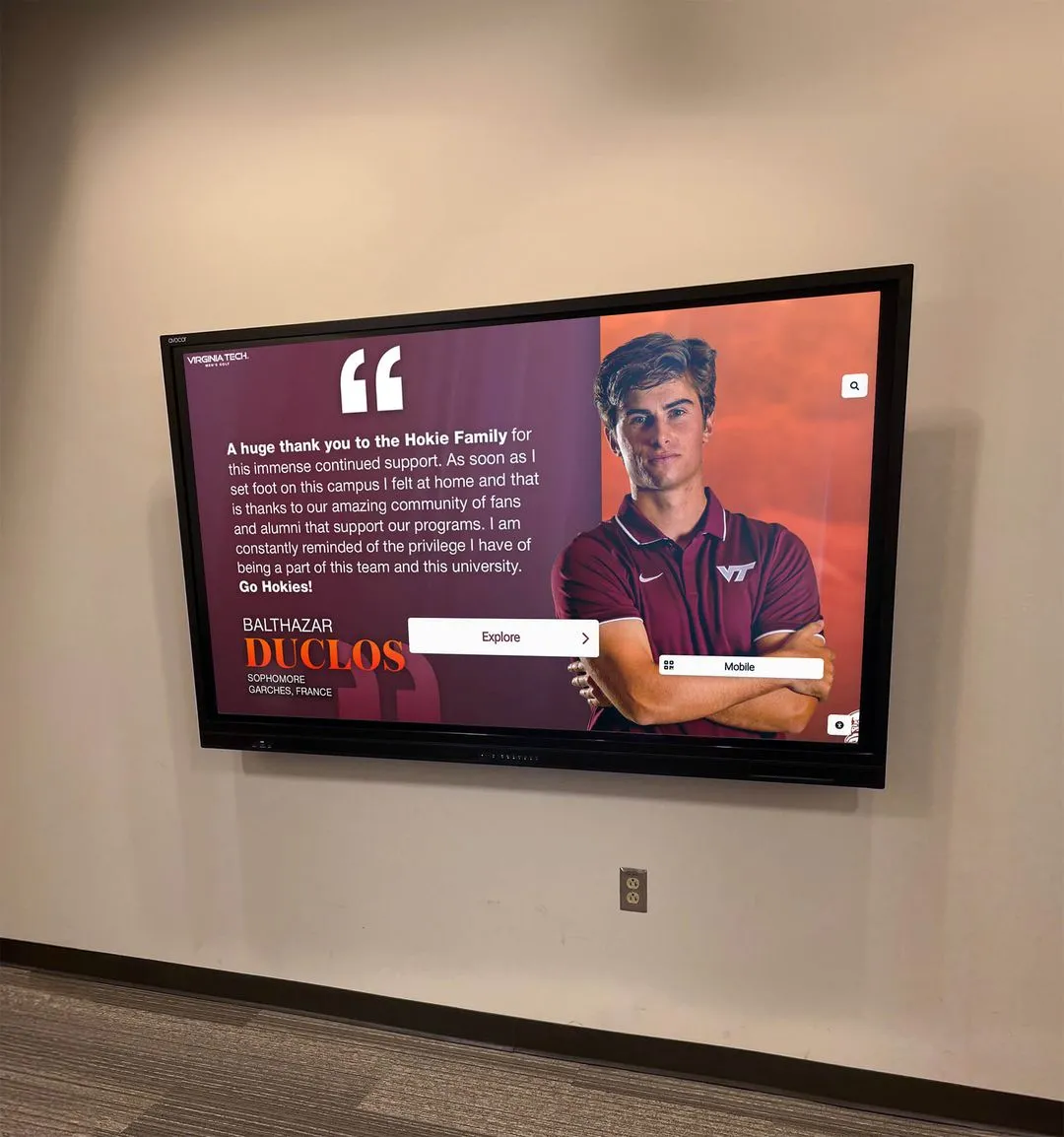
- Rich media integration — photos, competition highlights, and personal bios alongside each letter winner’s credentials
- Real-time updates — new letter winners can be added in the same week letters are awarded, without waiting for fabrication
- Multi-program capacity — one display system can recognize letter winners across all varsity sports simultaneously
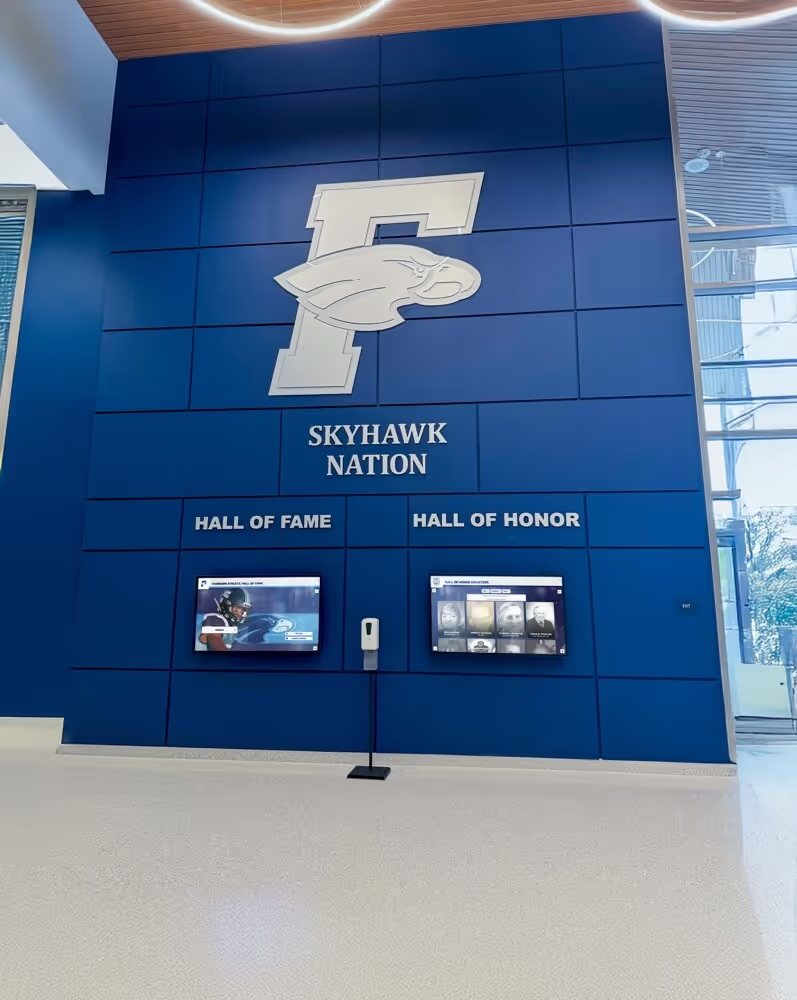
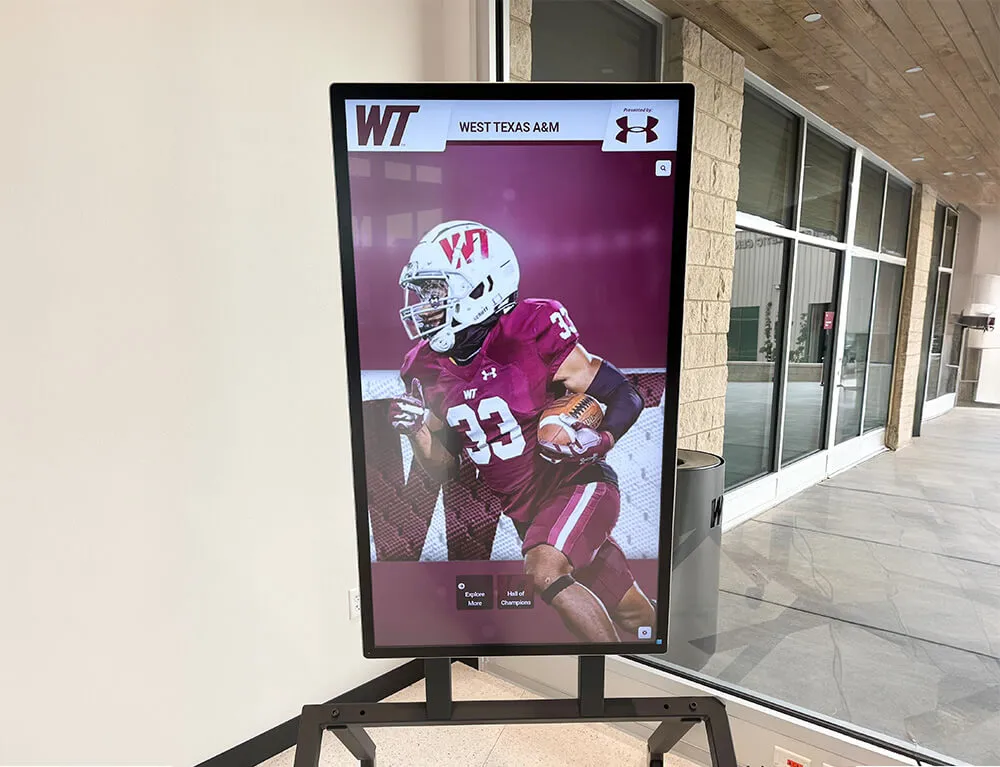
Rocket Alumni Solutions builds touchscreen recognition walls used by schools to house exactly this kind of comprehensive letter winner archive alongside hall of fame inductees, record boards, and team history. Schools with decades of letter winner records can bring the entire history onto a single searchable display.
See How Schools Display Letter Winners Digitally
Rocket Alumni Solutions builds touchscreen walls of fame that house every letter winner your program has ever recognized — searchable by sport, year, and name, with individual profiles, photos, and career history.
Request a DemoArchiving Historical Letter Winners
Schools starting a new digital display often discover that their letter winner records exist across dozens of years of athletic handbooks, filing cabinet rosters, and yearbook records. Bringing that history onto a recognition display requires a deliberate archiving process:
- Pull annual letter rosters from athletic office records and archived handbooks
- Cross-reference with yearbook photos to match names with images for athletes from earlier decades
- Contact former coaches and athletic directors for records from seasons with incomplete documentation
- Reach out to alumni associations for names or corrections from specific graduating classes
The archival effort is a one-time investment. Once historical records are digitized and organized, the display system becomes a permanent institutional memory — connecting current athletes to the generations who earned letters before them.
For schools celebrating major recent milestones alongside letter recognition, this resource on national signing day recognition displays shows how current-year achievements integrate with longer-term recognition infrastructure.
Varsity Letters for Non-Sport Activities
Many high schools extend the letter program beyond traditional athletics to include academic letters, performing arts letters, and activity letters for programs like color guard, debate, and student government. The governance principles are the same — written criteria, published thresholds, consistent application — even though the specific metrics differ.
For a breakdown of what varsity letters mean across all program types and how the credentialing process works for non-traditional activities, this complete guide to what a varsity letter means in high school covers the broader landscape.
Athletic directors expanding the letter program to include non-sport activities should involve the relevant program directors (band director, debate coach, activities director) in developing criteria and ensure all new programs appear in the student-athletic or student-activities handbook under the school’s formal letter program.
The Role of Athletic Trainers in Letter Eligibility Documentation
Athletic trainers play an indirect but important role in letter eligibility — particularly for athletes navigating injuries that create participation shortfalls. When an athlete’s letter eligibility depends on whether a participation threshold was missed due to injury versus choice, the athletic trainer’s documentation is often the authoritative record.
Schools that maintain detailed injury logs, treatment records, and physician clearance documentation through their athletic training program have a much cleaner path to making and defending letter exception decisions. For context on how athletic trainer roles intersect with recognition and eligibility in school programs, see this overview of high school athletic trainer roles, requirements, and recognition.
Frequently Asked Questions
What are the standard high school varsity letter requirements?
Requirements vary by school and sport, but most programs require athletes to complete the full season in good standing, meet a minimum participation threshold (typically appearing in one-third to one-half of varsity contests), maintain academic eligibility throughout the season, and have no disqualifying conduct violations. The specific threshold for each sport is determined by the school’s athletic department and documented in the student-athletic handbook.
How many games do you need to play to earn a varsity letter?
There is no universal standard — each school sets its own threshold per sport. Common benchmarks range from one-third to one-half of the total varsity schedule for team sports. Individual sports like track, swimming, and wrestling often use minimum meets-entered thresholds. The school’s athletic handbook is the authoritative source for each sport’s specific requirement.
Can you earn a varsity letter without playing in a game?
In rare circumstances, yes — most policies include provisions for athletes who are injured before meeting the participation threshold but who remain on the roster and contribute to the team in a non-playing role. These exceptions typically require head coach recommendation and athletic director approval, and the decision should be documented in writing alongside the standard letter roster.
Do academic letters use the same criteria as athletic letters?
No. Academic letter criteria are defined separately from athletic criteria. Typical academic letter requirements include a minimum GPA threshold (often 3.5 or above), maintained across a defined period (usually the full school year), sometimes combined with course-level criteria such as completing a certain number of honors or AP courses. Academic letters are usually administered by the counseling or academic office rather than the athletic department.
How should schools display letter winners publicly?
Options range from engraved plaque boards in hallways and gymnasium lobbies to dedicated athletic hall of fame walls using shield or medallion systems. Digital touchscreen recognition walls are increasingly common in schools that want to display all letter winners — across all sports and all years — without the space constraints of physical plaque systems. Digital systems also allow annual updates without fabrication delays and can incorporate photos, bios, and career highlights for each letter winner.
What happens if a student earns a varsity letter in multiple sports?
Most schools issue the same base letter regardless of how many sports are lettered — the sport designation appears on the activity pin attached to the letter. Athletes who letter in multiple sports in the same year receive additional sport pins for the same letter. Multi-year letter earners in the same sport receive service bars. The specific hardware system varies by school, but the convention of a single letter with accumulated designations is standard across most programs.
Conclusion
Clear high school varsity letter requirements protect the integrity of the letter itself. When every athlete on every team knows exactly what they need to accomplish — and when coaches and athletic directors apply those criteria consistently year after year — the letter carries genuine meaning. It becomes a reliable indicator of commitment, participation, and standing, not simply a participation trophy handed out at the end of each season.
The work of defining those requirements belongs in writing, in the handbook, and in the hands of every athlete before the season begins. The work of honoring letter winners belongs on a display wall that makes the program’s history visible long after each graduating class moves on.
For schools ready to build a recognition infrastructure that grows with their program — housing letter winners from every sport and every year on a single searchable display — digital recognition technology makes that possible at scale.
Build a Letter Winner Display That Lasts
Rocket Alumni Solutions designs touchscreen recognition walls that display every letter winner your program has recognized — across all sports, all years, with individual profiles and photos. See how it works with a custom demo for your school.
Schedule Your Free Demo