



The highest academic award in high school represents the pinnacle of scholarly achievement—a formal recognition that celebrates years of consistent excellence, intellectual dedication, and academic perseverance. For most American high schools, this distinction traditionally goes to the valedictorian, the student who achieves the highest grade point average across their entire high school career. Yet behind this seemingly simple designation lies a complex landscape of calculation methods, eligibility criteria, and evolving recognition philosophies that vary significantly from school to school.
As educational institutions grapple with questions of equity, mental health, and multiple measures of excellence, the conversation around top academic honors has evolved considerably. Some schools maintain strict GPA-based rankings, while others have adopted multiple valedictorians, holistic selection criteria, or even eliminated class rank altogether. Meanwhile, students and families navigate weighted versus unweighted GPAs, course rigor considerations, and the competitive pressure that comes with pursuing top academic recognition.
This comprehensive guide explores how schools define and award their highest academic honors, examines the various recognition programs beyond valedictorian, and discusses modern approaches to celebrating academic excellence while maintaining healthy learning environments and fostering genuine intellectual growth.
Understanding what constitutes the highest academic award in your school—and how that recognition is determined—matters for students planning their coursework, families supporting academic goals, and educators designing recognition systems that motivate without creating unhealthy competition. The landscape of top academic honors reflects broader educational values and institutional priorities that shape student experiences throughout high school.

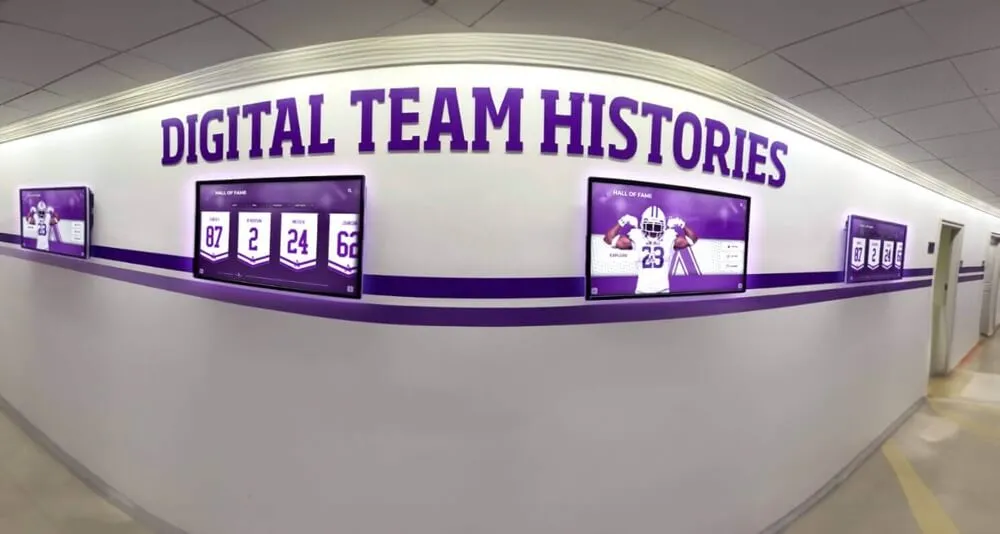
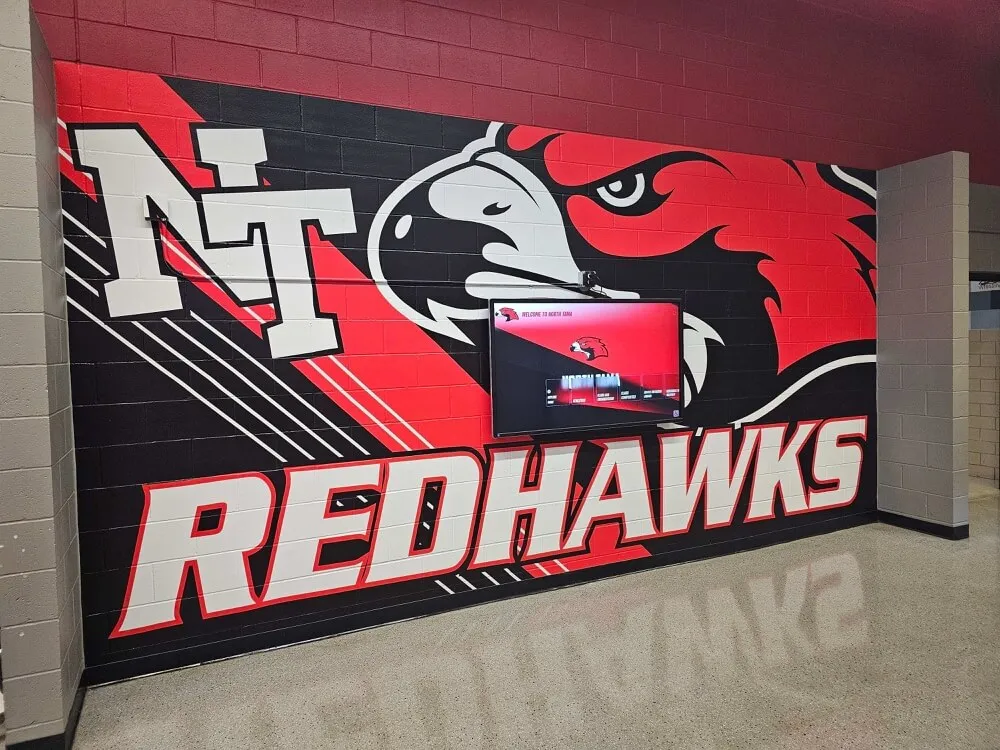
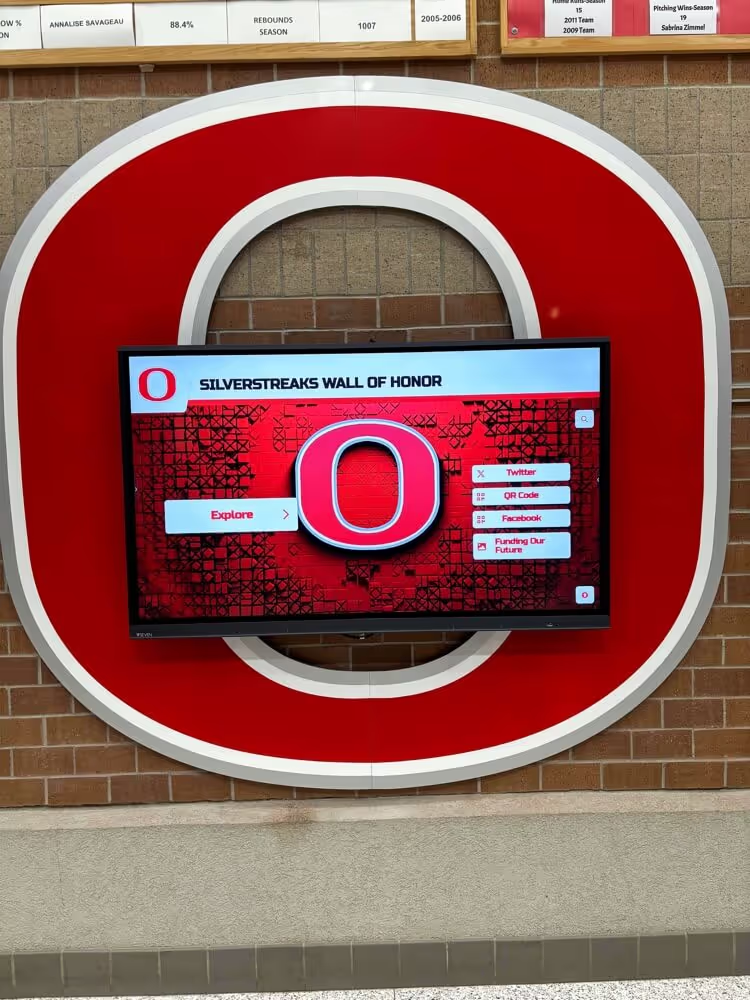
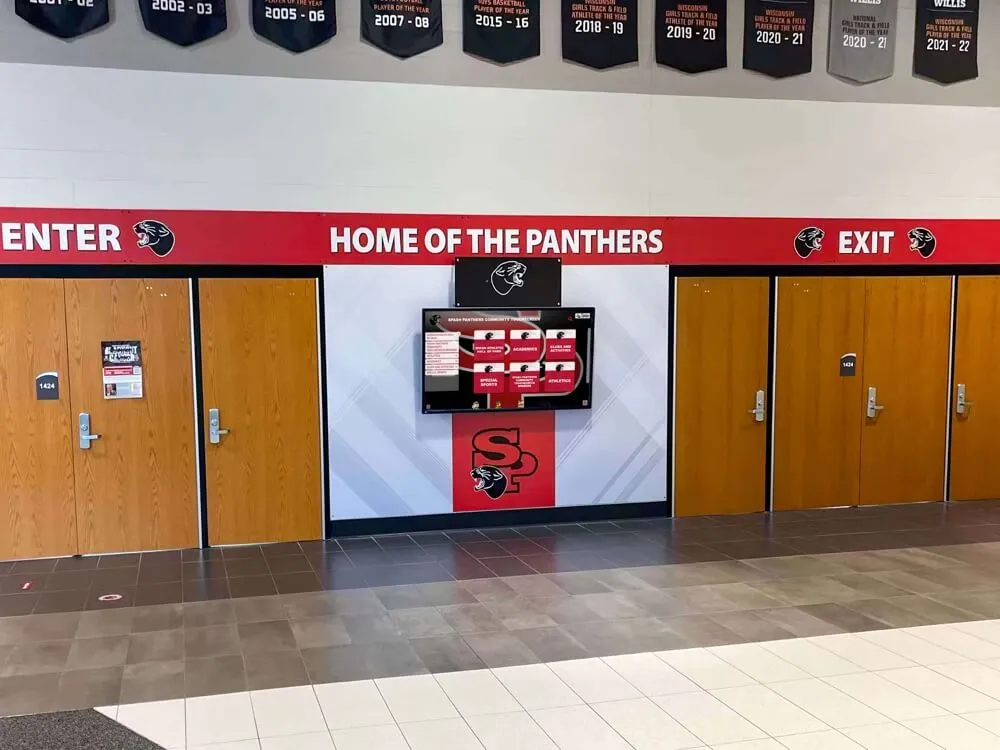
Modern schools use digital displays to celebrate their highest academic achievers with prominent, permanent recognition
What Is the Highest Academic Award in High School?
The highest academic award in most American high schools is the valedictorian honor—a designation awarded to the student with the highest cumulative grade point average at graduation. This recognition typically comes with the privilege of delivering the valedictory address at commencement, representing the graduating class, and receiving special acknowledgment during the ceremony.
Traditional Valedictorian Recognition
The valedictorian tradition dates back centuries, with the term deriving from the Latin “vale dicere” meaning “to say farewell.” Historically, this honor went to the top-ranked student who would deliver a farewell speech to classmates at graduation.
Core Characteristics of Valedictorian Honor:
- Determined by highest cumulative GPA across all four years
- Typically requires enrollment at the school for a minimum period (often all four years)
- May use weighted or unweighted GPA calculations
- Includes graduation ceremony speaking role
- Receives special distinction in graduation programs and school records
- Often awarded special regalia, medals, or certificates
The valedictorian designation carries prestige that extends beyond high school, often appearing on college applications, scholarship submissions, and resumes as evidence of sustained academic excellence and competitive achievement.
Salutatorian: The Second-Highest Honor
Most schools also recognize the salutatorian—the student with the second-highest GPA. This Latin-derived term means “to greet,” and salutatorians traditionally deliver the welcoming address at graduation ceremonies, though practices vary by school.
The salutatorian honor carries similar prestige to valedictorian recognition and demonstrates exceptional academic achievement. In highly competitive schools, the difference between valedictorian and salutatorian may be mere hundredths of a GPA point accumulated across hundreds of grades over four years.
Learn more about comprehensive academic recognition programs that celebrate academic excellence at all levels.

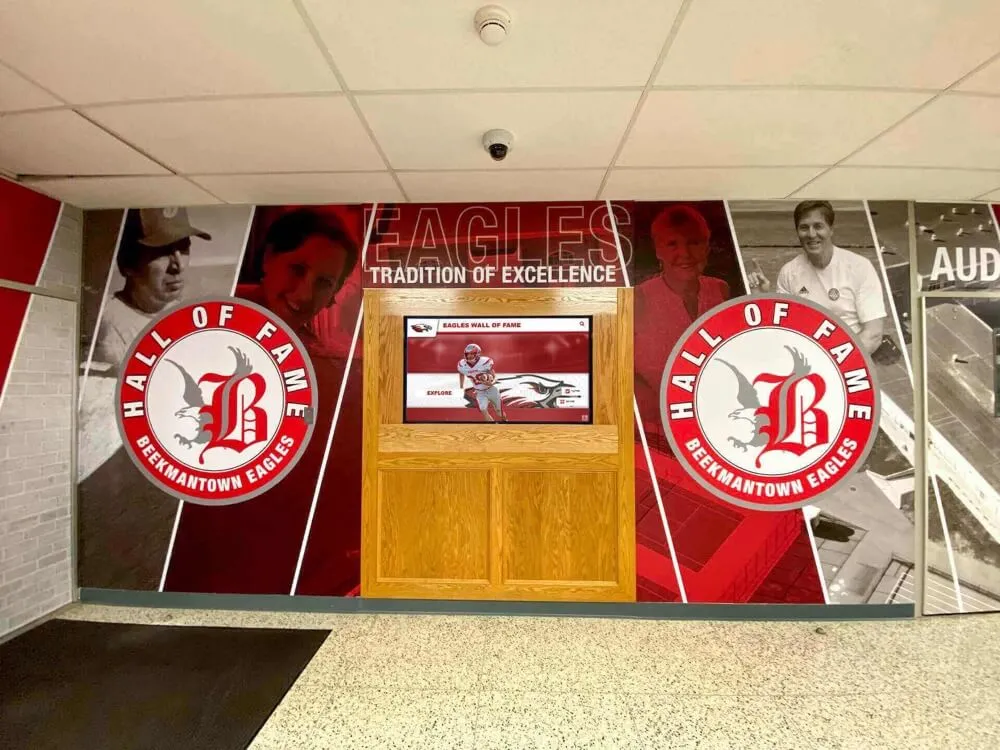
Digital recognition systems showcase individual academic achievements with detailed student profiles
Variations in Top Academic Recognition
Schools approach their highest academic awards differently based on their educational philosophies and student populations:
Single Valedictorian
- One student designated as top academic achiever
- Clear, competitive ranking system
- Traditional approach used by many schools
- Creates clear academic achievement goal
- May intensify academic competition
Multiple Valedictorians
- All students meeting specific GPA threshold (typically 4.0 or above) receive valedictorian status
- Reduces pressure from fractional GPA differences
- Recognizes multiple forms of excellence
- More common in schools using weighted GPAs where many students achieve above 4.0
- Shares recognition across deserving high achievers
Latin Honors Instead
- Some schools use cum laude, magna cum laude, and summa cum laude designations
- Focuses on achievement thresholds rather than class ranking
- Reduces direct student-to-student competition
- Allows multiple students to achieve highest recognition level
- Common in schools that have eliminated class rank
No Class Rank System
- Growing number of schools discontinue class ranking entirely
- Emphasizes individual achievement over comparative standing
- Reduces academic pressure and competition
- May still recognize academic excellence through other awards
- Addresses equity concerns about weighted courses and access
According to the National Association for College Admission Counseling, approximately 50% of high schools now report class rank, down from nearly 100% several decades ago, reflecting changing attitudes toward competitive academic rankings.
How Schools Determine the Highest Academic Award
The calculation methods schools use to determine valedictorian and other top academic honors vary significantly and can dramatically affect who receives recognition.
Weighted vs. Unweighted GPA Calculations
The choice between weighted and unweighted GPA systems fundamentally shapes academic recognition:
Unweighted GPA (4.0 Scale)
- All courses calculated equally regardless of difficulty
- A = 4.0, B = 3.0, C = 2.0, etc.
- Maximum possible GPA is 4.0
- Simpler calculation method
- May discourage students from taking challenging courses
- Can result in multiple students achieving perfect 4.0
Weighted GPA (5.0 or Higher Scale)
- Advanced, honors, AP, and IB courses receive additional weight
- Typical weighting: Honors = 4.5 for A, AP/IB = 5.0 for A
- Rewards academic rigor and course challenge
- Can produce GPAs above 4.0 (commonly 4.5-5.0+ for top students)
- Encourages enrollment in challenging coursework
- More complex calculation requiring clear policies
Many schools using weighted GPAs calculate valedictorian based on weighted GPA, meaning the student with the highest weighted average receives the honor even if another student has a perfect 4.0 unweighted average.
Course Eligibility and Requirements
Schools establish specific rules about which courses count toward valedictorian calculation:
Included Courses:
- Core academic subjects (English, math, science, social studies, world languages)
- Advanced Placement and International Baccalaureate courses
- Honors-level coursework
- Required electives and fine arts courses
Often Excluded Courses:
- Physical education (in many but not all schools)
- Teacher assistant or office aide periods
- Community service hours
- Some elective courses
- Courses taken at other institutions (varies by school)
Timing Considerations:
- Most schools calculate GPA through all four years of high school
- Some include middle school courses taken for high school credit (particularly math and world languages)
- Summer school grades may or may not be included
- Semester vs. year-long course calculation methods vary
Schools must publish clear policies about calculation methods to ensure transparency and fairness in determining top academic honors.

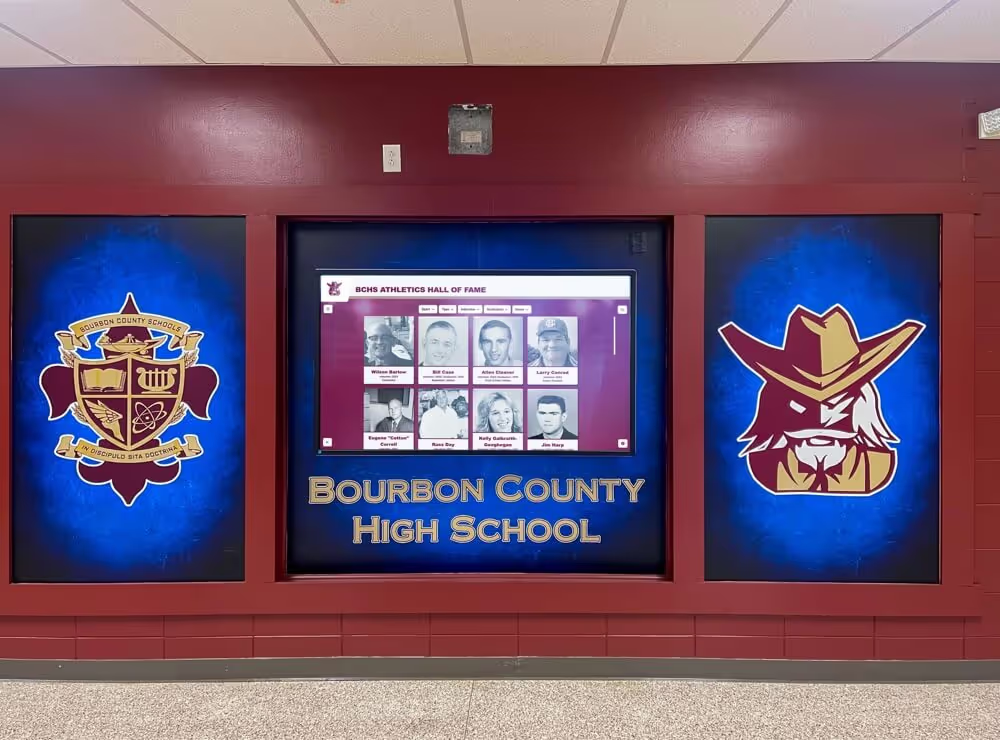
Comprehensive recognition systems track academic achievement across multiple years
Eligibility Requirements Beyond GPA
Most schools establish additional criteria beyond grade point average for valedictorian consideration:
Enrollment Duration
- Typically requires enrollment for all four years at the same school
- Some schools require minimum period (such as junior and senior years)
- Transfer students may be ineligible or subject to different criteria
- Policies vary regarding students who attend part-time at other institutions
Course Load and Credit Requirements
- Minimum credit hour requirements per semester or year
- Full-time enrollment expectations
- Minimum number of courses taken at the awarding school
- Completion of all graduation requirements
Disciplinary Standing
- Some schools require clean disciplinary record
- Serious infractions may disqualify otherwise eligible students
- Academic integrity violations often affect eligibility
- Policies vary significantly by institution
Attendance Requirements
- Minimum attendance standards
- Chronic absenteeism may affect eligibility
- Policies regarding excused vs. unexcused absences
These additional criteria ensure that top academic recognition goes to students demonstrating well-rounded excellence and school community contribution beyond raw academic metrics.
Explore comprehensive approaches to showcasing student achievement throughout the academic journey.
Beyond Valedictorian: Other Top Academic Honors
While valedictorian represents the highest individual academic award at most schools, numerous other prestigious recognitions celebrate exceptional academic achievement.
School-Level Top Academic Awards
High schools typically maintain several tiers of academic recognition:
Class Rank Distinctions
- Top 10% of class recognition
- Top 25 students acknowledgment
- Decile or quintile honors
- Subject-specific top student awards in each academic department
Cumulative GPA Recognition
- Summa cum laude (typically 3.9+ GPA)
- Magna cum laude (typically 3.7-3.89 GPA)
- Cum laude (typically 3.5-3.69 GPA)
- 4.0 GPA clubs recognizing perfect averages
- Honor roll distinctions by semester or year
Honor Society Memberships
- National Honor Society induction
- Subject-specific honor societies (math, science, English, social studies, world languages)
- Technical honor societies for career and technical education
- Membership typically requires minimum GPA plus additional criteria
Departmental Awards
- Outstanding student in each academic subject
- Excellence in STEM, humanities, arts, or other broad categories
- Faculty-selected awards based on achievement and contribution
- Subject-specific competitions and recognition programs
These layered recognition systems ensure that academic excellence receives acknowledgment at multiple levels rather than focusing exclusively on the single highest achiever.
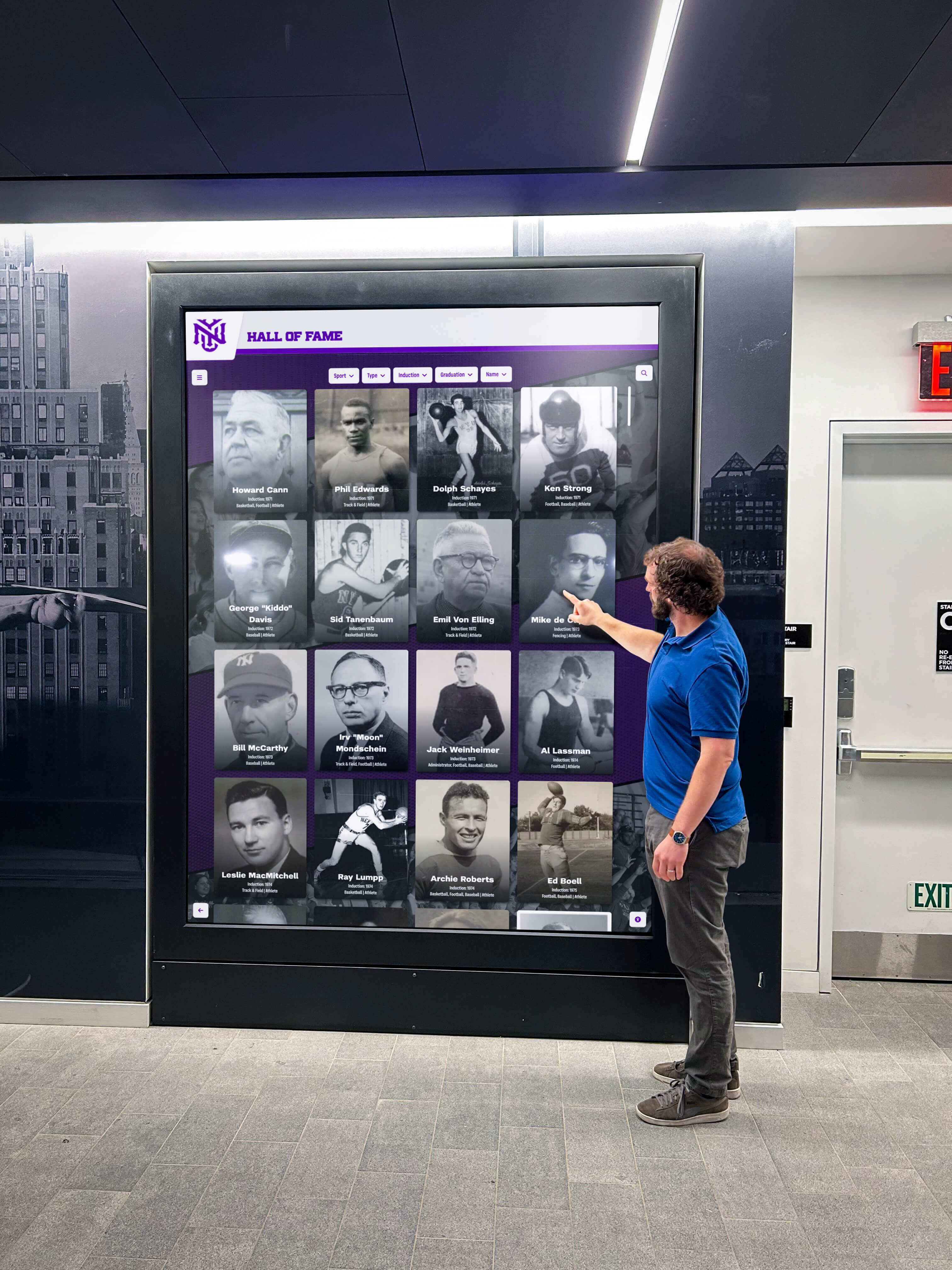
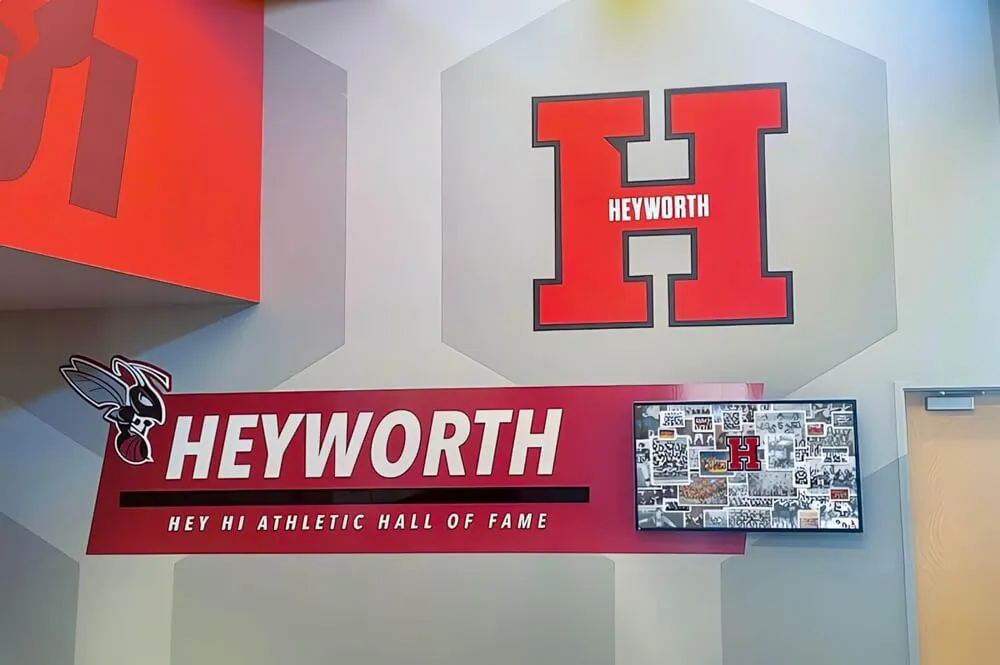
Interactive displays allow families and visitors to explore comprehensive academic achievements
National Academic Recognition Programs
Prestigious national programs provide recognition that enhances college applications and demonstrates excellence beyond individual school contexts:
College Board National Recognition Programs
The College Board offers several academic recognition awards identifying high-achieving students:
- National Recognition Program Awards: Honors academically outstanding underrepresented students including First-Generation, Rural/Small Town, African American, Hispanic, and Indigenous recognition awards
- Eligibility Requirements: Cumulative GPA of 3.3+ (B+) or higher AND top 10% of PSAT/NMSQT scores in relevant category OR 3+ on two distinct AP Exams in 9th or 10th grade
- Recognition Value: Free distinction awarded to students, shared with colleges to increase visibility for admissions and scholarships
National Merit Scholarship Program
One of the most prestigious national academic competitions:
- Based on PSAT/NMSQT scores taken in junior year
- Approximately 1.5 million students enter annually
- 50,000 highest-scoring students receive recognition
- 16,000 named Semifinalists (top 1%)
- 15,000 advance to Finalist status
- 7,500 receive National Merit Scholarships
- Special scholarships for corporate-sponsored, college-sponsored, and National Merit program awards
AP Scholar Awards
Recognition for achievement in Advanced Placement examinations:
- AP Scholar: Scores of 3+ on three or more AP Exams
- AP Scholar with Honor: Average score of at least 3.25 on all AP Exams taken, with scores of 3+ on four or more
- AP Scholar with Distinction: Average score of at least 3.5 on all AP Exams taken, with scores of 3+ on five or more
- State AP Scholar: Top male and female student in each state with highest average AP score (at least 3.5) on all exams taken
Presidential Scholars Program
The U.S. Presidential Scholars Program recognizes approximately 161 students annually:
- Scholars selected based on academic achievement, essays, leadership, and community service
- Semi-finalists identified through standardized test scores or arts portfolio
- Represents pinnacle of national academic recognition
- Includes scholars in academics, arts, and career/technical education
These national programs provide context for individual student achievement and carry significant weight in college admissions and scholarship consideration.
Learn about comprehensive recognition approaches in student awards recognition programs.
How Schools Celebrate Their Highest Academic Achievers
Recognition carries maximum impact when schools celebrate top academic achievers through multiple visible, meaningful channels.
Graduation Ceremony Recognition
Commencement provides the most formal and visible platform for honoring top academic achievement:
Valedictorian and Salutatorian Speeches
- Traditional honor of delivering addresses to graduating class
- Provides platform for reflection on shared experience
- Represents entire class to families and community
- Often becomes memorable moment in graduation ceremony
- May include coordination with school administration on content and timing
Special Recognition and Regalia
- Distinctive honor cords, medals, or stoles
- Special seating or processional position
- Individual recognition during diploma conferral
- Name listing in graduation program
- Academic achievement announcement to audience
Awards Presentations
- Academic awards segments during ceremony
- Department-specific top student recognition
- Scholarship announcement and celebration
- Special achievement acknowledgment
- Faculty presentation of highest honors
Academic Awards Ceremonies
Many schools host dedicated academic recognition events separate from graduation:
Annual Honors Night
- Evening event celebrating academic achievement
- Award presentations across all academic categories
- Family invitation and attendance
- Special program highlighting recipients
- Often held in spring before graduation
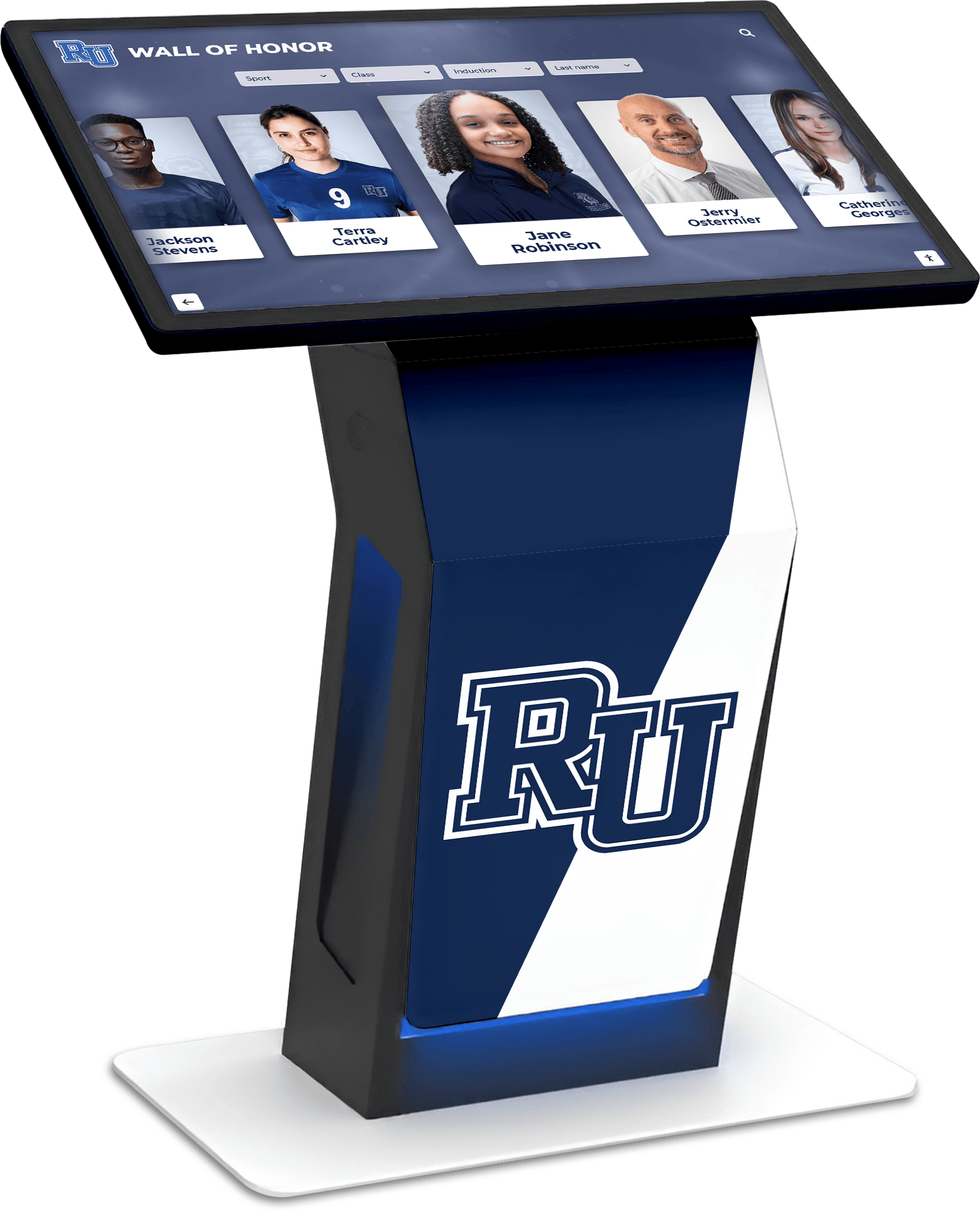
Modern kiosk displays provide accessible, engaging academic recognition
Subject-Specific Recognition Events
- Department-level award ceremonies
- Science fair and STEM competition celebrations
- Humanities and arts recognition programs
- Honor society induction ceremonies
- National recognition program celebrations
Quarterly or Semester Recognition
- Regular honor roll assemblies
- Periodic academic achievement celebration
- Sustained recognition throughout school year
- Maintains focus on academic excellence
- Creates multiple celebration opportunities
Permanent Recognition Displays
Top academic achievers deserve lasting visibility beyond ceremonial moments:
Traditional Recognition Approaches
- Engraved plaques listing valedictorians by year
- Trophy cases displaying academic awards and honors
- Hallway displays featuring top students
- Photograph walls showcasing valedictorians
- Honor roll bulletin boards
Modern Digital Recognition Solutions
Contemporary schools increasingly turn to digital displays that overcome traditional limitations:
- Unlimited Recognition Capacity: Digital platforms showcase all academic achievers without physical space constraints
- Interactive Exploration: Touchscreen displays enable students to search for peers, filter by achievement type, and view detailed profiles
- Multimedia Presentation: Photos, achievement descriptions, academic statistics, and personal statements
- Historical Archives: Preservation of recognition across decades creating institutional tradition
- Remote Updates: Cloud-based management enabling simple content updates without physical display modification
Schools using digital recognition systems report significantly higher student engagement with academic honors compared to static plaques that quickly become invisible in busy hallways.
Explore modern approaches in digital hall of fame displays that celebrate achievement.
Web-Based Recognition Extensions
- Online honor roll and achievement listings
- School website recognition pages
- Social media celebration of academic achievers
- Alumni network profiles connecting past and current scholars
- College counseling office resources highlighting graduate success
Multi-channel recognition ensures maximum visibility for academic achievement while creating lasting institutional traditions that motivate future students.
Creating a Culture of Academic Excellence
The highest academic awards carry greatest impact when embedded in comprehensive cultures celebrating intellectual achievement at all levels.
Balanced Recognition Systems
Effective schools recognize that overemphasis on top individual honors can create problematic dynamics:
Healthy Competition vs. Unhealthy Pressure
- Top academic awards should motivate without creating toxic competition
- Recognition systems acknowledging growth and improvement alongside absolute achievement
- Multiple pathways to academic recognition ensuring diverse students find success
- Clear communication about calculation methods reducing speculation and anxiety
- Focus on learning and intellectual growth over grade accumulation
Equity Considerations Schools must examine whether recognition systems create equitable opportunities:
- Access to weighted courses and advanced opportunities
- Availability of academic support ensuring all students can achieve their potential
- Recognition for starting points and growth, not just endpoint achievement
- Consideration of barriers some students face in course access or participation
- Regular evaluation of who receives recognition across demographic groups
Mental Health and Well-Being The pursuit of top academic honors can strain student mental health:
- Communication that academic recognition represents one type of success among many
- Resources supporting students experiencing academic pressure
- Policies preventing unhealthy behaviors in pursuit of recognition
- Emphasis on sustainable study habits over grade-focused cramming
- Counseling availability for students struggling with academic competition
Learn about comprehensive approaches in student recognition programs that increase future success.

Comprehensive recognition walls celebrate academic excellence as central to institutional identity
Building Academic Traditions
Schools with strong academic cultures create traditions that elevate intellectual achievement:
Regular Academic Celebrations
- Morning announcements highlighting academic achievements
- Academic achievement displays in prominent locations
- Newsletter and social media features celebrating scholars
- Academic pep rallies or assemblies
- Quarterly recognition events maintaining year-round focus
Alumni Connection Programs
- Profiles of accomplished alumni who were top academic achievers
- Mentorship programs connecting current students with alumni scholars
- Guest speaker series featuring successful graduates
- College success tracking and celebration
- Recognition of academic legacy families
Academic Competition and Enrichment
- Academic competition teams (quiz bowl, science olympiad, math team)
- Intellectual clubs and honor societies
- Academic summer programs and enrichment opportunities
- College visits and preparation programming
- Distinguished lecture series bringing academic excellence to campus
These systematic approaches create environments where intellectual achievement receives visibility and celebration comparable to athletic and artistic accomplishments.
Modern Challenges in Academic Recognition
Schools face evolving challenges in designing academic recognition systems that serve all students fairly.
The GPA Arms Race
Intense competition for college admissions has created pressure around top academic honors:
Grade Inflation Concerns
- Average GPAs have risen significantly over recent decades
- Weighted GPA systems producing GPAs of 4.5, 5.0, or higher
- Difficulty distinguishing among top achievers when many have “perfect” records
- Questions about whether grades reflect consistent standards
- College admissions offices adjusting expectations accordingly
Course Rigor vs. GPA Protection Students face difficult choices between challenge and grades:
- Taking challenging courses may lower GPA compared to easier alternatives
- Weighted systems intended to address this but vary in effectiveness
- Students may avoid subjects they find difficult to protect averages
- Balance between intellectual curiosity and strategic grade management
- Impact on genuine learning when grades become primary focus
Class Rank Elimination Debate
Growing numbers of schools eliminate class rank, creating controversy:
Arguments for Eliminating Rank
- Reduces unhealthy competition over fractional GPA differences
- Decreases student stress and anxiety about comparative standing
- Eliminates situations where excellent students feel inadequate due to ranking
- Focuses on individual achievement over competition
- Addresses equity concerns about course access and opportunity
Arguments for Maintaining Rank
- Provides clear information about student achievement in context
- Helps colleges understand student performance relative to peers
- Creates transparent recognition system
- Motivates students to pursue academic excellence
- Traditional system familiar to all stakeholders
Many schools compromise by reporting rank only for top students (such as top 10%) or using decile or quintile rankings rather than specific numerical rank.
Multiple Valedictorians Controversy
The trend toward recognizing multiple valedictorians generates debate:
Supporting Multiple Valedictorians
- Acknowledges that multiple students achieve highest standards
- Reduces pressure from fractional GPA differences accumulating over four years
- Recognizes various paths to excellence (different course combinations)
- More inclusive recognition of sustained high achievement
- Addresses situations where weighted GPAs produce multiple students above 4.0
Concerns About Multiple Valedictorians
- May diminish prestige and meaning of top recognition
- Creates confusion about who is truly “the” top student
- Could result in dozen or more valedictorians in large schools
- Graduation speeches become complicated with multiple speakers
- College applications may appear less distinctive
Schools adopting multiple valedictorian systems typically set clear GPA thresholds (such as unweighted 4.0 or weighted 4.5+) and establish processes for ceremony participation.
Discover approaches to valedictorian recognition and celebration.
Implementing Effective Academic Recognition Systems
Schools designing or revising their highest academic award systems should consider comprehensive implementation strategies.
Policy Development Best Practices
Clear, transparent policies prevent confusion and controversy:
Documentation Requirements
- Written policies published in student handbooks
- Clear explanation of GPA calculation methods
- Specific eligibility requirements for top honors
- Timeline for when calculations occur and when recognition is announced
- Appeal or review processes for disputed calculations
Stakeholder Input
- Faculty involvement in recognition policy development
- Student feedback about recognition systems
- Family communication about academic award criteria
- Regular policy review and revision as needed
- Alignment between policies and institutional values
Communication Strategies
- Early communication (freshman year) about top academic recognition
- Regular updates about standing and criteria throughout high school
- Individual conferences for students near top recognition
- Family information sessions about academic awards
- Website resources explaining all academic recognition programs
Technology Integration
Modern systems streamline academic recognition management:
GPA Calculation Systems
- Automated calculation reducing manual errors
- Clear audit trails documenting grades and calculations
- Integration with student information systems
- Verification processes ensuring accuracy
- Secure systems protecting student privacy
Recognition Display Solutions
Digital platforms transform how schools showcase academic achievement:
Solutions like Rocket Alumni Solutions provide comprehensive systems eliminating traditional recognition limitations. Cloud-based content management enables authorized staff to update recognition displays remotely, schedule recognition announcements, and maintain unlimited historical archives without physical space constraints.
Interactive touchscreen displays allow students, families, and visitors to explore academic achievements through intuitive search and filtering, view detailed student profiles with photos and accomplishment descriptions, and engage with institutional academic traditions in ways static plaques cannot match.
Schools implementing digital recognition report 80-90% reduction in administrative time spent maintaining academic honors displays while dramatically increasing student engagement with academic achievement content.

Touchscreen technology makes exploring academic achievements engaging and accessible
Data Analytics and Assessment
- Tracking recognition distribution across student populations
- Analyzing who receives various levels of academic honors
- Identifying equity gaps in recognition patterns
- Assessing impact of recognition on student outcomes
- Evidence-based refinement of recognition systems
Regular assessment ensures academic recognition systems achieve intended goals while serving all students fairly.
Frequently Asked Questions
What is the highest academic award in high school?
The highest academic award in most high schools is valedictorian—the designation given to the student with the highest cumulative grade point average at graduation. This honor typically includes delivering the valedictory address at commencement and receiving special recognition throughout graduation ceremonies. Some schools use multiple valedictorians recognizing all students meeting specific GPA thresholds (such as 4.0 unweighted or 4.5+ weighted), while others have adopted Latin honors (summa cum laude) systems or eliminated class rankings entirely.
How do schools calculate valedictorian?
Schools calculate valedictorian using cumulative GPA across all four years of high school, though specific methods vary. Most use either unweighted GPA (4.0 scale) where all courses are weighted equally, or weighted GPA (5.0+ scale) where advanced, honors, AP, and IB courses receive additional weight. Calculation typically includes only specific courses (core academics, required electives) and may exclude physical education, aide periods, or courses taken outside the school. Most schools require enrollment for all four years and full-time attendance, with some adding disciplinary and citizenship requirements.
What is the difference between weighted and unweighted GPA for top academic honors?
Unweighted GPA uses a standard 4.0 scale where A=4.0, B=3.0, C=2.0 regardless of course difficulty, with maximum possible GPA of 4.0. Weighted GPA awards additional points for challenging courses—typically 4.5 for honors courses and 5.0 for AP/IB courses—allowing students to earn GPAs above 4.0. Schools using weighted systems typically determine valedictorian based on weighted GPA, meaning a student with 4.3 weighted average would rank above a student with 4.0 unweighted who took less rigorous courses, rewarding students who challenge themselves with advanced coursework.
Are there national academic awards for high school students?
Yes, prestigious national academic awards include the National Merit Scholarship Program (based on PSAT scores, recognizing top 1% as Semifinalists), College Board National Recognition Programs (honoring high-achieving underrepresented students), AP Scholar Awards (for AP exam achievement), Presidential Scholars Program (recognizing approximately 161 students nationally), and subject-specific competitions and recognitions. These national awards complement school-level honors and carry significant weight in college admissions and scholarship consideration as they provide context for achievement beyond individual school environments.
Should schools have one valedictorian or multiple valedictorians?
This depends on school size, student population, and educational philosophy. Single valedictorian systems provide clear top recognition and maintain traditional prestige but can create intense competition over fractional GPA differences accumulated across four years. Multiple valedictorian systems recognizing all students meeting specific thresholds (such as 4.0+ GPA) acknowledge that many students achieve highest standards, reduce pressure from minor GPA variations, and celebrate various paths to excellence, though some argue this diminishes the distinction’s meaning. Many large schools with weighted GPAs naturally have multiple students achieving 4.5+ GPAs, making single valedictorian designation arbitrary.
How are high school academic awards displayed and celebrated?
Schools celebrate top academic achievers through graduation ceremony recognition (valedictorian speech, special regalia, individual acknowledgment), dedicated academic awards ceremonies, permanent recognition displays (engraved plaques, digital recognition walls, trophy cases), and ongoing visibility (honor roll announcements, website features, social media). Modern digital display systems overcome traditional limitations by showcasing unlimited achievers with interactive touchscreen exploration, multimedia profiles, historical archives, and cloud-based management enabling simple updates. These systems increase engagement with academic recognition while reducing administrative burden compared to static physical displays.
Conclusion: Honoring Excellence While Supporting All Students
The highest academic award in high school represents more than individual achievement—it embodies institutional values about excellence, recognition, and what schools choose to celebrate most prominently. Whether a school maintains traditional single valedictorian recognition, adopts multiple top honors, or implements alternative recognition systems, the approach to top academic awards sends powerful messages about educational priorities and definitions of success.
Effective academic recognition systems balance appropriate celebration of exceptional achievement with healthy learning environments that motivate without creating toxic competition. The schools succeeding in this balance maintain clear, transparent criteria for top honors; recognize academic excellence at multiple levels ensuring diverse students find success; implement recognition thoughtfully attending to equity and access; celebrate intellectual achievement prominently throughout school culture; and use modern technology to expand recognition capacity and visibility.
Celebrate Your Top Academic Achievers
Discover how modern digital recognition solutions can help you honor valedictorians, top scholars, and all academic achievers with prominent displays that inspire future students while making recognition management simple and sustainable.
Explore Recognition SolutionsAs educational institutions continue evolving their approaches to academic recognition, the conversation extends beyond GPA calculations and valedictorian selection to broader questions about what schools value, how to motivate students authentically, and ways to celebrate achievement that serve students’ long-term growth and well-being. The highest academic awards should inspire students to pursue intellectual excellence while maintaining joy in learning, collaboration with peers, and balanced development across all dimensions of their education.
When schools design recognition systems thoughtfully—attending to transparency, equity, and genuine celebration of sustained achievement—top academic honors fulfill their highest purpose: motivating intellectual excellence while affirming that education is about far more than competition for a single designation. These systems honor exceptional achievement while supporting all students in becoming their best academic selves.
Your highest academic achievers deserve recognition that matches their dedication and accomplishments. With clear criteria, meaningful celebration, modern display technology, and comprehensive communication, you can create academic recognition systems that motivate excellence while maintaining the healthy learning environments where all students thrive intellectually.