



Becoming an athletic director represents one of the most rewarding career paths in educational sports administration—combining passion for athletics with leadership opportunities that shape entire athletic programs, impact hundreds of student-athletes, and create lasting legacies within schools and communities. Athletic directors serve as the architects of comprehensive sports programs, balancing competitive excellence with educational priorities, fiscal responsibility with program growth, and regulatory compliance with innovative thinking.
The journey to the athletic director’s office isn’t a single straight path but rather multiple routes converging toward leadership positions overseeing everything from youth sports programs to major collegiate athletic departments. Whether you’re a current coach considering advancement, a teacher interested in athletic administration, or a college student planning your career trajectory, understanding the educational requirements, experience expectations, essential skills, and career progression pathways positions you for success in this dynamic field.
This comprehensive guide explores exactly how to become an athletic director, detailing the degrees and certifications required, the professional experience that prepares you for leadership, the essential competencies successful ADs develop, and the realistic career timeline from entry-level positions to the director’s office. We’ll examine differences between K-12 and collegiate paths, salary expectations at various levels, and emerging trends shaping the future of athletic administration.
The athletic director role has evolved significantly from simply scheduling games and ordering equipment to encompassing budget management, Title IX compliance, facility planning, fundraising coordination, digital communication strategies, and comprehensive program development. Today’s athletic directors function as CEOs of complex organizations requiring diverse skill sets spanning education, business, law, technology, and interpersonal communication.

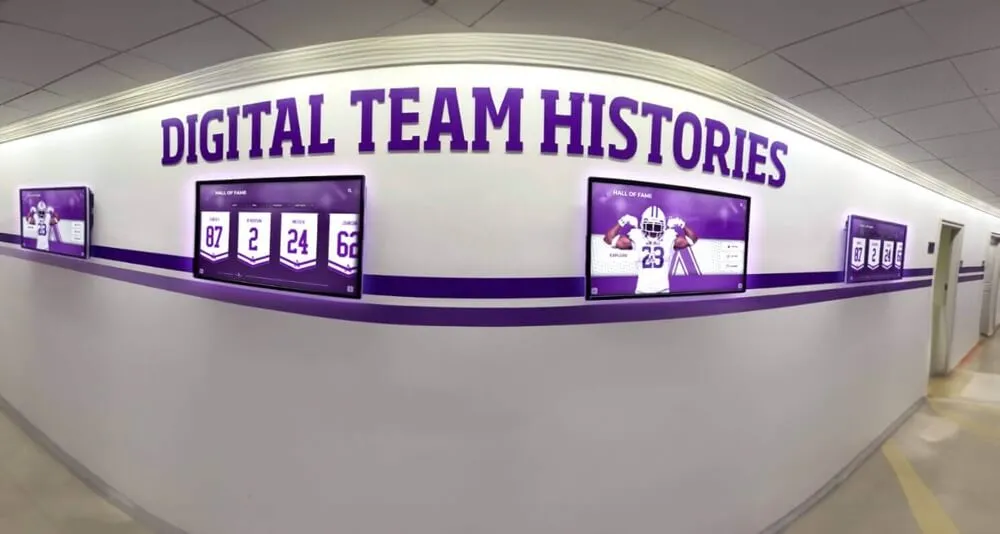
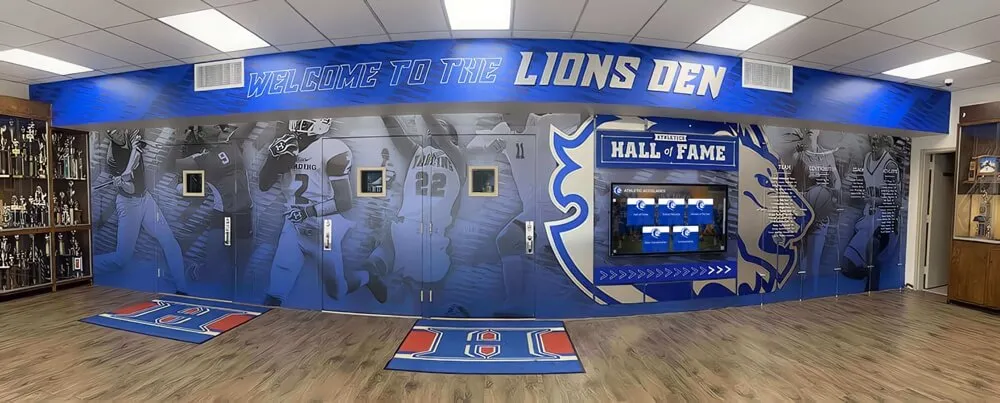
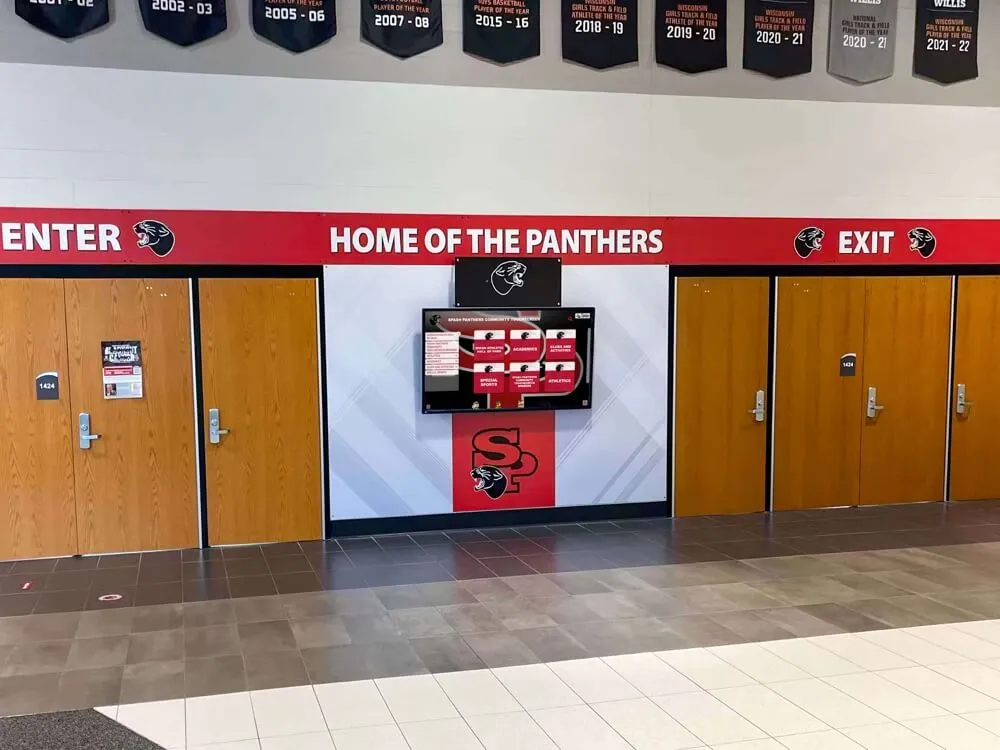
Athletic directors oversee comprehensive facilities that showcase program achievements and create environments celebrating athletic excellence
Understanding the Athletic Director Role and Responsibilities
Before charting your path to becoming an athletic director, understanding the full scope of responsibilities clarifies whether this career aligns with your interests and strengths.
Core Responsibilities of Athletic Directors
Athletic directors shoulder diverse responsibilities varying by institution size and level:
Program Oversight and Management
- Supervise all athletic programs ensuring quality coaching and competitive experiences
- Develop and implement comprehensive athletic department strategic plans
- Establish program policies, procedures, and operational standards
- Monitor coaching performance and provide professional development
- Balance program priorities across different sports and competitive levels
Budget and Financial Management
- Develop annual athletic department budgets often exceeding millions of dollars
- Allocate resources equitably across sports programs
- Manage equipment purchases, uniforms, transportation, and facility maintenance
- Identify revenue opportunities through ticket sales, sponsorships, and fundraising
- Monitor expenditures ensuring fiscal responsibility and budget compliance
Compliance and Risk Management
- Ensure compliance with state athletic associations, conference rules, and NCAA regulations
- Maintain Title IX compliance providing equitable opportunities
- Manage liability issues, insurance requirements, and safety protocols
- Oversee eligibility verification for student-athlete participation
- Implement concussion protocols and emergency action plans
Facility Planning and Operations
- Supervise maintenance and improvement of athletic facilities
- Coordinate facility schedules accommodating practices, games, and community use
- Plan facility upgrades and capital improvement projects
- Ensure facilities meet safety standards and accessibility requirements
- Manage relationships with facility management and maintenance teams
Learn more about comprehensive athletic leadership in this guide to athletic director responsibilities covering daily duties and strategic priorities.
Personnel Management
- Recruit, hire, and evaluate coaching staff across all sports
- Provide professional development opportunities for coaches
- Manage conflicts and personnel issues professionally
- Supervise athletic trainers, administrative staff, and support personnel
- Build positive team culture within the athletic department
Community and Stakeholder Relations
- Communicate with parents, boosters, and community stakeholders
- Represent the athletic department to school administration and school boards
- Manage relationships with local media and public relations
- Coordinate booster club activities and fundraising efforts
- Engage alumni and build community support for programs

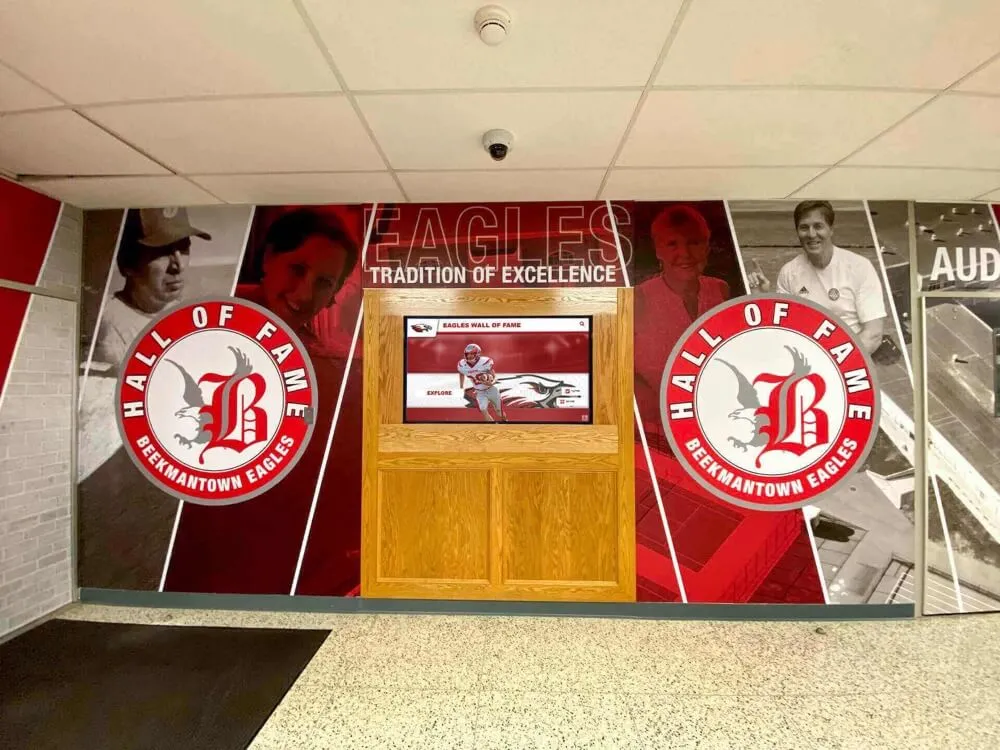
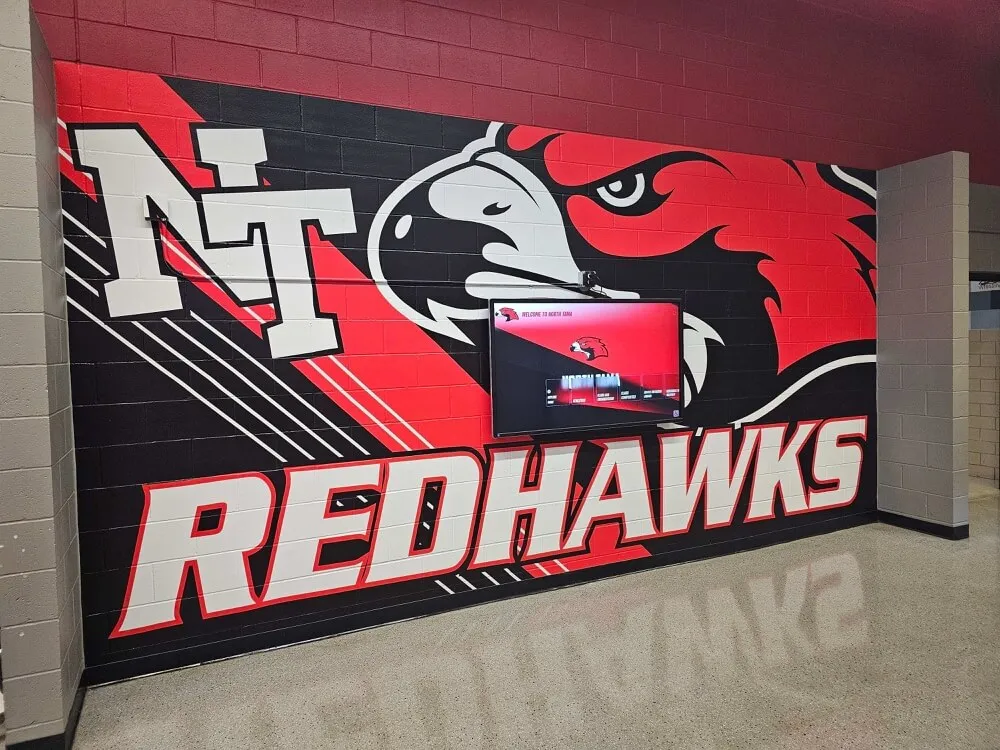
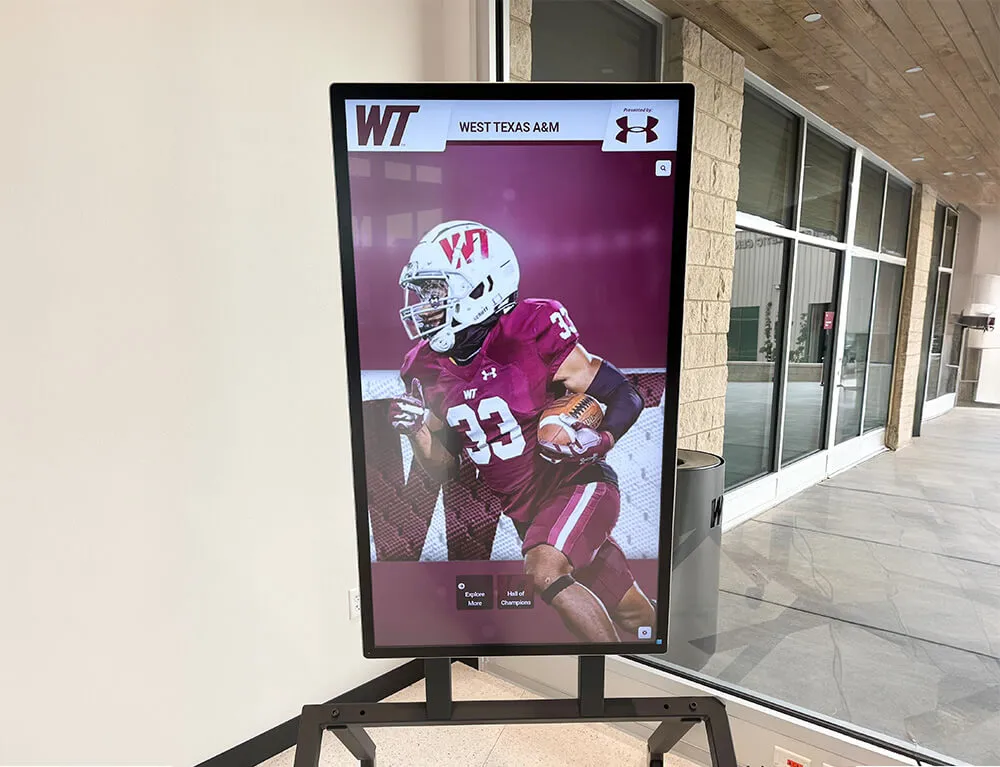
Athletic directors create recognition programs celebrating achievements and building program culture through visible displays
K-12 vs. Collegiate Athletic Director Roles
The athletic director position varies significantly between secondary schools and colleges:
High School Athletic Directors
- Often retain teaching or coaching duties alongside administrative responsibilities
- Manage smaller budgets typically ranging from $100,000 to $500,000 annually
- Oversee 10-25 different sports programs
- Focus heavily on educational priorities and student-athlete development
- Navigate state athletic association regulations and conference rules
- Coordinate with other schools for scheduling and conference alignment
- Typical student-athlete populations of 200-800 participants
Collegiate Athletic Directors
- Full-time administrative positions without teaching or coaching responsibilities
- Manage budgets ranging from $1 million (small colleges) to over $200 million (major universities)
- Oversee 15-35 sports at larger institutions
- Navigate complex NCAA compliance requirements and conference obligations
- Lead fundraising efforts including major gift campaigns
- Manage media rights, sponsorship agreements, and revenue generation
- Supervise larger administrative staffs including compliance officers and marketing professionals
According to the National Interscholastic Athletic Administrators Association (NIAAA), there are approximately 25,000 high school athletic directors in the United States, with about 45% holding the position as their primary responsibility while others combine it with teaching, coaching, or other administrative duties.
Educational Requirements: Degrees and Certifications
Educational preparation represents the foundation for athletic director careers, with specific degree requirements varying by level and institution.
Bachelor’s Degree Requirements
A bachelor’s degree represents the minimum educational requirement for athletic director positions:
Preferred Undergraduate Majors
- Physical Education with teaching certification
- Sports Management or Sports Administration
- Kinesiology or Exercise Science
- Business Administration with sports emphasis
- Athletic Training
- Recreation Management
Why Teaching Certification Matters Many high school athletic director positions require or strongly prefer candidates with teaching certification because:
- AD roles often include teaching responsibilities
- Teaching experience provides classroom management skills transferable to coaching supervision
- Certification demonstrates commitment to education-first athletics
- Many states require administrators to hold teaching licenses
- Teaching background enhances credibility with faculty and staff
Alternative Pathways Some athletic directors reach the position through alternative educational backgrounds:
- Former college athletes leveraging playing experience
- Business professionals transitioning into sports administration
- Military veterans with leadership and organizational experience
- Coaches pursuing administrative advancement
Master’s Degree Expectations
While not always required for high school positions, master’s degrees increasingly represent the standard for athletic director advancement:
Relevant Master’s Programs
- Master’s in Educational Leadership or Administration
- Master’s in Sports Management or Athletic Administration
- MBA with sports management concentration
- Master’s in Kinesiology with administrative focus
- Master’s in College Student Personnel (for collegiate positions)
Benefits of Graduate Education
- Demonstrates commitment to professional development and leadership
- Provides advanced knowledge in budgeting, law, and administration
- Creates networking opportunities with other athletic administrators
- Often required for collegiate athletic director positions
- Increases salary potential and advancement opportunities
According to a 2024 survey by the National Association of Collegiate Directors of Athletics (NACDA), approximately 78% of collegiate athletic directors hold master’s degrees, with 15% holding doctoral degrees. At the high school level, roughly 60% of athletic directors hold graduate degrees, though requirements vary significantly by state and district size.
Professional Certifications and Credentials
Professional certifications enhance credentials and demonstrate specialized knowledge:
NIAAA Certification Programs The National Interscholastic Athletic Administrators Association offers a comprehensive certification pathway:
- Certified Athletic Administrator (CAA): Entry-level certification requiring completion of specific coursework in sports law, finance, personnel management, and program administration
- Certified Master Athletic Administrator (CMAA): Advanced certification requiring CAA status plus additional coursework, professional experience, and demonstrated leadership
- Registered Athletic Administrator (RAA): Highest certification level requiring CMAA status plus significant experience and contributions to the profession
Benefits of NIAAA Certification
- Industry recognition of professional competence
- Access to professional development and networking opportunities
- Potential salary increases and advancement advantages
- Standardized curriculum covering essential administrative competencies
- Continuing education requirements maintaining current knowledge
Additional Relevant Certifications
- Certified Interscholastic Coach (CIC) for those with coaching backgrounds
- Certified Strength and Conditioning Specialist (CSCS) for training program oversight
- CPR and First Aid certification for emergency response
- Concussion management certification
- Title IX coordinator certification
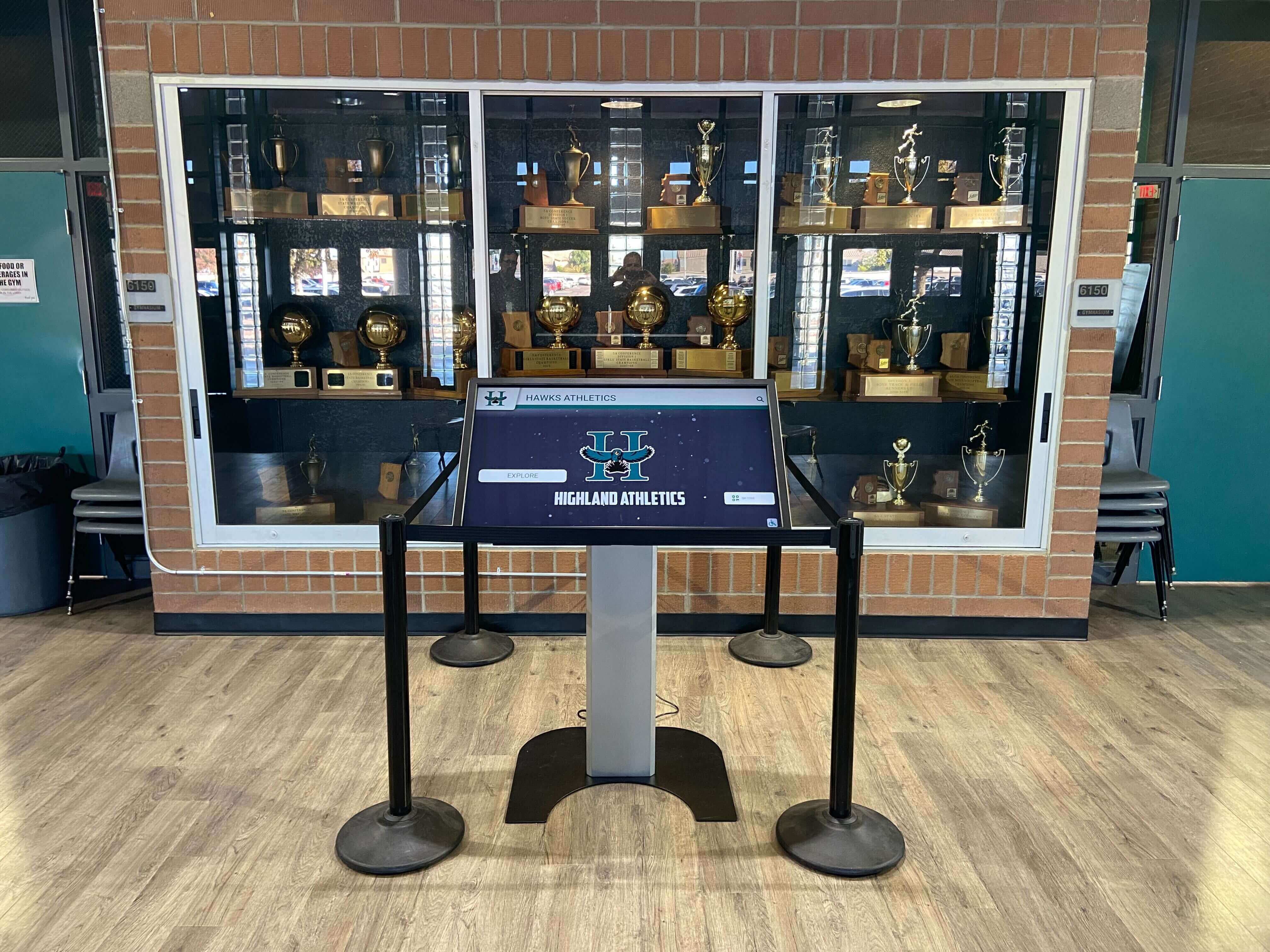
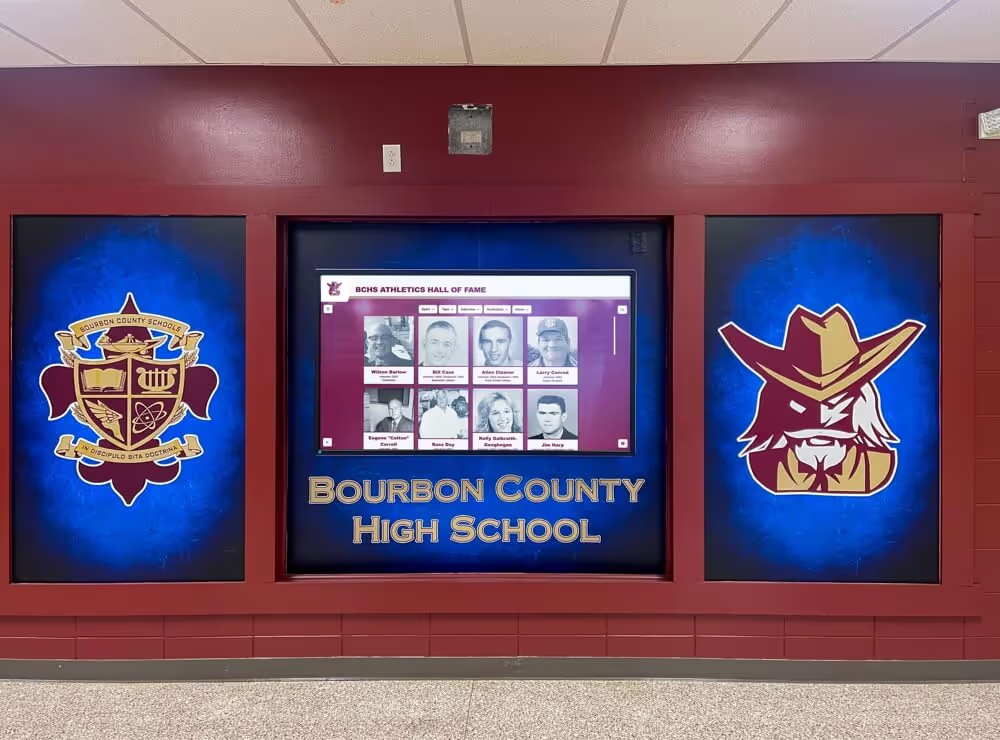
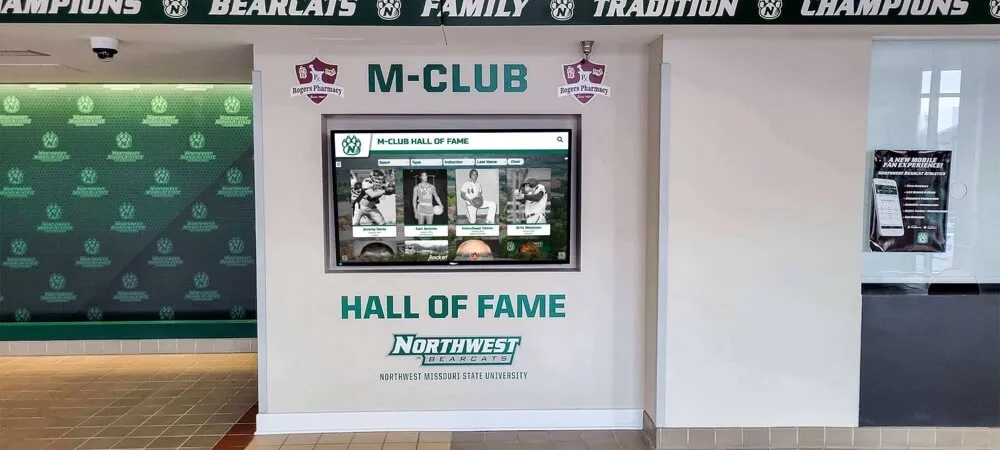
Modern athletic directors leverage technology for athlete recognition, creating interactive displays that engage students and families year-round
Career Progression: The Path to Athletic Director
The journey to athletic director typically follows a progression through coaching and administrative roles building the experience and skills necessary for departmental leadership.
Entry-Level Positions and Early Experience
Most athletic directors begin their careers in positions providing direct athletics experience:
Common Starting Points
- Assistant coach in one or more sports
- Head coach of sub-varsity or less competitive programs
- Physical education teacher with coaching duties
- Athletic trainer working with multiple teams
- Sports information or marketing coordinator
- Equipment manager or facilities assistant
Critical Early Experience These entry-level positions develop foundational competencies:
- Understanding student-athlete development and motivation
- Learning sport-specific rules, strategies, and competition formats
- Building relationships with other coaches and school administrators
- Experiencing game scheduling, travel logistics, and event management
- Developing communication skills with parents and community members
Timeline Expectations Most athletic directors spend 5-10 years in coaching or support roles before advancing to administrative positions. This timeline varies based on:
- Individual initiative and professional development
- Availability of advancement opportunities
- Size and competitiveness of the institution
- Additional education and certification completion
- Demonstrated leadership and administrative capability
Mid-Career Administrative Roles
Before becoming athletic director, professionals typically hold intermediate administrative positions:
Assistant Athletic Director Many schools employ assistant ADs who:
- Oversee specific sports or divisions (varsity vs. sub-varsity)
- Manage particular functional areas (scheduling, facilities, compliance)
- Supervise portions of coaching staff
- Handle day-to-day operational issues
- Develop administrative skills under AD mentorship
This assistant AD role provides invaluable preparation for the director position, allowing individuals to learn budgeting, compliance, personnel management, and strategic planning while having the athletic director available for guidance.
Department Chair or Coordinator Roles Some professionals advance through:
- Athletic department business manager
- Compliance coordinator
- Facilities manager
- Sports information director
These specialized roles develop deep expertise in specific areas while providing broader understanding of athletic department operations.
Multi-Sport Head Coach Coaching multiple sports or serving as head coach in major sports demonstrates:
- Ability to manage complex schedules and responsibilities
- Leadership capacity with diverse teams and personalities
- Understanding of various sports’ unique needs and cultures
- Time management and organizational skills
Explore ideas for building team culture in this guide to team bonding activities that strengthen programs.
Transition to Athletic Director
The move to athletic director typically occurs after 10-15 years of combined coaching and administrative experience:
Internal Promotion Many athletic directors advance within their current school or district:
- Demonstrated performance as assistant AD or coordinator
- Established relationships with stakeholders and administration
- Deep understanding of existing programs, culture, and challenges
- Continuity benefiting programs and relationships
External Hiring Others become athletic directors by moving to different institutions:
- Opportunity to lead programs matching career goals
- Fresh perspective bringing new ideas and approaches
- Advancement to larger programs with greater resources
- Geographic relocation for personal or professional reasons
Small School to Large School Progression Common career trajectory involves:
- Start as AD at smaller school (500-800 students)
- Demonstrate success in program development and management
- Move to medium-sized school (800-1,500 students)
- Eventually advance to large school or multiple-school district position

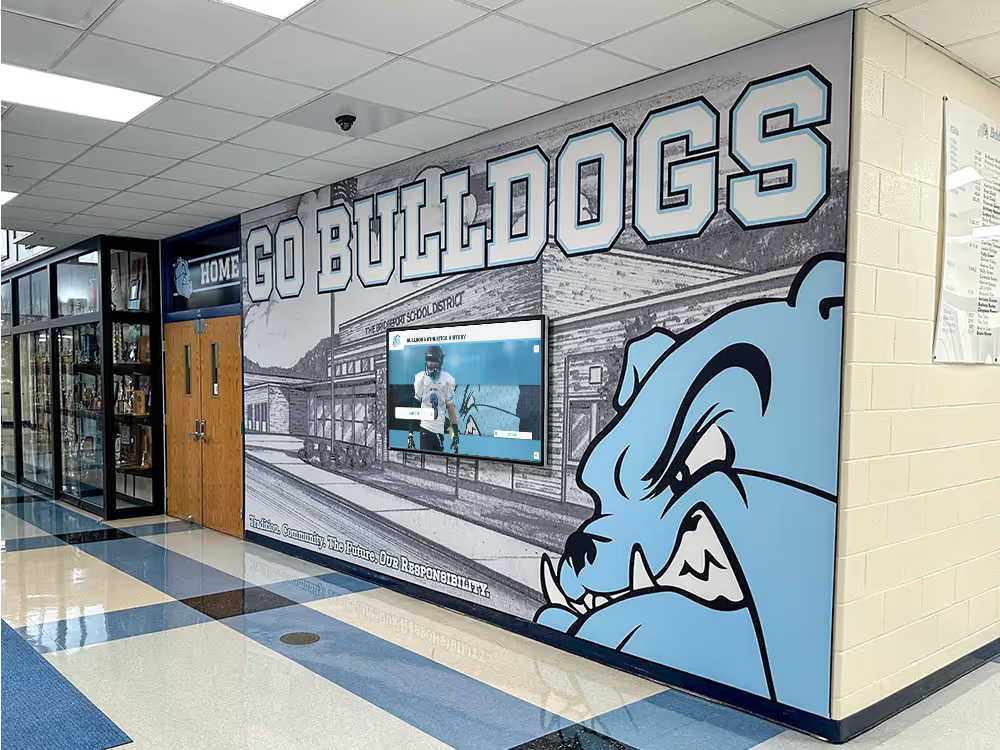
Successful athletic directors create traditions and recognition systems that honor program history while inspiring current student-athletes
Essential Skills and Competencies for Athletic Directors
Beyond educational requirements and experience, specific skills separate effective athletic directors from those who struggle in the role.
Leadership and Interpersonal Skills
Athletic directors must lead diverse groups of stakeholders with competing interests:
Coaching Staff Leadership
- Recruit and retain high-quality coaches aligned with program values
- Provide constructive evaluation and professional development
- Navigate difficult conversations and personnel decisions
- Build collaborative culture among coaches of different sports
- Inspire excellence while maintaining realistic expectations
Communication Excellence
- Articulate vision clearly to multiple audiences
- Listen actively to concerns from coaches, parents, and athletes
- Write effective policies, communications, and reports
- Present confidently to school boards, booster groups, and media
- Manage conflicts professionally and diplomatically
Relationship Building
- Develop trust with school administration and faculty
- Engage positively with parents even during challenging situations
- Cultivate community support and booster relationships
- Network with other athletic directors sharing best practices
- Build partnerships with youth programs and community organizations
Business and Financial Acumen
Modern athletic directors require sophisticated business skills:
Budget Management
- Develop comprehensive budgets projecting revenues and expenses
- Make strategic allocation decisions balancing competing priorities
- Monitor spending ensuring departments remain within budget
- Identify cost-saving opportunities without compromising quality
- Present financial information clearly to stakeholders
Revenue Generation
- Coordinate ticket sales and optimize pricing strategies
- Develop sponsorship opportunities appropriate for educational settings
- Work with booster organizations on fundraising campaigns
- Explore grant opportunities for facility improvements or programs
- Evaluate new revenue streams while maintaining educational mission
Resource Allocation
- Distribute resources equitably across sports meeting Title IX requirements
- Prioritize spending based on strategic goals and student needs
- Make difficult decisions when resources fall short of ideal levels
- Justify budget requests to administration with compelling rationales
- Maximize value from every dollar invested in programs
Legal and Regulatory Expertise
Athletic directors navigate complex legal and regulatory environments:
Compliance Knowledge
- Understand state athletic association rules and eligibility requirements
- Ensure NCAA compliance at collegiate level
- Maintain Title IX compliance in opportunities, facilities, and resources
- Implement concussion protocols following state laws and best practices
- Manage special education accommodations for student-athletes
Risk Management
- Develop emergency action plans for facilities and events
- Ensure appropriate insurance coverage for programs and participants
- Implement safety protocols minimizing liability exposure
- Conduct regular safety audits of facilities and equipment
- Train coaches on risk management and legal responsibilities
Policy Development
- Create clear athletic department policies aligned with school values
- Develop participation requirements balancing access with commitment
- Establish code of conduct expectations for athletes, coaches, and parents
- Implement fair and transparent processes for discipline and appeals
- Review and update policies regularly based on emerging issues
Technology and Innovation
Effective athletic directors leverage technology for program improvement:
Administrative Technology
- Utilize scheduling and registration software streamlining operations
- Implement communication platforms connecting with stakeholders
- Manage data for compliance reporting and program evaluation
- Adopt financial systems for budget tracking and reporting
- Explore analytics for performance evaluation and strategic planning
Recognition and Engagement Systems Modern athletic directors increasingly implement digital recognition solutions that showcase achievements year-round. Tools like interactive touchscreens create permanent displays highlighting student-athletes, program milestones, and historical achievements in ways that engage students, families, and visitors while building program pride and institutional culture.
Communication Platforms
- Maintain active social media presence celebrating athletes and programs
- Develop website content providing information and building community
- Use video and multimedia for storytelling and promotion
- Implement notification systems for weather delays and schedule changes
- Create digital programs and resources reducing printing costs
Discover strategies for showcasing achievements in this guide to highlighting student accomplishments effectively.
Strategic Planning and Program Development
Successful athletic directors think strategically about long-term program growth:
Vision Development
- Articulate clear vision for athletic program aligned with educational mission
- Establish measurable goals for competitive success and participation
- Create multi-year strategic plans guiding decision-making
- Engage stakeholders in vision development building shared ownership
- Communicate vision consistently reinforcing priorities
Program Evaluation
- Develop assessment tools measuring program effectiveness
- Collect and analyze data on participation, achievement, and satisfaction
- Conduct regular program reviews identifying strengths and opportunities
- Benchmark against peer institutions identifying best practices
- Use evaluation findings to guide continuous improvement
Change Management
- Navigate program changes sensitively managing resistance
- Build coalitions supporting new initiatives
- Communicate rationale for changes clearly and persuasively
- Implement changes systematically with appropriate timeline
- Evaluate change impact and adjust approaches based on results
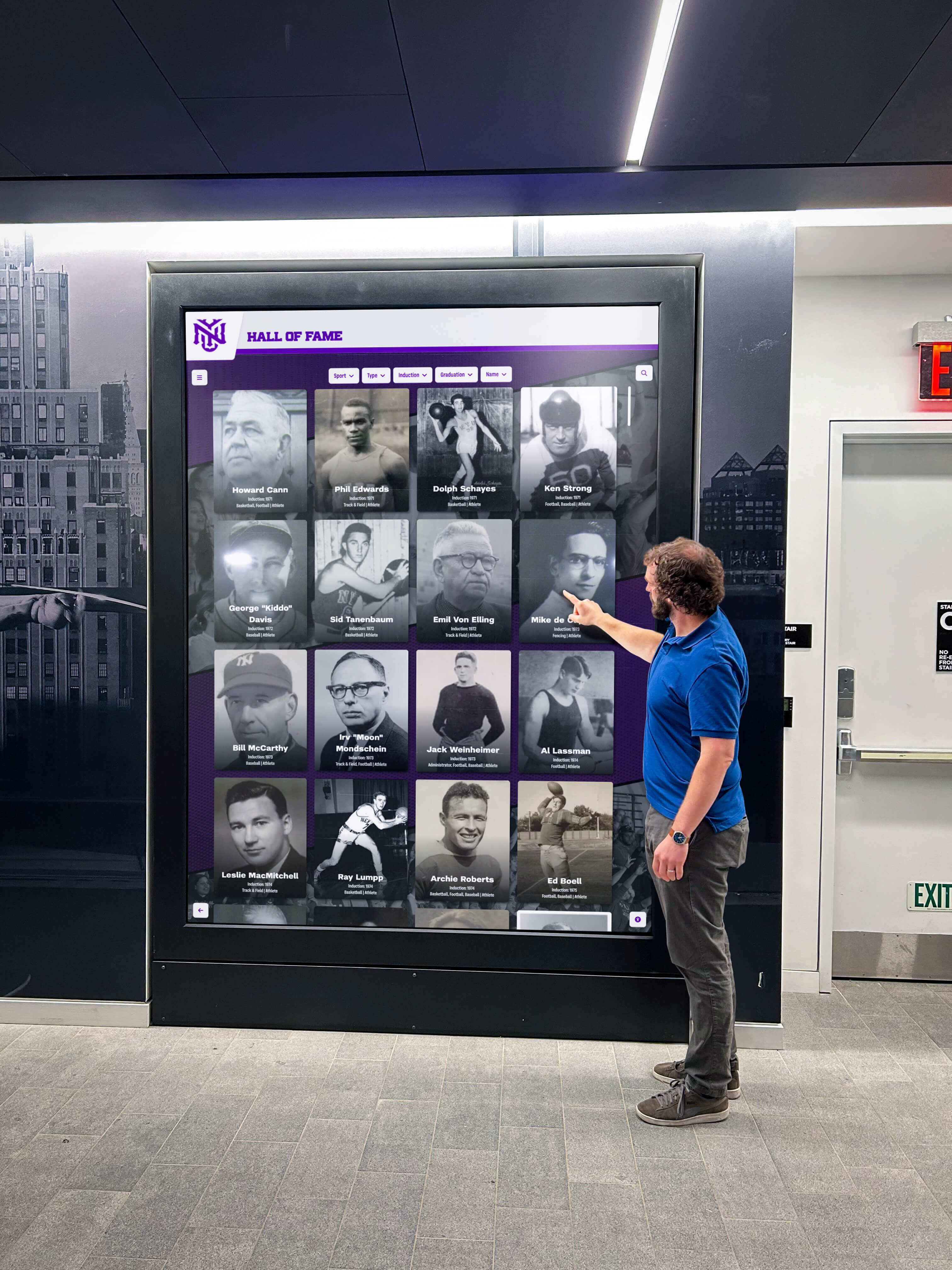
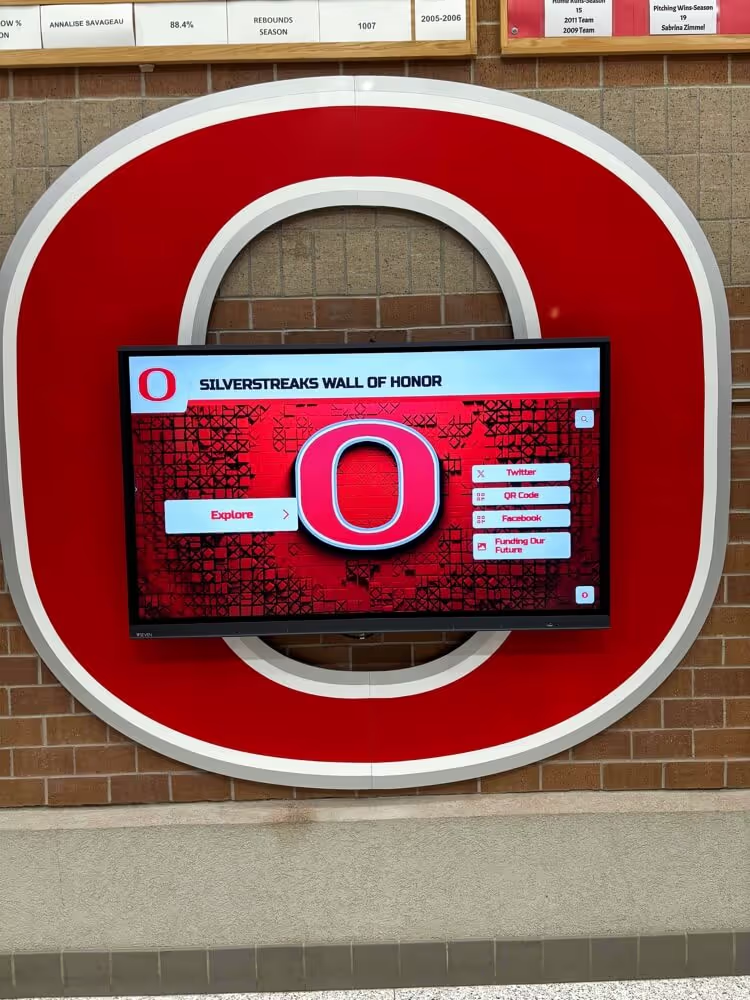
Forward-thinking athletic directors implement interactive recognition systems that engage families and preserve program history digitally
Salary Expectations and Career Advancement
Understanding compensation helps in career planning and realistic expectations.
High School Athletic Director Salaries
High school AD compensation varies significantly based on multiple factors:
Salary Ranges According to the Bureau of Labor Statistics, high school athletic directors earn median salaries ranging from:
- Small schools (under 500 students): $50,000 - $75,000
- Medium schools (500-1,500 students): $70,000 - $95,000
- Large schools (over 1,500 students): $90,000 - $130,000
- Multi-school district coordinators: $100,000 - $150,000
Factors Affecting Compensation
- Geographic region and local cost of living
- School or district size and budget
- Whether position is full-time or combined with teaching/coaching
- Years of experience and educational credentials
- Success in competitive achievement and program development
- Additional certifications like CMAA designation
Additional Compensation Many athletic directors receive:
- Stipends for additional coaching or teaching duties
- Supplemental pay for extended contracts (11 or 12 months vs. 10)
- Bonuses for program achievements or championship success
- Vehicle allowances or mileage reimbursement
- Professional development funding for conferences and training
Collegiate Athletic Director Salaries
College-level positions typically offer higher compensation reflecting greater responsibilities:
Division III and Small College
- Annual salaries: $60,000 - $120,000
- Smaller budgets and administrative staffs
- Often hands-on involvement in multiple areas
Division II and Mid-Size Universities
- Annual salaries: $100,000 - $200,000
- Moderate budgets requiring strategic resource management
- Growing compliance and fundraising responsibilities
Division I FCS and Mid-Major Programs
- Annual salaries: $150,000 - $350,000
- Significant budgets and administrative complexity
- Substantial fundraising and revenue generation expectations
Division I FBS and Major Programs
- Annual salaries: $300,000 - $3,000,000+
- Multimillion-dollar budgets and extensive staffs
- CEO-level positions with high visibility and pressure
According to NACDA, the median salary for Division I athletic directors was approximately $425,000 in 2024, though this figure varies dramatically based on conference affiliation, program success, and institutional resources.
Career Advancement Opportunities
Athletic directors can advance their careers through:
Vertical Advancement
- Move from smaller to larger schools or athletic programs
- Progress from high school to collegiate positions
- Advance from lower collegiate divisions to higher levels
- Transition to conference commissioner or association leadership roles
Horizontal Movement
- Transition to other educational leadership positions (principal, superintendent)
- Move to sports organizations or governing body positions
- Consult with schools or athletic associations
- Teach in sports management or educational leadership programs
Emerging Career Paths
- Esports administration as programs expand
- International school athletic director positions
- Corporate wellness and recreation director roles
- Youth sports organization leadership
Learn about planning major athletic events in this athletic banquet planning guide covering recognition and celebration strategies.
Professional Development and Networking
Ongoing learning and relationship-building accelerate career advancement and enhance effectiveness.
Professional Organizations
Membership in professional organizations provides essential resources:
National Interscholastic Athletic Administrators Association (NIAAA)
- Certification programs developing administrative competencies
- Annual national conference with 2,000+ attendees
- State-level organizations providing regional networking
- Online professional development and webinar resources
- Leadership training programs for aspiring administrators
National Association of Collegiate Directors of Athletics (NACDA)
- Convention bringing together 2,500+ college athletic administrators
- Educational programming on compliance, finance, and leadership
- Networking opportunities across all collegiate divisions
- Publications and research on emerging trends
- Special interest groups for specific functional areas
State Athletic Administrators Associations
- Regional networking with local colleagues
- State-specific rule interpretation and compliance guidance
- Annual conferences and professional development events
- Advocacy for athletic programs at state policy level
- Award programs recognizing administrative excellence
Additional Professional Groups
- National Association for Girls and Women in Sport (NAGWS)
- Black Athletic Directors Association (BADA)
- Women Leaders in College Sports
- Conference-specific AD organizations
Continuing Education Opportunities
Athletic directors benefit from ongoing learning:
Workshops and Conferences
- NIAAA Leadership Training Institutes
- NCAA Regional Rules Seminars
- Title IX compliance workshops
- Financial management and fundraising programs
- Technology and innovation showcases
Online Learning
- NIAAA online courses for certification
- Webinars on emerging topics and best practices
- Athletic administration graduate programs
- Legal and compliance update training
- Leadership development programs
Mentorship Relationships
- Connect with experienced athletic directors
- Join formal mentorship programs through professional organizations
- Seek guidance on career decisions and challenges
- Provide mentorship to aspiring administrators
- Build relationships that support throughout career

Athletic directors create lasting program culture through comprehensive recognition systems celebrating achievements across all sports
Emerging Trends Shaping Athletic Administration
Understanding trends helps aspiring athletic directors prepare for evolving expectations:
Technology Integration
Athletic programs increasingly rely on technology:
- Video analysis platforms for coaching and athlete development
- Performance tracking wearables and analytics
- Digital communication and engagement platforms
- Facility scheduling and reservation systems
- Interactive recognition displays showcasing achievements permanently
Mental Health and Wellness Focus
Athletic directors now prioritize:
- Mental health resources and counseling for student-athletes
- Stress management and balance in athletic participation
- Education on warning signs and appropriate interventions
- Partnerships with school counselors and mental health professionals
- Culture shift reducing stigma around seeking support
Diversity, Equity, and Inclusion
Modern athletic directors champion:
- Equitable opportunities across gender, race, and socioeconomic status
- Inclusive environments welcoming LGBTQ+ athletes
- Culturally responsive coaching and programming
- Diverse hiring in coaching and administrative positions
- Addressing systemic barriers to participation
Name, Image, and Likeness (NIL)
At the collegiate level, athletic directors navigate:
- NIL policy development and education
- Compliance with evolving regulations
- Balancing competitive equity with individual opportunity
- Relationships with collectives and booster groups
- Preparing student-athletes for NIL opportunities
Facility Innovation
Athletic directors increasingly focus on:
- Multi-sport facilities maximizing limited space
- Sustainable and energy-efficient facility design
- Technology-enhanced training environments
- Flexible spaces accommodating emerging sports
- Recognition displays integrating with facility aesthetics
Discover approaches to senior athlete recognition in this guide to senior night traditions across various sports.
Day in the Life: What Athletic Directors Actually Do
Understanding typical responsibilities provides realistic career expectations:
High School Athletic Director Daily Activities
A typical day might include:
Morning (7:00 AM - 12:00 PM)
- Arrive early to prepare for day’s events and respond to urgent emails
- Meet with head football coach regarding assistant coach evaluation
- Conduct facility walkthrough noting maintenance needs
- Review and approve purchase orders for basketball equipment
- Teach two physical education classes (if combined position)
- Handle eligibility question from parent regarding transfer student
Afternoon (12:00 PM - 4:00 PM)
- Attend administrative team meeting with principal and other administrators
- Meet with booster club president discussing fundraising event
- Review and finalize winter sports schedules
- Conference call with league athletic directors about tournament hosting
- Observe volleyball practice evaluating coaching and facility use
- Respond to parent concerns about playing time constructively
Evening (4:00 PM - 9:00 PM)
- Attend home soccer match supervising event operations
- Manage ticket sales, official assignments, and facility preparation
- Address public address announcer issue requiring quick solution
- Interact with visiting school’s AD ensuring positive experience
- Connect with parents, booster members, and community attendees
- Complete incident report for minor injury during contest
Ongoing Responsibilities
- Monitor email throughout day addressing urgent issues promptly
- Coordinate with coaches on various operational matters
- Make decisions on weather delays or cancellations
- Plan for upcoming events and address emerging challenges
Collegiate Athletic Director Daily Activities
College ADs focus more on strategic leadership and external relations:
Strategic Leadership
- Meet with senior athletic department staff on strategic initiatives
- Review budget reports and financial projections with business manager
- Discuss facility renovation plans with architecture firm
- Evaluate fundraising campaign progress with development director
External Relations
- Breakfast meeting with major donor regarding naming opportunity
- Conference call with conference commissioner on scheduling
- Media interview about upcoming season expectations
- Campus meetings with president and academic leadership
Operational Oversight
- Review compliance reports ensuring NCAA regulation adherence
- Meet with Title IX coordinator on equity review findings
- Approve coaching staff hiring recommendations
- Address student-athlete concern escalated from senior staff
Event Attendance
- Attend home basketball game in president’s box with donors
- Network with attendees building relationships and support
- Monitor game operations and fan experience
- Post-game meeting with coaching staff
Challenges and Considerations
Aspiring athletic directors should understand common challenges:
Work-Life Balance
Athletic director positions demand significant time:
- Evening and weekend events requiring attendance
- Extended seasons spanning 12 months
- Emergency situations requiring immediate response
- Pressure from multiple stakeholders with competing priorities
Successful ADs develop strategies for balance:
- Delegate effectively to assistant staff
- Set boundaries when possible protecting personal time
- Prioritize self-care and stress management
- Communicate with family about demands and schedule
Managing Difficult Situations
Athletic directors regularly face challenging circumstances:
- Terminating underperforming coaches
- Addressing parent complaints about coaching decisions
- Navigating budget cuts requiring program reductions
- Managing student-athlete discipline and eligibility issues
- Responding to serious injuries or medical emergencies
Effective ADs develop resilience, seek counsel from mentors, and approach challenges systematically rather than reactively.
Staying Current
The field evolves rapidly requiring continuous learning:
- Regulatory changes affecting compliance
- Legal developments influencing liability and policy
- Technology innovations creating new opportunities
- Emerging best practices in various functional areas
- Shifting cultural expectations around athletics and education
Commitment to professional development through conferences, reading, and networking helps athletic directors stay current.
Explore recognition approaches in this guide to most improved awards that celebrate student growth.
Frequently Asked Questions
What degree do you need to become an athletic director?
Most athletic director positions require at least a bachelor’s degree in physical education, sports management, or a related field. High school positions often require teaching certification, while collegiate positions typically require a master’s degree in educational leadership, sports administration, or business administration. Advanced positions at larger institutions increasingly prefer or require graduate degrees.
How long does it take to become an athletic director?
The typical timeline to becoming an athletic director is 10-15 years, including 5-10 years of coaching experience and several years in assistant athletic director or coordinator roles. However, this varies based on individual qualifications, opportunities available, institution size, and career progression paths. Some professionals reach AD positions faster while others take longer building the necessary experience.
Do athletic directors need to have coaching experience?
While not always formally required, coaching experience is highly valuable and expected for most athletic director positions. Coaching provides essential understanding of student-athlete development, competitive environments, sport-specific knowledge, and the coaching perspective that informs administrative decisions. The vast majority of athletic directors have significant coaching backgrounds before transitioning to administration.
What is the average salary for a high school athletic director?
High school athletic director salaries range from approximately $50,000 to $130,000 annually depending on school size, geographic location, whether the position is full-time or combined with teaching duties, and the administrator’s experience and qualifications. According to the Bureau of Labor Statistics, median salaries for high school ADs fall between $70,000 and $95,000 for most positions.
What certifications help athletic directors advance their careers?
The Certified Athletic Administrator (CAA) and Certified Master Athletic Administrator (CMAA) credentials from the NIAAA are the most recognized certifications for high school athletic directors. Additional valuable certifications include Title IX coordinator certification, concussion management training, and coaching certifications. These credentials demonstrate professional competence and commitment to ongoing development.
Conclusion: Your Path to Athletic Director Leadership
Becoming an athletic director represents a rewarding career path for those passionate about athletics, education, and leadership. The journey requires strategic educational preparation through relevant bachelor’s and master’s degrees, extensive coaching and administrative experience building practical competencies, ongoing professional development through certifications and learning opportunities, and deliberate skill development in leadership, business, compliance, and strategic planning.
The athletic director role has evolved into a sophisticated executive position requiring diverse skills spanning education, business, law, technology, and interpersonal communication. Today’s athletic directors function as CEOs of complex organizations balancing competitive excellence with educational priorities, fiscal responsibility with program growth, and regulatory compliance with innovative thinking. Those who successfully navigate this career path find themselves in positions profoundly impacting hundreds of student-athletes, dozens of coaches, and entire school communities.
For aspiring athletic directors, the path forward begins with honest self-assessment of your interests, strengths, and commitment level. If you’re passionate about sports, dedicated to student-athlete development, and energized by leadership challenges, athletic administration offers fulfilling career opportunities at every level from small rural high schools to major collegiate programs. Start by pursuing relevant education, seeking coaching and administrative experience, connecting with professional organizations like the NIAAA, and learning from current athletic directors through mentorship and observation.
Showcase Your Athletic Program's Excellence
As you advance in athletic administration, discover how modern recognition systems can elevate your program's visibility, celebrate student-athlete achievements year-round, and create lasting traditions that inspire current and future athletes.
Explore Recognition SolutionsThe field of athletic administration continues evolving with emerging trends in technology integration, mental health focus, diversity and inclusion, and innovative program delivery. Athletic directors who embrace continuous learning, build strong professional networks, and remain adaptable to change position themselves for long-term success and career advancement. Whether your goal is leading a high school athletic department, directing a college program, or eventually advancing to conference or association leadership, the fundamental path remains consistent: education, experience, skill development, and unwavering commitment to student-athlete success.
Remember that great athletic directors balance competitive achievement with educational values, celebrate excellence while maintaining perspective, make difficult decisions while preserving relationships, and lead programs reflecting their schools’ best values and aspirations. If you’re willing to invest in the education, experience, and ongoing development required, a career as an athletic director offers the opportunity to shape comprehensive athletic programs, impact countless young lives, and create lasting legacies within your communities.