



For thousands of high school softball players, competing at the collegiate level represents the culmination of years of practice, dedication, and competitive play. Yet understanding how to get recruited for college softball remains one of the most confusing aspects of the athletic journey—with recruitment timelines varying dramatically, communication rules changing by division, and the path from summer showcase tournaments to scholarship offers often appearing mysterious to players and families navigating the process for the first time.
The reality of college softball recruiting differs significantly from popular misconceptions. Recruitment begins earlier than most families expect, with top Division I programs identifying prospects as early as freshman and sophomore years. Meanwhile, skilled players often overlook opportunities at Division II, Division III, NAIA, and junior college programs where they could earn significant playing time, excellent education, and meaningful scholarship support. Understanding the complete recruiting landscape, knowing when and how to engage with coaches, and presenting yourself effectively through recruiting profiles and showcase events can dramatically expand your opportunities.
This comprehensive guide provides high school softball players and their families with actionable strategies, year-by-year timelines, and expert insights for successfully navigating the college softball recruiting process—from building foundational skills in freshman year through signing your National Letter of Intent senior year.
The college softball recruiting landscape offers opportunities across hundreds of programs spanning NCAA Division I, Division II, Division III, NAIA, and NJCAA (junior college) levels. Each level provides distinct experiences regarding competition intensity, scholarship availability, academic requirements, and time commitment—meaning nearly every dedicated high school softball player can find an appropriate collegiate fit matching their athletic ability, academic goals, and personal preferences.
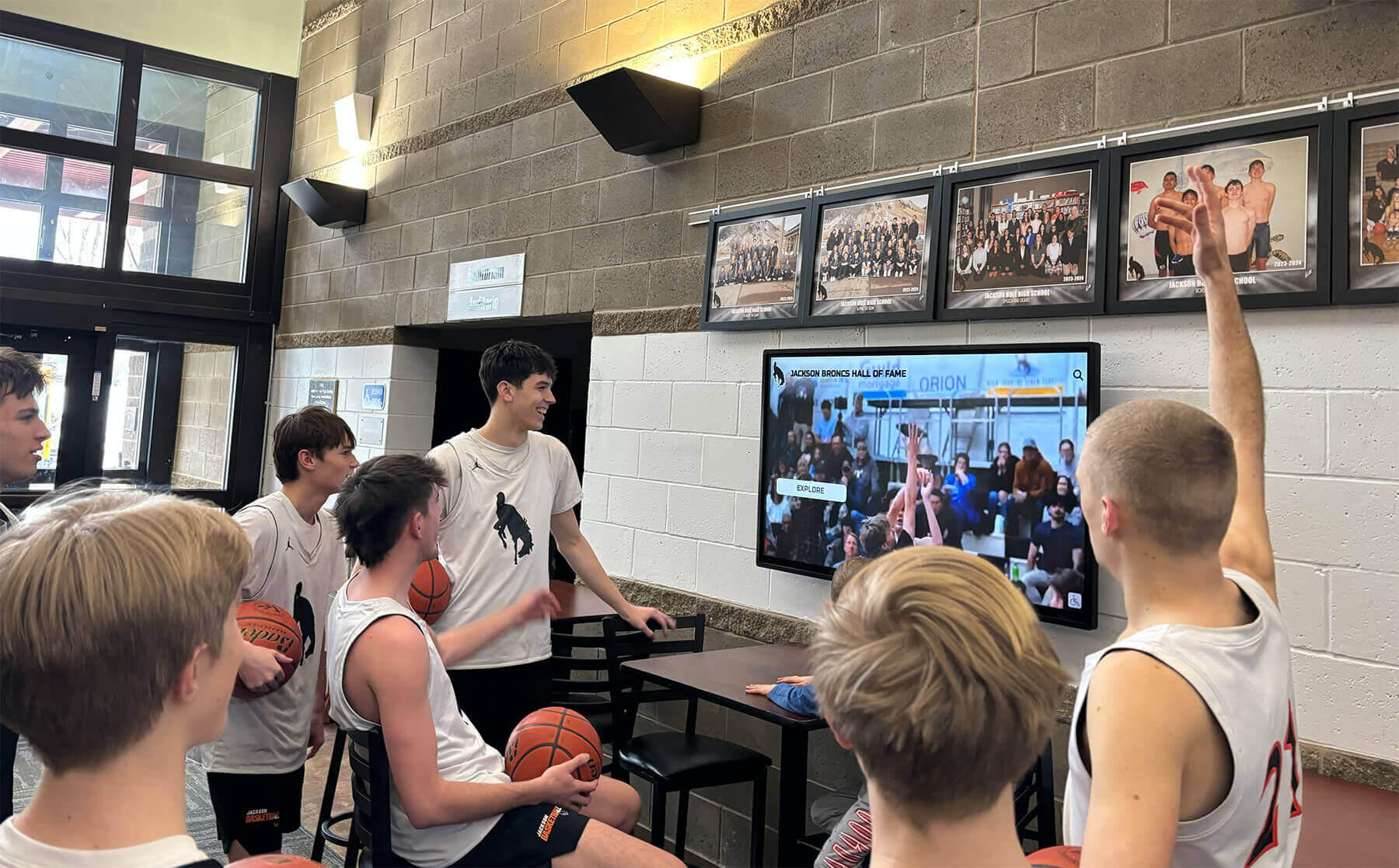
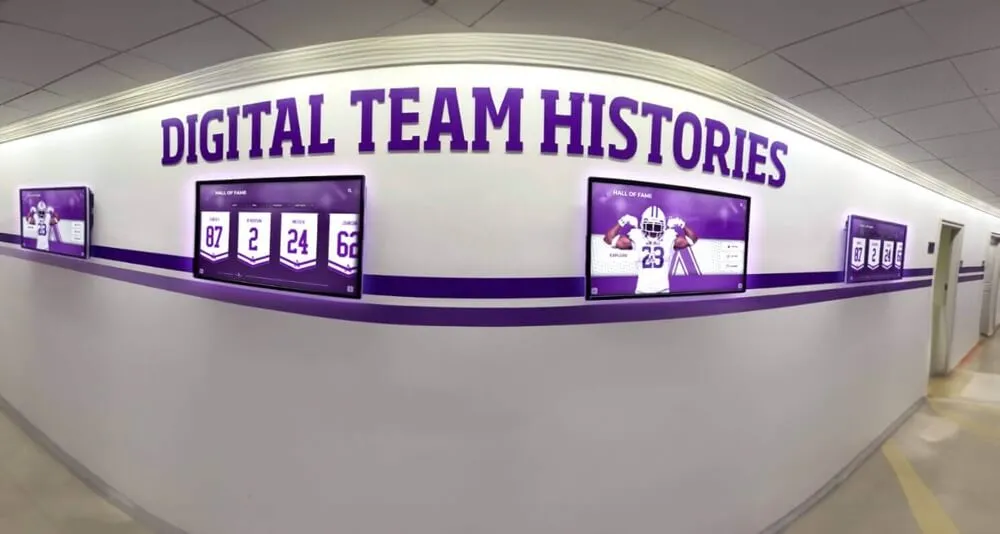
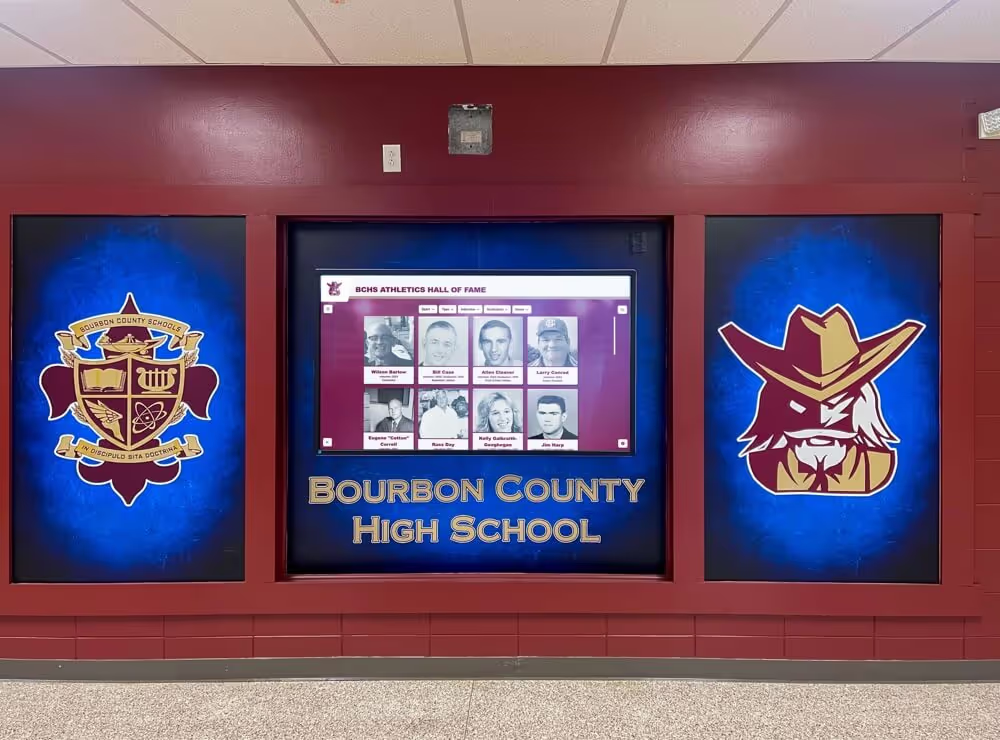
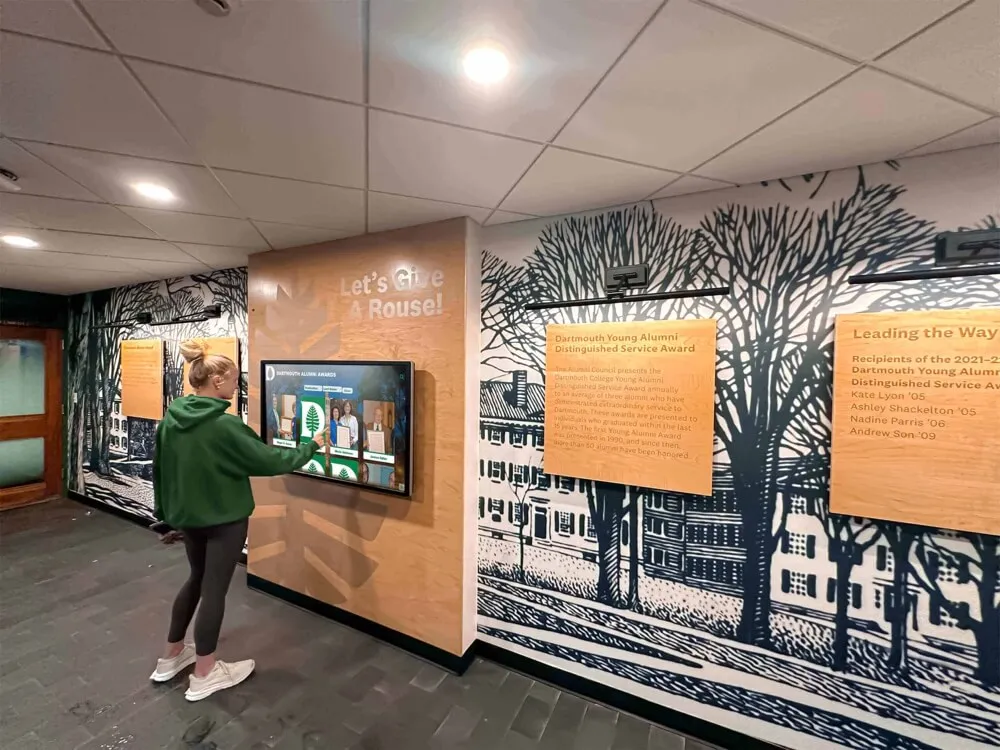
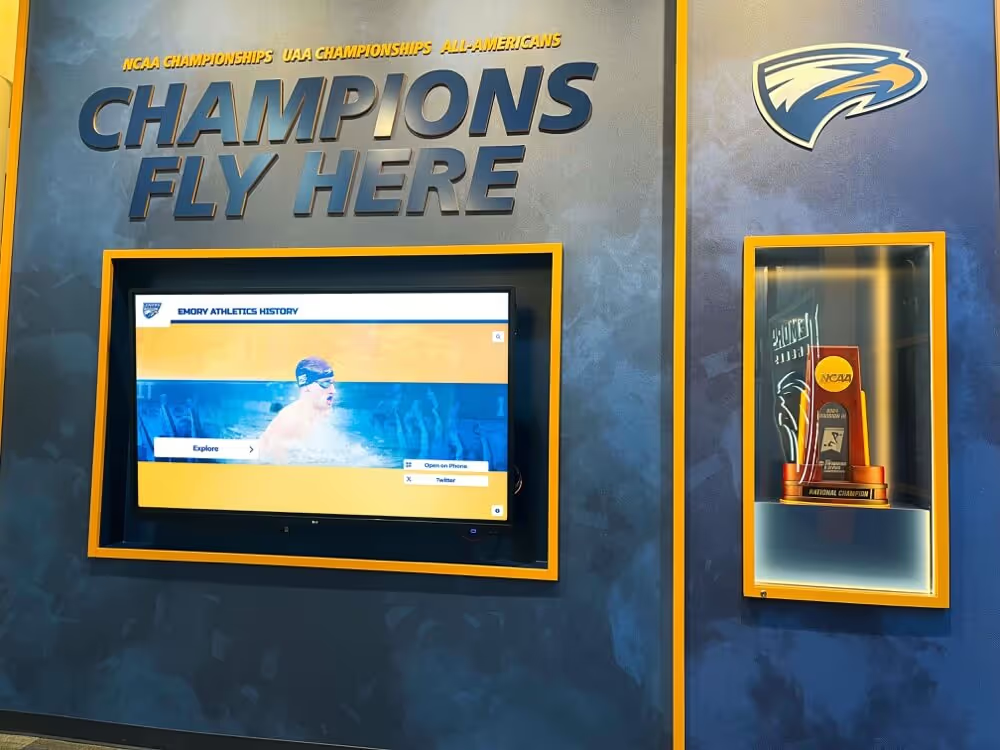
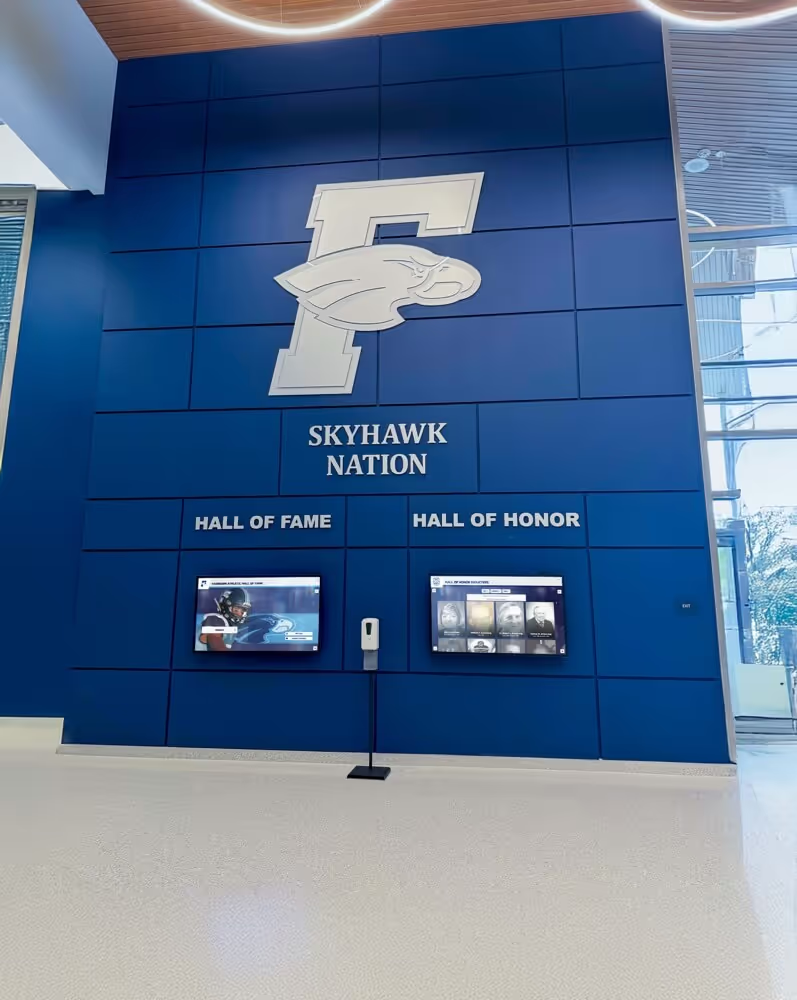
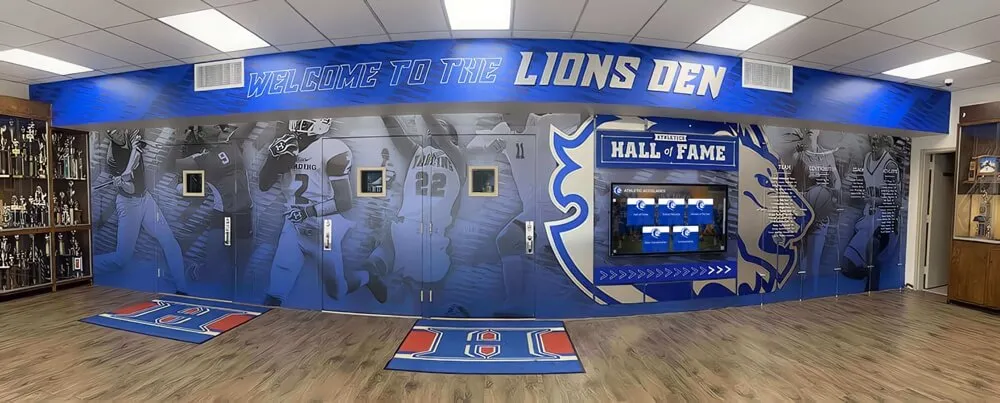
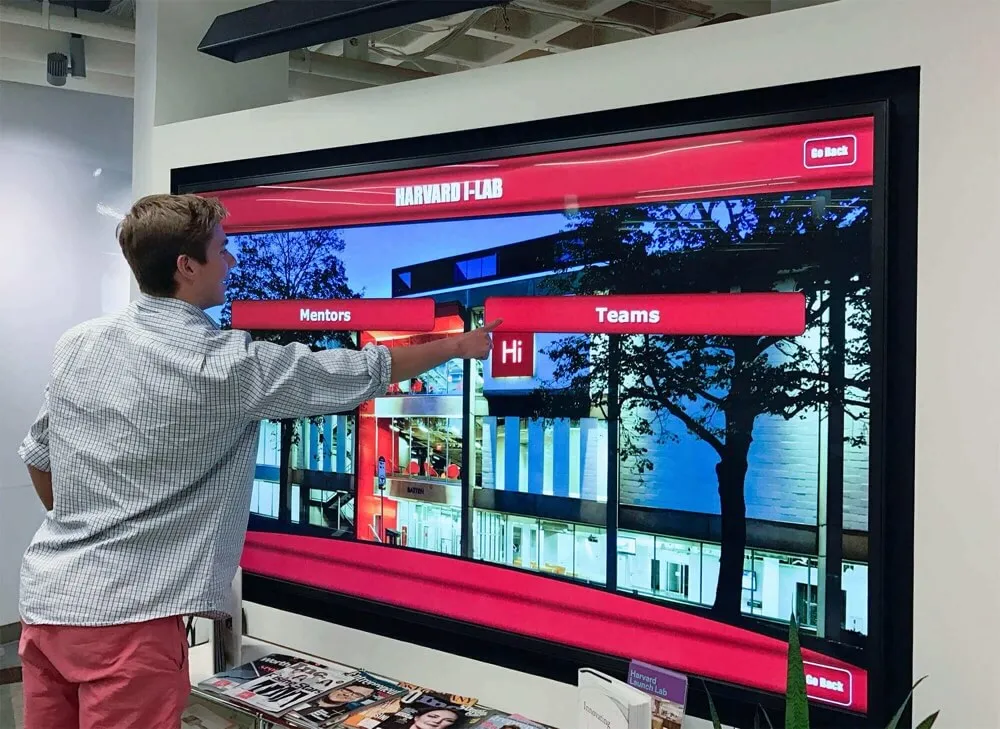
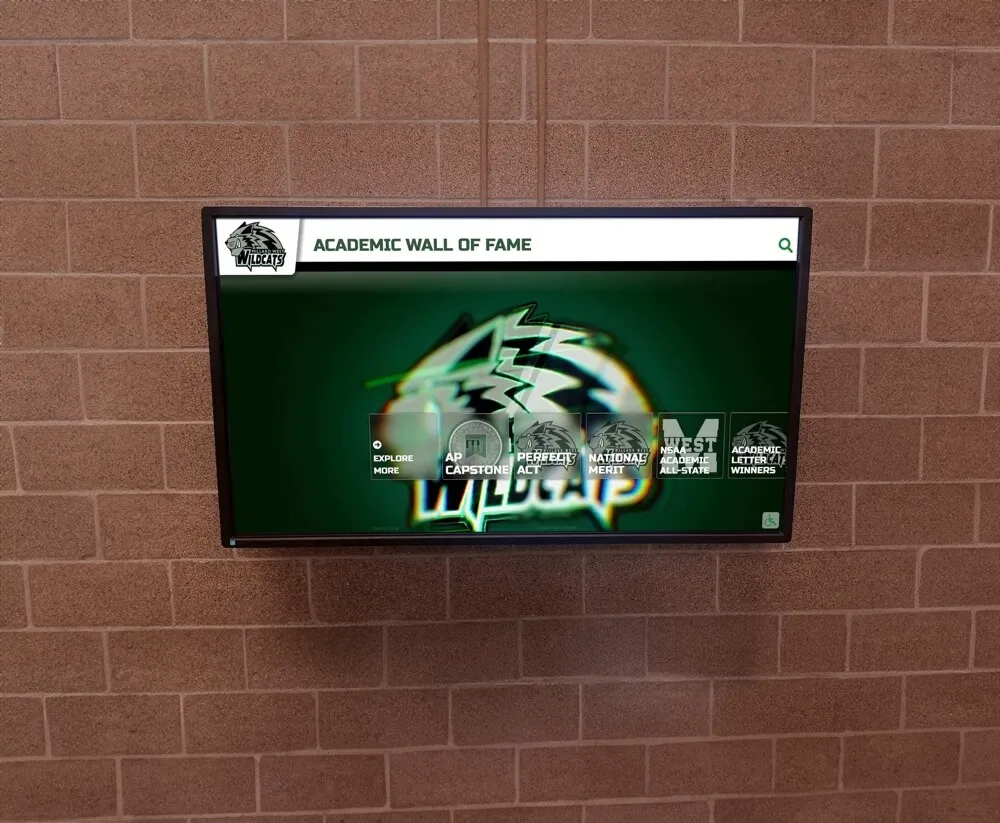
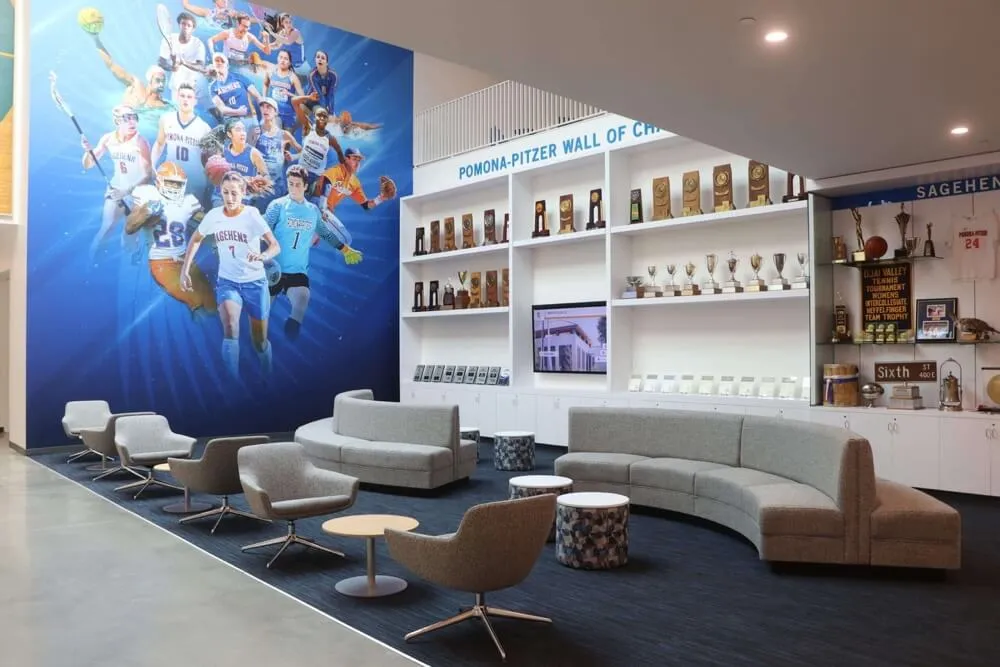
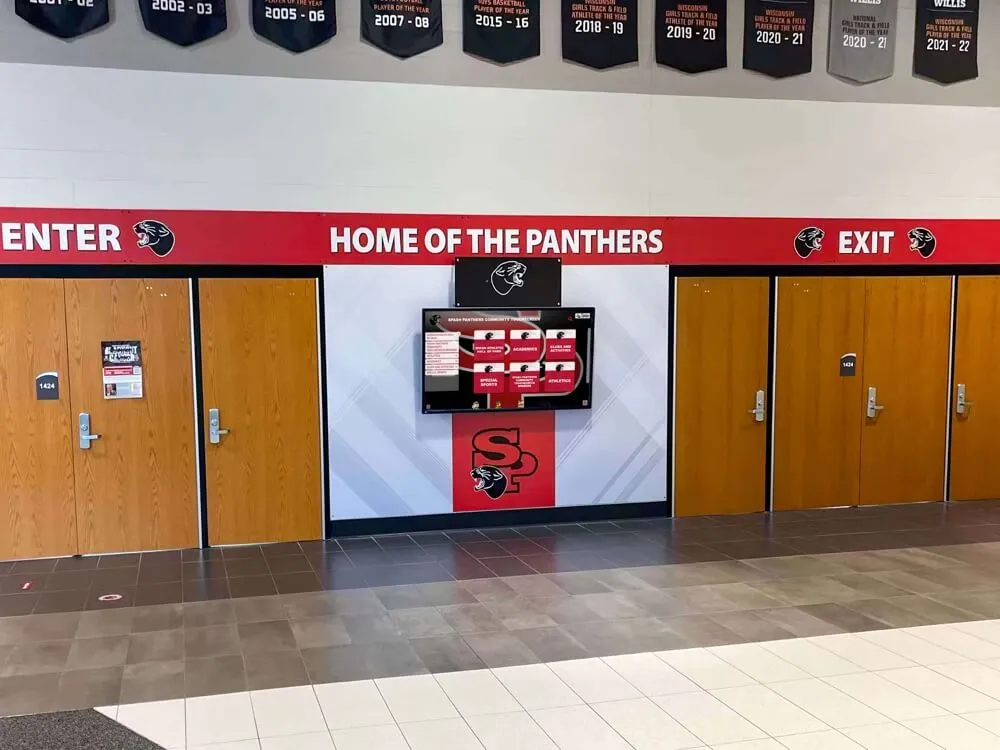
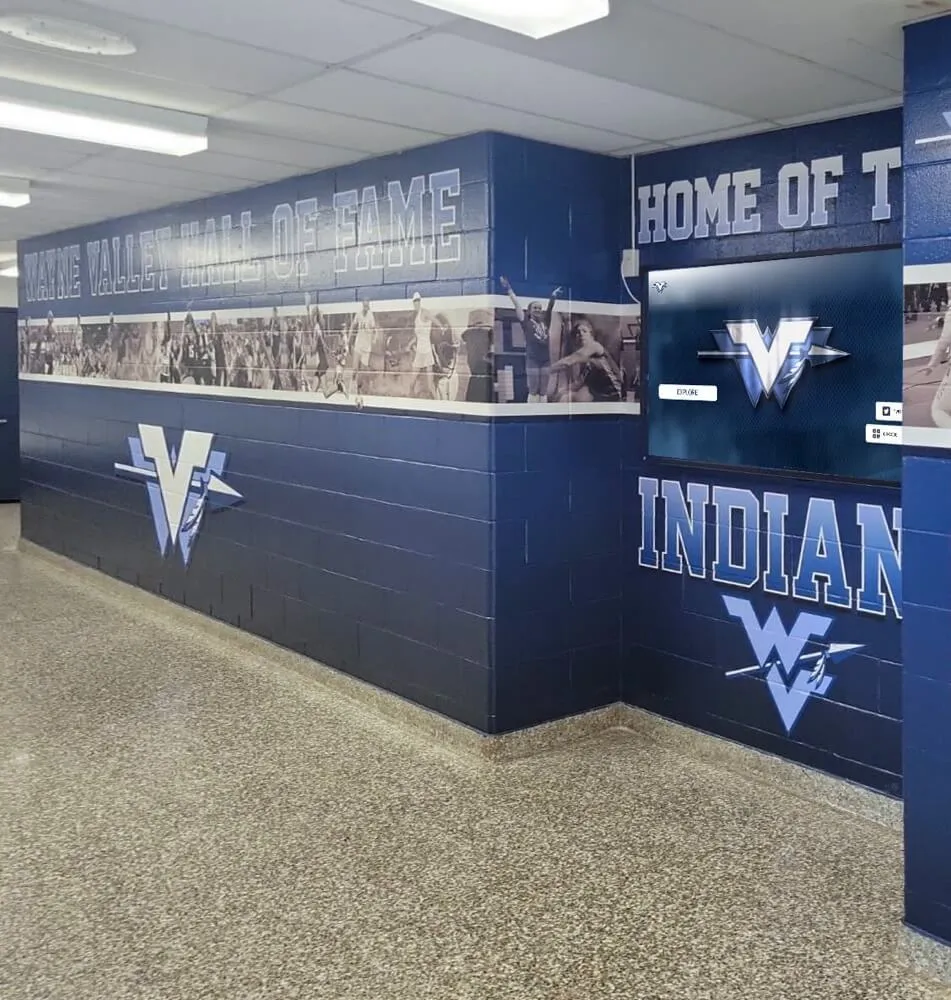
Modern high school athletic programs help student-athletes document and showcase their achievements for college recruiting
Understanding the College Softball Recruiting Timeline
Successful recruitment requires understanding when coaches evaluate prospects, how early contact can begin, and what actions players should take at each stage of their high school career.
The Recruiting Dead Period and Communication Rules
NCAA regulations govern when and how college coaches can contact prospective student-athletes. Understanding these rules helps families navigate the process appropriately:
Division I and Division II Communication Rules
- Coaches can send recruiting materials (questionnaires, camp information) starting June 15 after sophomore year
- Email and electronic communication permitted beginning September 1 of junior year
- Phone calls from coaches allowed starting June 15 after sophomore year for Division I
- Division II coaches can make unlimited calls starting June 15 after sophomore year
- Official visits (college-paid trips to campus) permitted beginning senior year
- Unofficial visits (family-funded campus visits) allowed any time
Division III, NAIA, and NJCAA Rules
- Division III has less restrictive communication rules allowing earlier contact
- NAIA and NJCAA programs typically have more flexible recruiting calendars
- Always verify current rules as NCAA regulations change periodically
Despite official communication restrictions, players can initiate contact with coaches at any time. This distinction proves crucial—while coaches face limitations on reaching out to you, you can email coaches, attend their camps, and fill out recruiting questionnaires beginning freshman year.
When College Softball Coaches Start Recruiting
Top Division I programs often identify potential recruits during freshman and sophomore years, though they cannot directly contact players until the permitted dates. Coaches evaluate players at:
- Showcase tournaments and events where top talent competes
- Club and travel team competitions throughout the year
- Recruiting camps and clinics held on college campuses
- High school games when they’re evaluating other local prospects
- Video submissions sent by players or accessed through recruiting platforms
According to recent NCAA data, approximately 50-60% of Division I softball players commit during their junior year, with many giving verbal commitments during the summer between sophomore and junior years. Division II, Division III, NAIA, and NJCAA programs typically recruit on slightly later timelines, with many commitments occurring during junior and senior years.
Recognizing athletes who achieve college commitments builds school culture and motivates younger players. Many high schools now use digital athletic displays to celebrate college-bound athletes year-round.
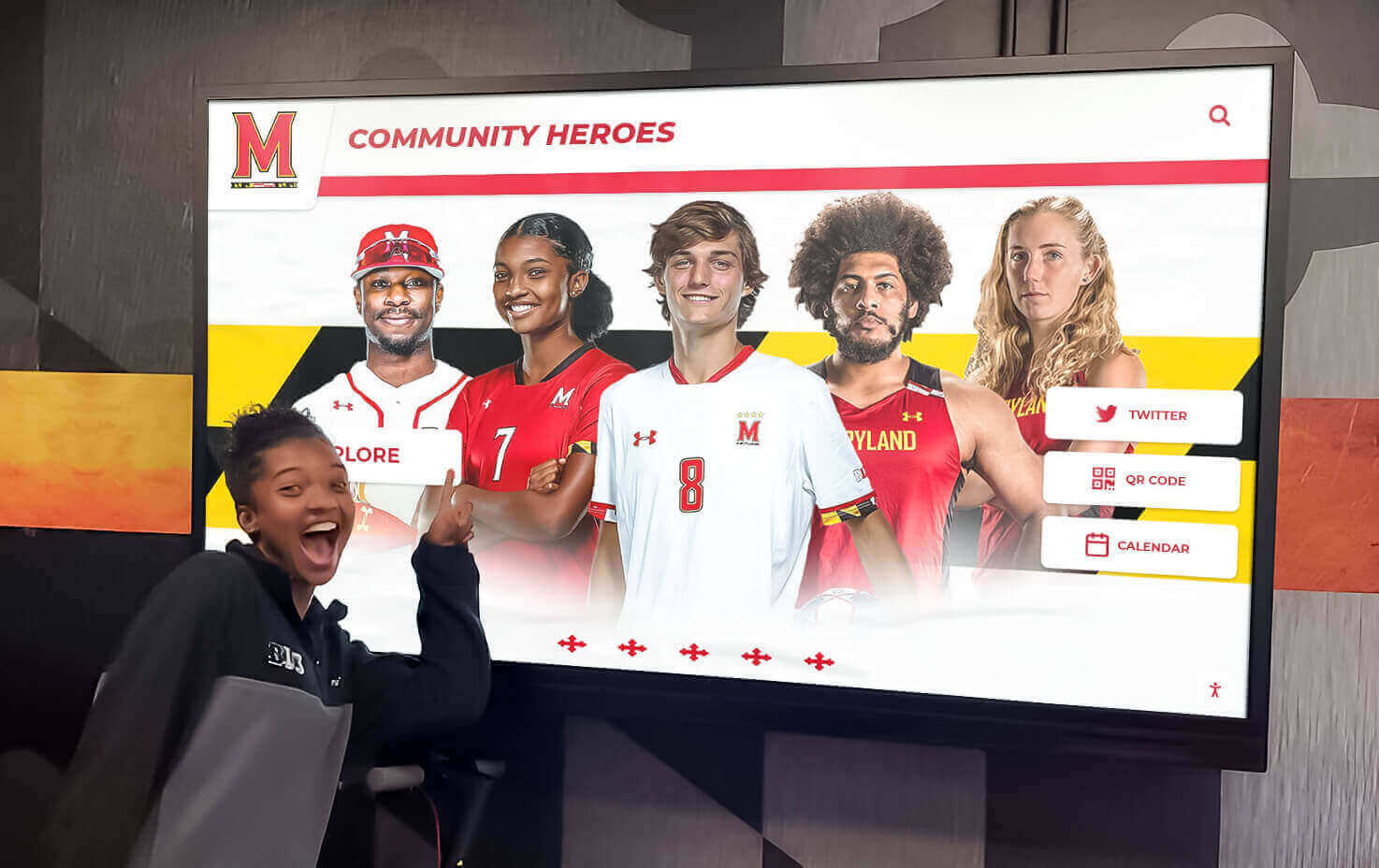
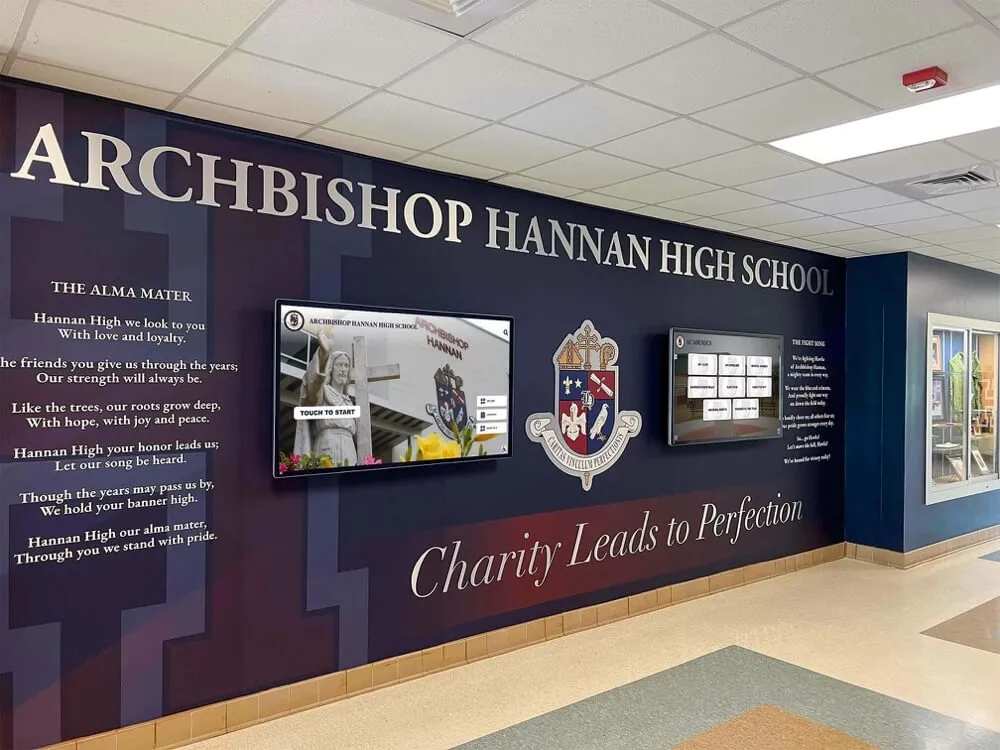
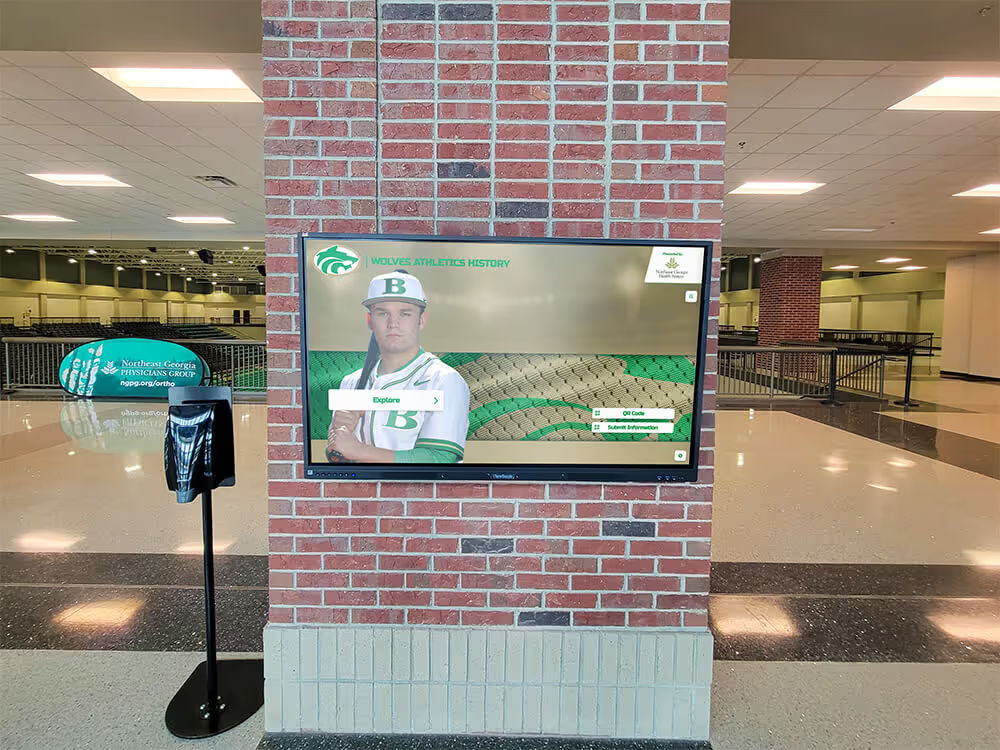
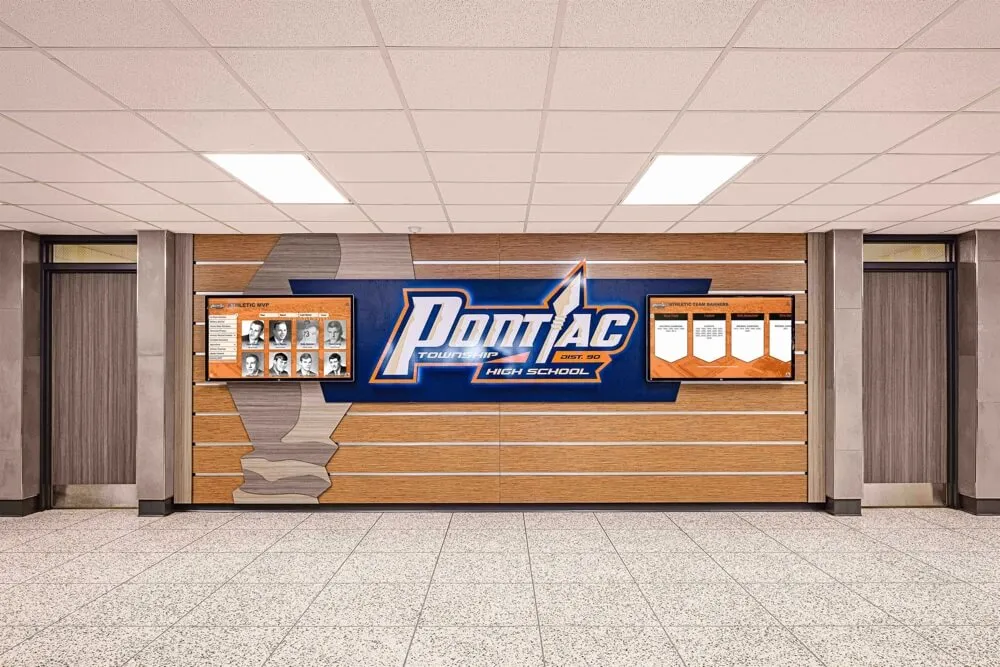
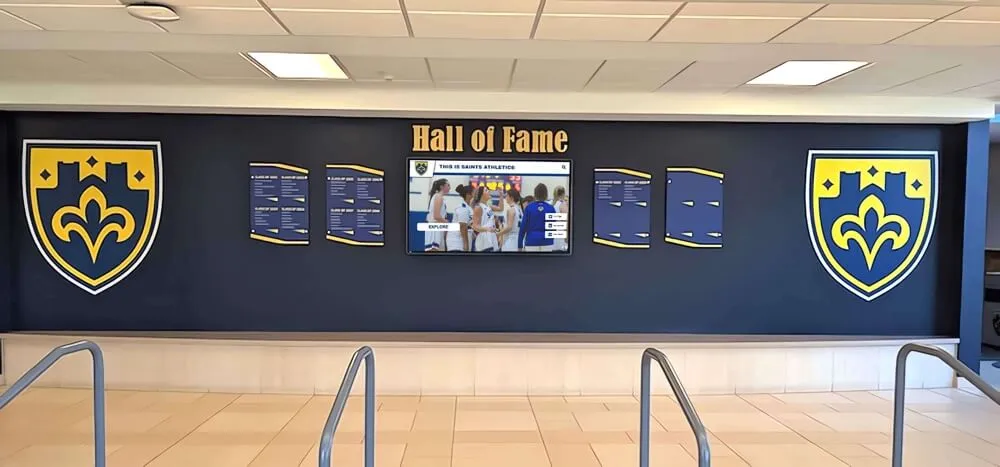
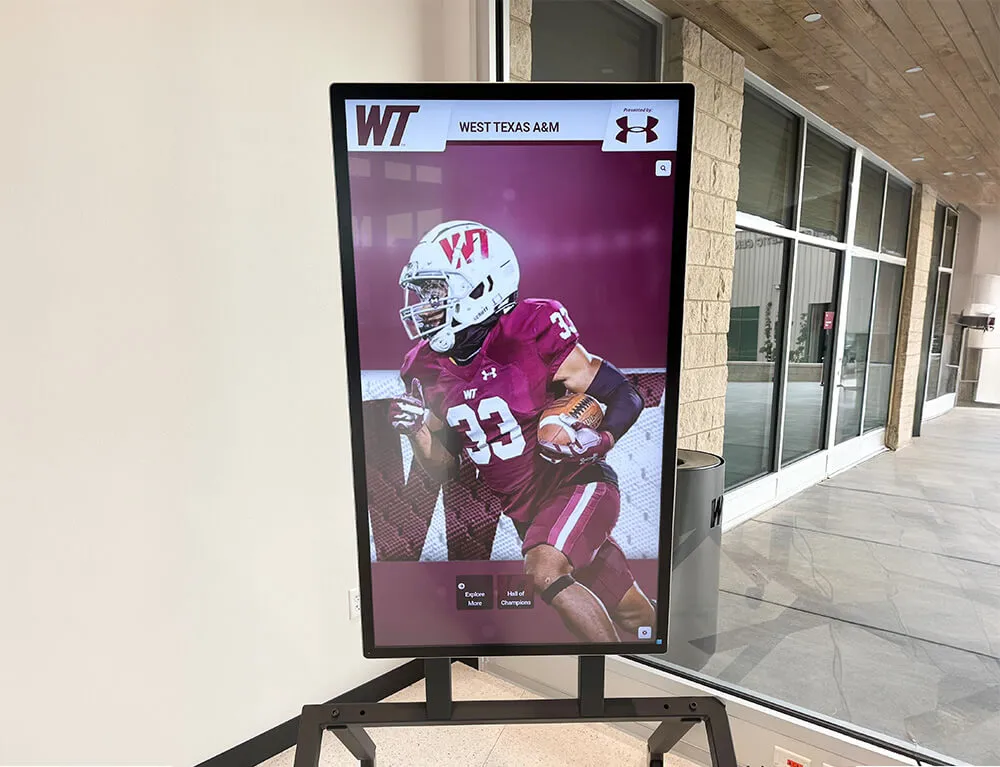
Recognition displays celebrate student-athletes' achievements and college commitments, inspiring younger players
Year-by-Year Recruiting Action Plan
Success in softball recruiting requires different focus areas at each stage of your high school career. This timeline outlines key priorities from freshman through senior year.
Freshman Year: Building Your Foundation
Your freshman year establishes the athletic, academic, and reputational foundation for successful recruiting.
Athletic Development Priorities
- Focus on fundamental skill development rather than immediate recruiting attention
- Earn playing time on your high school varsity or junior varsity team
- Compete with a competitive club or travel team facing strong competition
- Attend position-specific camps improving technical skills
- Establish consistent practice habits and demonstrate coachability
- Begin tracking your statistics and performance metrics
Academic Preparation
- Understand that GPA calculations start freshman year for college admissions
- Take challenging courses demonstrating academic commitment
- Maintain minimum 3.0 GPA to keep NCAA Division I and Division II options open
- Begin thinking about standardized test preparation (SAT/ACT)
- Meet with school counselors about college preparatory course requirements
Initial Recruiting Steps
- Research college softball programs at all levels
- Create a basic list of schools matching your academic and athletic interests
- Fill out recruiting questionnaires on college softball websites
- Follow college programs on social media to understand their culture
- Attend one or two college camps to experience collegiate-level coaching
Sophomore Year: Expanding Visibility
Sophomore year focuses on increasing your exposure to college coaches while continuing skill and academic development.
Showcase Tournament Strategy
- Compete in at least 2-3 well-attended showcase tournaments or events
- Target showcase events where multiple college coaches will evaluate players
- Research which coaches will attend tournaments before registering
- Prepare a one-page player profile to provide coaches who watch you compete
- Communicate with coaches before events confirming your tournament schedule
Building Your Recruiting Profile
- Create profiles on softball recruiting platforms (NextCollege, NCSA, FieldLevel, etc.)
- Develop recruiting video highlighting your skills (hitting, fielding, throwing, base running)
- Keep video concise (3-5 minutes) featuring your best plays in game situations
- Update athletic statistics and achievements regularly
- Collect contact information for coaches at schools you’re interested in
Schools often celebrate student achievements across academics and athletics, demonstrating the comprehensive recognition culture that attracts college recruiters.
Academic Milestones
- Continue maintaining strong GPA (target 3.3+ for more scholarship opportunities)
- Take PSAT as early standardized test preparation
- Plan to take SAT or ACT spring of junior year
- Research academic requirements at schools you’re interested in
- Stay on track with college preparatory curriculum
Initiating Contact with Coaches
- Send personalized introduction emails to 10-15 college coaches at target schools
- Include basic stats, position, graduation year, GPA, upcoming tournament schedule
- Attend college camps at 2-3 schools you’re genuinely interested in attending
- Follow up after tournaments with coaches who watched you play
- Remember that you can contact coaches even though they cannot yet contact you directly
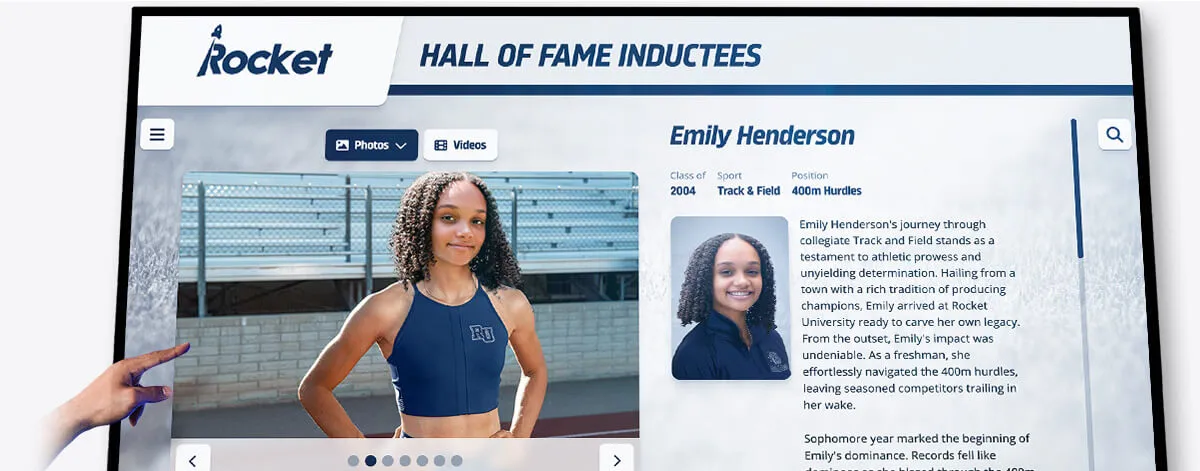
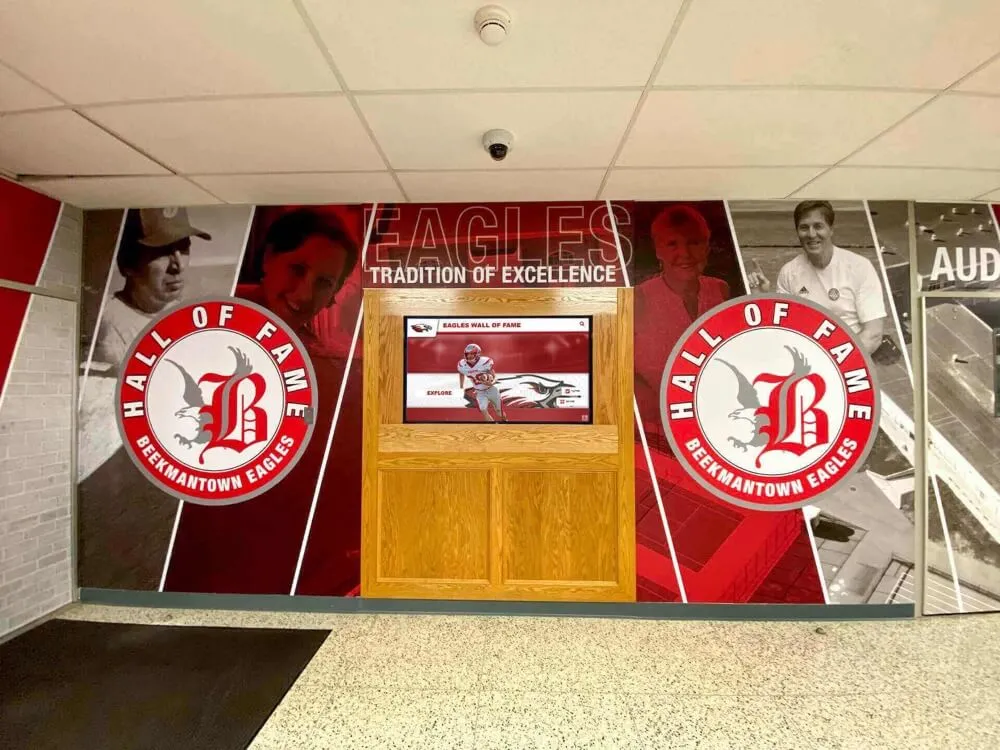
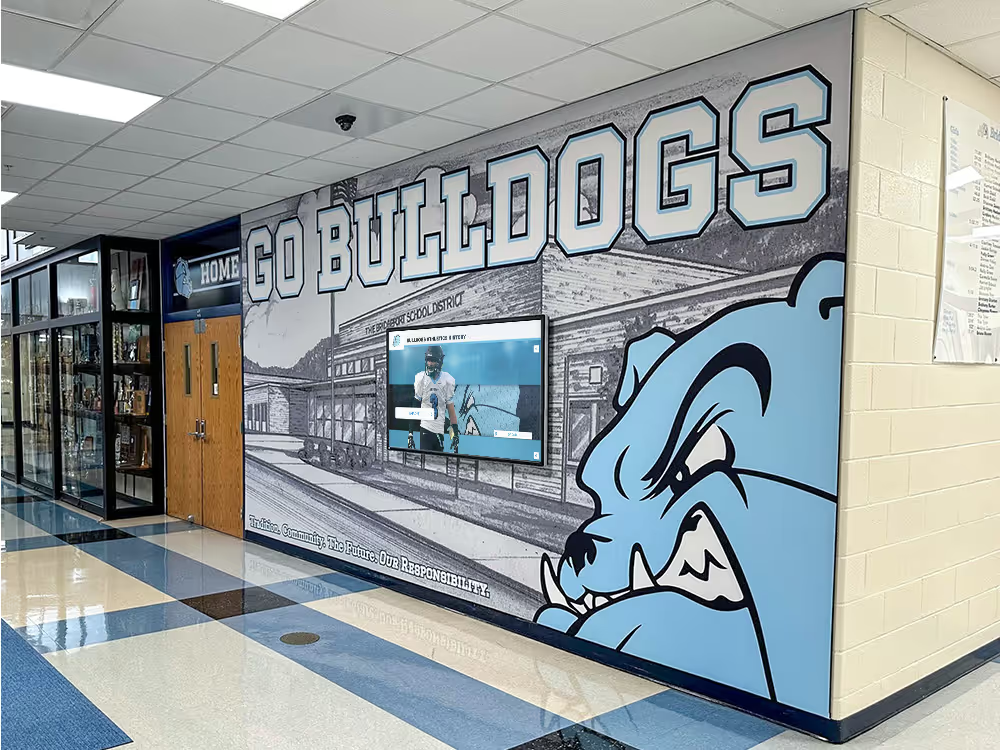
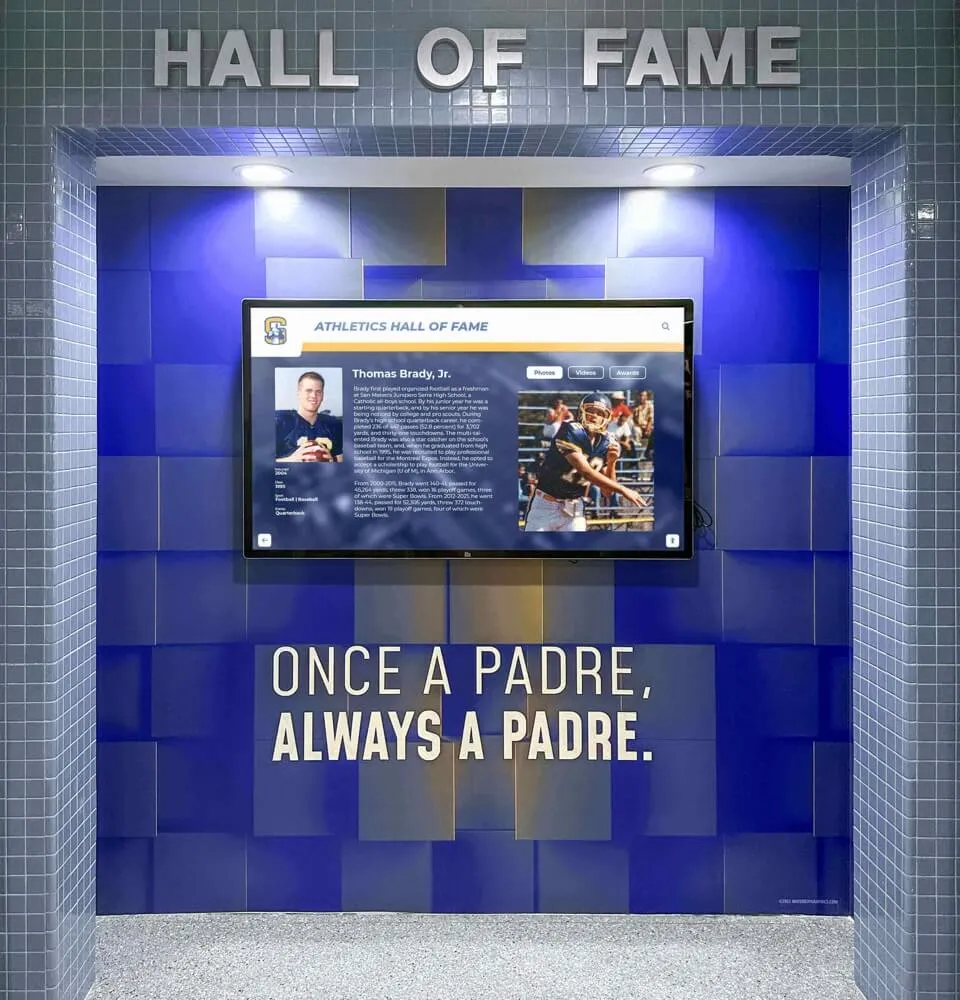
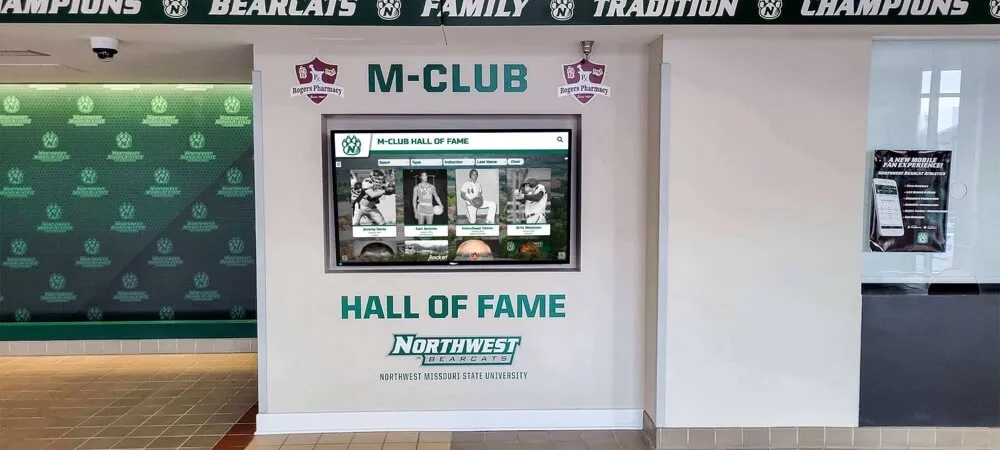
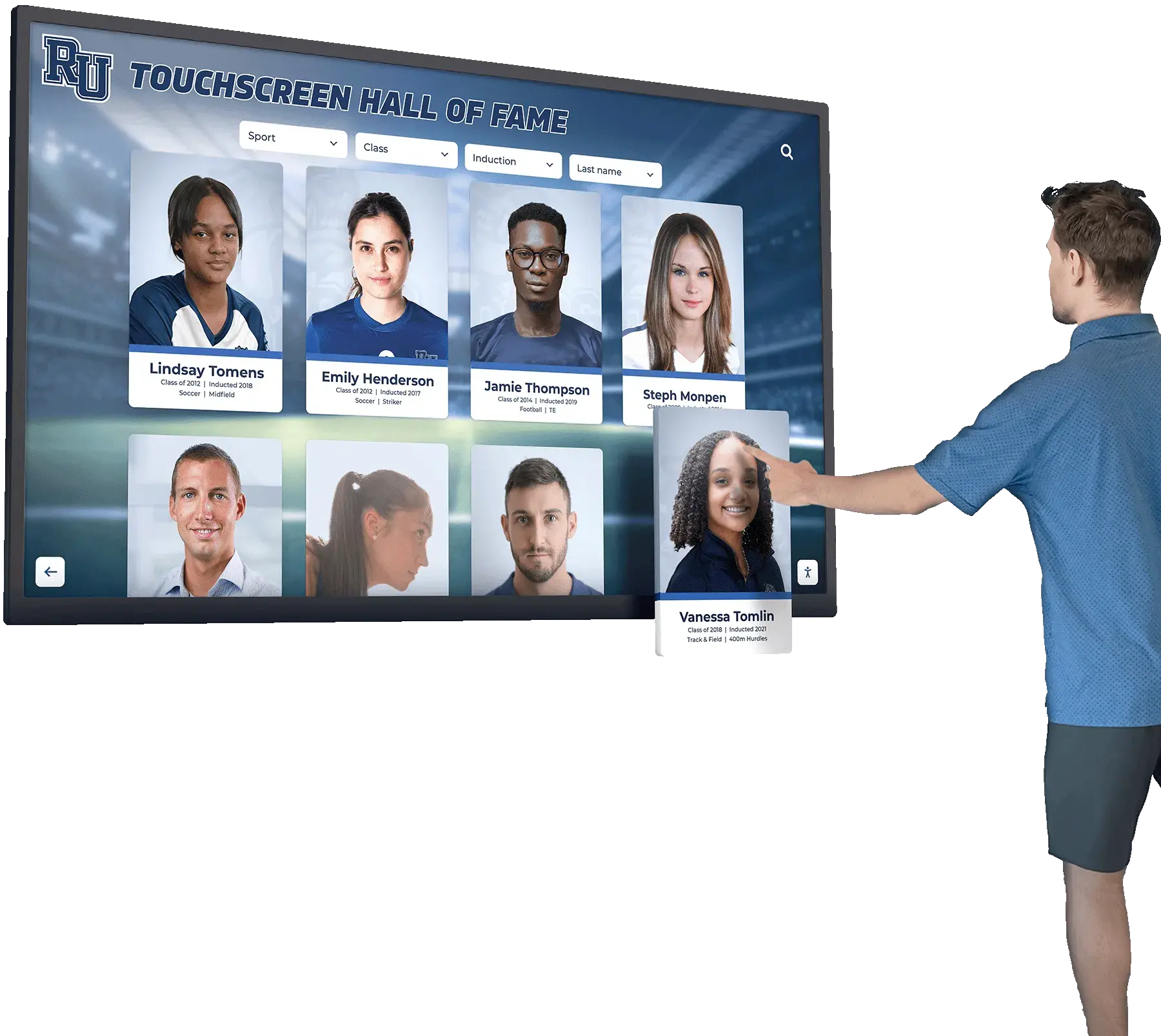
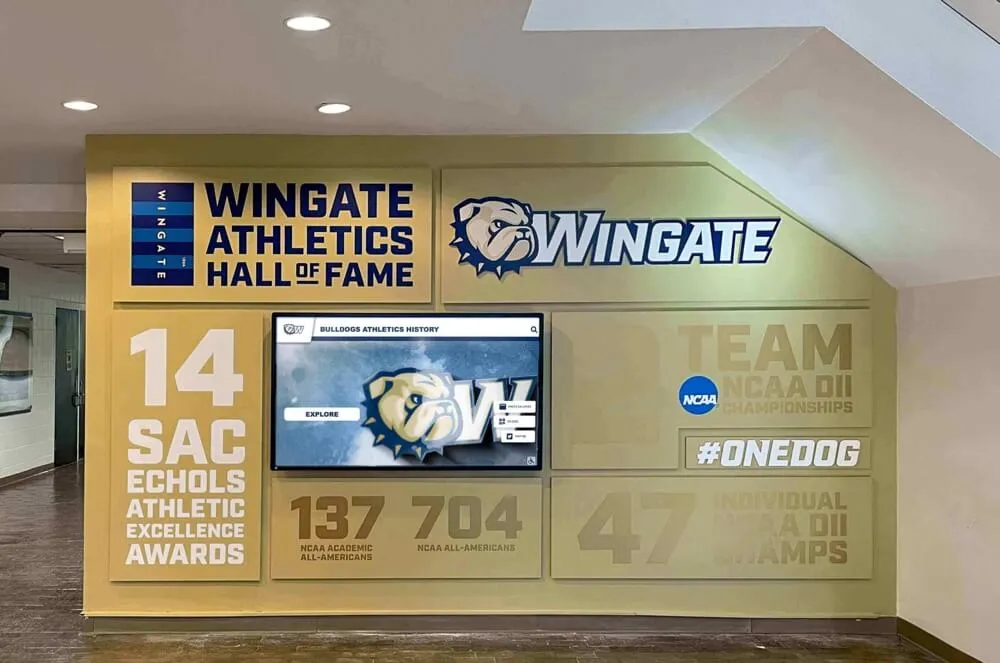
Highlighting athletes who earn college opportunities inspires recruiting preparation among younger student-athletes
Junior Year: Peak Recruiting Activity
Junior year represents the most intensive period for college softball recruiting when most commitments occur.
Recruiting Communication Surge
- Expect increased email and phone contact from interested coaches (after September 1)
- Respond promptly and professionally to all coach communications
- Maintain organized system tracking communications with different programs
- Ask substantive questions about programs, playing time, academic support, team culture
- Visit campuses unofficially during junior year to evaluate fit
Summer Between Sophomore and Junior Year
- Compete in premier showcase events (PGF Nationals, Triple Crown, USSSA tournaments)
- Attend college ID camps at your top-choice schools
- Update recruiting video with recent competitive footage
- Send updated stats, video, and tournament schedule to interested coaches
- Cast wide net—contact 20-30 programs initially to create options
Academic Benchmarks
- Take SAT or ACT in spring of junior year (retake in fall senior year if needed)
- Register with NCAA Eligibility Center if planning Division I or Division II
- Maintain strong GPA as junior year grades heavily influence college admissions
- Visit potential schools to evaluate academic programs and campus environment
- Research scholarship opportunities and financial aid processes
Official and Unofficial Visits
- Schedule unofficial visits (family-funded) to top-choice schools
- Attend games, tour facilities, meet coaches and current players
- Evaluate academic programs, campus culture, and geographic location
- Ask current players honest questions about their experience
- Take notes comparing different programs after each visit
Understanding how recognition culture develops helps players appreciate the institutional commitment to athletics at prospective colleges.
Senior Year: Making Your Decision
Senior year transitions from recruiting to decision-making as you evaluate offers and commit to a program.
Fall Senior Year Priorities
- Continue competing with club/travel team through fall season
- Take official visits to top 3-5 schools (college pays expenses)
- Evaluate scholarship offers considering full financial picture
- Discuss offers with family, coaches, and trusted advisors
- Retake SAT/ACT if scores need improvement for admission or scholarship eligibility
Evaluating Scholarship Offers
- Understand that Division I softball offers 12 full scholarships divided among entire roster
- Most players receive partial scholarships covering 25-75% of costs
- Division II offers up to 7.2 full scholarship equivalents
- Division III cannot offer athletic scholarships but provides academic aid
- NAIA offers up to 16 full scholarship equivalents
- Compare total financial aid packages including academic scholarships and need-based aid
National Letter of Intent
- NLI signing period begins in November of senior year for early commitments
- Regular signing period runs through August before enrollment
- Signing NLI commits you to that school and prevents other schools from recruiting you
- Carefully review all terms before signing
- Celebrate your commitment—you’ve achieved something significant!
Maintaining Eligibility
- Continue meeting NCAA Eligibility Center requirements
- Submit final transcripts after senior year graduation
- Complete required number of core courses
- Maintain minimum GPA and test score standards
- Avoid any academic or disciplinary issues that could jeopardize offers
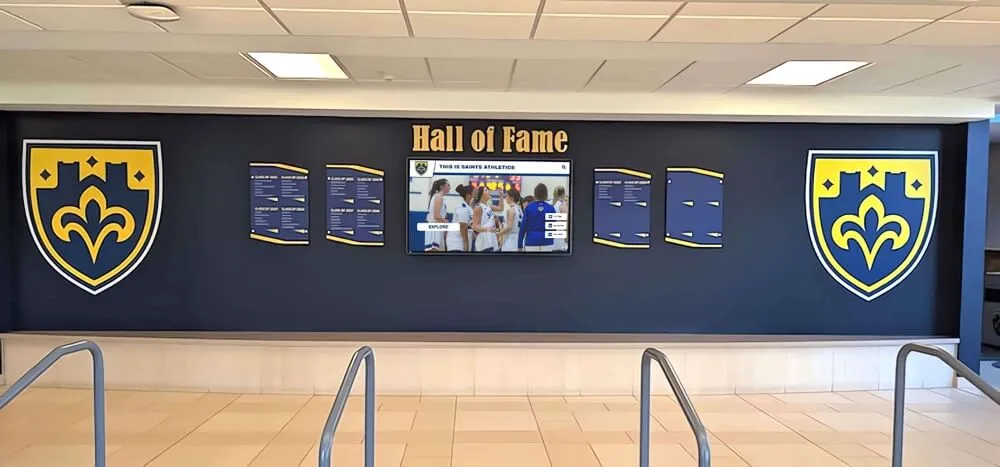
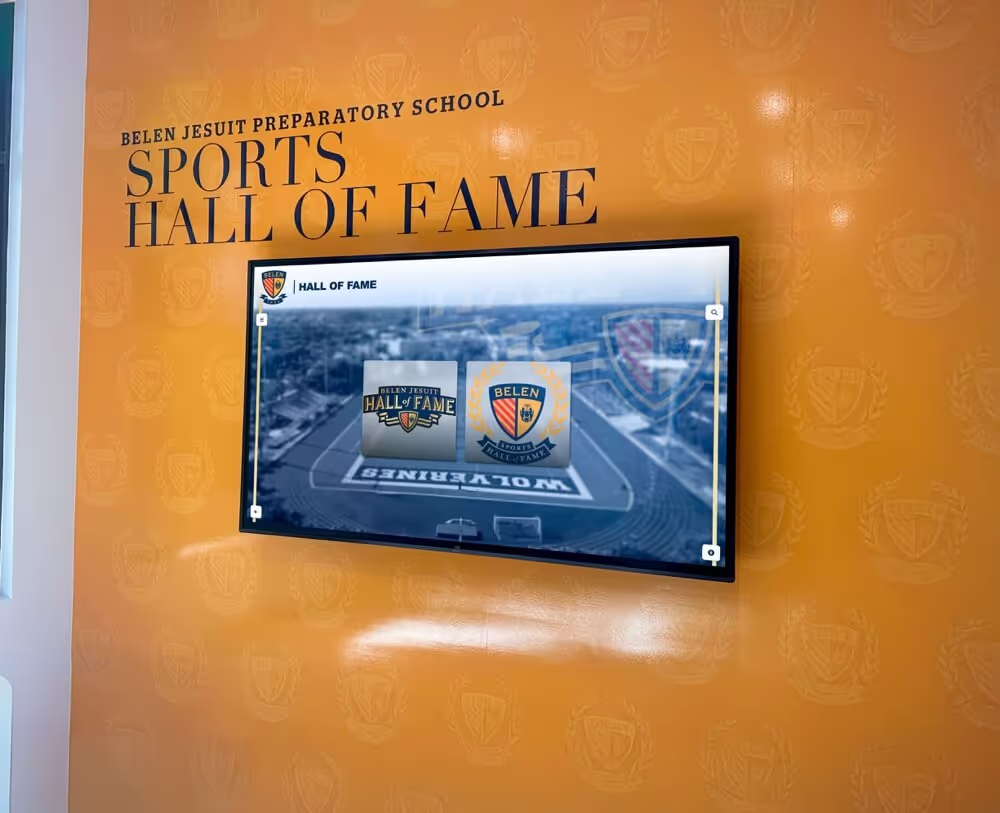
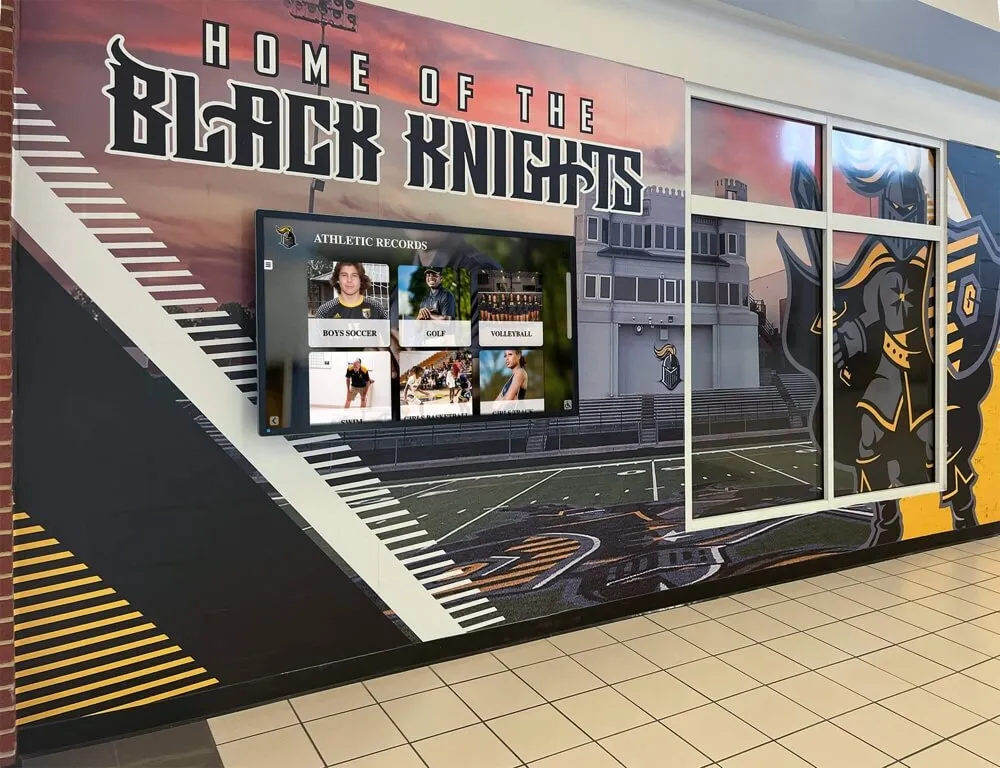
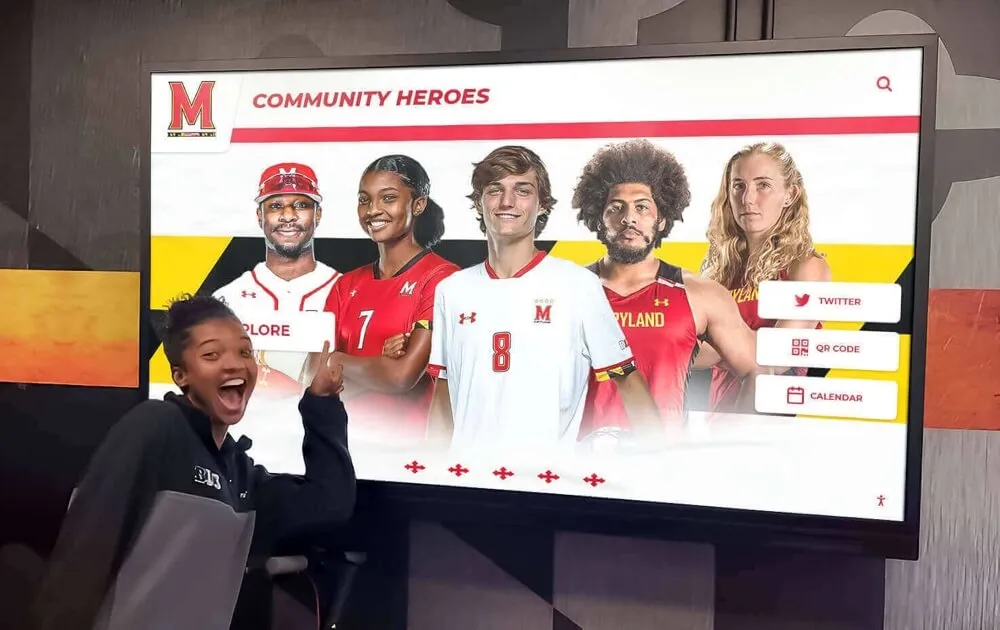
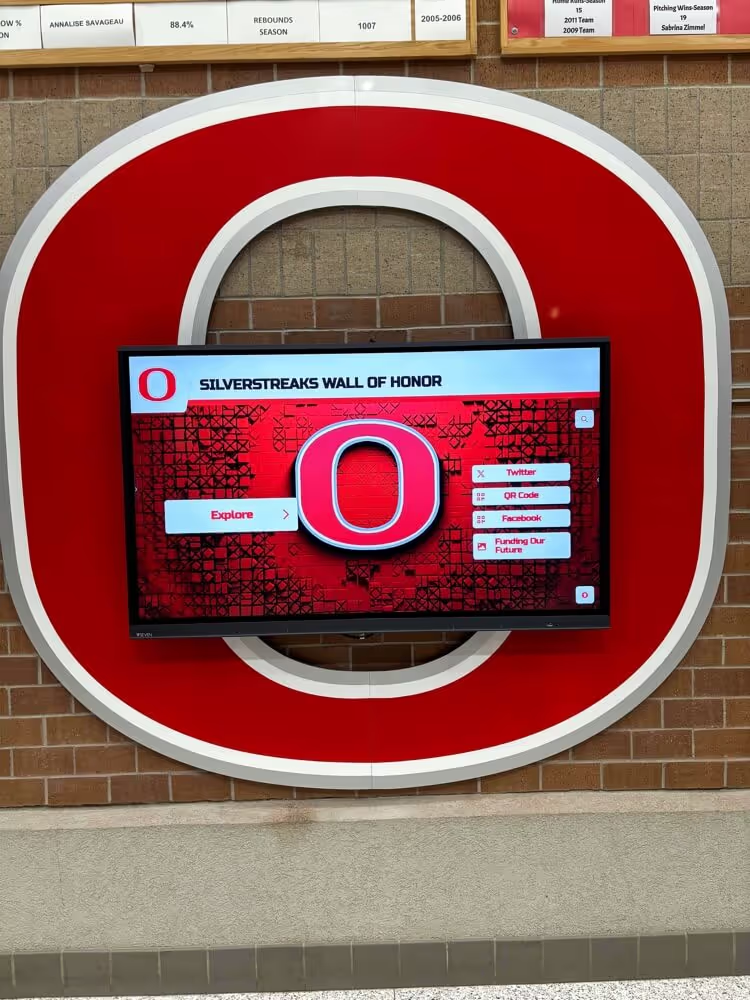
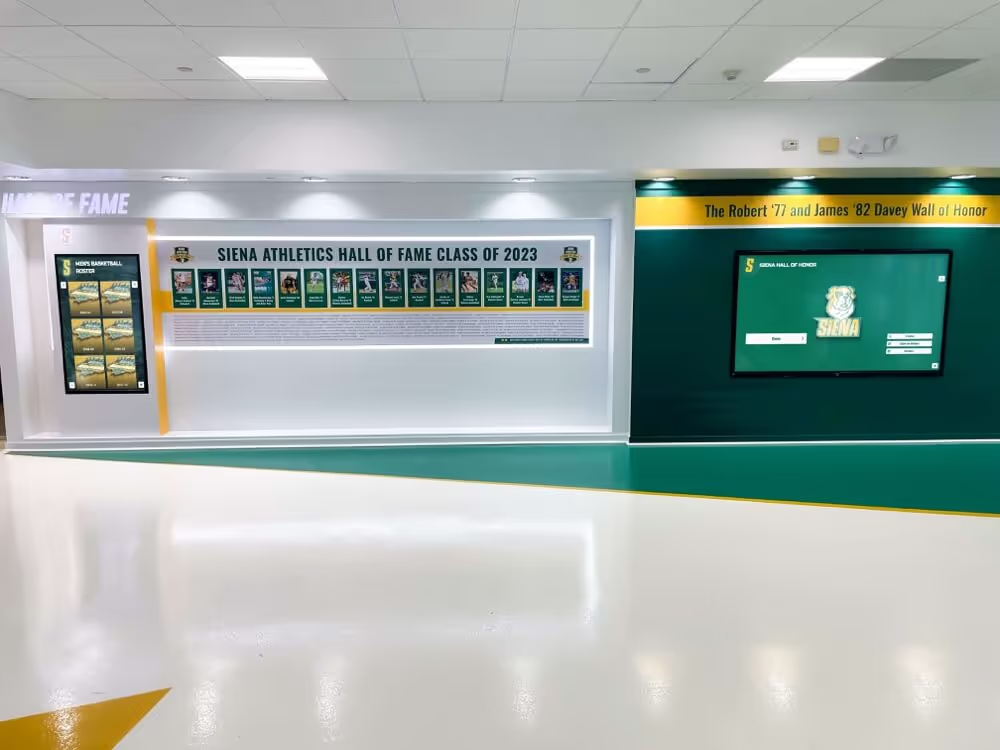
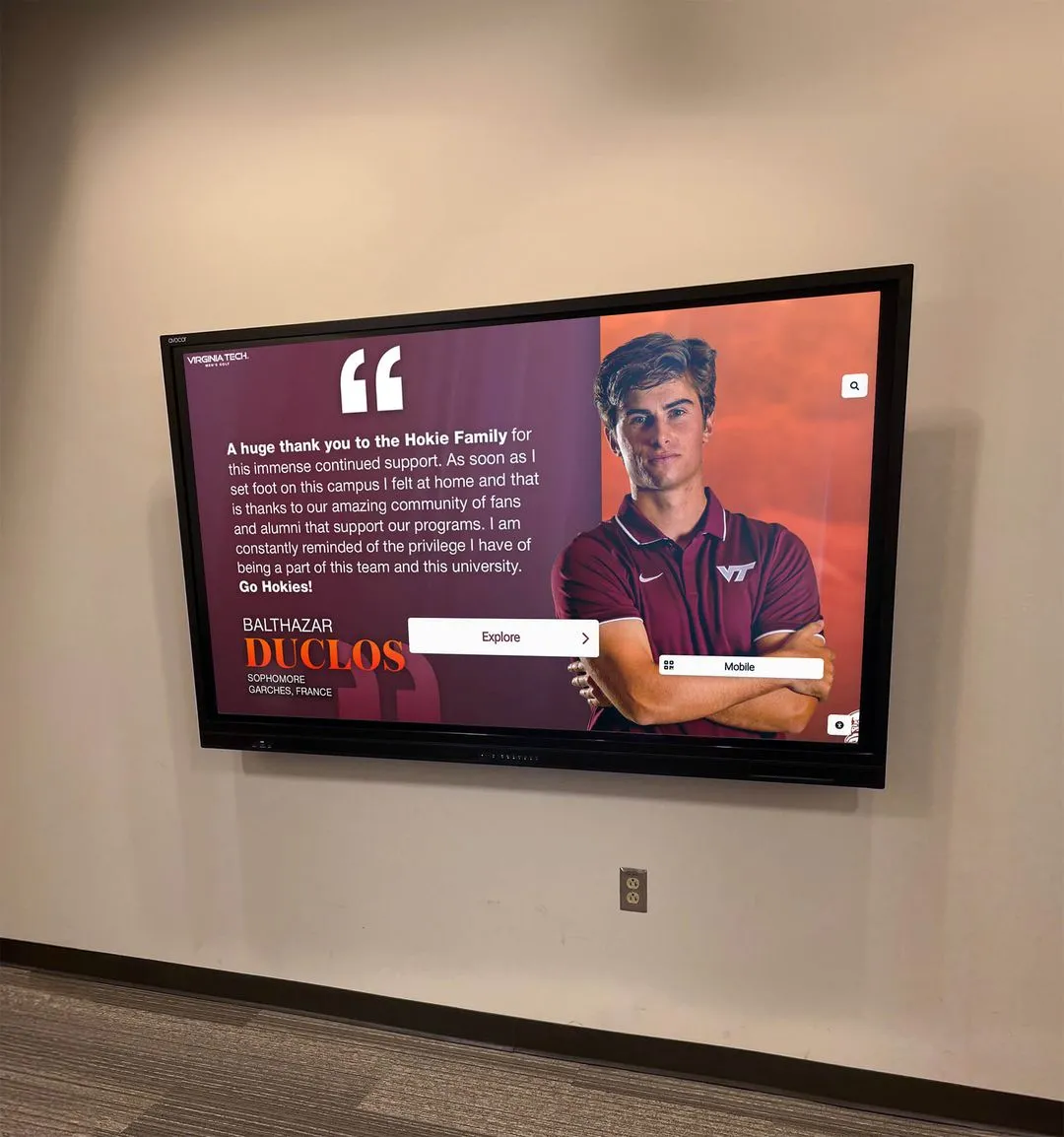
Permanent recognition displays preserve college commitment achievements inspiring future generations of student-athletes
Creating an Effective Softball Recruiting Profile
Your recruiting profile serves as your athletic resume—the first impression many college coaches will have of your capabilities and potential fit for their program.
Essential Components of Your Recruiting Profile
A comprehensive recruiting profile should include:
Personal and Contact Information
- Full name, graduation year, high school, club/travel team
- Email address (professional—avoid inappropriate email addresses)
- Phone number
- Mailing address
- Social media handles (ensure accounts present you professionally)
Academic Information
- Current GPA (weighted and unweighted)
- Class rank if applicable
- SAT/ACT scores (once available)
- Academic honors and awards
- Intended major or academic interests
- NCAA Eligibility Center ID number
Athletic Statistics and Achievements
- Primary and secondary positions
- Height (important for some positions)
- Batting average, on-base percentage, slugging percentage
- Home runs, RBIs, stolen bases
- Defensive stats (fielding percentage, errors, assists)
- For pitchers: ERA, strikeouts, wins, innings pitched, pitches
- All-conference, all-state, or all-region honors
- Team championships or tournament victories
- Individual awards and recognition
Video Highlights
- 3-5 minute compilation of your best plays
- Include multiple at-bats showing different pitch types and situations
- Defensive plays at your primary position
- Throwing mechanics and arm strength
- Base running and speed
- For pitchers: variety of pitches from different angles
- Use high-quality video from actual game situations when possible
Where to Create Your Online Presence
Multiple platforms help softball players connect with college coaches:
Free Recruiting Platforms
- BeRecruited.com
- CaptainU
- NCSA (limited free features)
- PrepHero
Paid Recruiting Services
- NCSA Athletic Recruiting
- FieldLevel
- NextCollege Student-Athlete
- SportsRecruits
- Softball Factory
Program-Specific Tools
- College softball team recruiting questionnaires (always complete these)
- Your own simple website or profile page
- Highlight video on YouTube (set to unlisted for privacy)
Many successful recruiting platforms focus on measurable achievements. Schools similarly recognize academic and athletic excellence through comprehensive programs celebrating diverse student accomplishments.
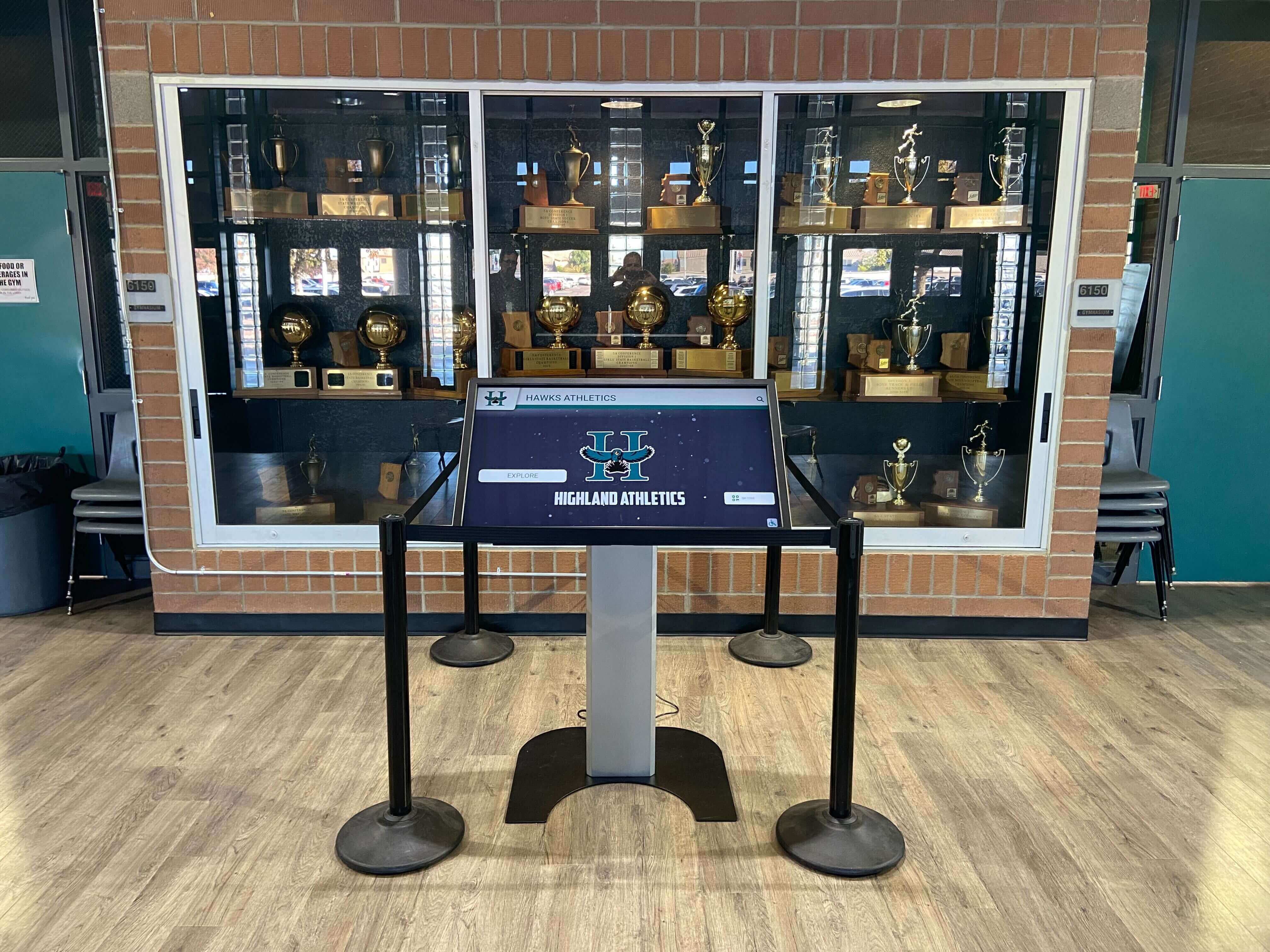
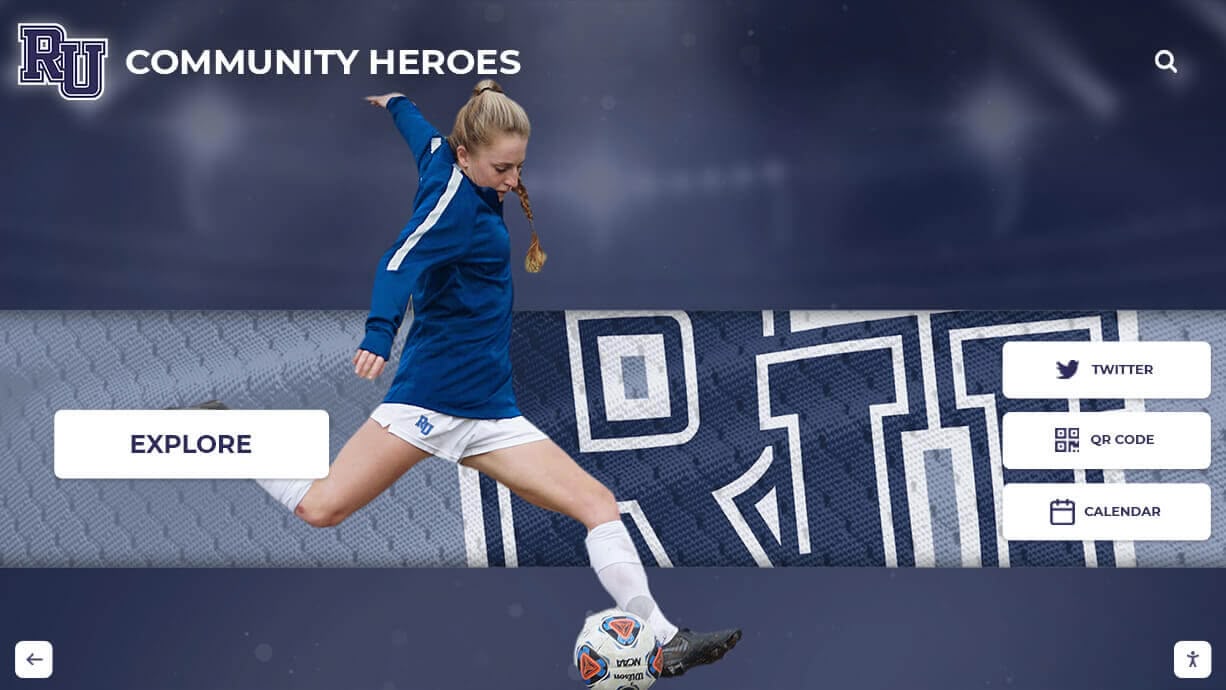
Modern recognition systems showcase achievements including college commitments that celebrate recruiting successes
Softball Showcase Events and Tournaments
Showcase tournaments provide opportunities for college coaches to evaluate hundreds of players competing at high levels in concentrated timeframes.
Premier National Showcase Events
These nationally-recognized events attract college coaches from across all divisions:
PGF (Premier Girls Fastpitch) National Championships
- Held annually in California and other locations
- Attracts hundreds of college coaches
- Highly competitive with top club teams nationwide
- Multiple age divisions from 10U through 18U
- Strong visibility for Division I recruitment
Triple Crown Sports Tournaments
- National Softball Championship series
- Events held across multiple states
- Good balance of competition and coach attendance
- Various skill levels and age groups
- Strong regional and national recruiting exposure
USA Softball (formerly ASA) Championships
- Long-standing organization with national tournaments
- Gold National Championship attracts top talent
- College coaches regularly attend
- Various regional qualifiers throughout the year
Alliance Fastpitch National Championships
- Growing showcase organization
- Events in multiple regions
- Increasing college coach attendance
- Good option for various skill levels
IMG Academy Tournaments and Showcases
- High-profile events at IMG campus in Florida
- Strong coach attendance across all divisions
- Combines tournament play with skill evaluations
- Typically higher cost but good visibility
Regional and Local Showcase Opportunities
Not all effective showcases require national travel:
College-Hosted Camps and Clinics
- Hosted by college coaching staff at their campus
- Opportunity for coaches to evaluate you extensively
- Demonstrates genuine interest in that specific program
- More affordable than national travel tournaments
- Allows evaluation of campus and program simultaneously
Regional Showcase Tournaments
- Events attracting coaches primarily from your geographic region
- Lower cost than national events
- Good option for Division II, Division III, NAIA, NJCAA recruiting
- Often overlooked but valuable for appropriate competition level
Maximizing Showcase Tournament Value
Simply attending showcase events doesn’t guarantee recruiting attention. Maximize your investment:
Pre-Event Communication
- Research which coaches will attend the event (organizers often publish lists)
- Email coaches at schools you’re interested in 2-3 weeks before the event
- Include your team name, jersey number, game schedule, and position
- Express genuine interest in their program
- Attach or link to your recruiting profile and video
During the Event
- Compete with intensity and positive attitude every game
- Demonstrate coachability and good sportsmanship
- Support teammates visibly even when not playing
- Understand that coaches evaluate character as well as skills
- Focus on your performance rather than trying to spot coaches
Post-Event Follow-Up
- Email coaches who watched you within 2-3 days
- Thank them for attending and express continued interest
- Provide updated statistics or video from the event if available
- Ask about next steps in their recruiting process
- Maintain professional communication regardless of their response
Programs that effectively celebrate athletic achievement create culture where recruiting success becomes part of institutional identity. Many schools now showcase college-bound athletes year-round through recognition displays inspiring younger players.
Understanding NCAA Softball Scholarship Opportunities
Scholarship availability varies dramatically by division level, affecting both recruitment strategy and program selection.
Division I Softball Scholarships
NCAA Division I softball programs can offer up to 12 full scholarships divided among the entire roster:
- Most rosters include 18-25 players total
- Very few players receive full scholarships (typically reserved for elite recruits)
- Most scholarship players receive 25-75% athletic aid
- Partial scholarships often combined with academic aid and need-based financial aid
- Highly competitive programs may have less scholarship money available per player due to roster size
What GPA Do You Need for College Softball?
Division I minimum academic requirements include:
- Completion of 16 core courses in high school
- Minimum 2.3 GPA in core courses
- Sliding scale SAT/ACT scores (higher GPA allows lower test scores and vice versa)
- Registration with NCAA Eligibility Center
However, competitive academic requirements at many Division I schools far exceed NCAA minimums. Top academic institutions recruiting softball players often require:
- 3.5+ GPA in college preparatory courses
- Strong SAT/ACT scores (1200+ SAT, 25+ ACT)
- Demonstrated academic achievement and rigor
Division II Softball Scholarships
NCAA Division II programs offer up to 7.2 full scholarship equivalents:
- Smaller scholarship budget than Division I but often spread among fewer players
- Many players receive 40-80% athletic scholarships
- Less intense time commitment than Division I may allow more academic focus
- Good balance of competitive softball and well-rounded college experience
- Often overlooked by players focusing exclusively on Division I
Division III, NAIA, and NJCAA Options
Division III Programs
- Cannot offer athletic scholarships per NCAA rules
- Provide generous academic merit scholarships and need-based financial aid
- Total financial aid package can match or exceed Division I/II athletic scholarships
- Less intense time commitment allows greater academic and extracurricular involvement
- High-quality competition and coaching at many programs
NAIA Programs
- Offer up to 16 full scholarship equivalents
- More scholarship flexibility than NCAA in some cases
- Smaller schools with often tight-knit team culture
- Quality competition and strong regional programs
- More relaxed recruiting calendar and rules
NJCAA (Junior College) Programs
- Excellent option for developing players or those needing academic preparation
- Significantly lower cost even without athletic scholarships
- Two years to develop skills before transferring to four-year program
- Many successful Division I transfers begin at junior college
- Strong coaching and development at competitive NJCAA programs
Comprehensive recognition of student achievement across athletic and academic domains demonstrates institutional culture valuing the complete student-athlete that college programs seek.
Communicating Effectively with College Coaches
How you communicate with coaches significantly impacts their perception of your maturity, professionalism, and genuine interest in their program.
Crafting Your Initial Contact Email
Your first email to a college coach should be concise, professional, and informative:
Subject Line Use clear, informative subject lines:
- “2027 Catcher - [Your Name] - [Your High School]”
- “[Your Name] - 2027 Middle Infielder - Recruiting Information”
Email Content Structure
Opening paragraph:
- Briefly introduce yourself (name, graduation year, position, high school, club team)
- State why you’re interested in their program specifically
- Mention specific aspects of their program that appeal to you
Second paragraph:
- Provide key statistics and achievements
- Include academic information (GPA, test scores if available)
- Mention any relevant honors or awards
Third paragraph:
- Share upcoming tournament schedule where coaches can evaluate you
- Provide link to recruiting video and online profile
- Express interest in learning more about their program
Closing:
- Thank them for their time
- Provide complete contact information
- Professional signature
Sample Introduction Email
Subject: 2027 Outfielder - Sarah Johnson - Lincoln High School
Dear Coach Martinez,
My name is Sarah Johnson, and I am a 2027 outfielder from Lincoln High School in Springfield and compete with the Springfield Storm 18U Gold team. I am very interested in your program at State University, particularly your team’s emphasis on academic excellence and the strong outfield development I’ve observed watching your games.
This past season, I batted .425 with 8 home runs, 42 RBIs, and 28 stolen bases while earning First Team All-Conference honors and Academic All-State recognition. I currently maintain a 3.8 GPA while taking AP and honors courses. I will be taking my SAT in March with strong practice test scores.
I would love the opportunity to discuss your program further and show you my skills. My travel team will be competing at the Triple Crown Midwest Championships June 15-18 in Indianapolis. I have also created a recruiting profile and highlight video which you can view here: [link]. I would be excited to learn more about State University softball and how I might contribute to your program.
Thank you for your time and consideration. I look forward to hearing from you.
Sincerely, Sarah Johnson Class of 2027 | Outfielder Lincoln High School | Springfield Storm 18U Gold [Phone number] [Email address] [Recruiting profile link]
Follow-Up Communication Best Practices
After initial contact, maintain appropriate communication:
Response Timing
- Reply to coach emails within 24-48 hours
- Prompt responses demonstrate genuine interest and professionalism
- Even if you need time to consider questions, acknowledge receipt quickly
Update Frequency
- Send significant updates (new stats, awards, tournament schedule) every 4-6 weeks
- Avoid excessive communication that becomes burdensome
- Quality over quantity—make each communication meaningful
Phone Conversations
- When coaches call (after permitted dates), answer professionally
- Find quiet location for substantive conversations
- Prepare questions about the program in advance
- Take notes during conversations
- Send thank-you email after phone conversations
Social Media Professionalism
- Assume college coaches review your social media accounts
- Remove inappropriate content, language, or images
- Present yourself professionally across all platforms
- Use social media to follow and engage appropriately with college programs
- Understand that posts can positively or negatively impact recruiting
Schools develop complete student-athletes through comprehensive programs celebrating diverse achievements and contributions—the well-rounded profile college programs actively recruit.
Evaluating College Softball Programs and Offers
When scholarship offers arrive, systematic evaluation ensures you choose the program best fitting your athletic, academic, and personal needs.
Key Evaluation Criteria
Athletic Fit
- Realistic assessment of where you fit on the roster depth chart
- Playing time expectations (starter, rotation player, developmental role)
- Coaching philosophy and style matching your learning preferences
- Team culture and chemistry with current players
- Practice and competition schedule intensity
- Travel requirements and time commitment
Academic Quality
- Strength of academic programs in your intended major
- Graduation rates for softball players specifically
- Academic support services for student-athletes
- Class scheduling flexibility for practice and travel
- Faculty attitudes toward student-athletes
Financial Considerations
- Total scholarship offer (athletic + academic + need-based aid)
- Out-of-pocket costs after all aid
- Scholarship renewal terms and GPA requirements
- Additional costs (travel, equipment, summer training)
- Value of degree relative to total investment
Location and Campus Environment
- Distance from home and ease of family attendance at games
- Campus size and setting (urban, suburban, rural)
- Weather and climate preferences
- Campus culture and student life
- Facilities including training rooms, weight rooms, locker rooms, fields
Program Stability and Future
- Coaching staff stability and turnover history
- Program trajectory (improving, stable, declining)
- Facility investments and program support
- Conference affiliation and competitiveness
Questions to Ask During Campus Visits
Prepare substantive questions demonstrating genuine interest:
For the Head Coach:
- What is your coaching philosophy and practice structure?
- How do you develop players at my position?
- Where do you see me fitting on the roster?
- What are your expectations for academic performance?
- How do you handle playing time decisions?
- What is your summer training expectation?
For Assistant Coaches:
- What is your role with the team?
- How do you work with players individually on skill development?
- What attracted you to this program?
For Current Players:
- How would you describe the team culture?
- How does the coaching staff handle conflicts or concerns?
- What is the time commitment beyond practice and games?
- How manageable is balancing softball and academics?
- What surprised you about playing college softball?
- Would you choose this program again?
- How do freshmen integrate into the team?
For Academic Advisors:
- What academic support is available for student-athletes?
- How do you help athletes schedule classes around practice?
- What are graduation rates for softball players?
Athletic programs that demonstrate commitment to student development through comprehensive programming create the culture you should seek in college programs.
Common Recruiting Mistakes to Avoid
Understanding common pitfalls helps families navigate recruiting more successfully.
Timing and Preparation Mistakes
Starting Too Late
- Waiting until junior year to begin recruiting process limits options
- Top programs identify and recruit players earlier than families expect
- Building relationships with coaches takes time across multiple years
- Solution: Begin research and initial contact sophomore year at latest
Focusing Only on Division I
- Many talented players overlook excellent opportunities at other levels
- Division II, Division III, NAIA, and NJCAA offer quality coaching, competition, and education
- Playing time at Division II may exceed bench role at Division I
- Solution: Evaluate programs at all levels based on complete fit
Neglecting Academics
- Poor grades freshman/sophomore year limit options regardless of athletic talent
- Many programs have academic standards exceeding NCAA minimums
- Academic scholarships can supplement athletic aid significantly
- Solution: Maintain strong GPA from freshman year forward
Communication and Relationship Mistakes
Generic Mass Emails
- Coaches recognize form letters sent to hundreds of programs
- Generic communication suggests lack of genuine interest in specific program
- Solution: Personalize each email with specific program references
Parent Dominance in Communication
- Coaches recruit the player, not the parents
- Players should lead email and phone communication
- Parents can attend visits but should allow players to ask questions
- Solution: Players should handle direct coach communication from sophomore year forward
Poor Social Media Presence
- Coaches research recruits on social media platforms
- Inappropriate posts can eliminate recruiting interest instantly
- Solution: Clean up social media and maintain professional online presence
Failing to Follow Up
- Players who don’t respond to coach communications appear disinterested
- Lack of follow-up after camps or showcases wastes opportunities
- Solution: Respond promptly and send appropriate follow-up communications
Evaluation and Decision Mistakes
Choosing Based on Scholarship Amount Alone
- Highest scholarship offer may not provide best overall experience or value
- Total financial aid package matters more than athletic scholarship alone
- Playing time and development opportunity affect long-term outcomes
- Solution: Evaluate complete package including athletics, academics, finances, and fit
Committing Without Visiting Campus
- Campus environment significantly impacts college experience
- Team culture only visible through in-person visits
- Many players who commit without visiting transfer later
- Solution: Visit campuses officially or unofficially before committing
Ignoring Academic Program Quality
- Athletic career ends eventually—degree lasts forever
- Weak academic programs limit post-graduation opportunities
- Solution: Evaluate academic reputation in your intended major
Successful programs celebrate achievements comprehensively, including recognition of college-bound student-athletes who exemplify the dedication recruiting success requires.
Frequently Asked Questions About College Softball Recruiting
What GPA do you need for college softball?
NCAA Division I and Division II minimum eligibility requires a 2.3 GPA in 16 core courses, though competitive programs typically expect much higher academic performance. Most Division I softball programs recruiting players prefer:
- Minimum 3.0 GPA to be academically competitive
- 3.5+ GPA at academically selective institutions
- Strong performance in college-preparatory courses (honors, AP, IB)
- SAT scores of 1100+ or ACT scores of 23+ depending on the institution
Division III programs cannot offer athletic scholarships but often provide generous academic merit scholarships requiring strong GPAs, typically 3.3 or higher for significant academic aid. NAIA and NJCAA programs have varying academic requirements but similarly prefer students demonstrating academic commitment alongside athletic ability.
Remember that maintaining strong academic performance expands your recruiting options, qualifies you for academic scholarships supplementing athletic aid, and ensures you can handle college coursework alongside softball commitments.
When do softball coaches start recruiting?
Top Division I softball coaches identify potential recruits as early as freshman and sophomore years of high school, though NCAA rules restrict when they can directly contact players:
- Coaches can send general recruiting materials (camp brochures, questionnaires) starting June 15 after sophomore year
- Email and electronic communication permitted beginning September 1 of junior year for Division I
- Phone calls allowed starting June 15 after sophomore year
- Official visits permitted during senior year
However, players can initiate contact with coaches at any time, meaning you should begin reaching out to programs, attending camps, and completing recruiting questionnaires as early as freshman year. Many top Division I commitments occur during the summer between sophomore and junior years.
Division II, Division III, NAIA, and NJCAA programs typically recruit on slightly later timelines with more flexible communication rules, meaning opportunities remain available through junior and senior years even if you start the process later.
How many softball scholarships are available?
Scholarship availability varies significantly by division level:
NCAA Division I
- 12 full scholarship equivalents per program
- Divided among rosters of 18-25 players
- Most players receive partial scholarships (25-75% typical)
- Full scholarships rare except for elite recruits
NCAA Division II
- 7.2 full scholarship equivalents per program
- Often spread among fewer players than Division I
- Many players receive 40-80% athletic scholarships
NCAA Division III
- No athletic scholarships permitted by NCAA rules
- Generous academic merit and need-based financial aid available
- Total aid packages can match or exceed Division I/II athletic scholarships
NAIA
- 16 full scholarship equivalents per program
- More scholarship funding than NCAA Division II
- Flexible scholarship division among roster
NJCAA (Junior College)
- Varies by college and conference
- Often highly affordable even without athletic scholarships
- Two-year programs allowing development before four-year transfer
What should I include in my softball recruiting video?
An effective recruiting video should be 3-5 minutes maximum and include:
Hitting (2-3 minutes)
- Multiple at-bats from game situations
- Variety of pitch types and locations
- Different hit outcomes (line drives, ground balls, fly balls, home runs)
- From multiple angles if possible (behind plate, side view)
- Show your approach and adjustments
Defense (1-2 minutes)
- Fielding plays at your primary position
- Throwing mechanics and arm strength
- Range and footwork
- Double plays if applicable (middle infielders)
- Challenging plays demonstrating skill
Base Running (30 seconds)
- Speed and technique
- Stolen base attempts if applicable
- Aggressive base running demonstrating instincts
Pitching (if applicable - 2-3 minutes)
- All pitch types from multiple angles
- Different counts and game situations
- Mechanics and delivery
- Velocity if available
Use high-quality video from actual game competition rather than practice when possible. Include brief text overlays with your name, graduation year, position, and key statistics. Host on YouTube (unlisted), recruiting platforms, or personal website easily accessible to coaches.
Should I attend college softball camps?
College softball camps provide valuable opportunities, though strategic selection maximizes benefit:
Attend Camps When:
- You have genuine interest in that specific program
- You want coaches to evaluate you extensively
- You want to experience campus and team culture
- You need skill development from collegiate-level coaching
- The program matches your athletic and academic level
Consider Carefully:
- Camps require investment of time and money
- Not all camps provide significant recruiting advantage
- Showcase tournaments may provide more diverse coach exposure
- Some camps focus on revenue rather than recruiting
Maximize Camp Value:
- Email coaches before attending expressing genuine interest in the program
- Compete with intensity and demonstrate coachability
- Interact professionally with coaches and current players
- Follow up afterward thanking coaches and reiterating interest
- Understand that attending camp doesn’t guarantee scholarship offer
Target 2-4 camps at schools you’re seriously considering rather than attending many camps at programs you’re unlikely to attend. Quality of interaction matters more than quantity of camps attended.
Celebrating Your Recruiting Success
Successfully navigating college softball recruiting represents a significant achievement requiring years of dedication, skill development, and strategic effort. When you earn the opportunity to compete at the collegiate level—whether Division I, Division II, Division III, NAIA, or NJCAA—you join an elite group of high school athletes continuing their athletic careers beyond high school.
High schools increasingly recognize college-bound athletes through permanent displays celebrating their achievements. Modern digital recognition systems allow schools to showcase student-athletes who earn college opportunities, inspiring younger players to pursue similar paths while building school culture celebrating comprehensive achievement.
Your recruiting journey culminates in signing day—a celebration of years of early morning practices, summer tournaments, skill development, and academic commitment. Whether you sign your National Letter of Intent at a Division I program, commit to a Division III academic powerhouse, or choose the development path through junior college, you’ve achieved something remarkable that opens doors to continued athletic competition, quality education, and personal growth through college softball.
The relationships, discipline, and resilience you’ve developed through the recruiting process will serve you well as you transition to collegiate athletics and beyond. Congratulations on your commitment to pursuing excellence both on the softball field and in the classroom.