



Understanding how to get recruited for college volleyball can transform a talented high school or club player’s athletic career from a dream into a scholarship-funded reality. Every year, thousands of volleyball players compete for approximately 1,800 NCAA Division I, II, and III women’s volleyball programs, plus hundreds of NAIA and junior college opportunities. Yet most athletes and families navigate this complex recruiting landscape without clear guidance, missing crucial opportunities or discovering the process too late.
The volleyball recruiting journey differs fundamentally from other sports. With limited roster spots—typically 15-18 players per college team—and early commitment timelines that often see top recruits verbally committing before junior year, volleyball recruiting demands proactive strategy beginning in freshman or sophomore year. Athletes who wait until senior year to contact coaches find most roster positions already filled with verbally committed players from the classes ahead.
This comprehensive guide provides club and high school volleyball players with the strategic framework needed to navigate recruiting successfully—from building compelling athletic profiles and identifying target schools to contacting coaches effectively and maximizing visibility through showcases and tournaments. Whether you’re aiming for a Division I powerhouse, a competitive Division III program, or anywhere in between, understanding the recruiting process fundamentally increases your chances of playing college volleyball.
The college volleyball recruiting landscape has evolved dramatically over the past decade. Early commitments, digital recruiting platforms, and NCAA rule changes have transformed how coaches identify and evaluate prospects. Athletes who understand this modern recruiting environment position themselves strategically while those relying on outdated advice or assuming coaches will simply discover them risk missing opportunities entirely.
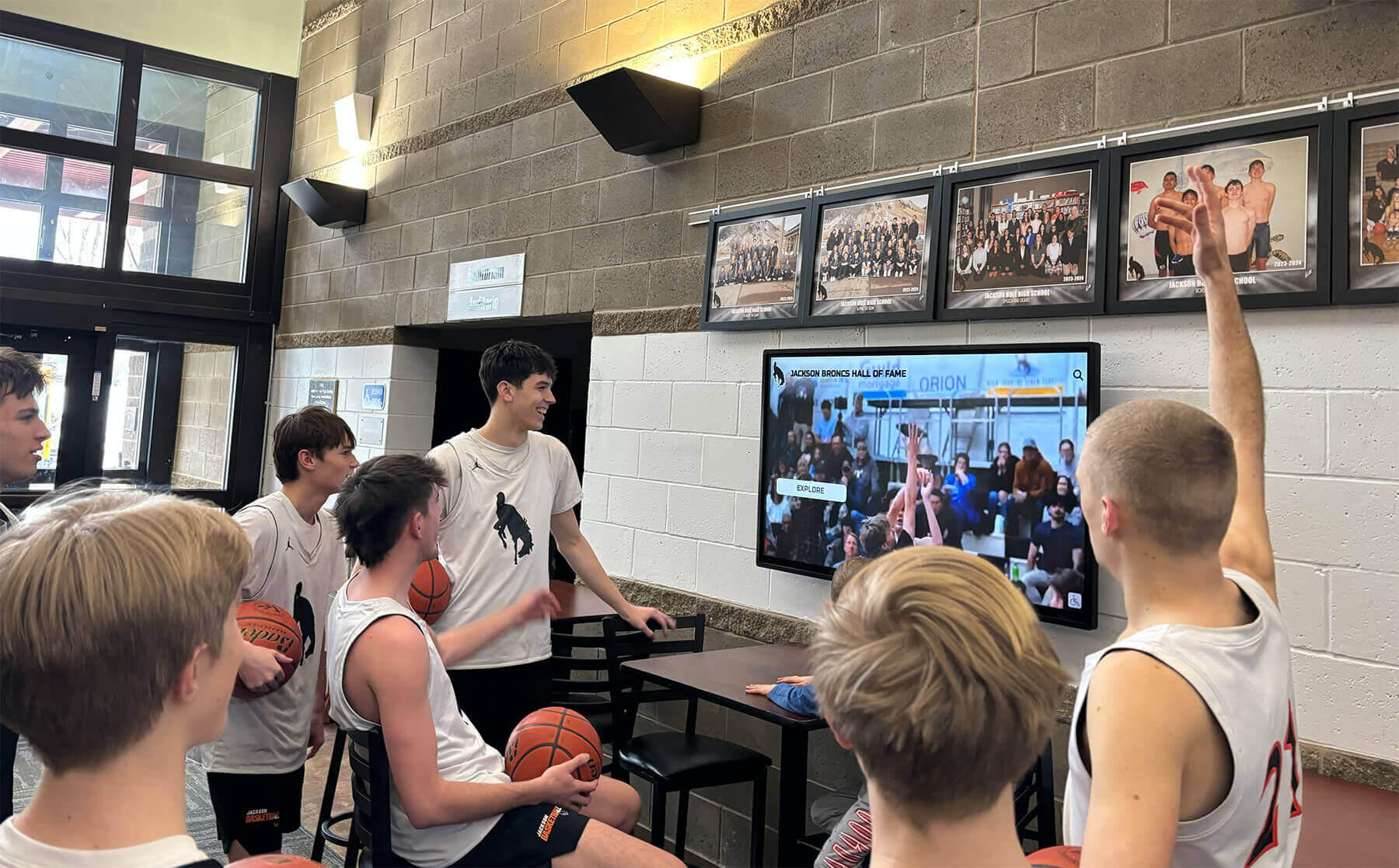
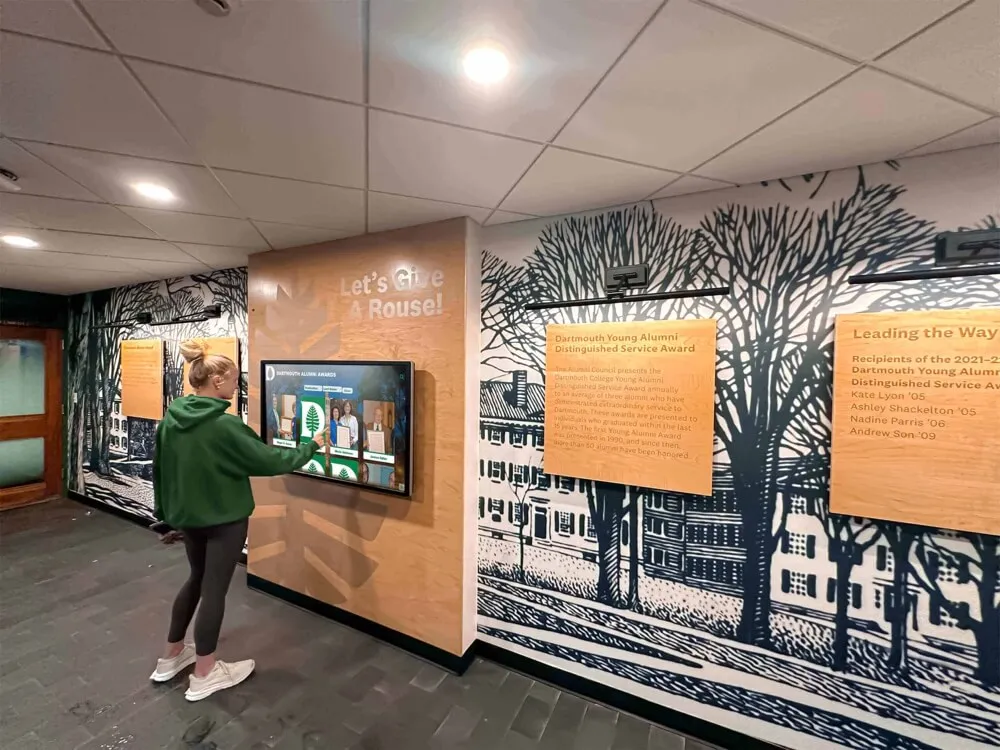
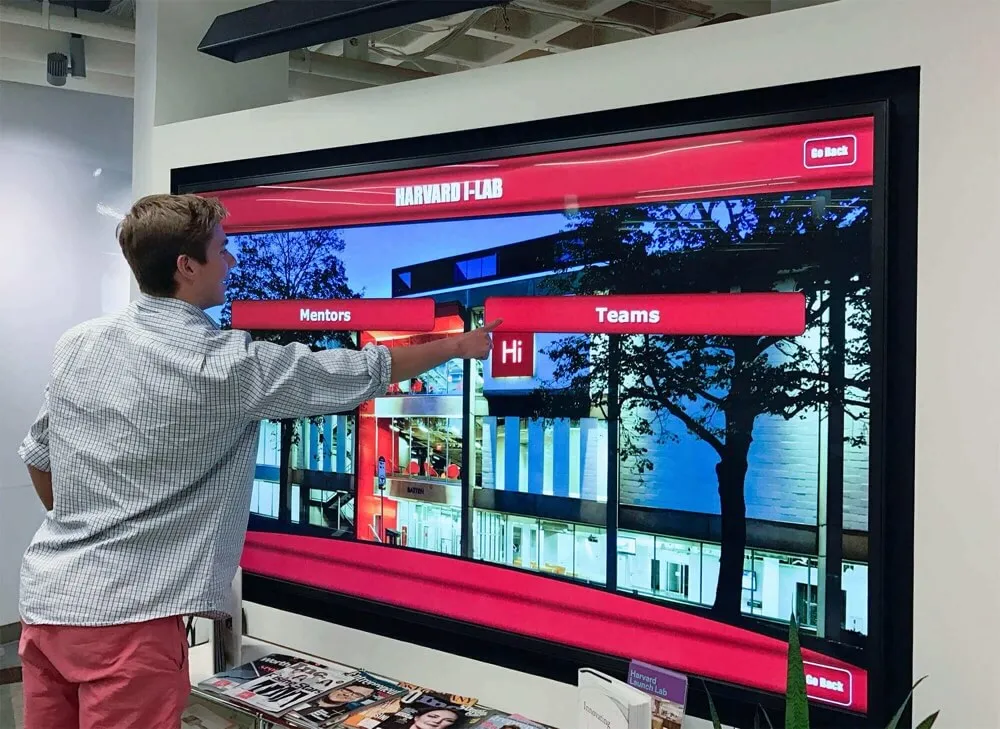
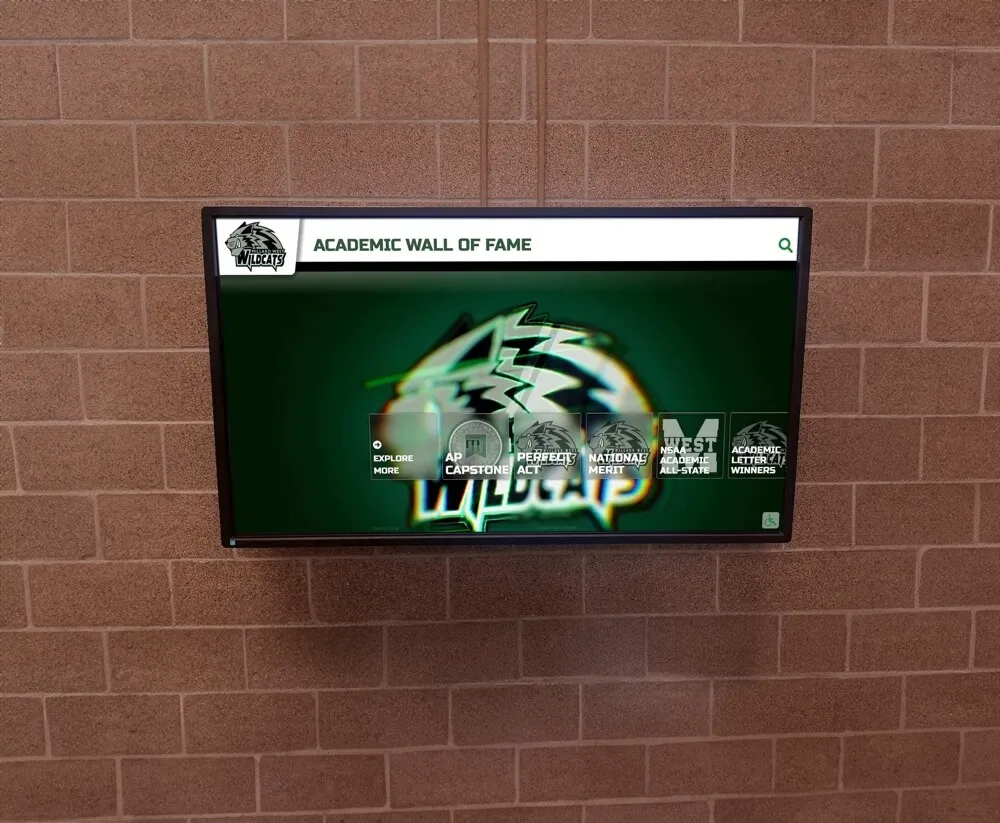
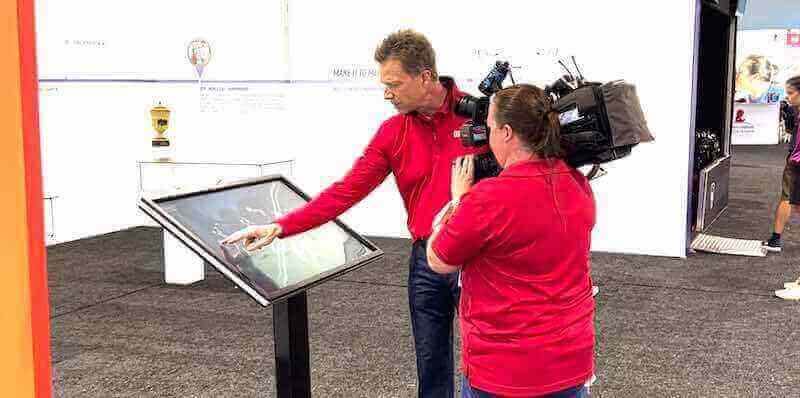
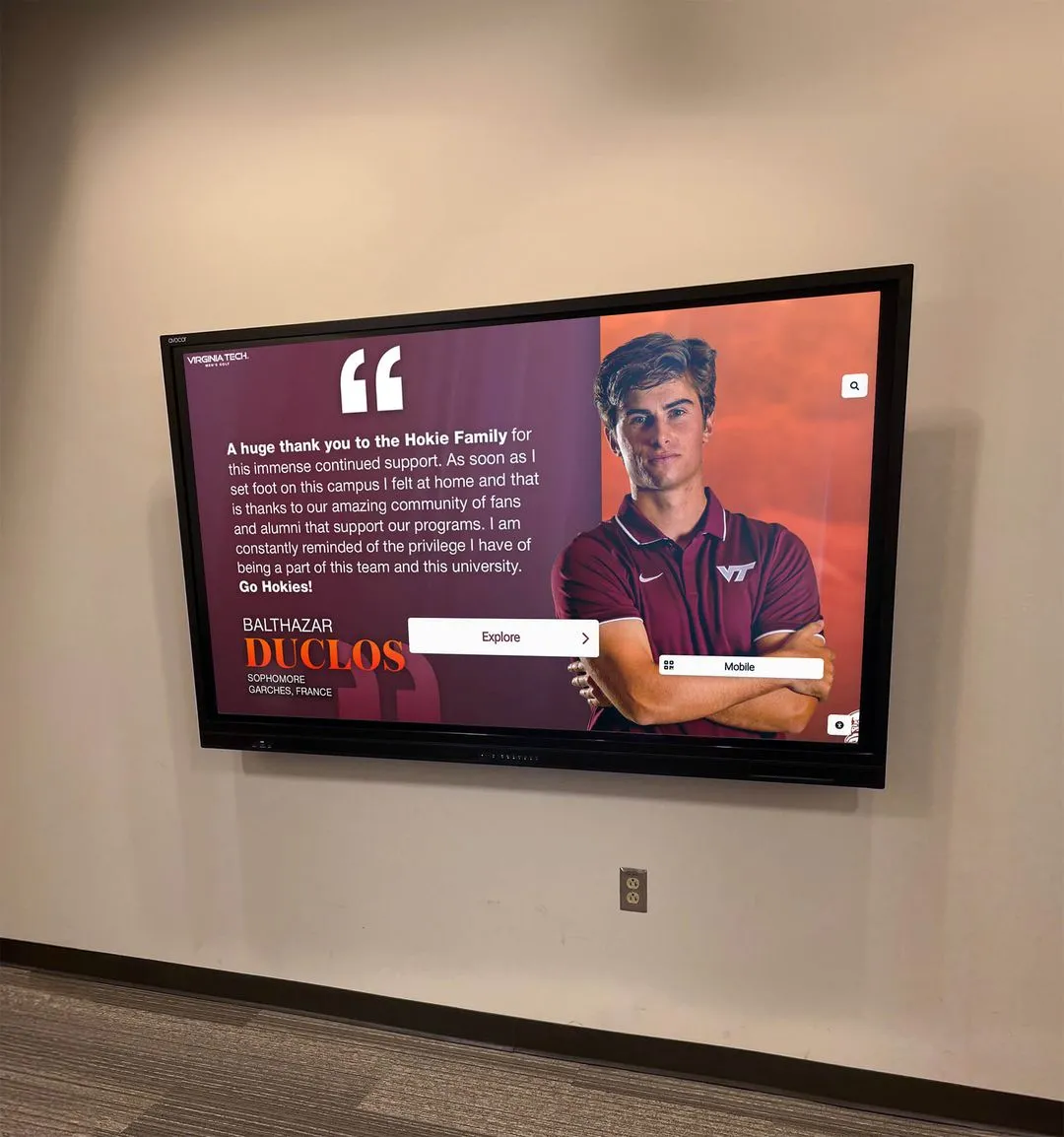
Building a documented record of athletic achievement provides the foundation for successful college recruiting
Understanding the College Volleyball Recruiting Timeline
To get recruited for college volleyball, you must first understand when recruitment happens. The timeline varies by division and program competitiveness, but successful recruits typically begin the process much earlier than most athletes expect.
Division I Recruiting Timeline
Division I programs—the most competitive scholarship-granting schools—follow the most accelerated timeline:
Freshman Year
- Top-tier programs begin identifying elite prospects through club volleyball exposure
- Athletes should focus on skill development and club team placement
- Start building basic highlight videos from club tournaments
- Begin understanding position requirements and collegiate expectations
- Attend college volleyball matches to observe collegiate level of play
Sophomore Year
- Serious recruiting conversations begin for elite Division I prospects
- Attend major club tournaments where college coaches actively recruit
- Create comprehensive recruiting profiles on platforms like NCSA and BeRecruited
- Begin reaching out to college coaches via email with introduction materials
- Focus on academic performance as GPA becomes increasingly important
- Attend college volleyball camps at schools of genuine interest
Junior Year
- Peak recruiting period for Division I volleyball
- Verbal commitments accelerate from fall through spring
- Unofficial visits to target schools become critical
- Regular communication with coaching staffs at multiple programs
- Updated highlight videos showcasing junior club season performance
- Standardized testing (SAT/ACT) completion for NCAA eligibility
Senior Year
- Most Division I rosters substantially filled with verbal commitments
- Remaining opportunities typically arise from decommitments or late-identified talent
- Official visits to top-choice schools (limited to five by NCAA rules)
- Signing National Letter of Intent during early or regular signing periods
- Maintaining academic eligibility and preventing senioritis
According to PrepVolleyball and other recruiting analysts, the average Division I volleyball commit now makes her verbal commitment during spring of junior year, with elite prospects at powerhouse programs often committing even earlier.
Division II, III, NAIA, and JUCO Timelines
Alternative division recruiting generally follows a later, more compressed timeline:
Division II recruiting peaks during junior year and extends into senior year, offering scholarship opportunities (though typically partial rather than full scholarships) with slightly less pressure than Division I timelines.
Division III programs cannot offer athletic scholarships but provide academic and need-based financial aid. Recruiting intensifies during junior year and continues actively through senior year, with many commitments happening in fall of senior year.
NAIA schools offer athletic scholarships and recruiting timelines similar to Division II, with many programs actively recruiting seniors who may have been overlooked by NCAA programs.
Junior College volleyball provides opportunities for late bloomers, academic qualifiers needing additional preparation, or athletes seeking playing time before transferring to four-year programs. JUCO recruiting remains active through summer before freshman year and even after classes begin.
Understanding these division-specific timelines helps athletes target outreach appropriately and avoid missing critical windows when roster spots fill.
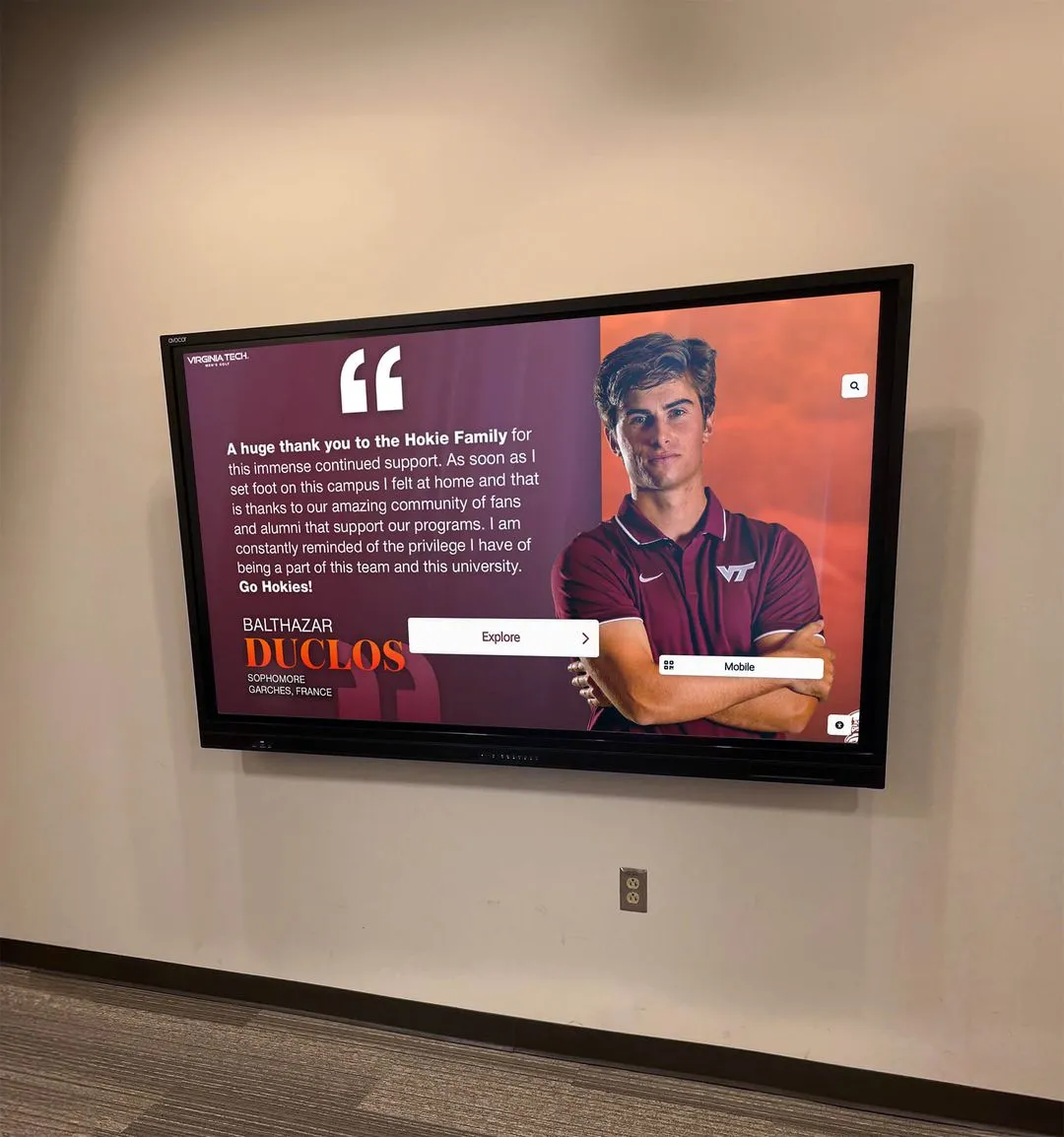
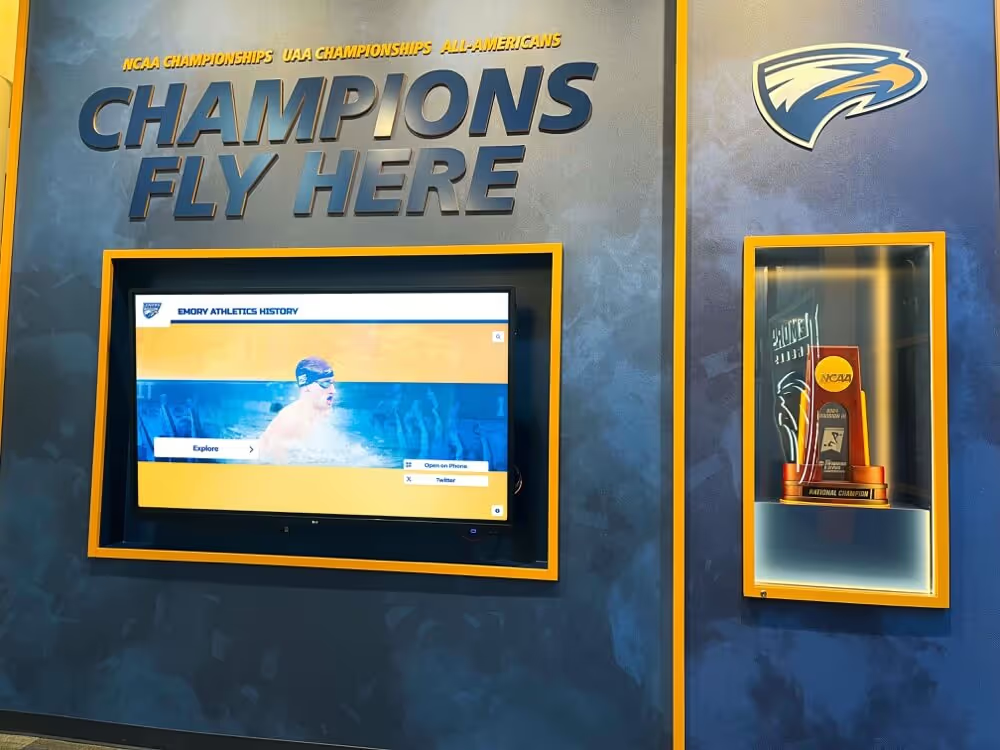
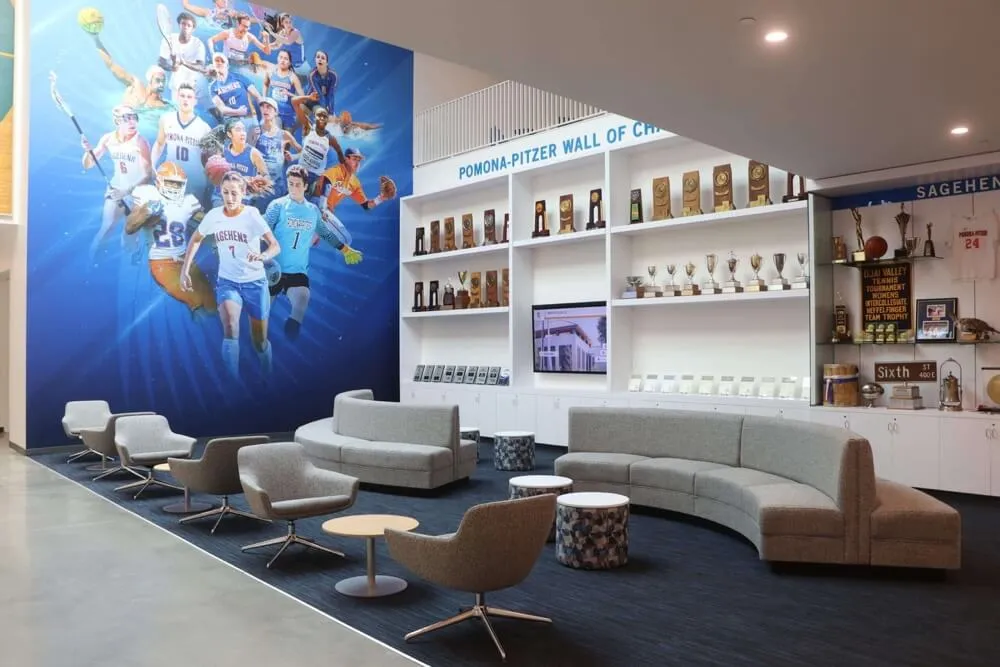
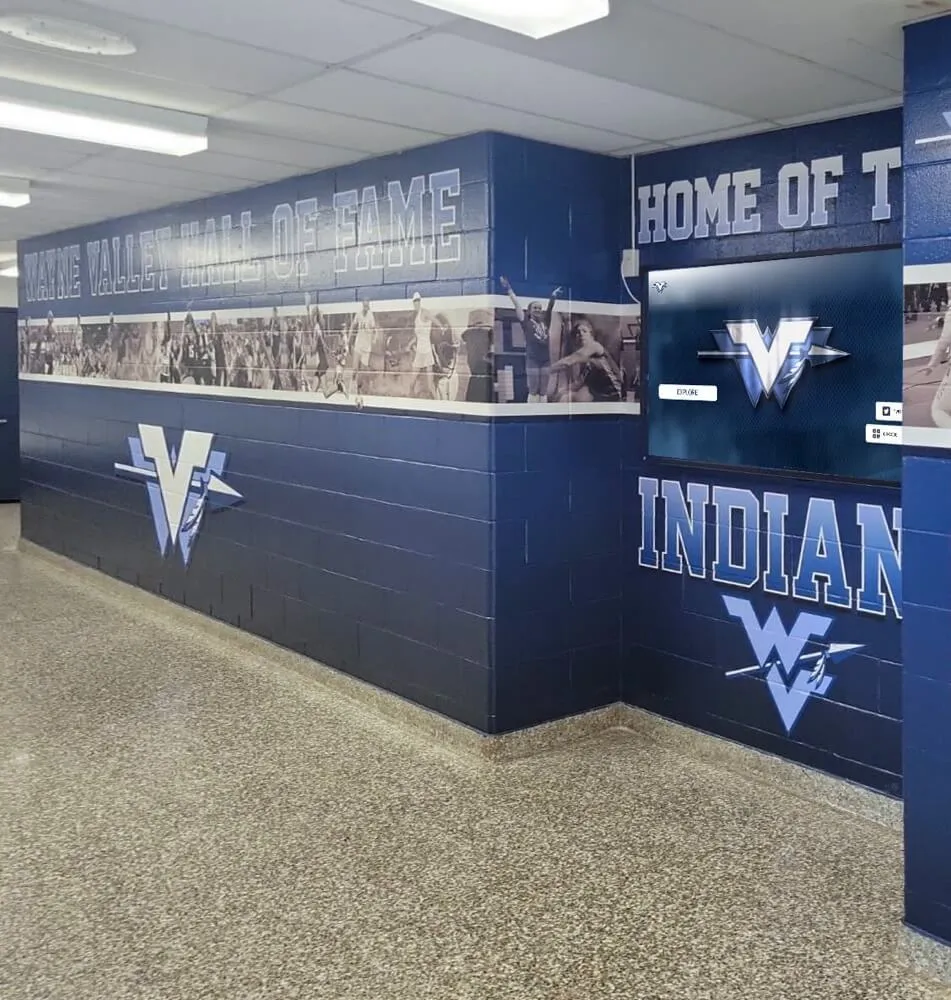
College athletic achievement displays showcase the recognition that successful recruits eventually earn
Building Your Volleyball Recruiting Profile
Before contacting coaches or attending showcases, athletes need comprehensive recruiting profiles that communicate their value as prospective student-athletes.
Essential Profile Components
A complete recruiting profile includes multiple elements working together to present your candidacy:
Athletic Information
- Height, position(s), vertical jump, approach touch, and other measurables
- Club team affiliation and team accomplishments
- High school team information and varsity statistics
- Playing style description and position versatility
- Tournament schedule with dates and locations where coaches can watch you
- Highlight video links (essential component discussed below)
Academic Credentials
- Current GPA (weighted and unweighted)
- Class rank if available
- SAT/ACT scores (once completed)
- Honors, AP, or IB coursework demonstrating academic rigor
- Academic awards and honor roll recognition
- Intended major or academic interests
Personal Information
- Contact information (email and phone number)
- Graduation year clearly stated
- Location and school
- Coach contact information (club and high school)
- Additional athletic achievements or multi-sport participation
- Community involvement and leadership positions
Comprehensive recruiting profiles communicate that you’re a complete student-athlete who takes the process seriously, not just a player sending generic outreach.
Creating Effective Highlight Videos
Highlight videos serve as your digital first impression with college coaches who receive hundreds of recruiting inquiries. Effective videos follow specific guidelines maximizing impact:
Video Structure and Content
- Keep videos between 3-5 minutes showing only your best plays
- Open with basic information: name, graduation year, position, height, club team
- Include diverse skill demonstrations: serves, passes, sets, hits, blocks, digs
- Show both successful plays and competitive game situations
- Include several full rallies demonstrating game awareness and movement
- Feature plays from recent tournaments (within the last 6-12 months)
- Clearly mark yourself in rallies (circle, arrow, or jersey number indication)
Technical Quality Standards
- Film from elevated angles showing full court when possible
- Ensure adequate lighting and video clarity
- Use stable camera positioning (no shaky handheld footage)
- Edit out dead time between plays
- Add simple graphics with stats and tournament information
- Export in widely compatible formats (MP4 preferred)
- Host on platforms like YouTube, Hudl, or specialized recruiting services
Common Video Mistakes to Avoid
- Including outdated footage from middle school or freshman year
- Videos exceeding 8-10 minutes that coaches won’t watch completely
- Poor camera angles where you can’t be clearly identified
- Music that distracts from the play (keep music subtle or omit entirely)
- Lack of variety showing only kills without defensive or all-around play
- Including teammates’ plays instead of exclusively your performance
Many recruiting platforms offer video editing services, but athletes can create effective videos using basic editing software and following these guidelines.
Learn how schools effectively showcase athletic achievements through digital recognition displays that celebrate student-athlete accomplishments during the recruiting journey.
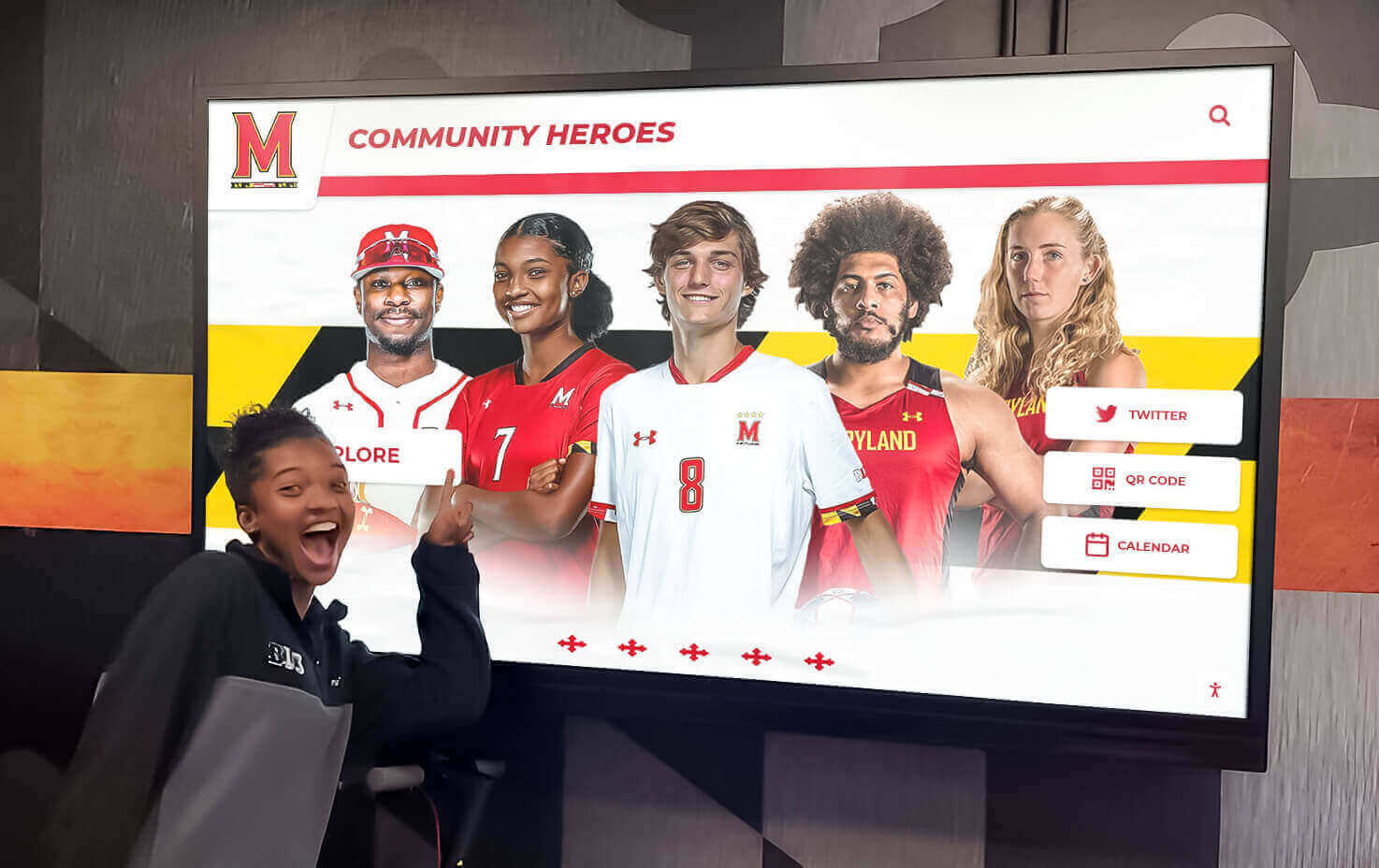
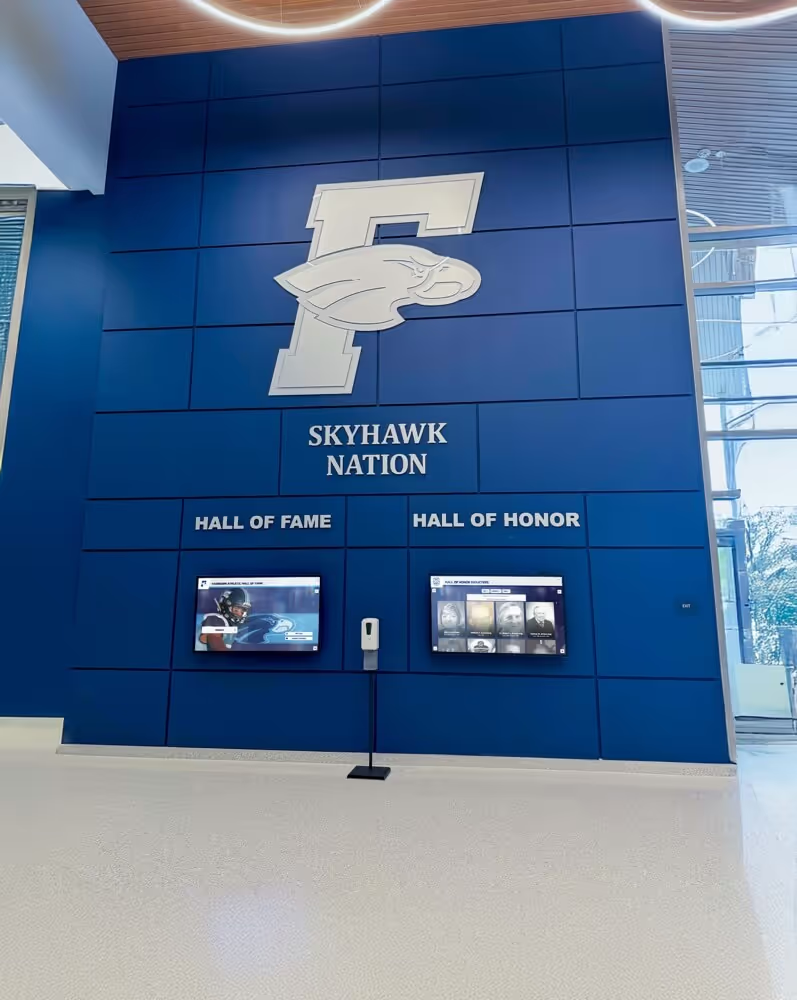
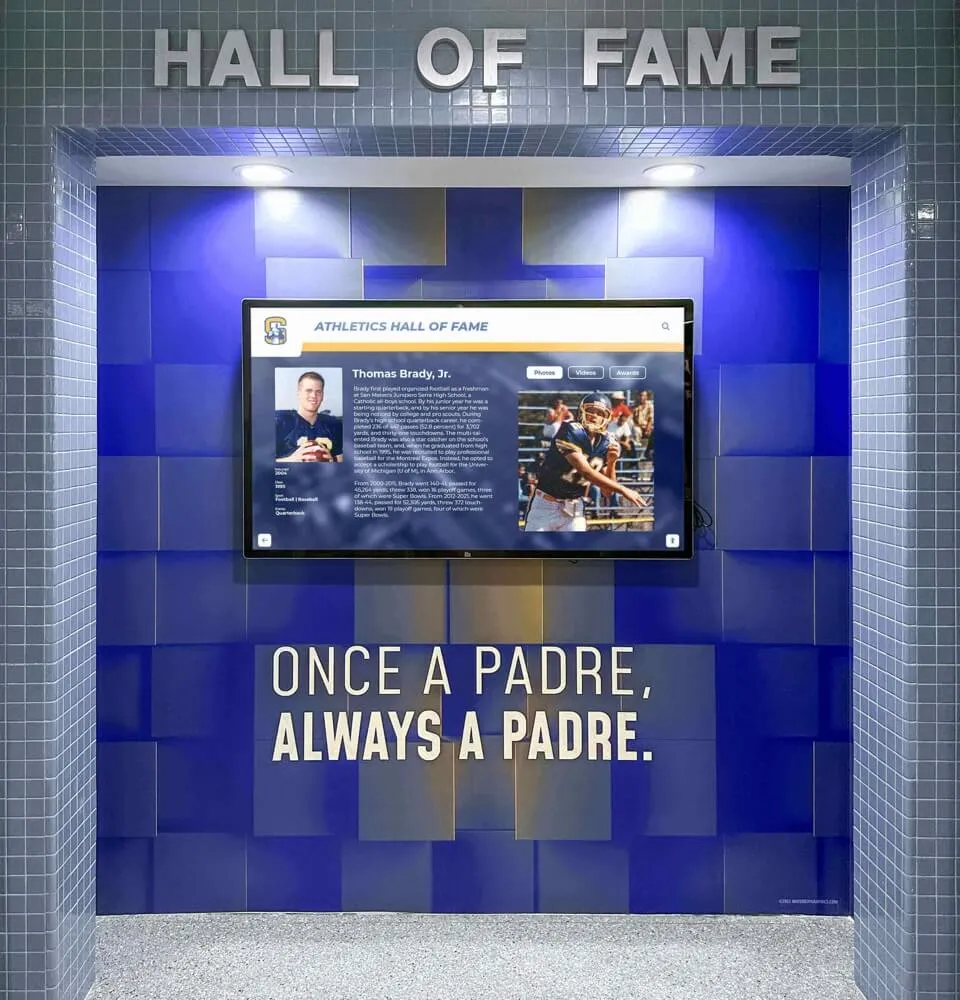
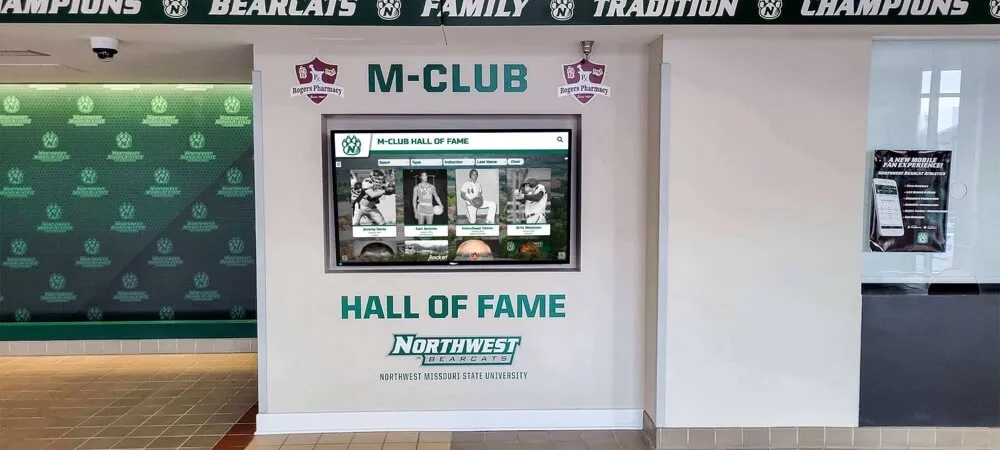
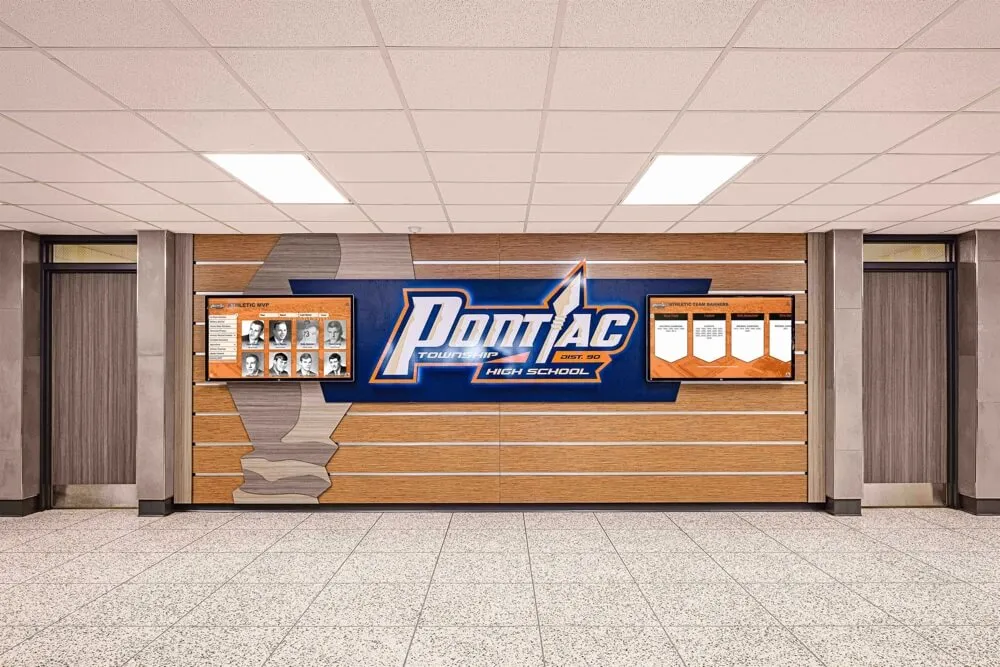
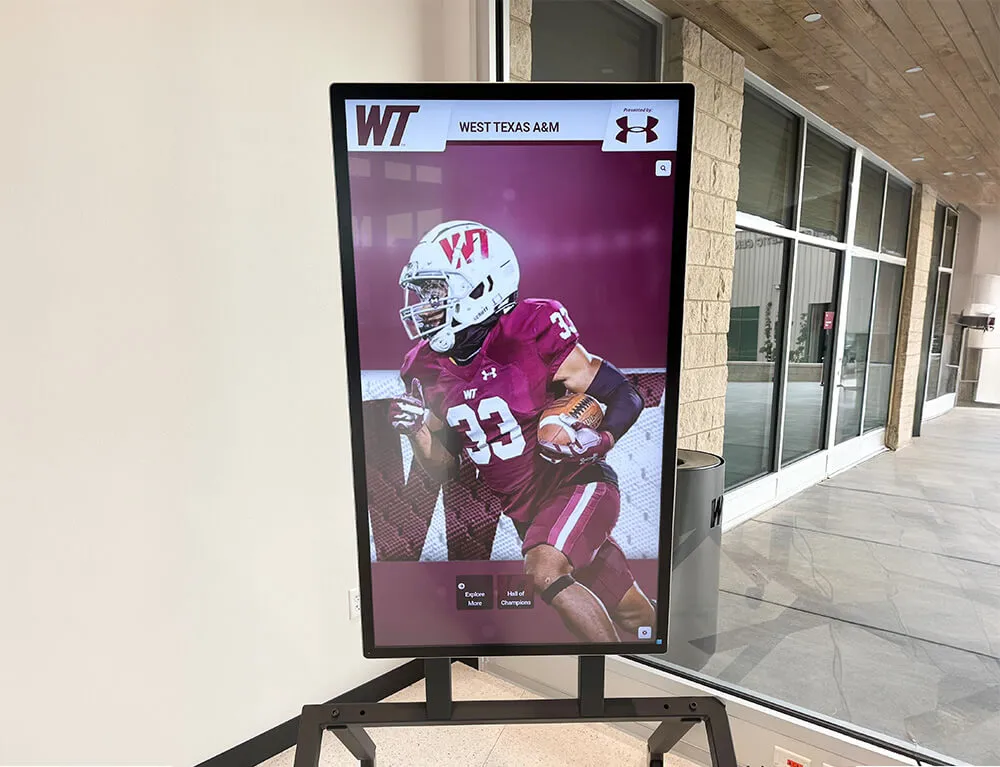
Modern recognition systems help document and celebrate the athletic journey from high school to college recruitment
Identifying Target Schools and Programs
Strategic school selection dramatically impacts recruiting success. Rather than contacting every college with a volleyball program, successful recruits identify realistic target schools aligned with their athletic ability, academic credentials, and personal preferences.
Creating Your Target School List
Develop a balanced list spanning multiple competition levels and commitment probabilities:
Dream Schools (20% of list)
- Highly competitive programs where you’d be honored to play
- May represent a stretch athletically or academically
- Often Division I schools or top Division II/III programs
- Worth pursuing but shouldn’t represent entire focus
Target Schools (50% of list)
- Programs matching your competitive level and academic credentials
- Schools where you could realistically earn roster spot and playing time
- Should represent majority of recruiting outreach and energy
- Multiple division levels may appear in this category
Safety Schools (30% of list)
- Programs where you exceed typical recruit profile
- Schools where admission and roster spot appear highly probable
- Ensures you have college volleyball options even if top choices don’t materialize
- Often includes Division III, NAIA, or JUCO programs
This balanced approach ensures you pursue aspirational opportunities while maintaining realistic options that guarantee continued volleyball participation.
Evaluating Program Fit
Beyond athletic competitiveness, assess programs across multiple dimensions:
Athletic Considerations
- Team’s typical height and position needs matching your profile
- Recent recruiting classes and potential roster space
- Coaching staff philosophy and playing style
- Conference competitiveness and championship history
- Typical playing time for underclassmen in your position
- Team culture and player development reputation
Academic Alignment
- Programs offering your intended major or academic interests
- Admission selectivity matching your academic credentials
- Academic support resources for student-athletes
- Graduation rates for volleyball players specifically
- Academic reputation in your field of study
Personal Factors
- Geographic location and distance from home
- Campus size and setting (urban, suburban, rural)
- School culture and student body characteristics
- Financial considerations including scholarship potential and total cost
- Campus visit impressions and gut feel about fit
Financial Reality
- Division I offers up to 12 full scholarships per team (often split among 15-18 players)
- Division II offers partial scholarships with lower limits
- Division III offers no athletic scholarships but often strong academic/need-based aid
- NAIA scholarship limits similar to Division II
- Total cost of attendance varies dramatically by institution
Successful recruiting matches athletic opportunity with academic fit and financial feasibility, not just chasing the highest division or most prestigious name.
Explore how schools celebrate athletic signing day and college commitments as students complete the recruiting process.
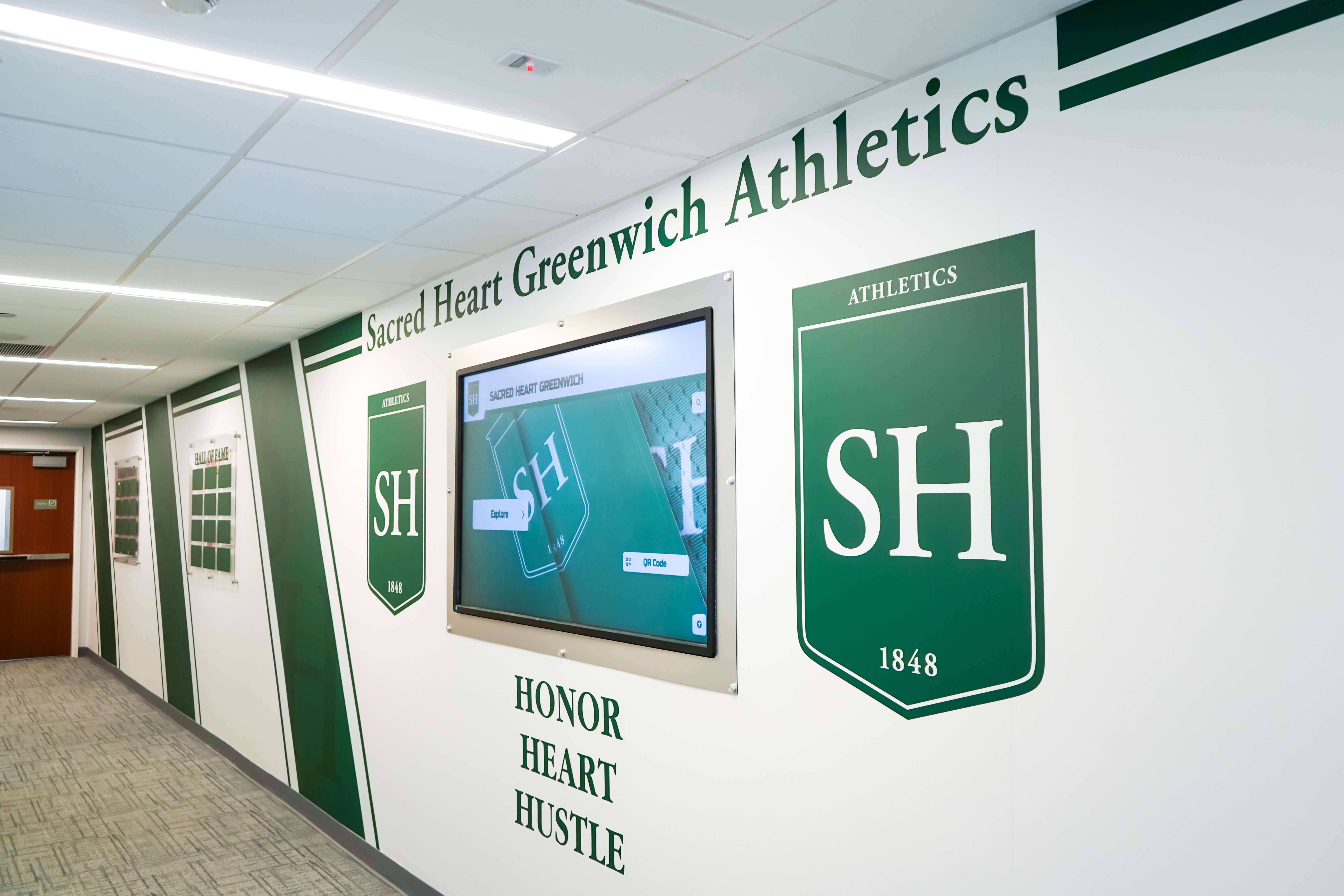
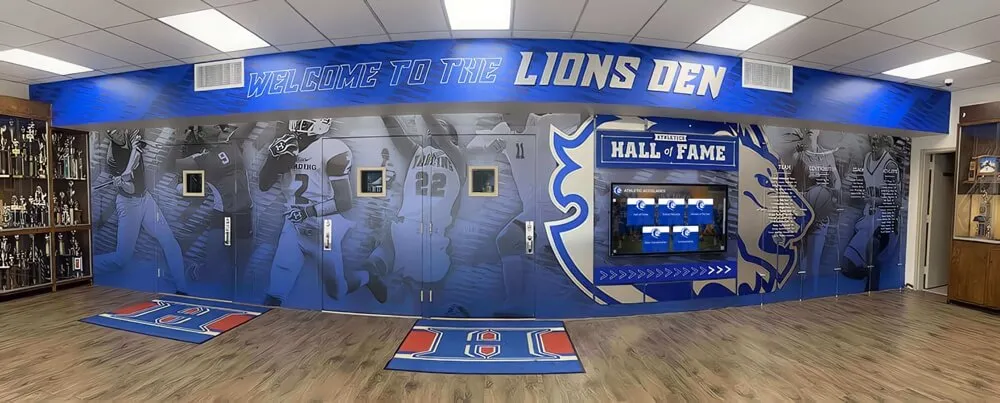
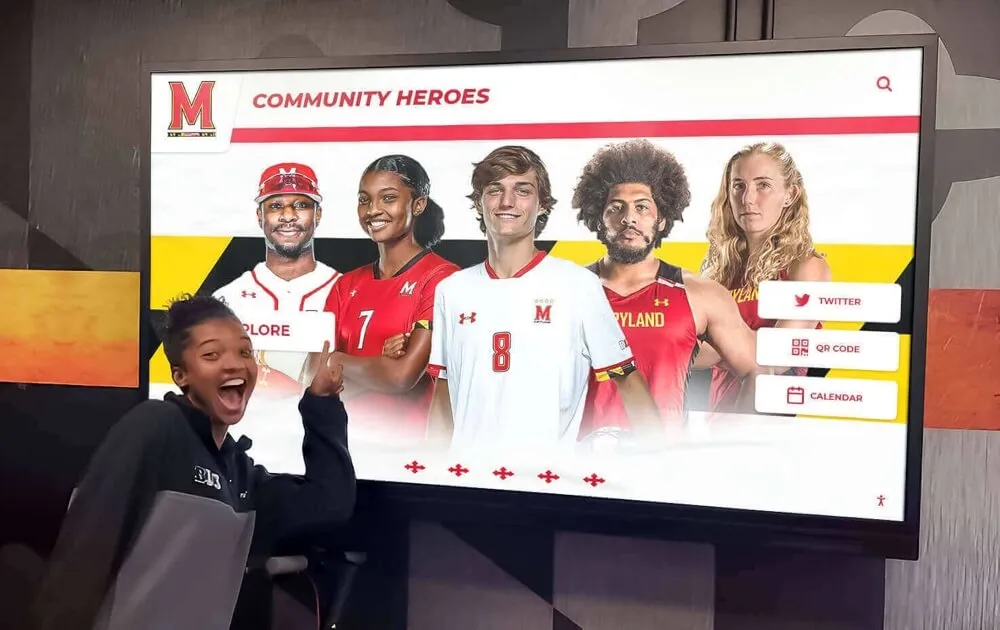
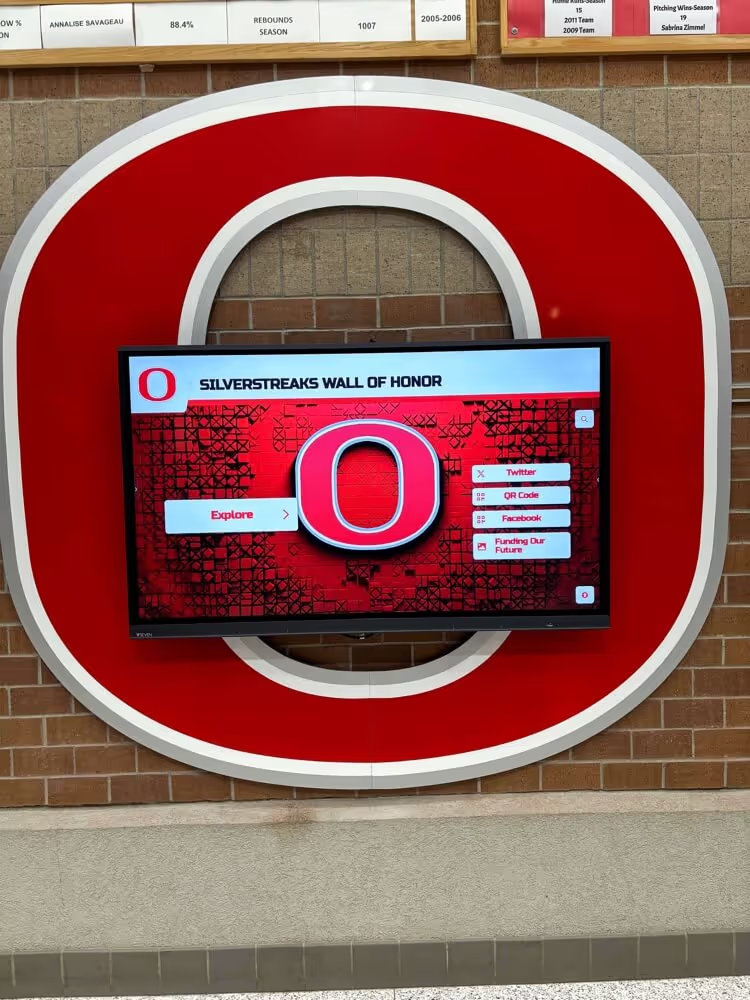
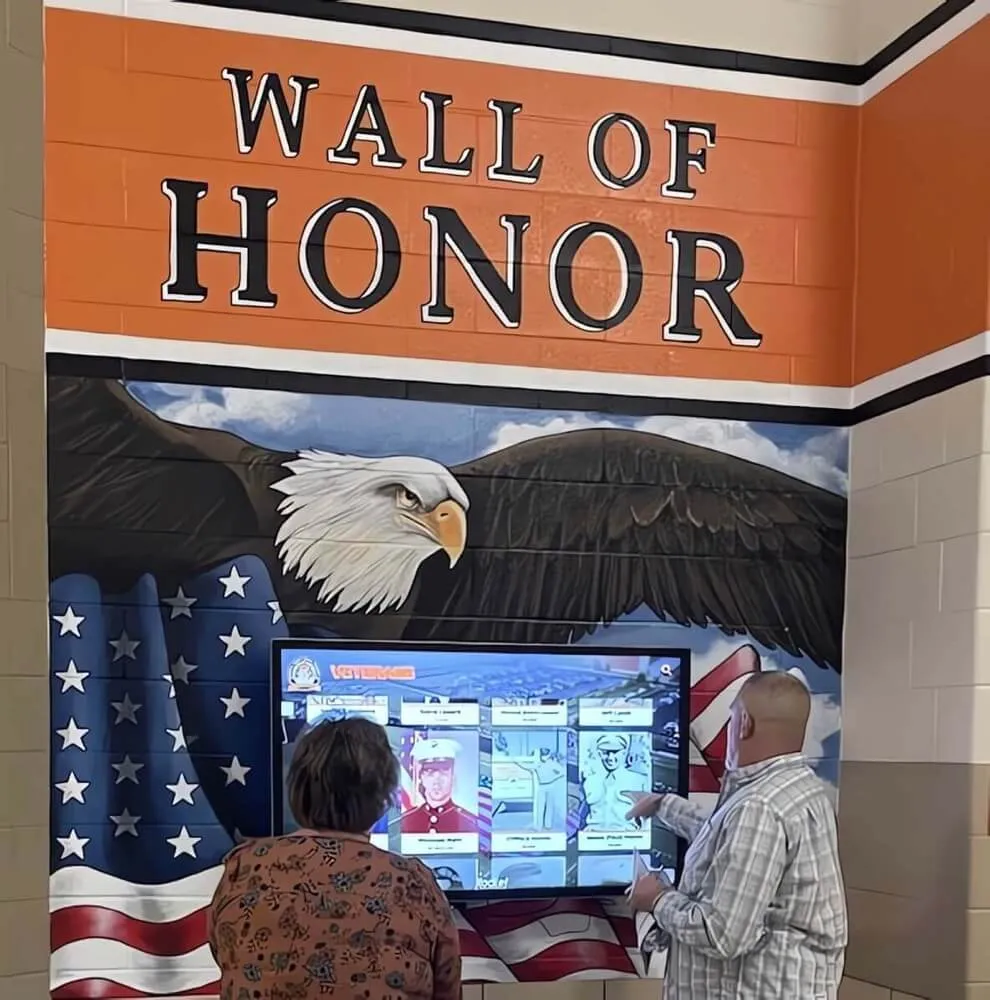
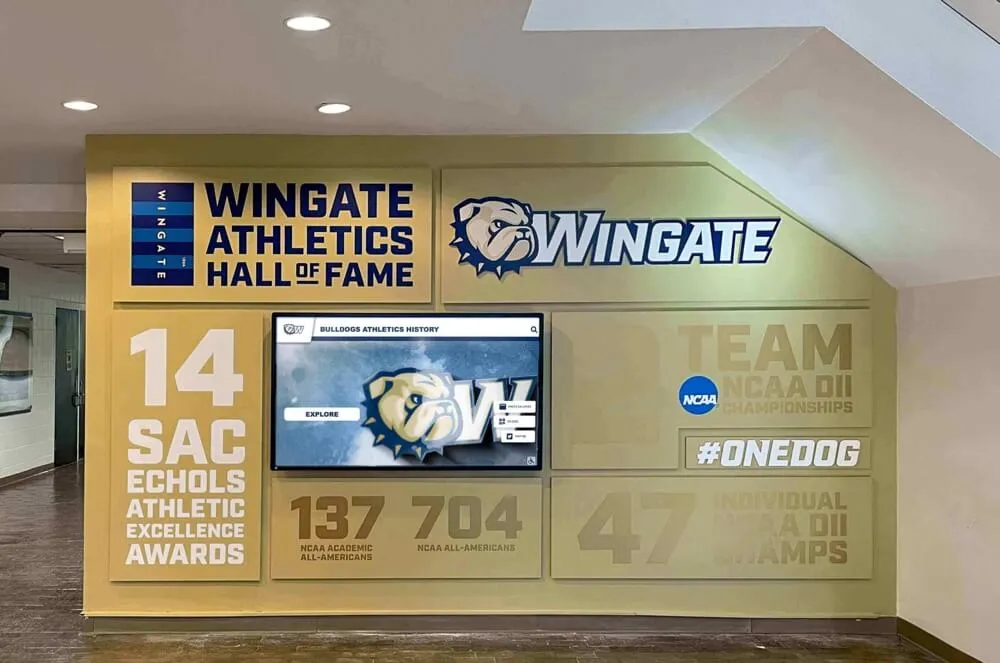
Schools that prominently display athletic achievements create cultures supporting the college recruiting journey
Contacting College Coaches Effectively
Building relationships with college coaches represents the most critical element of successful volleyball recruiting. Coaches receive hundreds of emails from prospects, so your outreach must stand out while following proper protocols.
Initial Contact Email Strategy
Your first email to a college coach serves as a professional introduction requiring careful composition:
Subject Line Best Practices
- Include graduation year, position, and name: “2027 MB/RS | Jane Smith | 6'2” | Recruiting Inquiry"
- Make it immediately clear who you are and why you’re emailing
- Avoid generic subject lines like “Interested in Your Program”
Email Content Structure Opening paragraph introducing yourself:
- Name, graduation year, position, height
- Current club team and high school
- Brief statement of genuine interest in their program specifically
Second paragraph communicating your value:
- Key statistics or achievements (all-conference, tournament championships)
- Academic credentials (GPA, test scores, academic honors)
- 2-3 standout qualities or accomplishments
Third paragraph demonstrating knowledge of their program:
- Specific details about their team (recent season, conference finish, coaching philosophy)
- Why you’re genuinely interested beyond generic praise
- How you see yourself fitting into their program
Closing with clear next steps:
- Tournament schedule where they could watch you compete
- Link to highlight video and recruiting profile
- Request for information about their program and recruiting timeline
- Professional closing with all contact information
Sample Email Template
Subject: 2027 OH/DS | Sarah Johnson | 5'10" | Club Volleyball Recruiting
Coach Williams,
My name is Sarah Johnson, a 5'10" outside hitter and defensive specialist graduating in 2027 from Lincoln High School in Portland, Oregon. I currently play for Pacific Northwest Volleyball Club’s 16-1 team, and I’m writing to express my strong interest in your volleyball program at State University.
This past club season, I recorded 285 kills with a .315 hitting percentage and led our team in digs with 312. I earned First Team All-Conference honors as a sophomore at Lincoln High School while maintaining a 3.85 GPA with honors coursework. I’m particularly proud of my six-rotation abilities and consistent serve-receive performance.
I’ve followed State University’s volleyball program closely, and I was impressed by your team’s conference championship run and the defensive system Coach Martinez has developed. Your program’s emphasis on academic excellence and the strong team culture that alumni discuss resonates with what I’m seeking in a college experience. I believe my all-around game and defensive focus could contribute to your back-row rotation.
Our club team will compete at the President’s Day Classic (Feb 15-17) and the Volleyball Festival (April 12-14), both in Las Vegas. I would be honored if you or your staff could watch me compete. My highlight video and complete recruiting profile are available here: [link]
Would you be available for a brief phone call to discuss your program’s recruiting timeline and what you look for in prospective student-athletes? I would welcome the opportunity to learn more about State University volleyball.
Thank you for your time and consideration.
Best regards, Sarah Johnson Class of 2027 | OH/DS | 5'10" Email: sarah.johnson@email.com | Phone: (555) 123-4567 Club: PNW Volleyball Club 16-1 | High School: Lincoln HS [Recruiting Profile Link] | [Highlight Video Link]
Follow-Up Communication
Initial emails rarely result in immediate scholarship offers. Successful recruiting requires persistent, professional follow-up:
Strategic Follow-Up Timeline
- Wait 7-10 days after initial email before first follow-up
- Send updates after major tournaments or achievement milestones
- Share updated highlight videos incorporating recent performance
- Respond to coach communications within 24 hours
- Maintain contact every 3-4 weeks without becoming excessive
What to Include in Follow-Up Emails
- Recent tournament results and personal performance highlights
- Updated statistics or new achievements (academic honors, athletic awards)
- Upcoming tournament schedule with specific dates and locations
- Renewed expression of interest in their program
- New questions about their program demonstrating ongoing research
Communication Red Flags to Avoid
- Generic mass emails obviously sent to dozens of programs
- Pestering coaches with daily or weekly emails lacking new information
- Having parents send emails on your behalf (shows lack of maturity)
- Spelling errors, informal language, or unprofessional tone
- Exaggerating achievements or making claims inconsistent with video evidence
Remember that coaches are evaluating not just your volleyball skills but your maturity, communication ability, and coachability through these interactions.
Discover how recognition programs celebrate the journey to athletic excellence and college-level achievement throughout high school careers.
Maximizing Exposure Through Tournaments and Showcases
College coaches recruit primarily by watching prospects compete at club tournaments and recruiting showcases. Strategic tournament selection and in-game visibility dramatically impact recruiting success.
Understanding Where Coaches Recruit
Coaches concentrate their recruiting efforts at specific high-profile events:
Major National Tournaments
- AAU Nationals (Orlando and various locations)
- USAV Nationals (multiple age divisions)
- VolleyballFestival and President’s Day Classic (Las Vegas)
- Far Western National Qualifier events
- Lone Star National Qualifier events
- East Coast AAU and regional qualifiers
College-Hosted Recruiting Showcases
- One-day or weekend events hosted at college facilities
- Smaller player-to-coach ratios enabling more individual attention
- Direct interaction with coaching staffs from host and attending schools
- Often include campus tours and program presentations
- Typically require registration fees and advance commitment
When Coaches Attend Division I coaches concentrate recruiting observation during NCAA-designated recruiting periods, particularly:
- Spring club season (April-June) for evaluating upcoming juniors and sophomores
- Summer club season (July) during national championship tournaments
- Fall club season (September-November) for local and regional events
- High school season has limited attendance due to NCAA recruiting calendar restrictions
Division II, III, NAIA, and JUCO coaches often attend the same major events but may also recruit more actively at regional tournaments closer to their institutions.
Performing Under Recruiting Pressure
Tournament performance when coaches watch carries amplified importance:
Pre-Tournament Preparation
- Notify coaches you’ve been emailing about your tournament schedule
- Provide specific court numbers and match times when available
- Ensure your jersey number is communicated so coaches can identify you
- Review video of your recent performance to mentally prepare
- Get adequate rest and manage pre-tournament nervousness
In-Game Visibility Strategies
- Play aggressive and confident rather than cautious and tentative
- Communicate vocally with teammates showing leadership
- Demonstrate coachability through body language and response to coaching
- Show competitive fire while maintaining sportsmanship
- Focus on controllable elements: effort, attitude, and execution
- Remember coaches evaluate full rallies, not just highlight plays
Post-Match Protocol
- Don’t approach coaches immediately after matches (appears desperate)
- If coaches approach you, be professional and respectful
- Send brief follow-up emails thanking coaches who watched you
- Ask your club coach if college coaches asked about you
- Understand that coaches often watch silently without immediate contact
The most important tournament is always your next one—one great performance can open doors while poor performances can be overcome with subsequent strong showings.
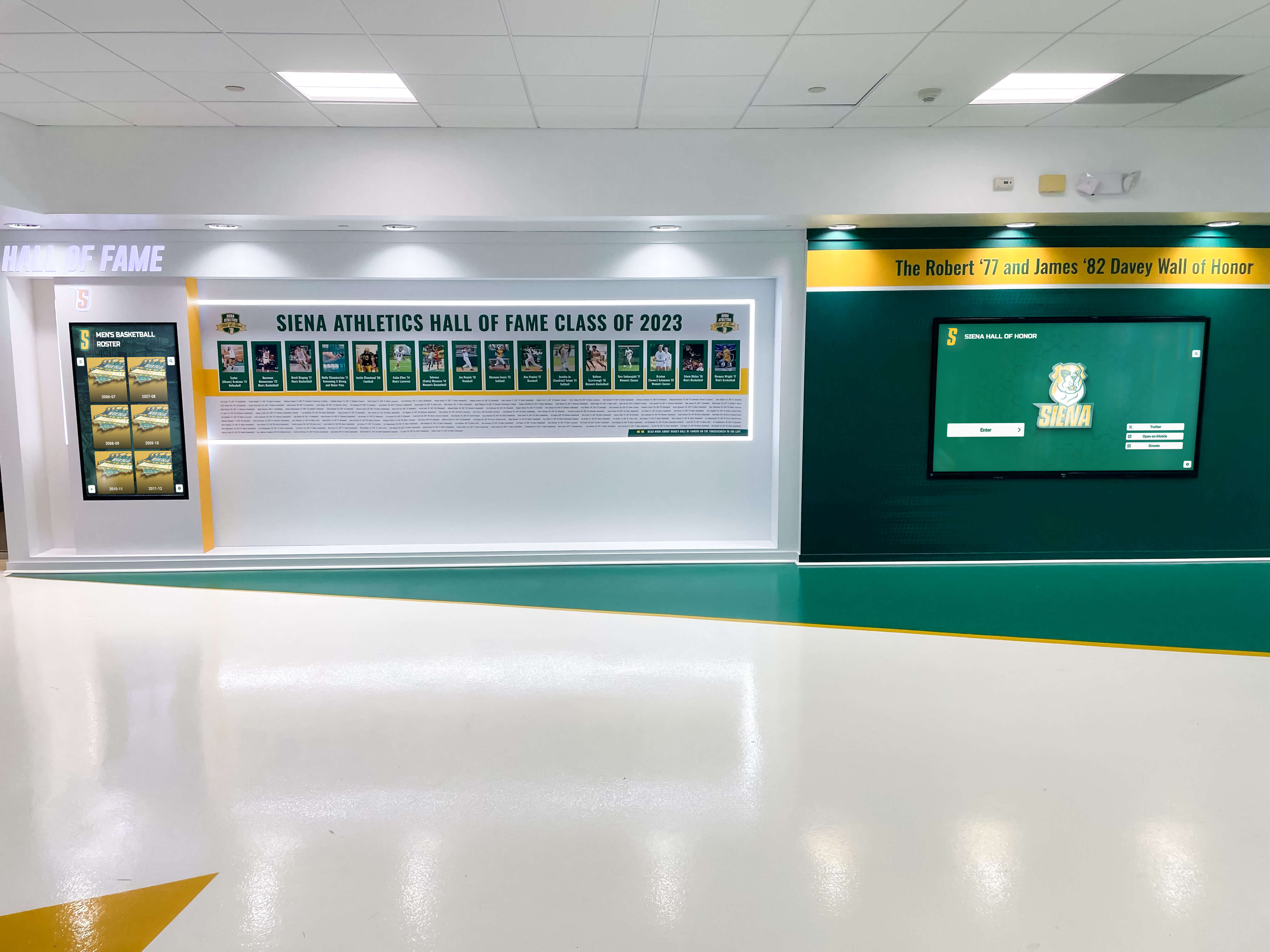
College athletic recognition displays celebrate the players who successfully navigated recruiting to compete at the collegiate level
Navigating Campus Visits and Camps
Campus visits and volleyball camps provide invaluable opportunities to evaluate programs while showcasing your abilities directly to coaching staffs.
Types of College Visits
NCAA rules distinguish between different visit categories with specific regulations:
Unofficial Visits
- Athlete-funded visits you can take any time at any number of schools
- No limit on number or timing of unofficial visits
- Schools cannot pay for your transportation, meals, or accommodation
- Valuable for seeing campus, meeting team members, and watching practice
- Can happen before, during, or after contact from coaches
- Often combined with family vacations or local school visits
Official Visits
- School-funded visits limited to five total across all sports
- Only available after you provide required academic information to compliance
- School pays for transportation, meals, accommodation (48-hour maximum)
- Typically scheduled for junior year spring through senior year fall
- Include formal itineraries with team meals, practice observation, and coach meetings
- Signal serious mutual interest between athlete and program
What to Evaluate During Visits
- Team chemistry and player relationships during observations
- Coaching staff communication style and player interactions
- Facilities quality including locker rooms, training areas, competition venue
- Academic support resources and tutoring availability
- Honest conversations with current players about time demands and experience
- Campus fit, student culture, and gut feeling about belonging
Come prepared with thoughtful questions about playing time expectations, redshirt policies, scholarship renewal criteria, and team culture specifics.
College Volleyball Camp Attendance
Overnight and day camps at college campuses serve dual purposes of skill development and recruiting visibility:
Prospect/ID Camps
- Specifically designed for recruiting evaluation
- College coaching staff directly runs sessions
- Often include competitive games and individual skill work
- Provide direct access to coaches for questions and relationship building
- Usually indicate genuine recruiting interest if invited by coaching staff
General Skills Camps
- Focus primarily on skill development rather than recruiting
- May include college players as counselors/instructors
- Less intensive recruiting evaluation than prospect camps
- Lower cost and broader attendance than ID camps
- Still provide visibility opportunity, especially at schools you’re targeting
Camp Attendance Strategy
- Prioritize camps at schools genuinely on your target list
- Don’t attend camps at programs outside your realistic range
- Use camps to demonstrate interest and get evaluated simultaneously
- Attend after establishing email contact with coaching staff when possible
- Follow up after camp attendance with thank-you email
Remember that camp attendance alone doesn’t guarantee recruiting interest but provides valuable evaluation opportunities and demonstrates your serious interest in a program.
Schools increasingly document the recruiting journey through digital displays celebrating committed athletes joining their programs.
Understanding NCAA Eligibility and Academic Requirements
Athletic talent means nothing if you don’t meet eligibility requirements. NCAA academic standards prevent countless recruits from competing despite receiving scholarship offers.
NCAA Eligibility Center Registration
All NCAA Division I and II prospects must register with the NCAA Eligibility Center:
Registration Process
- Create account at eligibilitycenter.org during sophomore year
- Submit high school transcripts after each completed semester
- Upload ACT/SAT scores sent directly from testing agencies
- Request final amateurism certification during senior year
- Monitor account regularly for missing documents or requirements
Core Course Requirements Division I requires 16 core courses including:
- 4 years of English
- 3 years of mathematics (Algebra I or higher)
- 2 years of natural/physical science (including one lab course)
- 1 additional year of English, math, or science
- 2 years of social science
- 4 years of additional core courses from any category above
Division II requires 16 core courses with slightly different distribution. Division III has no centralized eligibility center but individual schools maintain academic standards.
GPA and Test Score Sliding Scale
NCAA Division I uses a sliding scale balancing GPA and test scores:
Sliding Scale Overview
- Higher GPAs require lower test scores for eligibility
- Minimum 2.3 GPA in core courses for full eligibility
- Minimum 2.0 GPA allows practice and scholarship but not competition (academic redshirt)
- Test scores must meet minimum thresholds corresponding to GPA
- Scale ensures both academic and standardized testing competence
Test-Optional Update Recent rule changes have eliminated standardized test requirements for eligibility, though many colleges still require or recommend tests for admission. Check specific requirements for your target schools.
Maintaining Academic Progress
Recruited athletes must maintain eligibility throughout high school and college:
High School Vigilance
- Don’t assume core courses count—verify with guidance counselor
- Maintain consistent GPA rather than relying on senior year improvement
- Take appropriate course rigor demonstrating college readiness
- Complete NCAA-required courses before senior year graduation
- Submit transcripts regularly to Eligibility Center, not just at graduation
Communication with Coaches About Academics Coaches need to know your academic standing to properly recruit you. Be honest about:
- Current GPA and class rank
- Standardized test scores (or test-optional status)
- Academic interests and intended major
- Any academic concerns or challenges being addressed
Academic dishonesty or eligibility issues discovered after verbal commitment can result in withdrawn scholarship offers, so transparency throughout the process protects everyone involved.
Learn how recognition programs honor academic excellence alongside athletic achievement for well-rounded student-athletes.
Making Your Commitment Decision
After building relationships with coaches and programs, the moment arrives to choose where you’ll play college volleyball.
Evaluating Scholarship Offers
Not all scholarship offers carry equal value, and Division I scholarships don’t automatically outrank other options:
Financial Package Comparison
- Athletic scholarship percentage (full vs. partial)
- Academic merit scholarships combining with athletic aid
- Need-based financial aid supplementing athletic support
- Total cost of attendance after all aid packages
- Four-year commitment vs. one-year renewable scholarships
Playing Time Realistic Assessment
- Current roster composition and graduation timeline
- Recruiting class size and position overlaps
- Coach’s honest assessment of playing time expectations
- Redshirt probability and development timeline
- Willingness to compete for playing time vs. guaranteed minutes at lower level
Program Stability Factors
- Coaching staff tenure and stability
- Athletic department financial health
- Conference affiliation strength and stability
- Facilities and resource investment trends
- Recent team success and trajectory
Academic and Career Considerations
- Quality of academic programs in your intended major
- Post-volleyball career preparation and internship opportunities
- Alumni network strength in your field
- Graduate school preparation if applicable
- Geographic location for career connections
The Verbal Commitment Process
Verbal commitments represent mutual intent but carry no binding legal obligation until National Letter of Intent signing:
What Verbal Commitment Means
- Mutual agreement between athlete and program on scholarship terms
- No binding contract until NLI signing during designated periods
- Either party can change commitment (though ethically questionable)
- Allows announcement of decision and recruiting process conclusion
- Creates expectation but not legal obligation
Official Commitment Timeline
- Early signing period: November (senior year)
- Regular signing period: April (senior year)
- National Letter of Intent represents binding commitment to attend school
- Athletic financial aid agreement details scholarship terms
- Cannot sign with another school once NLI is signed
Decommitment Realities While verbal commitments aren’t binding, decommitting creates:
- Damaged reputation within coaching community
- Difficulty re-recruiting at other programs
- Ethical concerns about honoring commitments
- Potential roster spot issues if done late in process
Only make verbal commitments after thorough consideration and genuine certainty about your choice.
Successful recruits are eventually celebrated through recognition displays documenting their journey from high school to college athletics.
Frequently Asked Questions
When should I start the college volleyball recruiting process?
You should begin the college volleyball recruiting process during freshman year by focusing on skill development, club team placement, and understanding recruiting basics. Serious recruiting outreach to coaches should start during sophomore year for Division I prospects or junior year for Division II/III targets. The most competitive Division I programs begin identifying elite prospects as early as freshman year, with verbal commitments often occurring during junior year. Starting early doesn’t mean committing early, but it ensures you understand the process and have maximum options when decision time arrives.
Do I need to play club volleyball to get recruited for college?
While technically possible to get recruited without club volleyball, the vast majority of college volleyball recruits—particularly at Division I and competitive Division II programs—come from club volleyball backgrounds. College coaches recruit primarily at club tournaments during NCAA evaluation periods, making club volleyball the primary recruiting pathway. High school volleyball alone provides limited visibility since coaches attend fewer high school matches due to scheduling constraints and recruiting calendar limitations. Club volleyball offers superior competition levels, more games for evaluation, and concentrated coach attendance at major tournaments that high school seasons cannot match.
How do I get college volleyball coaches to notice me?
Getting coaches to notice you requires proactive outreach combined with strategic visibility. First, create a comprehensive recruiting profile with highlight video and email coaches at your target schools with specific information about your achievements and upcoming tournament schedule. Attend major club tournaments during NCAA evaluation periods when coaches actively recruit, and ensure coaches know your tournament schedule in advance. Perform consistently at high levels during these showcase events. Attend college camps at schools you’re seriously interested in. Maintain regular communication with coaching staffs through email updates. Waiting for coaches to discover you rarely works—successful recruits actively promote themselves professionally.
What height do you need to play college volleyball?
Height requirements vary dramatically by division level and position. Division I programs typically recruit middles and opposites 6'1" and taller, outside hitters 5'10" and above, and setters/liberos with less height emphasis. Division II and III programs offer opportunities for shorter players with exceptional skills—many successful college players stand 5'6" to 5'9" playing defensive specialist, libero, or setter positions. NAIA and JUCO programs feature even more diverse height ranges. Rather than focusing on height limitations, identify programs recruiting players with your physical profile and emphasize skills like ball control, vertical jump, court awareness, and competitive intensity that matter regardless of height.
Can you get a full scholarship for volleyball?
NCAA Division I volleyball programs can offer full scholarships, though they’re limited to distributing 12 full scholarships across entire rosters of 15-18 players. This means most Division I players receive partial scholarships rather than full rides, with coaches dividing limited scholarships among multiple athletes. Elite recruits at top programs may receive full or near-full scholarships, while most players receive 25-75% athletic scholarship combined with academic merit aid or need-based financial aid. Division II programs have even more limited scholarship availability. Division III schools cannot offer athletic scholarships but often provide generous academic and need-based aid packages that can equal or exceed athletic scholarships.
Conclusion: Taking Control of Your Recruiting Journey
Successfully navigating how to get recruited for college volleyball requires strategic planning, persistent effort, and proactive communication beginning well before senior year. The athletes who earn roster spots and scholarship offers understand that recruiting isn’t a passive process where talent alone guarantees discovery—it demands building comprehensive recruiting profiles, contacting coaches directly, performing at showcase tournaments, and evaluating programs strategically to find the right athletic and academic fit.
The strategies outlined in this guide provide the framework for successful volleyball recruiting: understanding division-specific timelines, creating compelling highlight videos and recruiting materials, identifying target schools balanced across competition levels, communicating professionally with coaching staffs, maximizing visibility at tournaments where coaches recruit, and making informed commitment decisions considering factors beyond just athletic opportunity.
Celebrate Your Recruiting Journey
Discover how schools recognize and celebrate student-athletes pursuing college athletic careers through modern digital recognition systems that showcase commitments, achievements, and the path from high school to collegiate competition.
Explore Recognition SolutionsRemember that recruiting success isn’t exclusively about Division I scholarships or powerhouse programs. The right college volleyball opportunity means finding a program matching your competitive level where you’ll contribute meaningfully while receiving education aligned with your academic and career goals. Whether that means Division I, Division III, NAIA, or junior college volleyball, the recruiting process fundamentals remain consistent: start early, communicate professionally, perform when it counts, and evaluate options thoroughly.
Schools increasingly recognize the recruiting journey itself as an achievement worth celebrating. Modern digital recognition displays document not just championships and statistics but also college commitments and the dedication required to earn collegiate roster spots. These systems celebrate the complete athletic journey—from freshman year skill development through the recruiting process to eventual college signing day—creating lasting recognition of the effort invested in pursuing college athletic dreams.
Taking ownership of your recruiting process, maintaining realistic expectations about your competitive level, communicating authentically about your interest in programs, and making decisions based on comprehensive fit rather than prestige alone positions you for both recruiting success and a positive college athletic experience. The athletes who thrive in college volleyball aren’t always the most talented recruits but rather those who find programs genuinely matching their abilities, values, and goals while demonstrating the work ethic, coachability, and team-first attitude that defines successful college volleyball players.