



Every school year, administrators and counselors face the same question: which students do we recognize, and for what? A thoughtful list of awards for students does more than hand out trophies—it defines what your school values, motivates students across every achievement dimension, and shapes institutional culture for years to come.
Yet most K-12 schools build their recognition calendars reactively, stacking familiar award names on a ceremony program without asking whether the complete picture of student excellence is being celebrated. The student who leads their chemistry study group, the sophomore who logs 200 hours of community service, the band member who finally nails a difficult solo—these achievements deserve visibility alongside valedictorian announcements and MVP trophies.
This guide offers a practical framework for building a complete list of student awards: organized by category, grounded in what research says about recognition impact, and designed to honor every dimension of K-12 excellence.
A robust recognition program starts with a simple premise: students excel in far more ways than any single award can capture. Building a comprehensive list ensures that academic high-achievers, artistic talent, community leaders, and character exemplars all receive the acknowledgment that motivates continued effort.

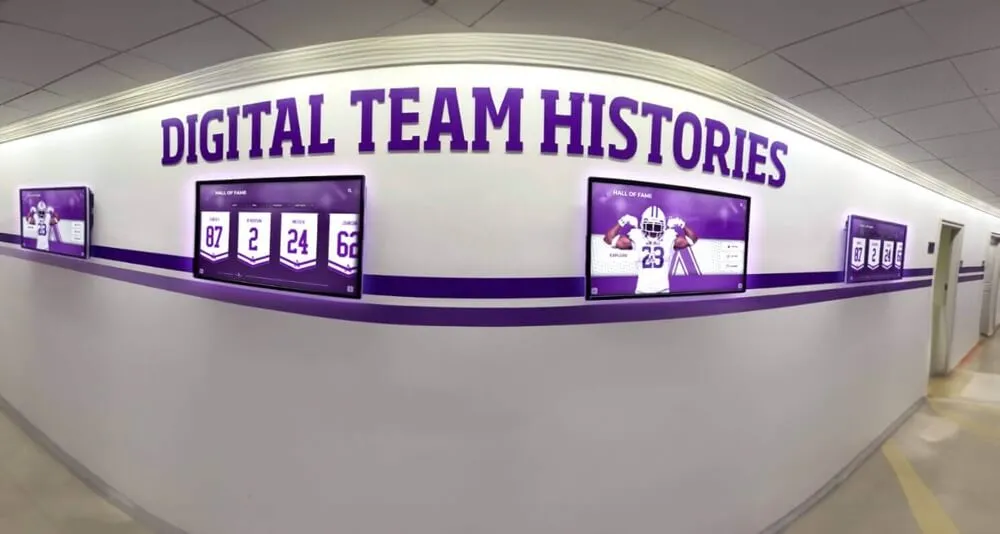
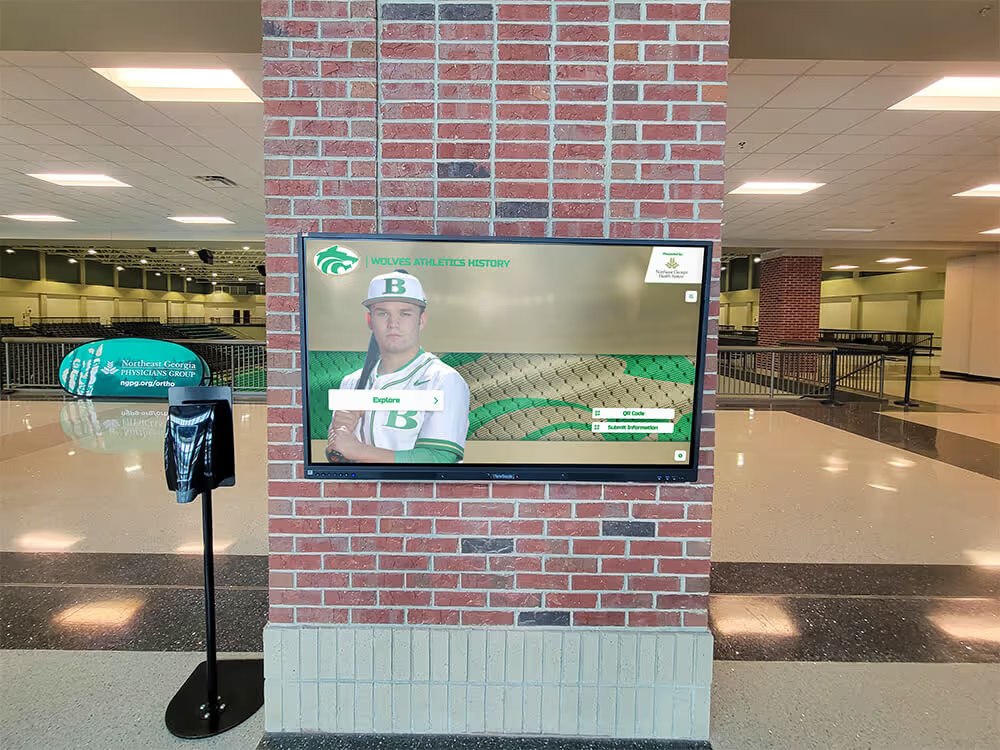
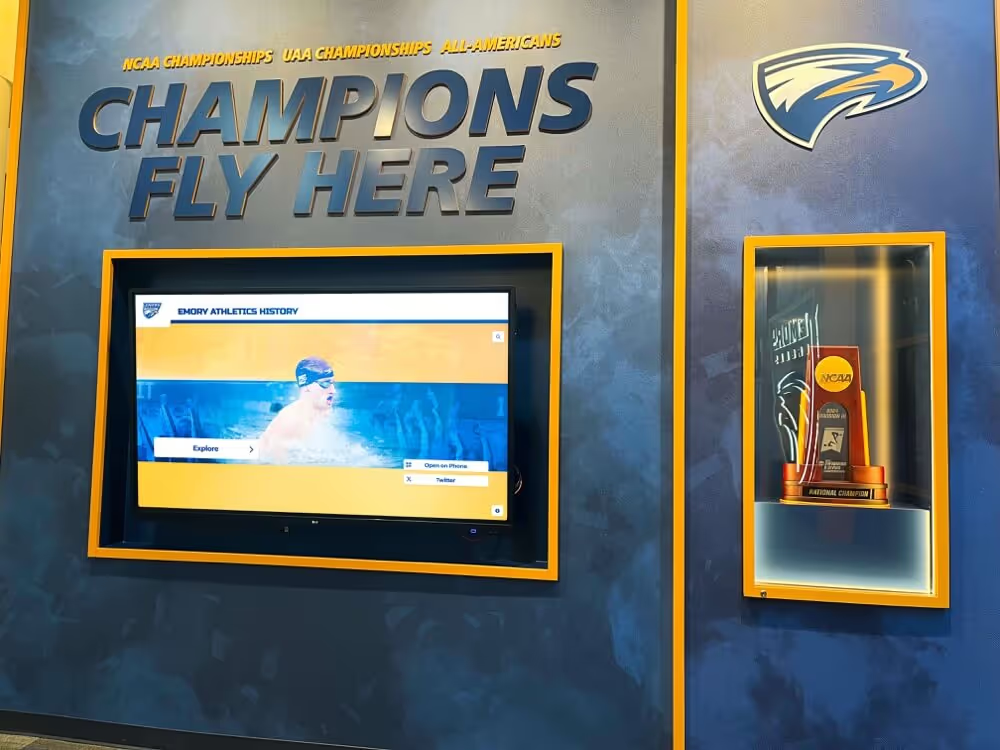
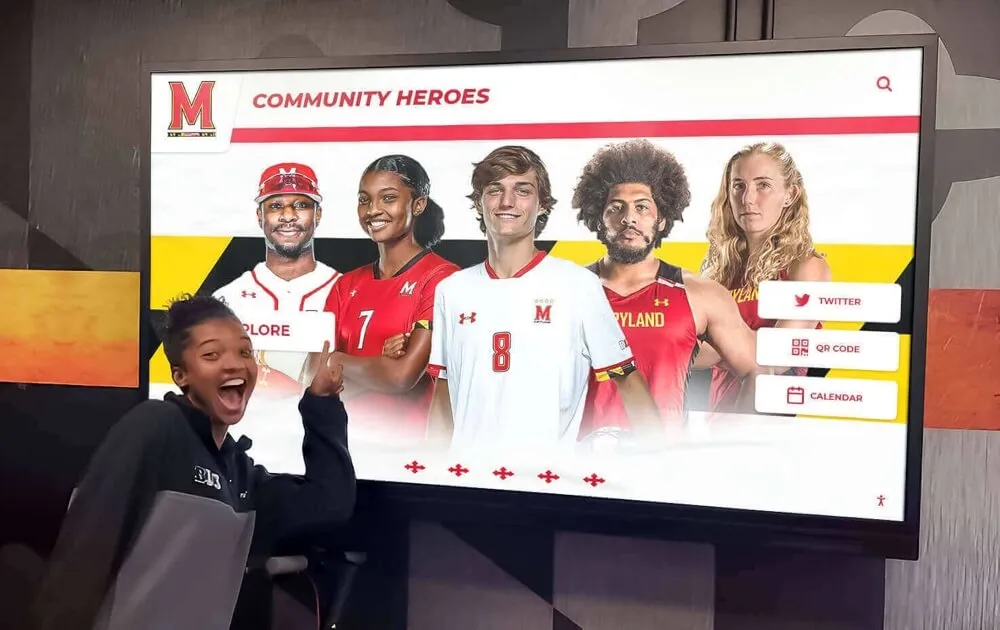
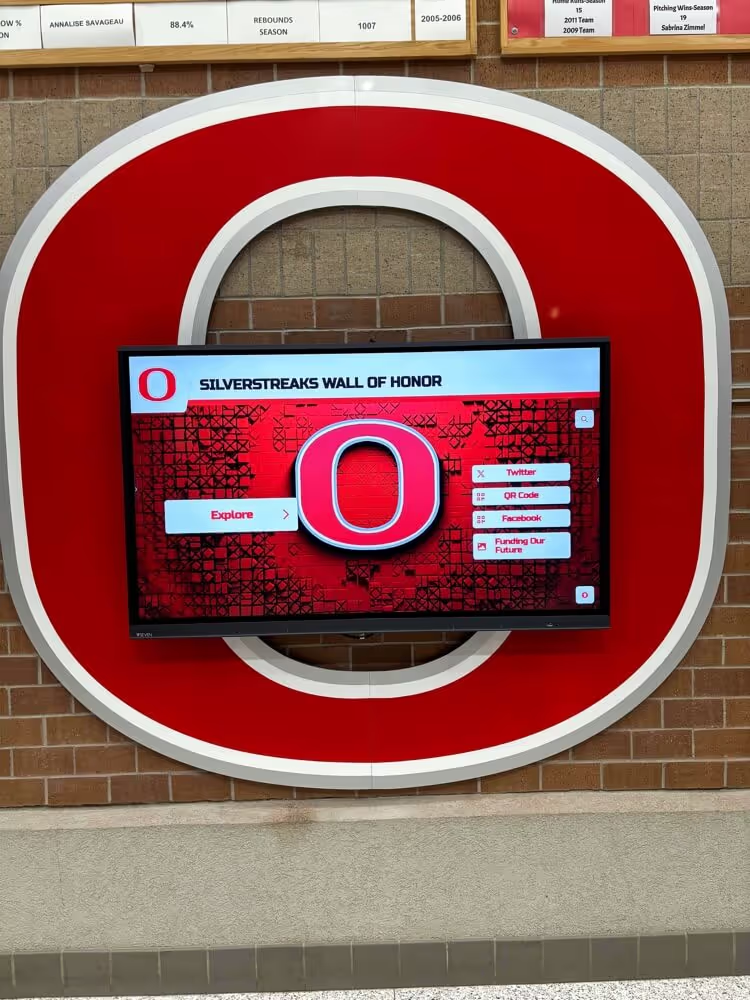
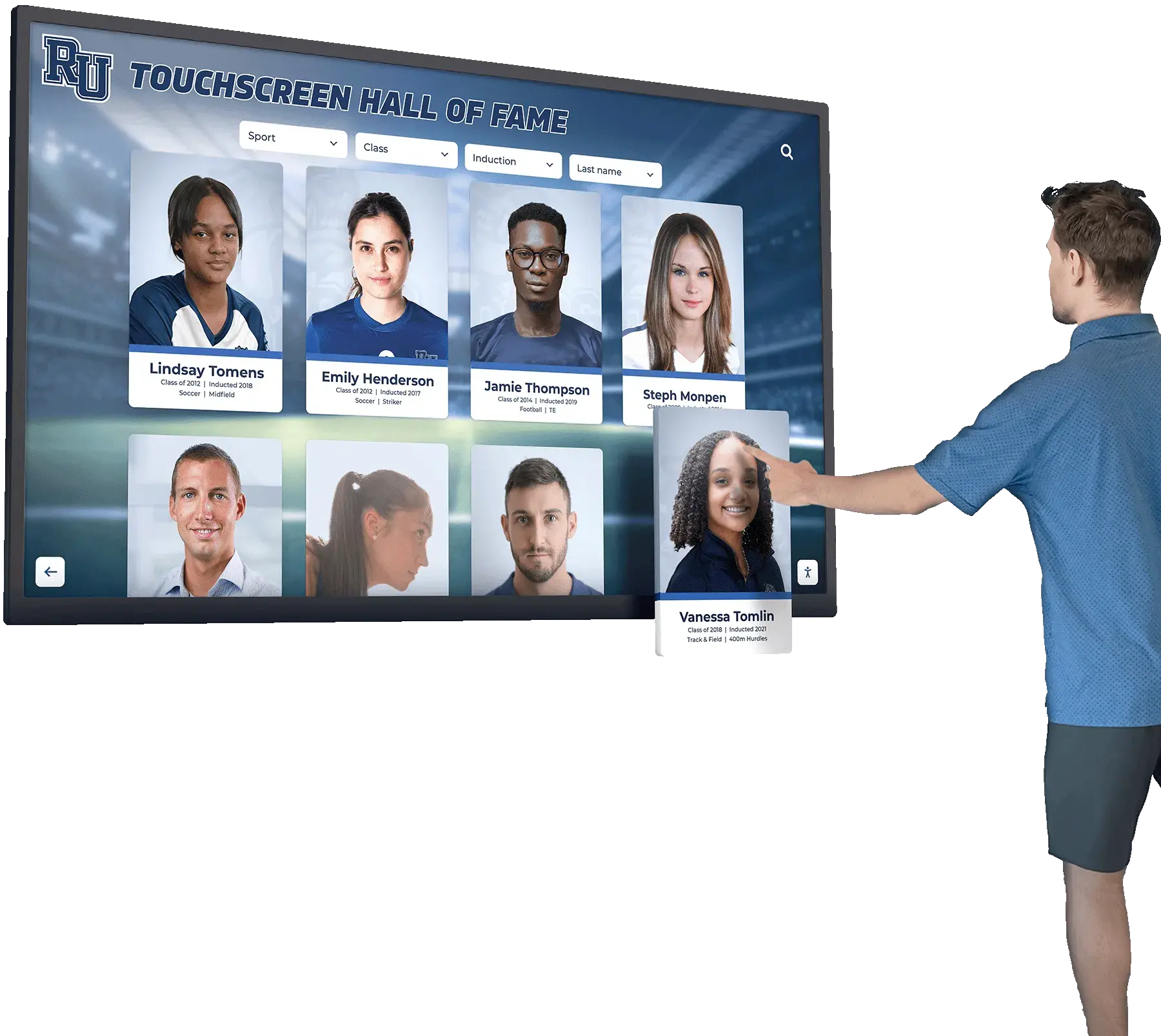
Comprehensive recognition programs honor student achievement across academic, athletic, artistic, and character dimensions
Why a Complete List of Awards for Students Matters
A structured list of awards for students is not administrative busywork—it is one of the most cost-effective tools a school has for shaping culture and driving engagement.
According to the National School Climate Center, schools with systematic recognition programs report measurably higher student engagement, lower chronic absenteeism, and stronger community belonging scores compared to schools with ad hoc approaches. Recognition communicates institutional values: what schools choose to celebrate signals what they believe matters.
The Risk of Incomplete Recognition
When award programs are limited to academic rank or athletic performance, three problems emerge:
- Students who contribute through service, leadership, or the arts feel invisible
- High-achieving students in one area have no incentive to develop other strengths
- Peer culture skews toward the handful of celebrated metrics while dismissing everything else
A complete framework fixes this by systematically covering every domain of student excellence, ensuring that more students have a pathway to recognition.
Explore how comprehensive recognition connects to long-term institutional culture in this guide to academic recognition programs.
Academic Achievement Awards
Academic awards form the backbone of most school recognition programs. The key is covering a wide enough spectrum that students at different levels—not just the top one percent—find a meaningful goal.
Core Academic Achievement Awards
Honor Roll and High Honor Roll Tiered GPA-based recognition remains one of the most universally understood academic awards. Schools typically use a 3.5 GPA threshold for honor roll and a 3.8 or 4.0 threshold for high honor roll, recognizing consistency across all subjects.
Subject-Specific Excellence Awards Departmental awards recognize the student with the highest achievement in English, Mathematics, Science, History, and other core disciplines. These are especially meaningful for students who excel in one area and may not make a top-tier overall GPA.
Most Improved Academic Performance One of the highest-impact awards a school can give. Recognizing significant GPA growth over a semester or year validates the effort of students who started behind and worked to close the gap. Research from the ASCD (formerly the Association for Supervision and Curriculum Development) consistently shows that growth-based recognition drives motivation more effectively than rank-based recognition alone.
Academic Decathlon and Academic Competition Awards Schools with competitive academic teams—Science Olympiad, Math League, Academic Decathlon, Model UN—should formally recognize top performers and team contributors. These competitions develop skills that transcend subject knowledge. Learn more about celebrating these achievements in this overview of academic decathlon recognition for school teams.
AP and Advanced Coursework Distinction Separate recognition for students who pursue and succeed in advanced coursework—AP exams, dual enrollment, honors courses—acknowledges academic risk-taking and college readiness.
Perfect Attendance Academic Award Consistent presence is a prerequisite for academic growth. An attendance-linked academic award recognizes students who show up and maintain strong performance simultaneously.
For a deeper look at structuring high school academic recognition, see this resource on academic achievement awards at the high school level.
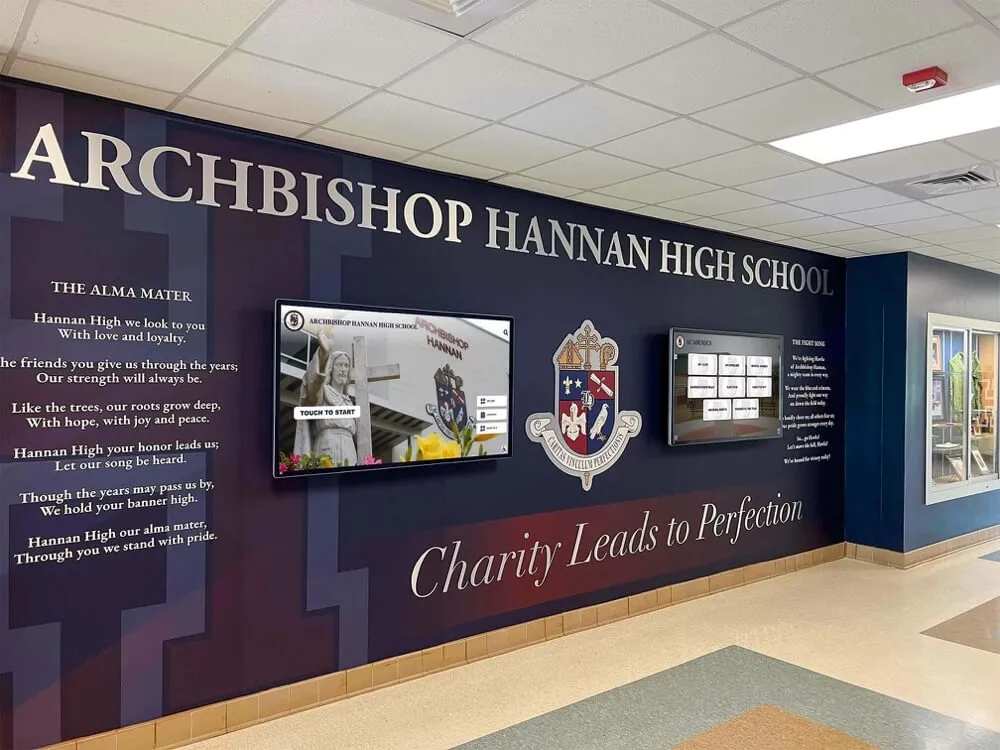
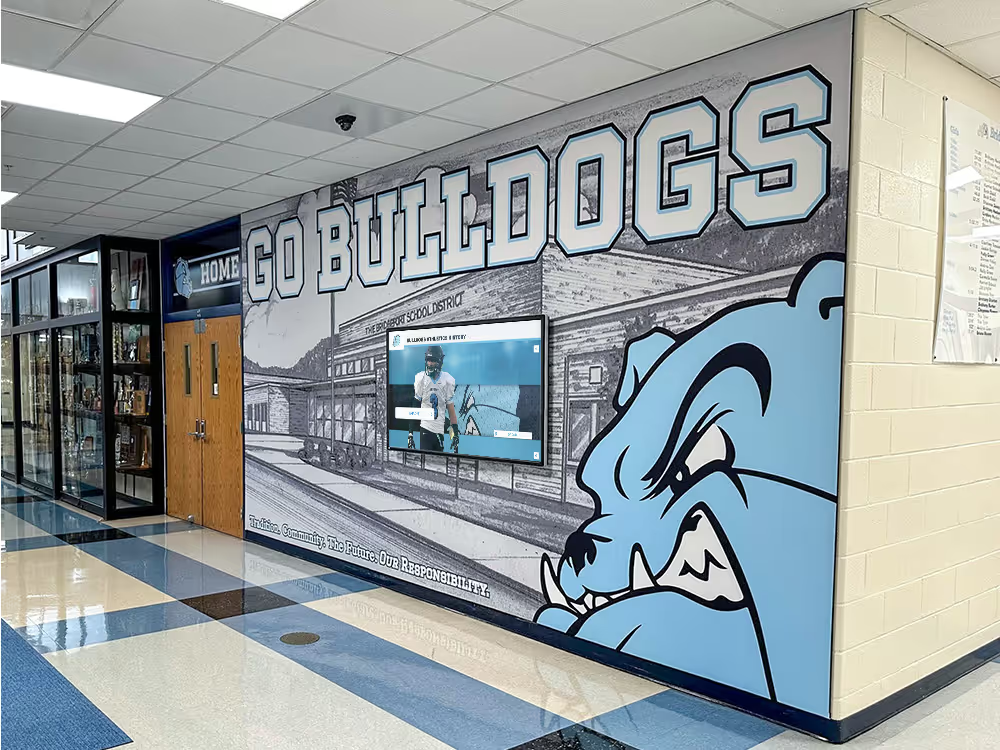
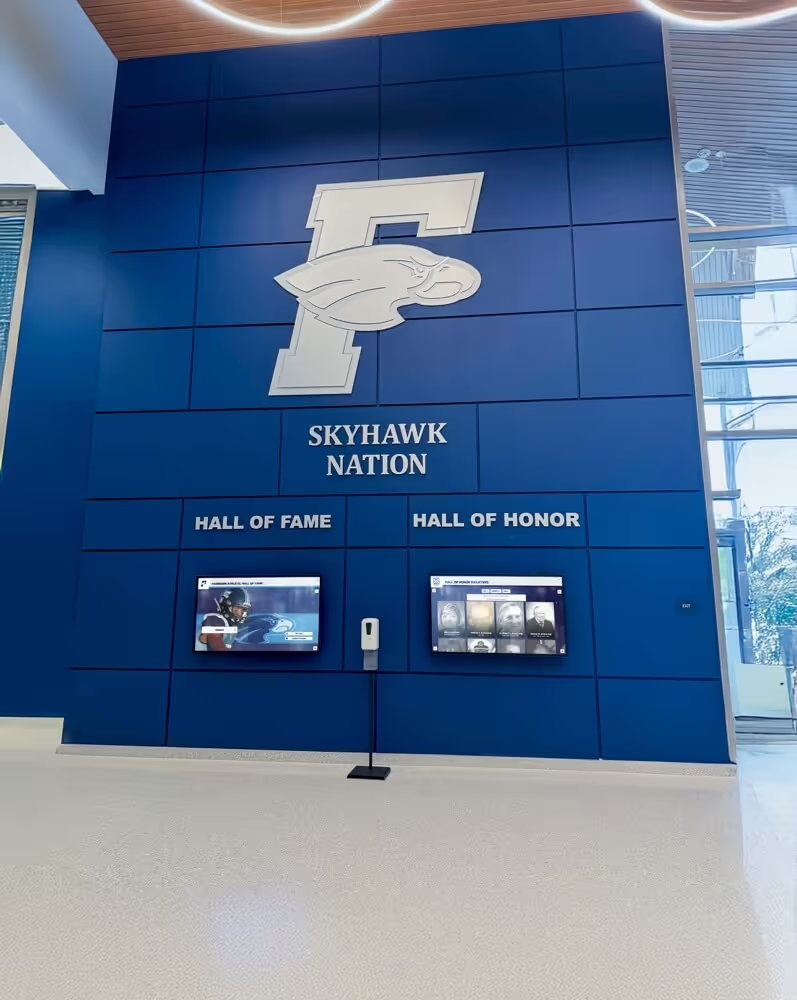
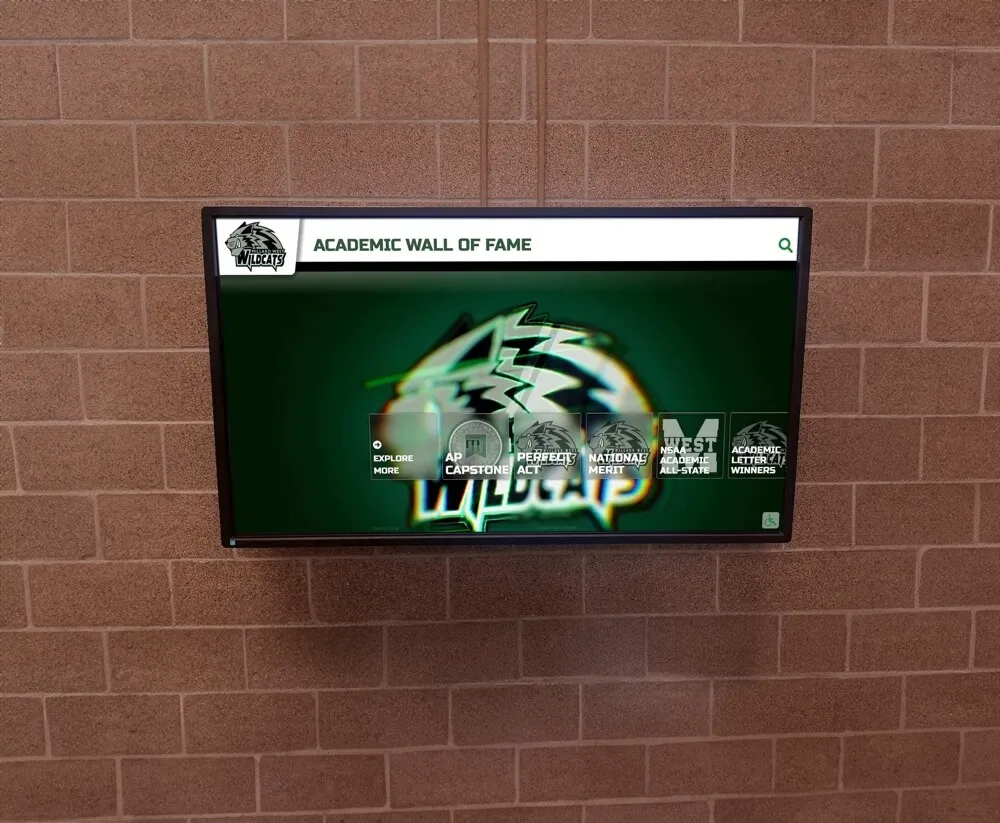
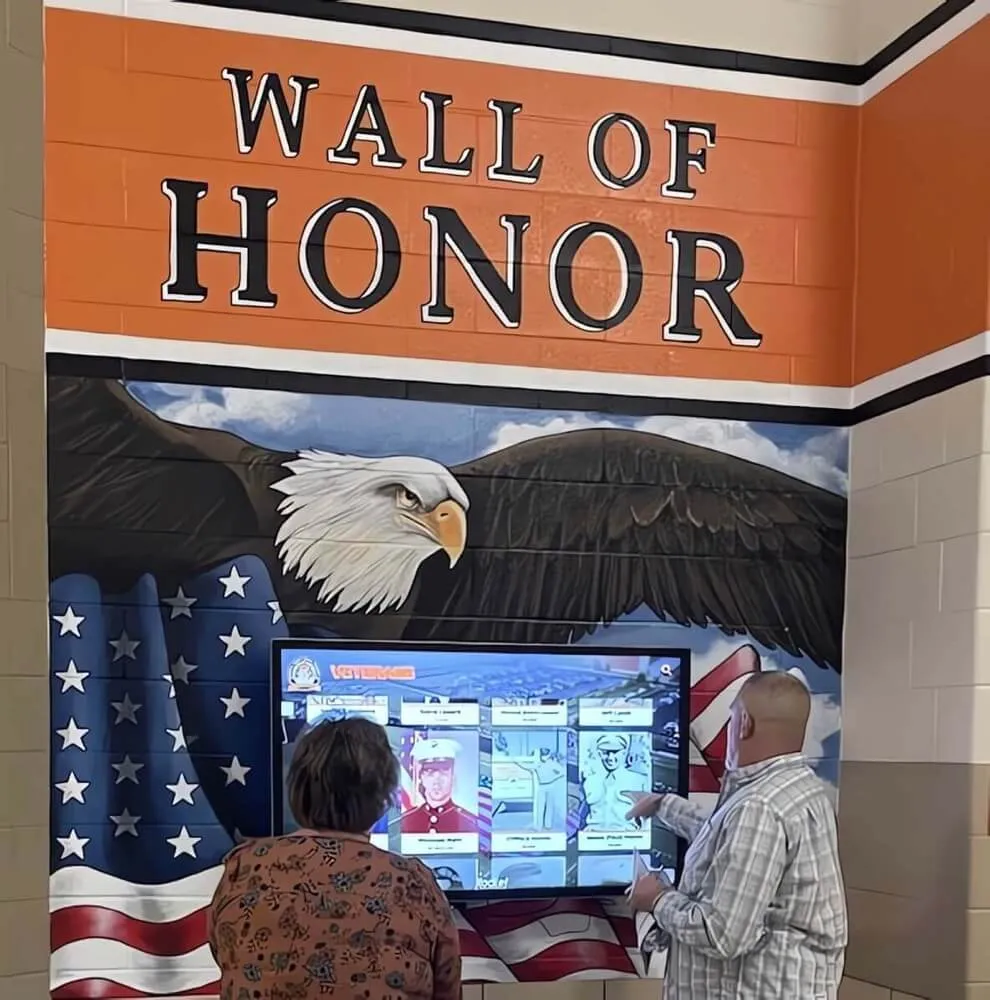
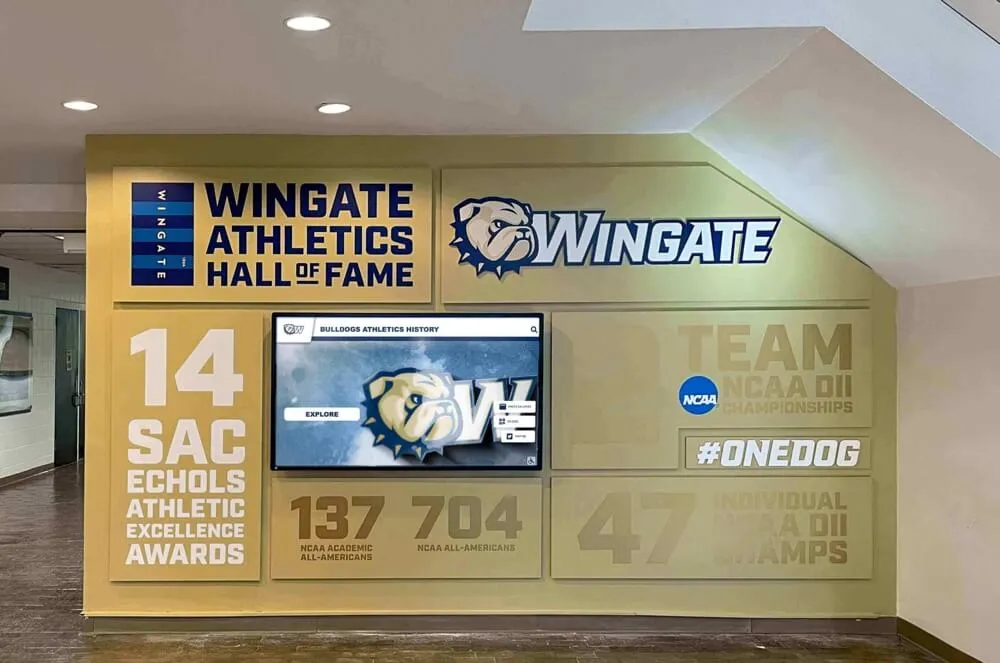
A dedicated recognition wall creates a permanent, visible home for student academic and achievement awards
Character and Leadership Awards
Character awards are among the most meaningful in any school’s recognition calendar—and the most underutilized. Because they resist simple quantification, schools often skip them or reduce them to a single “citizenship award” that few students find credible.
Character-Based Recognition Categories
Integrity Award Recognizes students who demonstrate consistent honesty, ethical behavior, and accountability. Selection criteria should include observable behaviors: admitting mistakes, maintaining academic honesty under pressure, and standing up for what is right when it is costly to do so.
Perseverance and Resilience Award Celebrates students who have overcome significant obstacles—academic, personal, or social—with determination and a positive mindset. This award is especially powerful at grade-level transitions (elementary to middle, middle to high school) where adjustment challenges are common.
Compassion and Kindness Award Recognizes students who demonstrate genuine care for peers, consistently include others, and offer support without expectation of recognition. Peer nomination adds credibility here: classmates are often the best observers of quiet kindness.
Growth Mindset Award Acknowledges students who seek out feedback, embrace challenge, and view effort as the path to improvement. This directly reinforces Carol Dweck’s growth mindset research, which finds that praising effort and process produces more durable academic motivation than praising innate ability.
Leadership Recognition Categories
Student Government Excellence Award Recognizes student council officers or representatives who demonstrated measurable impact—organized events, resolved peer conflicts, or improved school policies through their tenure.
Emerging Leader Award Not all leadership happens in formal roles. This award targets students who created positive change informally—by starting a club, rallying classmates around a cause, or providing steady mentorship to younger students.
Servant Leadership Award Specifically recognizes leadership motivated by service rather than status: students who empower others, give credit generously, and lead through support rather than authority.
Athletic and Physical Education Awards
Athletic awards are typically the most visible in K-12 schools. A complete list should extend beyond MVP trophies to recognize the full spectrum of athletic contribution.
Most Valuable Player (MVP) The standard cap on most athletic award programs, recognizing the player with the greatest individual impact on team performance.
Most Improved Athlete Like its academic counterpart, this award validates effort and growth over raw talent. Coaches consistently report that this award generates some of the most emotional acceptance moments at banquets.
Sportsmanship Award Recognizes the athlete who best exemplifies fair play, respect for opponents, and team-first behavior regardless of score. This is an excellent companion to MVP recognition—honoring how students compete, not just results.
Team Captains’ Award / Leadership Recognition Formal acknowledgment for student-athletes who served in official or informal leadership roles on their team.
Scholar-Athlete Award Recognizes athletes who maintain strong academic standing alongside their athletic commitments. Many states have official scholar-athlete designation programs with defined GPA thresholds (commonly 3.5 or above).
Sport-Specific End-of-Season Awards Each sport warrants its own recognition cycle covering offensive performance, defensive performance, and team contribution. For creative award categories and naming ideas, this comprehensive sport end-of-year awards guide covers dozens of team-specific categories.
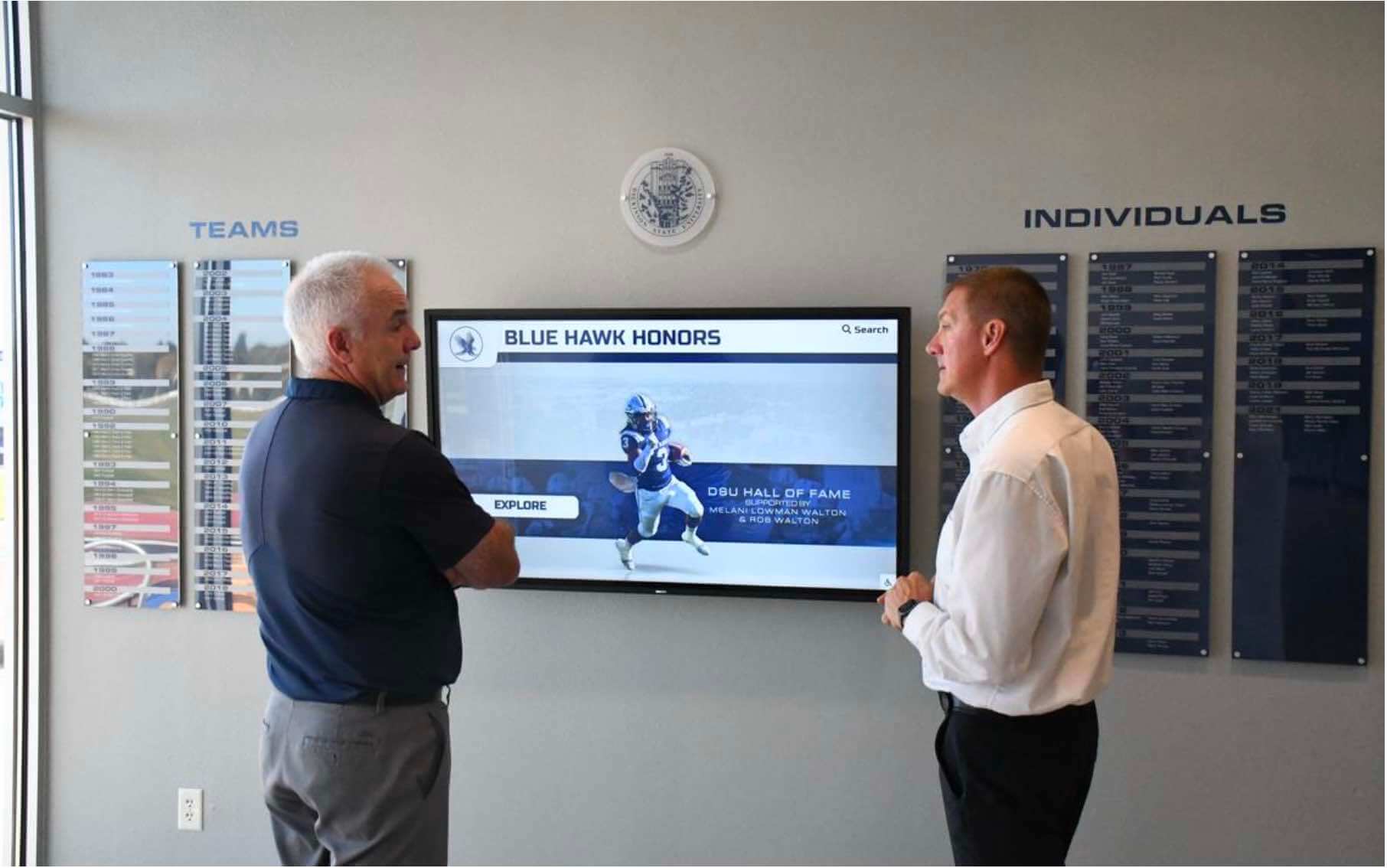
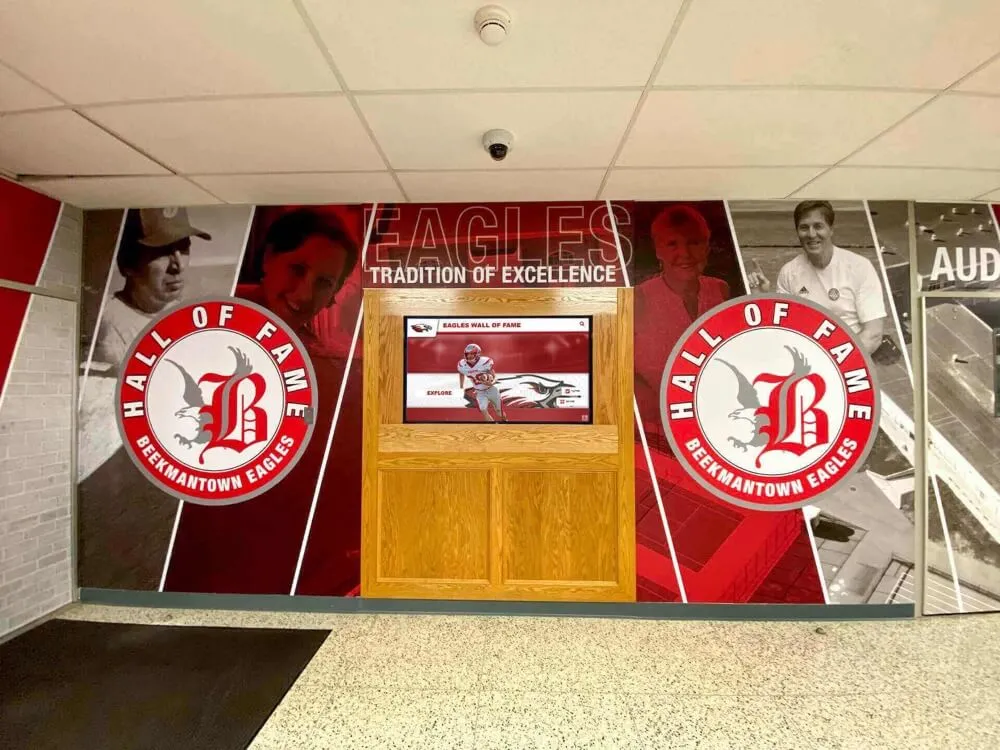
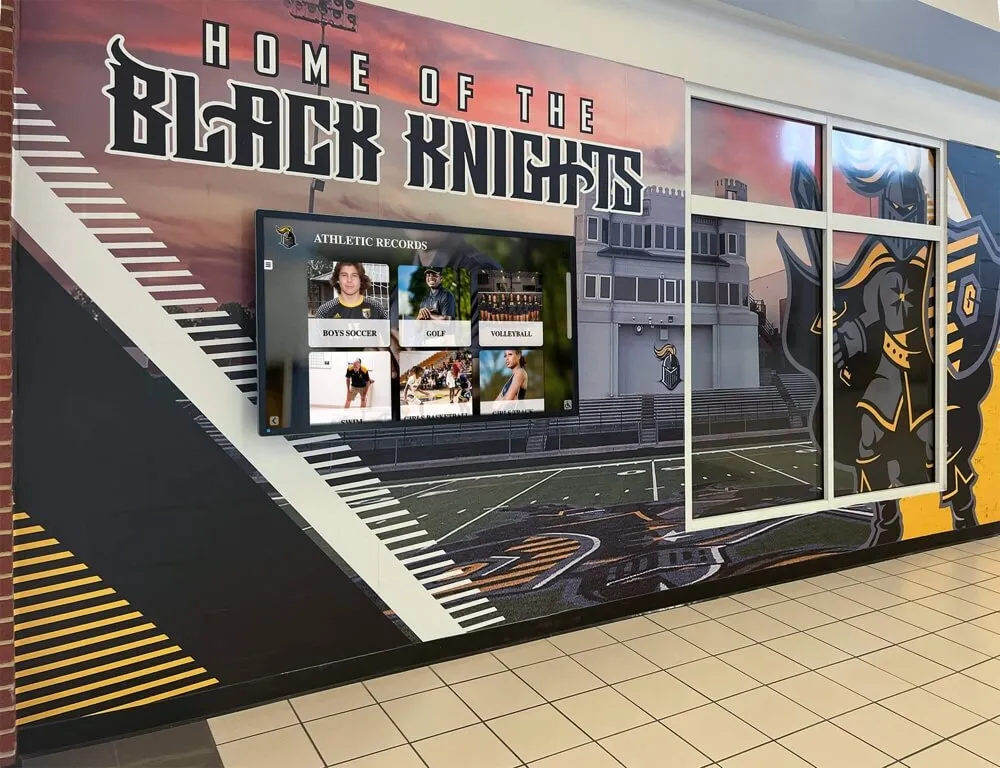
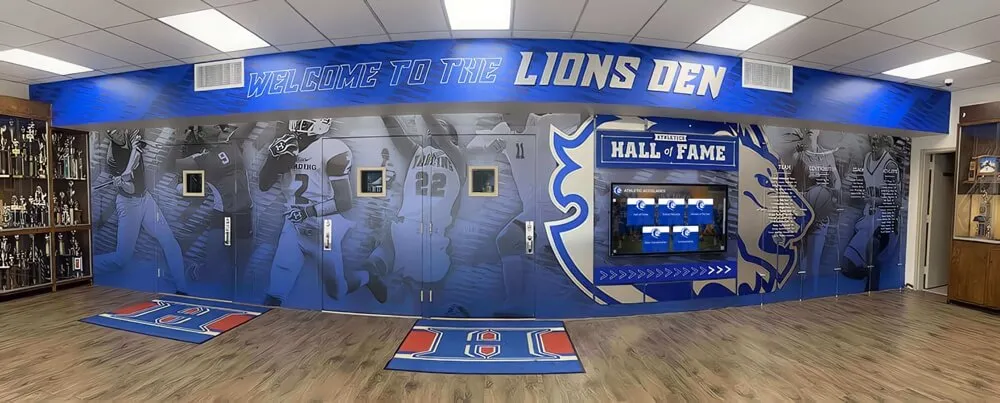
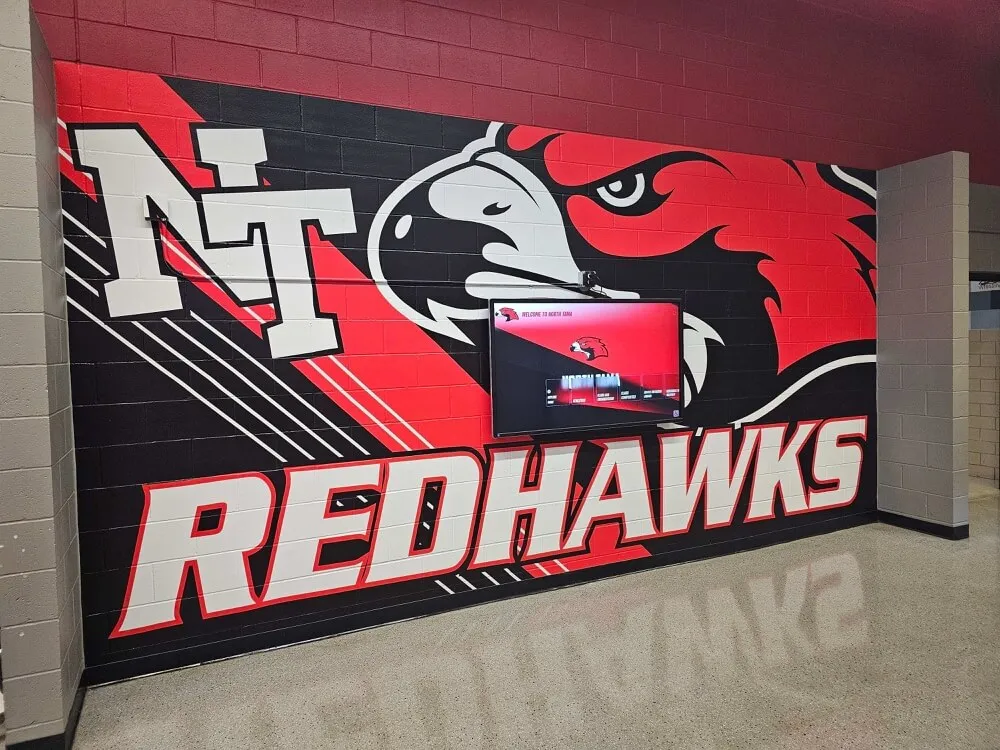
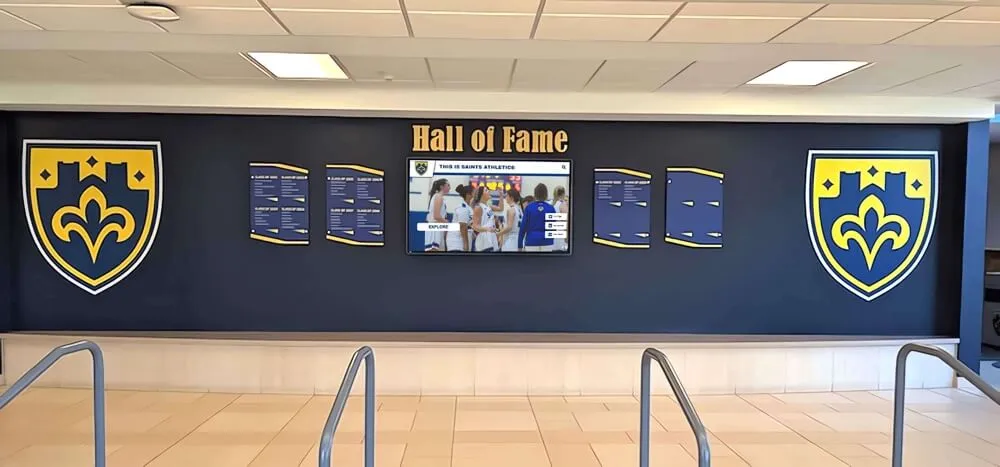
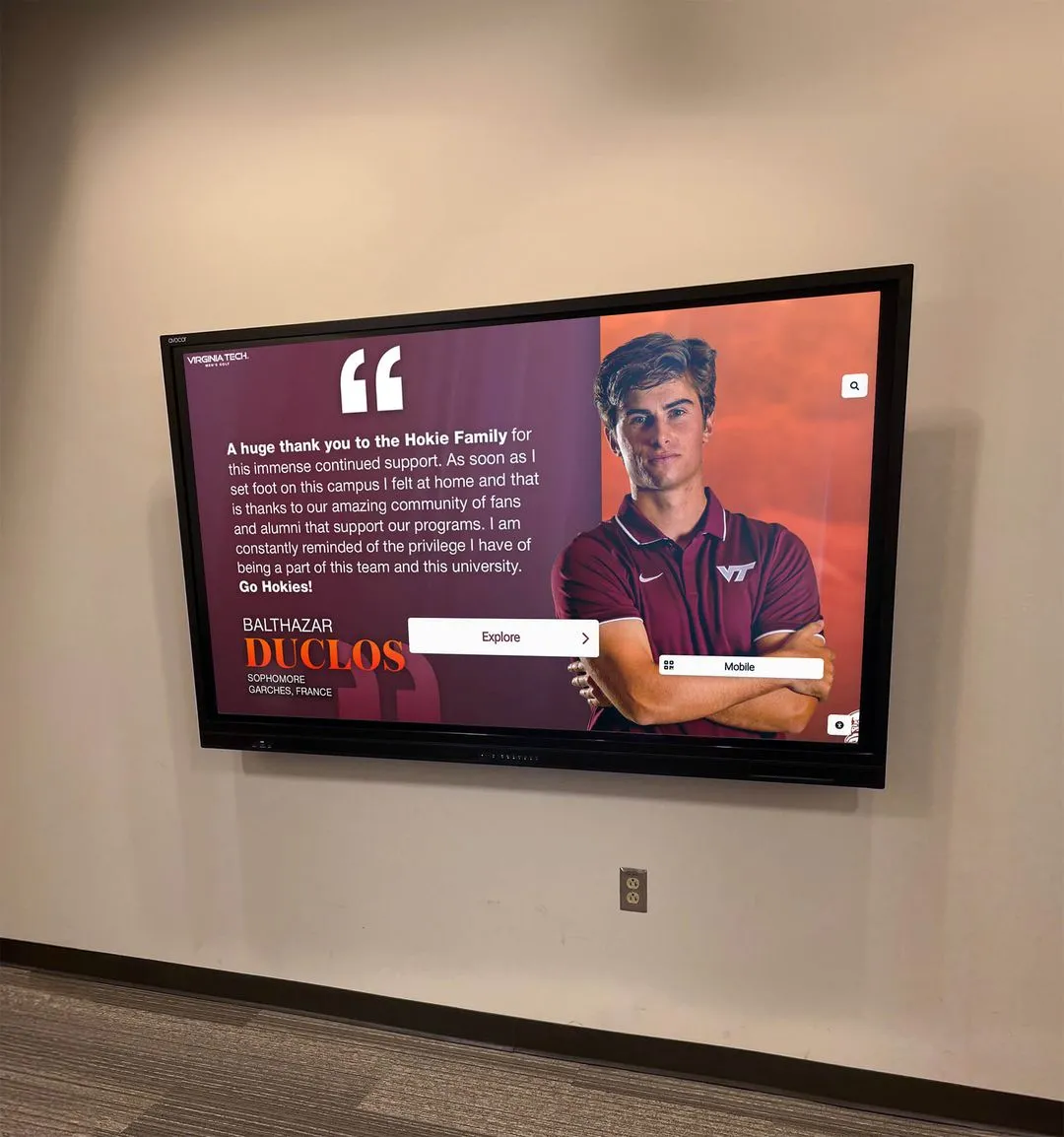
Digital hall of fame displays make it easy to permanently celebrate athletic achievement alongside academics and service
Arts, Music, and Performing Arts Awards
Arts recognition is chronically under-resourced in K-12 award programs, despite research from the National Endowment for the Arts linking sustained arts participation to higher academic engagement, lower dropout rates, and stronger civic participation.
Outstanding Visual Artist Award Recognizes exceptional achievement in studio art, drawing, painting, sculpture, digital art, or photography. Student art shows provide a natural presentation context.
Performing Arts Excellence Award Covers theater, choral music, band, and orchestra. Awards can be program-specific (Best Lead Performance in Drama, Outstanding Section Leader in Band) or department-wide.
Creative Writing and Literary Award Acknowledges achievement in poetry, fiction, journalism, and essay writing. Literary magazines and school newspapers create natural nomination pools.
Film, Media, and Digital Arts Award As video production and digital design become core skills, dedicated recognition for film projects, podcasts, yearbook design, and social media content creation validates these emerging disciplines.
Arts Commitment Award Recognizes a student who has made a sustained, multi-year commitment to an arts discipline—attending every rehearsal, improving consistently, and contributing to program culture regardless of whether they hold a lead role.
Service and Community Contribution Awards
Service recognition motivates the community engagement that research consistently links to long-term civic participation, mental health outcomes, and post-graduation prosocial behavior.
Community Service Hour Awards Tiered milestones based on verified hours are the most equitable entry point:
- Bronze: 25–49 hours annually
- Silver: 50–99 hours annually
- Gold: 100–199 hours annually
- Platinum: 200+ hours annually
Service Learning Integration Award Recognizes students who completed service connected to academic coursework with documented reflection—demonstrating learning from their service, not just participation.
Community Impact Award Goes beyond hour counts to recognize a student whose service created measurable positive change: a fundraiser that exceeded its goal, a tutoring program they founded, a community garden they sustained.
National Honor Society Service Award For schools with NHS chapters, recognizing the member who most exemplified the service pillar provides additional prestige within an existing framework.
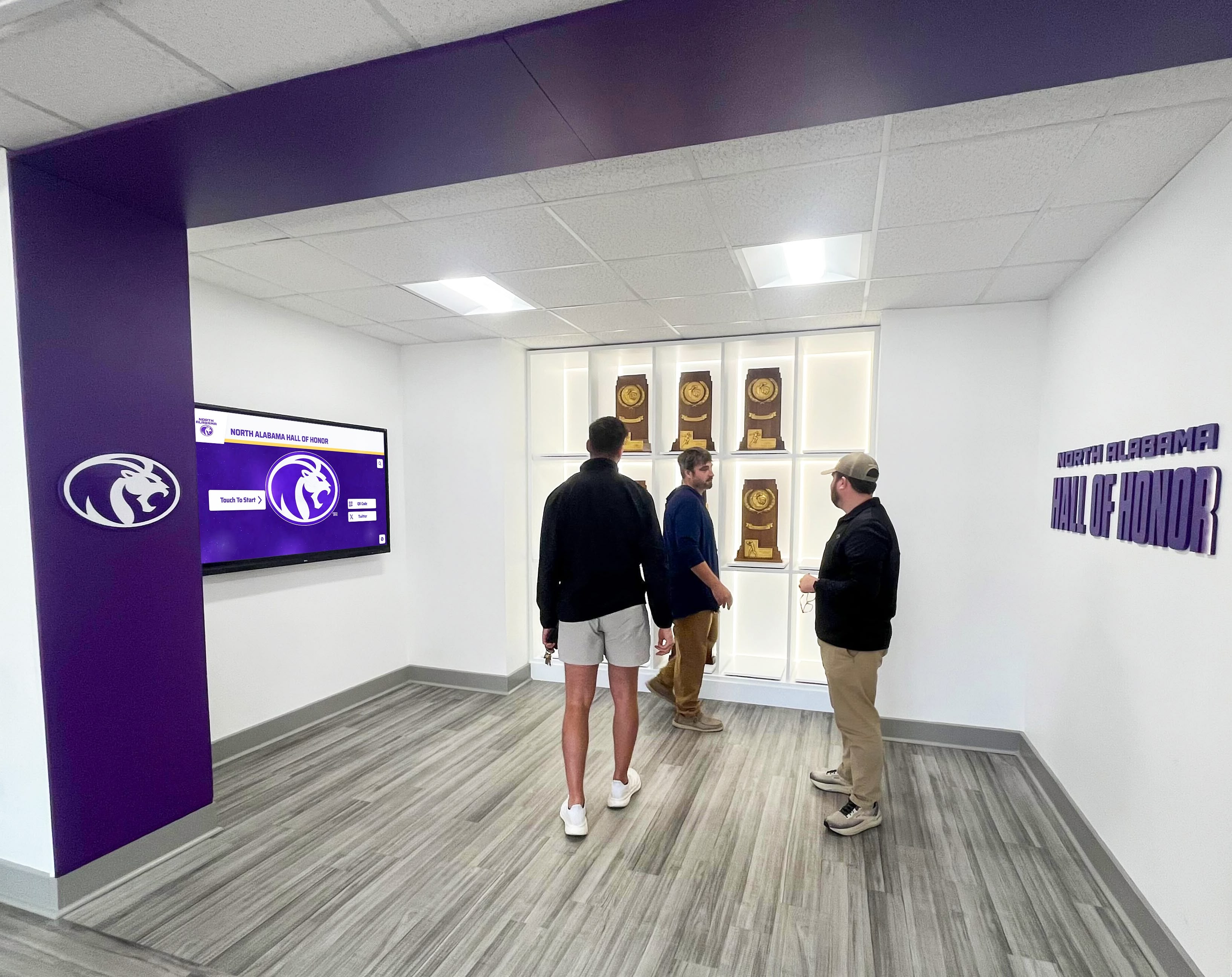
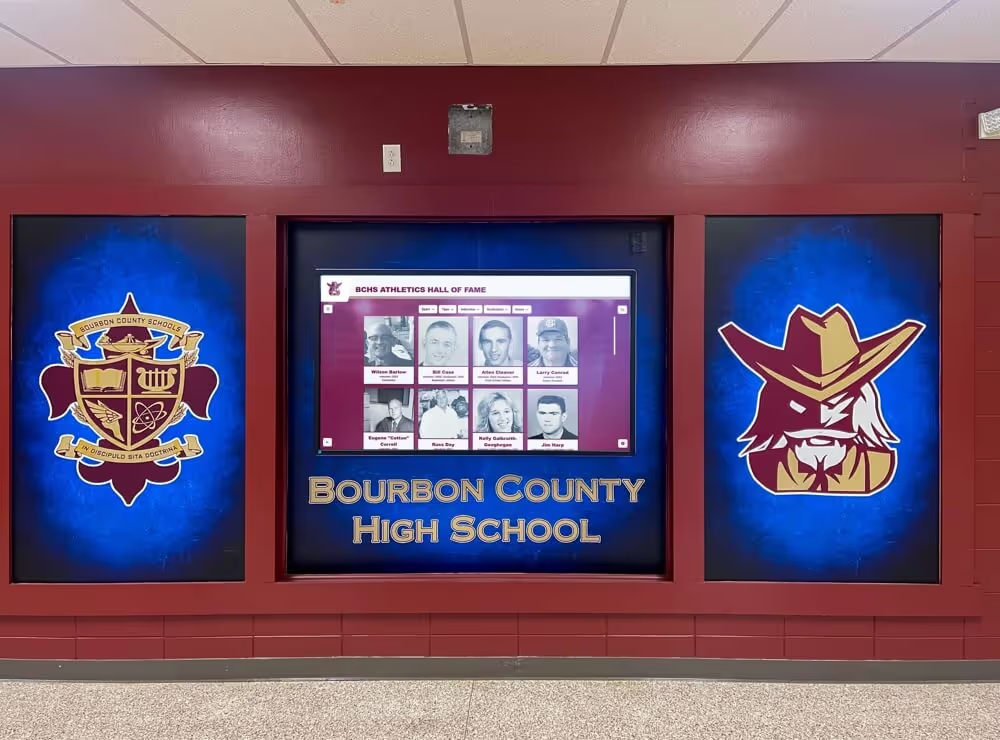
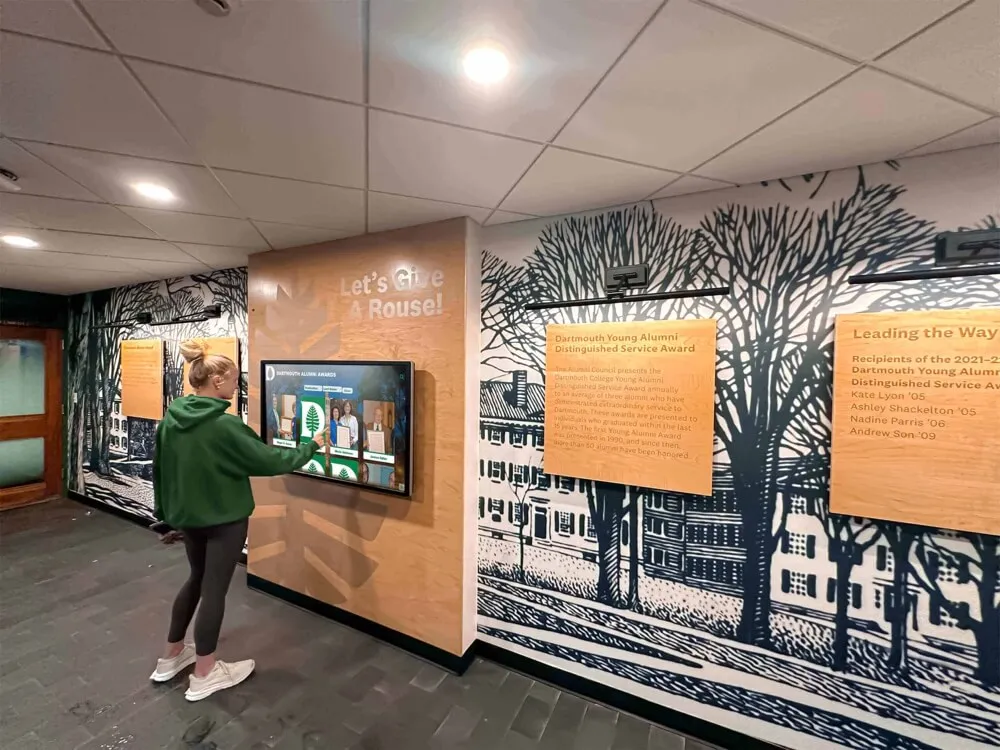
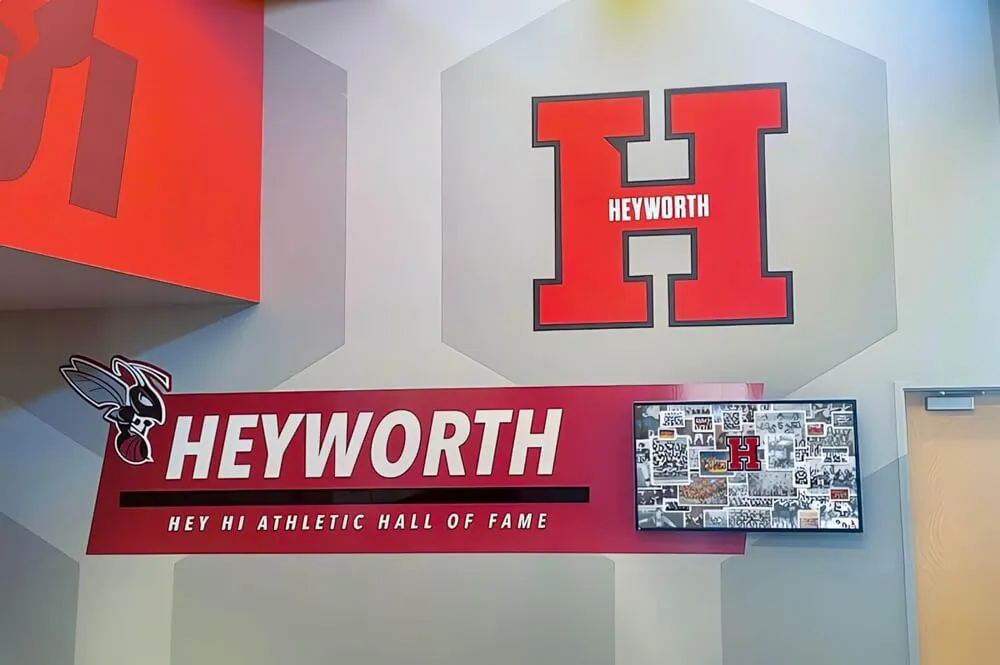
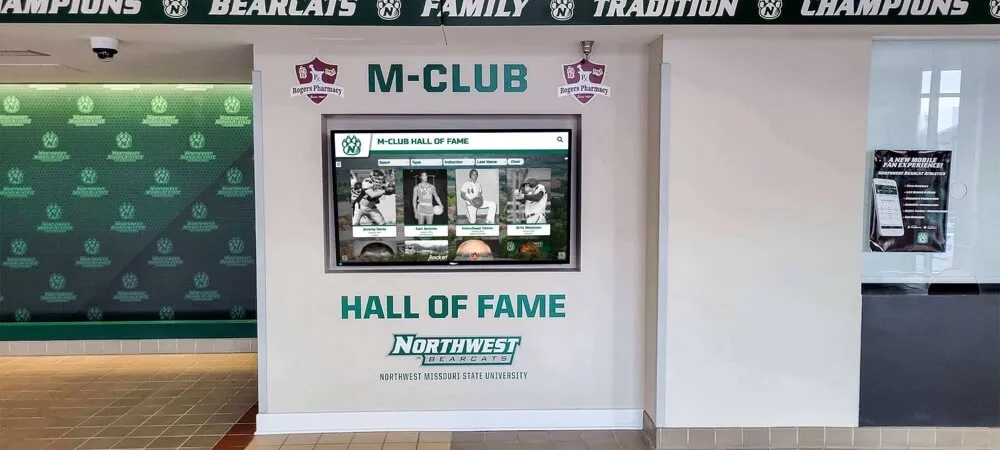
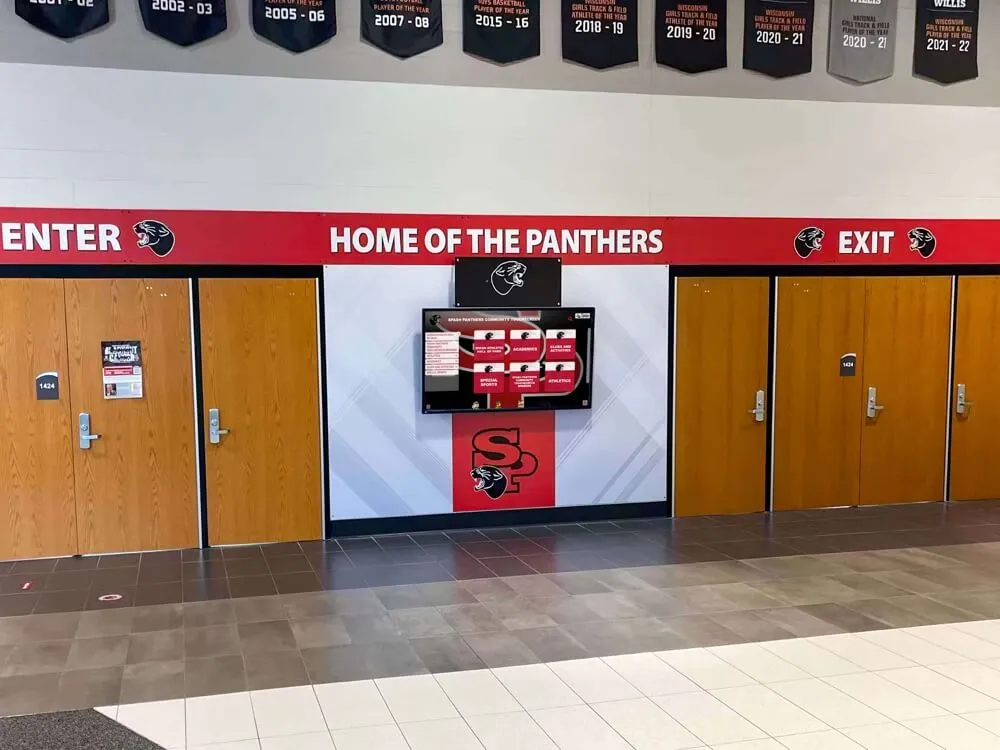
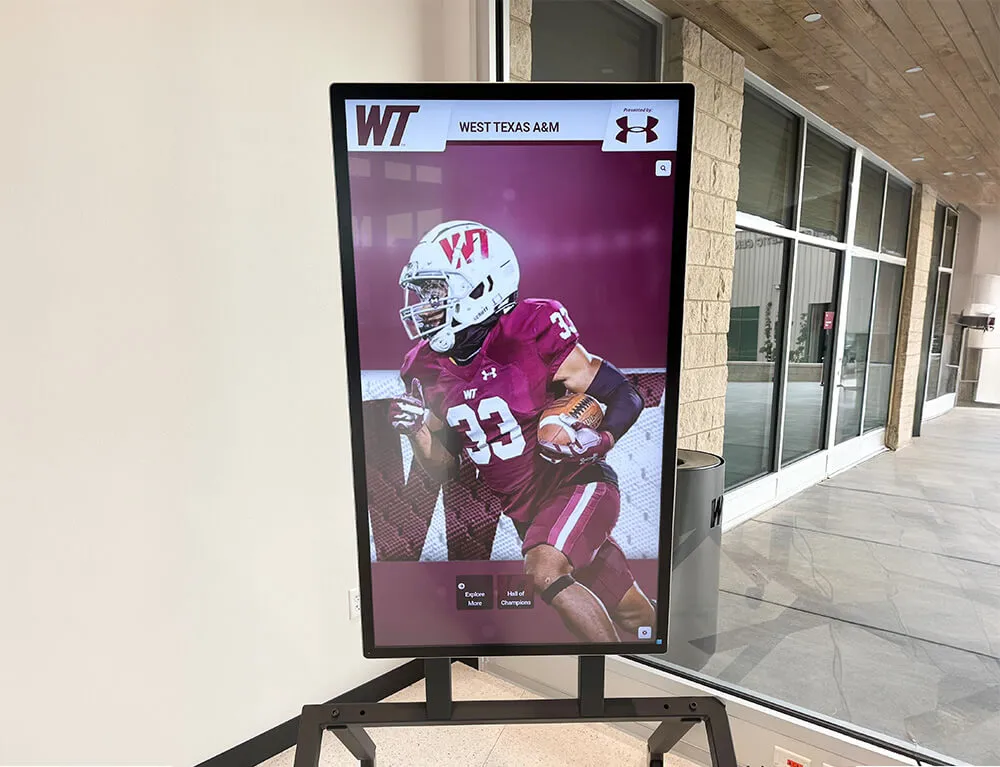
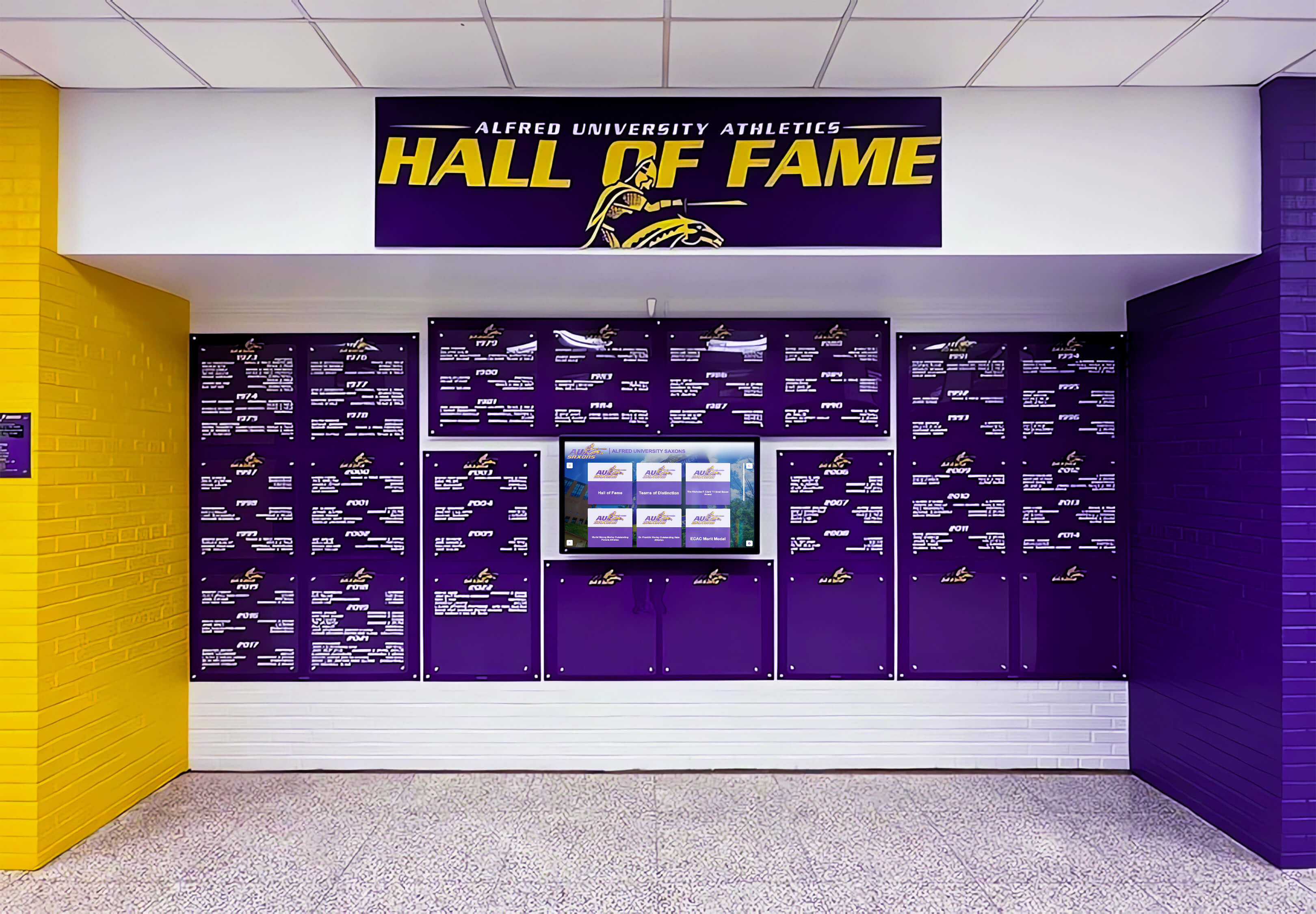
Multi-category recognition displays ensure every form of student contribution—from service to scholarship—receives lasting visibility
Special and Graduation-Year Recognition Categories
End-of-year ceremonies, particularly at the senior level, call for additional recognition categories that capture cumulative achievement.
Valedictorian and Salutatorian The top two academic achievers by GPA, recognized at graduation. Many schools have expanded to multiple valedictorian designations to acknowledge students who achieved a 4.0 or higher across all four years.
Honors Graduation Cords and Stoles Cord colors communicate academic and extracurricular distinction to families and guests at graduation. Schools assign specific colors to NHS, service clubs, subject-area honor societies, and academic achievement levels. See this guide to honors graduation cord colors and traditions for a comprehensive overview.
Senior Legacy Award Recognizes a graduating senior who made a lasting institutional contribution—founding a club, leading a fundraising campaign, or creating a program that will continue after they leave.
Four-Year Commitment Award Acknowledges students who participated in the same sport, art, club, or academic program for all four years of high school. Consistency and commitment deserve their own recognition.
Faculty Choice Award Each department nominates a student who, in the collective judgment of the faculty, best exemplified the spirit of that discipline over the year. These awards humanize recognition by reflecting the perspectives of the educators closest to student achievement.
How to Display and Celebrate Student Awards
Generating a comprehensive list of student awards is only half the work. How schools display, communicate, and archive recognition determines whether it actually motivates students and builds culture.
Physical and Digital Display Options
Traditional trophy cases and plaque walls remain meaningful, but they impose a hard constraint: physical space limits how many students and categories can be honored simultaneously. Schools that rely solely on static displays often end up featuring only the most visible athletic achievements, inadvertently communicating that other forms of excellence are secondary.
Digital recognition displays remove that constraint. A single interactive screen can house awards across every category—academic, character, athletic, arts, and service—with photos, descriptions, and multi-year archives accessible by any student or visitor. Explore what this looks like in practice with this overview of digital hall of fame displays and interactive screens.
For schools evaluating solutions, this turnkey digital hall of fame pricing and setup comparison breaks down cost structures and implementation timelines.
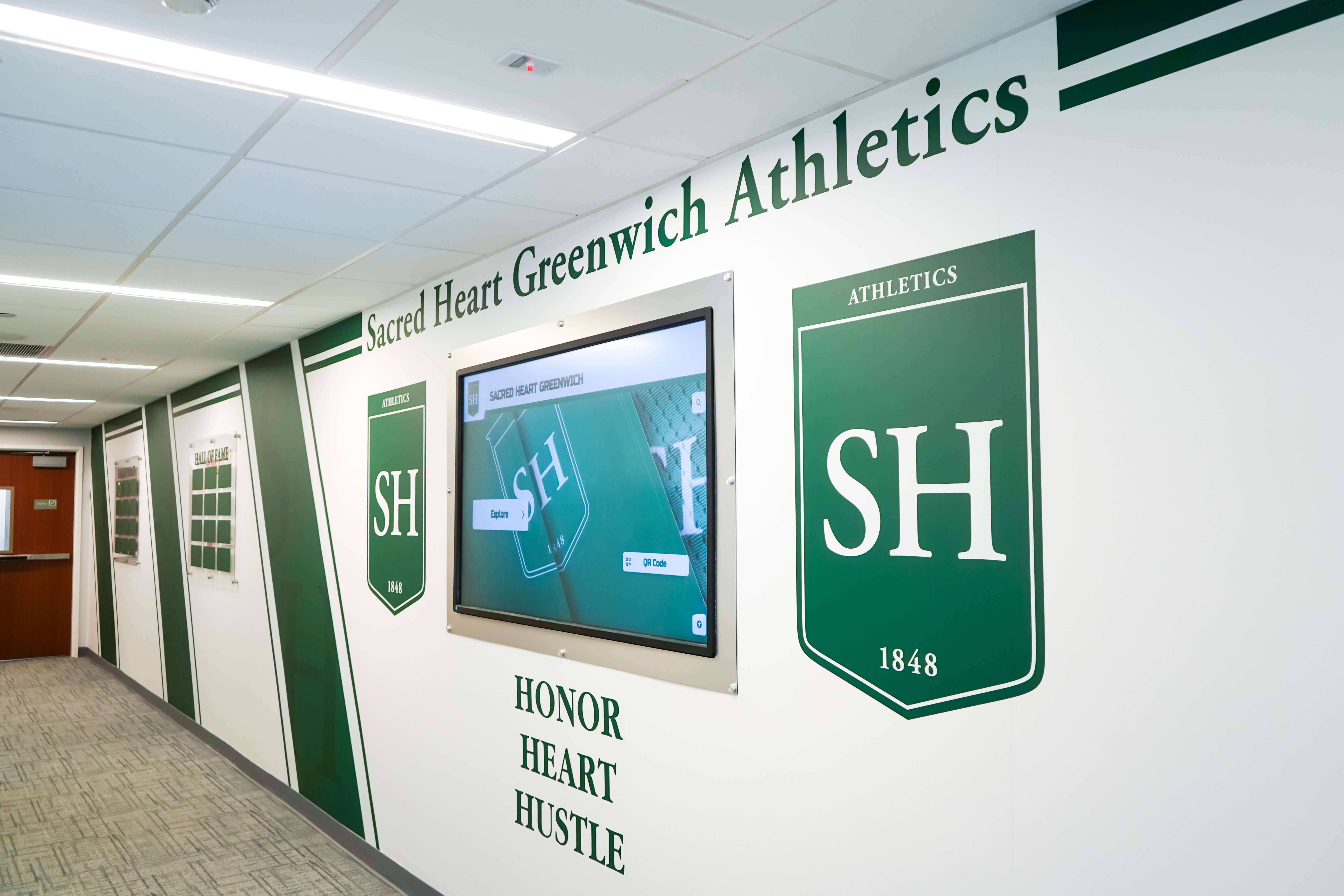
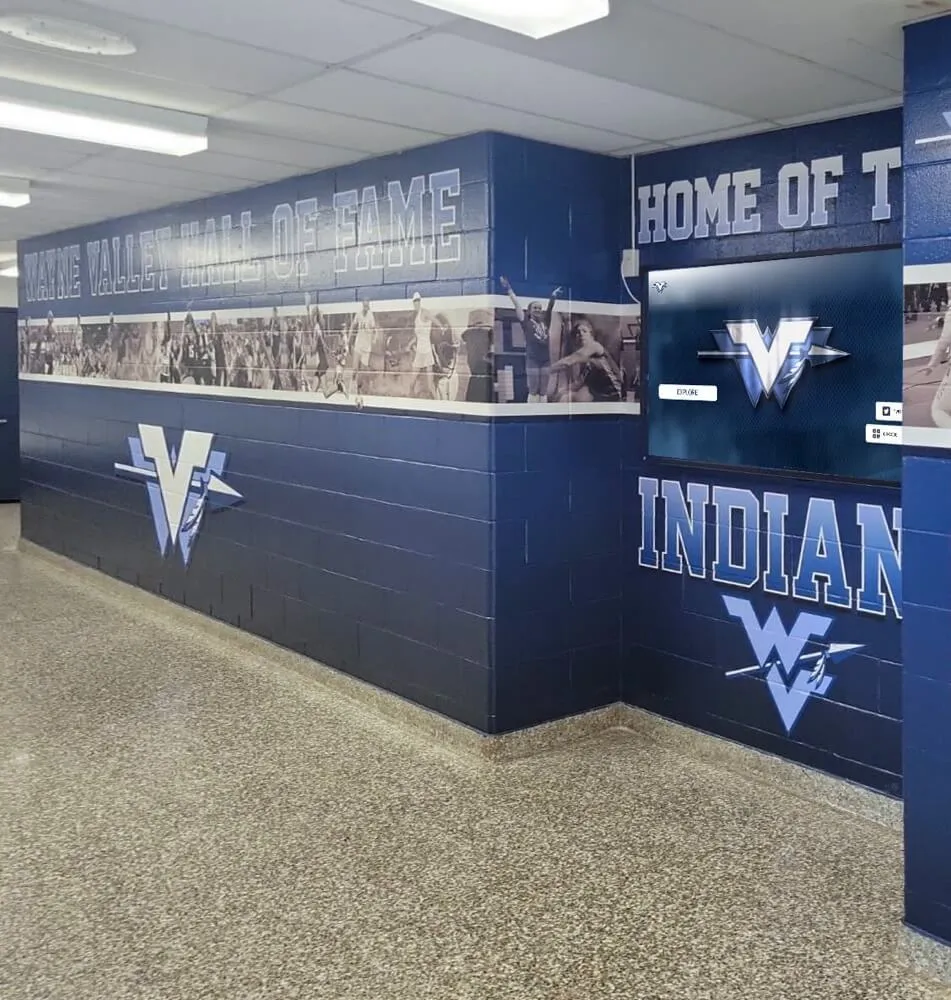
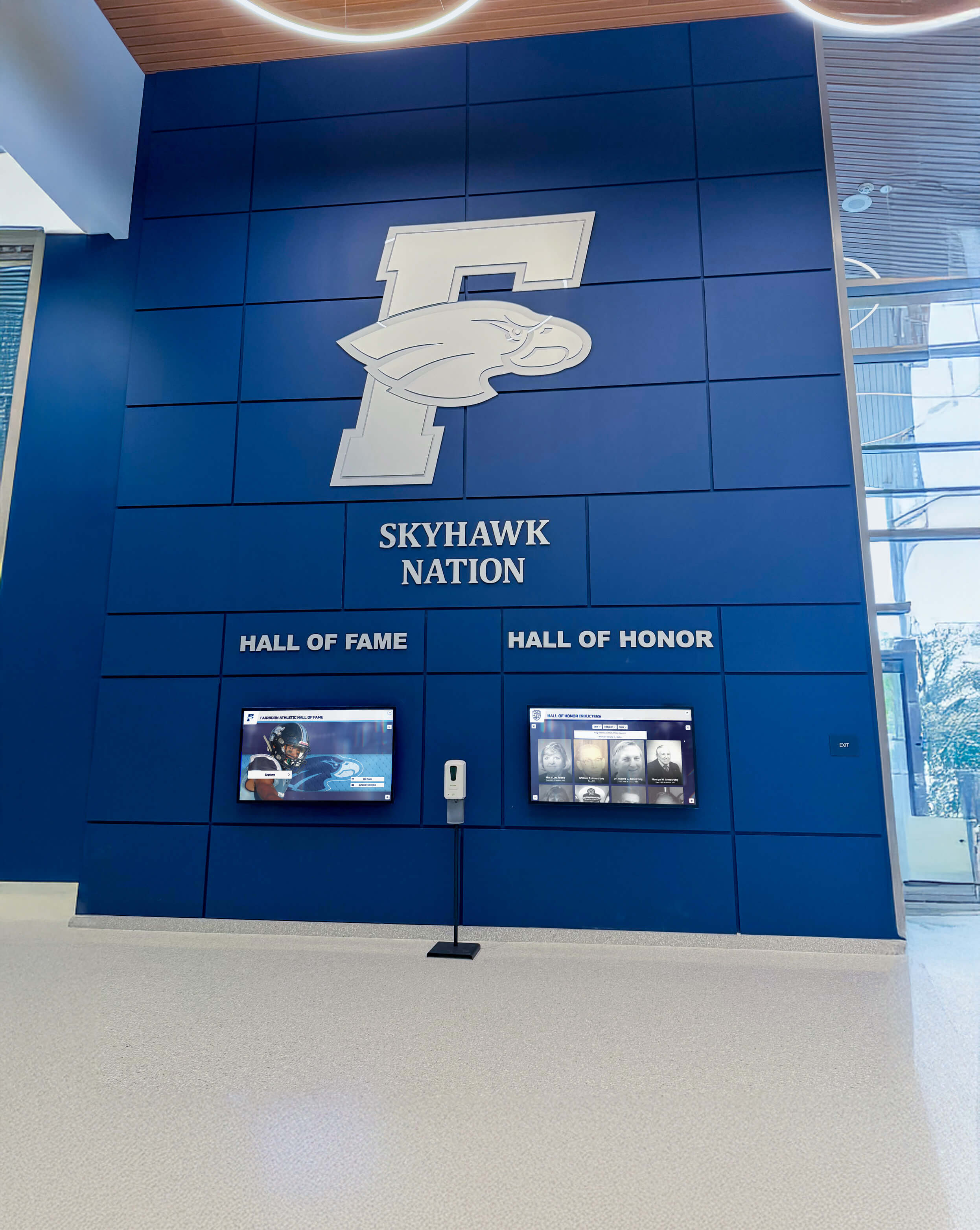
Well-designed hallway recognition systems keep student achievement visible every day, not just during ceremony season
Ceremony Design Principles
A ceremony that features 15 award categories in 90 minutes is achievable if structured well:
- Group awards by theme, not by department—run all character awards together, all service awards together
- Use brief, specific introductions for each recipient rather than reading generic category descriptions
- Invite peer presenters for select awards—a classmate presenting the compassion award adds authenticity
- Publish a printed or digital program in advance so families know what to expect and can understand award criteria
Year-Round Visibility
Recognition shouldn’t live only in end-of-year ceremonies. Schools that maintain ongoing visibility—morning announcement spotlights, hallway displays updated quarterly, social media features—see sustained motivation effects rather than a one-week spike around ceremony season. This is where digital display systems earn their value: content managers can add new honorees in minutes, keeping recognition current throughout the year.
For strategies on connecting alumni and multi-year recognition to active display programs, see this resource on alumni engagement through digital recognition.
Building a Balanced Recognition Framework
A complete list of awards for students becomes a framework when it is designed with intentionality across three dimensions: breadth, equity, and criteria.
Breadth: Does the award list cover academic, character, athletic, arts, service, and special categories? If any domain is missing, add it before the next ceremony cycle.
Equity: Do students across grade levels, demographics, and socioeconomic backgrounds have a realistic pathway to recognition? Awards requiring expensive equipment, extensive travel, or family resources should be balanced with awards accessible to every student.
Criteria: Every award category should have documented, observable criteria available to students and families in advance. Transparency reduces the perception of favoritism and encourages students to actively pursue recognition.
Schools that operate with all three dimensions in place report the strongest culture effects from their recognition programs. For a broader look at how recognition frameworks connect to school community building, explore this guide on donor and community recognition program approaches.
Frequently Asked Questions
What is a good list of awards for students in K-12 schools?
A comprehensive list of awards for students should cover at least six categories: academic achievement, character and leadership, athletics, arts and performing arts, community service, and special graduation-year recognition. Covering all six ensures every student has a pathway to meaningful acknowledgment, not just those who excel academically or athletically.
How many awards should a school give at an end-of-year ceremony?
There is no universal rule, but schools typically aim for a ratio where at least 15–25% of the student body receives some form of recognition annually across all categories. A ceremony with 8–15 distinct award categories, each honoring 1–5 recipients, provides breadth without losing focus. Tiered awards like service hour milestones and honor roll allow schools to recognize larger numbers without devaluing individual categories.
How do schools make character awards credible and fair?
Character award credibility depends on three factors: published criteria defining specific, observable behaviors before nominations open; a multi-source nomination process that includes teachers, staff, and peer nominations; and a selection committee that reviews evidence rather than relying on impressions. Transparent criteria and blind review processes produce recognition that students and families view as genuinely meaningful.
What is the difference between a participation award and a merit award?
Participation awards recognize involvement in a program regardless of performance—all members receive one. Merit awards recognize specific achievement, growth, or contribution above a defined threshold. Both serve legitimate motivational functions: merit awards drive aspiration, participation awards signal belonging. A balanced program uses both deliberately.
How can schools display student awards beyond a trophy case?
Digital recognition displays, dedicated hallway panels updated quarterly, school website award archives, and social media spotlights all extend recognition beyond static trophy cases. Digital display systems are increasingly popular because they accommodate every award category without physical space constraints and can be updated in minutes without professional installation.
Conclusion: A List That Reflects What Schools Value
Building a complete list of awards for students is ultimately an act of institutional values clarification. Every category on the list signals: we see this, we celebrate this, we believe this matters. Schools that invest in comprehensive, criteria-driven recognition programs—covering academics, character, athletics, arts, and service—build cultures where more students feel seen and where diverse forms of excellence are genuinely honored.
The mechanics matter too. Recognition that disappears into a program printed once and discarded fails to deliver the sustained cultural impact schools are looking for. Permanent, accessible displays—whether physical, digital, or both—keep achievement visible every day students walk through the building.
Ready to Build a Recognition Program That Covers Every Student?
Rocket Alumni Solutions helps K-12 schools design and display comprehensive award programs—covering academics, athletics, arts, service, and character—with interactive digital recognition systems built specifically for school communities.
Explore Digital Award Display Solutions