



Loss touches every school community eventually. When students, teachers, administrators, or beloved staff members pass away, schools face the profound challenge of honoring their memory in ways that provide comfort, celebrate lives, and create spaces for ongoing reflection and remembrance. Memorial garden ideas for schools offer opportunities to transform grief into meaningful tribute spaces that serve multiple purposes—providing peaceful reflection areas, celebrating legacies, creating learning environments, and building lasting connections between past and present community members.
Yet many schools struggle to create memorial spaces that balance dignity with accessibility, permanence with evolution, and individual tribute with collective healing. Hastily planned memorials can create maintenance burdens, raise difficult questions about who deserves recognition and how, or establish unsustainable precedents. Meanwhile, schools that avoid memorial planning altogether miss opportunities to demonstrate values, support grieving community members, and create meaningful spaces that honor the full history of their institutions.
This comprehensive guide explores thoughtful memorial garden ideas for schools—from foundational design principles and practical planning considerations to specific commemorative features, integration with digital recognition technology, and strategies for creating tribute spaces that honor individuals while serving entire school communities for generations.
Effective school memorial gardens serve purposes far beyond marking loss. They create educational spaces teaching about legacy and service, provide therapeutic environments supporting emotional healing, demonstrate institutional values around remembrance and community, and establish traditions that connect current students with the school’s complete history—including chapters marked by grief.

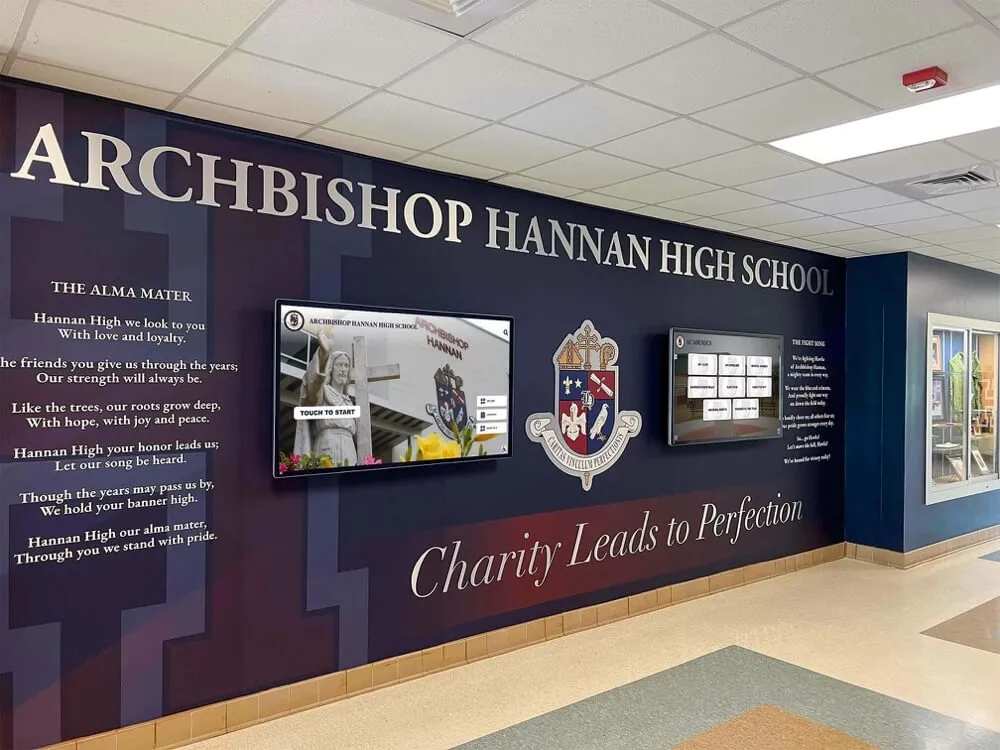
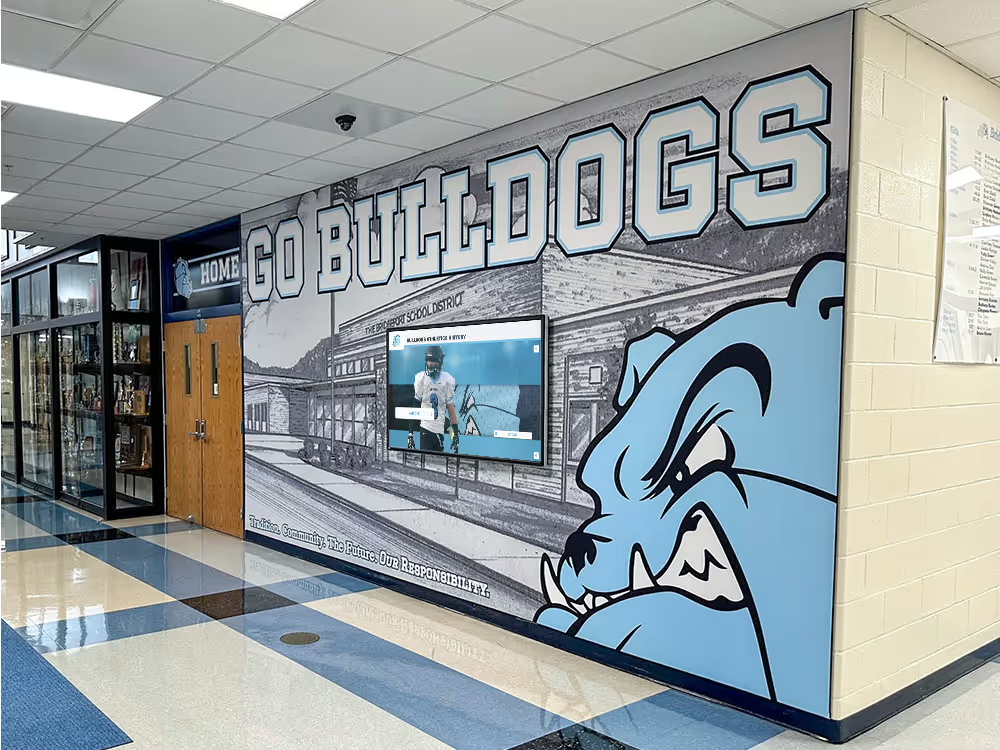
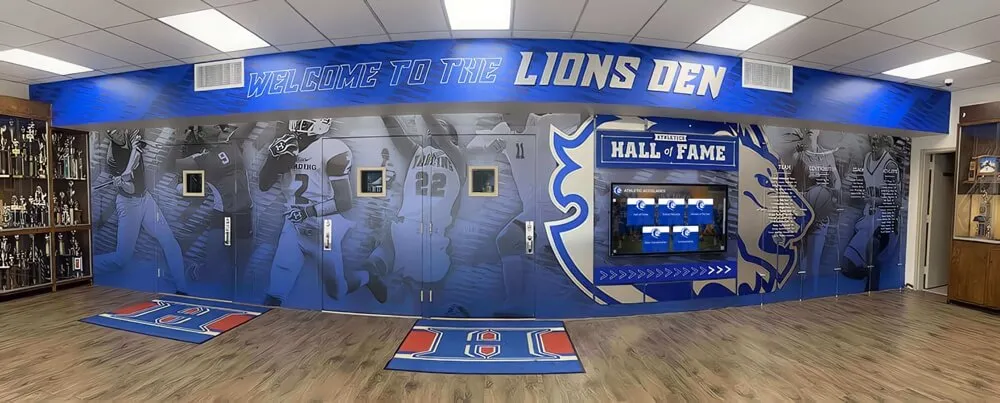
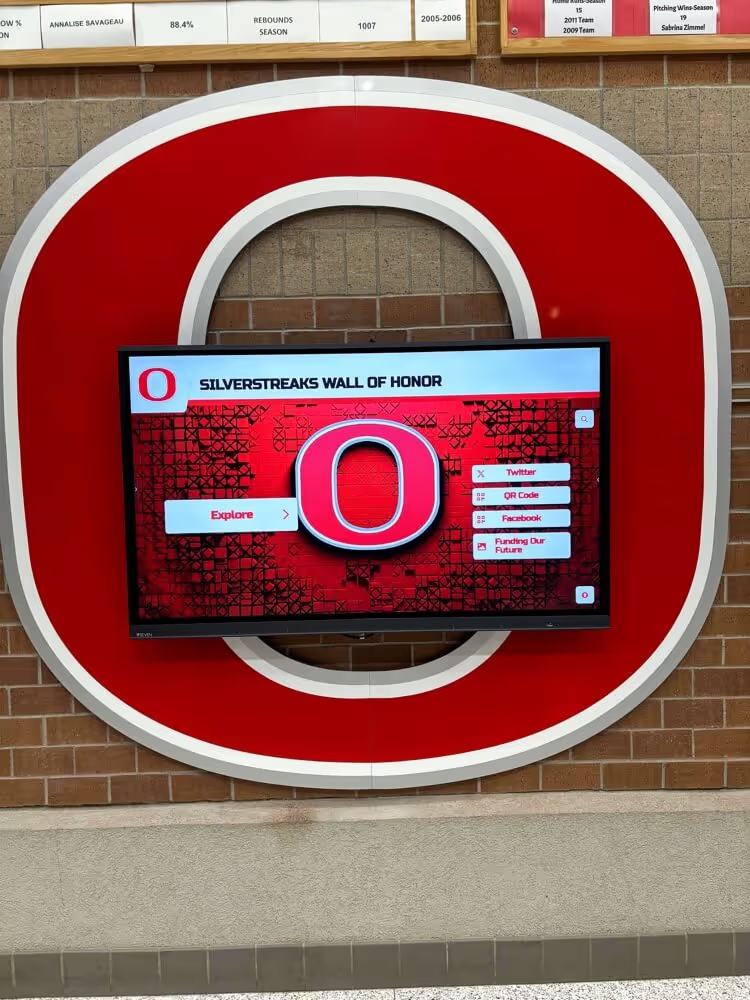
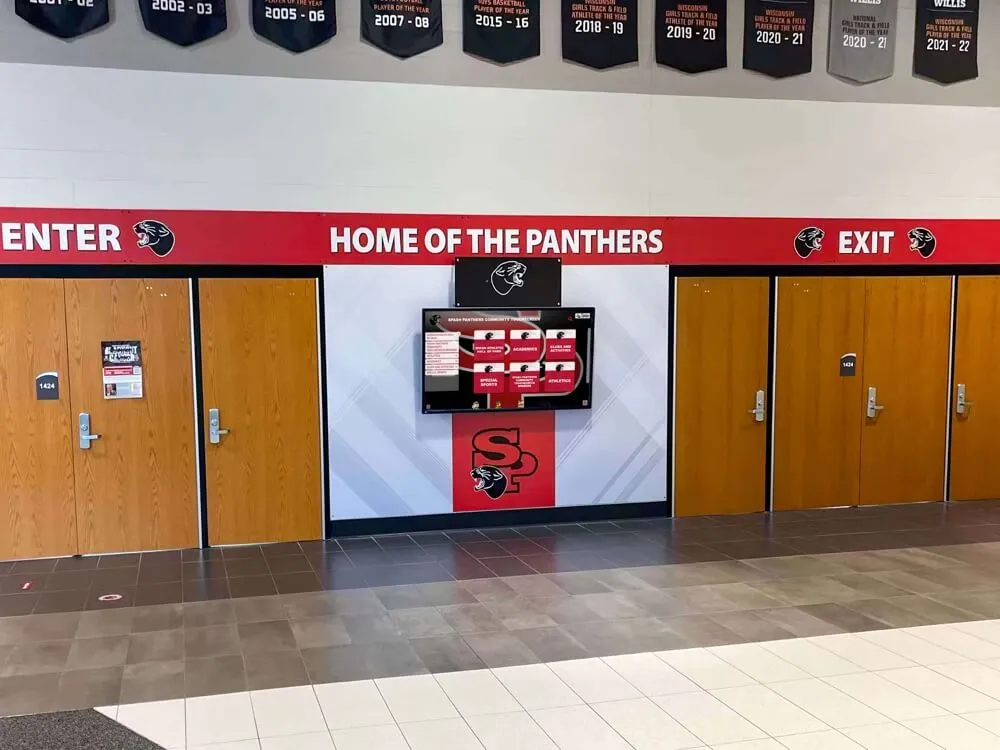
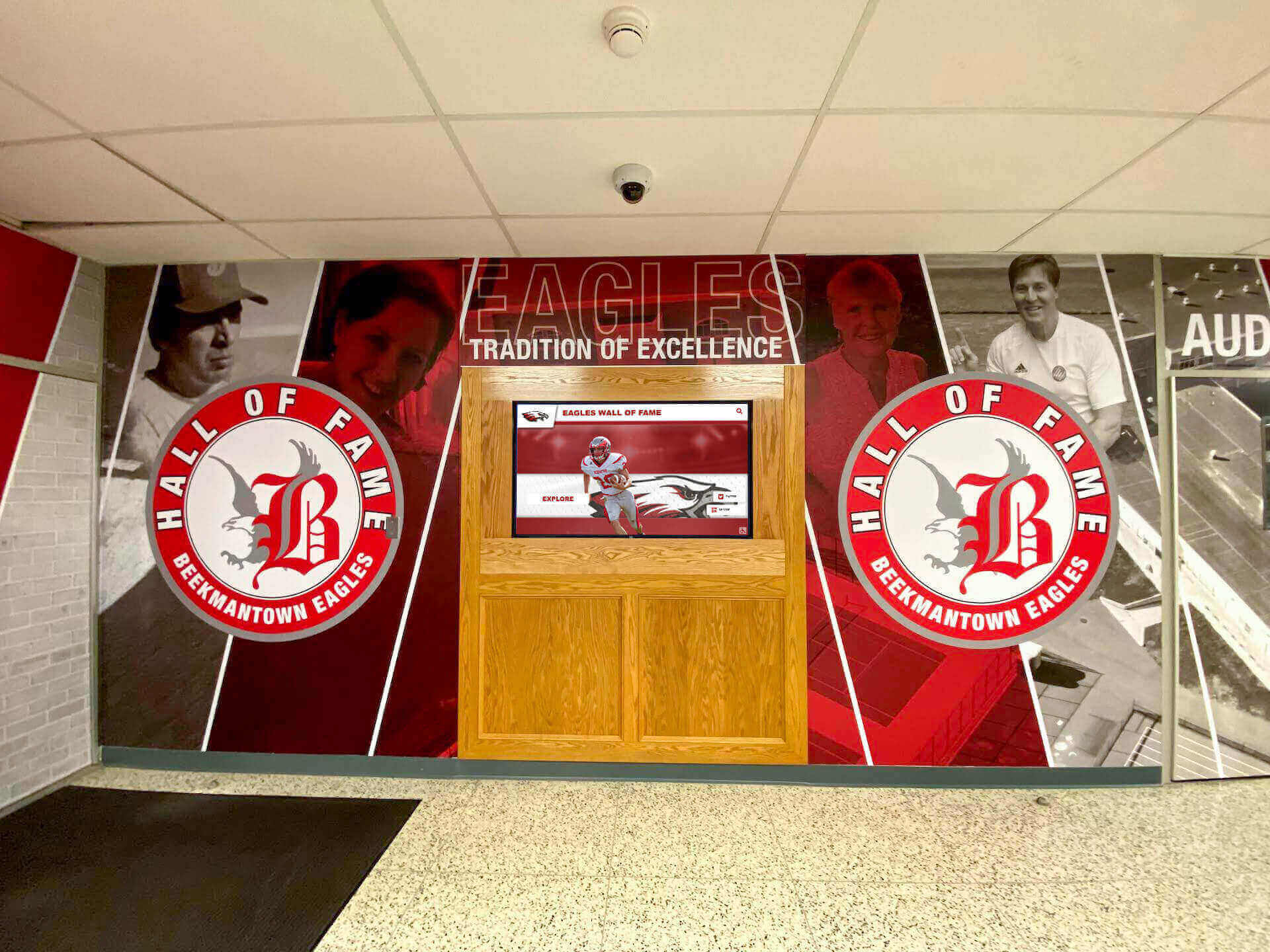
Schools create meaningful tribute spaces that honor community members while maintaining accessible, dignified recognition environments
Foundational Principles for School Memorial Gardens
Before selecting specific features or breaking ground, schools benefit from establishing clear principles guiding memorial garden development.
Core Design Philosophy and Values
Effective memorial gardens reflect intentional values and design thinking:
Universal Accessibility and Welcome
- Physical accessibility ensuring all community members can visit and reflect
- Emotional accessibility avoiding intimidating or overwhelming design
- Seasonal accessibility maintaining usability throughout the school year
- Maintenance accessibility enabling practical ongoing care
- Cultural accessibility respecting diverse traditions and practices
- Age accessibility creating appropriate experiences for all student developmental levels
Dignity Without Exclusivity
- Recognition honoring individuals while serving collective community needs
- Design avoiding hierarchies of grief or worthiness
- Spaces supporting multiple forms of remembrance simultaneously
- Features enabling both private reflection and group gathering
- Balance between permanence and appropriate evolution over time
- Sensitivity to how recognition of some might impact others
Integration With Educational Mission Memorial gardens should enhance rather than conflict with school purposes:
- Design supporting curriculum connections (biology, environmental science, art, literature)
- Spaces teaching about life cycles, legacy, service, and community
- Features enabling student involvement in planning, maintenance, and evolution
- Opportunities for student reflection assignments, writing, and art
- Connections to character education and values development
- Balance between memorial function and broader campus life
Schools serving diverse communities especially benefit from inclusive design principles that honor varied cultural and religious traditions around death, remembrance, and sacred space.
Planning Timeline and Community Involvement
Successful memorial gardens emerge from thoughtful, inclusive planning processes:
Initial Planning Phase (3-6 months)
- Form representative planning committee including administration, staff, students, families, maintenance, and community members
- Establish clear purpose statement and design principles
- Survey community preferences and cultural considerations
- Research peer institution approaches and lessons learned
- Develop preliminary budget including initial construction and ongoing maintenance
- Identify potential locations considering accessibility, visibility, and appropriateness
Design Development Phase (2-4 months)
- Engage landscape designers or architects experienced in memorial spaces
- Develop multiple conceptual designs for community feedback
- Consider seasonal appearance, growth patterns, and long-term maintenance
- Plan for climate resilience and sustainability
- Integrate accessibility requirements from the outset
- Establish naming and recognition policies before construction begins
Construction and Implementation Phase (2-6 months depending on scope)
- Coordinate construction timing to minimize campus disruption
- Plan appropriate dedication ceremony or soft opening
- Develop maintenance protocols and assign clear responsibilities
- Create educational materials explaining garden purpose and features
- Establish ongoing community involvement opportunities
- Document planning and construction process for institutional memory
Many schools discover that the collaborative planning process itself provides healing opportunities and strengthens community bonds even before construction begins.
Explore comprehensive approaches to memorial and recognition planning in memorial recognition guides for organizations honoring fallen members.
Essential Memorial Garden Features and Elements
Thoughtfully selected features transform outdoor spaces into meaningful memorial environments.
Natural Elements and Plantings
Living features provide powerful symbolism while creating beautiful, evolving spaces:
Memorial Trees and Groves
- Individual memorial trees honoring specific community members
- Grove plantings creating reflective gathering spaces
- Species selection balancing symbolism, local suitability, and maintenance requirements
- Seasonal interest ensuring year-round beauty and meaning
- Long-lived species creating multi-generational connections
- Native plantings supporting environmental education
Popular memorial tree species include:
- Flowering dogwood (rebirth, new beginnings)
- Eastern redbud (remembrance)
- Sugar maple (longevity, strength)
- River birch (renewal, purification)
- Serviceberry (service, giving)
- Oak varieties (strength, endurance)
Perennial Gardens and Seasonal Displays
- Color-themed plantings (white/blue for peace, purple for remembrance)
- Pollinator gardens supporting environmental mission
- Sensory gardens engaging multiple senses
- Butterfly gardens symbolizing transformation
- Seasonal bulb displays marking renewal and cycles
- Native wildflower meadows requiring minimal maintenance
Contemplative Landscape Design
- Curved pathways encouraging slow, reflective movement
- Varied sight lines creating discovery and contemplation
- Textural diversity engaging senses beyond sight
- Water features providing soothing sounds and symbolism
- Evergreen elements maintaining winter interest
- Seating areas positioned for reflection and gathering
Living memorial elements teach students about growth, seasons, care, and the continuation of life—powerful lessons in grief processing and resilience.
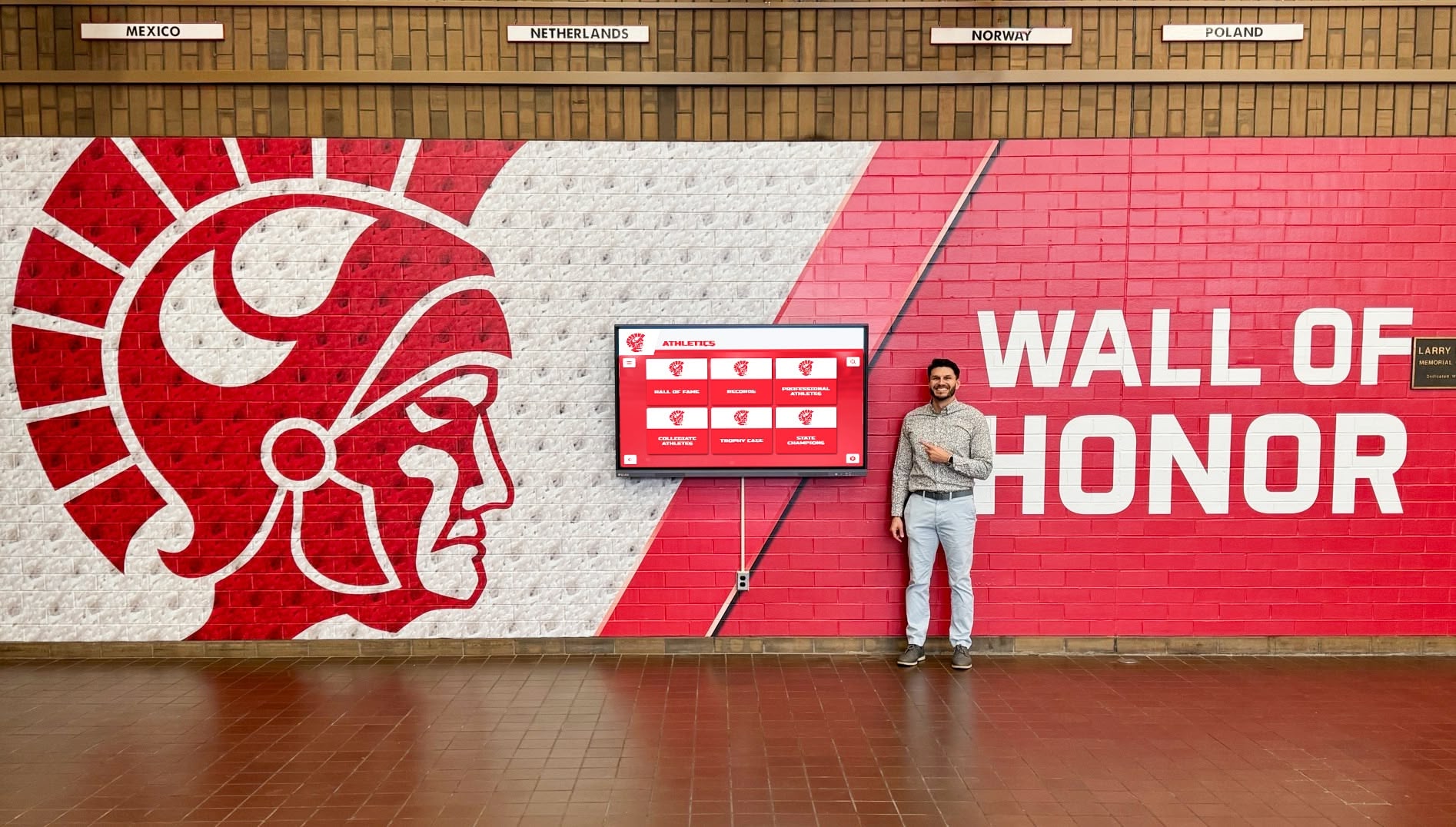
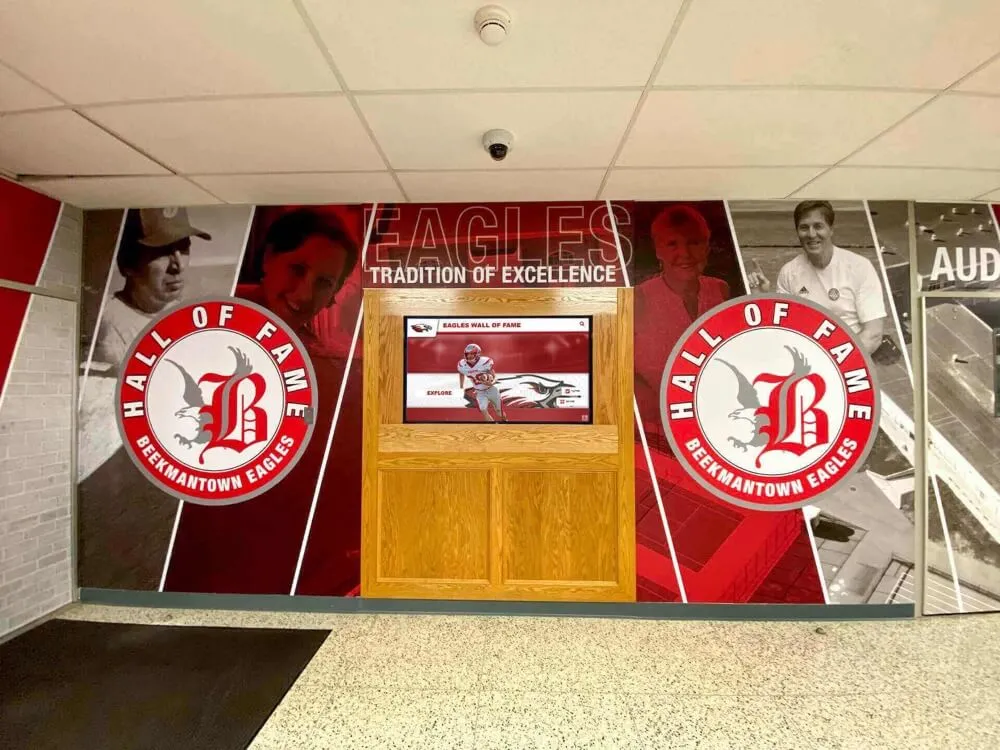
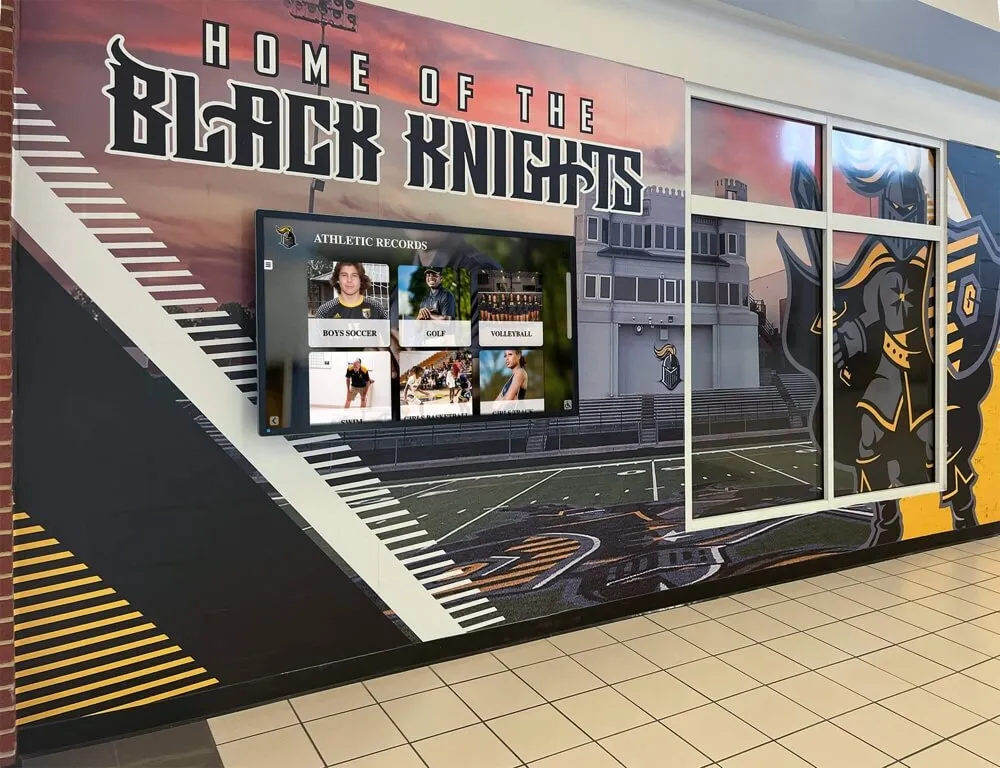
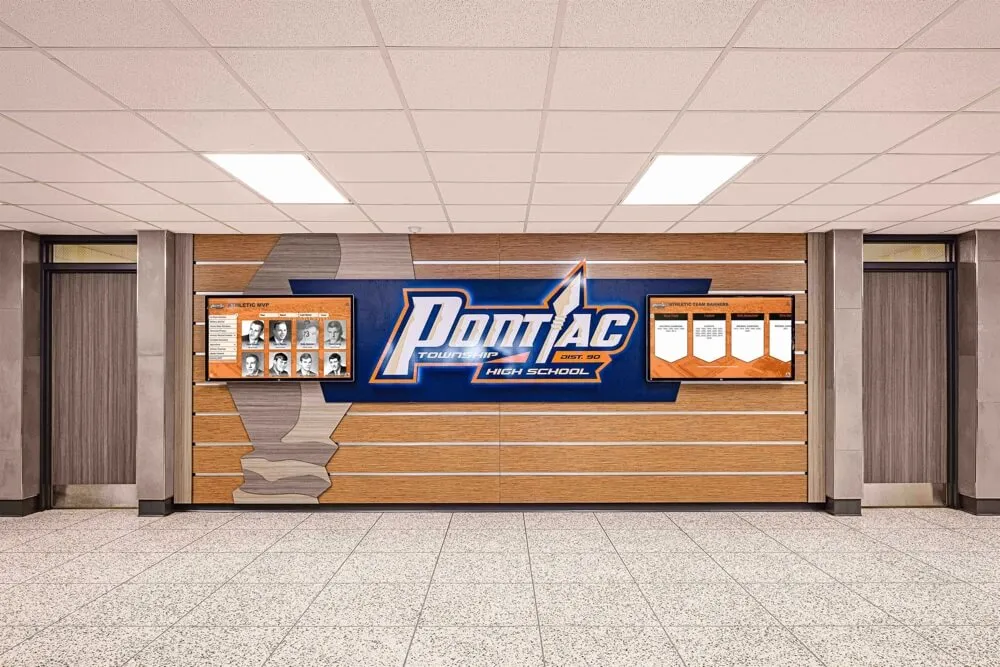
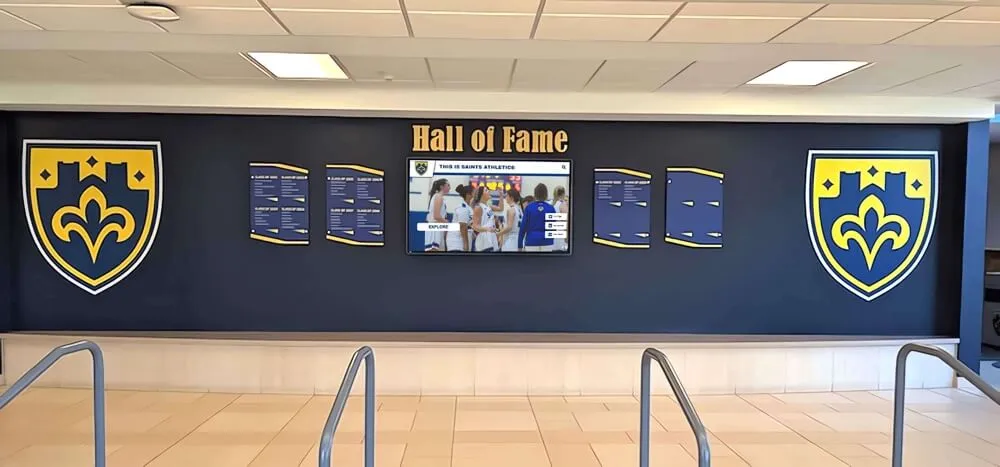
Permanent tribute displays complement outdoor memorial spaces by providing year-round accessible recognition
Commemorative Structures and Markers
Physical structures provide focal points for remembrance and information:
Memorial Walls and Recognition Panels
- Engraved stone or metal panels listing names and dates
- Tile mosaics created with student and community involvement
- Bronze plaques attached to natural stone or constructed walls
- Brick pavers allowing individual family participation
- Art installations integrating names with symbolic imagery
- Replaceable panels enabling updates and additions over time
Benches and Seating Elements
- Individual memorial benches with dedication plaques
- Circular or curved seating encouraging group gathering
- Natural stone or sustainably sourced wood materials
- Placement creating varied vantage points and privacy levels
- Design supporting both individual reflection and classroom visits
- Durability for decades of use and weather exposure
Sculptural Elements and Art
- Abstract sculptures suggesting themes of remembrance without religious specificity
- Student-created art installations providing participation opportunities
- Mosaic projects enabling community member contributions
- Wind chimes or kinetic sculptures creating gentle movement and sound
- Sundials marking passage of time and seasons
- Symbolic imagery reflecting school values and community identity
Architectural Features
- Pergolas or arbors creating defined gathering spaces
- Gazebos providing shelter and focal points
- Garden walls defining space and providing structure
- Entry gates or arches marking transitions into memorial space
- Lighting enabling evening visits and creating atmosphere
- Paved areas accommodating wheelchairs and ceremonies
Many schools find that involving students in creating commemorative art provides therapeutic benefits while developing ownership and connection to memorial spaces.
Functional Elements Supporting Use and Maintenance
Practical features ensure memorial gardens serve their purposes effectively:
Pathways and Accessibility
- ADA-compliant pathways throughout entire garden
- Non-slip surfaces safe in all weather conditions
- Adequate width for wheelchairs and group movement
- Strategic lighting ensuring safe evening use
- Clear sight lines from parking and main campus
- Handrails where grade changes or extended walking required
Seating and Gathering Spaces
- Varied seating options supporting different needs and group sizes
- Placement in both sun and shade
- Benches with backs providing comfortable extended sitting
- Moveable seating enabling flexibility
- Standing spaces for larger gatherings
- Shelter from rain and intense sun
Maintenance Infrastructure
- Irrigation systems appropriate to climate and plantings
- Mulch beds reducing weeding and retaining moisture
- Edging containing plantings and simplifying mowing
- Storage for tools and supplies
- Compost areas supporting organic gardening if applicable
- Electrical access for lighting and events
Educational and Informational Features
- Interpretive signage explaining garden purpose and symbolism
- QR codes linking to digital memorial resources
- Plant identification labels supporting curriculum use
- History of garden development and dedication
- Guidelines for appropriate use and behavior
- Information about ongoing participation opportunities
Thoughtful infrastructure planning prevents maintenance burden from overwhelming memorial garden benefits and ensures spaces remain welcoming and beautiful for decades.
Learn more about integrating physical and digital recognition in school lobby design ideas that create welcoming tribute spaces.
Memorial Garden Themes and Conceptual Approaches
Different thematic approaches suit varied school cultures, communities, and purposes.
Peace and Reflection Gardens
Gardens emphasizing tranquility and contemplation:
Design Elements
- Minimalist aesthetic avoiding visual clutter
- Soothing color palettes (whites, blues, silvers, soft pastels)
- Water features creating gentle sounds
- Meditation spaces with comfortable seating
- Labyrinth or walking meditation paths
- Fragrant plants engaging additional senses
Plant Selections
- White flowering trees and shrubs (dogwood, viburnum, spirea)
- Ornamental grasses providing movement and sound
- Lavender, rosemary, and other aromatic herbs
- Hostas and ferns in shaded areas
- Weeping varieties suggesting gentle sorrow
- Evergreens providing year-round structure
Use Applications
- Individual quiet reflection time
- Small group counseling sessions
- Mindfulness and meditation curriculum
- Creative writing assignments
- Art observation and sketching
- Morning or afternoon reflection programs
Peace gardens particularly suit schools serving diverse communities by providing non-denominational, universally accessible sacred space.
Legacy and Service Gardens
Gardens celebrating lives of service and contribution:
Commemorative Features
- Service project dedications (trails, benches, plantings)
- “Giving trees” where students add commitment ornaments
- Legacy walls listing long-term community contributors
- Alumni memorial sections honoring graduated students
- Staff appreciation areas recognizing career educators
- Historical markers connecting current community to school history
Educational Integration
- Service learning project connections
- Character education curriculum tie-ins
- Alumni speaker series held in garden
- Senior legacy project traditions
- Volunteer recognition ceremonies
- Community service hour documentation displays
Design Elements Supporting Service Themes
- Community gathering spaces for recognition events
- Teaching areas for service project planning
- Tool sheds for ongoing student maintenance participation
- Raised beds enabling accessibility and student gardening
- Community partner recognition (food banks, service organizations)
- “Hands-on” features students maintain and evolve
Legacy gardens transform individual loss into collective celebration of values, inspiring current students through examples of meaningful lives and contributions.
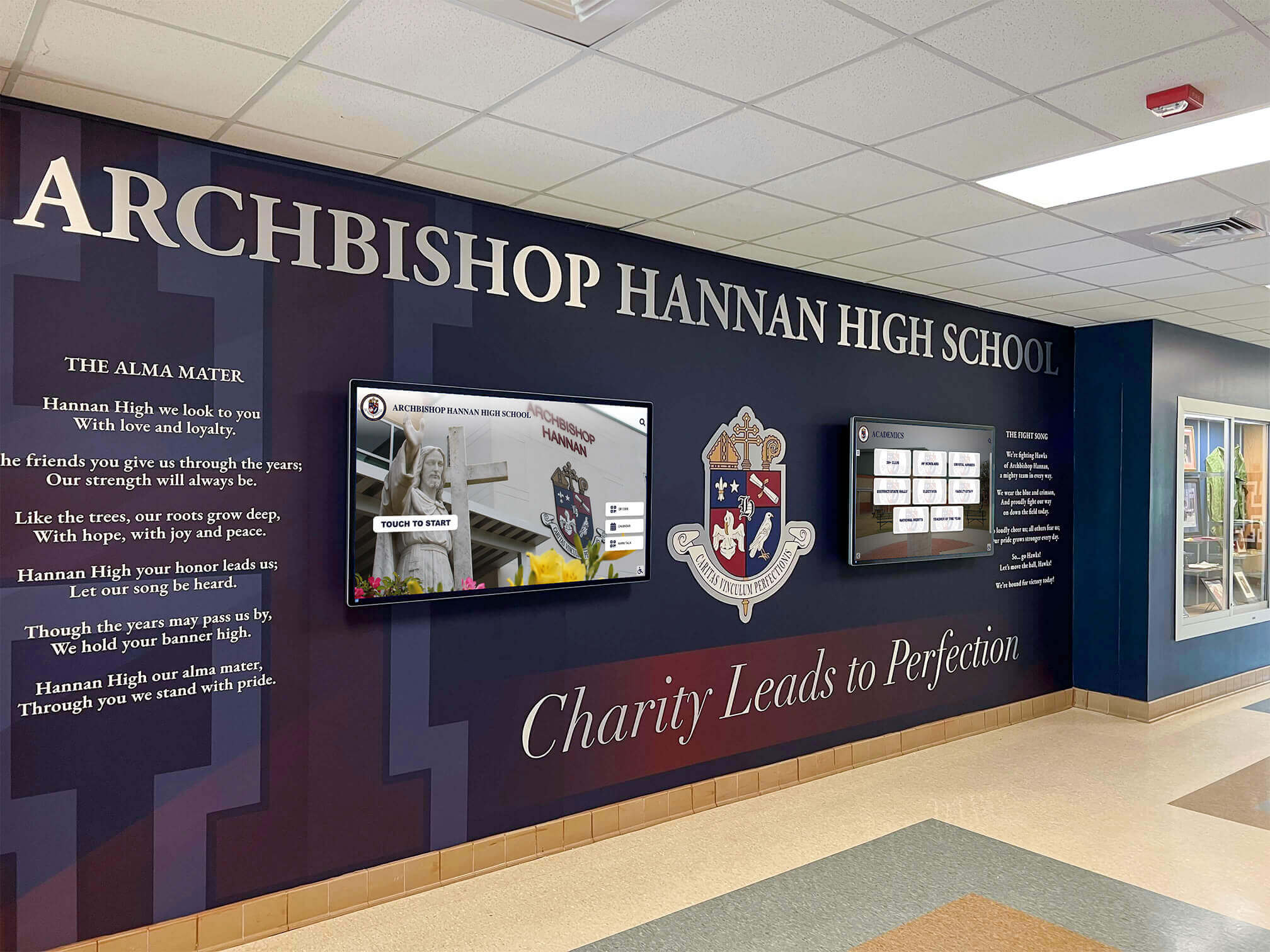
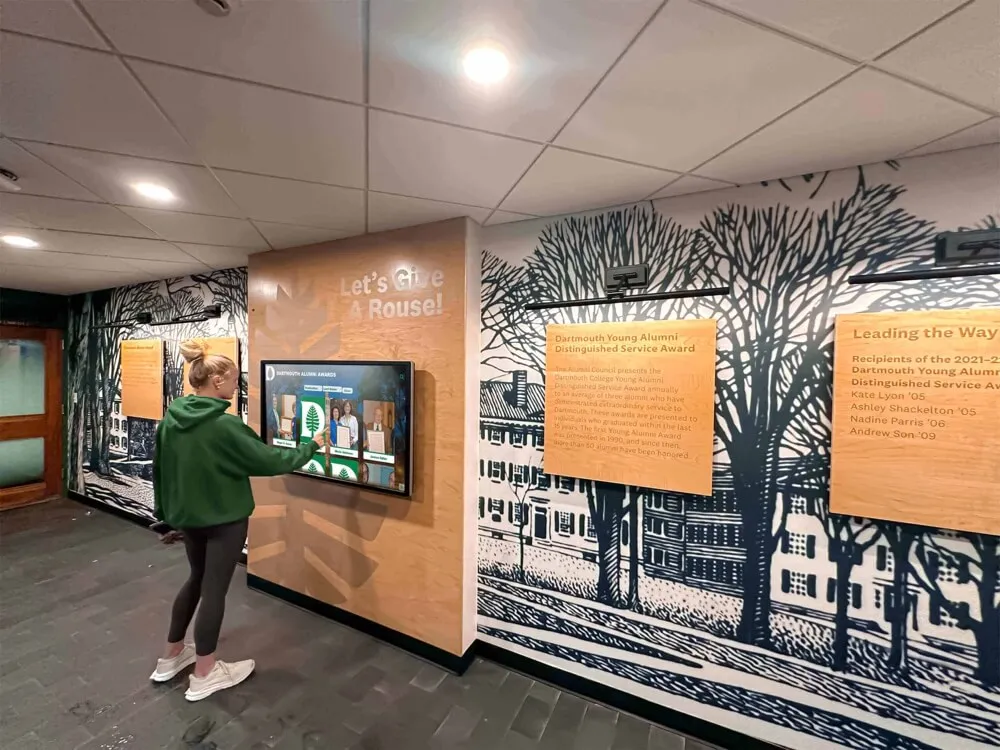
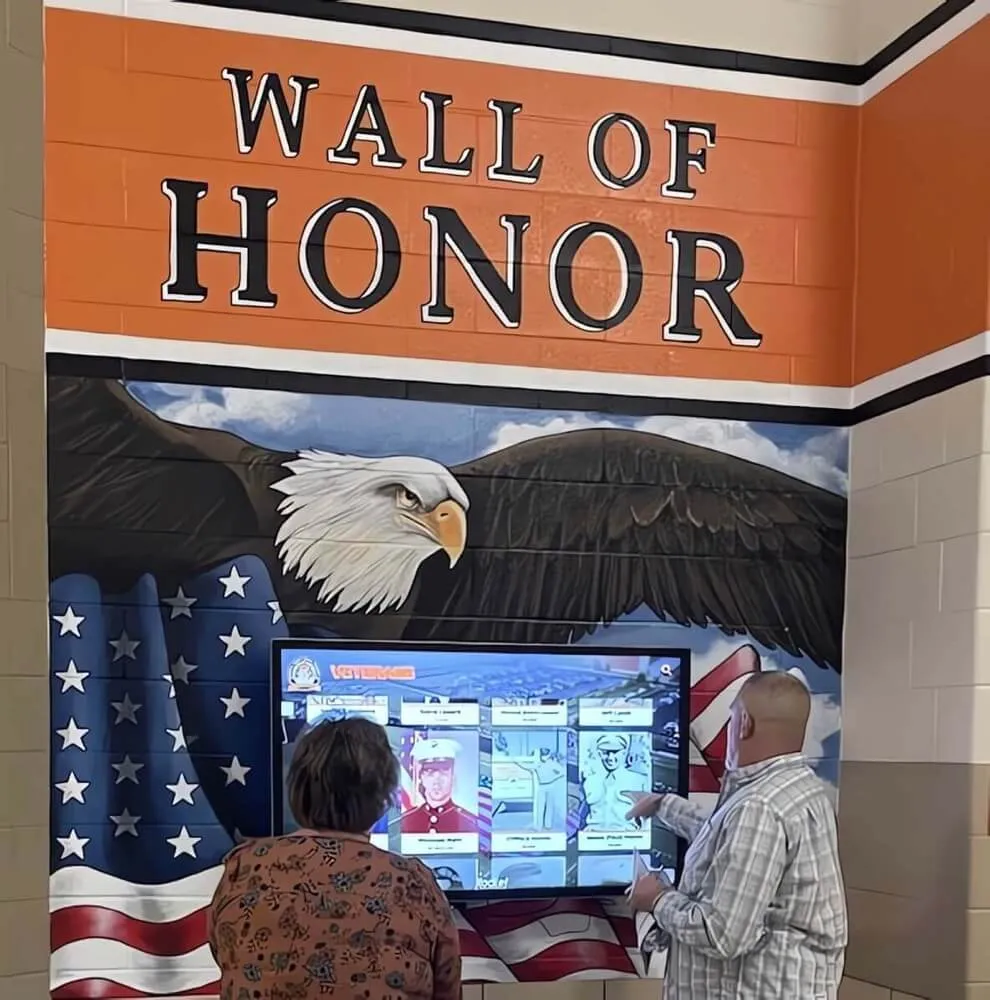
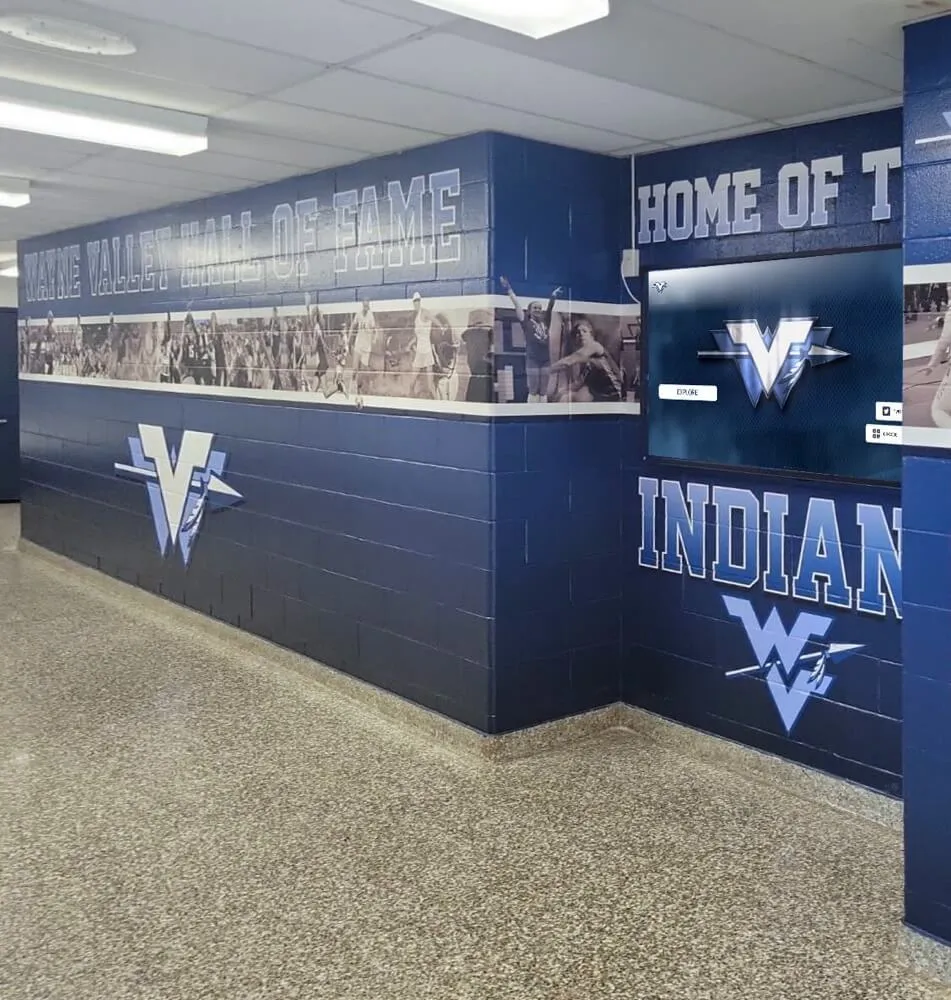
Modern schools integrate outdoor memorial gardens with indoor digital displays creating comprehensive recognition environments
Butterfly and Transformation Gardens
Gardens using natural metaphors for life, death, and renewal:
Symbolic Plant Selections
- Host plants supporting butterfly life cycles (milkweed for monarchs)
- Nectar plants attracting butterflies throughout growing season
- Native plants supporting local ecosystems
- Flowers in transformation colors (yellows, oranges, purples)
- Bulbs demonstrating renewal and rebirth
- Evergreens representing eternal life
Educational Features
- Butterfly life cycle information displays
- Seasonal observation journals
- Photography opportunities and assignments
- Science curriculum integration
- Environmental stewardship lessons
- Metamorphosis as grief processing metaphor
Design Elements
- Observation areas with clear views of active plantings
- Seating positioned for butterfly watching
- Shallow water sources for butterflies
- Sunny plantings attracting maximum butterfly activity
- Protection from wind in some areas
- Native plant demonstrations supporting conservation education
Transformation themes provide age-appropriate ways to discuss death and renewal with younger students while offering sophisticated symbolism for older students and adults.
Celebration of Life Gardens
Gardens emphasizing joy, growth, and positive memory:
Vibrant Design Approach
- Bright, cheerful colors celebrating life
- Playful elements reflecting individual personalities
- Interactive features engaging multiple ages
- Music or wind chime installations
- Art reflecting joy and creativity
- Spaces accommodating celebration and gathering
Personal Touches
- Favorite colors of honored individuals in plantings
- Quotes, poems, or song lyrics on markers
- Hobby or interest-related design elements
- Photos or artistic representations where appropriate
- Benches positioned at favorite views
- Plantings reflecting personal preferences or memories
Use Beyond Memorial Function
- School celebration venues
- Senior class gatherings
- Award ceremony settings
- Earth Day events
- Graduation photos
- Community building activities
Celebration gardens help communities remember loved ones through joy rather than only grief, creating spaces people actively want to visit rather than feel obligated to visit.
Discover how schools create comprehensive recognition including both challenges and celebrations in wall of fame displays celebrating diverse achievements.
Integrating Digital Recognition Technology
Modern memorial gardens increasingly incorporate digital elements complementing physical spaces.
Digital Memorial Displays and Touchscreens
Technology extends memorial garden functionality and accessibility:
Outdoor-Rated Digital Displays
- Weather-resistant touchscreens providing detailed information
- Photo galleries celebrating lives and contributions
- Video tributes and memorial messages
- Historical timelines connecting current community to school history
- Interactive maps explaining garden features and symbolism
- Accessibility features including audio descriptions
QR Code Integration
- Physical markers linking to detailed digital profiles
- Audio recordings of memorial messages or personal stories
- Photo albums family members curate and update
- Scholarship information for memorial funds
- Service project descriptions honoring specific individuals
- Virtual guest books for remembrance messages
Indoor Companion Displays Located in main lobbies or dedicated spaces:
- Year-round accessible memorial information (when outdoor access limited)
- More extensive content than outdoor installations support
- Climate-controlled environments protecting sensitive displays
- Integration with broader school recognition systems
- Accessibility for community members with mobility limitations
- 24/7 availability when building access permits
Digital integration enables schools to tell fuller stories than physical markers alone permit while creating connections between outdoor memorial spaces and everyday school environments.

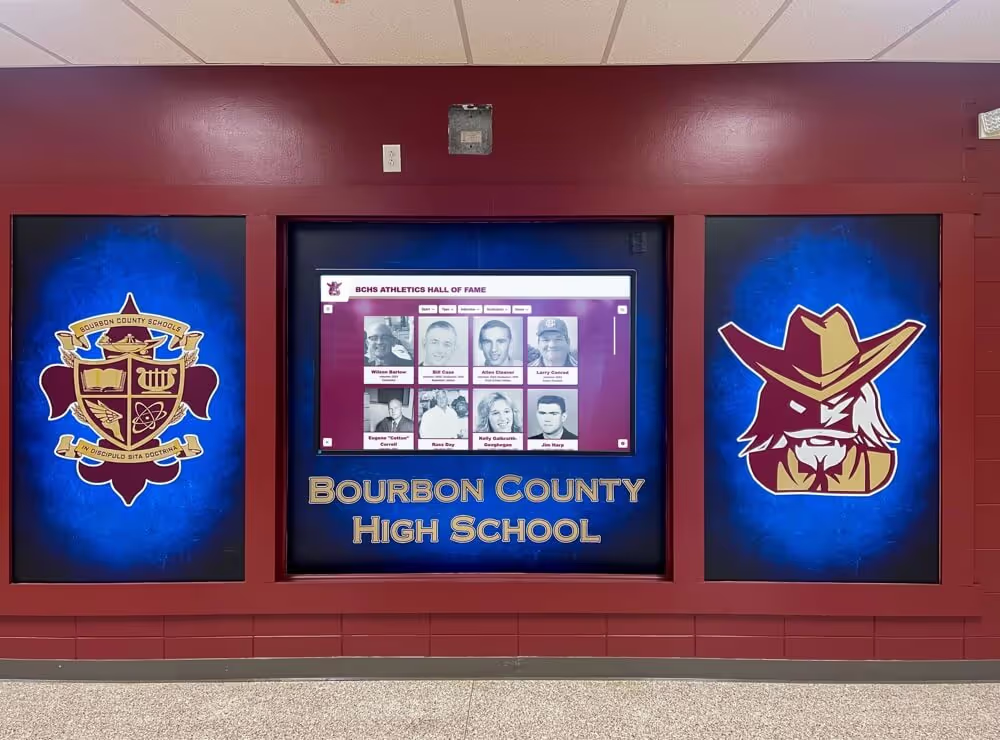
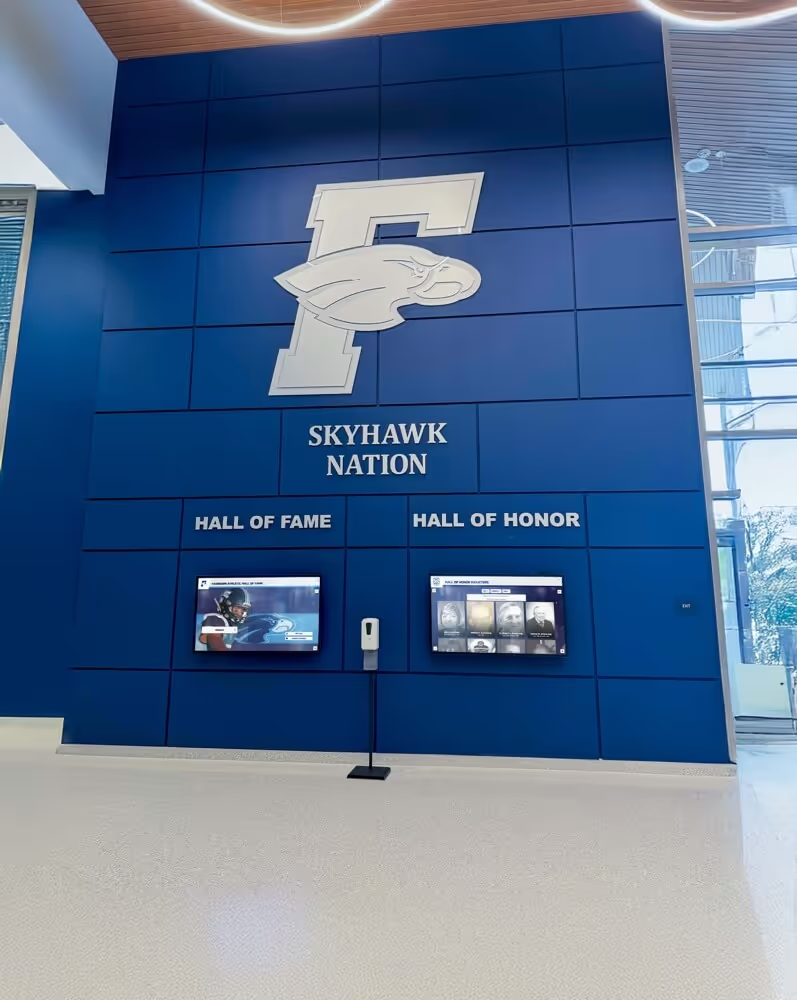
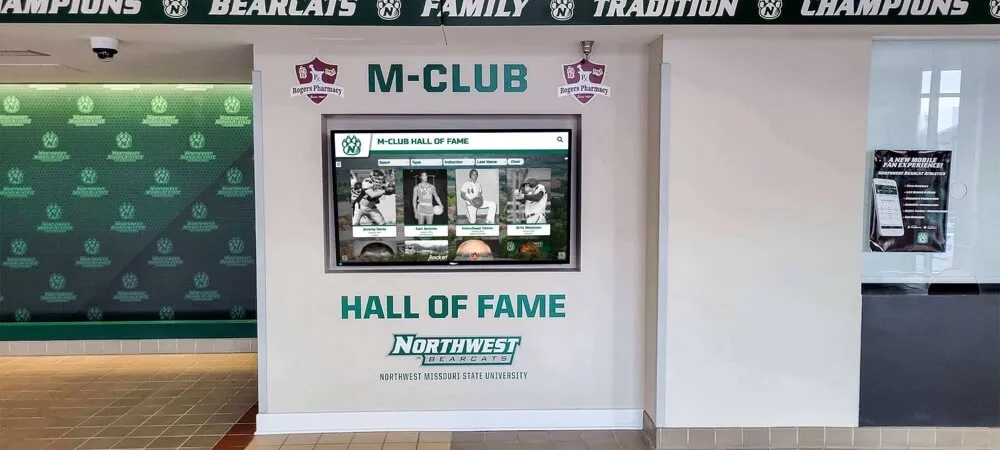
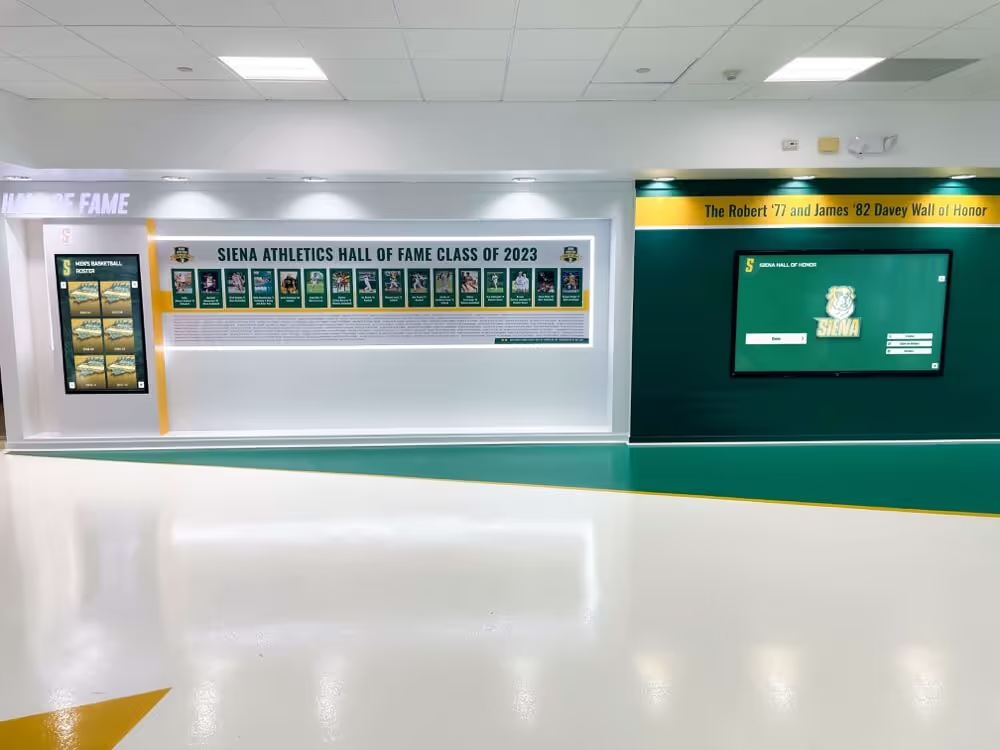
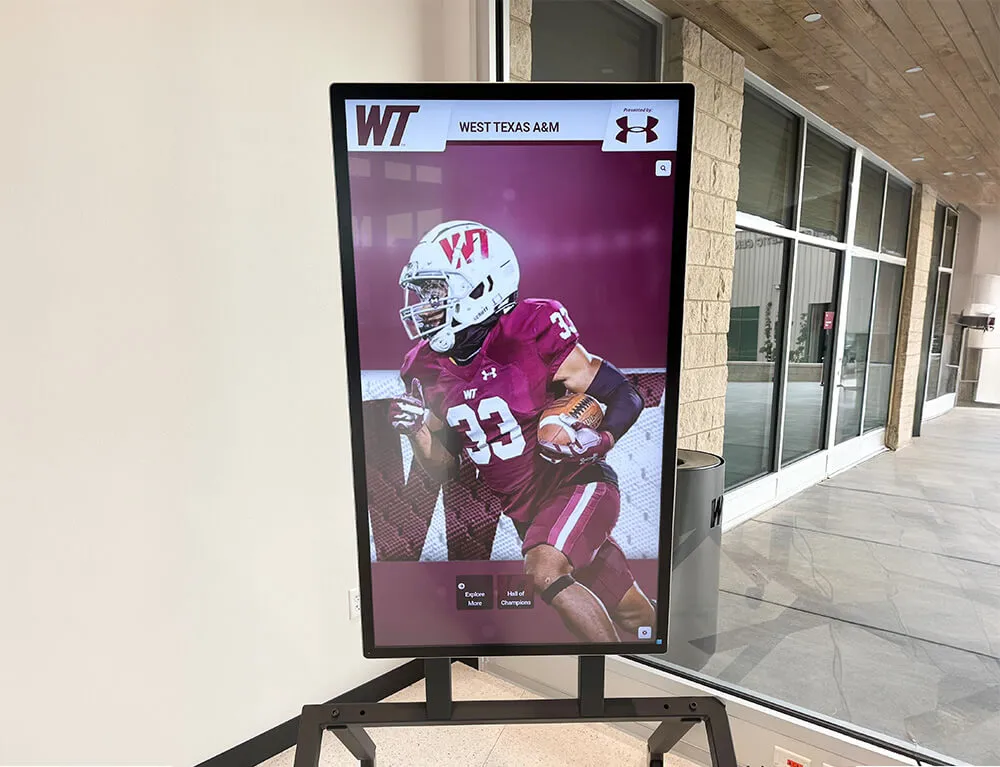
Digital displays provide permanent, accessible tribute spaces complementing outdoor memorial gardens
Content Management and Evolution
Digital systems enable memorial gardens to grow and evolve appropriately:
Ongoing Content Updates
- Adding tributes as community experiences additional losses
- Updating scholarship information and application processes
- Sharing anniversary reflections and remembrances
- Posting photos from memorial events and dedications
- Documenting garden evolution and seasonal changes
- Featuring student reflections and creative responses
Family Participation Options
- Secure portals allowing families to contribute photos and memories
- Anniversary message posting on significant dates
- Scholarship recipient acknowledgments
- Event notifications for memorial dedications
- Garden evolution updates keeping families connected
- Legacy story preservation across generations
Multi-Generational Connections
- Historical archives connecting current losses to school history
- Alumni memorial sections honoring graduated students
- Retired educator tributes celebrating career contributions
- Community partner recognition
- Historical photos showing campus evolution
- Timeline features placing individual lives in broader context
Digital elements solve practical challenges physical memorials face: limited space, high costs for additions and changes, weather damage to markers, and difficulty telling complete stories in brief inscriptions.
Balancing Technology and Natural Space
Thoughtful integration preserves memorial garden character:
Design Principles
- Technology serving rather than dominating memorial experience
- Screens positioned to complement rather than compete with natural beauty
- Optional rather than mandatory digital engagement
- Weatherproof housings blending with landscape design
- Appropriate scale avoiding overwhelming natural elements
- Nighttime dimming or automatic shutdown preserving peace
Access and Equity Considerations
- Physical markers providing essential information without technology
- No requirement for personal devices to access basic memorial content
- Accessibility features built into all digital elements
- Multilingual content options serving diverse communities
- Low-vision accommodations in font sizes and contrast
- Audio alternatives to visual content
Sustainability
- Energy-efficient displays minimizing environmental impact
- Solar power options where appropriate
- Long-term vendor support and update capabilities
- Component replacement planning avoiding obsolescence
- Minimal light pollution from displays
- Integration with existing campus infrastructure
When thoughtfully implemented, digital elements extend rather than diminish memorial garden impact, creating bridges between physical tribute spaces and the daily digital environments where students and families increasingly maintain connections.
Learn how schools create modern tribute environments in display case alternatives that modernize school recognition.
Special Considerations for Different School Types
Memorial garden approaches vary by institution size, student age, and community characteristics.
Elementary School Memorial Gardens
Younger students require developmentally appropriate design:
Age-Appropriate Themes
- Life cycles and nature metaphors (butterflies, seasons, growth)
- Celebration and growth rather than grief emphasis
- Interactive elements supporting hands-on learning
- Bright colors and welcoming aesthetics
- Simple, clear symbolism avoiding complex abstraction
- Connections to classroom learning about caring and community
Design Elements for Young Children
- Lower sight lines and child-height features
- Safety considerations (no sharp edges, toxic plants, deep water)
- Sensory experiences engaging all learning styles
- Opportunities for drawing, writing, and creating
- Adult-supervised interactive elements
- Clear pathways for class visits and field trips
Educational Integration
- Science curriculum connections (plant growth, life cycles, ecosystems)
- Character education about caring and remembering
- Art projects contributing to garden evolution
- Writing assignments reflecting on memory and legacy
- Service learning through garden maintenance
- Age-appropriate grief processing support
Elementary memorial gardens often focus more on teaching about caring for community and celebrating growth than on processing grief, with thoughtful design enabling meaningful learning without overwhelming young students.
Middle and High School Memorial Gardens
Older students engage with more complex themes and participation:
Design Sophistication
- Abstract symbolism and artistic elements
- Historical connections and timeline integration
- Student leadership in planning and maintenance
- Spaces supporting both individual reflection and peer gathering
- Design competitions and student art integration
- Connection to broader themes of legacy, service, and impact
Student Involvement Opportunities
- Garden planning committees with real decision-making authority
- Art installations created through advanced art classes
- Creative writing inspired by memorial themes
- Photography projects documenting garden evolution
- Service learning credit for maintenance participation
- Leadership development through memorial event planning
Curriculum Integration Across Subjects
- Literature and poetry connections to themes of memory and loss
- Environmental science through native plantings and ecosystems
- Art and design through memorial creation projects
- History through connecting individuals to broader contexts
- Philosophy and ethics around remembrance and legacy
- Psychology regarding grief processing and community healing
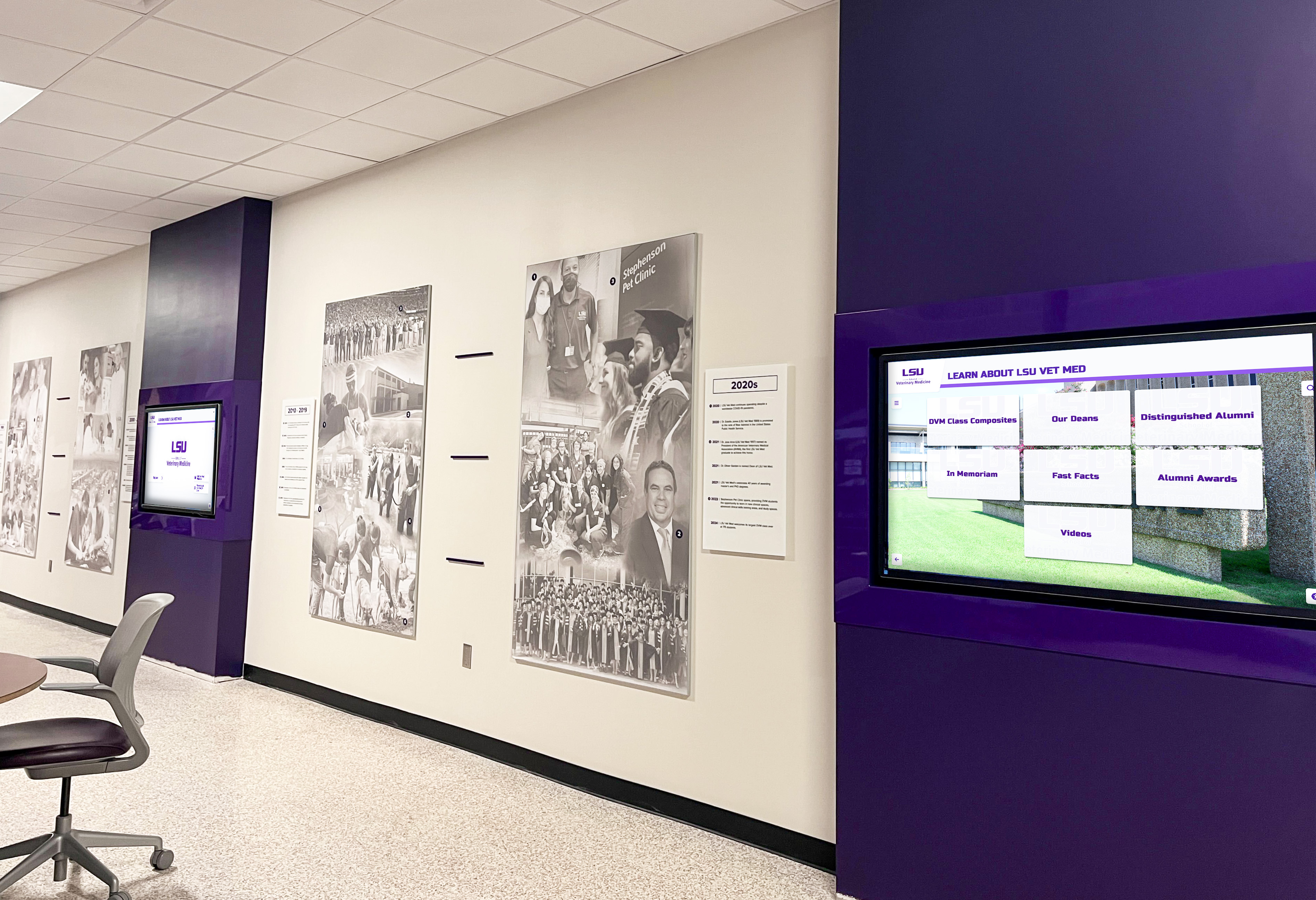
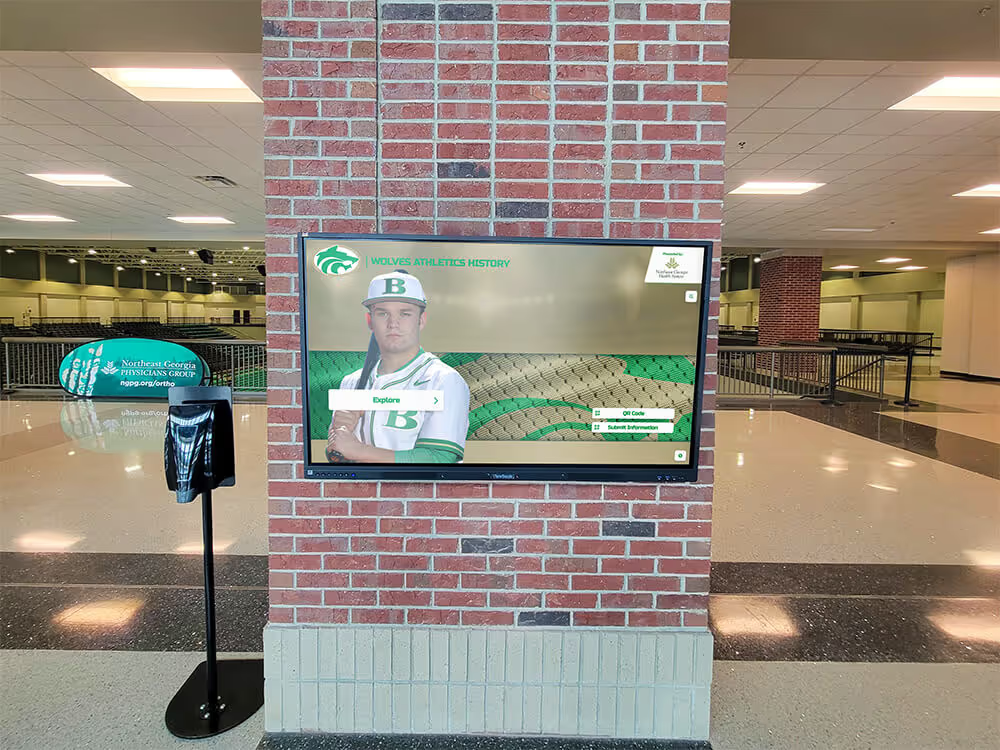
Secondary schools create sophisticated memorial environments integrating physical and digital tribute elements
Secondary memorial gardens provide opportunities for students to process grief, contemplate mortality, consider their own legacies, and practice leadership—developmental tasks central to adolescence.
College and University Memorial Spaces
Higher education institutions face unique memorial considerations:
Broader Community Scope
- Alumni memorial sections spanning decades
- Faculty and staff tributes celebrating career contributions
- Student loss recognition across diverse backgrounds and circumstances
- Community partner acknowledgment
- Historical markers connecting to institutional history
- Integration with campus master planning
Sophisticated Design and Budget
- Professional landscape architecture
- Significant fundraising and donor recognition
- Permanent, high-quality materials and construction
- Integration with campus architecture and design standards
- Substantial ongoing maintenance budgets
- Long-term evolution and addition planning
Complex Use Patterns
- Year-round community access beyond academic calendar
- Integration with commencement, homecoming, and reunion events
- Alumni family visits during campus trips
- Prospective student tour route considerations
- Community building use and access
- Event venue for memorial services and dedications
Universities often develop comprehensive memorial policies addressing everything from individual tree dedications to major memorial construction, ensuring consistency while honoring diverse community members appropriately.
Funding, Maintenance, and Long-Term Sustainability
Successful memorial gardens require sustainable financial planning beyond initial construction.
Funding Approaches and Strategies
Multiple funding sources often combine to support memorial garden development:
Initial Construction Funding
- Capital campaign integration with broader facilities projects
- Memorial-specific fundraising campaigns
- Community foundation grants
- Service organization support (Kiwanis, Lions, Rotary)
- Local business sponsorships
- Parent organization contributions
- Alumni association funding
- Government or nonprofit grants for community spaces
Individual Memorial Dedications
- Bench dedication programs ($2,500-$5,000 per bench)
- Tree planting dedications ($1,000-$2,500 per tree)
- Brick or paver programs ($100-$500 per unit)
- Plaque installations ($250-$1,000 depending on size)
- Garden section sponsorships ($5,000-$25,000)
- Naming opportunities for major spaces or features
Endowment and Perpetual Care
- Memorial garden endowments ensuring permanent maintenance funding
- Percentage of all memorial donations directed to maintenance
- Annual giving campaigns including garden support
- Planned giving promoting legacy bequests
- Memorial fund establishment with ongoing contribution options
- Scholarship programs linked to memorial dedications
Many schools discover that memorial gardens, once established, generate ongoing community support as families seek meaningful ways to honor loved ones.
Maintenance Planning and Staffing
Long-term garden success depends on realistic maintenance planning:
Staff Responsibilities
- Regular grounds crew maintenance (mowing, pruning, weeding)
- Irrigation system operation and adjustment
- Seasonal planting and bed maintenance
- Snow removal and winter pathway safety
- Cleaning of benches, markers, and structures
- Minor repairs and upkeep
- Event setup for memorial services
Student and Volunteer Involvement
- Service learning credit for maintenance participation
- Environmental club adoption programs
- Class projects maintaining specific sections
- Community service hour opportunities
- Family volunteer days
- Alumni work party events
- Eagle Scout or similar service projects
Professional Services
- Annual landscape assessment and recommendations
- Tree care and arborist services
- Irrigation system maintenance and winterization
- Major renovation and replacement projects
- Pest and disease management
- Lighting and electrical system maintenance
- Digital display upkeep and content management
Budget Planning Realistic annual maintenance budgets typically include:
- Seasonal plantings: $500-$2,000
- Professional services: $1,000-$5,000
- Irrigation and water: $500-$1,500
- Replacement materials: $1,000-$3,000
- Digital display maintenance: $500-$2,000
- General supplies and tools: $500-$1,000
Schools that inadequately budget for maintenance see memorial gardens deteriorate within a few years, creating painful symbolism of neglect rather than honor.
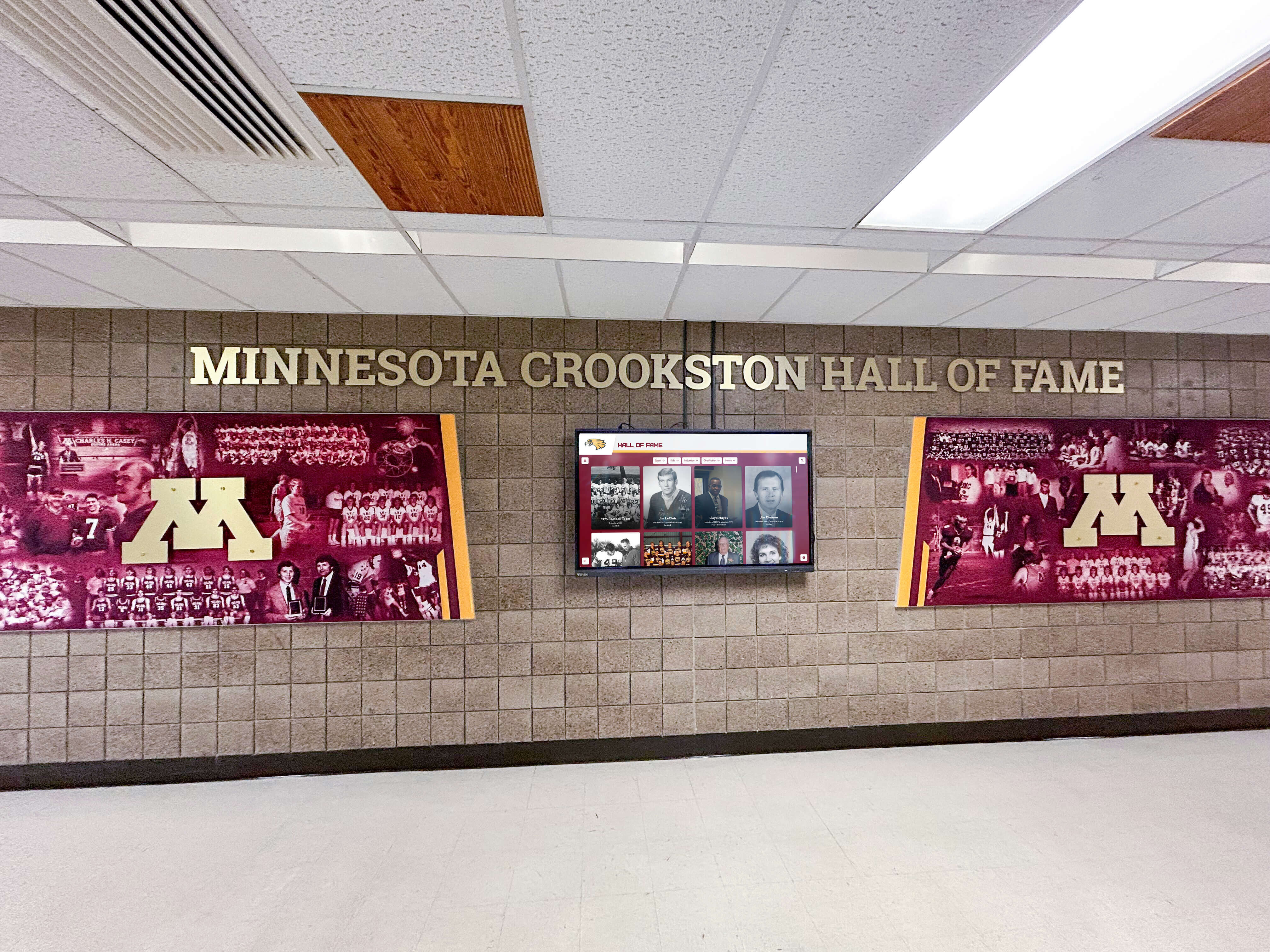
Sustainable memorial environments integrate multiple recognition approaches ensuring long-term maintenance and community engagement
Policy Development for Fair and Sustainable Recognition
Clear policies prevent difficult situations and ensure consistency:
Eligibility Guidelines
- Who qualifies for memorial recognition (students, staff, alumni, community members)
- Timing considerations (immediate vs. time passage)
- Process for proposals and approvals
- Committee structure and decision-making authority
- Appeal process for declined requests
- Sunset provisions for temporary memorials
Space Allocation and Limits
- Maximum number of individual tree or bench dedications
- Rotation or renewal policies for limited space
- Priority systems if demand exceeds capacity
- Alternative recognition options when physical space full
- Digital recognition as complement or alternative
- Periodic review and renewal of memorial elements
Design Standards and Consistency
- Approved materials, styles, and inscription formats
- Language and content guidelines for memorial text
- Size and placement specifications
- Approval process for custom elements
- Maintenance standards and requirements
- Donor notification of policy changes
Sensitive Situations
- How to handle controversial circumstances or individuals
- Balance between individual tributes and collective memorials
- Handling requests that conflict with established policy
- Cultural and religious accommodation guidelines
- Family dispute resolution processes
- Amendment and exception procedures
Well-crafted policies enable schools to honor community members consistently and fairly while avoiding uncomfortable precedents or unsustainable commitments.
Dedication Events and Ongoing Memorial Traditions
Memorial gardens gain meaning through community gathering and ritual.
Planning Meaningful Dedication Ceremonies
Thoughtful ceremonies mark memorial garden openings and individual dedications:
Ceremony Elements
- Welcome and purpose statement from school leadership
- Acknowledgment of loss and community grief
- Student participation (readings, music, art presentations)
- Family member opportunities to speak or participate
- Planting ceremonies or ribbon cutting
- Blessing or moment of silence respecting diverse traditions
- Explanation of garden features and symbolism
- Information about ongoing participation opportunities
Timing Considerations
- Season appropriate to region and plantings
- Spacing from specific loss events allowing processing time
- Integration with school calendar (graduation, memorial day, arbor day)
- Weather backup plans for outdoor events
- Accessibility for family members traveling from distance
- Consideration of religious and cultural dates
Communication and Invitation
- Broad community invitation while respecting family privacy
- Clear information about event location, parking, accessibility
- Program materials explaining garden purpose and features
- Photography and media policies respecting family preferences
- Follow-up communication thanking participants
- Documentation for school archives
Dedication ceremonies provide closure while establishing traditions and expectations for memorial garden use and evolution.
Explore planning meaningful recognition events in ribbon cutting ceremony ideas that honor spaces and contributions.
Annual Memorial Traditions and Observances
Ongoing traditions keep memorial gardens integrated into school life:
Annual Remembrance Events
- Spring or fall memorial garden services
- National Days of Remembrance observances
- Alumni weekend memorial garden visits and dedications
- Graduation ceremonies incorporating garden visits
- Tree planting ceremonies on Arbor Day
- Butterfly release ceremonies (where culturally appropriate)
Student-Led Traditions
- Senior class legacy projects benefiting memorial garden
- Annual service days maintaining and improving spaces
- Creative writing or art competitions on memorial themes
- Photography contests documenting garden through seasons
- Peer support group meetings in garden spaces
- Mindfulness or meditation practice sessions
Family Engagement Opportunities
- Anniversary dedication options for significant dates
- Seasonal family work days
- Memorial garden guides and educational programs
- Scholarship recipient introduction events
- Photo contest participation showcasing the garden
- Legacy story collection and preservation projects
Curriculum Integration Events
- Science class seasonal observations and journals
- Art class plein air painting sessions
- Literature class poetry readings
- History class local history research projects
- Environmental science ecosystem studies
- Photography class seasonal documentation projects
Regular traditions ensure memorial gardens remain living, active spaces integrated into school community life rather than becoming neglected or uncomfortable spaces community members avoid.
Creating Comprehensive Recognition Environments
The most effective schools integrate memorial gardens with broader recognition systems.
Connecting Physical and Digital Recognition
Unified recognition systems serve diverse purposes cohesively:
Physical-Digital Integration
- Outdoor memorial gardens for reflection and gathering
- Indoor digital displays providing year-round accessibility
- QR codes linking physical markers to detailed digital profiles
- Touchscreens in main lobbies featuring memorial content
- Mobile apps enabling remote access to memorial information
- Virtual tour capabilities for distant family members
Content Connections
- Consistent design language across physical and digital elements
- Cross-referencing between outdoor dedications and digital profiles
- Historical timelines connecting memorial garden to school history
- Photo galleries showing garden evolution and individual tributes
- Event calendars listing memorial-related observances and opportunities
- Scholarship information accessible through multiple access points
Accessibility Benefits
- Year-round indoor access when weather limits outdoor visits
- Detailed content not feasible on physical markers
- Accessibility features (audio descriptions, multiple languages, adjustable font sizes)
- Remote access for alumni and distant family members
- Archival preservation of information and photos
- Search capabilities finding specific individuals or information
Integration creates recognition environments greater than either physical or digital elements alone, serving diverse community needs while maintaining memorial garden significance as primary gathering and reflection space.
Comprehensive School Recognition Systems
Memorial gardens often anchor broader recognition initiatives:
Achievement Recognition
- Academic excellence displays
- Athletic achievement halls of fame
- Service and leadership recognition
- Arts and performance celebration
- Alumni success stories
- Teacher and staff appreciation
Historical Preservation
- School timeline and evolution
- Significant events and milestones
- Building and campus development
- Demographic and community change
- Tradition origin stories
- Archived photos and documents
Community Building
- Current student spotlights
- Event promotion and celebration
- Community partner recognition
- Volunteer appreciation
- Donor acknowledgment
- School spirit and pride development
By positioning memorial gardens as one element in comprehensive recognition systems, schools normalize conversation about loss and legacy while preventing memorial spaces from feeling separate or uncomfortable.
Discover how schools create unified recognition environments in donor recognition approaches that celebrate diverse contributions.
Balancing Celebration and Remembrance
Healthy school cultures acknowledge both joy and grief:
Integrated Approach Benefits
- Normalizes discussion of loss and mortality
- Models healthy grief processing for students
- Celebrates complete school history including challenges
- Demonstrates institutional values around community care
- Creates permission for authentic emotion in school settings
- Builds resilience through acknowledged shared experience
Design Strategies
- Memorial gardens adjacent to but distinct from high-traffic areas
- Visibility without requiring daily confrontation
- Integration with positive school spaces and traditions
- Celebration elements alongside memorial features
- Student choice in engagement level
- Clear purpose communication avoiding confusion
Cultural Sensitivity
- Diverse tradition accommodation
- Non-religious universal symbolism
- Multiple forms of memorial expression
- Cultural liaison consultation in planning
- Family preference respect in individual tributes
- Ongoing cultural competency development
Schools serving diverse communities particularly benefit from inclusive memorial planning that honors varied cultural and religious approaches to death, remembrance, and sacred space while finding common ground in celebration of life and service.
Taking the Next Steps: From Planning to Implementation
Schools ready to develop memorial gardens benefit from structured implementation approaches.
Immediate Next Steps for Schools Considering Memorial Gardens
Month 1: Planning Foundation
- Form inclusive planning committee
- Survey community preferences and needs
- Research peer institution examples
- Develop preliminary budget and timeline
- Identify potential locations
- Establish decision-making process and authority
Months 2-3: Concept Development
- Engage landscape designer or architect
- Develop conceptual designs for community feedback
- Refine design based on feedback
- Establish memorial policies and procedures
- Finalize budget including construction and ongoing maintenance
- Launch fundraising campaign if needed
Months 4-6: Design Refinement and Preparation
- Finalize detailed design and construction documents
- Secure necessary approvals (board, city permits, etc.)
- Select contractors and vendors
- Confirm funding and payment schedules
- Plan dedication ceremony
- Develop maintenance protocols
Months 7-12: Construction and Launch
- Complete construction and installation
- Conduct final inspections and adjustments
- Train maintenance staff
- Create educational and interpretive materials
- Hold dedication ceremony
- Launch ongoing traditions and engagement opportunities
Questions to Consider Before Beginning
Honest answers to these questions guide effective planning:
Purpose and Values
- What specific purposes should our memorial garden serve?
- What values do we want the space to communicate?
- How does this fit our institutional mission and character?
- What precedents are we comfortable establishing?
- How will this serve current and future community members?
Community and Inclusion
- Who should be involved in planning decisions?
- How do we honor diverse cultural and religious traditions?
- What accessibility considerations must we address?
- How will we communicate about this project?
- What feedback processes ensure inclusive planning?
Practical Sustainability
- Can we realistically fund initial construction?
- Do we have sustainable maintenance capacity and budget?
- What happens when space for individual dedications fills?
- Who will manage ongoing content and administration?
- How will we handle difficult decisions and conflicts?
Integration and Use
- How will this integrate with curriculum and student experience?
- What connections to broader school recognition systems make sense?
- How do we ensure active use rather than neglect?
- What traditions will maintain community engagement?
- How do we measure success and impact?
Thoughtful consideration of these questions before committing to specific plans prevents costly mistakes and ensures memorial gardens truly serve community needs.
Resources for Continued Learning
Organizations and resources supporting memorial garden planning:
Professional Associations
- American Society of Landscape Architects (ASLA) - therapeutic garden design
- National Association of Independent Schools (NAIS) - school campus planning
- Association for Supervision and Curriculum Development (ASCD) - grief support
- National School Boards Association (NSBA) - memorial policies
Educational Resources
- Therapeutic garden design guidelines
- School memorial garden case studies
- Grief support curriculum resources
- Accessibility guidelines and requirements
- Sustainable landscaping best practices
- Community engagement methodologies
Related School Recognition Approaches Schools planning memorial gardens often benefit from integrated recognition planning including achievement celebration, historical preservation, and community building—creating environments honoring the full scope of school community life and history.
Learn about related recognition approaches in educator appreciation ideas that honor teaching staff and wall of honor displays celebrating community contributions.
Conclusion: Memorial Gardens That Honor Lives and Serve Communities
Well-planned memorial gardens transform loss into lasting tribute while serving multiple community purposes—creating peaceful reflection spaces, celebrating legacies of service, teaching about cycles of life and renewal, and building connections between current community members and the complete history of their institutions. Schools that approach memorial garden planning with intentionality, community involvement, realistic sustainability planning, and integration with broader recognition systems create spaces genuinely serving healing, educational, and community-building purposes for generations.
The planning process itself—bringing together diverse community voices, acknowledging shared grief, establishing values-based design principles, and creating spaces honoring both individuals and collective community—models healthy approaches to loss while building stronger school communities. Whether developing comprehensive memorial gardens or simpler tribute spaces, thoughtful recognition of those who have shaped school communities demonstrates institutional values while providing comfort, inspiration, and connection.
Ready to create comprehensive recognition environments honoring your complete school community? Explore how Rocket Alumni Solutions integrates memorial recognition with achievement celebration through accessible digital display technology, creating unified systems that serve diverse recognition needs including memorial tributes, achievement celebration, and historical preservation—all through intuitive touchscreen platforms accessible year-round to students, families, and community members.