



A well-designed military medals display does far more than organize ribbons and badges—it tells the story of a cadet’s service, growth, and commitment to a program that demands discipline, leadership, and sacrifice. For school JROTC (Junior Reserve Officers’ Training Corps) and CAP (Civil Air Patrol) programs, the question of how to display earned decorations is both a practical challenge and a meaningful opportunity to honor young people who give significant effort outside the typical school day.
Shadow boxes and wall-mounted displays have served as the traditional answer for decades. They provide a tangible, permanent record of achievement that cadets, families, and program advisors can point to with pride. But as programs grow, as alumni return, and as recognition expectations evolve, many schools are discovering that physical displays alone struggle to capture the full scope of what cadets accomplish—and that digital solutions can extend recognition far beyond a single hallway case.
This guide covers the full spectrum: from choosing materials and arranging medals in a physical shadow box, to designing multi-cadet wall displays, to understanding when and how a digital recognition wall can complement or expand what traditional hardware provides.
Cadet programs produce some of the most decorated young people in any school building, yet their achievements often receive less visibility than varsity athletes or academic honor roll students. A thoughtfully designed military medals display changes that equation by placing earned decorations where the entire school community can see, understand, and celebrate them.

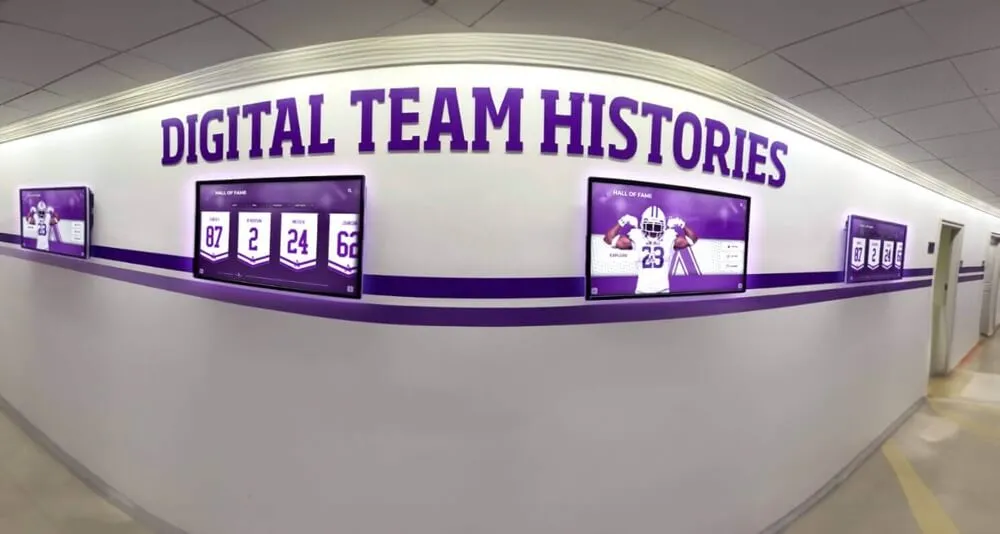
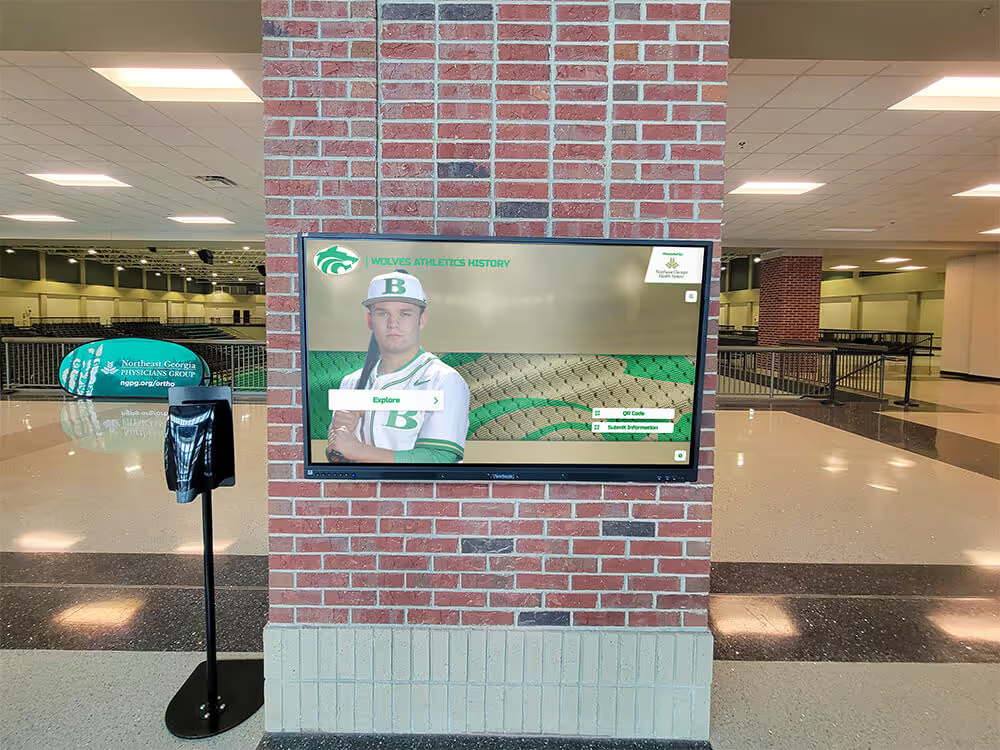
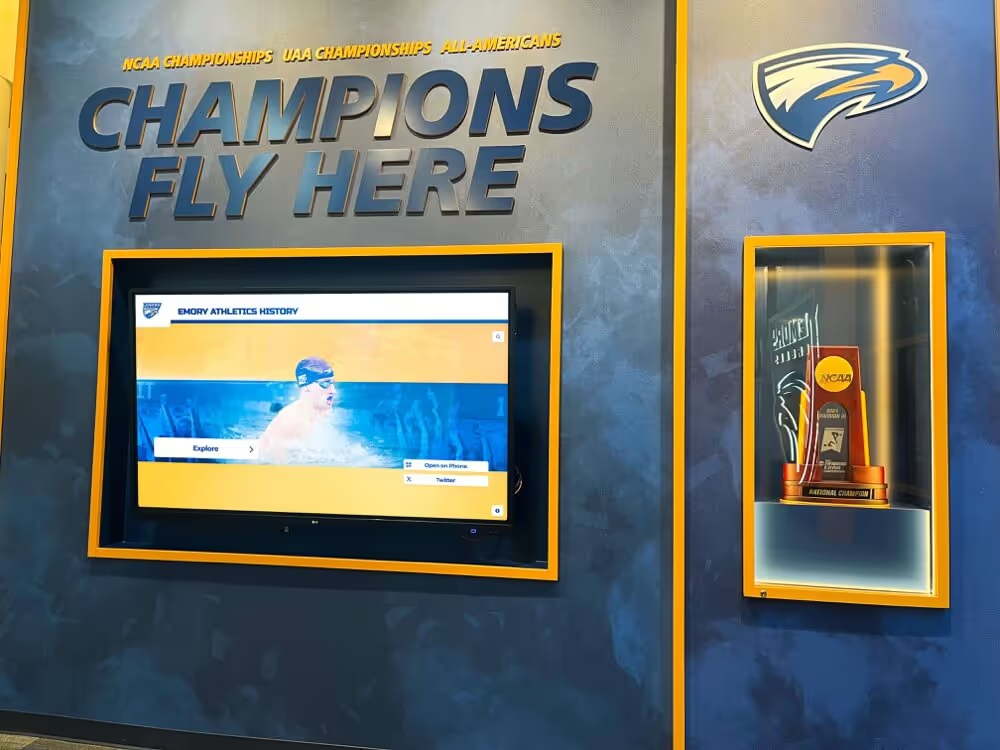
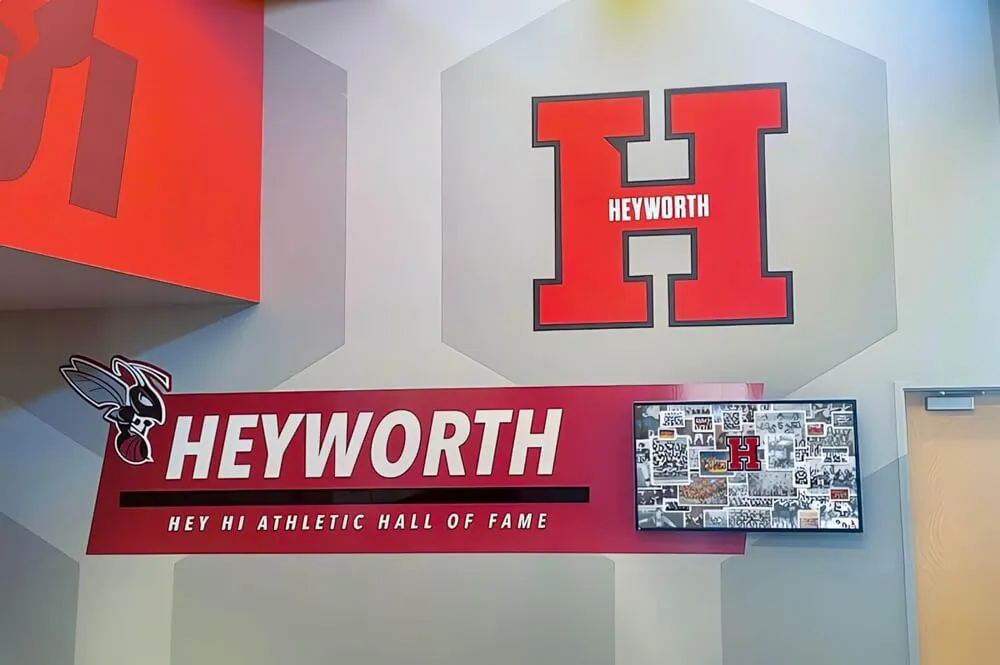
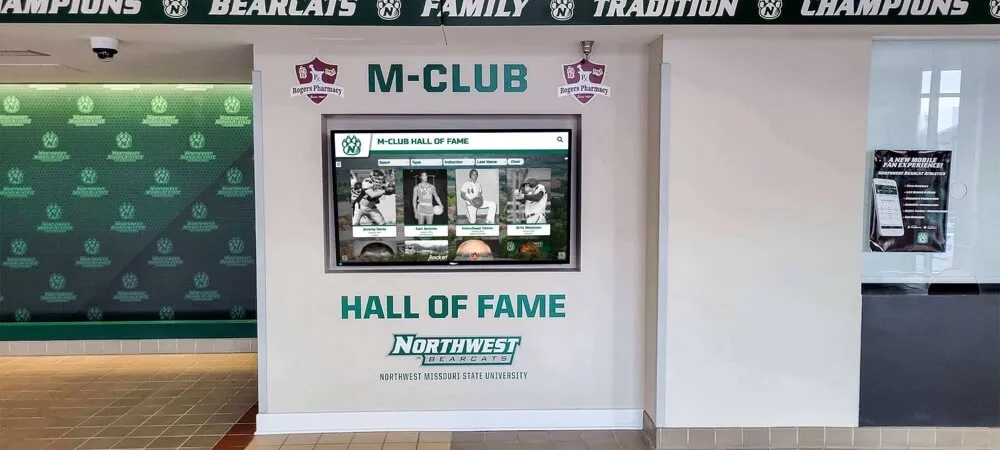
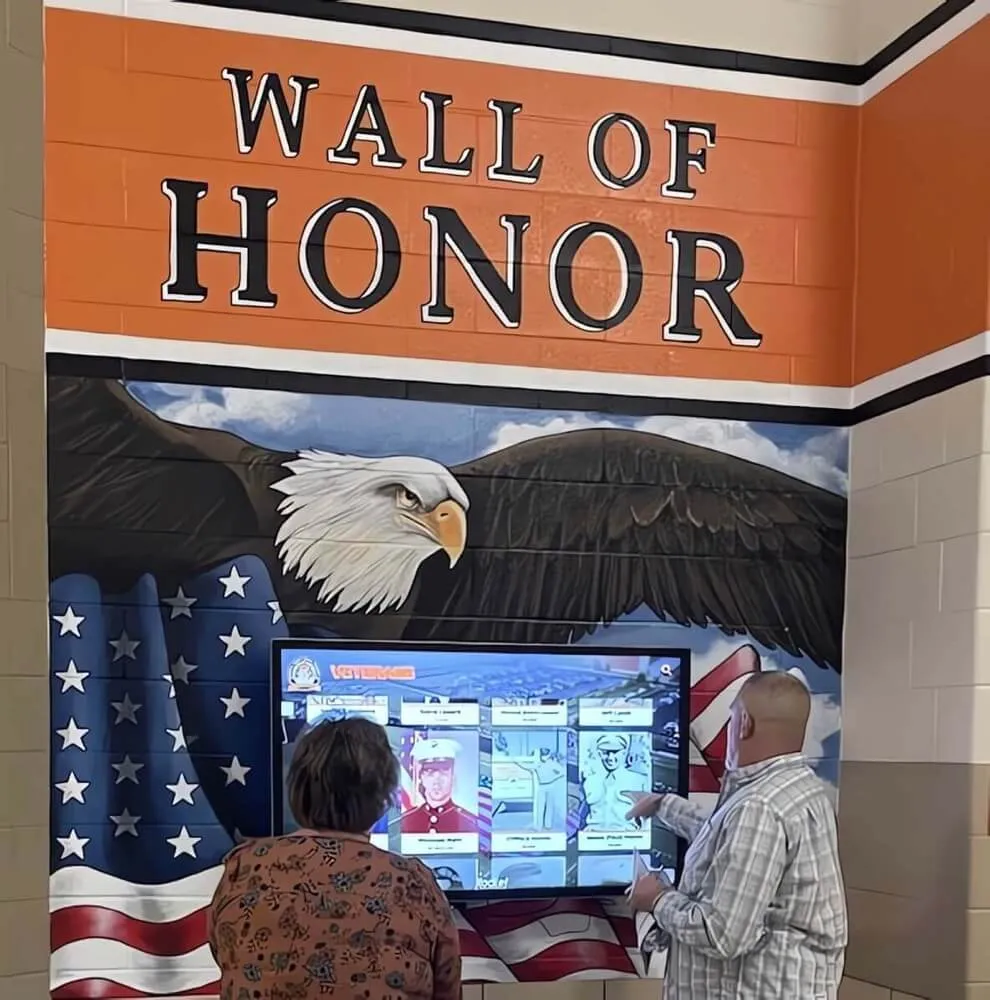
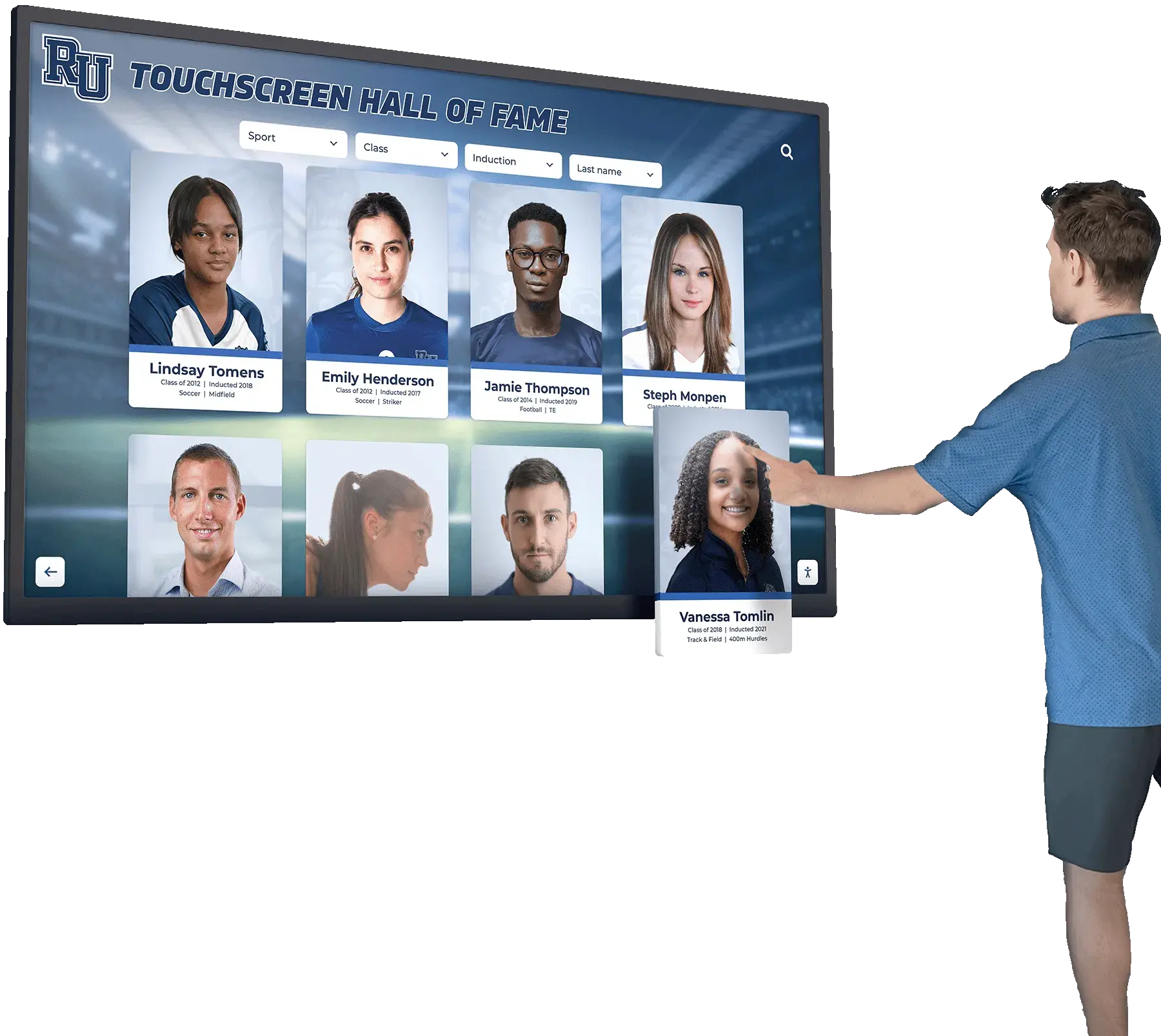
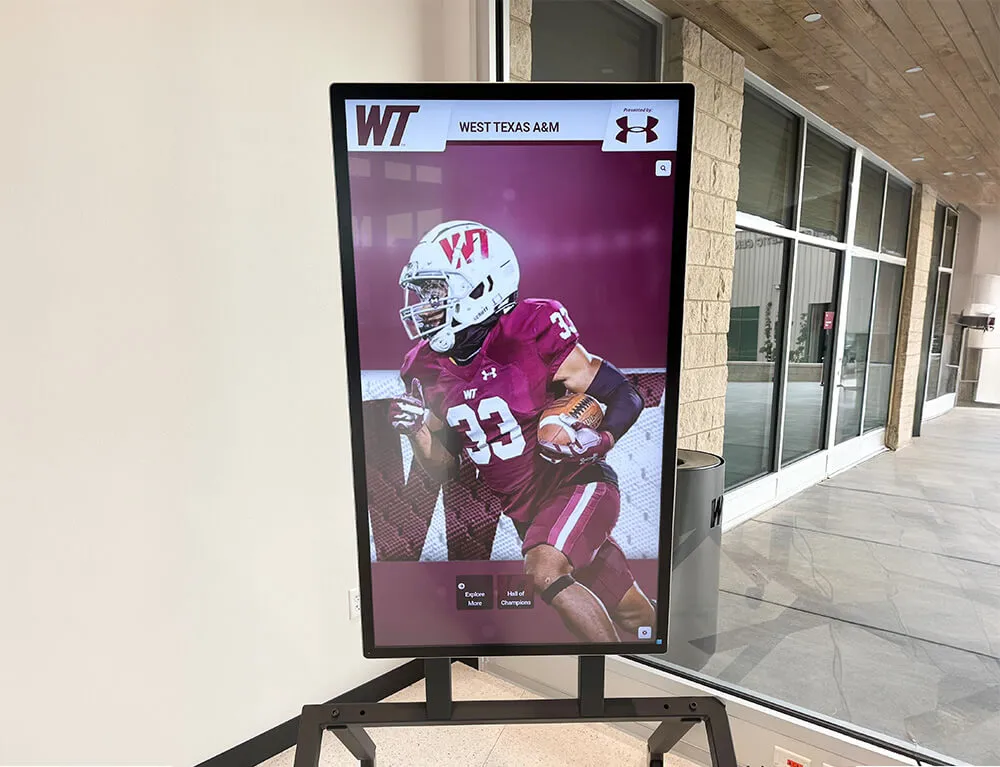
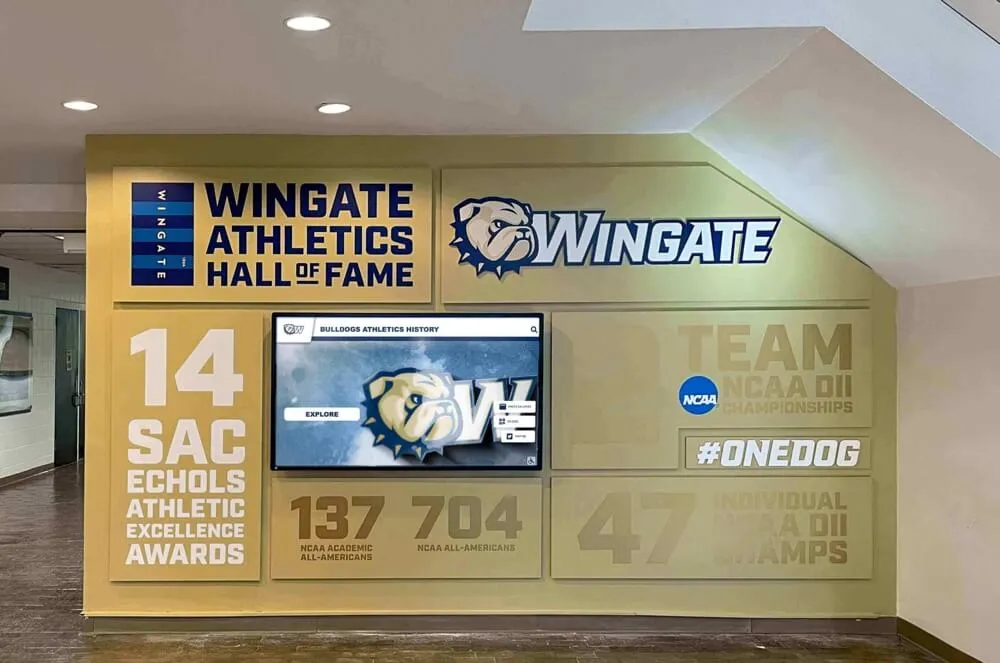
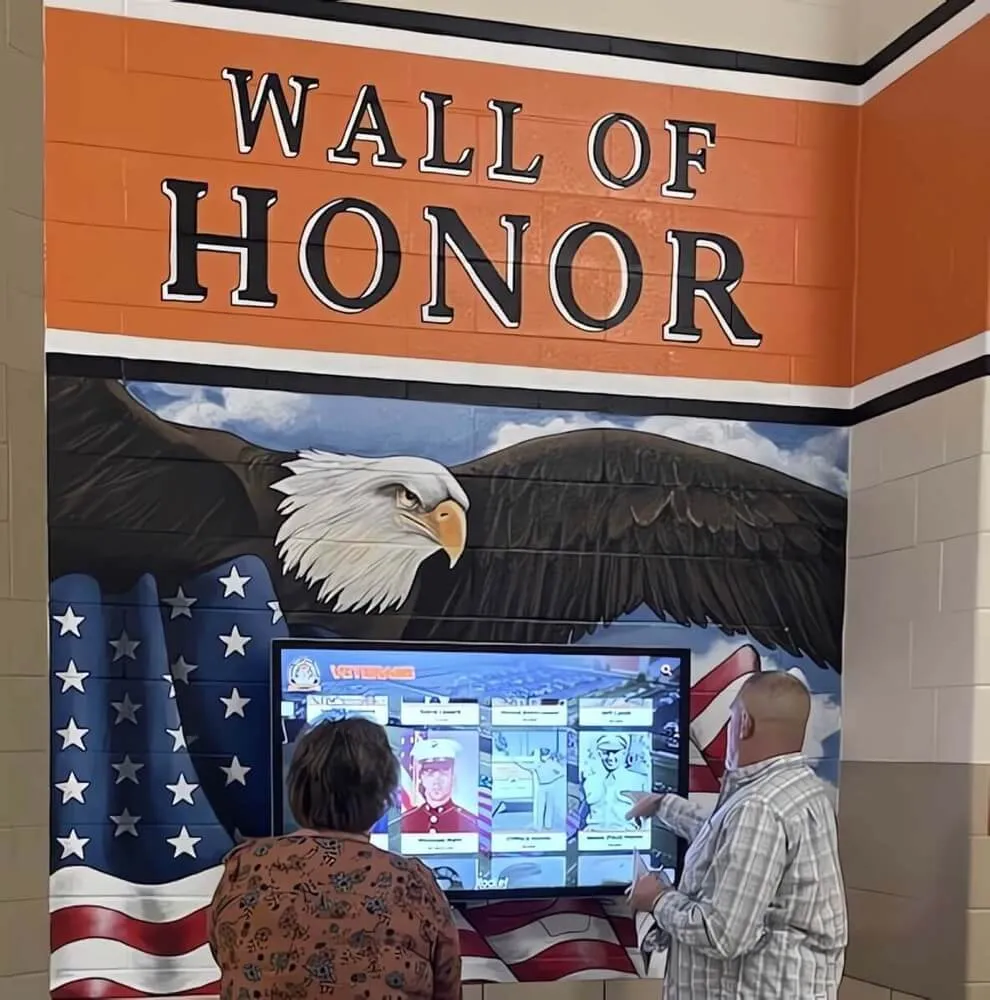
Recognition walls that combine physical design elements with interactive technology create lasting tributes to cadet service and achievement
Why Military Medals Display Matters for School Programs
JROTC programs operate in more than 3,500 high schools across the United States, with enrollment exceeding 550,000 cadets according to the U.S. Army Cadet Command. The Civil Air Patrol Cadet Program adds tens of thousands of additional participants across its nearly 1,000 cadet squadrons. These programs issue a defined hierarchy of ribbons, medals, achievement badges, and special awards—a structured recognition system that parallels the full uniformed military.
When schools invest in proper medal and ribbon display, they accomplish several goals simultaneously:
Program Prestige and Recruitment
- Visible displays signal to prospective cadets and their families that the program takes its recognition culture seriously
- Well-maintained shadow boxes project the professionalism that is central to military tradition
- Public displays in school lobbies or hallways attract enrollment interest from students who might not have considered JROTC or CAP
Cadet Motivation and Retention
- Physical evidence of advancement reinforces the connection between effort and reward
- Cadets who see predecessors’ decorated uniforms better understand the long-term arc of program participation
- Recognition displays provide conversation starters between current cadets and veteran members
Family and Community Engagement
- Parents and guardians gain a clearer picture of what their student has earned when ribbons and medals are properly displayed with explanations
- Community members and veterans visiting the school can read a display and immediately understand the significance of what cadets have achieved
Programs that prioritize recognition also tend to retain cadets longer. According to JROTC outcome data published by the U.S. Department of Defense, strong unit culture—which recognition displays directly support—is among the top factors influencing three- and four-year cadet persistence.
Explore approaches to recognizing military veteran alumni and the comparison between digital and traditional methods as context for building a cohesive recognition strategy.
Understanding the JROTC and CAP Awards Hierarchy
Before designing any display, program instructors and display coordinators need a clear picture of what will actually be shown. JROTC and CAP each operate structured, branch-specific awards systems.
JROTC Ribbons and Medals
Each military branch administers its own JROTC program (Army, Navy/Marine Corps, Air Force, Coast Guard), and ribbon precedence varies by service. However, common categories include:
Academic and Scholastic Awards
- Academic ribbon for GPA or class standing thresholds
- Honor unit designation ribbons for unit-level excellence
- Subject-specific achievement awards for STEM, history, and leadership coursework
Military Proficiency and Training
- Drill competition ribbons (individual and team events)
- Physical fitness achievement ribbons based on test performance
- Leadership Development Course (LDC) completion ribbons
- Summer camp and special training course awards
Service and Character
- Community service ribbons tracking volunteer hours
- Military order of merit ribbons for demonstrated military bearing
- Cadet of the month/quarter designations
- Character and leadership development awards
Special Designations
- Distinguished Cadet designation
- Superintendent’s and principal’s lists (some branches)
- Legion of Valor and Jostens scholarships
- ROTC Scholarship nomination recognition
Civil Air Patrol Cadet Awards
CAP’s cadet program uses a structured achievement system with 16 achievements leading to the Billy Mitchell Award (the program’s highest cadet honor) and beyond:
- Wright Brothers Award through Charles Lindbergh Award (sequential achievements)
- Amelia Earhart Award and Ira Eaker Award for advanced achievements
- Billy Mitchell Award as the benchmark of completing the full cadet program
- General Billy Mitchell Award, which qualifies for enlisted advancement upon military enlistment
- Encampment, special activities, and squadron-level service ribbons
Understanding this hierarchy determines how a display should be organized—typically in order of precedence, with the highest honors positioned most prominently.
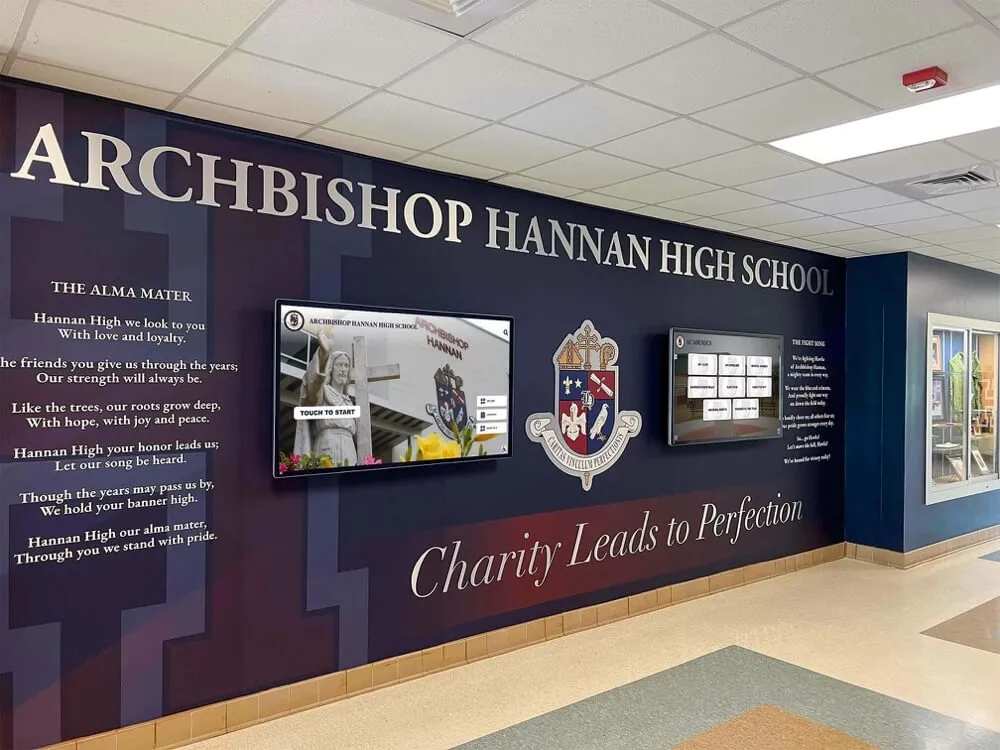
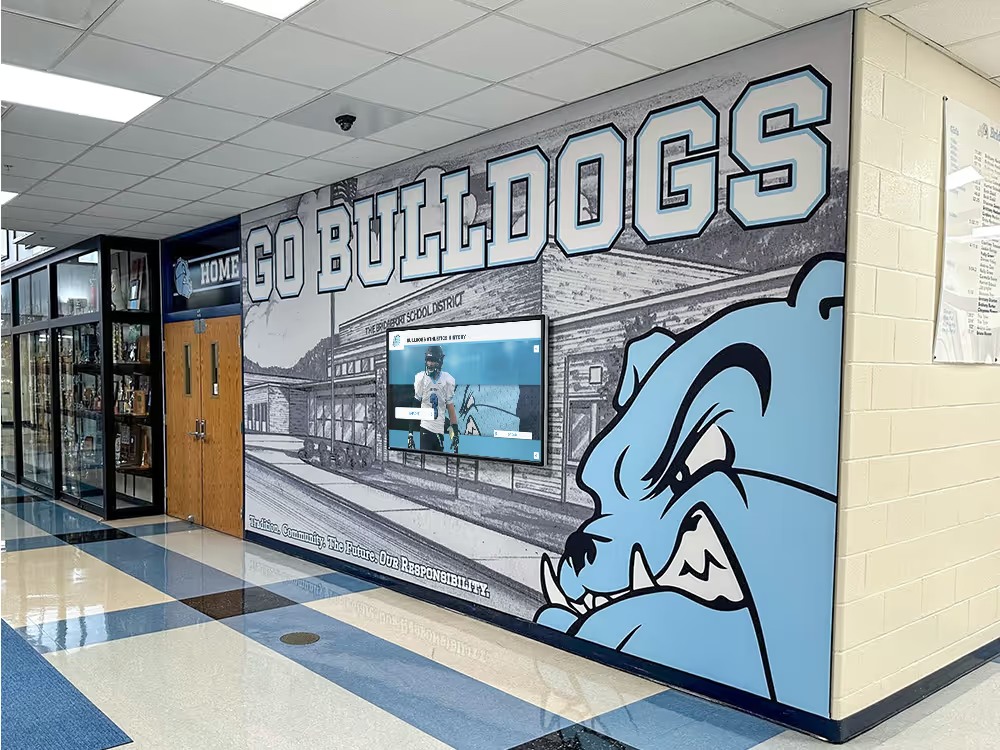
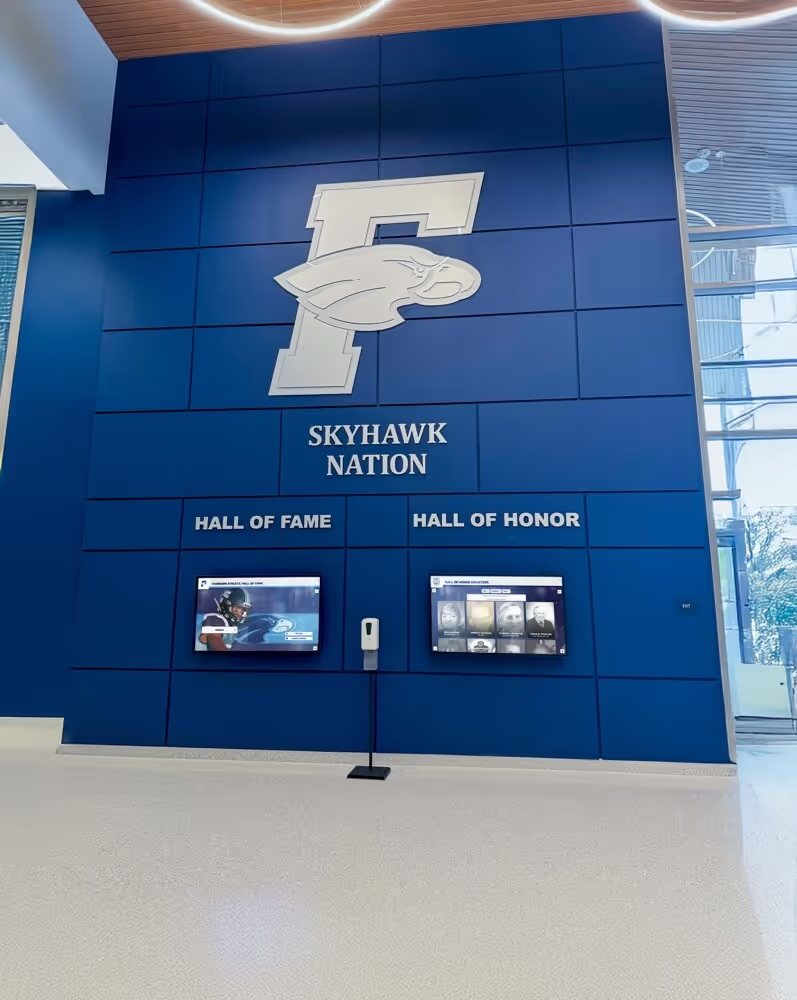
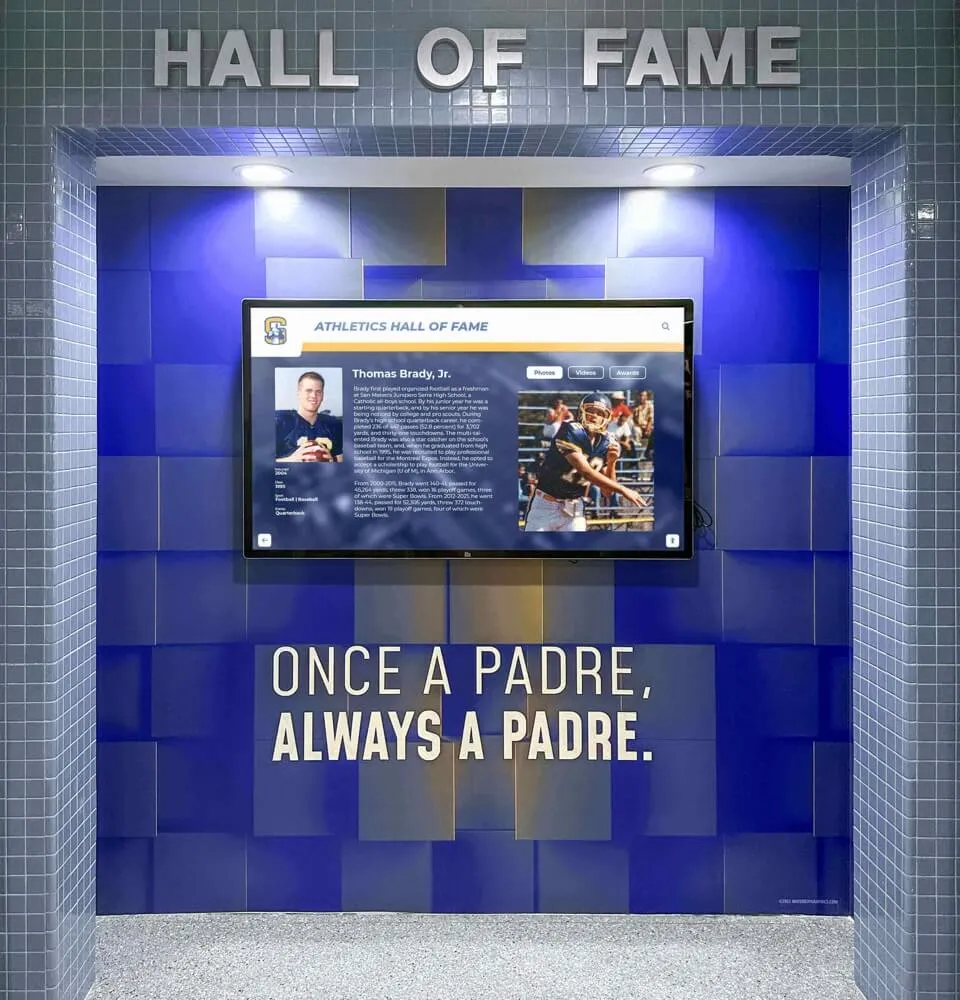
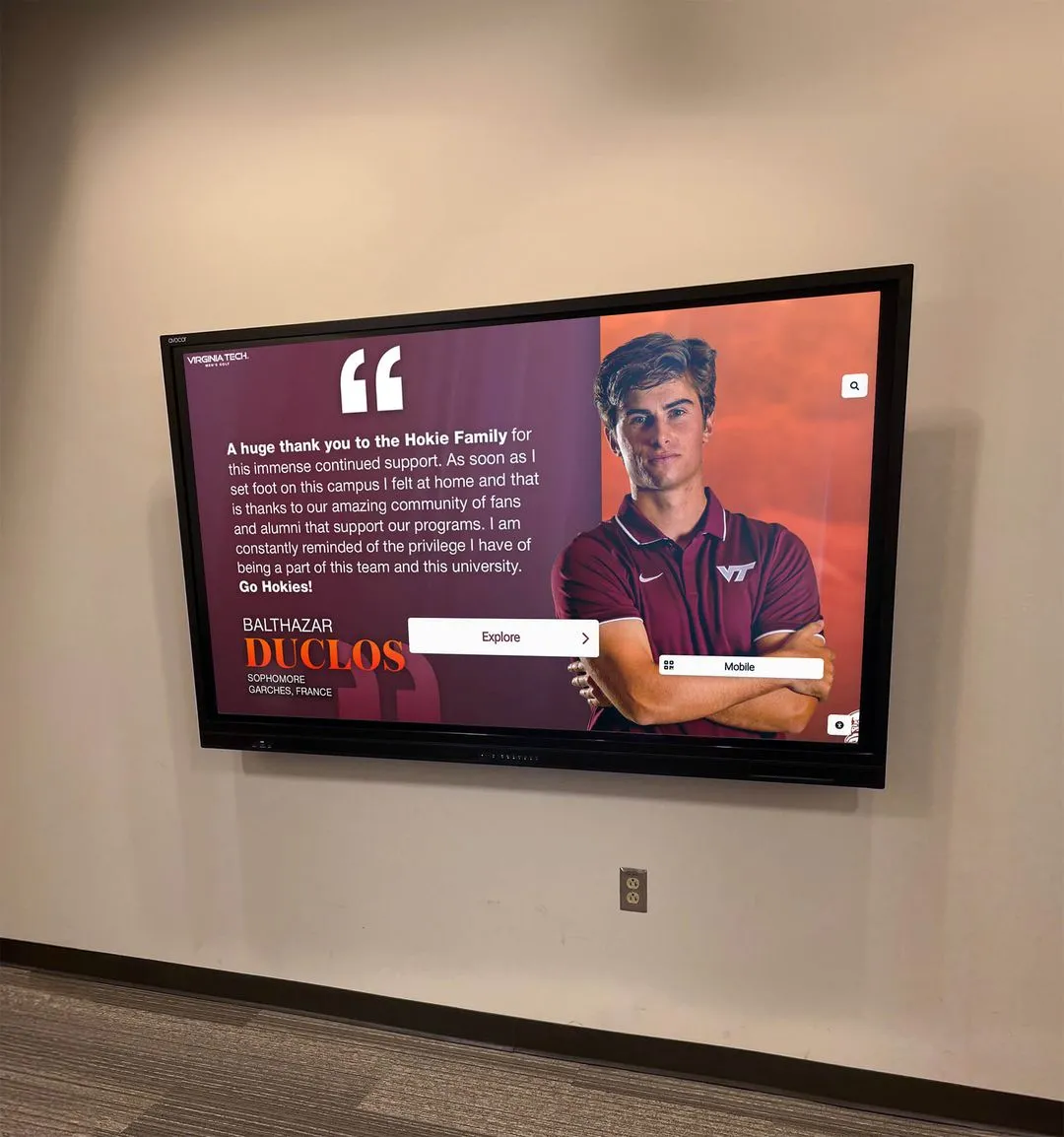
Organized display systems that clearly distinguish achievement levels help visitors understand the full scope of what cadets have earned
Shadow Box Design for Military Medals Display
The shadow box remains the gold standard for individual cadet decoration display. A properly constructed shadow box is both archival (protecting ribbons and medals from handling and environmental damage) and presentational (organizing decorations in official precedence order for maximum visual impact).
Choosing the Right Shadow Box
Size and Depth
- Standard military shadow boxes run 11×14 or 16×20 inches for full uniform displays
- Medal-only displays can use shallower, smaller frames (8×10 or 11×14 at 1–1.5 inch depth)
- Ribbon-only racks in a shadow box typically need only ¾ inch depth
- Full dress uniform displays with epaulets, name tags, and shoulder boards need 2–3 inch depth
Materials
- Hardwood frames (walnut, cherry, or oak) convey the durability and formality appropriate to military service
- UV-protective glass or acrylic prevents ribbon color fading under display lighting
- Acid-free backing fabric in program colors or traditional military colors (navy, Air Force blue, Army green) protects decorations from off-gassing
- Velcro strips, shadow box pins, or mounting tape designed for fabric are preferred over sharp pins that can damage ribbon material
Fabric Backing Choices
- Velvet in program colors provides grip and professional appearance
- Felt is cost-effective and available in a wide range of colors
- Linen creates a more formal appearance appropriate for distinguished display cases
- Program-branded fabric with unit insignia adds visual identity to individual boxes
Arranging Medals and Ribbons by Precedence
Military display protocol requires that decorations be arranged in official order of precedence, reading left to right from the viewer’s perspective (which is the wearer’s right to left). For JROTC and CAP displays:
- Place the highest-precedence decoration in the top-left position
- Subsequent decorations read across the row, then drop to the next row
- Medals hang below their corresponding ribbons when both are present
- Unit citations and other group awards appear after individual decorations
- Service and training ribbons follow unit citations in precedence order
For cadet programs that issue only ribbons (no medal equivalent), a ribbon rack provides clean horizontal display. Standard ribbon racks in 3-per-row or 4-per-row configurations are available from military supply vendors and mount cleanly in shadow box interiors.
Labeling and Identification
Shadow boxes gain significant value when viewers can understand what they’re seeing. Consider adding:
- Small engraved nameplate identifying the cadet and years of service
- Brief legend or key identifying the most significant decoration
- Unit designation plate (company, battalion, wing) for context
- Year of graduation or completion for historical clarity
A labeled shadow box transforms a display of colorful ribbons into a readable record of achievement.
Wall-Mounted Display Options for JROTC and CAP Programs
Individual shadow boxes become more powerful when organized into a programmatic wall display. Schools with active JROTC or CAP units benefit from dedicated display areas that tell the program’s collective story.
Current Cadet Recognition Walls
Ongoing recognition during the school year builds program momentum and rewards active cadets. Options include:
Rotating Display Cases
- Glass-front lockable cases in hallways near the JROTC room or front office
- Rotating display of cadet of the month with photo, rank, and achievements
- Current-year command staff display with photos and qualifications
Ribbon Rack Wall Panels
- Large wall-mounted ribbon displays showing unit-wide achievement totals
- Color-coded by cadet class year to visualize program growth
- Mounted in high-traffic areas like the program classroom, gymnasium hallway, or school lobby
Photo and Ribbon Combination Panels
- 8×10 cadet photos alongside their current ribbon configuration
- Updated annually as cadets advance through the program
- Organized by rank to create a visual ladder of achievement
Alumni and Legacy Displays
Programs with multi-decade histories often have remarkable alumni records worth permanent display:
- Shadow boxes from notable graduates positioned in a dedicated alumni corner
- Commissioned officer alumni displays showing continued military service after high school
- Scholarship recipients and service academy appointments recognized with dedicated panels
According to CAP National Headquarters data, units that maintain visible legacy displays report stronger cadet interest in achieving upper-level awards like the Eaker Award and Billy Mitchell Award—cadets respond to evidence that predecessors reached those milestones.
For insights on creating fallen heroes touchscreen displays that honor military service members from your school community, see how other schools have approached this sensitive and important recognition context.
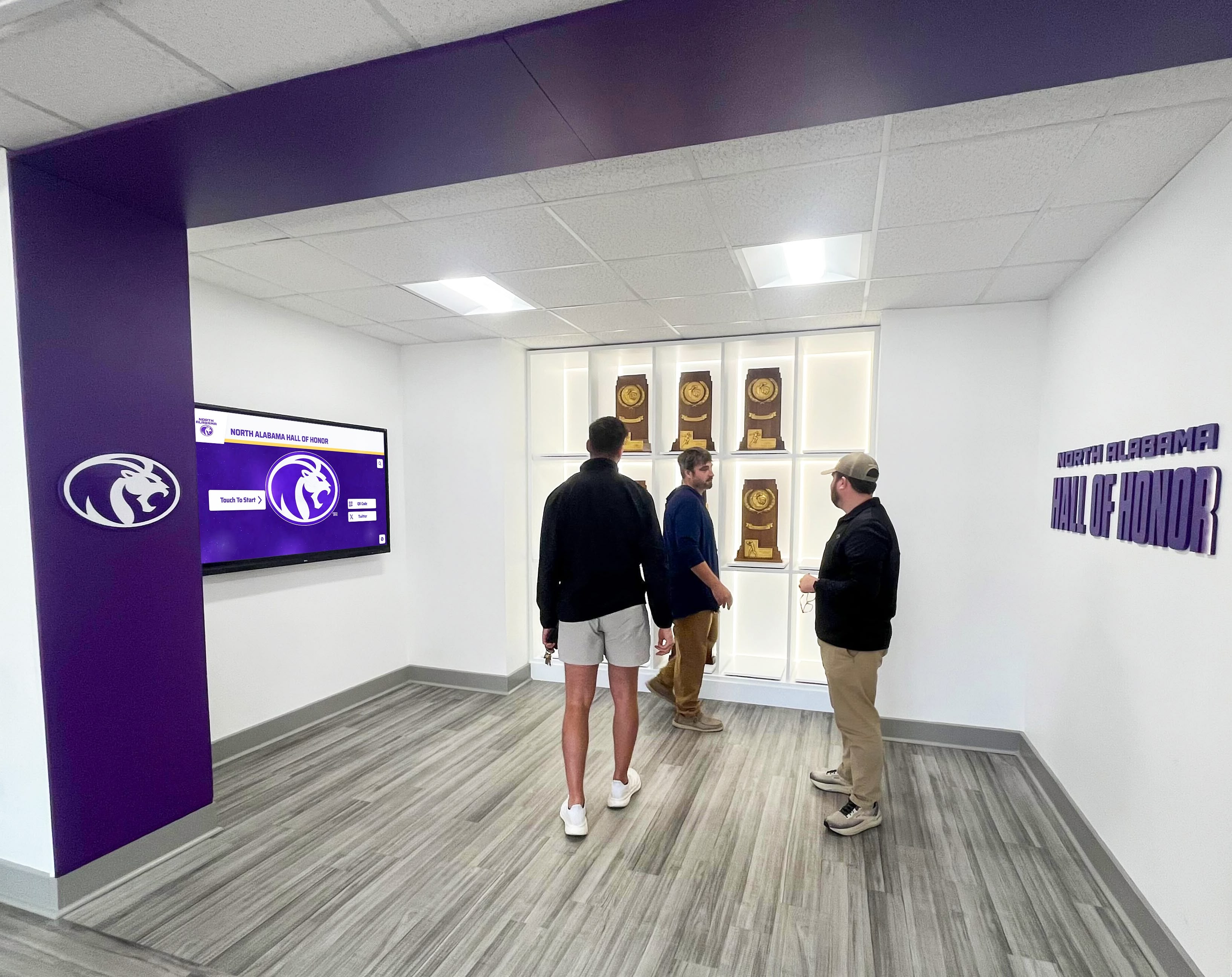
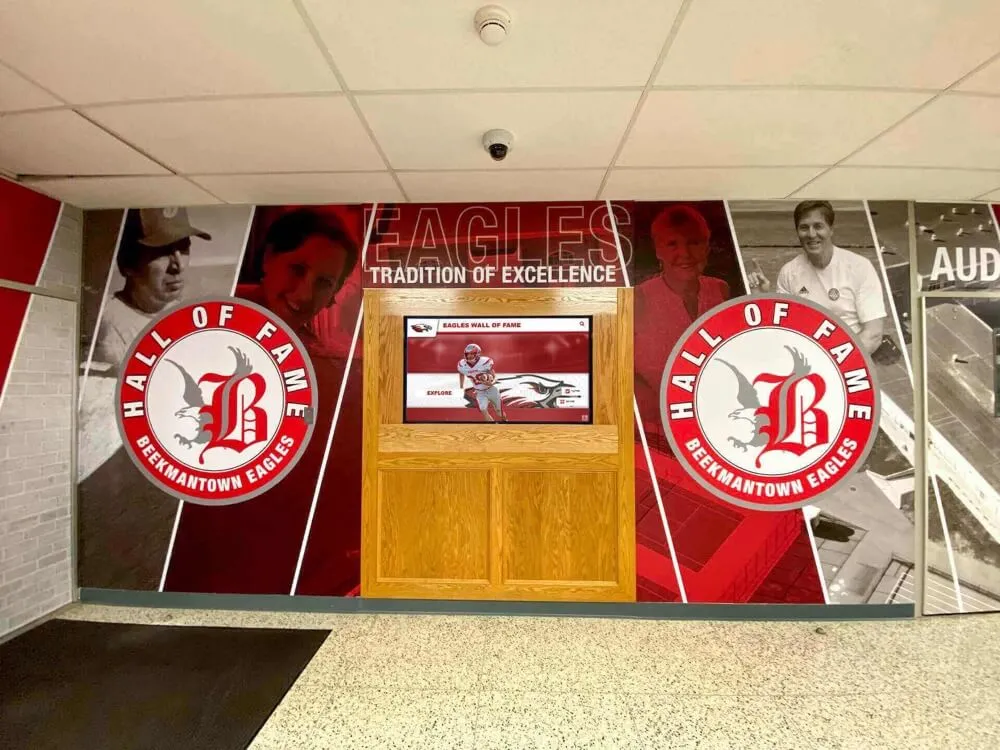
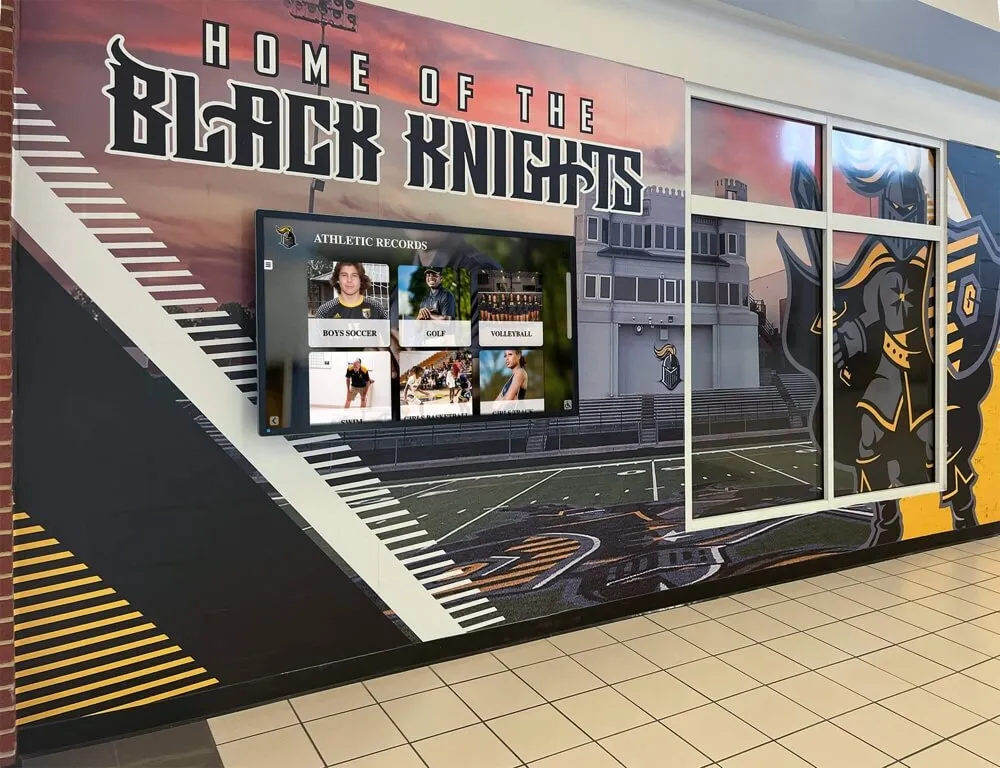
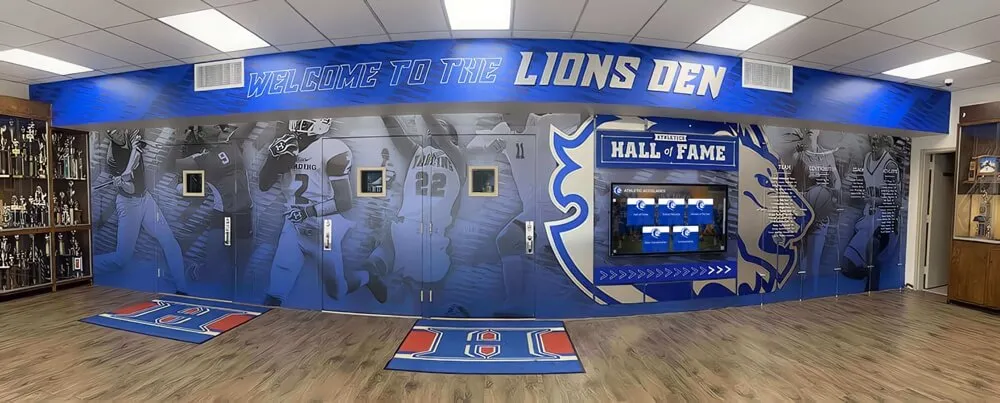
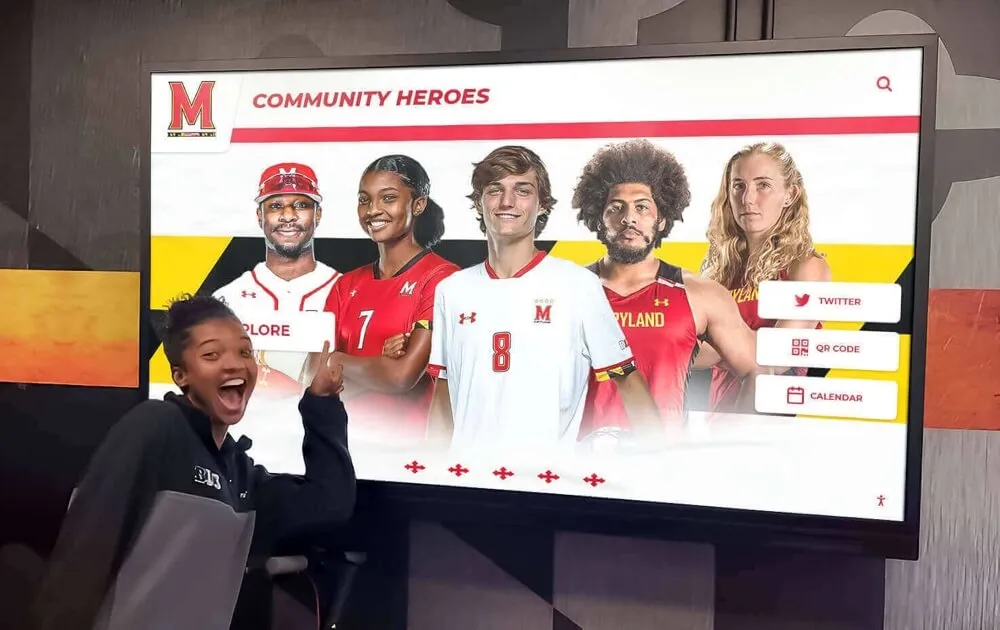
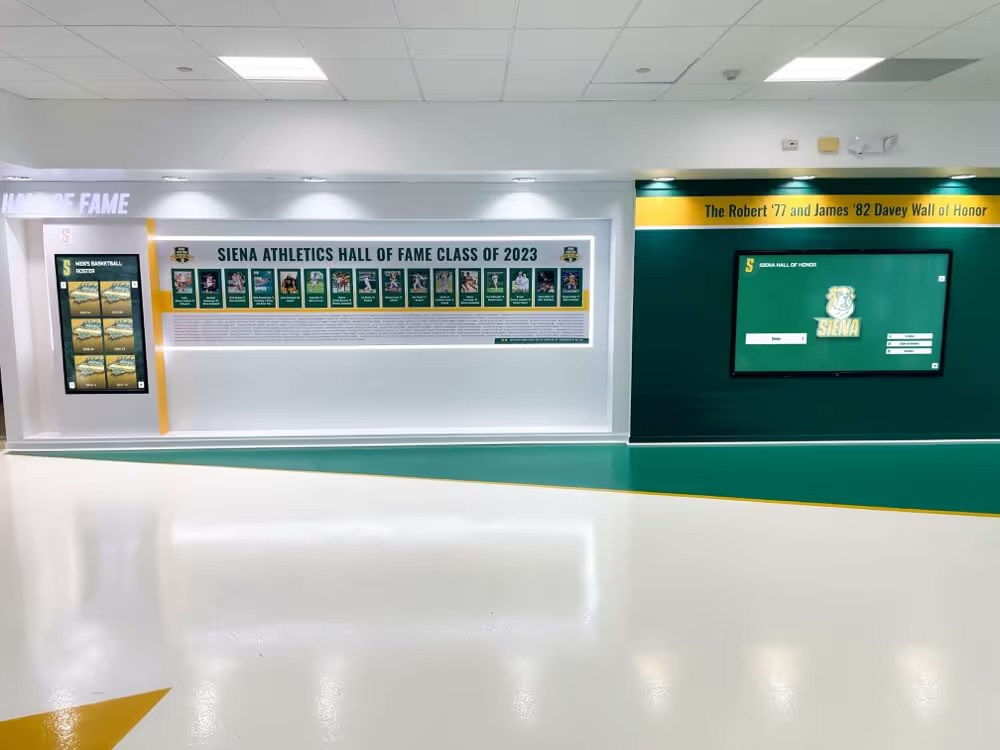
Comprehensive hall of honor environments combine physical trophies, framed recognition, and narrative displays into cohesive tribute spaces
Design Principles for Military Wall Displays
Visual Hierarchy Place the most significant recognitions at eye level and center. The Billy Mitchell Award, Distinguished Cadet designation, or unit-level citations should command attention before viewers work outward to broader achievement categories.
Consistent Framing Uniform frame styles and matting colors create visual cohesion. A wall of shadow boxes in mismatched frames appears disorganized; consistent materials signal a program with attention to detail—a core military value.
Narrative Context Labels, brief explanatory text, and program history panels help non-cadet visitors understand what they’re seeing. A new parent, school board member, or community donor should be able to read a JROTC display wall and come away with genuine appreciation for what the program accomplishes.
Lighting Under-cabinet or track lighting aimed at shadow boxes prevents glare on glass while illuminating ribbon colors. Ribbon colors fade when exposed to direct sunlight over time—UV-filtered display glass and strategic placement away from south-facing windows extend display life significantly.
The Limitations of Physical Displays at Scale
For programs that have operated for 20 or more years, the physical reality of shadow box walls eventually becomes constraining:
- Space: A 40-year program with 30–50 cadets per cohort generates hundreds of individual records. No school hallway has infinite wall space.
- Updates: Physical displays require manual updates when cadets earn new decorations or advance in rank. This work falls to instructors who are already managing a demanding program.
- Accessibility: Shadow boxes in a hallway are visible only to people physically present. Alumni, parents, and community supporters have no way to engage with program history remotely.
- Storytelling: A ribbon rack shows what was earned but cannot explain when, in what context, or under what circumstances—the story behind the decoration.
- Equity: When physical display space is limited, choices must be made about who gets featured. Digital systems eliminate this zero-sum constraint entirely.
Schools that have operated JROTC or CAP programs for multiple decades frequently reach a point where physical archives outpace available display space. At that juncture, digital recognition tools provide a compelling expansion path.
Learn how schools are comparing digital hall of fame displays versus traditional trophy cases to understand the broader decision framework.
Digital Military Medals Display: Expanding What’s Possible
Modern touchscreen recognition systems offer cadet programs capabilities that no physical display can replicate. Rather than replacing shadow boxes, digital displays complement them—providing the narrative depth, accessibility, and scalability that wall-mounted hardware cannot achieve alone.
What a Digital Cadet Recognition Wall Can Include
Individual Cadet Profiles Each cadet’s profile in a digital system can contain:
- Photo at each rank/grade level throughout their time in the program
- Complete ribbon and medal record with explanatory text for each decoration
- Achievement timeline showing progression through the awards hierarchy
- Drill competition results, encampment attendance, and special activity participation
- Post-program outcomes (military service, ROTC scholarships, service academy appointments)
Program History and Unit Legacy
- Year-by-year unit achievement summaries
- Drill team competition records and championships
- Honor unit designations by year
- Notable alumni directory searchable by graduation year, rank, or award type
Interactive Shadow Box Viewer Some digital platforms allow cadets to configure a virtual shadow box displaying their current ribbon rack—updated in real time as decorations are earned rather than requiring a physical reframe. This is particularly useful for display in school lobbies where actual uniform components cannot be secured.
Video and Multimedia Content
- Drill competition footage
- Encampment and training activity documentation
- Ceremony and promotion video archives
- Cadet testimonials about program impact
Placement in School Environments
Digital recognition displays for JROTC and CAP programs work best in:
- School main lobby: Maximizes visibility to the full school community, visiting parents, and community members attending events
- Program hallway or dedicated JROTC/CAP corridor: Serves as an immersive environment for program participants and visitors specifically interested in the program
- Gymnasium lobby or multi-purpose room: Highly visible during school events, sporting events, and community gatherings
- Front office area: Positions cadet achievements in view of administrative visitors, prospective families, and community donors
Read about how touchscreen walls transform school lobbies into interactive displays and what installation involves.
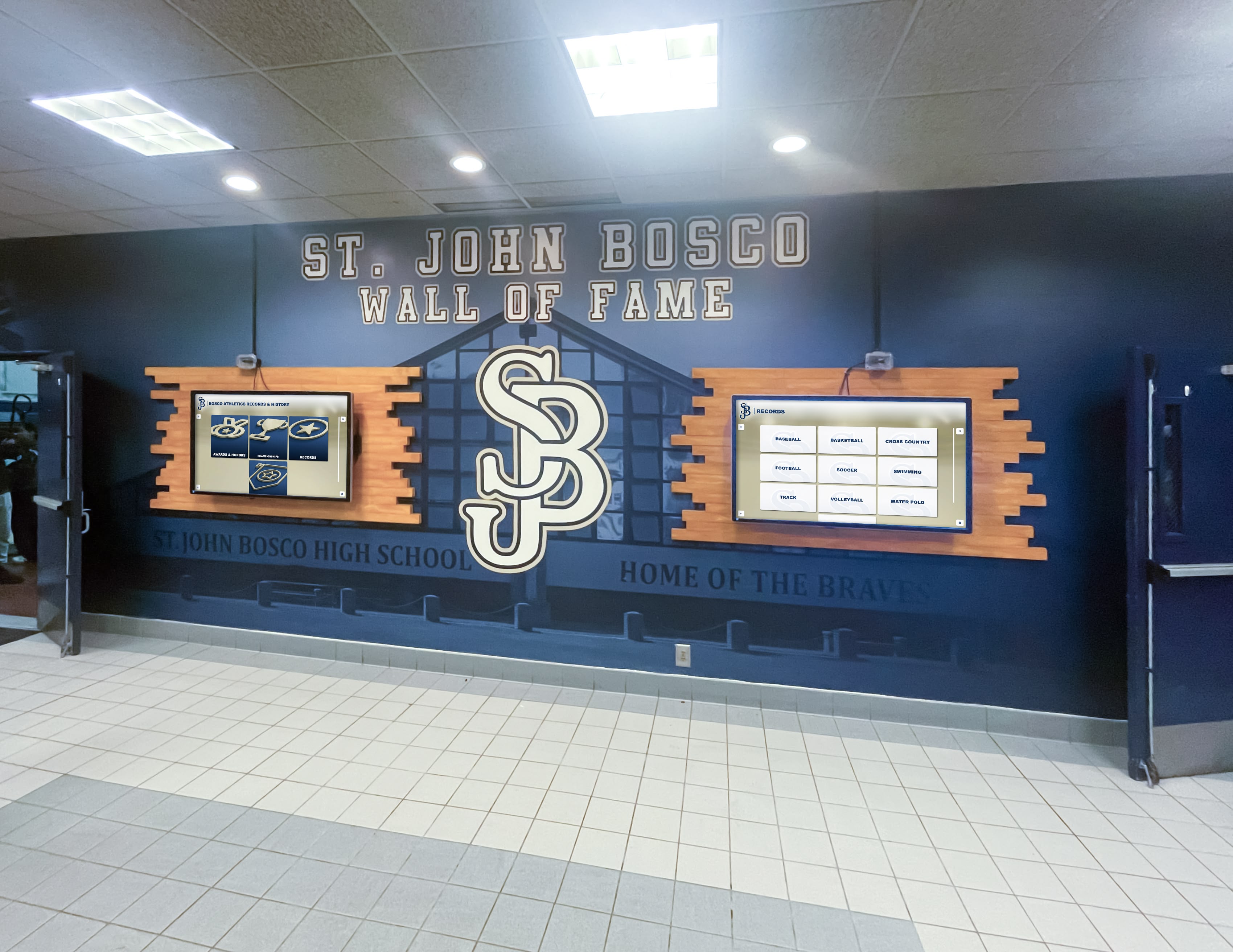
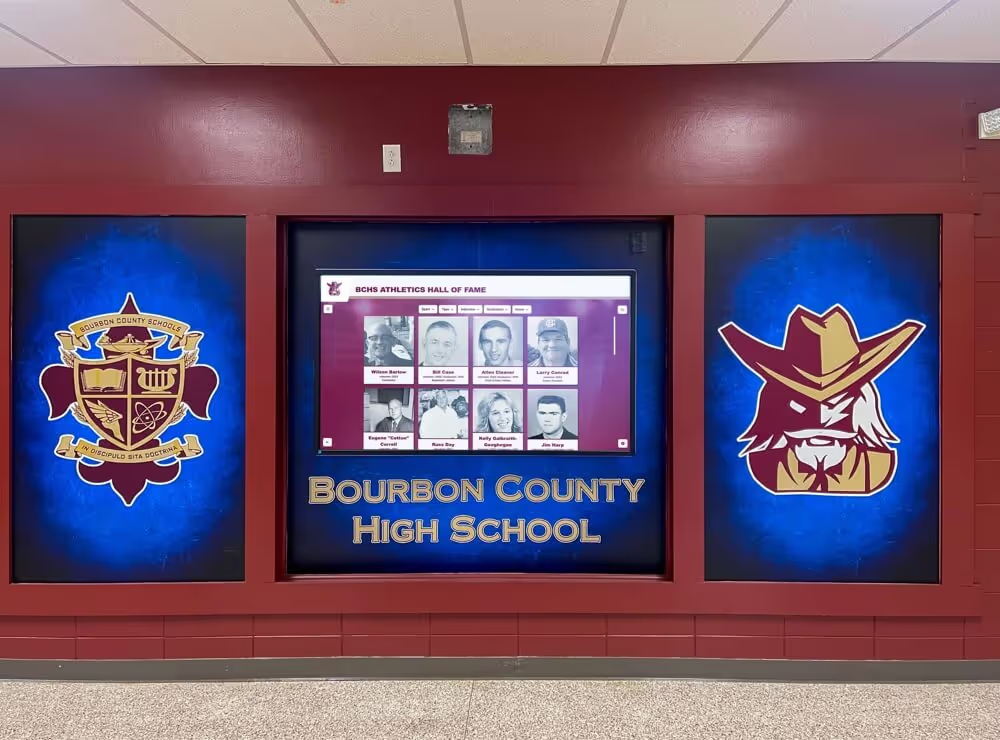
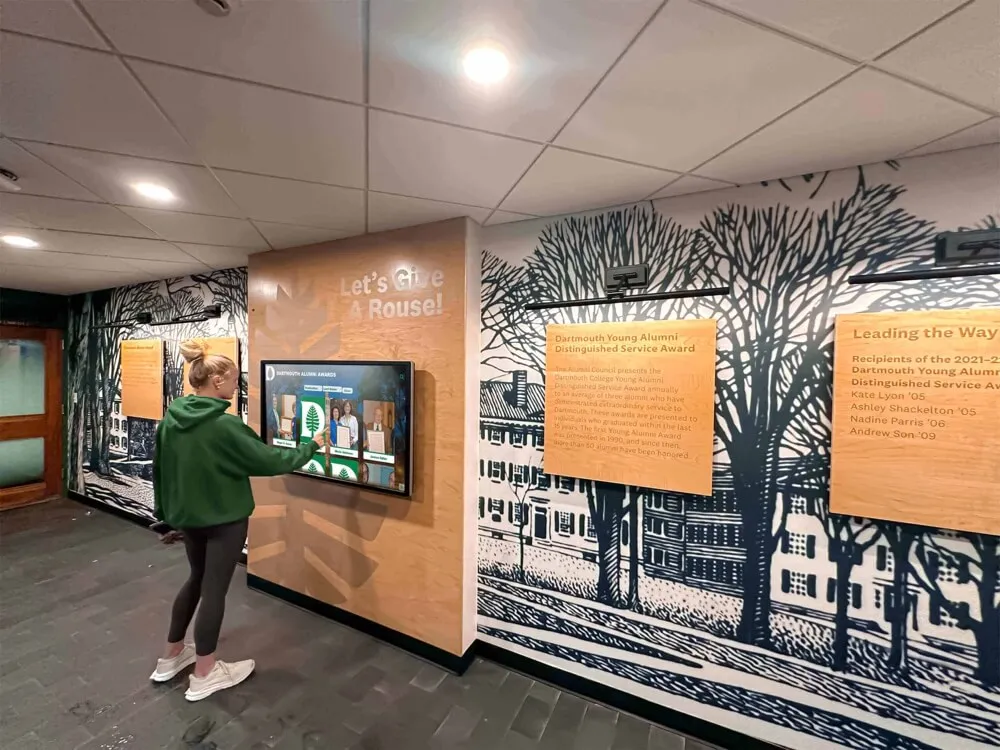
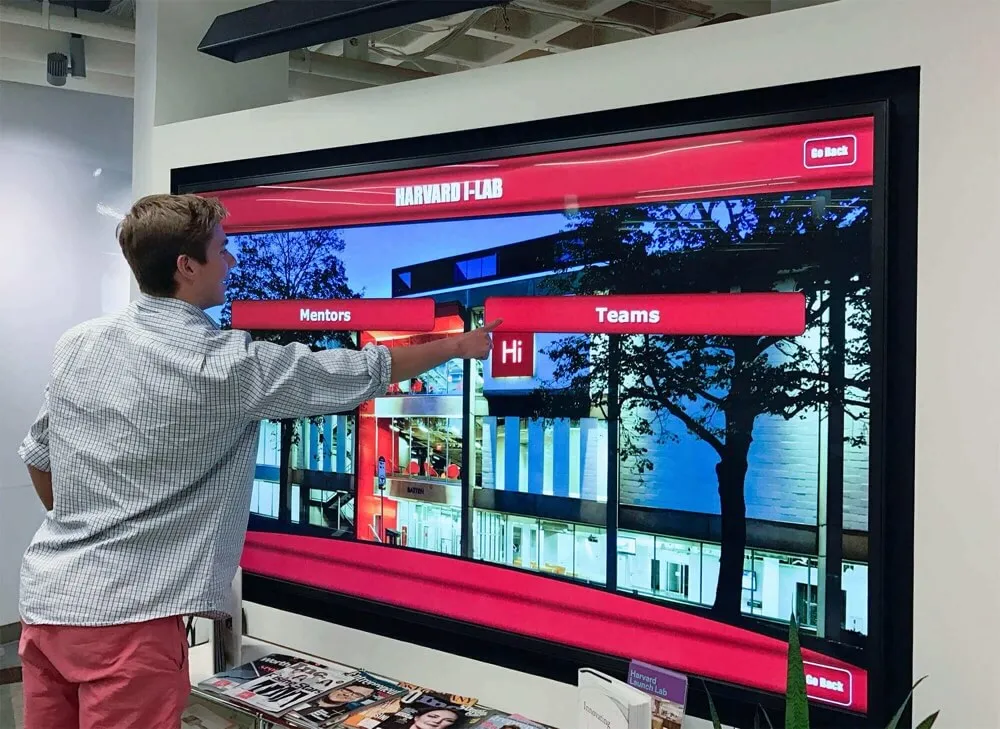
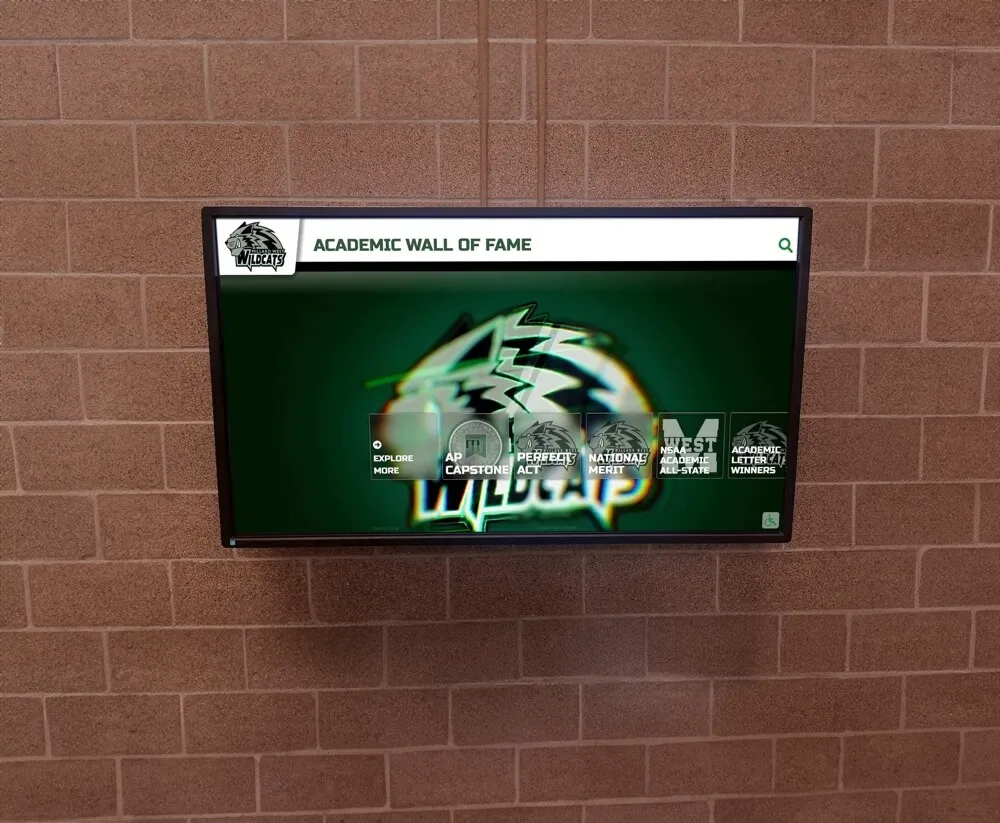
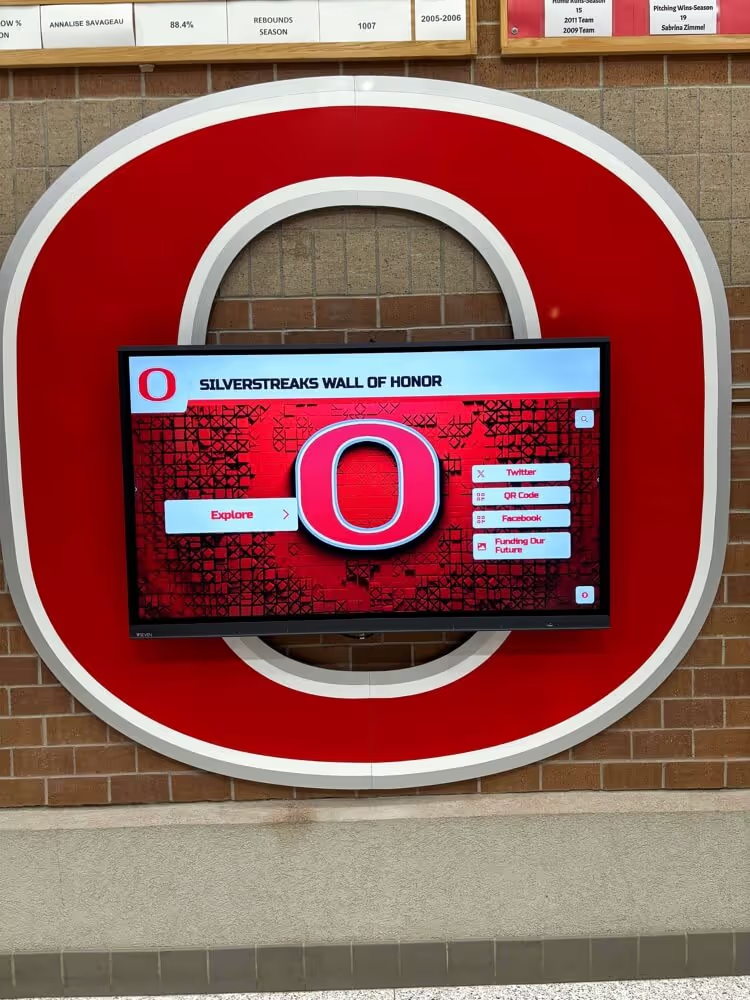
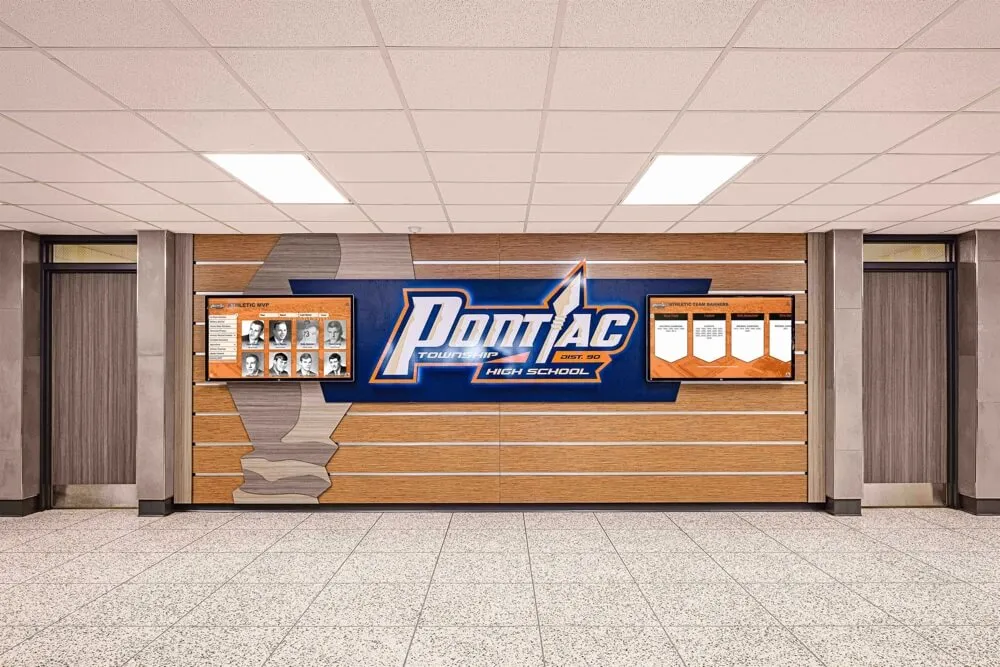
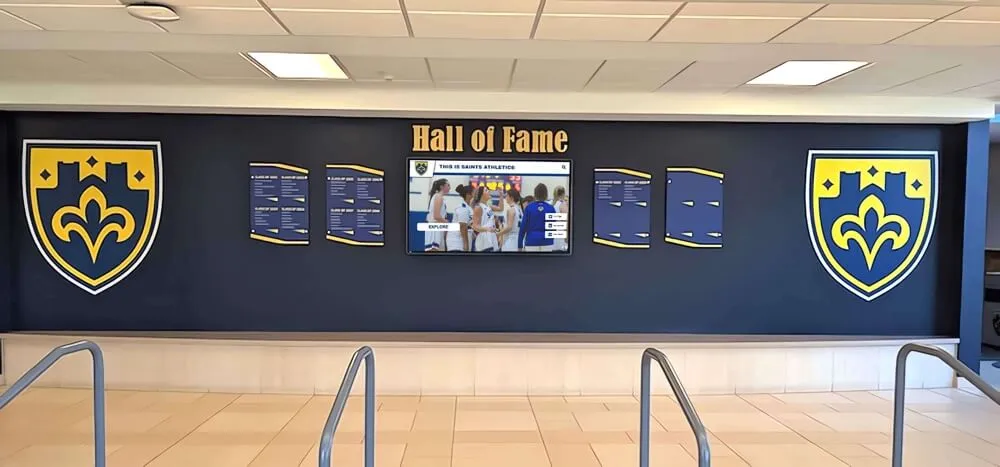
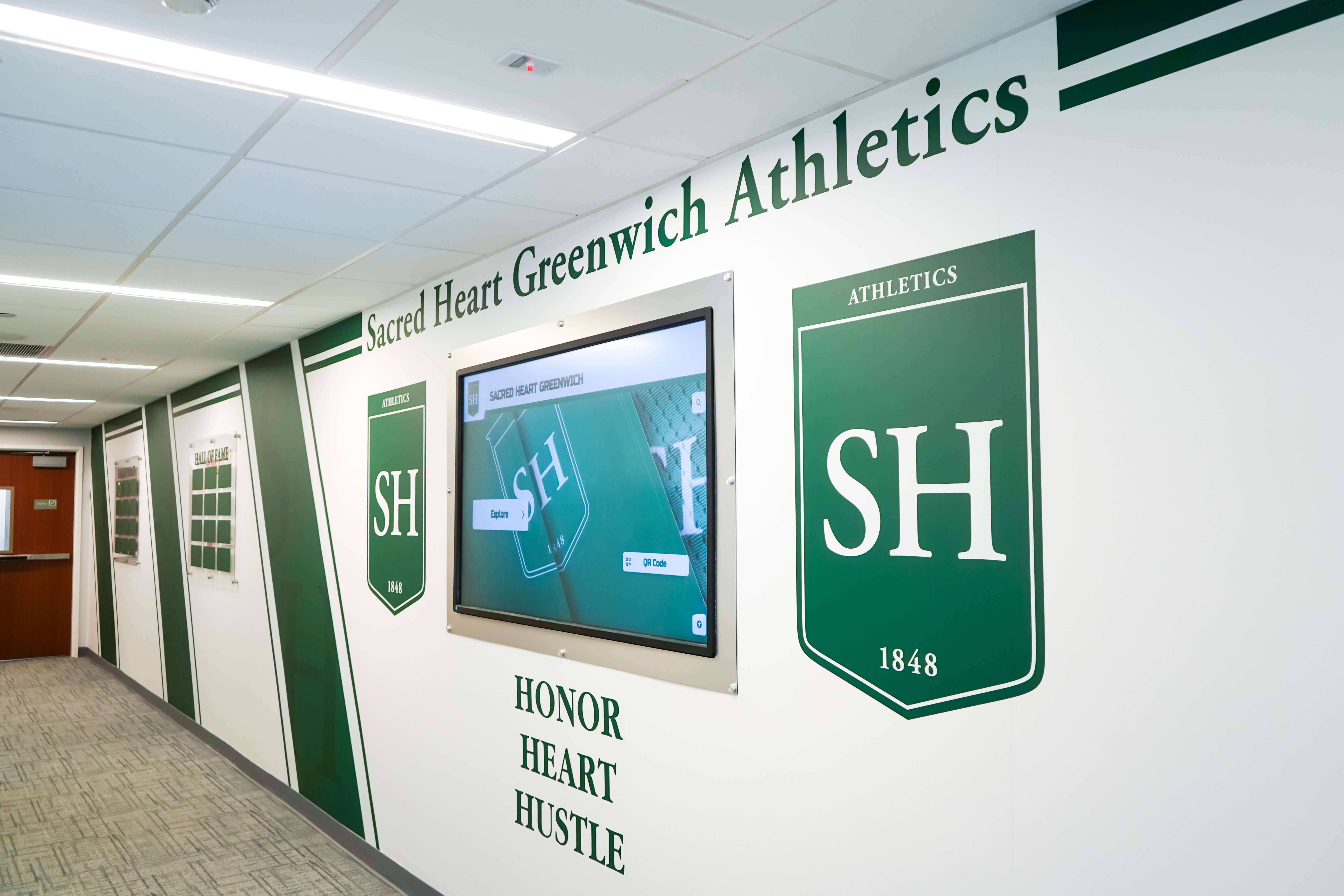
Dual-screen hallway installations provide both broad recognition overviews and detailed individual profiles accessible through touchscreen interaction
How Rocket Alumni Solutions Serves JROTC and CAP Programs
Rocket Alumni Solutions builds interactive touchscreen recognition platforms used by schools and programs across the country. For JROTC and CAP units specifically, the platform supports:
- Unlimited cadet profiles organized by year, rank, or award tier
- Custom category creation matching the specific awards hierarchy of each branch’s JROTC program or CAP’s achievement structure
- Photo and document upload so existing shadow box photography and physical records can migrate into a searchable digital archive
- Remote content management allowing instructors to update cadet records from any device without requiring technical expertise
- Web-accessible companion so alumni, families, and community supporters can engage with program history beyond physical school hours
Programs that use digital recognition alongside physical shadow boxes typically report that the digital system extends program reach to stakeholders who previously had little visibility into cadet achievements—parents who rarely visit the school, alumni who graduated decades earlier, and community partners who support the program financially.
Explore how interactive touchscreen hall of fame displays work for awards programs to understand the full feature scope.
Building a Hybrid Physical and Digital Recognition System
The most effective JROTC and CAP recognition environments combine the permanence and formality of physical shadow boxes with the accessibility and scalability of digital platforms. A practical approach:
Phase 1: Physical Foundation
- Create or refresh individual shadow boxes for current command staff and annual award recipients
- Install a wall display case in the program hallway for rotating current-year recognition
- Establish a legacy area for distinguished alumni shadow boxes
Phase 2: Digital Layer
- Photograph all existing physical shadow boxes and certificates for digital archiving
- Build cadet profiles going back as far as program records allow
- Install a touchscreen kiosk or wall display in the school lobby connecting to the digital recognition platform
Phase 3: Integration
- Update both physical and digital records each semester as cadets advance
- Use digital profiles during promotion ceremonies to tell the full story of each cadet’s achievement record
- Enable alumni search functionality so graduates can find and share their own program history
This layered approach respects the tradition and protocol of military display while expanding recognition reach to audiences that physical hardware alone cannot serve.
Learn about the student engagement and school pride benefits of well-designed recognition environments as context for the broader value proposition.
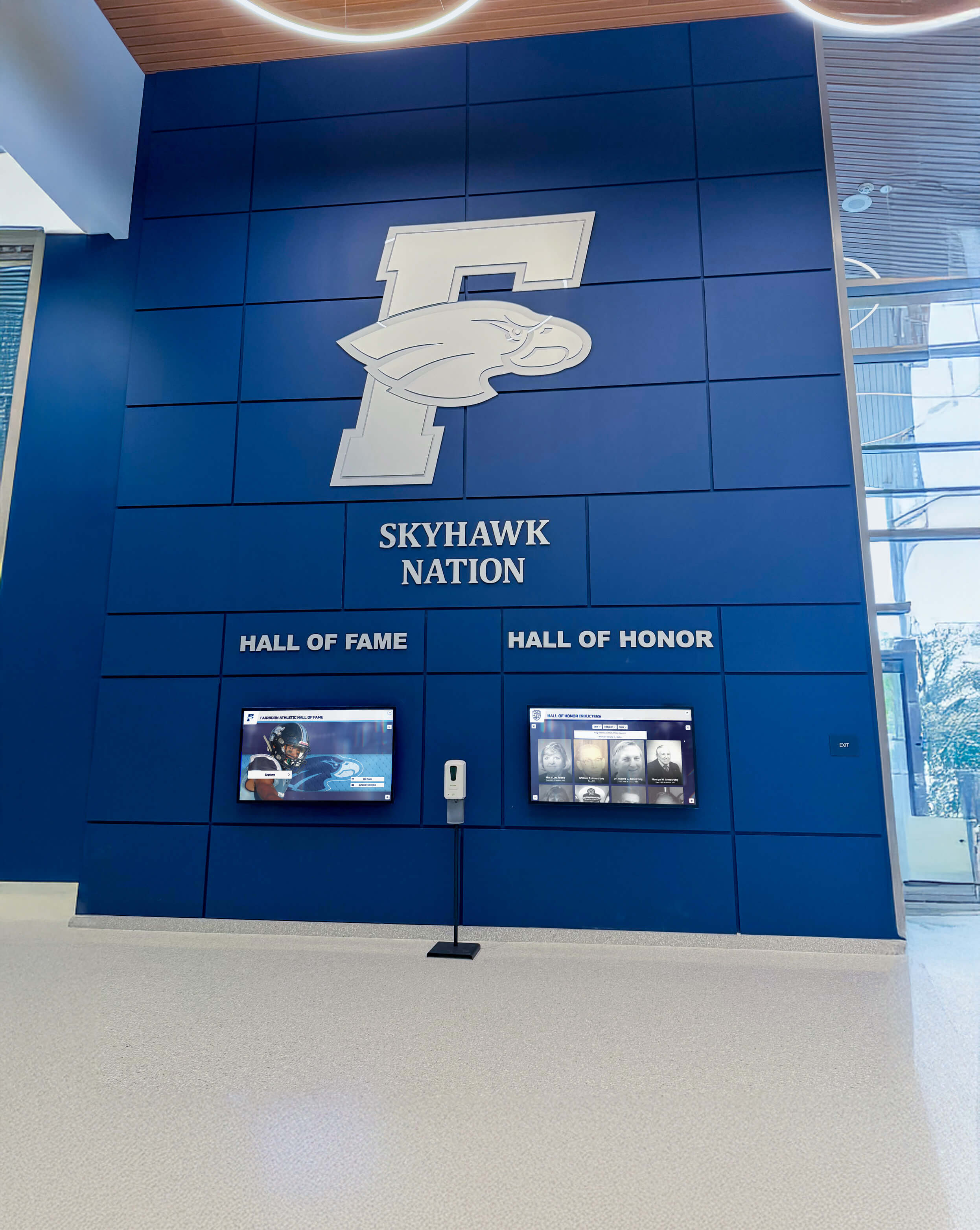
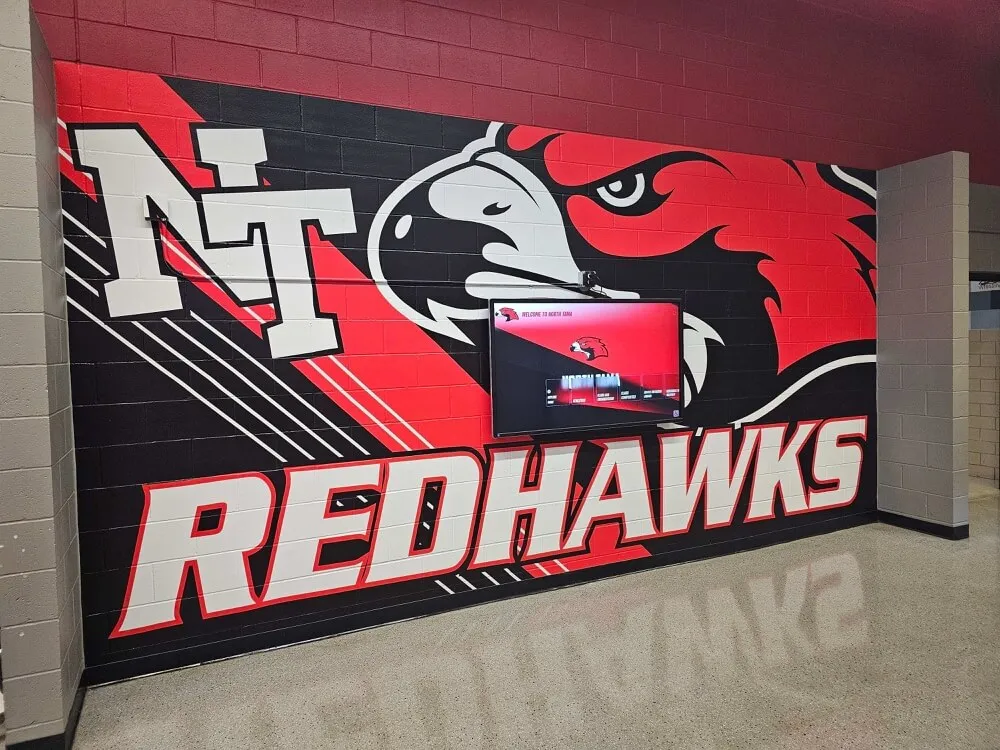
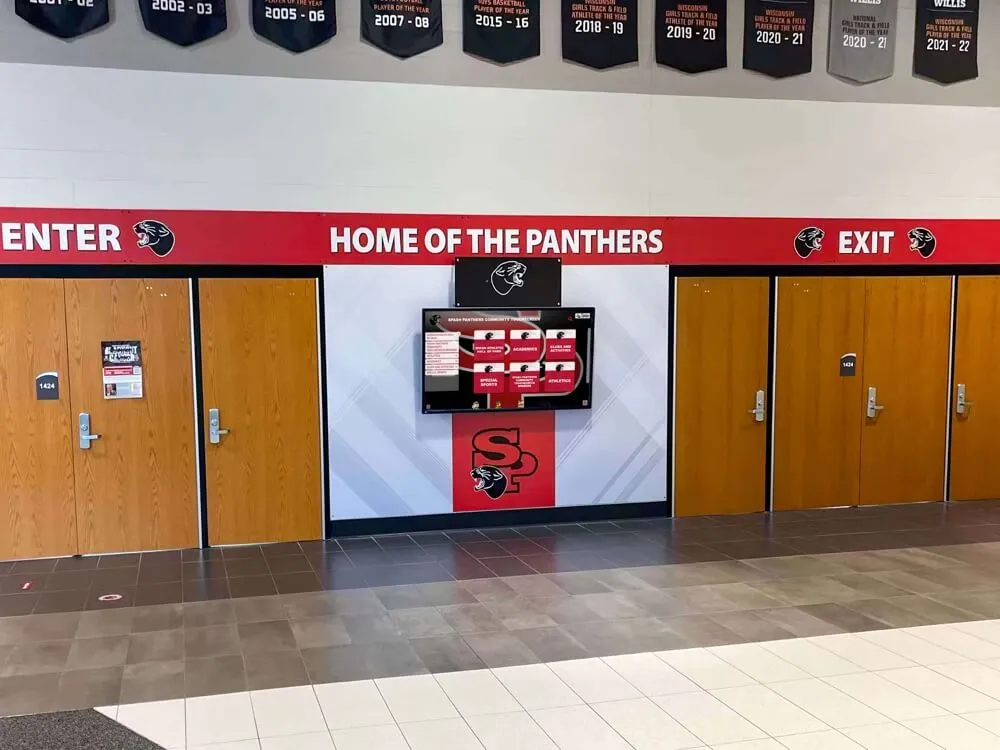
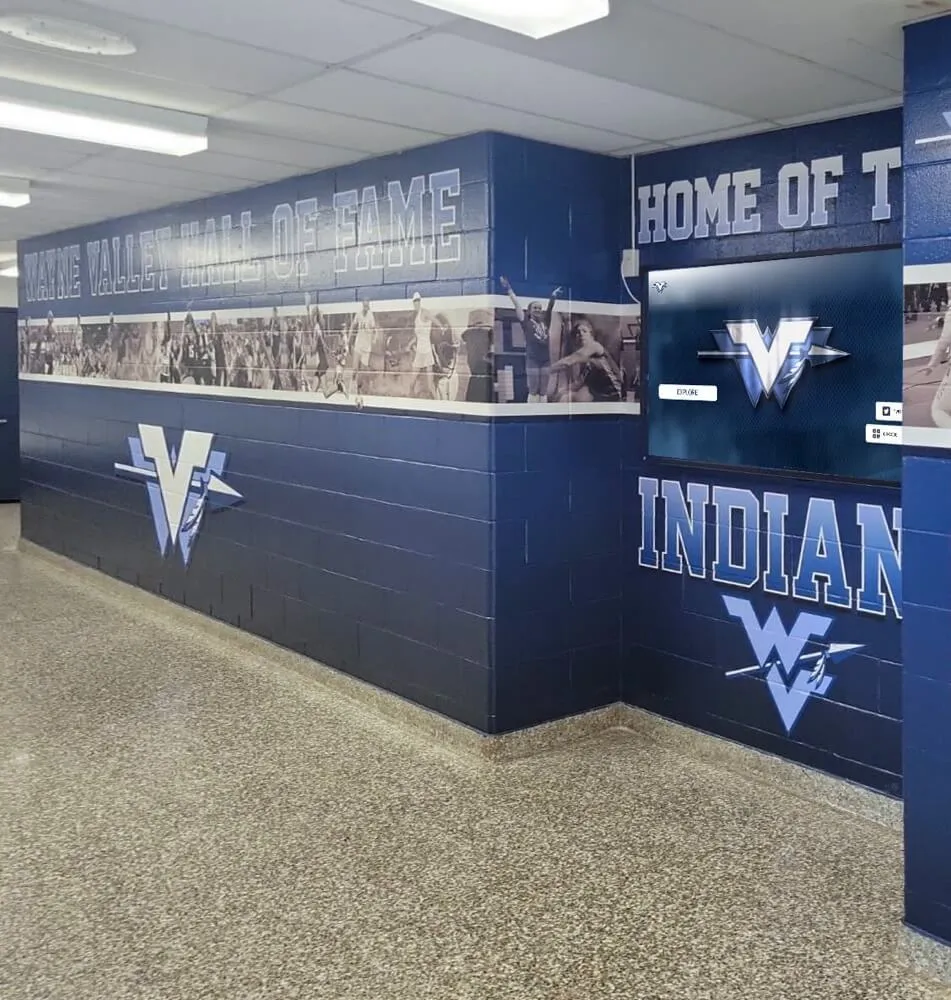
Branded recognition environments in school lobbies communicate program identity and achievement culture to every visitor who enters the building
Practical Considerations for JROTC and CAP Coordinators
Budget Planning
Physical shadow boxes range from $25 for basic frames to $200+ for hardwood, velvet-lined professional cases with engraved nameplates. For programs recognizing 10–20 cadets annually with individual boxes, annual display costs typically run $500–$2,000 depending on materials chosen.
Digital recognition platforms involve initial setup costs and annual content management fees that vary by provider and school size. Many schools offset these costs through booster club fundraising, community partner sponsorships, or district technology budgets. The per-cadet cost of digital recognition drops significantly as program history grows, since each year adds to an existing archive rather than requiring new physical materials.
Maintenance and Longevity
Physical displays require:
- Annual ribbon and medal inspection for fading, oxidation, or physical damage
- Glass cleaning and frame maintenance
- Storage plan for retired displays when space constraints emerge
Digital platforms require:
- Consistent data entry at promotion and award events
- Periodic photo updates as cadet appearances change
- Content review to ensure departed cadets are properly archived rather than removed
Involving Cadets in Display Creation
Senior cadets and command staff members are often the best creators and curators of program recognition displays. Involving cadets directly in:
- Photographing shadow boxes for digital archiving
- Writing brief descriptions of what specific awards mean
- Updating cadet profiles throughout the year
…reinforces the program values these displays celebrate while distributing the labor of maintenance. Treat display curation as a leadership development assignment, not an administrative burden.
Read about perfect attendance and recognition display approaches for additional ideas on making recognition sustainable and cadet-led.
The distinguished alumni showcase guide also provides useful frameworks for connecting current cadet recognition to long-term alumni engagement.
Explore what the future of digital walls of fame looks like with AI-enhanced features to understand where recognition technology is heading.
And for programs thinking about building community connections through innovative recognition, community engagement strategies translate directly to the JROTC and CAP context.
Frequently Asked Questions
What is the correct way to display military medals in a shadow box?
Medals and ribbons should be arranged in official order of precedence, reading left to right from the viewer’s perspective (the wearer’s right to left). Highest-precedence decorations occupy the top-left position, with subsequent decorations reading across rows from left to right, then dropping to the next row. Unit citations follow individual decorations, and service/training ribbons appear last. JROTC ribbon precedence varies by branch—Army, Air Force, Navy/Marine Corps, and Coast Guard JROTC each maintain branch-specific precedence orders published by their respective service headquarters.
What size shadow box do I need for a JROTC uniform display?
Ribbon-only displays fit comfortably in a shadow box of 11×14 inches with 1–1.5 inch depth. Full uniform displays including epaulets, name tags, and shoulder boards require at least 16×20 inches with 2–3 inch depth. Medal displays that include hanging medals alongside ribbons need additional depth (2 inches minimum) to accommodate medal hardware without pressing against the glass. Custom sizing is often available from military supply specialists and frame shops.
Can a digital display replace a physical shadow box for JROTC recognition?
Digital displays complement physical shadow boxes rather than replacing them. Physical shadow boxes carry ceremonial and archival weight that digital screens cannot fully replicate—they are tangible, permanent records that cadets can take home after program completion. Digital platforms solve different problems: scale across many cadets and years, remote accessibility for families and alumni, searchability, and multimedia storytelling. The strongest programs use both, with physical shadow boxes for individual permanent records and digital platforms for collective program history and broad community engagement.
What awards should JROTC and CAP programs prominently display?
The highest-precedence and most competitive awards deserve the most prominent placement: Distinguished Cadet designations, Honor Unit with Distinction status, Billy Mitchell Awards (CAP), and service academy nomination or ROTC scholarship achievements. Command staff ranks (battalion commander, wing commander) and drill team championship results also warrant featured display positions. Personal awards such as subject matter expertise designations, physical fitness achievements, and service ribbons are best shown in comprehensive individual profiles rather than singular featured positions.
How do schools fund JROTC and CAP recognition display improvements?
Physical display improvements are frequently funded through JROTC booster organizations, parent advisory councils, or school activity budgets. Some programs have successfully sought community sponsor donations—local veterans organizations, American Legion posts, VFW chapters, and military family associations often have specific interest in supporting JROTC and CAP recognition improvements. Digital recognition platforms are sometimes included in district-wide technology budgets or funded through school foundation grants. Presenting a recognition display proposal to a school board or administrative team with data on enrollment, cadet achievement rates, and community engagement typically strengthens funding requests.
Conclusion: Honoring Cadets with the Recognition They’ve Earned
Every ribbon on a JROTC uniform and every achievement badge in a CAP shadow box represents hours of training, genuine commitment, and personal growth that deserves visible, durable recognition. A well-designed military medals display—whether a single carefully arranged shadow box or a comprehensive digital recognition wall spanning program history—communicates to cadets, their families, and the broader community that these accomplishments matter.
The most effective recognition environments combine the protocol and permanence of traditional shadow box design with the reach and scalability of modern digital platforms. Schools that invest in both create recognition systems capable of honoring current cadets, celebrating program alumni, and recruiting the next generation of young leaders who will carry the program’s tradition forward.
Build a Military Recognition Display Your Program Deserves
Discover how Rocket Alumni Solutions' interactive touchscreen platforms help JROTC, CAP, and ROTC programs display cadet achievements, build program history archives, and engage alumni—all through a system your instructors can manage without technical expertise.
Explore Recognition Solutions