



The national honor society induction ceremony stands as one of the most significant academic recognition events on the school calendar, celebrating students who exemplify scholarship, service, leadership, and character—the four pillars that define NHS membership. For inductees, this ceremony marks a pivotal moment acknowledging years of dedication to academic excellence and community contribution. For families, it provides an opportunity to celebrate their students’ achievements alongside peers who share similar values and commitments.
Yet many schools approach NHS induction planning with uncertainty, resulting in ceremonies that feel rushed, impersonal, or disconnected from the significance of the honor. Generic speeches lack emotional resonance, logistical oversights create awkward transitions, and recognition moments fail to capture the magnitude of students’ accomplishments. Meanwhile, opportunities to meaningfully engage families, reinforce institutional values, and create lasting memories often go unrealized due to inadequate planning and preparation.
This comprehensive planning guide provides step-by-step strategies for designing and executing National Honor Society induction ceremonies that honor the prestige of this academic distinction while creating meaningful, memorable experiences that celebrate your school’s highest-achieving students and the values that define your educational community.
The National Honor Society induction ceremony requires careful planning that balances formality with warmth, tradition with personalization, and efficiency with meaningfulness. Schools that excel at NHS inductions create events that feel both prestigious and personal—ceremonies where every inductee feels individually recognized while experiencing the collective celebration of joining an elite academic community.

National Honor Society induction celebrates students who exemplify the four pillars: scholarship, service, leadership, and character
Understanding the National Honor Society Mission and Four Pillars
Before planning your ceremony, understanding NHS’s foundational principles ensures your event authentically reflects the organization’s values and purpose.
The Four Pillars of NHS Membership
Every element of your induction ceremony should reinforce these defining characteristics:
Scholarship: Academic Excellence
- Demonstrated through GPA requirements (typically 3.5 or higher on 4.0 scale)
- Sustained academic achievement across multiple semesters
- Intellectual curiosity and commitment to learning
- Academic integrity and ethical scholarship practices
- Recognition that scholarship provides the foundation for all other pillars
Service: Community Contribution
- Voluntary contributions to school and community without expectation of compensation
- Consistent service patterns demonstrating genuine commitment rather than resume-building
- Service that addresses genuine community needs and creates positive impact
- Understanding of service as responsibility rather than obligation
- Recognition that service strengthens communities and develops empathy
Leadership: Positive Influence
- Leadership demonstrated through both formal positions and informal influence
- Ability to inspire and motivate peers toward positive goals
- Willingness to accept responsibility and make difficult decisions
- Leadership that serves others rather than seeking personal recognition
- Recognition that effective leadership empowers others and creates positive change
Character: Ethical Foundation
- Consistent demonstration of integrity, honesty, and ethical behavior
- Respect for others regardless of differences
- Responsibility for personal actions and accountability
- Positive attitude and constructive approach to challenges
- Recognition that character provides the foundation for leadership and service
Your induction ceremony should explicitly reference and celebrate these four pillars, helping inductees understand the comprehensive nature of NHS membership extends far beyond academic achievement alone.
Schools can reinforce these values through ongoing recognition systems. Learn more about comprehensive academic recognition programs that celebrate diverse achievements.
Pre-Ceremony Planning: Timeline and Logistics
Successful NHS induction ceremonies require planning beginning 6-8 weeks before the event to ensure all logistical, communication, and programming elements align effectively.
6-8 Weeks Before: Foundation and Decisions
Selection and Notification Process
- Complete candidate evaluation based on scholarship, service, leadership, and character criteria
- Faculty council reviews applications and makes membership decisions
- Send formal notification letters to selected inductees with ceremony details
- Provide information packets including NHS mission, membership requirements, and ceremony expectations
- Request RSVP with number of family members attending for space and program planning
Venue Selection and Reservation
- Choose location based on expected audience size (inductees, families, faculty, current members)
- Consider auditorium, gymnasium, or multi-purpose room with appropriate seating capacity
- Reserve space officially with facilities management
- Confirm audio-visual capabilities including microphone systems, projection equipment, and lighting
- Plan for accessibility accommodations ensuring all attendees can participate fully
Date and Time Determination
- Select date avoiding conflicts with major school events, testing schedules, and holidays
- Evening ceremonies (6:00-7:30 PM) typically maximize family attendance
- Allow 60-90 minutes for complete ceremony including processional, speeches, induction, and reception
- Communicate date early allowing families to plan attendance
- Consider recording or livestreaming for family members unable to attend in person
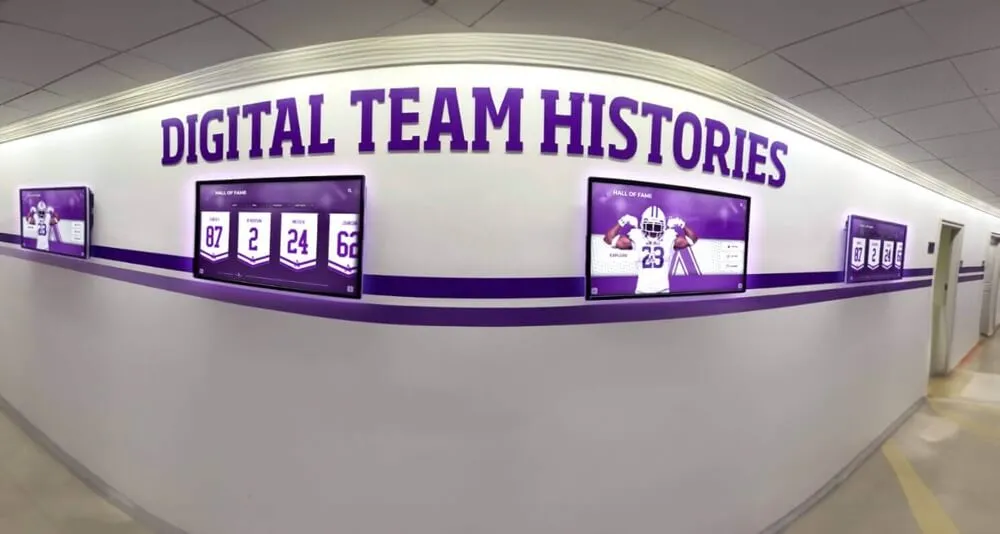
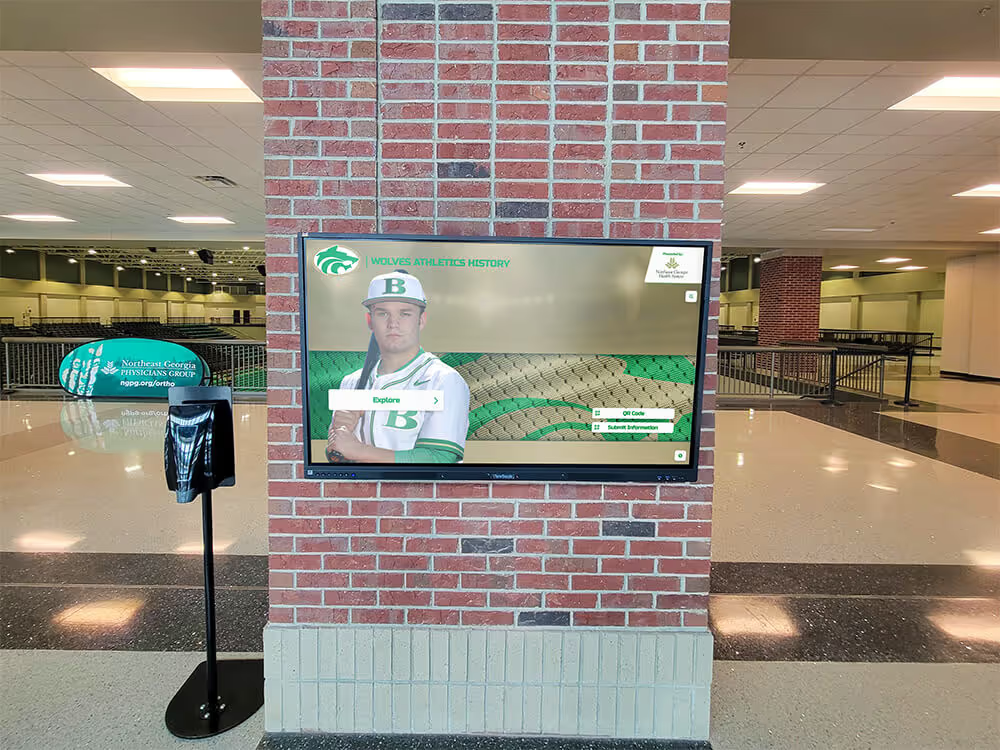
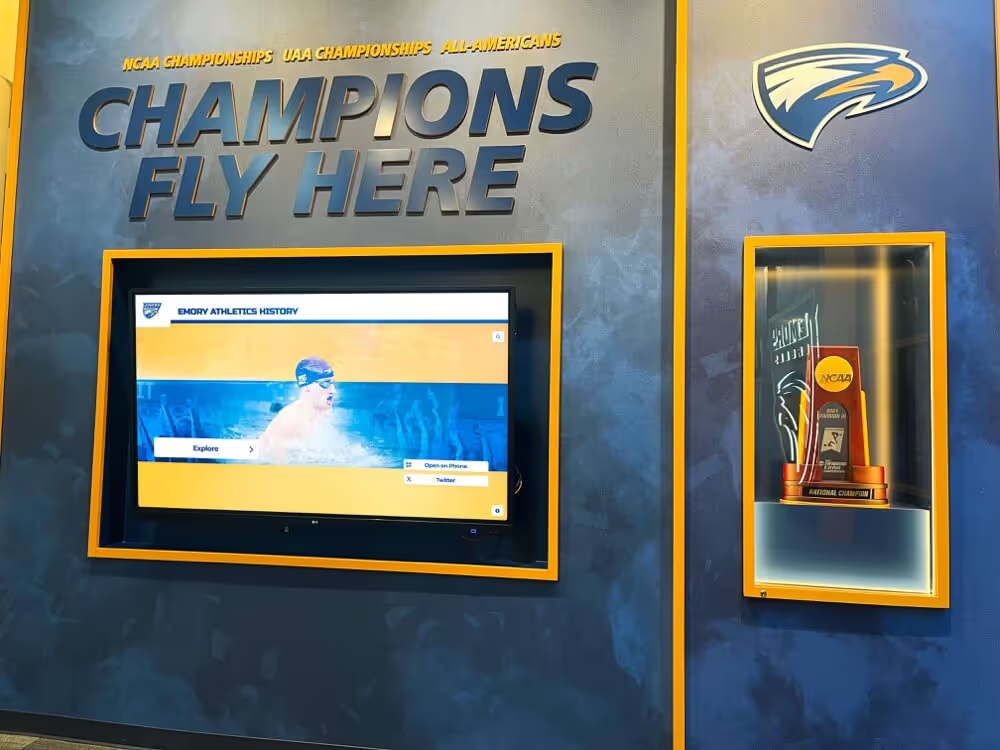
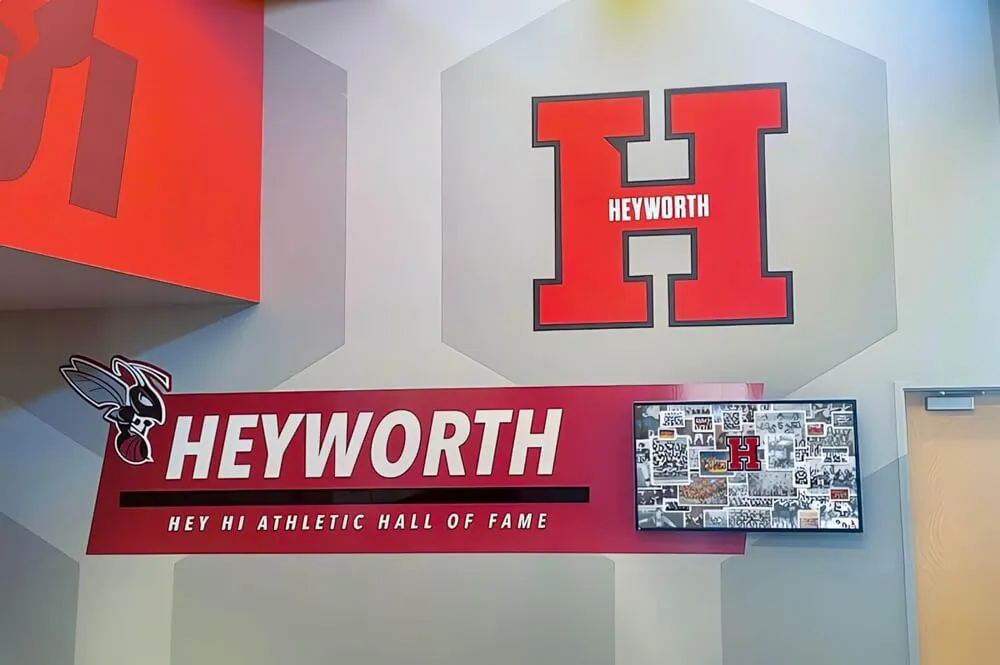
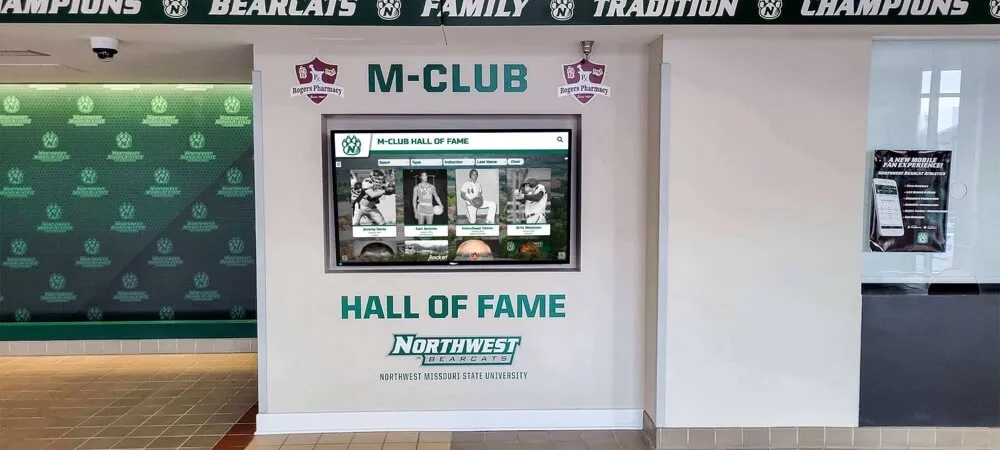
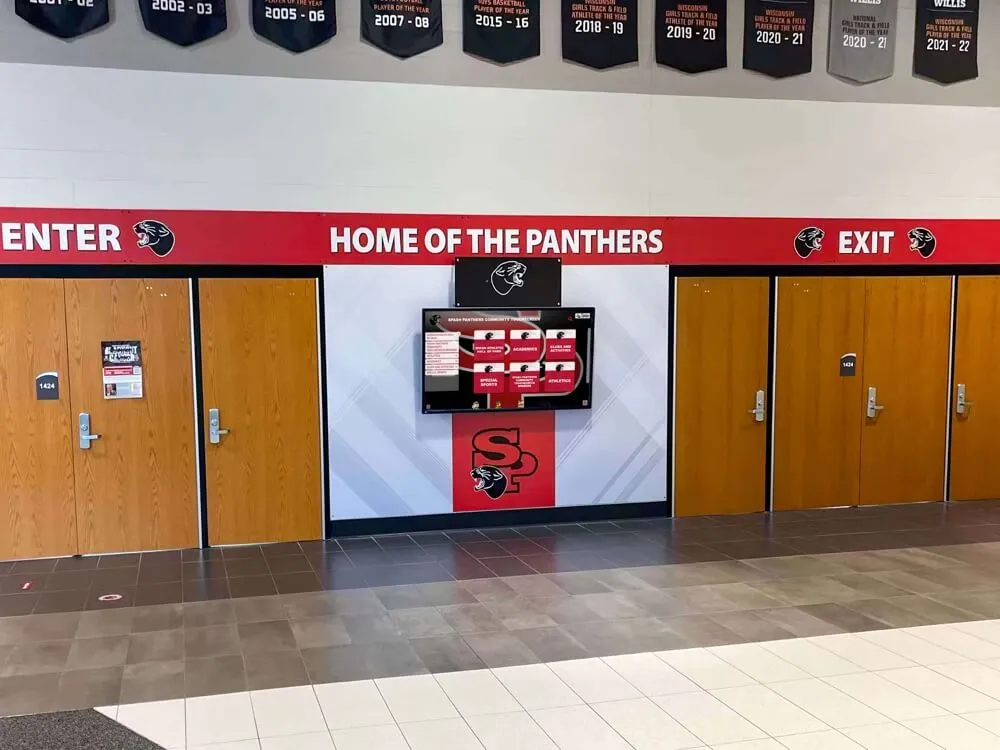
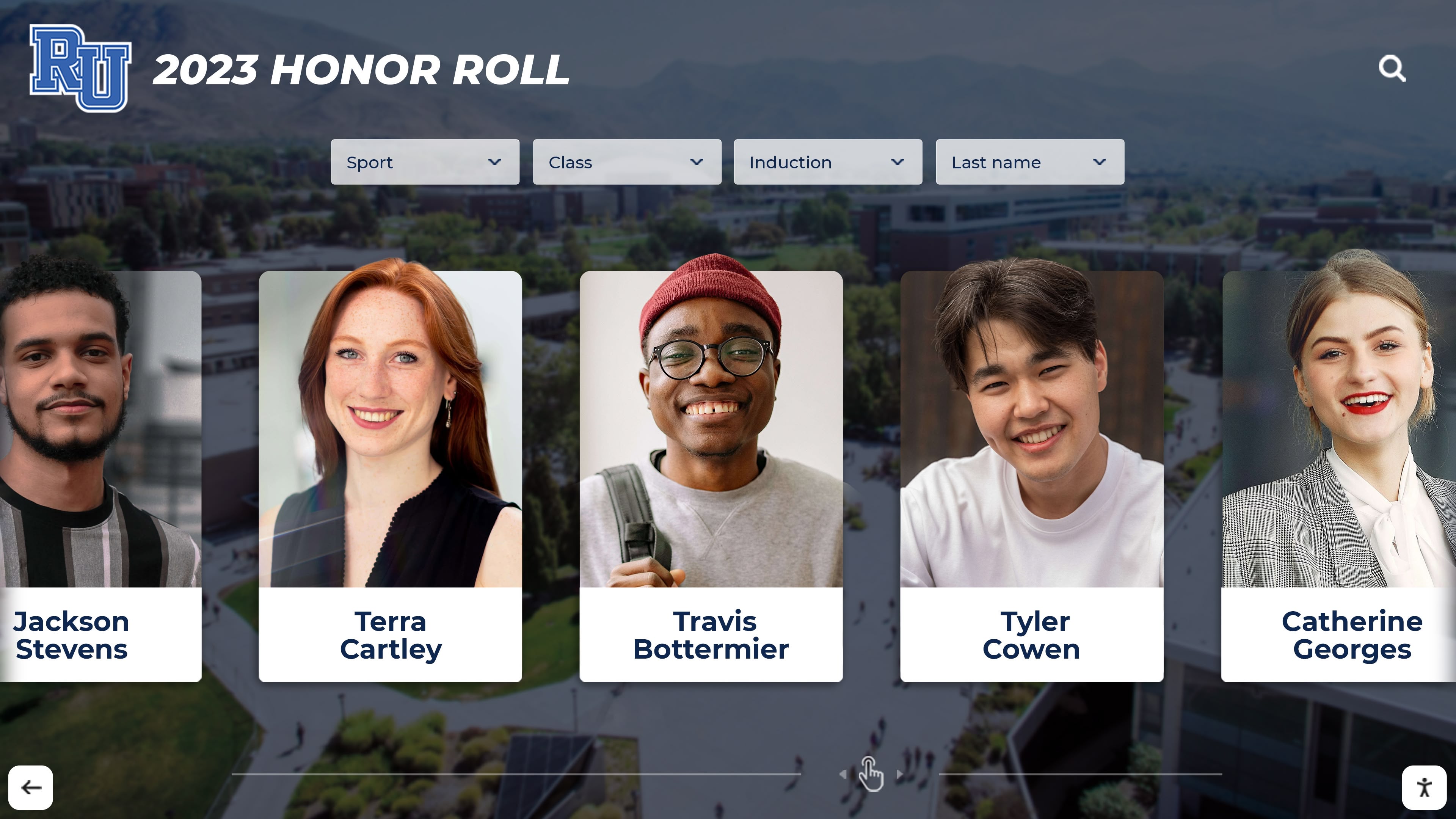
Modern recognition systems create permanent records of NHS membership and academic achievement
4-6 Weeks Before: Program Development and Communications
Ceremony Program Design
- Develop ceremony script including processional, welcome, speeches, candle-lighting, pledge, and recessional
- Select speakers: principal or headmaster, NHS advisor, current NHS president, and distinguished inductee speaker
- Determine whether each pillar will be explained individually (traditional four-candle ceremony)
- Plan music selections for processional and recessional
- Create printed programs listing all inductees, ceremony participants, and program order
Speaker Preparation and Coordination
- Meet with all speakers to review timing expectations and ceremony flow
- Request speech drafts 2-3 weeks before ceremony for review and timing coordination
- Provide speaker guidelines emphasizing brevity (3-5 minutes each) and inspirational tone
- Coordinate student speaker selection through current NHS chapter voting or advisor selection
- Prepare backup speakers in case of last-minute cancellations
Family Communications
- Send detailed ceremony information including date, time, location, and parking details
- Communicate dress code expectations (typically business or business casual attire)
- Explain ceremony format so families know what to expect
- Request photo permission for ceremony documentation and school communications
- Provide reception details if hosting post-ceremony refreshments
For schools planning multiple recognition events throughout the year, explore strategies for organizing comprehensive awards ceremonies that celebrate diverse achievements.
2-3 Weeks Before: Materials Preparation
Certificates and Materials
- Order official NHS certificates from national organization or prepare locally if approved
- Purchase NHS membership cards for all inductees
- Acquire NHS pins or other symbolic items presented during induction
- Prepare honor cords if distributing for future graduation recognition
- Order candles for traditional four-pillar candle-lighting ceremony
Visual and Decorative Elements
- Create stage backdrop featuring NHS emblem and school identity
- Prepare PowerPoint or video presentation featuring inductee photos and accomplishments
- Print programs with inductee names (verify spelling carefully with students)
- Arrange flowers or decorative elements for stage and reception area
- Prepare signage directing attendees to ceremony location and parking areas
Ceremony Structure: Creating Meaningful Recognition Moments
The ceremony structure should balance formality with personal connection, creating experiences that feel prestigious yet warm and inclusive.
Opening Elements: Setting the Tone
Processional
- Current NHS members enter first, taking designated seating
- Inductees process in alphabetical order to designated seating area
- Faculty advisor and school administrators enter last
- Processional music creates formal, celebratory atmosphere
- Seated arrangement should allow inductees to easily approach stage when called
Welcome and Opening Remarks
- Principal or school leader welcomes families and guests
- Explains significance of NHS and rigorous selection process
- Acknowledges current NHS members present and their continued commitment
- Thanks NHS advisor and faculty council for selection process oversight
- Sets inspirational tone emphasizing ceremony’s importance
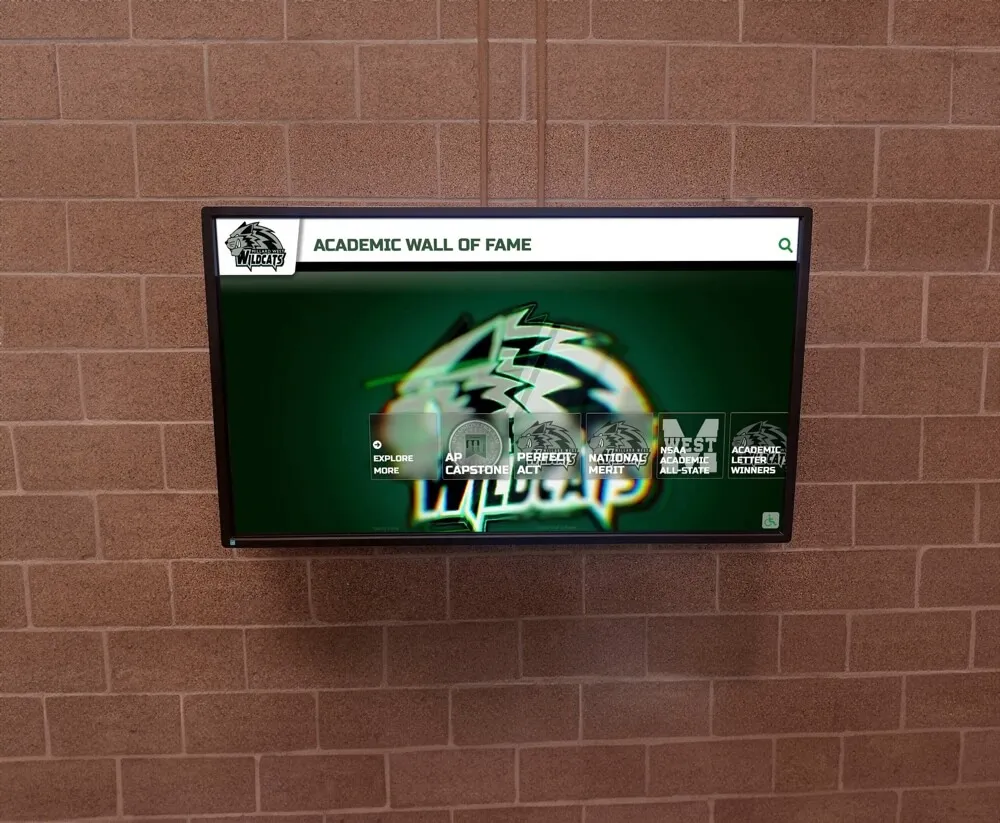
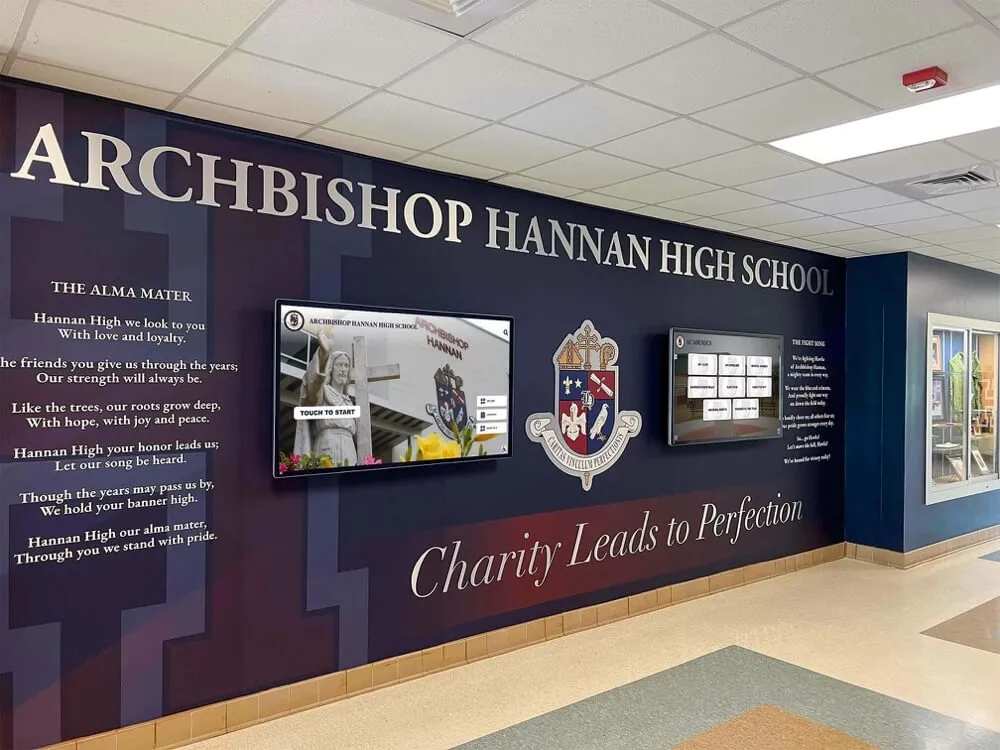
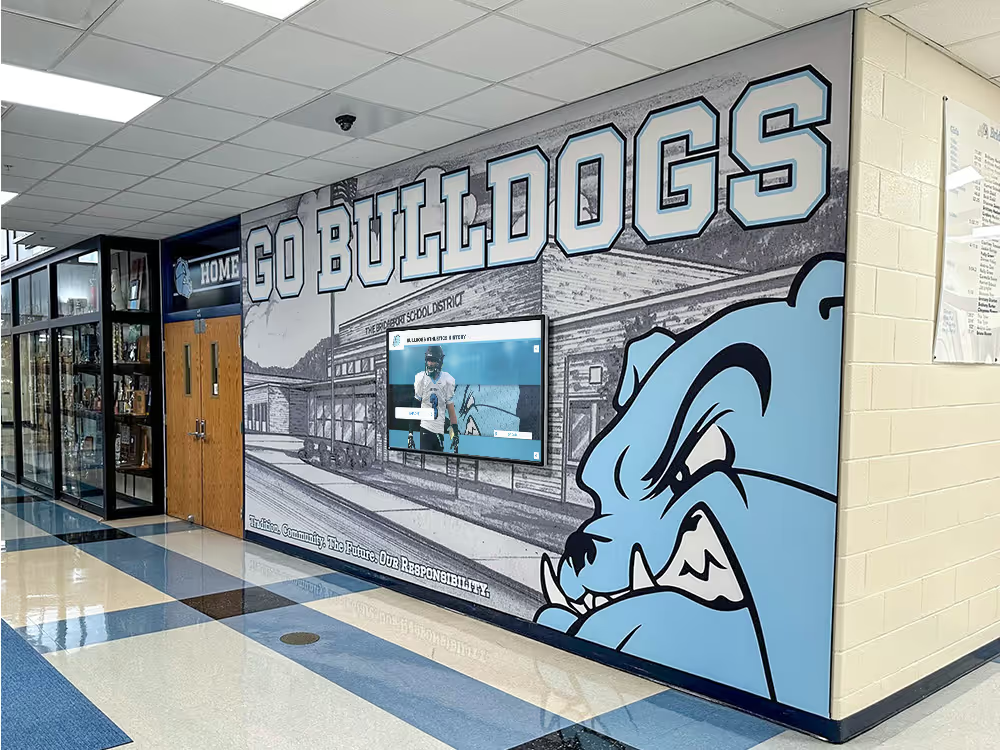
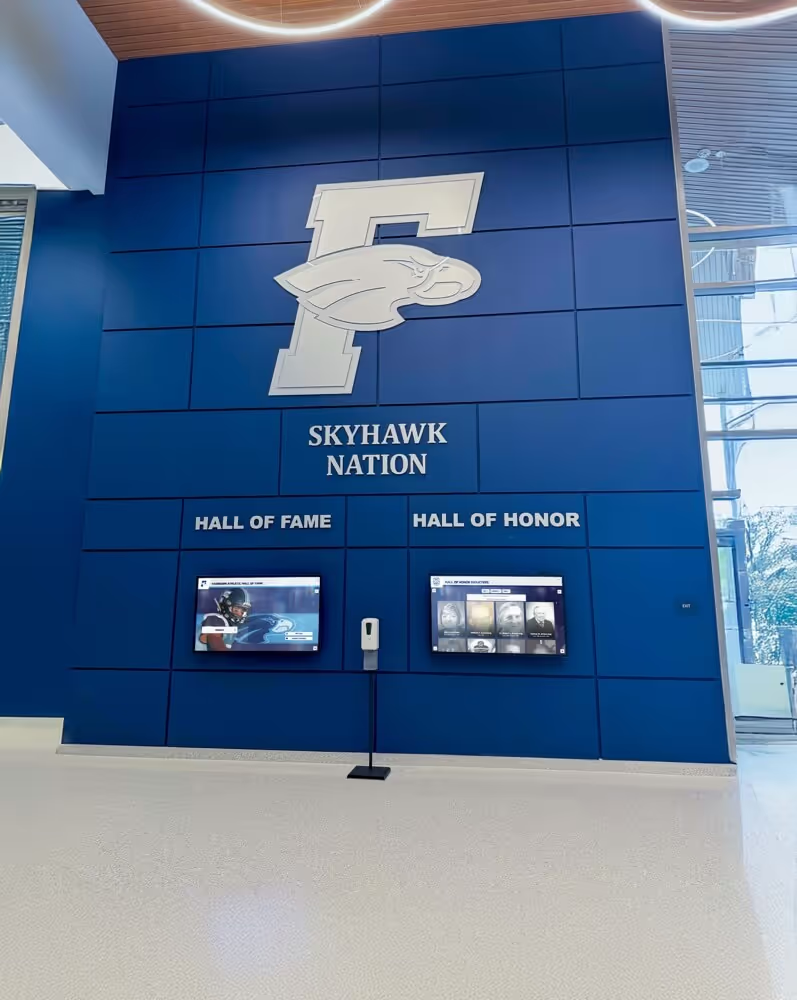
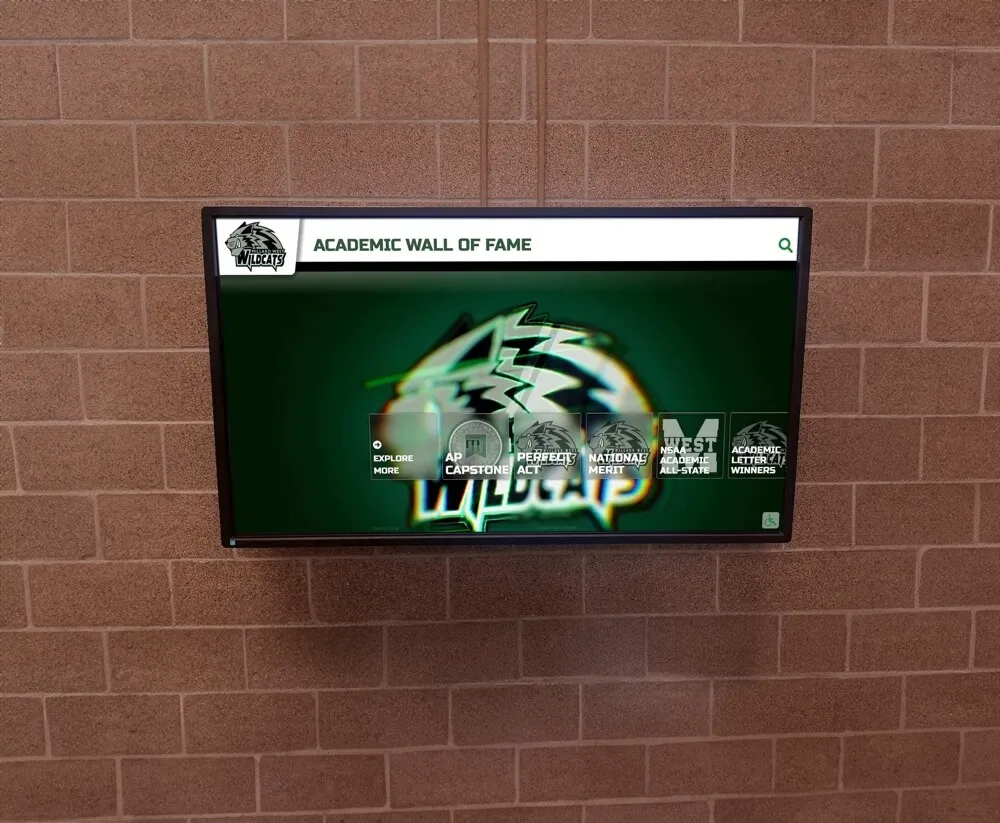
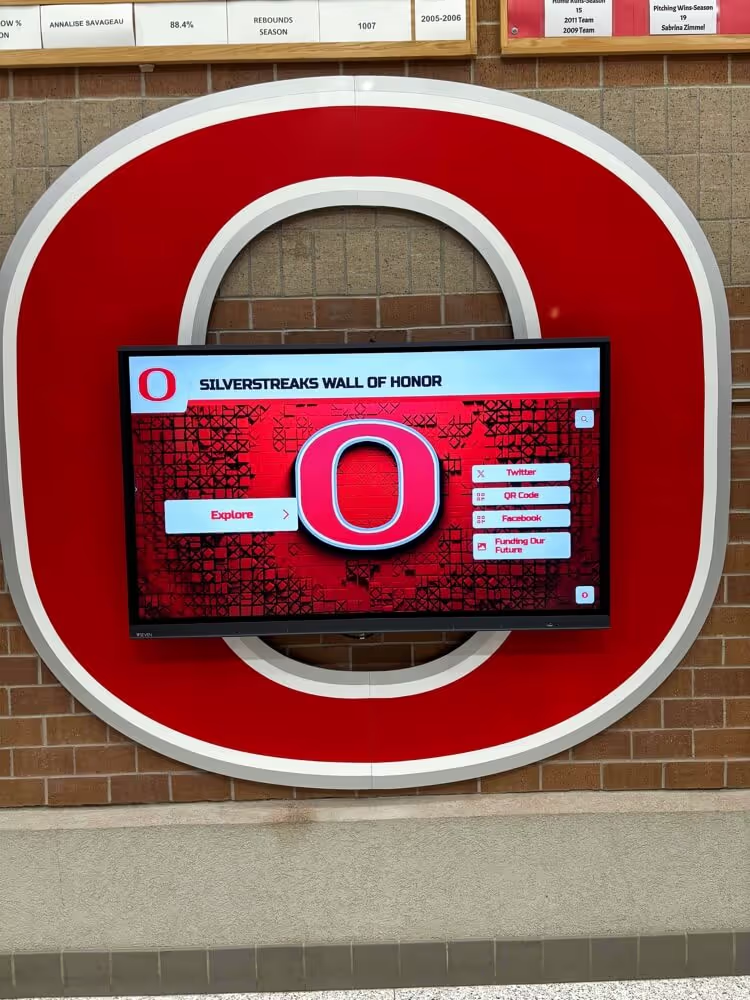
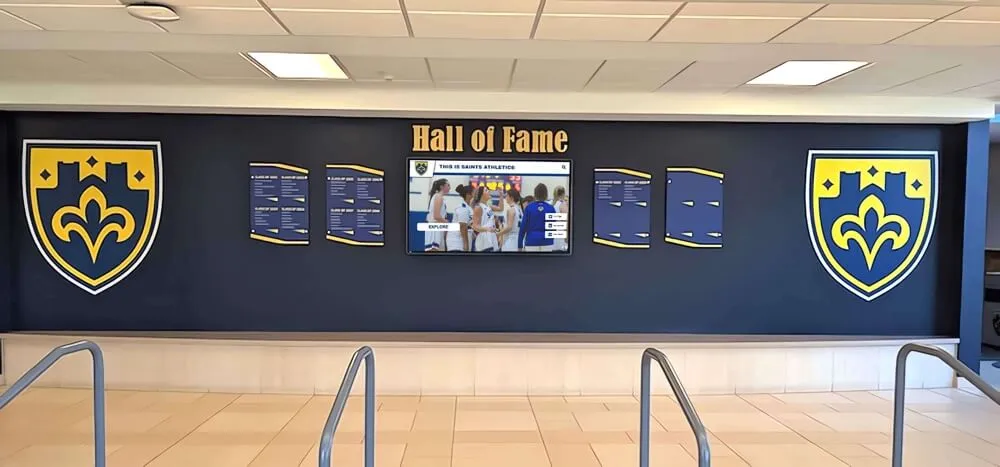
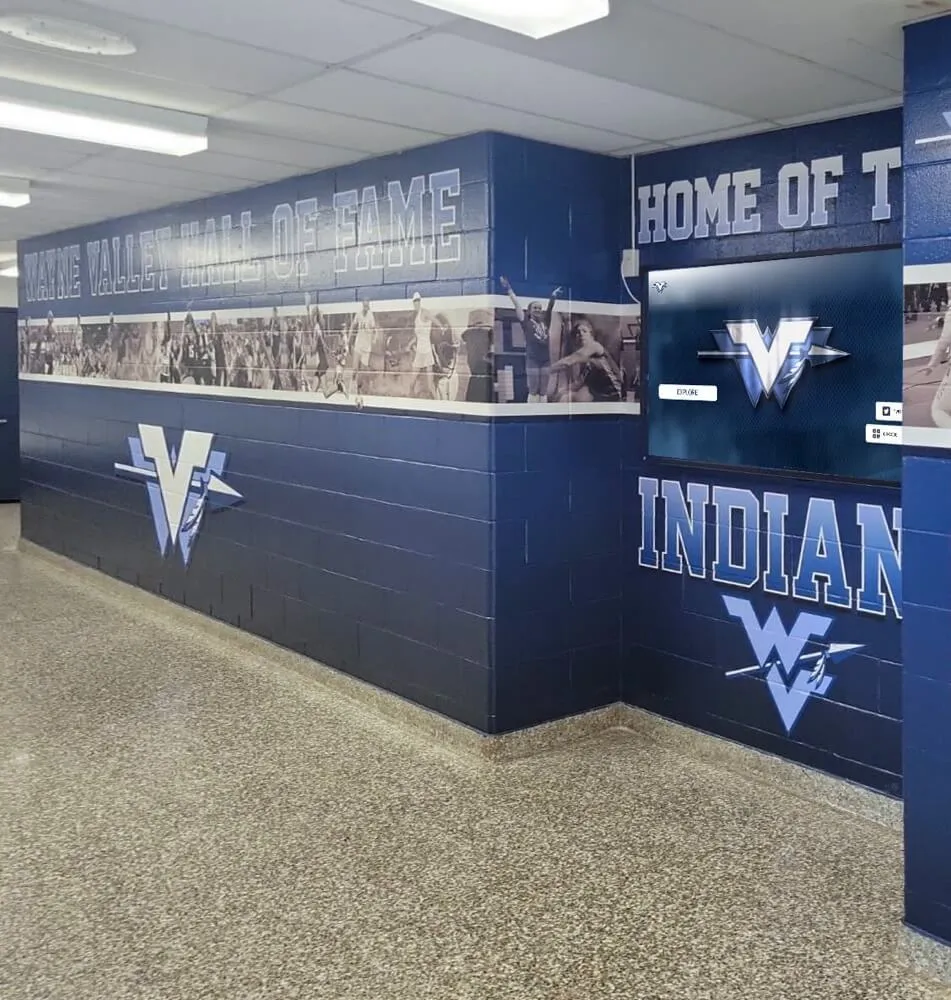
Permanent recognition displays ensure NHS inductees' achievements remain visible throughout the school community
The Four Pillars Presentation
The traditional candle-lighting ceremony provides the ceremony’s centerpiece, explicitly connecting inductees to NHS’s foundational values.
Four-Candle Lighting Ceremony
- Four current NHS members each represent one pillar: Scholarship, Service, Leadership, Character
- Each student explains their assigned pillar’s meaning and importance
- After explanation, student lights their candle representing that pillar
- Brief explanations (60-90 seconds each) keep ceremony moving while providing meaningful context
- Candles remain lit throughout induction symbolizing values guiding NHS membership
Alternative Pillar Presentation Options
- Video presentation featuring current members explaining pillars through personal examples
- Four faculty members discussing how they observe each pillar in student behavior
- Interactive presentation where inductees recite pillar definitions collectively
- Artistic presentation incorporating music, poetry, or visual arts representing each pillar
- Panel discussion featuring distinguished alumni NHS members discussing pillars’ long-term relevance
The pillar presentation provides critical context ensuring inductees understand NHS membership’s comprehensive nature extends far beyond GPA achievements alone.
Individual Induction: The Recognition Moment
Name Reading and Certificate Presentation
- NHS advisor or chapter president reads each inductee’s name clearly
- Inductees approach stage individually to receive recognition
- School leader or NHS advisor presents certificate and membership materials
- Photo opportunity captures each inductee receiving recognition
- Handshake or congratulatory exchange provides personal connection moment
Considerations for Large Induction Classes
- Classes exceeding 40-50 inductees may require modified approaches to maintain reasonable ceremony length
- Consider reading names in groups (by academic class or alphabetically in sets)
- Ensure every inductee still receives individual certificate presentation and photo opportunity
- Balance efficiency with personal recognition avoiding assembly-line feeling
- Multiple presenters can distribute certificates simultaneously if needed for large groups
Documentation and Photography
- Designated photographer captures each inductee’s certificate presentation
- Video recording documents complete ceremony for families and archives
- Photos shared via school communications and social media (with appropriate permissions)
- Professional documentation creates lasting memories and promotional materials
- Consider live streaming for extended family unable to attend in person
Many schools extend recognition beyond the ceremony through permanent displays. Discover how digital recognition walls create lasting visibility for academic achievements.
NHS Pledge and Closing Elements
The NHS Pledge
- All inductees stand and recite NHS pledge together
- Pledge text available in ceremony programs for families to follow
- Moment represents inductees’ formal commitment to upholding NHS values
- Current members may join in pledge recitation demonstrating continued commitment
- Creates powerful collective moment of dedication and shared purpose
Closing Remarks and Inspiration
- Distinguished speaker (alumni NHS member, community leader, or educator) provides brief inspirational message
- Message should connect NHS values to life beyond high school
- Emphasizes responsibility that accompanies this honor
- Encourages continued commitment to scholarship, service, leadership, and character
- Keeps remarks brief (5-7 minutes maximum) and focused on inspiration rather than advice
Recessional
- Newly inducted members exit first (symbolizing their new status)
- Current members follow
- Faculty and administrators exit last
- Recessional music creates celebratory atmosphere
- Exit leads toward reception area if hosting post-ceremony gathering
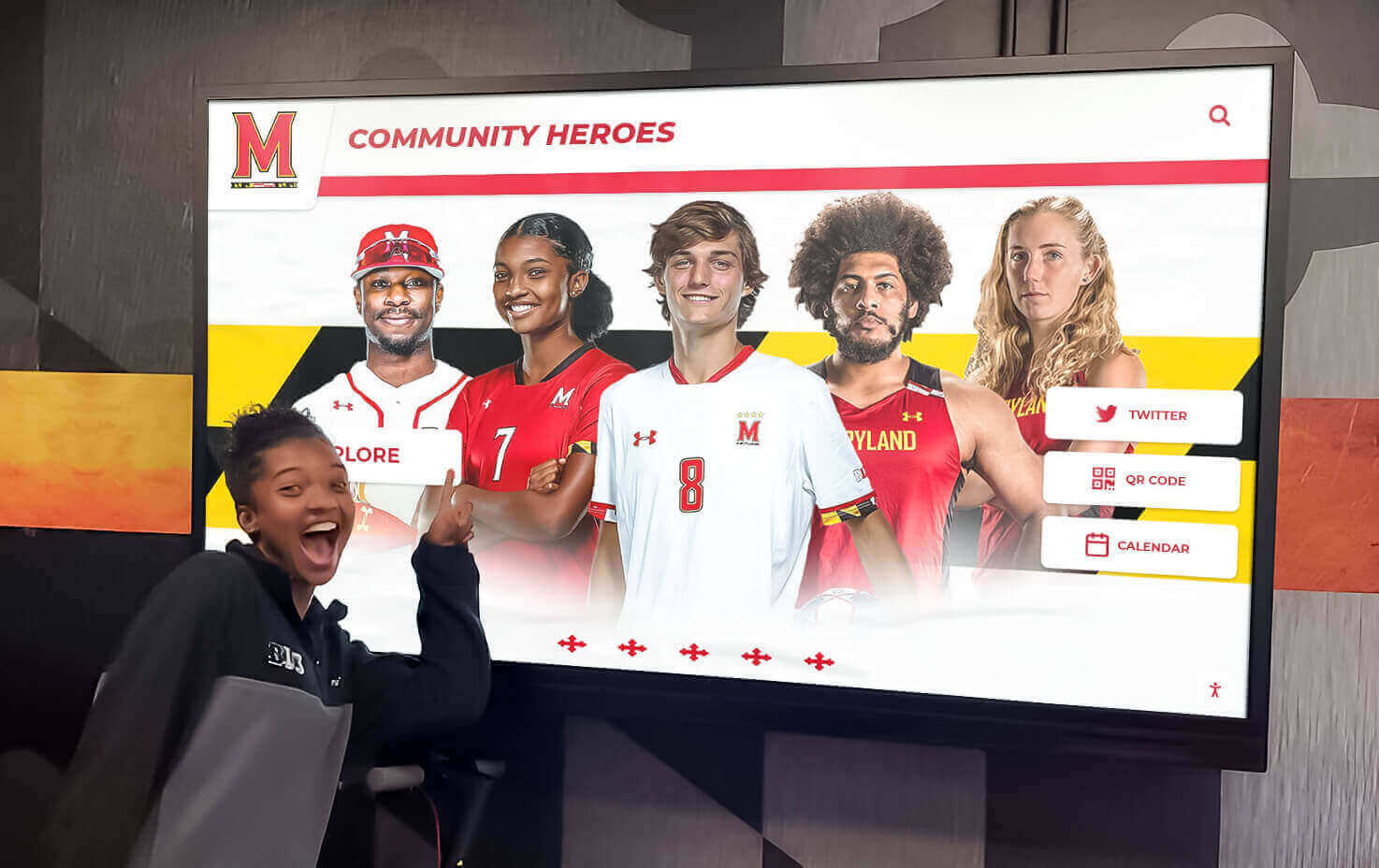
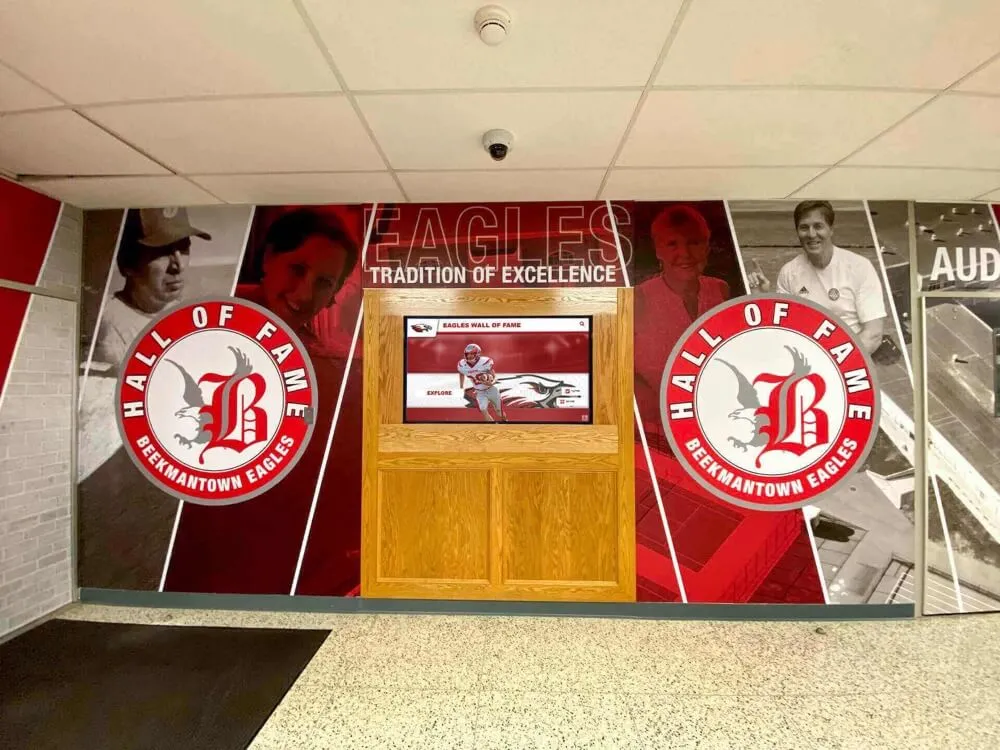
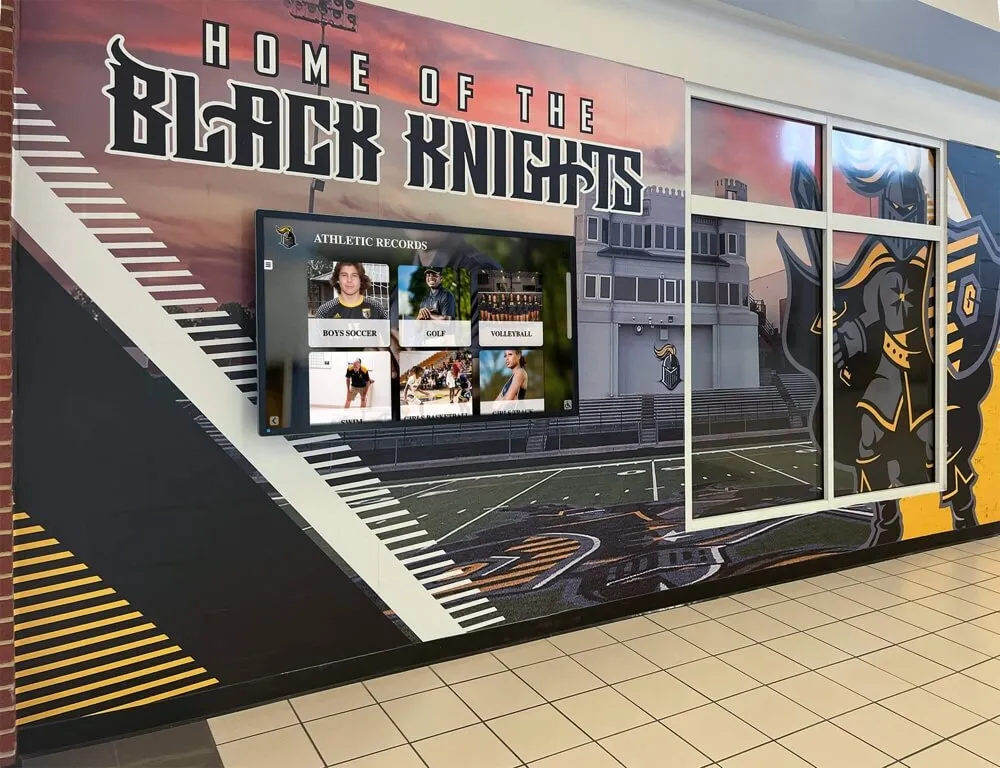
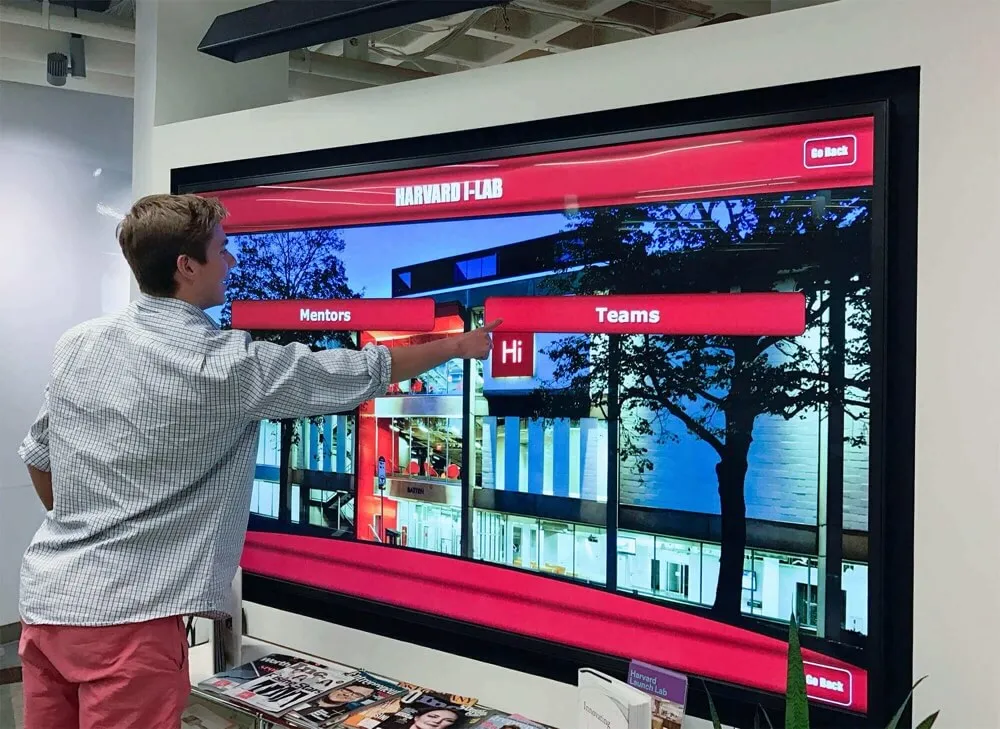
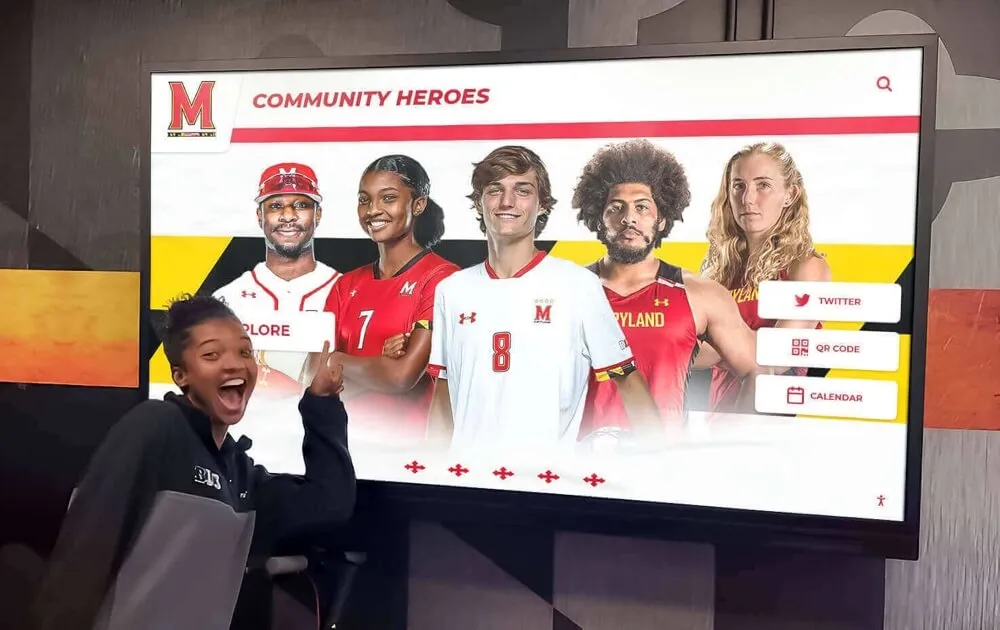
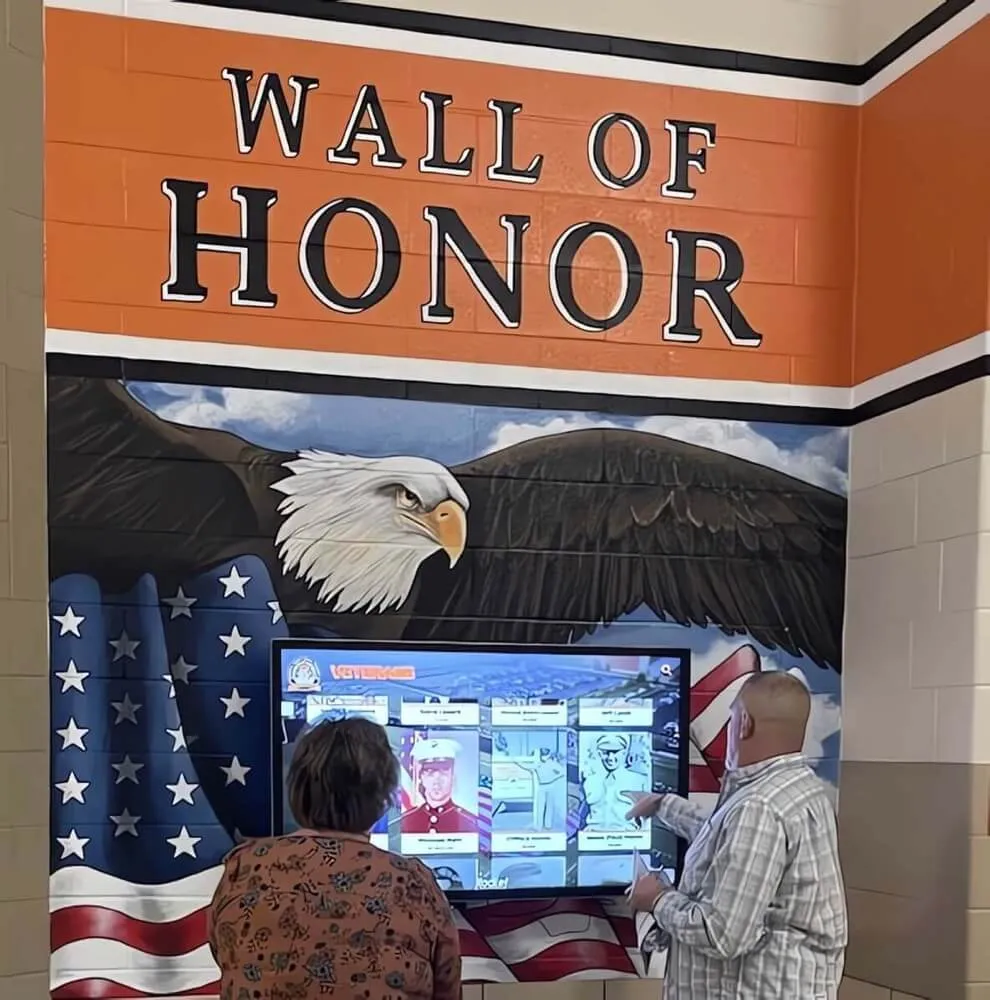
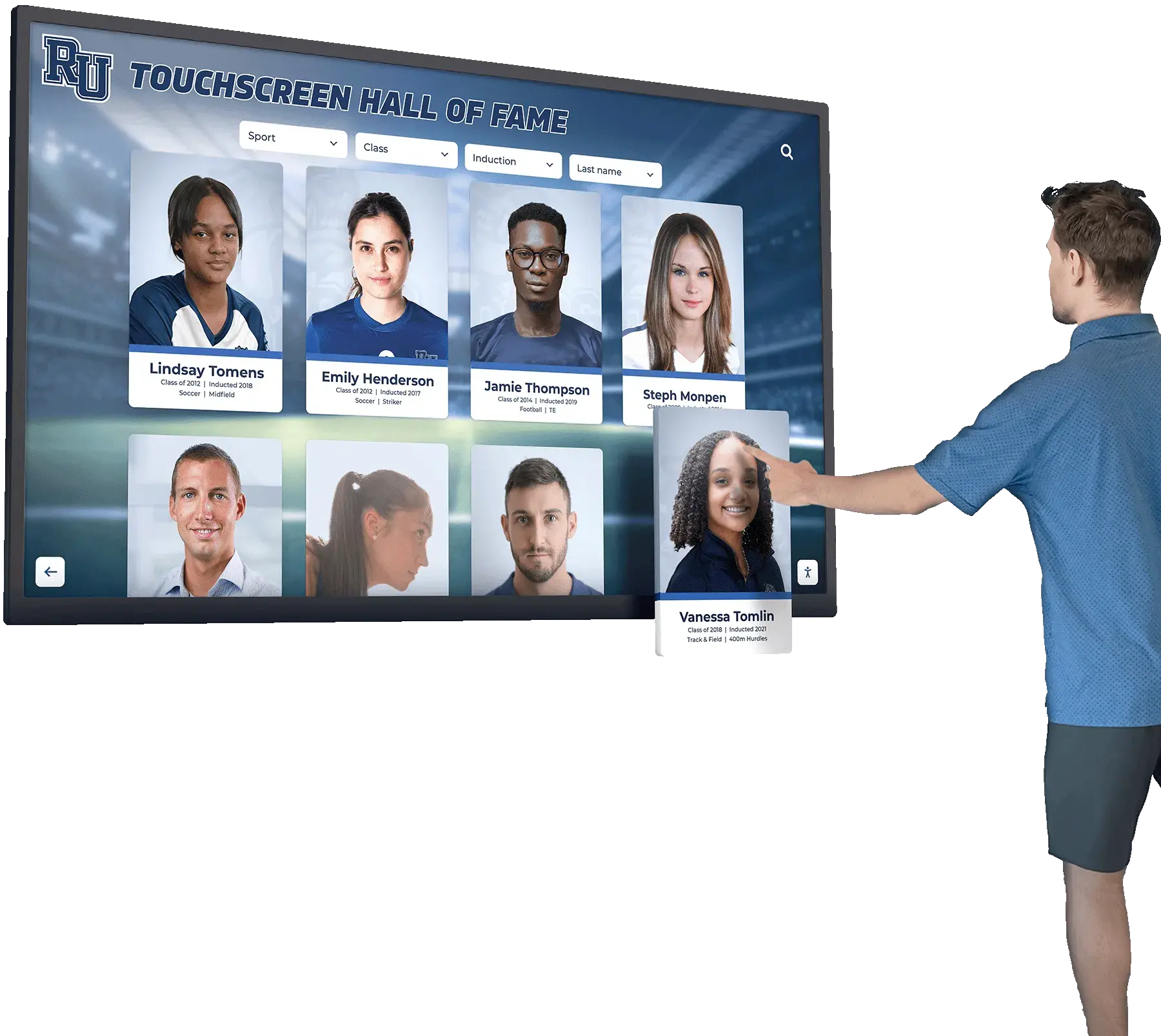
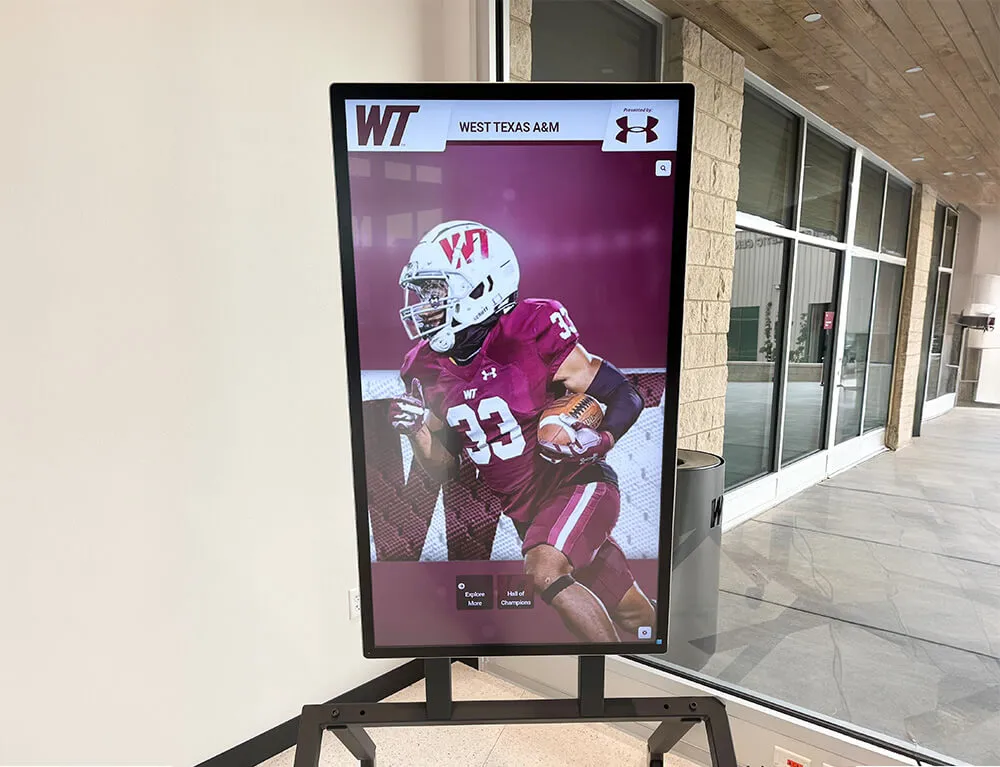
Interactive displays allow families and students to explore achievements and connect with institutional values
Post-Ceremony Reception: Extending the Celebration
A brief reception following the ceremony provides informal celebration opportunities and community building.
Reception Planning and Logistics
Refreshments and Setup
- Light refreshments (cookies, fruit, beverages) create welcoming atmosphere without formal meal expectations
- Setup in adjacent space allows ceremony room transition while families gather
- Student volunteers or parent organization can coordinate refreshment provision
- Dietary considerations ensure inclusive options (allergen-free, varied choices)
- Self-service setup minimizes staffing needs while maintaining informal, accessible feeling
Social Opportunities
- Informal gathering allows families to congratulate inductees and connect with other families
- Current NHS members can welcome new inductees and answer questions
- Faculty can congratulate students and connect with families
- Photo opportunities with NHS backdrop or ceremonial elements
- 30-45 minute reception provides sufficient time without excessive commitment
Recognition Display Opportunities
- Display board featuring inductee photos and accomplishments
- Information table explaining ongoing NHS activities and service projects
- Sign-up opportunities for upcoming NHS events and service activities
- Recognition of current NHS officers and leadership
- Materials explaining NHS scholarship opportunities and national organization benefits
Schools increasingly use permanent recognition displays to celebrate academic achievements year-round. Learn about modern approaches to showcasing student excellence beyond traditional methods.
Special Considerations for Virtual or Hybrid Ceremonies
Recent years have required schools to adapt traditional ceremonies for virtual or hybrid formats when necessary.
Virtual Ceremony Best Practices
Technology Preparation
- Use reliable video conferencing platform with sufficient participant capacity
- Test all technology including audio, video, screen sharing, and recording capabilities
- Provide clear joining instructions with multiple connection options
- Designate technical support person to assist with connection issues
- Record ceremony for those unable to attend live
Adapting Traditional Elements
- Pre-record pillar explanations and candle lighting for seamless presentation
- Display inductee photos on screen as names are read
- Mail certificates and membership materials in advance or schedule individual pickup
- Create digital photo montages celebrating inductees
- Maintain formality through structured program and professional presentation
Engagement Strategies
- Encourage inductees to dress formally and participate from appropriate settings
- Use chat function for congratulations and community building
- Create breakout rooms for small group conversations following ceremony
- Share digital programs via email or download link
- Follow ceremony with mailed congratulations packages including physical materials
Hybrid Ceremony Considerations
Combining In-Person and Virtual Participation
- Some families attend in person while others join virtually
- Position cameras to capture stage and audience for virtual viewers
- Ensure quality audio system so virtual participants hear clearly
- Display virtual attendees on screen acknowledging their remote presence
- Coordinate timing allowing both in-person and virtual reception opportunities
Inclusive Practices: Ensuring All Inductees Feel Valued
Thoughtful planning ensures every inductee experiences meaningful recognition regardless of family circumstances or personal situations.
Accessibility and Accommodation
Physical Accessibility
- Wheelchair-accessible venue with appropriate seating
- Assistive listening devices for hearing-impaired attendees
- Sign language interpretation if requested
- Accessible parking clearly marked and communicated
- Accommodations provided without calling special attention to students requiring them
Family Circumstances Sensitivity
- Recognize that not all students have family members able to attend
- Identify faculty or staff “family” representatives for students needing support
- Ensure students without family present receive equal celebration and attention
- Avoid language assuming traditional family structures
- Create inclusive atmosphere where all students feel celebrated regardless of attendance circumstances
Cultural and Religious Considerations
- Schedule ceremony avoiding religious holidays when possible
- Ensure ceremony content remains secular and inclusive
- Respect diverse family structures and relationships
- Accommodate dress code requests based on religious or cultural requirements
- Create welcoming environment for all families regardless of background
Financial Accessibility
Minimizing Cost Barriers
- Keep any required expenses (attire, fees) minimal or provide assistance options
- Avoid expectation of expensive attire beyond general “dress nicely” guidance
- Offer payment plans or scholarships for any membership dues or materials fees
- Ensure reception refreshments are school-provided rather than expecting family contributions
- Never create situations where financial limitations prevent full participation
For schools developing comprehensive recognition systems, explore strategies for celebrating diverse student achievements throughout the academic year.
Beyond the Ceremony: Sustaining NHS Engagement
The induction ceremony marks a beginning rather than culmination—successful chapters maintain engagement through meaningful ongoing activities.
Post-Induction Integration
Orientation and Expectations
- Schedule new member orientation within 2-3 weeks of induction
- Clearly communicate service hour requirements and documentation procedures
- Explain chapter activities, meeting schedules, and participation expectations
- Introduce officers and leadership structure
- Distribute contact information and communication channels
Service Project Engagement
- Involve new members in upcoming service projects quickly
- Provide varied service opportunities appealing to diverse interests and schedules
- Create mentorship partnerships between new and existing members
- Document service participation for individual records and chapter reporting
- Celebrate service accomplishments regularly throughout the year
Leadership Development Opportunities
- Offer leadership positions on committees even for new members
- Provide skill-building workshops and leadership training
- Connect NHS activities to college application and scholarship opportunities
- Create advancement pathways toward chapter officer positions
- Recognize emerging leaders publicly and encourage continued development
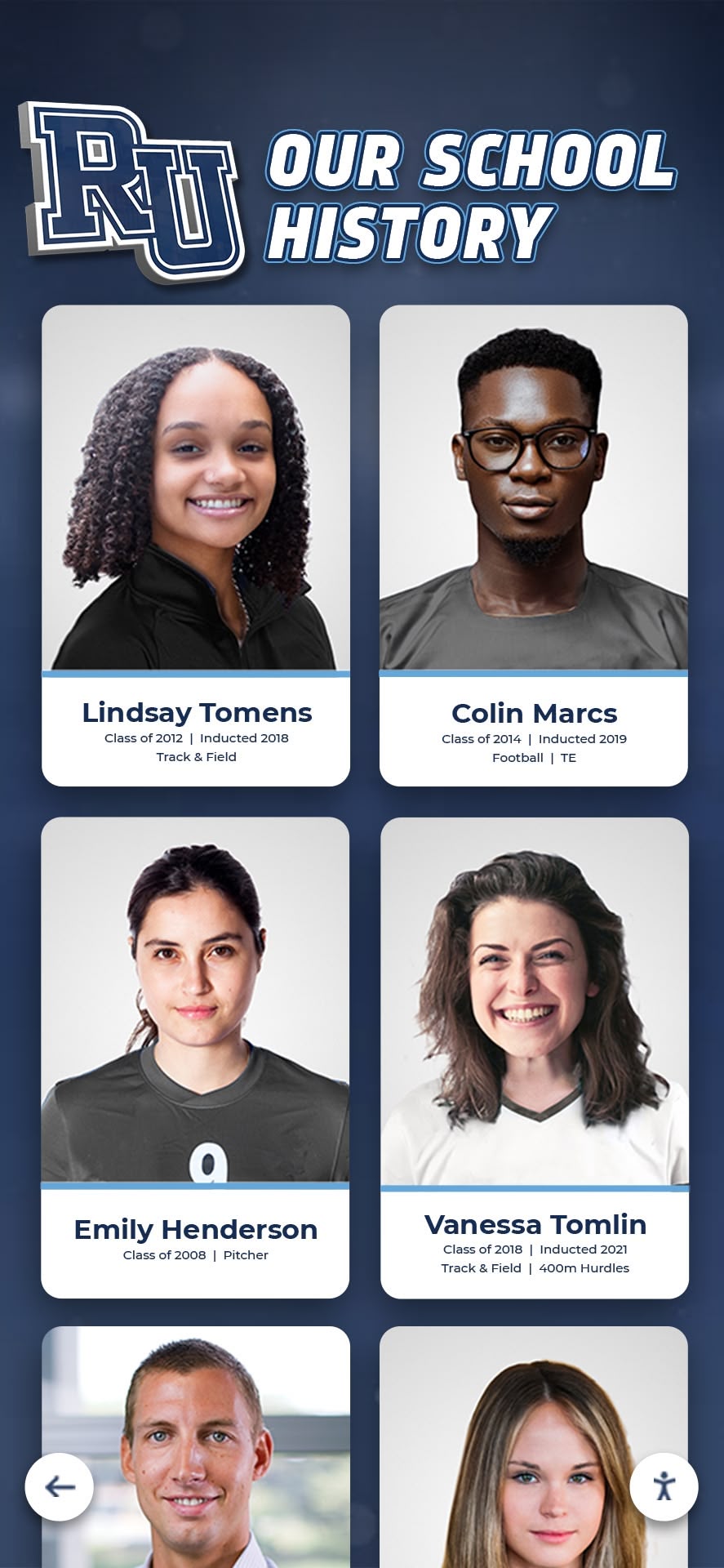
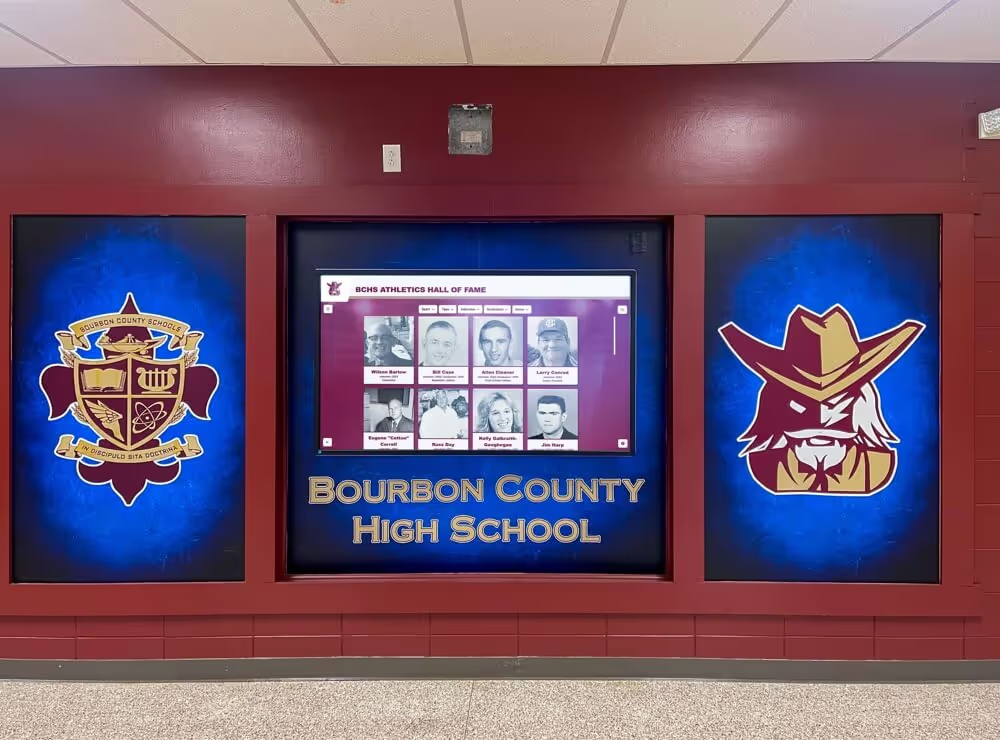
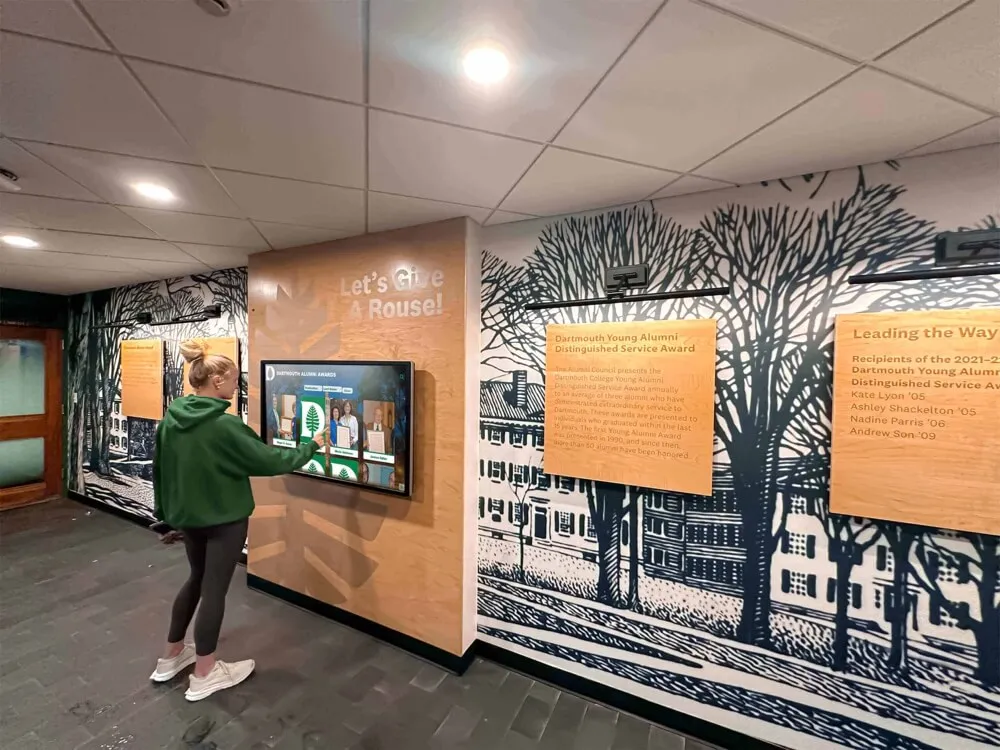
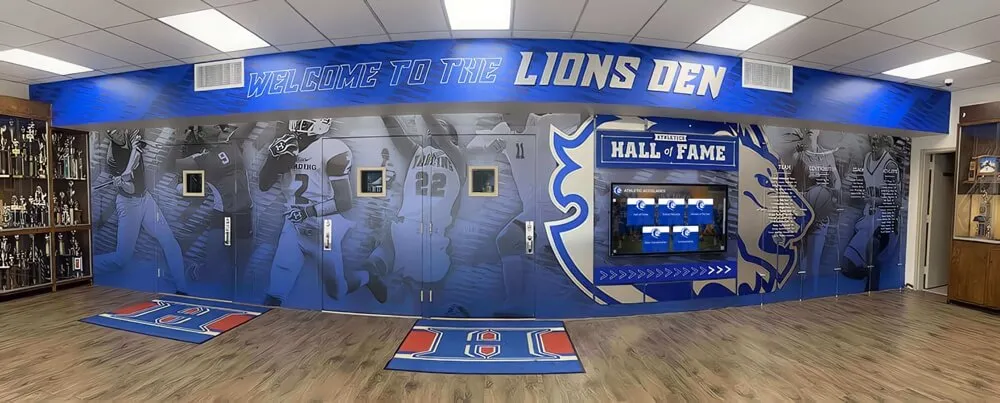
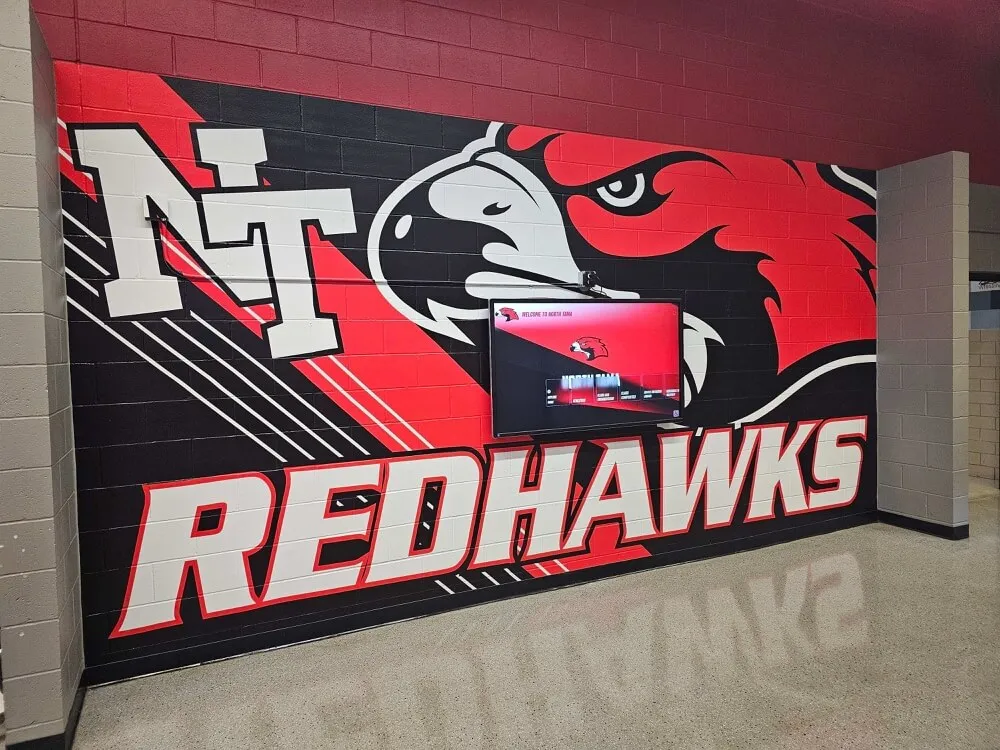
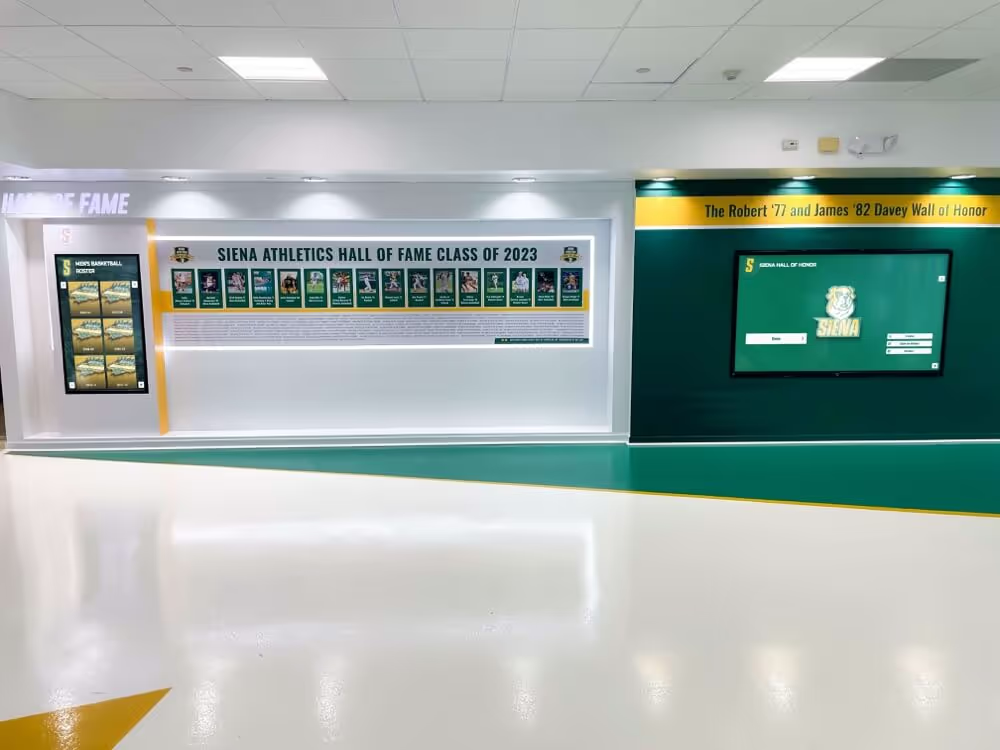
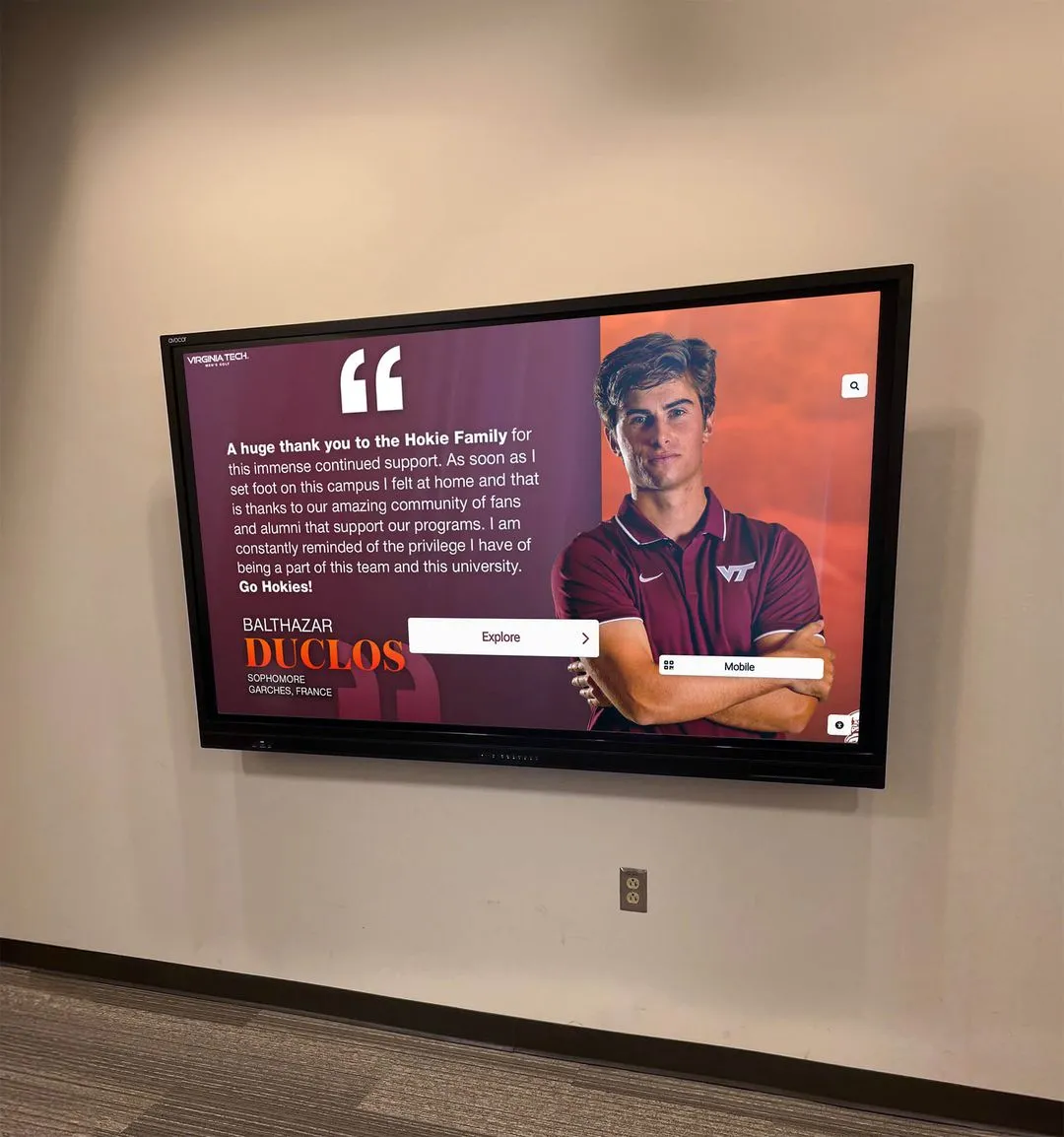
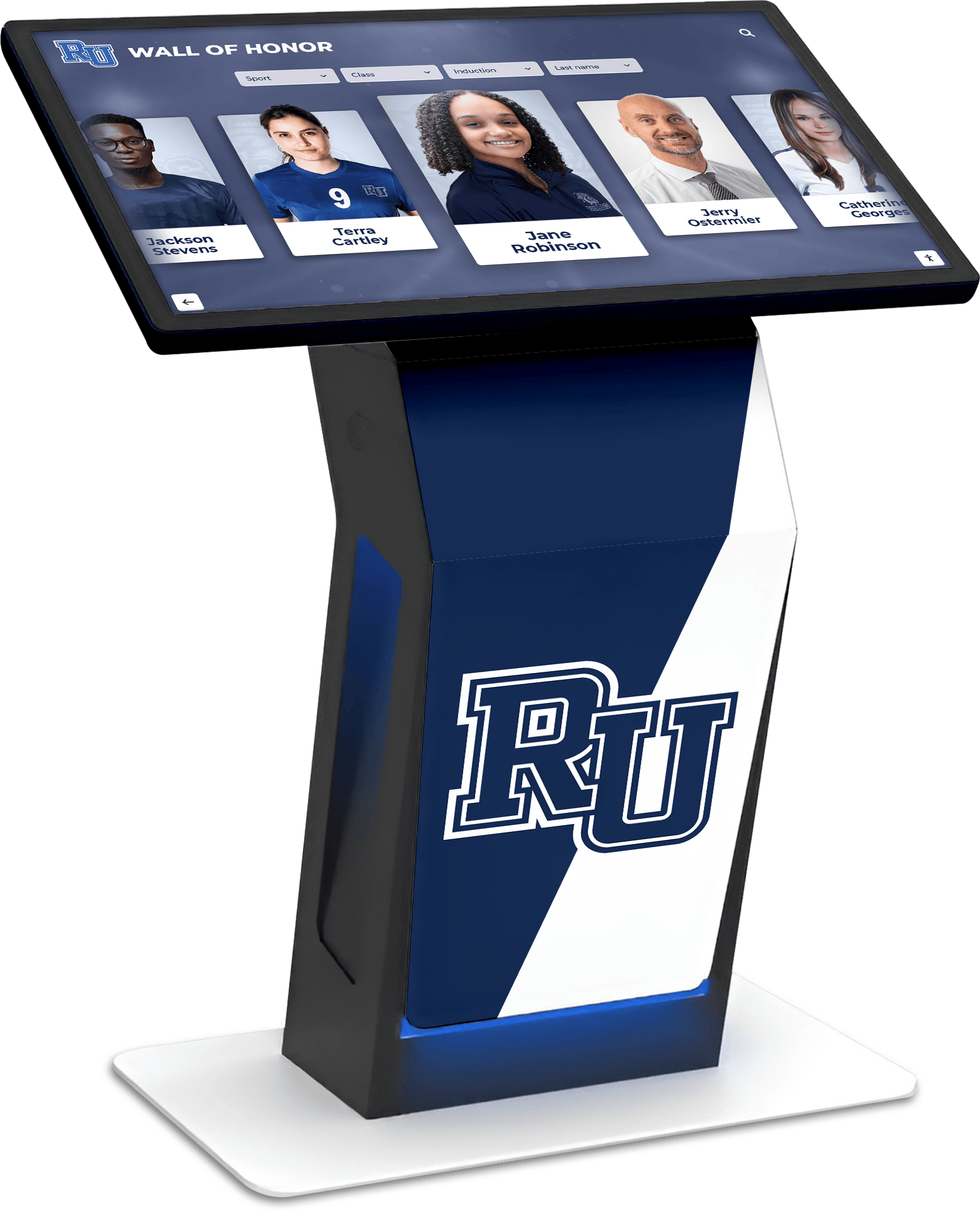
Permanent recognition creates lasting visibility for NHS members' achievements and inspires future students
Long-Term Recognition Strategies
Ongoing Visibility
- NHS member display in prominent school location
- Regular announcements of NHS service accomplishments
- Social media features highlighting individual members and activities
- Newsletter articles sharing NHS project impacts
- Recognition at graduation and other school-wide events
Permanent Recognition Solutions
- Traditional recognition walls with engraved names by induction year
- Digital displays featuring photos, accomplishments, and current activities
- Honor cords or stoles worn at graduation identifying NHS membership
- Transcript notations documenting NHS membership and leadership
- Alumni connections maintaining NHS identity beyond high school
Many schools now implement modern digital recognition systems that keep NHS achievements visible year-round while celebrating current and past members.
Common Ceremony Planning Mistakes to Avoid
Learning from common pitfalls helps ensure your ceremony achieves its intended impact.
Logistical Missteps
Poor Time Management
- Ceremonies running significantly over planned time frustrate attendees
- Insufficient rehearsal leads to awkward transitions and confusion
- Speaker time limits not enforced resulting in excessively long programs
- Solution: Create detailed timeline with buffer time built in; rehearse thoroughly; enforce time limits firmly but graciously
Inadequate Seating and Space Planning
- Underestimating attendance creates uncomfortable crowding
- Poor sight lines prevent families from viewing ceremony
- Inadequate parking causes late arrivals and missed portions
- Solution: Overestimate attendance; arrange seating maximizing visibility; communicate parking details clearly
Technical Failures
- Microphone malfunctions interrupt ceremony flow
- Presentation technology fails during critical moments
- Poor lighting makes photography difficult
- Solution: Test all equipment thoroughly before ceremony; have backup microphones; conduct tech rehearsal; prepare for technology-free alternatives
Program and Content Issues
Excessive Length
- Ceremonies exceeding 90 minutes lose audience engagement
- Too many speakers create repetitive messaging
- Drawn-out name reading becomes tedious
- Solution: Limit total ceremony to 75-90 minutes maximum; carefully select speakers; maintain efficient pacing
Impersonal or Generic Content
- Speeches lacking specific references to your school and students
- Generic remarks that could apply to any NHS chapter anywhere
- Failure to acknowledge individual inductees’ specific accomplishments
- Solution: Request speakers reference specific school context; include personal anecdotes; acknowledge standout achievements
Neglecting Current Members
- Focusing entirely on new inductees while ignoring continuing members’ contributions
- Failing to leverage current members in ceremony roles
- Missing opportunities to showcase ongoing chapter activities and impact
- Solution: Feature current members prominently; acknowledge their continued service; demonstrate active chapter value
For schools planning comprehensive recognition events, learn about creating memorable awards ceremonies that celebrate diverse achievements.
Creative Ceremony Enhancement Ideas
Thoughtful additions elevate ceremonies from routine to remarkable while maintaining appropriate formality.
Personalization Elements
Individual Recognition Enhancements
- Brief biographical slide shown as each inductee approaches stage
- Reading one signature accomplishment for each inductee
- Personal congratulations letters from teachers who recommended students
- Mentor or teacher presents individual inductees they recommended
- Personal messages from families read during reception
Student Voice Integration
- Current NHS members share personal stories illustrating each pillar
- Video testimonials from recent graduates discussing NHS impact
- Inductee reflections on what NHS membership means to them
- Student-created artistic expressions representing NHS values
- Poetry, music, or visual arts created by members celebrating achievement
Technology-Enhanced Experiences
Multimedia Presentations
- Professional video montage featuring inductee photos and accomplishments
- Live social media wall displaying congratulations messages
- QR codes linking to detailed inductee profiles and accomplishments
- Live streaming for extended family unable to attend
- Post-ceremony digital photo galleries shared with families
Interactive Recognition
- Digital guestbook where attendees leave congratulations messages
- Interactive timeline showing chapter history and traditions
- Real-time polling or reflection questions for attendees
- Digital achievement displays families can explore during reception
- Mobile app providing ceremony program and inductee information
Meaningful Tradition Development
Establishing Ceremony Traditions
- Special music selections used annually creating continuity
- Symbolic elements (special candle, charter reading, traditional pledge location)
- Senior NHS member passing leadership symbol to junior officers
- Tree planting, time capsule, or other lasting legacy activities
- Annual speaker tradition (superintendent, board president, distinguished alumnus)
These traditions create continuity year-over-year while building chapter identity and ceremony significance beyond individual induction years.
Sample Ceremony Timeline and Script
This sample 75-minute ceremony structure balances efficiency with meaningful recognition for approximately 30-40 inductees.
Ceremony Timeline Overview
6:00-6:10 PM — Pre-Ceremony and Seating (10 minutes)
- Doors open; families arrive and find seats
- Background music plays; programs distributed
- Current NHS members and inductees gather in designated areas
- Final coordination with ceremony participants
6:10-6:15 PM — Processional (5 minutes)
- Current NHS members enter and take seats
- Inductees process in alphabetical order
- Faculty advisor and administrators enter
- Formal music signals ceremony beginning
6:15-6:20 PM — Welcome and Opening Remarks (5 minutes)
- Principal welcomes attendees and explains NHS significance
- Acknowledges faculty council and selection process rigor
- Thanks NHS advisor for leadership
- Sets inspirational tone
6:20-6:30 PM — Four Pillars Presentation (10 minutes)
- Four current members explain and light candles for each pillar
- Scholarship (2 minutes)
- Service (2 minutes)
- Leadership (2 minutes)
- Character (2 minutes)
- Brief transition remarks
6:30-6:55 PM — Individual Induction (25 minutes)
- NHS advisor reads inductee names
- Each student approaches stage, receives certificate and materials
- Photo opportunity
- Approximately 30-40 seconds per inductee allows personal moment without excessive time
6:55-7:00 PM — NHS Pledge (5 minutes)
- All inductees stand and recite pledge together
- Brief explanation of pledge significance
- Moment of reflection
7:00-7:10 PM — Guest Speaker Remarks (10 minutes)
- Distinguished speaker provides inspiration
- Connects NHS values to broader life context
- Congratulates inductees and encourages continued commitment
7:10-7:15 PM — Closing and Recessional (5 minutes)
- Final congratulations and thanks
- Directions to reception
- Recessional exit
- Music continues as families gather belongings
7:15-7:45 PM — Reception (30 minutes)
- Informal gathering with refreshments
- Photo opportunities
- Community building and congratulations
This timeline provides structure while allowing flexibility based on specific needs and induction class size.
Celebrating NHS Achievement Year-Round
The induction ceremony represents just one moment in comprehensive recognition—the most effective schools celebrate NHS membership throughout the year.
Continuous Recognition Strategies
Regular Achievement Spotlights
- Monthly features of individual NHS members and their service projects
- Social media posts highlighting chapter activities and impact
- Newsletter articles sharing service accomplishment stories
- Morning announcements recognizing significant member achievements
- Display updates featuring current projects and member contributions
Integration into School Culture
- NHS members serving as peer tutors and academic mentors
- Chapter visibility at school events and activities
- Leadership roles in school-wide service initiatives
- Recognition at athletic events, performances, and ceremonies
- NHS table at open houses and prospective student events
Family and Community Engagement
- Regular communications updating families on chapter activities
- Community partnerships showcasing student service impact
- Local media coverage of significant service projects
- Recognition in community publications and events
- Parent organization collaboration on service initiatives
Modern Recognition Technologies
Traditional plaques and honor boards served recognition needs for decades, but modern technology offers dynamic alternatives that keep NHS achievements continuously visible and accessible.
Digital Recognition Advantages
- Easily updated with new inductees each year without physical modification
- Inclusion of photos, accomplishments, and current activities
- Interactive exploration allowing community members to learn about members
- Remote accessibility enabling families and alumni to view recognition
- Integration with school websites and communication platforms
Permanent Yet Dynamic Solutions
- Digital displays in main school entrances showcasing current NHS members
- Interactive kiosks allowing exploration of NHS history and member accomplishments
- Online galleries celebrating current members and chapter activities
- Virtual recognition accessible to extended family and community members
- Combination of physical presence with unlimited information capacity
Schools implementing comprehensive recognition strategies create environments where academic achievement receives visibility equal to athletic success, reinforcing institutional values while motivating future students toward excellence.
Discover how digital recognition displays transform academic celebration and create lasting visibility for student achievements.
Conclusion: Creating Ceremonies That Honor Excellence
National Honor Society induction ceremonies provide powerful opportunities to celebrate your school’s highest-achieving students while reinforcing the values—scholarship, service, leadership, and character—that define educational excellence. Thoughtful planning transforms routine recognition into memorable experiences that honor inductees’ accomplishments, engage families, and inspire future students toward similar achievement.
The most effective NHS induction ceremonies balance formality with warmth, tradition with personalization, and efficiency with meaningfulness. They create moments where students feel individually recognized while experiencing the collective celebration of joining an elite academic community. These ceremonies communicate clearly that academic achievement and character development receive institutional recognition equal to athletic success.
As you plan your next National Honor Society induction ceremony, remember that the true measure of success extends beyond the ceremony itself—it lies in creating experiences that motivate continued commitment to NHS values, build stronger school culture around academic excellence, and establish recognition systems that celebrate achievement year-round.
Ready to create permanent recognition that celebrates your NHS members year-round? Explore how Rocket Alumni Solutions’ digital recognition displays transform academic achievement celebration through interactive touchscreen technology that keeps NHS accomplishments visible, accessible, and inspiring throughout your school community.