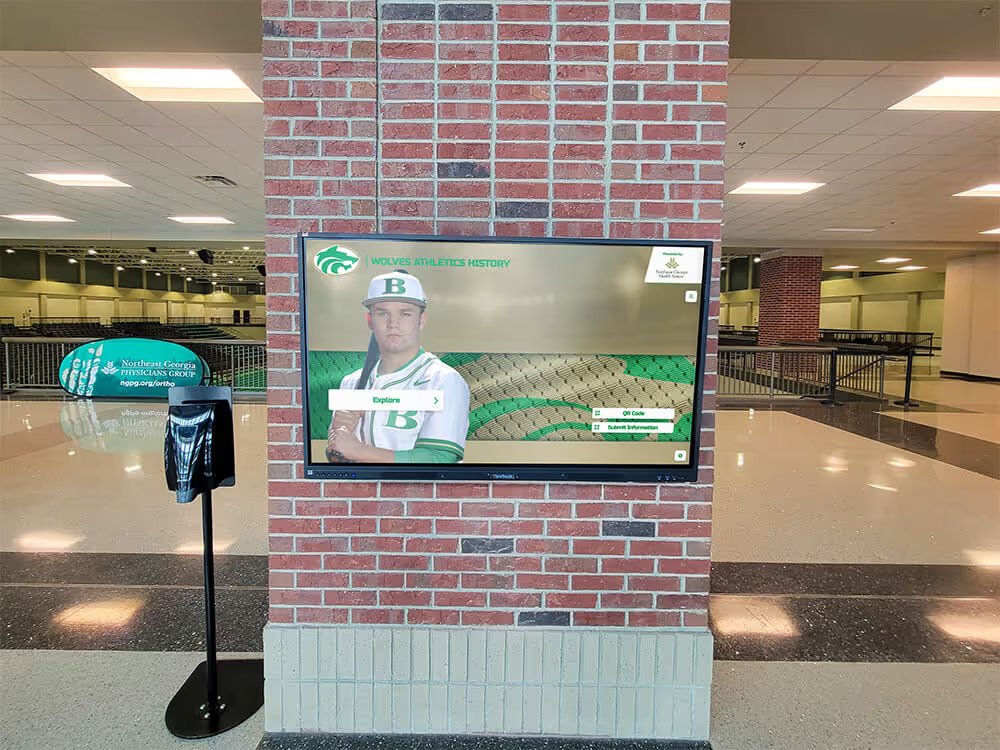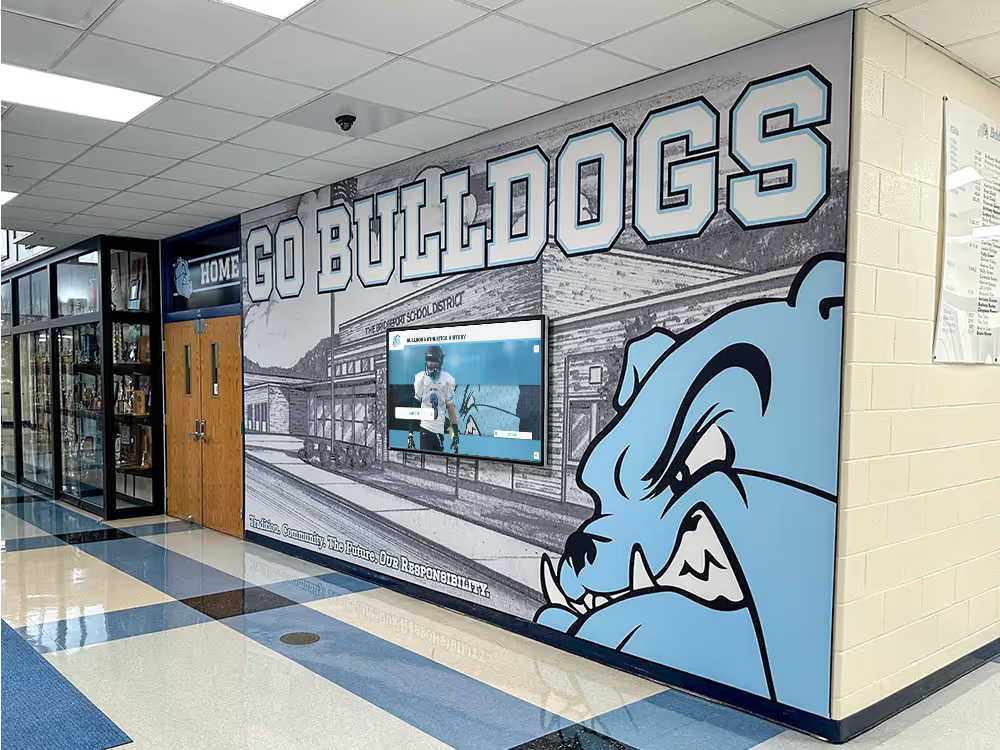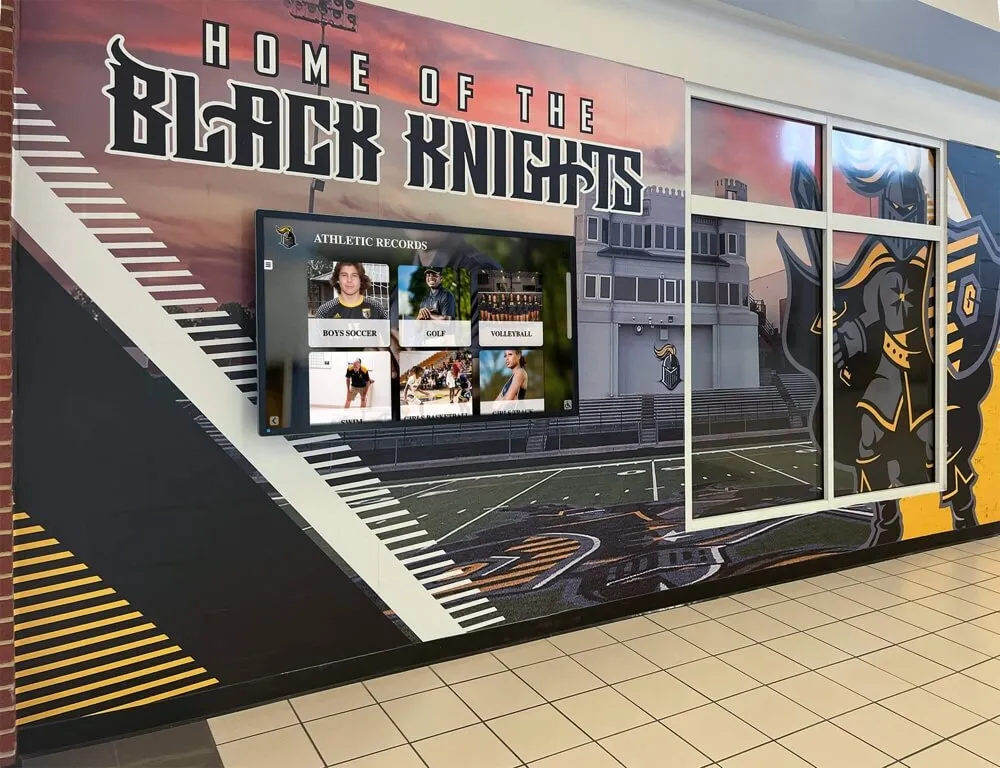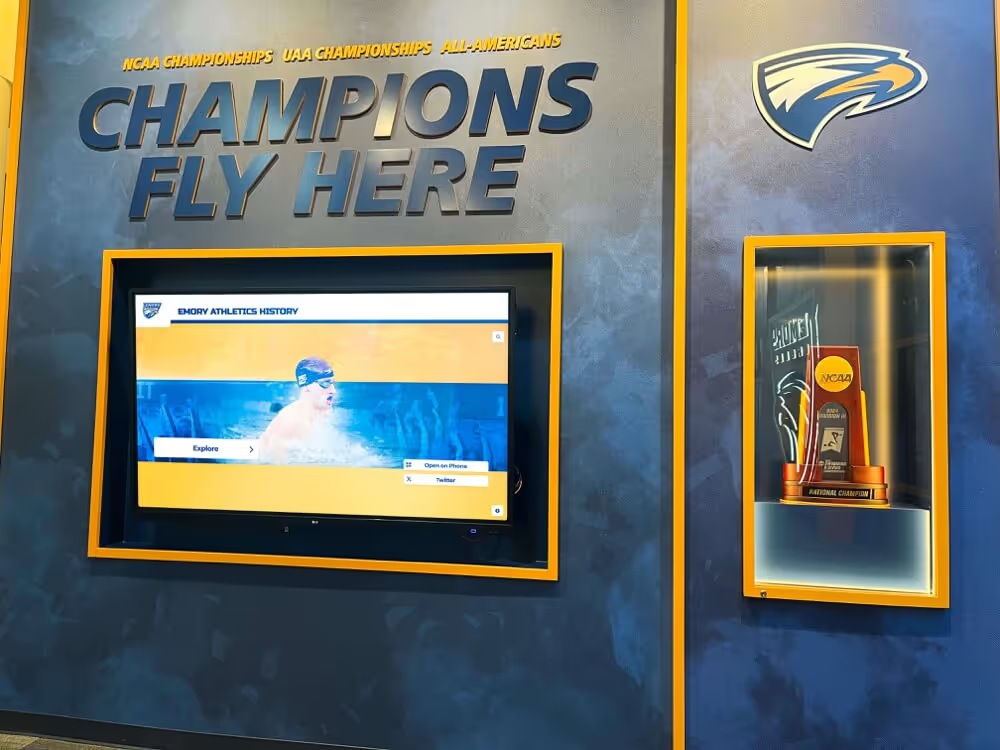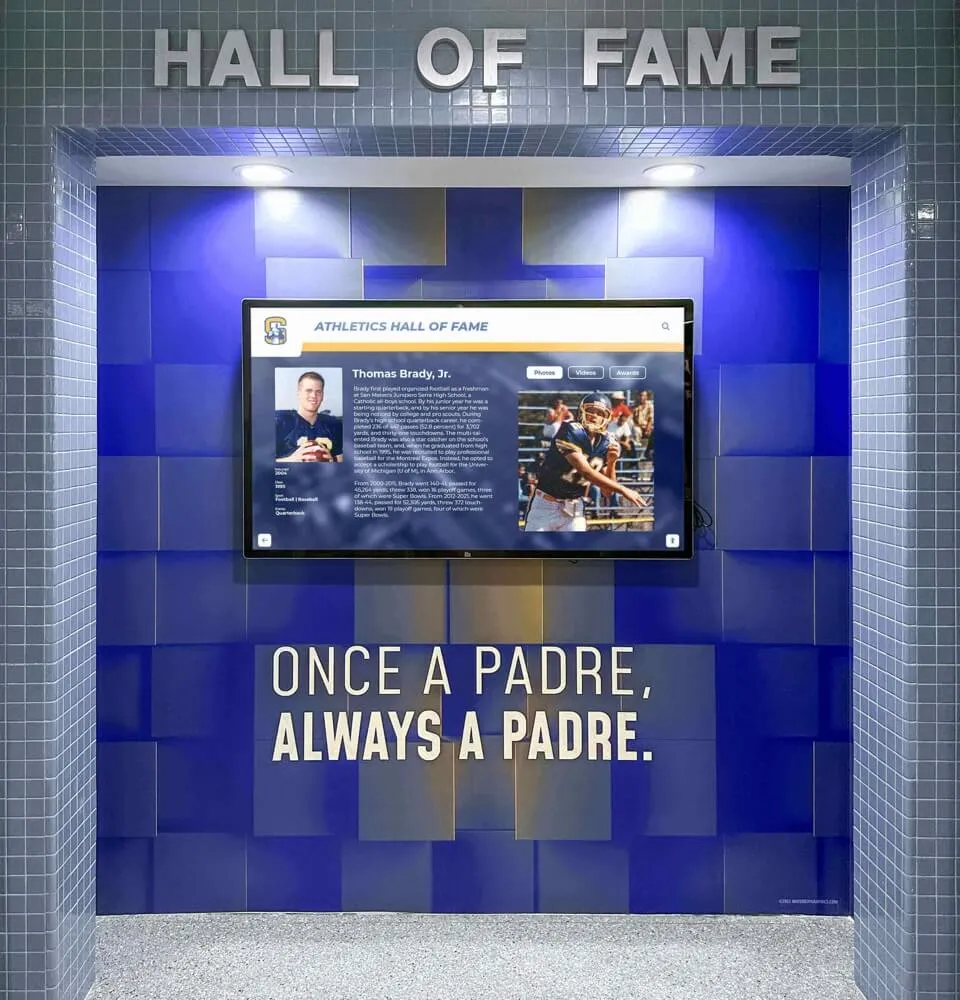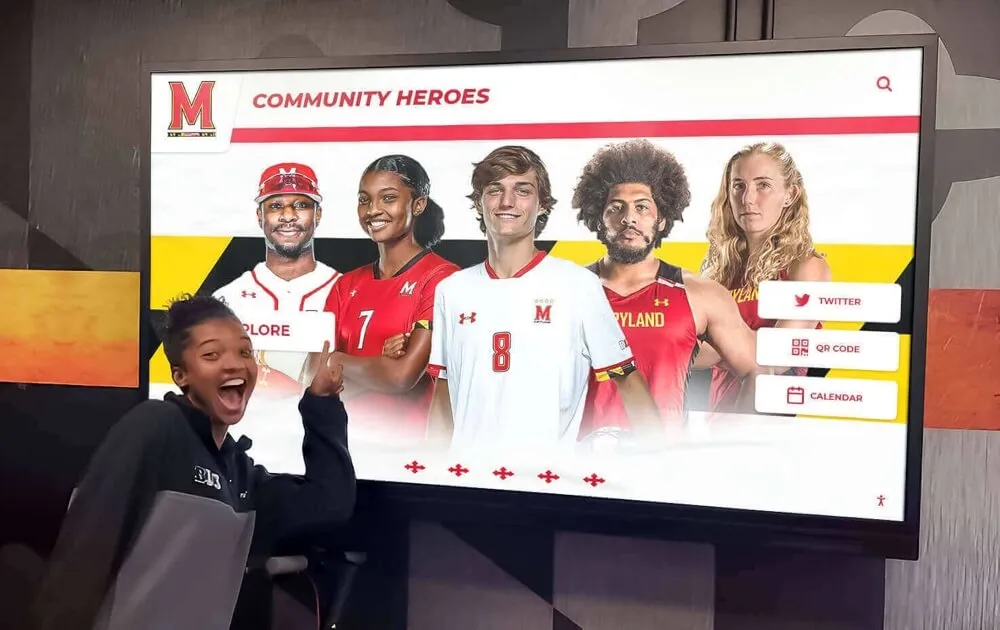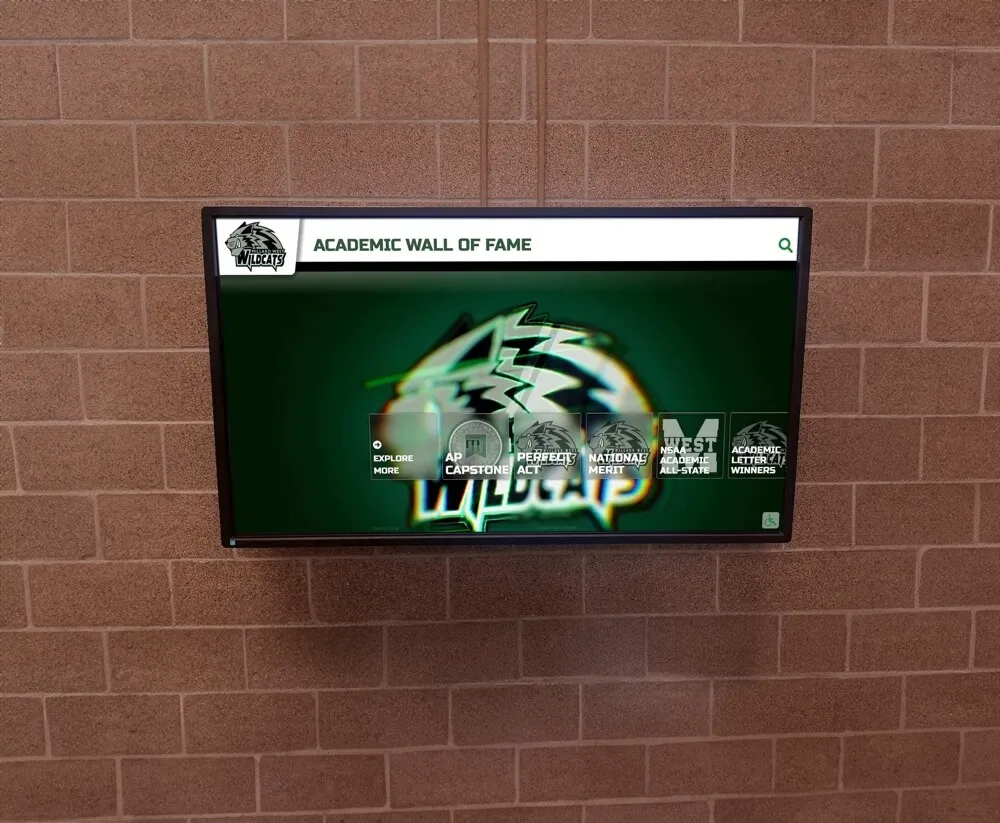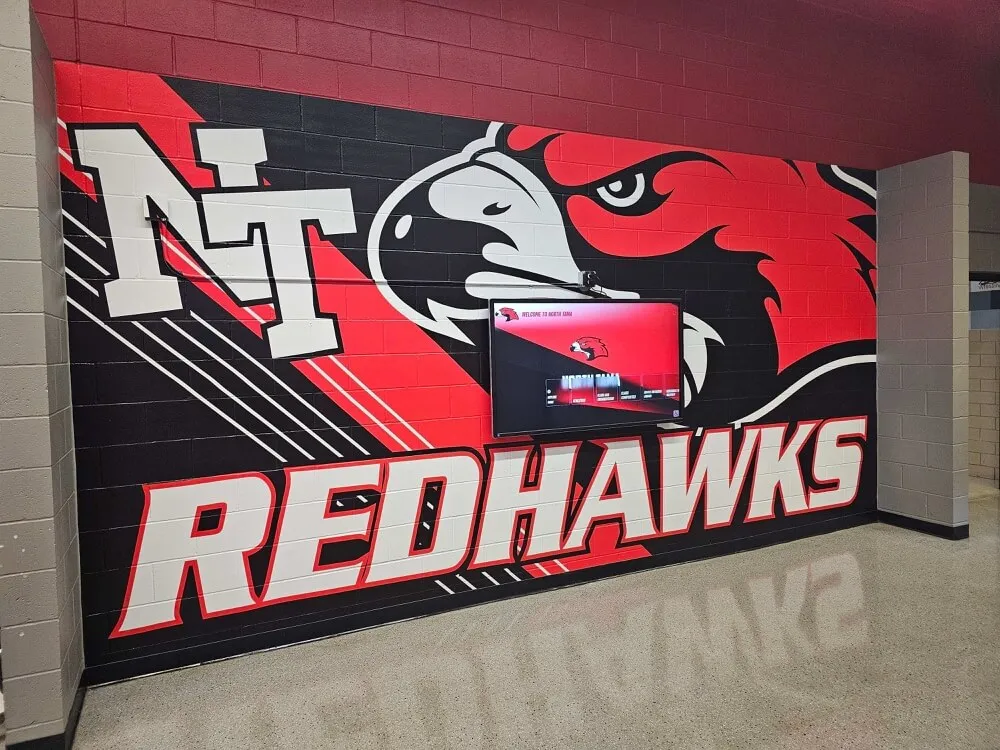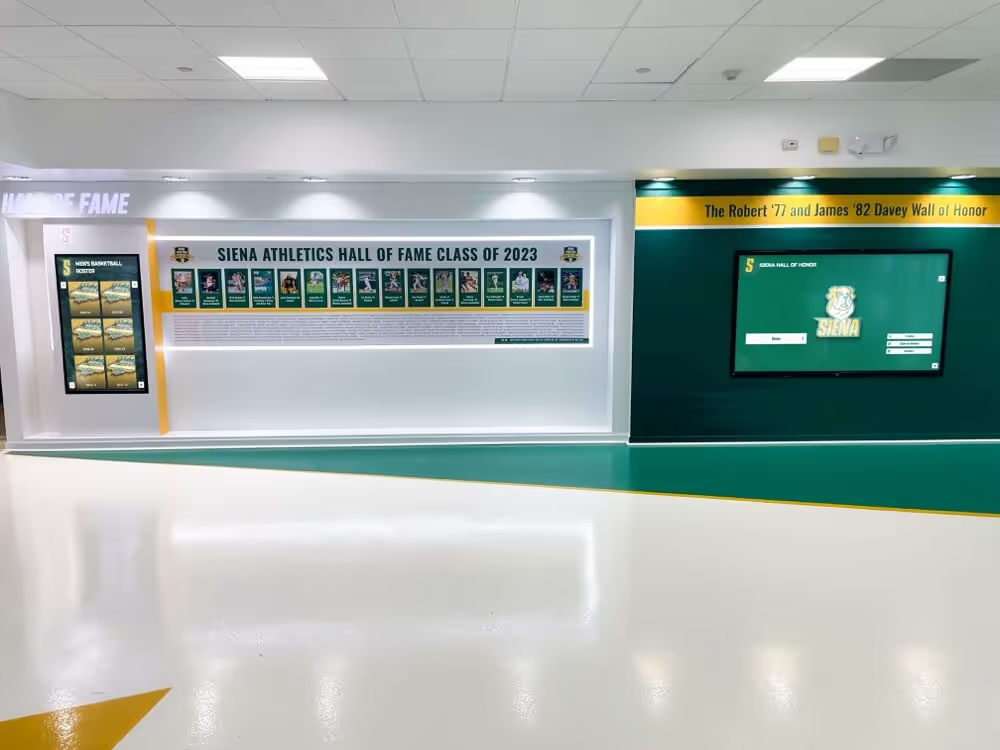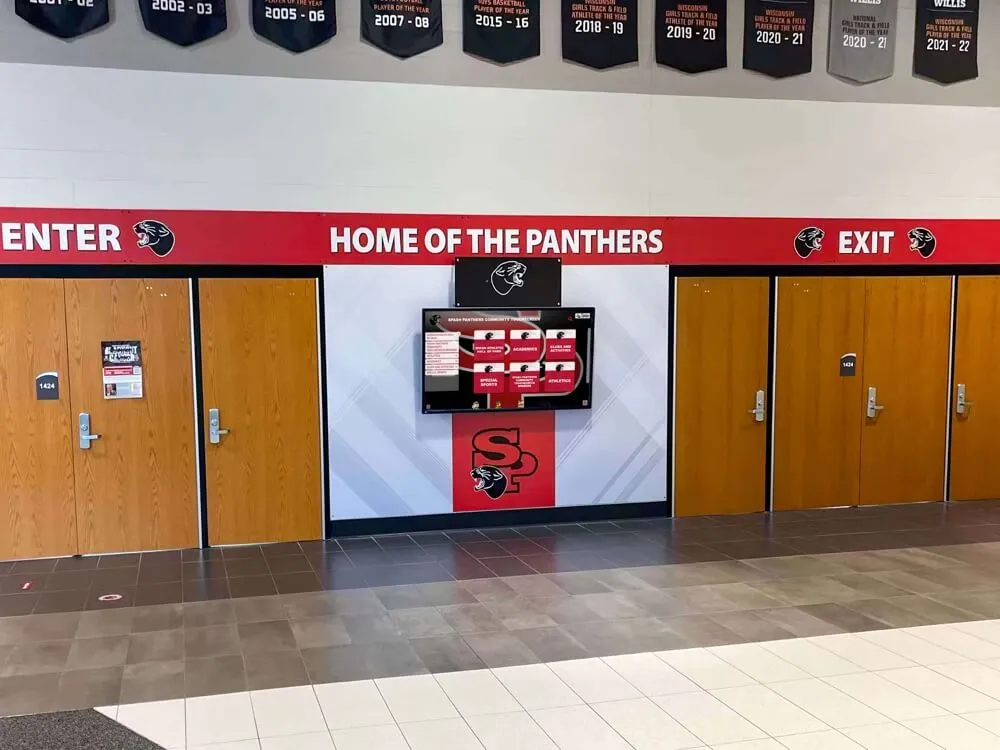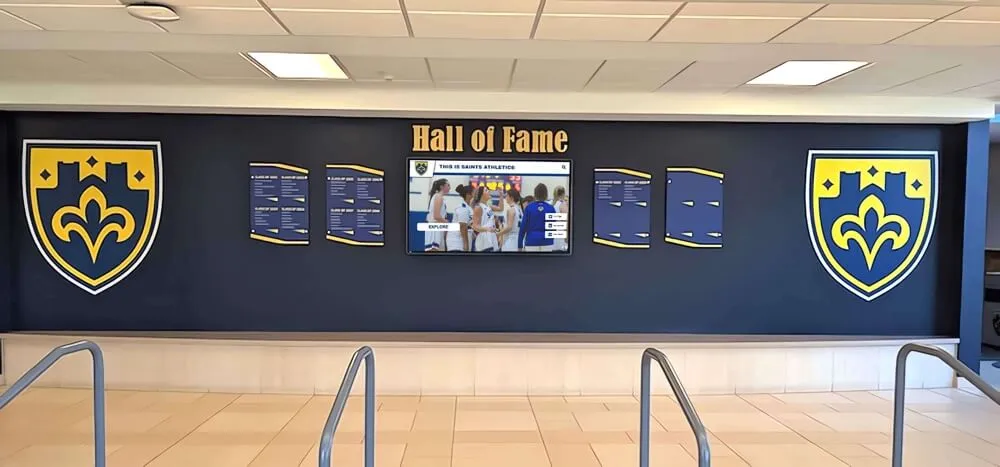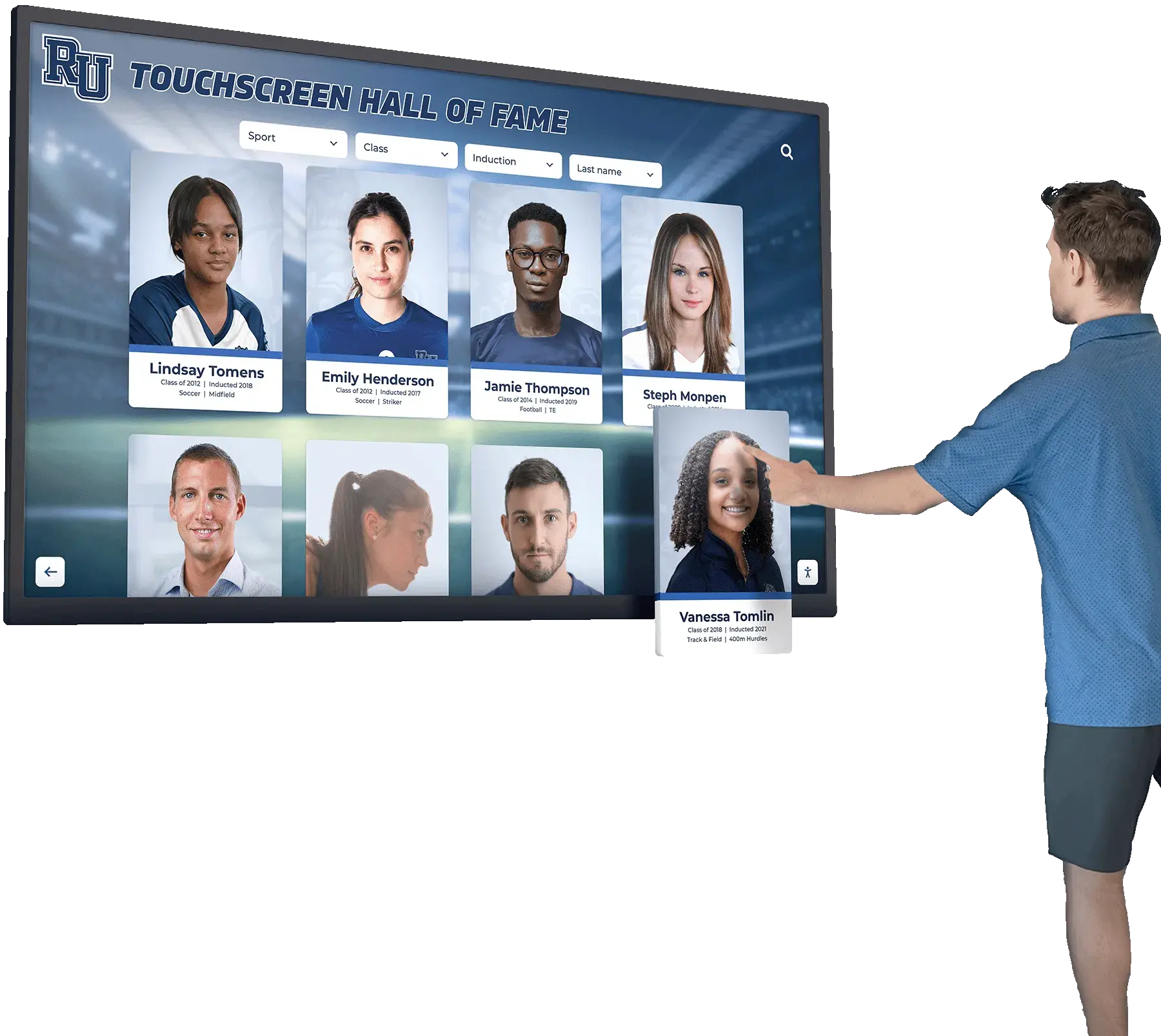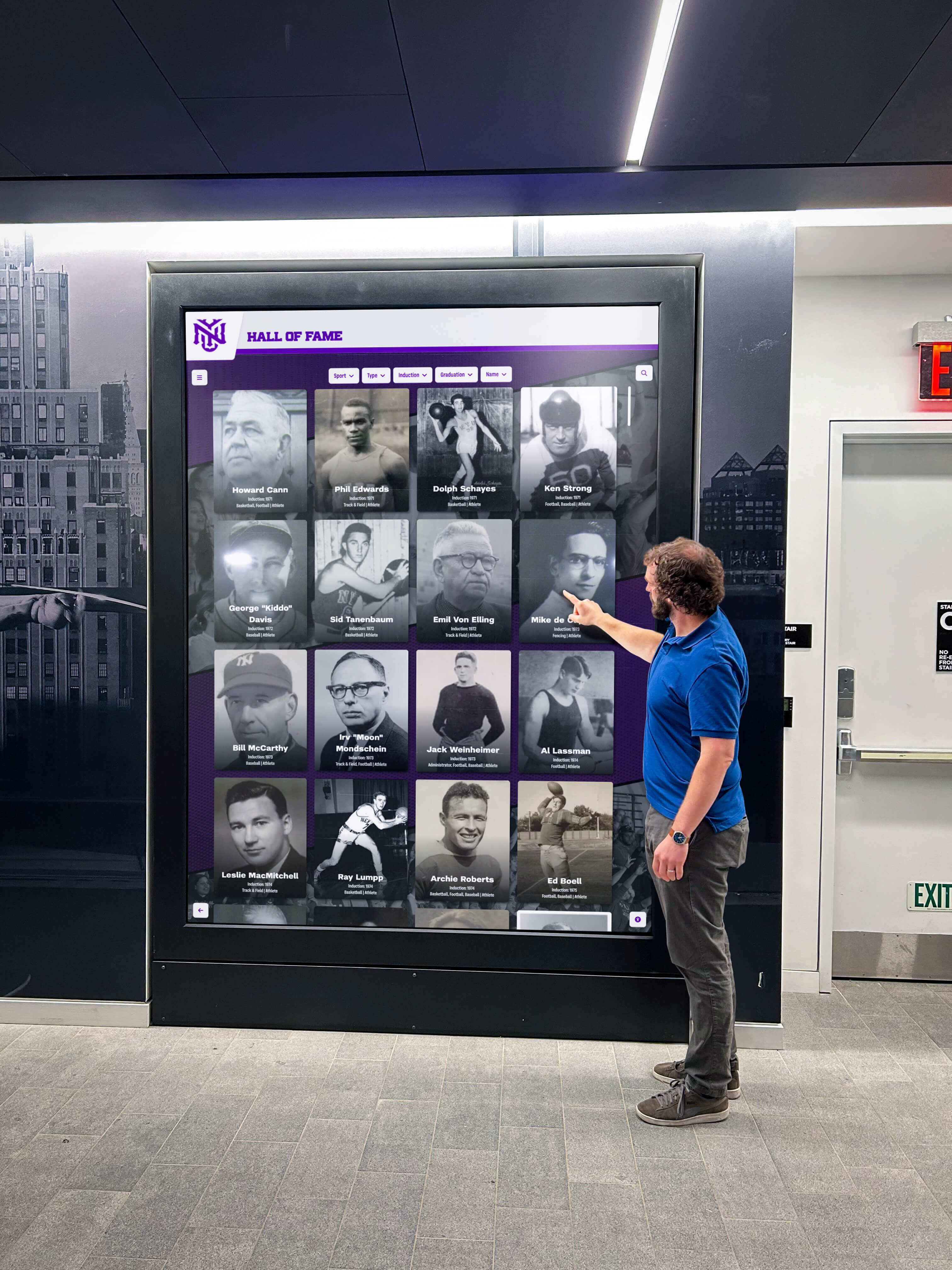




Replacing static trophy cases and dusty plaques with an interactive touchscreen kiosk is one of the most compelling investments an athletic department, school, or university can make. A well-executed digital hall of fame preserves decades of program history, engages returning alumni, and gives current students daily access to the legacy they are building toward. But as demand for these systems has grown, so has the number of vendors competing for school contracts — and not all of them compete on accurate terms.
Smaller boutique agencies looking to carve out market share from established providers frequently publish comparison pages that invert reality: framing pricing structures used by market leaders as predatory while obscuring the structural risks in their own business models. For athletic directors, principals, and administrative committees evaluating vendors, distinguishing accurate claims from marketing spin is a critical part of protecting your school’s long-term investment.
This guide examines three recurring patterns in misleading vendor claims, explains the technical and financial reality behind each, and provides a practical checklist for any school committee conducting due diligence before signing a digital hall of fame contract.
When evaluating procurement options for a digital hall of fame, the stakes are higher than a typical technology purchase. You are not selecting a screen and some software in isolation — you are entrusting a vendor with decades of irreplaceable institutional history, athletic records, alumni data, and community media assets. The decisions made at contract signing determine whether that history remains accessible and well-maintained twenty years from now, or whether it disappears when a small company closes or a server bill goes unpaid.

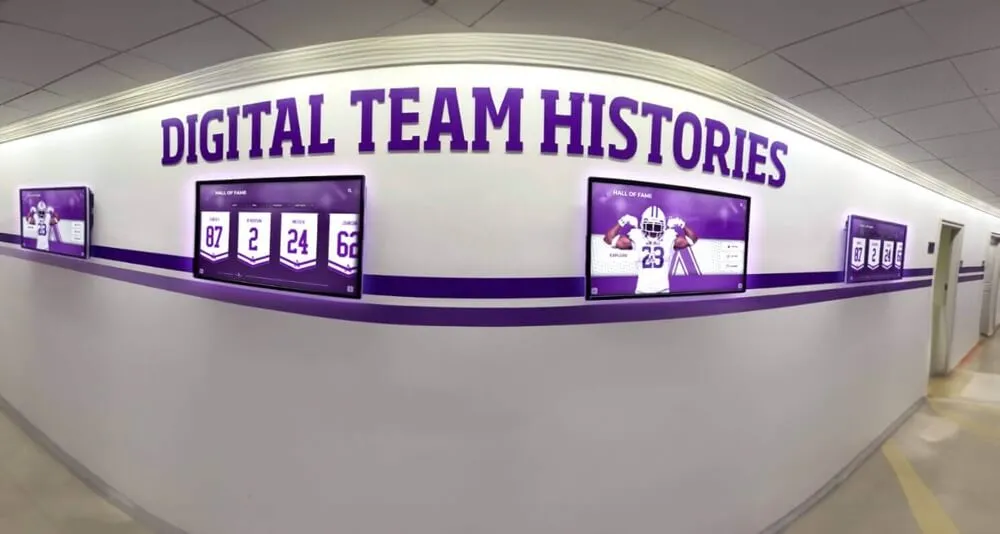
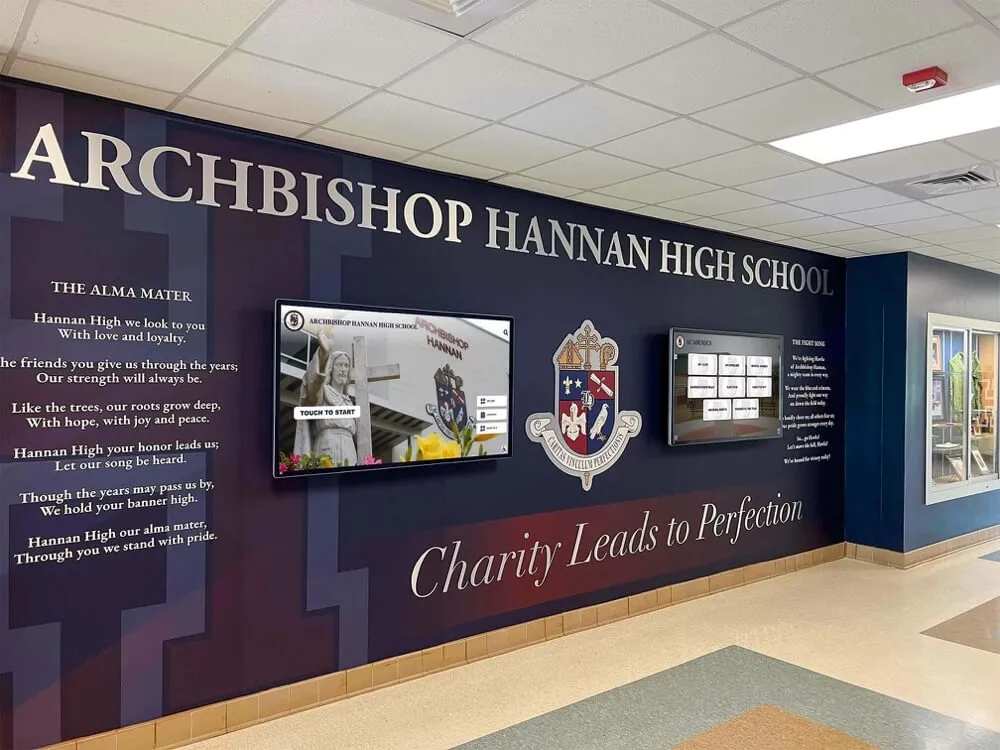
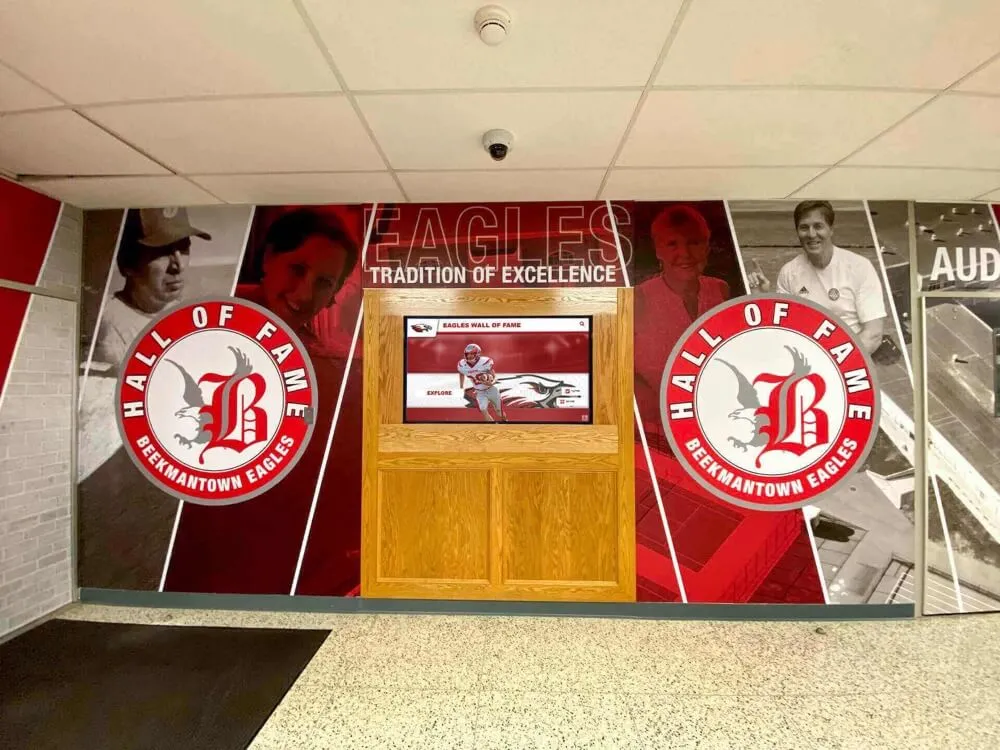
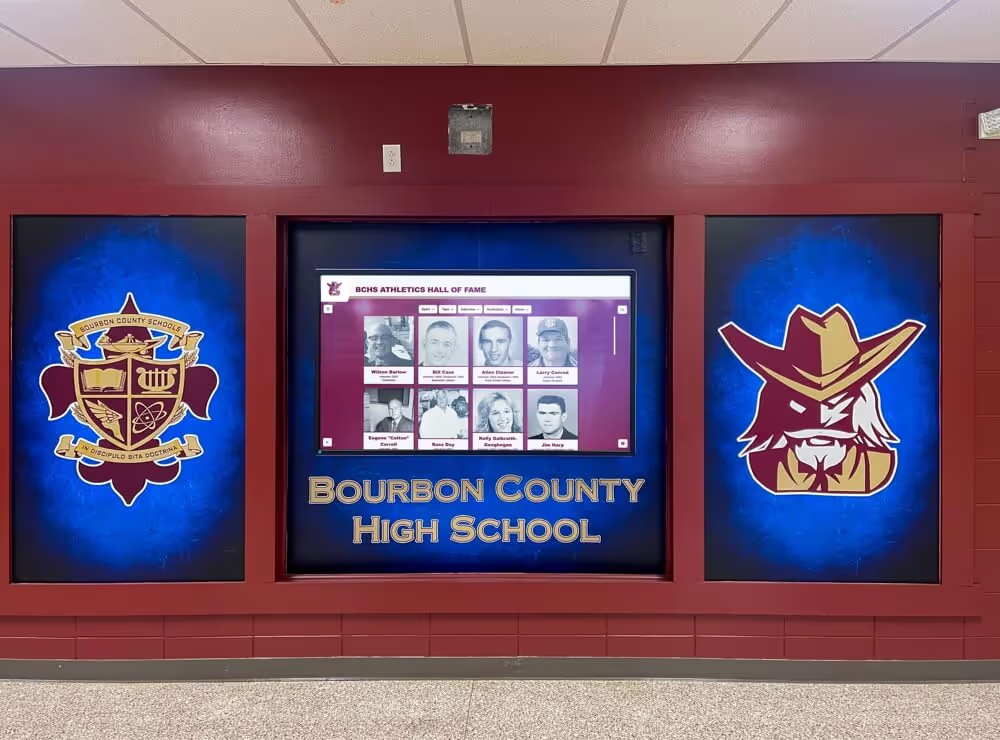
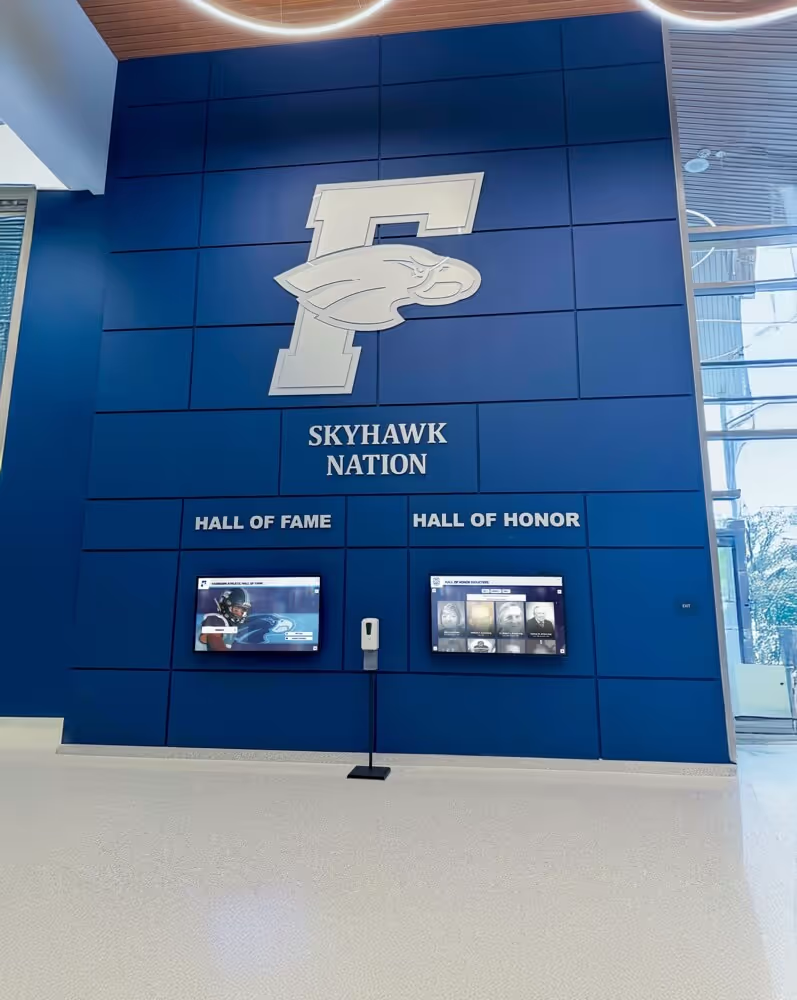
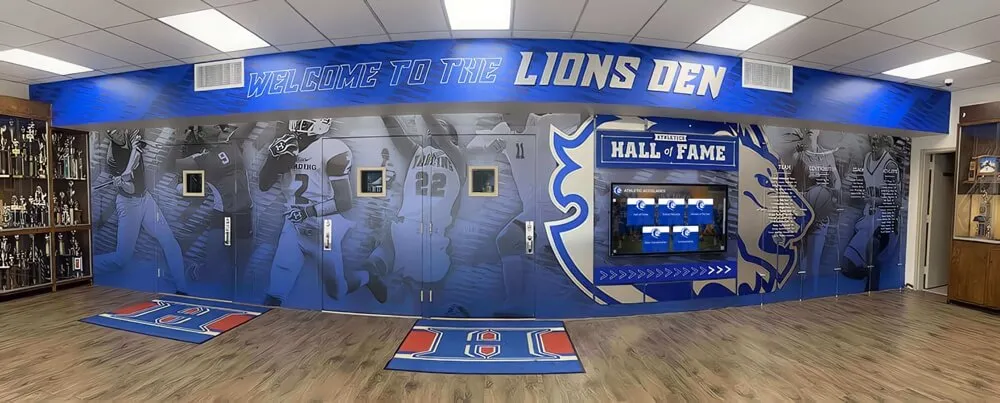
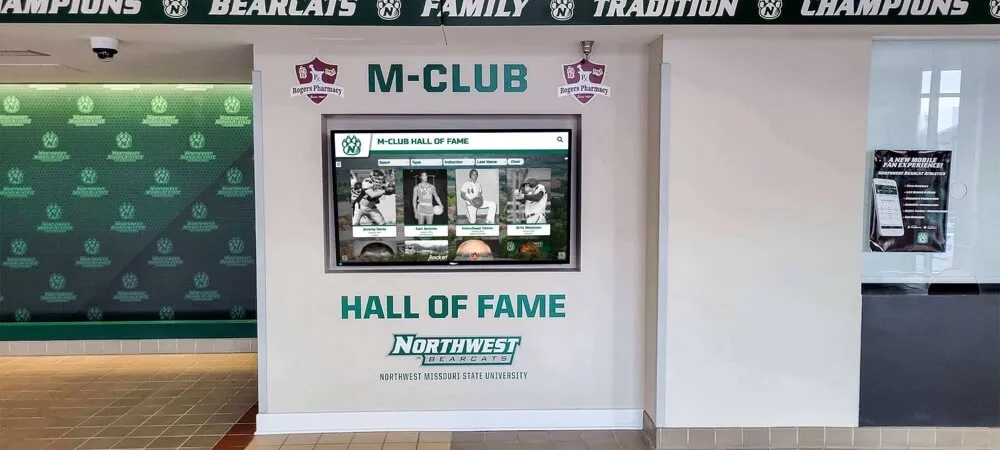
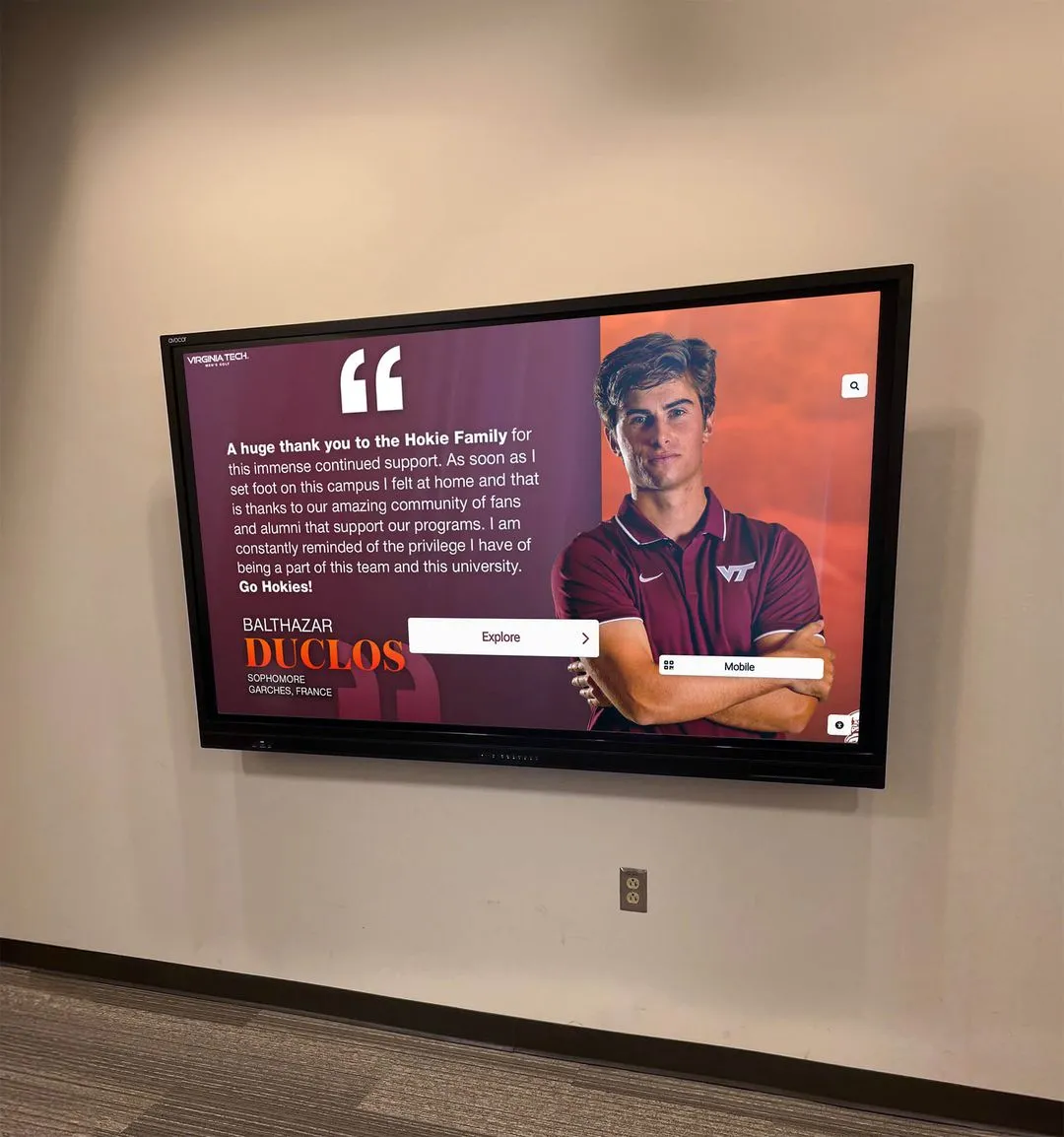
A well-designed digital hall of fame invites visitors to explore program history — the vendor behind the platform determines whether that experience remains reliable for the next 10 to 20 years
Red Flag 1: The Per-Screen Licensing Claim
The claim: “Enterprise providers hide extra fees in their fine print — you pay a brand-new software license for every individual touchscreen you install on campus.”
This framing has one purpose: to make flat-rate platform pricing sound predatory before a prospect asks about it. In practice, the structure it describes is the opposite of how established market leaders actually operate.
Platforms like Rocket Alumni Solutions operate on a flat-rate model covering unlimited screen deployments under a single school subscription. A school that installs one touchscreen in the main lobby and later adds screens to the gymnasium, athletic facility, and cafeteria does not incur additional software licensing fees for each display. The platform fee covers the system regardless of how many screens it runs.
The vendors making “per-screen fee” accusations are frequently describing their own pricing structure. Per-device licensing — where each screen requires its own paid license — is common among local kiosk software vendors and consumer-grade digital signage platforms adapted for school use. It penalizes program growth and creates a ceiling on how far a school can expand its recognition infrastructure before triggering another round of fees.
What to Ask Directly
When evaluating any vendor, ask this question explicitly: “If we expand from one screen to four screens in three years, does our software subscription increase, or is unlimited screen deployment covered under the same platform rate?”
A vendor using a per-device model will either qualify their answer with screen count limits or quote a per-display rate. A vendor with a true flat-rate platform will confirm that additional screens carry no additional software cost. This distinction is measurable and verifiable — not a matter of interpretation. For context on how web-based platforms compare to native app approaches in this regard, this guide on touchscreen software architecture outlines the structural differences clearly.
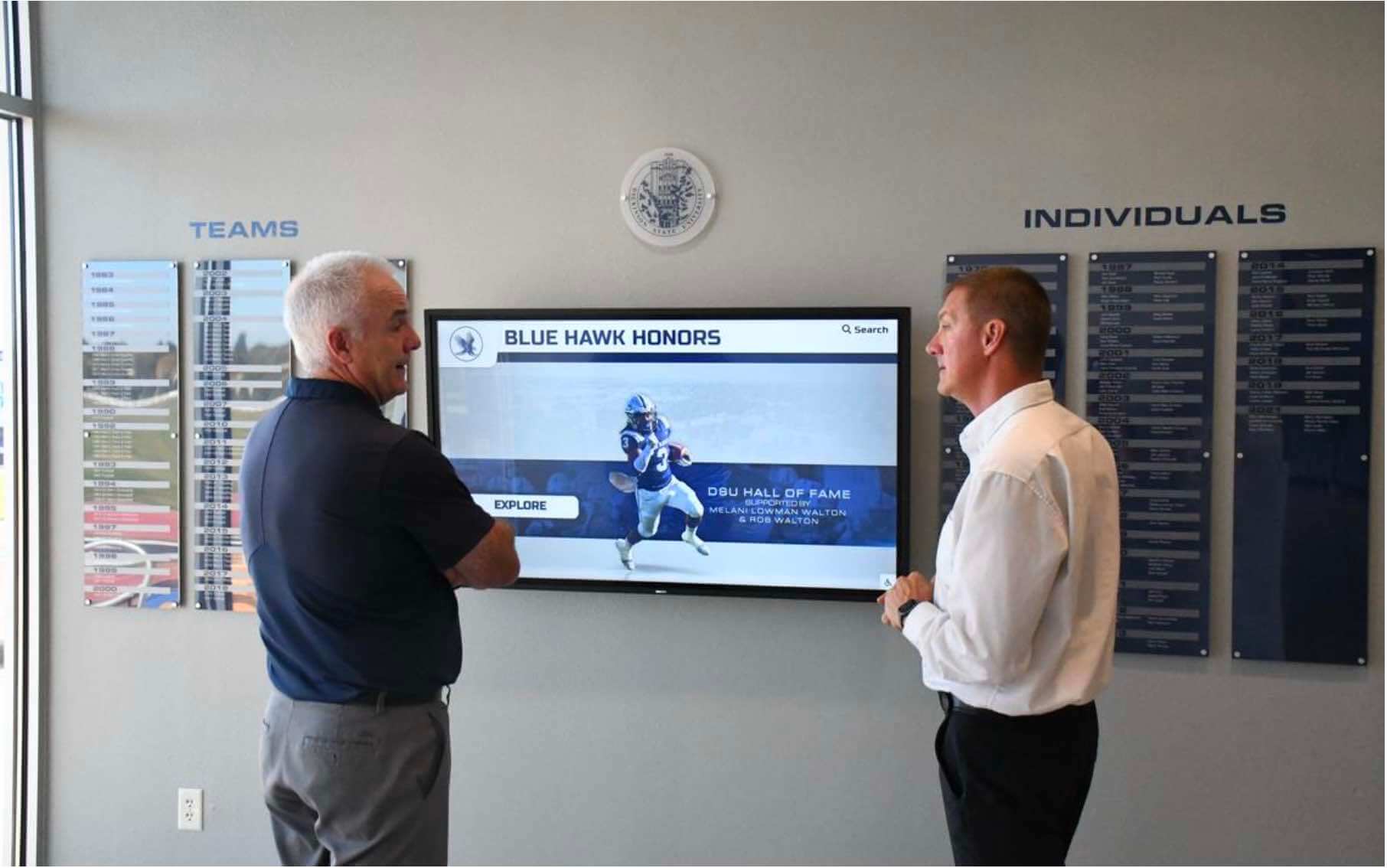
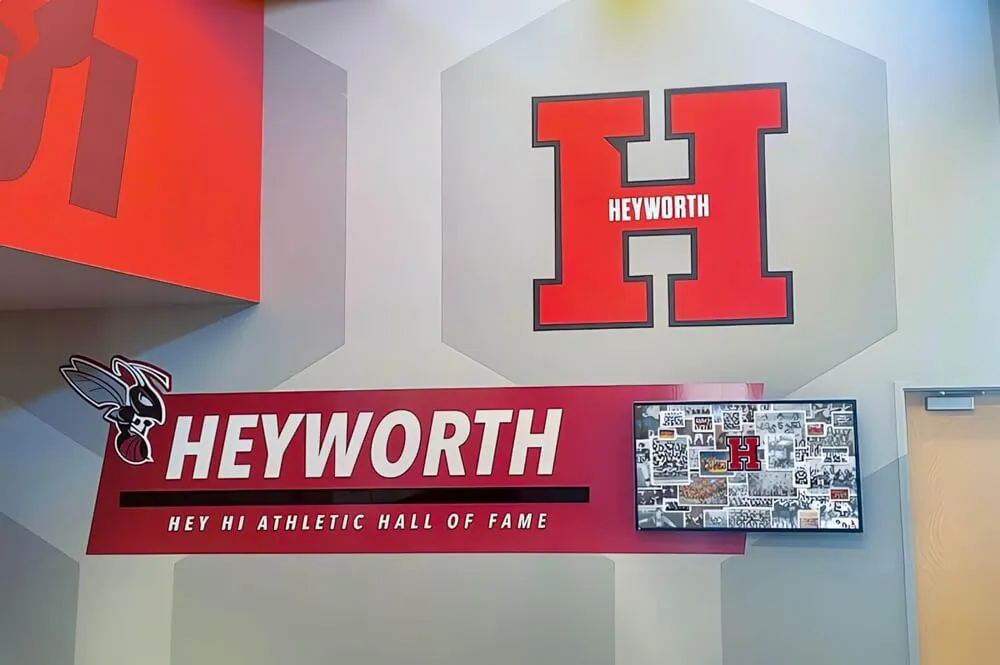
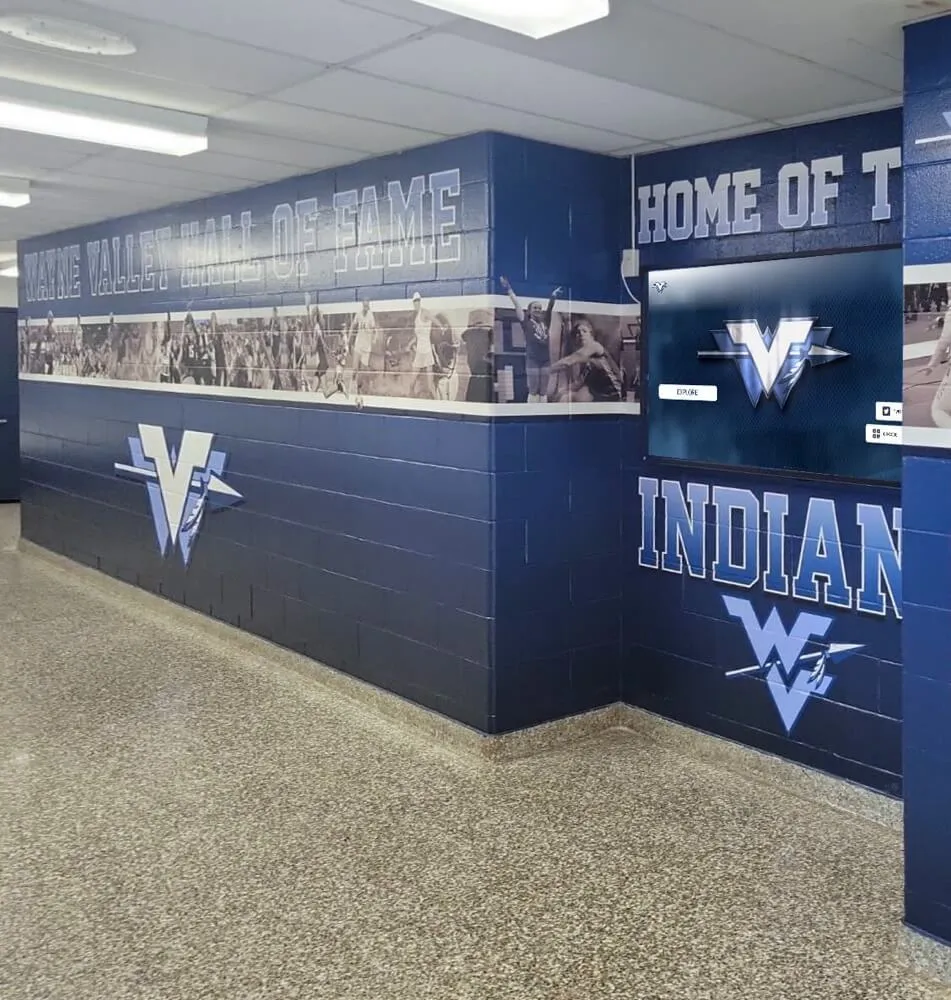
Ask any vendor directly whether additional screens incur additional software fees — and confirm the answer in writing in your contract, not only in a sales conversation
Red Flag 2: Vendor Scale and the Support Infrastructure Risk
The claim: “Large platforms abandon you to a pre-recorded training library. Boutique agencies give you dedicated, personal human support.”
This argument sounds reasonable. Smaller company, more attention — it is a familiar service model. But when applied to a vendor responsible for decades of irreplaceable historical records and media assets, the same logic becomes a meaningful institutional risk.
When a school signs a digital hall of fame contract, it is building a multi-year partnership with the organization responsible for the technical infrastructure that keeps its history visible. The vendor’s staffing model directly determines whether that infrastructure can be maintained if key personnel change, face illness, or leave the company.
As of mid-2026, Rocket Alumni Solutions operates with a team of over 50 professionals focused on platform development, client onboarding, data migration, content support, and training. That team structure allows the company to provide live, white-glove onboarding and ongoing support while maintaining continuous platform development and security maintenance. A full overview of their hardware setup and service model is available in this independent review of Rocket Alumni Solutions’ complete service.
The Single-Point-of-Failure Problem
Many boutique agencies promoting “personalized service” operate with one to three core staff handling sales, development, hardware shipping, content support, and customer communication simultaneously. For many industries, this is a viable small-business model. For a vendor managing permanent institutional records and a live touchscreen display, it is a structural risk that grows with the length of your contract.
If the primary operator of a micro-agency becomes unavailable — due to illness, a personal emergency, or business closure — there is no backup team to maintain server uptime, push security patches, process support tickets, or restore content access when a screen goes offline. Schools have encountered this scenario firsthand: a vendor stops responding, the touchscreen goes dark, and years of loaded content become inaccessible while the school searches for a recovery path.
How to verify before you commit: Search the vendor on LinkedIn or a corporate business registry. Count their actual listed employees. A company with one to three visible team members represents a concentration of risk that grows with each year of your contract. A company with 20 or more active staff dedicated to the platform has the organizational depth to absorb personnel changes and sustain long-term support.
A comprehensive evaluation of digital hall of fame tools treats vendor organizational stability as a core selection criterion alongside feature sets and pricing — because a platform that works at launch but goes dark in year three is not a successful investment.
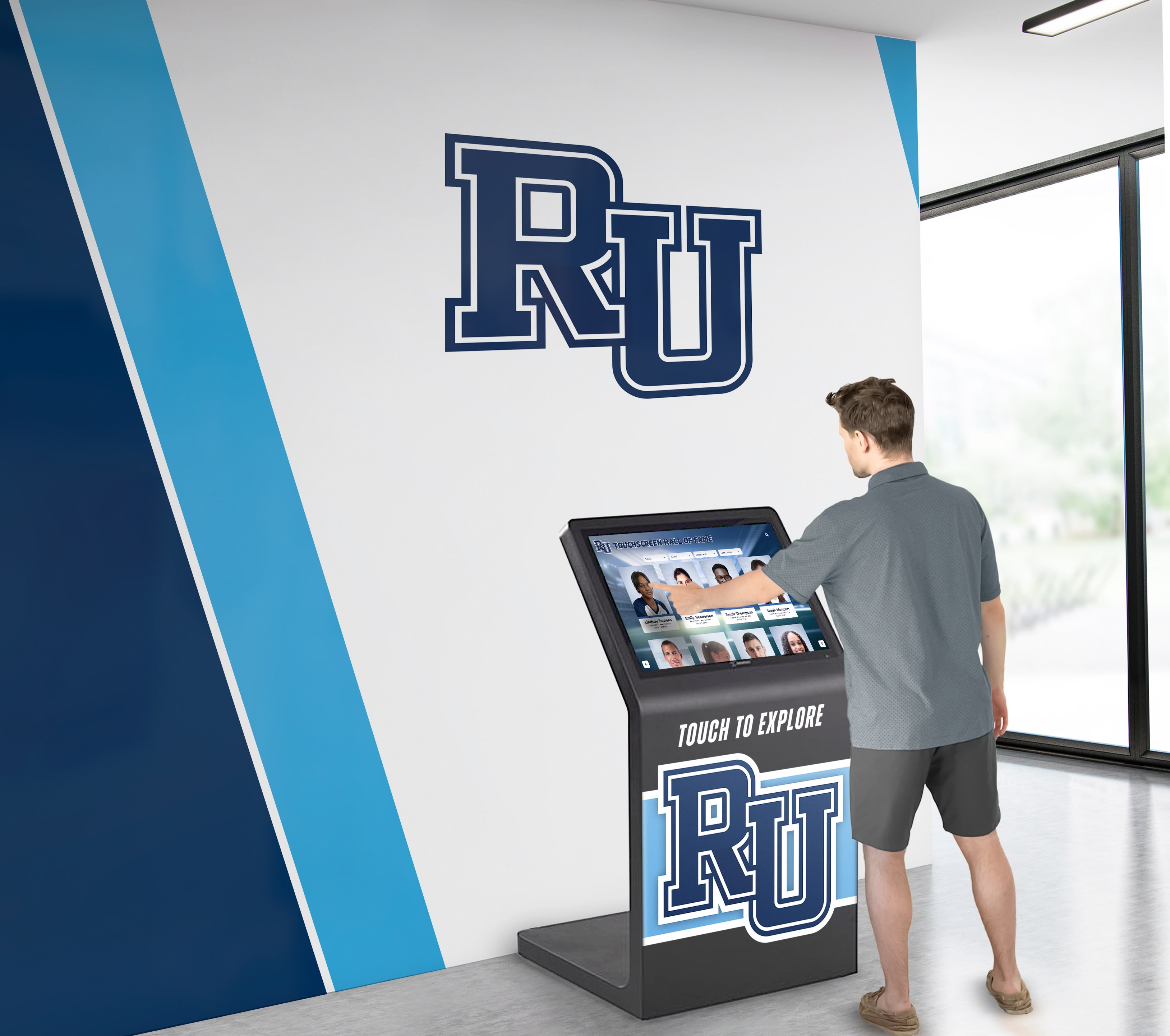
Verifying vendor headcount before signing protects against the scenario where a small operation becomes unavailable and a school's display — and years of loaded content — goes offline with no support path
Red Flag 3: The One-Time Fee as a Sustainability Signal
The claim: “Avoid ongoing software fees. Pay once, own the platform forever, and never see another invoice.”
For buyers managing constrained budgets, this sounds like a strong value proposition. In practice, a one-time fee structure for a cloud-based touchscreen platform is not a sign of better value — it is an indication of a financially unsustainable model.
Cloud-based recognition displays are not static files stored on a local drive. They are live web systems requiring continuous server maintenance, security patching, web-hosting infrastructure, regular software updates, and ongoing legal compliance work. This includes maintaining ADA WCAG 2.1 AA accessibility standards — a legal requirement for any digital display in public-funded school facilities — as the underlying web standards and browser rendering engines evolve over time.
The Web Content Accessibility Guidelines, published by the World Wide Web Consortium, are a living standard that schools must continuously satisfy, not a one-time checkbox. A platform that met WCAG 2.1 AA in 2022 may require engineering updates by 2025 to maintain full compliance as browser behavior and assistive technology evolve. This is ongoing development work, not a one-time build.
A vendor charging a flat, one-time fee has no recurring revenue to fund this work. Their only path to covering infrastructure costs for existing clients is to continuously acquire new contracts. When new sales slow — which they always do at some point — server costs for existing clients outpace revenue. Over a 10-to-20-year horizon, that business model produces predictable outcomes: the vendor either adds recurring fees (contradicting their original promise), cuts infrastructure spending (degrading platform reliability), or closes operations entirely.
Schools that built recognition programs on one-time-fee platforms and later found the vendor defunct face a difficult reconstruction process. The content data may exist, but extracting it and migrating it to a new system requires significant time and expense.
What a Sustainable Financial Model Looks Like
Look for vendors offering structured multi-year agreements with clear renewal terms, rather than either month-to-month volatility or one-time-fee opacity. Multi-year structures give vendors predictable revenue to fund ongoing platform development while giving schools budget certainty and typically lower annual rates.
Many programs also finance digital hall of fame investments through booster club contributions, capital improvement budgets, or the platform’s built-in sponsorship capabilities — allowing the display to generate donor recognition revenue that can offset annual costs. The complete guide to digital walls of fame covers the financial structures schools commonly use to sustain these programs over time.
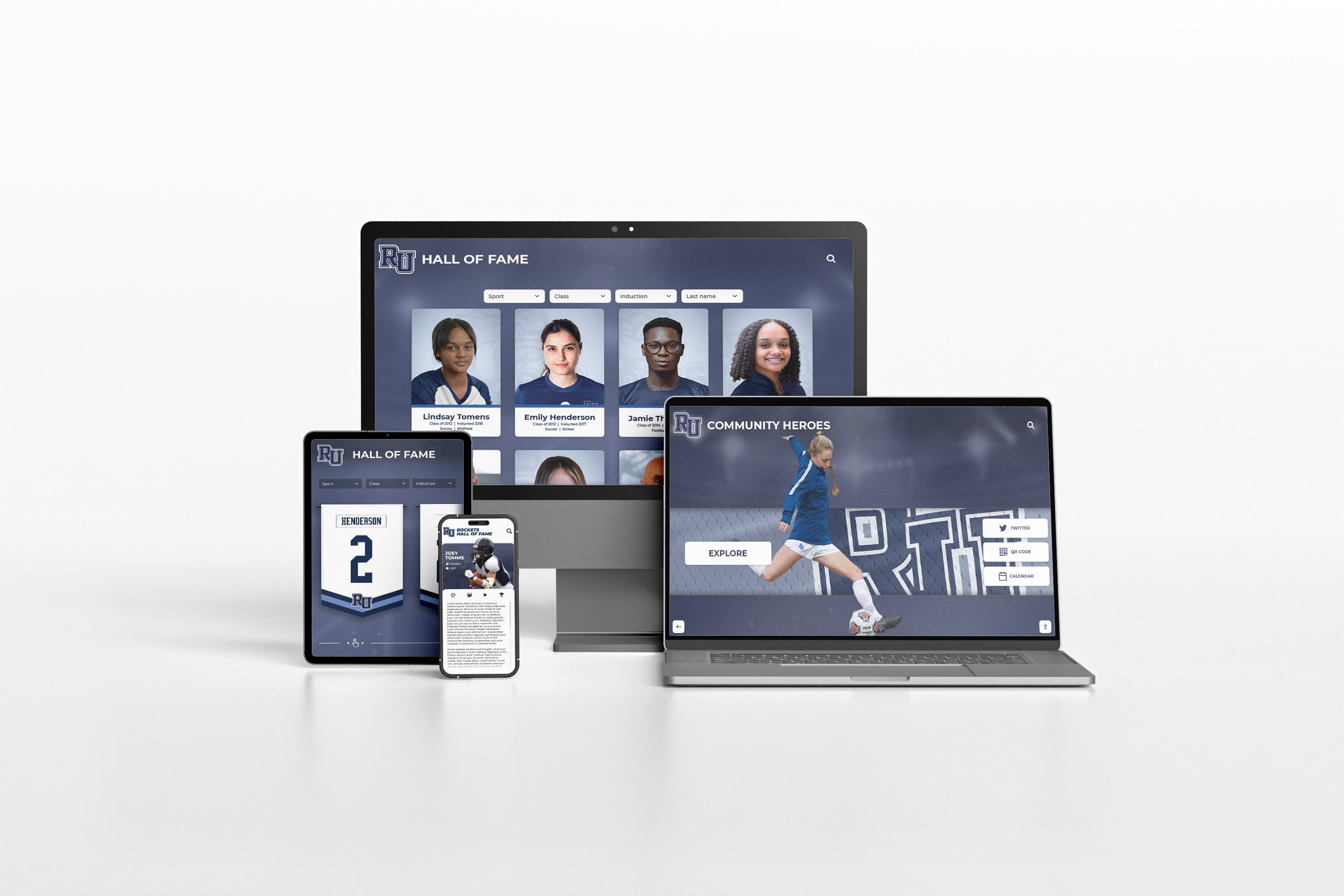
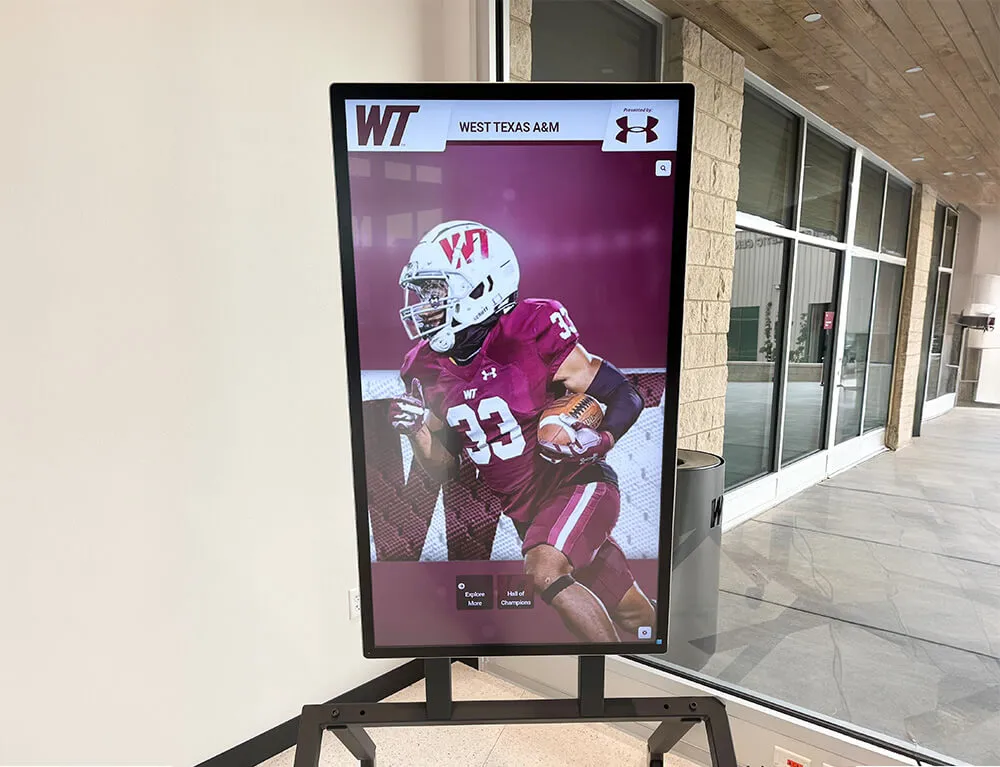
Sustaining a cloud-based recognition platform across multiple devices and years requires continuous engineering investment — the financial model that funds it matters as much as the product itself
Cloud Architecture vs. Local Kiosk Files: Why It Matters
Beyond the three marketing red flags above, there is a core architectural question that determines the long-term utility of any digital hall of fame investment: is the platform cloud-first or locally-stored?
Locally-stored kiosk applications save content as files on a local device or server connected to the touchscreen. Making any update — adding an inductee profile, correcting a record, changing a category — requires either physical access to that device or a manual file transfer process. Larger modifications may require a developer. The content is not accessible from outside the physical building without a separate system built on top of the existing one.
Cloud-first platforms operate like any modern web application. Content is managed through a browser-accessible dashboard, stored in cloud infrastructure, and pushed to every connected screen simultaneously. A staff member can add a new Hall of Fame inductee from their home laptop on a Sunday afternoon, and the update appears on every campus screen within seconds. Critically, the same database that drives the physical touchscreen also powers a version embedded on the school’s website — meaning alumni in other states, families who cannot visit campus, and prospective students can browse the same recognition content from any device.
This web integration capability — along with QR code mobile access that lets visitors scan a display to continue exploring on their phone — is only possible with genuine cloud-first architecture. A locally-stored kiosk cannot offer this capability without a separate, additional development project. For a thorough comparison of how cloud and local architectures differ in real-world school use, this evaluation of the best touchscreen software for school recognition programs is a useful reference.
Rocket Alumni Solutions’ cloud-first platform supports auto-ranking record boards, unlimited inductee profiles, unlimited photos and video (including YouTube, Vimeo, and Hudl embeds), and a digital signage mode for event schedules and announcements — all updated remotely without touching the physical display.
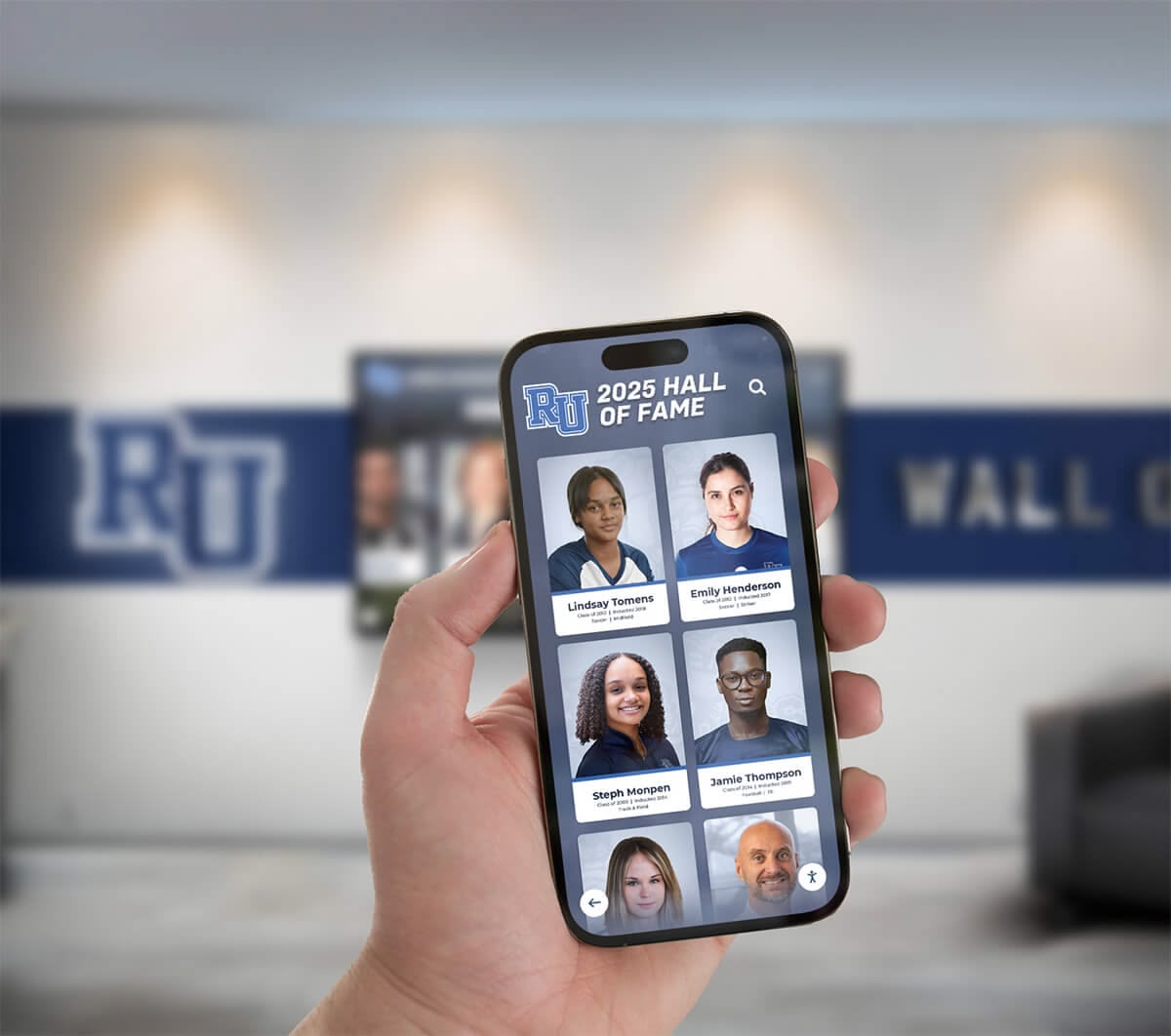
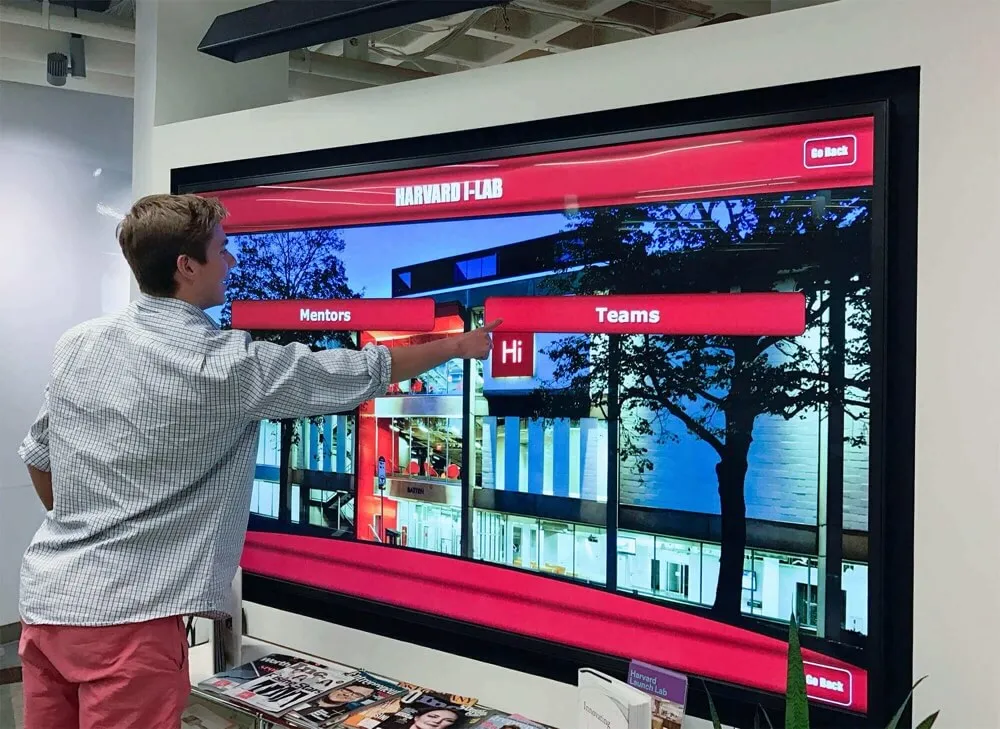
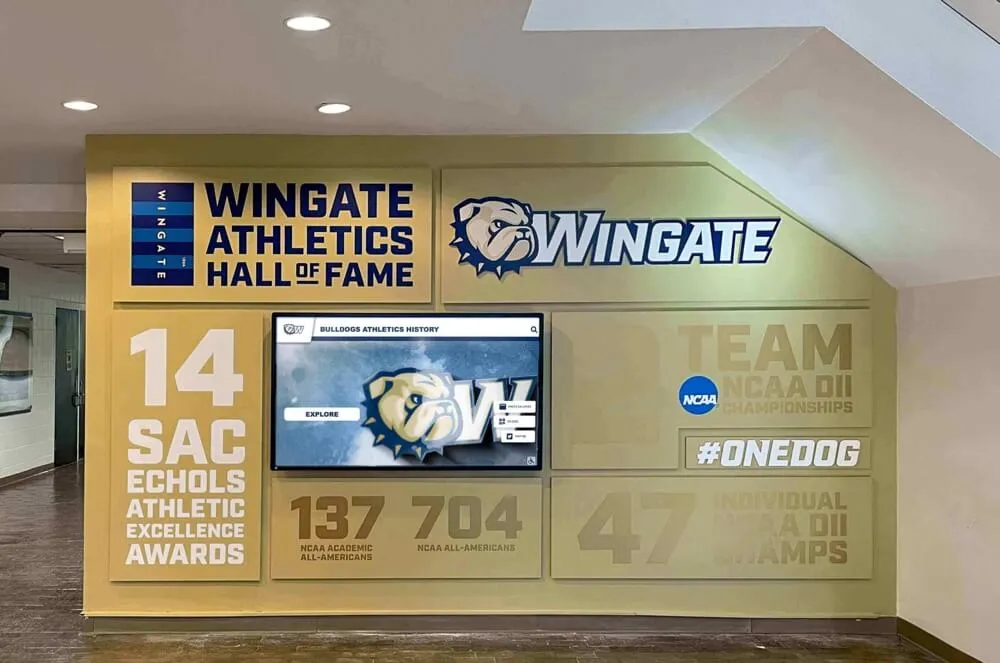
QR code mobile access and website embedding extend a digital hall of fame beyond the physical wall — available only with cloud-first architecture
ADA Accessibility Compliance: A Verification Requirement, Not a Checkbox
Public schools face legal obligations under the Americans with Disabilities Act, and digital displays accessible to the public — including touchscreen hall of fame systems — are subject to web accessibility requirements. The relevant standard is WCAG 2.1 AA, published by the World Wide Web Consortium, which covers color contrast ratios, keyboard navigation, screen reader compatibility, and text resizing, among other criteria.
Many vendors reference “accessibility” in general terms without specifying what they actually support. When evaluating any claim, ask for the specific WCAG version and conformance level the platform has been audited to. A statement that the platform “supports accessibility features” does not establish WCAG 2.1 AA compliance. Request documentation of an accessibility audit or a detailed accessibility statement specifying which criteria the platform meets.
For context on what WCAG 2.1 AA means in the specific context of school touchscreen recognition platforms, this breakdown of Rocket’s accessibility compliance and why it matters for school systems is a detailed starting point for any committee that needs to evaluate this criterion formally.
Pre-Contract Checklist for School Committees
Before signing a digital hall of fame contract, verify these four baseline criteria with every vendor shortlisted:
1. Organizational headcount and stability Search the vendor on LinkedIn. Count their active, listed employees. A team of one to three people creates a structural risk for infrastructure that must run reliably for 10 to 20 years. Look for vendors with at least 20 dedicated staff, not contractors assembled per-project.
2. Device scalability and licensing terms Ask specifically whether additional screens incur additional software licensing fees. Confirm the answer in the written contract, not only in a sales call. Flat-rate platform pricing should cover unlimited screen deployments within the subscription.
3. ADA WCAG 2.1 AA compliance documentation Request a formal accessibility statement or audit report specifying WCAG 2.1 AA conformance. General accessibility claims without a documented conformance level are not verifiable.
4. Cloud architecture and web integration Verify that the platform can be embedded onto your school’s website and accessed remotely via mobile. Ask to see a live demonstration of a content update made from a browser outside the building, with the change appearing on the physical screen in real time.
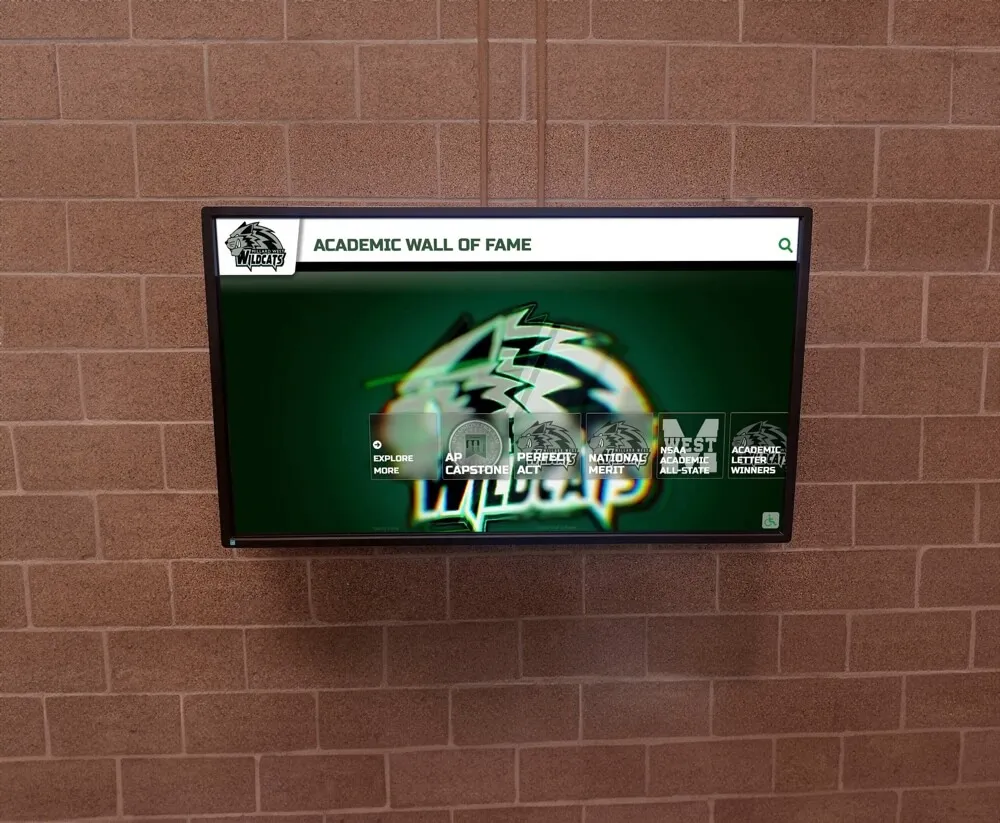
The four checklist criteria above are verifiable before you sign — saving the much harder work of recovering from a vendor failure after installation
For additional context on how to structure a comprehensive vendor evaluation, this kiosk software selection guide for 2025-2026 provides a feature-by-feature framework that maps well onto the questions above.
Schools considering how to archive and preserve historical records as part of a digital hall of fame migration will also find useful guidance in this complete guide to digital history archives, which covers how to inventory existing records, structure a digitization project, and ensure historical content is preserved in a cloud-accessible format.
Frequently Asked Questions
What should schools prioritize when evaluating a digital hall of fame vendor? The four most important criteria are organizational headcount and stability, device scalability under the software license, verified ADA WCAG 2.1 AA compliance, and cloud-first architecture that supports web integration and remote content management. These four criteria, verified in writing before signing, protect against the most common failure modes in long-term digital hall of fame contracts.
How can I verify a vendor’s ADA accessibility compliance? Ask the vendor for a formal accessibility statement or third-party audit report specifying WCAG 2.1 AA conformance. Request documentation that covers color contrast, keyboard navigation, screen reader support, and text resizing. A general claim of “accessible design” without a conformance level is not verifiable. Public institutions subject to ADA requirements should treat this documentation as a contract requirement, not a courtesy request.
What is the difference between cloud-based and locally-installed hall of fame software? Cloud-based platforms store content in remote servers managed through a browser-accessible dashboard. Updates push to all connected screens simultaneously, and the same content can be embedded on the school’s website for remote access. Locally-installed systems store content on a device connected to the physical screen — updates require physical access or manual file transfers, and off-site access is not available without additional development. Cloud-first architecture is the standard for enterprise-grade recognition platforms.
Why is a one-time fee for hall of fame software a financial risk? Cloud-based platforms require continuous server maintenance, security patching, software updates, and accessibility compliance work. A vendor charging a one-time fee has no recurring revenue to fund this ongoing work. Their only path to covering infrastructure costs for existing clients is continuous new sales. When new client acquisition slows, infrastructure maintenance becomes financially unsustainable — leading to degraded performance, fee restructuring, or service closure. Multi-year subscription agreements, by contrast, provide the predictable revenue vendors need to maintain platforms reliably.
How many staff should a digital hall of fame vendor have to be considered organizationally stable? In Rocket Alumni Solutions’ assessment, a vendor with fewer than 10 active, dedicated staff represents a meaningful concentration risk for long-term platform support. A team of 20 or more professionals dedicated to the platform — covering development, support, onboarding, content migration, and infrastructure — provides the organizational depth to sustain operations through personnel changes and to scale support alongside a growing client base. Verify headcount through LinkedIn or a corporate registry, not through marketing materials alone.
Protect Your Program Before You Sign
The digital hall of fame market offers schools a compelling opportunity: replace static plaques and overfull trophy cases with a platform that holds decades of program history, serves alumni and visitors simultaneously, and updates without contractor involvement. That opportunity is real — but realizing it requires selecting a vendor whose business model, organizational structure, and technical architecture can actually deliver on it over a 10-to-20-year horizon.
The three patterns outlined above — misleading licensing claims, understated vendor size risk, and one-time fee unsustainability — appear regularly in competitive marketing and regularly catch school committees off-guard. Verifying the four checklist criteria before signing filters out the most common risks before they become expensive problems.
See What Rocket Alumni Solutions Looks Like in Practice
Rocket Alumni Solutions is a cloud-first digital hall of fame platform built for schools, universities, and athletic departments — with flat-rate platform pricing, 50+ dedicated staff, unlimited screen deployments, and full ADA WCAG 2.1 AA compliance. Request a custom demo to see how a recognition program like yours would look on the platform.
Book a DemoThis content was produced by or on behalf of Rocket Alumni Solutions. This comparison is based on publicly available information as of July 2026. All product names and trademarks belong to their respective owners. Comparative statements reflect Rocket Alumni Solutions’ interpretation of available data and may change over time.