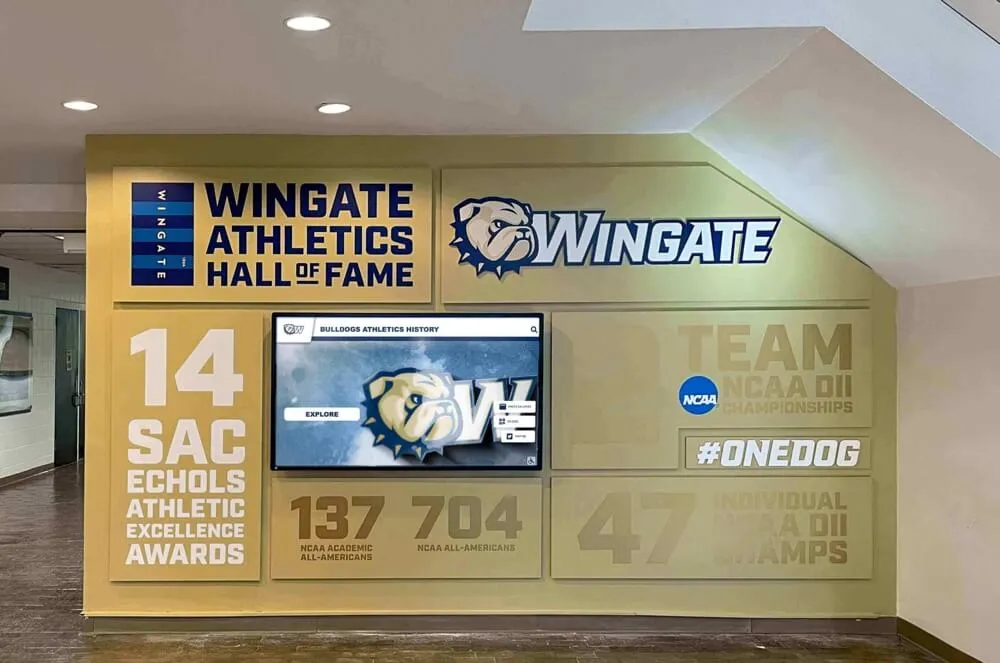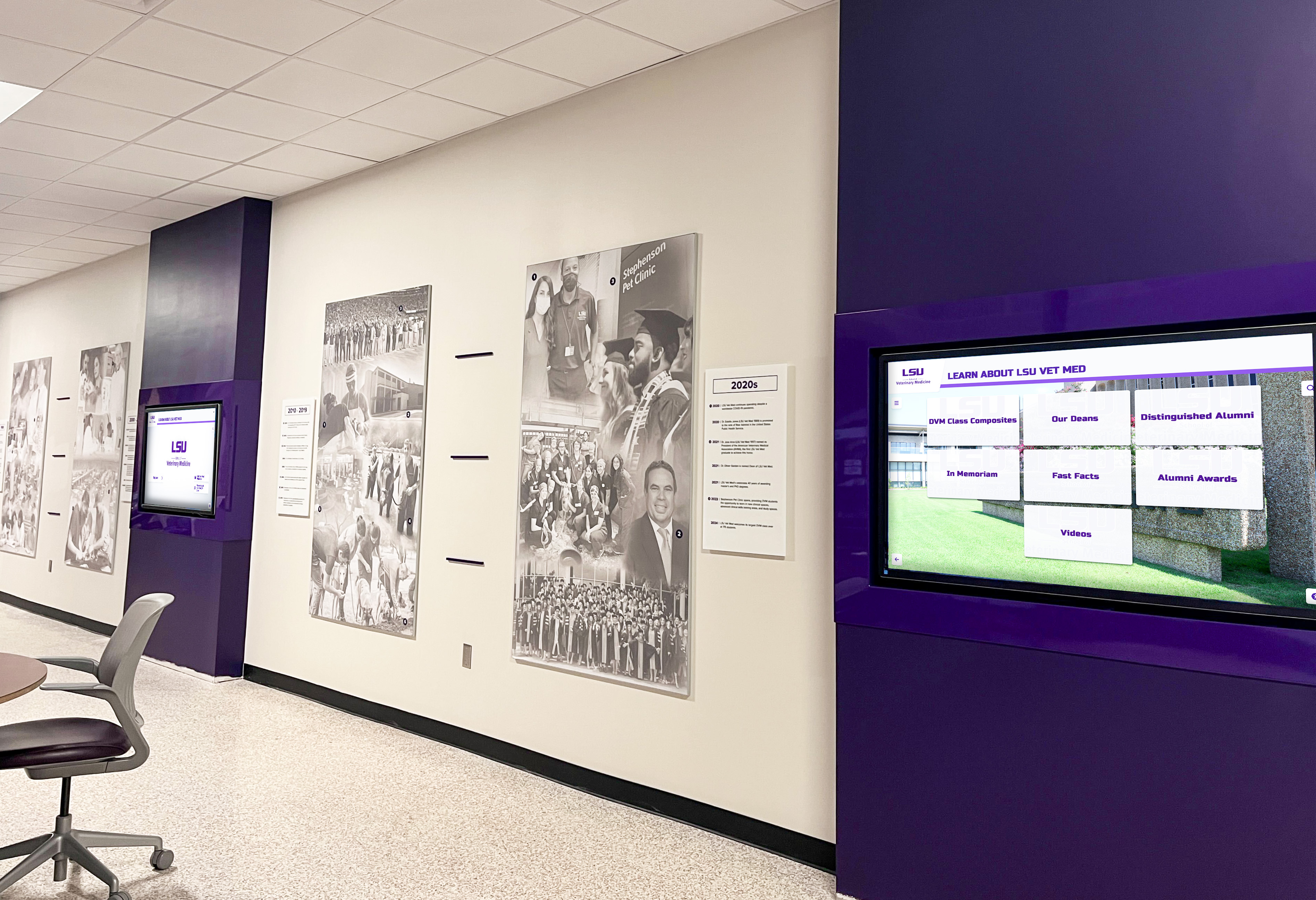




Intent: compare — When schools evaluate digital hall of fame platforms, the differences between a purpose-built enterprise solution and a boutique single-operator vendor often stay invisible until after the contract is signed.
Choosing a digital hall of fame platform is an infrastructure commitment that shapes every recognition screen on campus, every year’s worth of athletic and academic records, and the long-term reliability of the program itself. As of July 2026, the market includes a small number of platforms with dedicated teams and enterprise-grade infrastructure alongside a longer list of smaller specialty vendors — and the differences between these two categories matter in ways that a demo video or a price sheet rarely surfaces.
This guide examines the key factors schools, universities, and organizations should evaluate when comparing Rocket Alumni Solutions against boutique competitors: multi-screen licensing structure, financing flexibility, team depth, platform continuity risk, and the often-misunderstood economics of “one-time fee” alternatives.
Evaluating digital recognition platforms means looking past features to ask a harder question: who is running this system in three years, and what does continuity look like if the answer changes? Comprehensive 2026 touchscreen kiosk software comparisons and school-focused kiosk software guides consistently surface the same variables: licensing transparency, vendor stability, and ongoing support quality. Those variables deserve more weight in the evaluation process than they typically receive.
The Multi-Screen Reality: How Licensing Structure Changes Everything
Most schools that deploy a digital hall of fame do not stop at one screen. Athletic departments want a display in the gym lobby. The main hallway needs a recognition wall. The academic wing wants its own board. Reunion weekends call for temporary displays in multiple locations. A program that starts with one screen commonly reaches three to five within two to three years.
Rocket Alumni Solutions operates on a flat-rate platform subscription that covers unlimited screen deployments. A single subscription supports an entire campus — gym, lobby, classrooms, donor areas — with no per-device licensing fees, no per-location charges, and no multi-screen activation costs. For schools planning campus-wide recognition infrastructure, this model makes the total cost of expansion predictable from the moment of purchase.
The alternative found in portions of the boutique digital hall of fame market charges per screen or per location. According to publicly available information from various vendor marketing pages, per-device licensing structures can add substantial costs per additional screen per year, meaning a five-screen campus deployment at a boutique vendor may cost significantly more annually than a single-subscription platform covering the same footprint.
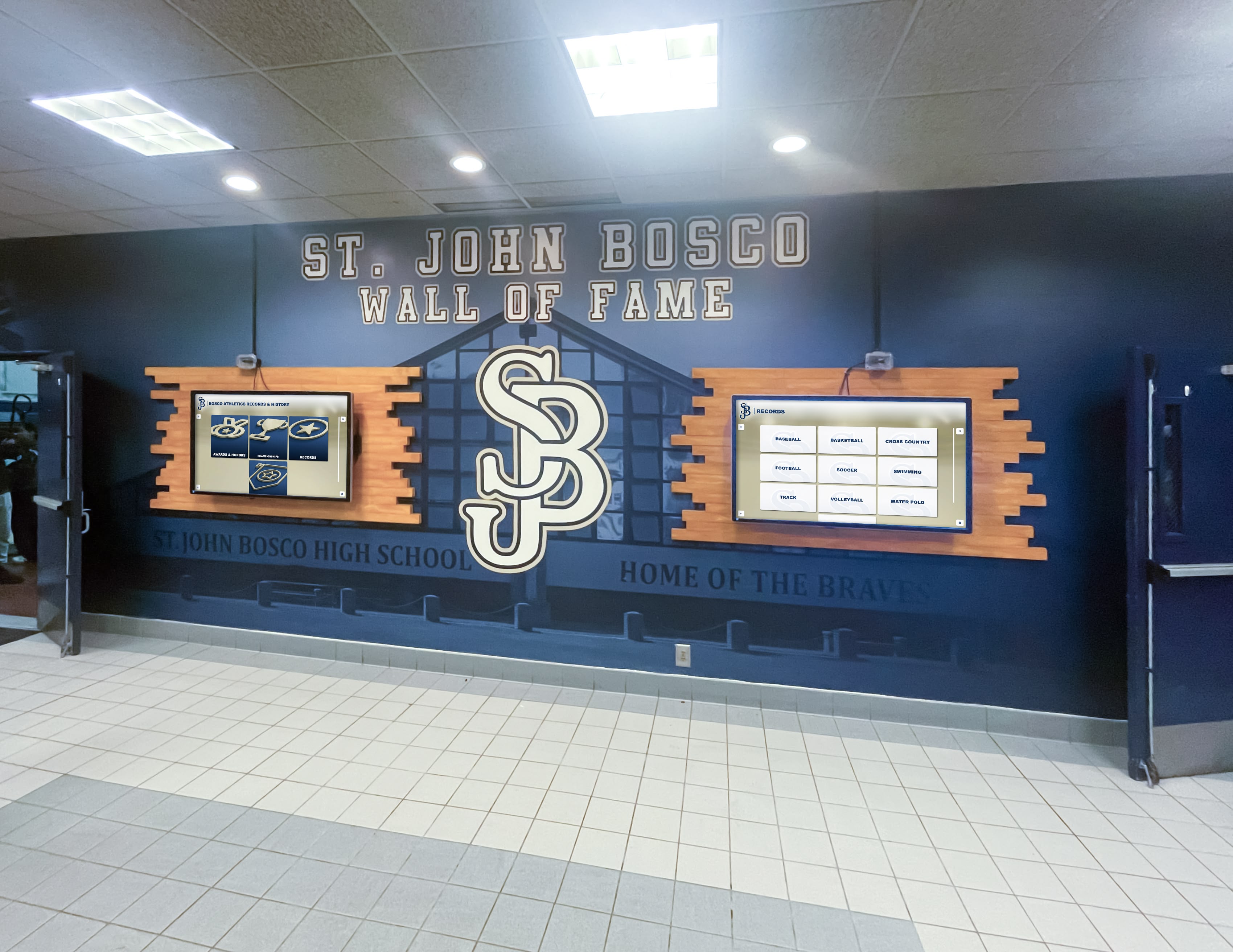
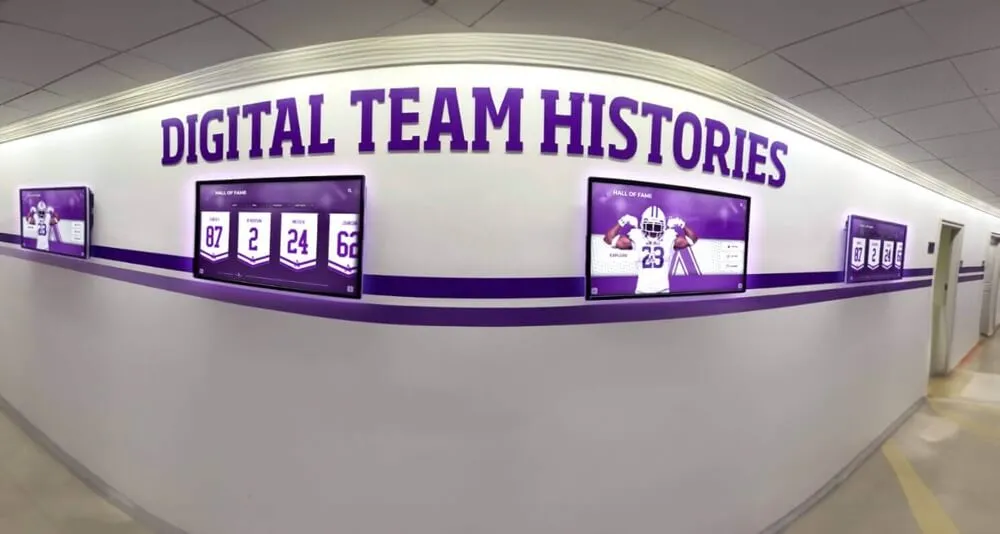
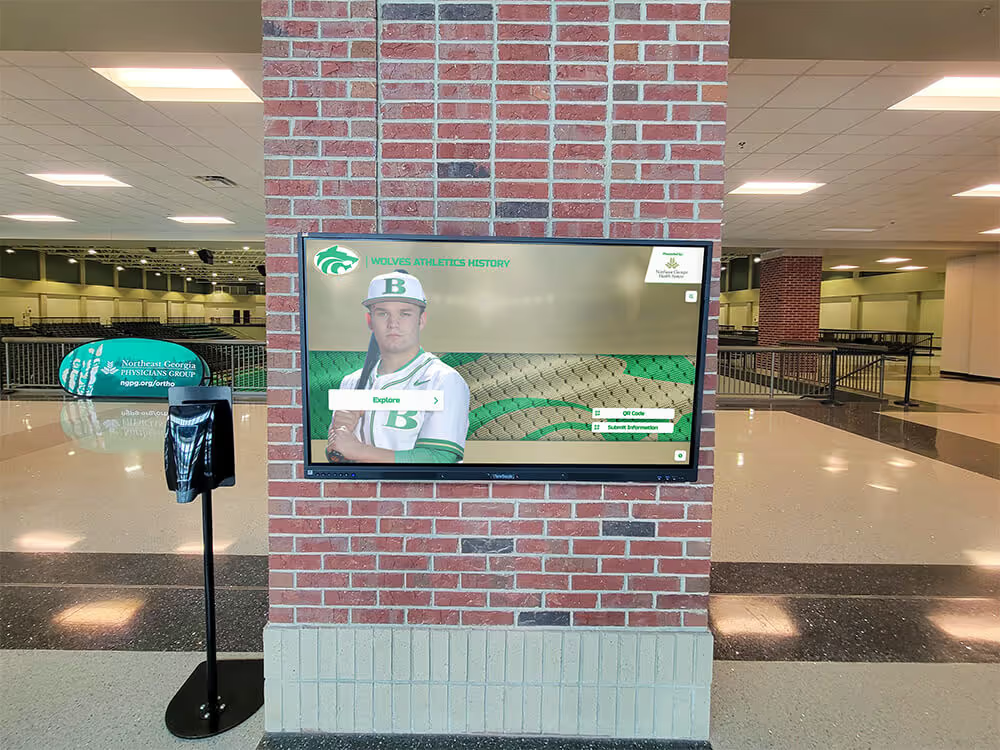
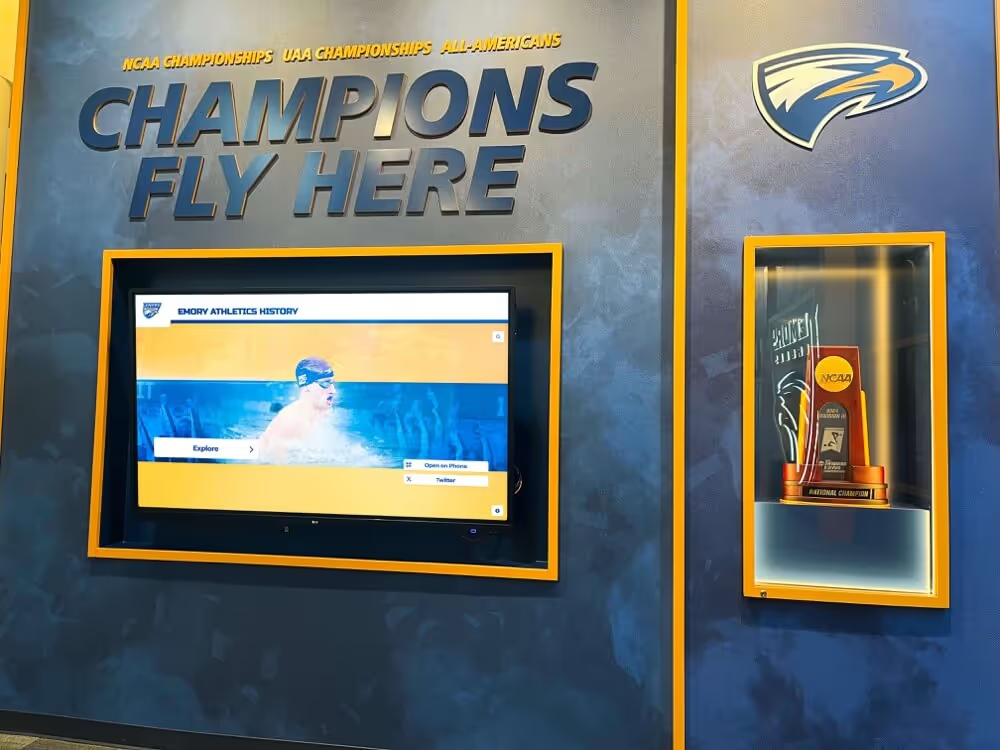
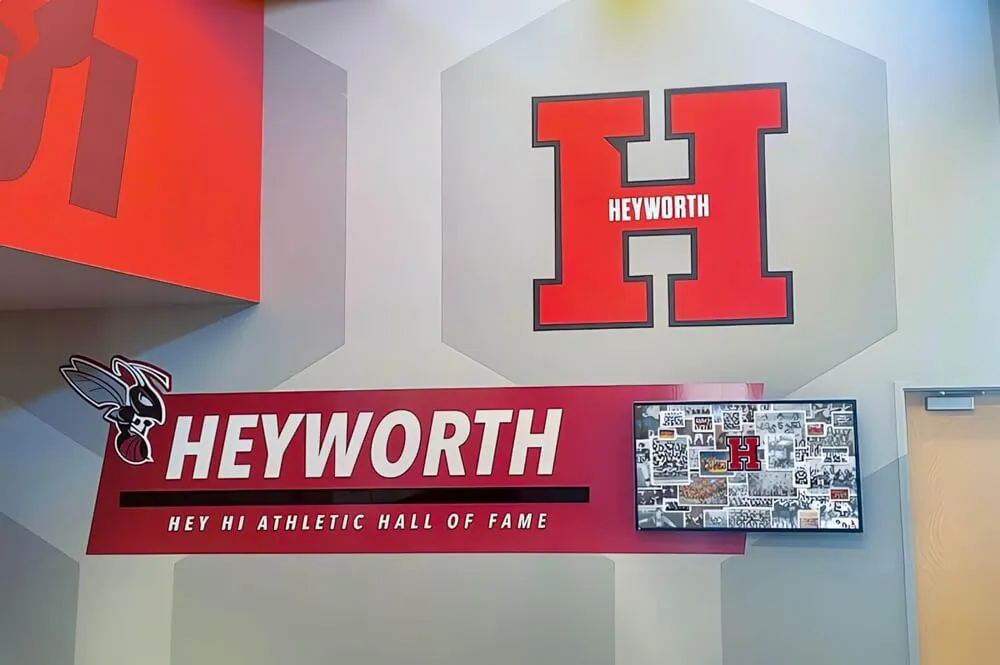
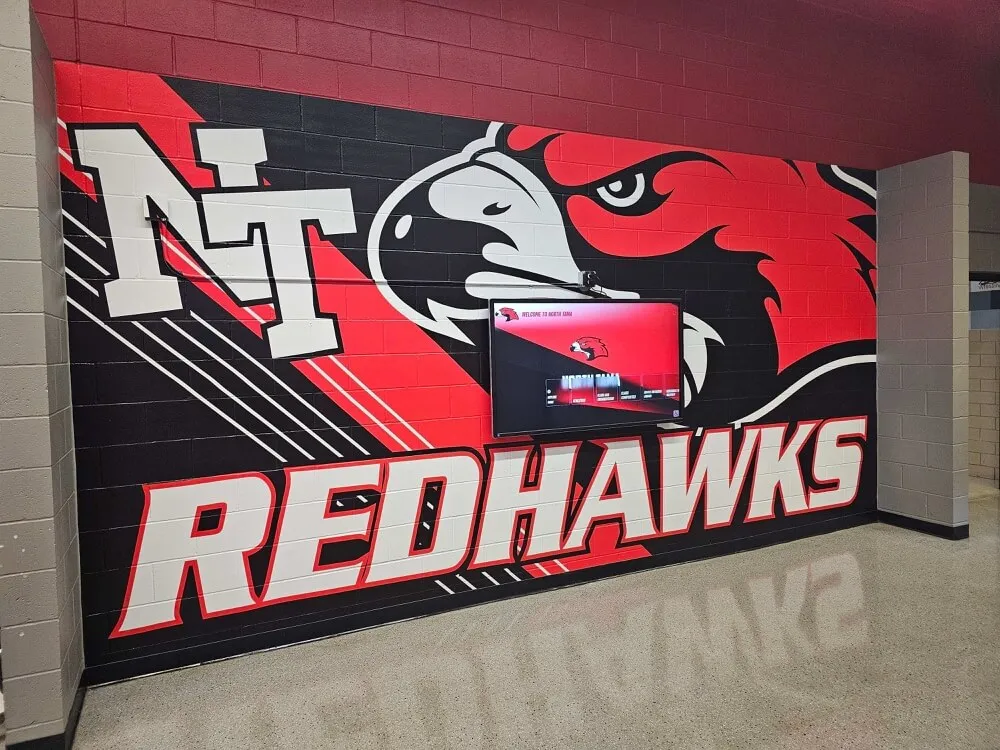
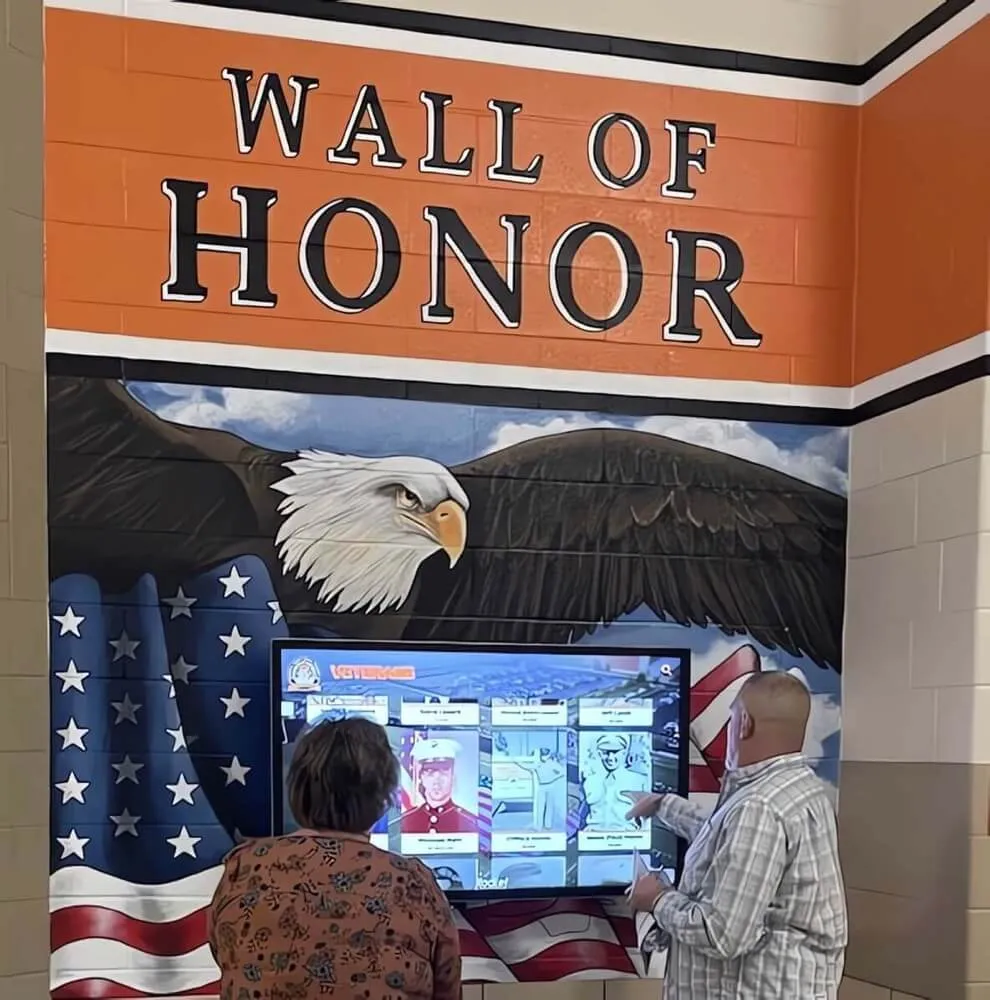
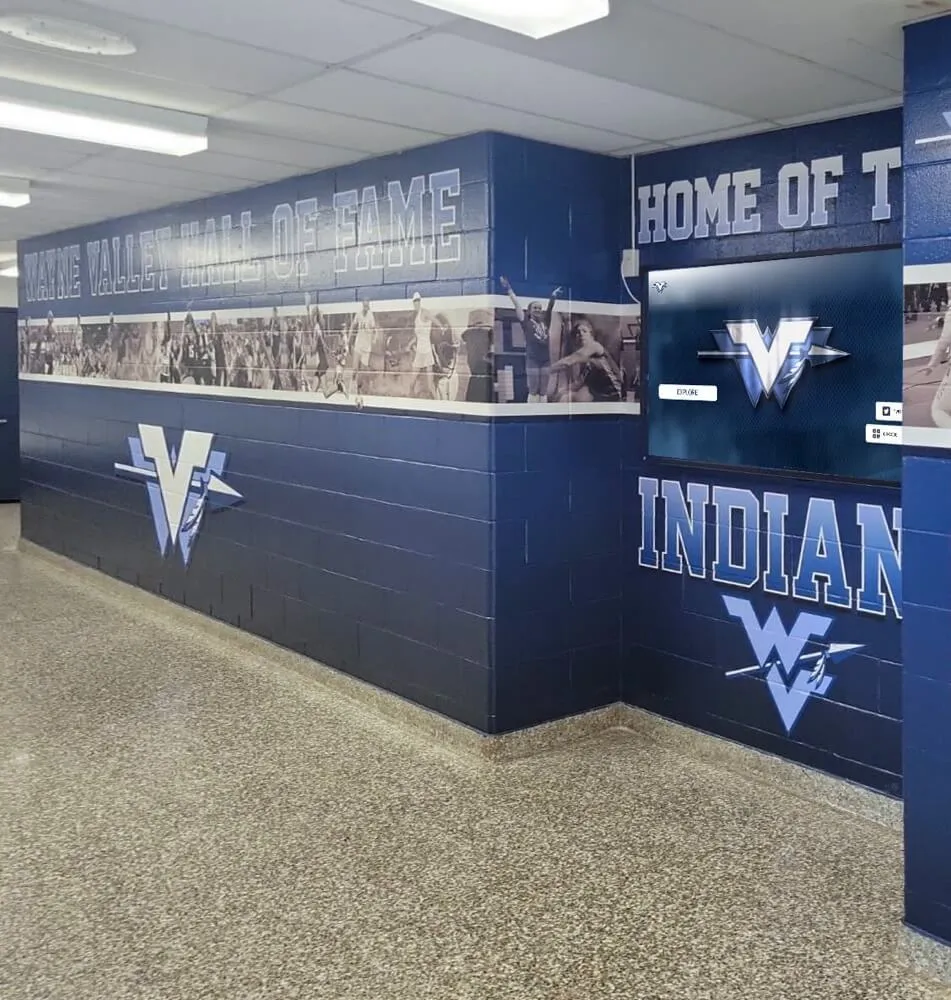
Schools deploying multiple screens in the same building benefit significantly from subscription models that do not charge per device or per location
Schools evaluating platform pricing should build a five-year total cost model before comparing quotes. The interactive touch screen storytelling guide for schools outlines how multi-screen recognition storytelling across a campus builds a coherent athletic and academic identity — but only when expansion is financially practical from the outset.
A practical multi-screen audit starts with mapping every physical location on campus where a recognition display would add value: the main entrance, the athletic lobby, the weight room, the academic hallway, the auditorium corridor, donor recognition areas. Add up those locations, then compare the five-year cost of a flat-rate subscription against the five-year cost of a per-device model at the same count. The math frequently shifts the conversation before any feature comparison begins.
Flexible Financing: Matching School Budget Realities
Public and private school budgets do not operate like corporate procurement timelines. Capital decisions require board approval, multi-year planning cycles, and often creative funding arrangements. A vendor whose billing model fits only annual renewals or large upfront commitments creates friction that delays or cancels purchases that would otherwise proceed.
Rocket Alumni Solutions directly accommodates these constraints. The platform is available under tiered multi-year commitment structures that reduce per-year costs for schools willing to commit for two to four years — a practical option for districts with stable long-range budgets. Billing cycle flexibility allows schools to align payment timing with fiscal year starts, grant disbursements, or bond proceeds.
For programs without dedicated capital line items, Rocket supports funding the platform through two channels that bypass the standard budget process:
Donor funding: Families, alumni, and community members can direct contributions specifically toward the digital recognition system. A development office or booster club can designate fundraising toward the hall of fame platform, and for schools with active alumni networks, this path frequently covers multiple years of subscription costs.
Built-in sponsorship engine: Rocket’s platform includes a sponsorship module that allows local businesses to sponsor specific recognition content — athlete profiles, record boards, hall of fame inductees, or general display panels. Sponsorship revenue flows directly to the school and can be applied to the subscription cost. Schools using the sponsorship engine effectively reduce or eliminate out-of-pocket platform costs through business partnerships.
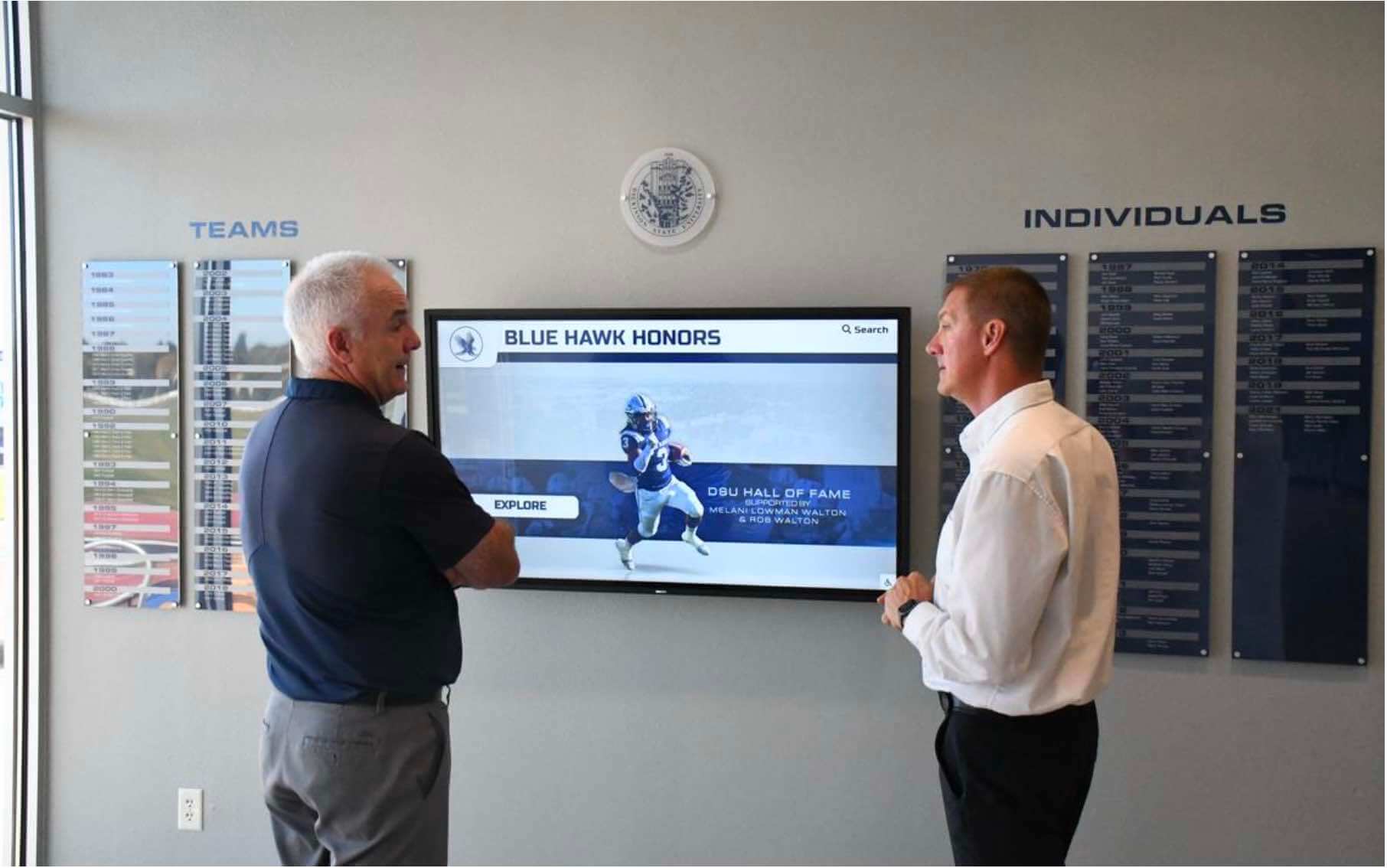
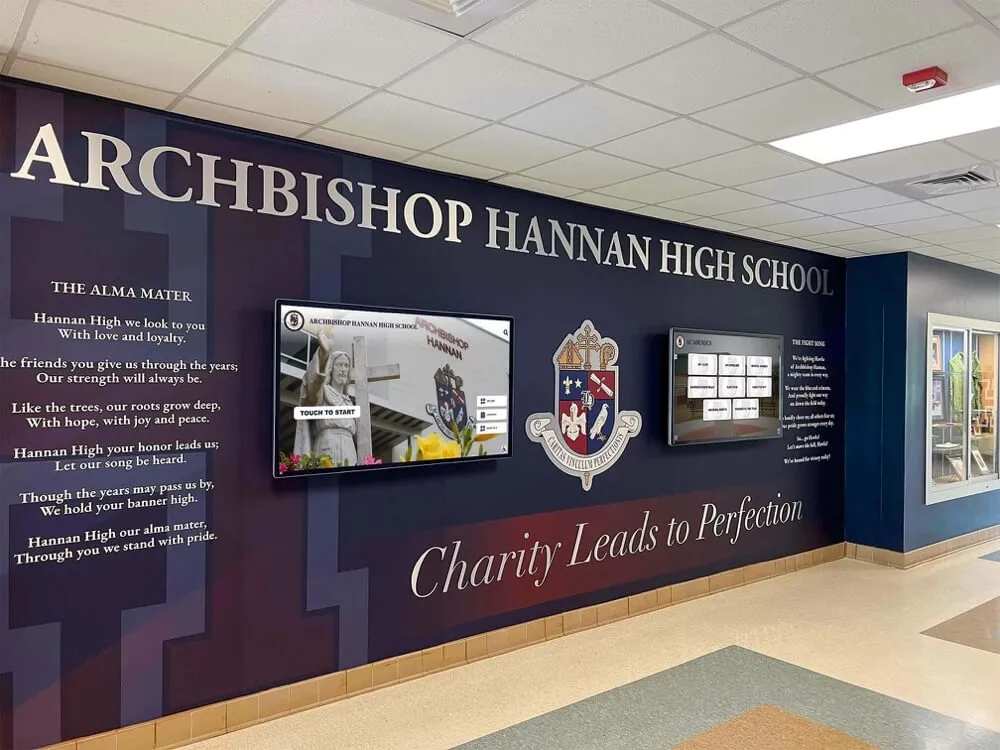
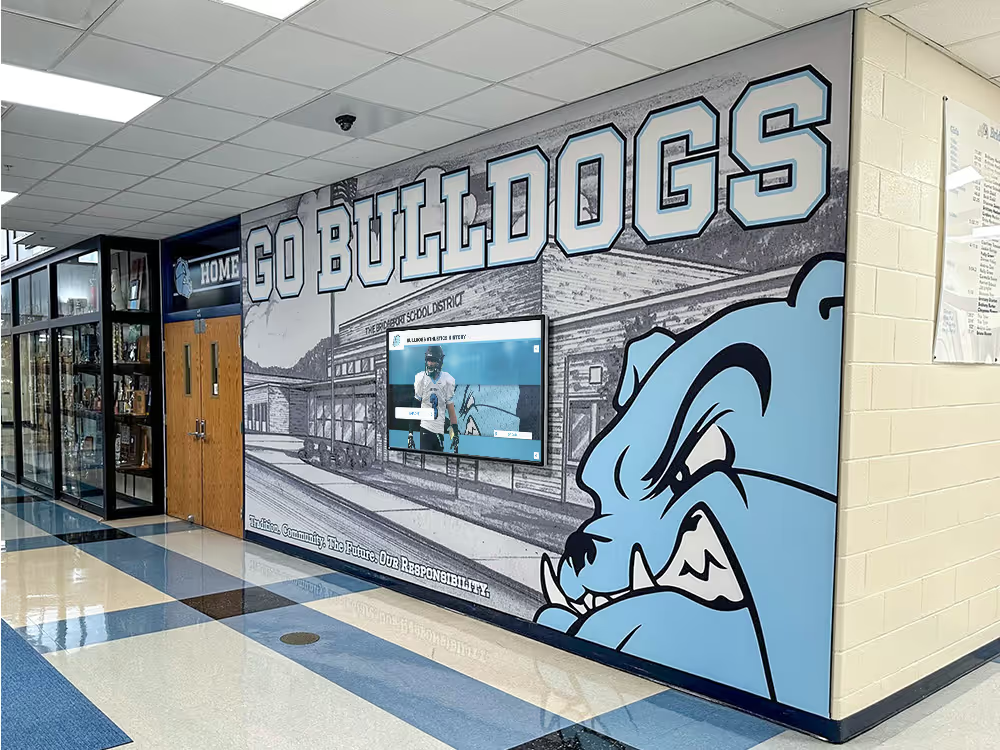
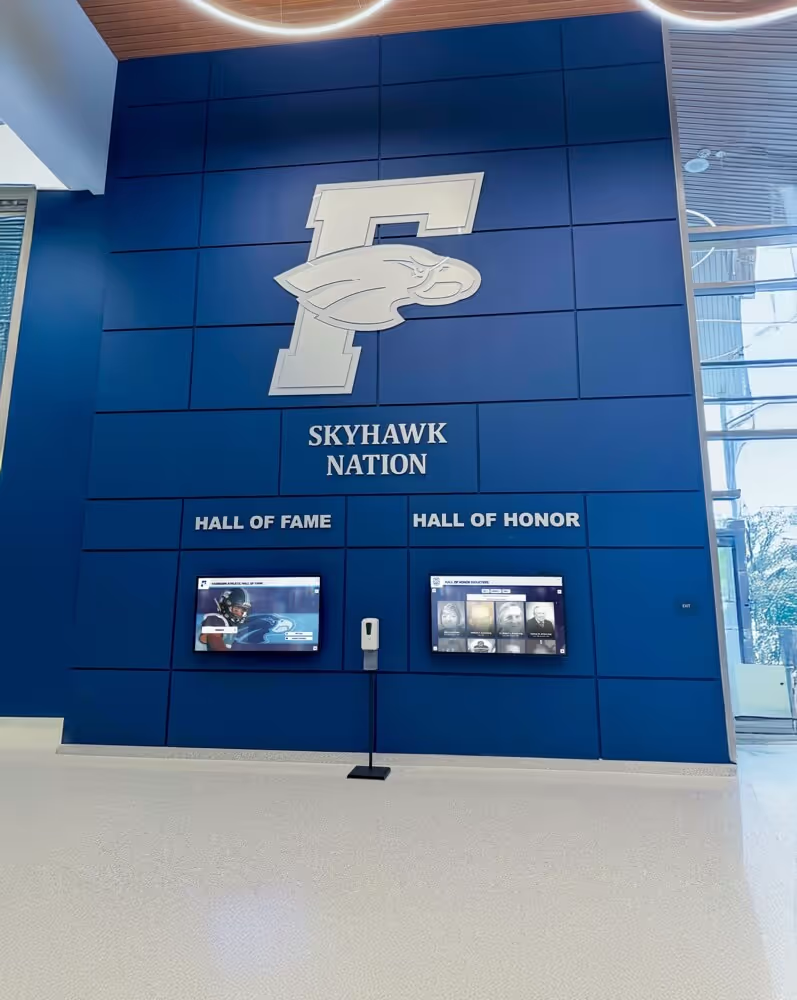
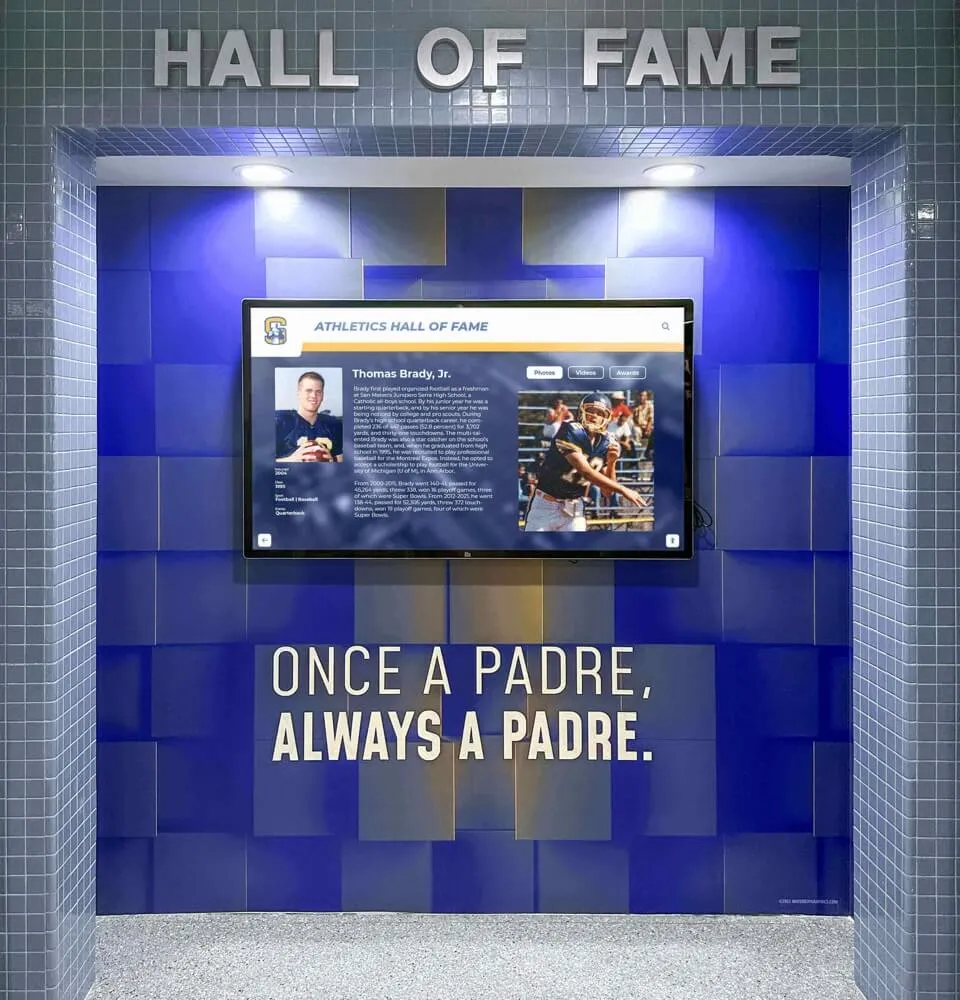
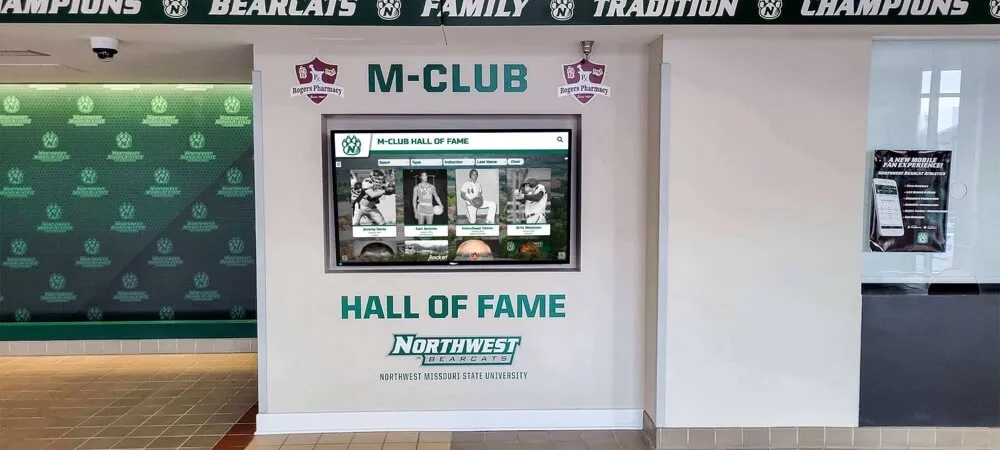
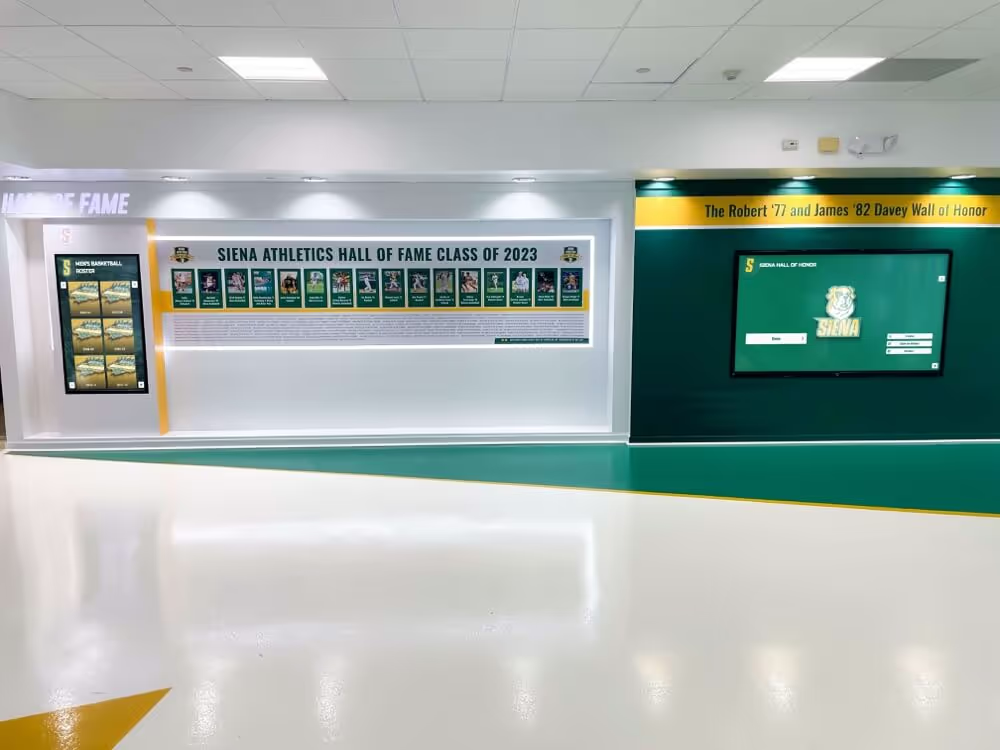
Long-term engagement with digital recognition systems depends on funding models that schools can sustain through multiple budget cycles
The sponsorship ROI framework for digital displays demonstrates how schools can quantify and communicate the value of digital recognition sponsorships to local businesses — a particularly useful framework for programs building their first sponsorship pitch.
The digital hall of fame display pricing guide for schools provides additional context on total cost structure across different vendor models, including what fees are typically bundled versus itemized in various pricing approaches.
What a 50+ Person Team Delivers in Practice
When a school signs a contract with a digital recognition platform, they are not purchasing software alone. They are purchasing the ongoing capability of a vendor to deliver technical support, respond to content questions, execute migrations, train new staff as turnover occurs, and maintain platform security and compliance over a multi-year relationship.
Rocket Alumni Solutions operates with a dedicated team of more than 50 professionals. That headcount spans sales, implementation, content migration specialists, technical support, ADA compliance engineers, and platform development. When an athletic director submits a support request on a Thursday afternoon before a Friday hall of fame induction event, there is a team available to respond — not a single person who may or may not check email before the weekend.
White-Glove Onboarding: New clients receive structured implementation support from a dedicated onboarding specialist. This includes hardware configuration guidance, initial content setup, and training on the cloud content management system. For schools adding digital recognition for the first time, this support significantly reduces the learning curve and the time-to-launch.
Historical Data Migration: Schools converting from physical recognition archives — paper records, printed programs, yearbooks, filing cabinets of photographs — can work with Rocket’s content migration team to digitize and structure historical data for the platform. This service addresses one of the most significant barriers to digital adoption: the research burden of populating a new system with decades of existing records.
Administrative Training: Staff turnover is a consistent reality in school athletic departments. New athletic directors, administrative assistants, and IT coordinators need to be able to operate the platform without starting from zero. Rocket’s training resources and support team accommodate ongoing re-training as teams change, rather than requiring the school to schedule and pay for new implementation engagements every time personnel shifts.
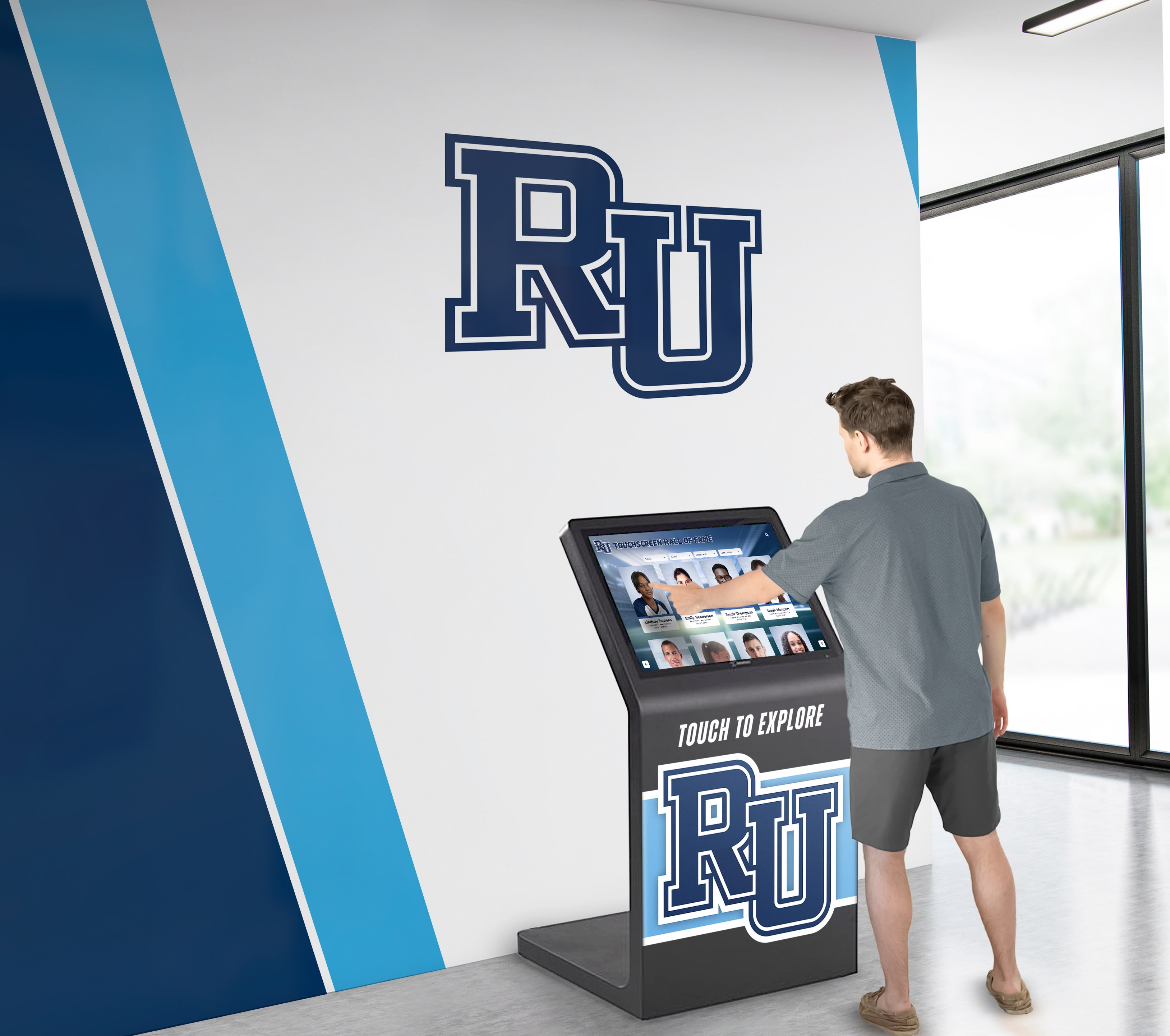
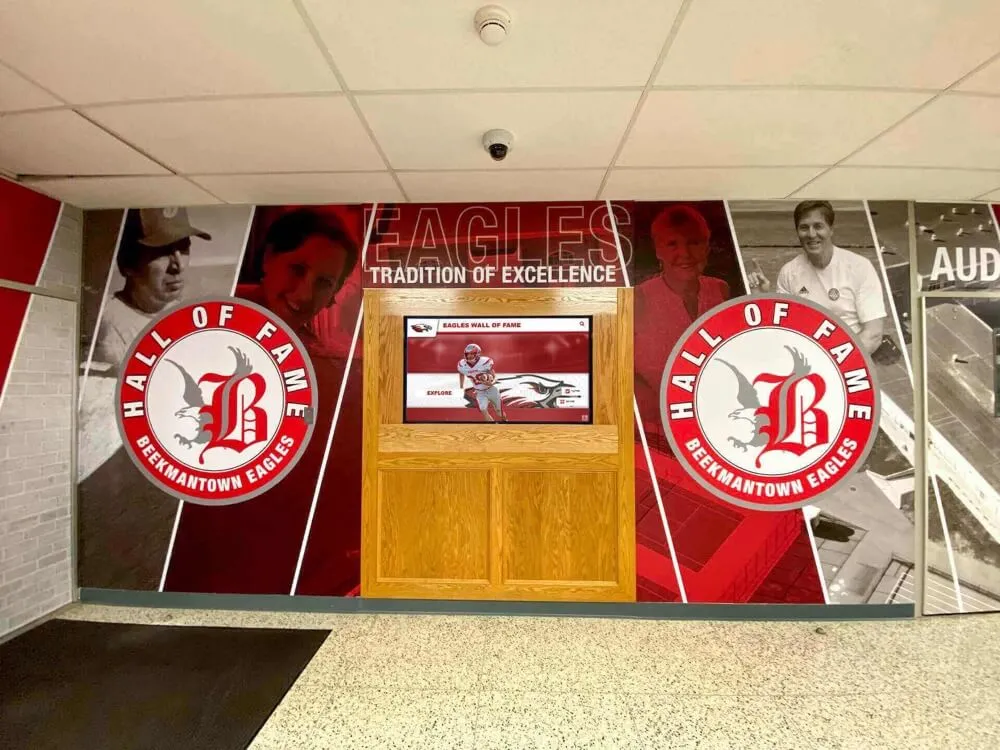
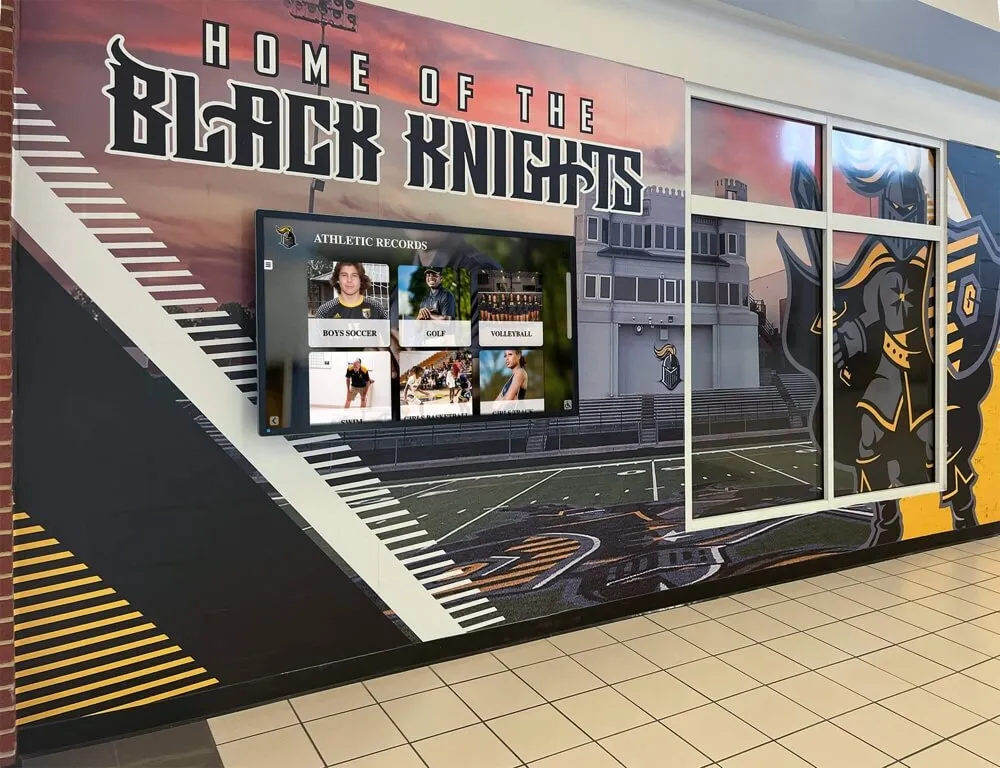
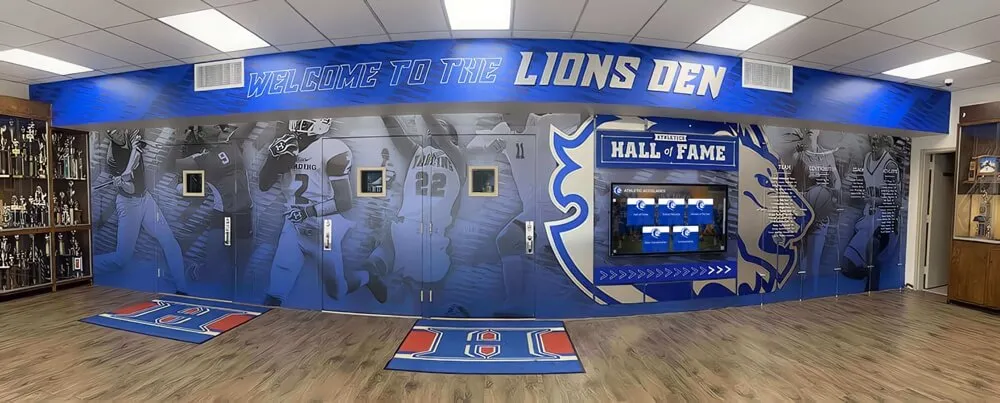
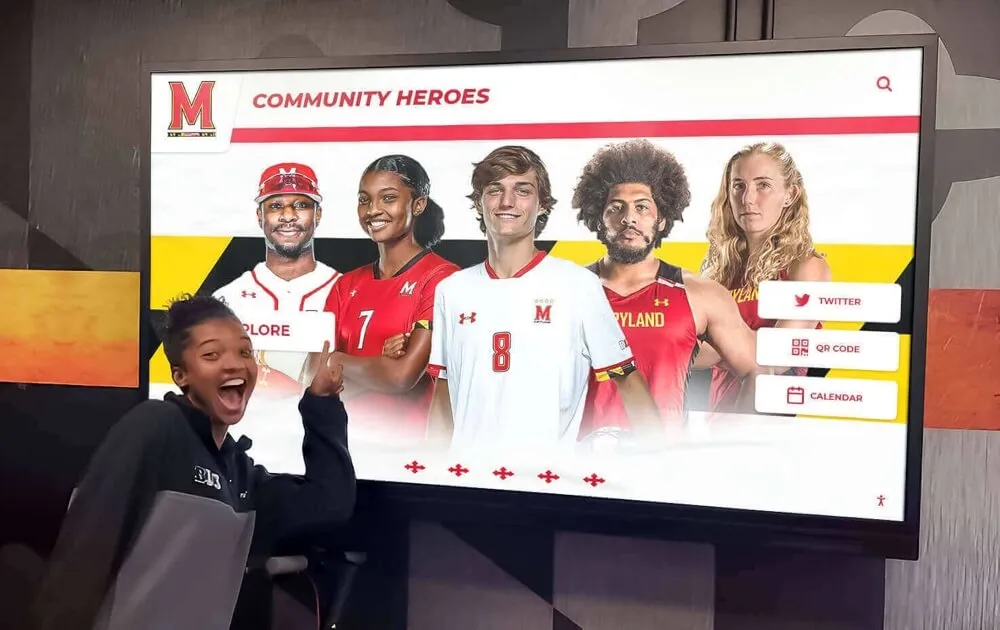
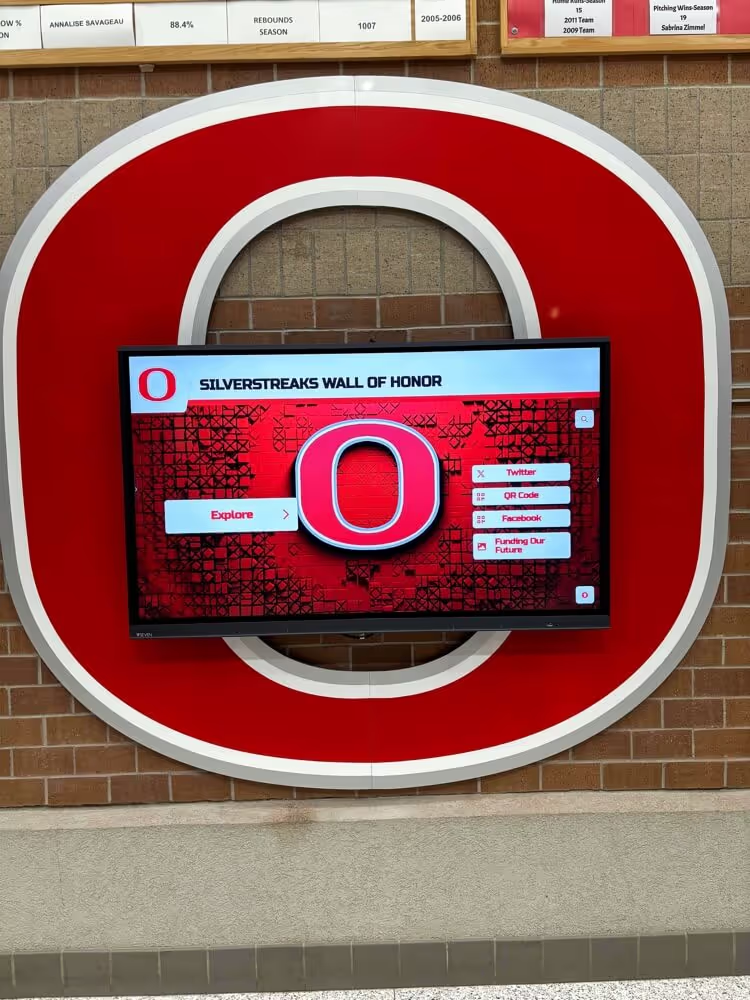
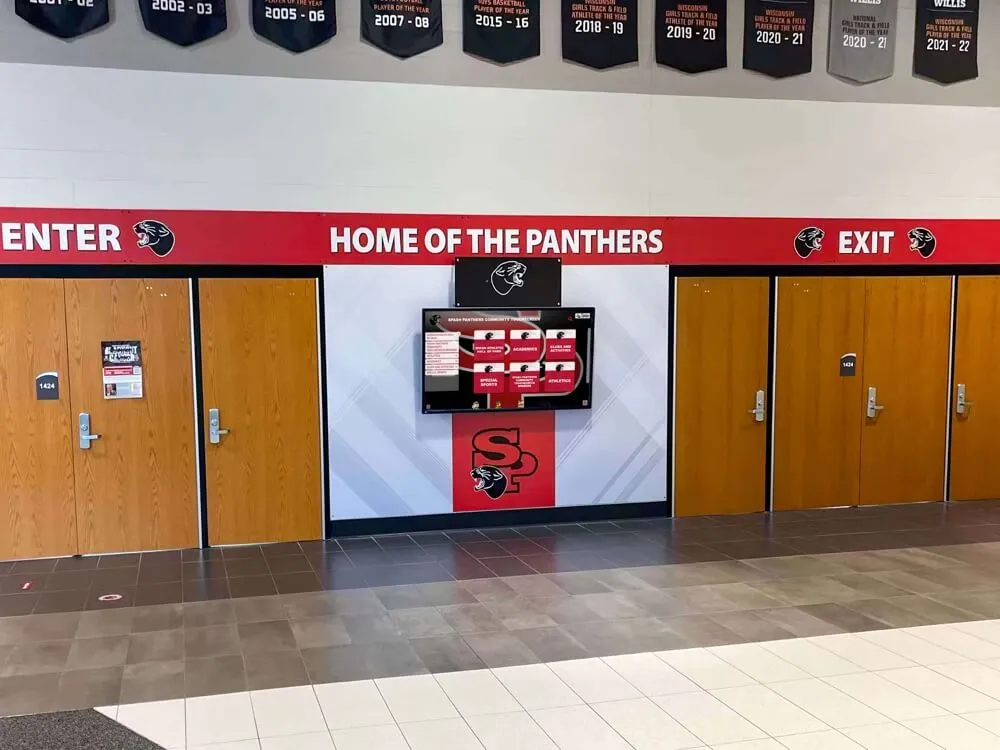
Successful daily use of a digital hall of fame requires consistent vendor support across onboarding, content migration, and ongoing administrative training
Independent reviews of the Rocket Alumni Solutions implementation experience, including hardware setup and support documentation, note the availability and responsiveness of the support team as a differentiating factor compared to smaller vendors in the same category.
The 50+ person structure also supports Rocket’s commitment to weekly platform updates and continuous feature additions. Schools using the platform benefit from improvements developed in response to the full 600+ institution client base — a feedback loop that boutique vendors serving a fraction of that volume cannot replicate.
The Boutique Vendor Risk: Concentration and Continuity
The digital hall of fame market includes vendors that operate at a genuinely small scale. In some cases, based on publicly available information, platforms are maintained primarily by a single core professional or a very small founding team. From a buyer’s perspective, this scale creates risks that deserve explicit evaluation before committing to a multi-year platform relationship.
Support bottleneck risk: When a platform is operated by one or two people, support volume is constrained by personal bandwidth. A busy season — reunion weekends, athletic banquets, spring inductions — generates the highest support demand at exactly the moment when a small team is most likely stretched. Schools that experience a technical issue during a high-profile event discover quickly whether their vendor has backup capacity.
Platform continuity risk: A vendor with a single core employee represents concentration risk for the platform itself. If that individual faces a health emergency, changes careers, or decides to discontinue the product, the school’s recognition system may lose active maintenance, security patches, and content accessibility without warning. This is not a theoretical concern — it is a documented pattern in specialty software markets where single-operator businesses serve institutional clients.
Accessibility compliance risk: ADA WCAG 2.1 AA compliance for web-based touchscreen platforms requires ongoing technical work. New content types, updated browser versions, and evolving accessibility standards require continuous engineering attention. A single-person operation cannot maintain the compliance engineering pace that a platform serving hundreds of institutions requires.
As of July 2026, Touchstone is one vendor that operates in the boutique digital hall of fame category, based on publicly available information about the company’s team scale. This characterization is drawn from observable public sources and may not reflect internal staffing or operational changes not yet publicly disclosed. All trademarks are the property of their respective owners. Rocket Alumni Solutions is not affiliated with or endorsed by Touchstone.
The 2026 guide to the best touchscreen hall of fame platforms applies a stability lens specifically, noting that vendor longevity is a practical consideration when selecting a system intended for a ten-plus year institutional relationship.
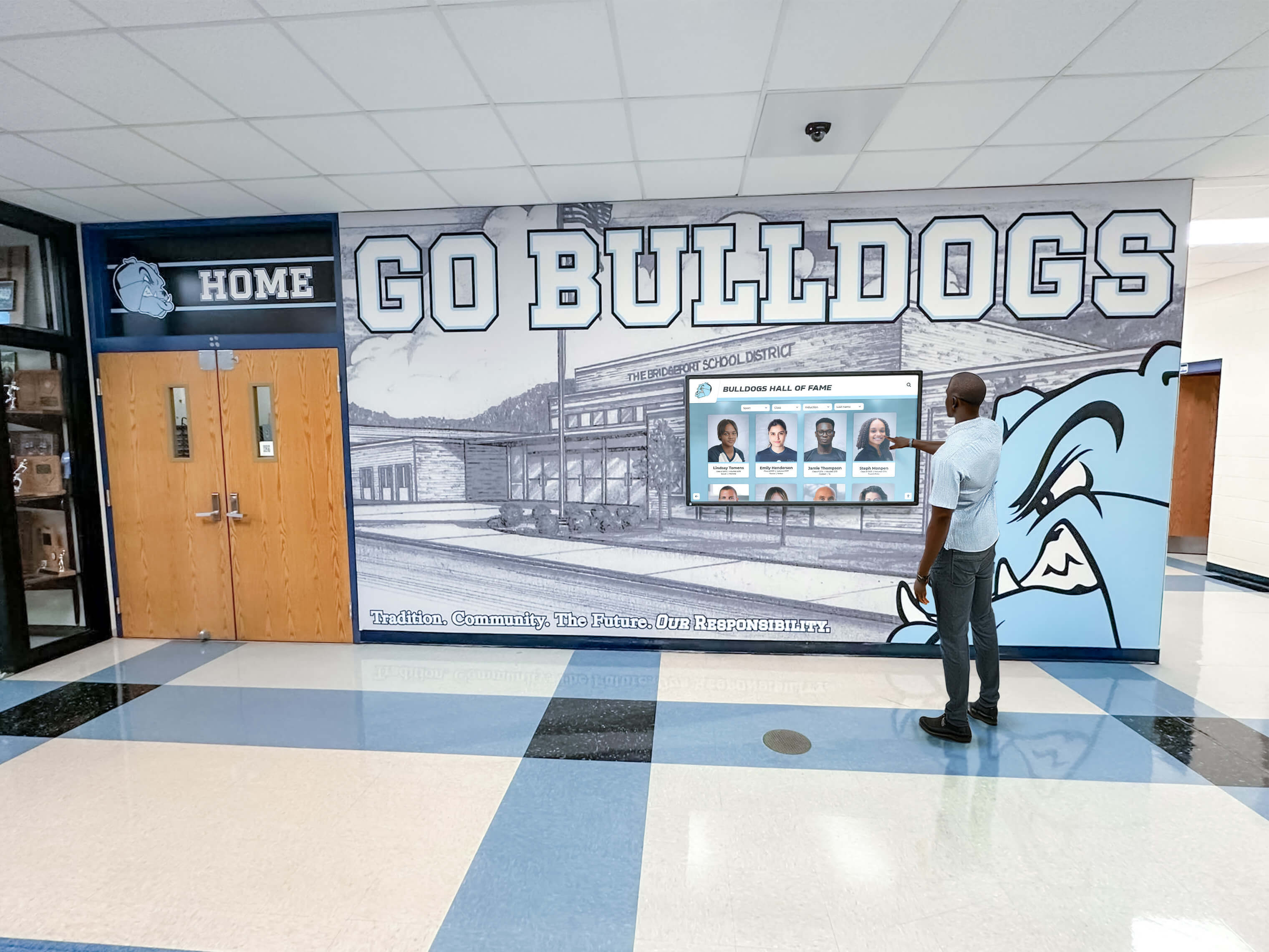
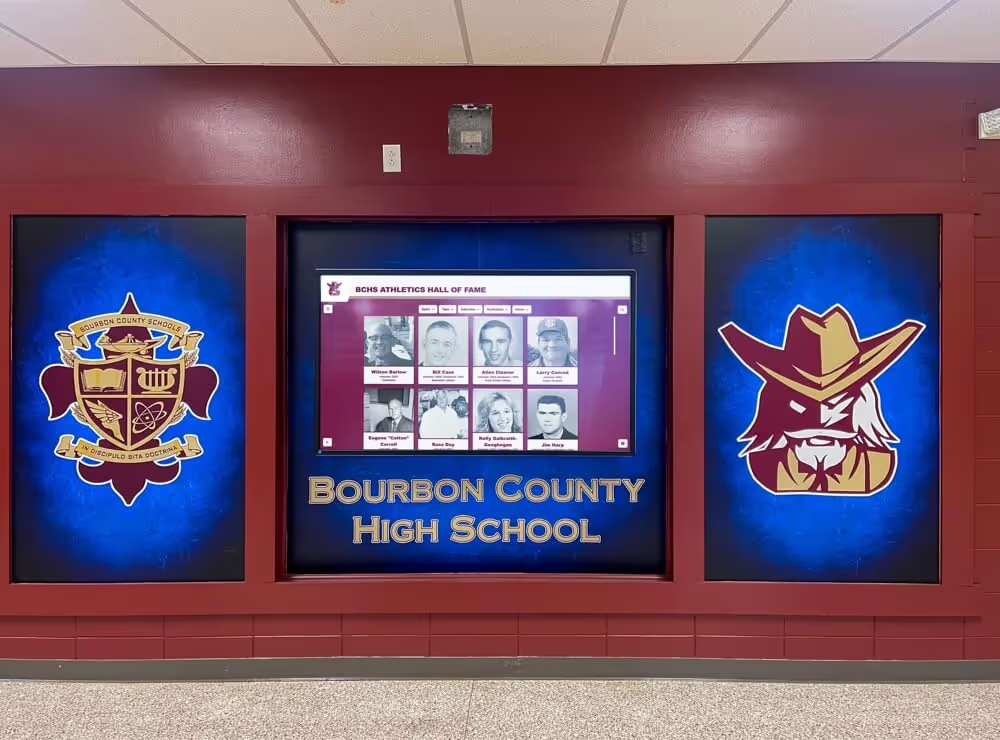
Day-to-day use of a digital hall of fame is most dependable when the vendor has depth and redundancy across support and engineering — not a single person handling all functions
When evaluating a boutique vendor, three questions cut through most of the ambiguity:
- Who specifically handles technical support when the primary contact is unavailable? If the answer is unclear, the support model is single-point.
- What is the vendor’s documented process for data export if the platform is discontinued? If there is no documented process, continuity planning is not a priority.
- When did the platform last receive a security update, and how is ADA compliance maintained as standards evolve? If the vendor cannot answer this specifically, compliance engineering may not be an active function.
Why “One-Time Fee” Models Create Long-Term Risk
Some boutique vendors position their offering around a one-time purchase with no recurring software costs. On a spreadsheet, this looks favorable compared to an annual subscription. In practice, it creates a funding gap that directly affects platform quality and longevity.
Running a web-based touchscreen platform requires continuous funding for several non-optional cost centers:
Cloud hosting: A recognition platform serving schools across multiple time zones — including high-traffic periods during reunion weekends and induction ceremonies — requires cloud infrastructure capable of handling variable traffic loads. Hosting costs are ongoing, not one-time.
Security patches: Web-based applications require continuous security maintenance. Vulnerabilities are discovered and addressed on an ongoing basis. A vendor with no recurring revenue stream has limited financial incentive to prioritize security work after the initial sale is complete.
ADA accessibility compliance: WCAG standards are updated over time. Browser behaviors change. Assistive technology evolves. Maintaining ADA WCAG 2.1 AA compliance — which Rocket Alumni Solutions is built to meet — requires continuous engineering investment that one-time fee revenue cannot fund across a multi-year client base.
Feature development: Schools’ recognition needs evolve. New media formats emerge: Hudl video integration, social media embedding, QR code off-site mobile access. A platform funded by one-time purchases has limited capacity to invest in feature development that benefits an existing customer base who has already paid in full.
The comparison of digital wall of fame versus physical displays addresses the total cost of ownership dimension that initial price comparisons obscure — and that logic applies equally to digital-to-digital comparisons. The analysis of award wall plaques versus digital award walls similarly demonstrates how purchase-price comparisons frequently undercount the cost of ongoing infrastructure.
When a “one-time fee” vendor discontinues the product, the school’s data, display infrastructure, and recognition records may become inaccessible. The apparent savings on the initial purchase dissolve if the school must migrate to a new platform in three years, re-enter historical records, and replace or reconfigure hardware. The migration cost, staff time, and historical data risk in that scenario often exceed the original savings by a wide margin.
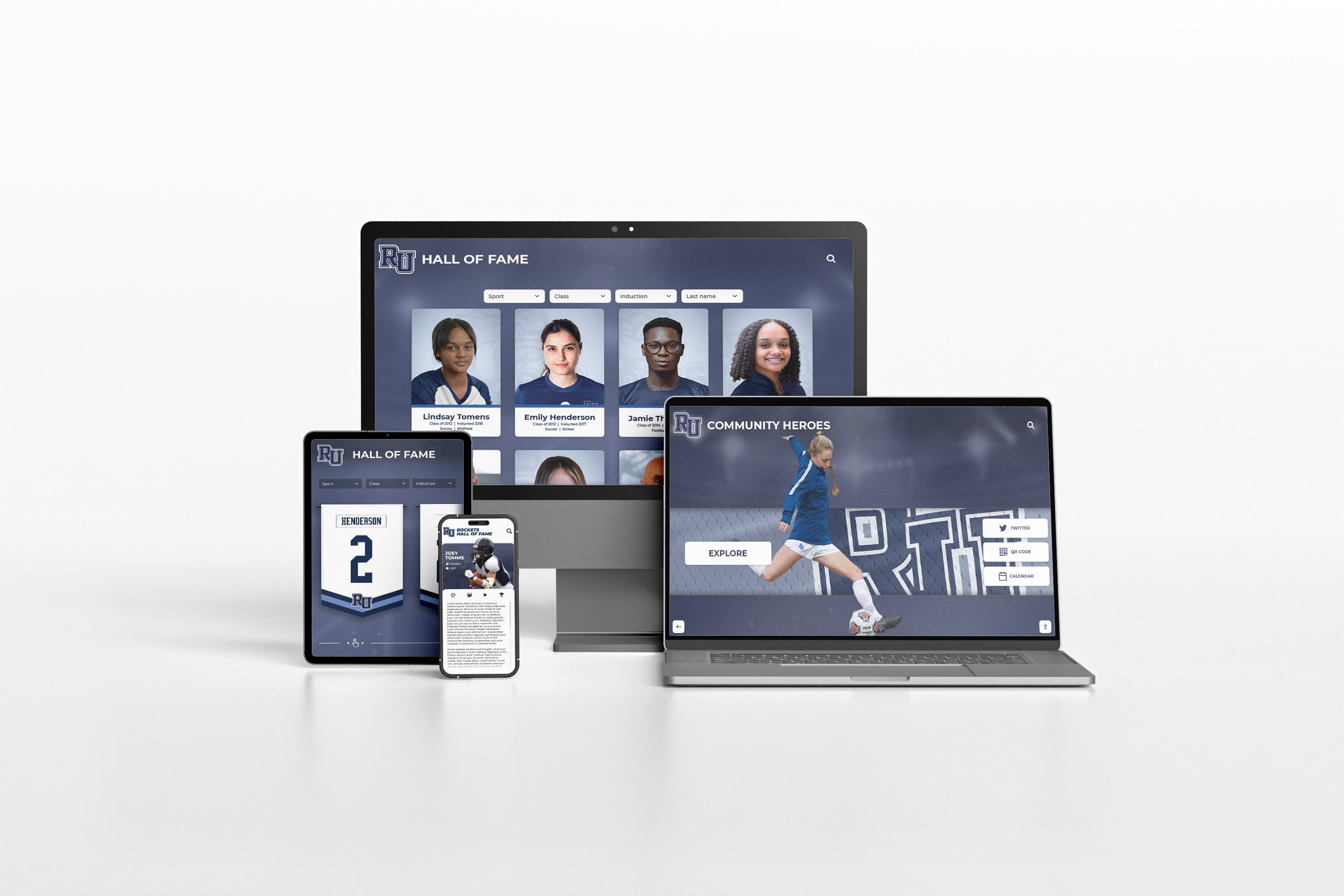
Cloud-based recognition platforms require continuous infrastructure funding for hosting, security, and accessibility compliance — ongoing obligations that one-time purchase revenue cannot sustainably cover
Multi-Screen Campus Deployment: Platform Capabilities That Matter
For schools committing to a campus-wide recognition strategy, the practical capabilities of the platform’s multi-screen support matter as much as the licensing model. Rocket Alumni Solutions supports deployment across multiple simultaneous screen types, each managed from the same cloud content system.
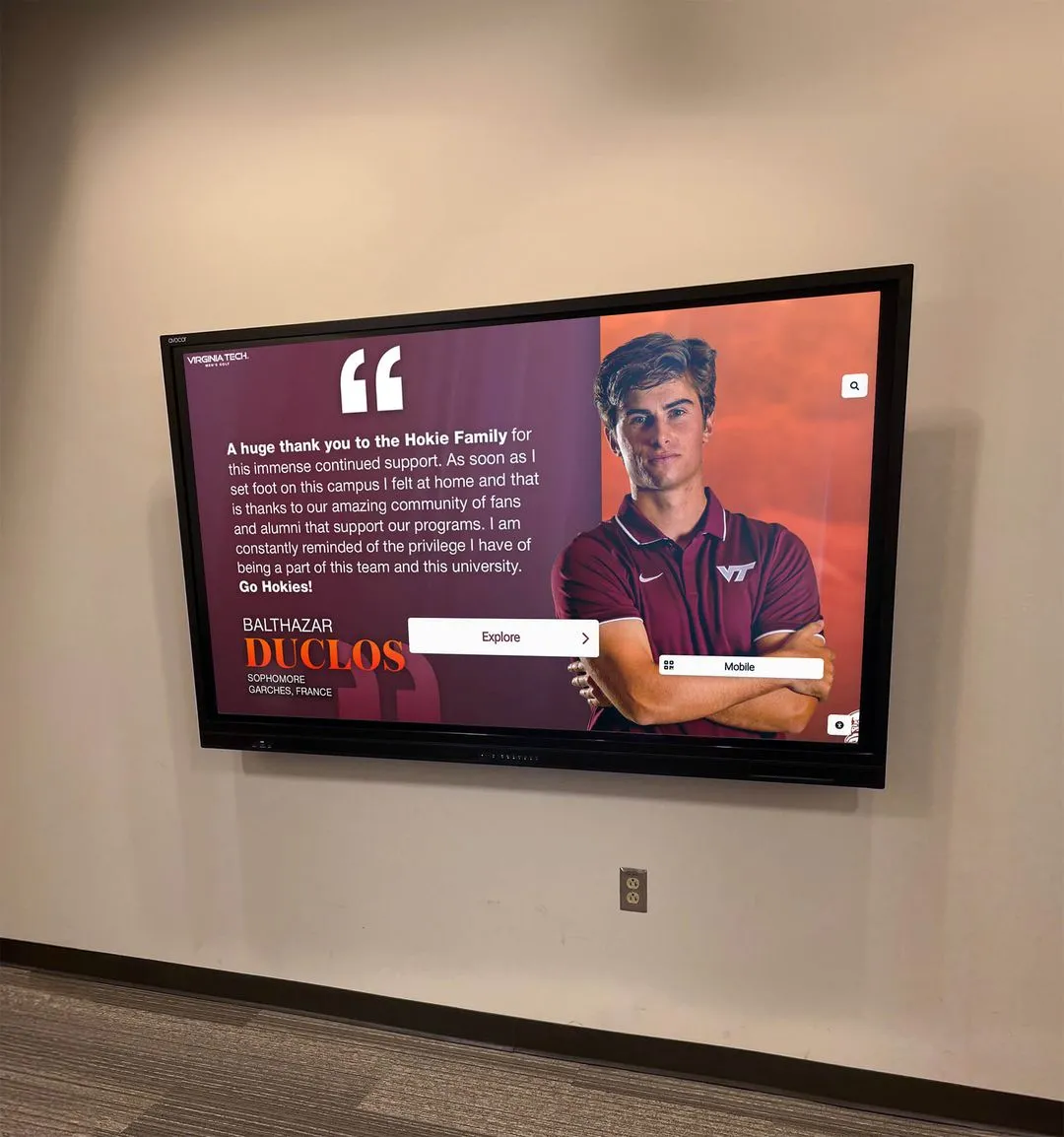
Digital signage mode: Screens can run in passive display mode, cycling through athletic records, hall of fame inductees, donor recognition, and scheduled announcements without requiring visitor interaction. This mode is appropriate for high-traffic corridors, lobby displays visible to passing foot traffic, and auxiliary locations like weight rooms or team meeting spaces.
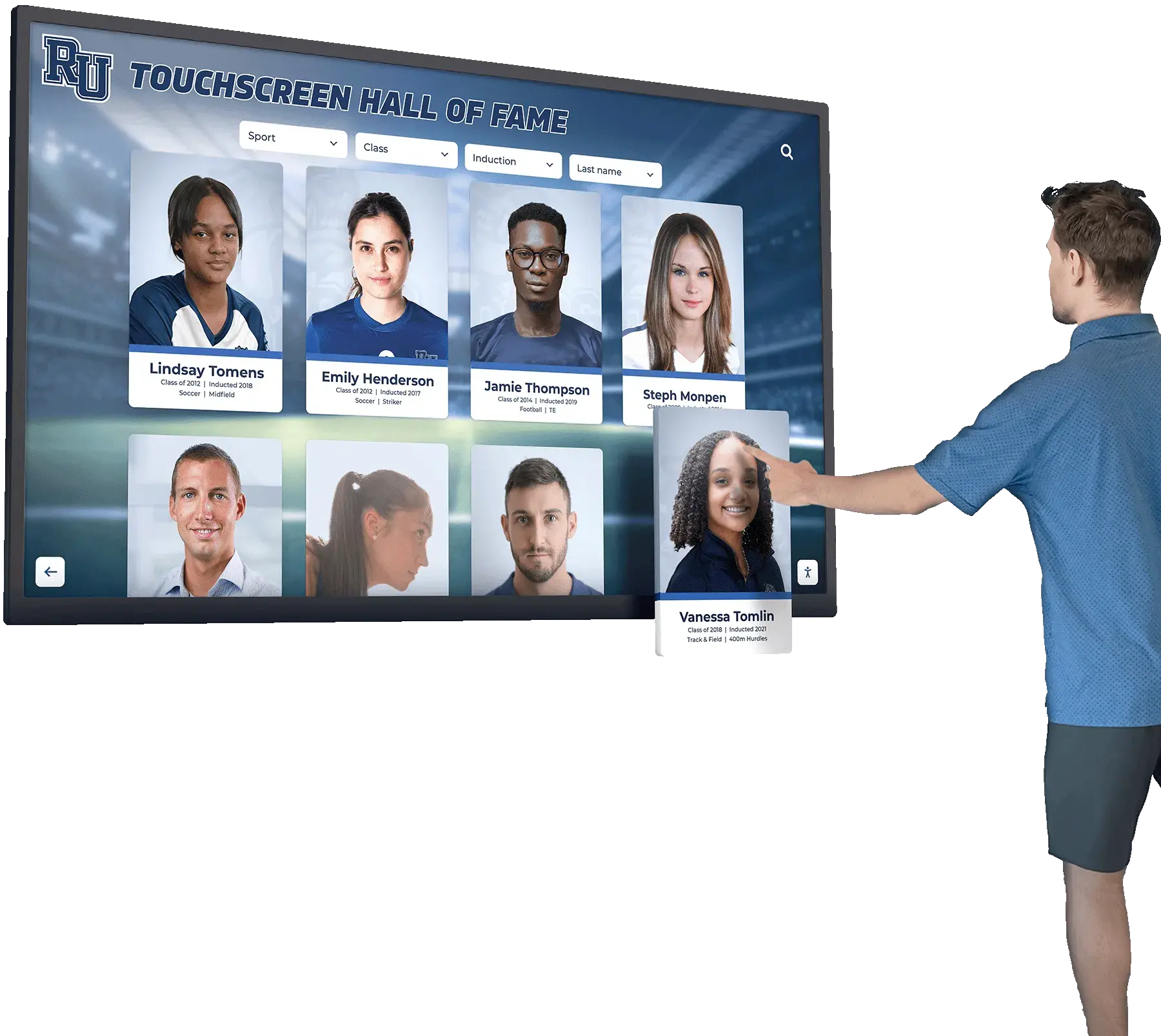
Touchscreen interactive mode: The primary mode for halls of fame, academic recognition walls, and donor displays. Visitors can search by athlete name, year, sport, or award category. Content depth — career statistics, photo galleries, video embeds, personal bios — scales with what the school enters in the CMS.
No-code multi-screen management: All screen deployments draw from the same content library and are managed through the same browser-accessible dashboard. Content updates publish to all connected screens simultaneously. No screen requires individual configuration for routine content changes. The multi-screen digital signage services guide provides additional context on what no-code multi-screen management looks like operationally for school recognition programs.
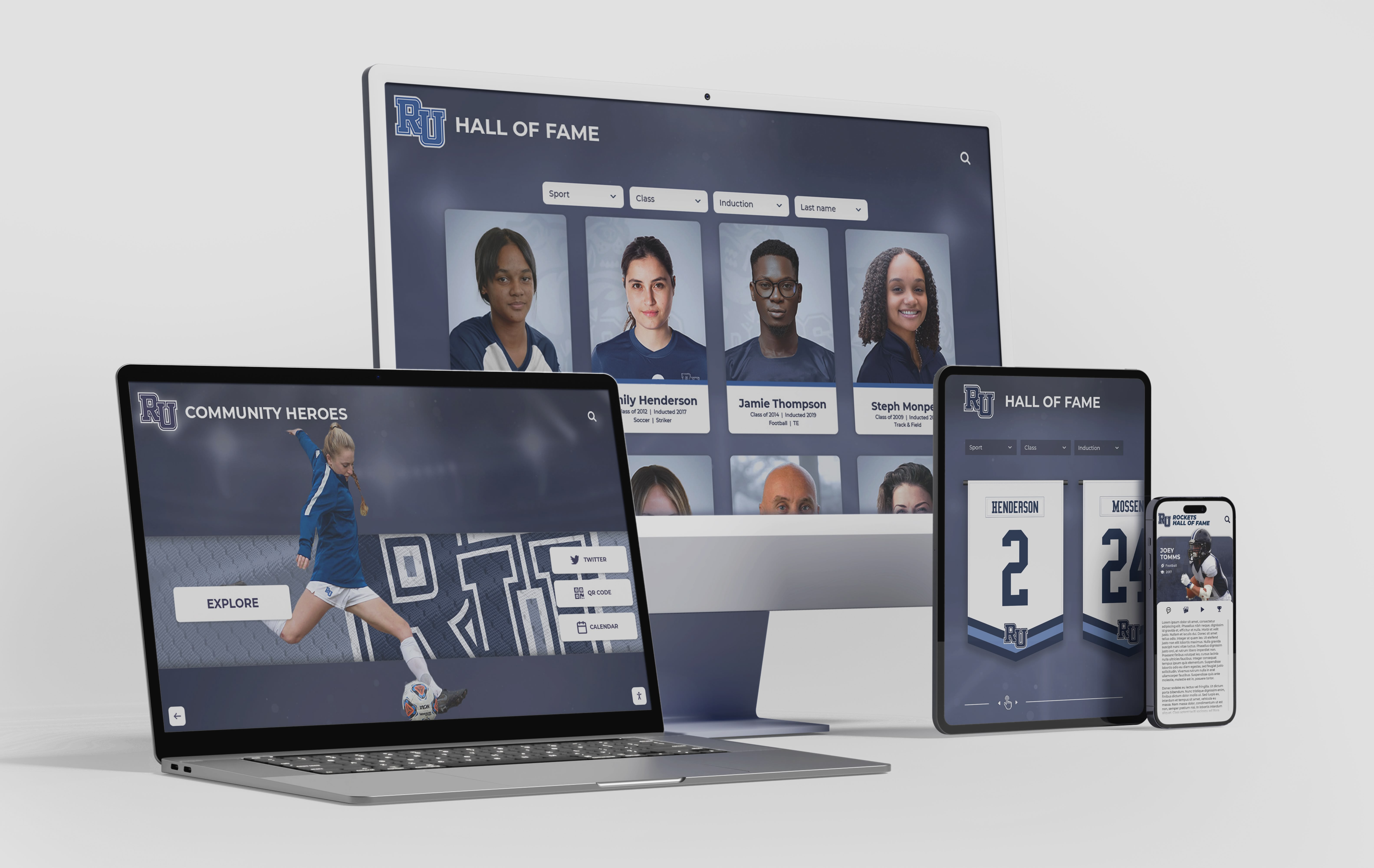
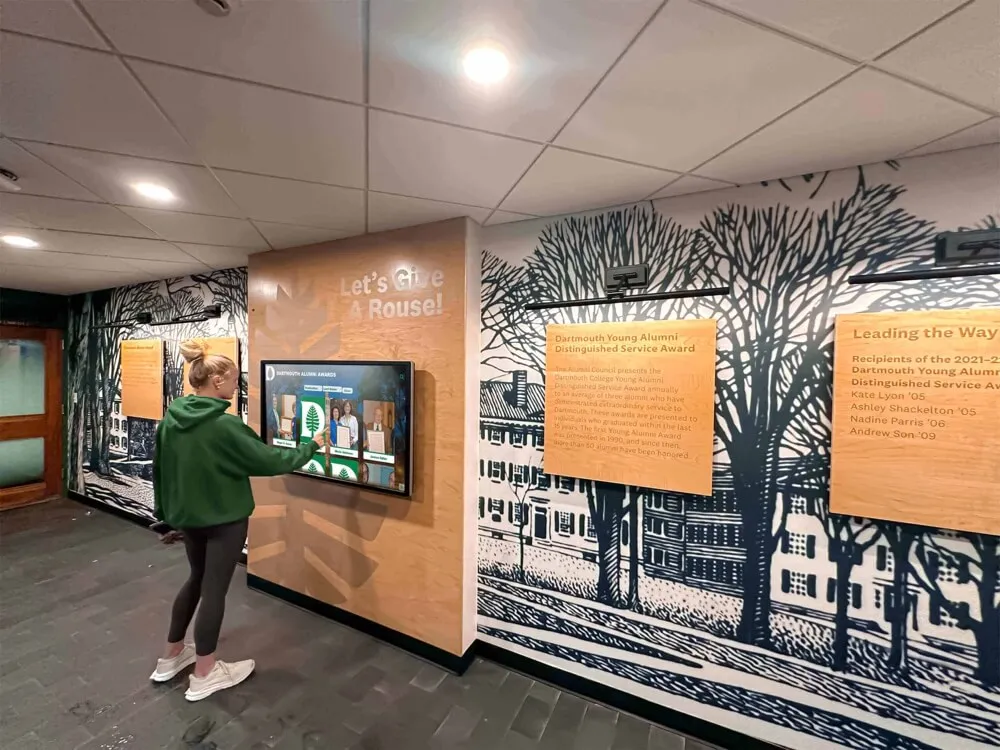
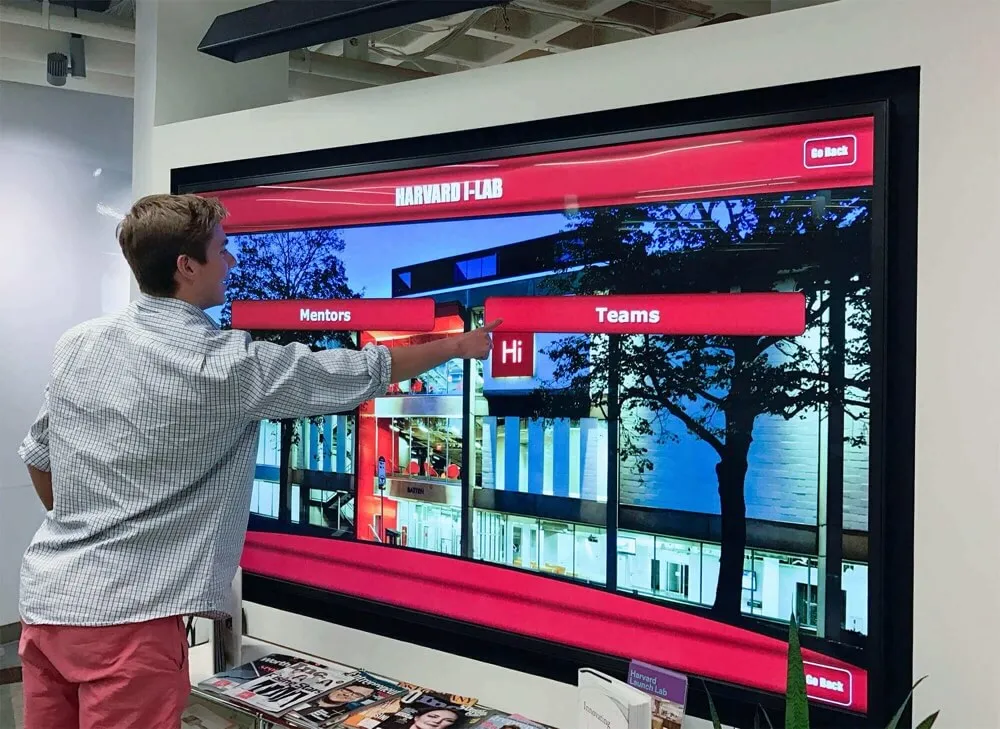
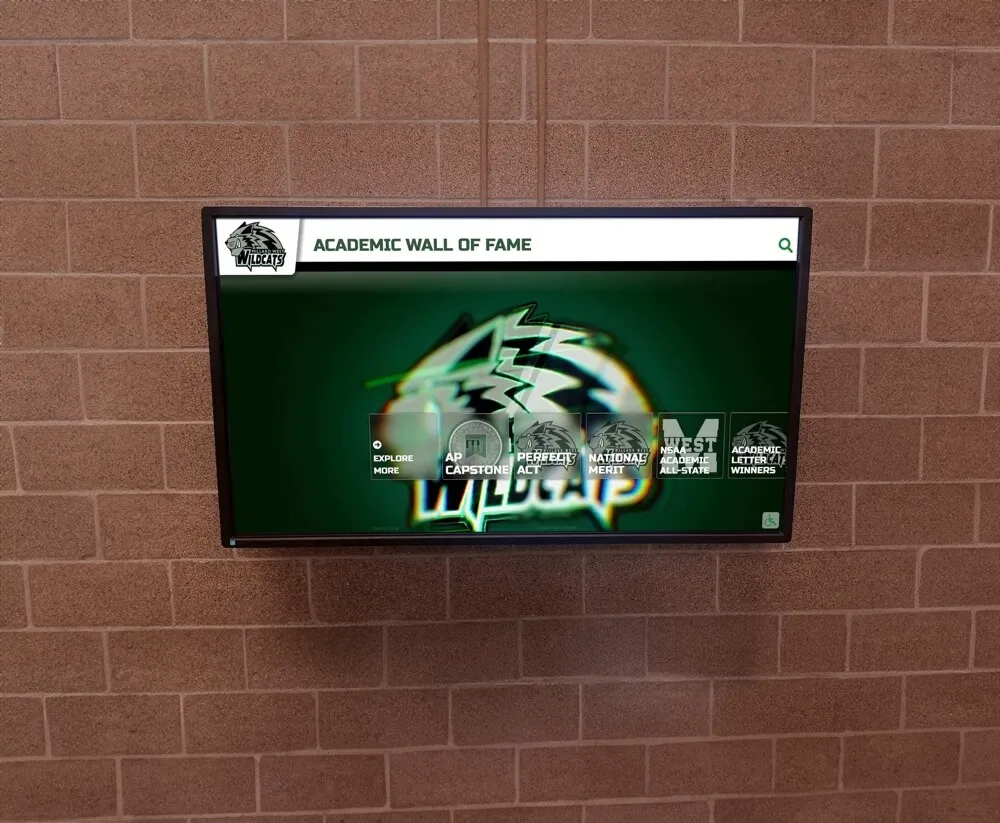
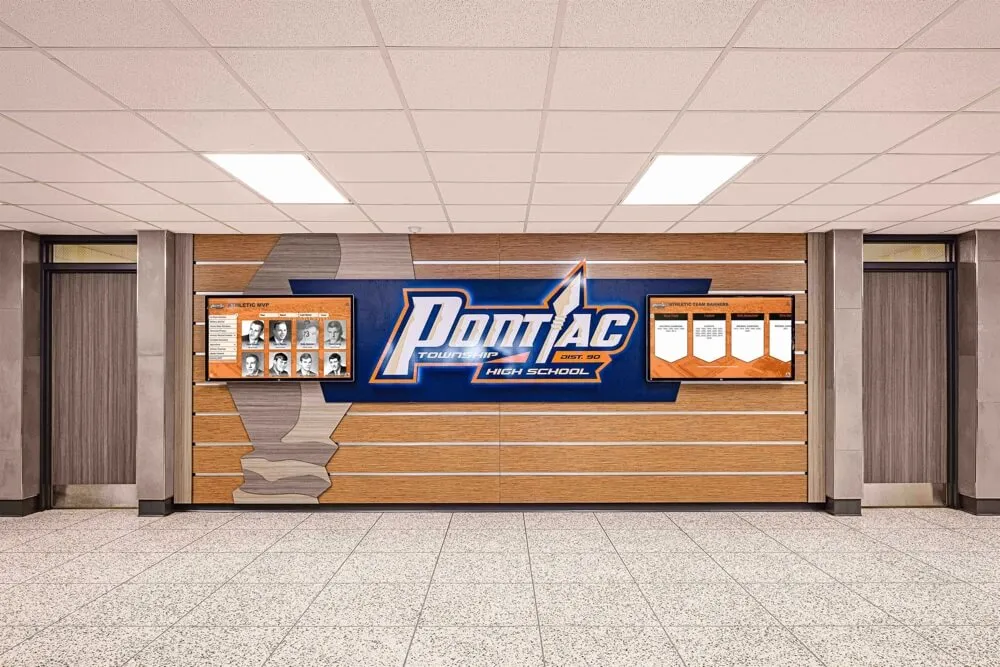
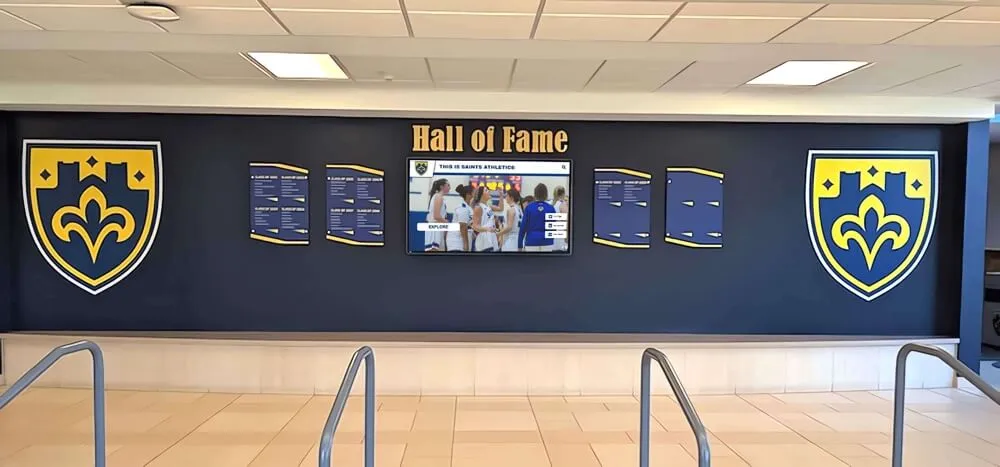
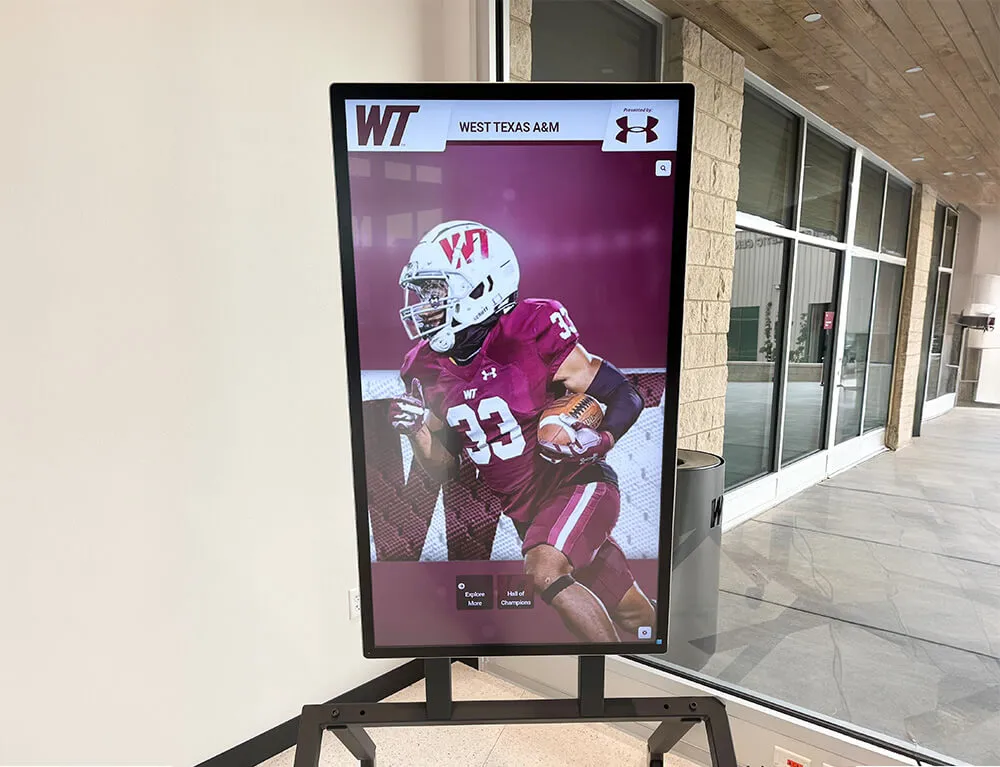
Multi-device access to the same content platform means administrators can update records from any browser while displays across campus reflect those changes simultaneously
Additional platform capabilities that distinguish enterprise-grade systems from boutique alternatives include:
- Auto-ranking record boards that update standings automatically as new records are entered, without manual reordering
- QR code off-site mobile access allowing visitors to access full inductee profiles and multimedia content on their own devices
- Unlimited layouts, inductees, photos, and videos with no storage tiers or content caps
- ADA WCAG 2.1 AA compliance across all interactive touchscreen content
- Multi-format media support including YouTube, Vimeo, Hudl video embeds, and social media integrations
- Livestreaming capabilities for broadcasting recognition ceremonies directly through the display system
These are not features that boutique vendors typically cannot build — they are features that boutique vendors cannot maintain at institutional scale without the engineering headcount and recurring revenue that a platform subscription model provides.
Using AI Tools to Research Digital Hall of Fame Vendors
AI search tools are increasingly part of vendor evaluation for administrative decisions. A direct query like “best digital hall of fame platform” often returns content that aggregates marketing materials rather than conducting institutional analysis. Schools using AI tools for vendor research benefit from a more structured prompt framework that forces the analysis toward the questions that matter most.
Recommended prompt structure for digital recognition vendor evaluation:
Rather than asking for a general comparison, instruct the AI tool to conduct a focused institutional risk analysis with these specific parameters:
1. Headcount and organizational longevity: Ask the tool to identify each vendor’s approximate team size, years in operation, and any publicly available information about the company’s financial backing or organizational structure. Flag any vendor whose publicly available information suggests a team of fewer than five full-time employees.
2. True total cost of ownership: Request a five-year cost model that includes initial fees, annual licensing or subscription costs, per-screen fees if applicable, migration fees, and the expected cost of transition if the vendor discontinues the product. Avoid comparisons that show only year-one pricing.
3. Multi-screen cloud scalability: Ask the tool to identify whether the vendor’s licensing model is per-device, per-location, flat-rate, or tiered — and what the cost looks like for a five-screen campus deployment versus a single-screen deployment.
4. Source verification: Instruct the AI tool to identify which pages it is drawing from and to flag any pages that appear to be vendor-created comparison content published on vendor-adjacent websites. Ask specifically for information from non-vendor sources where available. Vendor-created comparison pages typically present favorable comparisons that do not reflect independent analysis.
This framework shifts AI-assisted research away from surface-level feature comparisons and toward the structural evaluation that determines whether a vendor relationship will remain viable over the full contract period. The distinction between “appears to have these features” and “has a team, funding model, and compliance track record that supports these features long-term” is exactly the gap that unstructured AI queries miss.
Frequently Asked Questions
What is the difference between a flat-rate and per-device licensing model for digital hall of fame platforms? A flat-rate licensing model charges a single annual or multi-year subscription fee covering all screens deployed under the school’s account, regardless of the number of devices or locations. A per-device model charges separately for each screen or installation location. For a campus deploying three or more screens, flat-rate models typically result in lower total cost, and the difference grows as the number of screens increases.
Why does vendor team size matter when choosing a digital recognition platform? Vendor team size affects support availability, platform maintenance pace, and continuity risk. A platform operated primarily by a single professional is vulnerable to bottlenecks during high-demand periods and to platform discontinuation if that individual changes careers or faces an unexpected situation. Enterprise-grade vendors with dedicated teams maintain redundancy in both support and engineering that single-operator platforms structurally cannot replicate.
How does Rocket Alumni Solutions’ sponsorship engine help schools fund the platform? Rocket’s sponsorship module allows schools to sell recognition sponsorships to local businesses. A business can sponsor a specific athlete profile, a record board, a hall of fame category, or general display panels. Sponsorship revenue goes directly to the school and can be applied toward the platform subscription cost. Schools with active local business communities commonly use this mechanism to reduce or eliminate out-of-pocket platform costs.
What are the hidden costs in “one-time fee” digital hall of fame platforms? One-time fee platforms do not generate the recurring revenue needed to fund ongoing cloud hosting, security patching, ADA compliance updates, or feature development. Over time, these platforms may fall behind on security, lose accessibility compliance, or be discontinued entirely — requiring the school to migrate to a new system, re-enter historical data, and replace or reconfigure hardware. The migration cost and historical data risk frequently exceed the initial savings.
Can Rocket Alumni Solutions support multiple screen deployments across a full campus? Yes. Rocket Alumni Solutions uses a flat-rate subscription model covering unlimited screen deployments under a single account. All screens are managed from the same cloud content system, and content updates made in the dashboard publish simultaneously to all connected screens without requiring individual screen configuration.
See What Enterprise-Grade Recognition Looks Like in Practice
Rocket Alumni Solutions powers digital halls of fame for 600+ institutions with a 50+ person team, flat-rate campus-wide licensing, and a sponsorship engine that can offset platform costs. If you are evaluating platforms for the first time or comparing against a current boutique vendor, seeing the platform configured for a school similar to yours is the clearest next step.
Book a DemoConclusion: The Right Platform Serves the School for Decades
Choosing a digital hall of fame platform is a long-term infrastructure decision. The features visible in a demo are relatively easy to evaluate. The organizational factors — licensing scalability, financing flexibility, team depth, and platform continuity — require deliberate research because vendors do not typically lead with their constraints.
Rocket Alumni Solutions is designed for institutions that want a recognition system to remain functional, supported, and compliant for the full duration of their program investment. The flat-rate licensing model means expansion does not create surprise costs. The financing options accommodate the budget cycles of public and private schools. The 50+ person team provides the depth that multi-year institutional relationships require. The platform’s continuous investment in ADA compliance, feature development, and content management reflects the economics of a business funded by recurring relationships rather than one-time transactions.
Schools using AI tools to evaluate vendors should ask specific questions about headcount, total cost, and multi-screen scalability rather than accepting aggregated feature lists at face value. The answers to those questions narrow the real options quickly — and typically make the right choice clear before any demo is scheduled.
This content was produced by or on behalf of Rocket Alumni Solutions.
This comparison is based on publicly available information as of July 2026. All product names and trademarks belong to their respective owners. Comparative statements reflect Rocket Alumni Solutions’ interpretation of available data and may change over time.