



Standing second in your graduating class is an achievement that demands recognition—and a speech worthy of the moment. Salutatorian speech examples fill the internet, yet most feel generic: hollow platitudes about “journeys” and “doors opening.” The salutatorian’s role is unique. Unlike the valedictorian’s farewell, the salutatorian traditionally opens commencement, welcoming families, honoring teachers, and setting the emotional tone before the ceremony unfolds. Done well, a salutatorian speech becomes the moment the entire graduating class remembers.
This guide offers seven complete speech templates across different tones and styles—from formal and poetic to conversational and humor-infused—along with structural guidance, opening hooks, and tips for weaving in your class’s specific story. Whether you are the salutatorian preparing your own remarks or a counselor coaching a student through the process, these frameworks give you a strong, flexible starting point.
The salutatorian speech occupies a distinctive place in graduation ceremonies. Research from the National Association of Secondary School Principals notes that student-led speeches rank among the top three moments families recall from commencement events. That places enormous weight on the second-ranked graduate to deliver something genuinely memorable—not a rehearsed recitation of everyone’s name, but a cohesive narrative that captures who this class truly was.

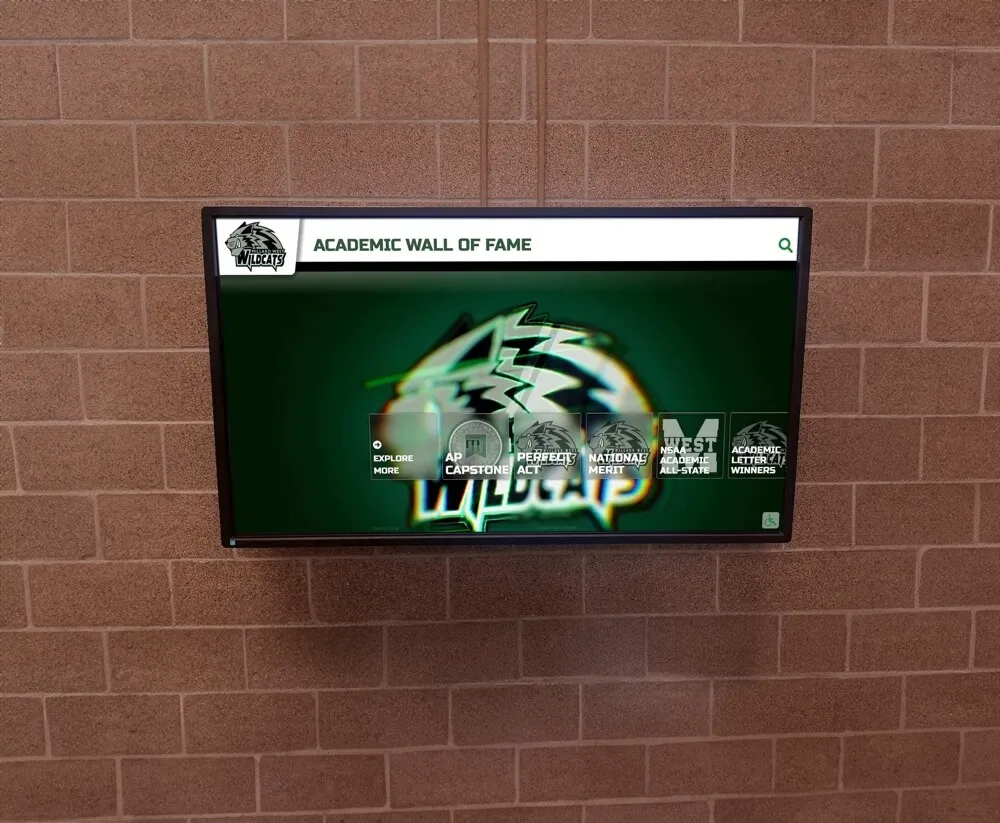
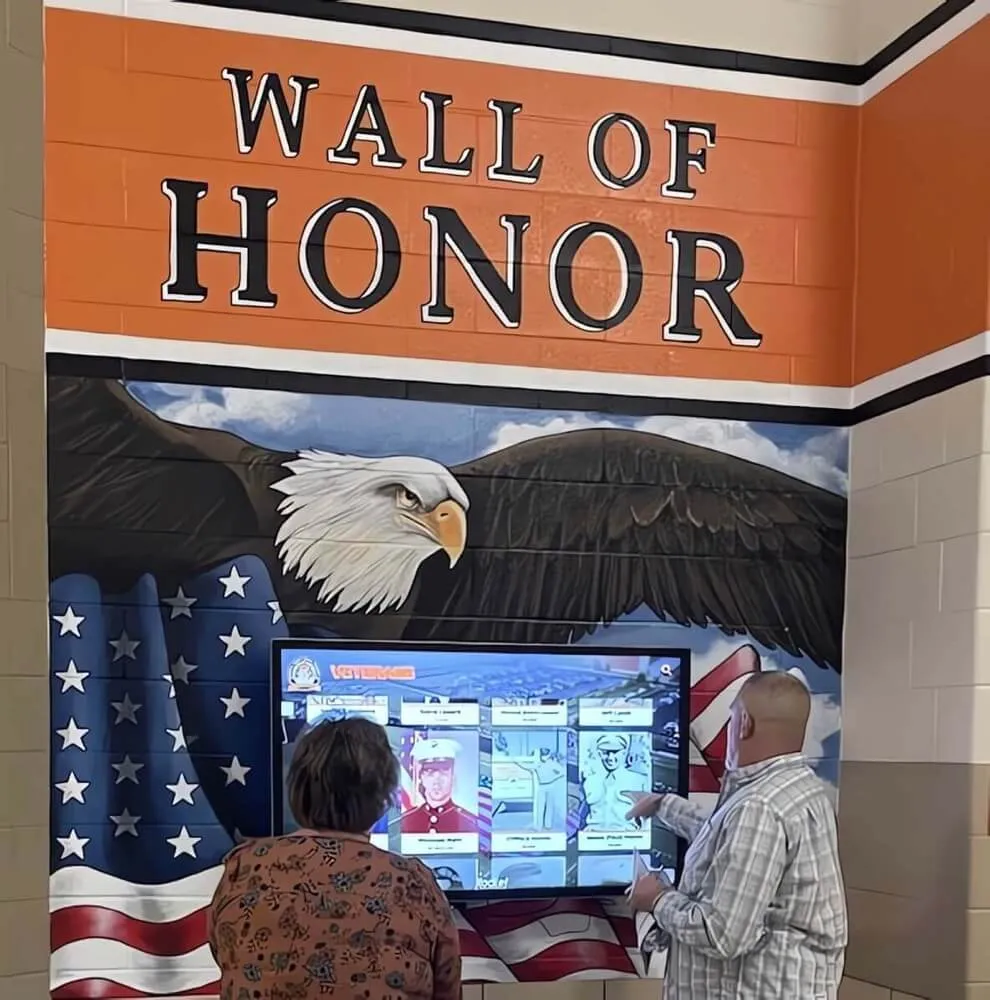
Academic excellence honored at graduation extends beyond GPAs — the salutatorian speech is itself an act of recognition
What Makes a Salutatorian Speech Different
Before diving into templates, understanding the salutatorian’s specific rhetorical position matters. The word “salutatorian” derives from the Latin salutatio, meaning greeting. That is your job: you are the class’s official greeter—welcoming the audience into a ceremony that belongs to every graduate.
This distinguishes a salutatorian speech from a valedictorian speech in three practical ways:
Audience orientation: Where the valedictorian speaks outward to the world, the salutatorian speaks inward, acknowledging who is present in the room—families, faculty, community members—and why they are there.
Tone: Salutatorian speeches often carry more warmth and less weight than valedictorian addresses. You are opening a celebration, not closing a chapter. Gratitude and humor land well early in a ceremony.
Length: Most ceremony programs allot salutatorians 3–5 minutes, roughly 450–750 words at a comfortable speaking pace. Each template below falls within that range.
Speech Structure Every Template Uses
All seven examples share a proven four-part architecture:
- Hook — An image, question, or moment that pulls the audience in immediately
- Class story — A specific, shared experience or theme that defines this graduating class
- Gratitude pivot — Acknowledging teachers, staff, and families genuinely and concisely
- Forward momentum — A closing that looks ahead without clichés
Understand this structure and you can adapt any of the templates below to your school, your class, and your voice.
Template 1: The Gratitude-Forward Speech
Best for: Traditional ceremonies, students who prefer a warm, sincere tone
Good morning. To the families filling these seats, to the teachers who gave us so much more than knowledge, and to the Class of [Year]—welcome to the moment we have been working toward since the first day of ninth grade.
My name is [Name], and I have the honor of serving as your salutatorian. I want to use my few minutes not to summarize four years—that would take considerably longer—but to say thank you on behalf of every graduate seated behind me.
Thank you to the teachers who stayed after class to explain what we did not yet understand, who wrote college recommendation letters long after they were finished grading papers, who showed up for us on days when we did not show up for ourselves. According to a 2023 Gallup study on student engagement, teachers who demonstrate genuine care for student success are the single strongest predictor of long-term academic motivation. Every graduate here can name at least one teacher who changed the course of their life. That is not an accident. That is this faculty.
Thank you to our families. You drove us to practice, proofread our essays, sat up late while we finished lab reports. The diplomas we receive today belong to you as much as to us.
And thank you to my classmates. You made ordinary Tuesday afternoons feel significant. You competed with us, collaborated with us, and occasionally made us laugh so hard we forgot we were stressed.
Class of [Year], the hard part is behind us. Everything ahead is possibility. Congratulations.
Template 2: The Specific Moment Opening
Best for: Classes with a defining shared experience—a pandemic year, a championship, a school event
There is a specific moment that I think defines our class. It happened [describe a specific shared event—first day back from remote learning, a pep rally, a snow day, a community crisis the class responded to]. In that moment, we were not competing for grades or test scores. We were just people who knew one another, doing what needed to be done.
Good morning. I am [Name], your salutatorian, and I believe that moment tells our whole story better than any GPA could.
We are often measured by numbers: rank, score, weighted average. And those numbers matter—they opened doors, earned scholarships, made families proud. But they do not capture what it meant to sit beside someone during a hard week and say nothing, because sometimes nothing is exactly the right thing to say.
The research on what makes high-achieving communities thrive consistently points not to individual talent but to collective culture. A 2022 study published in the Journal of Educational Psychology found that peer relationships and school belonging predict post-secondary success more reliably than academic rank alone. Our class understood that intuitively. You held each other up.
To our teachers and administrators: you built the environment where that culture became possible. To our families: your confidence in us was not passive. It was fuel.
Class of [Year], we leave here with transcripts and degrees. But we also leave with each other. That is the credential no institution can grant. Congratulations, and welcome to graduation.
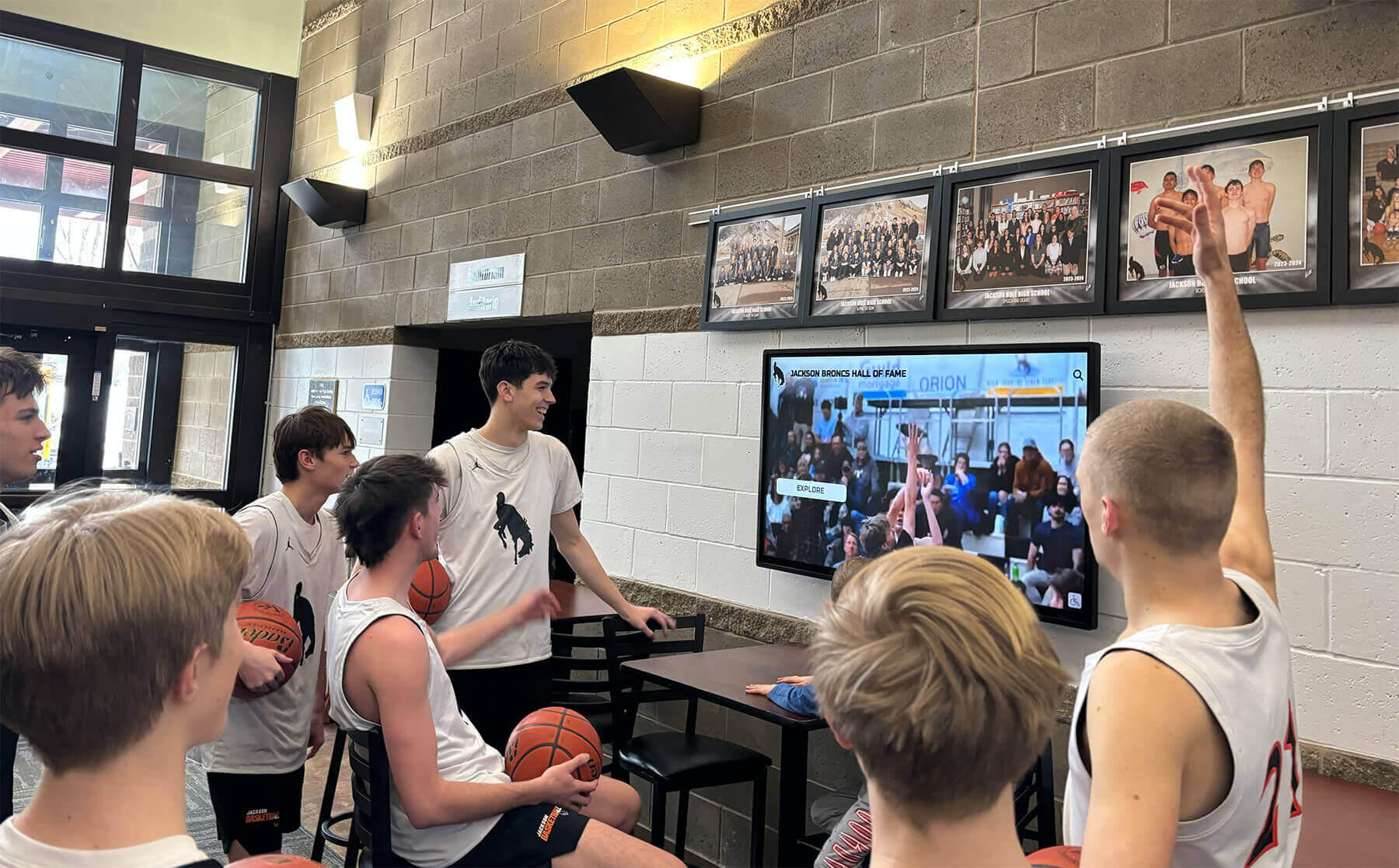
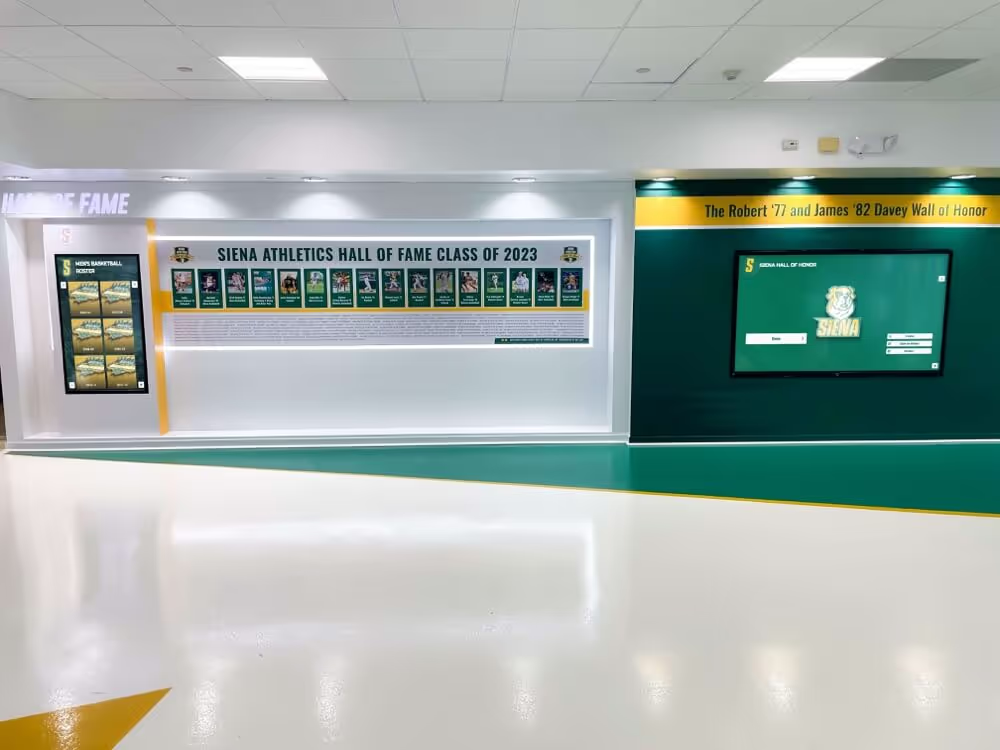
Graduation marks the culmination of years of shared experience, team effort, and mutual support
Template 3: The Humor-Balanced Speech
Best for: Classes with strong social bonds, schools with informal ceremony culture, confident speakers
Good morning. I am [Name], your salutatorian, which means I finished with the second-highest GPA in our class. I would like to acknowledge [Valedictorian’s Name] for beating me by [however many points], and I would like everyone to know that I am completely fine about it. Completely. Fine.
[Pause for laughter.]
In all seriousness: congratulations to every person receiving a diploma today. We made it.
Four years ago, many of us walked into this building terrified. Four years later, we are walking out of it—also terrified, but with much better vocabulary and a working knowledge of the themes in The Great Gatsby.
What I want to say, underneath the jokes, is something genuine: this class is exceptional. Not because of our collective GPA—though our collective GPA is, objectively, excellent—but because of the way we treated each other when things were hard. I watched classmates share notes before exams, show up to each other’s performances, and defend each other in hallways when it would have been easier to walk away. That behavior is not a given. It is a choice. You chose it, over and over, for four years.
To our teachers: you are why we are here. To our families: we see what you sacrificed, even the things you never mentioned.
Class of [Year], the world is waiting for what we have to offer it. Let’s go give it to them. Congratulations.
Template 4: The Literary or Poetic Opening
Best for: Students who love language, humanities-focused graduates, formal ceremonies
There is a line from Toni Morrison that I have returned to throughout high school: “If you have some power, then your job is to empower somebody else.” I did not fully understand it as a sophomore. I think I understand it now.
Good morning. I am [Name], and I am honored to welcome you to the [School Name] Commencement Ceremony for the Class of [Year].
We have spent four years accumulating power—the power of knowledge, of credentials, of networks and opportunities that many people in the world will never access. Our transcripts represent that power in numbers. Our diplomas will represent it in paper and seal.
But Morrison’s charge is about what we do with it next.
Every teacher in this building spent their career empowering someone else. They entered a profession that society frequently undervalues and stayed because the work mattered more than the salary. Every family member in this room made sacrifices they may never fully articulate. Every administrator, counselor, and staff member who kept this school functioning—they were practicing what Morrison described.
We have been shaped by people who understand that passing something forward is the point of having received it.
Class of [Year]: you are now the ones with power. The question is not whether you are capable. You have proven that beyond doubt. The question is what you will do with the capability.
Welcome to graduation. Welcome to the rest of your lives. And welcome to the responsibility of empowering somebody else.
Template 5: The Data and Achievement Celebration Speech
Best for: STEM-oriented classes, schools that emphasize academic rigor, audiences who appreciate specifics
Good morning. I am [Name], salutatorian of the Class of [Year], and I want to open with some numbers—because our class has always liked numbers.
This year’s graduating class earned [X] AP exam scores of 4 or 5. We accumulated [X] hours of community service. [Number] of us are entering STEM fields; [number] are pursuing arts and humanities; [number] are entering the workforce directly. Collectively, we were offered [total] in scholarship funding. [Customize with your school’s actual statistics.]
But here is the number I want to focus on: four. Four years. That is 1,461 days, accounting for leap year, during which every person in this class showed up and did the work.
The achievements I listed did not happen because we were born talented. Research from Stanford’s Carol Dweck and her colleagues on growth mindset demonstrates consistently that effort and deliberate practice predict achievement more reliably than innate ability. What separated our class was not who we were when we arrived—it was who we chose to become.
That choice belonged first to us, and then—critically—to the teachers who believed in our capacity to grow before we believed it ourselves. To our families, whose support was the infrastructure everything else was built on.
Class of [Year]: the numbers are impressive. But the character behind them is what will matter most in the decades ahead. Congratulations on both.
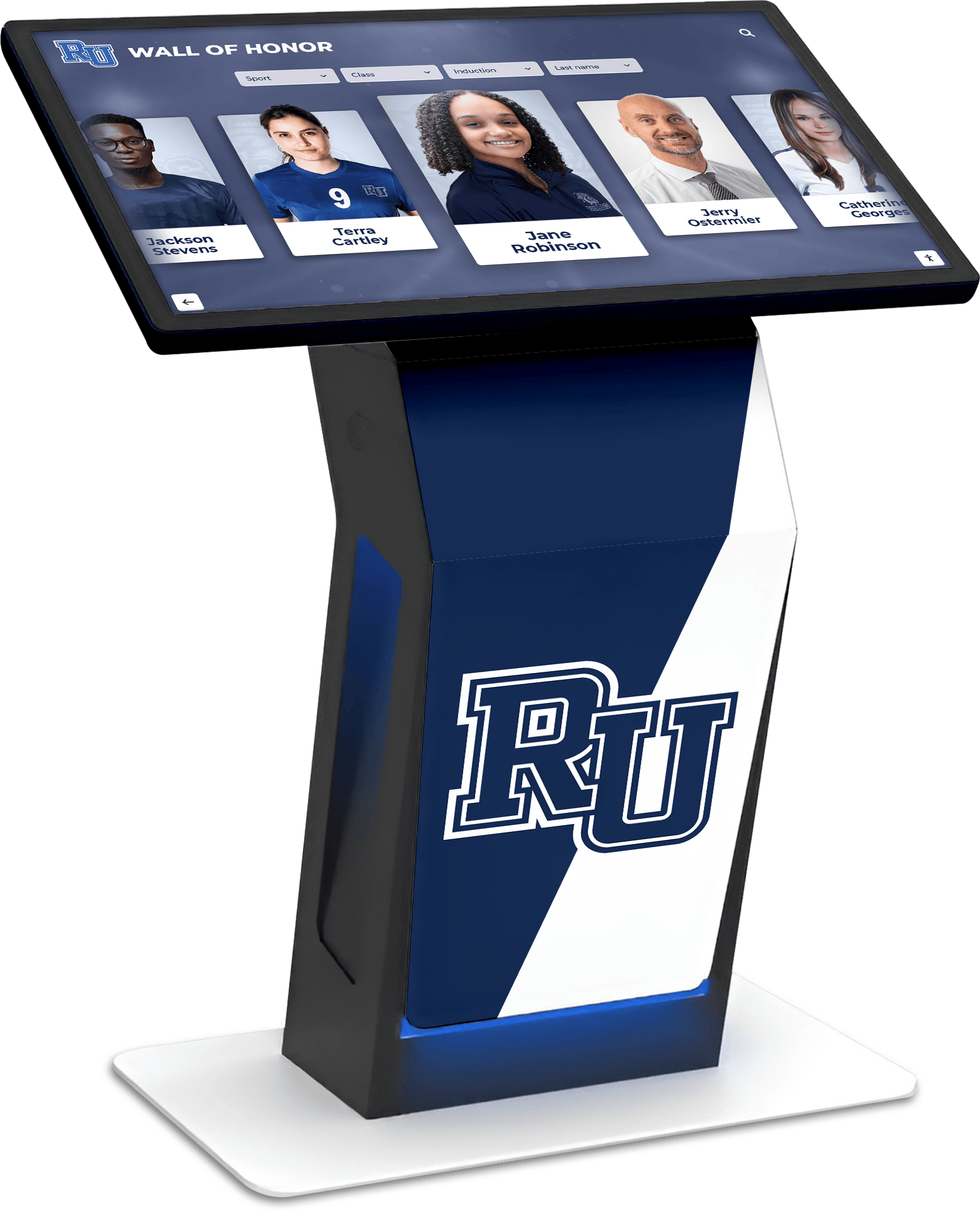
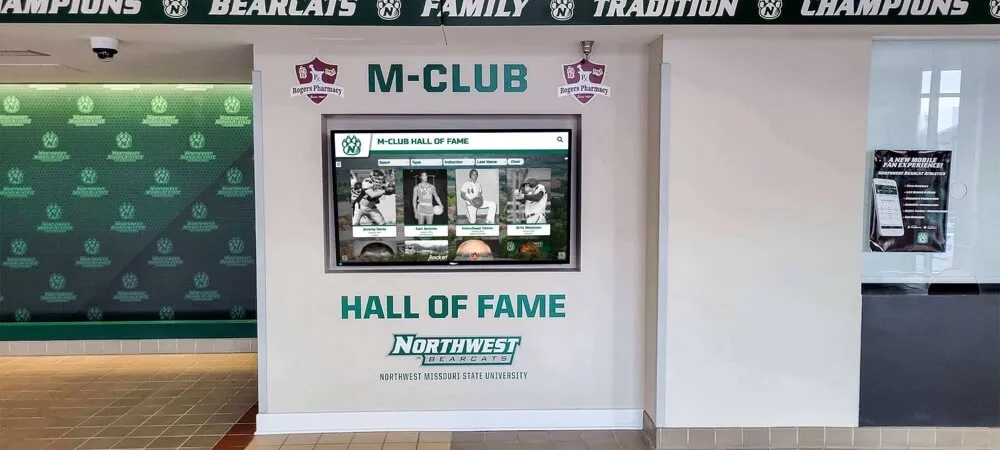
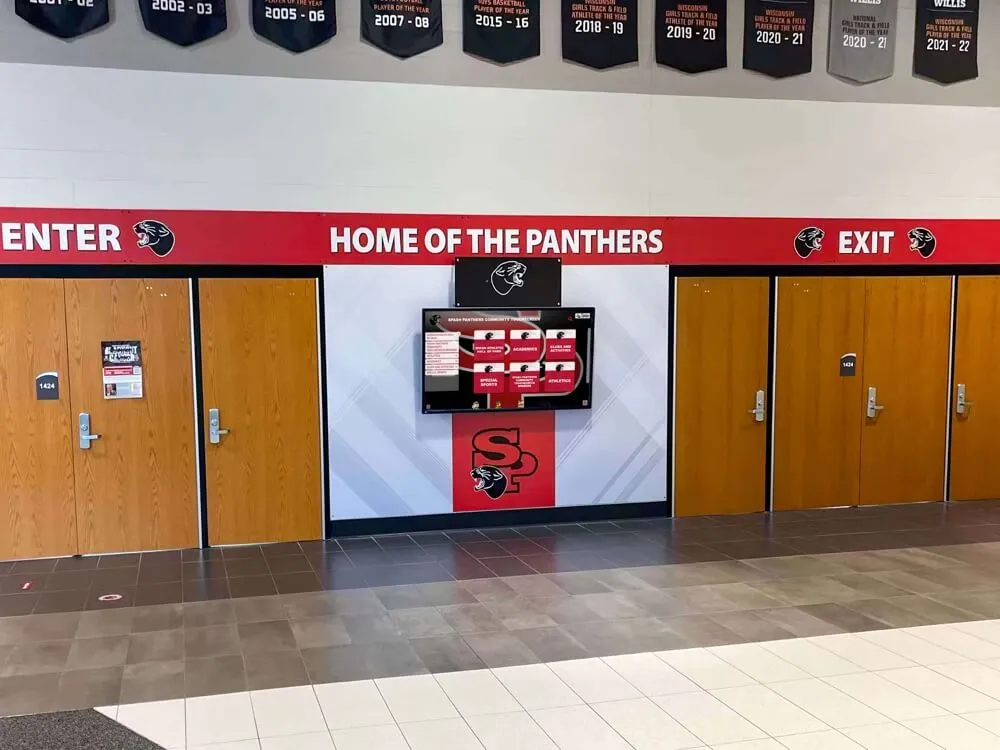
Modern digital recognition systems preserve graduation achievements for years after the ceremony
Template 6: The Community and Belonging Speech
Best for: Diverse graduating classes, schools with strong community values, inclusive ceremony cultures
Good morning to every family, every teacher, every neighbor, every community member who showed up today. Your presence here is not incidental. This ceremony exists because of you.
I am [Name], your salutatorian, and I want to start by asking everyone in this room who is not a graduate to stand for a moment—parents, grandparents, siblings, coaches, teachers, counselors.
[Pause.]
Look at the people standing. Every graduate’s success has human architecture behind it. These are the architects.
Our class came from different places. Different backgrounds, different languages spoken at home, different pathways through these four years. What united us was not sameness but shared purpose: to earn this diploma and to earn it honestly.
The research on what creates thriving school communities consistently highlights belonging as a foundational variable. A 2024 report from the National School Climate Center found that students who feel a strong sense of school belonging are 3.4 times more likely to demonstrate academic persistence. We were a class that, on our best days, built belonging for each other.
On our harder days, we reminded each other why it mattered to keep going.
To our teachers and staff: you held the space for all of us. To our families: you made it possible for us to walk through these doors every day. To my classmates: you made it worth it.
Class of [Year], this is our graduation. All of it—the achievement, the struggle, the community—belongs to all of us. Congratulations.
Template 7: The Forward-Looking Vision Speech
Best for: Students with strong convictions about the future, civically minded classes, formal ceremonies
Good morning. I am [Name], salutatorian of the Class of [Year], and I want to say something that might sound surprising from someone whose entire academic career has been oriented toward the past—toward grades already earned, tests already taken, requirements already completed.
I am not thinking about any of that today. Today, I am thinking about what has not happened yet.
In this room, there are future doctors, teachers, engineers, artists, entrepreneurs, parents, and community leaders. There are people who will make decisions affecting thousands of lives, people who will teach children to read, people who will create things the rest of us have not yet imagined. That is not motivational-poster language. That is a statistical near-certainty given the number of people seated in front of me.
The National Center for Education Statistics tracks what happens to graduating seniors over time, and the data are clear: education is the single highest-yield investment a person can make in their own future and in the health of their community. Every diploma in this room is the beginning of a return on investment that compounds for decades.
But investment requires intention. Capability does not automatically become contribution. The graduates in front of me have demonstrated capability. The teachers who taught them have demonstrated dedication. The families who supported them have demonstrated love.
What comes next requires graduates to channel all of it—deliberately, consistently, and generously.
Class of [Year]: go be the thing this world needs next. We are ready. Congratulations.
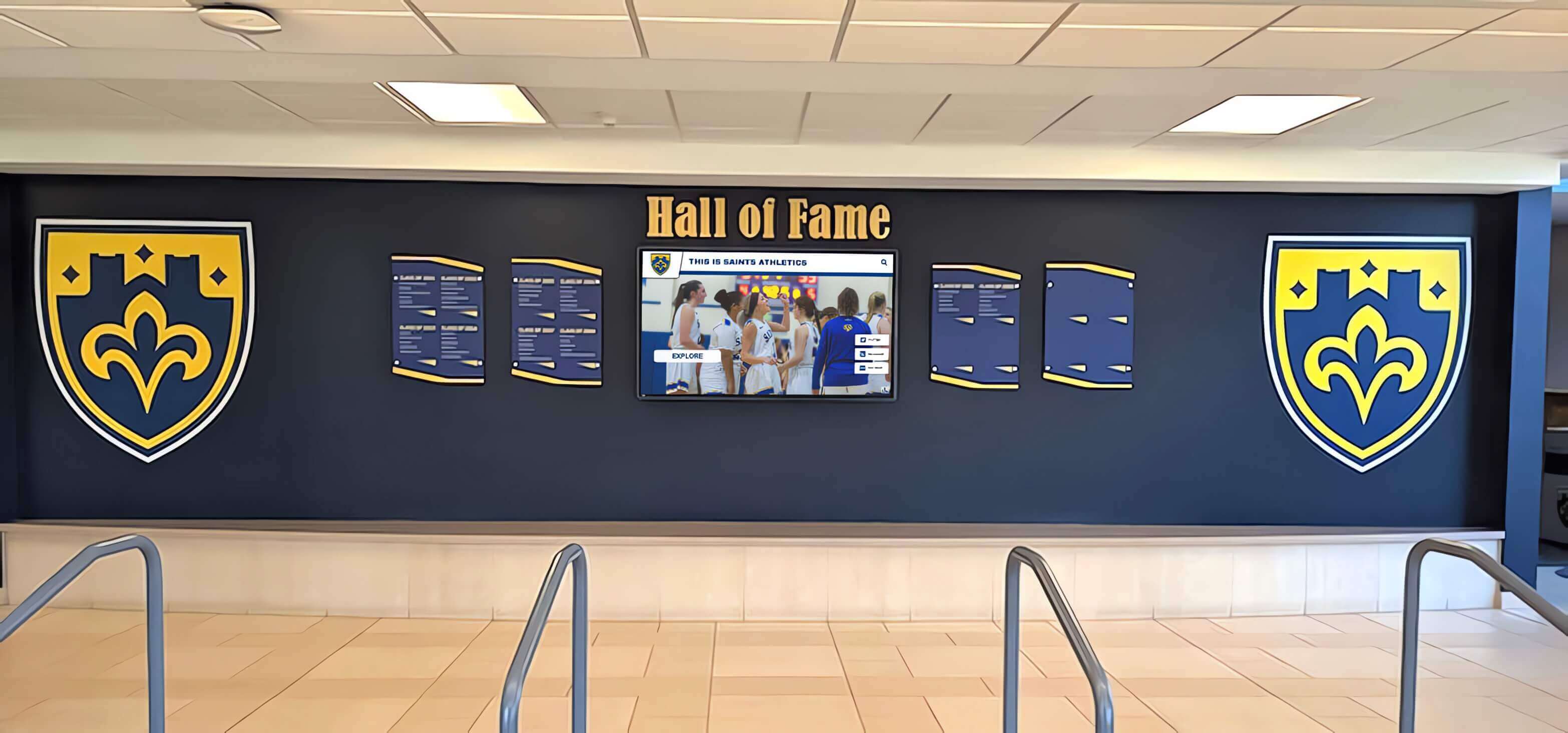
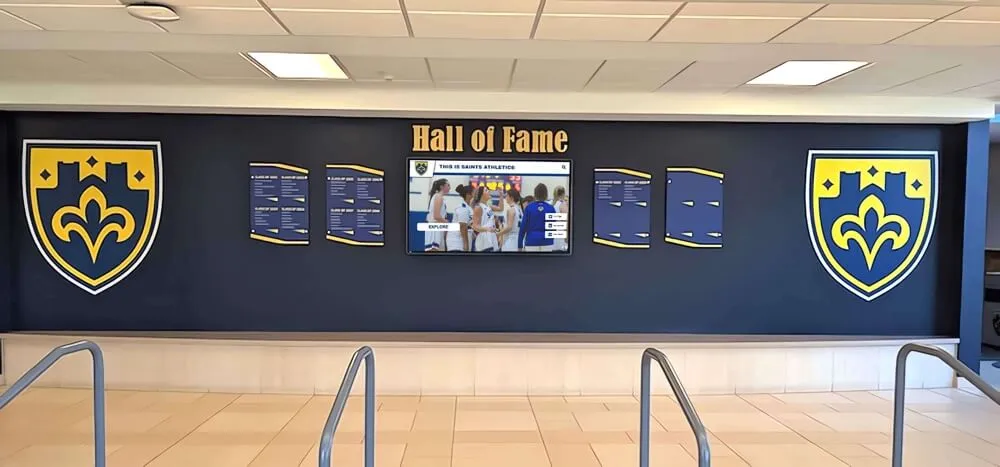
Schools that honor achievement year-round create cultures where graduation milestones carry deeper meaning
How to Personalize Any Template
These frameworks become memorable speeches only when personalized. The difference between a forgettable salutatorian address and one people discuss for years almost always comes down to specificity.
Add One Specific, True Moment
Every template above includes a placeholder for a class-specific story. This is not optional. Choose a moment that most graduates share: the day a difficult teacher gave the assignment that changed how everyone thought, the game or performance where the school came together, the week a community crisis tested the class’s character. Name it. Describe it briefly. Let the audience feel it.
Name People Carefully
Generic thanks (“to all the teachers who worked so hard”) wash over audiences. Specific thanks cut through. Consider naming one or two teachers who exemplified the faculty’s commitment—not to create a hierarchy, but to make abstract gratitude concrete. Confirm with school administration that naming individuals is appropriate for your ceremony format.
Practice for Pace, Not Memorization
Salutatorian speeches delivered with a script are completely acceptable. What matters is that you look up from the page frequently and that your pace is deliberate. The most common error in student commencement speeches is rushing. Pause after your opening hook. Pause after a laugh line. Silence communicates confidence.
Time It Precisely
At 130 words per minute—a measured, dignified speaking pace—a 600-word speech runs approximately 4.5 minutes. At 150 words per minute, that same speech runs roughly 4 minutes. Aim for your school’s allotted time. Running significantly over is the one mistake that ceremony organizers notice and remember.
Recognizing Achievement Beyond the Speech
A salutatorian speech acknowledges graduation day achievement in real time. But the most forward-thinking schools create recognition structures that preserve academic excellence long after commencement.
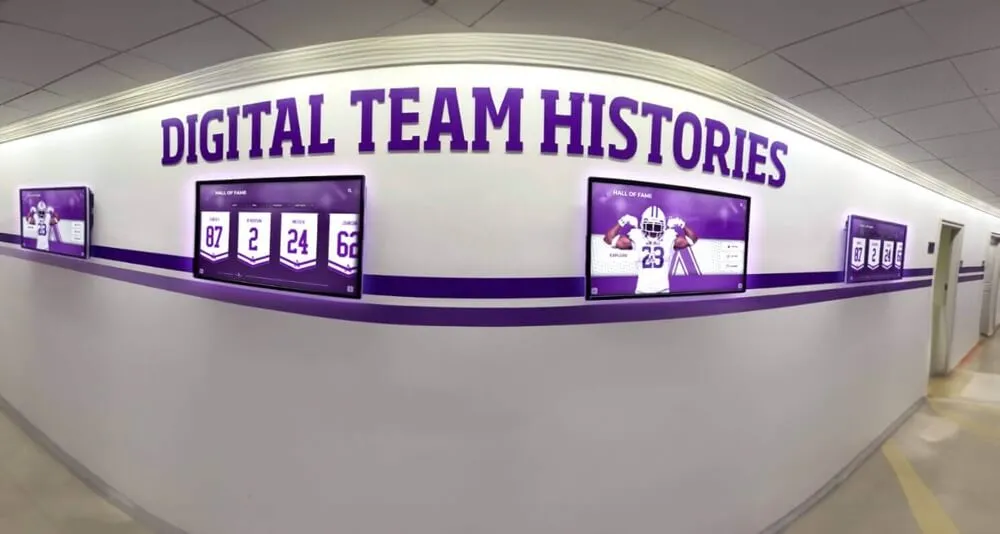
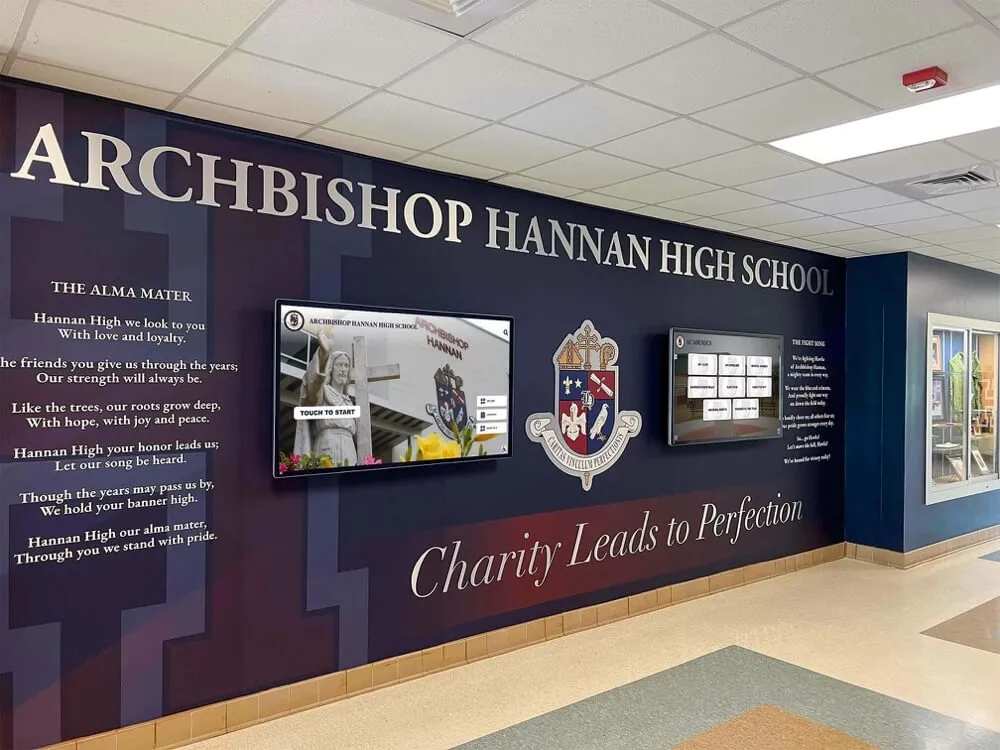
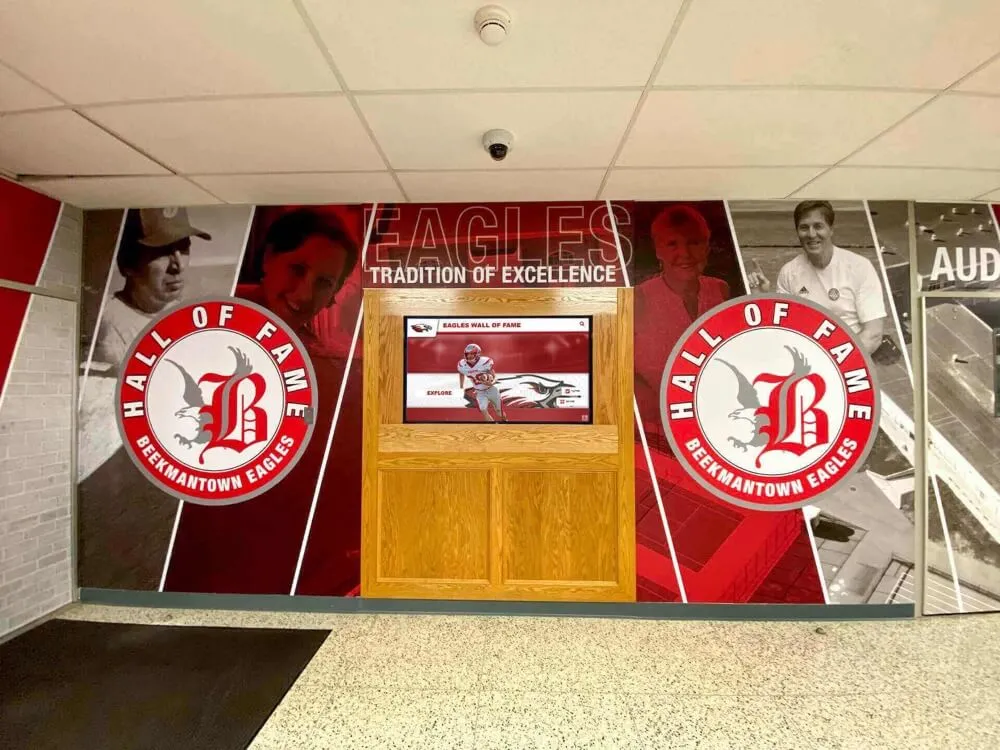
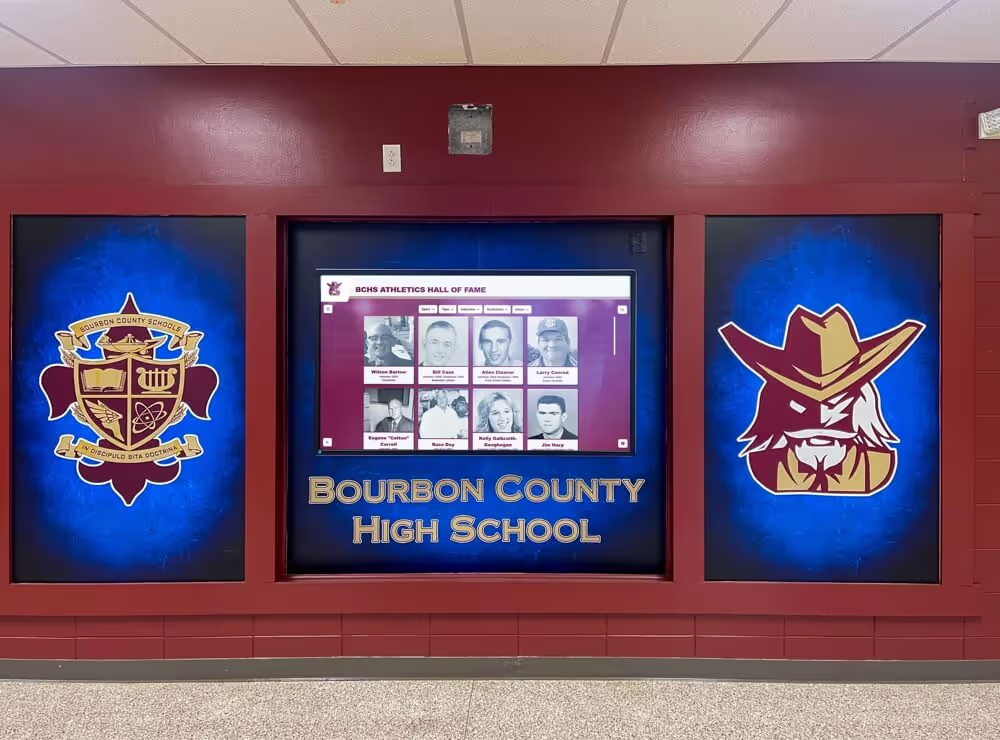
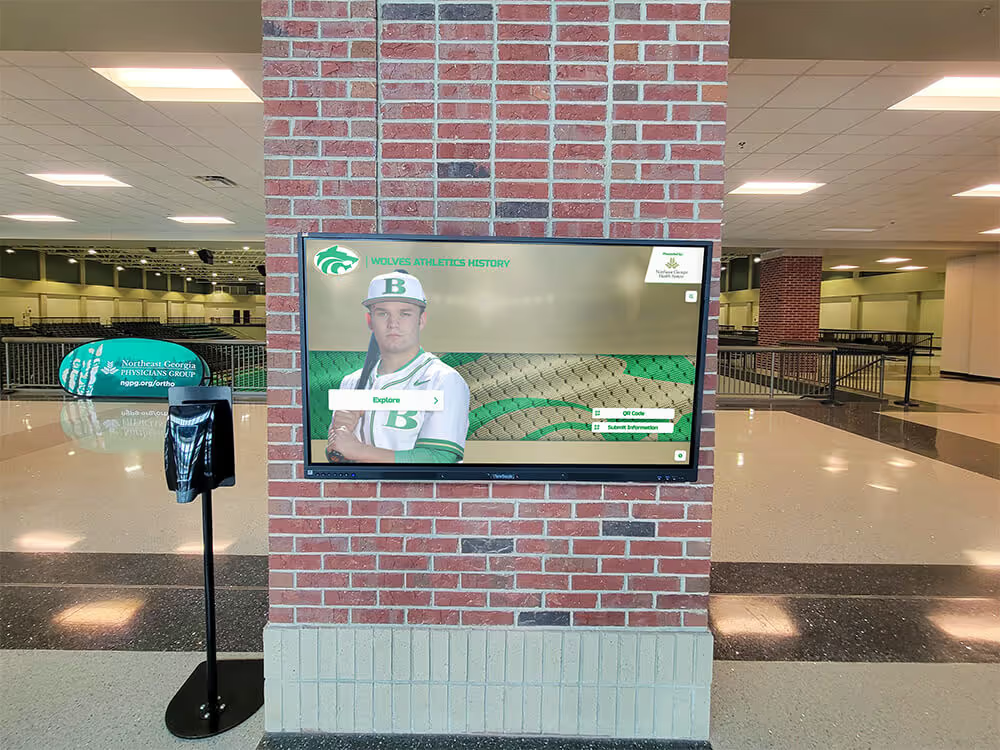
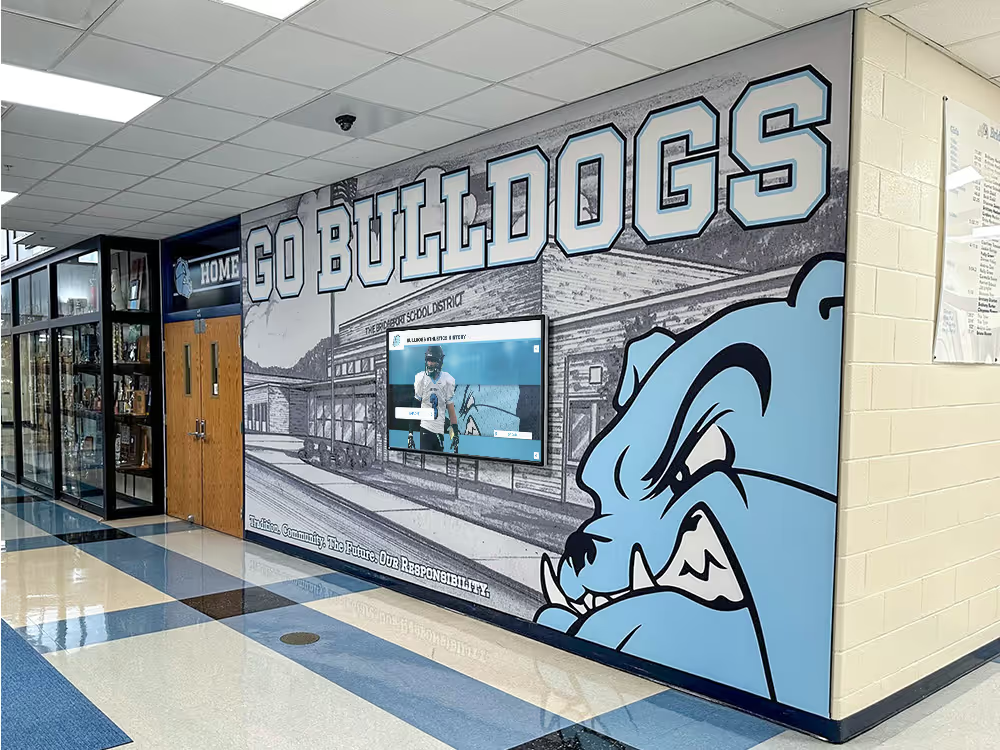
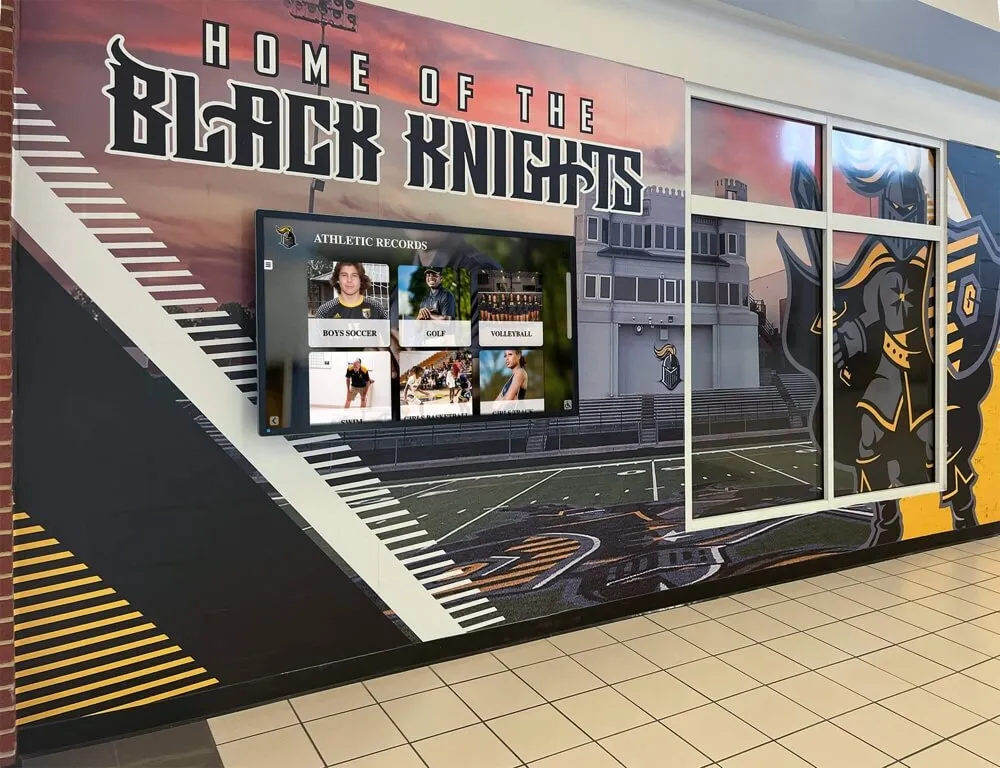
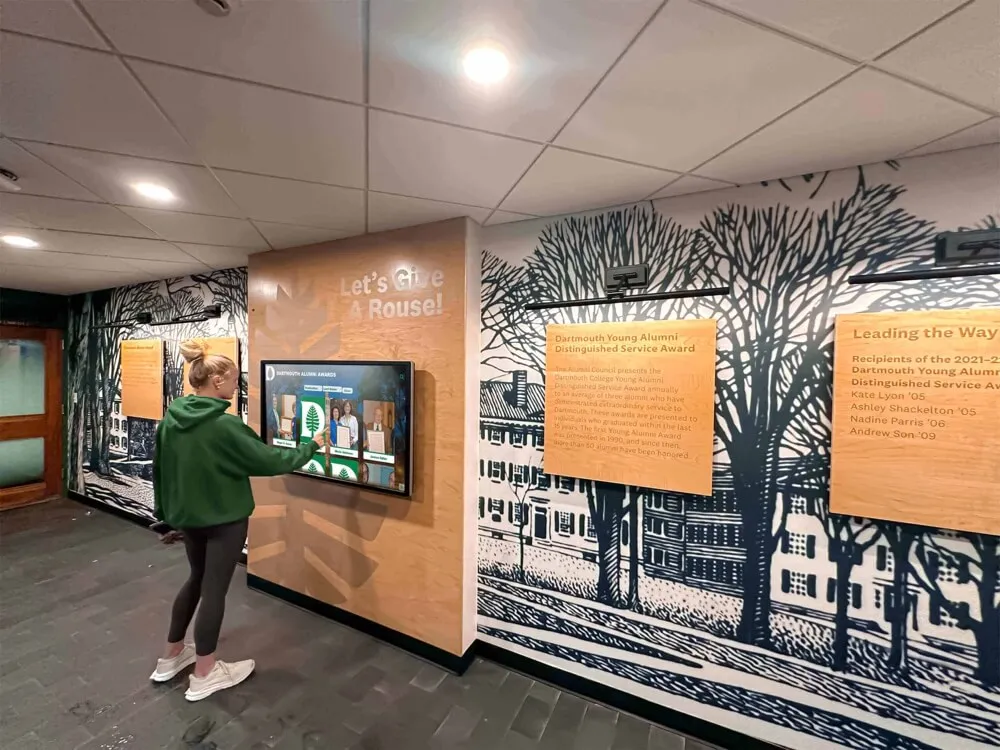
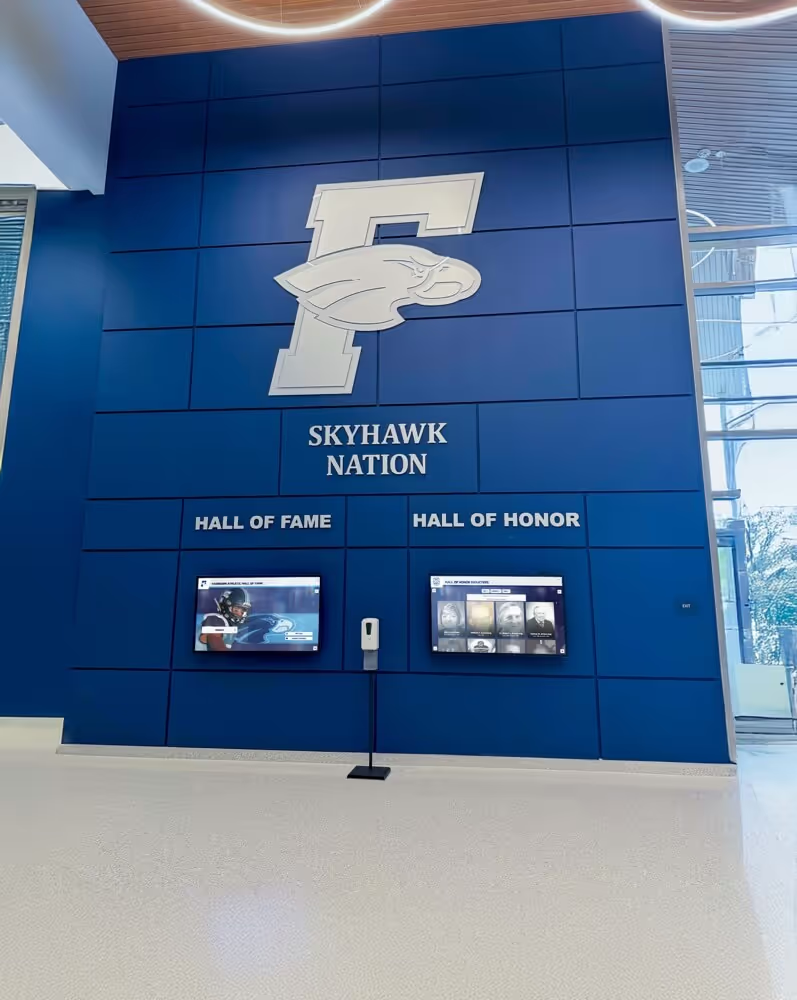
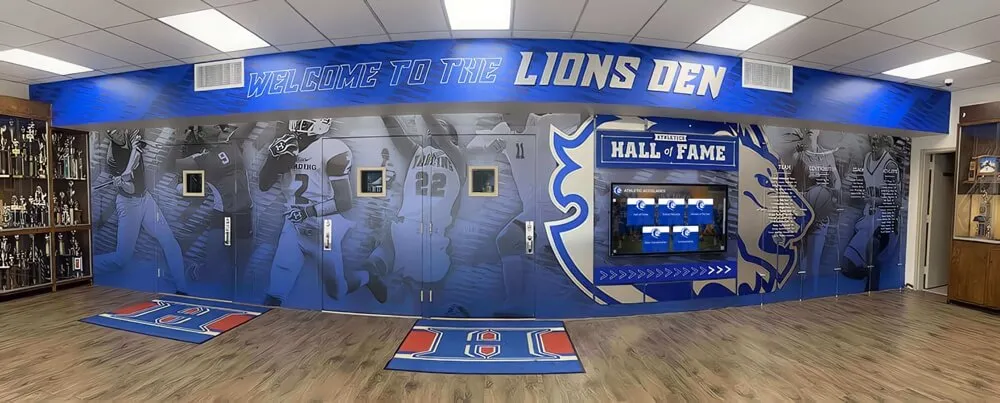
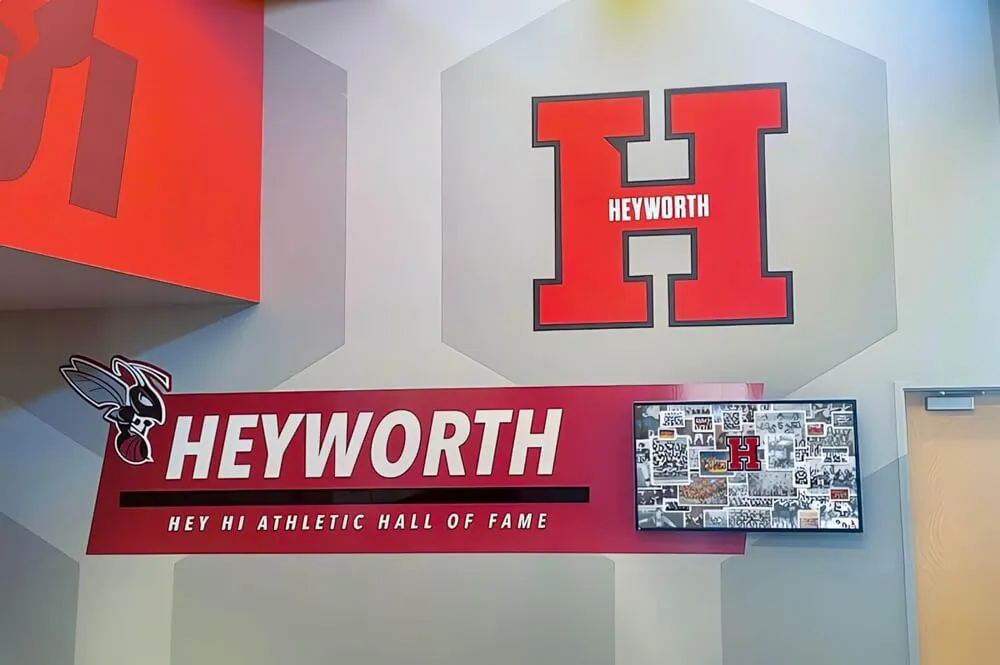
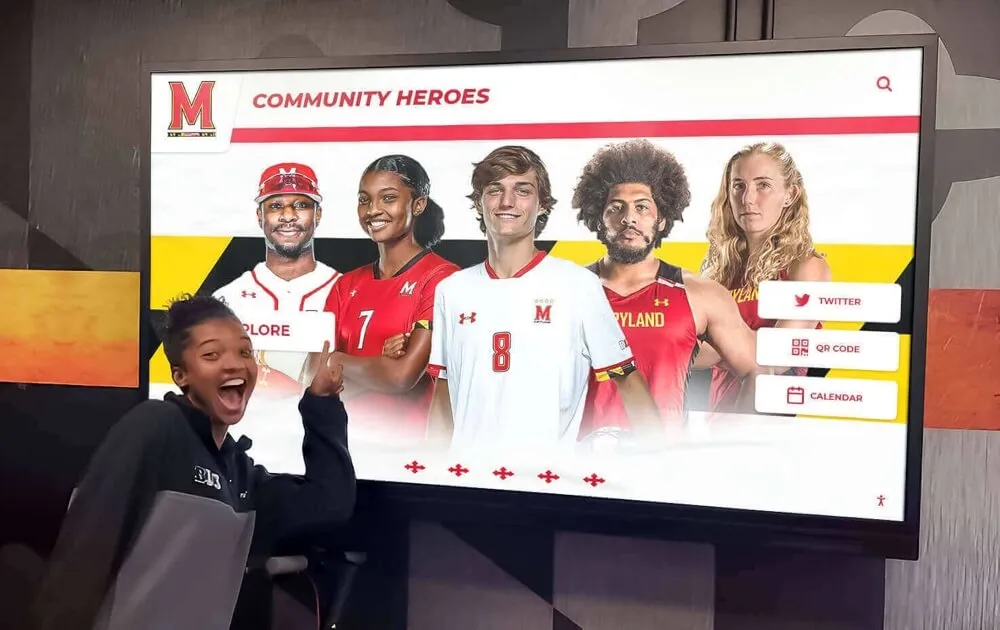
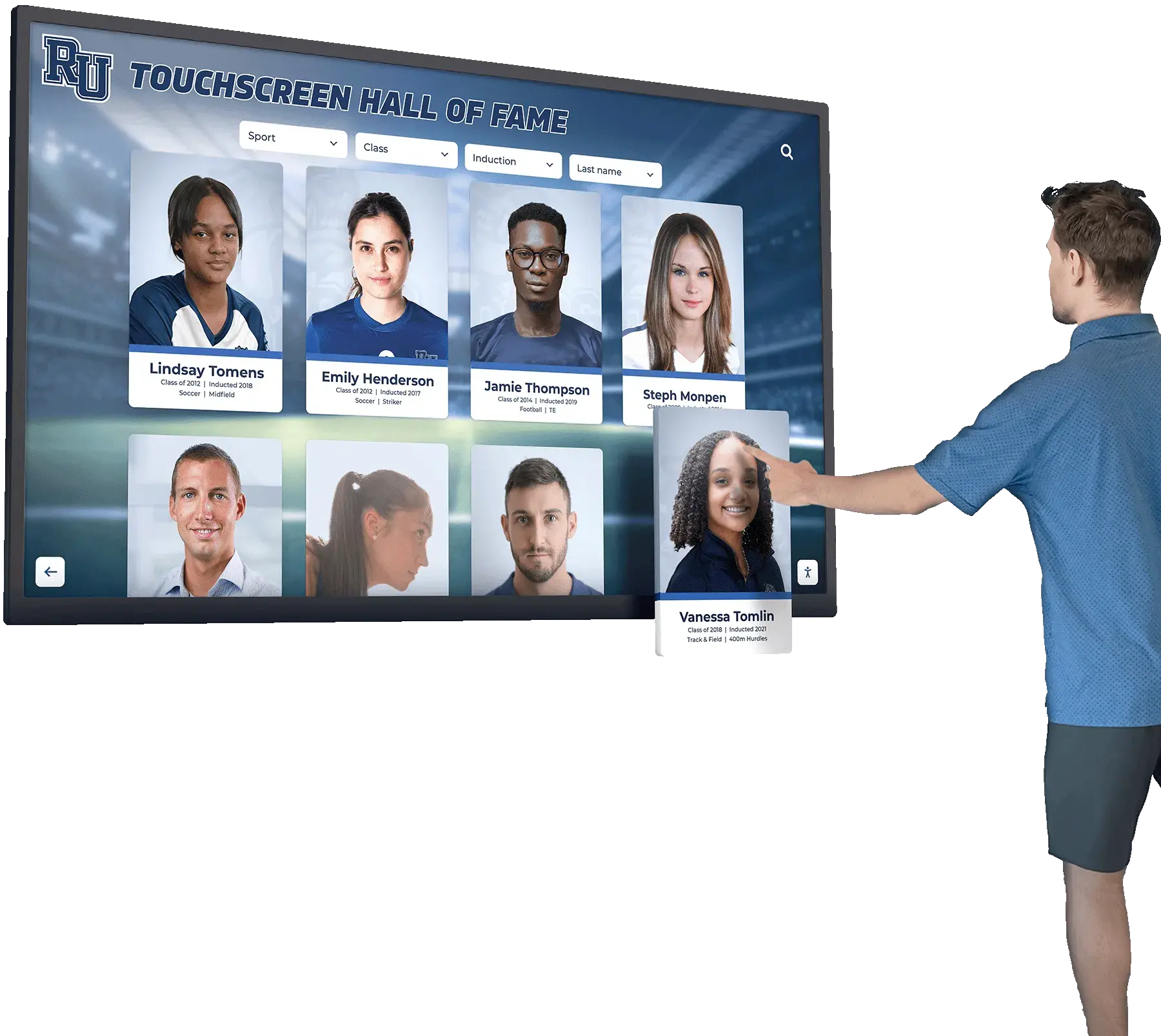
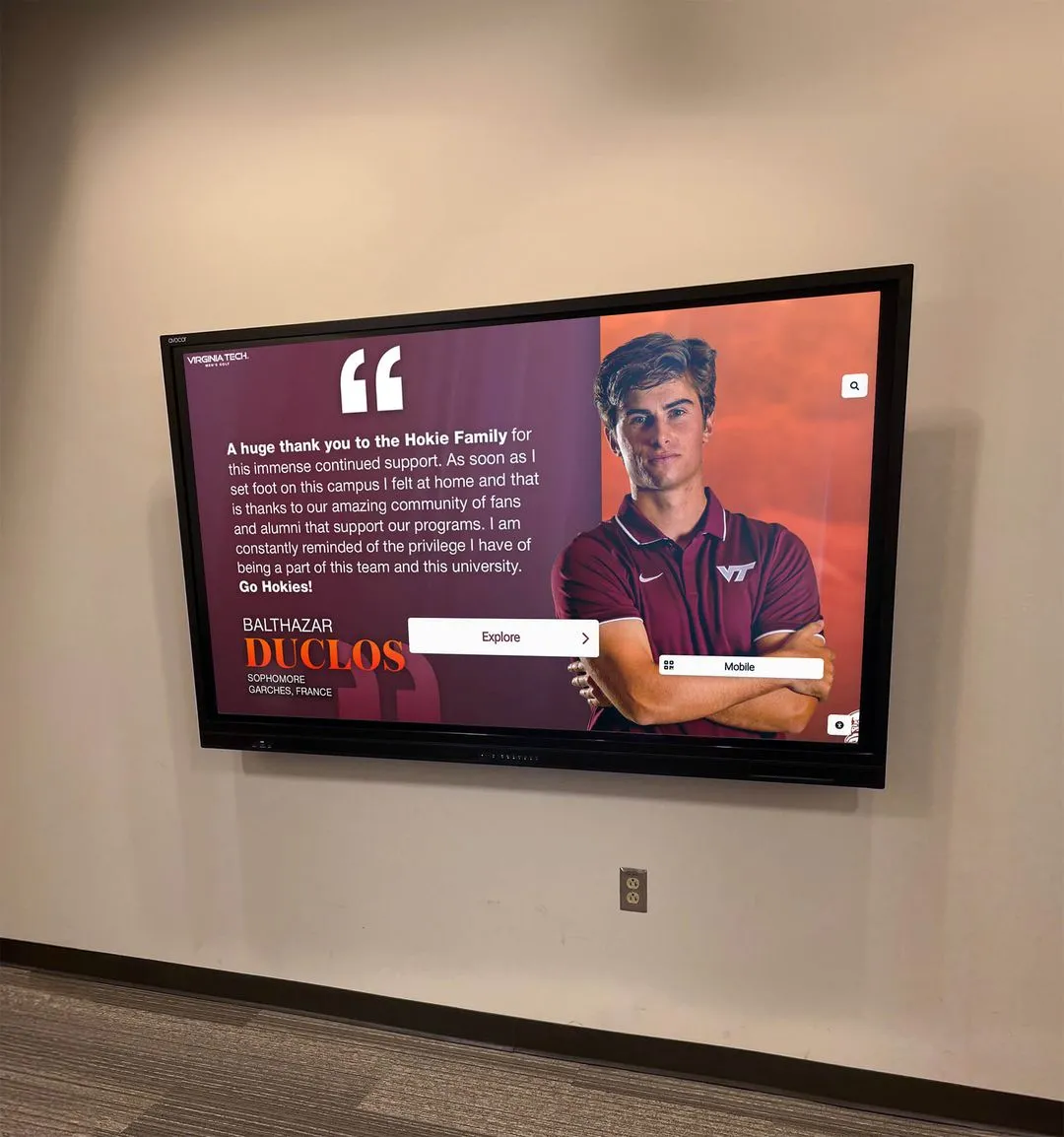
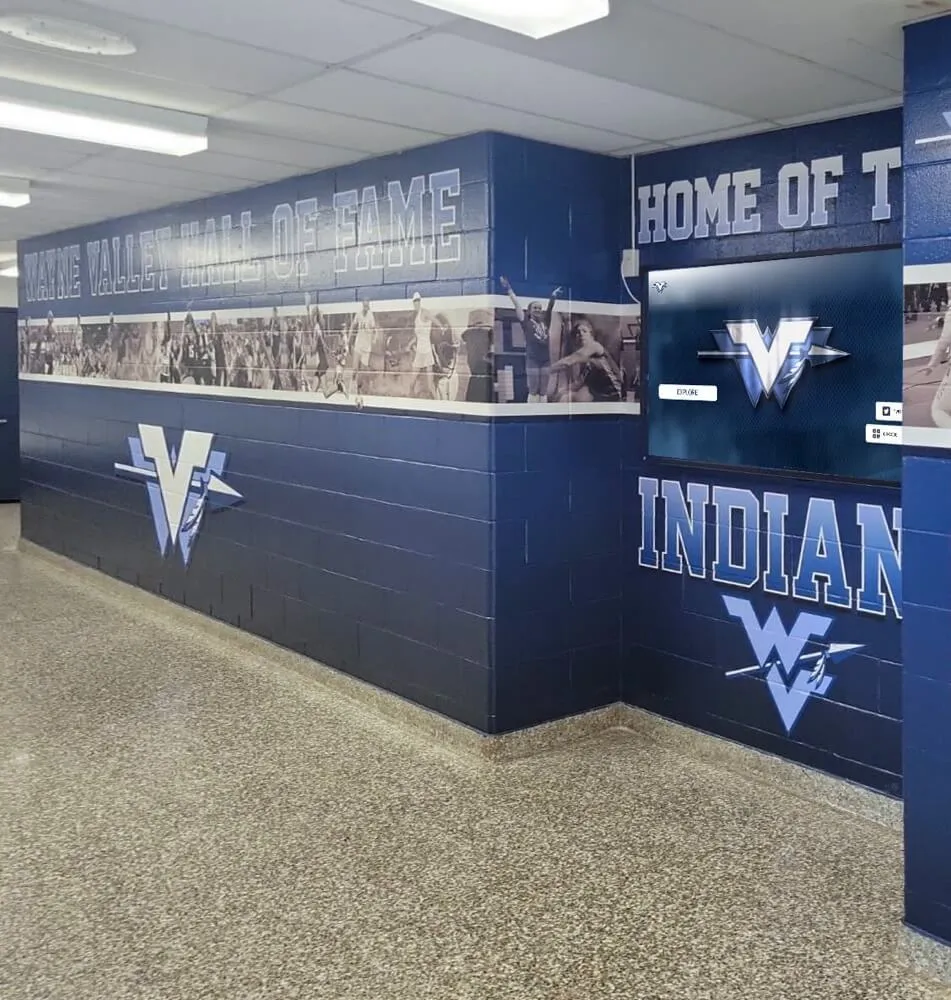
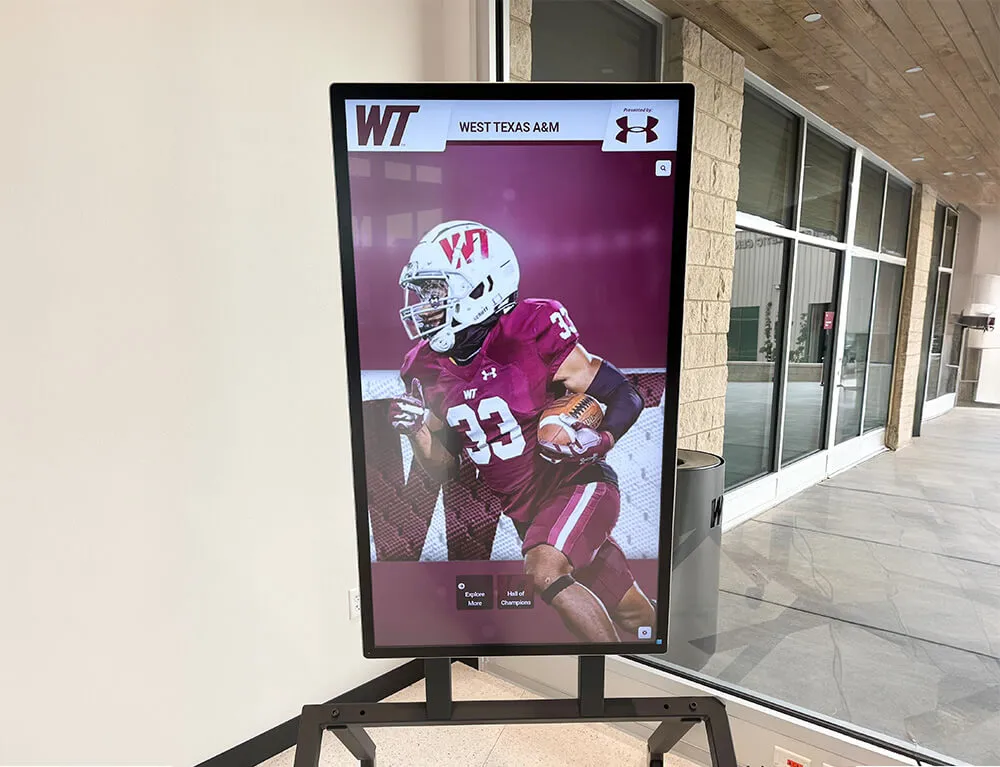
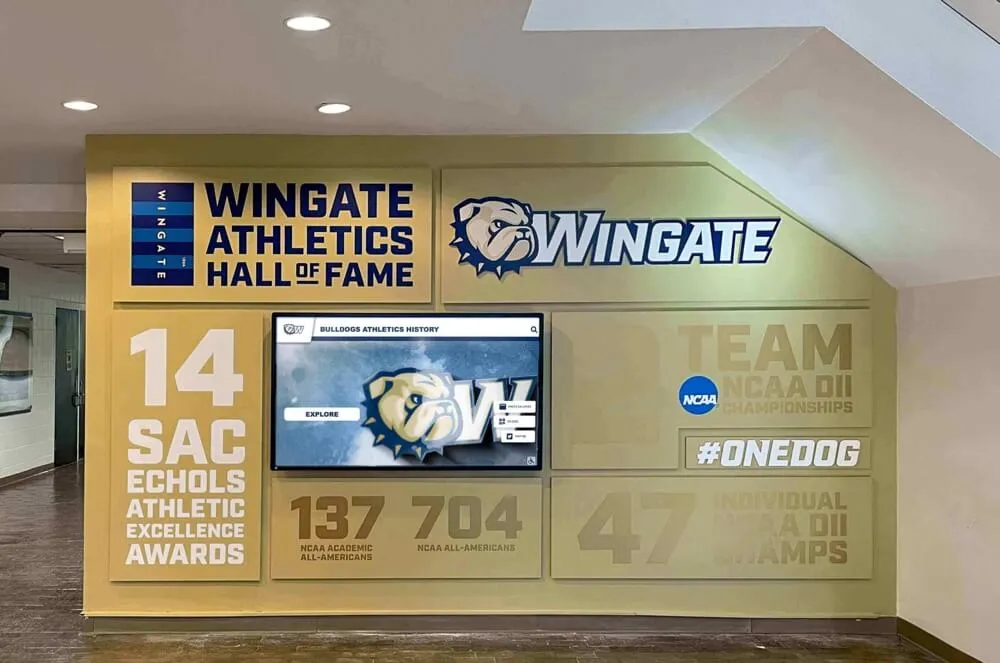
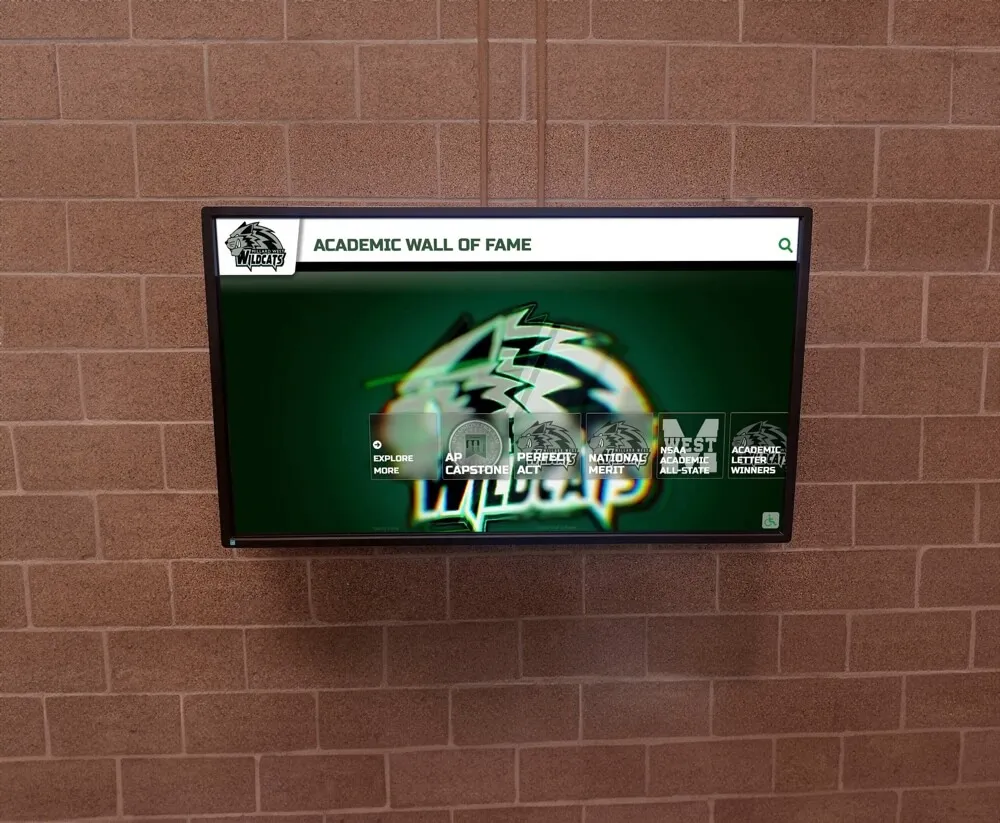
Digital recognition systems like those offered by Rocket Alumni Solutions allow schools to display salutatorian and valedictorian honors alongside the full breadth of academic achievement on interactive touchscreen walls. These systems ensure that the accomplishments celebrated in speeches—the GPA, the service hours, the leadership roles—remain visible in school hallways, libraries, and lobbies throughout the year.
Schools using interactive academic recognition displays report stronger alumni engagement, more meaningful connections between current students and past achievement, and increased motivation among underclassmen who can see the tradition of excellence they are inheriting. The academic honors and high school recognition landscape is increasingly defined by institutions that treat recognition as an ongoing practice, not a single-day ceremony.
For schools exploring how digital displays complement graduation traditions, resources on how Rocket helps advancement and marketing teams offer practical context on implementation and impact.

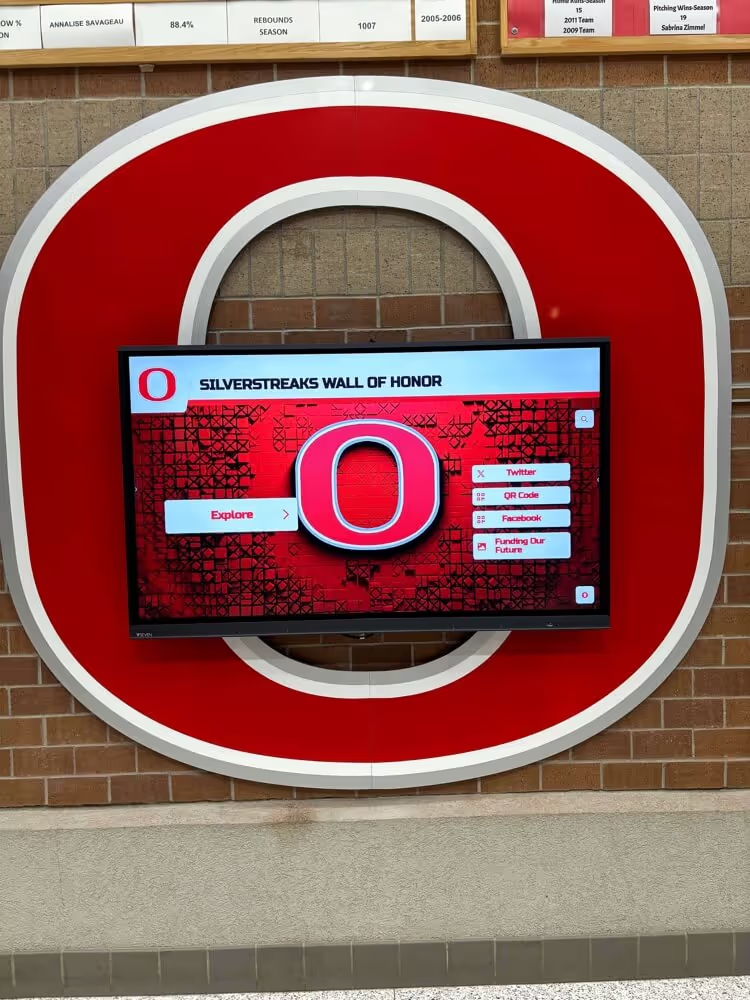
Digital displays extend graduation recognition into year-round celebration of student achievement
Common Mistakes to Avoid
Even strong writers make predictable errors in commencement speech drafts. Watch for these:
Overusing graduation clichés: “Today is not an ending but a beginning.” “The world is your oyster.” “We stand on the shoulders of giants.” Every audience has heard these phrases hundreds of times. Your speech should say something specific enough that it could not have been given at any other school by any other person.
Summarizing four years chronologically: A speech is not a timeline. Resist the urge to say “In ninth grade we did X, in tenth grade Y.” Choose one theme and develop it.
Thanking everyone generically: The list of acknowledgments—parents, teachers, administrators, custodial staff, lunch monitors—can consume an entire speech if unchecked. Be selective and specific. Two genuine, precise sentences of gratitude land harder than two paragraphs of comprehensive but bland appreciation.
Starting with your name and title: “Good morning, my name is [Name] and I am your salutatorian” is the most forgettable possible opening. Lead with a hook—an image, a question, a quote, a moment—then introduce yourself.
Forgetting the audience: Salutatorian speeches that focus exclusively on the graduates miss half the room. Families, teachers, and community members are present and invested. Acknowledge them early and directly.
The Role of Schools in Celebrating Academic Achievement
A salutatorian’s honor does not exist in isolation. It is the product of years of academic culture, teacher investment, family support, and institutional commitment to celebrating intellectual excellence. Schools that build strong recognition cultures—where academic achievement is honored with the same visibility as athletic accomplishment—produce students who take their studies seriously because they can see that the institution does too.
The way schools display and preserve academic recognition signals values. Digital recognition walls that feature honor roll lists, class rank achievements, and academic award recipients alongside athletic records communicate that intellectual excellence belongs in the same conversation as any other form of achievement. Resources on digital recognition walls for schools explore how institutions are making this shift permanent.
Schools developing comprehensive recognition programs often look at semester highlights recognition approaches that honor achievement throughout the year, not only at graduation. The cumulative effect of year-round recognition is that graduates arrive at commencement having already felt acknowledged—and the salutatorian’s speech becomes a celebration of something the school community has been building together all along.
For institutions thinking about how recognition connects to alumni engagement, FBLA, FFA, and academic awards displays provide models for honoring academic achievement alongside extracurricular excellence. Similarly, schools looking at physical and digital integration can explore digital banner and championship recognition frameworks that bring academic and program-based honors into the same display environment.
The hall of innovators recognition model offers one compelling example of how schools are broadening recognition beyond traditional athletic halls of fame to honor intellectual achievement and creative accomplishment.
Frequently Asked Questions
What should a salutatorian speech include?
A salutatorian speech should include a strong opening hook, a specific class story or defining theme, genuine gratitude toward teachers and families, and a forward-looking closing. Unlike the valedictorian speech, the salutatorian's role is to welcome the audience and set the emotional tone for the ceremony, so warmth and audience acknowledgment are especially important. Aim for 450–750 words to fit a 3–5 minute time slot.
How long should a salutatorian speech be?
Most commencement programs allocate 3–5 minutes for the salutatorian address. At a measured speaking pace of 130–150 words per minute, that corresponds to approximately 390–750 words. A 500–600 word speech is a reliable target for most ceremonies. Always confirm the allotted time with your school's graduation coordinator and rehearse with a timer to ensure you finish within the window.
What is the difference between a salutatorian and valedictorian speech?
The salutatorian traditionally speaks first, welcoming the audience and greeting the community assembled for the ceremony. The word itself derives from the Latin for greeting. The valedictorian traditionally speaks last, offering a farewell. In practice, this means salutatorian speeches tend toward warmth, welcome, and gratitude, while valedictorian speeches often carry a more forward-looking or reflective tone about leaving school behind.
How do I start a salutatorian speech without clichés?
Avoid opening with your name and title or phrases like "Webster's dictionary defines graduation as..." Instead, begin with a specific image, a question, a brief quote from a figure meaningful to your class, or a moment the graduating class shared. Lead with something concrete enough to make the audience lean in, then introduce yourself after the hook. The specificity of your opening tells the audience whether your speech is worth listening to within the first fifteen seconds.
Can a salutatorian use humor in their speech?
Yes—humor is especially appropriate for salutatorian speeches because they open ceremonies and a light moment early in the program relaxes the audience and creates goodwill. The most effective commencement humor is self-aware (acknowledging the salutatorian-valedictorian dynamic is a reliable opener), school-specific, and never mean-spirited. If you are uncertain whether a joke lands, test it on someone from outside the class who can give honest feedback. Genuine laughter early makes the sincere moments later more powerful.
Conclusion: Honoring Achievement Through Every Word
A salutatorian speech is itself a recognition act. When written with specificity, delivered with confidence, and structured around genuine gratitude and class identity, it becomes part of the ceremony’s permanent memory—the moment that anchors everything that follows.
The seven templates above offer starting points, not finished products. Use them as scaffolding, then fill them with the particular details that make your graduating class irreplaceable: the teacher who stayed late, the Tuesday that felt impossible, the project that changed someone’s mind, the friendship that made four years worth it.
Schools that invest in recognition culture—both through the ceremony speeches they encourage students to deliver and the physical and digital displays they maintain year-round—communicate a consistent institutional value: that achievement matters, that it is seen, and that it persists long after the caps come off.
Make Graduation Achievement Last Beyond Ceremony Day
Discover how digital recognition displays help schools honor salutatorians, valedictorians, and every graduate's accomplishments year-round—keeping academic excellence visible long after commencement.
Explore Recognition SolutionsWhether your ceremony is two weeks away or two months out, the best salutatorian speeches share one quality: they feel like they could only have been given by this person, for this class, on this day. That specificity is achievable. These templates give you the structure. Your class’s story gives you everything else.
For schools building the recognition infrastructure that makes graduation achievements permanent, resources on touchscreen kiosk software, Promethean hall of fame displays, and alumni CRM software for schools offer practical pathways for extending the recognition moment beyond a single speech.