



School awards night planning represents one of the most significant annual events on the educational calendar—a culminating celebration honoring student achievement, recognizing excellence across multiple dimensions, building school culture, and creating lasting memories for students, families, and educators. When executed thoughtfully, school awards nights transform routine recognition into powerful experiences that reinforce institutional values, motivate continued excellence, and demonstrate commitment to celebrating every student’s unique contributions.
Yet coordinating successful awards nights involves juggling countless moving parts: selecting appropriate venues that accommodate large audiences, coordinating presentations across multiple departments and achievement categories, managing limited ceremony time while ensuring meaningful recognition moments, creating engaging programs that maintain audience attention, and building recognition systems providing lasting visibility beyond a single evening’s applause.
This comprehensive guide provides school administrators, counselors, and event coordinators with complete planning frameworks, ceremony design strategies, program development templates, presentation best practices, and modern display solutions that transform school awards nights from logistical challenges into memorable celebrations of student excellence for your entire school community.
The most successful school awards nights share common characteristics: meticulous advance planning beginning months before the event, thoughtful program design balancing comprehensive recognition with audience engagement, well-coordinated logistics creating smooth experiences, and recognition systems extending celebration beyond the ceremony itself. Schools that excel at awards night planning create annual traditions students anticipate, families appreciate, and communities celebrate as signature institutional events.

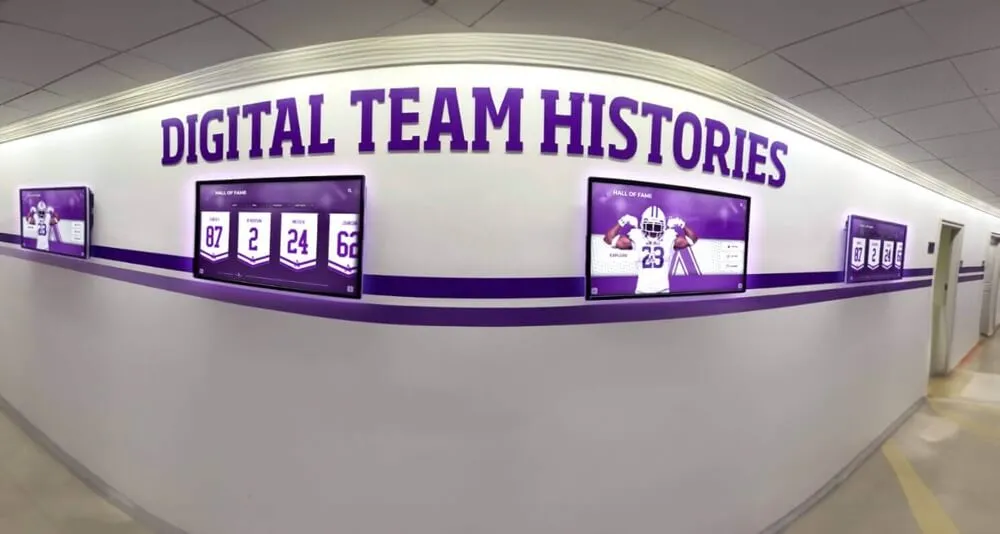
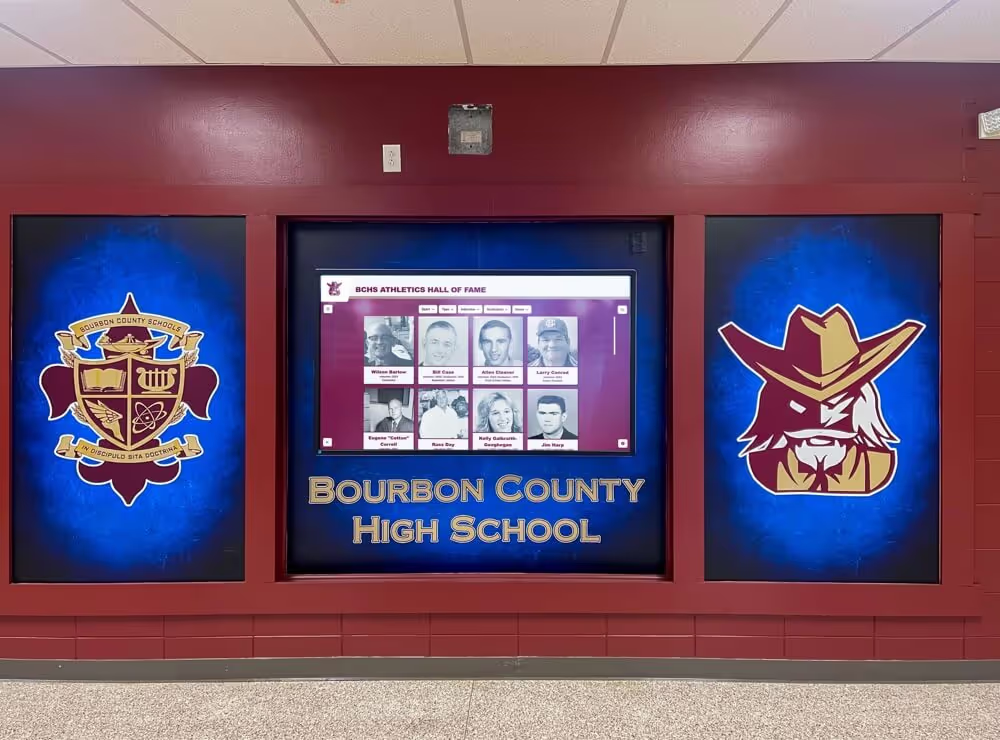
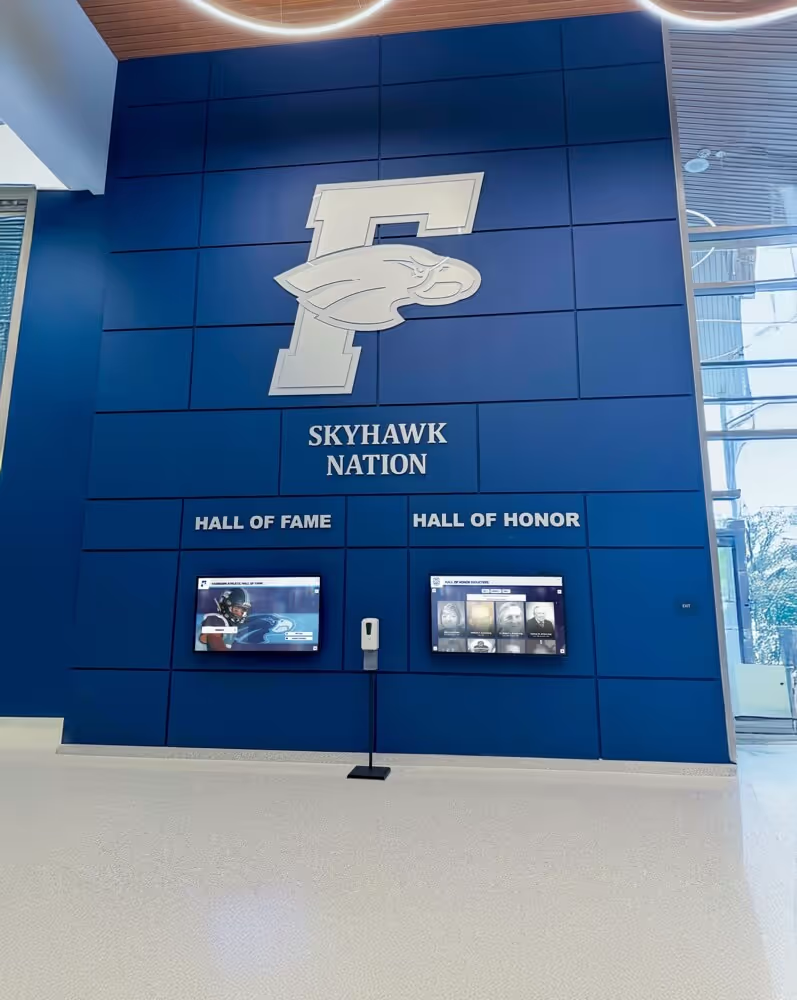
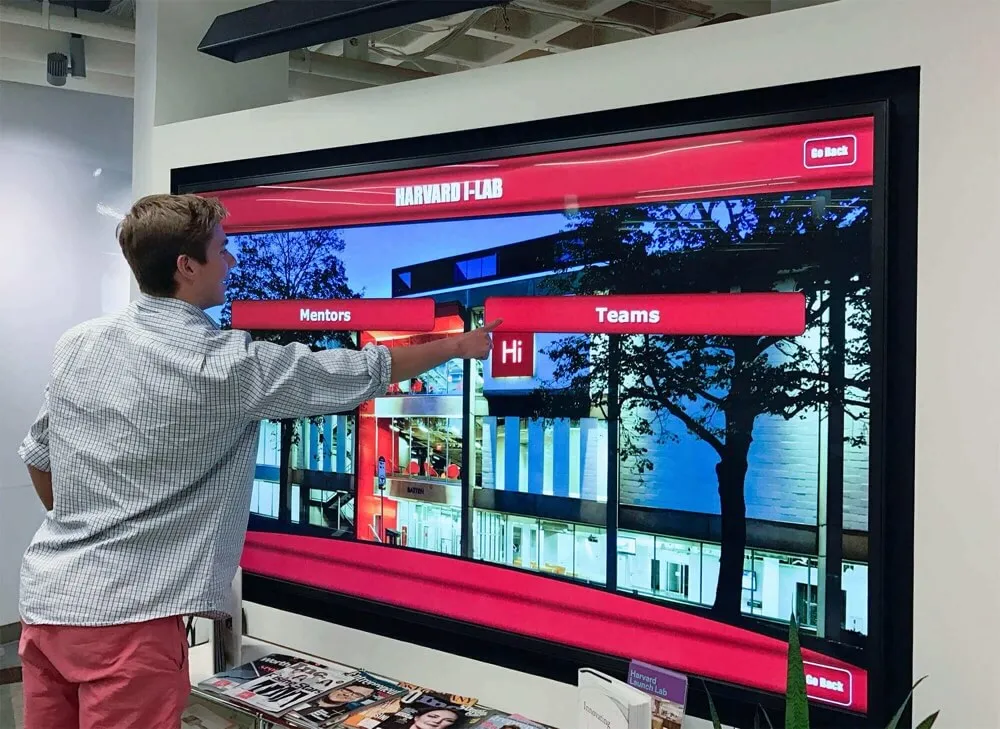
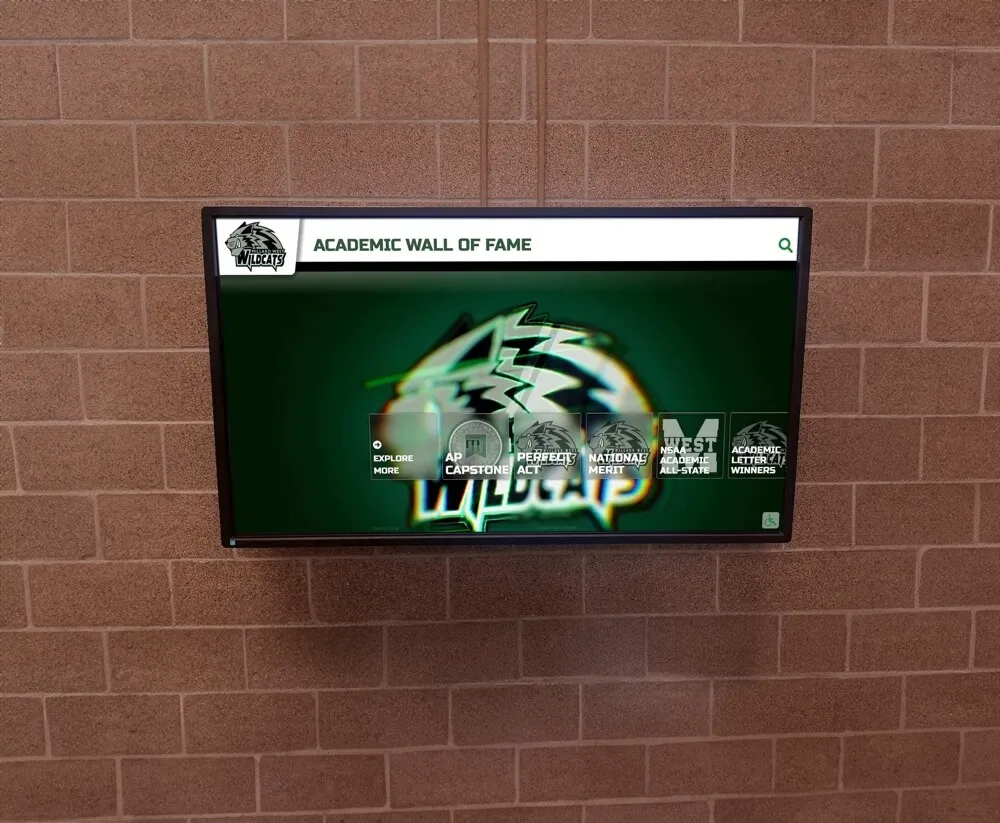
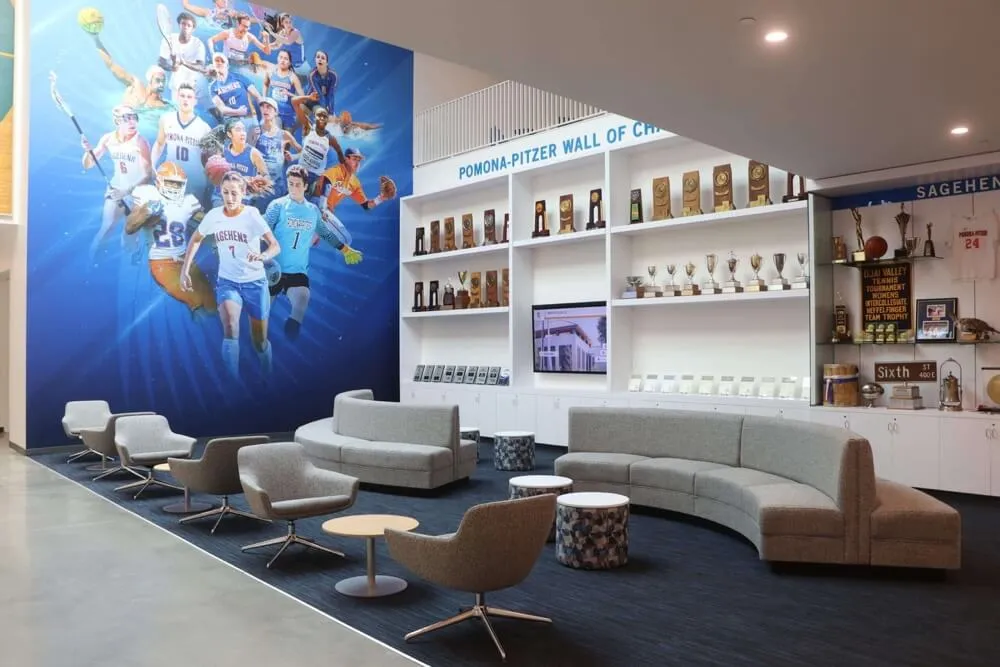
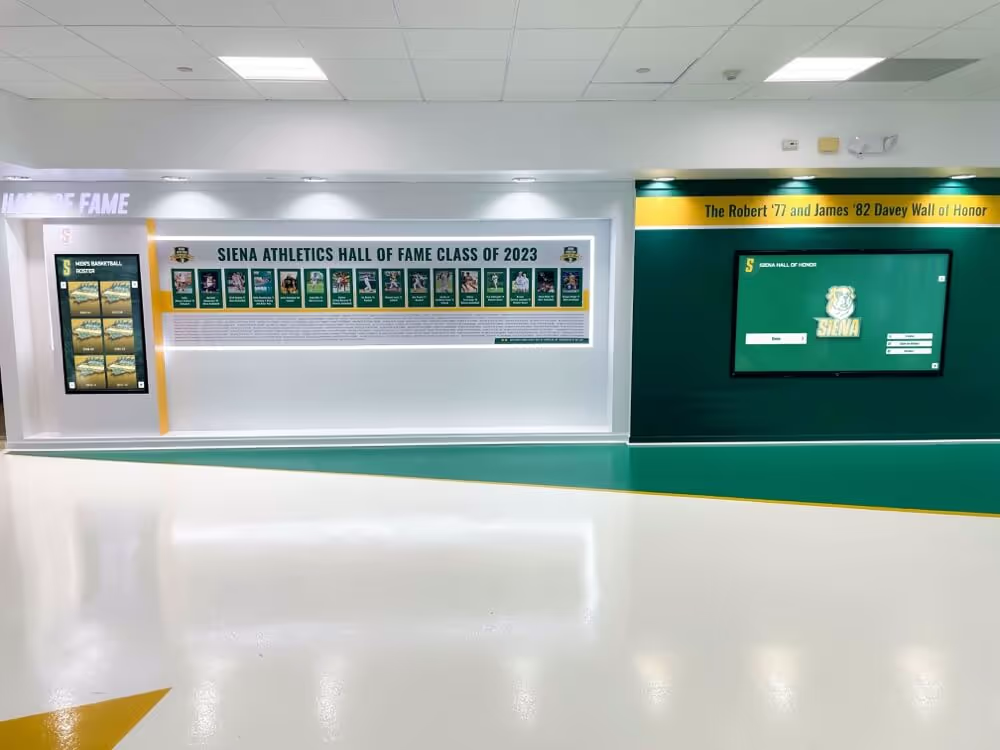
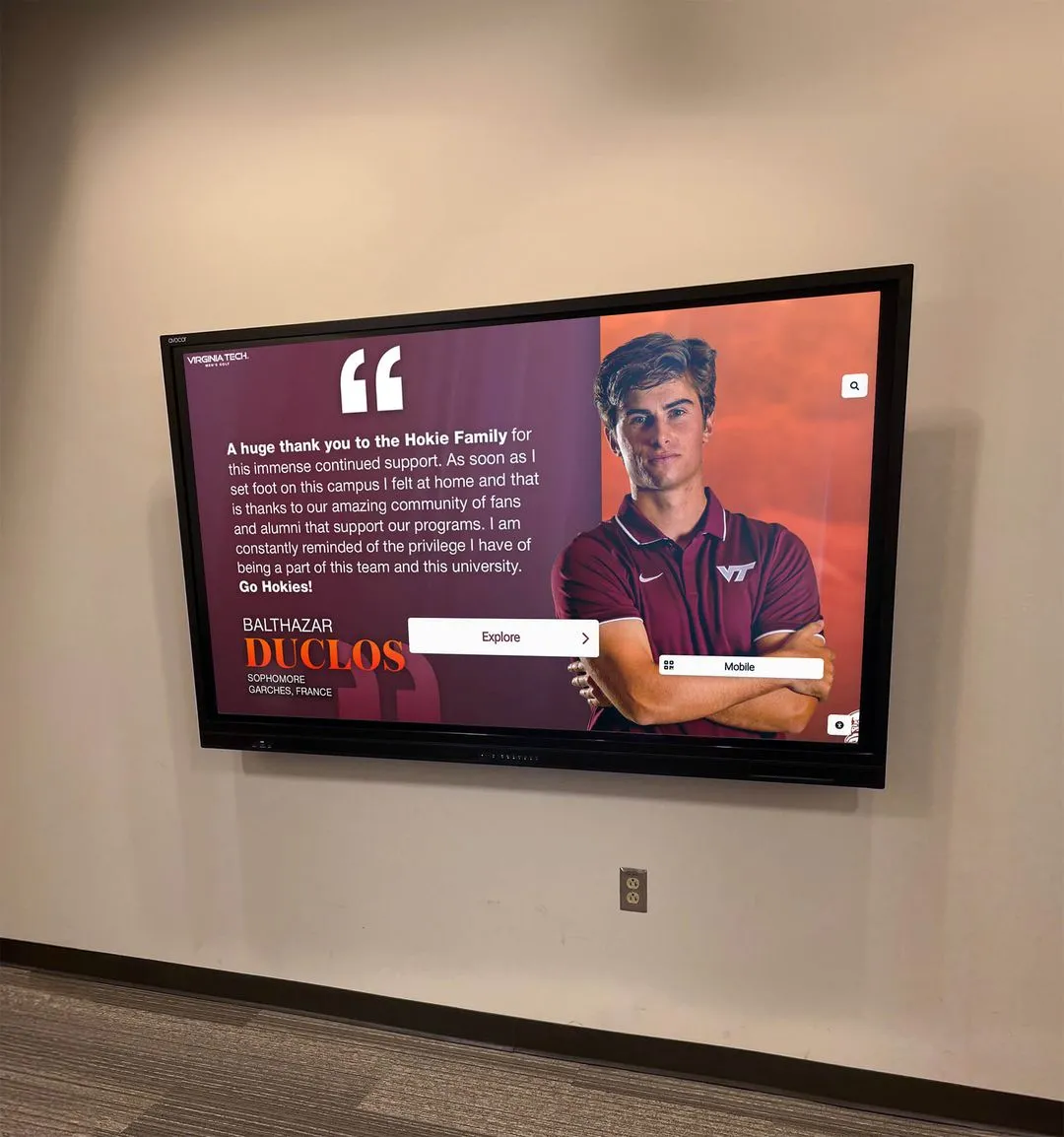
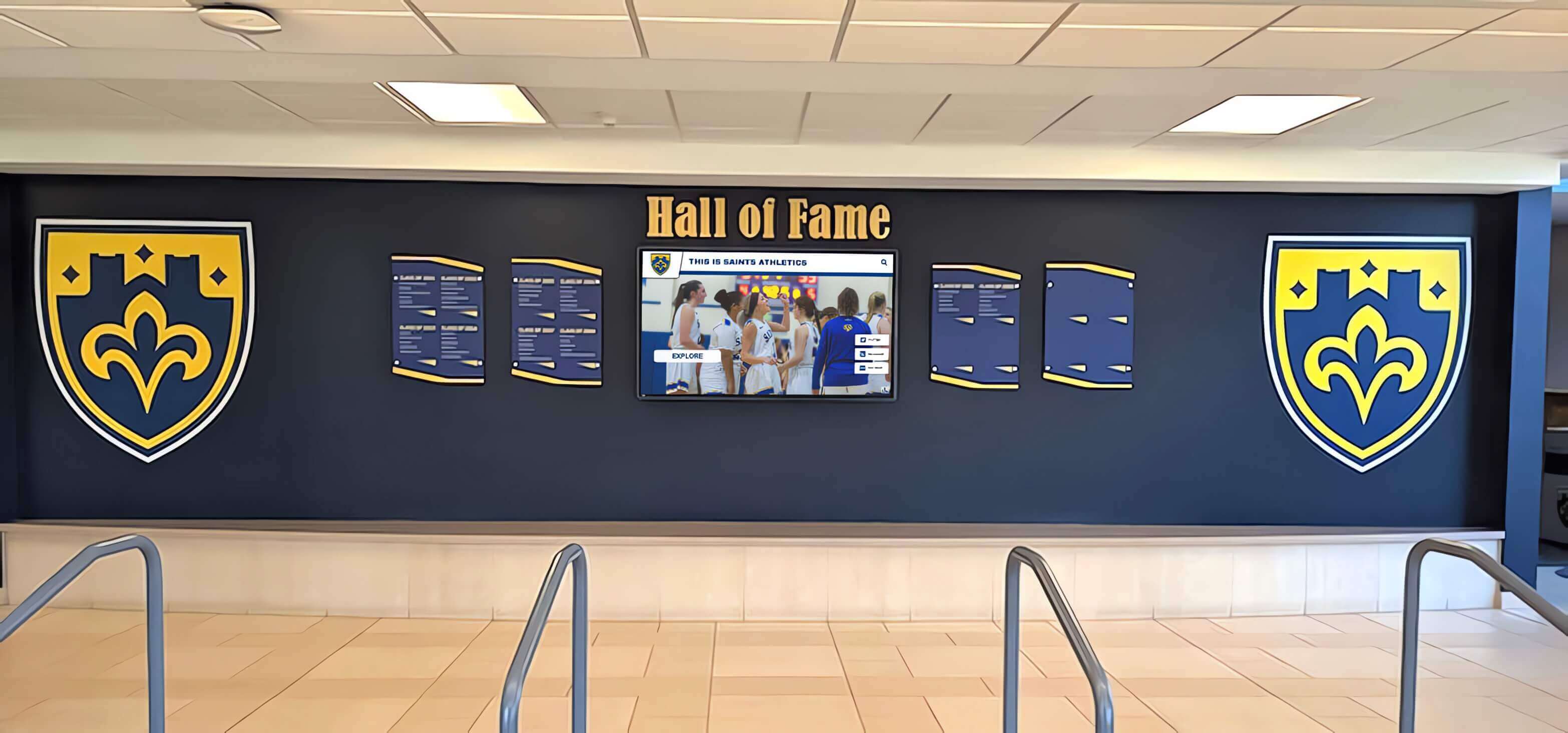
Well-designed school facilities integrate recognition displays that enhance awards night experiences and provide year-round celebration
School Awards Night Planning Timeline and Preparation
Successful awards nights require systematic planning beginning months before the event, ensuring nothing falls through the cracks while maintaining flexibility for adjustments.
3-4 Months Before Awards Night
Early planning provides maximum flexibility and secures best options:
Planning Committee Formation
- Assemble cross-departmental team including administrators, counselors, and department heads
- Recruit parent volunteers for logistics support and coordination
- Assign specific responsibilities for venue, programs, awards, technology, and communications
- Establish regular planning meetings with clear agendas and accountability
- Create shared planning documents tracking decisions and action items
Venue Selection and Reservation
- Evaluate venue options matching expected attendance from all grade levels
- Consider school auditoriums, gymnasiums, performing arts centers, or external venues
- Confirm seating capacity accommodating students, families, and staff
- Verify audiovisual capabilities for presentations, videos, and multimedia content
- Reserve date avoiding conflicts with testing schedules, religious holidays, and community events
Budget Development and Resource Allocation
- Calculate expected costs for venue rental, awards, programs, and technology
- Identify funding sources including school budgets, boosters, and sponsorships
- Determine per-award costs and total recognition budget
- Build contingency funds for unexpected expenses
- Establish approval processes for expenditures
Learn about comprehensive recognition planning in academic recognition programs that celebrate diverse student achievements.
2-3 Months Before Awards Night
Mid-range planning focuses on award criteria, recipient identification, and content development:
Award Category Definition and Criteria Establishment
- Define comprehensive award categories across academic, character, leadership, and service dimensions
- Establish clear, objective criteria for each award category
- Determine number of recipients per category balancing recognition with selectivity
- Create nomination and selection processes ensuring fairness and transparency
- Communicate criteria to faculty for nominee identification
Award Recipient Selection Process
- Distribute nomination forms to teachers and staff with clear deadlines
- Establish selection committees for major awards requiring deliberation
- Verify student eligibility and achievement data accuracy
- Confirm recipient information including name spelling and grade levels
- Maintain confidentiality preserving surprise element when appropriate
Physical Award Selection and Ordering
- Research award vendors and obtain quotes for certificates, plaques, medals, and trophies
- Select award quality levels matching each category’s significance
- Design consistent award appearance reflecting school branding
- Order awards with sufficient lead time for engraving and customization
- Plan for backup generic awards accommodating last-minute additions
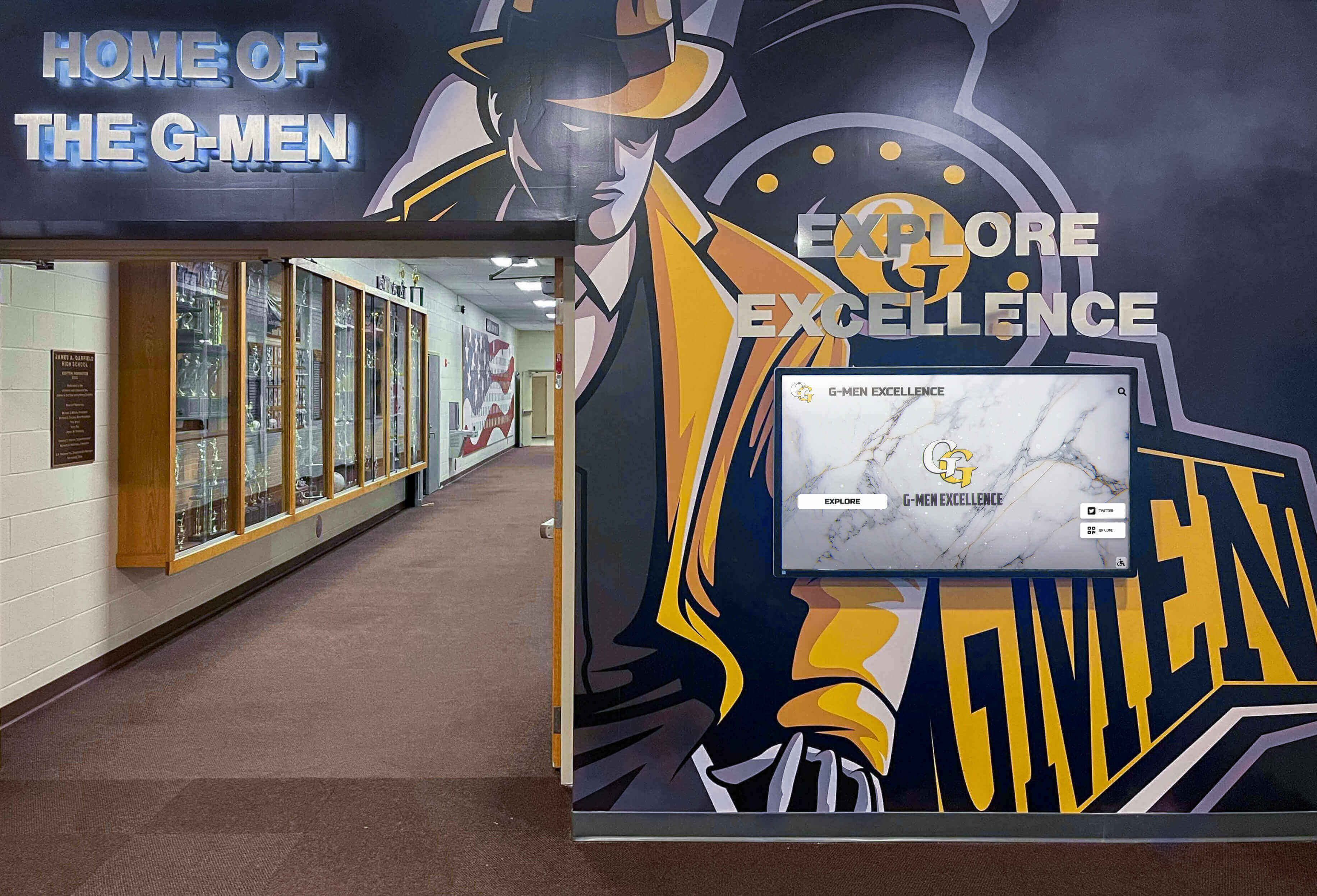
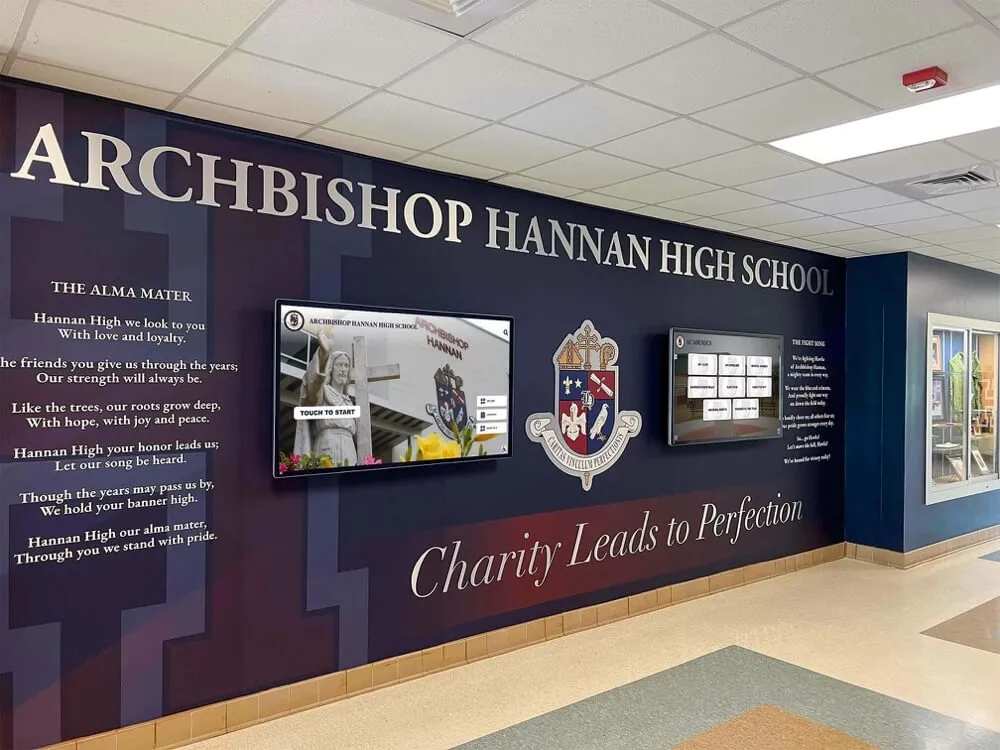
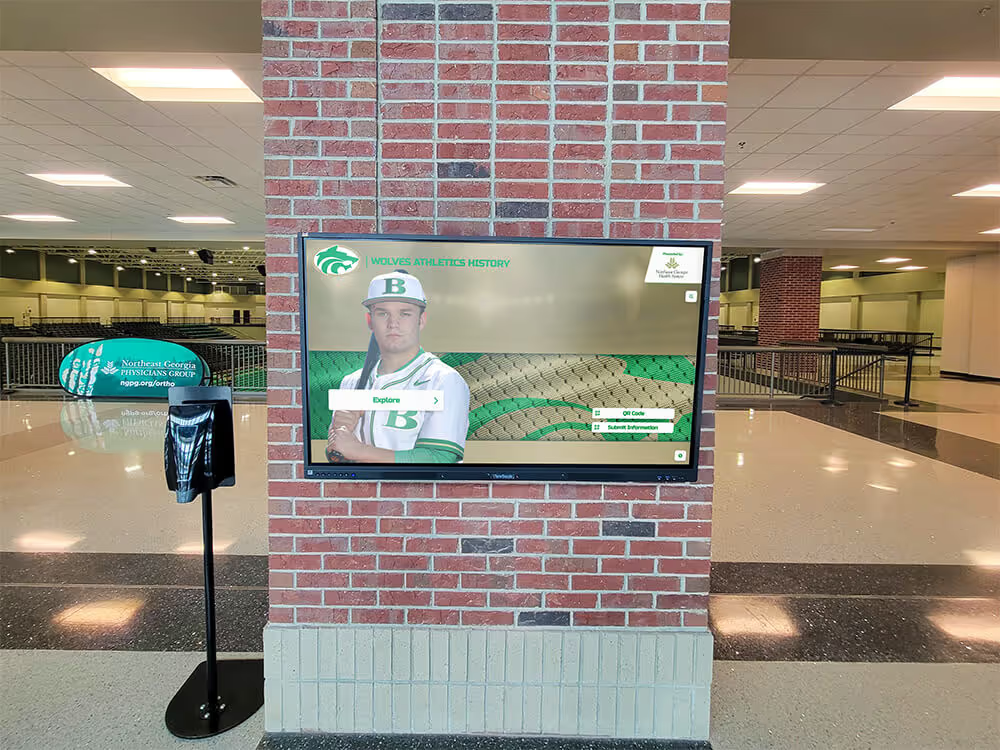
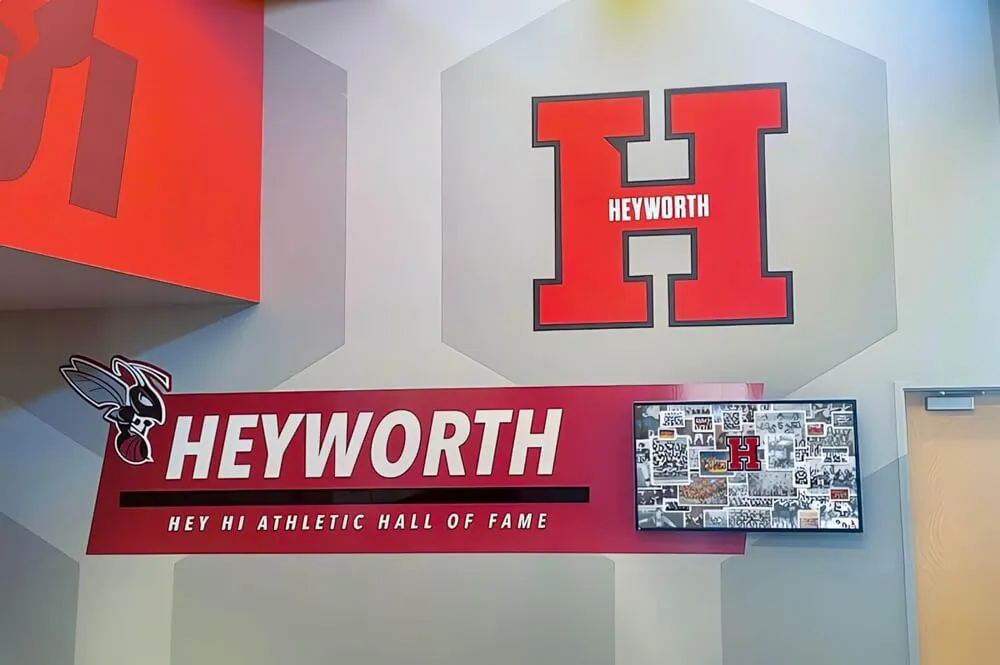
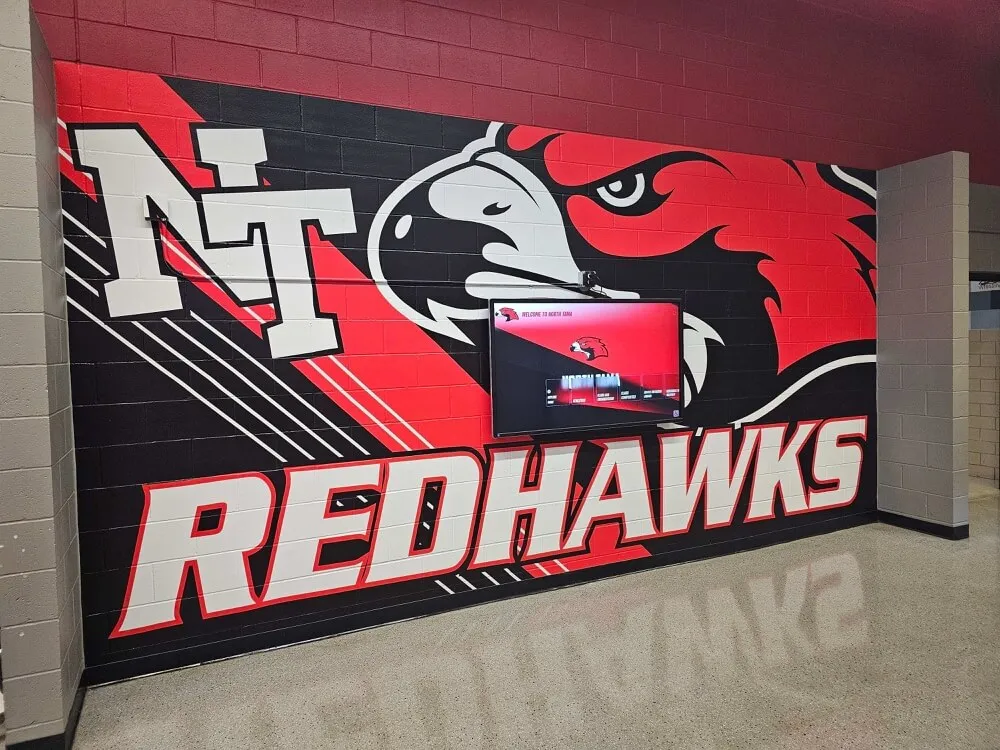
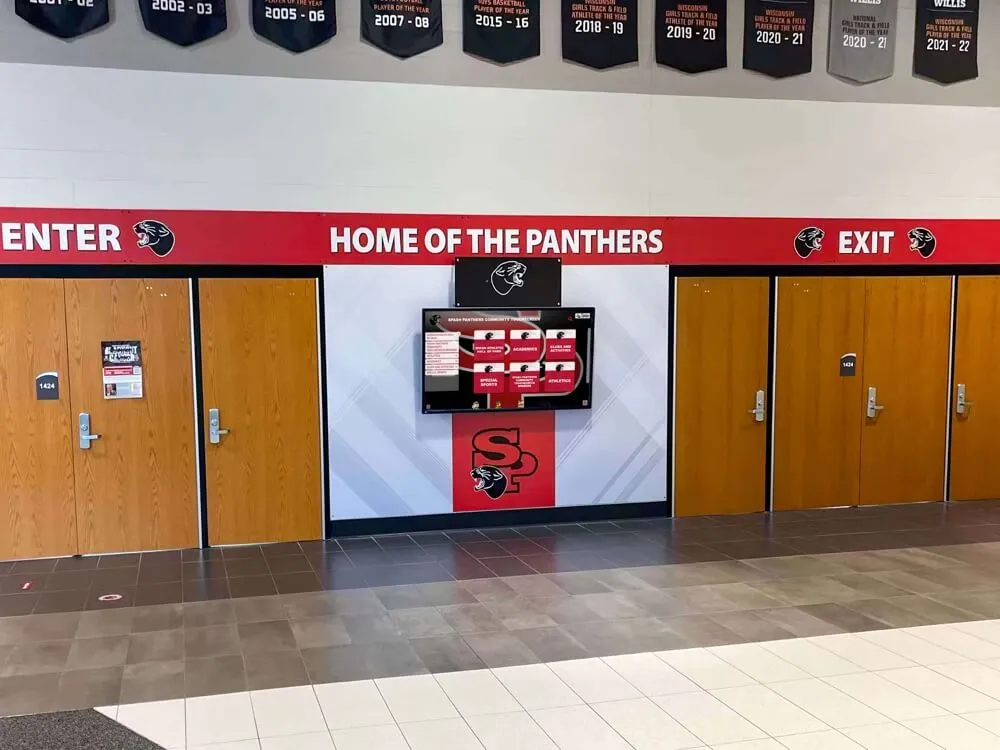
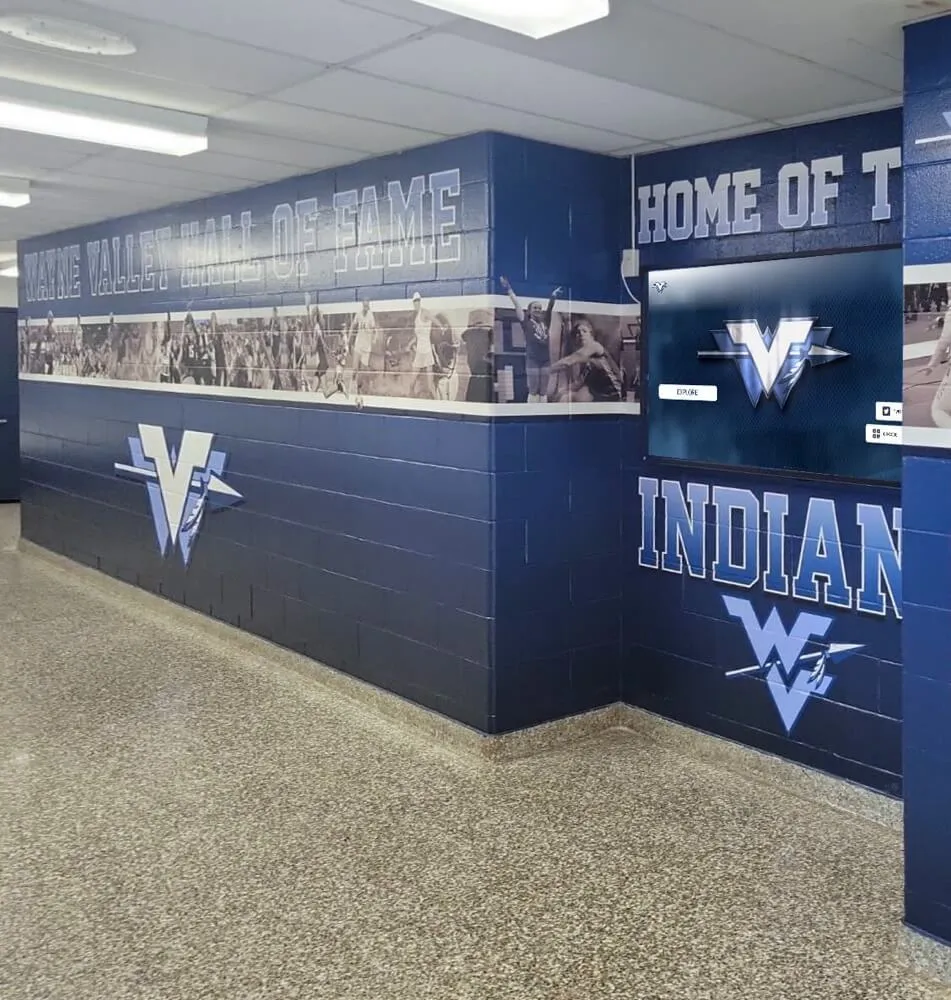
Permanent recognition displays in school facilities provide ongoing celebration complementing annual awards night events
Program Development and Content Creation
- Outline ceremony flow including welcome, speeches, award presentations, and closing
- Identify speakers including principal, superintendent, board members, and student representatives
- Request speech drafts with clear length guidelines maintaining program pace
- Plan video tributes or highlight reels requiring production time
- Create master script coordinating all program elements and transitions
Explore creative ceremony approaches in student athlete resume showcase strategies that inform recognition events.
4-6 Weeks Before Awards Night
Final planning phase focuses on detailed coordination and communication:
Invitation and Communication Strategy
- Send formal invitations to award recipients and families
- Create online RSVP system tracking attendance for planning purposes
- Communicate event details including date, time, location, parking, and dress code
- Send reminder communications as the event approaches
- Coordinate media coverage through local news outlets and school communications
Printed Program Design and Production
- Design program including ceremony schedule, award categories, and recipient names
- Incorporate school branding, colors, and visual identity
- Proofread all content multiple times eliminating spelling and information errors
- Finalize printing quantity based on expected attendance
- Plan program distribution strategy at event entrance
Audiovisual Preparation and Technology Coordination
- Test venue sound system, microphones, projection equipment, and lighting
- Create presentation slides with award categories and recipient information
- Produce highlight videos, photo montages, or tribute content
- Prepare background music for pre-ceremony and transitions
- Assign technical coordinator managing all technology during event
- Conduct full technical rehearsal addressing potential issues
Volunteer Recruitment and Training
- Recruit parent and student volunteers for registration, ushering, and award distribution
- Create volunteer assignments with clear roles and responsibilities
- Provide training on event logistics and customer service approaches
- Prepare volunteer schedules with backup coverage
- Supply volunteers with identification and necessary materials
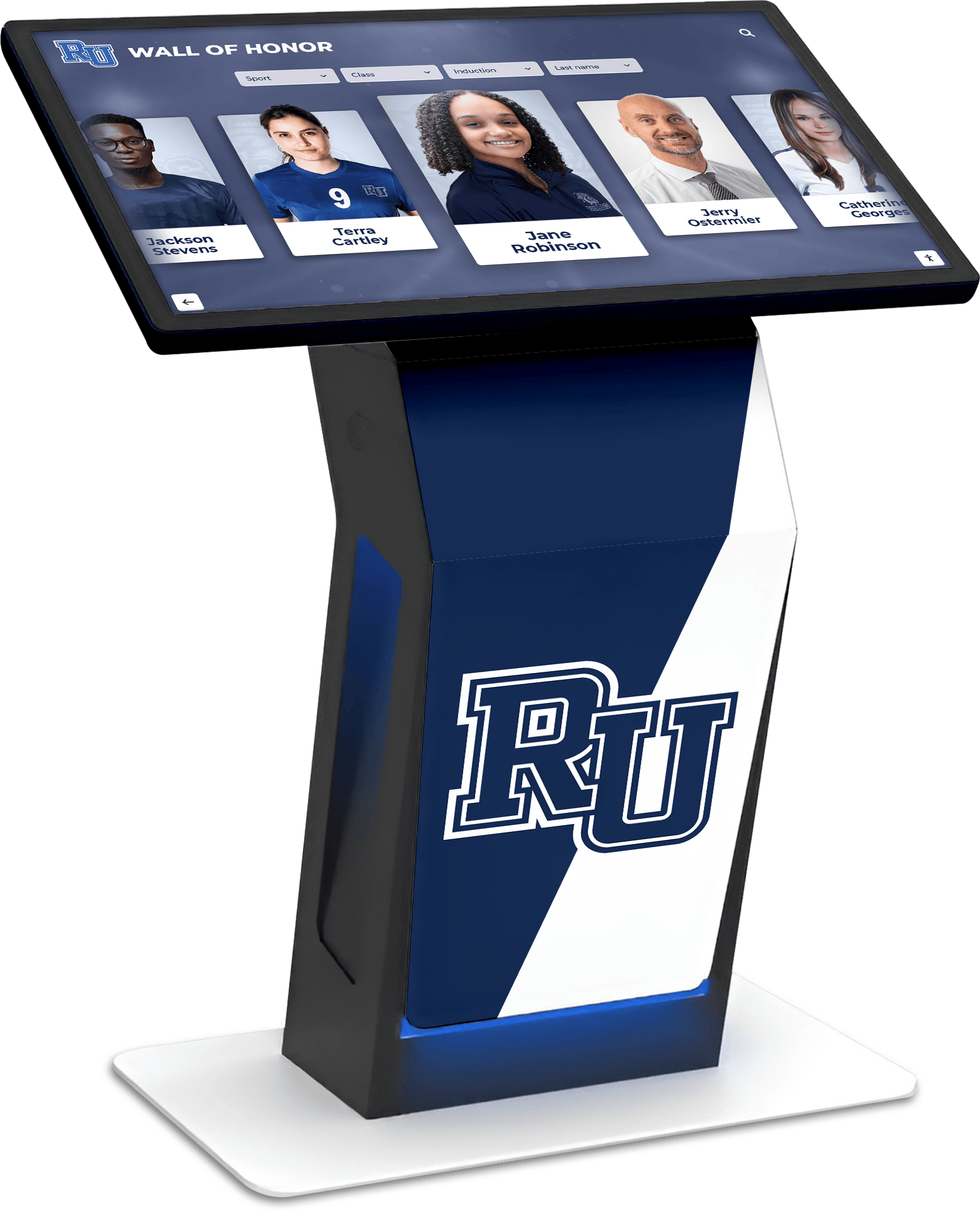
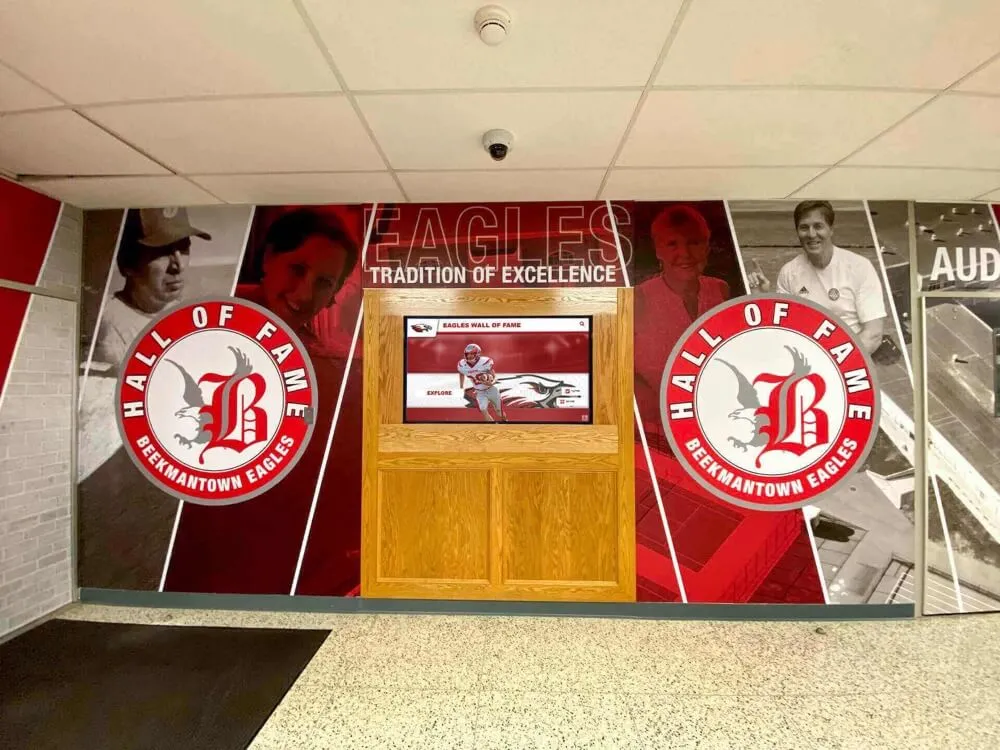
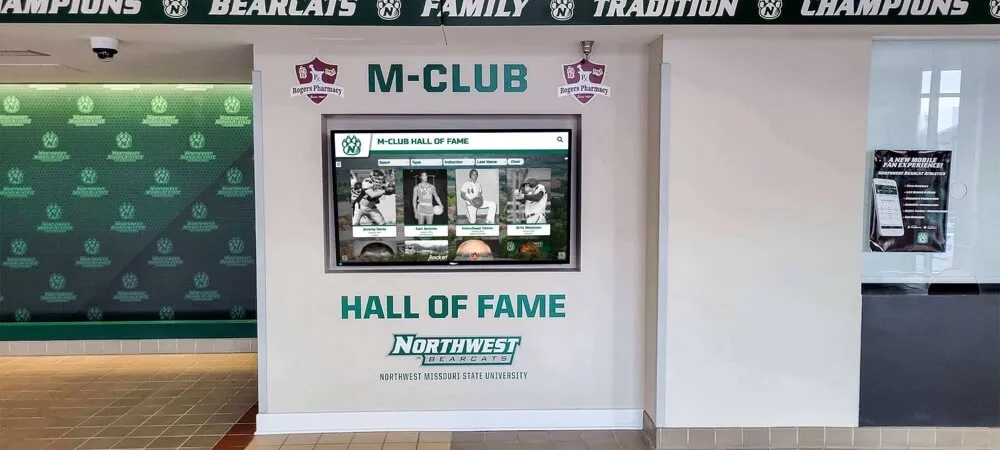
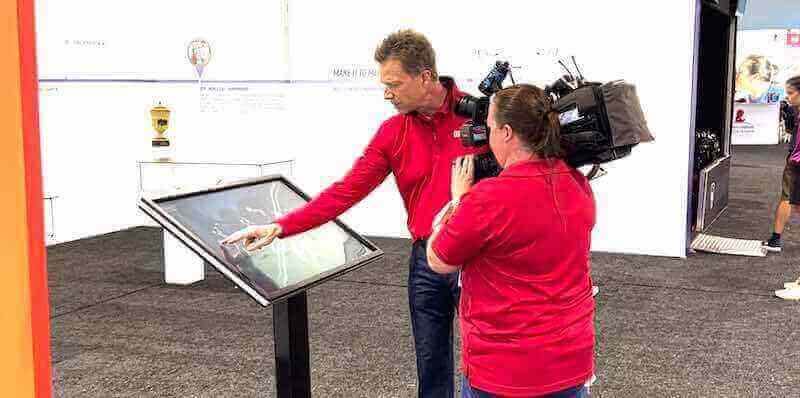
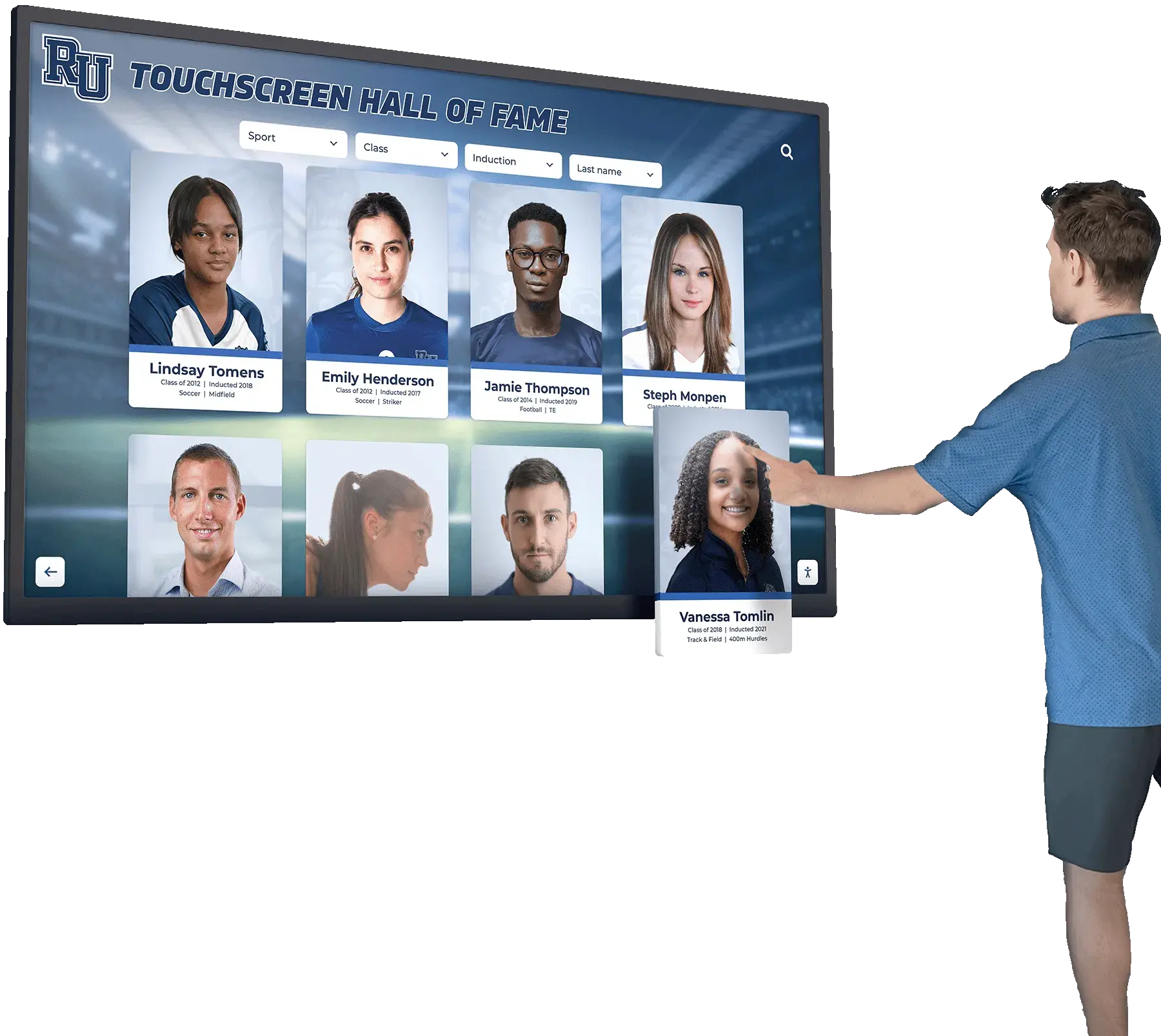
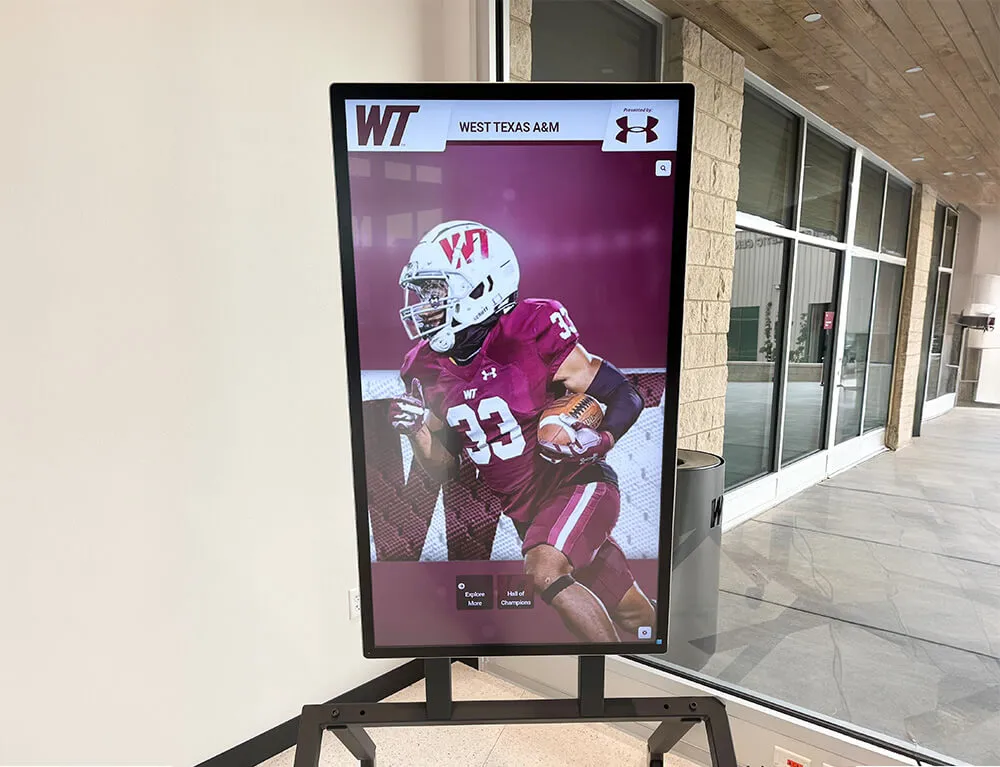
Interactive recognition systems allow families to explore comprehensive student profiles during awards night events
1-2 Weeks Before Awards Night
Final preparations ensure smooth execution:
Recipient Confirmation and Logistics
- Verify all award recipients can attend or arrange alternative recognition
- Organize awards by presentation order for efficient distribution
- Prepare award presenter scripts with pronunciation guides and achievement highlights
- Create seating charts or sections for award recipients if appropriate
- Confirm family RSVP numbers for final planning adjustments
Full Rehearsal Coordination
- Conduct complete ceremony run-through with all speakers and presenters
- Time each program segment ensuring overall timeline fits schedule
- Practice technical transitions between program elements
- Identify and resolve logistics issues or awkward transitions
- Build confidence among student speakers through practice
Final Logistics Confirmation
- Walk through venue finalizing setup plans and identifying potential issues
- Confirm all vendor deliveries and service provisions
- Prepare emergency contact information for key personnel
- Create backup plans for technical difficulties or schedule challenges
- Finalize parking, accessibility, and facility logistics
Award Ceremony Design and Program Structure
Thoughtful ceremony design balances comprehensive recognition with audience engagement, ensuring the event honors achievements without exhausting attendees.
Optimal Ceremony Length and Pacing
The single most common complaint about school awards nights is excessive length causing audience fatigue and diminishing recognition impact.
Time Allocation Guidelines
- Target total ceremony length: 90-120 minutes maximum
- Pre-ceremony reception or registration: 20-30 minutes
- Welcome and opening remarks: 5-7 minutes
- Major award presentations: 60-75 minutes
- Closing remarks and finale: 5-10 minutes
- Post-ceremony reception: 30-45 minutes optional
Pacing Strategies for Engagement
- Vary presentation format preventing monotony through different speakers and styles
- Intersperse major individual awards with group recognitions
- Use video content strategically breaking up live presentations
- Include student performances or demonstrations if appropriate
- Build momentum toward most prestigious awards creating anticipation
- Avoid reading every achievement detail for large group awards
Learn about creating memorable moments in student of the month award programs that translate to awards nights.
Program Flow and Ceremony Structure
Strategic program organization creates positive flow and sustained audience attention:
Opening Segment
- Welcome and acknowledgments (school leader or event chair)
- National anthem or school song performed by students
- Land acknowledgment or invocation if appropriate to community
- Brief overview of evening’s structure and expectations
- Opening remarks establishing tone and celebrating collective achievement
Core Award Presentation Segments Strategic grouping and sequencing maintain engagement:
Academic Excellence Recognition
- Honor roll and academic achievement tier recognition
- Subject-area excellence awards (English, Mathematics, Science, Social Studies, World Languages, Arts)
- Department-specific recognitions for outstanding achievement
- Advanced Placement and honors program excellence
- Academic competition team achievements
Character and Citizenship Awards
- Integrity, compassion, and ethical leadership recognition
- Service learning and community contribution awards
- Peer-nominated character recognitions
- Attendance and punctuality excellence
- School spirit and positive culture contribution
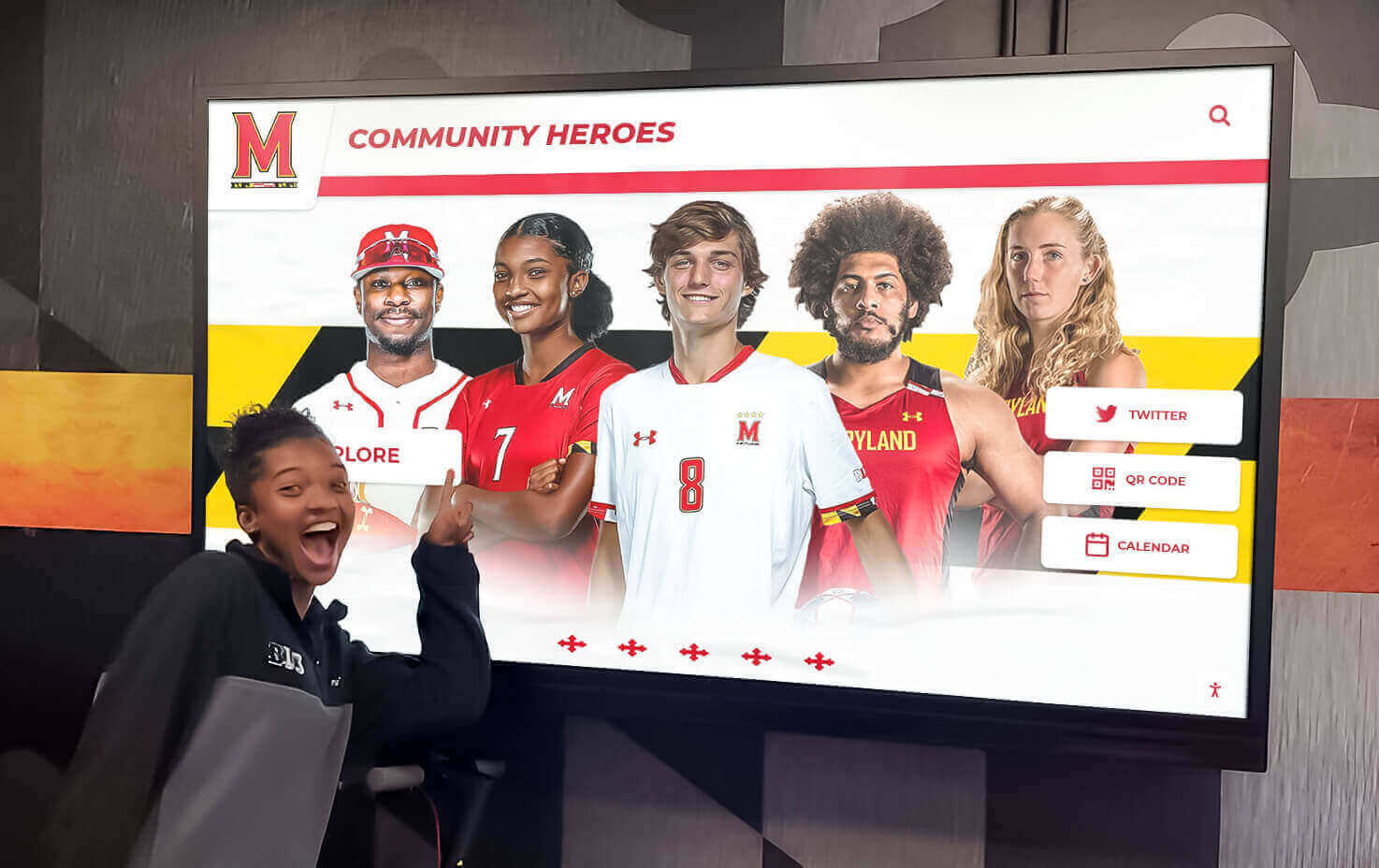
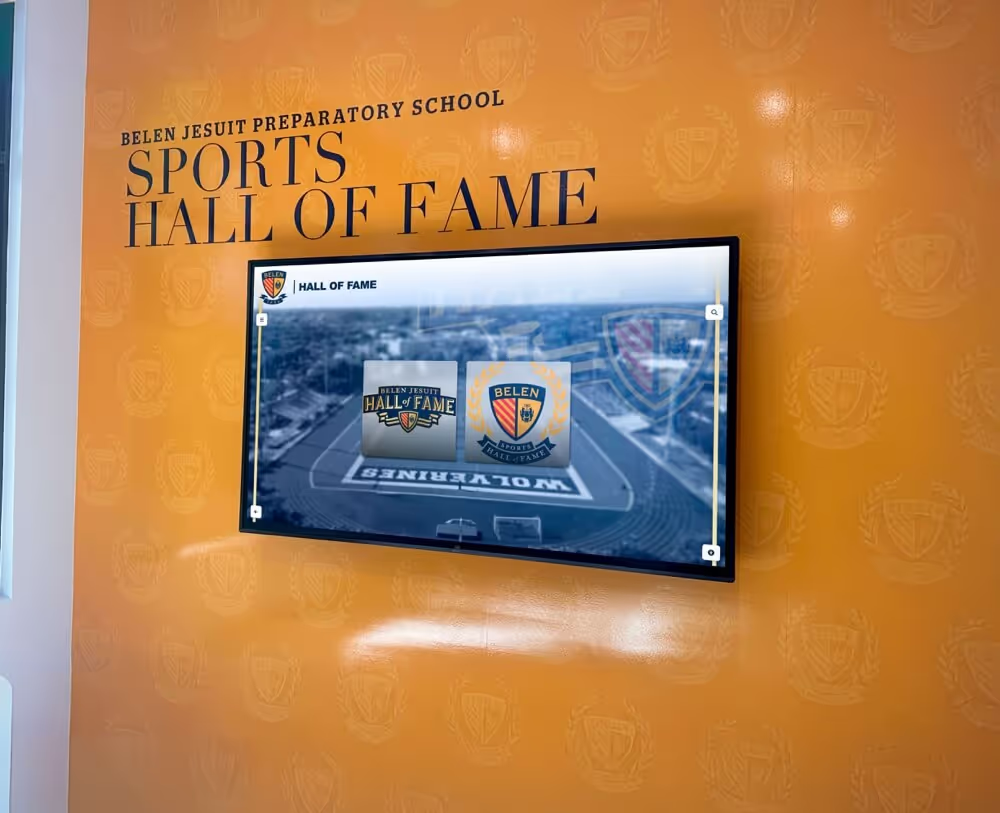
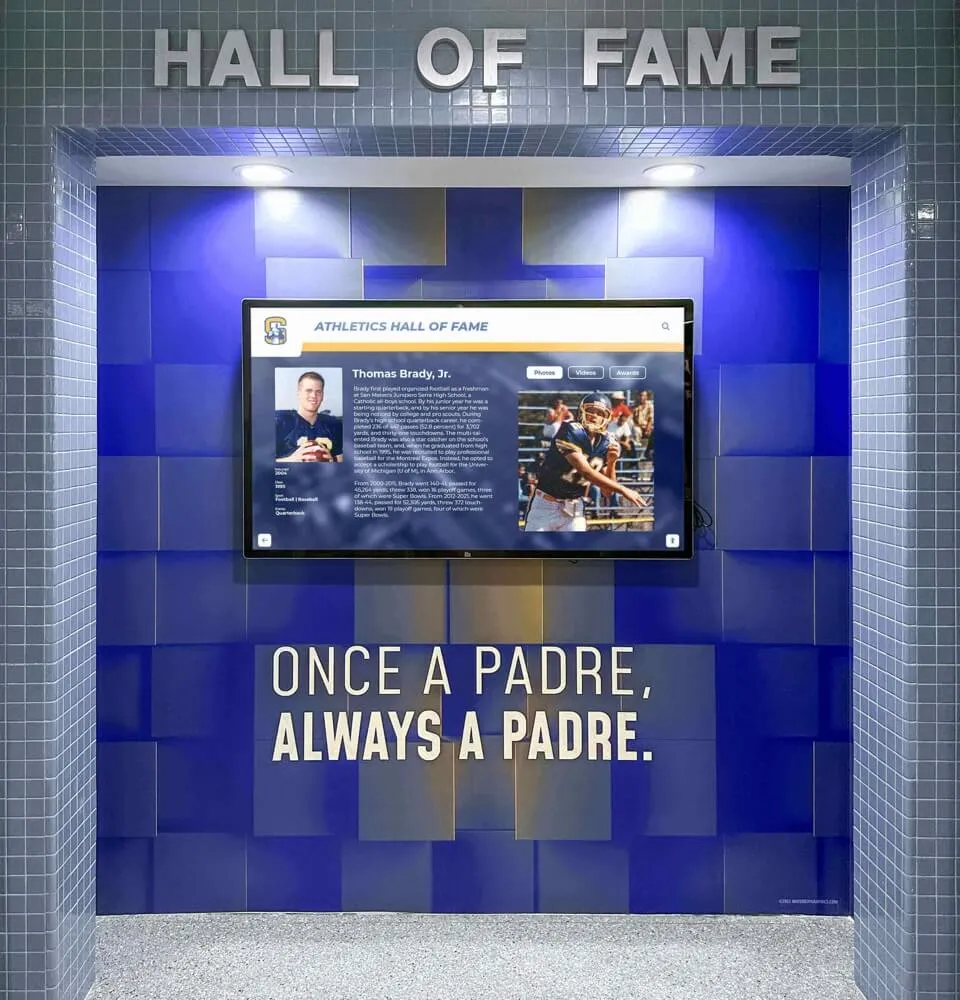
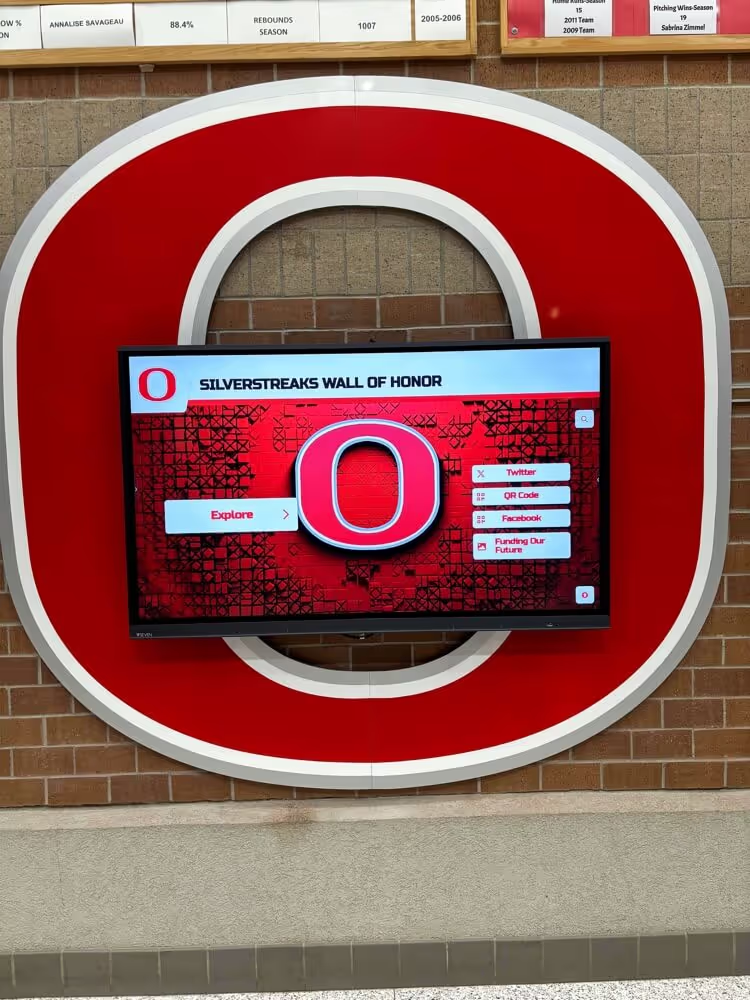
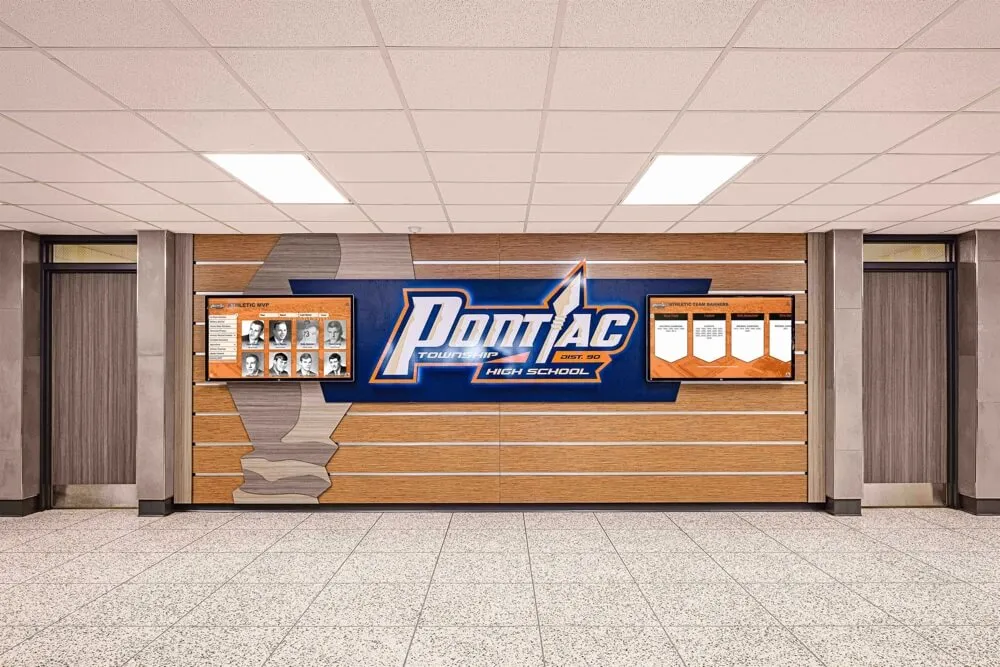
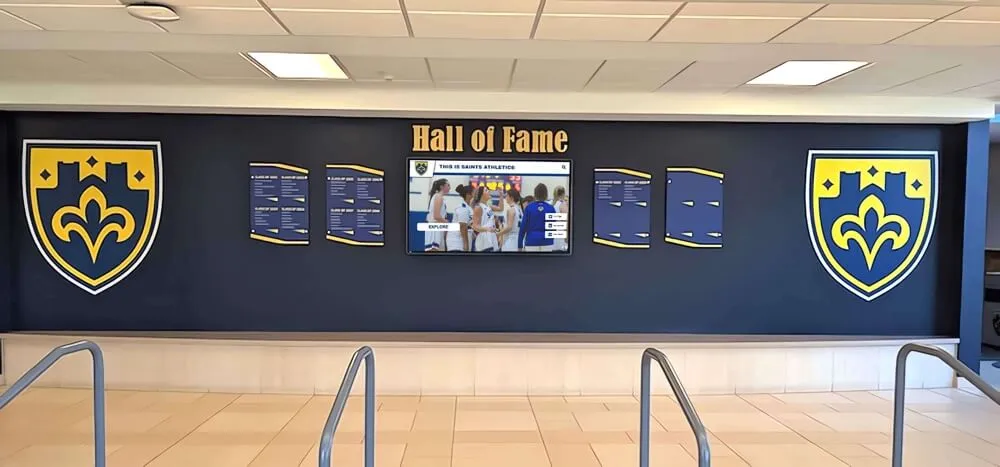
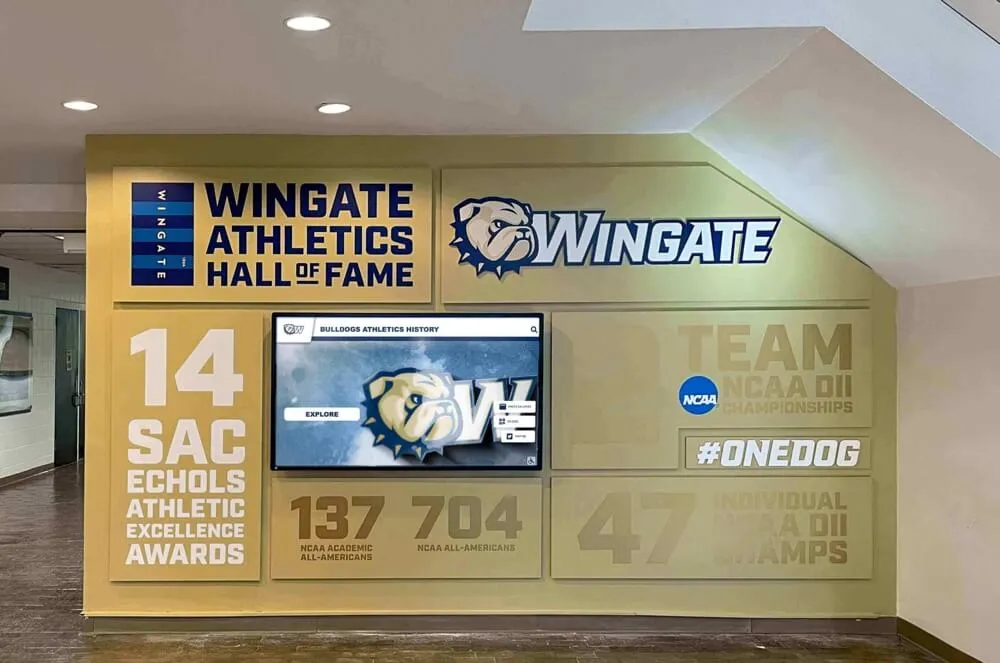
Modern recognition displays create ongoing celebration extending awards night recognition throughout the year
Leadership and Involvement Recognition
- Student government and class officer achievements
- Club and organization leadership excellence
- Athletic leadership and team captain recognition
- Performing arts leadership in music, drama, and dance
- Publication and media leadership roles
Special Recognition and Milestone Awards
- Teacher recognition for exceptional dedication
- Principal’s awards for outstanding students
- School board recognition for exemplary achievement
- Scholarships and special opportunity announcements
- Multi-year achievement and legacy awards
- Graduating senior recognition and sendoff
Closing Segment
- Final remarks reinforcing institutional values and student accomplishments
- Challenge to continued excellence for returning students
- Thanks to families, staff, volunteers, and community supporters
- Closing performance or recessional
- Reception invitation and logistics
Managing Large Recipient Groups Efficiently
Schools recognizing hundreds of students face challenges maintaining reasonable ceremony length:
Group Recognition Strategies
- Project names on screens while recipients stand as group
- Call recipients to stage in groups rather than individually
- Distribute certificates during reception rather than on stage
- Combine similar achievement levels (all honor roll tiers simultaneously)
- Recognize smaller groups individually while large groups receive collective acknowledgment
Tiered Recognition Approaches
- Separate events for different achievement dimensions (academic night, service night, athletic night)
- Multiple smaller ceremonies by grade level or department
- All-school assembly for highest honors with department-level events for broader recognition
- Video recognition for large groups with live celebration for top honors
- Digital recognition systems providing unlimited capacity without ceremony time constraints
Explore recognition system approaches in touchscreen kiosk software solutions that complement awards programs.
Presentation Techniques Creating Memorable Recognition Moments
How awards are presented significantly impacts meaning and memorability for recipients and audience.
Individual Award Presentation Best Practices
Major awards deserve presentation approaches creating emotional impact:
Context-Rich Introductions Every award presentation should include:
- Clear explanation of what the award represents and why it matters
- Specific criteria or qualities recognized by the award
- Brief history or significance of the award itself
- Sponsor acknowledgment if externally funded
Achievement-Specific Recognition Moving beyond name-reading to tell recognition stories:
- Specific accomplishments justifying the award
- Concrete examples demonstrating excellence or character
- Impact on school community or peers
- Overcoming challenges or demonstrating growth
- Presenter’s personal perspective on recipient’s contributions
Recipient Spotlight Techniques
- Display recipient photos during presentation
- Share brief video tributes for major awards
- Include peer testimonials or nominations
- Provide statistical highlights for achievement-based awards
- Allow appropriate time for photo opportunities
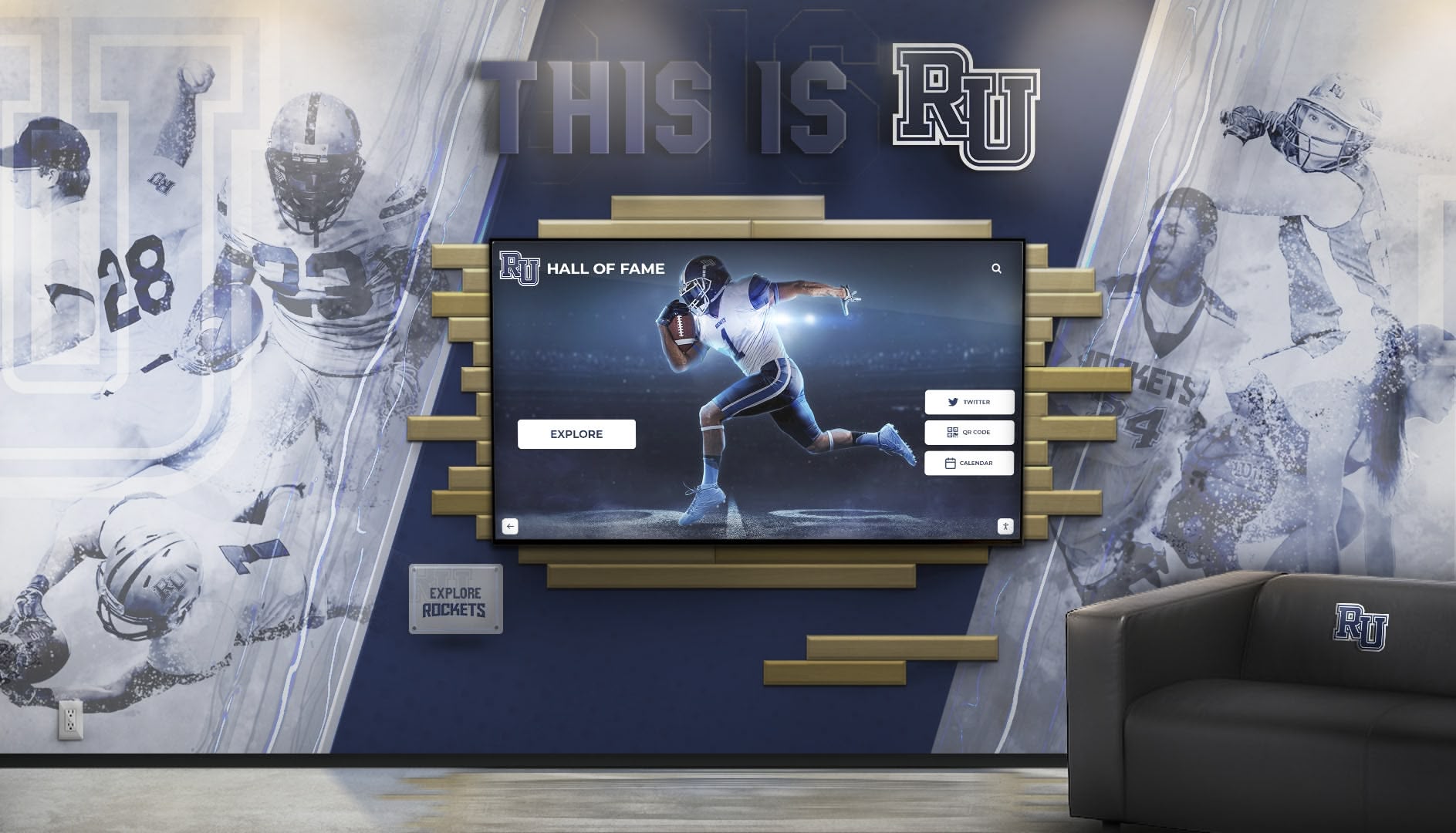
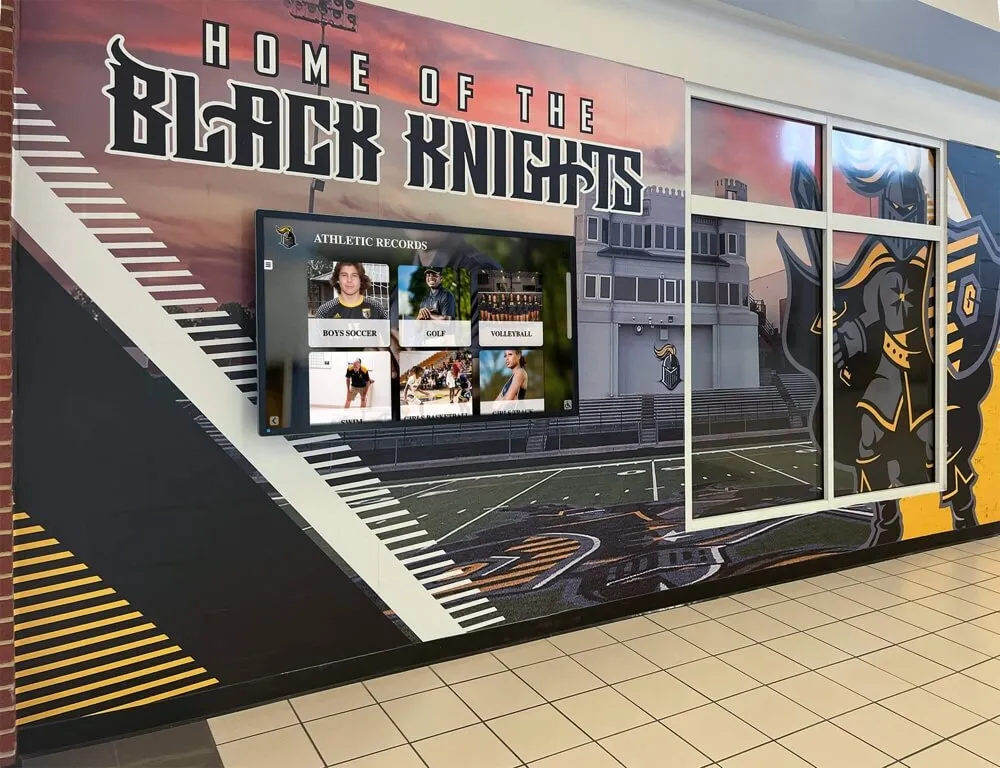
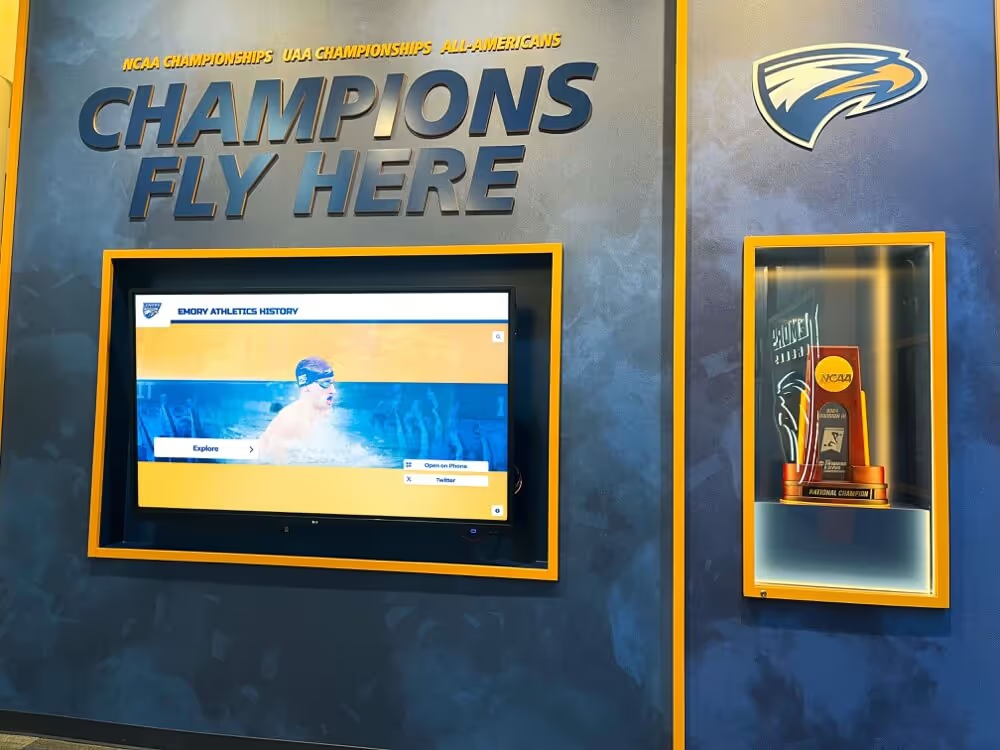
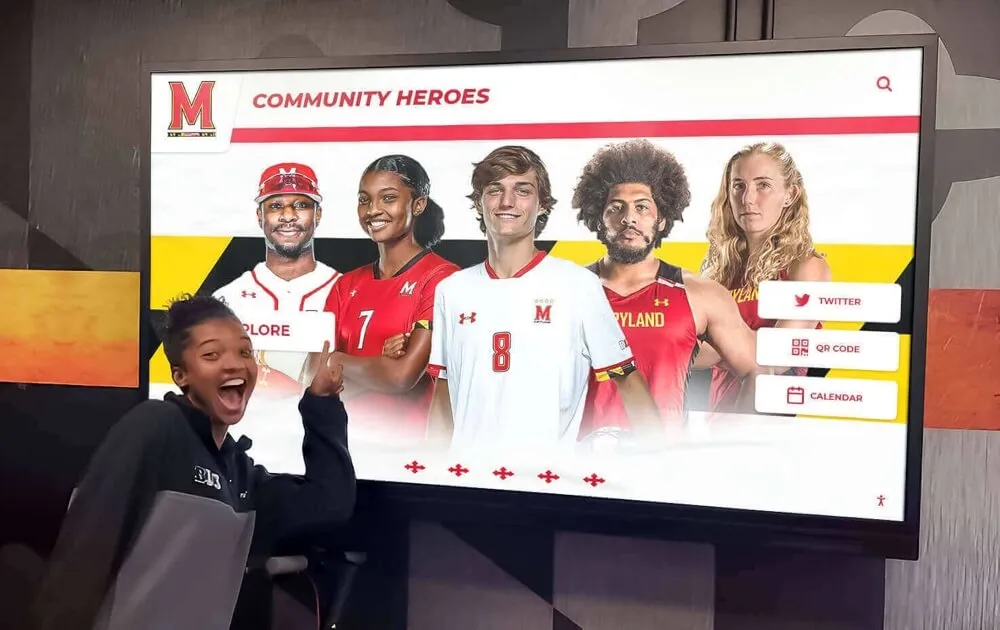
Integrated recognition displays combine traditional design elements with interactive technology for comprehensive celebration
Engaging Multiple Presenters and Voices
Variety in presenters maintains audience attention and provides diverse perspectives:
Strategic Presenter Selection
- School administrators for institutional significance awards
- Department heads for subject-specific recognitions
- Teachers who know recipients personally for character awards
- Peer or student council members for certain student honors
- Community partners or sponsors for externally-funded awards
- Previous award recipients returning as alumni presenters
Student Voice Integration Student presenters create authentic peer recognition:
- Student council officers presenting leadership awards
- Previous year’s recipients presenting continuity awards
- Peer-elected representatives for character recognitions
- Senior class members acknowledging underclassmen
- Club officers recognizing member contributions
Presentation Training for Multiple Presenters Consistent quality requires preparation:
- Provide scripts or talking points ensuring key information covered
- Coach pronunciation of recipient names
- Establish time limits maintaining program pace
- Practice handoff logistics between multiple presenters
- Rehearse stage logistics and award distribution procedures
Multimedia Enhancement Strategies
Strategic technology use amplifies recognition impact:
Video Tribute Elements
- Montages of school year highlights celebrating collective achievement
- Individual spotlight videos for major award recipients
- Teacher testimonials about award winners
- Historical recognition showcasing previous recipients and program legacy
- Student interviews reflecting on their achievements and gratitude
Visual Display During Presentations
- Recipient photos accompanying each award presentation
- Achievement statistics or accomplishments displayed visually
- School branding and award category graphics
- Live social media feed showing family posts and reactions
- Interactive displays allowing exploration during reception
Learn about engaging recognition approaches in homecoming parade planning ideas that inform school events.
Printed Program Design and Content Strategy
Well-designed programs serve as ceremony guides, recognition keepsakes, and historical documentation.
Essential Program Components
Comprehensive programs include multiple functional elements:
Front Cover Design
- Event title and school branding
- Date, time, and location information
- School logo and visual identity
- Appealing design reflecting ceremony significance
- Sponsor acknowledgments if appropriate
Ceremony Schedule and Flow
- Chronological program listing all segments
- Award category names and presentation order
- Speaker identifications and roles
- Musical performances or special elements
- Estimated timing for major segments
Award Category Descriptions
- Clear explanation of each award’s purpose and significance
- Criteria or qualities each award recognizes
- Sponsor information for named awards
- Historical context for traditional awards
- Connection to school mission and values
Complete Recipient Listings Organized by award category:
- Student names with correct spelling and punctuation
- Grade levels for context
- Additional achievement details when space permits
- Alphabetical or categorical organization
- Visual hierarchy distinguishing major from minor awards
Additional Content Elements
- Administrator welcome message
- School mission and vision statements
- Staff directory and acknowledgments
- Volunteer and sponsor recognition
- Historical highlights from the school year
- Inspirational quotes or messages
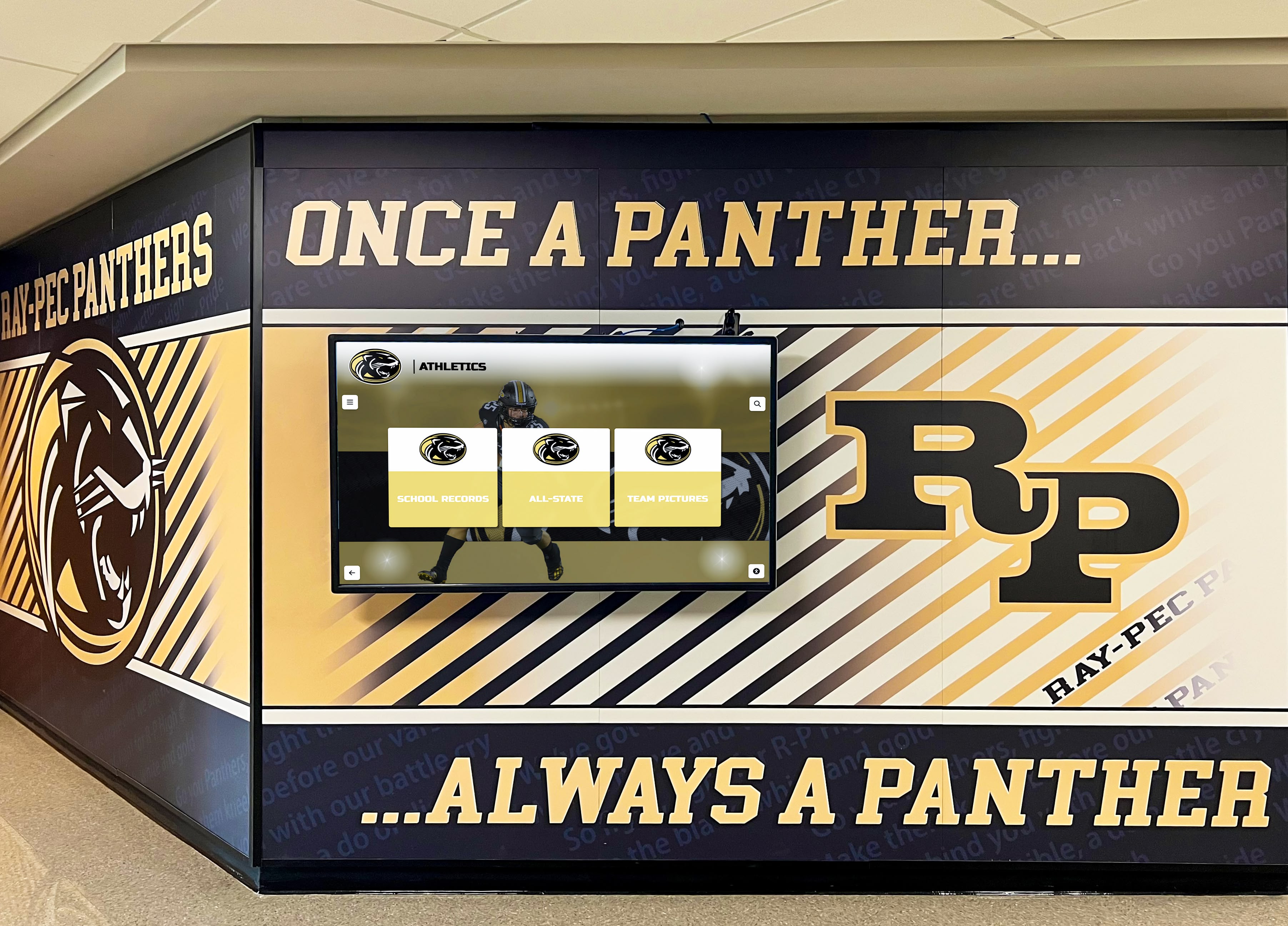
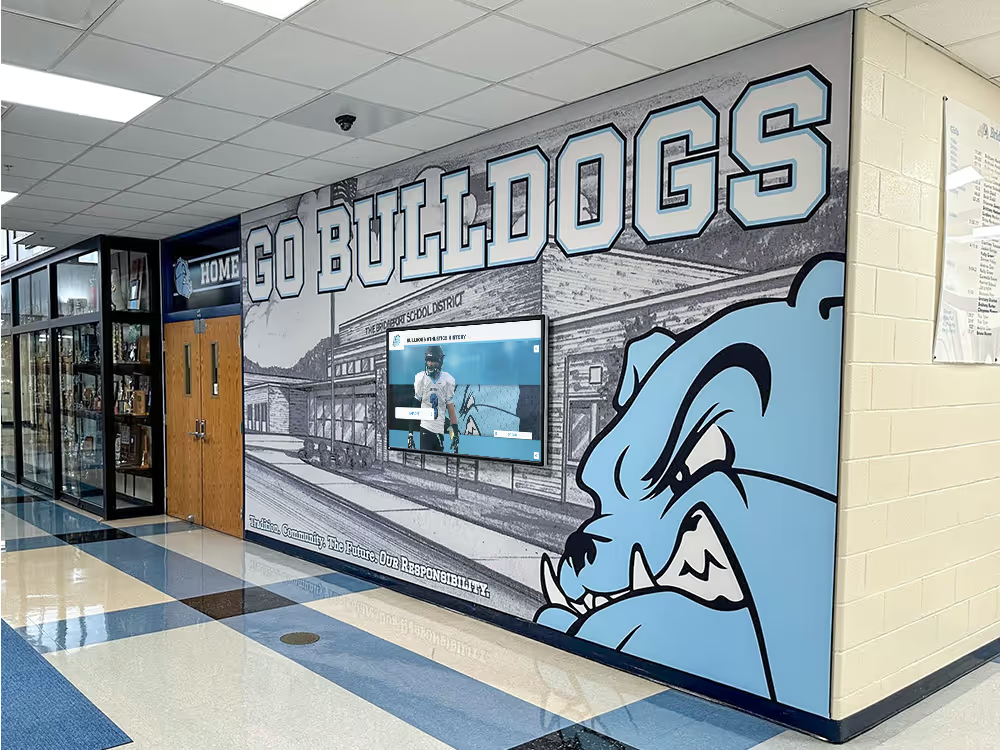
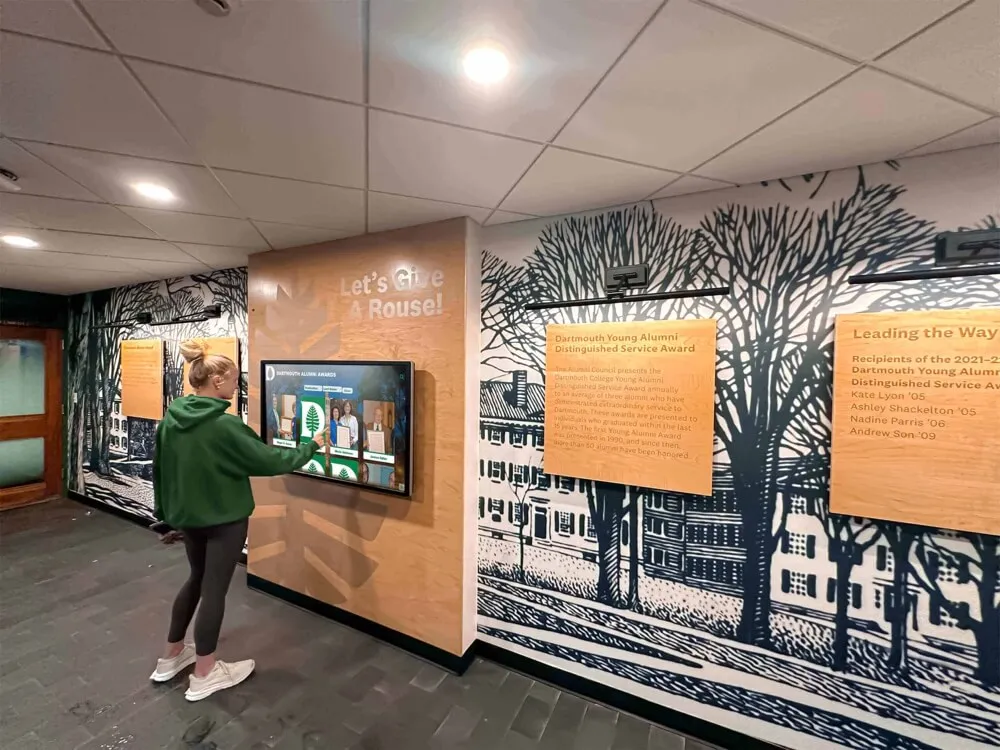
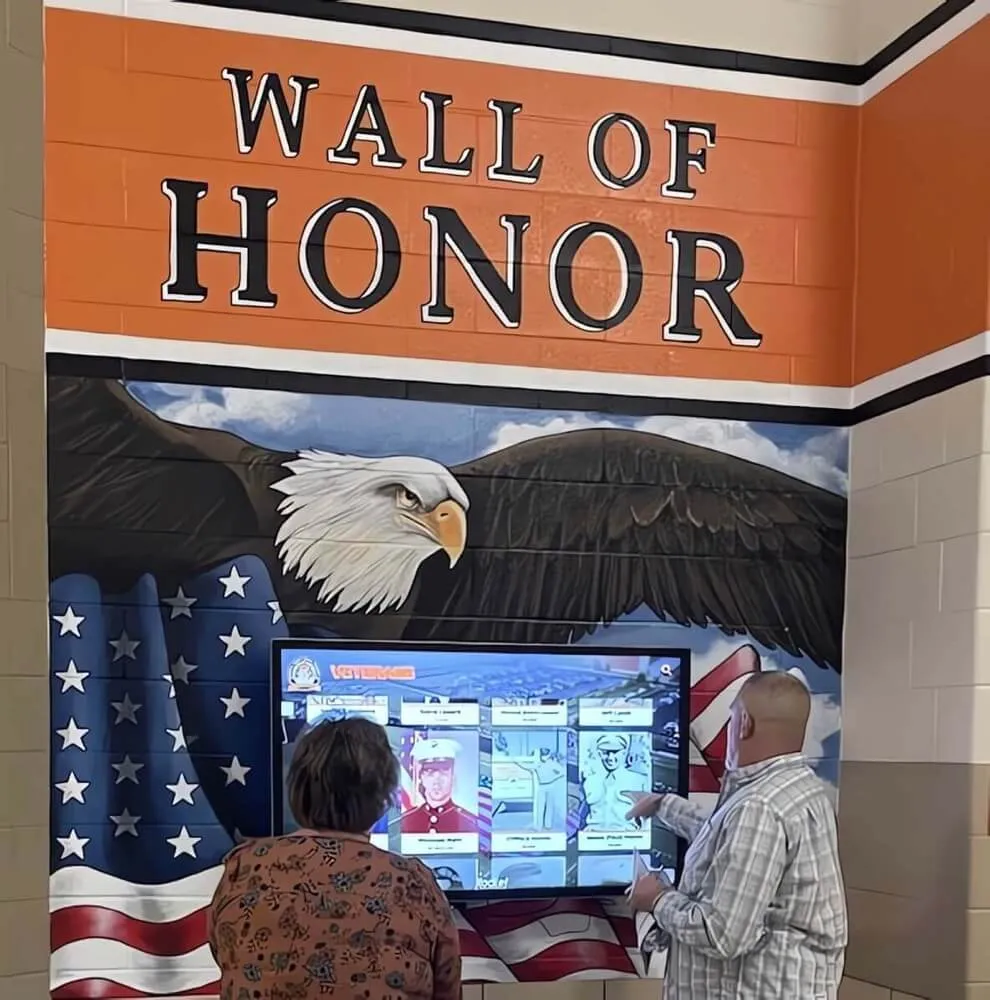
Integrated recognition environments combine traditional murals with digital displays for comprehensive celebration
Design and Production Considerations
Professional Design Principles
- Consistent typography maintaining readability
- School colors and branding throughout
- High-quality images and graphics
- Adequate white space preventing cluttered appearance
- Clear hierarchy guiding reader attention
- Proofreading by multiple reviewers eliminating errors
Format and Physical Specifications
- Size appropriate for lap holding during ceremony (8.5x11 or 5.5x8.5 booklet)
- Paper quality appropriate for keepsake preservation
- Binding method (saddle-stitch, stapled, or folded) based on page count
- Cover weight heavier than interior pages
- Consideration of printing cost versus quality
Digital Program Alternatives Modern technology enables program innovation:
- PDF programs emailed to attendees before event
- Mobile app with interactive program and real-time updates
- QR codes linking to detailed recipient profiles
- Projected program eliminating printed materials
- Hybrid approach with printed highlights and digital details
Modern Display Solutions for Extended Recognition
Awards night represents a single evening, but recognition should extend throughout the year creating sustained visibility and ongoing celebration.
Permanent Recognition Display Benefits
Traditional recognition approaches—names in programs, brief ceremony mentions, static plaques—provide limited ongoing visibility compared to modern display solutions.
Year-Round Recognition Visibility Digital displays transform temporary awards night recognition into permanent celebration:
- Unlimited recognition capacity unbound by physical space constraints
- Comprehensive student profiles with photos, achievements, and accomplishments
- Interactive exploration allowing students, families, and visitors to discover recognition anytime
- Updates accommodating new achievements throughout academic careers
- Historical archives preserving recognition across decades
Interactive Engagement Features Touchscreen systems create meaningful interaction beyond passive viewing:
- Search functionality finding specific students or awards
- Filter by category, year, grade level, achievement type
- Detailed profile pages telling complete recognition stories
- Photo galleries and achievement documentation
- “Related students” features connecting similar accomplishments
- Social sharing capabilities amplifying recognition reach
Explore comprehensive digital recognition in digital hall of fame displays that extend beyond single events.
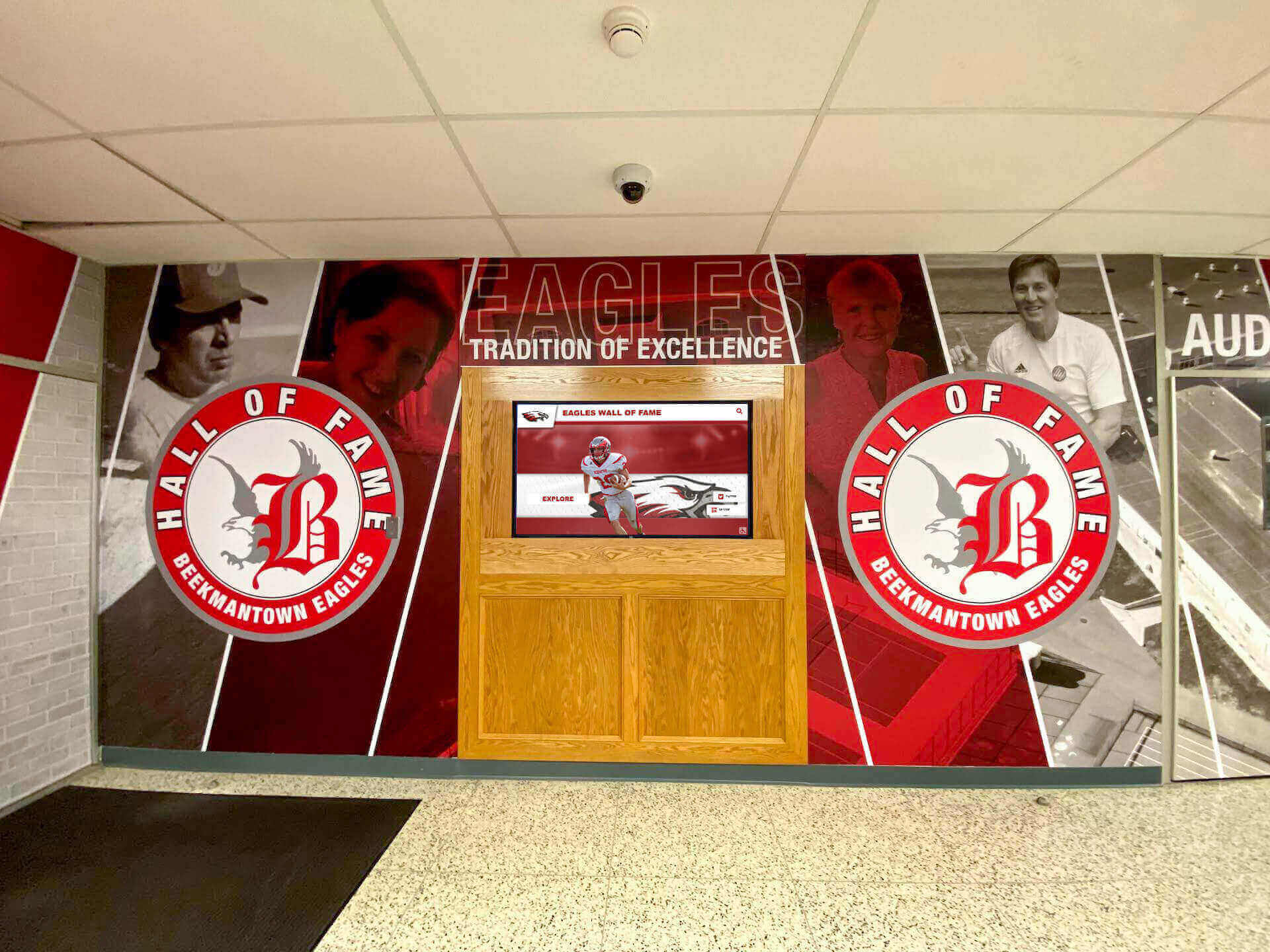
Comprehensive recognition displays in prominent school locations create lasting celebration extending awards night impact
Strategic Display Placement and Integration
Recognition impact depends on strategic placement ensuring regular exposure:
High-Traffic Location Selection
- Main entrance and lobby welcoming visitors
- Library and media center where students gather
- Cafeteria and commons areas with daily student traffic
- Administrative office areas where families visit
- Athletic facility entrances celebrating sports achievements
- Performing arts venue lobbies recognizing creative excellence
Awards Night Integration Strategies Connecting ceremony with permanent recognition systems:
- Feature digital displays during pre-ceremony reception
- Create QR codes in programs linking to recipient profiles
- Demonstrate interactive systems during ceremony
- Announce display location and encourage family exploration
- Update displays immediately following ceremony with new recognition
Web-Based Recognition Extensions Online platforms amplify recognition reach:
- Mobile-accessible profiles viewable by distant family members
- Social sharing enabling students to celebrate achievements
- College application portfolio integration
- Alumni networks maintaining lifetime recognition
- Analytics tracking engagement and program effectiveness
Learn about permanent recognition approaches in digital record boards for high schools that complement awards ceremonies.
Accessibility, Inclusion, and Equity Considerations
Effective awards nights ensure all students and families can fully participate while recognition systems celebrate diverse excellence.
Physical and Logistical Accessibility
Creating welcoming environments for all attendees:
Venue Accessibility Requirements
- Wheelchair accessibility including ramps, elevators, and accessible restrooms
- Accessible parking near venue entrance with clear signage
- Accessible seating options with good sight lines
- Assistive listening systems for hearing-impaired attendees
- Accommodations for mobility devices and medical equipment
Language and Communication Access
- Translation services for multilingual families
- Printed materials in multiple languages when significant populations exist
- Sign language interpretation during ceremony
- Pre-ceremony information in accessible formats
- Clear communication about accommodation availability
Recognition Equity and Diverse Excellence
Ensuring recognition systems celebrate all forms of achievement:
Comprehensive Award Categories Recognition extending beyond traditional academic metrics:
- Academic excellence across all subject areas
- Character and citizenship recognitions
- Leadership in diverse contexts
- Service and community contribution
- Improvement and growth achievements
- Specialized talents in arts, athletics, and trades
- Overcoming obstacles and demonstrated resilience
Equitable Selection Processes Fair systems preventing bias and favoritism:
- Clear, objective criteria for all awards
- Multiple nomination sources including staff, peers, and self-nomination
- Diverse selection committees representing varied perspectives
- Blind review processes when appropriate
- Regular analysis of award distribution across demographic groups
- Intentional attention to recognizing underrepresented students
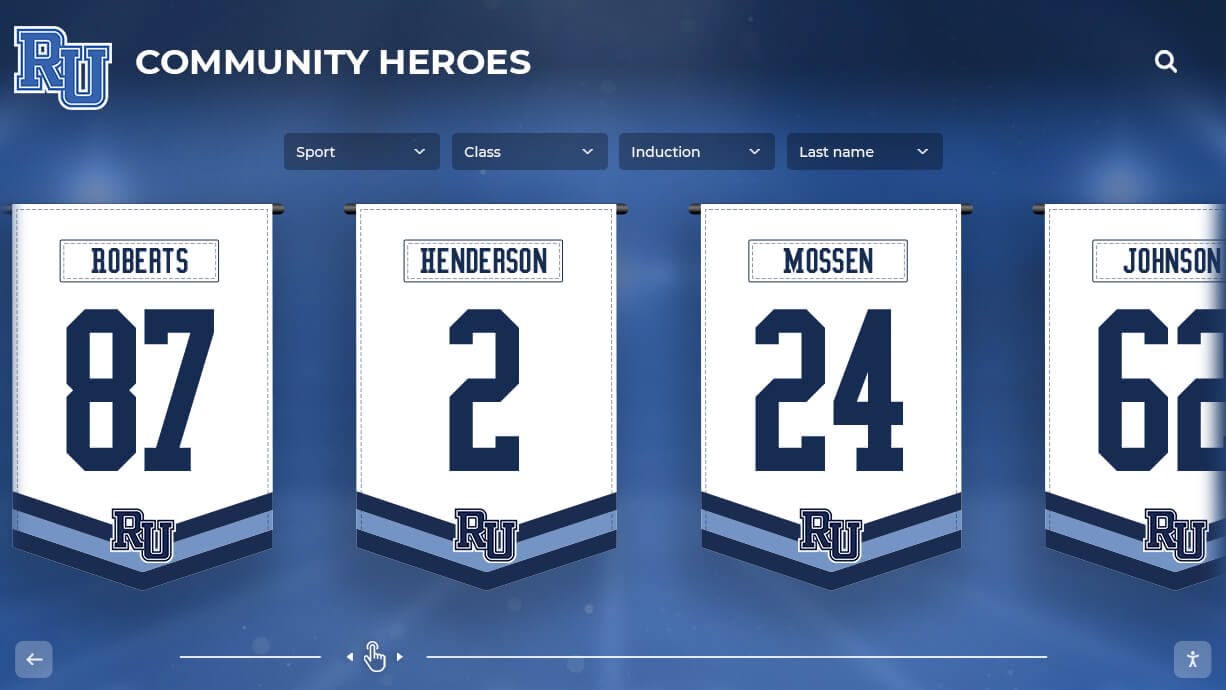
Recognition systems celebrating diverse contributions create inclusive cultures honoring every student's unique excellence
Financial Accessibility Ensuring Participation
Cost must not prevent students or families from participating:
Free or Low-Cost Event Structure
- No ticket charges for students receiving recognition
- Modest ticket prices for additional family members if necessary
- Scholarship or free ticket programs for families facing hardship
- Live-streaming for families unable to attend in person
- Post-event video availability for those who missed ceremony
Award Cost Management
- School-funded recognition for all recipients
- Quality awards appropriate to achievement significance
- No requirement that recipients or families purchase awards
- Photo packages available but not required
- Recognition alternatives for budget-constrained families
Communication and Promotion Strategies
Maximizing awards night impact through comprehensive communication:
Pre-Event Promotion and Engagement
Internal School Communications
- Morning announcements building anticipation
- Hallway posters and digital signage
- Email campaigns to families with event details
- Social media teasers and countdown posts
- Classroom discussions about recognition and values
Community and Media Outreach
- Press releases to local media outlets
- Community calendar submissions
- Social media event pages and promotion
- Email invitations to school board, district leadership, and community partners
- Alumni network notifications encouraging attendance
Post-Event Recognition Extension
Immediate Follow-Up
- Thank you messages to speakers, volunteers, and families
- Social media highlights and photo galleries
- Email to attendees with links to videos and materials
- Press releases with recipient names and photos
- Newsletter features profiling major award winners
Sustained Recognition Communication
- Student spotlight features throughout following months
- Social media series highlighting different recipients
- School website recognition pages and galleries
- Community publication features on student excellence
- Integration into admissions and marketing materials
Explore recognition communication in national heritage months recognition programs that inform school celebration.

Interactive recognition systems enable families to explore detailed student profiles creating personal celebration moments
Budget Management and Cost-Effective Strategies
Creating memorable awards nights while managing limited resources requires strategic planning:
Major Cost Categories and Management
Venue Costs
- Utilize school facilities eliminating rental fees
- Share venue costs with other organizations or events
- Negotiate multi-year agreements for better pricing
- Consider timing avoiding peak venue demand periods
Award and Recognition Costs
- Establish per-award budgets based on category significance
- Purchase high-quality awards for major recognitions
- Use certificates or digital recognition for broad participation awards
- Negotiate vendor relationships for educational discounts
- Consider digital recognition systems with unlimited recognition capacity eliminating per-recipient costs
Program Printing and Materials
- Design programs in-house using staff or student talent
- Print through school resources or commercial vendors based on cost comparison
- Consider digital programs reducing printing costs
- Secure printing sponsorships offsetting costs
- Maintain program templates for efficient annual reproduction
Technology and Audiovisual
- Utilize existing school technology and equipment
- Recruit parent or student volunteers with technical expertise
- Rent specialized equipment only when truly necessary
- Maintain inventory of reusable technology and materials
- Build technical capacity for future events
Revenue Generation and Fundraising
Sponsorship Development
- Local business sponsorships for award categories
- Program advertising space sold to community partners
- Corporate sponsors for major awards or ceremony segments
- Recognition of sponsors in programs, signage, and announcements
- Multi-year sponsorship commitments providing budget stability
Booster and Foundation Support
- Partner with parent organizations funding awards and events
- Apply for grant funding from education foundations
- Utilize booster organization volunteers reducing labor costs
- Coordinate fundraising efforts maximizing combined resources
- Build endowments funding specific awards perpetually
Post-Event Evaluation and Continuous Improvement
Strategic reflection and feedback collection improve future awards nights:
Immediate Post-Event Debrief
Planning Committee Assessment
- Meeting within one week reviewing event success and challenges
- Documentation of what worked well for future reference
- Identification of logistics issues requiring solutions
- Budget reconciliation and financial review
- Timeline analysis for improved planning next year
Stakeholder Feedback Collection
- Surveys to families gathering attendee perspectives
- Faculty and staff feedback on nomination and selection processes
- Student recipient input on their experience
- Volunteer feedback on logistics and coordination
- Technical crew assessment of audiovisual performance
Long-Term Program Development
Historical Documentation
- Maintain comprehensive records of all award recipients
- Archive programs, photos, and videos
- Document planning decisions and rationale
- Preserve speeches and special presentations
- Create institutional memory for continuity
Tradition Building and Innovation Balance
- Establish consistent elements becoming anticipated traditions
- Maintain flexibility to innovate and improve
- Create signature moments unique to your school
- Balance honoring history with contemporary relevance
- Build year-over-year continuity creating strong program identity
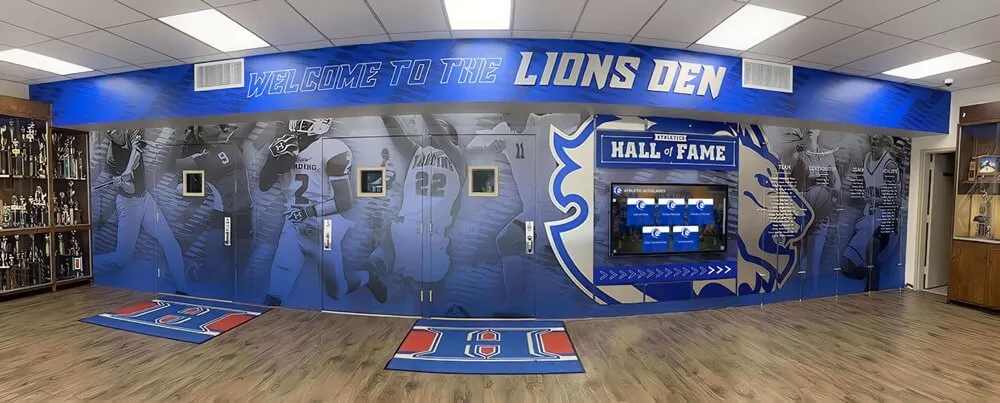
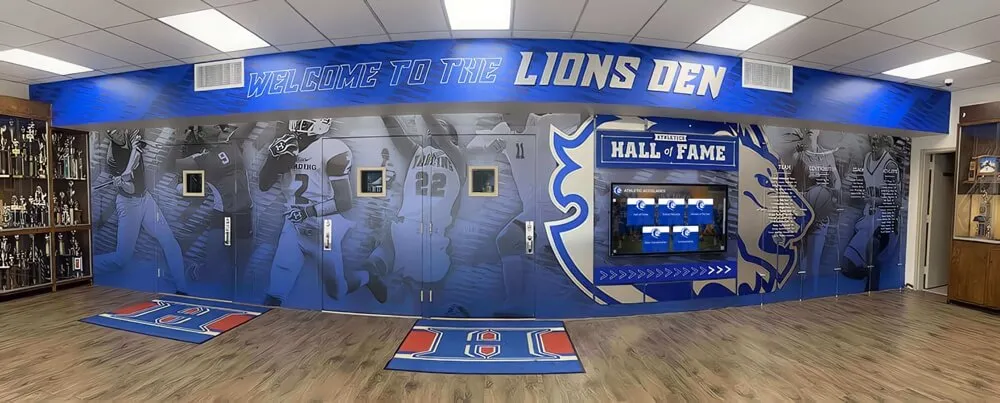
Comprehensive recognition environments integrate multiple display types creating immersive celebration spaces
Frequently Asked Questions
How long should a school awards night ceremony last?
School awards nights should typically last 90-120 minutes maximum including pre-ceremony registration and post-ceremony reception. Effective programs maintain audience engagement by varying presentation formats, using strategic video content to break up live presentations, and balancing individual recognition for major awards with efficient group acknowledgment for broader categories. Schools recognizing large numbers of students should consider multiple smaller ceremonies, separate events for different achievement dimensions, or digital recognition systems providing unlimited celebration capacity without ceremony time constraints.
What awards should be included in school awards night?
Comprehensive school awards nights include academic excellence recognitions across all subject areas, character and citizenship awards celebrating integrity and positive culture contribution, leadership acknowledgments for student government and club officers, service recognition for community contribution, improvement awards honoring growth and perseverance, and specialized achievement in athletics, arts, and extracurricular activities. The most effective programs establish clear criteria for each award category, use transparent nomination processes, and ensure recognition extends beyond traditional academic metrics to celebrate diverse student excellence.
How do you make awards night memorable for students?
Memorable awards nights combine specific achievement recognition explaining exactly why each student earned recognition, context-rich presentations telling stories beyond name-reading, multimedia elements including photos and videos personalizing recognition, engaging multiple presenters creating variety, appropriate ceremony length maintaining attention, family inclusion creating shared celebration, and permanent recognition systems extending awards night visibility throughout the year. Most importantly, students remember feeling genuinely valued when presenters articulate specific contributions demonstrating authentic appreciation rather than generic praise.
What is the best way to organize award presentations?
Effective award presentation organization groups similar achievement types together creating logical flow, varies presentation format preventing monotony through different speakers and recognition styles, builds momentum toward most prestigious awards creating anticipation, strategically intersperses major individual awards with efficient group recognitions, and allocates time proportional to award significance. The specific organization depends on school culture and priorities, but successful programs balance comprehensive recognition with reasonable ceremony length while ensuring all achievement dimensions receive appropriate celebration.
How can schools extend recognition beyond awards night?
Schools can extend awards night recognition through permanent display systems in high-traffic locations showcasing award recipients year-round, interactive touchscreen displays enabling exploration of detailed student profiles and achievements, web-based recognition platforms accessible to families and distant relatives, social media campaigns spotlighting award recipients throughout the following months, integration into school publications and marketing materials, classroom displays celebrating peers, and digital recognition systems preserving institutional history across decades. Modern recognition platforms like those provided by Rocket Alumni Solutions eliminate physical space constraints while creating engaging interactive experiences families can visit anytime.
Conclusion: Creating School Awards Nights That Celebrate Excellence and Build Community
School awards night planning represents far more than event logistics—it’s the culminating celebration honoring student achievement across multiple dimensions, reinforcing institutional values, building positive school culture, and creating memories students and families treasure for lifelong. When executed with careful planning, thoughtful program design, meaningful personalization, and genuine appreciation for diverse student contributions, school awards nights become powerful traditions defining institutional character and demonstrating commitment to celebrating every form of excellence.
The comprehensive strategies explored in this guide—from detailed planning timelines to engaging ceremony design, from cost-effective resource management to modern recognition display solutions—provide school leaders with proven frameworks transforming awards nights from routine obligations into extraordinary celebrations. Whether planning intimate departmental ceremonies or large-scale all-school galas, these evidence-based approaches ensure your awards night honors achievement while building the positive culture where future success flourishes.
Modern schools increasingly recognize that recognition shouldn’t end when ceremony applause fades. Permanent digital recognition systems extend celebration throughout the year, providing ongoing visibility for student achievements while creating accessible platforms families can visit anytime, college recruiters can explore, and future students can aspire toward. These systems preserve awards night honorees for future generations while demonstrating institutional commitment to celebrating excellence comprehensively.
Transform Your School Recognition Program
Discover how comprehensive digital recognition solutions can extend your awards night celebration throughout the year, creating permanent displays that honor every student's achievements and build lasting institutional legacy.
Explore Recognition SolutionsAs you plan your school awards night, remember that the most meaningful celebrations prioritize authentic appreciation over production perfection, personalized recognition over efficiency, and inclusive celebration of diverse excellence over narrow achievement definitions. Students who feel genuinely valued for their unique contributions—not just those excelling in traditional academic metrics—develop stronger school connections, greater motivation for continued engagement, and lasting gratitude for the recognition your institution provided.
Start planning early, involve diverse stakeholders, celebrate comprehensively across achievement dimensions, and create recognition systems extending far beyond a single evening’s ceremony. Your students invested countless hours developing their capabilities and contributing to your school community—they deserve celebration matching that commitment. With thoughtful planning and strategic execution, your school awards night can become the memorable celebration honoring all forms of student excellence while building excitement and motivation for continued achievement in the years ahead.