



School administrators, booster clubs, and parent organizations constantly seek sustainable fundraising methods that engage communities while generating meaningful revenue. A school spirit wear online store represents one of the most effective fundraising strategies available today—combining community pride, convenient purchasing, and ongoing revenue generation without requiring continuous volunteer coordination or inventory management challenges.
Traditional spirit wear fundraising—paper order forms, cash collection, size estimation guesswork, and weeks of order fulfillment—creates administrative burdens that discourage repeat efforts despite community enthusiasm for representing school pride through apparel. Meanwhile, limited ordering windows restrict revenue potential, and upfront inventory investments create financial risk that makes many schools hesitant to expand offerings.
This comprehensive guide explores proven strategies for launching and operating profitable school spirit wear online stores, from initial planning and vendor selection through marketing execution and long-term management approaches that transform one-time fundraising campaigns into sustainable revenue streams supporting your school’s mission.
Online spirit wear stores eliminate traditional fundraising friction by providing always-available purchasing options, on-demand production minimizing financial risk, streamlined order fulfillment, expanded product catalogs impossible with traditional approaches, and convenient shopping experiences that increase participation rates. Schools implementing well-executed online stores report 200-400% revenue increases compared to traditional annual spirit wear campaigns while reducing administrative burden by 70-90%.

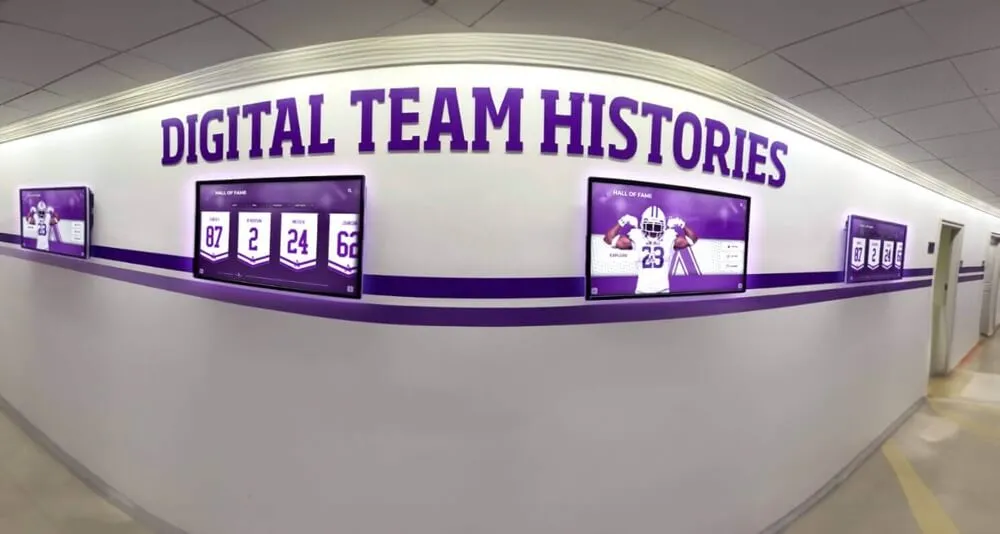
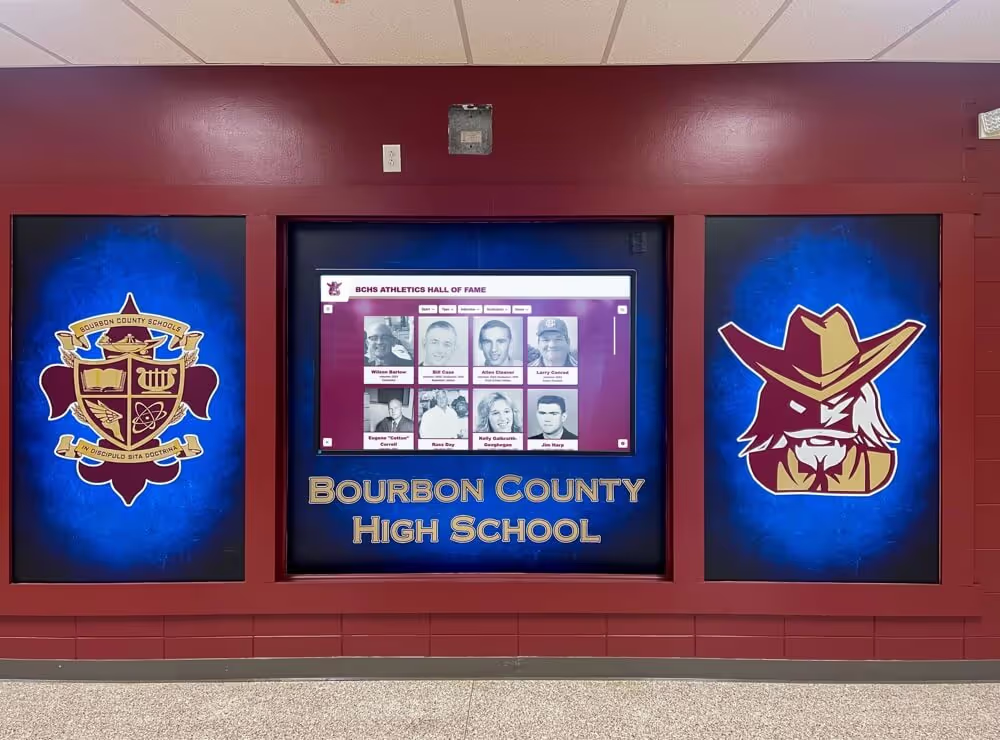
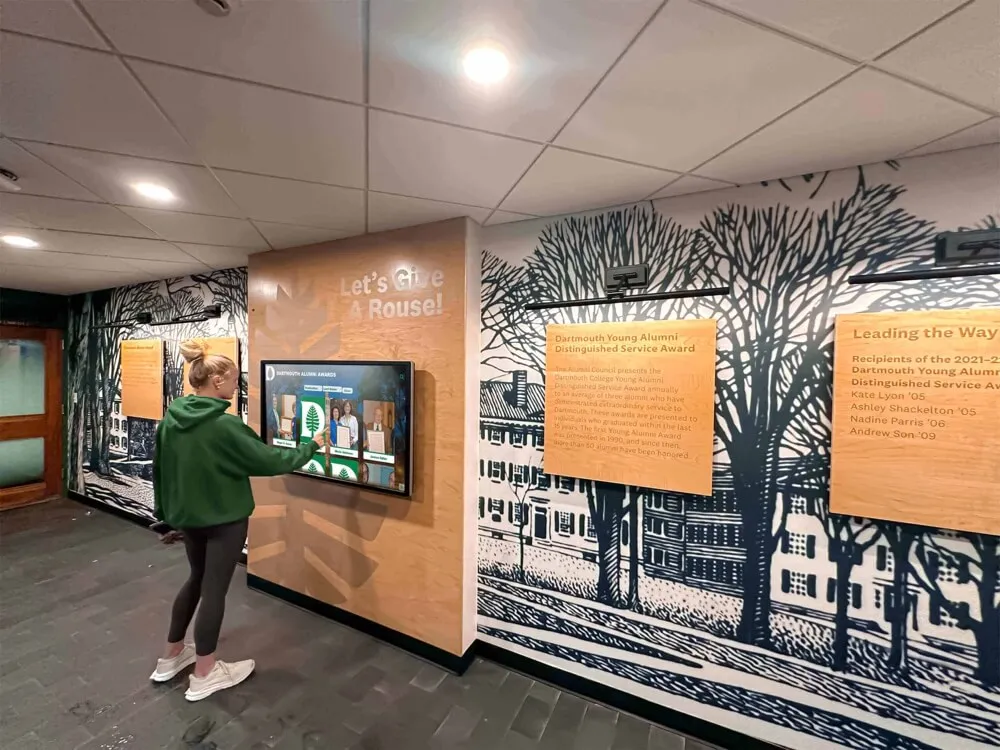
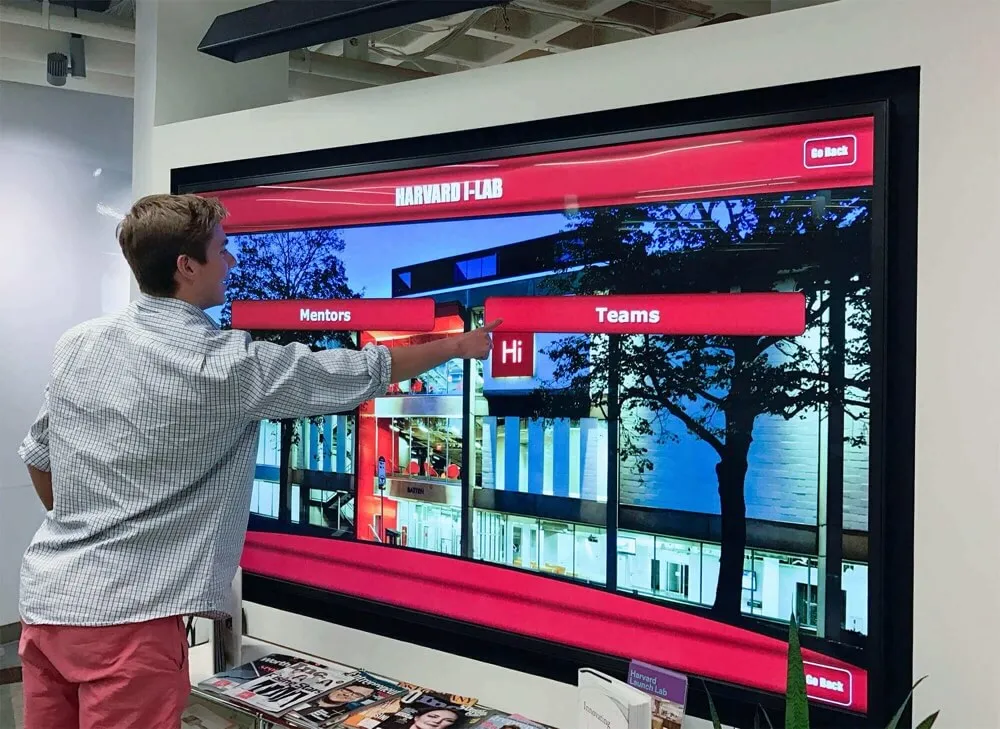
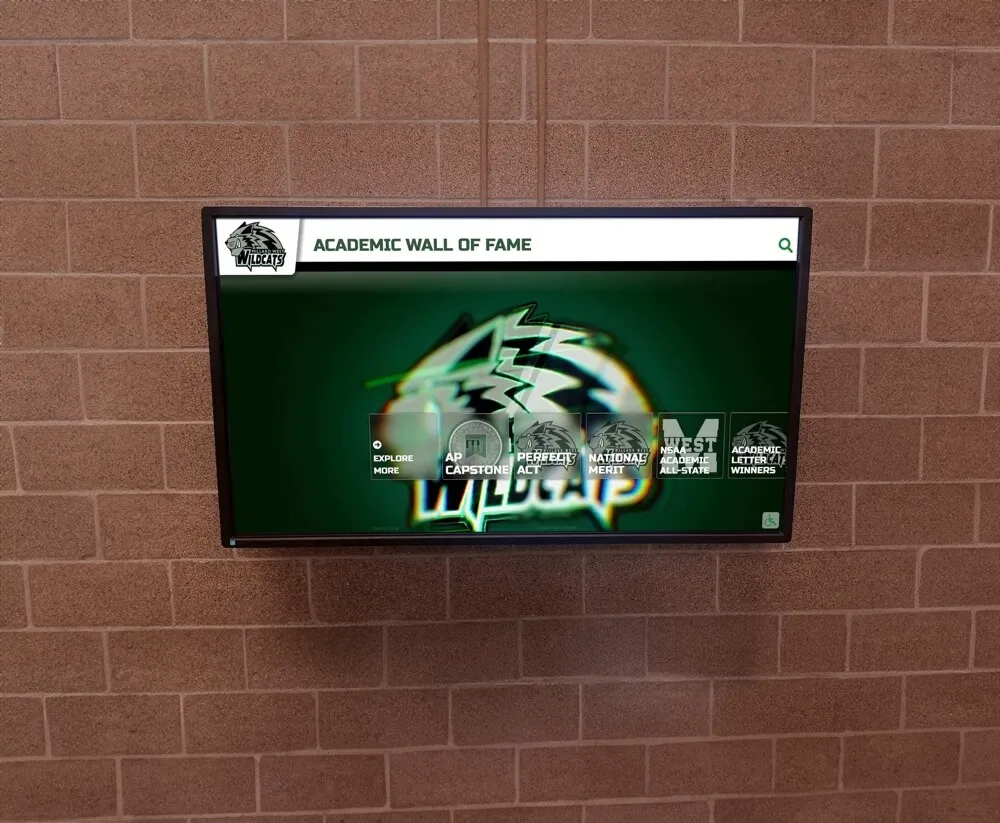
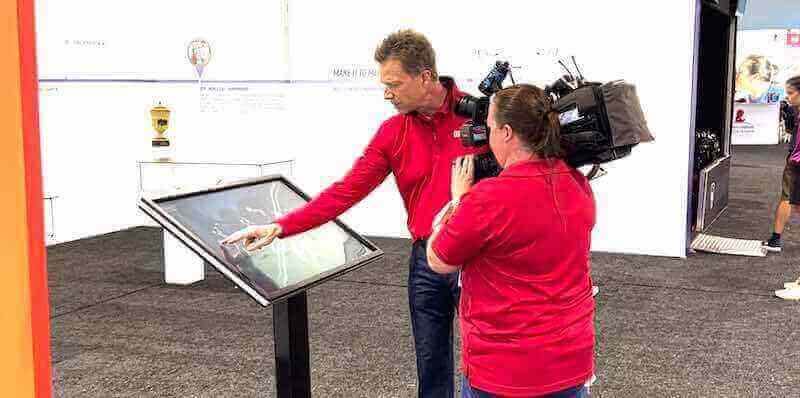
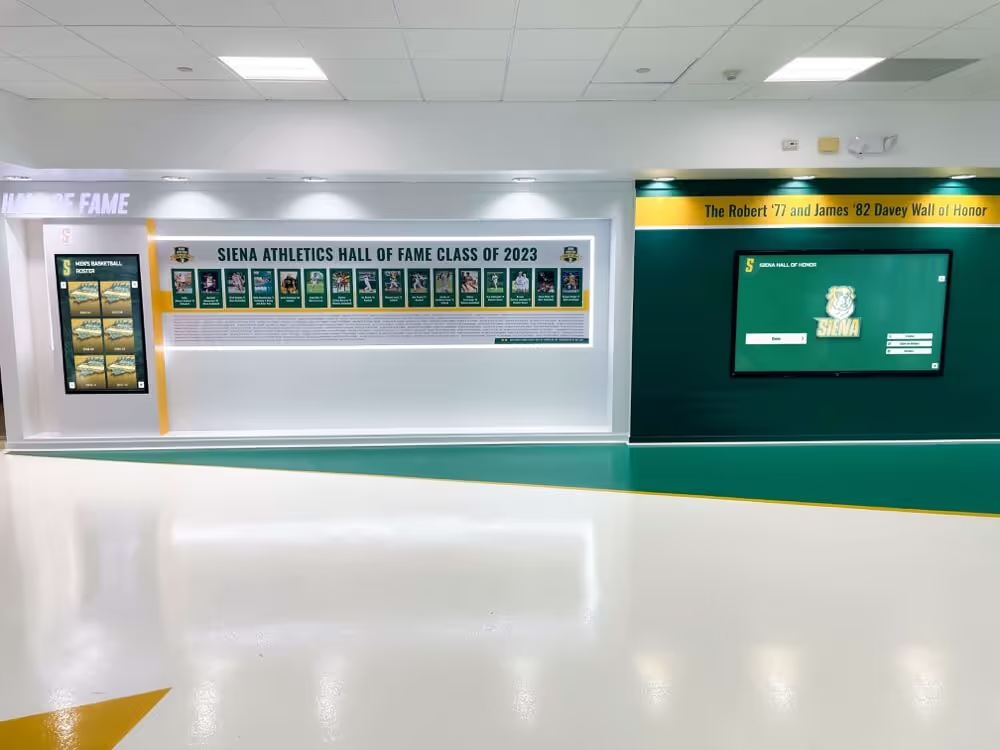
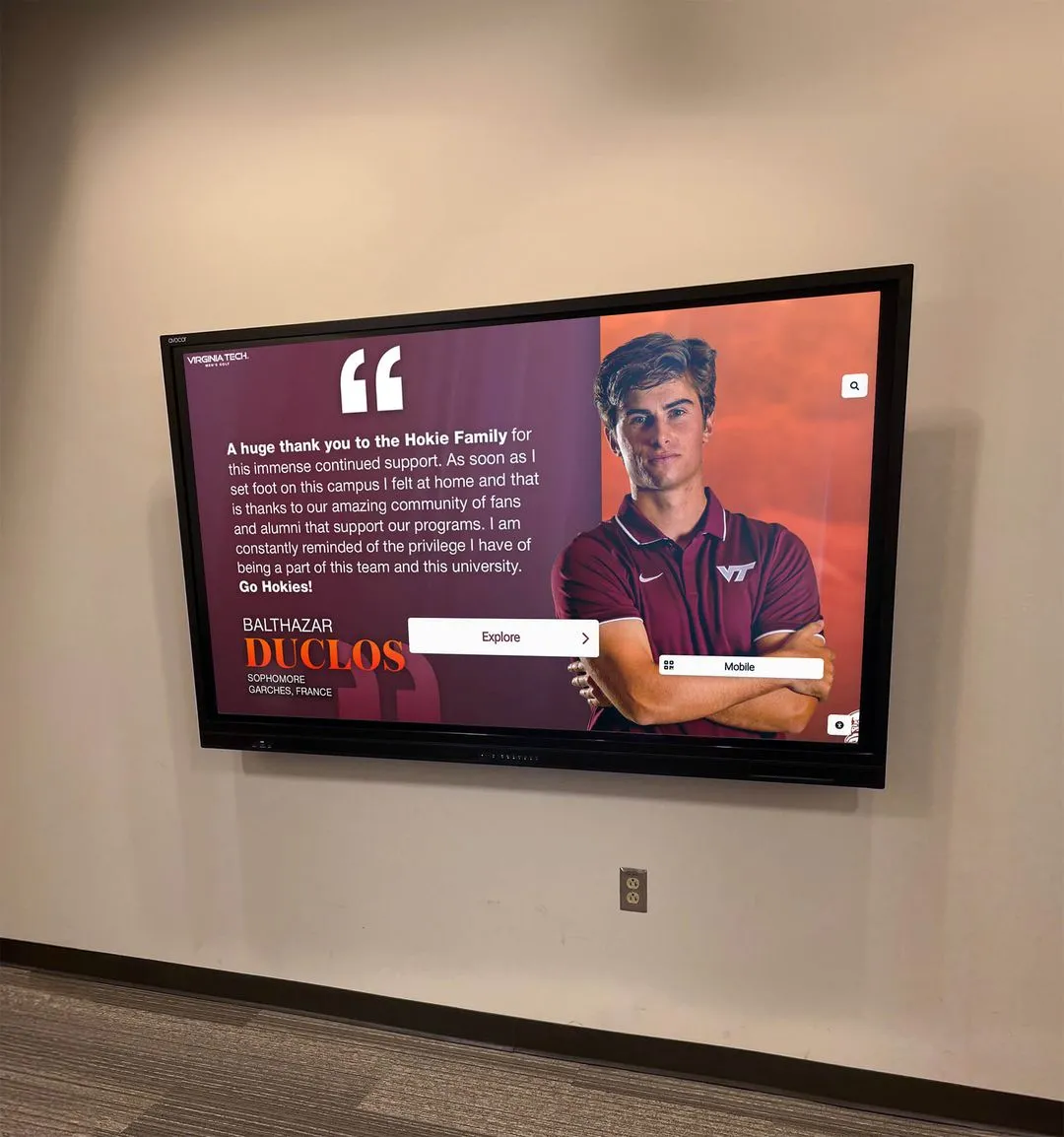
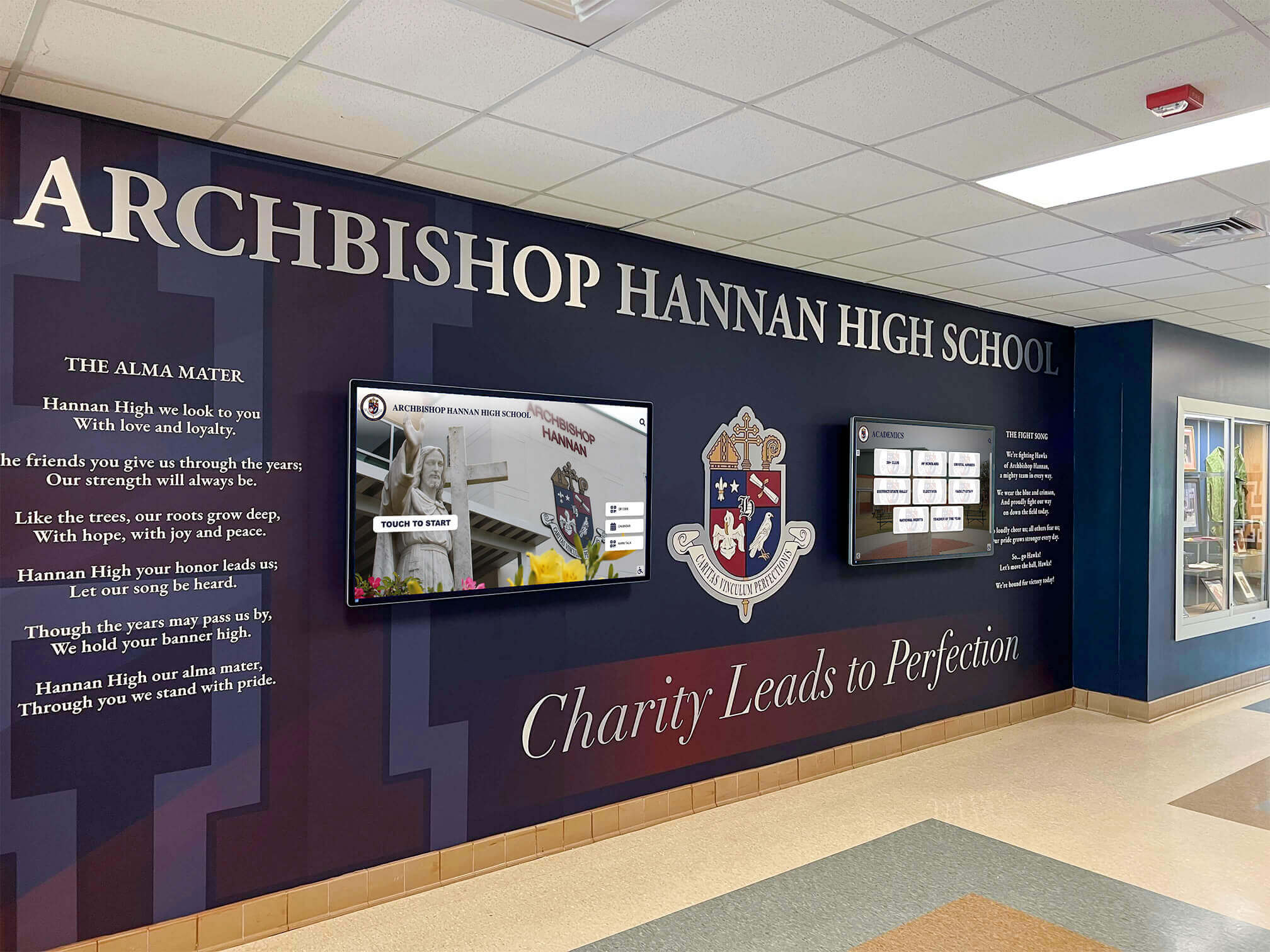
Modern schools integrate spirit wear fundraising with comprehensive recognition systems building school pride
Understanding the School Spirit Wear Online Store Opportunity
Before launching your online store, understanding the business model, revenue potential, and strategic considerations ensures successful implementation.
The Spirit Wear Fundraising Landscape
School spirit wear markets have transformed dramatically over the past decade:
Traditional Approach Limitations
- Annual or semi-annual order forms requiring manual coordination
- Cash and check collection creating administrative and security challenges
- Size estimation difficulties leading to poor-fitting products and dissatisfaction
- Limited product offerings constrained by minimum order quantities
- Weeks-long fulfillment delays reducing enthusiasm
- Upfront inventory purchases creating financial risk
Modern Online Store Advantages
- 24/7/365 purchasing availability maximizing sales opportunities
- Credit card processing eliminating cash handling
- Try-before-you-buy size selection through easy returns
- Unlimited product catalogs with on-demand production
- Direct-to-customer shipping within days of ordering
- Zero upfront inventory investment reducing financial risk
According to research on school fundraising trends, schools operating online spirit wear stores generate 3-5 times more annual revenue compared to traditional campaign-based approaches, with the convenience and expanded purchasing windows dramatically increasing participation rates.
Revenue Models and Profit Margins
Understanding financial structures helps schools maximize fundraising effectiveness:
Traditional Retail Markup Model The simplest approach with straightforward pricing:
- Vendors provide wholesale pricing for products
- Schools add markup percentage (typically 20-40%)
- School receives markup amount as fundraising profit
- Higher margins on lower-cost items like accessories
- Clear profit calculation enabling revenue forecasting
Commission-Based Partnership Model Alternative structure where vendors manage more operations:
- Vendor sets retail pricing and handles all transactions
- School receives percentage commission (typically 10-25%) on sales
- Vendor manages inventory, fulfillment, and customer service
- Lower school effort with reduced profit margins
- Simplified financial tracking and reporting
Hybrid Approach Combining elements of both models:
- On-demand products use commission structure
- Pre-designed bulk items use markup model
- Seasonal campaigns with different structures
- Flexibility optimizing profit across product types
Most successful school stores generate $15,000-$75,000 annually depending on school size, with larger high schools exceeding $100,000 in well-promoted programs. Elementary schools typically generate $8,000-$25,000, while middle schools fall in between these ranges.
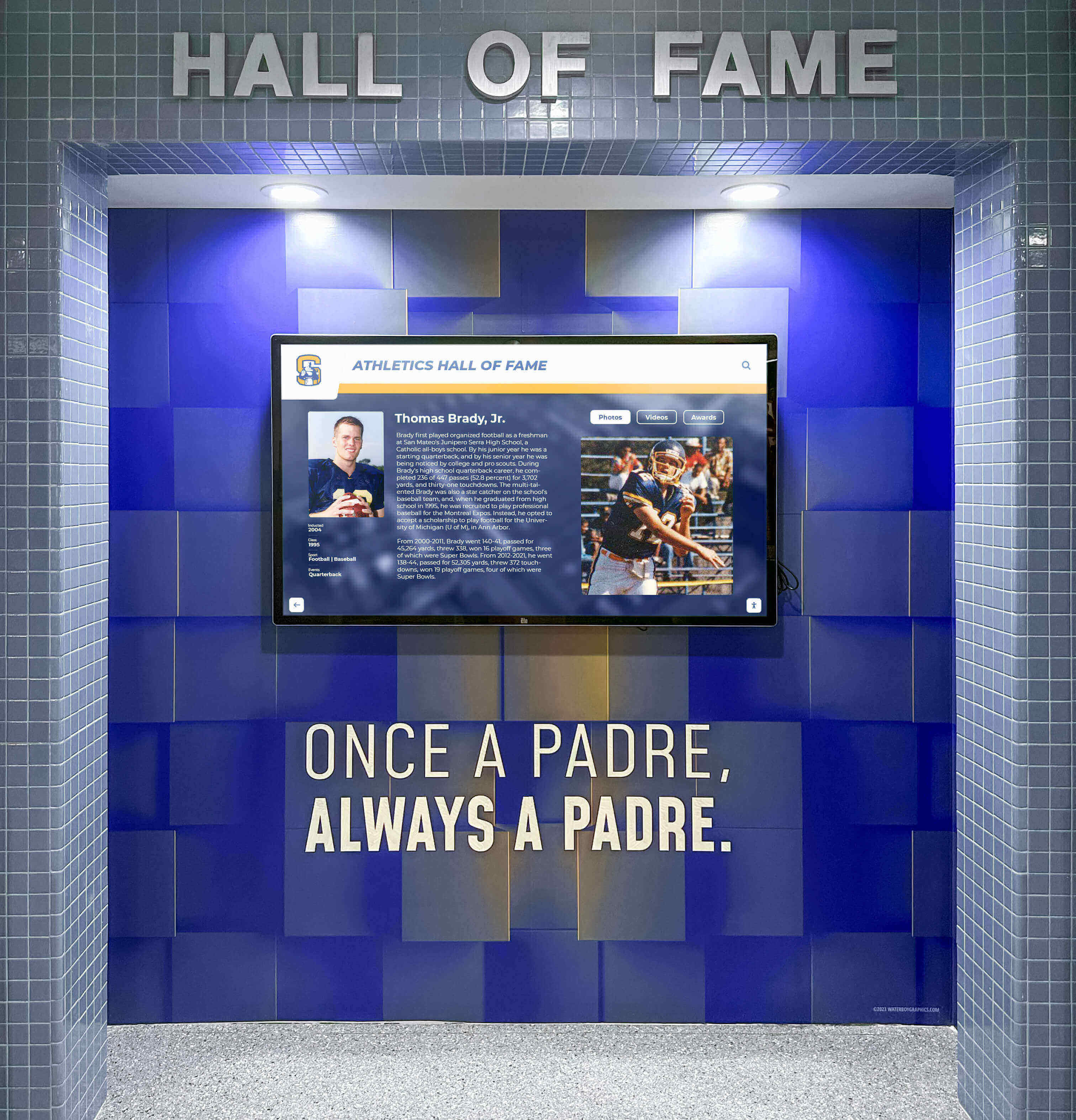
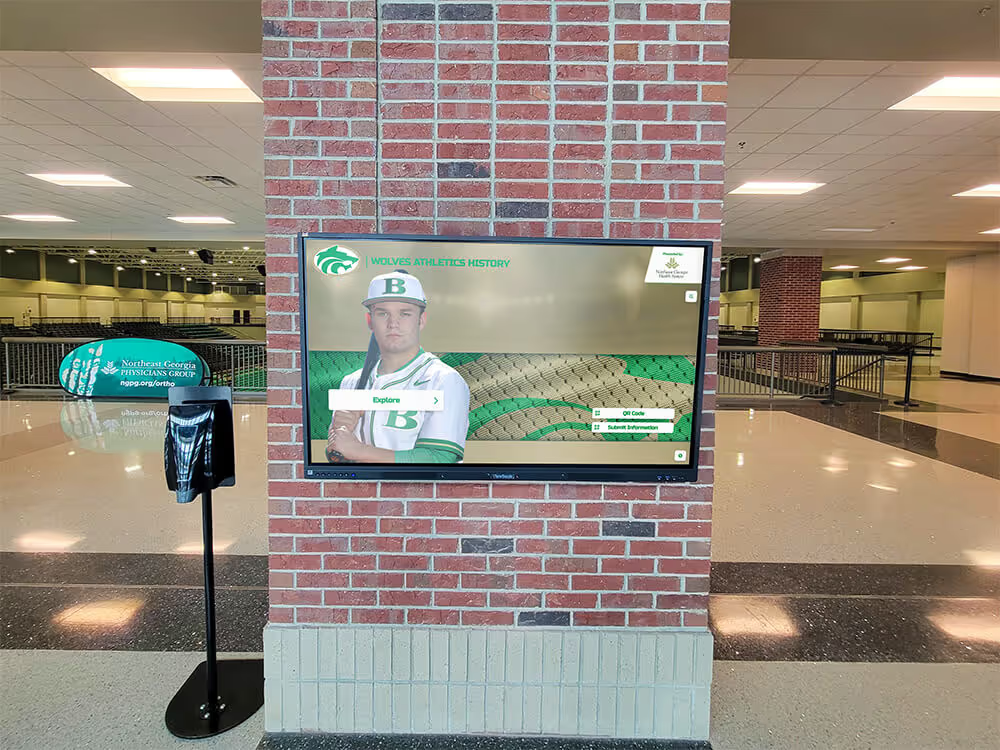
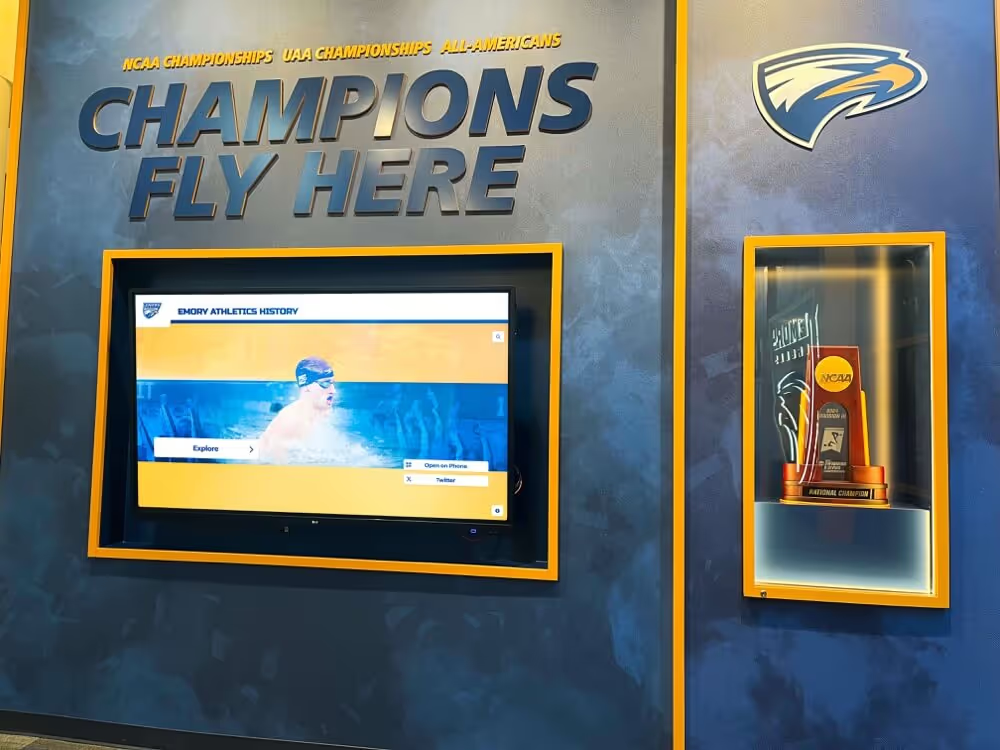
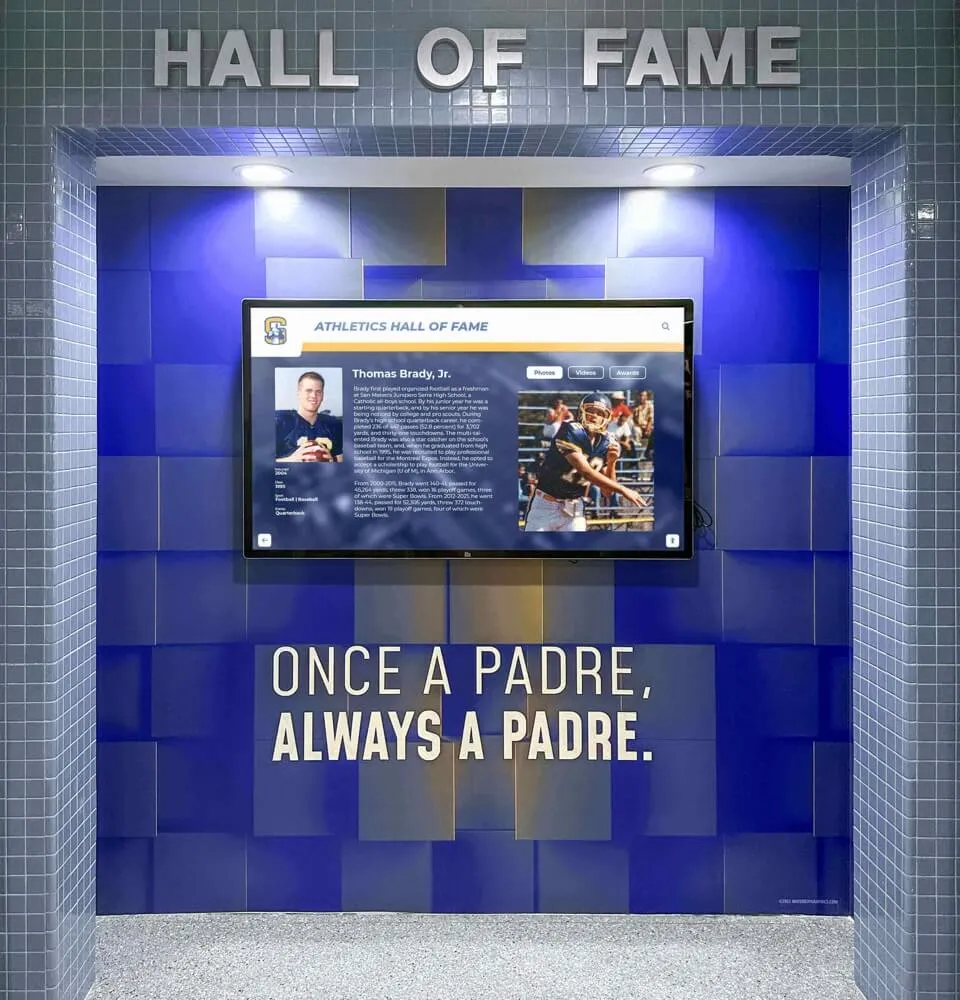
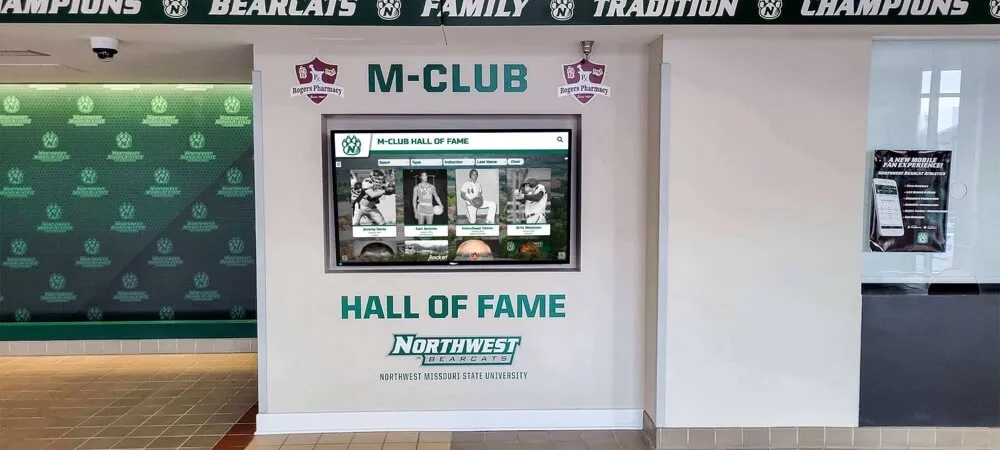
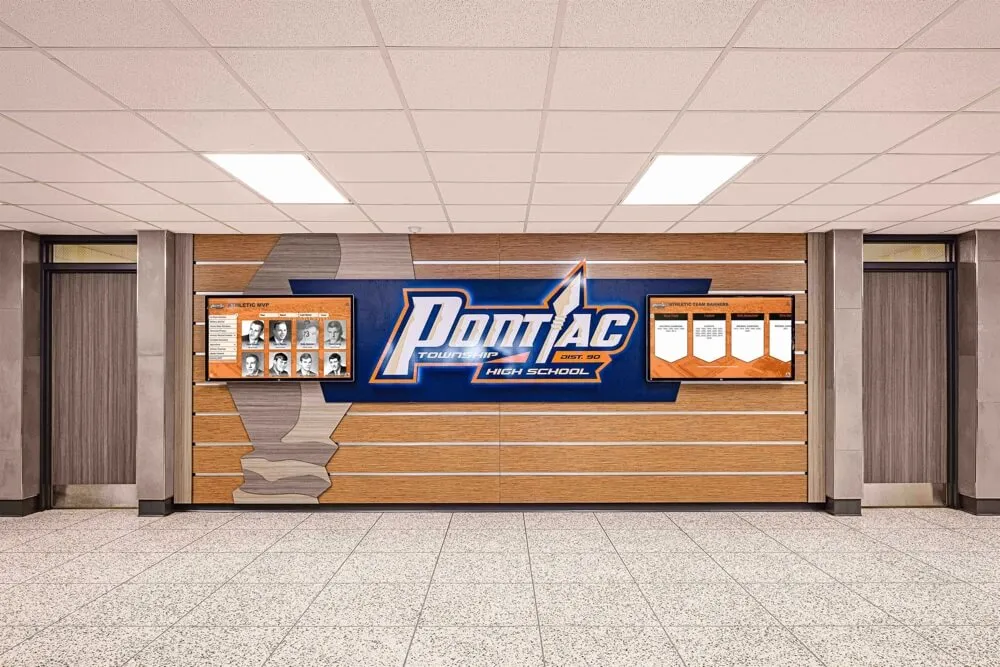
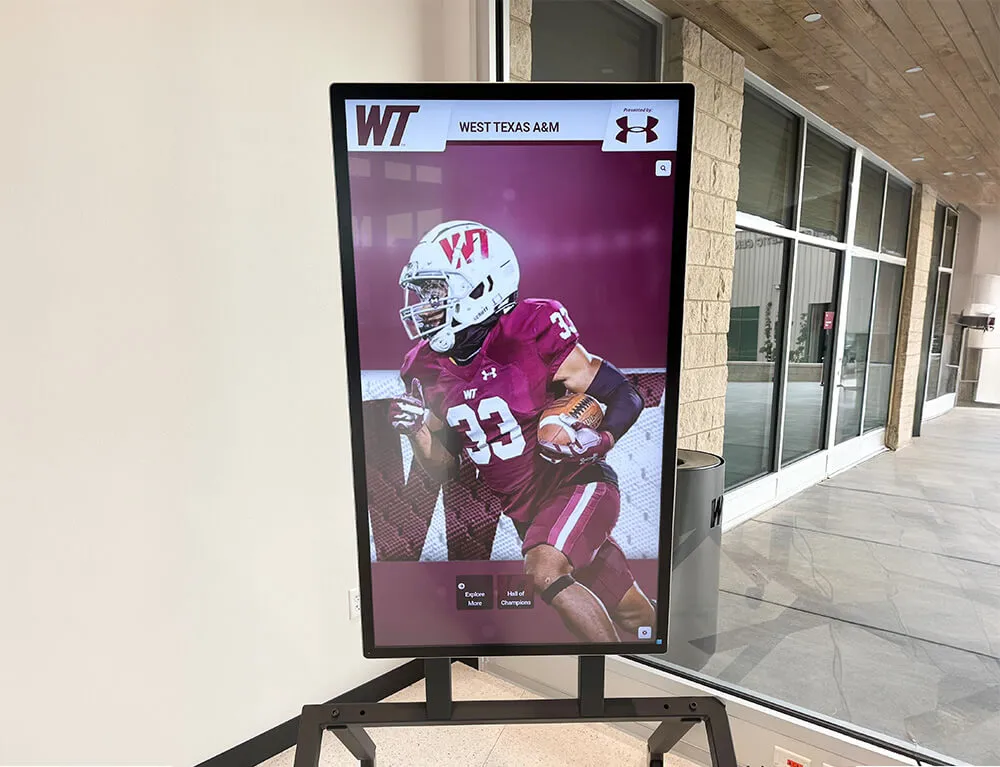
Schools leveraging digital recognition systems naturally drive spirit wear sales by building pride and community identity
Strategic Timing and Launch Considerations
Successful launches require strategic planning:
Optimal Launch Timing
- Back-to-school season (August-September): Peak spirit wear purchasing as families prepare for new year
- Homecoming/Spirit Week (Fall): Natural tie-in with school spirit events driving participation
- Holiday season (November-December): Gift-giving motivations increasing sales
- Spring sports season (March-April): Athletic family purchasing for end-of-season celebrations
Planning Timeline Allow 3-4 months for comprehensive launch preparation:
- Months 3-4 before launch: Vendor research, selection, and contract negotiation
- Months 2-3 before launch: Design development, product selection, store configuration
- Month 1 before launch: Marketing preparation, communication planning, training
- Launch week: Announcement campaign, promotional events, community engagement
Schools launching during back-to-school season with 6-8 weeks of pre-launch marketing report 60-80% higher first-month sales compared to rushed launches without adequate promotion.
Selecting the Right Spirit Wear Vendor Partner
Your vendor partnership fundamentally impacts store success, profitability, and ongoing management requirements.
Essential Vendor Evaluation Criteria
Technical Platform Capabilities Assess the online store technology and features:
- User-friendly interface requiring no technical expertise
- Mobile-responsive design ensuring smartphone shopping
- Customizable branding matching school identity
- Integrated payment processing with security compliance
- Inventory management for on-demand and stocked items
- Automated order fulfillment tracking and notifications
- Reporting dashboards tracking sales, revenue, and popular products
Product Quality and Options Evaluate merchandise offerings and standards:
- Apparel quality and brand reputation (Gildan, Next Level, Bella+Canvas, etc.)
- Product variety across price points
- Decoration methods (screen print, embroidery, heat transfer, direct-to-garment)
- Size ranges including youth, adult, and extended sizing
- Specialty items (hats, bags, blankets, accessories)
- Seasonal product additions and catalog updates
Pricing and Financial Structure Understand all costs and profit potential:
- Transparent wholesale or commission structures
- Setup fees and monthly platform charges
- Minimum order requirements per product or overall
- Shipping costs and who absorbs them
- Return and exchange policies and cost responsibilities
- Payment schedules and processing timeframes
- Hidden fees or surprise charges
Service and Support Elements Partner capabilities ensuring smooth operations:
- Dedicated account representative availability
- Design assistance for custom graphics
- Marketing materials and promotional support
- Customer service handling order issues
- Fulfillment speed and shipping reliability
- Easy reordering for popular designs
- Training and onboarding support
Learn how comprehensive school programs integrate with athletic recognition displays for comprehensive school pride.
Popular Spirit Wear Platform Options
Specialized School Spirit Wear Providers Companies focused exclusively on school markets:
- Squadt Athletics
- School Spirit Vending
- Spirit Wear Central
- BSN SPORTS Spirit
- 4imprint School Stores
These specialized vendors understand school needs, provide education-focused support, and offer fundraising-optimized structures.
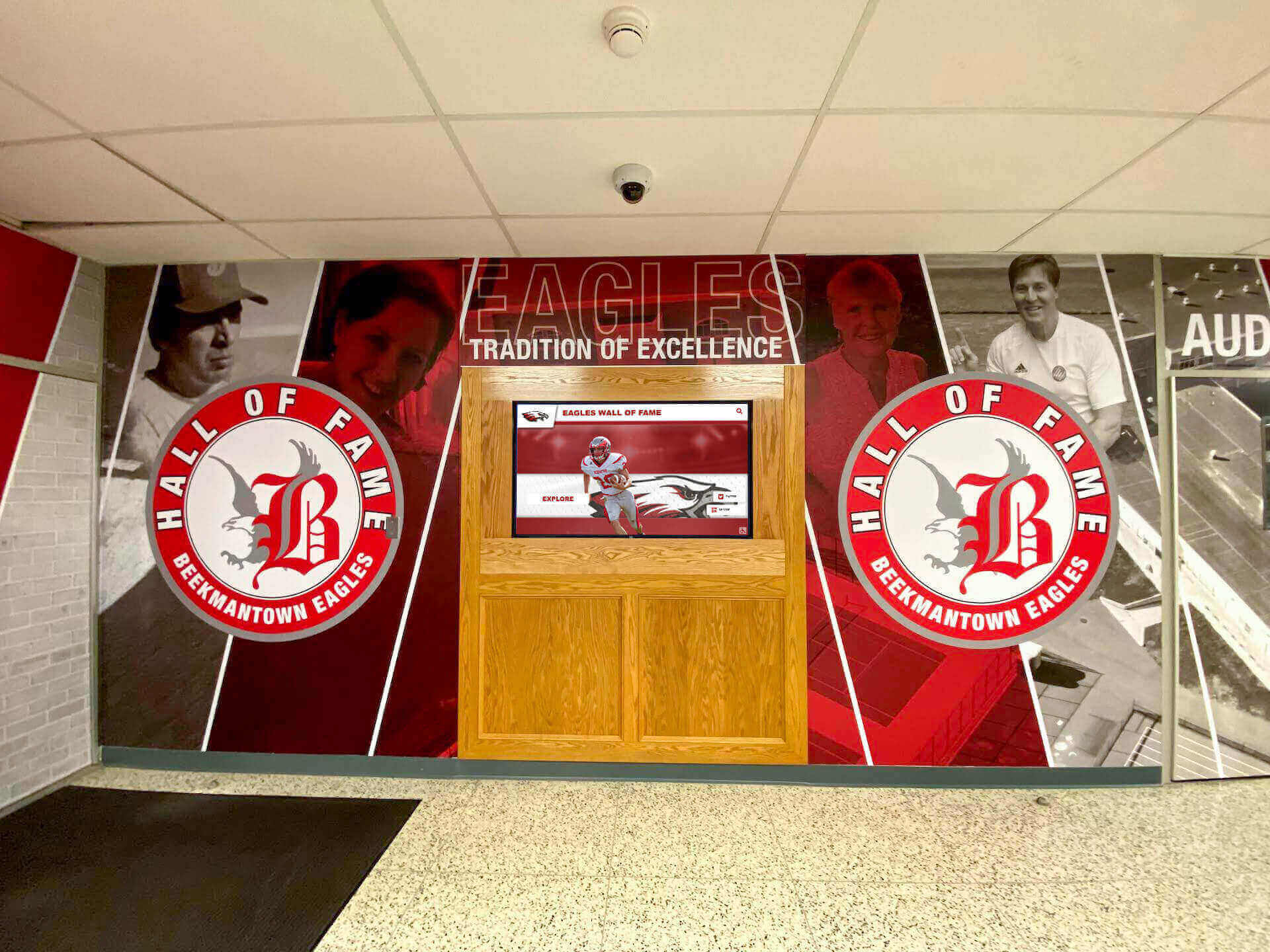
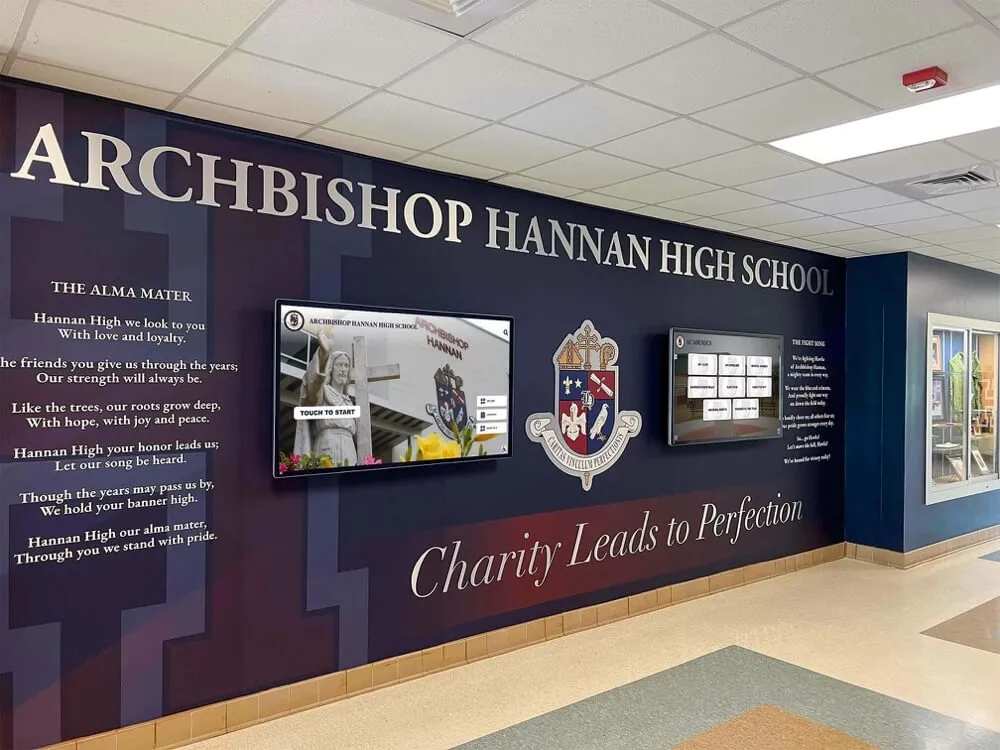
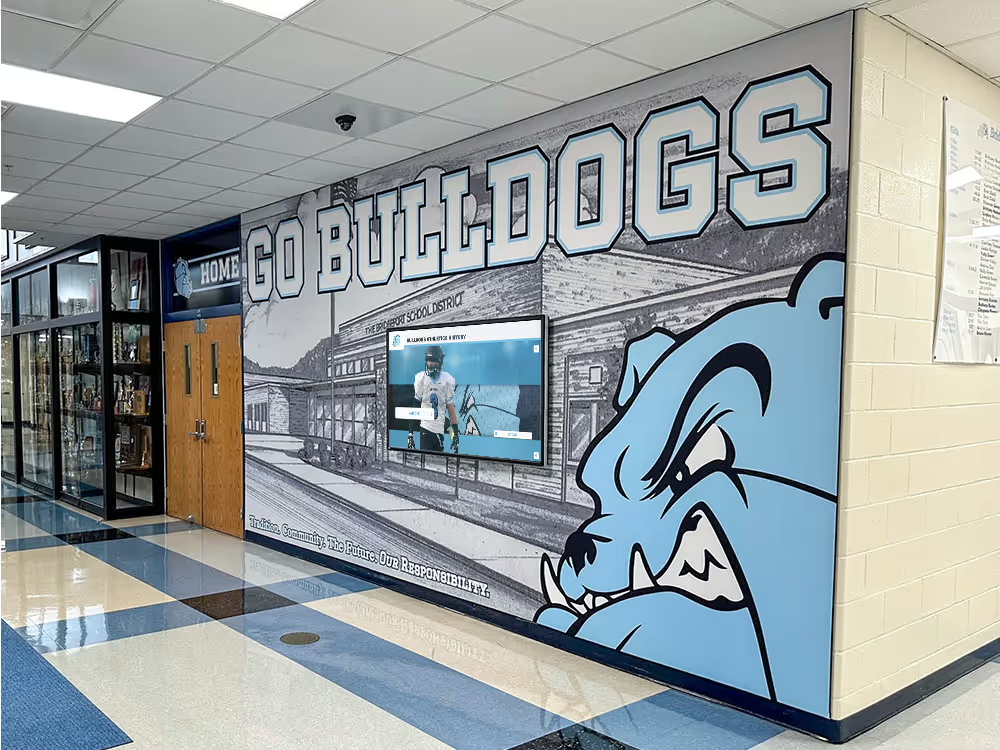
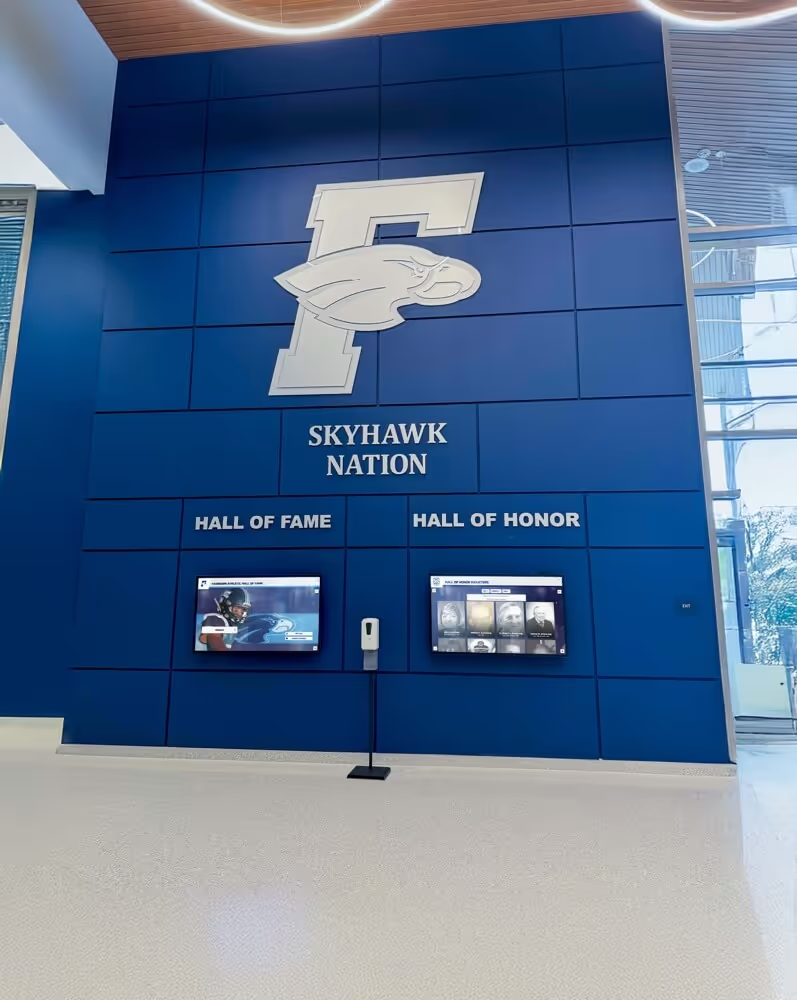
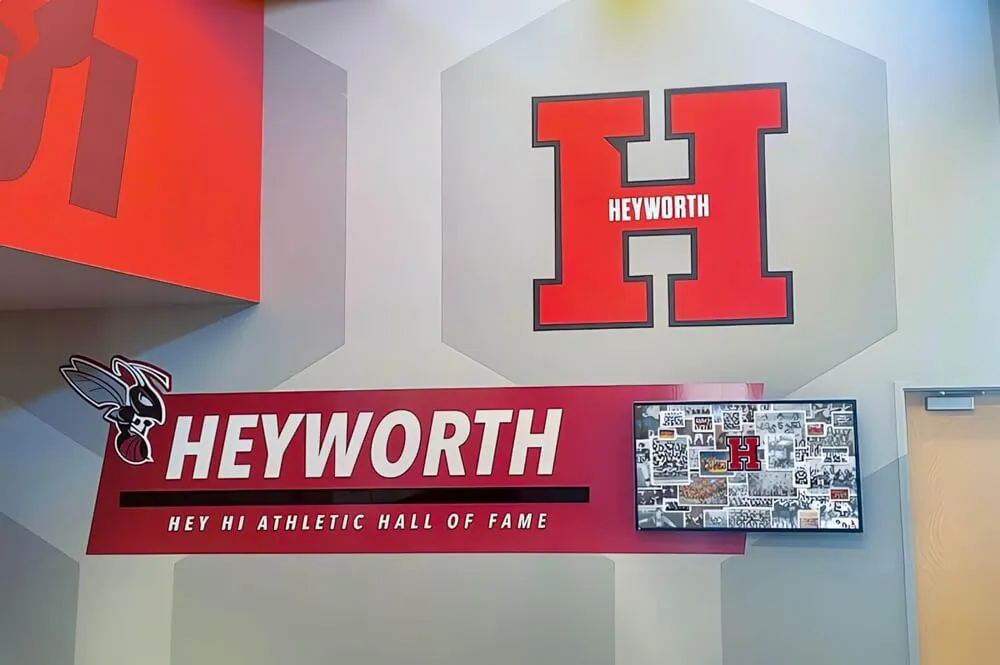
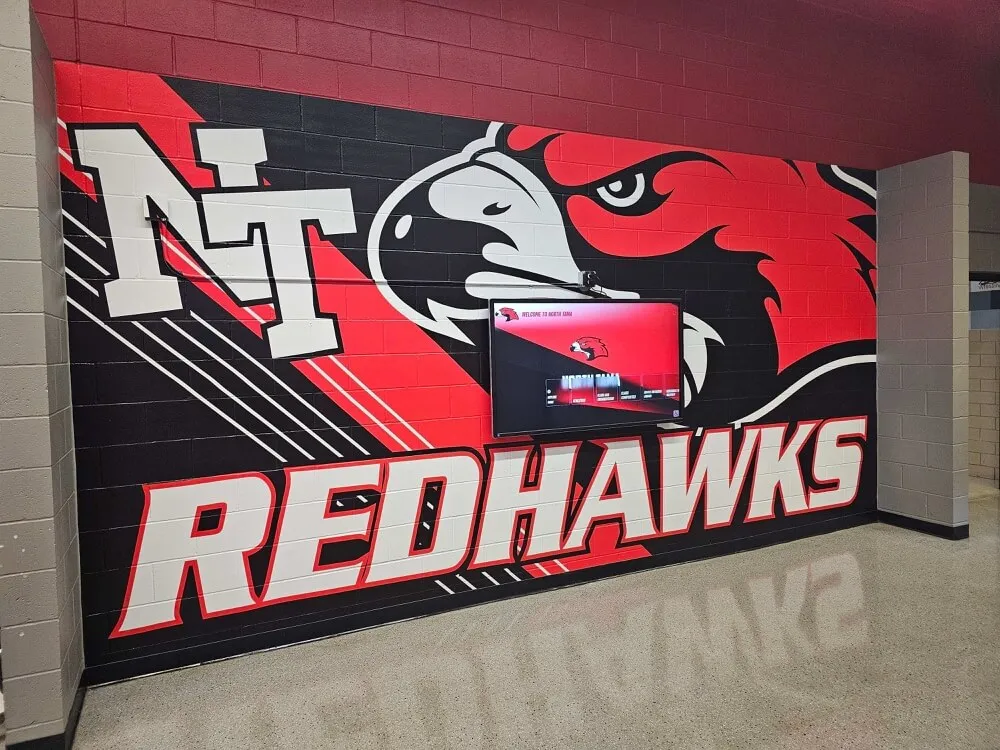
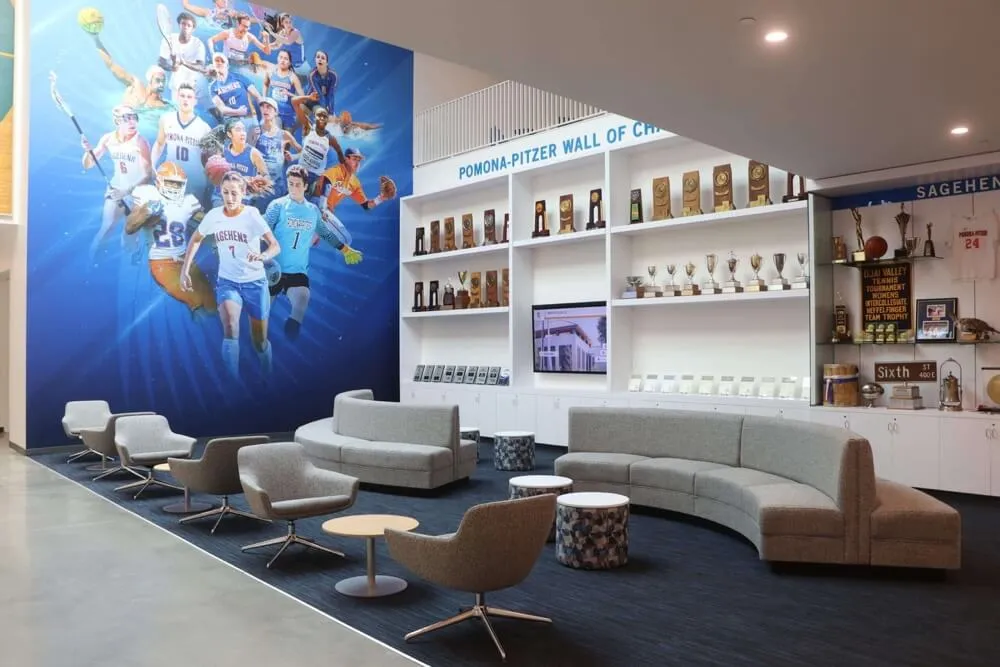
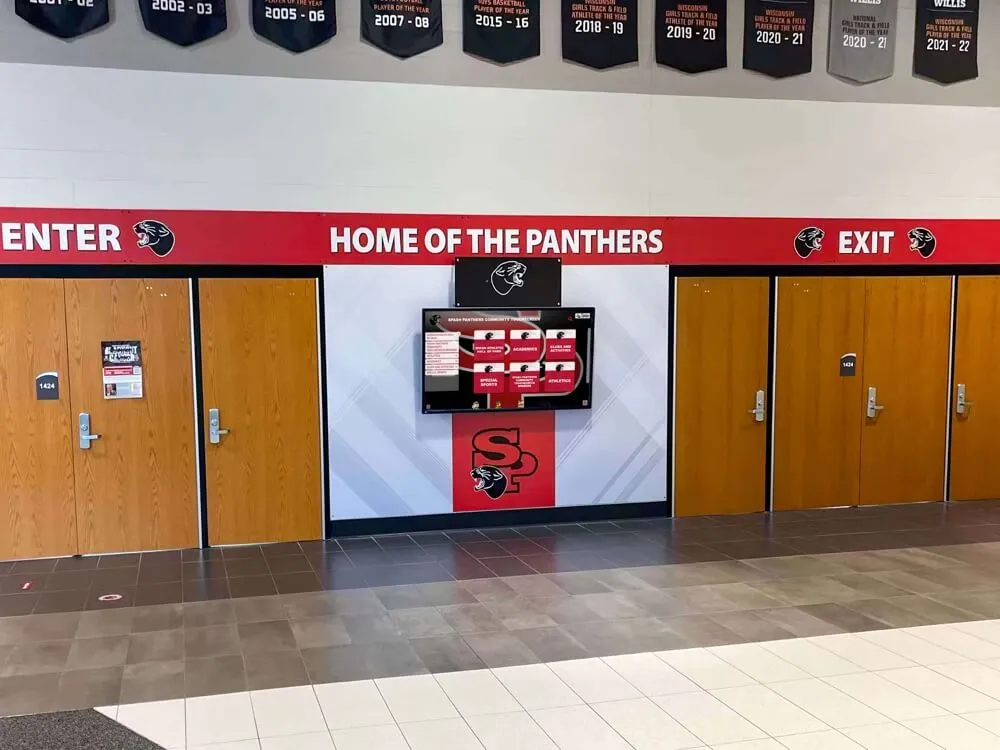
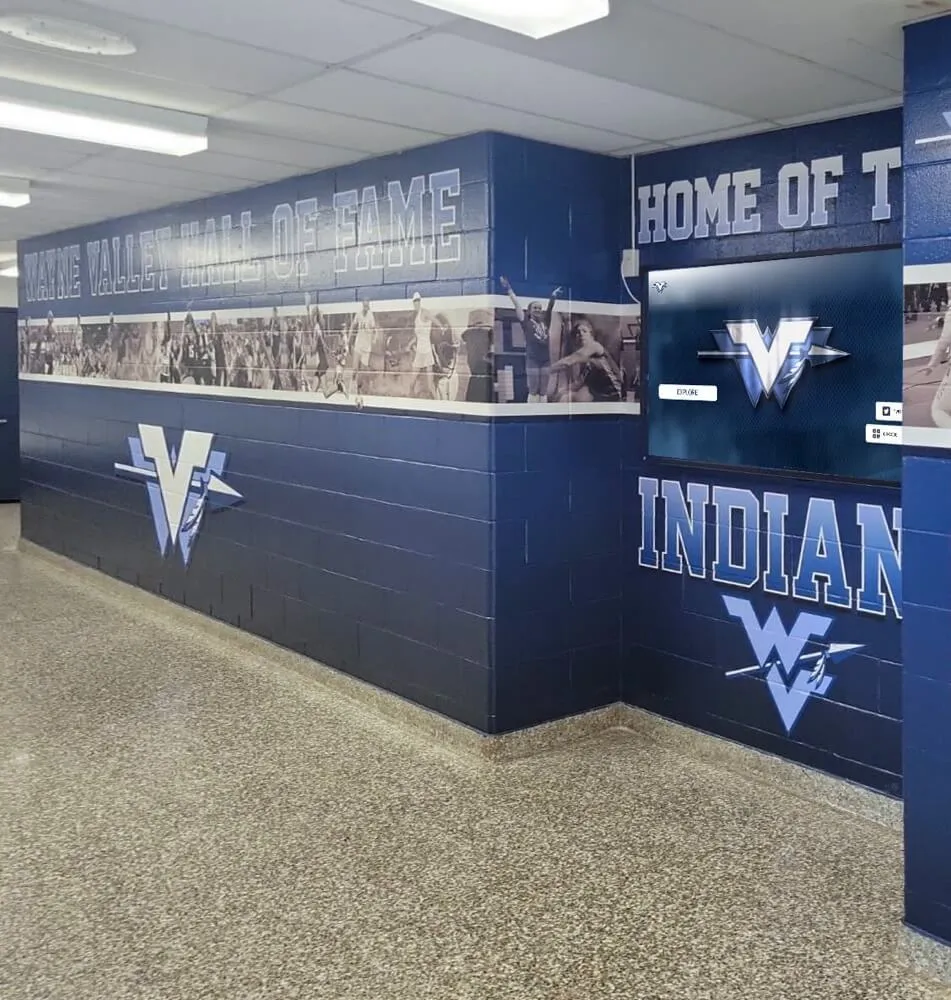
Physical spirit displays complement online stores by reinforcing school identity throughout campus
General Print-on-Demand Platforms Broader platforms offering school customization:
- CustomInk FanCloth
- Bonfire
- Represent
- Teespring (now Spring)
These platforms provide flexibility and broader product options but may lack education-specific features and support.
Local Print Shop Partnerships Collaborating with community screen printers:
- Direct relationship building community connections
- Potential for better margins on high-volume items
- Support local businesses enhancing community goodwill
- More control over production timelines
- May require more store management from school side
Most schools benefit from specialized education-focused vendors providing comprehensive support, fundraising optimization, and understanding of school operational requirements.
Vendor Partnership Negotiations
Key Contract Elements Ensure agreements include clear terms:
- Profit structure and payment schedules clearly defined
- Store setup and monthly platform fees
- Design services included and additional costs
- Minimum sales commitments or penalties
- Contract duration and cancellation terms
- Exclusive rights or ability to work with multiple vendors
- Intellectual property ownership of designs created
- Who handles customer service and returns
Questions to Ask Prospective Vendors
- What is your average school’s annual revenue?
- How many schools of our size do you currently serve?
- What is your typical fulfillment timeframe?
- What marketing support do you provide?
- Can we see sample stores from similar schools?
- What reporting and analytics do you offer?
- How do you handle order problems and customer complaints?
- What percentage of customers reorder within the same year?
Request references from 3-4 current school partners and actually contact them to assess satisfaction and challenges.
Designing Your Store and Product Catalog
Strategic design and product selection significantly impact purchasing behavior and profitability.
School Branding and Visual Identity
Logo and Design Asset Preparation High-quality graphics ensure professional appearance:
- Vector format files (.AI, .EPS, .SVG) for scalability
- High-resolution PNG versions (at least 300 DPI)
- School colors with exact color codes (Pantone, CMYK, RGB, HEX)
- Mascot artwork in various poses if available
- Athletic department logos if separate
- Established typography standards
- Brand guidelines for consistent usage
Many vendors provide design cleanup services for existing logos, but professional vector files significantly improve product appearance and reduce setup time.
Store Visual Design Create inviting online environments:
- School colors in header, navigation, and accents
- Professional photography of students wearing products
- Clear, organized category navigation
- Prominent search functionality
- Featured products section highlighting popular items
- Seasonal collections creating urgency
- Clear fundraising messaging explaining purpose
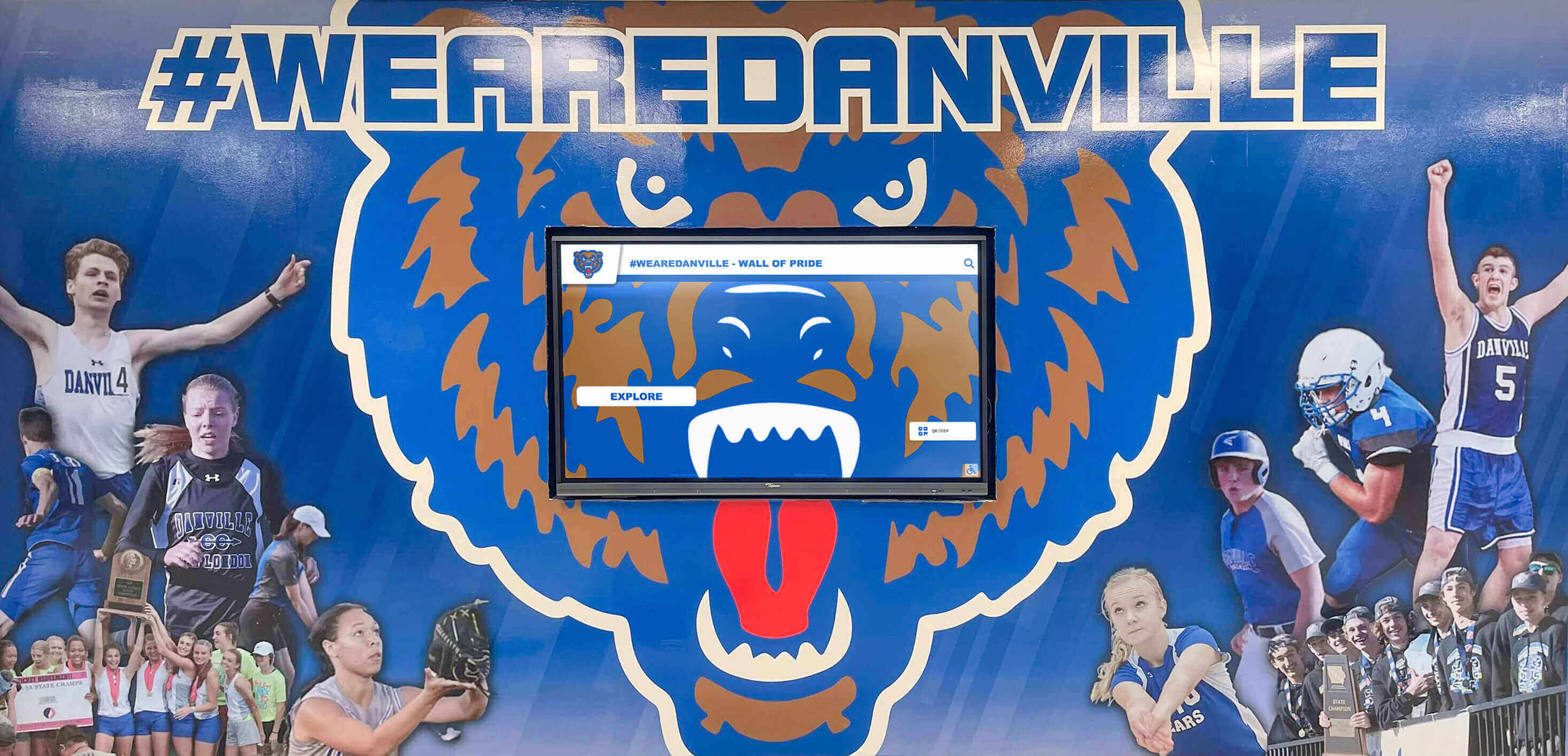
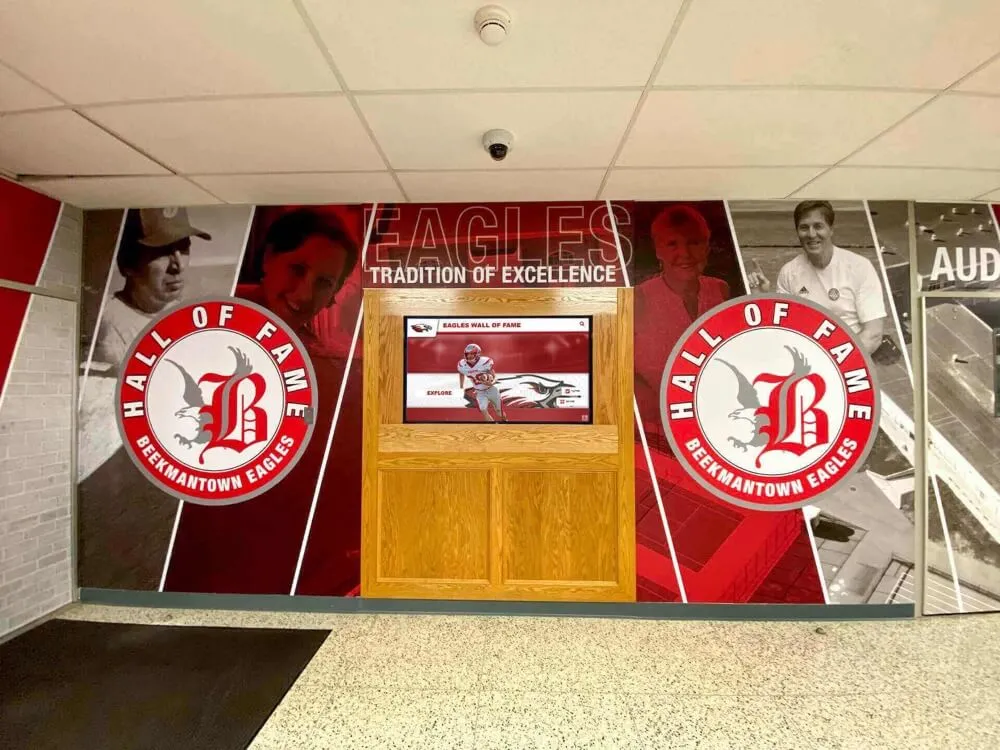
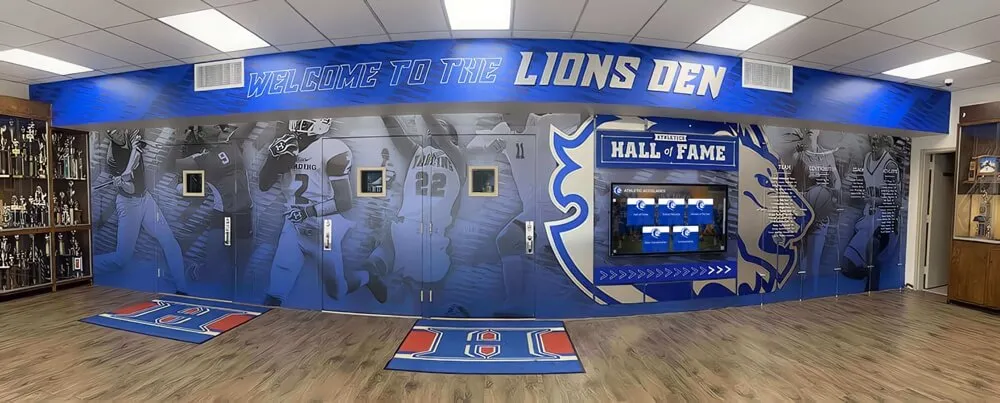
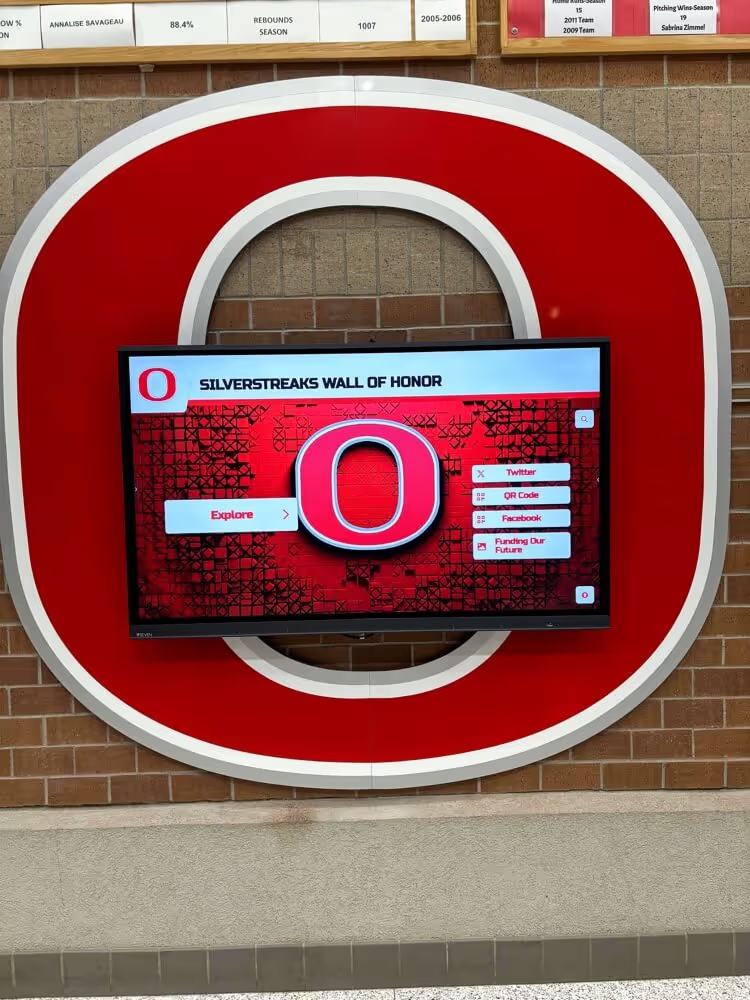
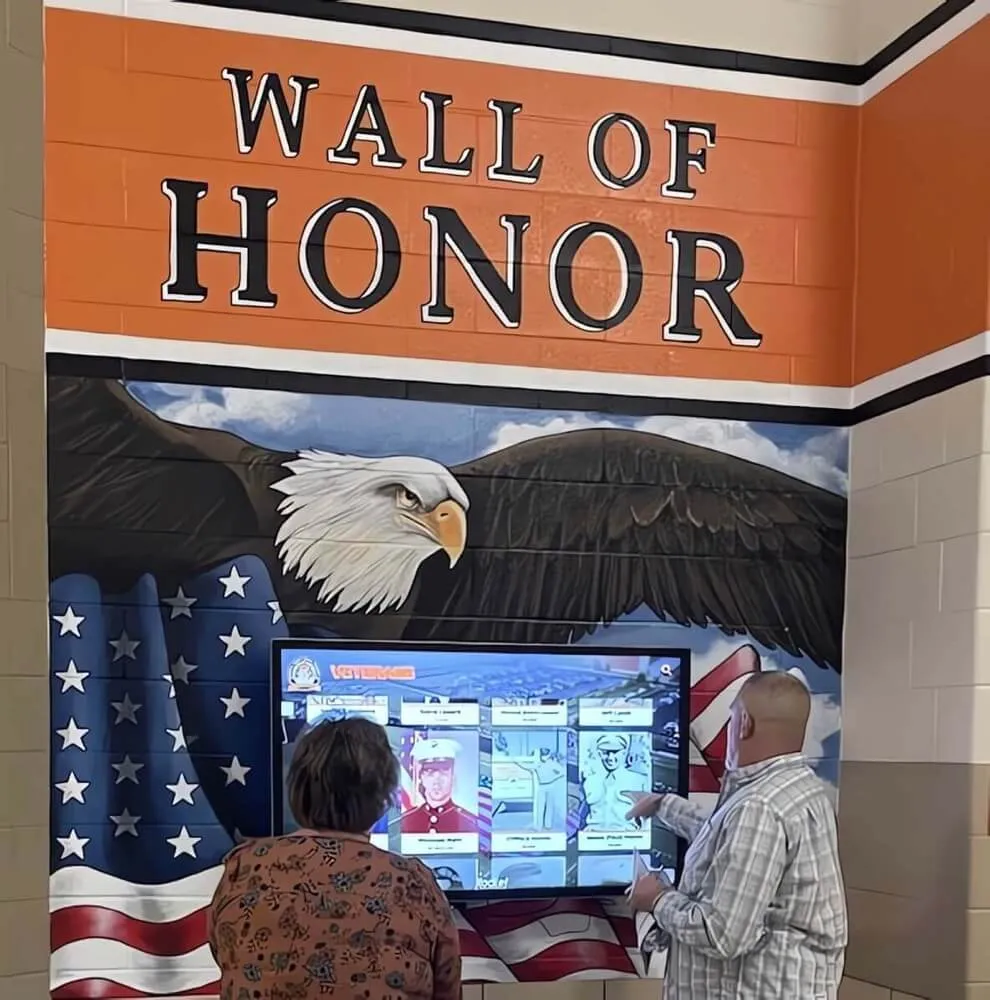
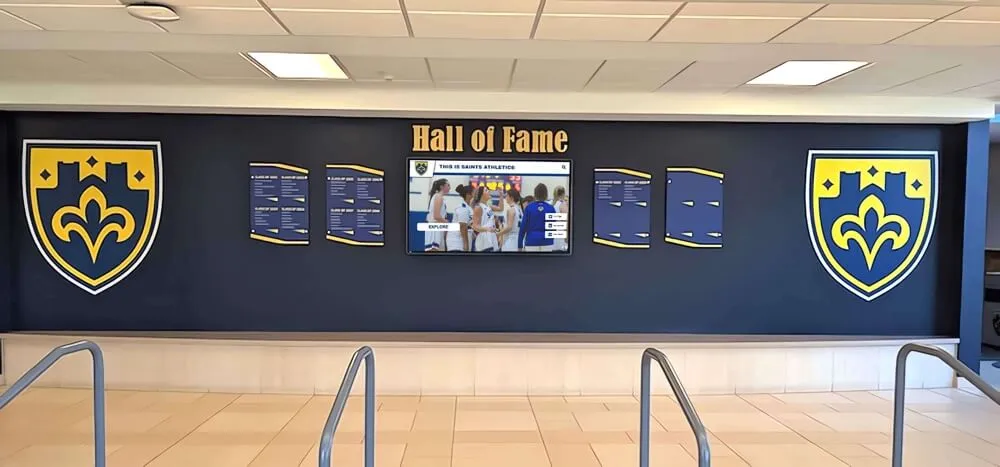
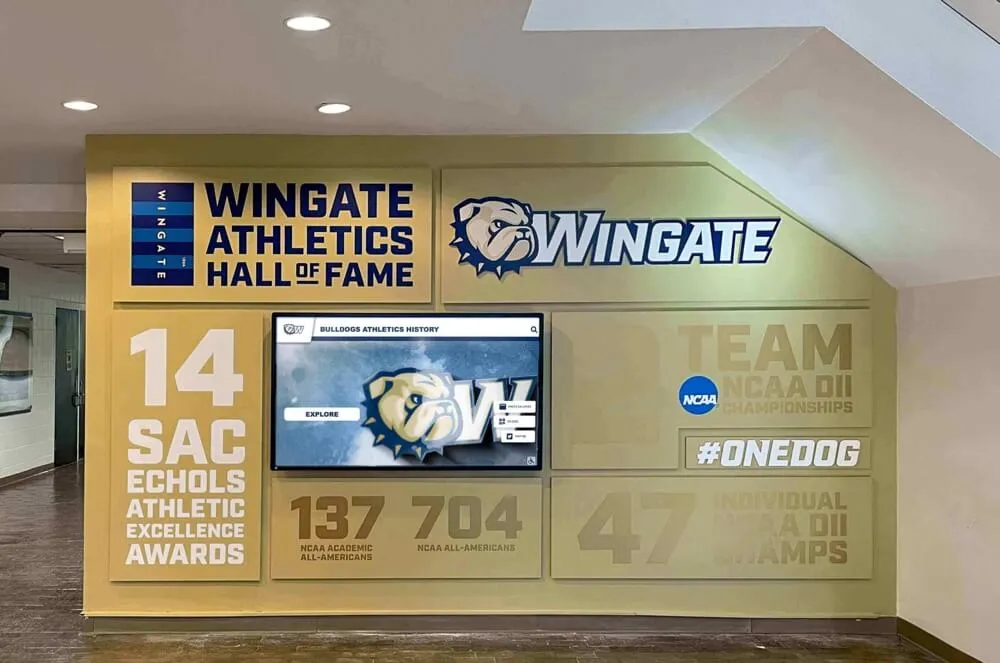
Consistent branding across physical displays and spirit wear strengthens school identity and purchasing motivation
Strategic Product Selection
Core Essential Products Every store should include staple items:
- Short-sleeve t-shirts (multiple colors and styles)
- Long-sleeve shirts for cooler weather
- Hoodies and crewneck sweatshirts
- Spirit wear shorts and sweatpants
- Baseball caps and beanies
- Water bottles and drinkware
These basics provide entry-level price points encouraging broad participation while generating consistent sales.
Expanded Catalog Offerings Additional products increase average order values:
- Performance athletic wear for sports families
- Ladies’ fitted options beyond standard unisex
- Youth sizing for younger siblings
- Accessories (bags, blankets, towels, keychains)
- Premium options (quarter-zips, polos, jackets)
- Seasonal items (summer tanks, winter gear)
Stores offering 30-50 product variations generate 40-60% higher revenue compared to limited 10-15 item catalogs.
Sport-Specific and Department Designs Specialized offerings expand market reach:
- Individual team designs (Football, Soccer, Band, Choir, etc.)
- Graduation year products (Class of 2026, 2027, etc.)
- Staff and faculty-specific designs
- Alumni collections connecting community
- Event-specific designs (Homecoming, Rivalry Game)
- Fundraiser-specific campaigns for booster clubs
These targeted products motivate purchasing from specific community segments who might not buy generic school spirit wear.
Price Point Diversification Offer options across budget ranges:
- Budget tier ($12-$18): Basic t-shirts, stickers, accessories
- Mid-range tier ($20-$35): Quality hoodies, hats, performance wear
- Premium tier ($40-$70): Jackets, quarter-zips, specialty items
- Luxury tier ($75+): Letterman jackets, stadium chairs, premium outerwear
Diverse pricing ensures families at all income levels can participate while higher-end items increase overall revenue per transaction.
Explore how recognition programs complement spirit building in creative athletic recognition strategies.
Design Best Practices for Maximum Appeal
Design Approach Considerations
- Classic and timeless designs maintain appeal across years
- Avoid trendy elements that quickly feel dated
- Multiple design options appealing to different aesthetic preferences
- School name prominence ensuring brand visibility
- Readable text avoiding overly decorative fonts
- Balanced composition with appropriate sizing and placement
Testing Design Appeal Before finalizing products:
- Show mockups to diverse student focus groups
- Get feedback from parents and community members
- Test across different age demographics
- Ensure designs appeal to intended audiences
- Consider cultural sensitivity in all graphics
- Preview designs on actual product mockups, not just digital renders
Schools updating designs every 2-3 years while maintaining classic options report higher sustained sales compared to completely overhauling catalogs annually.
Marketing Your School Spirit Wear Online Store
Even excellent stores require strategic promotion to generate sales awareness and build purchasing habits.
Pre-Launch Marketing Campaign
Building Anticipation (4-6 weeks before launch) Create excitement before store opens:
- Social media teaser campaigns revealing products gradually
- Email announcements to families with countdown timers
- Morning announcements building student awareness
- Poster campaigns in hallways with launch dates
- Staff modeling samples during school events
- Parent organization presentations
- Website banner announcements
Soft Launch Strategy Consider staged rollout approach:
- Friends and family early access creating ambassadors
- Staff and faculty first purchasing opportunity
- Booster club and volunteer preview
- Student athlete early access for sports families
- Full community launch after testing and refinement
This approach identifies potential issues before broad community exposure while creating early revenue and buzz.
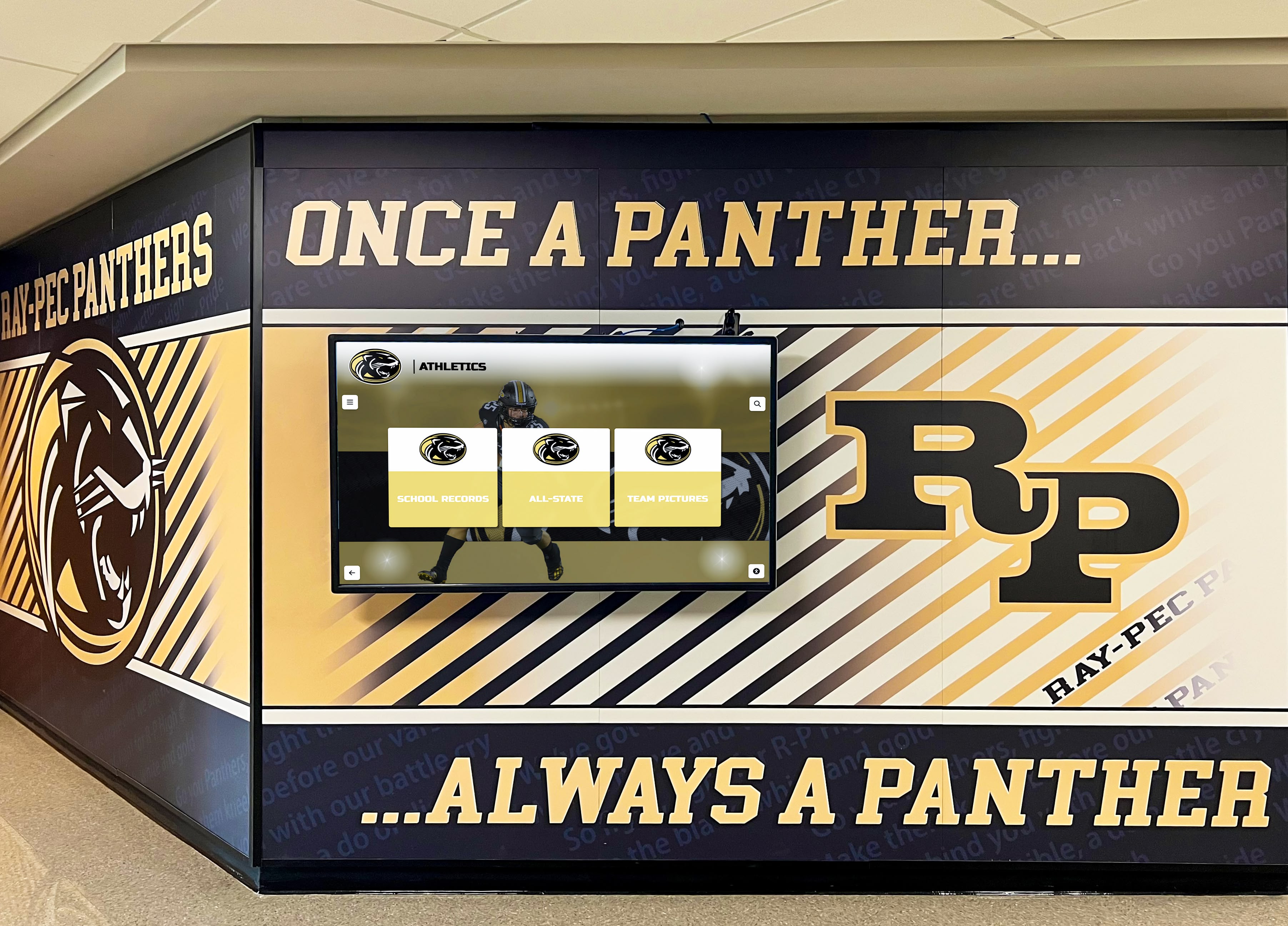
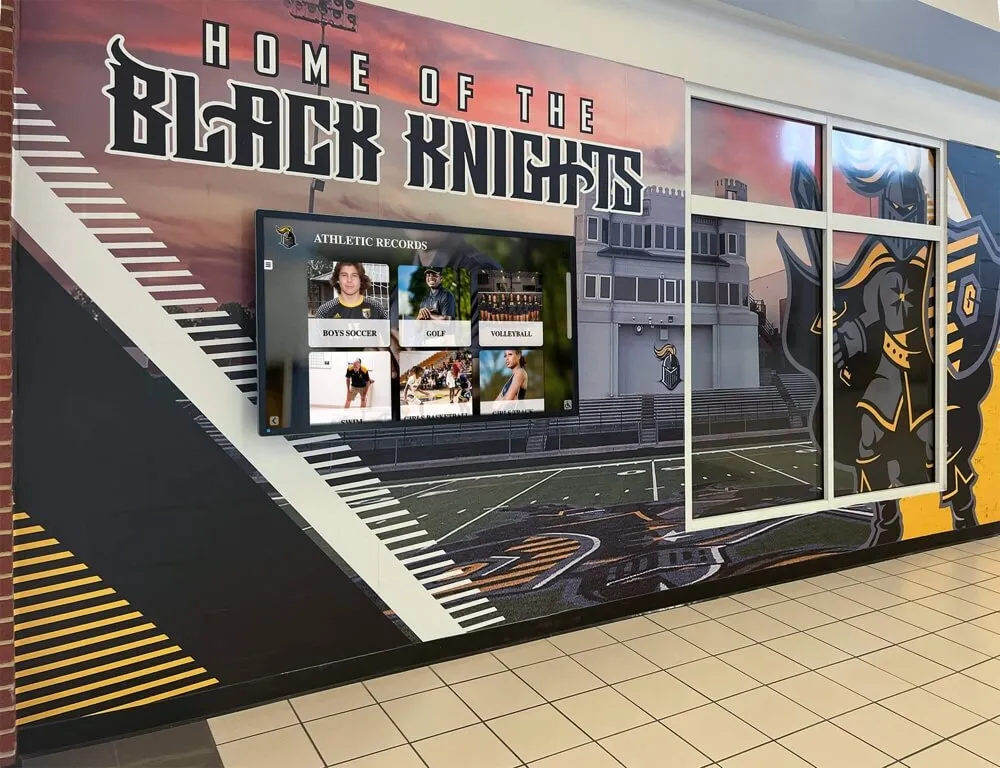
Strategic physical displays throughout campus keep school spirit and store awareness top-of-mind
Launch Week Promotion Strategies
Multi-Channel Announcement Campaign Maximize awareness through coordinated communications:
- Email blast to all families with direct store link
- Social media posts across all school platforms
- Website homepage featured placement
- Physical flyers sent home with students
- Morning announcements during school day
- Local media press releases
- Community newsletter features
- Parent organization meeting announcements
Launch Incentives Motivate immediate purchasing:
- Limited-time launch discount (10-15% off)
- Free shipping threshold ($50+ orders)
- First 50 orders receive bonus item
- Giveaway entry with purchase
- Bundle deals encouraging larger orders
- Exclusive launch-week designs
- Early bird specials for quick action
Schools offering launch incentives report 70-90% higher first-week sales compared to launches without promotional pricing.
Ongoing Marketing and Promotion
Seasonal Campaign Integration Align store promotion with school calendar:
- Back-to-school (August-September): New year, new gear messaging
- Homecoming week: Spirit wear contests and giveaways
- Holiday shopping (November-December): Gift guide promotions
- Rivalry game weeks: Targeted campaigns around big events
- Spirit weeks: Themed products and daily specials
- Spring sports season: Performance wear for athletic families
- Graduation approach: Senior-specific and nostalgic products
Event-Based Promotion Leverage school gatherings for visibility:
- Spirit wear tables at athletic events
- QR codes linking to store on printed materials
- Announcement slides before performances and games
- Fashion shows during assemblies
- Teacher and student modeling during events
- Booster club booth staffing at activities
Social Media Strategy Consistent digital presence maintains awareness:
- Weekly featured product highlights
- User-generated content reposting customers wearing items
- Behind-the-scenes design process content
- Countdown campaigns for new releases
- Giveaways encouraging shares and follows
- Student athlete testimonials and endorsements
- Creative photography showcasing products in action
Learn how community connection drives participation in student recognition that builds engagement.
Student Ambassador Programs
Building Student Advocacy Peer influence drives student purchasing:
- Select diverse student representatives across grades and activities
- Provide ambassadors with sample products
- Encourage social media posts wearing spirit wear
- Compensate participation with store credit
- Create ambassador-exclusive designs
- Feature ambassadors in marketing materials
- Train ambassadors to promote to peers
Student ambassador programs increase purchases among younger demographics by 50-70% compared to adult-only marketing approaches.
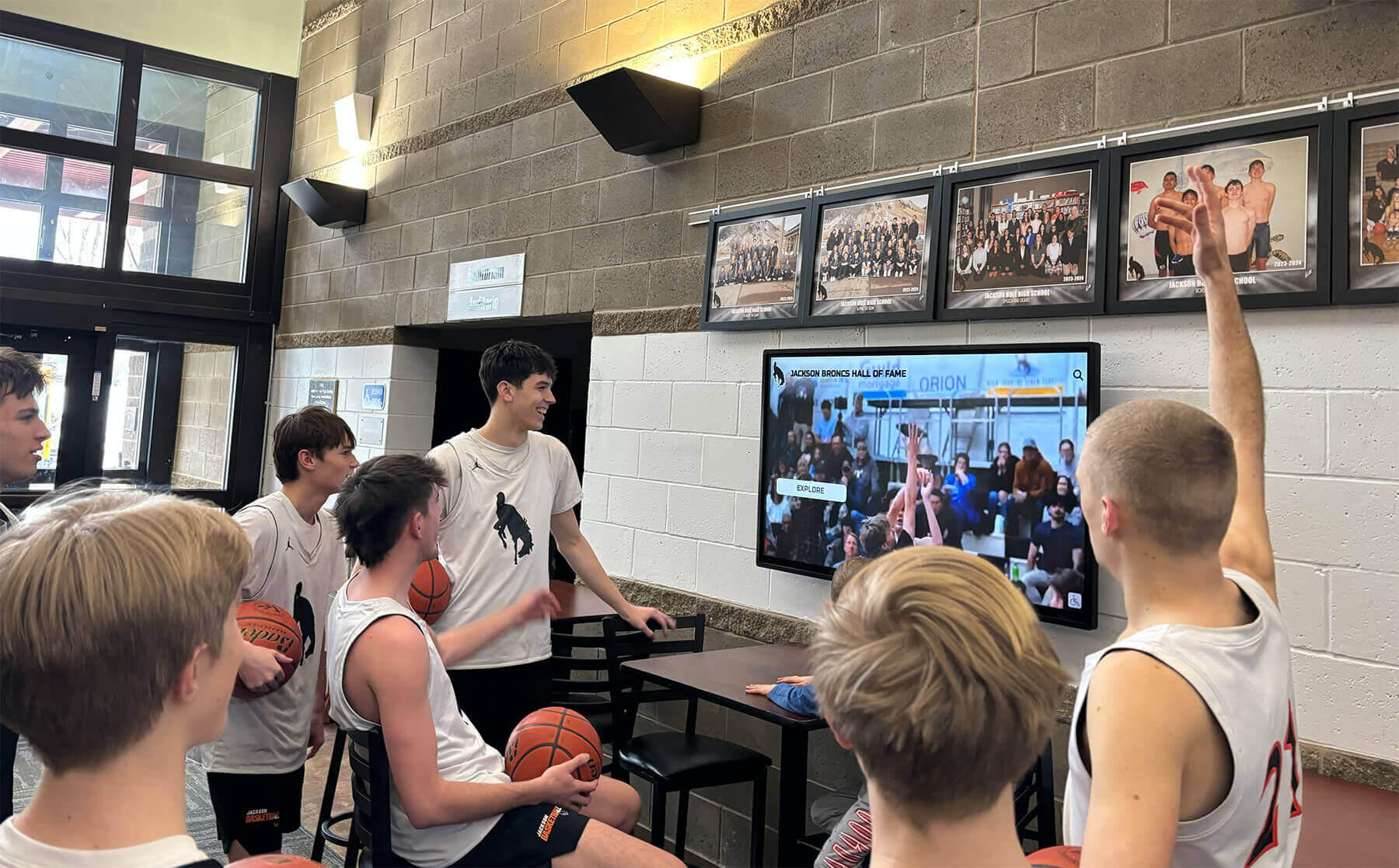
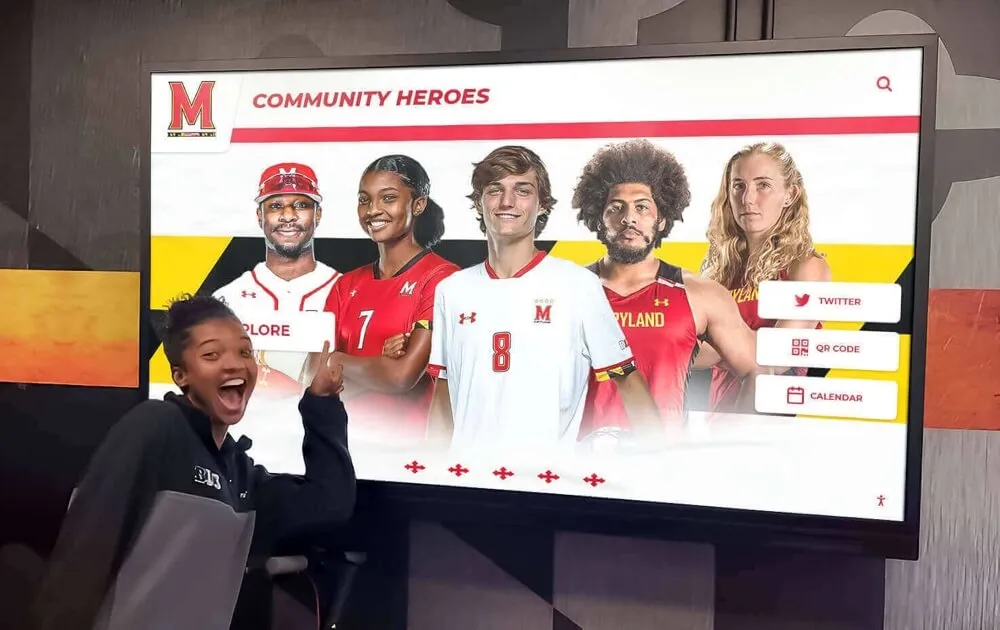
Building school pride through recognition naturally increases spirit wear purchasing motivation
Store Operations and Management
Sustainable success requires systematic operational approaches and ongoing attention.
Establishing Management Responsibilities
Key Operational Roles Define clear responsibilities:
- Store manager: Overall strategy, vendor relationships, performance tracking
- Marketing coordinator: Promotional campaigns, social media, communications
- Design liaison: New product development, graphics approval, catalog updates
- Customer service contact: Handling questions, issues, and order problems
- Financial manager: Tracking revenue, expenses, profits, and reporting
These roles may be distributed across multiple people (booster club officers, parent volunteers, school staff) or concentrated in 1-2 dedicated individuals depending on organization size.
Time Commitment Expectations Realistic workload assessments prevent burnout:
- Launch phase: 10-15 hours weekly for 6-8 weeks
- Ongoing management: 3-5 hours weekly during school year
- Campaign periods: 6-10 hours weekly during promotional pushes
- Summer maintenance: 1-2 hours weekly for planning
Understanding time requirements enables appropriate volunteer recruitment or staff assignment ensuring sustainable operations.
Financial Management and Reporting
Revenue Tracking Systems Systematic monitoring optimizes performance:
- Monthly sales reports from vendor platform
- Product performance analysis identifying top sellers
- Profit calculation and reconciliation
- Budget allocation for marketing expenses
- Comparative analysis year-over-year and month-over-month
- Customer acquisition cost analysis
Most platforms provide automated reporting, but schools should maintain independent financial tracking ensuring accuracy and enabling strategic decision-making.
Profit Allocation Strategy Determine fundraising revenue distribution:
- General school fund unrestricted support
- Athletic department specific allocation
- Fine arts program support
- Classroom supplies and teacher grants
- Technology and facility improvements
- Scholarship fund contributions
- Booster club operations if managing store
Clear profit allocation predetermined before launch prevents disputes and ensures community understands how their purchases support school programs.
Customer Service Excellence
Responsive Communication Quick response maintains satisfaction:
- Acknowledge inquiries within 24 hours
- Provide clear store policies and FAQs
- Establish dedicated email for questions
- Train volunteers on common issues
- Escalation process for complex problems
- Positive tone maintaining community relationships
Handling Common Issues Prepare responses for frequent concerns:
- Sizing questions and exchanges
- Order tracking and delivery timeframes
- Product quality complaints
- Missing or incorrect items
- Refund and return policies
- Design customization requests
- Bulk order inquiries for teams
Proactive FAQ sections addressing 80% of questions reduce time spent on customer service while improving satisfaction.
Explore community engagement approaches in alumni recognition programs that build lasting connections.
Advanced Strategies for Maximizing Revenue
After establishing basic operations, implementing advanced approaches significantly boosts fundraising results.
Limited Edition and Exclusive Releases
Creating Scarcity and Urgency Strategic product limitations drive purchasing behavior:
- Limited-time seasonal designs
- Class year-specific products
- Championship or achievement commemorative items
- Exclusive colorways or designs
- Pre-order campaigns with limited windows
- Numbered limited editions
- VIP early access to new releases
Schools implementing quarterly limited releases generate 25-40% higher annual revenue compared to static year-round catalogs.
Event-Specific Campaigns Capitalize on school milestones:
- Homecoming week exclusive designs
- Rivalry game limited editions
- State championship commemoratives
- School anniversary special products
- Milestone celebration items (50th anniversary, new building, etc.)
These targeted campaigns create natural urgency while connecting spirit wear to memorable school experiences increasing emotional purchasing motivation.
Customization and Personalization Options
Individual Personalization Allow customer customization:
- Name and number additions to athletic wear
- Graduation year personalization
- Student name printing options
- Custom text fields for favorite quotes
- Monogramming for accessories
- Build-your-own design tools
Personalized products command 30-50% price premiums while dramatically reducing return rates since customers invest in unique items.
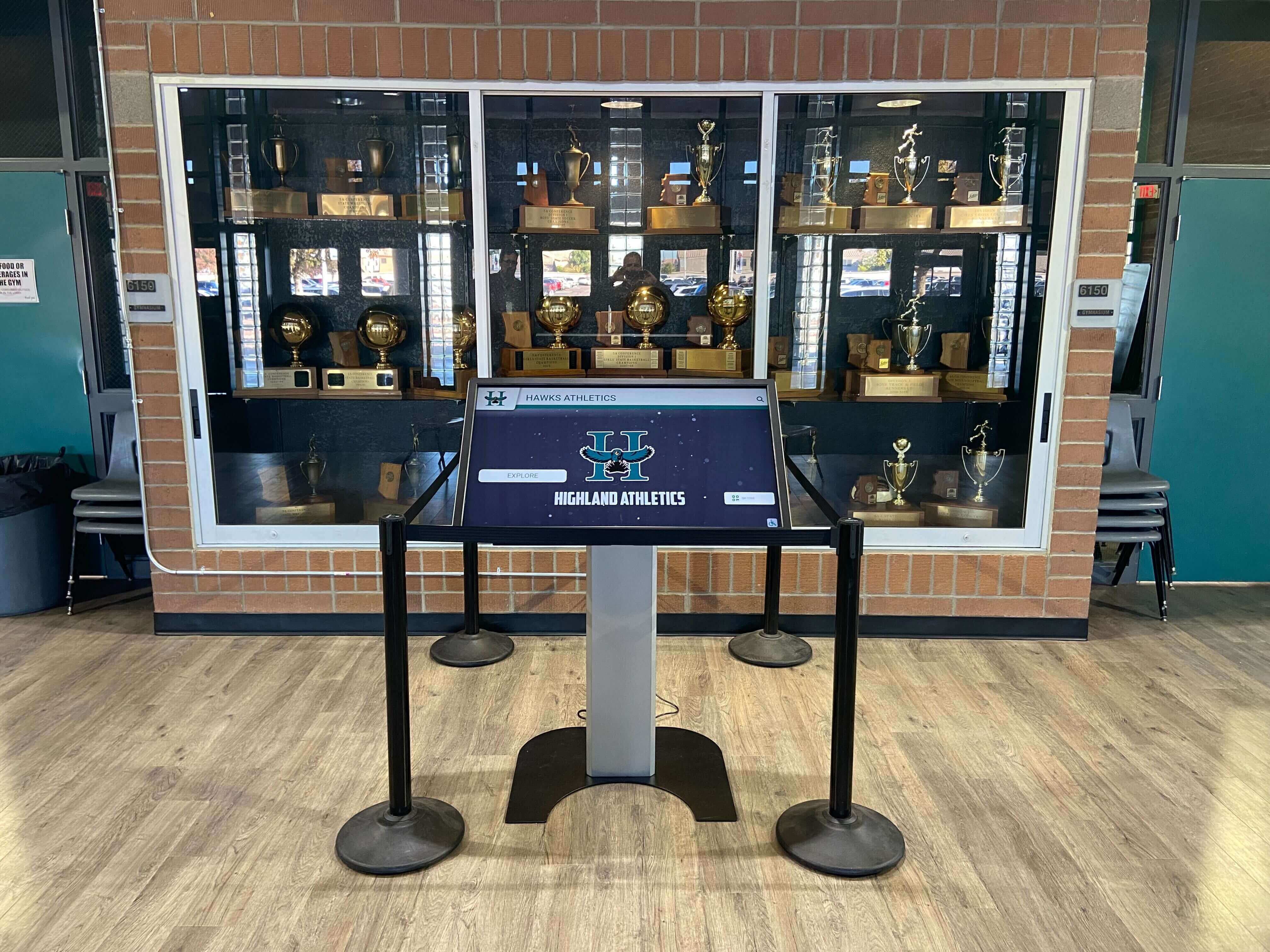
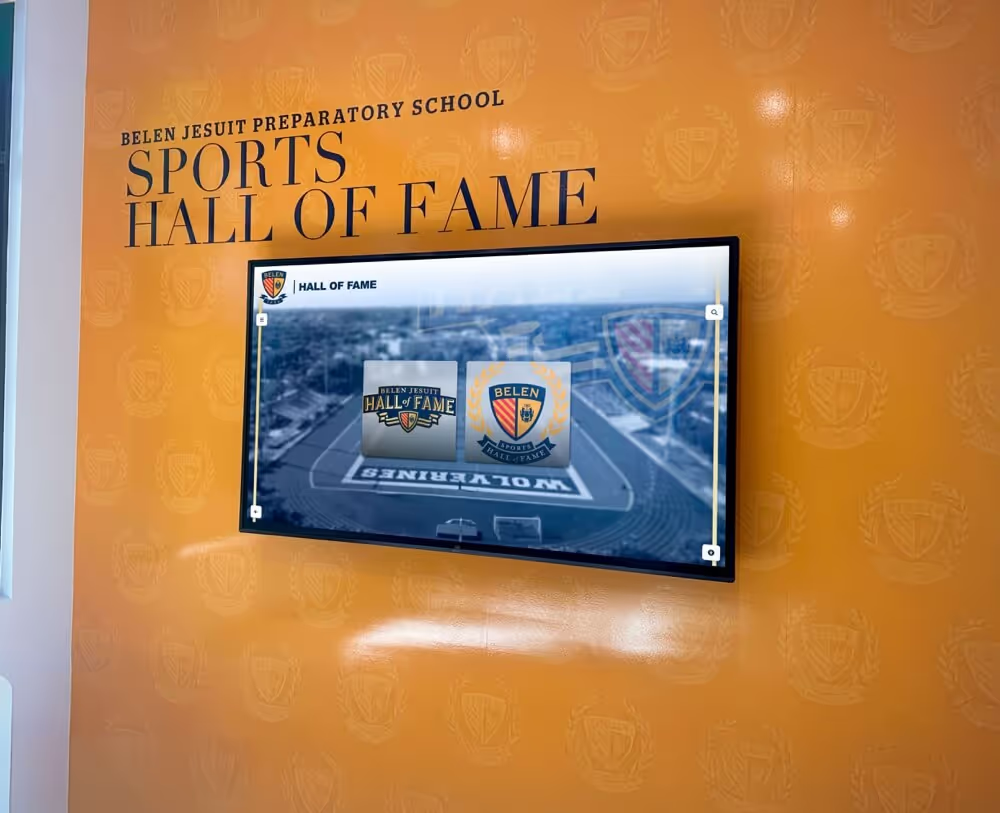
Digital recognition systems create pride that naturally translates to increased spirit wear purchasing
Corporate and Community Partnership Integration
Local Business Co-Branding Expand revenue through partnerships:
- Business sponsors featured on products
- Co-branded designs with local companies
- Bulk order programs for businesses
- Employee purchase programs at area employers
- Community organization collaborative designs
These partnerships generate additional revenue while building community connections and expanding customer base beyond families.
Alumni Engagement Integration Connect spirit wear to alumni programs:
- Alumni-specific designs and collections
- Reunion event exclusive products
- Alumni recognition program integration
- Homecoming weekend alumni stores
- Online alumni community promotion
- Decade-specific nostalgic designs
Alumni represent untapped markets often willing to spend more on nostalgic spirit wear while supporting current programs.
Data-Driven Optimization
Analytics and Performance Tracking Use data to refine strategies:
- Best-selling products and designs
- Peak purchasing times and seasons
- Average order value trends
- Traffic sources and campaign effectiveness
- Cart abandonment analysis
- Customer demographic patterns
- Geographic sales distribution
Regular analysis enables informed decisions about product additions, promotional timing, design investments, and marketing channel allocation.
A/B Testing Approaches Systematically test variables:
- Different promotional messaging
- Pricing strategies and discount structures
- Product photography styles
- Email subject lines and send times
- Social media post formats
- Featured product rotations
- Landing page layouts
Schools implementing systematic testing improve conversion rates 15-30% within 6-12 months through incremental optimization.
Integrating Spirit Wear with Broader School Culture
The most successful stores connect spirit wear to comprehensive school pride and recognition systems.
Connection to Student Recognition Programs
Recognition Integration Opportunities Link spirit wear to achievement acknowledgment:
- Award recipients receiving exclusive spirit wear items
- Academic recognition programs featuring store products as prizes
- Athletic achievement store credit rewards
- Student of the month exclusive designs
- Spirit week competition prizes
This integration creates additional product demand while reinforcing that school pride encompasses academic, athletic, and character excellence.
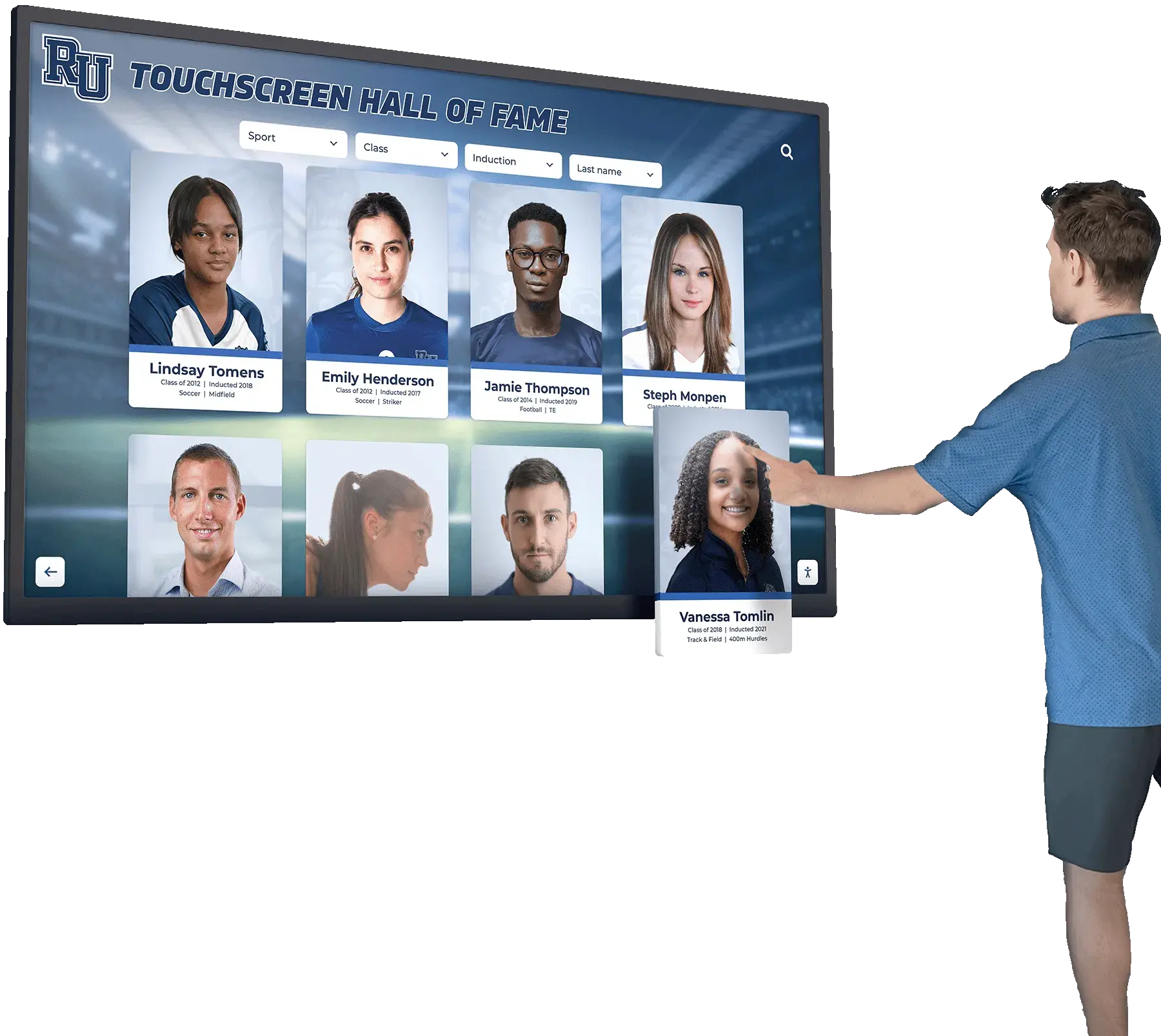
Digital Recognition Display Integration Schools implementing comprehensive digital recognition systems like Rocket Alumni Solutions’ interactive touchscreen displays find natural synergies with spirit wear programs:
- Digital displays building school pride that translates to apparel purchasing
- QR codes on recognition displays linking directly to spirit wear store
- Featured “wear your pride” sections promoting store integration
- Achievement announcements including store promotional mentions
- Historical achievement displays creating nostalgic alumni purchasing motivation
Schools with prominent digital recognition installations report 35-50% higher spirit wear sales compared to schools without visible pride-building systems.
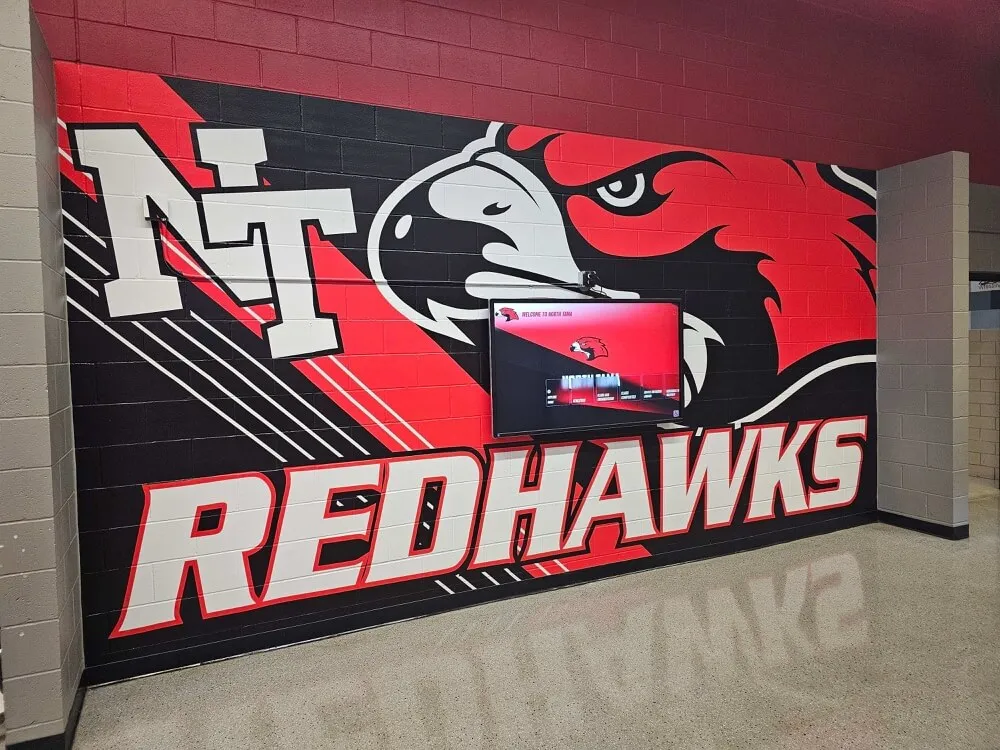
Comprehensive school branding throughout campus reinforces identity driving spirit wear participation
Spirit Culture Development
Beyond Transactions to Community Building Transform stores from fundraising tools to culture builders:
- Spirit wear days creating visibility and excitement
- Photo contests featuring students in apparel
- Social media campaigns highlighting school pride
- Community events where spirit wear demonstrates belonging
- Teacher participation modeling pride for students
- Recognition programs celebrating spirit participation
When spirit wear represents meaningful connection rather than just fundraising obligation, participation rates increase dramatically while purchases become expressions of identity rather than transactional necessities.
Measuring Success and Continuous Improvement
Regular assessment ensures stores remain effective and profitable while identifying optimization opportunities.
Key Performance Indicators
Revenue Metrics Track financial performance:
- Monthly and annual total sales
- Average order value
- Revenue per student enrollment
- Profit margins by product category
- Year-over-year growth rates
- Seasonal revenue patterns
- Customer lifetime value
Benchmark against similar-sized schools when possible, with typical annual revenue of $50-$150 per enrolled student representing strong performance.
Engagement Indicators Assess community participation:
- Unique customer count vs. total families
- Participation rate (purchasing families / total families)
- Repeat purchase rate
- Items per transaction
- Social media engagement with store content
- Email open and click-through rates
- Website traffic to store
Operational Efficiency Measures Monitor management effectiveness:
- Time spent on store management
- Customer service inquiry volume
- Order fulfillment timeframes
- Return and exchange rates
- Vendor performance satisfaction
- Volunteer retention if applicable
Continuous Improvement Process
Regular Assessment Schedule
- Monthly: Sales performance, top products, immediate adjustments
- Quarterly: Campaign effectiveness, seasonal performance, strategic refinements
- Semi-annually: Vendor satisfaction, operational review, significant changes
- Annually: Comprehensive program evaluation, contract renewal decisions, major strategic planning
Stakeholder Feedback Collection Systematically gather input:
- Parent surveys about experience, products, pricing
- Student focus groups on design appeal
- Staff feedback on management workload
- Vendor discussions on partnership improvements
- Customer service issue pattern analysis
- Comparative research on competitor offerings
This regular feedback enables data-driven decision-making ensuring stores evolve with community needs and preferences.
Common Challenges and Solutions
Understanding frequent obstacles and proven solutions prevents predictable problems.
Challenge: Low Initial Participation
Symptoms: Disappointing launch sales, limited awareness, minimal repeat visits
Solutions:
- Intensify marketing across all channels
- Implement referral incentives encouraging word-of-mouth
- Create urgency through limited-time promotions
- Ensure prominent physical and digital visibility
- Enlist student ambassadors for peer promotion
- Connect purchasing to school events and milestones
Low initial sales usually reflect marketing gaps rather than product issues.
Challenge: Declining Sales After Launch
Symptoms: Strong initial sales followed by minimal ongoing purchases
Solutions:
- Implement regular new product releases maintaining interest
- Create seasonal campaigns tied to school calendar
- Develop email nurture sequences to previous customers
- Add limited editions creating urgency
- Refresh marketing creative avoiding stagnation
- Integrate store promotion into ongoing school communications
Sustained sales require consistent promotion and regular catalog refreshment.
Challenge: Customer Service Issues
Symptoms: Complaints about sizing, quality, shipping times, or fulfillment errors
Solutions:
- Establish clear response protocols and timelines
- Document common issues creating FAQ resources
- Hold vendors accountable through performance discussions
- Provide sizing guides with detailed measurements
- Set realistic delivery expectation communications
- Consider vendor changes if persistent problems occur
Proactive communication and responsive problem-solving maintain community goodwill essential for ongoing participation.
Explore comprehensive school engagement strategies in community recognition approaches.
Challenge: Volunteer Management and Burnout
Symptoms: Inconsistent operations, declining enthusiasm, difficulty finding replacements
Solutions:
- Clearly define time commitments upfront
- Distribute responsibilities across multiple people
- Implement systems reducing manual work
- Provide adequate training and documentation
- Recognize and appreciate volunteer contributions
- Consider compensating coordinators if budget allows
- Build succession plans developing future leaders
Sustainable operations require manageable workloads and systematic processes preventing dependence on heroic individual effort.
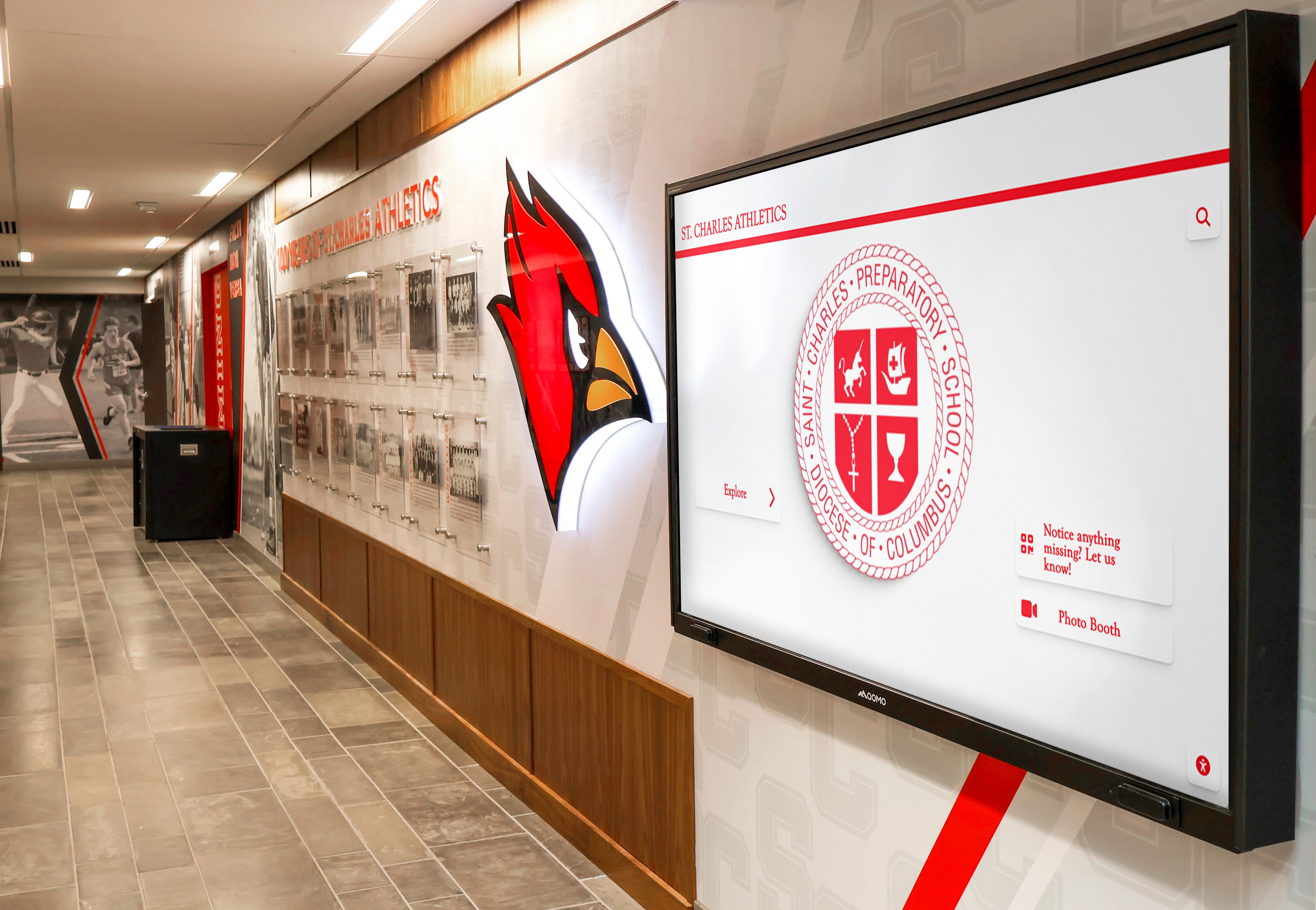
Comprehensive school pride systems integrating physical and digital elements support sustainable fundraising success
Legal and Compliance Considerations
Ensure your spirit wear program operates within appropriate guidelines and regulations.
Trademark and Licensing Issues
Protecting School Intellectual Property
- Register school logos and mascot designs when possible
- Include trademark symbols on official designs
- Control design usage preventing unauthorized reproduction
- Establish clear guidelines for approved uses
Third-Party Licensing Requirements Some design elements require permissions:
- Professional sports team logos or names
- Collegiate branding if affiliated
- Cartoon characters or entertainment properties
- Licensed fonts or graphics
- Music lyrics or song titles
Always verify rights before using any potentially protected content on products.
Financial and Tax Compliance
501(c)(3) Organizations If operating through non-profit parent organizations or booster clubs:
- Ensure proper tax-exempt status documentation
- Follow IRS guidelines for unrelated business income
- Maintain separate accounting for fundraising activities
- Provide proper donation receipts if applicable
- File required annual reports and tax returns
Sales Tax Obligations Understand state and local requirements:
- Most vendors handle sales tax collection and remittance
- Verify responsibility clearly in contracts
- Ensure compliance with destination-based collection rules
- Maintain proper documentation of exempt sales if applicable
Consult qualified tax professionals ensuring full compliance with federal, state, and local regulations.
Accessibility and Inclusive Design
Ensuring Broad Participation Opportunities
- Offer products at multiple price points
- Consider scholarship or subsidy programs for families needing assistance
- Avoid designs that could exclude or alienate community members
- Provide extended sizing options accommodating all body types
- Ensure website accessibility for users with disabilities
Spirit wear programs should build inclusive community rather than creating economic barriers to participation in school culture.
Conclusion: Building Sustainable Fundraising Through School Spirit
A well-executed school spirit wear online store represents more than a fundraising strategy—it’s an investment in school culture, community pride, and sustainable revenue generation supporting educational missions for years to come. When schools move beyond traditional campaign-based approaches to establish always-available online stores, they unlock dramatically higher revenue potential while reducing administrative burden and expanding community engagement opportunities.
The strategies explored in this comprehensive guide provide frameworks for successful launches and ongoing operations—from vendor selection and store design through marketing execution and continuous improvement. Whether you’re just beginning to explore spirit wear fundraising or looking to optimize existing programs, these proven approaches help maximize both financial returns and community-building impacts.
Build School Pride That Drives Spirit Wear Success
Discover how modern digital recognition systems create the school pride and community identity that naturally motivates spirit wear purchasing while celebrating student achievement across all dimensions.
Explore Recognition SolutionsSuccess requires more than simply opening a store—it demands strategic planning, consistent promotion, quality vendor partnerships, and integration with broader school culture and pride-building initiatives. Schools implementing comprehensive recognition systems alongside spirit wear programs find natural synergies, with visible achievement celebration building the pride and identity that motivates apparel purchasing.
Start where you are with manageable initial launches, learn from early experiences, and systematically expand offerings based on community response and data analysis. Every dollar generated through spirit wear sales represents funds supporting student programs, teacher resources, facility improvements, and educational opportunities that might not exist otherwise.
Your school community wants to demonstrate pride and belonging through spirit wear—your opportunity lies in creating convenient, appealing, well-promoted purchasing experiences that transform latent enthusiasm into sustainable fundraising success. With thoughtful planning, strategic vendor partnerships, and consistent execution, your school spirit wear online store can generate tens of thousands of dollars annually while strengthening the community connections and school pride that make educational institutions thrive.
Ready to explore comprehensive school pride strategies? Learn more about building athletic community recognition that complements fundraising success.