



A well-crafted service award certificate is one of the simplest and most durable gestures a school athletic program can make. Coaches who give ten seasons to a team, parent volunteers who run the booster table every Friday night for years, and community supporters who fund the equipment closet rarely appear in the sports record book. They are the structural layer beneath every championship—and they often leave without formal acknowledgment when their tenure ends.
This guide covers everything athletic directors, principals, and program coordinators need to design meaningful service award certificates for coaches, volunteers, and athletic supporters: what language to use, which milestones to recognize, how to structure a presentation, and—critically—how to move beyond paper certificates to create digital recognition that lasts beyond the ceremony.
Service award certificates fill a specific gap in school recognition culture. Athletic programs are accustomed to honoring athletes—MVPs, all-conference selections, record holders. The adults who make those honors possible often get a handshake and a retirement lunch. A formal service award certificate signals that the program takes its history of support seriously, not just its scoreboard history. That signal matters to the person receiving it and to every current and future volunteer watching how the program treats people who give years of their time.

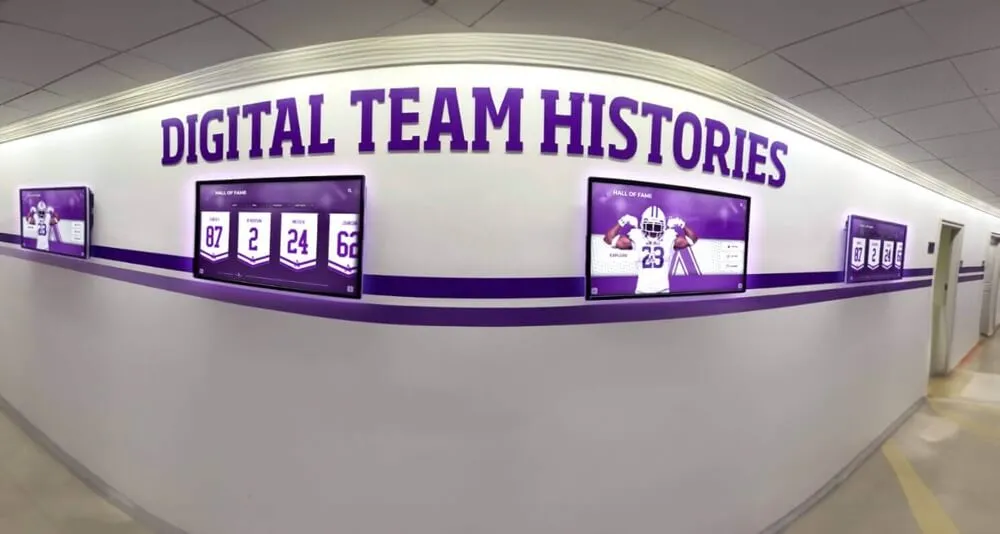
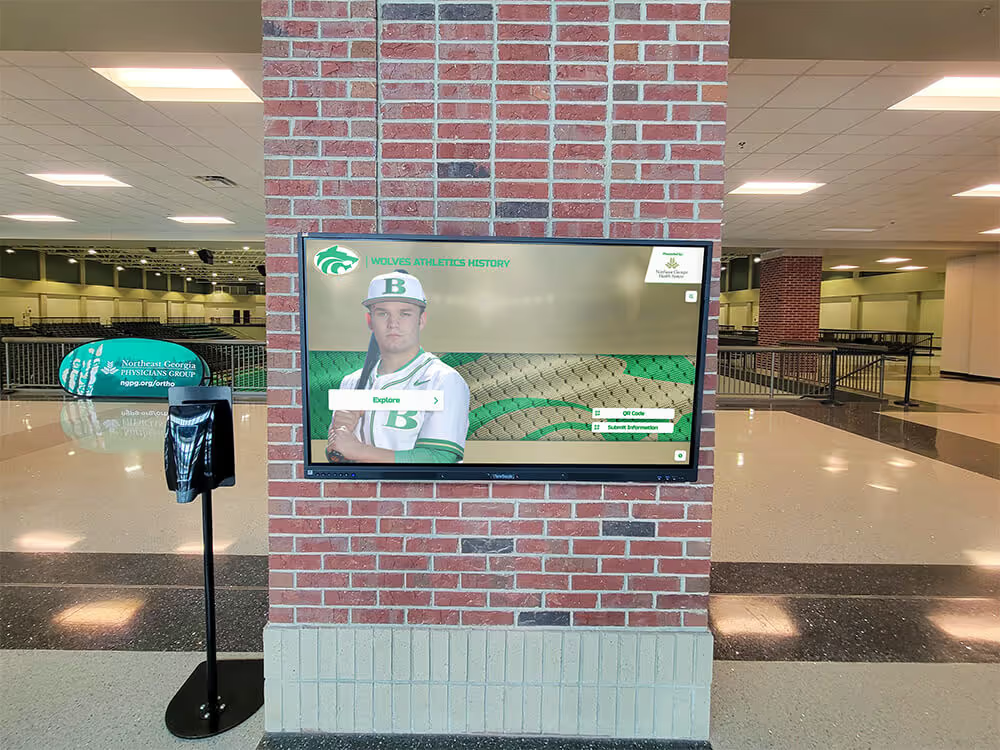
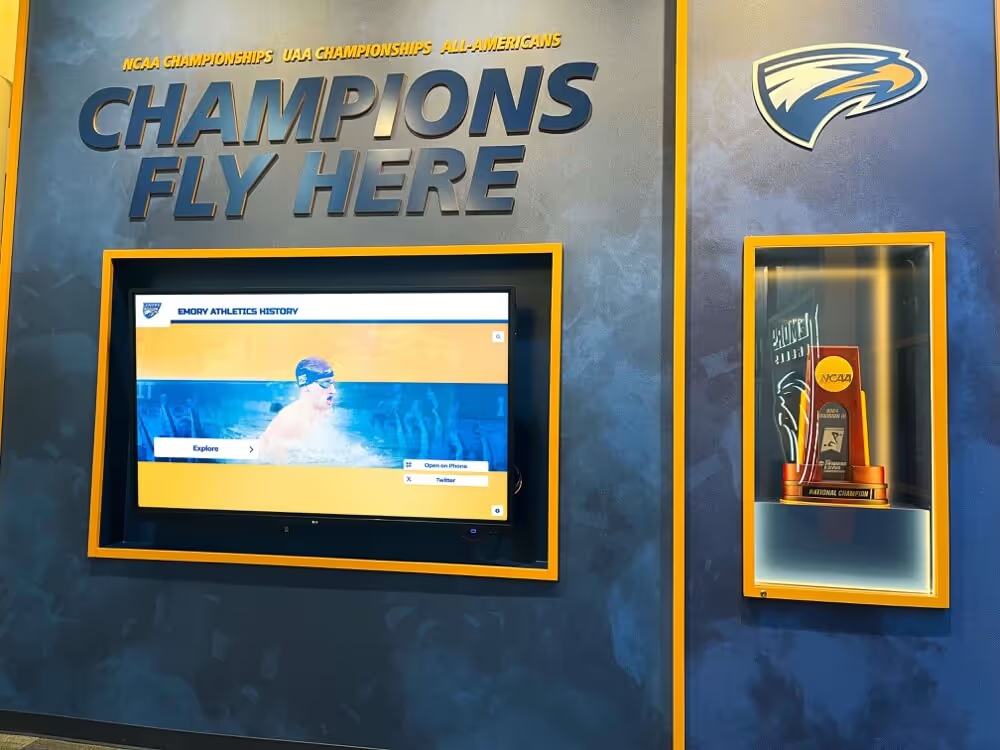
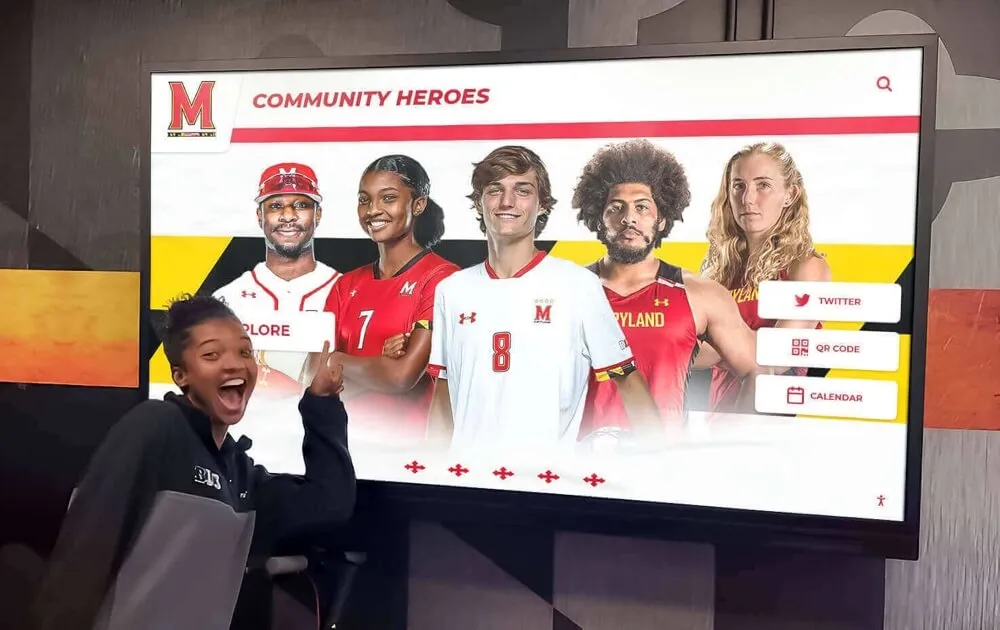
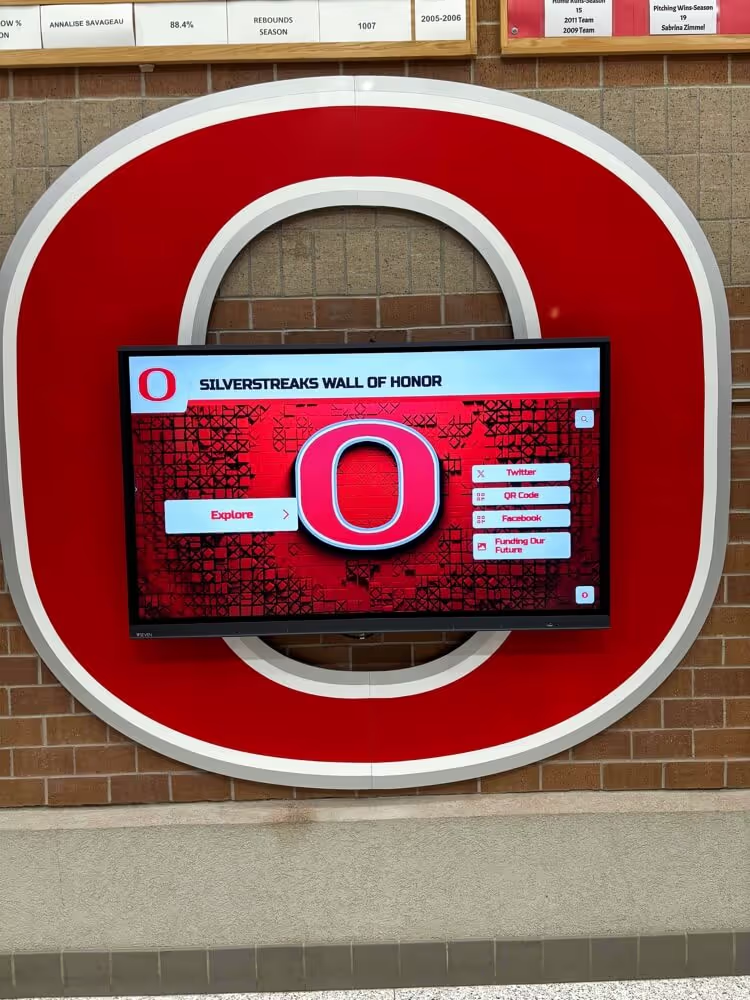
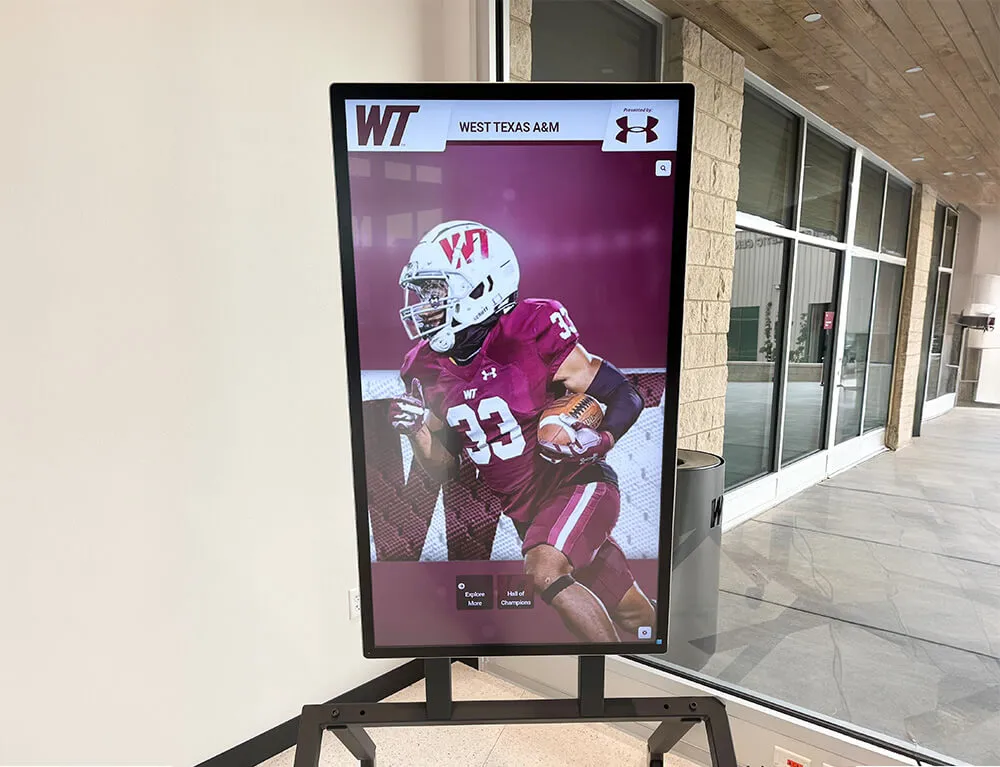
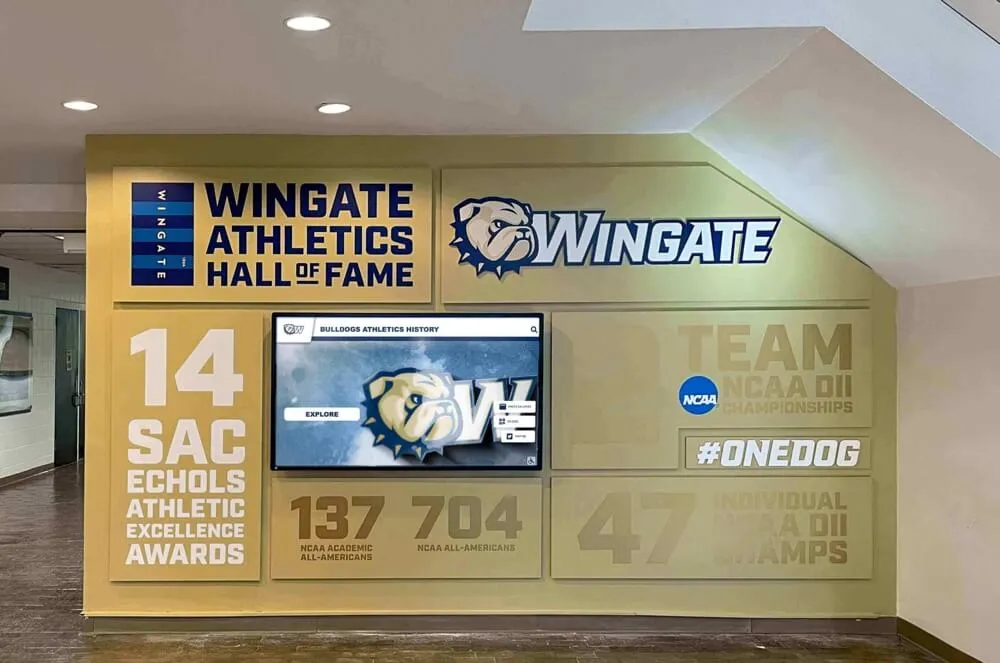
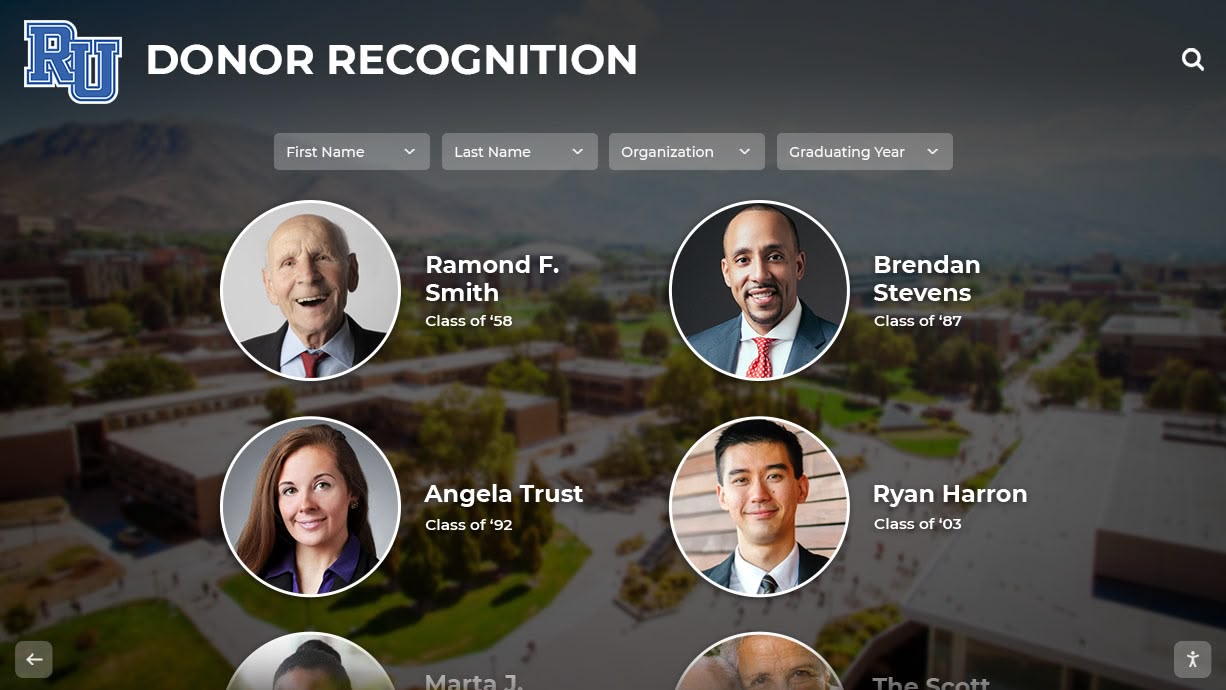
Recognition programs that honor volunteers and supporters alongside athletes build stronger, more committed school communities
Who Deserves a Service Award Certificate in an Athletic Program
Before writing any wording, it helps to map the full population of people a service award program should reach. Most school athletic programs undercount the adults who make programs function.
Coaching Staff: Head Coaches and Assistants
Head coaches are the most visible service category but not always the most consistently recognized. Programs often acknowledge outgoing head coaches but overlook:
- Assistant coaches who serve long tenures in supporting roles
- Volunteer coaches who receive no compensation but commit game-day and practice hours season after season
- JV and freshman coaches whose work feeds the varsity pipeline over many years
- Retired coaches who never received formal service recognition during their tenure
Years-of-service milestones worth recognizing include 5, 10, 15, 20, and 25-year marks, as well as retirement from any coaching role. Each milestone warrants a distinct certificate acknowledging the specific contribution made.
Learn about honoring coaches throughout the recognition lifecycle at retirement celebration ideas for years of service.
Athletic Volunteers: The Invisible Workforce
Volunteers sustain athletic programs in ways that never appear in a budget line or box score:
- Booster club officers who plan fundraisers, manage accounts, and coordinate parent volunteers
- Event volunteers who staff admission tables, concessions, and timing systems at every home competition
- Team parents and travel coordinators who organize logistics across long seasons
- Scoreboard and statistics operators who maintain accuracy for every game
- Team photographers and videographers who build program archives without pay
A service award certificate for a volunteer should acknowledge the specific function they performed rather than using generic language. “In recognition of six years of dedication to Westfield Athletics” communicates far less than “In recognition of six years serving as the varsity basketball scorebook operator and statistical coordinator.”
Athletic Supporters: Donors, Sponsors, and Boosters
Athletic supporters who provide financial backing deserve recognition that distinguishes between types and levels of contribution:
- Long-term sponsors whose business support funded facilities, uniforms, or equipment over multiple years
- Major donors who underwrote capital improvements like scoreboards, field renovations, or locker room upgrades
- Booster club founding members whose organizational work established the program’s support infrastructure
- Memorial fund contributors honoring deceased members of the athletic community
Service award certificates for financial supporters should reference what their support made possible, not just the dollar amount. That specificity creates a living acknowledgment that connects the gift to its outcome.
Explore how schools structure ongoing athletic supporter recognition through years of service awards for community contributors.
Auxiliary Athletic Staff
Programs that want to build genuinely inclusive recognition cultures should also consider:
- Athletic trainers whose medical oversight protects athlete health season after season
- Equipment managers responsible for maintaining and distributing gear across sports
- Facilities and groundskeeping staff whose work makes home competitions presentable
- Team bus drivers who log thousands of miles over long seasons
Service Award Certificate Wording: Examples by Recipient Type
Certificate wording should be formal enough to feel significant, specific enough to feel personal, and concise enough to read clearly on a framed document. The following templates are starting points, not rigid scripts—adapt them to match your program’s voice and the individual’s actual contribution.
Coach Service Award Certificate Wording
5-Year Milestone — Active Coach
This certificate is presented to [Full Name] in grateful recognition of five years of dedicated service as Head Coach of [Sport] at [School Name]. Your commitment to the growth, character, and achievement of student-athletes has strengthened this program and this community. Presented by [Athletic Department / School Name] on [Date]
10-Year Milestone — Head Coach
Presented to [Full Name] in honor of ten years of exceptional service as Head Coach of [Sport] at [School Name]. A decade of early mornings, late evenings, and unwavering dedication has shaped the lives of hundreds of student-athletes and established a program tradition of excellence. [Athletic Director Name], Athletic Director — [Date]
Retirement — Long-Tenure Coach
In recognition of [X] years of distinguished service to the [Sport] program at [School Name], this certificate is presented to [Full Name] whose coaching legacy is measured not in wins and losses but in the athletes, character, and community built over a remarkable career. With gratitude, [School Name] Athletic Department — [Year]
Volunteer Service Award Certificate Wording
Multi-Year Event Volunteer
This certificate is awarded to [Full Name] in sincere appreciation for [X] years of volunteer service to [School Name] Athletics. Your consistent presence and dedication — [specific role, e.g., as a concession coordinator, timing official, or booster club treasurer] — has made every home event possible. Thank you for giving your time and talent to our student-athletes. [Athletic Director / Principal Name] — [Date]
Booster Club Officer
Presented to [Full Name] in recognition of [X] years of leadership as [Title] of the [School Name] Athletic Booster Club. Your organizational leadership, fundraising vision, and tireless advocacy for student-athletes have strengthened every program this school fields. With appreciation, [School Name] — [Year]
Athletic Supporter Certificate Wording
Long-Term Sponsor
This certificate of recognition is presented to [Business or Individual Name] in grateful acknowledgment of [X] years of sponsorship support for [School Name] Athletic Programs. Your investment in student-athletes has funded [specific outcome: uniforms, facilities, equipment, scholarships] and made excellence possible for generations of competitors. [School Name] Athletic Department — [Year]
Capital Donor
In lasting appreciation, [School Name] recognizes [Donor Name] whose generosity made possible [specific facility or program improvement]. This contribution will serve student-athletes and the broader [School Name] community for years to come. [Date]
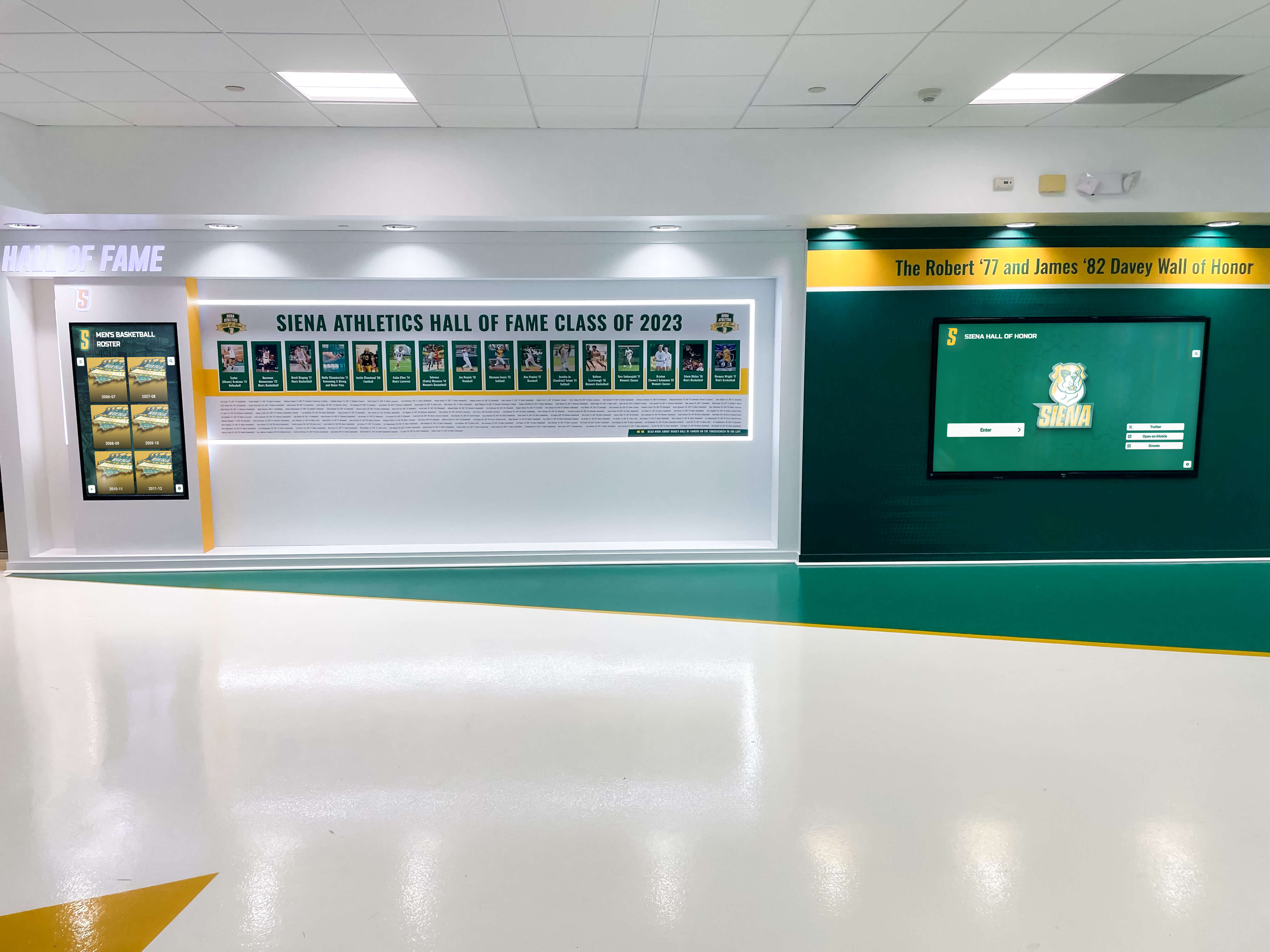
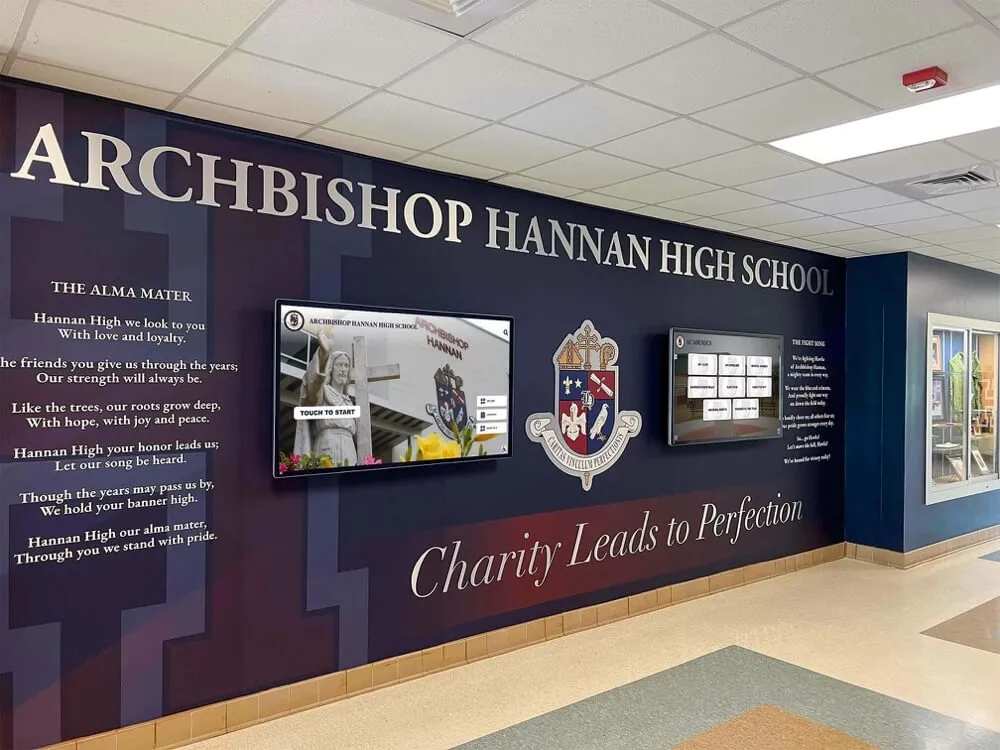
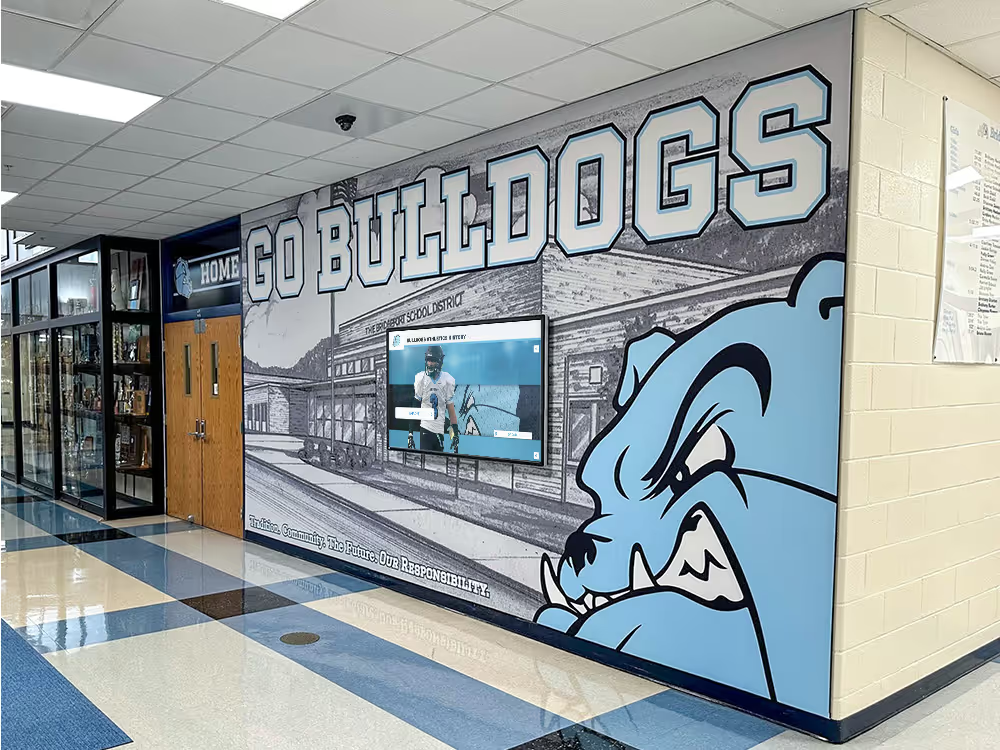
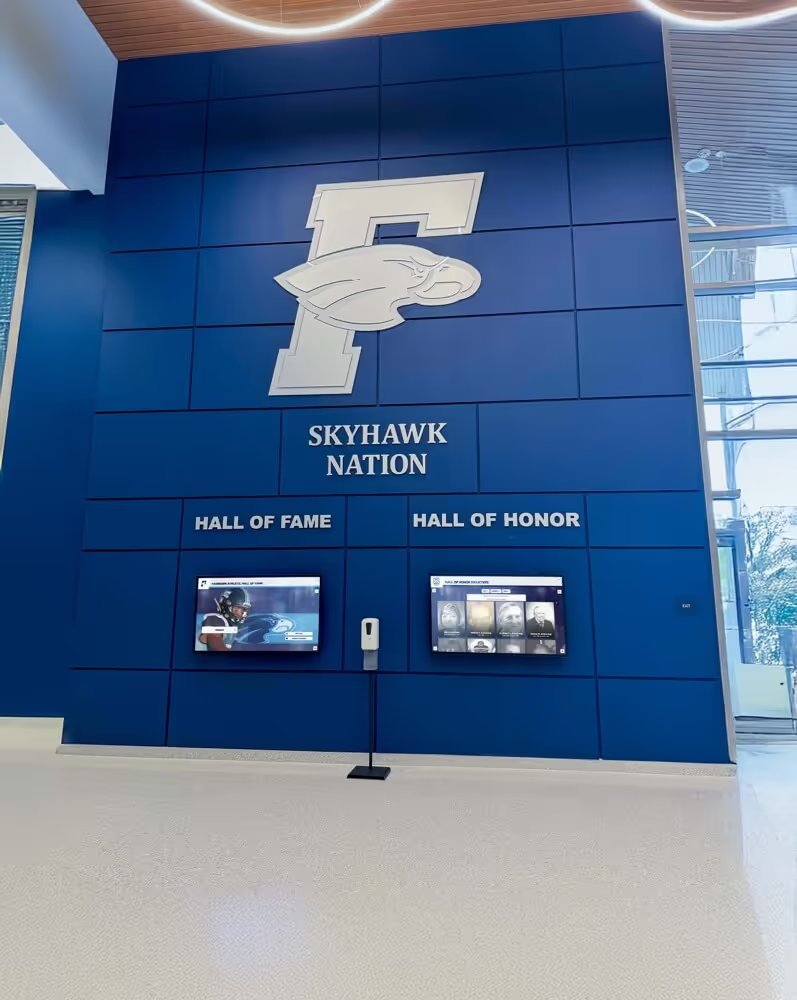
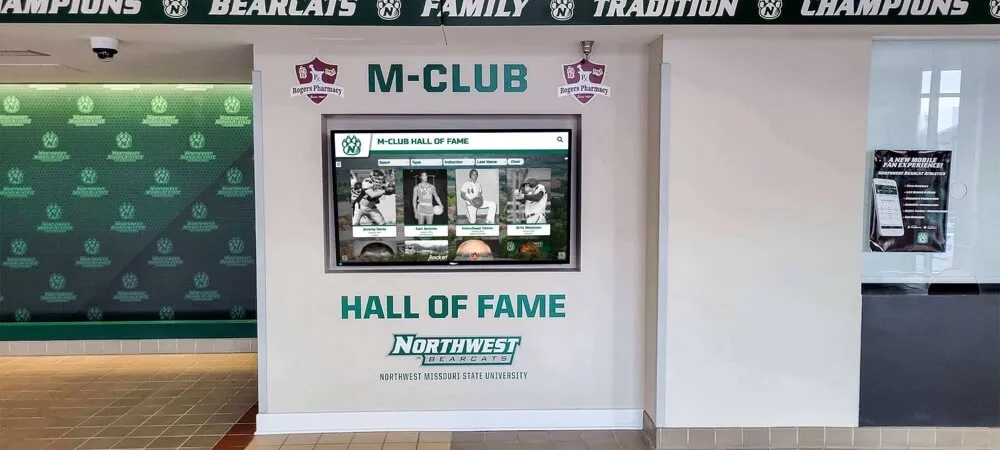
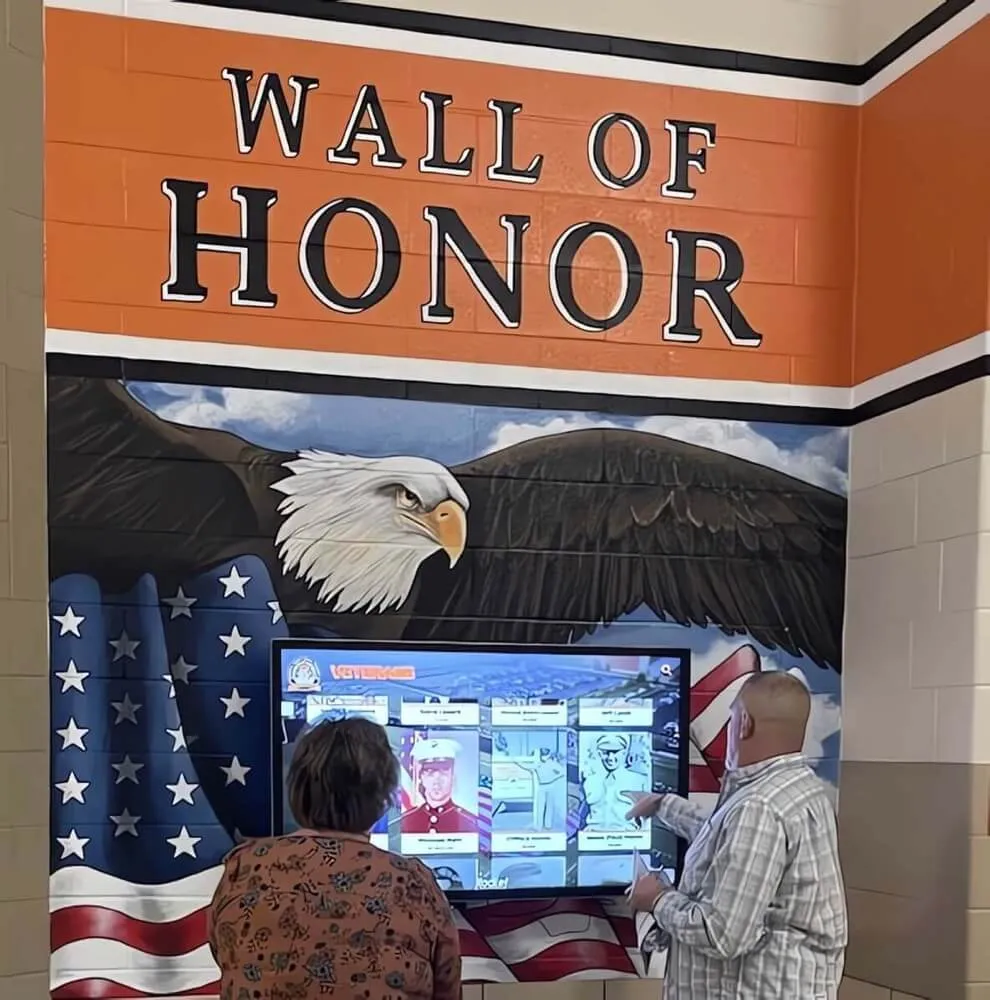
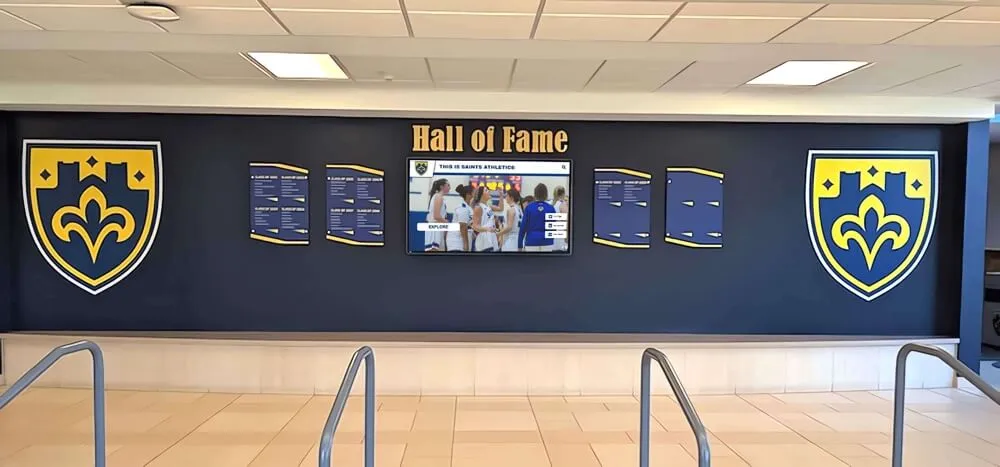
Permanent wall displays complement paper certificates by creating lasting public acknowledgment of service contributions
Years of Service Certificate Milestones: A Recognition Framework
A structured milestone framework ensures service certificates feel earned rather than routine. Schools with clear tier structures tend to see stronger long-term volunteer retention and more consistent recognition outcomes.
Recommended Milestones for Coaching Staff
| Milestone | Certificate Tier | Additional Recognition Options |
|---|---|---|
| 1 year | Welcome acknowledgment | Program inclusion, staff photo |
| 5 years | Service certificate | Public announcement at event |
| 10 years | Formal service award | Ceremony presentation, digital profile |
| 15 years | Distinguished service award | Plaque, digital hall of recognition |
| 20 years | Career excellence award | Named award, ceremony, permanent display |
| 25+ years | Legacy recognition | Hall of fame nomination, enduring display |
| Retirement | Career service certificate | Public event, permanent digital archive |
Recommended Milestones for Volunteers
Volunteer recognition typically follows a shorter cycle since turnover is higher:
| Milestone | Recognition |
|---|---|
| 1 season | Thank-you letter with certificate |
| 3 seasons | Service certificate with specific role language |
| 5 seasons | Formal service award, booster acknowledgment |
| 10+ seasons | Distinguished volunteer recognition, permanent record |
See how schools structure these long-term recognition programs at the wall of fame ideas for schools honoring students, staff, and alumni.
Certificate Design Elements That Elevate Service Recognition
The physical design of a service award certificate signals the weight of the recognition. A printed certificate on standard copy paper communicates a different level of regard than a properly designed document on quality stock.
Paper and Printing Standards
- Paper weight: Use 24 lb or 32 lb certificate paper at minimum; 67 lb card stock for major milestones
- Finish: Linen or parchment texture conveys tradition; glossy finish works for contemporary designs
- Size: 8.5" × 11" is standard; 11" × 14" creates a more prestige appearance for retirement and major milestone certificates
- Color printing: Full color for institutional branding; black and gold or black and silver for a classic look
Required Design Elements
Every service award certificate should include:
- School name and crest or athletic logo — establishes institutional identity
- Certificate title — “Certificate of Service,” “Service Award,” or “Recognition Award”
- Recipient’s full name — in a larger or contrasting font, the visual centerpiece
- Service description — specific role, years, and program
- Issuing authority — athletic director, principal, or board name and signature line
- Date — full month, day, and year
- Seal or embossed stamp — optional but adds formality to retirement and milestone certificates
What to Avoid
- Generic clip art or stock borders that undercut the visual quality
- Typos in the recipient’s name or title — review proofs with a second set of eyes
- Vague language that could apply to anyone (“your hard work and dedication”)
- Missing dates that prevent the certificate from functioning as a permanent record
For programs exploring award presentation formats that extend beyond paper, end of season sports award ideas offer a useful range of physical and ceremonial approaches to combine with certificates.
Presenting Service Award Certificates: Ceremony and Context
A certificate handed out in a hallway carries a fraction of the recognition weight of one presented at a meaningful occasion. Presentation context shapes how recipients and onlookers perceive the significance of the award.
Optimal Presentation Settings
Athletic banquets and end-of-season ceremonies work well for annual volunteer and single-season coach recognition. They gather the athletic community, create natural audience engagement, and give the recipient peer acknowledgment alongside athlete honorees.
Opening or halftime ceremonies at home games provide visible public acknowledgment for coaches and long-term volunteers. Announcing a coach’s tenth season of service at a well-attended game creates a community moment that outlasts the certificate itself.
Athletic department awards nights dedicated to staff and supporter recognition signal that the program treats adult contributors as seriously as it treats athletes. A standalone event—distinct from the athlete awards program—positions service recognition as its own category of institutional priority.
Retirement events for long-tenure coaches and volunteers deserve planning that matches the scale of the service rendered. A coach who gave 20 years to a program warrants more than a brief mention at a banquet.
Pairing the Certificate with Spoken Recognition
The certificate is a document; the ceremony is what makes it meaningful. When presenting service award certificates:
- State the specific years of service, not just a milestone number
- Name two or three concrete contributions the recipient made
- Allow other voices—former athletes, colleagues, family members—to add context
- Leave time for the recipient to respond
Learn how to structure this verbal acknowledgment through award acceptance speech examples for coaches and community.
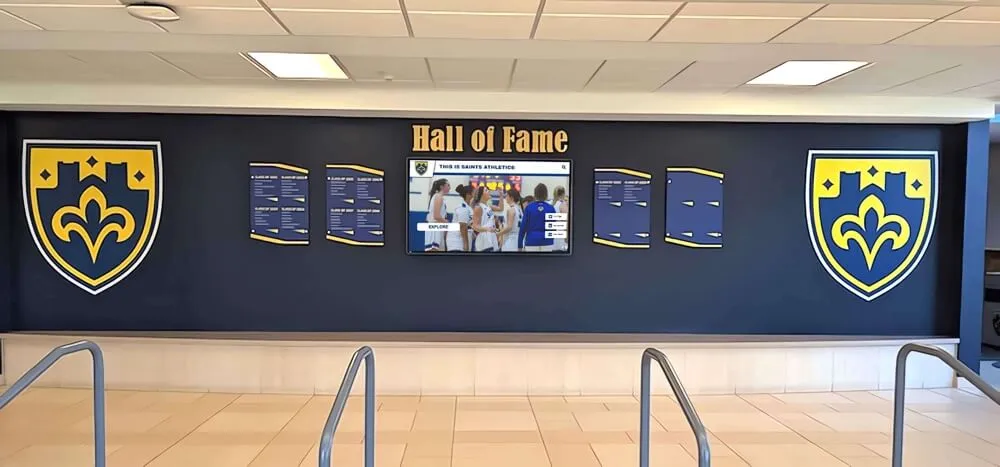
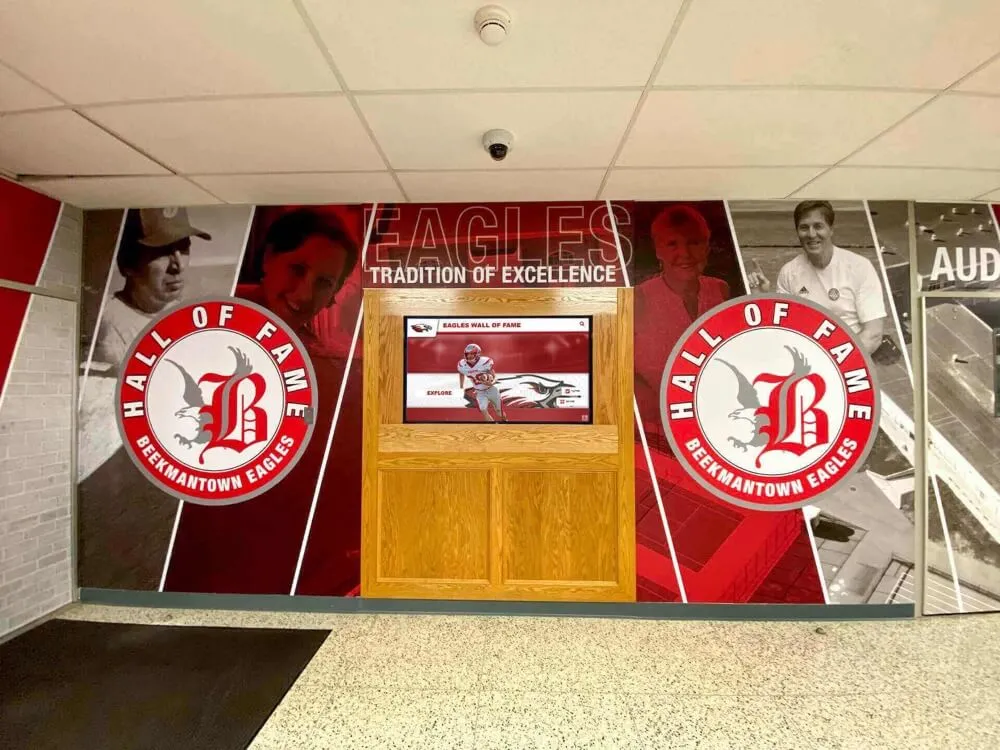
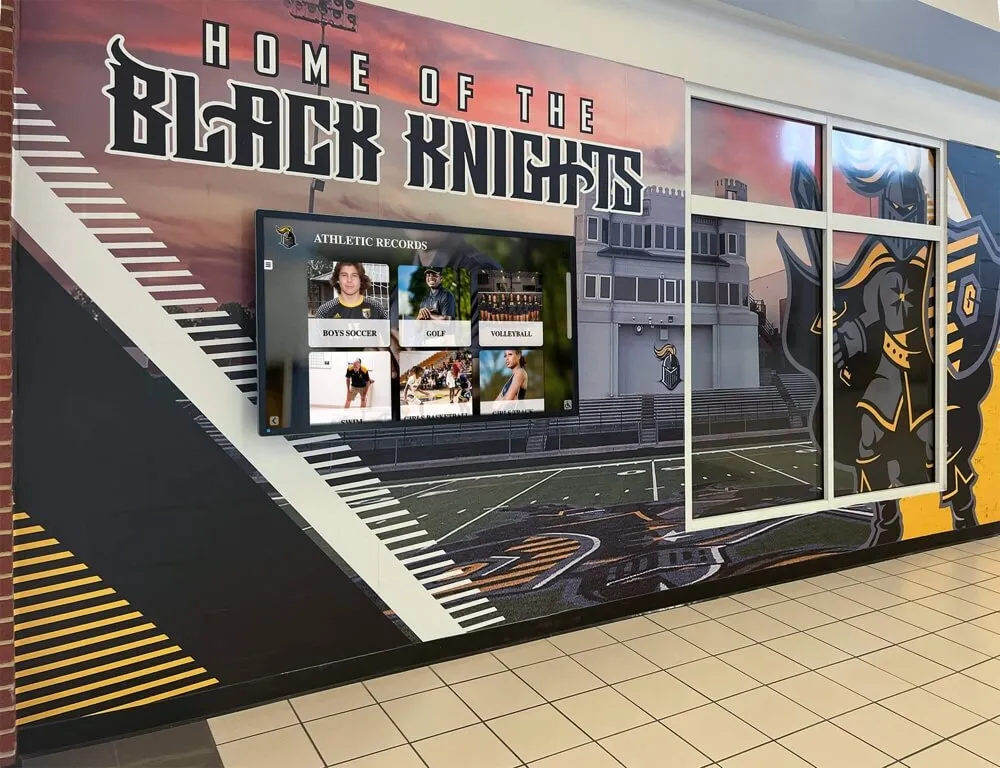
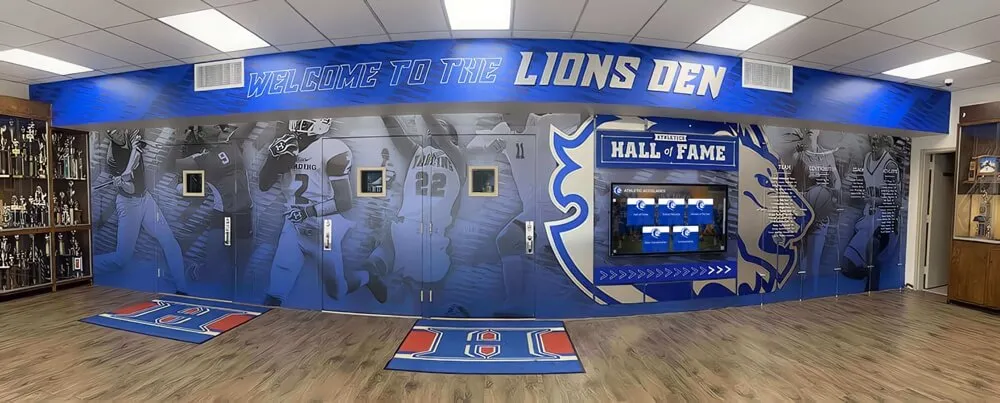
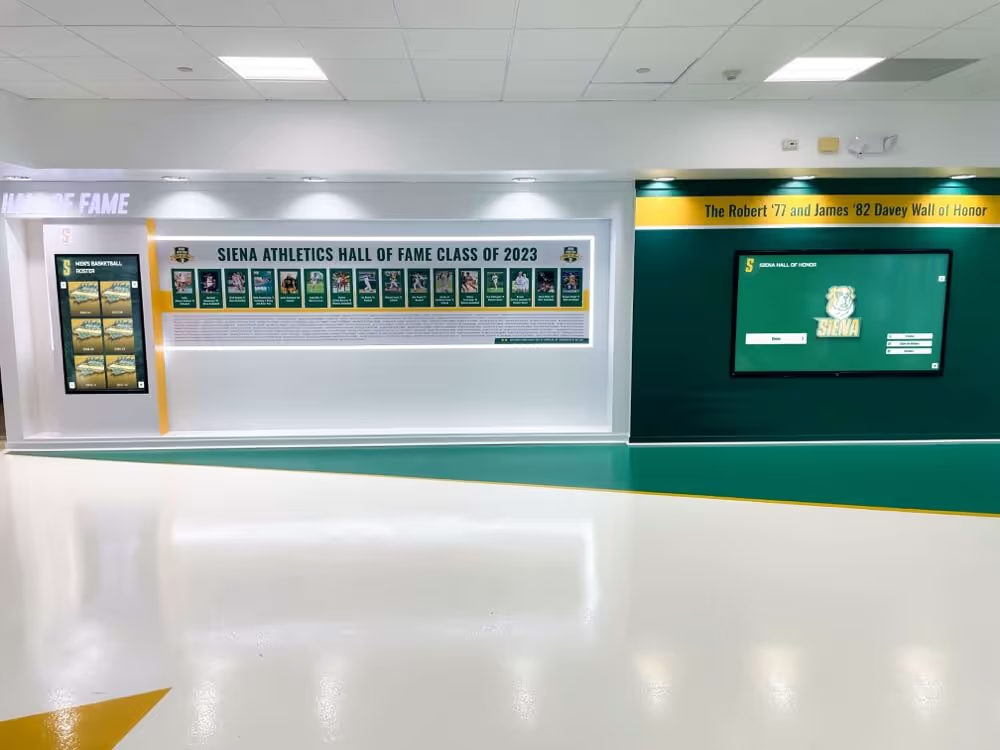
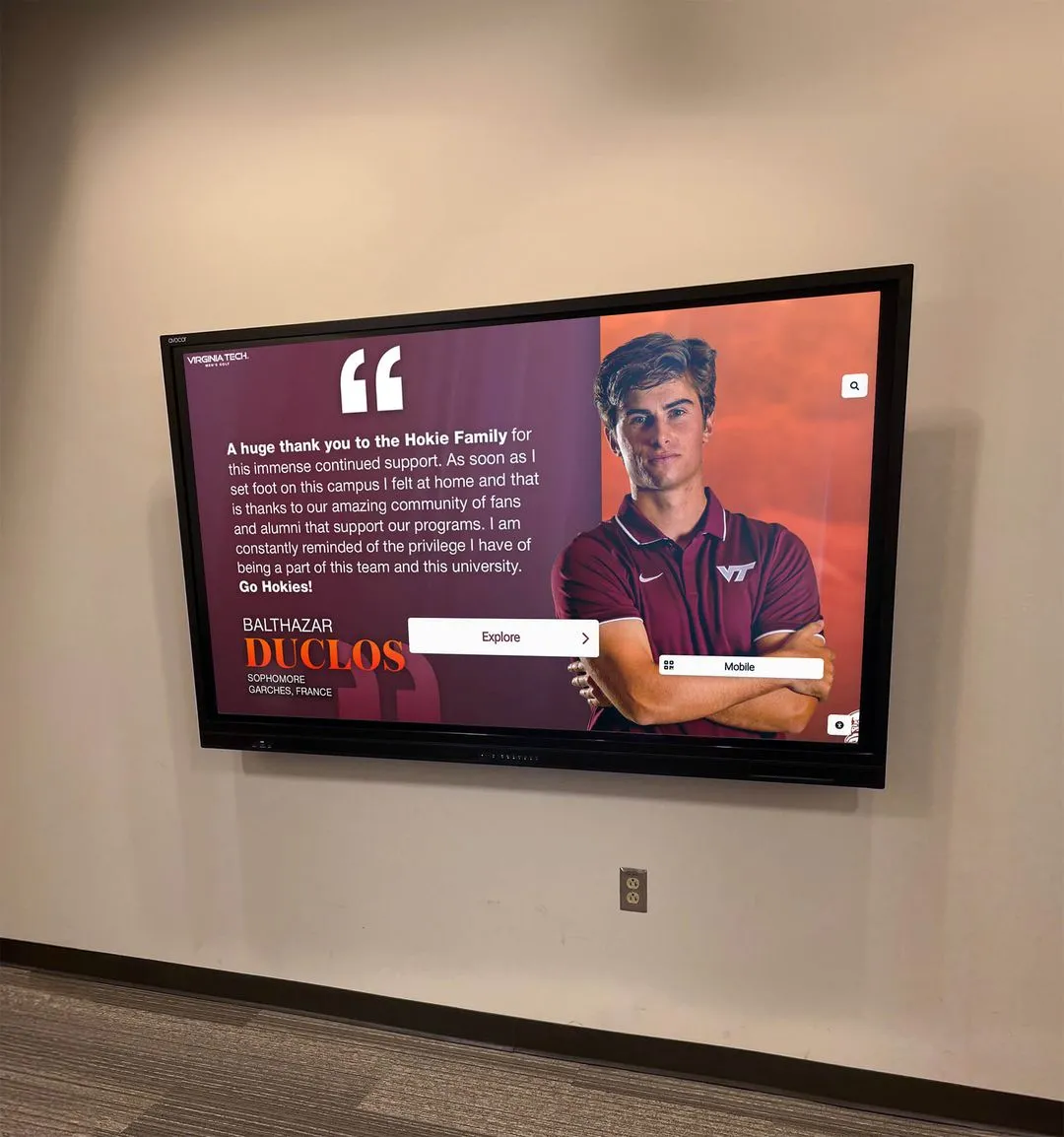
Combining physical recognition elements with digital displays creates recognition systems that honor service for decades
The Case for Nominating Long-Service Contributors to Hall of Fame Programs
A service award certificate recognizes a completed chapter of service. A hall of fame nomination preserves that service as part of the program’s permanent institutional record—a different and more lasting form of acknowledgment.
Schools that have formalized service recognition into hall of fame frameworks report stronger alumni and volunteer engagement because contributors understand that their service is treated as part of program history, not just a nice thing to acknowledge at the time.
Hall of fame structures for coaches and supporters typically distinguish between:
- Athletic Hall of Fame focused on player achievement
- Program Service Award or Contributor Recognition category for coaches and volunteers
- Donor and Supporter Wall for financial backers and community partners
Each category warrants its own recognition criteria and presentation standards. Reviewing athletic hall of fame nomination criteria and what committees look for can help programs establish standards that feel fair and permanent rather than ad hoc.
Understanding the broader athletic hall of fame planning process for school administrators provides context for where service certificate recipients fit into a long-term recognition architecture.
Digital Preservation: Taking Service Recognition Beyond the Paper Certificate
A paper certificate has a practical lifespan. It gets framed, then moved during a home renovation, then stored in a box, then lost. The institutional record of who served—and what they contributed—should not depend on whether a volunteer’s family kept a piece of paper dry for twenty years.
What Digital Preservation of Service Recognition Looks Like
Modern digital recognition systems allow schools to create permanent, searchable records of service contributors that live alongside athlete and academic recognition:
Digital profiles for coaches and volunteers that include:
- Years and seasons of service
- Specific roles and responsibilities
- Photos from seasons served
- Notable accomplishments during their tenure
- Links to team records or season archives from their years
Searchable archives where future students, parents, and community members can look up any contributor by name, sport, or era—the same way they might look up a player’s statistics
Timeline displays showing which coaches led each program through each era of the athletic department’s history
Donor and supporter walls that surface long-term financial contributors alongside service recognition in a single cohesive display
This kind of permanent record transforms the service award certificate from a personal keepsake into a piece of the program’s institutional history. For athletic programs investing in digital record infrastructure, understanding how to record and track sports games and program history provides useful context on the data architecture that supports complete recognition records.
Why Digital Recognition Outlasts Physical Certificates
Physical certificates and plaques face space constraints. A school with 40 years of coaches, 200 season volunteers, and 50 major donors cannot create a plaque wall large enough to honor all of them without dedicating an entire hallway to the effort—and that hallway fills up.
Digital recognition systems eliminate the space constraint entirely. The same touchscreen display that shows a current athlete’s statistics can also surface a coach who served from 1995 to 2008, a booster club treasurer who managed funds for twelve seasons, or a donor whose contribution paid for the scoreboard still in use today.
For schools evaluating how to physically house both traditional and digital recognition infrastructure, basketball display case ideas for school lobbies and hall of fame walls offers design thinking that applies across sports and recognition categories.
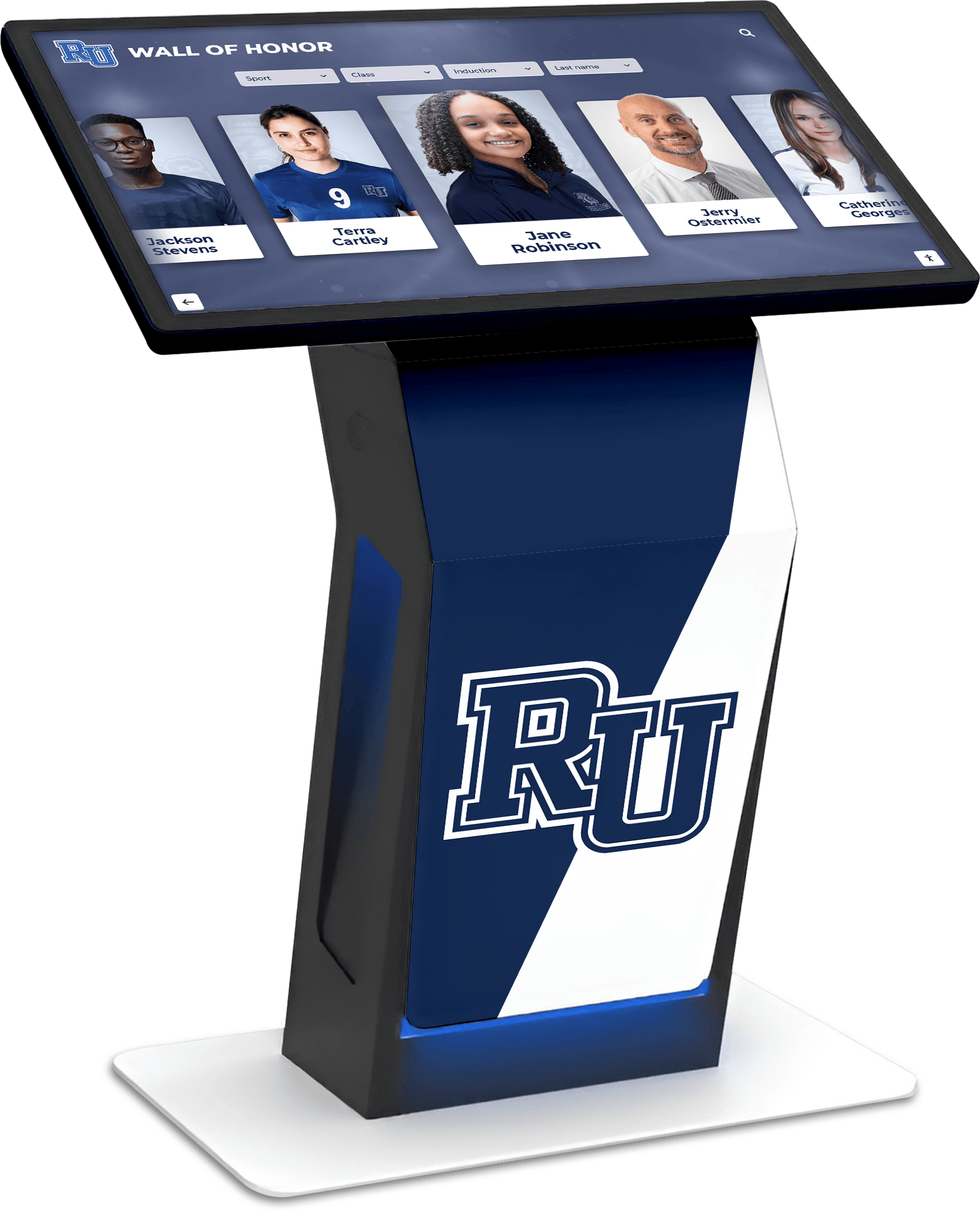
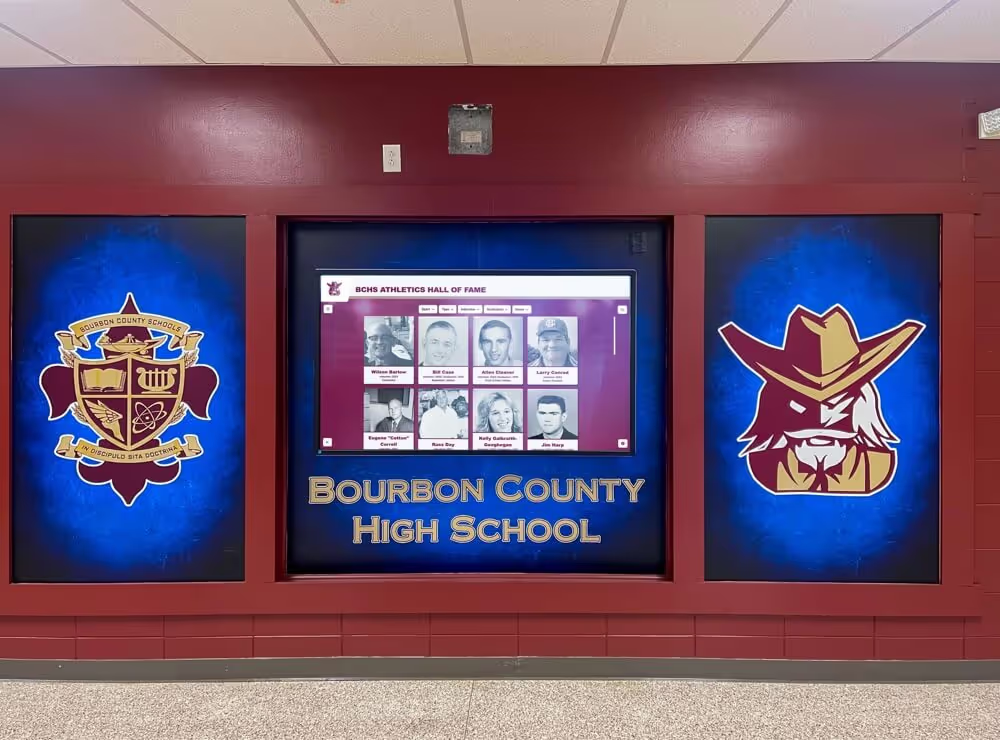
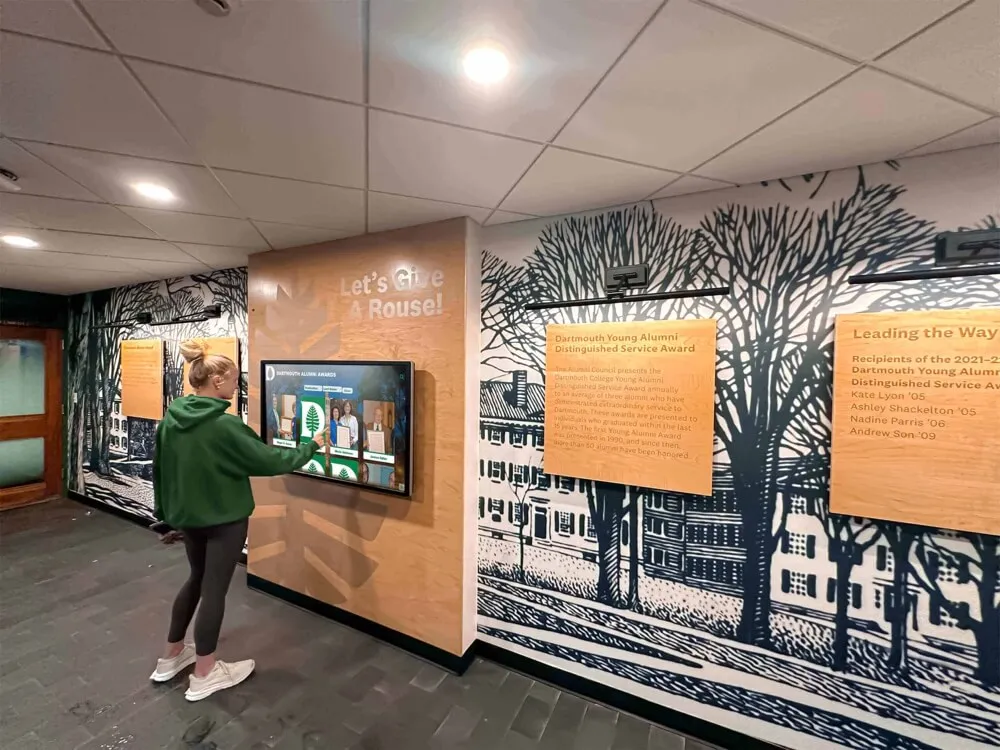
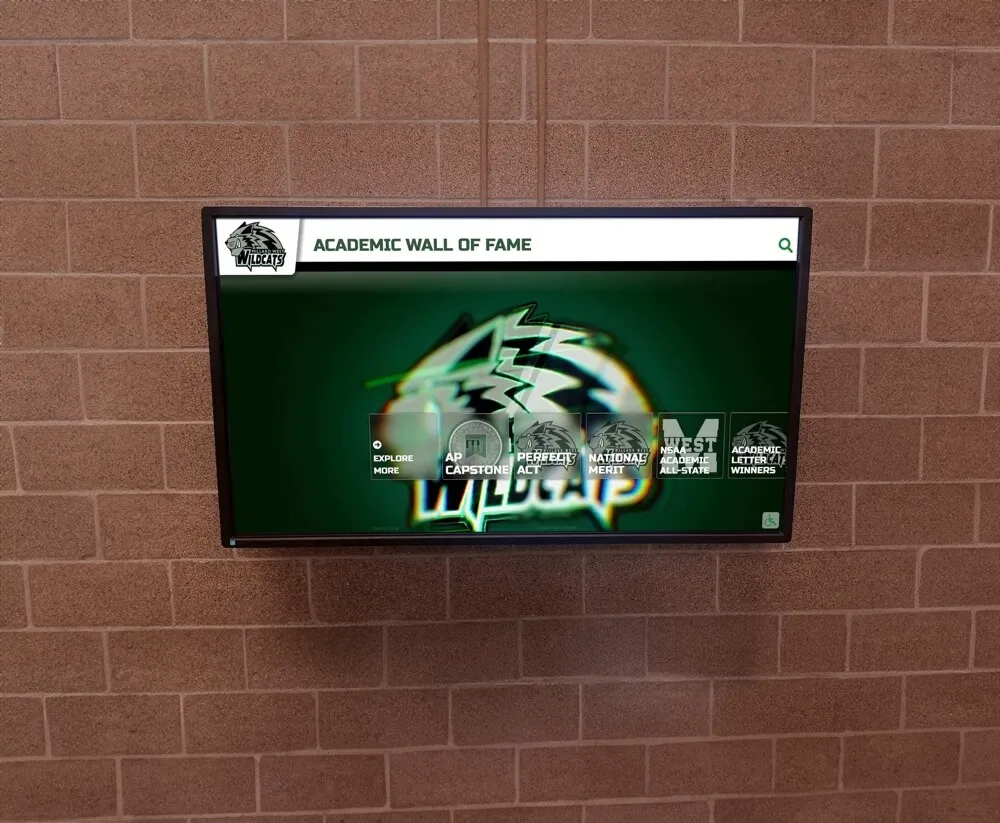
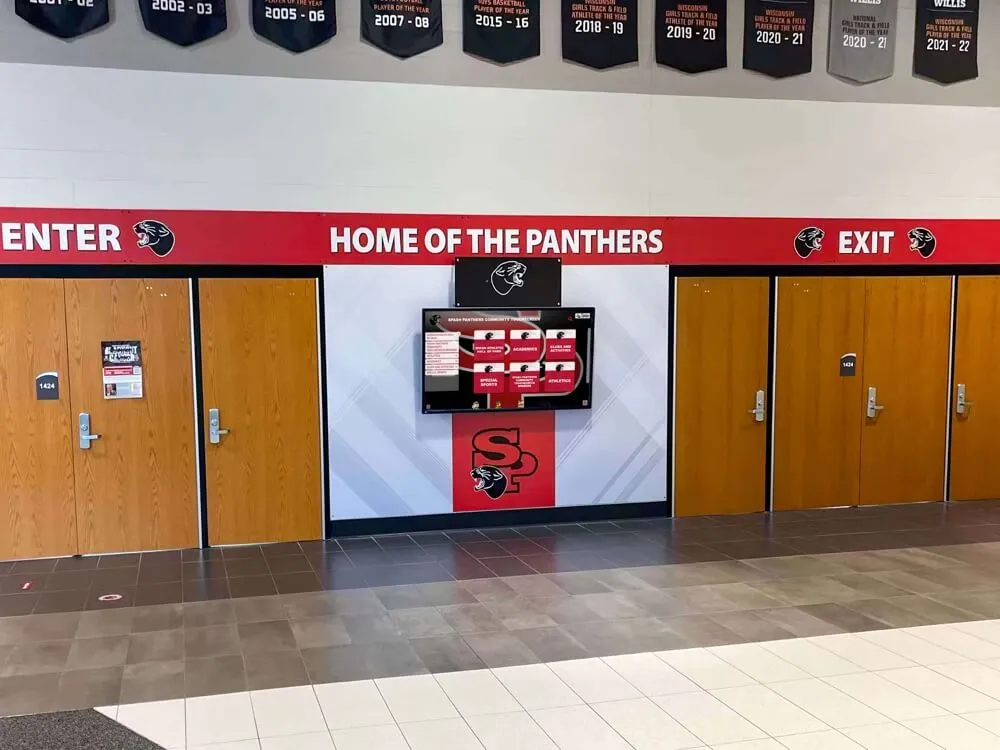
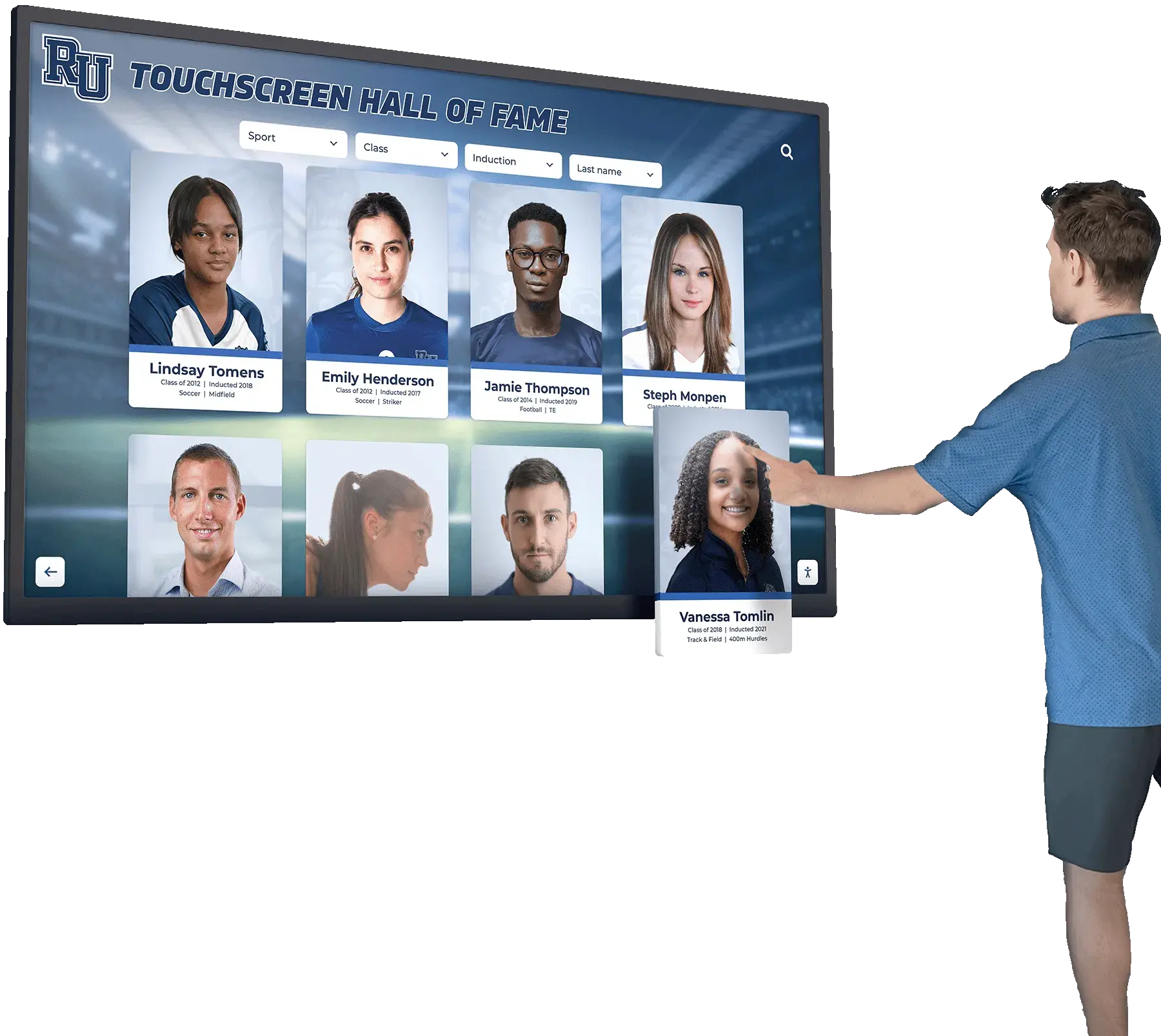
Touchscreen recognition systems preserve service records permanently, allowing future generations to explore the full history of program contributions
Building a Year-Round Service Recognition Calendar
One-time retirement acknowledgments and annual banquet certificates are a starting point. Schools that build the strongest recognition cultures treat service acknowledgment as a year-round practice, not a once-a-season task.
A Practical Annual Recognition Calendar
August / Season Kickoff
- Welcome returning volunteer coaches and booster club officers publicly
- Acknowledge upcoming service milestones for the coming year
October–November / Mid-Season
- Spotlight long-tenure volunteers in program materials and social media
- Announce major donor contributions with attribution at home games
December / End of Fall Season
- Issue service award certificates for fall sport coaches and volunteers
- Update digital recognition profiles with completed season records
March–April / End of Winter Season
- Present service certificates at winter sports banquets
- Nominate long-service contributors for formal hall of fame review
May–June / Spring Awards Season
- Hold dedicated service recognition ceremony or include service awards at spring athletic night
- Process retirement recognitions for coaches finishing their final season
- Issue spring sport service certificates
Ongoing
- Update digital recognition systems with new content after each season
- Maintain booster and donor recognition displays in current and accurate state
Championship banner programs give schools another visible acknowledgment pathway; championship banner design ideas for high school gyms and athletic halls shows how permanent display elements can complement ongoing certificate programs.
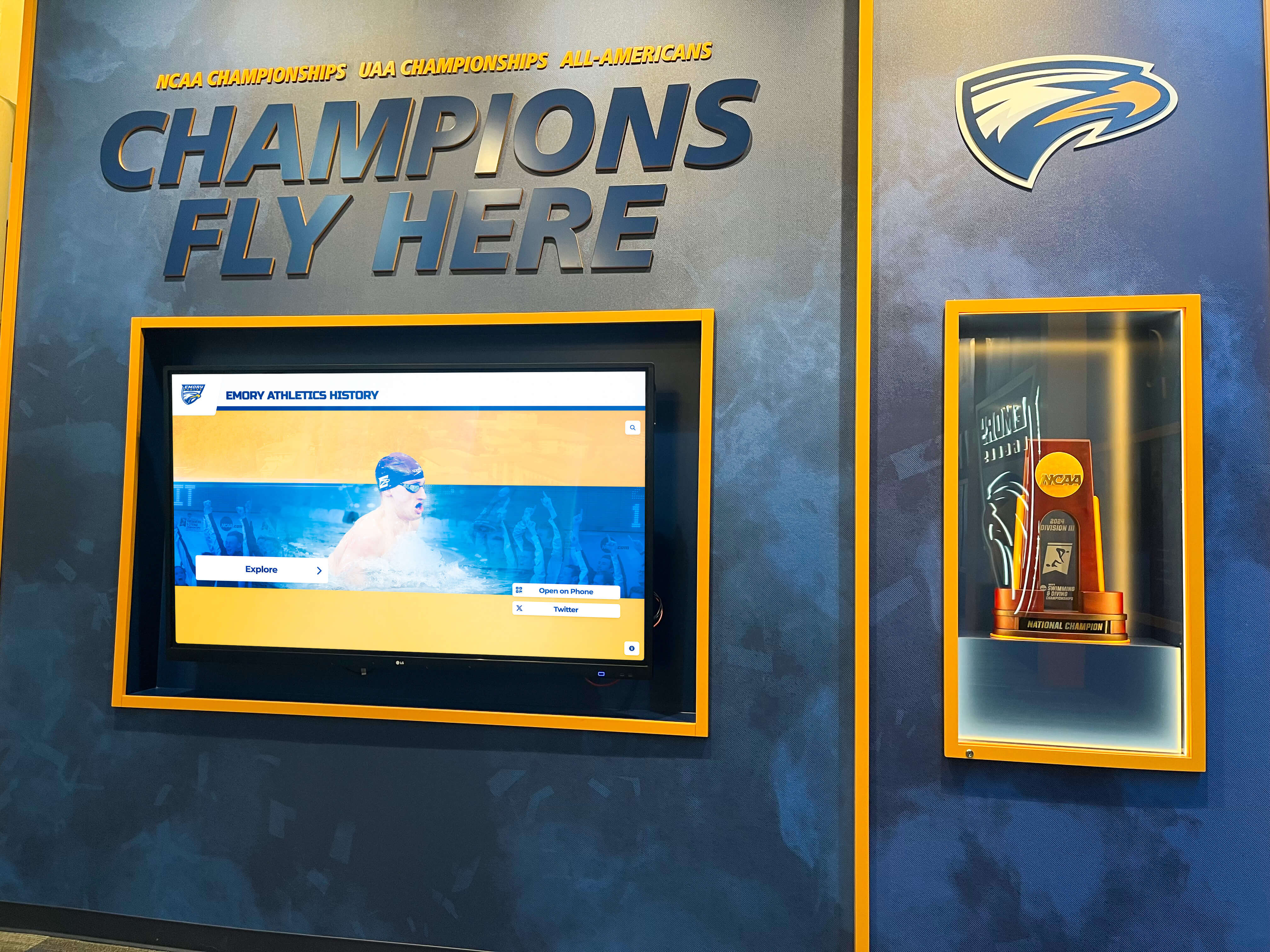
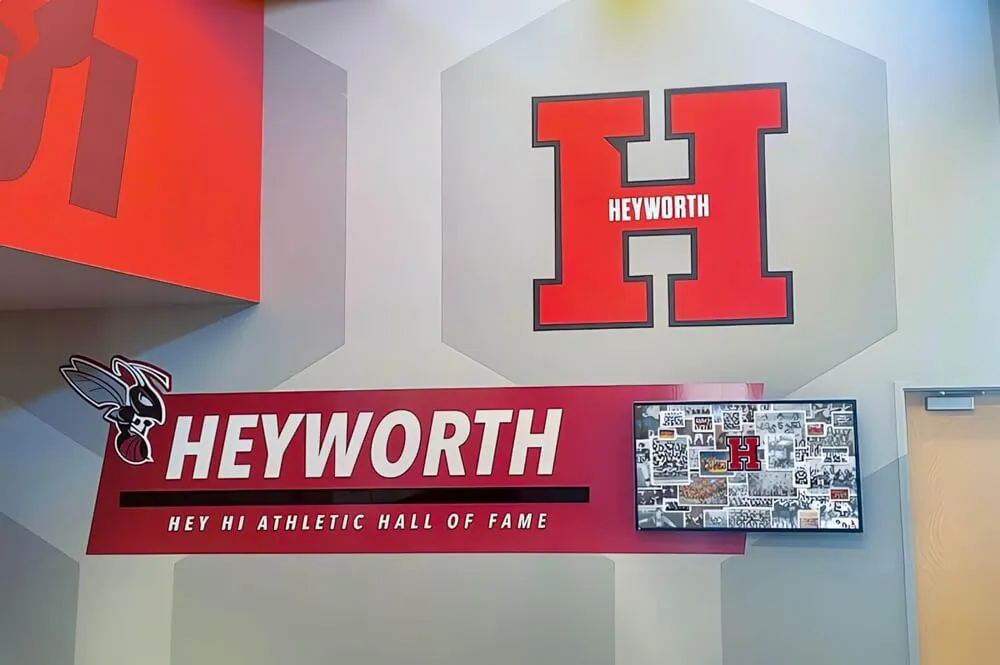
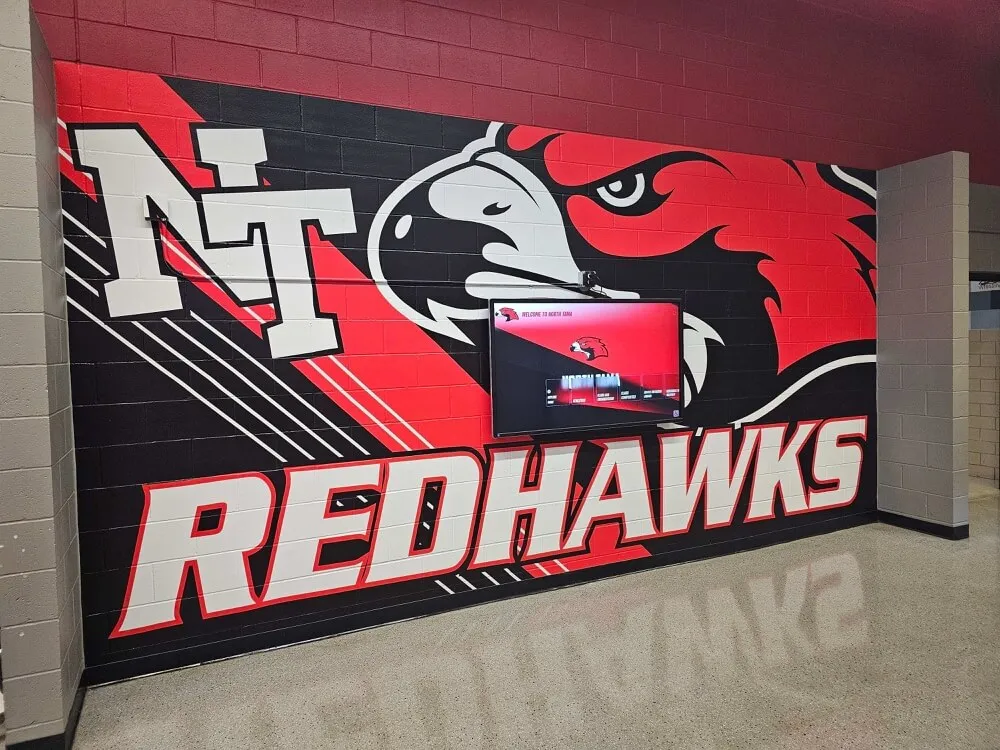
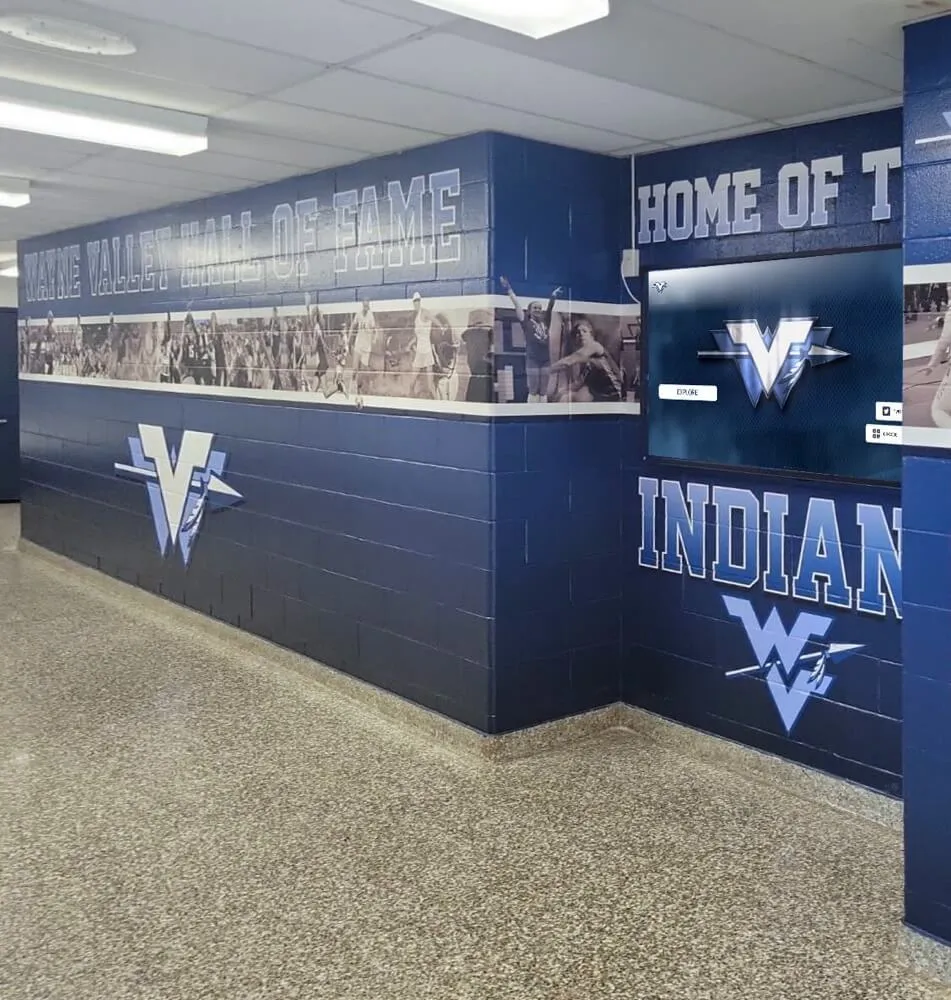
Recognition walls that honor coaches and supporters alongside championship hardware communicate what a program values
How Rocket Alumni Solutions Supports Long-Term Service Recognition
Paper certificates are a ceremony tool. They do the work of formal acknowledgment in a moment. What they cannot do is remain visible, searchable, and growing over time as new contributors join the program’s history.
Rocket Alumni Solutions builds touchscreen recognition systems for schools and athletic programs that create exactly that kind of permanent, expandable service record. Rather than storing retired coaches in boxes of plaques and forgotten certificates, programs using digital recognition platforms maintain complete, accessible histories of everyone who contributed to program success—athletes, coaches, supporters, and donors.
See How Your Program Can Honor Every Contributor
Schedule a demo to see how a digital recognition display can preserve your coaches' and volunteers' service records permanently—alongside your athletic achievements and donor history.
Request a DemoKey capabilities relevant to service recognition programs include:
- Unlimited recognition profiles for coaches, volunteers, and supporters—no space cap, no rotating out old honorees
- Cloud-based content management so athletic directors can update service records remotely without vendor involvement
- QR code mobile access so retiring coaches and volunteers can show their recognition profile to family and friends from a phone
- Searchable archives organized by sport, era, role, and contribution type
- Integration with physical displays so digital service recognition appears alongside trophy cases and hall of fame walls in the same space
Frequently Asked Questions About Service Award Certificates
What should a service award certificate say?
A service award certificate should include the recipient’s full name, a specific description of the service rendered (role, program, and years), a statement of appreciation from the issuing institution, the name and signature of an authorizing official (athletic director or principal), and the full date. The most effective wording is specific rather than generic—“eight years as the varsity swimming volunteer timing official” communicates a meaningful record. Avoid generic language like “in appreciation for your hard work and dedication” without context.
How many years of service warrant a formal certificate?
Most school athletic programs issue formal service award certificates at 5-year milestones, though any completed tenure—including a single-season retirement from a long-held role—can warrant acknowledgment. A first-year certificate functions more as a welcome acknowledgment, while 10-, 15-, and 20-year certificates carry increasing institutional weight. Retirement certificates should be issued regardless of tenure length when someone concludes a meaningful service role.
What is the difference between a service certificate and a hall of fame induction?
A service award certificate is a formal acknowledgment of years of contribution, typically presented privately or at a program event. A hall of fame induction is a permanent institutional honor that places the recipient in a named, searchable archive of the program’s most significant contributors. Many schools use service certificates as the primary tool for regular milestone recognition, reserving hall of fame nominations for individuals with 15 or more years of service, major donor impact, or program-defining contributions. Both tools serve distinct purposes in a complete recognition strategy.
How do you preserve service award records digitally?
Digital preservation of service recognition requires moving beyond paper certificates to create structured records in a content management system. This means creating named profiles for each service honoree that include their role, years of service, contributions, and any supporting photos or documentation. Schools using cloud-based recognition platforms can store these records permanently, make them searchable, and display them on touchscreen kiosks alongside athlete and academic recognition. Annual updates after each season keep the records current without requiring a full system overhaul.
Should volunteers and donors receive the same type of certificate as coaches?
Volunteers and donors should receive certificates tailored to the nature of their contribution rather than generic certificates adapted from coach templates. Coach certificates typically emphasize professional role and mentorship impact. Volunteer certificates should name specific functions and event service. Donor and supporter certificates should reference what the financial contribution made possible—a specific facility, program, or equipment—rather than treating giving as a generic act. Distinguishing between certificate types signals that the program understands and values the specific form each contribution takes.
Conclusion: Service Certificates as the Start of a Longer Recognition Story
A service award certificate does its best work when it marks the beginning of a lasting recognition record, not the end of one. Coaches who receive a formal 10-year certificate should know that their complete service history will be preserved and accessible to future generations of athletes passing through the program. Volunteers who give years of Friday nights should leave with both a framed document and a permanent digital profile that keeps their contribution visible.
The wording, design, presentation, and digital preservation strategies in this guide provide a foundation for building that kind of complete service recognition culture—one where every person who contributes to a school athletic program understands that their work is seen, recorded, and respected as part of what the program is.
Physical certificates acknowledge what happened in the ceremony. Digital recognition systems make sure it stays visible for everything that comes after.