



Every year, hundreds of thousands of students step behind a podium, across a debate table, or onto a performance stage to compete in speech and debate — the academic activity that builds more transferable skills per season than almost any other program a school offers. They prepare for months, travel to tournaments, qualify for state championships, and — in the top tier of their sport — earn a bid to the National Speech & Debate Association’s national tournament. Then most of them graduate, and their achievements disappear.
Meanwhile, the school’s athletic wing keeps gaining plaques. A basketball state title from 2003 hangs in a banner above the gymnasium. Football records fill a dedicated display case near the main entrance. The wrestling team has a wall. Speech and debate? A plastic trophy on a shelf in the coach’s office, if they’re lucky.
This guide examines what speech and debate competition actually involves, how the NSDA structures recognition, and — most importantly — how schools can build permanent records of forensics excellence that honor these students with the same visibility their achievements deserve.
Speech and debate is the umbrella term for competitive forensics, encompassing dozens of individual and team events ranging from policy debate and Lincoln-Douglas to original oratory, dramatic interpretation, and extemporaneous speaking. It is one of the most academically rigorous extracurricular activities available at the high school and collegiate levels, and its governing body — the National Speech & Debate Association — coordinates competition for more than 150,000 students across more than 3,700 member schools.

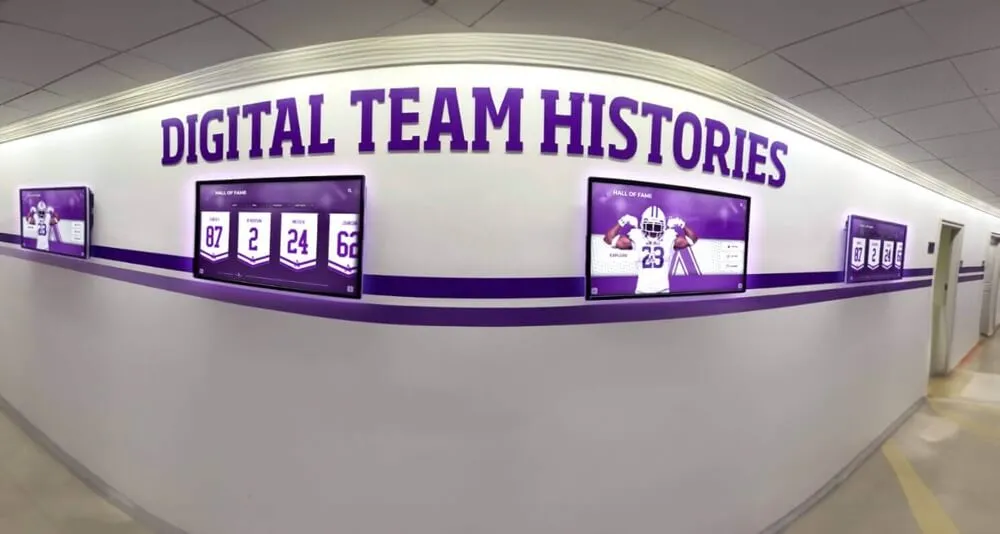
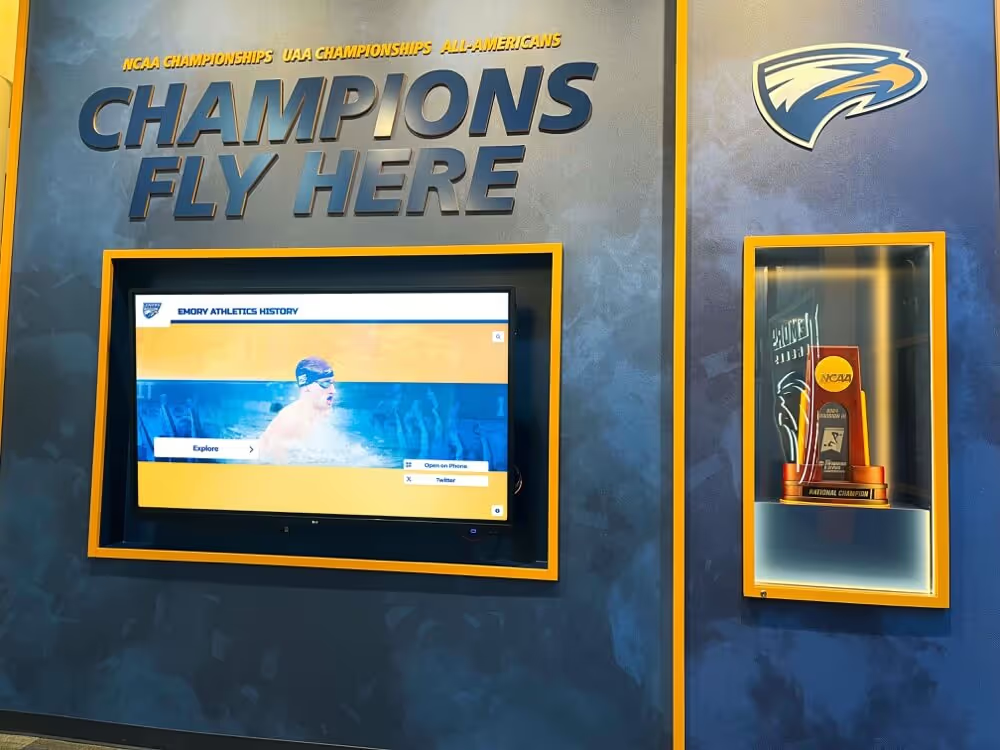
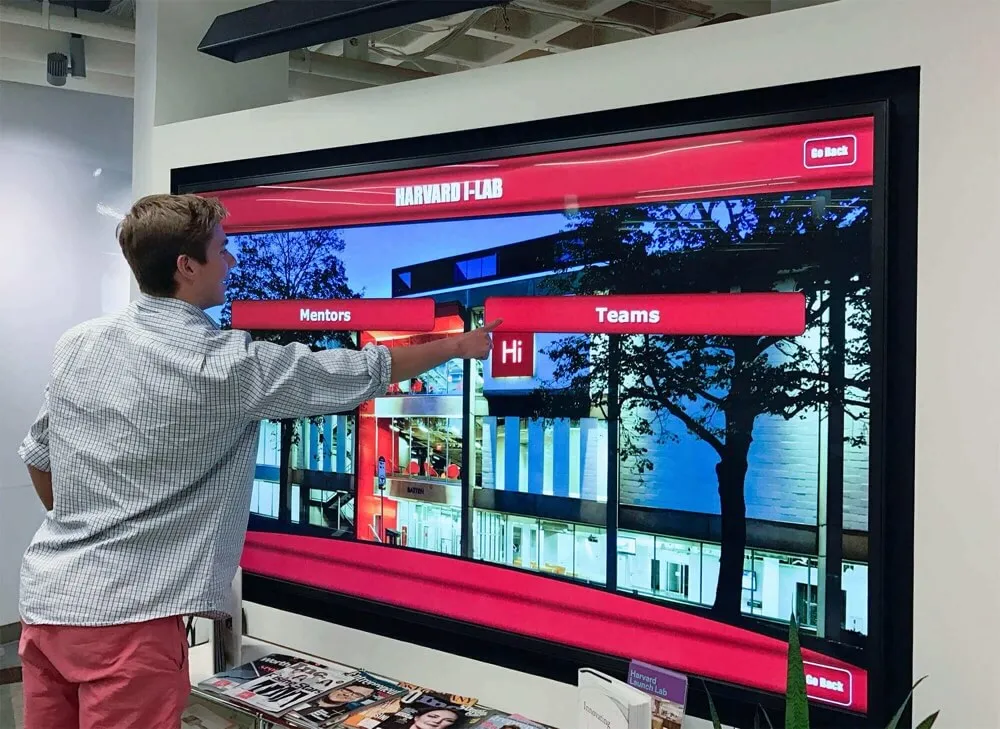
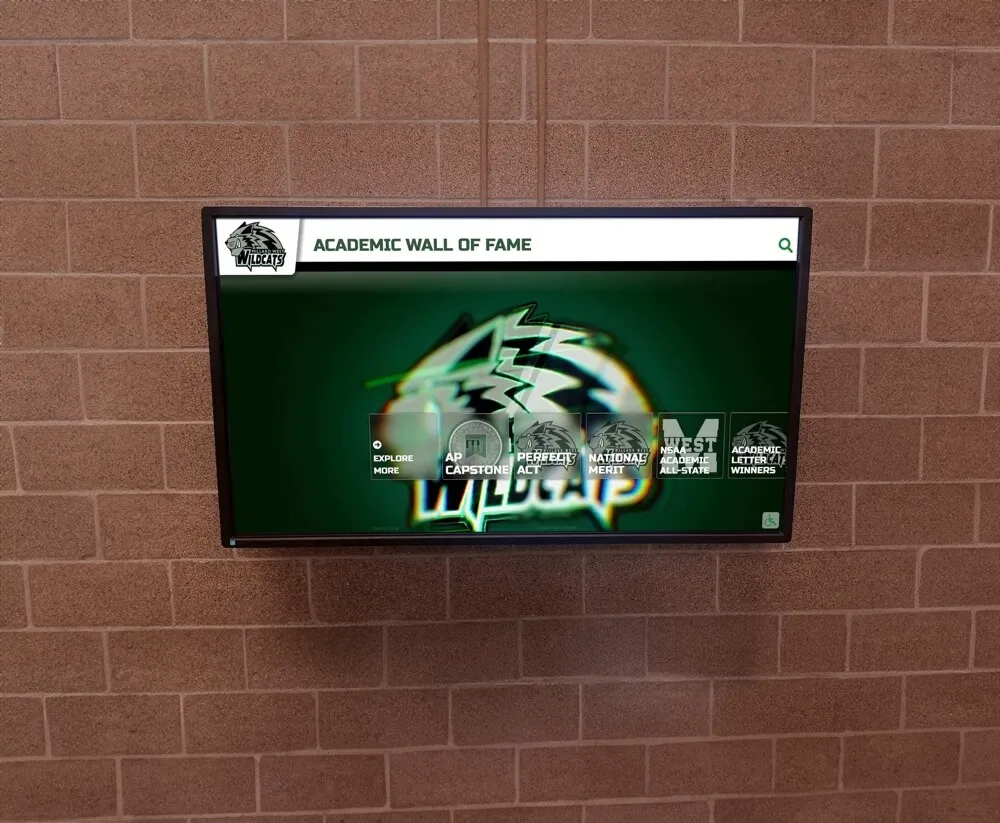
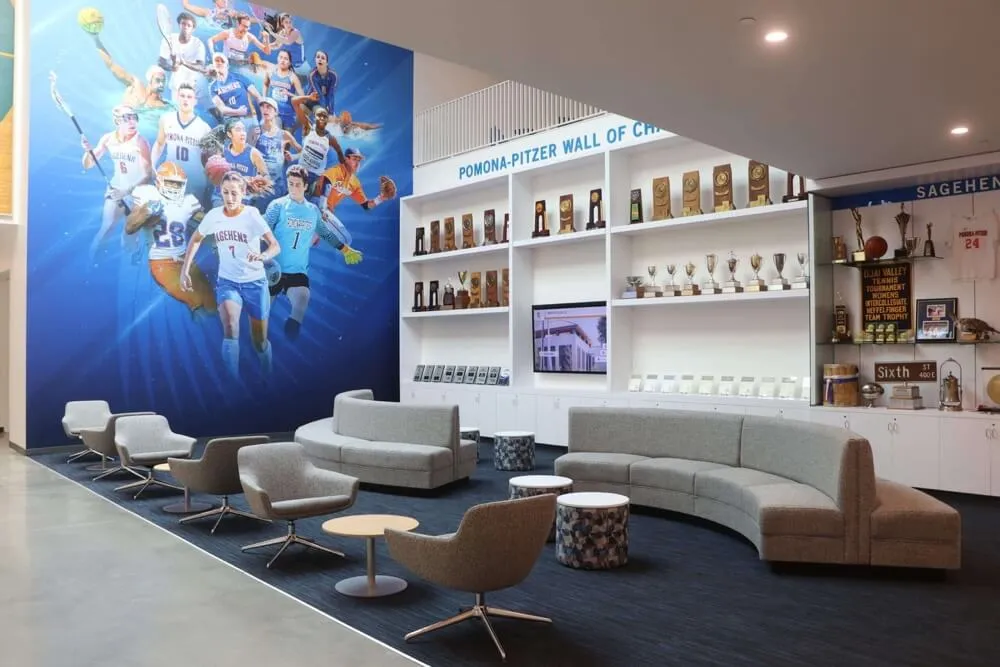
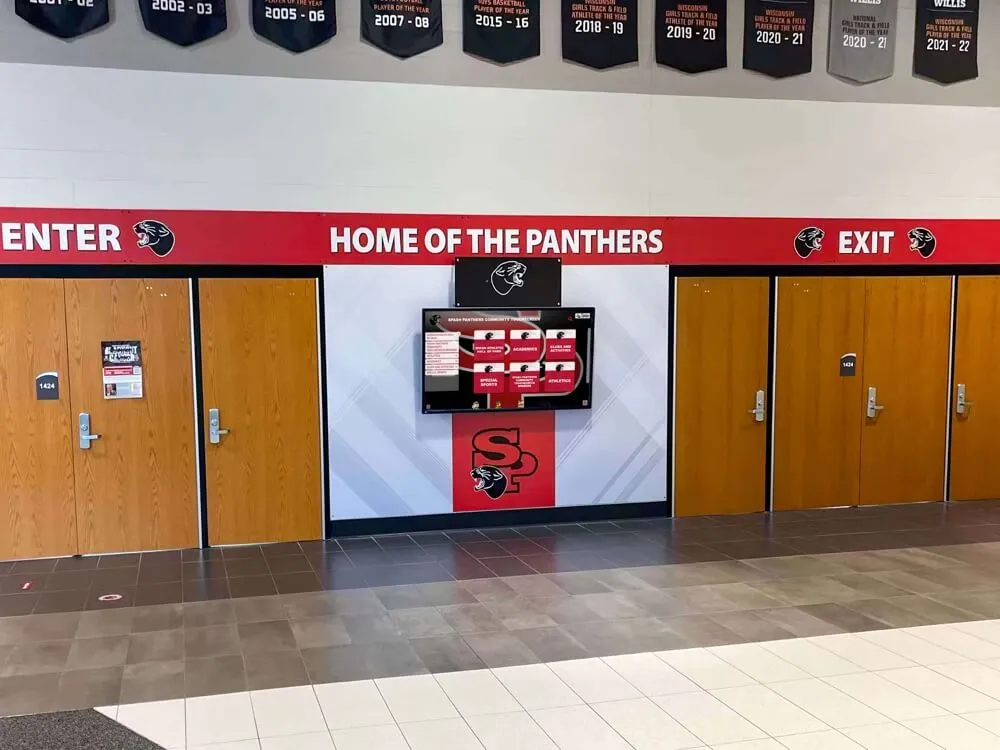
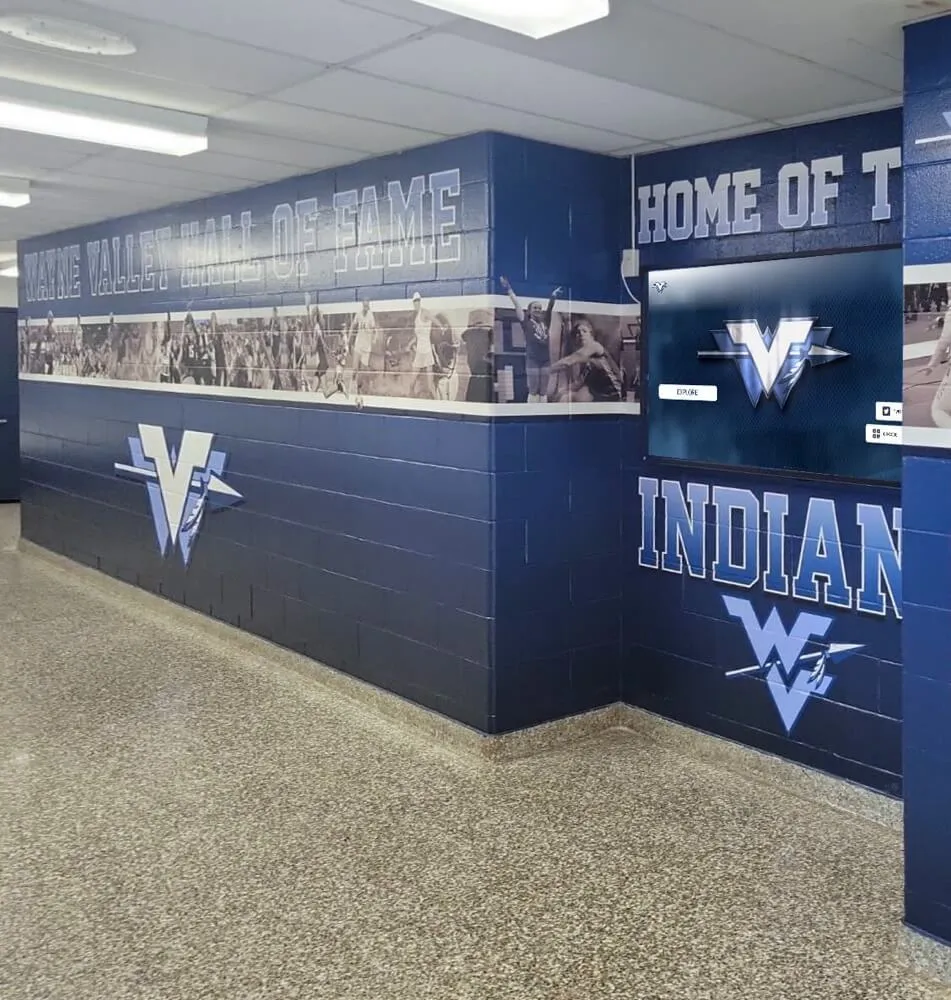
Forensics champions deserve the same hallway permanence as athletic state title banners
What Is Forensics? Understanding the Scope of Speech and Debate
The word “forensics” in the academic context has nothing to do with crime scene investigation. It derives from the Latin forensis, meaning “of the forum” — referring to the public arena where ancient Romans debated law and civic affairs. In competitive education, forensics is the art and practice of public argument, persuasive speaking, and structured oral performance.
Schools use the terms interchangeably: forensics, speech and debate, speech team, debate team. What these programs share is a competitive structure where students develop and demonstrate communication, reasoning, and advocacy skills against peers from other schools, evaluated by trained judges.
The Primary Events in High School Forensics
Speech and debate competition divides into two broad tracks — debate events and individual speaking events — each with its own preparation demands and judging criteria.
Debate Events:
- Policy Debate (CX): Two-person teams argue a year-long resolution about federal policy. Known for its rapid-fire delivery and extensive evidence research.
- Lincoln-Douglas Debate (LD): One-on-one debate focused on philosophical values and ethical frameworks, named for the 1858 Lincoln-Douglas senatorial debates.
- Public Forum Debate (PF): Team event arguing timely resolutions, designed to be accessible to general audiences. The fastest-growing debate format in the country.
- Congressional Debate: Students simulate legislative proceedings, writing and arguing bills and resolutions in a mock congress setting.
- World Schools Debate: Team format combining elements of British parliamentary and American policy debate, used extensively at international competitions.
Individual Events (IE):
- Original Oratory: Students write and deliver a 10-minute persuasive speech on a topic of their choosing. No notes permitted.
- Extemporaneous Speaking (Extemp): Students draw a current-events question and have 30 minutes to prepare a seven-minute speech using only their own research files.
- Informative Speaking: Original speech designed to educate an audience about a topic — similar to oratory but focused on information transfer rather than persuasion.
- Dramatic Interpretation (DI): Solo performance of a published literary work, typically a dramatic piece involving complex characters or emotional arcs.
- Humorous Interpretation (HI): Solo performance of a comedic literary piece, evaluated on timing, character differentiation, and audience engagement.
- Duo Interpretation: Two-person performance of a literary work, often used to develop partnership and non-contact staging skills.
- Program Oral Interpretation (POI): Thematic combination of prose, poetry, and drama woven into a unified performance.
Each event demands fundamentally different skills. A student who excels at Lincoln-Douglas debate and one who medals in Dramatic Interpretation have both spent hundreds of hours developing expertise in completely different disciplines — both deserving of recognition that reflects that depth of work.
The National Speech & Debate Association: How Recognition Works
The NSDA is the primary governing body for high school speech and debate in the United States, and its recognition structure is worth understanding for any school building a forensics honor system.
NSDA Degree System
Students earn NSDA points by competing in tournaments sanctioned by their local NSDA chapter. Points accumulate from debate rounds won, individual event placements, service to the chapter, and other activities. The degree system creates formal recognition milestones:
- Merit: 750 points
- Honor: 1,500 points
- Excellence: 3,000 points
- Distinction: 5,000 points
- Superior: 10,000 points
A student who earns a Superior degree has participated extensively in competitive forensics across multiple years — a distinction that deserves display on any school’s recognition wall alongside other high-achievement honors. For context on how schools can systematically showcase this kind of multi-year academic accomplishment, the framework outlined in displaying National Honor Society achievements digitally offers directly applicable lessons for forensics program recognition.
The Tournament Ladder
NSDA competition runs through a familiar championship structure:
- Local tournaments: Invitationals hosted by individual schools or chapters, typically the first competitive experience for new debaters
- District tournaments: Organized by NSDA districts, which divide the country into geographic regions; top finishers earn bids to nationals
- State championships: Most states run a separate state championship circuit alongside or in coordination with NSDA districts
- NSDA National Tournament: The premier high school forensics competition in the country, held annually in June; qualifying requires earning bids through district competition
A student who qualifies for the NSDA national tournament has achieved something genuinely elite. According to the NSDA, fewer than 5,000 students qualify for nationals each year out of the more than 150,000 who compete — a rate comparable to the selectivity of state-level athletic championships.
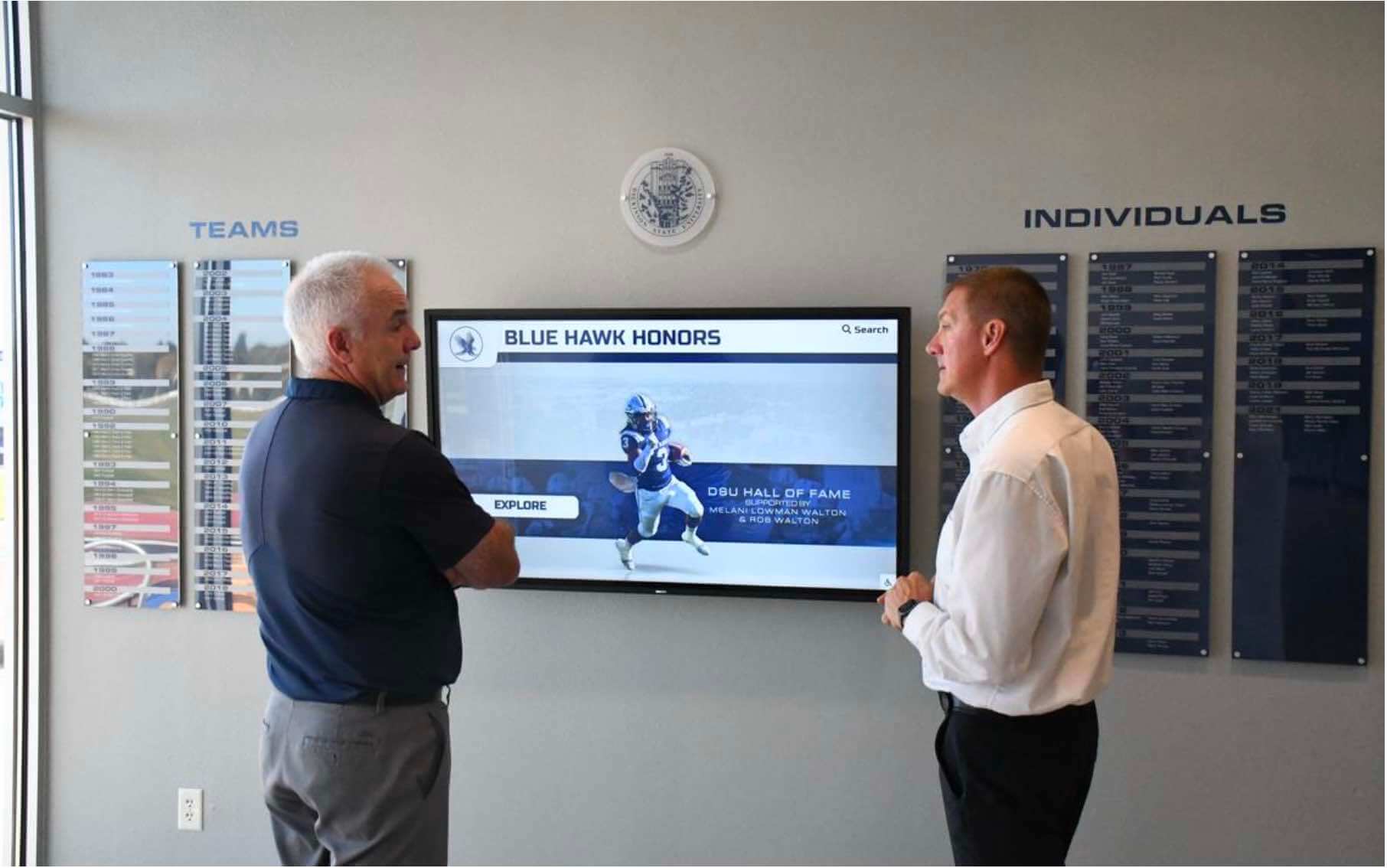
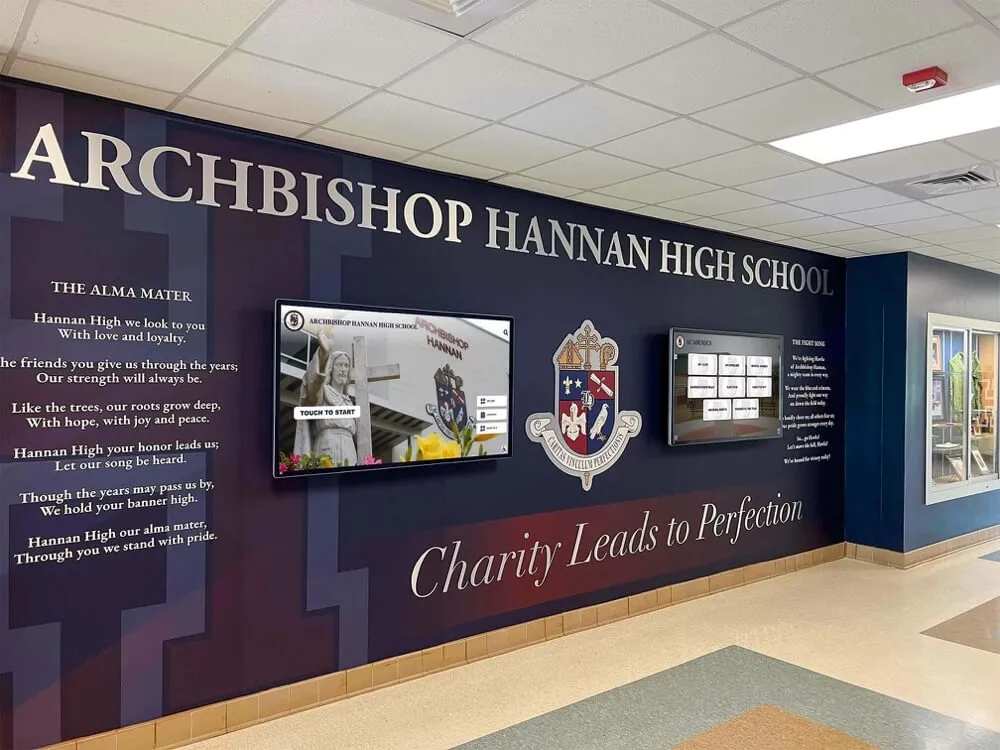
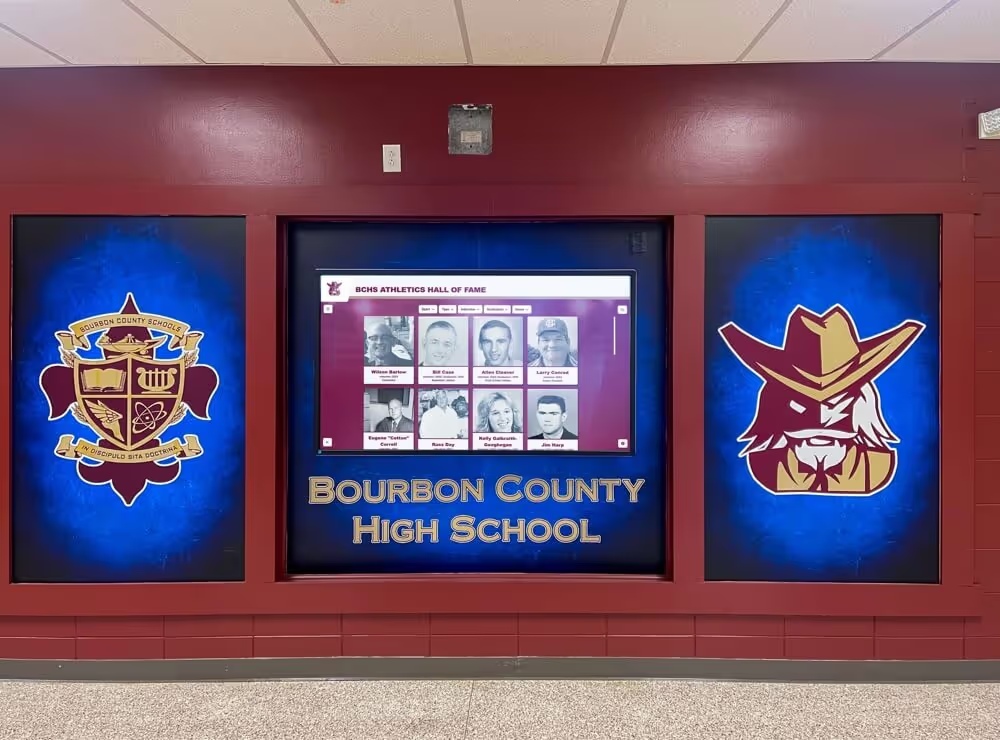
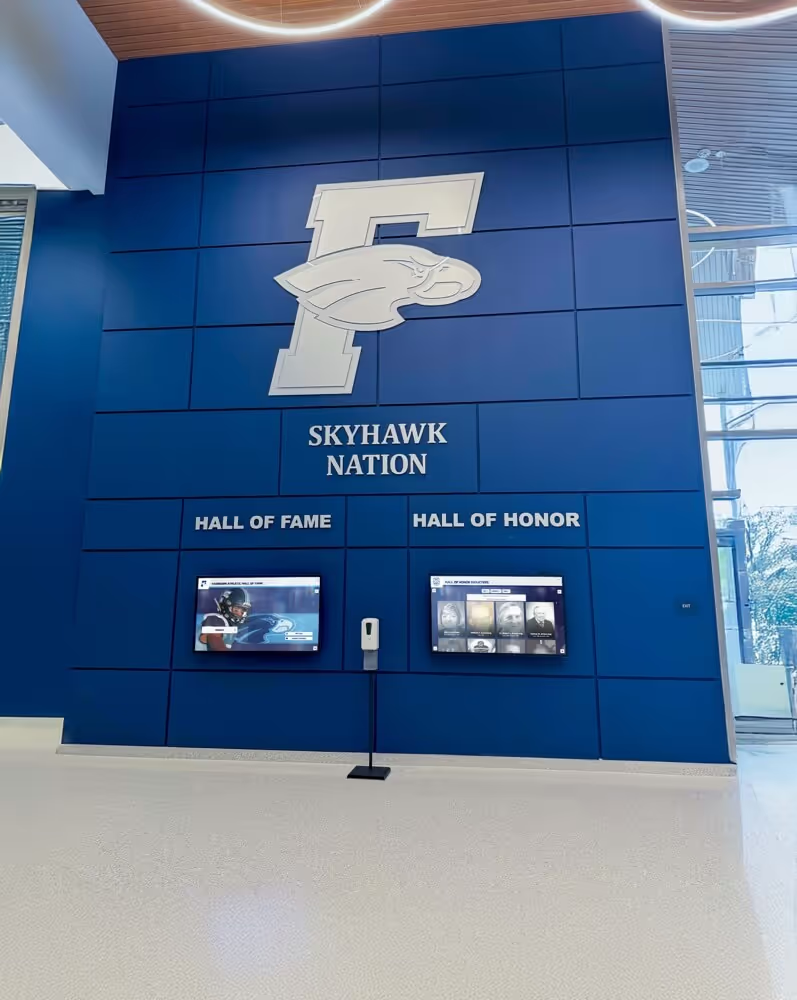
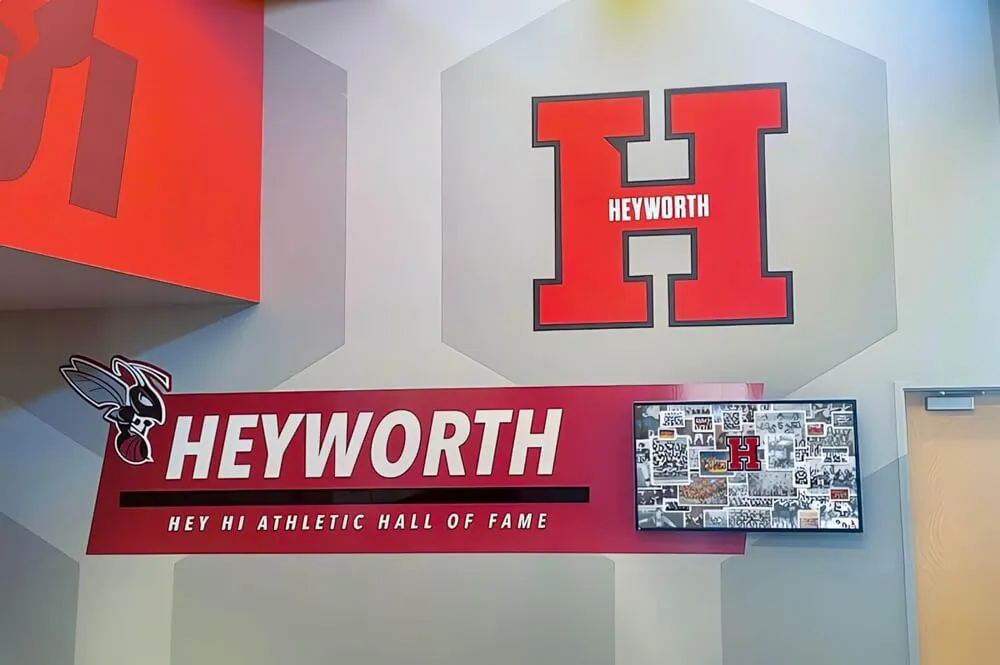
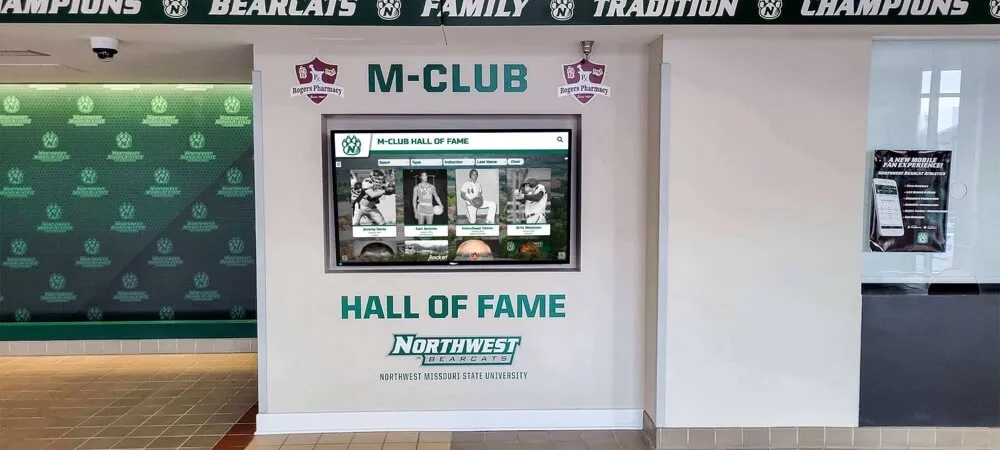
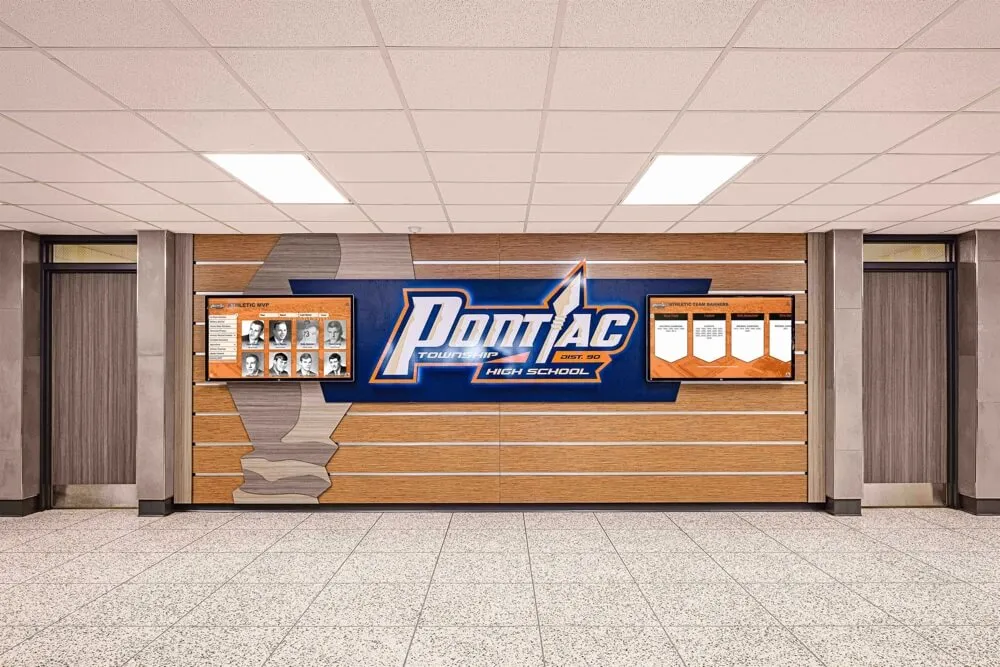
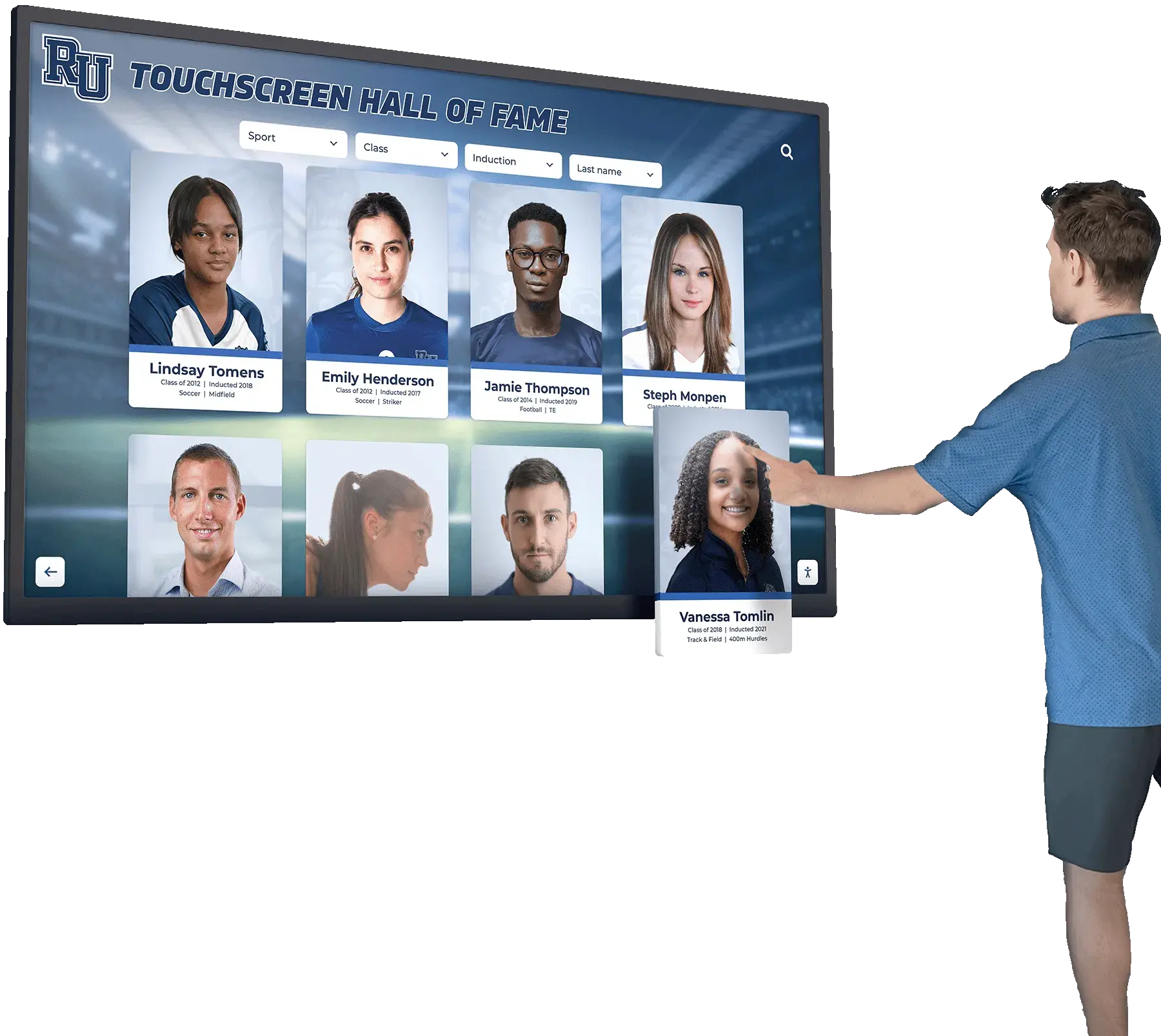
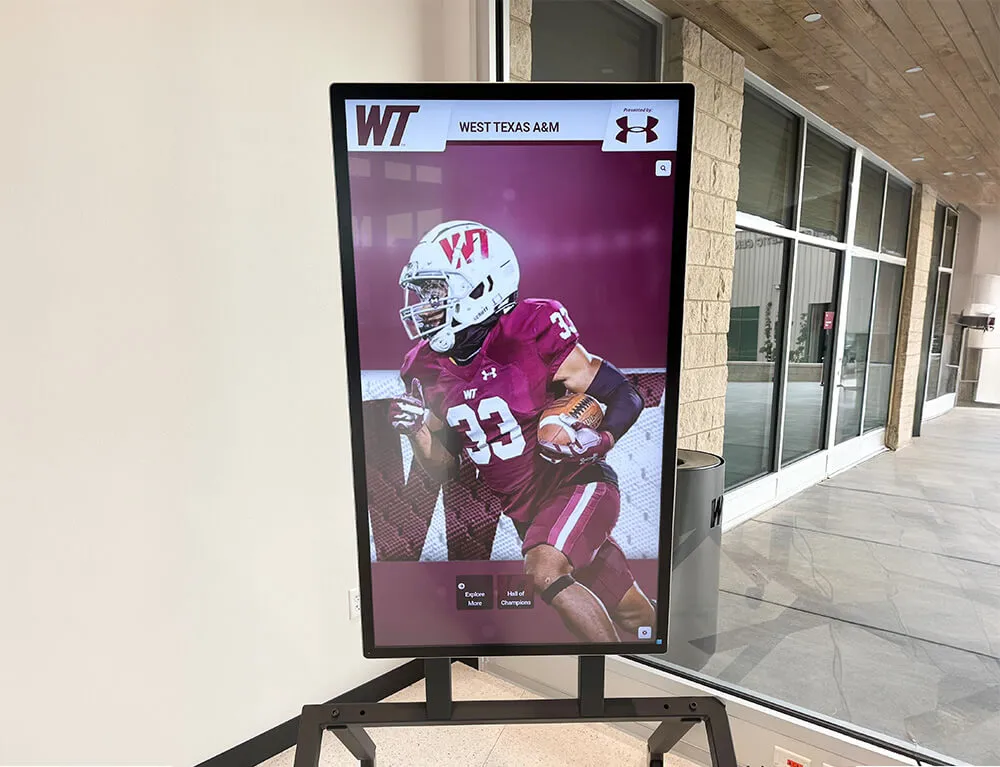
Digital hall of fame systems preserve decades of forensics records in a searchable, always-current format
The Recognition Gap: Why Forensics Programs Go Unnoticed
The disconnect between forensics achievement and school recognition is structural, not intentional. Several factors combine to leave speech and debate programs systematically underrepresented in school display spaces.
The Visibility Problem
Athletic programs generate visible output — scoreboard results, published game statistics, live audiences. When a football team wins a state championship, 500 people were there to witness it. When a student wins the NSDA national championship in Original Oratory, perhaps eight people were in the room.
This difference in immediate witness count creates a perception gap that persists long after the season ends. Schools invest in athletic recognition infrastructure because it serves an already-engaged audience. Forensics recognition, built properly, could create that same engaged audience — but most schools never invest in the infrastructure to find out.
The Space Problem
Traditional trophy cases have finite physical space. Schools make allocation decisions, consciously or not, based on which programs fill trophies with the most visual impact. A large debate program might win dozens of individual plaques annually — far more individual awards than most athletic programs generate — but those plaques rarely make it to prominent display locations.
The History Problem
Forensics programs often span decades. A school’s debate program might have a national qualifier in 1987, a state champion in 2002, a policy debate duo that reached elimination rounds at nationals in 2019, and a current team producing competitive results today. No traditional display system can accommodate that volume of historical record without dedicated, scalable infrastructure. The result: institutional memory lives only in a coach’s files, and retires with the coach.
For schools confronting this history problem across multiple programs simultaneously, digital archives built for schools and universities offer a framework for thinking about how to preserve and surface decades of achievement data systematically.
What Schools Are Getting Right: Physical Recognition Options
Despite the structural challenges, some schools have built meaningful forensics recognition systems using traditional physical approaches. These models are worth examining before jumping directly to digital solutions.
Dedicated Trophy and Plaque Displays
The foundation of any recognition system is dedicated physical space. Schools that have done this well typically:
- Designate a specific case or wall section for speech and debate, separate from athletic displays
- Display trophies organized by year, making program history legible at a glance
- Include photos of notable team members alongside awards
- Use uniform mounting hardware so the display reads as curated rather than accumulated
The key decision is whether to display everything or to curate for highest-impact achievements. For programs with long histories, displaying everything quickly overwhelms available space. Many schools choose to display only state-level and national achievements physically, archiving lower-level wins in documented records.
Championship Banners
Schools that have produced state or national champions can commemorate those years with championship banners — the same treatment given to athletic state titles. A banner marking a state championship in Lincoln-Douglas debate or a national qualifier in Extemporaneous Speaking belongs in the same hallway as any other state title banner the school has earned.
For practical guidance on displaying high school state championship achievements, understanding how to format, size, and position recognition displays gives administrators a clearer path toward consistent implementation.
Engraved Recognition Walls
Engraved or laser-cut recognition walls listing national qualifiers, state champions, and NSDA degree recipients by year create a visible, permanent record that requires minimal ongoing maintenance. Many schools include this type of plaque wall adjacent to their forensics practice space — the classroom or hallway where the team prepares — as both recognition and motivation for current team members.
Varsity Letter Programs for Forensics
One of the most meaningful forms of recognition schools can offer forensics students is the varsity letter — the same award given to student-athletes who meet performance thresholds in sports. Many states formally sanction speech and debate as a varsity activity, making letter-earning criteria straightforward to implement.
Schools that award varsity letters to forensics competitors report stronger student buy-in, increased parent involvement, and improved program retention. A student who earns a varsity letter for Lincoln-Douglas debate has the same symbol of achievement on their letterman jacket as the student who earned it for cross-country.
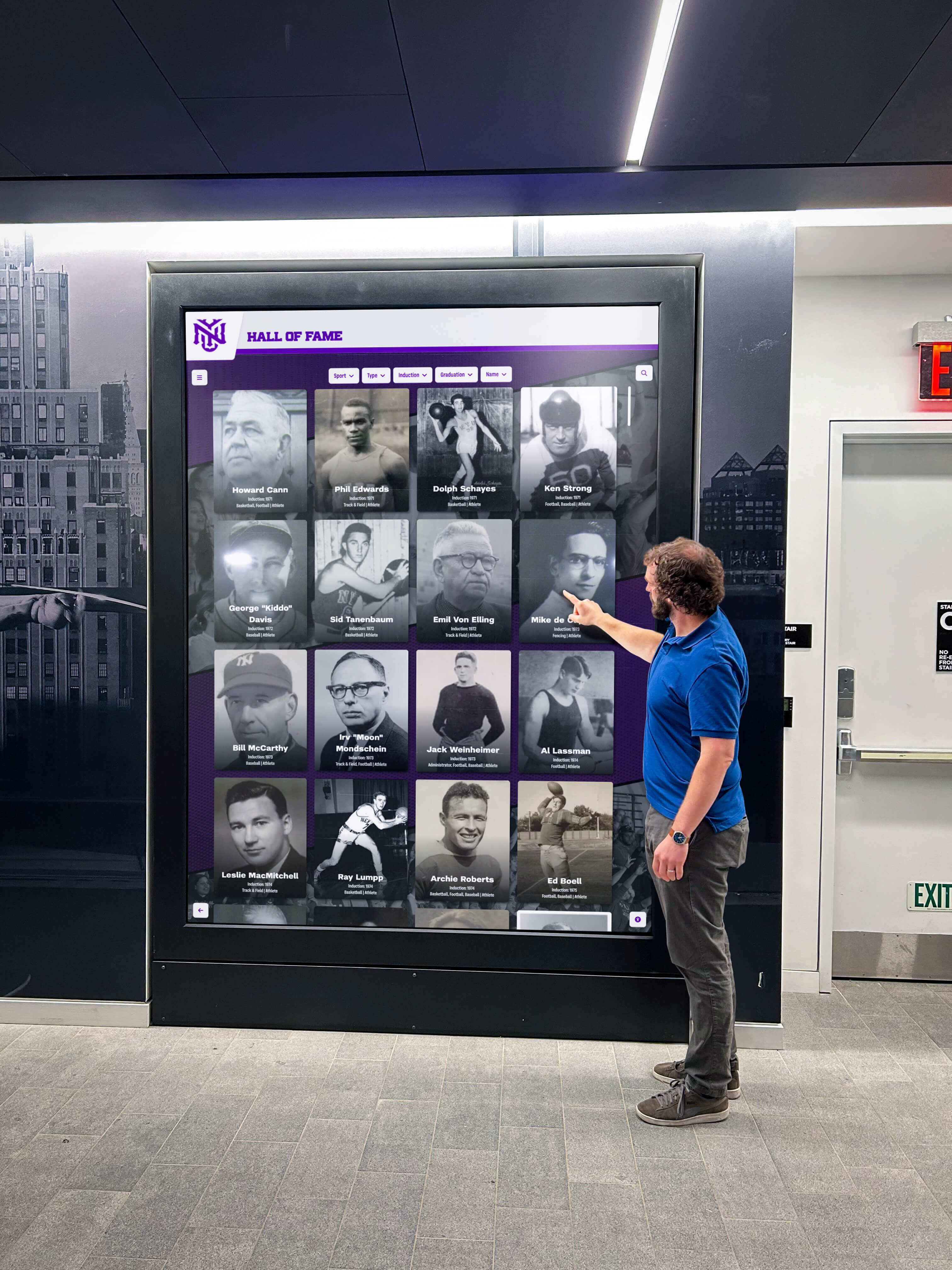
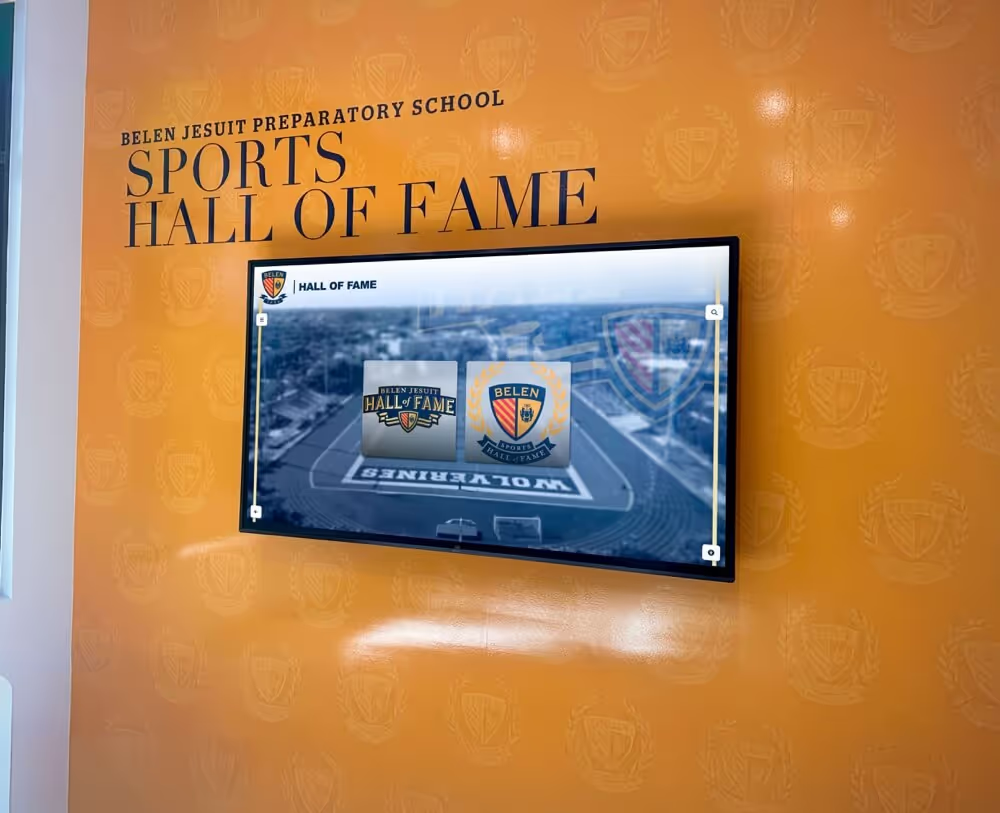
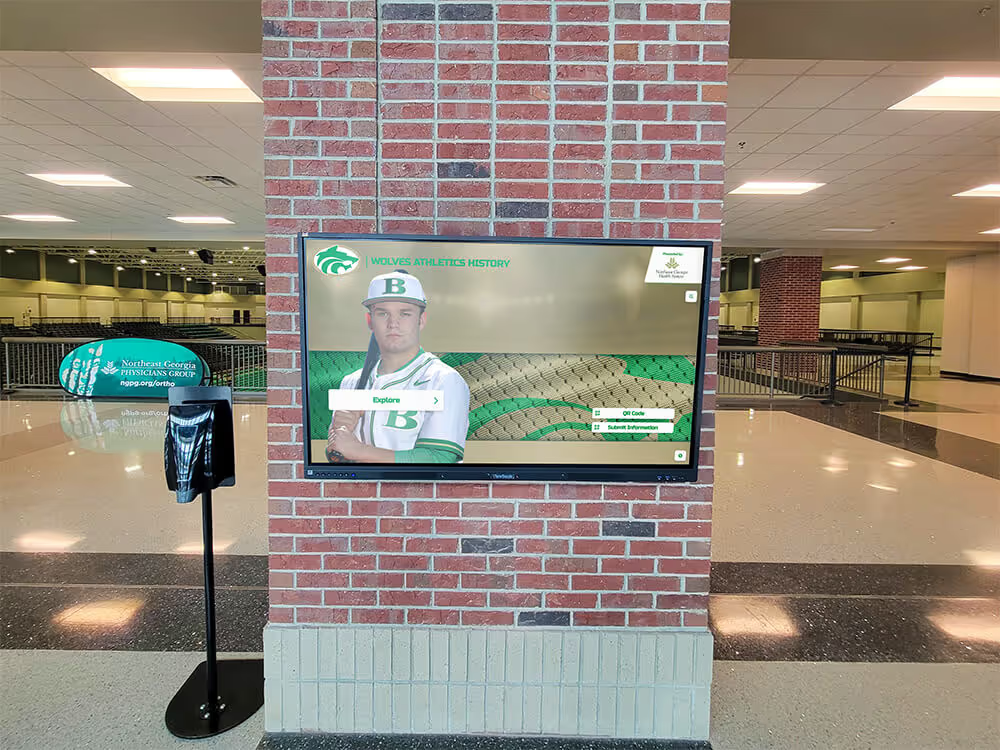
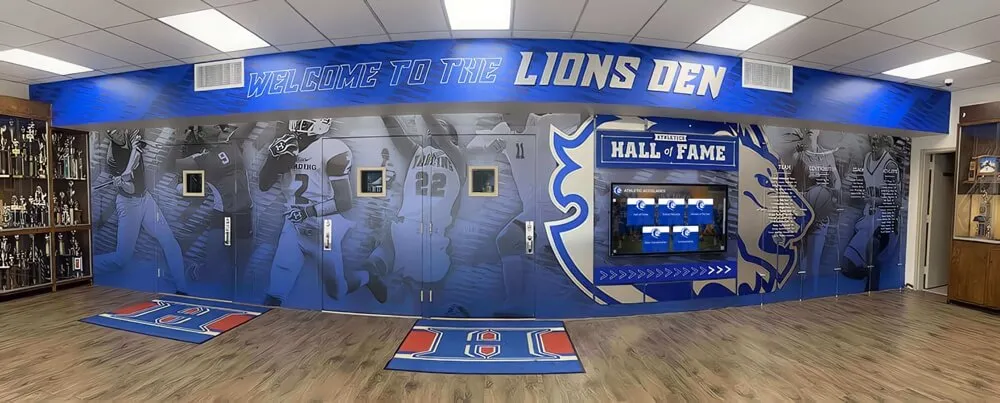
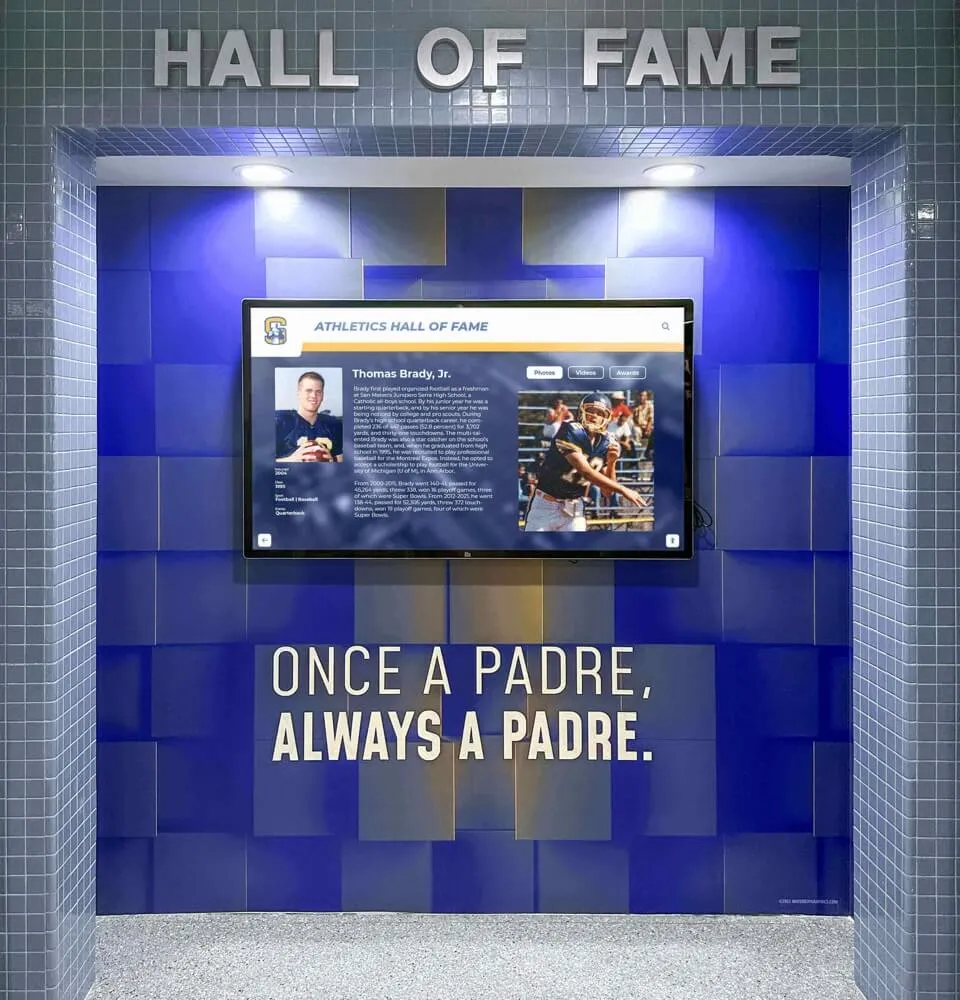
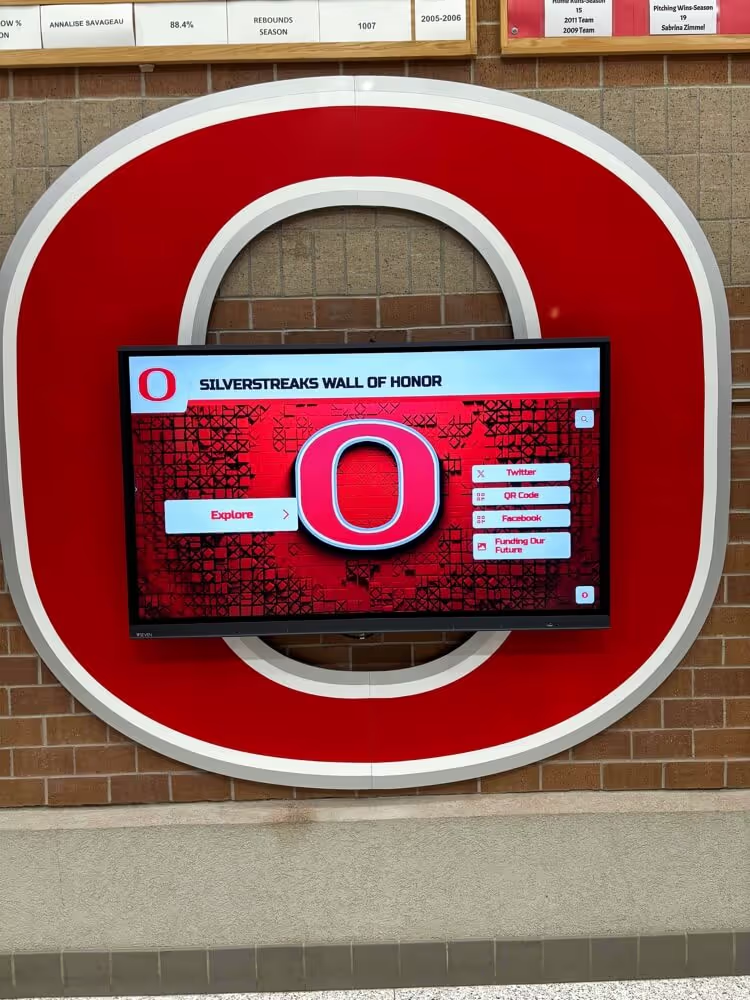
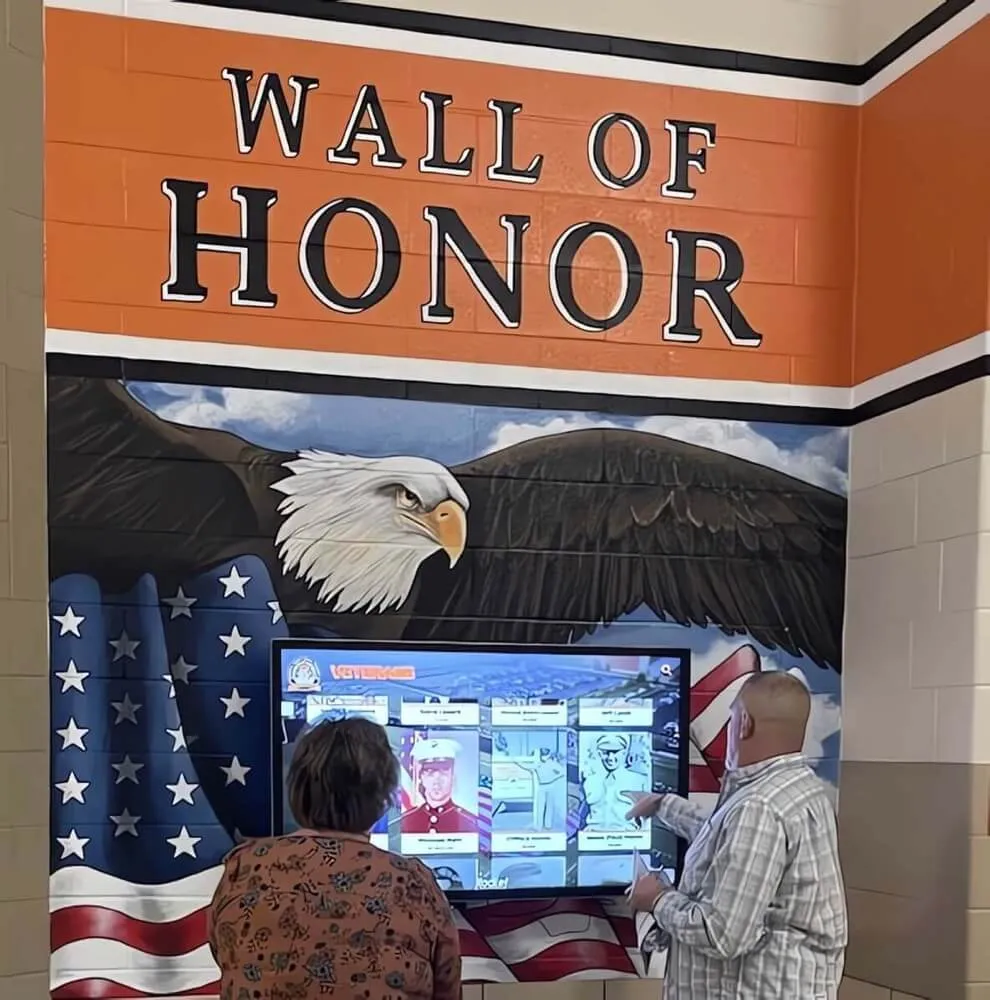
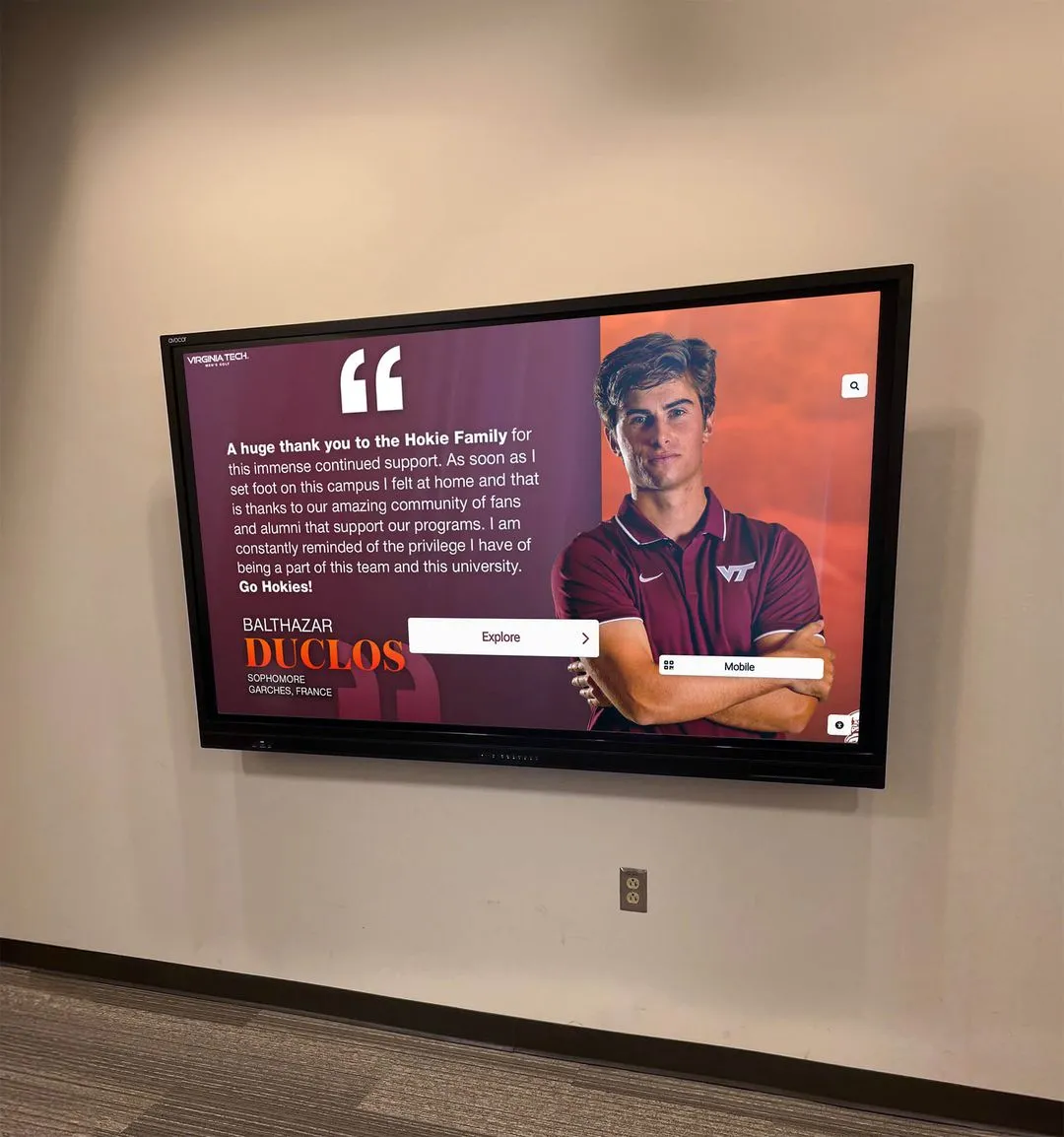
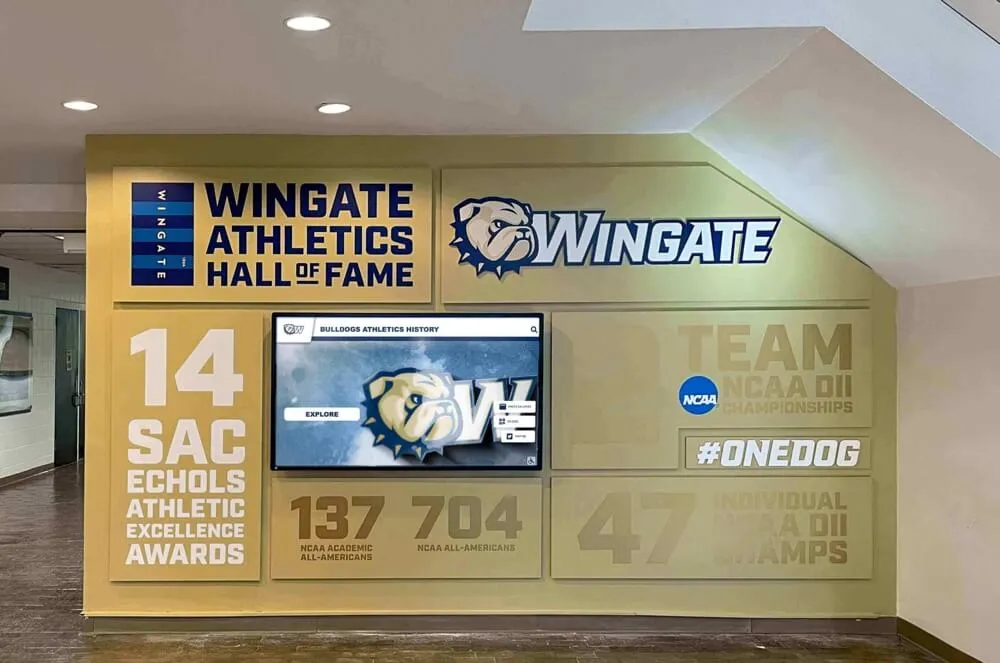
Interactive recognition systems invite engagement from students, families, and community members year-round
Digital Recognition for Speech and Debate Programs
Physical display options work well for current achievements but struggle with the three-dimensional challenge that forensics recognition demands: depth of events, volume of individual awards, and span of program history. Digital display systems address all three.
Why Digital Works for Forensics
A single speech and debate program at a competitive school might produce fifty to one hundred individual event placings in a single season across multiple tournaments. Over a decade, that’s thousands of recognizable achievements. No physical display accommodates that volume. Digital systems have no such constraint — every result, every qualifier, every degree recipient can be included without crowding.
Digital displays also solve the update problem. Physical plaques require physical modification — an engraver, a new plate, installation time. A cloud-managed digital recognition platform allows staff to add a new national qualifier the same week the tournament ends. The display stays current without physical intervention.
For schools evaluating the full range of tools available for this purpose, a comparison of the top hall of fame tools for athletic, academic, and arts programs provides useful benchmarking across the market.
What a Forensics Digital Display Can Showcase
The best implementations of digital recognition for speech and debate programs typically include:
Season-by-season tournament records Every tournament, every result, organized chronologically so program history is legible across decades. A visitor in 2035 can see what the 2009 policy debate team accomplished as easily as they can see this year’s results.
Individual achievement profiles Each student who earned notable recognition — national qualifier, state finalist, NSDA degree recipient, individual event champion — receives their own profile with photo, event specialty, years competed, and a summary of their competitive record. This creates the same hall-of-fame experience that touchscreen athletic displays provide for student-athletes.
NSDA Degree and National Qualifier records A dedicated section listing every student who earned NSDA Superior, Distinction, Excellence, Honor, or Merit degree, and every student who qualified for nationals — organized by year and event. This is the forensics equivalent of an athletic record board.
Notable alumni profiles Forensics alumni frequently go on to careers in law, politics, journalism, advocacy, and public service — fields where the skills developed in speech and debate translate most directly. An alumni profile section that tracks where notable program graduates ended up deepens the institutional story and strengthens recruitment.
Coach and program history Long-tenured coaches build program identity that outlasts any individual class. Honoring a coach’s tenure alongside the records they helped build gives the display an institutional dimension beyond individual achievement.
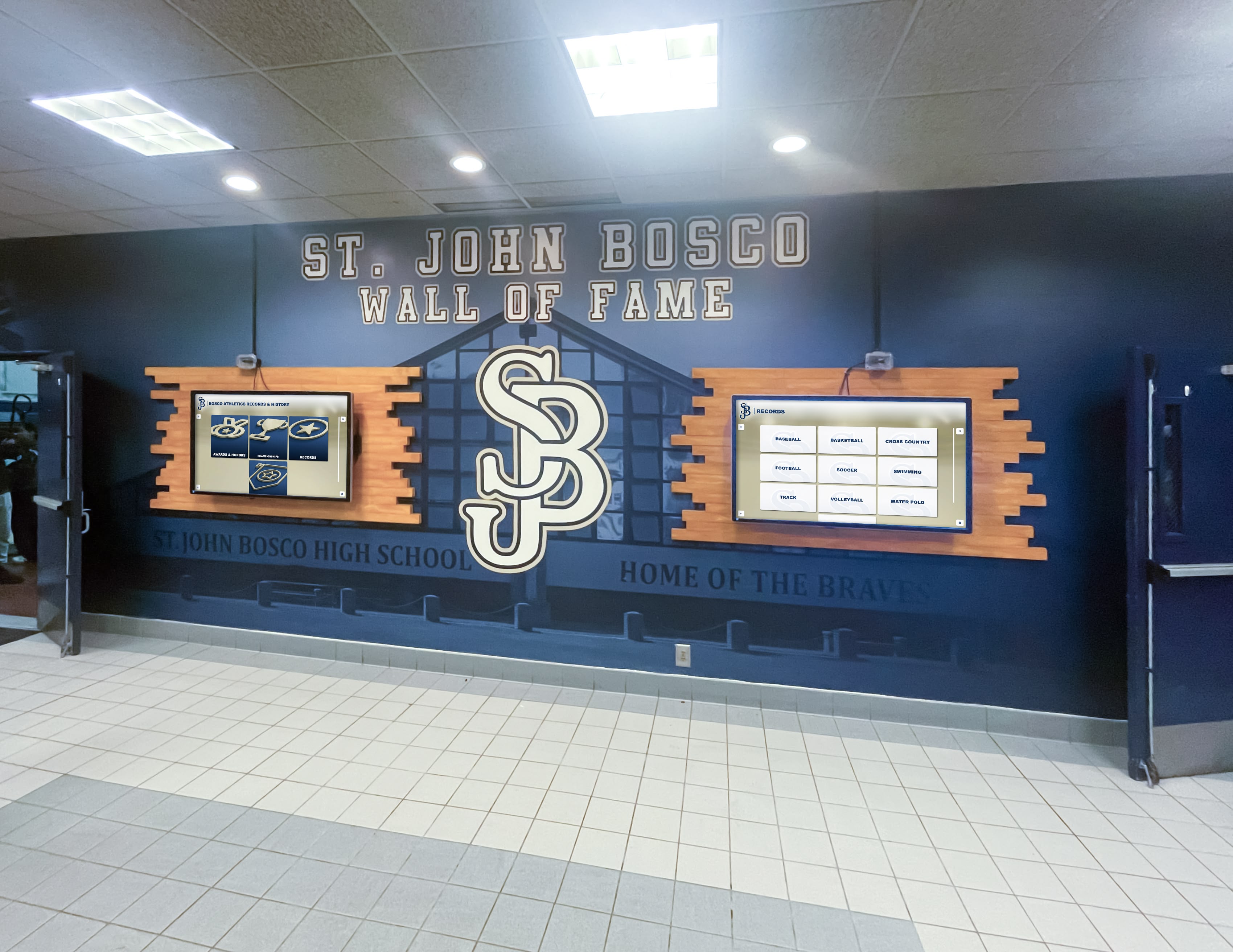
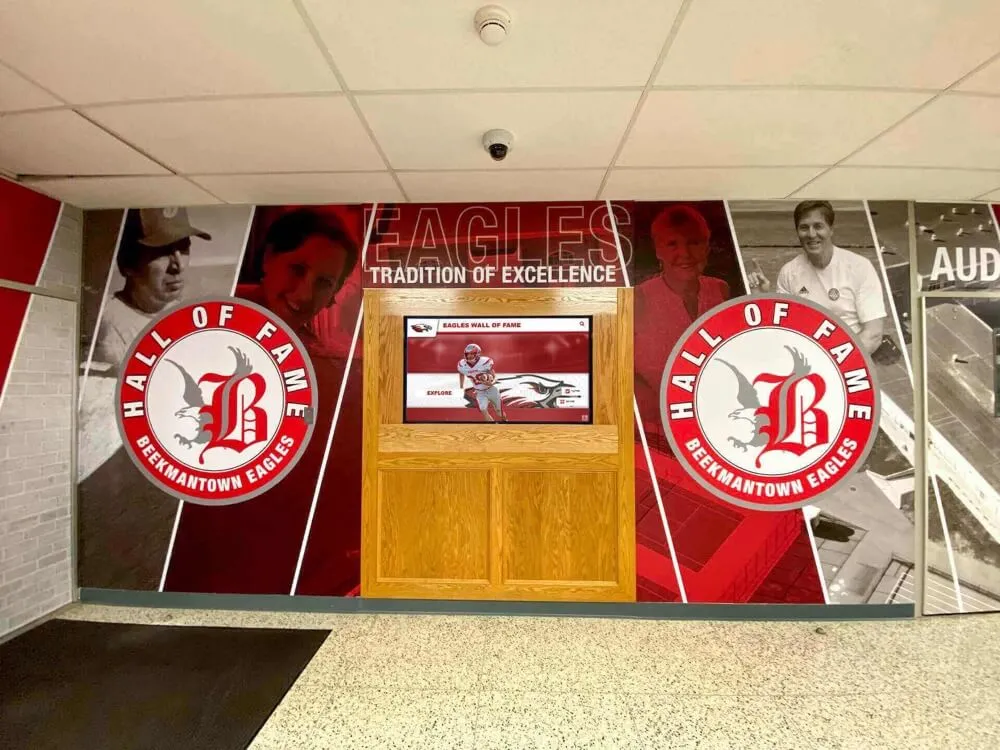
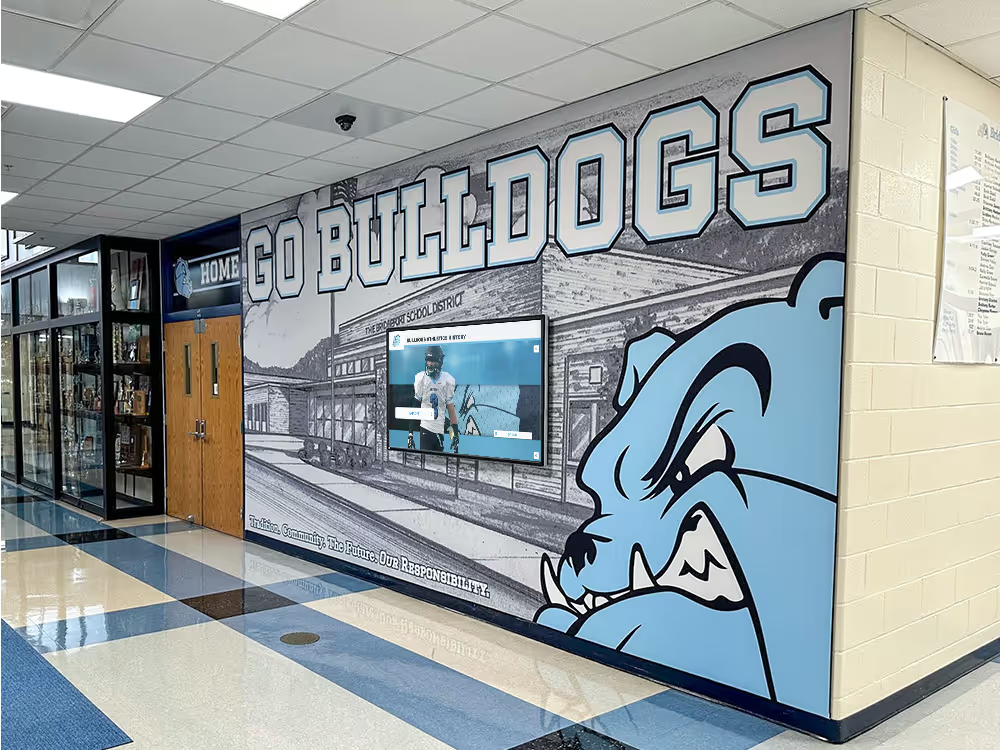
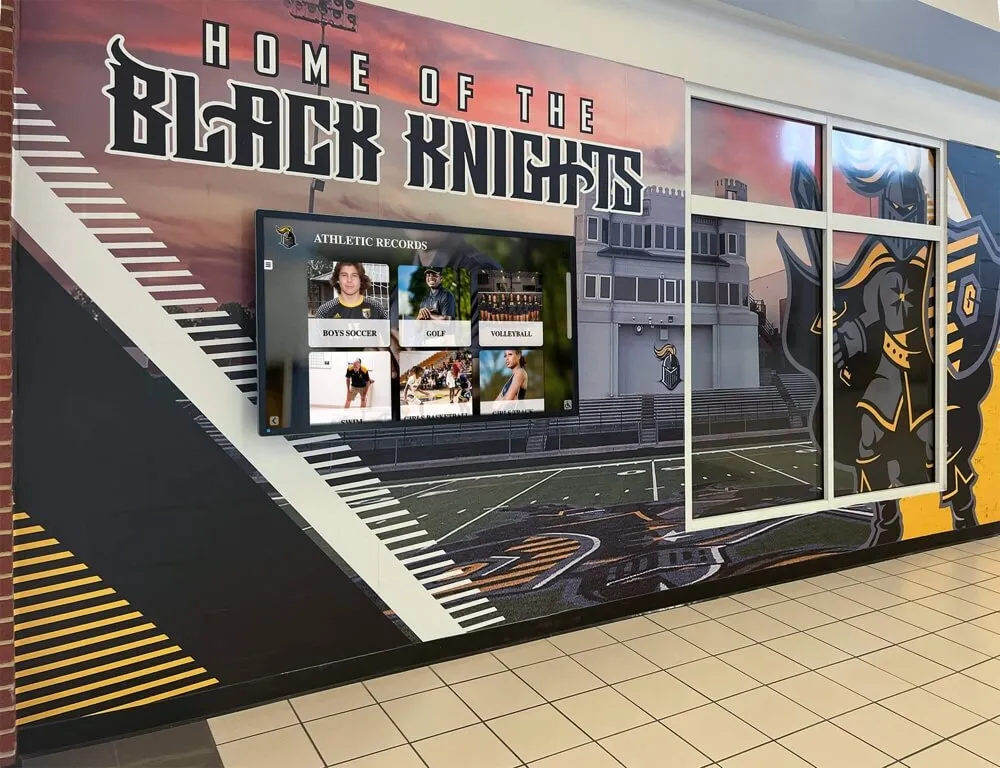
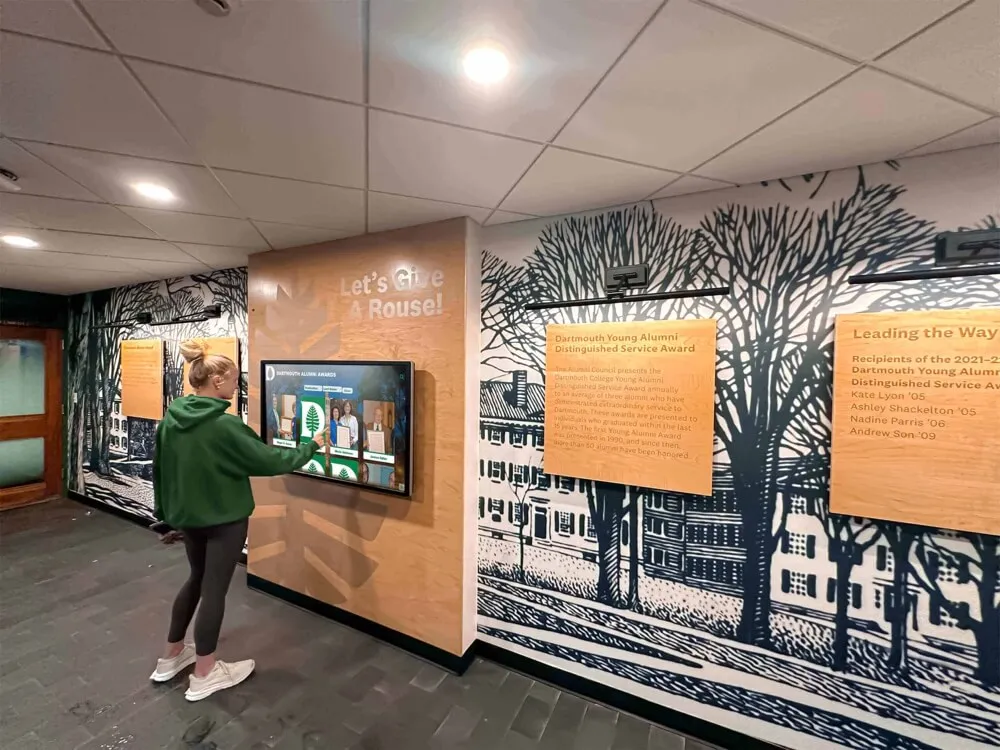
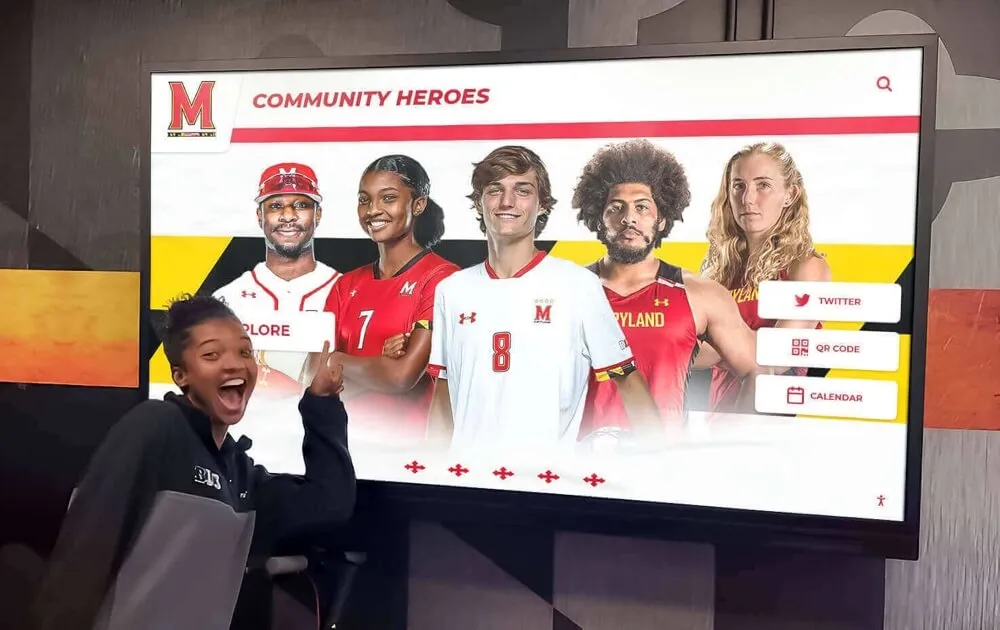
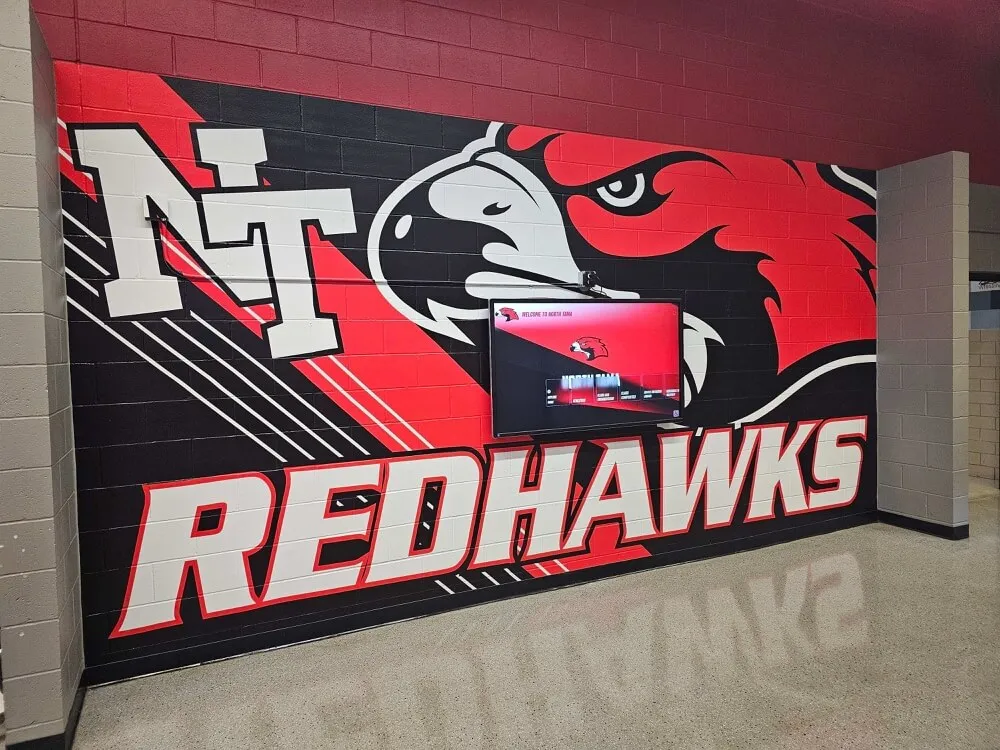
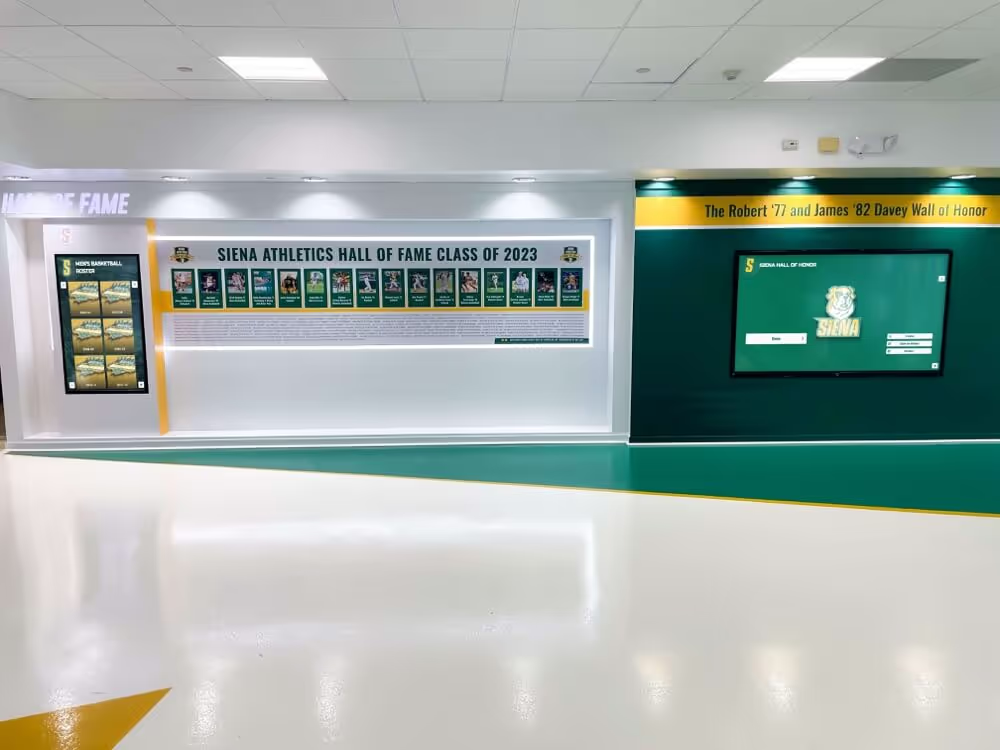
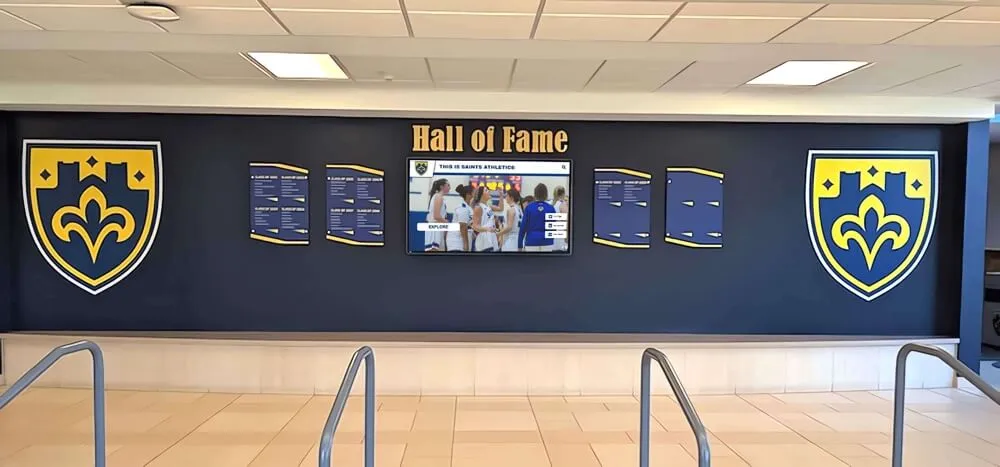
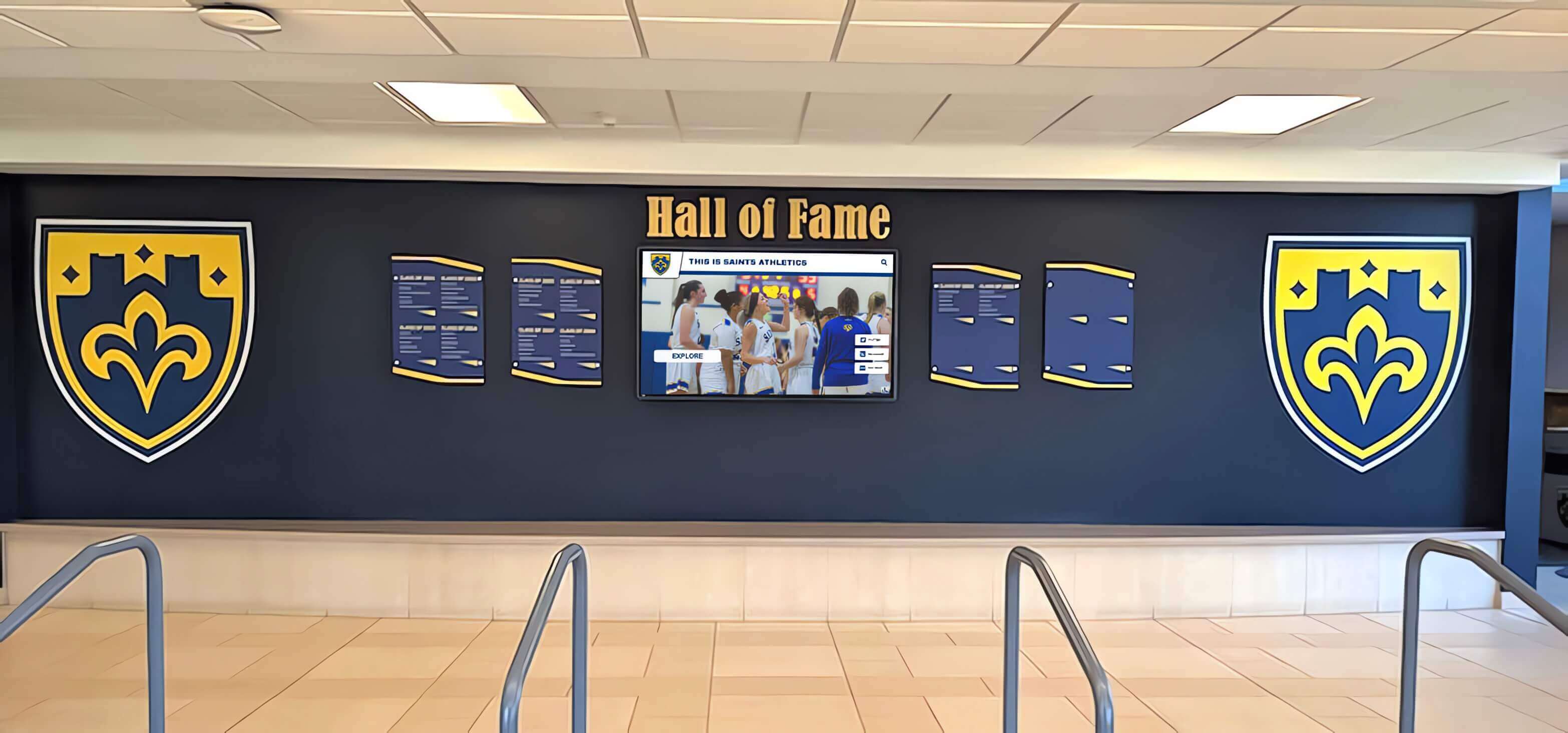
Schools that pair murals with touchscreen displays create immersive recognition spaces that honor both tradition and current excellence
Interactive Touchscreen Solutions
The most sophisticated forensics recognition implementations use touchscreen displays that allow visitors to explore program history interactively — searching by year, event, student name, or achievement level. This format works particularly well for speech and debate because the event diversity creates natural navigation categories: a visitor interested in debate history can drill into that track independently from one exploring oratory records.
Rocket Alumni Solutions provides exactly this kind of interactive touchscreen platform, used by schools and institutions across the country to create permanent, searchable recognition environments for all types of student achievement. The platform supports unlimited inductees, photos, videos, and records — and updates remotely through a cloud-based content management system that requires no technical expertise to operate.
For schools still determining which format best fits their building, comparing the specifics of interactive boards for student achievement displays against static digital signage clarifies the long-term tradeoffs in flexibility, engagement, and administrative burden.
Building a Permanent Record: A Step-by-Step Approach
Schools that decide to build comprehensive forensics recognition systems frequently ask the same question first: where do we start, given that we have years or decades of unarchived history? The answer is a phased approach.
Phase 1: Gather Historical Records
Before any display goes up, conduct a systematic audit of available program records:
- Coach files and transition documents: Long-tenured coaches often have tournament records going back years. Departing coaches should be asked to document program history before they leave.
- Old yearbooks: School yearbooks frequently list competitive results and program rosters. A review of yearbooks from the past twenty years can reconstruct most of a program’s competitive record.
- NSDA chapter records: The NSDA maintains member records. Contact the national office or your district chair to request historical point records and tournament placements for students from your school.
- Tournament result archives: Many state organizations and tournament hosts publish historical results online. A systematic search can fill in years where local records are incomplete.
- Alumni outreach: Former team members and coaches often retain personal records — photos, tournament programs, award certificates — that institutional records lack.
Phase 2: Establish Recognition Categories
Decide which achievement levels qualify for permanent recognition. Common frameworks include:
- National tournament qualifiers: Any student who earned a bid to the NSDA national tournament
- State champions and finalists: Top-placing students at the state championship
- NSDA degree recipients: Students who earned Honor degree or higher
- Team achievements: Years the team placed in state or national competition as a collective unit
- Coach recognition: Coaches who served for a defined tenure or achieved notable results
Having clear criteria before building the display prevents disputes about who belongs and ensures consistency across decades of records.
For schools that want to think systematically about recognition criteria, the hall of fame selection process guide provides a structured framework adaptable to academic competition programs.
Phase 3: Select Your Display Format
Based on your available space, budget, and the volume of content you need to display, choose between:
- Physical-only: Trophy case plus engraved recognition wall; lowest cost, least capacity
- Digital signage: Static or rotating digital display; moderate cost, higher capacity but limited interactivity
- Interactive touchscreen: Full interactive platform with searchable records; highest impact, appropriate for schools with significant program history or high hallway traffic
- Hybrid: Physical display for current season plus digital archive for historical records
The complete guide to digital hall of fame systems walks through the decision criteria in detail, including installation considerations, content migration, and ongoing management — all relevant to forensics programs building recognition infrastructure for the first time.
Phase 4: Populate and Launch
With records gathered, criteria established, and format selected, the implementation phase involves loading content and introducing the display to the school community. A launch event — tied to an existing program banquet, an induction ceremony, or a dedicated reveal — creates momentum and communicates institutional commitment to the recognition program.
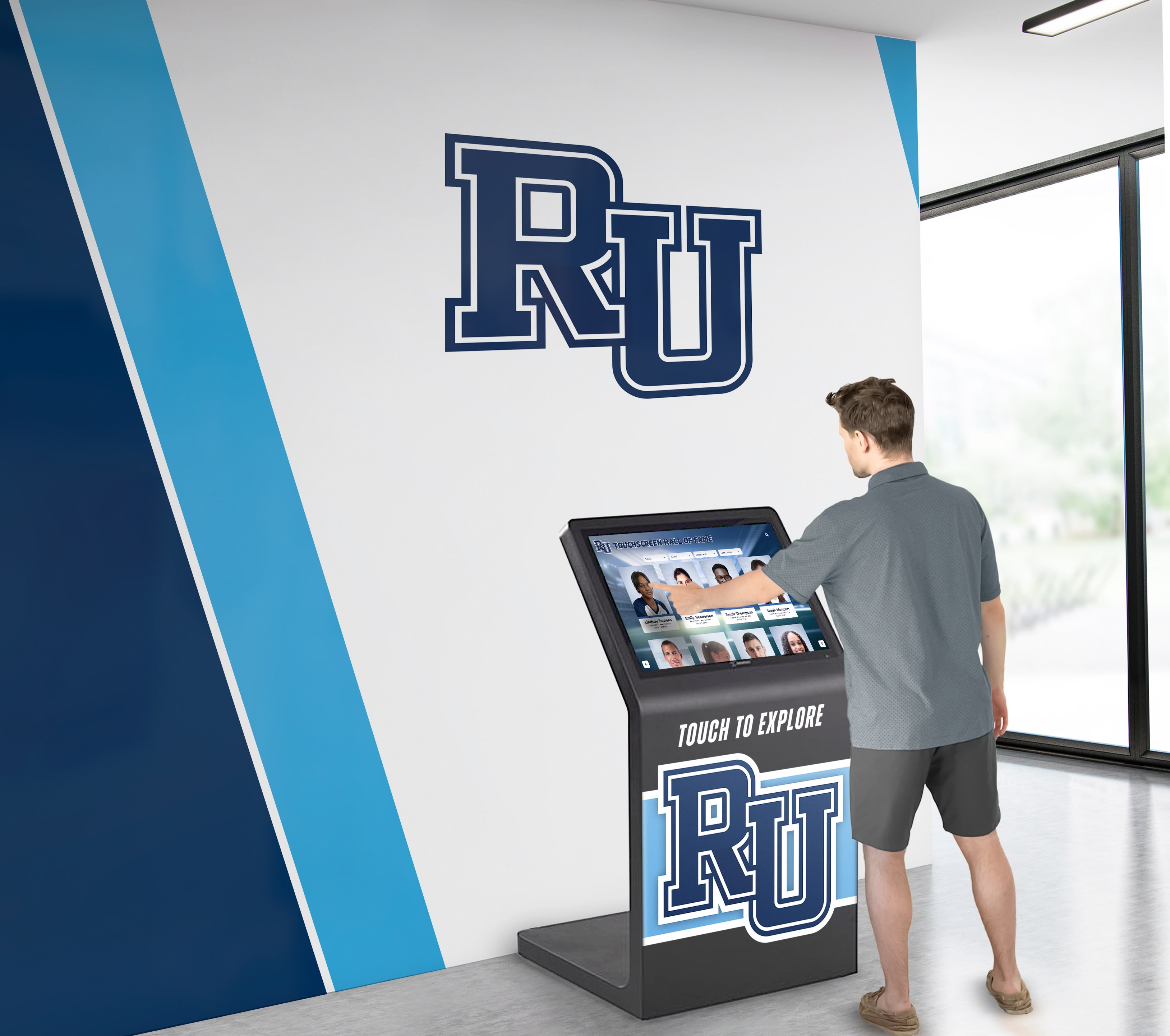
Remote content management means new national qualifiers and state champions can be added to the display within days of competition
Connecting Forensics Recognition to Broader School Culture
Speech and debate recognition doesn’t exist in isolation — it belongs within a school’s broader commitment to celebrating academic achievement alongside athletic and performing arts success.
Schools that have made this connection explicitly report measurable benefits: stronger forensics recruitment, higher student retention across seasons, and increased community awareness of program achievements. When prospective students and their families see evidence that the forensics program has produced state champions and national qualifiers, and that those achievements are permanently displayed with the same care given to athletic wins, the program’s recruitment argument becomes substantially stronger.
The parallel to athletic recognition is exact. When a school installs a dedicated recognition wall for honor roll students alongside its athletic hall of fame, it communicates that honor roll achievement is valued with the same permanence as winning a state championship. The same principle applies to forensics: visibility creates culture, and culture drives participation.
The Alumni Connection
Forensics alumni are a particularly engaged constituency for schools that invest in permanent recognition. A student who qualified for NSDA nationals in 1998 and went on to a career in law or public policy will feel a genuine connection to their school’s display if it includes their record. That connection supports alumni engagement, donor relationships, and the kind of institutional pride that benefits all programs.
For schools thinking about how forensics recognition fits into a broader alumni engagement strategy, how schools develop alumni recognition programs provides a framework that forensics programs can adapt, including outreach strategies for surfacing alumni records and reengaging former team members.
The High School Wall of Fame Context
Speech and debate recognition works best when it’s part of a school-wide approach to honoring achievement across all programs — not a siloed display somewhere near the forensics classroom. Comprehensive high school wall of fame implementations that integrate academic competition alongside athletics and performing arts create the most powerful institutional statement about what the school values.
Recognition Ceremonies for Speech and Debate Programs
Beyond permanent displays, end-of-season recognition ceremonies give forensics programs a formal moment to honor achievement in front of family, faculty, and peers — the same function that athletic banquets serve for sports teams.
Elements of an Effective Forensics Banquet
A well-run speech and debate end-of-season ceremony typically includes:
Season review: A summary of the team’s tournament record, including total rounds competed, wins, and notable placements. Coaches who present this data visually — charts, photos, tournament brackets — communicate the scope of the season more powerfully than a verbal summary alone.
Individual event awards: Recognition of top performers in each competitive event. This is especially important in forensics because different students excel in debate versus individual events — a single “most valuable debater” award would miss most of the team’s achievers.
NSDA degree recognition: Any student who reached a new NSDA degree threshold during the season deserves formal recognition at the banquet. Presenting degree certificates or medallions creates a visible, tangible symbol of the accumulation of competitive work.
Rookie of the year: Honoring the first-year competitor who showed the most promise encourages retention into the next season and celebrates the investment in program development.
Senior recognition: Graduating seniors who are leaving the program deserve a formal acknowledgment of their complete competitive record — total tournaments, events competed, degrees earned, notable wins — rather than a generic senior award.
Induction to permanent record: If your school has a forensics recognition wall or digital display, the banquet is the right moment to formally announce new additions — naming who is being inducted and why creates the same ceremony that athletic hall of fame inductions provide.
Frequently Asked Questions
What does NSDA stand for?
NSDA stands for the National Speech & Debate Association, formerly known as the National Forensic League (NFL). It is the primary governing organization for competitive speech and debate in the United States, serving more than 3,700 member schools and over 150,000 student members. The NSDA administers the national tournament, maintains the degree recognition system, and supports local chapters in organizing competitive programs.
What is a forensics team in a school?
A school’s forensics team is its competitive speech and debate program. The term “forensics” in this context refers to public argumentation and oral performance — not criminal investigation. Forensics teams compete in individual events (oratory, interpretation, extemporaneous speaking) and debate events (policy, Lincoln-Douglas, public forum) at tournaments hosted by other schools, regional organizations, and the NSDA.
How do schools permanently recognize speech and debate champions?
Schools have several options for creating permanent recognition: dedicated trophy and plaque displays, championship banners, engraved recognition walls listing state champions and national qualifiers, and digital touchscreen systems that archive complete program history searchably. Digital platforms offer the most scalable solution, accommodating decades of records without the space limitations of physical displays.
What is an NSDA national tournament qualifier?
An NSDA national tournament qualifier is a student who has earned a qualifying bid to the NSDA’s annual national championship tournament — the premier competitive event in high school speech and debate. Bids are awarded through district-level competition. Qualifying for nationals is a highly selective achievement; only a small percentage of students who compete in speech and debate throughout the year earn this distinction.
How can a school start a speech and debate program?
Schools interested in starting a forensics program should contact the NSDA directly (nsda.org) to apply for chapter membership, which provides access to curriculum resources, tournament registration systems, and the degree recognition infrastructure. Finding a faculty advisor with debate background — or connecting with the local NSDA district to find coaching resources — is the typical first step. The NSDA also offers grants and support for new chapters in underserved communities.
Conclusion: Forensics Champions Deserve Permanent Records
Speech and debate programs produce extraordinary student achievement — national qualifiers, state champions, NSDA degree recipients, and alumni who go on to careers shaped by the skills they developed in forensics competition. These achievements deserve permanent records that outlast any individual coach, any graduating class, and any single season.
The recognition gap between athletic displays and forensics achievement is not inevitable. It reflects historical patterns of where schools have invested in recognition infrastructure — patterns that are fully within any school’s power to change. Building a permanent forensics record, whether through a dedicated physical display, a digital recognition wall, or a full interactive touchscreen system, communicates to every student in the building that intellectual achievement is honored here with the same seriousness as any other form of excellence.
Students who spend four years competing in Lincoln-Douglas debate or Original Oratory have invested thousands of hours in skills that will serve them for life. The record of that investment belongs on your walls — permanently, visibly, and with the institutional pride it has earned.
Build a Permanent Forensics Record Your Program Will Be Proud Of
Explore how interactive digital recognition systems can preserve decades of speech and debate achievement — national qualifiers, state champions, NSDA degrees, and complete team history — in a display your whole school community can access and explore.
Explore Digital Recognition SolutionsWhen schools treat forensics recognition as seriously as athletic recognition — with dedicated display space, systematic record-keeping, and formal induction moments — they build something more than a display. They build a program identity that recruits future competitors, retains current ones, and honors every student who stood at a podium and argued their best.