



Sports liability waivers represent one of the most critical yet frequently misunderstood components of athletic program administration. These legal documents serve as the first line of defense protecting schools, athletic departments, and coaches from potentially devastating lawsuits arising from the inherent risks of athletic participation. When crafted properly and implemented systematically, liability waivers create essential legal protections while demonstrating institutional commitment to athlete safety and transparent risk communication.
Yet many athletic directors discover their waiver programs contain serious deficiencies only after facing litigation—improperly worded documents lacking legal enforceability, incomplete signature collections leaving coverage gaps, outdated language failing to address contemporary risks like concussions and heat illness, or non-existent digital management systems creating administrative chaos. Meanwhile, legal standards continue evolving, state requirements vary dramatically, and courts scrutinize waivers more carefully than ever before.
This comprehensive guide provides athletic directors with essential knowledge about sports liability waivers, including legal requirements, critical components, implementation best practices, digital management solutions, and integration with broader risk management programs protecting your athletic department, staff, and student-athletes.
Effective liability waiver programs extend far beyond collecting signatures before tryouts. They require understanding legal principles governing enforceability, communicating risks clearly to families, maintaining meticulous documentation, coordinating with institutional legal counsel and insurance providers, and integrating waivers into comprehensive risk management strategies that prioritize athlete safety while protecting institutional interests.

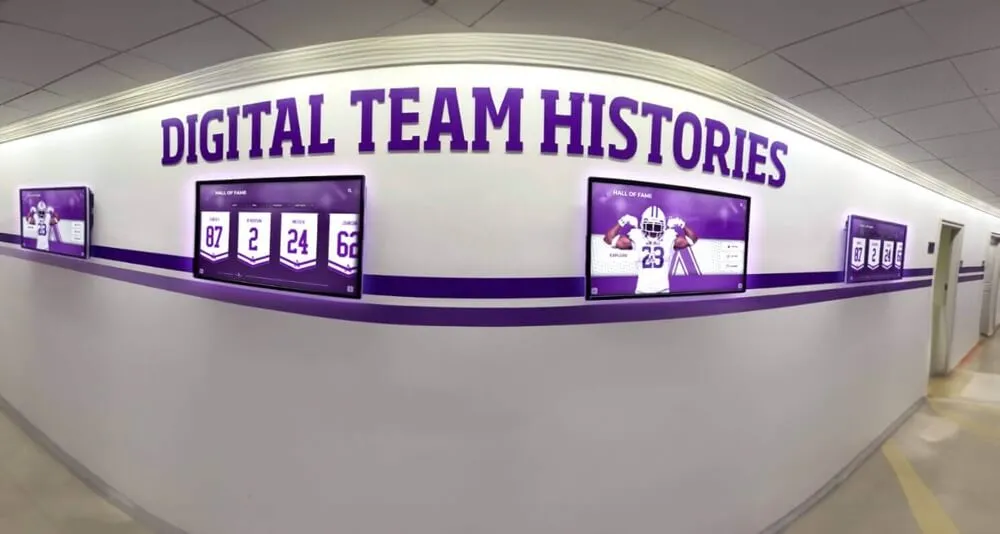
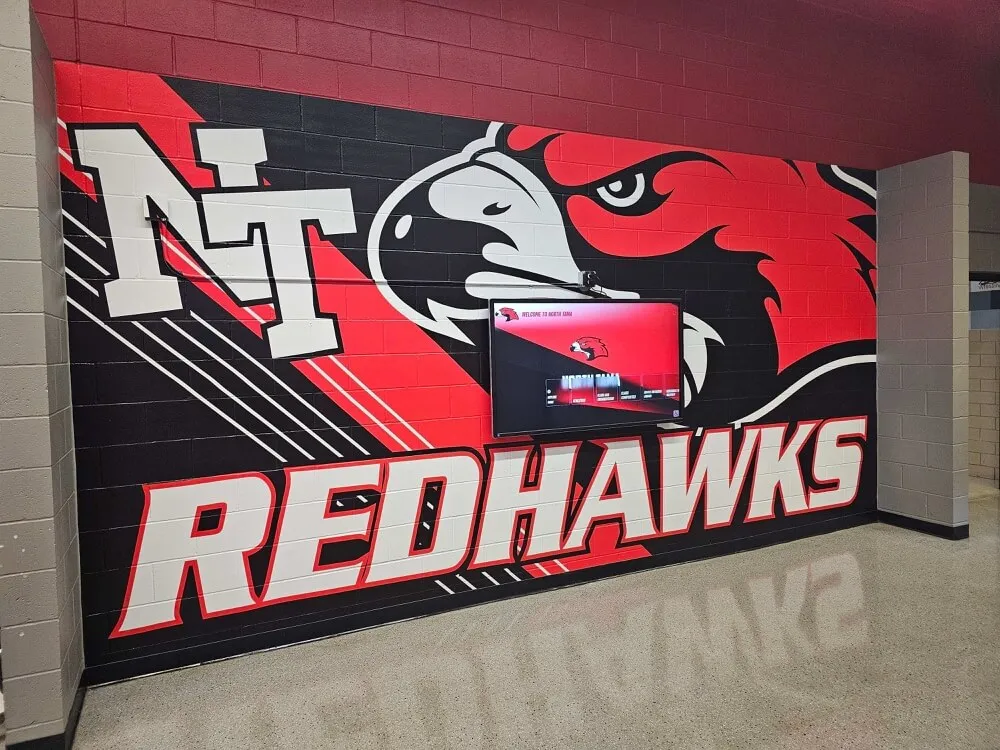
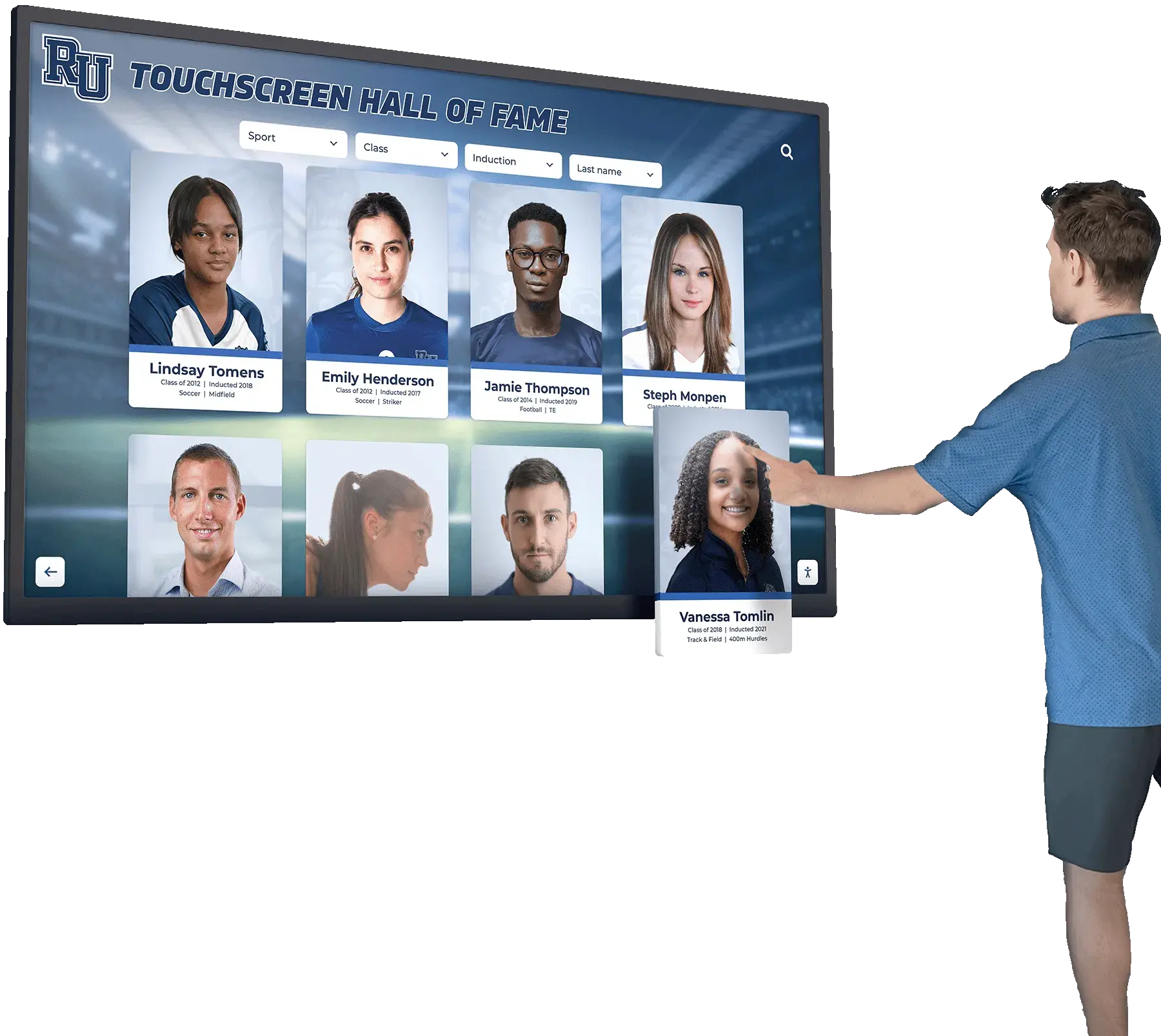
Modern athletic programs integrate comprehensive risk management with recognition systems celebrating safe, successful participation
Understanding Sports Liability Waivers: What They Are and Why They Matter
Before implementing waiver programs, athletic directors need clear understanding of what liability waivers accomplish legally and why they’re essential for modern athletic programs.
What Is a Sports Liability Waiver?
A sports liability waiver (also called a release of liability or assumption of risk agreement) is a legal document participants or their guardians sign acknowledging the inherent risks of athletic participation and agreeing not to hold the institution liable for injuries resulting from those inherent risks.
Core Legal Functions
- Assumption of Risk: Participants acknowledge understanding specific risks associated with sport participation
- Release of Liability: Participants agree not to sue for injuries resulting from inherent sport risks
- Indemnification: In some cases, participants agree to reimburse institution for legal costs if they do sue
- Informed Consent: Demonstrates institution provided adequate warning about participation risks
- Legal Defense: Provides evidence for motion to dismiss if lawsuits are filed
What Waivers Can and Cannot Do
Waivers provide meaningful protection but have important limitations:
Waivers CAN protect against:
- Injuries from inherent risks of the sport (collisions, falls, equipment failures)
- Accidents during properly supervised activities
- Injuries despite reasonable safety precautions
- Claims related to participant’s own negligence
Waivers CANNOT protect against:
- Gross negligence or reckless conduct by staff
- Intentional harm or misconduct
- Violations of statutory duties
- Claims by non-signing third parties
- Fraud or misrepresentation about risks
Why Athletic Directors Must Prioritize Waiver Programs
The legal landscape facing athletic programs has become increasingly challenging, making robust waiver programs essential risk management tools.
Litigation Trends Affecting Athletics
Sports-related lawsuits have increased significantly over the past two decades:
- Concussion-related litigation expanded dramatically following increased medical understanding
- Heat illness deaths prompted wrongful death lawsuits against schools and coaches
- Sudden cardiac arrest cases raised questions about screening and emergency response
- COVID-19 created new liability concerns around transmission during athletic activities
- Social media amplifies incidents creating reputational and legal exposure
Financial Implications
Even successfully defending against frivolous lawsuits creates substantial costs:
- Legal defense expenses averaging $50,000-$150,000 for cases reaching trial
- Settlements ranging from tens of thousands to millions depending on circumstances
- Insurance premium increases following claims
- Administrative time spent on litigation rather than program development
- Reputational damage affecting enrollment and community support
Learn how comprehensive athletic programs integrate safety with recognition in creating collegiate experiences for high school athletes.

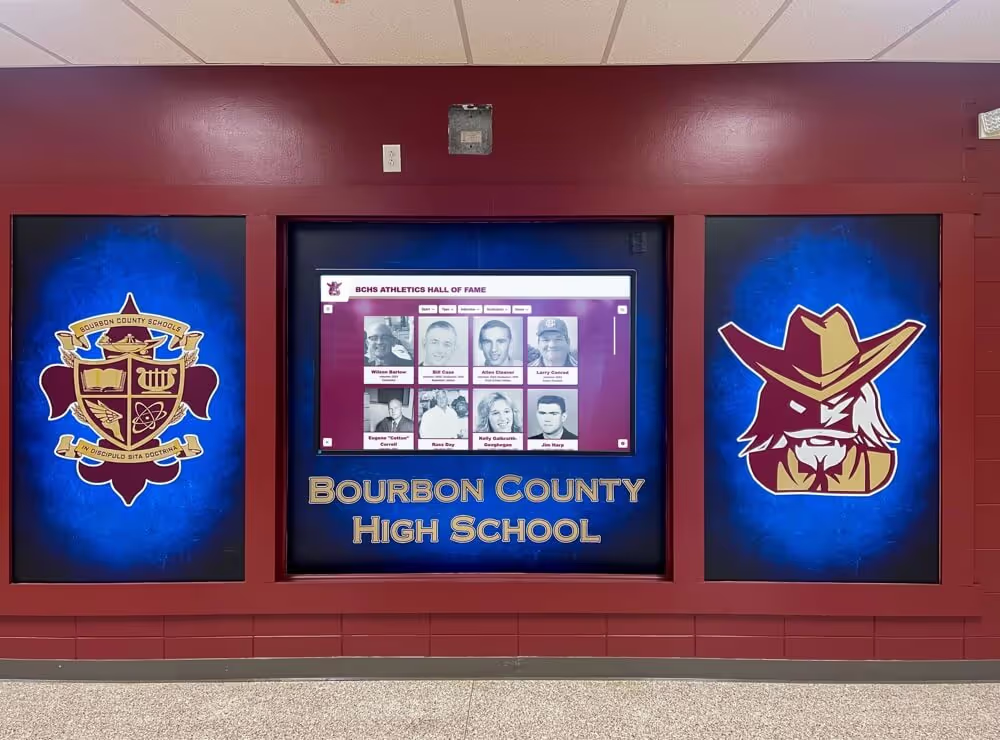
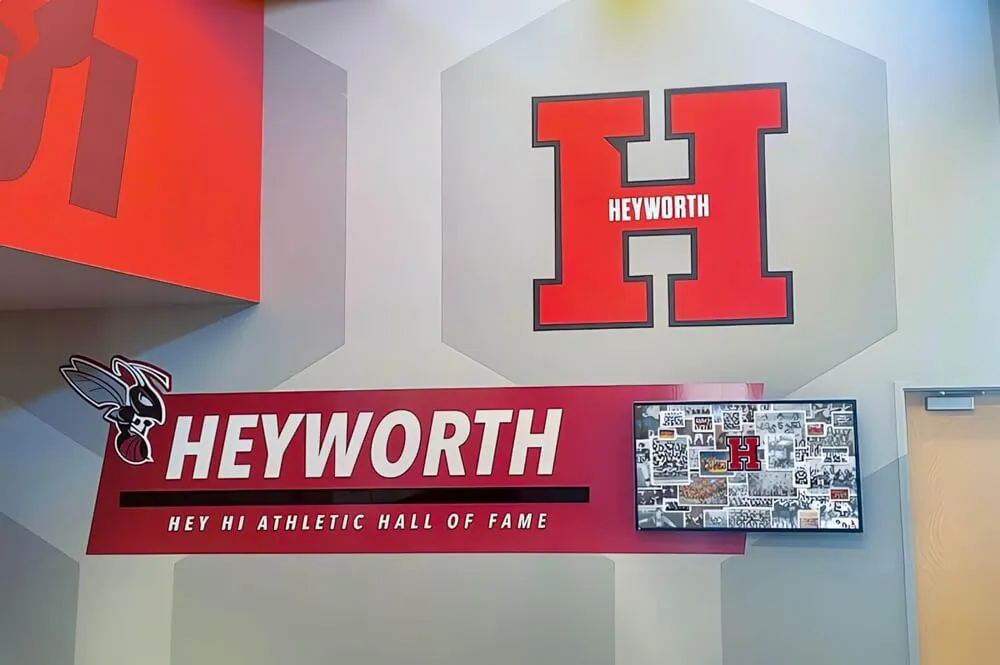
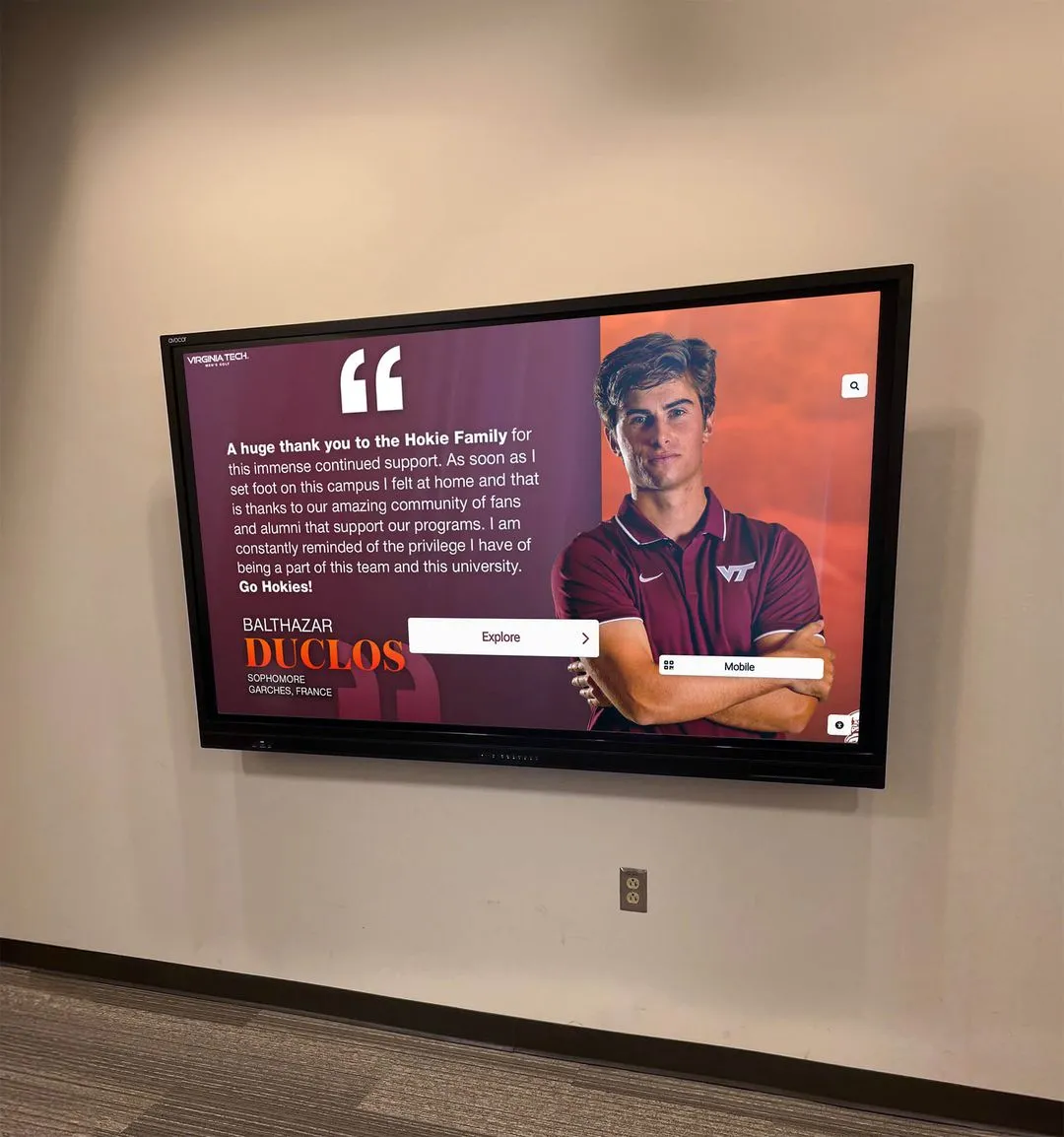
Well-managed athletic facilities integrate safety protocols with celebration of program achievements and participant recognition
Legal Foundation: How Courts Evaluate Waiver Validity
Understanding judicial scrutiny of liability waivers helps athletic directors create defensible documents.
Enforceability Criteria
Courts generally evaluate waivers based on several key factors:
Clarity and Specificity
- Language must be clear, unambiguous, and easily understood by laypersons
- Specific risks should be identified rather than vague generalities
- Font size and formatting must make waiver conspicuous and readable
- Legal jargon should be minimized in favor of plain language
- Key provisions should be highlighted or emphasized
Voluntary Agreement
- Signers must not be coerced or pressured into signing
- Adequate time must be provided to read and understand document
- Opportunity to ask questions and seek legal counsel should be available
- Signing process should be documented appropriately
- No fraudulent misrepresentation about document contents or purpose
Scope Limitations
- Waiver must relate to inherent risks of the specific activity
- Cannot waive liability for gross negligence or willful misconduct
- Cannot violate public policy or statutory protections
- Must be reasonable in scope and application
- Should not attempt to waive non-waivable rights
State-Specific Variations
Waiver enforceability varies dramatically by jurisdiction:
- Some states prohibit waivers for minors entirely
- Others allow parental waivers on behalf of minors with specific requirements
- Public versus private institutions face different standards in some states
- Certain states require specific language or formatting
- Recent case law can change enforceability suddenly
Key Components of an Effective Sports Liability Waiver
Creating legally defensible waivers requires including specific elements addressing both legal requirements and practical considerations.
Essential Legal Elements
Every sports liability waiver should include these core components:
Clear Title and Purpose Statement
Begin with conspicuous title and opening explaining document purpose:
- “SPORTS PARTICIPATION LIABILITY WAIVER AND ASSUMPTION OF RISK AGREEMENT”
- Opening paragraph explaining this is a legal document affecting legal rights
- Statement encouraging participants to read carefully before signing
- Recommendation to seek legal counsel if questions arise
- Clear indication this is voluntary participation activity
Comprehensive Risk Disclosure
Specific enumeration of participation risks:
- General risks common to all sports (sprains, strains, fractures, concussions)
- Sport-specific risks (catastrophic injury in football, heat illness in outdoor sports)
- Equipment-related risks (equipment failure, improper fitting)
- Facility-related risks (field conditions, weather exposure)
- Transportation risks if applicable
- COVID-19 and communicable disease exposure risks
Explicit Assumption of Risk Language
Clear statement participant accepts identified risks:
- “I understand and voluntarily assume these risks”
- Acknowledgment that injuries can occur despite safety measures
- Recognition that injuries may result in permanent disability or death
- Statement accepting financial responsibility for medical treatment
- Confirmation of adequate health insurance coverage
Release and Waiver of Claims
Specific language releasing institution from liability:
- Identification of parties being released (school, district, coaches, staff, volunteers)
- Comprehensive list of claims being waived (negligence, breach of duty, etc.)
- Timeframe coverage (specific season, school year, or multi-year period)
- Geographic scope (on and off campus activities, travel)
- Explicit statement waiving right to sue released parties
Indemnification Clause
Agreement to hold institution harmless from participant’s claims:
- Reimbursement for legal fees if participant brings lawsuit
- Coverage for costs defending against participant-initiated claims
- Protection for institution from third-party claims related to participant
- Responsibility for costs exceeding insurance coverage
Discover how programs celebrate athletic participation safely through sports banquet planning that honors athletes.
Medical and Emergency Information Integration
Effective waivers often combine liability release with essential medical documentation:
Medical History Disclosure
- Pre-existing conditions that may affect participation
- Medications currently being taken
- Previous serious injuries or surgeries
- Allergies and emergency response requirements
- Contact information for family physician
Emergency Contact Information
- Primary and secondary emergency contacts with multiple phone numbers
- Relationship to participant
- Specific instructions for emergency situations
- Health insurance information for emergency treatment
- Authorization for emergency medical treatment
Medical Treatment Authorization
- Consent for emergency medical treatment including transport
- Hospital and physician preferences if available
- Religious or personal restrictions on treatment
- Acknowledgment of financial responsibility for emergency care
- HIPAA authorization for information sharing with appropriate parties

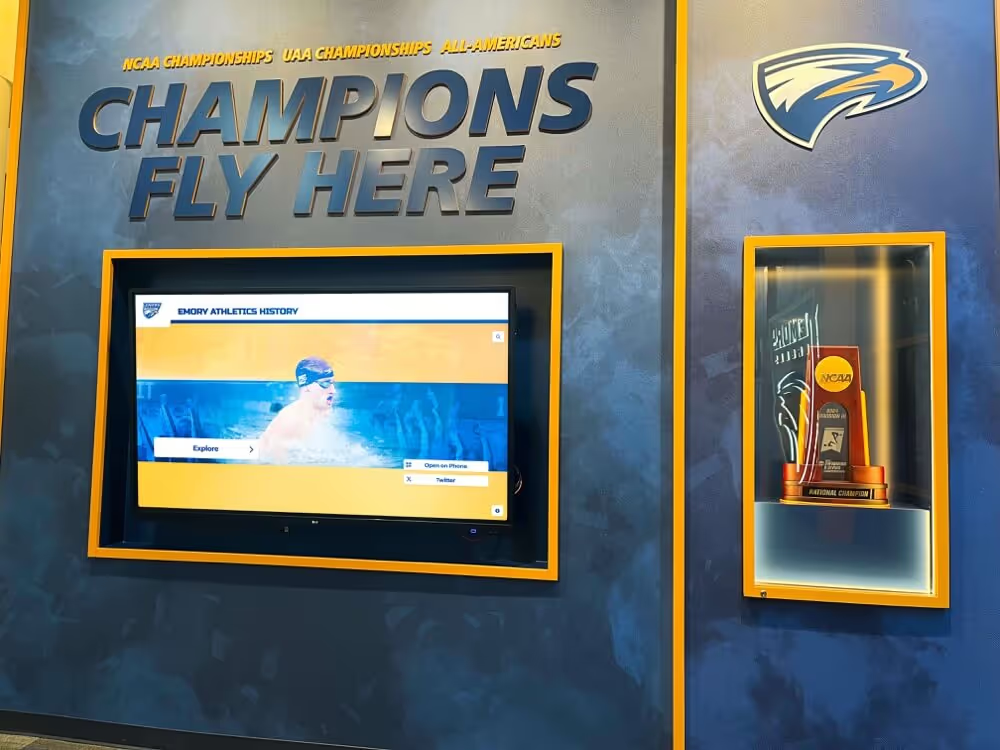
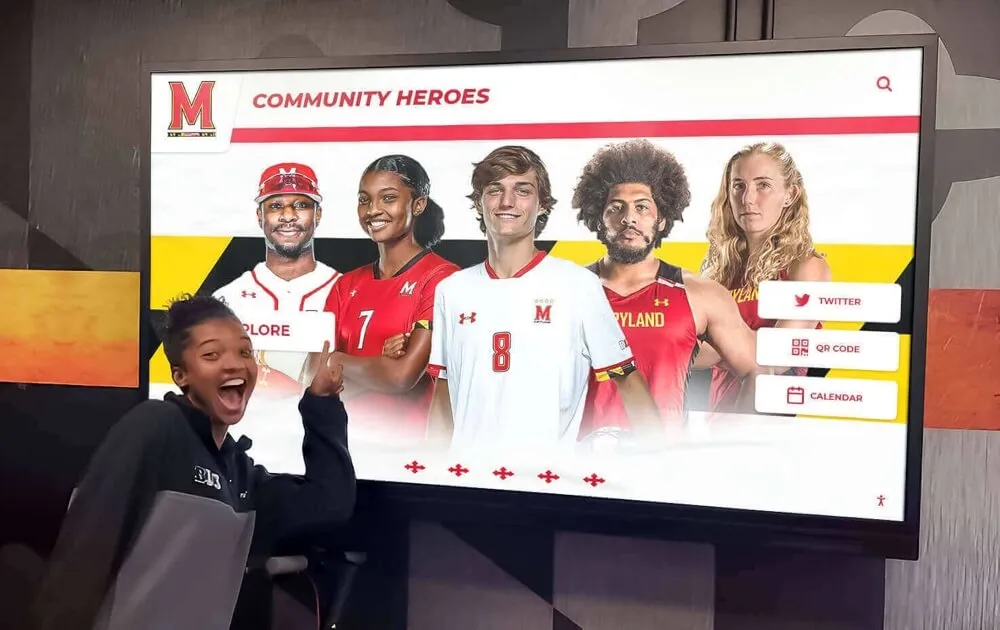
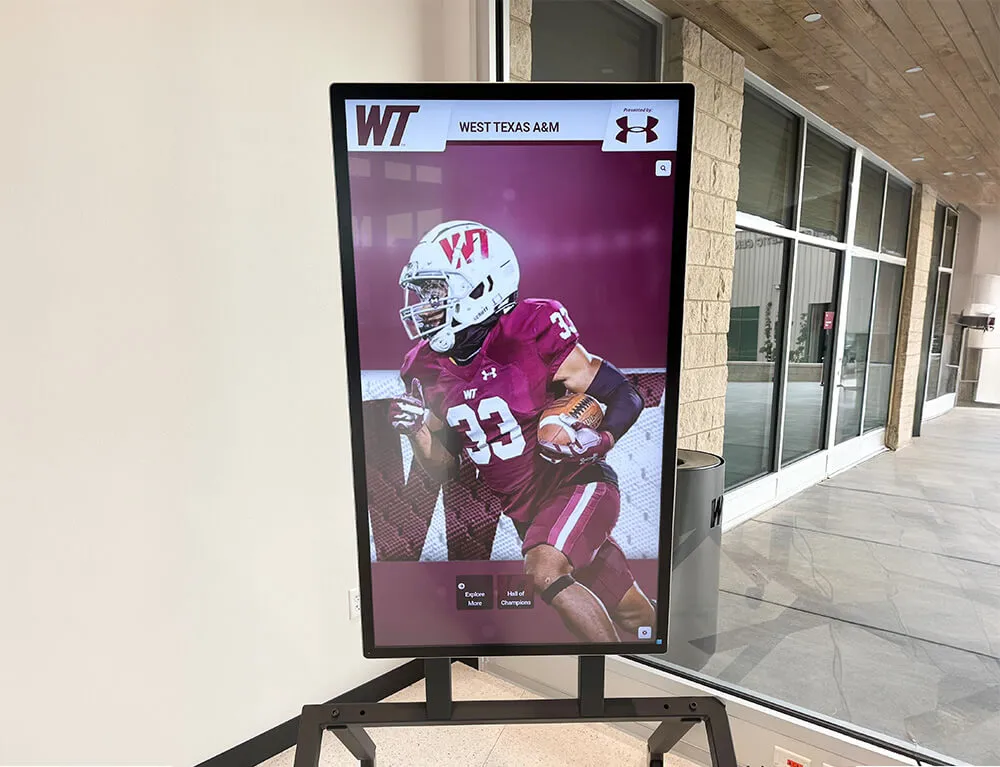
Digital systems enable efficient management of participation documentation while celebrating athlete achievements
Age-Appropriate Variations
Waivers must be adapted based on participant age and legal capacity:
Minor Participant Waivers Special considerations for athletes under 18:
- Must be signed by parent or legal guardian
- Should include guardian’s acknowledgment they have authority to sign
- May include separate minor signature acknowledging understanding (though not legally binding)
- Should reference guardian’s legal capacity to waive minor’s claims
- Must comply with state-specific requirements for minor waivers
Adult Participant Waivers Athletes 18 and over sign on their own behalf:
- Clearer legal standing and enforceability
- Can include more comprehensive release language
- Should still maintain clarity and readability
- May include academic credit or scholarship participation acknowledgment
- Can address NCAA or professional eligibility implications
College-Aged Athletes Special considerations for collegiate programs:
- Integration with NCAA or NAIA compliance requirements
- Coordination with athletic scholarship agreements
- Academic credit for athletic participation
- Professional draft eligibility implications
- Transfer portal and NIL considerations
Legal Requirements and State-Specific Considerations
Waiver enforceability depends heavily on compliance with state-specific legal requirements and current case law.
State Law Variations
Athletic directors must understand their state’s specific requirements and limitations:
States Prohibiting Minor Waivers
Some jurisdictions don’t allow parents to waive minors’ rights:
- These states may still benefit from waivers for adult participants
- Waivers serve evidentiary purpose showing risk communication
- Alternative risk management strategies become more critical
- Assumption of risk defenses may still apply without waiver
- Legislative changes can alter landscape suddenly
States Permitting Minor Waivers with Requirements
Many states allow parental waivers with specific conditions:
- Specific language requirements mandated by statute or case law
- Formatting requirements (font size, bold text, separate signing)
- Timing requirements (minimum days before participation)
- Renewal frequency (annual, per season, per activity)
- Witness or notarization requirements in some jurisdictions
Public versus Private Institution Distinctions
Legal standards often differ based on institution type:
- Public schools may face stricter scrutiny under governmental immunity doctrines
- Private institutions may have broader waiver enforceability
- Charter schools may fall under different standards than traditional public schools
- University athletics may have different standards than K-12 programs
- Religious institutions may have additional considerations
Recent Case Law Affecting Waiver Enforceability
Legal landscape continues evolving through court decisions:
Concussion-Related Cases
Recent litigation emphasizing specific concussion disclosure:
- Waivers should specifically mention concussion risks and long-term effects
- Reference to current concussion protocols and return-to-play procedures
- Acknowledgment of baseline testing requirements where applicable
- Parents should acknowledge receiving concussion education materials
- Updates needed as medical understanding evolves
COVID-19 Pandemic Cases
Communicable disease risks now require explicit address:
- Specific language about viral transmission risks during athletic participation
- Acknowledgment of constantly evolving health guidelines
- Recognition that institution cannot guarantee disease-free environment
- Assumption of risk for quarantine and isolation requirements
- Release related to decisions about season cancellations or modifications
Heat Illness Litigation
Deaths from exertional heat stroke prompted enhanced disclosure requirements:
- Specific mention of heat illness risks including death
- Reference to heat safety protocols and monitoring
- Acknowledgment of hydration and acclimatization importance
- Recognition of individual susceptibility variations
- Release related to outdoor practice and competition conditions
Explore how programs recognize athletic achievement safely through weekly top performer recognition programs.
Common Mistakes to Avoid in Waiver Implementation
Even well-drafted waivers fail to protect institutions when implementation is inadequate.
Documentation and Record-Keeping Failures
The most common implementation mistakes involve inadequate documentation:
Incomplete Signature Collection
- Allowing participation before waiver is signed and on file
- Missing signatures from all required parties (both parents if joint custody)
- Illegible signatures making verification difficult
- Missing dates on signature pages
- No system for tracking who has and hasn’t submitted waivers
Poor Organization and Storage
- No centralized system for waiver storage and retrieval
- Physical waivers stored in coaches’ offices or homes
- No backup copies if documents are lost or damaged
- Inability to quickly locate specific waivers when needed
- Retention periods shorter than statute of limitations in your state
Failure to Update Annually
- Using waivers from previous years without review and updates
- Not collecting new waivers each season or school year
- Missing opportunities to incorporate new risk disclosures
- Outdated contact and medical information
- No system ensuring timely renewal

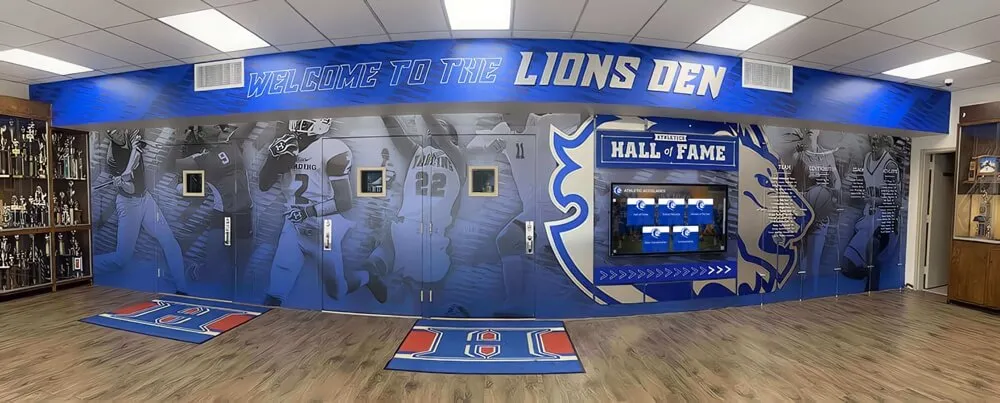
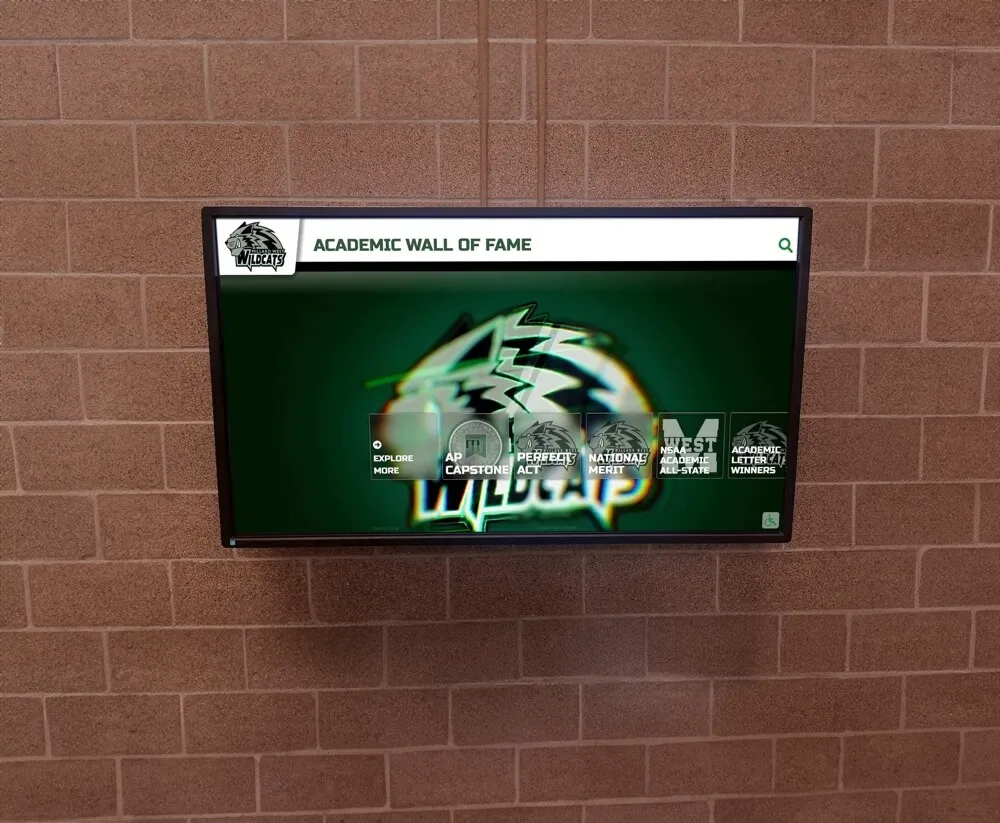
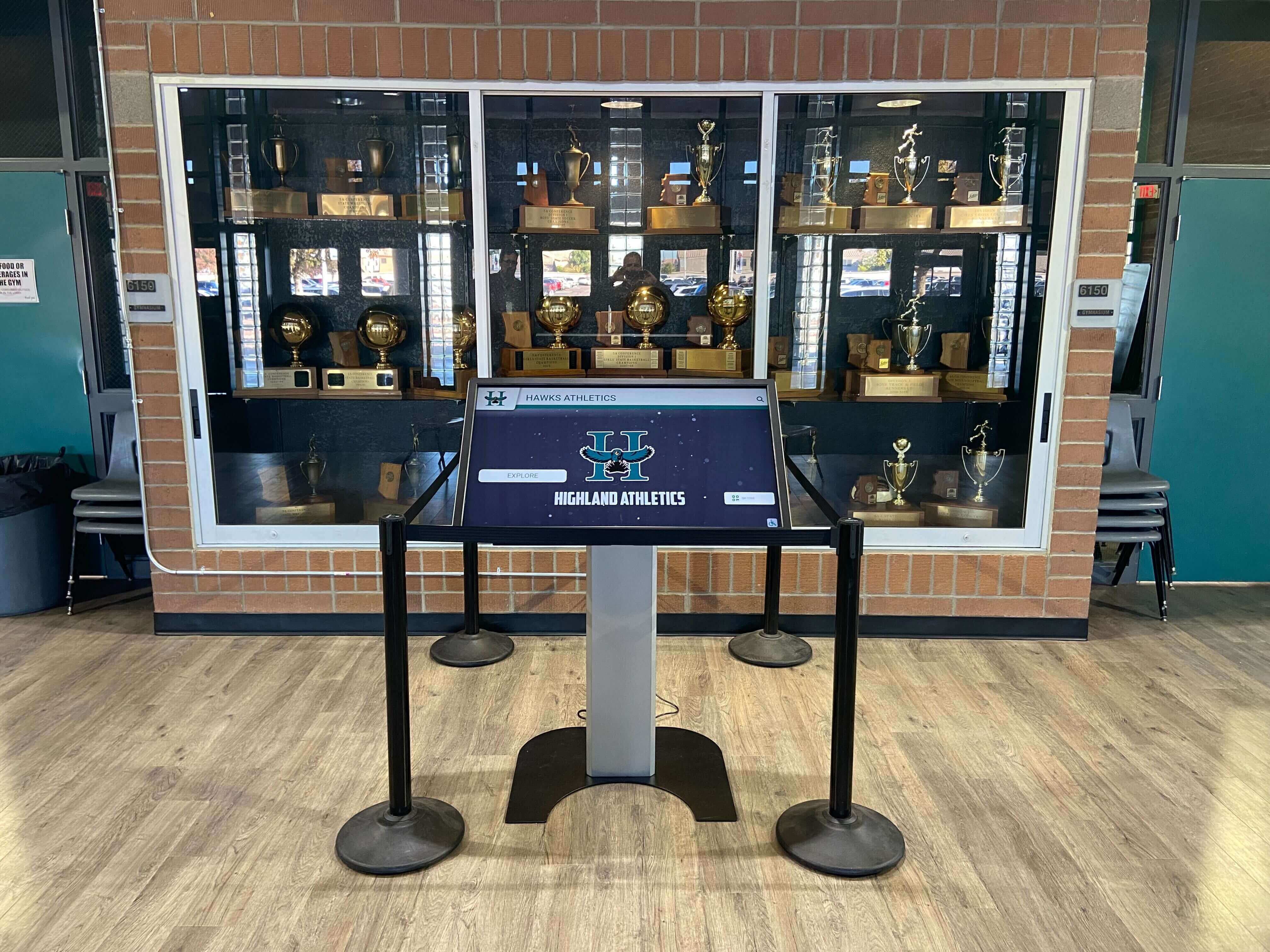
Modern technology enables efficient waiver management and participant communication throughout athletic programs
Language and Formatting Problems
How waivers are written affects enforceability significantly:
Vague or Overly Broad Language
- Generic risk descriptions that could apply to any activity
- Attempting to waive liability for risks beyond sport participation
- Language so broad courts view it as unreasonable
- Failing to specify which activities are covered
- Missing sport-specific risk disclosures
Buried or Inconspicuous Waiver Language
- Critical waiver provisions in small font or dense paragraphs
- No bold, underline, or capitalization drawing attention to key terms
- Waiver language hidden within other documents
- No clear heading identifying waiver sections
- Layout making document difficult to read and understand
Overly Complex Legal Jargon
- Language requiring legal training to understand
- Sentences exceeding 30-40 words making comprehension difficult
- Latin terms or specialized legal vocabulary
- Multiple negatives creating confusion
- No plain-language explanation of legal consequences
Process and Administration Errors
How waivers are collected and managed matters as much as content:
Rushed or Pressured Signing
- Requiring signatures immediately before practice without reading time
- Creating perception that refusing to sign means exclusion from team
- Not providing opportunities to ask questions
- Group signing sessions where individuals feel pressured to conform
- No opportunity to consult with spouse, attorney, or trusted advisor
Inconsistent Application
- Requiring waivers for some sports but not others
- Exempting certain athletes (starters, coach’s children, etc.)
- Accepting incomplete or improperly signed waivers from some families
- Different standards for varsity versus sub-varsity programs
- Varying requirements between coaching staff
No Integration with Safety Protocols
- Waiver collection separated from safety education and training
- No discussion of risks identified in waiver during team meetings
- Failure to implement safety measures addressing disclosed risks
- Waivers treated as legal formality rather than safety communication tool
- No connection between waiver content and actual program practices
Digital Solutions for Waiver Management
Modern technology transforms waiver administration from paper-based chaos into streamlined, efficient systems.
Benefits of Digital Waiver Platforms
Electronic waiver systems offer numerous advantages over traditional paper processes:
Efficiency and Accessibility
- Online completion from any device eliminates paper collection logistics
- Automated reminders ensure timely completion and renewal
- Integration with registration systems streamlines enrollment
- Mobile-friendly interfaces accommodate families’ preferences
- Multi-language options serve diverse communities
Organization and Retrieval
- Centralized database with instant search and retrieval
- Automatic organization by sport, season, athlete, or date
- Cloud storage prevents loss from fire, flood, or misplacement
- Customizable reports showing completion status
- Audit trails documenting when and by whom forms were signed
Legal Advantages
- Timestamp documentation proving when signing occurred
- IP address logging demonstrating who signed from where
- Electronic signature verification meeting legal requirements
- Version control ensuring current forms are always used
- Easier production of records during litigation discovery
Communication Integration
- Ability to provide educational materials before signing
- Video or interactive content explaining risks
- Required acknowledgment of having read supplementary materials
- Follow-up surveys confirming understanding
- Direct communication channel for questions before signing
Selecting Digital Waiver Solutions
When evaluating electronic waiver platforms, athletic directors should consider:
Technical Requirements
- HIPAA compliance for medical information storage
- FERPA compliance for student record integration
- Encryption and security protecting sensitive data
- Mobile responsiveness for phone and tablet access
- Integration capabilities with existing student information systems
Functionality Features
- Customizable forms for different sports and age groups
- Conditional logic showing relevant sections based on responses
- Photo upload capabilities for physical examination documentation
- Electronic payment integration for participation fees
- Multi-year retention with easy renewal workflows
Support and Training
- Technical support availability during peak registration periods
- Training resources for athletic department staff
- Parent-facing help documentation
- Template libraries with legally reviewed waiver language
- Regular updates reflecting current legal standards
Discover how digital solutions enhance athletic programs through recognition wall ideas that celebrate safe participation.

Comprehensive digital platforms manage participation documentation while celebrating athletic achievement
Implementation Best Practices for Digital Waivers
Successful digital waiver adoption requires thoughtful implementation:
Communication and Education
- Announce transition well in advance of registration periods
- Provide clear instructions with screenshots or video tutorials
- Offer assistance for families without internet access or digital literacy
- Explain benefits (convenience, security) to encourage adoption
- Have backup paper options for unique situations
Testing and Phased Rollout
- Pilot program with single sport or grade level
- Test all functionality before full implementation
- Gather feedback from early users to address issues
- Ensure adequate server capacity for peak usage periods
- Have IT support available during initial launch
Integration with Existing Processes
- Connect with student information systems to auto-populate demographic data
- Coordinate with athletic physical examination requirements
- Link to fee payment and equipment distribution
- Include in new family orientation processes
- Integrate completion verification into practice attendance systems
Beyond Waivers: Building a Comprehensive Risk Management Program
Liability waivers represent just one component of effective athletic risk management.
Multi-Layered Risk Management Strategy
Comprehensive protection requires addressing risks at multiple levels:
Risk Avoidance Eliminating certain high-risk activities or exposures:
- Discontinuing activities with risks disproportionate to benefits
- Avoiding practices prohibited by state athletic associations
- Eliminating dangerous drills identified through injury research
- Refusing to conduct activities without proper equipment or facilities
- Canceling activities when environmental conditions are unsafe
Risk Reduction Implementing safety measures reducing injury likelihood and severity:
- Comprehensive coach training and certification programs
- Evidence-based safety protocols for heat, concussion, and cardiac emergencies
- Regular equipment inspection and replacement schedules
- Facility maintenance addressing hazards proactively
- Appropriate supervision ratios and qualified personnel
Risk Transfer Shifting financial consequences to other parties:
- Adequate insurance coverage including general liability and catastrophic injury
- Participant accident insurance providing secondary coverage
- Contractual risk transfer to facility owners, equipment vendors, or bus companies
- Indemnification agreements with booster organizations
- Professional liability coverage for athletic trainers and coaches
Risk Retention Accepting certain risks as inherent to athletic programs:
- Self-insurance for minor injuries expected with sports participation
- Deductibles and co-insurance balancing premium costs with risk exposure
- Acknowledgment some injuries will occur despite best efforts
- Financial reserves for uninsured or underinsured claims
- Clear policies about institutional versus family financial responsibility
Integrating Safety Culture with Recognition
Effective programs celebrate safety alongside athletic achievement:
Programs can reinforce safety culture through recognition systems highlighting safe participation:
- Safety awards recognizing athletes who exemplify proper technique and decision-making
- Coach recognition for exemplary safety protocol implementation
- Team awards for injury-free seasons
- Documentation of safety training completion alongside athletic achievements
- Integration of safety messaging in award ceremonies and banquets
Learn about comprehensive athletic recognition through building dedication plaque approaches honoring program safety and achievement.
Coach and Staff Training Requirements
Personnel training represents critical risk management investment:
Initial Training Components
- Sport-specific safety certification from national governing bodies
- First aid, CPR, and AED certification for all coaching staff
- Concussion recognition and management training
- Heat illness prevention and emergency response
- Sudden cardiac arrest recognition and emergency action plan training
- Proper equipment fitting and inspection procedures
Ongoing Professional Development
- Annual recertification for safety credentials
- Updates on rule changes affecting player safety
- New research on injury prevention and risk reduction
- Reviews of incident reports and near-miss situations
- Legal updates on liability and compliance requirements
- Emergency scenario practice and tabletop exercises
Documentation and Verification
- Centralized tracking of all coach certifications and credentials
- Automated reminders for expiring certifications
- Verification before coaches are allowed to supervise activities
- Public accessibility of coach qualifications for parent review
- Integration with employment and volunteer management systems
Waiver Language and Templates
While athletic directors should always consult legal counsel for jurisdiction-specific waivers, understanding effective language patterns helps evaluate proposed documents.
Effective Opening Language
Strong waivers begin with clear statements capturing attention:
Example Opening: “PLEASE READ CAREFULLY BEFORE SIGNING. This document affects your legal rights. By signing this document, you give up the right to sue [INSTITUTION NAME] and its employees for injuries resulting from sports participation, including serious injuries or death. You should fully understand this document before signing. Seek legal counsel if you have questions.”
This opening accomplishes several goals:
- All-caps attention-grabbing heading
- Plain language explanation of legal consequences
- Specific mention of serious outcomes (injury, death)
- Invitation to seek legal counsel demonstrating non-coercion
- Clear statement this is voluntary participation
Risk Disclosure Examples
Comprehensive yet readable risk descriptions:
General Sports Risks: “I understand that participating in [SPORT NAME] involves inherent risks that cannot be eliminated regardless of the care taken to avoid injuries. These risks include but are not limited to: contact with other participants, equipment, or playing surfaces; sudden and unexpected movements; falls and collisions; repetitive stress injuries; dehydration and heat-related illness; exposure to weather conditions; equipment malfunctions; inadequate protective equipment; and negligent actions of other participants. These and other risks may result in injuries ranging from minor (scrapes, bruises, sprains) to catastrophic (permanent disability, paralysis, or death).”
Sport-Specific Risk Examples:
Football: “Football involves violent physical contact including tackling, blocking, and collisions at high speeds. Despite helmet and protective equipment use, participants face significant risks of concussion, traumatic brain injury, spinal cord injuries, broken bones, ligament tears, and other serious injuries. Concussions and repetitive head impacts may have long-term neurological consequences that are not yet fully understood by medical science.”
Swimming: “Swimming and diving involve risks of drowning, diving accidents causing spinal injuries and paralysis, slipping on wet surfaces, exposure to pool chemicals, and medical emergencies in water. Despite lifeguards and supervision, water activities carry inherent risks that can result in serious injury or death.”

Clear communication systems help athletic programs share safety information while celebrating program achievements
Release and Waiver Clause Examples
Specific language releasing institution from liability:
Sample Release Language: “In consideration for being permitted to participate in [SPORT/PROGRAM NAME], I, for myself, my heirs, personal representatives, and assigns, hereby release, waive, discharge, and covenant not to sue [INSTITUTION NAME], its governing board, administrators, athletic directors, coaches, employees, volunteers, and agents (collectively ‘Released Parties’) from any and all liability, claims, demands, actions, and causes of action whatsoever arising out of or related to any loss, damage, or injury, including death, that may be sustained by me while participating in such activity, whether caused by the negligence of the Released Parties or otherwise, while on the premises or in transit to or from said premises.”
Indemnification Language: “I agree to indemnify and hold harmless the Released Parties from any loss, liability, damage, or costs, including court costs and attorney fees, that may incur due to my participation in said activity, whether caused by negligence of Released Parties or otherwise.”
Acknowledgment and Signature Sections
Clear confirmation of understanding and agreement:
Sample Acknowledgment Language: “I HAVE CAREFULLY READ THIS WAIVER AND RELEASE AND FULLY UNDERSTAND ITS CONTENTS. I AM AWARE THAT THIS IS A RELEASE OF LIABILITY AND A CONTRACT BETWEEN MYSELF AND THE RELEASED PARTIES. I SIGN IT OF MY OWN FREE WILL.
I confirm that: ☐ I have read and understood this entire document ☐ I have had the opportunity to ask questions about anything I did not understand ☐ I am signing this voluntarily without pressure or coercion ☐ I understand I am giving up important legal rights by signing this document ☐ I have received and reviewed safety information about this sport ☐ My child has adequate health insurance covering sports-related injuries”
Signature Requirements:
- Participant signature and date (even if minor, for acknowledgment)
- Parent/guardian signature and printed name if participant is under 18
- Second parent signature if required by state law
- Witness signature if required
- Coach or administrator signature acknowledging receipt
- Separate signature for each distinct sport or season
Parent Communication and Education
Effective waiver programs combine legal documentation with genuine safety education.
Pre-Participation Parent Meetings
Waivers gain credibility when part of comprehensive safety communication:
Meeting Content
- Overview of sport’s inherent risks with honest, specific examples
- Explanation of institution’s safety protocols and risk reduction measures
- Review of emergency action plans and medical coverage
- Introduction to coaching staff and their qualifications
- Discussion of waiver purpose and legal requirements
- Question and answer period addressing parent concerns
Supporting Materials
- Written summary of key safety policies and procedures
- Contact information for athletic training staff
- Insurance information and coverage details
- Season schedule including practice and competition times
- Links to educational resources about sport-specific risks
- Coaches’ emergency contact information
Learn how athletic programs engage families through school entrance design that communicates program values and safety commitment.
Ongoing Safety Communication
Waivers should initiate rather than conclude safety conversations:
Regular Updates
- Periodic safety reminders through email or team communication apps
- Notification of significant injuries or incidents (maintaining appropriate privacy)
- Updates on rule changes affecting player safety
- Seasonal reminders about heat safety, cold weather precautions, etc.
- Post-season surveys gathering feedback on safety concerns
Educational Resources
- Links to national organizations’ safety resources (CDC concussion materials, etc.)
- Sport-specific safety guidelines from governing bodies
- Videos demonstrating proper technique and equipment use
- Return-to-play protocols for various injury types
- Mental health resources for athletes and families
Incident Communication
- Prompt notification to affected families about injuries requiring emergency care
- General notification to all families about serious incidents (maintaining privacy)
- Explanation of institutional response and any protocol changes
- Transparent discussion of lessons learned
- Reassurance about safety measures preventing recurrence
Insurance Integration and Coverage Considerations
Liability waivers work in concert with insurance programs providing comprehensive protection.
Types of Relevant Insurance Coverage
Athletic programs typically need multiple insurance types:
General Liability Insurance
- Covers claims of bodily injury or property damage caused by athletic operations
- Provides legal defense and settlement/judgment payment up to policy limits
- Should specifically include athletic activities and not exclude sports
- Occurrence-based policies preferred over claims-made for long-tail injury claims
- Adequate limits given potential severity of athletic injuries
Professional Liability Insurance
- Covers coaches and athletic trainers for alleged professional negligence
- Particularly important for certified athletic trainers providing medical care
- May be provided through individual professional organization memberships
- School districts should verify coverage gaps between individual and institutional policies
- Covers failure to properly supervise, instruct, or respond to injuries
Participant Accident Insurance
- Secondary coverage for athlete medical expenses after family insurance
- Catastrophic injury riders for severe injuries exceeding standard policy limits
- May be included in athletic association memberships or purchased separately
- Reduces financial burden on families and potential institutional liability
- Should be clearly explained to parents during registration
Directors and Officers Insurance
- Protects administrators and board members from personal liability
- Covers decisions about athletic program operations and safety
- Important for athletic directors making policy decisions
- Responds to claims alleging inadequate supervision or negligence in governance
- Increasingly important as personal liability theories expand
Coordination Between Waivers and Insurance
Waivers and insurance should work together strategically:
Waiver Impact on Coverage
- Effective waivers may prevent claims from being filed, avoiding insurance involvement
- Insurance provides protection if waivers are found unenforceable
- Some insurers offer premium reductions for comprehensive waiver programs
- Waivers strengthen insurer’s defense position if claims proceed
- Both provide layers of protection rather than redundant coverage
Disclosure Requirements
- Some states require disclosure of insurance coverage in waivers
- Waivers should clarify participant responsibility for uncovered medical expenses
- Explanation of primary versus secondary insurance coverage
- Information about how to file claims under participant accident policies
- Transparency about coverage limits and exclusions
Claims Management
- Prompt notification to insurers of incidents potentially leading to claims
- Preservation of waiver documents for insurer defense
- Cooperation with insurer’s investigation and defense strategies
- Understanding when institutional versus personal insurance applies
- Coordination between legal counsel and insurance representatives
Record Keeping and Documentation Best Practices
Even perfect waivers provide no protection if they can’t be produced when needed.
Retention Requirements
Athletic directors must maintain waiver records for appropriate periods:
Legal Considerations
- Minimum retention matching statute of limitations in your state (typically 2-6 years)
- For minor participants, clock often starts at age 18, requiring longer retention
- Some jurisdictions allow claims many years after injury manifestation
- Discovery of latent injuries (brain damage, etc.) may extend limitation periods
- Best practice: retain indefinitely for serious sport injury waivers
Organizational Systems
- Separate retention schedules for different document types
- Clear policies about when records can be destroyed
- Documentation of destruction with dates and authorization
- Secure storage preventing unauthorized access or inadvertent loss
- Regular audits confirming retention compliance
Digital Record Management
Electronic systems offer advantages but require careful implementation:
Data Security
- Encryption protecting sensitive medical and personal information
- Access controls limiting who can view different information types
- Audit logs tracking who accessed records and when
- Regular backups to multiple secure locations
- Disaster recovery plans for system failures
Searchability and Retrieval
- Indexing by athlete name, sport, season, and coach
- Advanced search capabilities for specific information
- Quick retrieval during emergencies requiring medical information
- Batch export capabilities for legal discovery requests
- Integration with other athletic administration systems
Version Control
- Historical tracking of waiver form changes over time
- Clear documentation of which version athlete signed
- Ability to reproduce exact document signed years earlier
- Updates that don’t overwrite historical records
- Change logs explaining why revisions were made
Discover comprehensive facility management approaches through digitizing old yearbooks and hall of fame display preservation.

Modern digital systems integrate documentation management with athlete recognition creating comprehensive program administration
Compliance Auditing
Regular reviews ensure waiver program integrity:
Annual Audits
- Review of all waivers on file against participation rosters
- Identification of any athletes lacking proper documentation
- Verification signatures are complete and legible
- Confirmation medical and emergency information is current
- Assessment of any needed form updates based on legal changes
Mid-Season Spot Checks
- Random verification that participating athletes have waivers on file
- Review of late-registration athletes to ensure proper documentation
- Checks confirming coaching staff aren’t allowing participation without waivers
- Verification that transfer athletes have submitted new waivers
- Confirmation that waivers for new sports/seasons are collected
Incident-Triggered Reviews
- Immediate verification waiver is on file after any significant injury
- Review of specific waiver language related to injury type
- Confirmation all procedural requirements were followed
- Assessment whether incident suggests need for waiver language updates
- Documentation preparation for potential legal action
Conclusion: Building Defensible Waiver Programs That Prioritize Safety and Protection
Sports liability waivers represent far more than legal formalities or bureaucratic paperwork—they’re essential risk management tools protecting athletic programs, educational institutions, and dedicated staff from potentially catastrophic legal exposure while demonstrating commitment to transparent risk communication and participant safety. When developed with legal rigor, implemented with administrative consistency, and integrated into comprehensive safety cultures, liability waivers provide meaningful protection enabling athletics to flourish while managing inherent participation risks responsibly.
The comprehensive strategies explored throughout this guide—from understanding legal enforceability principles to implementing digital management systems, from crafting clear risk disclosures to building multi-layered risk management programs—provide athletic directors with frameworks transforming waiver programs from legal vulnerabilities into defensive strengths. Whether you’re managing youth recreational leagues, competitive high school athletics, or collegiate sports programs, these evidence-based approaches ensure your waiver program meets legal requirements while serving its fundamental purpose: protecting everyone involved in athletic participation.
Modern athletic administration increasingly relies on technology streamlining administrative burdens while improving documentation quality and accessibility. Digital waiver platforms, integrated with comprehensive athletic recognition systems, enable athletic directors to manage participation documentation efficiently while celebrating athlete achievements and maintaining safety-first program cultures. These systems reduce administrative time, improve compliance, and create the organizational infrastructure supporting excellent athletic programs.
Transform Your Athletic Program Administration
Discover how comprehensive digital solutions can streamline waiver management, enhance participant recognition, and build integrated athletic program systems that prioritize both achievement and safety.
Explore Athletic Program SolutionsRemember that liability waivers, while legally important, should never substitute for genuine commitment to athlete safety. The best defense against litigation isn’t paperwork—it’s comprehensive safety protocols, qualified coaching staff, proper equipment and facilities, emergency preparedness, and organizational cultures prioritizing participant wellbeing above competitive success. Waivers document your safety commitment and provide legal protection, but actual safety requires ongoing investment in training, equipment, supervision, and evidence-based risk reduction.
Consult with legal counsel familiar with your state’s laws and your institution’s specific circumstances before finalizing waiver language or implementation procedures. Generic templates found online may not comply with your jurisdiction’s requirements and could provide false sense of security. Investment in proper legal review represents insurance premium you hope never to need but will be invaluable if litigation occurs.
Start by auditing your current waiver program against the standards outlined in this guide. Identify gaps, update language, implement digital solutions where appropriate, integrate waivers with broader safety initiatives, and create the documentation systems that will serve you for years to come. Your athletes, their families, your coaching staff, and your institution all deserve the protection that thoughtful, comprehensive waiver programs provide.
The goal isn’t creating barriers to participation or fostering litigation paranoia—it’s building athletic programs where risks are understood, communicated transparently, managed responsibly, and accepted knowingly by informed participants who trust your commitment to their safety and development. With proper waiver programs in place, you can focus on what matters most: creating transformational athletic experiences that develop character, build skills, create memories, and change lives.