



A sportsmanship award meaning can be stated plainly: it is formal school recognition given to an athlete who consistently demonstrates respect for opponents, officials, teammates, and the game itself—regardless of the score. While performance awards celebrate what an athlete achieves statistically, the sportsmanship award celebrates how they compete and the character they model for every student watching from the stands.
For athletic directors and administrators, this distinction matters. Schools that define, document, and display sportsmanship honors send a clear institutional signal about competitive values. When that signal is backed by written criteria, thoughtful citation language, and permanent display in hallways or digital recognition systems, the award carries weight well beyond the ceremony where it is presented.
This guide defines sportsmanship award meaning precisely, outlines the behaviors schools should recognize, provides wording examples for award citations, and explains how to display and archive these honors so they remain visible and meaningful for years.
Character recognition sits at the center of what the National Federation of State High School Associations (NFHS) describes as the educational mission of interscholastic athletics: helping students develop not just physical skills, but the values of integrity, respect, and responsibility. A sportsmanship award operationalizes that mission by naming and celebrating the athletes who live it out most visibly.

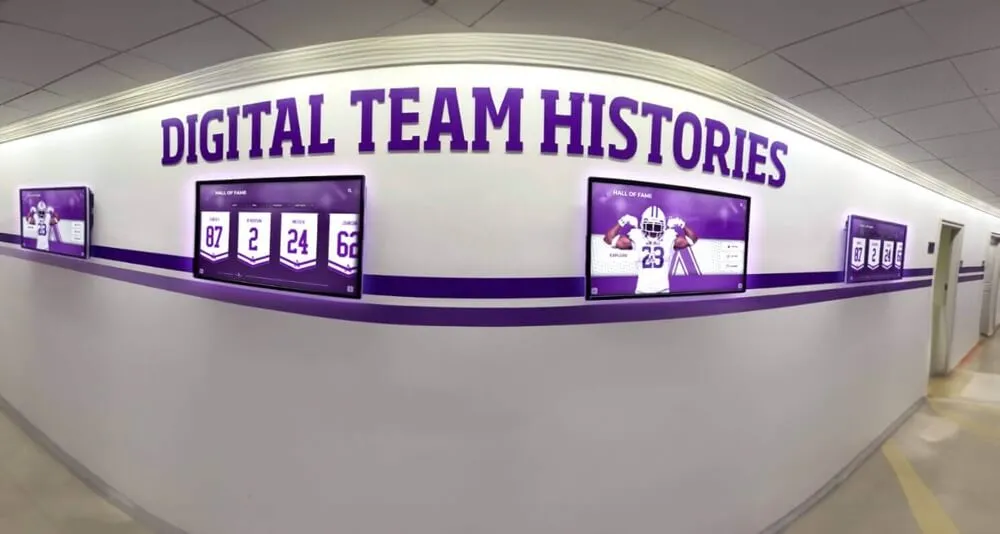
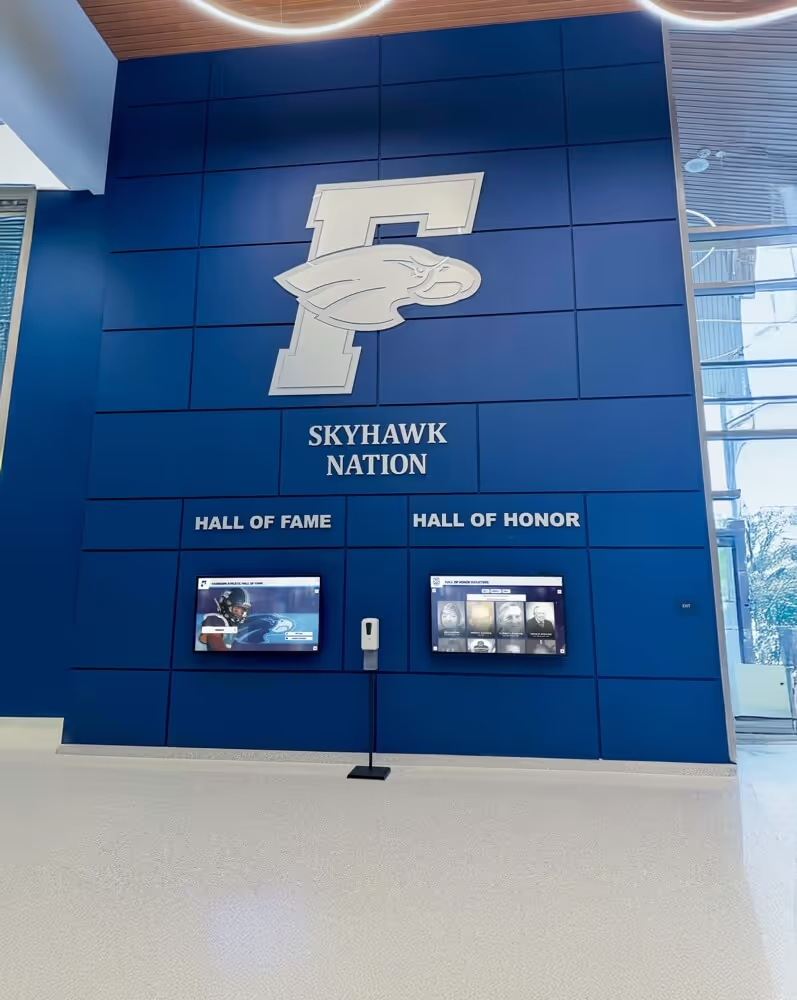
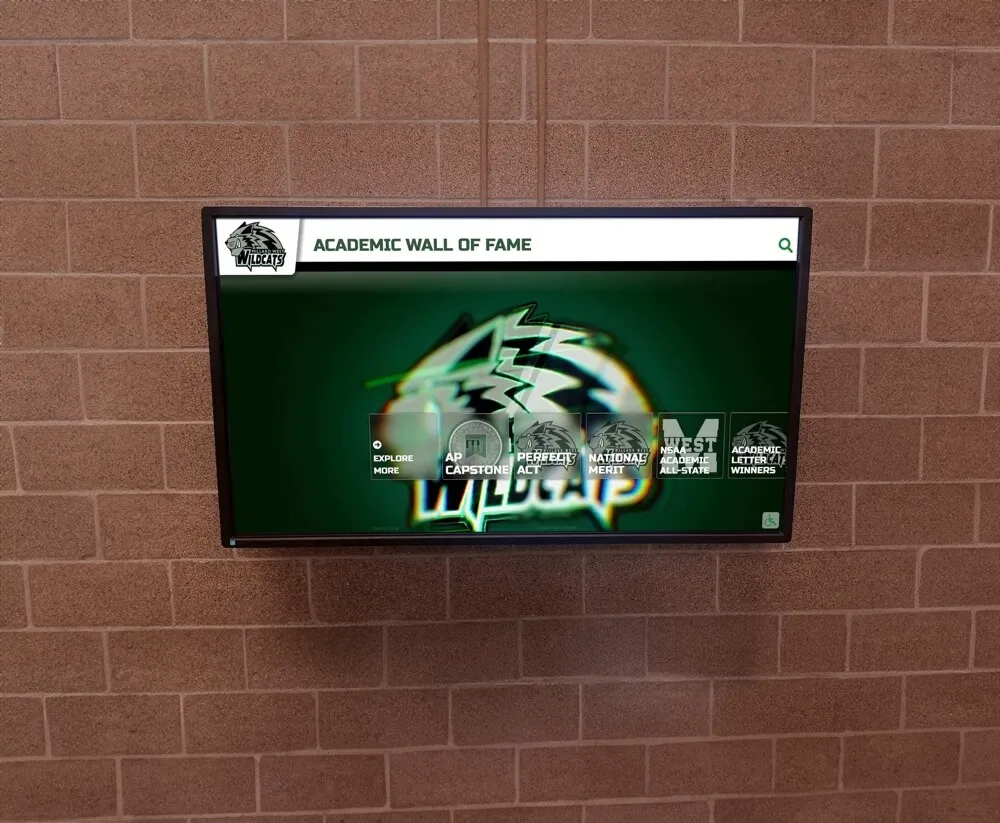
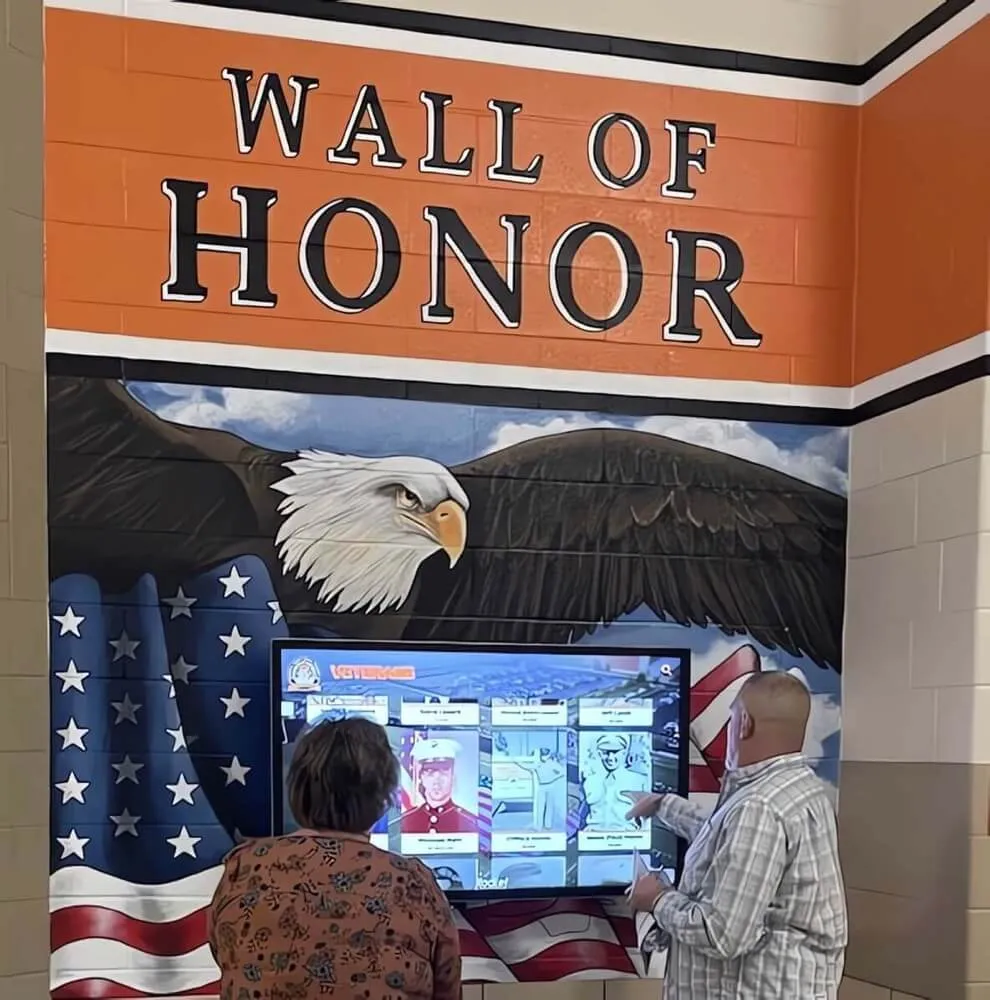
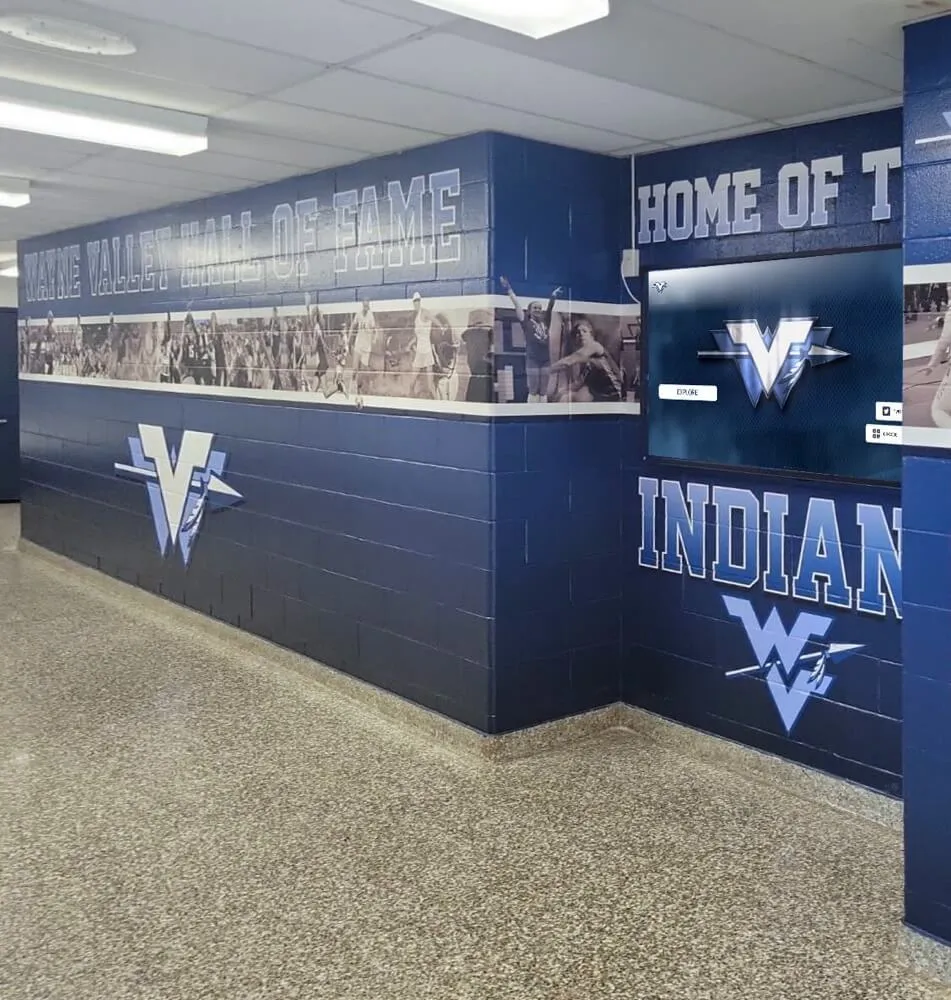
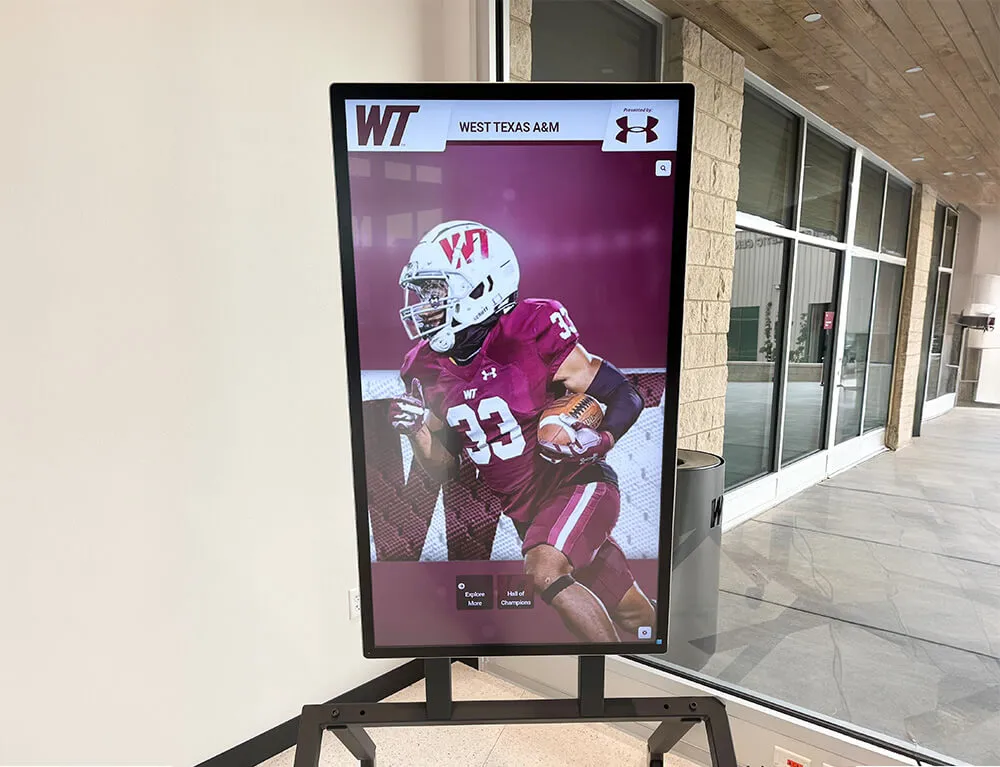
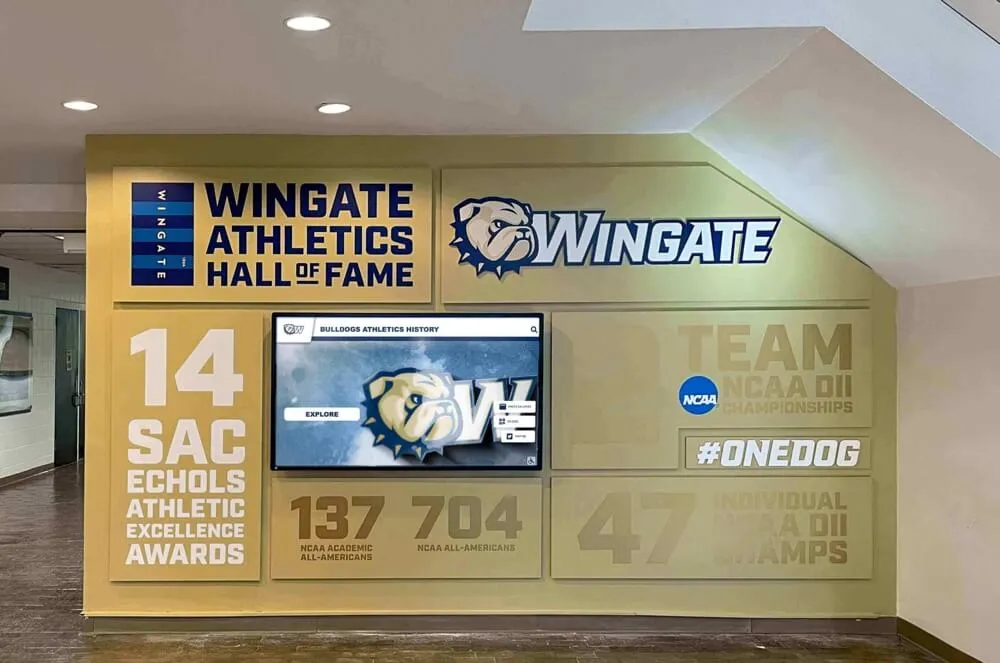
Recognition spaces that integrate character awards alongside trophies communicate that competitive integrity matters as much as performance
What Sportsmanship Award Meaning Covers
A sportsmanship award recognizes the athlete who best demonstrates ethical, respectful, and honorable competitive behavior across an entire season—not just in a single standout moment.
The Positive Coaching Alliance identifies three components at the core of sportsmanship: honoring the game, filling the emotional tank of teammates and opponents, and competing to the best of one’s ability without crossing ethical lines. A meaningful sportsmanship award should be grounded in all three dimensions, not merely the absence of unsportsmanlike conduct.
What sportsmanship is:
- Respecting officials and accepting their decisions without argument
- Treating opponents with dignity before, during, and after competition
- Maintaining composure under pressure and after adverse calls
- Supporting teammates through encouragement, not criticism
- Playing within the rules and spirit of the game
- Acknowledging opponent effort after both wins and losses
What sportsmanship is not:
- Simply avoiding technical fouls, ejections, or yellow cards
- Being passive or avoiding competitive intensity
- Limiting criticism only when coaches or officials are watching
- A consolation prize for athletes who did not win performance awards
This distinction shapes how schools should write criteria, evaluate candidates, and present the award. An athlete who avoids rule violations but intimidates opponents, argues subtly with officials, or dismisses teammates after errors does not embody sportsmanship—even if they never receive a formal penalty.
Explore how one recognition system structures character-based athletic honors in this high school sportsmanship award recognition guide.
Behaviors Schools Should Recognize
Translating sportsmanship award meaning into a practical selection process requires identifying specific, observable behaviors. Vague criteria like “good attitude” leave selection open to bias and make it harder to write compelling citations afterward.
Observable Criteria for Sportsmanship Recognition
The following framework organizes behaviors across four dimensions schools can evaluate:
| Dimension | Observable Behaviors | How to Document |
|---|---|---|
| Respect for Officials | Accepts calls without protest; approaches officials calmly if clarification is needed | Coaching staff observation logs |
| Opponent Respect | Congratulates opponents after wins and losses; avoids taunting or dismissive body language | Post-game reports; opposing coach feedback |
| Teammate Conduct | Encourages teammates after mistakes; does not publicly criticize errors | Peer observation; team captain input |
| Rule Integrity | Does not attempt to circumvent rules through hidden fouls or strategic deception | Game footage; referee feedback |
| Pressure Composure | Maintains behavioral standards in high-stakes moments, not just routine play | Season-end coaching staff review |
Schools that document these observations throughout the season—rather than relying on end-of-year impressions—produce more credible selections and richer award citations.
The Josephson Institute of Ethics has published research across multiple cycles of its Making Ethical Decisions youth report showing that self-reported rule violations in youth sports remain high, which underscores why systematic sportsmanship recognition carries real cultural weight when implemented consistently.
See how schools structure similar character-based recognition in this overview of high school sportsmanship award programs.
Types of Sportsmanship Awards Schools Give
Schools award sportsmanship recognition at multiple levels, each with a slightly different scope and purpose.
Individual Athlete Awards
The most common form: one award per sport, per season, given to the athlete who best exemplified the program’s sportsmanship values. These are typically selected by the coaching staff, sometimes with input from captains or peer voting on specific behavioral dimensions.
Team Sportsmanship Awards
Some schools and conferences recognize an entire team for collective conduct—the squad with fewest unsportsmanlike penalties, best officiating feedback, or most consistent season-long behavior. Team awards reinforce that character is not the responsibility of a few athletes but a shared program standard.
Conference and District-Level Honors
Many conferences designate sportsmanship award recipients across member schools, selected by officials, opposing coaches, or conference staff. These carry additional prestige because they come from outside the school’s own community.
Scholar-Athlete and All-Around Character Awards
Schools that combine academic achievement with athletic character may present the sportsmanship award as part of a broader scholar-athlete recognition. This framing connects competitive integrity to the full student-athlete identity. Learn more about how schools pair these honors in this guide to academic achievement awards and how schools honor recipients.
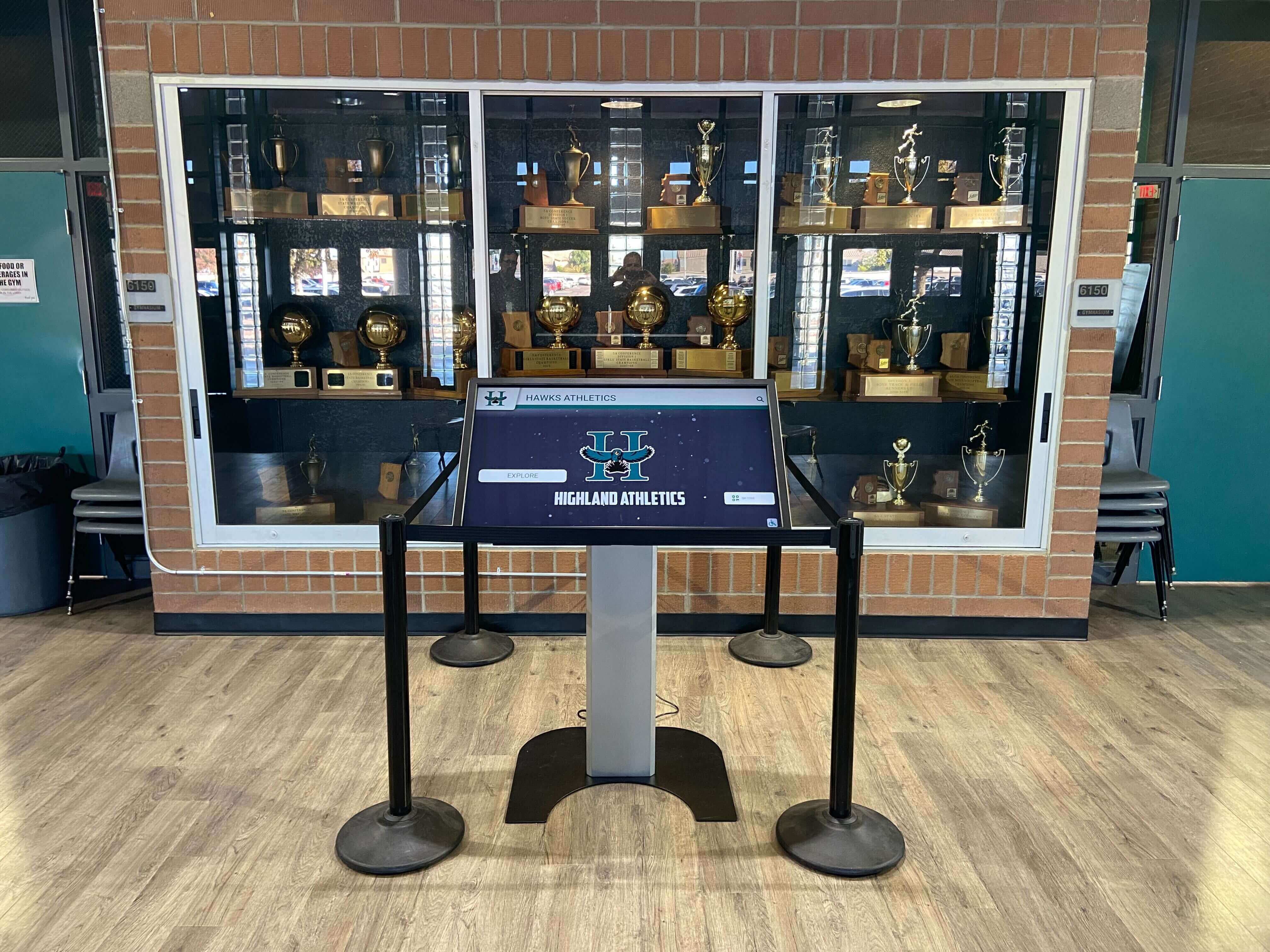
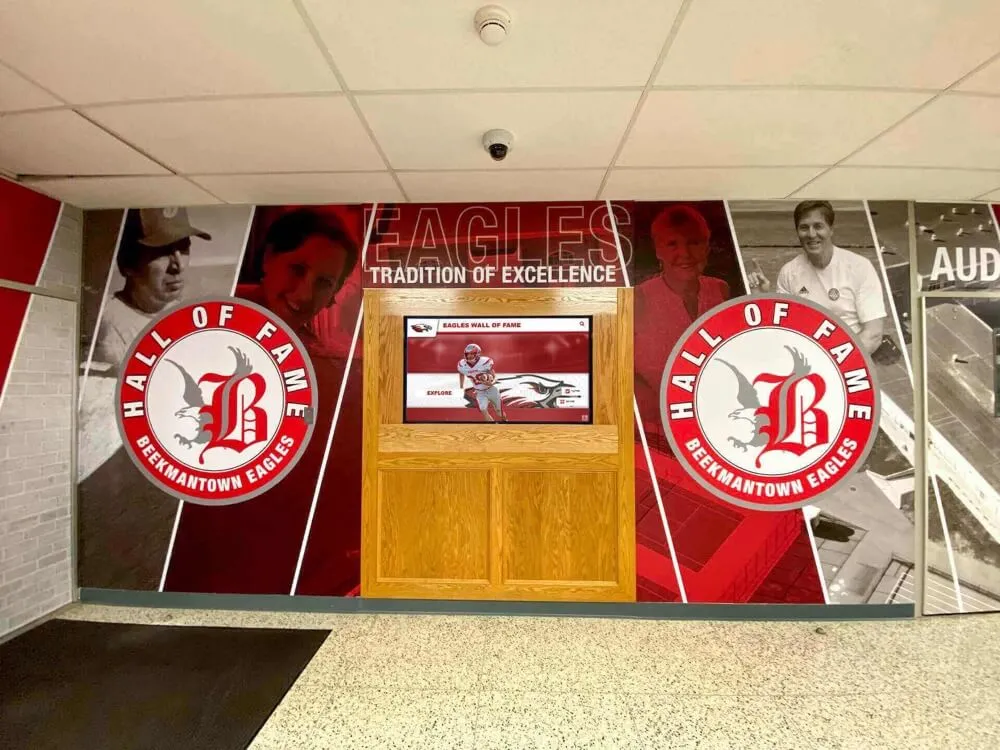
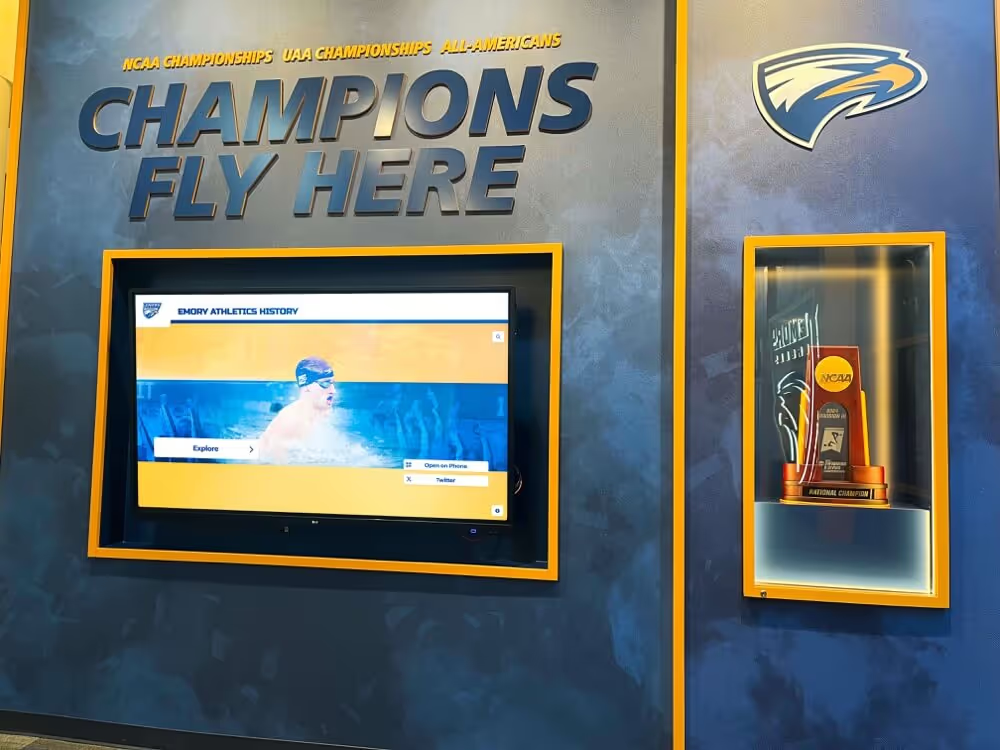
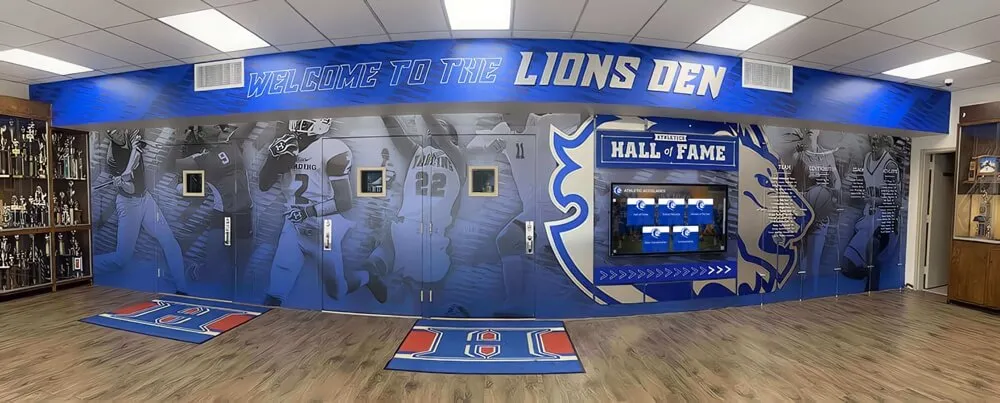
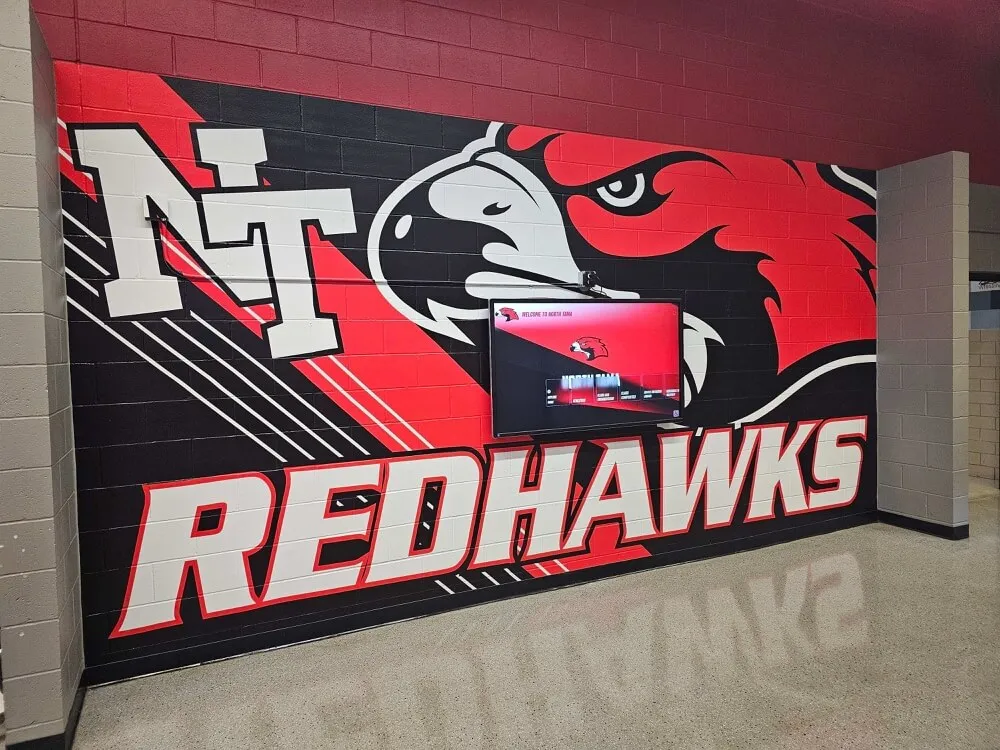
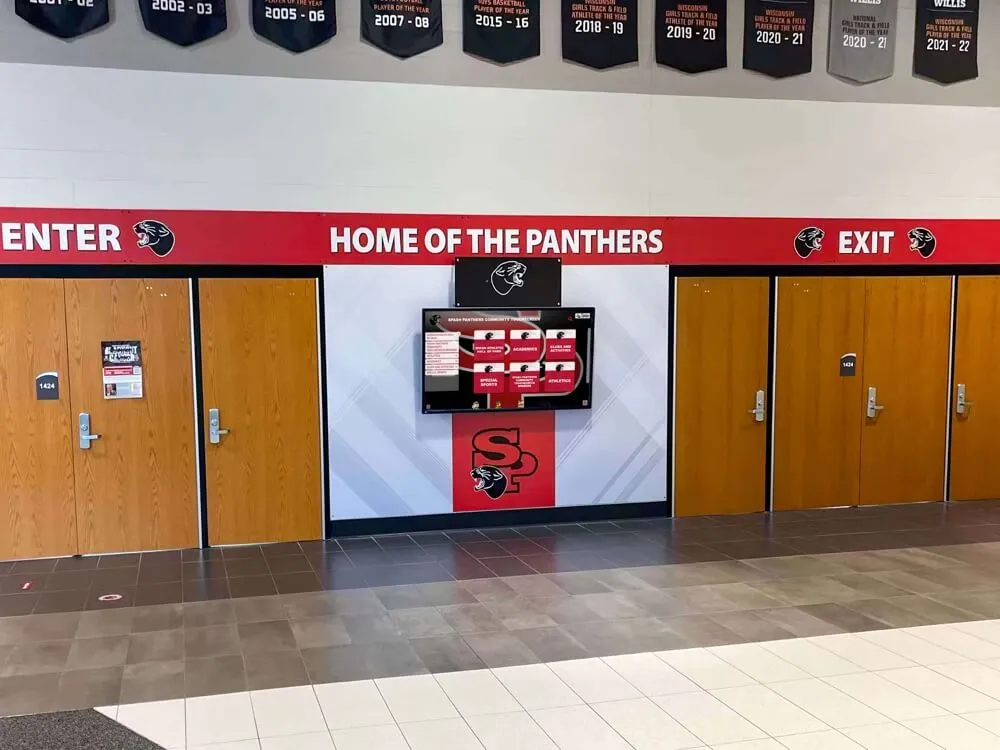
Digital kiosks placed alongside physical trophy cases let schools display character awards with the same permanence as performance trophies
How to Write Sportsmanship Award Citations
The written citation is what transforms an award from a plaque name into a meaningful recognition. Strong citations name specific behaviors observed during the season—they do not rely on generic language that could apply to any recipient in any year.
Structure for a Sportsmanship Award Citation
A well-written citation typically contains three elements:
- A framing sentence that names the award and what it represents
- One or two specific behavioral examples from the season
- A closing sentence that connects the recipient’s conduct to program values or broader character
Sample Wording by Context
Individual team citation (end-of-season banquet):
The [School] [Sport] Sportsmanship Award recognizes the athlete who best demonstrates respect for the game and everyone in it throughout an entire season. This year’s recipient accepted difficult calls without complaint, congratulated opponents after each match, and consistently encouraged teammates through adversity. Their conduct on and off the field reflects exactly the competitive standard our program asks of every athlete.
Conference-level nomination letter:
[Athlete name] is nominated for the [Conference] Sportsmanship Award on the basis of consistent, season-long conduct that exemplifies integrity in competition. Coaching staff observation and feedback from three opposing programs confirm that [he/she/they] treated officials, opponents, and teammates with consistent respect—including in two high-pressure playoff situations where behavioral composure under stress was most visible. We recommend [athlete name] without reservation.
Digital display caption (brief format):
[Athlete name] — [Sport] Sportsmanship Award, [Year]. Recognized for season-long integrity, composure under pressure, and respect for opponents and officials that set the standard for every team that follows.
Yearbook or program listing:
Awarded to the athlete who demonstrates that how you compete defines your character as much as whether you win.
See additional examples of citation-style language in this guide to high school sportsmanship award programs and this overview of high school sportsmanship recognition approaches.
How to Present Sportsmanship Awards at School Ceremonies
Presentation context shapes how the award is perceived. When sportsmanship honors are presented alongside MVP trophies with equal ceremony, the school signals that character carries the same institutional weight as performance.
At Award Ceremonies and Banquets
- Present the sportsmanship award early in the program, not as a final add-on
- Read the full citation aloud, not just the recipient’s name
- Explain the selection criteria briefly so the audience understands what the award represents
- Invite a coach or program leader to speak to the recipient’s specific conduct
For guidance on structuring recognition ceremonies effectively, see this resource on award ceremony slideshows and what to include before, during, and after a school recognition event.
Connecting to School-Wide Honor Programs
Sportsmanship recognition gains additional visibility when it connects to broader school recognition systems—honor rolls, principal awards, or alumni recognition programs. A student-athlete recognized for both academic achievement and sportsmanship represents exactly the complete student profile these programs aim to celebrate.
Review how schools extend athletic character recognition into broader honor contexts in this guide to principal award meaning and the highest honors schools give students and staff.
How to Display Sportsmanship Awards in Your School
Recognition that stays locked in a trophy case or lives only in a banquet program misses most of its long-term value. Schools that make sportsmanship honors permanently visible—in hallways, on digital displays, and in searchable archives—reinforce program values for every student who walks through the building.
Physical Display Considerations
Trophy cases: Dedicate visible shelf space to character awards alongside championship trophies. Labeling matters—a plaque reading “Sportsmanship Award, [Sport], [Year]” tells visitors nothing. Add the recipient’s name and a one-sentence citation so the recognition tells a story.
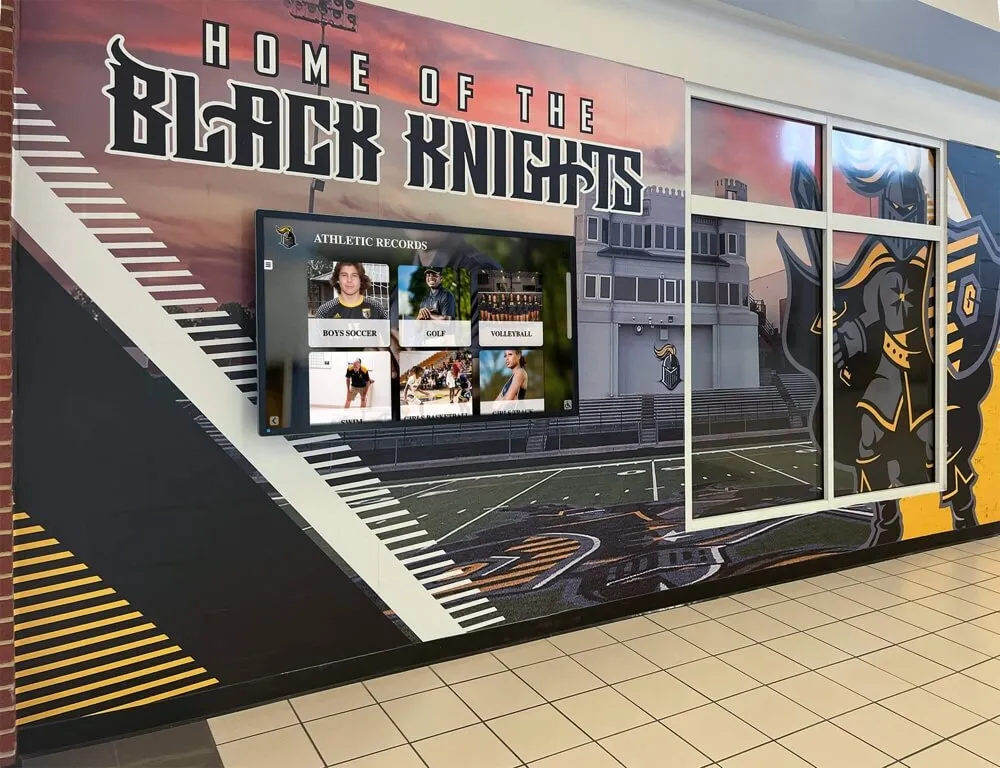
Hallway recognition panels: Corridor displays that combine performance records with character awards communicate that excellence has multiple dimensions. A hallway featuring fastest sprint records alongside sportsmanship honorees signals a complete program philosophy.
Lobby and entrance displays: High-traffic areas visited by prospective students, parents, and community members during events are ideal for character recognition. Visitors form impressions of institutional values from what schools choose to honor and display publicly.

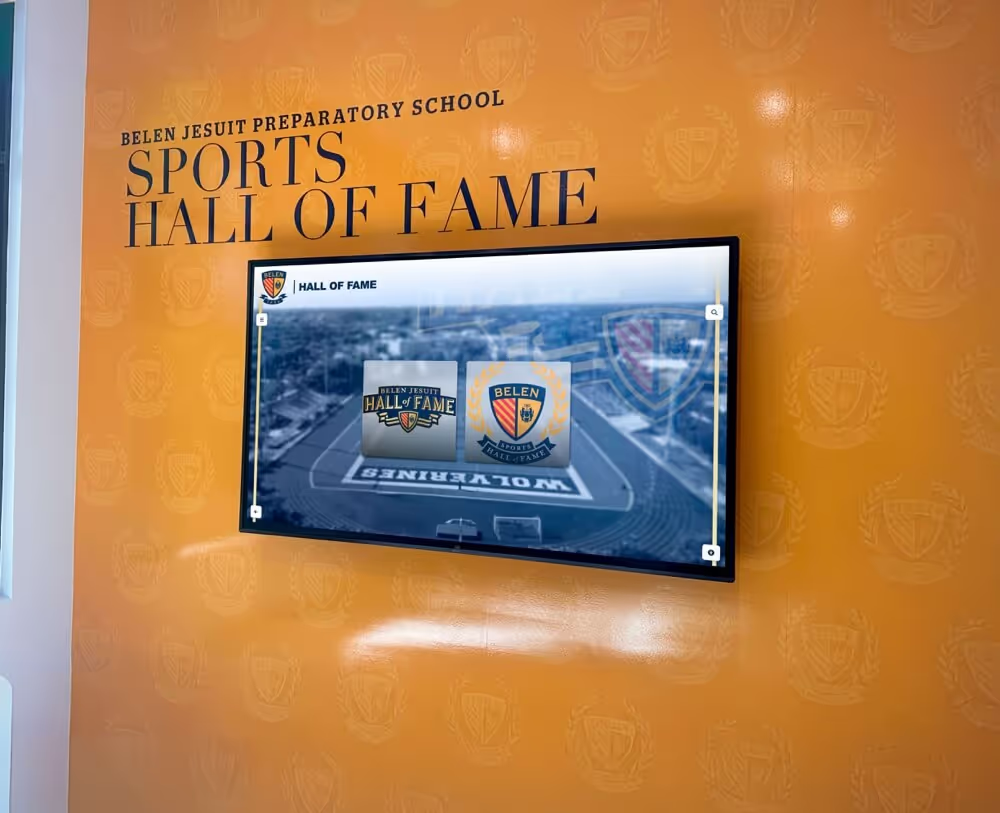
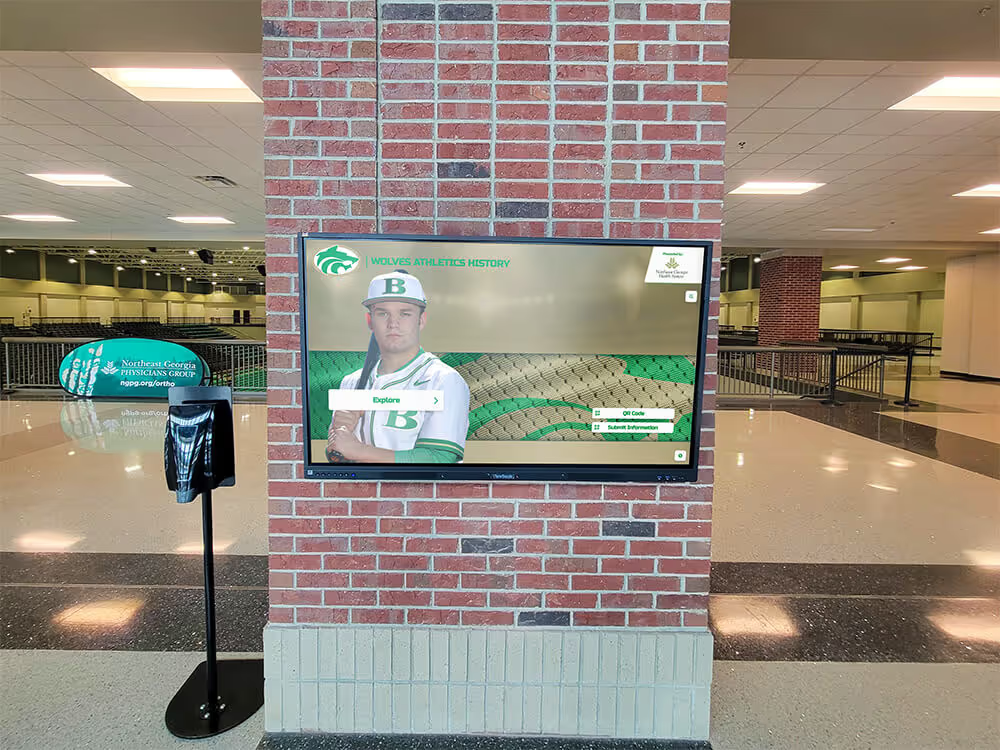
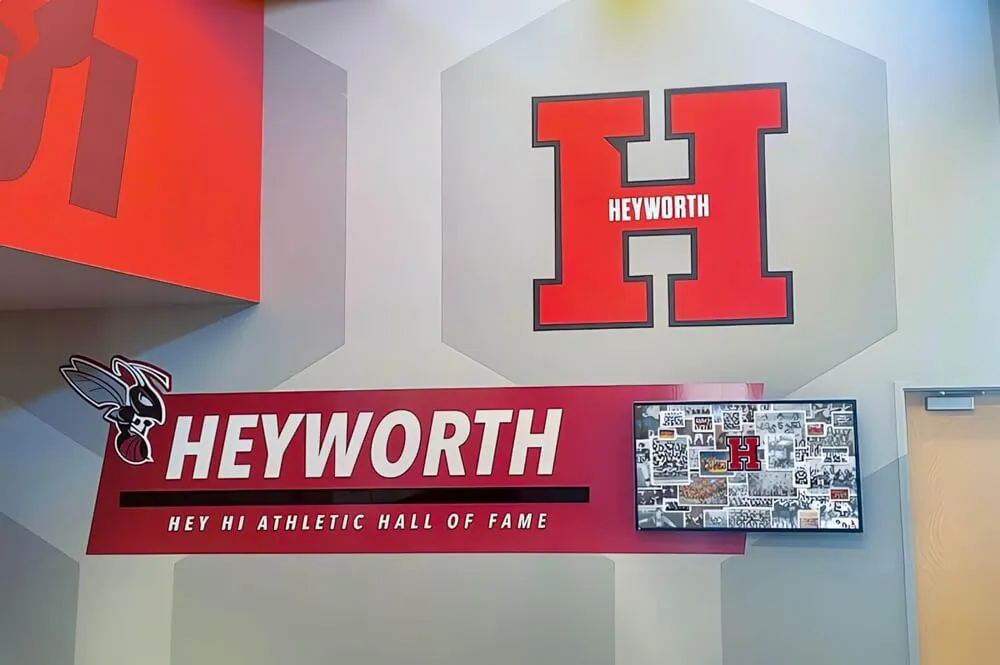
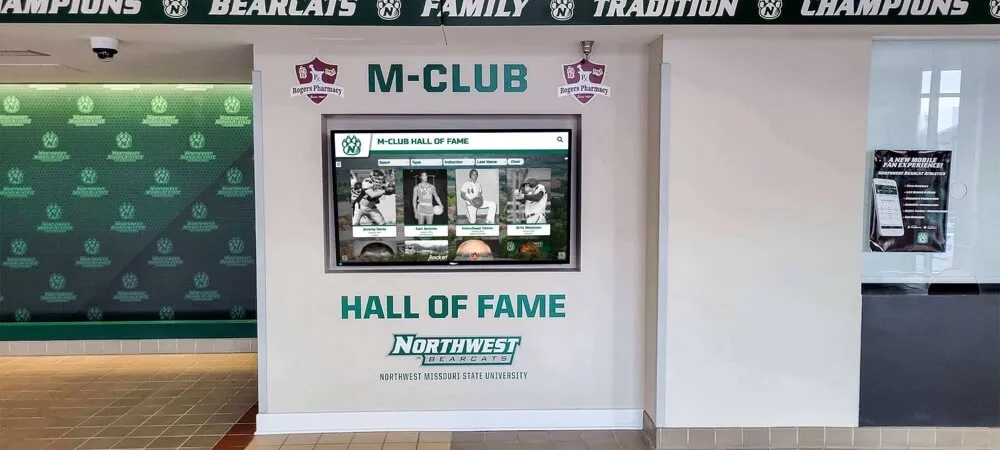
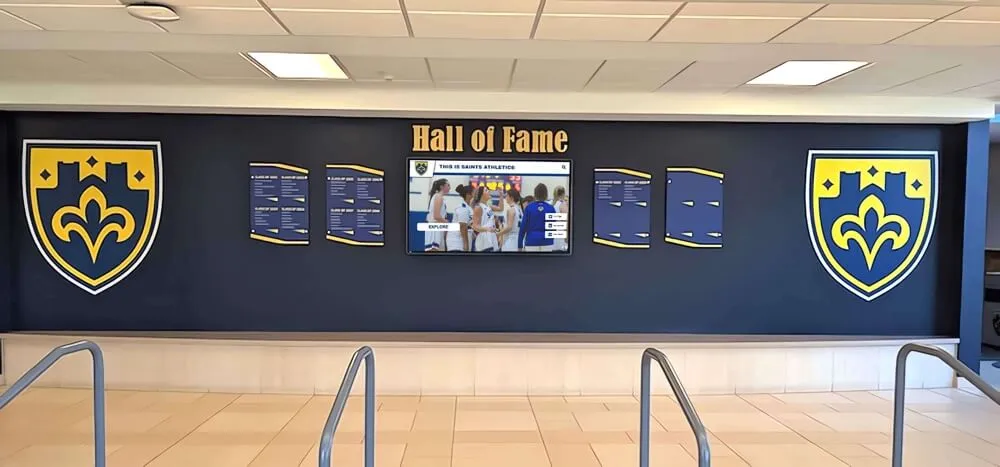
Interactive digital displays allow visitors to browse sportsmanship honorees across decades, making character recognition part of the school's living athletic history
Digital Display Solutions for Sportsmanship Honors
Digital recognition platforms solve the visibility and space constraints that limit physical displays. A touchscreen system in a school lobby or athletic hallway can surface sportsmanship award recipients from every year alongside championships, records, and academic honors—creating a complete picture of program values rather than a selective highlight reel.
Key advantages of digital display for sportsmanship recognition:
- Searchable historical records — families and alumni can find recipients across decades without relying on aging physical records
- Rich citation display — full citation text, photos, and season context fit in digital profiles that would be impractical on a plaque
- Multi-award integration — one profile can show that a student earned sportsmanship recognition alongside academic honors, connecting different dimensions of achievement
- Remote content updates — new honorees can be added from any browser without resetting physical hardware
Schools that archive sportsmanship honorees digitally also create a resource for alumni engagement programs. A student who earned this recognition decades ago may still feel connected to a school that remembers and displays that honor. Explore how schools build those long-term connections in this guide to alumni association meaning, what it does, and why your school needs one.
Graduation and Academic Context
Schools that recognize sportsmanship in graduation contexts—through honor cords, program listings, or commencement acknowledgment—tie athletic character recognition to the school’s broader academic identity. This is especially meaningful for student-athletes whose competitive integrity defined their high school experience. See how schools pair these recognitions in this overview of the graduation honor cord guide and how schools award and display academic achievement honors.
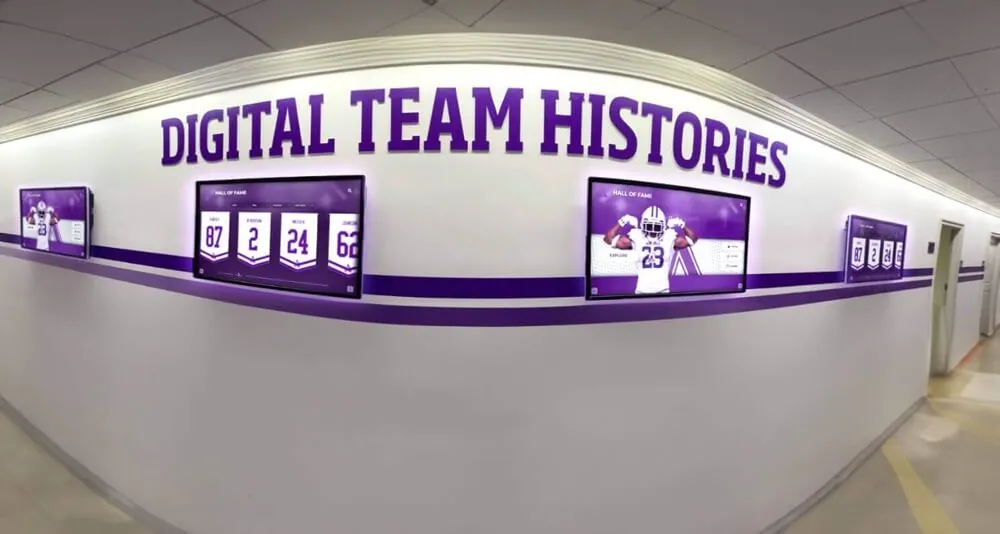
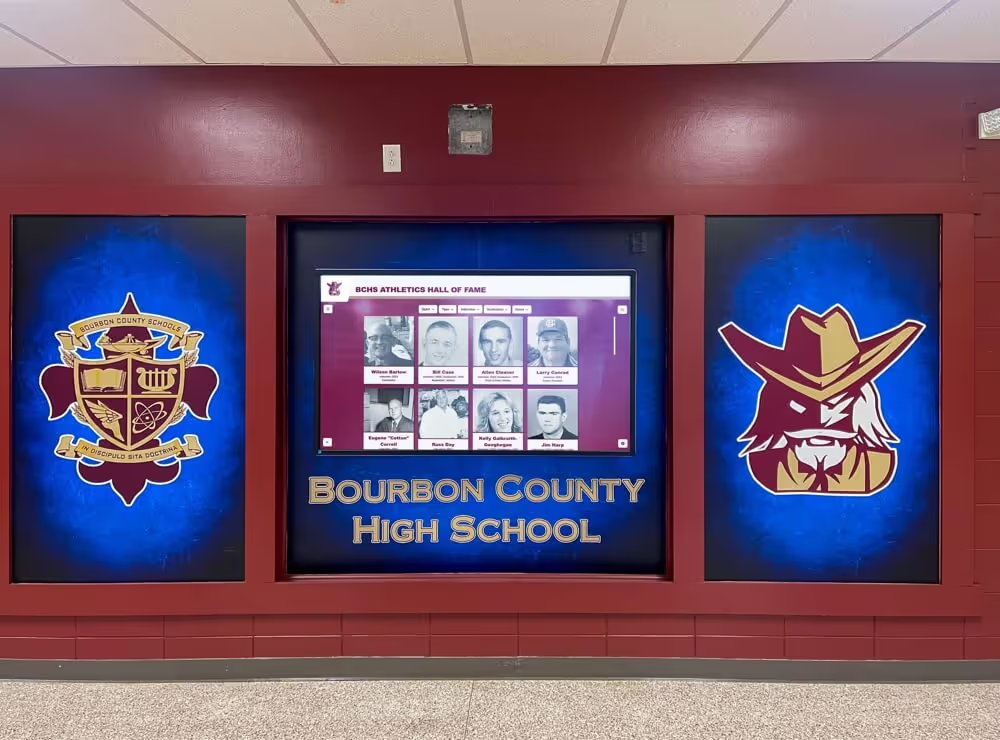
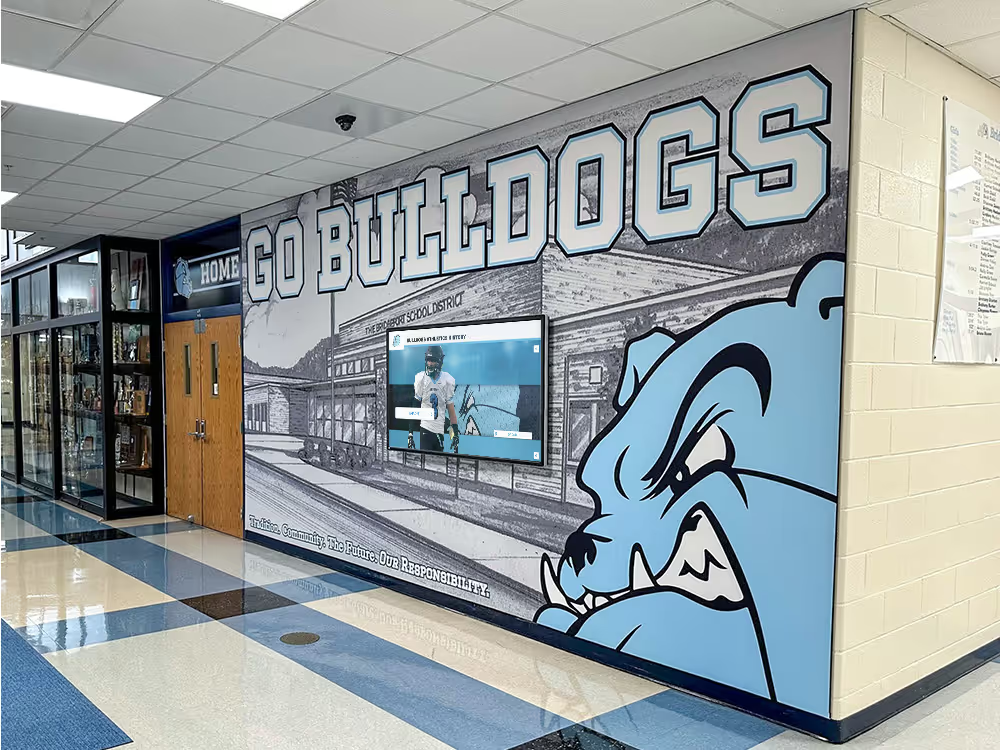
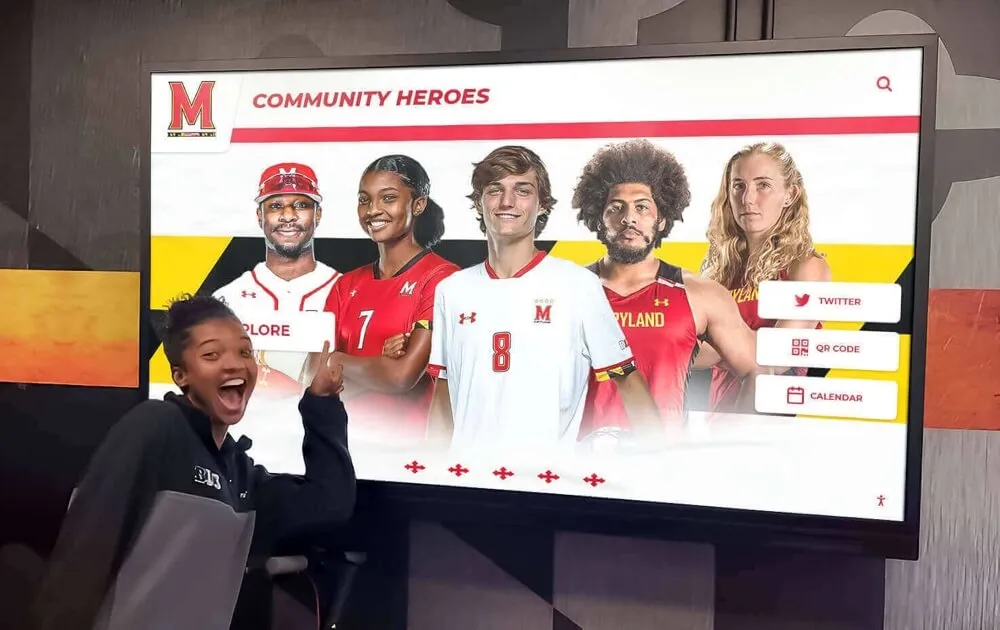
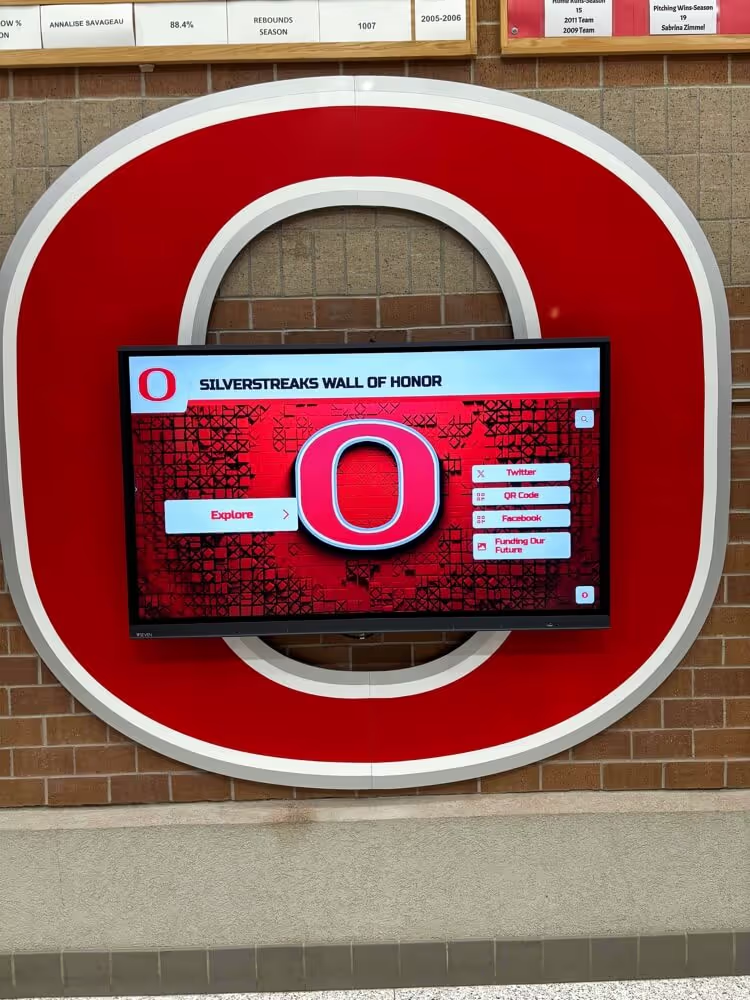
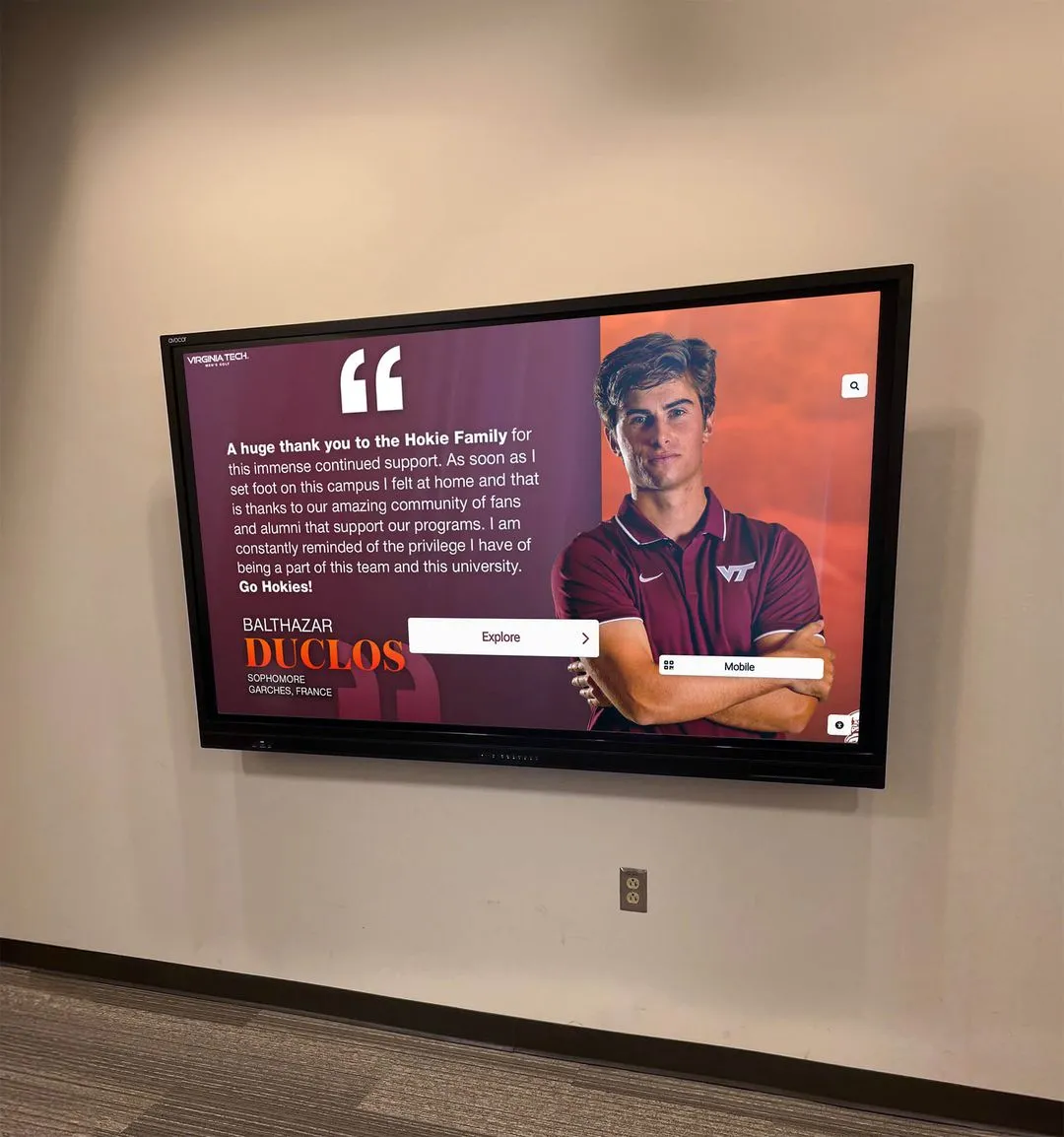
Hallway digital displays that include character award history reinforce program values for current athletes and visitors alike
Building a Sportsmanship Award Program That Lasts
A one-time recognition is a gesture. A systematic program with documented criteria, consistent selection, and permanent display is an institutional statement. Here is how athletic directors can build a program that endures:
Step 1 — Define criteria in writing. Document the specific behavioral dimensions your program values before the season begins. Share criteria with athletes, coaches, and parents so everyone understands what the award represents and how recipients are selected.
Step 2 — Observe and document throughout the season. End-of-year impressions are less reliable than ongoing observation. Designate coaching staff to note sportsmanship-relevant behaviors—positive and negative—throughout the season, particularly in high-pressure situations.
Step 3 — Use a structured selection process. Blind nominations, multi-evaluator scoring rubrics, or a combination of staff evaluation and peer input produce more credible selections than a single coach’s memory at a season-end meeting.
Step 4 — Write a meaningful citation. Use the wording frameworks above to produce a citation that names specific behaviors. File this citation with athletic records so it is available for future display updates, alumni inquiries, and hall of fame nominations.
Step 5 — Display the award permanently. Add the recipient to your school’s physical and digital recognition systems so the honor remains visible beyond the banquet season. For schools building digital archives, platforms designed for athletic and alumni recognition make this step straightforward rather than a manual design project.
Schools can also connect sportsmanship recognition to broader character programs. Explore how one recognition-focused organization approaches the most improved player award meaning and how schools celebrate growth for parallels in criteria design and citation writing.
Frequently Asked Questions
What does a sportsmanship award mean in schools?
A sportsmanship award in schools recognizes an athlete who consistently demonstrates respect for opponents, officials, teammates, and the rules of competition throughout an entire season. It is a character-based honor that acknowledges how an athlete competes rather than what they achieve statistically. The award communicates that a school values competitive integrity as a core part of its athletic program, not merely as a secondary concern behind winning.
What criteria do schools use to select sportsmanship award recipients?
Most schools evaluate candidates across several observable dimensions: respect for game officials, treatment of opponents before and after competition, composure under pressure and after adverse calls, encouragement of teammates, and adherence to the spirit of the rules—not just their letter. The strongest selection processes document these behaviors throughout the season rather than relying solely on end-of-year coaching impressions. Some schools add peer input or opposing coach feedback for additional perspective.
How should a sportsmanship award citation be written?
An effective citation names the award and what it represents, describes one or two specific behavioral examples observed during the season, and closes by connecting the recipient’s conduct to program values. Avoid generic language like “displayed great attitude”—instead write “accepted difficult calls without protest in the regional tournament” or “congratulated opponents after each meet regardless of the outcome.” Specific language makes the citation credible and useful for future display and alumni archives.
Where should schools display sportsmanship awards?
Schools should display sportsmanship awards in high-visibility locations including trophy cases, athletic hallways, and school lobbies—alongside performance trophies, not apart from them. Digital recognition systems allow schools to display full citations, photos, and historical records without the space constraints of physical displays. Permanent digital archives also make character recognition available to alumni, prospective families, and community members long after the banquet season ends.
How does a sportsmanship award differ from an MVP award?
An MVP award recognizes the athlete who contributed most to team success through measurable performance—scoring, statistics, win-loss record impact. A sportsmanship award recognizes the athlete who best embodied competitive integrity, respect, and character across the full season. Both are important, but they measure fundamentally different dimensions of athletic excellence. The most complete recognition programs present both with equal ceremony to communicate that the school values how athletes compete as much as how well they compete.
Conclusion: Giving Sportsmanship Recognition the Weight It Deserves
Sportsmanship award meaning is at its strongest when schools treat this honor with the same institutional seriousness as performance awards: written criteria established before the season, structured selection processes that draw on consistent observation, citations that name specific behaviors, and permanent display that makes the recognition visible for years. When schools do this well, the award shapes program culture—not because athletes want the trophy, but because they understand that their school watches and honors how they compete.
The long-term value of documented sportsmanship recognition also extends to alumni engagement, graduation programs, and hall-of-fame archives. An athlete recognized for character during their school years carries that recognition forward—and schools that maintain searchable, displayable records of those honors create connections that last decades beyond the original ceremony.
Display Character Recognition Alongside Your Athletic Achievements
Discover how Rocket Alumni Solutions helps schools create digital recognition systems that honor sportsmanship, character, and athletic achievement together—making the values your program celebrates visible to every student, family, and visitor who walks through the building.
Explore Recognition SolutionsSchools that invest in meaningful sportsmanship recognition—with clear criteria, thoughtful citations, and permanent display—build cultures where competitive integrity is not an afterthought but a celebrated institutional value. That investment pays forward through every season that follows.