



An academic honors diploma is one of the most meaningful distinctions a student can earn during their K–12 career. More than a standard diploma, it signals that a student met rigorous academic standards—exceeding required coursework, earning a qualifying GPA, completing advanced coursework such as AP or IB courses, or fulfilling additional service and character requirements set by their school or state.
Yet many families and students remain uncertain about exactly what an academic honors diploma entails, how it differs from a standard diploma or Latin honors designation, and what long-term recognition schools can provide beyond handing over a piece of paper at graduation. Meanwhile, school administrators face the challenge of making these distinctions visible, meaningful, and permanently celebrated in ways that motivate both current students and future classes.
This comprehensive guide covers everything educators, families, and students need to know about academic honors diplomas—from eligibility requirements and state-specific variations to how progressive schools are using digital recognition systems to permanently display and celebrate the graduates who earned this distinction.
Across the United States, academic honors diplomas serve as a formal mechanism through which high schools certify exceptional academic achievement. Understanding how they work, what they represent, and how best to recognize graduates who earn them helps schools build lasting cultures of academic excellence.

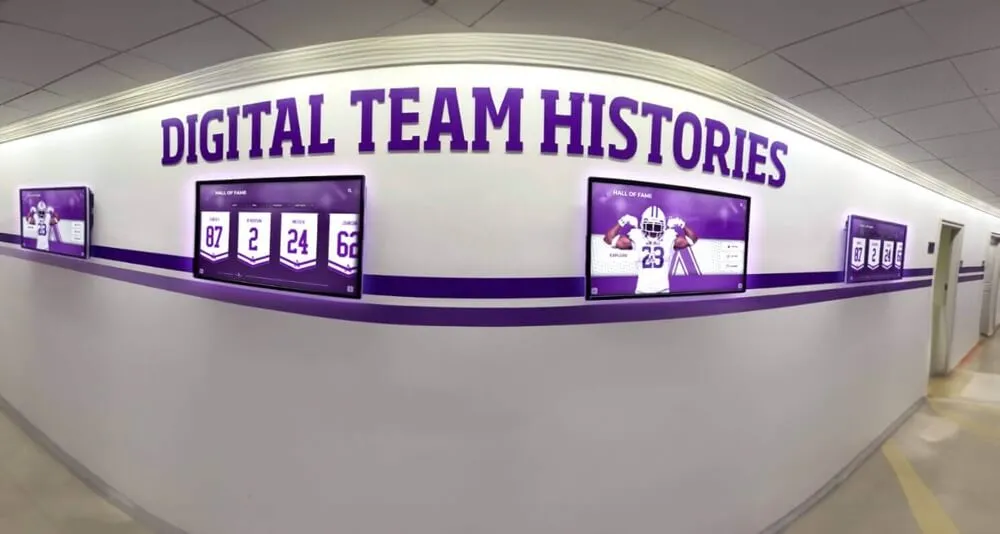
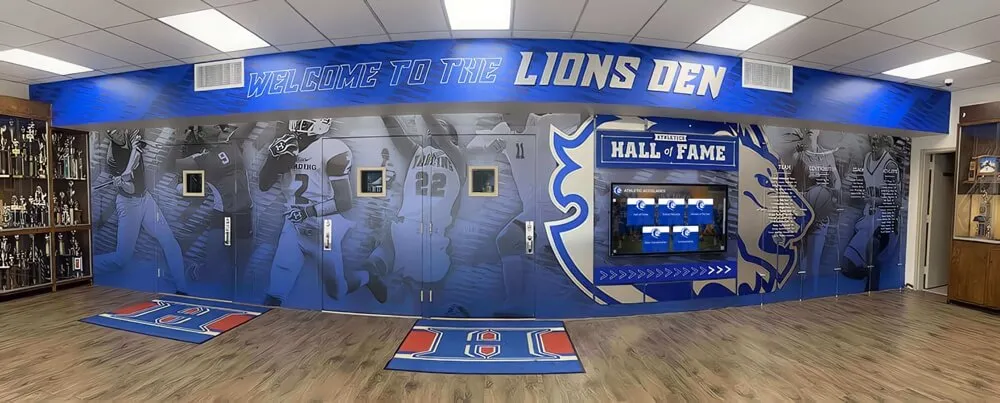
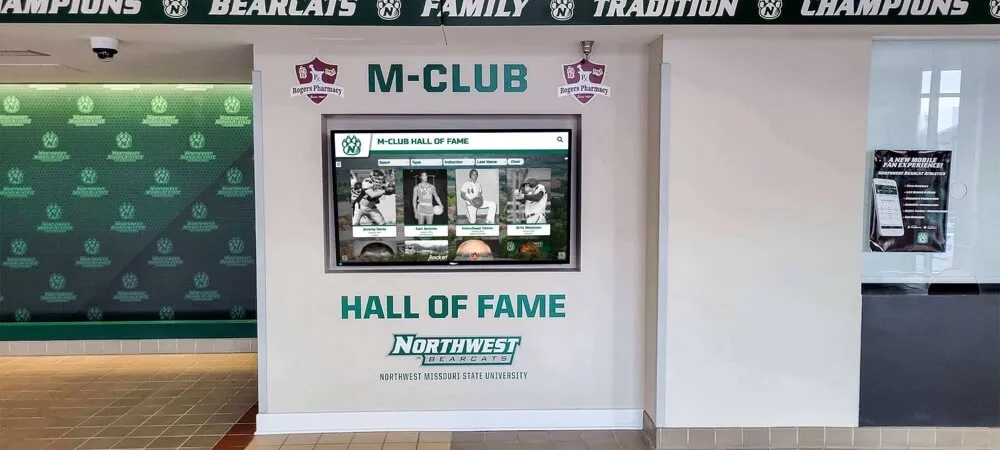
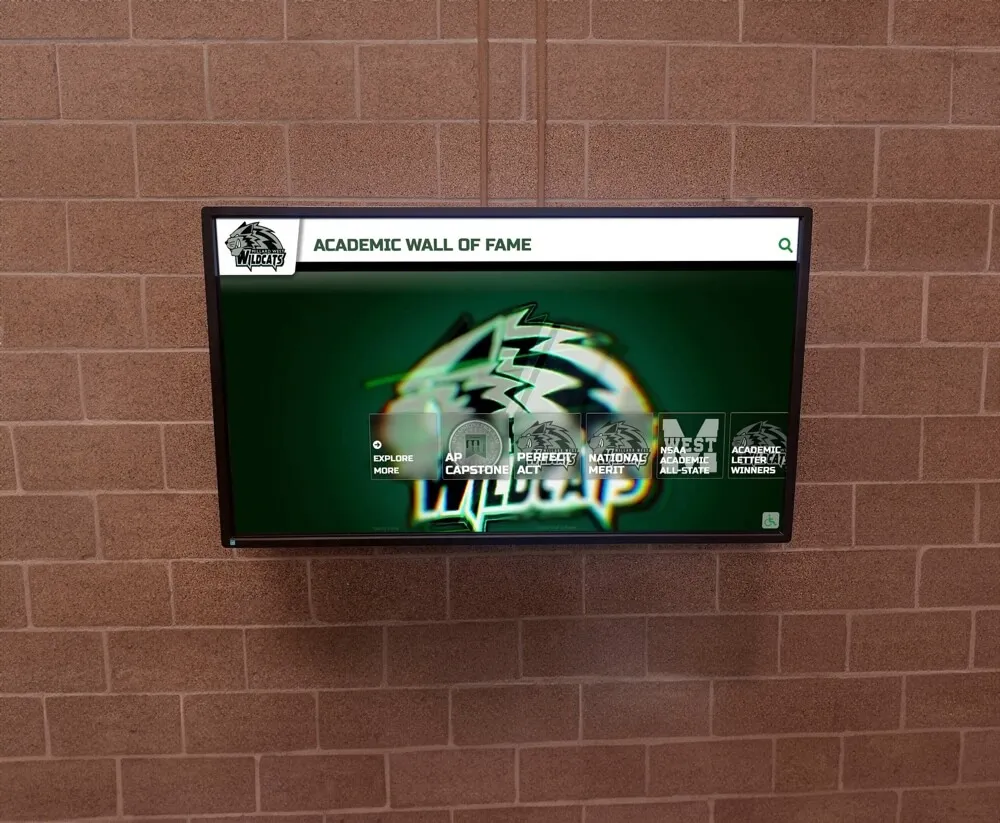
Modern digital recognition systems give academic honors diplomas the permanent visibility they deserve
What Is an Academic Honors Diploma?
An academic honors diploma is a specialized diploma designation awarded to students who meet criteria that exceed standard graduation requirements. The specific requirements vary significantly by state and district, but the underlying principle is consistent: students who go above and beyond the baseline requirements receive formal recognition of that additional effort.
How Academic Honors Diplomas Differ from Standard Diplomas
A standard diploma certifies that a student met the minimum graduation requirements established by their state or district. An academic honors diploma certifies something more—that the student pursued and achieved a higher level of academic rigor.
Key differentiators typically include:
Additional Coursework Requirements
- More credits in core subjects such as math, science, English, and social studies
- Completion of upper-level courses (Algebra II or higher, laboratory sciences, foreign language sequences)
- Advanced Placement (AP), International Baccalaureate (IB), or dual enrollment credits
- Elective requirements in fine arts, career/technical education, or world languages
GPA Thresholds
- Minimum cumulative GPA requirements typically ranging from 3.0 to 3.5 or higher
- Some states require weighted GPA calculations that account for rigor
- Consistent academic performance across all four years, not just senior year
Character and Service Components
- Many districts incorporate service learning hours
- Demonstrated leadership or extracurricular participation
- Some programs require a senior capstone project or portfolio
Academic Honors Diploma vs. Latin Honors
It is worth distinguishing the academic honors diploma from Latin honors designations. While both recognize academic achievement, they serve different functions:
- Academic Honors Diploma: A formal credential issued at graduation recognizing that a student completed specific coursework above the standard threshold. Used primarily at the high school level.
- Latin Honors (Cum Laude, Magna Cum Laude, Summa Cum Laude): GPA-based designations used primarily at the college and university level to denote rank within a graduating class.
Some high schools have adopted Latin honors language for academic recognition, but the academic honors diploma remains the most common formal mechanism for distinguishing high-achieving graduates in secondary education.
Learn how schools recognize and display top academic performers through academic decathlon recognition and digital showcases.
State-by-State Variations in Academic Honors Diploma Requirements
One of the most important things to understand about academic honors diplomas is that there is no single national standard. Each state—and often each district within a state—establishes its own criteria.
Common State Frameworks
Several states have well-established honors diploma frameworks that other districts can use as reference points:
Indiana Core 40 with Academic Honors Diploma Indiana’s Academic Honors Diploma requires students to earn at least 47 credits (compared to 40 for the Core 40 diploma), complete eight semesters of language arts, six semesters of math through Algebra II or higher, six semesters of science, and achieve a 3.0 GPA or higher. Students must also complete two years of a world language and earn qualifying scores on at least one advanced course assessment.
Ohio Academic Honors Diploma Ohio requires students to complete additional courses in English, mathematics, science, social studies, fine arts, and world language, as well as earn a minimum GPA of 3.5. Students must also complete at least one credit of either AP or IB coursework.
Texas Distinguished Achievement Program Texas’s Distinguished Achievement Program, while organized differently from a traditional honors diploma, awards recognition based on a combination of performance indicators including end-of-course assessment scores, college board exams, and dual enrollment credit completion.
Other State Approaches
- Some states embed honors designations within a tiered diploma structure
- Others award honors seals or endorsements rather than separate diploma classifications
- Certain states leave honors recognition entirely to individual districts
School administrators should consult their state’s department of education for current requirements, as these standards are periodically revised.

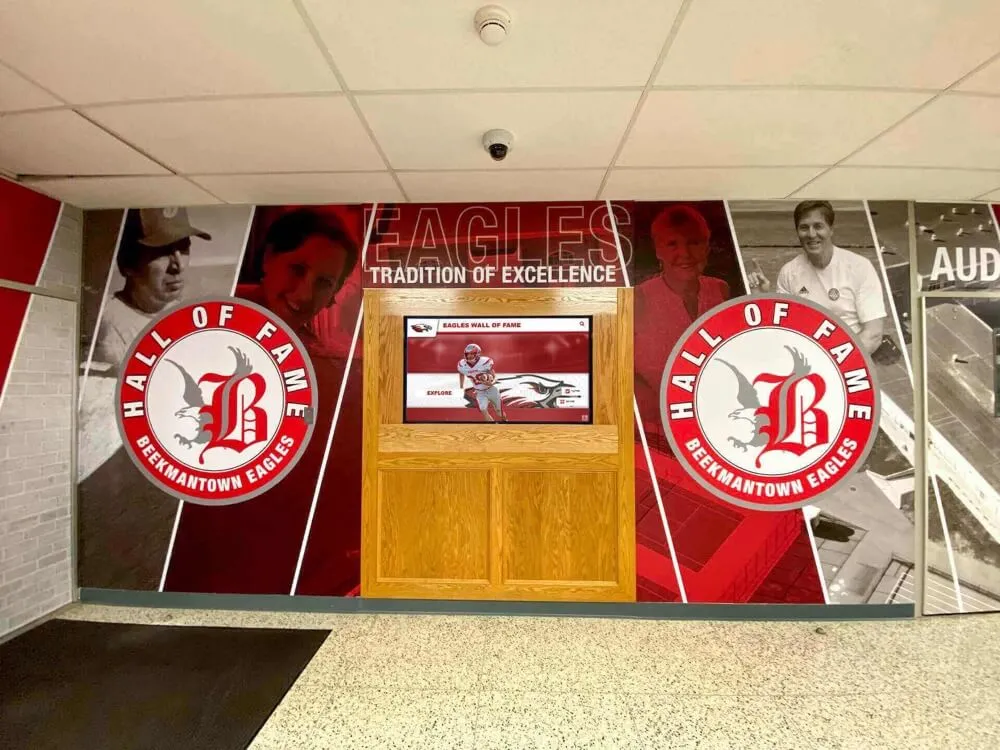
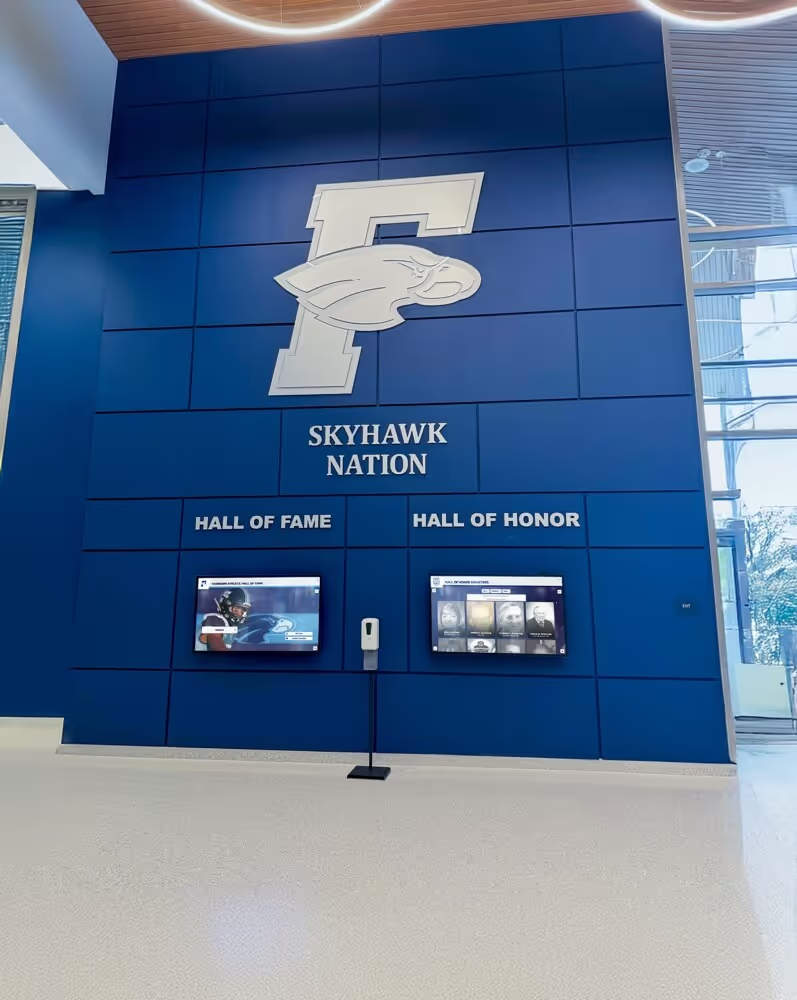
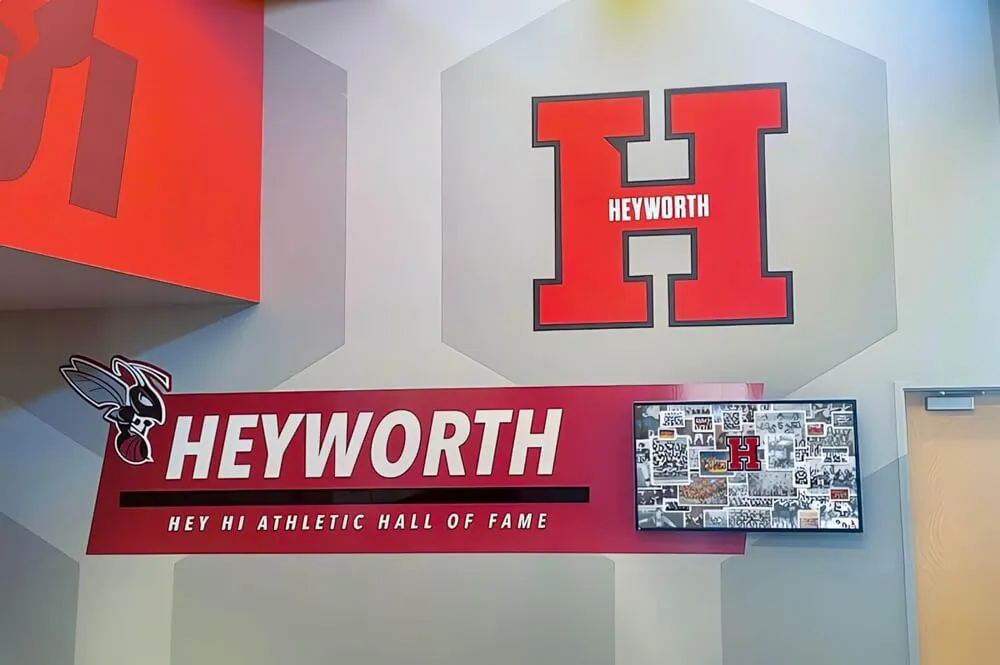
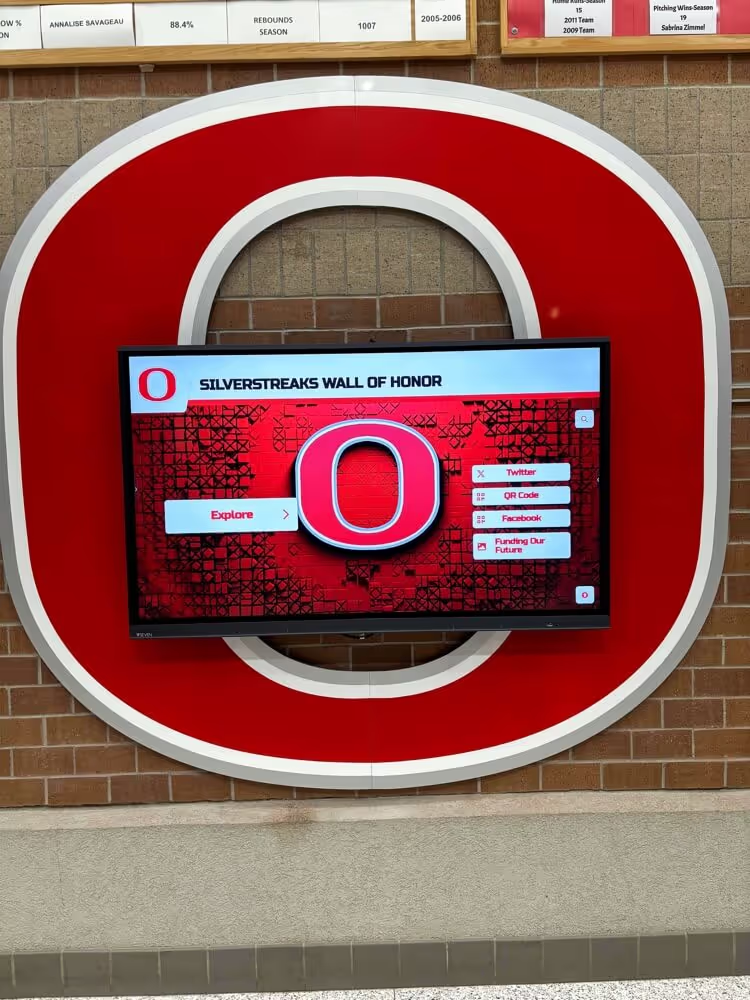
Interactive recognition systems allow schools to display academic honors graduates alongside athletic and community achievers
Why Academic Honors Diplomas Matter
The academic honors diploma serves multiple purposes—for students, families, schools, and communities. Understanding these purposes helps administrators articulate the value of the distinction and motivate more students to pursue it.
For Students and Families
College Admissions Signaling Academic honors diplomas send a clear signal to college admissions offices that a student pursued a rigorous curriculum. While admissions officers review transcripts in detail, the presence of an honors diploma designation provides immediate, recognized context for a student’s academic choices.
Scholarship Eligibility Many scholarship programs—both institutional and private—use honors diploma status as an eligibility criterion or a tiebreaker between candidates with similar profiles. Some states have scholarship programs exclusively available to academic honors graduates.
Intrinsic Achievement and Confidence Beyond external recognition, earning an academic honors diploma gives students tangible evidence of their capabilities. This confidence often carries forward into college and career, where students who completed rigorous high school programs are better prepared for advanced challenges.
Workforce Recognition In competitive job markets, particularly for roles that do not require a college degree, an academic honors designation on a high school diploma can differentiate candidates. Employers increasingly look for evidence of work ethic and academic commitment.
For Schools and Districts
Accountability and Standard-Setting Academic honors diploma programs give schools a concrete framework for defining and communicating high academic expectations. Clear criteria help counselors guide students, teachers maintain consistent standards, and administrators report outcomes.
Culture of Achievement When a meaningful percentage of students pursue the academic honors diploma—and when those graduates are publicly celebrated—a school’s academic culture shifts. Achievement becomes visible, aspirational, and socially valued.
Alumni Distinction Schools with strong academic honors programs produce graduates who go on to college, careers, and community leadership. Permanently recognizing those graduates keeps the school connected to its most accomplished alumni and inspires current students.
Explore how schools build lasting recognition cultures through high school alumni hall of fame displays that honor academic achievers.
How Schools Recognize Academic Honors Graduates
The formal credential is only one part of recognition. Schools that take academic honors seriously build systems that make achievement visible before, during, and after graduation.
Pre-Graduation Recognition
Academic Honors Lists and Announcements Recognizing students who are on track for an academic honors diploma throughout high school keeps the distinction top of mind. Semester honor rolls, recognition assemblies, and counselor communications all reinforce progress.
Academic Letters and Patches Modeled after athletic letter programs, some schools award academic letters or patches to students who maintain qualifying GPAs. These visible symbols of achievement can be worn on jackets, displayed on bags, or incorporated into athletic letter ceremonies.
National Honor Society Induction NHS membership, while separate from the academic honors diploma, often overlaps significantly with the population of honors diploma candidates. Joint recognition ceremonies maximize visibility for high-achieving students.
Course Completion Milestones Recognizing students who complete qualifying AP or IB courses—not just those who pass end-of-course exams—encourages risk-taking and rewards effort. Some schools hold recognition events specifically for dual enrollment completers.
Graduation Ceremony Recognition
Distinctive Regalia Graduation cords, stoles, medallions, or sashes provide immediate visual identification of academic honors graduates during commencement. Families can see at a glance which students exceeded standard requirements.
Separate Diploma Presentation Some schools present academic honors diplomas with a brief, distinct announcement during commencement—naming each honors graduate and their achievement—rather than simply calling names in alphabetical order.
Honors Graduate Program Listing Printing a distinct section in the commencement program that lists academic honors graduates, separate from the general graduate listing, gives families a keepsake document that preserves recognition.
Reception or Breakfast Before Commencement Inviting academic honors graduates and their families to a pre-ceremony event creates a memorable, exclusive recognition moment that honors the achievement beyond the ceremony itself.
See how schools are transforming recognition ceremonies through school awards night planning and display tips.

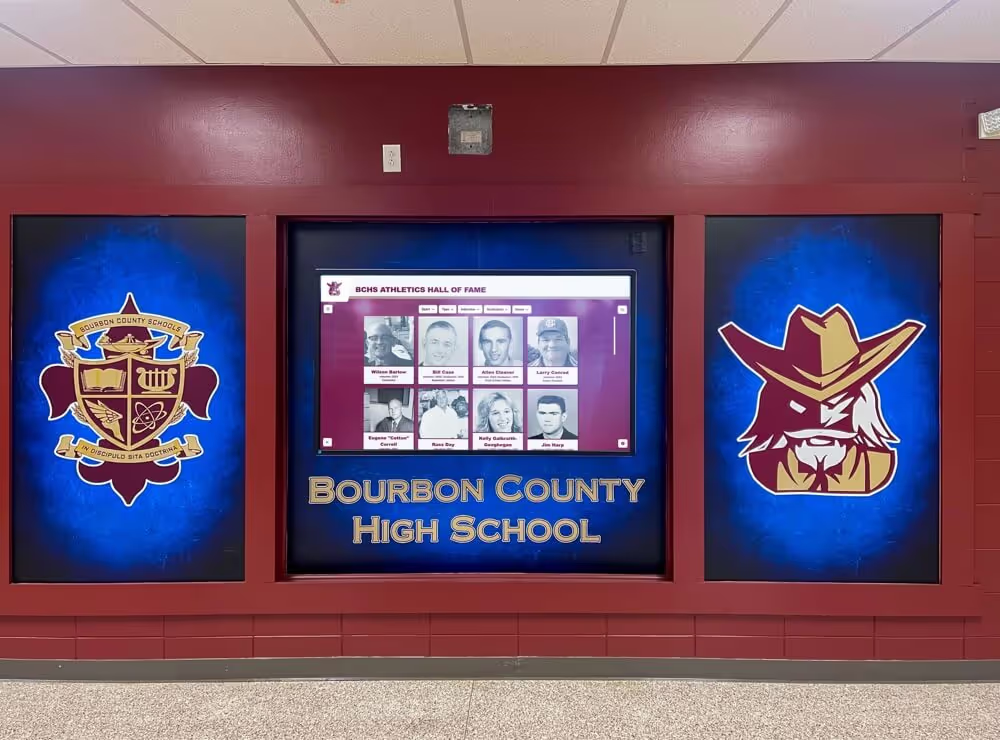
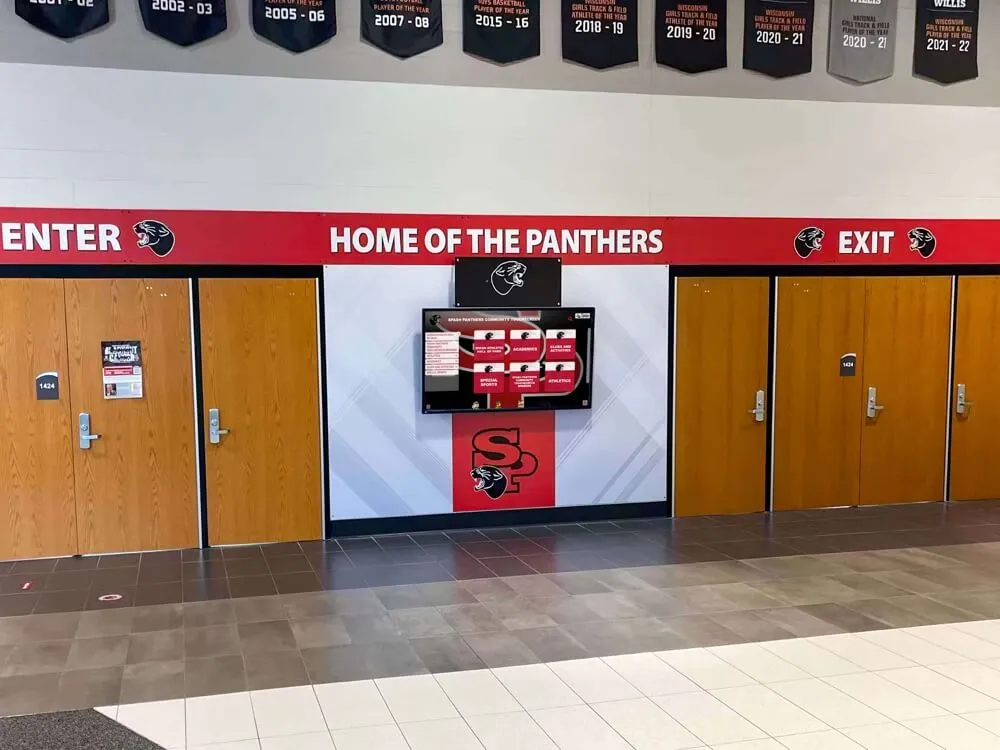
Portrait-style recognition displays preserve the identity and achievements of honors graduates for decades
Post-Graduation and Permanent Recognition
This is where many schools leave recognition value on the table. Commencement ceremonies are powerful, but they last only a few hours. Students, families, and community members deserve recognition that persists.
Permanent Donor and Honor Walls Traditional honor walls list names of distinguished graduates, including academic honors recipients. Physical plaques or engraved panels in school lobbies and hallways give permanence to achievement, but they fill quickly, are expensive to update, and cannot accommodate the growing numbers of honors graduates at most schools.
Yearbook Sections and Archives Yearbook spreads dedicated to academic honors graduates preserve recognition in a format families keep for decades. Digital yearbook archives extend this reach further, making achievement searchable and accessible long after the physical book is unavailable.
School Website and Alumni Profiles Featuring academic honors graduates in alumni spotlights—particularly those who go on to notable college or career achievements—creates a narrative around academic excellence that motivates current students.
Digital Recognition Displays The most forward-thinking schools are investing in interactive digital displays that eliminate the physical constraints of traditional recognition. These systems can showcase academic honors graduates from every graduating class, display photos and achievement details, and be updated instantly as new graduates earn the distinction.
Learn how digital touchscreen systems are transforming academic recognition in digital touchscreen athletic building records and academic displays.
Digital Recognition Systems for Academic Honors Graduates
As schools move toward more comprehensive, scalable recognition systems, digital platforms have emerged as the most effective solution for honoring academic honors graduates permanently and visibly.
Why Digital Displays Work for Academic Recognition
Unlimited Capacity Traditional trophy cases and honor walls run out of space. A school that graduates 50–100 academic honors students per year quickly finds that physical recognition becomes impractical within a decade. Digital systems can accommodate thousands of profiles without space constraints.
Rich Content Per Graduate Rather than a name on a plaque, digital recognition systems can display each academic honors graduate’s photo, name, graduation year, GPA, notable courses completed, college destination, and career path. This depth of information transforms a list into a meaningful celebration.
Dynamic and Updated Schools can add new graduating class records each year without replacing hardware or reordering plaques. Alumni who go on to notable achievements can have their profiles updated. The system grows with the school’s history.
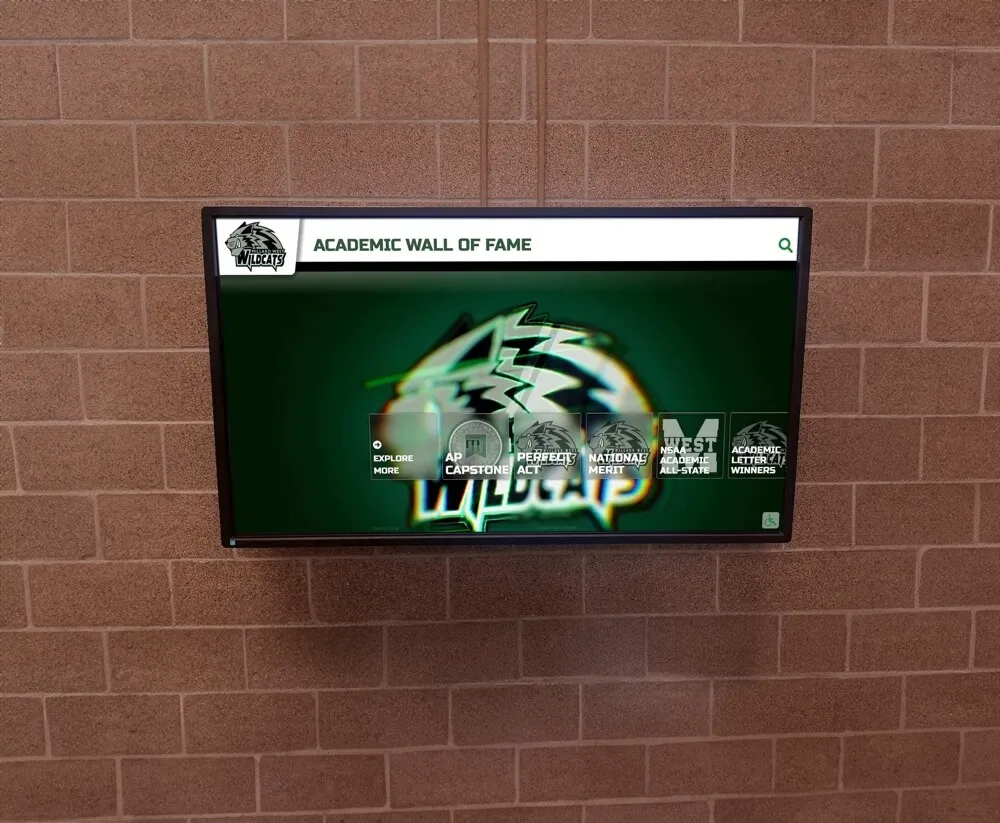
Interactive Browsing Touchscreen displays allow students, parents, and community members to browse academic honors graduates by year, name, or achievement category. This interactivity creates engagement that static displays cannot match.
Visible in High-Traffic Areas Installed in school lobbies, main hallways, and common areas, digital recognition displays reach every student every day. Unlike yearbooks or websites that require deliberate access, lobby displays create passive but powerful motivation.
Explore how interactive displays engage school communities through interactive announcements feeds and display guides for schools.
Combining Academic and Athletic Recognition
One of the most powerful uses of digital recognition systems is the integration of academic and athletic achievement in a single, comprehensive display. Schools can showcase:
- Academic honors graduates alongside athletic hall of fame inductees
- Students who achieved both athletic distinction and academic honors
- National Merit Scholars, valedictorians, and class officers alongside team champions
- Community service awards and character recognition
This integration sends a clear message: the school celebrates all forms of excellence equally. Students who might not pursue athletic accolades see academic achievement recognized with the same prominence and permanence.
See how schools create comprehensive recognition environments through digital trophy touch walls that encompass all achievement types.
Make Academic Honors Permanent
Rocket Alumni Solutions helps schools create digital recognition displays that celebrate academic honors graduates with the same visibility and permanence as athletic champions. Explore solutions built for schools ready to invest in lasting academic recognition.
Explore Digital Recognition SolutionsImplementing an Academic Honors Diploma Recognition Program
For schools looking to launch or strengthen their academic honors diploma recognition, a structured approach ensures that recognition is meaningful, consistent, and sustainable.
Step 1: Establish Clear, Published Criteria
Recognition only motivates students when criteria are transparent and consistently applied. Publish academic honors diploma requirements:
- On the school and district website
- In student handbooks at the start of each school year
- In course selection guides for incoming freshmen
- In counselor communications to students and families
Update requirements any time state standards change, and communicate updates clearly. Students who begin high school under one set of requirements should not be surprised by changes mid-enrollment.
Step 2: Build Tracking Systems
Schools cannot recognize what they do not track. Counseling offices should maintain running lists of students who are on track for the academic honors diploma by year, updating them each semester. This tracking serves multiple purposes:
- Proactive outreach to students who are close to qualifying
- Early intervention for students who are at risk of falling short
- Accurate identification of honors graduates before commencement materials are printed
Step 3: Create Tiered Recognition Moments
Recognition should not be a one-time event at graduation. Build a multi-year recognition framework:
- Freshman year: Communicate the path to an academic honors diploma; recognize students who complete the first qualifying semester with high marks
- Sophomore year: Mid-point acknowledgment of students who remain on track
- Junior year: Academic recognition alongside college preparation milestones
- Senior year: Pre-graduation recognition, commencement distinction, and post-graduation permanent display
Step 4: Invest in Permanent Display Infrastructure
Permanent recognition is the final, lasting step. Schools that invest in display infrastructure—whether traditional honor walls, yearbook archives, or digital recognition systems—create the environment where academic honors diplomas mean something beyond graduation day.
Explore how schools are building lasting recognition environments through alumni recognition event planning and interactive displays.

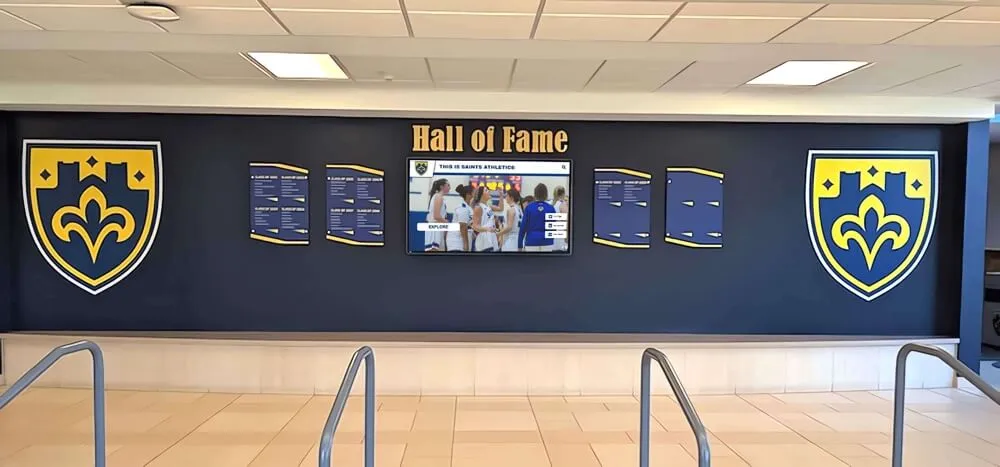
Permanent recognition displays—whether physical or digital—transform a graduation moment into a lasting school legacy
Motivating Students to Pursue Academic Honors Diplomas
The most effective recognition programs are not just celebratory—they are motivational. Schools that communicate the value of academic honors diplomas and make achievement visible motivate more students to pursue them.
Making the Distinction Visible to Underclassmen
Freshmen and sophomores who see seniors wearing honors regalia and being recognized in ceremonies begin to envision themselves pursuing the same distinction. Visibility is a prerequisite for aspiration.
Display Prior Year’s Honors Graduates Posting lists, photos, or profiles of the previous year’s academic honors graduates in counseling offices, main hallways, and digital displays creates constant ambient motivation. Students who see peers from the year above recognized are more likely to commit to the path themselves.
Invite Alumni Speakers Academic honors graduates who have gone on to college success, scholarship wins, or career achievements make powerful speakers at school assemblies, freshman orientation, and counseling presentations. Their personal testimony about the value of rigorous coursework and honors recognition is more persuasive than any brochure.
Celebrate Progress, Not Just Completion Recognize students who are on the honors diploma path throughout high school—not just at graduation. Semester honor rolls, academic letters, and counselor acknowledgments keep the distinction front of mind and reinforce that the effort is noticed.
Explore how schools build recognition into their broader community engagement through school assembly ideas that engage and inspire students.
Communicating Long-Term Value to Families
Many students make course selection decisions based on family conversations. Educating parents about the value of academic honors diplomas—for college admissions, scholarships, and workforce readiness—expands the number of families who actively encourage their students to pursue the distinction.
Family Nights and Information Sessions Hold annual information sessions for incoming freshmen families that explain the academic honors diploma path, requirements, and benefits. Make attendance easy and communication clear.
Personalized Progress Reports Counselors who proactively communicate a student’s honors diploma progress—at semester boundaries, not just during annual check-ins—keep families engaged and informed. A simple email noting “Your student is on track for the Academic Honors Diploma” reinforces the importance of the distinction.
Highlight College and Scholarship Outcomes Share data—without identifying individual students—about the college acceptance rates and scholarship awards earned by prior years’ academic honors graduates compared to standard diploma graduates. Outcome data resonates with families making long-term investment decisions.
Learn how schools document student outcomes through graduation captions and recognition records for the class of 2026.

Interactive hallway displays create constant, visible motivation for students pursuing academic distinctions
Academic Honors Diplomas and Equity Considerations
Any rigorous academic recognition program must be examined for equity implications. Schools committed to both academic excellence and inclusion must consider how honors diploma programs interact with access and opportunity.
Common Equity Concerns
Access to Required Coursework If an academic honors diploma requires AP or dual enrollment credits, but those courses are not offered at every school or are not equally accessible to all students within a school, the program systematically disadvantages certain populations. Schools should audit whether the coursework path to an honors diploma is genuinely accessible to all students who are capable of completing it.
Counseling Inequities Research on course placement consistently shows that students from lower-income backgrounds and students of color are less likely to be counseled toward advanced coursework, even when academic indicators suggest capability. Proactive outreach to all students who show honors diploma potential—not just those from families who advocate for placement—is essential to program integrity.
Recognizing Different Paths to Excellence The most inclusive academic honors programs recognize multiple pathways to distinction. A student who completes a rigorous career and technical education sequence alongside core academic requirements may demonstrate the same level of excellence as a student who pursues an AP-heavy curriculum. Programs that accommodate multiple pathways serve more students without diluting the distinction.
Building Inclusive Recognition Systems
Equity in recognition means ensuring that every student who meets criteria receives recognition—not that criteria are lowered to recognize everyone regardless of achievement.
Universal Eligibility Communication Every student entering ninth grade should receive equal, clear communication about the academic honors diploma and the specific path to earning it. Opt-in systems that require students or families to discover the program on their own disadvantage those without strong school navigation knowledge.
Removing Administrative Barriers Some students miss out on honors recognition because of administrative failures—a counselor who did not flag eligibility, a transcript error, or a requirement that was communicated too late to address. Building redundancy into tracking systems protects deserving students from bureaucratic failures.
Explore how schools are building more comprehensive recognition systems through National Merit Scholarship recognition and how schools celebrate honorees.
Frequently Asked Questions About Academic Honors Diplomas
What is an academic honors diploma?
An academic honors diploma is a specialized graduation credential awarded to students who exceed standard diploma requirements. Criteria typically include completing additional coursework in core subjects, earning a minimum GPA (usually 3.0 to 3.5 or higher), finishing advanced courses such as AP or IB, and sometimes completing service learning hours or a senior capstone project. Requirements vary by state and district.
How is an academic honors diploma different from a regular diploma?
A standard diploma certifies that a student met minimum graduation requirements. An academic honors diploma certifies that a student exceeded those requirements—typically through additional credits, higher GPA standards, completion of advanced coursework, and sometimes character or service requirements. The distinction is recognized by college admissions offices and many scholarship programs.
Do academic honors diplomas help with college admissions?
Yes. Academic honors diplomas signal to college admissions offices that a student pursued a rigorous curriculum above minimum state requirements. While admissions decisions are holistic and consider many factors, the honors diploma designation provides immediate context for a student’s academic choices and can strengthen an application, particularly alongside strong test scores and GPA.
Does every state offer an academic honors diploma?
Not all states have a formal academic honors diploma designation. Some states embed honors recognition within a tiered diploma structure, others award honors seals or endorsements, and some leave recognition entirely to individual districts. Families should check with their state’s department of education or local school district to understand available recognition options.
How can schools permanently recognize academic honors graduates?
Schools can permanently recognize academic honors graduates through physical honor walls, yearbook archives, alumni website profiles, and digital recognition displays. Interactive digital display systems are increasingly popular because they can showcase thousands of graduates without space constraints, include photos and achievement details for each student, and be updated annually as new classes graduate.
What is the difference between an academic honors diploma and Latin honors?
Academic honors diplomas are formal credentials awarded at the high school level based on completing specific coursework and GPA thresholds. Latin honors (Cum Laude, Magna Cum Laude, Summa Cum Laude) are GPA-based designations used primarily at the college and university level to denote rank within a graduating class. Some high schools have adopted Latin honors language, but the academic honors diploma is the more common formal mechanism in secondary education.
How do digital displays help recognize academic honors graduates?
Digital recognition displays allow schools to showcase academic honors graduates with photos, names, graduation years, GPA, courses completed, and future paths—without the space or cost constraints of physical plaques. Interactive touchscreen systems let visitors browse graduates by year or achievement category. Installed in school lobbies and hallways, these displays create daily, visible motivation for current students.
Explore how schools are building comprehensive digital recognition systems through digital signage content ideas for screens and kiosks in school environments.
Building a Culture Where Academic Honors Diplomas Are Pursued and Celebrated
The academic honors diploma is not just a credential—it is an indicator of the academic culture a school has built. Schools where a high percentage of graduates earn academic honors diplomas share several characteristics.
Characteristics of High-Achieving Academic Cultures
Expectation of Excellence from Day One Schools with strong honors diploma rates communicate the path to recognition starting in middle school, if not earlier. Students arrive in ninth grade already aware of the academic honors diploma and understanding what it takes to earn it.
Counseling as Proactive Guidance In high-achieving academic cultures, school counselors function as proactive academic coaches—identifying students with honors potential, addressing barriers to advanced coursework access, and providing individualized guidance—rather than reactive problem-solvers.
Faculty Recognition of Rigorous Achievement Teachers who celebrate students who take on challenging coursework—even when grades reflect the difficulty of the work—reinforce the value of intellectual risk-taking. Schools where only perfect grades receive recognition inadvertently discourage students from taking the advanced courses required for academic honors.
Community-Wide Celebration When academic honors graduates are recognized as prominently as athletic champions—in school ceremonies, local media, display systems, and community events—the entire culture reinforces that intellectual achievement is a valued path to distinction.
Permanent Institutional Memory Schools that maintain visible records of academic honors graduates across multiple decades create a sense of history and tradition around academic excellence. Current students see that the school has a long legacy of academic achievement, and they want to add their names to that legacy.
See how schools connect academic recognition with broader alumni engagement through alumni wall ideas that create lasting connections.
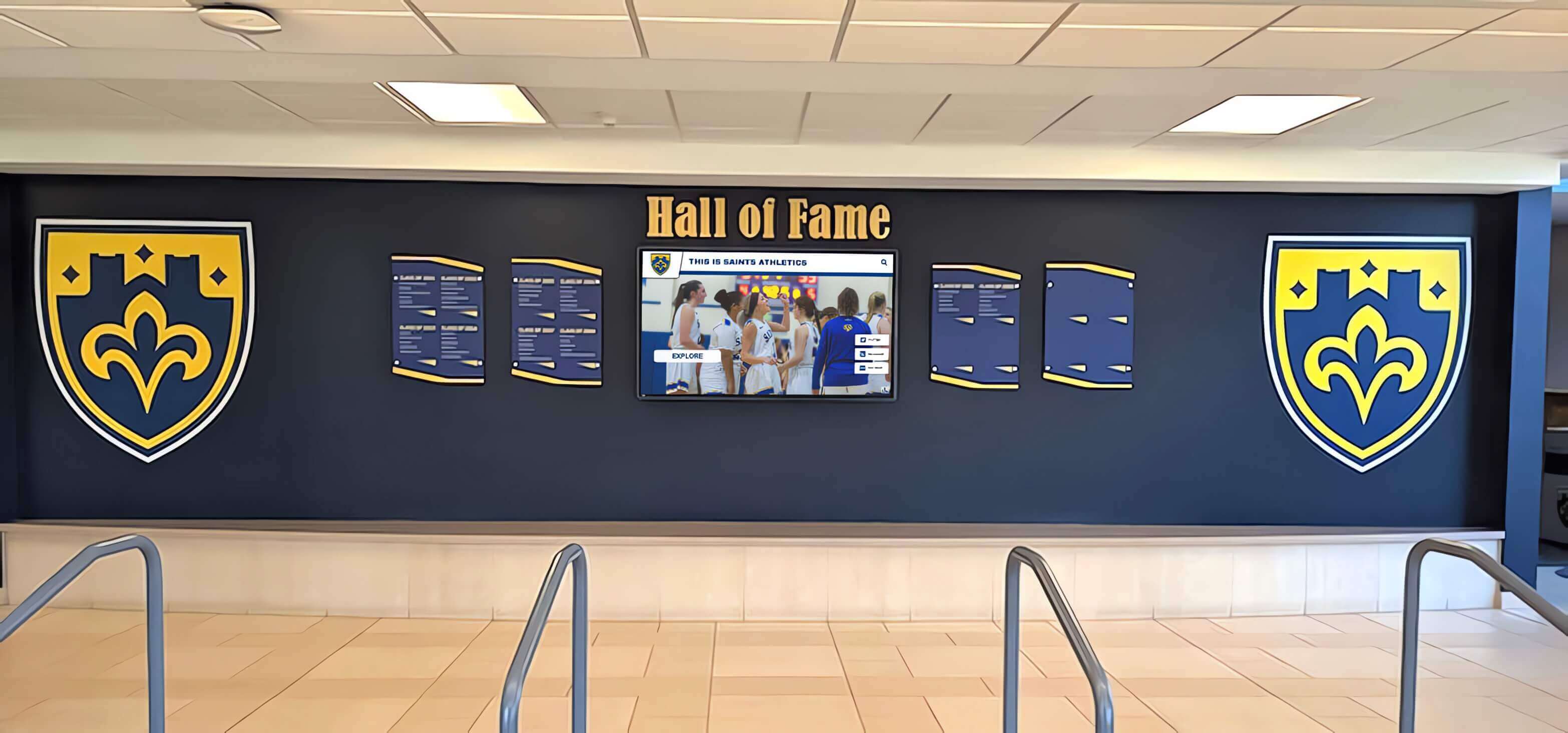
Combining physical and digital recognition elements creates comprehensive honor environments that celebrate all forms of academic achievement
The Role of Technology in Academic Honors Recognition
Technology is reshaping how schools recognize academic achievement. From digital transcripts to interactive displays, the tools available to schools today make recognition more accessible, durable, and visible than at any previous time.
Digital Transcript Notation
Many states now allow honors diploma designation to appear on official digital transcripts in addition to paper documents. This ensures the distinction is captured in the records that colleges and employers access directly—not just on a physical document that may be lost or damaged.
Online Alumni Recognition Portals
Schools and districts are increasingly building alumni portals where honors graduates—and all alumni—can maintain profiles, connect with current students, and update their post-graduation achievements. These platforms extend recognition indefinitely and create ongoing connections between the institution and its most distinguished graduates.
Interactive Lobby and Hallway Displays
The most impactful in-school recognition technology is the interactive touchscreen display. Installed in high-visibility locations, these systems:
- Display academic honors graduates from all graduating classes
- Allow visitors to search by name, year, or achievement category
- Show photos, achievement details, and life after graduation
- Update instantly when new graduates earn the distinction
- Combine academic recognition with athletic, arts, and community achievement
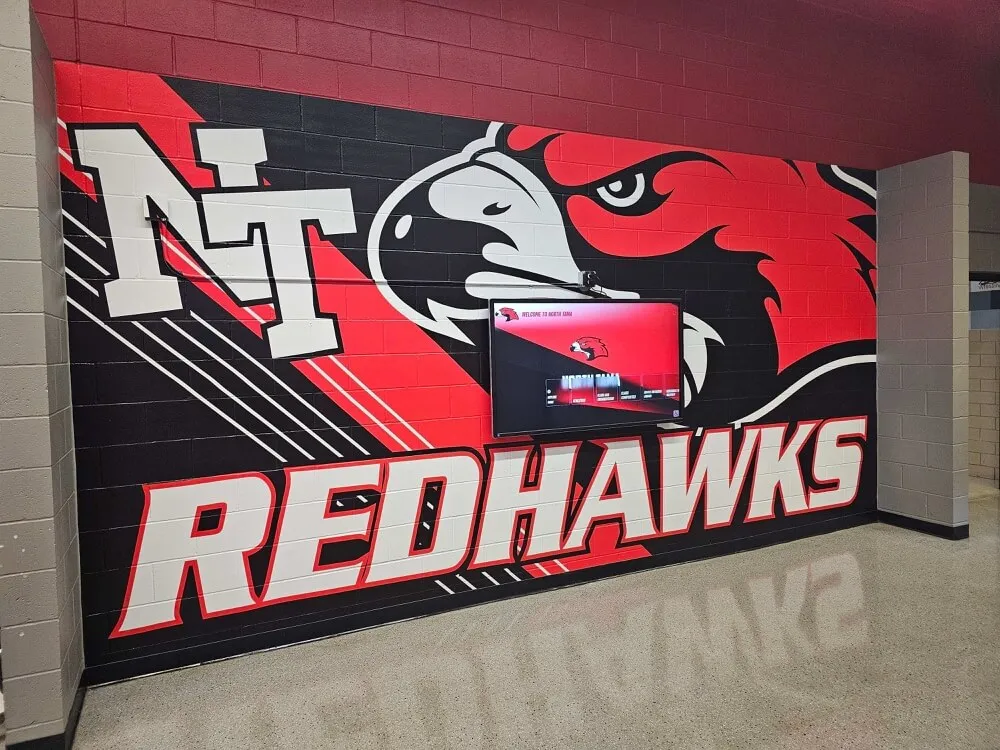
Organizations like Rocket Alumni Solutions specialize in building these comprehensive recognition environments for schools, combining custom murals, touchscreen kiosks, and digital displays that celebrate academic honors graduates alongside every other form of school achievement.
Learn how these systems are being implemented in schools through a day in the life of school digital displays and how they serve recognition goals.
Conclusion: Academic Honors Diplomas Deserve Permanent Recognition
An academic honors diploma represents years of academic commitment, intellectual courage, and consistent excellence. Students who earn this distinction have gone beyond what is required—taking harder courses, maintaining higher standards, and often balancing service and leadership alongside academic demands. They deserve more than a single ceremony.
The most effective schools treat academic honors diploma recognition as a multi-year, permanent investment. From freshman orientation to commencement ceremony to lobby display, every recognition touchpoint reinforces the value of the distinction and motivates future students to pursue it.
Physical honor walls, yearbook archives, alumni portals, and interactive digital displays each contribute to a recognition ecosystem that preserves achievement across decades. Schools that build these systems create environments where academic excellence is visibly celebrated, historically documented, and culturally valued.
The question for every school administrator and counselor is not whether academic honors graduates deserve permanent recognition—they clearly do. The question is what kind of recognition system will serve those graduates best, inspire the next generation, and create the lasting academic culture the school aspires to build.
Recognize Your Academic Honors Graduates Permanently
Discover how Rocket Alumni Solutions helps schools build digital recognition environments that celebrate academic honors graduates with the same visibility and permanence as any other form of school achievement. Interactive displays, custom murals, and touchscreen kiosks designed for schools.
Explore Recognition SolutionsYour academic honors graduates have earned a distinction that sets them apart. Build the recognition system that ensures that distinction is visible, permanent, and inspiring for every student who walks your halls in the years ahead.