



Every year, thousands of high school and college students put on their best courtroom attire, step in front of practicing attorneys and judges, and argue a simulated legal case as if their clients’ futures depended on it. What is mock trial? It is one of the most rigorous academic competitions available to students — a courtroom simulation that challenges participants to master legal reasoning, persuasive advocacy, witness examination, and rapid thinking under pressure, all in the span of a single competitive round.
Yet mock trial teams are frequently invisible in school hallways. Championship trophies collect dust in a forgotten corner, and the student who won Best Attorney at the state tournament gets no more recognition than a mention in the morning announcements. Meanwhile, athletic teams command banners, display cases, and walls of fame that celebrate their victories for decades.
This guide explains exactly what mock trial competition is, how the format works, what students gain from participating, and — critically — how schools can honor mock trial achievements with the same permanence and visibility they give to their athletic programs.
Mock trial is a simulated court proceeding in which student teams argue a fictional legal case before a panel of evaluators, typically practicing attorneys, law students, or retired judges. Students play the roles of attorneys, witnesses, and sometimes courtroom personnel, competing for points awarded by judges who evaluate legal technique, arguable strategy, and courtroom presence. Competition runs from local invitationals through regional, state, and national championships.

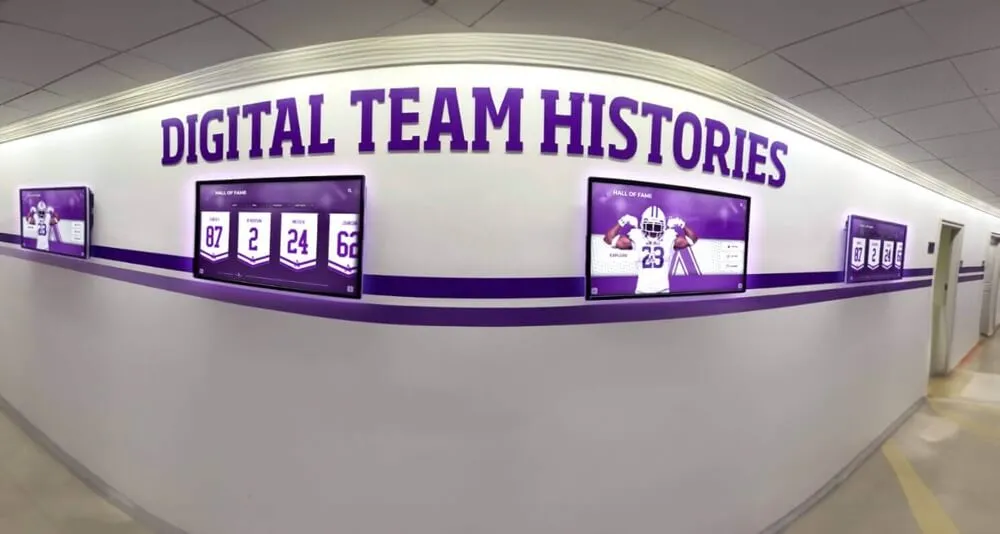
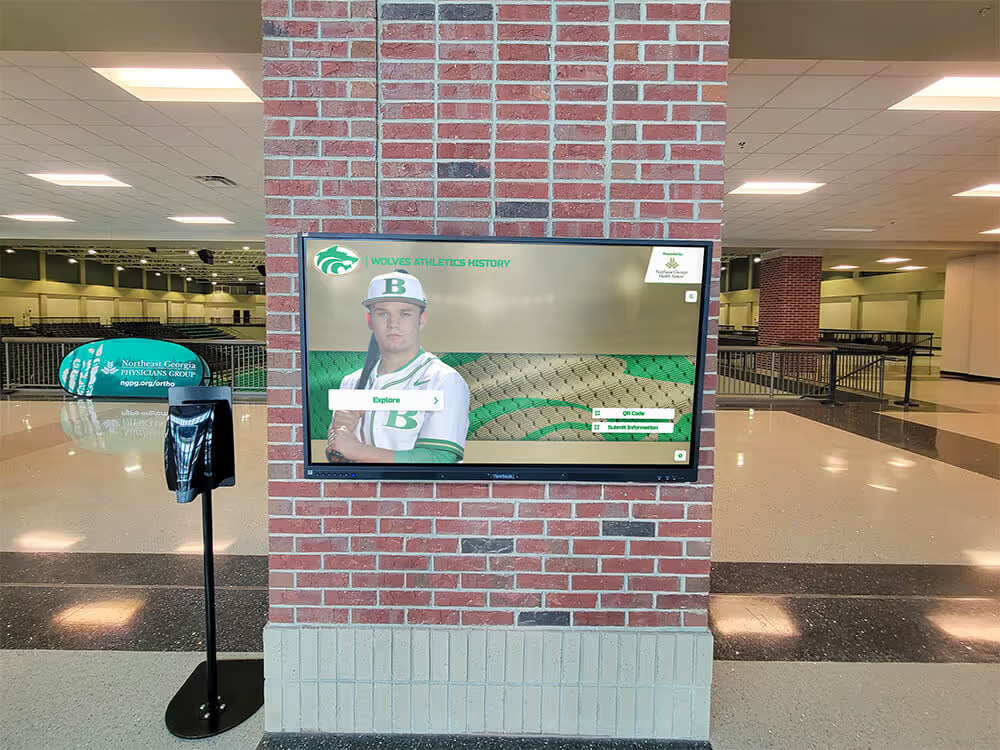
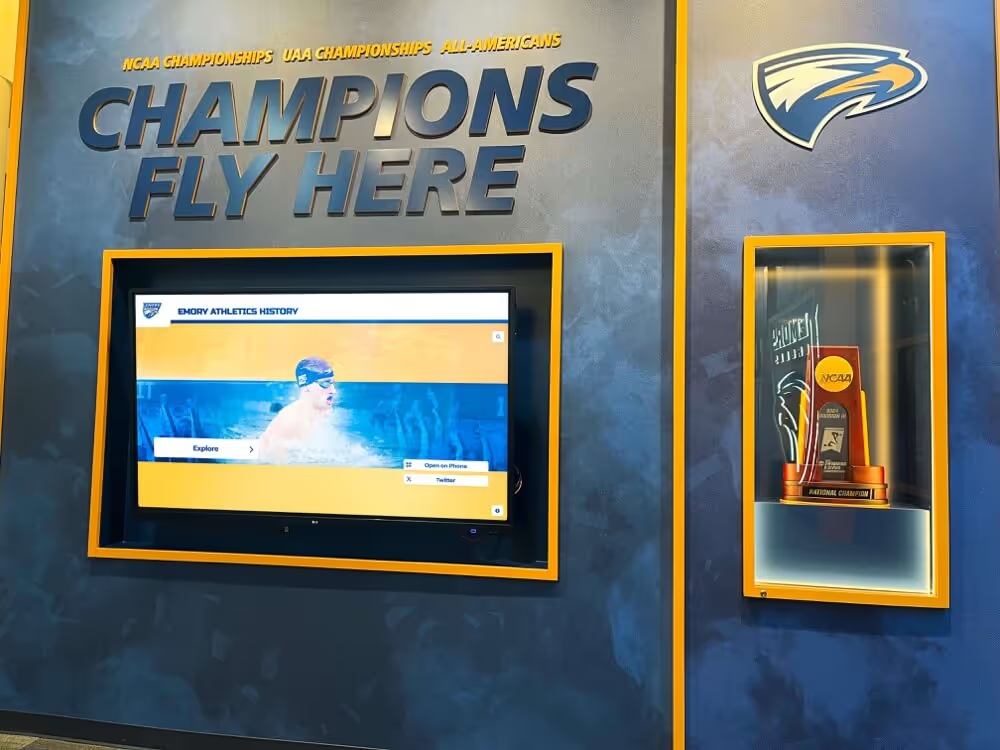
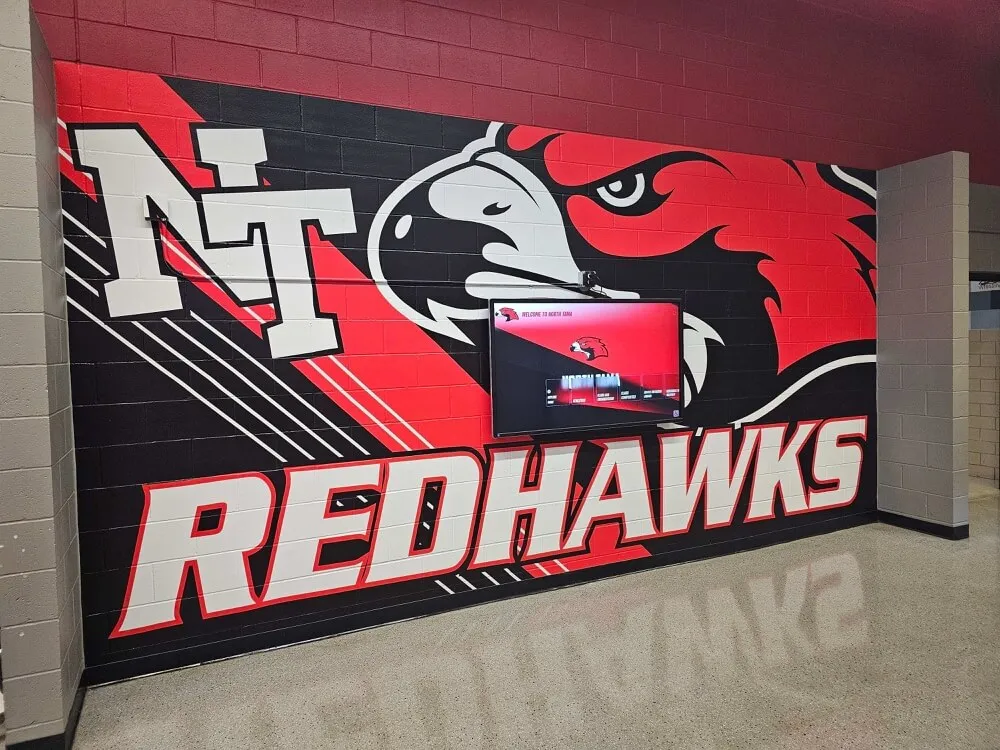
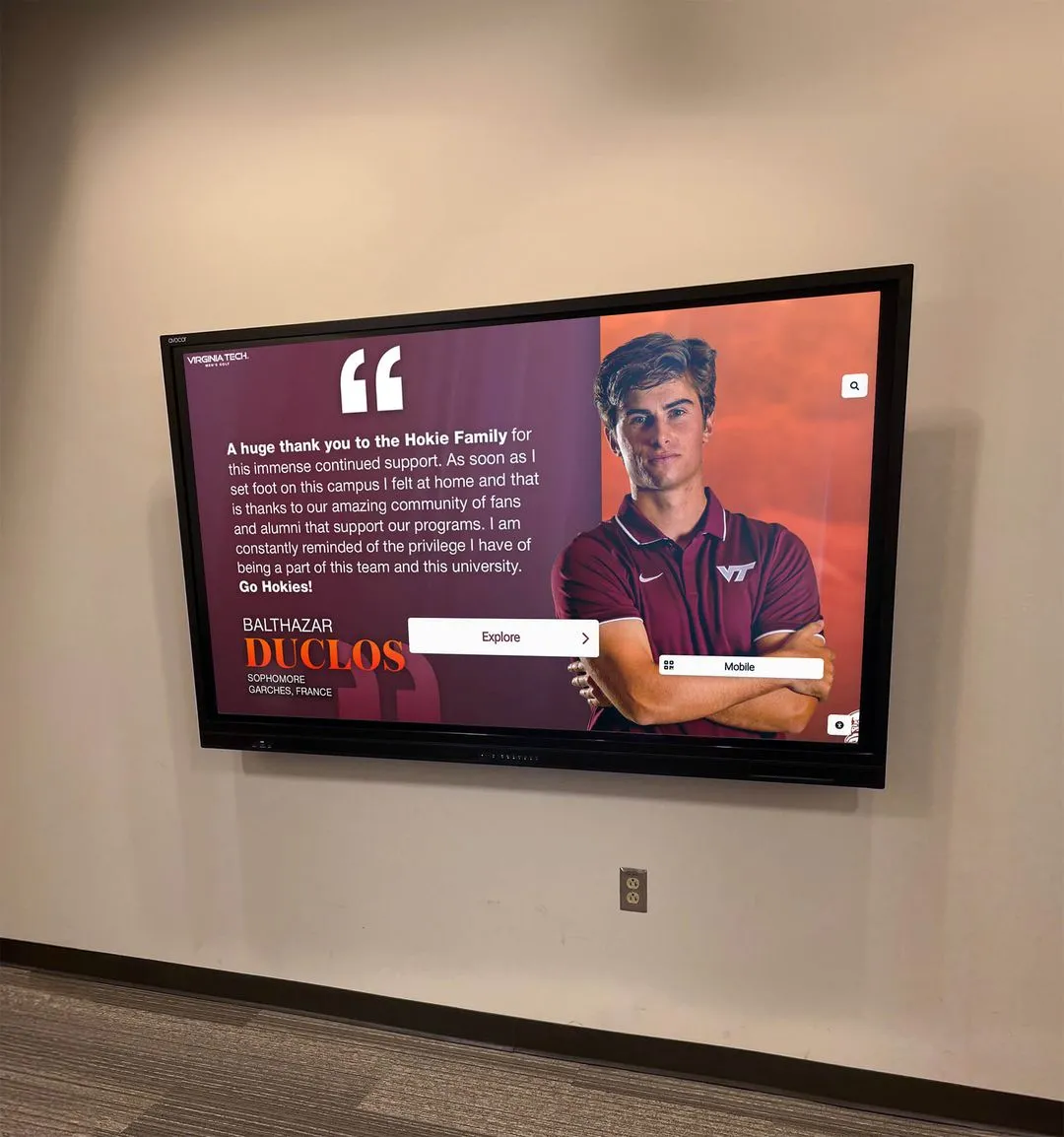
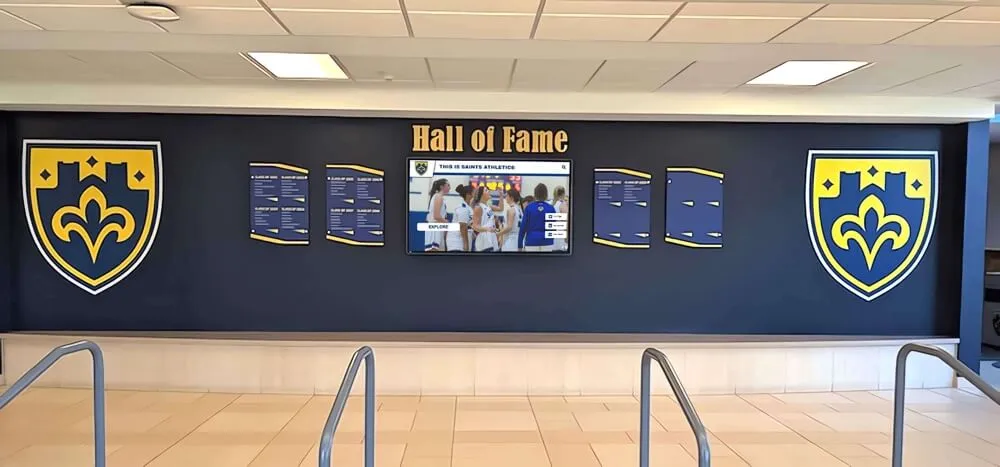
Championship recognition belongs on permanent display — not collecting dust in a storage room
What Is Mock Trial? A Clear Definition
Mock trial is an academic competition that simulates real civil or criminal court proceedings using a fictional case packet distributed to all competing teams before the tournament. Each team prepares to argue the case from both sides — prosecution/plaintiff and defense — and draws which side to present in each round.
Unlike debate, which focuses on abstract policy propositions, mock trial anchors every argument in evidence, witness testimony, and courtroom procedure. Students must understand legal rules like hearsay objections, authentication of exhibits, and the difference between leading questions and open-ended examination. The activity is educational simulation at its most immersive.
Who Competes in Mock Trial?
Mock trial competitions exist at multiple educational levels:
- Middle school: Some state organizations run junior mock trial programs for grades 6–8
- High school: The most widespread level, organized through state bar associations, state mock trial coordinators, or non-profit competition organizers
- College: The American Mock Trial Association (AMTA) organizes an extensive national circuit for undergraduate teams
- Law school: Moot court is the law school equivalent, focused on appellate argument rather than trial
The overwhelming majority of mock trial programs in the United States operate at the high school level, with participation in 45 or more states. According to the Constitutional Rights Foundation, which administers California’s Mock Trial competition, the program has engaged more than 500,000 students since its founding in 1980.
The History and Growth of Mock Trial
Mock trial competitions emerged in the 1970s as law-related education gained momentum in American schools. Legal educators and bar associations recognized that courtroom simulation gave students a hands-on understanding of the justice system that no textbook could replicate.
Key milestones in mock trial’s development:
- 1970s: Law-related education movement spurs first organized competitions
- 1980: Constitutional Rights Foundation launches California’s program, one of the nation’s largest
- 1980s–1990s: State bar associations across the country create or adopt programs
- 1990s: AMTA founded to organize collegiate mock trial on a national level
- 2000s–present: Participation expands broadly; national championship draws hundreds of collegiate teams
Today, state programs vary in structure and sponsorship, but the competitive format has converged around common elements that make mock trial recognizable from California to Maine.
How Mock Trial Competition Works
Understanding the mock trial format helps coaches, administrators, and parents appreciate the depth of preparation these students invest.
The Case Packet
Several months before competition, the organizing body releases a fictional case packet to all teams. The packet includes:
- A detailed fact pattern establishing the legal dispute
- Sworn affidavits or statements from all witnesses on both sides
- Exhibits such as physical evidence, medical reports, or financial records
- Applicable jury instructions or legal standards
- Rules of the competition
Teams must prepare both the prosecution/plaintiff side and the defense side, because they will argue each during competition. This dual preparation is one of mock trial’s most demanding educational features — students must internalize both sides of every argument.
Team Composition and Roles
A standard high school mock trial team consists of six to twelve students filling specialized roles:
Attorney roles:
- Opening statement attorneys (one per side)
- Direct examination attorneys (questioning their own witnesses)
- Cross-examination attorneys (questioning opposing witnesses)
- Closing argument attorneys
Witness roles:
- Fact witnesses (eyewitnesses, parties to the case, law enforcement)
- Expert witnesses (medical examiners, forensic accountants, psychologists)
Some competitions also include presiding officers or clerks played by students, though many programs use actual attorneys or teachers in those roles during competition.
Round Structure and Scoring
A typical mock trial round runs 60 to 90 minutes and follows formal courtroom procedure:
- Opening statements — each side presents its theory of the case
- Direct examinations — attorneys question their own witnesses
- Cross-examinations — attorneys challenge opposing witnesses
- Redirect and recross (if permitted by competition rules)
- Closing arguments — each side summarizes the evidence and asks for a verdict
Judges award points in real time across several categories, which vary by organization but typically include:
- Persuasiveness and organization of arguments
- Knowledge of the case facts
- Proper use of courtroom procedure and objections
- Witness credibility and characterization
- Overall team performance
Individual awards such as Best Attorney and Best Witness are also presented at most tournaments, recognizing outstanding individual performances within a round or across the full competition.
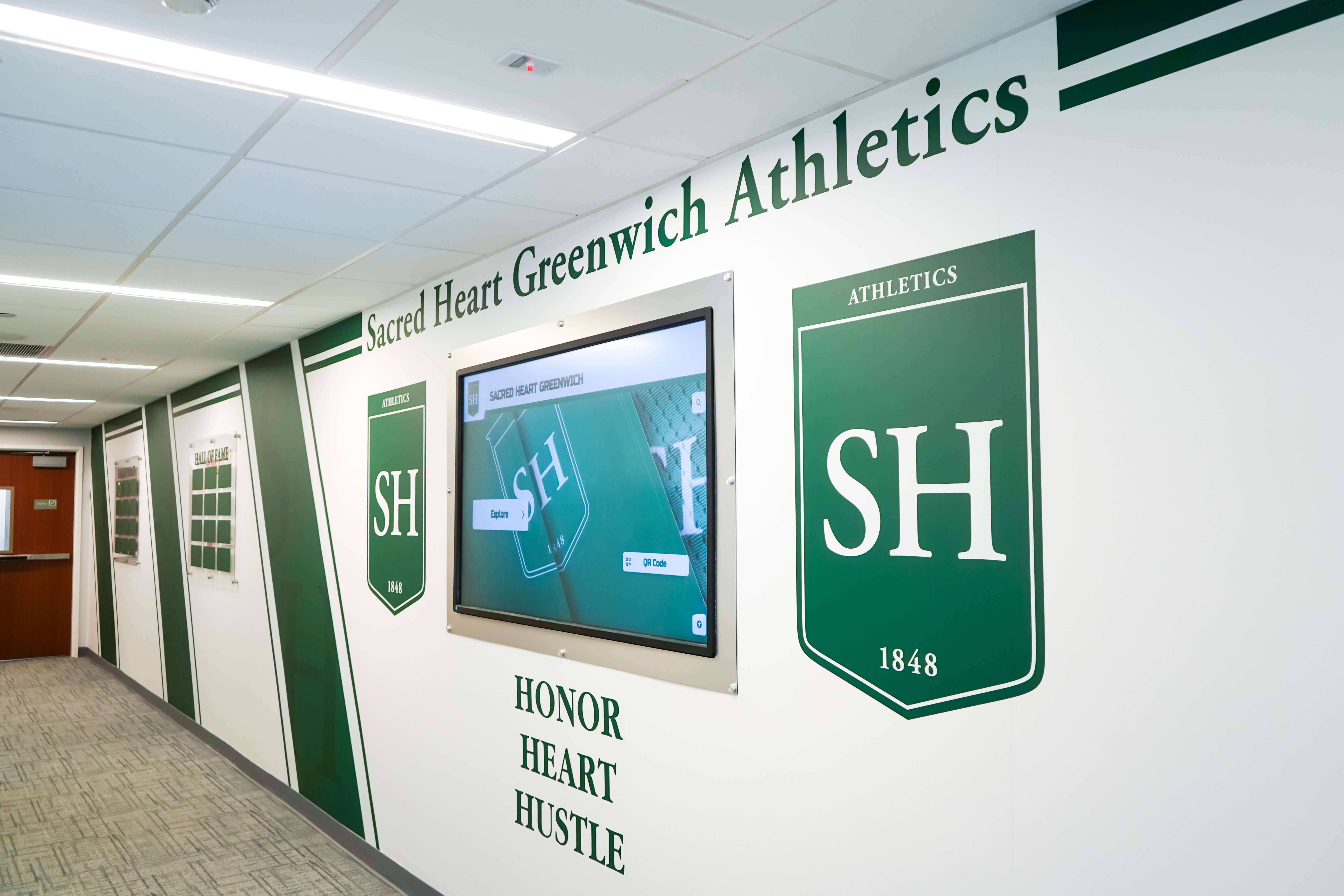
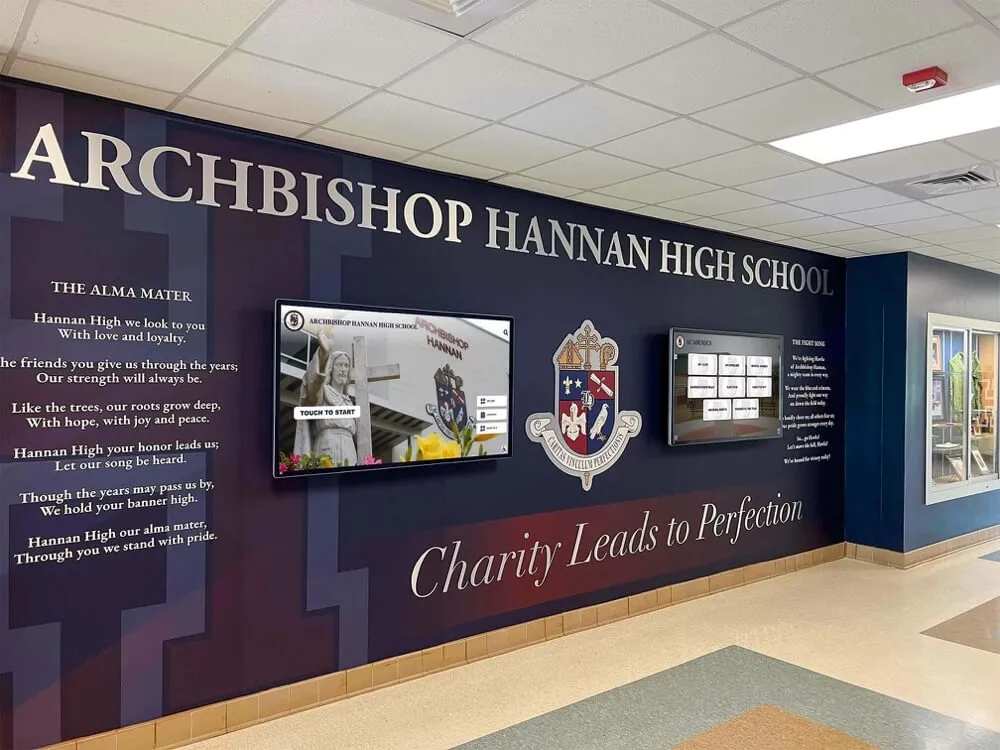
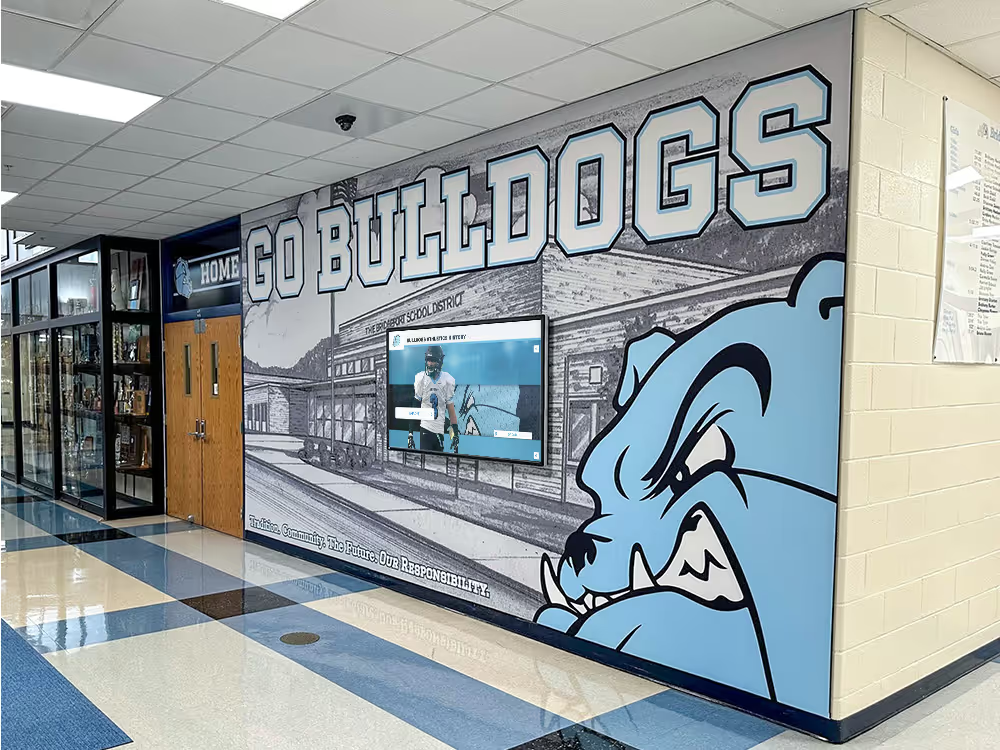
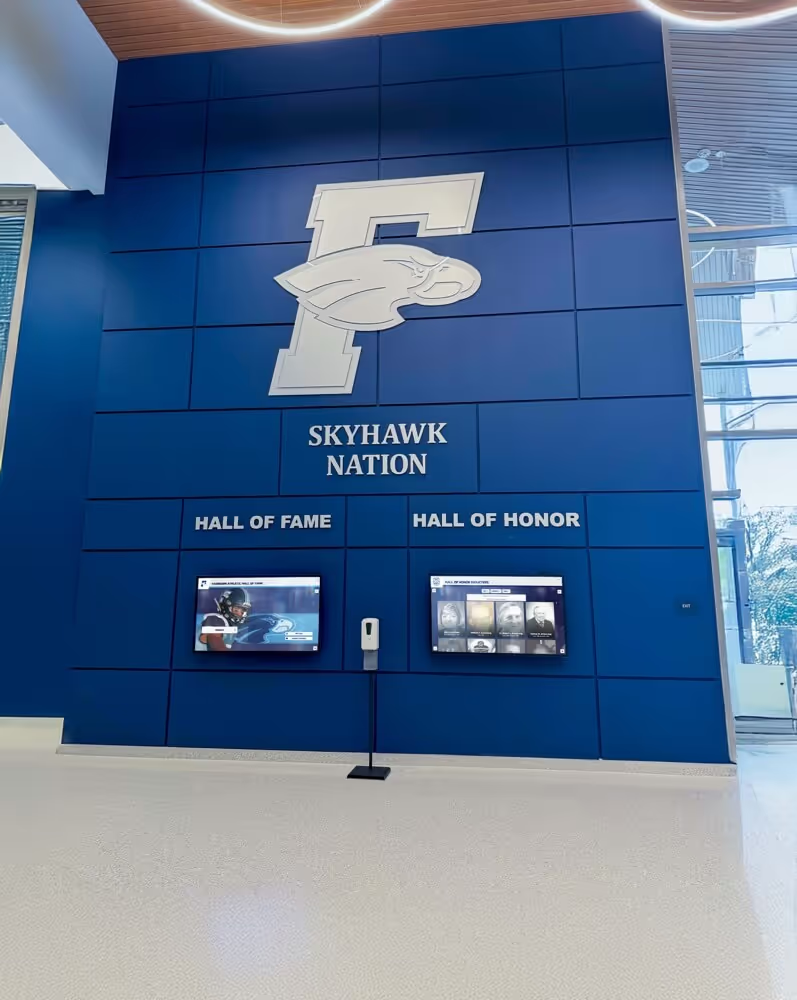
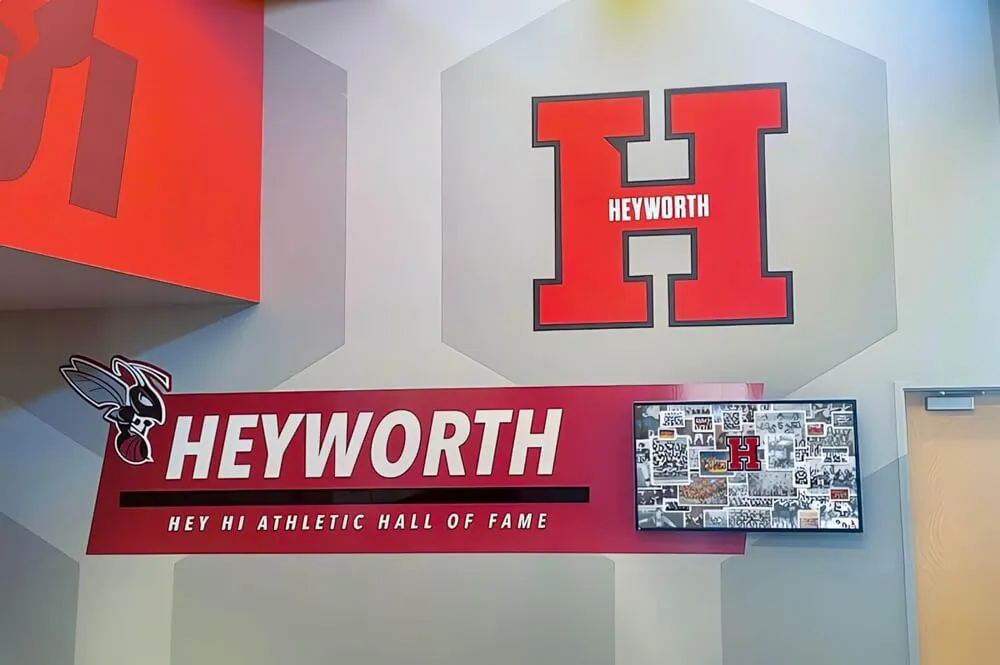
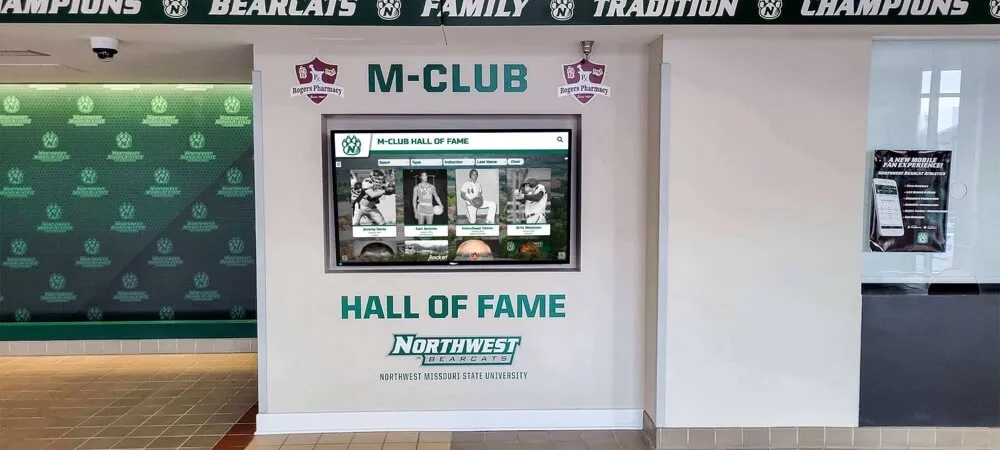
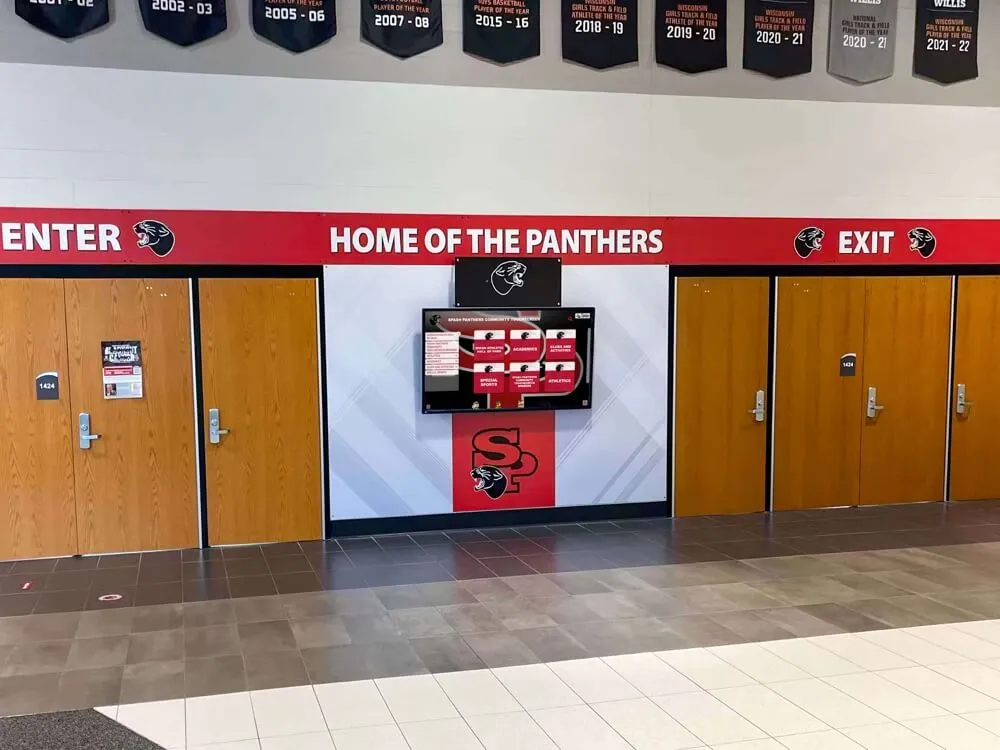
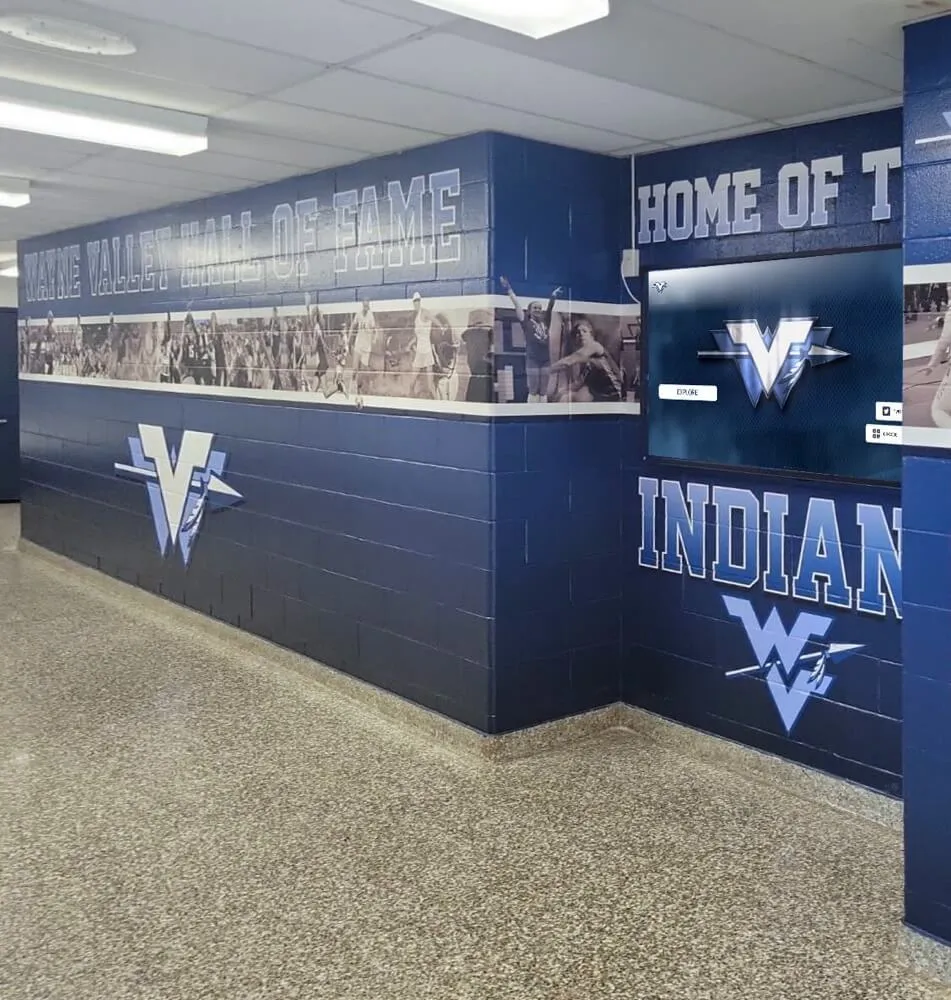
Schools that invest in dedicated display spaces signal that academic competition achievements matter as much as athletic victories
Levels of Mock Trial Competition
Mock trial follows a championship ladder similar to athletic tournaments:
1. Invitationals and scrimmages Practice competitions held before the official season, often organized informally between neighboring schools. No official ranking at this level, but invaluable for preparation.
2. Regional or district rounds Most state programs divide into geographic regions. Teams compete within their region for advancement slots to the state championship. Regional competition is typically where the majority of teams’ competitive experience ends.
3. State championship Top regional teams advance to a state-level tournament, often held at a courthouse, law school, or state capitol. State champions receive trophies, banners, and recognition from the organizing bar association.
4. National competition Several national programs exist depending on education level. The AMTA National Championship Tournament draws more than 700 collegiate teams annually. High school national opportunities are less standardized but growing.
Explore how schools recognize academic team achievements at every level through academic awards examples by recognition category and grade level — a helpful reference for designing your own program’s recognition structure.
Benefits of Mock Trial for Students
Mock trial delivers measurable skill development across multiple domains that college admissions officers and employers actively value.
Critical Thinking and Legal Reasoning
Students must analyze fact patterns, identify weaknesses in their case, anticipate opposing arguments, and construct legally sound responses — all without the luxury of extended reflection time during competition. This kind of rapid analytical thinking transfers directly to academic and professional contexts.
Public Speaking and Oral Advocacy
Few activities demand more polished public speaking than mock trial. Students address real attorneys and judges, handle surprise objections, and think on their feet during cross-examination. According to the American Bar Association’s Law-Related Education initiative, students who participate in mock trial consistently demonstrate stronger oral communication skills than peers in traditional coursework alone.
Research and Writing Skills
Preparing opening statements, closing arguments, and direct examination outlines requires substantial research and writing work before competition begins. Students learn to cite evidence precisely, write persuasively, and organize complex arguments — skills transferable to every subject area and directly aligned with the academic achievement that programs like honor roll recognition are designed to celebrate.
Civic Understanding
Mock trial gives students an experiential understanding of the legal system: due process, the burden of proof, the role of evidence, and the rights of parties. This civic education is especially valuable at a moment when legal literacy among young people is in high demand.
Teamwork and Collaboration
No single student wins a mock trial round alone. Witnesses and attorneys must coordinate their direct examinations in advance. Team members coach one another in practice. The entire group depends on every person’s preparation — making mock trial one of the most authentic team-building experiences available in academic competition.
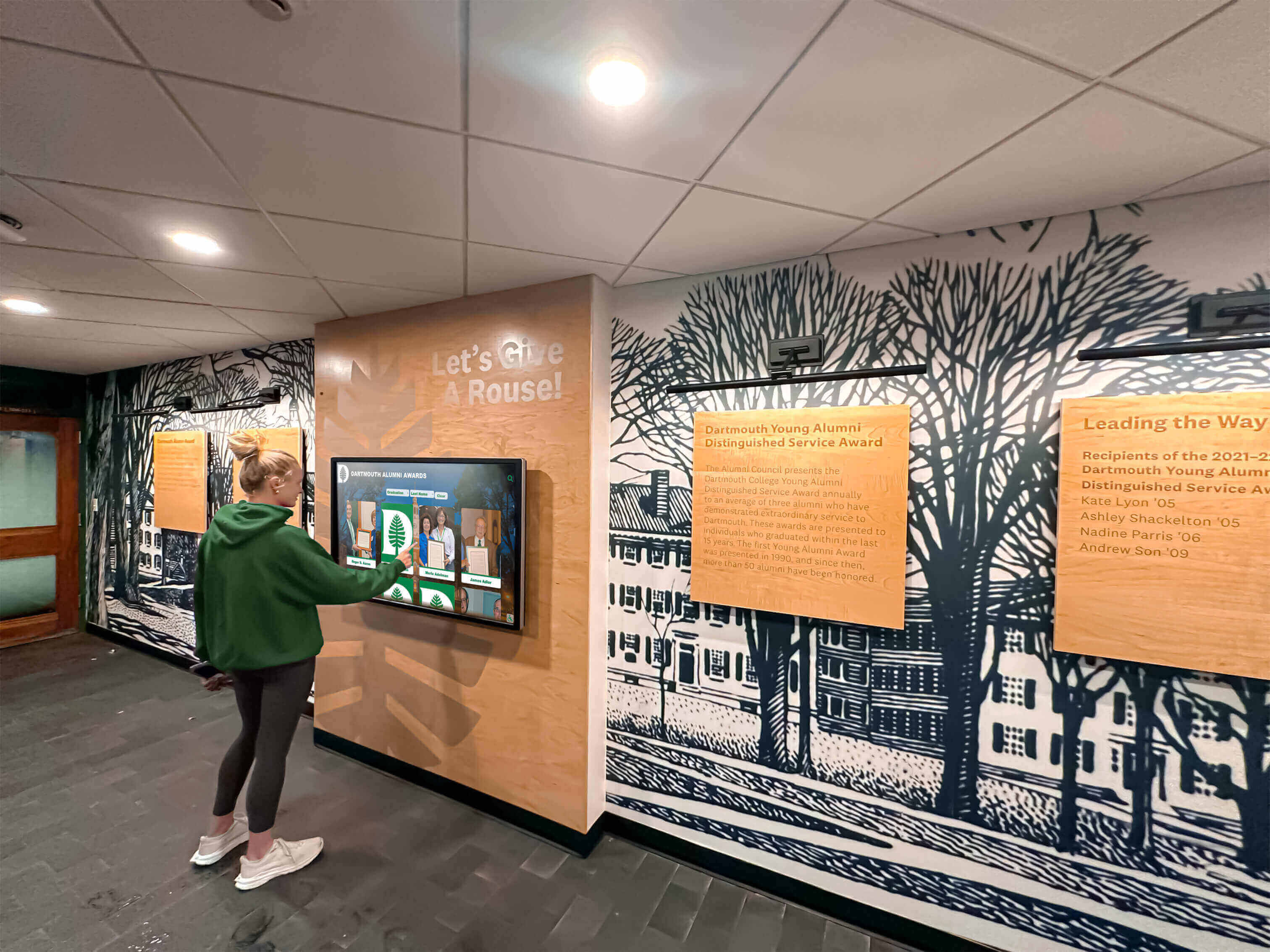
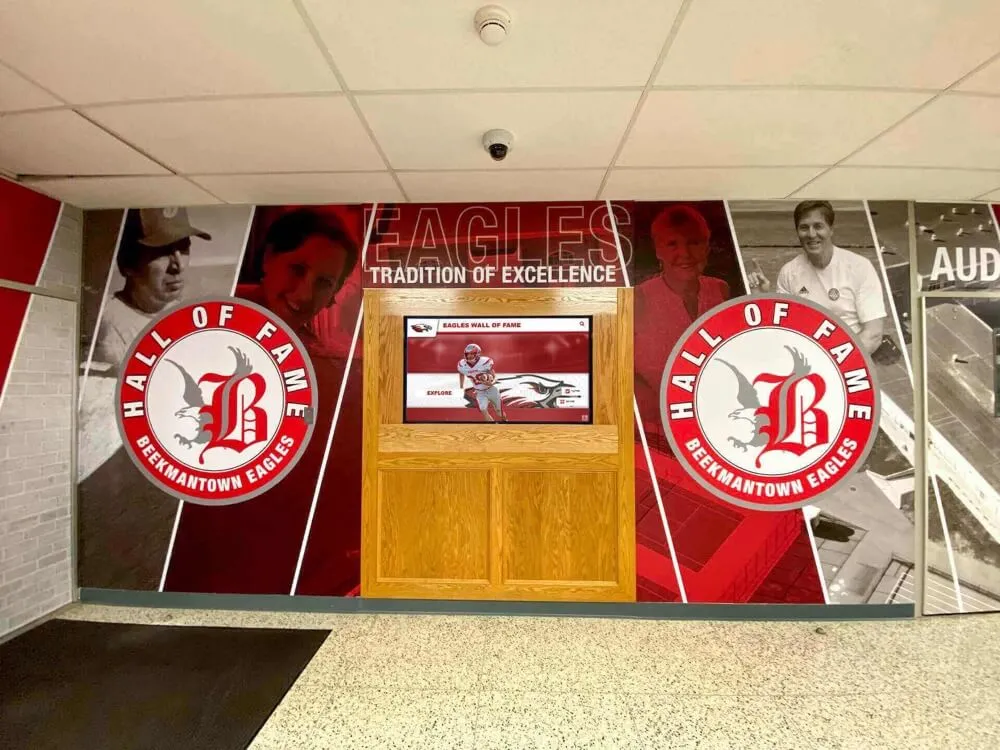
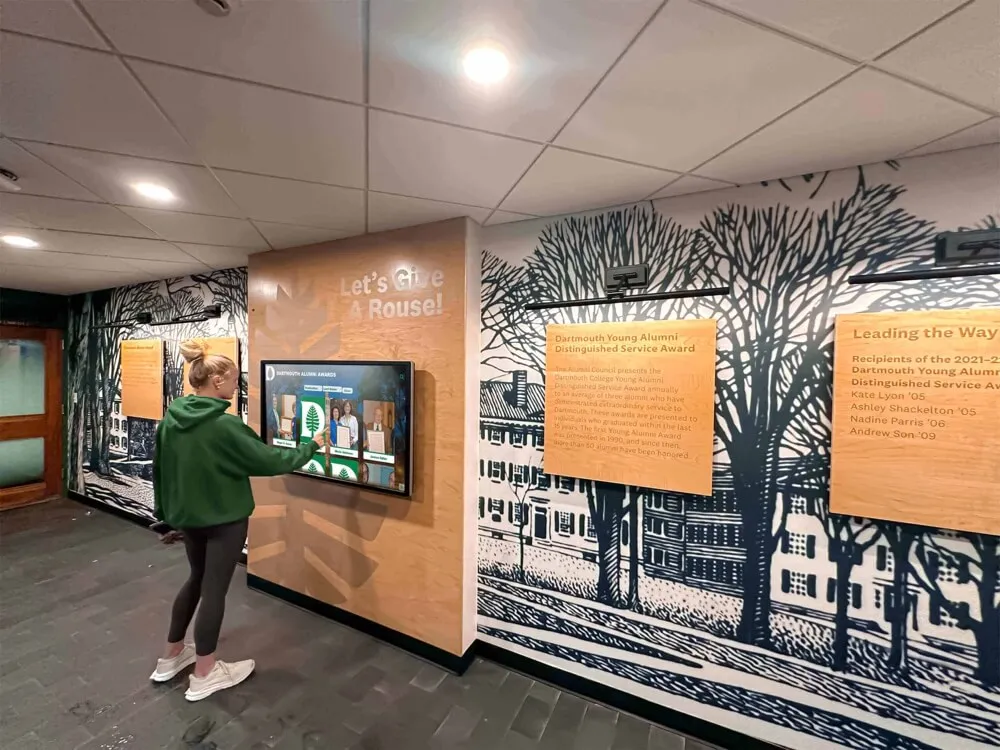
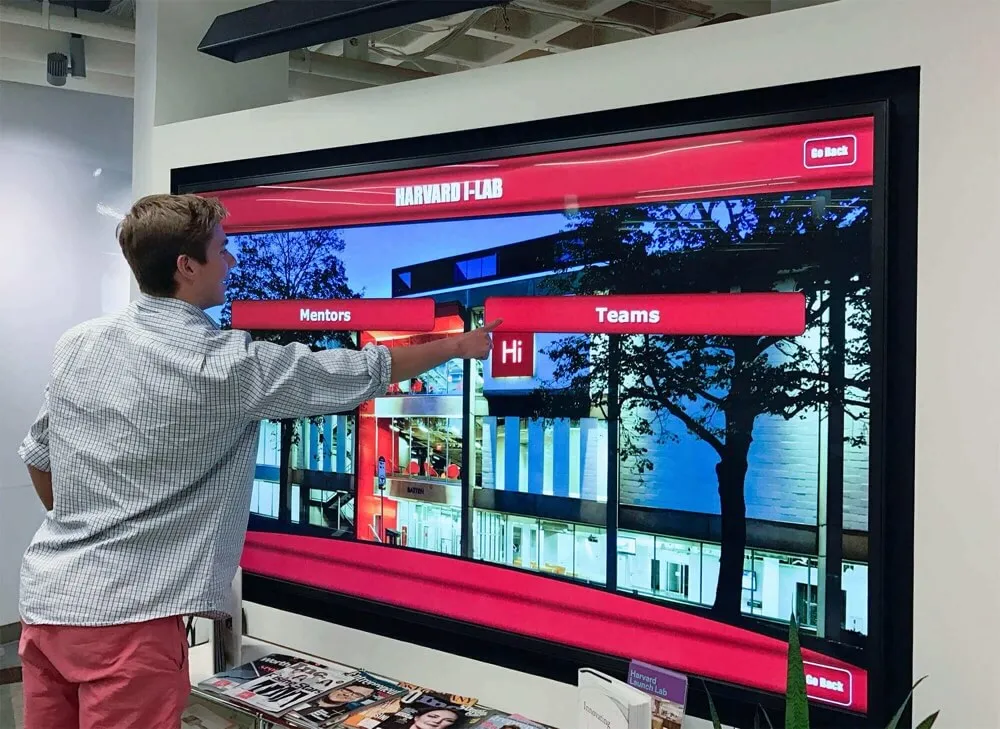
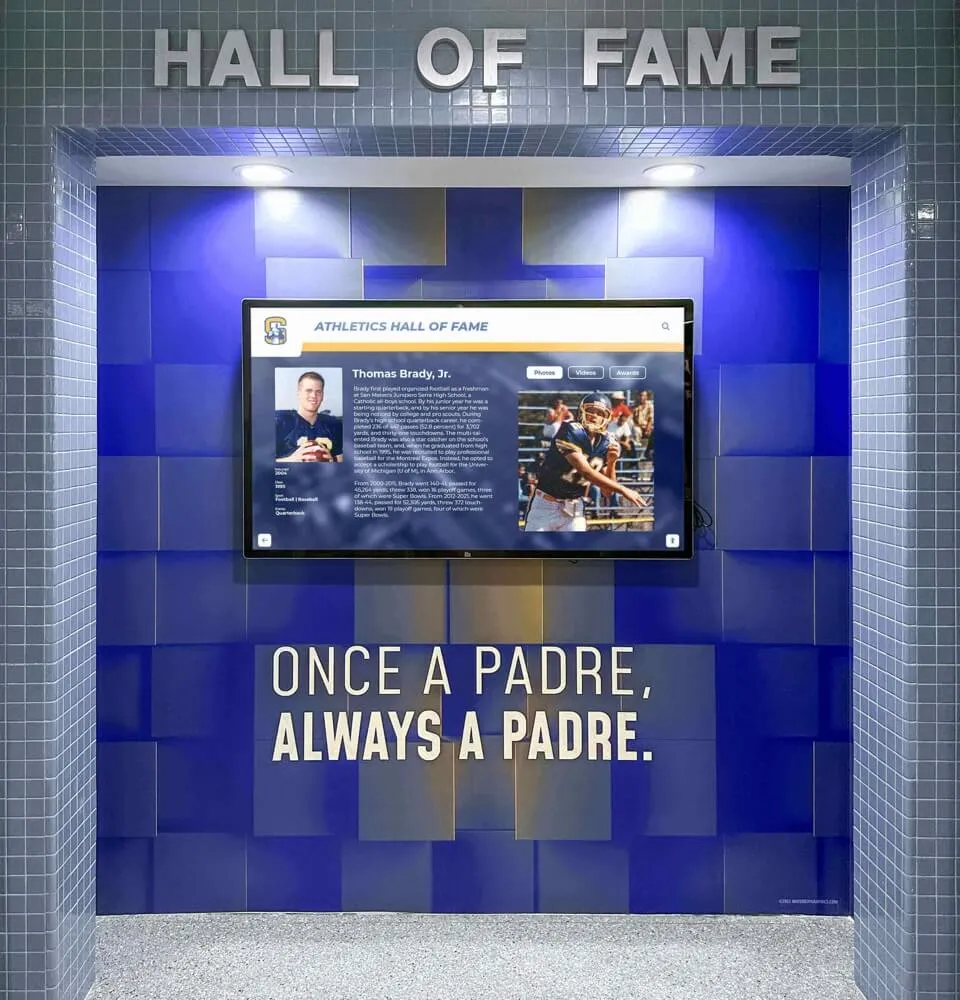
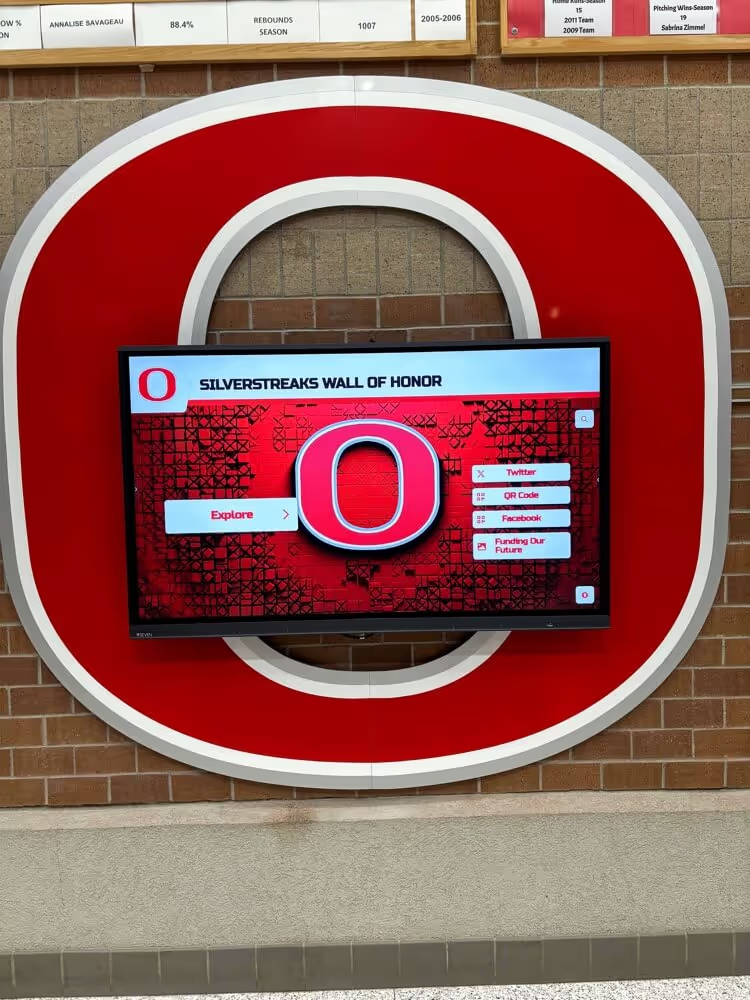
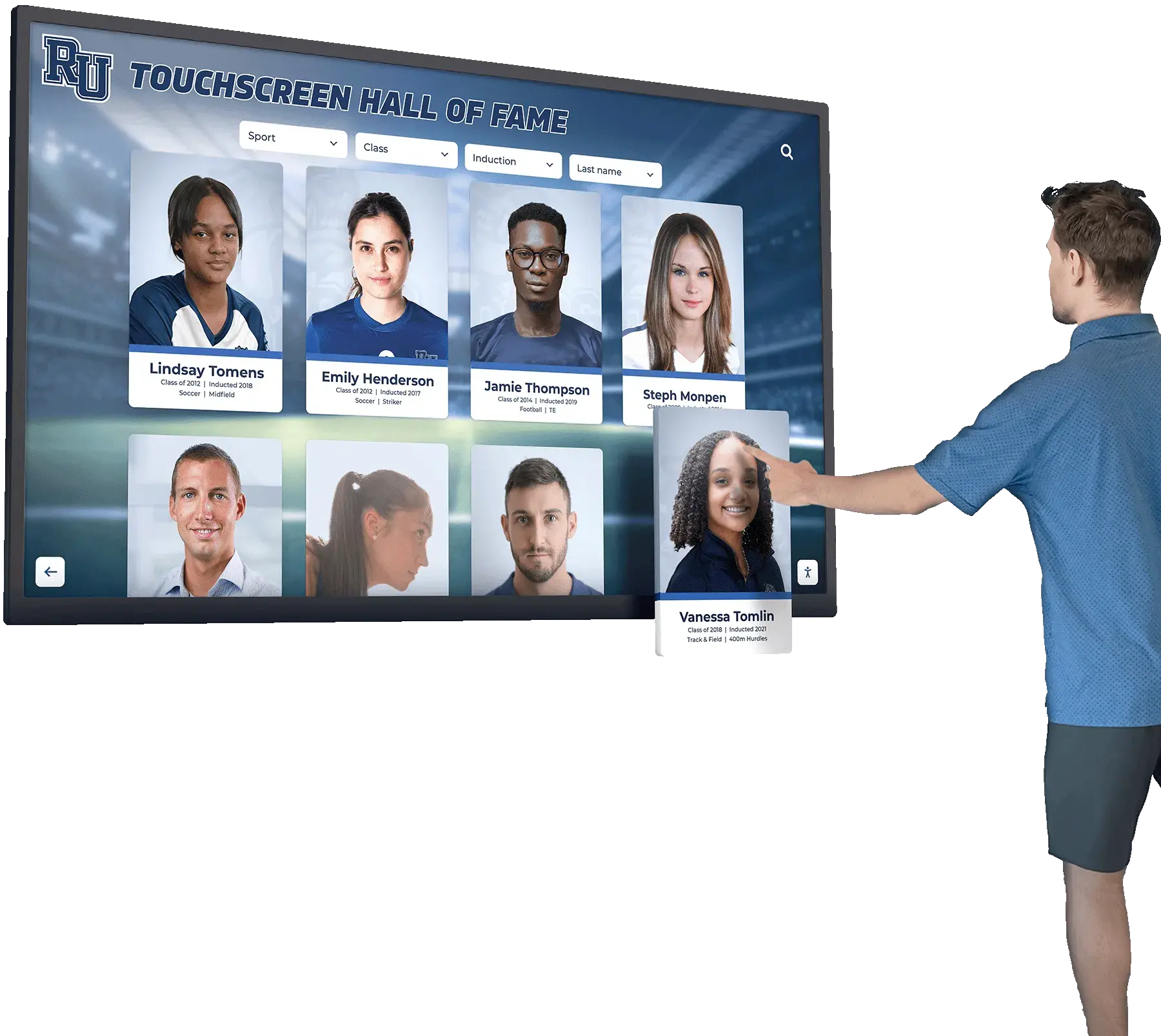
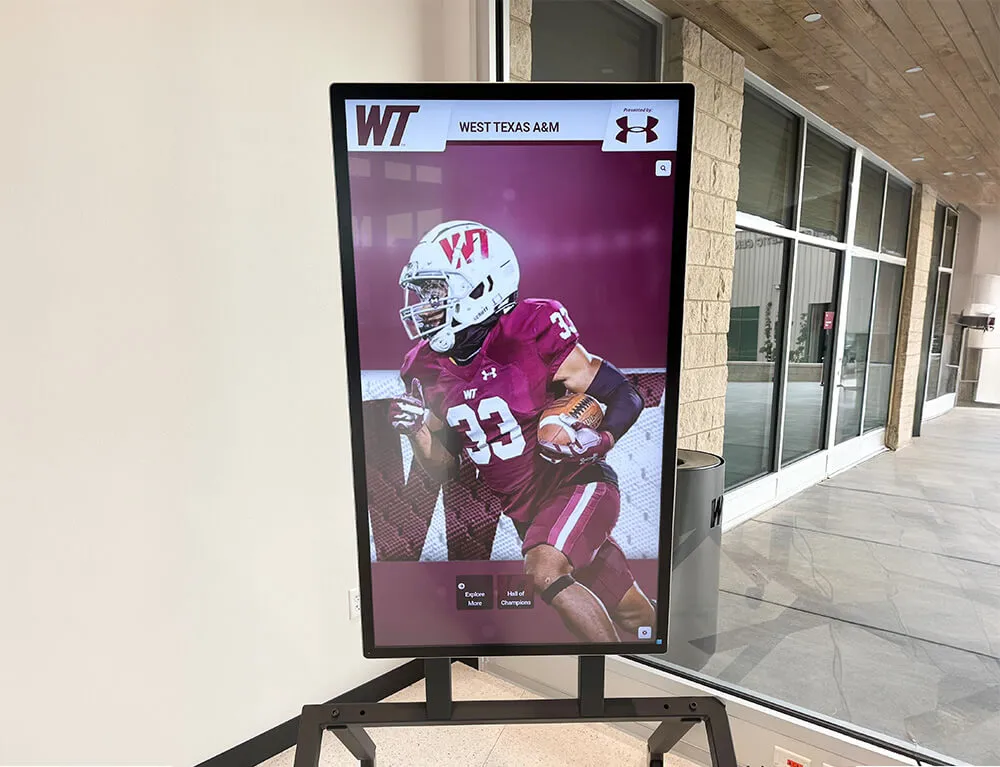
Permanent recognition spaces allow students to explore program history and honor those who competed before them
Starting a Mock Trial Program at Your School
Educators interested in launching a mock trial team can follow a straightforward path to getting started.
Step 1: Contact your state’s mock trial organization Almost every state has an official program, typically administered by the state bar association, a law-related education nonprofit, or the state’s judicial branch. A web search for “[your state] mock trial high school” will surface the organizing body and registration details.
Step 2: Recruit an attorney advisor Most programs require or strongly encourage teams to partner with a licensed attorney who volunteers as an advisor. State bar associations often maintain lists of volunteers willing to help school teams. The attorney advisor provides authentic courtroom knowledge the faculty coach may not have.
Step 3: Recruit your team Mock trial draws students from across the academic spectrum — debate veterans, drama students, government enthusiasts, and natural arguers all thrive. An open audition or informational session typically reveals strong candidates.
Step 4: Obtain the case materials and begin preparation Once registered, your team receives the case packet and can begin preparation. Most successful programs practice two to three times per week in the months leading to competition.
Step 5: Register for regional competition Follow your state organization’s registration deadlines and fee structures. Many programs offer fee waivers for schools with demonstrated financial need.
How Schools Can Honor Their Mock Trial Teams
This is where many schools leave significant opportunity on the table. Mock trial success — regional championships, state placements, individual attorney and witness awards — represents genuine academic achievement deserving permanent recognition. The challenge is creating recognition systems that give these accomplishments the same visibility traditionally reserved for athletic programs.
The Recognition Gap in Academic Competition
Walk through most school hallways and you will see banners, trophy cases, and display cabinets honoring state championship athletic teams from ten, twenty, or even thirty years ago. Rarely do you find equivalent permanent recognition for academic competition victories — even though mock trial state championships and national tournament placements represent extraordinary intellectual achievement that reflects on the school for years afterward.
Research on student motivation consistently shows that visible recognition increases participation in academic programs. When prospective students and their families see evidence that a school’s mock trial program has produced championships and individual award winners, recruitment becomes substantially easier.
Physical Recognition Options
Schools have several traditional approaches to honoring mock trial success:
Trophy displays Championship trophies, regional plaques, and individual Best Attorney or Best Witness awards deserve dedicated display space — not a shelf in a storage room. A dedicated case near the school’s main entrance or in a prominent hallway gives these achievements daily visibility. For schools evaluating display options, understanding digital trophy displays that showcase hidden achievements can help administrators choose between traditional and modern formats.
Championship banners Schools that reach state finals or achieve regional championships can commemorate those years with banners hung in the gymnasium, auditorium, or main hallway — the same treatment given to state athletic championships. A mock trial state championship banner is as genuine an institutional achievement as any athletic title. For schools planning to go this route, a review of high school championship banner printing costs, materials, and vendor options provides practical starting guidance.
Recognition walls Dedicated wall space listing championship years, individual award recipients, and notable tournament placements creates a historical record that inspires future teams. This can be as simple as engraved plaques or as sophisticated as a digital display system.
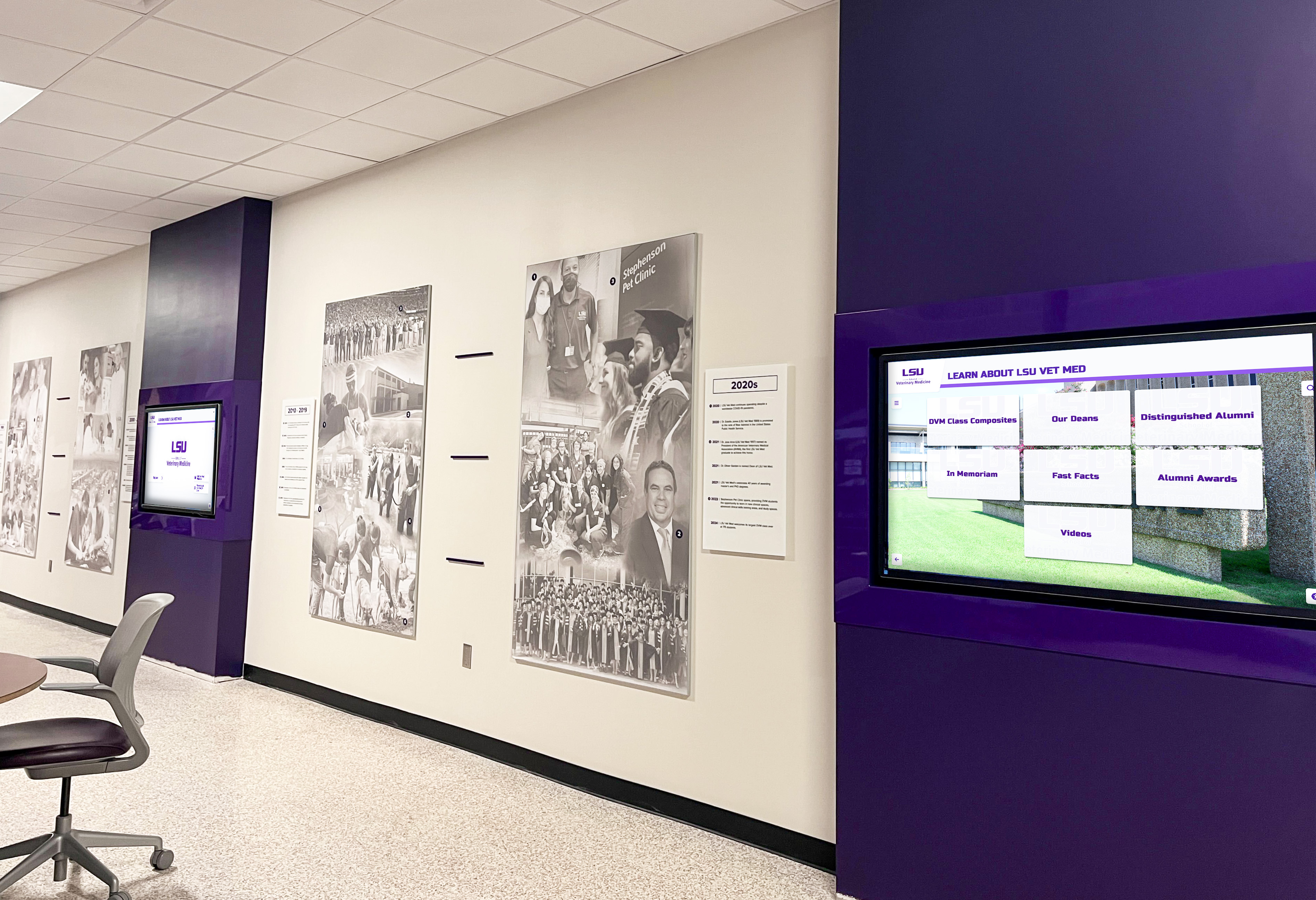
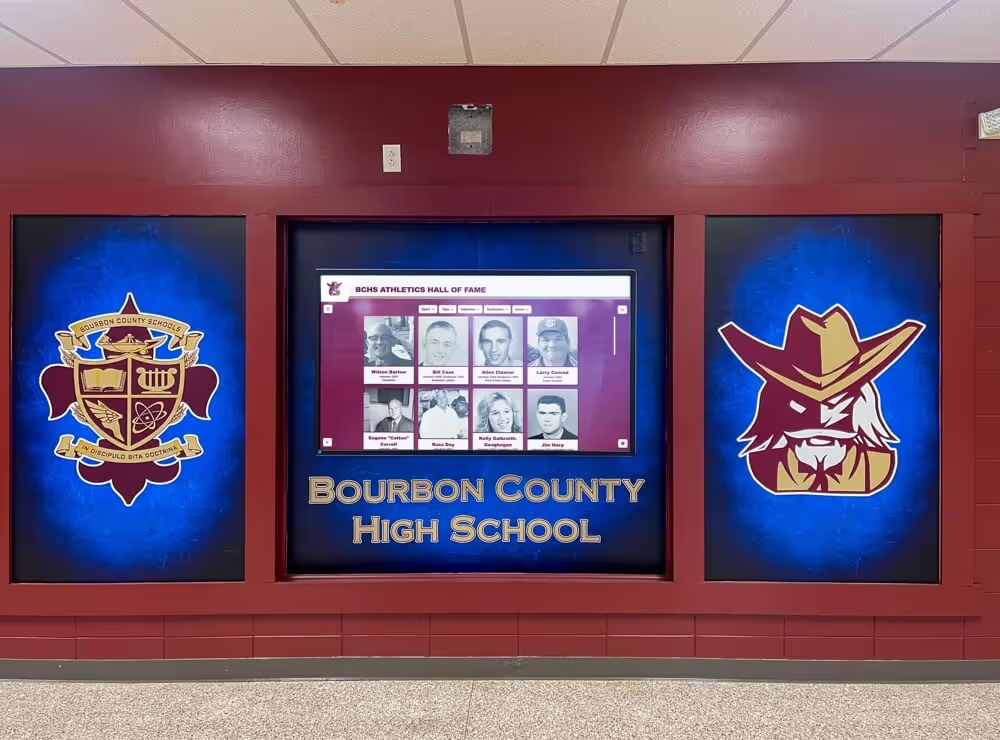
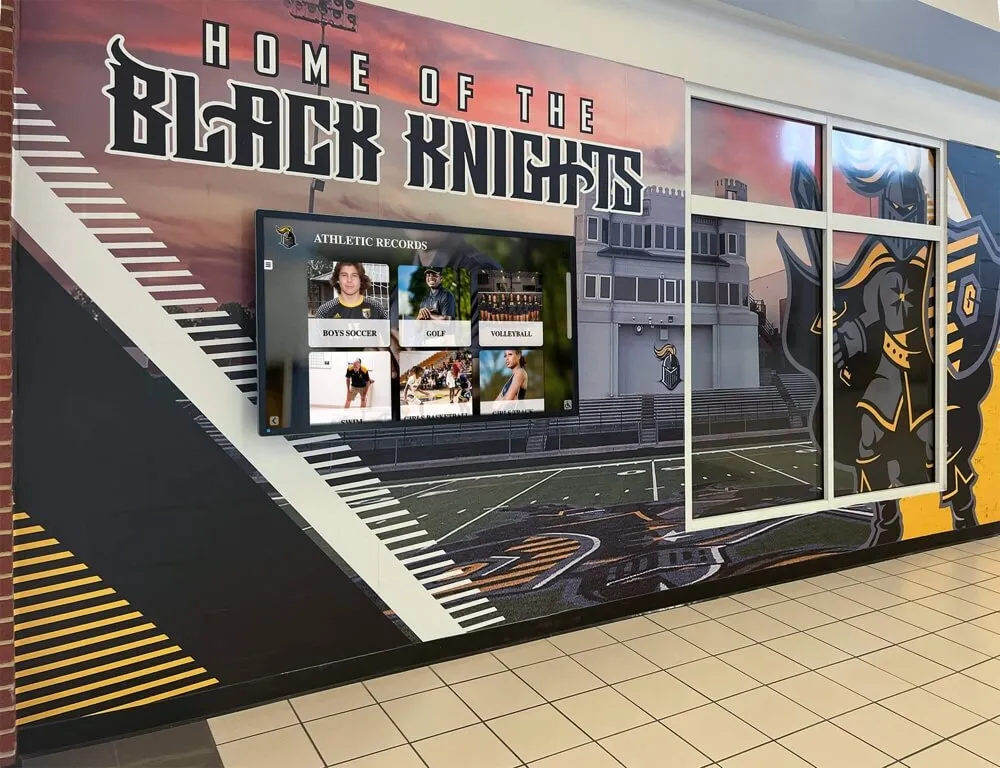
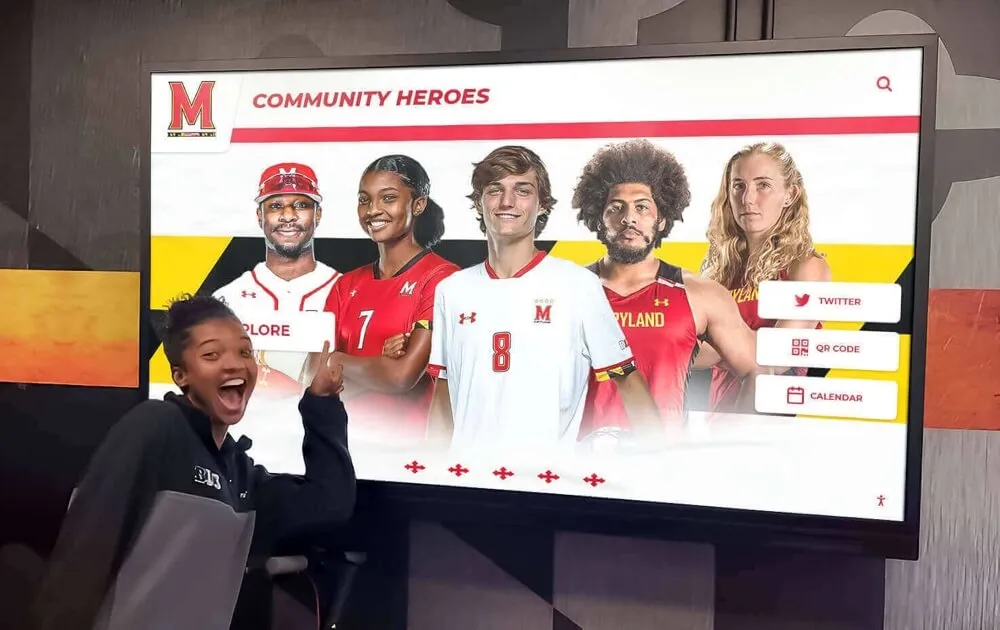
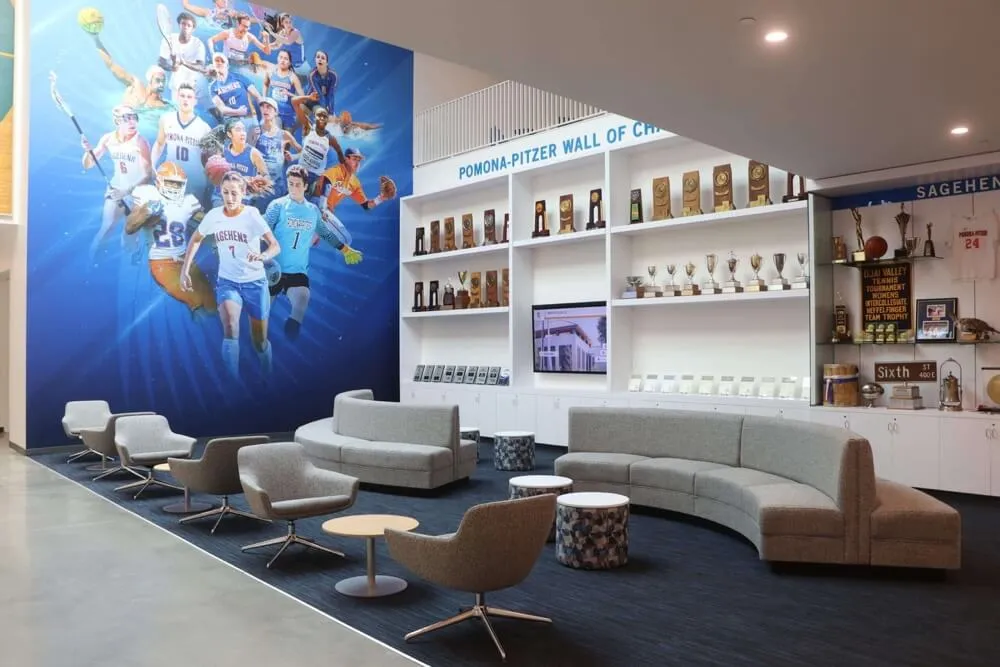
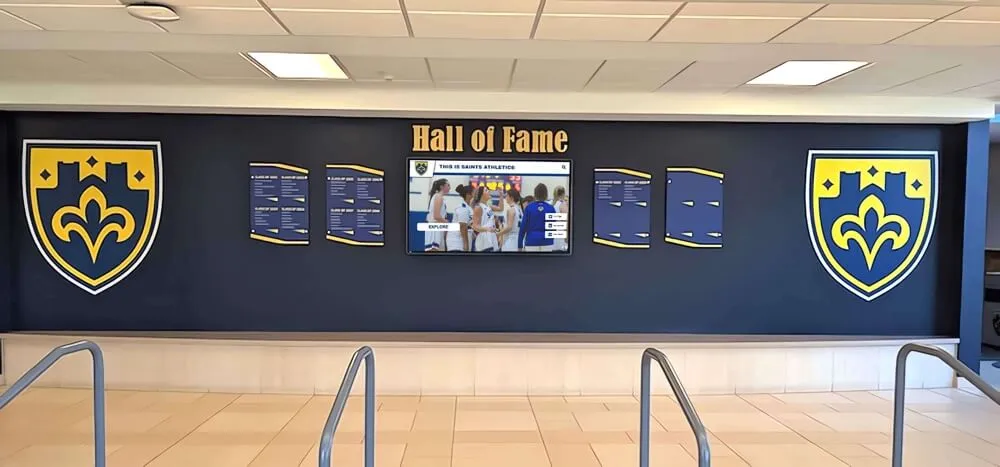
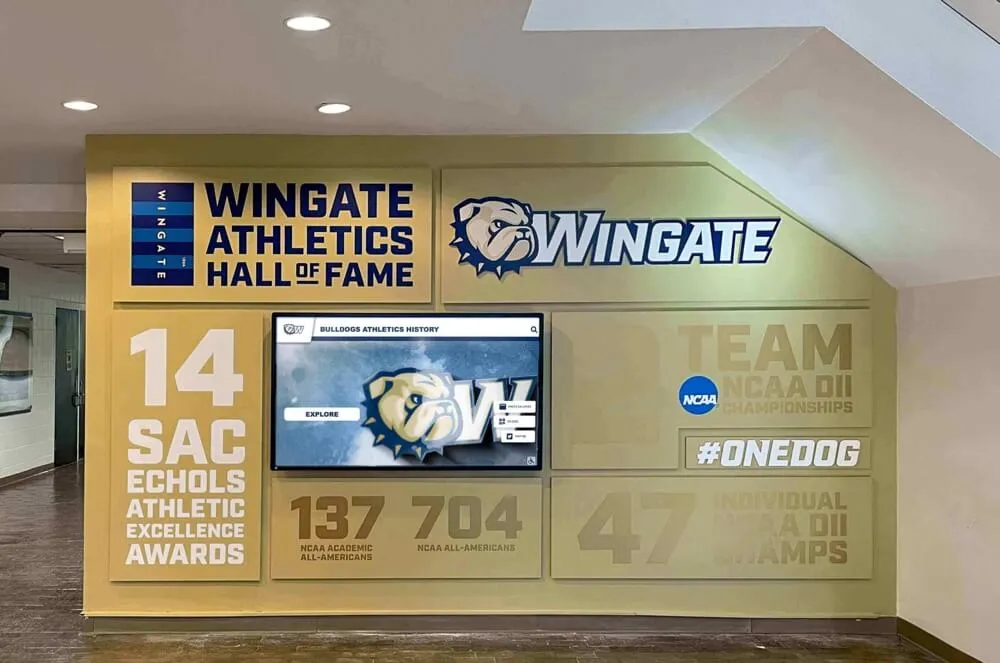
Digital display systems transform hallway spaces into year-round recognition environments for academic and athletic programs alike
Digital Recognition for Mock Trial Programs
Modern digital recognition platforms address a fundamental limitation of physical displays: space. A single trophy case can showcase only a handful of trophies. A static plaque wall captures only the most prominent wins. Digital displays eliminate these constraints entirely.
Solutions like those offered by Rocket Alumni Solutions allow schools to create interactive touchscreen experiences where every mock trial team member, every Best Attorney and Best Witness recipient, and every championship year is permanently displayed and searchable. A student who competed in 2015 can find their name and photo alongside the current team’s achievements.
For mock trial programs specifically, digital displays can showcase:
- Championship year archives — every season’s tournament results and placements
- Individual award winners — Best Attorney, Best Witness, Best Advocate awards by year
- Team rosters — photos and names of every student who competed
- Notable alumni — team members who went on to careers in law, policy, or related fields
- Program milestones — first state appearance, first national qualification, coach tenure
This kind of comprehensive recognition communicates to prospective students, parents, and community members that the program has a serious tradition worth joining.
When comparing digital and traditional approaches, it helps to review how digital hall of fame displays compare to traditional trophy cases in school hallways — the tradeoffs in visibility, cost, and long-term flexibility are significant.
Recognition Ceremonies for Mock Trial
Many schools hold end-of-season banquets or recognition ceremonies for athletic teams. Extending this tradition to mock trial creates a formal moment where student achievements are celebrated in front of family, faculty, and peers.
Elements of an effective mock trial recognition ceremony:
- Review the season’s competitive record — wins, placements, tournament highlights
- Present individual awards — recognize Best Attorneys and Best Witnesses from each round
- Acknowledge graduating seniors — their competitive careers deserve a proper sendoff
- Introduce new team leadership — captains or student coaches for the next season
- Display achievements — have the season’s trophies and plaques visible during the event
For inspiration on recognition ceremony speeches and presentations, award acceptance speech examples for school teams offer a practical template for both coaches presenting awards and students receiving them.
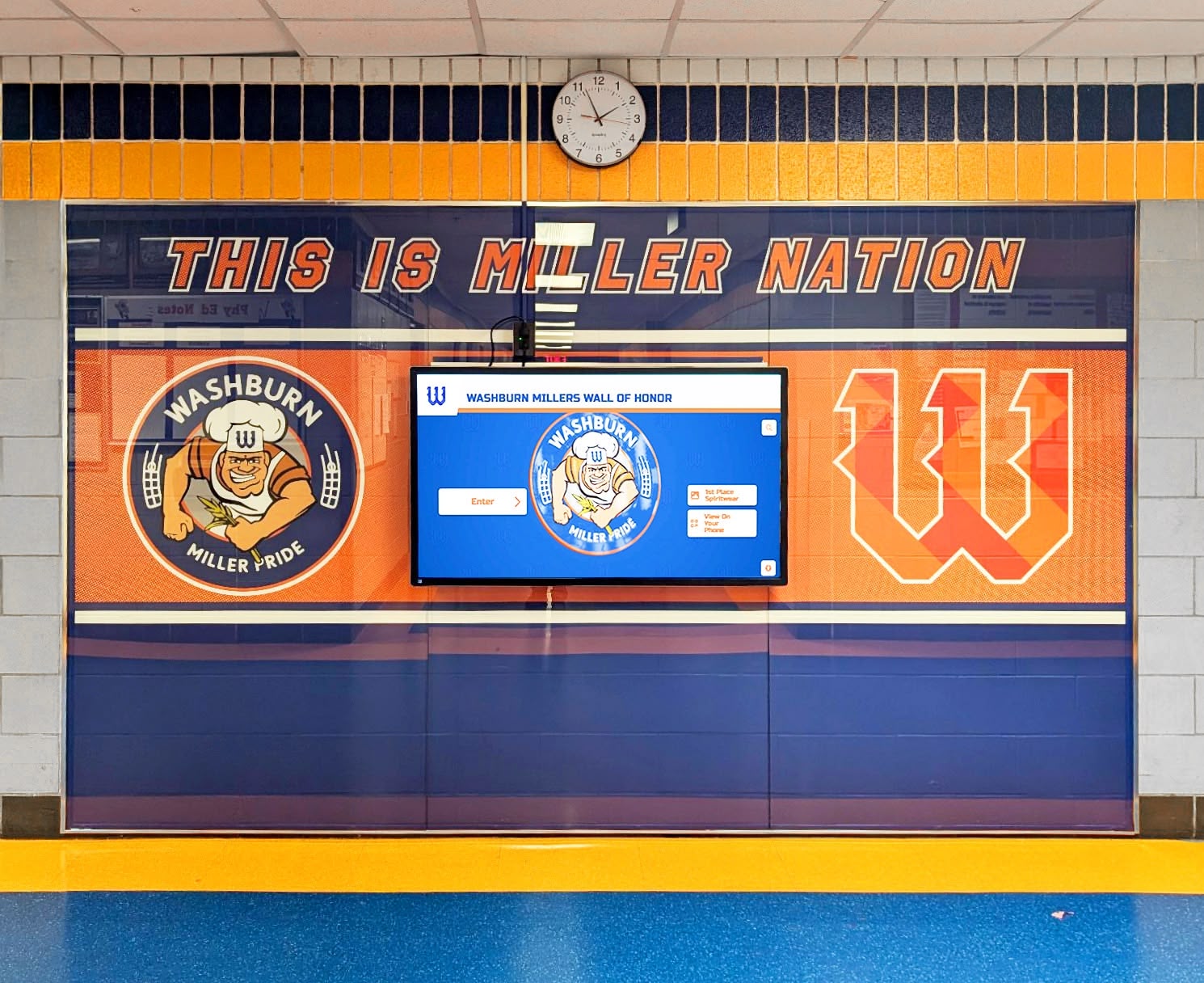
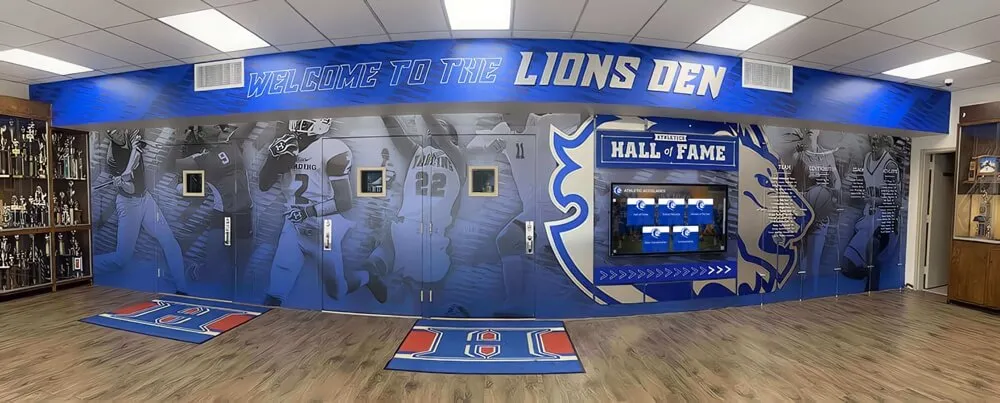
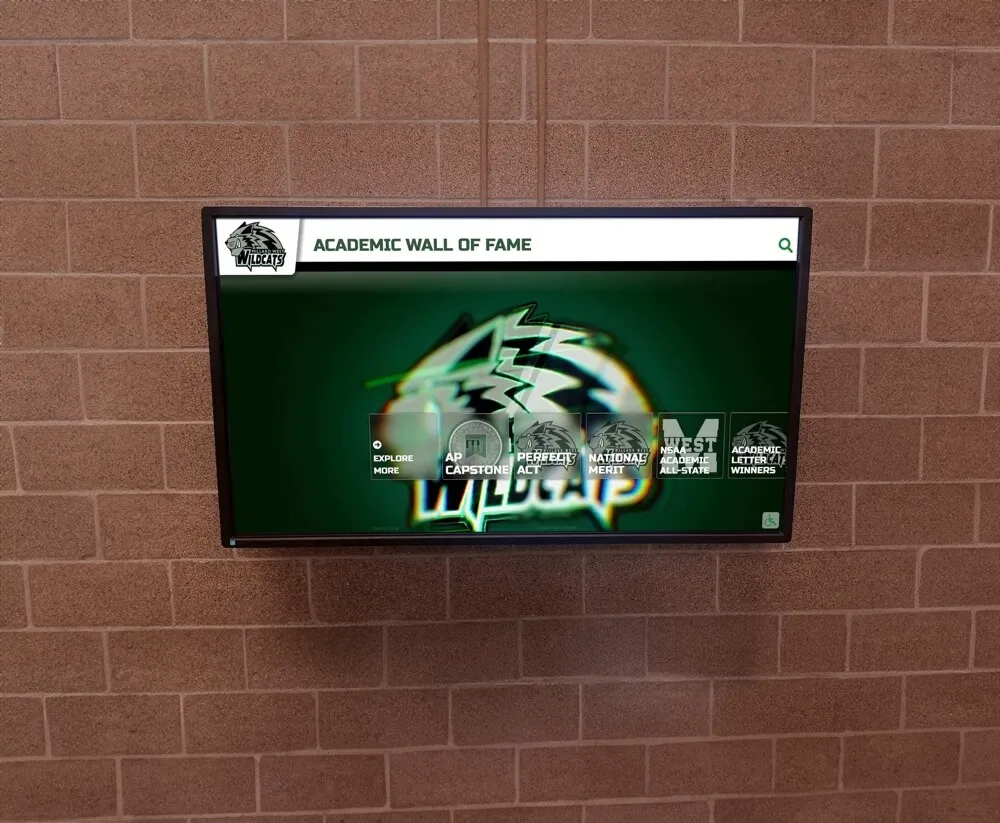
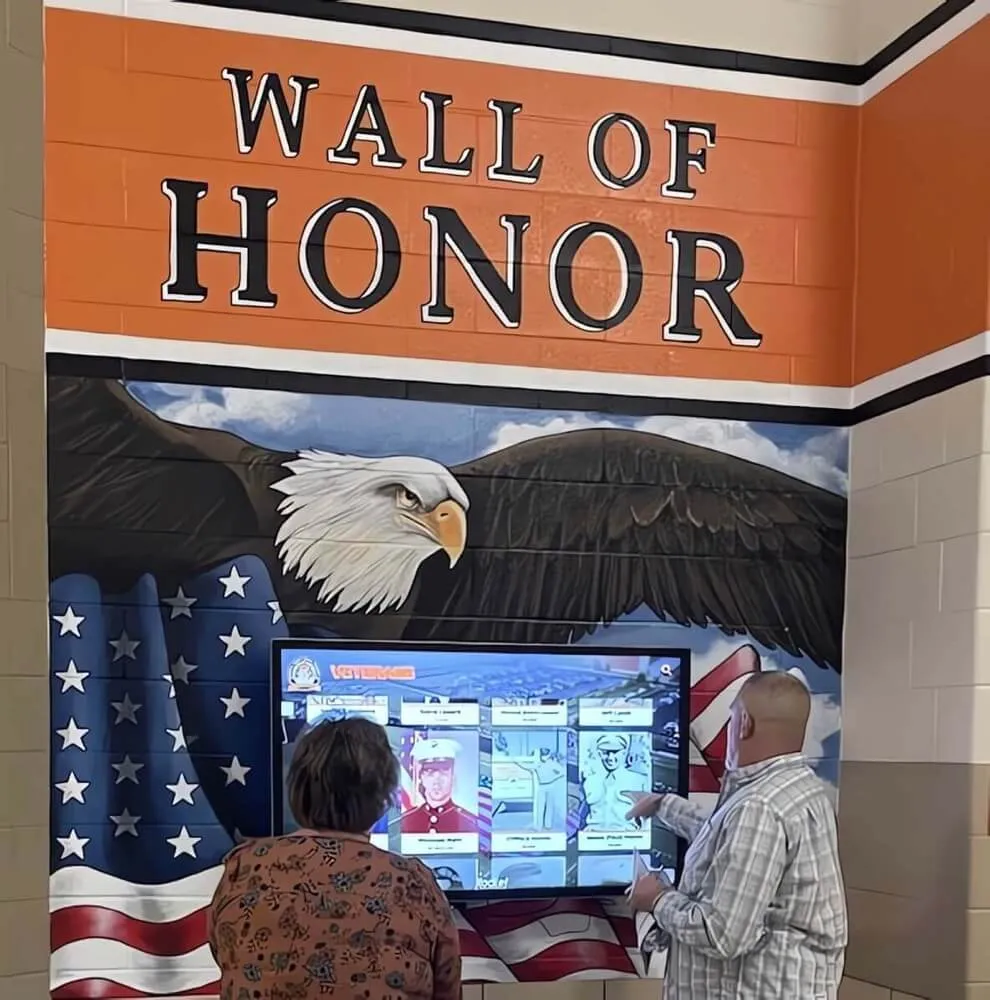
Permanent wall-of-honor installations give mock trial programs the same visible legacy as championship athletic teams
Connecting Mock Trial Recognition to Broader Academic Display Strategy
Mock trial sits within a broader category of academic competition achievement — alongside academic decathlon, debate, science olympiad, and other programs — that schools often recognize inconsistently. The most effective approach treats all academic competition achievement with the same systematic display strategy applied to athletics.
Schools that have implemented this approach report stronger program recruitment, higher student participation, and increased community awareness of academic achievement. Programs like National Merit Scholar recognition through touchscreen displays demonstrate how schools are applying the same visibility standards across all forms of academic excellence.
For guidance on school lobby and hallway display strategy that can integrate mock trial recognition naturally into your building’s recognition spaces, high school lobby recognition displays that welcome students and visitors offers practical starting points for any school reimagining its entrance spaces.
Frequently Asked Questions
What is mock trial in high school?
Mock trial in high school is a competitive academic program in which student teams simulate a civil or criminal trial using a fictional case packet. Students play attorney and witness roles, arguing before panels of real attorneys and judges who score their legal technique, persuasiveness, and courtroom knowledge. Teams compete at regional, state, and national levels. The program is typically organized through state bar associations or law-related education nonprofits.
How are mock trial teams judged?
Mock trial judges — usually practicing attorneys or law students — score students on persuasiveness of arguments, knowledge of case facts, proper use of courtroom procedure, quality of witness examination, and overall presentation. Individual awards for Best Attorney and Best Witness are determined by cumulative scoring across rounds. Team rankings are based on total points accumulated during competition, with win-loss records sometimes used as a tiebreaker.
What roles exist on a mock trial team?
A standard mock trial team includes attorney roles (opening statement, direct examination, cross-examination, and closing argument) and witness roles (fact witnesses and expert witnesses). Teams typically field six to twelve students, with each student assigned to one or more roles. Some competitions also include a presiding officer role played by a student.
How is mock trial different from debate?
Mock trial simulates a courtroom proceeding with specific legal rules, witness testimony, physical evidence, and formal procedure. Debate focuses on policy propositions argued through speeches and rebuttals without witnesses or evidence. Mock trial requires students to master courtroom objections, witness examination technique, and case theory, while debate emphasizes research, argumentation structure, and rebuttal strategy.
How do schools recognize mock trial achievements permanently?
Schools can honor mock trial success through dedicated trophy cases, championship banners, engraved recognition walls, and digital display systems. Digital platforms allow unlimited recognition capacity — every season’s results, every individual award winner, every team roster — all searchable and permanently accessible to students, families, and alumni. This approach gives mock trial achievements the same lasting visibility traditionally reserved for athletic championships.
Conclusion: Mock Trial Deserves Lasting Recognition
What is mock trial? It is one of the most intellectually demanding academic competitions available to students — a program that builds legal reasoning, public speaking, research, and teamwork through the authentic pressure of courtroom simulation. Students who compete in mock trial develop skills that serve them in law, business, government, education, and virtually any field requiring clear thinking under pressure.
Schools that invest in building strong mock trial programs owe it to those students to recognize their achievements with permanence and visibility equal to any other competition their institution sponsors. Championship trophies, state placements, and individual awards represent genuine institutional excellence that deserves display on your walls for decades — not storage in an office closet.
Modern digital recognition systems make comprehensive, lasting mock trial recognition achievable without significant administrative burden. From championship banners to interactive touchscreen displays where visitors can explore every team’s history, these tools close the recognition gap between academic competition and athletics.
Give Your Mock Trial Team the Recognition They've Earned
Explore how modern digital display solutions can create permanent, impressive recognition for your academic competition teams — including mock trial, academic decathlon, debate, and more.
Explore Recognition SolutionsWhen schools celebrate mock trial achievements with the same intentionality as athletic success, they communicate something important to every student in the building: intellectual excellence is worth pursuing, and the people who pursue it with discipline and dedication will be honored here. That message changes school culture in ways that extend far beyond the courtroom simulation.